
Would you like to save this?
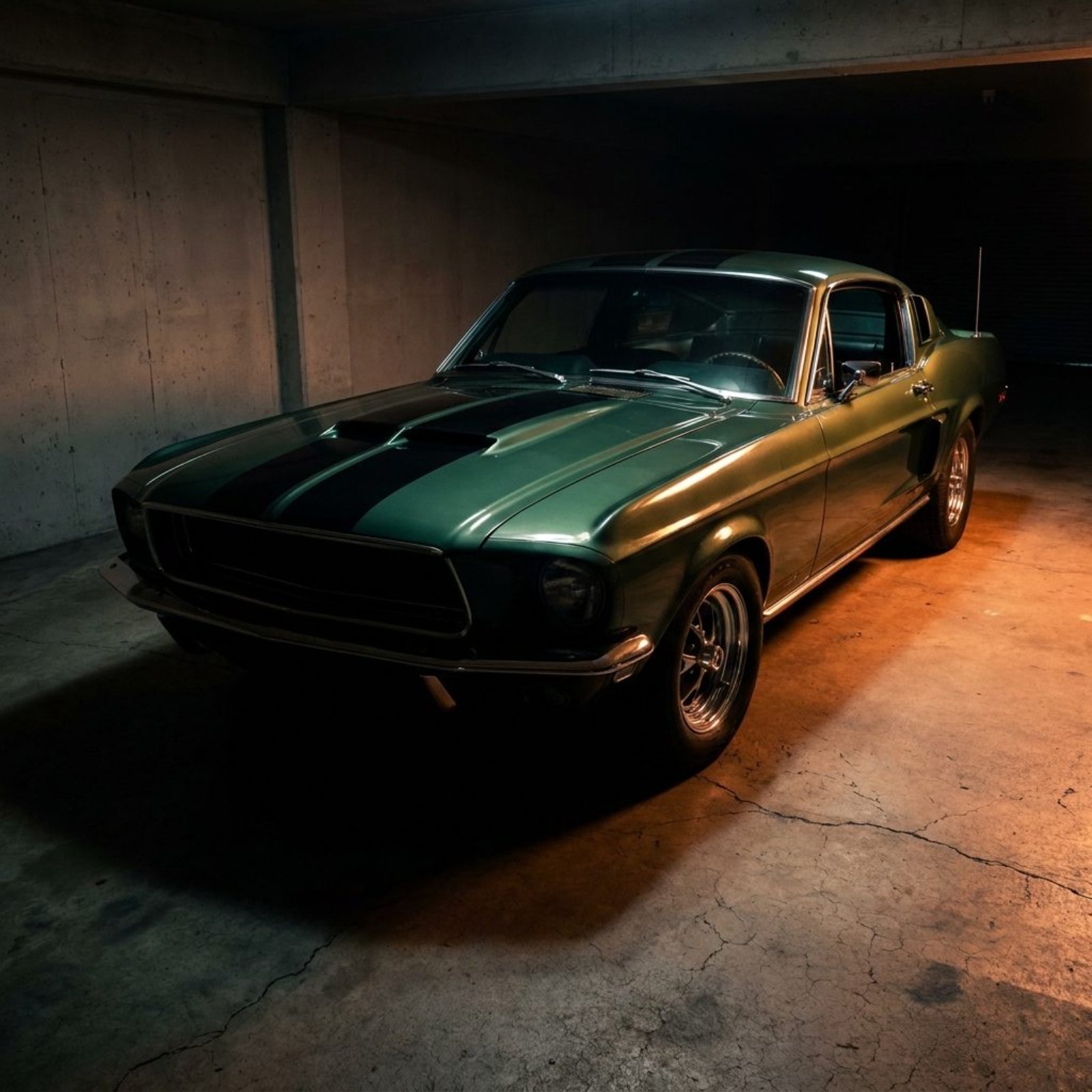
The 1968 Shelby GT500 was not simply a nicer Mustang. Ford and A.O. Smith rebuilt it from a different set of assumptions, fitting Shelby-specific fiberglass, trim, lighting, gauges, available Shelby wheels, and a 428-cubic-inch V8 under a hood that barely contained it. The result looked familiar from a distance and increasingly un-Mustang-like the closer you got. These are the 20 details that made it exactly that.
20. The Sequential Taillights That Turned Every Lane Change Into Theater
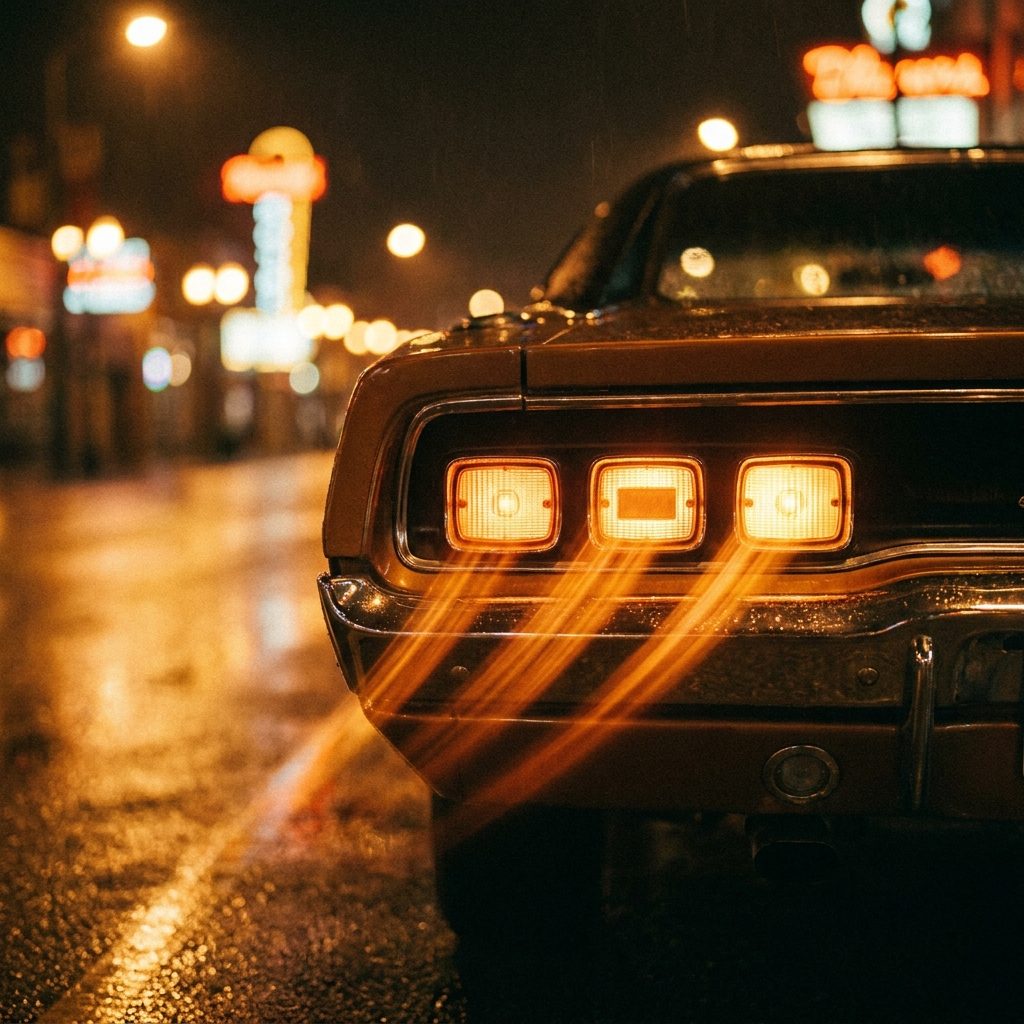
The 1968 Shelby used a full-width rear treatment built around Thunderbird-style taillights. Three red segments on each side swept outward in sequence whenever the driver touched the turn-signal stalk.
That flourish mattered. Most American cars still announced a lane change with one blinking bulb behind a chrome bezel. The Shelby sent a red wave across the rear panel and made even a routine turn feel rehearsed.
19. The 428 Cobra Jet That Arrived Midyear and Created the GT500KR
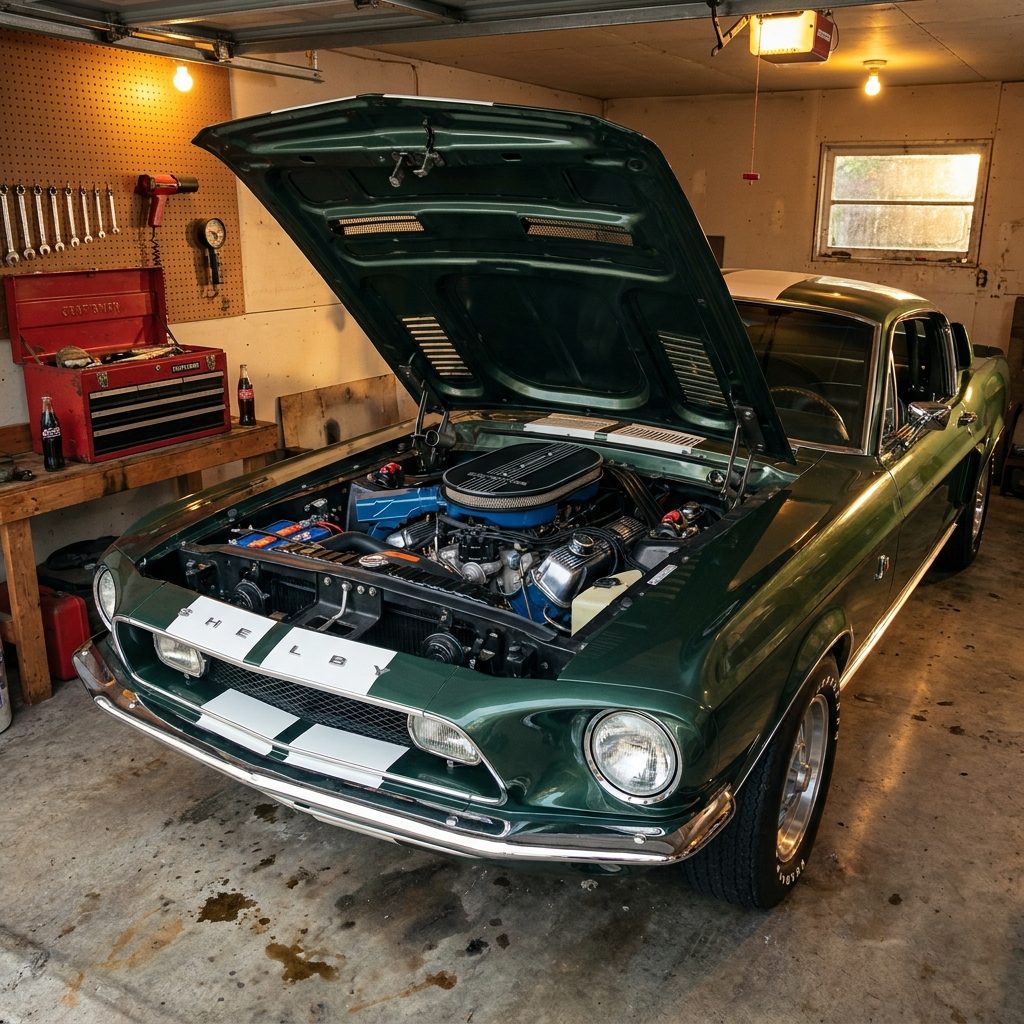
The standard 1968 GT500 began the model year with Ford’s 428 Police Interceptor. Then the 428 Cobra Jet arrived during production and changed the nameplate with it.
The Cobra Jet brought freer-breathing cylinder heads, larger valves, and a ram-air system on the KR. Ford rated it at 335 horsepower, a figure period enthusiasts widely regarded as conservative. Cars fitted with the new engine became the GT500KR: King of the Road.
18. The Fiberglass Hood With Scoops That Were More Than Decoration
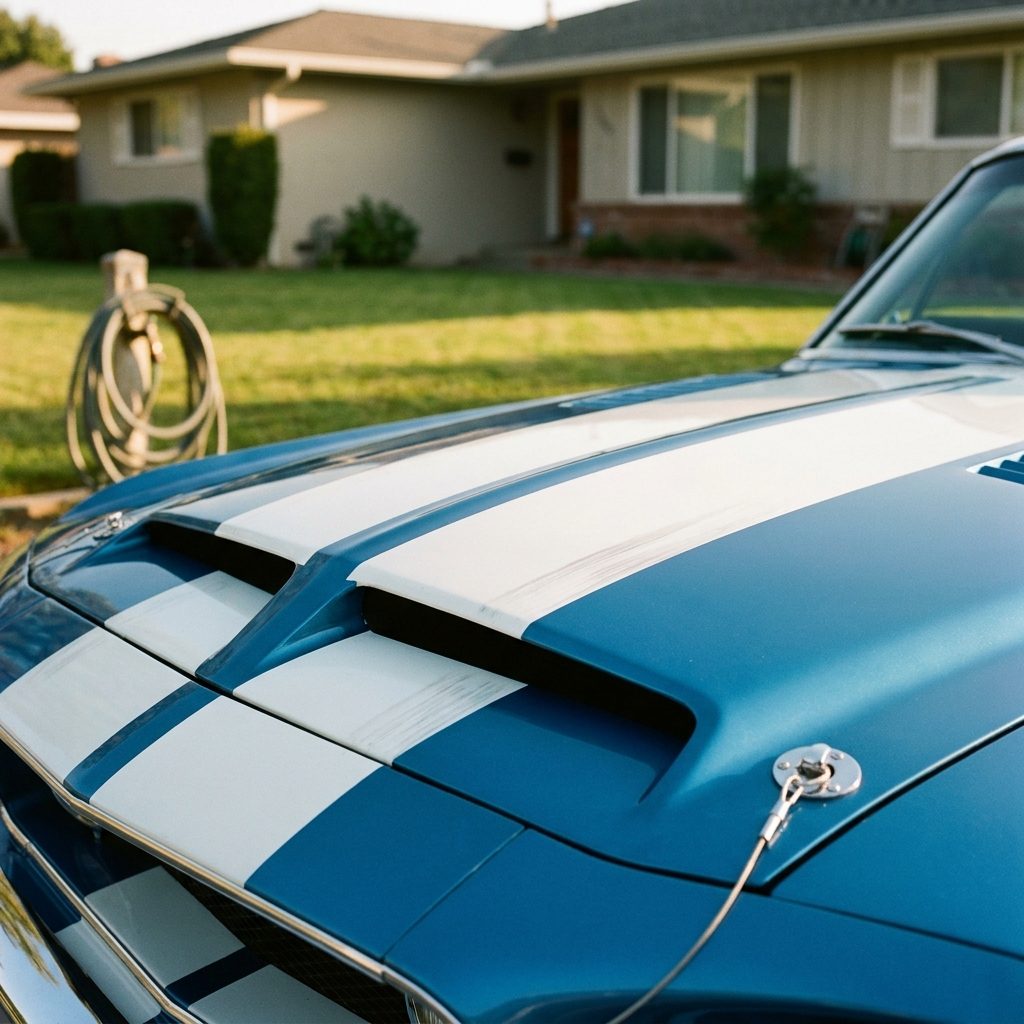
Fiberglass helped distinguish the Shelby from a standard Mustang before the hood was even opened. The scoops were real openings rather than stamped suggestions, and on Cobra Jet-powered KR cars they fed the ram-air system.
Lift the hood and daylight reached the engine bay from above. At a drive-in, that was enough to pull a small crowd before anyone had even read the badges.
17. The Factory Paper Trail That Separates a Real Shelby From a Story
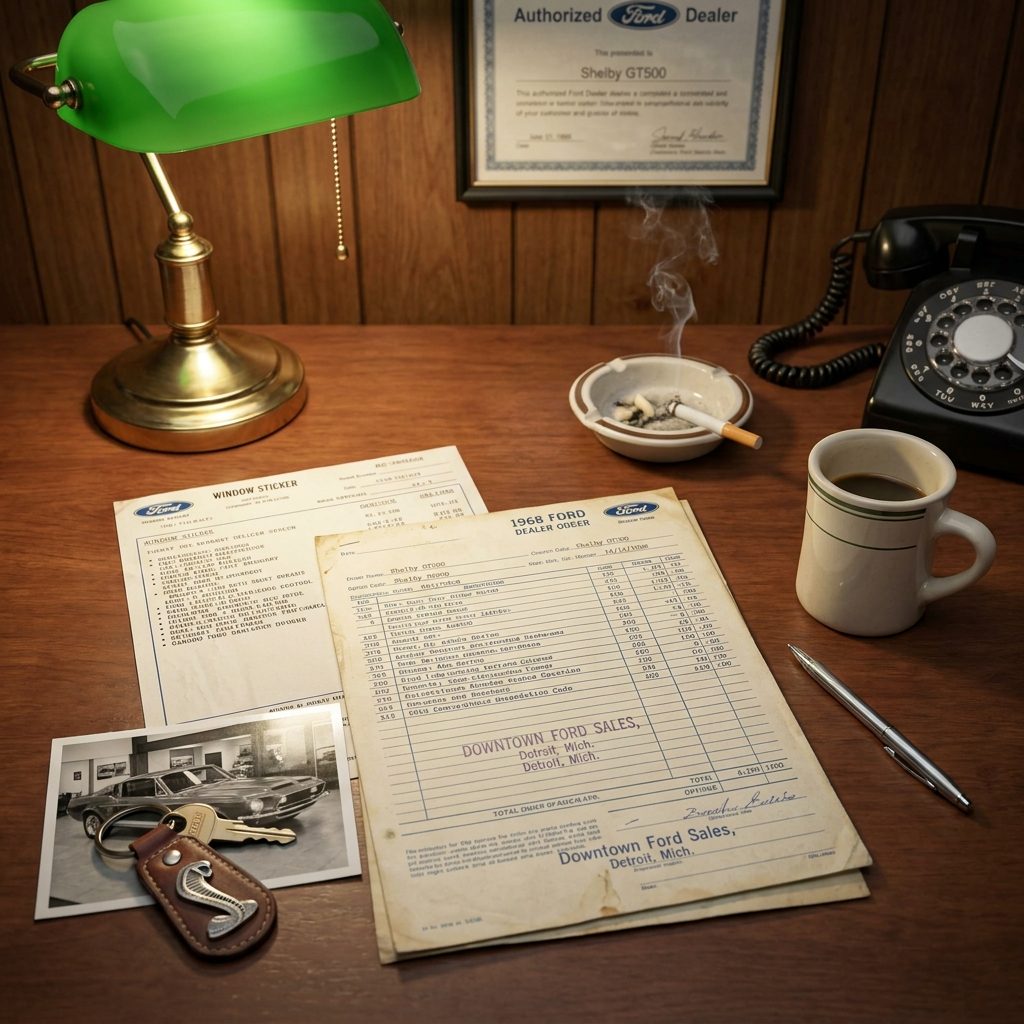
A 1968 Shelby is not authenticated by one piece of paper alone. Ford production records, Shelby serial information, original build paperwork, hidden stampings, and surviving components all contribute to the car’s identity.
That is where modern Marti Reports enter the picture. They draw from licensed Ford production data and can confirm how a specific car was ordered, including paint, trim, transmission, axle, and other factory details.
The paperwork matters because these cars have been cloned, rebodied, restored, and modified for decades. A documented car tells a story. An undocumented one begins an argument.
16. The Rocker Stripes That Put GT500 Right on the Side of the Car
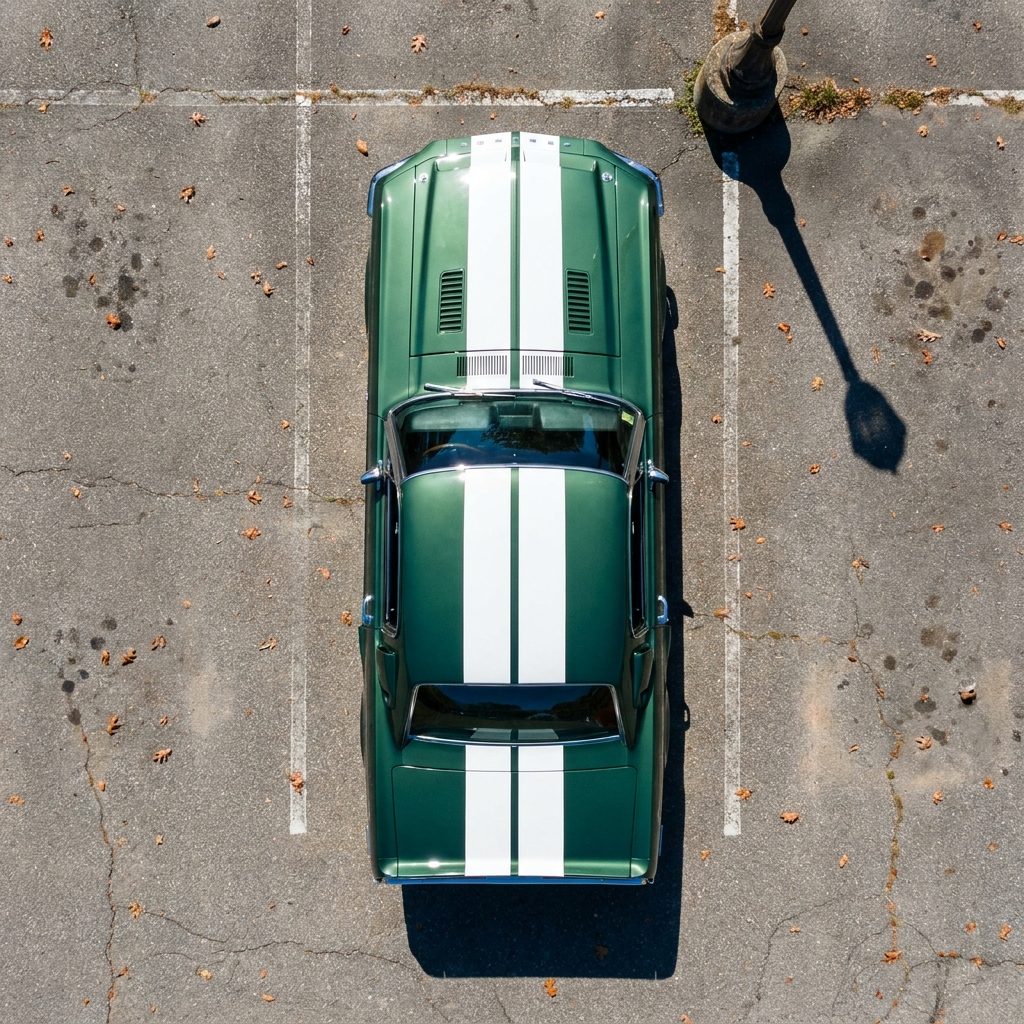
The factory visual signature ran low along the body. Shelby rocker stripes stretched between the wheel openings and put the GT500 name where nobody could miss it.
The twin over-the-top stripes commonly seen on restored examples were not a regular 1968 factory treatment. The side stripes did the official work, giving the long fastback body a lower, faster-looking line without pretending it had just come off a Le Mans grid.
15. The Stewart-Warner Gauges That Made the Console Feel Like a Cockpit
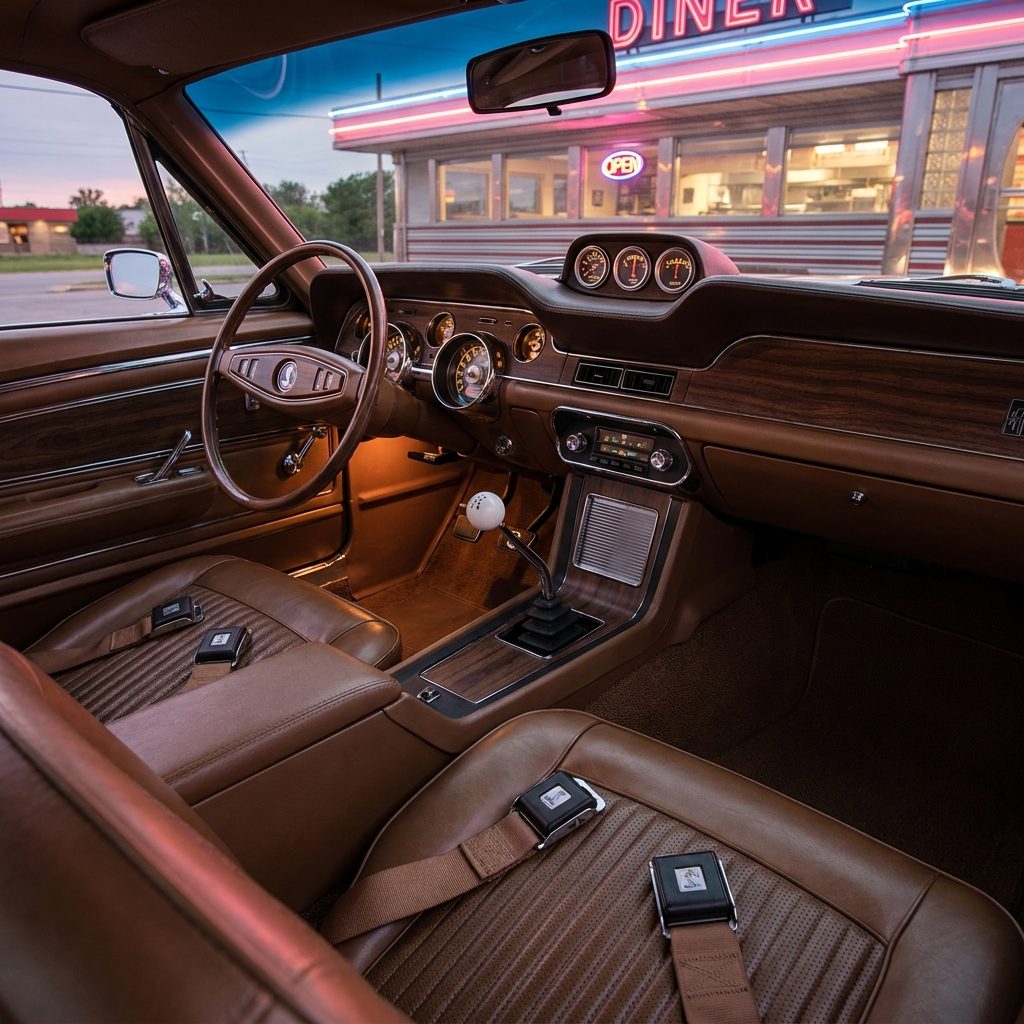
The Stewart-Warner gauges were the tell. Oil-pressure and charging-system gauges sat in the wood-grain console, immediately separating the driver’s view from that of an ordinary Mustang.
Then came the wood-rimmed steering wheel with its Cobra emblem, the Hurst shifter rising from the console, and the integrated shoulder harnesses fitted to fastbacks. The car still carried Ford switchgear and vinyl, but the Shelby-specific pieces changed the mood completely.
14. The Marchal and Lucas Lamps That Changed During Production
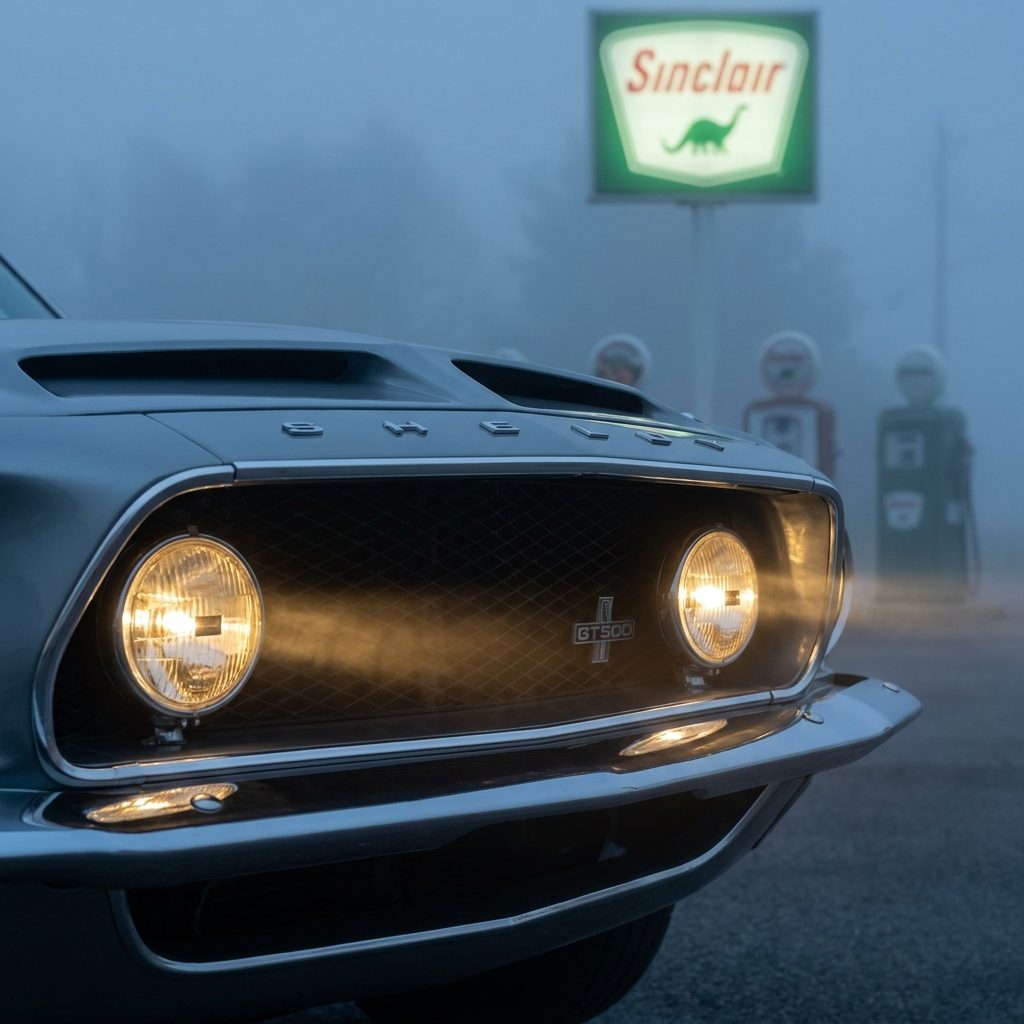
Early 1968 Shelbys used Marchal auxiliary lamps in the grille. Later cars switched to Lucas Square 8 units.
Collectors notice the difference immediately. The lamps sit in the same general visual zone, but their shape and hardware can help place a car within the model year’s production run before anyone starts checking dates and serial numbers.
13. The Convertible’s Padded Roll Bar and Shoulder-Harness Mount
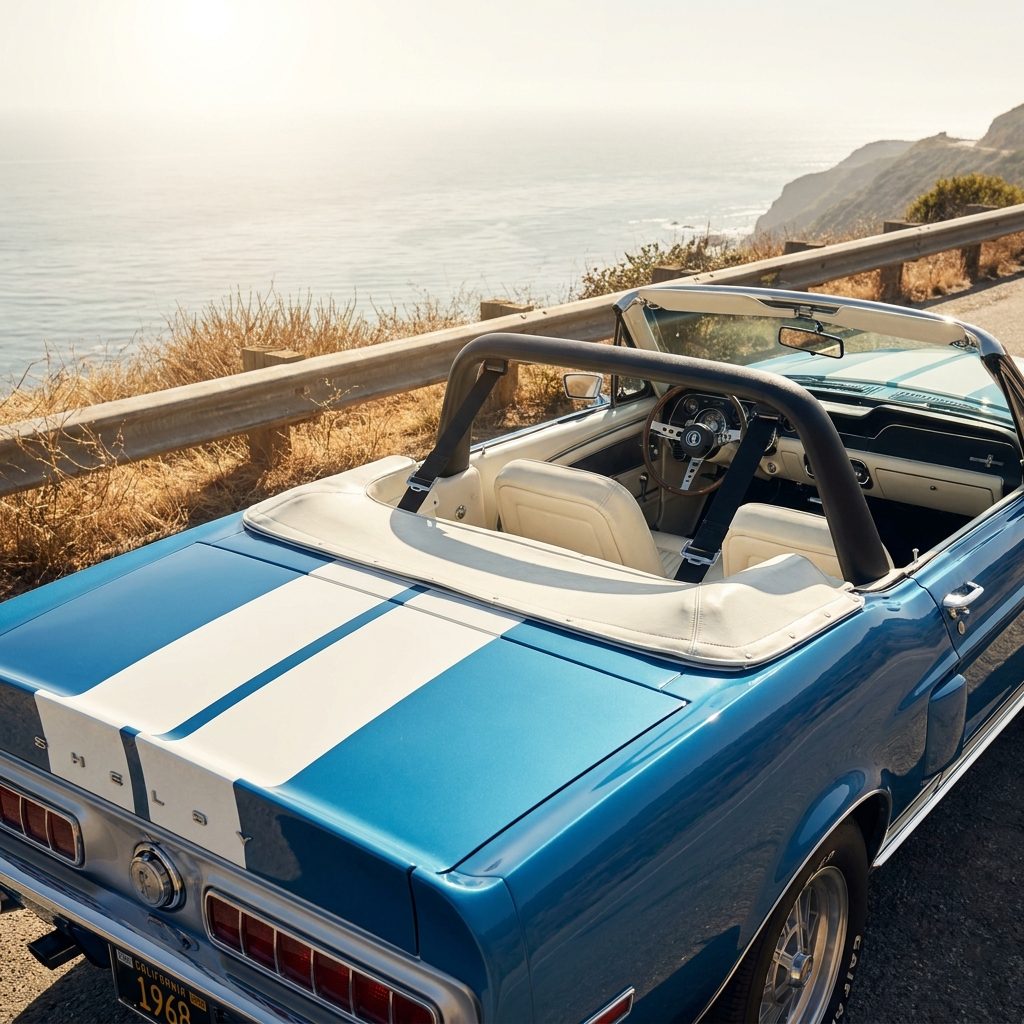
The convertible carried a padded roll bar that created a substantial cross-car presence behind the seats and gave the shoulder harnesses a mounting point. It was an unusually serious-looking piece of equipment in an American open car of the period.
The bar did not turn the GT500 into a modern rollover-protected car, but it made the cabin look ready for more than a slow cruise along the boulevard.
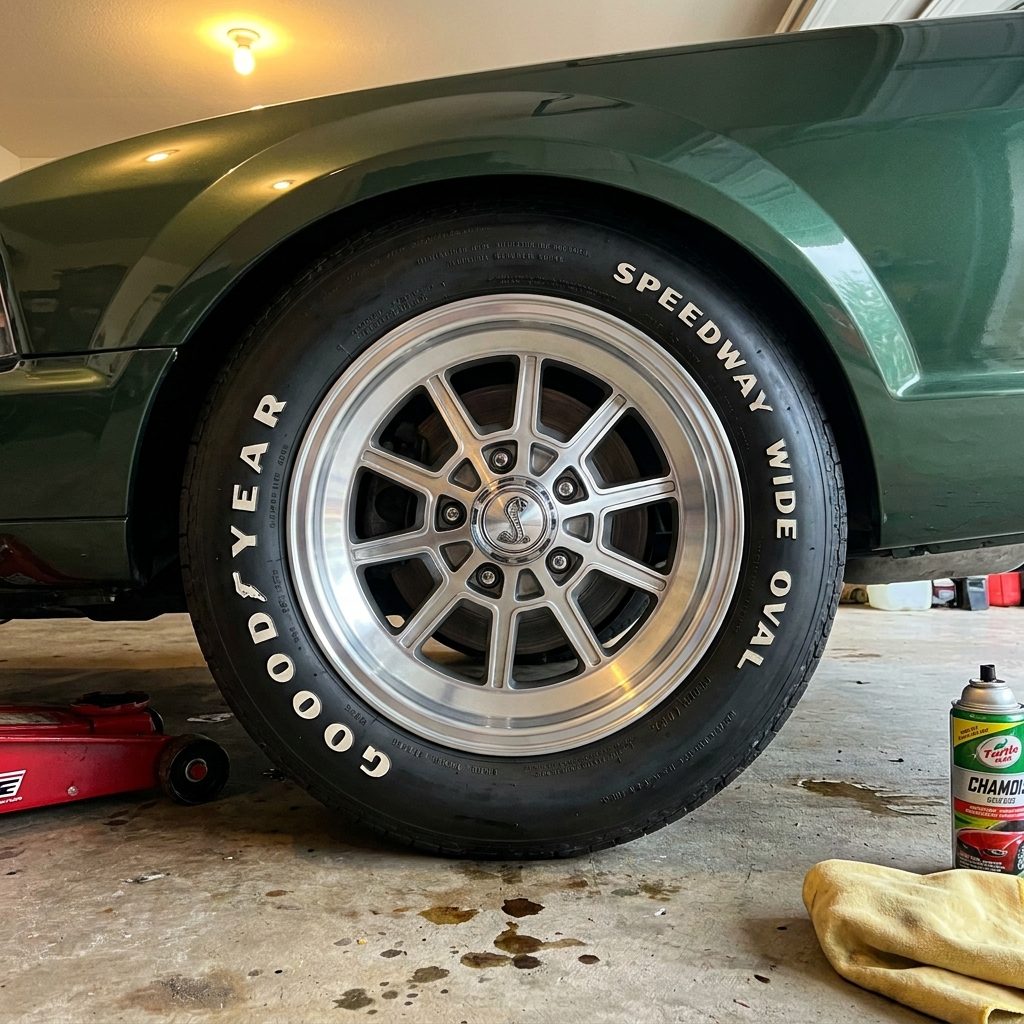
12. The Ten-Spoke Aluminum Wheels That Gave the Car Its Stance
Would you like to save this?
Shelby’s ten-spoke aluminum wheels placed polished spokes around Cobra center caps and reduced unsprung weight compared with ordinary steel wheels.
Not every car wore them, but the design became one of the most recognizable Shelby wheel treatments of the era. A correct original set can alter the entire presence of a restored car while it is still parked.
11. The Ionia, Michigan Plant That Finished the Transformation
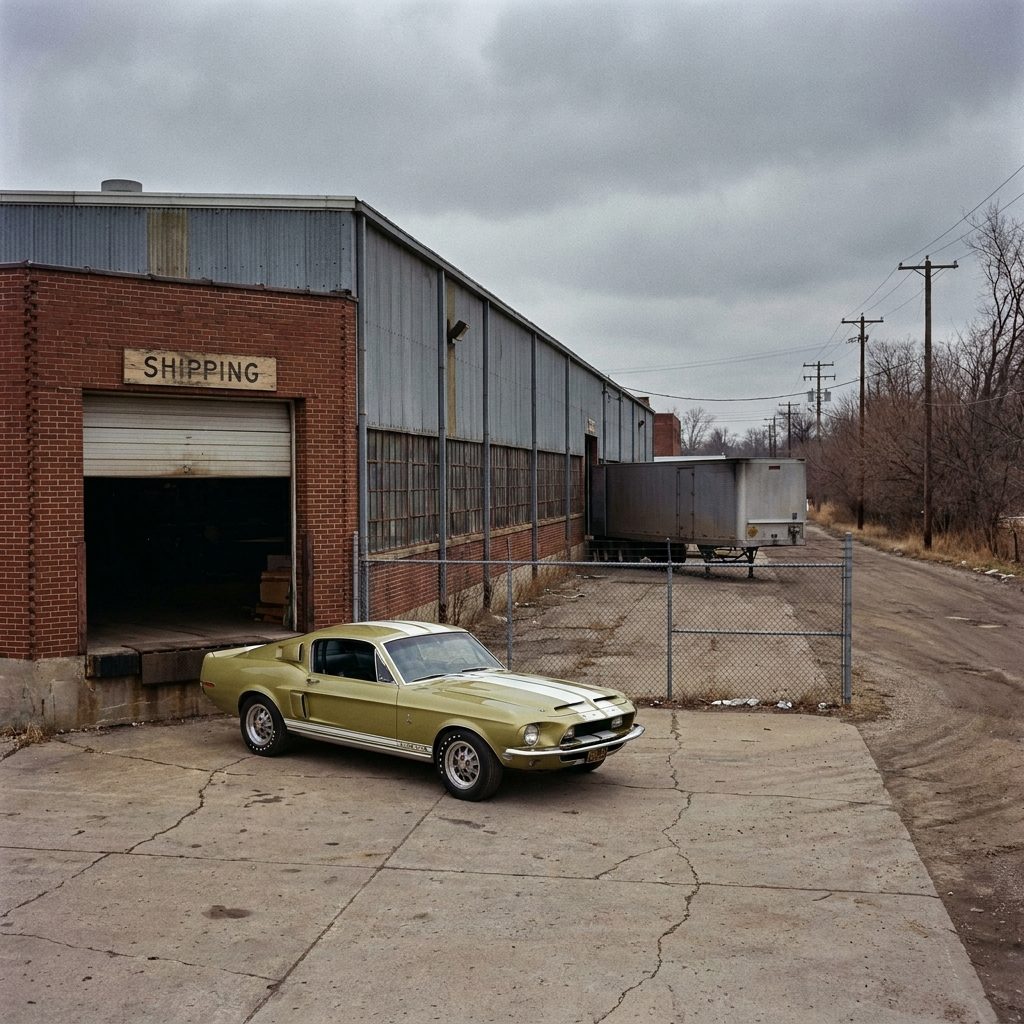
By 1968, Shelby production was no longer centered in California. Ford-built Mustangs were sent to A.O. Smith in Ionia, Michigan, where Shelby-specific fiberglass, trim, lamps, gauges, badges, and other components completed the conversion.
A.O. Smith was an industrial manufacturer rather than a glamorous race shop, which makes the setting more interesting. One of the era’s most theatrical American cars emerged from a brick factory in a small Michigan town.
10. The Cobra Grille Emblem That Replaced the Mustang Pony
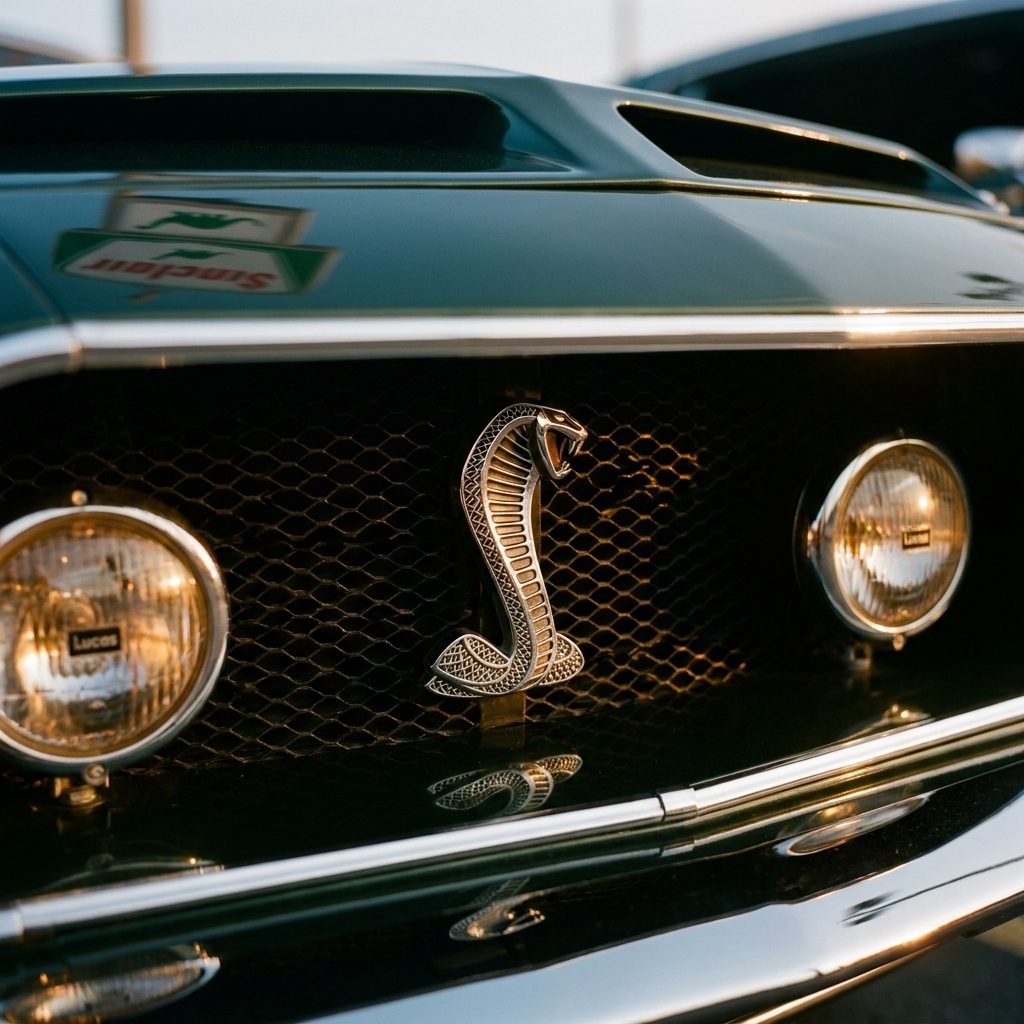
A standard Mustang carried the running horse in its grille. The Shelby replaced it with a coiled cobra, chrome scales and fangs set against the dark opening.
That one substitution changed the identity of the whole front end. The body still came from Ford, but the badge told everyone that this was the version carrying Carroll Shelby’s name.
9. The 427 Side-Oiler Shelby Wanted but Ford Would Not Build in Volume
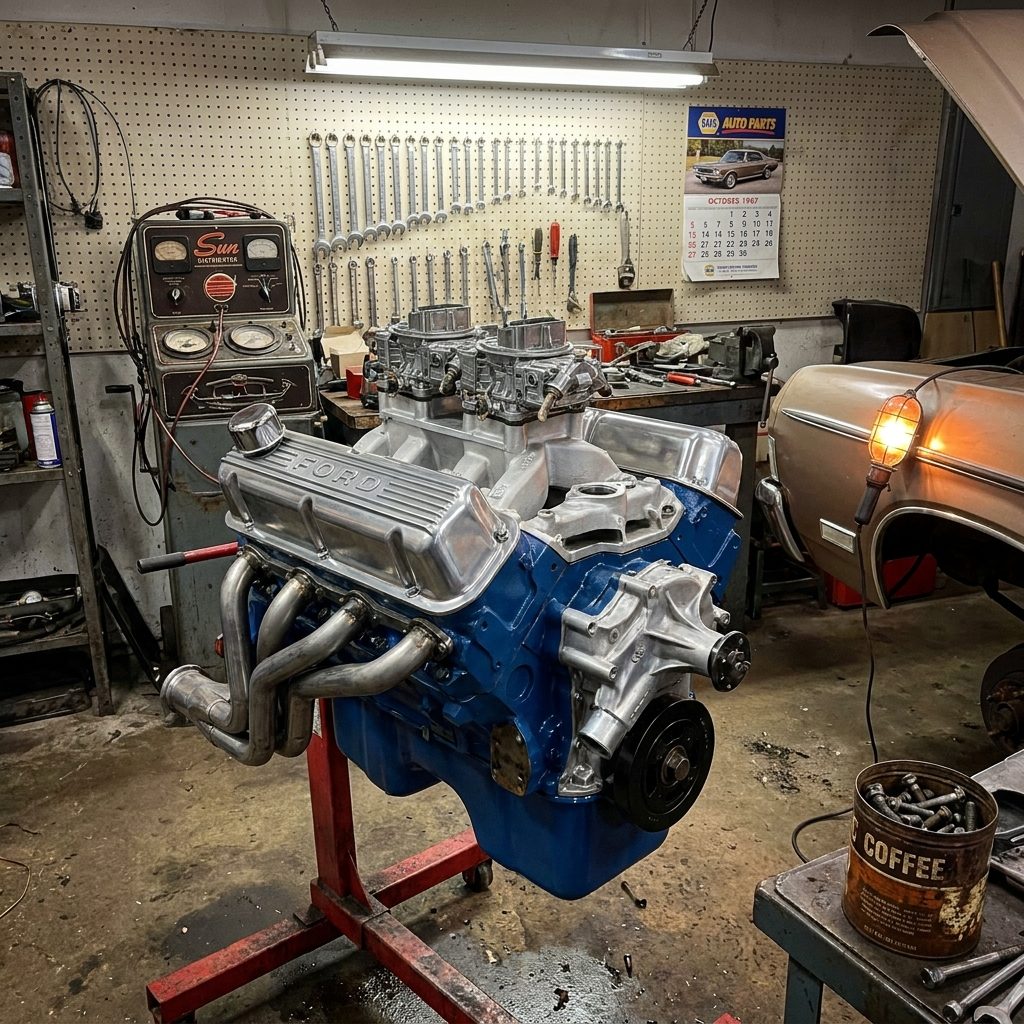
Shelby wanted the 427 side-oiler, the race-bred big-block associated with Ford’s Le Mans program. It fit tightly and would have pushed the GT500 even closer to a competition car with license plates.
Ford chose the 428 Police Interceptor for regular production because it was more practical to build, warranty, and sell in volume. Stories persist about a handful of 427-equipped cars, but proving one requires far more than an engine under the hood and a good tale from a previous owner.
8. The C6 Automatic That Could Be Quicker and More Consistent at the Strip
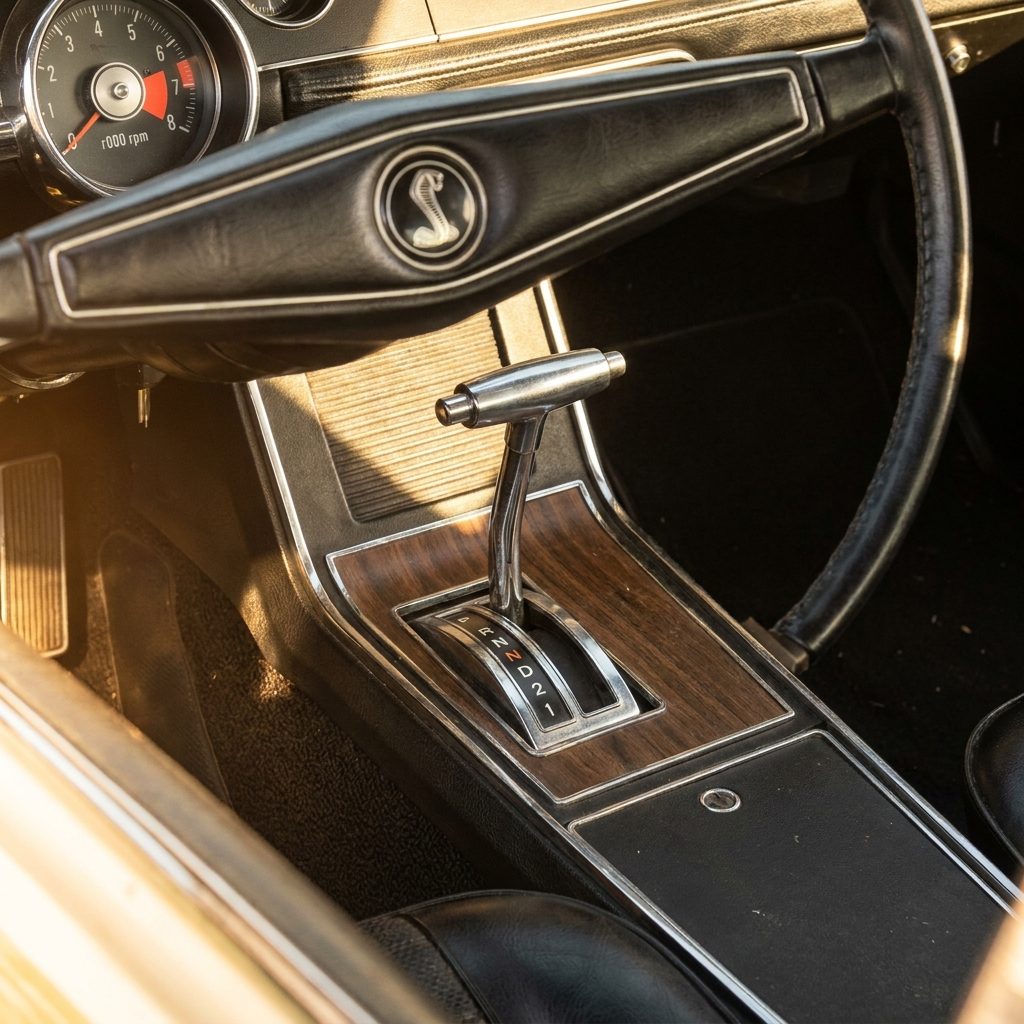
Purists wanted the four-speed, and magazine readers wanted to imagine themselves shifting it. At the drag strip, however, the C6 automatic could deliver repeatable launches and shifts without relying on a perfect driver.
It handled the 428’s torque, shifted at consistent engine speeds, and made the car easier to live with in traffic. Depending on the test and driver, it could also produce the quicker quarter-mile time.
7. The Goodyear Speedway 350 Tires With Raised White Letters
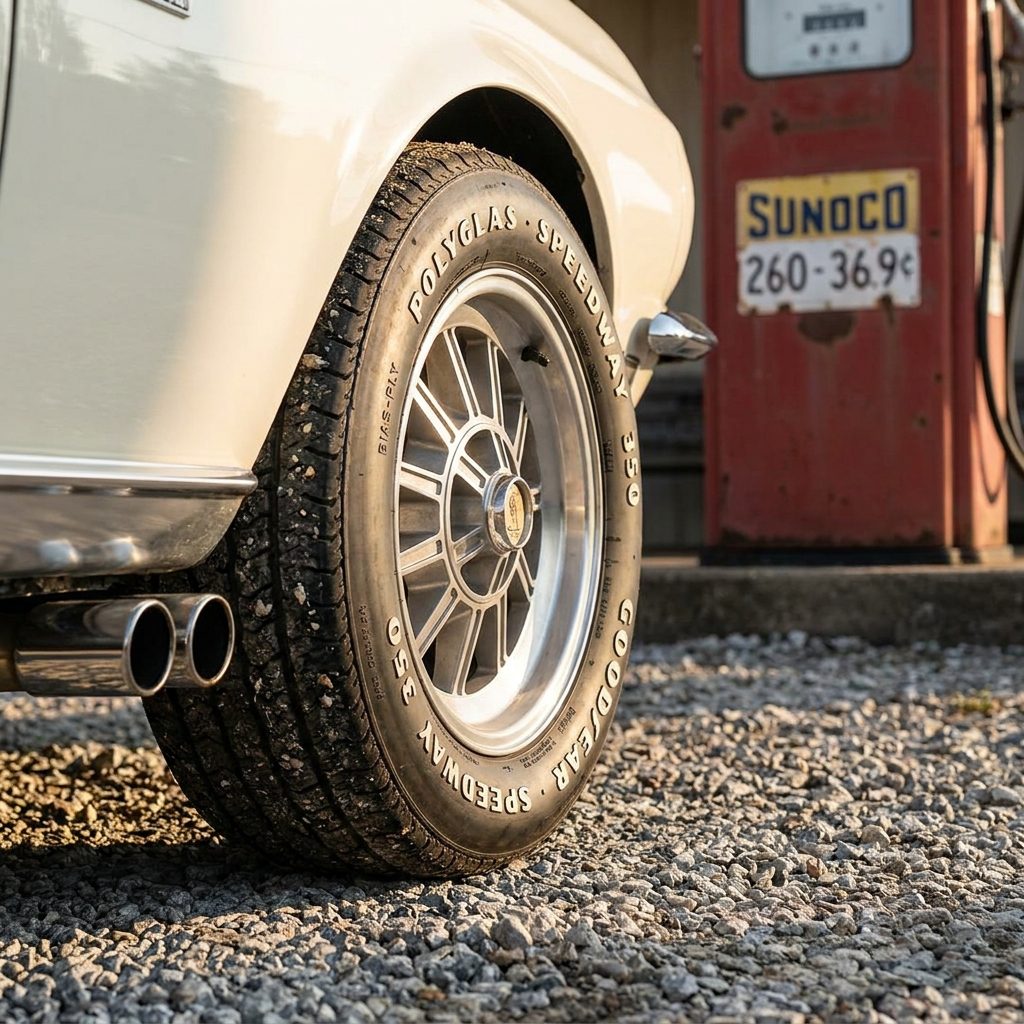
Goodyear Speedway 350 tires gave the Shelby the raised white lettering that quickly became visual shorthand for American performance.
The lettering mattered almost as much as the tread. It filled the space between wheel and pavement with one more piece of visible performance branding and made even a well-used GT500 look freshly prepared.
6. The Fold-Down Rear Seat That Turned the Fastback Into a Cargo Hauler
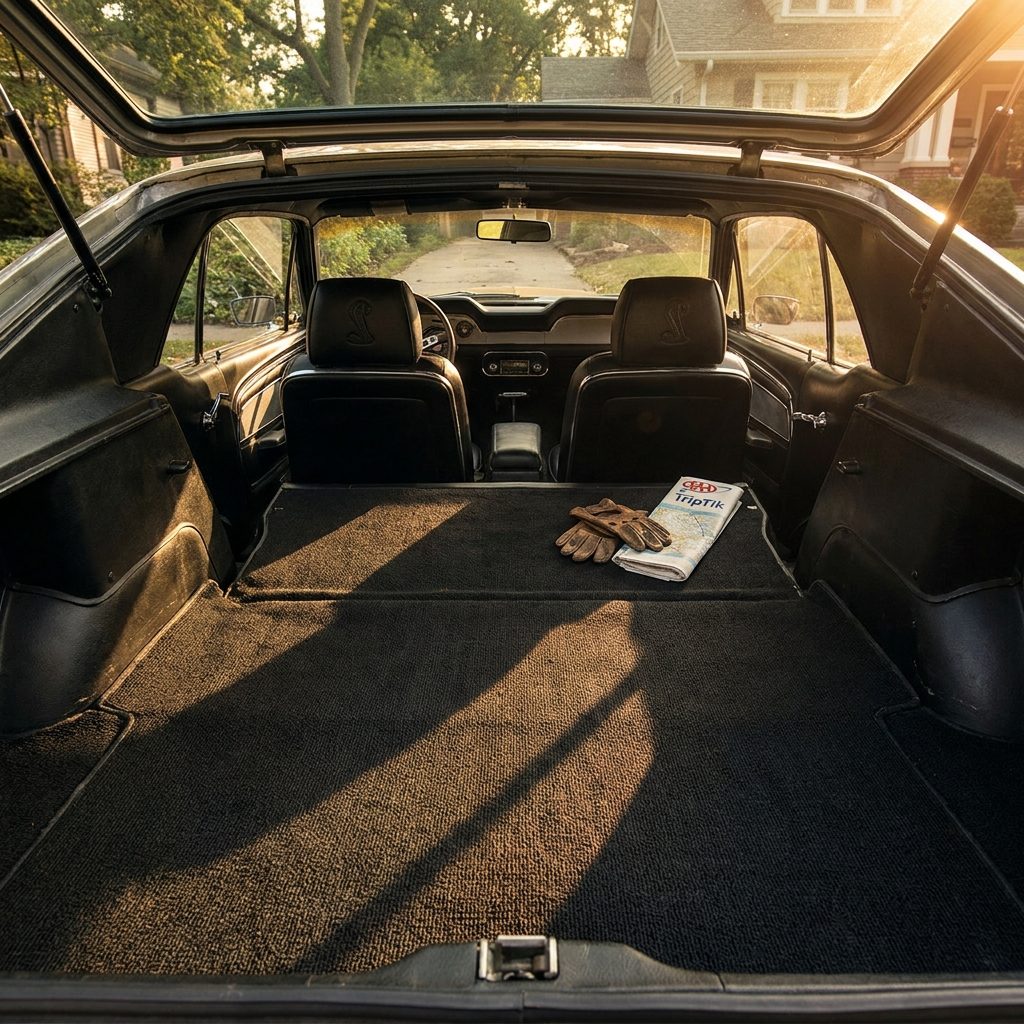
The fastback already looked fast standing still. Fold the rear seat down and it gained a long, flat cargo floor with room for luggage, tools, or track-day equipment.
Owners could call the car practical with a straight face, provided nobody asked about fuel, tires, insurance, or the amount of cargo space occupied by spare parts.
5. The Optional Tilt-Away Steering Wheel That Made Entry Less Undignified
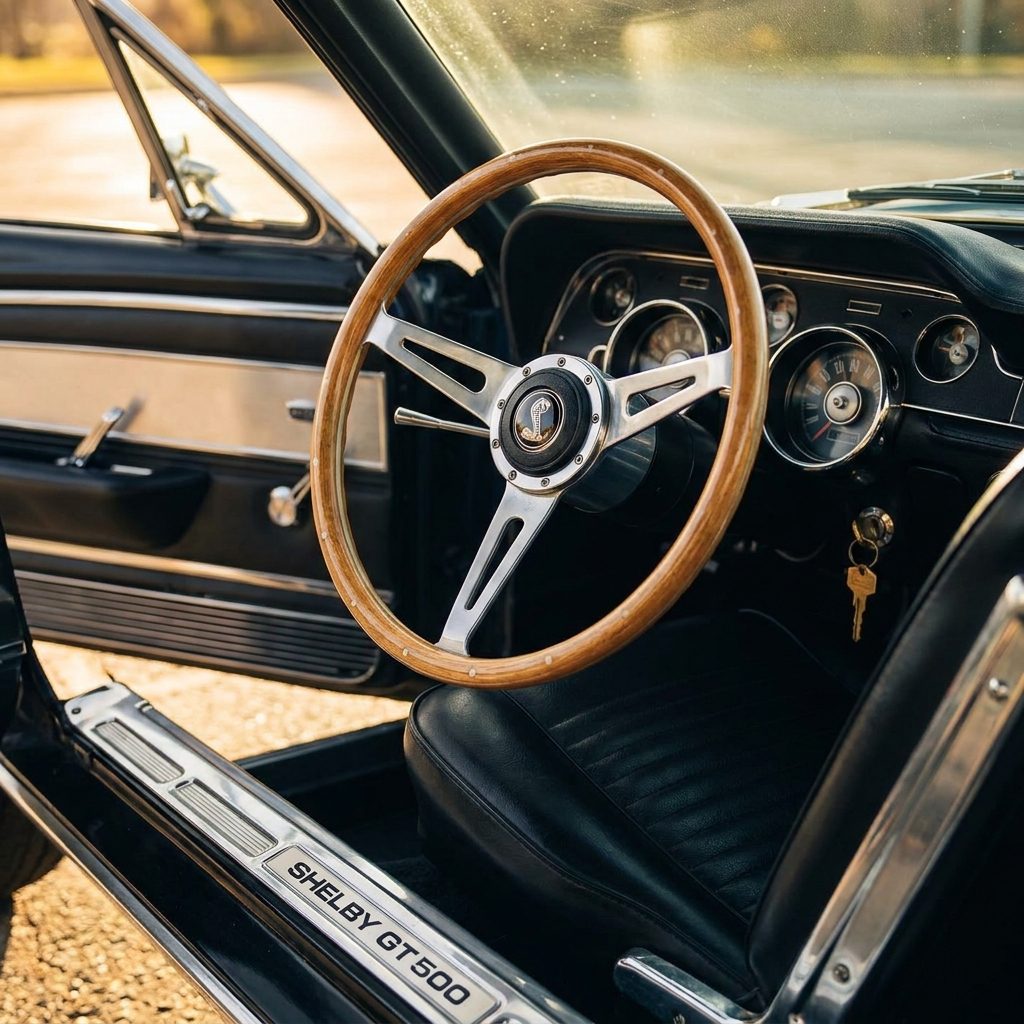
Ford’s tilt-away column sounded like a showroom trick and turned out to be genuinely useful. With the ignition off and the door opened, the steering wheel moved aside to create more room for entry and exit.
On a hot afternoon with black vinyl waiting inside, that extra clearance could separate a clean entrance from an awkward sideways collapse.
4. The Shelby Serial Plate That Separates an Original Car From a Clone
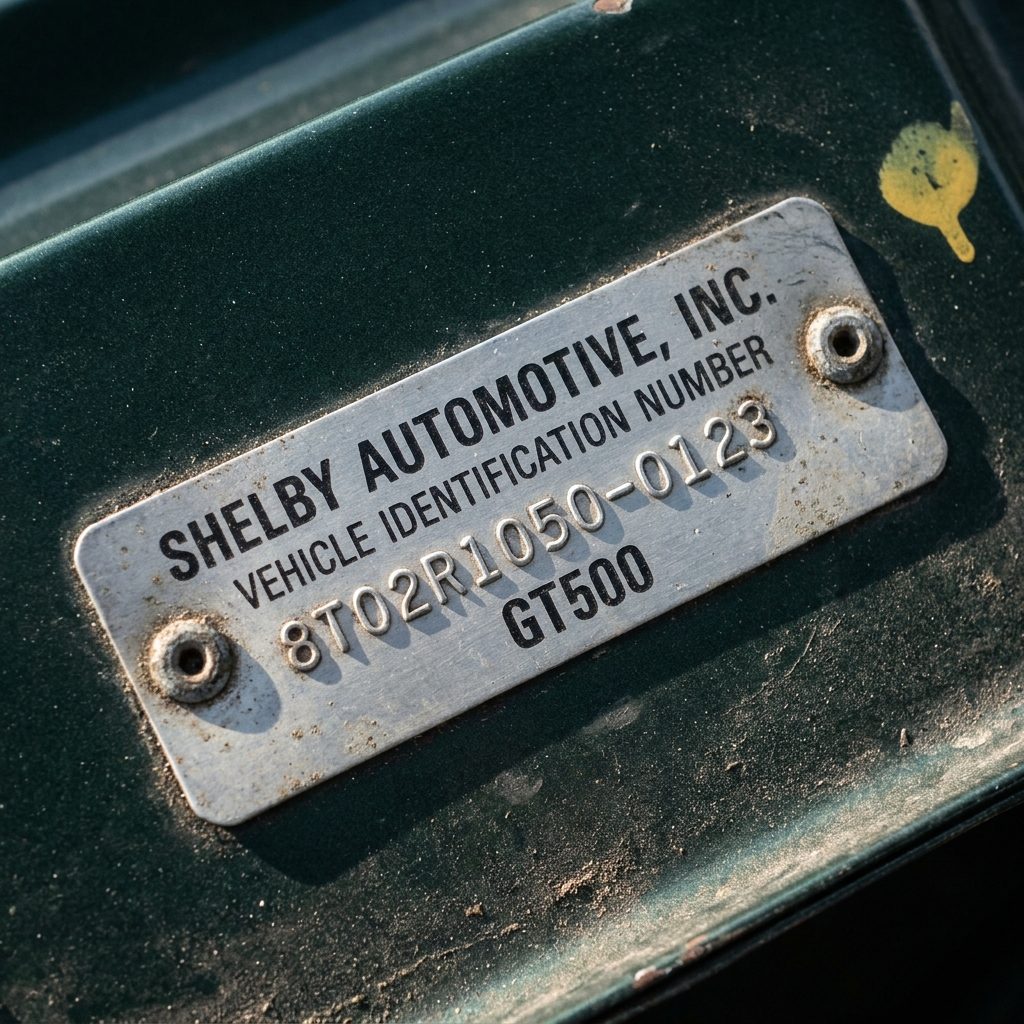
A 1968 Shelby carried Ford identification along with a Shelby serial plate on the driver’s-side inner fender. Together with hidden stampings, registry records, and paperwork, those numbers help establish what the car really is.
The plate matters, but it is not magic. A convincing clone can carry reproduction tags, which is why experienced restorers compare every identifier rather than trusting the most visible one.
3. The Rear Quarter Windows That Changed the Fastback’s Entire Profile
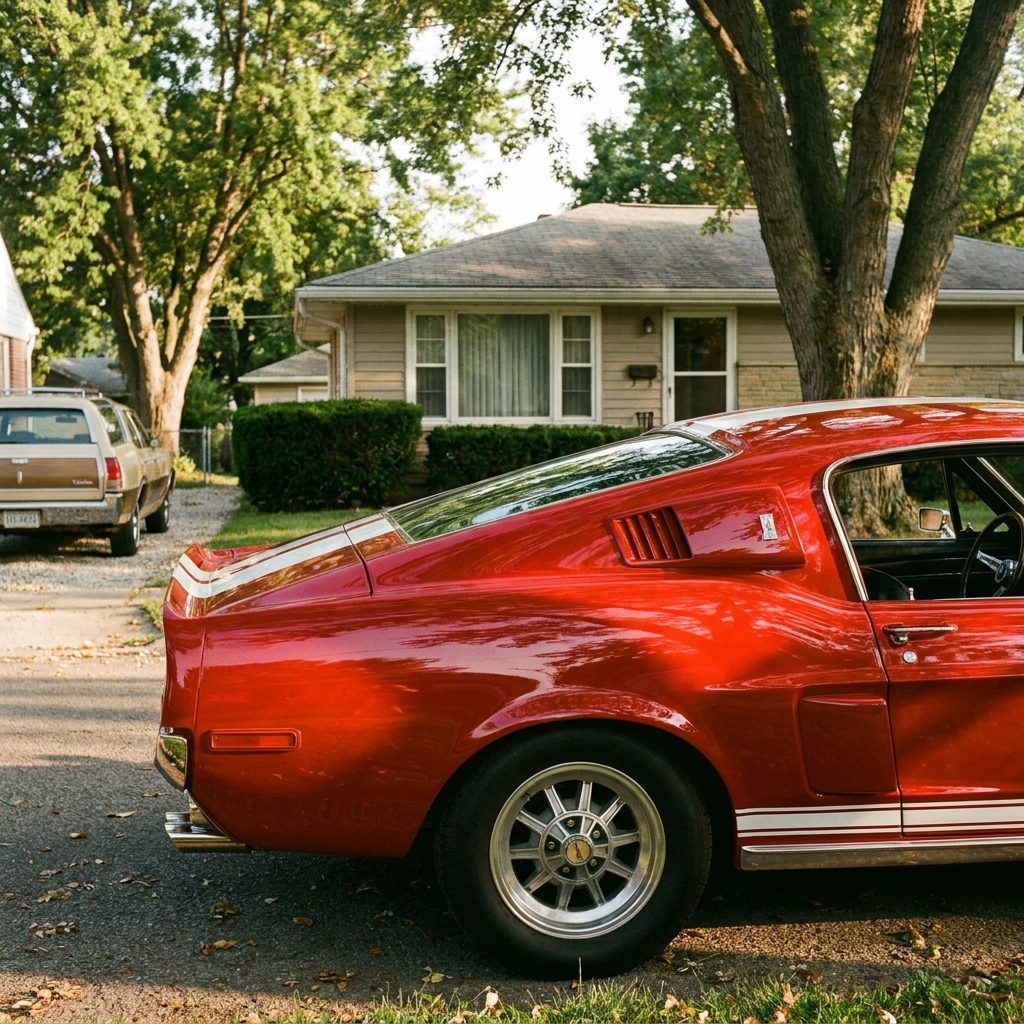
The standard Mustang fastback used an extractor-style treatment behind the doors. Shelby replaced that area with quarter windows that pulled more glass into the roofline and made the body appear longer and lower.
It is one of those changes people register before they can explain it. The windows smooth the transition from door to rear pillar and make the car look as though the roof is still moving backward.
2. The Rear-Quarter Scoops That Looked Functional Even When They Weren’t
Would you like to save this?
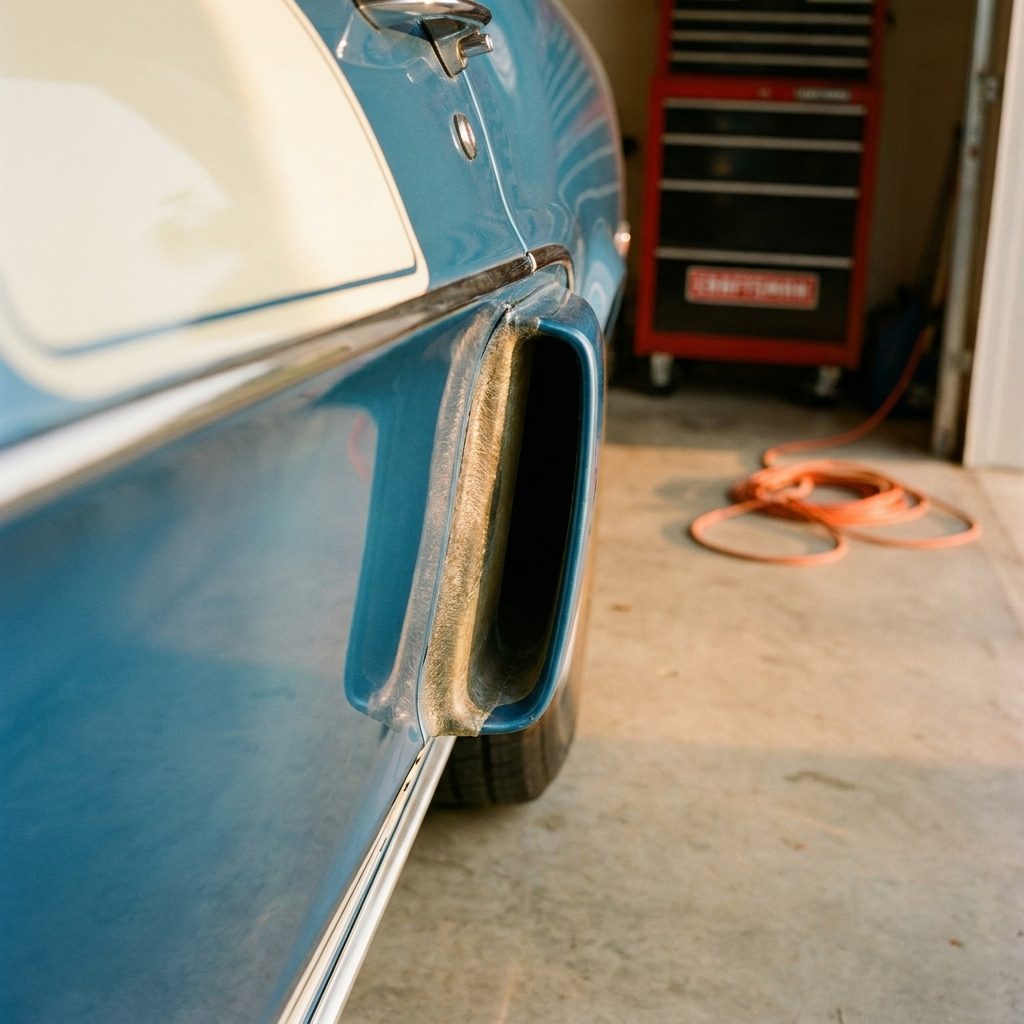
The low scoops behind the doors looked as though they had been shaped to feed cool air directly to the rear brakes. On the 1968 cars, however, the scoops were primarily visual rather than functional.
That does not make them pointless. The scoops broke up the long quarter panels, added visual weight behind the doors, and made the Shelby look more technical than a standard Mustang even when the openings were not cooling anything.
1. The Cast-Aluminum Cobra Valve Covers Under the Hood
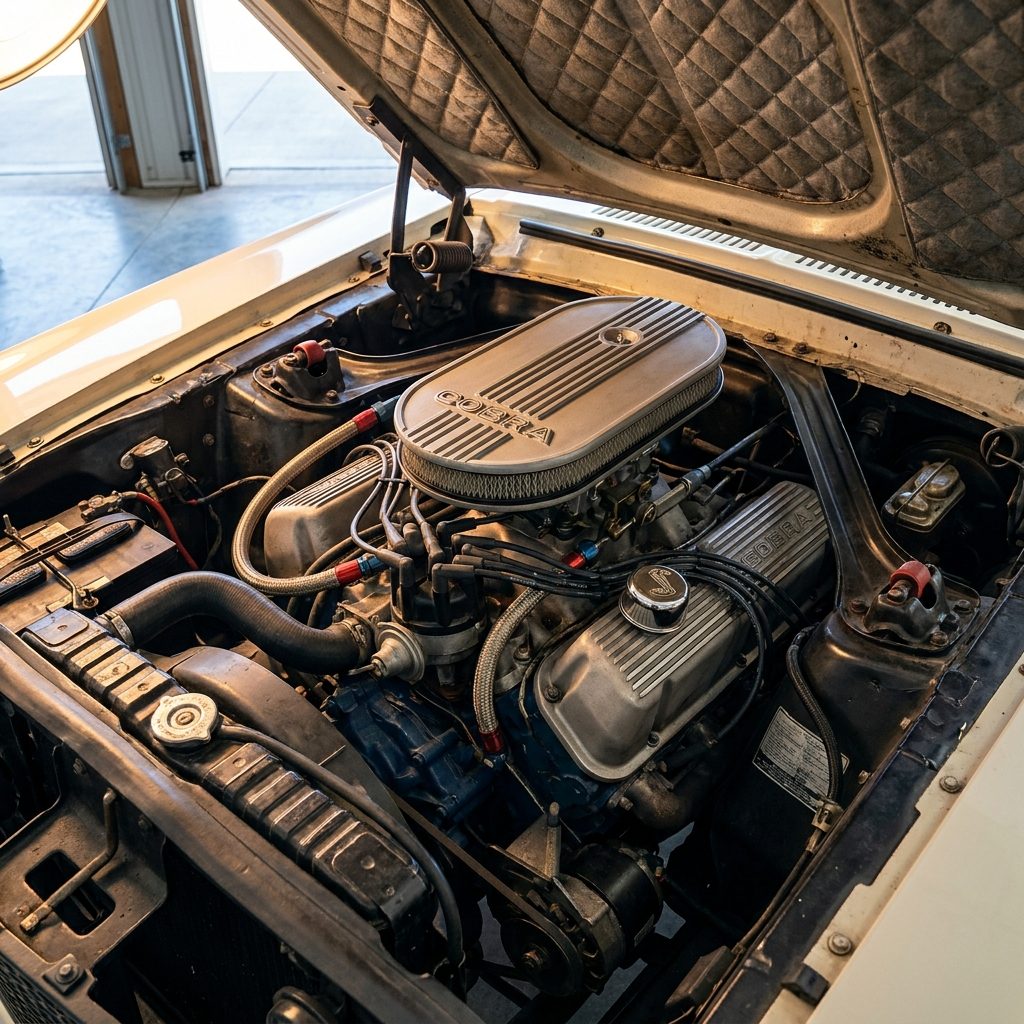
Open the hood at a cruise-in and the valve covers were among the first things anyone leaned in to inspect.
Cast aluminum, deeply finned, and marked with Cobra branding, they replaced the plain stamped-steel look of an ordinary Ford big-block. The KR is especially associated with Cobra Le Mans covers, which gave the engine bay a piece of race-car theater before the engine even fired.
They added perhaps a horsepower’s worth of nothing, but no plain stamped-steel cover could have drawn the same crowd.