
Would you like to save this?
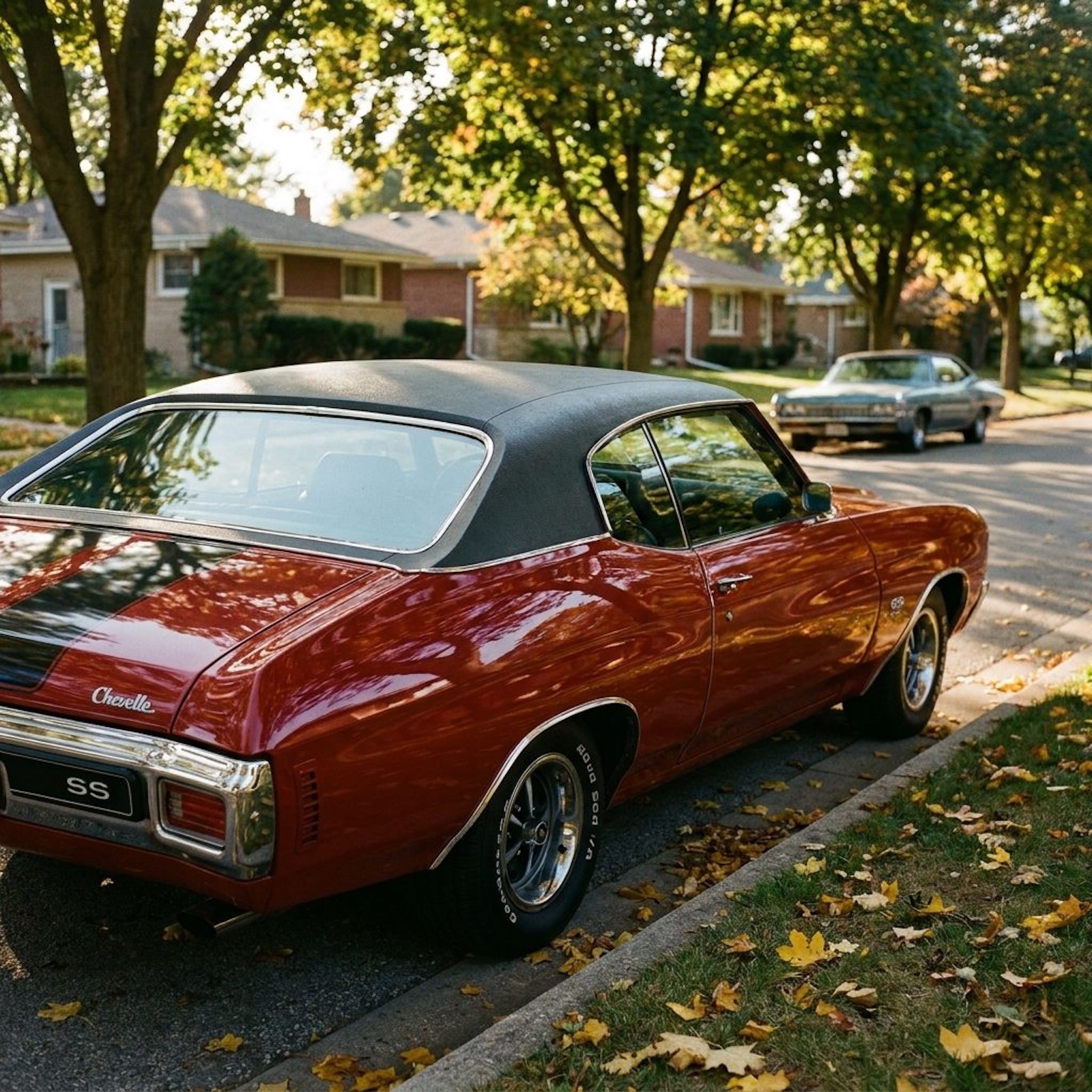
The gas pumps were still running leaded regular at 35 cents a gallon. Nixon was in the White House. And Chevrolet dropped 450 horsepower into a mid-size body and called it a family car. The 1970 Chevelle SS 454 LS6 was not the biggest car on the road, not the most expensive, not the flashiest. It was just the fastest thing most people had ever seen on a public street. Here’s everything that made it that way.
28. The Cowl Induction Hood That Pulled Cold Air from the Base of the Windshield
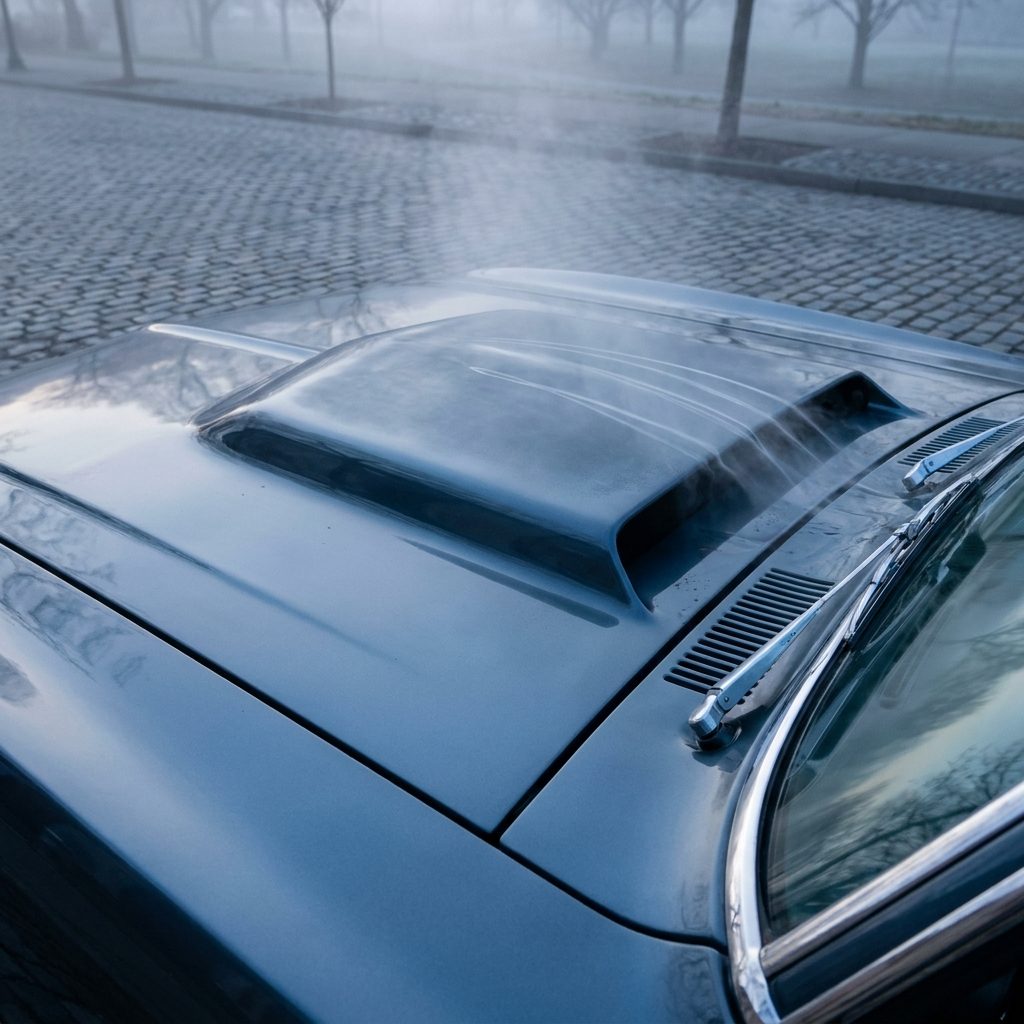
Every other muscle car pointed its hood scoop forward. The LS6 Chevelle ran its cowl induction scoop backward, pulling air from the high-pressure zone at the base of the windshield. Cooler, denser air than anything scooped from in front of the grille. It worked because the physics actually worked, not because it looked aggressive, though it did look aggressive.
The cowl flap opened automatically above 50 miles per hour, letting that dense outside air drop straight onto the Holley carburetor. Engineers called it ram-air induction. Street guys called it free horsepower. Both were right.
27. The Holley 780 CFM Four-Barrel That Sat on Top of Everything
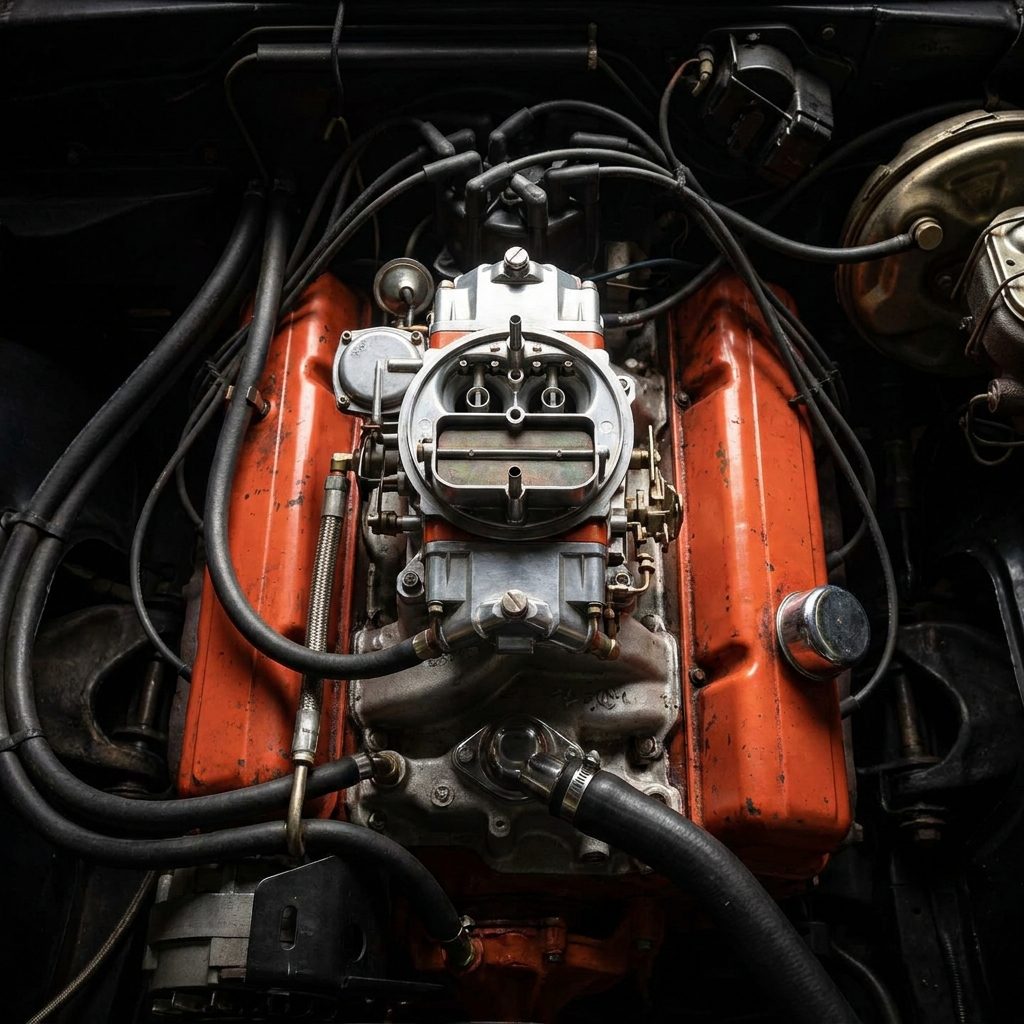
The Holley 780 on the LS6 was not a subtle instrument. It was sized to feed a 454 cubic inch engine at full throttle, which meant it was very generous at any throttle opening that wasn’t full. Cold starts required patience. Warm starts required confidence. Rich idle was the price of admission, and everyone who owned one paid it without complaint.
26. The Muncie M22 ‘Rock Crusher’ Four-Speed That You Could Hear Shifting Two Cars Away
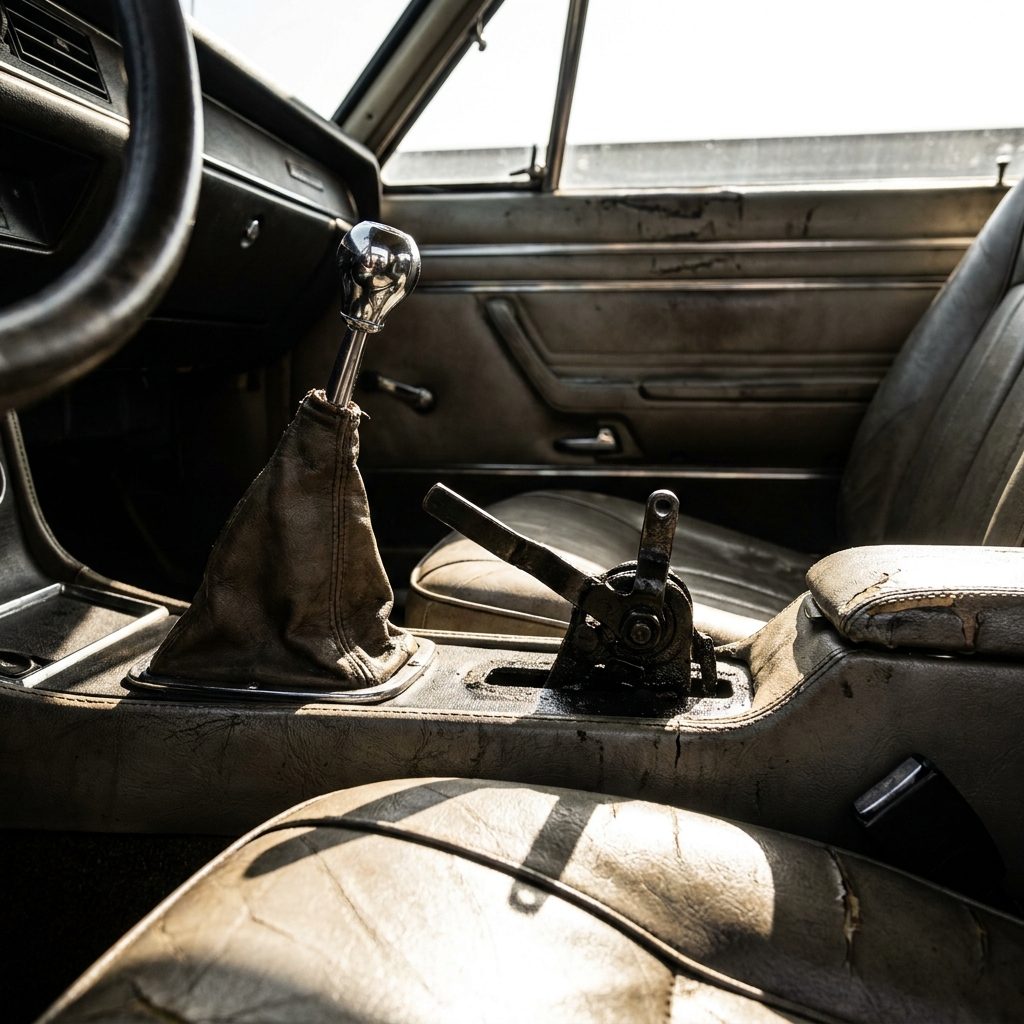
The Muncie M22 close-ratio four-speed earned the name ‘Rock Crusher’ because the straight-cut gears made a gear-grinding whine under load that sounded exactly like it. You heard it from outside the car when someone ran it hard through first and second. You felt it in the palm of your right hand when you grabbed the Hurst shifter and pulled it through the gate.
The close-ratio gearing kept the engine in its powerband between shifts. On the street that meant near-constant noise and near-constant thrust. Most buyers accepted both conditions enthusiastically.
25. The 500 lb-ft of Torque That Arrived Practically at Idle
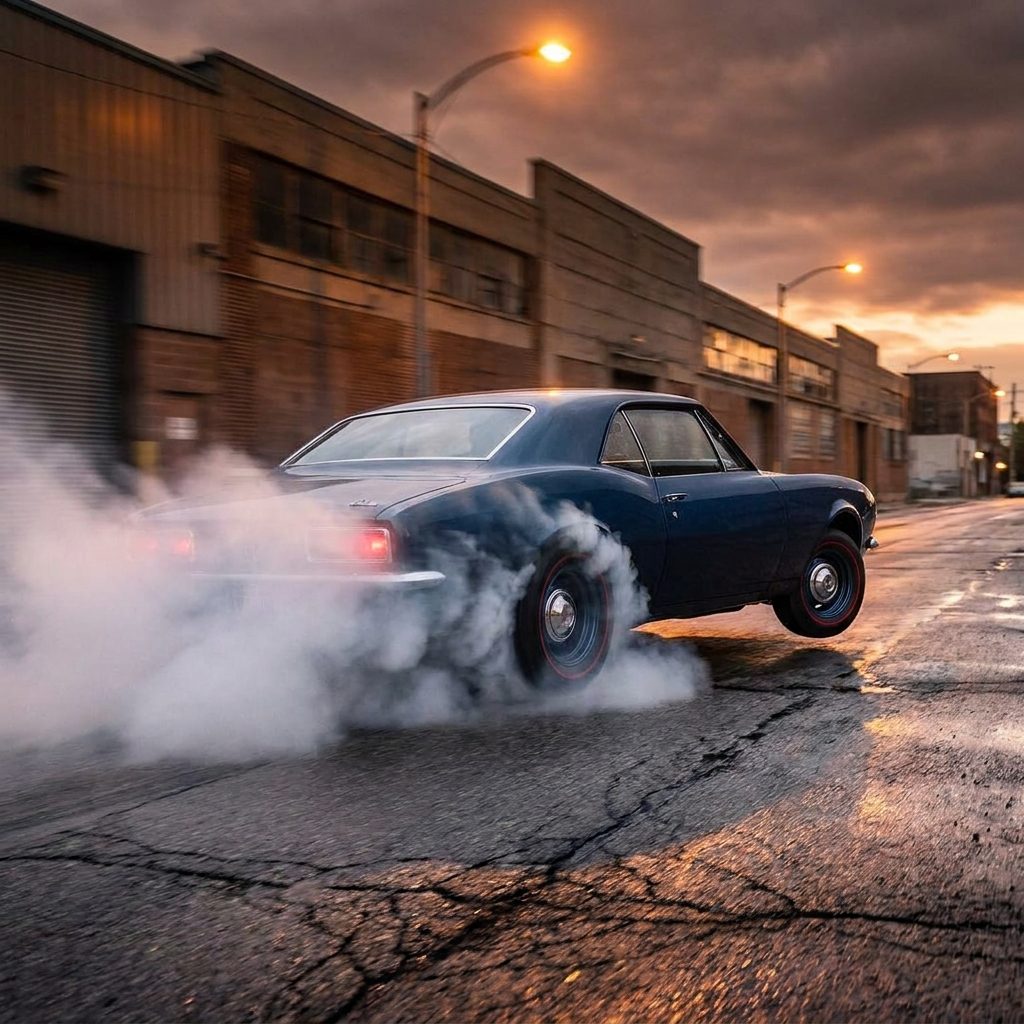
The published torque figure for the LS6 was 500 lb-ft at 3,600 rpm. That number reads like a peak. The reality was that 454 cubic inches of engine didn’t need to rev to make you understand what it was. It arrived low, broad, flat, and immediate, which meant the car launched from a dead stop with a physicality that surprised people who hadn’t expected it.
Horsepower is what the magazines measured. Torque is what moved the car. The LS6 had enough of both to make the distinction feel academic.
24. The Black SS Stripes and the Blacked-Out Grille That Said Everything Without Saying Anything
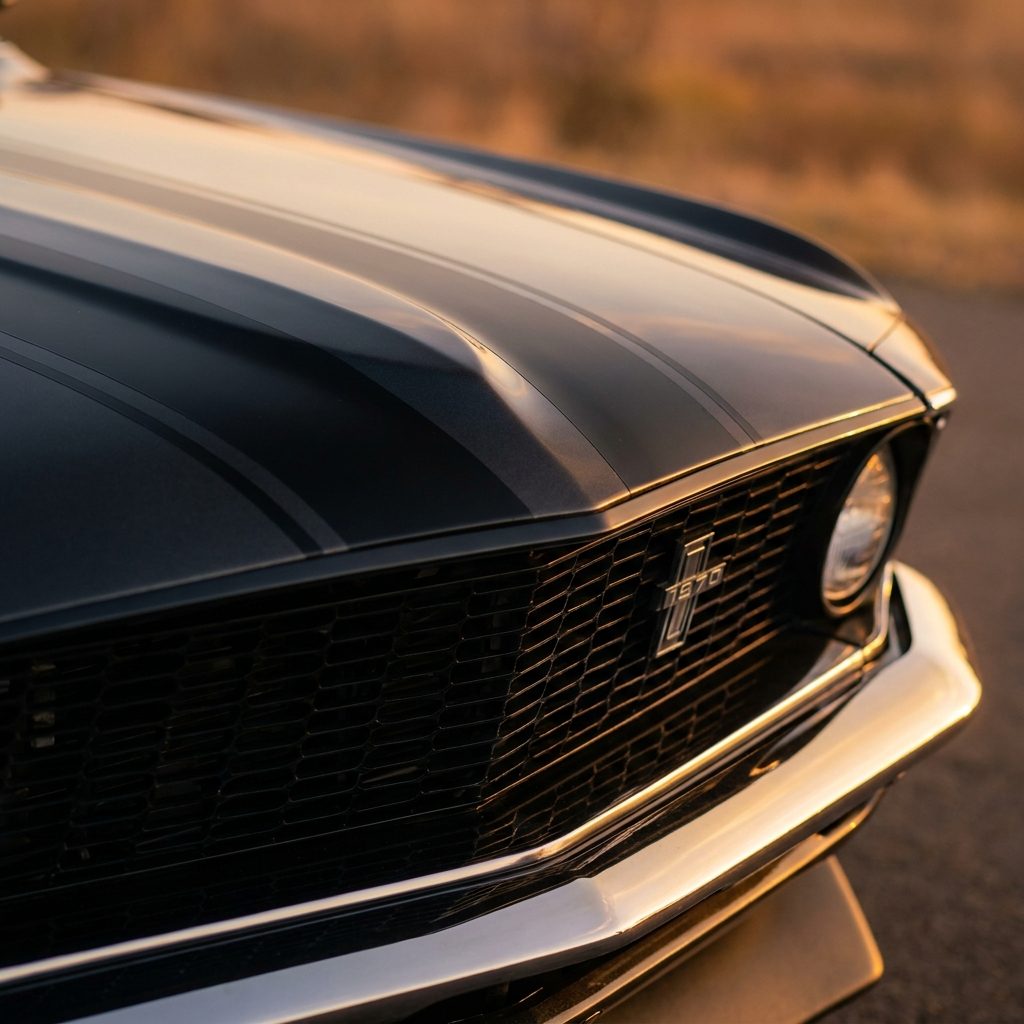
The blacked-out grille was not a performance modification. It was pure visual communication. Combined with the SS badging, the cowl hood, and the wide rubber, it told anyone who had been paying attention in 1970 exactly what was under the hood before the engine was running.
There was no subtlety intended and none achieved. The design team at GM understood that the SS package needed to look as serious as it performed, and they landed it. The black stripe across the hood became one of the most recognized silhouettes of the muscle-car era.
23. The Twelve-Bolt Posi Rear End That Put the Power Where It Was Supposed to Go
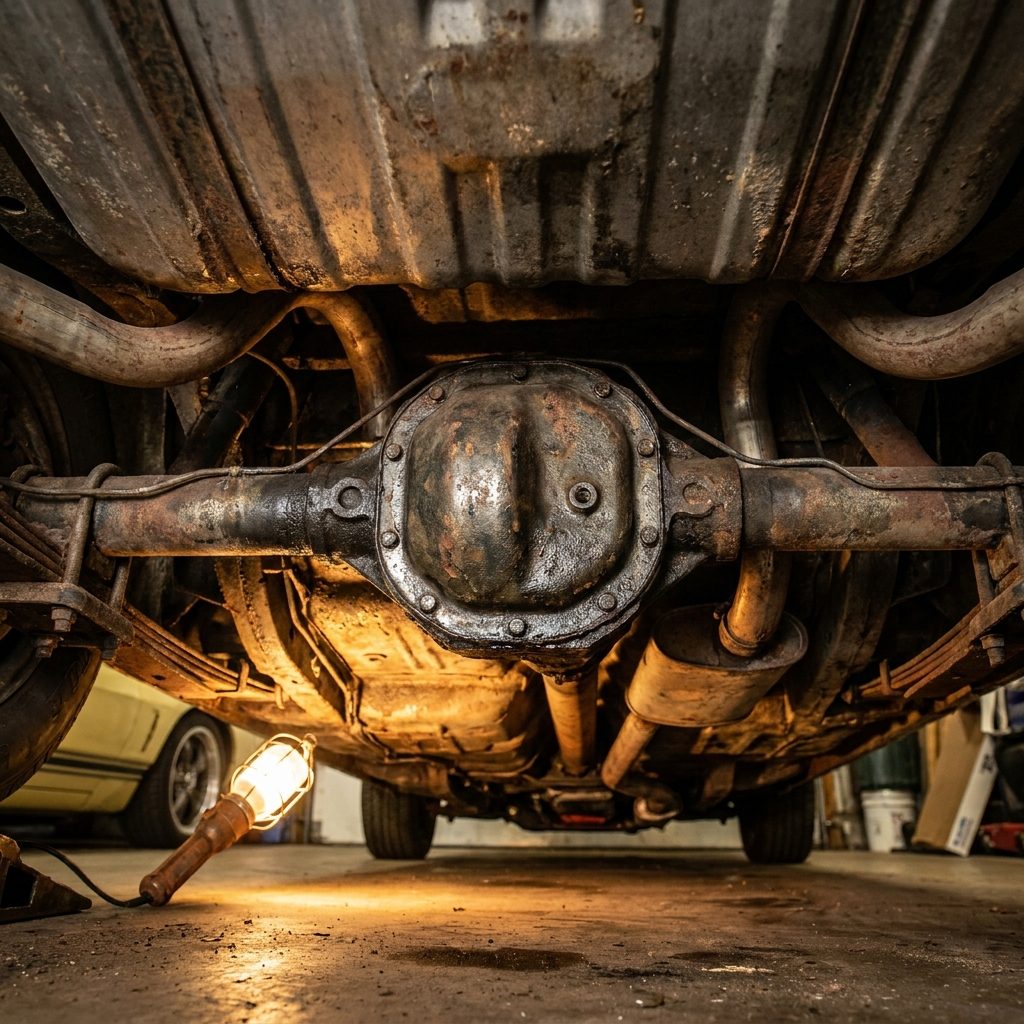
The Turbo-Hydramatic automatic-equipped LS6 cars came with a twelve-bolt Positraction rear end as standard equipment. The Posi differential split torque between both rear wheels instead of sending all of it to the path of least resistance, which on a 500 lb-ft engine would otherwise mean one tire spinning and one doing nothing useful.
The twelve-bolt was Chevrolet’s heavy-duty unit, chosen specifically because the ten-bolt couldn’t survive the LS6’s torque output for long. It was a practical engineering decision that also turned every standing start into something organized rather than chaotic. Well. More organized.
22. The Cortez Silver Paint That Every Kid Wanted on the Poster
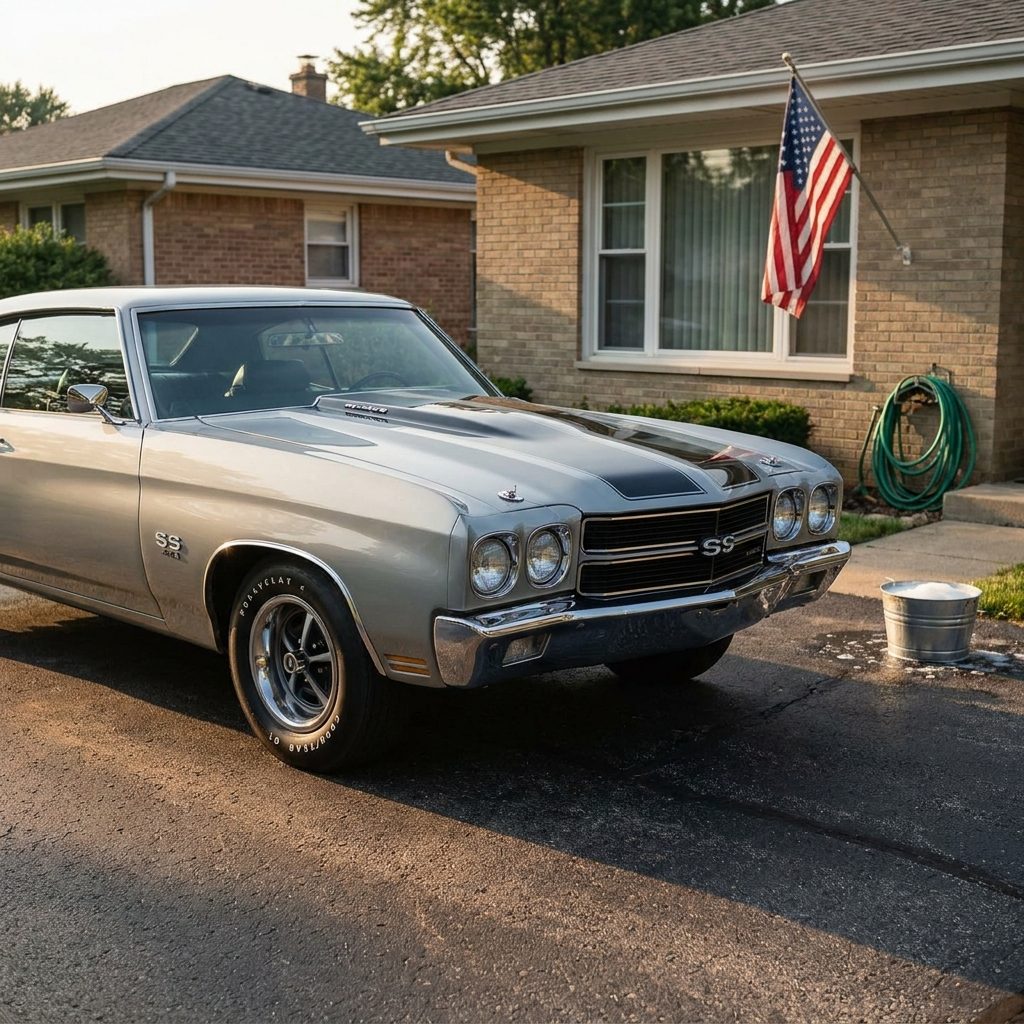
Cortez Silver had a way of looking wet even when it was dry. Under a July sun it went almost liquid, and those black SS stripes across the hood turned it into a magazine cover from ten feet away.
Chevrolet offered a full slate of colors that year, but silver was the one that showed up on every dealer brochure and every drag-strip photo, plus most of the bedroom posters taped above a twelve-year-old’s desk. It made the black blacker, the chrome brighter, and it hid absolutely nothing.
21. The 11.25:1 Compression Ratio That Demanded Sunoco 260
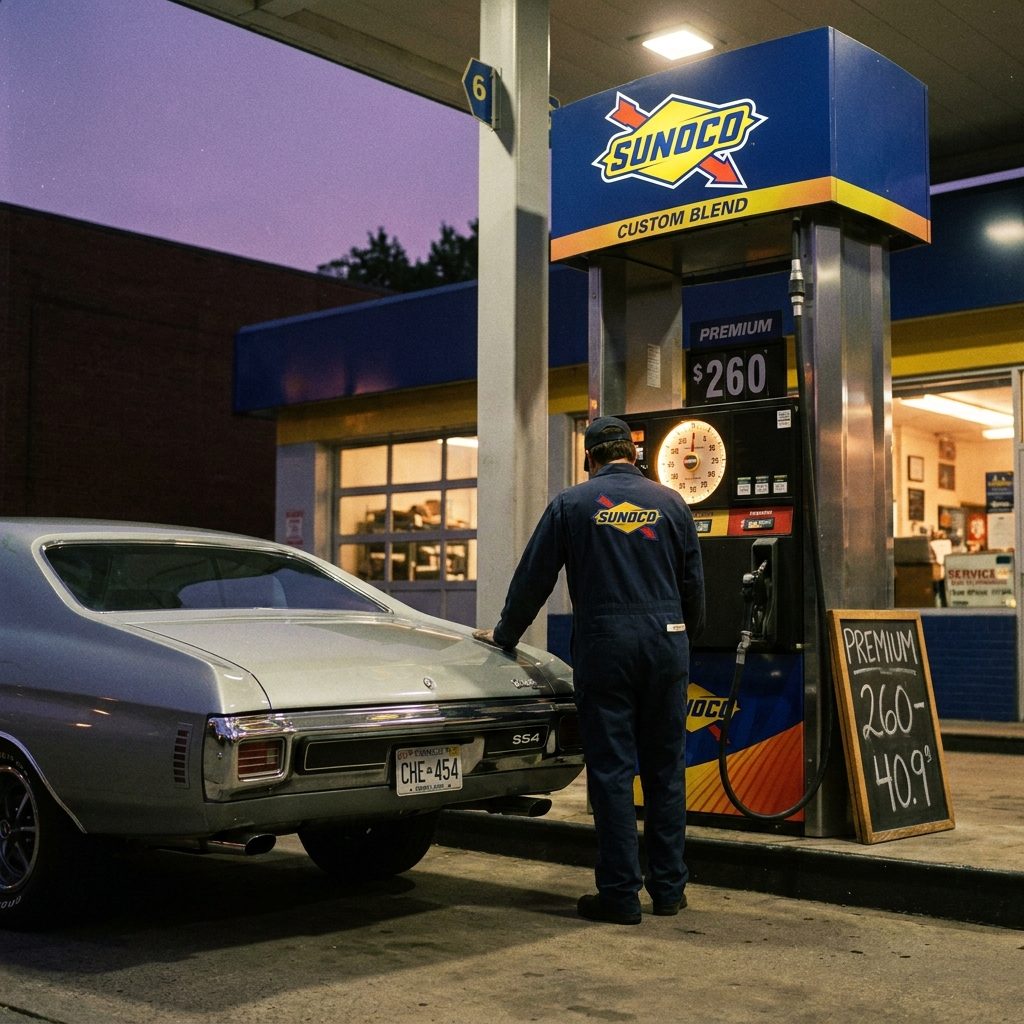
You did not put regular in an LS6. You pulled into the Sunoco, dialed the Custom Blend pump over to 260, and watched the numbers tick up while the attendant wiped down your windshield with a squeegee that had seen better days.
An 11.25:1 squeeze was borderline race-motor territory for anything wearing a license plate. Feed it anything under about 100 octane and the pistons would rattle so hard you’d swear a rod was letting go. Sunoco 260 fixed that. Every LS6 owner kept a mental map of which stations still carried it and which had quietly switched over.
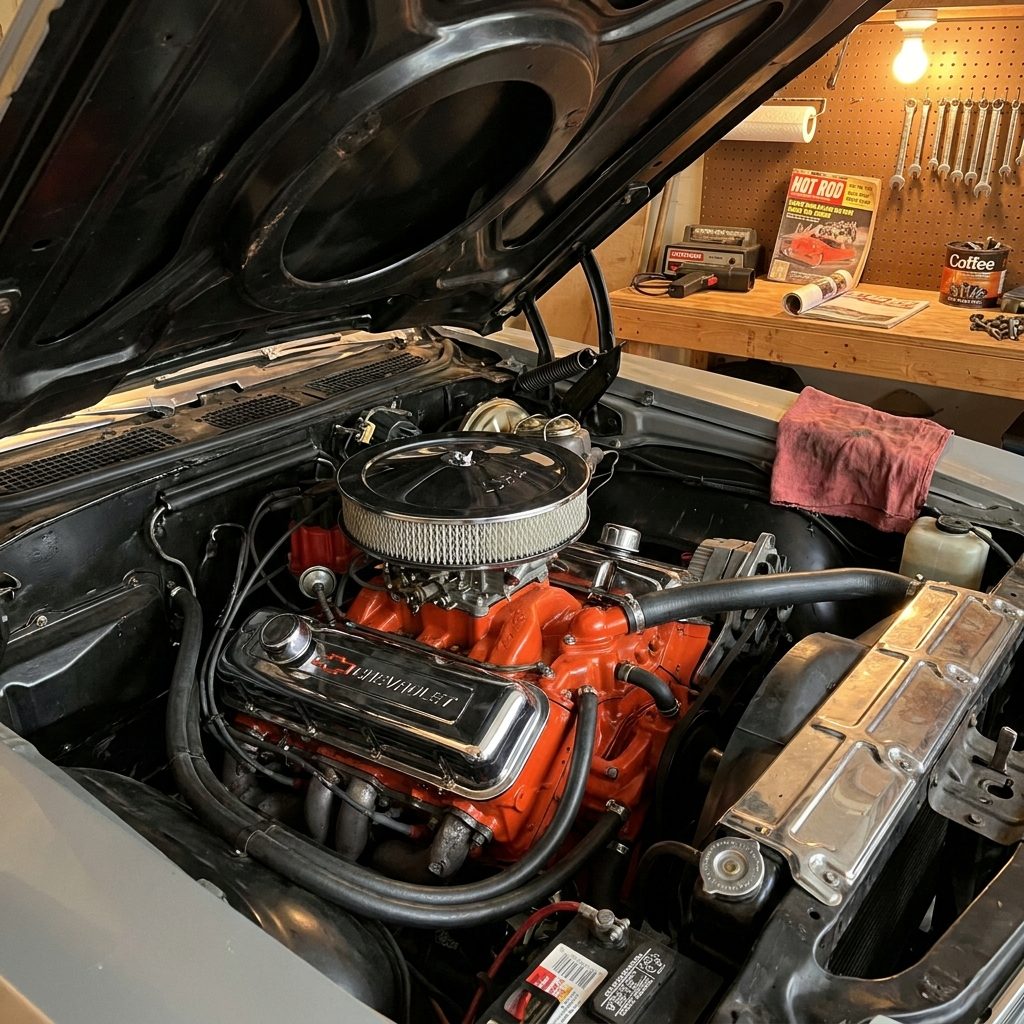
20. The Solid-Lifter Camshaft That Ticked All the Way to 6500 RPM
Would you like to save this?
Hydraulic lifters were for grocery-getters.
The LS6 ran solid mechanical lifters and a cam profile aggressive enough that the valvetrain made a distinct tick at idle — the kind of sound that told everyone at the stoplight what was under the hood before you ever touched the throttle.
The tradeoff was maintenance. Every few thousand miles you’d pull the valve covers, warm the engine, and check lash on all sixteen valves with a feeler gauge, and nobody who owned one ever complained about the ritual. That tick was the sound of what you paid for.
19. The F41 Suspension That Made You Feel Every Expansion Joint
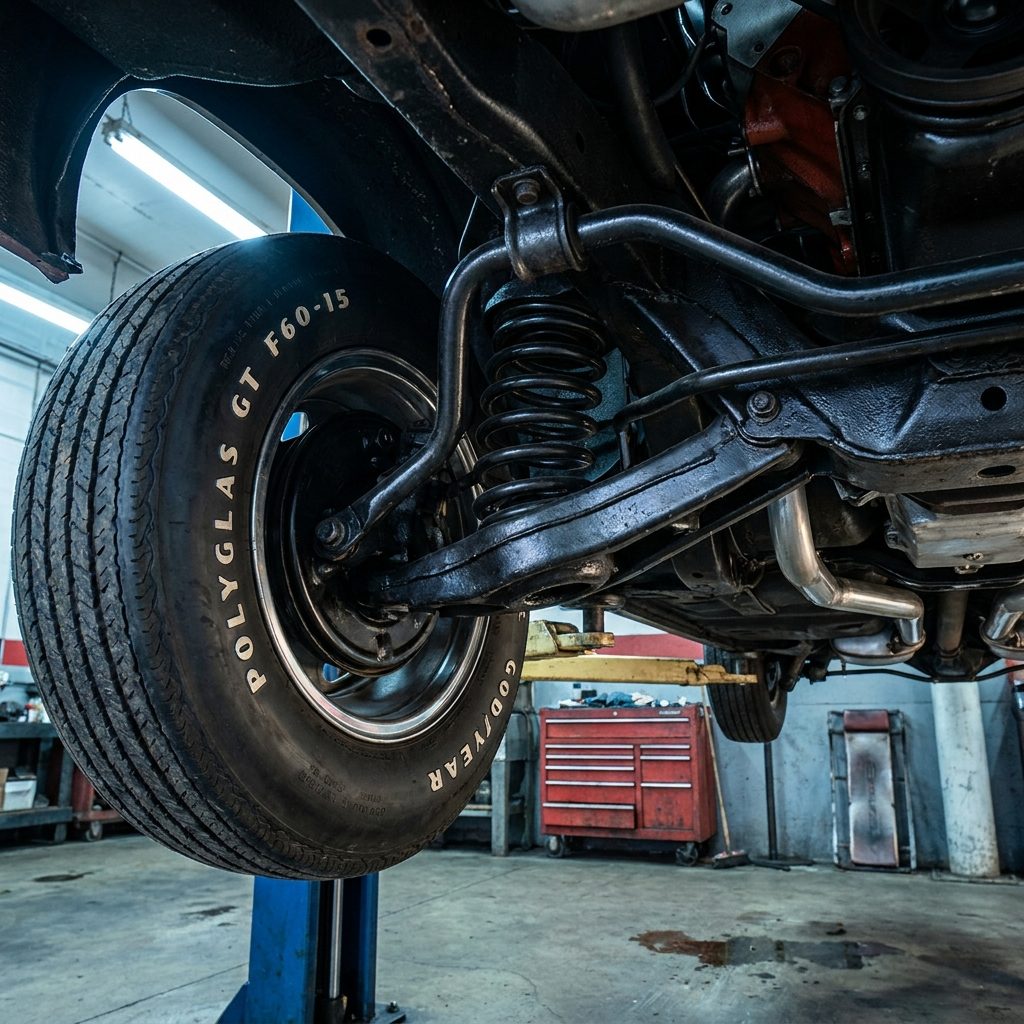
Chevrolet’s F41 heavy-duty suspension option turned the Chevelle from a soft cruiser into something that would actually take a corner without leaning over on its door handles. Stiffer springs, a fatter front sway bar, and a rear bar that most Chevelles never got from the factory.
The ride was firm enough to remind you the car meant business, and every expansion joint on the interstate reported back through the steering wheel like Morse code. Nobody bought an LS6 for a cushy trip to church.
18. The Long-Reach Chrome Shifter With the White Ball on Top
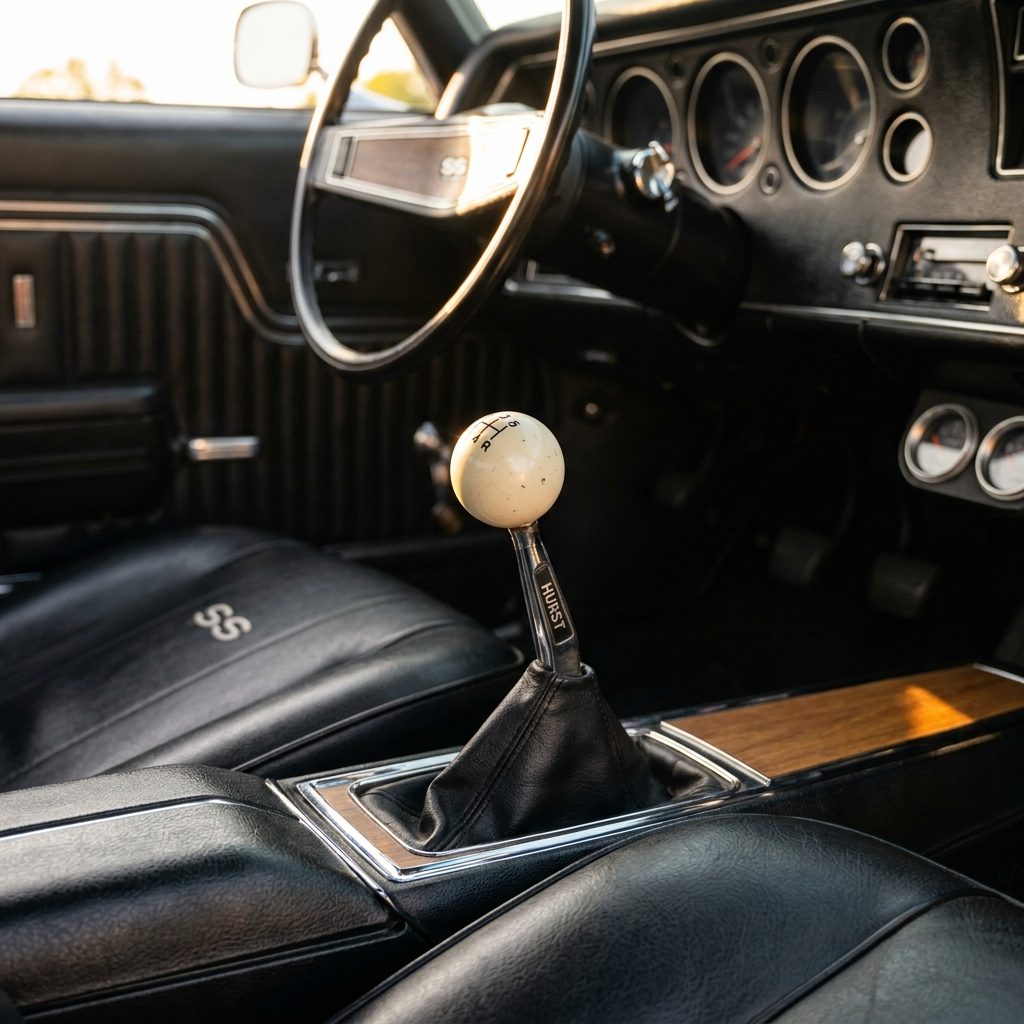
The Hurst shifter with the white ball on top was almost a joke about how obvious it wanted to be — a chrome flagpole rising out of the console, throws short enough that you could rip through the gears without moving your elbow off the armrest. Drop it into first and the mechanical clunk resonated up your forearm like a handshake from the transmission.
Owners loved it. Passengers grabbed the door handle.
17. The Round Stewart-Warner-Style Gauges in the SS Dash Cluster
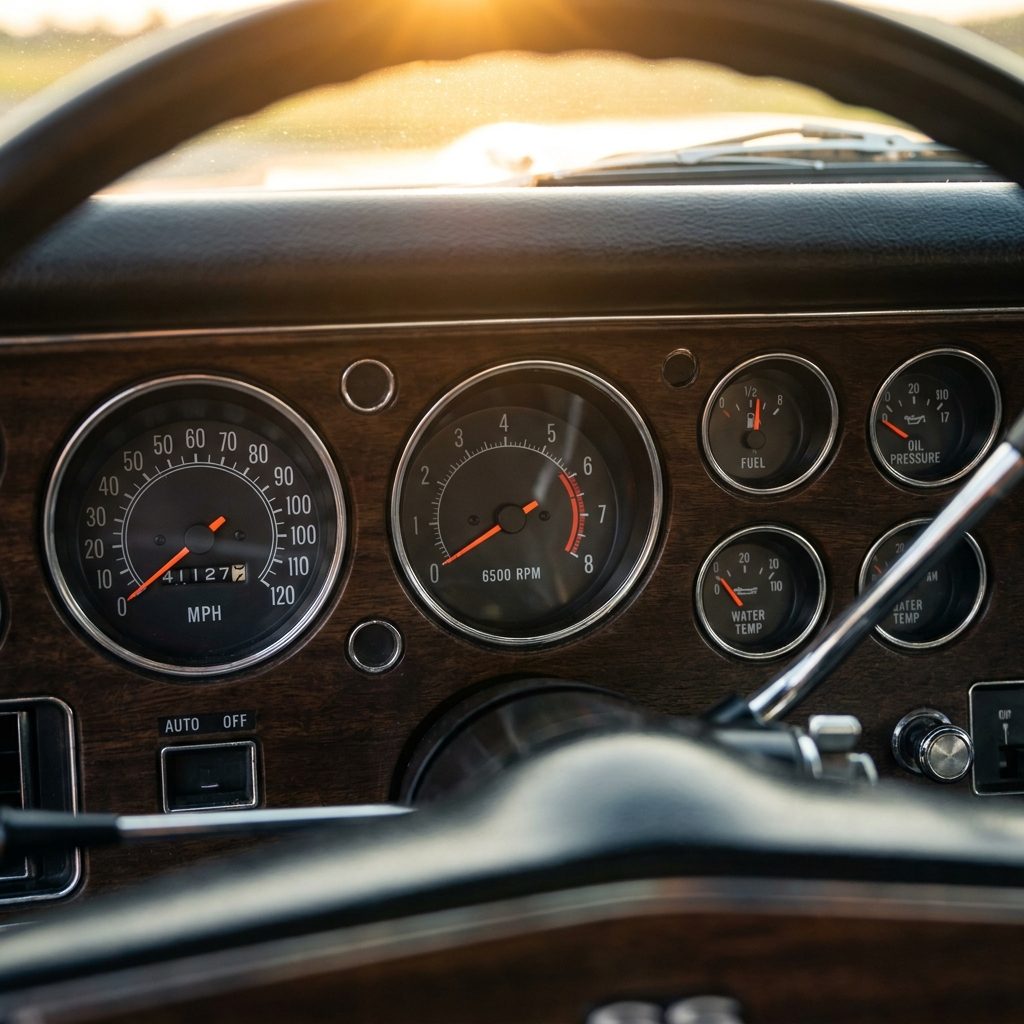
The tach sat right where your eye landed, redlined at 6500, and calibrated so both peak torque and peak horsepower were easy to hit if you knew what you were listening for. Chevrolet did not fit a tachometer that big unless it expected the driver to use it.
Flanking the tach and speedo were real gauges for oil pressure, water temp, and amps — with actual needles, not the idiot lights that so many muscle cars settled for. If something went wrong, you got a warning before you got a tow truck.
16. The Chevy Big-Block Torque Curve That Felt Like Being Kicked
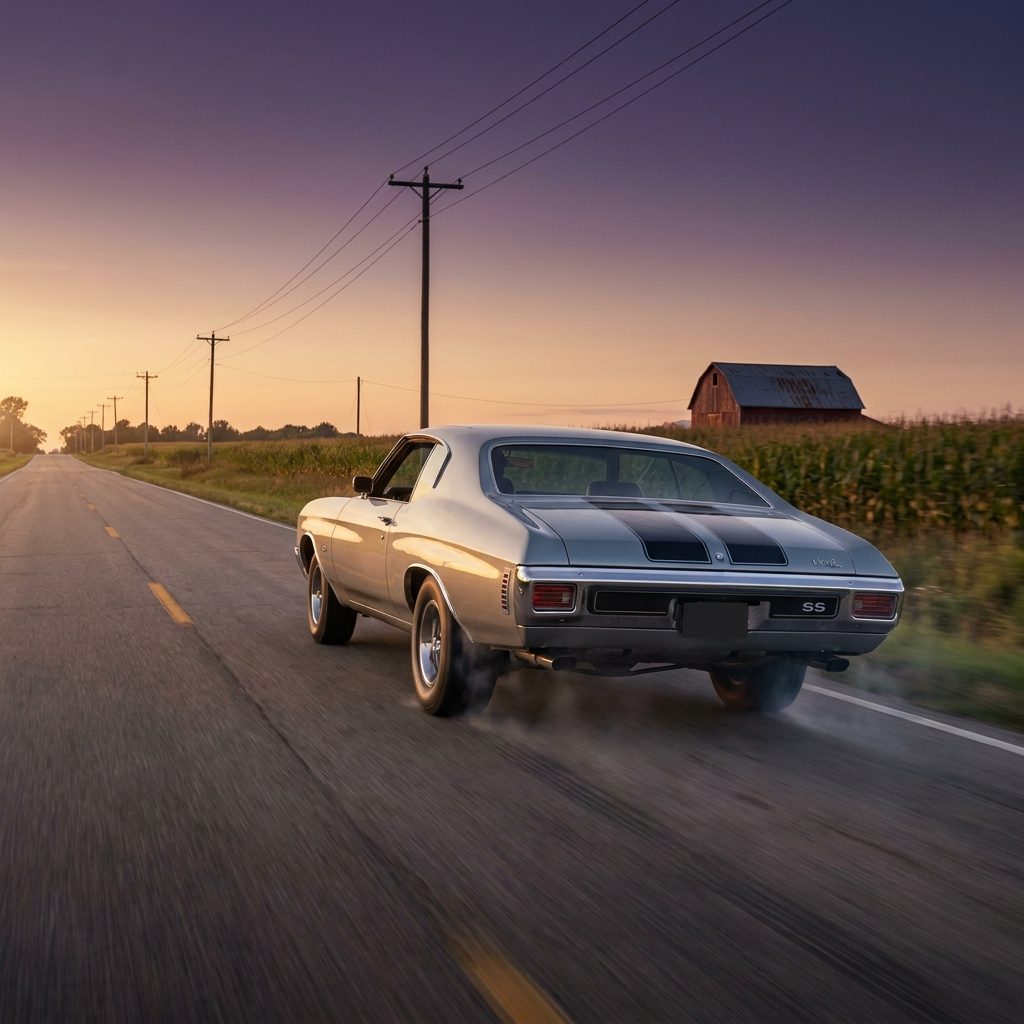
Horsepower got the headlines, but torque was what actually pushed you into the seat — 500 lb-ft available almost the instant you cracked the throttle, delivered through a rear tire that never quite got a full grip on the pavement.
You didn’t accelerate so much as get shoved. First-time passengers always said some variation of the same thing, usually starting with an involuntary swear word.
15. The Buddy Baker Muscle-Car Test at the Chevrolet Proving Grounds
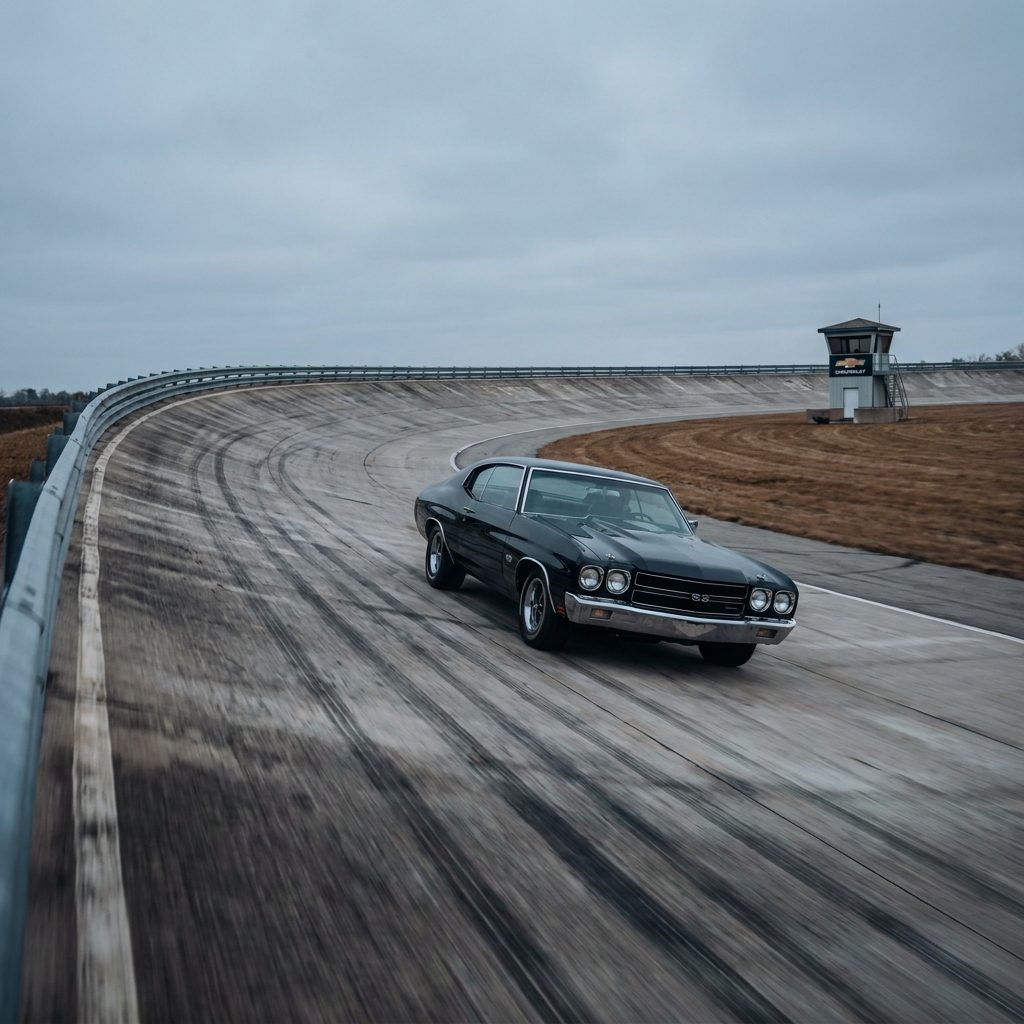
Chevrolet’s proving grounds in Milford, Michigan saw an LS6 do things that production cars were not supposed to do — low-six-second runs to sixty, quarter-mile times in the mid thirteens, and a top end well past highway-patrol comfort.
All of it on pump gas, street tires, and a full exhaust. Nobody in 1970 believed a warranted showroom car could run that hard, and the buff-book editors had to run their tests twice before they trusted their own stopwatches.
14. The Rear-View Mirror Shot of a Corvette Getting Smaller
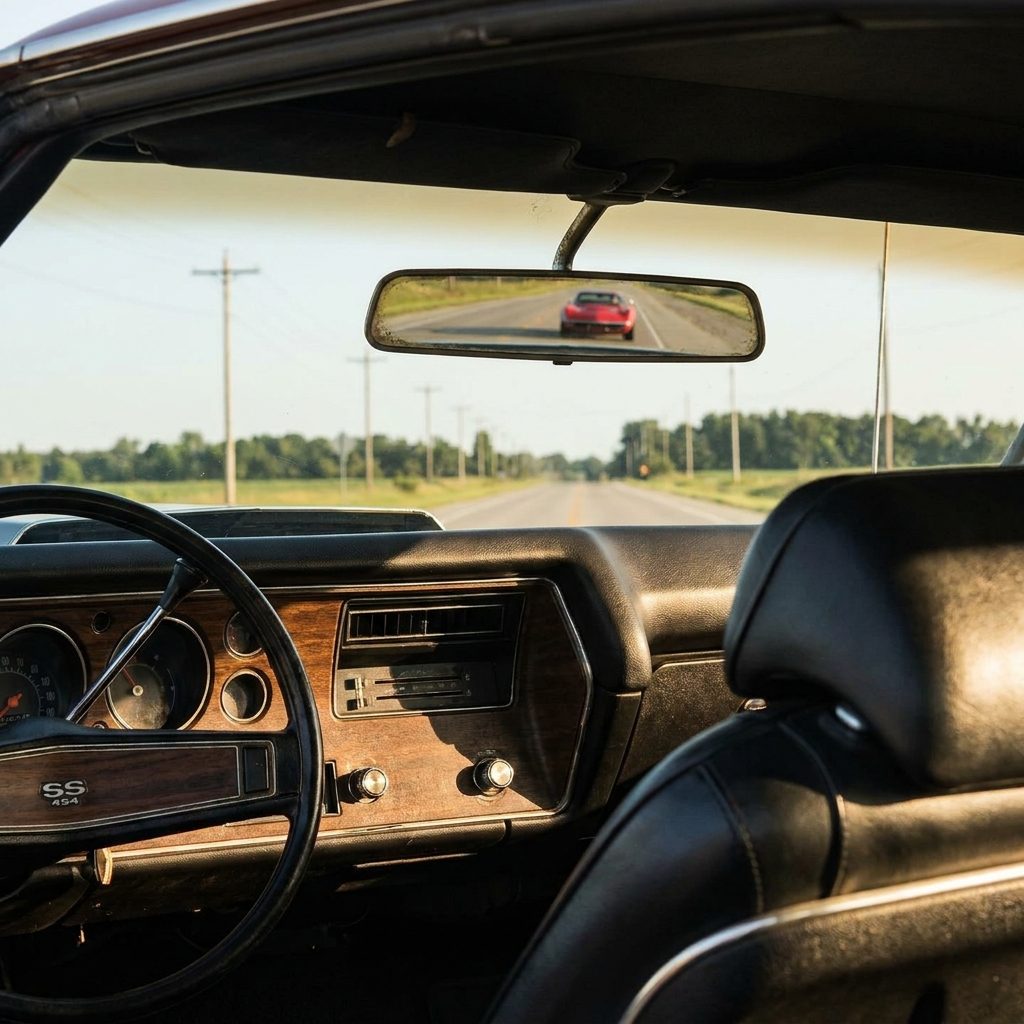
The stoplight-to-stoplight legend of the LS6 got built one embarrassed Corvette owner at a time. On paper the two-seater should have won every time, but on the street the Chevelle had a hundred more pounds of torque and a shorter final drive, and it turned a whole lot of sports-car guys into people who suddenly wanted to change the subject to handling.
For a lot of owners, watching that red nose shrink in the mirror was the whole reason they’d signed the loan papers.
13. The Cowl-Induction Air Cleaner With the Rubber Seal That Kissed the Hood
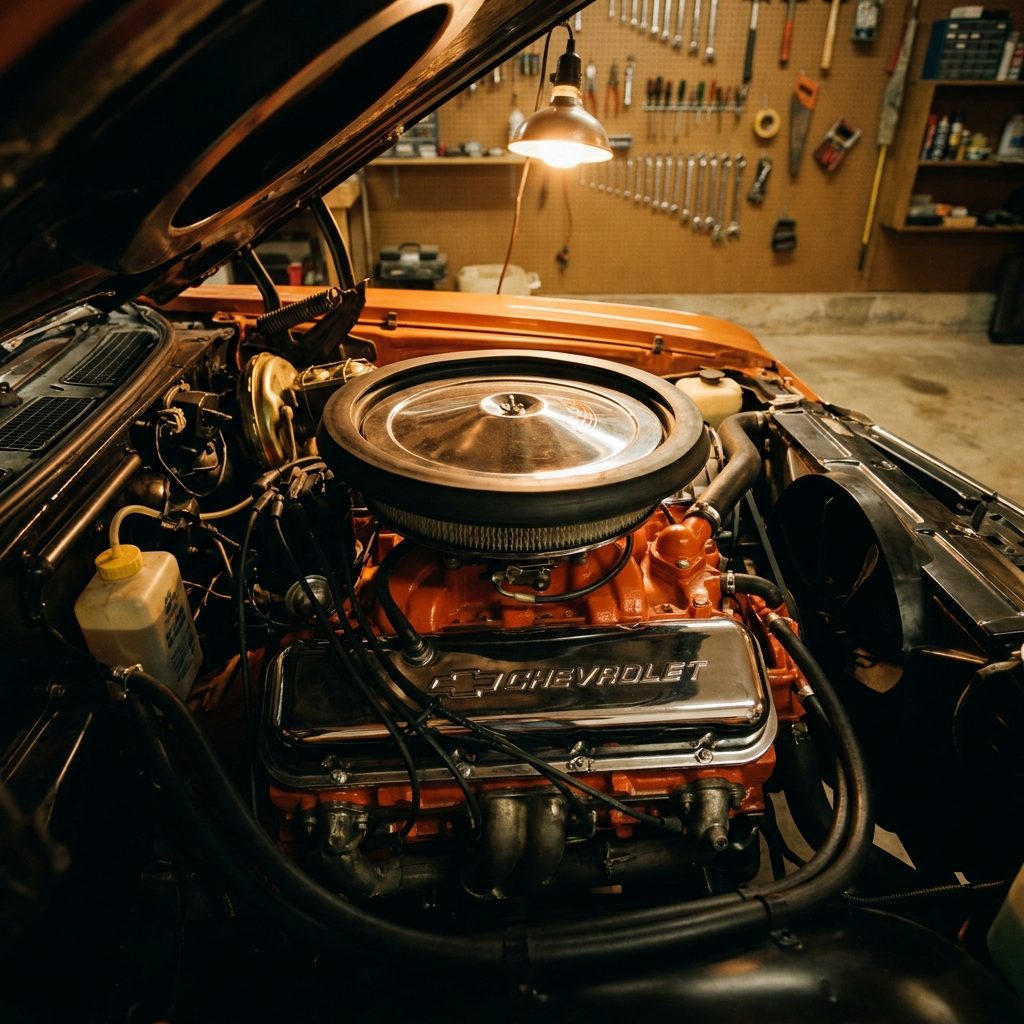
Pop the hood on an LS6 and your eye lands on that dinner-plate air cleaner, fat rubber seal running around the top edge. The seal wasn’t decoration — it mated against the underside of the cowl-induction hood so when the flapper opened, cold outside air poured straight down the carb throat instead of the hot soup swirling around the engine bay.
Looked too simple to work. Then you drove one.
12. The Rally Wheels With the Chrome Trim Rings and the Chrome Center Caps
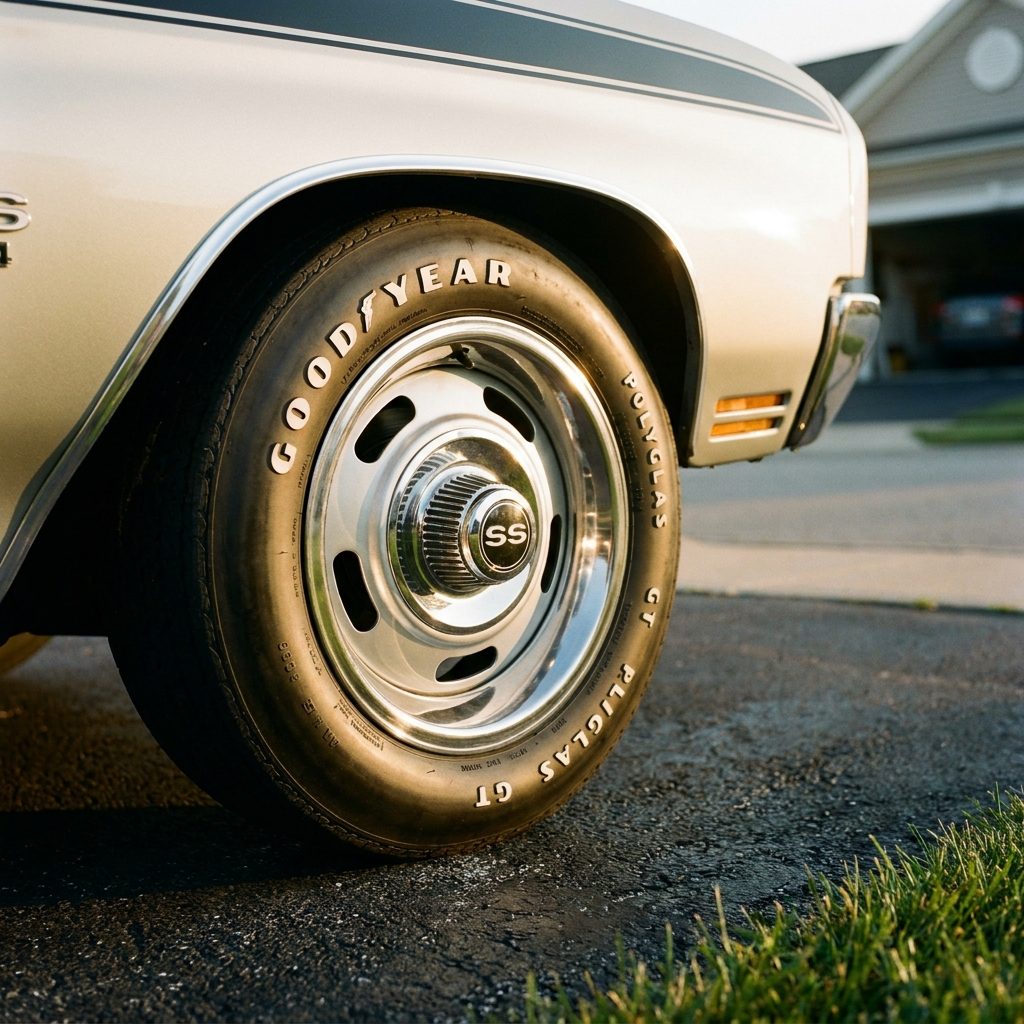
Every kid in 1970 could sketch a Rally wheel from memory — five vent slots, argent silver, chrome trim ring, that little chrome cap with SS stamped in the middle. Wrap them in raised white letter tires and the whole car leaned forward before you even started it.
They were optional. Plenty of Chevelles left the plant on plain hubcaps, and an SS 454 sitting on them always looked like it had forgotten to get dressed.
11. The Two Hood Pins With the Little Metal Cables That Never Sat Right
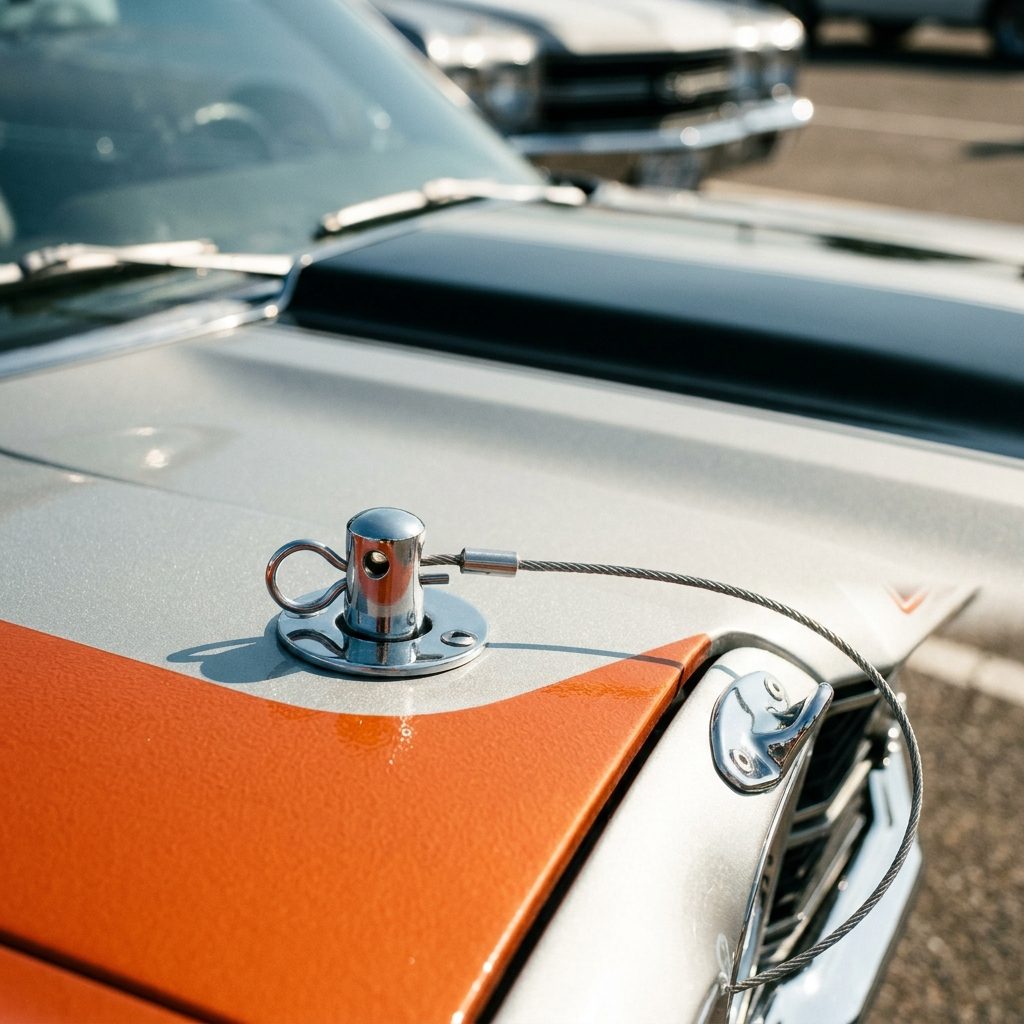
Two chrome pins on the leading edge of the hood, each with a braided cable and a keeper clip. Those cables always sagged — tighten them a hundred times and by the next car show they’d be dangling again.
Nobody cared. Sag was proof the car got driven, and hood pins meant you were serious about not launching the sheet metal into orbit at seventy.
10. The Bench Seat Option Nobody Talks About Anymore
Would you like to save this?
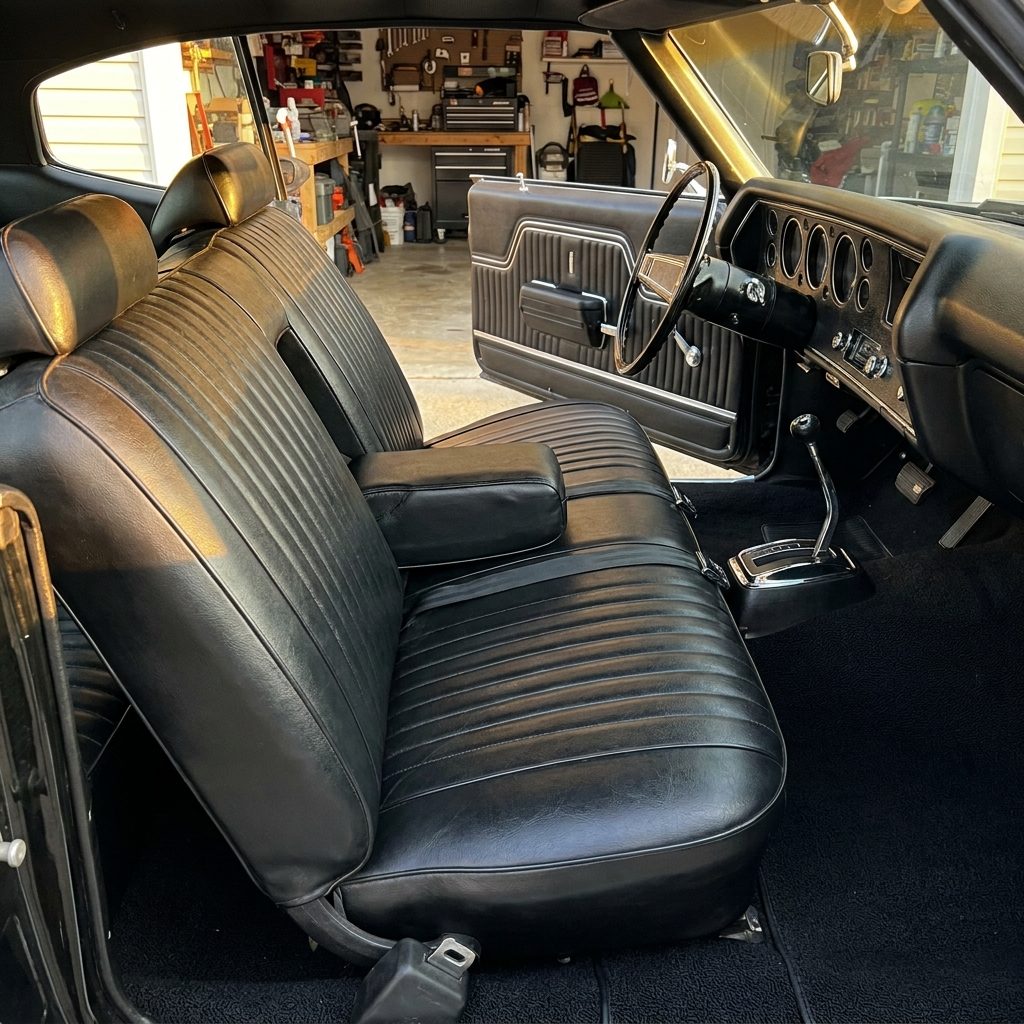
Everyone remembers the buckets and the console. But you could order an LS6 with a front bench and a column shifter, and Chevrolet built them exactly that way — three across up front, three across in back, six people and a big-block that didn’t care where any of them were sitting.
Sounds like a mistake now. In 1970 it was just how families ordered cars, even the fast ones. Dad wanted to sit next to Mom, the kids piled in the middle, and the 454 pulled the whole load without complaint.
9. The Optional AM/FM Radio Almost Nobody Ordered
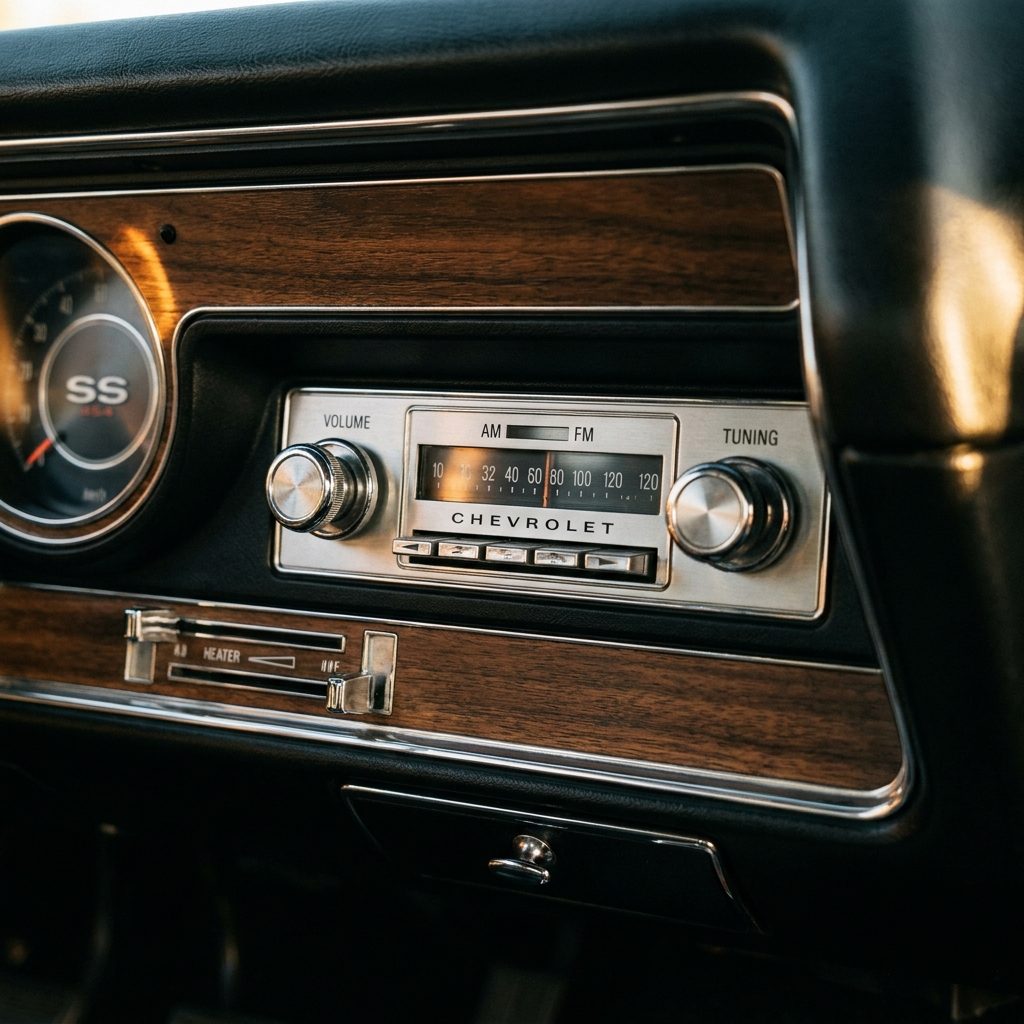
Most Chevelles left the factory with the standard AM push-button radio. The AM/FM cost extra, and in 1970 FM was still where you went for classical music, not rock and roll. WABC and WLS on the AM dial did just fine for a kid burning gas on a Friday night.
The ones that did get FM feel oddly modern now — chrome knobs, silver slide-rule tuning, and a signal that could pull in the album-rock stations just starting to matter.
8. The 3.31, 3.55, 4.10, and 4.56 Rear Gear Options
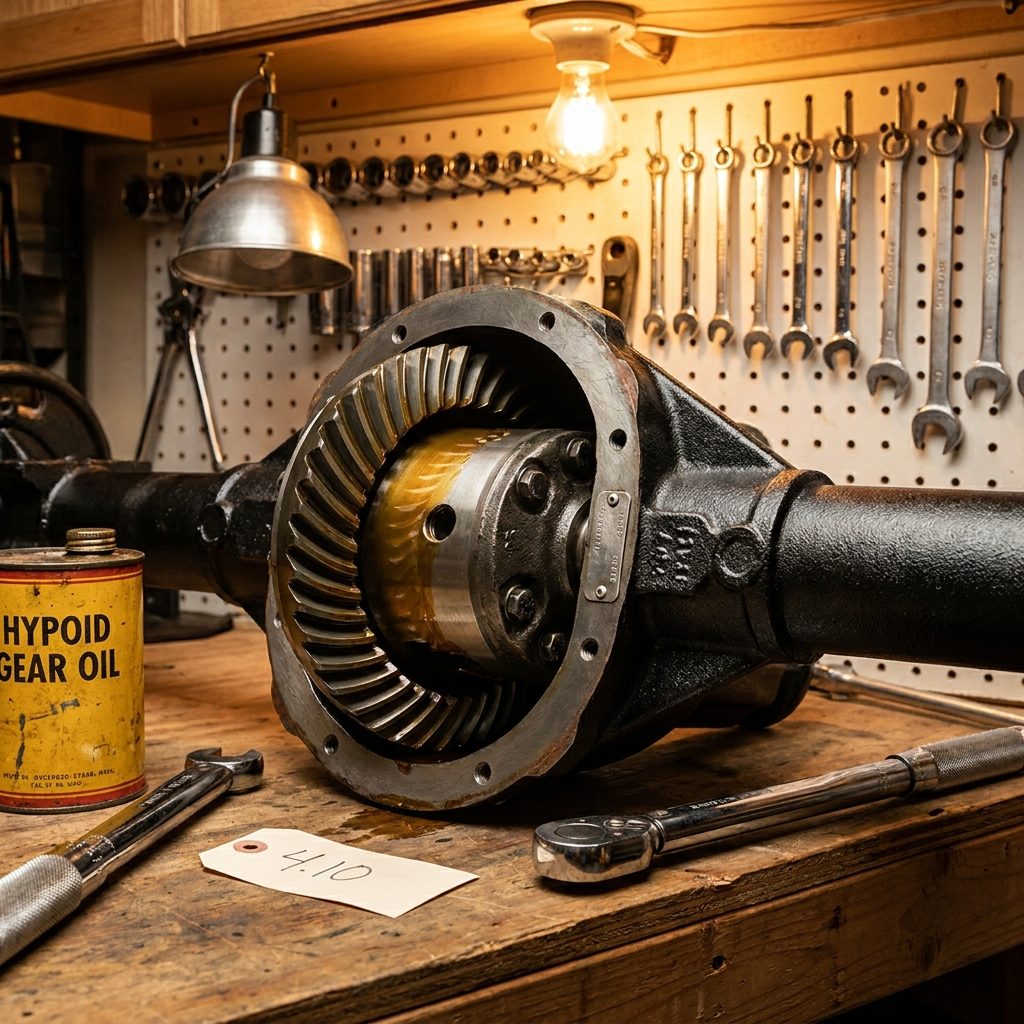
You picked your gear ratio the way you picked your fight. 3.31s if you planned to cruise the interstate down to Florida without the engine screaming. 3.55s for the sensible daily driver. 4.10s for the guy who actually lived a mile from the drag strip. 4.56s for the guy who told everyone he lived a mile from the drag strip.
Lower number, taller gear, calmer highway. Higher number, harder launch, ringing ears. Every combination bolted into the same 12-bolt housing.
7. The Vinyl Roof Option That Some Cars Wore and Some Didn’t
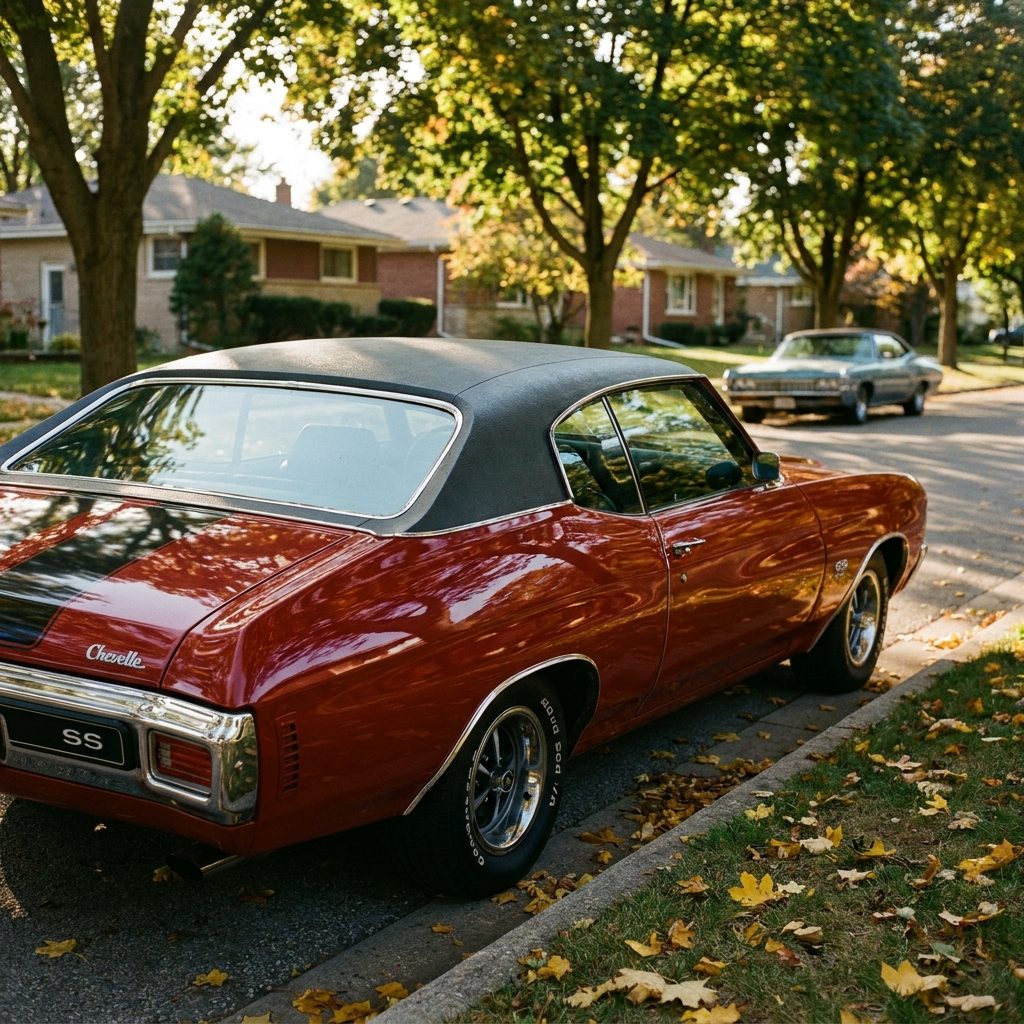
Vinyl roofs were everywhere in 1970 — Chevrolet offered them on the Chevelle in black, white, dark blue, dark green, and a few other shades. Some LS6 buyers checked the box because it looked formal and grown-up. Others skipped it, wanting every ounce off the car.
Here’s the ugly part: vinyl trapped water. Underneath, the roof rusted quietly for years while the owner had no clue anything was wrong, until the day a swap-meet buddy poked a screwdriver through it. The ones that survived with original vinyl intact are the exception.
6. The Power Steering Pump That Whined at Idle in Every Parking Lot
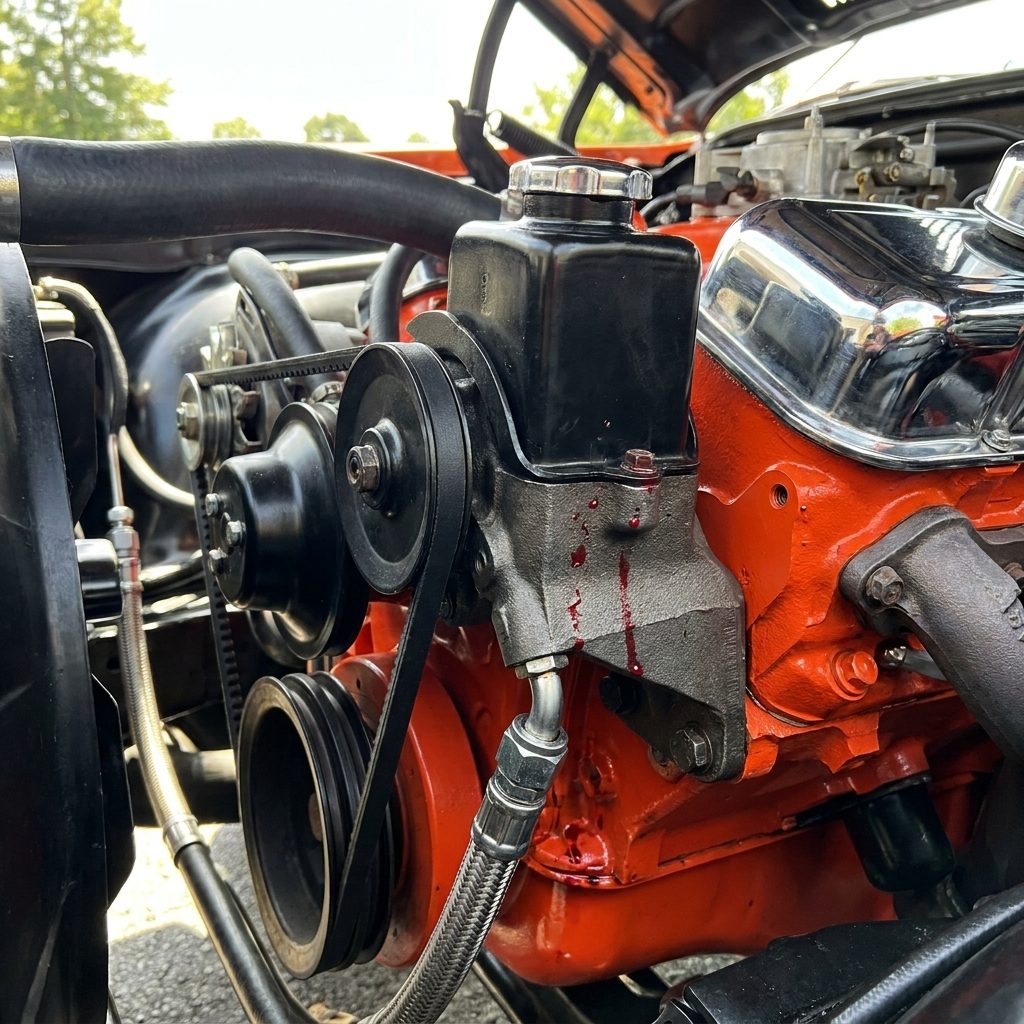
Every big-block Chevy of the era whined a little at idle. The Saginaw pump spinning off the crank made a soft rising note whenever the wheels cranked hard, and in a quiet parking lot with the windows down you could hear it clear as a bell.
Nobody thought of it as a problem — it was just what a Chevy sounded like sitting still. Climb into a friend’s Chevelle that didn’t whine and you’d assume something was wrong.
5. The Muncie Bellhousing With the Scattershield That Kept Your Legs Attached
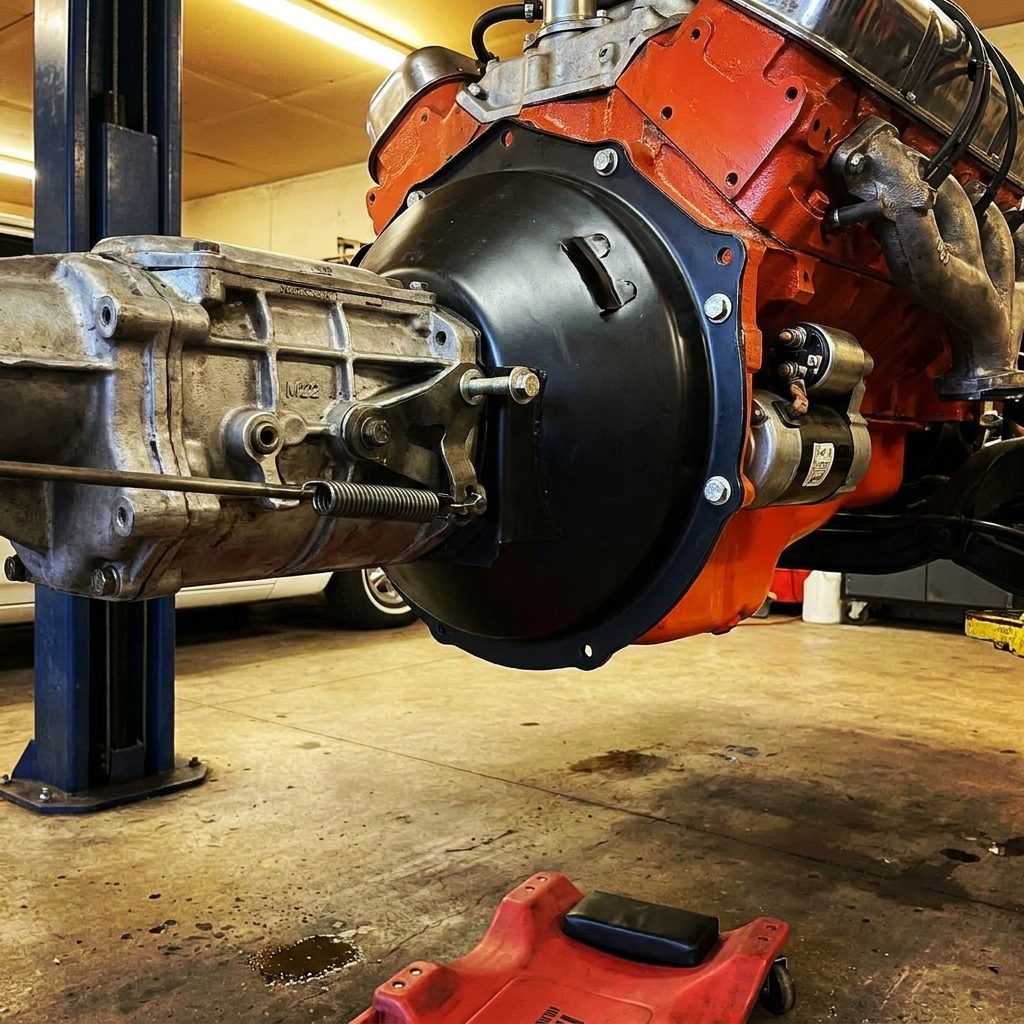
Big torque, high rpm, heavy iron flywheel spinning at six grand. When those let go, they came apart at the speed of shrapnel — and the first thing in the way was the driver’s right leg.
The scattershield was thick stamped steel wrapped around the clutch and flywheel like a bank vault. Serious racers ran them. Serious street guys ran them too. Added weight the car didn’t need, and peace of mind the car couldn’t do without.
4. The Cast-Iron Four-Bolt Main Block That Weighed More Than the Front End of Some Compacts
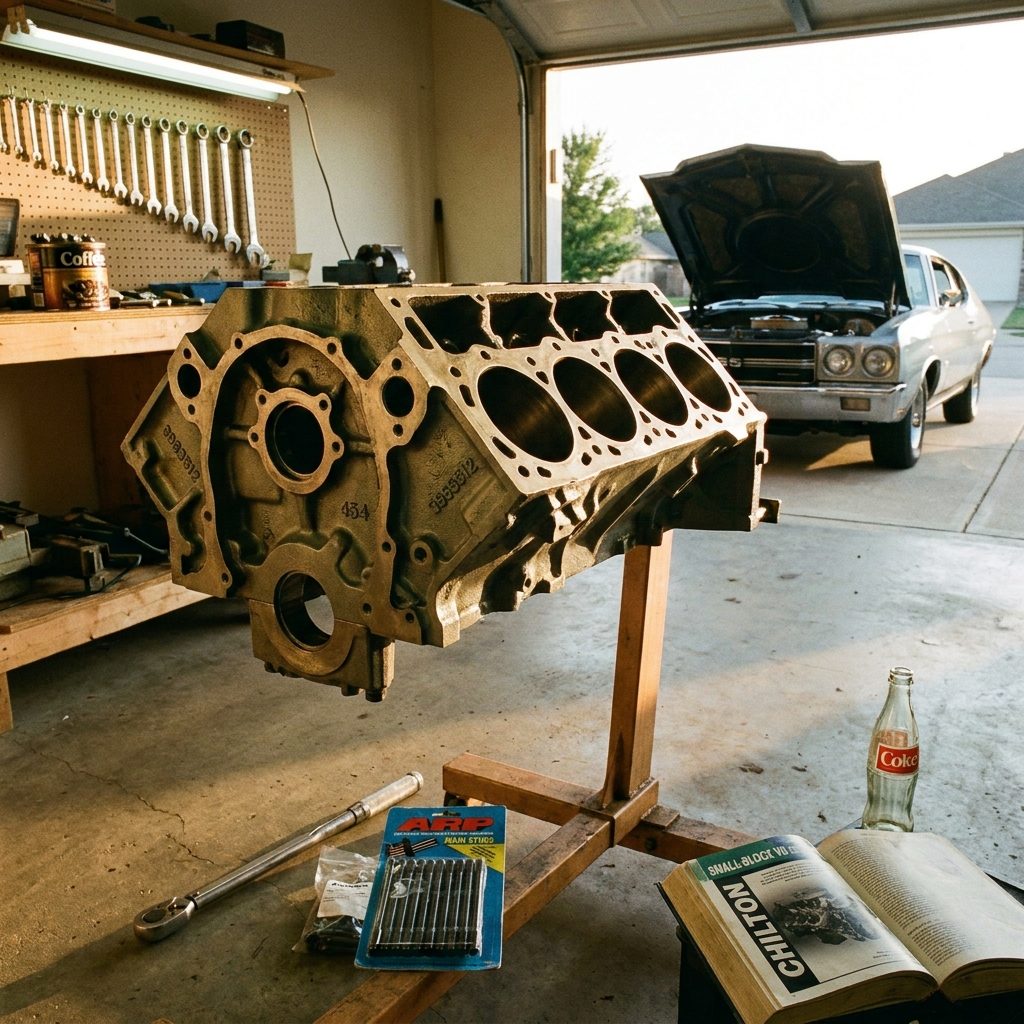
Nine hundred pounds of iron before you bolted a single accessory to it. Chevy engineered the 454 block like they knew somebody was going to twist the thing until it screamed, and they were right — four-bolt main caps down the crank, thick decks, and enough meat in the water jackets that guys were still boring these out to 496 twenty years later.
Your front springs sagged just looking at it. Every LS6 Chevelle sat with its nose lower than a small-block car, and you could pick them out in a parking lot by that alone.
3. The Forged Steel Crankshaft With the Cross-Drilled Journals
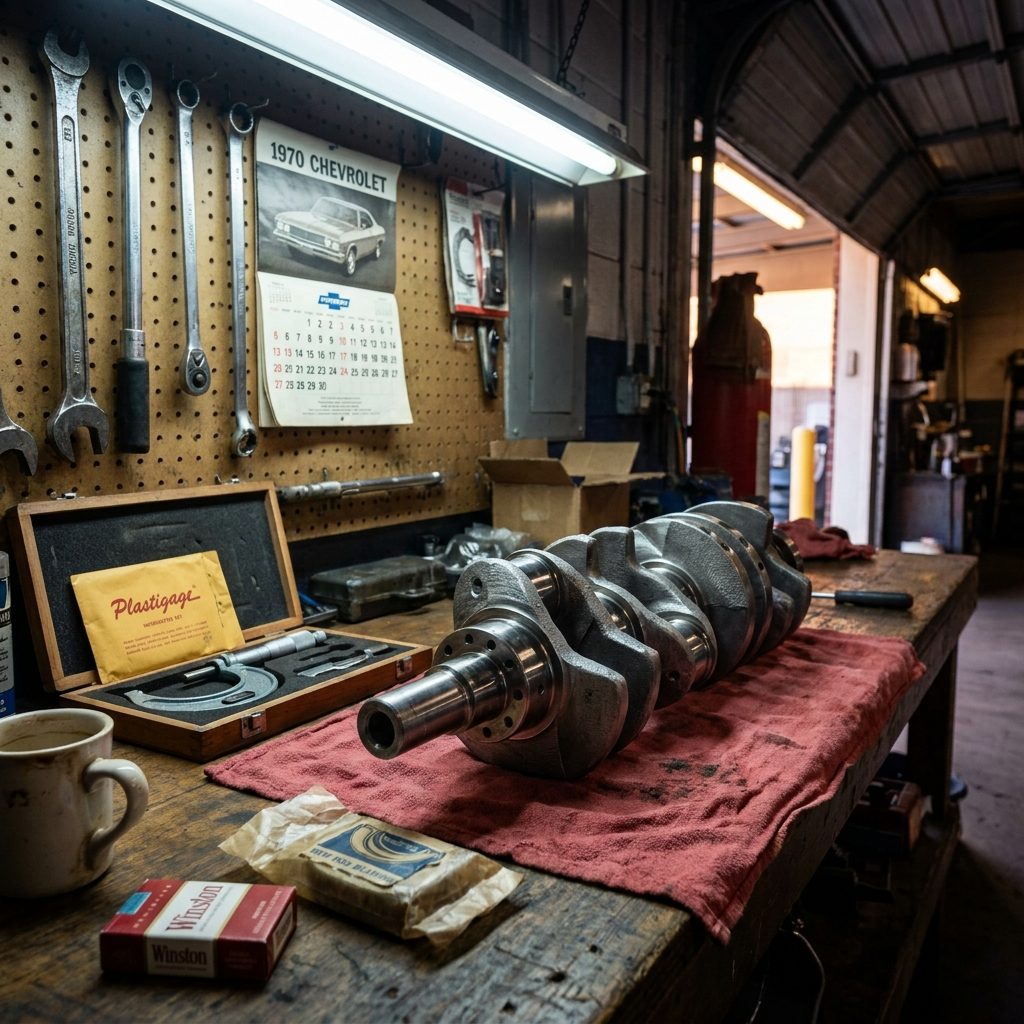
The crank in an LS6 was forged, not cast, and that was the whole difference between a motor that lived and one that came apart at high RPM. Forged steel takes the hit. Cast iron breaks.
Cross-drilled journals fed oil to the rod bearings from two directions at once, which mattered when you were dumping serious torque through the thing every red light between here and the Sonic. Guys who rebuilt these cranks in the 80s said they’d find them still round after a lifetime of abuse — and that’s not something anyone says about many parts from 1970.
2. The Cowl Tag Under the Hood That Told the Whole Story in Six Lines of Stamped Metal
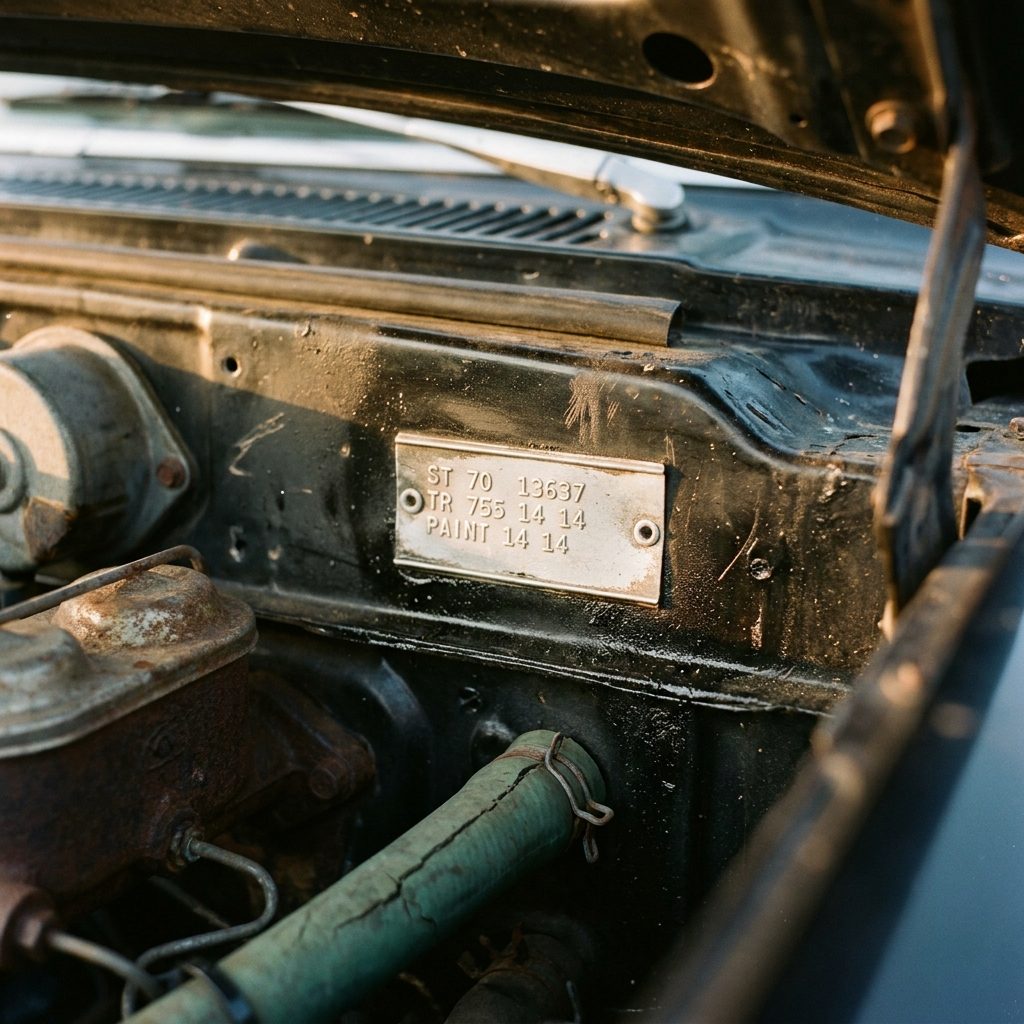
Six lines of stamped codes on a piece of aluminum the size of a matchbook. That tag was the birth certificate — body plant, build week, trim, paint, and if you knew how to read it, whether the car left Baltimore or Framingham or Van Nuys.
Collectors today will drive across three states to squint at one. In 1970 the dealer prep guy pulled the plastic off it and never gave it another thought.
1. The Sound of a Cold Start With the Choke Pulled and Every Neighbor Awake by 7:15
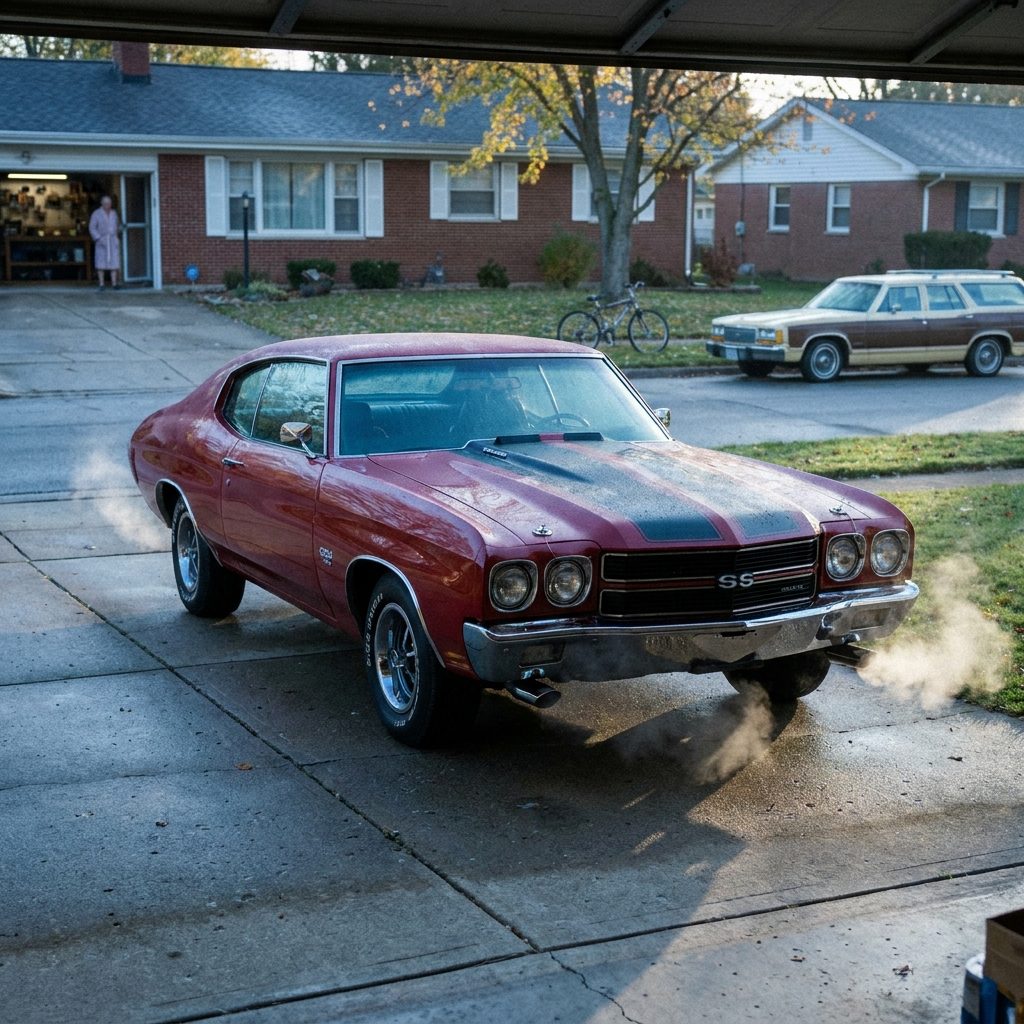
Anyone who lived on a street with an LS6 Chevelle in 1970 knew exactly what time that guy left for work. Solid lifters ticked away, the choke held the fast idle high, and the low-restriction exhaust turned a cold start into a neighborhood announcement.
You heard it from the kitchen. From the shower. Old ladies two houses down could tell you within thirty seconds when he was backing out of the drive, and half of them set their coffee pot by it.
Nobody complained. Or if they did, nobody who owned one cared. That was the deal in 1970 — if your neighbor drove a muscle car, you learned to sleep through it or you moved.