
Would you like to save this?
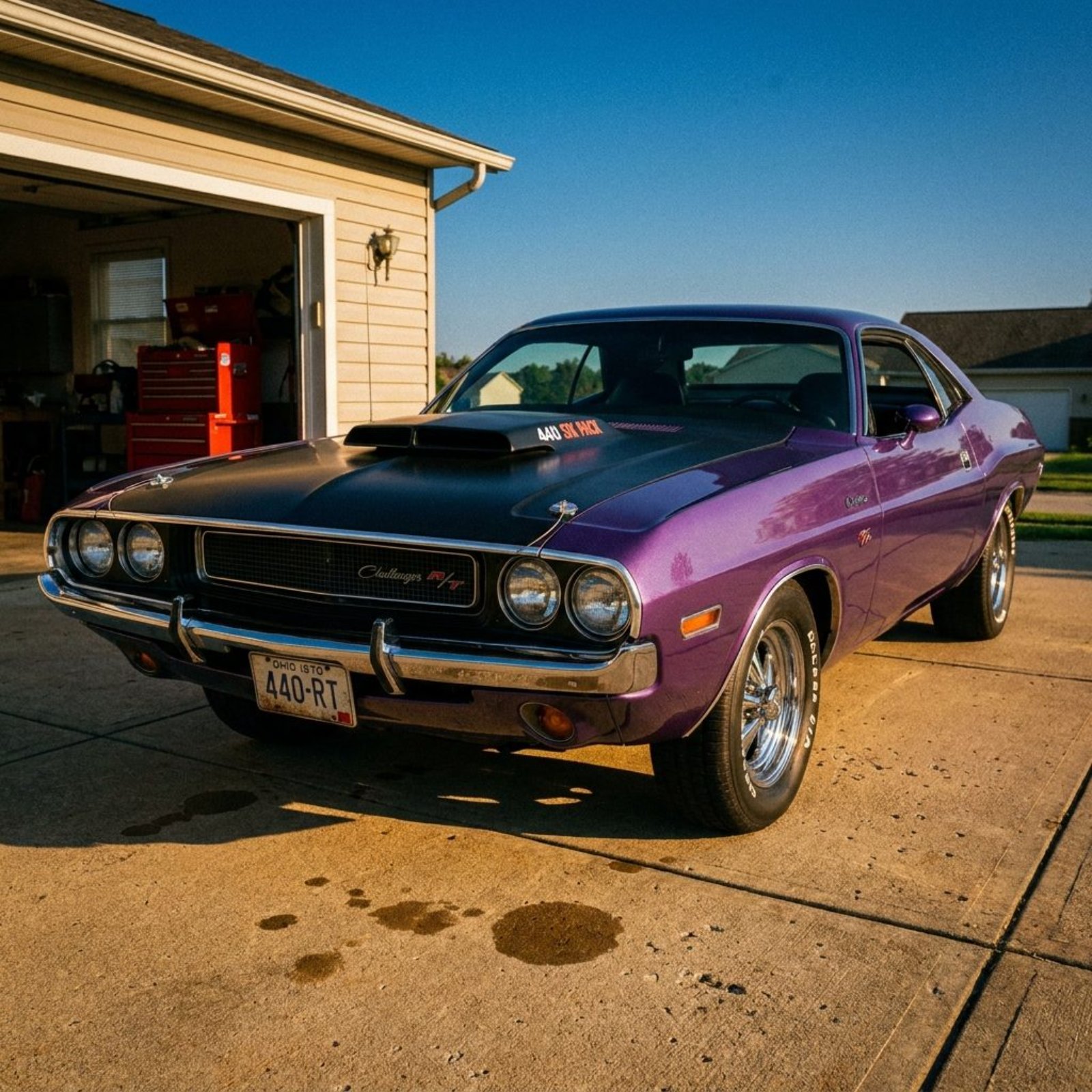
The 1970 Dodge Challenger did not arrive politely. It landed on American streets like a dare, wide-body proportions that made the competition look narrow, a grille that stretched the full width like it meant to swallow the road whole, and enough color options to prove Dodge understood exactly who was buying these cars. More than fifty years later, the Challenger’s first year of production still draws a crowd wherever it shows up. Here’s why nothing since has quite matched it.
17. The Long Hood, Short Deck Proportion That Every Muscle Car Imitated and Nobody Matched
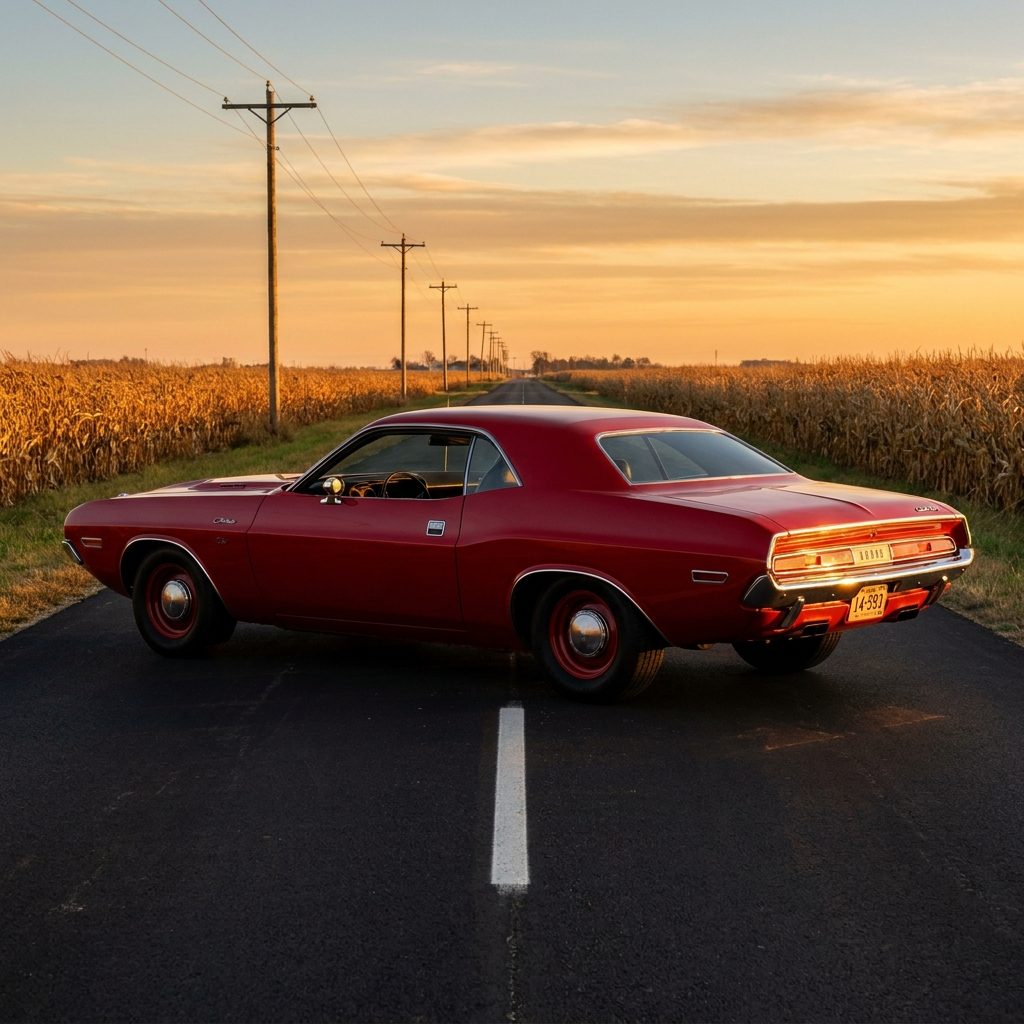
The proportion is what does it. Long hood, short deck, greenhouse pulled rearward, haunches wide and planted. Automotive designers call this a cab-rearward stance, and the Challenger wore it better than anyone at the time, including the Mustang it was chasing.
The Camaro’s hood was shorter. The Mustang’s body was narrower. The Challenger gave you more of everything, stretched and muscled in a way that read aggressive even parked at the curb doing nothing at all. That particular proportion is what people are really talking about when they say a car looks like a muscle car. The Challenger set the template.
16. The Pistol-Grip Shifter That Made Every Stop Light Feel Like a Starting Line
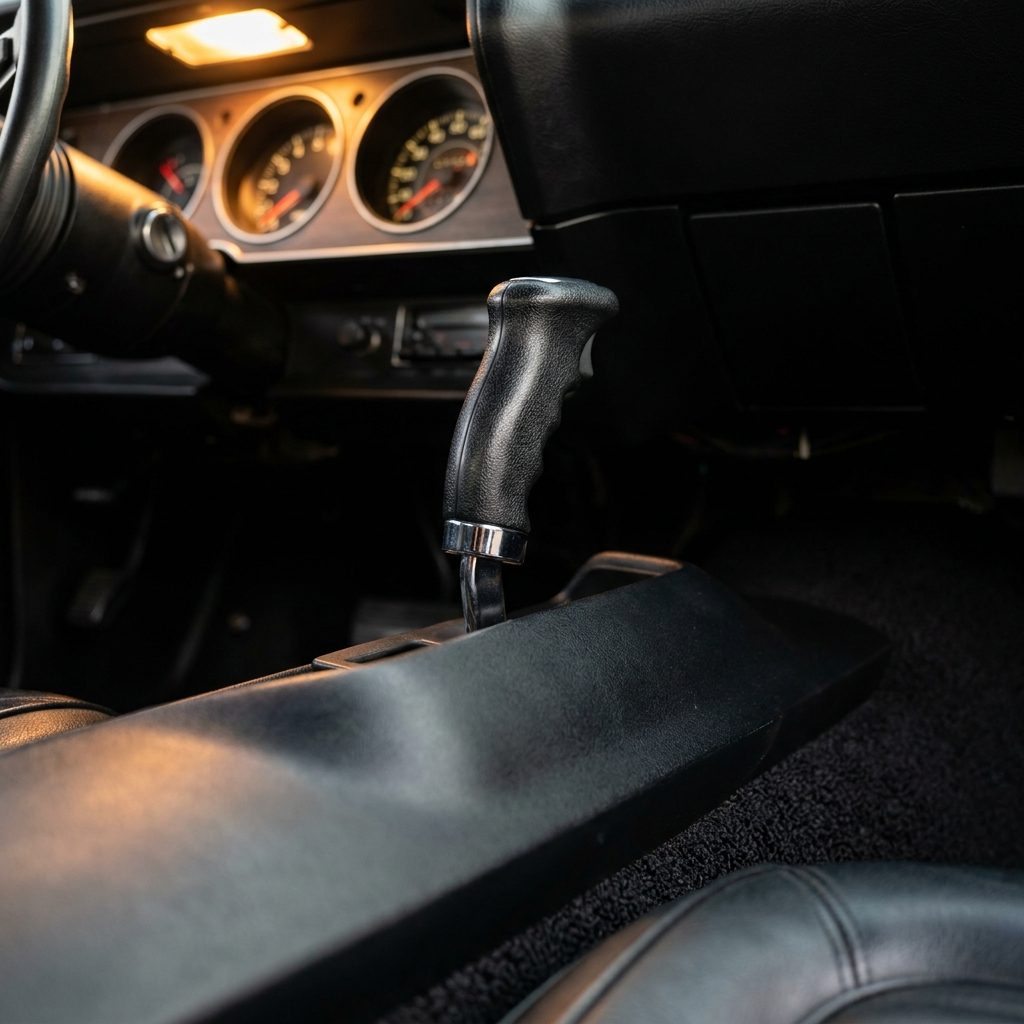
Chrysler’s Pistol Grip shifter came standard on four-speed Challengers and it was exactly what the name said: a handle shaped like a pistol grip, contoured so your palm wrapped it naturally and your fingers curled around the back. You didn’t just grab a gear. You drew it.
It was theater, but it was honest theater. The weight of the lever, the mechanical click of the gate, the short throw on a Hurst linkage. Every traffic light had an atmosphere to it that column-shift cars simply could not manufacture.
15. A Color Palette That Sounded Like a Fight Waiting to Happen
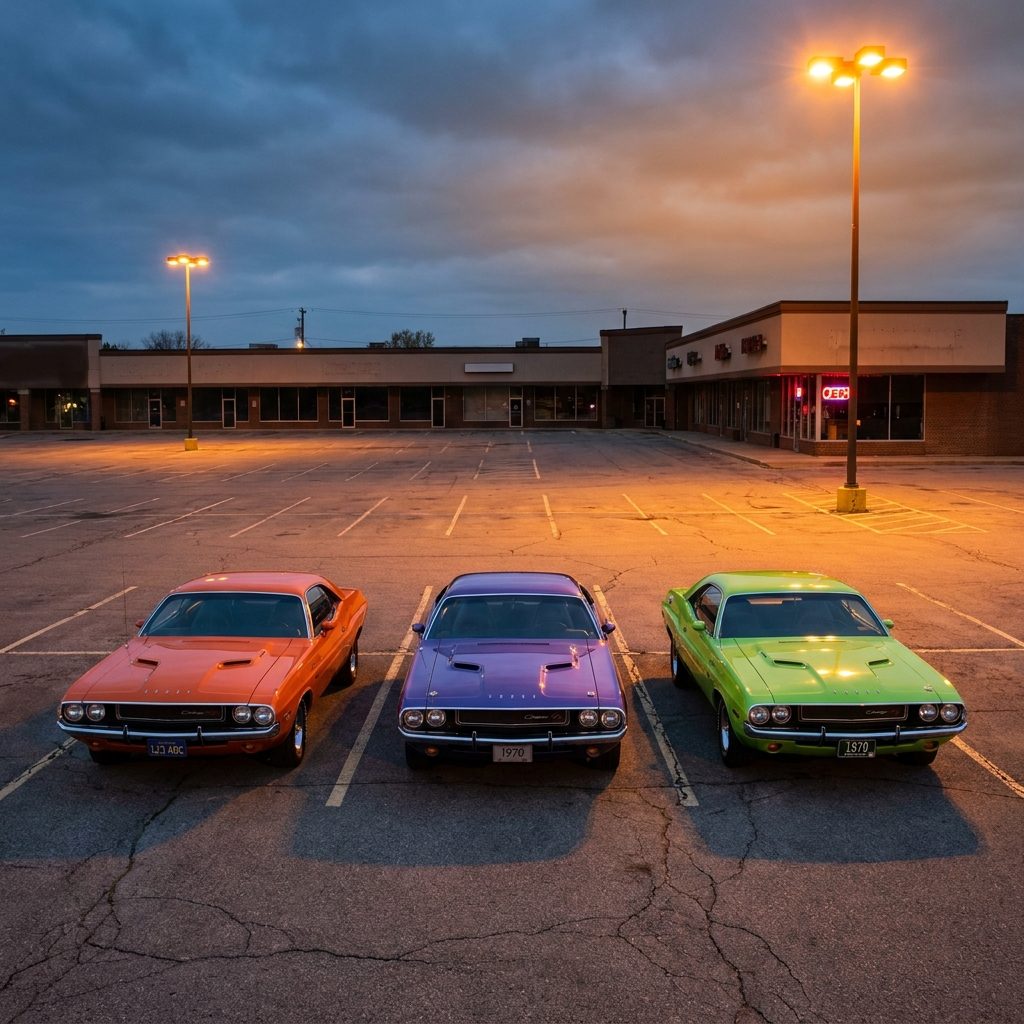
Go Mango. Plum Crazy. Sublime. Hemi Orange. The 1970 Dodge High Impact color palette reads less like a paint chart and more like a list of dares. These were not colors designed to disappear in traffic. They were designed to make the car across the intersection feel like it was already losing.
Every other manufacturer offered bright colors in 1970. Dodge made bright colors feel like a personality disorder, in the best possible way. A Challenger in Plum Crazy didn’t ask to be noticed. It announced itself.
14. The Rallye Instrument Cluster, Six Gauges That Actually Meant Business
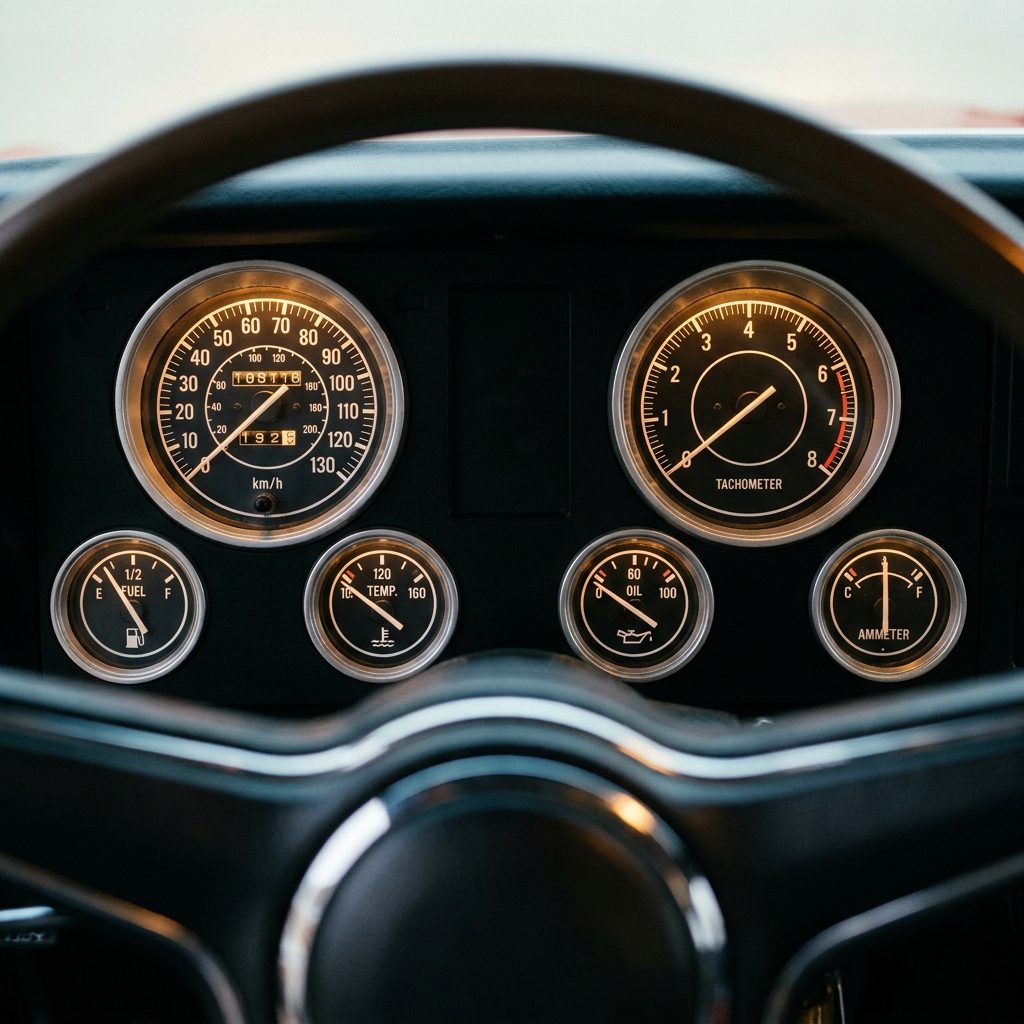
A tachometer that actually redlined somewhere meaningful. Oil pressure. Coolant temp. Ammeter. The Rallye cluster gave you information instead of hope, which put it ahead of half the muscle cars being built at the same time with fake gauges or idiot lights standing in for real instrumentation.
Sitting behind that cluster felt like sitting behind something serious. Six gauges telling six true things about the machine you were operating. That directness is part of why the cockpit of a Challenger still feels right to people who climb into one today.
13. The 426 Hemi, an Engine So Serious Dodge Had to Warn You It Wasn’t for Daily Use
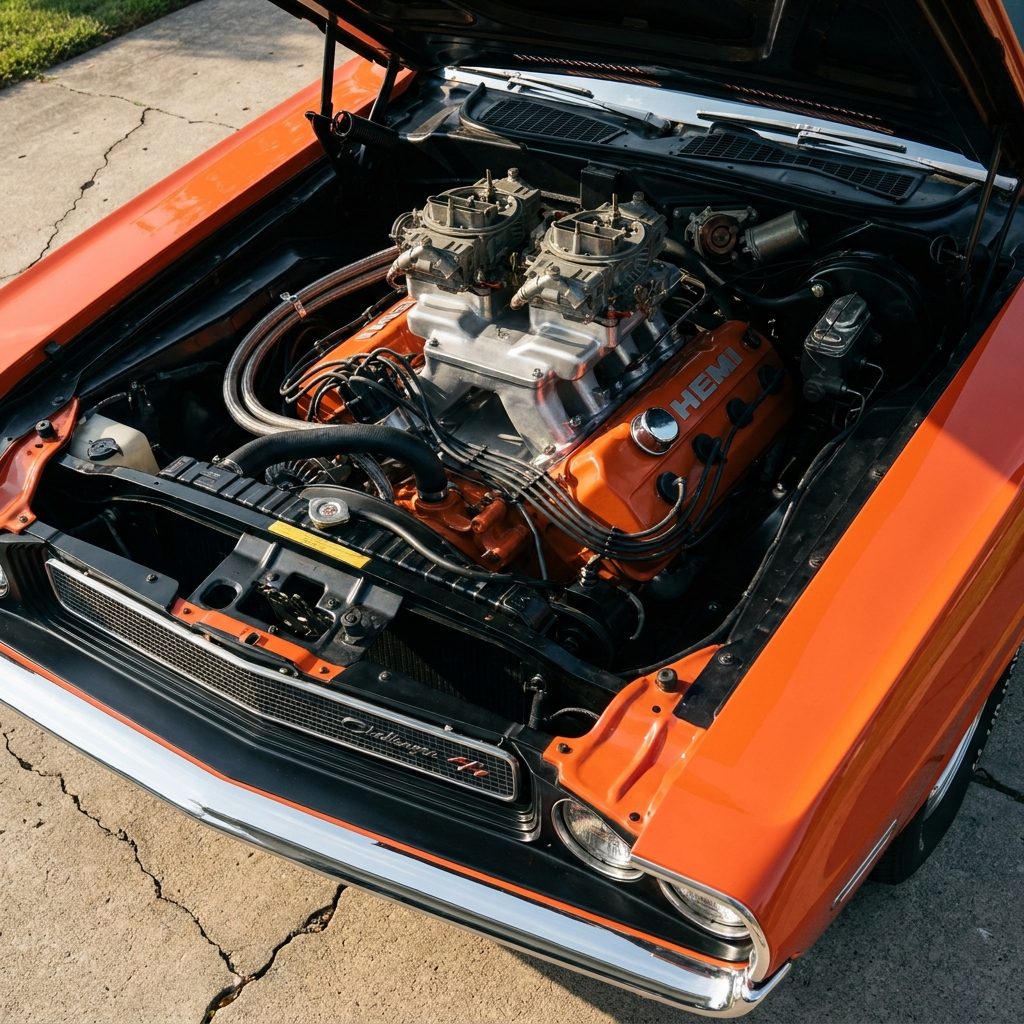
Dodge’s actual sales literature for the 426 Hemi said it was intended for “competition purposes” and recommended against it for street driving. That was not false modesty. The solid-lifter cam loped at idle. Cold starts required patience. Premium fuel was not a suggestion.
None of that deterred anyone. The Hemi made 425 horsepower by the factory’s deliberately conservative rating, and everyone who drove one understood immediately that the real number was higher. It remains one of the few production engines that generated its own mythology while still being sold new.
12. The Wide Stance That Made Everything Around It Look Like It Was Standing Wrong
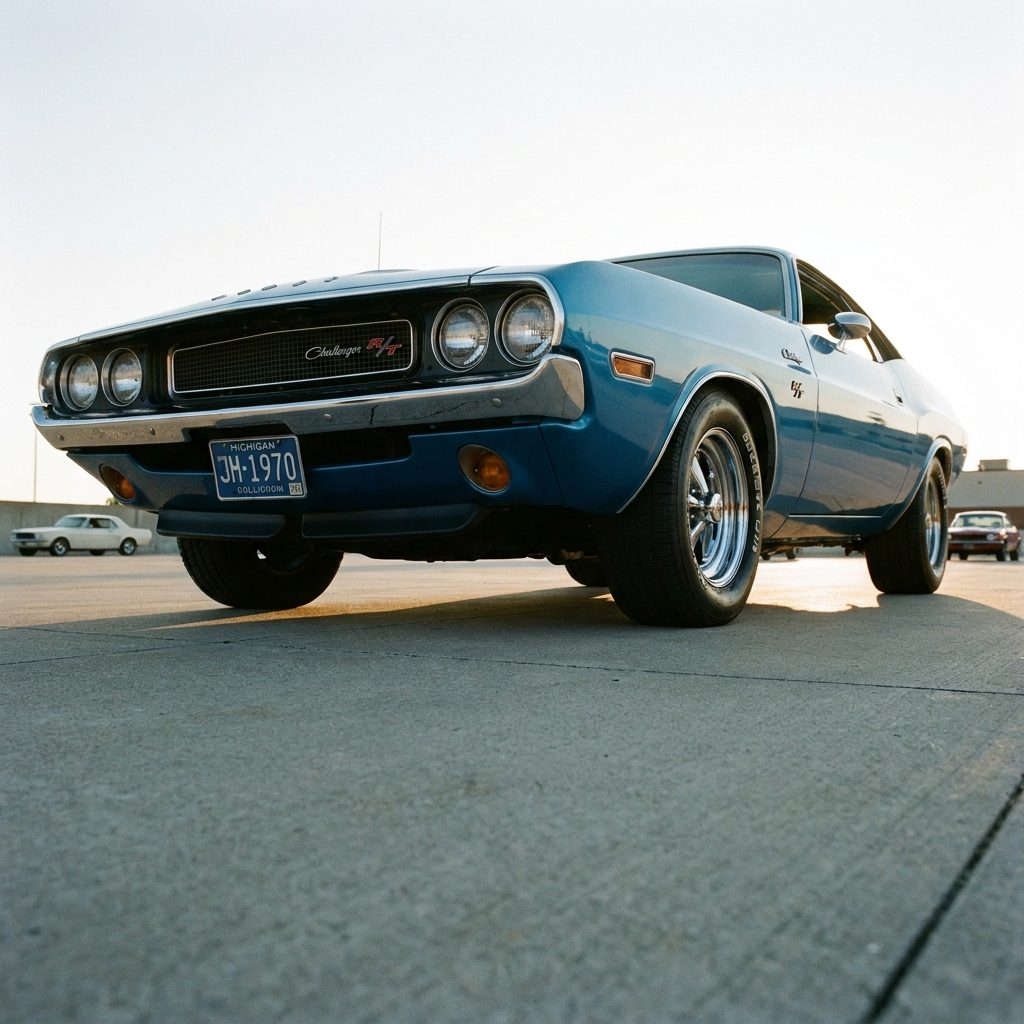
The 1970 Challenger was 76.1 inches wide. That number meant nothing until you stood in a parking lot next to one and noticed how much more ground it claimed than everything parked beside it.
Width creates presence. Wide cars look planted. They look like they belong to the road rather than visiting it. The Challenger’s wide front track, combined with those rear quarter panels that swelled out over the wheels, gave it a stance that read aggressive from any angle, in any color, with any engine. The body did the talking before the engine ever had to.
11. The Way It Looked in the Rain, Under a Street Light, When Nobody Was Watching
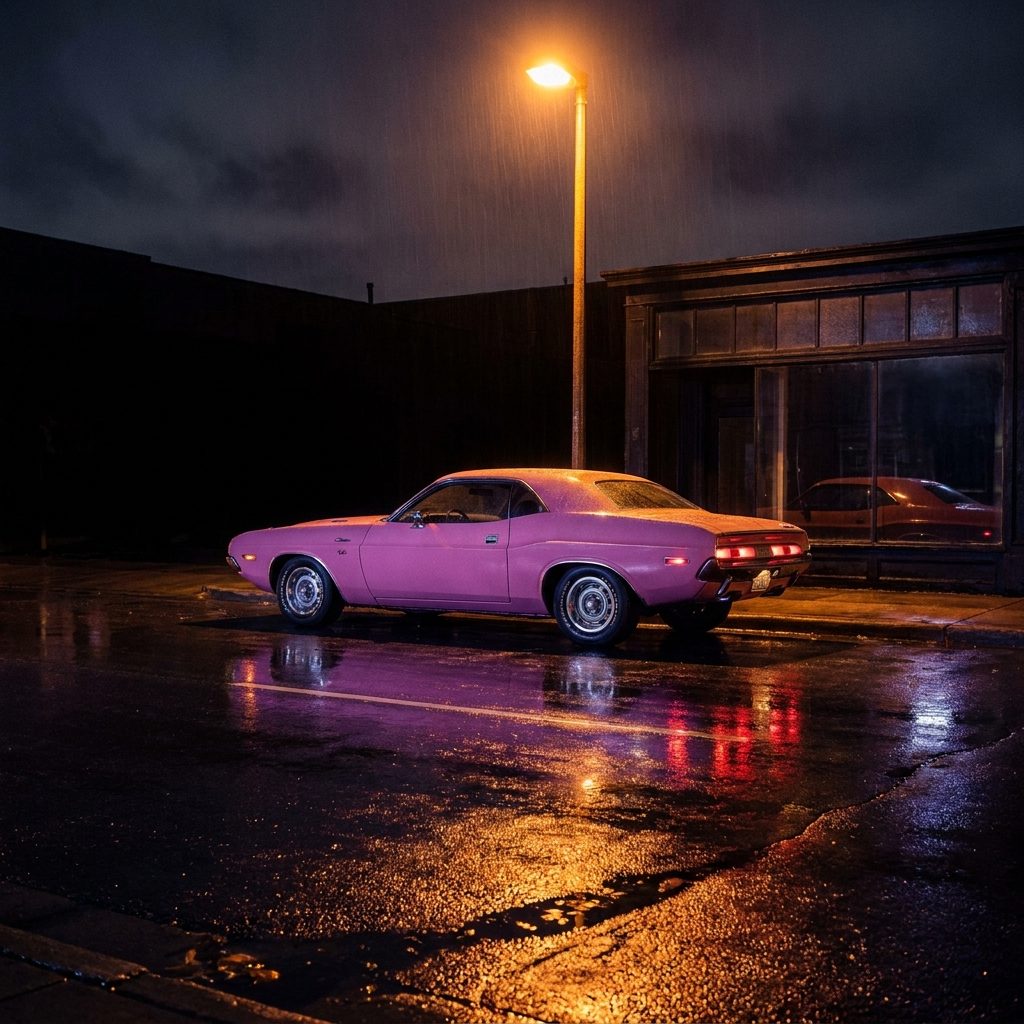
There is a particular quality that only certain cars have, which is that they look better when no one is trying to show them off. A 1970 Challenger parked alone on a wet street under a lamp post, nobody around, rain just stopped, the paint holding the light in a way that flat metal simply cannot do. That’s the version of the car that lives in the back of your head.
It’s not nostalgia. It’s proportion and surface. The Challenger was designed with enough shadow and curve to reward any lighting condition. Fifty years hasn’t changed that. It still stops you when you see one parked at a curb doing absolutely nothing.
10. It Doesn’t Need a Comeback, It Never Actually Left
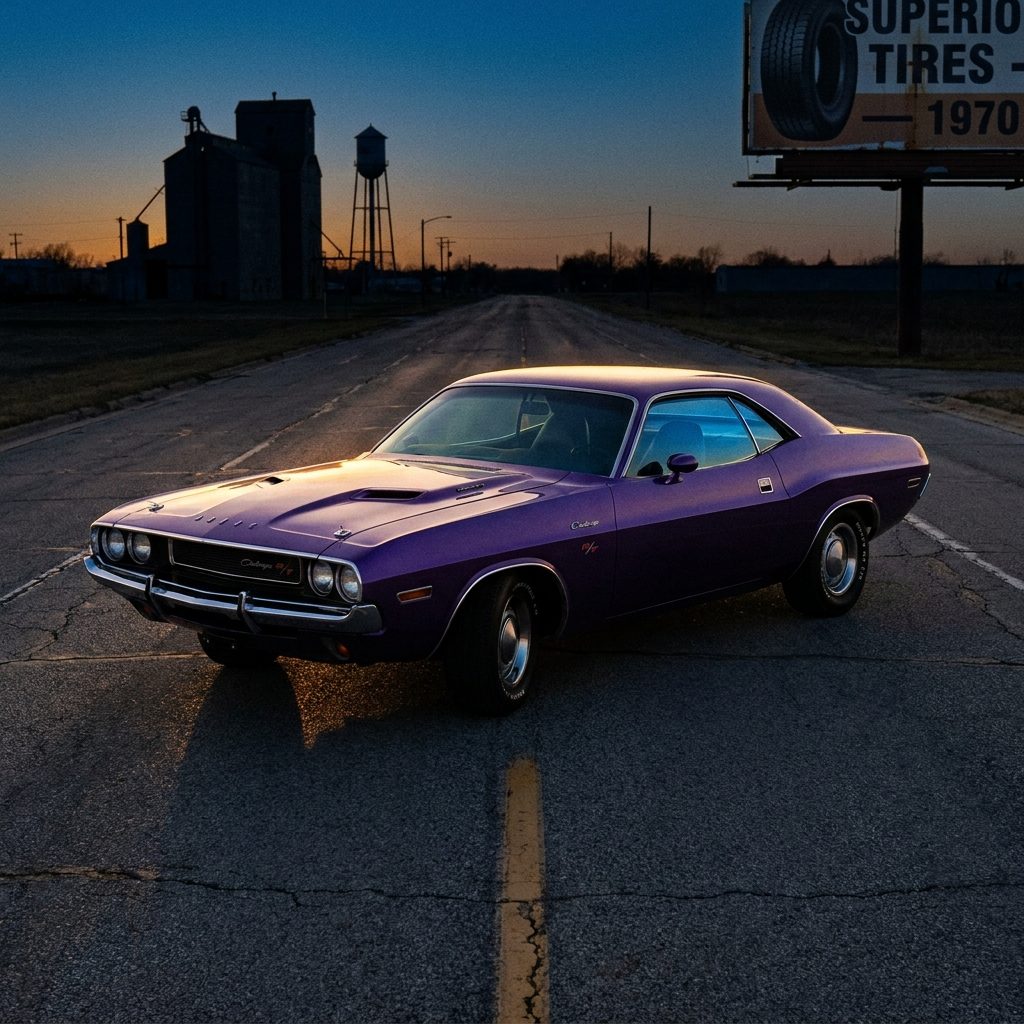
Fifty-some years on and the Challenger’s proportions still read the same way they did on a dealer lot in 1970: like someone drew the car they actually wanted and then, somehow, built it. That long hood isn’t nostalgia bait. It’s load-bearing. It tells you exactly what’s sitting behind it before you ever pop the latch. The wide, planted stance isn’t styling theater either, the car is genuinely wide, genuinely low, and the stance is honest about both.
Most performance cars from that era have aged into artifacts. Things you appreciate in a museum context, with asterisks about the brakes and the handling and the visibility. The Challenger ages differently. You see one rolling down a street today and the reaction isn’t ‘oh, a classic.’ It’s closer to ‘right, that’s what one of those looks like.’ The template never got replaced. Every muscle car drawn on a notebook cover since 1970 is, at some level, a drawing of this car. That’s not a small thing to carry for half a century, and the Challenger carries it without visibly trying.
9. The Split Grille That Looked Like It Was Daring You to Pull Up Next to It
Would you like to save this?
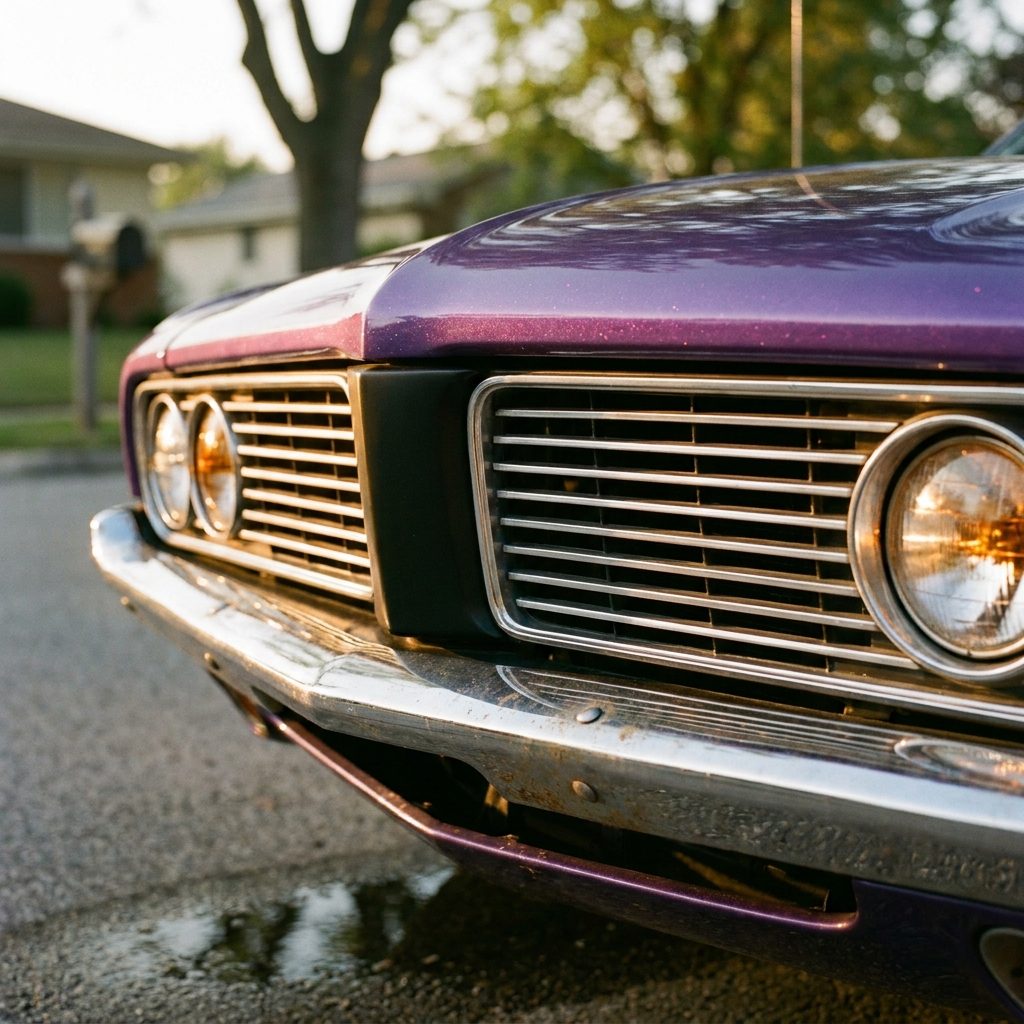
Most muscle cars wore their grilles like afterthoughts — something the factory bolted on because a car needed a face. The Challenger’s split grille was the whole introduction, and it had opinions. That black center divider running vertically between two fields of horizontal chrome bars gave the front end an expression, and the expression was not friendly.
Park one behind you at a red light and you knew it was there before you checked the mirror. No hood ornament needed. No logo doing the talking. The grille communicated everything on its own: wide, low, and thoroughly indifferent to your feelings about the speed limit.
8. The Rear Taillight Panel That Ran the Full Width and Made the Back End Look a Mile Wide
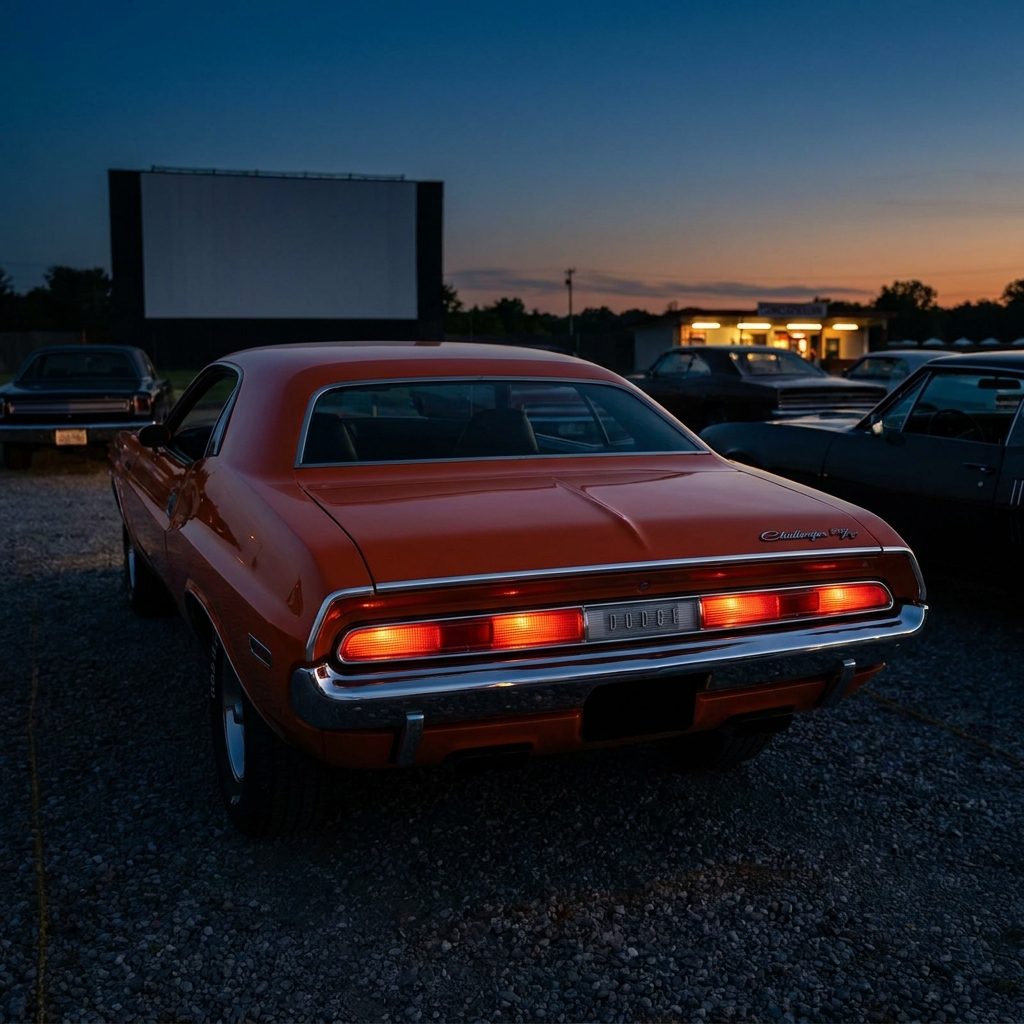
Every angle of the ’70 Challenger carried weight. But the rear end closed the argument.
That full-width taillight panel stretched from fender to fender — a single unbroken band that made the car look planted and impossibly wide even standing still. Chrome CHALLENGER script sat to the right, quiet, confident. No stacked taillights, no split design, no fussy trim competing for attention. Just one continuous sweep of red across the back, bookended by that broad, squared-off body. Cars behind you at night saw two things: those wide taillights, and then less and less of them.
7. The Elastomeric Bumper Option That Proved Dodge Was Thinking About Design, Not Just Power
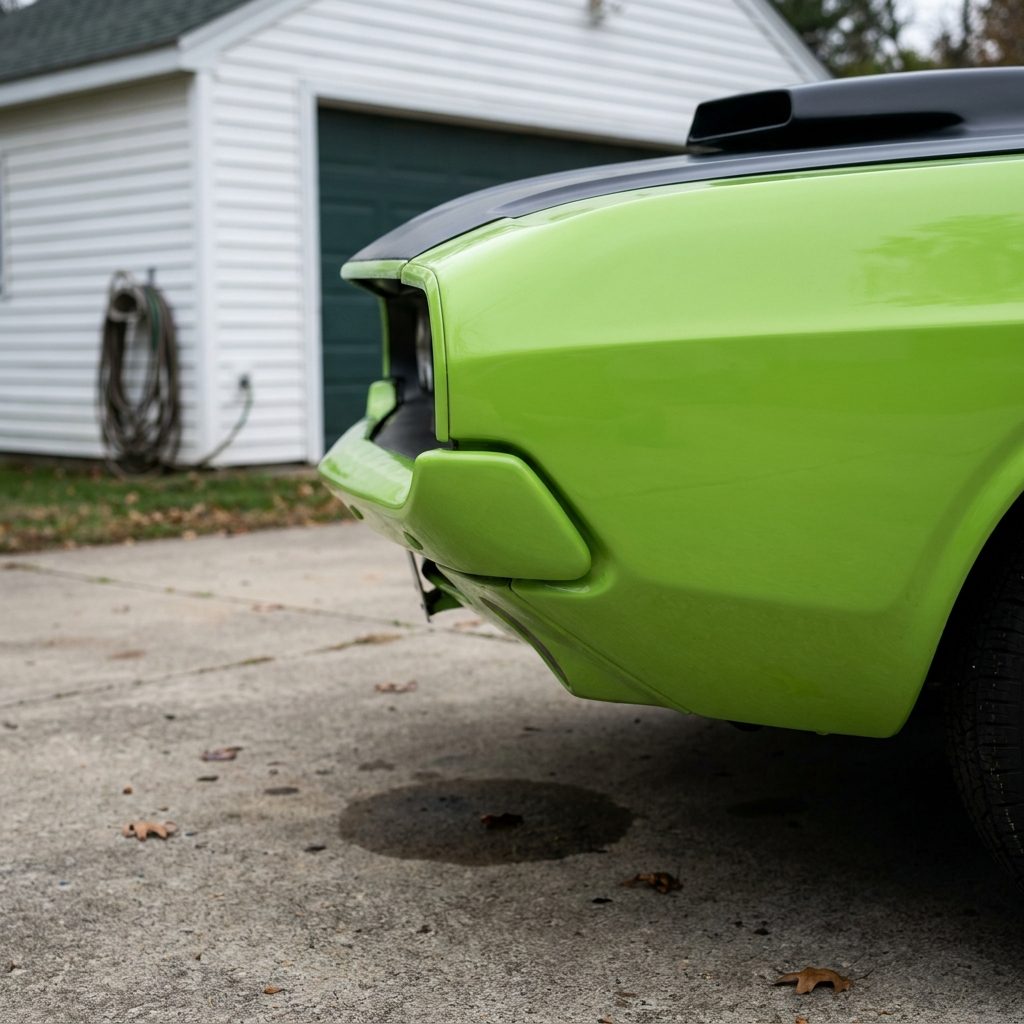
Chrome bumpers were the default in 1970. They looked fine. They also chopped the body line in half like a belt buckle on a tuxedo.
The Challenger T/A and AAR ‘Cuda got body-colored elastomeric front bumpers, and the effect was startling — suddenly the front end flowed as one continuous shape, the bumper vanishing into the fender line instead of sitting on top of it like an aftermarket add-on. Most buyers probably didn’t consciously register the difference. But it’s the reason those cars still photograph so well. The shape reads as whole. Nothing interrupts. That kind of restraint was rare in a decade that loved to chrome-plate everything within reach.
6. The Vinyl Roof That Somehow Made a Street Fighter Look Like It Owned a Country Club Membership
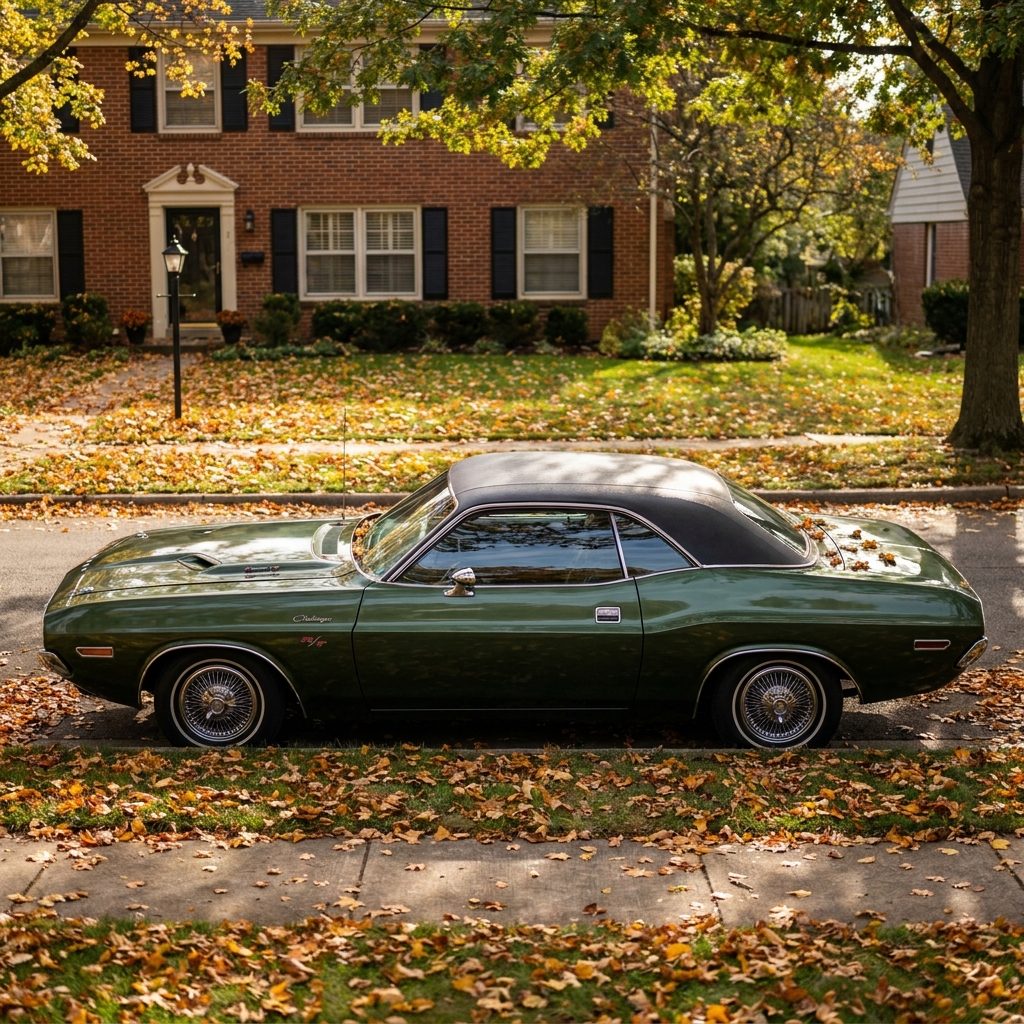
The SE package added a vinyl roof to the Challenger, and on paper it shouldn’t have worked. A car built to terrorize quarter-mile strips wearing a cloth hat? Ridiculous. But standing in a driveway, in person, it made sense.
Black vinyl softened the roofline just enough to stretch the car visually — longer, lower, more purposeful. Chrome trim where the vinyl met the paint created a line your eye followed from the windshield header all the way to the trunk lip, and it gave the Challenger a dual identity: a car that could knock out fast quarters and still park at a steakhouse without drawing the wrong kind of attention.
5. The Shaker Hood Scoop That Trembled With the Engine at Idle
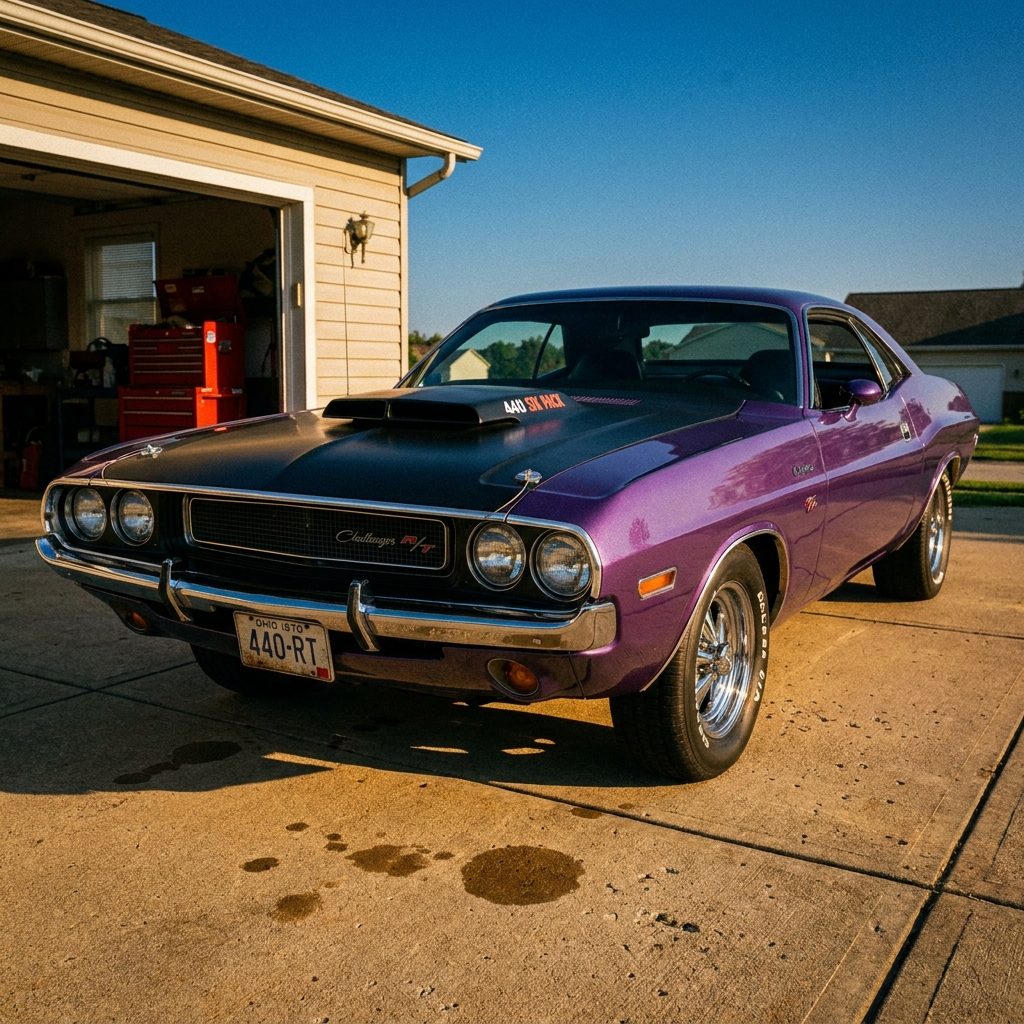
On a big-block Challenger, the Shaker scoop didn’t just sit on the hood. It sat on the engine itself, bolted directly to the intake, which meant it moved with the motor. At idle, it trembled. Blip the throttle and it shuddered. Stomp it hard and the whole black housing rocked against the painted sheet metal like something alive under there was trying to get out.
Dodge called it the Shaker because of exactly that. Fifty-five years later, no marketing team has topped it.
4. The Bumblebee Stripe That Wrapped the Tail Like a Warning Label Nobody Needed to Read
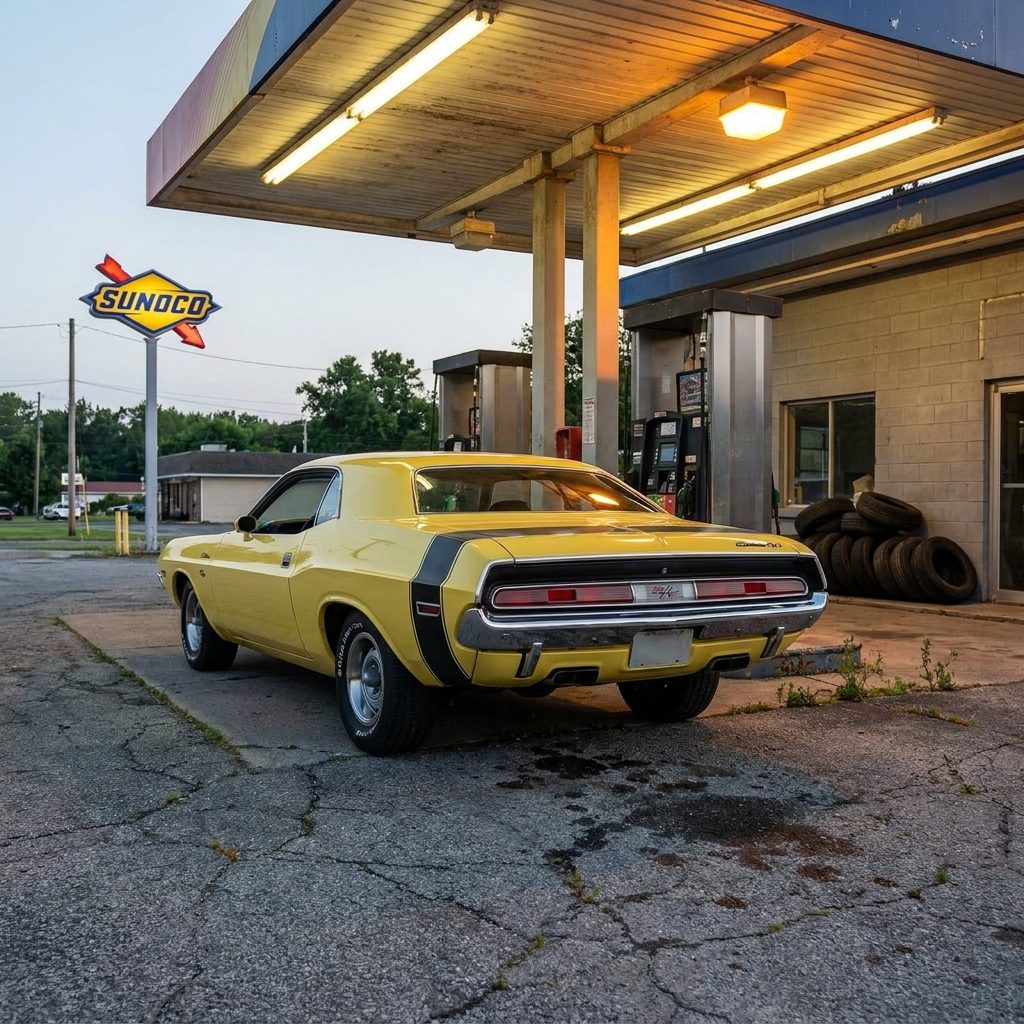
Thick, black, wrapped around the tail end like a tourniquet. The bumblebee stripe was the Challenger R/T’s signature, doing what no badge or script could manage alone — it turned the rear end into a graphic.
On lighter colors like Top Banana or Lime Light, the stripe practically vibrated against the paint. Darker cars wore it differently, more of a shadow within a shadow. Either way, you could identify what you were looking at from a block and a half back. No squinting at a fender badge required. The stripe did all the talking, and it was loud.
3. The Way the Fender Flares on the T/A Made the Whole Car Look Like It Had Just Exhaled
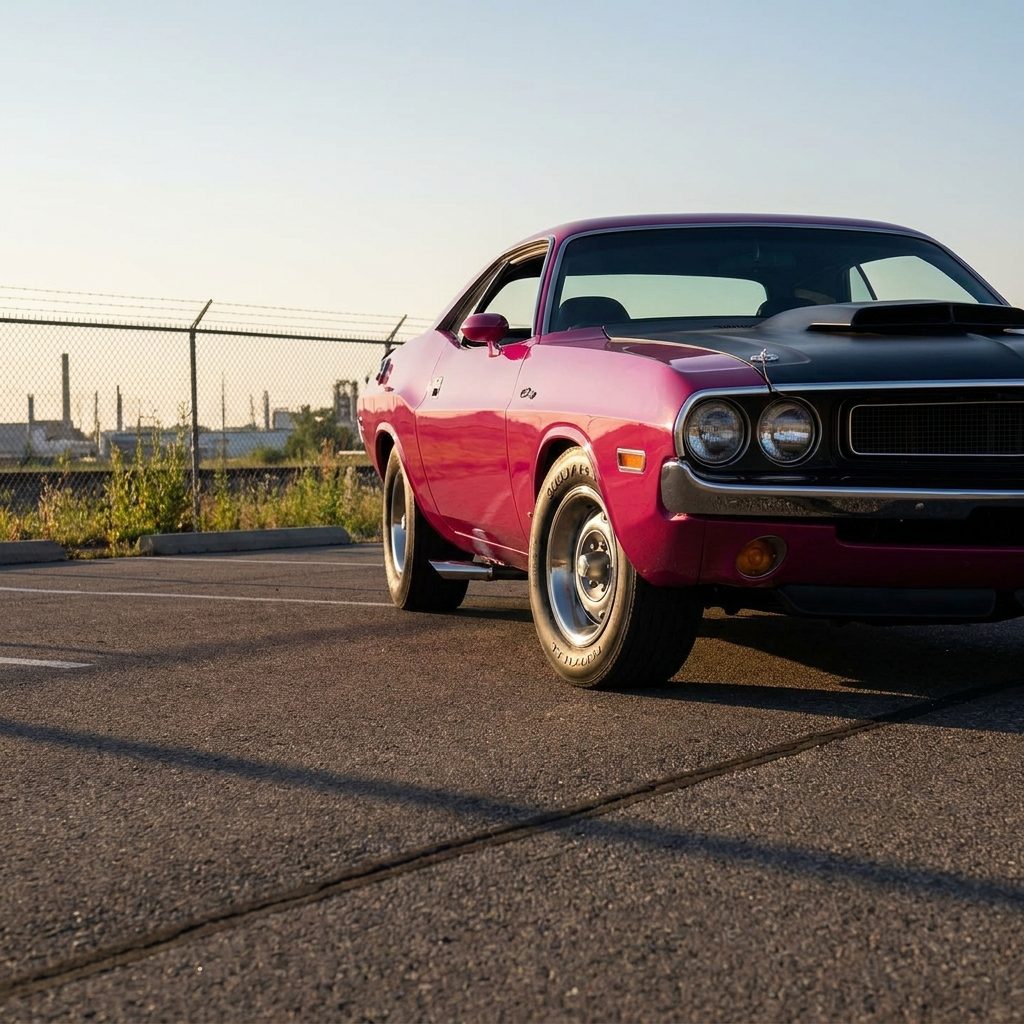
Stock Challengers were already wide. The T/A looked like someone told it to inhale and hold it.
Those fiberglass fender flares added maybe an inch and a half per side, but the visual payoff was enormous — they gave the car hips. Wheelwells opened up, tires sat out wider, and the whole body appeared to settle lower over a broader track. Pair that with the matte-black hood and side-exit exhaust, and the T/A stopped looking like a production car. It looked like something that had wandered off from a Trans-Am paddock before anyone could bolt the numbers on. Which, honestly, was more or less the truth.
2. The Recessed Rear Window on the SE That Made the Greenhouse Feel Like a Vault
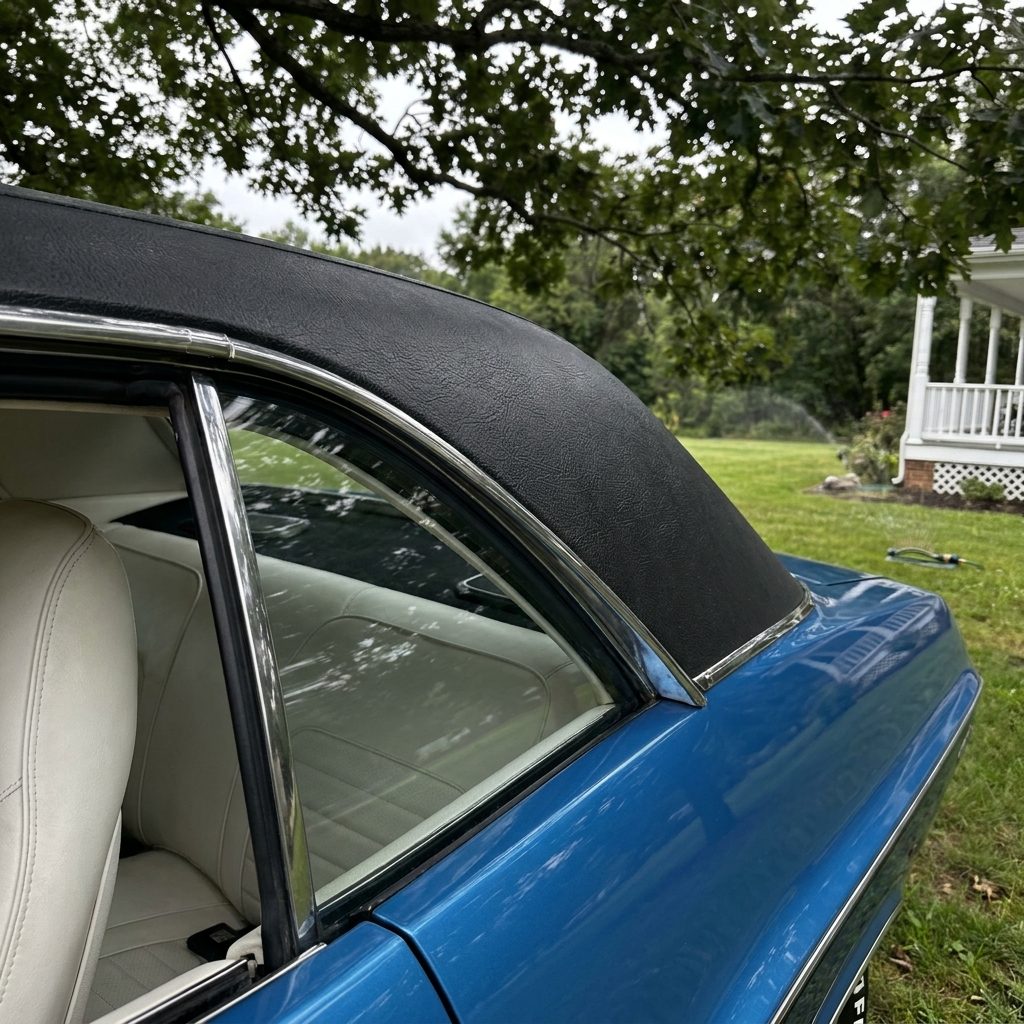
The standard Challenger had a generous rear window — lots of glass, open and airy. The SE got something else entirely. A smaller, more formal pane set deeper into wider pillars, and that single change rewrote the car’s posture.
Where the standard glass made the cabin feel exposed, the SE’s treatment made it feel enclosed. Private. Almost secretive. Thicker C-pillars framed the rear view like the car was keeping something to itself, and from behind it read less like a pony car and more like a personal luxury coupe that happened to have a 440 under the hood. That friction between raw muscle and quiet formality? Still the reason the SE photographs better than almost anything from its year.
1. The Side Scoops on the R/T That Actually Had Somewhere to Go
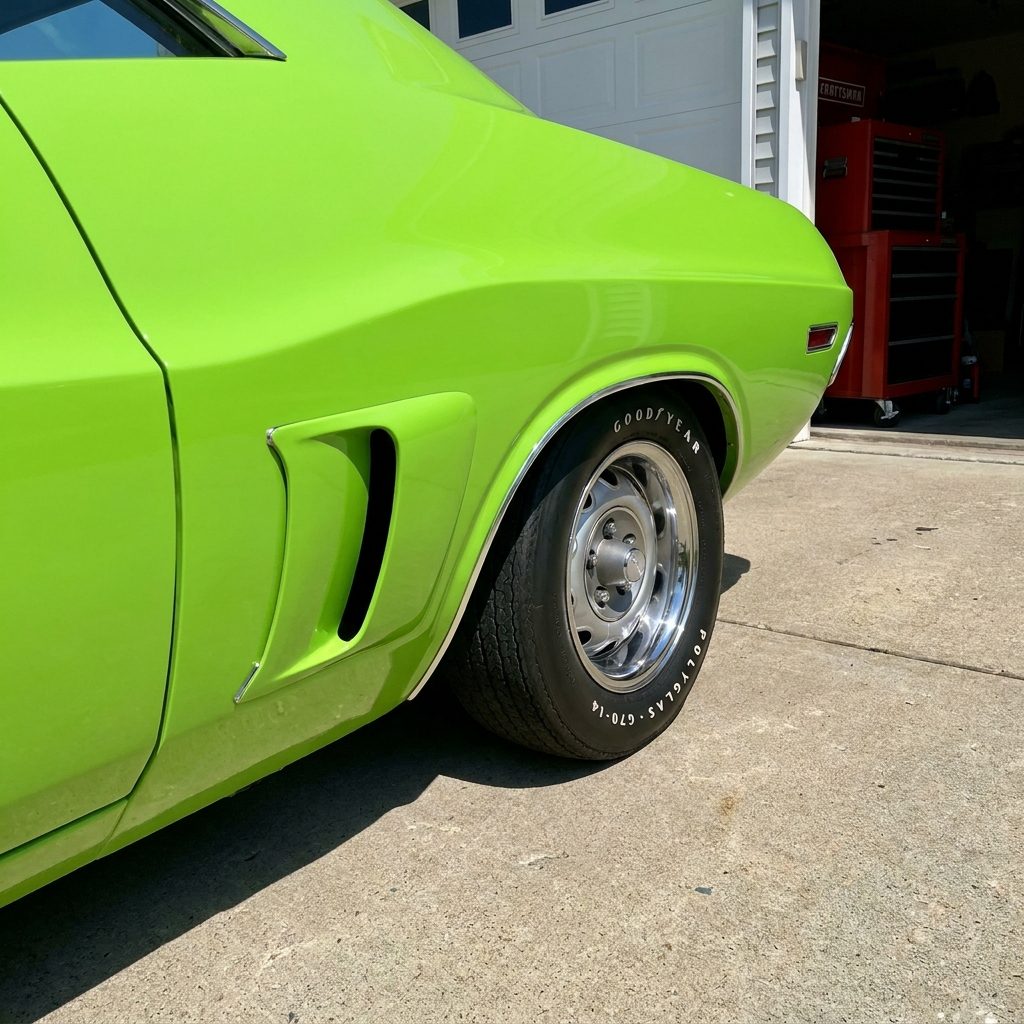
By 1970, half the scoops on American muscle cars were outright lies — sheet-metal impressions with chrome surrounds, sealed off behind the panel, feeding absolutely nothing. The Challenger R/T’s rear quarter scoops? Different story entirely.
Those openings channeled air. Depending on the setup, they routed airflow toward the engine bay or helped cool the rear brakes under hard use. Real inlets, doing real work. And the chrome bezels around each one caught afternoon sun in a way that pulled your eye along the body side, stretching an already long profile into something almost predatory. Small detail, sure. But once you knew the difference between a scoop that breathed and one that was just costume jewelry glued to a fender, you couldn’t stop noticing which cars were faking it.