
Would you like to save this?
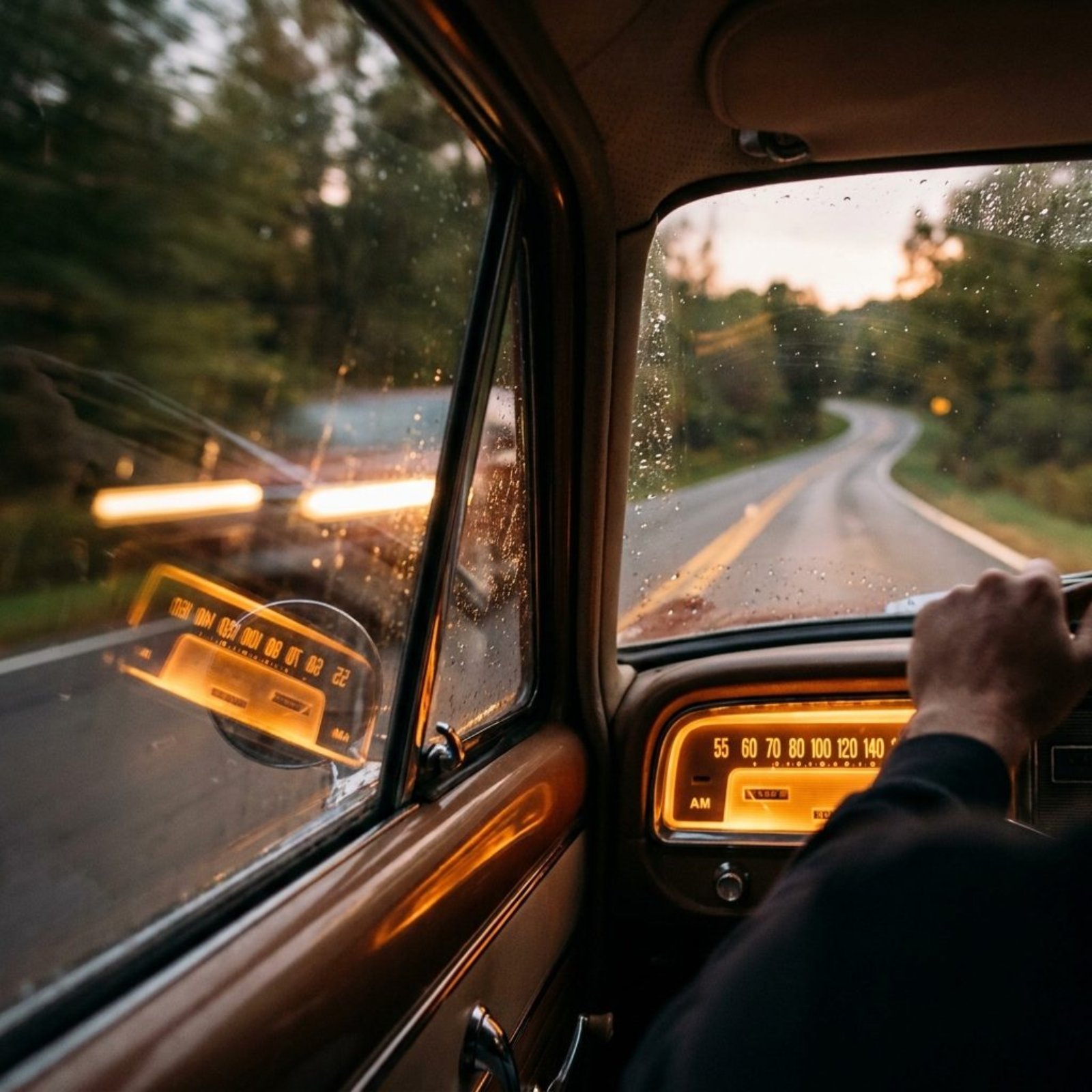
The first time someone shut the door on a 1983 Accord, they noticed. Not a slam — a thunk. Nothing rattled after, and nothing squeaked when the car rolled out of the driveway. That was the tell. Detroit had spent forty years teaching Americans that a little loose trim and vague steering was just how cars were, and then a wave of Toyotas and Hondas and Datsuns showed up on suburban streets and rewrote the rulebook one small competent detail at a time.
Please note that some of the images in this article were created with the assistance of AI.
34. The Fuel Gauge That Actually Told the Truth All the Way Down
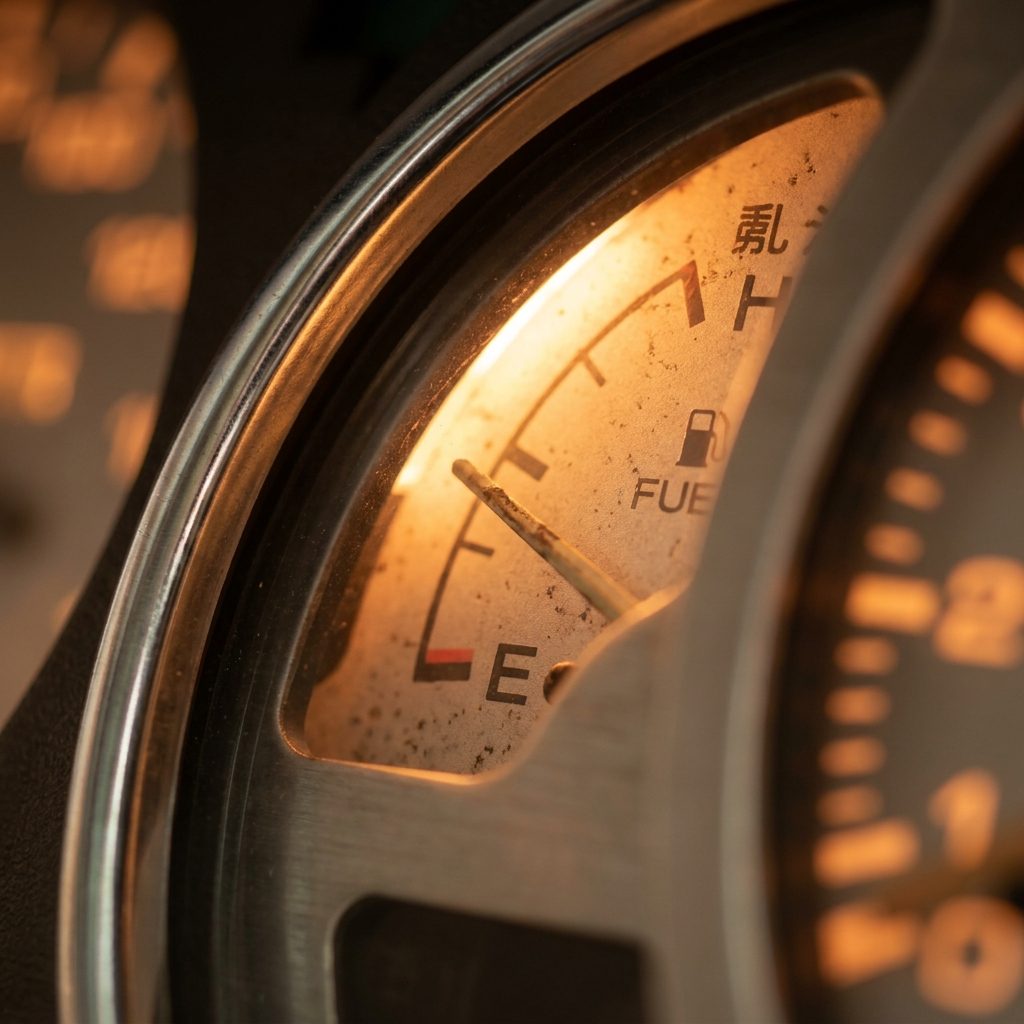
American cars of the era had a fuel gauge honesty problem. The needle would hang at half for two hundred miles and then dive to empty in twenty. Everyone knew it, everyone kept a mental buffer, and everyone filled up at a quarter tank because the last quarter was a lie.
The Japanese imports simply told the truth. Empty meant empty in about fifteen more miles. Half meant half. You could plan a trip on the reading. Sounds like nothing until you remember how many drivers had spent decades not trusting their own dashboard.
33. Rust on the Rocker Panels by the Third Michigan Winter

This one hurt because it broke the promise. The whole pitch was reliability, and then the third winter rolled in and the rocker panels started blooming with rust like a Chevy Vega had.
Early Japanese imports were built for a climate that didn’t salt its roads for four months a year. Steel was thinner. Undercoating was optional. Owners in Buffalo and Minneapolis and Cleveland watched their otherwise perfect Civics dissolve from the bottom up, and manufacturers took the better part of a decade to figure out galvanized panels and thicker undercoating. By 1990 the problem was mostly solved. The reputation took longer to shake.
32. A Cassette Deck in the Dashboard From the Factory
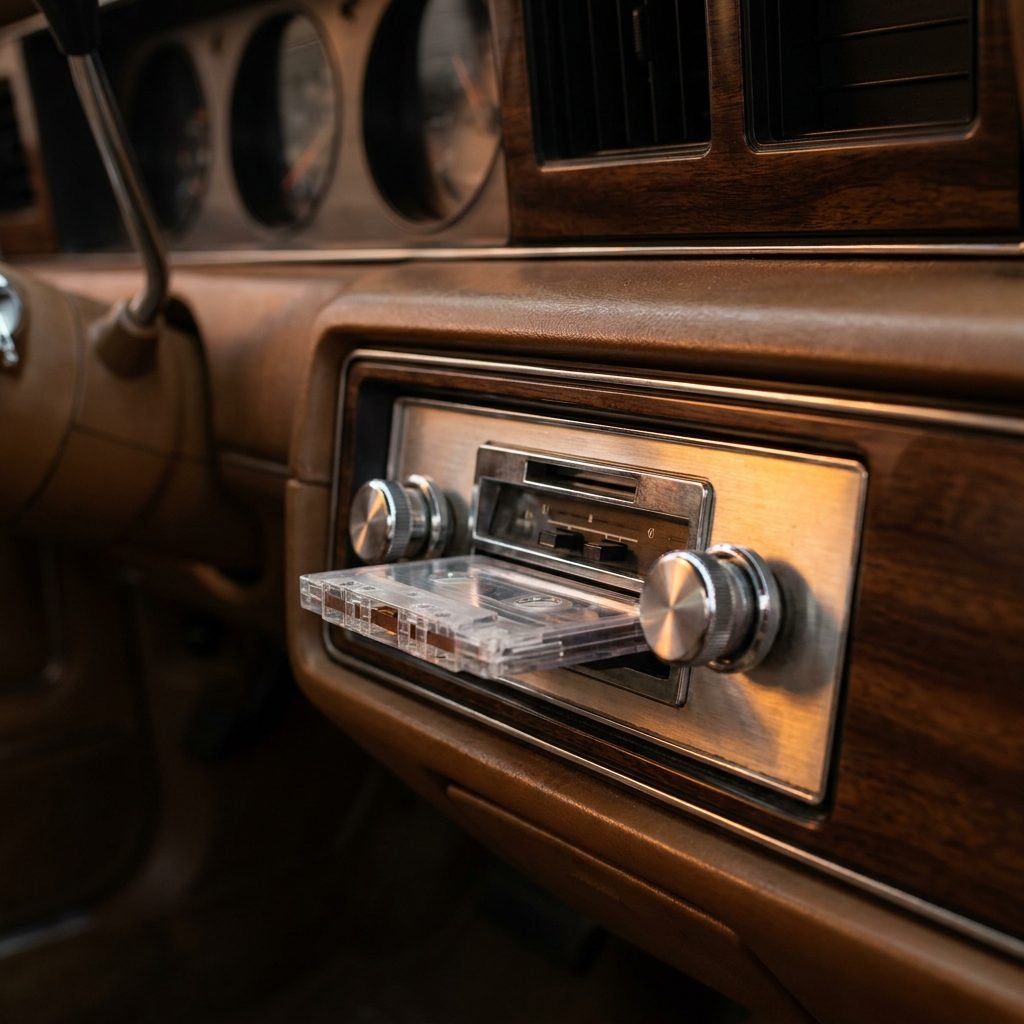
In a 1983 American sedan, a cassette deck was a pricey dealer option, and half the time it came as a slide-in unit hanging below the dash with the wires visible. In the Celica GT it was standard equipment, sitting there in the console like it had always belonged.
That changed the whole ritual of getting a new car. You didn’t have to negotiate up to it, and you didn’t have to explain to the salesman why you wanted one. It was there. Making a mix tape for the new car became a thing you did the night before you picked it up.
31. Fuel Economy Numbers That Landed at Exactly the Wrong Moment for Detroit
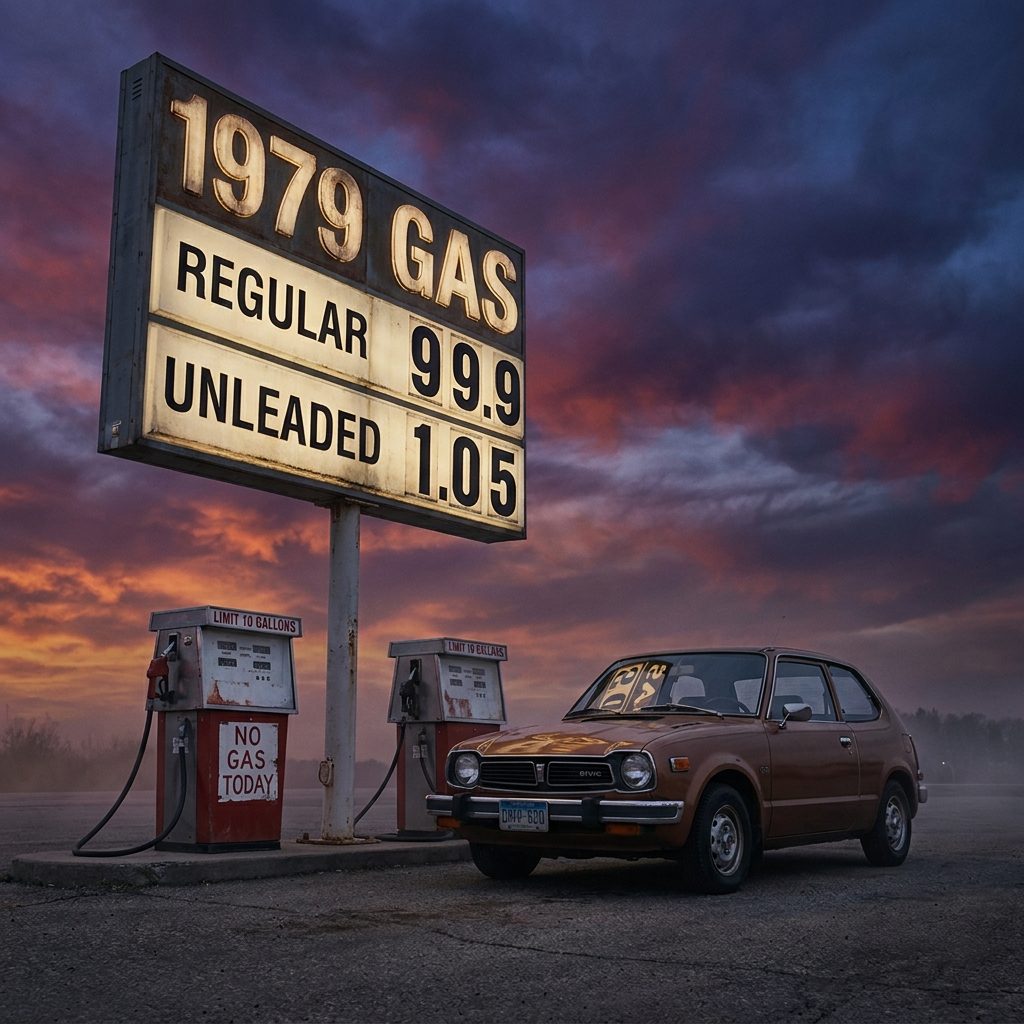
The 1979 oil crisis hit, and suddenly the only question anyone asked the salesman was what does it get. A Cadillac Seville got fourteen. A Datsun 210 got forty on the highway.
The math ended a lot of arguments. Detroit had spent the decade insisting Americans wanted big and would keep wanting big — the pump lines said otherwise. The Japanese hadn’t planned for the crisis. They’d been building efficient small cars all along because Japan taxed engine displacement, so good luck met perfect timing.
30. The Five-Speed Manual That Made Driving Feel Like a Conversation
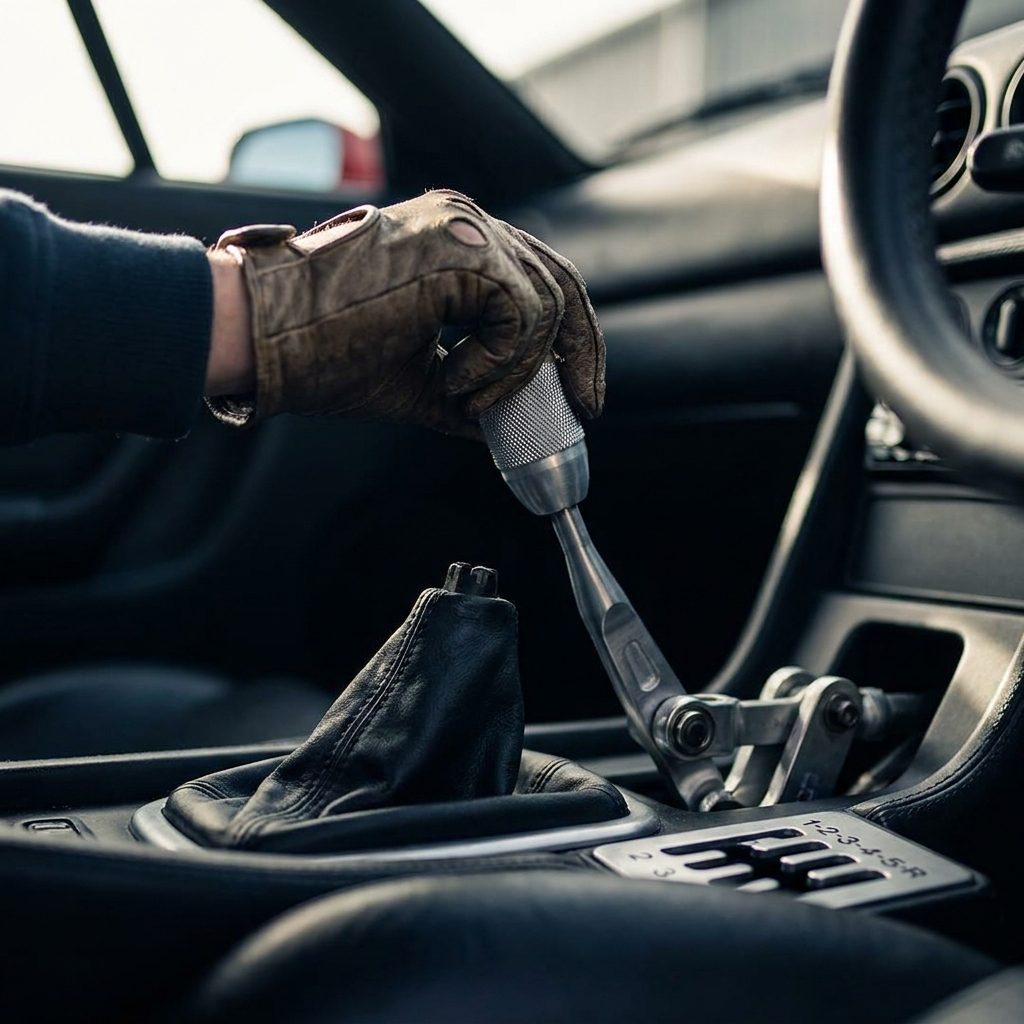
A five-speed in a Japanese car of the era felt engineered. Tight gates, short throws, and reverse that required a deliberate move rather than a hopeful shove. The clutch had a specific bite point you could learn in an afternoon.
The Detroit three-speed automatic did the job. It shifted. But it wasn’t a conversation so much as a memo, sent and received with a certain vagueness on both ends. The five-speed asked you to pay attention and rewarded you when you did, and a whole generation of drivers found out a car could feel like something other than a rolling appliance.
29. Paint That Still Looked Like Paint After Five Winters
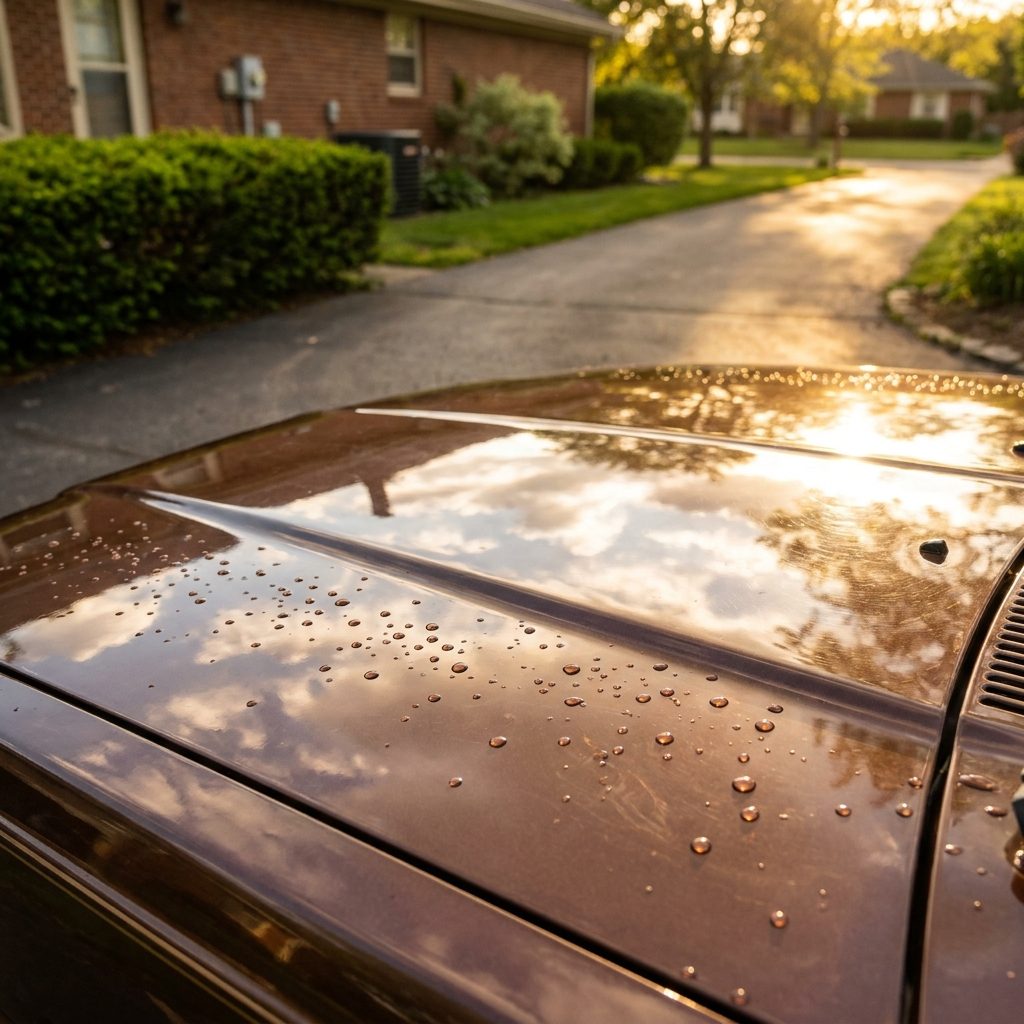
American car paint of the late 70s was a known quantity — it faded. The hood went first, the roof went second, and by year six the car wore two colors: the one you bought and the one the sun had made.
Japanese imports just kept looking like they did on the lot. Better clearcoats. Better prep. Primer applied like somebody actually cared whether it worked. When your neighbor’s three-year-old Cavalier had a chalky white hood and your five-year-old Accord still shined, you noticed. Everyone noticed.
28. A Timing Belt Interval That Meant What It Said
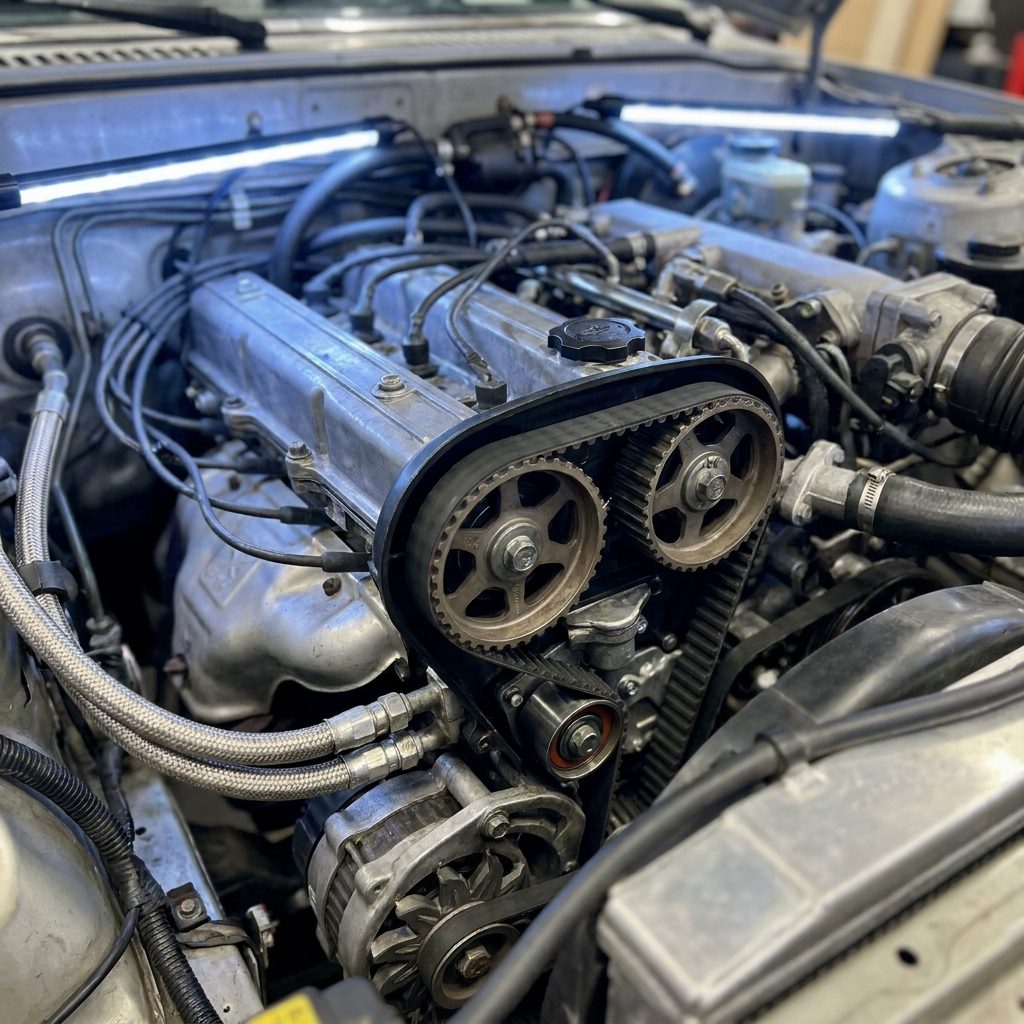
Detroit V8s had timing chains that lasted the life of the engine. You changed the oil, you changed the plugs, you didn’t think about timing.
Then the Japanese four-cylinders arrived with rubber timing belts and a very specific instruction in the manual: sixty thousand miles. Not a suggestion. Skip it, and eventually the belt snapped — on an interference engine, the valves met the pistons at high speed and the meeting did not go well. Drivers learned to circle a mileage number on the calendar and keep it. Mechanics learned it too, sometimes the hard way.
27. Interior Plastic That Didn’t Creak, Didn’t Rattle, Didn’t Loosen
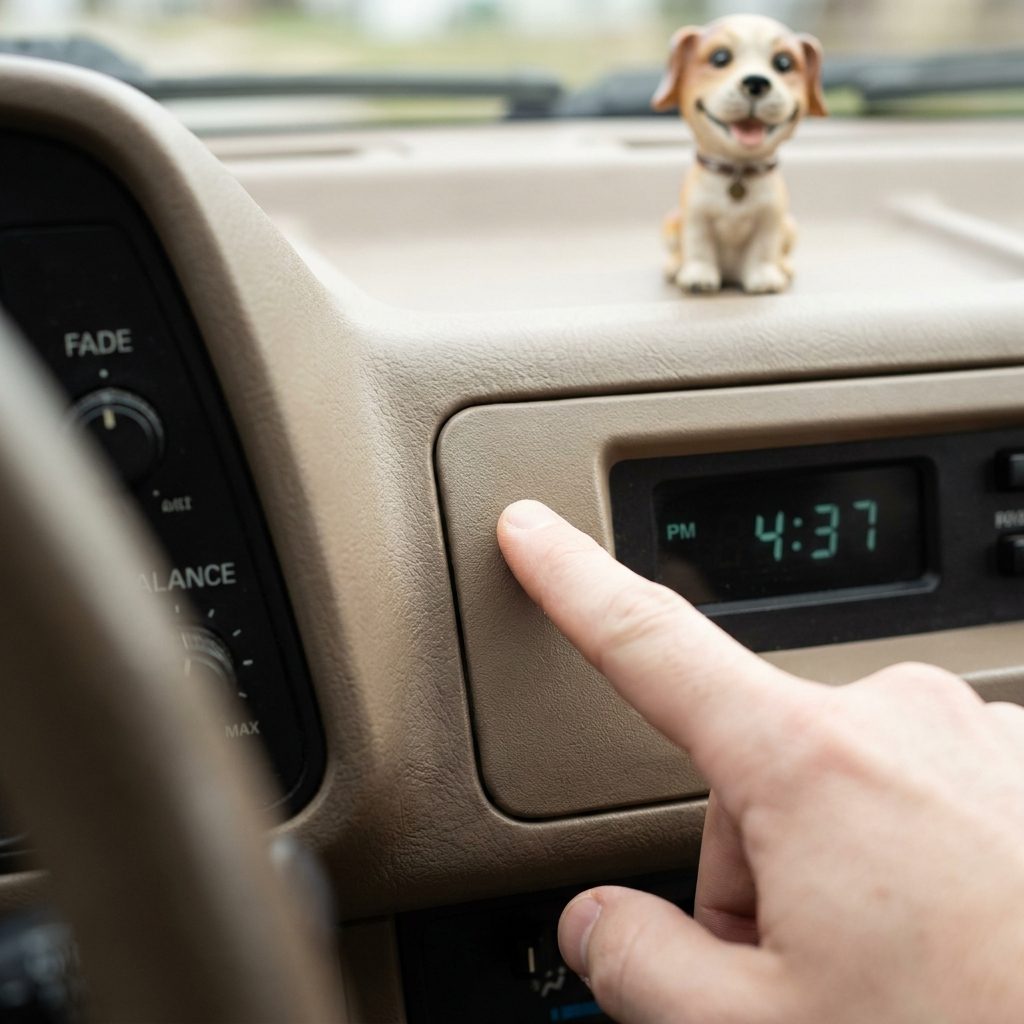
Americans had normalized car interior noise the way people normalize a bad back. Dashboards buzzed at certain rpms, door panels creaked over expansion joints, and the glovebox latch developed a rattle by year two.
Japanese interiors of the 80s just didn’t do any of that. The plastic pieces fit. The clips held. At 4000 rpm on a highway the dashboard stayed quiet, and you could hear the radio at a normal volume. It wasn’t luxury — it was competence, and for a lot of drivers it was the first time competence had felt like a feature.
26. A Tachometer in the Base Model, Just Because
Would you like to save this?
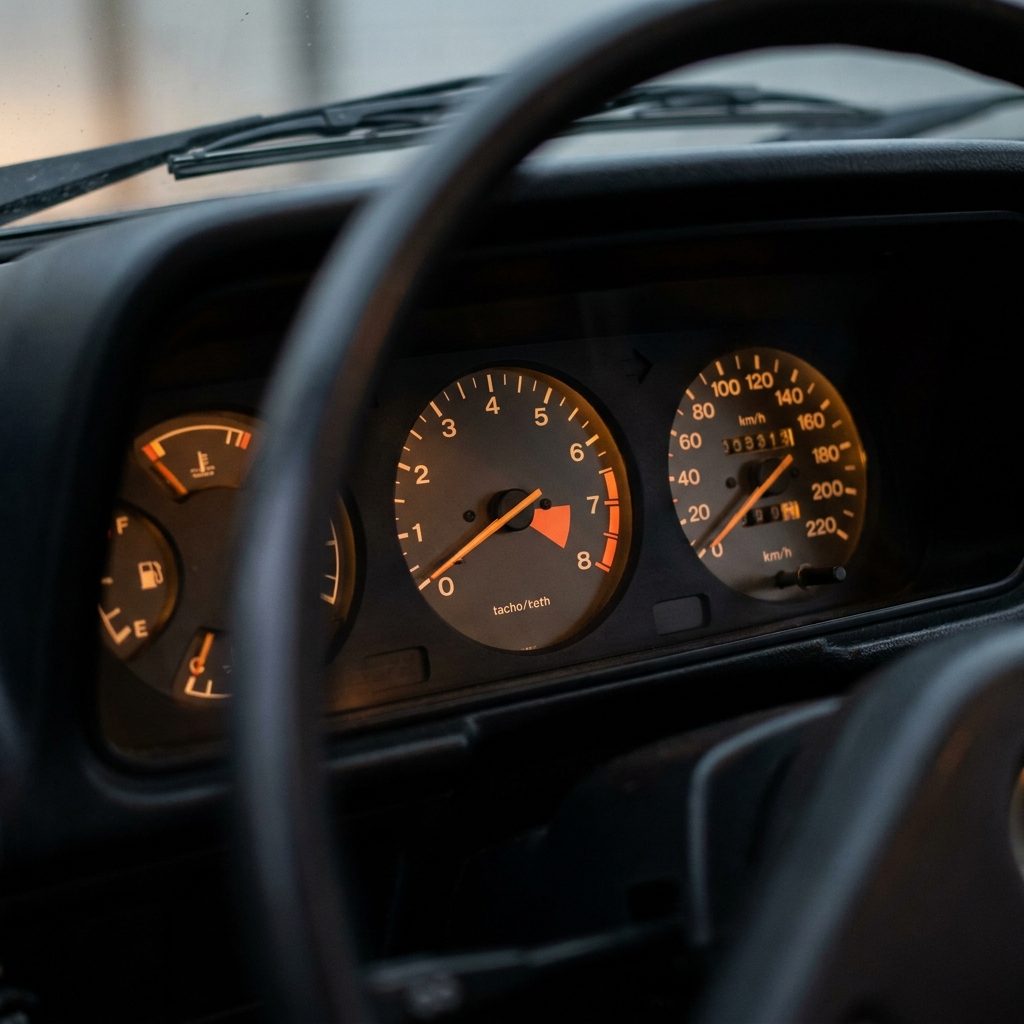
In American cars of the era, the tachometer was reserved for the muscle car, the Trans Am, the car with a hood scoop. You did not get one in the base-model family sedan.
Then the base Sentra had one. So did the base Corolla, and the base Civic. It sat there next to the speedometer like it was a perfectly reasonable thing to give a person — which of course it was. New drivers learned what an engine sounded like at 3000 rpm because they could see the number, and the number made the sound make sense.
25. Dealer Markups Written on the Windshield in Grease Pencil

Supply and demand met on the windshield in grease pencil. The Accord had a two-month waiting list, the Supra a six-month one, and the dealer wrote his adjustment on the glass and dared you to walk.
Most people didn’t walk. They paid the markup, took the car, and considered themselves lucky. That was the moment American car culture shifted — when a Japanese sedan became something you had to wait for, and dealers who had spent decades pushing Chevettes off the lot suddenly held the leverage. It didn’t last forever. For about five years in the early 80s, though, buying an import felt a lot like getting into a nightclub.
24. The Owner’s Manual You Could Actually Read Without Guessing
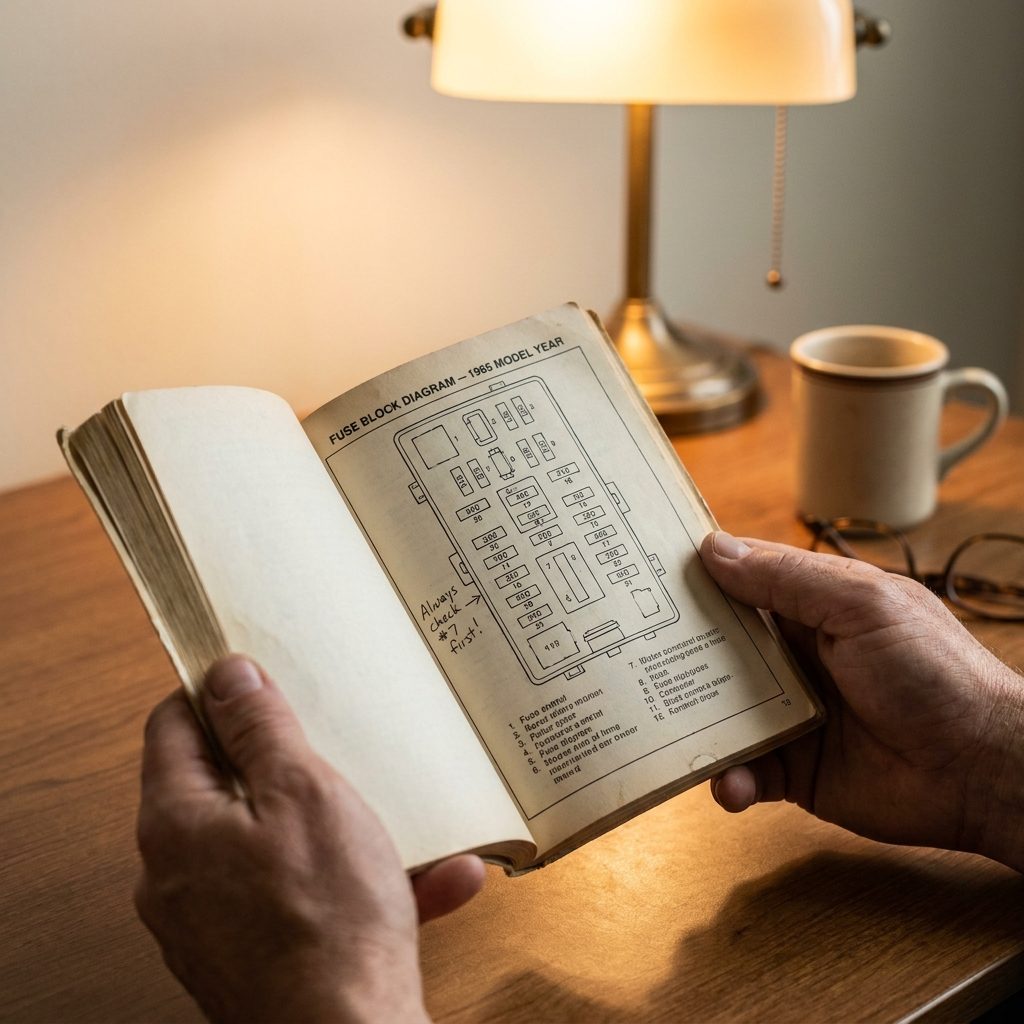
You opened it and the sentences made sense. Not translated-adjacent sense. Actual sense.
The fuse diagram matched the fuse box, the maintenance schedule listed real intervals with real reasoning, and somebody at Toyota or Honda had paid a translator who actually spoke English — then paid an editor to read what the translator wrote.
American manuals of the era were often worse. Vaguer. Thicker. Padded with legal language and organized like a filing cabinet had fallen over and been reassembled by committee. The Japanese ones read like a person had written them for another person, and that was the first small signal — before you even turned the key — that somebody on the other end of this transaction was thinking about you.
23. A Rear Defroster Button That Worked the First Winter and the Tenth
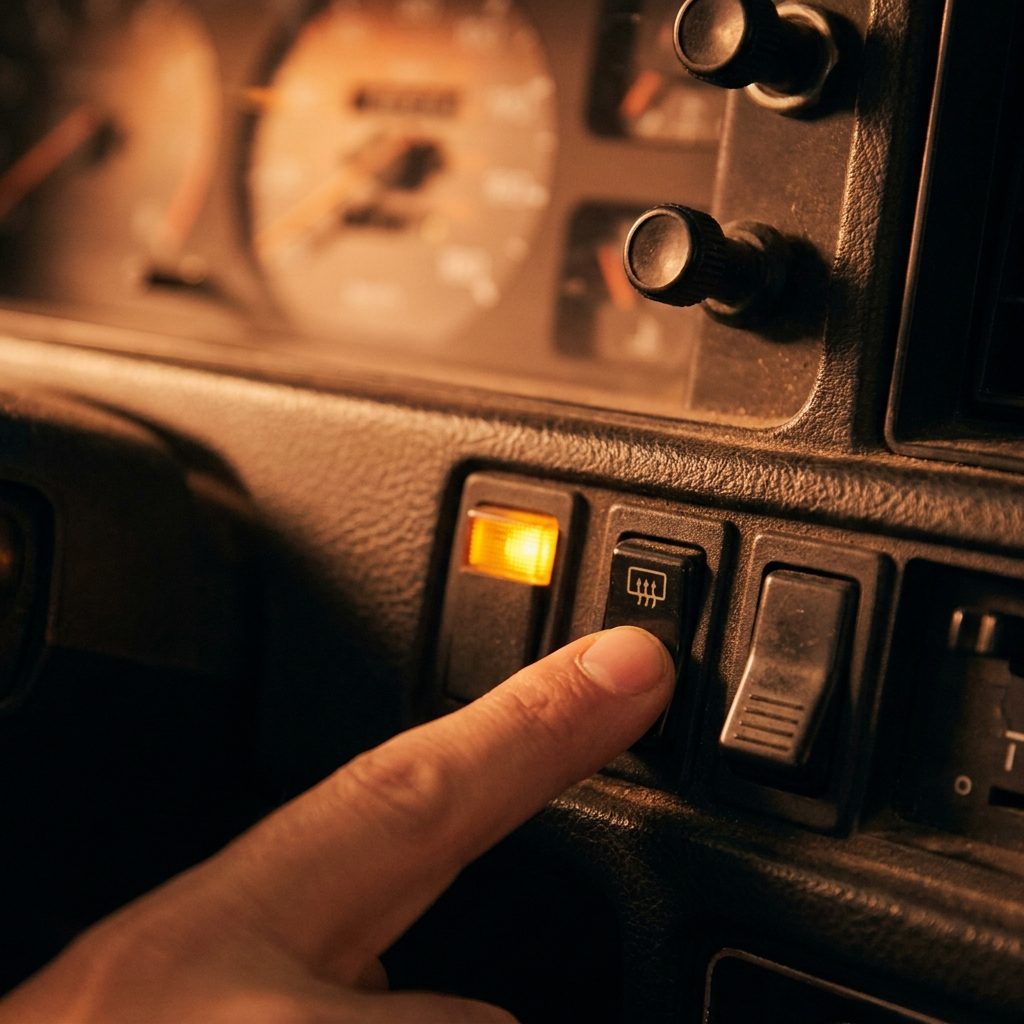
Push the button. Amber light comes on. Ten minutes later the rear window is clear, and that’s the whole story — which is exactly why it mattered.
Owners of certain American cars in those same years pushed the same button and got a coin flip. Sometimes it worked, sometimes a grid line was dead, and by the fourth winter the whole grid was more of a suggestion than a feature. The Japanese defroster just worked, and kept working, and after enough Tuesday mornings of it just working you started to expect that of every switch on the dash. That expectation was new.
22. The Hatchback That Made the American Trunk Look Like a Cave
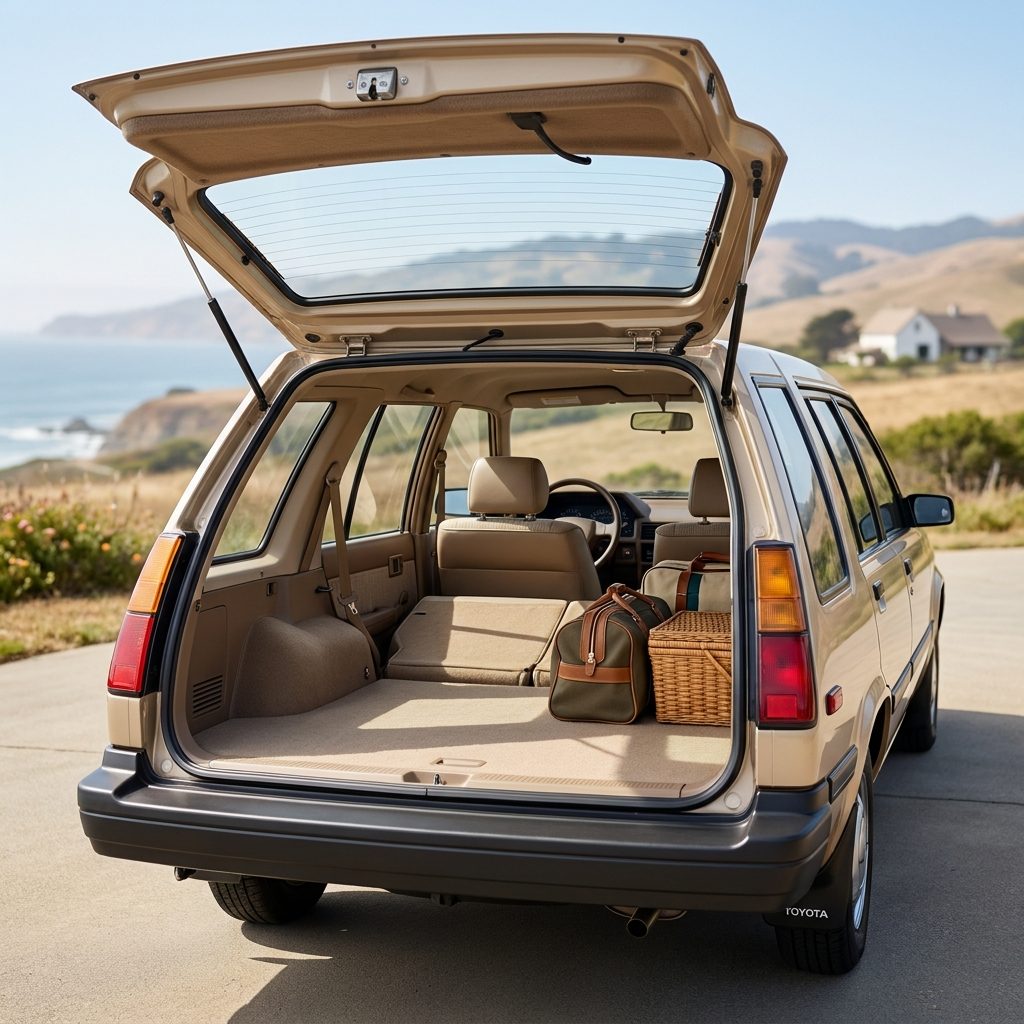
Drop the rear seats and you had a flat floor from the hatch opening all the way to the front seatbacks. You could slide a bookshelf in without disassembling it, haul home a small tree, load a stereo cabinet standing up. Meanwhile the American sedan trunk, no matter how large the brochure claimed it was, had a sill you fought with and a shape that punished anything wider than a suitcase.
The hatchback wasn’t a Japanese invention. But the Civic and the Corolla hatch made it normal on the American street, and once you’d lived with one, going back to a sedan trunk felt like being asked to load groceries through a mail slot.
21. A Corolla Badge That Meant It Would Start Tomorrow
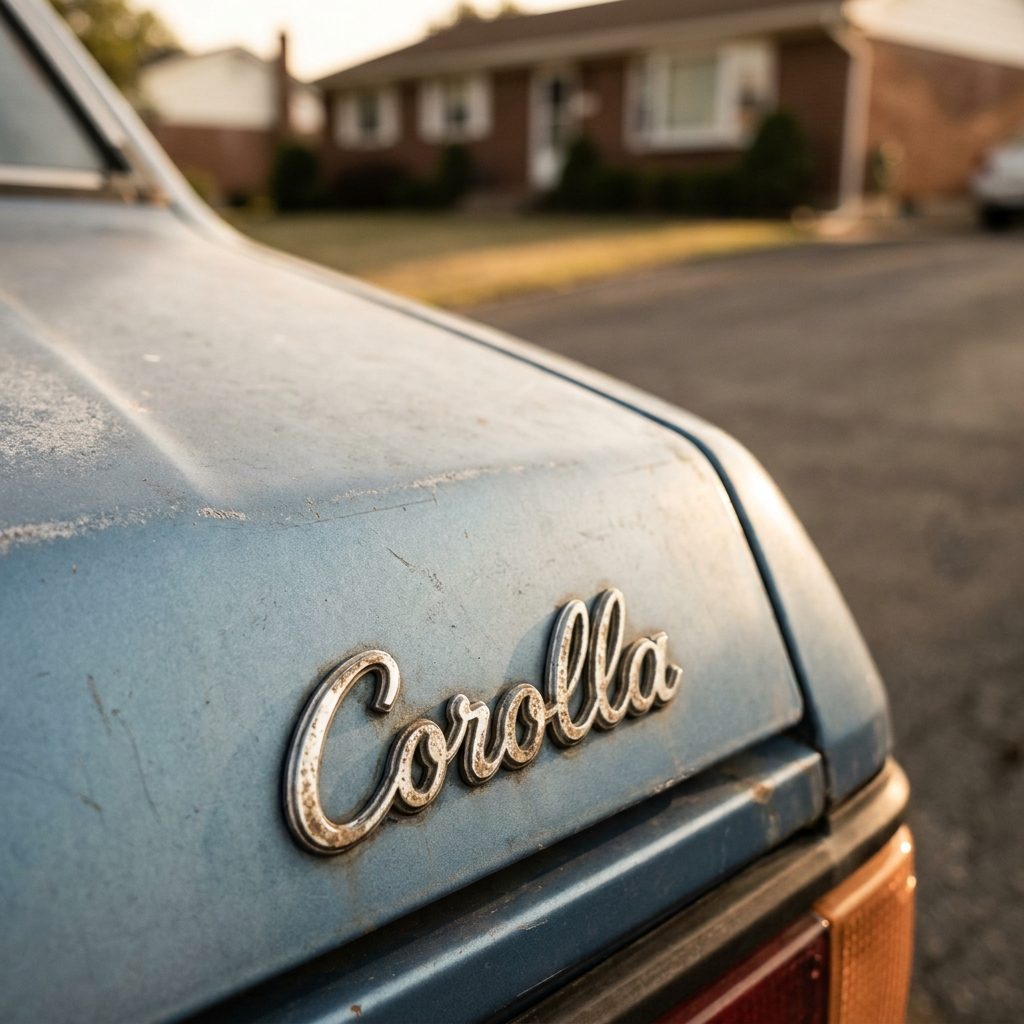
By 1987 the badge was doing work. In driveways from Buffalo to Bakersfield, a Corolla out front signaled a specific truth to the neighbors — that car was going to start on the coldest morning of February. No drama. No ritual. No cursing at the hood.
Same with the Civic. The badges became a kind of neighborhood shorthand, and you didn’t have to explain why you’d bought one. Everyone who had one already knew.
20. The Feeling That Someone Had Actually Engineered This Thing
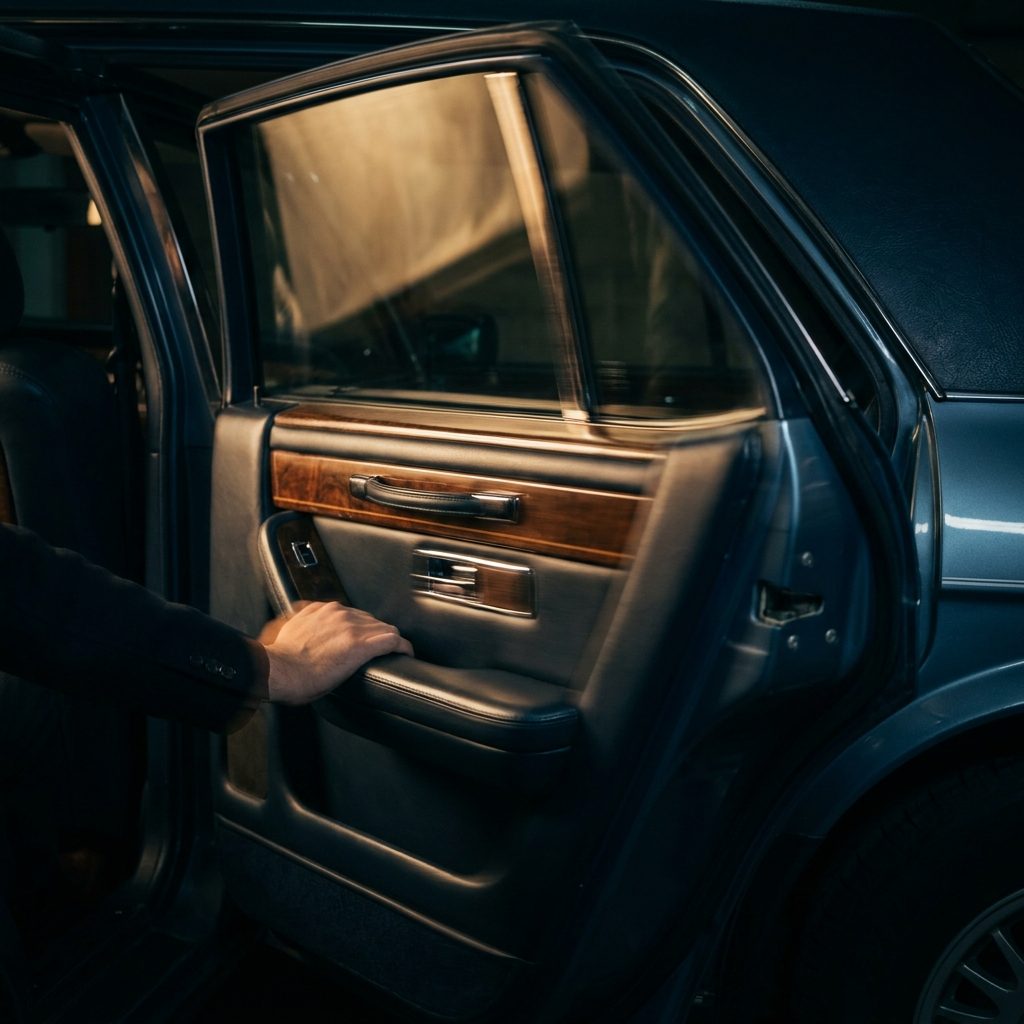
You closed the door and it sounded like one piece of metal, not three. The shifter had a mechanical click at the top of each gate, the clutch pedal had a specific weight and released at a specific point every single time, and the turn signal stalk moved with a precision you noticed even if you didn’t have words for it yet.
Drivers felt this before magazines wrote about it. The word most people reached for was tight. What they meant was that somebody had cared about the small stuff — and the small stuff added up to a car that felt like it had been thought through rather than thrown together on the last shift before quitting time.
19. The Five-Year Rust Warranty That Admitted the Early Cars Had a Problem
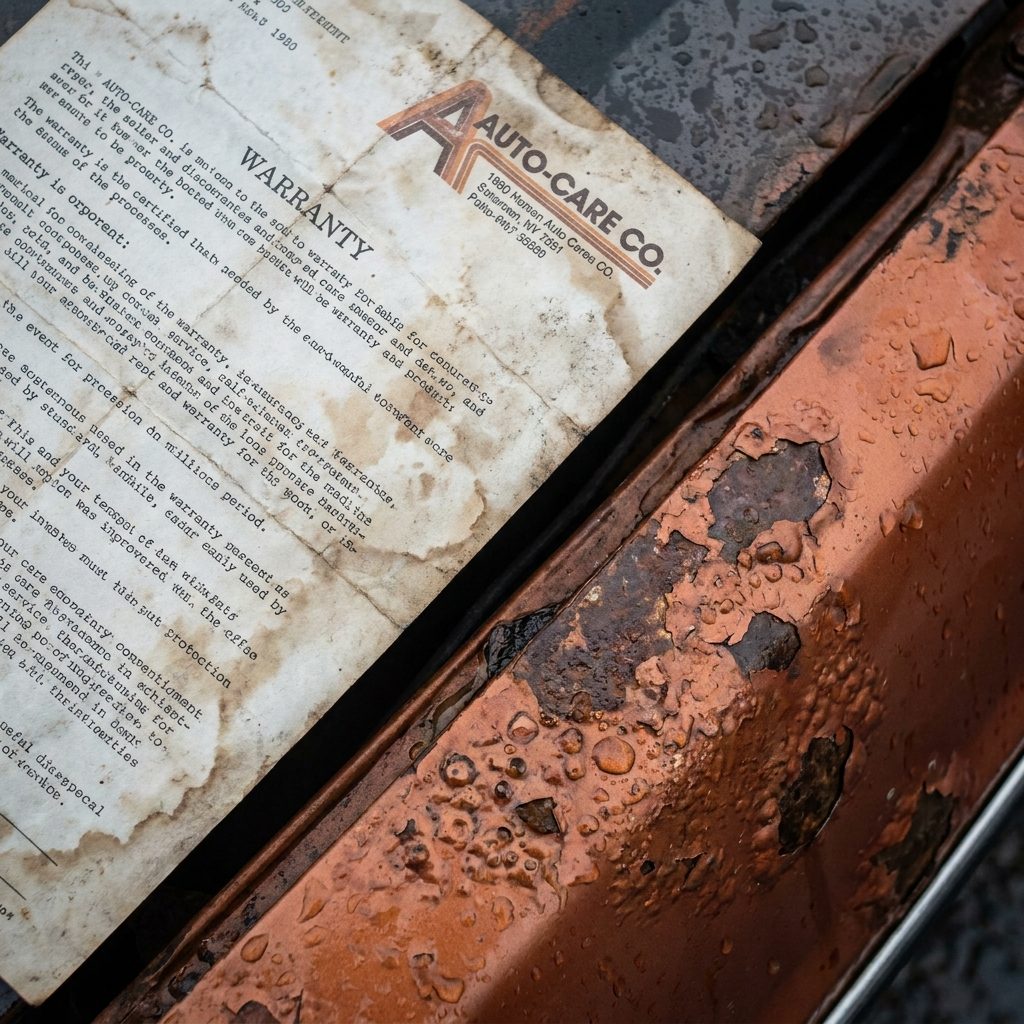
By the late 1980s the Japanese automakers had a problem their reliability reputation could not fully cover. The early cars rusted — rocker panels, rear quarters, wheel wells. In salt-belt states you could watch a 1979 Corolla dissolve from underneath while its engine still ran like a sewing machine.
So the warranty got longer. Five years against perforation on many models, printed in the booklet, honored at the dealer. It was a quiet admission that the bodies had not kept pace with the drivetrains, and the fix — both in the metal and in the paperwork — arrived without a fuss. That was part of the reputation too. Problems got addressed rather than argued about.
18. Wheel Wells That Rusted From the Inside Out in Every Salt-Belt Winter
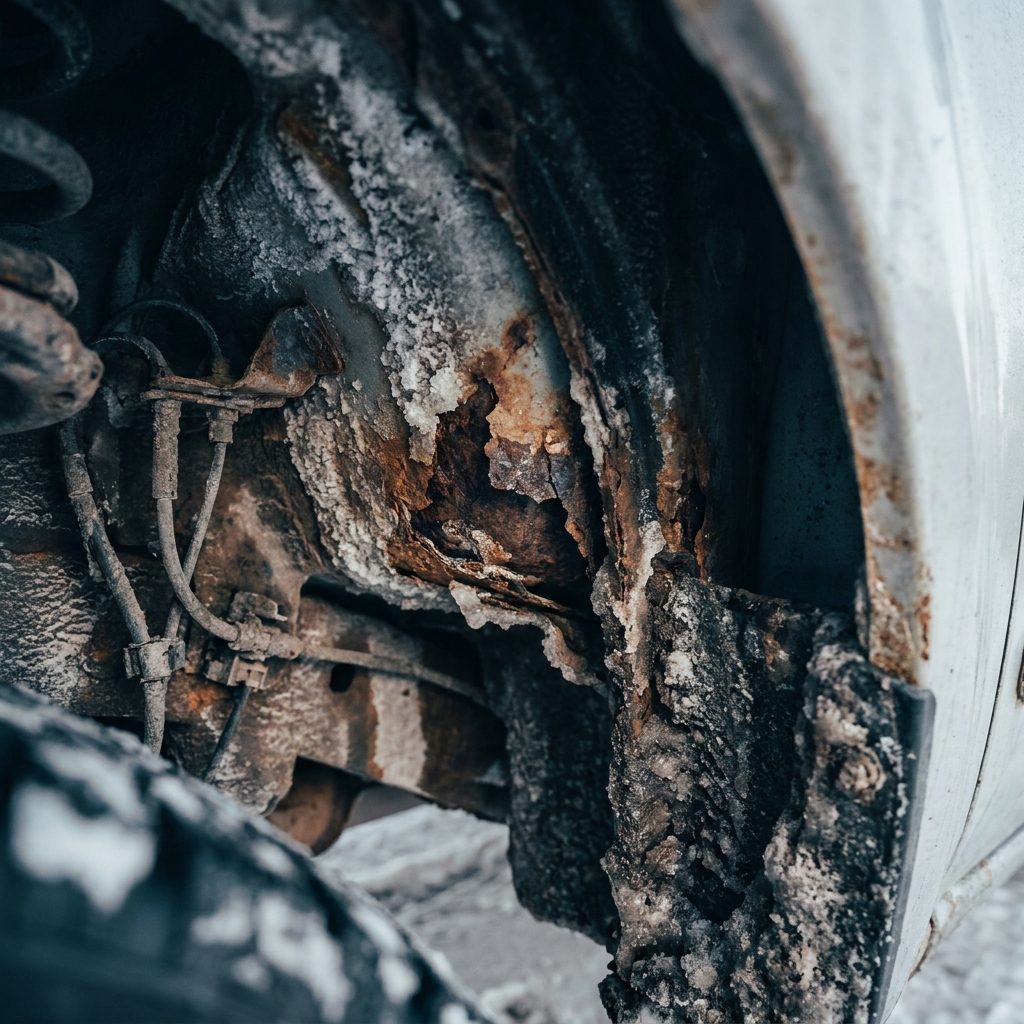
The engine was going to run forever. The body around it was on a different schedule.
Salt got kicked up into the wheel wells, packed into the seams behind the fender liners, and stayed there for the duration. By the fourth or fifth winter, owners in Buffalo and Cleveland and Minneapolis were watching bubbles push up through the paint on the rear quarters. The car still started every morning — it just started every morning while quietly turning into lace underneath.
People kept driving them anyway. That itself said something.
17. The Automatic Choke That Ended a Thirty-Year Winter Ritual

For decades, a cold morning in an American car meant a ritual. Pump the gas twice, turn the key, let it catch, hold the pedal at the right spot until the idle came down, kick the choke off manually on some cars, and learn your car’s specific February personality by trial and swearing.
Then you turned the key on a Corolla and it just started. Idled high for a minute. Settled down on its own. No pumping, no holding, no waiting to see if it would take a second attempt. Owners noticed this within a week of the first cold snap and never forgot the difference.
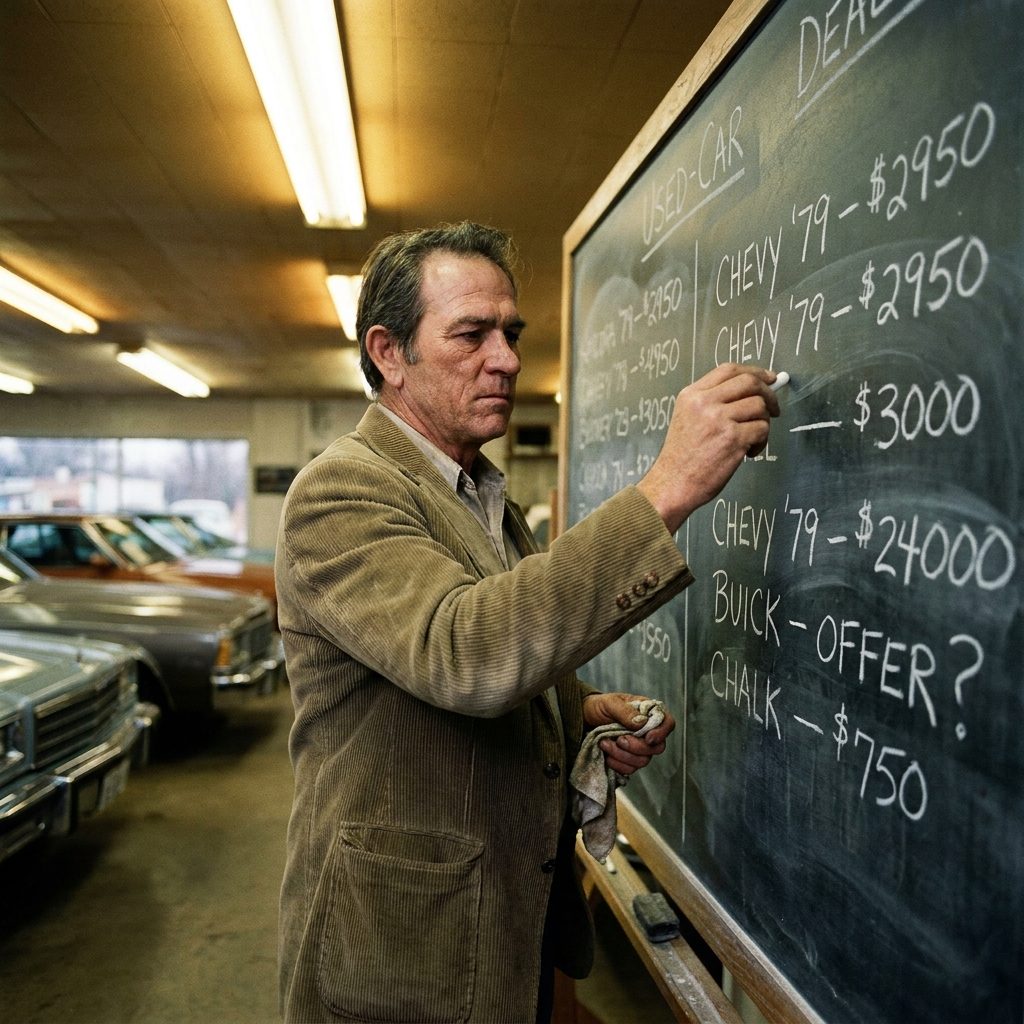
16. Resale Values That Made Used-Car Dealers Recalculate the Whole Board
Would you like to save this?
Dealers had a rough formula. American car, three years old, worth roughly half of new. Everyone knew it, and the formula worked something like gravity — you didn’t have to prove it, you just used it.
Then a three-year-old Accord came in on trade and the formula broke. It held a much higher chunk of its sticker, buyers wanted it at that price, and drove off happy. Dealers had to rewrite the pricing sheet, then rewrite it again a year later when the numbers held. The whole depreciation curve for the Japanese cars was running on a different physics, and the guys with the grease pencils were the first to notice.
15. The Service Interval Sticker in the Windshield Corner That Owners Actually Read
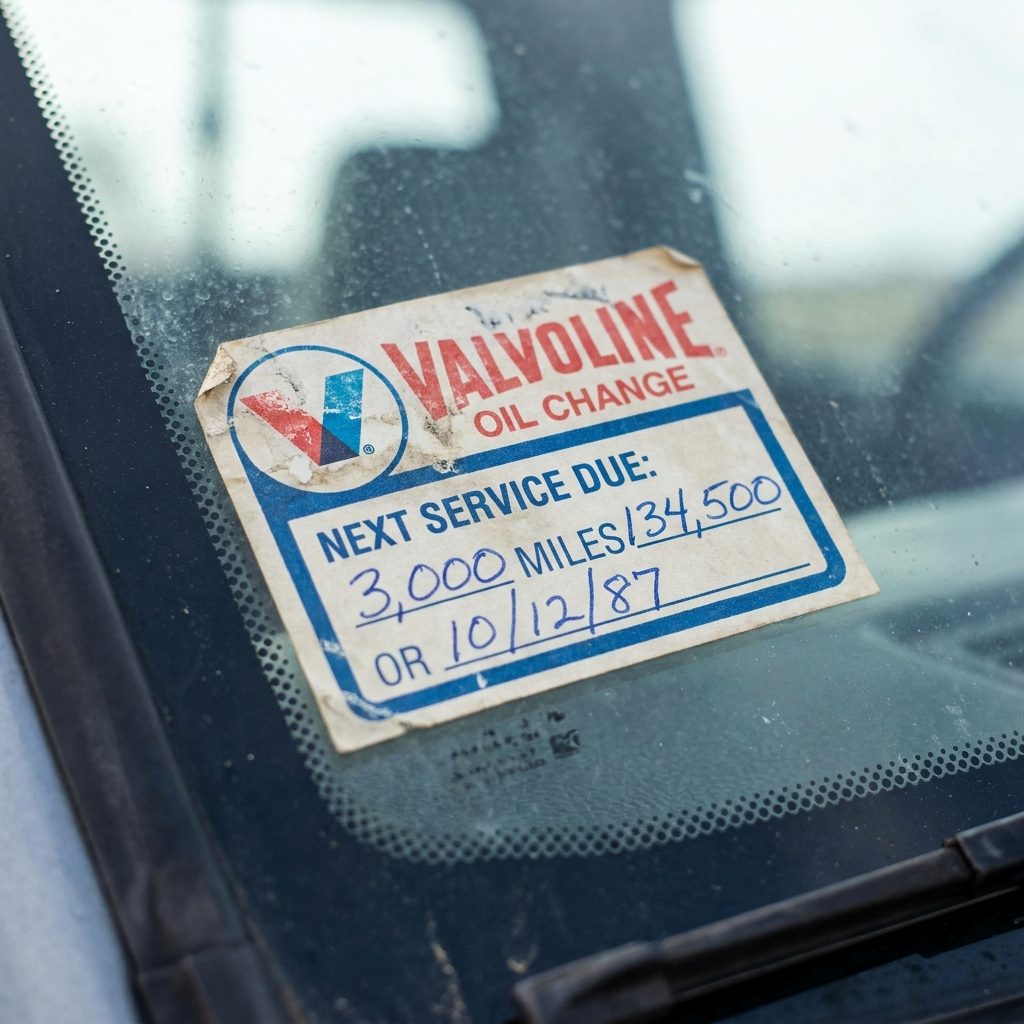
The dealer stuck it in the corner of the windshield with the next oil change written in ballpoint. Three thousand miles or three months, whichever came first. In American cars, most owners glanced at it once and forgot.
In the Japanese cars, they followed it. Not out of virtue — out of pattern recognition. The car started every morning, the defroster worked, the shifter still felt tight after eighty thousand miles, so when the sticker said come back in three months, you came back. The car had earned the appointment, and the appointment kept the car earning it. That loop, running quietly in millions of driveways, was most of what changed American expectations in the end.
14. Headlights That Actually Aimed Where the Factory Said They Would
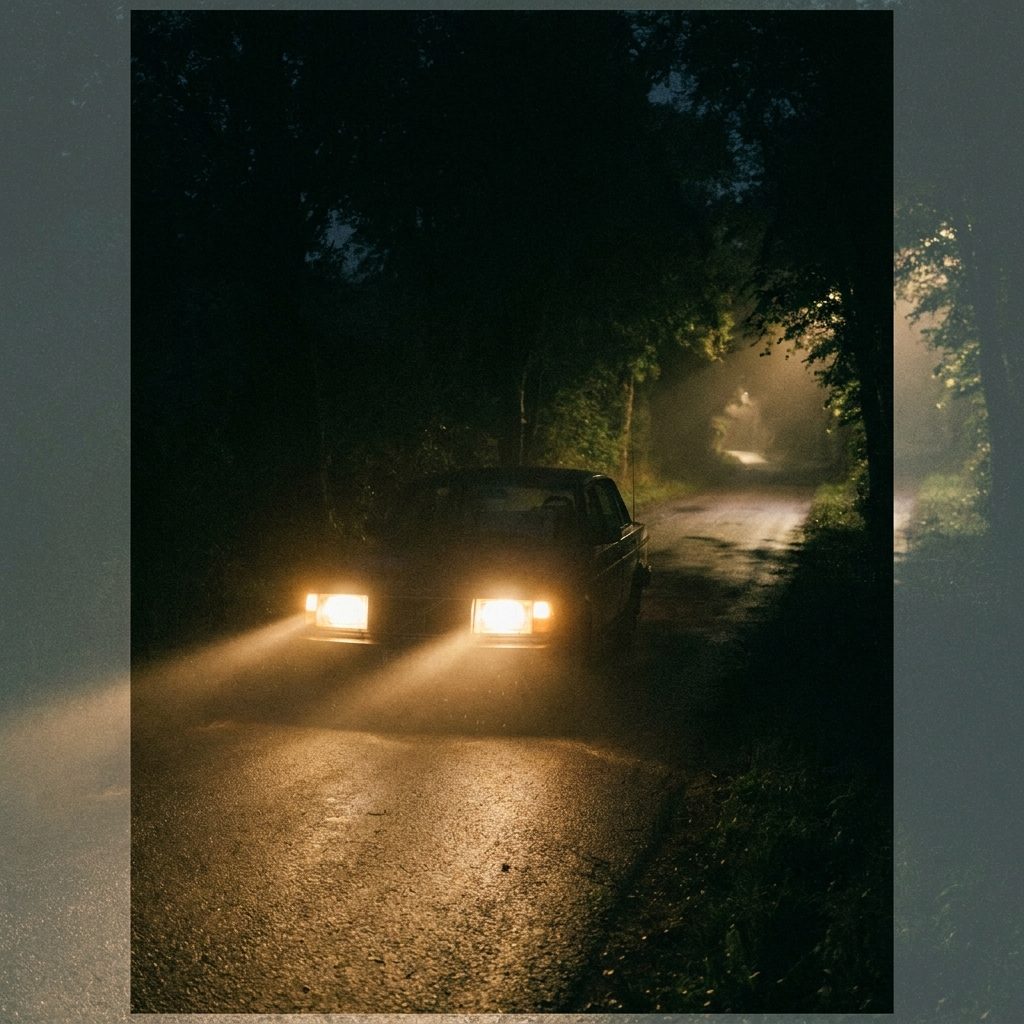
American drivers in 1983 had a specific relationship with their headlights. You aimed them yourself, or you paid a guy at the shop to aim them, or you drove around with the left one pointing at low-flying aircraft and hoped nobody flashed you.
Then a Honda Accord rolled off the lot and the beams landed exactly where the manual said they would. First pothole didn’t change that. Second pothole didn’t either. The car had been built with the assumption that a buyer should not have to correct the factory’s work before dinner on the day of purchase.
Small thing. Enormous thing. It rewired what a person thought was reasonable to expect from a machine they’d just handed over four figures for.
13. Dealer-Installed Air Conditioning That Worked, Sort Of, But Never Matched the Engine
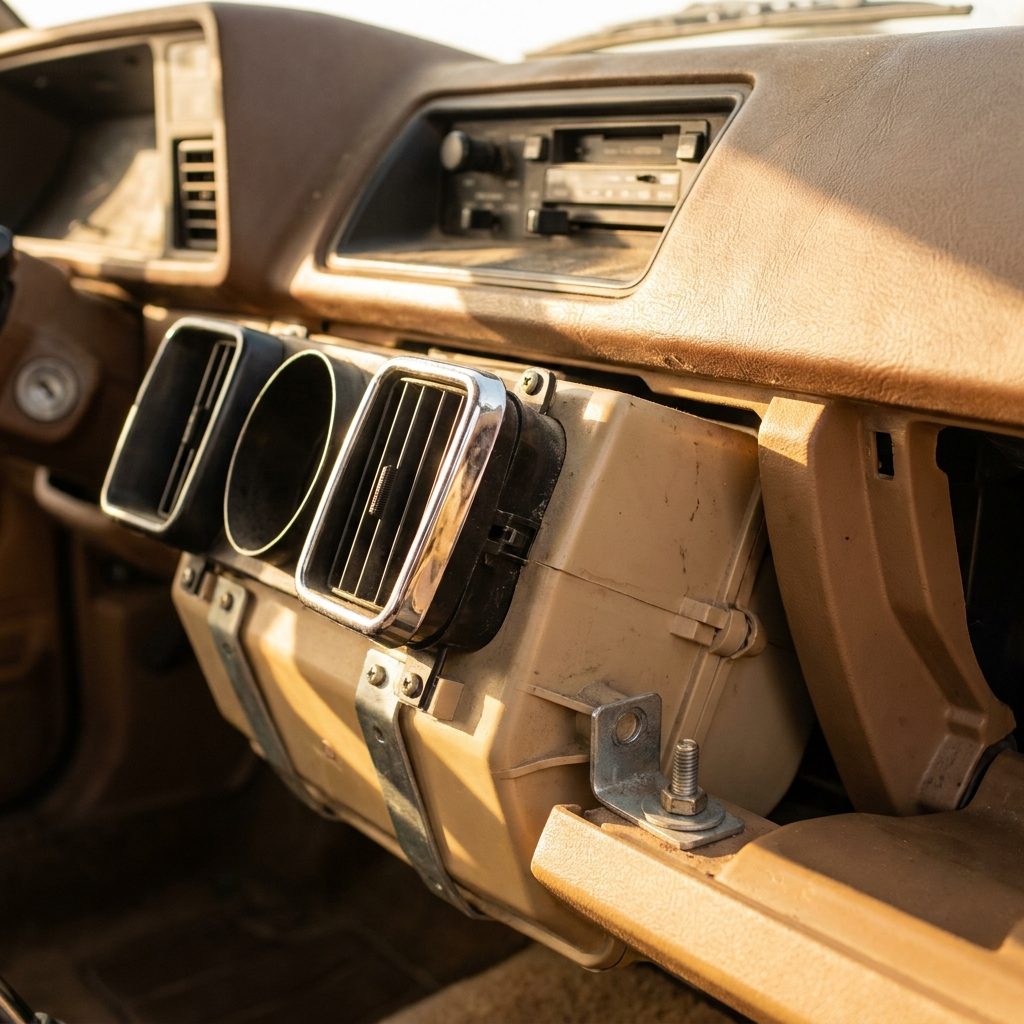
The engine was a marvel. The AC was a compromise bolted on after the fact.
Dealer-installed air conditioning on early Japanese imports looked exactly like what it was — a separate box screwed under the dashboard, its beige never quite matching the factory beige, its knobs from a different design language than the ones above it. Blast it on high in August traffic and you got cool air. Blast it on high on the highway climbing a grade and you felt the engine notice.
Nobody minded much, because the car started every morning and got 34 miles to the gallon and the AC was a bonus feature stuck onto something already doing its main job better than anyone expected. Buyers took the deal.
12. A Spare Tire That Stayed Exactly Where the Engineers Put It
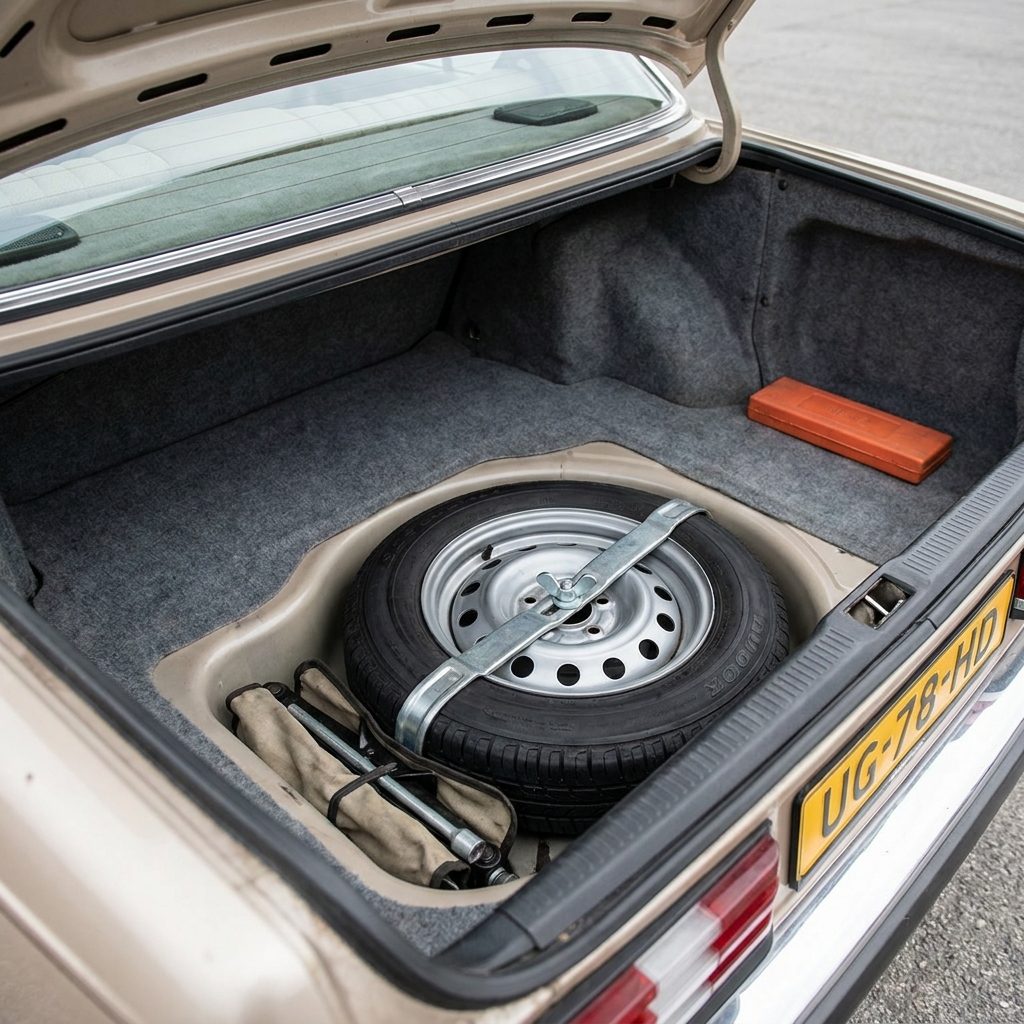
Trunks used to be storage lockers where a spare tire lived among whatever else had accumulated. Take a hard left and the spare rolled to the driver’s side; take a hard right and it rolled back. You heard it. You knew it was doing it, and you accepted this as the physics of owning a car.
Open the trunk of a 1984 Maxima and the spare sat in a molded well, held down by a wingnut, exactly where a person would want it if a person had thought to want it there. The jack lived in its own foam cutout. The iron lived next to the jack. Nothing migrated.
You picked up something in that moment — a suspicion that somebody had spent real time on the parts of the car nobody was supposed to notice.
11. Base Models With Power Nothing, Which Some Buyers Called a Feature
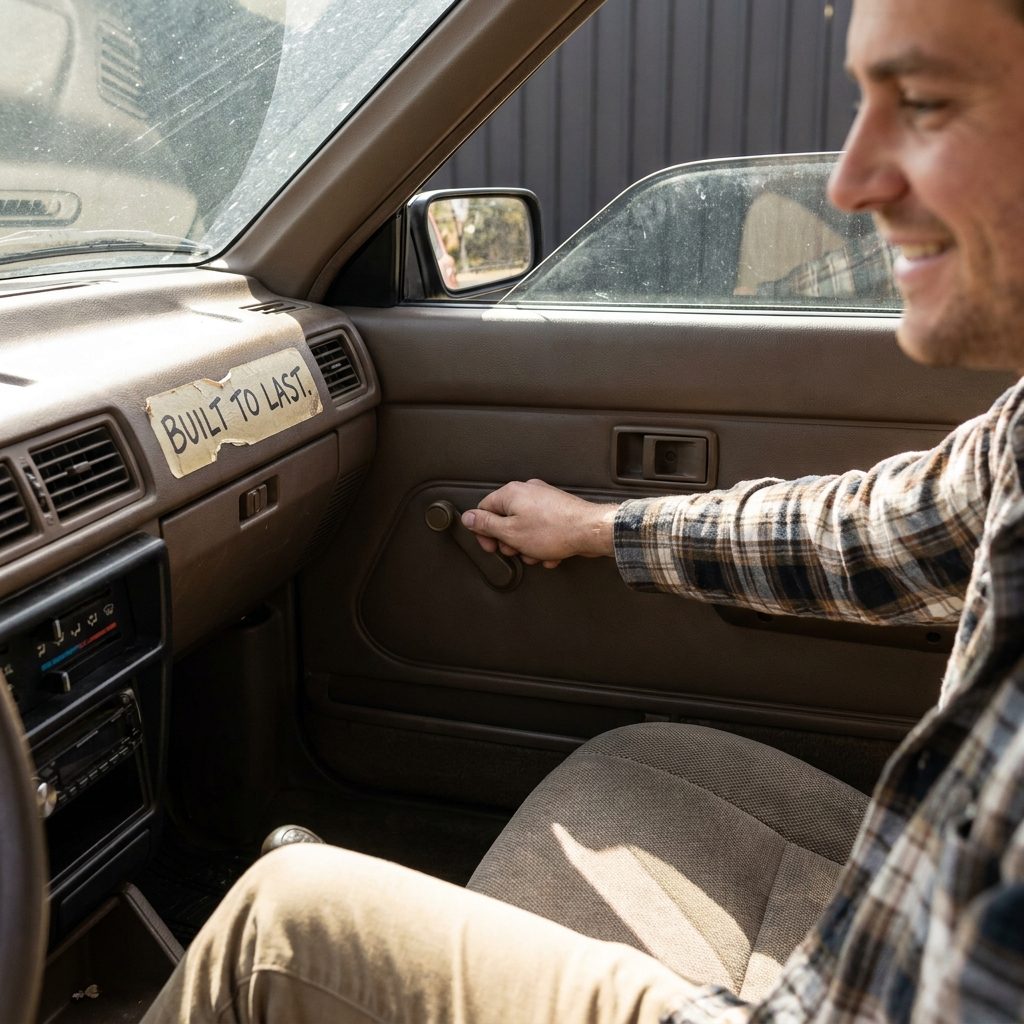
Roll your own window down. Reach across to lock the passenger door yourself. Adjust the side mirror by shoving it with your hand before you got in.
Some people bought a 1982 Civic and felt every one of those absences. Others bought the same car and felt something closer to relief — no motor to burn out in the door, no switch to gum up, no little relay clicking somewhere behind the dashboard waiting to fail on a rainy Tuesday.
Buyers coming off a well-optioned domestic sedan with two dead power windows and a stuck seat motor understood the second view immediately. Fewer things is fewer things to fix. That was the trade, and for a certain kind of person it was not a trade at all.
10. A Used Datsun With 80,000 Miles That Still Had a Life Left In It
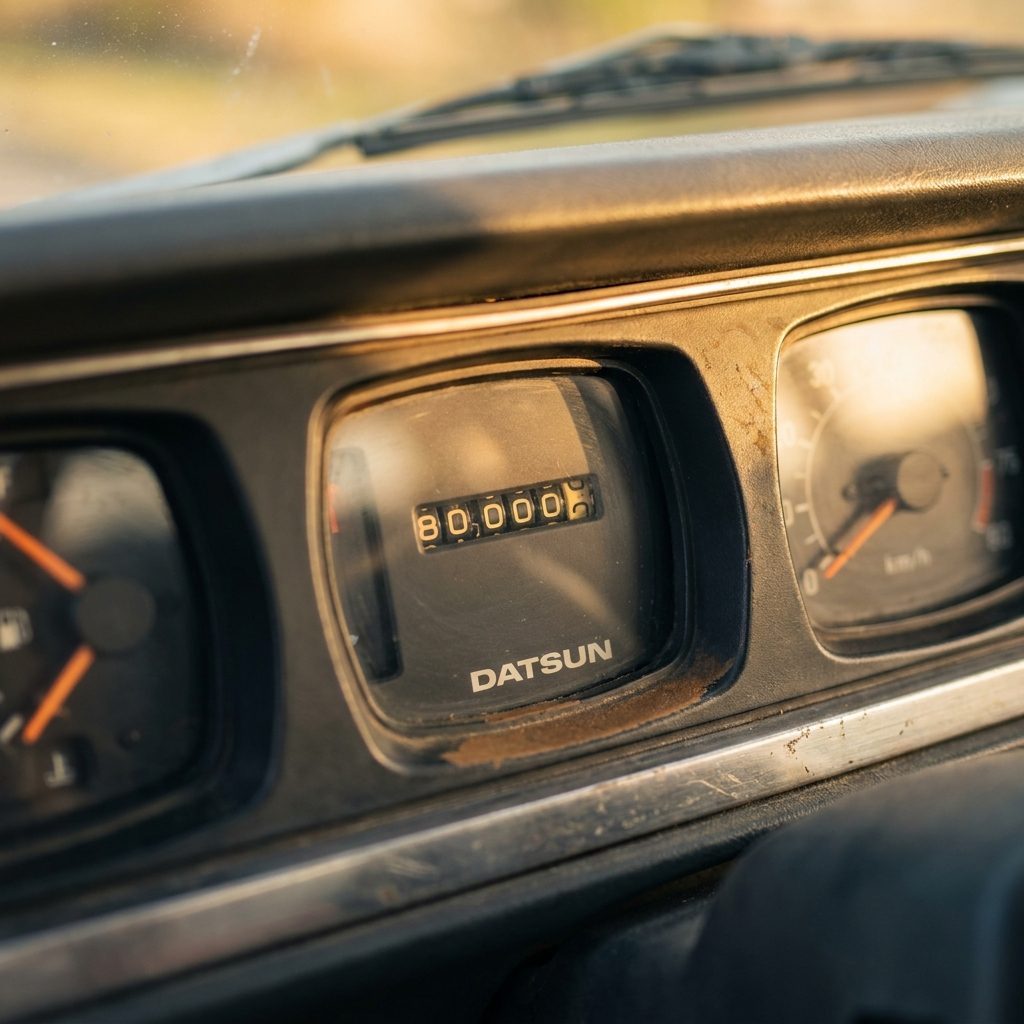
Eighty thousand miles used to mean the car was almost done.
That was the American frame in 1978 — you bought used at that mileage understanding you were getting the last chapter. Then somebody bought a Datsun 510 at eighty thousand miles and drove it to well past a hundred thousand without doing anything more heroic than oil changes and a timing belt. Word traveled the way it always travels. Brother-in-law told brother-in-law. The guy at work told the guy at the next desk.
A used-car lot suddenly had a category of vehicle that outperformed its odometer, and a whole layer of American expectation about what “high mileage” meant started to slide sideways. Nobody announced the change. It just happened, one honest 510 at a time.
9. A Five-Speed Shifter That Moved Like Somebody Had Cared About It
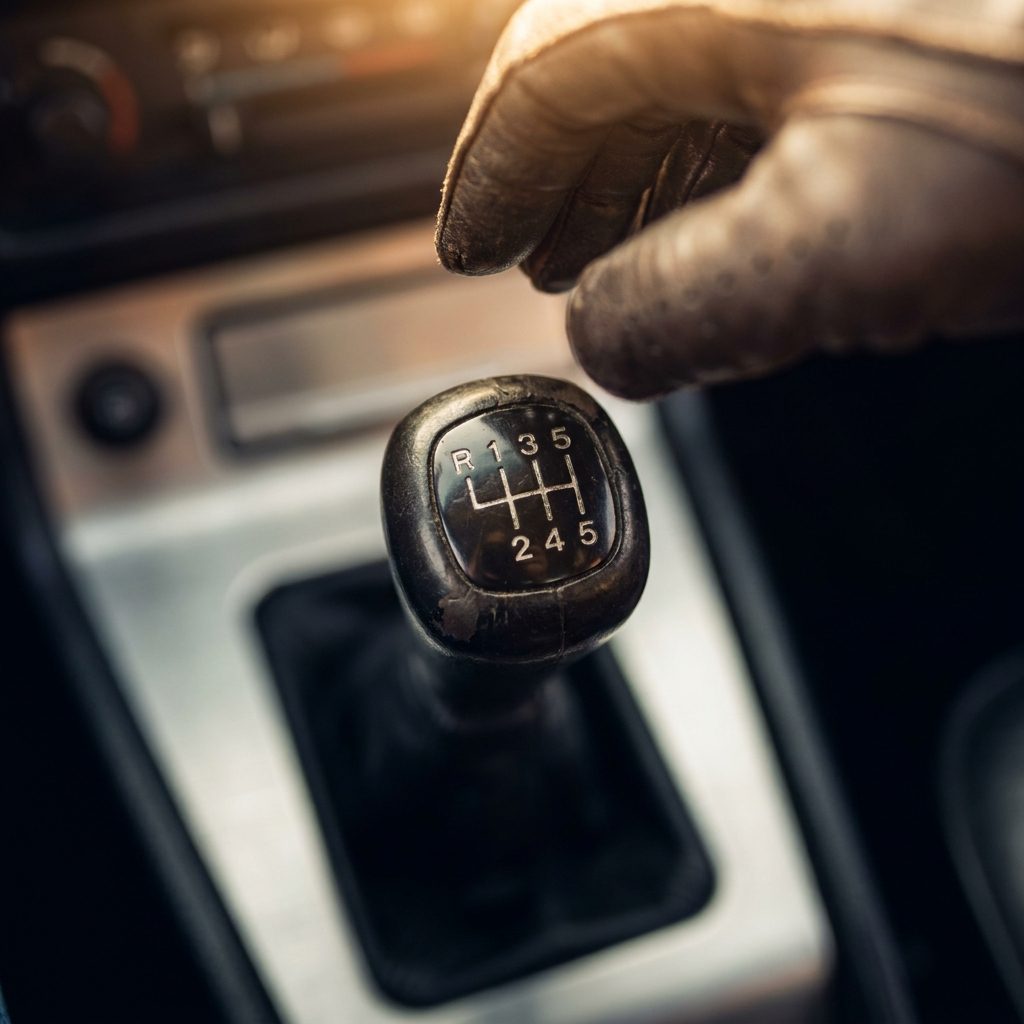
Grab the shifter of a mid-70s American three-speed manual and you were negotiating with a suggestion. It moved through a general zone. Second was somewhere over there, third was in that direction, and you developed a feel for it because you had to.
Grab the shifter of a 1985 Mazda 626 and it moved into each gate like a bolt sliding into a machined slot. Short throw. Defined stops. No slop.
People noticed this in the first block after leaving the dealership. Most could not have told you what a synchro was or why the linkage geometry mattered, but they could tell you the car felt precise — and that word started attaching itself to Japanese imports in a way American manufacturers would take a decade to answer.
8. AM Radio Stations That Stayed Tuned Through the Turn
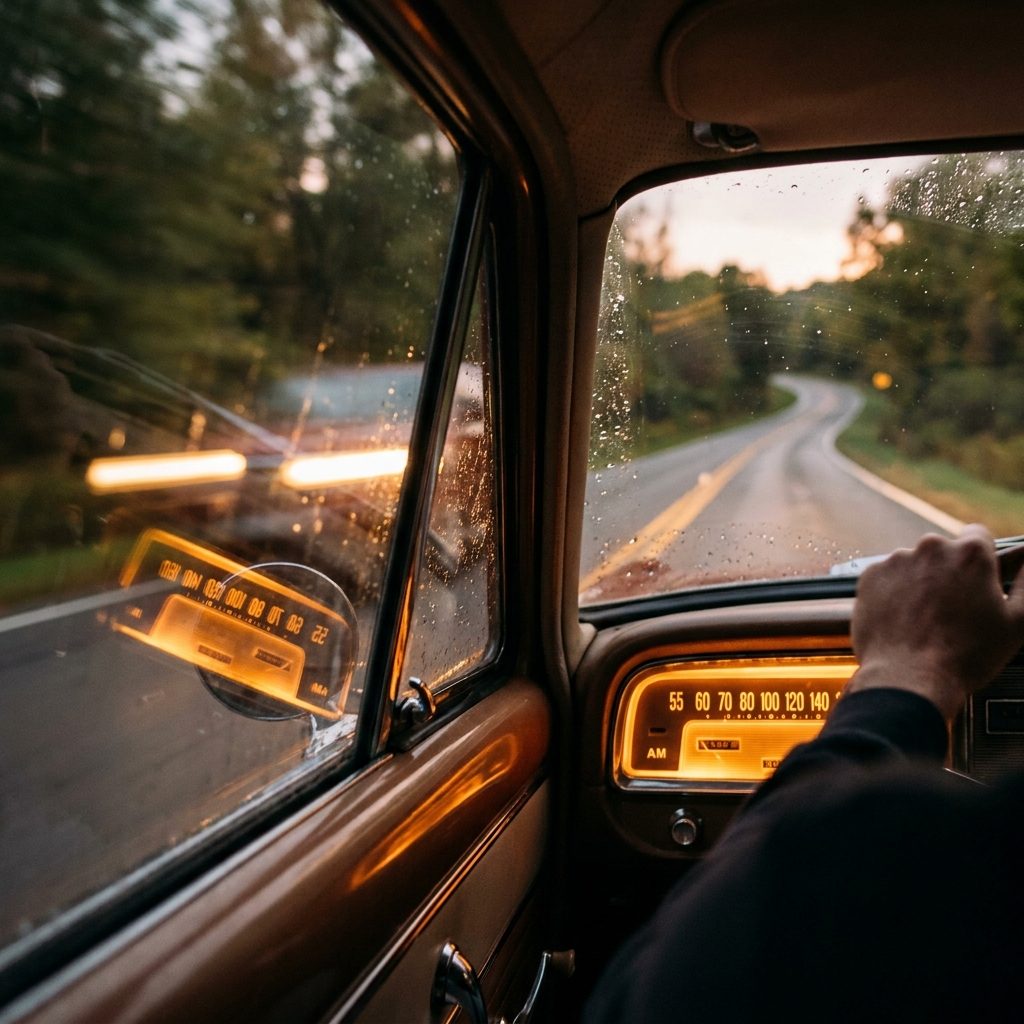
Every American driver in 1983 had the same reflex: turn the wheel hard, hear the station fuzz out for a half-second, wait for it to snap back. Normal. Antennas were antennas, cars were metal boxes, physics did what physics did.
Then a Camry took the same corner and the ballgame stayed on.
Not a huge thing on paper, but a huge thing over the course of a Wednesday commute in bad weather with a close game in the ninth inning. The reception felt like somebody had thought about where the antenna sat, how the ground plane worked, what the tuner did under stress. Somebody had.
7. A Horn Button Right Where the Thumb Already Was
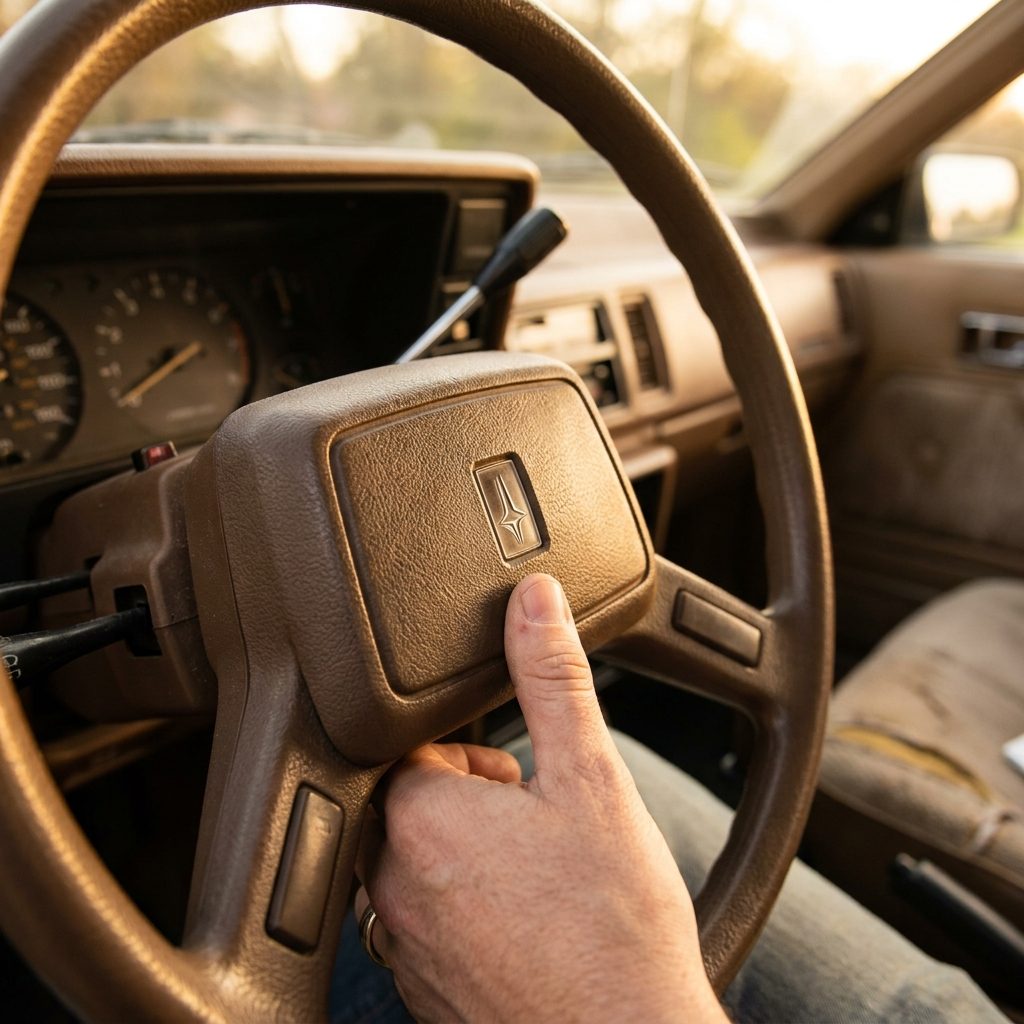
Emergencies do not wait for you to remember where the horn is. On plenty of American cars in 1984, the horn lived somewhere on the wheel that required a decision — little chrome ring around the hub, two small buttons on the spokes, a pad you had to hit dead center or nothing happened.
The Prelude horn was the whole middle of the wheel. Palm, thumb, fist, elbow, whatever was closest — the horn worked. You never had to think about it, which was exactly the point of a horn.
6. Highway Cruising Quiet Enough to Hear the Other Person in the Car
Would you like to save this?
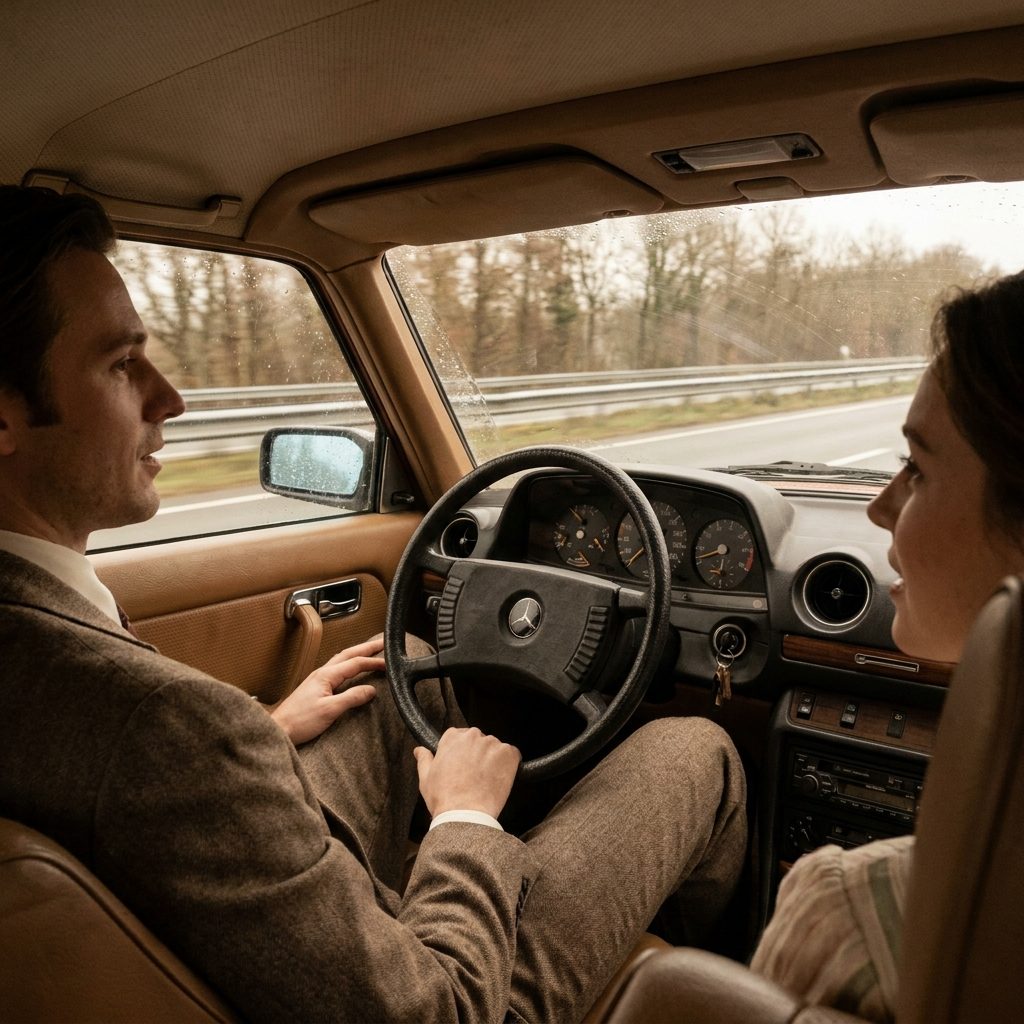
Long American road trips in the 70s came with a soundtrack — tire hum, wind roar around the door mirrors, the specific frequency the engine hit at seventy that made your right ear ring by hour three. Conversations happened at raised volume or not at all.
A 1982 Cressida at seventy on the interstate did not ask you to raise your voice. The engine was somewhere back in the acoustic distance, the wind was doing whatever wind does when a body has been shaped with a wind tunnel involved, and you could talk to the person next to you the way you talked to the person next to you on a couch.
Small revolution. Nobody wrote about it much because it was hard to demonstrate on a spec sheet. You noticed it after a full tank.
5. A Carburetor That Didn’t Care What Month It Was

Ask an American driver in 1978 about winter and they’d tell you about the choke. Pull it out on cold mornings, remember to push it in once the engine warmed, adjust it if the car started running rich. Spring came, you tinkered with the mixture. Fall came, you tinkered again. A season of the automotive year.
The Civic carburetor did not care. It had been calibrated at the factory and it held — fifteen degrees in February, ninety-five degrees in August, the car started and ran and idled at the same steady beat. Nobody had to lie on the driveway with a screwdriver in November.
Domestic mechanics noticed this before their customers did. Service bays started seeing Japanese cars come in for oil changes, brake pads, timing belts — but not for the seasonal ritual that had built a good chunk of their annual revenue. Something was shifting, and the carburetor was one of the quiet places you could see it.
4. The Driveway Conversation That Ended With Both Neighbors Quietly Cross-Shopping the Same Car

It started with a wave over the hedge and ended forty minutes later with both men still standing in the driveway, one of them holding a garden hose he had forgotten was running. The neighbor had wandered over to ask something specific about the Accord — the rear defroster, maybe the fuel economy — and inside two minutes the real conversation surfaced. He was thinking about one too. His wife had mentioned it. His brother-in-law owned one and would not shut up about it.
Quiet stuff, this. Not the ads, not the reviews in Car and Driver, just two guys in a driveway comparing notes on something their fathers would have considered a small betrayal. Nobody said it out loud, and the conversation kept happening, on street after street, until by the end of the decade the driveways looked different.
3. Brake Fade That Showed Up Later Than Expected, Even If Nobody Could Quite Explain Why
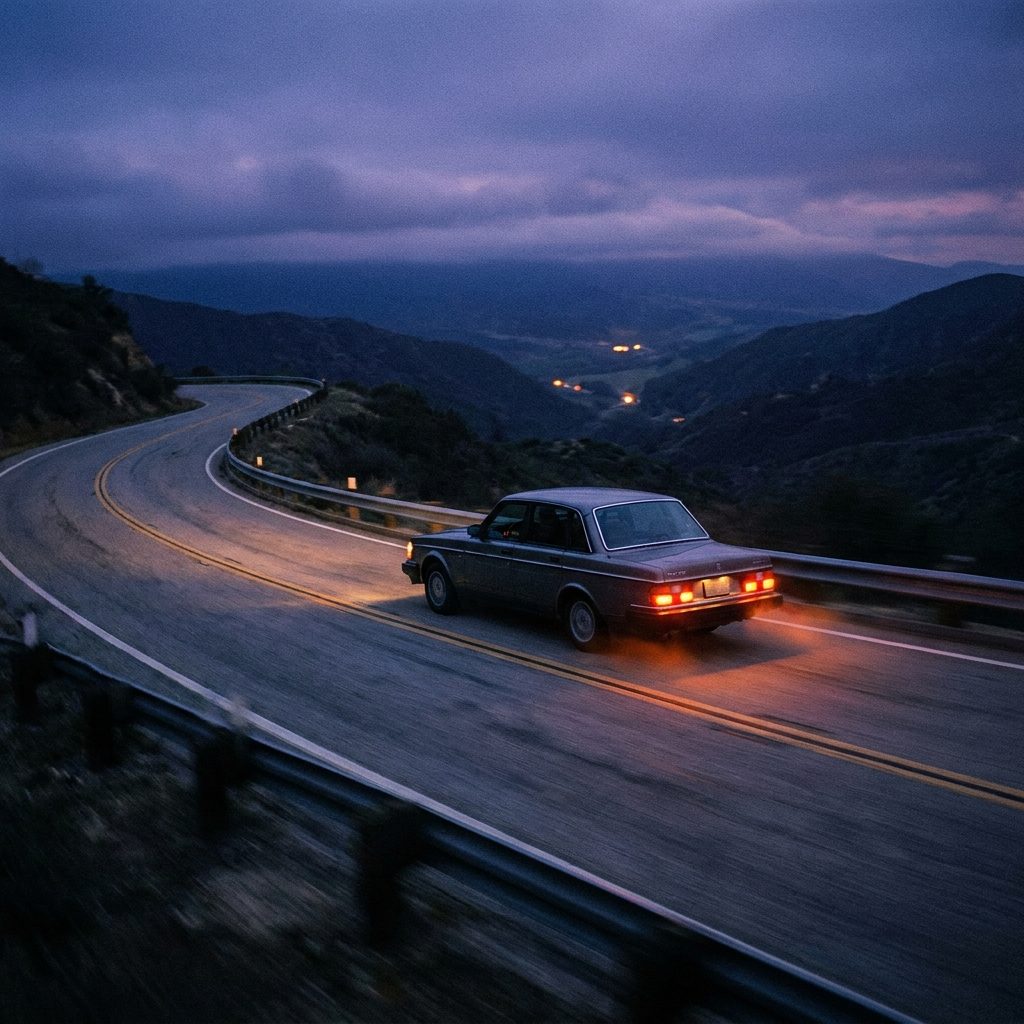
Drivers coming out of full-size American sedans noticed something they could not name. On a long grade, or coming down out of the mountains with a full family in the car, the pedal stayed firm longer than it had any right to. Not forever — the physics still applied — but the fade arrived later, and when it did, it was gentler about it.
Most people chalked it up to the car being smaller, or newer, or somehow just better behaved. What actually happened is that Japanese engineers had been quietly obsessing over brake balance, pad compound, and cooling on cars nobody expected to demand much of anything. The buyer felt the result without ever reading a spec sheet.
2. The Ashtray That Actually Closed, Sealed, and Kept Its Business to Itself
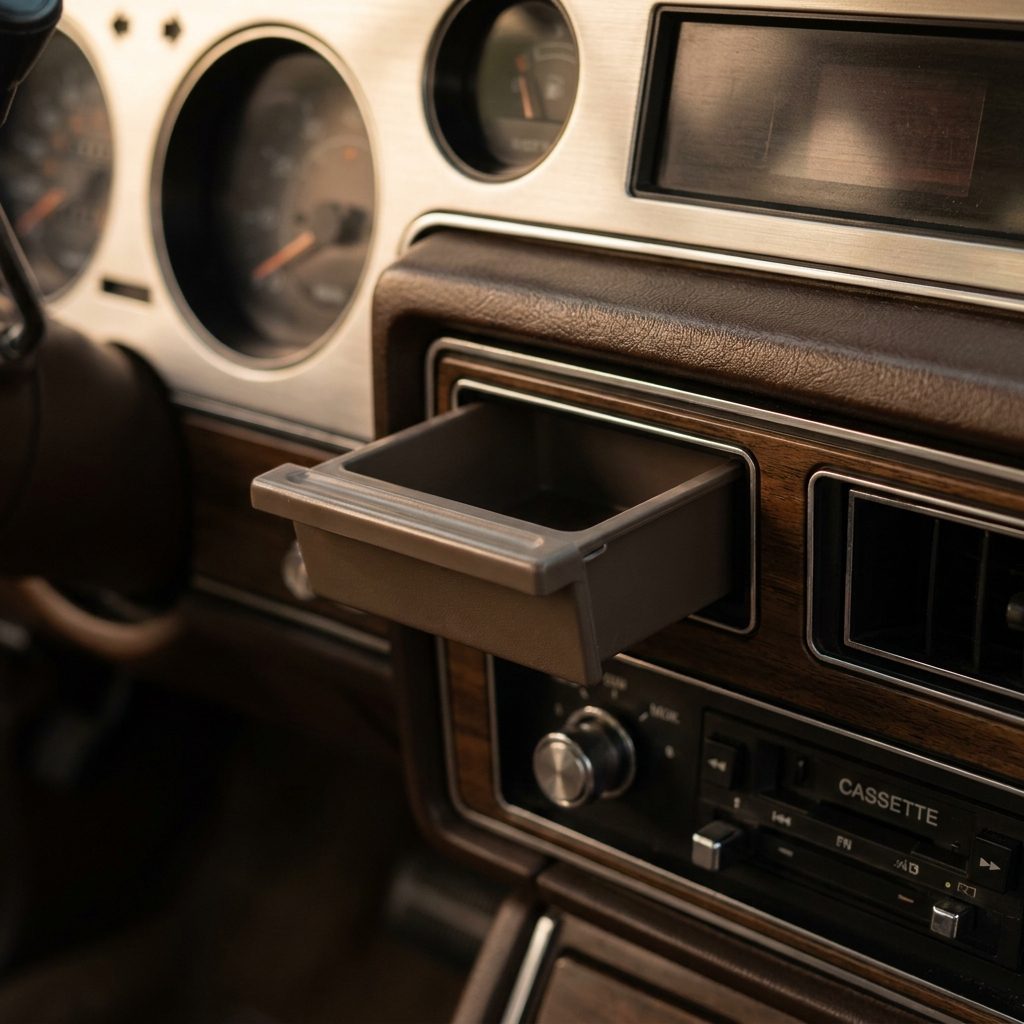
You closed it and it stayed closed.
American cars of the same period had ashtrays that rattled, hung open a quarter inch, and let last night’s cigarette announce itself every time you opened the door on a warm morning. The Japanese versions closed with a soft click and sealed against a gasket you never saw. Open it a week later and the smell was contained to the tray itself. Close it again, cabin neutral.
Nobody wrote road tests about ashtrays. But buyers noticed — not consciously, maybe, but they registered that the inside of the Accord smelled like the inside of the Accord, while the Caprice cabin smelled like whatever had happened in it recently. Small parts, tightly made, doing the job they were supposed to do. Multiply that by every closure in the cabin and you had a fundamentally different car.
1. The Specific Combination That Quietly Rewrote the Definition of What a Car Was Supposed to Be
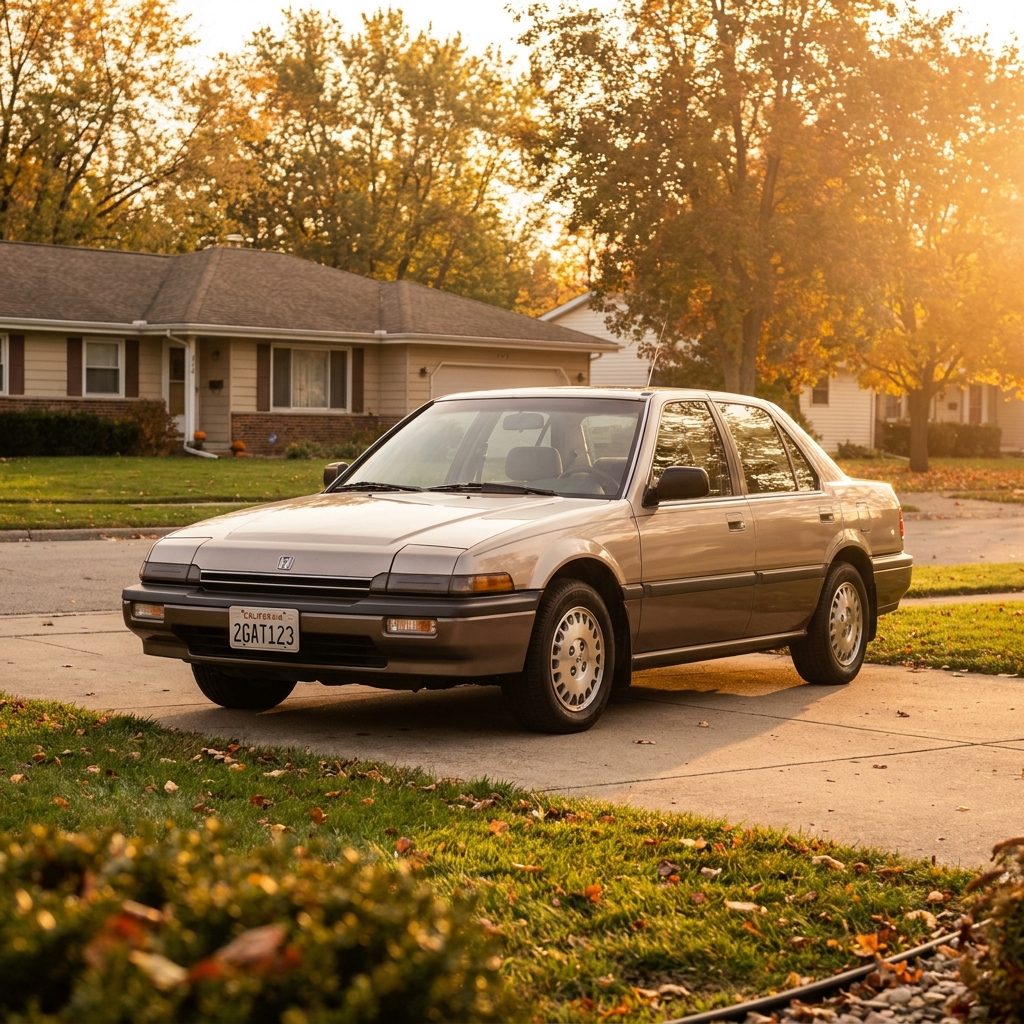
Nobody quite realized what was happening. The 1988 Accord in the driveway had enough power to merge onto the interstate without drama, seats that held up on a six-hour drive to visit family, and it started every morning through three winters without a jump. Sticker price landed within a few hundred dollars of what the dealer originally asked.
An American car of the era could match any one of those things. Two of them, sometimes. All four in the same car, at the same price, with no asterisk — that was new. The quiet trick was refusing to be bad at any of them, rather than excelling at one.
Buyers had spent a decade choosing which compromise they could live with. Fast but thirsty. Comfortable but unreliable. Cheap but rattly. Japanese sedans of the late 1980s made the compromise itself optional, without ever saying so out loud. Once a family had lived with that for three years, going back felt like a step nobody wanted to take. The bar had moved, and it never moved back.
The bar had moved, and it never moved back.