
Would you like to save this?
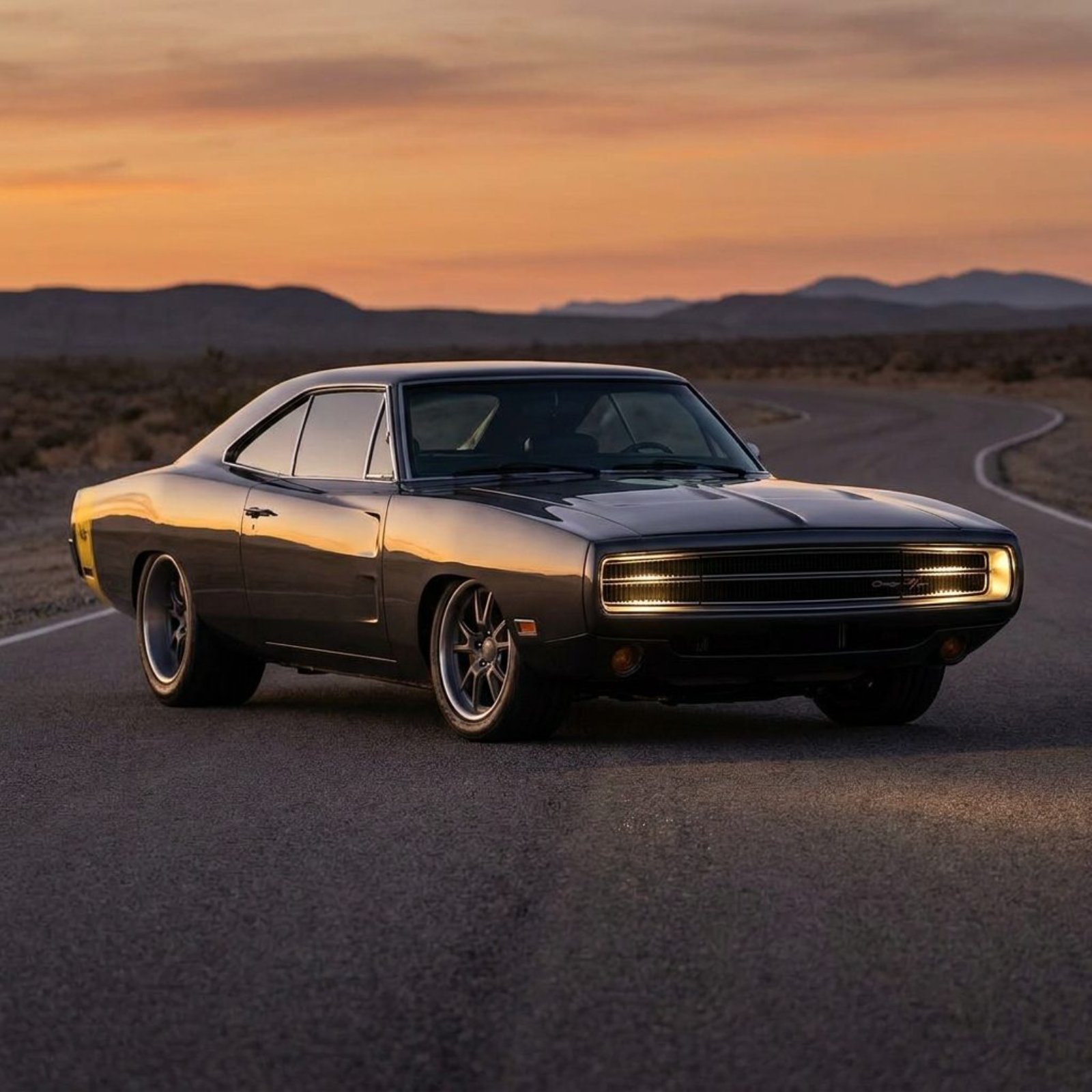
A brand-new Dodge Charger R/T cost around $3,700 in 1970, back when the average man earned roughly $6,000 a year and could still stare at that number long enough to imagine making it work. Muscle cars were not cheap. They were something more dangerous: just attainable enough to become an obsession.
A second job, a generous trade-in, a few years of payments — suddenly the loudest car on the dealer lot no longer felt entirely out of reach.
Some manufacturers appear more than once here, because the same showroom could hold cars with very different intentions. One Chevelle was built for the family man with a heavy right foot; another arrived with enough horsepower to alarm the insurance company. These are the prices printed on the original window stickers, measured against the paychecks, compromises, and horsepower fever of the world that produced them.
The 1970 Plymouth ‘Cuda: $3,433 and a Name That Needed No Explanation
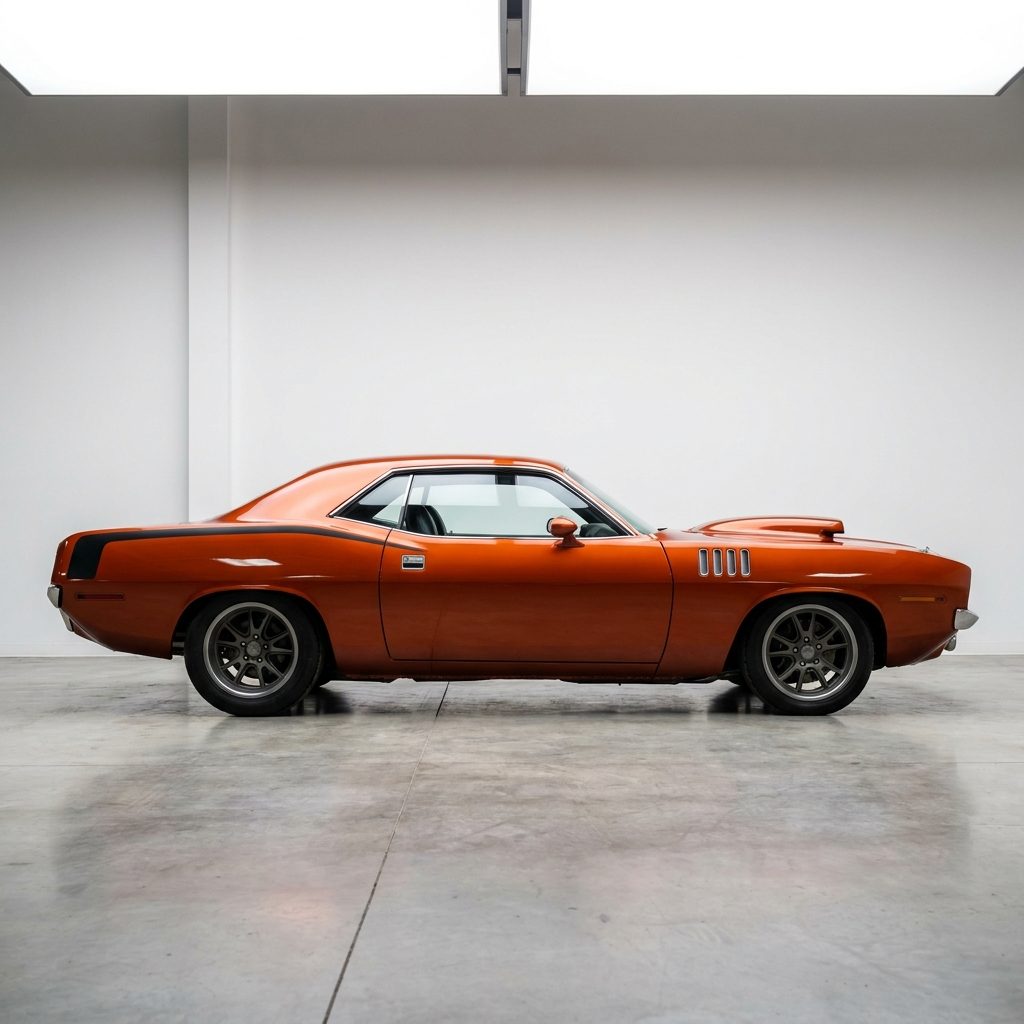
Plymouth restyled the Barracuda from scratch for 1970, and the result was the most aggressive-looking car to ever wear a fish badge. The base ‘Cuda stickered at around $3,433. Spec it with the 440 Six Pack and you were north of $4,000. Tick the 426 Hemi box and the price climbed past $4,700 before a single option was added.
For context, a mid-level factory worker took home about $145 a week in 1970. The ‘Cuda cost roughly six months of take-home pay. People bought them anyway.
The 1970 Buick GSX Stage 1: $4,479 Worth of Surprise from the Quiet Brand
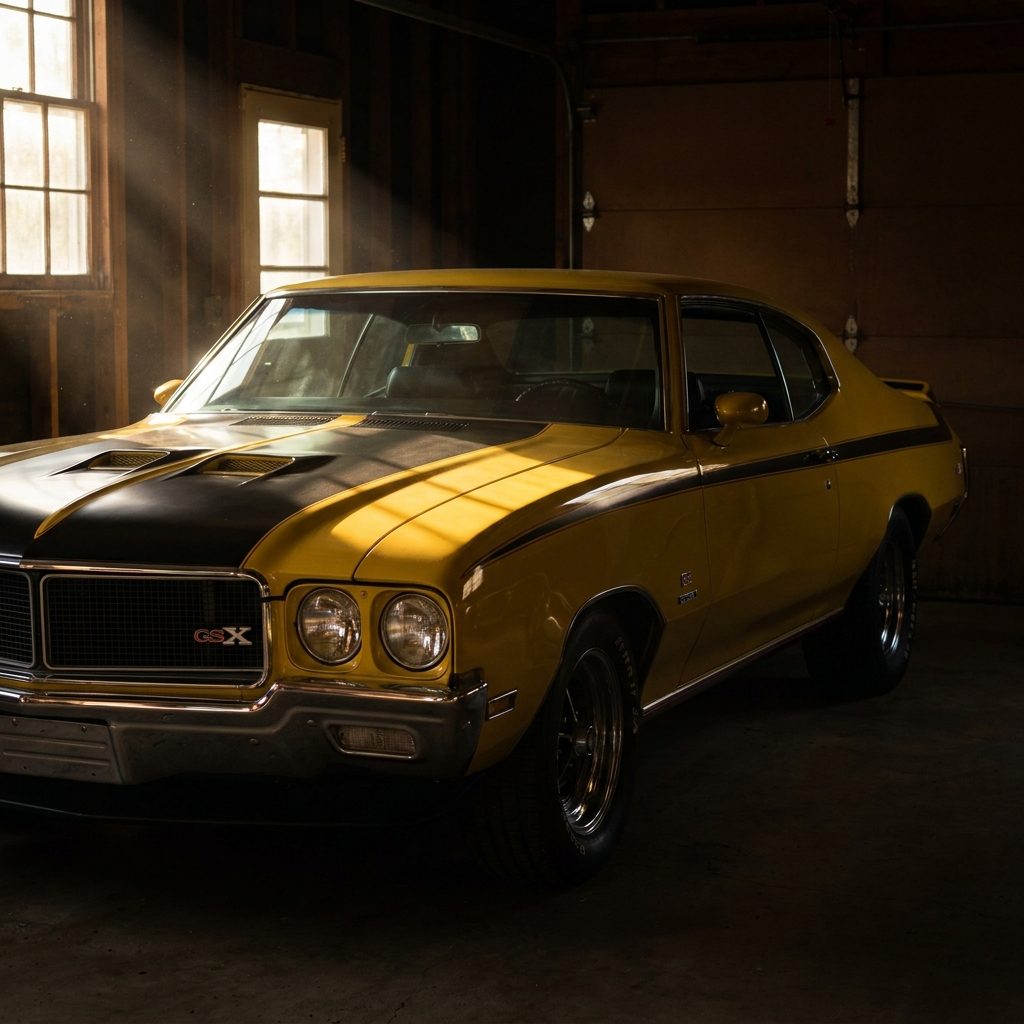
Nobody expected Buick to build the fastest muscle car of 1970. That’s exactly what the GSX Stage 1 was. At around $4,479 for the Stage 1 package, it was expensive by the standards of the day. Road Test Magazine clocked it through the quarter mile faster than a Hemi ‘Cuda. The automotive press was baffled in the best possible way.
Buick built just 678 Stage 1 GSXs that model year, most in Saturn Yellow or Apollo White. The car barely registered in showroom traffic. Forty years later, it registers quite differently at auction.
The 1970 Chevelle SS 454 LS6: $4,475 and 450 Horsepower on the Window Sticker
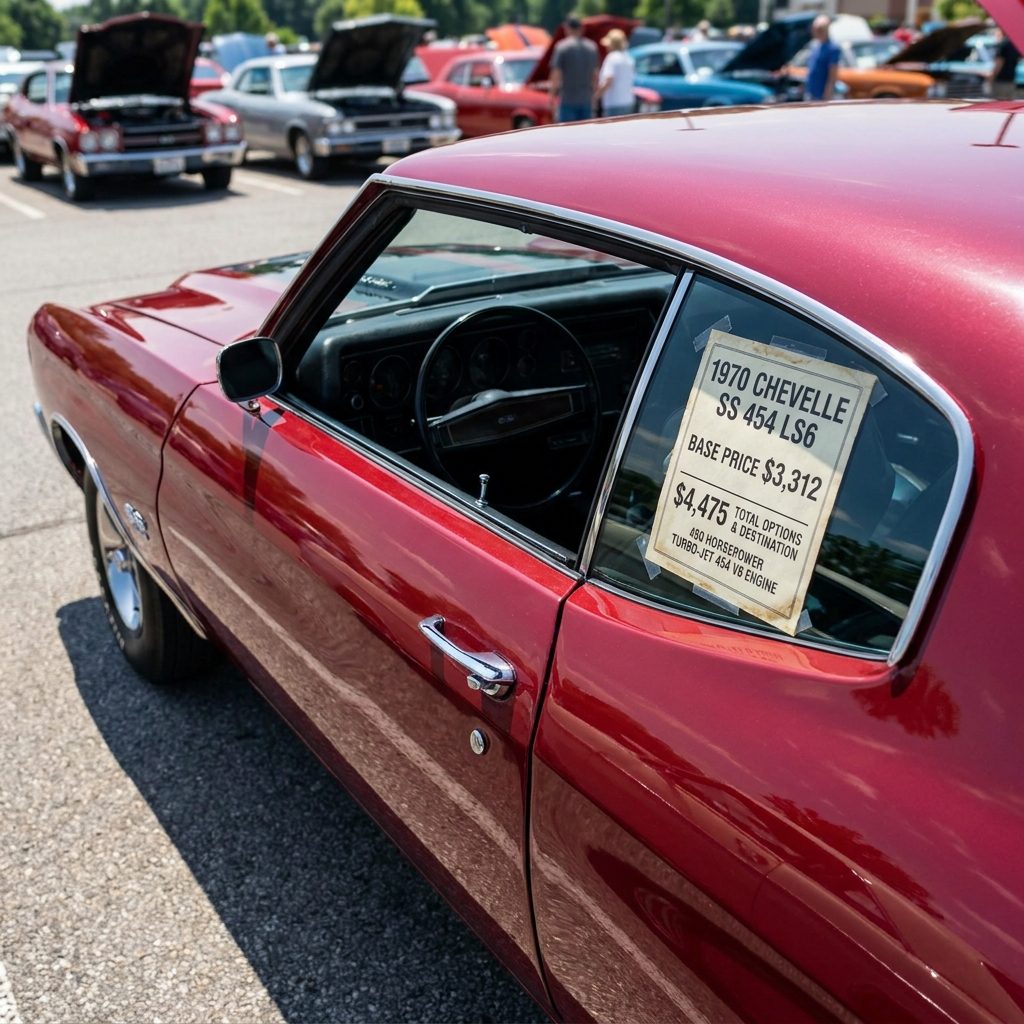
The LS6 option on the 1970 Chevelle was Chevrolet’s honest answer to the question nobody was brave enough to ask out loud at the time. The base SS 454 started around $3,544. Add the LS6 package and you were looking at $4,475 before options. That bought you 450 horsepower on the official sheet, though most engineers who worked on it will tell you the real number was higher.
Car and Driver called it the best muscle car ever built. Motor Trend agreed. The LS6 Chevelle is now the benchmark against which every other 1970 muscle car gets measured, whether that’s fair to the others or not.
The 1970 AMC Rebel Machine: $3,475 and Red-White-Blue Paint for Anyone Not Taking Themselves Too Seriously
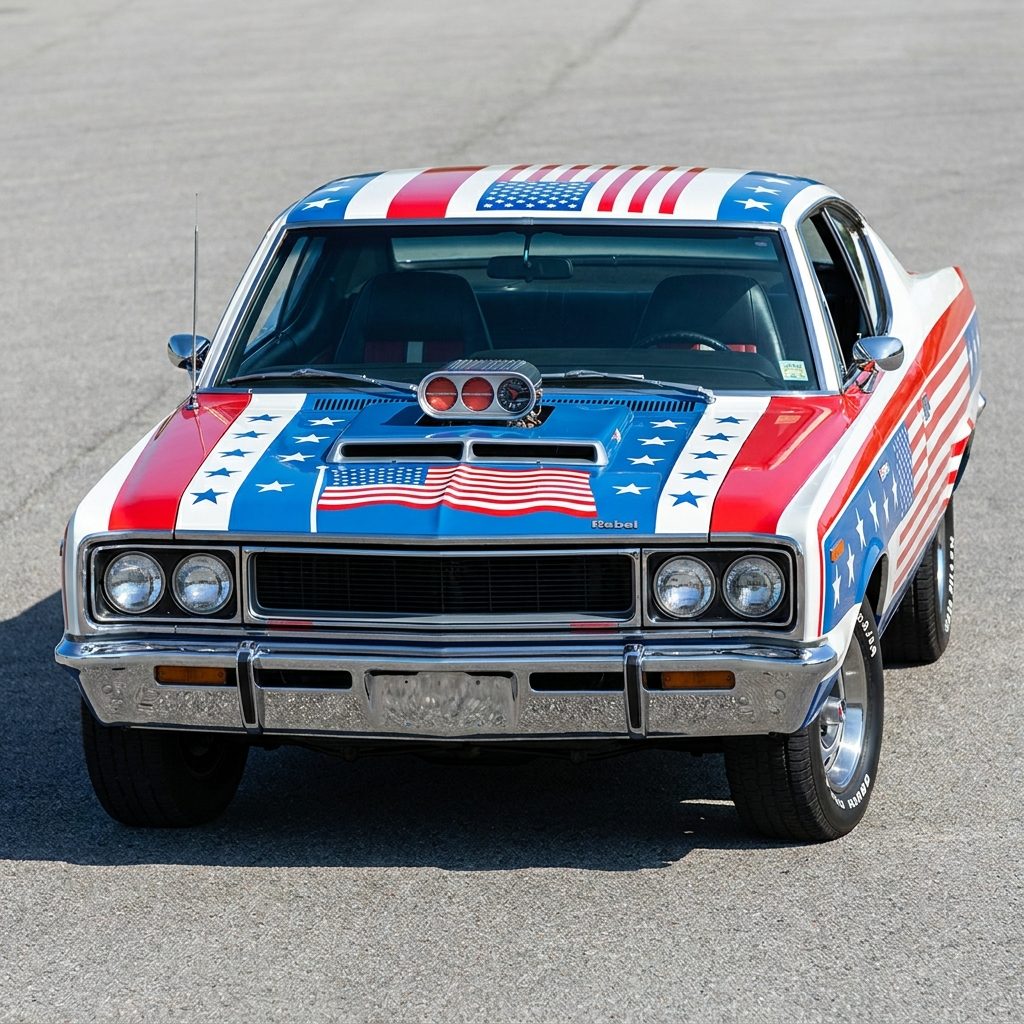
The AMC Rebel Machine was priced at around $3,475 in 1970, and if you ordered the special package, it arrived from the factory painted in red, white, and blue. AMC was not a company with a lot of money to waste on subtlety.
Under the hood sat a 390 cubic inch V8 making 340 horsepower. It wasn’t the quickest muscle car on the block, but it was honest, durable, and considerably cheaper to insure than anything with a Chevrolet or Dodge badge. AMC sold to the reader who did the math first. There were more of those buyers than anyone gave credit for.
The 1970 Mercury Cyclone Spoiler: $3,759 and Ford’s Best-Kept Drag Strip Secret
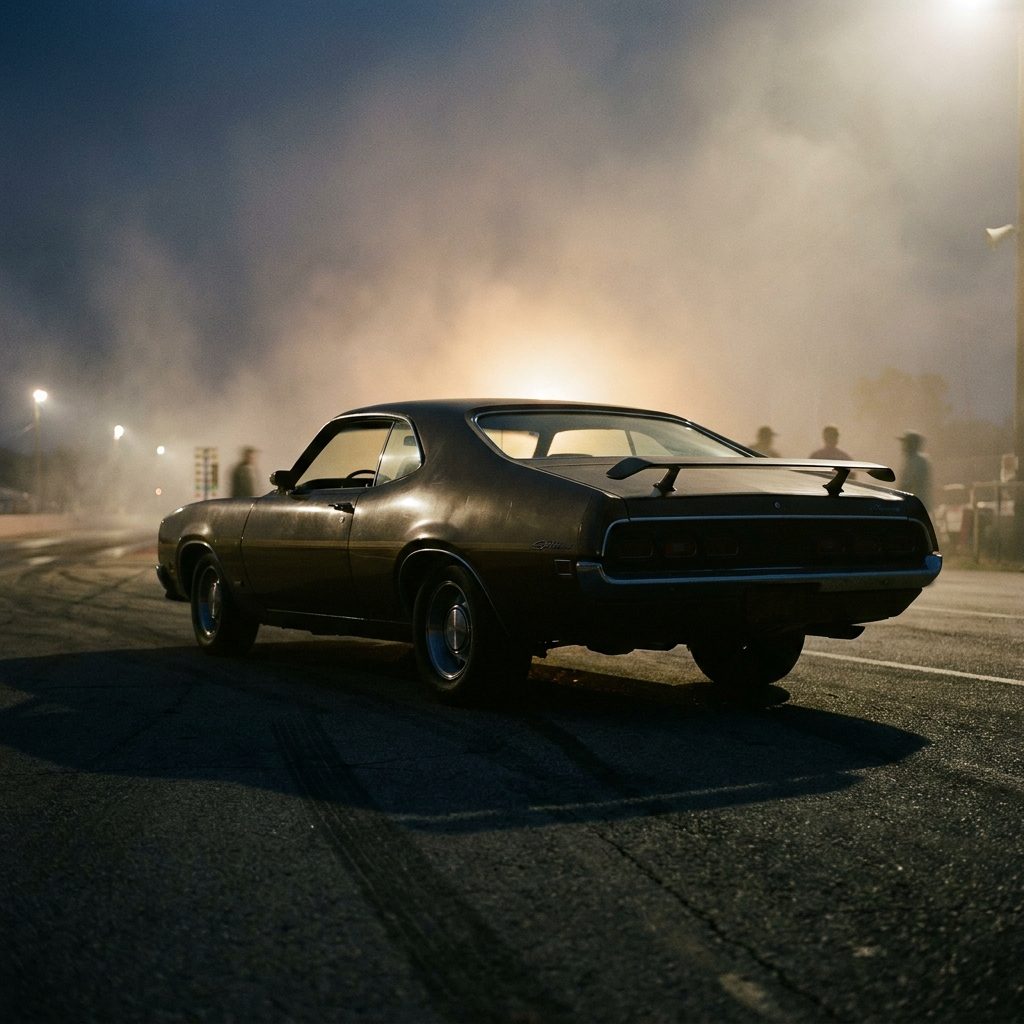
Mercury’s Cyclone Spoiler started around $3,759 in 1970, and you could option it with the 429 Super Cobra Jet, which was a different and considerably more serious engine than the standard Cobra Jet. The distinction matters because the SCJ cars, fitted with a Drag Pack option, were essentially street-legal race cars wearing Mercury badges.
Ford pushed its performance engineering through Mercury when the corporate suits were watching Chevrolet. The Cyclone was how that worked in practice. Quiet car. Loud results.
The 1970 Oldsmobile 4-4-2 W-30: $3,567 and a Factory Cold-Air System Before Anyone Called It That
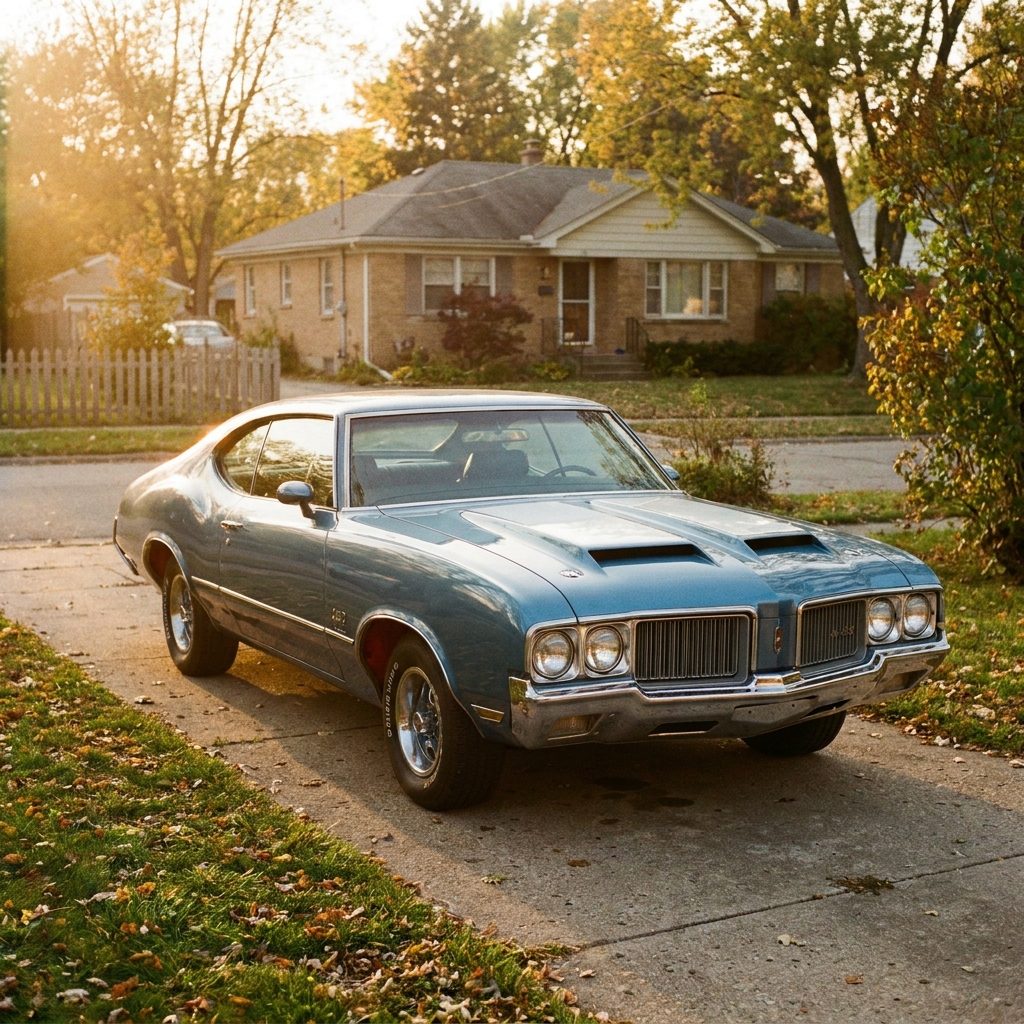
The 1970 Oldsmobile 4-4-2 W-30 packaged at around $3,567, which was a reasonable price for what it was: a 455 cubic inch engine with a factory cold-air induction system that pulled outside air through two kidney-shaped holes in the front bumper. Oldsmobile called it Force-Air Induction. Everyone else just called it fast.
The W-30 also came with special red plastic inner fender liners to reduce heat soak. That’s not a restoration myth. Oldsmobile actually did that. The car rewarded buyers who read the option sheet carefully, which is exactly the kind of thing that builds a quiet reputation that takes fifty years to fully surface.
The 1970 Pontiac GTO Judge: About $3,629 for the Original Goat With Attitude
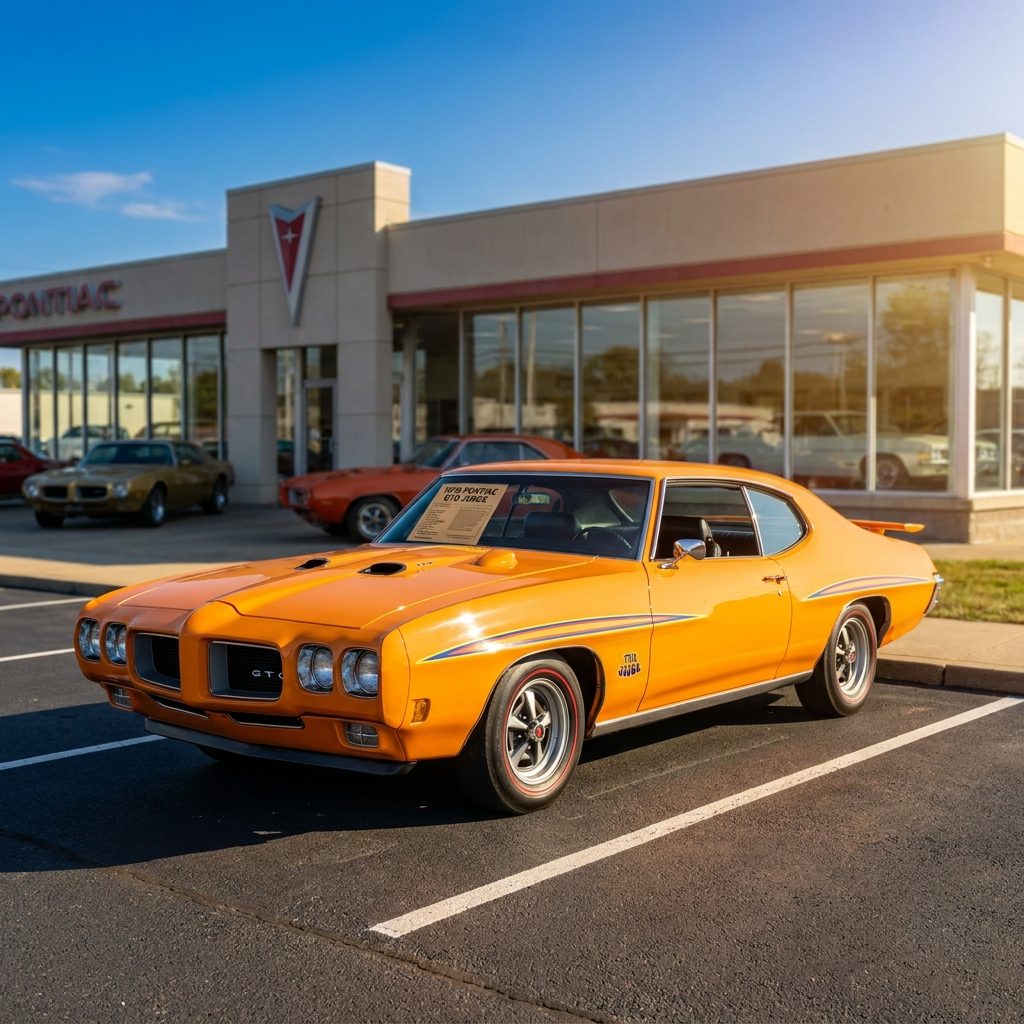
The 1970 Pontiac GTO Judge started at about $3,629, which bought more than a louder paint job and a cartoonish name. The standard Ram Air III fed outside air to a 400-cubic-inch V8 rated at 366 horsepower, while the Judge package added a 3.55:1 axle, blacked-out grille, rear spoiler, stripes, and decals large enough to settle any confusion about what had just pulled into the driveway.
Pontiac had already been calling the GTO the original muscle car for years, but the Judge dropped any remaining attempt at modesty. The nose was aggressive, the colors were impossible to ignore, and the name came from a running joke on Laugh-In. For roughly the price of a well-equipped family sedan, buyers got a car that turned every stoplight into a small public event.
The 1970 Chevrolet Camaro Z/28: Around $3,412 for Chevy’s Corner-Carving Answer
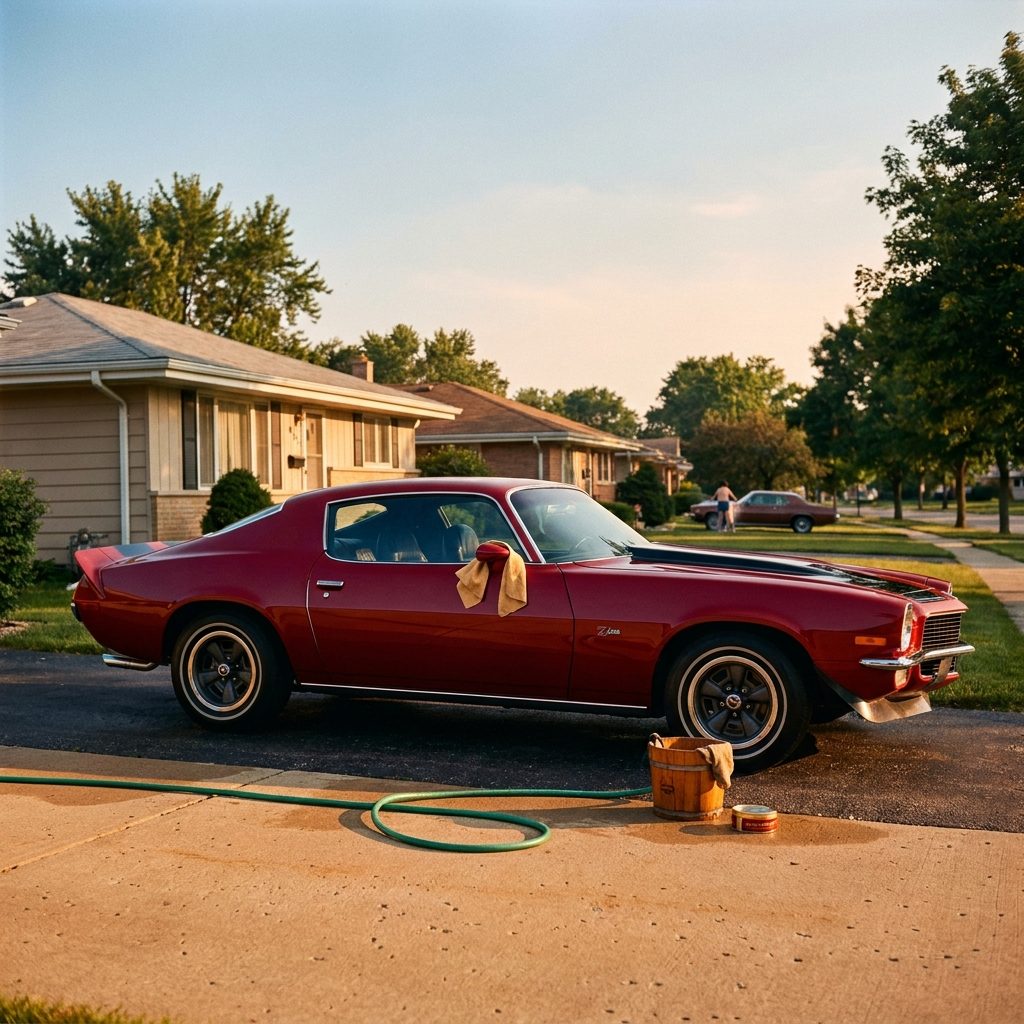
The all-new second-generation Camaro Z/28 landed with a base price hovering around $3,412 for the coupe, and that got you the LT1 350 rated at 360 horsepower. Chevy’s response to Trans-Am racing drove like it meant business.
A GM assembly line worker in 1970 pulled roughly $4.10 an hour, so a Z/28 came out to eight or nine months of paychecks before taxes. Steep. Not impossible for a young guy with overtime and no mortgage.
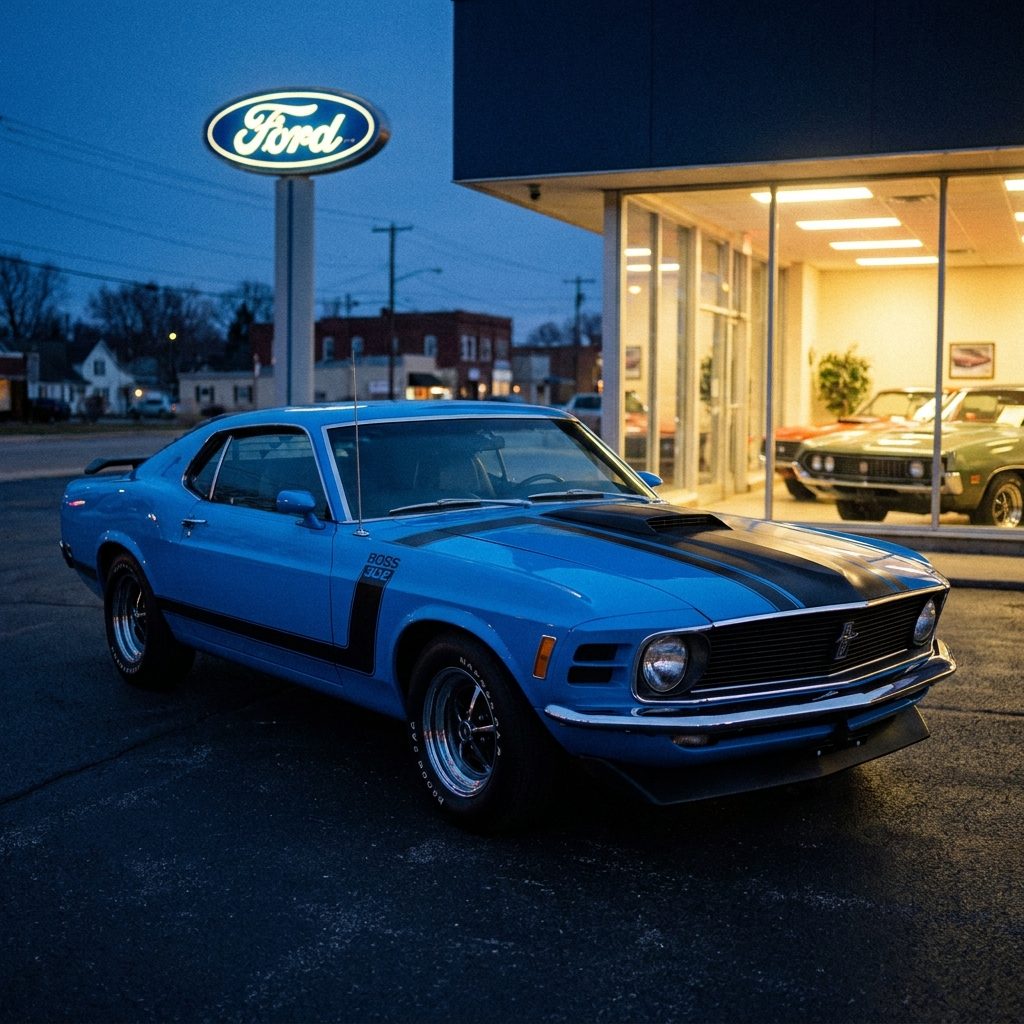
The 1970 Ford Mustang Boss 302: Roughly $3,720 With the SCCA Bloodline Built In
Would you like to save this?
Ford’s Boss 302 stickered at about $3,720 in 1970, and every dollar of that premium over a base Mustang bought you race pedigree. Homologated for Trans-Am, it came with the high-revving 302 solid-lifter V8, four-speed manual, and Larry Shinoda’s stripes across the flanks.
A base six-cylinder Mustang coupe went for around $2,721 the same year. The Boss cost nearly a thousand more — real money when the median family income sat just under ten grand.
The 1970 Dodge Charger R/T: $3,711 for the Car That Owned the Road
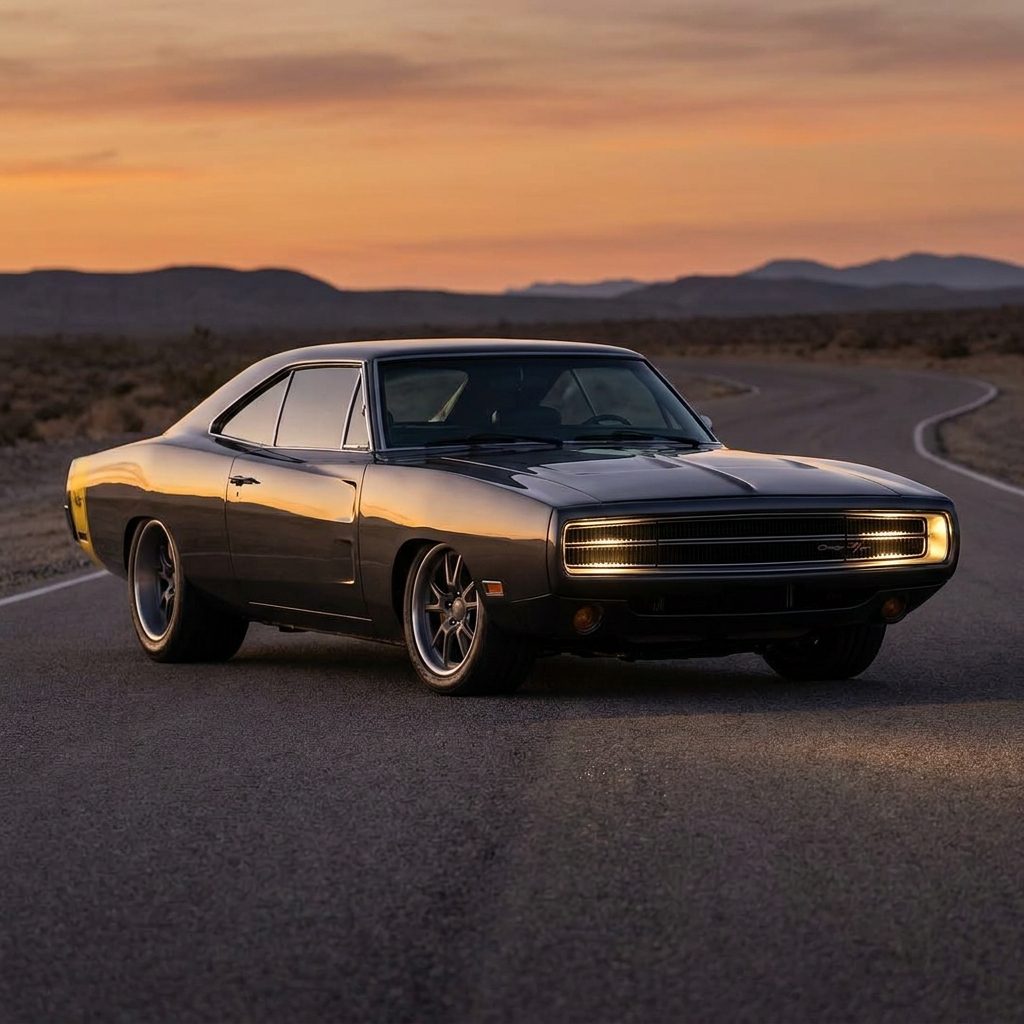
The base Charger R/T stickered around $3,711 in 1970, which was already a serious ask when the average American worker earned roughly $7,500 a year. That bought you the 440 Magnum V8, the R/T handling package, and a car that looked like it was moving at 90 miles per hour while sitting still in a parking lot.
The Charger’s hidden headlights and sweeping fastback weren’t just styling. They were a statement. Add the optional 426 Hemi and the sticker climbed past $4,300. A lot of buyers stopped at the 440. That was plenty.
The 1970 Plymouth Road Runner: About $2,896 for the Muscle Car Everyman
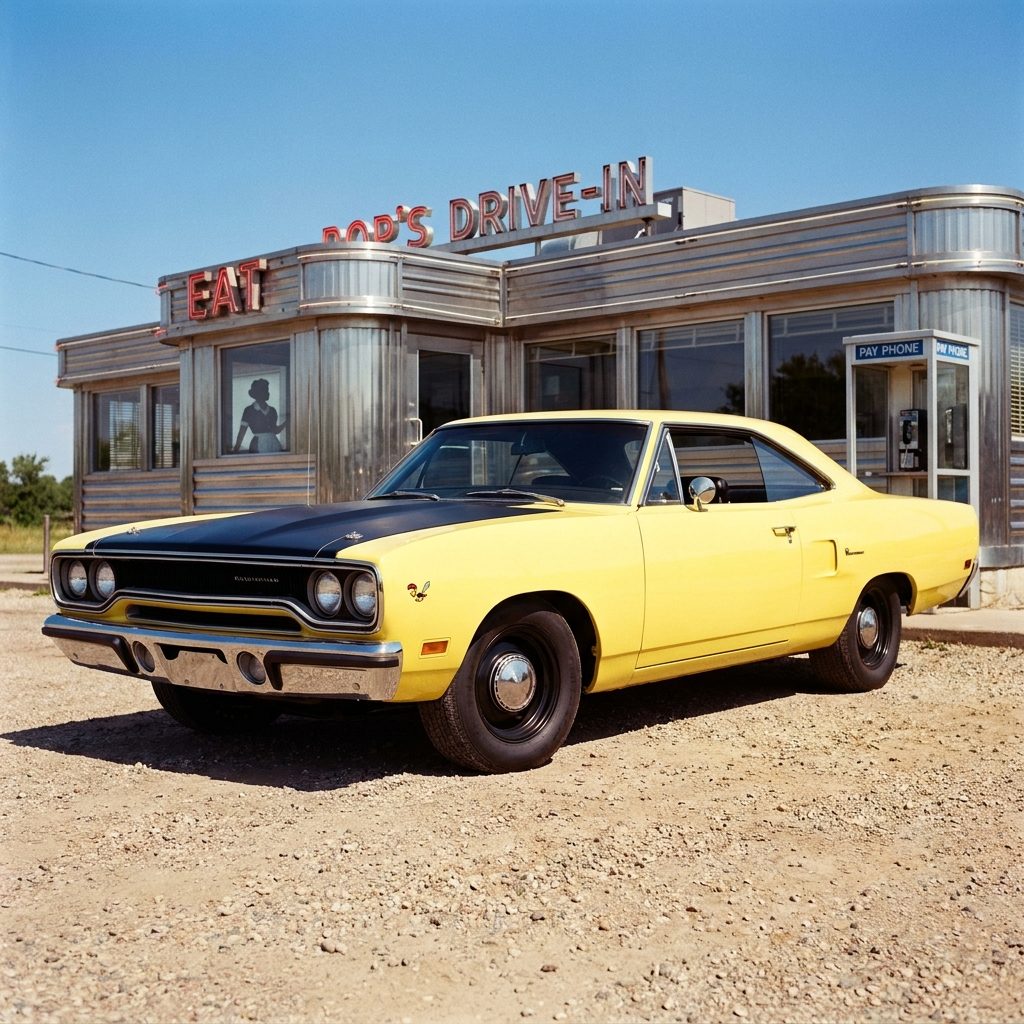
The Road Runner was Plymouth’s bare-bones muscle bargain, starting around $2,896 in 1970. Chrysler stripped out the Belvedere, kept the good stuff, dropped in a 383 four-barrel, and finished the job with cartoon bird decals and the beep-beep horn. Simple recipe.
For under three grand, a working man got a car that could embarrass a Corvette off the line. It was muscle for guys who couldn’t swing a GTO Judge and refused to feel bad about it.
The 1970 Chevrolet Nova SS 396: Around $2,997 for a Sleeper With Real Teeth
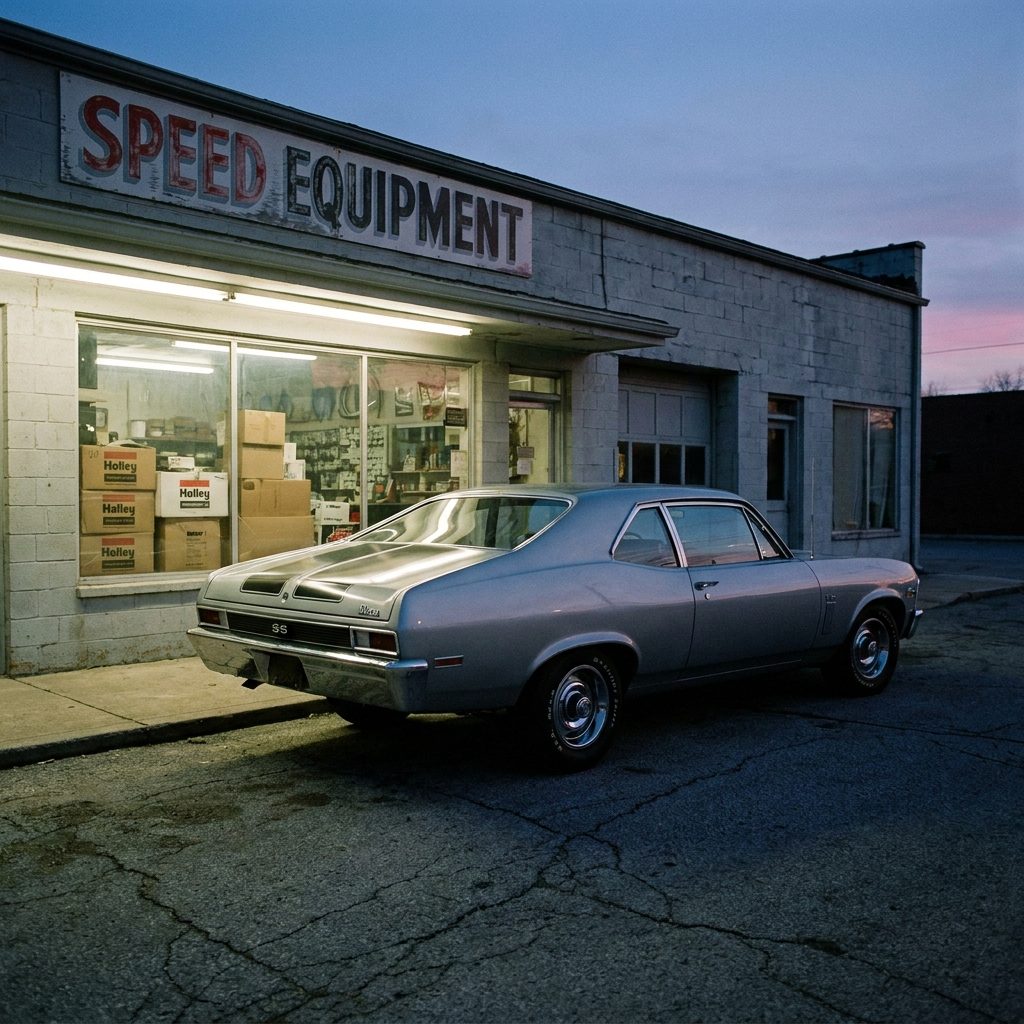
Around $2,997 got you into a Nova SS 396 in 1970, which made it one of the cheapest doors into a genuine big-block. By then the 396 was actually a 402, but Chevy kept the badge for continuity. Horsepower ran somewhere between 350 and 375 depending on which order box got checked.
It looked like a secretary’s grocery-getter wearing SS badges. That was the joy of the thing — plain shape, boring paint choices, and a big-block under the hood that would humiliate flashier cars at the light.
The 1970 Buick GS 455: About $3,283 for Refined Muscle in a Suit
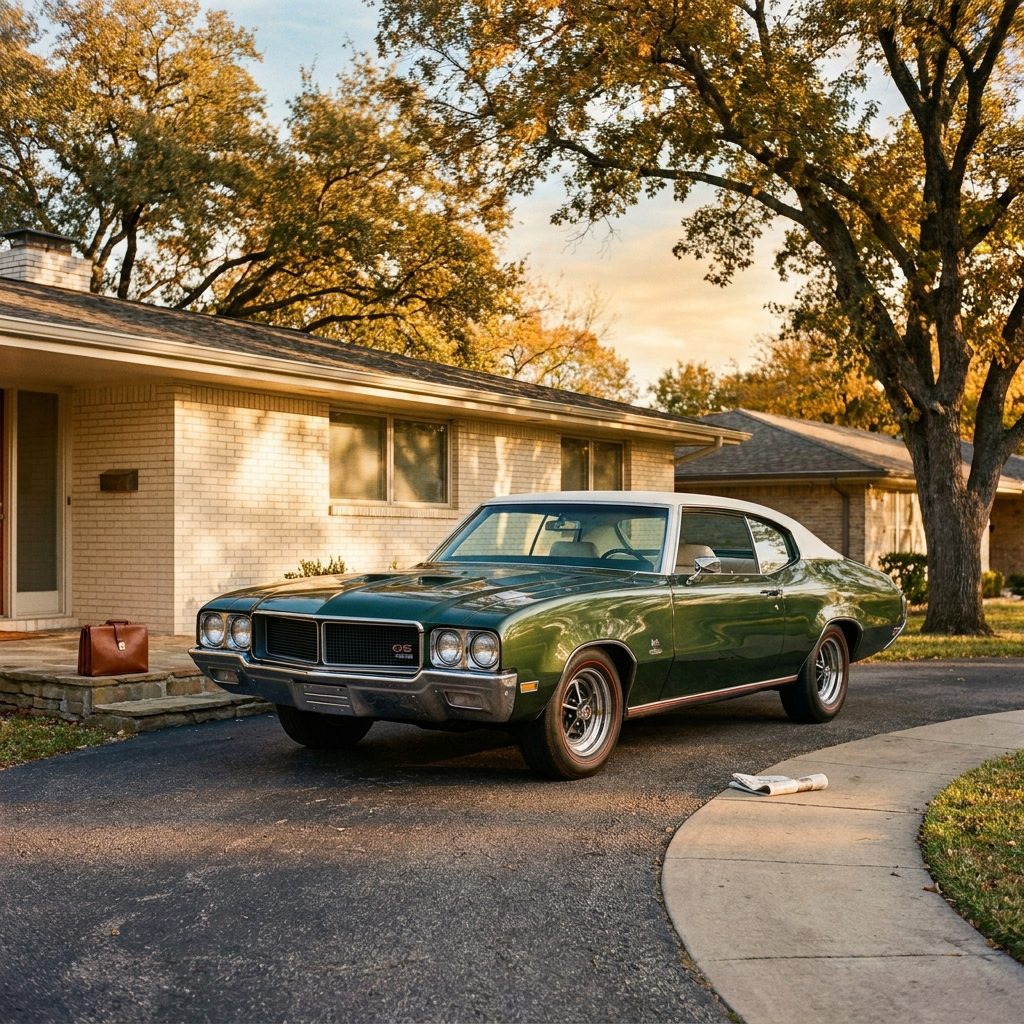
The Buick GS 455 stickered around $3,283 in 1970 — the grown-up alternative in the muscle car showroom. Same 455 cubic inches, same rowdy torque numbers, wrapped in quieter Buick styling and a much nicer interior.
Buick buyers ran a decade older than the guys picking up Road Runners, and the GS gave them a way to keep up without looking like they were trying. Woodgrain on the dash. Plush seats. A big-block that would still smoke the hides when the mood struck.
The 1970 Dodge Super Bee: Roughly $3,074 for Mopar Muscle on a Budget
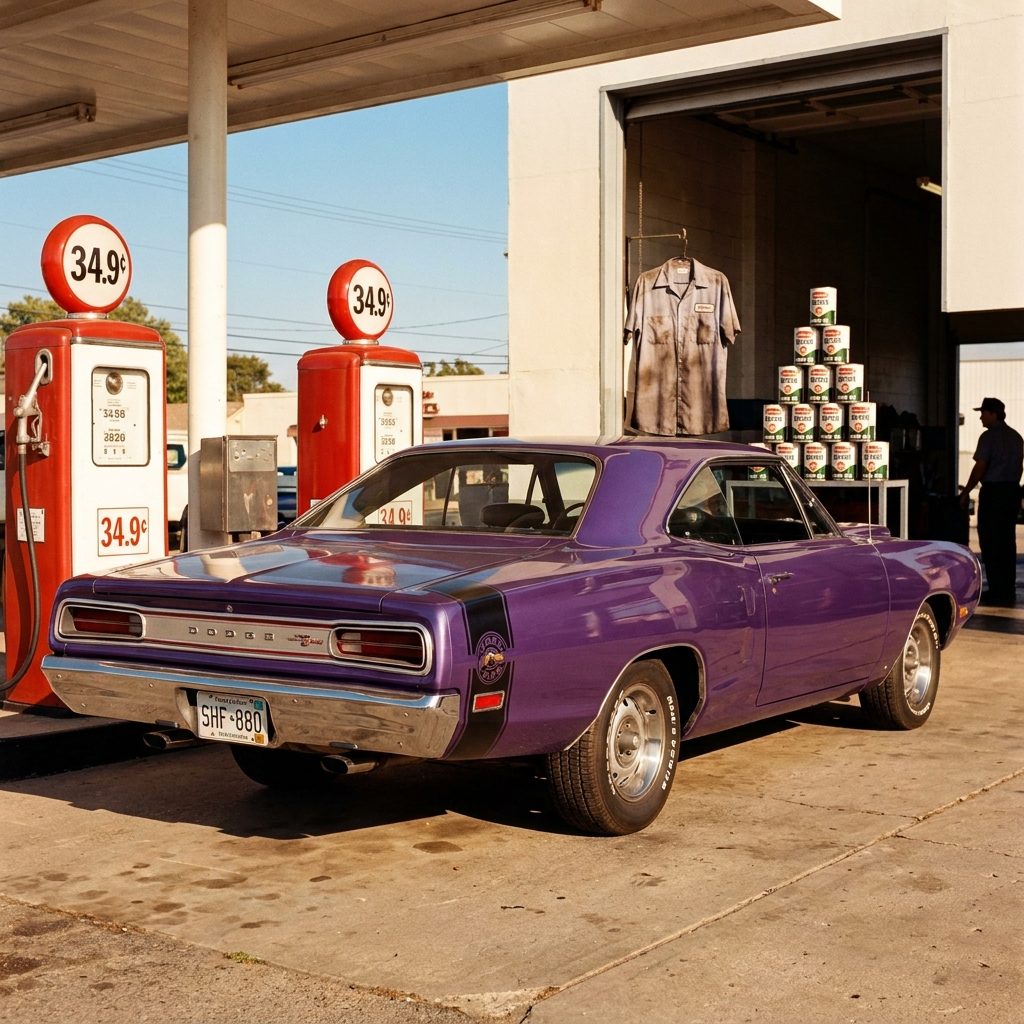
Dodge answered the Road Runner with the Super Bee, and in 1970 it landed at about $3,074. Same bare-bones philosophy — 383 Magnum standard, minimal frills, big power for small money. If the base engine felt slow, the 440 Six Pack was one option box away.
1970 was the Super Bee’s best-looking year. Twin-nostril loop bumper up front, bumblebee stripes wrapped around the tail. Production came in under 15,000 units, and surviving examples now trade well into six figures.
The 1970 Pontiac Firebird Trans Am: Around $4,305 for the Screaming Chicken’s Debut
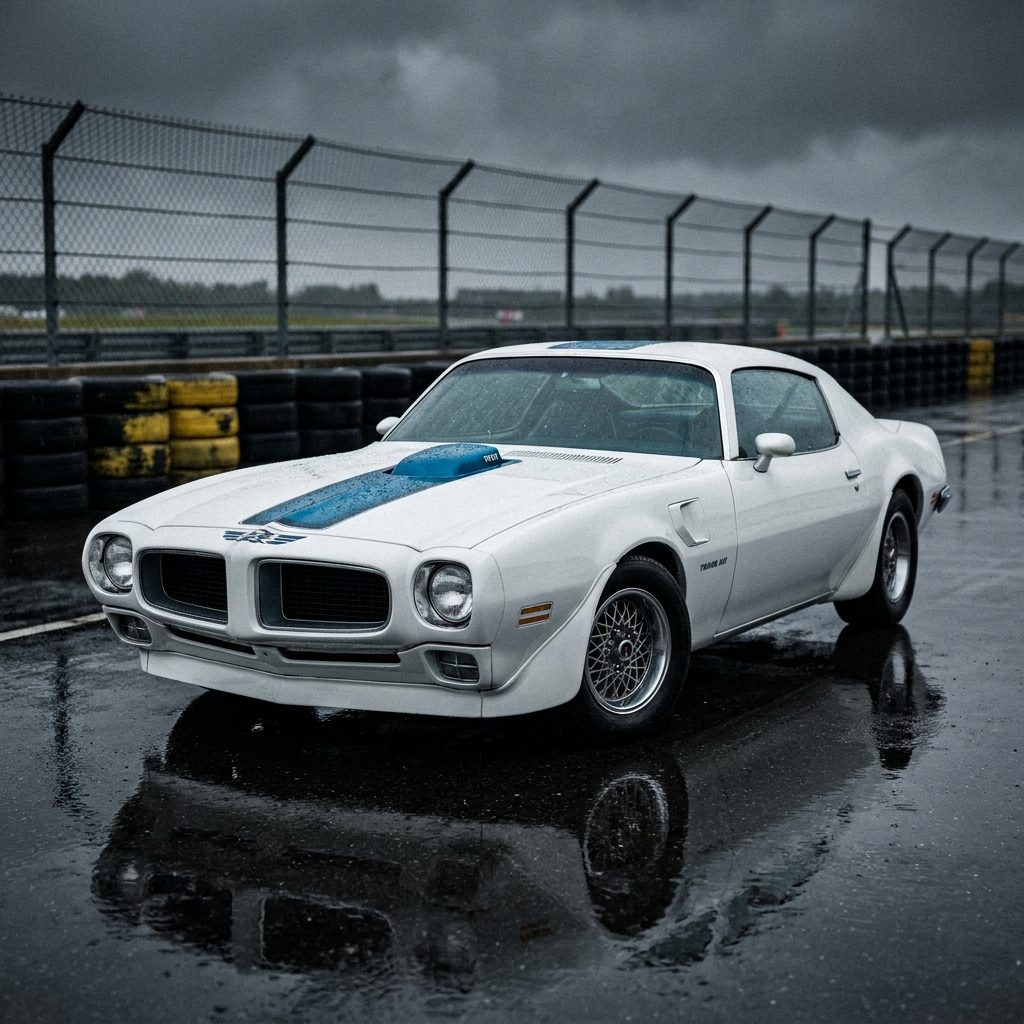
The all-new 1970 1/2 Trans Am arrived mid-year at about $4,305, one of the pricier muscle cars in the Pontiac lineup. It came only in Polar White or Lucerne Blue with contrasting stripes, and the shaker hood scoop bolted straight to the Ram Air III or IV engine.
Under 3,200 rolled out that first year. The screaming chicken hood decal wouldn’t show up until 1973, but the shape, the flared fenders, and the honeycomb wheels all debuted here. Burt Reynolds would make the car famous seven years later.
The 1970 Ford Mustang Mach 1: About $3,271 With the Sportsroof Fastback Shape
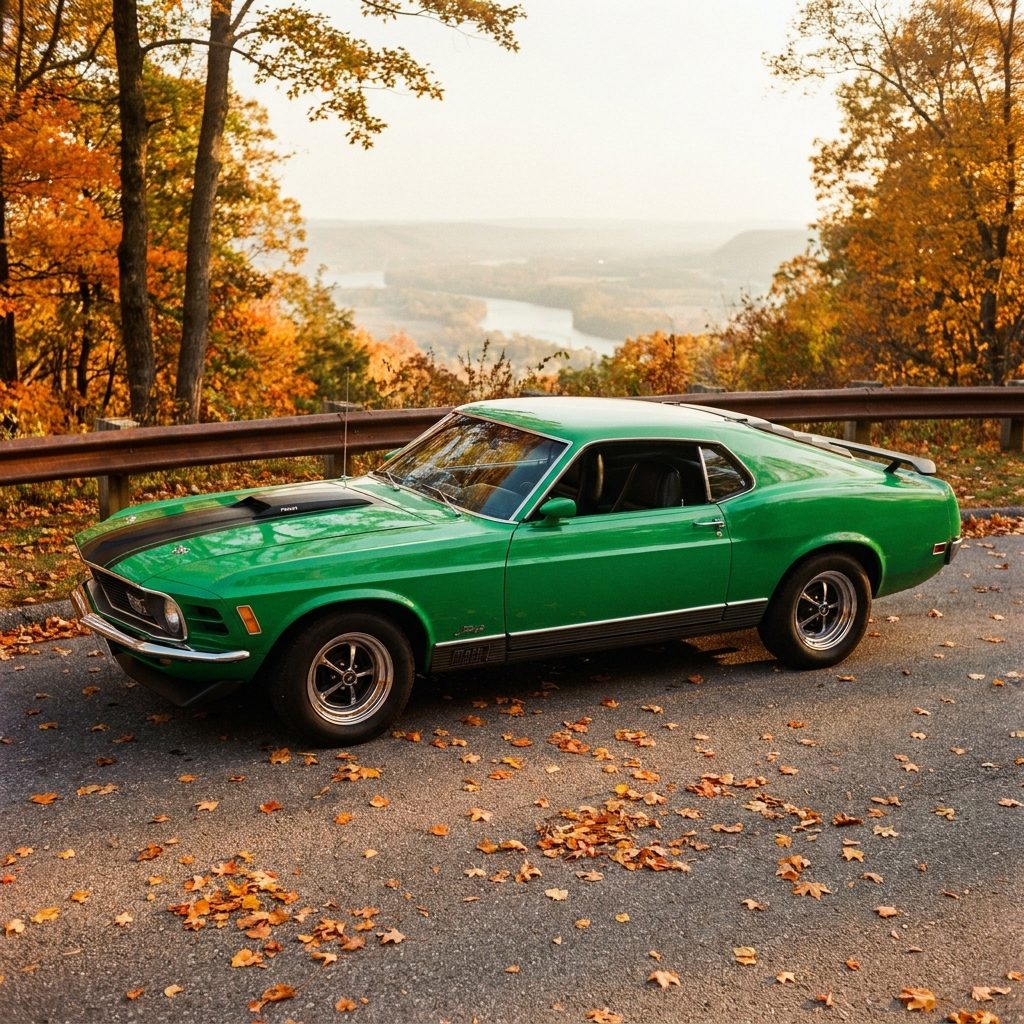
The 1970 Mach 1 came in around $3,271 with the base 351 Cleveland — the mid-tier Mustang, sitting above a base coupe and below the Boss 302 and Boss 429. Options ran up through the 351, the 428 Cobra Jet, and the 428 Super Cobra Jet.
Close your eyes and picture a Mustang. Odds are you’re seeing the Sportsroof fastback shape. Long hood, tunneled rear window, exposed hood pins if you sprang for the shaker option. Ford moved over 40,000 of them.
The 1970 Chevrolet Corvette LT-1: Around $5,192 for the Sports Car That Was Also Muscle
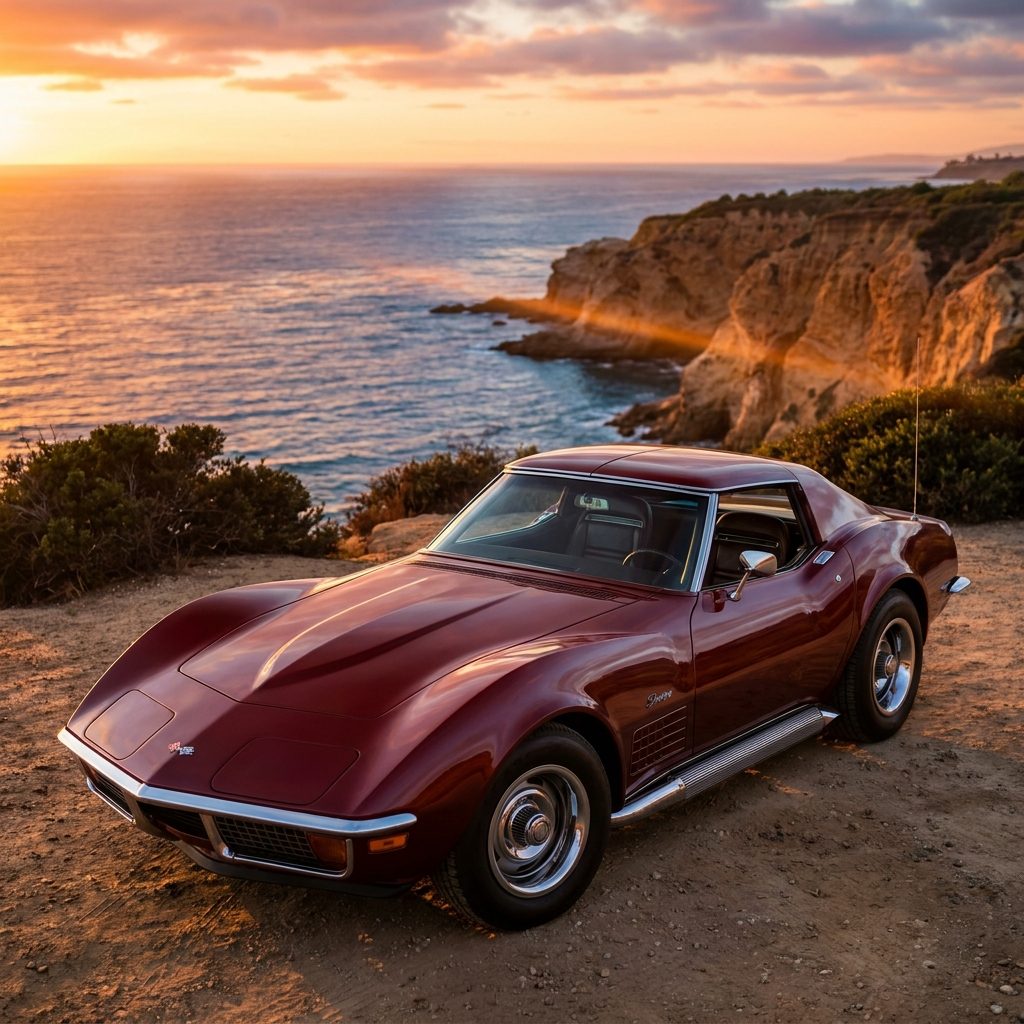
Fully equipped, the 1970 Corvette Stingray with the LT-1 350 option landed around $5,192, making it the priciest performance car on this list. The LT-1 was a solid-lifter 350 rated at 370 horsepower, and it earned its stripes at Sebring long before it got dropped into a Corvette.
1970 also brought the 454 LS5 into the Corvette catalog, but the LT-1 was the enthusiast’s pick — higher-revving, lighter nose, better balance. For a skilled union tradesman making $10,000 a year, one of these in the driveway meant more than six months of gross pay.
The 1970 Plymouth Duster 340: About $2,547 for the Cheapest Way Into Real Muscle
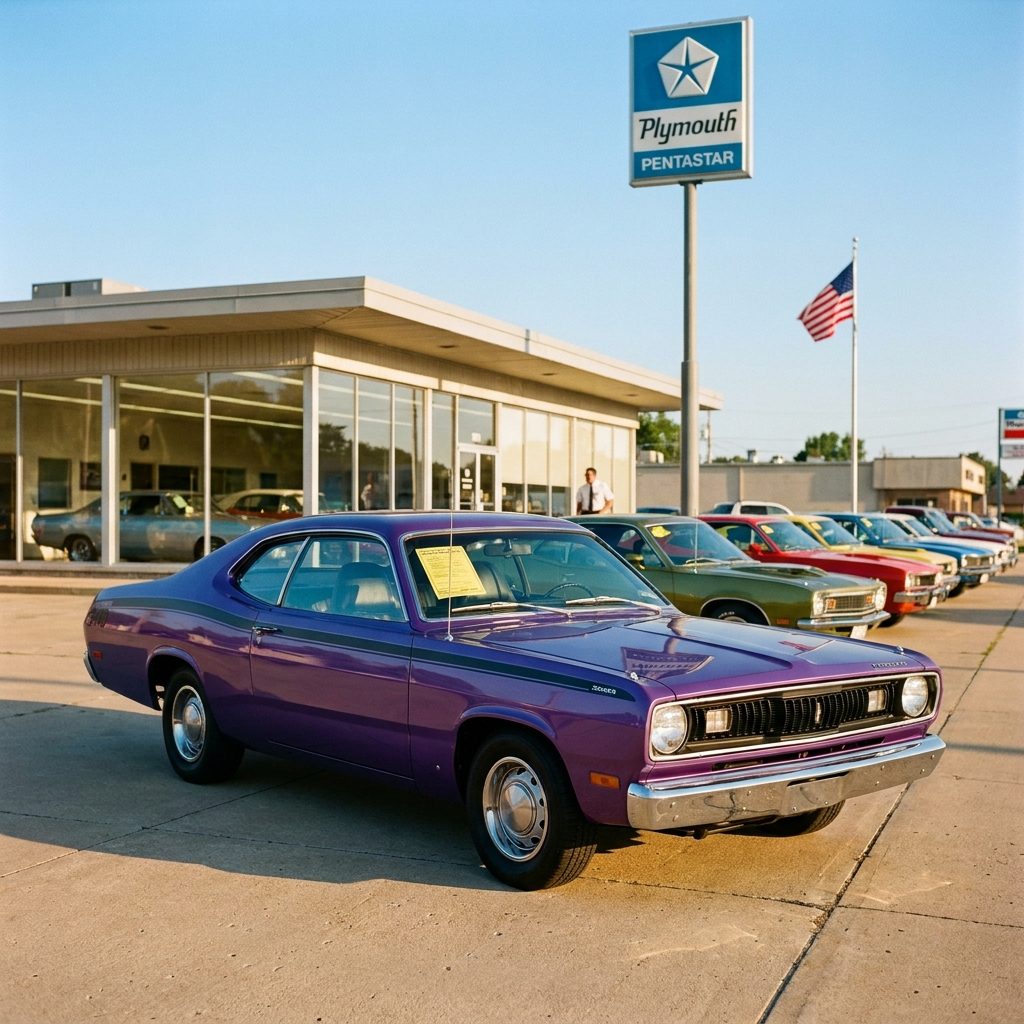
Under twenty-six hundred bucks, brand new, and the 340 small block would happily embarrass cars costing double. The Duster 340 answered a question nobody at the big three had bothered to ask out loud — what if muscle didn’t have to be expensive?
A Detroit assembly worker pulled home somewhere near $170 a week that year. So do the math. Three and a half months of gross pay put a Duster 340 in the driveway with factory dual exhaust and a four-speed on the floor, and you still had gas money left over for the weekend.
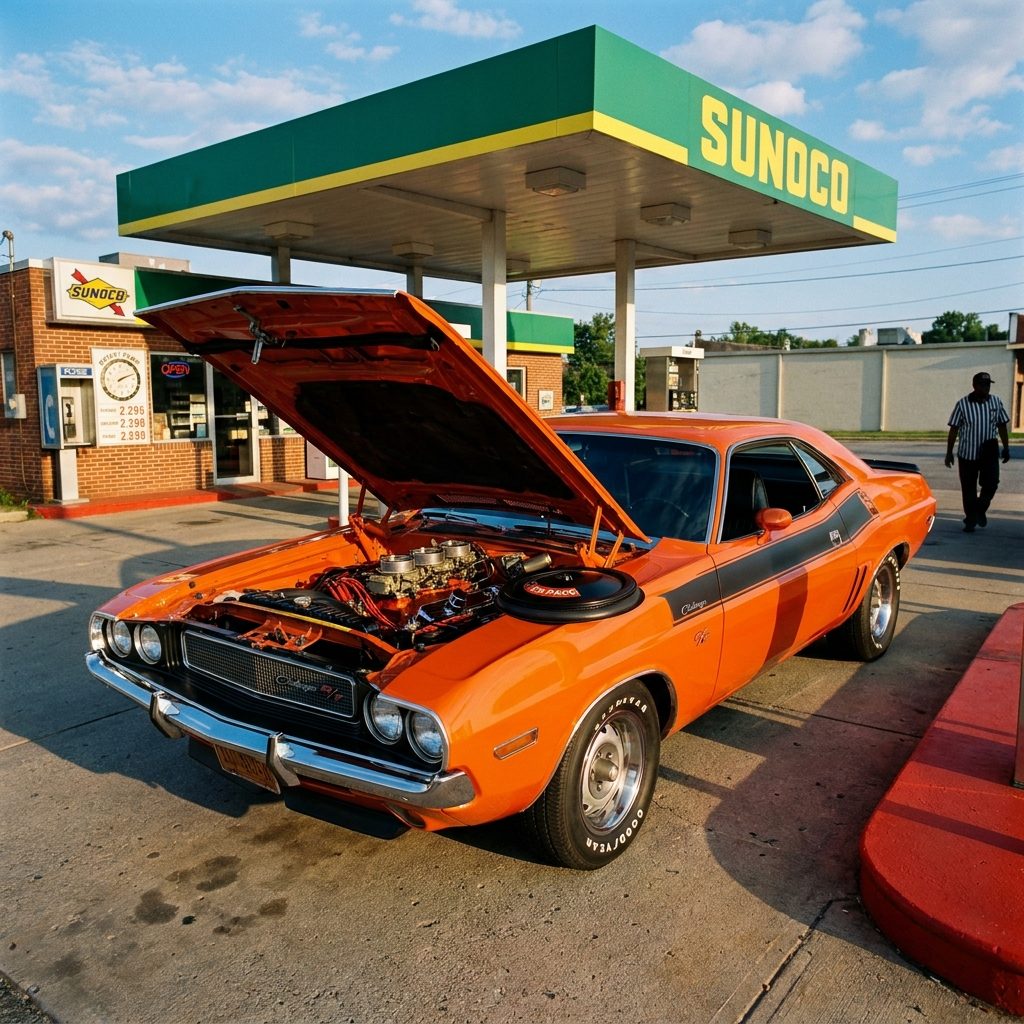
The 1970 Dodge Challenger R/T 440 Six Pack: Around $3,500 for Triple-Carb Chaos
Would you like to save this?
Three carbs. Three hundred ninety horsepower on paper and probably more when the middle two barrels actually opened up. A 440 Six Pack Challenger R/T stickered somewhere north of $3,500 depending on how many boxes you ticked on the order sheet, and every box was worth ticking.
The Challenger showed up late. Ford already had Mustang, Chevy had Camaro, Pontiac had Firebird, and Dodge waited until 1970 before wading in with something bigger, meaner, and roomier than any of them. The launch happened to land right as the whole muscle market was about to fall off a cliff — which is exactly why the survivors are worth a suburban house now.
The 1970 Ford Torino Cobra 429 SCJ: Around $3,900 With the Drag Pack Option
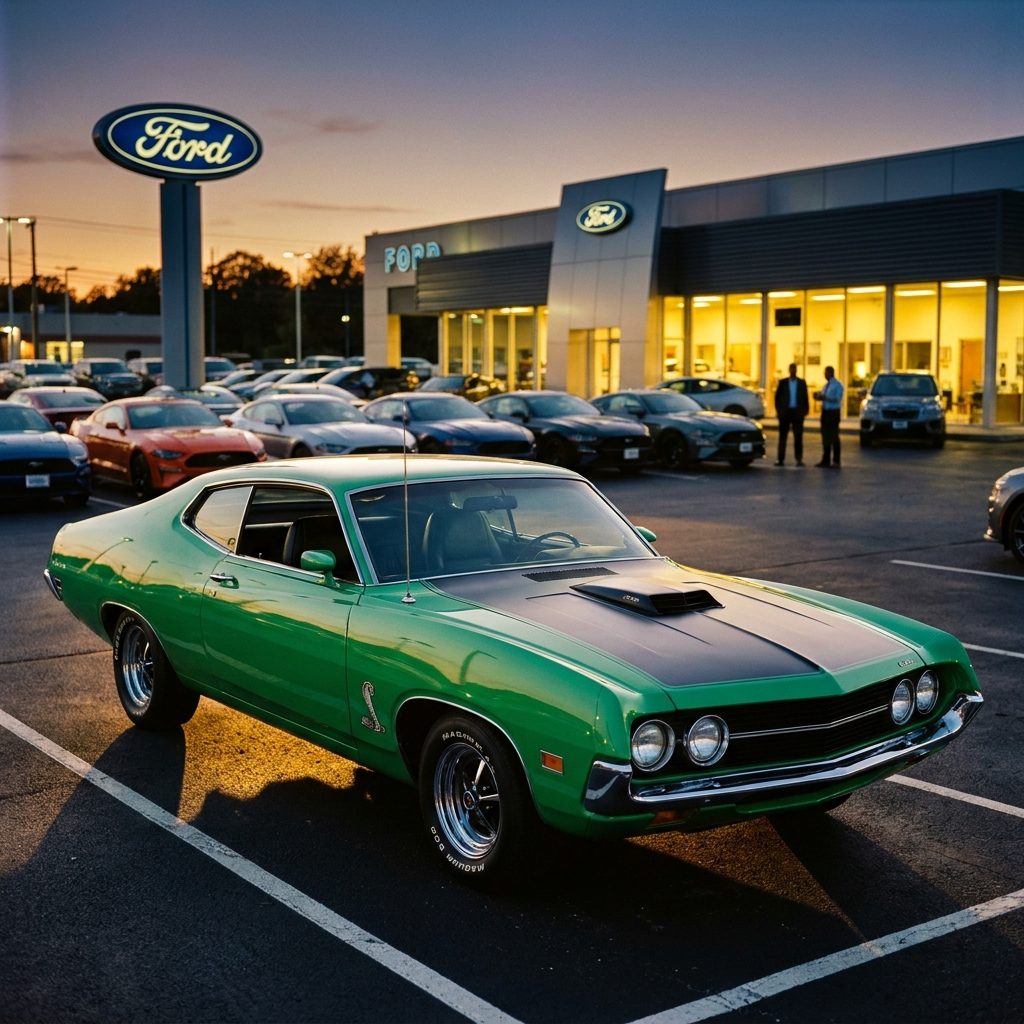
Ford’s 429 Super Cobra Jet with the Drag Pack was the most serious muscle engine Dearborn ever bolted between fenders, and they hid it inside a Torino body most people mistook for dad’s grocery-getter. That was the joke. It was a good one.
Roughly $3,900 by the time you’d added the SCJ, the four-speed, and the 4.30 rear gears. A Torino Cobra would run mid-thirteens off the showroom floor on street tires with a driver who knew where the shift points lived. Ford built an insurance-friendly muscle car — right up until the insurance companies figured out the trick.
The 1970 Chevrolet Chevelle SS 396: About $3,200 for the Muscle Car Most Guys Actually Bought
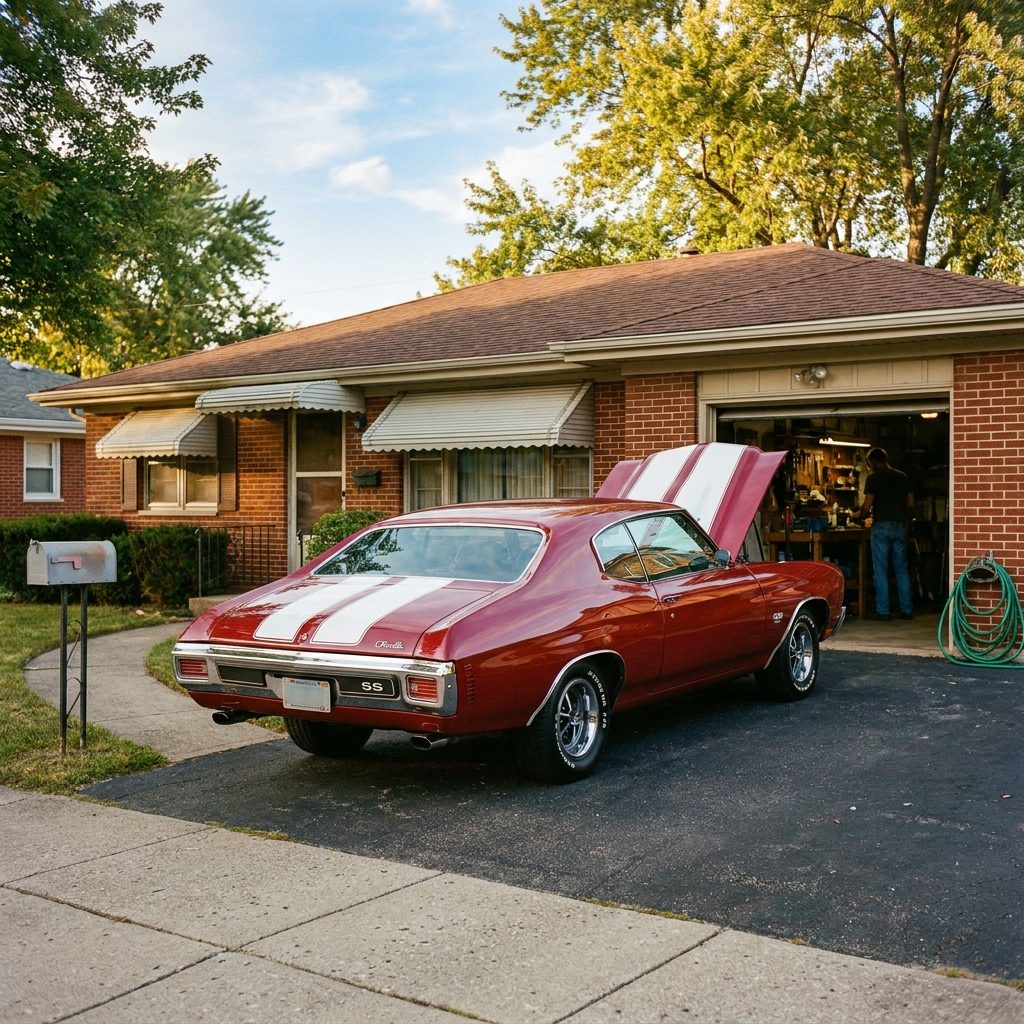
The Chevelle SS 396 stickered around $3,200 with the SS package, and by 1970 that 396 badge was actually covering a 402 cubic inch engine underneath. Chevy left the old name on there because the old name sold cars. Everybody in the burger-joint parking lot knew what a 396 meant.
This one was for the guy who wanted a real muscle car but also had to haul the kids to little league on Saturday morning. A back seat you could actually sit in, a trunk that swallowed a week of groceries, and a big block that would humiliate a Corvette off the line. More Chevelle SS models rolled off Chevy lots than most of the fancier iron on this list, and there’s a reason for that.
The 1970 Dodge Coronet R/T: Around $3,569 for the Overlooked Mopar
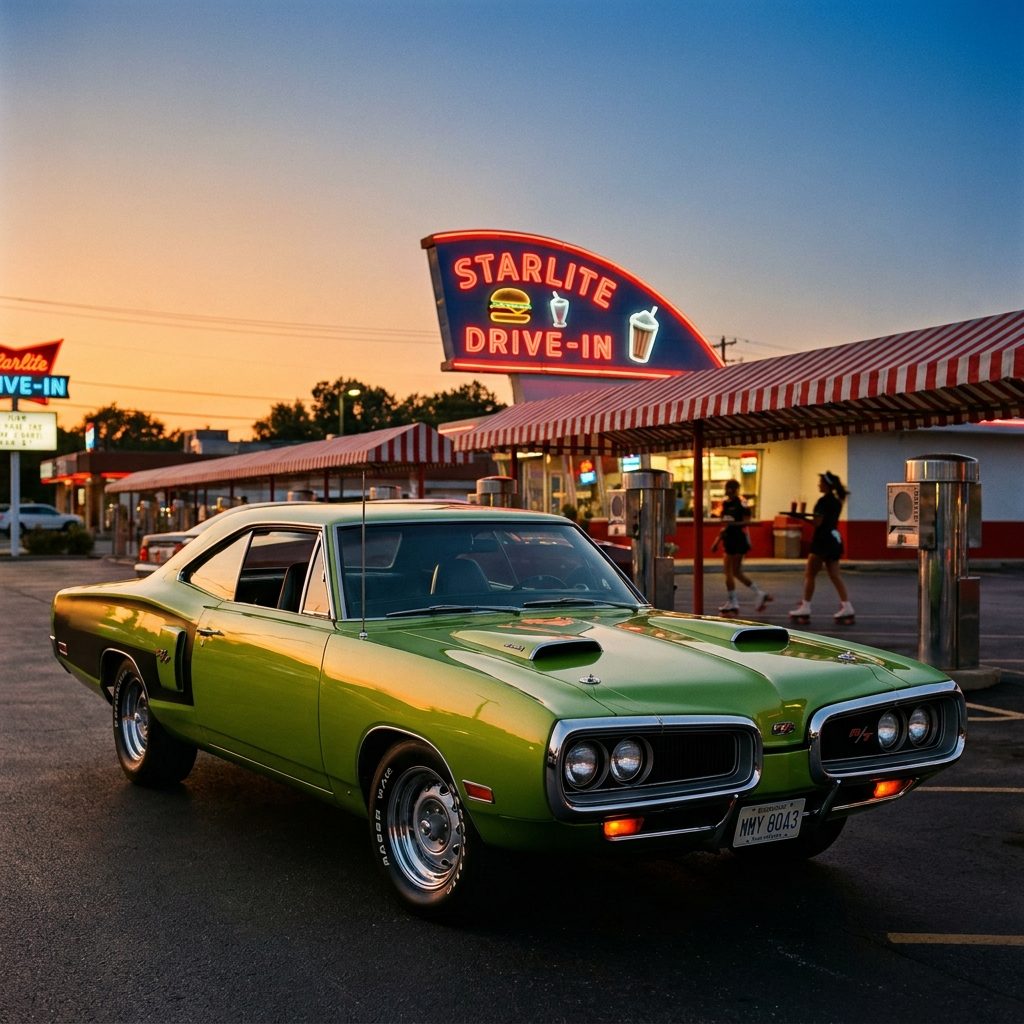
The Coronet R/T lived in the long shadow cast by its two famous siblings, the Charger and the Super Bee, and it was arguably the most complete package Dodge offered that year. Around $3,569 got you the standard 440 Magnum, and the split grille made it the strangest-looking Mopar of the era. Love it or hate it — nobody stood in the middle.
1970 was the end of the road for the R/T version. Total production came in under 3,000 units. Rare then. Rarer now. And still one of the great overlooked deals in muscle car history if you can pry one loose from an owner who knows what he’s got.
The 1970 Plymouth GTX: Roughly $3,535 for the Gentleman’s Muscle Car
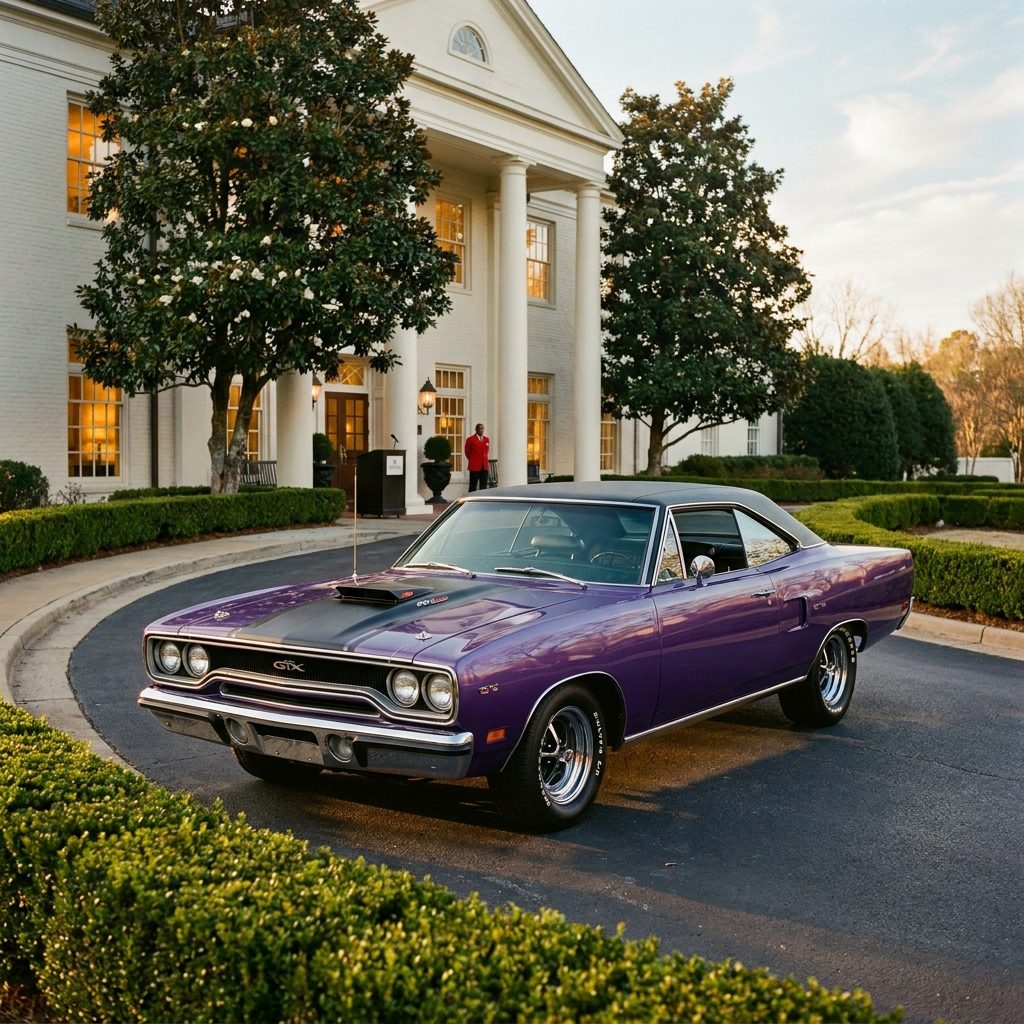
Plymouth marketed the GTX as the gentleman’s muscle car, which was ad-copy for the Road Runner’s older brother who wore a tie to the office. About $3,535 bought you the standard 440 Super Commando, and if you had the money and the nerve, the option sheet let you tick the Hemi box.
Chrome where the Road Runner had paint. A nicer interior. Suspension tuned more for the interstate than for smoky burnouts at the quarter-mile tree. Same bones underneath, different mission on top. The GTX was what you bought once you’d graduated from stoplight racing but hadn’t quite grown up. Some of us never did.