
Would you like to save this?
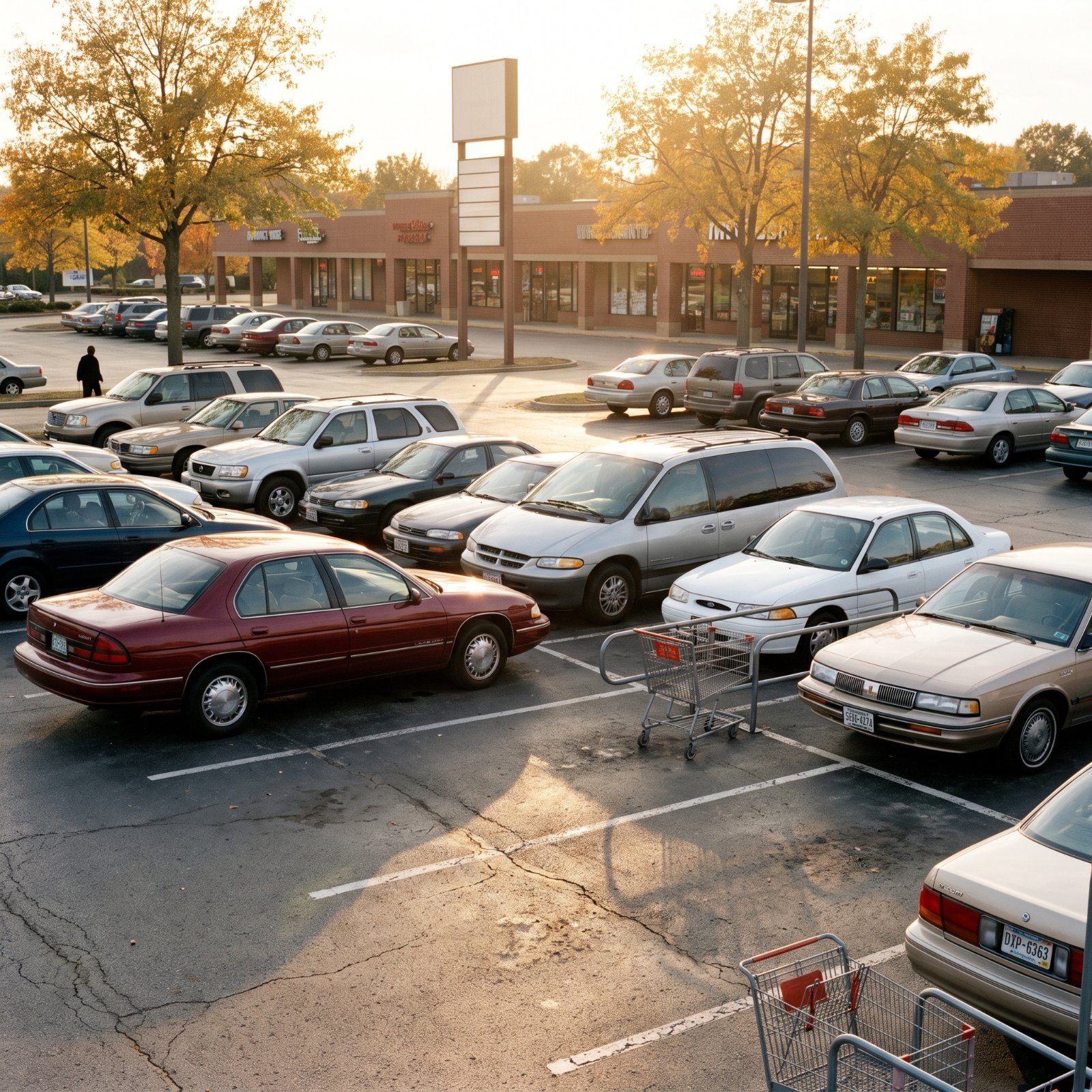
Walk any mall lot in 1996 and you’d see them stacked three deep. The Taurus by the entrance. A Voyager with a sliding door hanging open and a stroller folded in back, three Cavaliers lined up in the employee rows. These weren’t collector cars. They got your kids to practice and your dad to the hardware store, and most of them are gone now, erased by regulation, consolidation, and a country that fell for crossovers. Here’s what vanished while nobody was taking pictures.
Ford Taurus: The Family Sedan That Lost America to Crossovers
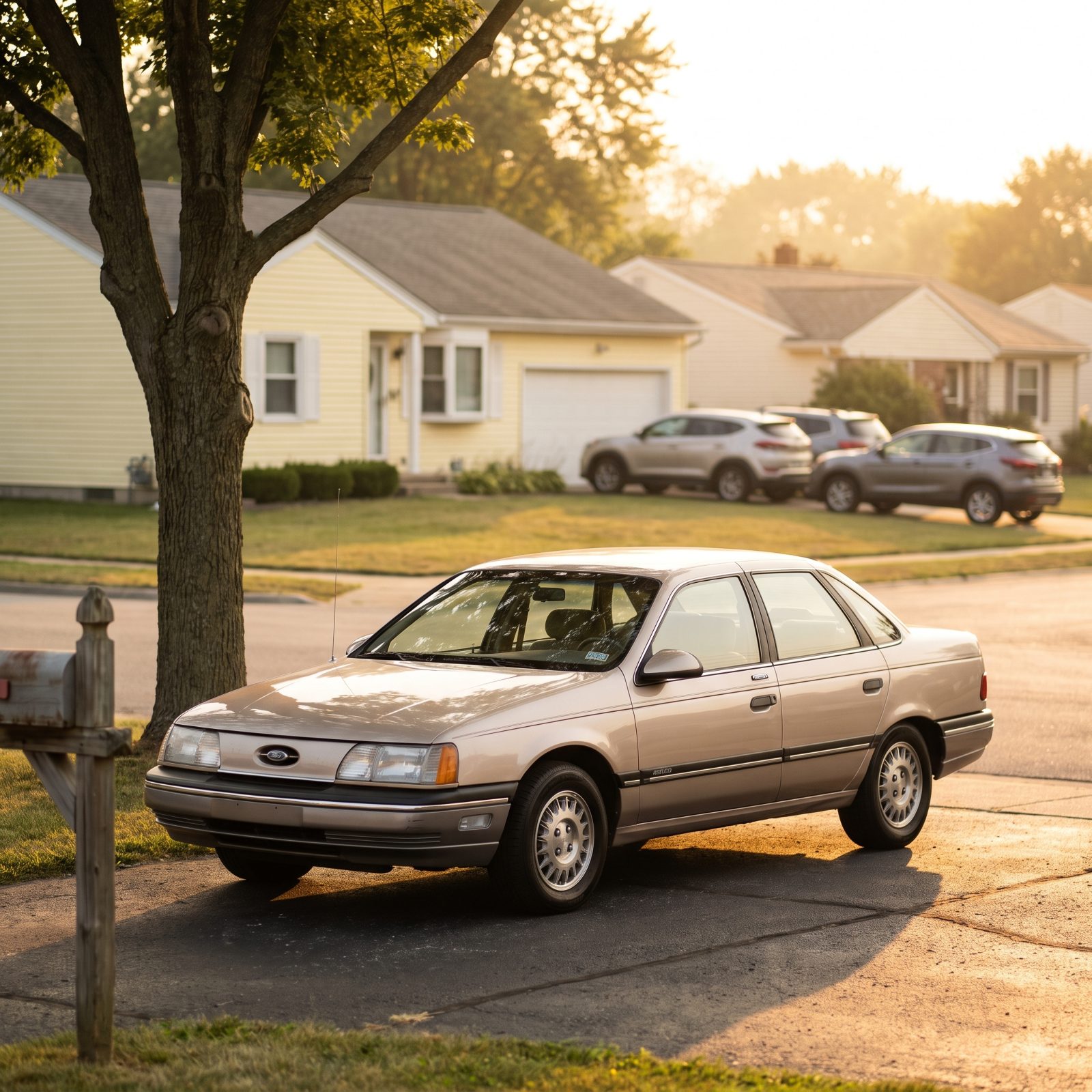
For a stretch in the late eighties and early nineties, the Taurus was simply the car America bought. It outsold everything. That oval dashboard, those smooth flanks that made every boxy competitor look like a shipping crate, and the SHO version that surprised people at stoplights.
Then the country decided it wanted to sit higher. Crossovers ate the family sedan from the middle out, and Ford killed the Taurus name here in 2019 without much ceremony. The nameplate that once defined the family car ended up a footnote to the Explorer.
Plymouth Voyager: The Original Minivan Brand Vanished Entirely
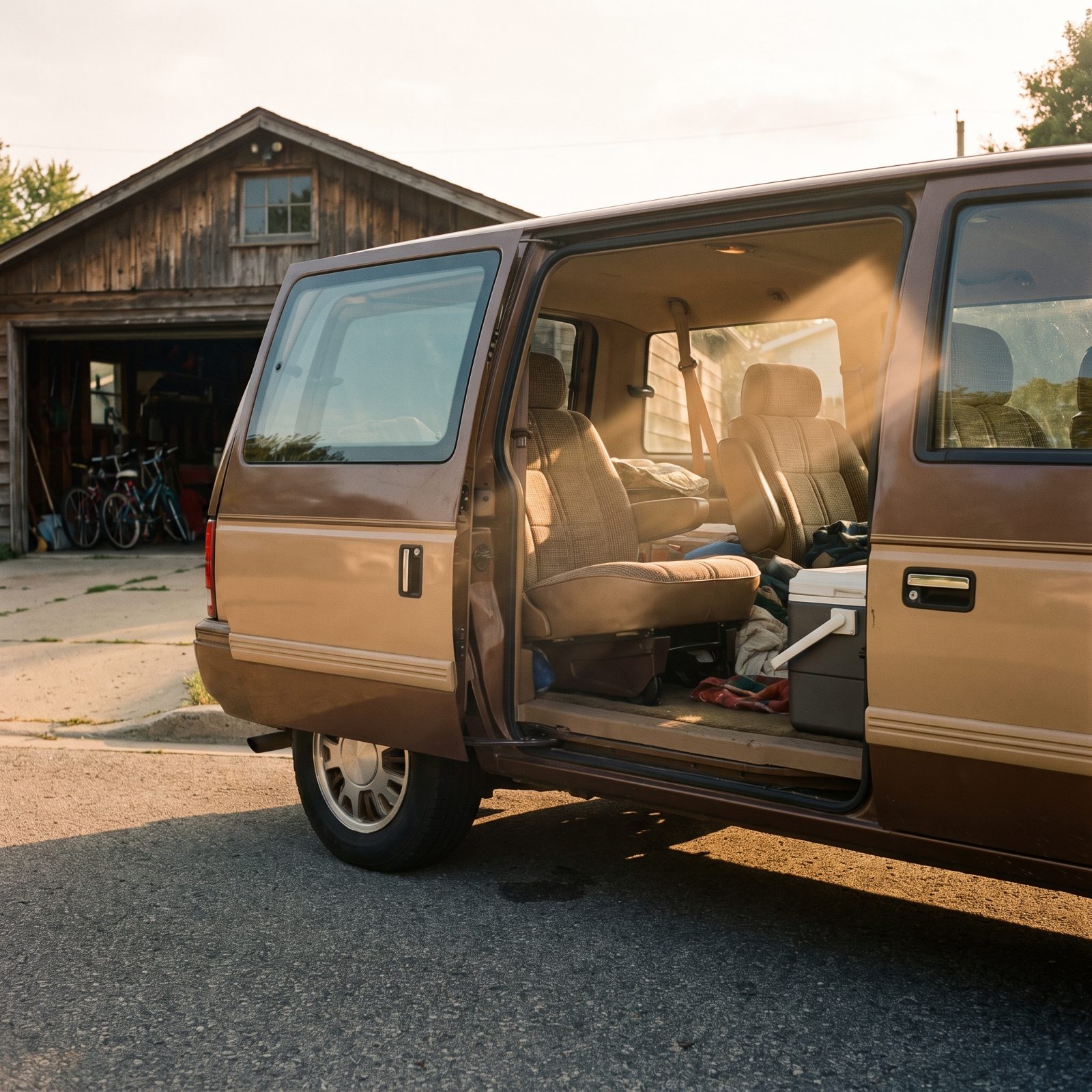
The sliding door changed everything. Chrysler’s minivan arrived in 1984 wearing a Plymouth badge as often as a Dodge one, and the Voyager turned the station wagon into a relic almost overnight. Rear-facing jump seats, cup holders that eventually multiplied like rabbits, and a floor low enough that a kid could climb in without a ladder.
But the Voyager wasn’t the only casualty. All of Plymouth went. Chrysler folded the brand in 2001, and the minivan that helped build the company outlived the nameplate that introduced it. The Voyager name limped on briefly under Chrysler, then went quiet too.
Chevrolet Cavalier: GM’s Everyday Compact Faded Without a Direct Successor
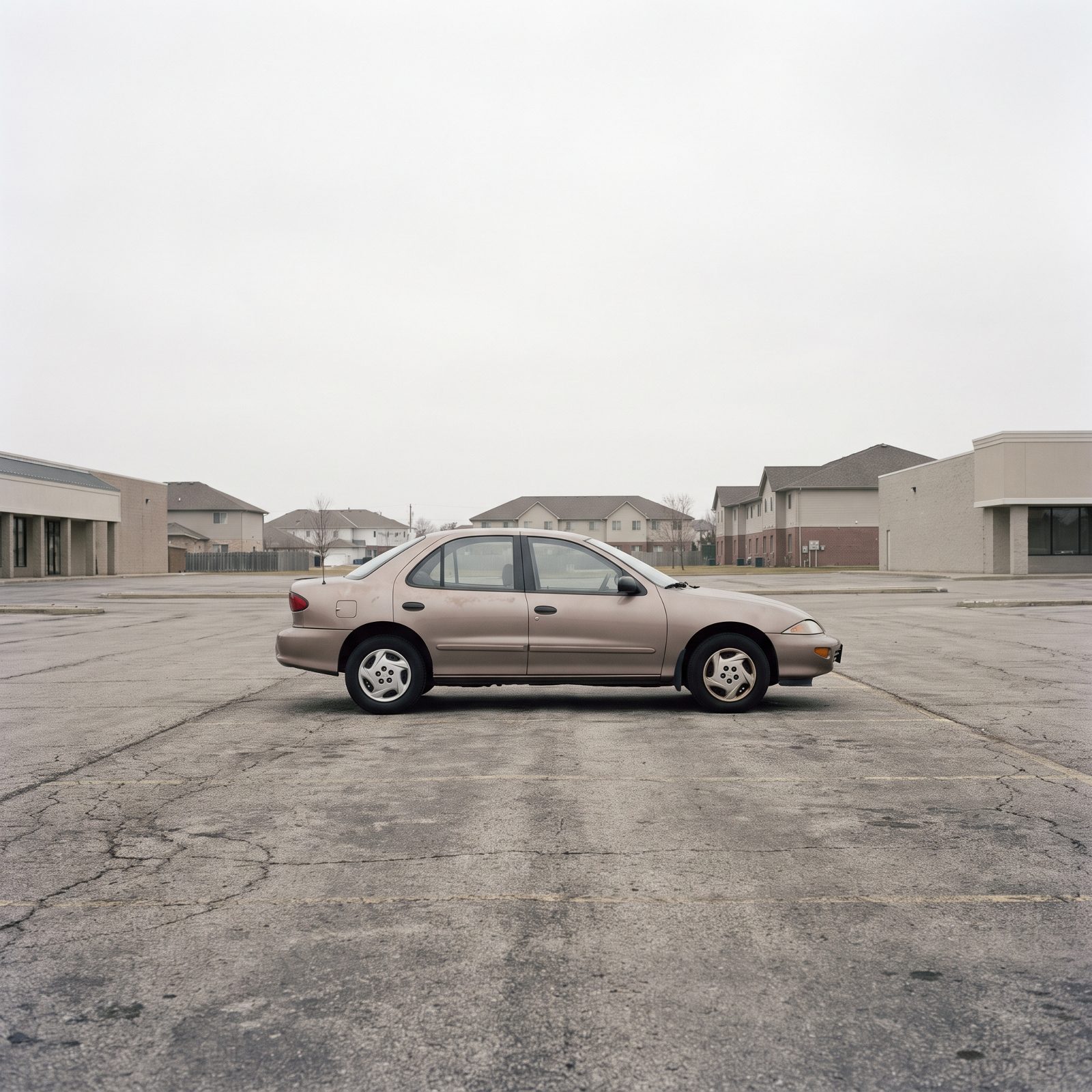
The Cavalier was the car you bought when you needed a car, period. First job, first lease, first thing with four doors and air conditioning that didn’t cost a fortune. GM sold them by the million, and they filled community-college lots from coast to coast.
When it ended in 2005, there was no clean handoff. The Cobalt tried, then the Cruze, but the plainspoken, cheap-to-run Cavalier that everyone’s cousin owned simply dissolved into GM’s shifting compact lineup. I knew three people who learned to drive stick on one, which probably says more about the car than any sales chart.
Ford Crown Victoria: Fleet Sales Could Not Sustain an Aging Platform
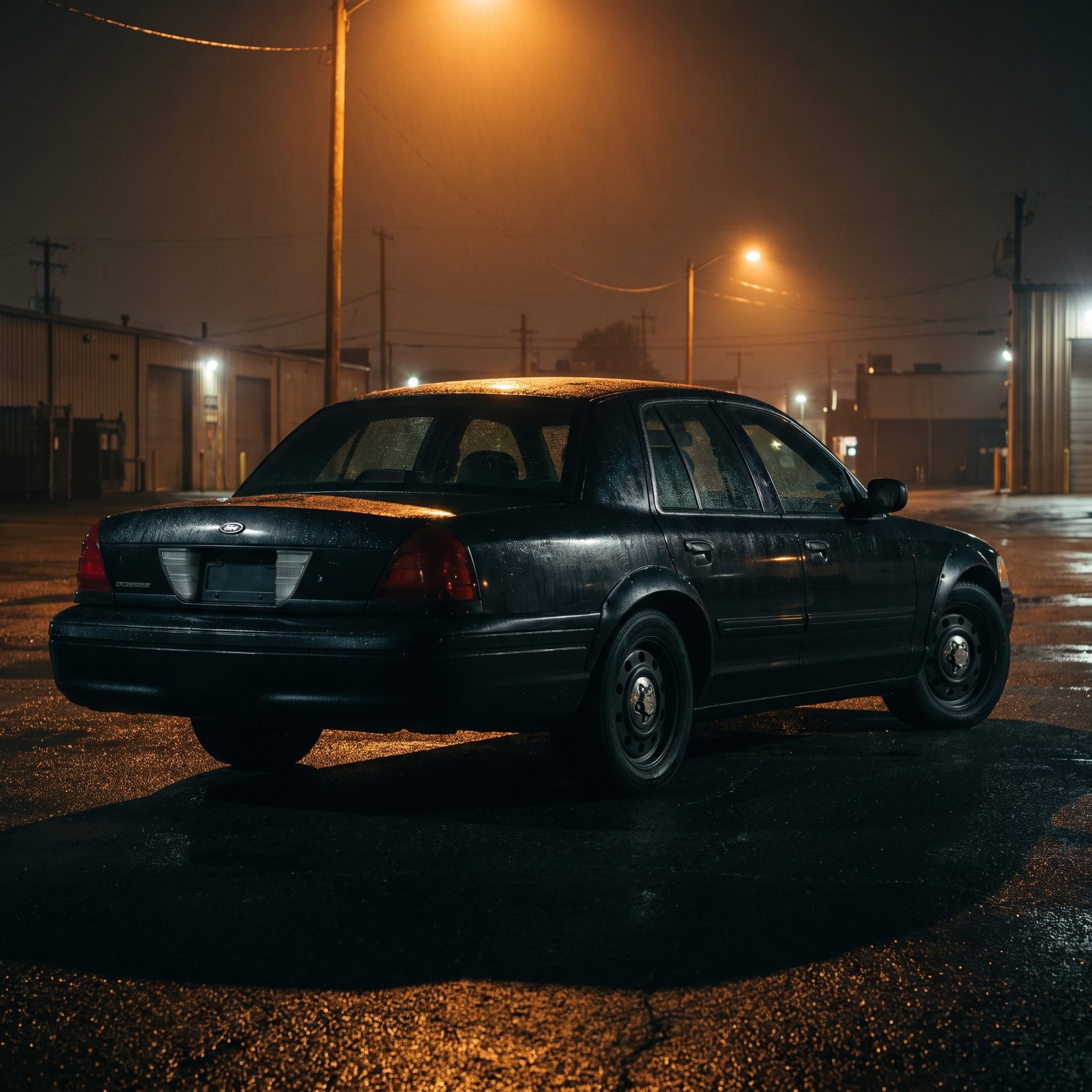
Body-on-frame. Rear-wheel drive. V8 up front. A trunk you could live in. The Crown Vic was the last of its breed, and everyone knew it even while it was still rolling off the line.
Taxi fleets loved it. Police departments loved it more, and private buyers kept it alive out of pure stubbornness. But Ford closed the St. Thomas plant in 2011, and that ended the big American sedan that could take a curb at full speed and shrug it off.
Dodge Neon: The Cheerful Economy Car That Could Not Survive Consolidation
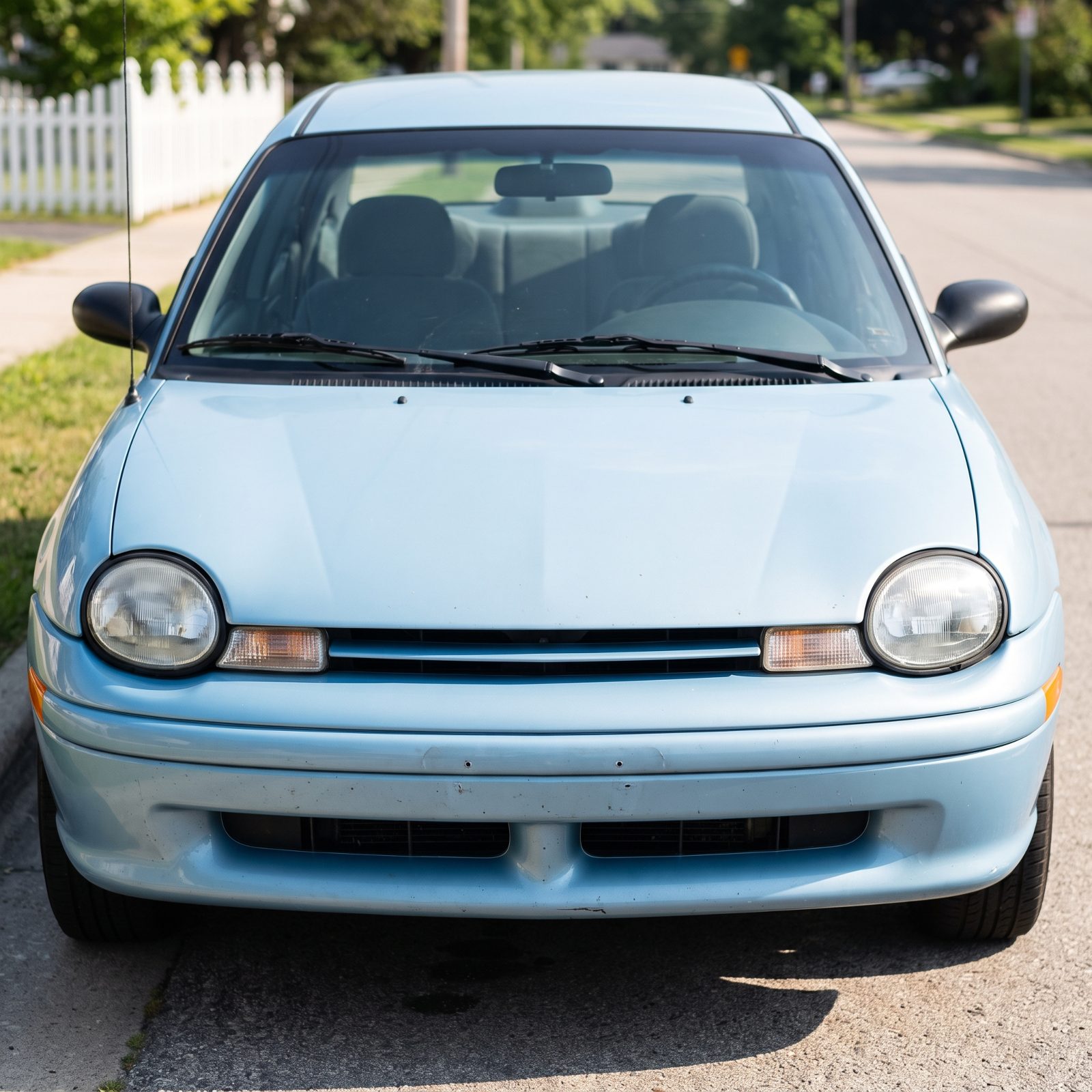
Those big round headlights looked like the car was happy to see you. The Neon launched in 1994 with the friendliest face Detroit had built in years and a one-word ad campaign that just said hi.
It was quick and cheap, and the racing versions genuinely embarrassed pricier machinery on autocross courses. Then came the merger years at Chrysler, a parade of ownership changes, and the small-car math stopped working. The Neon disappeared after 2005, and nothing with that much personality ever filled the slot.
Ford Escort: A Global Name Replaced by the Focus
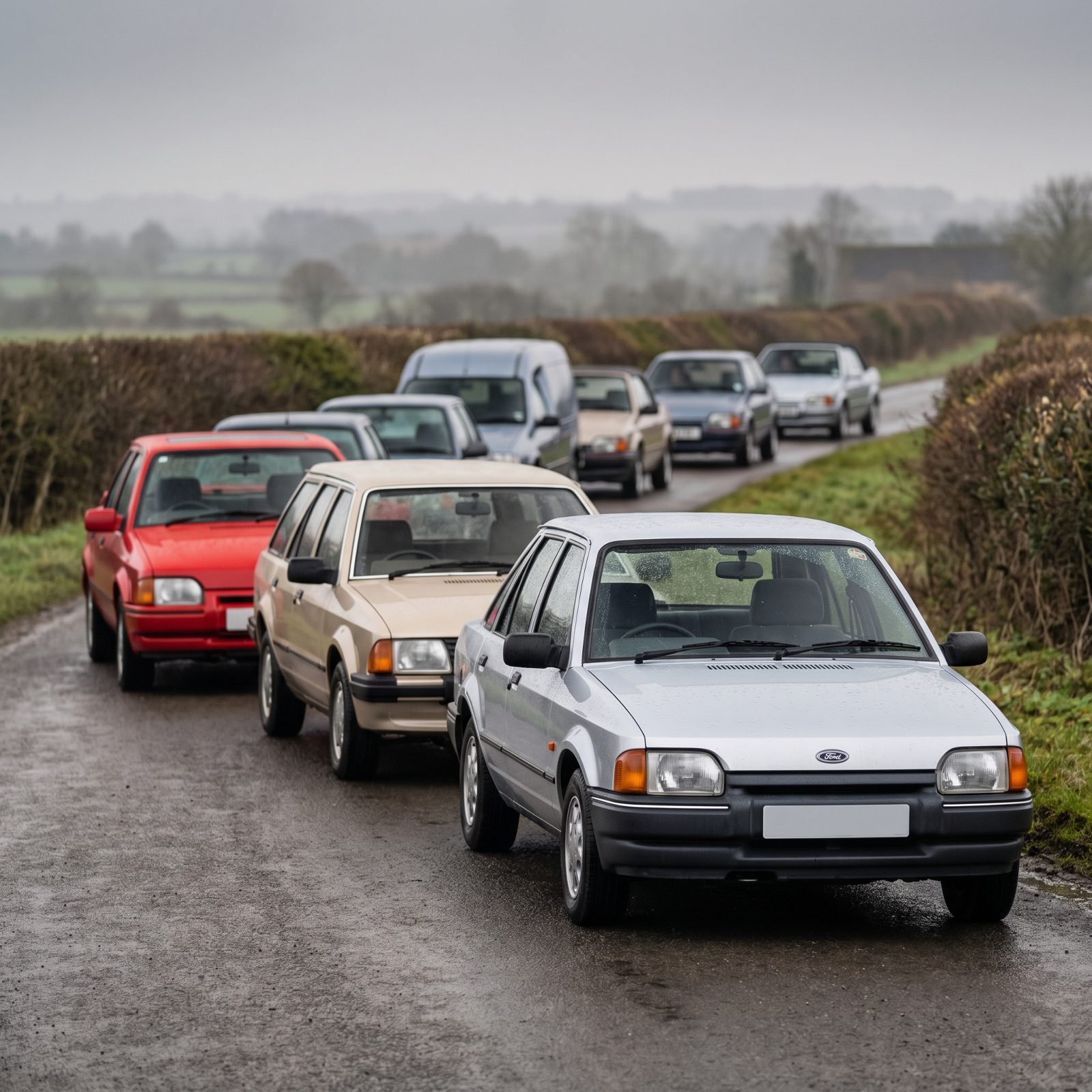
For a long time the Escort was Ford’s answer to what a normal person drives. Sedans, wagons, hatchbacks, the whole range. Reliable, unremarkable, everywhere.
The name carried real weight overseas, where Escorts even won rallies. But in America the slate got wiped in 2000 when the Focus took over. One generation you knew the badge on sight; the next it was gone, folded into a sharper, newer car with a different name. The Escort just stepped aside and let it happen.
Pontiac Grand Am: A Ubiquitous Nameplate Lost With Pontiac
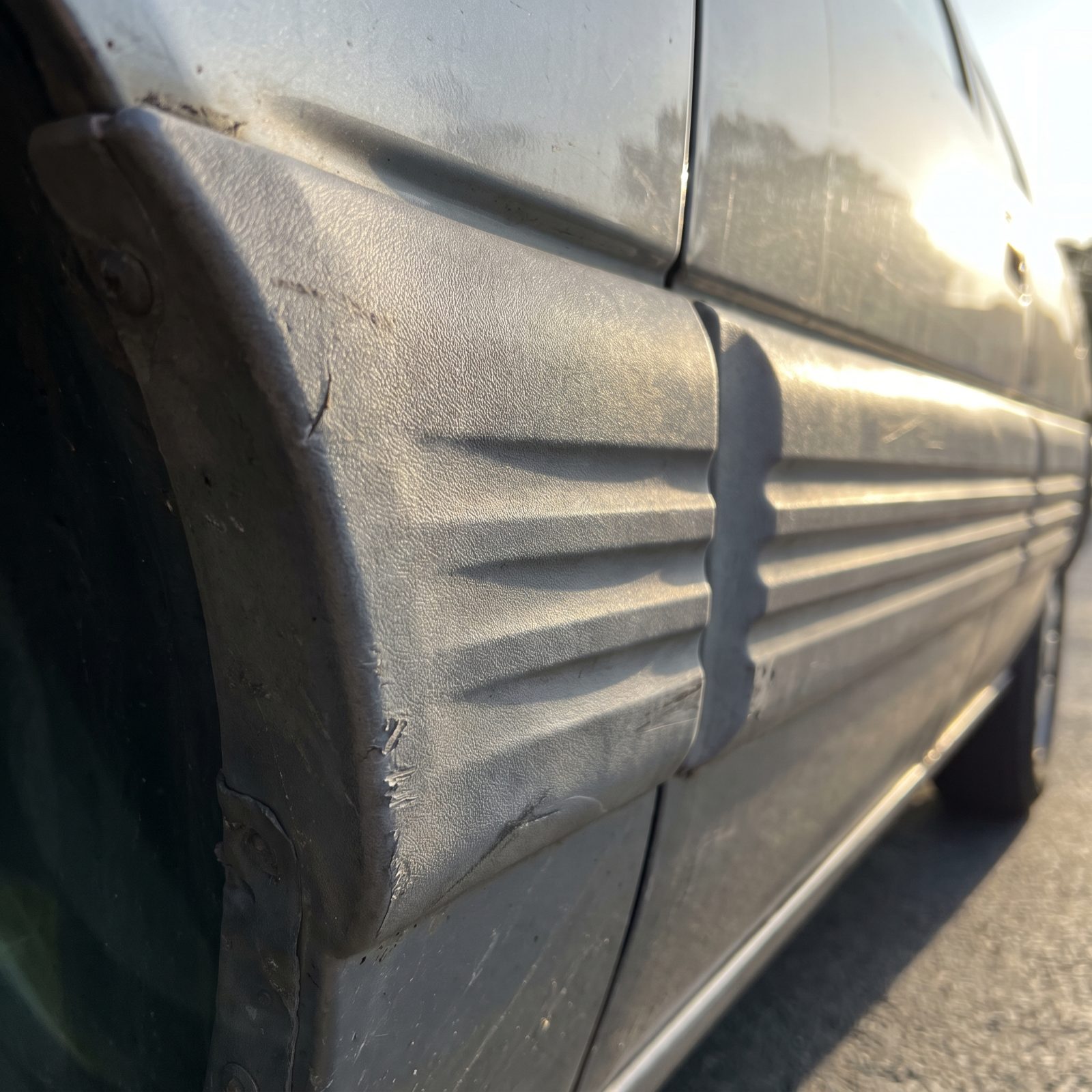
You knew a Grand Am from across the lot by the plastic cladding alone. Ribbed, aggressive, slapped along every lower panel, it crammed Pontiac’s whole personality onto a midsize coupe. For years it ranked among GM’s best-selling cars.
The trouble was never the Grand Am. It was Pontiac. When GM shed brands in the 2009 bankruptcy, the entire division went with it. A nameplate that had sat in driveways for decades simply stopped existing because the company behind it did too.
Oldsmobile Cutlass Ciera: Downsizing and Brand Closure Ended Its Long Run
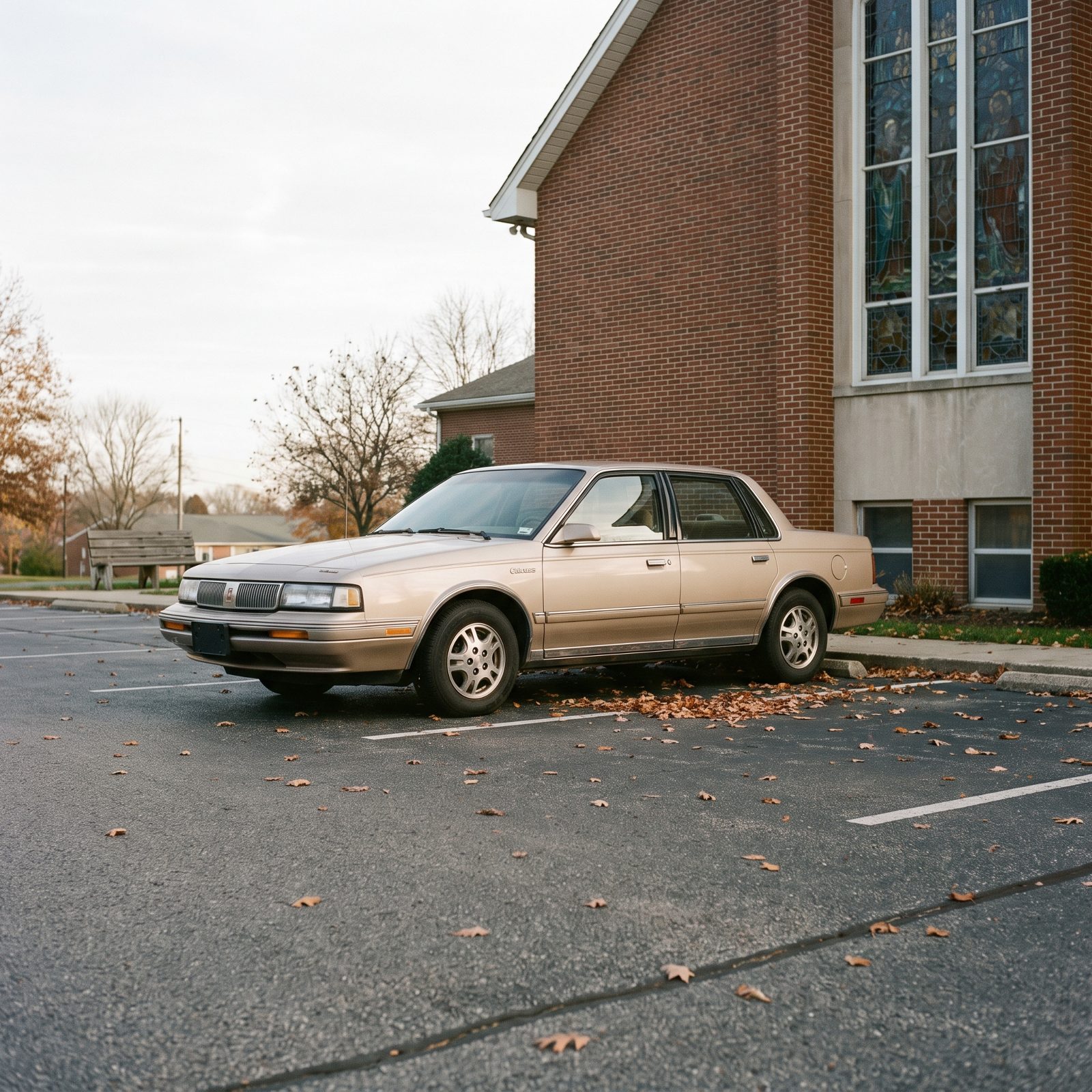
This was the car parked outside the church, in the retirement-community lot, in your grandmother’s garage with barely any miles on the clock. The Cutlass Ciera was comfortable, soft-riding, and it sold forever. One of the most popular cars in America through much of the eighties.
It carried a name that once meant muscle and brougham luxury, now downsized onto a sensible front-driver. When GM shuttered Oldsmobile in 2004, the oldest American car brand died, and the Cutlass went with it. A century of history, closed.
Saturn S-Series: A Different Kind of Car Company Lost Its Difference
Would you like to save this?
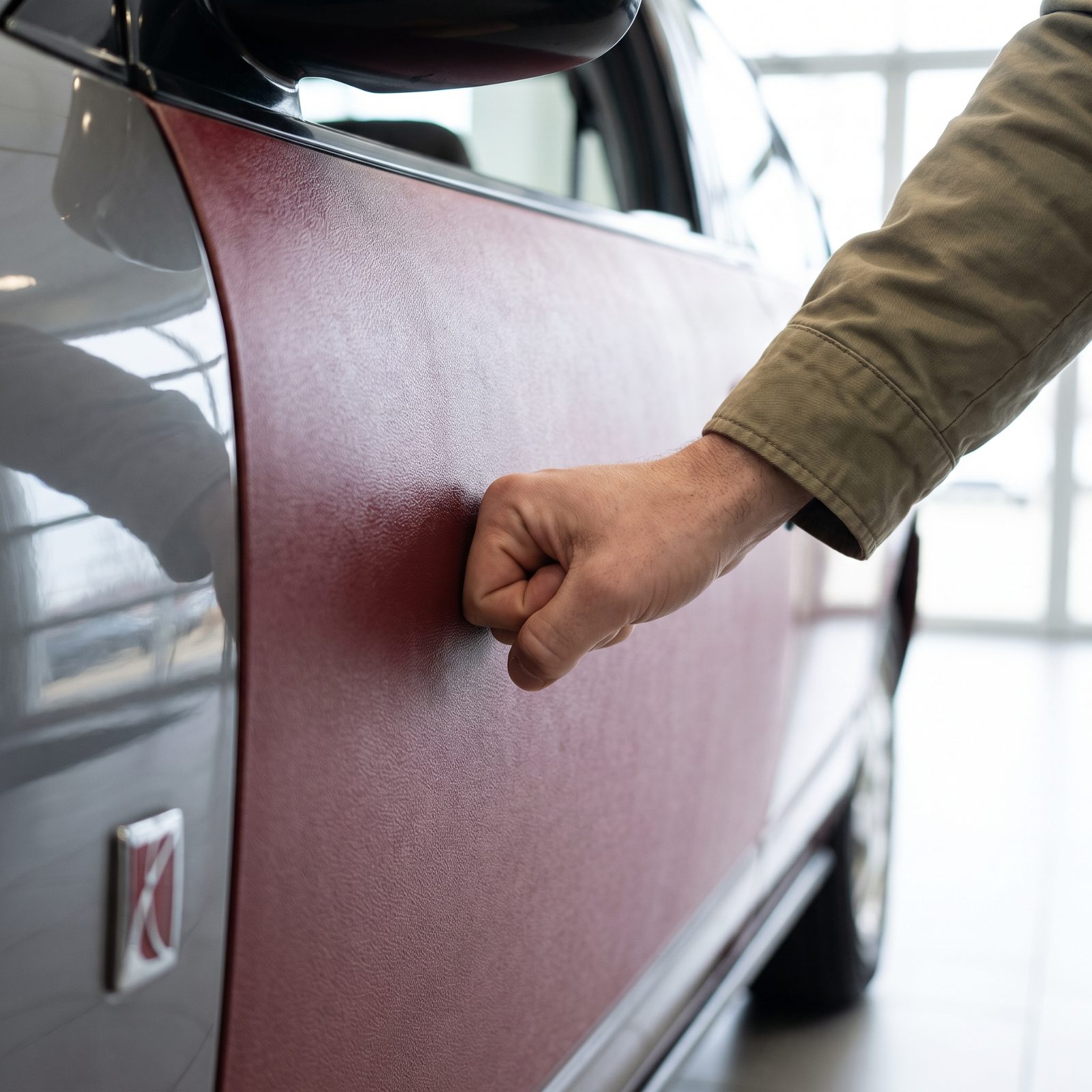
Saturn started as an experiment. A new company, no-haggle pricing, dent-resistant plastic panels you could kick without leaving a mark, and salespeople who actually seemed glad you walked in. Owners were loyal enough that the company threw picnics, and people showed up.
The S-Series was the little sedan that built all that goodwill. Then GM slowly folded Saturn back into itself, rebadging European models and stripping away everything that set it apart. The difference was the reason to buy one, and once it was gone, so was the reason. Saturn closed in 2010.
Geo Metro: Ultra-Economy Cars Became Harder to Sell Profitably
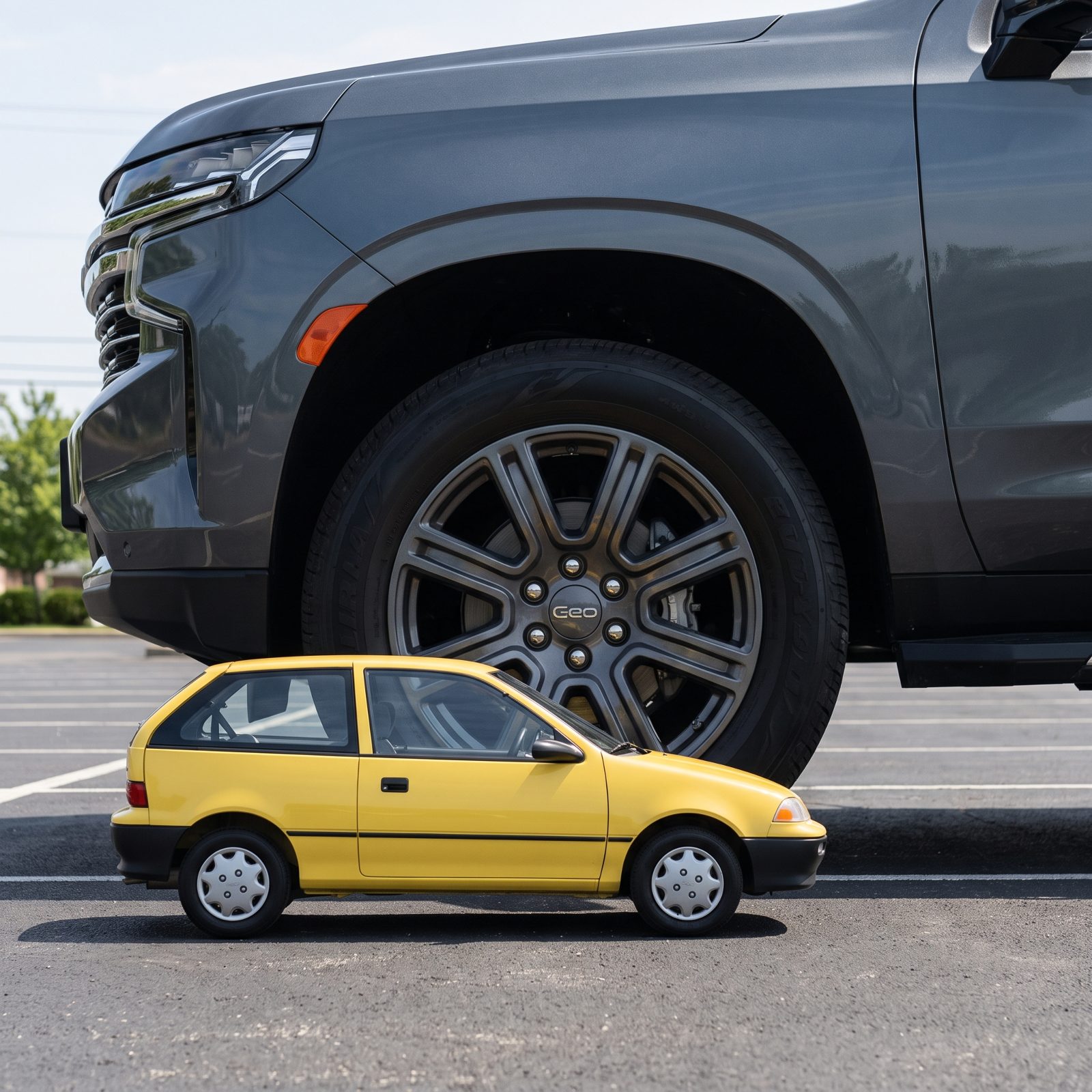
Tiny, buzzy, and stingy with gas in a way that became legend. The Metro’s three-cylinder version returned fuel economy numbers that modern hybrids still have to sweat for, and it cost almost nothing to buy or run.
Here’s the catch, though: there’s barely any profit in a car that cheap. As safety and emissions rules piled weight and cost onto every vehicle, the ultra-economy segment got squeezed out of existence. The Geo brand folded into Chevrolet, the Metro ended in 2001, and the idea of a brand-new car that cheap went with it.
Nobody kills a car because people stopped loving it. They kill it because the math stopped working.
Ford Tempo: Disposable Ubiquity Left Few Survivors
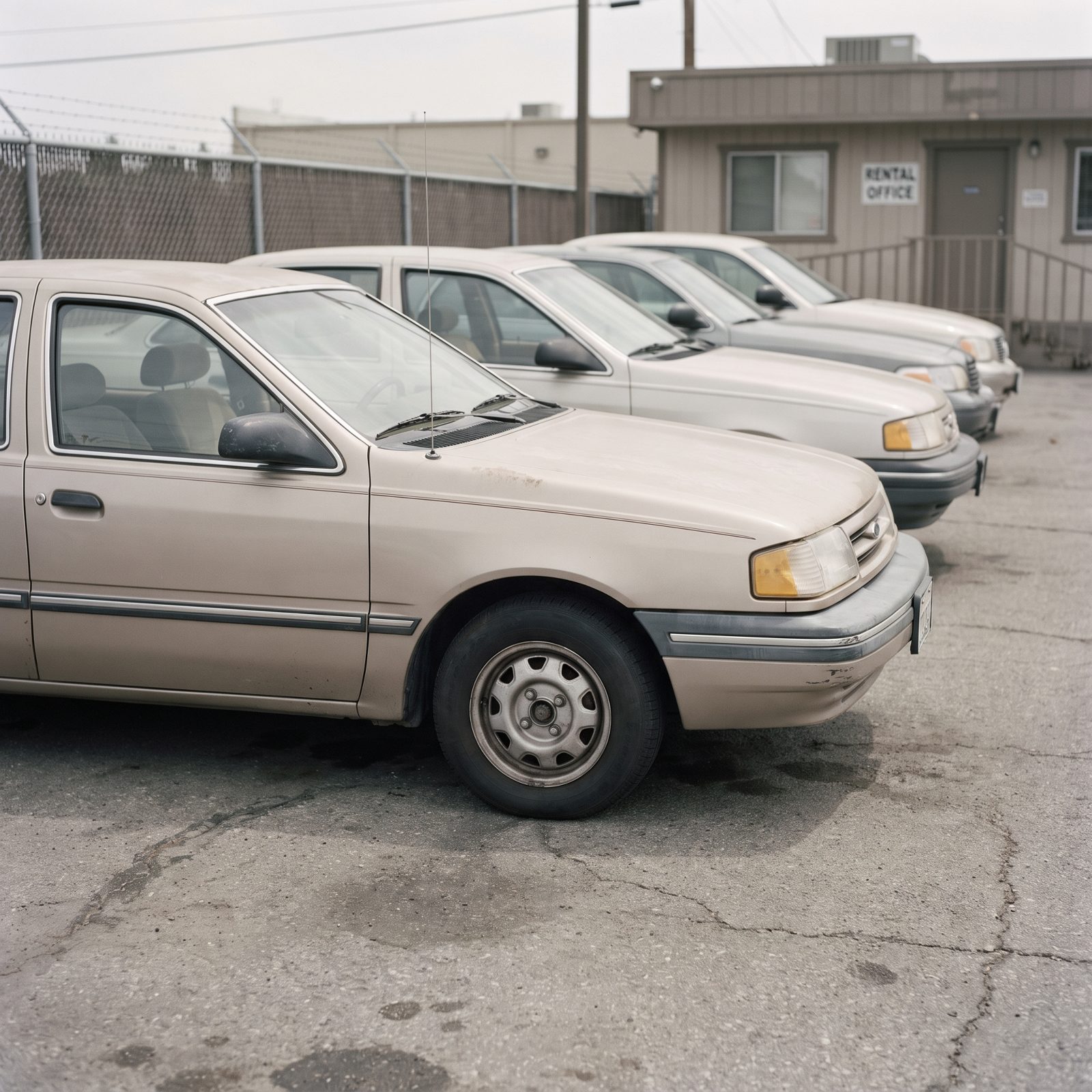
The Tempo was everywhere and nowhere. Rental fleets ate them by the thousands, driver’s-ed classes wore them out, and everybody you knew seemed to have one parked out front. Your aunt. Your neighbor. The guy down the street with two of them, both beige on beige, wearing that rounded aero shape Ford pushed hard in the mid-80s.
Nobody babied a Tempo, which is exactly why so few survive. It was built to be used up and thrown away, and we obliged. You almost never see one now, and when you do it stops you cold.
Chevrolet Celebrity: A Top Seller Nobody Remembers
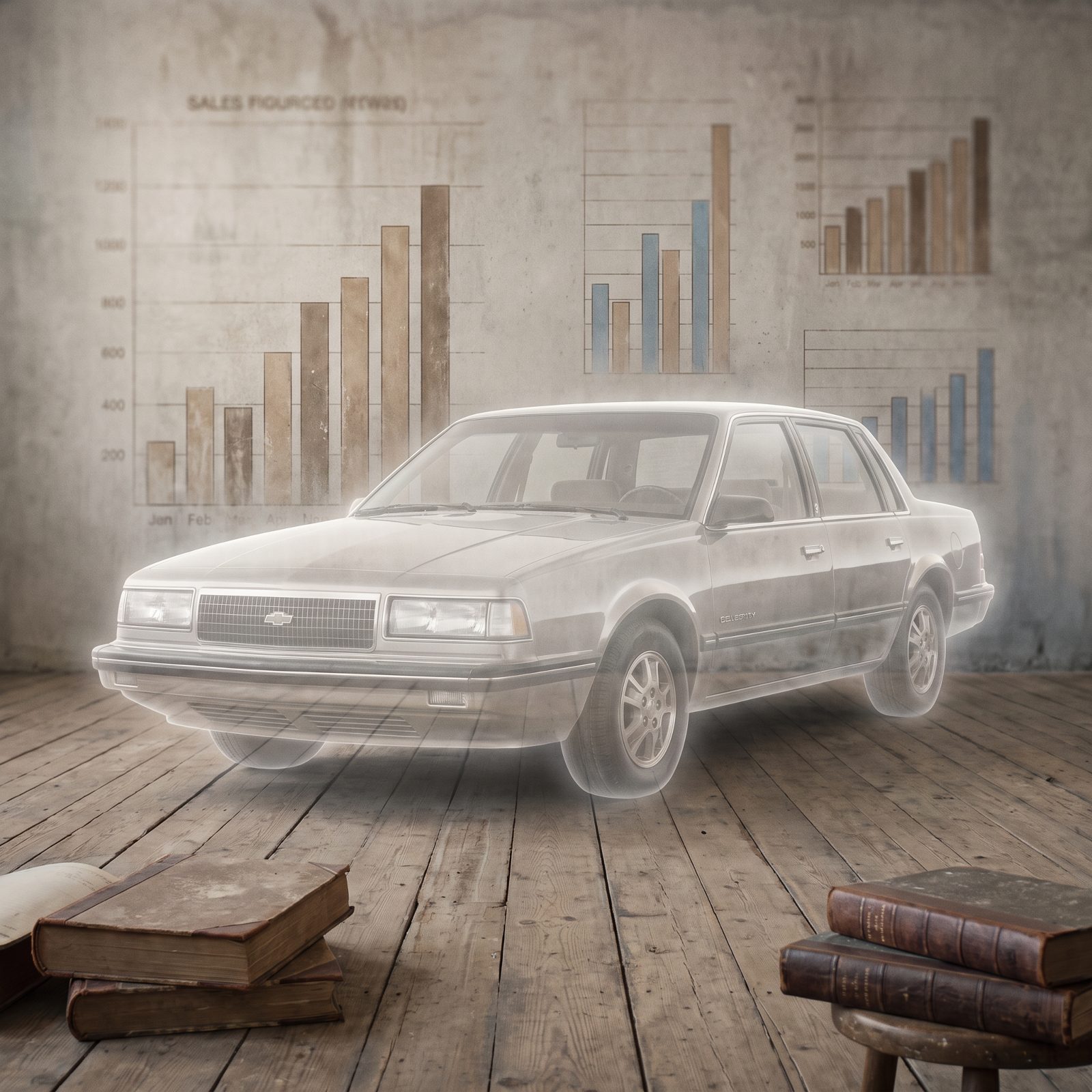
For a car that outsold almost everything in its class, the Celebrity left shockingly little behind. It was the best-selling car in America for a stretch in the mid-80s. Ask someone to describe one and watch them struggle.
Square, sensible, profoundly inoffensive — it did the job and asked for no attention. Families bought them because they were cheap to run and roomy enough for three kids across the back bench, then moved on to minivans and never thought about the thing again. That’s it. A million sold and almost zero affection.
Plymouth Reliant: The K-Car That Saved Chrysler but Earned No Nostalgia
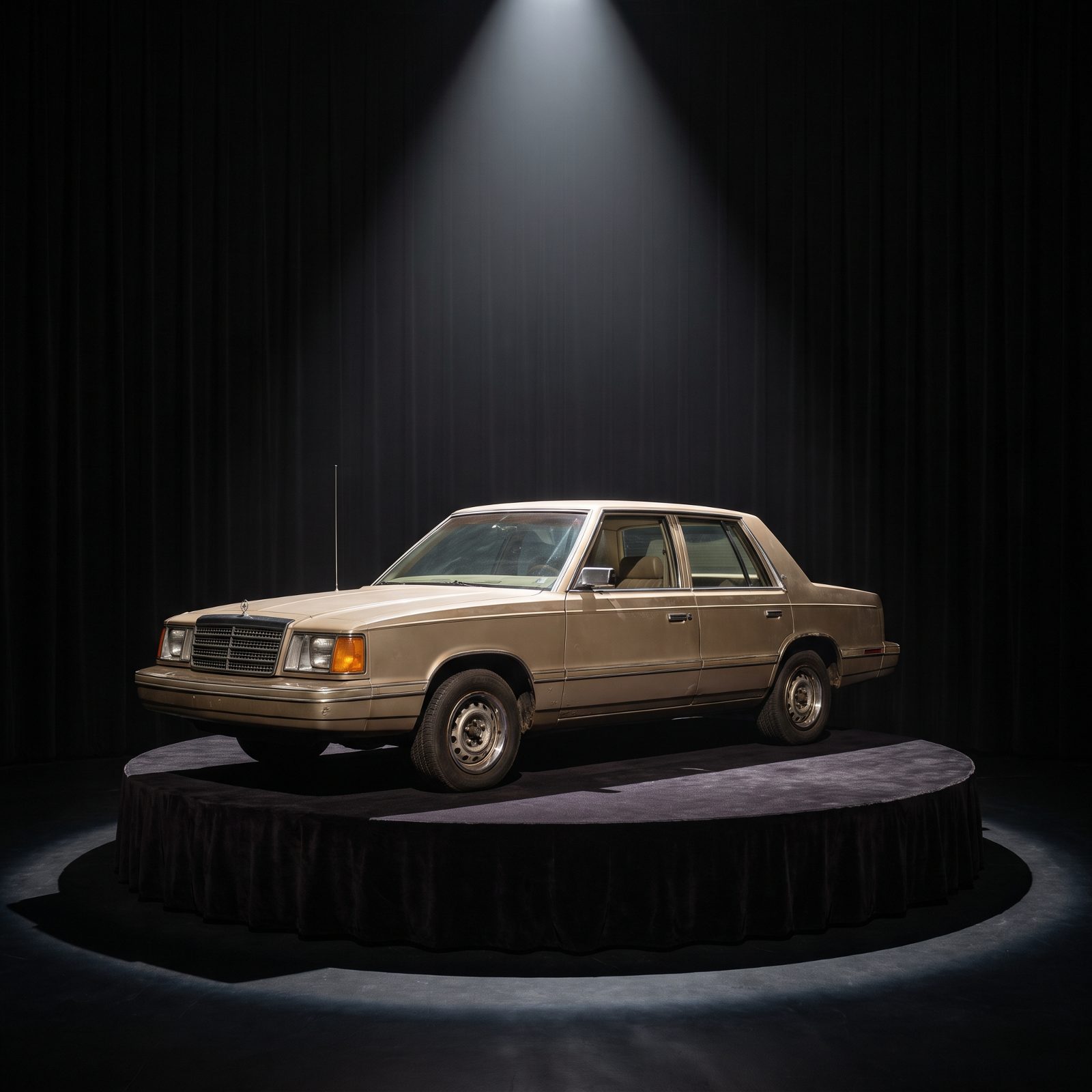
This car genuinely saved a company. Chrysler was weeks from collapse, Lee Iacocca bet the house on a cheap front-drive compact, and the K-car worked. The Reliant and its Dodge Aries twin sold like groceries and kept the lights on in Detroit.
And still, nobody frames one in their garage. It was durable, frugal, and about as exciting as a bologna sandwich. The platform underneath went on to spawn minivans, the LeBaron, the stretched New Yorker, half of Chrysler’s lineup. The Reliant did the heavy lifting and got none of the glory.
Buick LeSabre: When the Traditional Full-Size Buyer Aged Out
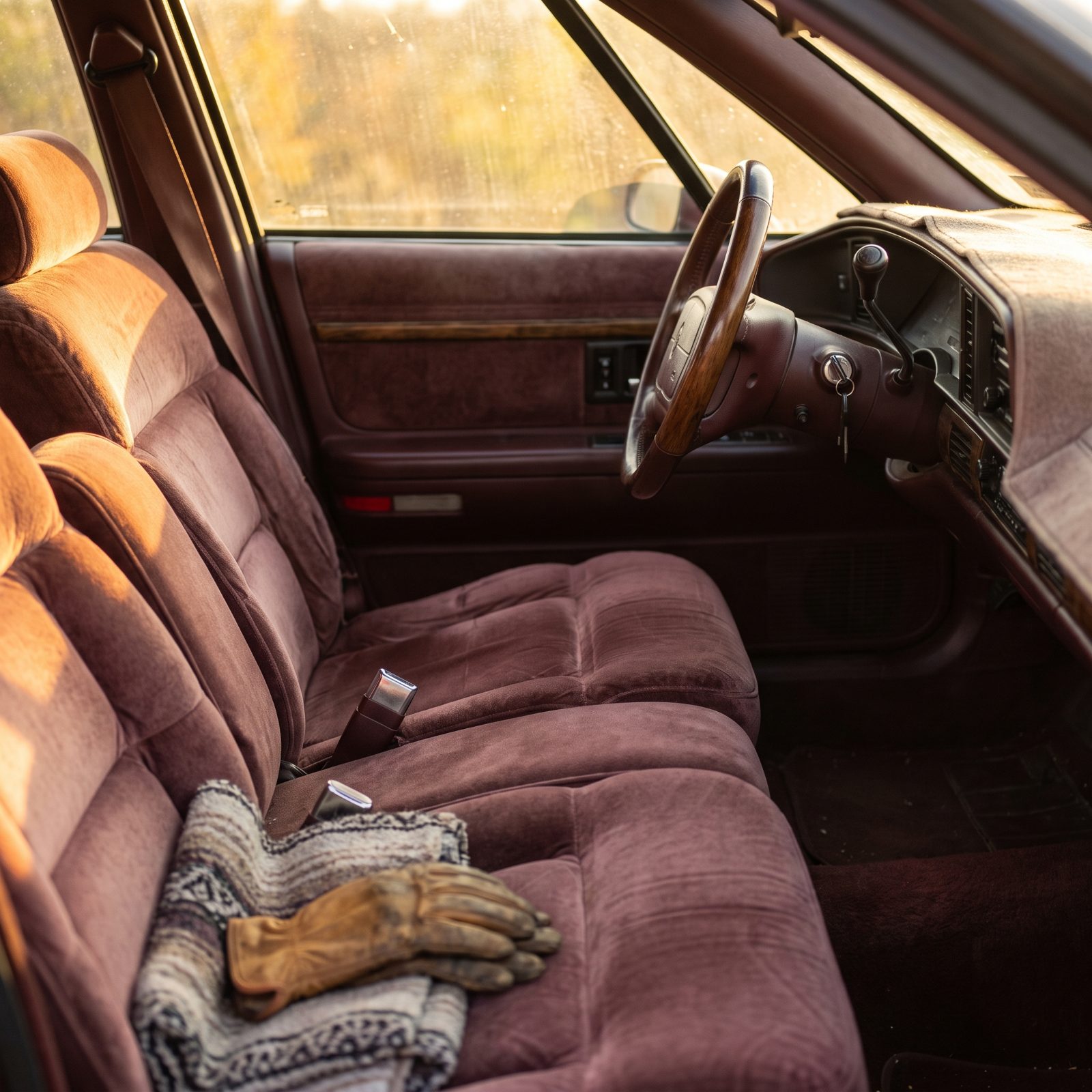
Soft ride, bench seat, column shifter, a trunk you could sleep in. The LeSabre was the car your grandfather bought new every four years and kept spotless. It floated down the highway and asked nothing of the driver except to point it forward.
What killed it was the buyers themselves. They got older, and nobody younger wanted a plush full-size cruiser. The big American sedan didn’t lose a battle with a better car — it lost its customers to age and to the SUV. Buick kept the name alive a while, then let it go quietly around 2005.
Toyota Tercel: The Econobox That Lost Buyers to Bigger Compacts
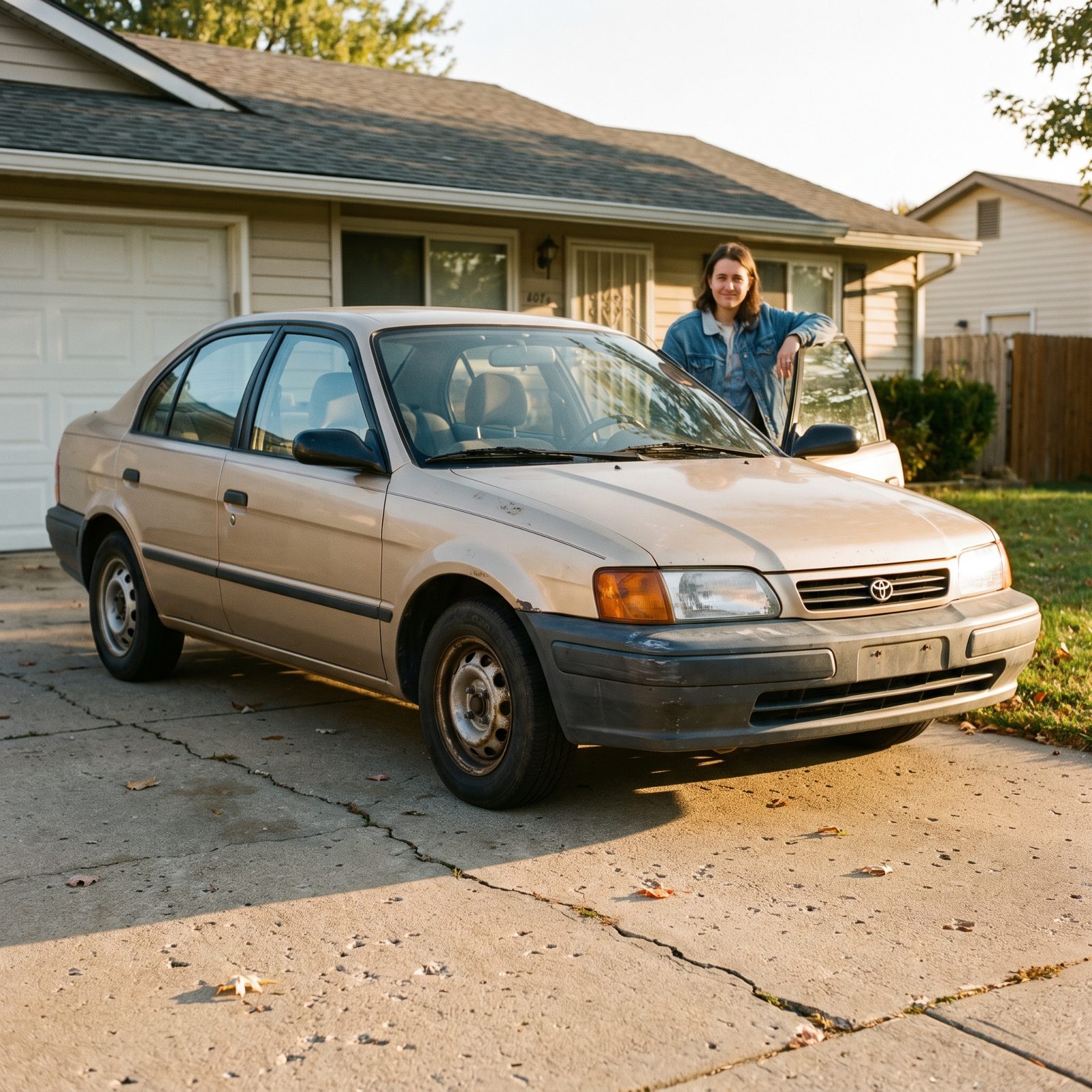
First car for a whole generation. Cheap to buy, nearly impossible to kill, and it returned the kind of fuel mileage that mattered when you were paying for it with a part-time paycheck. The Tercel was Toyota’s bottom rung, and it did its job without a word of complaint.
Then entry-level buyers wanted more. The Corolla grew. The Echo and later the Yaris took over the cheap-seat slot, and the Tercel name quietly retired in 1999. Dependable to the end, never once romantic — which is the fate of almost every honest little economy car.
Mitsubishi Galant: The Midsize That Got Out-Spent
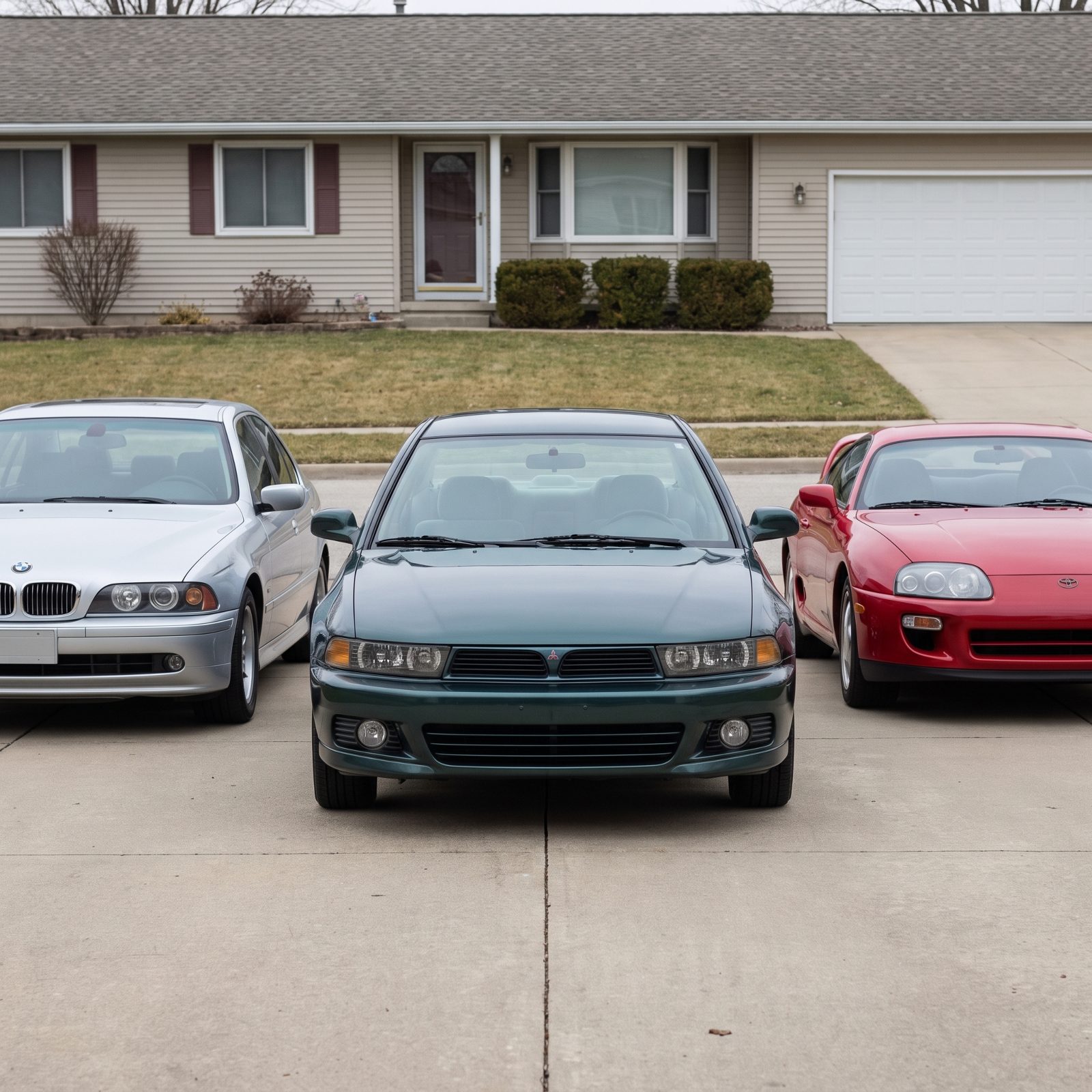
The Galant was never bad. That was the problem. It drove well, looked decent, and held up fine — and it lived in the toughest aisle in the store, going head to head with the Accord and the Camry, two rivals with deeper pockets and bigger dealer networks behind them.
You can’t out-engineer that kind of money. Mitsubishi kept the Galant on life support for years while its rivals poured billions into refreshes it couldn’t match. It bowed out in the US in 2012. A perfectly good car that simply got out-funded.
Mazda 626: A Familiar Name Swapped for a Number
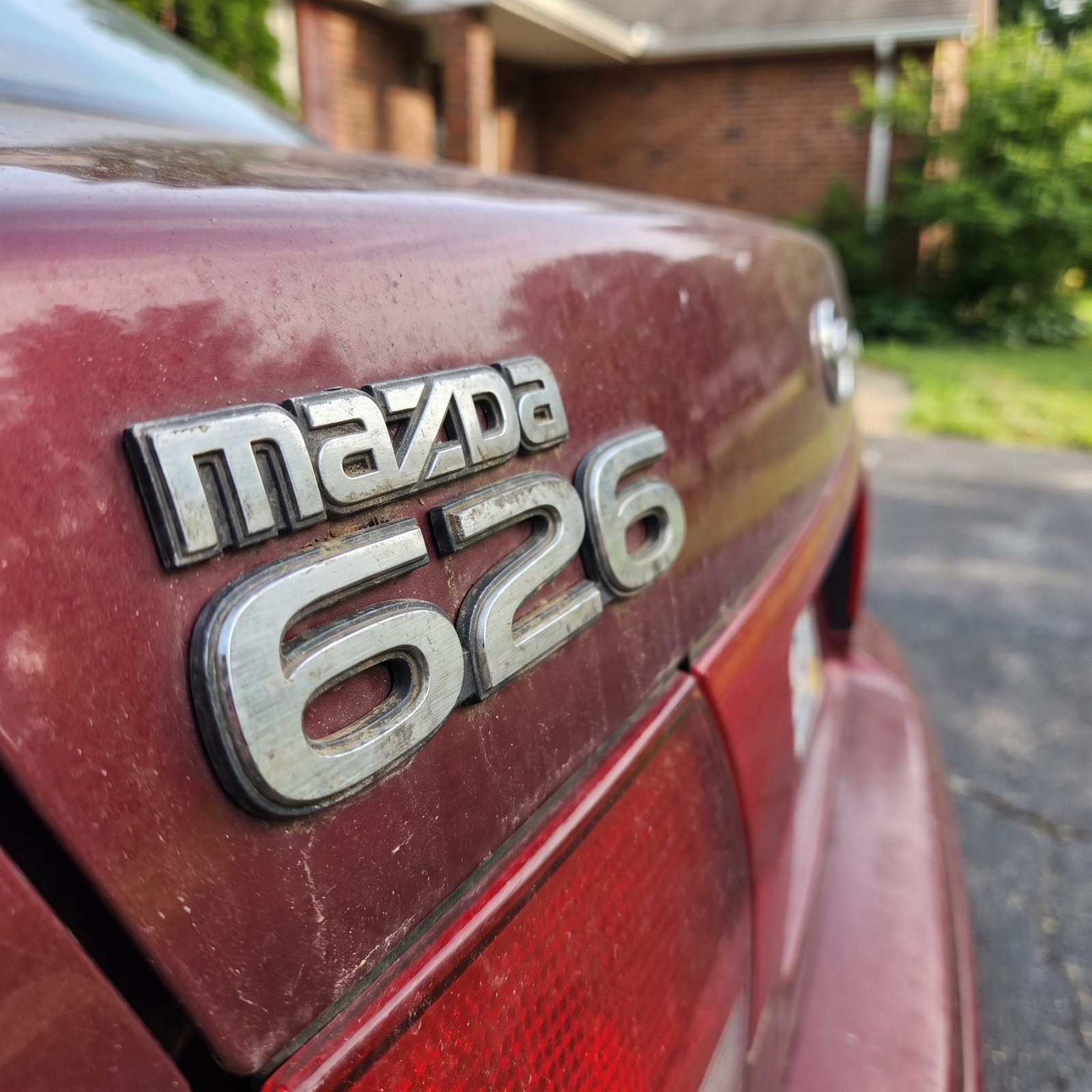
The 626 spent decades as the quiet workhorse of Mazda’s lineup. Comfortable, reliable, a little more fun to drive than the obvious competition, with a chassis that rewarded a back road more than the badge ever let on.
Then Mazda did the thing everyone does now. It killed the name and replaced it with the Mazda6. The number sounded sportier and slotted into a tidy naming scheme — and it erased thirty years of goodwill in one marketing meeting. The 6 is the better car. The 626 had the better name, and names are what we remember.
Honda Prelude: When Affordable Sport Coupes Ran Out of Buyers
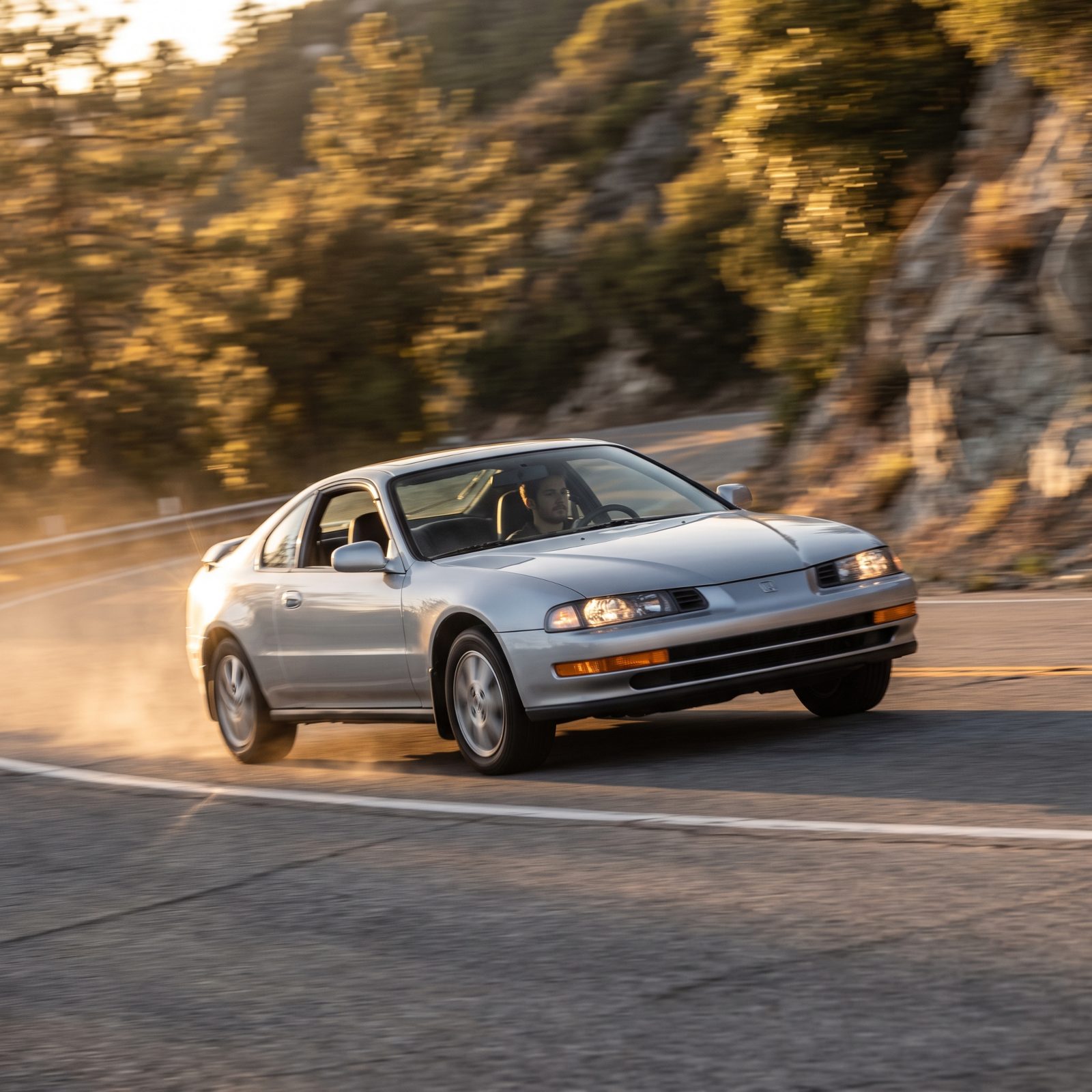
The Prelude was a driver’s car wearing a commuter’s price tag. Crisp handling, available four-wheel steering in the later cars, and a high-revving engine that begged to be worked. The kind of coupe a young professional bought as a reward to themselves.
The audience vanished. Two-door coupes stopped making sense to buyers who wanted back doors and higher seats, so Honda folded the sporty-coupe money into the Civic Si and the Accord coupe, then into crossovers, and the Prelude name went dark in 2001. It didn’t die from a lack of quality. It died because we all bought something with a hatch instead.
Chevrolet Beretta: The Affordable Coupe Market Collapsed Under It
Would you like to save this?
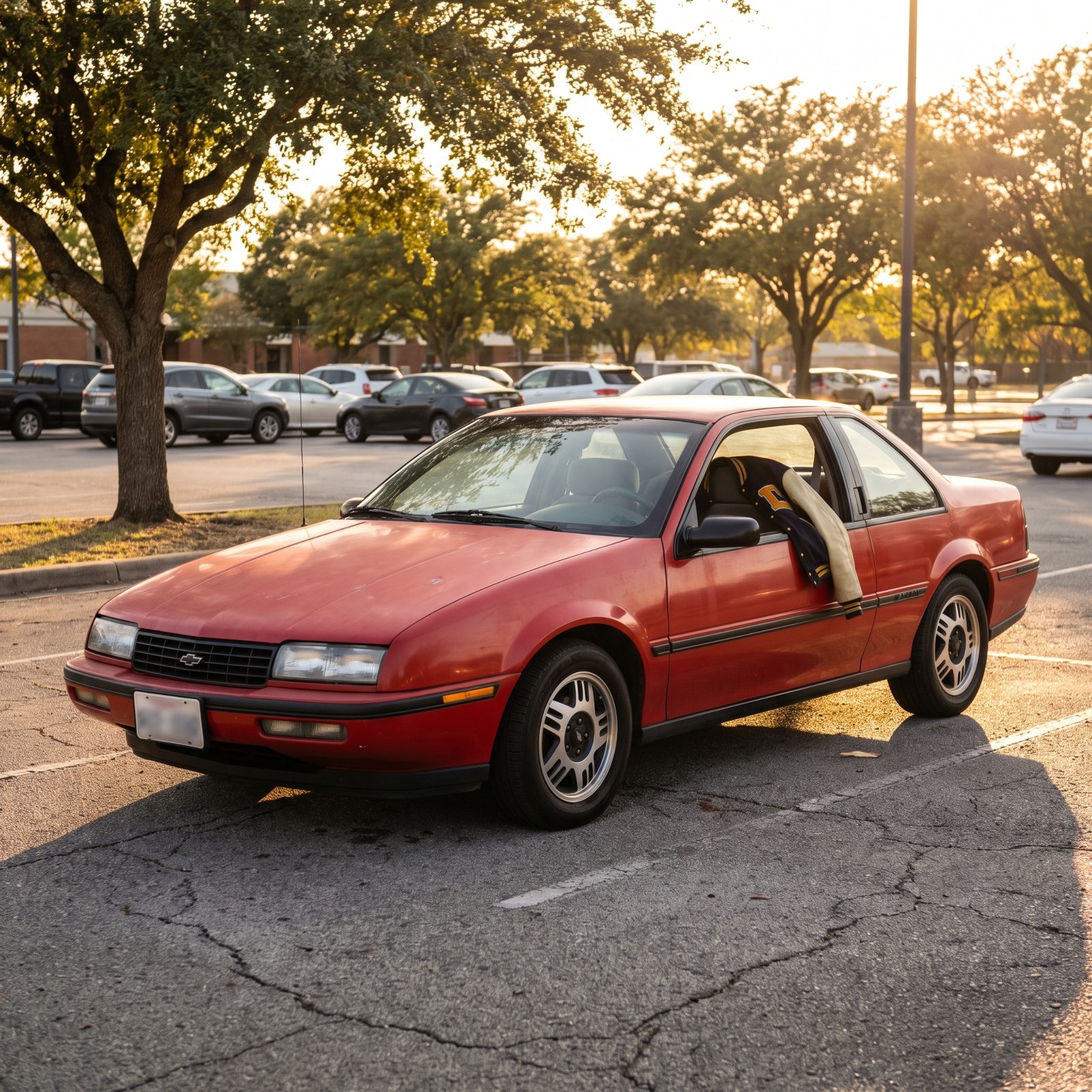
The Beretta was the coupe you could actually afford in high school or on your first paycheck. Wedge nose, sporty trim, and a GT badge that promised more attitude than the four-cylinder usually delivered. GM sold them by the boatload to young buyers who wanted two doors and a little swagger.
Then the whole market floor gave out beneath it. By the late 90s nobody under thirty wanted a cheap domestic coupe, and the segment just stopped existing. The Beretta ended in 1996 with no direct replacement — there was no longer a market to replace it in.
Geo Tracker: The Tiny Convertible SUV That Grew Up and Left
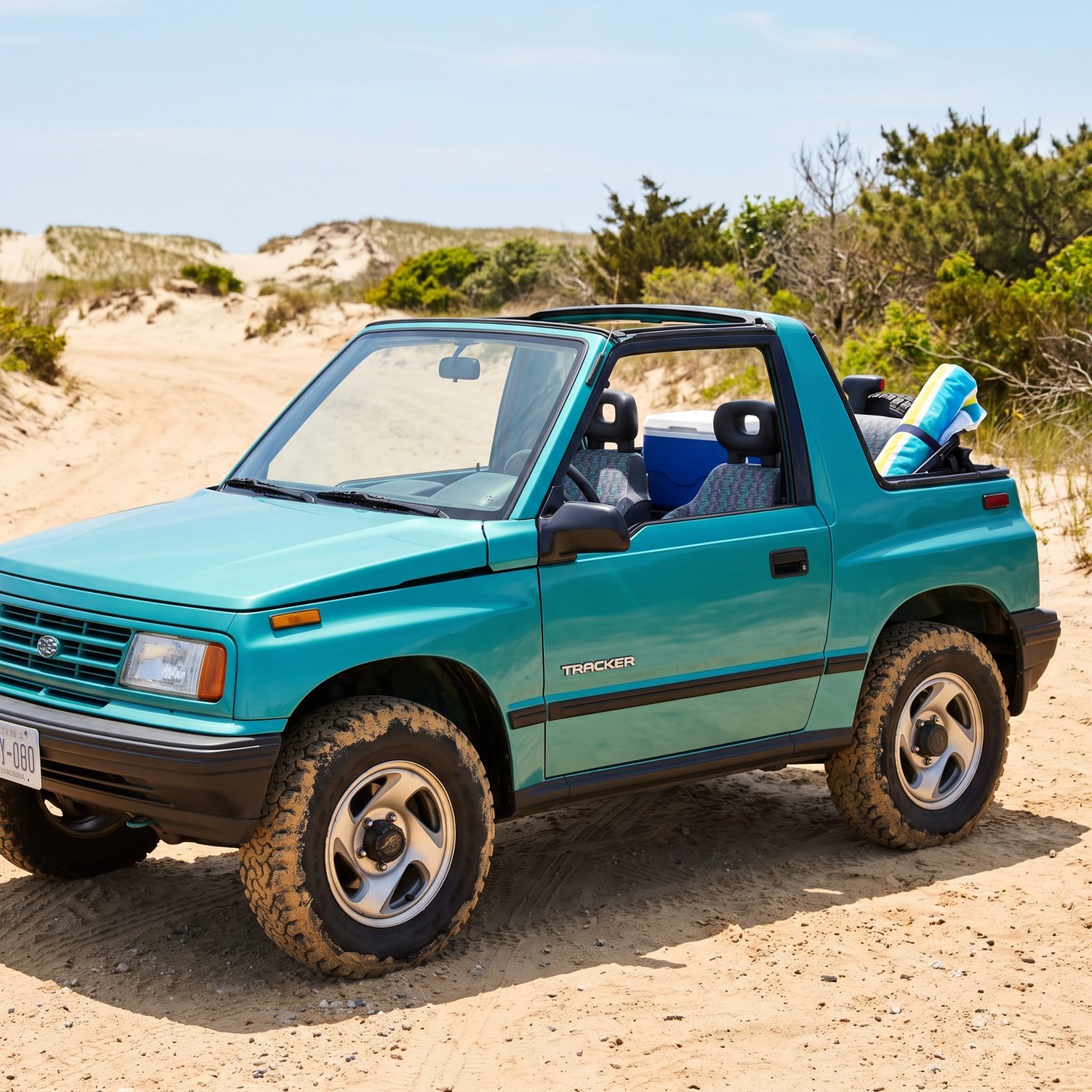
Half toy, half truck. The Tracker was a pint-sized convertible 4×4 with a soft top you could drop, chunky little tires, and an attitude way bigger than its footprint. Sold first as a Geo, then a Chevy, twinned with the Suzuki Sidekick — it made a trip to the beach feel like an event.
SUVs went the other direction entirely. They got bigger, heavier, plusher, and lost the open-air fun along the way. The tiny convertible utility vehicle grew up into the crossover and, in doing so, stopped being the thing that made the Tracker worth owning. You can’t buy its kind of cheap, open, unserious joy new anymore. We traded it for cupholders and curb weight.
Isuzu Trooper: When a Rugged SUV Name Quietly Walked Away From Driveways
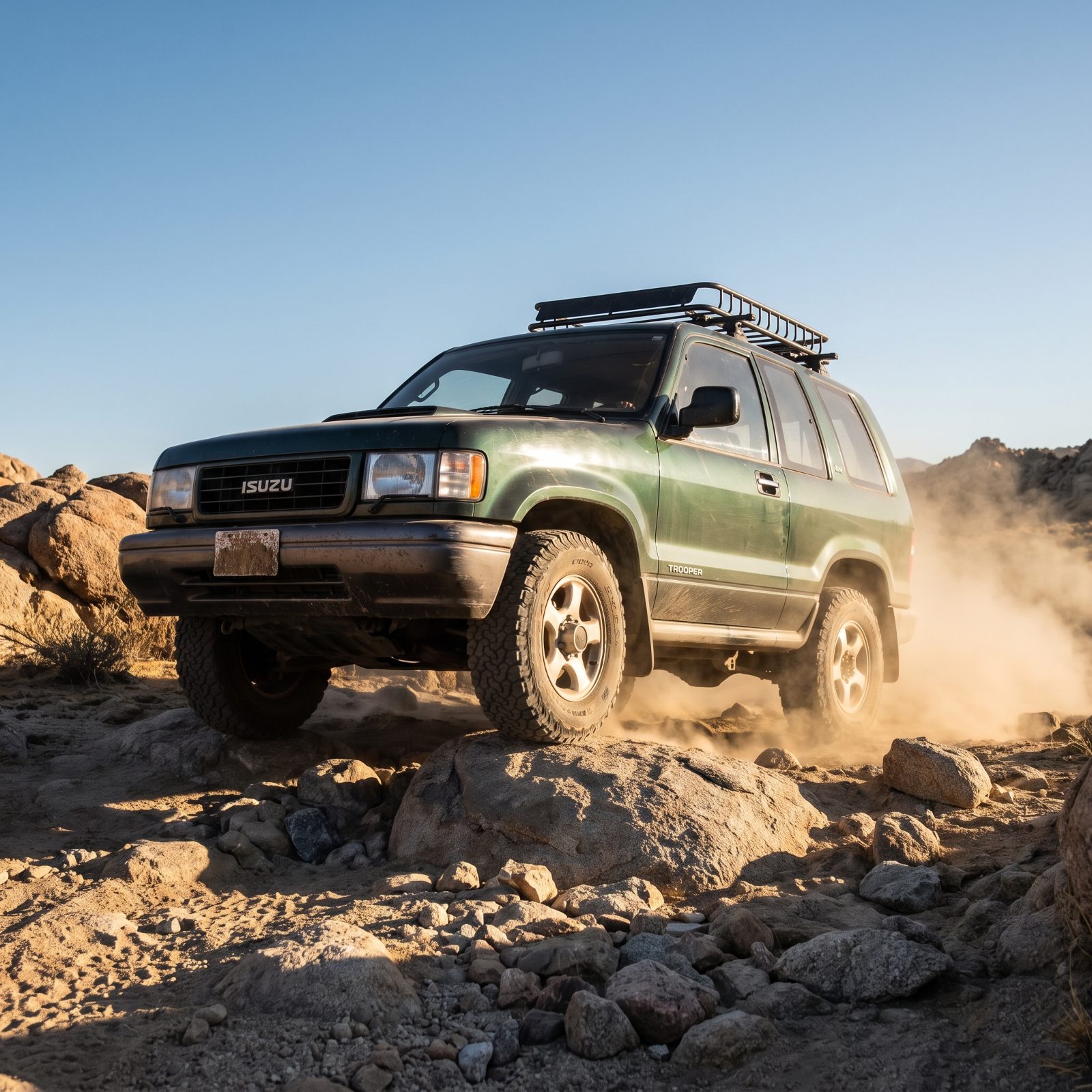
The Trooper was doing the rugged-SUV thing before most of its rivals even figured out what that meant. Tall, square, honest. It hauled kids to soccer and climbed logging roads with the same shrug, and for a solid stretch there it was a genuinely sensible choice for people who wanted the real deal without the Land Cruiser sticker.
Then Isuzu just… stopped selling cars here. The badge faded from American driveways with no funeral, no farewell edition, nothing. One year you saw them everywhere. A few years later you’d squint at one in a parking lot trying to remember the last time you’d thought about the brand at all.
What kills me is how good the thing actually was. Reliable, roomy, dead simple to work on. But a reputation needs a dealer network behind it, and when the network withers the name goes with it, no matter how many mountains the truck could’ve still climbed.
Volvo 240: The Boxy Swedish Tank That Made Safety Look Like Furniture
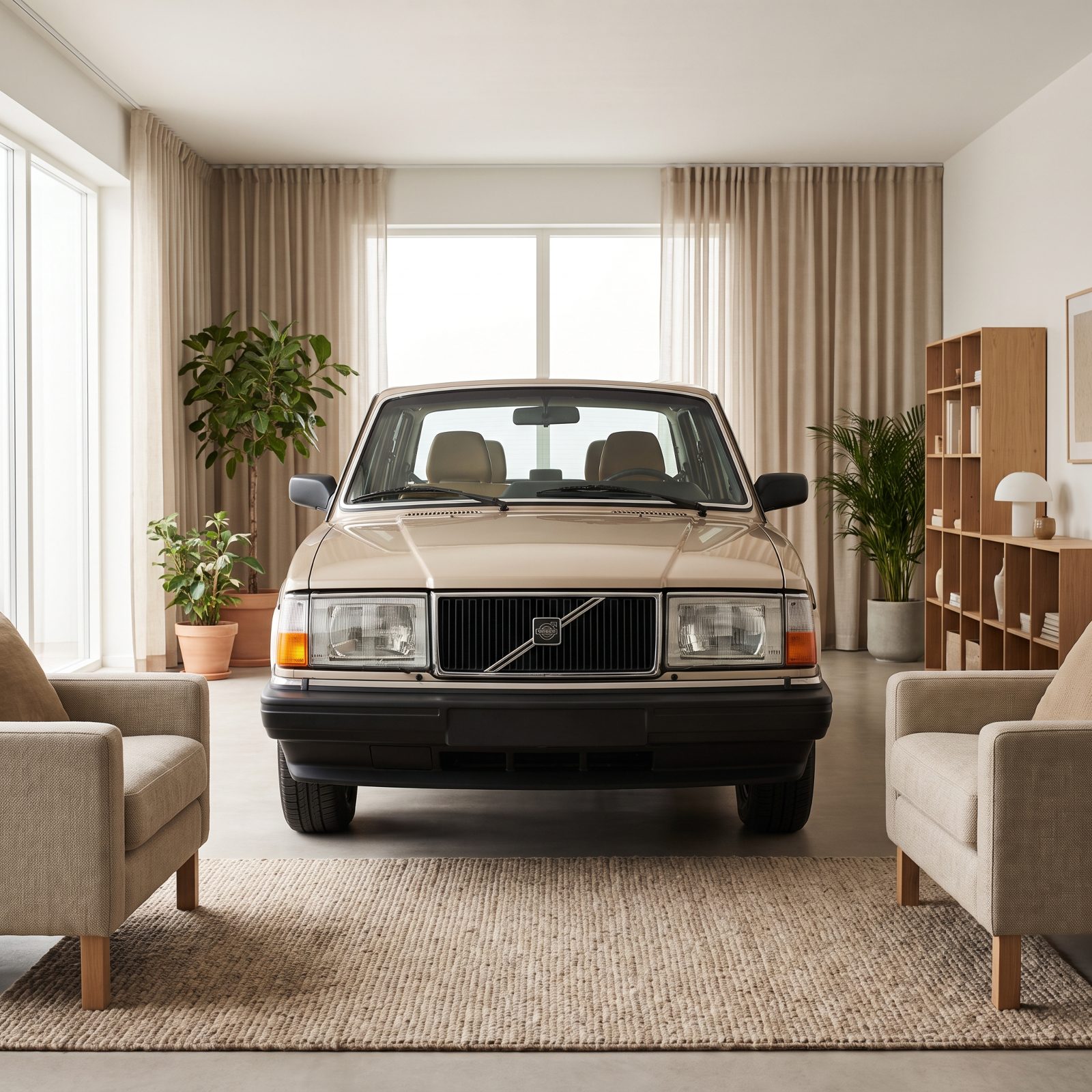
Nobody bought a 240 to turn heads. You bought it because it would outlive you and probably your kids too. The thing was built like a filing cabinet with wheels, and that was the entire pitch.
Safety came baked in before the industry made a marketing circus out of it. Volvo was crash-testing these things obsessively while competitors were still selling chrome and horsepower, and the 240 wore its substance on the outside: those massive rubber bumpers, the ruler-straight panels, the glass so flat it looked drawn with a T-square. It aged into a cult object. College professors, landscapers, anyone who’d rather spend money once than every three years.
Here’s what I love about it. The 240 never tried to be interesting. It just refused to quit, and somewhere along the way that stubbornness became its personality.
Saab 900: The Quirky Hatchback That Couldn’t Survive the Boardroom
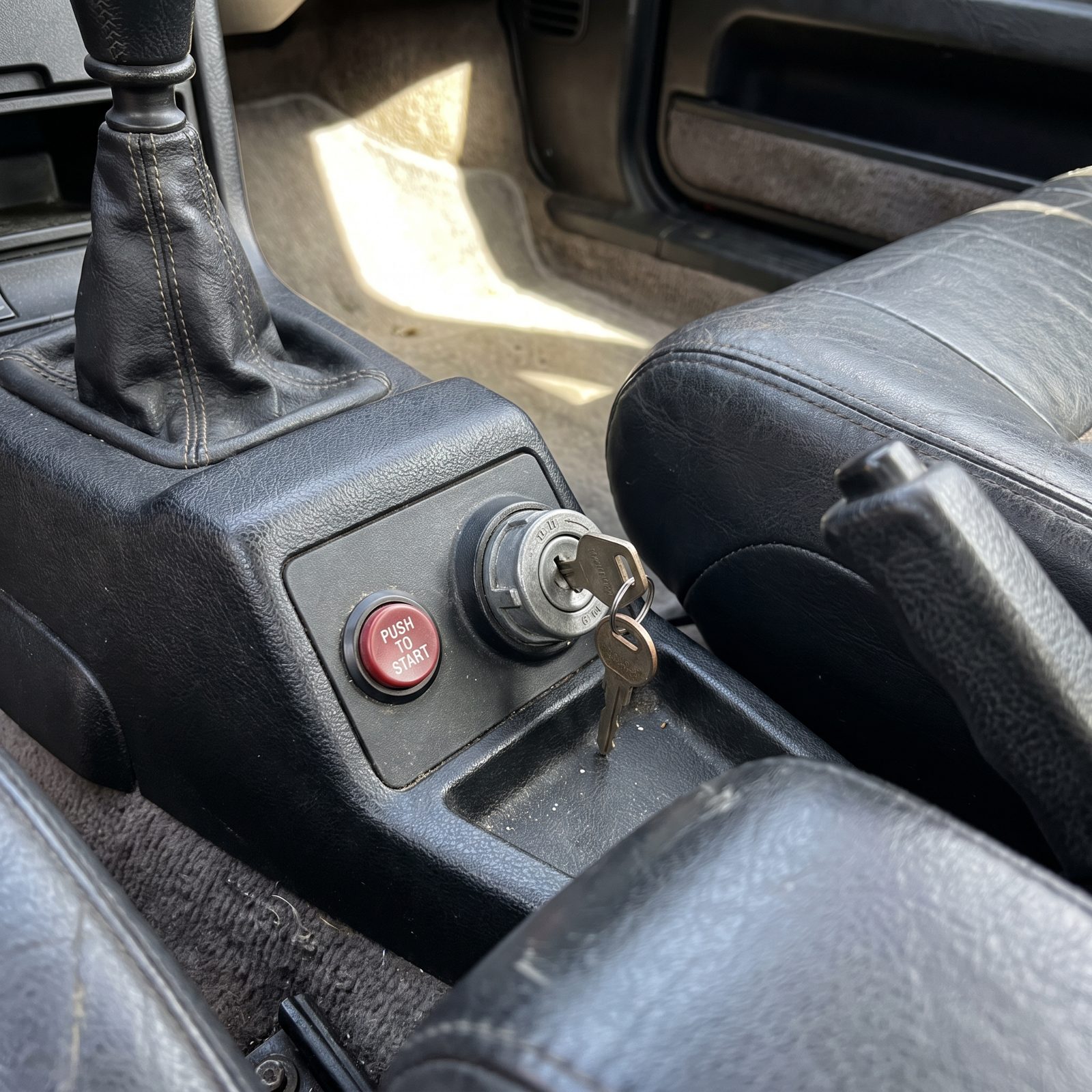
The ignition sat on the floor between the seats. That one detail tells you everything about the people who built the 900.
This was a car designed by aircraft engineers who clearly thought cars were too boring and decided to fix it. The wraparound windshield curved like a cockpit canopy. The whole clamshell hood tilted forward to expose the engine. The turbo models pulled like a jet taxiing for takeoff, and the whole package attracted a very specific owner, the kind who’d bore you to tears explaining why their weird Swedish hatchback was better than your sensible sedan. They weren’t wrong, usually.
Then General Motors bought in, and the quirks started getting sanded off in the name of platform-sharing and cost control. You can’t commodify a car whose entire appeal was that it didn’t make sense on a spreadsheet. The 900 was never going to survive a boardroom. Boardrooms don’t like cars with personality, and they really don’t like floor-mounted ignitions.
AMC Eagle Wagon: The Crossover Nobody Was Ready to Buy Yet
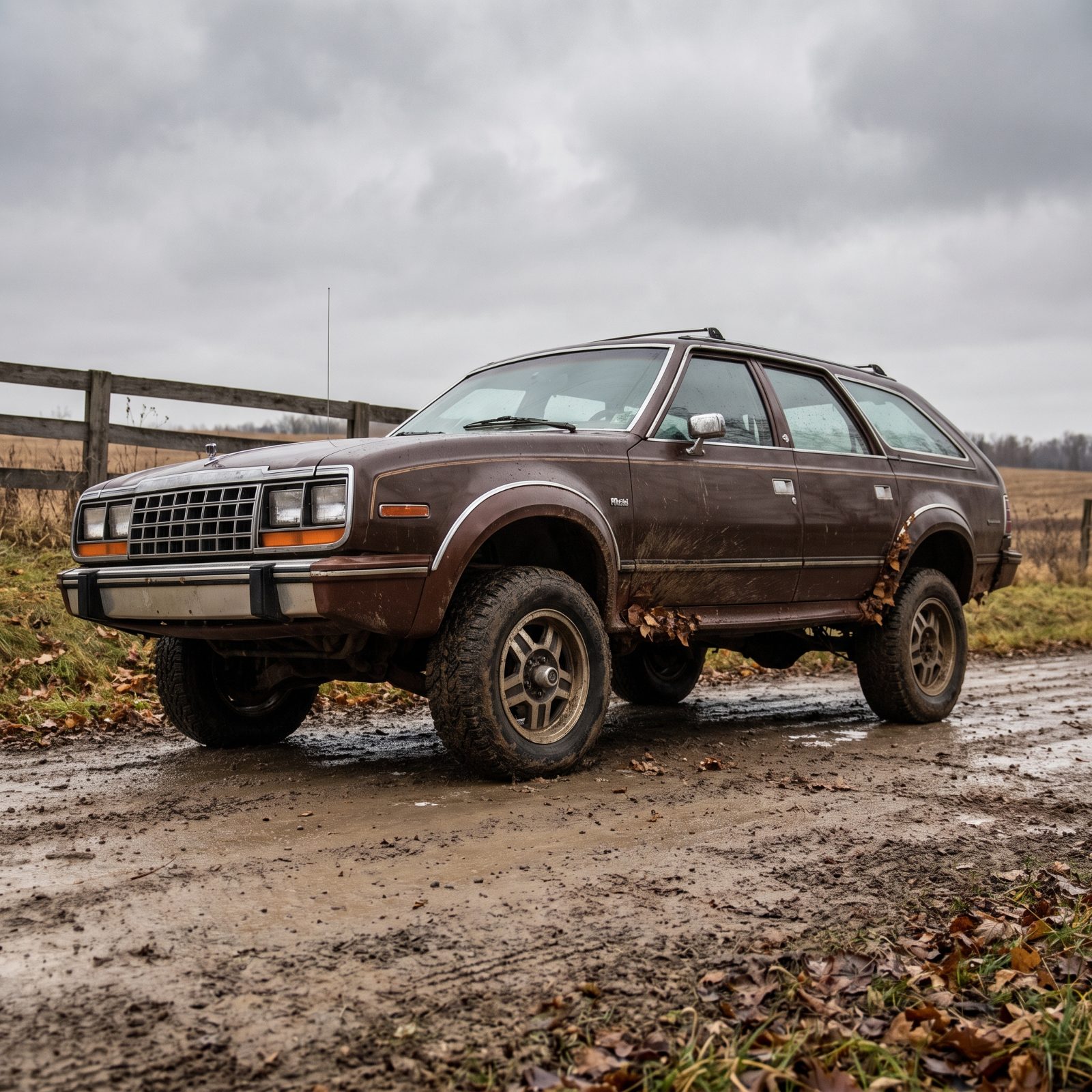
AMC invented the crossover and then went broke before anyone noticed. That’s the short version, and it still bugs me.
Take a station wagon, jack it up, bolt in full-time four-wheel drive, and you’ve basically described every vehicle in your neighbor’s driveway right now. Except the Eagle did it in 1980, back when the market looked at a lifted wagon and said no thanks. Buyers wanted either a car or a truck. The idea of something in between, car comfort with a go-anywhere stance, hadn’t landed yet.
The woodgrain and the raised-white-letter tires made it look like a confused compromise at the time. Now it reads as prophecy. AMC saw exactly where things were headed and got there about twenty years early, which in the car business is the same as being wrong. The company folded, the Eagle became a punchline, and then the entire industry spent the next two decades building nothing but Eagles.
Cadillac Fleetwood Brougham: The Land Yacht That Tradition Finally Sank
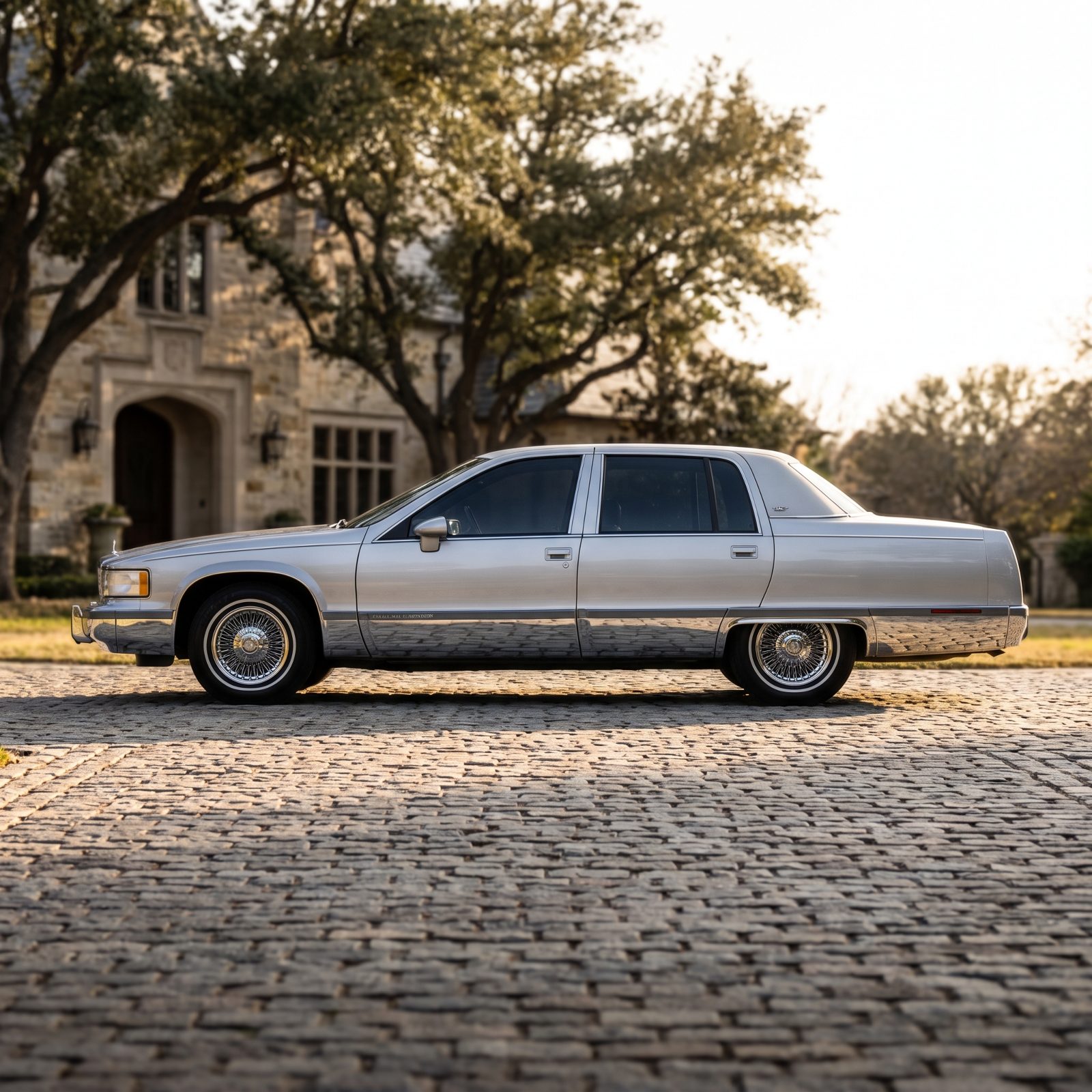
Nearly eighteen feet of rear-drive American confidence, and it drove like a cruise ship with the engines idling. The Fleetwood Brougham was the last of a dying breed, and it knew it.
Everything about it was a statement from another era: the padded half-roll roof, the wire wheel covers, the whitewalls, the stand-up hood ornament leading the way like a figurehead. Inside you sat on button-tufted leather sofas that happened to come with a steering wheel. This was luxury defined by sheer mass and chrome square footage, a philosophy that had sold Cadillacs since the Eisenhower years.
But the people who grew up wanting one were getting old, and the people replacing them were buying German sedans that did more with half the size. Tradition had carried the Brougham for decades. Eventually tradition was the only thing holding it up, and that’s not enough to keep a car in production. The land yacht didn’t get outcompeted so much as it simply ran out of passengers.
Hyundai Excel: The Car Half of America Bought and Almost Nobody Kept
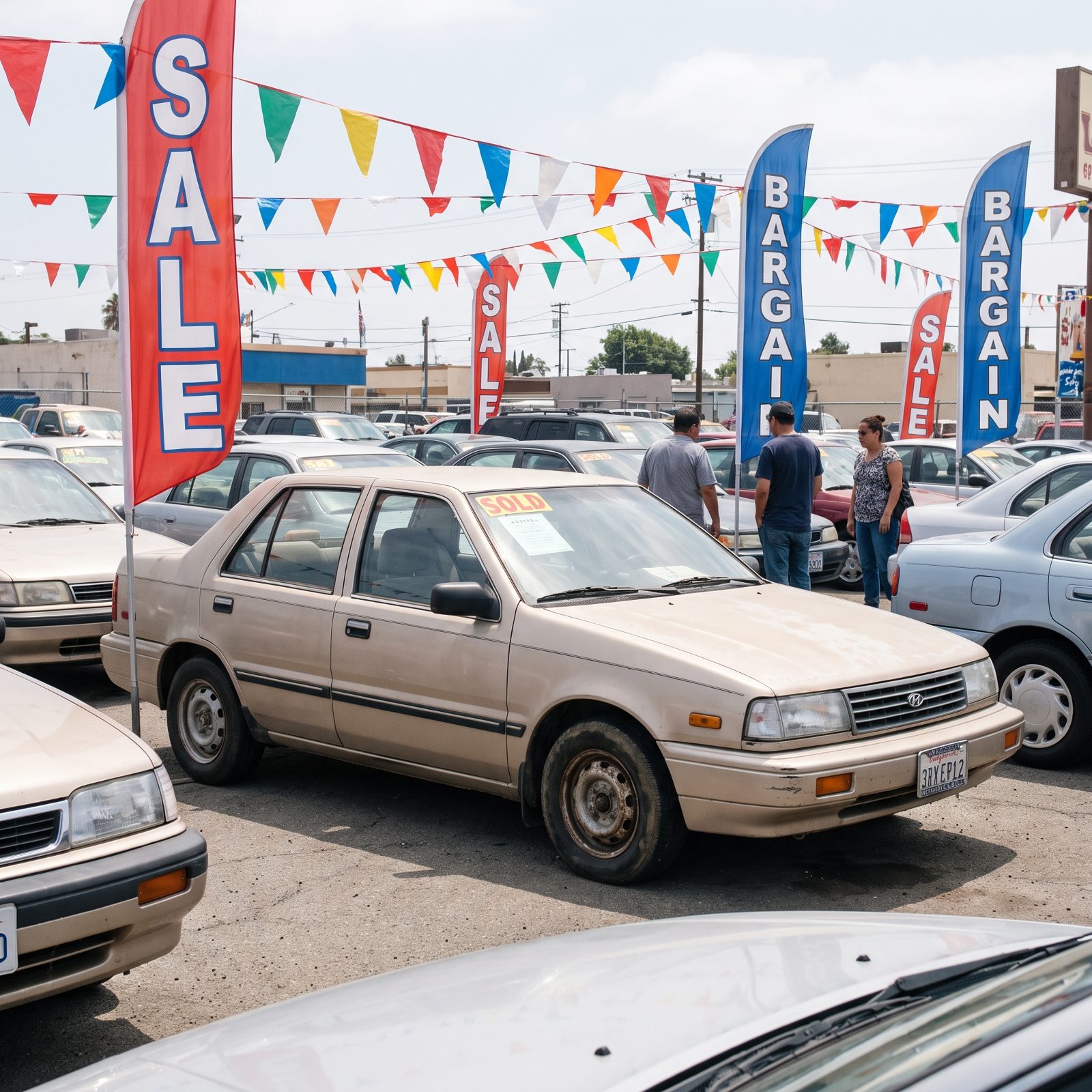
The Excel showed up cheap, undercut everything in the lot, and sold like crazy. For a brief window, Hyundai’s little hatchback was everywhere in America.
Then they started falling apart, and that’s the part people remember. The price got buyers in the door, but the engineering couldn’t hold up its end, and within a few years the Excel had done something worse than fail quietly. It torched Hyundai’s reputation so thoroughly that the brand needed a decade and that famous ten-year warranty to claw it back.
Here’s the twist, though. Those early stumbles are exactly why Hyundai turned into the company it is now. They lived through building a bad car, watched buyers flee, and decided never again. The Excel almost nobody kept past its third winter ended up being the hard lesson that made everything after it possible.
Yugo GV: The $3,990 Car That Was Never Meant to Grow Old
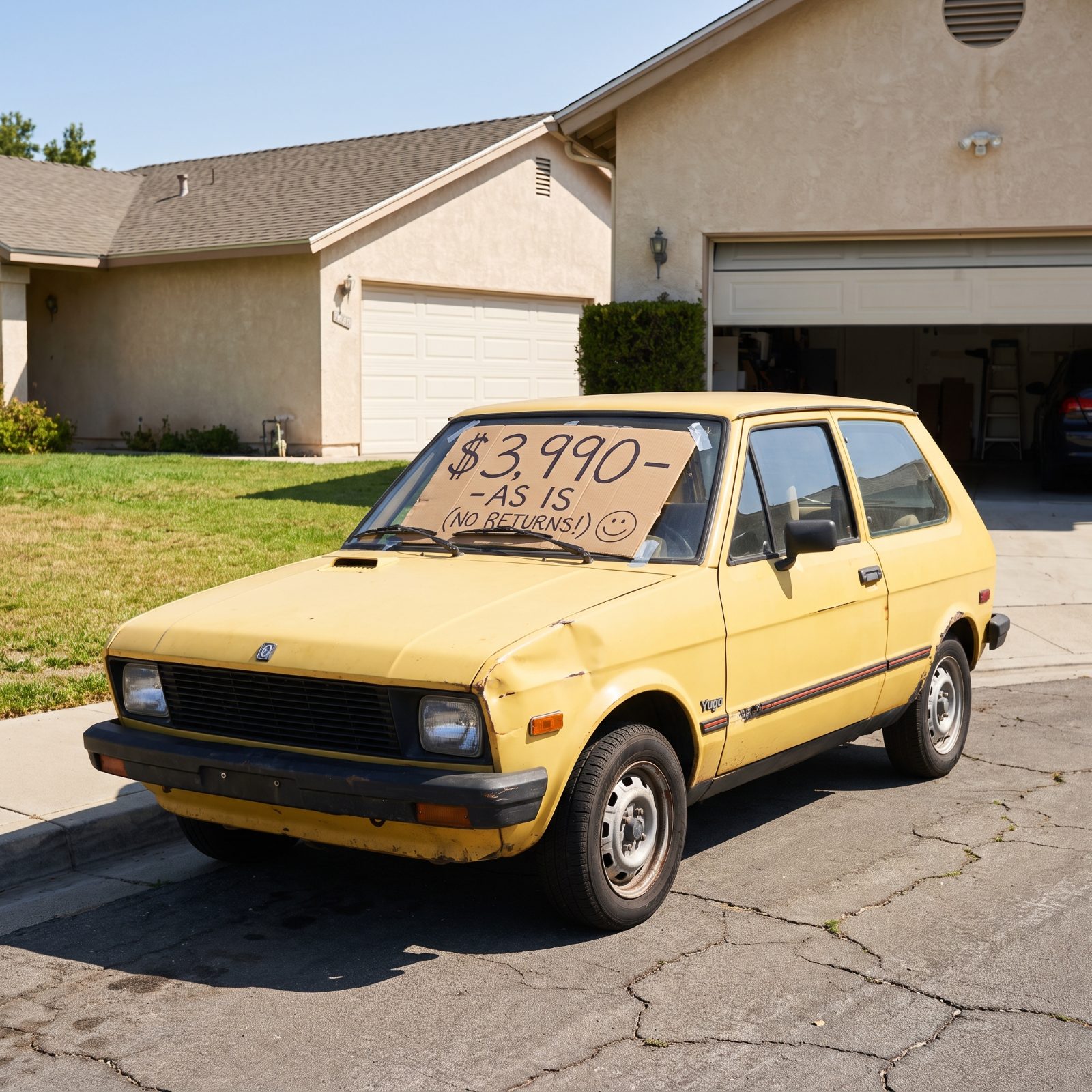
Just under four grand. That price tag is the whole legend, and it’s also why the Yugo became the national joke of the decade.
Built in Yugoslavia and shipped to a country that had no idea what it was getting, the GV promised new-car ownership to people who’d only ever bought used. On paper, a dream. In practice, you got what you paid for and arguably a little less. The build quality was rough, the parts gave out early, and the jokes practically wrote themselves. The one about the Yugo doubling in value when you filled the tank still floats around car shows.
But I’ve always had a soft spot for the thing. It was honest about what it was, a disposable little box meant to get you to work and back, never meant to be anybody’s heirloom. Nobody was supposed to still own one in 1995. The handful that survived are weird little monuments to a moment when cheap was the only feature that mattered.
Dodge Intrepid: The Cab-Forward Shape That Looked Like the Future for a Minute
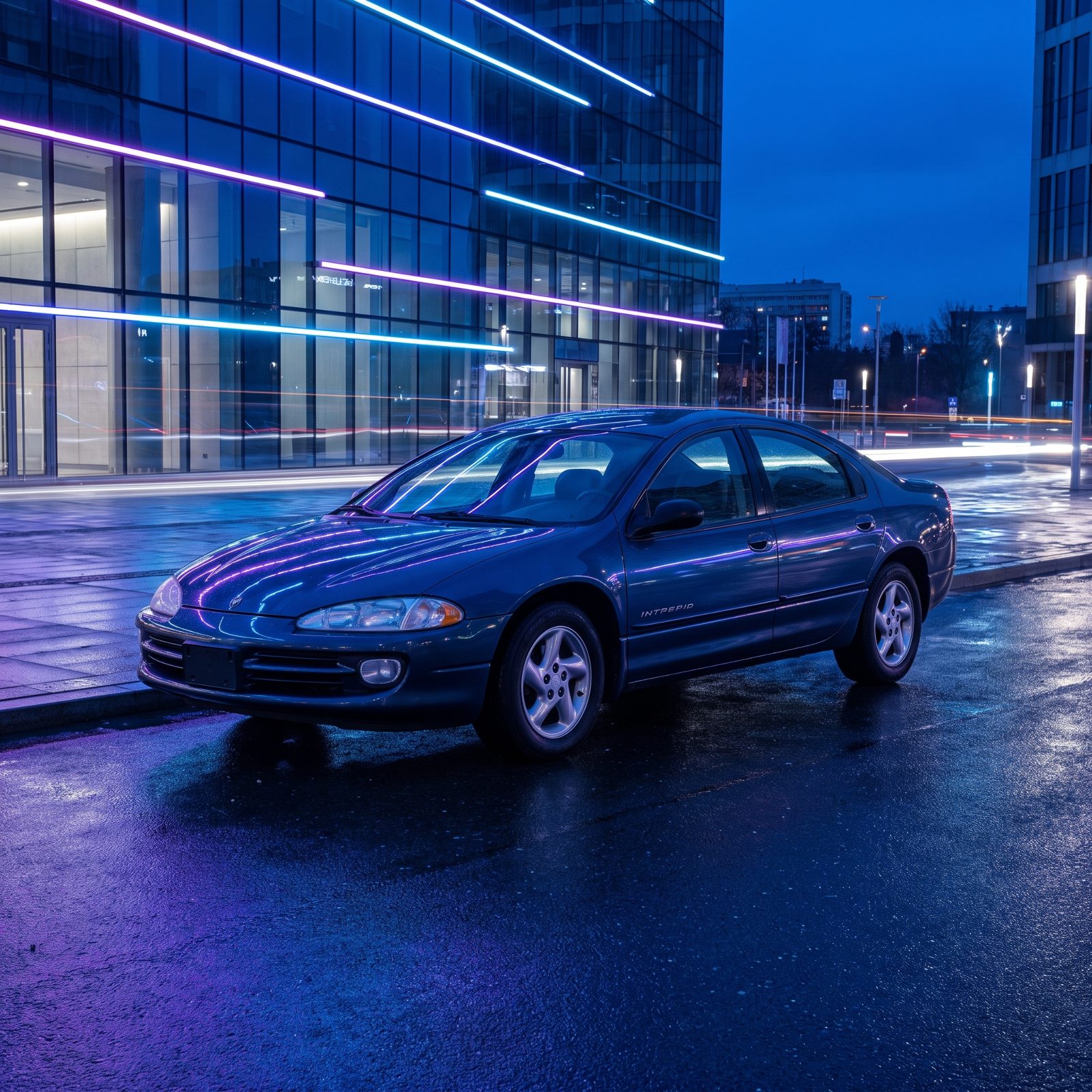
For about five minutes in the early ’90s, the Intrepid looked like the future had arrived early. That cab-forward shape, windshield shoved way out over the front wheels, wheels pushed to the corners, was genuinely dramatic next to the square sedans it replaced.
Chrysler bet the company on this look and it paid off, at least for a while. The design gave you limousine-grade interior room on a mid-size footprint, and the whole lineup rode the same silhouette into showrooms full of buyers who were tired of boxes. It felt modern in a way that’s hard to explain now that every car looks like a wind tunnel got to it.
The teal paint didn’t help it age gracefully. Neither did the early transmissions, which developed a reputation for checking out early. The Intrepid burned bright and faded fast, a snapshot of a company swinging for the fences in the one brief era when American sedan design actually felt daring.
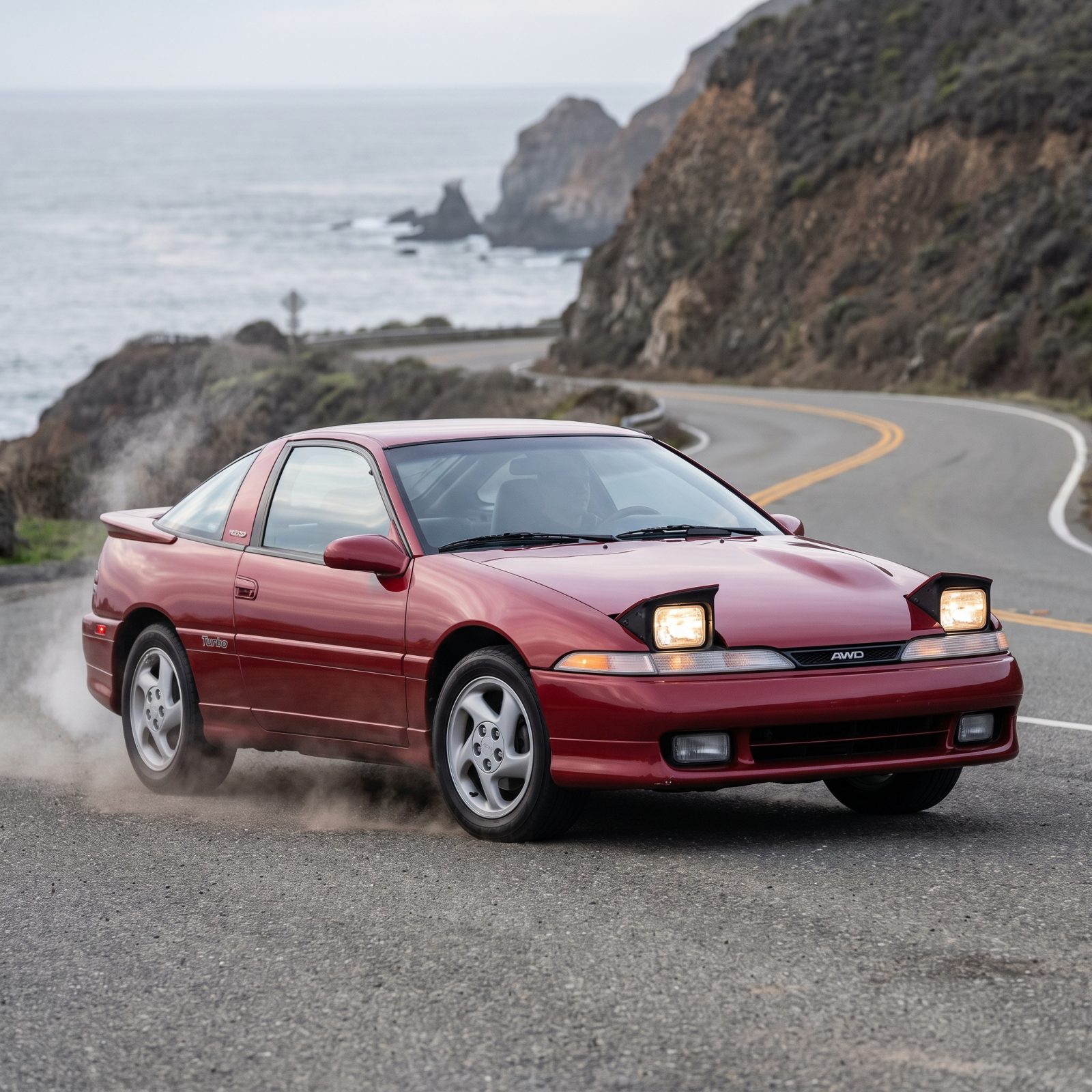
Eagle Talon: The Sport Compact Orphaned When Its Badge Disappeared
Would you like to save this?
Pop-up headlights, a turbo, and all-wheel drive in a wedge the size of a shoebox. The Talon TSi was a genuinely quick little machine, and it had the misfortune of being born under a brand that didn’t last.
The mechanical bits came from a joint venture with Mitsubishi, which meant you could buy essentially the same car wearing three different badges. The Eagle one got the short end. When Chrysler finally pulled the plug on the Eagle name, the Talon didn’t just lose a logo. It lost the whole dealer network, the parts pipeline, the identity. An orphan overnight.
Enthusiasts kept the flame alive, modifying and racing these things long after the showrooms forgot them. The Talon deserved better than to go down with a badge nobody cared about. Fast, sharp, ahead of its time, and killed by a corporate reshuffle that had nothing to do with the car itself.
Two-Door Family Sedans: The Body Style That Buyers Simply Stopped Tolerating
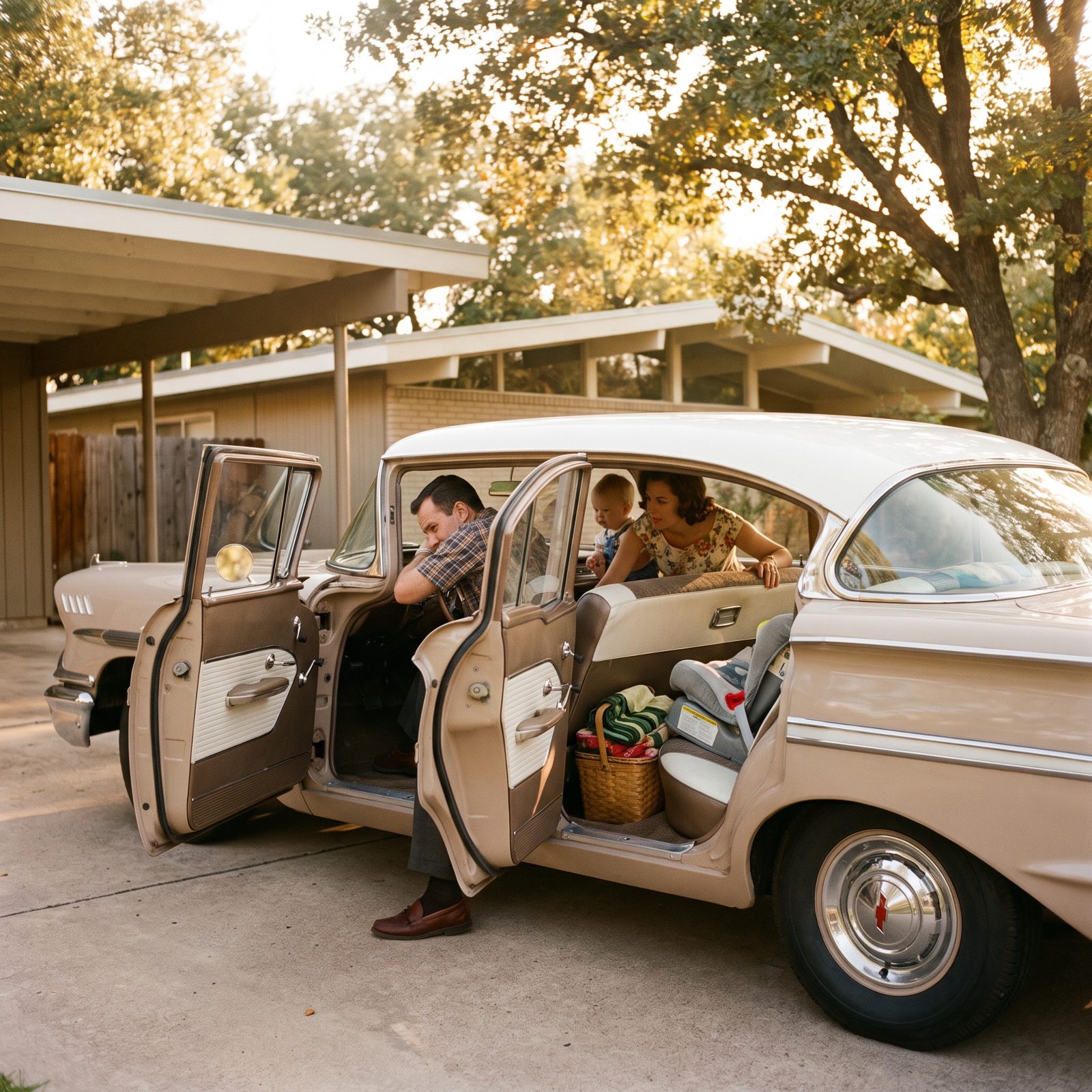
There was a time when a family of five happily piled into a two-door sedan and nobody thought twice. Those doors were enormous, by the way, long enough to take your shins off in a parking lot, and getting a kid into the back seat was a whole production.
The two-door family car was everywhere in the ’60s and ’70s. It had a sportier roofline than the four-door, often a little opera window, a touch of style your dad could justify to himself as practical. For a while buyers put up with the hassle because the look was worth it.
Then they just stopped. Minivans showed up, four-door practicality won the argument, and the idea of wrestling your groceries past a folded front seat started to feel absurd. Nobody held a vote on it. The two-door sedan didn’t get banned or regulated out of existence, it simply wore out everyone’s patience, and one decade it was normal and the next it was gone. Ask around now and half the people under forty won’t believe families ever drove them at all.
Personal Luxury Coupes: When a Two-Door Was How You Announced You’d Made It
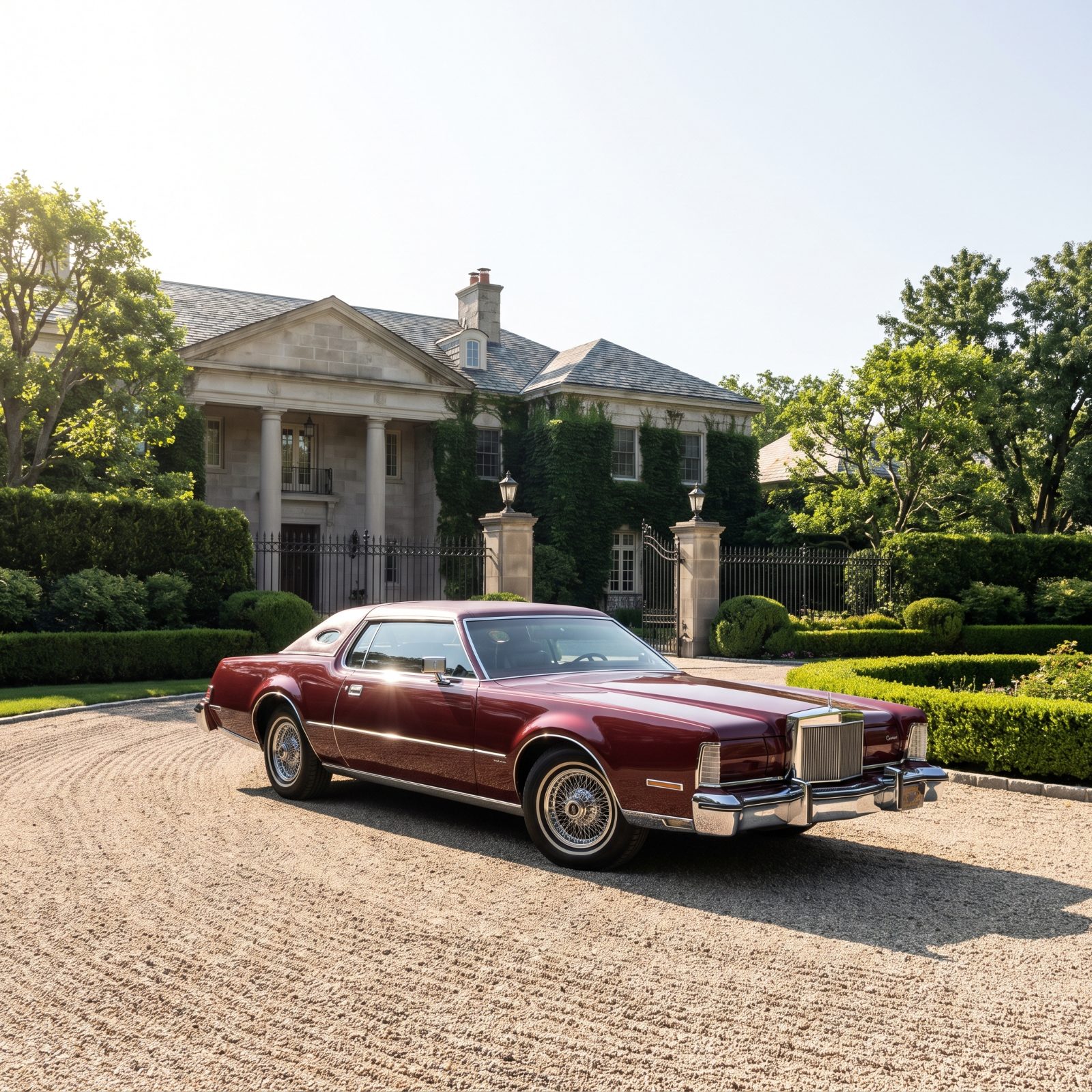
Nobody bought a Lincoln Mark IV to haul anything. You bought it so the neighbors would spot it in your driveway and do the math. A status object first, a car a distant second, and nobody on the lot pretended otherwise.
The whole segment ran on one idea: two doors meant you’d arrived, that the kid-carting years were behind you and you could afford to say so in sheet metal. The Mark series, the Cordoba with its rich Corinthian leather, the Thunderbird, the Riviera, the Monte Carlo. Long hoods, short decks, enough interior sprawl for two people and not a lick of apology for the rest of that acreage.
What killed it wasn’t one thing. Tastes drifted toward sedans you could actually use, then toward SUVs, and somewhere in there the coupe stopped whispering success and started mumbling impractical. By the late 90s the idea had quietly closed up shop.
Three-Door Hatchbacks: The Sporty Little Two-Door Nobody Orders Anymore
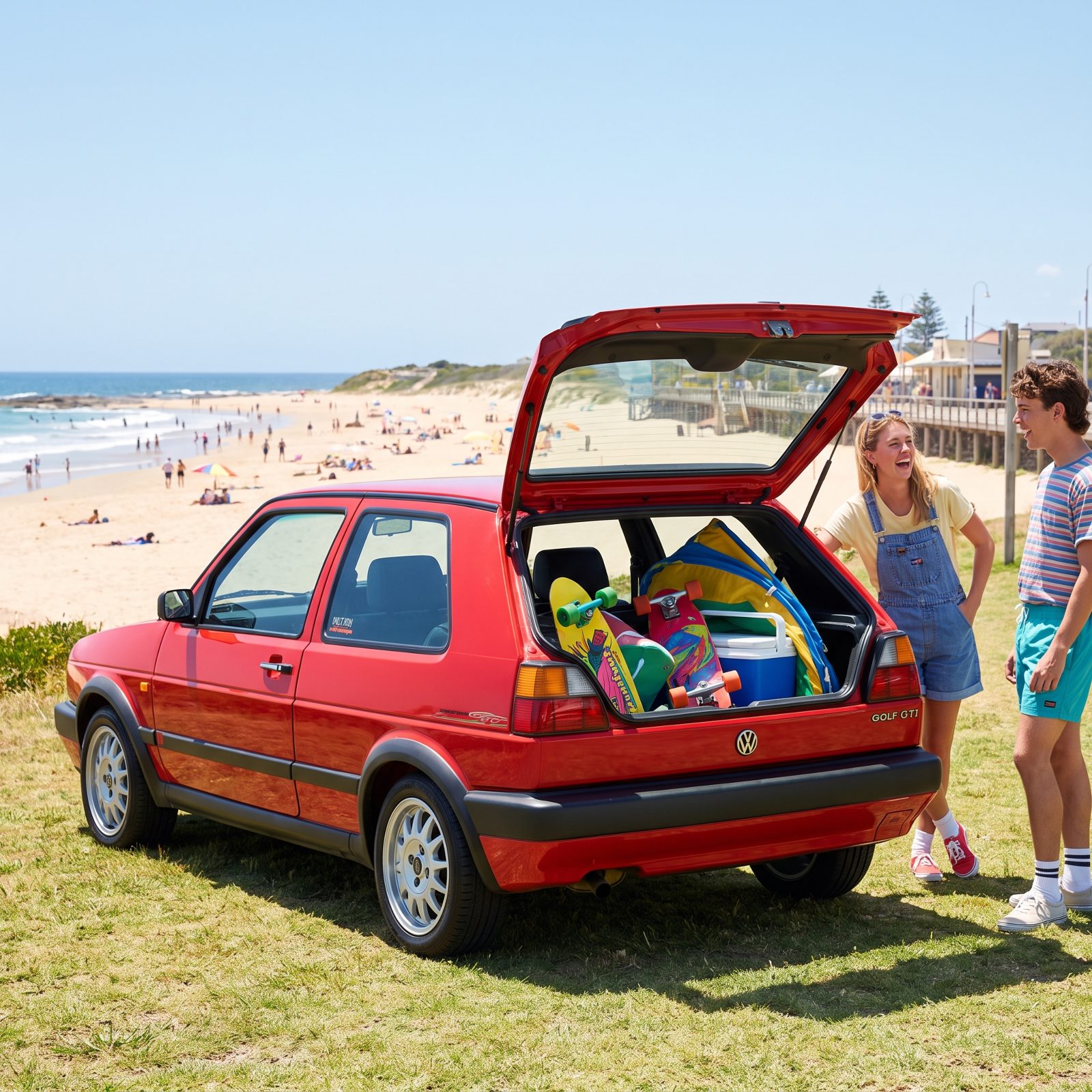
The three-door hatchback was the shape of a certain kind of fun. One door on each side, a hatch that swallowed more than it had any right to, and a curb weight light enough to make a modest little engine feel downright eager. The Golf GTI, the Civic Si, the Escort GT. Cheap to run and happy to be flung into a corner you probably took too fast.
Then buyers did the math on back-seat access. Climbing over a folded front seat gets old in a hurry when your arms are full of groceries or there’s a car seat to wrestle in. Five doors just made life simpler. One by one the three-doors dropped off the order sheets, not because anybody decided they were bad, but because that extra pair of hinges moved more units. Practicality won. It usually does.
Front-Bench-Seat Sedans: Six Across and Nobody Thought Twice
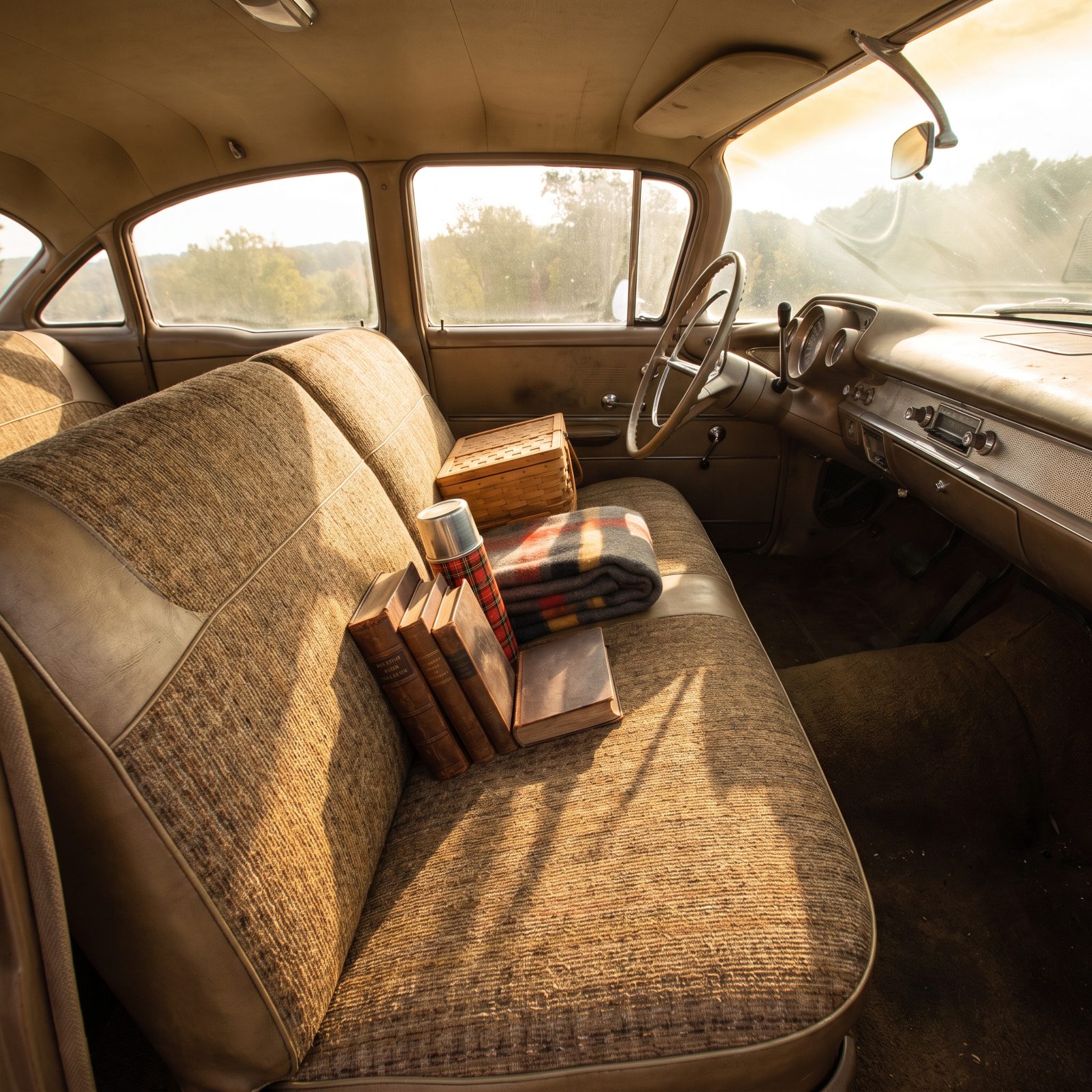
Three kids up front, seatbelts nobody mentioned, and the whole family riding six across on a Sunday drive. The front bench turned a sedan into a living-room couch on wheels, and for decades that’s simply how cars came off the line.
Flat floor. Column shifter. No console, no buckets, no cup holders to speak of. You slid across to let somebody in.
Safety ended it, and not gently. Airbags needed defined seating positions, crash standards wanted you belted and held in place, and buckets with a center console handed engineers somewhere to stash the airbag, the shifter, and all the storage shoppers suddenly couldn’t live without. So the bench quietly disappeared. With it went the whole notion that the front seat was a place you sat together.
Woodgrain Full-Size Station Wagons: The Family Hauler the SUV Replaced
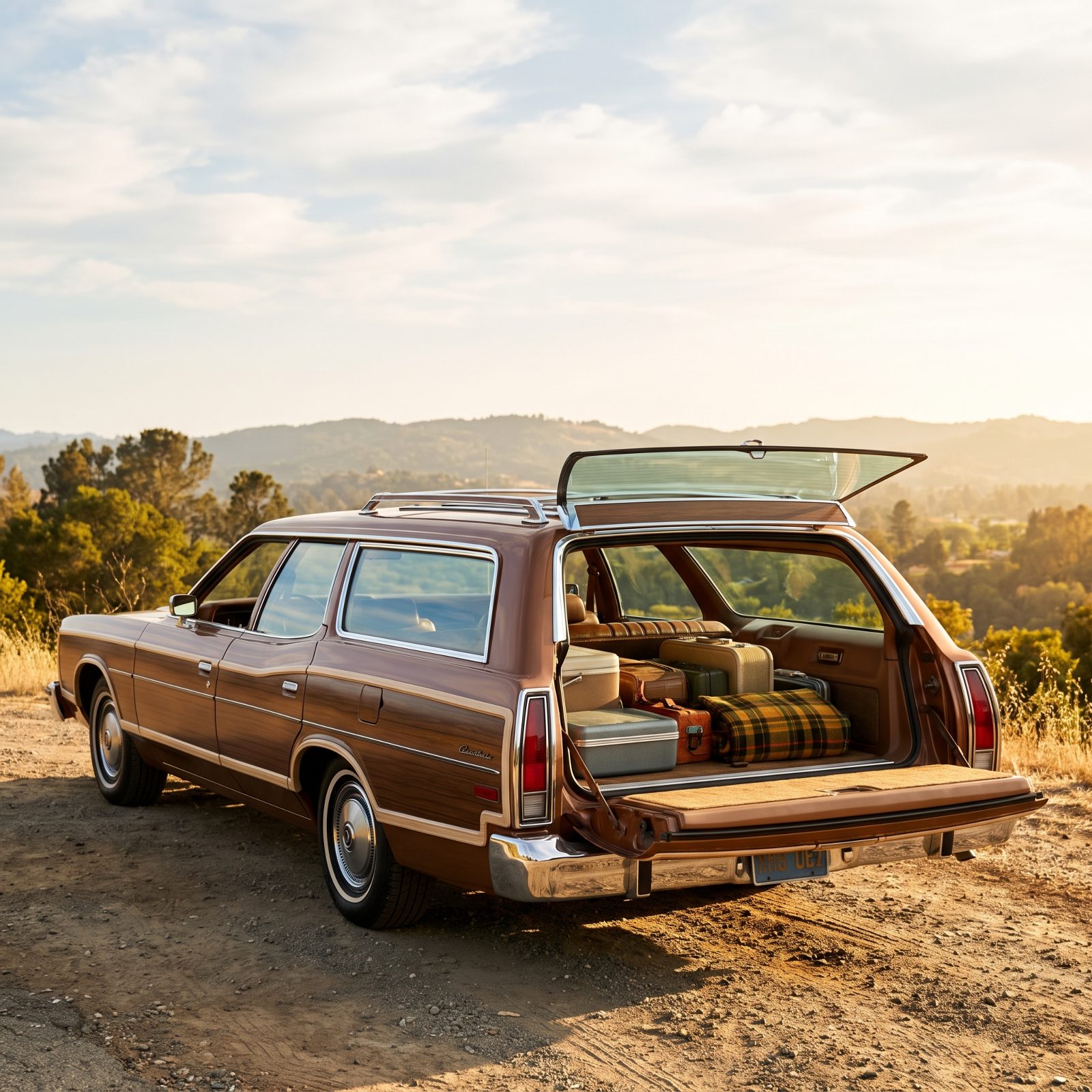
You remember it. The rear-facing third row, the dog-leg tailgate that opened two different ways, and that strip of fake wood running down the flank that fooled nobody and charmed everybody anyway. The full-size woodgrain wagon was the family vehicle, full stop.
The Country Squire, the Vista Cruiser, the Caprice Estate, the Colony Park. Nine passengers, a roof rack stacked for a week at the lake, cargo room enough to move a kid into a dorm with the back seat up.
The minivan took the first bite in the 80s and the SUV cleaned the plate. Same seats, same cargo, same family mission, but a higher ride and a rugged image that suddenly made the wagon look like something your parents drove. Which, of course, it was.
The SUV didn’t invent anything the wagon hadn’t already done. It just sat higher and charged more.
Vinyl Roofs and Opera Windows: Fake Formality That Fooled Everyone for a While
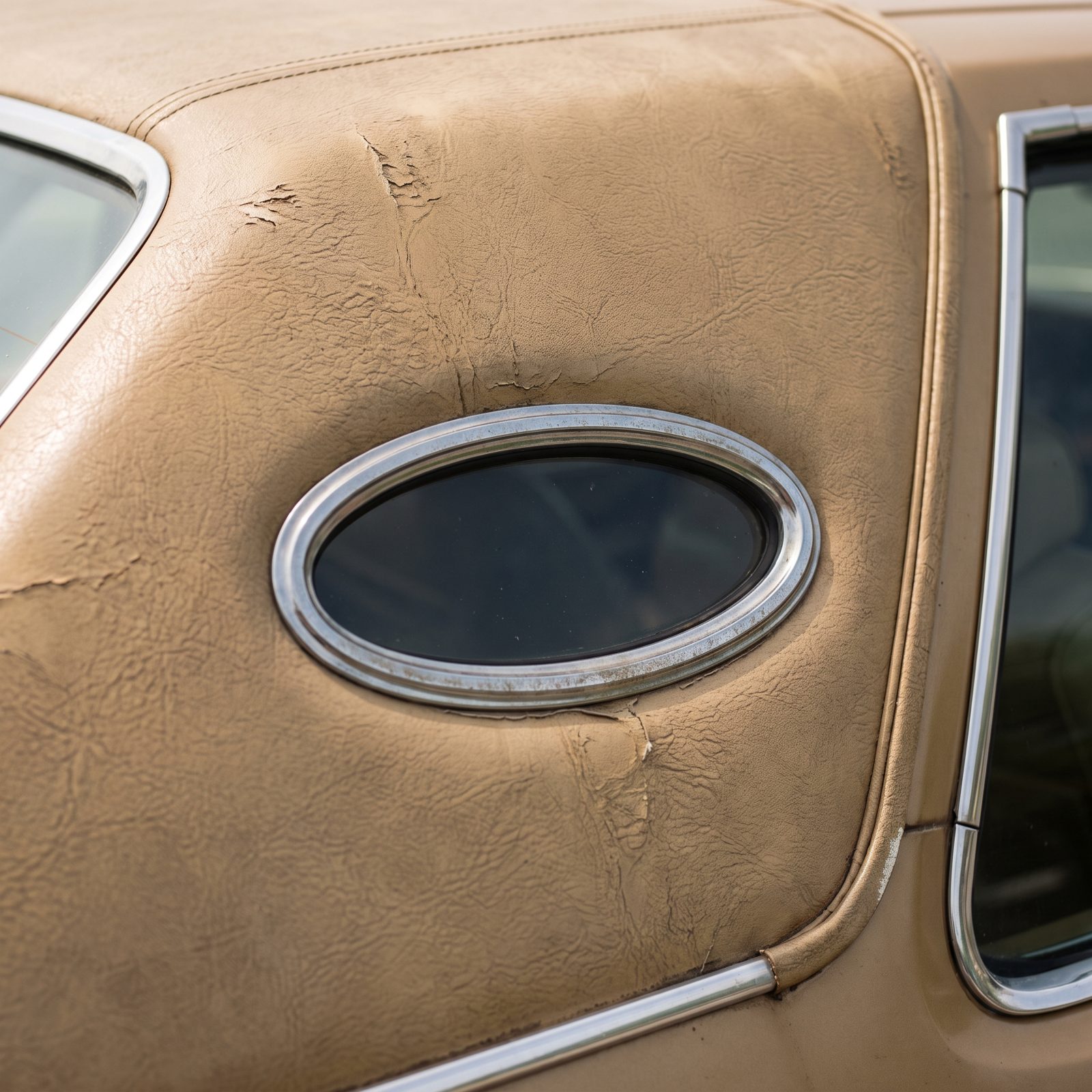
A padded vinyl roof and a tiny oval window that didn’t open. The opera window served no earthly function except to look expensive, and for a solid decade that was function enough.
Automakers glued vinyl over steel to suggest a convertible that was never there, then dressed it up with chrome landau bars and that little porthole. It said carriage. It said class. It said luxury without costing the factory much to build.
The trouble, as always, was water. Vinyl trapped moisture against the steel, and rust bloomed underneath where you couldn’t catch it until the whole roof was shot. Tastes swung toward clean body-color sheet metal, and the costume came off the order sheet for good. By the early 90s nobody missed it except the folks selling rust repair.
Diesel Family Sedans: The Oil-Burner That Promised Mileage and Delivered Headaches
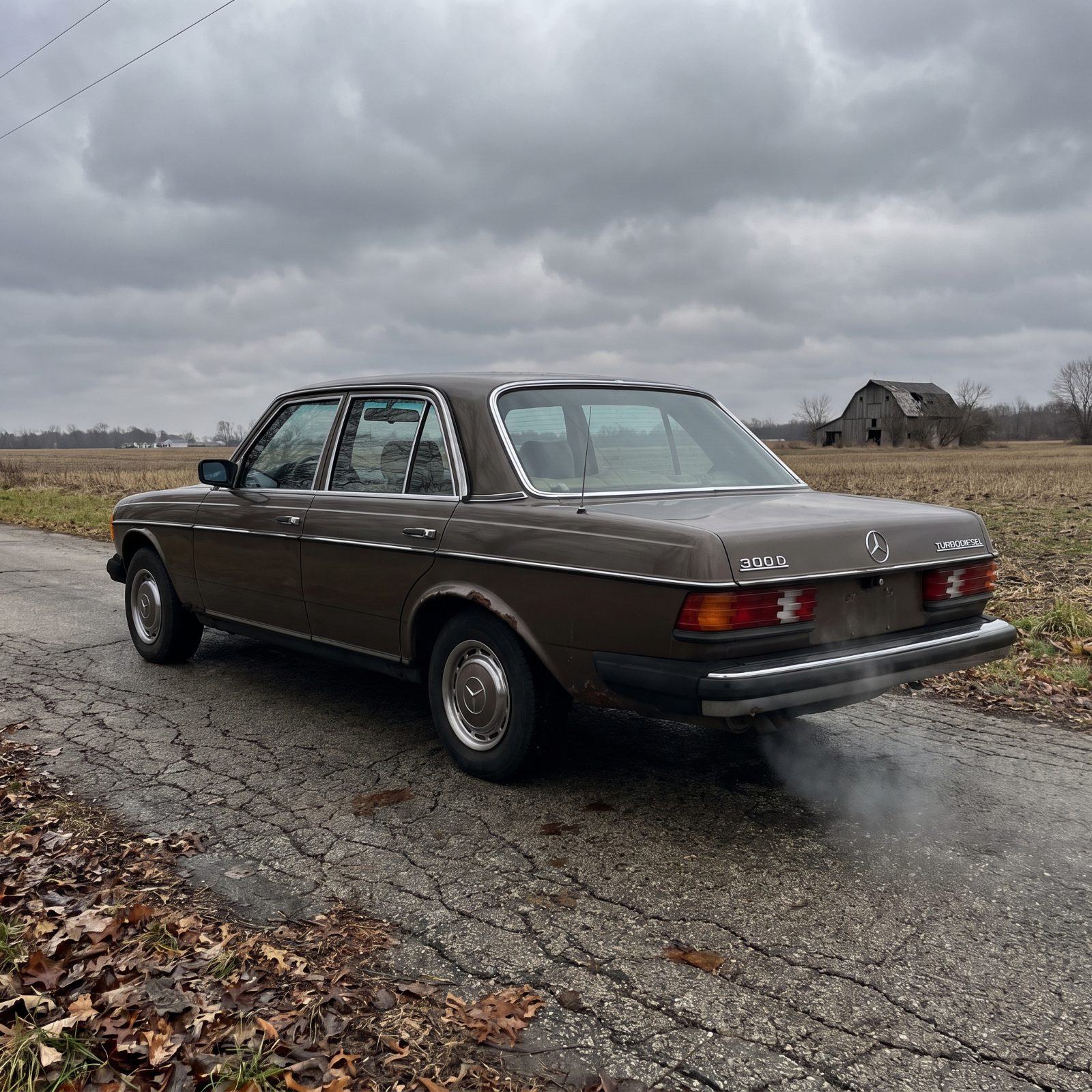
The diesel sedan was supposed to be the smart money. Big mileage back when gas prices scared everyone, an engine that could run well past 300,000 miles if you changed the oil, and that slow torquey rumble of an oil-burner clattering awake on a frozen morning.
Mercedes built its whole American reputation on them. GM tried to answer with a diesel V8 of its own, and the results were rough enough to sour an entire generation on the concept.
Two things shut the segment down. Emissions rules tightened hard, so diesel passenger cars got expensive and fussy to keep clean, and then the crossover rolled in and swallowed the practical-family-car market whole. The diesel sedan hung on in Europe a good while longer. Over here it faded to almost nothing, kept alive mostly by the stubborn few who swear theirs still runs.
T-Top Coupes: Removable Glass Panels, Permanent Leaks

Pop both glass panels out, slide them into the padded bags behind the seats, and your coupe was suddenly almost a convertible. The T-top handed you open sky without the full structural surrender of a ragtop, and on a Trans Am or a third-gen Camaro it looked every bit as good as it sounds.
It also leaked. Water found the seals, the seals aged, and a hard rain meant a towel on the seat.
Cutting that much roof out hurt the car’s rigidity too, and once crash standards got serious, engineers wanted stiffer structures than a sawed-open roof could ever give them. Sunroofs and moonroofs took the throne because they left the roof whole. The T-top faded out right alongside the muscle era that raised it.
Pop-Up Headlights: The Winking Front End That Regulation Retired
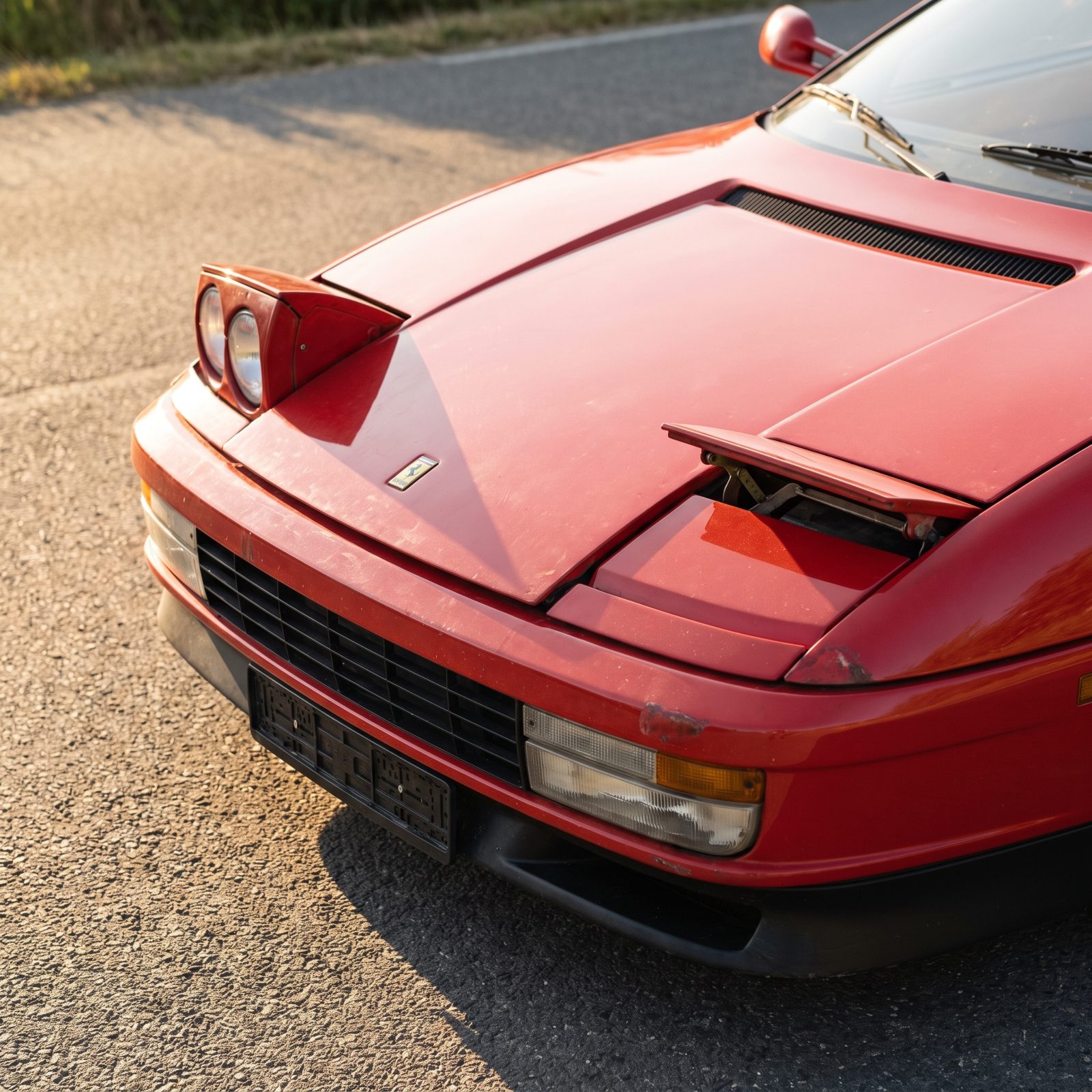
Flick the switch and the lights rose up out of the hood like the car yawning awake. Pop-ups let designers draw a low, clean nose by day and still clear the old rule that headlamps sit at a minimum height. The RX-7, the Miata, the Corvette, a whole generation of 80s sports cars wore them like a signature.
A tangle of things finished them off. Regulations stopped demanding the fixed headlight height that made pop-ups necessary in the first place, aero goals favored smooth composite lenses molded straight into the bodywork, and pedestrian-safety standards took a dim view of hard pods rearing up off the hood.
Fixed lights are cheaper, lighter, slipperier through the air, and they don’t jam up on a frosty morning. All true. None of it as fun as watching the headlights wink open on a summer night.
No fixed headlight has ever made a kid in the passenger seat grin the way a pop-up did.