
Would you like to save this?
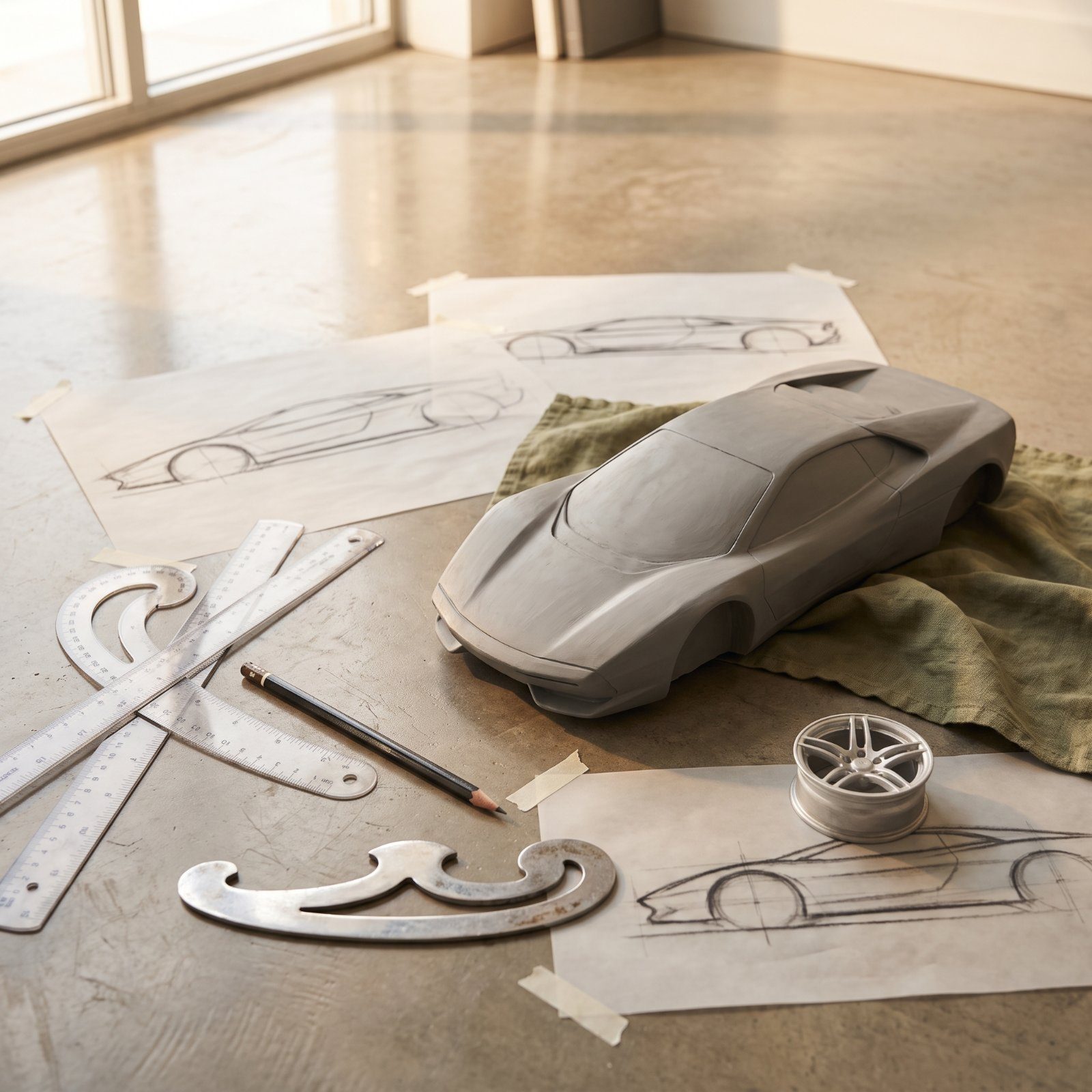
A parked car has no engine note, no wind, no blur. And yet some of them look like they’re doing ninety in the showroom. That’s no accident — it’s stance and proportion and a handful of surfacing tricks a designer sweated over for months. The eye catches a low nose, a long hood, a cabin shoved rearward, and it fills in the motion on its own. These ten shapes earned their reputations before the key ever turned. What follows is exactly what each one does to fool you into feeling speed that isn’t there yet.
49. Lamborghini Miura, The Cab-Forward Supercar Silhouette
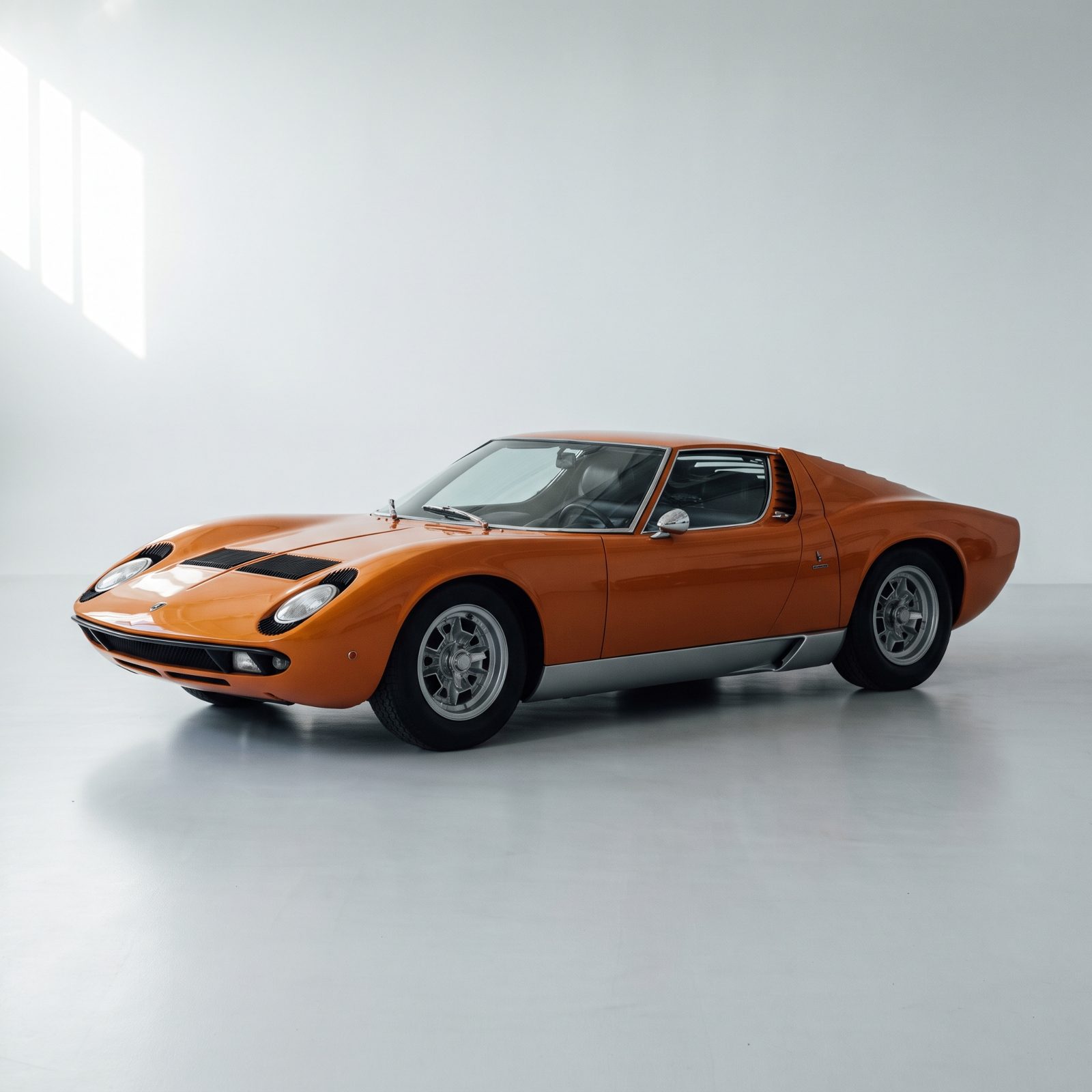
Push the cabin forward and the whole car looks like it’s already mid-lunge. That’s the Miura’s trick. The transverse V12 sits behind the seats, which let Marcello Gandini shove the passenger compartment up over the front axle — short nose, enormous rear deck, and your eye reads it like a sprinter leaning off the blocks.
The low windshield and that long sloping back finish the job. Nothing on this car sits upright. Every line is falling toward the front, and a car that looks like it’s falling forward looks like it’s accelerating.
48. Jaguar E-Type, A Hood That Pulls the Eye Forward
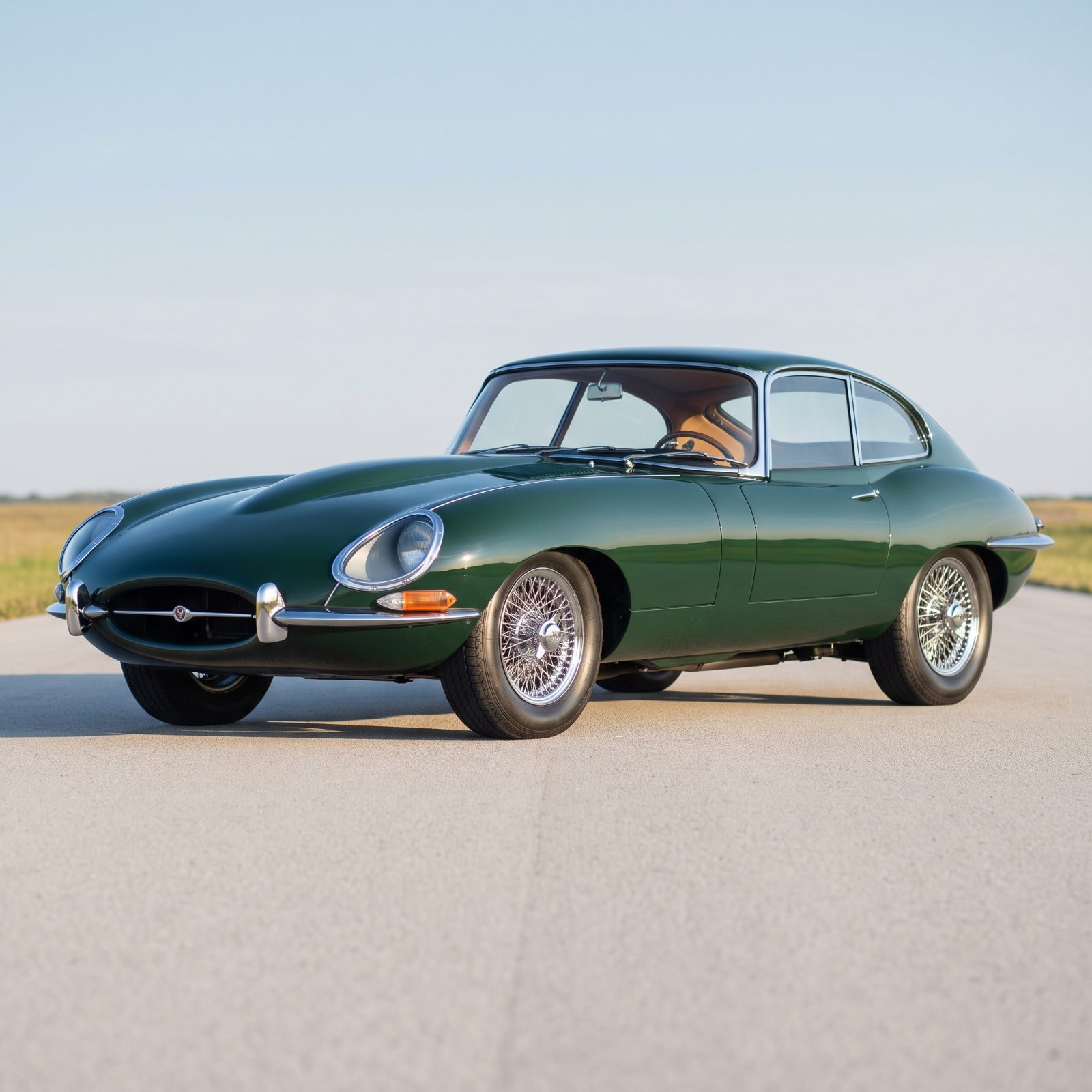
Enzo Ferrari supposedly called it the most beautiful car ever made. I don’t argue with the man on this one.
The E-Type’s whole sense of motion lives in that absurd hood, which runs for what feels like half the car before you ever reach the windshield. Your eye travels its length and keeps going, right off the nose, and that travel reads as velocity. The covered headlights smooth the front into one unbroken plane — nothing to snag your attention and slow it down.
A long nose doesn’t just hide the engine. It gives your eye a runway.
47. Ford GT40, Height as a Visual Shortcut to Speed
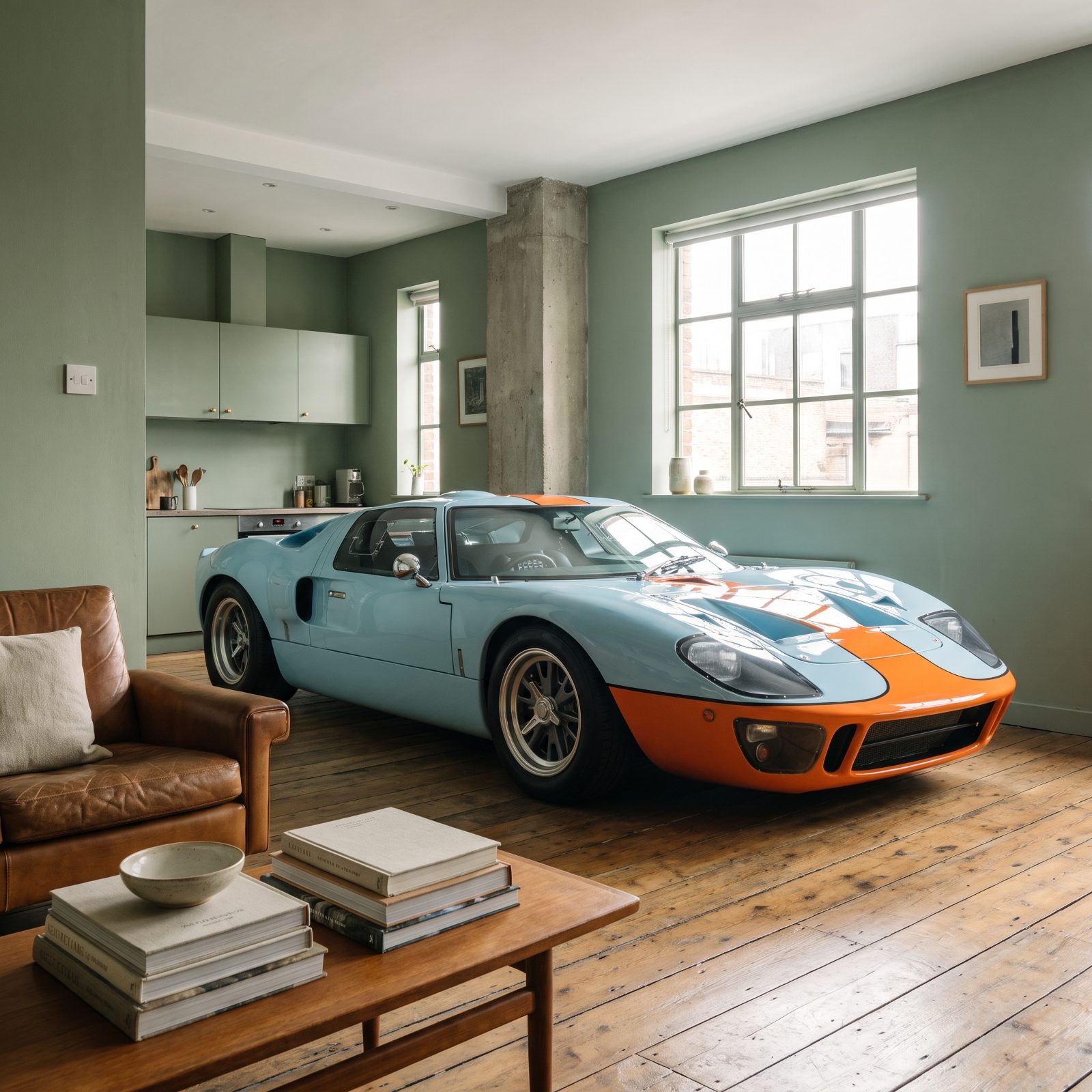
The name is the spec. Forty inches tall. The GT40 is barely higher than a kitchen counter, and your brain does the math before you can stop it: that low means fast.
Height is the quickest shortcut a designer has to a sense of speed. Drop a car close to the ground, spread the wheels wide, and even sitting dead still it looks pinned down by air that isn’t moving yet. The GT40 earns it, too. This is the shape that finally beat Ferrari at Le Mans, four years running.
46. Lamborghini Countach, The Wedge Taken to Its Extreme
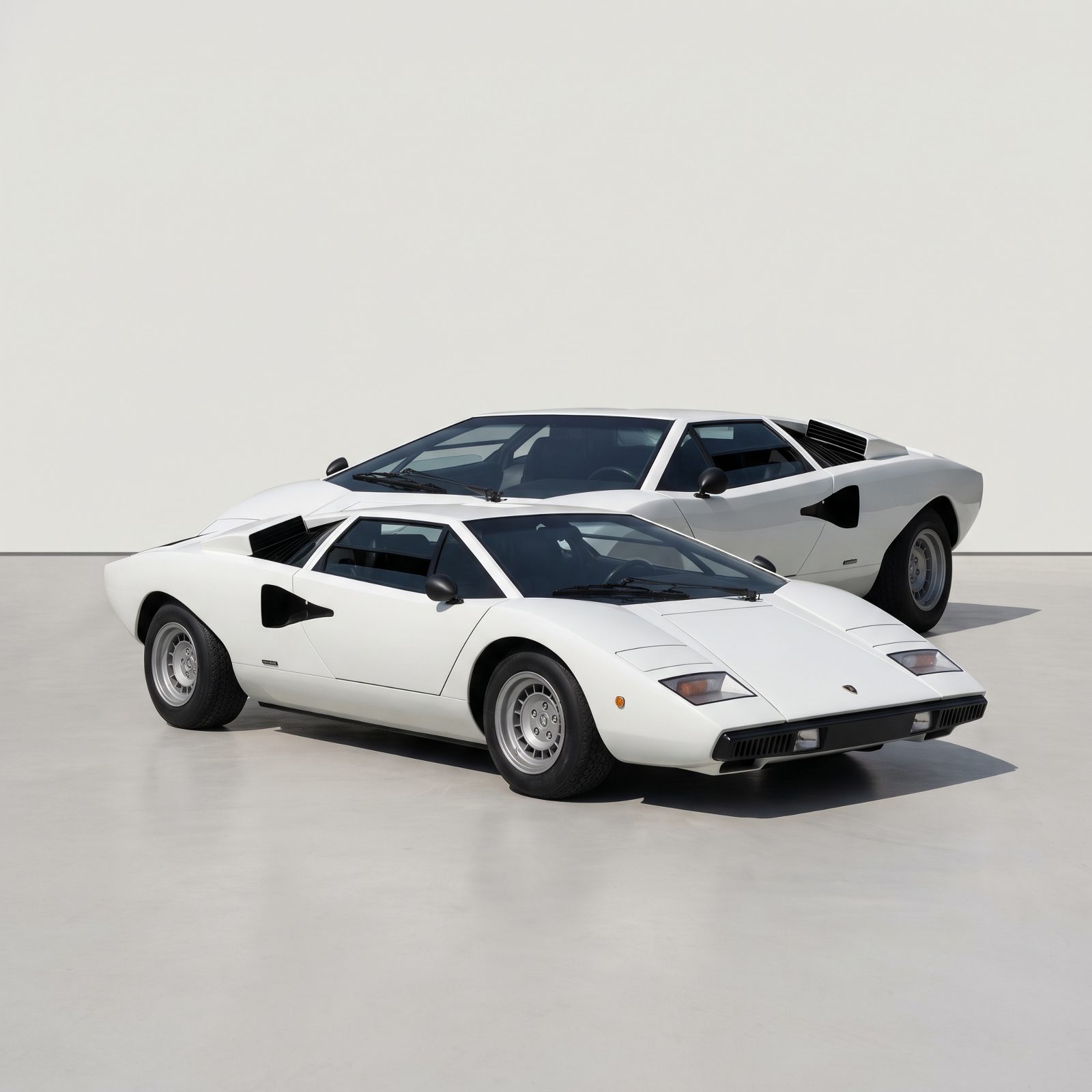
Gandini stopped drawing curves and started drawing knives. The Countach is the wedge pushed past the point of reason, and that’s exactly why it works.
Every line converges toward the nose, which sits so low it looks ready to plow under the pavement. No soft transitions anywhere. Hard creases, flat planes, a cockpit squeezed down into a visor. The thing looks like it was shaped by wind at speed and then frozen before it could leave. Even the early LP400 — the purest version, no wings, no flares — carries more implied velocity than most modern cars managing it for real.
45. Chevrolet Corvette Sting Ray, The Tapered Coke-Bottle Body
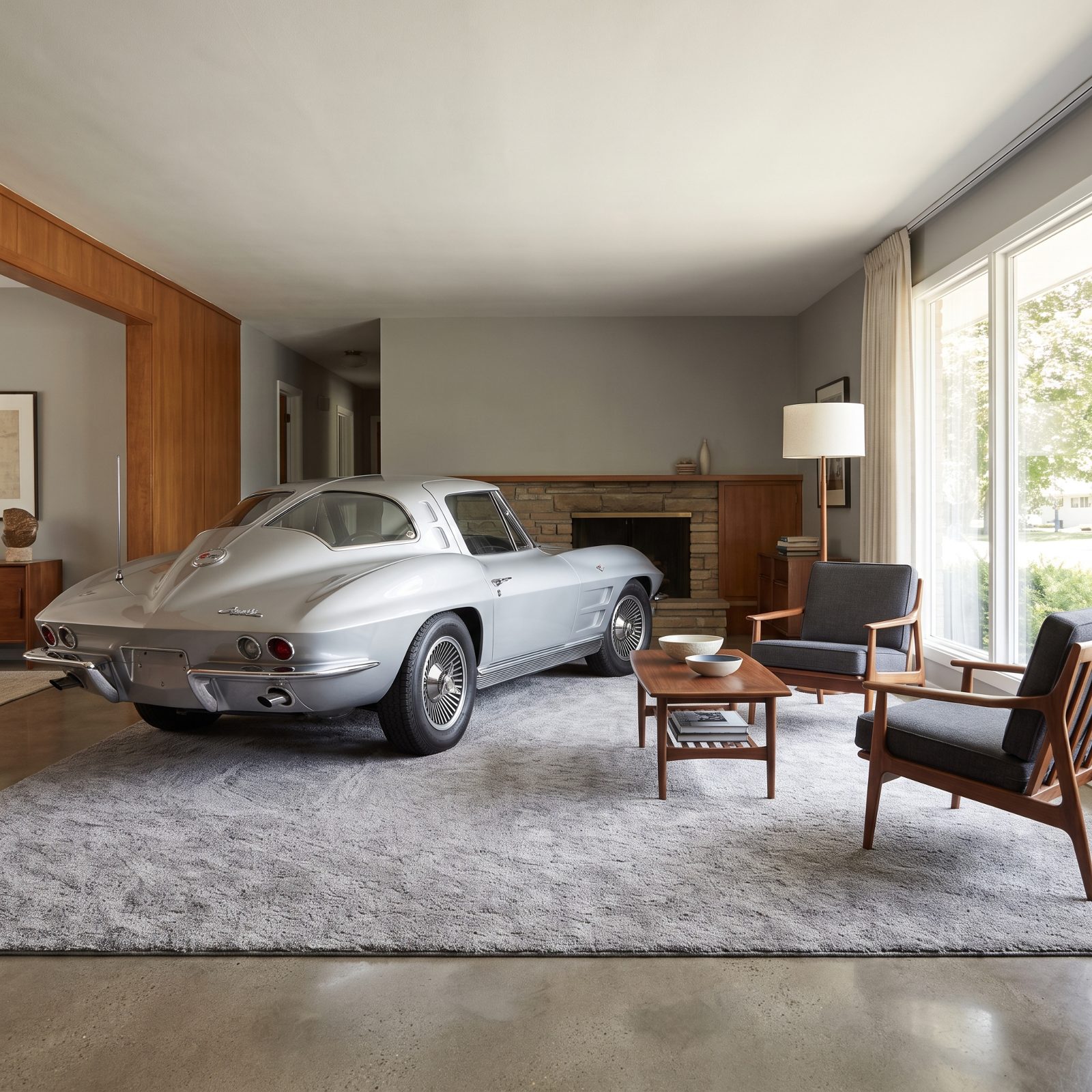
Pinch the waist and swell the hips, and a car starts to look like it’s already cutting through air. That’s the coke-bottle shape, and the ’63 Sting Ray wears it better than anything else out of Detroit.
The fenders peak, tuck in hard at the doors, then flare back out over the rear wheels. Your eye reads that pinch as compression, as if the body were squeezing itself narrow to slip through the wind. Everybody fixates on the split rear window. The real speed cue is that waistline.
44. Ferrari 250 GTO, Competition Curves With No Dead Space
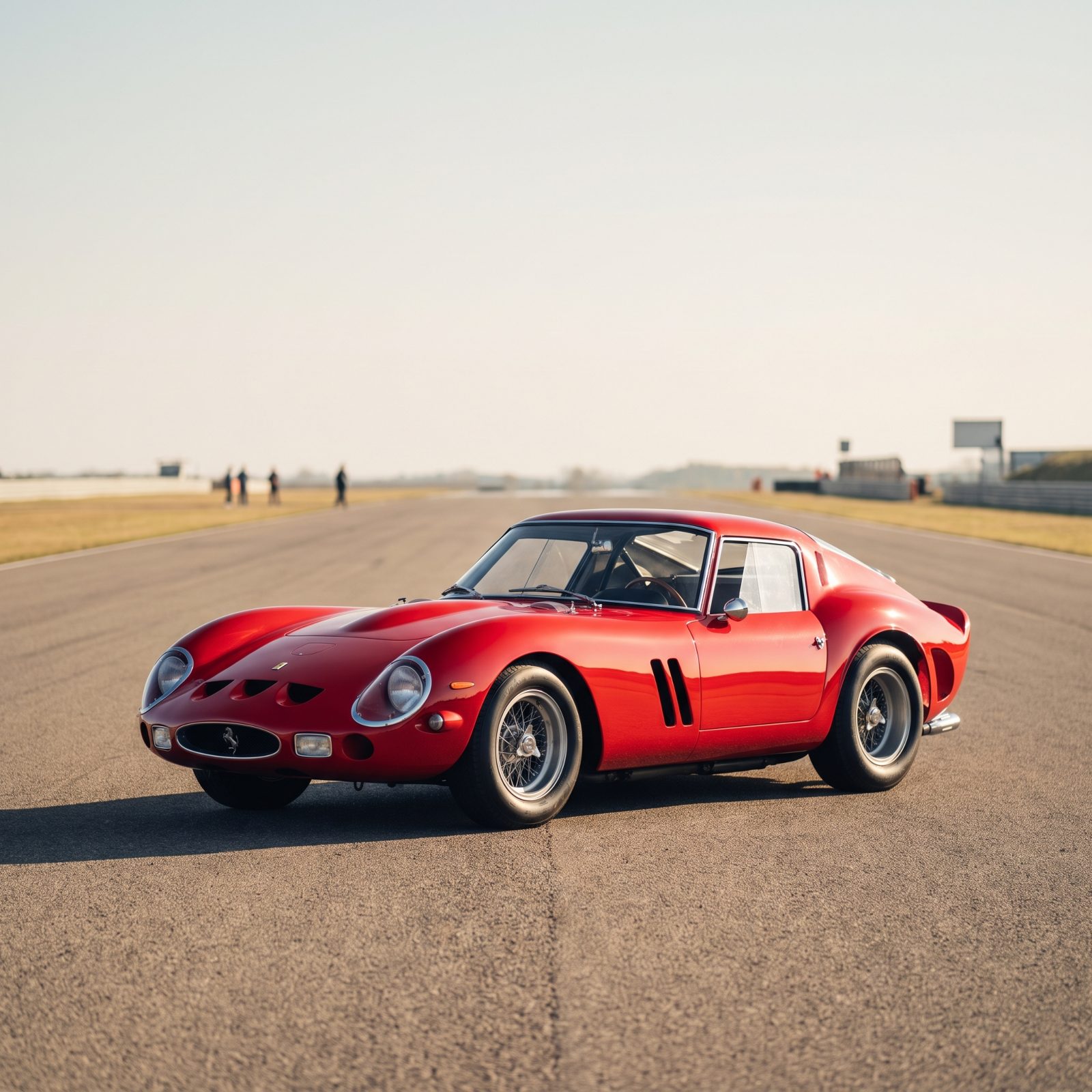
There isn’t a flat, resting surface anywhere on the 250 GTO. Every panel is doing something — the nose dives, the fenders rise over the wheels, the roof flows into a clipped tail, and each curve hands off to the next without a pause.
That’s the secret. Dead space kills the sense of speed. The moment a surface goes flat and static, your eye stops and the illusion dies with it. Scaglietti’s craftsmen beat this body out by hand with no flat spots to stall on, so the eye slides from nose to tail with nowhere to rest.
43. Porsche 911, A Roofline That Never Stops Moving
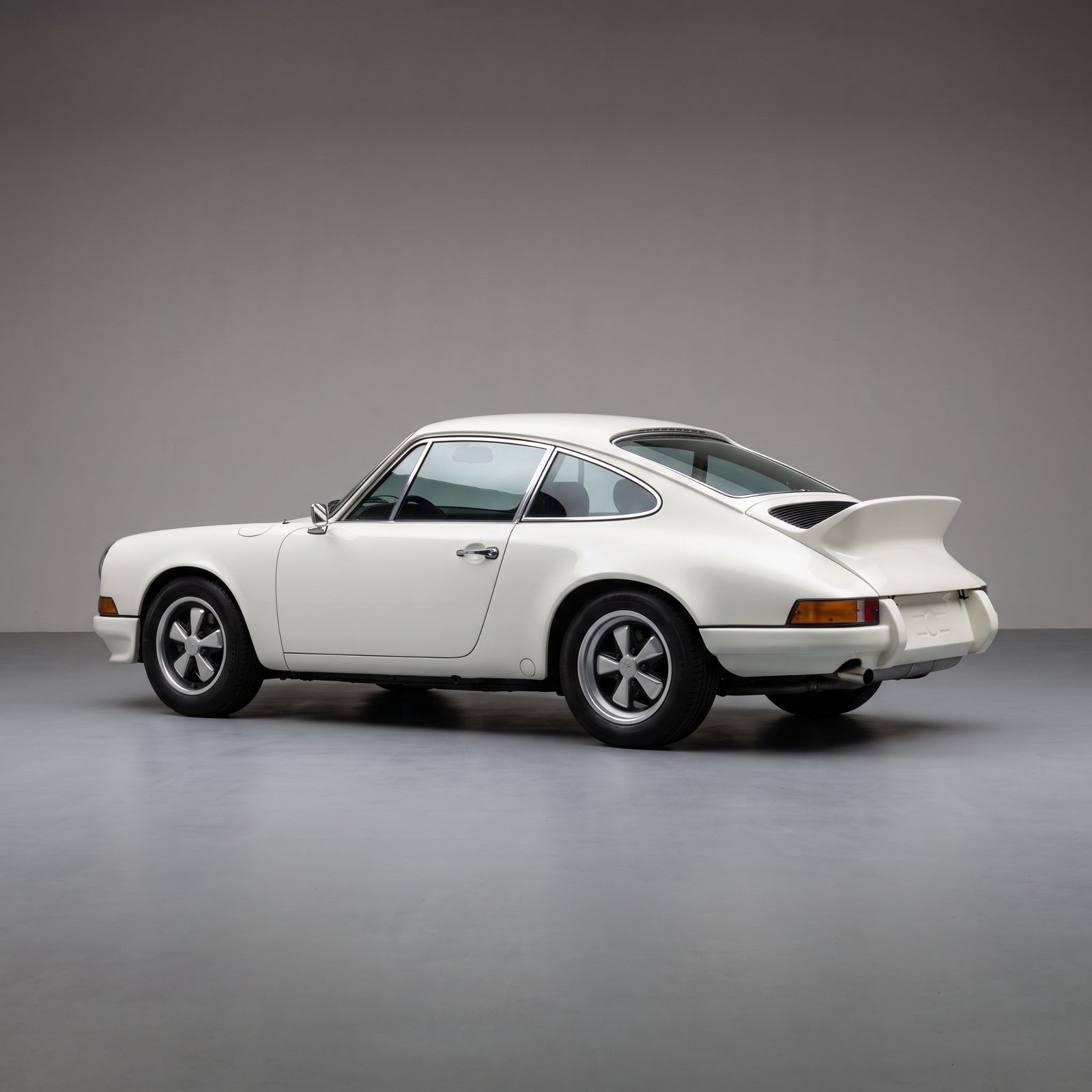
I’ll say it flat: the 911 doesn’t look fast because it’s low or wedge-shaped. It’s neither. It looks fast because of one line that refuses to stop.
Follow the roof from the top of the windshield. It arcs down over the cabin and keeps falling, right across the engine lid and off the back of the car in one continuous sweep — no break, no step, no upright rear glass to interrupt it. That single descending curve is the whole signature. Butzi Porsche drew it in 1963, and it’s still recognizable at a glance decades on.
42. Alfa Romeo 33 Stradale, Teardrop Forms Wrapped Around the Wheels
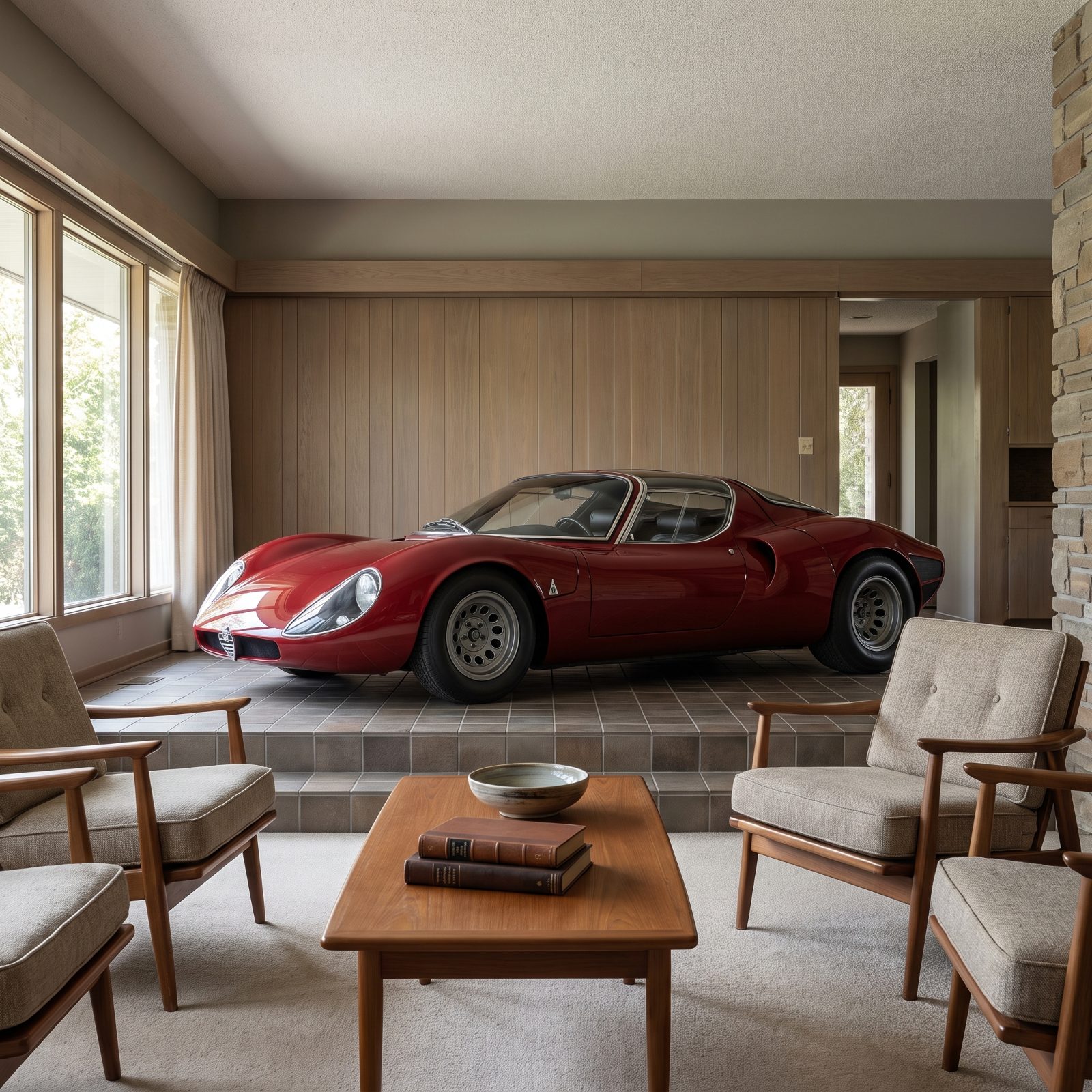
Where the Countach is all knives, the 33 Stradale is all water. Franco Scaglione shaped the body as a set of teardrops, rounded volumes that swell up and over each wheel like liquid pulled tight by its own surface tension.
The wheels are the focus here, not the cabin. Each fender bulges around a wheel as if the body were shrink-wrapped over the hard mechanical bits underneath. That wrapping reads as tension, and tension reads as potential energy — a thing coiled and waiting. Only eighteen were built. It might be the loveliest road car ever made, and almost nobody has laid eyes on one in the flesh.
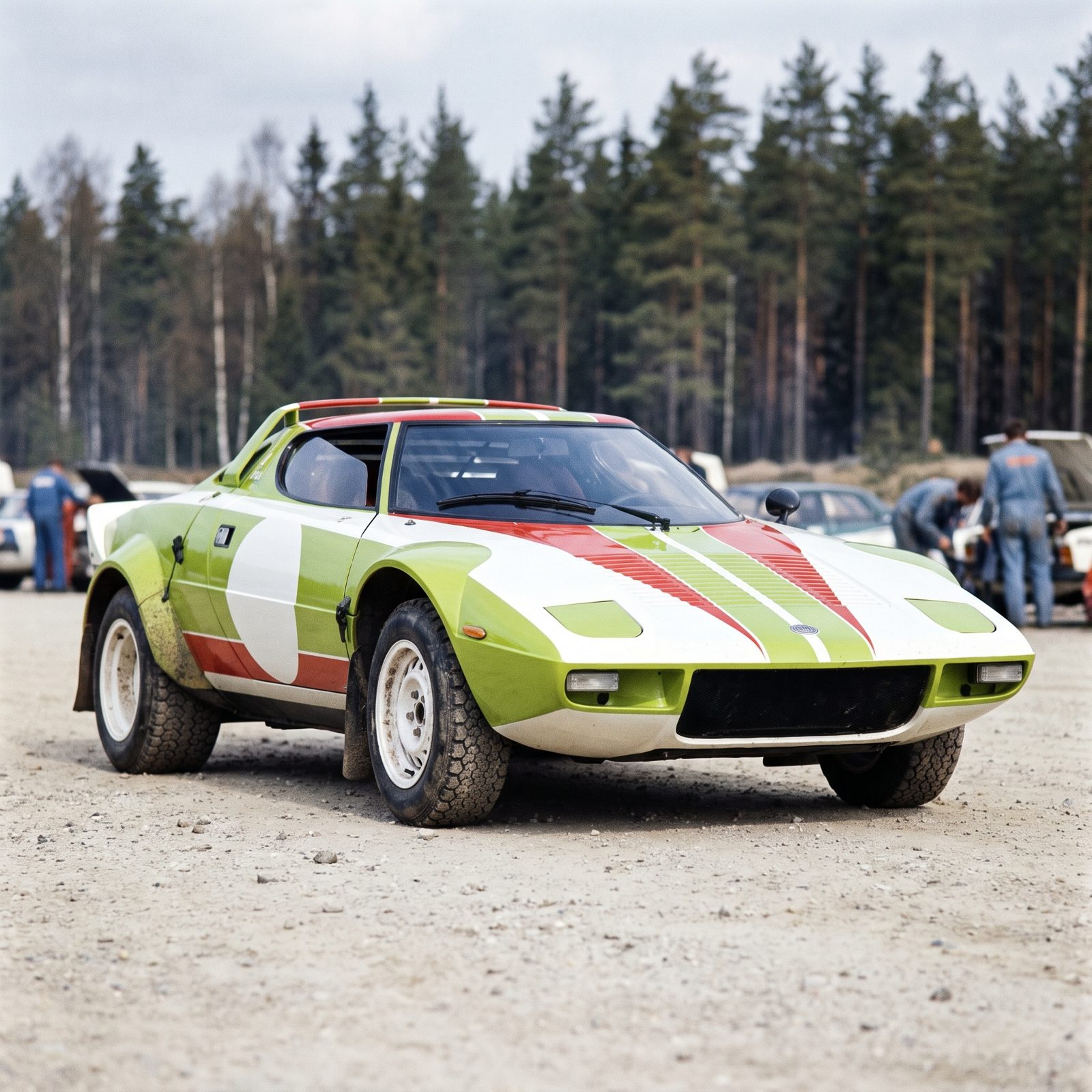
41. Lancia Stratos, A Short Wheelbase Under a Swept Canopy
Would you like to save this?
Most of these cars look fast by stretching out. The Stratos does the opposite. It’s short, stubby, almost cartoonishly compact, and it looks like it could change direction before you finished the thought.
That tiny wheelbase is the whole story. Pack the wheels close together and the car reads as nervous, quick, ready to pivot. The wraparound windshield cups the driver’s head like a crash helmet, which hammers home the single-minded, competition feel.
40. Lotus Esprit, A Single Rising Line From Nose to Tail
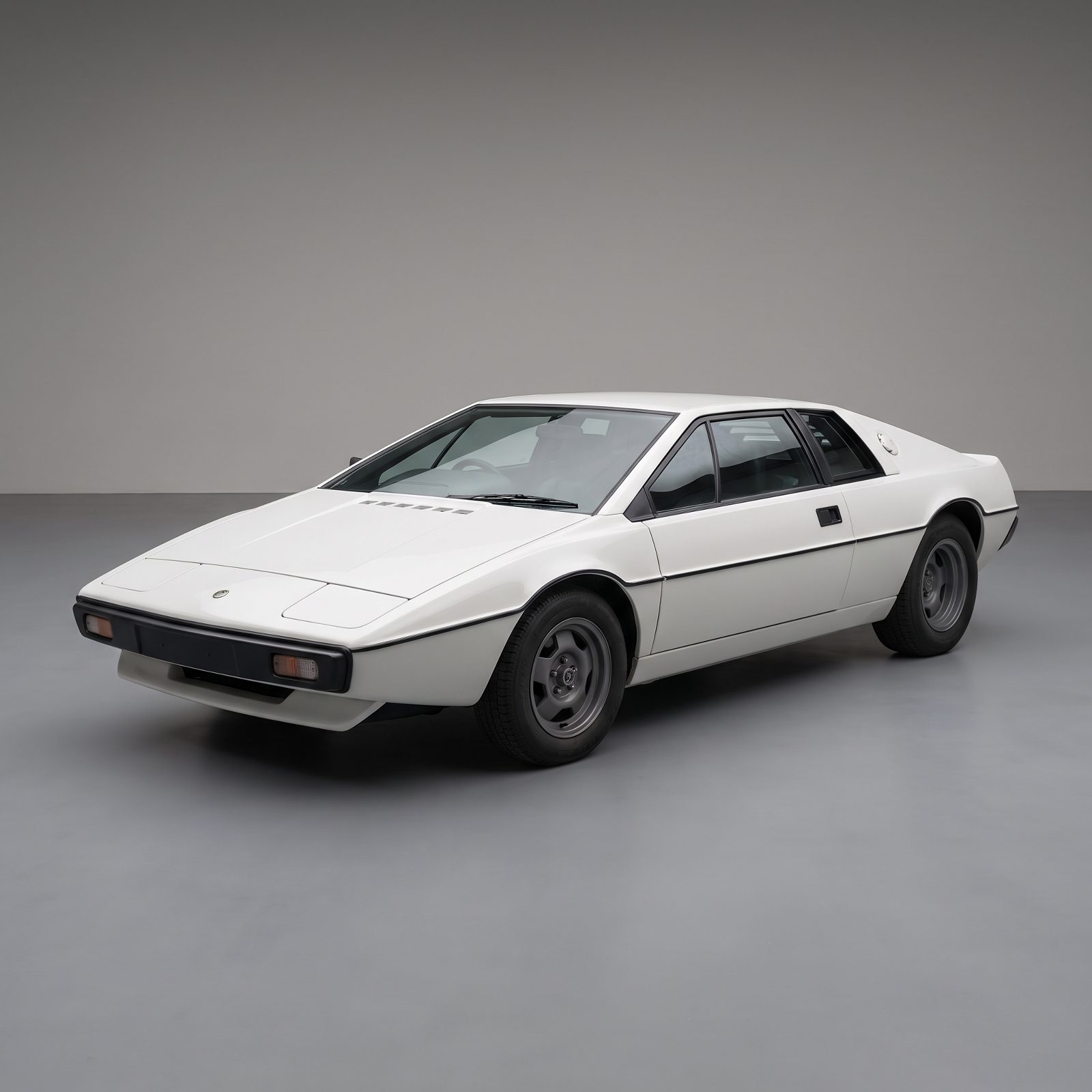
Giugiaro folded this one out of paper, more or less. His origami period, they call it, and the Esprit is the cleanest example of it anywhere.
Look at the side profile and you’ll find one line doing all the work. It starts at the low nose and rises, steady and uninterrupted, all the way to the raised tail. The whole car tilts up toward the back, like a jet rotating off a runway — that upward rake reads as lift, as a thing about to leave the ground. Flat planes, sharp folds, nothing rounded to soften the climb. It looked so convincingly ahead of its time they drove one off a dock and turned it into a submarine on film. Honestly? Nobody blinked.
39. Ferrari F40, Functional Aero That Looks Permanently Alert
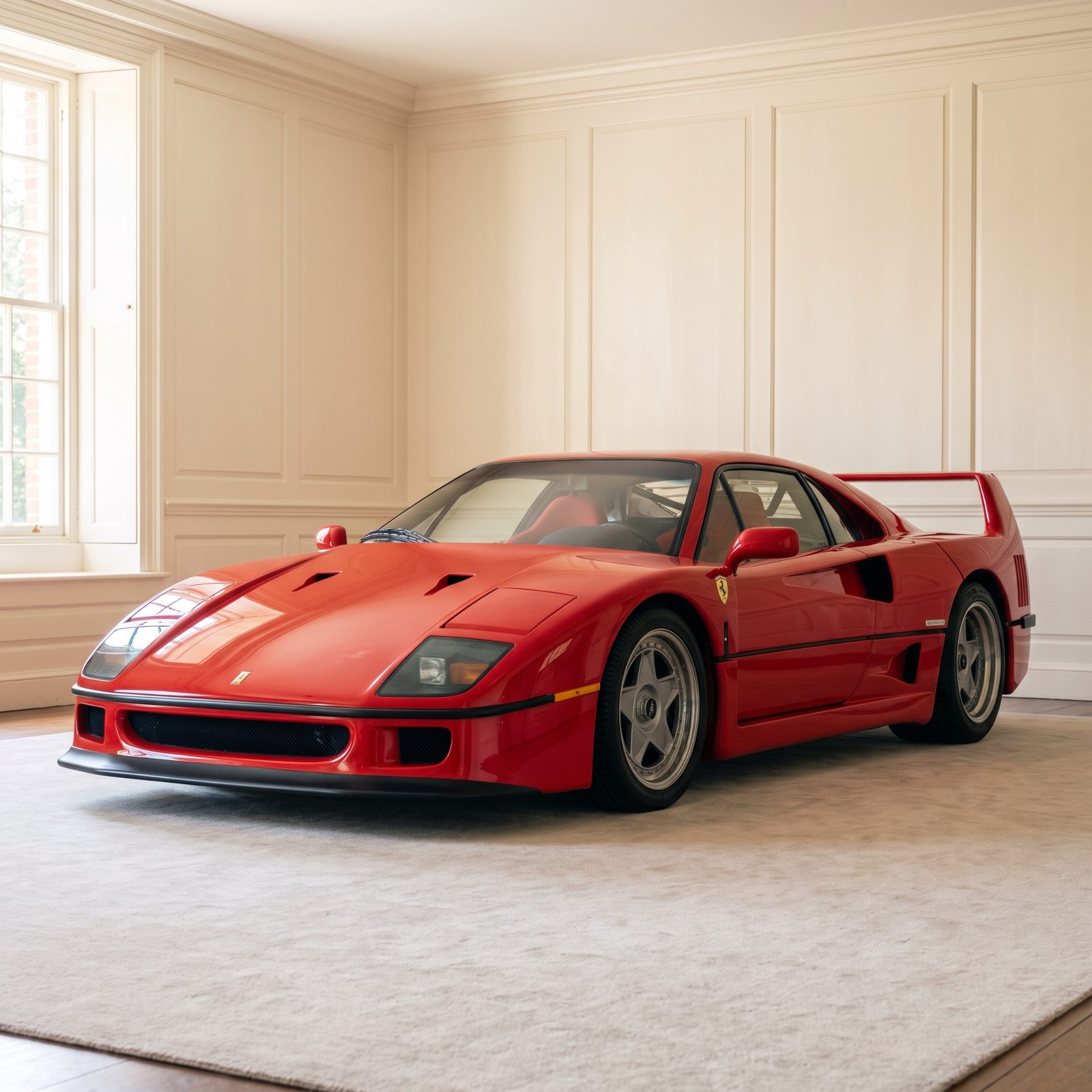
Park an F40 and it still looks like it’s bracing against 120 mph of air. That’s the trick. Nothing on this car is decoration — the NACA ducts, the slatted engine cover, the wing that looks bolted on by a race team in a hurry, all of it does a job, and because every surface is working, the whole thing reads as alert even with the key out.
The nose dives, the tail squats under that wing, and your eye follows the line and arrives at speed before the engine ever turns over.
38. Porsche 959, Smooth Surfaces With Controlled Forward Lean
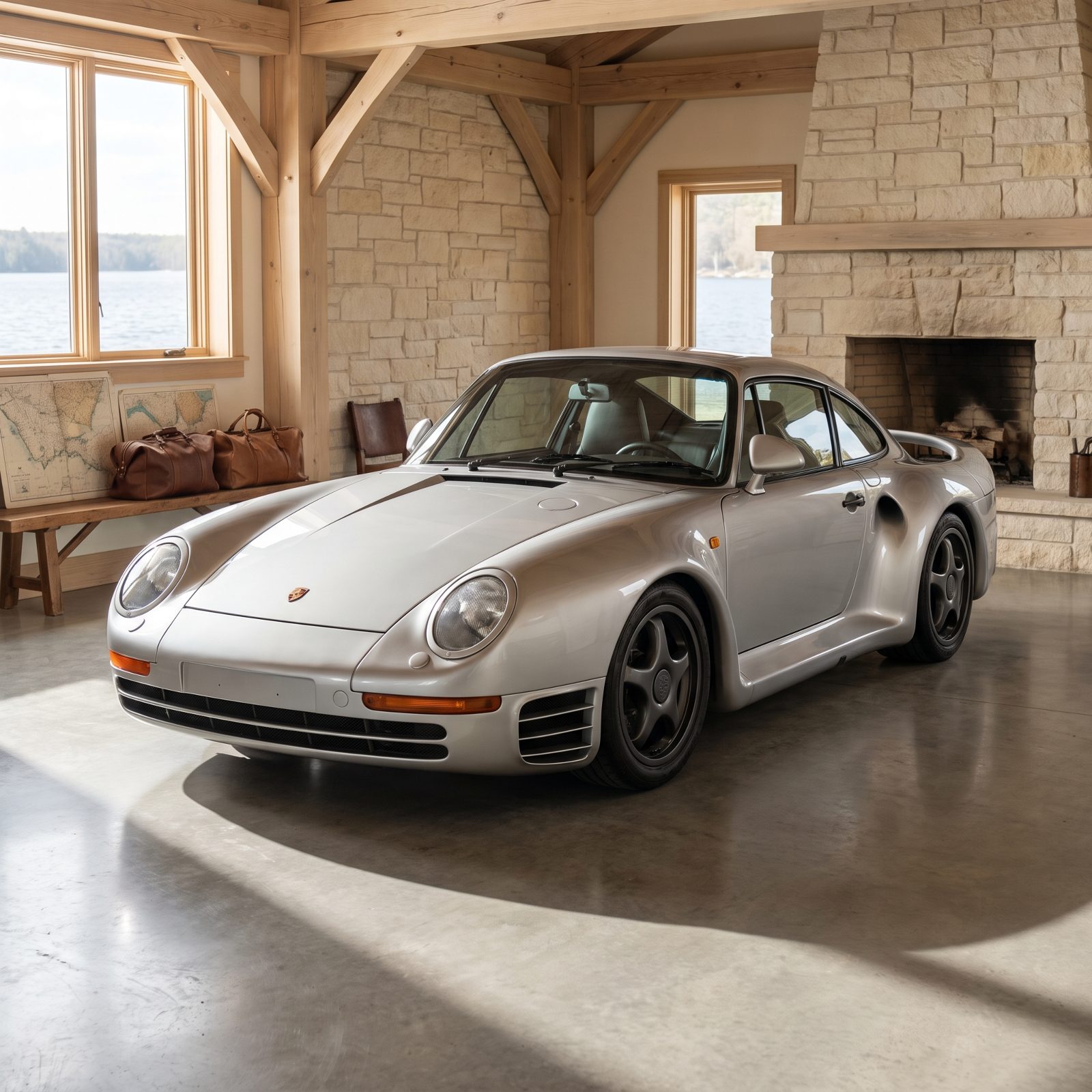
The 959 took the opposite route from the F40 and landed in the same place. Where Ferrari exposed every working part, Porsche buried them. The surfaces are smooth, almost soft, the shoulders rolling back toward the tail like water pulling off a stone.
Look at how the mass sits forward. The nose feels loaded, the tail feels light and swept, and your eye slides front to back the way it would on a car already moving. No wing shouting for attention. Just a shape that refuses to stand still.
37. Jaguar XJ220, Extreme Length and a Tiny Visual Cabin
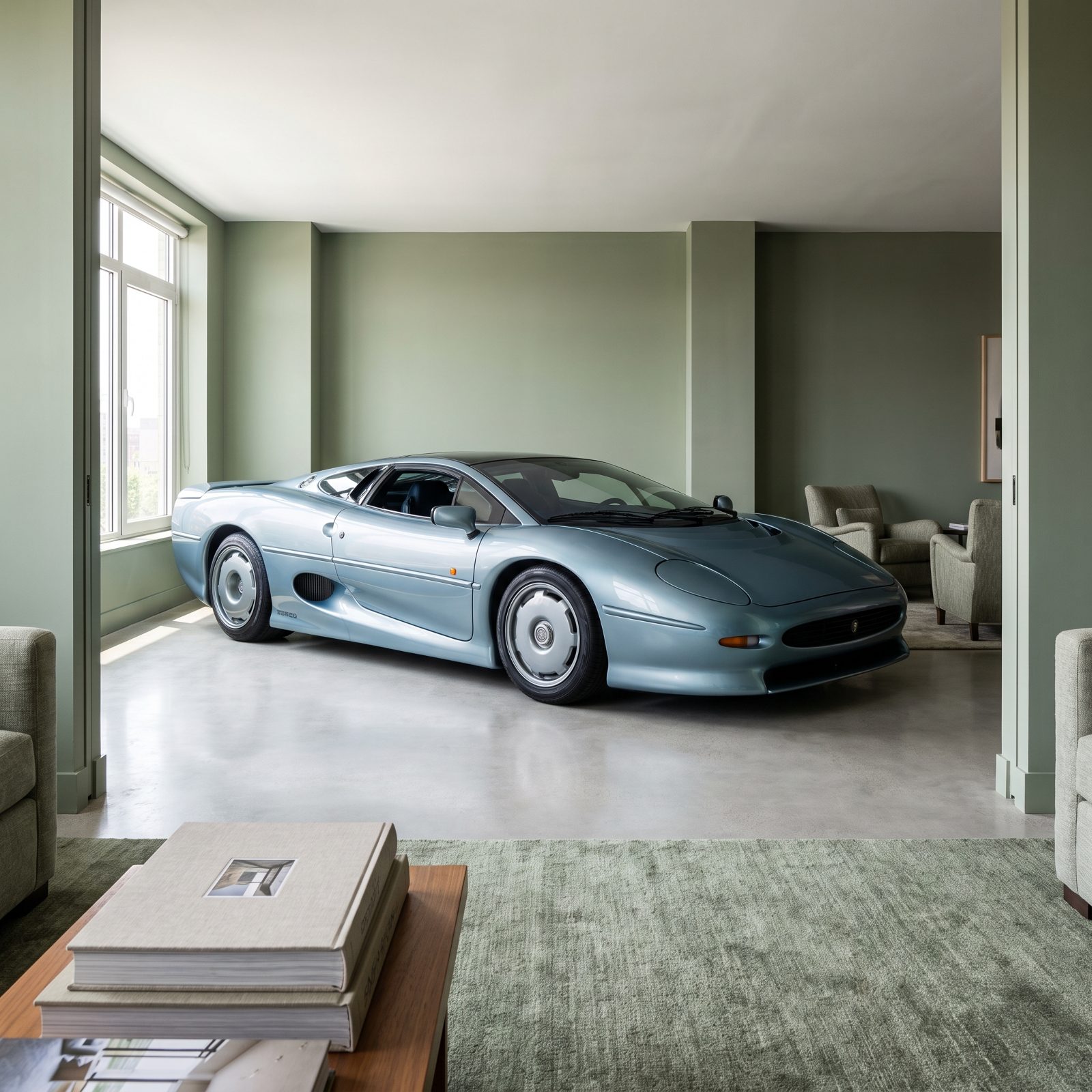
Length lies to you, and the XJ220 lies better than almost anything. It stretches past sixteen feet, which should look ungainly. Instead it looks like a projectile, because the cabin is shrunk to a tiny bubble sitting near the back while acres of bodywork run off in both directions.
That ratio is the whole game. A small greenhouse on a long body tells your brain the car is built for the road, not the passengers. Everything is stretched toward velocity. It barely looks like it’s allowed to park.
36. McLaren F1, Central-Cab Proportions and a Tensed Stance
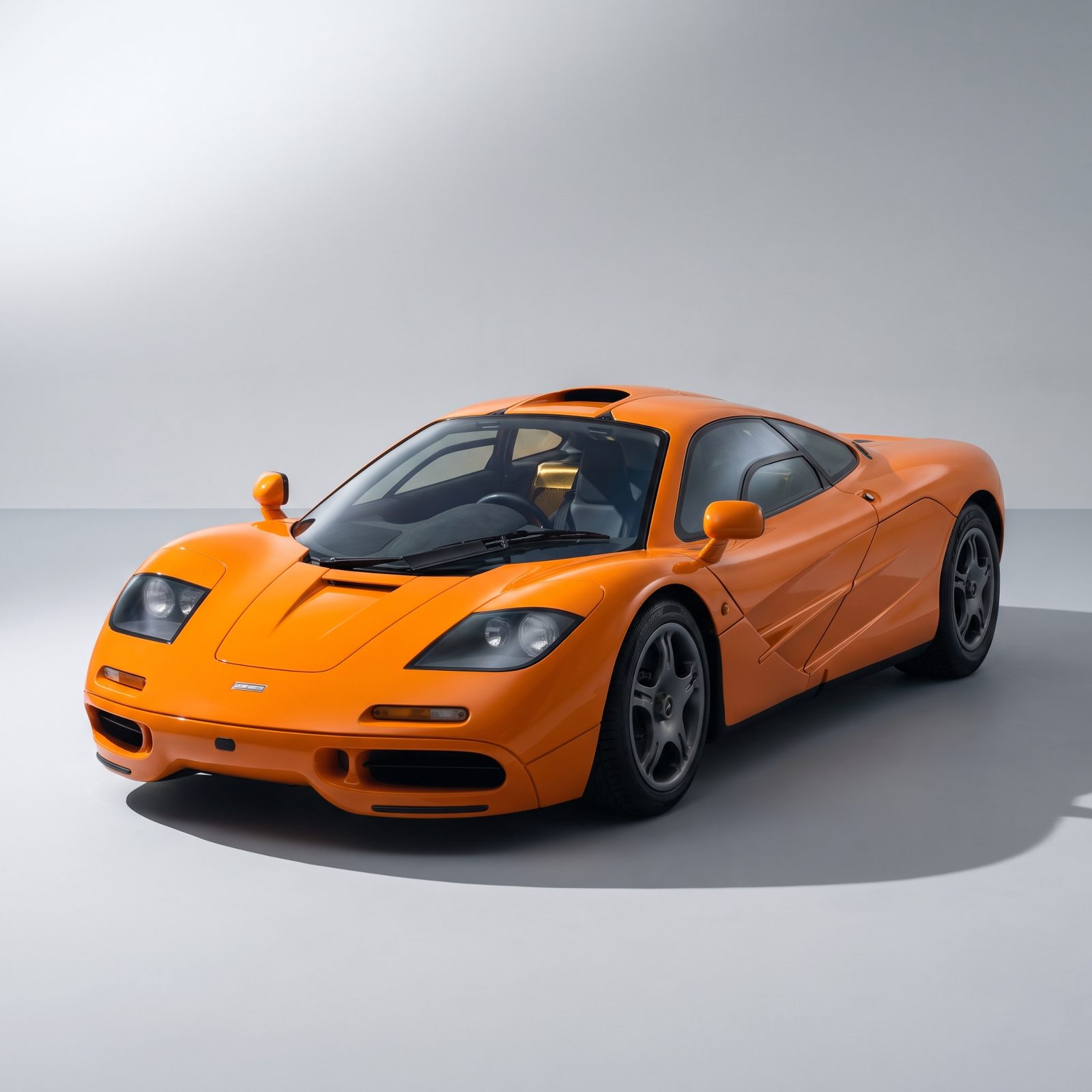
Gordon Murray put the driver dead center, and that single decision reshapes how the whole car reads. The cabin pulls toward the middle, tight and symmetrical, like a cockpit rather than a passenger box. Everything else wraps around it.
The F1 looks coiled — low over the wheels, surfaces pulled drum-tight, no slack anywhere. There’s a tension in the body that never releases, the look of a sprinter in the blocks who hasn’t heard the gun yet. I’ve always thought it’s the most honest supercar shape ever drawn. It never poses. It just waits.
35. Dodge Viper GTS, Side-Exit Drama and Muscular Fenders
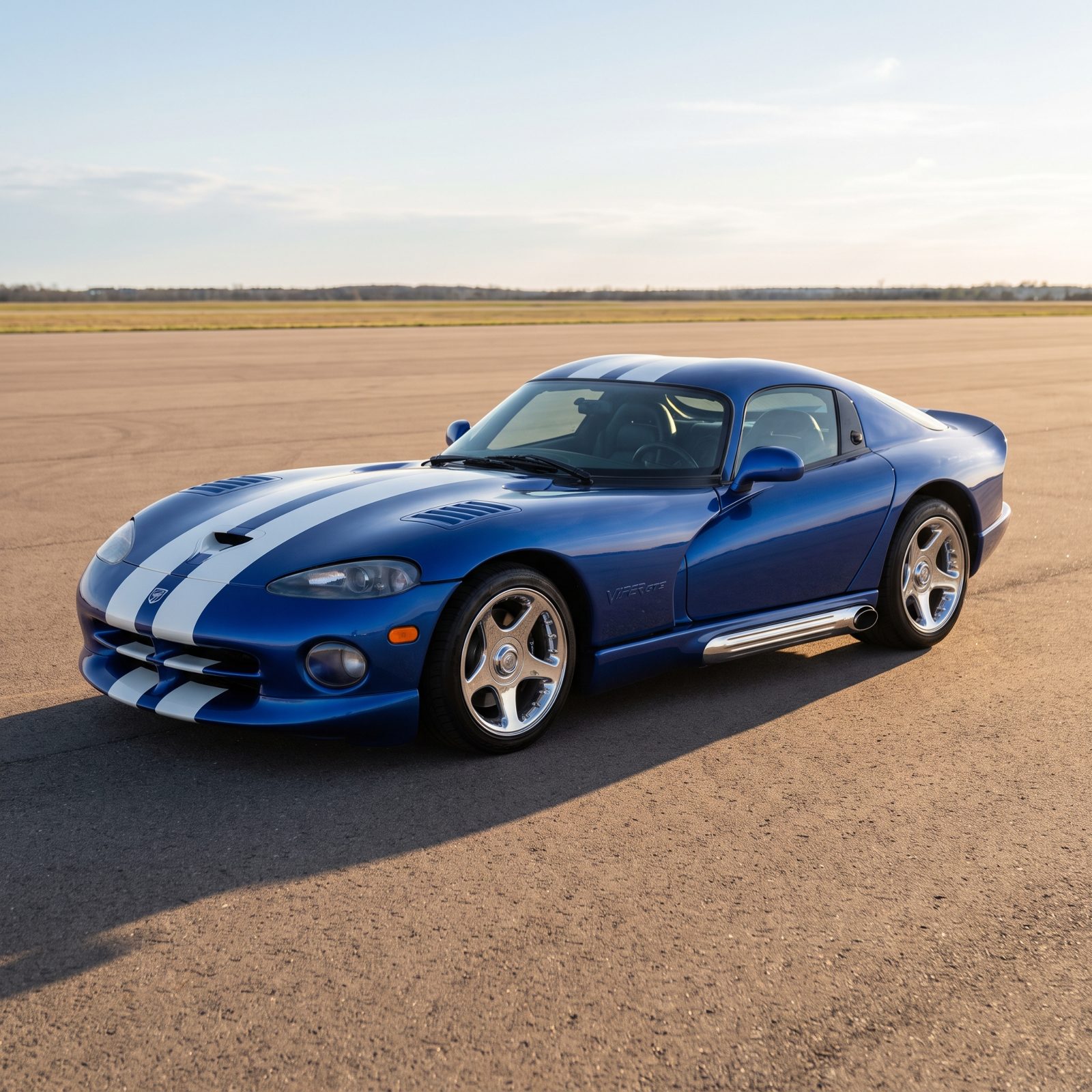
Pure muscle, no apology. The Viper GTS makes speed out of bulk. The fenders swell like they’re flexing, the hood runs forever, and the cabin gets shoved way back toward the rear axle. Long nose, short deck, cockpit set deep — that proportion has meant “fast” since the Cobra, and the Viper leans on it hard.
Then there’s the side-exit exhaust. You can see where the fury leaves the car. Most machines hide it under the bumper; the Viper puts it right by your leg, a promise of heat and noise even while it’s cold and silent.
34. Toyota 2000GT, A Low Cowl and Delicate Fastback
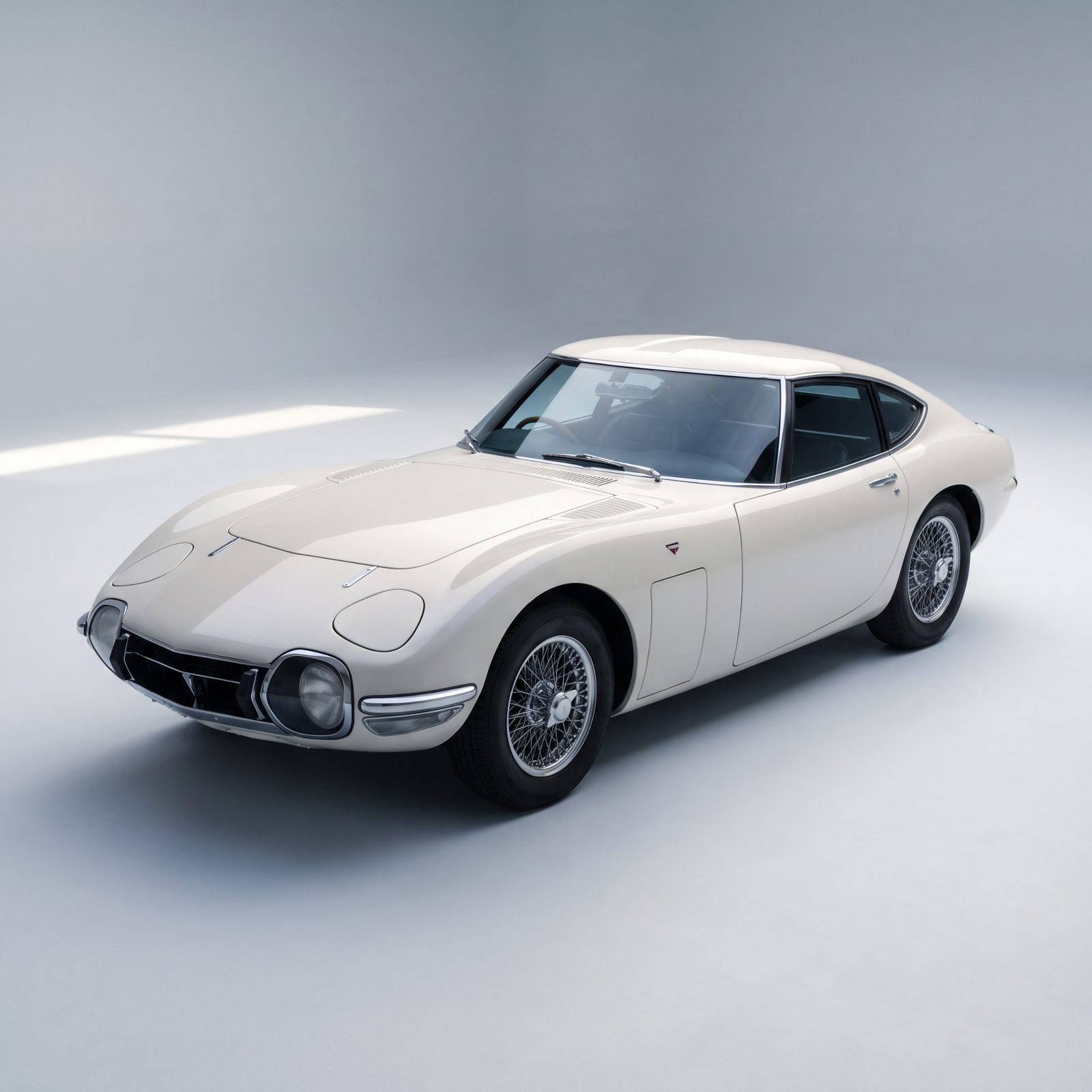
Speed doesn’t always come from aggression. Sometimes it comes from how low the hood sits. The 2000GT keeps its cowl barely above the wheel tops, which drops the whole front of the car and makes the fastback feel like it’s leaning into the distance.
The roofline tapers so gently you almost miss where it ends. Nothing brutal here, nothing bolted on — all proportion and restraint, the fast look of a jet on the ground rather than a fighter mid-dive.
33. Mazda RX-7 FD, Soft Curves With a Hard Forward Thrust
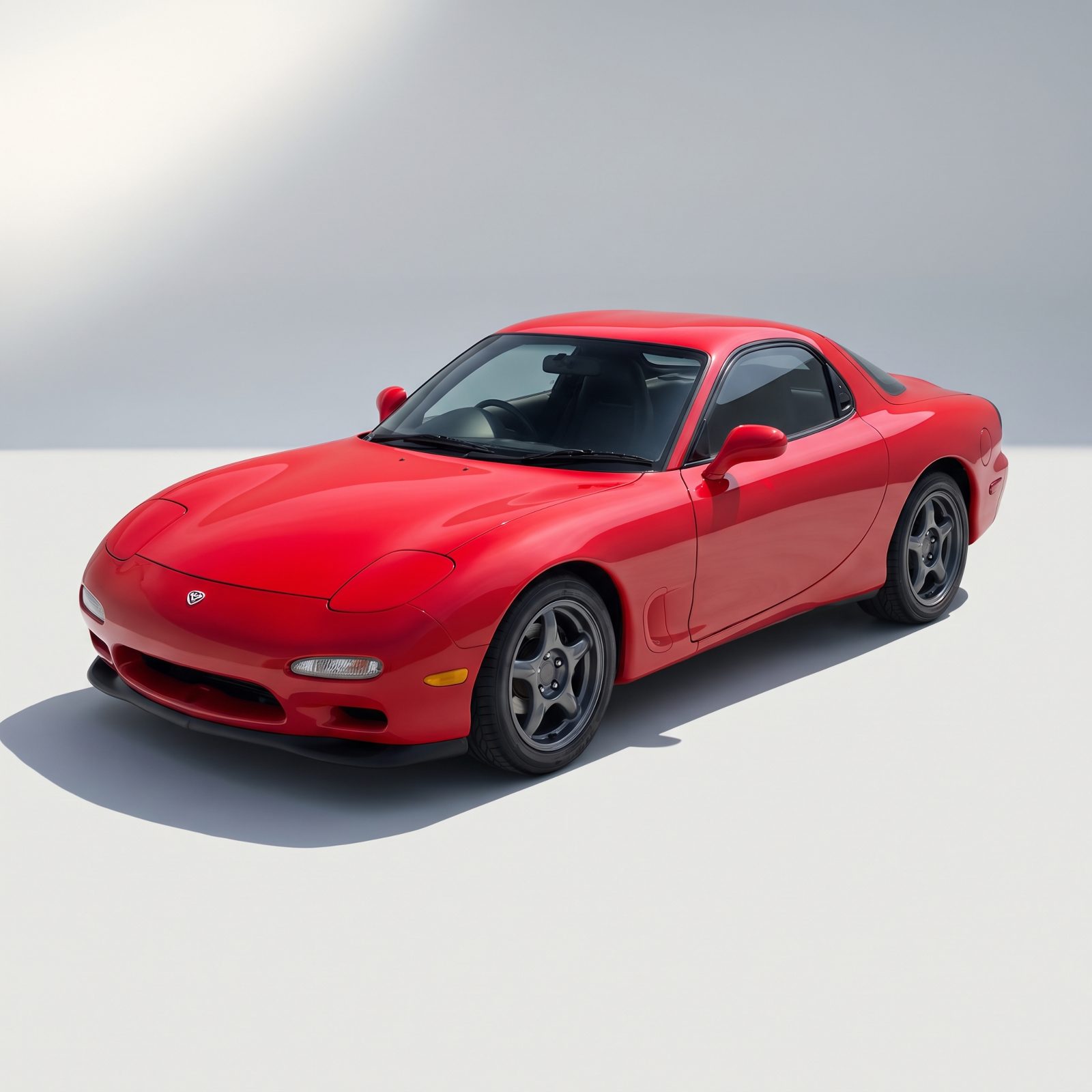
The FD has no straight lines to speak of, and that’s its secret. Every panel curves, but all those curves pull one direction: forward. The body gathers over the front wheels and the rest of the car seems to be chasing the nose.
Soft and tense at once. It shouldn’t work and completely does. The surfaces are rounded like water, yet the whole shape reads as thrust. Still the prettiest Japanese sports car ever made, in my book — and I’ll take the argument.
32. Toyota Supra Mk4, Rounded Mass Gathered Over the Rear Wheels
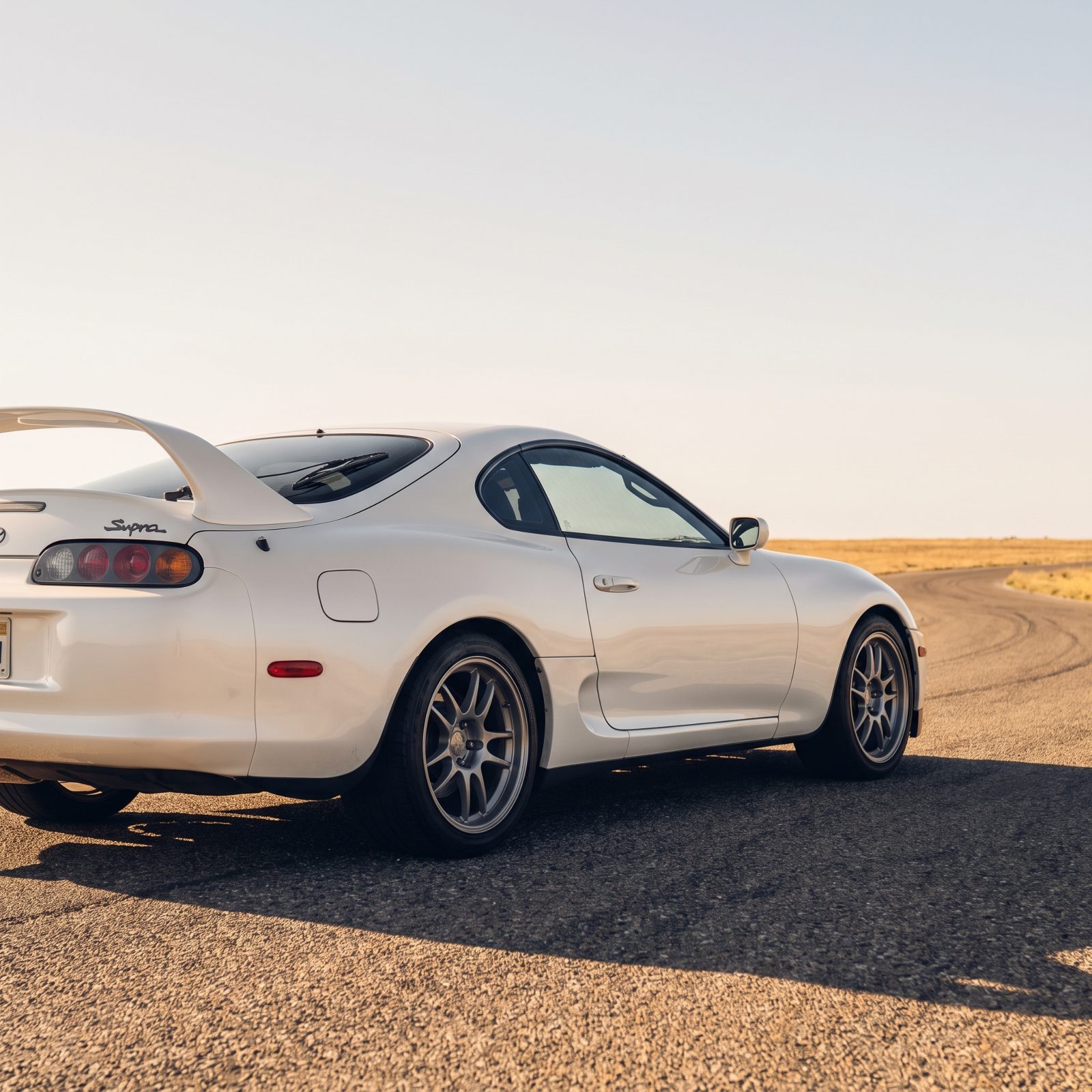
Look at an A80 Supra from behind and the message is obvious: the weight lives over the rear wheels. The haunches swell, the hips get wide, and that tall wing plants itself right where the power goes down. The car looks like it’s crouching to launch.
Rearward visual mass does something specific to the eye. It suggests the car is about to shove itself forward, the way a sprinter loads the back foot. The long hood up front only sharpens the effect.
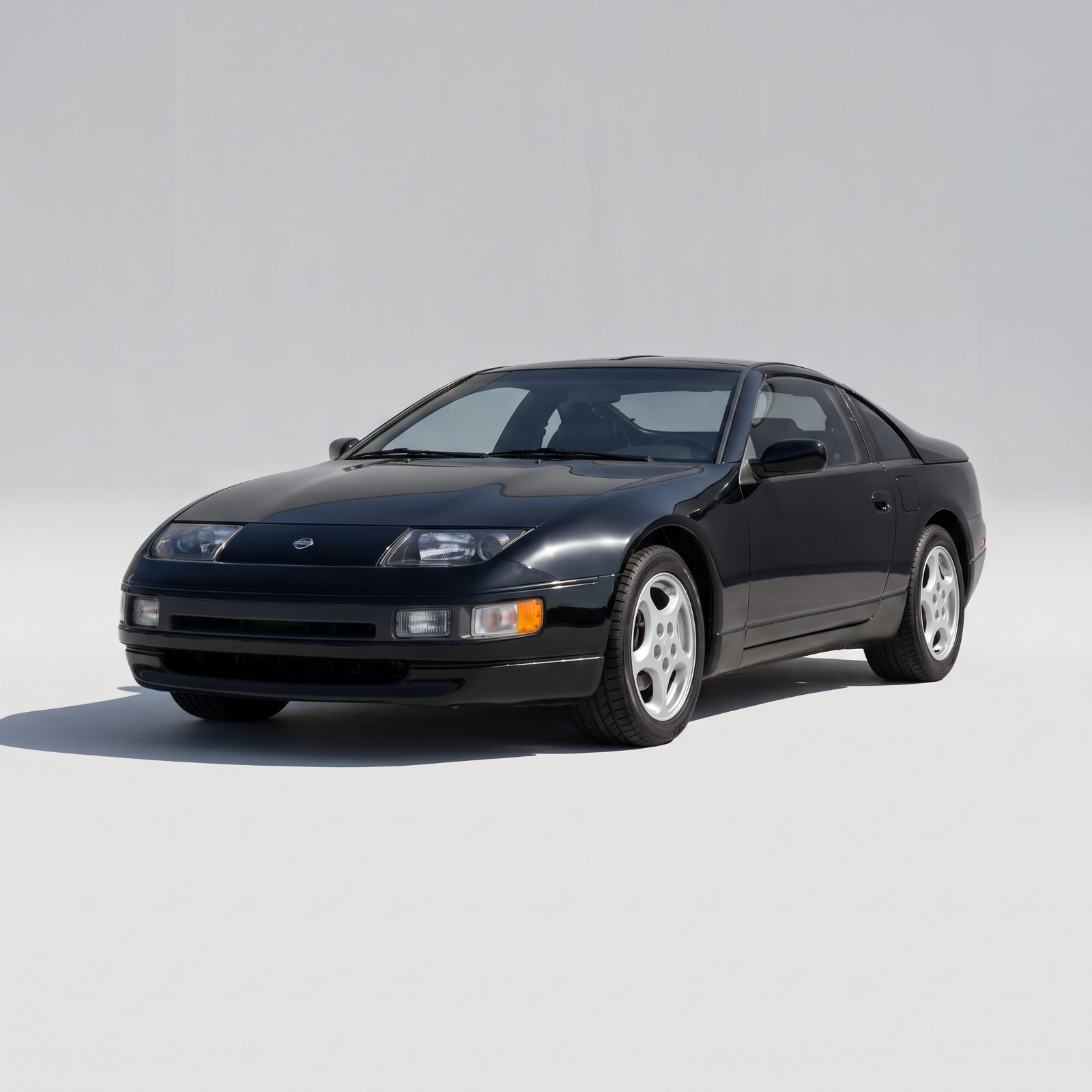
31. Nissan 300ZX Z32, Wide Track and Razor-Thin Headlights
Would you like to save this?
Width reads as fast, and the Z32 understood that before almost anyone. It sits broad and flat, the track pushed out to the edges, the whole car hunkered toward the ground. Nothing stands up tall. Everything spreads out.
Those headlights seal the deal — thin horizontal slits across the nose instead of round pods, which drops the perceived height of the front and makes the car look like it’s squinting into the wind. Slim lights, wide stance, flat hood. The Z32 looks fast parked in the dark.
30. Nissan Skyline GT-R R34, Boxy Surfaces Charged With Tension
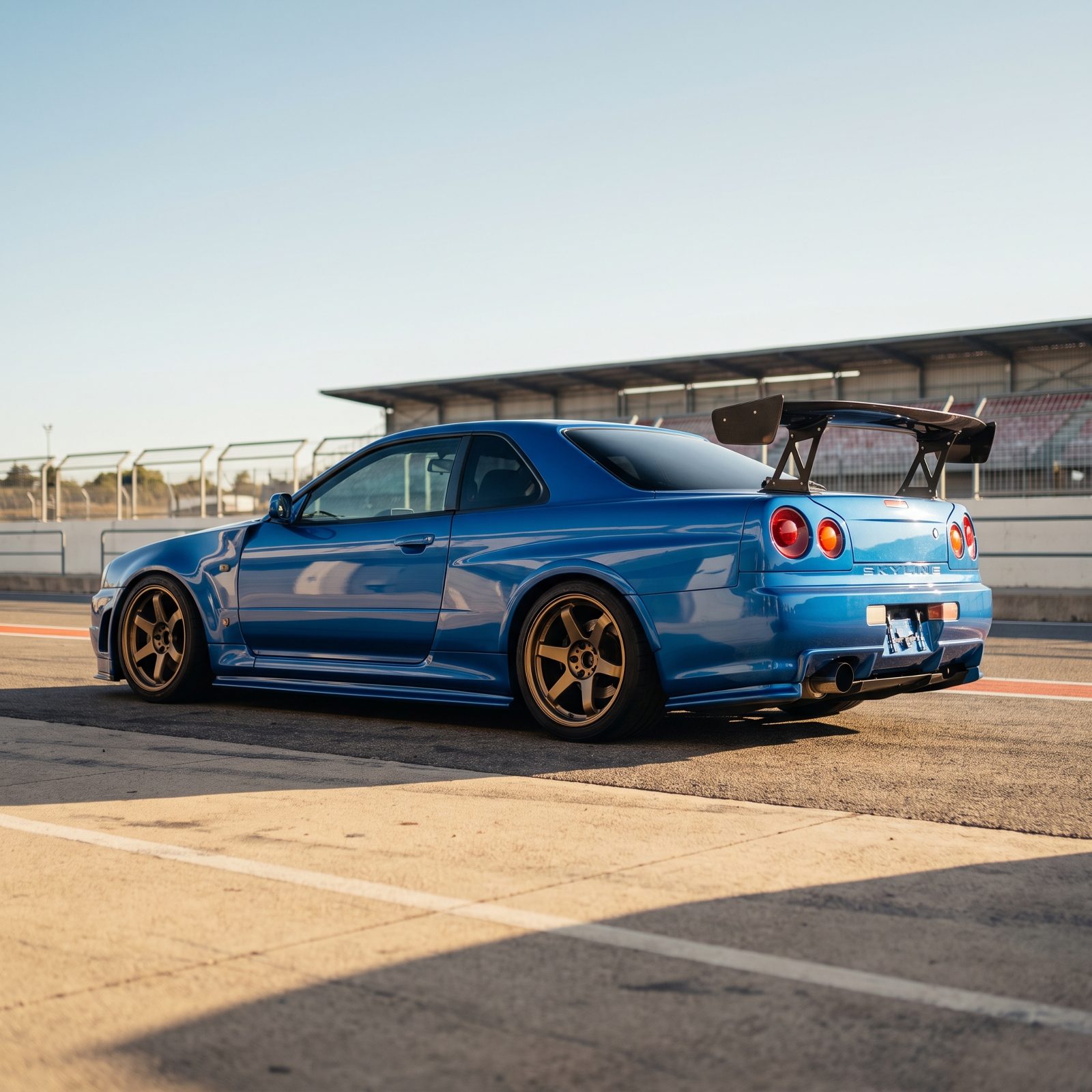
Most of these cars chase speed with curves. The R34 does it with corners. The surfaces are blocky, the edges hard, the fenders flared in squared-off chunks over the wheels. By every rule on this list it should look slow. It doesn’t.
The tension comes from how tight everything is pulled across those flat planes. The body looks pressurized, like the sheet metal is barely containing what’s under it. Wide track, planted stance, that upright wing standing guard — the look of a clenched fist, and it earns every bit of the reputation. No softness to argue with. It just sits there and dares you.
29. Honda NSX (First Generation): The Fighter-Canopy Greenhouse
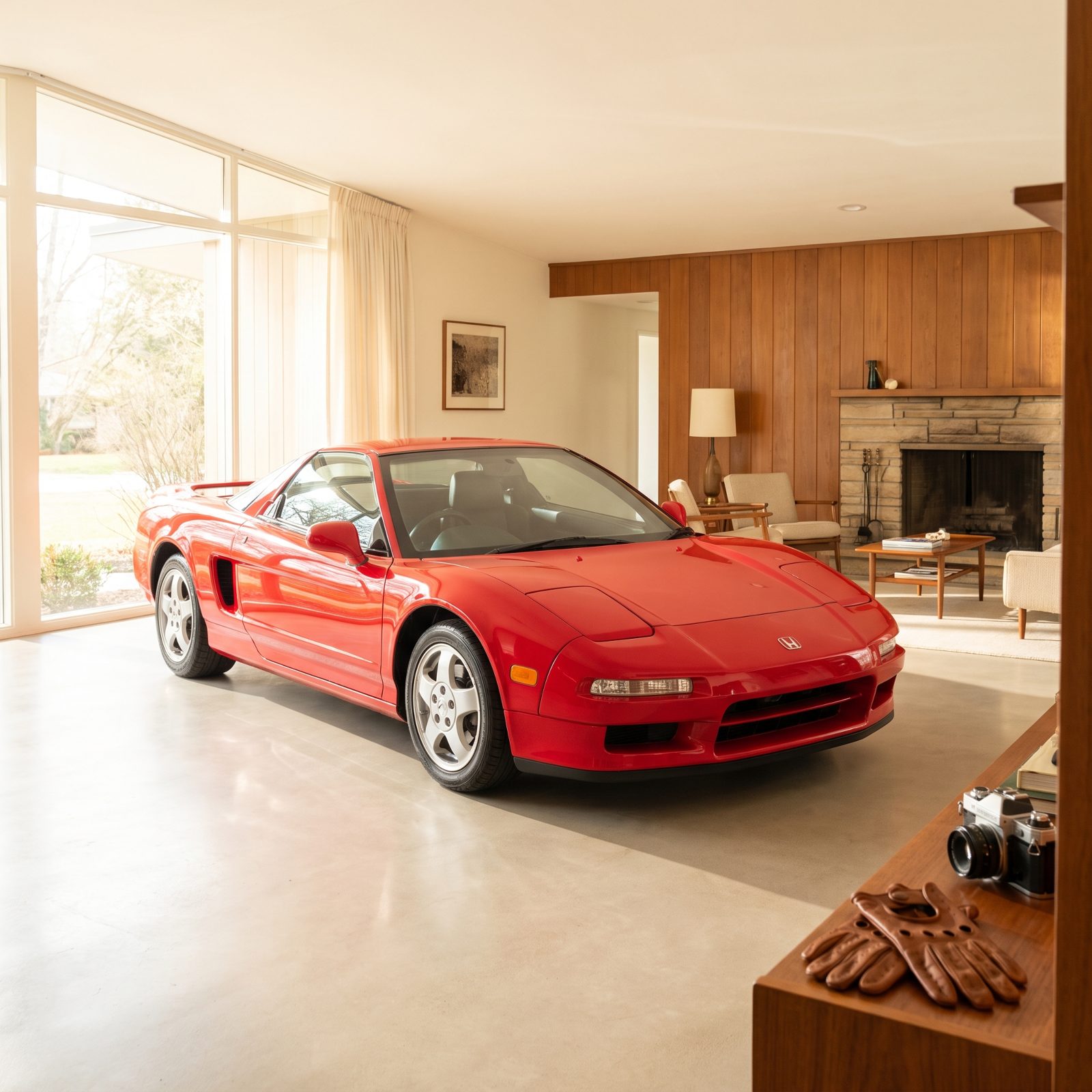
The glasshouse is the whole trick. Honda’s engineers studied the cockpit sightlines of an F-16 and built the greenhouse to match, which gave the NSX a low panoramic canopy that sits forward on the body like a bubble over a jet fighter. Your eye catches that forward cabin mass, sees the long tail trailing behind it, and files the car as mid-engine fast before you’ve walked around it.
The low beltline finishes the job. Barely any sheetmetal sits between the glass and the ground, so the whole thing looks pressed flat against the road even in a supermarket lot.
28. Mitsubishi Lancer Evolution VI: Rally Hardware Frozen Mid-Stage
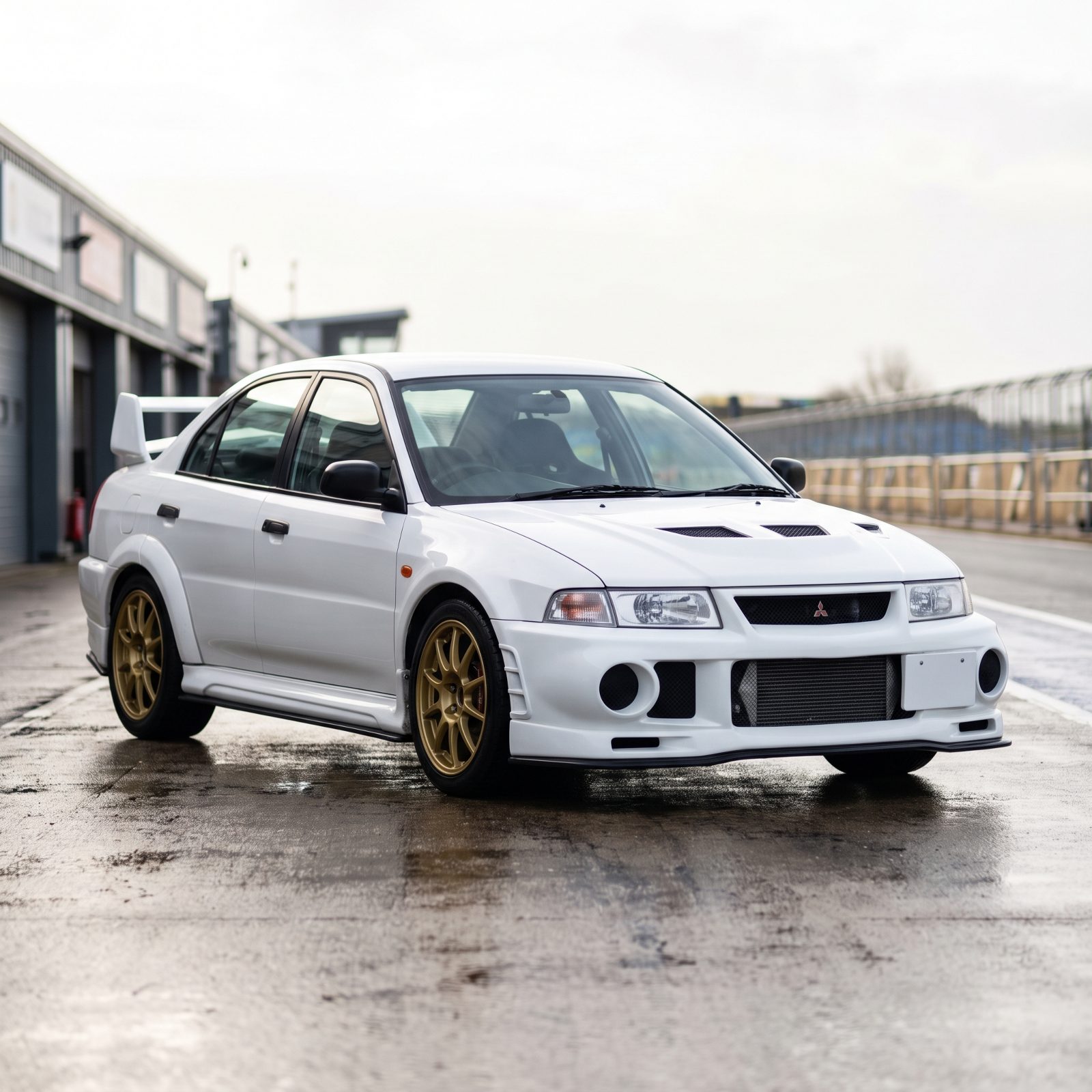
A four-door family sedan wearing a rally car’s bone structure, and it never once tried to hide the fact. The Evo VI’s cooling ducts aren’t styling flourishes. The hood vents actually vent, the front intake actually feeds the intercooler, and the fender blisters exist because the wheels really do stick out that far.
Function sells the speed here. A fake scoop looks fake. These don’t, because they aren’t. Parked at a curb, the Evo reads like it got yanked off a gravel special stage and told to behave for five minutes.
27. Renault 5 Turbo: Rear Fenders That Look Ready to Pounce
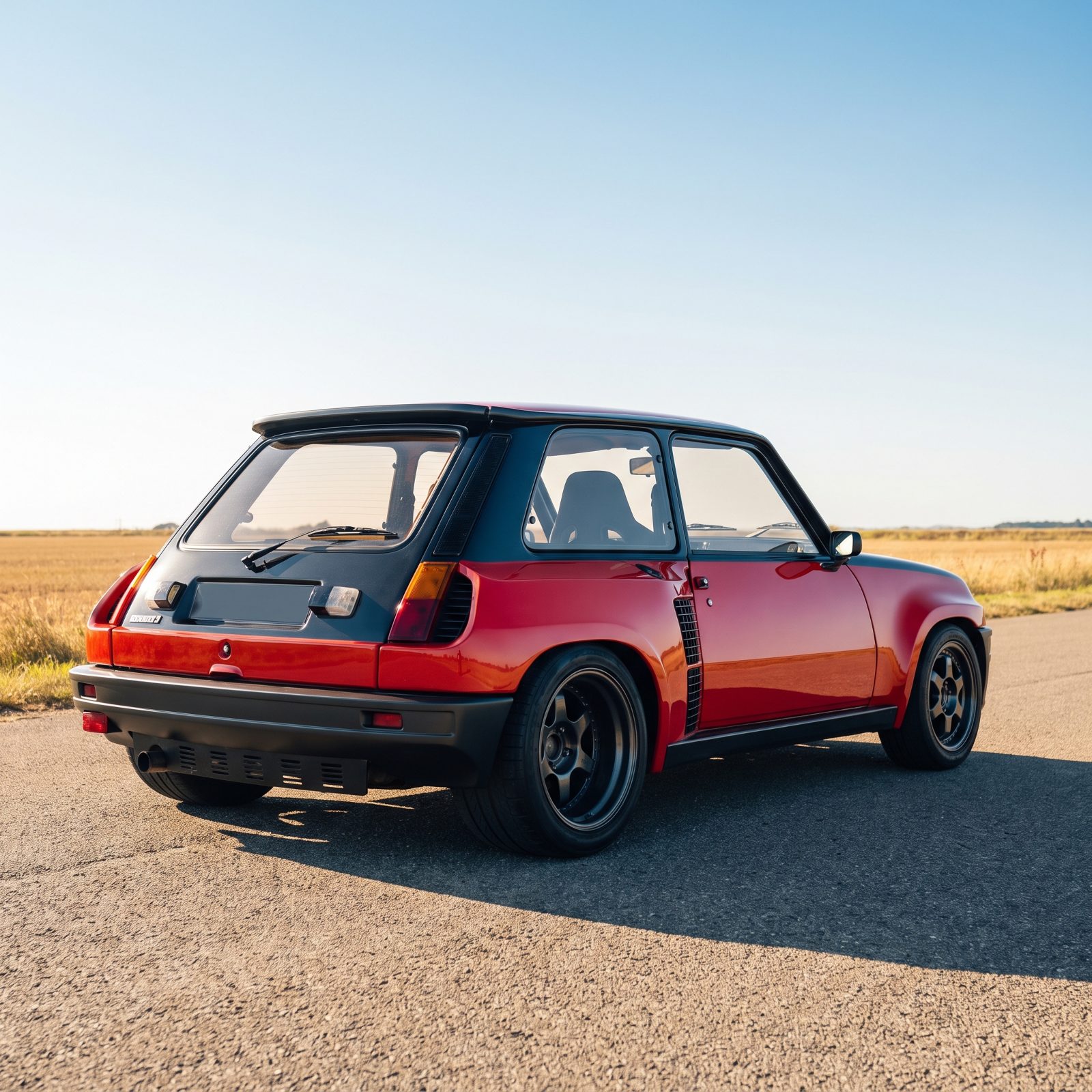
Renault took a humble econo-hatchback and bolted the engine behind the seats, which meant the rear wheels suddenly needed to be enormous. The fix: those cartoonish flared haunches that balloon out over the back tires like the little car flexed and split its own shirt.
The whole thing coils forward, like a sprinter in the blocks. All the mass sits over the driven wheels, and your brain reads that rearward weight as launch energy waiting to let go. I’ve always thought it looks faster from behind than from the front, and almost nothing else on four wheels can say that.
26. Audi Quattro: Flat Planes and a Rising Shoulder Line
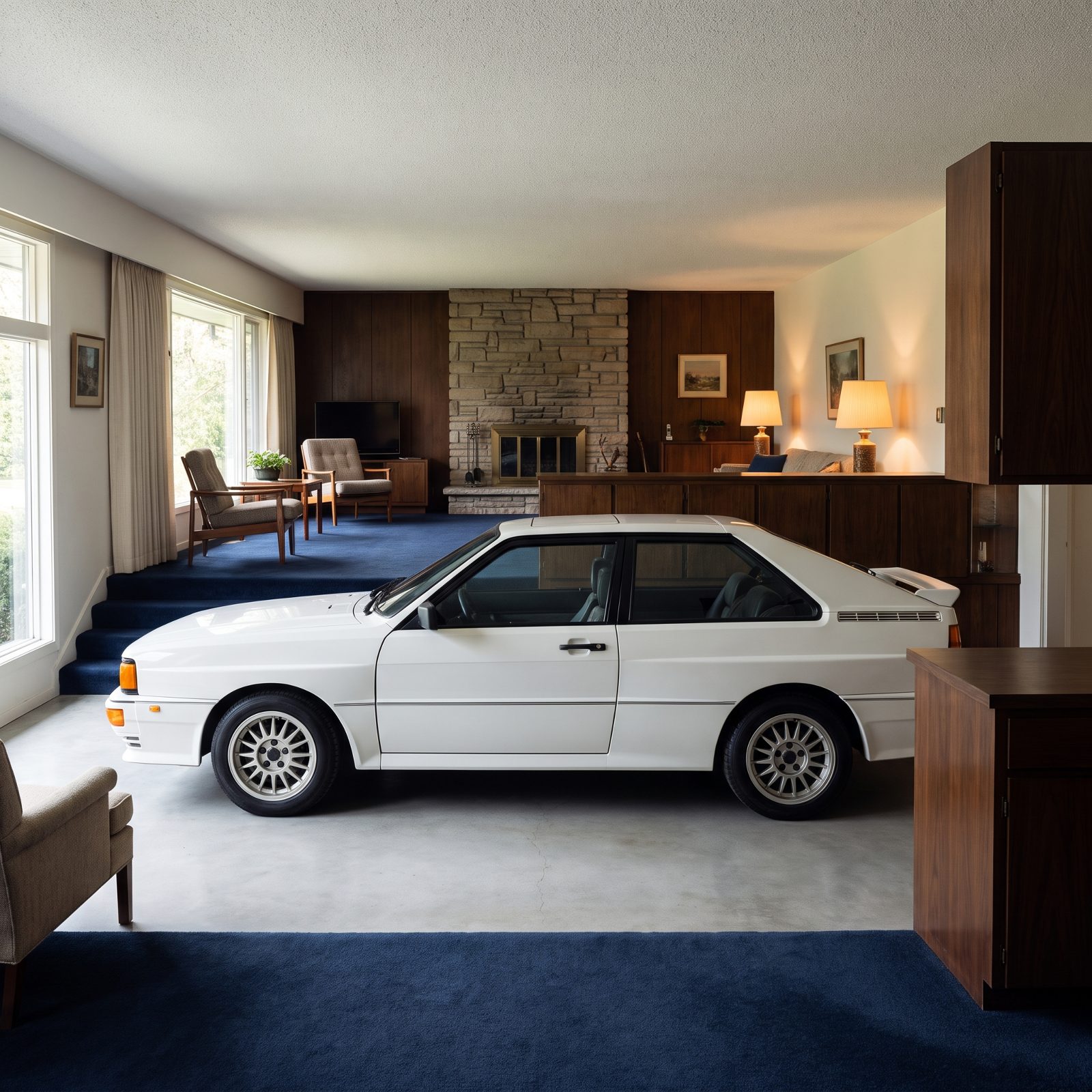
Speed doesn’t always come from curves. The Quattro built its sense of motion out of flat, taut planes and a shoulder line that climbs almost imperceptibly toward the tail, so the body looks like it’s leaning into a bend while standing perfectly still.
The squared fender flares nail it to the ground. No drama, no spoiler theater, just honest geometry. Rally dominance made the reputation, but this thing would look quick even if it had never won a single event.
25. BMW 3.0 CSL Batmobile: Bolt-On Aero With a Point to Prove
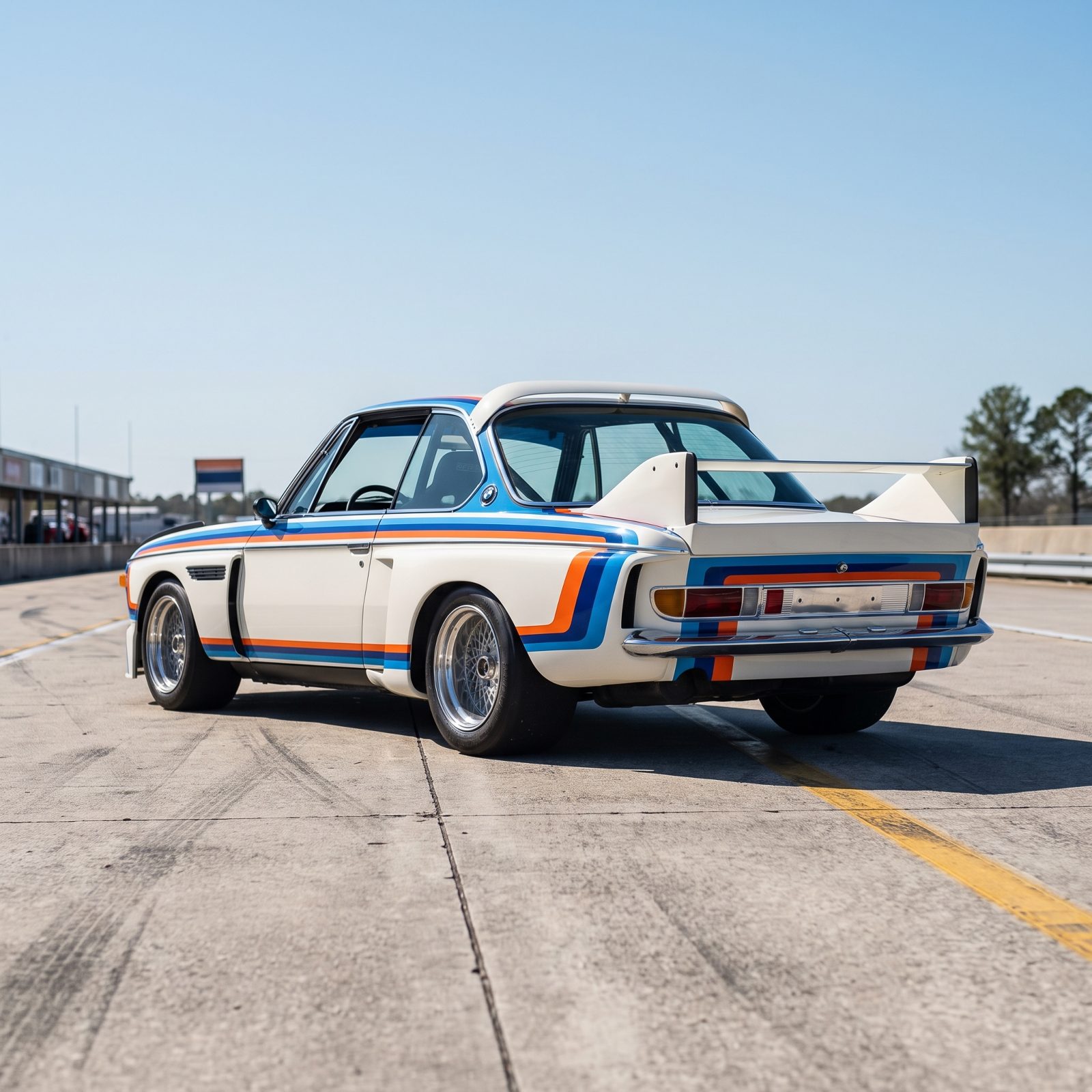
Here’s a case where the aero got stuck on top of an already-pretty car, and somehow it worked. The homologation CSL came with a front dam, roof spoiler, tall rear wing, and little fins on the front fenders, which earned it the Batmobile nickname.
Every one of those pieces aims the same direction. The eye follows the dam to the fins to the wing in a straight line toward the back, and that rearward pull creates a strong directional read. Pretty coupe, then a toolbox of race parts bolted on with total confidence. You either love it or you don’t. I love it.
24. Aston Martin Valkyrie: Bodywork Stretched Over Open Air
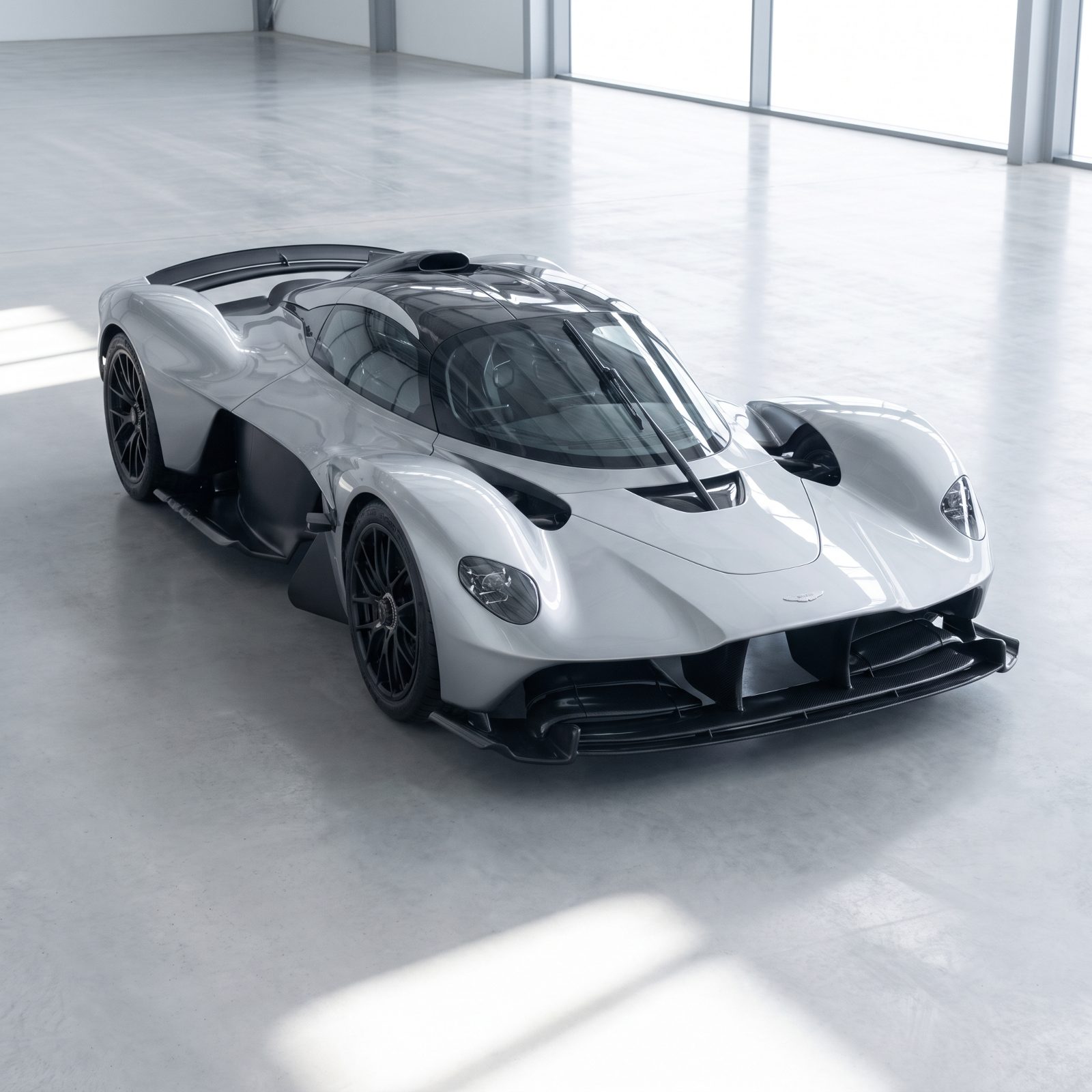
The Valkyrie barely has bodywork in the ordinary sense. It has skin stretched over air.
Adrian Newey designed it around the underbody tunnels first, then draped just enough carbon fiber over the top to cover the mechanical bits. The result looks carved by wind rather than by a stylist, with great channels running under the car and sunlight passing clean through the gaps.
You read motion because the form literally describes airflow. Nothing on it is decoration. It’s a wind-tunnel diagram you can sit in.
23. Shelby Cobra 427: Huge Fenders Wrapped Around a Tiny Cockpit
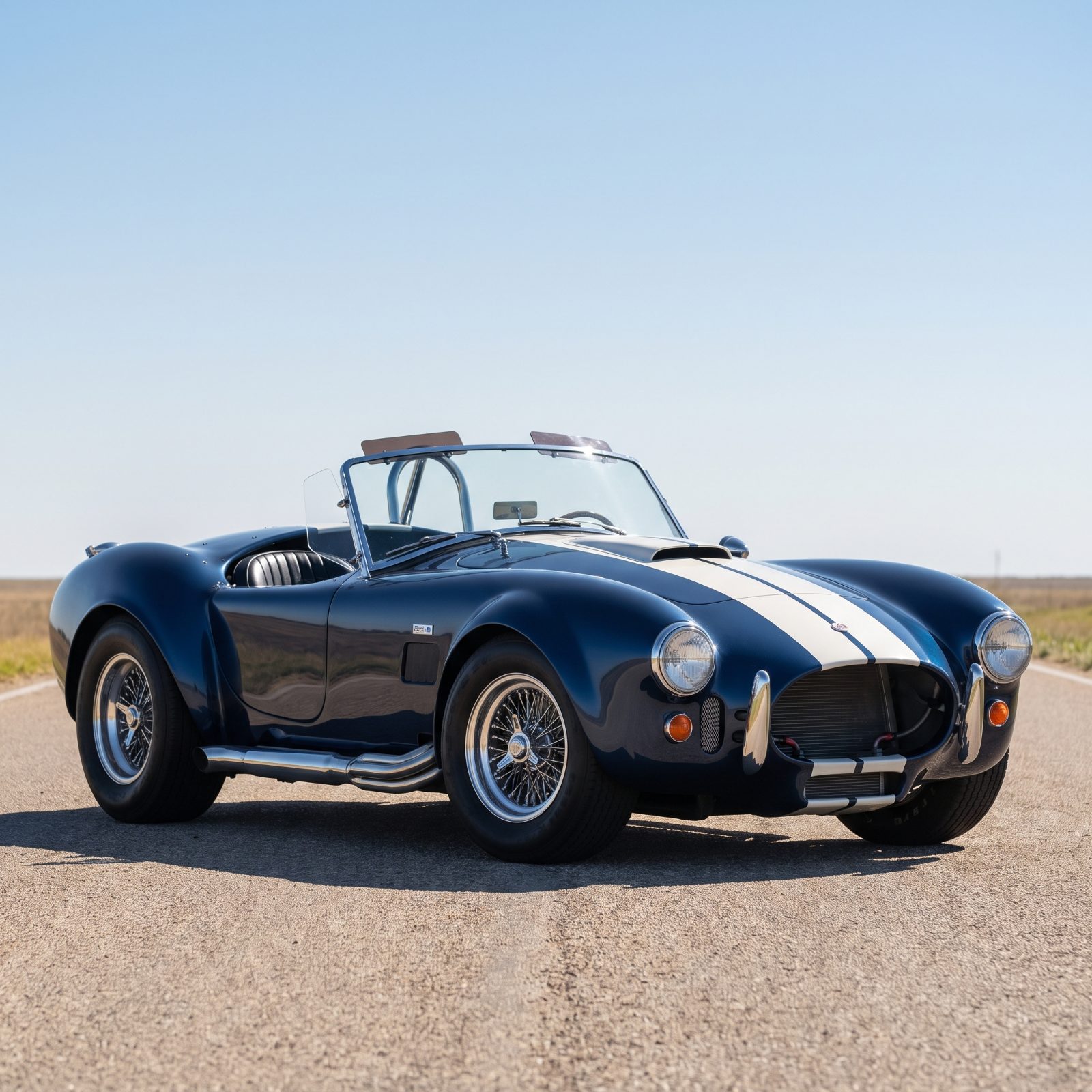
The 427’s fenders swell out so far that the cockpit looks like an afterthought squeezed in between them, and that contrast does everything. Tiny cabin, massive muscular arches over fat tires, a stance that spreads wide and sits low.
Shelby crammed a seven-liter V8 into a small British roadster and widened everything to contain it. The proportions tell you that story at a glance. All shoulders and haunches, almost no civility, side pipes that look like they’d singe your calf. It looks dangerous parked, which is exactly right.
22. Shelby Daytona Coupe: A Chopped Tail That Whispers Velocity
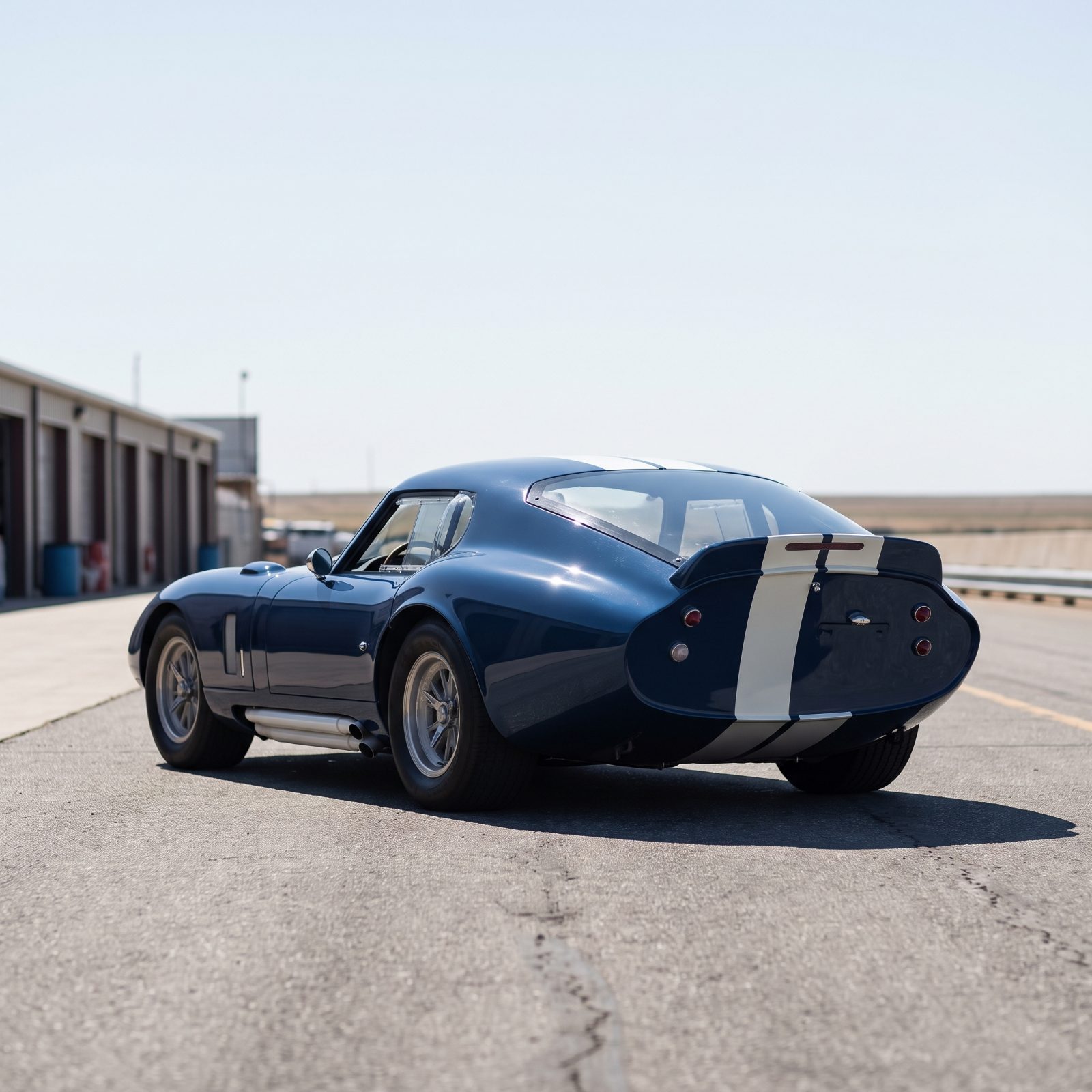
The roof slopes back like it wants to keep going, then the tail just stops, cut off clean in a Kamm shape to manage drag at Le Mans speeds. Peter Brock drew it to be slippery, and the aerodynamics happened to look like pure motion.
Your eye traces that long descending roofline toward the back and expects it to taper to a point. It never does. The abrupt chop freezes the gesture mid-sweep, which is exactly why the car looks like it’s already moving fast. Form following function, and the function was 190 on the Mulsanne Straight.
21. Plymouth Superbird: A Nose Cone and a Wing Built for One Job
Would you like to save this?
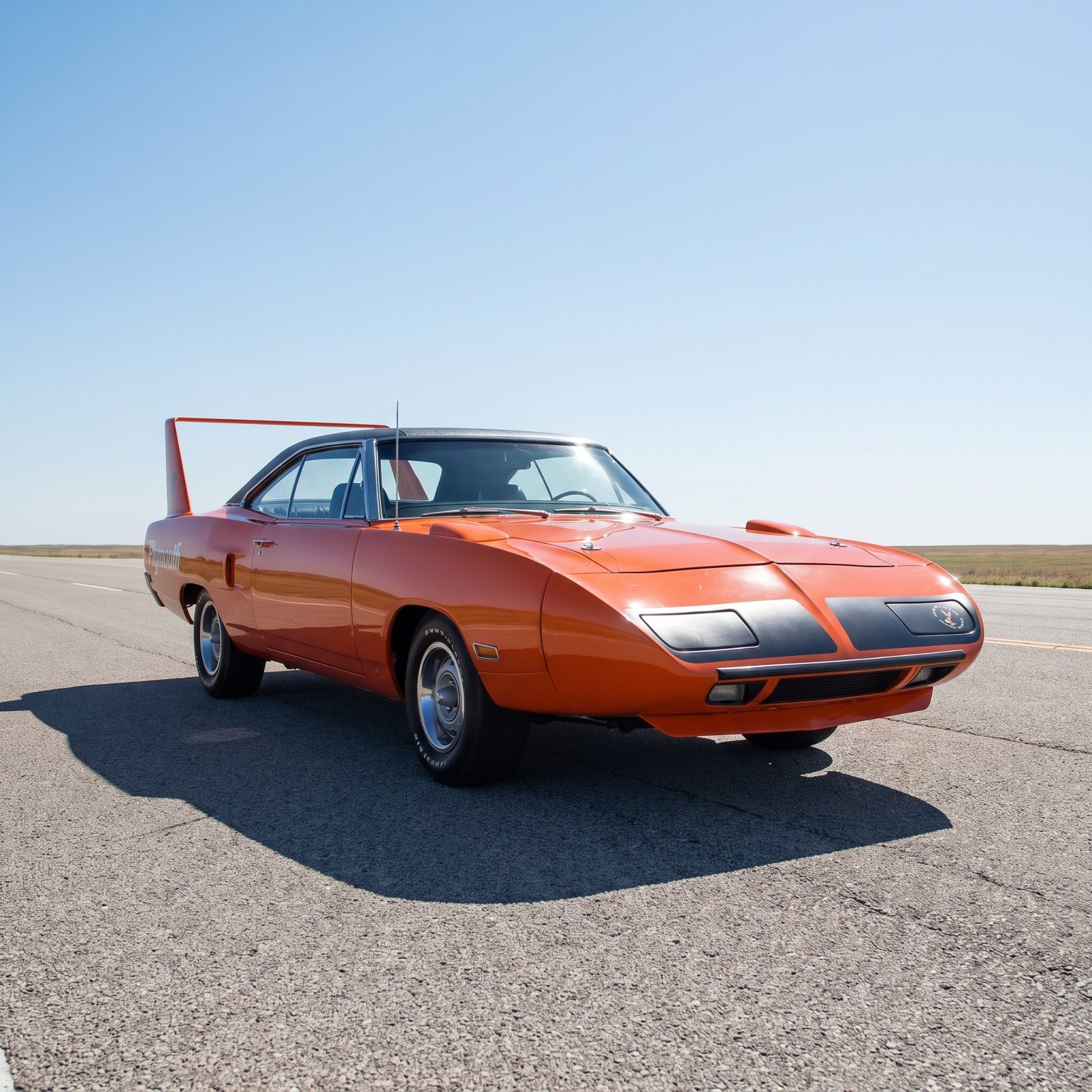
Subtlety was never on the menu. Plymouth bolted a pointed nose cone to the front and a wing tall enough to clear the trunk lid to the back, both aimed at one job: running flat out on a NASCAR superspeedway.
That extended nose drags all the visual weight forward, so the whole car looks like it’s leaning into the straightaway. The wing sits way up high so the trunk could still open underneath it, which is a wonderfully practical reason for something so unhinged to look at. Dealers reportedly couldn’t give them away in 1970. People laughed. They’re worth a fortune now.
20. Pontiac Firebird Trans Am: Ground-Hugging Graphics Under a Mile of Hood
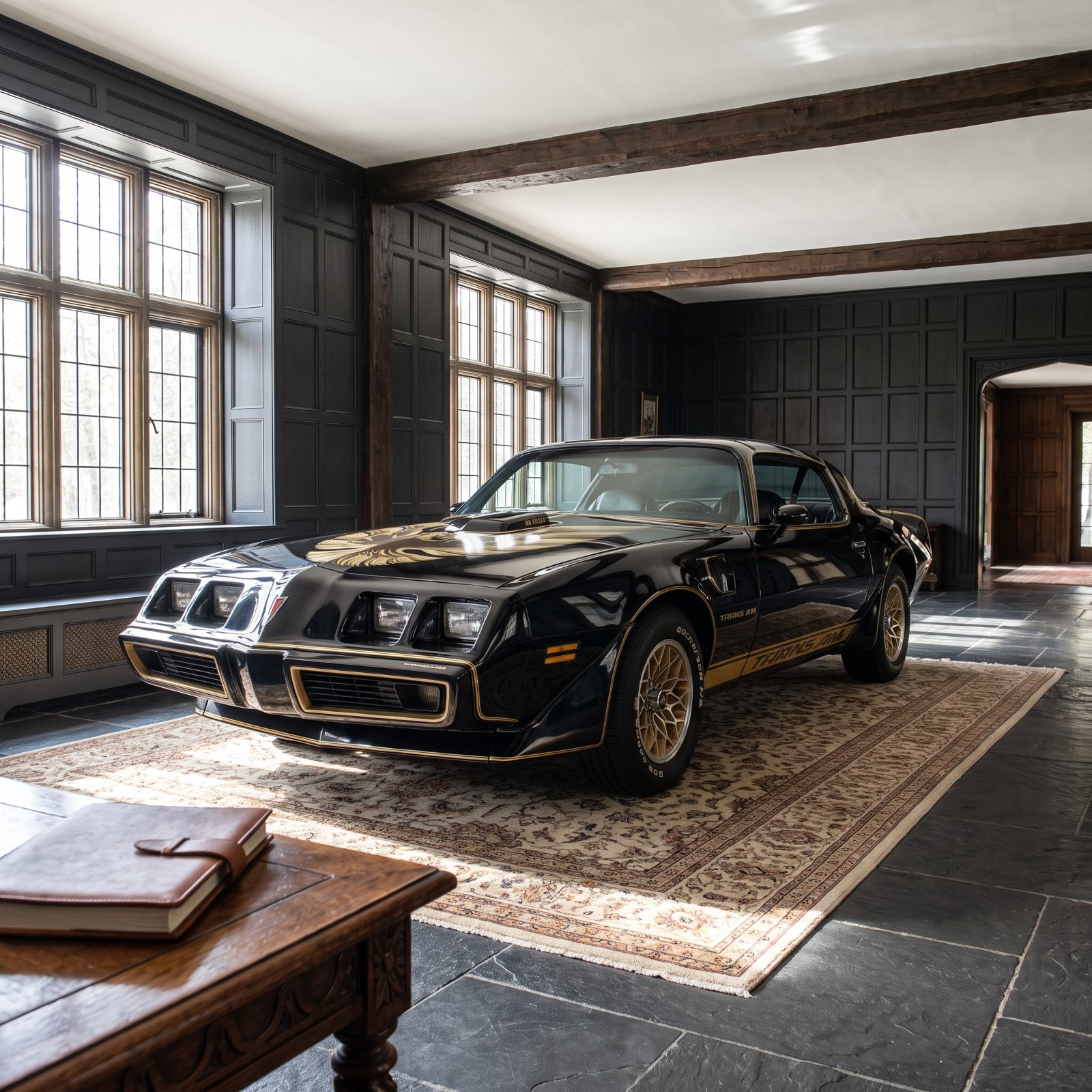
The hood goes on for days, and that length alone reads as speed. Pontiac stretched the front end, punched a shaker scoop through it, then ran low graphic stripes along the rockers to pin the body down to the pavement.
The stripes are the clever part. By keeping the strongest graphic line low on the body, the designers made the car look hunkered down and skimming the road. Long nose, low belt, wide spoiler up front. It’s theater, and it earned every bit of it at the drive-in on a Friday night.
19. AMC AMX, A Short Cabin on a Muscular Wheelbase
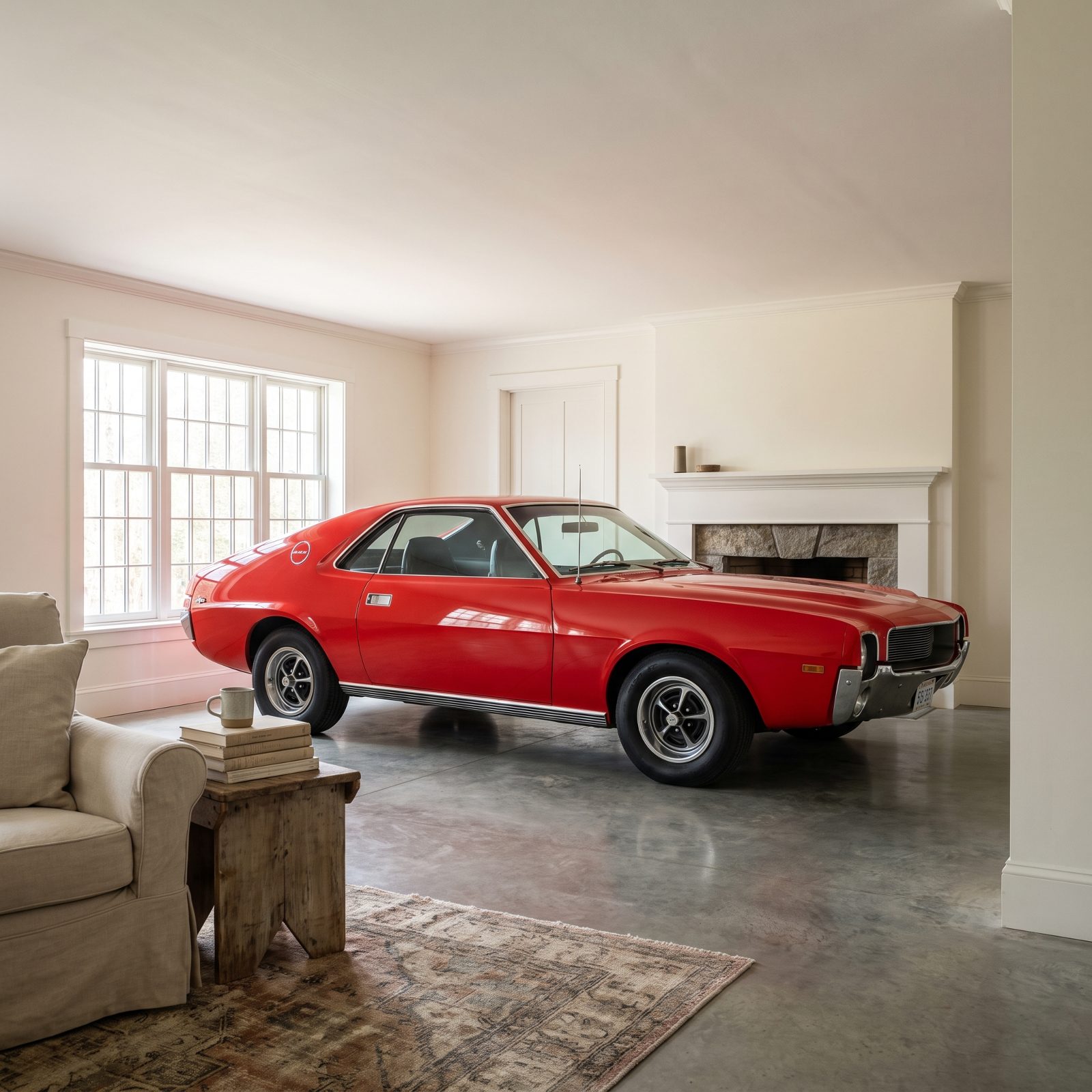
The AMX cheated. AMC took the Javelin, hacked a foot out of the wheelbase, and left the hood right where it was, which gives you a two-seater where the cabin feels shoved rearward, like the car is already leaning into a launch it hasn’t taken yet.
That short greenhouse over a long hood is the oldest trick in the speed-at-rest playbook, and the AMX runs it harder than most muscle cars from 1968. Visual weight sits over the back wheels. The nose reaches out ahead of everything. Nothing about it looks relaxed, and that was the whole idea.
18. Buick Riviera 1963, Knife-Edge Formality With Forward Thrust
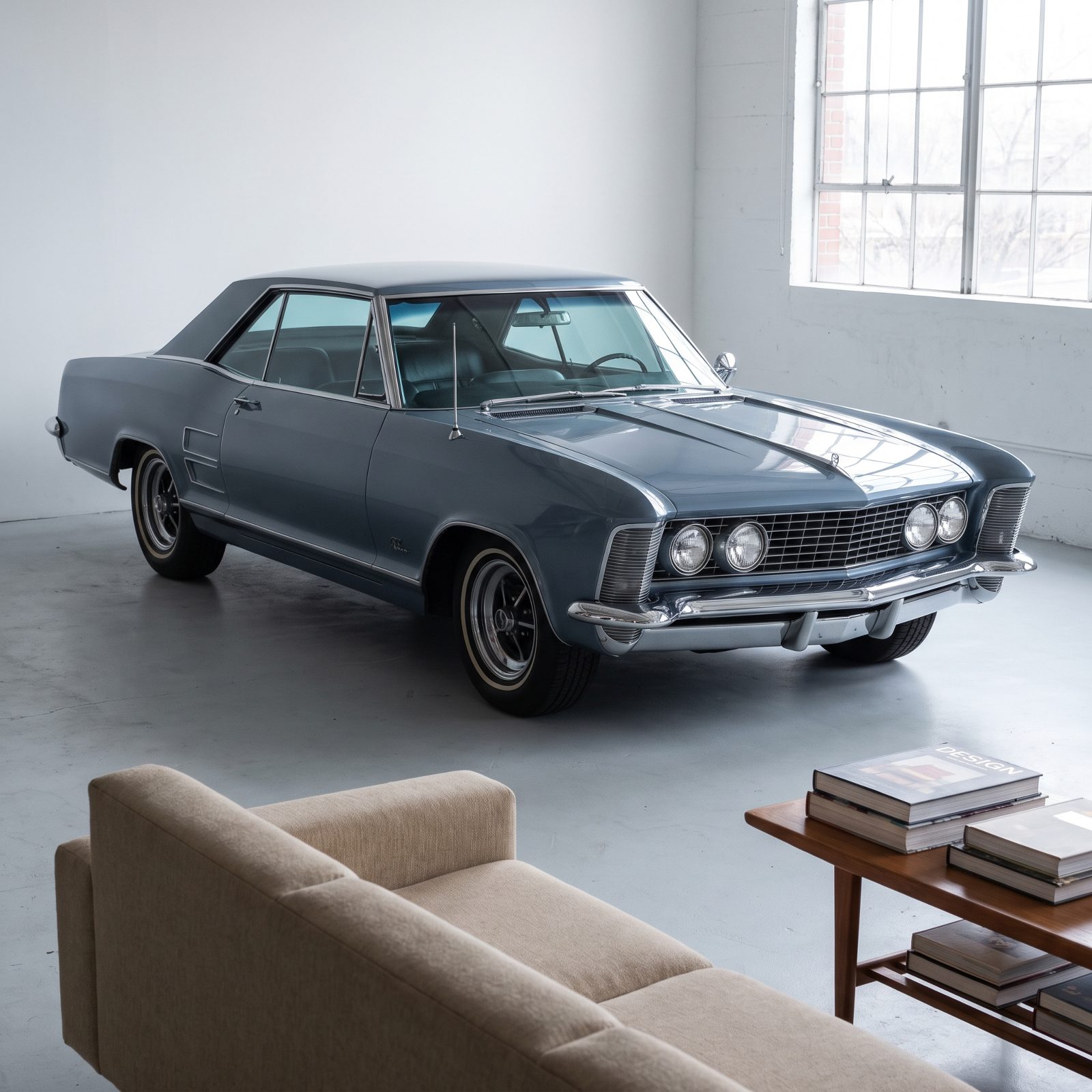
Bill Mitchell wanted a Ferrari that had been to finishing school. The 1963 Riviera is what came out, and it’s one of the few American cars of its era that builds tension through sharpness instead of chrome overload.
Those knife-edge creases do the work. They run uninterrupted from nose to tail, and because they’re dead straight, your eye slides along them and right off the front of the car. The formal roofline sits back, the hood pulls forward, and the whole thing carries itself like a gentleman winding up to throw a punch.
17. Citroën SM, A Tapered Tail and Covered Rear Wheels
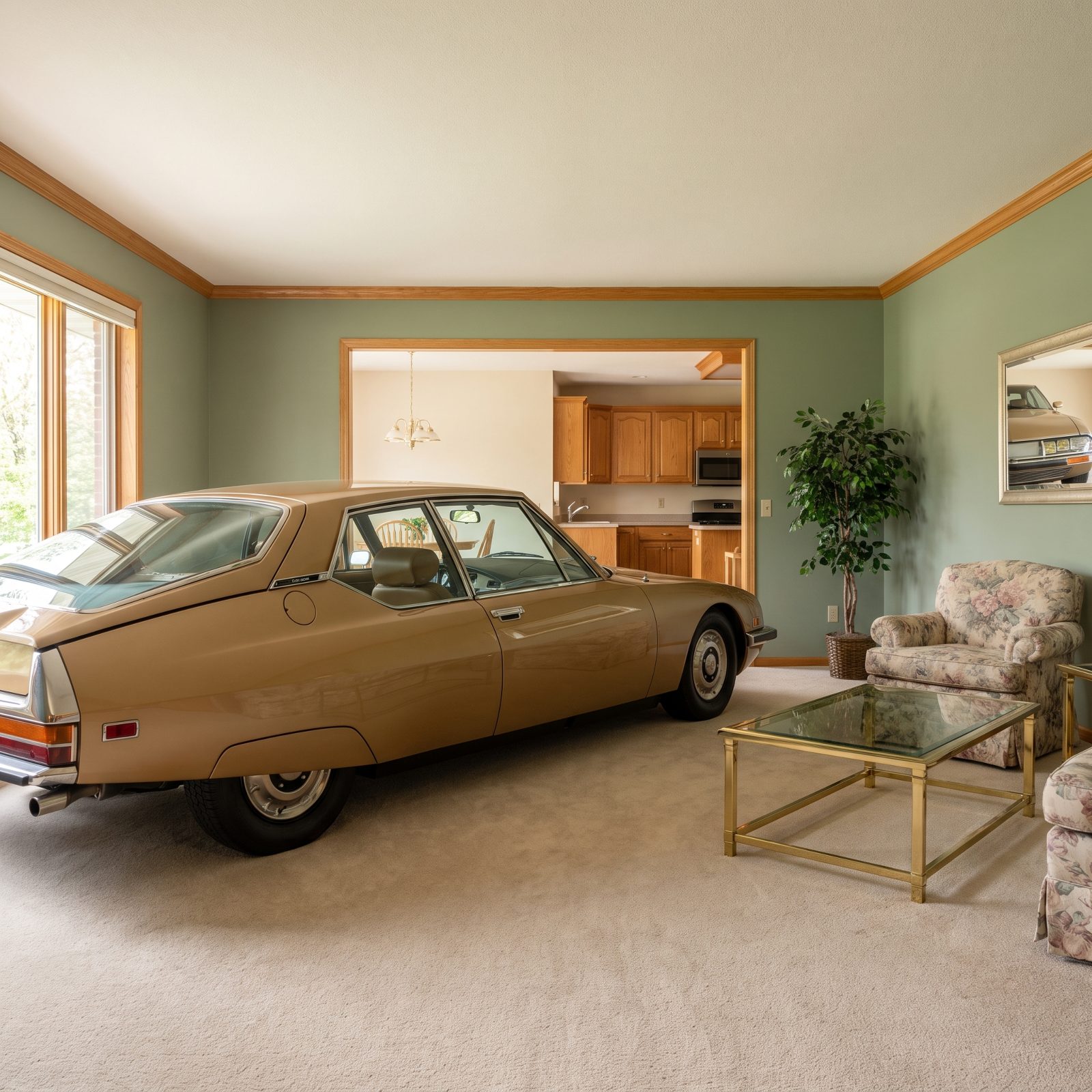
The SM looks fast from behind, which almost nothing does. That’s the covered rear wheels talking. Enclose the back arches and you erase the wheel gap, pinch the rear track, and suddenly the tail reads as a droplet instead of a box.
Citroën built this to cut air at autoroute speed, and the shape is honest about it. Broad front shoulders, a rear that narrows hard, and a taper that tells your eye the car is squeezing through the air even while it’s parked outside a café. Rare thing, aerodynamic form that happens to look menacing. The SM got there by solving a real problem rather than chasing a look.
16. Citroën DS, Aerodynamic Form Without Sports-Car Clichés
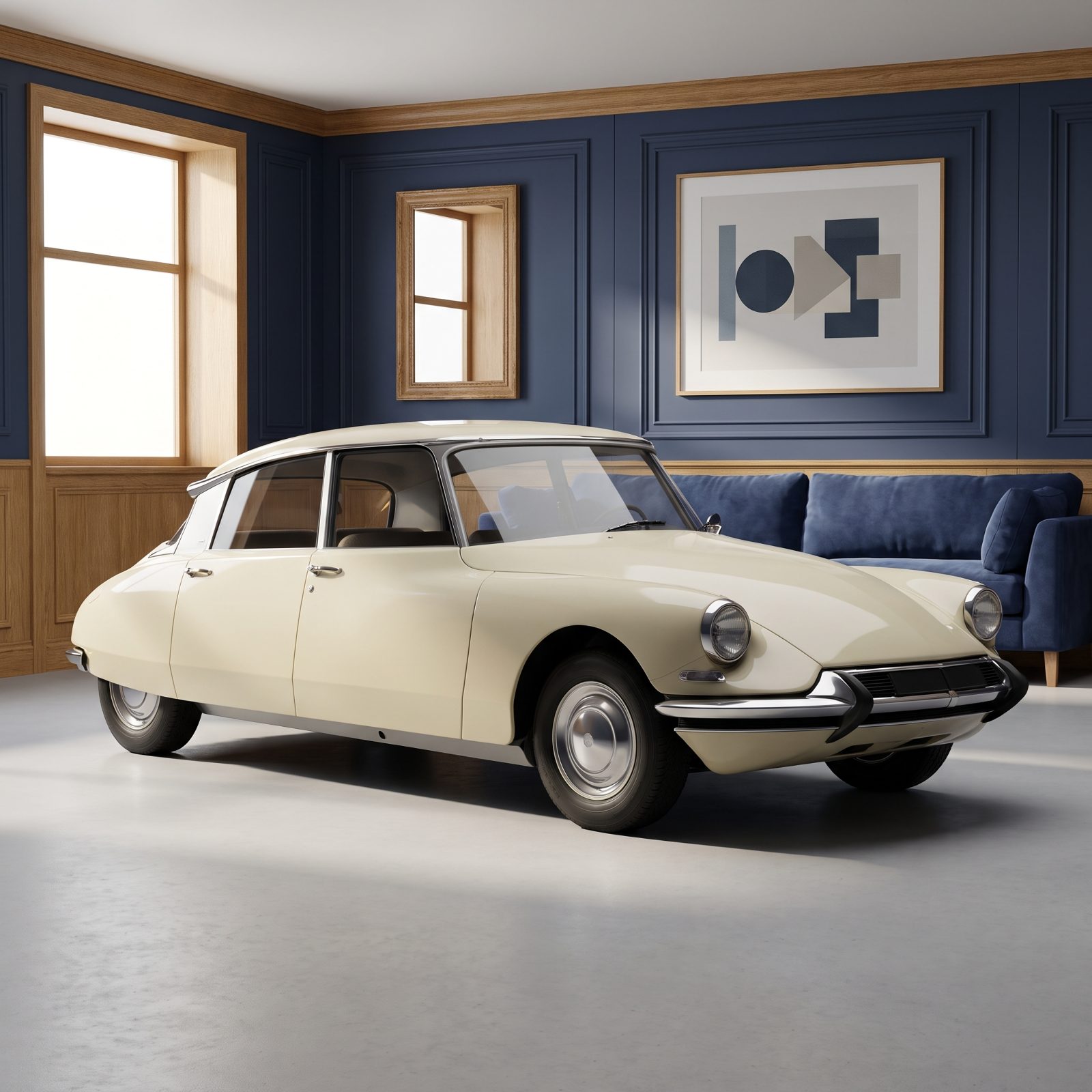
The DS looks like it’s moving while parked, and it manages it without a single aggressive line. No spoiler. No vent. No fake muscle. Just a nose that dives toward the road and a roof tapering back like water pulling off a surface.
Flaminio Bertoni sculpted it the way you’d shape clay with your thumbs, and the result reads as pure forward motion. The front end is low and reaching, the stance settles close to the ground. Most cars need theatrics to look quick at rest. This one needed restraint, which is the harder job by a mile.
15. Alpine A110, Narrow Cabin, Rounded Fenders, Ready-to-Pounce Stance
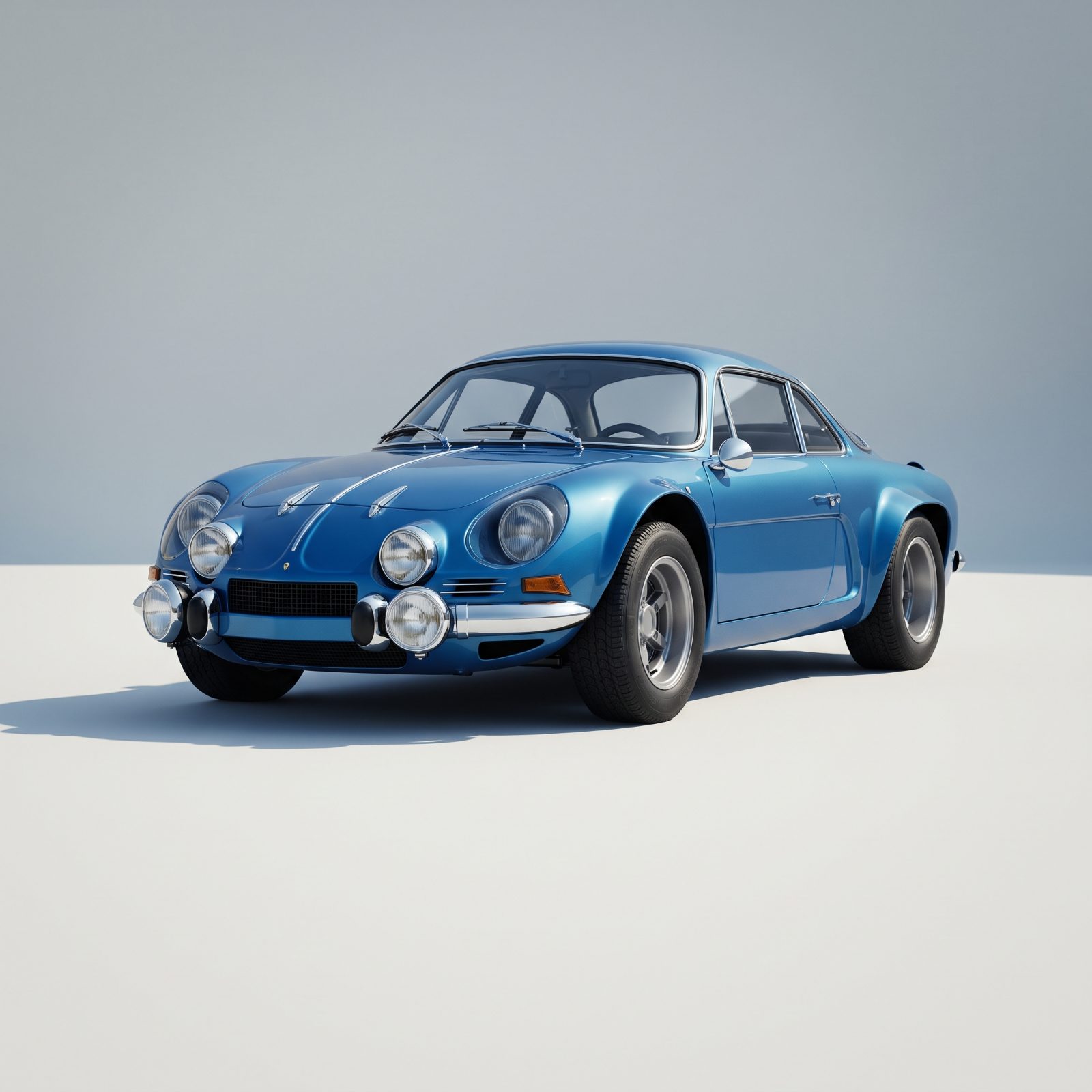
Tiny car, enormous presence. The A110 pulls that off by making the cabin almost absurdly narrow and letting the fenders swell out around the wheels like a sprinter crouched in the blocks.
Every fender is a bulge, and the glasshouse is an afterthought perched on top. Your eye reads the wheels as the main event and the body as something stretched tight over them. Barely longer than a shopping cart, yet it looks coiled and ready to spring.
A car doesn’t need to be big to look fast. It needs to look like the wheels are in charge.
14. Lotus Europa, Mid-Engine Proportions at Waist Height
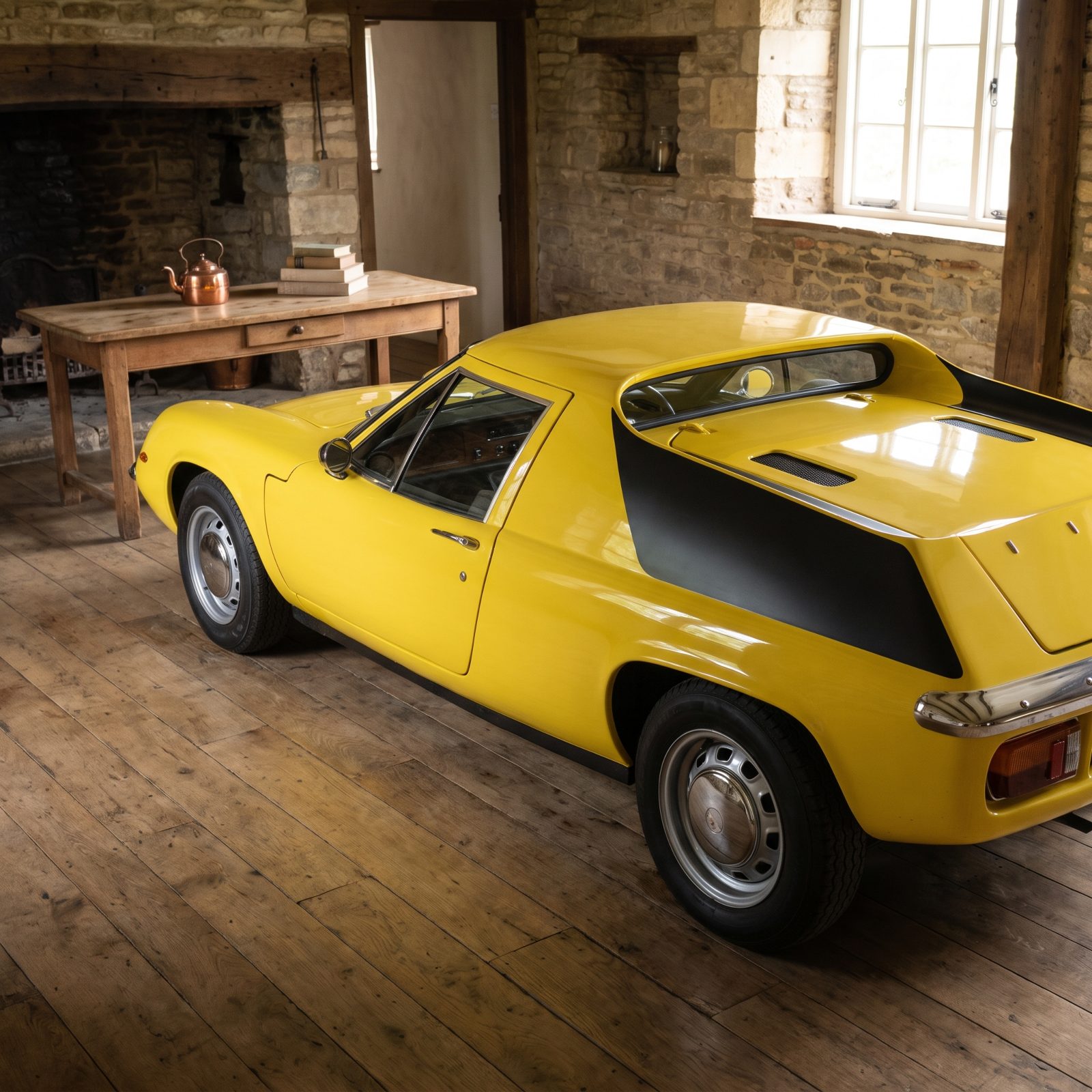
You stand next to a Europa and your belt buckle is above the roof. That alone does most of the work. Nothing that low can look slow.
The mid-engine layout pushes the cabin forward and stretches a long, flat deck behind it, capped by those twin sail panels people either love or can’t forgive. I’m in the love camp. The visual weight sits over the rear wheels, right where the mass actually lives, and the flatness of that deck makes the car look like it’s already spearing down the road at waist height.
13. Lotus Elise Series 1, Visible Lightness and Minimal Overhangs
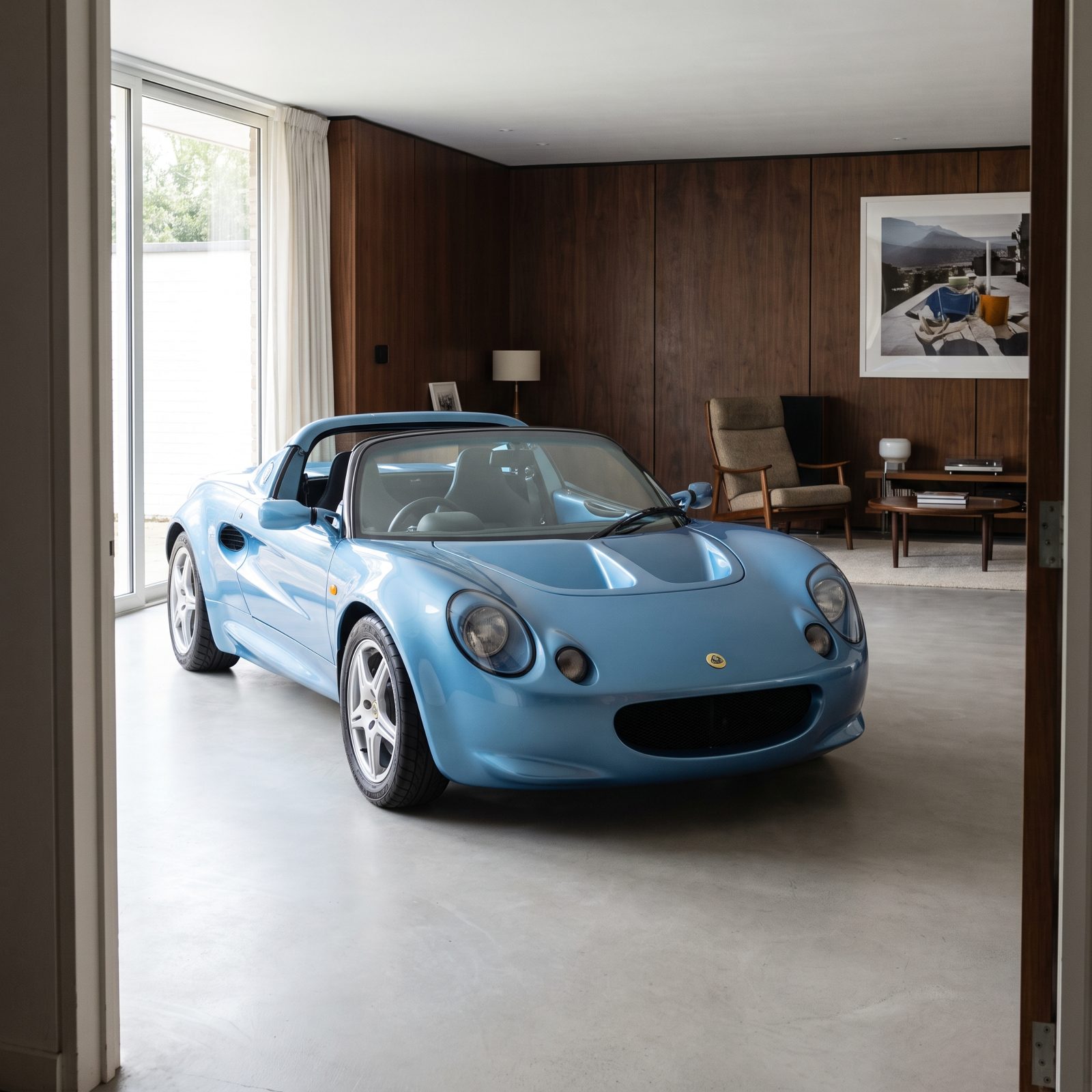
Lightness has a look, and the Series 1 Elise is it. Nothing hangs past the wheels. The nose stops almost the second the front tires end, the tail does the same, and your eye reads the car as all wheelbase and no fat.
Short overhangs are the cheapest trick in the book for making a car look quick, and they’re also the easiest to botch into something stubby. The Elise avoids that because the surfacing is clean enough that there’s nothing to distract from the proportion.
12. TVR Sagaris, Slashes, Vents, and Uneasy Surface Energy
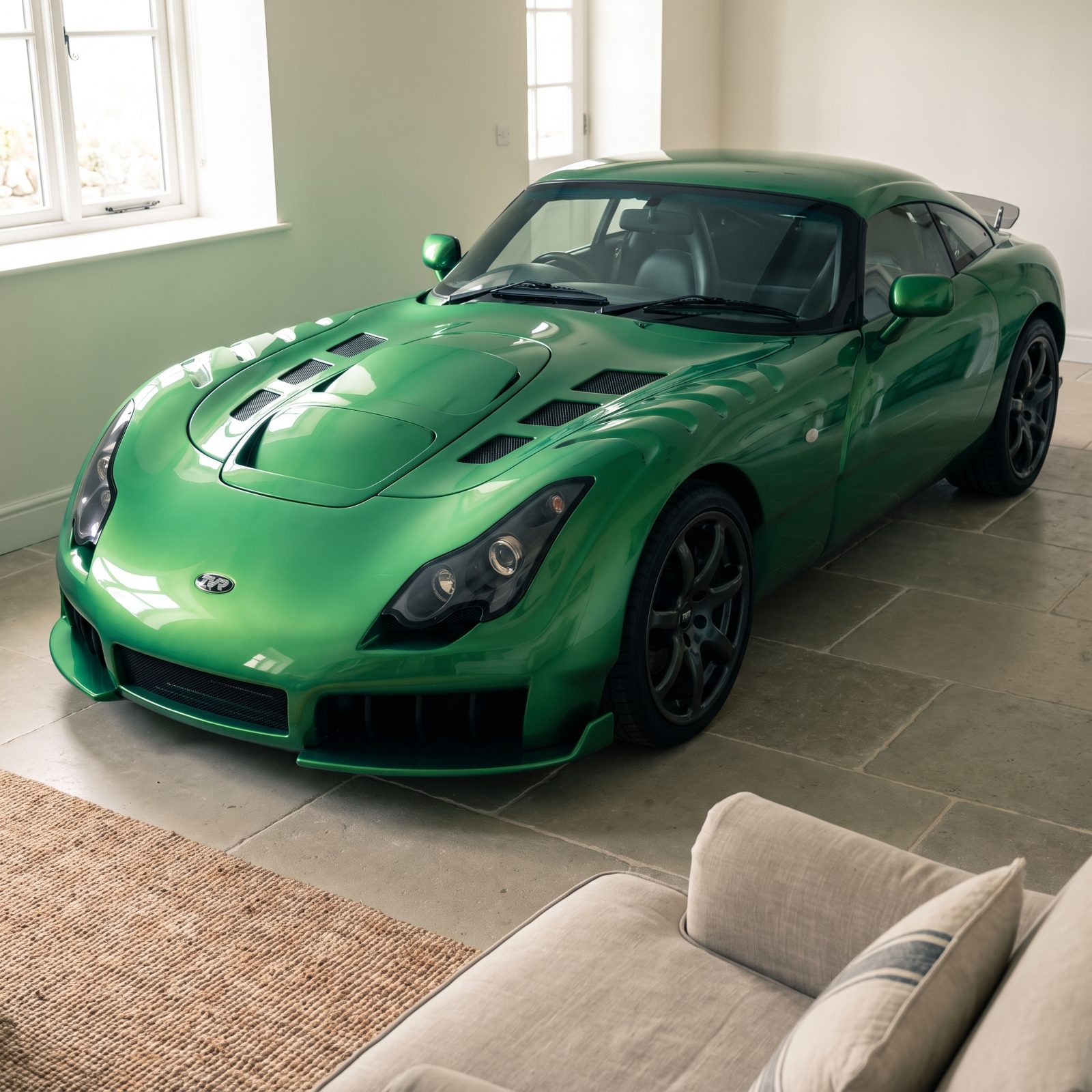
The Sagaris looks like it got into a knife fight on the way to the dealer. TVR covered this thing in slashes, gills, and vents until the surface can’t sit still.
Most designers chase calm. TVR chased unease. Every panel has a cut running through it, every cut points somewhere, and your eye never gets to rest on a flat plane. The result? A car that looks agitated standing still, like a dog that won’t quit vibrating before the ball gets thrown.
11. Pagani Zonda, A Droplet Cabin With Four Exhausts at Its Center
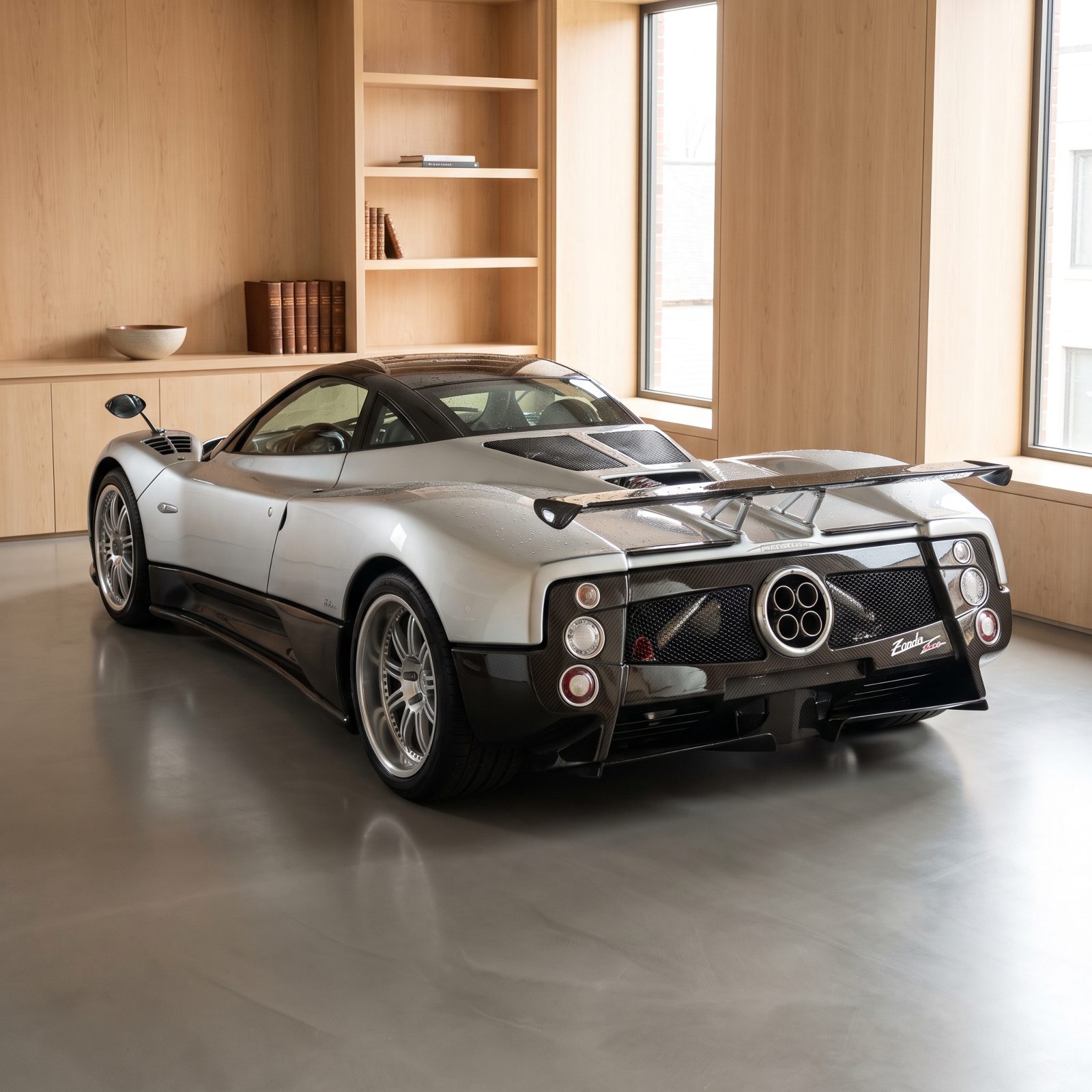
Horacio Pagani shaped the Zonda like a raindrop and then dared you to look away from the back of it. Those four exhausts clustered at the exact centerline aren’t an afterthought. They’re the focal point the whole rear is built around.
The cabin pinches to a point, the fenders bulge wide, and right where the tail narrows to nothing, the quad pipes sit like the eye of a storm. Your gaze gets yanked straight to the mechanical heart of the car, which is a trick older than cars themselves: point everything at the engine. The Zonda just does it more beautifully than anything else I can name.
10. Bugatti Chiron, The C-Line That Frames the Speed Hardware
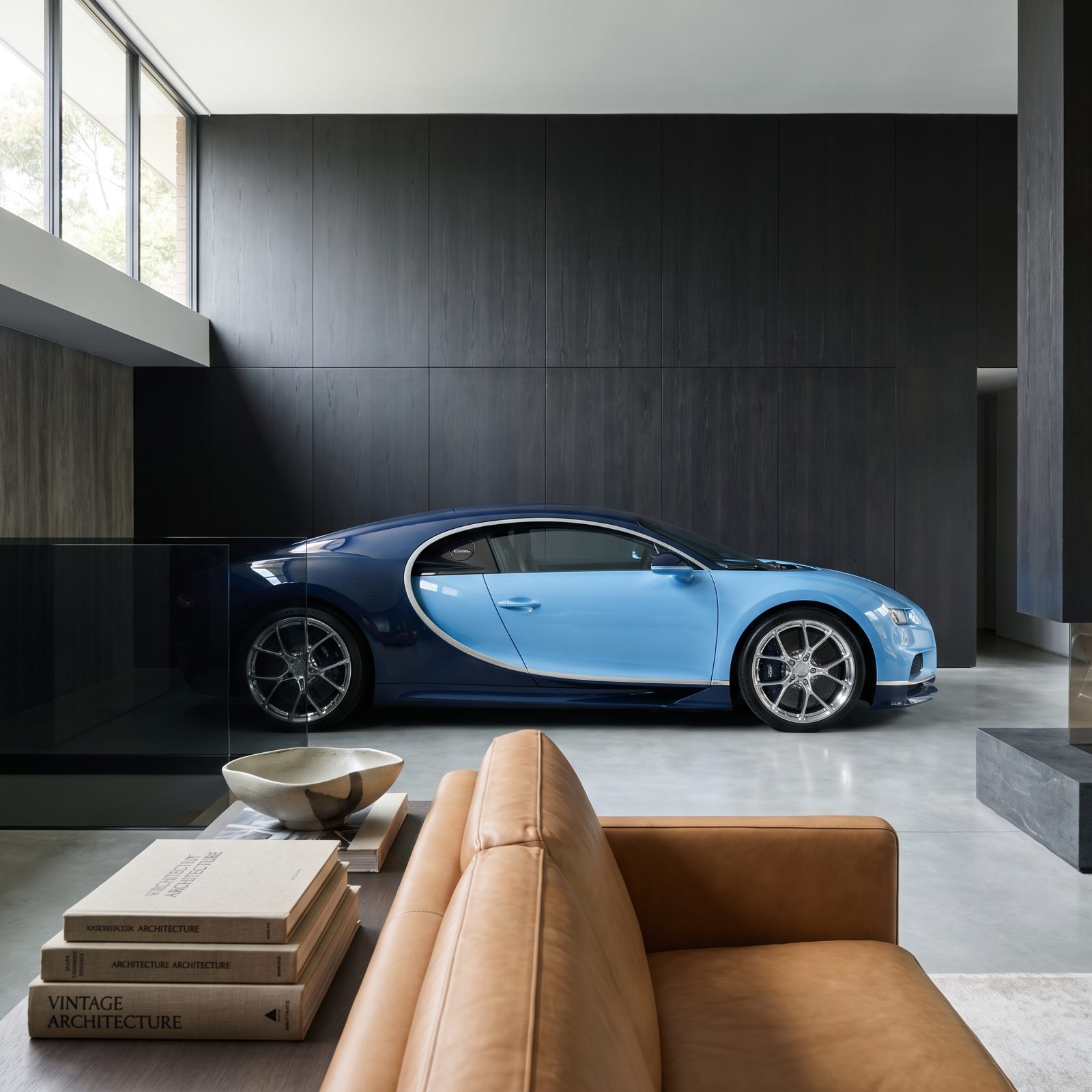
That giant C carved into the side of the Chiron isn’t decoration. It’s a funnel, and it points straight at the reason the car exists.
The C-line sweeps down from the roof and curves back into an air intake big enough to argue with, feeding the engine behind the cabin. Your eye follows the curve and lands on the hardware. Every line of that flank is organized to say there’s a monster back here and it needs to breathe. Wide stance. Haunches loaded over the rear wheels. Nose pinned low to the ground.
9. Ferrari Testarossa, Side Strakes That Stretch the Body
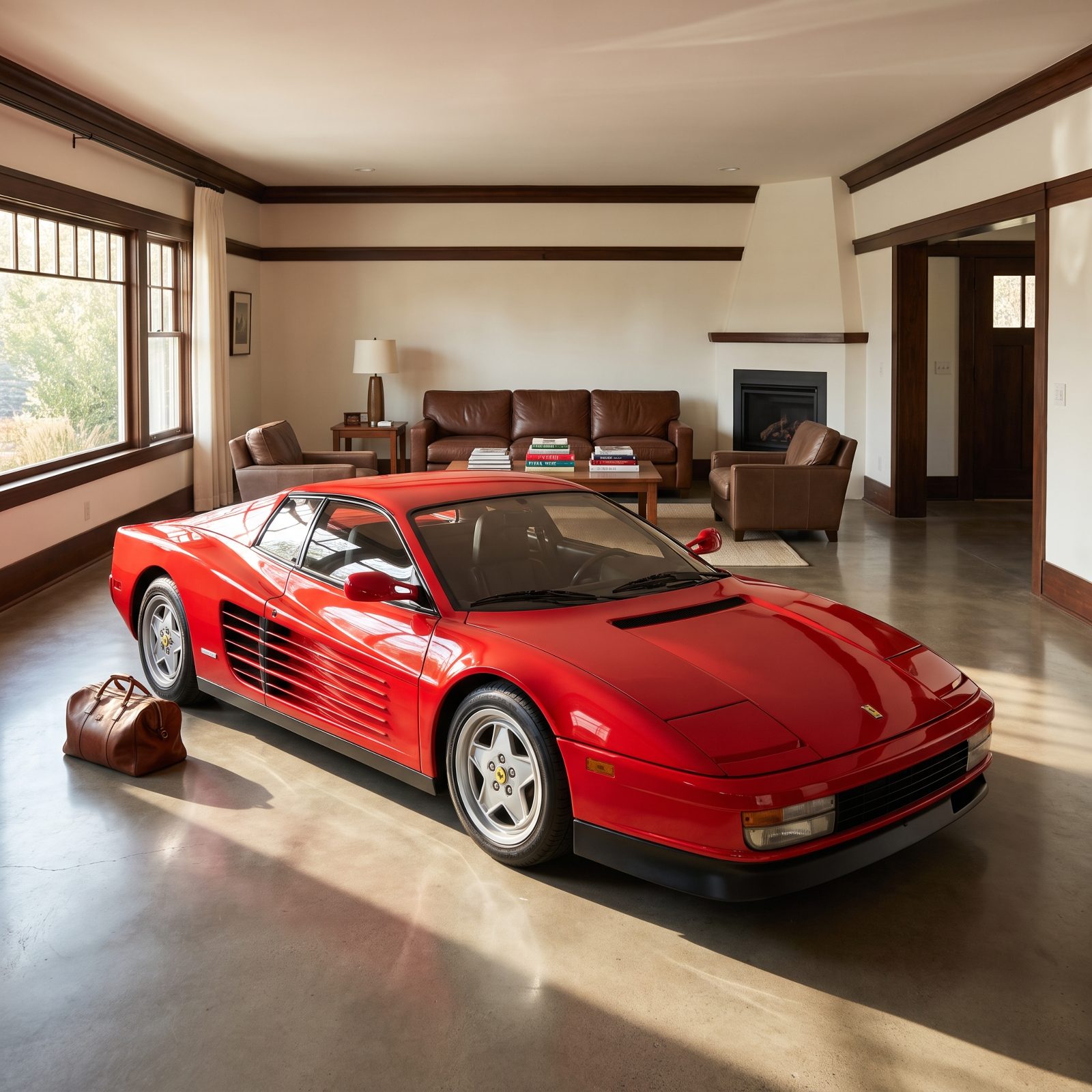
Those strakes weren’t a stylist showing off — they fed air to the side radiators Ferrari had moved out of the nose. But the visual job is the real trick. Horizontal lines pull your eye the length of the car, and the Testarossa is already wide enough to look braced against something.
Park one and it still reads as moving, the body stretched taut over the mechanicals, flat nose down, haunches flared. I used to think the strakes were overkill. Standing next to one changed my mind fast.
8. Ferrari Enzo, Formula One Geometry Recast for the Road
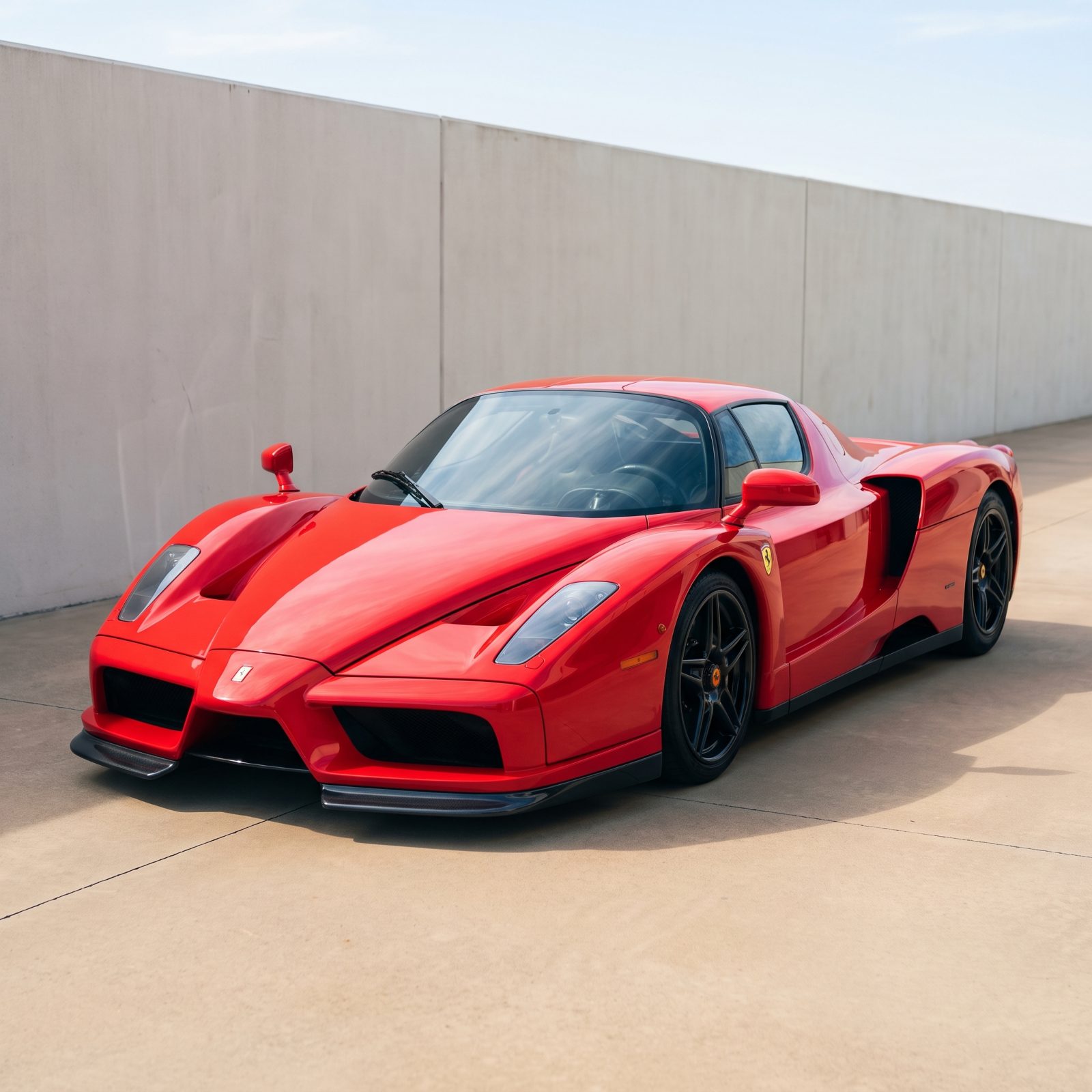
The Enzo looks fast because it borrowed its face from a car built to do nothing else. That beaked nose and the splitter underneath came straight off the single-seater thinking of the early 2000s, and Ferrari never softened it for the road — they left the geometry sharp.
Everything pitches forward. The mass sits over the front axle, the cabin hunkers down, the tail falls away like the car is already mid-corner. You don’t admire an Enzo. You get out of its way.
7. Ferrari LaFerrari, A Suspended Cabin Between Aero Forms
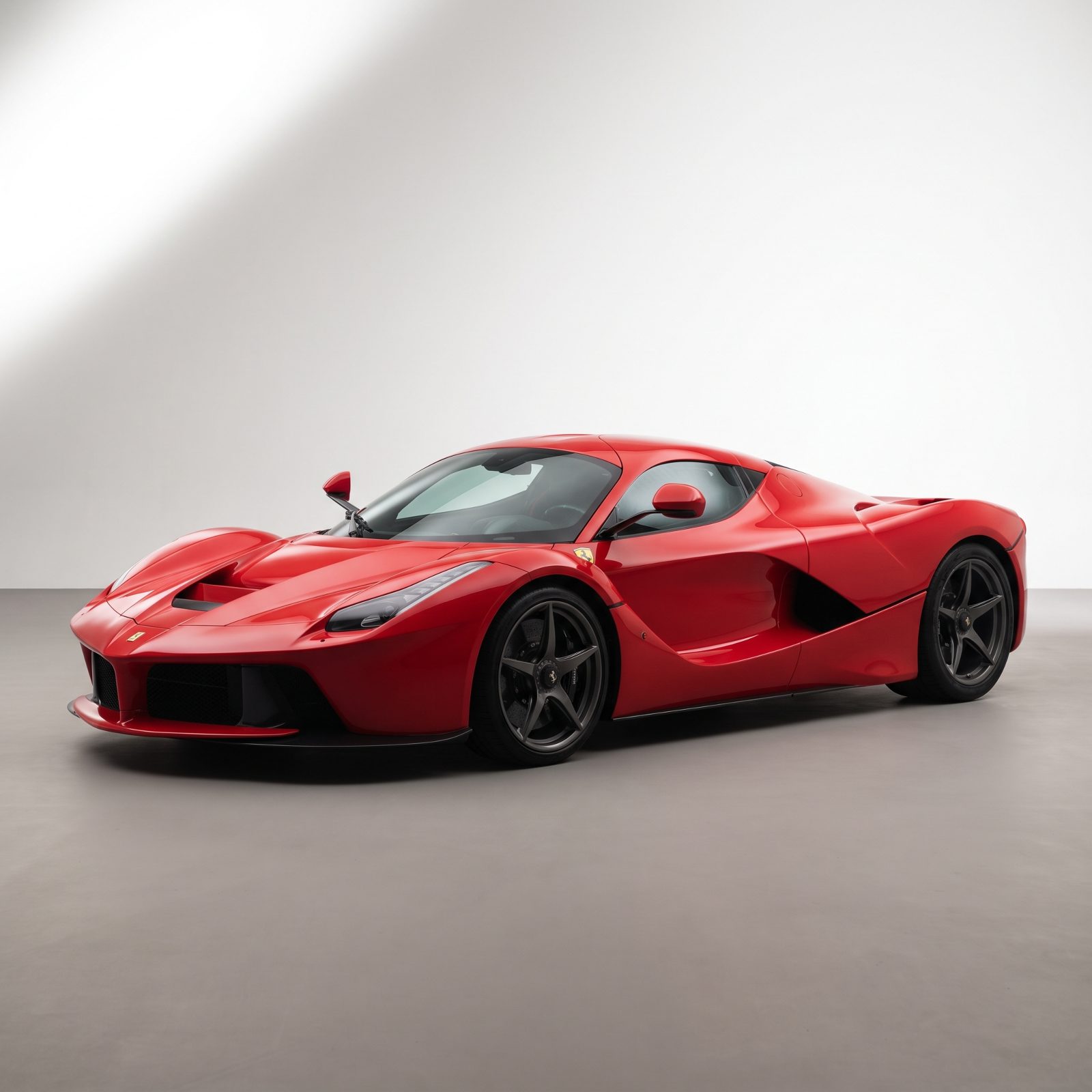
Look at the gap between the roof and the fenders. That daylight is deliberate. The cabin on a LaFerrari reads as a separate pod hung between two sculptural masses, the way a fighter canopy sits apart from the wings.
The surfacing does the rest. Ferrari scooped and hollowed the flanks until the car looks eroded by the air passing over it, and nothing is flat — every panel pulls against the one next to it.
6. Lamborghini Murciélago, Folded Surfaces and a Roofline Under Tension
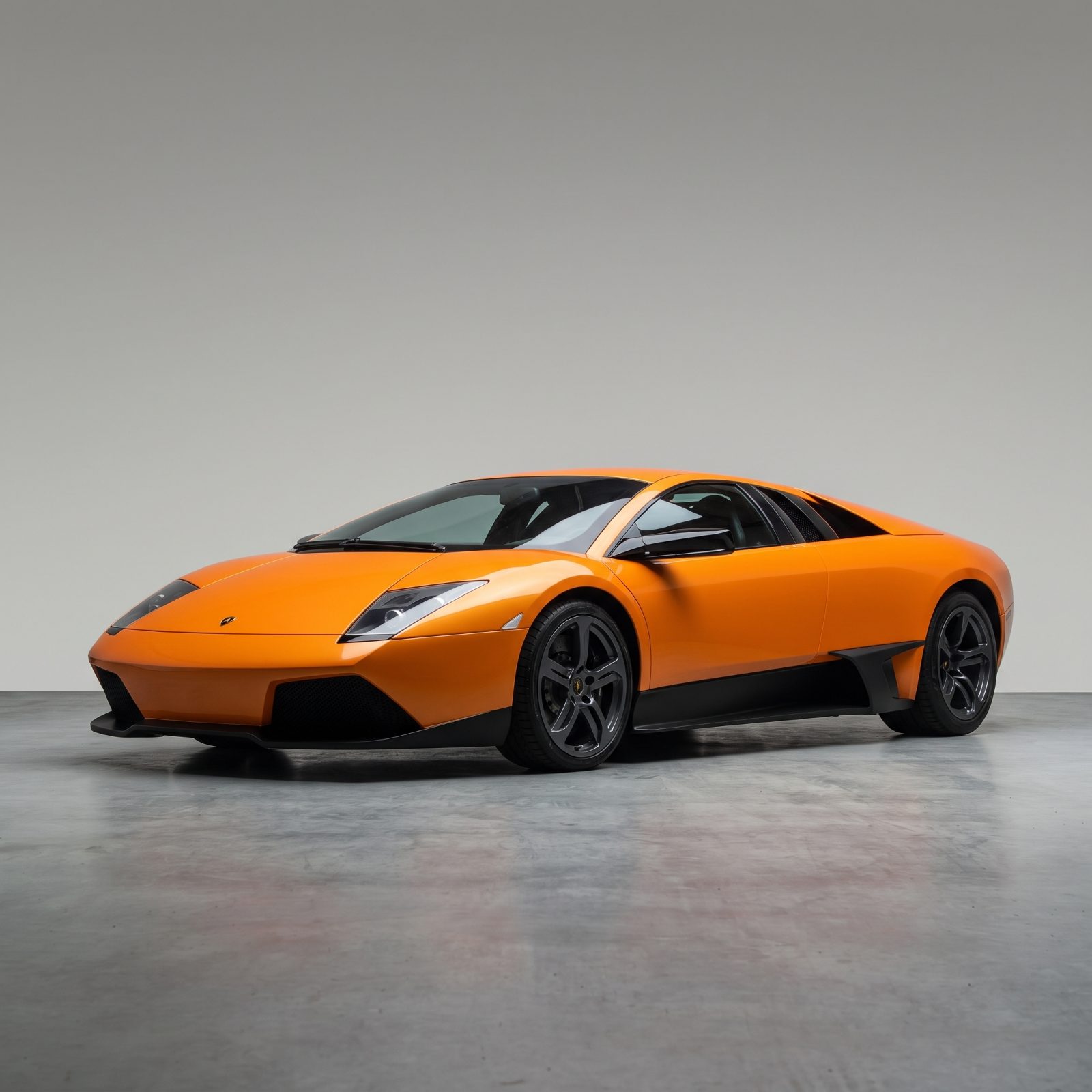
Lamborghini never bought into curves. The Murciélago is folded, not molded — all creases and flat planes meeting at angles that look like they’d cut you. Where a Ferrari flows, this thing feels hacked from a single block and then sharpened on a stone.
The roofline earns its keep. It runs low and tight from the raked screen back to those shoulder intakes, stretched like a line you could pluck. Scissor doors are theater. The tension in that roof is the real work.
A wedge that low shouldn’t look restless sitting still. This one does.
5. Maserati MC12, An Extra-Long Tail and Competition Stance
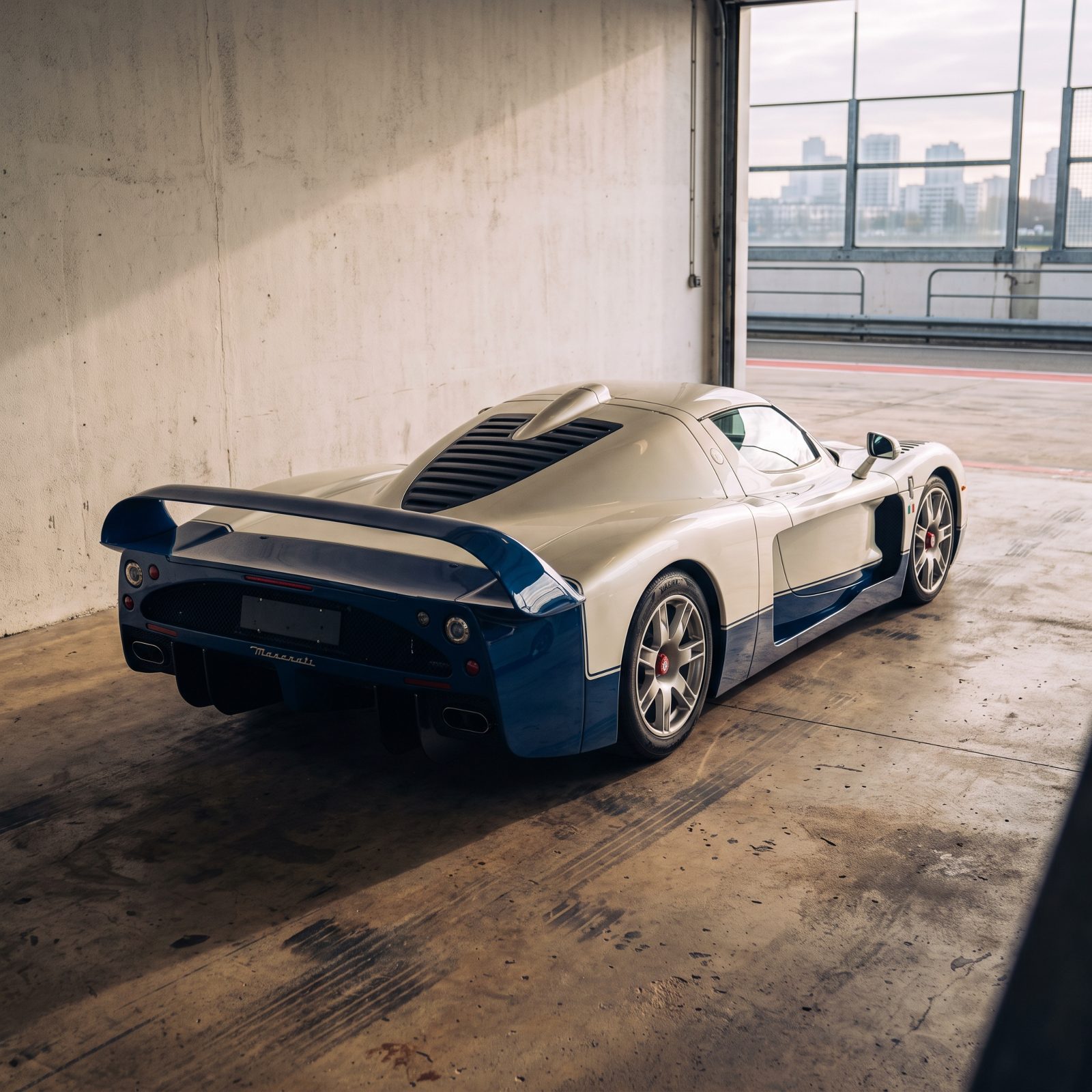
The MC12 is almost absurdly long, and that’s the point. Built to homologate a race car, it got a tail that seems to keep going after the engine has stopped, ending in a wing you could serve lunch on.
That extra length throws the visual weight back over the rear axle, so the car looks crouched and ready to launch, nose light, haunches planted. It shares its bones with the Enzo but wears them nothing alike.
4. Vector W8, Aerospace Angles and an Extreme Windshield Rake
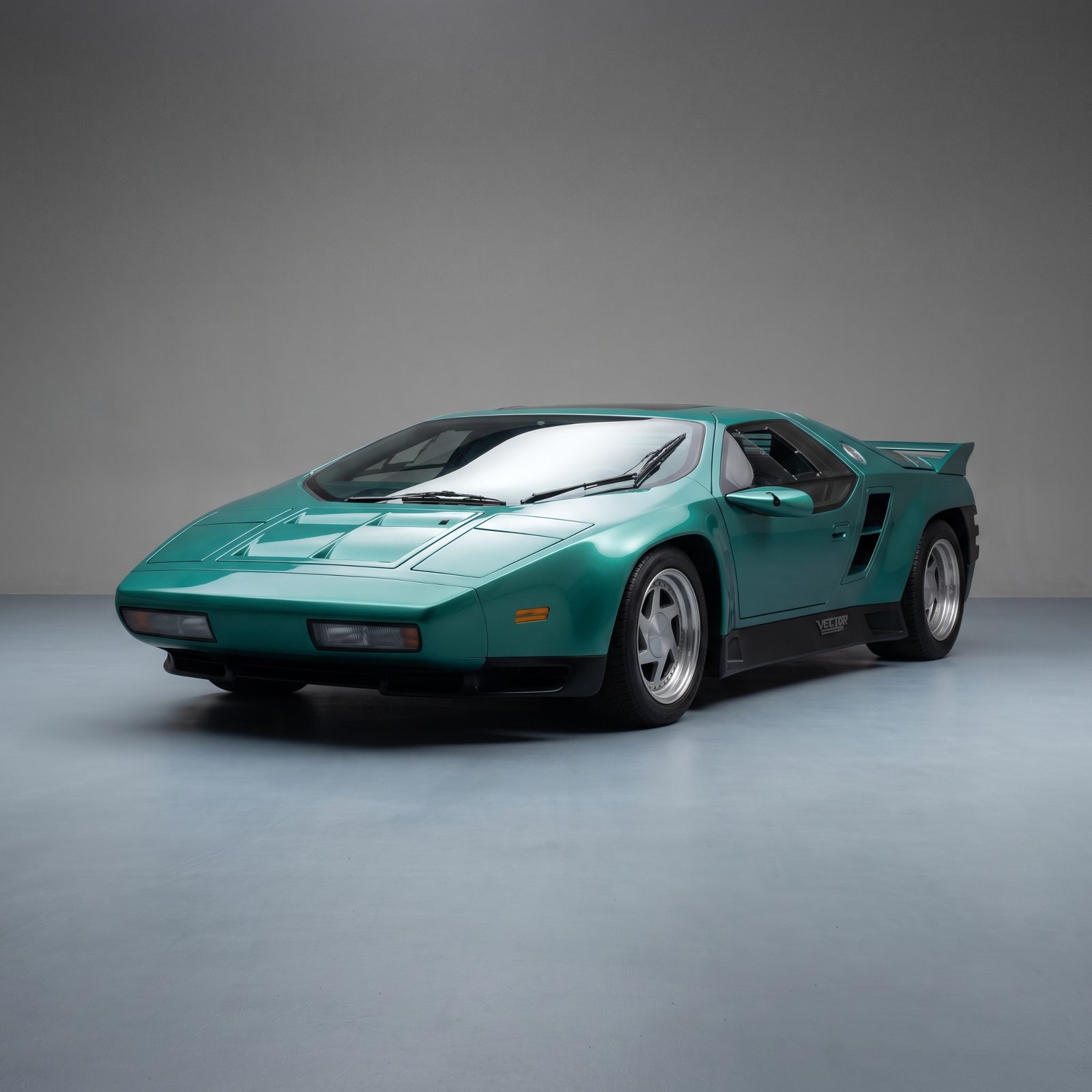
The W8 came from a company that genuinely talked like an aircraft builder, and it shows. That windshield lies down so flat it barely reads as a window. The whole car is a flat deck on a wedge, more cruise missile than coupe.
American supercars were rare, and this one was stranger than most. Dated now, honestly, in the way only early-90s futurism can be. But sitting still it still looks like it’s doing 150 — the rake does that. Drop the screen angle and the eye reads speed before the wheels move.
3. Mercedes-Benz CLK GTR, A Race-Car Cabin on a Road-Legal Body
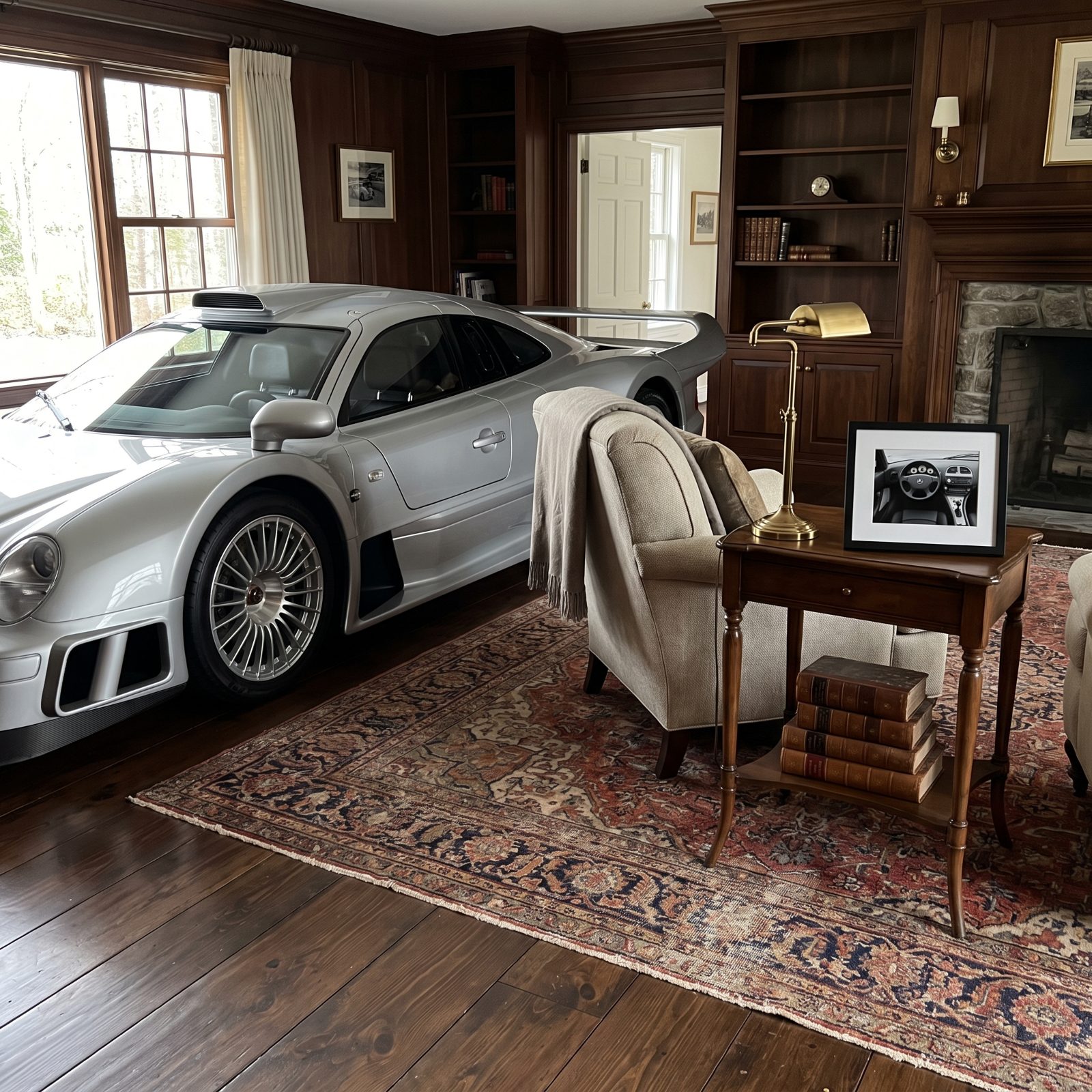
This is a GT1 race car that got number plates, and nobody tried to hide it. The cabin is tiny, shoved rearward, perched on a body wide enough to need its own zip code. The proportions look plain illegal.
That mismatch is exactly why it reads fast at rest. A small greenhouse on a vast low body tells your eye the whole thing is hunkered down and serious. No decoration anywhere. Every line is doing an aerodynamic job, and you can see it working.
2. Porsche 918 Spyder, A Low Rear Deck and Top-Exit Exhausts
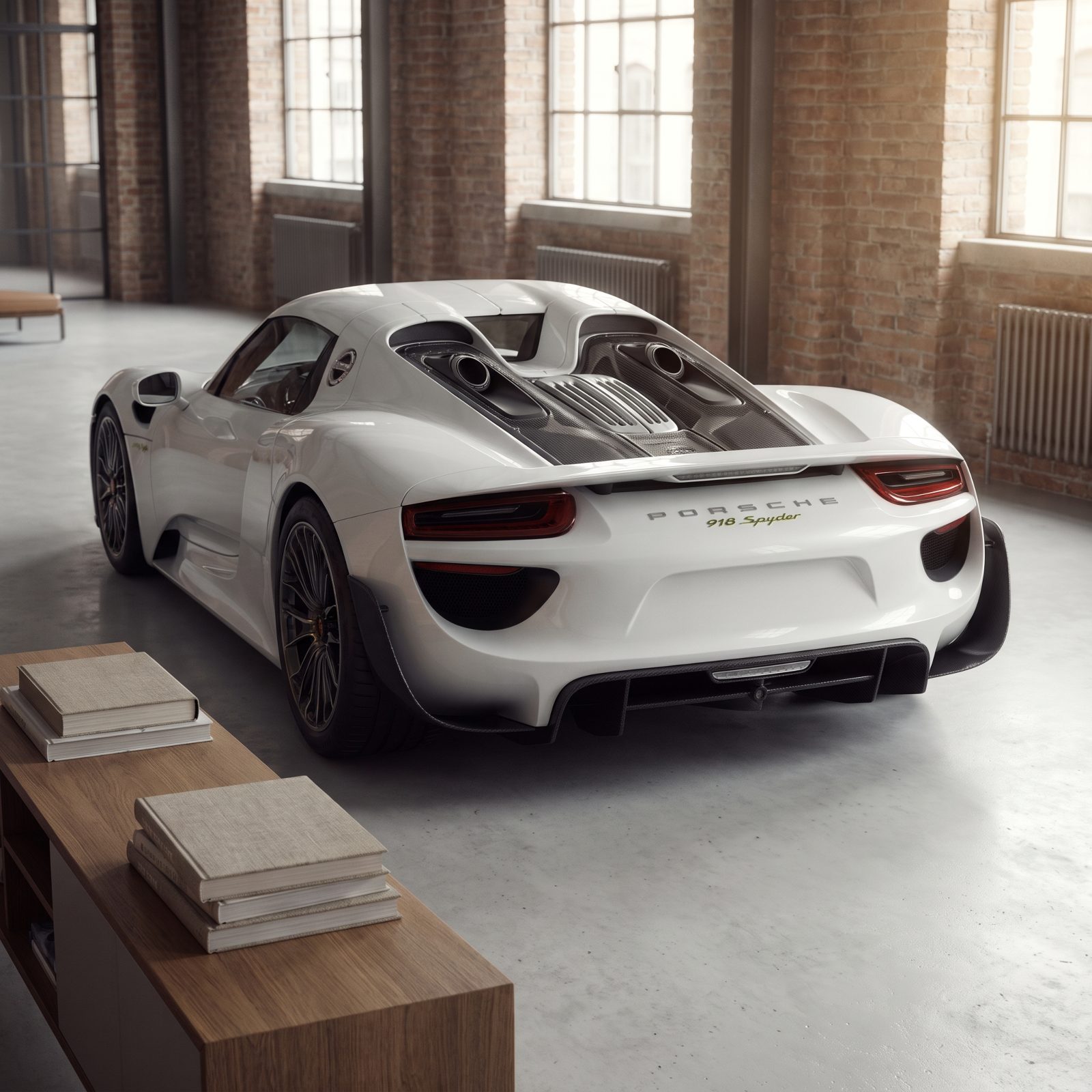
Porsche kept the 918’s rear deck low and flat, which is harder than it sounds with a hybrid drivetrain crammed underneath. The payoff is a silhouette that sits down instead of standing up.
Then they ran the exhausts out the top, right behind the cabin. Unusual, and it tells you something: those pipes exit where the heat is, close to the engine, short and direct. The effect is a car that looks purpose-built rather than styled.
1. McLaren P1, A Body Sculpted Like a Moving Air Current
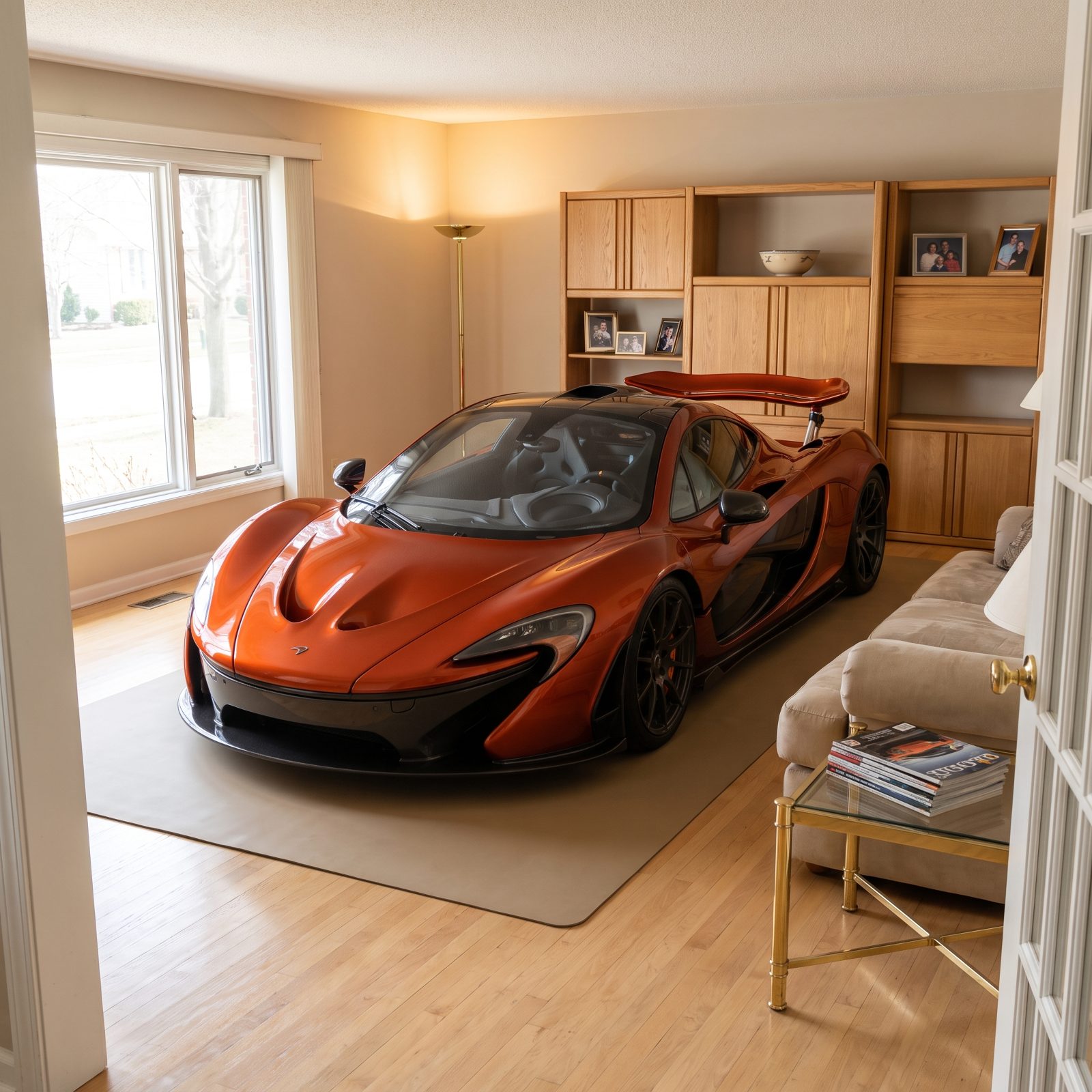
McLaren shaped the P1 as if the air had already carved it. The front fenders are hollowed into channels, the flanks scooped, the whole body surfaced so your eye follows an imagined stream from nose to tail.
Nothing here is arbitrary. The surfacing and the aero are one decision, which is rare — most cars get styled first and have wings bolted on later. The P1 looks like a snapshot of wind holding still, and honestly, that’s the best fake-speed move there is: make the body look like the thing rushing past it.