
Would you like to save this?
A good car can fail. Happens more than you’d think. Showroom floors are littered with vehicles that drove fine, looked sharp, or dared something nobody else would, and still got left for dead. Sometimes the price was wrong, sometimes the timing was cruel, and sometimes the marketing promised the moon when the car just needed a buyer who understood it. These ten weren’t lemons. They were misreads and bad luck and good ideas that showed up to the wrong party. A few became collector gold years later. All of them deserved a better swing at it.
44. Edsel: The Brand-New Marque America Couldn’t Say Yes To
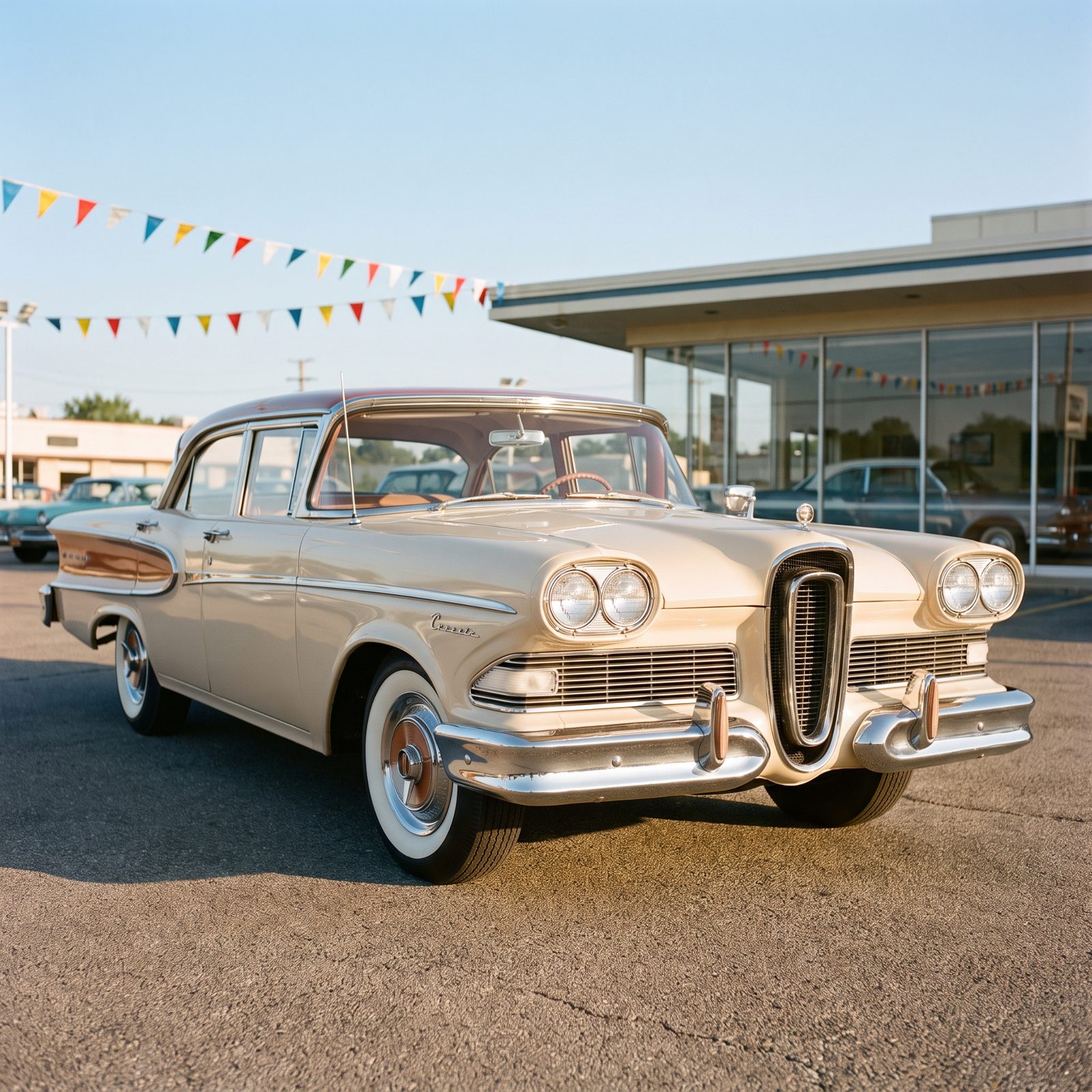
Ford spent a fortune inventing a brand from scratch and launched it straight into a 1958 recession. Bad timing doesn’t begin to cover it.
The Edsel wasn’t a bad car so much as an overhyped one. Ford teased it for months with cloak-and-dagger secrecy, so by the time the covers came off, no machine on earth could have matched the buildup. Then came that grille. People talked about it, sure. Talking isn’t buying.
Priced in a muddy middle slot nobody asked for, wedged between Ford and Mercury, it baffled everyone including Ford’s own salesmen. Three years, gone.
43. Pontiac Aztek: Function That Never Survived the First Look
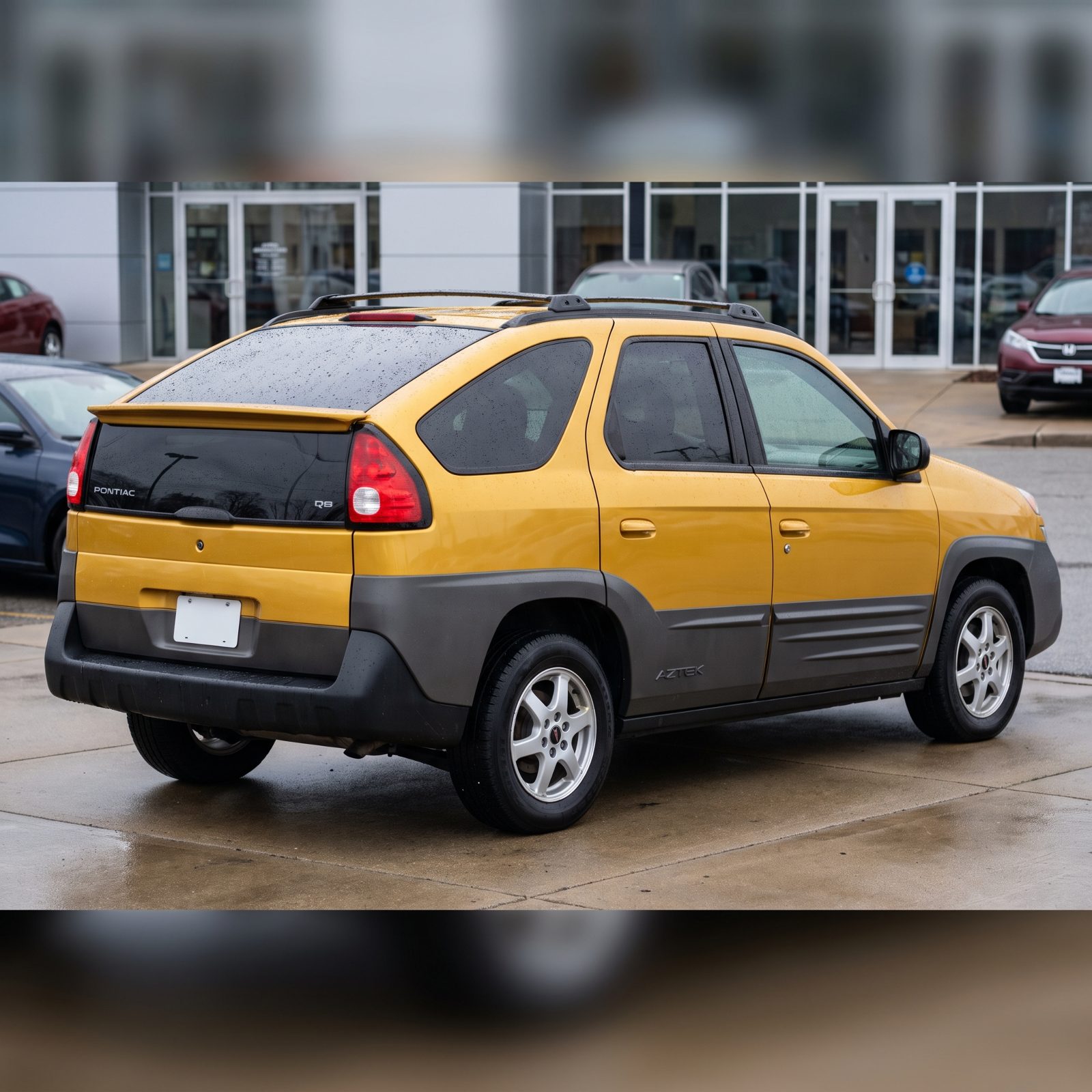
Here’s the cruel joke: the Aztek was ahead of its time and got punished for its face.
Underneath the styling nobody could defend sat a genuinely clever package. Removable cooler console, an optional tent that turned the back into a campsite, a flexible cargo setup modern crossover buyers would line up for today. Practical to a fault.
But you buy with your eyes first, and the split headlights plus slab cladding meant most shoppers never made it past the parking lot. GM had the right idea trapped in the wrong sheet metal. The whole category blew up a decade later without it.
42. Tucker 48: The Future, Buried Before It Could Drive
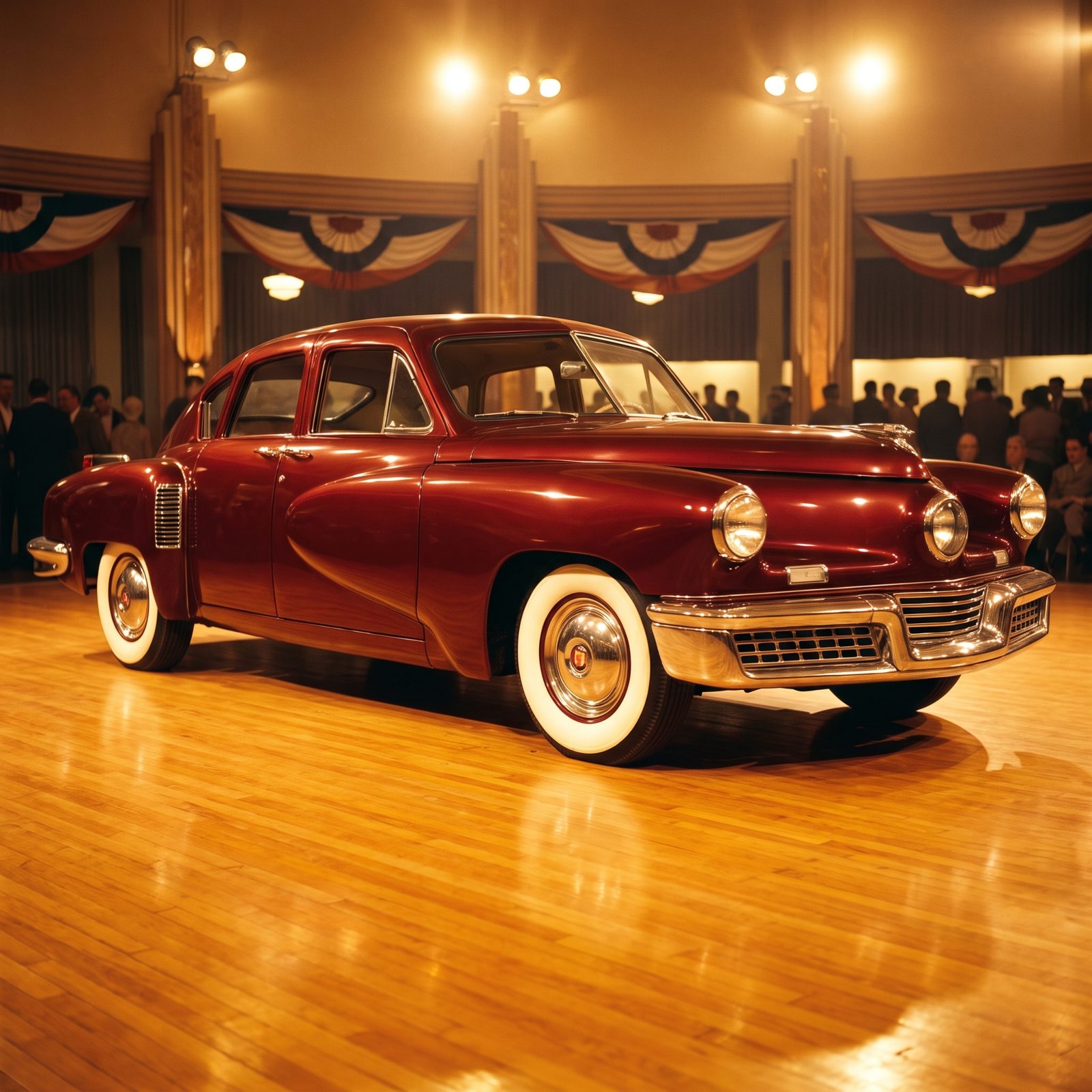
Fifty-one cars. That’s the entire production run of one of the most forward-looking automobiles America ever built.
Preston Tucker packed his 1948 sedan with ideas Detroit wouldn’t touch for decades: a center headlight that steered with the wheels, a padded dash, a pop-out windshield, a rear engine. Safety and innovation, years early.
It never got a fair fight. Supply troubles, an SEC investigation that found nothing but gutted investor confidence, a Big Three with every reason to want him gone. By the time Tucker was cleared, the money and the moment were both spent.
The Tucker didn’t fail as a car. It failed as a business surrounded by people who wanted it to.
41. Studebaker Avanti: A Shape Ahead of Its Factory
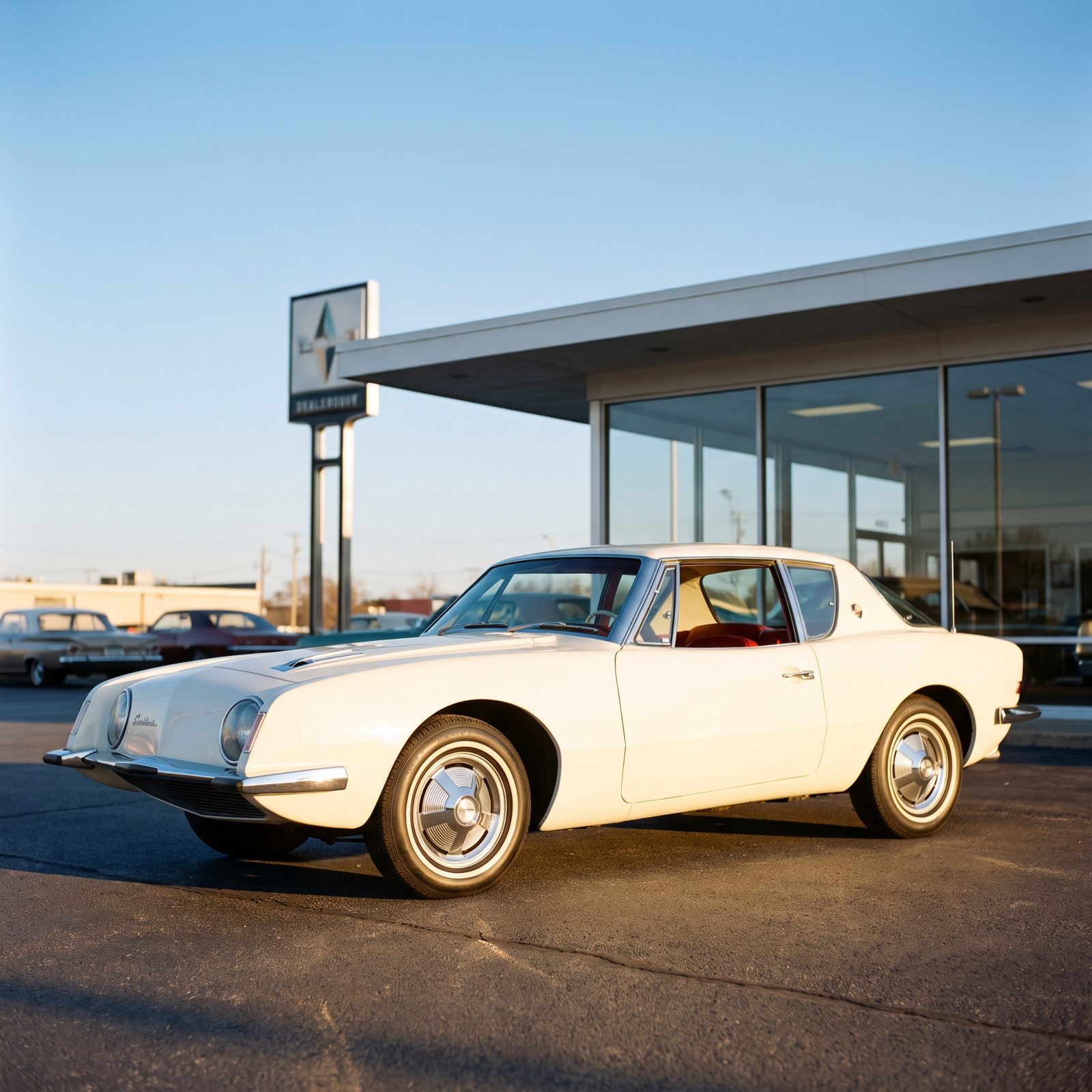
Raymond Loewy’s team penned the Avanti in a rented house in six weeks, and the shape still looks modern. That’s the tragedy.
Studebaker was already circling the drain when the Avanti arrived in 1963. Fiberglass supply problems delayed deliveries, delays killed early momentum, and buyers who’d put money down drifted off to Corvettes instead.
Quick, handsome, genuinely different in a lineup of chrome barges. But a design triumph can’t save a company that’s running out of road. Studebaker folded, and the Avanti became the rarest kind of flop, one people kept building by hand for decades after the lights went out.
40. Plymouth Superbird: The Winged Warrior Dealers Couldn’t Give Away
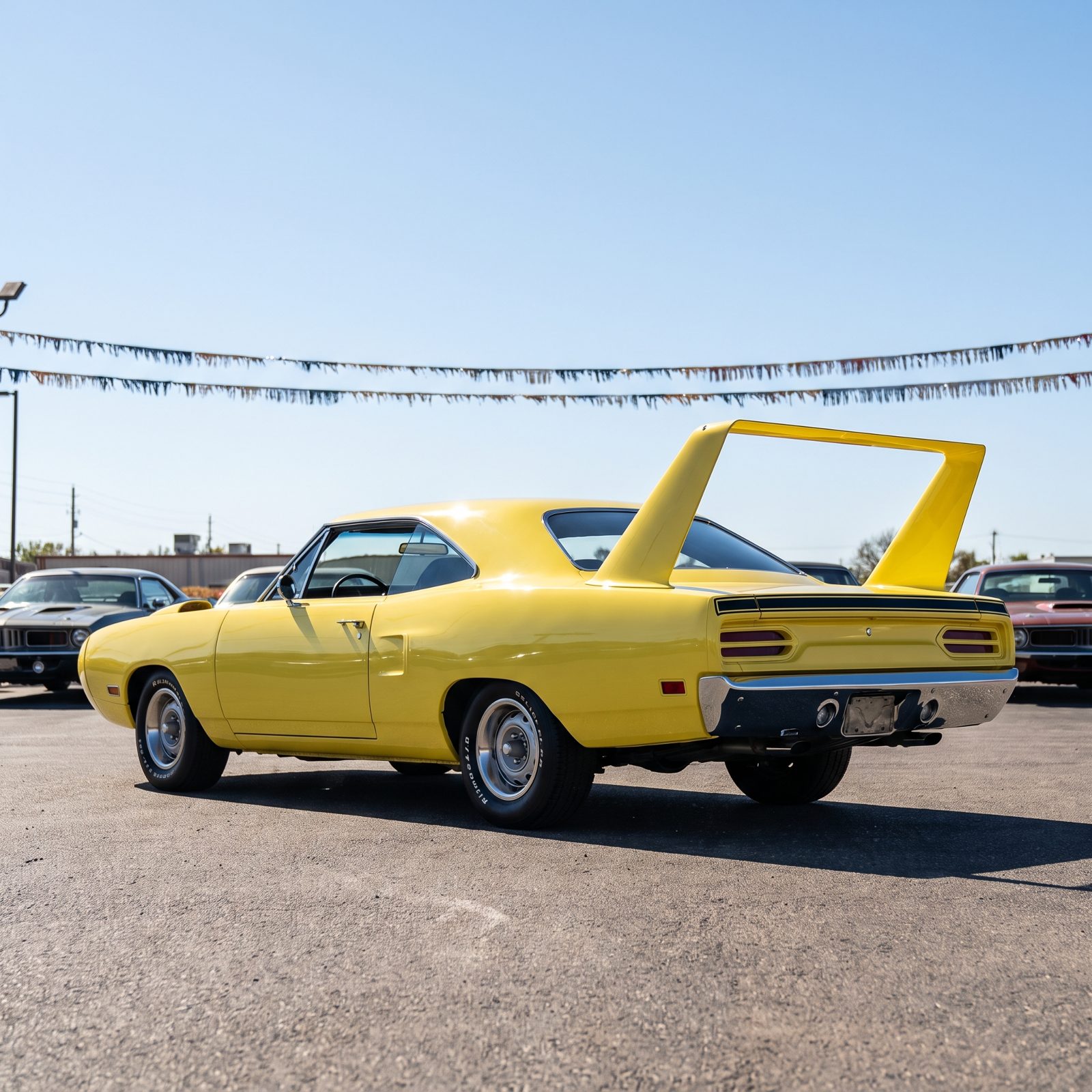
Built to win NASCAR. Nearly impossible to sell to humans.
The Superbird existed because stock-car rules demanded a production version, so Plymouth cranked out just enough to qualify. That nose cone and the two-foot wing looked insane on a suburban lot in 1970, and dealers reportedly converted some back to plain Road Runners just to move them.
Picture the showroom math. A family man walks in, sees a car with a wing you could set a drink on, and walks right back out. Too much car for the street it was parked on.
39. AMC Eagle: The Crossover That Showed Up 25 Years Early
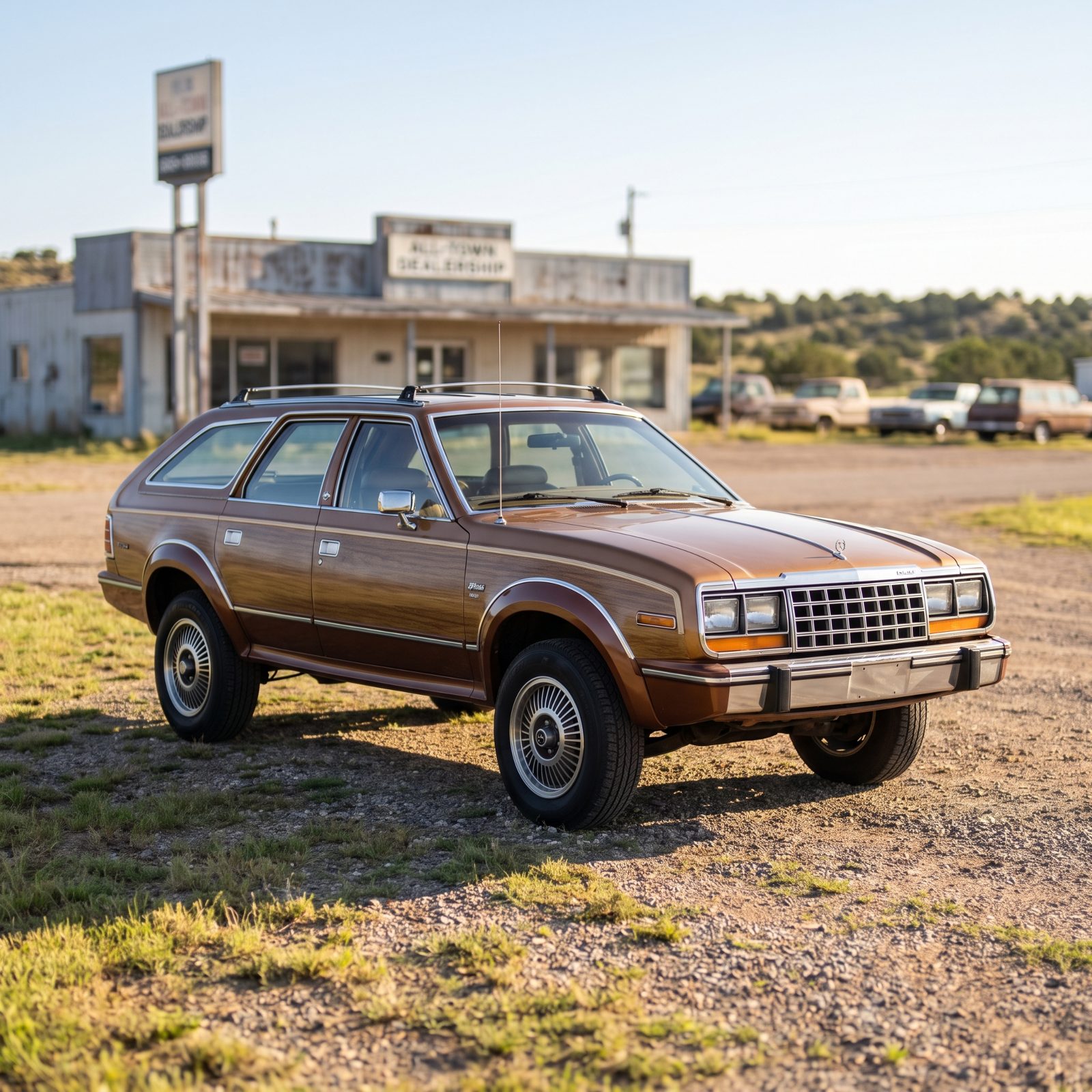
A tall wagon with permanent four-wheel drive and car comfort. Sound familiar? Every Subaru Outback owner is driving the AMC Eagle’s grandchild.
AMC launched it in 1980 as a stubborn little independent fighting for scraps. The idea was right. The company behind it was dying, the marketing was thin, and fuel prices made a heavier all-wheel-drive car a tough sell.
Buyers didn’t even have a word for what it was. No ‘crossover’ category existed to slot it into, so it landed as an oddity. AMC got absorbed, and the concept sat dormant until the market finally caught up and made it the default shape of American driveways.
38. Plymouth Prowler: Hot-Rod Looks, Minivan Heart
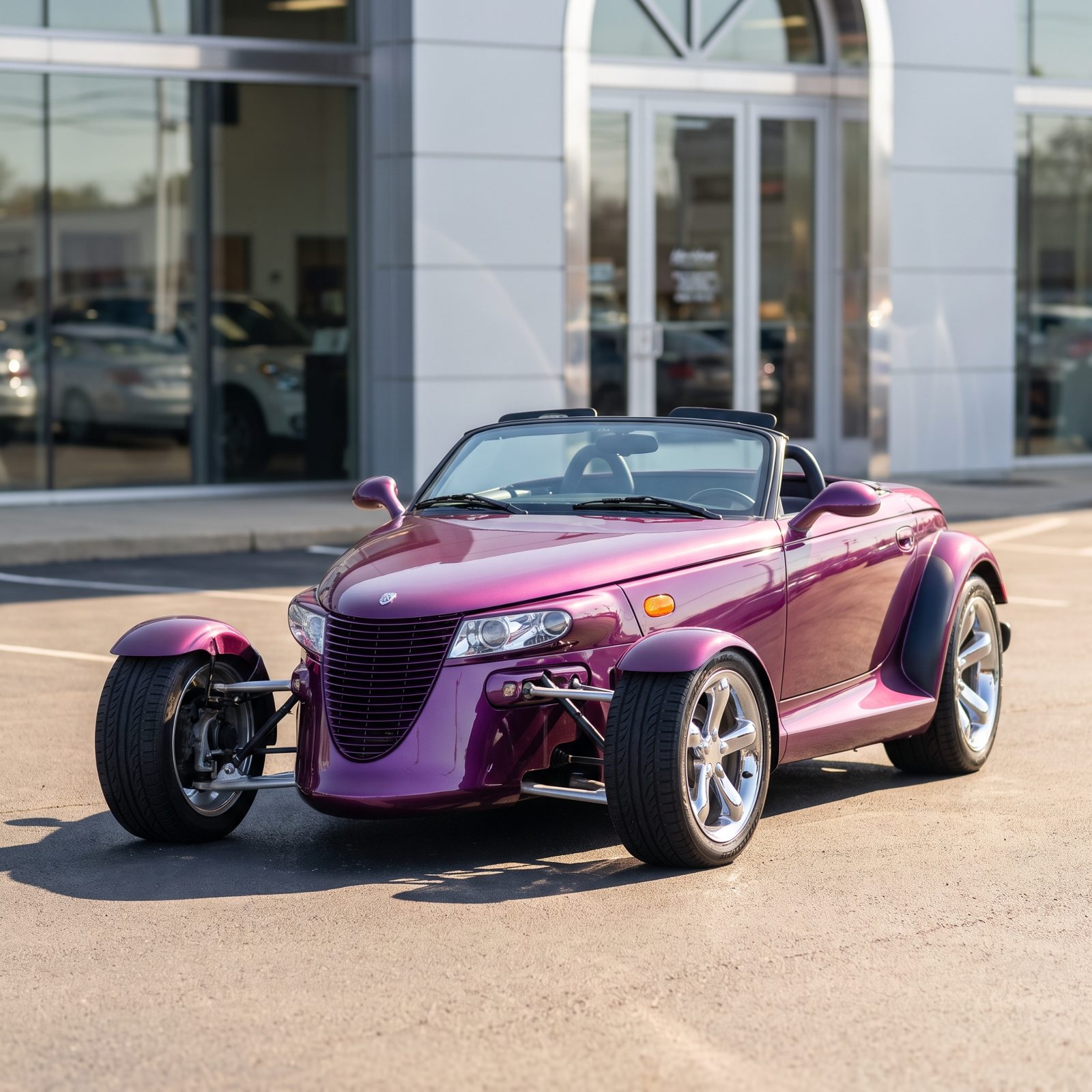
The Prowler looked like a street rod someone built in a dream. Then you popped the hood and found a V6 and an automatic.
Chrysler nailed the shape. Open front wheels, boat tail, purple paint that stopped traffic. A love letter to American hot-rod culture, and from ten feet it delivered completely.
Then it drove like a nice-enough grand tourer. No V8 ever fit, no manual was ever offered, and the crowd it was designed to thrill wanted muscle under all that drama. They found a Camry’s cousin instead. A gorgeous promise the drivetrain never kept.
37. Pontiac G8: A Thoroughbred Sedan Arriving at the Funeral
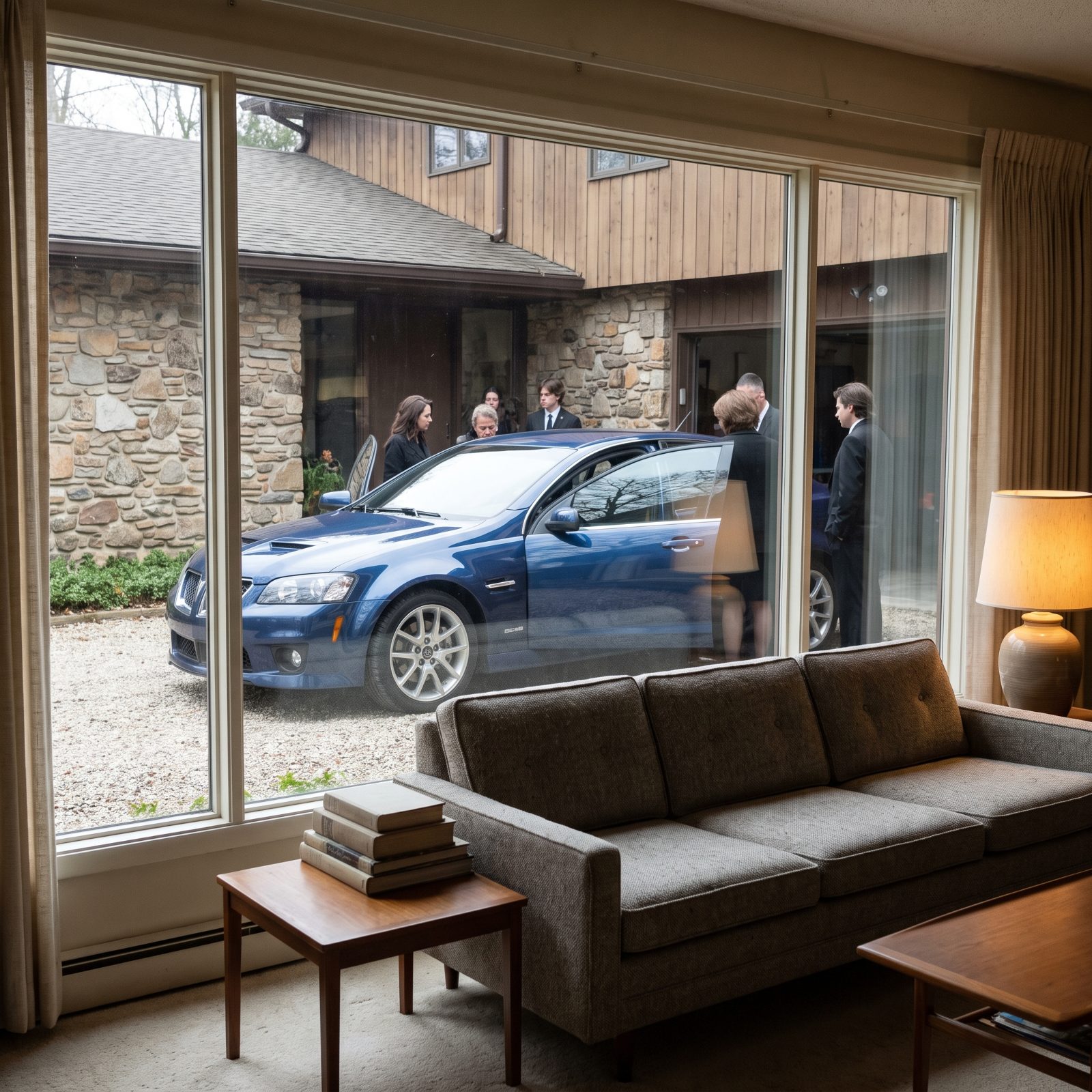
Right car, worst possible moment.
The G8 was a rear-drive, Australian-built sport sedan with a V8 option and genuine handling, the car enthusiasts had begged Pontiac to build for years. It finally arrived in 2008.
Then GM went through bankruptcy and killed the entire Pontiac brand. Buyers knew the badge was dead before the G8 had a chance to sell. Who finances a sedan from a marque that’s being shut down? Dealers watched a legitimately good car wither over a corporate decision nothing on the window sticker could fix. Timing isn’t everything. But it was everything here.
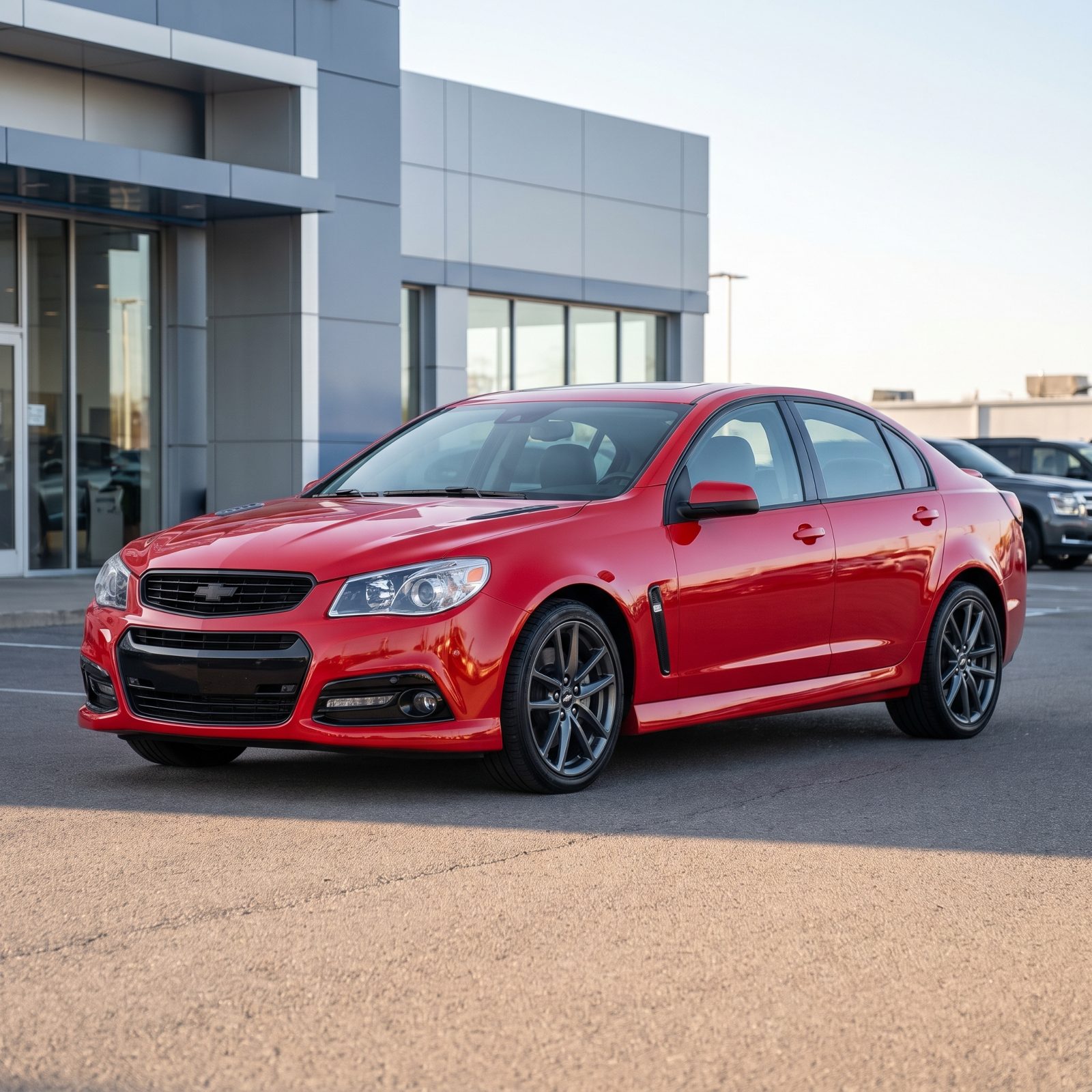
36. Chevrolet SS: The Fastest Sleeper Nobody Knew Existed
Would you like to save this?
A rear-drive V8 sport sedan with a manual option, sold by Chevrolet, and almost nobody noticed. On purpose, it seemed.
The SS looked like a rental Malibu to an untrained eye. That was the charm to enthusiasts and the death sentence at the dealership. Chevy barely marketed it, built it in small numbers, and priced it against cars wearing far flashier badges.
Say you wanted a four-hundred-plus horsepower four-door sleeper. You could’ve had this and told nobody. The problem? Chevy told nobody either. Great car, invisible by design, gone by 2017 along with the Australian plant that built it.
35. Chevrolet Bolt EV: A Smart Little Electric Car Sunk by a Recall
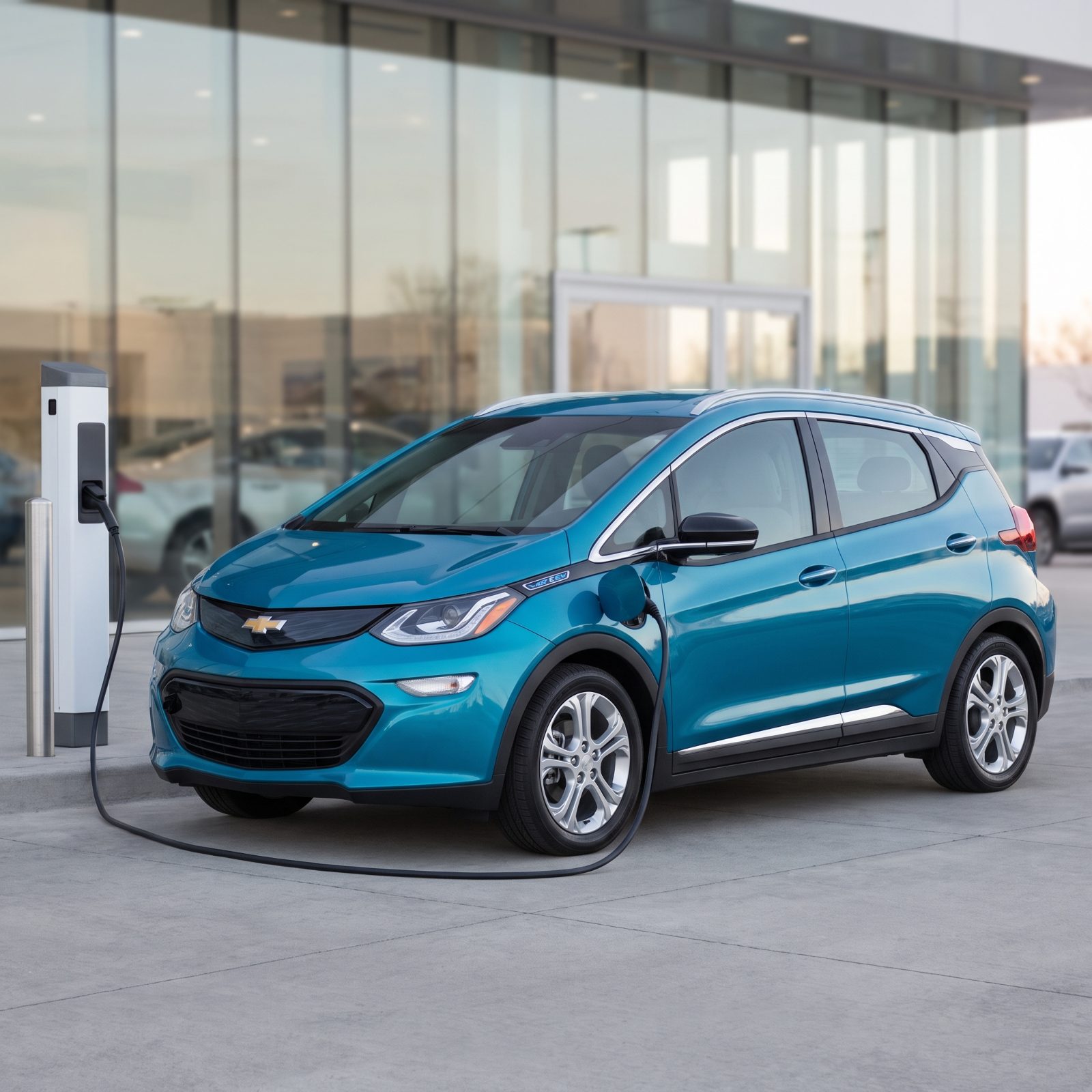
Good range, honest price, genuinely usable. The Bolt was one of the better affordable EVs on the road. Then the batteries started catching fire.
The recall was the headline that stuck. GM pulled thousands of cars, told owners to park away from buildings and limit charging, and the reputation damage ran deeper than the fix ever could.
By the time the batteries were sorted, the story had calcified. People remembered the recall, not the quiet competence of the car underneath. GM discontinued it, then reversed course and promised a next-generation version. In the EV era, one scary headline outruns a hundred good commutes.
34. Cadillac ELR: The Beautiful Plug-In Coupe With an Impossible Sticker
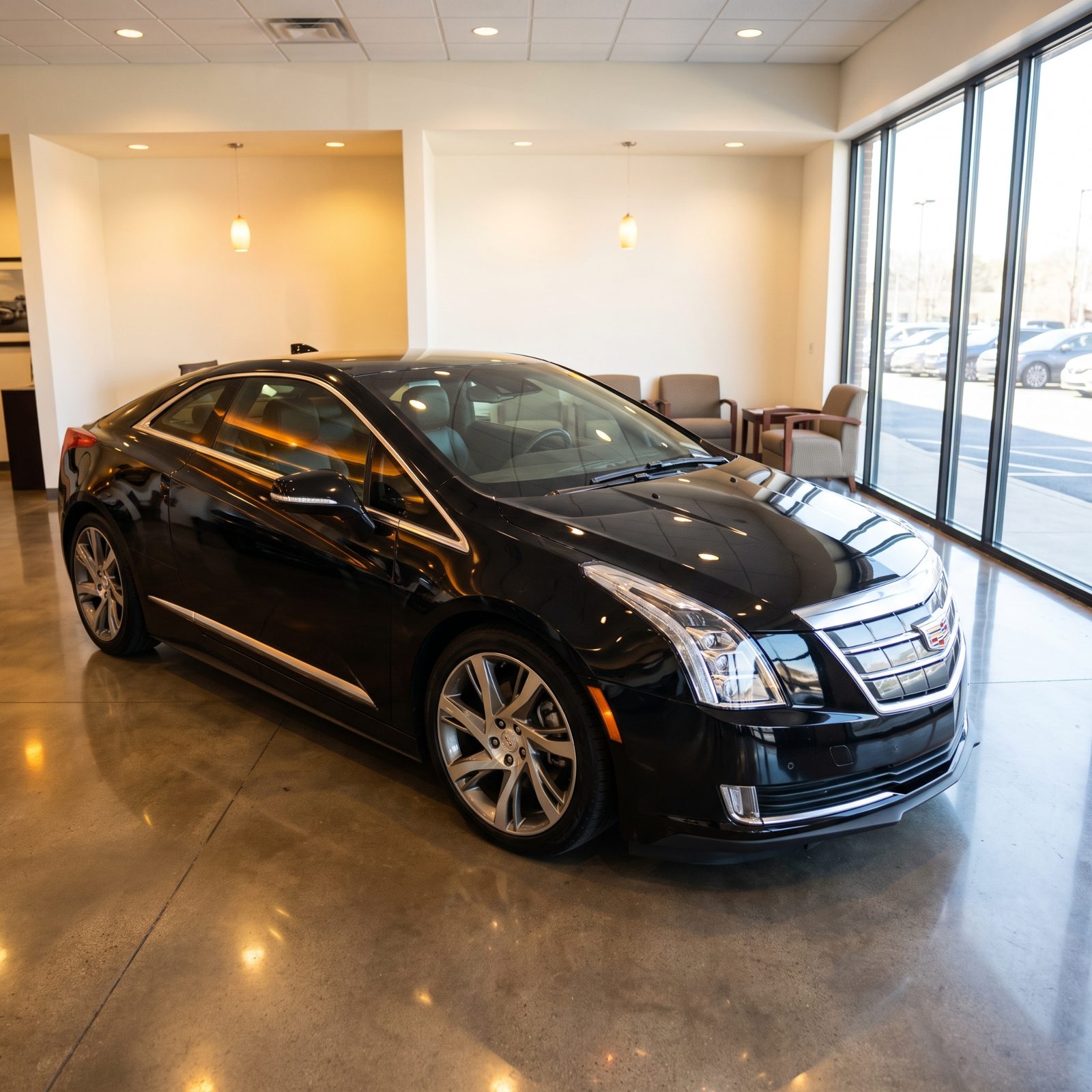
Look at the thing and you understand why someone fought to build it. The ELR took the clean folded-paper lines of Cadillac’s Converj concept and pushed them into production nearly intact, which almost never happens.
Then the price landed. Around $75,000 for a plug-in coupe that shared its drivetrain bones with a Chevy Volt costing half as much. Buyers could do the math, and the math said no.
Beautiful car, wrong number on the window. It deserved a better story than the one it got.
33. Chevrolet SSR: Retro Hot Rod Pickup, Payload of a Wheelbarrow
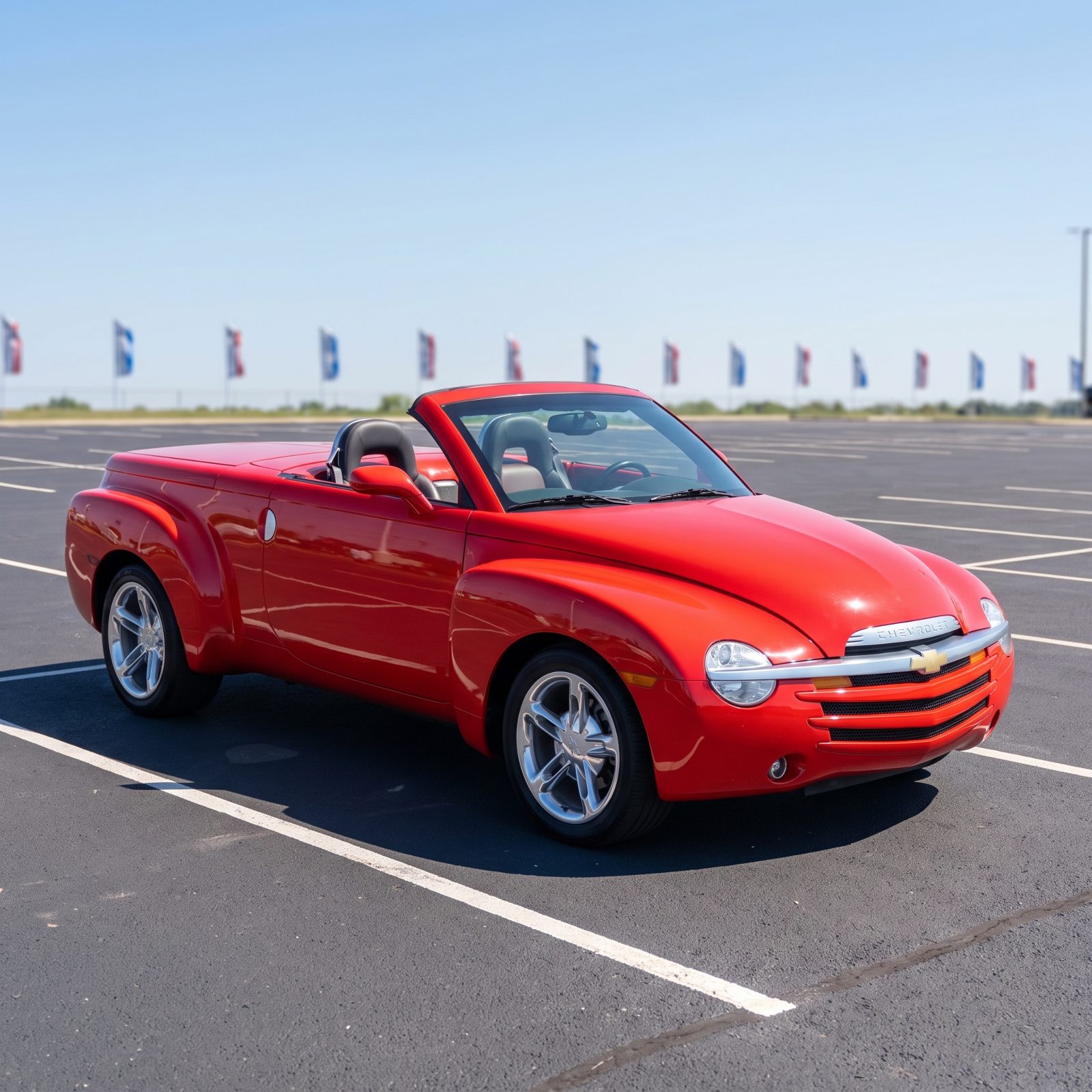
A roadster pretending to be a truck, or a truck pretending to be a roadster. Nobody ever decided, Chevrolet included.
The SSR had presence for days — retractable hardtop, hot-rod fenders, a stance that stopped traffic. But it cost around $42,000, hauled almost nothing in that tiny bed, and the early 300-horse V8 couldn’t move its considerable weight the way the looks promised. Later the 6.0-liter LS2 finally handed it the muscle, and by then shoppers had already filed it under ‘confusing.’
Collectors love it now precisely because it made no sense. A vehicle built for a buyer who didn’t exist usually does.
32. Lincoln Blackwood: A Luxury Pickup Nobody Could Actually Use
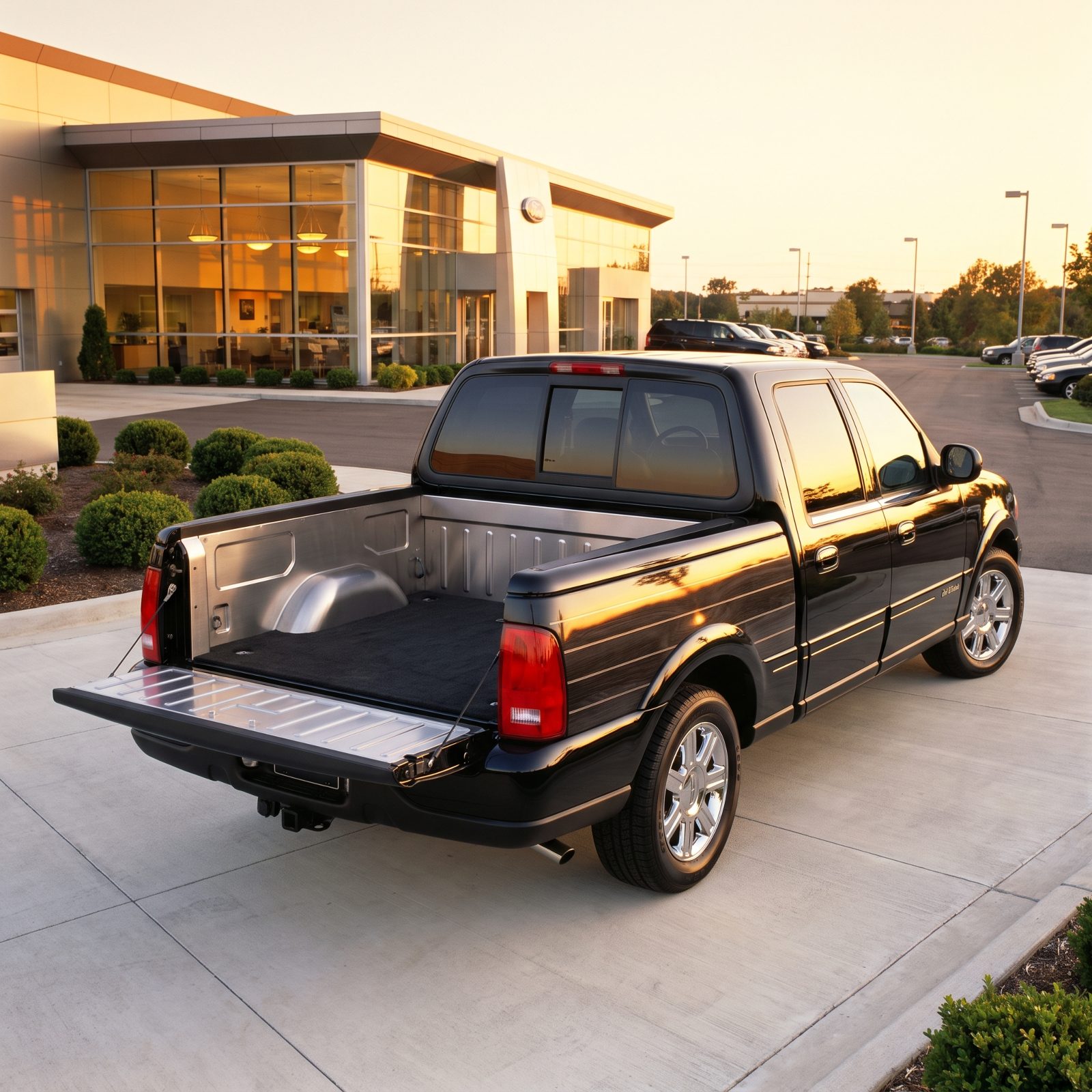
Lincoln looked at the pickup boom and had the right instinct — build a luxury truck. Then they lost the plot completely.
Carpeted bed. Stainless lining, power tonneau, a split rear door sealing the whole thing off. Gorgeous, and useless. You couldn’t haul mulch, firewood, or a muddy bike without feeling like a criminal, and a truck you can’t get dirty is a very expensive contradiction.
It sold in the low thousands and lasted barely a model year here. The Mark LT that followed fixed the bed, but the Blackwood stayed the cautionary tale.
31. The 2004 Chrysler Pacifica: Early to the Crossover Party, First to Leave
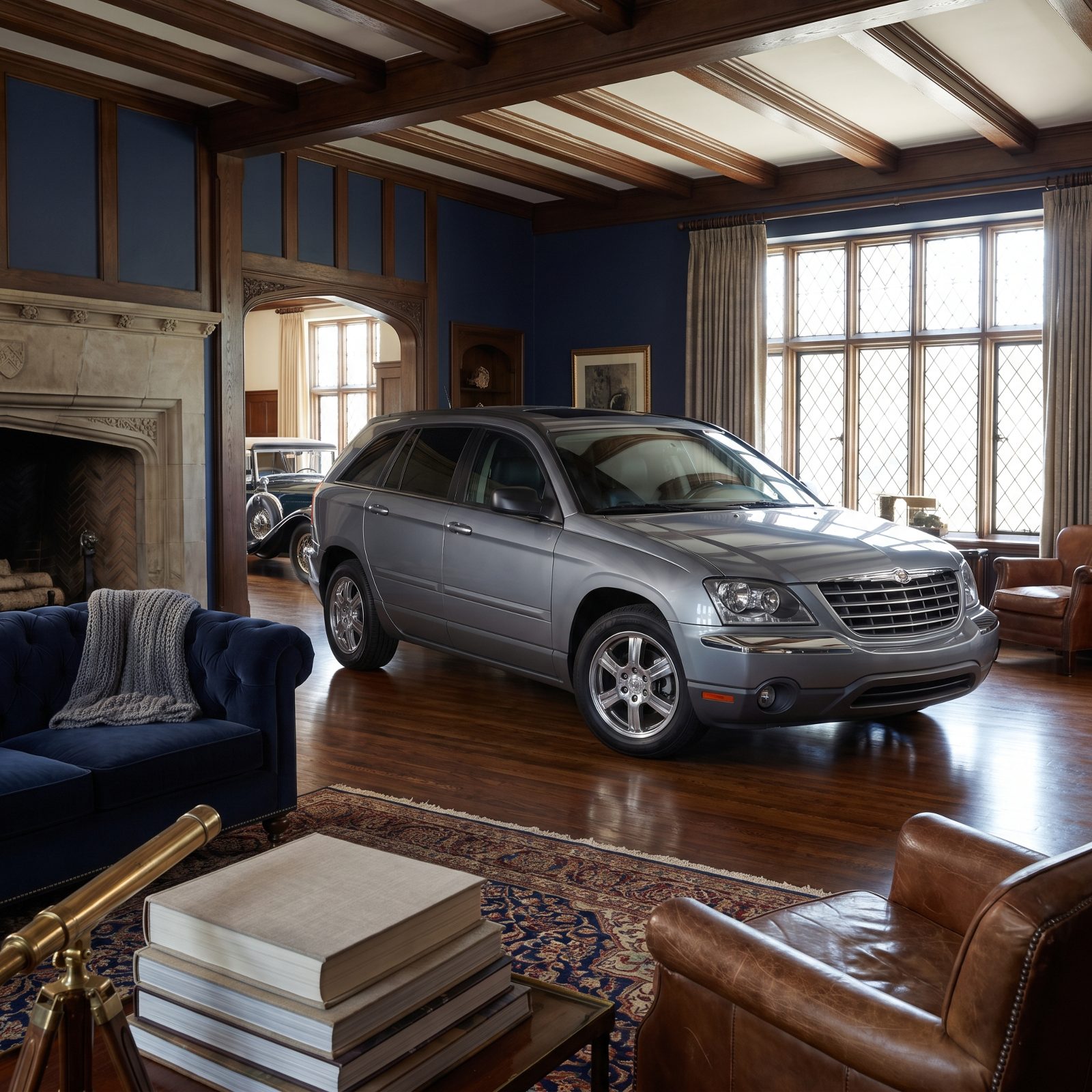
Chrysler saw it coming. A tall, car-based family hauler that wasn’t a minivan and wasn’t quite an SUV — three rows, comfortable, premium-feeling for its day. That recipe would print money a decade later.
In 2004, buyers stared at it and asked what it was. Too wagon to be an SUV, too SUV to be a wagon, and priced above where shoppers expected a Chrysler to sit. It wandered into a category nobody had invented yet.
Timing is the cruelest variable in this whole business. The Pacifica was right about the future and wrong about the calendar.
30. Honda Element: The Boxy Toolbox America Loved Too Late
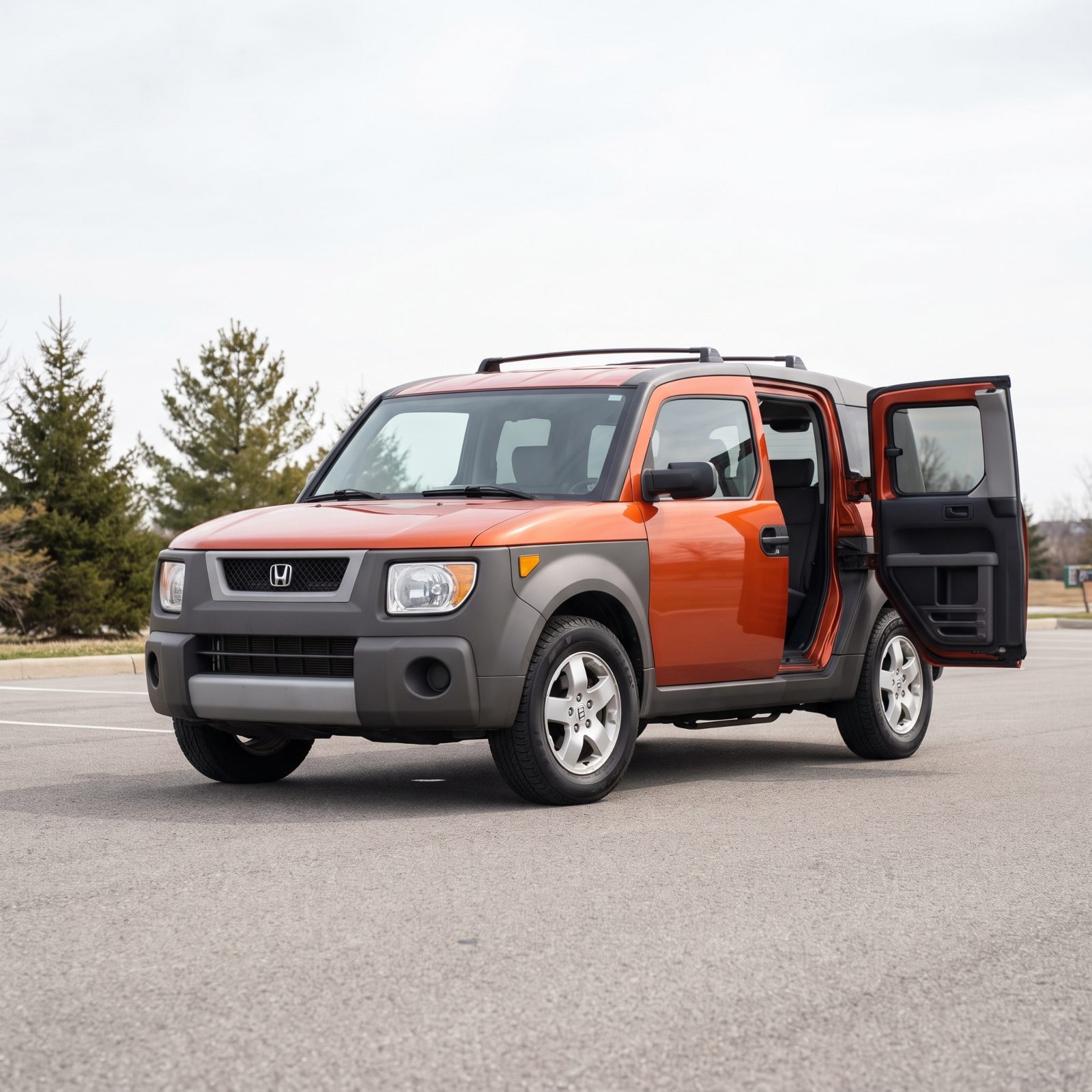
Honda built a plastic-floored, hose-it-out cube for surfers and dog owners, and the people it was aimed at mostly shrugged. The buyers who actually fell for it skewed decades older than the ad campaigns ever imagined.
Flat folding seats, waterproof interior, those clamshell doors. Pure function wrapped in a shape that split the room right down the middle.
Gone after 2011. Now clean ones command real money and the fan clubs are devoted. The Element got everything right except the year it had to sell in.
29. Subaru Baja: The Lifestyle Pickup That Showed Up a Generation Early
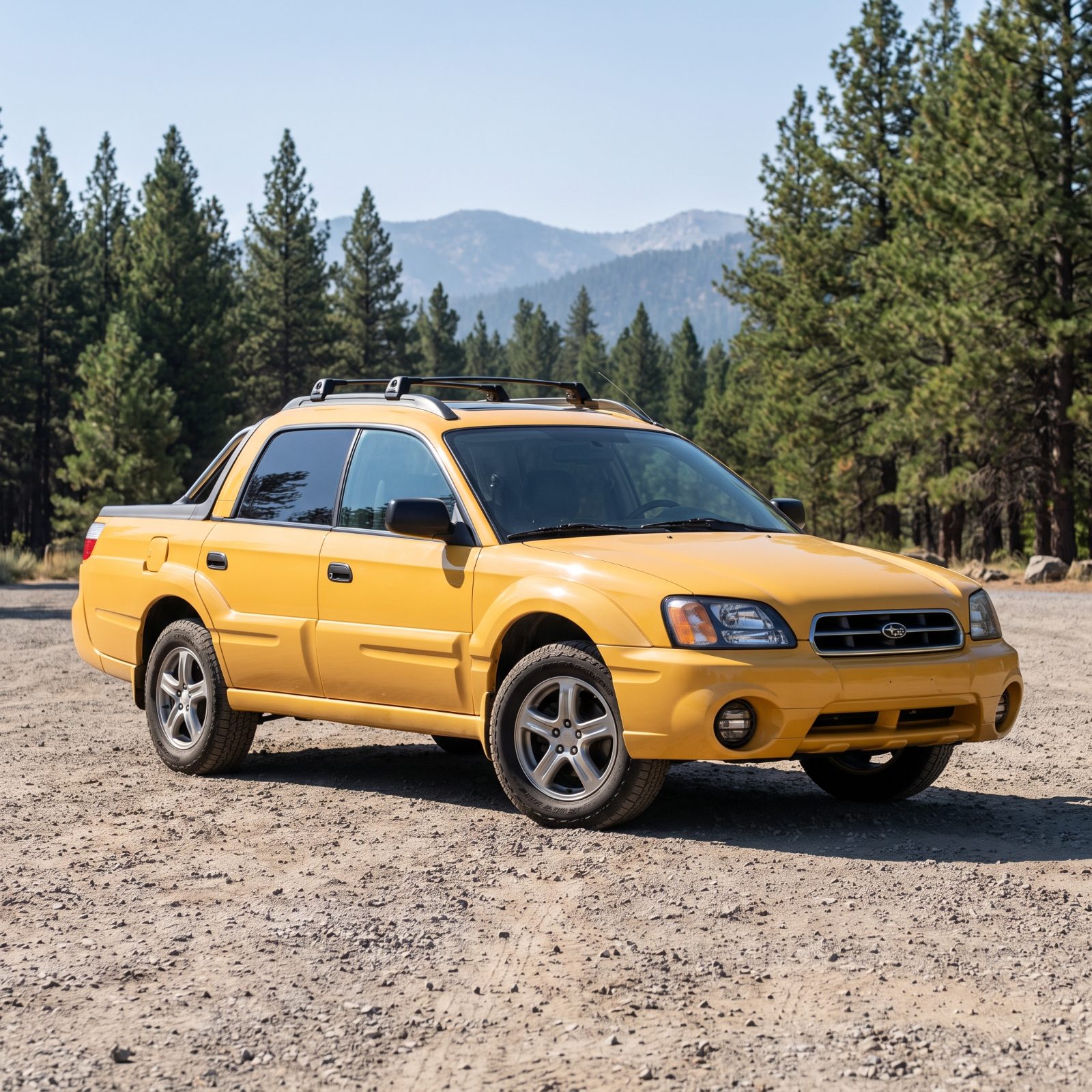
A car-based pickup with all-wheel drive, a little open bed, and a pass-through to the cabin for your lumber or your skis. Sound familiar? It should — that’s roughly the pitch for every small unibody truck selling like crazy right now.
The Baja arrived in 2003 with weird cladding, an awkward bed length, and a price that scared off the Outback crowd. Three years and out.
Then along came the Honda Ridgeline, the Hyundai Santa Cruz, the Ford Maverick, all proving the idea was sound. Subaru just believed in it when the market didn’t.
28. Acura ZDX: The Coupe-SUV Built Before Anyone Wanted One
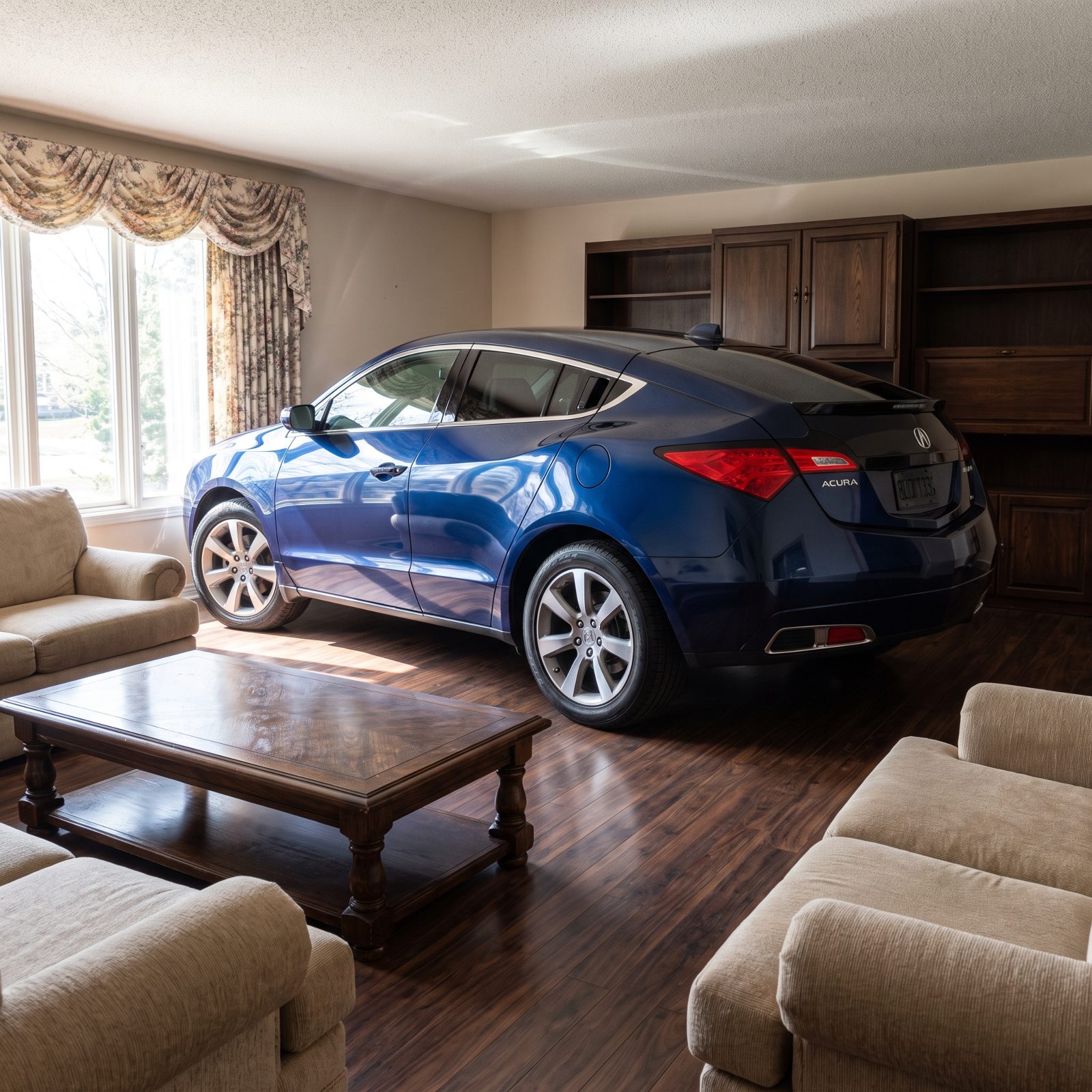
Everybody sells a coupe-SUV now. BMW’s X6, the Mercedes GLE Coupe, the whole slinky-roofline crowd. Back in 2010, Acura got there first and got punished for it.
The original ZDX draped a swooping fastback over an MDX platform. Cramped back seat, lousy rear visibility, and a shape that baffled the luxury shopper who wanted either a proper sedan or a proper SUV — not a blend of both. It sold in tiny numbers and vanished by 2013.
Being early looks a lot like being wrong until the rest of the market catches up. The ZDX didn’t live to see its vindication.
27. Nissan Murano CrossCabriolet: A Convertible Crossover Searching for Its People
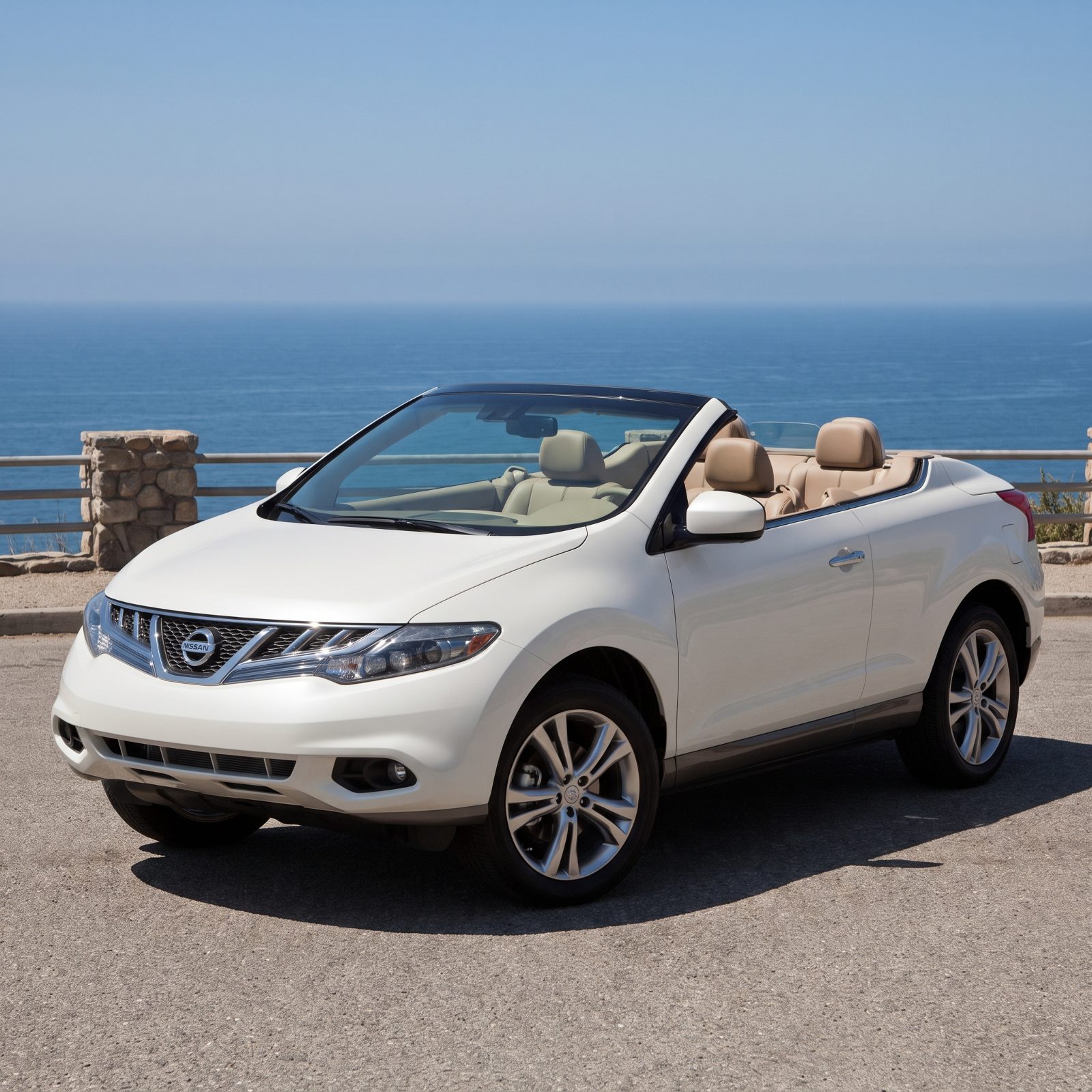
Give Nissan this much: they tried something nobody else would. A two-door, drop-top, all-wheel-drive crossover. On paper, open-air freedom with ground clearance.
In the showroom it was a puzzle. Convertible buyers wanted something low and sporty, crossover buyers wanted doors and a trunk, and the CrossCabriolet served neither while asking north of $45,000 to do it.
It became an easy punchline. But stand next to one with the top down on a warm day and the appeal flickers for a second — just long enough to understand why someone greenlit it, and why almost nobody bought it.
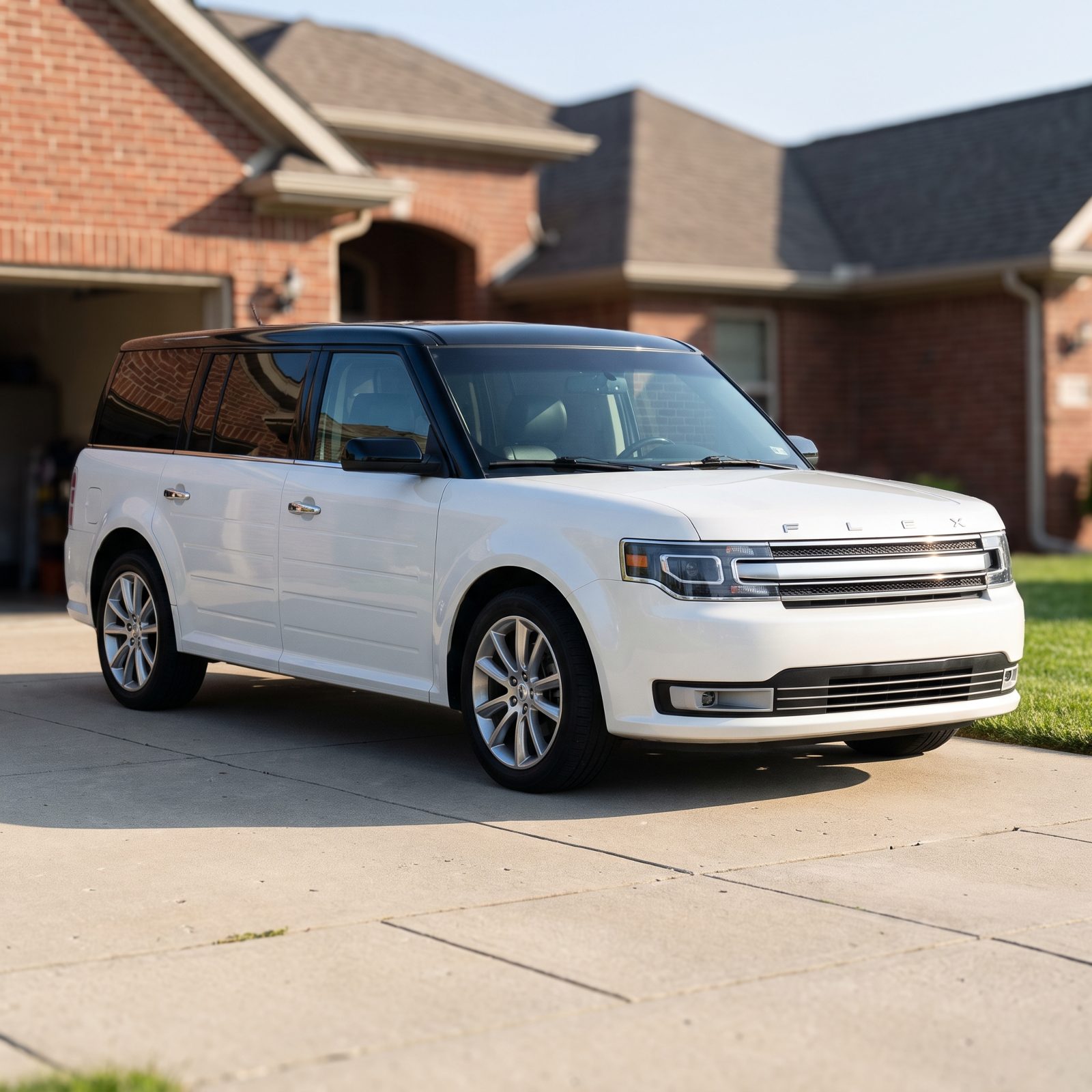
26. Ford Flex: The Smartest Three-Row on the Lot, in the Shape Nobody Expected
Would you like to save this?
The Flex packaged a three-row interior better than almost anything in its class. Low floor, easy entry, acres of room, a cabin that felt like a lounge. Families who owned one loved it fiercely.
The trouble lived on the outside. That long flat wagon shape read as a hearse to some, a minivan to others, a throwback to a stubborn few. Taller SUVs with chunky styling simply looked tougher to a buyer scanning a lot, and toughness sold.
Ford built the practical answer. Shoppers wanted the imposing one.
25. Honda Accord Crosstour: A Clever Liftback the Proportions Betrayed
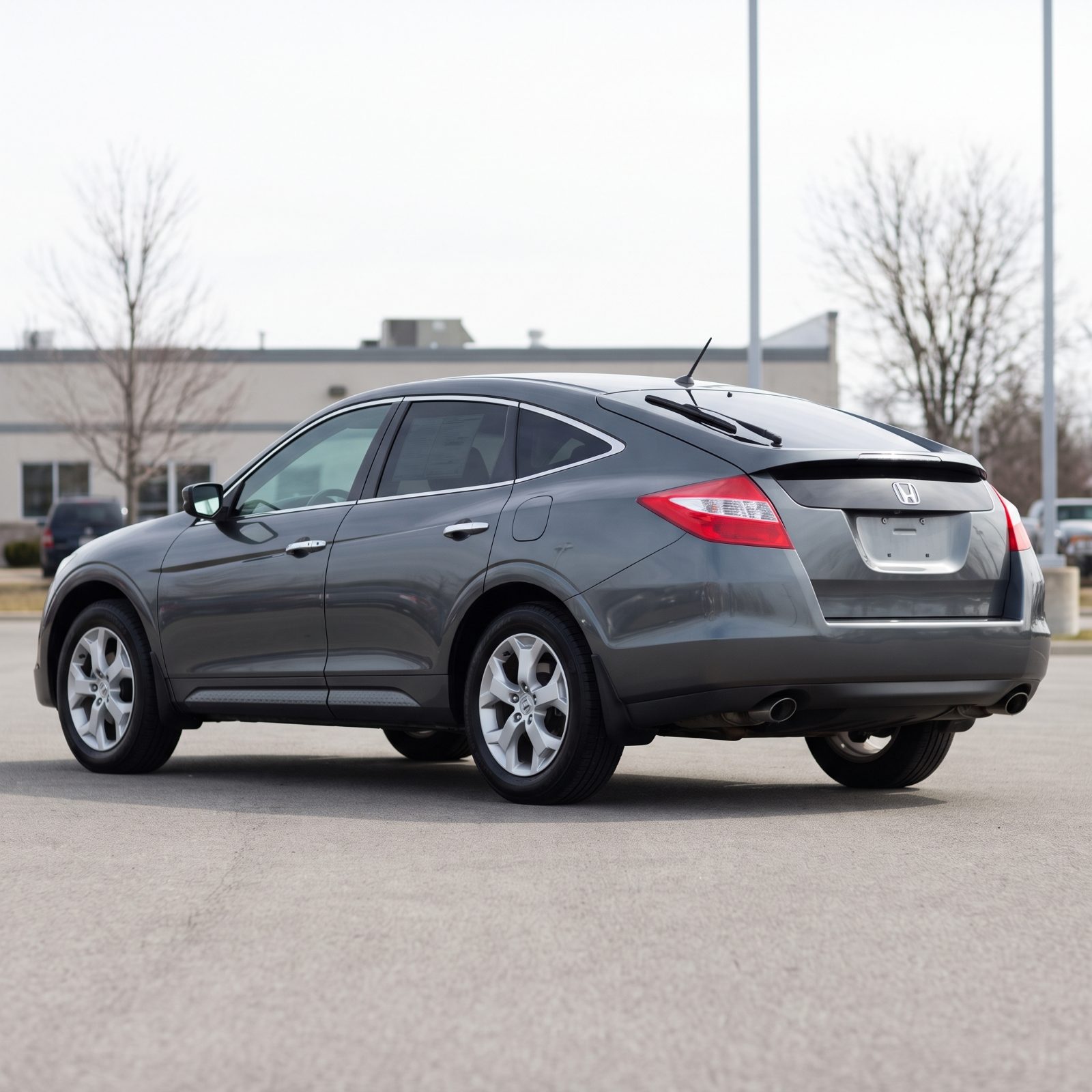
Underneath the odd skin sat a genuinely useful idea: an Accord with a hatchback, extra ground clearance, and a flexible cargo hold. Comfortable, reliable, roomy where it counted.
Then you walked around back. The heavy, drooping tail and raised-sedan stance made it look unresolved from every angle except dead ahead. Honda even dropped the Accord name from the badge later, hoping to patch the identity crisis. Didn’t help.
A smart liftback can still fail if the silhouette makes people wince in the parking lot. First impressions do most of the selling, and the Crosstour lost that fight before anyone opened the hatch.
24. Nissan Cube, The Practical Asymmetry America Wouldn’t Buy
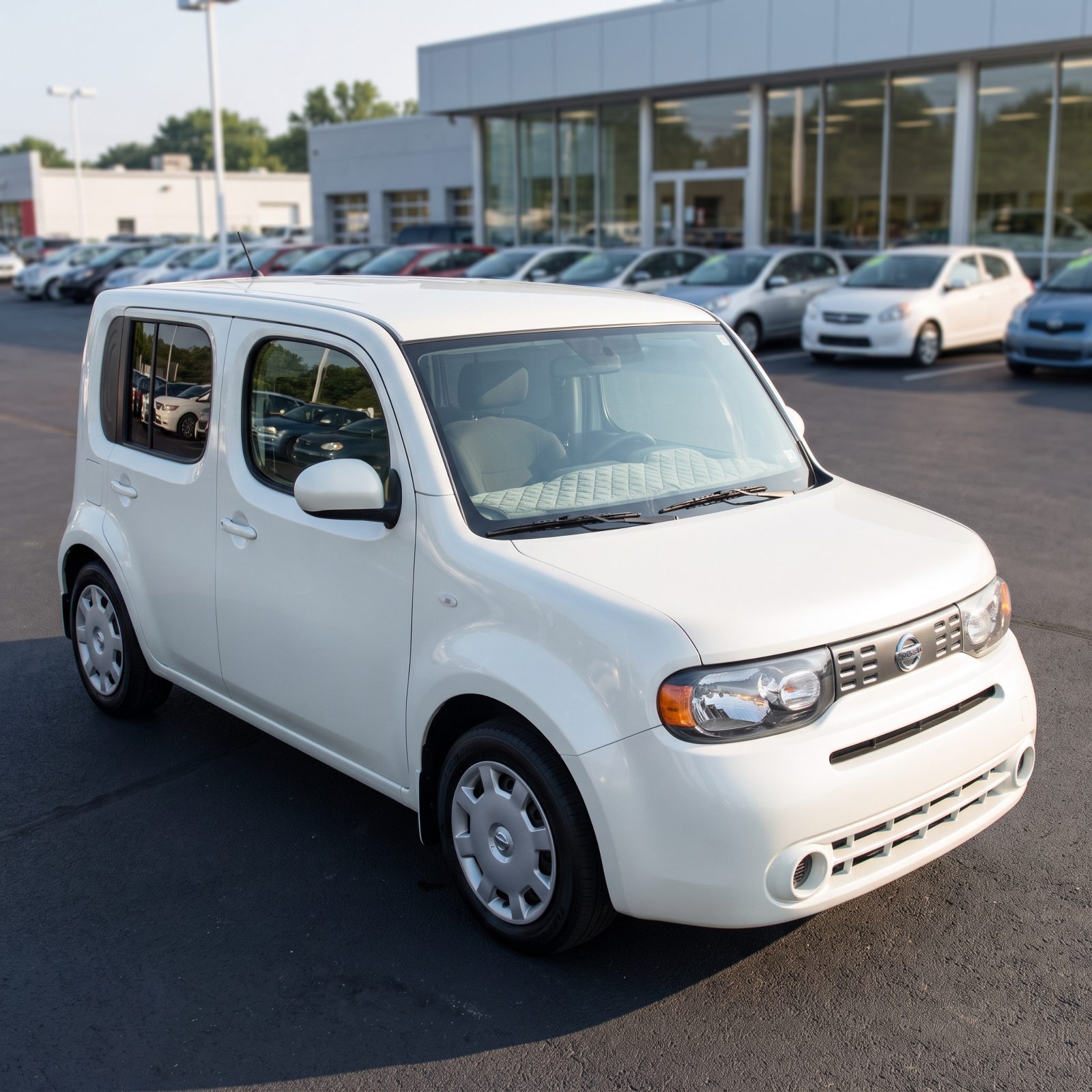
The Cube made total sense on paper. You got a huge interior for the footprint, a shag dash, headroom for a top hat, and that lopsided rear window wrapping around one corner like it got distracted halfway through the sketch. Charming in Tokyo. Confusing in Topeka.
Americans wanted the Scion xB’s attitude without the whimsy, or they wanted an honest-to-god crossover, and the Cube landed in 2009 just as a recession clamped down on every wallet. A car that asked you to appreciate its quirks? Tough sell when folks just wanted cheap and sensible. Nissan yanked it from the US by 2014. Not a bad little thing, mind you — just a personality nobody voted for.
23. Honda CR-Z, A Hybrid Sport Coupe Stuck Between Two Jobs
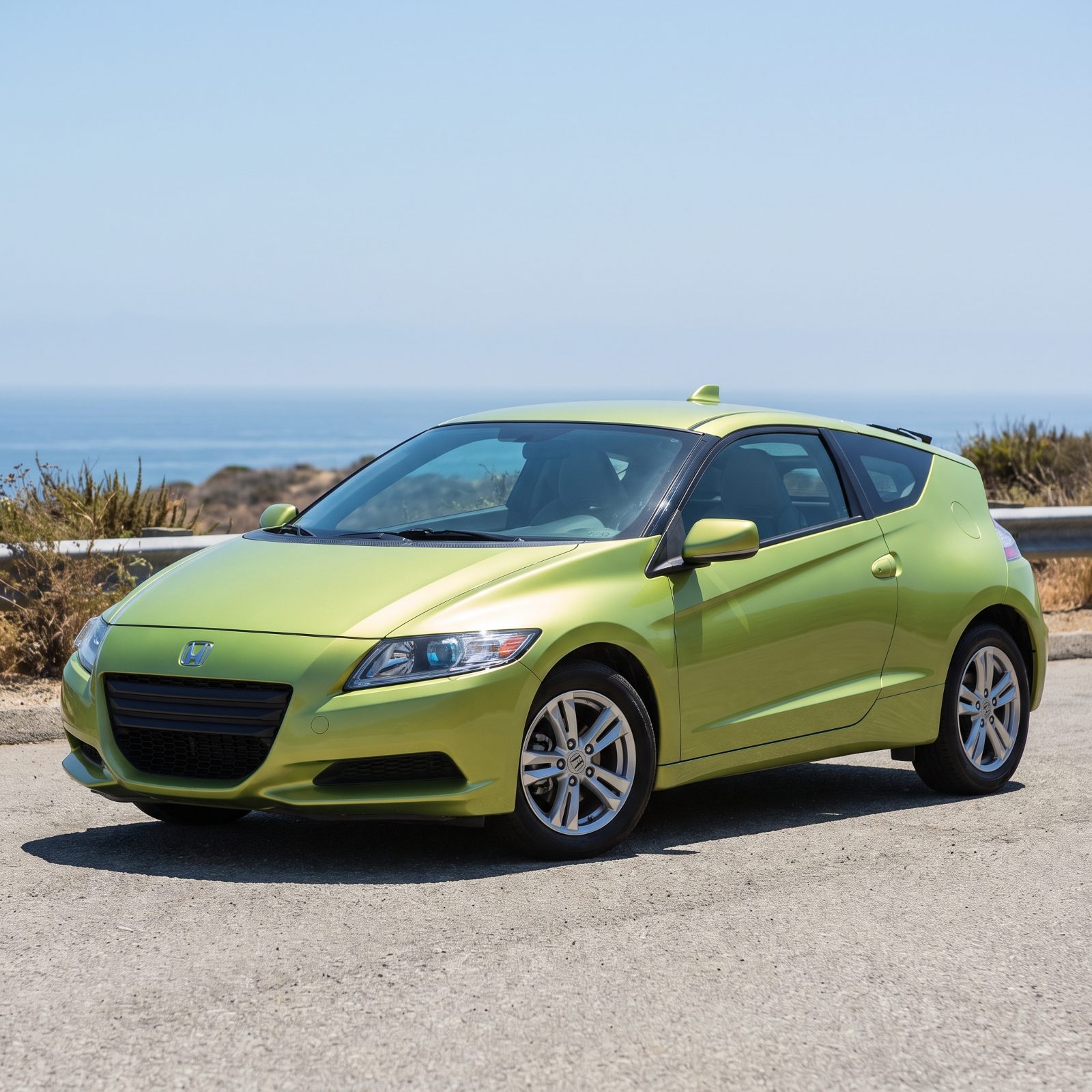
Honda tried to build the spiritual heir to the CRX and bolt a hybrid drivetrain to it. Noble idea. The problem was arithmetic.
Enthusiasts wanted the old CRX’s lightness and that eager rev-happy engine. Instead they got a heavier car with modest power and a battery pack for ballast. Economy buyers looked over at a Prius returning better numbers for less money and kept walking. So the CR-Z sat in the gap between fun and frugal, satisfying neither tribe. A manual transmission in a hybrid was a genuinely cool party trick — shame the party was so small.
22. Honda Clarity Plug-In Hybrid, Brilliant Packaging, Puzzling Plan
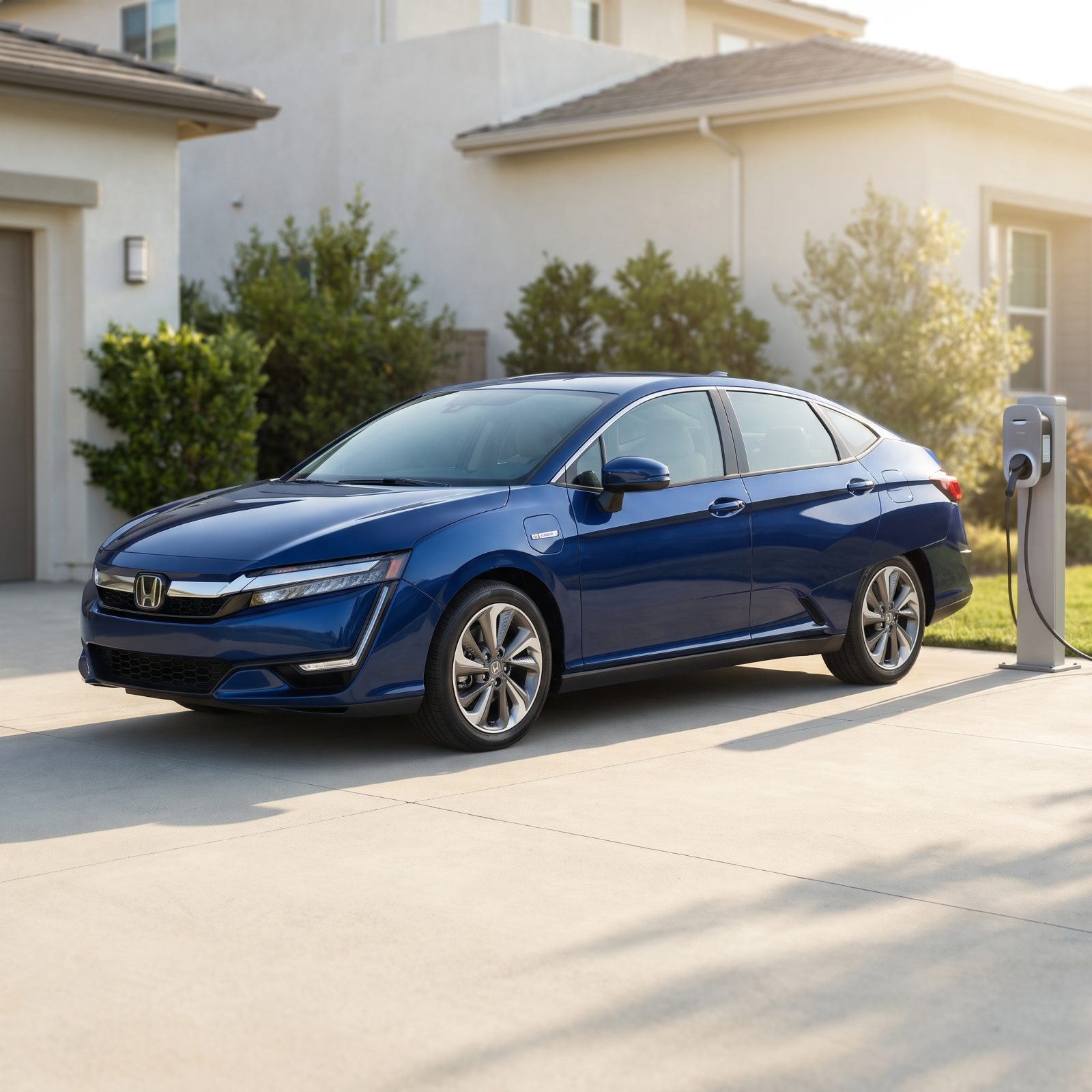
The Clarity Plug-In might be one of the best-packaged midsize sedans Honda ever sold. Big roomy cabin, long electric-only range for a plug-in, comfortable, quiet, priced fairly once the incentives kicked in. Should have been a volume hit.
Then Honda buried it alive. The marketing treated it like a lab specimen, dealers barely knew it existed, and the Clarity name got smeared across three baffling powertrains that shared a showroom and nothing else. Buyers couldn’t tell the plug-in from the fuel-cell car from the full EV, and a great product needs somebody willing to explain it. Nobody did.
21. Acura NSX Second Generation, Supercar Talent, Soft Supercar Appetite
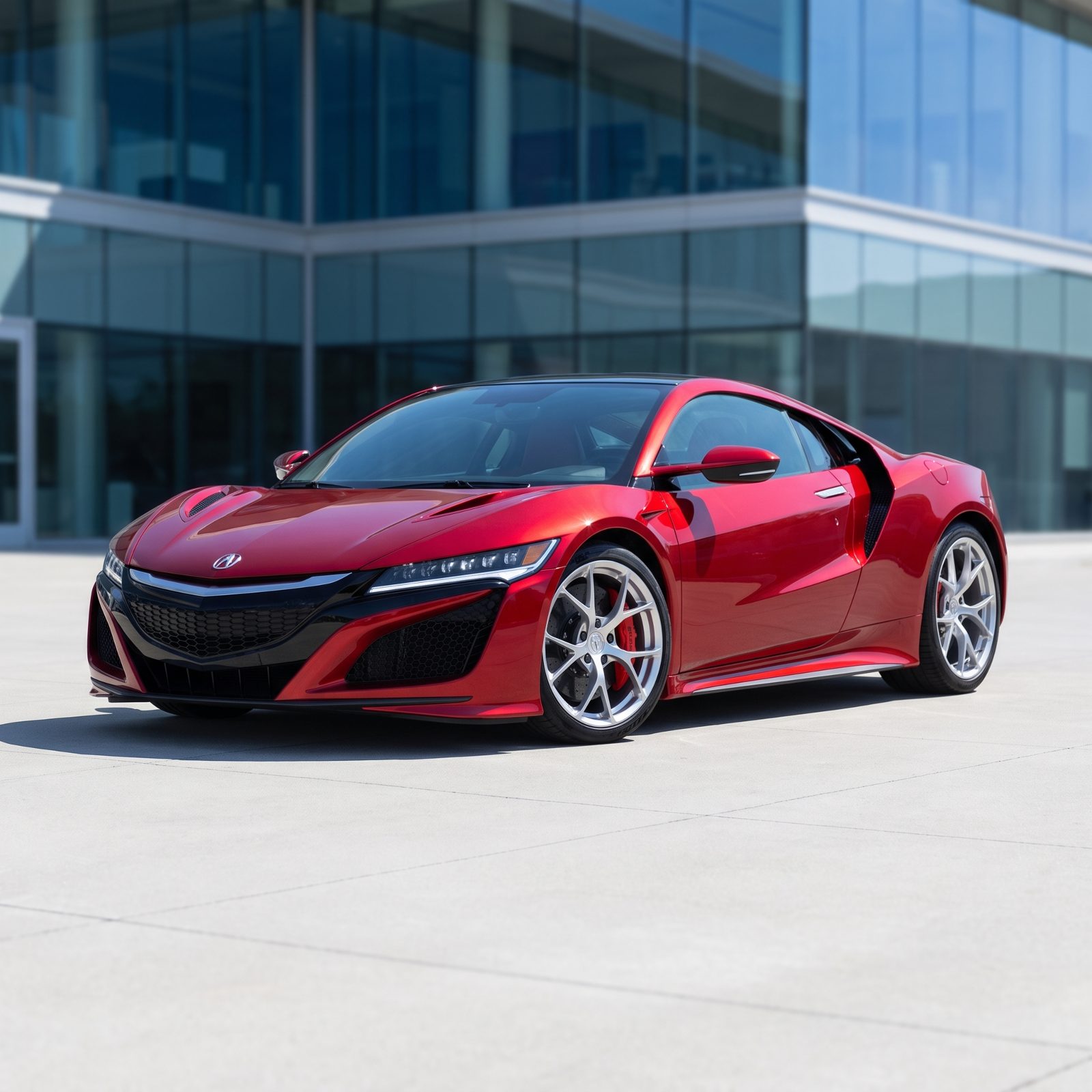
The new NSX could do everything. Twin-turbo V6, three electric motors, all-wheel drive, torque-vectoring wizardry, a chassis that flattered anyone who climbed behind the wheel. On a track it embarrassed cars costing far more.
And it sold in a whisper. Priced in the neighborhood of six figures, it was scrapping with Ferrari and McLaren for attention while wearing an Acura badge that supercar buyers simply don’t aspire to. The faithful who revered the original wanted that pure, analog magic — not a rolling tech demo. Capability was never the issue. Desire was. You can engineer brilliance, but longing? That one’s out of the factory’s hands.
20. Pontiac GTO 2004, Serious Muscle, Almost No Show
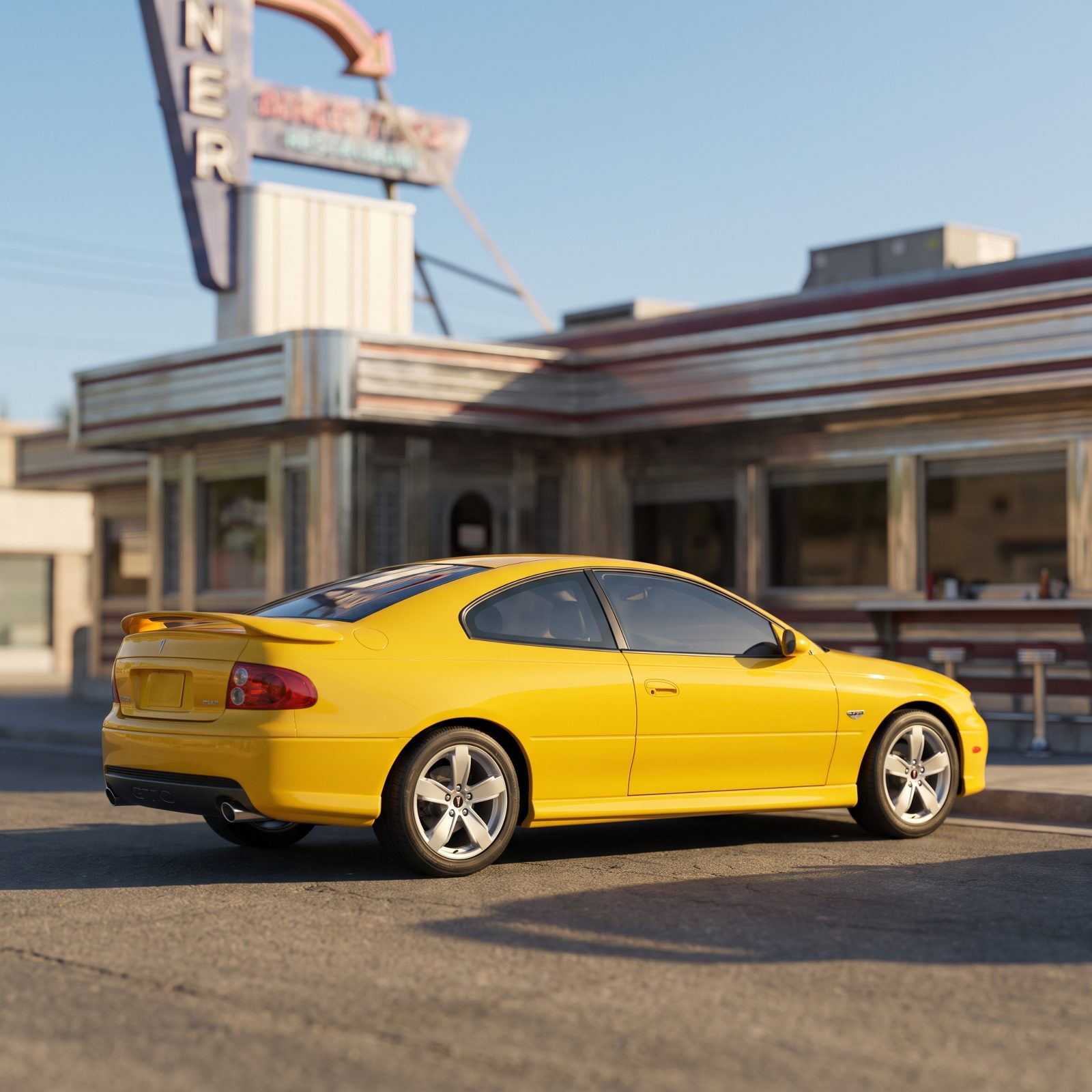
Under the hood sat a 5.7-liter LS1 V8, later bumped to a 6.0, putting out serious grunt and a throaty soundtrack to match. It would run with much flashier machinery and cost less doing it. A legitimate muscle car, no asterisk.
You just couldn’t tell by looking. Built off the Australian Holden Monaro, it wore smooth, anonymous bodywork that looked like a Grand Am that skipped leg day. GTO buyers wanted hood scoops and swagger, the whole visual circus the badge had promised for forty years. This one delivered the punch and forgot the costume.
19. Pontiac Solstice Coupe, The Hardtop That Arrived at the Funeral
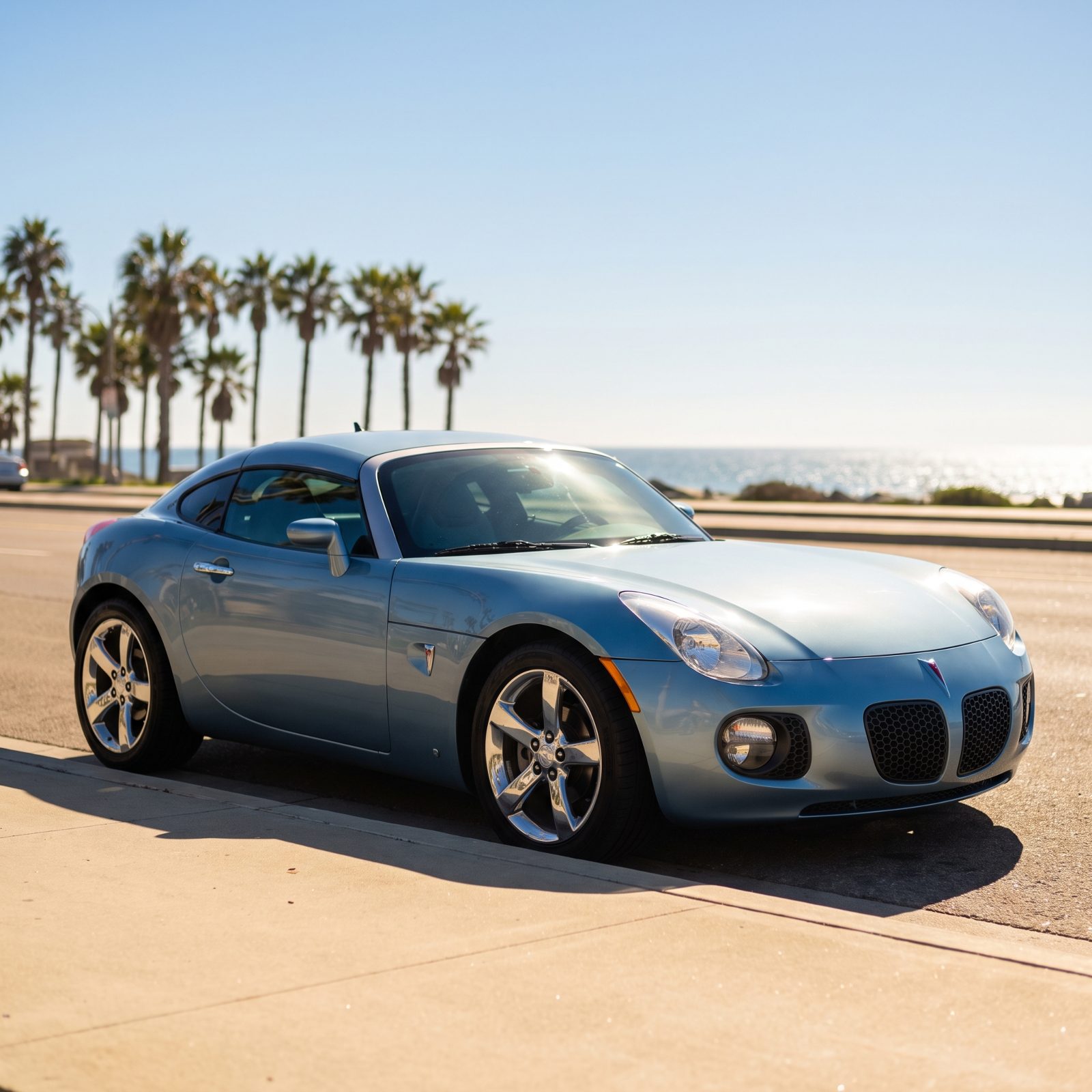
The Solstice was already a looker as a roadster. The coupe, with its sweeping fastback roofline, was arguably the prettiest shape GM drew all decade. Low, curvy, dramatic.
It showed up in 2009, the exact moment Pontiac got the axe. Only a few thousand rolled out before the brand folded, which makes it a genuine rarity collectors now chase. Right car, catastrophically wrong year — the coupe never got a real chance because there was no showroom left to sell it in. Bad timing didn’t hurt this one. It buried it.
18. Buick Regal TourX, The Wagon Everyone Said They Wanted
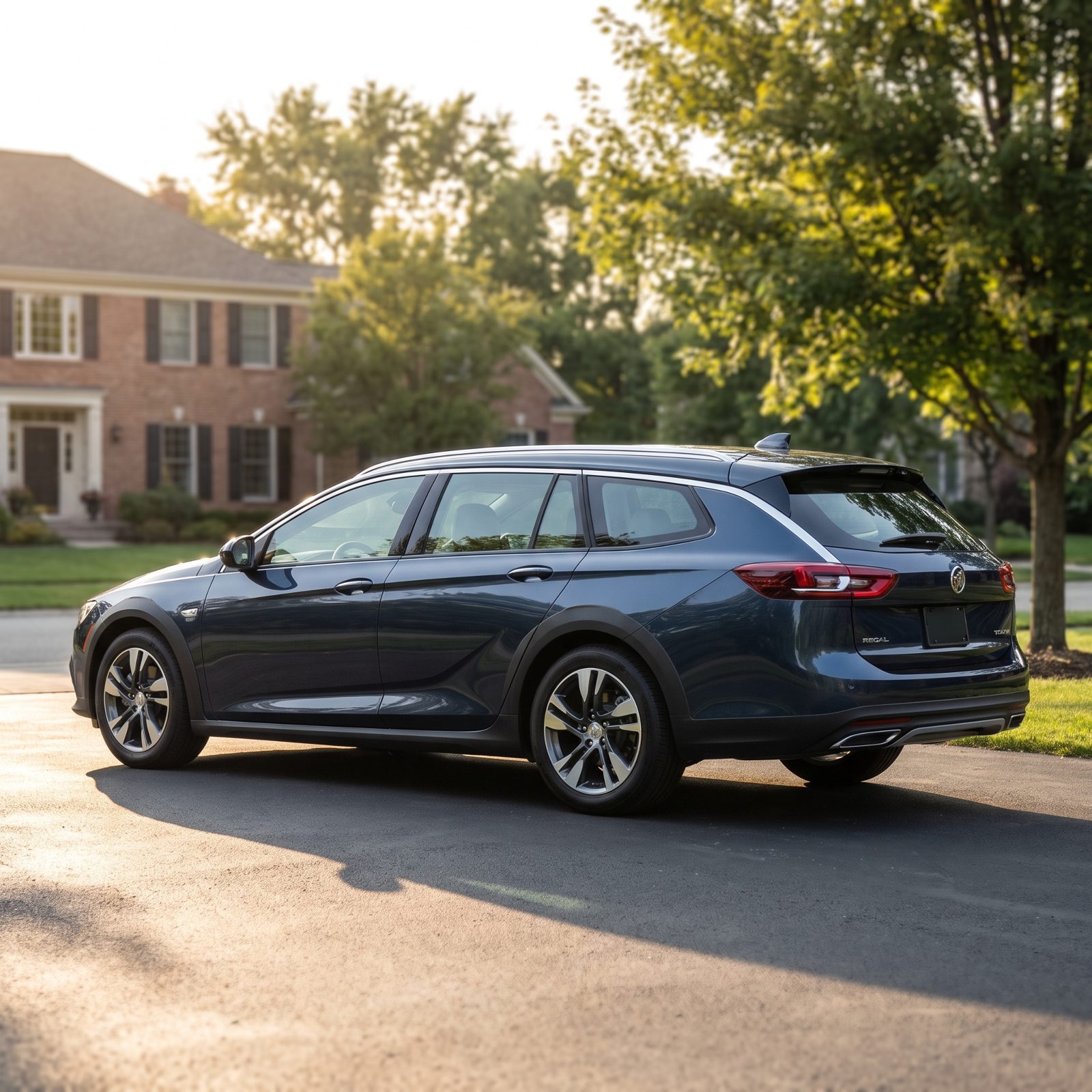
For years enthusiasts begged American brands for wagons. Give us the long roof, the cargo room, the European flavor without surrendering to an SUV. Buick actually listened and built the TourX — handsome, turbocharged, all-wheel drive, Opel bones underneath and real substance throughout.
And then the people who asked for wagons kept buying crossovers anyway. Dealers stocked almost none, the marketing was a ghost, and the folks who swore they wanted exactly this proved it mostly with their mouths and not their checkbooks. Dead after a couple of years. Funny how a wagon is the car people love in theory and quietly ignore in the parking lot.
17. Dodge Magnum, The Hemi Wagon America Didn’t Deserve
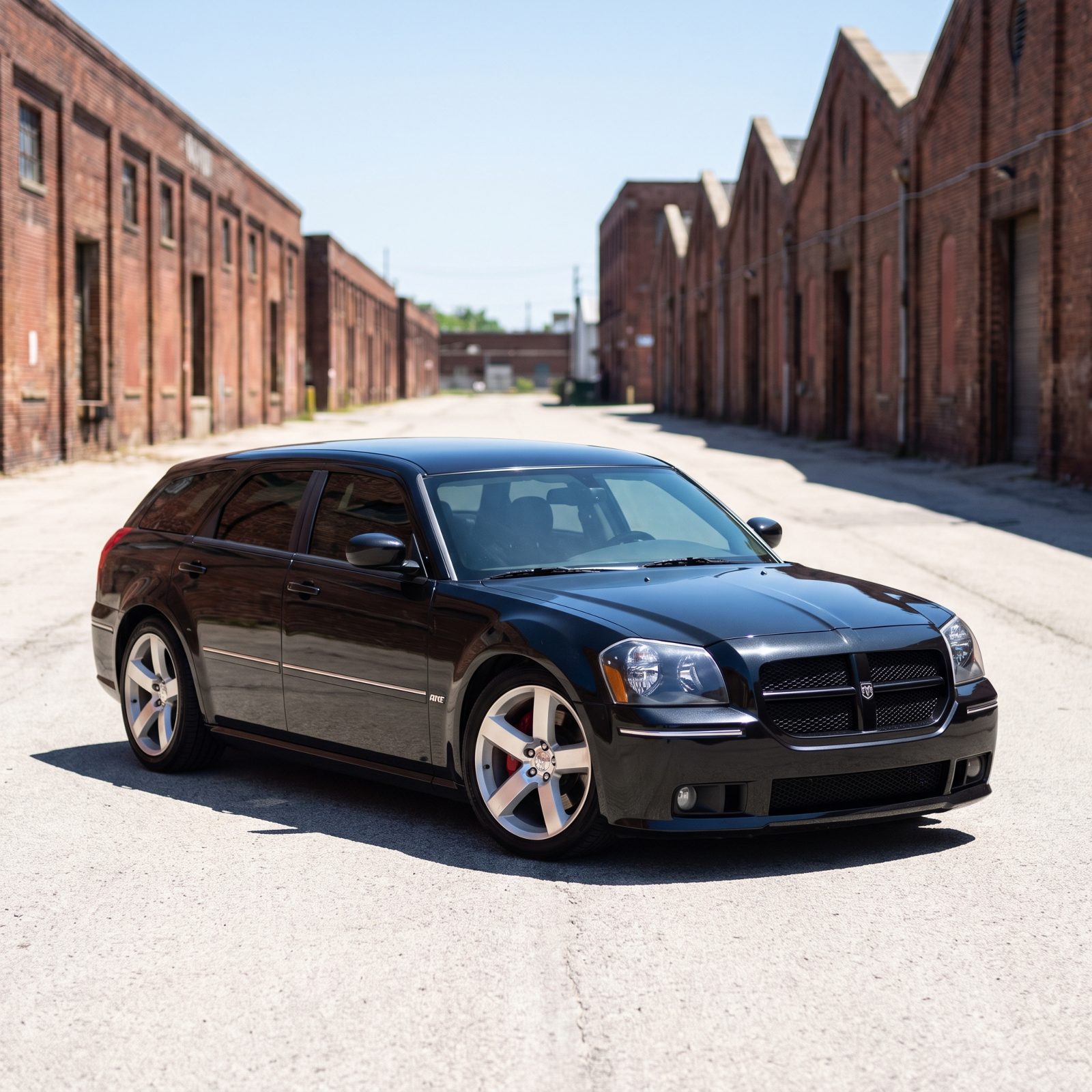
Picture a station wagon with a 5.7 or 6.1-liter Hemi, rear-wheel drive, a chopped roof, and a stance like a getaway car. The Magnum made hauling kids and lumber look downright dangerous. It had no business being this cool, and yet.
America shrugged anyway. Buyers who needed that much space had already decamped to SUVs, and the wagon shape — menacing as it was — still carried a minivan stigma no amount of horsepower could scrub off. Dodge dropped it after 2008. These days they fetch strong money because people finally figured out what they let slip through their fingers. We always love the wagon after it’s gone.
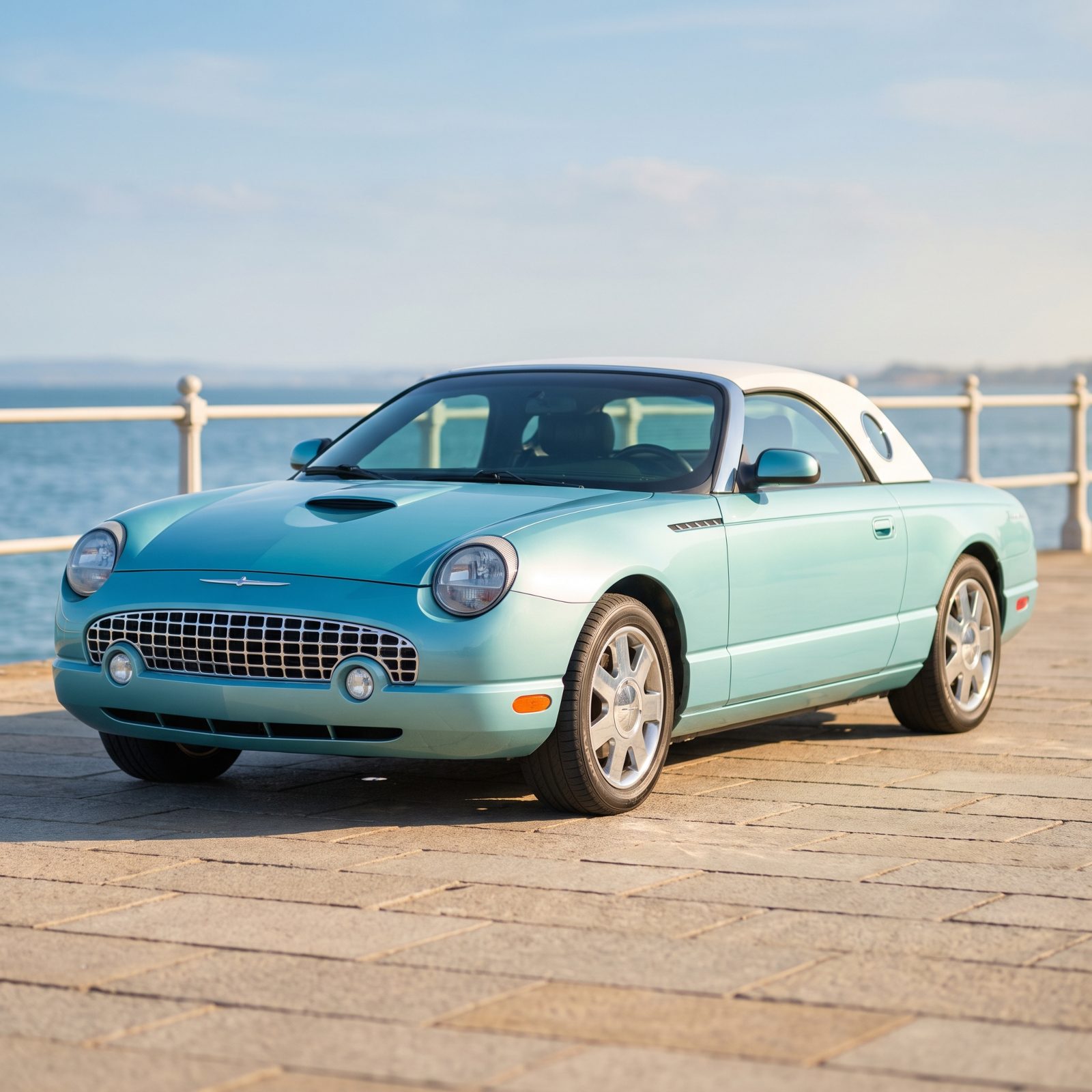
16. Ford Thunderbird 2002, Gorgeous Retro, Thin Sporting Résumé
Would you like to save this?
Ford reached back to 1955 and built a two-seat Thunderbird dripping with nostalgia — the porthole hardtop, the oval grille, those soft rolling curves. It was genuinely lovely, and it collected design awards to prove it.
But underneath it was a boulevard cruiser wearing a sports car’s clothes. The chassis and V8 came straight from a Lincoln LS, the handling stayed relaxed, and anyone cross-shopping it against a real roadster felt that softness in the first corner. It cost around forty grand, drew a crowd at the curb, then sent buyers home wanting either more performance or more luxury. Ford gave it five model years. A beautiful car can still lose the argument with itself.
15. Mercury Marauder, The Muscle Sedan That Needed More Muscle
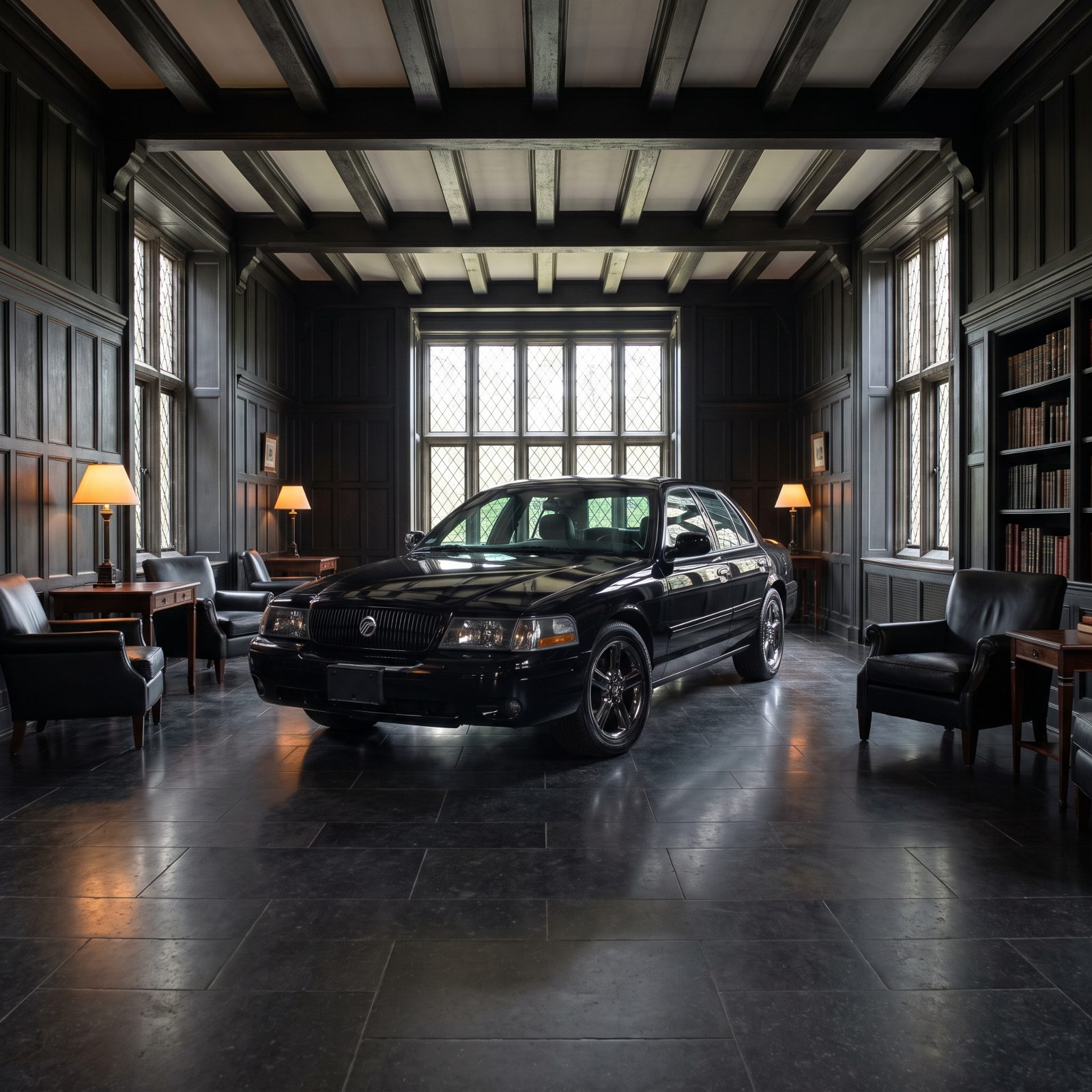
Take a Grand Marquis, paint it menacing black, drop in a 4.6-liter DOHC V8, firm up the suspension, and let it brood. The Marauder looked like a four-door built for serious business, a modern salute to the old full-size Mercury muscle cars.
Trouble is, the looks wrote a check the engine couldn’t quite cash. Around 302 horsepower shoving a heavy body-on-frame sedan made it quick enough but never fast, and the price crept close to cars that would simply walk away from it at a green light. Enthusiasts wanted the menace backed by real speed. Mercury gave it two years and under 12,000 units. The stance promised a brawler; the stopwatch delivered a gentleman.
14. Ford Contour SVT: An Excellent Sports Sedan Overshadowed at Home
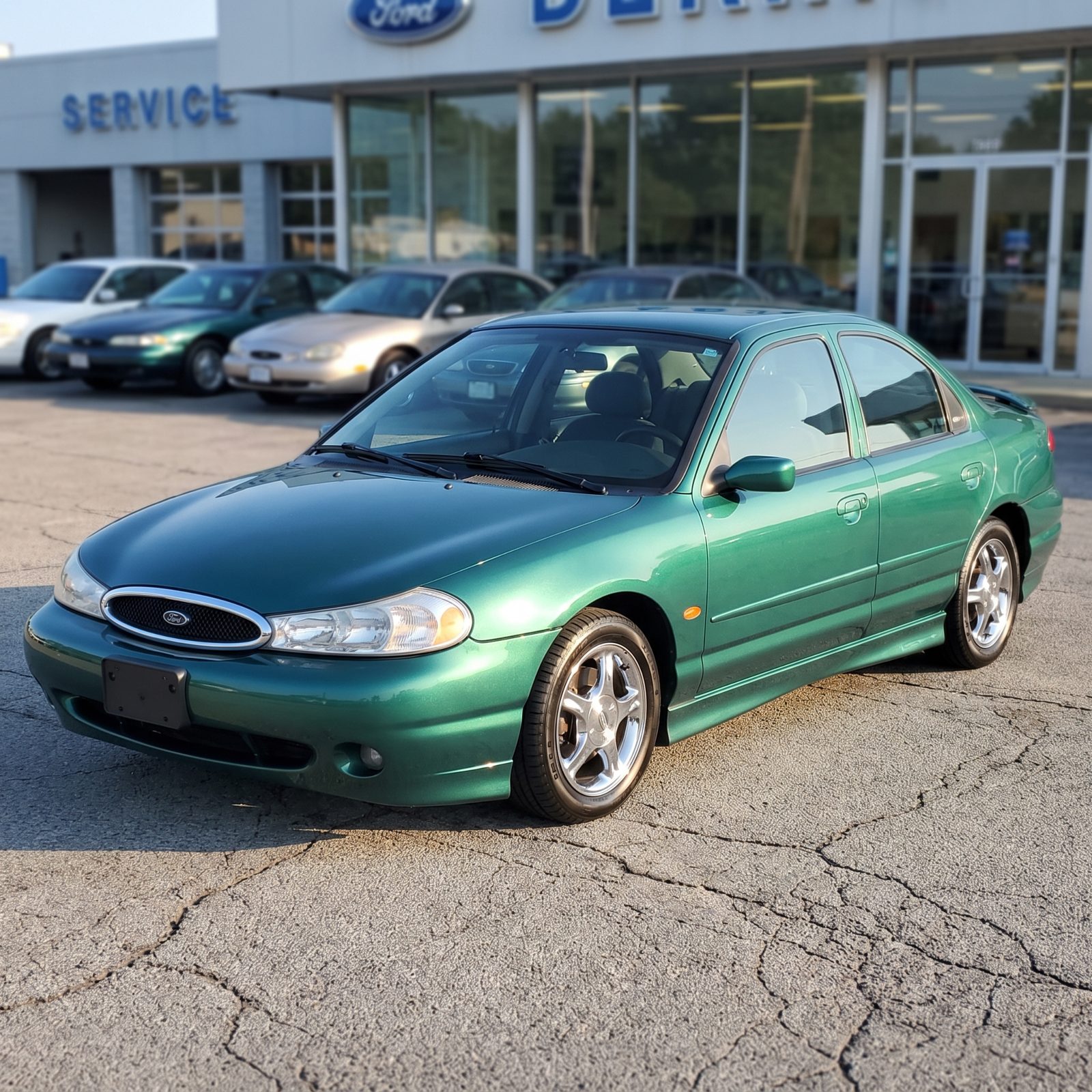
Ford built a 200-plus horsepower Duratec V6 and a chassis European reviewers adored, then went and sold it in America as a Contour. The name was the problem. Buyers heard “Contour” and pictured a rental-fleet commuter, not a sport sedan fettled by the Special Vehicle Team.
Overseas it wore the Mondeo badge and earned real respect. Here it got lost between the Taurus and whatever German thing had the louder ad budget. Good car, wrong room.
13. Chrysler Crossfire: Distinctive Styling, Unclear Identity
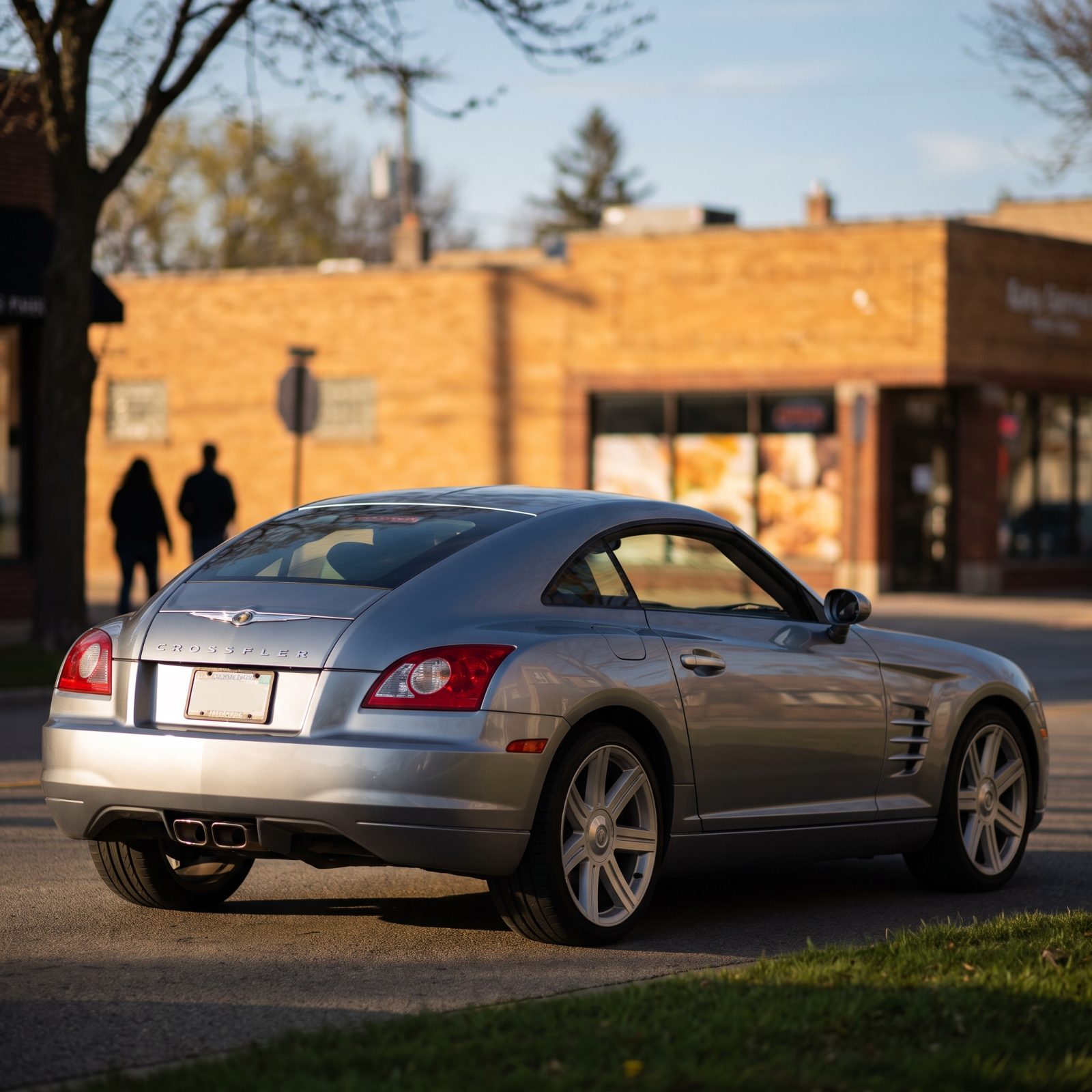
Gorgeous from every angle, and nobody could tell you what it was. The Crossfire rode on a previous-generation Mercedes SLK platform, which meant solid German bones under a wild American skin. That boat-tail rear and the ribbed hood still stop people cold in parking lots.
Here’s the trouble. Chrysler priced it like a sports car but tuned it like a boulevard cruiser, and the brand had zero sporting credibility to fall back on. Buyers couldn’t place it. A bargain Mercedes or an overdressed Chrysler? It was both, honestly, and the market has never known what to do with both.
12. Dodge Stealth: Supercar Technology With an Identity Problem
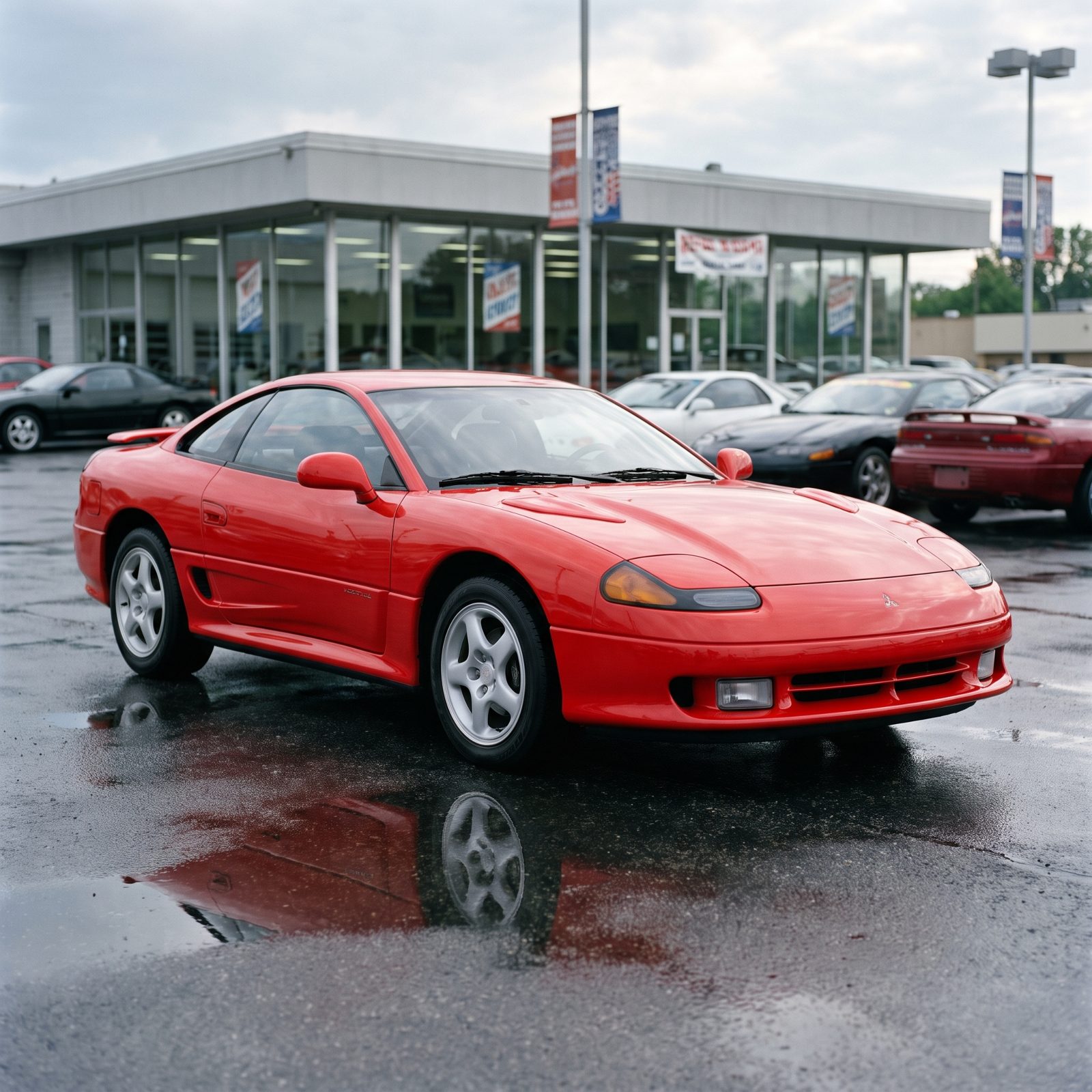
Under the sheetmetal sat genuine supercar hardware. Twin-turbo V6, all-wheel drive, four-wheel steering, active aero, the lot. On paper the Stealth R/T Twin Turbo could hang with cars costing a small fortune more.
The catch was its badge and birth certificate. It was a rebadged Mitsubishi 3000GT wearing a Dodge nameplate, and the enthusiasts who mattered knew it. Anyone shopping that much technology wanted pedigree, and a Dodge coupe in 1991 just didn’t read exotic, no matter what was bolted underneath.
11. Buick Reatta: Hand-Built Ambition at an Awkward Price
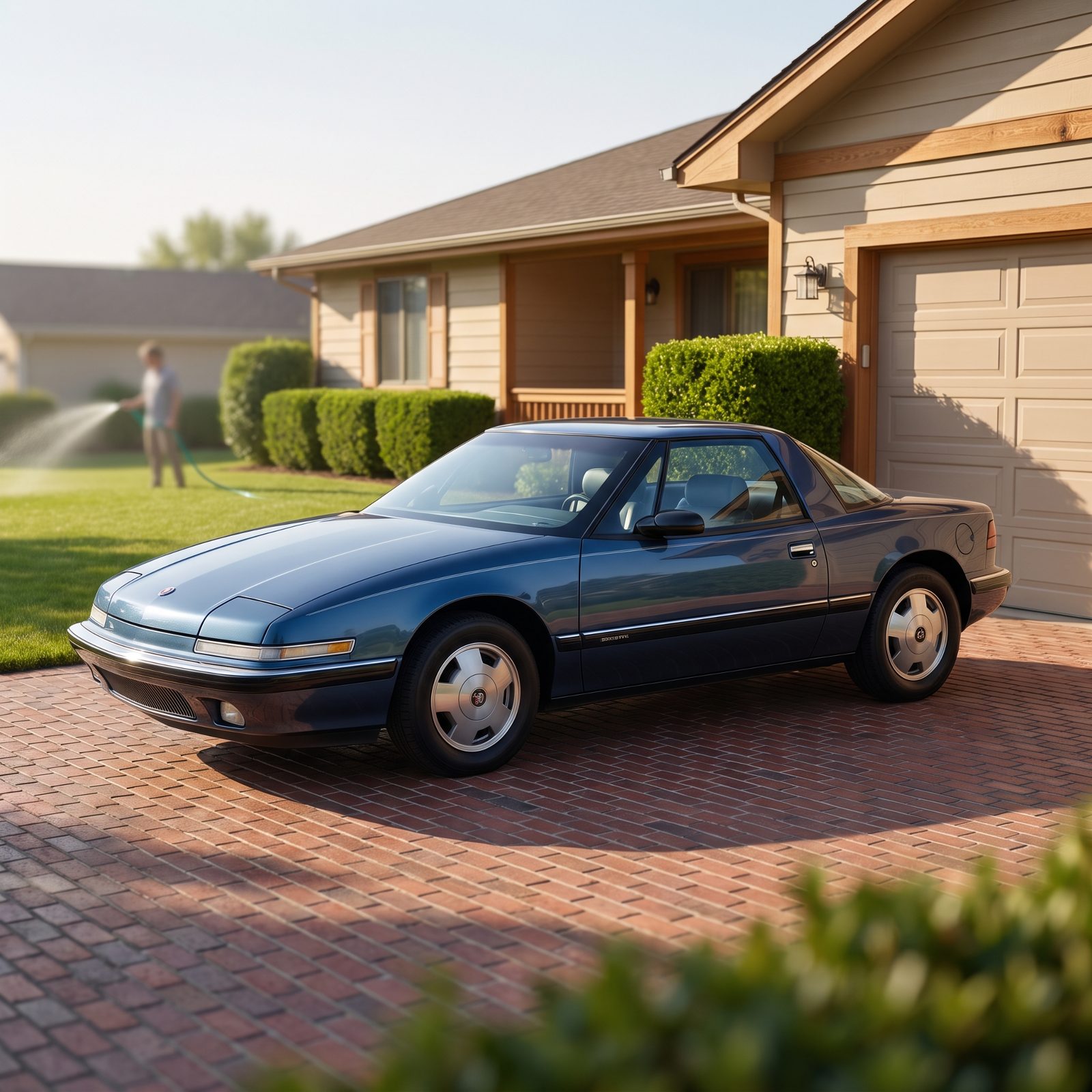
Buick wanted a personal luxury coupe with real craftsmanship baked in. So the Reatta came partly hand-assembled at its own dedicated facility, and it carried a touchscreen control system decades before the whole industry lost its mind over screens.
Then the pricing killed it. It cost like a near-luxury car, wore a Buick badge aimed squarely at retirees, and that touchscreen baffled the very buyers Buick already had. The convertible showed up late and sold in a trickle. Clever car, no clear customer.
10. Kaiser Darrin: A Fiberglass Sports Car Too Early for Its Market
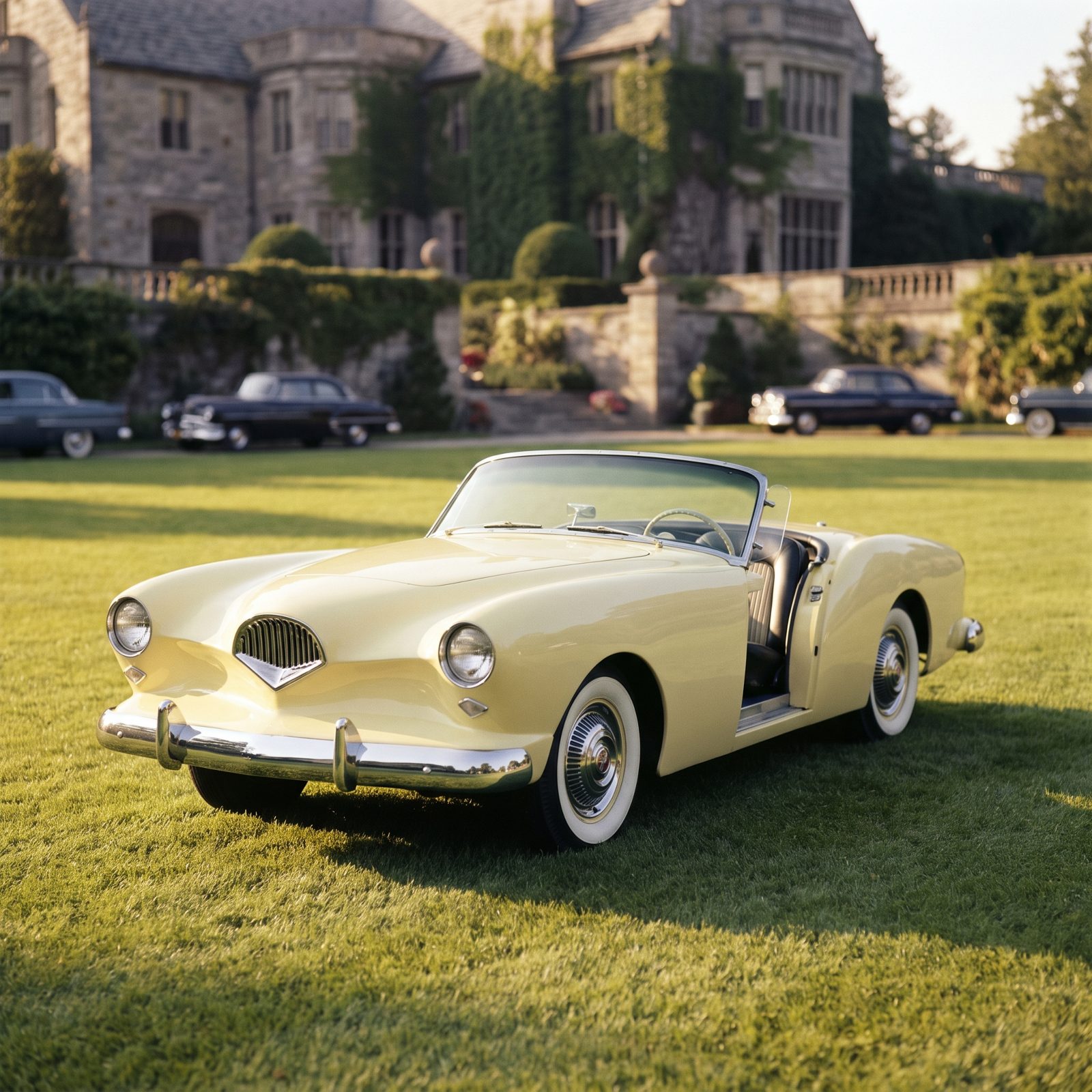
Sliding doors that disappeared into the front fenders. A fiberglass body years before the Corvette made the stuff respectable. And a grille shaped like a small, pursed mouth that you either loved or you flat-out didn’t.
Howard Darrin’s roadster was crammed with ideas America wasn’t ready to pay for. Kaiser was fading as a car company, the price landed high, and a fledgling sports-car market had almost no appetite for a low-volume oddity from a struggling brand. Fewer than 450 were built. “Ahead of its time” is the polite way of saying it never stood a chance.
9. Infiniti Q45: A World-Class Luxury Sedan Without the Expected Badge
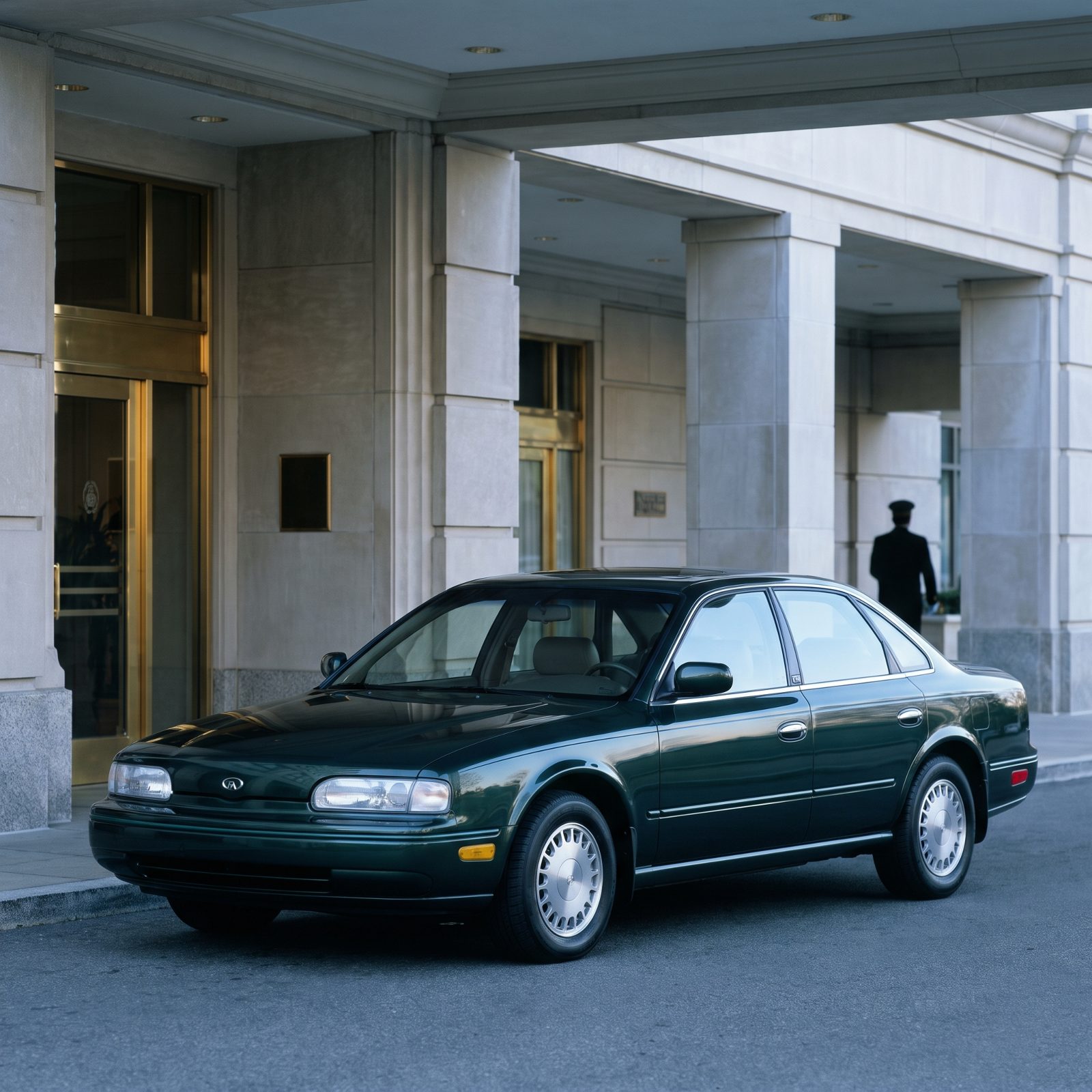
The first Q45 had a torquey V8, a suspension that meant business, and build quality that embarrassed cars with twice its reputation. Reviewers parked it right alongside the established German flagships and meant it.
Two things sank the thing. The launch ads leaned on serene rock-garden imagery that somehow never showed the actual car, and that grille-less nose confused luxury shoppers raised on a bold chrome face. People spending flagship money wanted a known crest on the hood. Infiniti was brand new. A great car can’t buy prestige overnight.
8. Mazda RX-8: Brilliant Chassis, Difficult Rotary Ownership
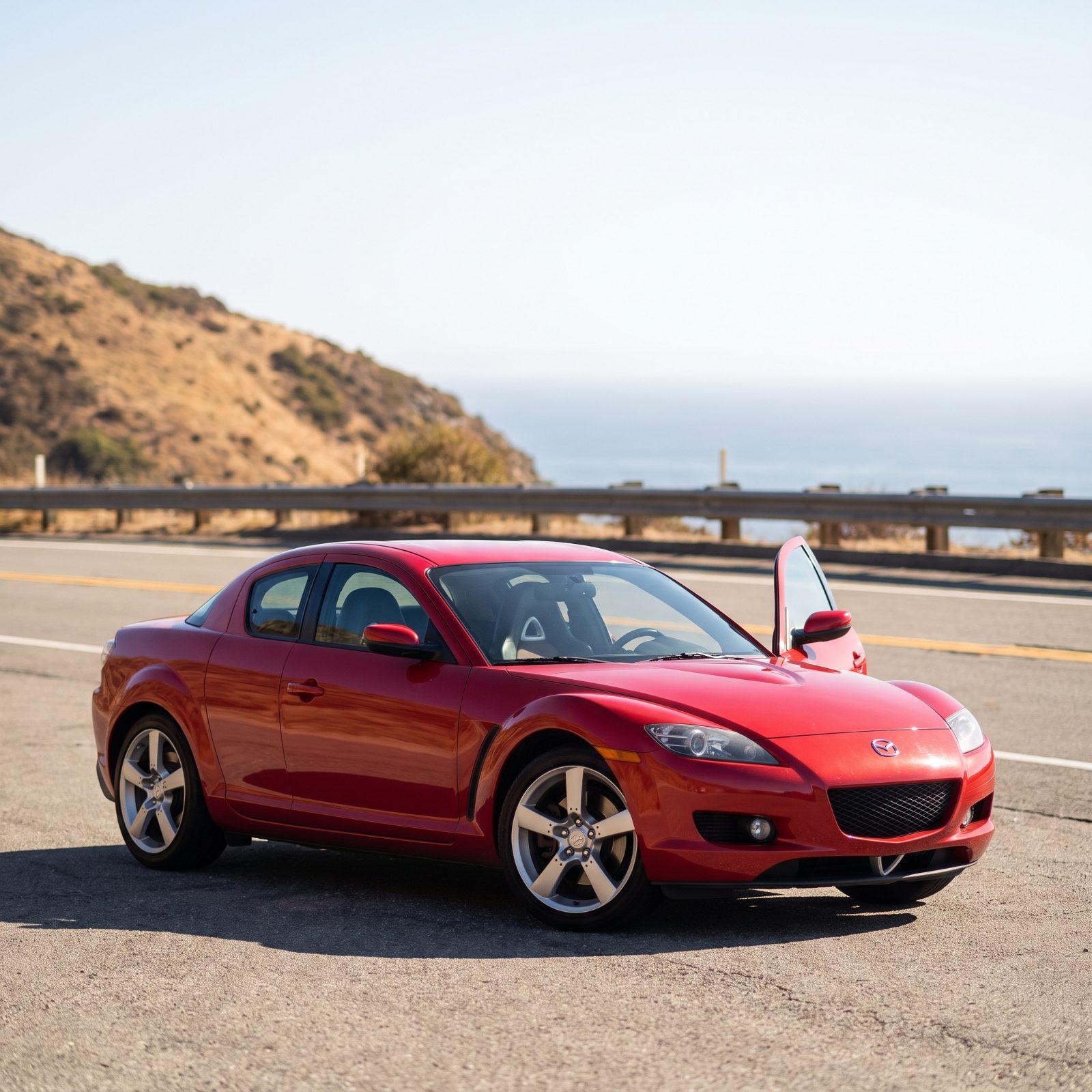
One of the best-handling cars of its decade, undone by the engine that made it special. The RX-8’s Renesis rotary revved to the moon, sounded like nothing else on earth, and the chassis was pure precision. Four seats, rear-hinged doors, genuine everyday usability. A proper sports car you could actually live with.
But rotaries don’t forgive neglect. The engines burned oil by design, ran hot, and flooded easily if you shut them off cold. Owners who treated it like a Camry learned expensive lessons. Word got around, resale cratered, and a brilliant machine picked up a reputation for grenading itself. Maintained right, it’s a gem. Trouble is, most weren’t.
7. Toyota MR2 Spyder: Lightweight Fun With Too Little Luggage Space
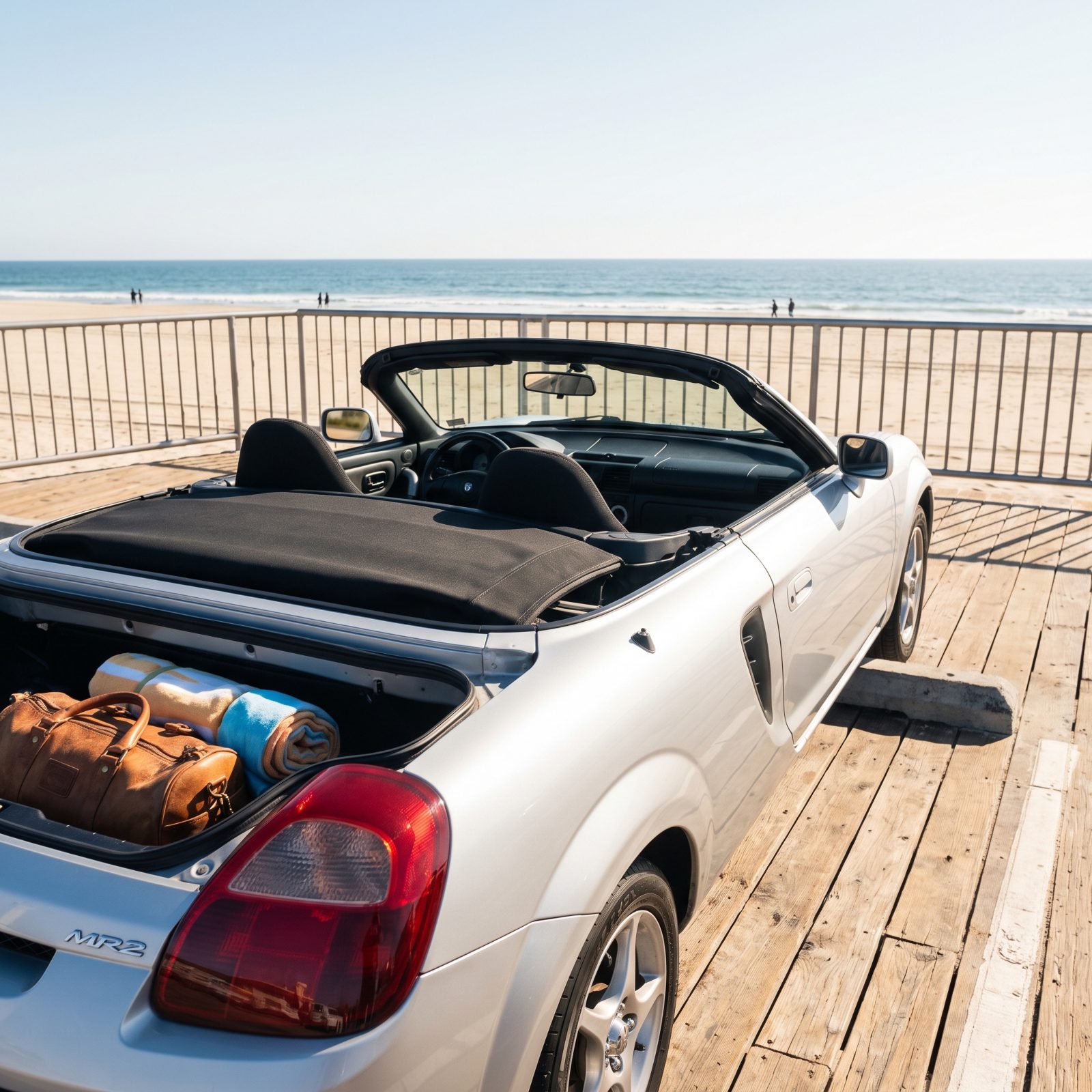
Mid-engine balance, barely 2,200 pounds, and steering that chattered away at you the whole time. On a good back road the MR2 Spyder was a go-kart you could license and plate. Toyota reliability, roadster grins, a sensible sticker.
Then you tried to pack for a weekend away. There was almost no trunk, because the mid-engine layout swallowed the space most buyers took for granted. A couple of soft bags and you were done. For a car that was otherwise so easy to live with, that one practical flaw spooked the mainstream crowd who could’ve turned it into a hit.
6. Mazda 5: A Right-Sized Minivan in a Bigger-Is-Better Market
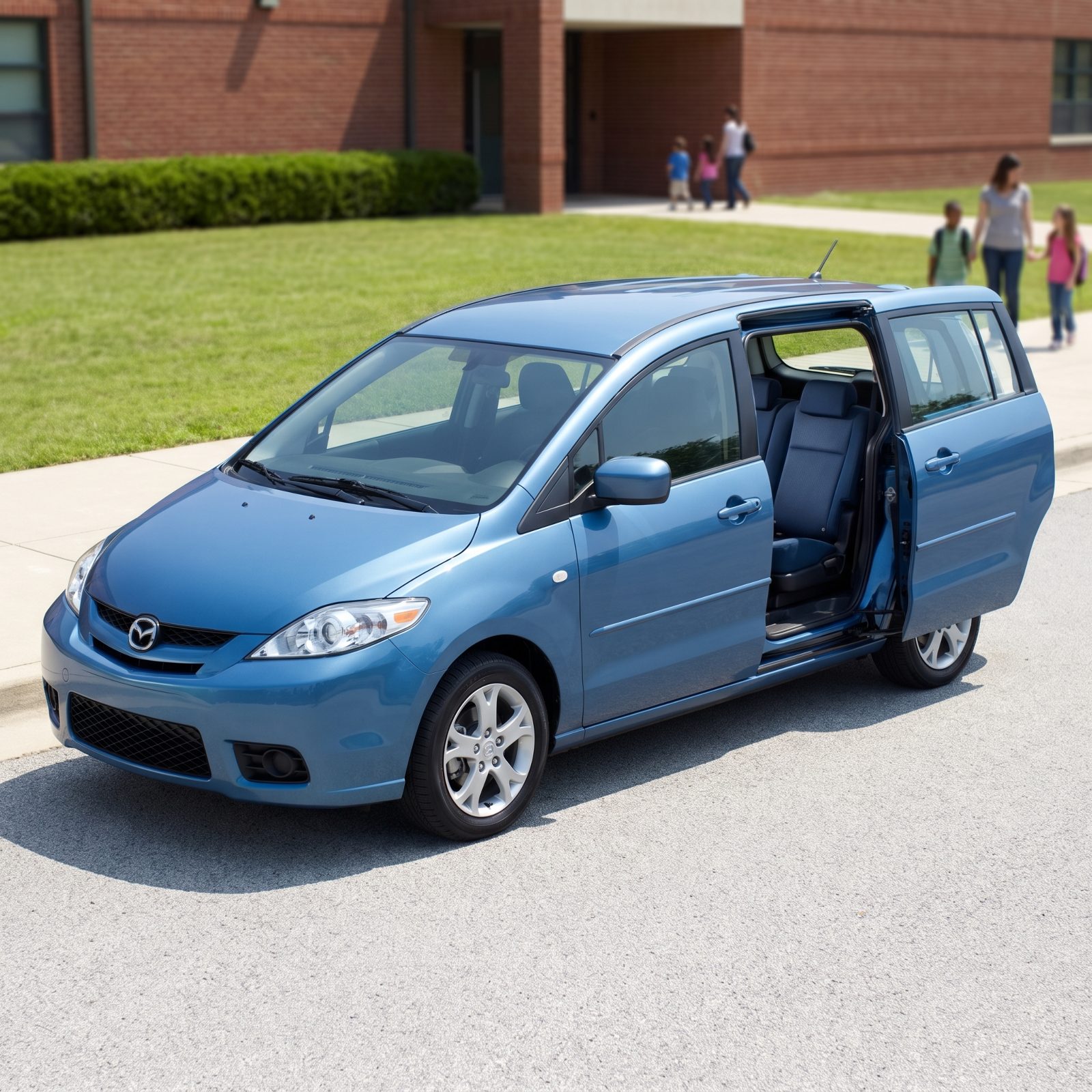
Three rows, sliding doors, handling that actually resembled a car, and a footprint that tucked into a normal garage and a normal parking spot. The Mazda 5 was exactly the van a whole lot of families genuinely needed.
America wasn’t shopping for “exactly enough.” Folks wanted the biggest box on the lot, power everything, captain’s chairs for seven and room to spare. The 5 read as too small, its honest right-sizing mistaken for a shortage of ambition. Europe and Asia got the memo. Here it quietly faded out.
5. Subaru SVX: Exotic Glass and Grand-Touring Ability at the Wrong Price
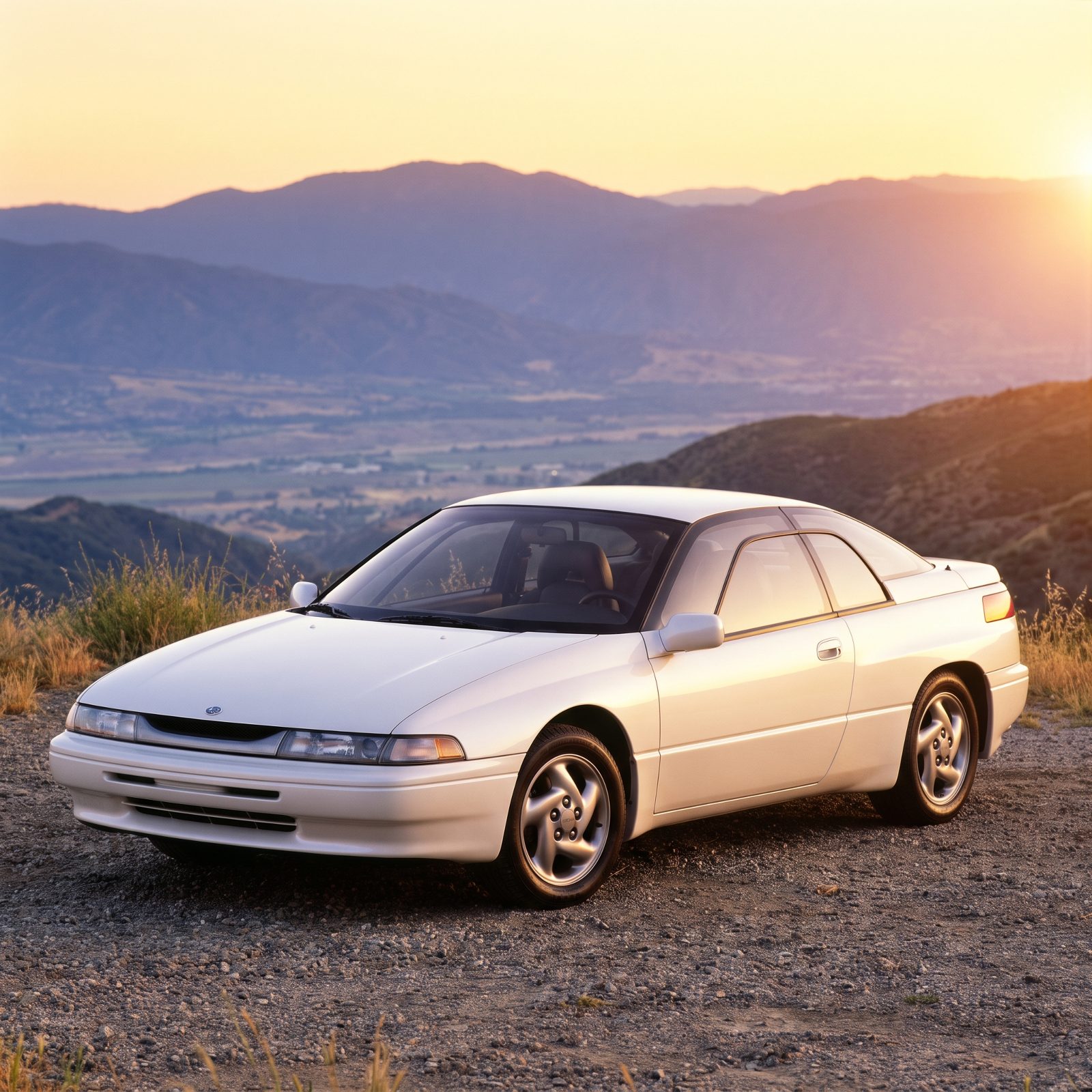
Giugiaro drew it. That window-within-a-window side glass still looks like nothing else on the road, decades on. Under the hood sat a smooth flat-six with full-time all-wheel drive, built for eating up continents in quiet comfort.
Subaru’s problem was the showroom it had to live in. Back in the early 90s the brand meant rugged, affordable wagons, and the SVX cost far more than anything else sitting on the lot. Worse, it came only with an automatic that couldn’t always cope with the engine’s output. A luxury grand tourer in a budget badge, priced for buyers who were shopping somewhere else entirely.
4. Jeep Comanche: The Useful Pickup Its Own Family Buried
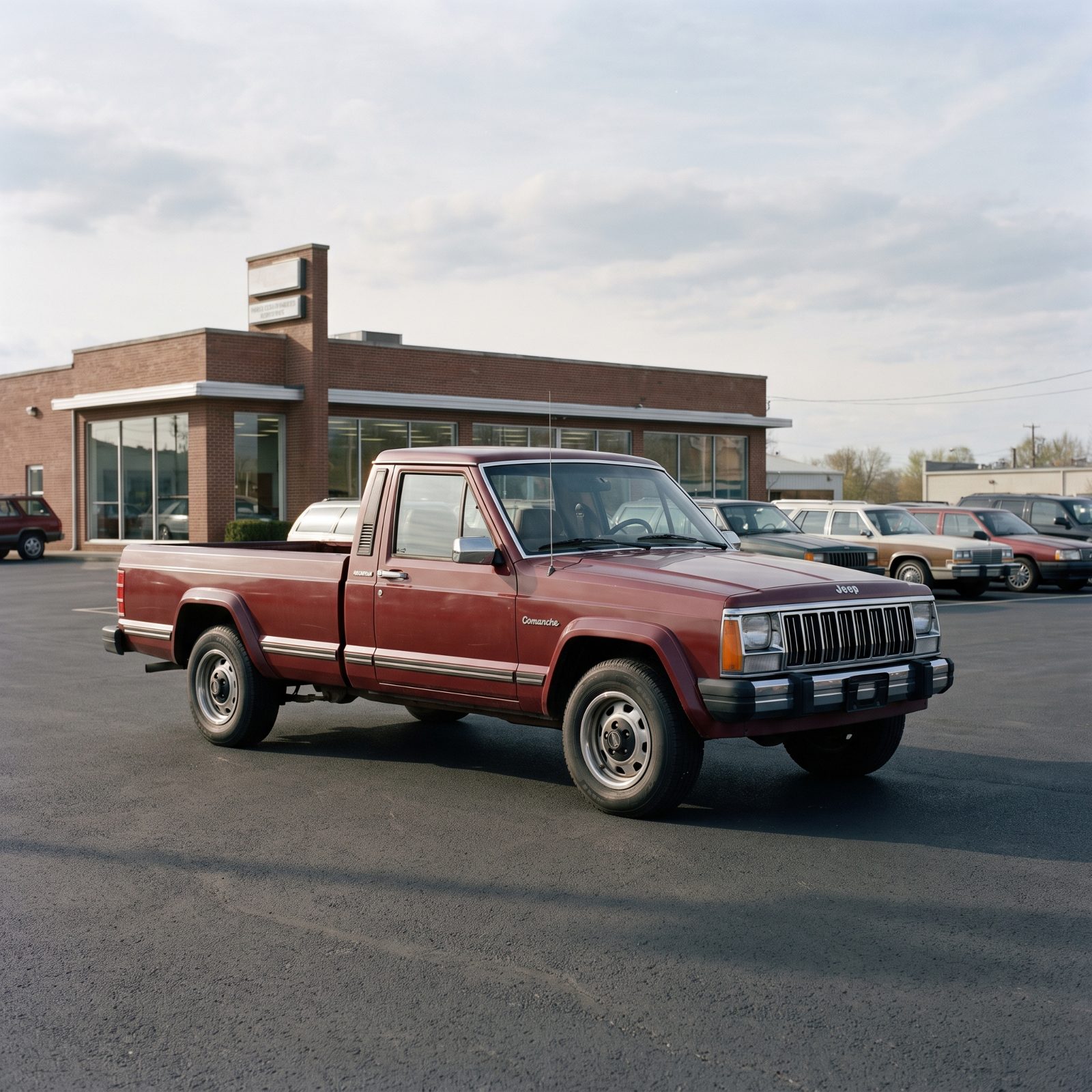
Here was a pickup that made sense. Jeep took the XJ Cherokee, one of the sharpest compact SUVs ever built, and stretched it into a unibody truck that could haul, tow, and crawl without complaint. That 4.0-liter straight-six under the hood was already a legend before most folks even knew what to call it.
So why did it vanish after 1992? Because Jeep parked it right next to the Cherokee, and buyers kept walking past the truck for the enclosed four-door version of the exact same machine. It competed with its own showroom sibling and lost.
Then Chrysler bought AMC and suddenly had the Dodge Dakota to push. Politics, not merit, squeezed a genuinely capable pickup off the lot.
3. Toyota FJ Cruiser: The Retro Rig That Got Loved After It Left
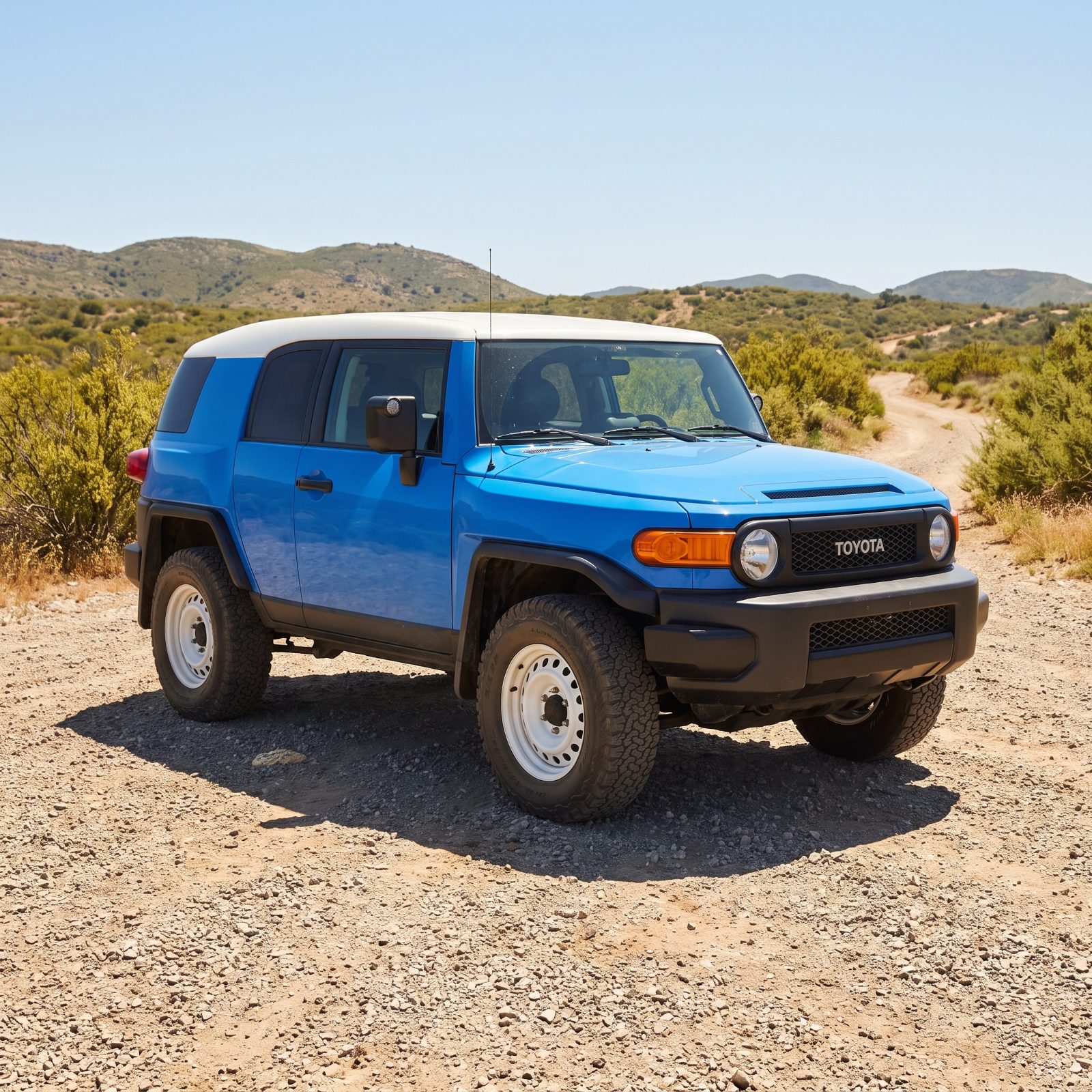
The FJ Cruiser did everything right and showed up at exactly the wrong moment. Round headlights, that upright windshield wearing three wipers, suicide half-doors, a white roof lifted straight off the old FJ40 — it looked like nothing else on the road and could genuinely go anywhere you pointed it.
Then gas hit four dollars a gallon in 2008, and a thirsty V6 brick stopped being charming overnight. Sales cratered. Toyota pulled it from the U.S. after 2014.
And now look at the thing. Clean examples sell for more than they cost new, and the same crowd that strolled past it in the showroom is out there combing auction listings a decade too late. Funny how that works.
It wasn’t a bad truck. It was a bad truck for 2008, which is a different thing entirely.
2. Volkswagen Arteon: The Elegant Liftback Nobody Wanted a Sedan
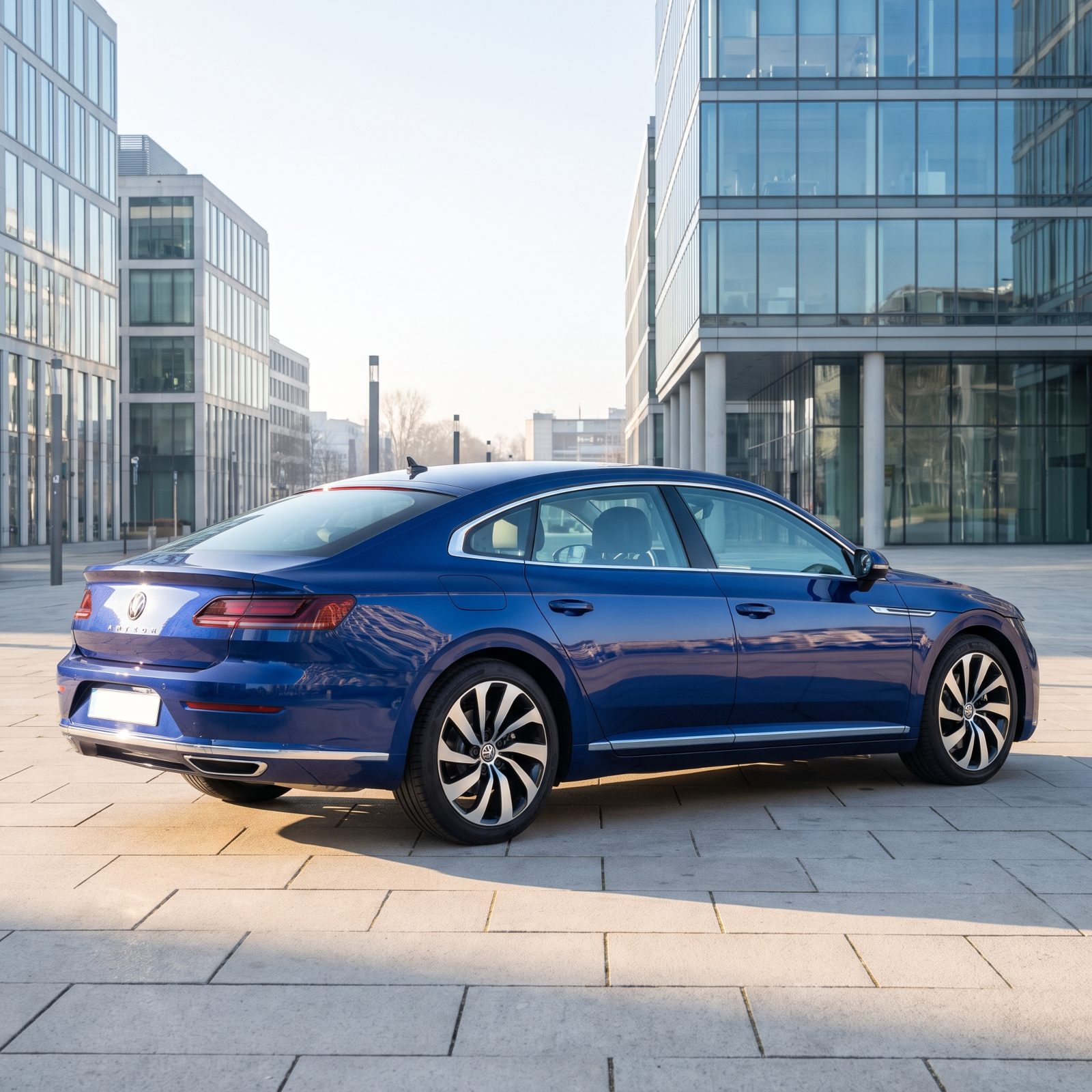
Low, wide, and drawn like something that ought to cost twice the money. The Arteon handed you a liftback that swallowed cargo like a hatchback while wearing the lines of a coupe — frameless doors, a cabin full of soft-touch everything, and a profile that made BMW’s Gran Coupes look a little nervous.
It landed in a market that had quit buying sedans. Period. Americans wanted SUVs, and a gorgeous four-door with a sloping roof read as a luxury car from a brand nobody cross-shopped for luxury. VW killed U.S. sales after 2023.
1. Volkswagen Phaeton: The S-Class in a People’s-Car Suit
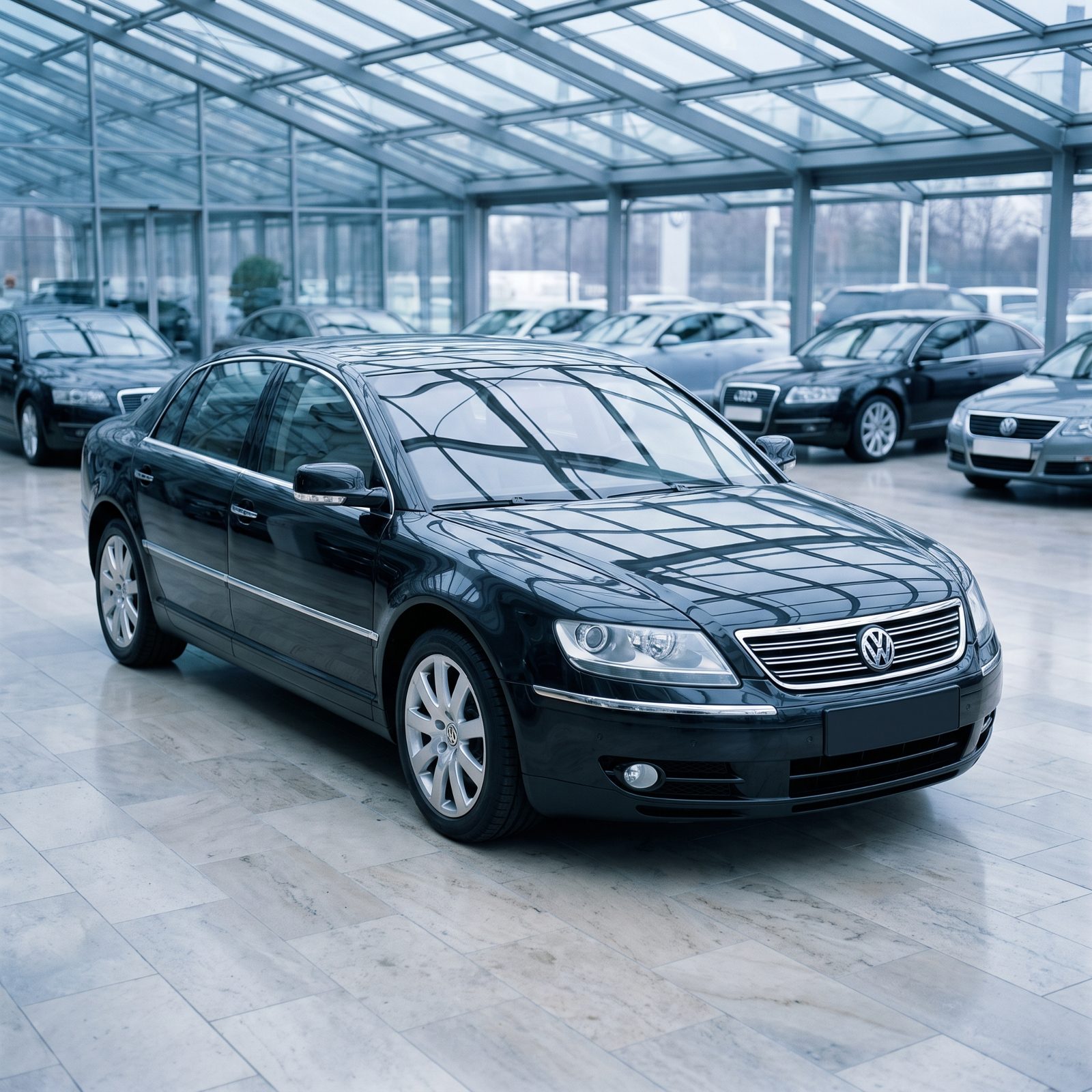
Ferdinand Piëch set out to prove Volkswagen could build a car that stared down the S-Class. He pulled it off, and that was precisely the problem.
The Phaeton carried a W12 engine, draft-free climate control run by eleven separate motors, a torsional rigidity figure engineers still quote at dinner parties, and build quality that quietly embarrassed cars costing far more. It also wore a VW badge and a six-figure sticker, and it asked buyers to drop something shaped like a Passat into the spot where a Mercedes was supposed to sit.
Nobody spends luxury money to be invisible. The badge undid everything the engineering built.
Engineers still talk about it with something close to grief. Right car, no reason on earth to exist.