
Would you like to save this?
Ask what killed the station wagon and most people shrug and say SUVs. Fair enough. But look at what we traded away. A wagon didn’t just haul your family and your plywood — it had a slide-forward roof, or skylights over the back seat, or a frameless glass tailgate that made no sense and every bit of sense at once. These ten carried more genuine character in one quirky feature than a whole lot full of crossovers can muster. Here they are, the long roofs worth remembering.
The 1955 Chevrolet Nomad: When a Grocery Getter Wore a Hardtop’s Face
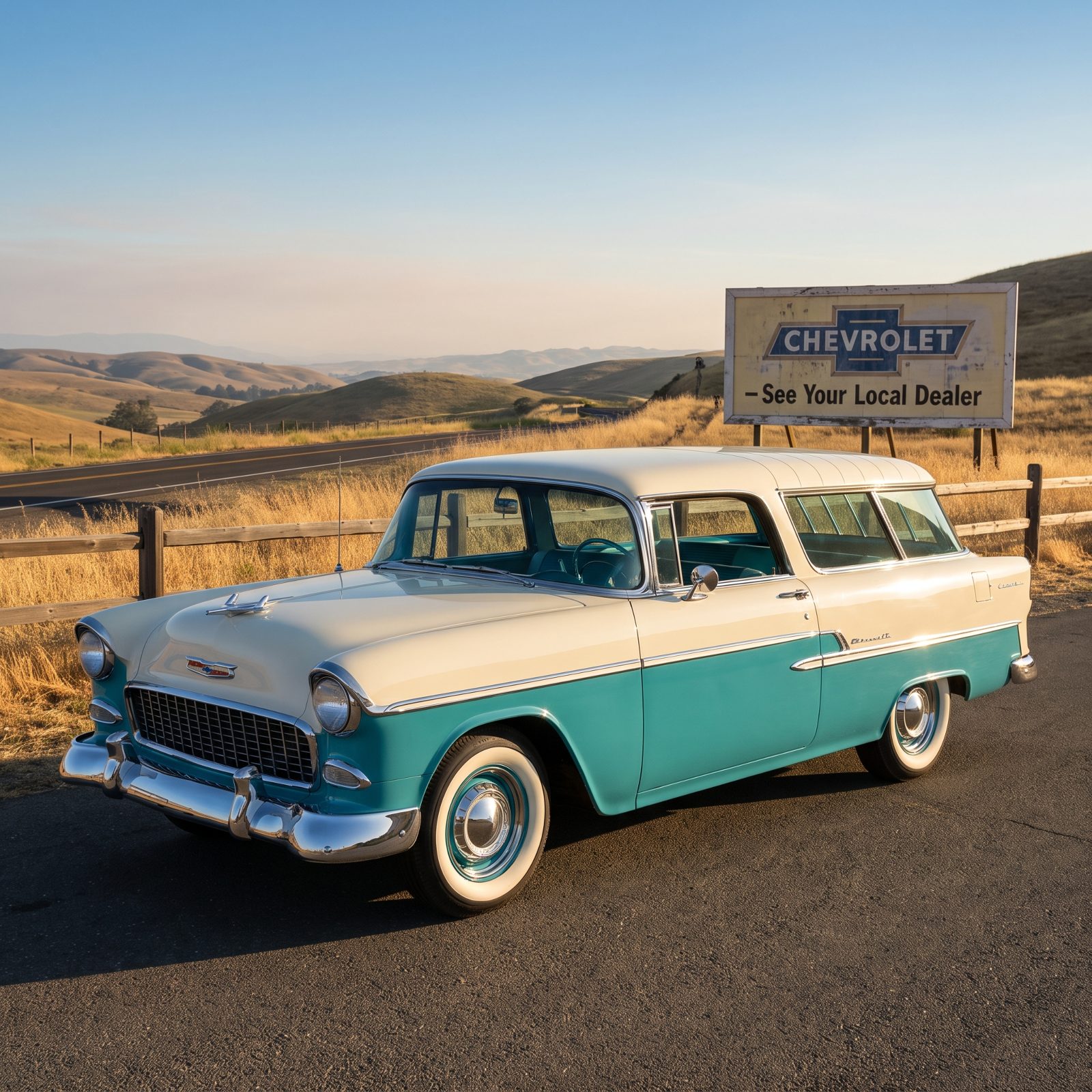
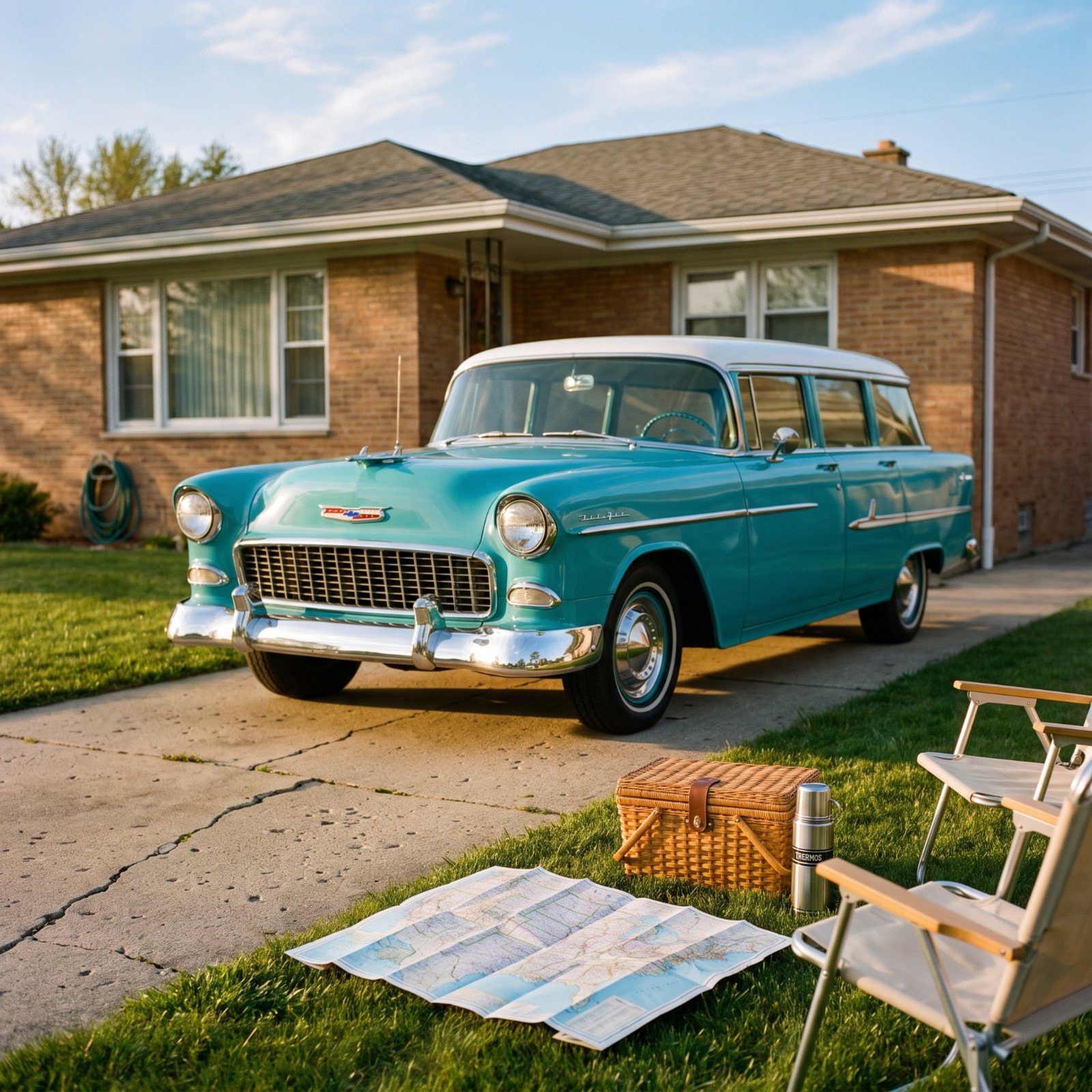
Chevrolet took a show car idea and actually built it, which almost never happens. The Nomad kept the two-door hardtop’s rakish greenhouse and grafted a wagon tail onto the back. Those seven chrome strips down the tailgate glass served no purpose beyond looking expensive — and that was exactly the idea.
It never sold well. Two doors made loading kids a chore, and the fancy roofline leaked at the seams, but the thing had a presence no four-door hauler could touch. Collectors have been paying for that mistake ever since.
The Studebaker Wagonaire: The Roof That Slid Out of Your Way
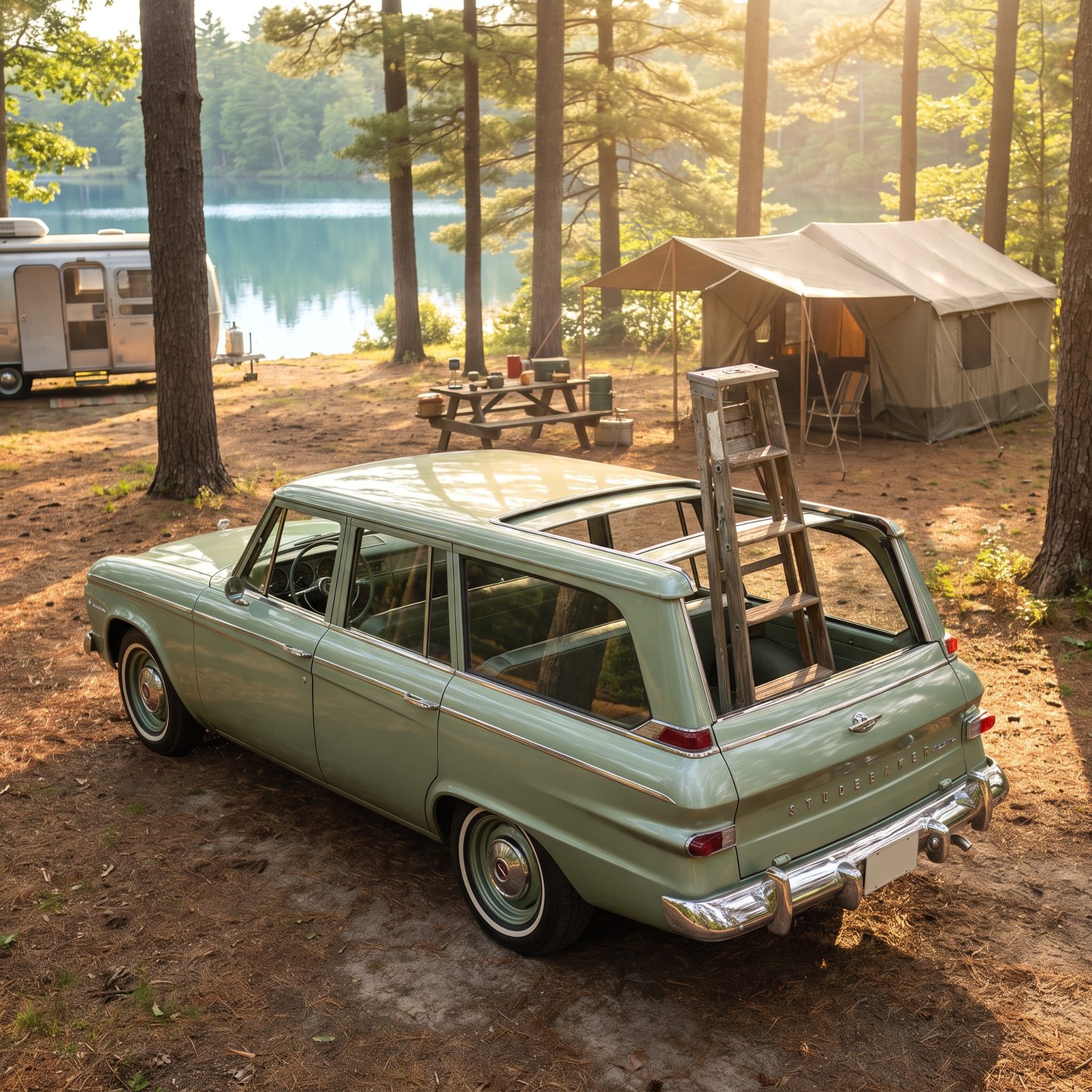
The Wagonaire’s party trick was a rear roof section that slid forward on tracks, opening the cargo hold to the sky. You could stand a refrigerator upright in the back and drive it home. Nobody else offered that, before or since.
Of course it leaked. Early owners kept towels in the back for rainy days while Studebaker scrambled to seal the mechanism, and the company folded a few years later. That makes every surviving Wagonaire a little relic of a carmaker that kept swinging until the lights went out. I have a soft spot for underdogs, and this one earns it.
The 1968 Oldsmobile Vista Cruiser: Skylights Over the Second Row
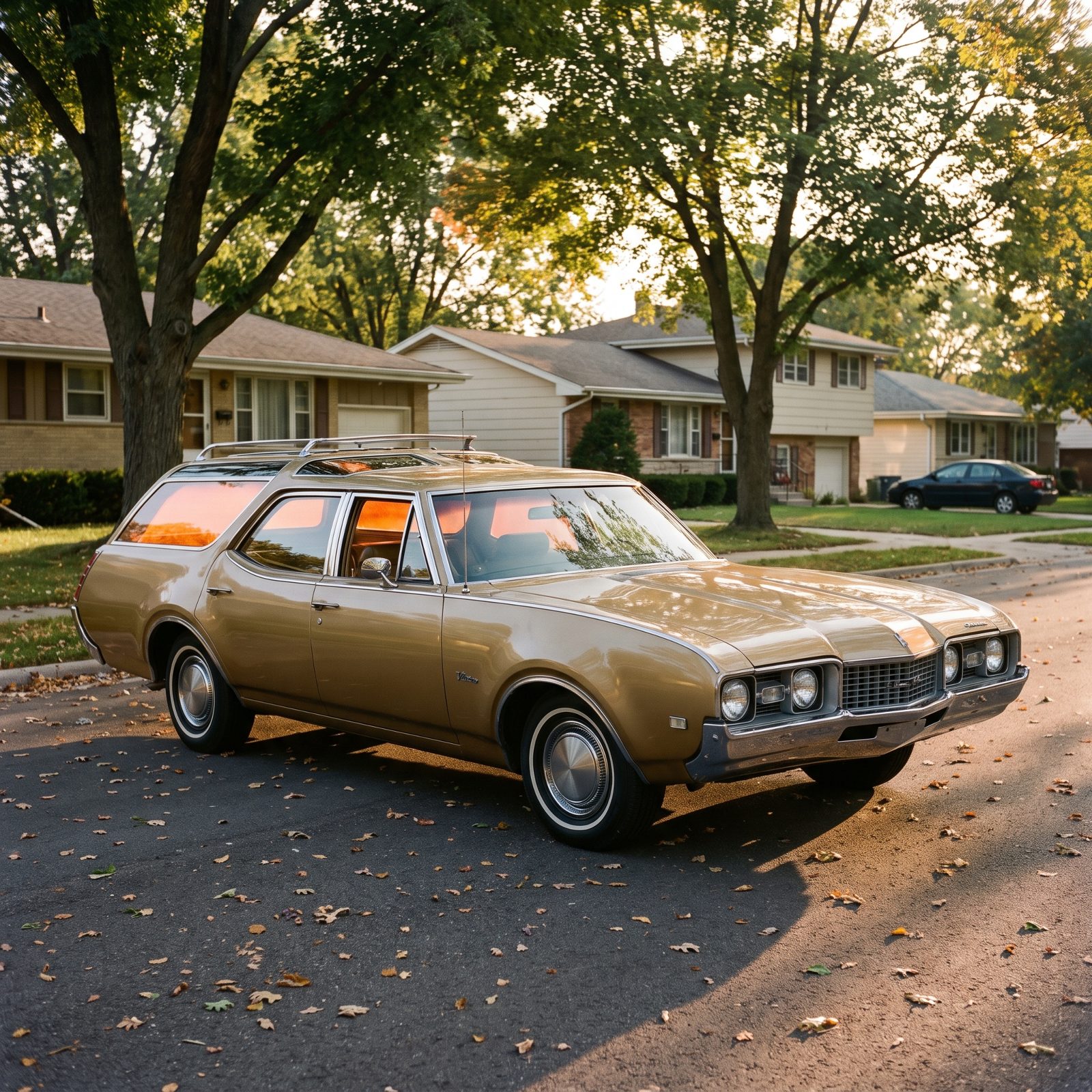
Picture a kid in the way-back of a Vista Cruiser on a summer road trip, lying flat and watching telephone wires scroll past through tinted glass overhead. That was the whole appeal. Oldsmobile raised the rear roof and set skylight panels into it, turning the family wagon into a rolling observatory.
The elevated roof also handed third-row passengers real headroom and a view out, instead of the tailgate-facing exile most wagons offered. It looked odd parked at the curb. From the inside, it felt like a treehouse.
The Volvo 1800ES: A Sports Car That Grew a Glass Hatch
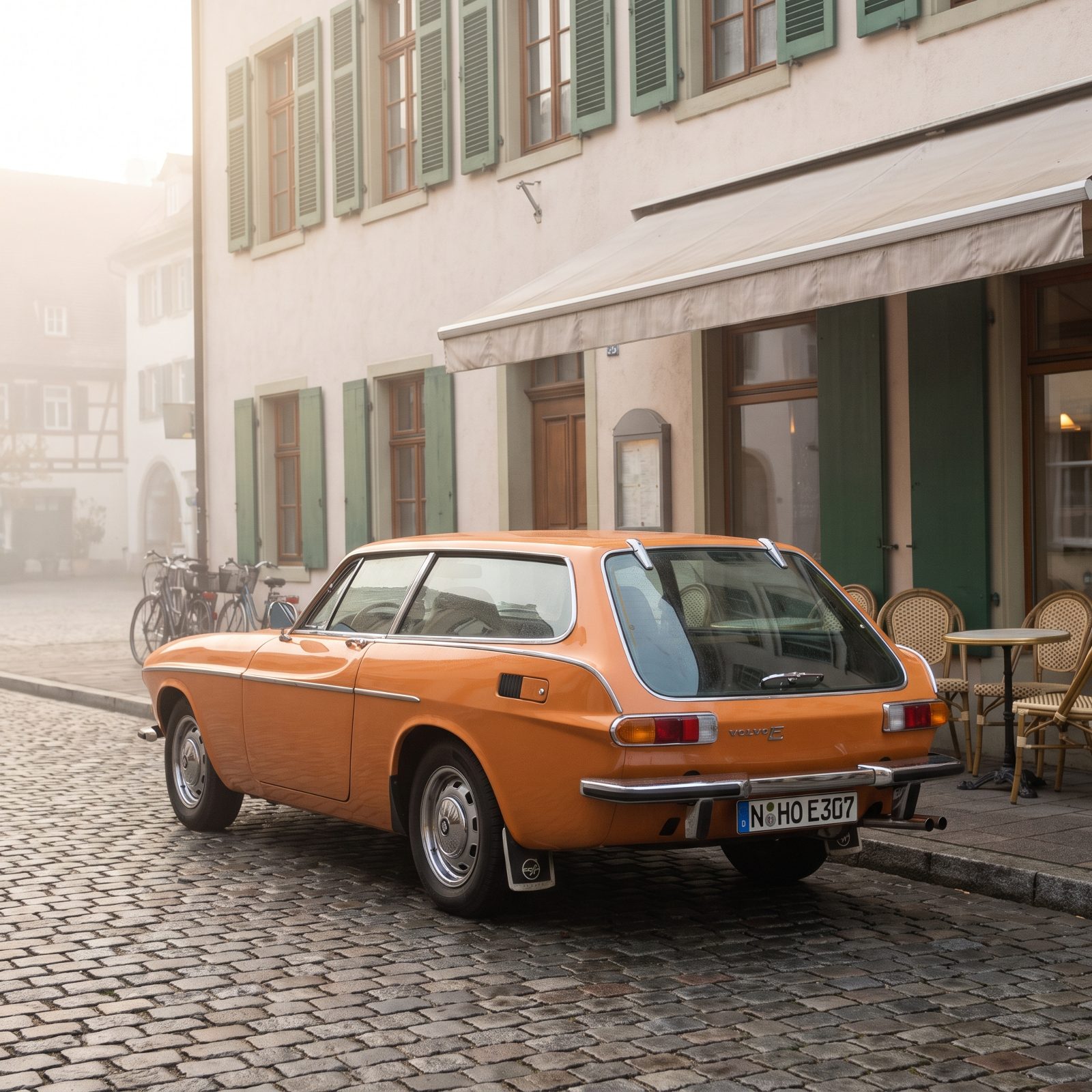
Volvo took the pretty P1800 coupe, the one Roger Moore drove in The Saint, and stretched the roof back into a glass-hatched shooting brake. That rear tailgate was a single frameless pane of curved glass — impossibly clean to look at, and a nightmare to seal properly.
It was never fast. The point was never speed. The point was a two-seat sports car you could load a pair of wine crates into without apology. Volvo built it for only two years before the whole 1800 line ended, so the ES remains the rarest and most charming of the bunch.
The 1949 Chrysler Town & Country: Actual Wood, Actual Craftsmanship
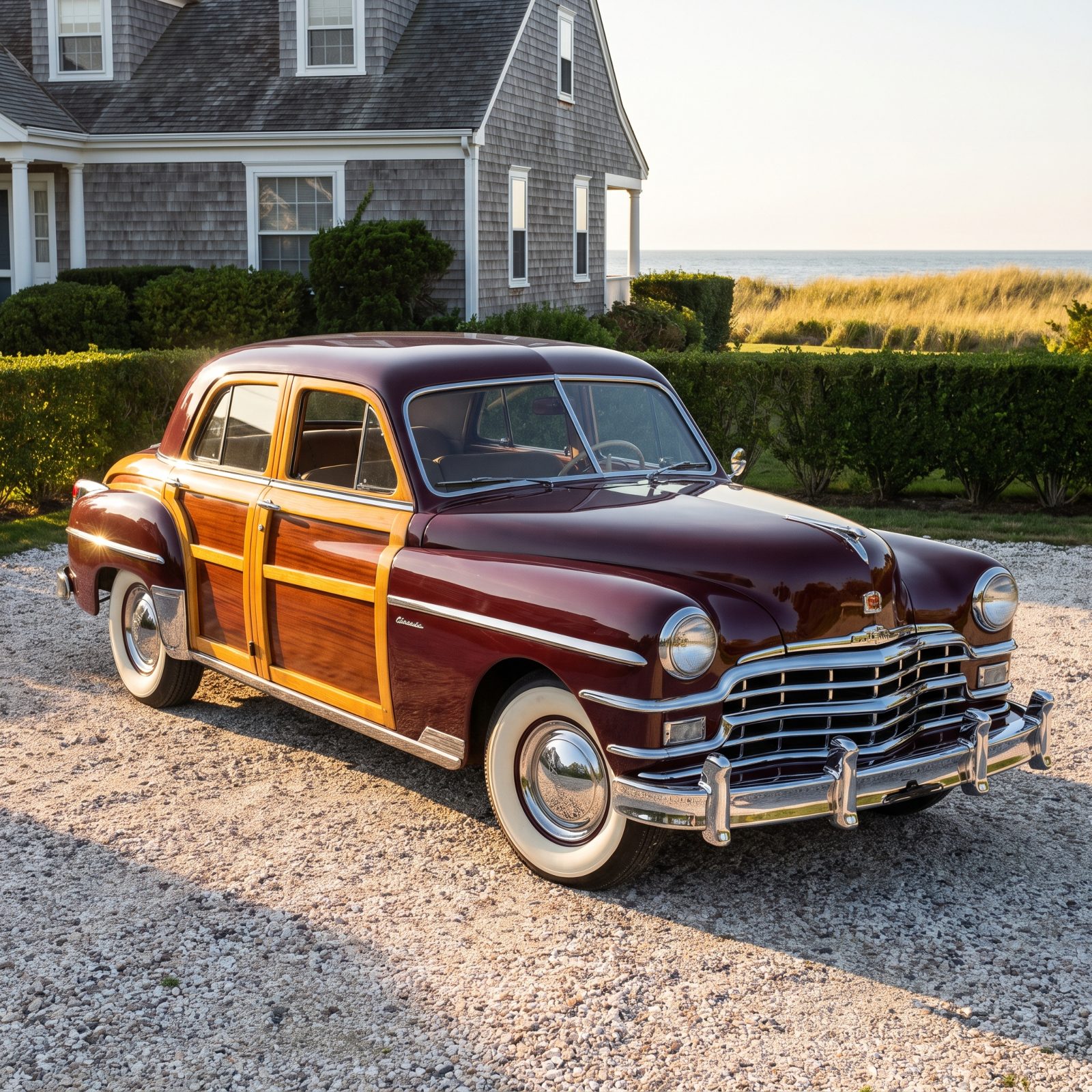
This one was furniture you could drive. The Town & Country used real white ash framing with mahogany veneer inset panels, assembled by actual woodworkers and varnished by hand. When people grumble about fake woodgrain contact paper on 1970s wagons, this is the car they’re mourning.
Owning one meant upkeep. The wood swelled, cracked, and demanded revarnishing like a wooden boat. Chrysler quietly switched to steel bodies with woodgrain decals by the mid-fifties because real timber was slow and costly to build. The genuine article lasted only a few model years. Surviving examples sit in concours fields now, and they still smell faintly of varnish.
The AMC Eagle Wagon: Four-Wheel Drive Before Anyone Asked For It
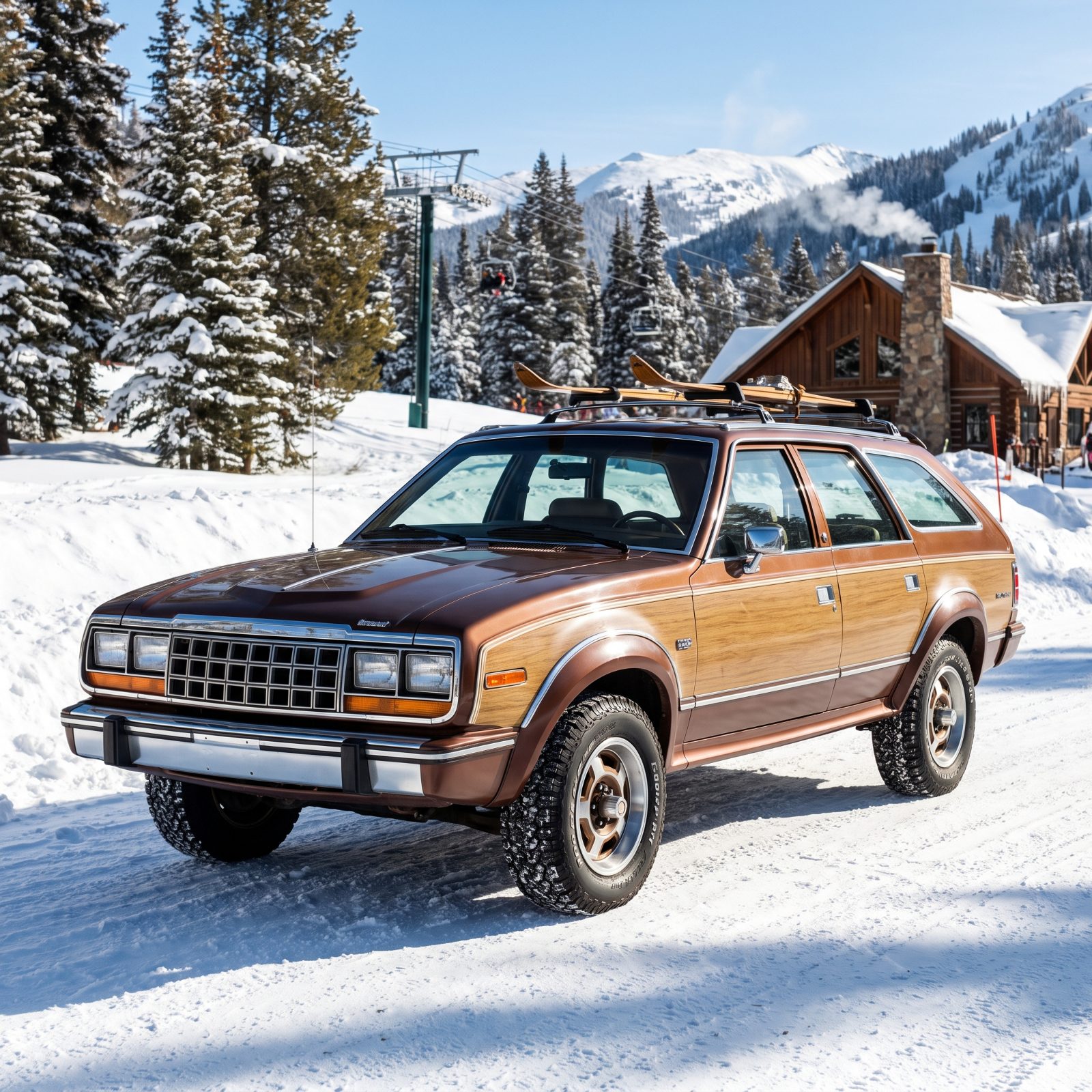
AMC was broke and desperate when it bolted a Jeep-derived four-wheel-drive system under a passenger wagon in 1980. The result sat high on chunky tires and could claw up a snowy pass while the Country Squires spun their wheels at the bottom. Call it the crossover, invented a full decade before the industry coined the word.
Nobody at the time quite knew what to call it, and a wagon that climbed mountains confused the showroom crowd. AMC was gone by 1988, absorbed into Chrysler, and the Eagle idea mostly died with it. Then every automaker on earth copied the concept and made billions. Timing is everything. AMC had none.
The Audi RS2 Avant: A Porsche-Built Wagon That Embarrassed Supercars
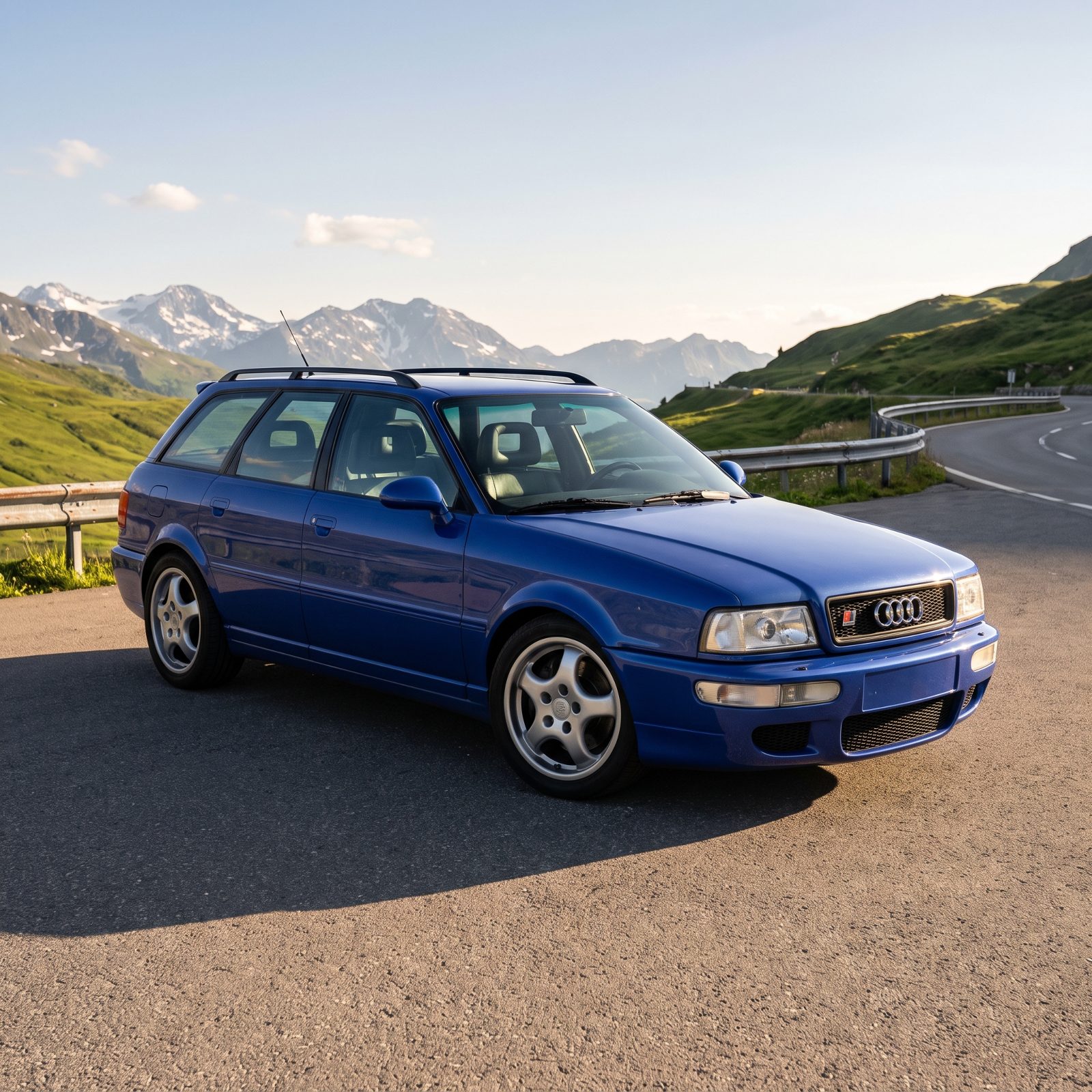
Audi handed a hot wagon to Porsche and said make it serious. Porsche fitted the wheels, the brakes, the mirrors, even built the thing on its Rossle-Bau line. The RS2 ran to sixty quicker off the line than a contemporary McLaren F1 — with a boot full of luggage and a baby seat in the back.
It never came to America, which is its own small tragedy. Here was proof a family hauler could be genuinely fast without pretending to be anything but a wagon. Every fast estate since owes it a debt.
The 1967 Ford Country Squire: Woodgrain Flanks and Headlights That Hid
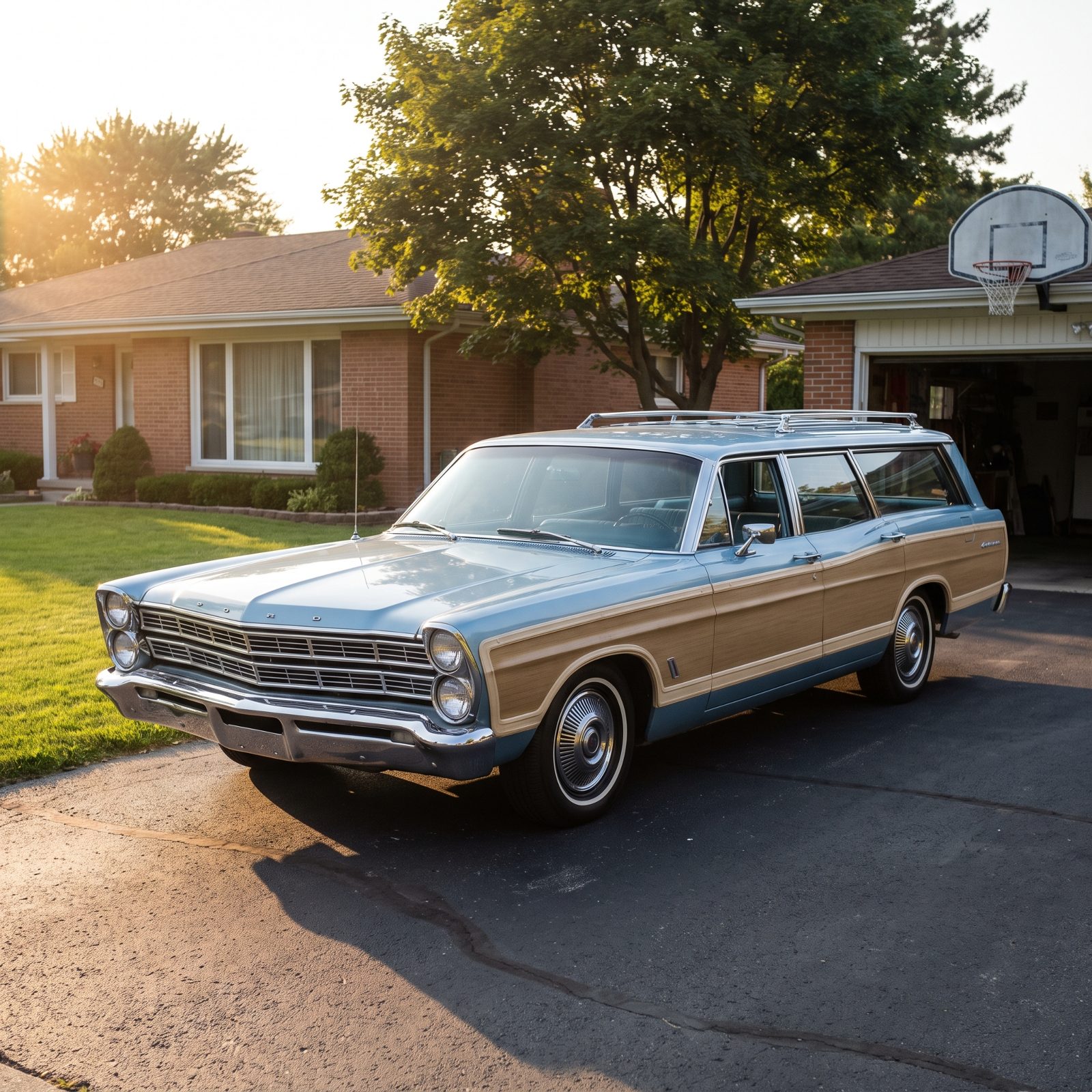
The Country Squire was the ocean liner of the American driveway. Longer than a modern full-size pickup, it wore simulated woodgrain down both flanks and, for 1967, headlights that hid behind pivoting grille doors when switched off. That little theatrical touch made a grocery wagon feel like a Lincoln.
Families loaded six kids, a dog, and a week of camping gear into one of these and pointed it at the national parks. The rear-facing third seat was where you waved at the cars behind you. Nothing about it was subtle, and nothing about it needed to be.
The VW Type 3 Squareback: Air-Cooled Oddball With a Trunk at Each End
Would you like to save this?
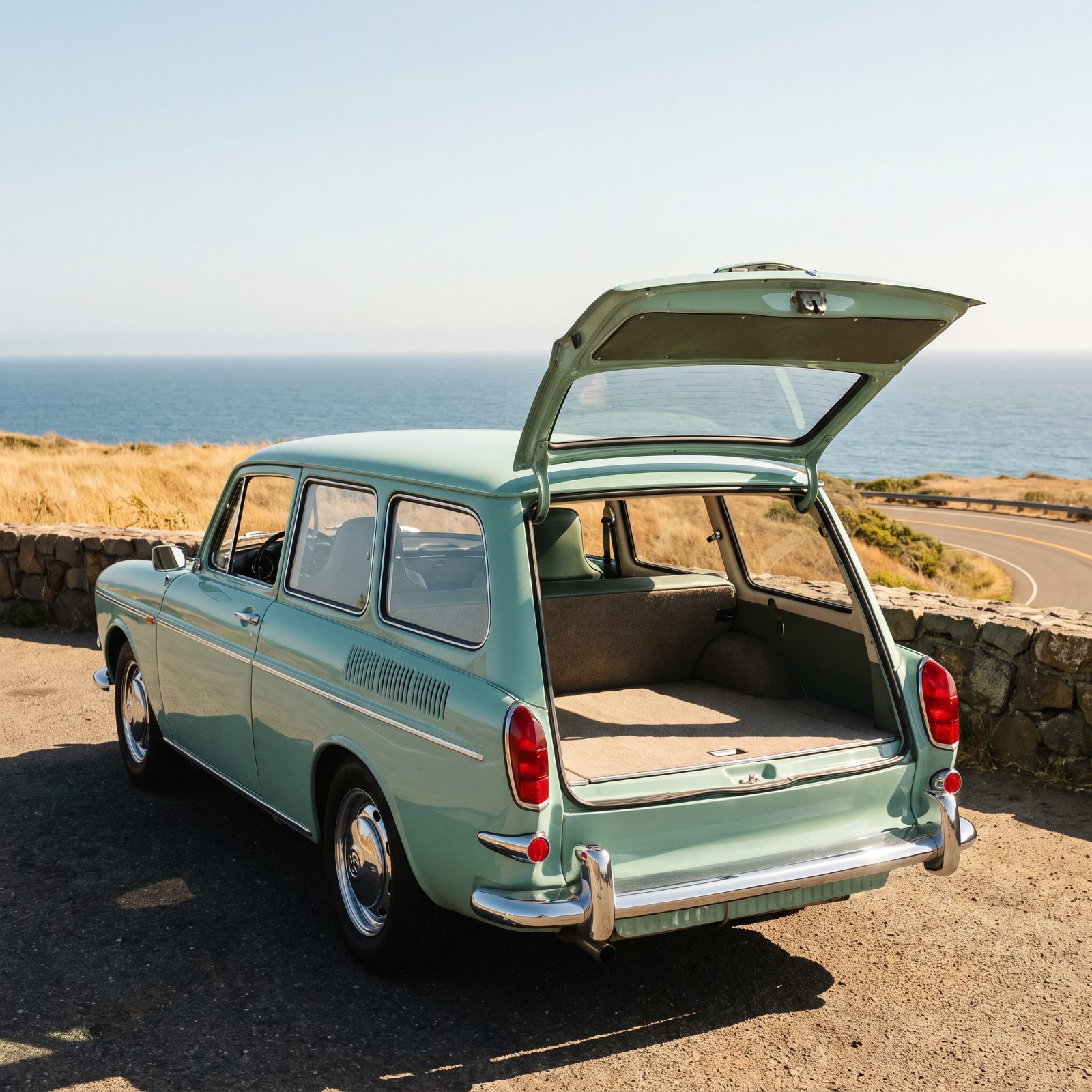
Here’s the clever bit. Volkswagen flattened the air-cooled engine into a pancake and tucked it under the rear cargo floor, which left the Squareback with a trunk up front and a flat load bay out back. Two trunks and no visible engine. People would lift the rear hatch hunting for the motor and find luggage space instead.
It was slow, it was noisy, and it rusted if you looked at it wrong. It was also honest, cheap to run, and shaped like nothing else on the road. Beetle owners who needed to haul things bought these and never looked back.
The Mercedes-Benz W123 T-Model: The Estate You Hand Down
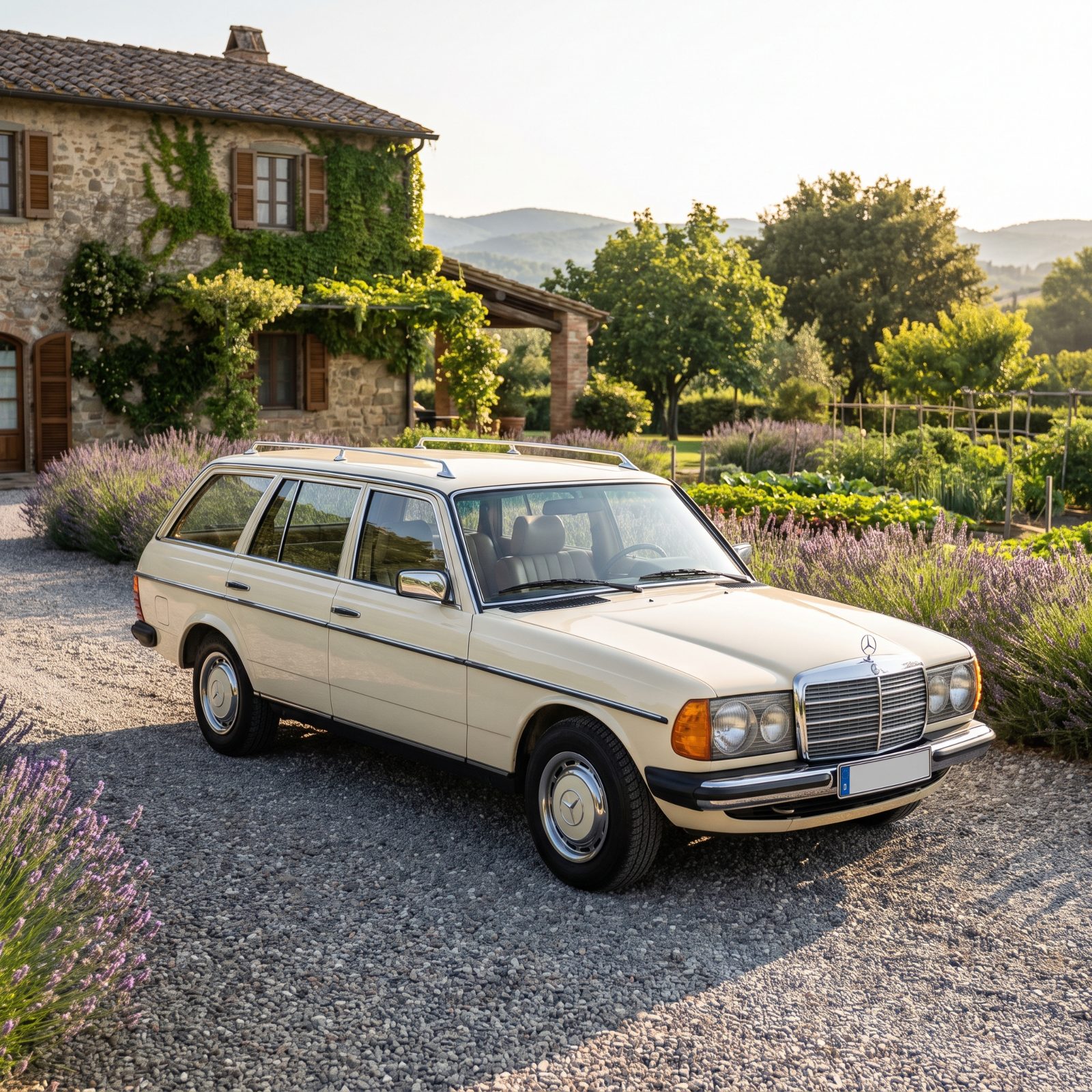
The W123 wagon was built to outlive its owner, and plenty of them have. These were overbuilt in the way only 1970s Mercedes engineering could manage — doors that shut like a bank vault, diesel engines that treated half a million miles as a warm-up. The self-leveling rear suspension kept the tail from sagging no matter how much you piled in.
It wasn’t flashy. It didn’t try to be. The appeal was quiet competence, the sense that this one object would still be around long after the fashions that surrounded it had gone.
A wagon you buy once and your kid inherits is a different kind of luxury than anything a lease can offer.
That’s the thread running through all of these. Not horsepower, not badge value, but character you could point to and name. The sliding roof. The skylights. The frameless glass, the real ash framing. We didn’t lose the station wagon — we lost the nerve to build something odd on purpose. Go find one. Drive it. You’ll understand.
Saab 95, Seven Seats Crammed Into a Tiny Swedish Wagon
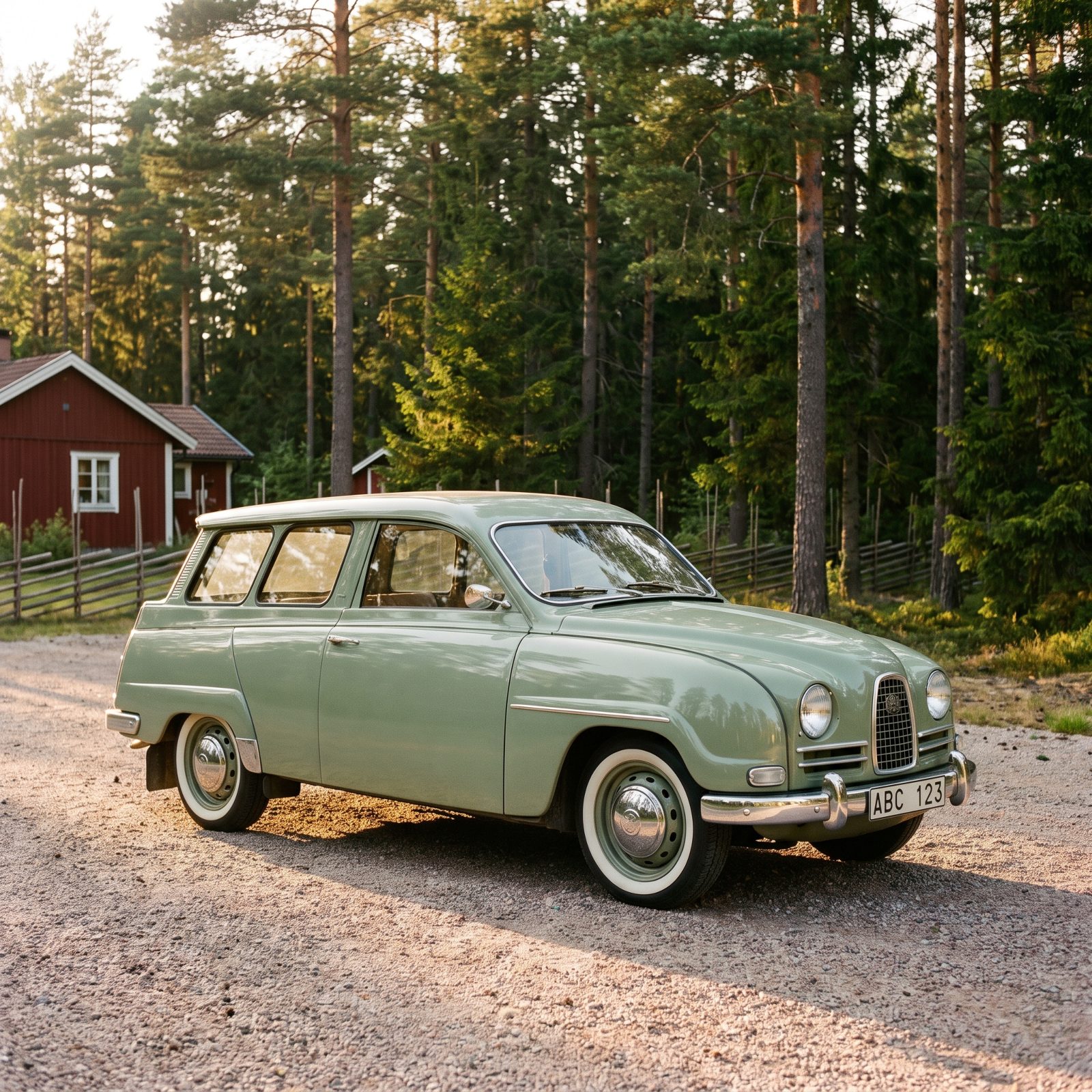
Two-stroke engine, front-wheel drive, and a tailgate that swung up to reveal a rear-facing bench where two kids could ride backward and wave at the car behind. All of that in a wagon shorter than most of today’s hatchbacks.
Saab built the 95 like aerospace engineers who wandered into the car business, which is exactly what happened. The roofline came straight off a wind tunnel. Ruthless packaging got seven seats out of a footprint that modern crossovers would laugh at, then quietly fail to match.
1957 Pontiac Safari, Chrome, Fins, and Star Chief Theater
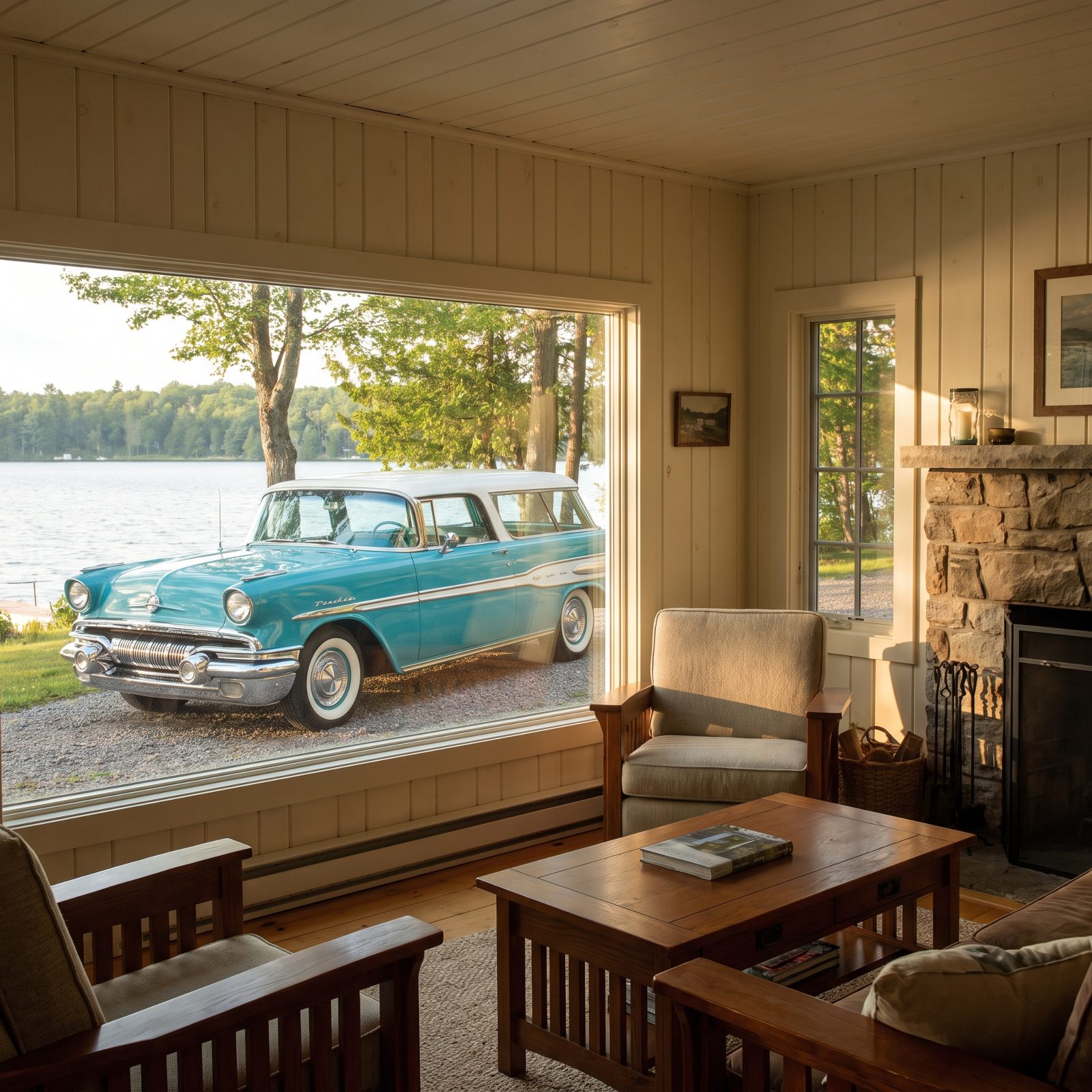
The Safari was Pontiac’s answer to a question nobody had asked yet: what if a station wagon had the swagger of a two-door hardtop? Chrome everywhere, fins rising at the back, the whole thing sitting low and wide and looking like it was going somewhere important even parked in a driveway.
This was the hauler that refused to apologize for being a hauler. Groceries rode in the back of a car that shared its glamour with the Star Chief line. You loaded lumber into a rolling sculpture.
Nobody buys a crossover because it looks like jewelry. People bought the Safari partly because it did.
Chevrolet Corvair Lakewood, A Rear-Engine Wagon With Cargo at Both Ends
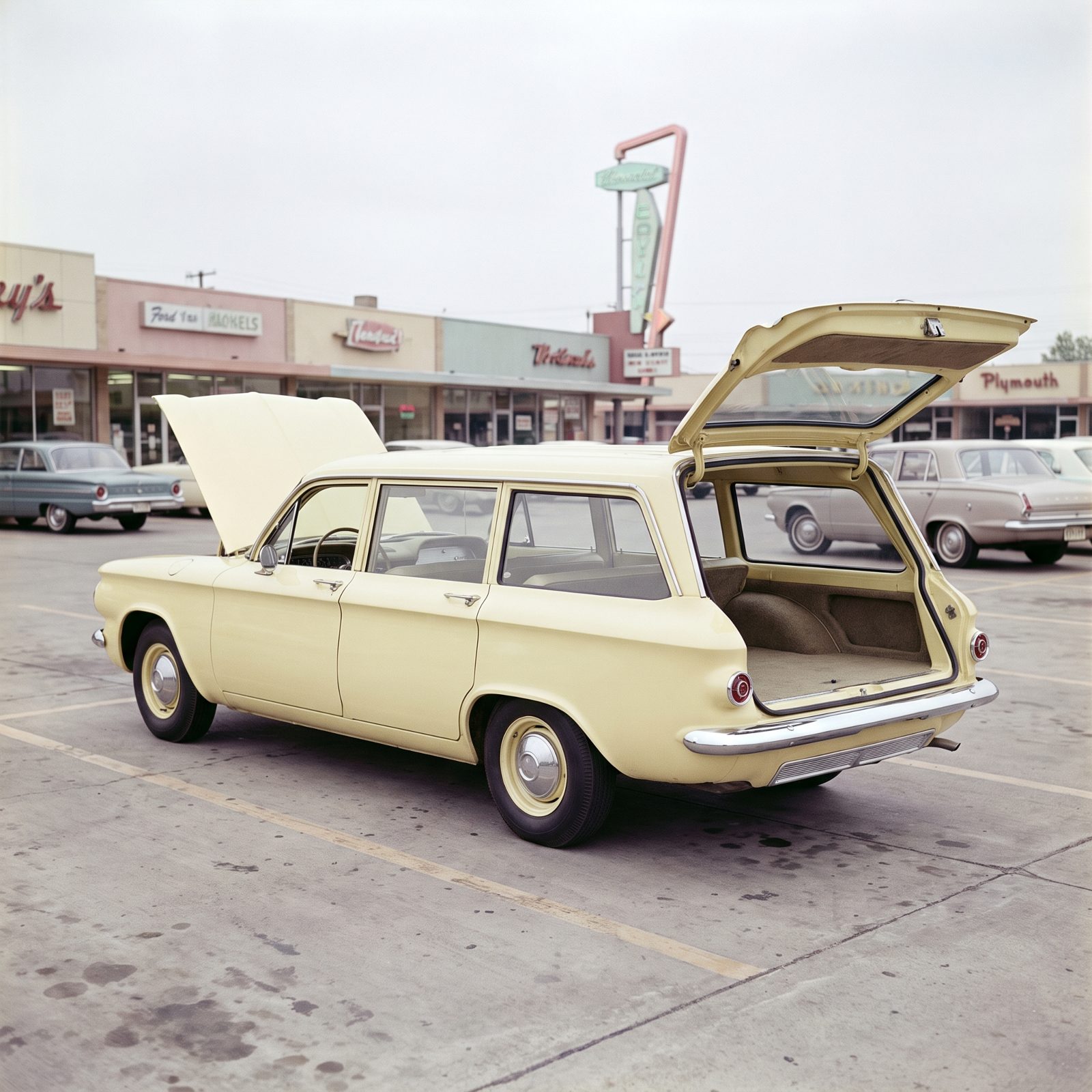
An air-cooled flat-six sat over the rear axle, which meant the Lakewood had a cargo hold behind the engine and a second one up front where the motor should have been. Two trunks, one wagon. Chevrolet basically built the practical answer to a sports-car layout and bolted a tailgate on it.
It handled nothing like the big iron of the day, which was the point and also, eventually, the controversy. But forget the drama for a second. You got a flat load floor, quirky engineering, and a shape that still looks modern sixty years on. Try naming a current SUV with its engine behind the back seats and a frunk worth bragging about.
Volvo 240 Estate, The Two-Box Wagon in Its Purest Form
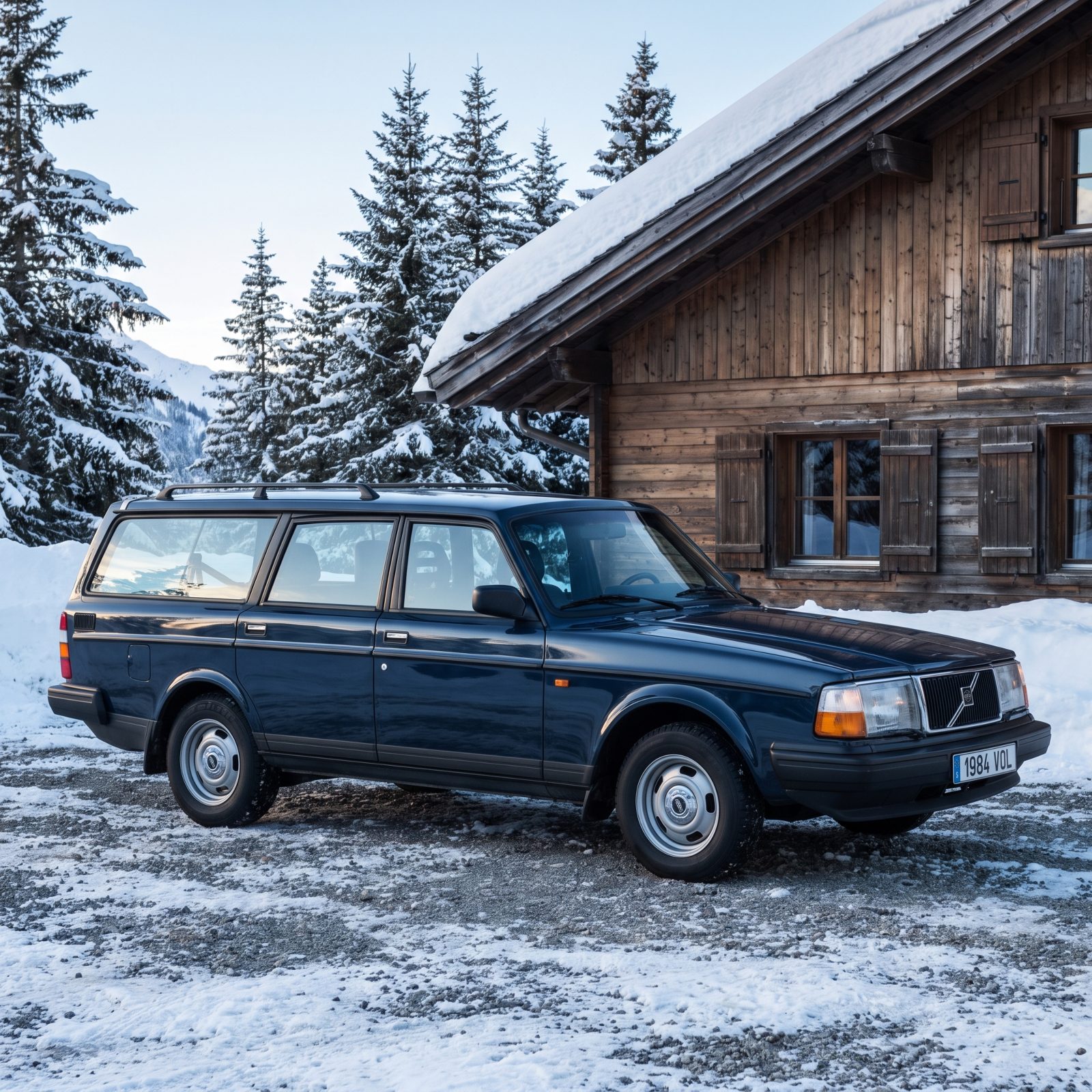
No swoops, no fake vents, no design committee trying to make a box look fast. The 240 Estate was a rectangle with wheels, and somehow that honesty aged better than every car that tried harder.
It carried a reputation for running well past the odometer’s second lap on nothing but regular oil changes and stubbornness. The cargo area was a flat cube you could load like a moving van. Every one of them looked like it had already survived three Swedish winters, because most had.
BMW E30 Touring, The Enthusiast Wagon That Proved You Didn’t Have to Choose
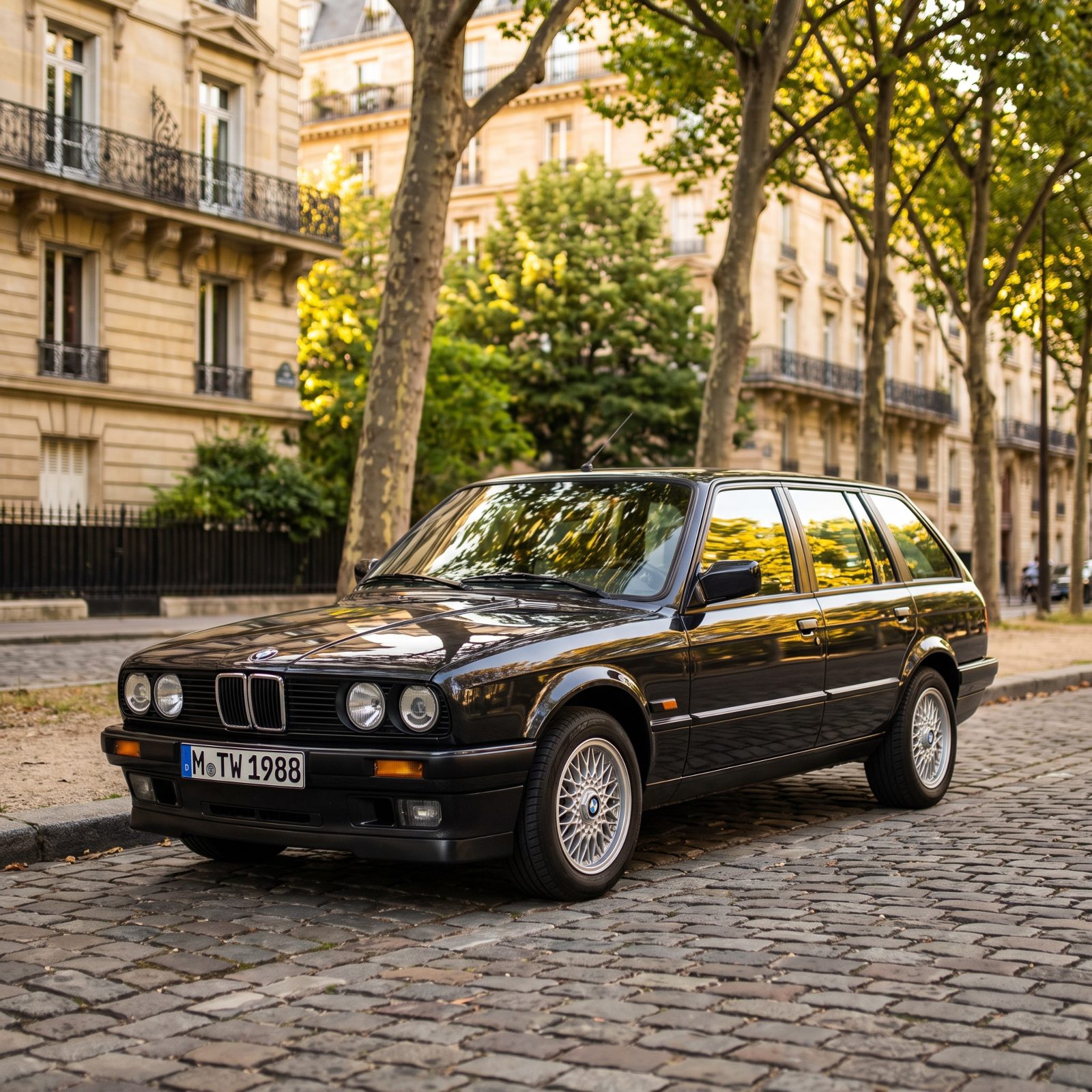
Rear-wheel drive. A silky straight-six option. Steering that actually told you something. Then they put a tailgate on it, called it the Touring, and suddenly you could drop the kids at school and still enjoy the drive home.
The E30 Touring stayed small on purpose and never pretended to be a truck. It drove like the sedan it was based on, which is to say it drove well, and the cargo hatch came as bonus practicality rather than the entire personality.
Modern crossovers keep missing this. The E30 was fun first and useful second. Most SUVs flip that order and end up being neither.
Audi 100 Avant C3, Slippery Aerodynamics Hiding a Wagon
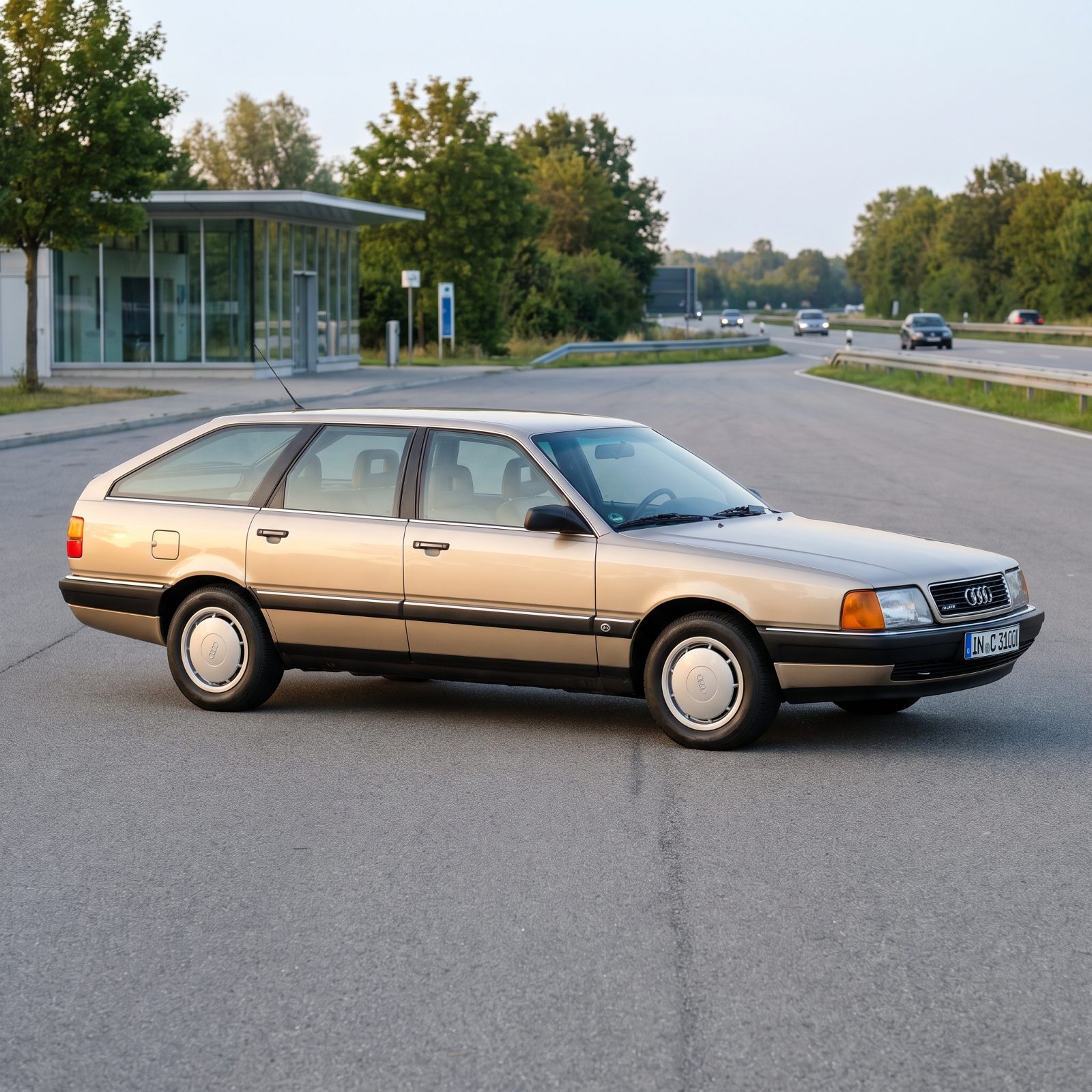
Flush glass. A nose shaped to cut air instead of impress the neighbors. The C3-generation 100 chased one of the lowest drag figures of any production car of its era, and Audi had the nerve to apply all that slipperiness to a family wagon.
So aerodynamics weren’t just for sports cars after all. The Avant gave you a long roof, a usable load bay, and a profile that sliced down the autobahn while sipping less fuel doing it. Clever without shouting about it. Those flush windows alone made every rival look like they’d stopped thinking in 1979.
Volkswagen Golf Country, The Lifted Wagon That Predicted Everything
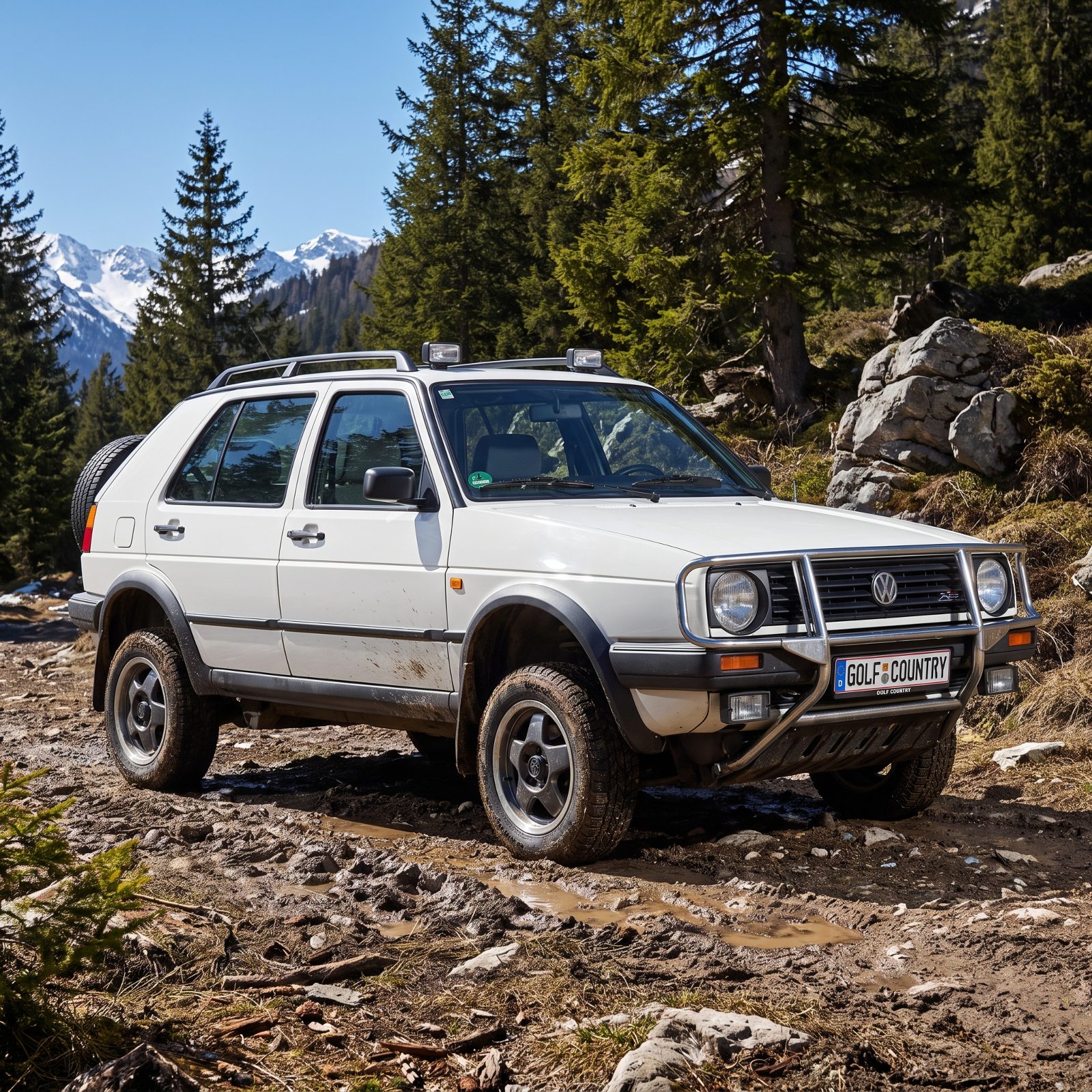
Volkswagen took a humble Mk2 Golf, bolted it onto a stilted four-wheel-drive chassis, added a brush guard and a tailgate-mounted spare, and invented the crossover a good decade before anyone had a marketing word for it.
The Country looked absurd. A hatchback on tiptoes. It also went places a Golf had no business going, and it did it with a sense of humor the entire genre has lost since.
Every lifted wagon-pretending-to-be-an-SUV on the road today owes this strange little German its whole career.
Volvo 850 T-5R Estate, The Yellow Turbo Brick That Shouldn’t Have Worked
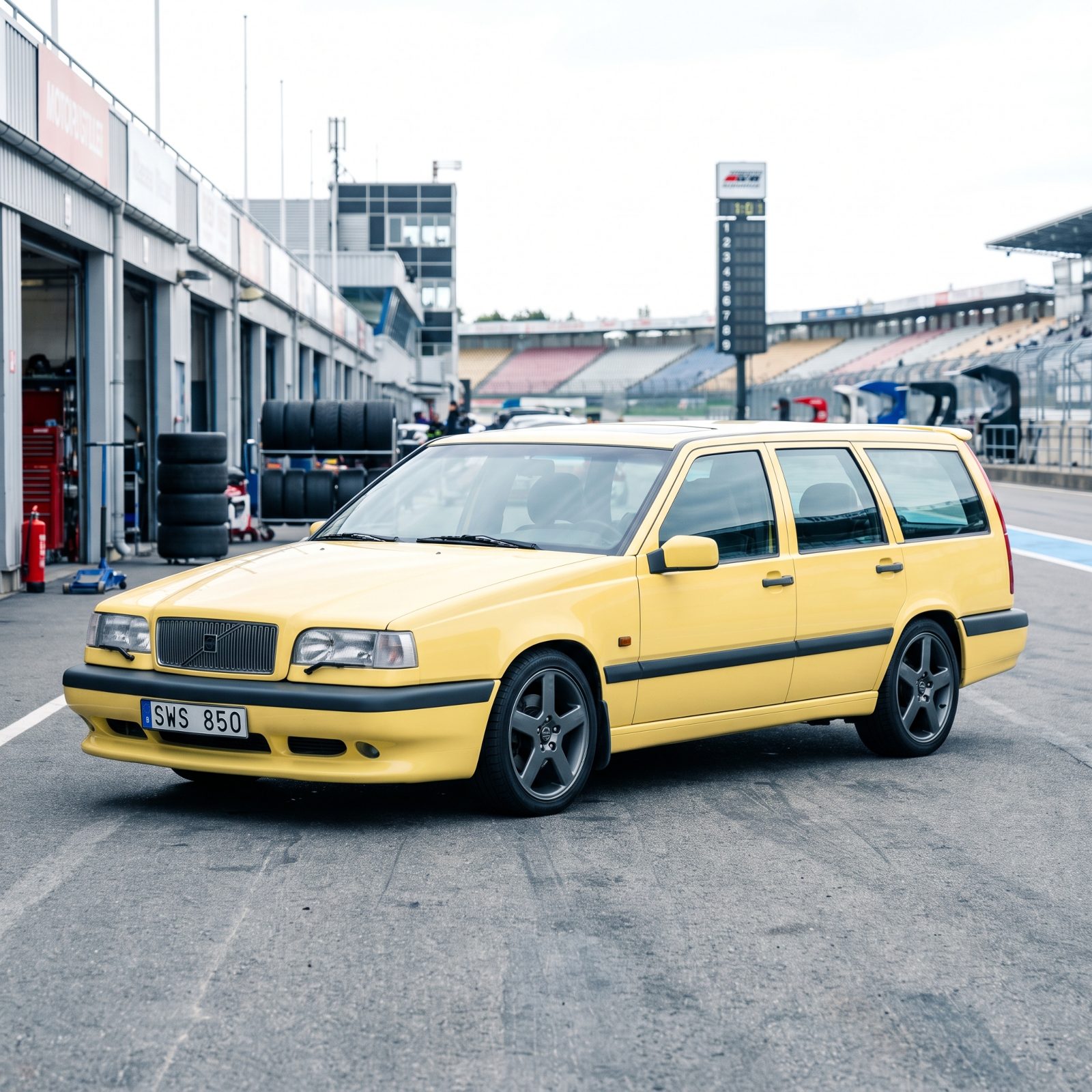
Volvo spent decades being the safe, sensible brand your dentist drove. Then they painted a turbocharged five-cylinder wagon bright yellow, sent it touring-car racing, and dared you to keep underestimating them.
The T-5R was a brick that hustled. Grocery-getter dimensions, serious boost, front tires it would happily shred in first gear. There’s the joke, right there: a shape built for cautious suburban dads, now capable of embarrassing hot hatches at the lights.
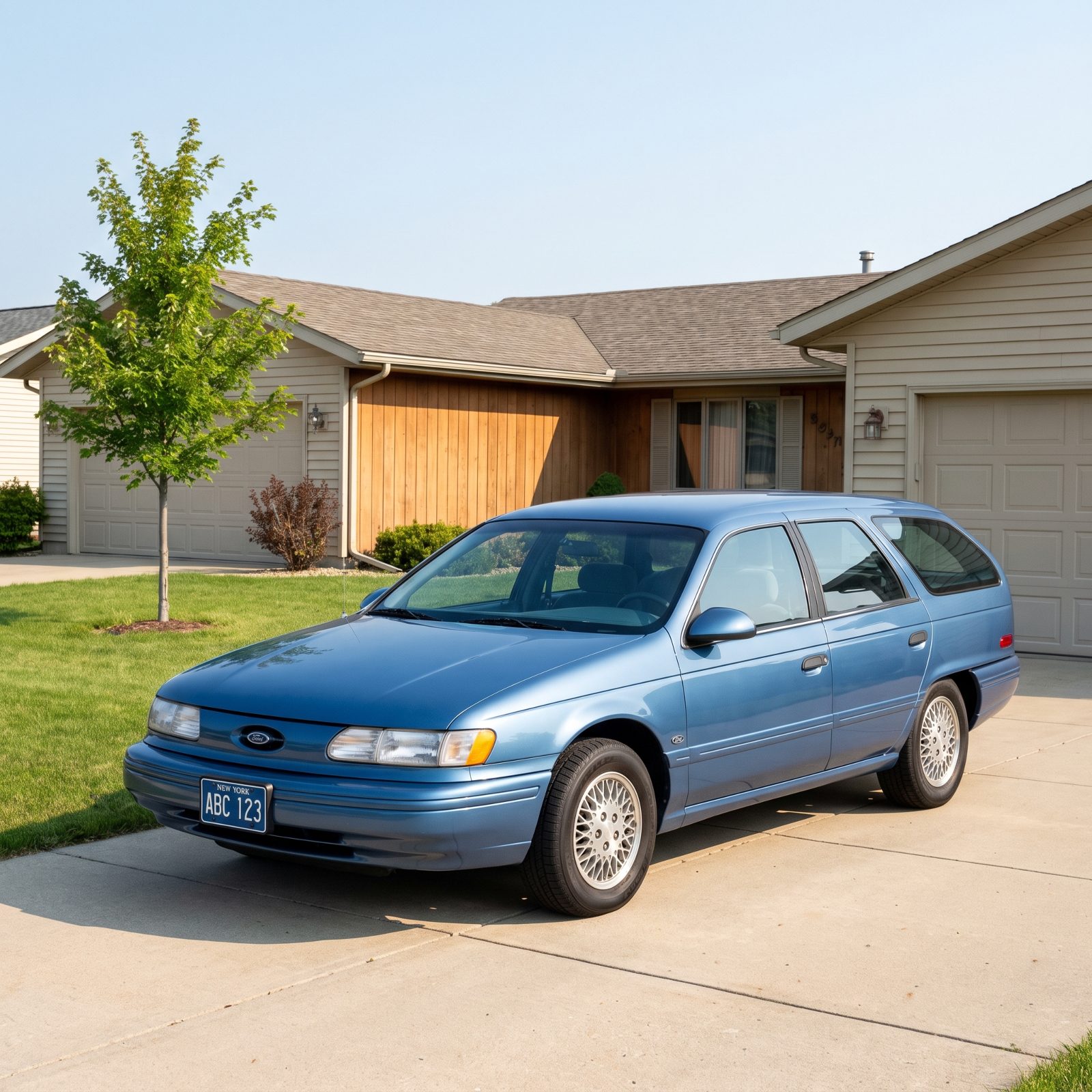
First-Generation Ford Taurus Wagon, When the Jellybean Grew a Long Roof
Would you like to save this?
Detroit built square cars for so long that drivers forgot cars could have curves. Then the Taurus arrived looking like it had been smoothed by wind, and the wagon version stretched all that roundness into a long roof that made every other American hauler of 1986 look like a filing cabinet.
The shape genuinely shocked people on the street. Flush headlamps, a nose with barely a grille, the whole thing dragging the mainstream family car into a new decade. The wagon carried the kids, the groceries, and the mood of a country shifting all at once.
Nobody expected an affordable family wagon to be the trendsetter. This one was.
Mercury Colony Park, Formal Luxury and a Side-Facing Third Row
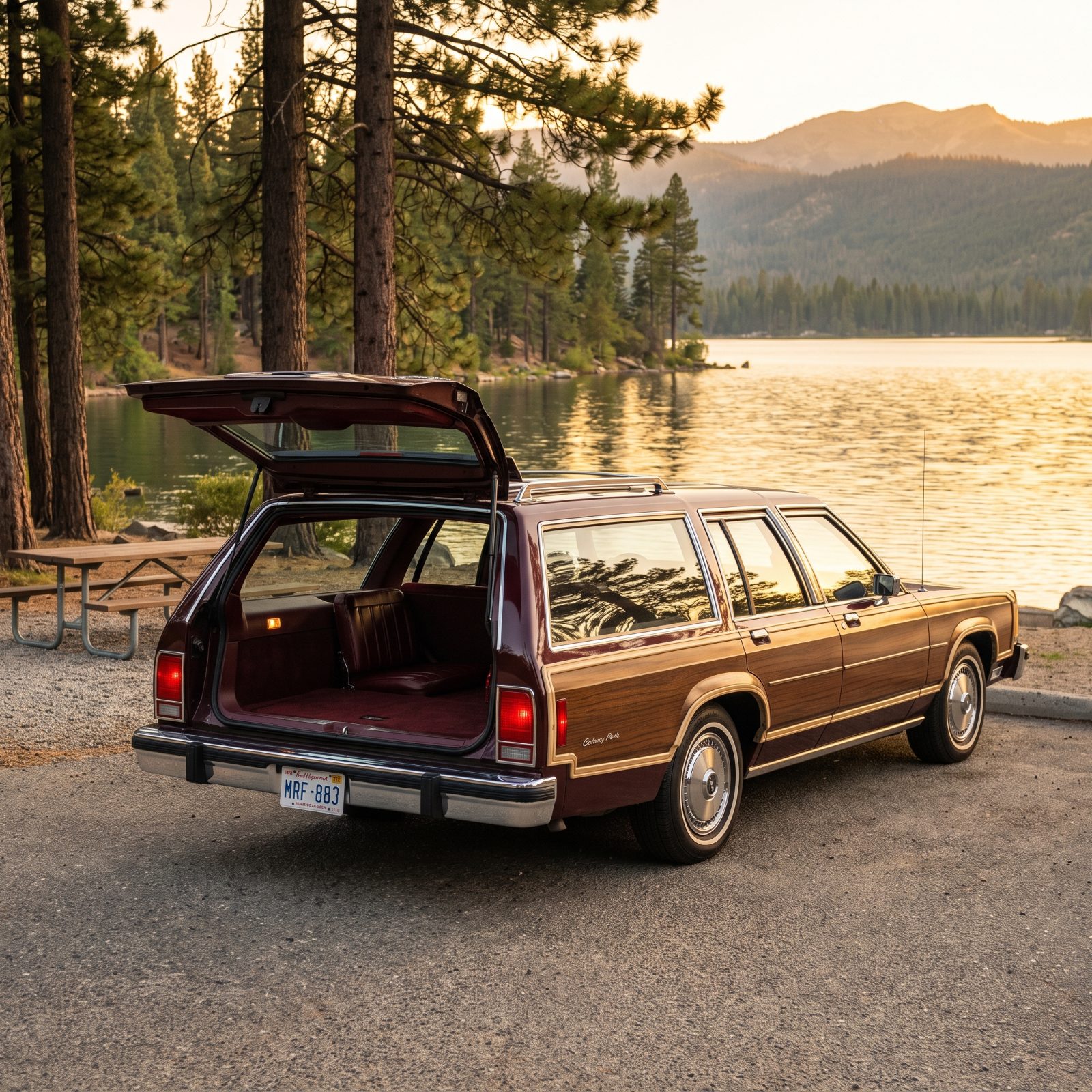
Woodgrain down the sides, a roof the length of a canoe, and a V8 up front that asked hard questions of every gas station it passed. The Colony Park was the full-size American wagon at its most unapologetic, and that third row faced sideways, so the back of the car was basically a rolling living room.
Kids rode those side-facing jump seats staring at each other across the cargo bay, legs swinging, while the whole land yacht wallowed down the interstate. The tailgate did two things: swung out like a door or folded down flat. Pick your mood.
No modern three-row SUV has the nerve to seat children facing backward out the rear, and honestly, the rides are worse for it. The Colony Park understood that a family car should feel like a place, not just a box with cupholders. End of list, and I’d take the burgundy one with the wood.
Chevrolet Kingswood Estate 1969, Hideaway Headlights and Vast Bodywork
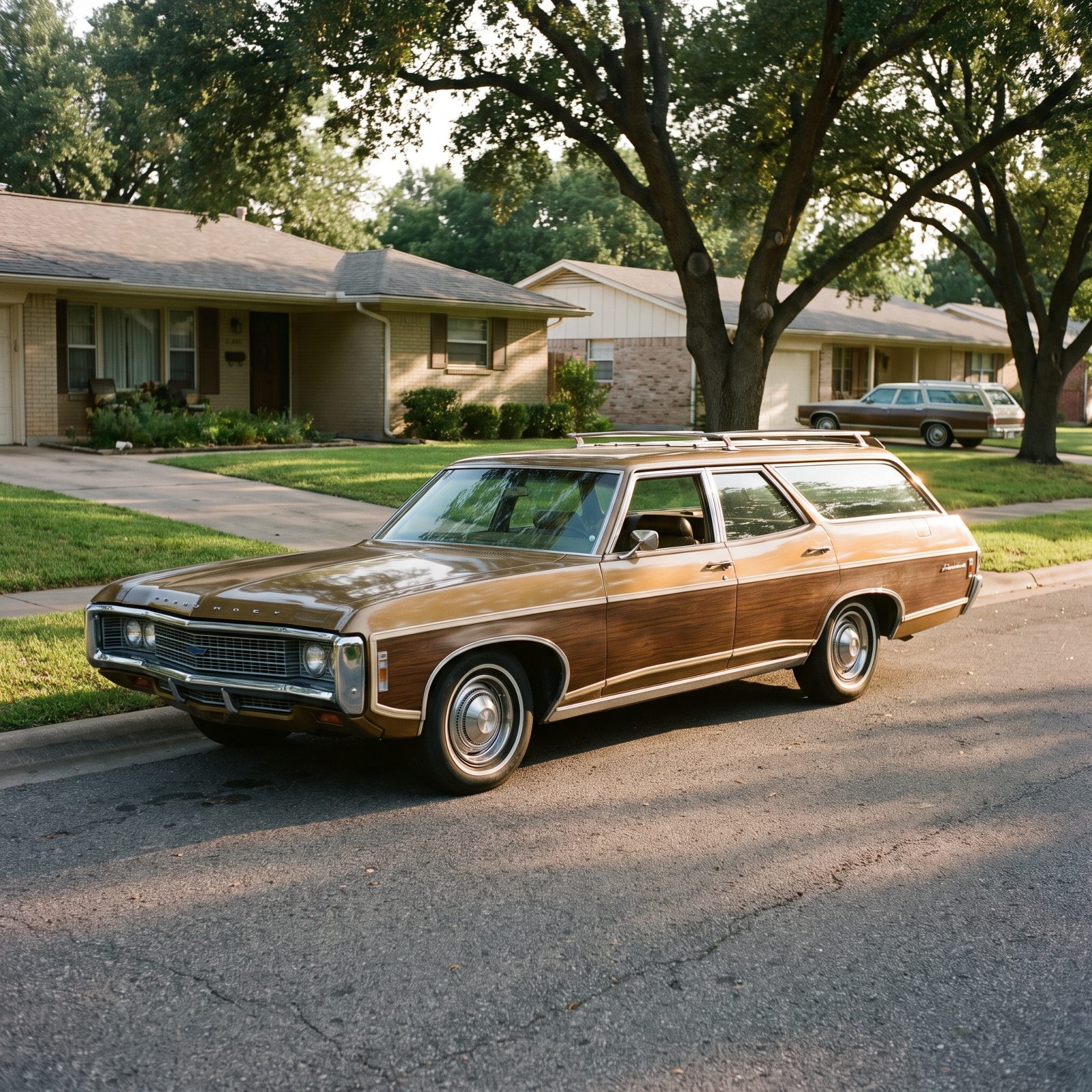
The hideaway headlights were the trick. Park a 1969 Kingswood Estate in the driveway and the front end read as one long unbroken grille, like the car was keeping its eyes shut until you turned the key.
This was Chevrolet’s full-size wagon at its most confident. Sixteen-plus feet of sheet metal, wood-grain running shoulder to shoulder, and a roof rack built to hold a summer’s worth of luggage. The third-row seat faced backward, so the kids waved at everyone behind them for three states straight.
Nothing subtle about it, and that was the whole appeal. A modern crossover hides its size and apologizes for it. The Kingswood took up the whole frame and didn’t blink.
Oldsmobile Custom Cruiser 1976, Clamshell-Era Scale and Comfort
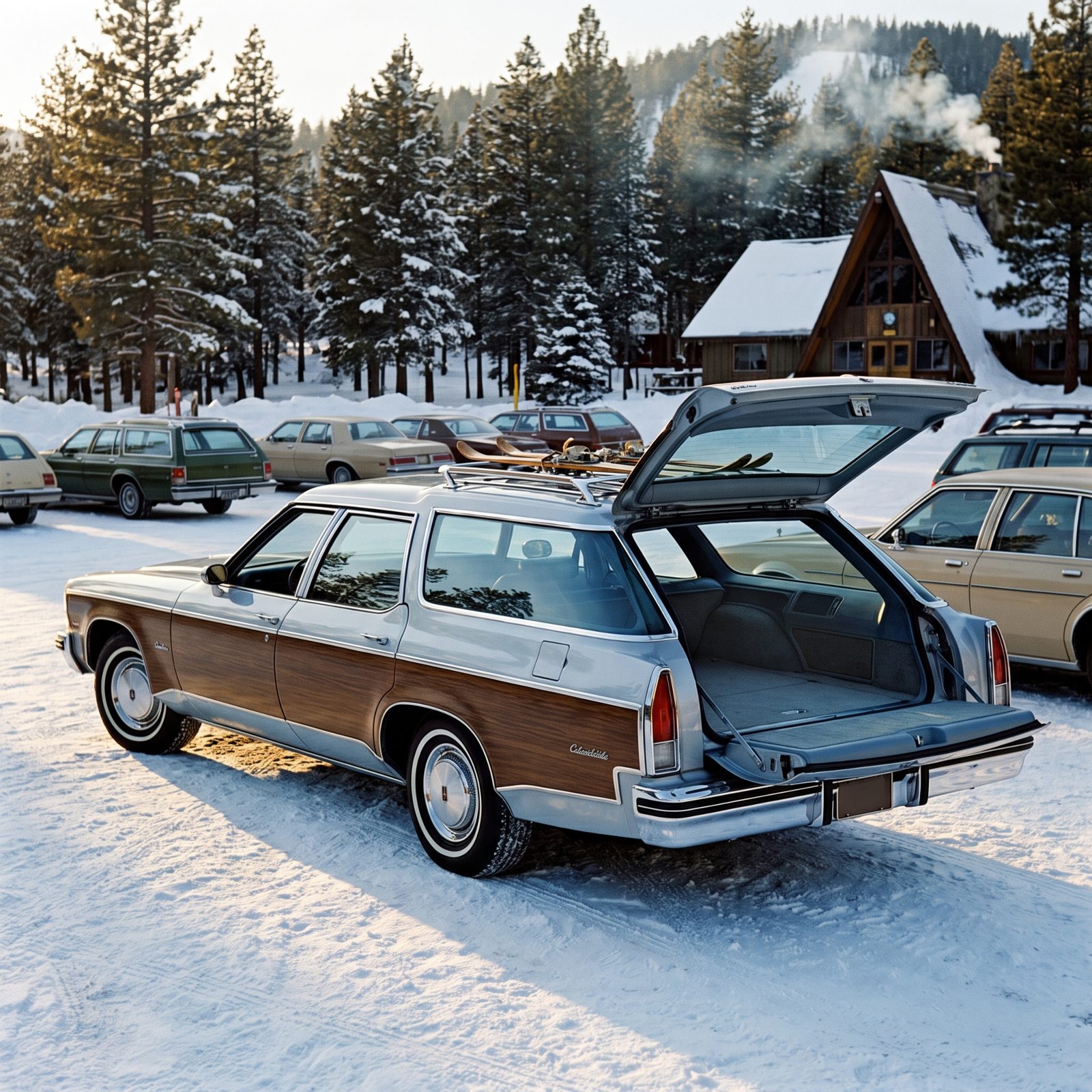
The clamshell tailgate is the detail everyone remembers. Rear glass slid up into the roof, lower panel dropped down into the body, and suddenly you had a wide-open loading deck with nothing to step over. Load a plywood sheet flat. Slide in the groceries without lifting them.
By 1976 the Custom Cruiser was running out the string on the biggest wagons GM ever built — enormous curb weight, a cushy ride that floated over frost heaves, and enough rear floor to lay down a sleeping bag at the ski lodge.
No SUV built today will drop its whole tailgate out of sight for you. We swapped that trick for a powered liftgate that beeps.
Pontiac Grand Safari 1973, One of the Largest Wagons Ever Sold
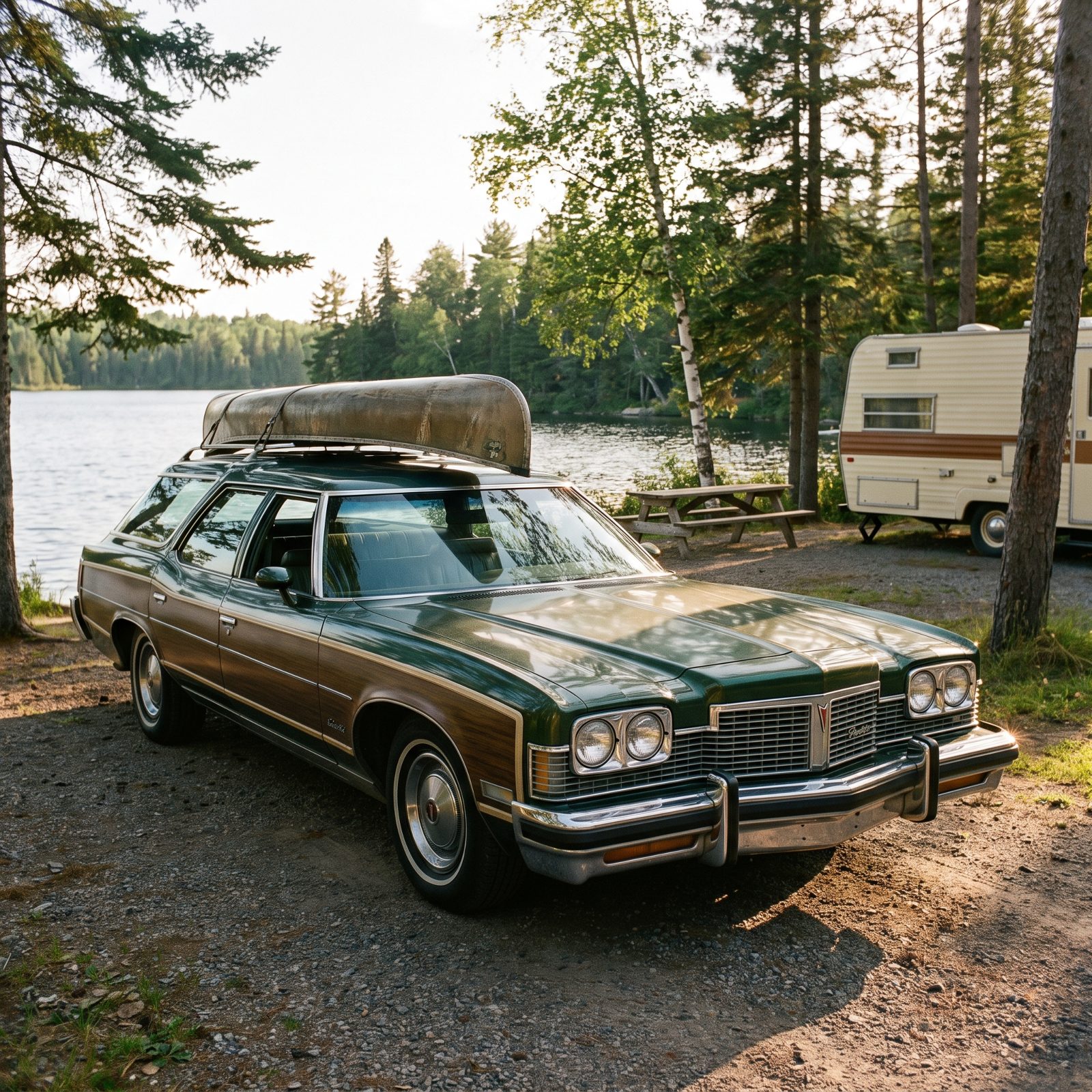
This thing was roughly the size of a small ferry. The 1973 Grand Safari stretched past eighteen feet and weighed more than some pickups do now. You didn’t park it so much as dock it.
Pontiac leaned into the land-yacht idea without flinching. Big-block power, a ride tuned to erase the road, a third row deep in the back for the kids to argue in. Loading a canoe up top felt like outfitting a ship for a voyage.
Everything about those proportions said this family was going somewhere and taking the whole house with them.
Buick Estate Wagon 1970, Sweepspear Sculpture on a Family Hauler
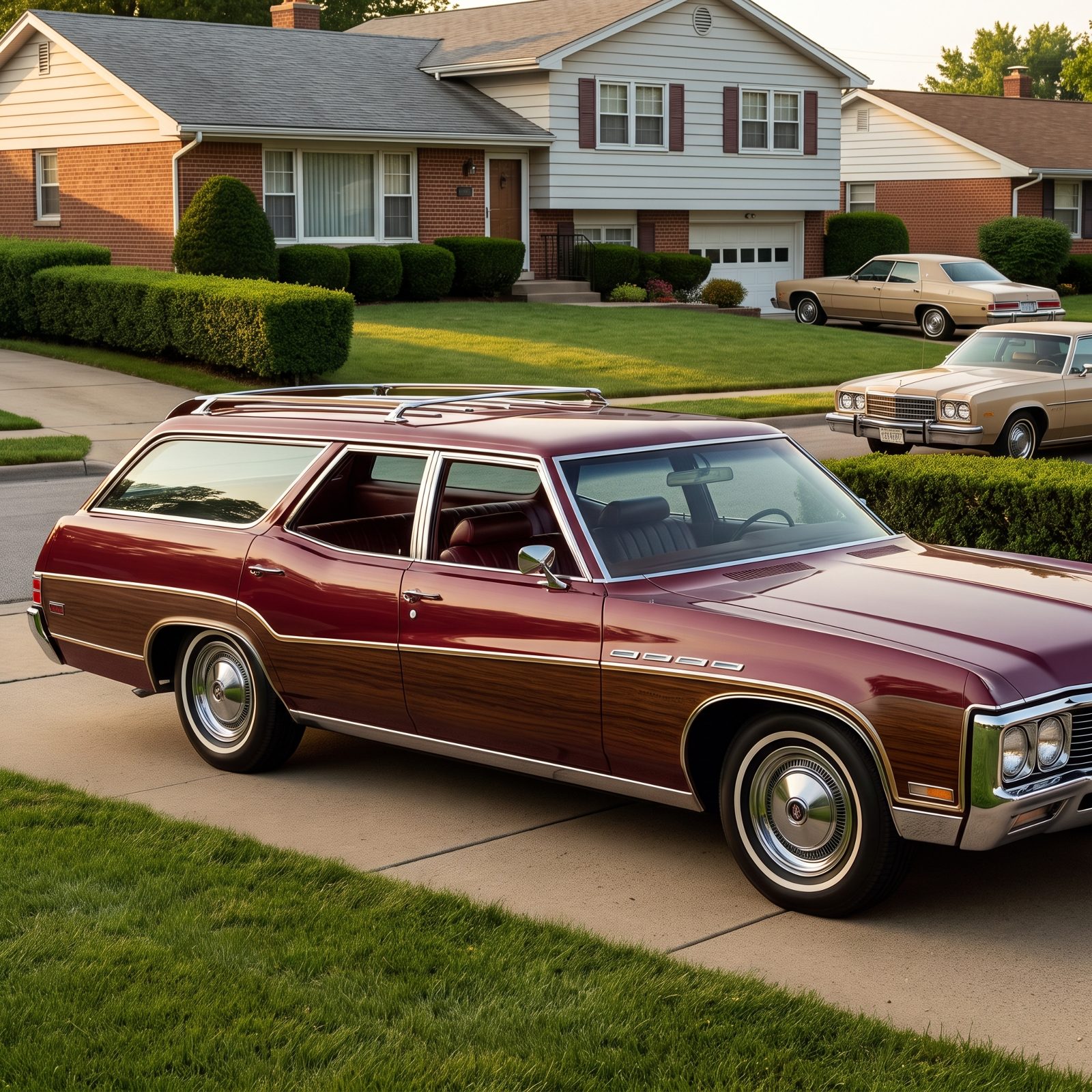
Look along the flank of a 1970 Estate Wagon and you can trace the sweepspear, that curved character line Buick carried for decades. On a family hauler it had no business being this pretty.
Most wagons of the era were honest boxes. Buick sculpted theirs, with VentiPorts on the fender, chrome catching the morning light, and that long low roofline. It carried groceries and little-league teams while looking like it belonged in the lot outside a country club.
Restraint wasn’t the goal here. The goal was making the biggest car on the block the best-looking one too.
Buick Roadmaster Estate, LT1 Power Behind Fake Wood
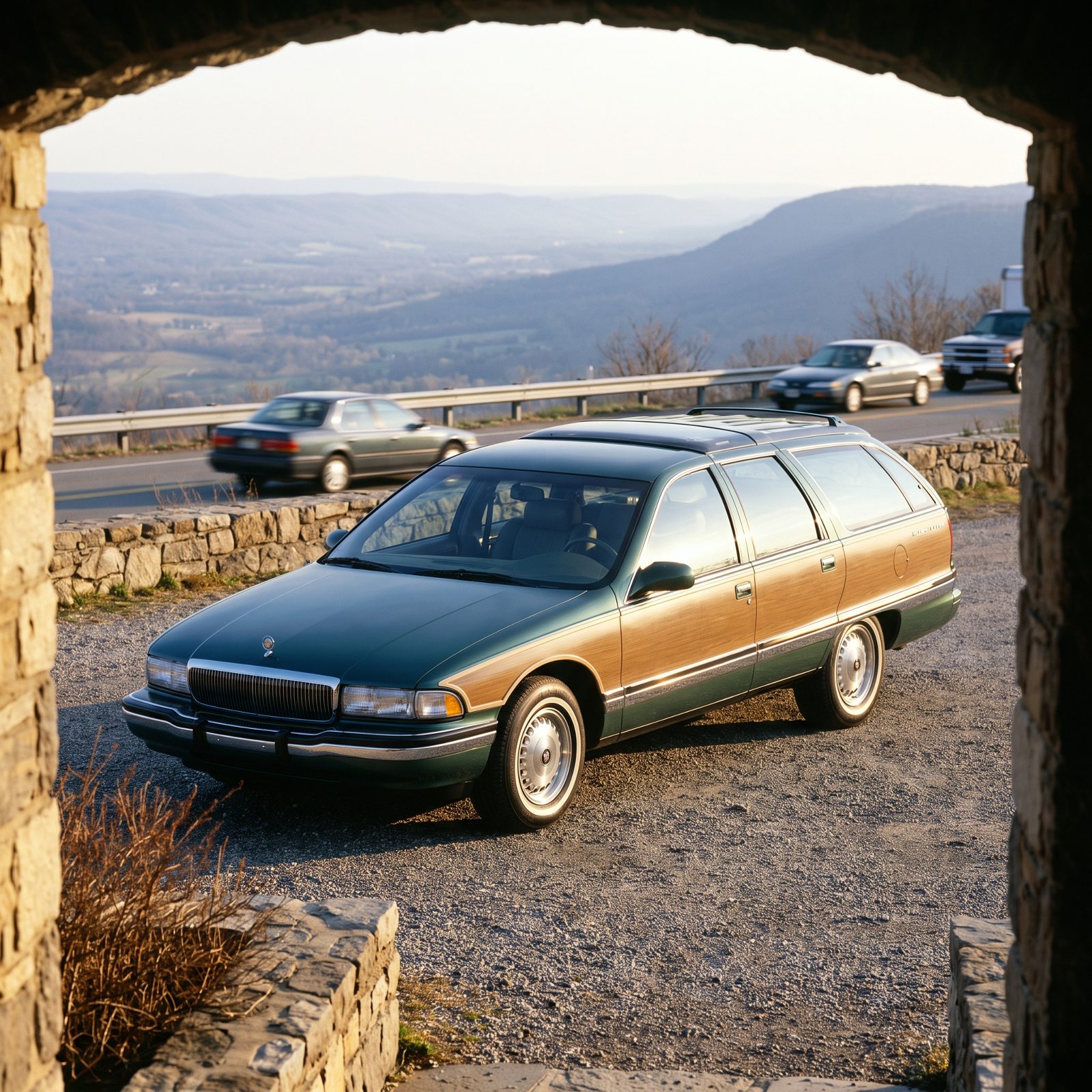
Here’s the joke nobody at the stoplight got. That wood-grain barge in the next lane, the one hauling a dog crate and three car seats, had a Corvette’s heart. The 1990s Roadmaster Estate ran the LT1 V8, same basic engine family as the contemporary Vette.
Nearly two tons of family wagon, and it would still surprise you. The Vista roof let light in over the cargo area, the fake wood ran door to door, and under the hood sat real muscle wearing suburban camouflage.
The ultimate sleeper wasn’t a tuned coupe. It was a station wagon full of groceries.
Buick stopped building these in 1996. We’ve been missing the gag ever since.
Chevrolet Caprice Estate 1991, Rounded Full-Size Excess
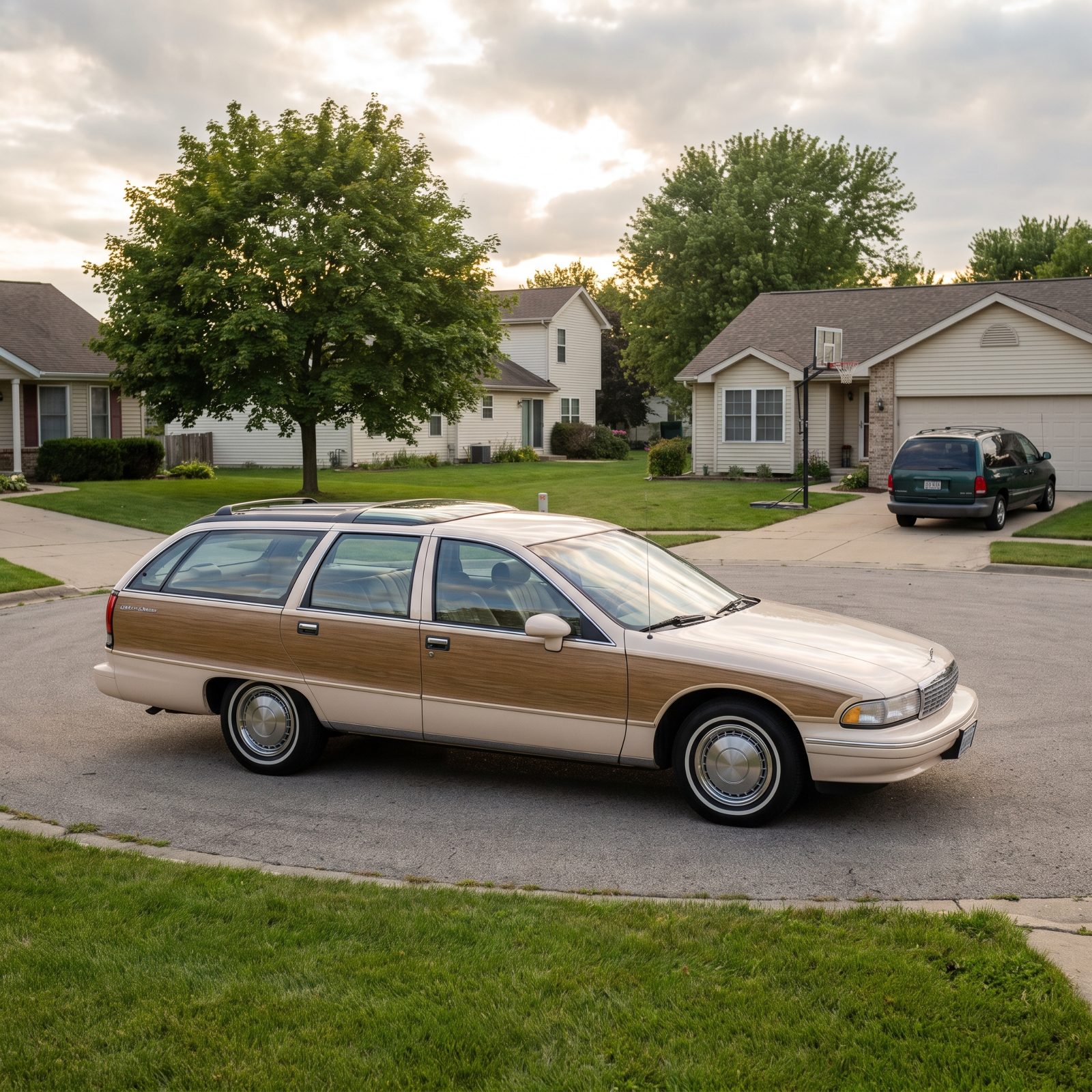
The rounded 1991 Caprice Estate looked like somebody left a full-size wagon out in the sun until the edges melted. Smooth sides, skirted rear wheels, that bubble roofline. People either loved it or laughed at it.
It was the last of the honest full-size American wagons — body-on-frame, rear-drive, and proud of its bulk. The Vista skylight over the cargo bay let the back-seat kids watch the clouds roll by, and the third row folded up out of the floor.
Then the SUV came and ate the whole category. The Caprice Estate was the end of a line nobody quite realized was ending.
Pontiac 6000 STE Safari, Digital-Era Sport-Sedan Thinking in Wagon Form
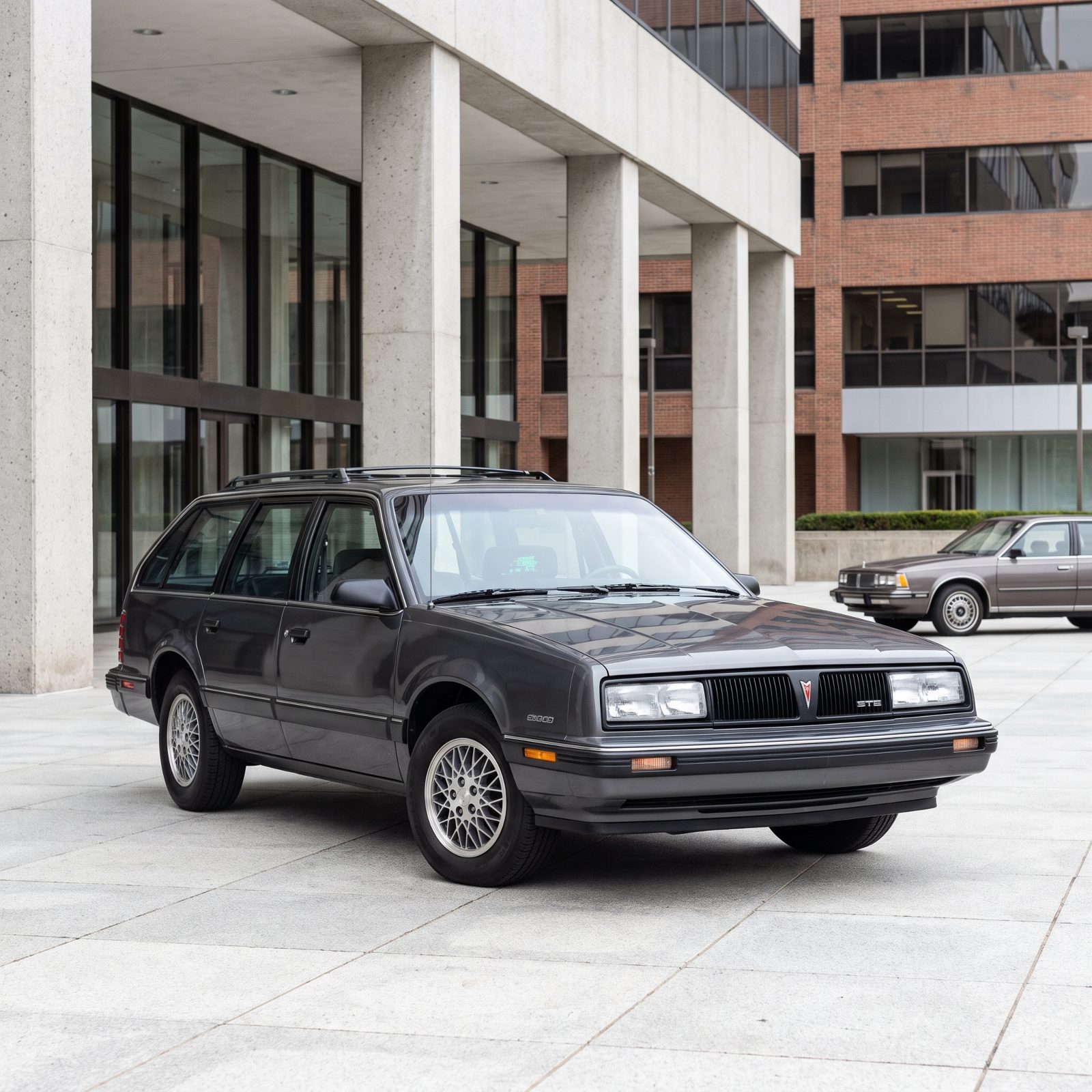
No fake wood. No chrome bumpers the size of park benches. The 6000 STE Safari was the sport-sedan idea poured into a wagon body, and it was genuinely odd for its moment.
Blackout trim, cross-lace alloys, and a dashboard that lit up with digital readouts — some versions would even flash a message telling you which door hung open. Pontiac wanted the family wagon to feel like a driver’s car, which almost nobody was asking for.
And that’s exactly why it’s interesting now. It committed to a personality while everyone else coasted.
AMC Hornet Sportabout, A Fashionable Compact Wagon
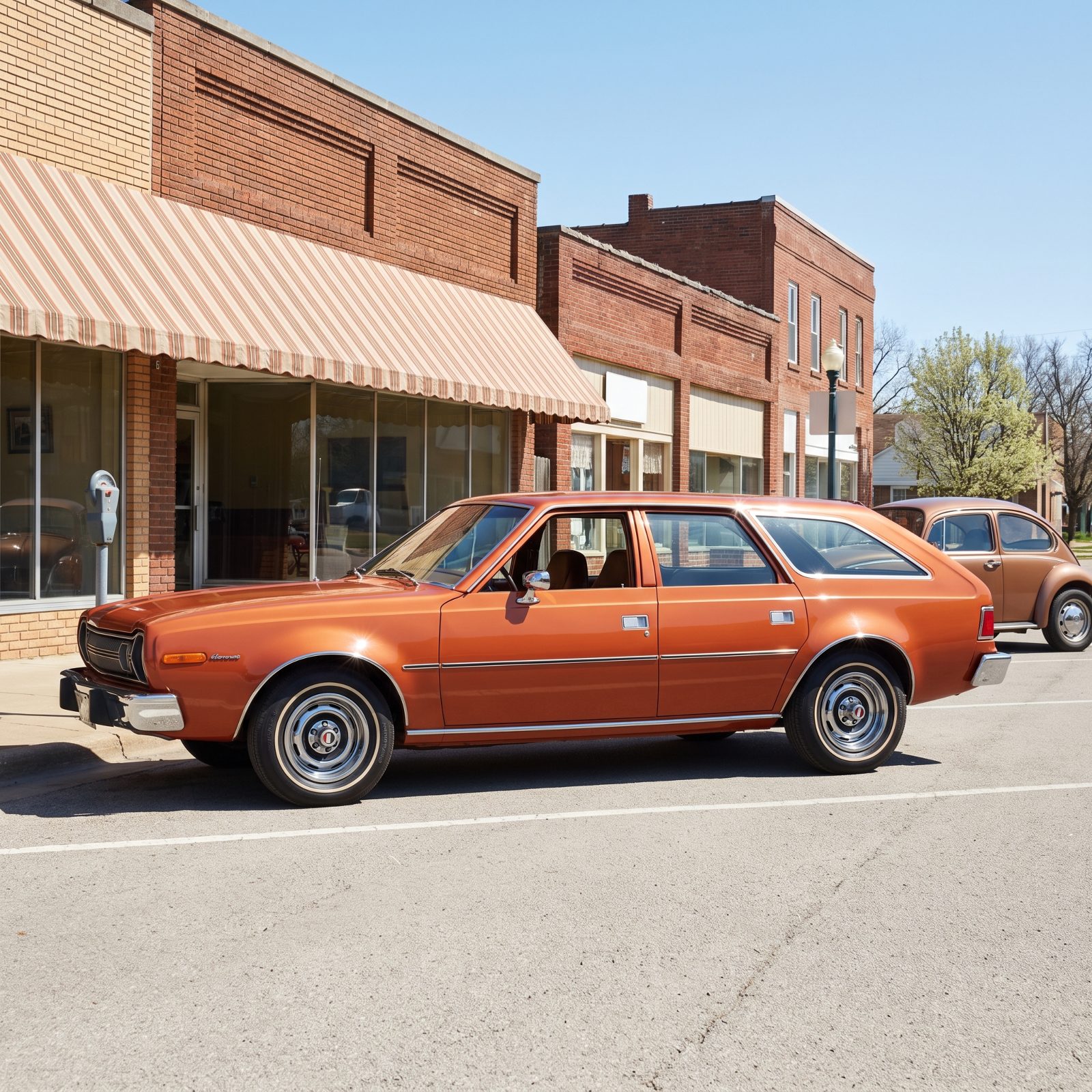
AMC did something clever with the Hornet Sportabout. They took a compact and made the wagon version look like it wanted to be seen — a sloping rear, tidy proportions, bright 70s colors, even a Gucci-trimmed interior option one year that was exactly as loud as it sounds.
Small-town main street was its natural habitat. It parked easy and hauled plenty for its size, with more style than a compact wagon had any right to.
AMC spent the decade outnumbered and underfunded. Their answer was cars with actual character, and the Sportabout was one of the better ones.
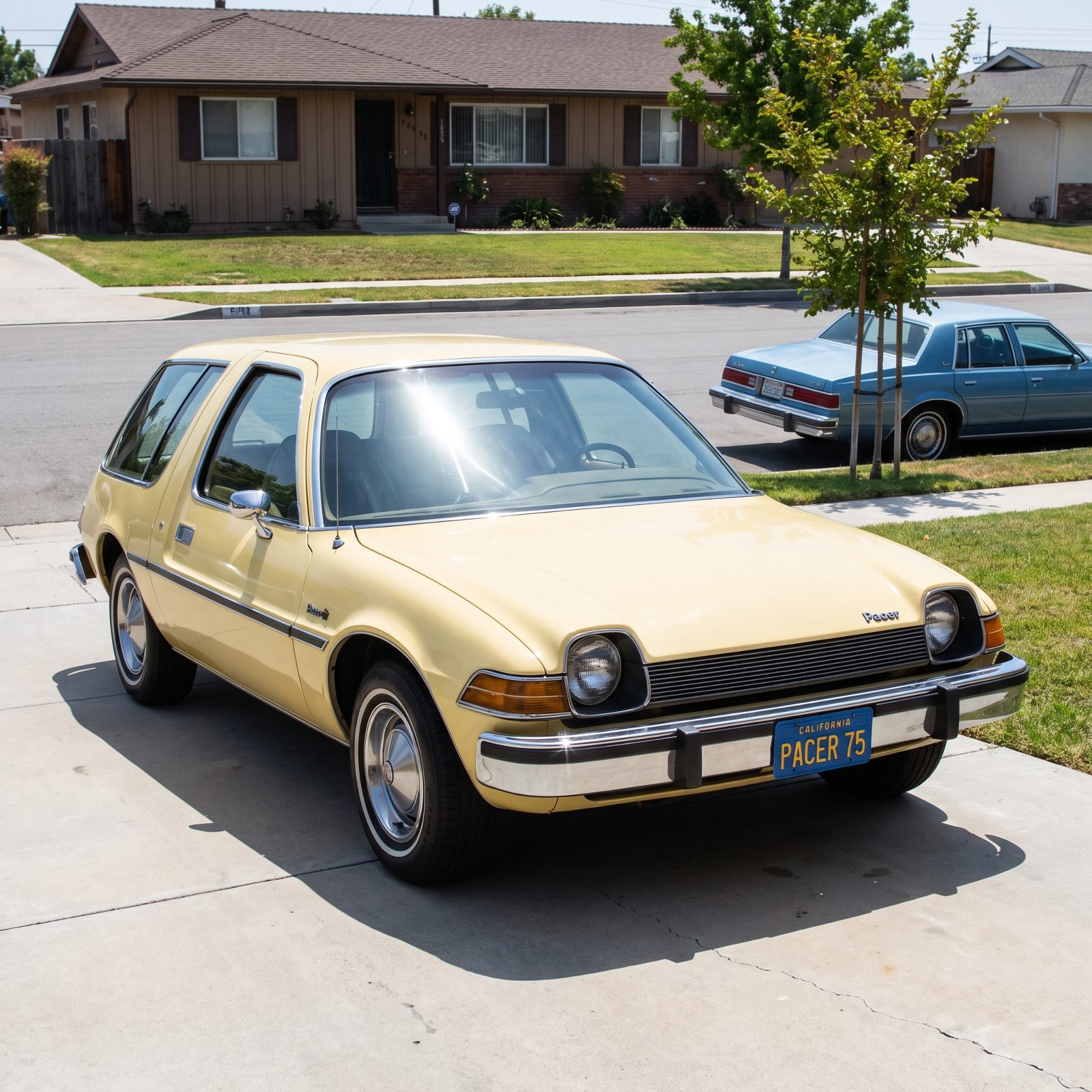
AMC Pacer Wagon, Maximum Glass and Minimum Convention
Would you like to save this?
Nothing else on the road looked like a Pacer. The wagon version took AMC’s rolling fishbowl and stretched it, keeping all that glass and adding a usable cargo area in back.
So much glass. You sat inside and felt like you were piloting a greenhouse down the street. The passenger door was famously longer than the driver’s — an idea AMC had about curbside entry that nobody else ever copied.
It gets called a punchline. I’d argue it’s the opposite. Here was a company with almost no money taking a genuine design swing. Weird on purpose beats forgettable every single time.
Rambler American Wagon, Economy-Car Dimensions With Real Cargo Space
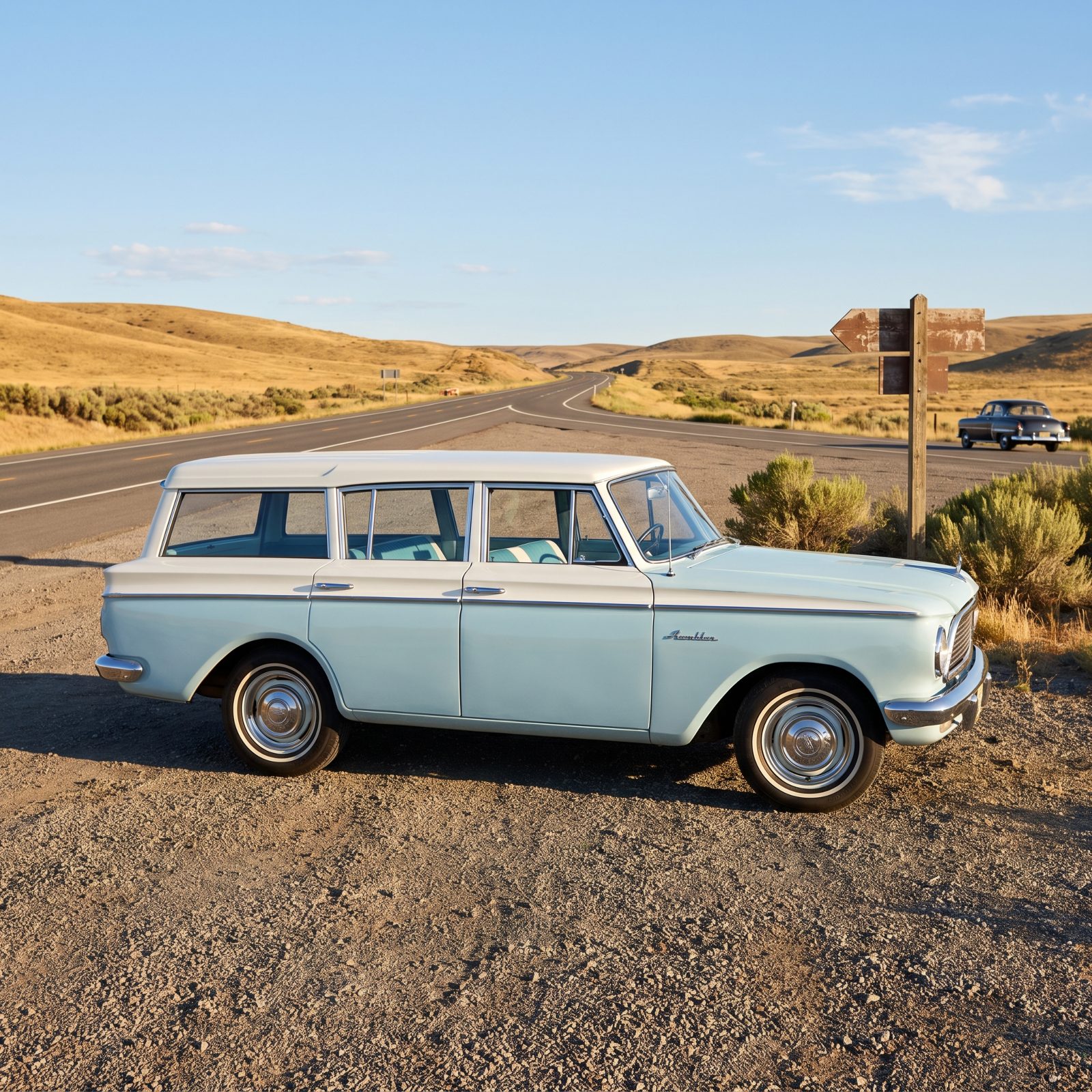
The Rambler American wagon made a quiet promise and kept it. Small on the outside, cheap to run, and somehow still able to swallow a weekend’s worth of cargo out back. No theatrics, just a thrifty little hauler that did the job.
This was economy motoring before economy meant penalty — a compact wagon your budget could live with that still earned its keep when you loaded it up.
There’s something honest about a car that never pretends to be more than it is. The Rambler American knew exactly what it was for, and that counts as a personality too. Now go find one before they all rust away.
Plymouth Fury Suburban 1960, Fins Big Enough to Sail a Boat
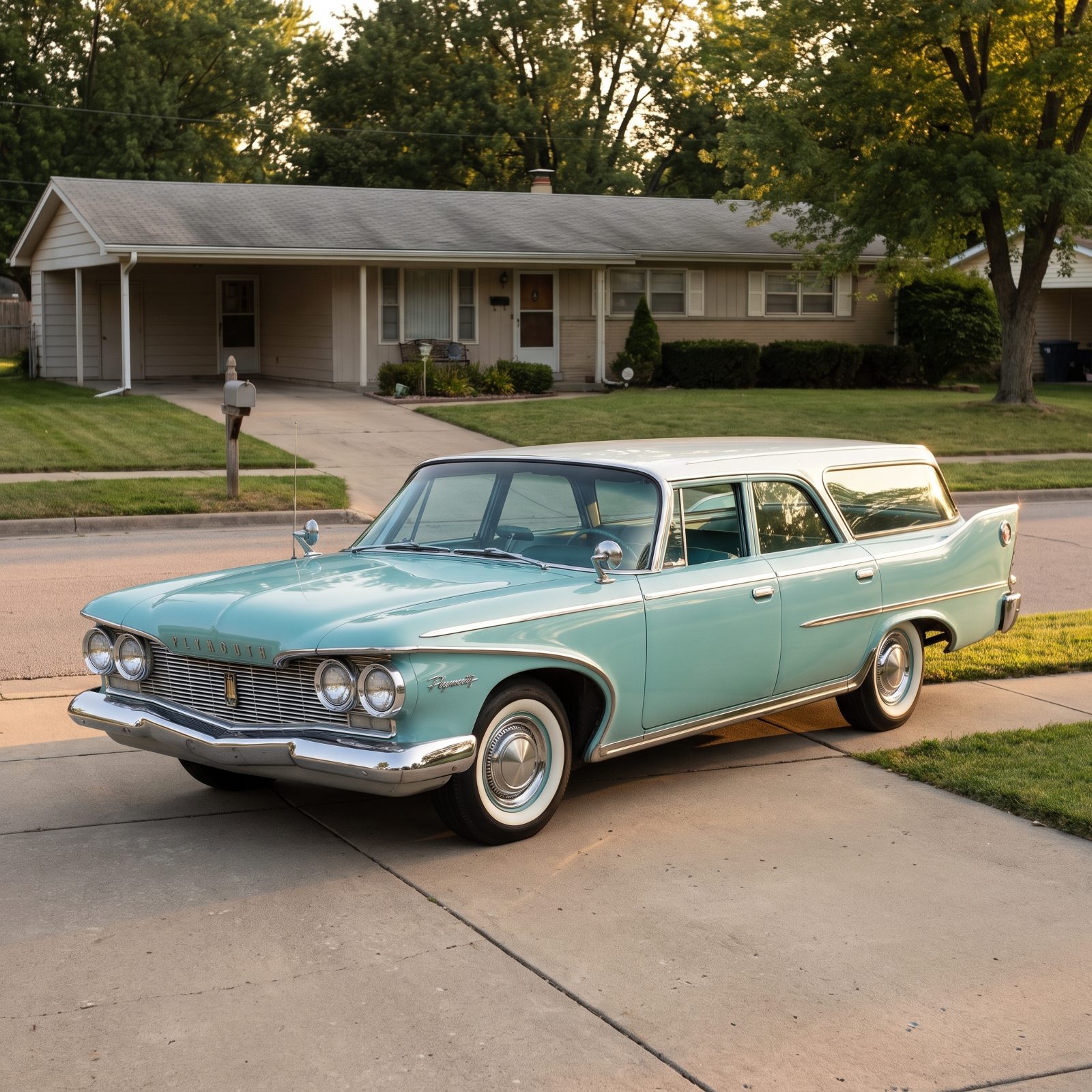
Those fins were never about aerodynamics. They were pure swagger. By 1960 the tailfin had peaked, and the Fury Suburban wore a pair so tall that kids in the back row could spot the thing across any parking lot.
This was Plymouth’s take on the family hauler: full-length roof, three rows of seating, and bodywork that looked ready to leave the ground at the first green light. Up front, the quad headlamps and a mile of chrome gave it a face that meant business, back when business still meant a station wagon instead of a crossover.
Plymouth Satellite Regent Wagon, A Muscle-Car Face on a Long Roof
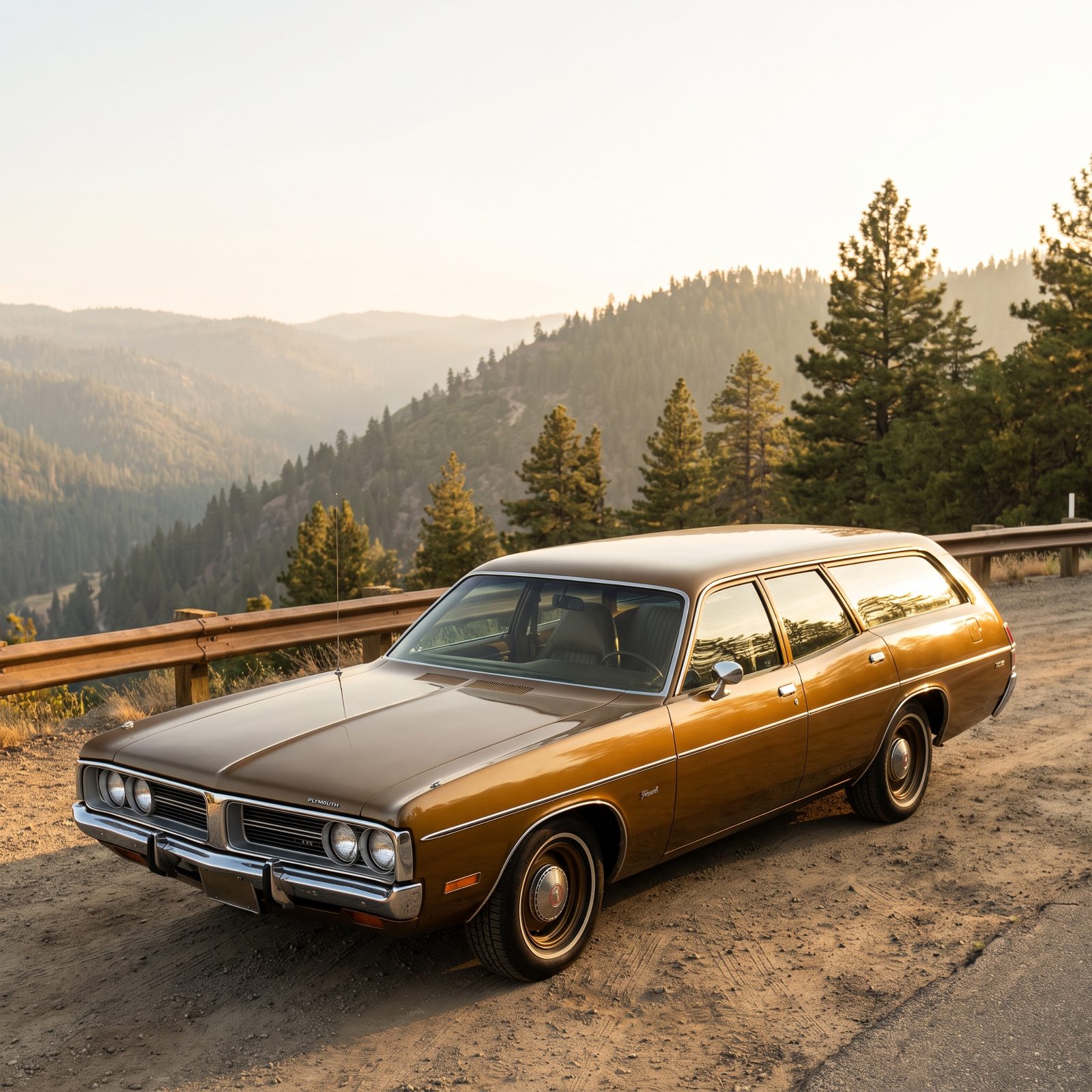
Picture a muscle car that grew up and started carpooling. That’s the Satellite Regent wagon. The front clip came straight off the platform that gave us genuine road-rockets, so the thing stared down traffic with a serious face even while loaded with groceries and a spare tire.
Plymouth never apologized for the mismatch, and that’s the whole charm of it — muscle-era attitude bolted to a full-length cargo bay. Good luck finding a modern crossover that commits to a face this confident.
Plymouth Volaré Road Runner Wagon, Racing Stripes on the Family Grocery Run
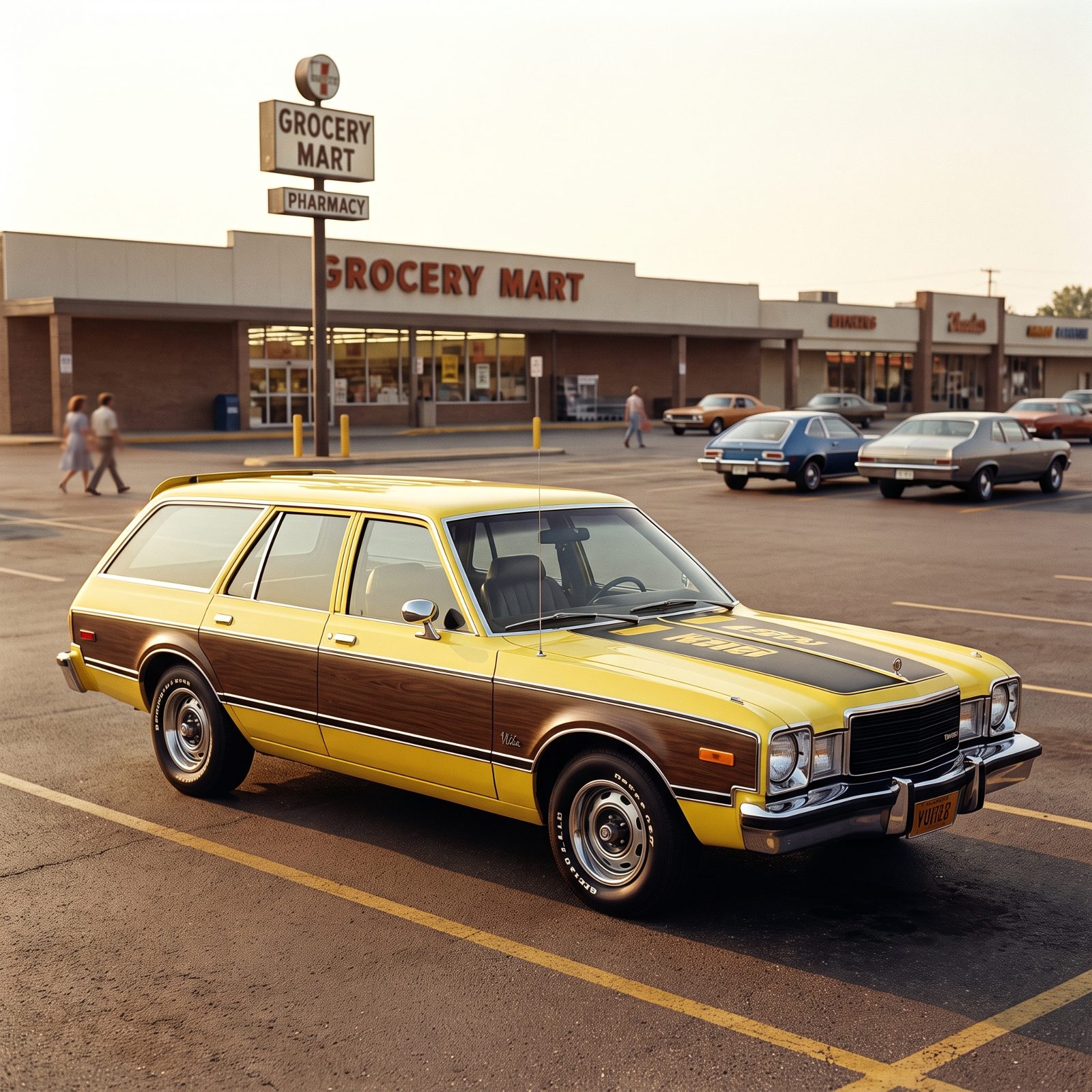
Performance stripes. On a wagon. Somebody at Plymouth looked at the family grocery hauler and decided what it really needed was the Road Runner treatment — and honestly, they weren’t wrong.
The Volaré Road Runner wagon married go-fast graphics to a body built for hauling a Little League team and all their gear. It was the malaise era, horsepower was strangled down to nothing, and those stripes wrote a check the engine couldn’t come close to cashing. Nobody cared. You felt fast pulling out of the lot, and feeling fast counts for plenty when you’re fourteen and stuck in the way-back.
Ford Falcon Squire Wagon, Compact Woodgrain Before It Was Cliché
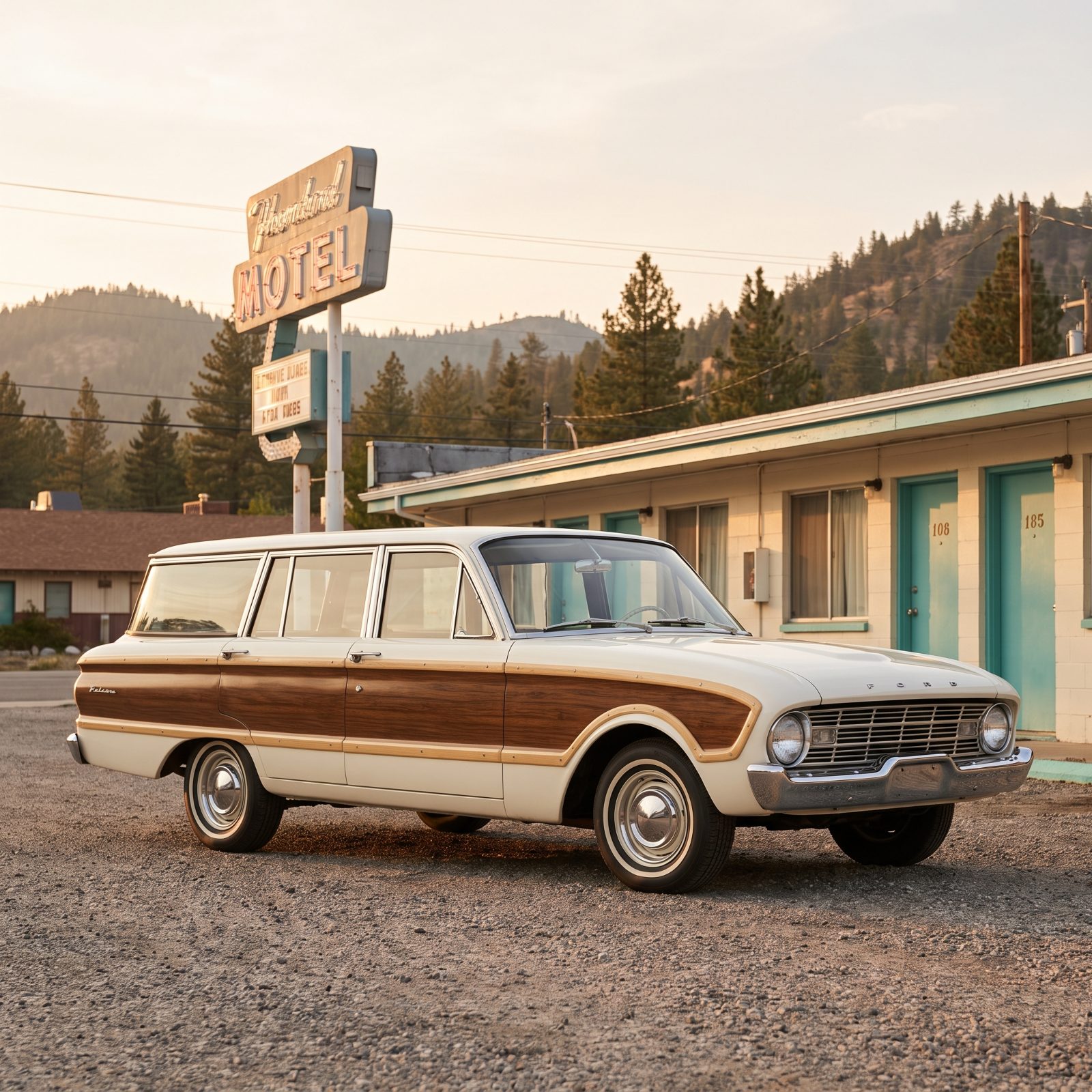
Before woodgrain became the shorthand punchline for every bloated ’70s land yacht, the Falcon Squire wore it with a straight face. And this was a compact — small, honest, easy on gas, dressed up with blonde faux-wood paneling that made it feel like a shrunken country estate on wheels.
The Squire made the case that a wagon didn’t have to be enormous to have character. You could tuck one into a tight spot, load it with camping gear, and still look like you had your whole life sorted out.
Chevrolet Vega Kammback, Long-Roof Looks in Miniature
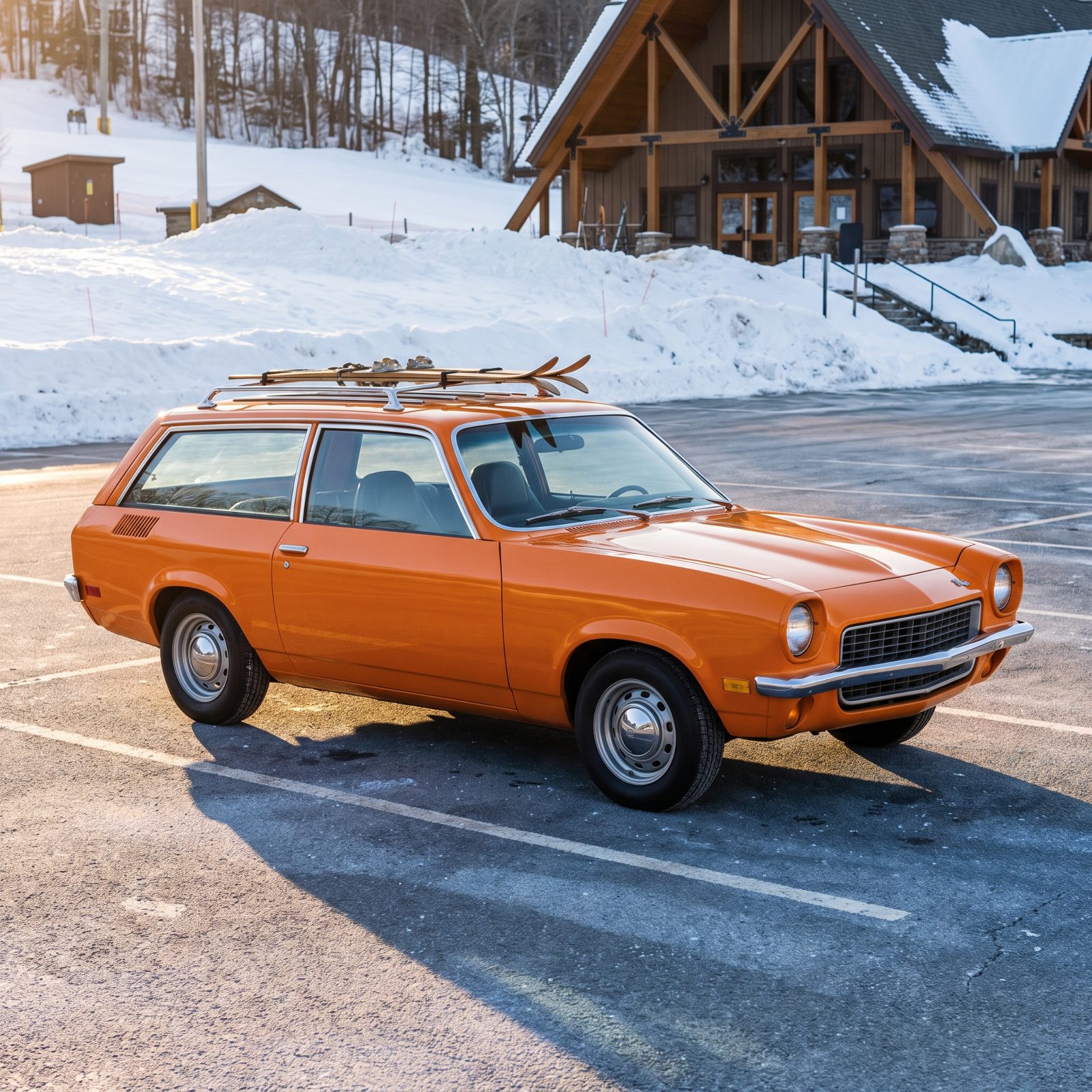
The Kammback took the proportions of a full-size wagon and shrank them to pocket size. Short tail, chopped-off rear, big glass, and a stance that looked right from every angle even though the whole car was barely longer than a shopping cart.
Vegas had their troubles, and anyone who owned one will happily corner you about the aluminum engine and the rust. I won’t pretend otherwise. But the Kammback body was genuinely good-looking — a design that held up when half its contemporaries looked like filing cabinets on wheels.
BMW 2002 Touring, The Sport Sedan That Grew a Hatch
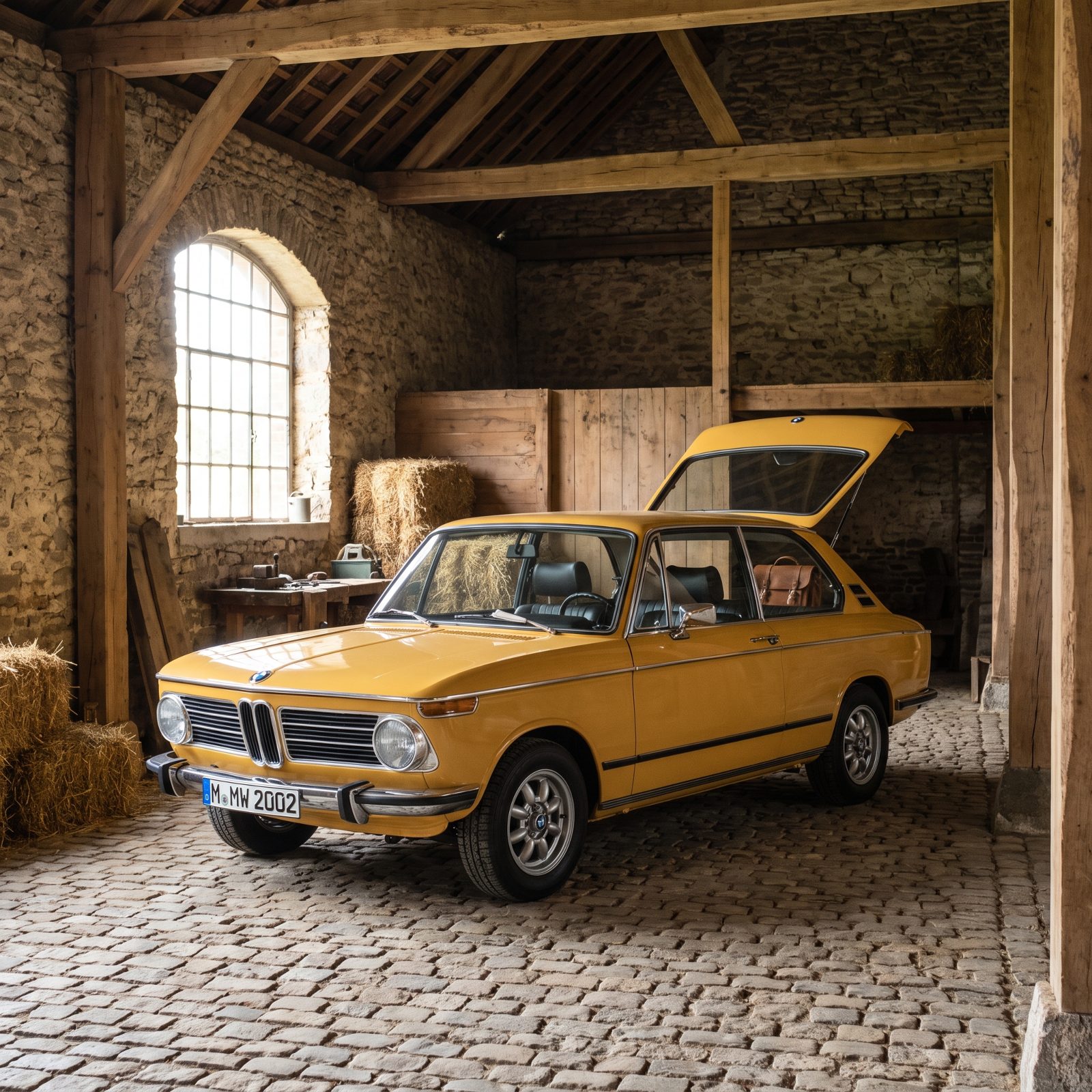
Not every wagon has to stretch out long. The 2002 Touring took BMW’s beloved sport sedan, grafted on a hatchback rear, and ended up with something tidy, quick, and oddly practical all at once.
It drove like the sedan everyone adored — alive in a way most cargo-haulers never bothered to be. You got the rev-happy engine, the balanced chassis, and a rear hatch that swallowed more than you’d expect. Europe understood it. America mostly didn’t, which is why a genuine one is such a rare sight on this side of the ocean.
Ford Sierra Estate, Curves Where Everything Else Had Corners
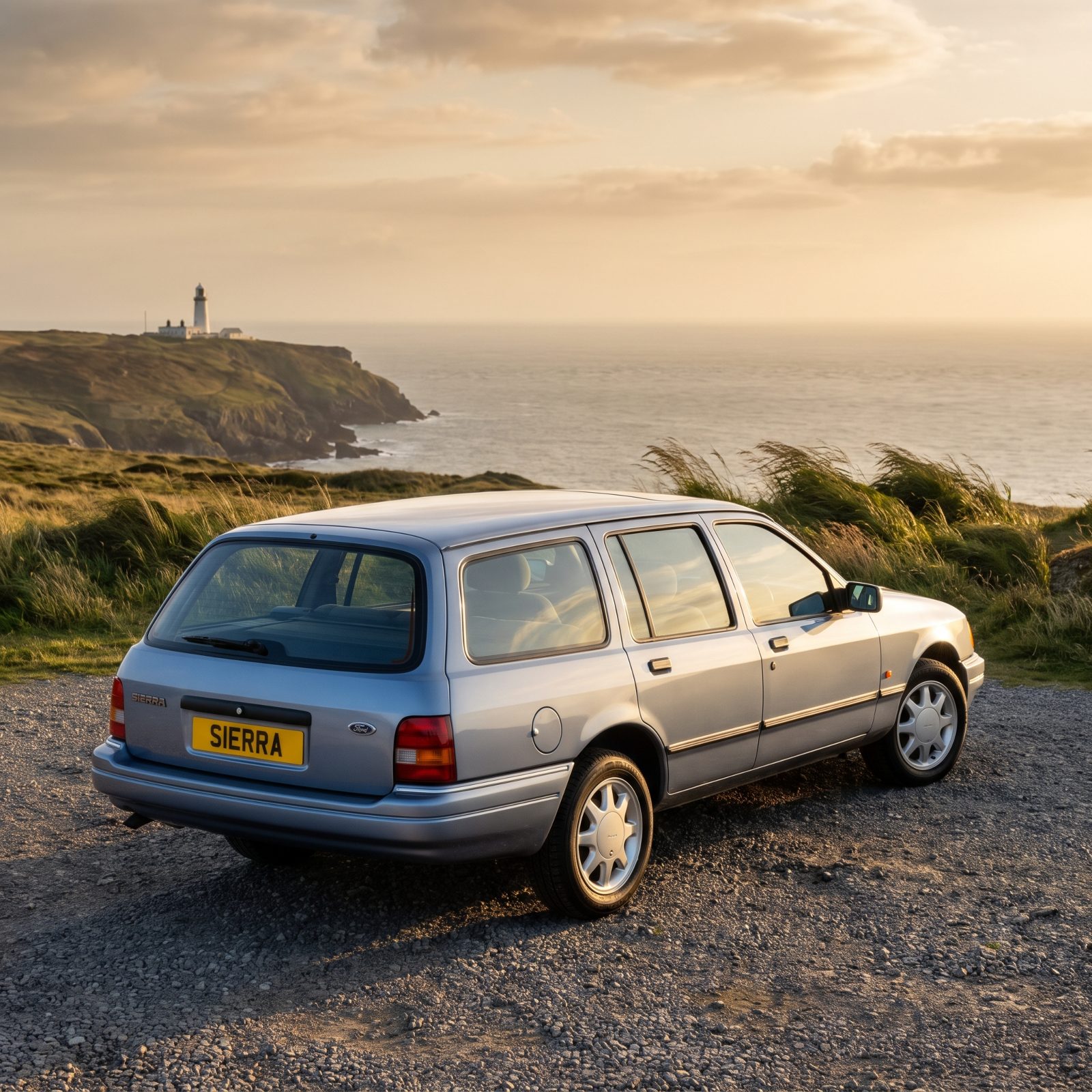
While every other wagon in the early ’80s looked drawn with a ruler, the Sierra Estate showed up with curves. Smooth, rounded, wind-tunnel-shaped bodywork that split opinion hard on arrival and reads ahead of its time now.
Ford bet big on aerodynamics, and the Sierra’s shape was the payoff. That long tapered roof carried a load of cargo room, and the soft shoulders made the thing look fast standing still. A shock to the eye back then. Quietly sophisticated today.
Packard Station Sedan, Limo Up Front, Woody Out Back
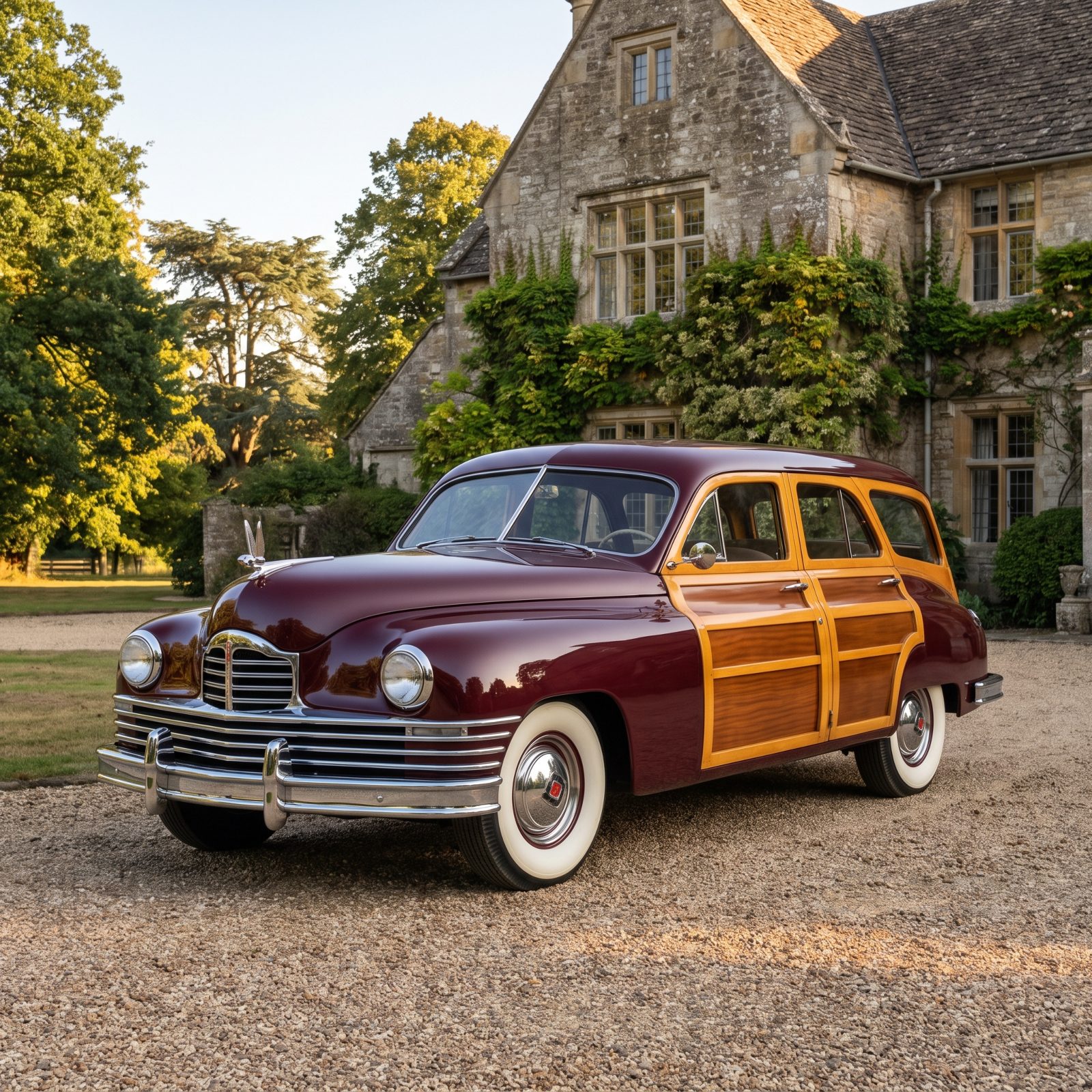
Half luxury sedan, half woody wagon, and somehow the whole thing hangs together. The Packard Station Sedan wore a formal, imposing front end that belonged on a limousine, then carried real structural wood around the back like a proper country wagon.
This was postwar Packard trying to have it both ways, and the result still stands as one of the most distinctive wagons ever built. It announced that you had money and a lake house, both at once. Nobody builds a vehicle this committed to being two things anymore.
Studebaker Conestoga, Midcentury Utility With Aircraft in Its DNA
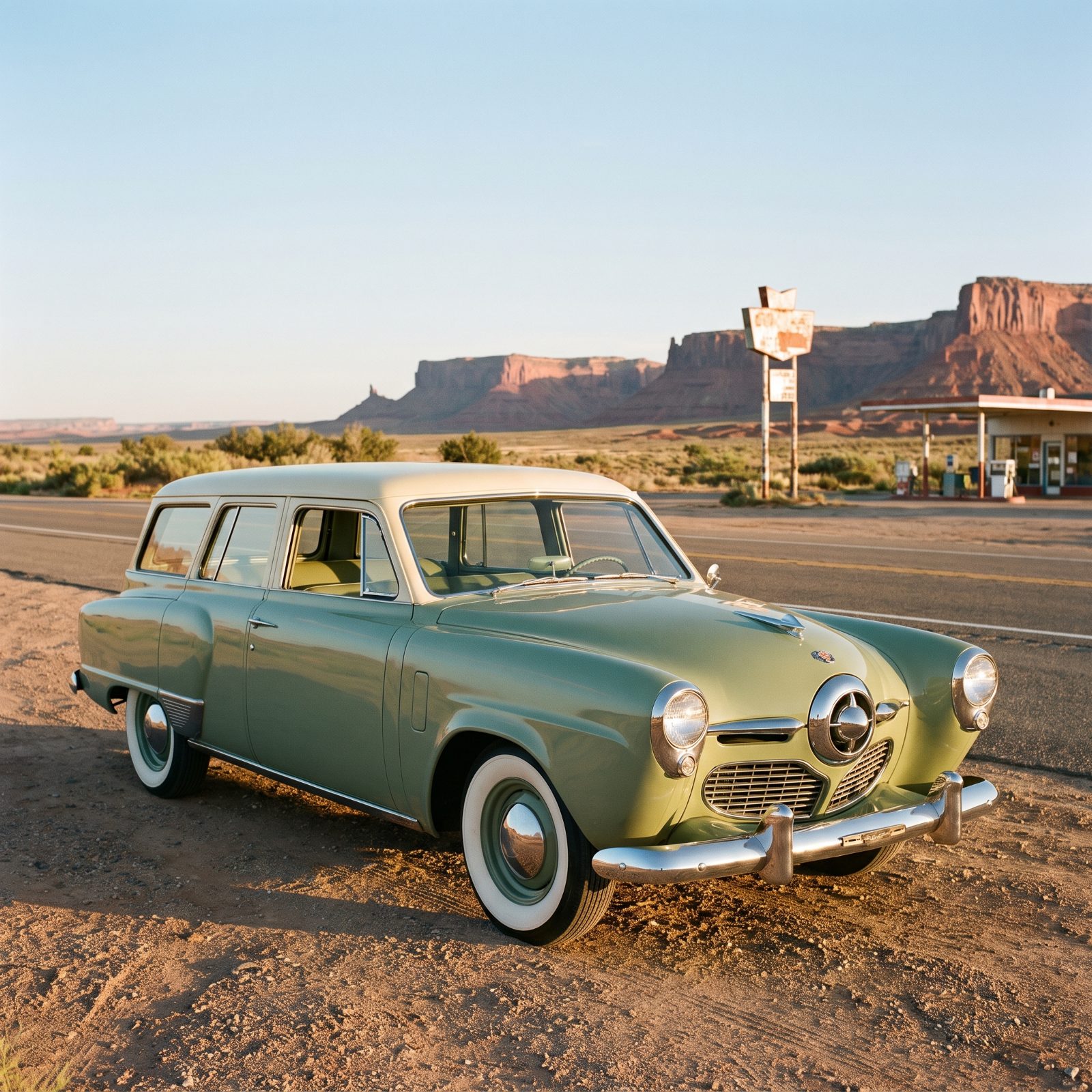
The bullet nose gives it away. Studebaker’s designers were chasing the jet age, and the Conestoga carried aircraft-inspired detailing up front that made it look faster than any grocery-getter had a right to.
Named after the covered wagons that crossed the plains, it blended frontier practicality with midcentury optimism. Studebaker always zigged when Detroit zagged, and this wagon is a clean example of a smaller company taking a styling risk the giants wouldn’t touch.
Nash Rambler Cross Country, Compact Americana in Two Tones
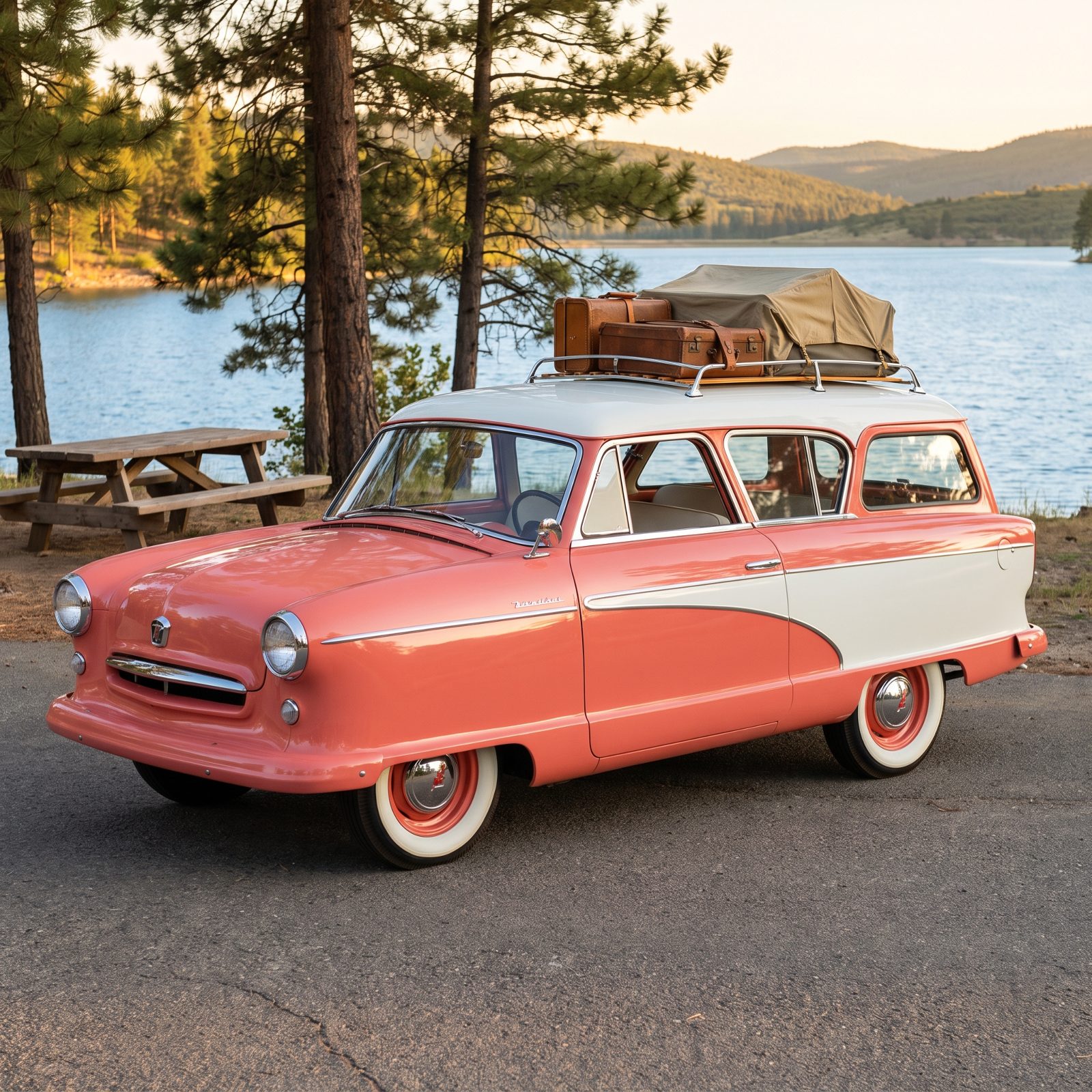
Coral and cream, rounded fenders, and those unmistakable skirted wheels. The Rambler Cross Country looked like nothing else on the road, which was exactly what Nash was after.
Compact when compact wasn’t cool, economical when America wanted excess, and friendly in a way that still gets people grinning. The two-tone paint turned a sensible wagon into something cheerful, and the whole package proved a small wagon could pack as much personality as any chrome-drenched cruiser twice its size. Load the roof rack, point it at a lake, go.
Toyota Crown Station Wagon, Formal Japanese Luxury With a Long Roof
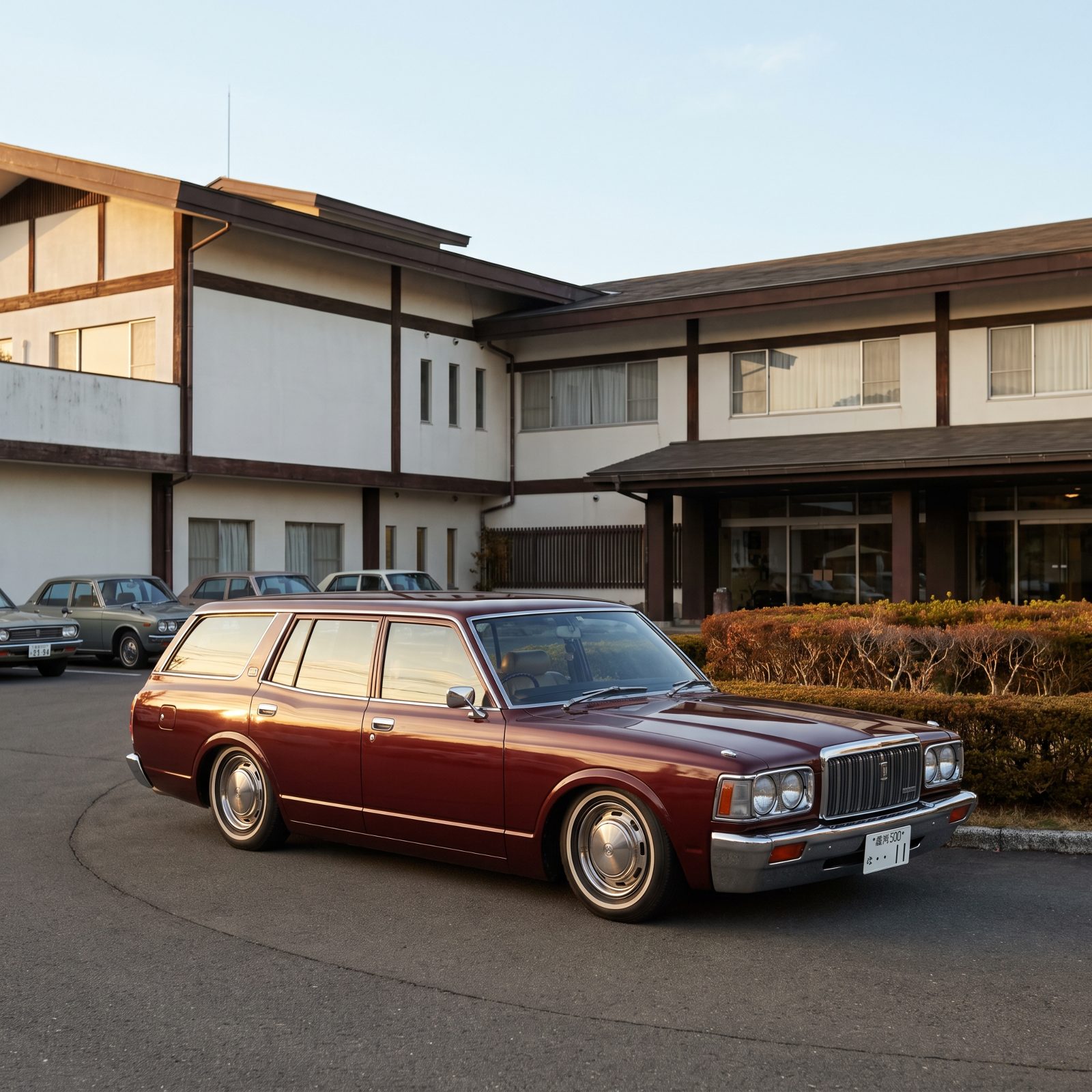
Most people picture the Crown as a black-curtained government sedan. The wagon version took that same ceremonial posture and stretched the roof back over a cargo bay, and the result looked like a limousine that decided to carry lumber.
Underneath was quiet refinement years before anyone expected it from a wagon — soft ride, upright seating, a dashboard laid out like somebody’s drawing-room. It never shouted. It just sat lower and rode better than any tall box pretending to be luxury today.
Toyota Cressida Wagon, Straight-Six Refinement Without SUV Height
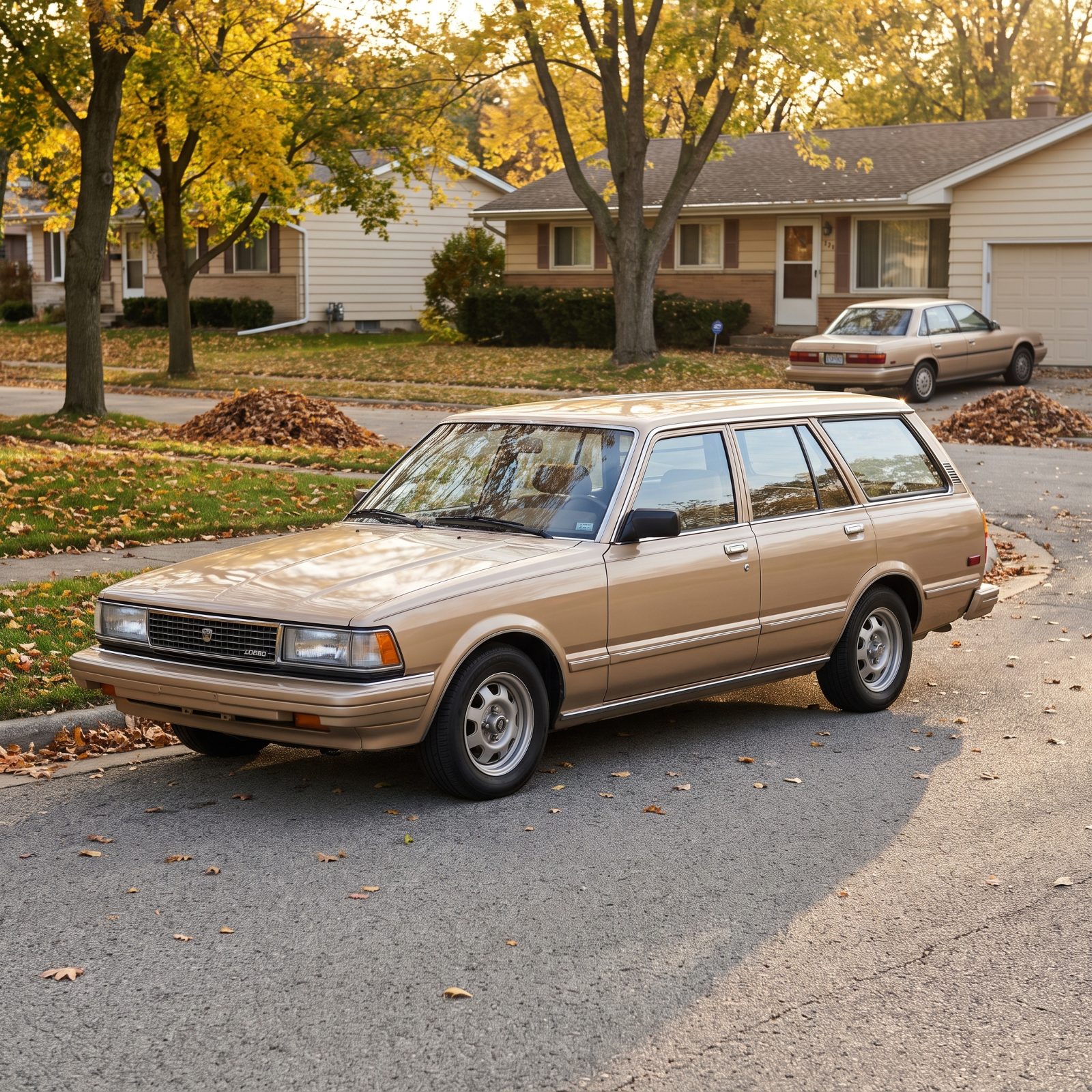
The Cressida was Toyota being quietly fancy. Rear-wheel drive, an inline-six that spun up smooth as warm honey, and a cabin trimmed in the plush fabrics and power everything you’d expect from the era. In wagon form it hauled the family without ever lifting them three feet into the air.
You rode close to the ground and heard that six settle into a hum at highway speed. It did the job a modern three-row crossover does now, with half the mass and twice the mechanical charm. I’d take the straight-six over a turbo-four and a touchscreen any day.
Datsun 510 Wagon, Simple Rear-Drive Character and Tuner Potential
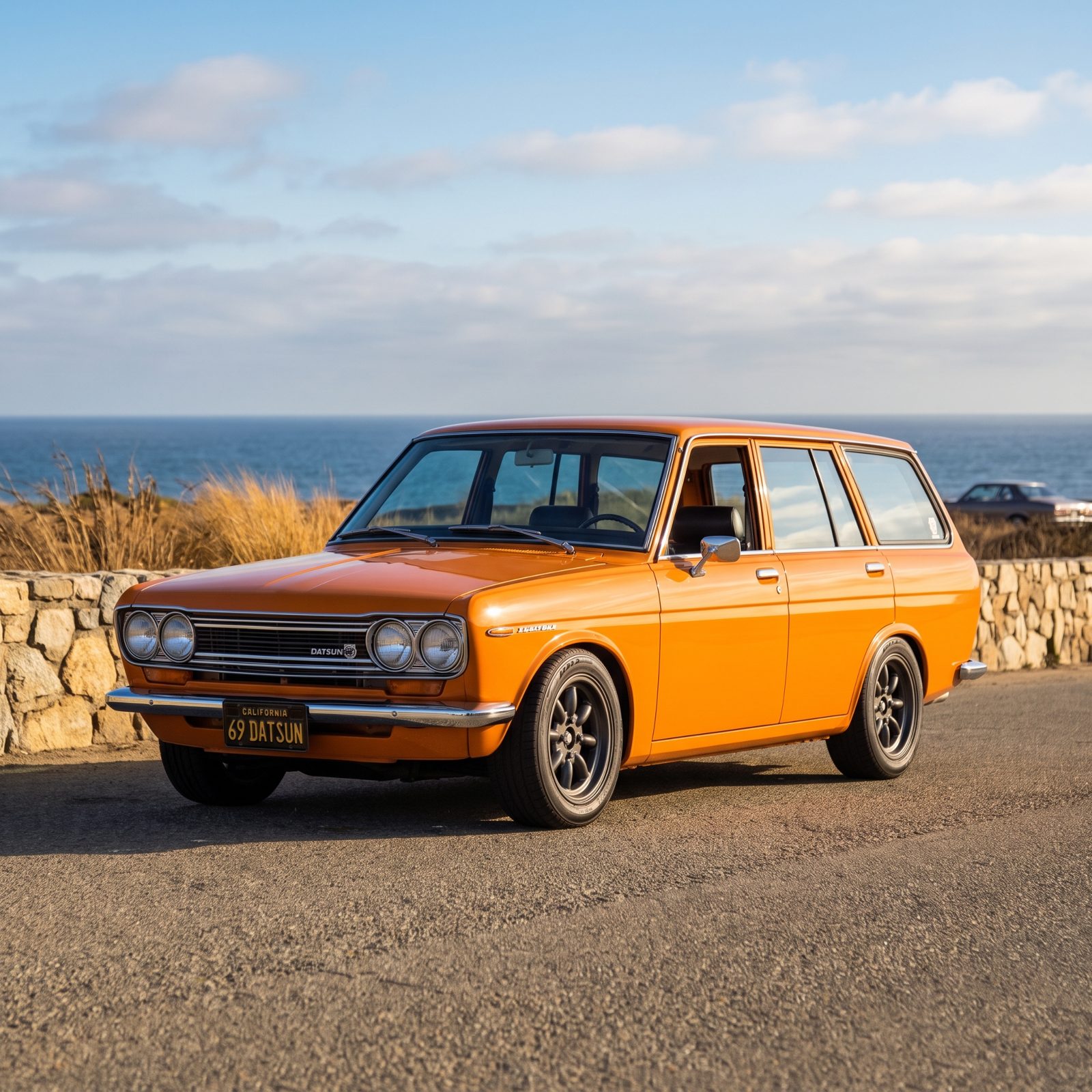
The 510 wagon is proof that a cheap, honest car can outlive every expensive thing around it. Independent rear suspension on the sedans, a willing little four, rear-wheel drive, and a shape so plain it never dated.
Enthusiasts turned these into giant-killers on autocross courses while families used them to carry groceries. Same car. Light, fixable with hand tools, and genuinely fun to steer, it has more personality in its glovebox than most crossovers manage across their entire option list.
Mazda RX-3 Wagon, Rotary Power in a Family Body
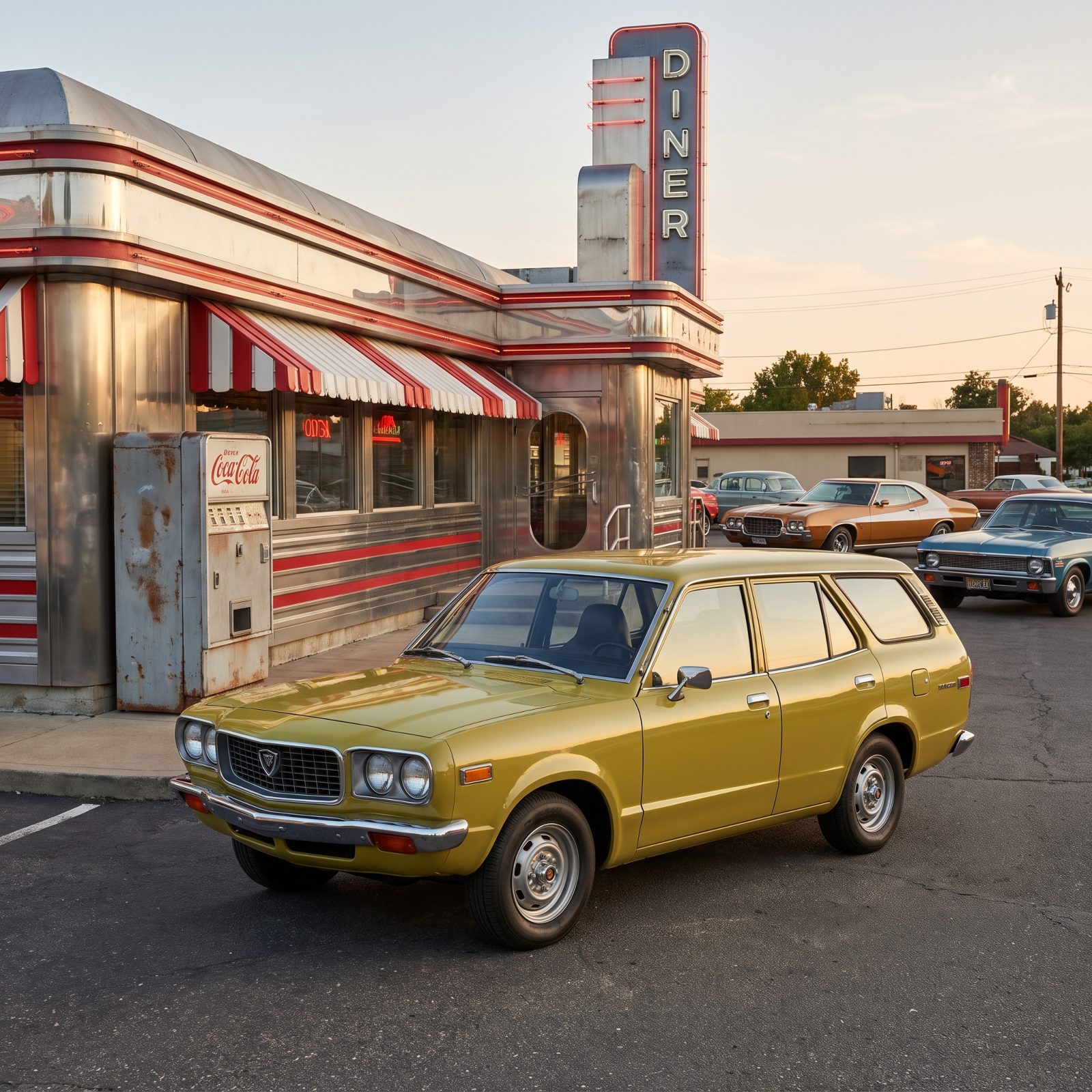
Picture a wagon that revs past 7,000 and sounds like a swarm instead of an engine. The RX-3 put Mazda’s Wankel rotary under the hood of a modest family body, and the combination made no sense in the best possible way.
No pistons — just a tiny, buzzy, high-winding powerplant that gave this little hauler the disposition of a sports car. It would run away from much larger machines at a stoplight and still carry a week of groceries home. Nothing on a dealer lot today keeps a secret like that.
Subaru GL 4WD Wagon, A Mountain-State Institution
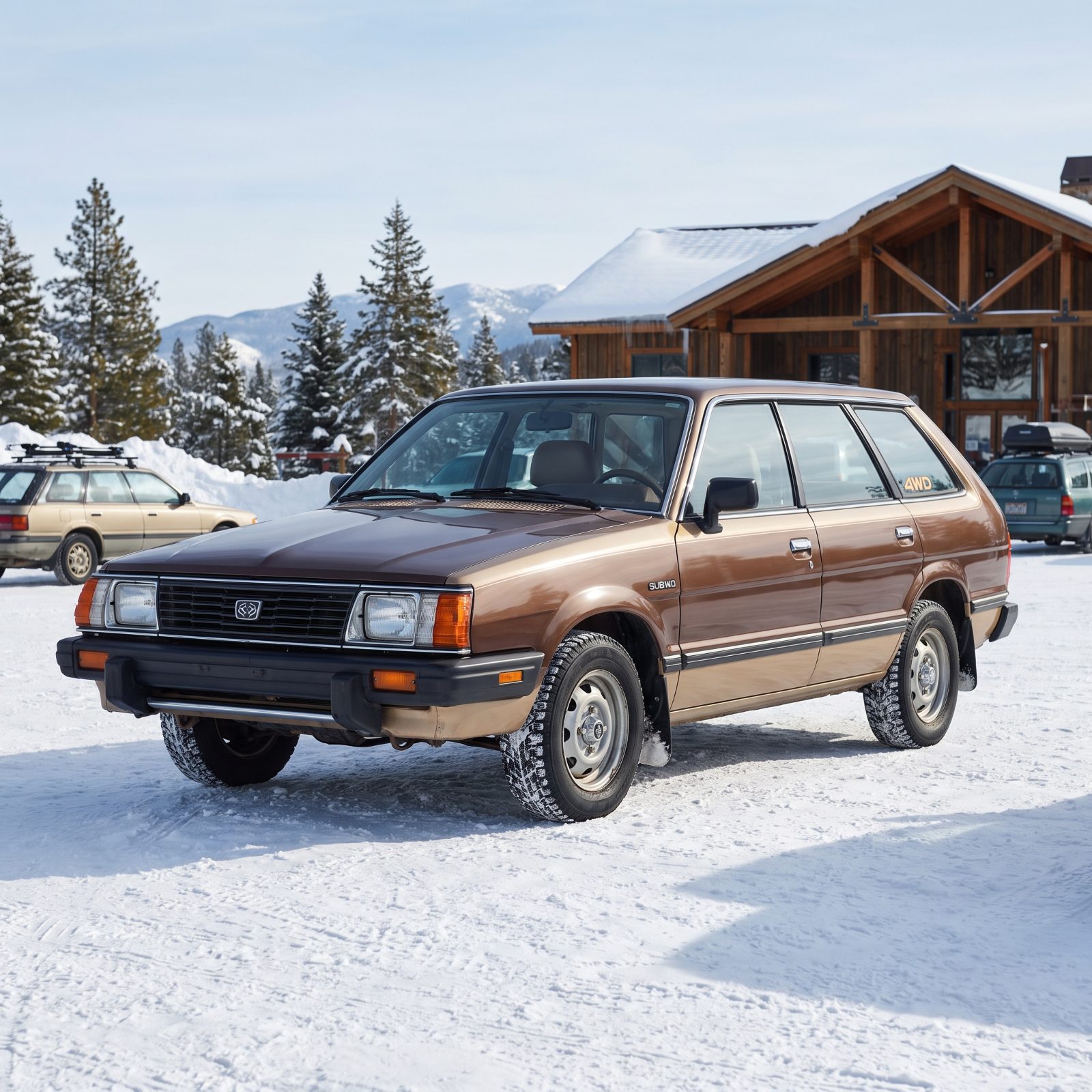
Drive through any mountain town and you still see them, held together by stubbornness and a roof rack. The GL wagon handed regular families real all-wheel traction decades before the crossover crowd pretended to invent it.
It had a pushbutton or lever-engaged system, a flat-four that thrummed like a sewing machine, and a cabin full of odd switches. It climbed snowy grades that stranded bigger cars. In Colorado and Vermont it stopped being a vehicle at all and became a kind of regional membership card.
Before “all-wheel drive” was a marketing word, it was a brown Subaru wagon getting the ski coach to practice on time.
Volkswagen Quantum Syncro Wagon, Five-Cylinder All-Wheel-Drive Rarity
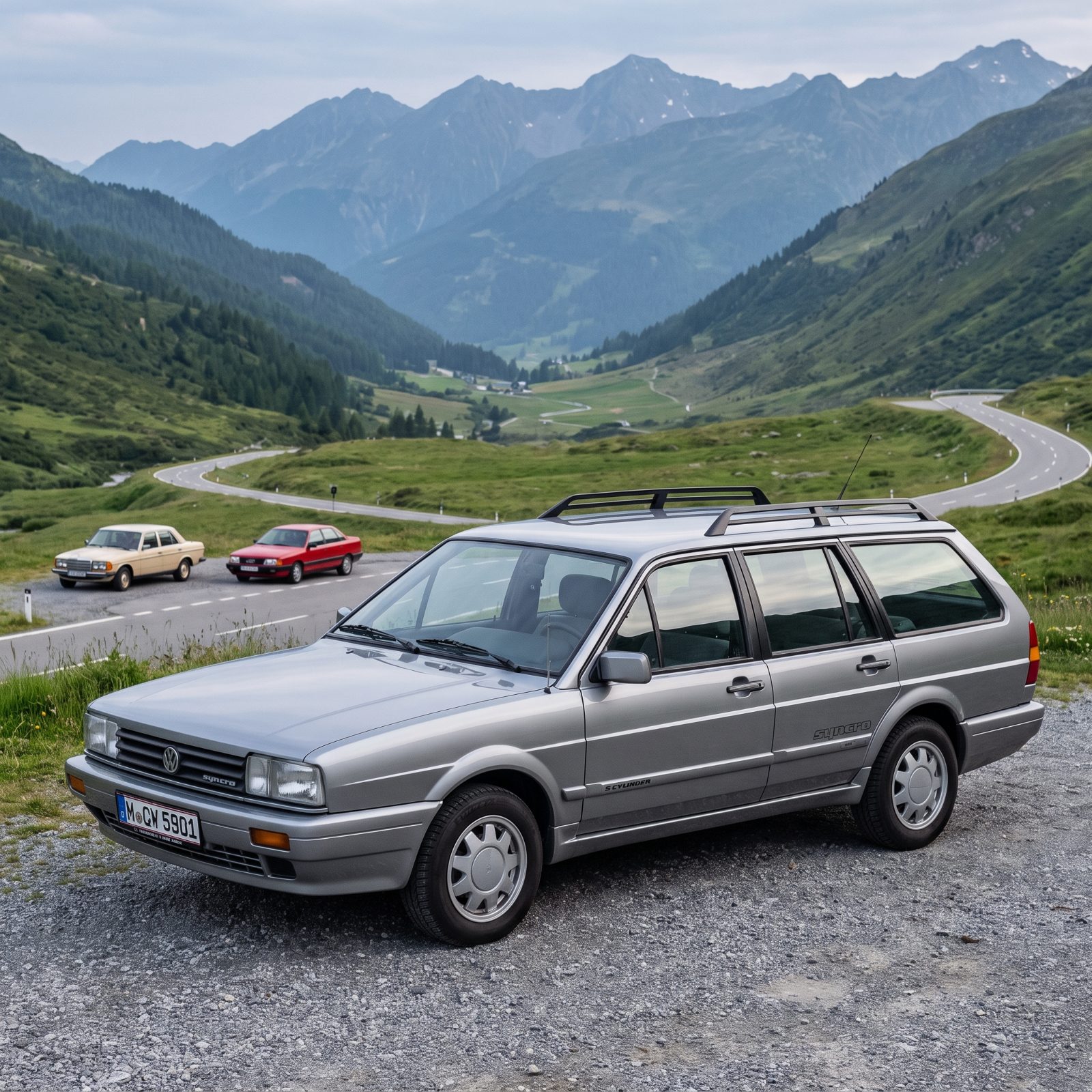
Here’s a party trick: a warbling five-cylinder engine and full-time all-wheel drive wrapped in a shape cut like a tailored suit. The Quantum Syncro was Volkswagen borrowing Audi’s best ideas and slipping them into something almost nobody noticed on the road.
That five-pot has an off-beat thrum no four or six can match. Bolt it to the Syncro system and you had a low-slung wagon that shrugged off bad weather and still cornered flat. It sold in tiny numbers. Finding one now feels like turning up a handwritten letter in a stack of junk mail.
Nissan Stagea 260RS, Skyline GT-R Hardware in a Wagon
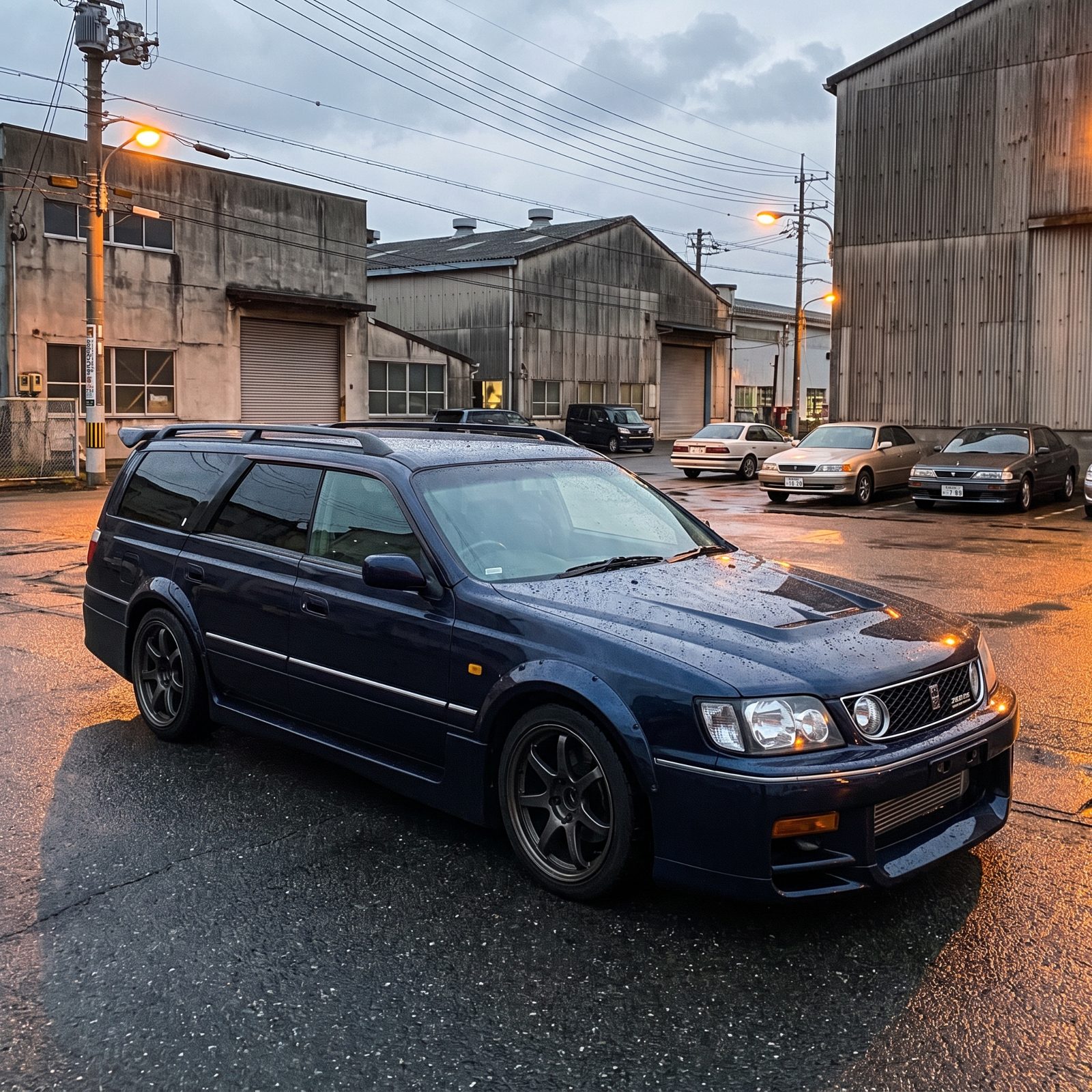
The 260RS answers a question nobody at the dealership dared ask out loud: what if the GT-R had a cargo area? Nissan’s Autech division grabbed the twin-turbo RB26 straight-six, the ATTESA all-wheel drive, and the running gear from the Skyline GT-R, then bolted a wagon roof over the lot.
Supercar hardware, a six-speed, and room for the dog. It was fast, complicated, and completely sincere about being both a performance car and a load-lugger. No modern SUV pulls off this kind of split personality with half the honesty.
Dodge Magnum 2005, A Hemi Wagon Styled Like a Hot Rod
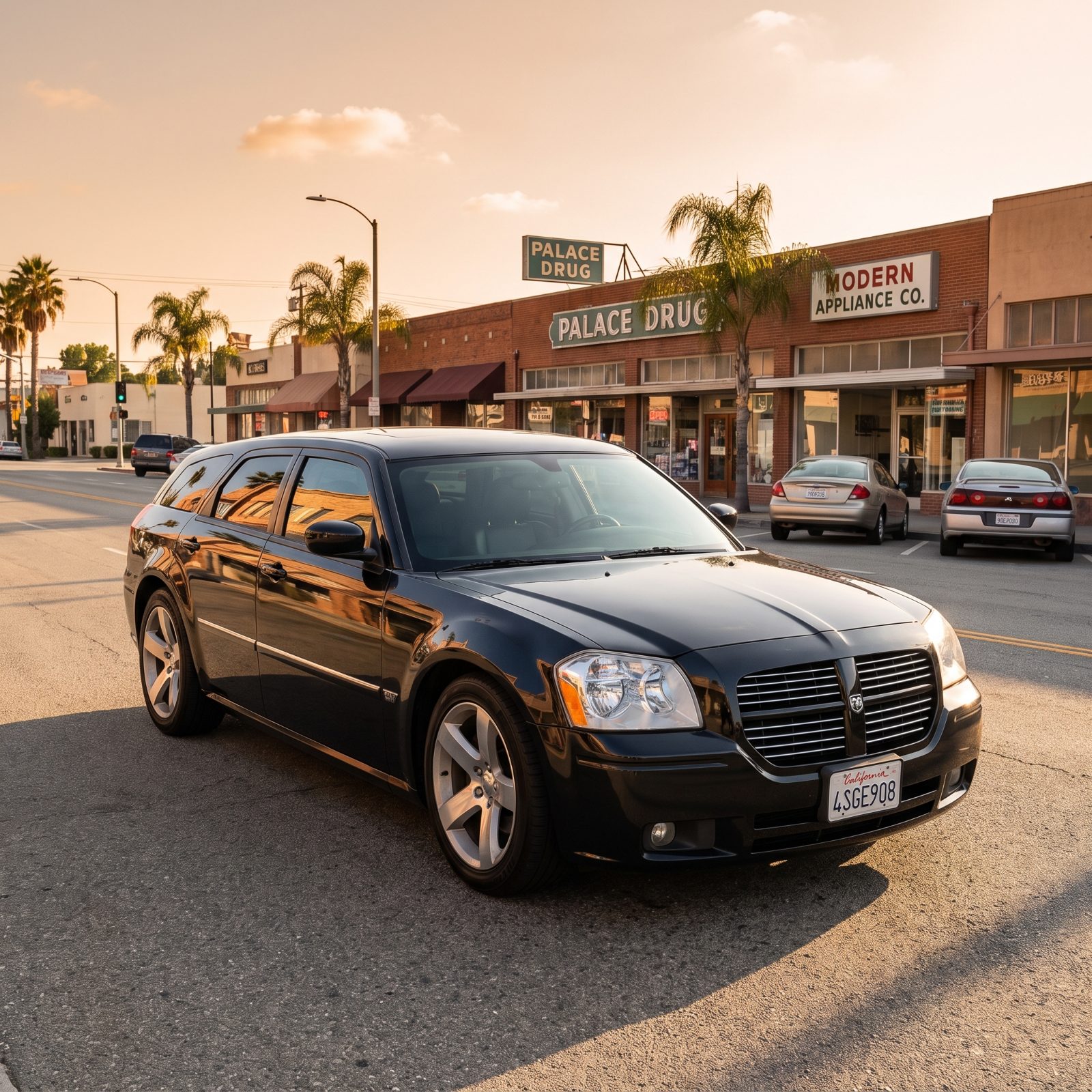
When the Magnum rolled out it looked like something a custom shop welded together in a basement, not something a factory shipped. Chopped roofline, gun-slit windows, a crosshair grille, and a big squared body that crouched low to the pavement.
Tick the right box and you got the 5.7 Hemi V8 rumbling under that long hood — a rear-drive American wagon with genuine muscle and a mean face, sold brand new in the suburbs. It confused people, and I loved it for exactly that. Somewhere out there a kid still hauls amps to a gig in one.
Cadillac CTS-V Wagon, Supercharged Manual-Transmission Absurdity
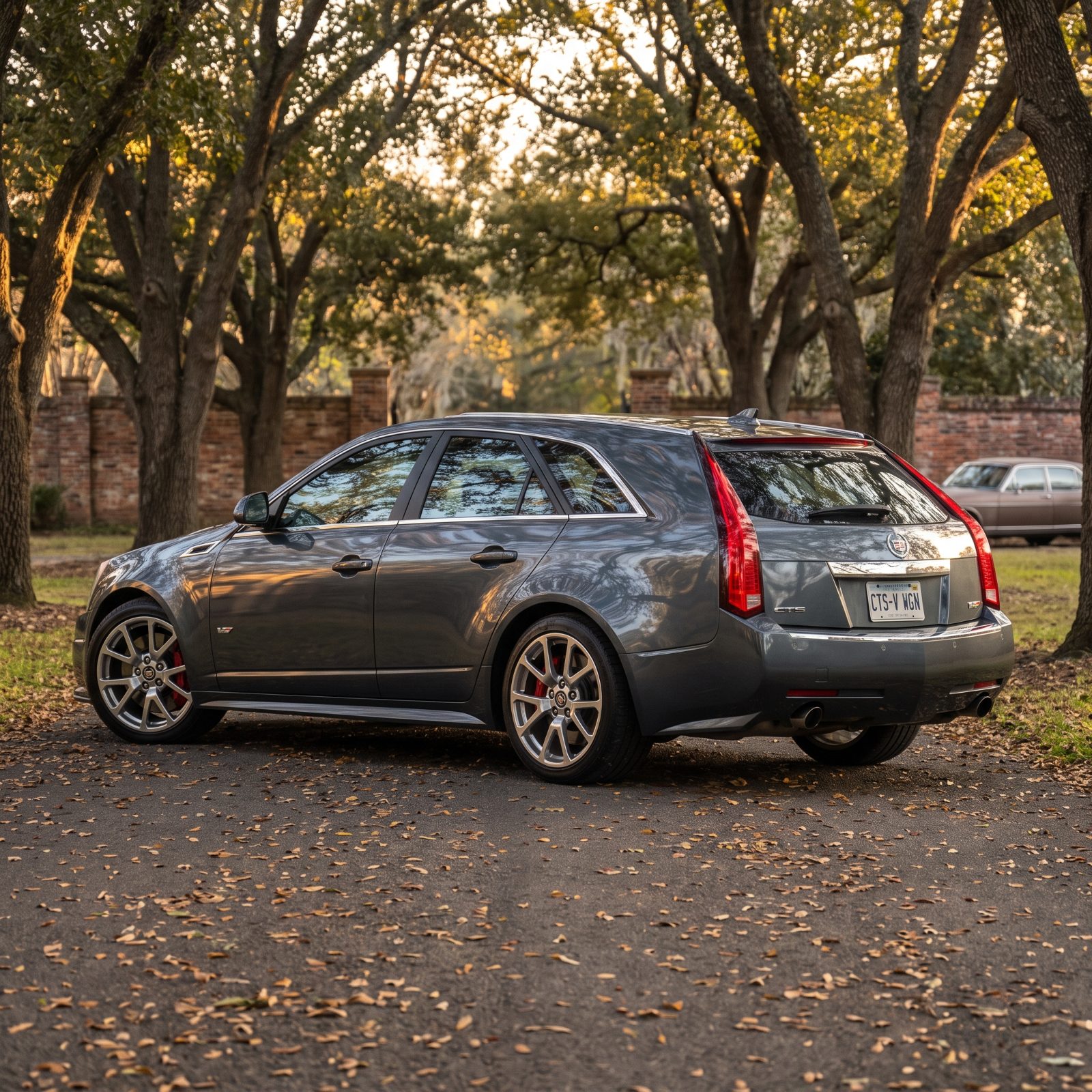
Someone at Cadillac lost a bet, and the rest of us won. The CTS-V wagon packed a supercharged 6.2-liter V8 making well north of 500 horsepower, and you could order it with a six-speed manual. A stick-shift. In a Cadillac wagon.
Think about the sheer nerve of that — a load-lugger that would embarrass sports cars, with a clutch pedal and a long roof and room for the whole family’s luggage. Commercially pointless. Spiritually perfect.