
Would you like to save this?
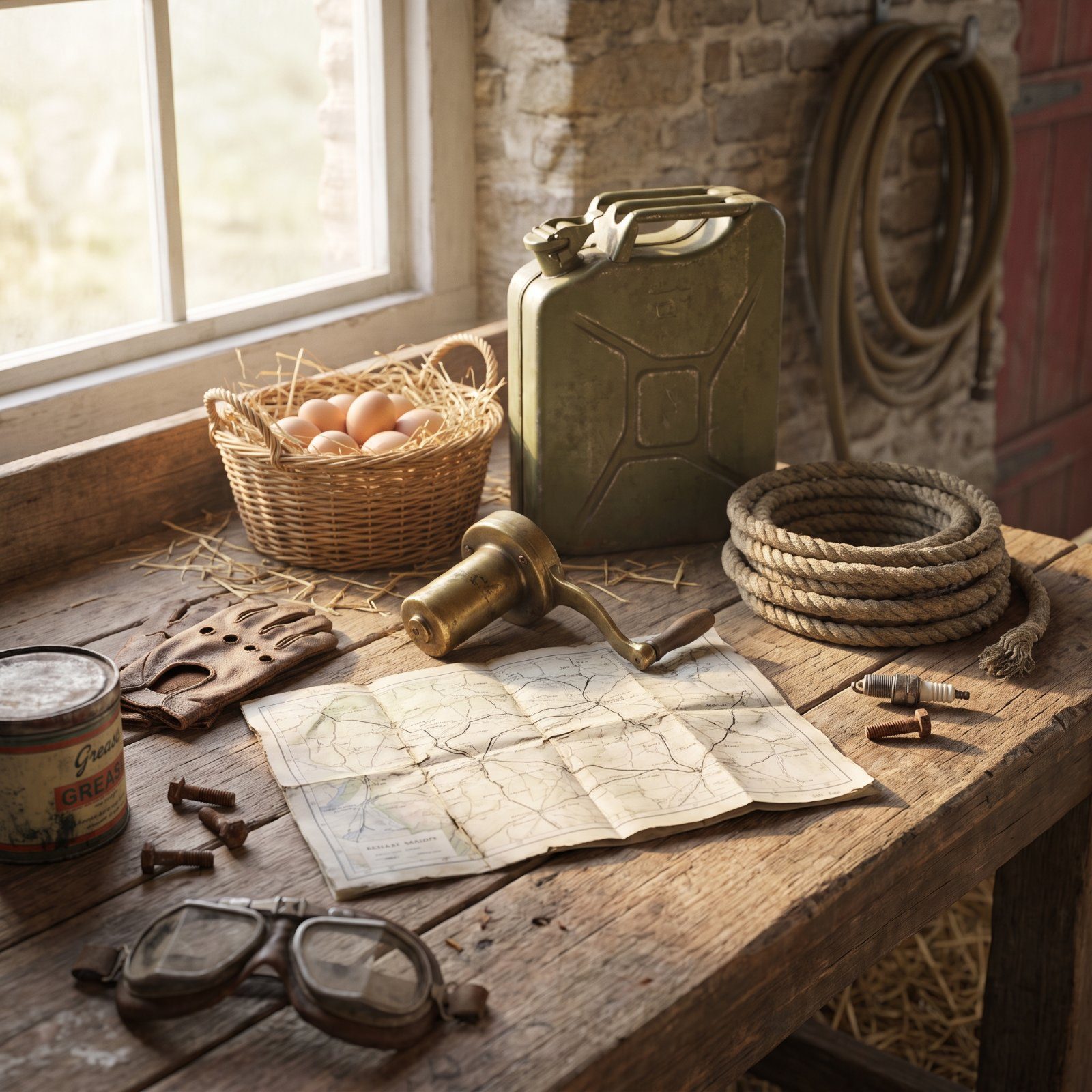
Somewhere out there, a Citroën 2CV is rotting in a barn with a suspension that could carry eggs across a plowed field without cracking a single shell. That was the brief. Before smooth tarmac, antifreeze, rural phone lines and a gas station on every corner, cars had to solve the problems the road itself refused to. These machines were answers to questions nobody asks anymore. Here they are, along with the obsolete headaches they were engineered to kill.
32. Citroën 2CV: Carrying Eggs Across Unpaved French Fields
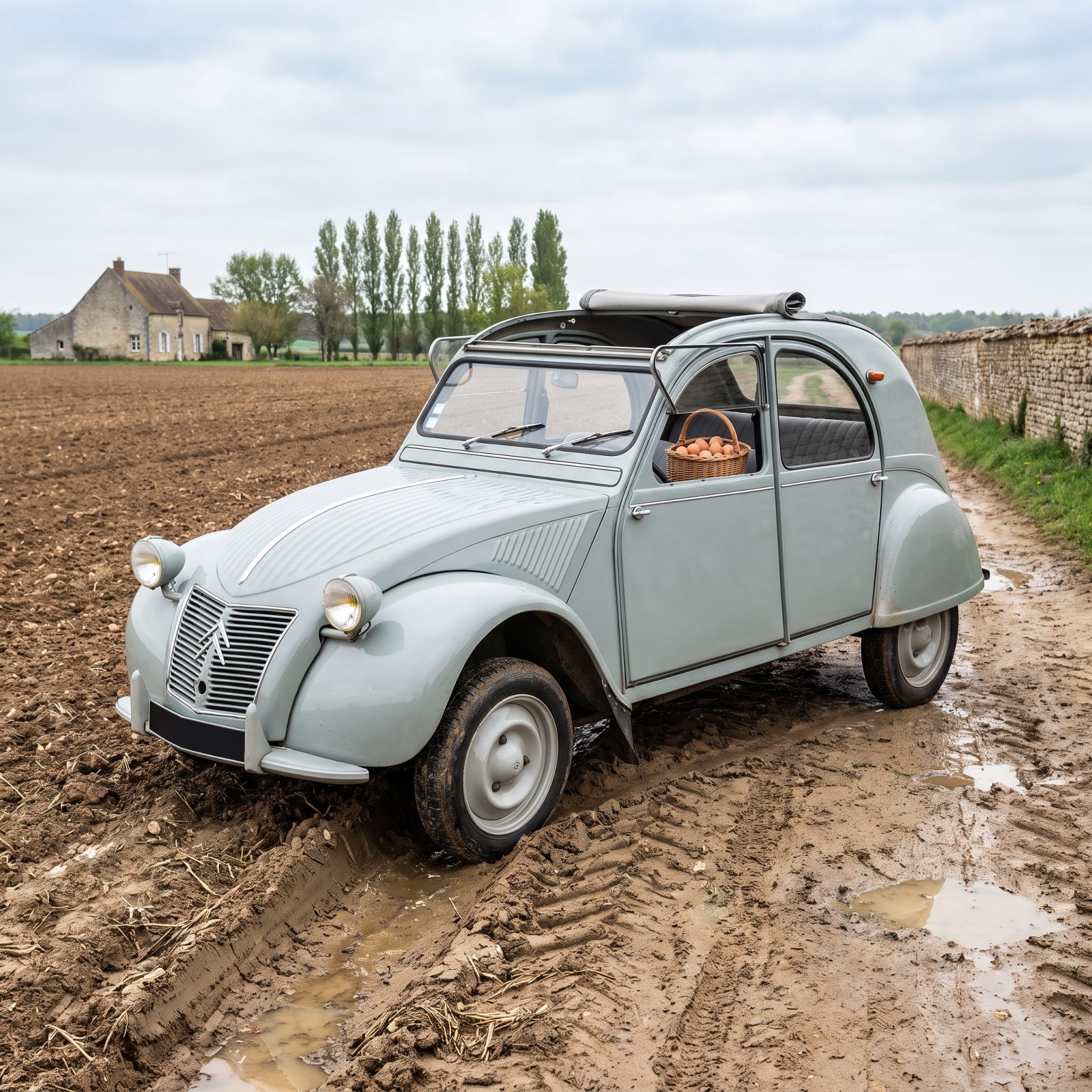
Legend has it Pierre-Jules Boulanger told his engineers the car had to carry four peasants and fifty kilos of potatoes across a plowed field without breaking one egg in a basket on the back seat. Eggs literal or eggs folklore, the suspension proves the brief. That long-travel, interconnected setup soaked up ruts that would have bounced a conventional car’s cargo to scramble.
France in 1948 was farmers and bad roads, and most of rural life happened on surfaces that had never seen asphalt. So the 2CV skipped the wait. It assumed there wouldn’t be any good roads, and built around the gaps.
31. Ford Model T: Surviving Roads Still Built for Horses
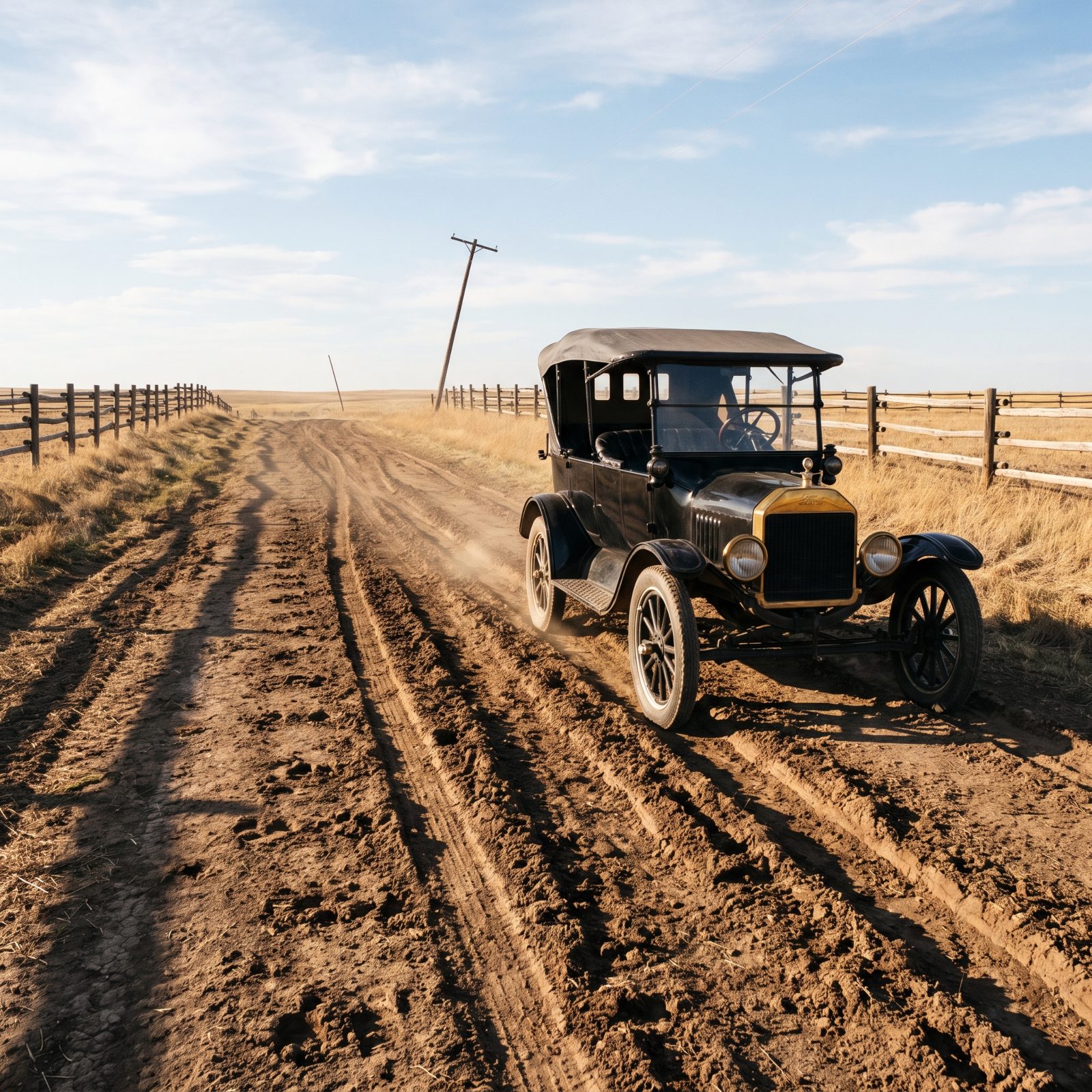
Tall wheels, high clearance, a flexible chassis that twisted over ruts instead of snapping. The Model T wasn’t built for roads, because in 1908 there mostly weren’t any — it was built for the gullied, horse-worn tracks between one farm and the next, surfaces shaped by hooves and wagon wheels for a century.
That three-point suspension and torque-rich flathead let a T crawl through mud a modern sedan would sink in. Fifteen million people bought one. Half the reason was price. The other half was that it would actually get there.
30. Volkswagen Beetle: An Air-Cooled Car for Winters That Froze Radiators
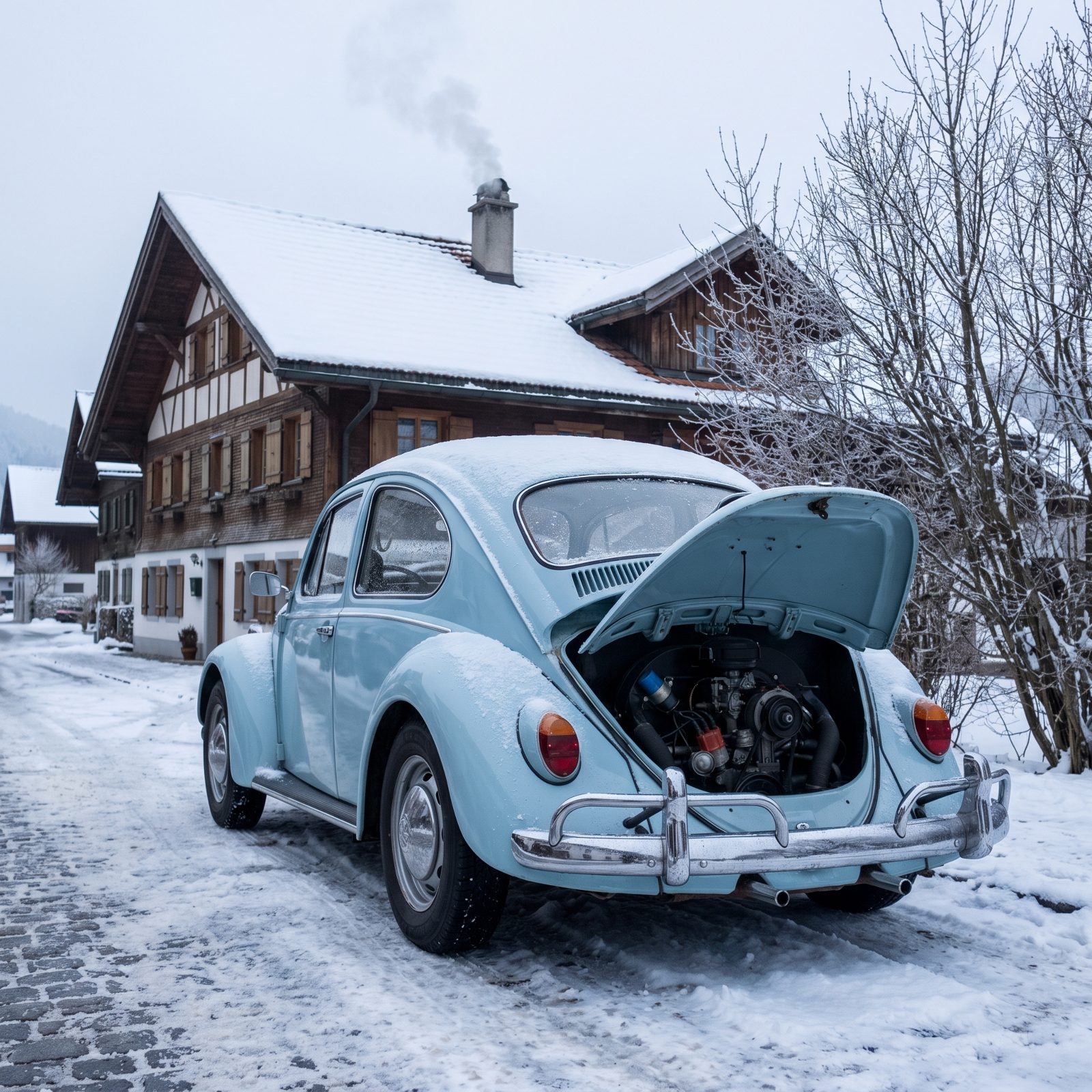
No radiator means no coolant, and no coolant means nothing to freeze solid on a January morning when the thermometer drops below zero and stays there. The Beetle’s air-cooled flat-four was Ferdinand Porsche’s answer to a continent of hard winters and drivers who couldn’t be trusted to drain a radiator before a frost.
It warmed up fast, though owners still cursed the weak heater. But the thing started — reliably — in weather that stranded water-cooled cars all over Europe.
29. Land Rover Series I: Replacing Horses on Remote Estates
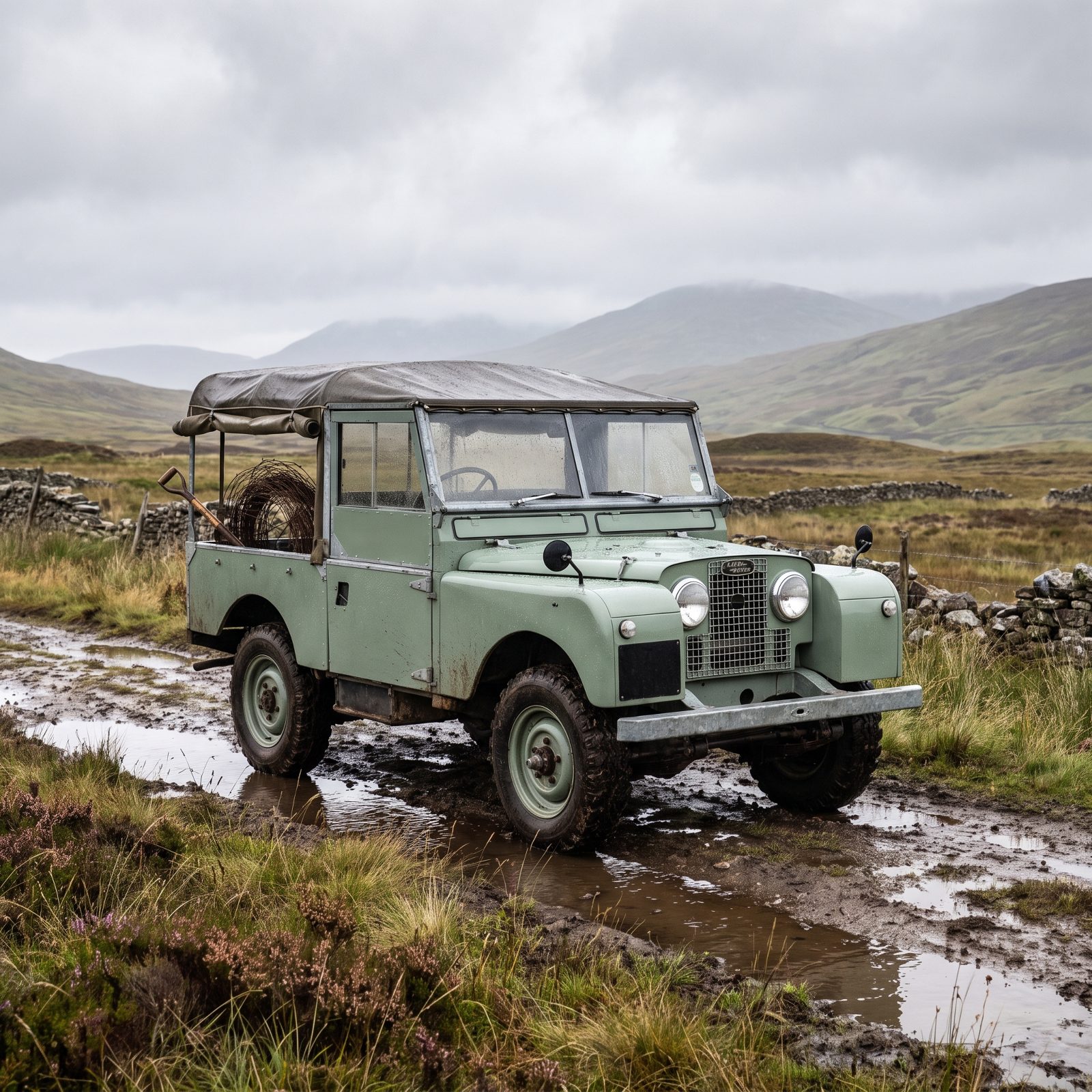
Built from aluminium because steel was rationed after the war, the Series I was pitched to farmers as a machine that could do a horse’s work and a tractor’s work, then drive home on the road afterward. Power take-offs let it run saws and pumps, the flat panels could be hammered straight in a barn, and no estate track proved too soft or too steep for it.
We’ll admit a soft spot here. It’s agricultural, slow, and loud, and we’d take one over almost anything modern for a day of fence repairs. It put the horse out of a job on thousands of remote holdings and never pretended to be prettier than a tool.
28. Toyota Land Cruiser FJ40: Reaching Settlements Beyond Any Service Network
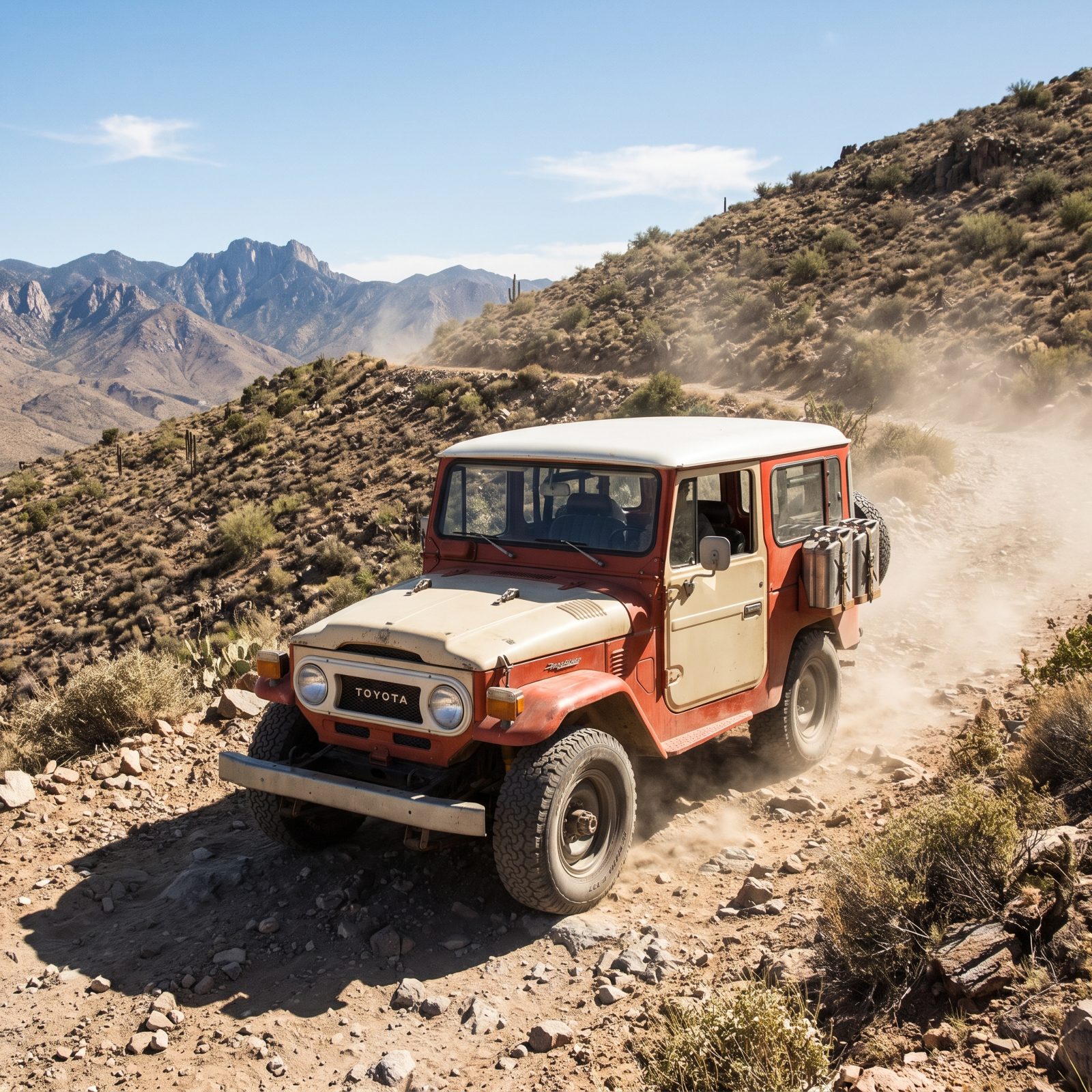
The FJ40 earned its name in places where the nearest mechanic was a two-day drive and a prayer. Mining camps, mountain villages, aid stations at the end of impossible tracks. Its inline-six was simple enough to fix with hand tools and stubborn enough that you rarely had to.
That was the proposition. Toyota built a vehicle that assumed there was no service network, no spare parts within reach, no signal to call for help. Reliability was the insurance policy.
In the places the FJ40 went, breaking down wasn’t an inconvenience. It was a genuine problem. So it didn’t break down.
27. Chevrolet Suburban Carryall: Moving Large Rural Families and Their Supplies Together
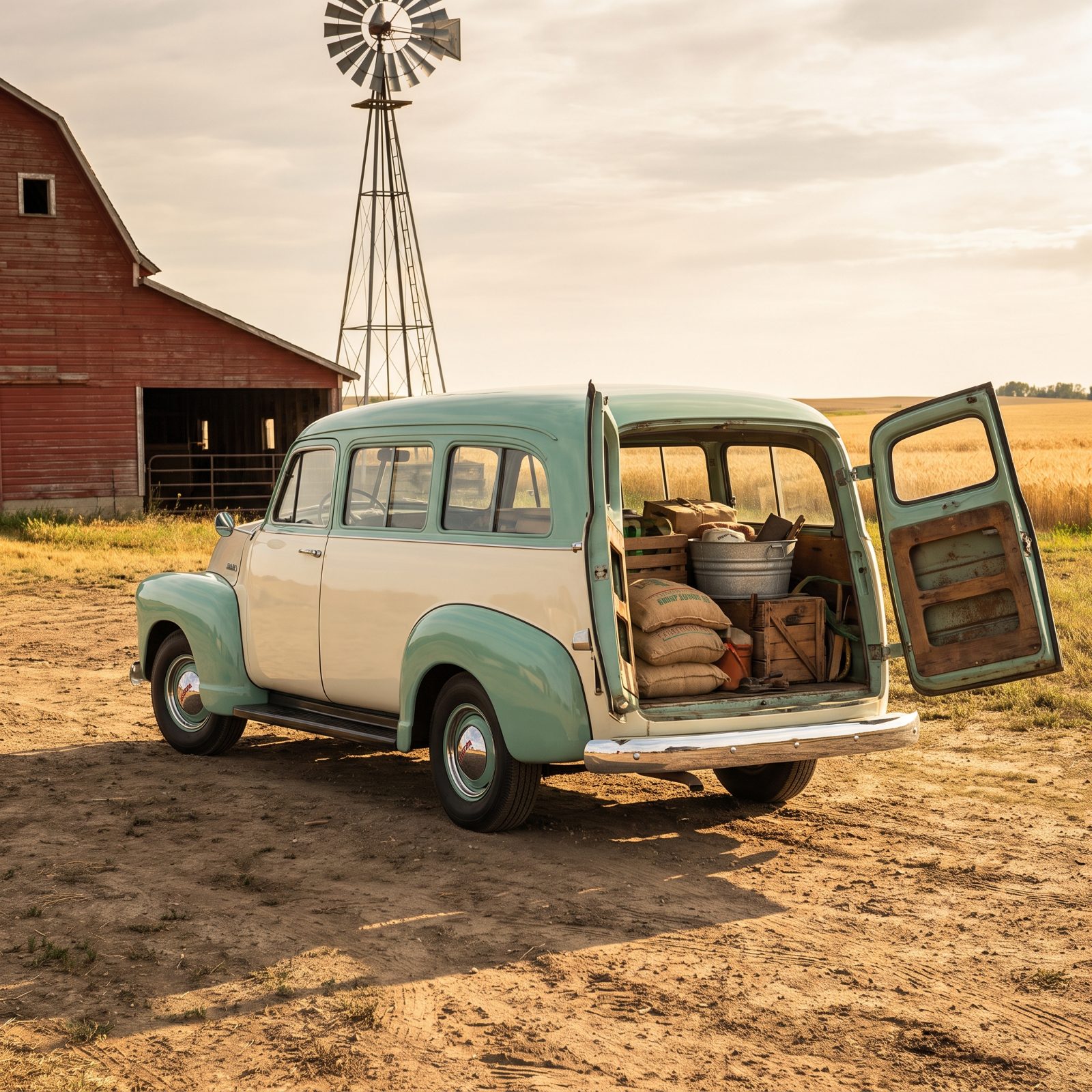
Before anyone said the word SUV, the Suburban Carryall solved a specific rural math problem: how do you move eight people, a week of feed, tools, and groceries from a town forty miles away, all in one trip? Station wagons weren’t tough enough. Trucks couldn’t seat the kids. The Carryall put a full steel wagon body on a truck chassis and called it done.
Big rural families lived by it. Church on Sunday, hauling on Monday, hay on Tuesday — one vehicle doing every job because buying three wasn’t an option.
26. Crosley Farm-O-Road: A Tiny Machine Asked to Be Both Tractor and Car
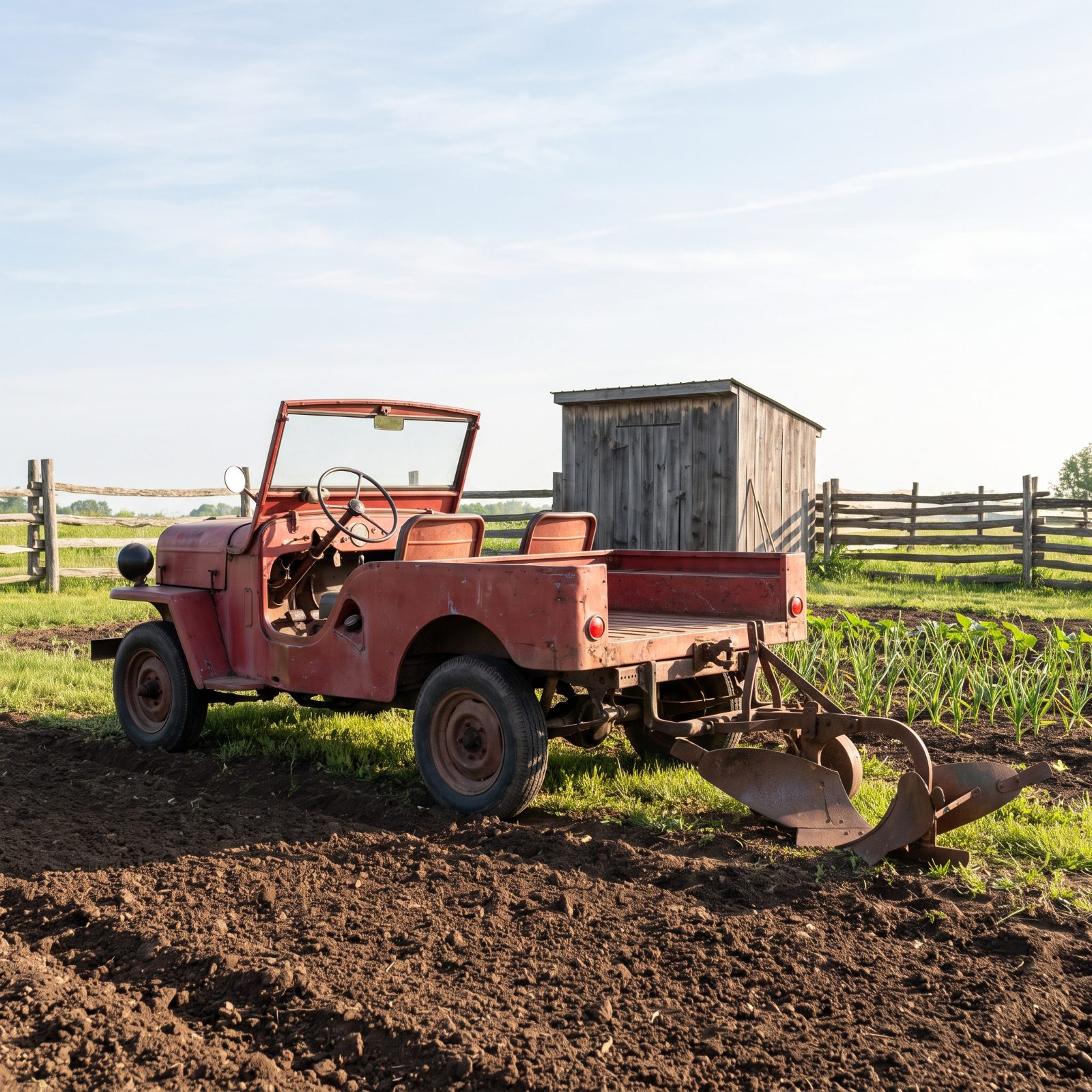
Tiny, strange, and gloriously overcommitted. The Crosley Farm-O-Road wanted to be a runabout you drove to town and a mini-tractor you plowed the garden with, all before breakfast. It had a power take-off, crawled at a snail’s pace for field work, then clipped along a dirt road afterward.
It never really sold, because the dream of one machine doing both jobs was ahead of what a little car could physically pull off. But the ambition was pure postwar thrift — one small engine, one small budget, every chore on the homestead. We have a weakness for honest failures, and this is one of the best.
25. Dodge Power Wagon: Mechanizing Rural Work Before Dedicated Utility Fleets
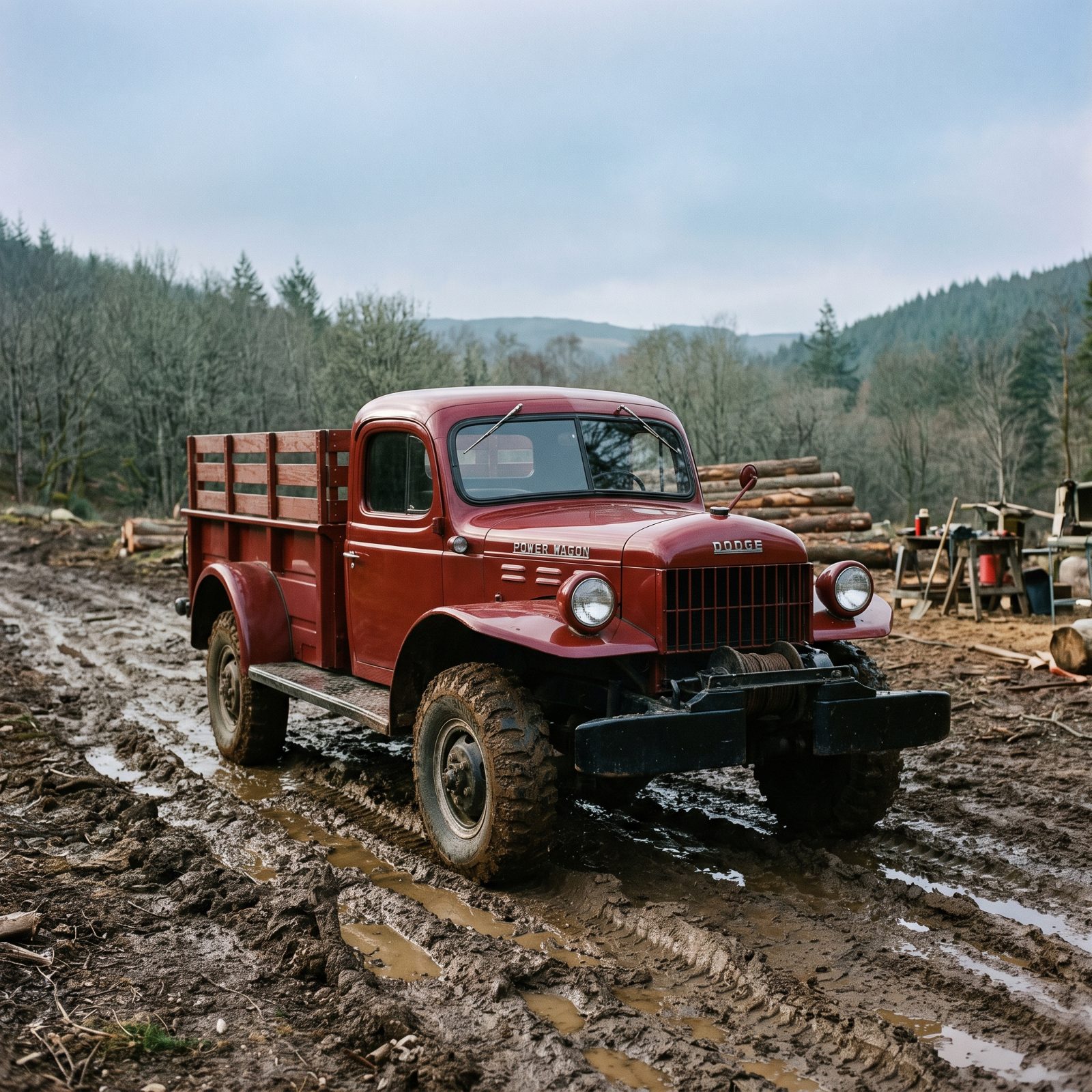
Derived straight from the WC military trucks that had just won a war, the Power Wagon brought real four-wheel-drive brawn to farms and work sites still leaning on horses, mules and backs. The front-mounted winch and power take-off meant it could pull stumps, run equipment, and drag itself out of mud that swallowed lesser trucks.
This was mechanization arriving at the small operation. Before dedicated utility fleets, before purpose-built gear for every task, one truck did the pulling, the hauling and the powering. It looked like it could shoulder a barn aside, and more or less could.
24. BMW Isetta: Providing Postwar Mobility With Barely Any Fuel or Steel
Would you like to save this?
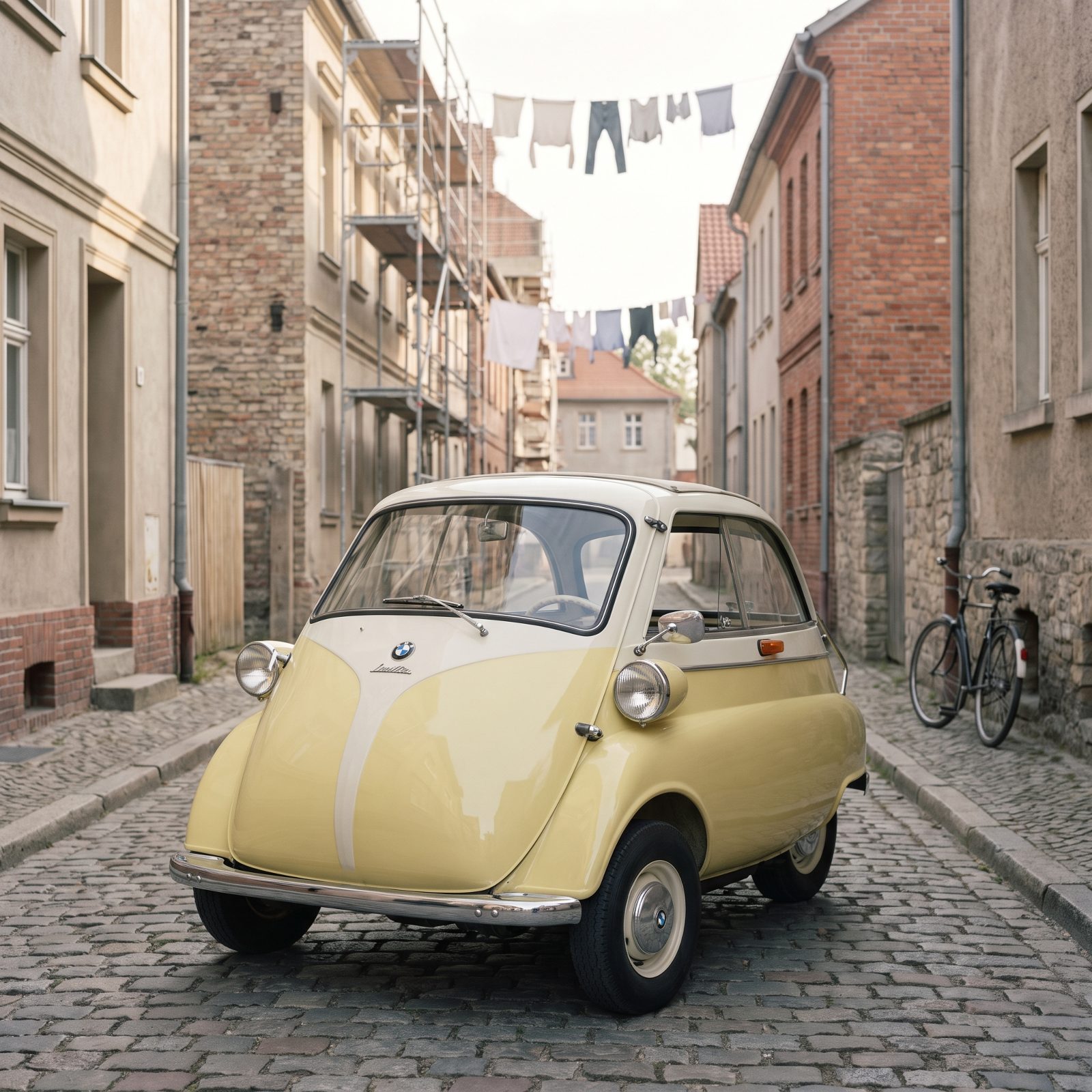
Postwar Europe had almost no money, almost no steel, and almost no spare fuel. The Isetta answered all three at once. One front-opening door, one tiny engine sipping a thimble of petrol, and a body so small it used a fraction of the material a real car demanded.
It got people moving again when moving at all felt like a win. You climbed in through the front, swung the steering column with you, and puttered off at speeds a confident cyclist could match.
23. Morris Mini-Minor: Maximizing Cabin Space During a Fuel Crisis
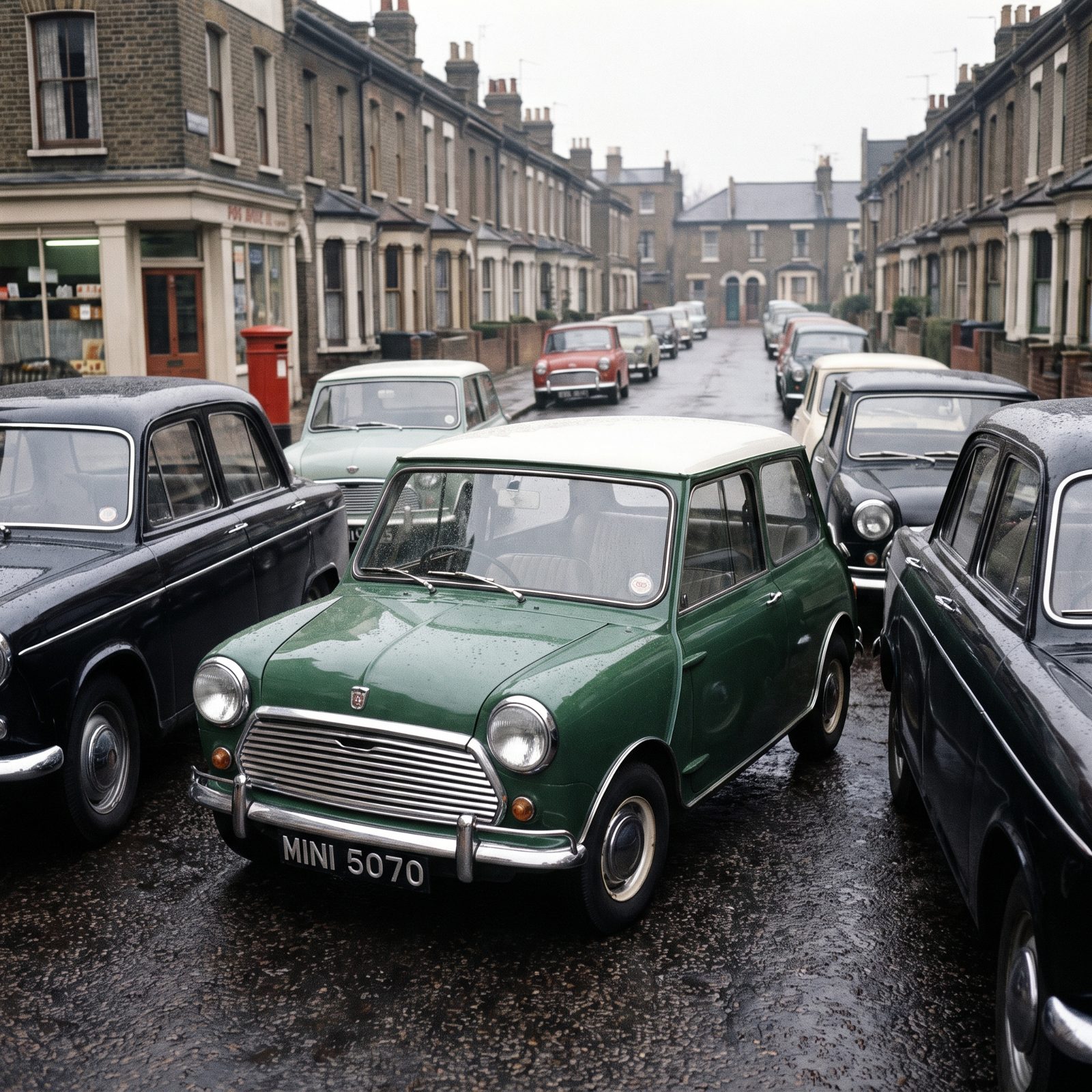
The Suez crisis of 1956 choked Britain’s fuel supply and killed the appetite for thirsty cars overnight. Alec Issigonis answered with a trick that still astonishes: turn the engine sideways, tuck the gearbox underneath it, shove the wheels into the four corners. Suddenly a car ten feet long seated four adults with room to spare.
Most of the floor plan went to passengers and luggage. The Mini proved small didn’t have to mean cramped — it just meant someone had thought hard about where every inch went. Generations of small cars copied the layout, and hardly anyone ever knew a fuel panic is what started it.
22. Subaru 360: Built to the Letter of Japan’s Kei-Car Rules
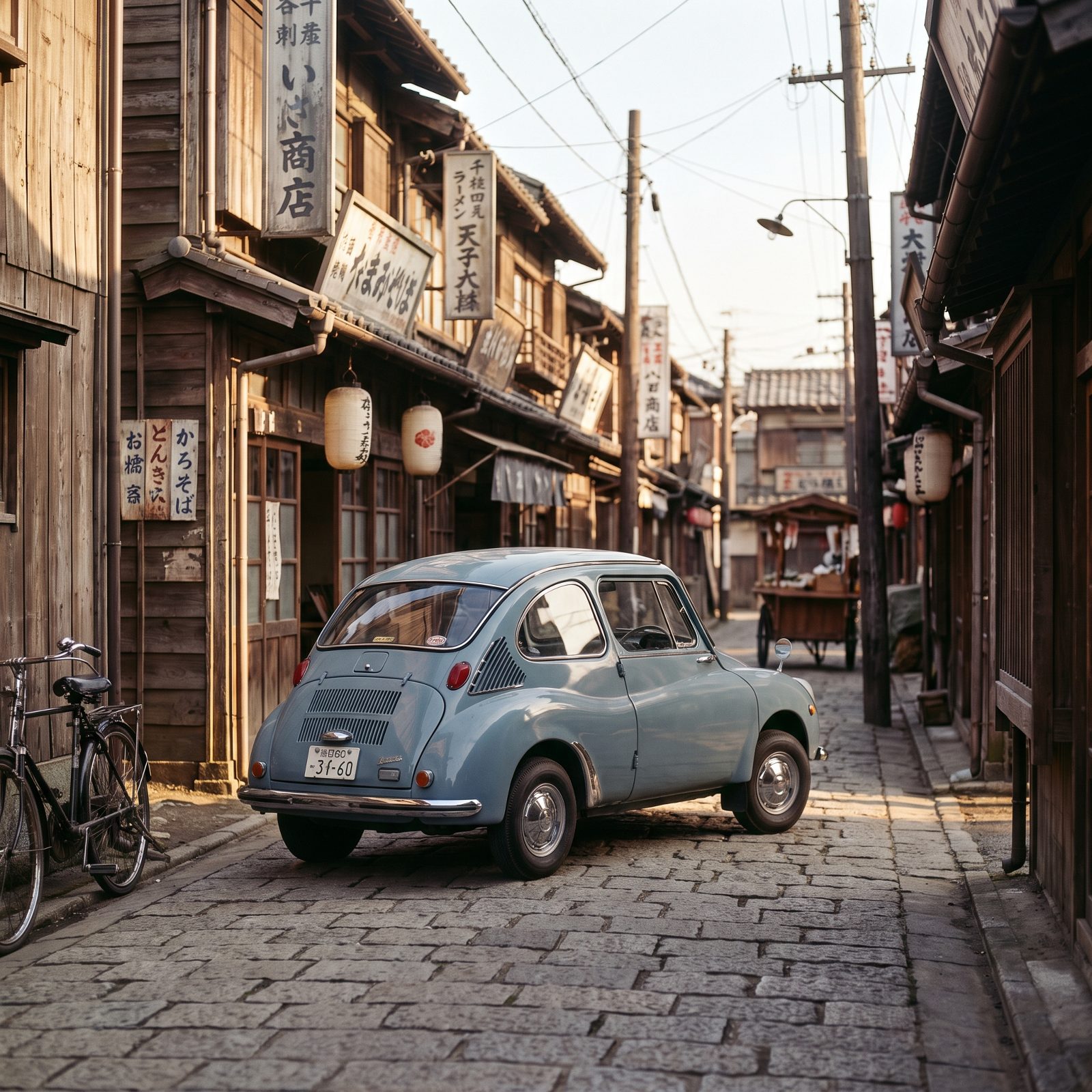
Japan came out of the war broke, crowded, and short on roads wide enough for a proper car. The government’s answer was the kei class: tiny engines, tiny footprint, cheap tax. Subaru answered in 1958 with the 360, a 356cc two-stroke tucked out back under a body shaped like a river pebble.
It sold on a simple promise, that a working family could finally afford four wheels, and people took to calling it the ladybug. Under a thousand pounds. It did exactly what those streets demanded, which was move.
21. London FX4 Taxi: Engineered Around a Bowler Hat and a Tight Turn
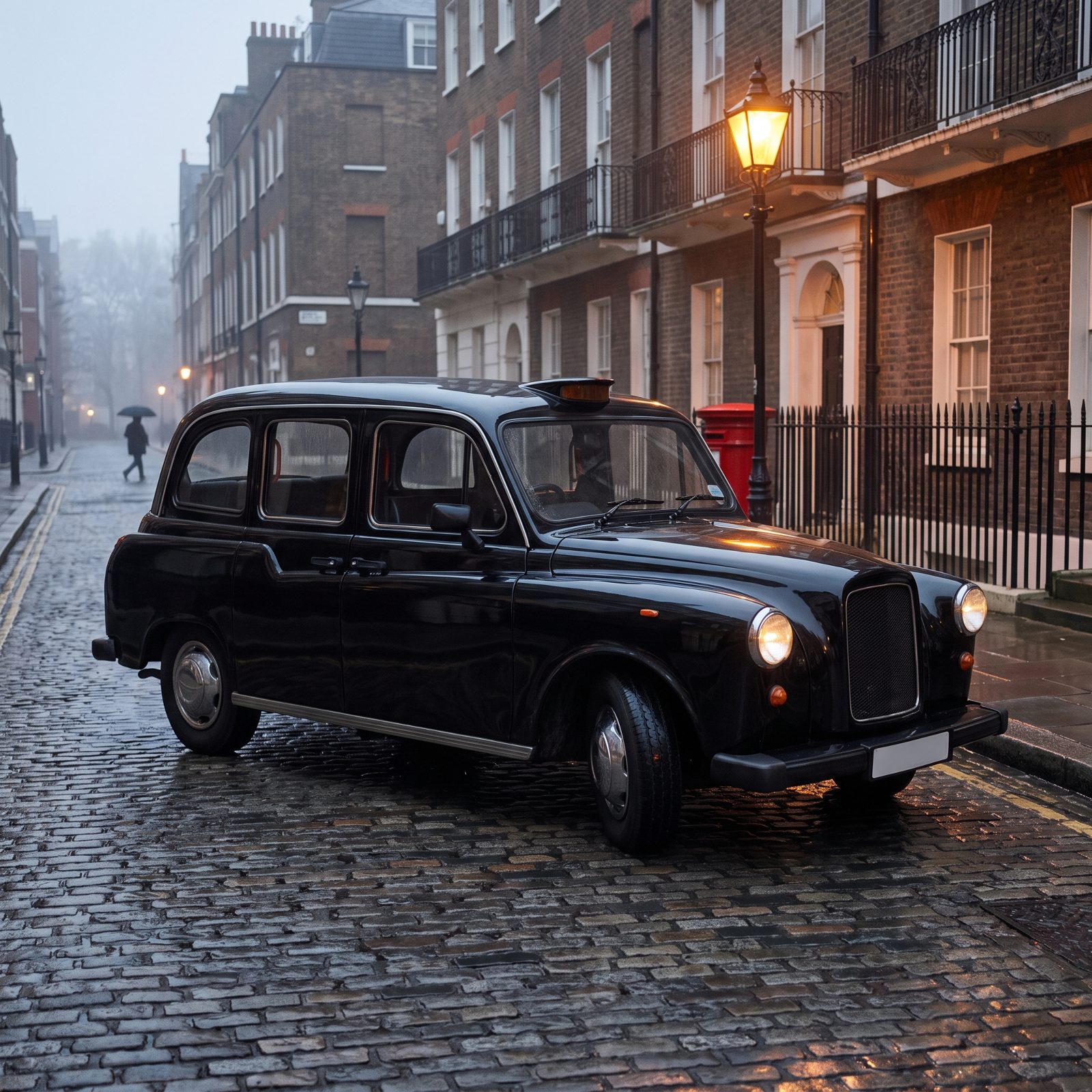
Every London cab had to turn a circle barely wider than a courtyard. The rule traces back to the roundabout at the Savoy Hotel, and the FX4, built from 1958 well into the 1990s, met it with a steering lock that could spin the cab almost in its own length.
That high roof wasn’t styling. Regulators assumed a gentleman would keep his bowler hat on, so the doors and ceiling were cut tall enough to allow it. And the flat platform beside the driver? It swallowed steamer trunks, back when people actually traveled with trunks.
Modern sat-nav and wide ring roads made the tight-turn obsession feel quaint. The cab still turns on a sixpence anyway, because the rule never went away.
20. Jeep Dispatcher DJ-5: The Mail Jeep That Put the Wheel on the Wrong Side
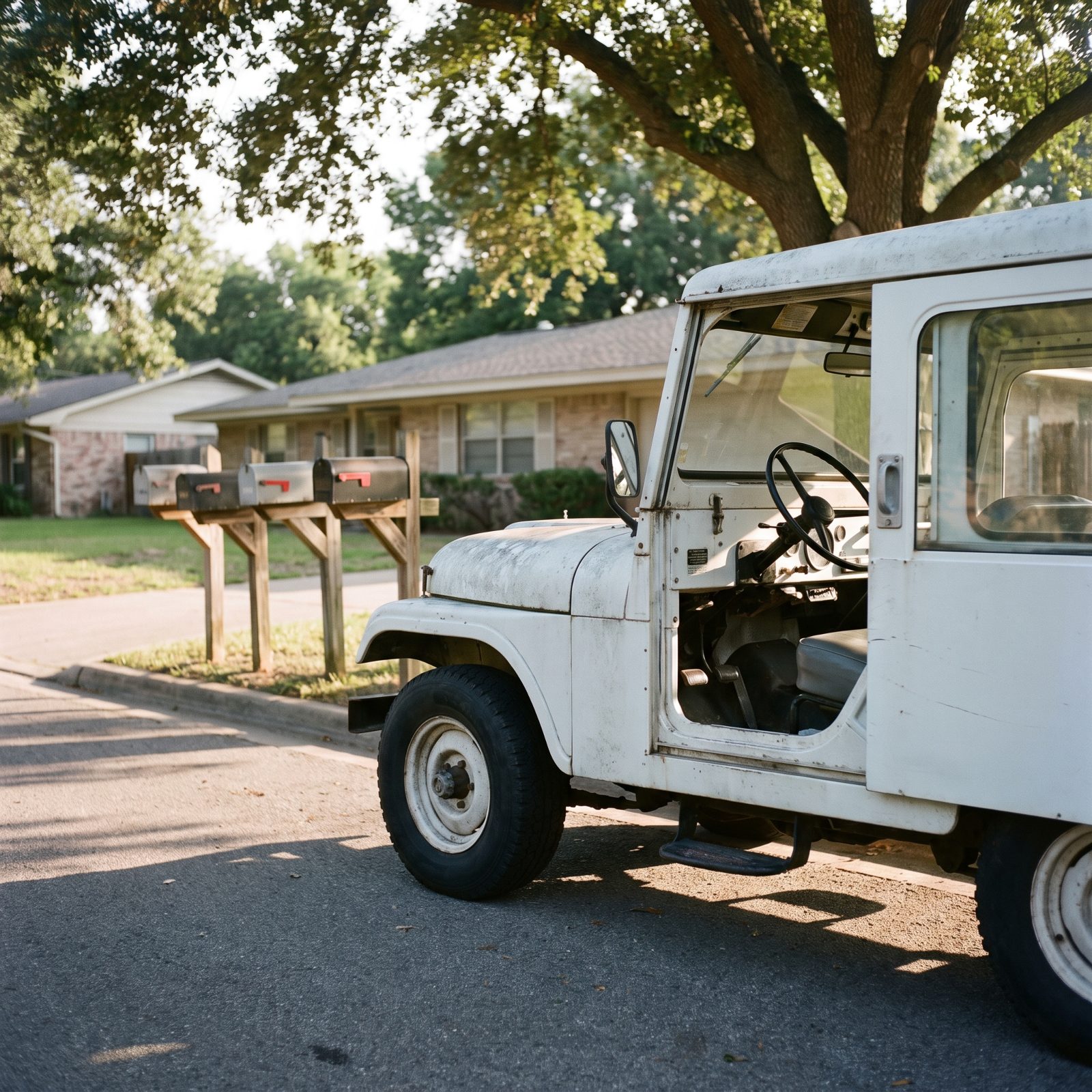
Pull up to a curbside mailbox in a left-hand-drive car and you’re reaching across the whole cabin, or climbing out, hundreds of times a day. The Post Office hated that math. So the Jeep DJ-5 Dispatcher moved the steering wheel to the right, right next to the box, with a sliding door the carrier could work without even looking over.
It was a two-wheel-drive Jeep, cheap and simple, built to idle up and down the same streets for years. The right-hand drive made it look imported. It was anything but.
19. Divco Milk Truck: Designed So the Driver Could Run It Standing Up
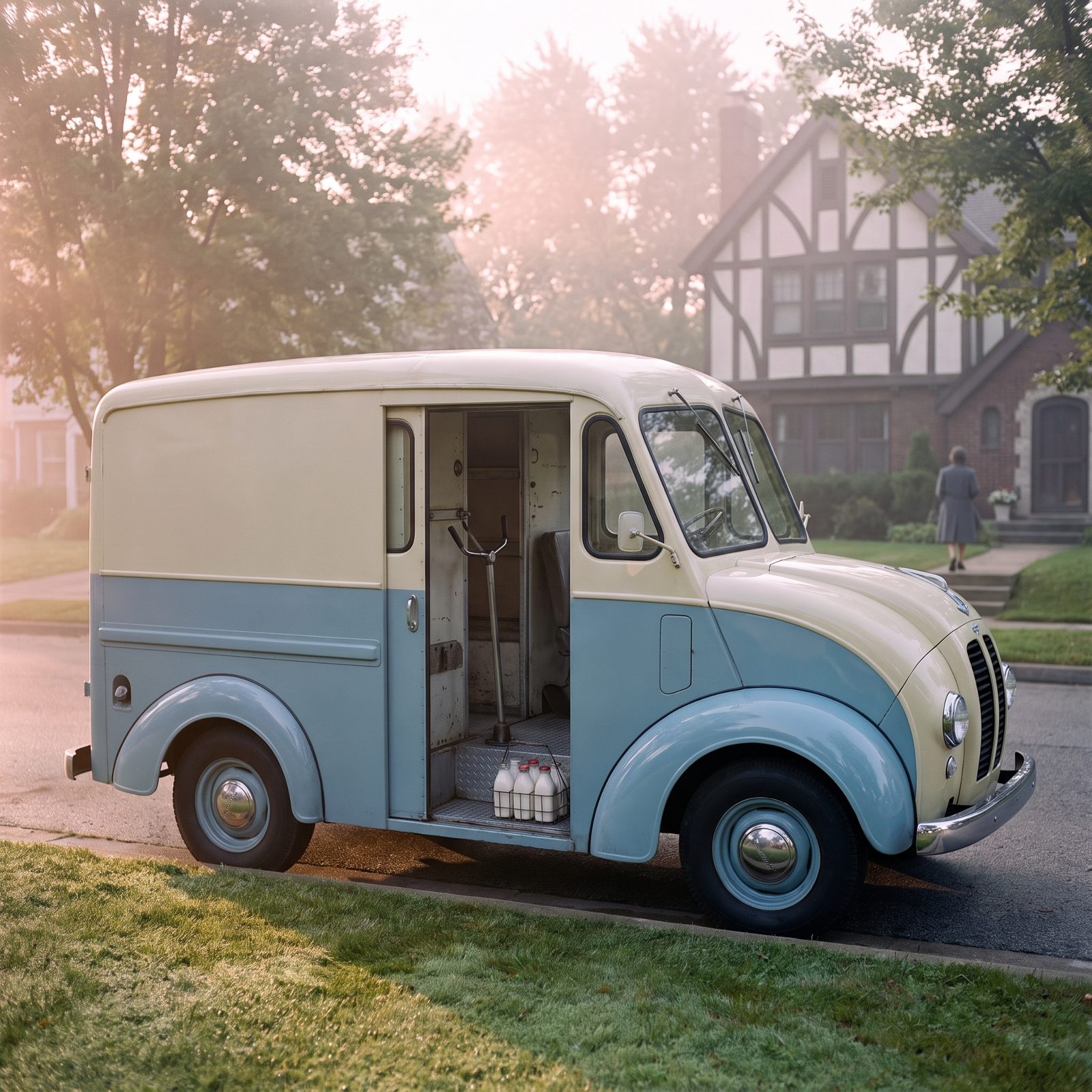
The Divco is the truck in everyone’s memory of milk arriving before the sun did. Its whole design served one problem: a driver who stopped every hundred feet and couldn’t spend all morning sitting down, standing up, sitting back down.
So Divco built it to be driven on your feet. You could pilot it from the seat or standing, controls reachable either way, doors on both sides so you grabbed the bottles and went. That rounded nose became a familiar sight without anyone trying.
Home delivery dried up once refrigerators got big and supermarkets got close. The truck that lived for the daily doorstep had nowhere left to stop.
18. International Metro Van: The Delivery Box That Served the Corner Before the Supermarket
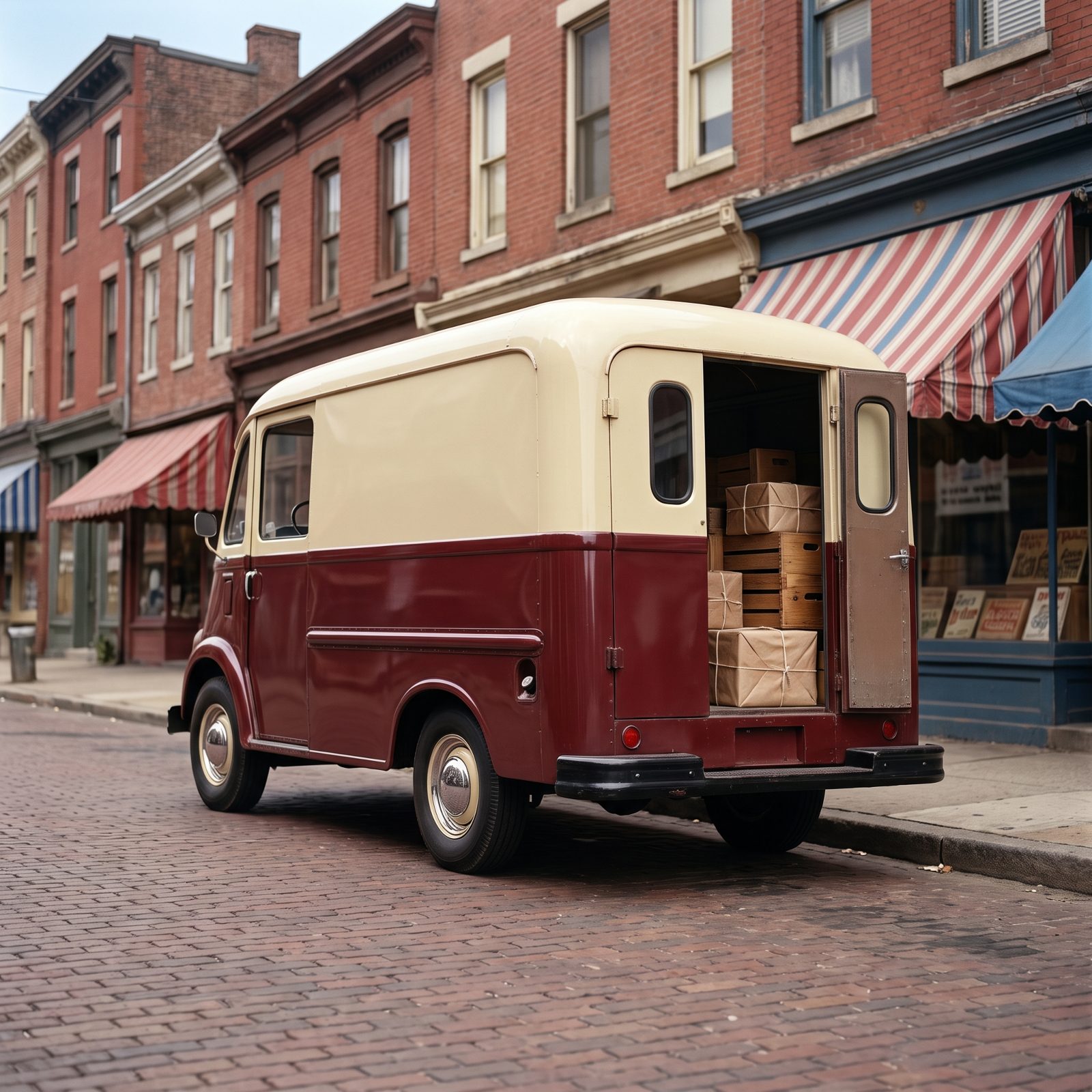
Before you drove to a supermarket, the goods came to you. Bakeries, hardware stores, laundries, groceries, all of them ran delivery routes, and the International Metro was the tall square workhorse that carried the lot.
It was a walk-in box on a truck chassis, easy to load, easy to step through, cheap to run on short city routes. The rounded cab up front softened an otherwise all-business shape.
Then shopping centralized. People started loading their own trunks in a parking lot, and the fleet of little vans that once stitched a neighborhood together simply stopped making the rounds.
17. Chevrolet Corvair Greenbrier: Compact Cargo Hauling Before Front-Wheel Drive Made It Easy
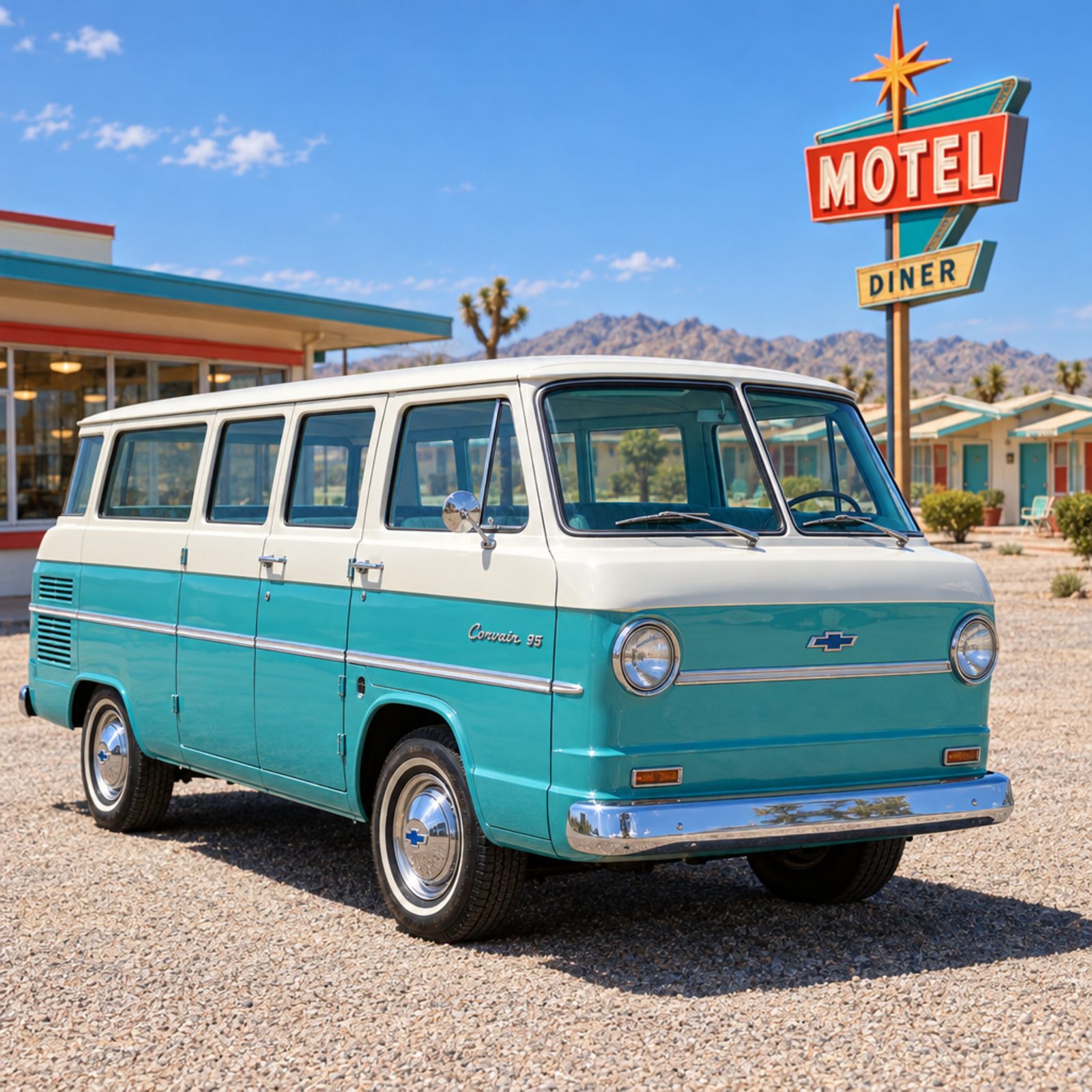
Flat cargo floors and front-wheel drive go together now, but in 1961 nobody built a small American van that way. Chevrolet got there sideways by putting the Corvair’s air-cooled engine out back and sliding the cab all the way forward.
The result was the Greenbrier: a flat-floored, roomy little hauler with the driver sitting over the front wheels and nothing in the way. Tradesmen and campers loved what it fit into such a small footprint.
16. Volkswagen Rabbit Pickup: A Truck Small Enough to Actually Save Gas
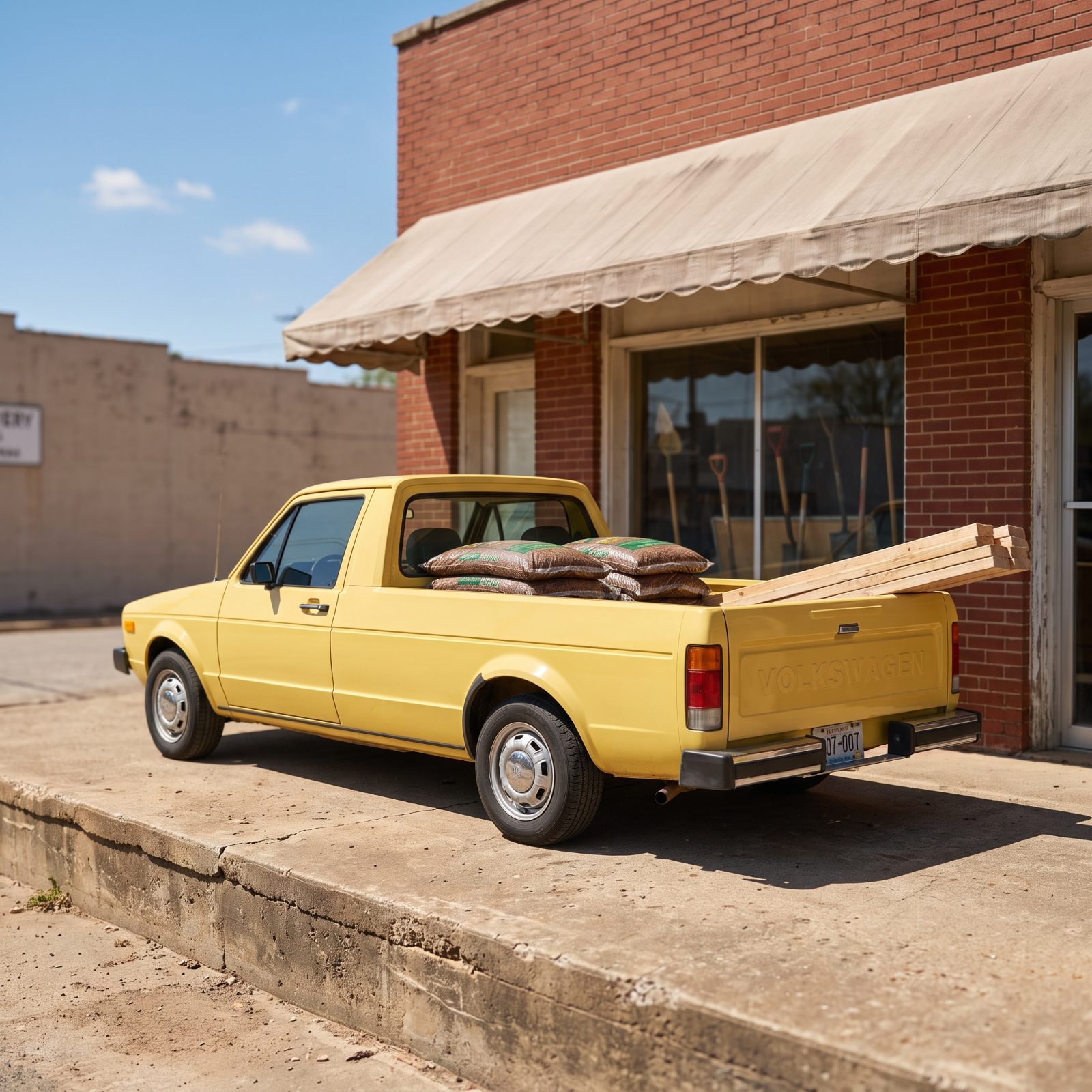
The late 1970s fuel crunch left pickup buyers in a bind. Trucks were big, thirsty, and built for payloads most owners never carried. Volkswagen took its front-drive Rabbit, chopped the back off, and handed buyers a pickup that sipped instead of guzzled.
Tiny, honest, car-easy to drive. The diesel option returned mileage numbers a full-size truck could only dream about, and those crisp folded-paper lines looked sharp parked at the lumber yard.
Compact trucks eventually bulked up into the mid-size rigs we have now. The genuinely small pickup, the one you bought because gas scared you, basically vanished.
15. Subaru BRAT: Two Plastic Seats in the Bed to Dodge the Chicken Tax
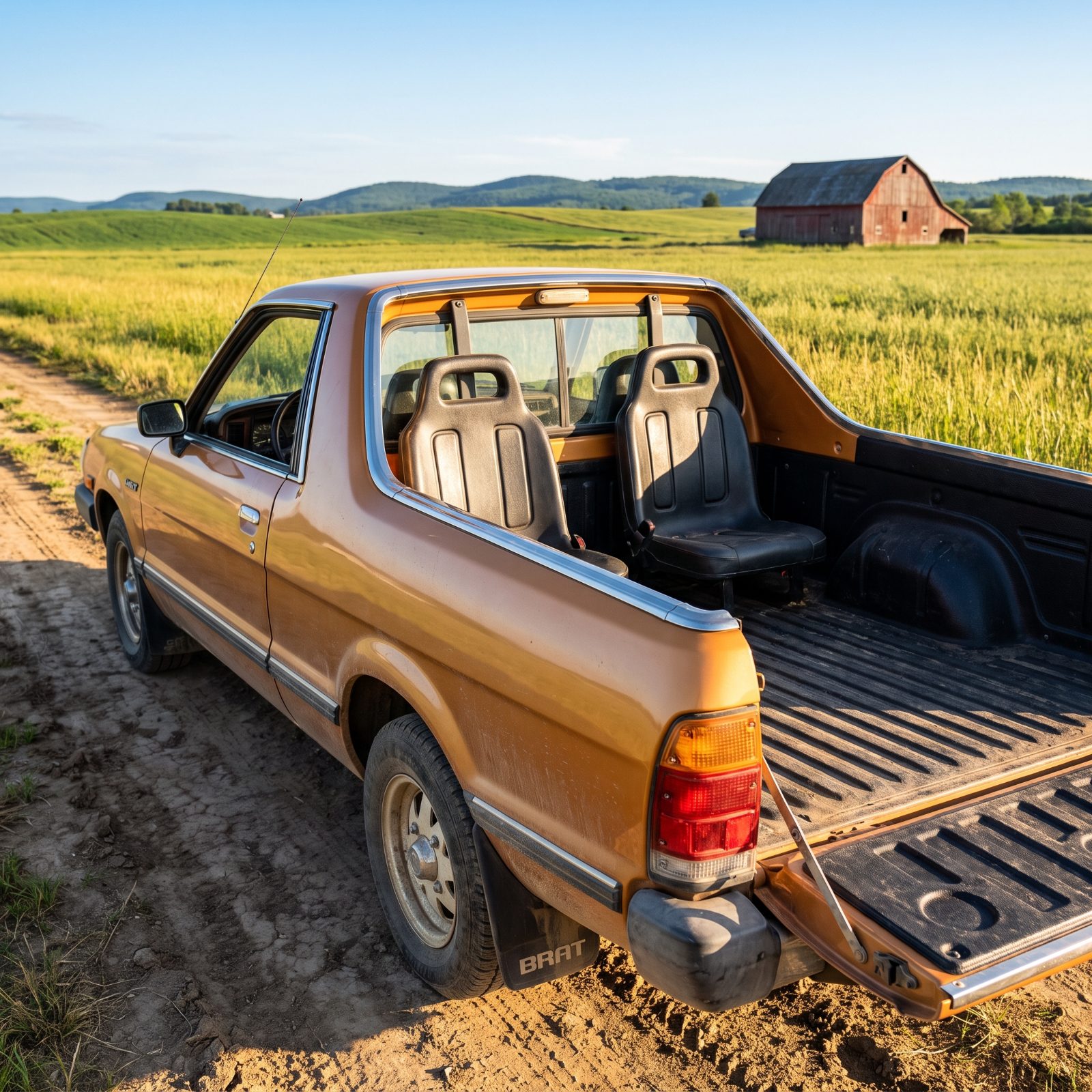
The oddest feature on any 1970s small truck was a pair of plastic seats bolted into the cargo bed, facing backward, complete with carpet and grab handles. They weren’t for comfort. They were for customs.
America slapped a 25 percent tariff on imported light trucks, a leftover from a 1960s trade spat over chicken. Subaru’s workaround was cheeky: bolt passenger seats into the bed, and the BRAT counted as a car rather than a truck, skipping the duty entirely.
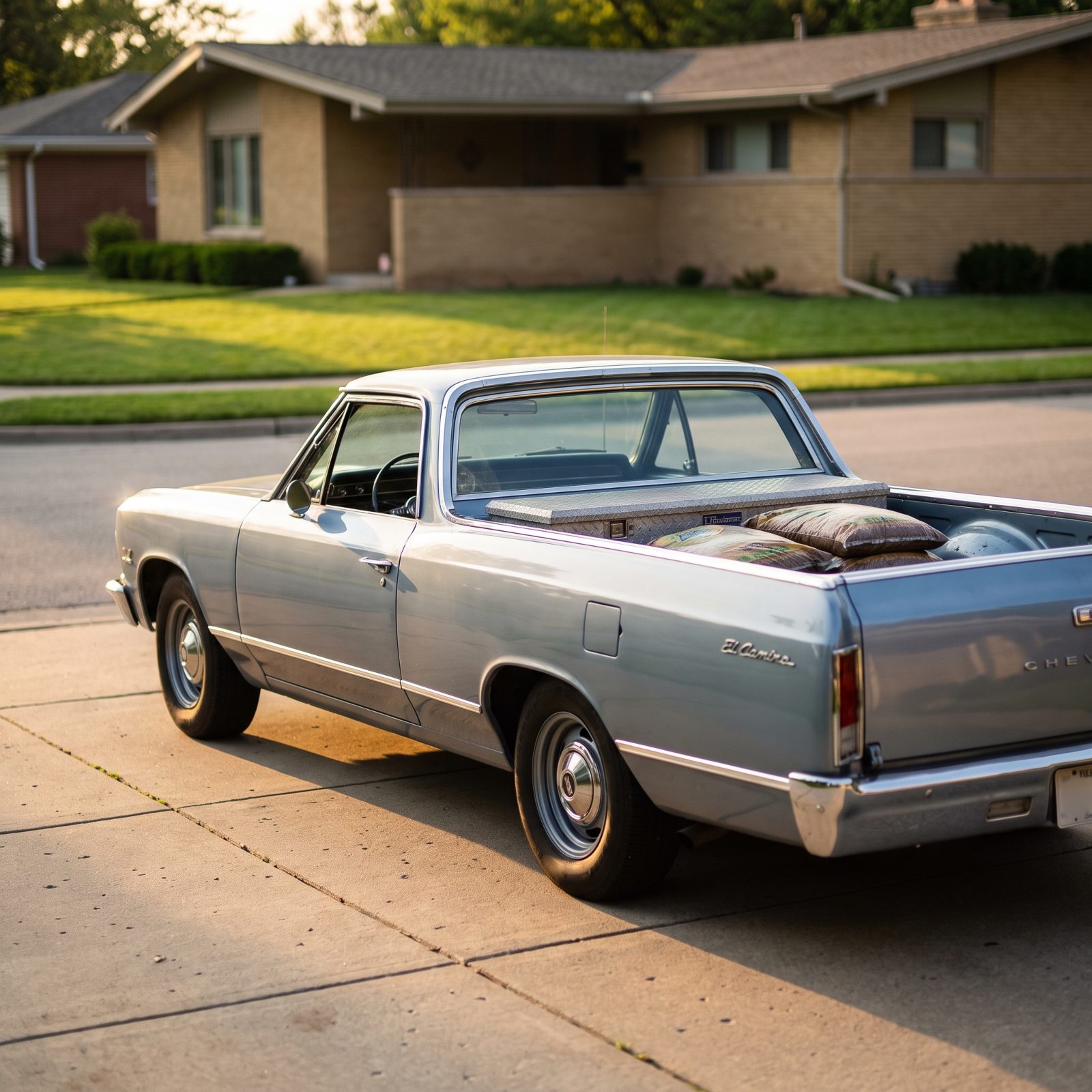
14. Chevrolet El Camino: A Work Bed and a Smooth Ride From the Same Vehicle
Would you like to save this?
Why own a stiff-riding truck for weekend chores and a sedan for the commute? Chevrolet’s answer was to glue the two together. The El Camino handed you a car’s front half and a pickup’s open bed behind the seats.
It rode like a Chevelle, cornered like one, and still hauled mulch, tools, or a motorcycle come Saturday. For a tradesman or a homeowner who wanted one vehicle to do both jobs, that compromise made real sense.
Crew-cab pickups eventually got comfortable enough to be daily drivers, and the car-truck hybrid lost its reason to exist. For a while, though, it was the most sensible thing in the driveway.
13. Oldsmobile Vista Cruiser: Hauling the Whole Clan Before the Minivan Existed
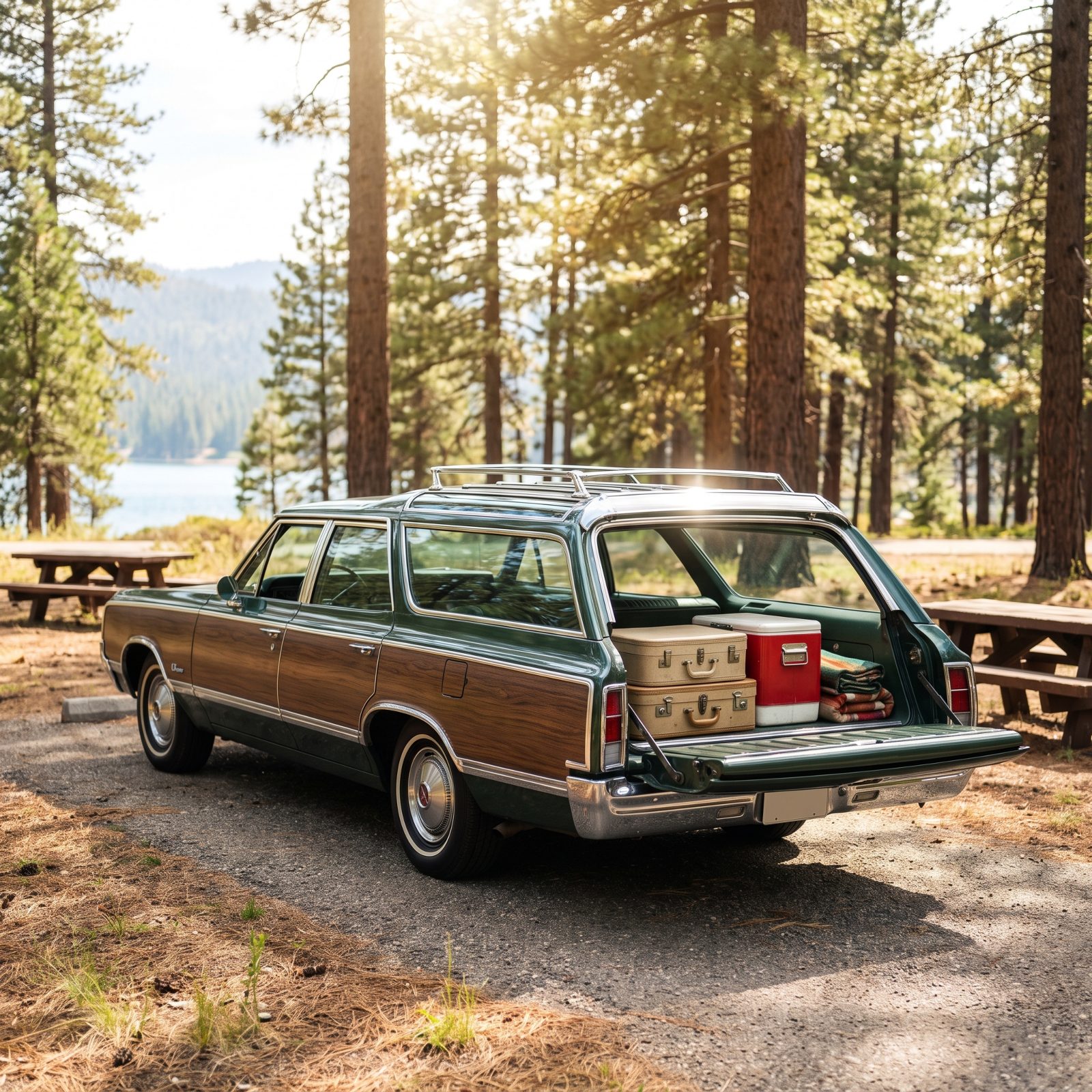
Big families in the 1960s had one practical choice, and it stretched nearly the length of the driveway. The Vista Cruiser carried everyone on a third-row seat, swallowed a cavernous cargo hold, and threw in that signature raised glass roof over the back so the kids could watch the sky scroll by.
It moved people before the minivan was even a sketch. You loaded it until the rear sagged and pointed it at a lake somewhere.
12. Volkswagen Thing: Simple Utility for Owners Expected to Repair Their Own Cars
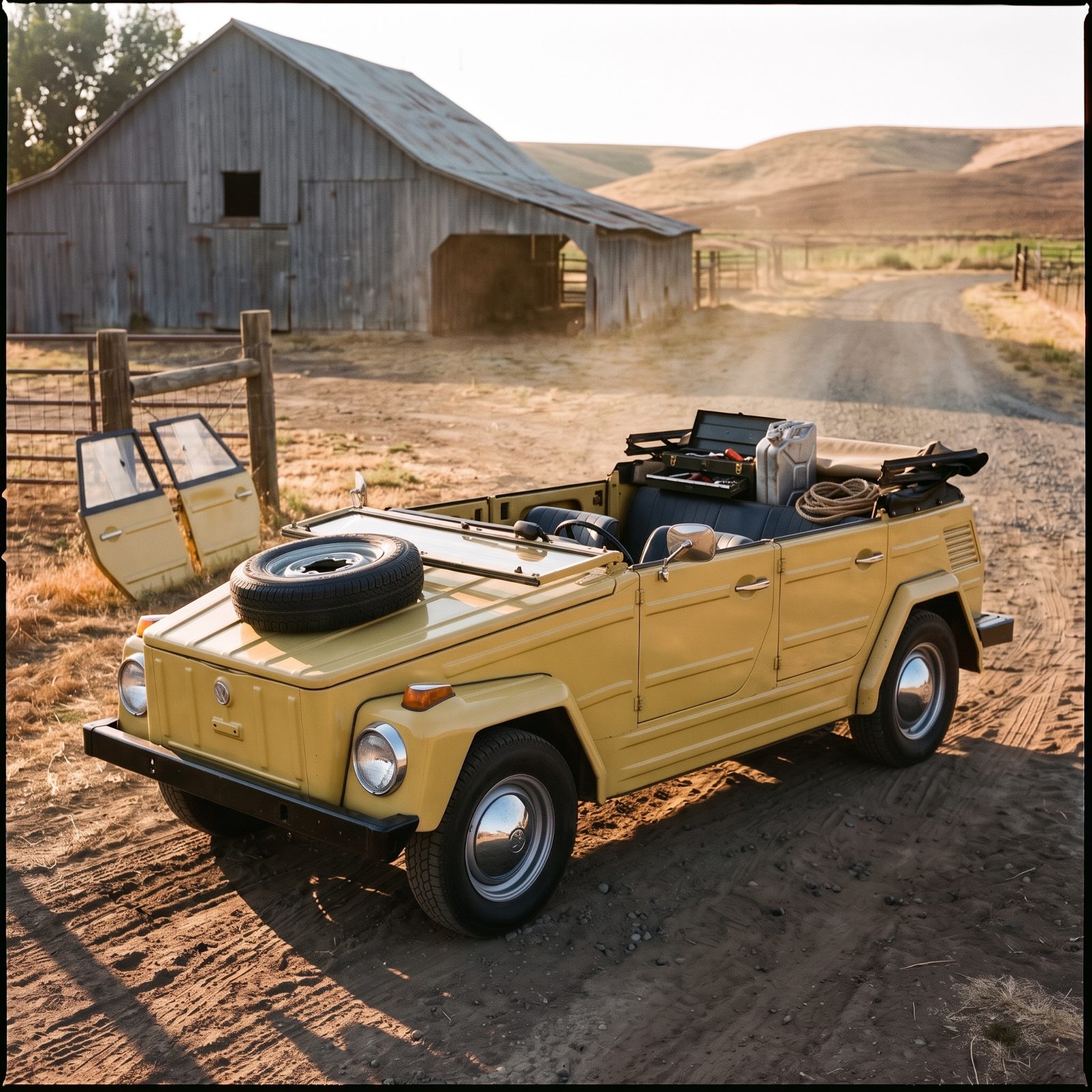
Nothing about the Thing pretended to be more than it was. Flat panels you could hammer back into shape with a rubber mallet, doors that lifted off, a windshield that folded down onto the hood. The whole car was built on the logic that whoever owned it would also be the one lying under it on a Saturday.
Volkswagen borrowed the bones from the Kübelwagen and the Beetle, so the air-cooled flat-four needed no radiator, no coolant, and no sympathy. You adjusted the valves with a feeler gauge and a wrench from the glovebox. Parts were cheap and interchangeable, and that was the whole deal.
That expectation — that a driver could and would fix his own car — has mostly vanished. Pop a modern hood and you get a plastic shroud and a warning label. The Thing handed you the engine and trusted you to sort it out.
11. Volvo 240: Protecting Occupants Before Modern Crash Standards Became Universal
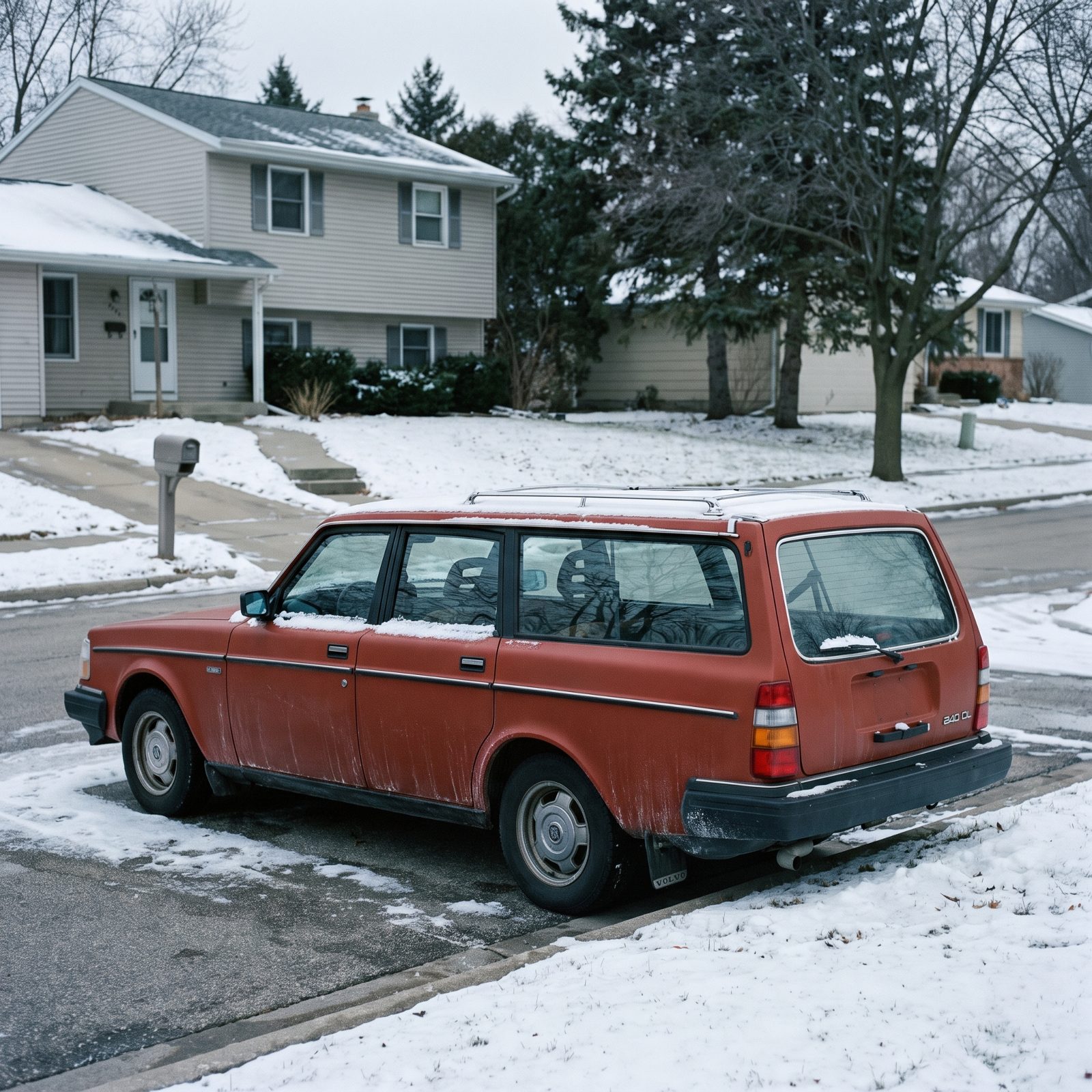
The 240 looked like a filing cabinet and crashed like a vault. Volvo built it around a safety cage, crumple zones, and those slab bumpers back when plenty of cars still treated the steering column as a spear aimed at your chest.
It became the default car of the cautious parent, and for good reason. Side-impact beams. Three-point belts standard everywhere. A dashboard that wouldn’t open your face. The thing was earning its reputation in crash tests before the government demanded much of anything.
Every car does this now — airbags, stability control, crumple engineering baked into the cheapest econobox on the lot. But the 240 proved a company could decide to protect you before the law forced its hand. It just looked spectacularly boring while doing it.
10. Mercedes-Benz W123 Diesel: Enduring Poor Fuel and Million-Mile Commercial Use
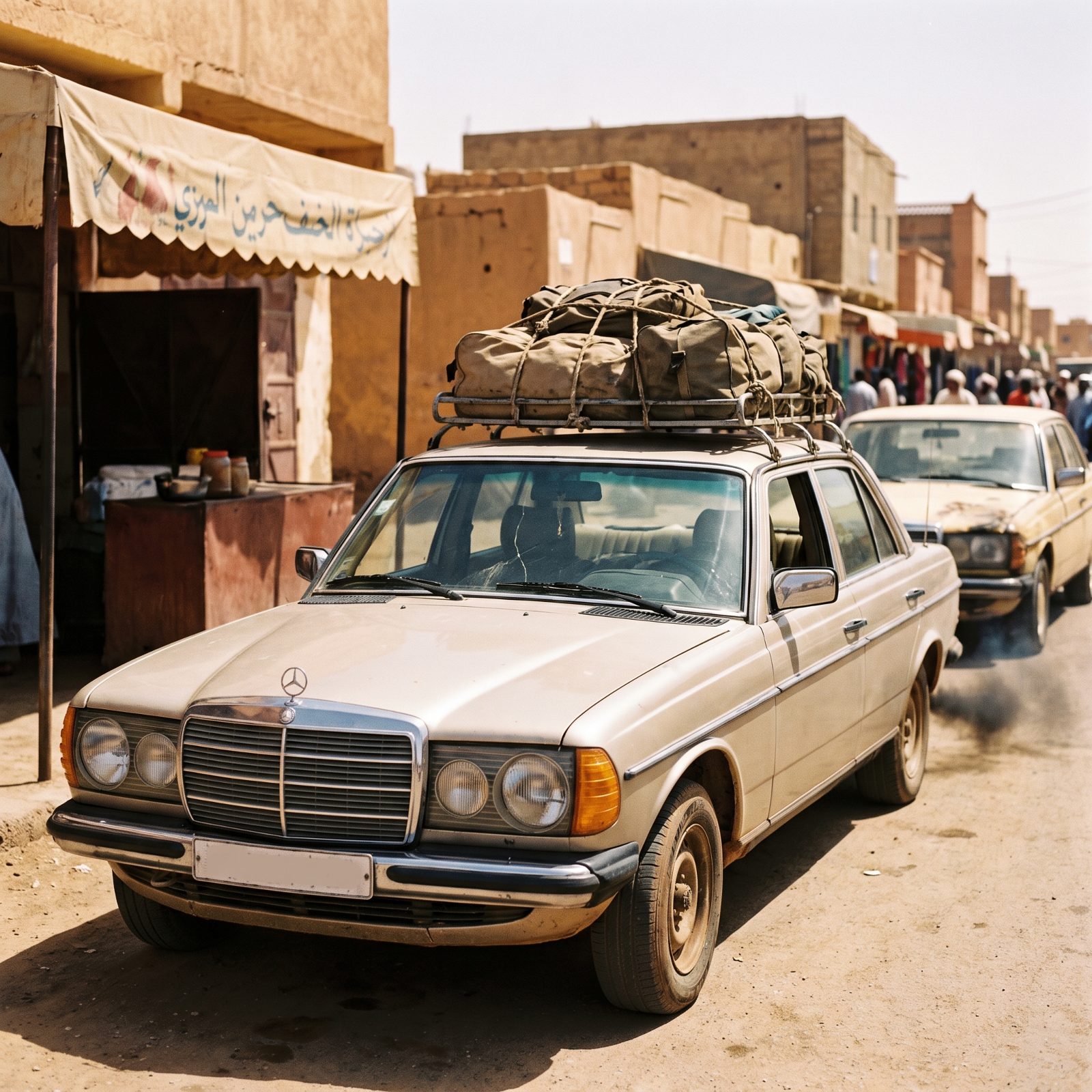
You still see them running. Taxis in Casablanca, farm haulers in the Balkans, odometers wrapped past the point where the numbers stopped meaning anything. The W123 diesel was built to survive fuel that would choke a modern engine and workloads that kill most cars inside a decade.
The OM617 five-cylinder was slow, loud, and nearly impossible to destroy. It ran on whatever came out of the pump, forgave neglect, and kept going well past half a million miles in a working taxi. Mercedes over-built it on purpose, back when the badge meant engineering stubbornness rather than a lease payment.
Clean fuel and emissions rules eventually made this kind of brute simplicity impossible. The W123 belongs to a window when a car was expected to outlive its owner.
9. Cadillac Hearse-Ambulance Combination: Serving Towns That Could Fund Only One Specialty Vehicle
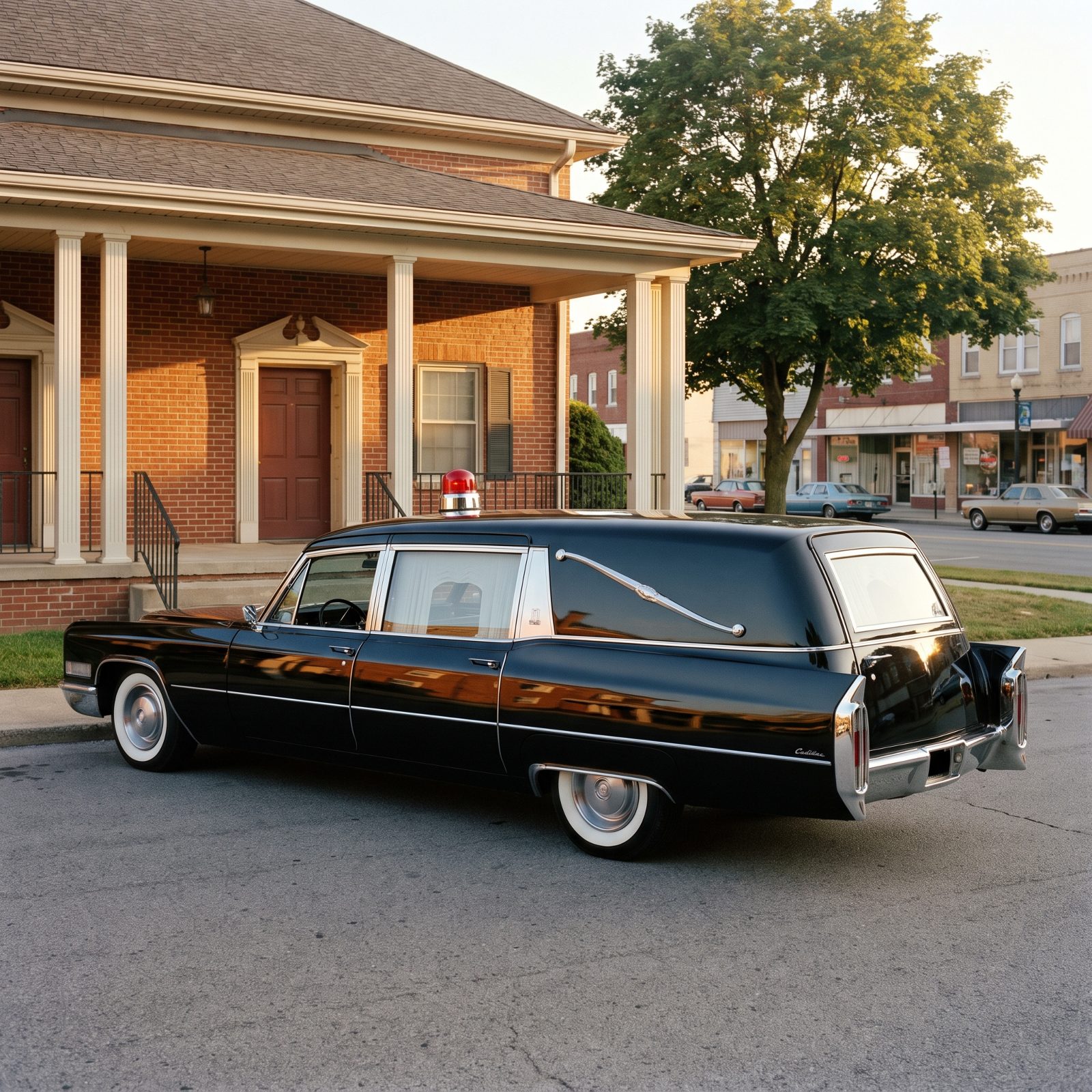
Small towns had a grim math problem. A hearse sat idle most days, and an ambulance couldn’t pay for itself either, so the local funeral home often ran both out of the same long Cadillac.
The combination car — “combo” for short — could carry a casket one afternoon and a patient the next. Same coach-built body, same stretched chassis, a red beacon that clicked on when the job changed. The undertaker was frequently the town’s ambulance service too, which is as strange and as practical as it sounds.
Then federal standards in the 1970s raised the bar for ambulances, demanding height and equipment a car body just couldn’t provide. The combo died quietly. These days the two jobs are so separate it’s hard to picture them ever sharing a tailgate.
8. Nash Metropolitan: A Second Car for Short Urban Errands Before Compact Hatchbacks
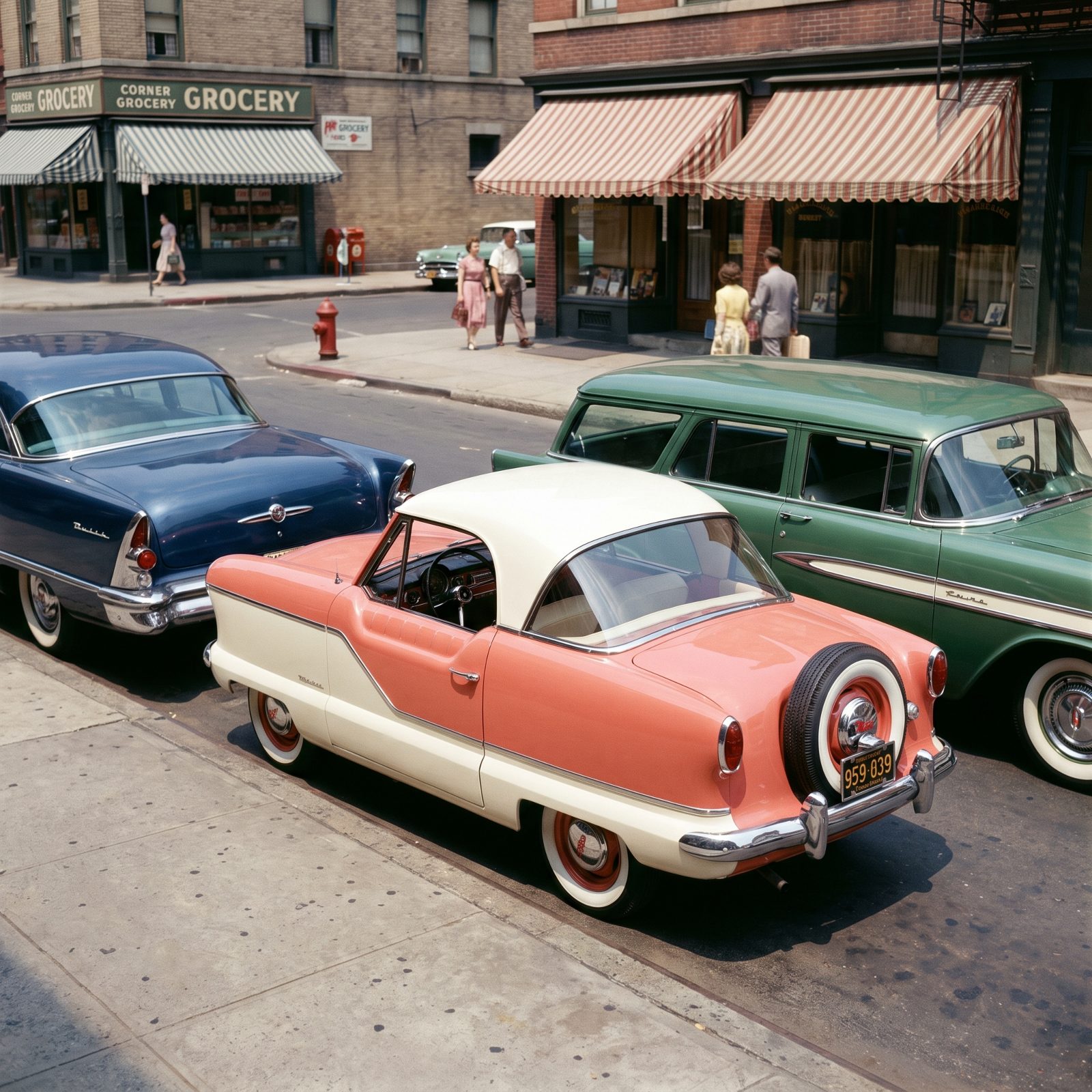
It looked like a car that had been washed too hot. Tiny, two-tone, and built for exactly one job: the short trip. Groceries, the post office, the school run — anything that didn’t justify firing up the family’s big sedan to haul one person four blocks.
Nash sold it as the second car before “second car” was even a household idea, and decades before a Honda Civic hatchback made small-and-sensible feel normal. Built in England on Austin mechanicals, it sipped fuel and slotted into parking spots the land yachts couldn’t dream of.
The compact hatchback eventually did everything the Metropolitan did, better and cheaper. The little Nash just got there first — cheerful, undersized, and early.
7. Volkswagen Karmann Ghia: Offering Exotic Looks When Sports Cars Were Expensive and Fragile
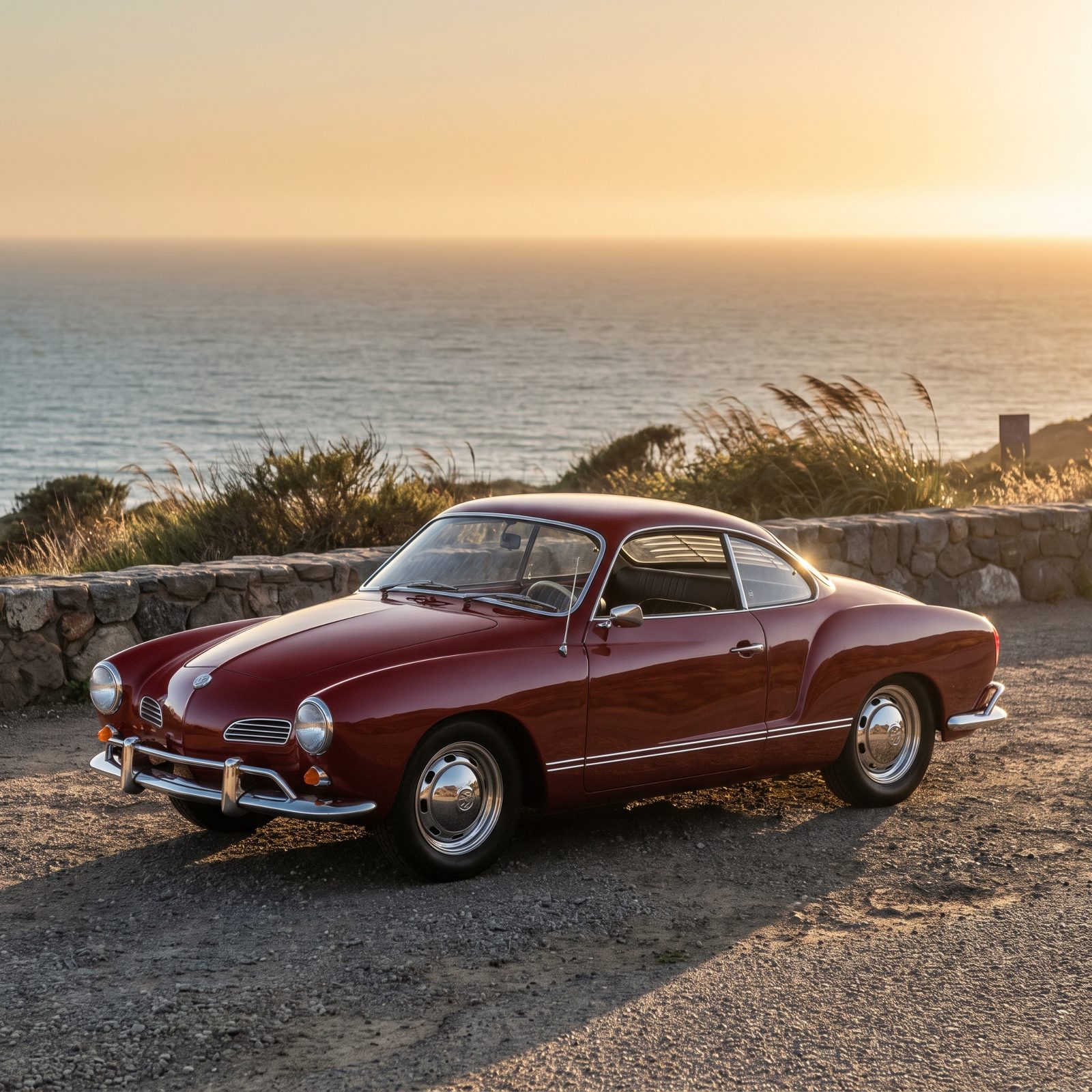
Everyone thought it cost a fortune. The Karmann Ghia wore the silhouette of an Italian coach-built exotic — low nose, sculpted hips — and underneath it hid the humble, bulletproof Beetle.
That was the trick and the gift. In an era when a real sports car meant Italian unreliability and a British electrical system that caught fire for sport, the Ghia handed you the look without the heartbreak. Air-cooled flat-four, cheap parts, nothing to overheat or leak. It wasn’t fast. Never claimed to be.
You bought it to feel like you were driving something special on a Tuesday, and to still make it home that night. That gap between the gorgeous shape and the sturdy guts closed once reliable sports cars became ordinary. The Ghia filled it beautifully while it lasted.
6. AMC Eagle Wagon: Giving Snow-Belt Families Four-Wheel Drive Before Crossovers
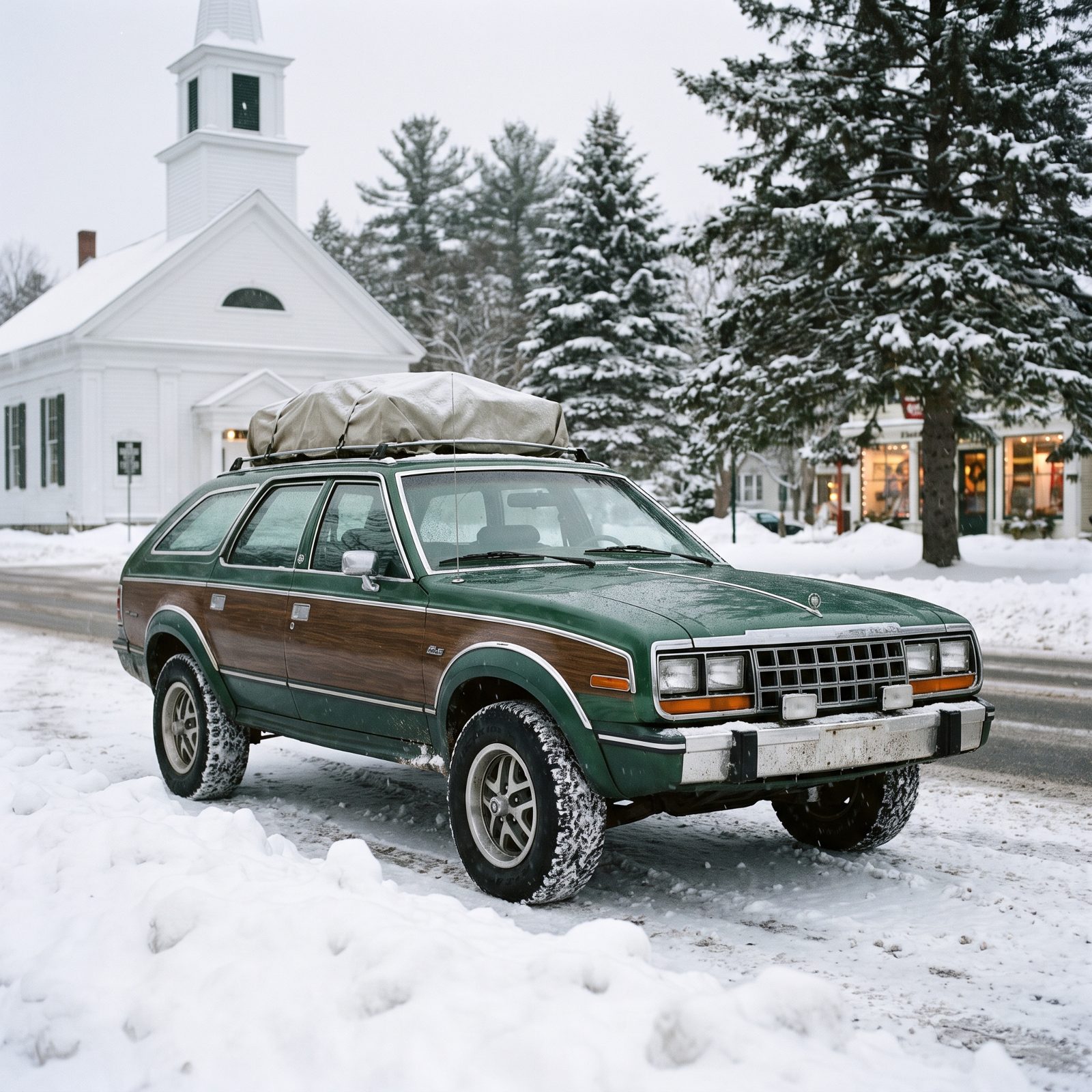
The Eagle solved a problem nobody had a name for yet. Families in the snow belt wanted a car that could claw up an icy driveway without turning into a truck. AMC raised a regular wagon, bolted in full-time four-wheel drive, and quietly invented the crossover a quarter century early.
It rode tall on all-terrain tires with woodgrain down the sides, like a station wagon that had been to the gym. The viscous-coupling system shoved power wherever the grip was, automatically, no levers to yank.
Vermont loved it. So did anyone who’d ever been stuck at the bottom of a hill in February.
5. Suzuki Samurai: Reaching Narrow Trails That Modern SUVs Barely Fit
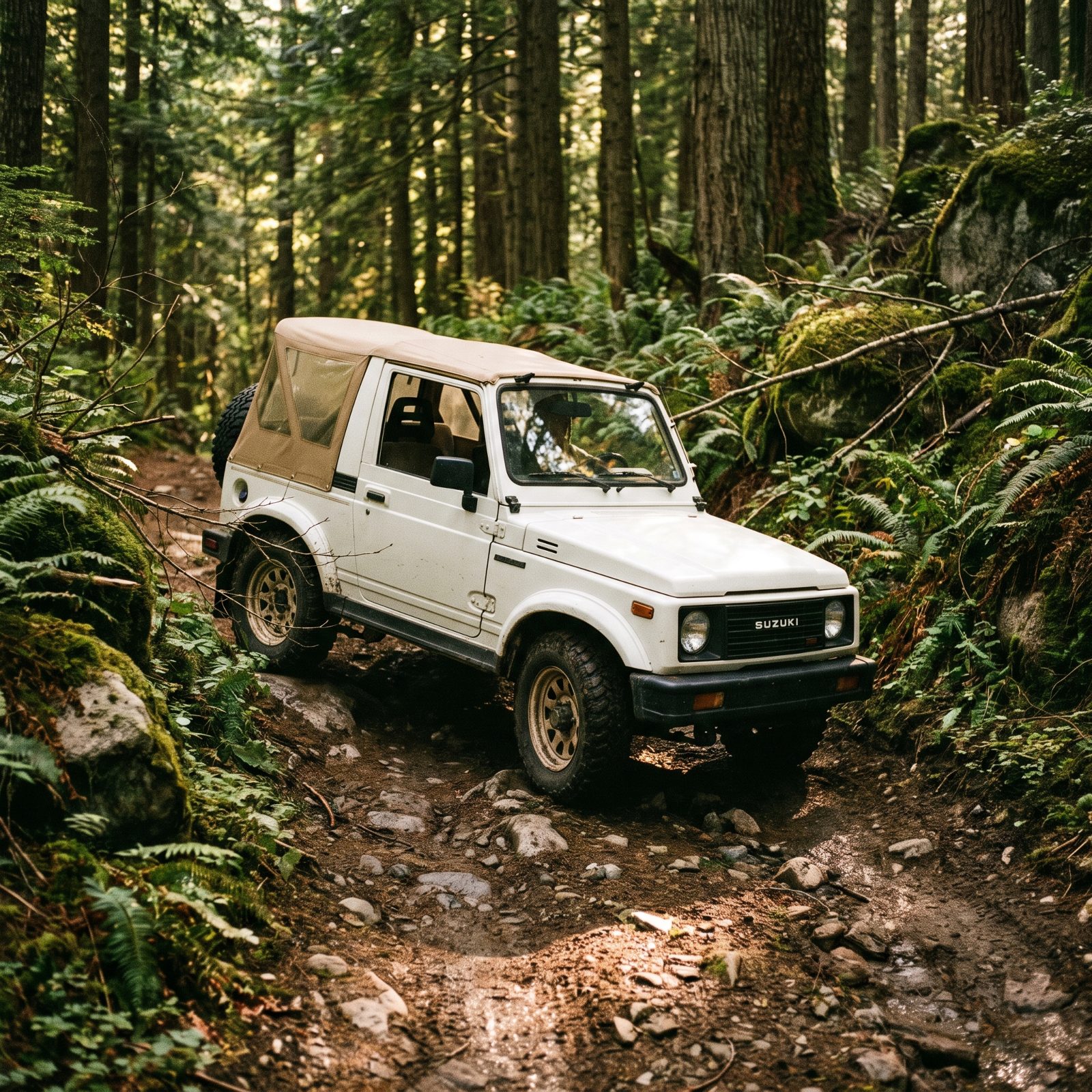
The Samurai went places that width took away. Tiny, light, and narrow enough to thread old logging trails and goat paths where a modern full-size SUV would wedge itself tight and simply give up.
The smallness was everything. A short wheelbase cleared crests that would leave a longer truck beached. Light weight let it float over mud instead of sinking. Add a rock-simple ladder frame and low gearing and you had a mountain goat with a steering wheel.
Today’s off-roaders are enormous — screens, air suspension, running boards that scrape on the first real rock. The Samurai reached the tight spots by refusing to be big in the first place. Good luck repeating that trick now.
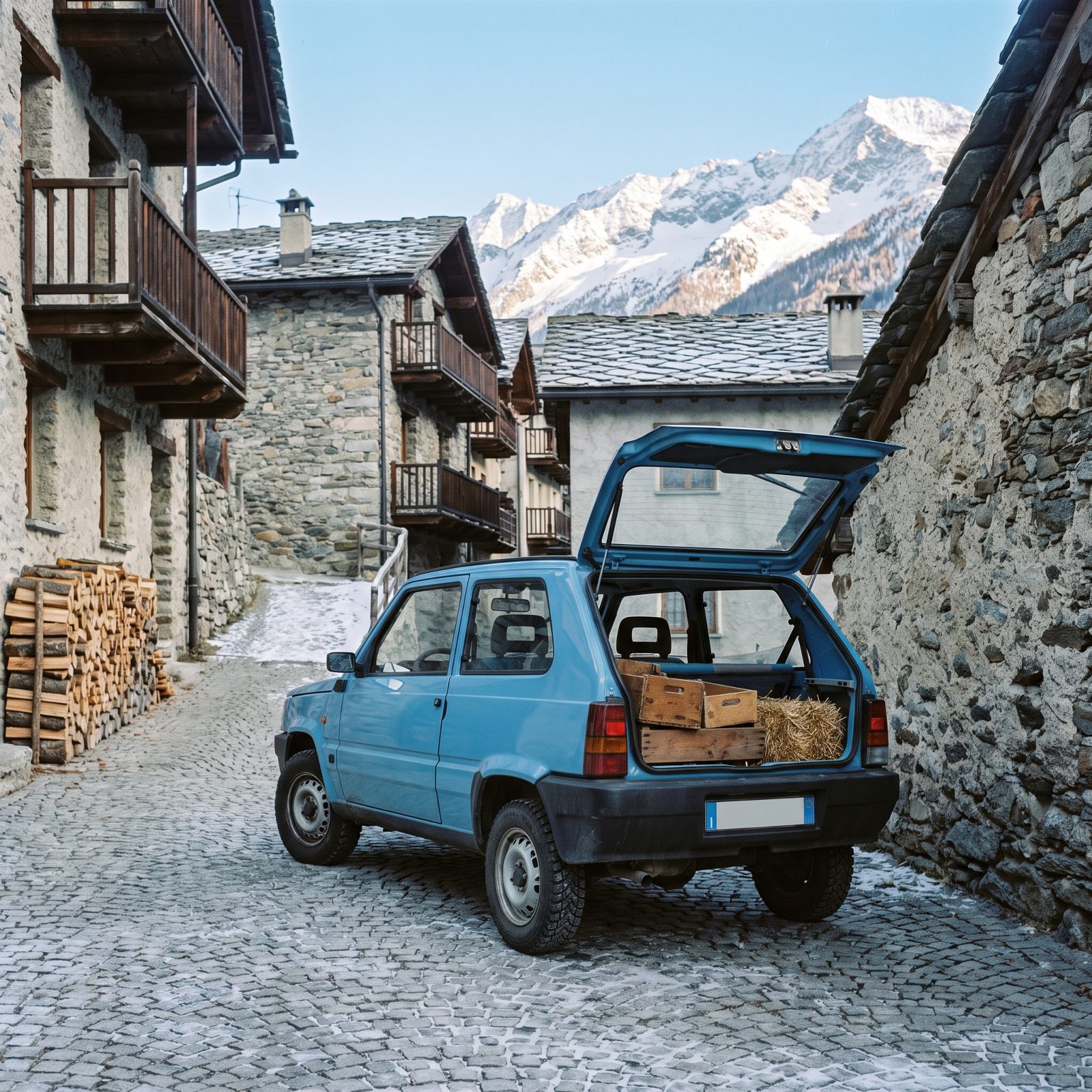
4. Fiat Panda 4×4: Serving Alpine Villages With a Tiny, Simple Four-Wheel-Drive Car
Would you like to save this?
Shepherds bought them. So did postal carriers, cheese makers, and anyone who lived up a goat track where the snow came early and stayed late. The Panda 4×4 was a shoebox with four driven wheels, and in the Alps it was close to perfect.
Giugiaro drew the Panda to be honest and cheap — flat glass, a hammock-style rear seat, nothing you couldn’t clean with a hose. Steyr-Puch added the four-wheel-drive gear. The result scrambled up grades that would stop a bigger vehicle, on a footprint that fit the medieval lanes.
It served a world of tiny villages and brutal roads that paved infrastructure has slowly erased.
3. Ford F-100 Camper Special: Carrying Slide-In Campers Before Purpose-Built RVs Proliferated
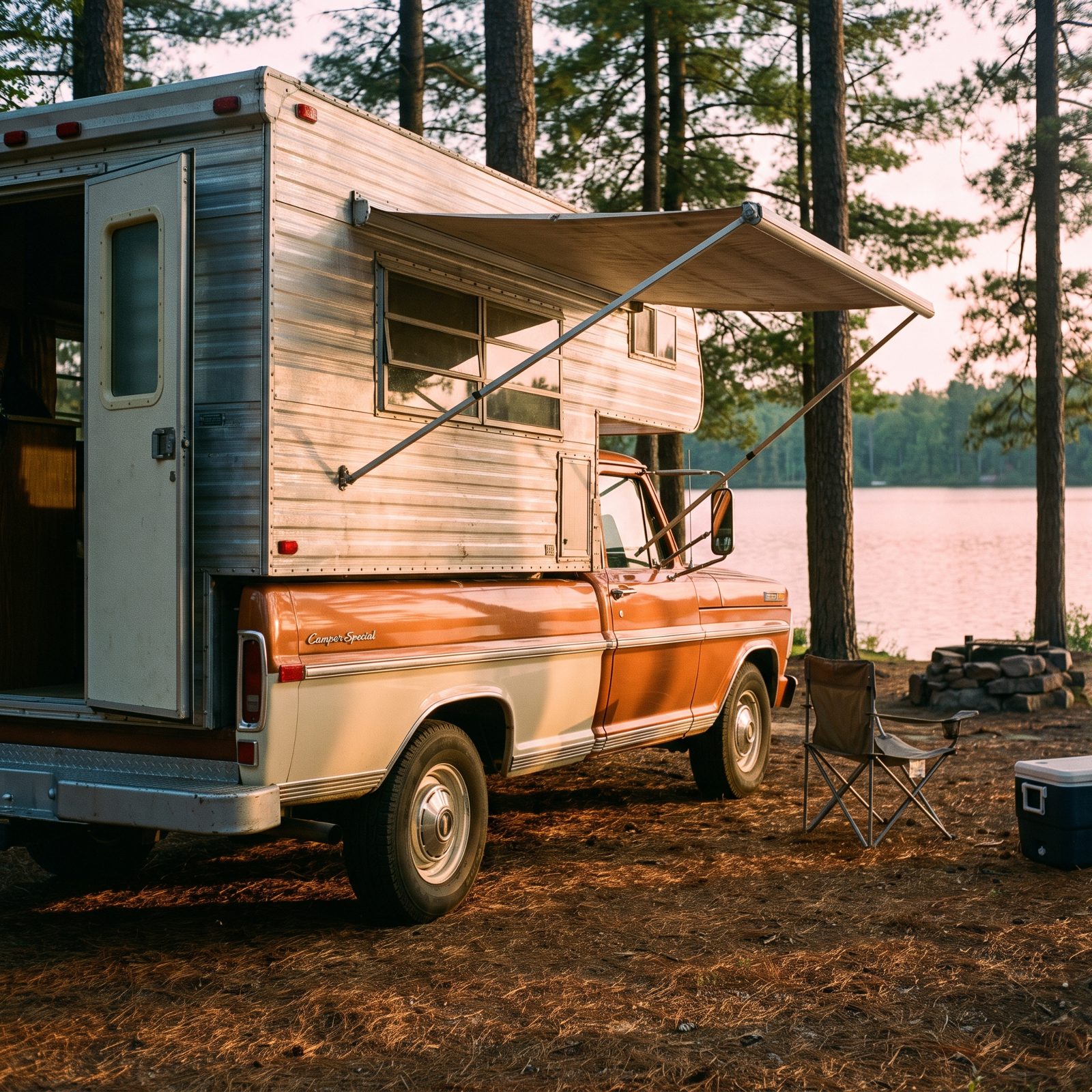
Before motorhomes rolled off assembly lines by the thousands, you built your own RV. You bought a pickup and dropped a camper box into the bed. The F-100 Camper Special was Ford’s answer to the families already doing exactly that.
It came with the stuff those loads demanded: heavier springs, bigger cooling, oversized mirrors to see past the bulging camper, extra wiring, a larger battery. A regular truck would sag and overheat under a loaded slide-in. This one was braced for it.
The beauty was flexibility. Camper off, you had a working truck for the other fifty weekends of the year. Purpose-built RVs eventually took over — nicer inside, useless for hauling gravel. The Camper Special did both, which is why the old ones still show up at the lake every summer.
2. Chevrolet Corvair Monza Spyder: Early Turbocharging That Kept Its Punch at Altitude
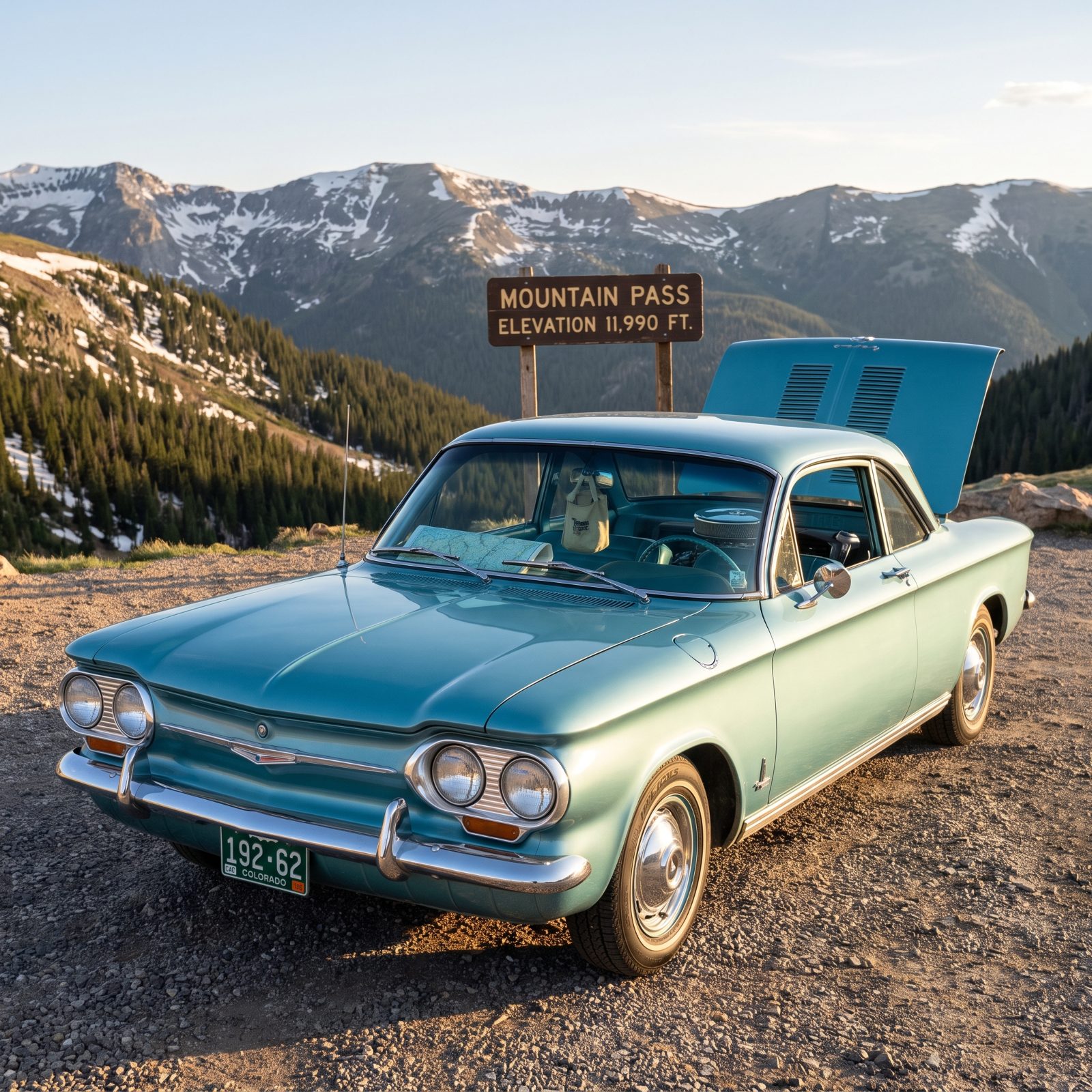
Drive an ordinary early-sixties sedan up a high mountain pass and you felt the engine quietly throw in the towel. Thin air meant less oxygen, and a plain carburetor had no answer for it, so power faded right when the grade turned mean. Anyone who ever hauled a loaded family car over the Rockies knows that sinking, pedal-mashed-to-the-floor feeling.
The 1962 Corvair Monza Spyder fought back. It bolted on a turbocharger, one of the first American production cars to do so, and that turbo crammed air back into the little air-cooled flat-six so the engine kept pulling where rivals gasped. Mountain drivers noticed right away.
Modern engines handle elevation without a thought. Fuel injection, electronic engine management, turbos on half the cars in any parking lot — a trip over the Continental Divide now costs you nothing but gas. The Spyder was wrestling bare-handed with a problem that computers eventually made invisible.
1. Honda City With Motocompo: A Folding Scooter That Lived in the Trunk
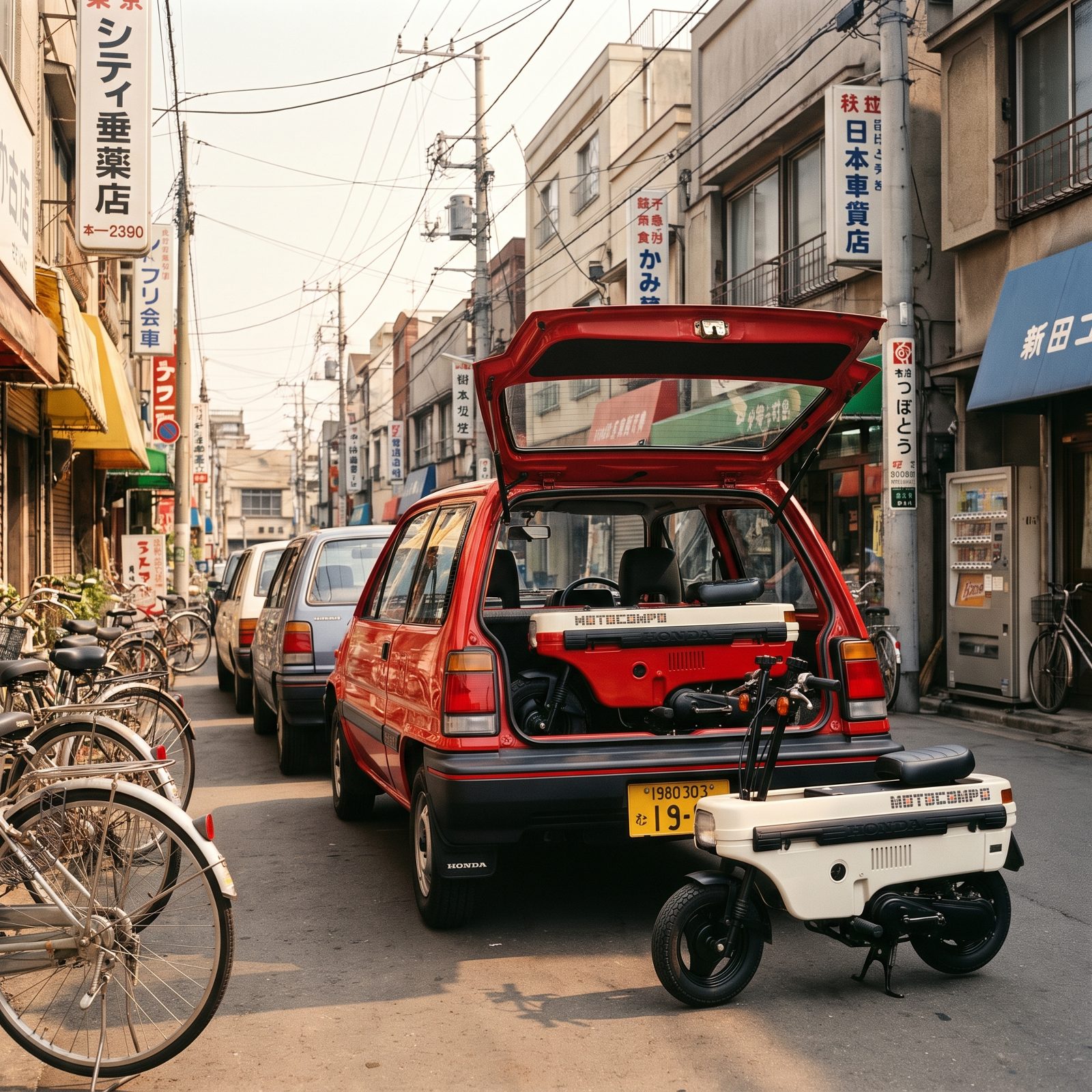
The problem was the last half-mile, and nobody had really solved it.
You could drive into a dense city easily enough, but then what? Parking always sat blocks from wherever you actually needed to be, and in crowded Japanese neighborhoods that final stretch on foot — often with bags cutting into your fingers — was the daily aggravation of city driving.
Honda’s answer in the early 1980s bordered on absurd, and I mean that as a compliment. They built the Honda City around a companion vehicle. The Motocompo was a folding scooter that collapsed into a tidy plastic box and slid right into the hatchback’s cargo bay. Park the car, haul out the scooter, ride the rest of the way. Simple.
- The scooter’s handlebars, seat, and footpegs all folded flush into its own body.
- The City’s cargo bay was dimensioned to swallow it exactly.
- One purchase, two vehicles, a genuine door-to-door solution.
App-summoned bikes, scooters docked on every corner, transit that drops you at the door — all of it has quietly erased the gap Honda was chasing. Phones solved the last mile instead of folding scooters. A shame, honestly. The Motocompo got there decades early and was far more charming about it.