
Would you like to save this?
Enzo Ferrari supposedly called the Jaguar E-Type the most beautiful car ever made, and he said it without checking the horsepower. That’s the thing about truly great car design: the excitement arrives through the windshield long before the brochure ever opens. Some cars sit dead still and still look like they’re doing ninety. Long hoods. Pinched waists. Rooflines pressed down like a thumbprint. These production machines earned your pulse the moment you saw them, no dyno chart required. Here’s how they pull it off, panel by panel.
26. Jaguar E-Type: The Hood That Seems to Stretch Forever
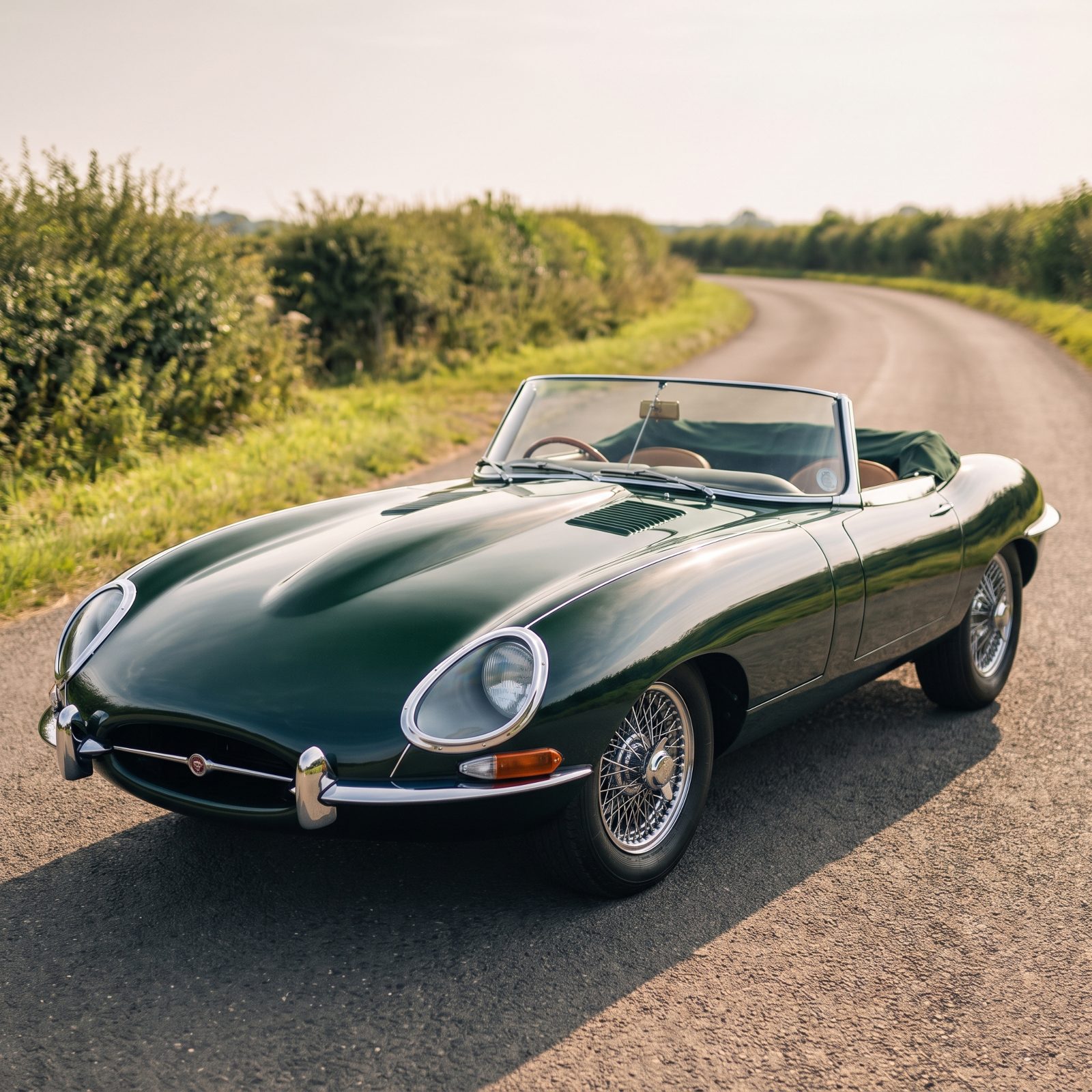
The nose is a lie, and a glorious one. Most of that endless bonnet covers air, not engine. But your eye doesn’t care about facts — it reads length as speed, and the E-Type’s hood runs on like a runway.
Jaguar dropped the cockpit far back over the rear wheels, which exaggerates everything: the faired-in headlamps under glass, the oval mouth no wider than a mail slot, the way the whole shape leans into a corner that isn’t there. It looks fast standing still in a parking lot in the rain.
25. Lamborghini Miura: A Shape That Looks Mid-Corner While Parked
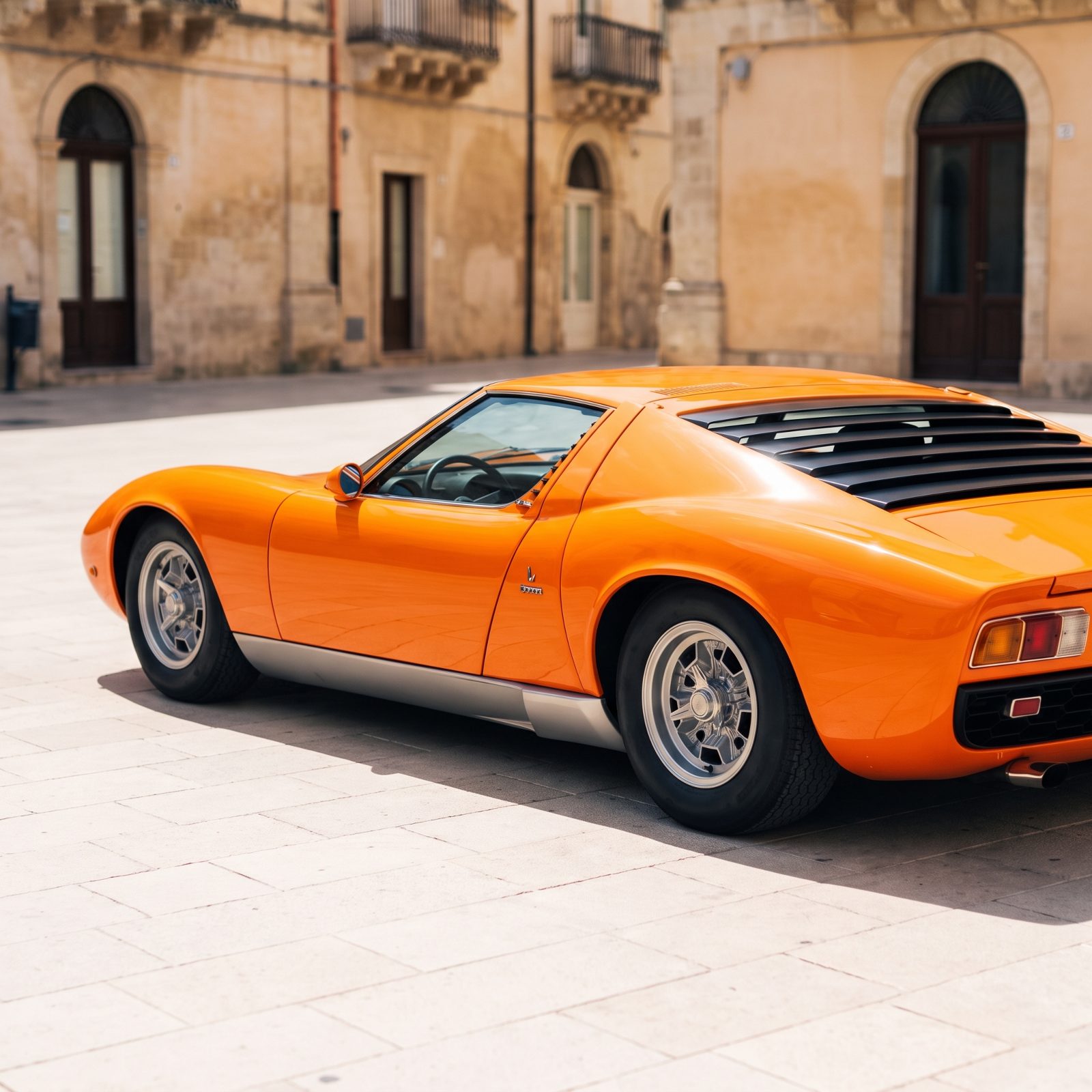
Park a Miura and it still looks like it’s loading up a corner — that’s the mid-engine magic. Marcello Gandini pushed the mass to the middle, dropped the roof, and pulled the fenders out wide over the rear tires.
The result crouches. The nose dips, the tail hunkers, and the whole thing coils like it’s about to spring forward. Nobody had seen a production shape like it in 1966. Half the crowd at the Geneva show figured it was a one-off dream that could never actually be sold. It was, and it rewired what a supercar was supposed to look like.
24. Porsche 911: A Silhouette You Can Draw With One Line
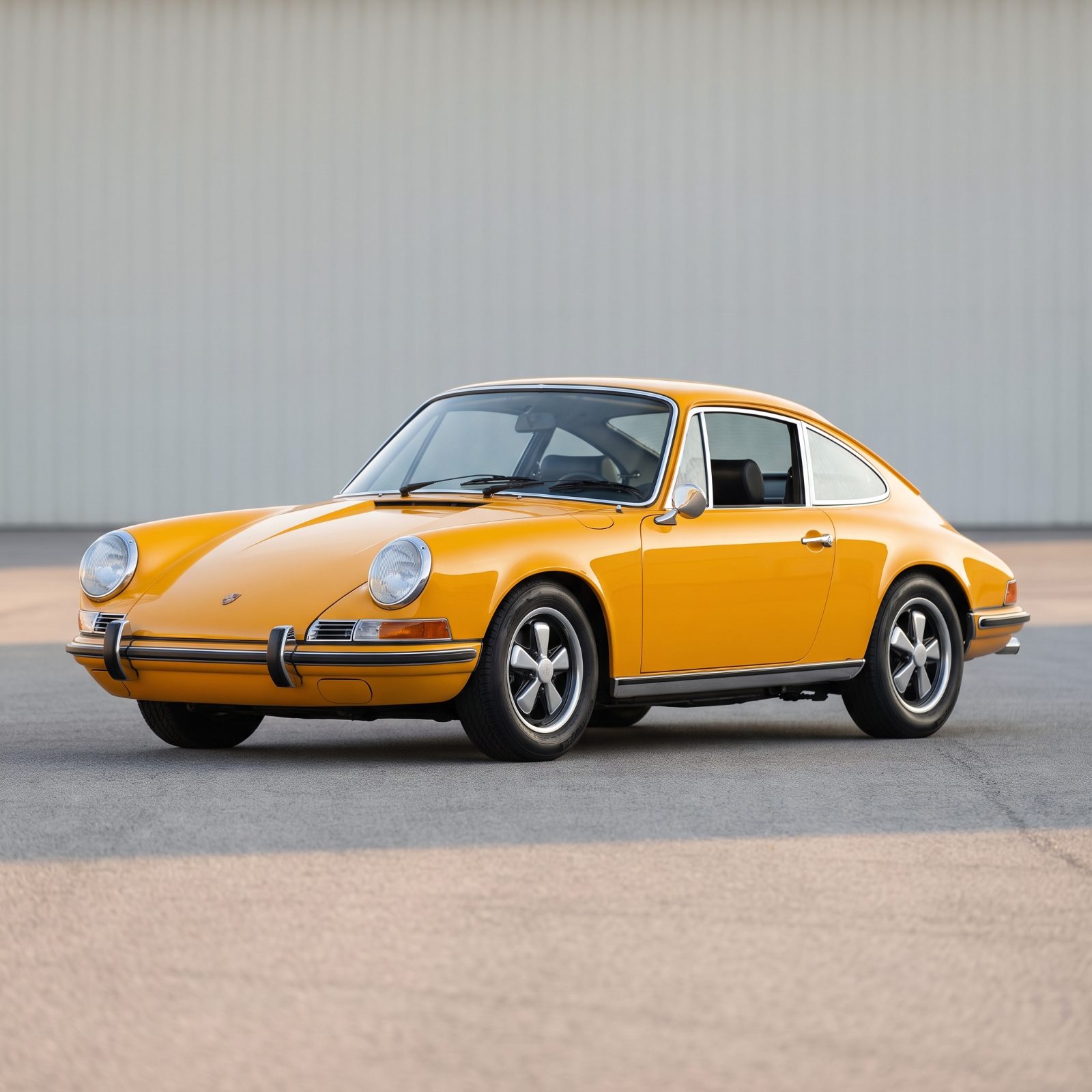
Draw a 911 on a napkin and a stranger will name it. One flowing curve from the headlamps over the roof and down to the tail — that silhouette has survived six decades of engineers trying to improve it and mostly failing to change it.
The rear-engine layout gives it a tail-heavy stance that shouldn’t work and somehow always has. It squats on its back wheels like a sprinter in the blocks.
23. Mazda MX-5 Miata NA: Small, Friendly, and Faster-Looking Than It Is

Pop the headlamps up and the Miata smiles at you. Mazda’s team studied the old British roadsters, kept the joy, and threw out the oil leaks.
The proportions do the trick: short overhangs, wheels pushed to the corners, a stubby little body that looks eager instead of aggressive. It doesn’t threaten you — it invites you. And that low, balanced stance tells your eye it’ll change direction like a thought.
22. Chevrolet Corvette C2 Sting Ray: Muscle at the Fenders, Pinch at the Waist
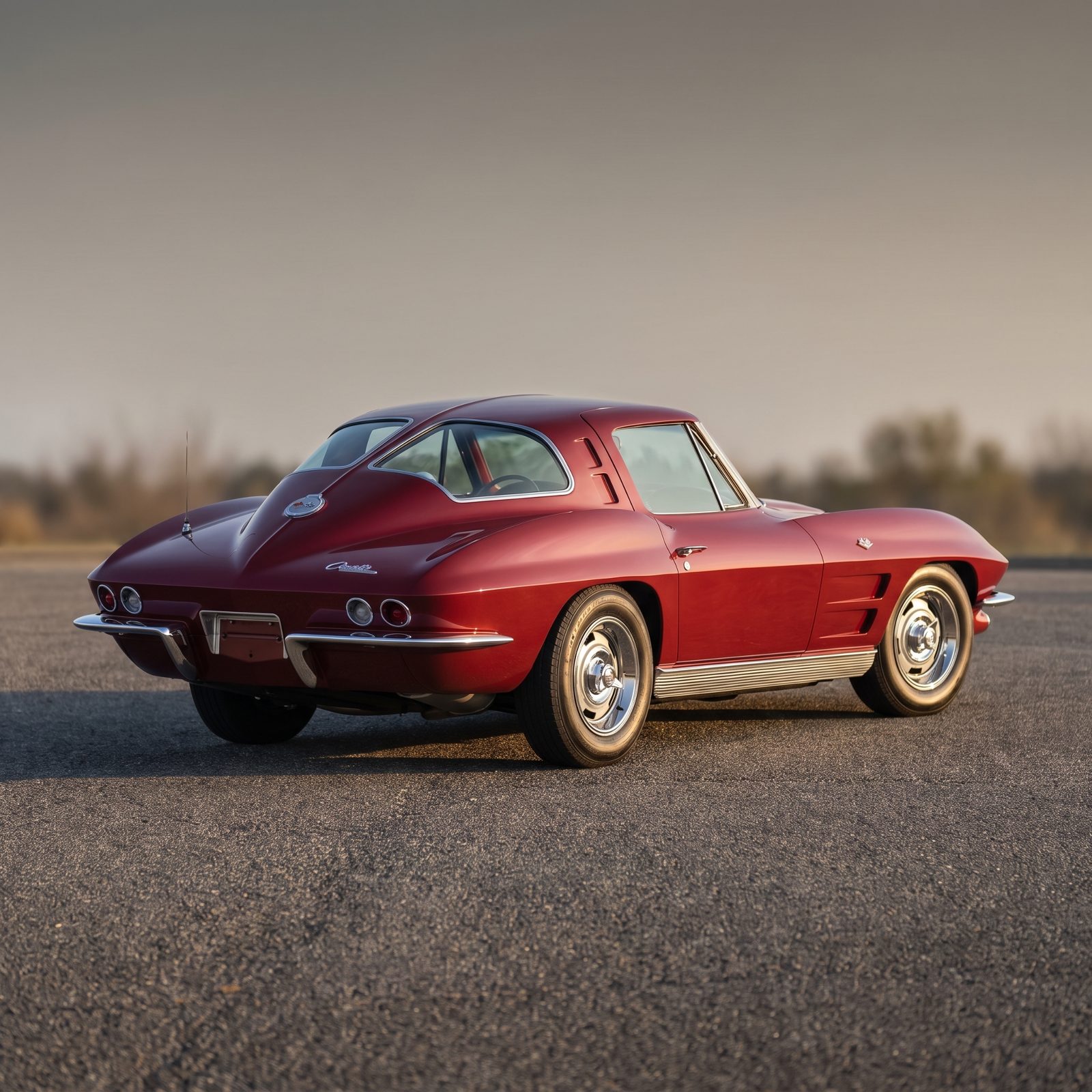
The C2’s body is built on an argument. The fenders want to be huge; the waist wants to be tiny. Put them on the same car and you get tension you can feel through the glass.
Bill Mitchell shoved those fender peaks up like a boxer’s shoulders, then sucked the midsection in until the whole thing looks like it’s flexing. The pointed nose and that tapering fastback roof seal the deal. Chevy only built the split window for one year before visibility complaints killed it — which is exactly why collectors now pay a fortune for the thing that drove owners nuts in 1963.
21. Ford Mustang Fastback: A Roofline That Promises Speed
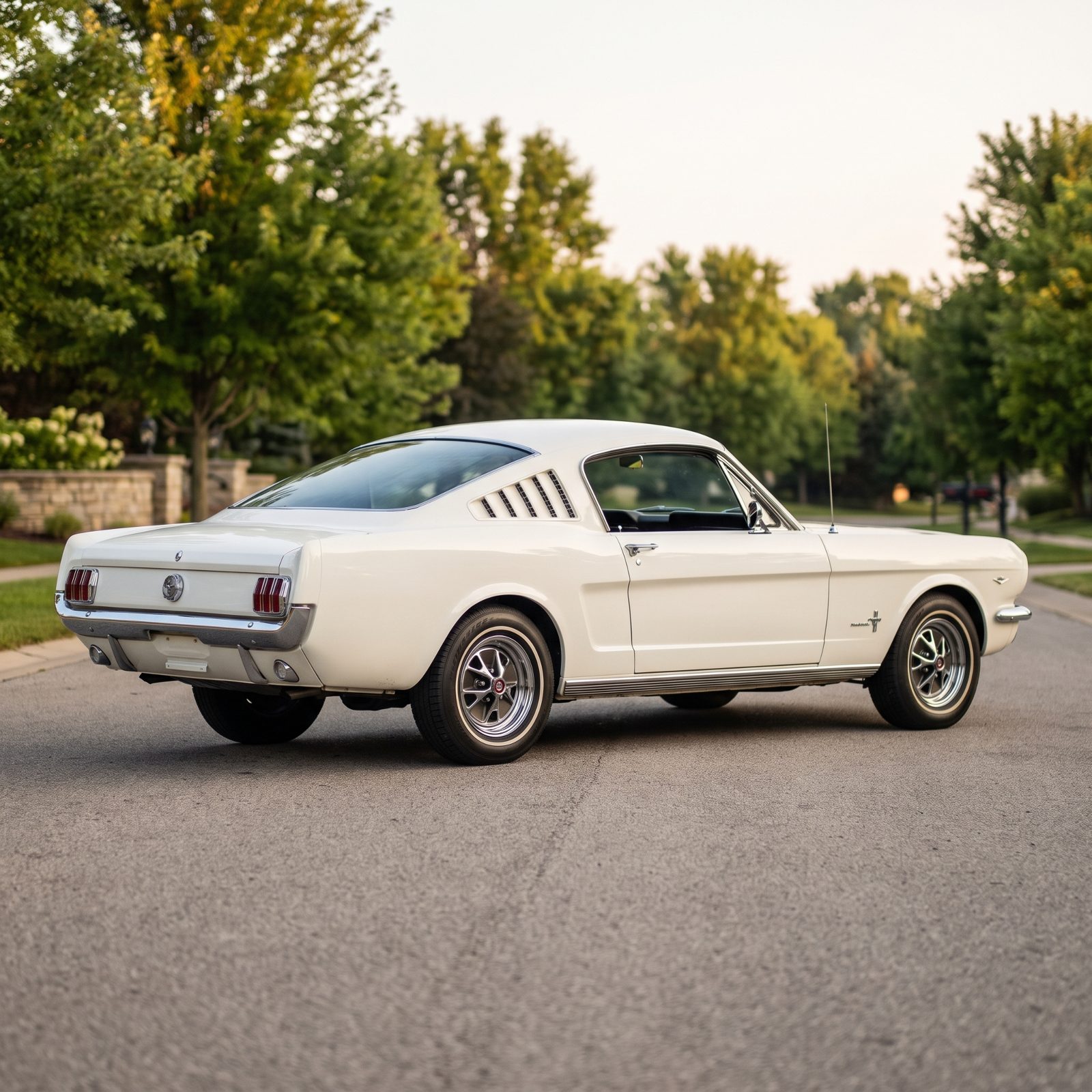
The notchback Mustang was handsome. The fastback was dangerous-looking. Same car underneath, completely different message on the street.
That roofline does the whole job. It starts at the windshield and doesn’t quit until it meets the rear deck in one long unbroken slope — your eye follows it right past the taillights and into the next county. The side scoops and the long hood just back up what the roof already said.
20. Shelby Cobra: Giant Fenders Wrapped Around a Shoebox Cabin
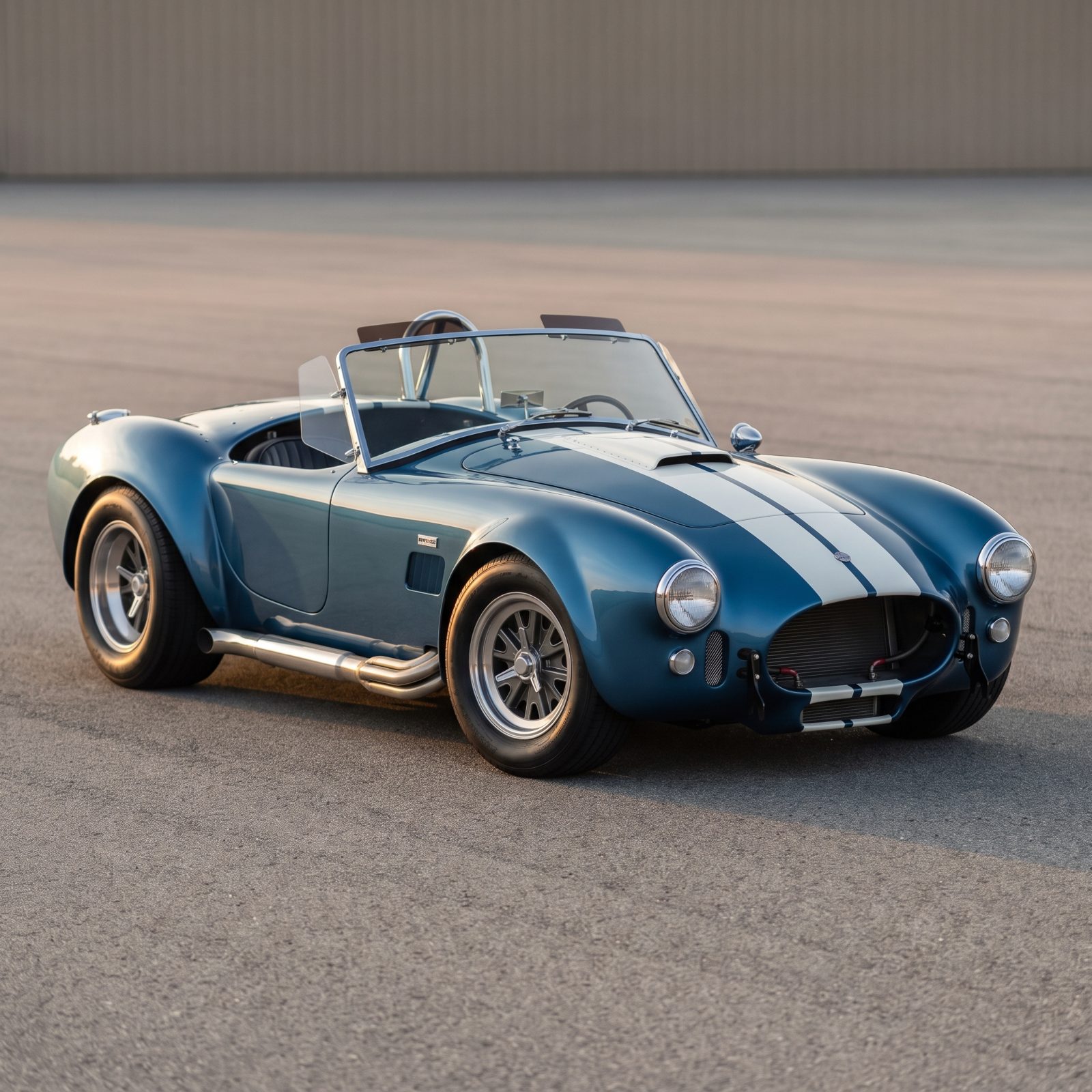
The Cobra looks like someone stuffed a bodybuilder into a child’s coat. The fenders are enormous, the cabin is barely there, and that mismatch is the entire visual pitch.
Carroll Shelby took a slim British AC Ace, crammed a huge American V8 under the hood, then flared the arches to swallow fat tires. The body had to grow around the muscle. You can read the whole story from thirty feet away: mostly engine, wheels, and attitude, with just enough room left over for a driver who knows what they’re in for.
19. Ford GT40: A Roofline Barely Taller Than the Tires
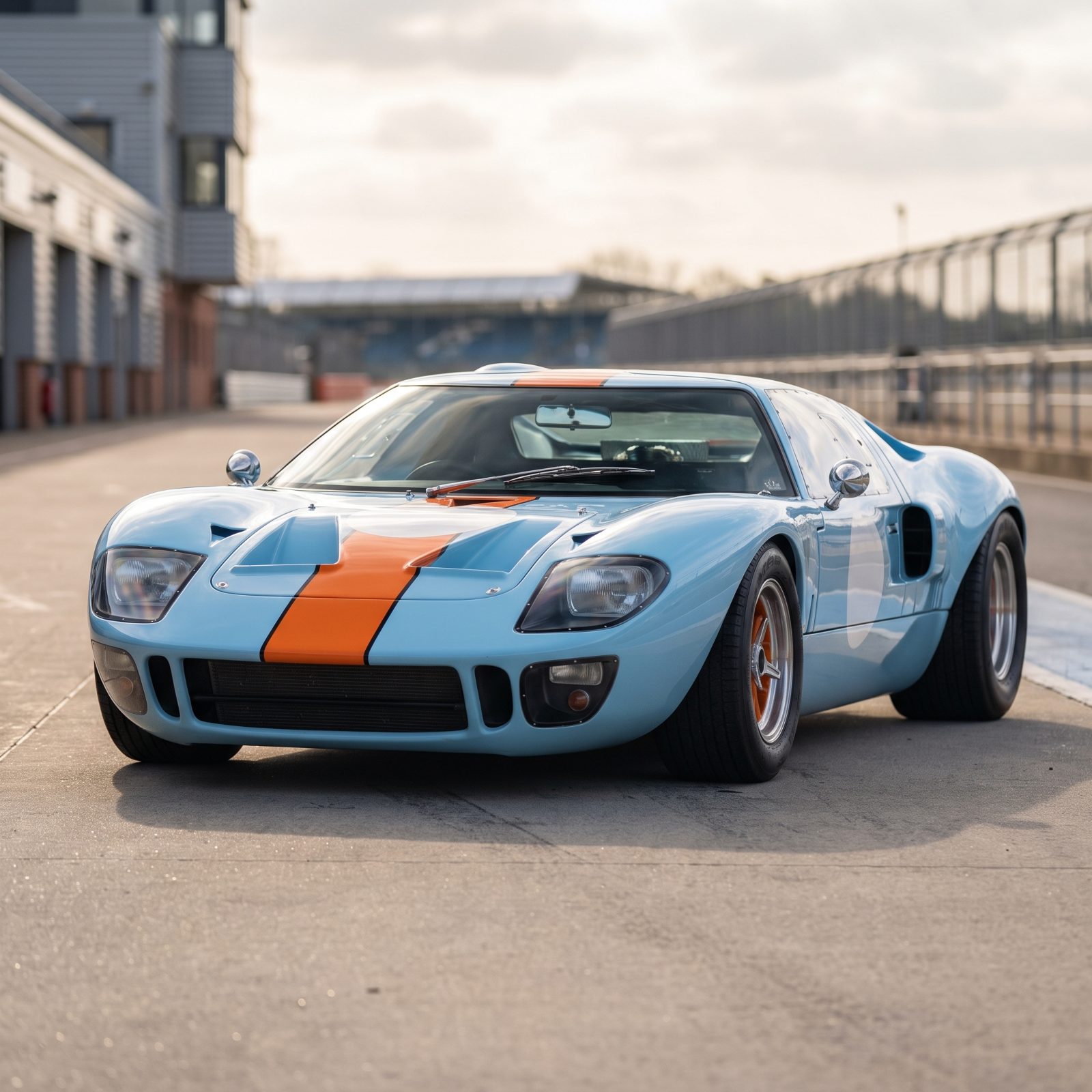
The name is the design brief. GT40, because the roof sits roughly 40 inches off the ground. Stand next to one and it comes up to your hip. No styling flourish there — just a car built to go flat-out at Le Mans and nothing else.
Everything reads as purpose. The roof barely clears the tires, the nose runs flat and wide, the intakes gulp air for an engine sitting behind your shoulders. No wasted height, no comfort, no apology. It looks like it hates slowing down, because it does.
You look down at a GT40’s roof, barely past your hip, and then you understand everything about it at once.
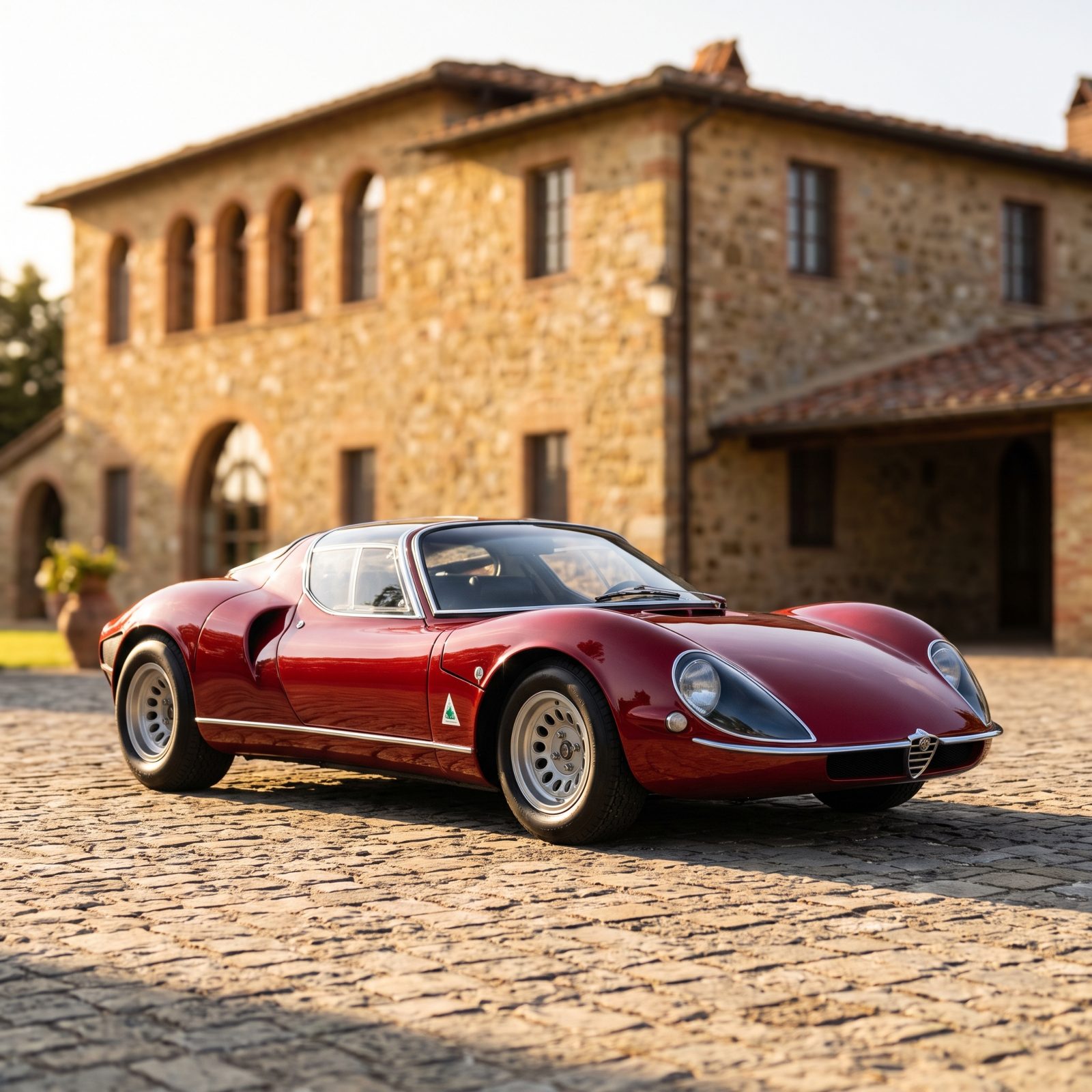
18. Alfa Romeo 33 Stradale: Delicate Skin Over a Race Car’s Bones
Would you like to save this?
Underneath the 33 Stradale sits a full competition chassis — tube frame, race-bred V8. Over the top sits some of the most delicate bodywork ever drawn. The contrast is everything.
Franco Scaglione shaped surfaces so thin and so curved they look almost liquid. The butterfly doors cut up into the roof, the nose drops to nothing, the haunches swell over the wheels. Fragile-looking skin over something built to fight. Alfa made only a handful, which keeps the thing nearly mythical. You’re likelier to spot a unicorn than one of these at a cars-and-coffee.
17. Mercedes-Benz 300SL Gullwing: Doors That Make an Entrance
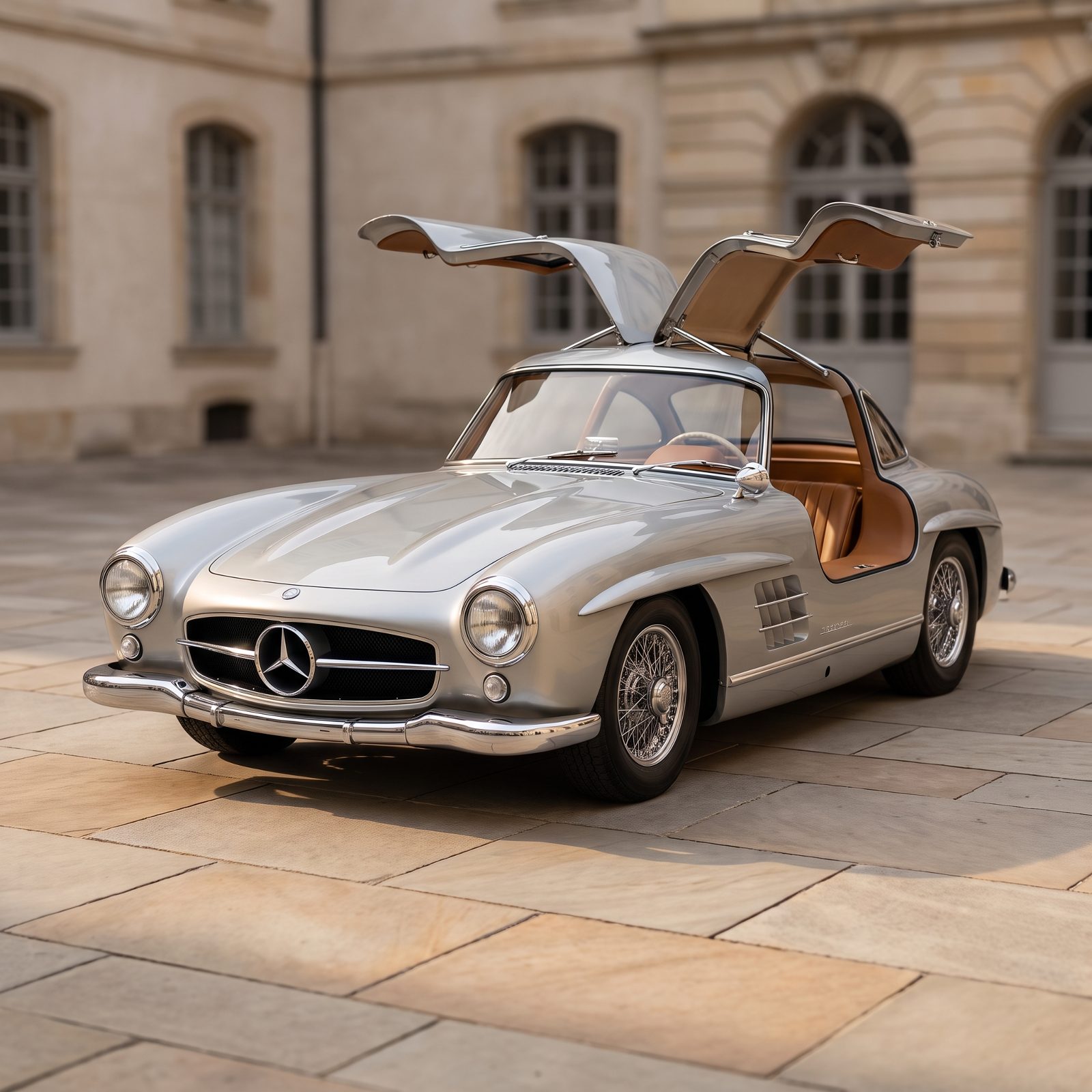
Close the doors and it’s beautiful. Open them and it’s an event. The Gullwing turns the simple act of getting in into theater, and that’s before the engine has even turned over.
The doors weren’t vanity, at least not at first. The racing chassis had tall side rails, so a normal door was impossible — the hinges went up top instead. Necessity made the icon. Lift them and the car seems to spread its wings, exactly the image the name promises. Low, wide, silver, with those chrome fender vents like gills. Arrival becomes performance art, and the 300SL knows it.
16. Citroën DS: A Shape That Appears to Float
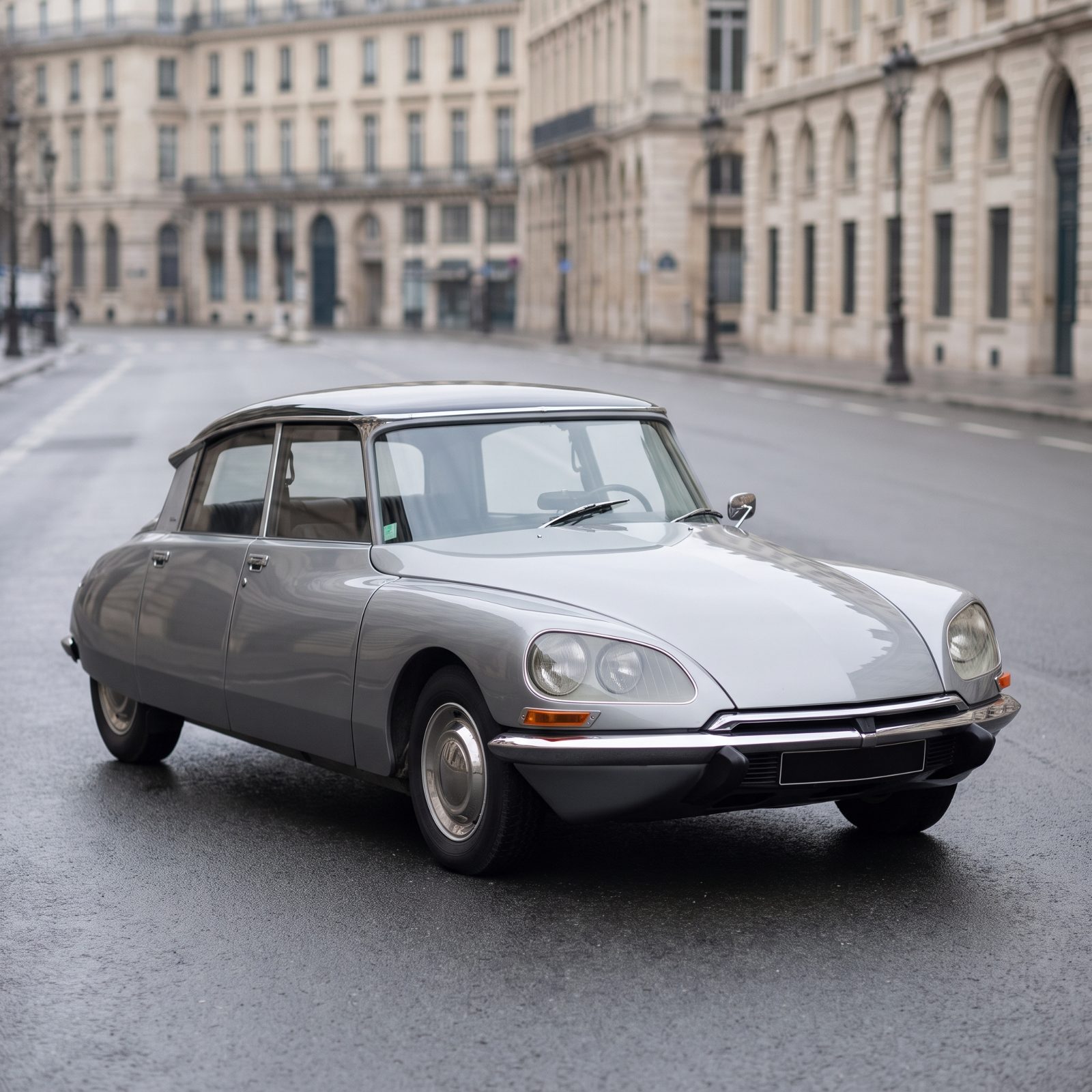
Launched in 1955, and it still looks like it wandered in from a future the rest of us never got invited to. The DS sits low at the nose and tapers toward the tail, with its rear wheels tucked away under the bodywork. That covered wheel is the whole trick. Nothing interrupts the line, so your eye slides from headlight to taillight without a single break.
The hydropneumatic suspension let it rise and settle like something breathing. Before you knew a single number about it, you understood that it wanted to cover ground, and lots of it. It looks fast standing still because it flat-out refuses to look heavy.
15. Lancia Stratos: A Wedge Designed Around Hairpin Turns
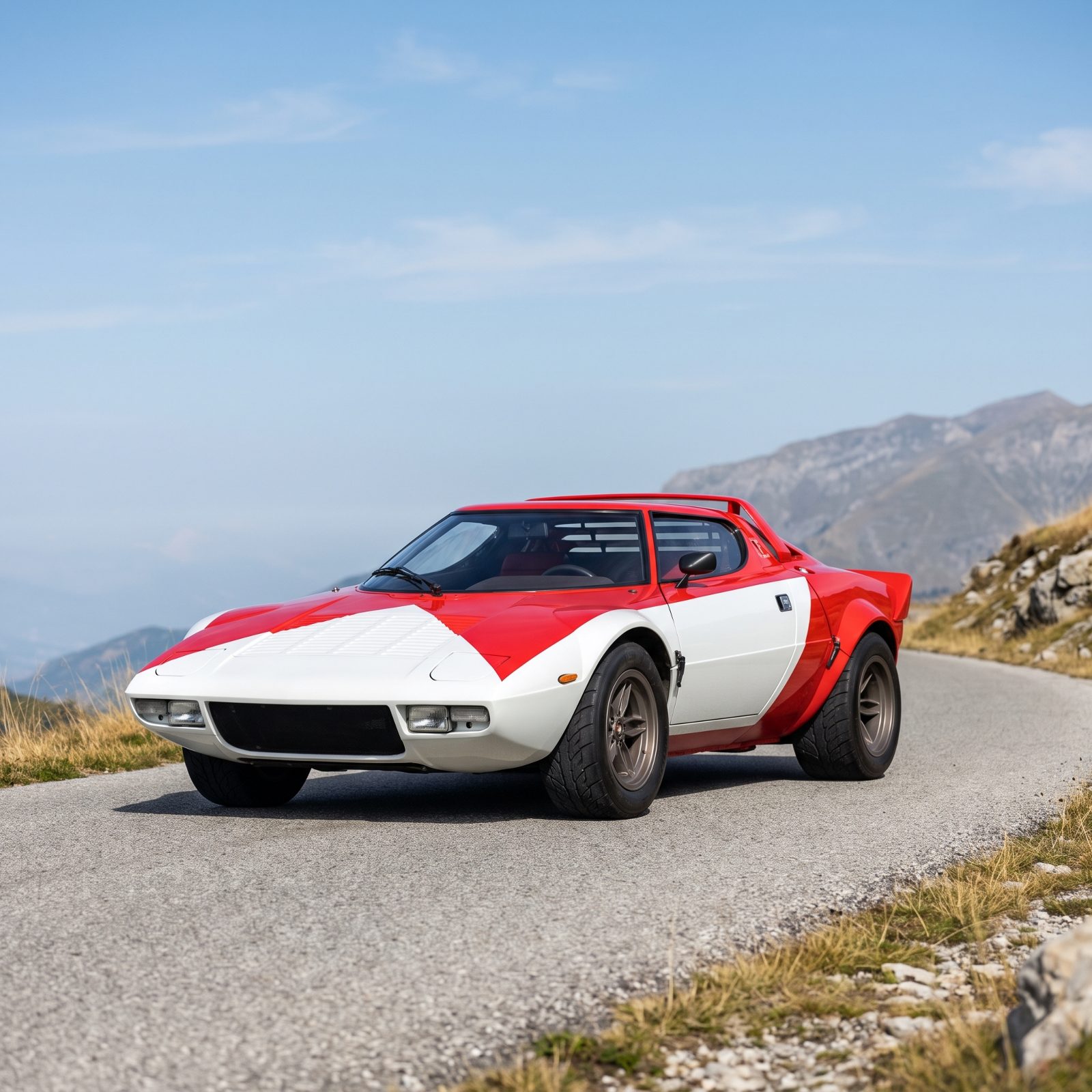
Nothing about the Stratos is relaxed. The wheelbase is almost comically short, and that’s the entire point. Bertone built it to rotate through hairpins, and every proportion screams that intent.
The curved windscreen wraps around the cockpit like a crash helmet, and the nose drops to a knife edge. Stand in front of one and it looks coiled, already halfway into a turn you haven’t taken yet. You don’t need to know it won three straight World Rally Championships to feel what it was bred for. The shape told you first.
14. De Tomaso Pantera: Italian Drama With Visible Mechanical Muscle
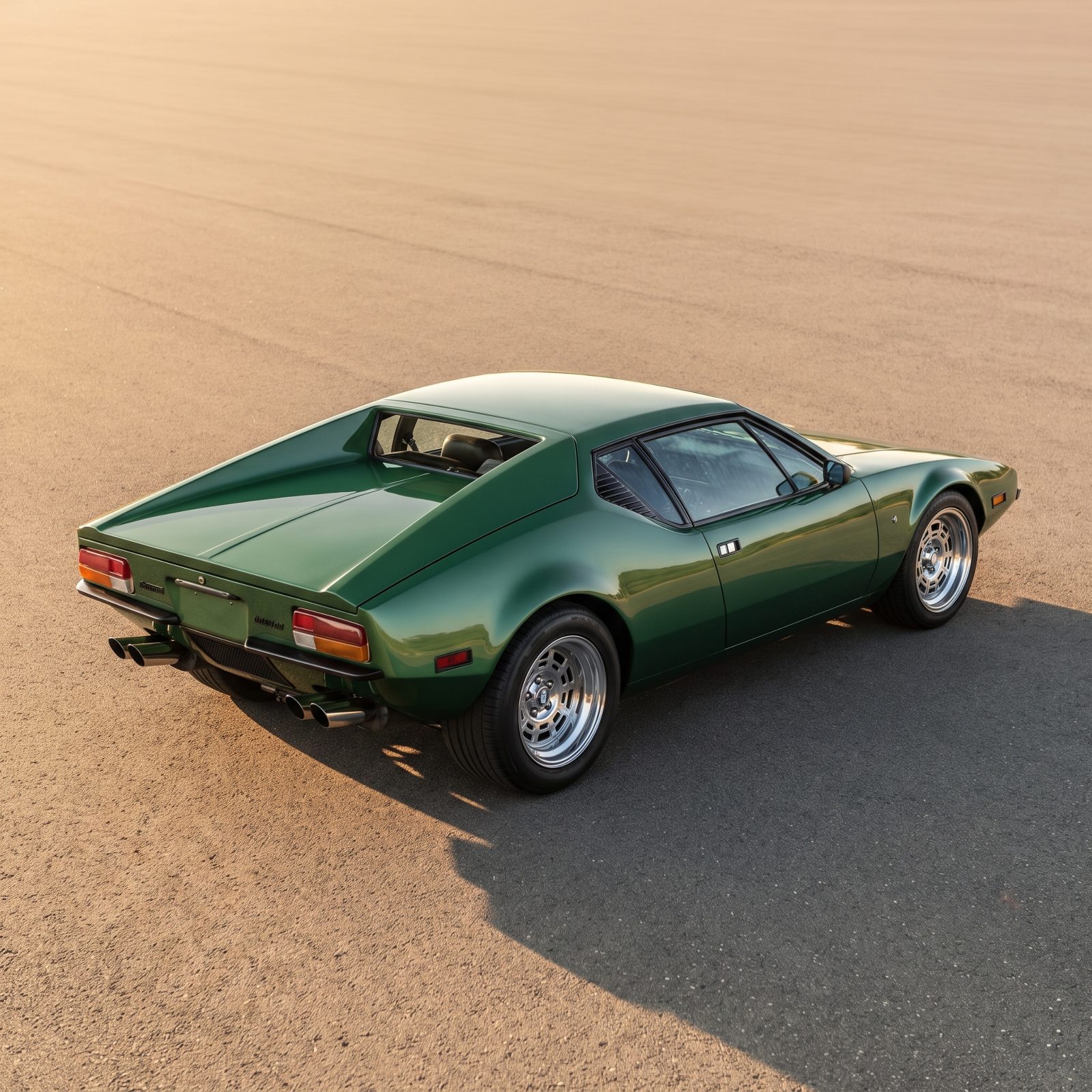
Ghia’s Tom Tjaarda drew a body that never once tries to hide what’s underneath. The Pantera puts its mechanical self right out there on display: broad hips over the mid-mounted Ford V8, deck vents feeding air where it’s needed, exhaust tips that look like they mean business.
Italian styling, American heart, and the body keeps no secrets about either. Wide, low, with rear quarters that bulge like something flexing in a mirror. You read the attitude long before you read the badge.
13. Ferrari F40: Every Vent Looks Necessary
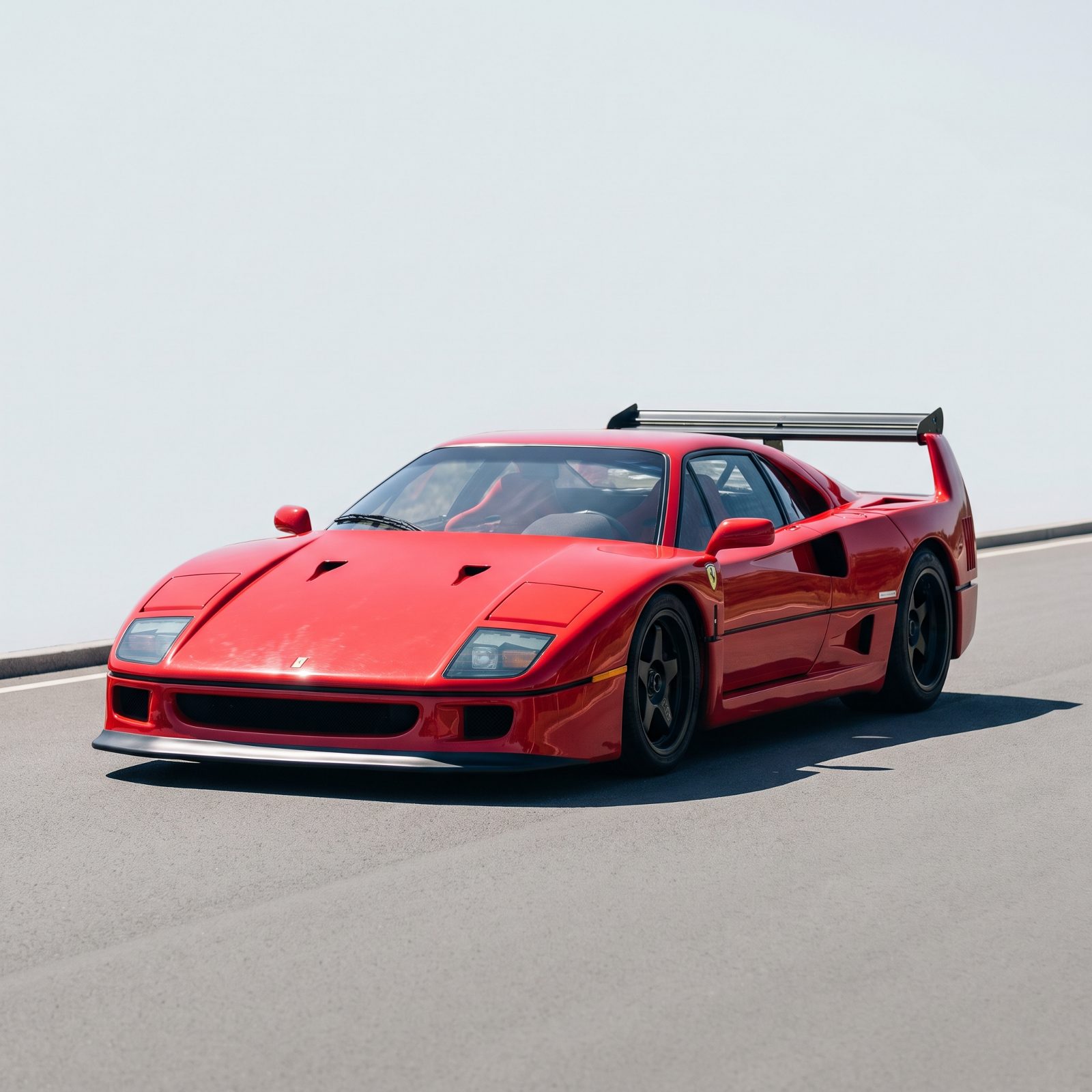
The F40 carries no fat. Where other supercars add vents for theater, the F40 adds them because the engine genuinely needs to breathe. Every scoop, every NACA duct, every slot in the body is doing a job. Ferrari built it for the company’s 40th anniversary and stripped away anything that didn’t earn its place.
That honesty is what makes it look so serious. The giant rear wing isn’t decoration. The sliding plexiglass windows aren’t a fashion call. You look at an F40 and understand that someone, somewhere, made hard decisions and lost some comforts along the way. Nothing here exists for show, and that’s precisely why it looks like it means to hurt you.
12. Audi Quattro: Box Flares That Make a Coupe Look Battle-Ready
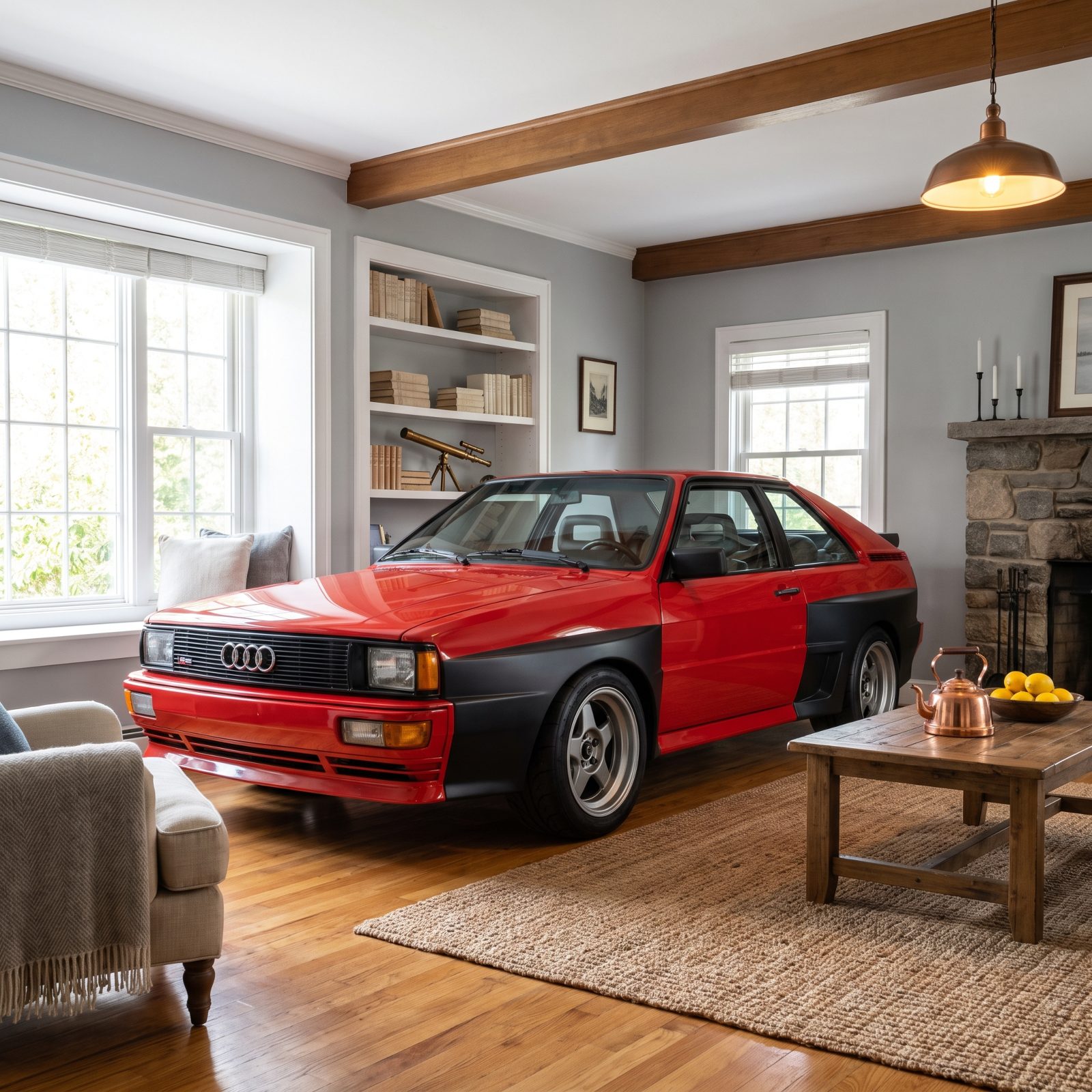
Take a fairly ordinary two-door coupe. Now bolt on squared-off wheel arch flares that stick out well past the original bodywork. That’s the Quattro, and those blisters change absolutely everything about how it reads from across a parking lot.
The flares exist because the car needed wider tires to put its all-wheel-drive grip on the road. Function came first, always did. But the side effect is a coupe that looks planted and hunkered, ready for a dirt stage. The rest of the body is nearly plain by comparison. The arches do all the talking, and what they say is simple: this thing was built to go sideways on purpose.
11. Renault 5 Turbo: A Tiny Hatchback Swollen Around Its Engine
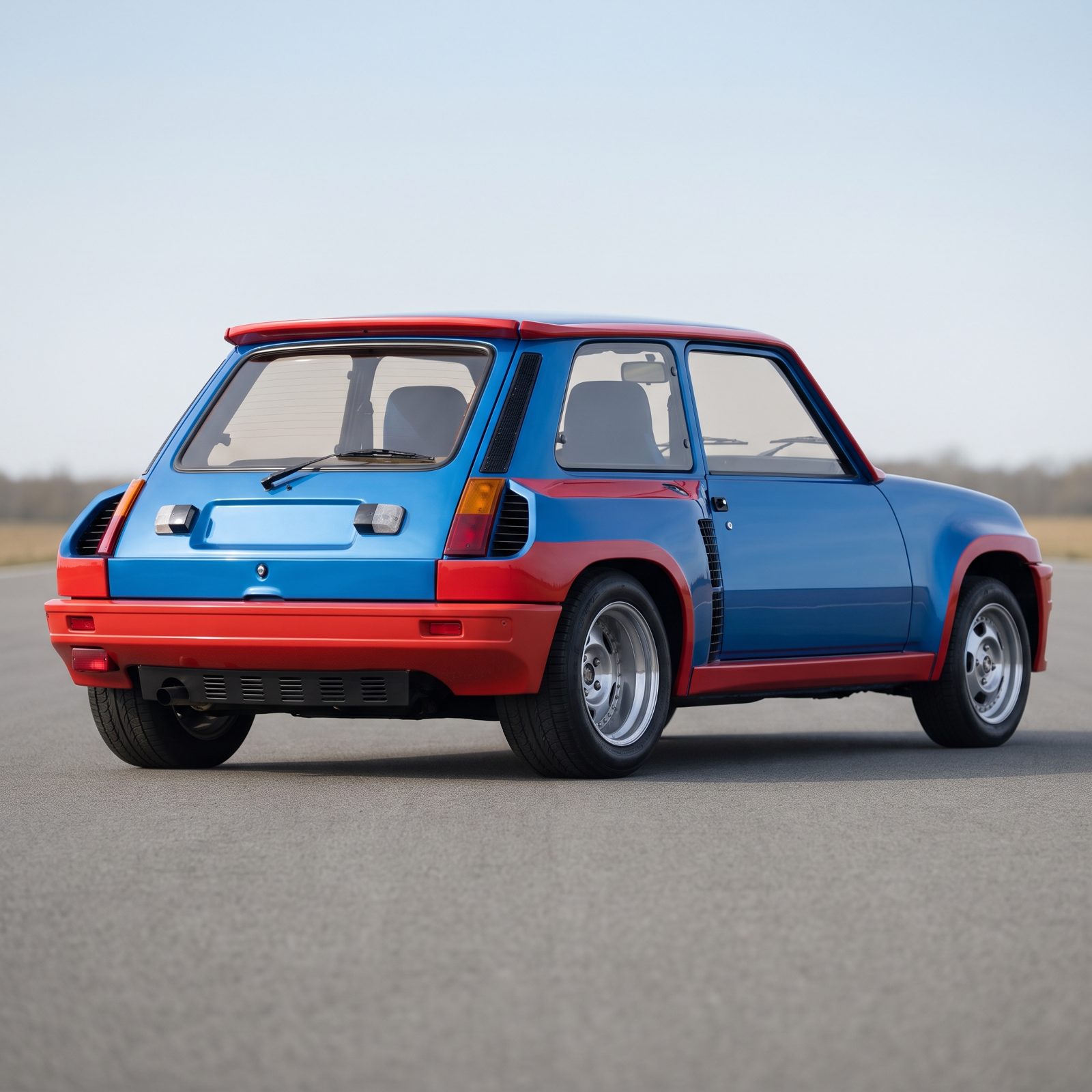
Somebody looked at a humble Renault 5 city car and decided the engine belonged in the middle. To make room, they blew out the rear bodywork until the little hatchback looked like it had been inflated from behind with a tire pump left running too long.
The front stays narrow and almost polite. The back goes wide and savage, gaping intakes behind the doors swallowing air for the turbocharged engine mounted where the back seats used to live. The contrast is the joke. And the joke is dead serious.
A supermini that looks friendly from the front and feral from the back. You only need one glance at the rear to change your mind about it.
10. Volkswagen Golf GTI Mk1: Ordinary Utility With a Hint of Mischief
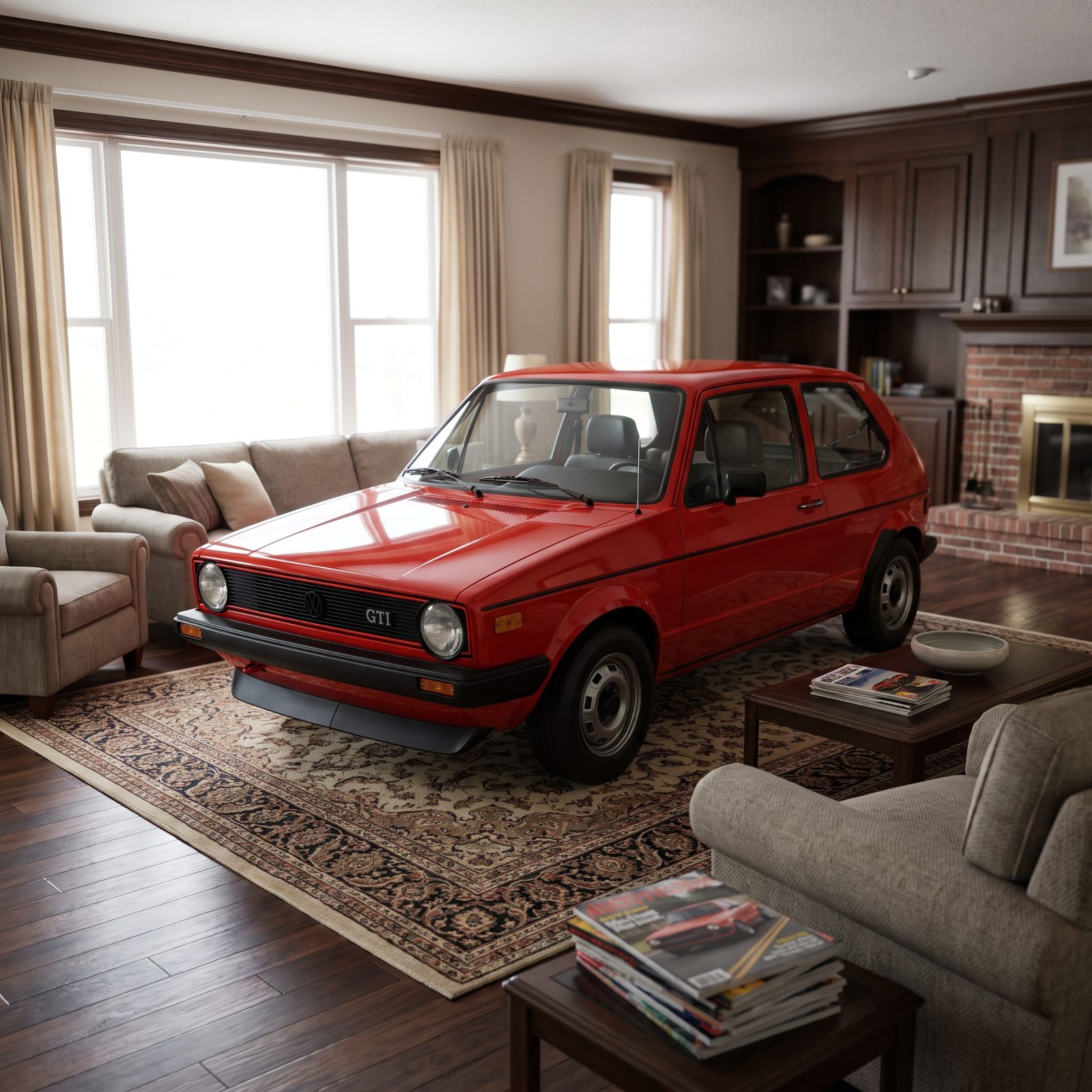
The Mk1 GTI is the sleeper done right, except it never fully hid. Giugiaro’s shape is honest hatchback geometry, upright and sensible, the kind of car you’d buy to haul groceries and a kid’s bicycle.
Then come the small signals. A red line around the grille. A modest front spoiler. A stance that sits a touch lower than it probably should. None of it shouts. All of it winks. VW invented a whole category here by taking a practical car and quietly suggesting it might be up for trouble.
9. Honda CRX: A Low Cowl and Kammback That Invite Momentum
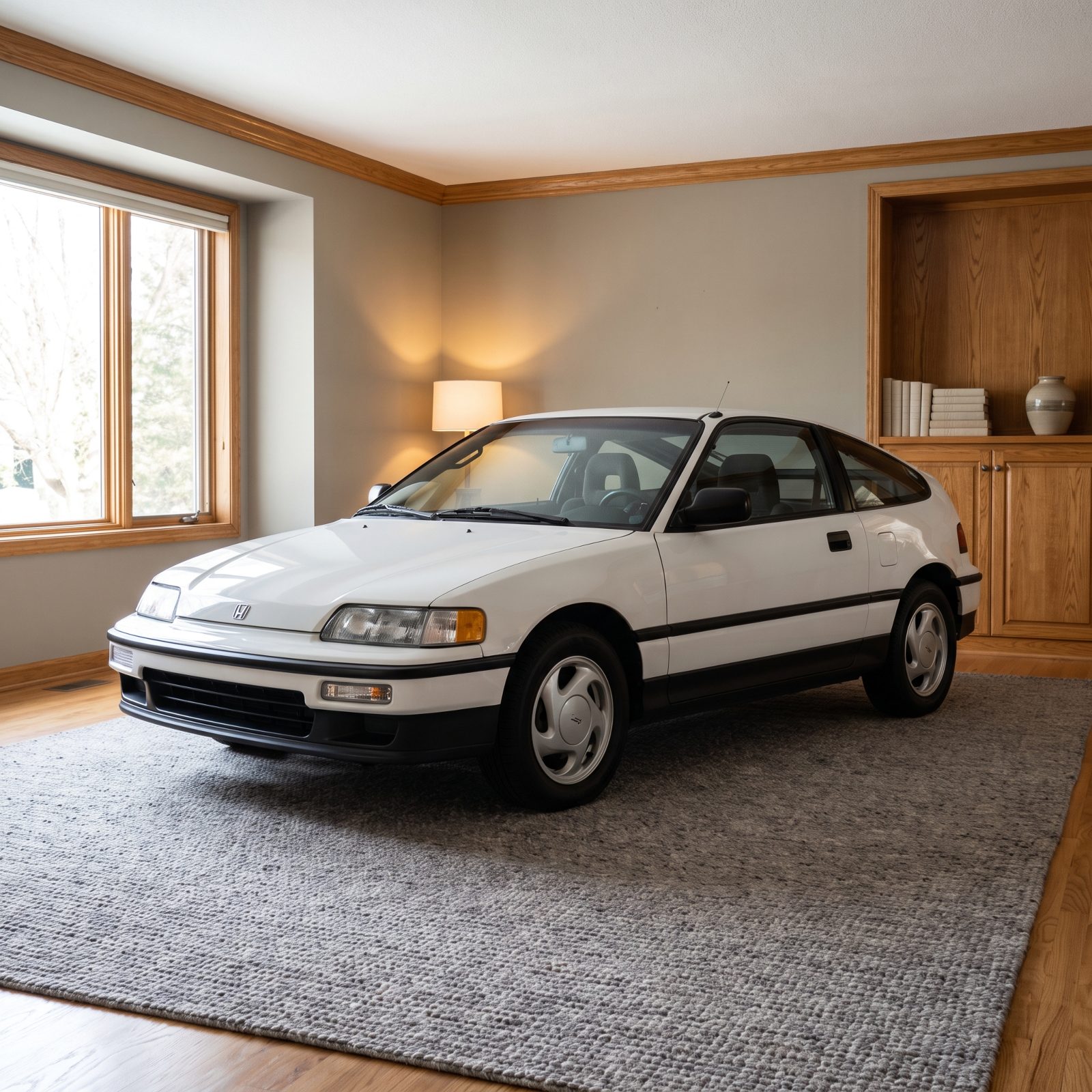
Small cars rarely look this eager. The CRX drops its cowl low and rakes the windshield back hard, so the whole front feels like it’s already leaning into a corner. Then the tail gets chopped off flat, a Kamm design that cuts drag and gives the car that abrupt, purposeful back end.
Wheels shoved to the corners, barely any overhang to speak of. Here’s a lightweight economy coupe that honestly looks like it can’t wait to get moving. The proportions do the convincing long before you ever learn how little it weighs.
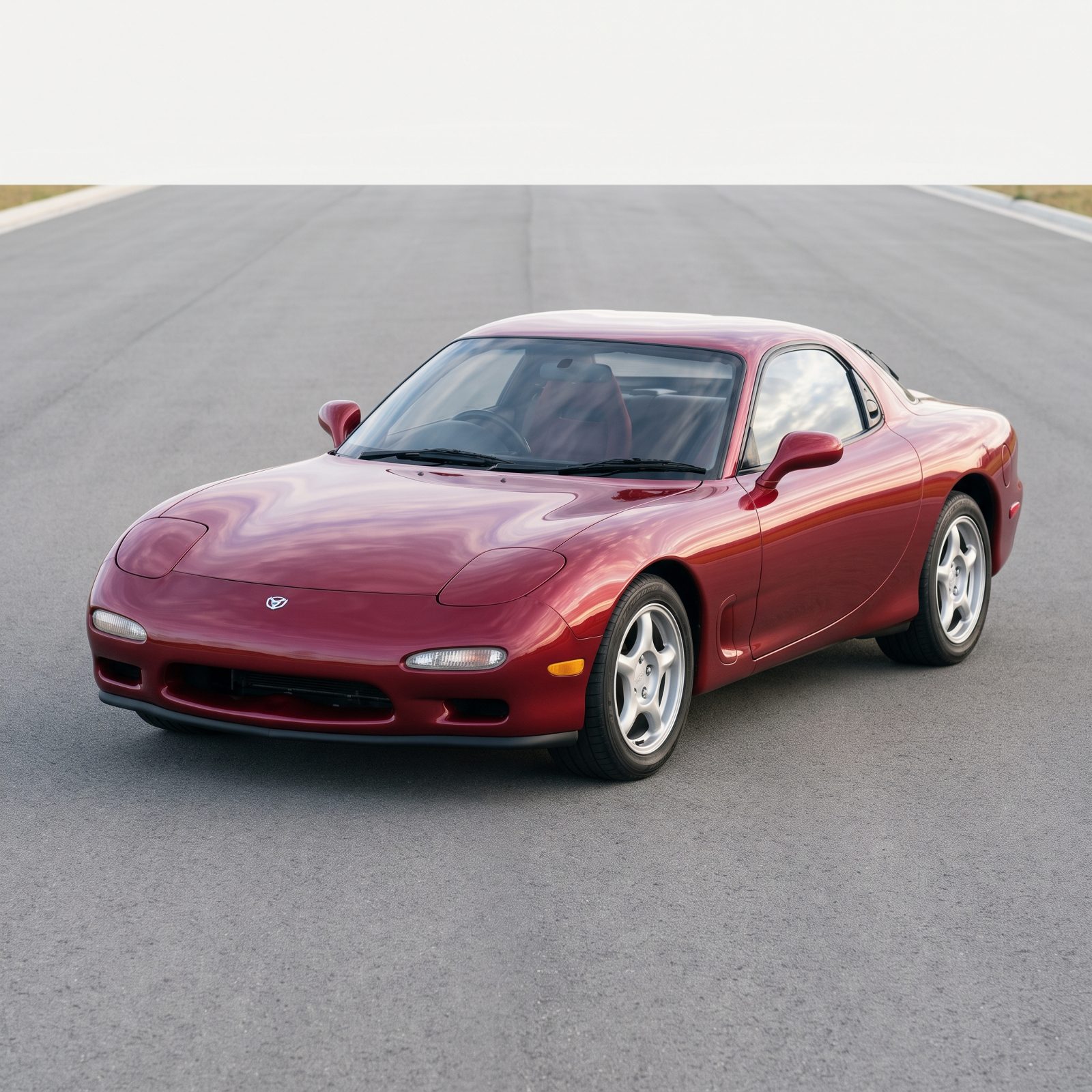
8. Mazda RX-7 FD: Smooth Curves With Almost No Visual Weight
Would you like to save this?
The FD-generation RX-7 is all curves, no clutter. Where rivals piled on scoops and creases, Mazda handed it a body that looks poured rather than stamped, every surface flowing into the next with nothing fighting for your attention.
The effect is pure lightness. It looks like it barely presses on its tires, which happens to be close to the truth given the compact rotary up front. Smooth, low, taut. It gets the idea of nimbleness across through the plain absence of visual weight, and that kind of restraint is harder to pull off than any amount of aggression.
7. Volvo P1800: A Graceful Roofline Framed by Subtle Fins
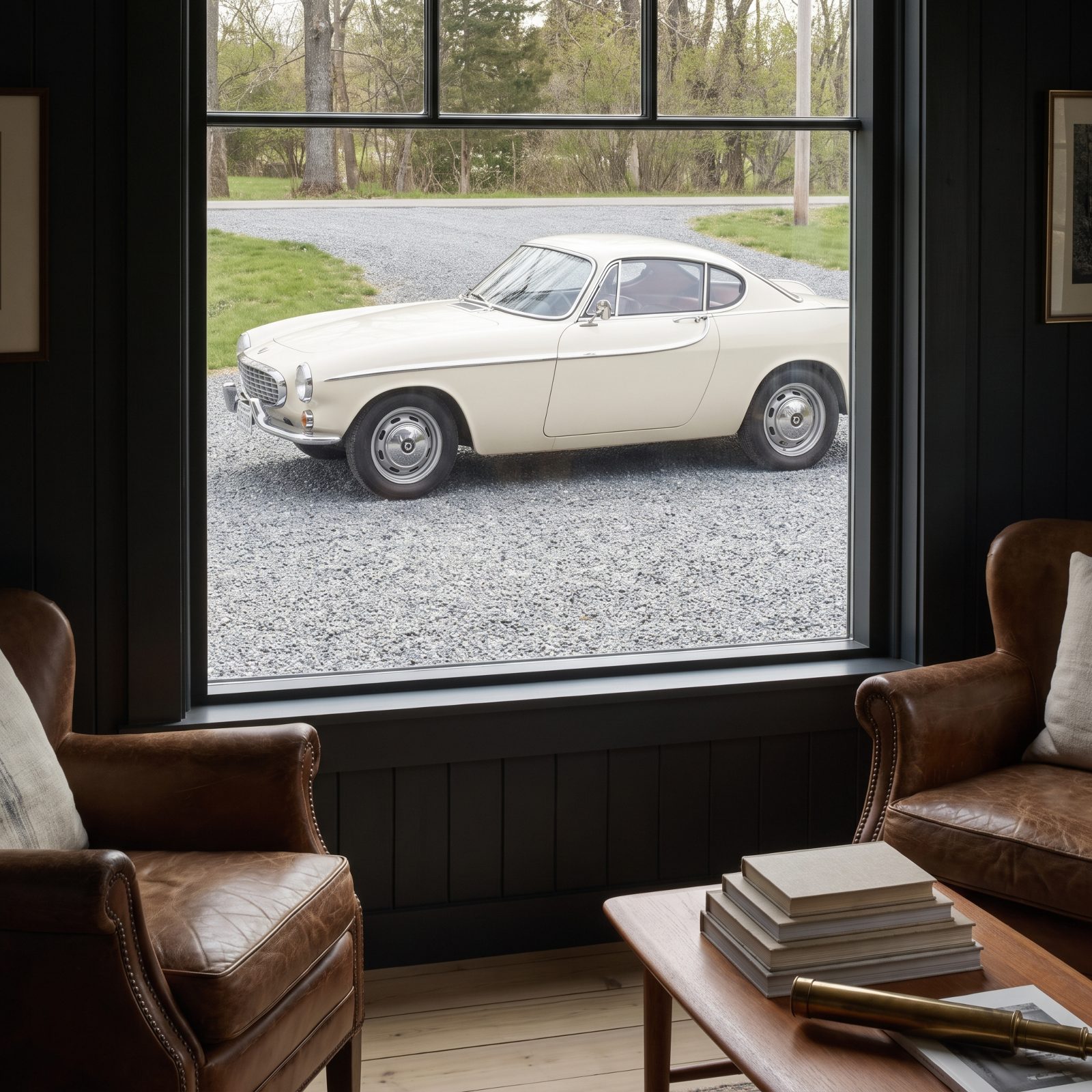
Not all excitement shouts. The P1800 makes its case with grace instead: a long nose, a low sweeping roofline, slim pillars that leave the glasshouse feeling airy and light enough to float off.
The rear fins are gentle, almost shy next to the American excess of the era. They frame the tail rather than stabbing at the sky. This is the kind of shape that hints at a drive through curves on a clear morning, not a quarter-mile sprint. Call it beauty that implies motion, which is its own quiet sort of promise.
6. Saab 900 Turbo: The Wraparound Windshield That Promised Something Different
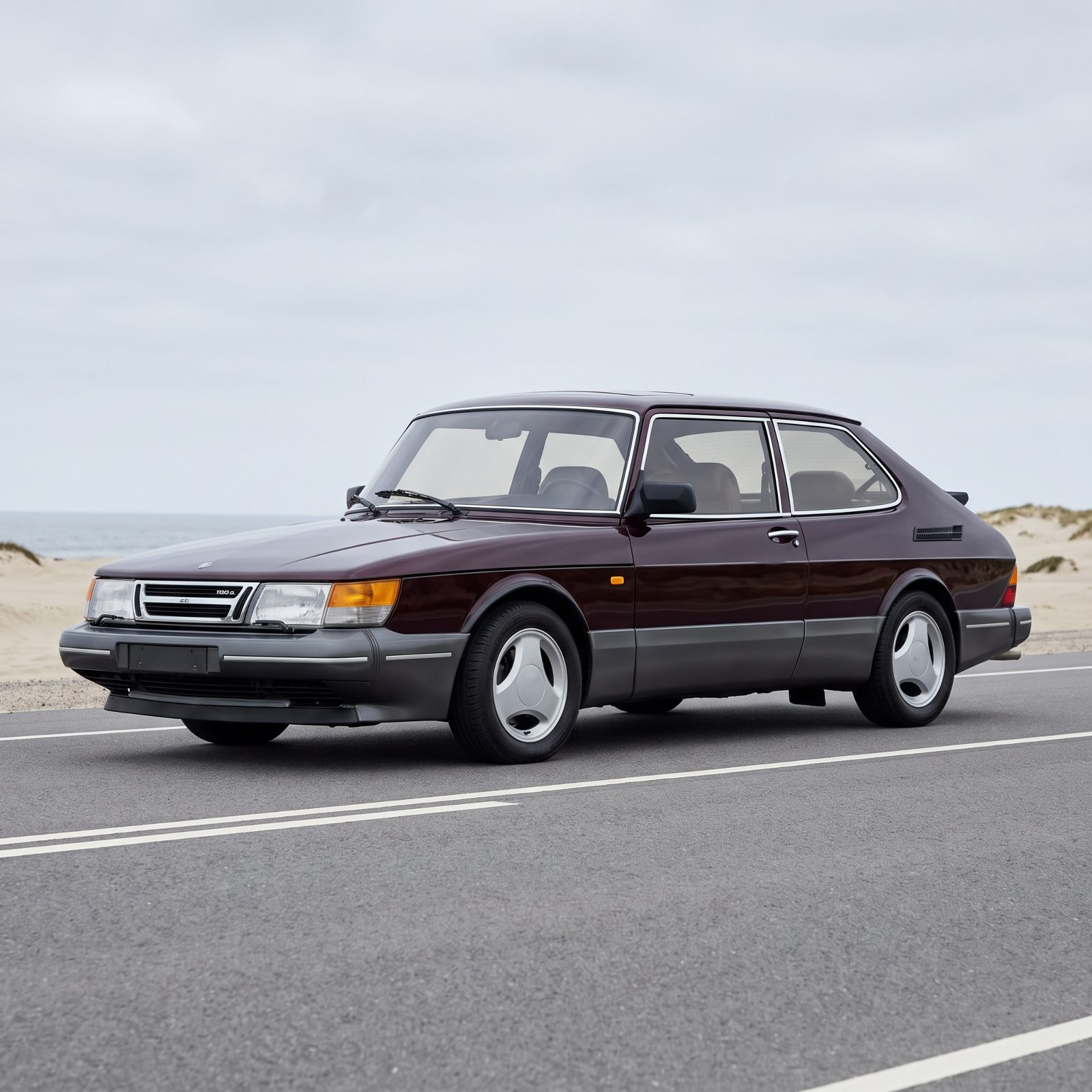
The windshield gives it away. That deep curve wrapping into the A-pillars came straight off Saab’s aircraft drawings, which tells you this car was engineered by people who spent their days thinking about the sky.
Nothing else on the road in 1985 held that shape — the long nose, the stepped hatch rising to a tall tail, the ignition key planted down on the floor between the seats. Odd choices, all of them. Every one deliberate.
You looked at a 900 Turbo and knew it would do something unexpected before you ever heard the turbo spool, because the stance sat it slightly nose-down, hungry.
5. Mini Cooper: Wheels Shoved Into the Corners, Energy Everywhere
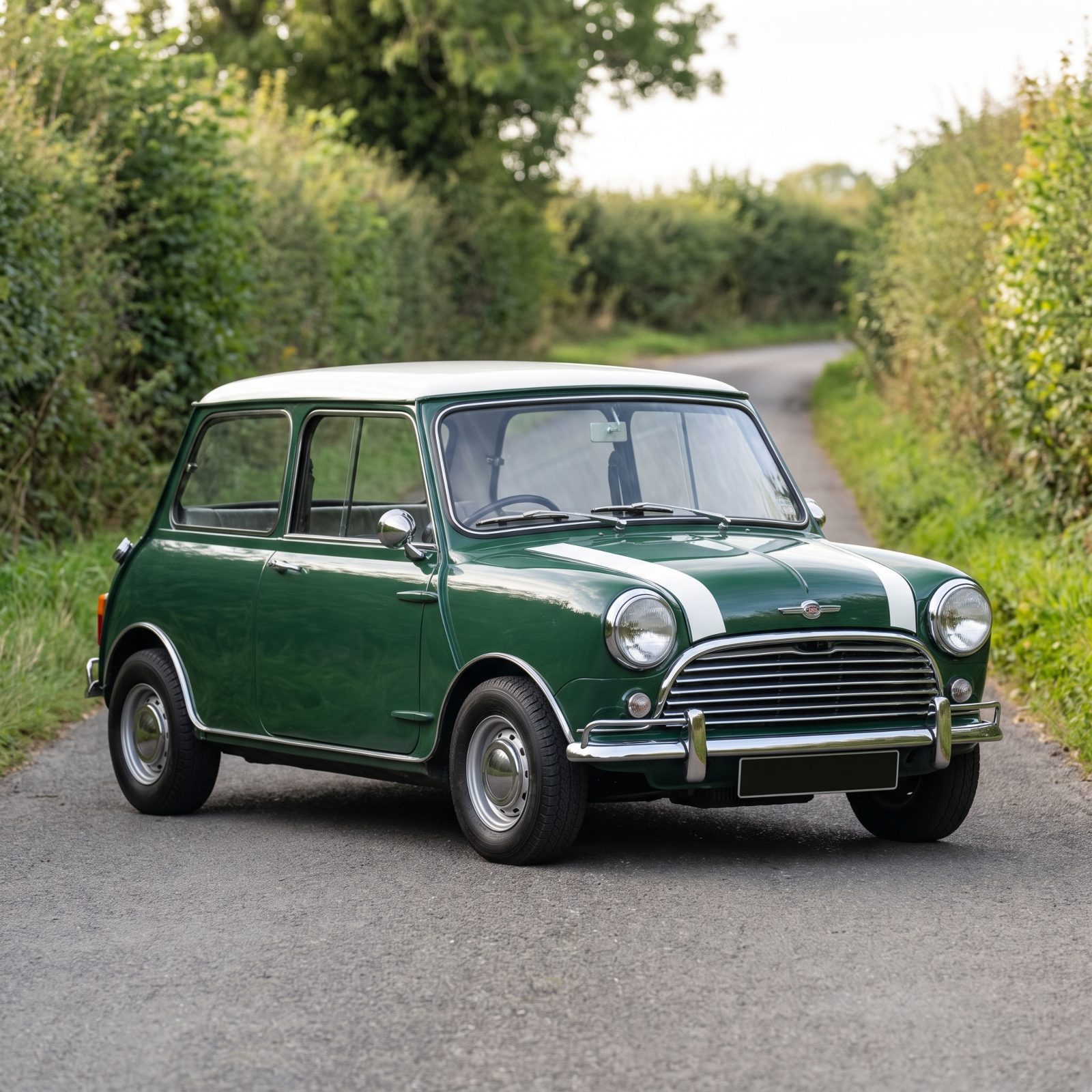
Push the wheels to the absolute corners and something happens to a car’s face. It looks ready to pounce.
The Mini did this out of necessity. Alec Issigonis wanted maximum room inside the smallest footprint, so he shoved the ten-inch wheels right to the edges and turned the engine sideways, and the byproduct was a stance no designer could fake — short overhangs, a planted wide-track look, a body that sits like a terrier on its toes.
You see one parked and you already know it darts. The proportions wrote a check the handling actually cashed.
4. Caterham Seven: Four Exposed Wheels and Zero Apology
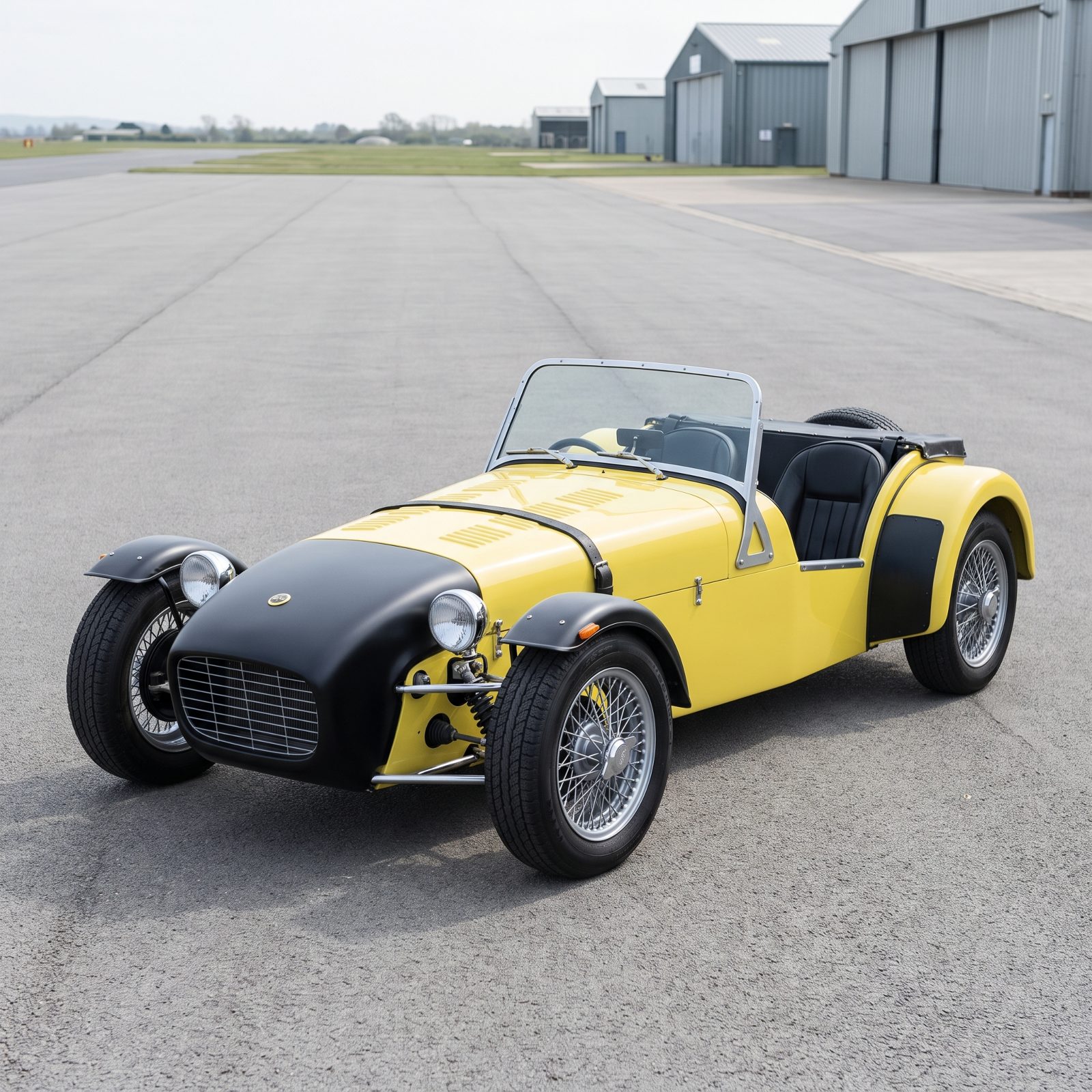
Nothing is hidden, and that is the whole point.
The Caterham Seven shows you its wheels, its suspension arms, its intent. No bumper pretending to be jewelry. No fender swelling for drama’s sake. The long bonnet runs to a tiny cockpit and stops, and that’s the entire car.
Here is design by subtraction — every pound of bodywork that could be deleted was deleted, and what remains reads as pure purpose. You don’t guess whether it’s fast. The exposed wheels and the strapped-down hood answer the question standing still.
A car this honest doesn’t need a spoiler to tell you what it’s about.
3. Morgan Plus 4: Prewar Proportions That Turn a Grocery Run Into an Event
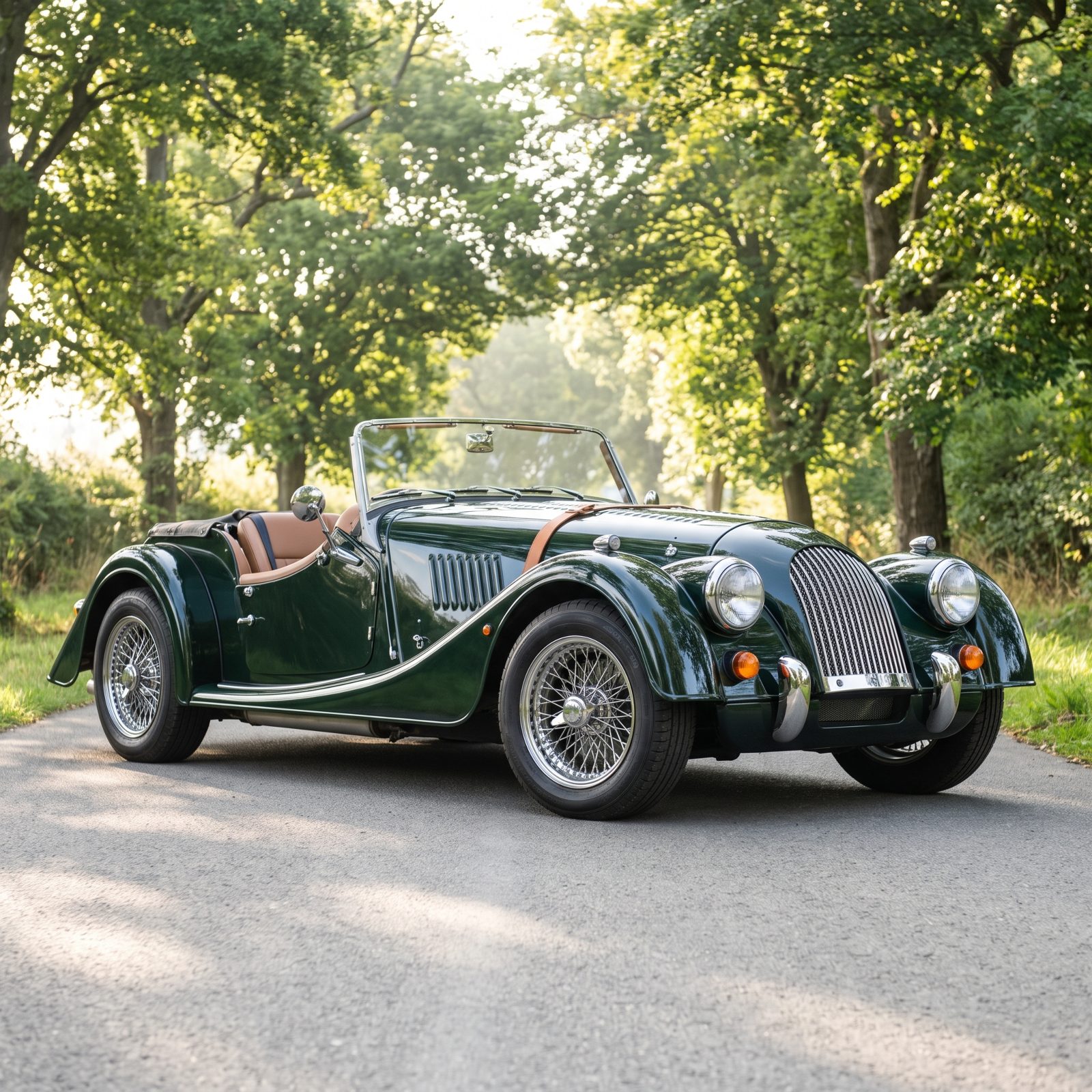
Morgan never got the memo that the 1950s ended, and thank goodness for that.
The Plus 4 keeps its flowing front fenders, its upright radiator, its ash wood frame under the skin. Sliding in over the cut-down door feels like an occasion because the proportions insist on it — long hood, tucked cabin, the driver sitting back near the rear axle where the old racers put you.
You don’t drive it to the shop. You motor there. An errand becomes a small ceremony, and the car never pretends otherwise.
2. Jeep CJ-5: An Open Body That Makes Pavement Feel Like a Suggestion

Strip the roof and the doors off a vehicle and you change what a road even means.
The CJ-5 sits tall and short-wheelbased, nothing but a windshield and a roll bar between you and the weather. Those stubby overhangs and that upright grille read as capability from fifty feet. Nobody looks at one and wonders if it can leave the pavement.
That’s the magic of the open body — it removes the suggestion that you’d stay on the road at all. The design is an invitation to turn off, and most people took it.
1. Ferrari 250 GTO: Race-Bred Curves With Not One Decorative Line
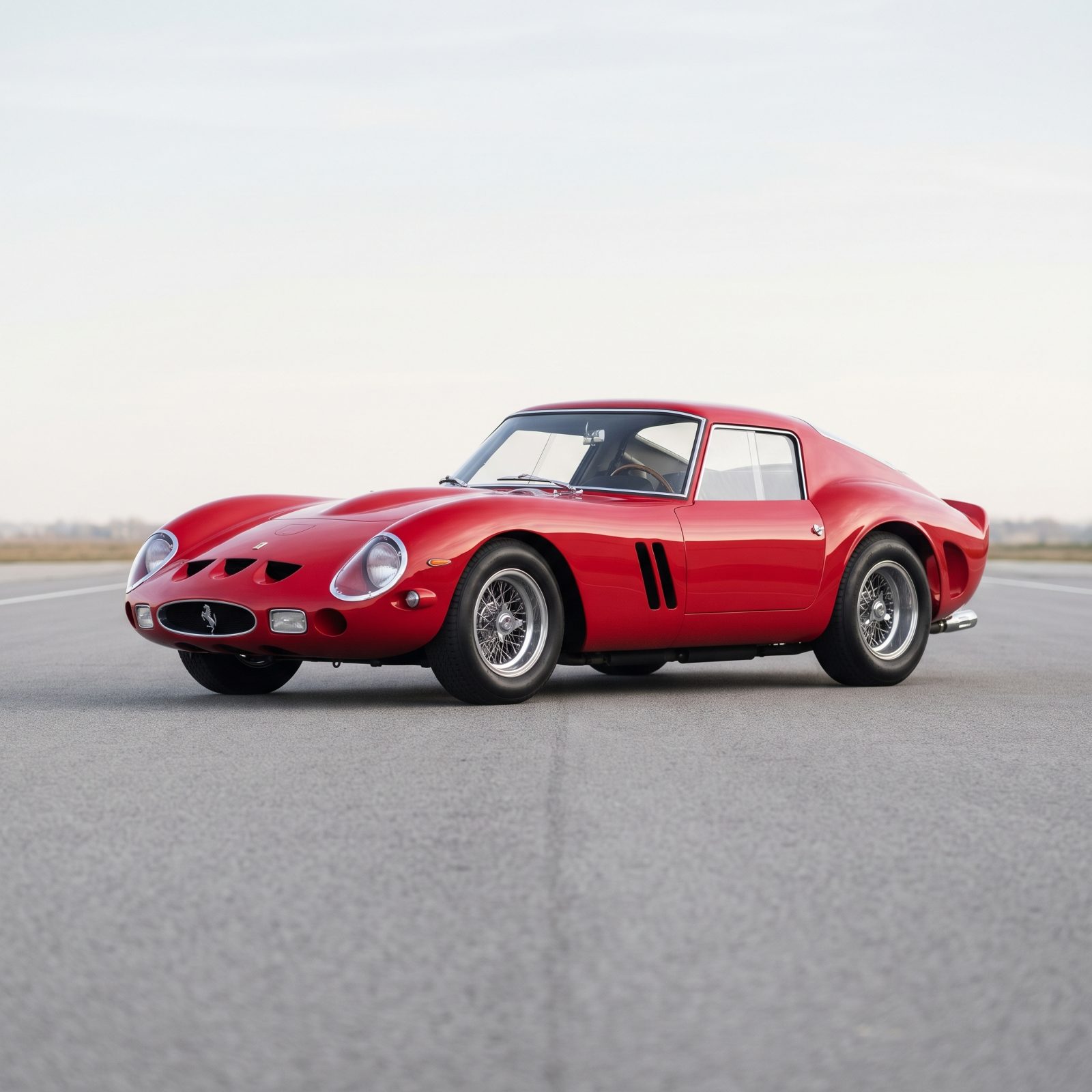
Every curve on a 250 GTO was argued over by air, not by a stylist chasing beauty.
The low oval nose, the faired headlamps, the kicked-up Kamm tail — all of it came from the wind tunnel and the racetrack. Decoration got no vote. And somehow the car ended up the loveliest shape Ferrari ever built, precisely because nothing on it was there to be pretty.
You read the intent instantly. Hunched fenders over the wheels, the body dropping to almost nothing at the back. It looks fast parked because it was shaped to be fast moving.