
Would you like to save this?
Watch a seasoned driver pull into a lot and you’ll notice something. They don’t nose in and trap themselves — they swing wide and back into the space so the car faces out, ready to leave clean. Most younger drivers see it as fussy. It’s the opposite. These are small decisions made by people who’ve driven a few hundred thousand miles and figured out what actually keeps the paint on the car and the nerves intact. None of this is about slowing down with age. It’s about trading flash for margin. Here are the habits worth stealing.
26. Backing Into the Spot So You Drive Out Facing Forward
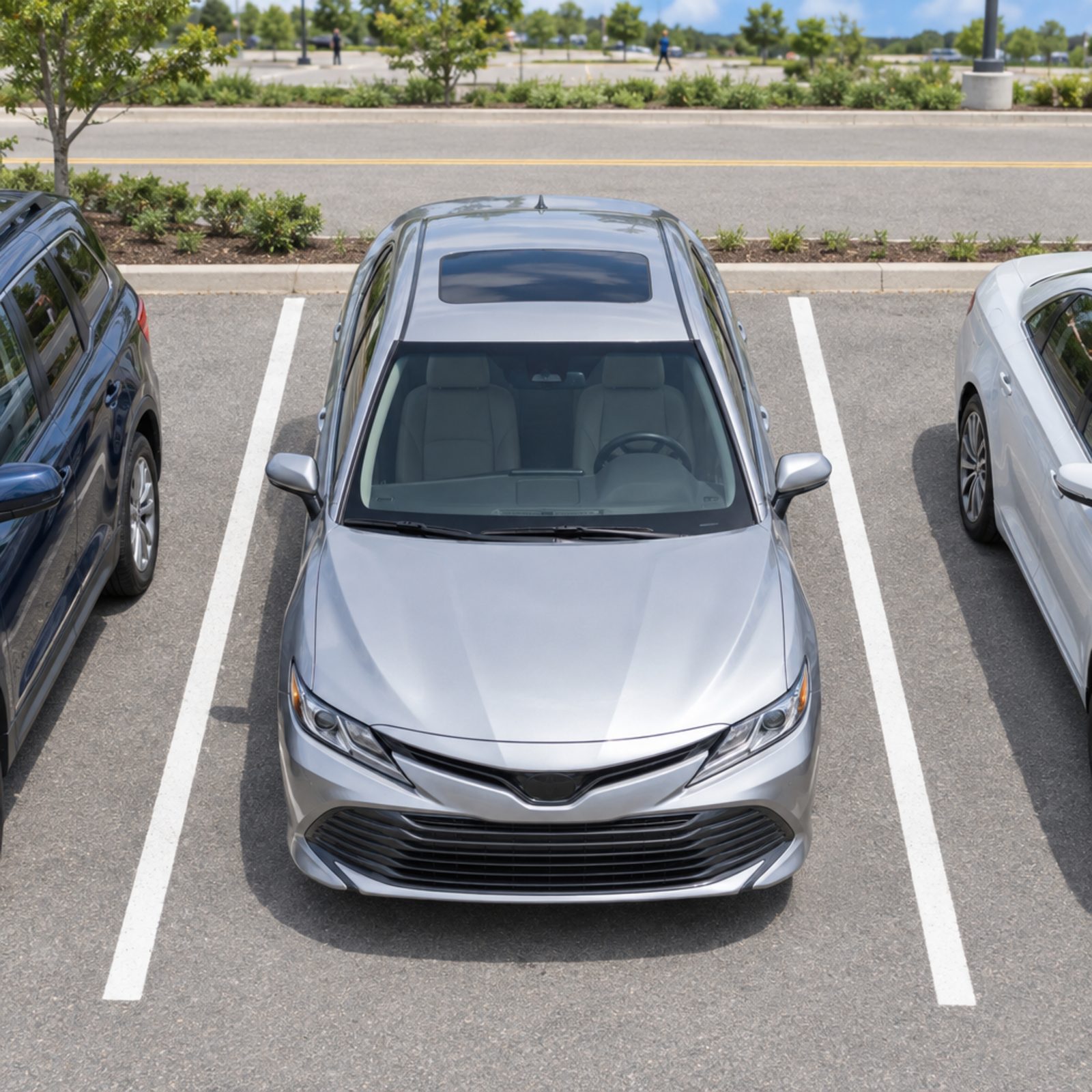
Here’s the logic nobody explains. Backing into a space is the one maneuver you do while the lane behind you sits empty, calm, and fully in view — you line it up once, carefully, with nobody waiting on you.
Then when you leave, you pull straight out facing forward. No blind reverse into a moving lane. No craning your neck past a loaded trunk while some kid on a bike rolls behind you. You’ve moved the risky part to the quiet moment and kept the busy moment simple.
Fleet drivers and cops do it for exactly this reason. It isn’t caution — it’s a plan.
25. Leaving More Road Between You and the Car Ahead
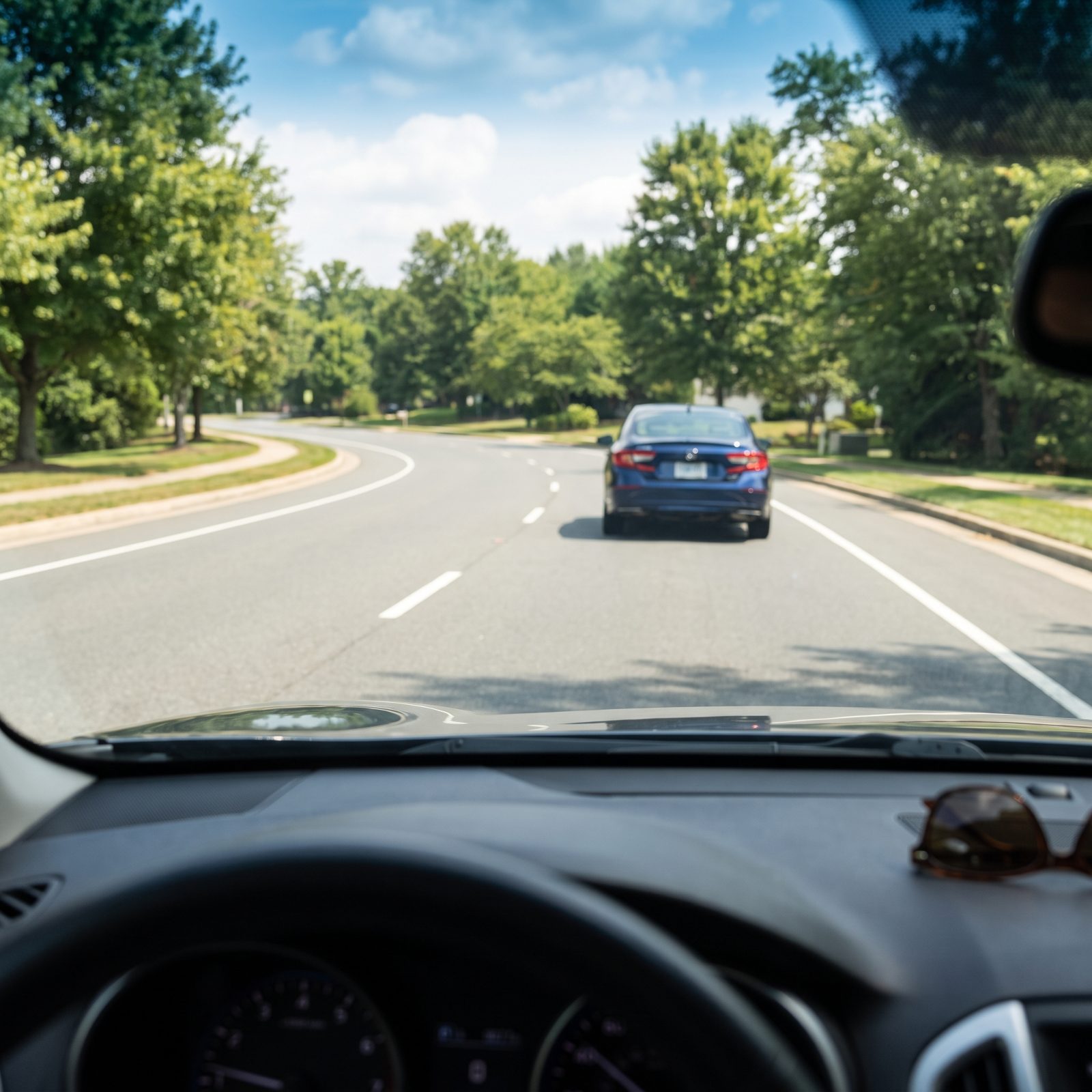
Tailgating buys you nothing. You arrive at the same red light, closer to someone’s bumper, with a fraction of the time to react.
Experienced drivers run a bigger cushion on purpose, and that gap is reaction time made visible. When the car ahead stamps the brakes, the space is what saves you. It does something quieter on the highway too — it smooths your own driving, because you’re reacting to the flow instead of the single bumper in front of you.
24. Waiting a Beat Before Rolling Through a Fresh Green
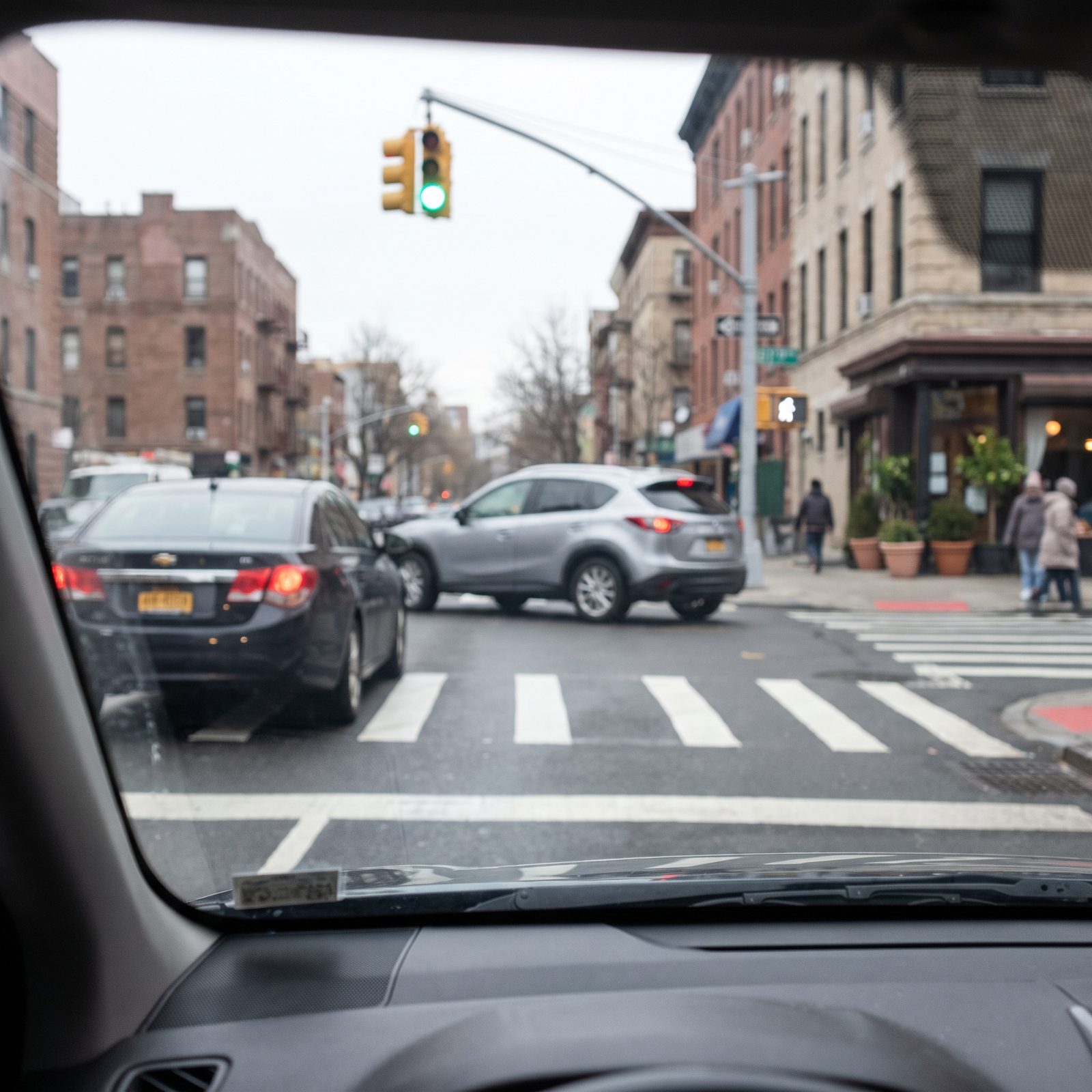
Green doesn’t mean go. Green means check, then go.
The most dangerous second at any intersection is the one right after your light turns — that’s when the last person running the yellow blows through from the cross street. A quick glance left, then right, costs you half a second and catches the car that didn’t stop. Younger drivers treat a fresh green like a starting gun. People who’ve seen a T-bone up close treat it like a door they look through before walking in.
23. Hitting the Turn Signal Earlier Than You Need To
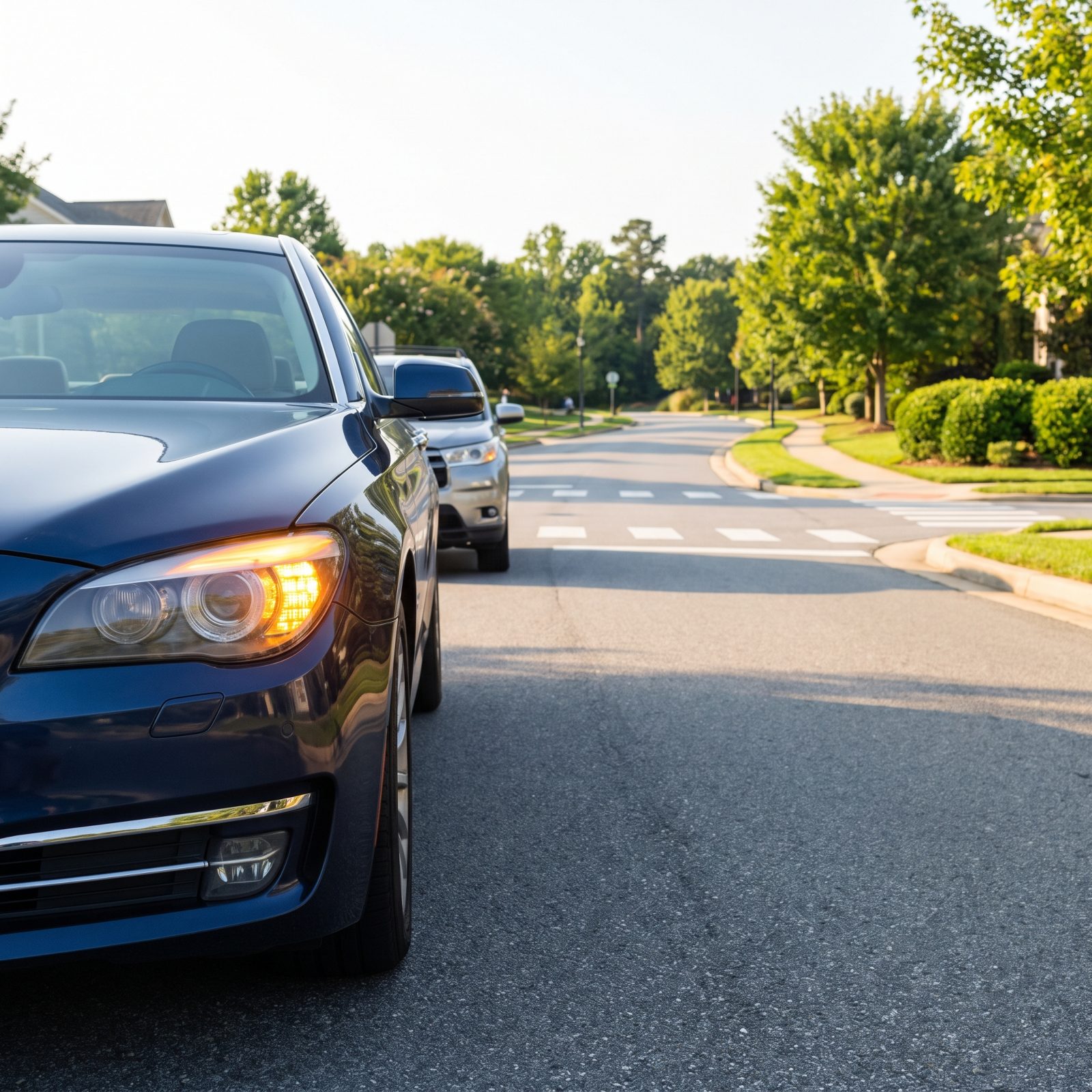
A turn signal flicked on as you’re already turning is a confession, not a signal. It tells everyone what you did, not what you’re about to do.
The blinker exists to buy lead time. Hit it a few seconds early and the drivers around you get to adjust before you move — the guy behind lets off the gas, the one waiting to pull out knows to hold. You’ve given the road a heads-up instead of a surprise.
22. Backing Off the Gas When the Rain Comes Down Hard
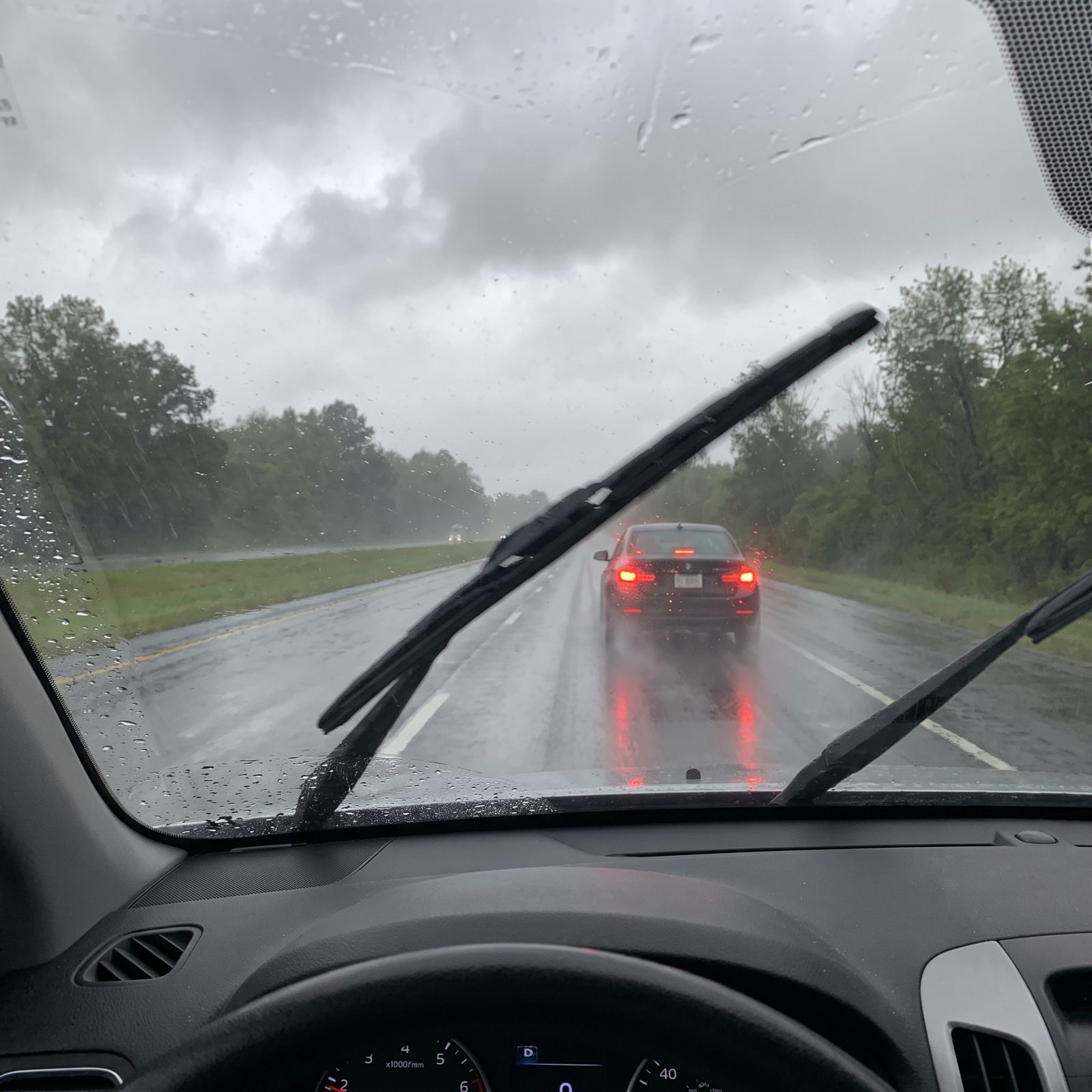
The posted limit was set for a dry road on a clear day. Rain rewrites all of it.
Wet pavement cuts your grip and stretches your stopping distance well past what your gut expects. The first rain after a dry spell is the worst — it lifts oil off the road into a greasy film that’ll put you sideways before you know it. Experienced drivers don’t fight this. They ease off, leave more room, and let the impatient ones blow past toward whatever they’re late for.
Slowing down in a downpour isn’t timidity. It’s reading the road in front of you instead of the number on a sign.
21. Taking Three Right Turns Instead of One Ugly Left
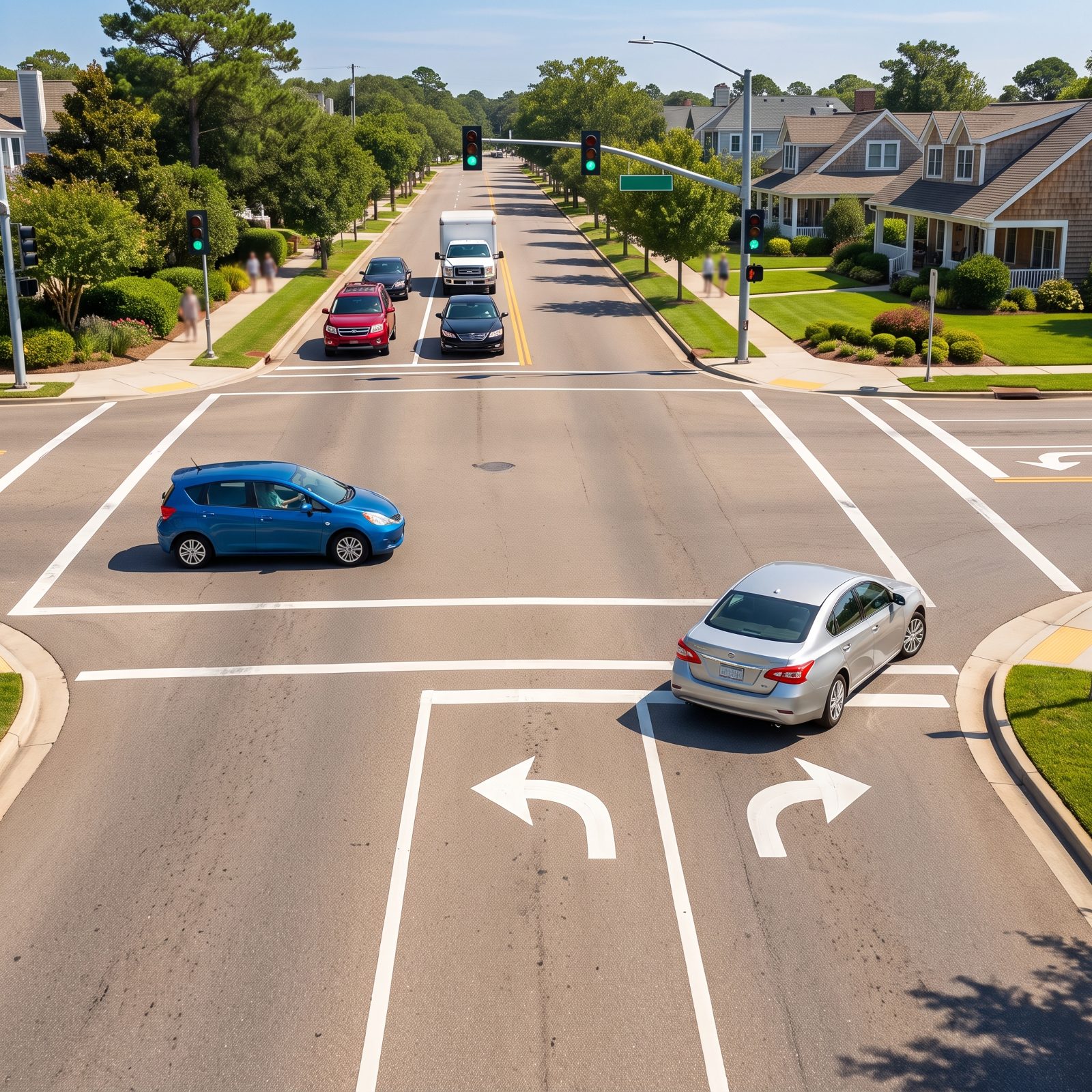
UPS built an entire routing system around avoiding left turns. There’s a reason.
An unprotected left means sitting in the intersection, judging a gap in oncoming traffic, often with your view blocked by the car ahead doing the exact same thing. It’s one of the riskiest moves in normal driving. Three rights around the block, or a trip to a light with a green arrow, erases that gamble entirely.
It feels like the long way. Usually it’s the calm way.
20. Sticking to the Roads You Know Over the App’s Shortcut
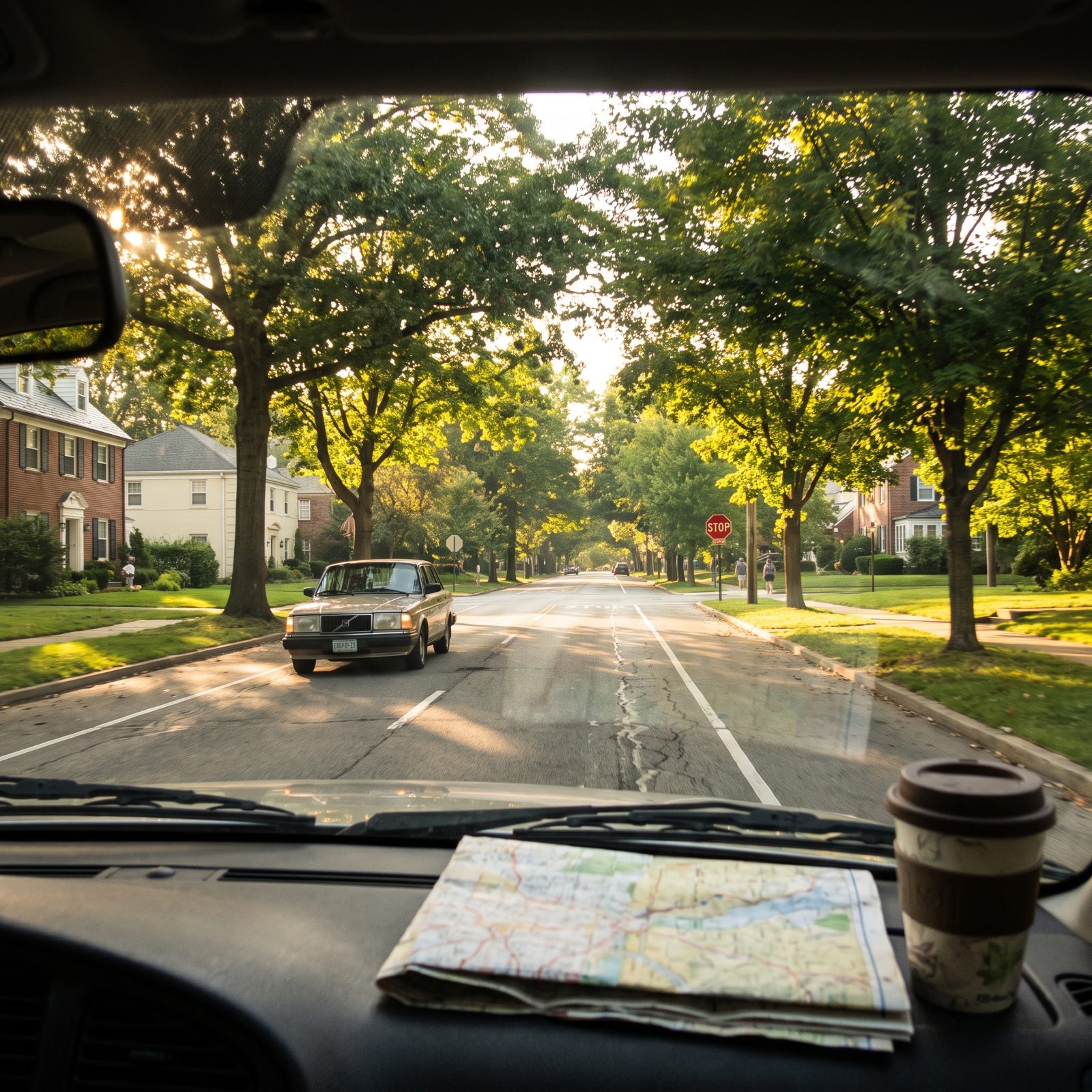
The navigation app doesn’t know the intersection where the left turn is a nightmare at 5pm. You do.
A route you’ve driven a hundred times loads almost no mental effort. You know where the lanes split, where the deer cross, which light stays red forever. The app’s two-minute shortcut drops you onto an unfamiliar on-ramp with a merge you have to solve in real time — and that’s when things go wrong.
Familiar isn’t boring. Familiar means your attention is free for the things that actually change: the pedestrian, the brake lights, the idiot weaving two cars up.
19. Running Errands Around Rush Hour, Not Through It
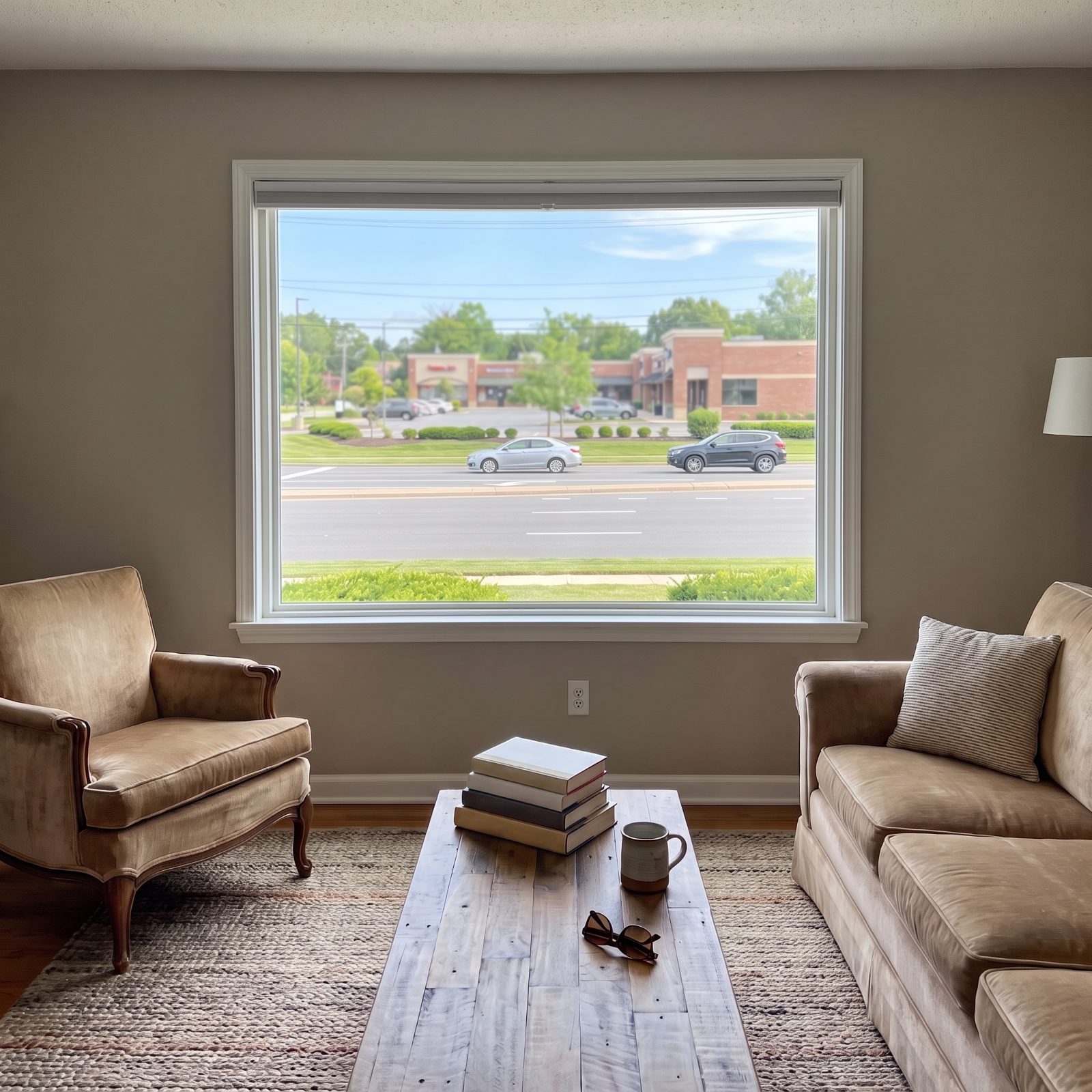
The retired driver’s quiet luxury is picking the hour.
Mid-morning, the grocery lot is half empty and the roads are loose. The same trip at 5:30 means merging into a wall of frustrated commuters, each one riding bumpers and sneaking looks at a phone. Fewer cars means fewer decisions per minute, and fewer decisions means fewer mistakes.
18. Filling Up at a Quarter Tank Instead of Running It Dry
Would you like to save this?
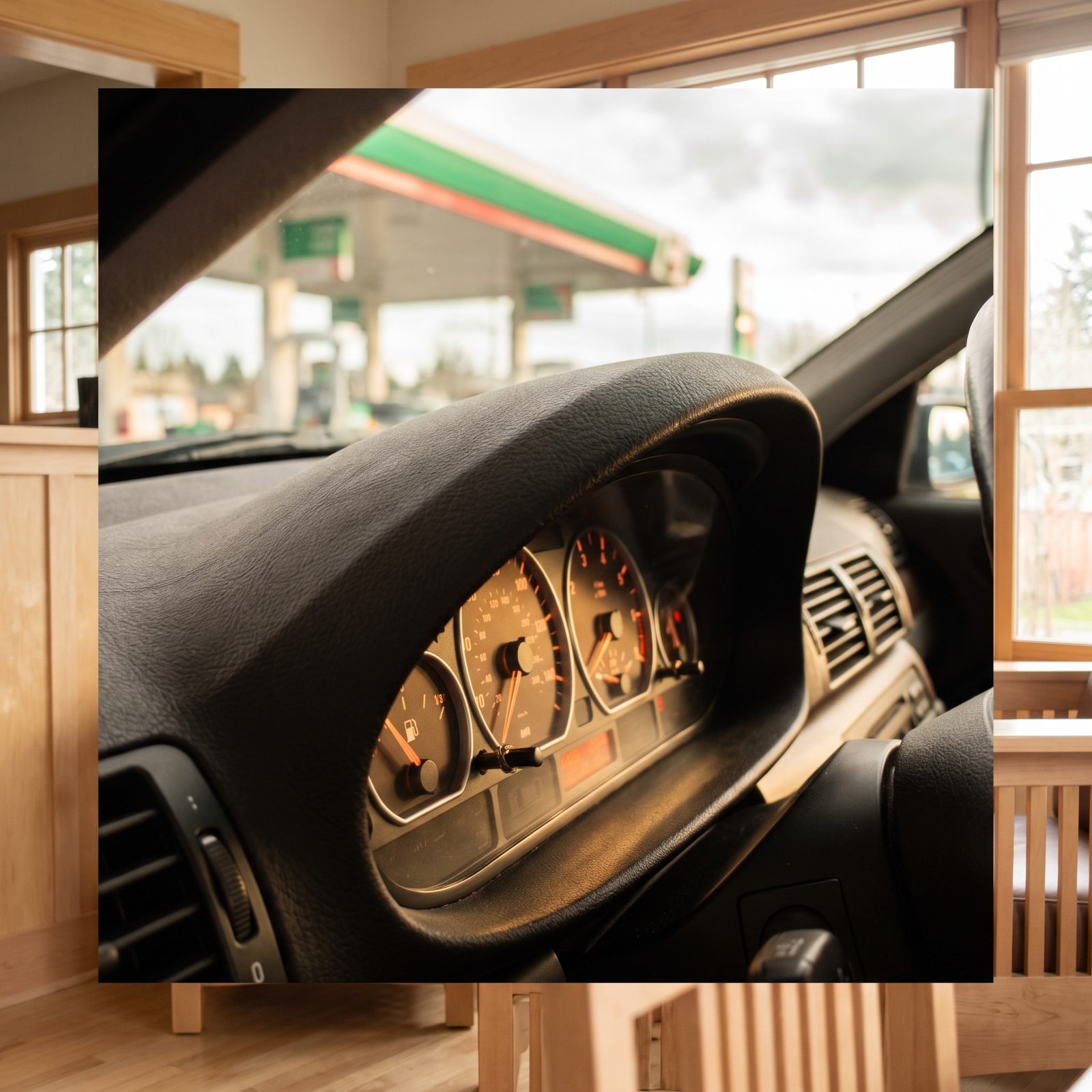
Running on fumes is a young person’s game, and a bad one.
Fill up at a quarter tank and you’re never the person stranded on a shoulder, never the one forced to buy from the overpriced station because there’s no choice left. You get to pick a stop that’s safe to enter and easy to exit, in daylight, on your terms.
Small habit, big quiet payoff. The gauge never becomes an emergency because you never let it get close.
17. Parking Under a Light That Actually Works
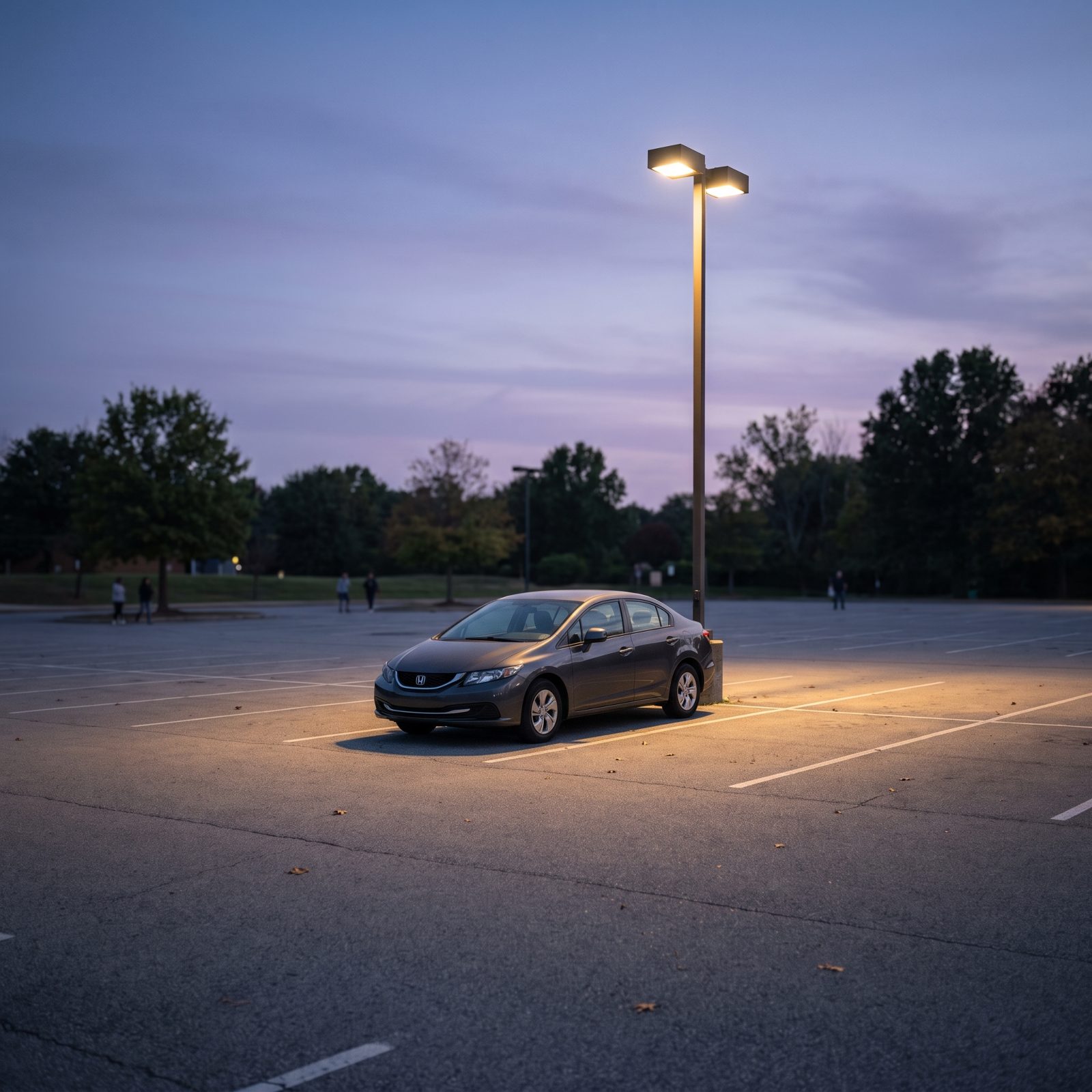
Scan any lot after dark and you’ll see the pattern. The careful drivers cluster under the poles that are lit.
A working light pulls triple duty. It lets you see around your own car as you walk up. It discourages anyone who’d rather not be seen. And it turns loading the trunk or buckling in a late passenger into something you do in light instead of by feel.
Convenience and safety don’t always line up. When they don’t, the light wins.
16. Choosing an End Space in a Parking Lot
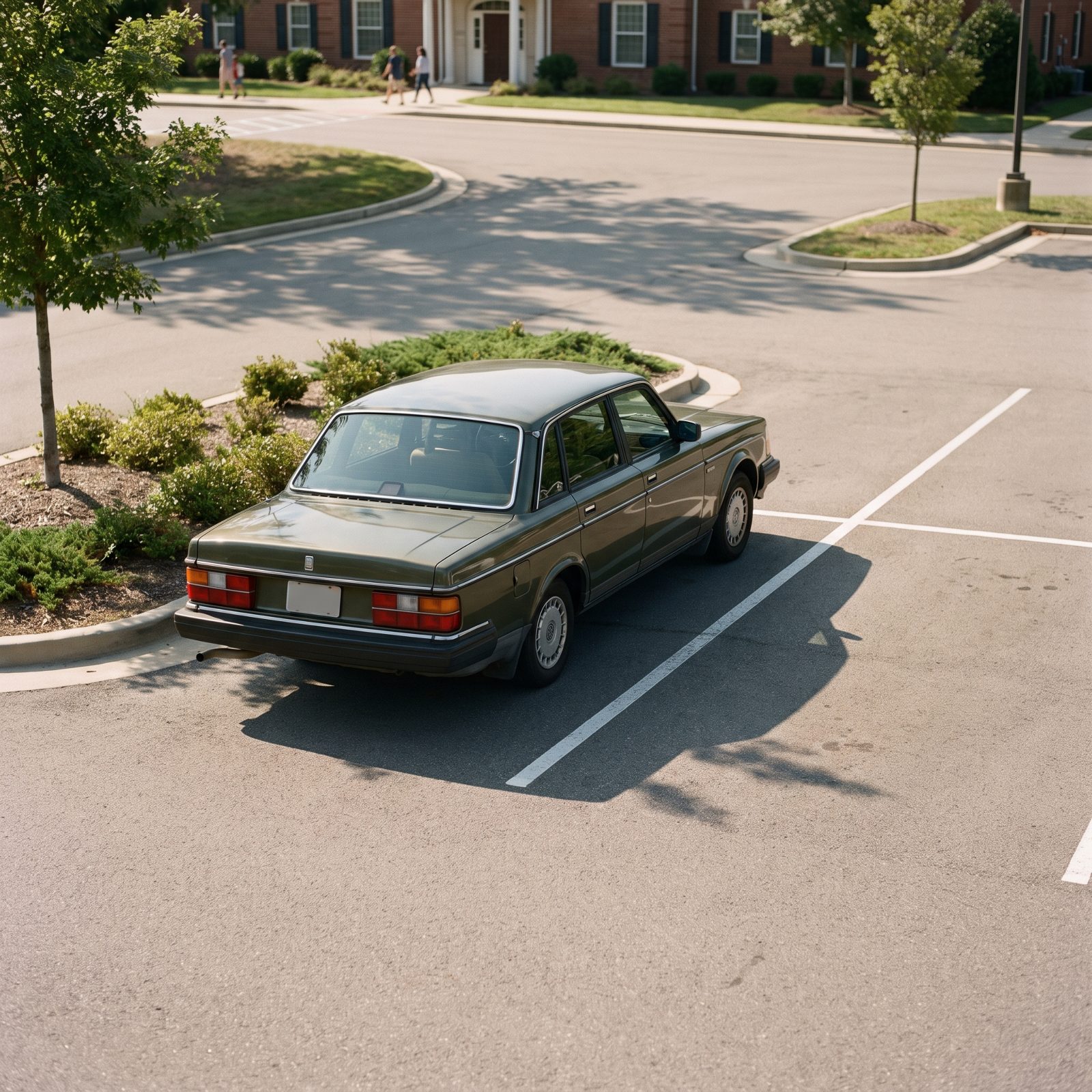
The end space costs you a few extra steps and buys you a car with one neighbor instead of two. Half the door-ding risk, a clear line of sight out one side, and room to open your door wide enough to actually get in without the contortion.
Nobody wedges you in on the open side. And when you pull out, you’re looking into empty lane instead of threading between two parked bumpers you can’t see over. People don’t crowd the nearest spot out of laziness — it’s habit. The veterans broke that habit decades ago.
15. Avoiding Spots Beside Large SUVs and Trucks
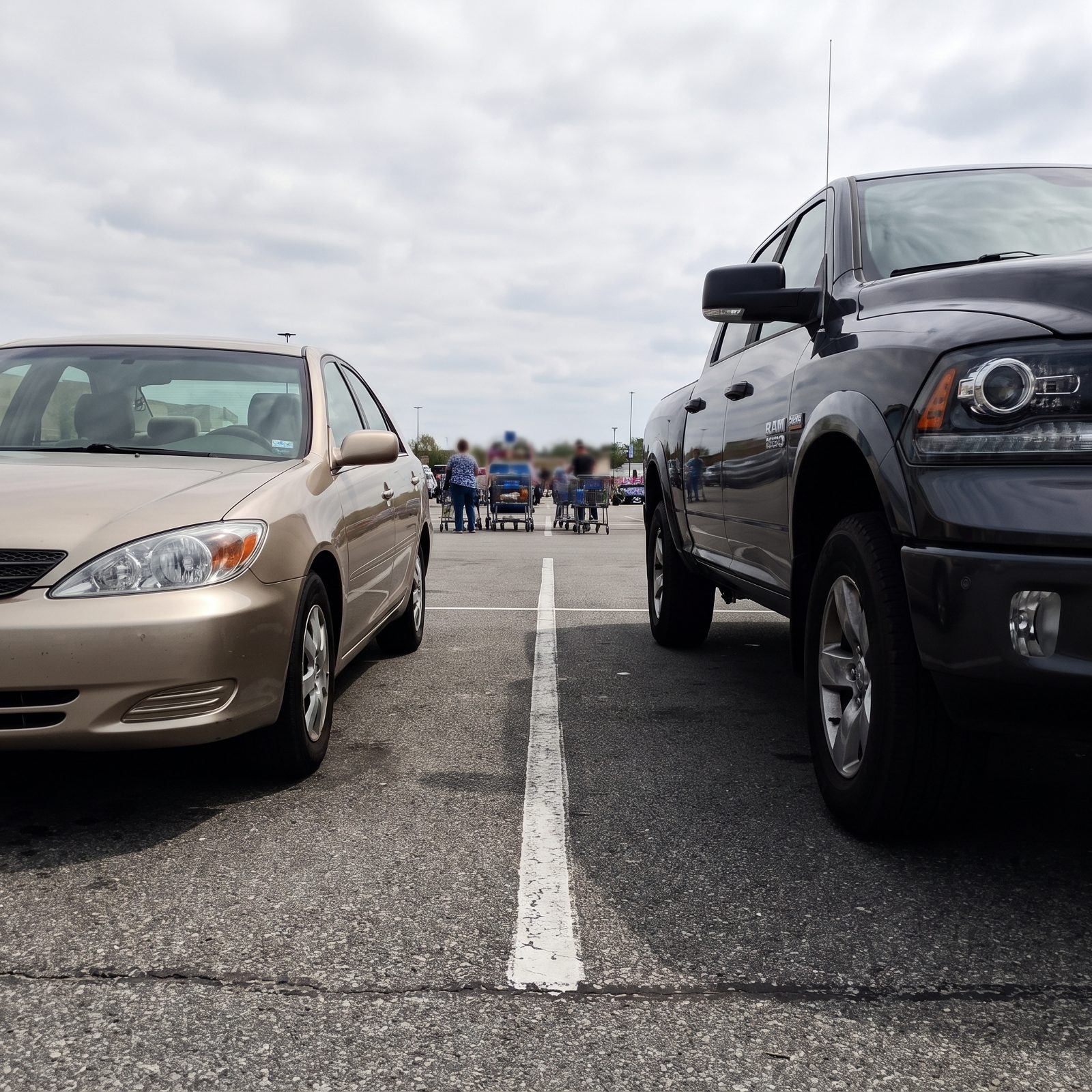
Park a low sedan next to a lifted truck and you’ve blindfolded yourself. When you reverse, that wall of sheet metal hides every car rolling down the lane until it’s right on top of you. You back out on faith, and faith makes a lousy co-pilot.
Seasoned drivers pass those spots on sight. They want neighbors they can see over, or no neighbors at all. The open space two slots down is worth the walk.
14. Walking Around the Car and Checking Behind It Before Leaving
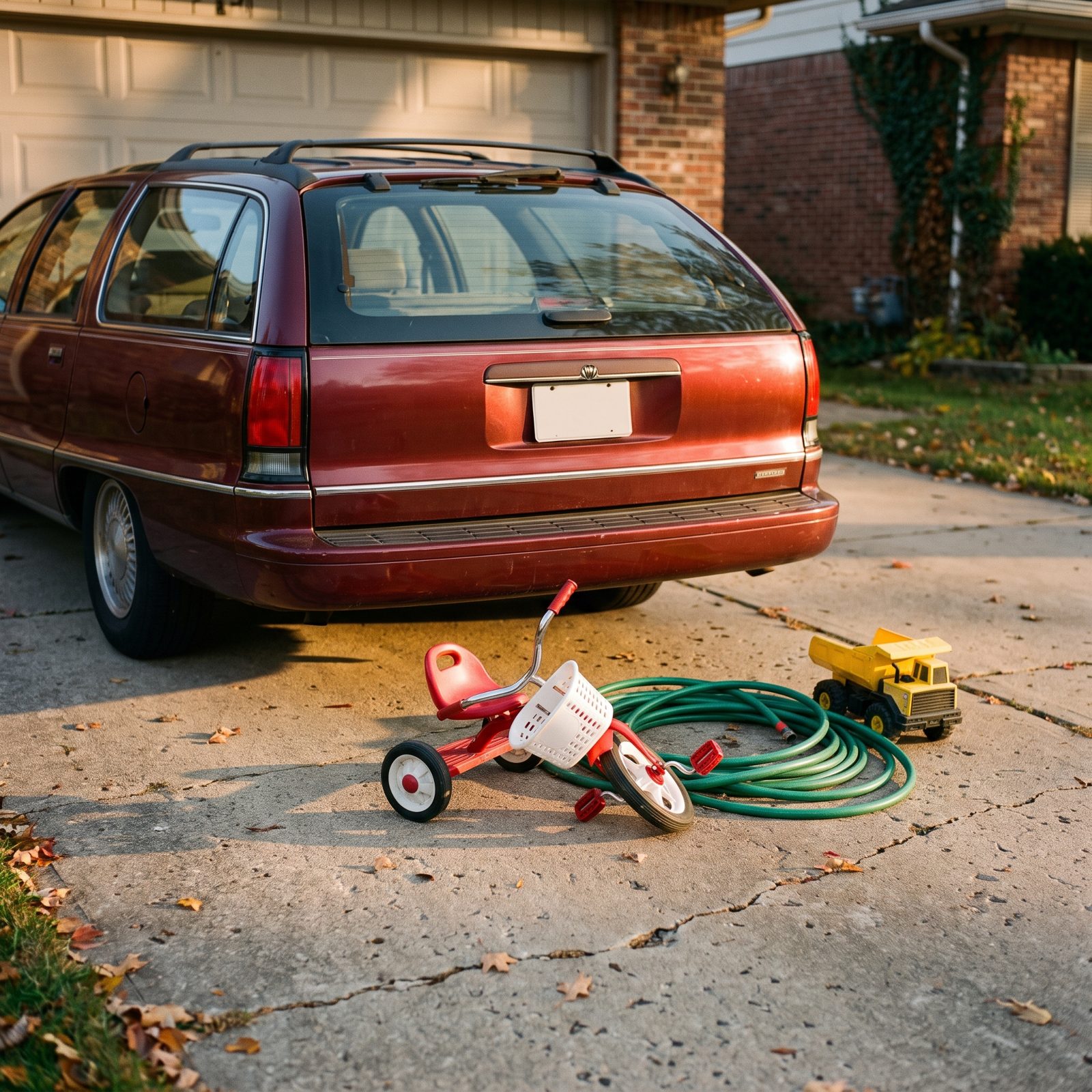
A quick lap around the car before you get in is the cheapest insurance there is. Modern rear windows sit high, and the blind zone behind a vehicle can swallow objects taller than you’d guess — a tricycle, a low post, something that rolled there since yesterday.
The walk takes ten seconds and catches what no mirror and no backup camera will ever show you. The worst hazards sit exactly where you can’t see them from the seat.
13. Adjusting Mirrors Before Shifting Into Gear
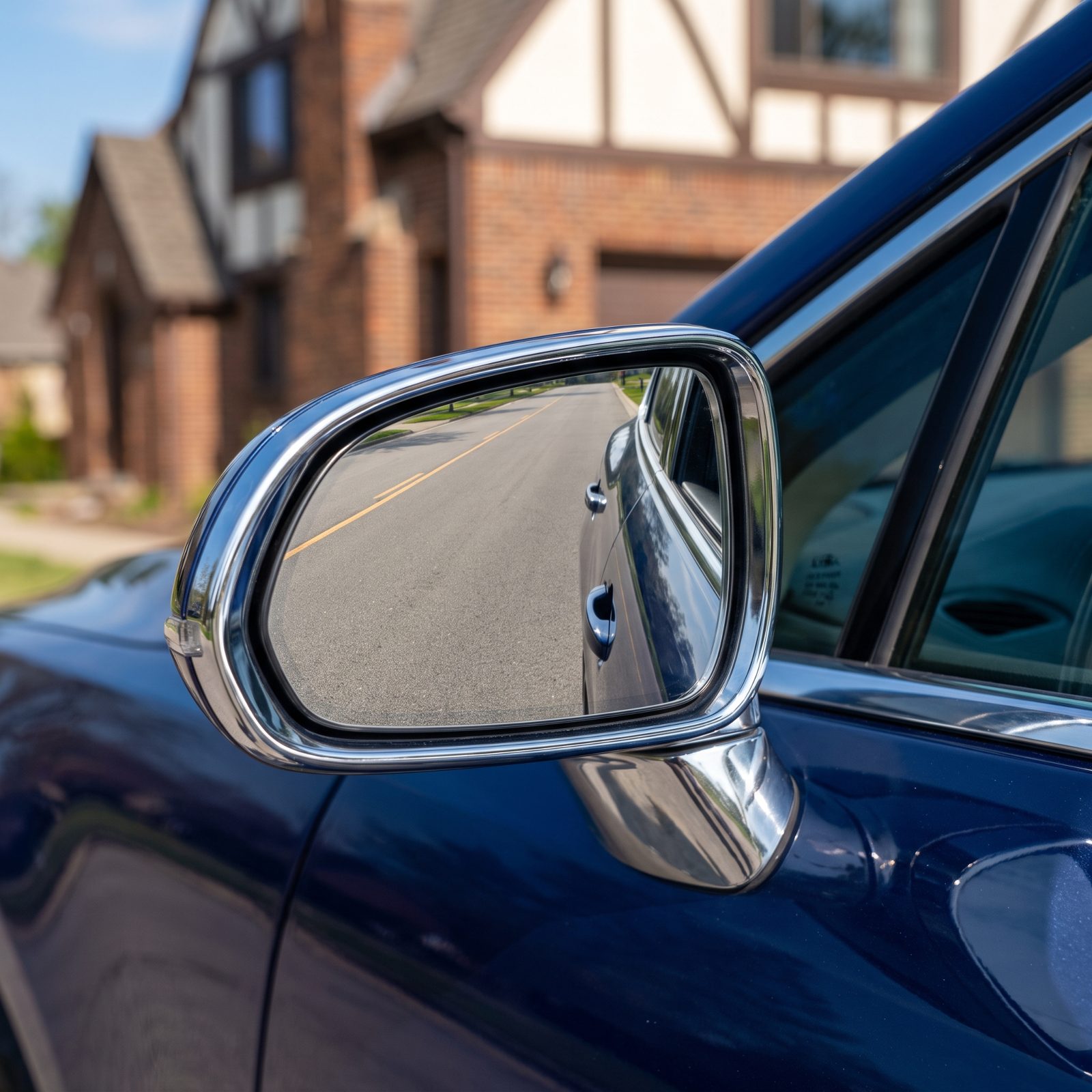
Mirrors get set in park, in the driveway, with the car standing still. Never rolling, never while merging. That’s the whole rule, and experienced drivers don’t bend it.
They’ll also set the side mirrors wider than most people do — past the point where you see your own door — so the blind spot shrinks instead of showing you the same sheet metal both mirrors already show. Fumbling a mirror at forty miles an hour is how a two-second task becomes a drift across the lane line.
12. Turning Down the Radio in Busy Traffic
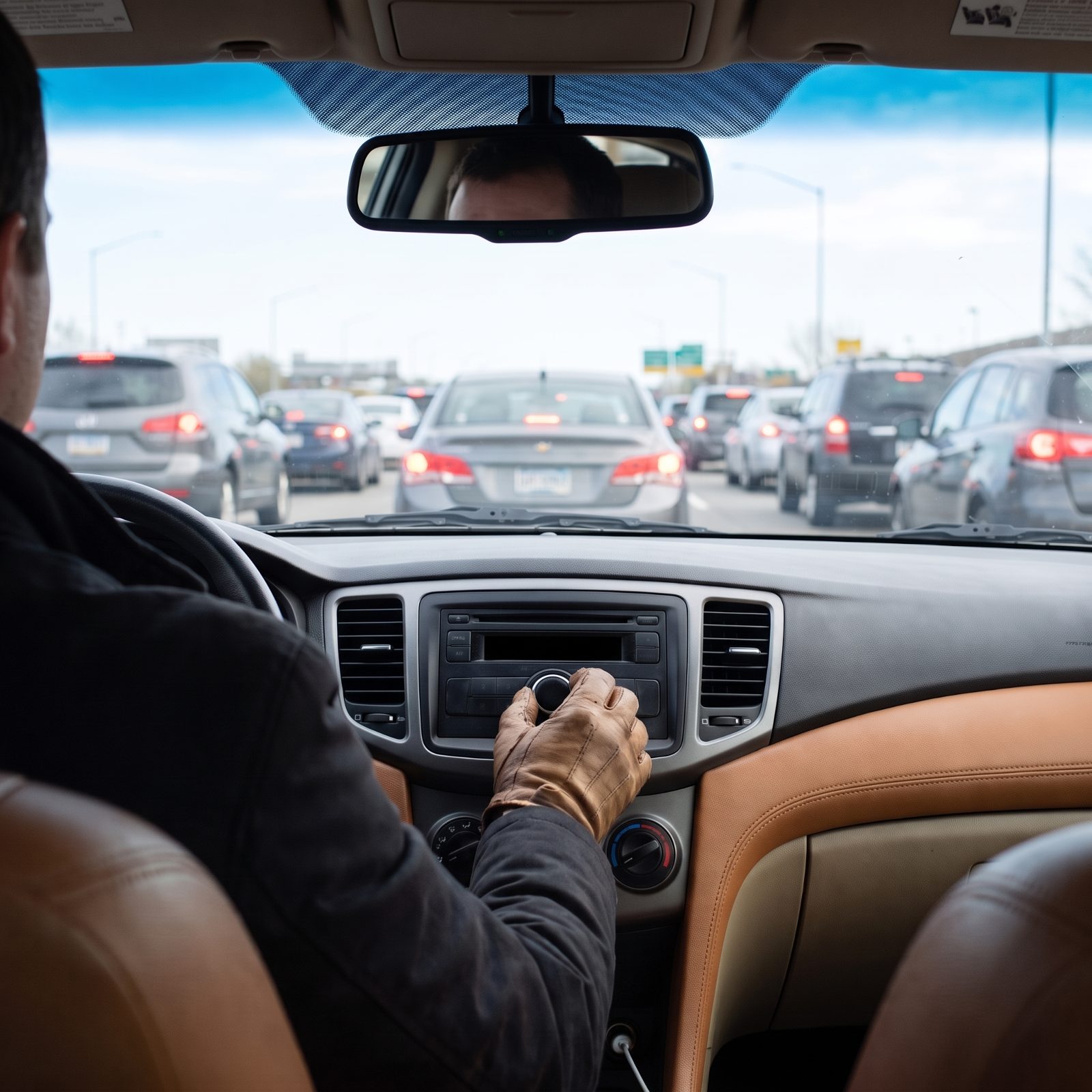
The music goes down when the traffic goes up. Sounds like superstition. It isn’t.
Quieting the radio hands back the mental bandwidth you were spending on the song. Your eyes do more work when your ears aren’t competing. Older drivers worked this out long ago — attention is a budget, and a crowded interchange is no place to blow it on a chorus.
11. Removing Sunglasses Before Entering a Tunnel
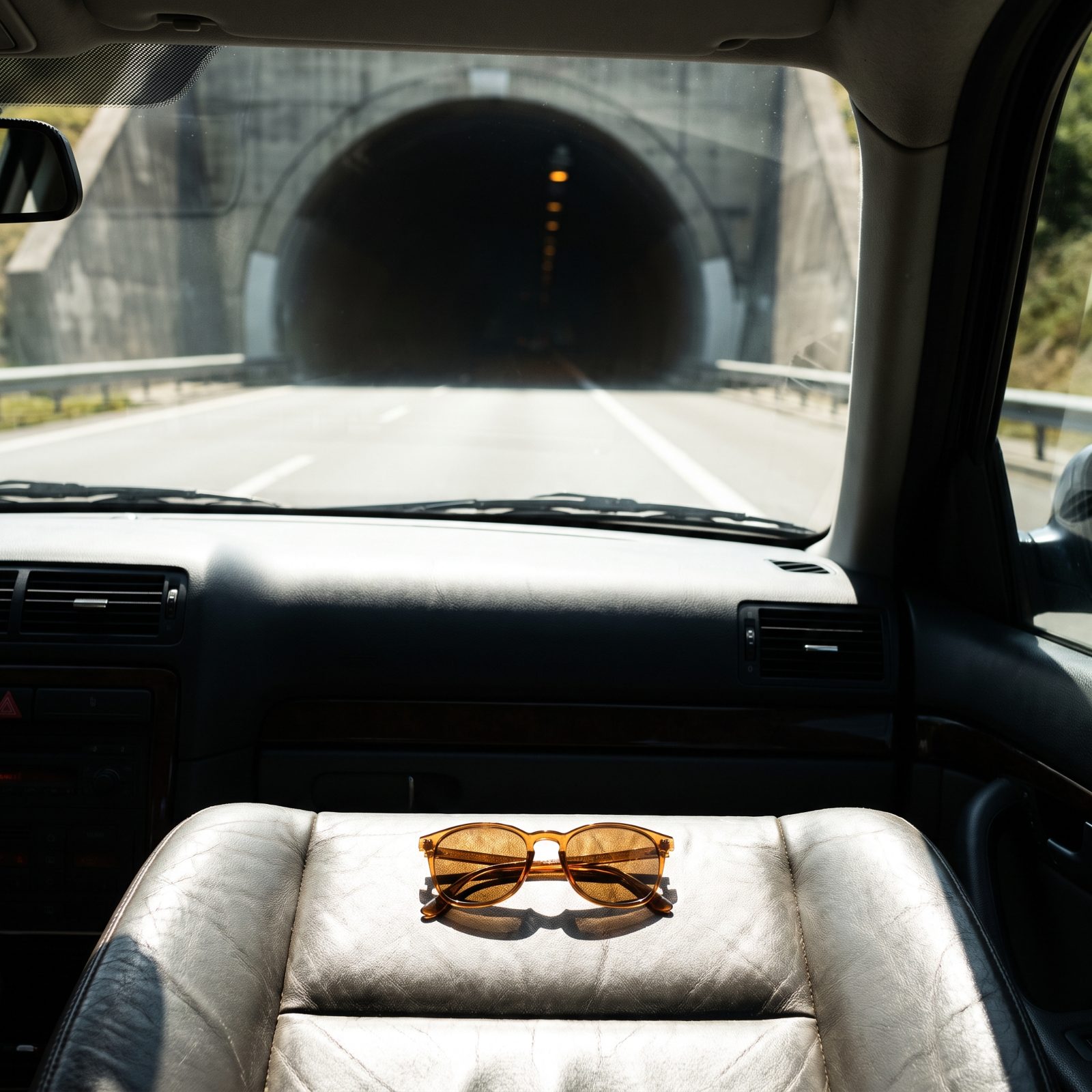
Sun-to-dark is the hardest transition your eyes make while driving. Roll from blazing daylight into a tunnel with sunglasses on and you lose a second or two of real vision while your pupils scramble to catch up. At highway speed, that’s a long way to travel half-blind.
So the glasses come off before the mouth of the tunnel, not inside it. Small move — the kind you only think to make after a few decades of watching your own eyes lag behind the light.
10. Pausing to Read Every Temporary Roadwork Sign
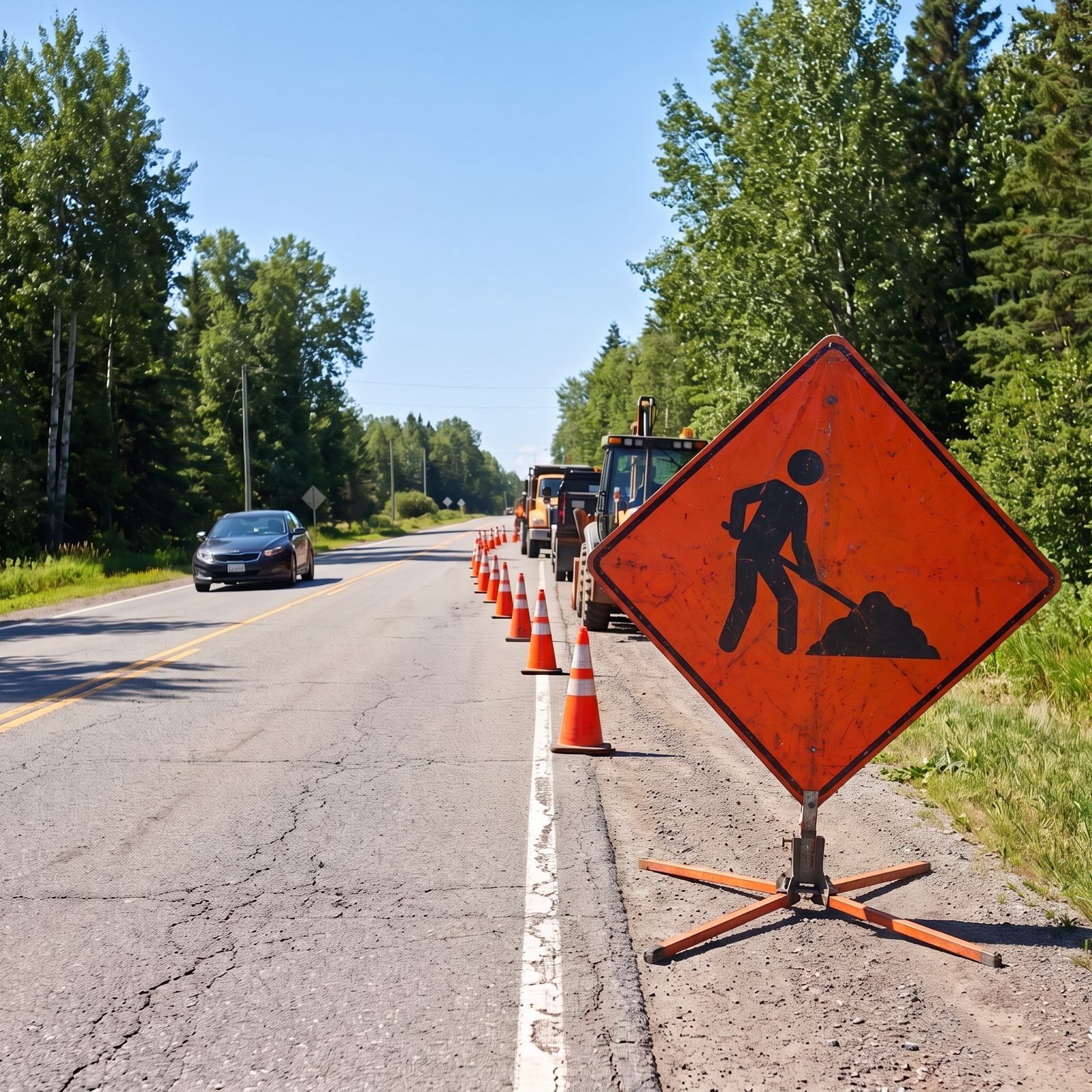
Work-zone signs change the rules you’ve driven on for years — a lane shift here, a speed drop there, a flagger around the next bend you can’t see yet. Veterans read every one, even the temporary plastic ones that look thrown down in a hurry.
Younger drivers skim, trusting the road to behave the way it always has. But a work zone is the one place the road stops behaving. Reading the sign is how you learn what changed before you arrive at it instead of after.
9. Letting Aggressive Drivers Pass
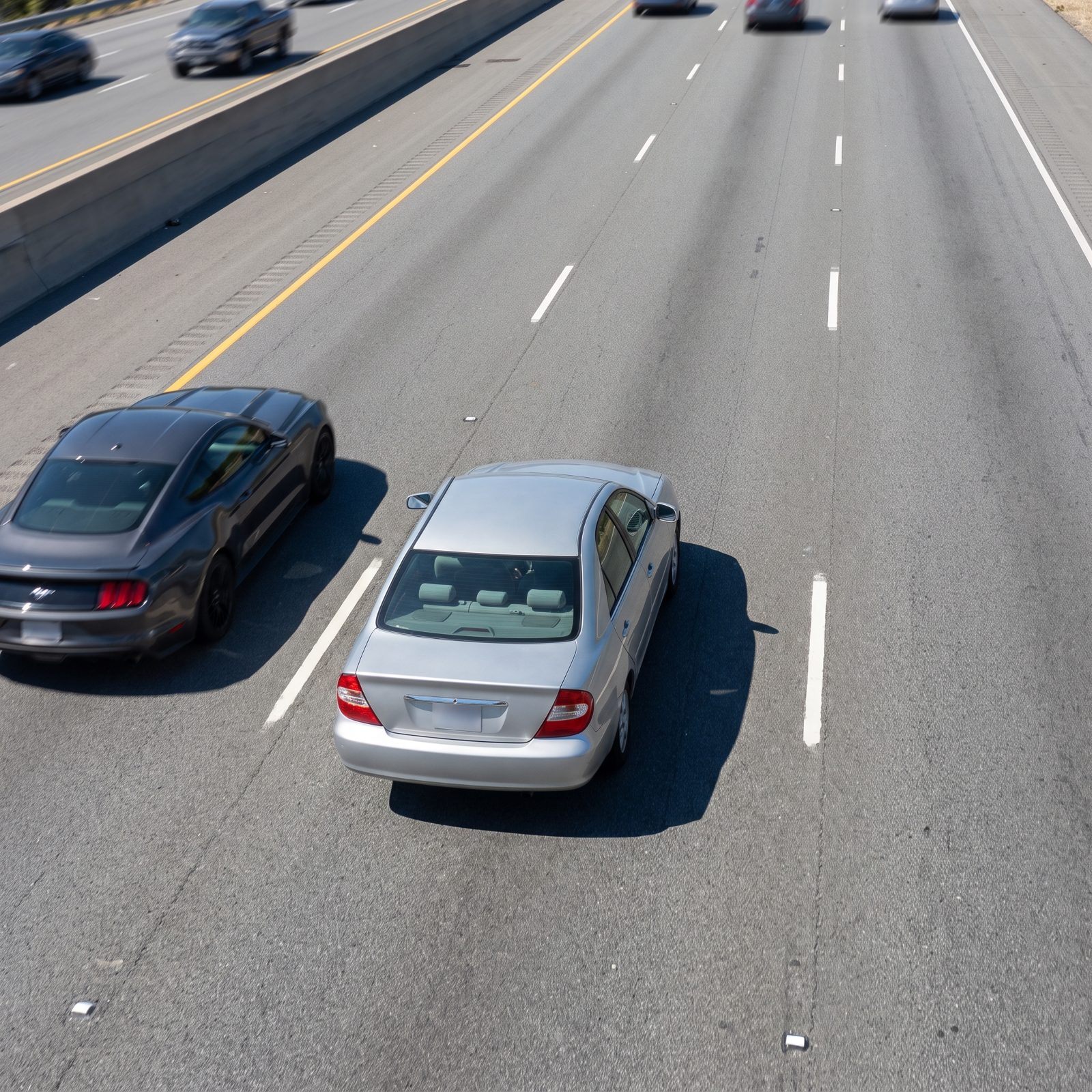
There’s no trophy for holding your lane against a tailgater. The move that keeps everyone whole is the boring one: ease over, let them go, get them out of your mirror and out of your afternoon.
Experience strips the ego out of it. You stop reading another driver’s impatience as a challenge and start reading it as a hazard you’d rather have ahead of you than behind. Let them chase their own red light. You’ve got nowhere to be that badly.
8. Coasting Early Toward a Red Light
Would you like to save this?
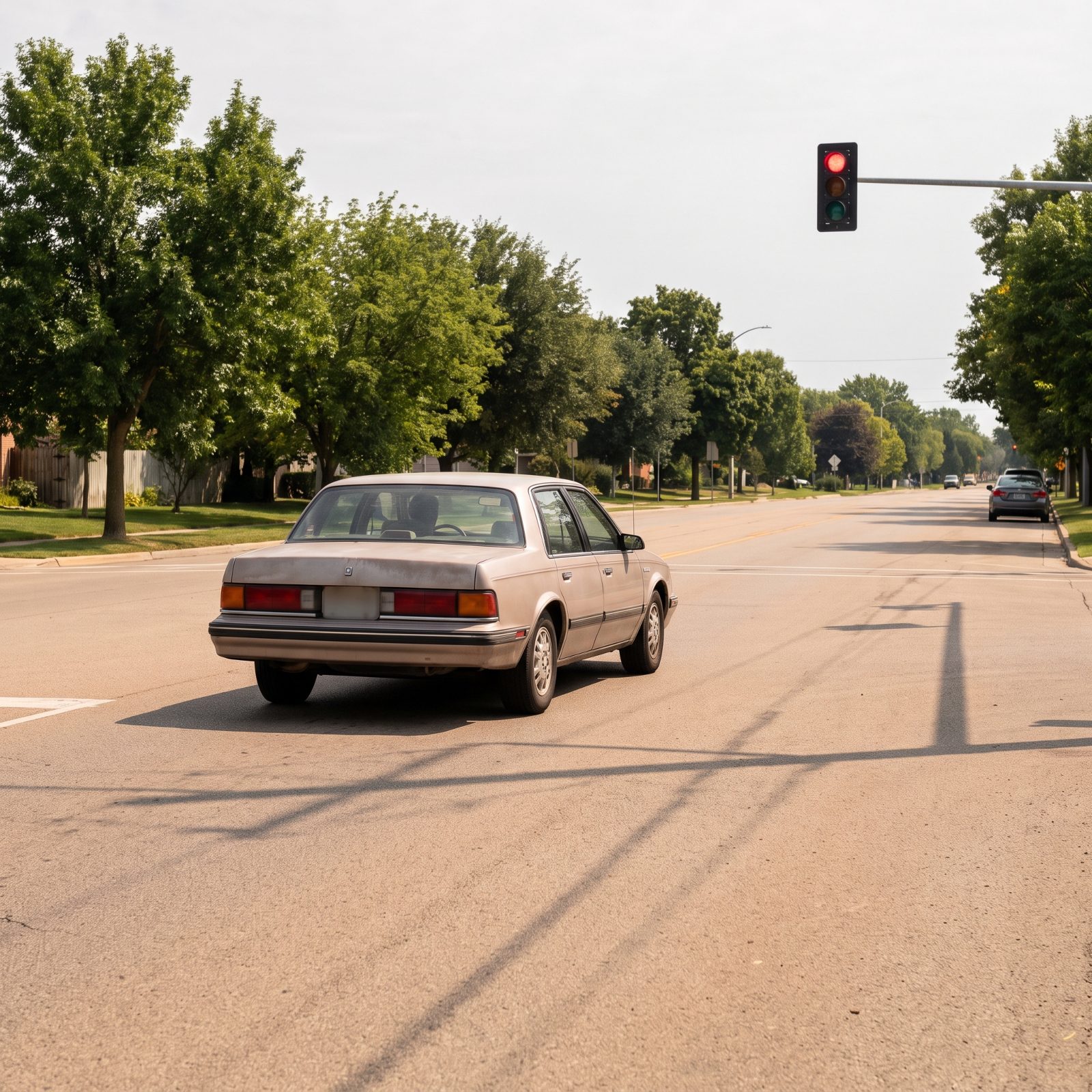
You can spot the veteran a block away. Already off the gas, letting the car bleed speed while everyone else races up to the red and stands on the brakes.
Coasting early does three quiet things worth having:
- Saves fuel, because you’re not burning gas to arrive at a stop.
- Spares the brakes, which wear slower when they do less sudden work.
- Buys reaction time, because a car already slowing can respond to a light that turns green or a surprise at the intersection.
It feels better too. No lurch, no hard stop, no coffee in your lap.
7. Avoiding Cruise Control on Wet Roads
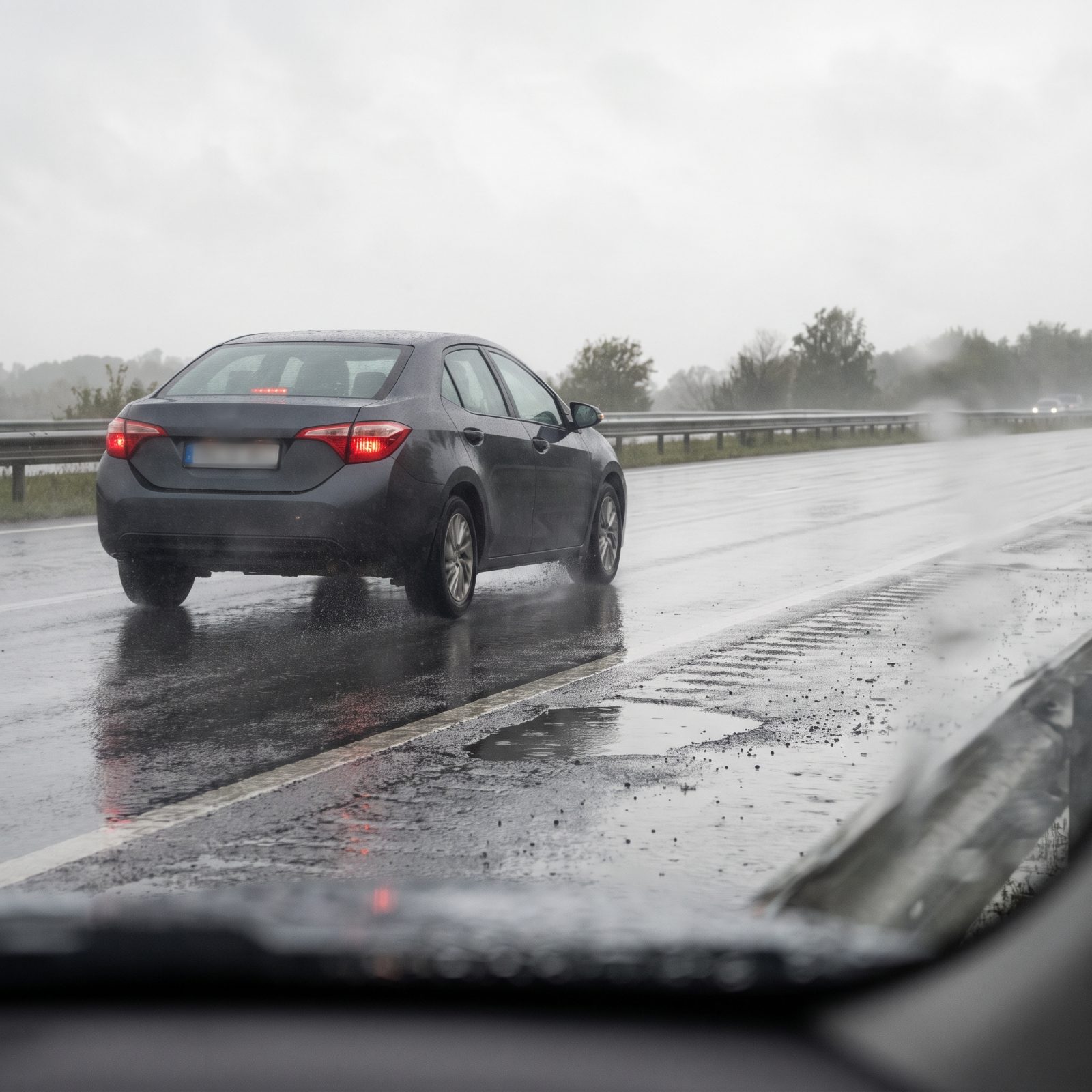
Cruise control and standing water don’t mix. On a wet road, if a tire loses grip and starts to hydroplane, cruise can misread the slip and feed more throttle to hold the set speed — exactly the wrong move at exactly the wrong moment.
Drivers who’ve driven through enough storms keep the rule simple. Rain comes, cruise goes off, your own foot stays on the pedal. You want the car answering to you when the surface turns slick, not to a setting that has no idea it just started pouring.
6. Slowing Before the Curve Instead of During It
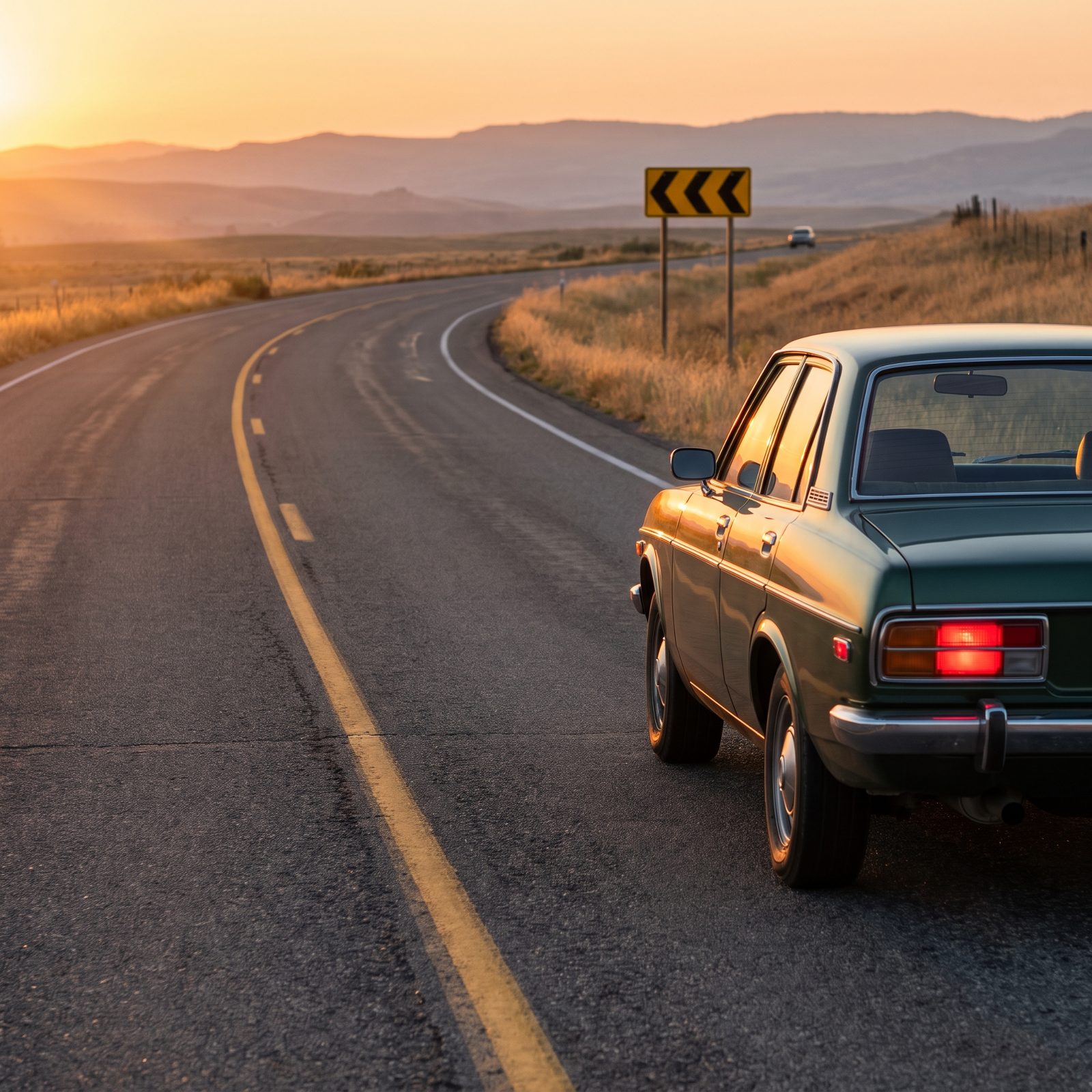
Braking in a curve is where people lose the back end. The weight shifts, the tires are already fighting to hold the turn, and now you’re asking them to stop on top of that — one job too many.
So do your slowing on the straight. Enter the bend at a speed you’ve already settled into, then feather back on as the road opens up. The car stays planted and your passengers don’t grab the door handle.
5. Leaving Extra Room Behind a Stopped Truck
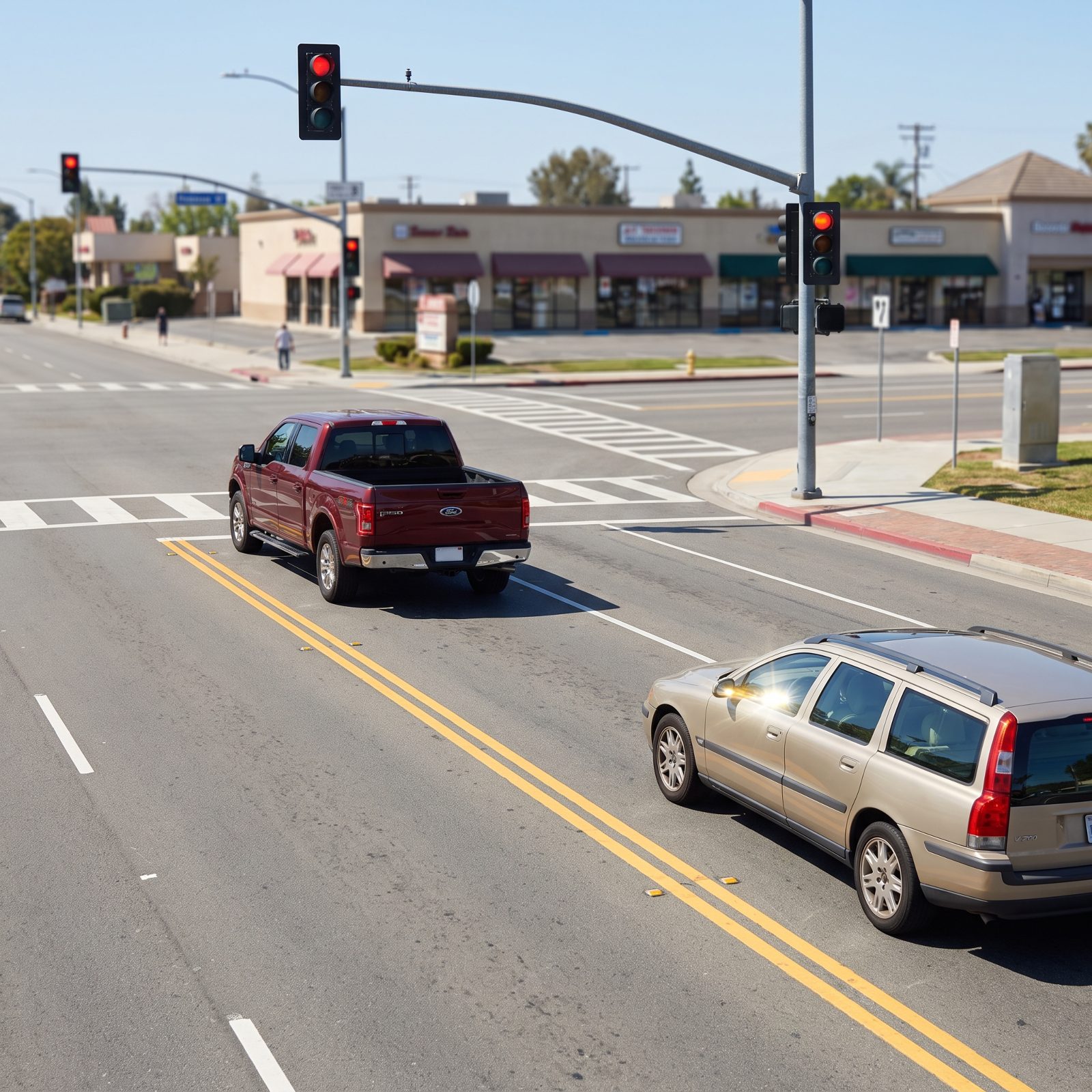
The old line holds up: if you can see the tires of the vehicle ahead touching the road, you’ve got room to pull out should you need to. A big truck steals your whole view, and it rolls back a little when it takes off. Give it a car length and you’ve solved both headaches at once.
Bonus — you stop breathing diesel at a dead stop, and you’ve got somewhere to go if the fellow behind you isn’t paying attention.
4. Watching the Wheels of Cars at Side Streets
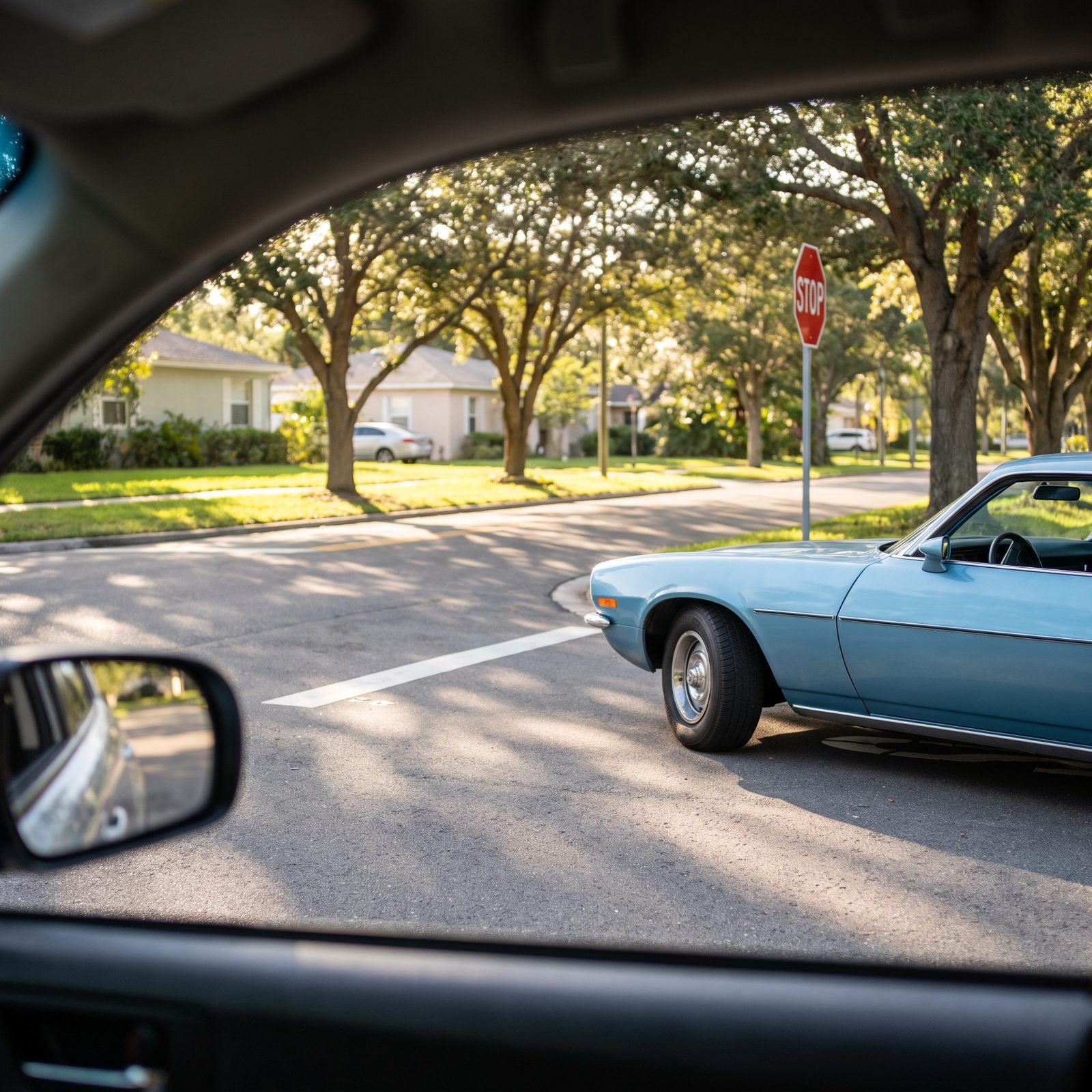
Faces lie. Wheels don’t. A driver at a side street can look dead at you and still roll out, because they saw you and misjudged how fast you were coming. A front tire, though, starts turning a half second before the car moves. Watch the wheel and you get a warning that eye contact will never hand you.
3. Cleaning the Inside of the Windshield
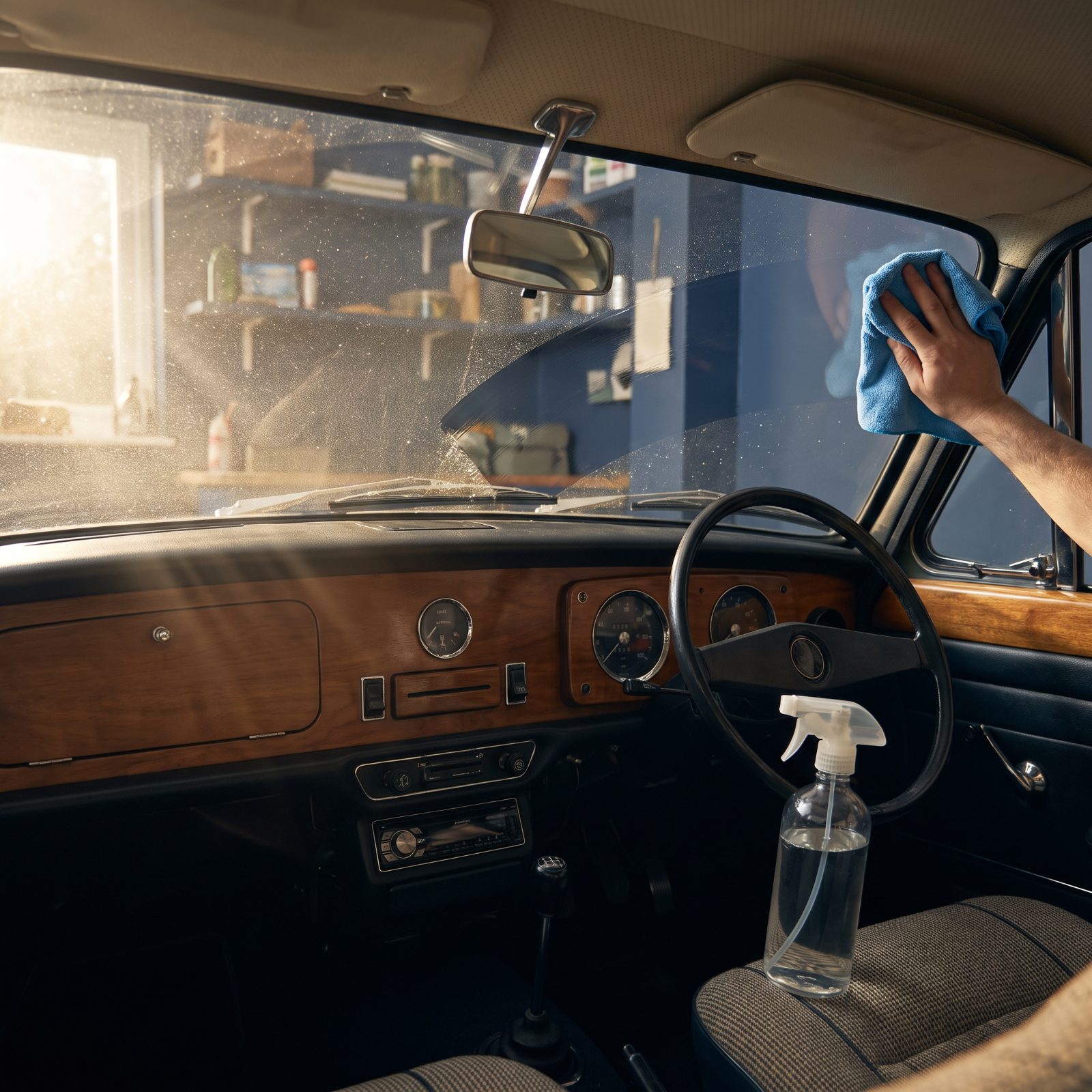
Everybody scrubs the outside and never once touches the inside. Then the low sun catches that film of off-gassed vinyl and stale smoke, and the whole windshield turns to milk. You can’t see a thing — and you blame the sun.
Wipe the inside glass about once a month. Fogs slower on cold mornings too.
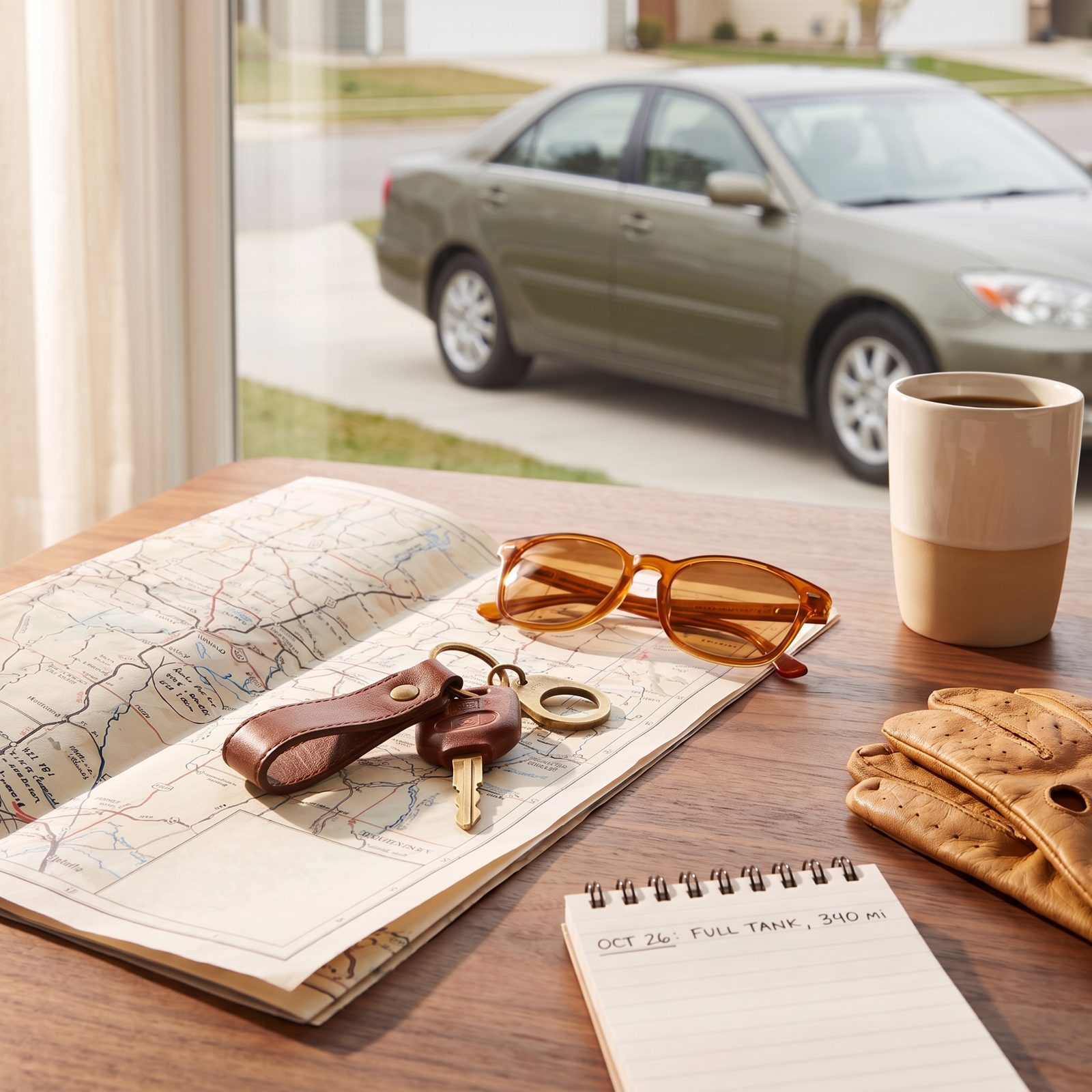
2. Carrying a Paper Road Map
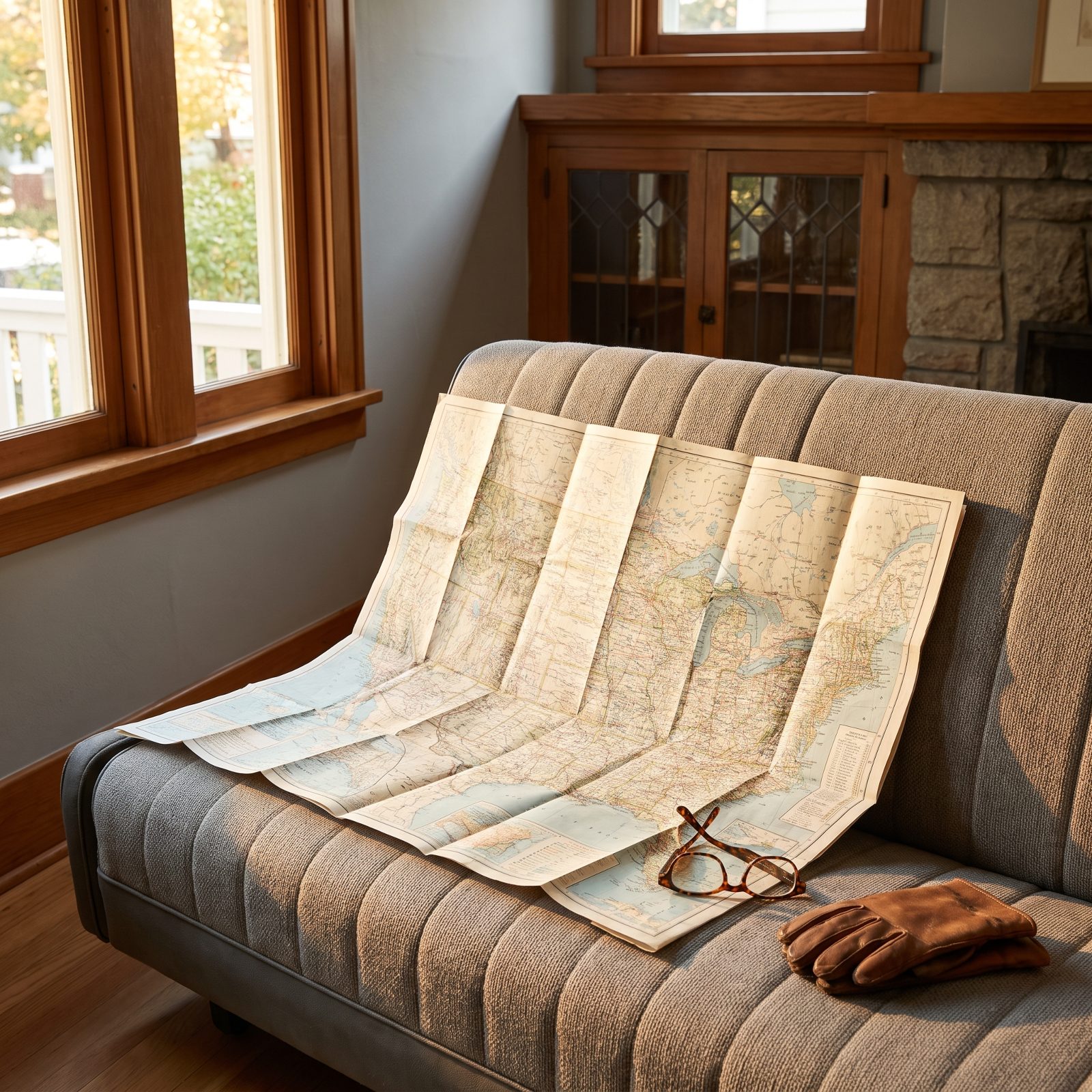
A phone dies, loses signal in the canyon, or reroutes you onto a gravel goat path to save ninety seconds. A paper map does none of that.
But the real gift isn’t the backup — it’s the overview. Your screen shows the next turn and nothing else. A map lays the whole county out at once, so you actually understand where you are. That’s a different kind of knowing, and no glowing rectangle gives it to you.
1. Backing Out of the Driveway Slowly With the Windows Down
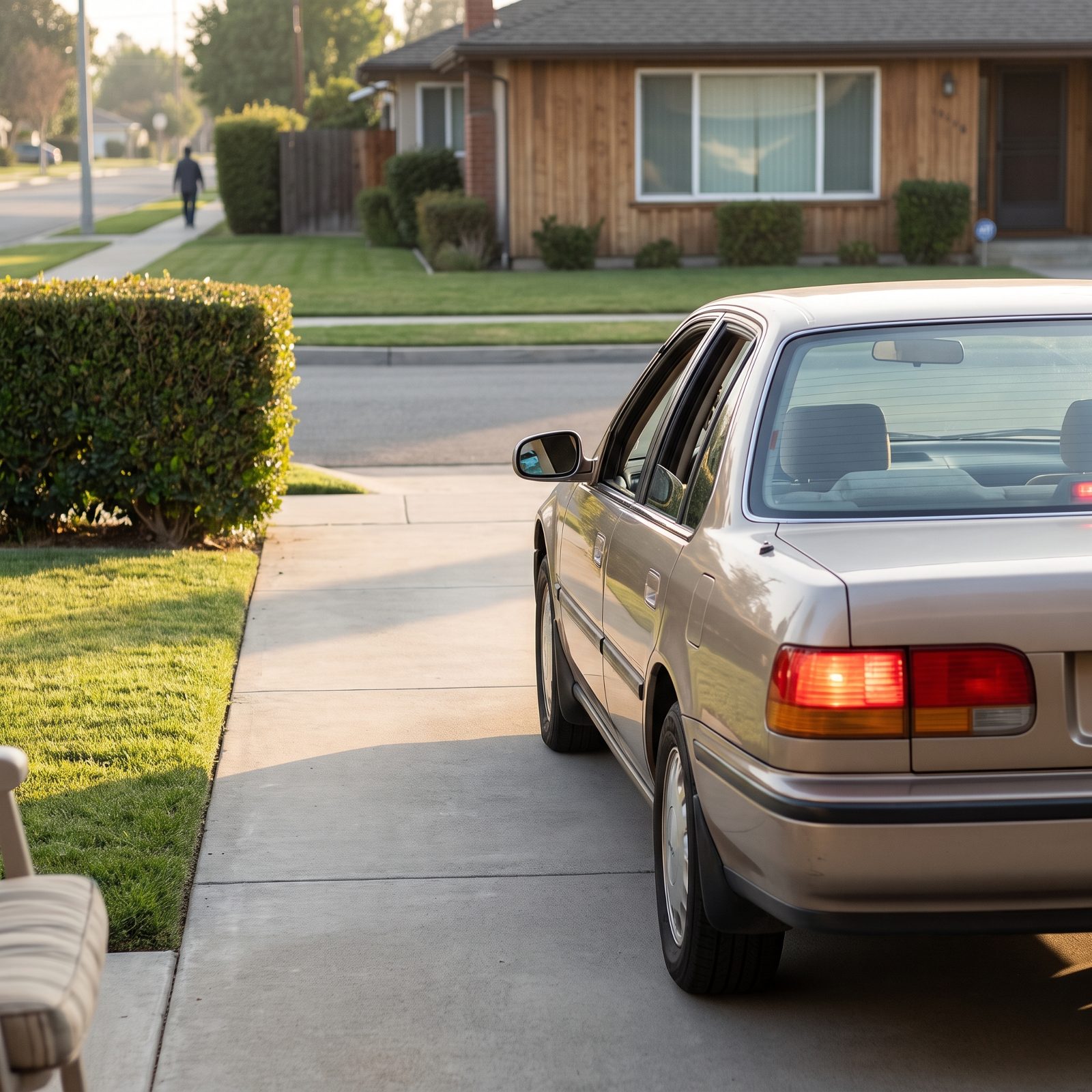
Most people back out with the windows up and the radio going, trusting the mirrors alone. Mirrors have blind spots. A kid on a bike behind the hedge sits in exactly the one you can’t see.
Roll the window down and creep. Now you can hear what you can’t see — the bike chain, the dog, the car rolling up a street you haven’t clocked yet. Your ears cover the gap your eyes miss.