
Would you like to save this?
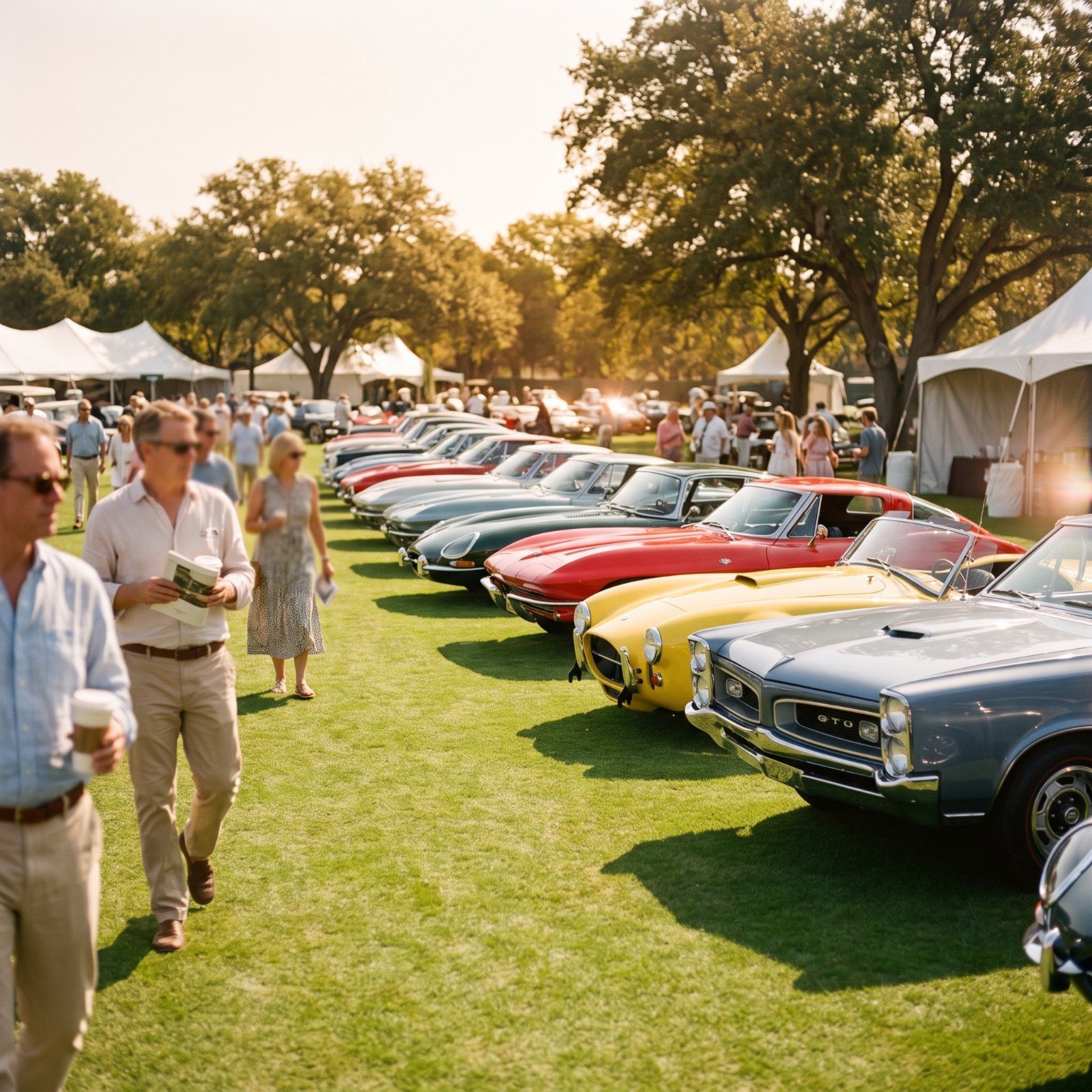
A show field in June smells like cut grass, warm chrome, and somebody’s carburetor running just a hair rich. You walk past the folding chairs and the cooler full of root beer, and then you stop. You always stop. The sixties did something to cars that no decade before or since quite managed — the shapes got braver, the engines meaner, the names written straight into history. These are the ones that still pull a crowd three ranks deep. The ones worth driving across two counties to see in the metal.
1962 Ferrari 250 GTO: The Most Expensive Shape in the World
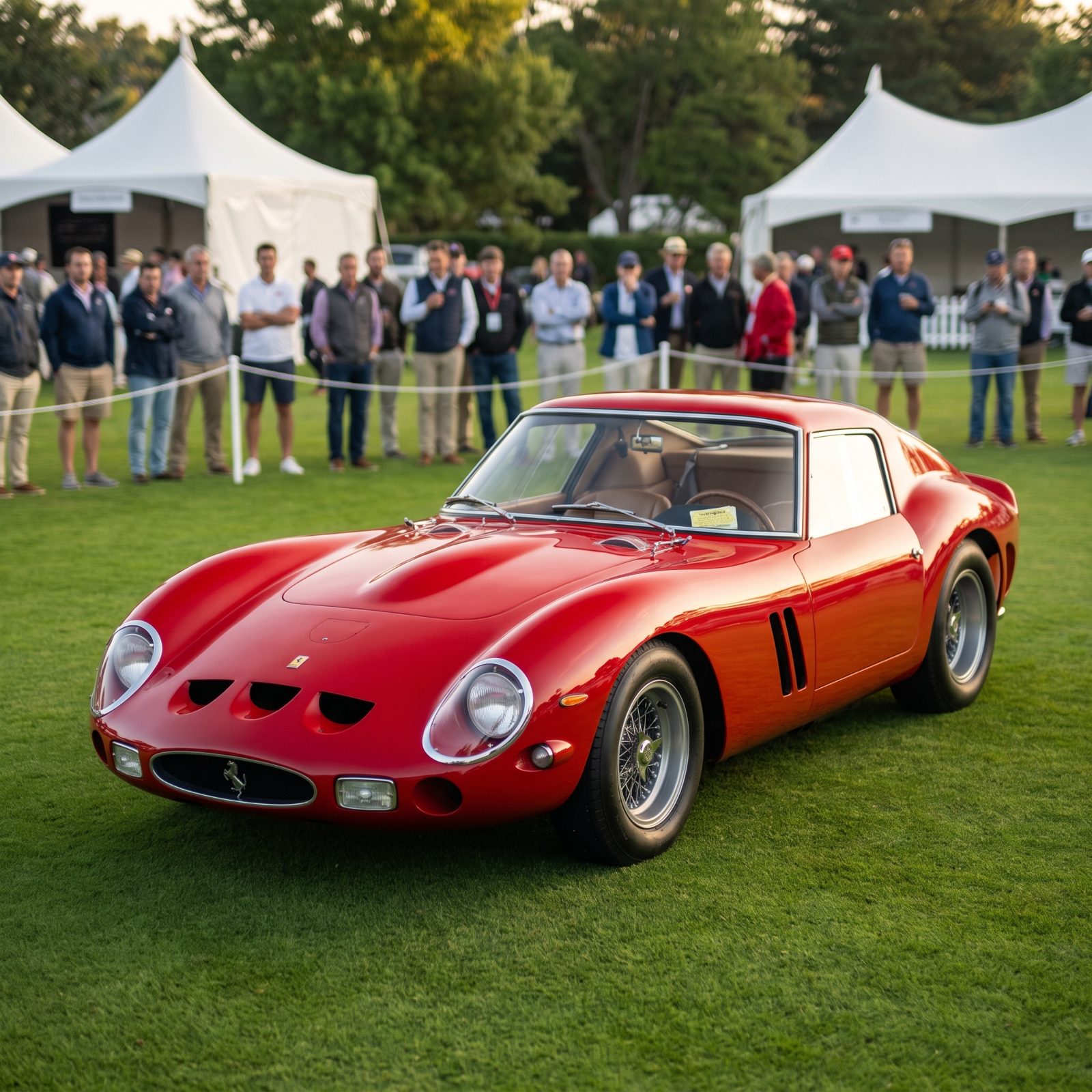
You’ll know it before you read a single placard. The 250 GTO looks fast standing still — that long hood swelling over a V12 built to win the world championship, the roofline dropping into a tail Ferrari chopped flat to kill lift. Only a few dozen were ever built. That scarcity, plus the racing pedigree, is why one of these sells for sums that read like misprints.
At a show, don’t rush it. Stand where you can see the whole profile and notice how little bodywork there actually is. Everything exists to move air. The GTO is the car every other grand tourer on the field quietly measures itself against — and it knows it.
1963 Corvette Sting Ray Split-Window: The One-Year Rear Glass
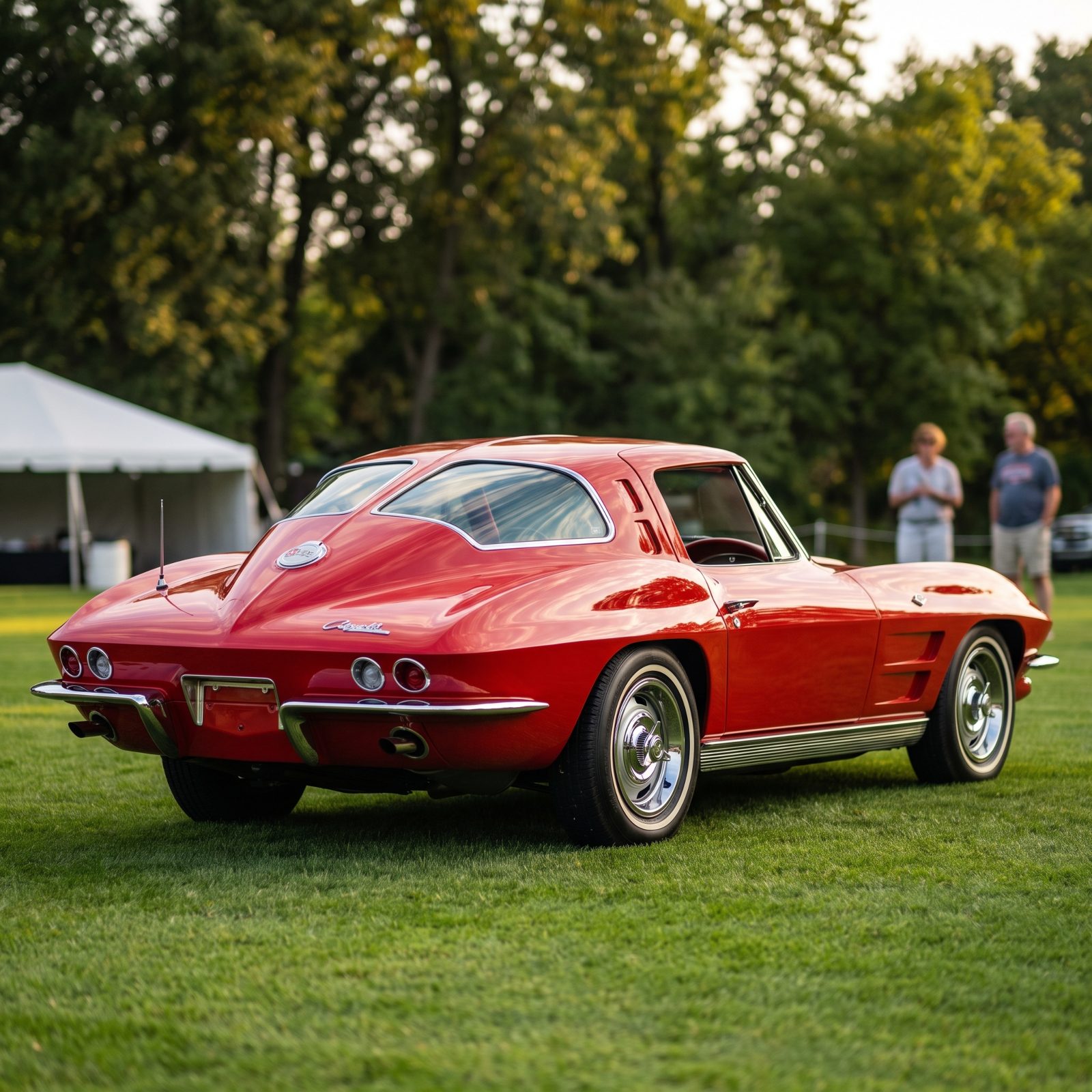
The split rear window lasted exactly one model year. Zora Arkus-Duntov hated it because it blocked visibility, and he won the argument, so 1964 got a single pane. That one-year stubbornness is what turned the ’63 into the most coveted Corvette ever made.
Walk around to the back first. That central spine bisecting the glass is the whole point, the detail collectors trade houses over. Then take in the hidden headlamps and the knife-edge fenders. Here was Chevrolet announcing it could build something as serious about design as anything crossing the Atlantic. See one on the field and odds are it’s the car drawing the most cameras.
1967 Shelby Cobra 427: Big-Block Violence in an Aluminum Suit
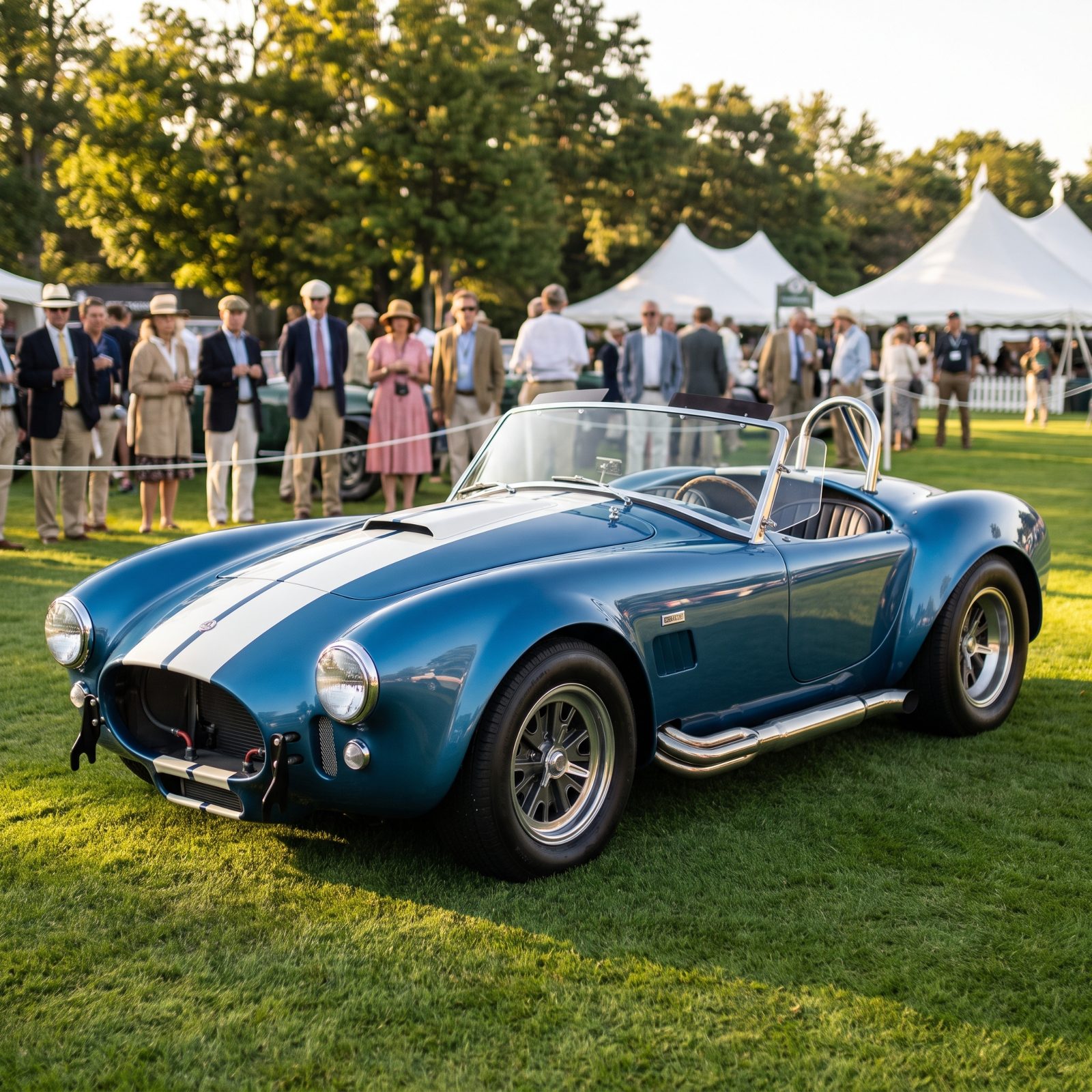
Carroll Shelby’s idea was simple and a little reckless: take a light British roadster and stuff a 427 cubic-inch Ford big-block where a civilized engine should go. The result makes well north of 400 horsepower in a car that weighs about as much as a modern compact. The side pipes aren’t decoration. There was nowhere polite to route that much exhaust, so they run it right down the rockers.
Up close you’ll notice the fender flares bulging out over fat tires the chassis needed to put the power down. It looks like a fist. On the show field, this is the one that makes grown adults go quiet.
1966 Ford GT40 Mk II: The Car That Finally Beat Ferrari at Le Mans
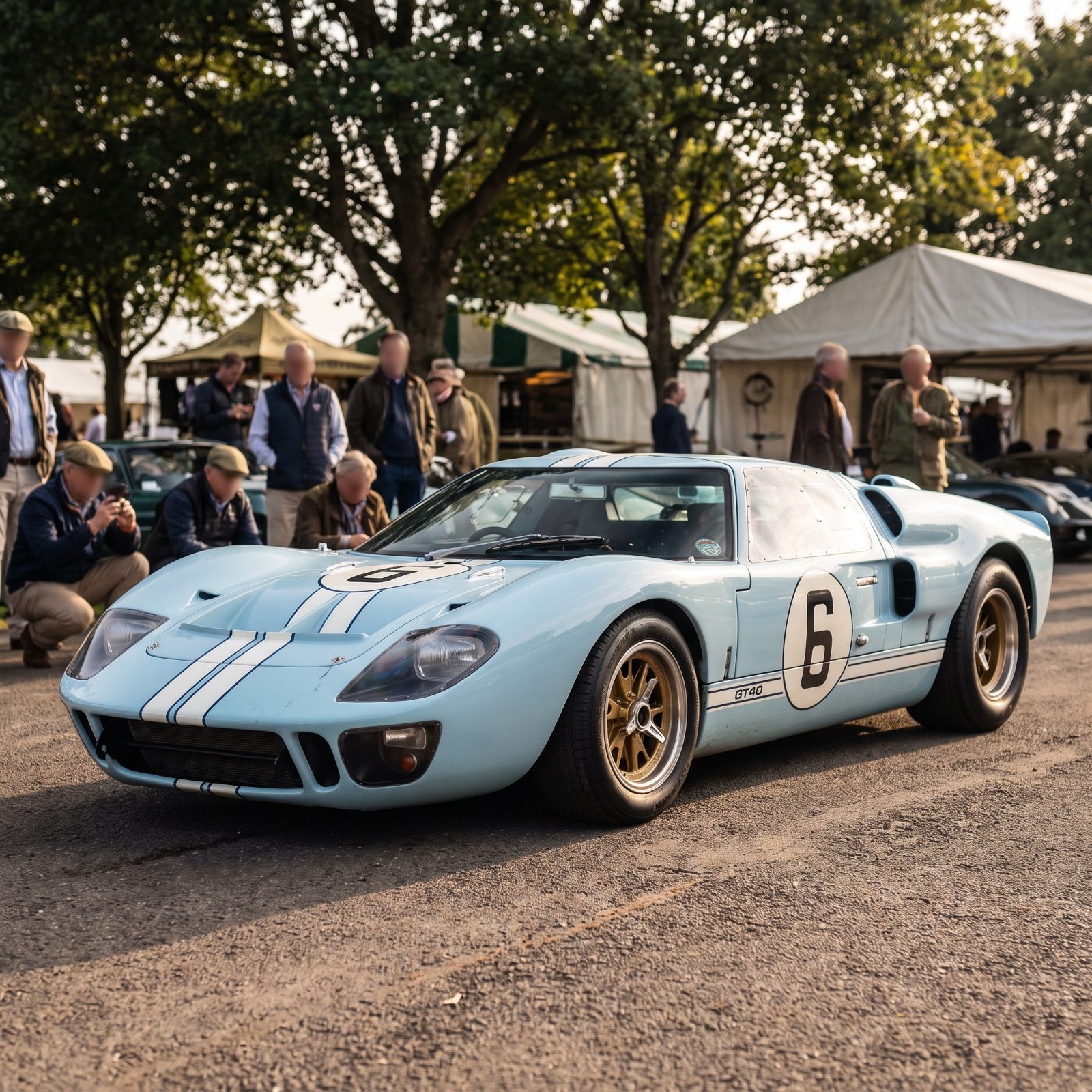
Forty inches tall. That’s where the name comes from, and it’s the first thing that hits you — the GT40 Mk II sits so low you instinctively crouch to understand it. Henry Ford II wanted to buy Ferrari, got turned down, and built this thing to beat Enzo on his own ground at Le Mans in 1966. It worked. Ford finished one-two-three.
A pure race car that happened to become a legend, which makes seeing one at a show rarer than most on this list. Look at the width against the height. It’s shaped like a shark that took an engineering degree. Everything about it says go.
1961 Jaguar E-Type Series 1: Enzo Ferrari Called It the Most Beautiful Car
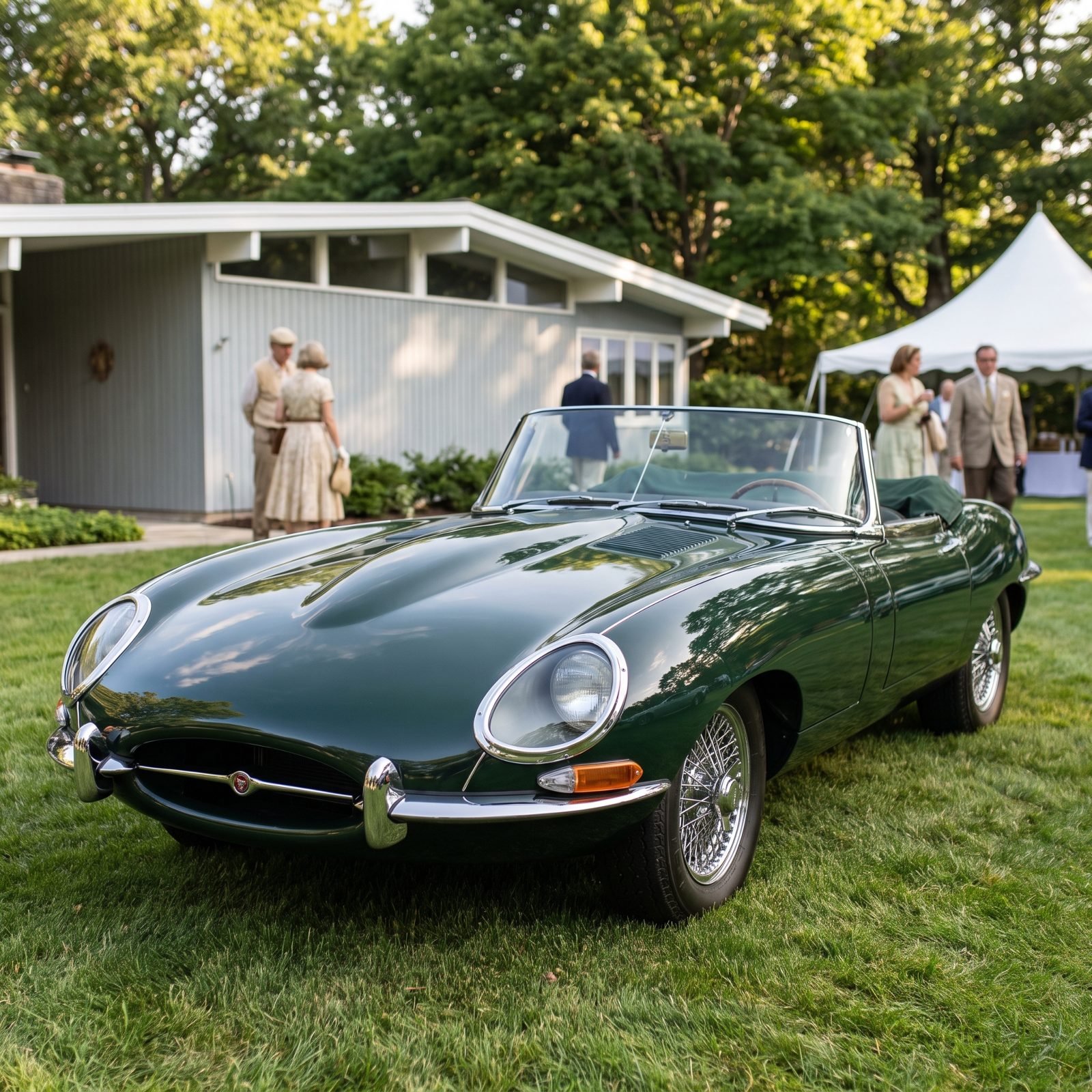
Enzo Ferrari supposedly called it the most beautiful car ever made, and for once the legend is hard to argue with. That hood goes on forever. The Series 1 E-Type arrived in 1961 doing 150 mph for a fraction of what an Italian exotic cost, which is why it caused a genuine sensation at its Geneva debut.
Find a Series 1 and look for the glass-covered headlamps and the smaller grille mouth, the tells that set the earliest cars apart. The whole shape is one long gesture. Few cars on any show field make people stop talking the way this one does.
1969 Dodge Charger Daytona: The Winged Warrior Built for 200 MPH
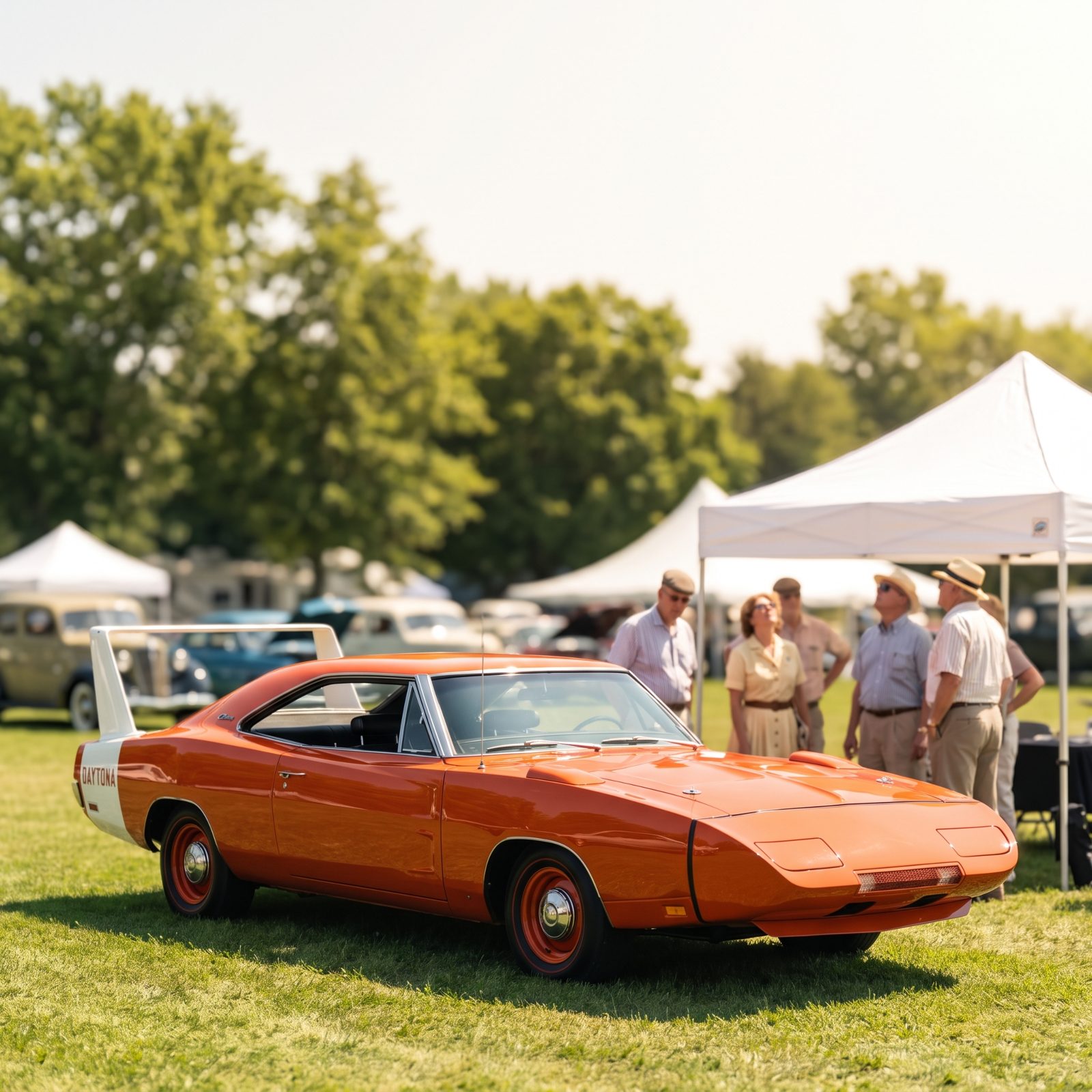
Nothing on the field looks like it. The pointed nose cone and that comically tall rear wing weren’t styling exercises — they were NASCAR aerodynamics, built so Dodge could crack 200 mph on the superspeedways, which one did in 1970. Homologation rules forced them to sell street versions, so a handful of outlandish winged cars ended up parked in suburban driveways, baffling the neighbors.
The wing rides high on purpose, up in clean air where it could actually do its job at speed. Kids loved these cars. The kids who loved them are the folks three-deep around one now, grayer and grinning. Spot a real Daytona and you’re looking at one of the boldest things Detroit ever dared.
1964 Aston Martin DB5: The Spy Car That Made Silver Famous
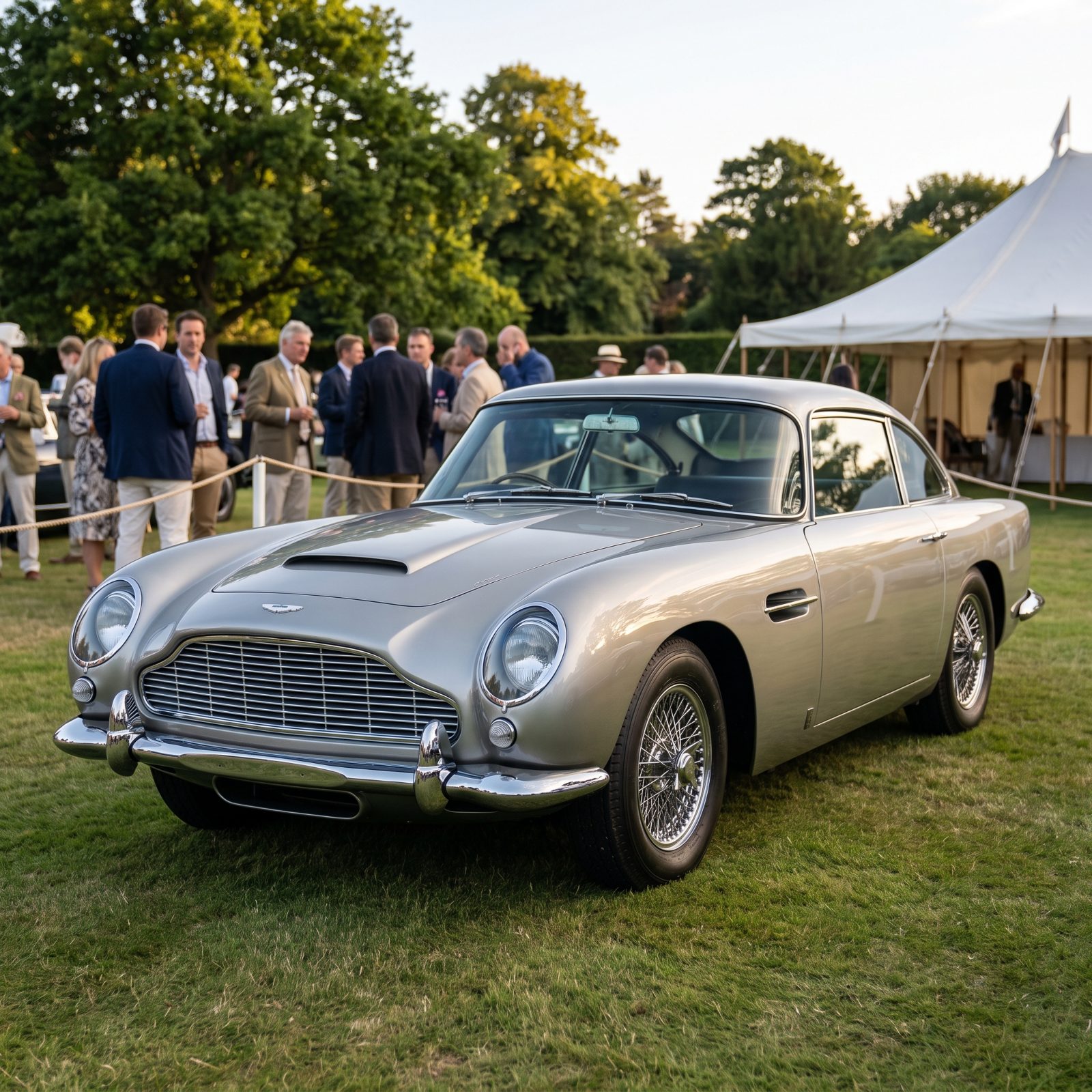
Silver Birch paint, a straight-six under that long bonnet, and a role in Goldfinger that turned a fine grand tourer into the most famous car on earth. The DB5 proves image can outlive horsepower. The gadgets were fiction. The elegance was real.
Standing in front of one, notice how understated it is next to the Italians — no drama, just beautifully judged proportion and brightwork applied like a jeweler worked it. Aston built a car for someone with nothing to prove. That quiet confidence is exactly why it still draws a crowd a half-century on.
1964 Porsche 911: The Shape That Refused to Die
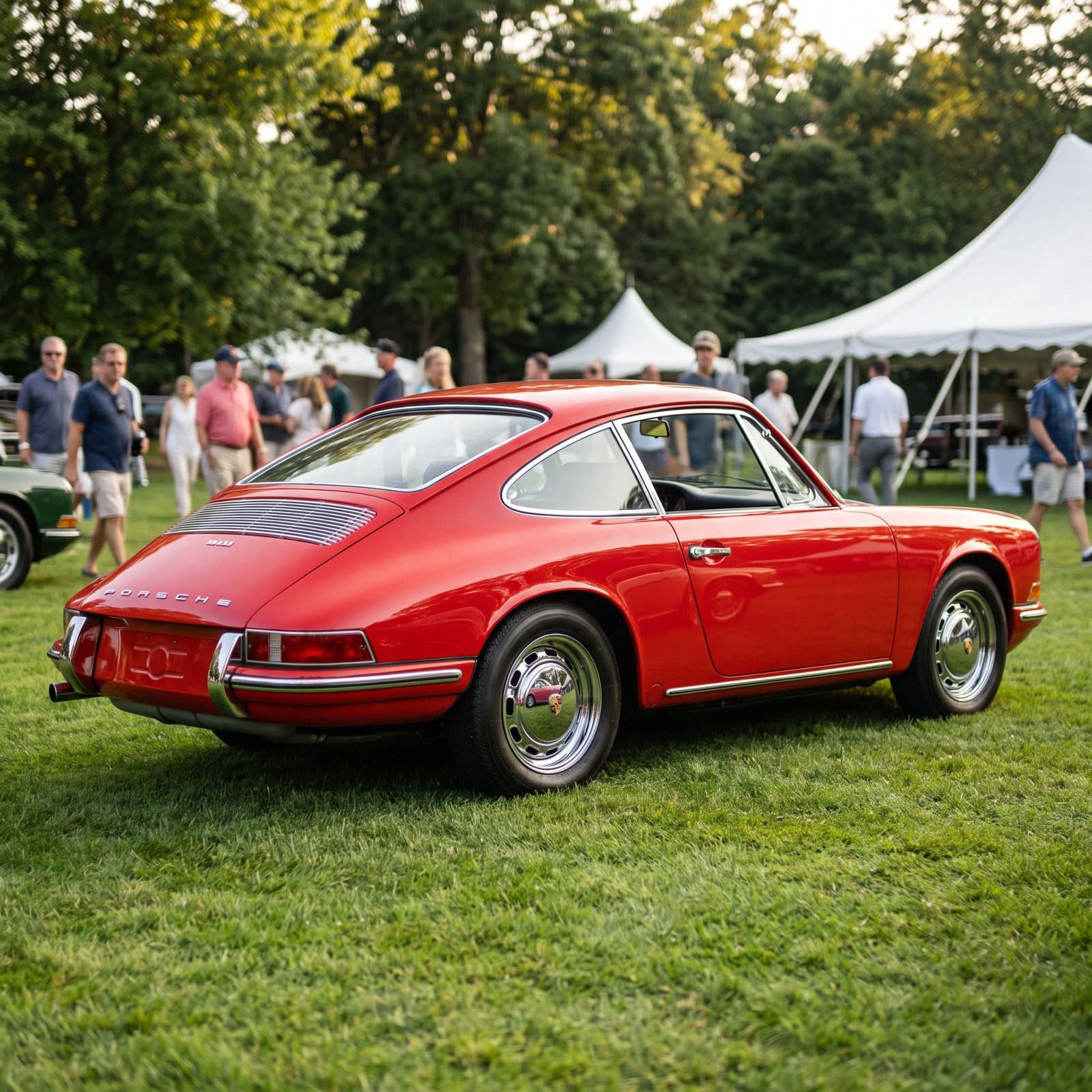
Here’s the oddity. The 911 that debuted in 1964 is, in silhouette, still recognizable in the 911 sitting in a dealer today — six decades of the same basic idea, the flat-six hung out behind the rear axle, the sloping roof, the round headlamps. Almost no other car can say that.
The earliest cars are smaller and more delicate than you’d expect. Thin pillars, tall glass, a cabin that feels like a greenhouse. These original short-wheelbase 911s are the DNA sample for everything that came after. At a show thick with muscle and chrome, this little red coupe is the quiet one that changed the most over time.
1969 Camaro ZL1: The All-Aluminum 427 Hiding in Plain Sight
Would you like to save this?
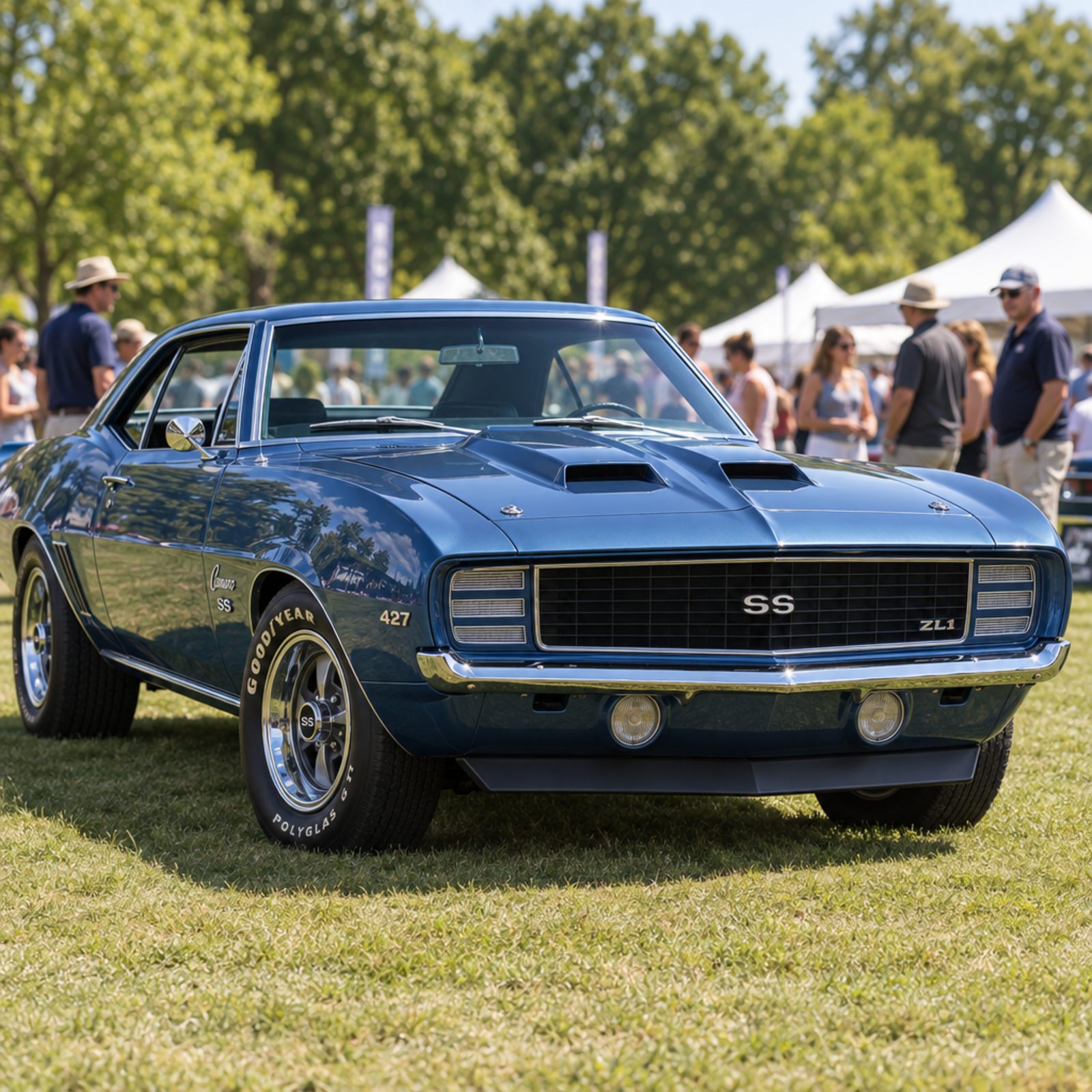
The sleeper of this whole list. The ZL1 looks like a tidy ’69 Camaro until you learn what Chevrolet buried under that hood: an all-aluminum 427 big-block, rated conservatively from the factory and good for figures that embarrassed everything else at the drag strip. Dealers ordered them through a loophole in the Central Office Production Order system — basically paperwork trickery, and God bless whoever thought of it.
Barely any were built, which makes finding one at a show a genuine event. Even with the SS, ZL1 and 427 badges, it doesn’t shout, and that’s the beauty of it. The ZL1 was never about looking fast. It was about leaving. Spot one, read the fender tag, and appreciate how rare the quiet ones can be.
1965 Shelby GT350: The Mustang That Went to School on a Race Track
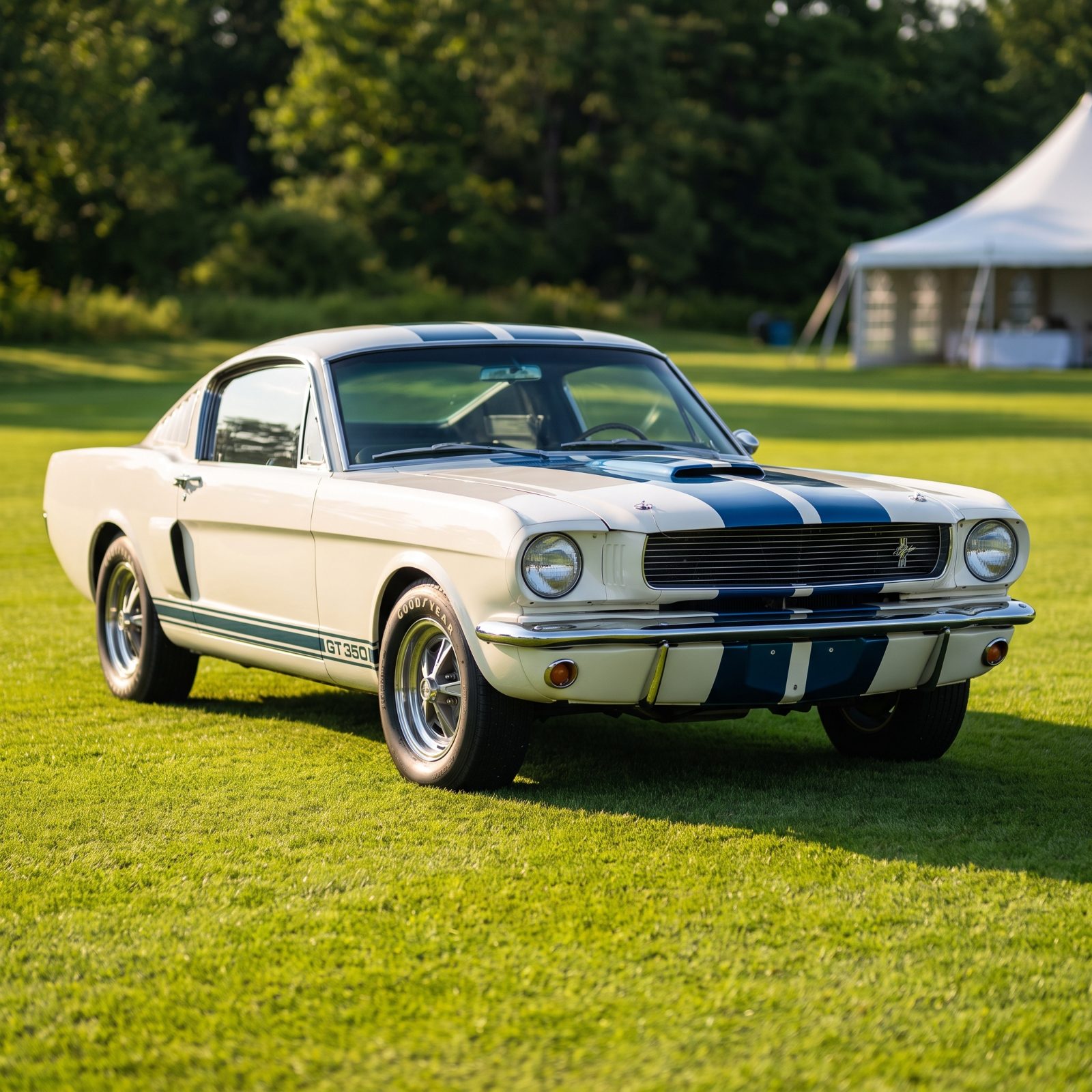
Carroll Shelby took a plain Mustang fastback and turned it into something Ford could race and win with, then painted them Wimbledon White with blue stripes so nobody would mistake one for ordinary. The GT350 got a hotter 289, stiffer suspension, and on the earliest cars a back seat deleted for weight. A street car built by a man who thought in lap times.
Look at the stance. It sits flatter and meaner than a standard ’65 fastback, because everything underneath got sharpened. Among all the sixties pony cars on the field, the original GT350 is the one that earned its stripes honestly.
1967 Toyota 2000GT: The Car That Made the World Take Japan Seriously
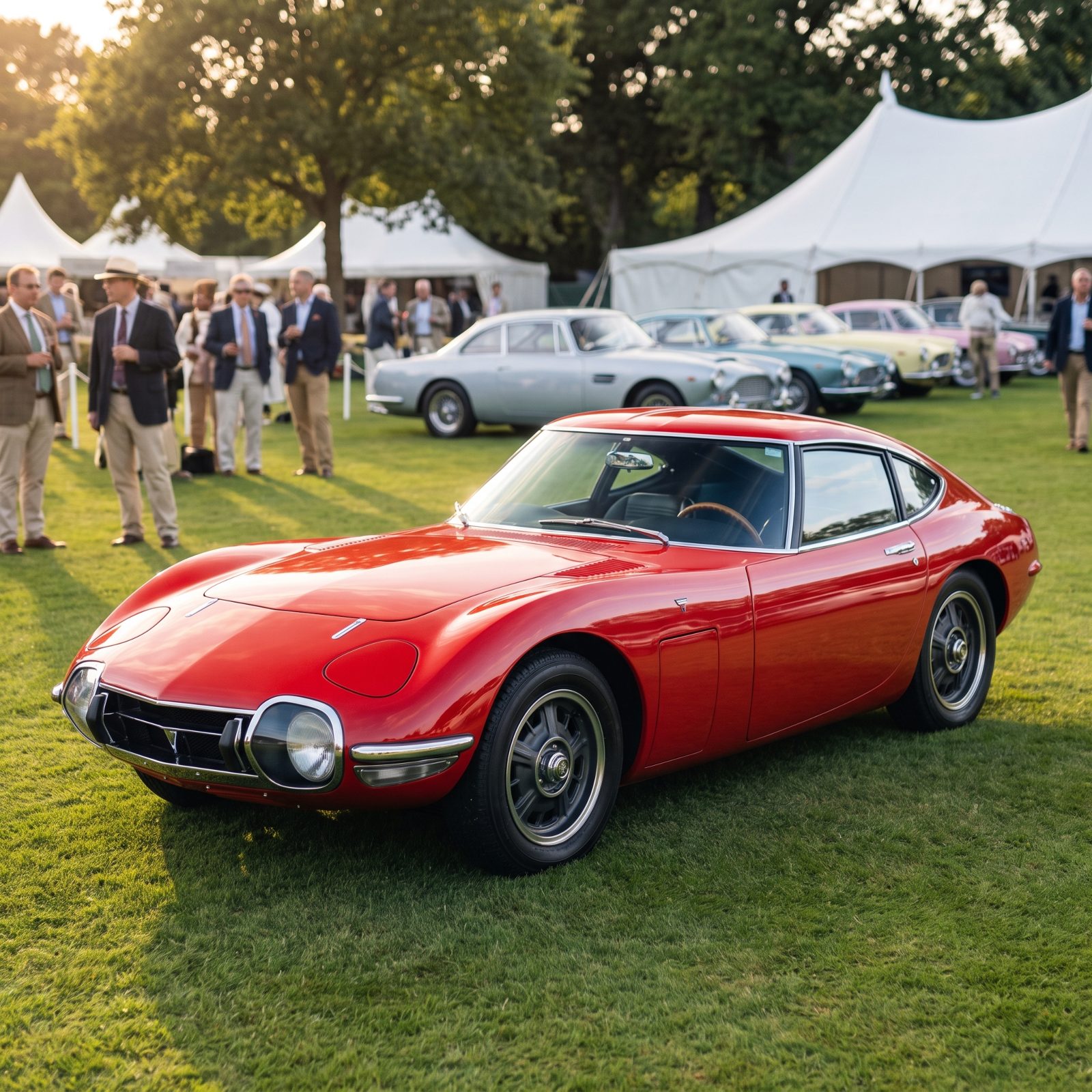
Toyota built only a few hundred of these, and when you stand next to one you understand why collectors lose sleep. The 2000GT was Toyota’s announcement to the world, hand-assembled with help from Yamaha, that Japan could build something to make Jaguar nervous. It even starred alongside Bond in You Only Live Twice, which only fed the mystique.
Look for the covered headlights, the Nardi wood wheel, and the twin-cam straight-six that screamed past six thousand rpm. At a show it draws a quiet crowd. Not the muscle-car roar crowd. The serious ones, the folks who know they may never see another.
1968 Plymouth Road Runner Hemi: Cartoon Name, Street-Terror Engine
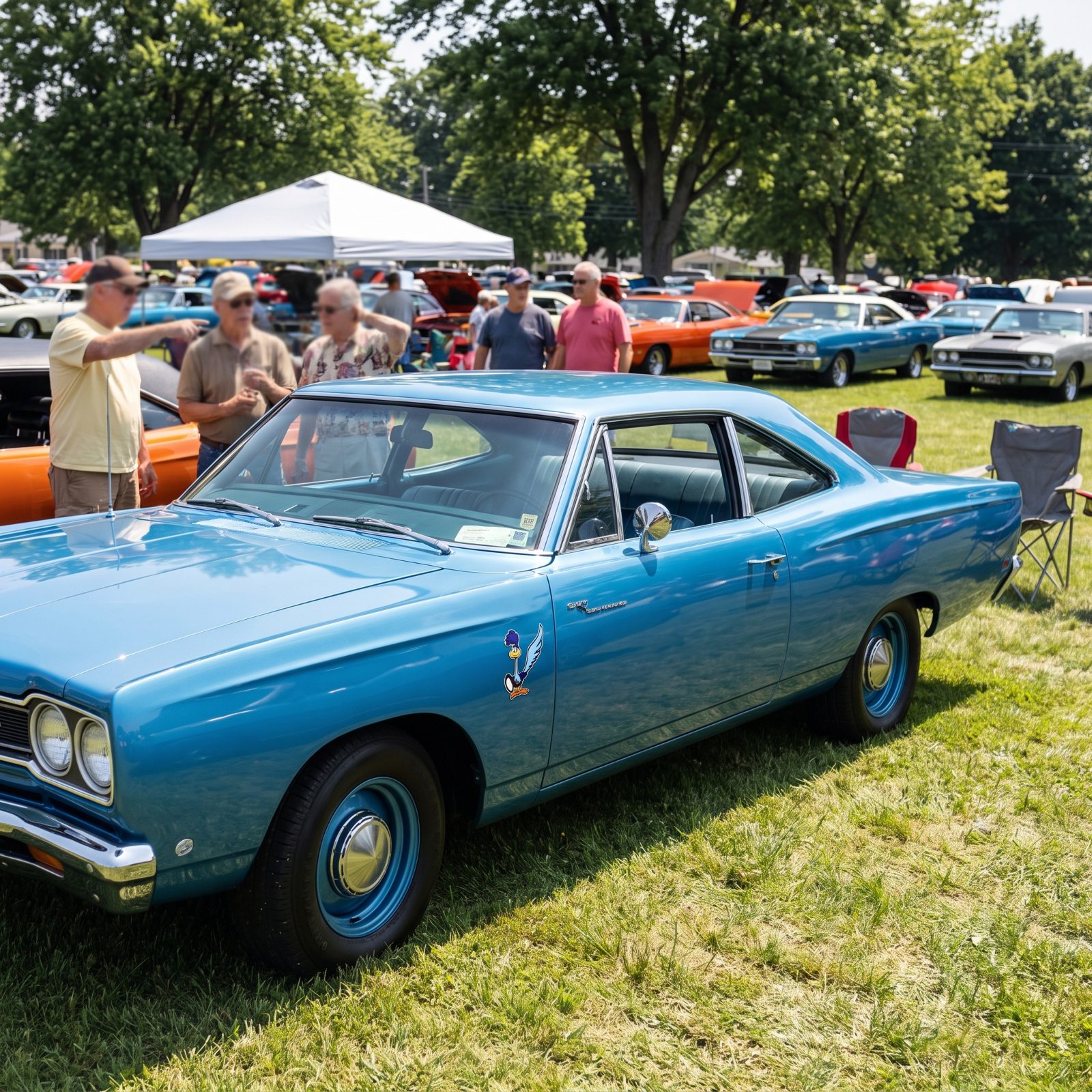
Plymouth did something sly in 1968. They stripped a Belvedere down to nothing, dog-dish hubcaps and a bench seat, then crammed in a 426 Hemi and charged working-class money for it. The name came straight from Warner Bros., horn and all, and Chrysler actually paid for the rights.
The genius was the restraint. No glitter, no flash, just a license to terrify at a stoplight. Hemi cars are the unicorns now because almost nobody checked that box in 1968. Find one with the 426 and the four-speed at a show? Stand there a minute. Values on verified Hemi examples have gone vertical over the last decade.
1969 Pontiac GTO Judge: Orbit Orange and Zero Apologies
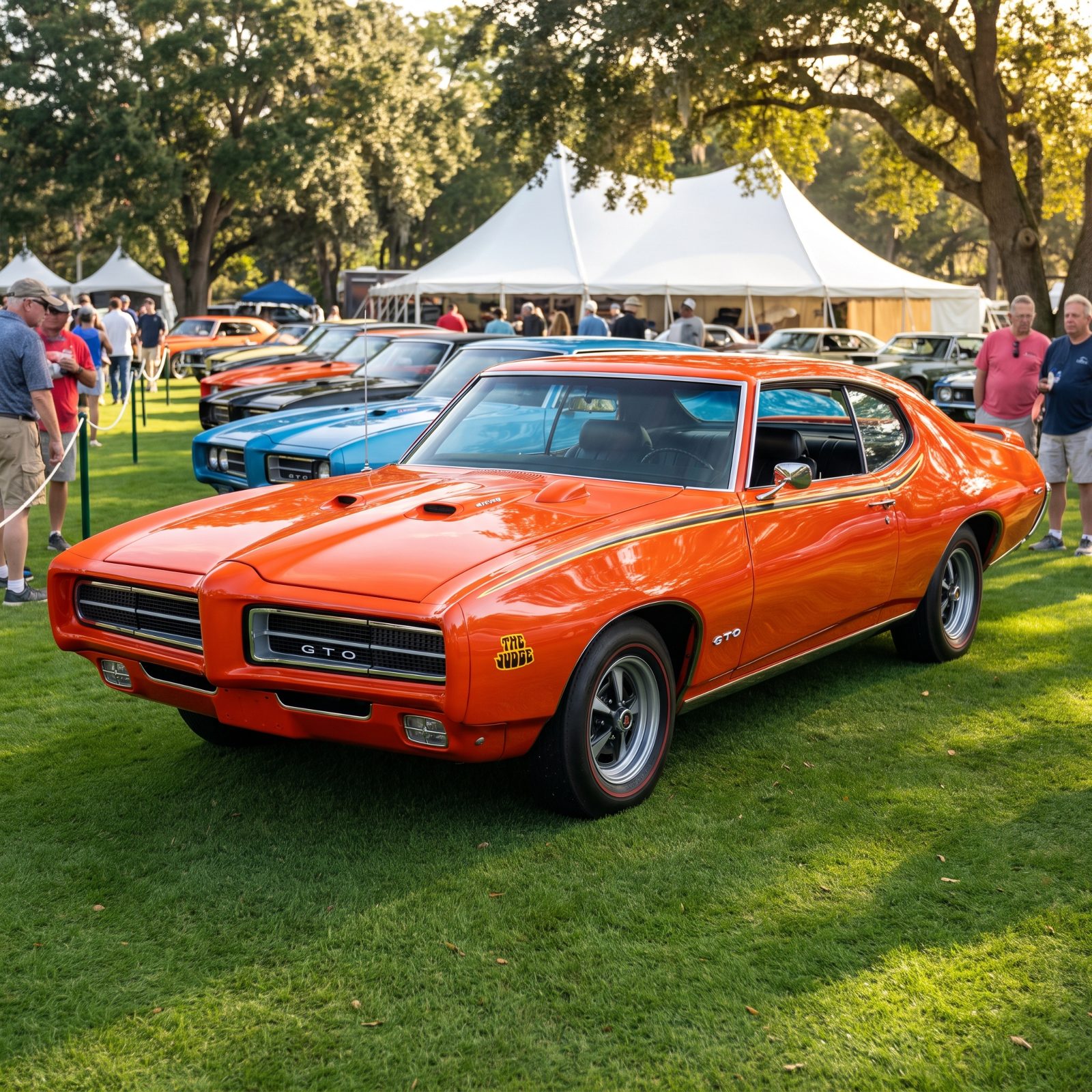
The name came from a comedy bit: “Here come da judge.” Pontiac turned a TV catchphrase into a factory option package, then painted the thing a color they called Carousel Red that your eye reads as pure orange. Subtlety was never the assignment.
Underneath the stripes and the rear wing sat the Ram Air engine and real performance credibility. The Judge was Pontiac’s answer to buyers who wanted the GTO but louder, and it worked. I’ll admit I used to think the graphics were a bit much. Then I saw one in person at a show, late light hitting that orange, and I shut up about it.
1966 Chevrolet Chevelle SS 396: The Blueprint Everybody Copied
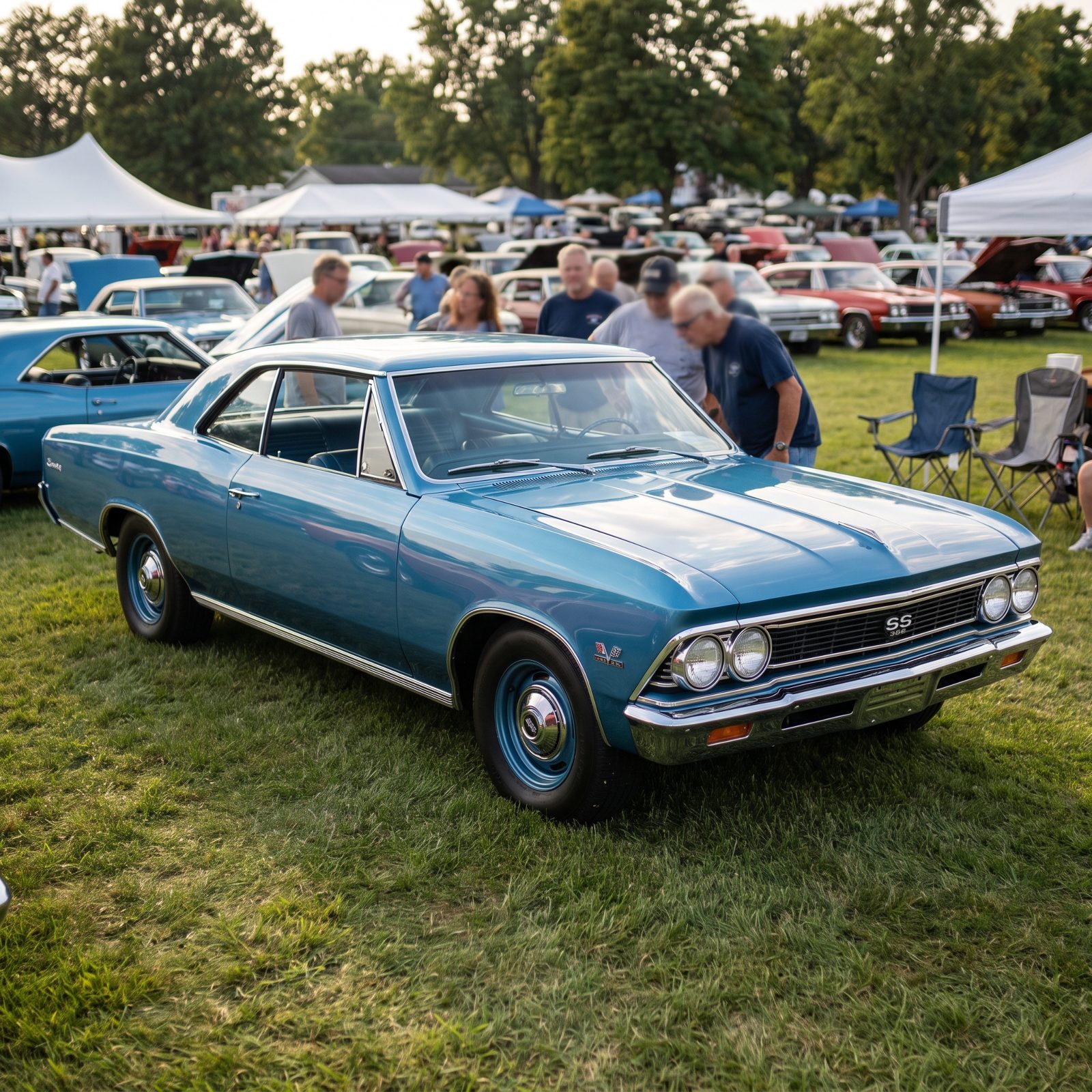
The GTO got most of the credit, but the formula was simple: a big engine in a midsize body. The 1966 Chevelle SS 396 perfected it, and that redesigned coke-bottle body is one of the cleanest shapes GM ever drew. The 396 big-block gave it the muscle to back up the badges.
This is the one a lot of guys learned to work on. Points, plugs, a four-barrel to tune on a Saturday. At a show the SS 396 pulls a different crowd than the exotics do — the people who actually turned wrenches on one. Look for the correct engine codes and the real SS badging. Plenty of clones out there dressed up to look the part.
1967 Alfa Romeo 33 Stradale: A Race Car That Forgot to Stay on the Track
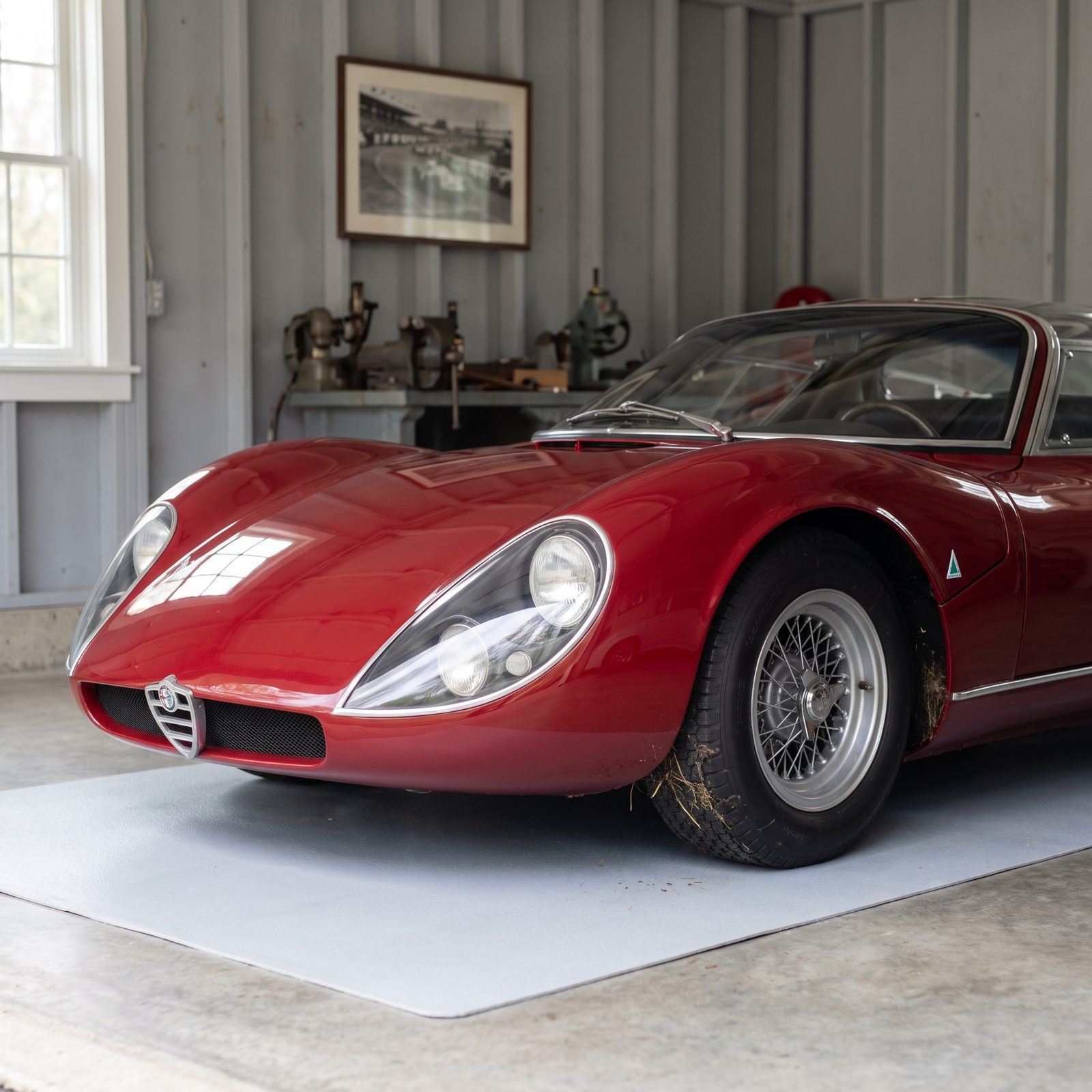
Eighteen built. Maybe fewer survive. The 33 Stradale is the road-legal version of Alfa’s Tipo 33 race car, and Franco Scaglione drew a body so sensual it makes other sixties exotics look like they were sketched with a ruler.
Those butterfly doors. That mid-mounted screaming V8. Aluminum shaped by hand. One of the first true mid-engine road supercars, and in the hearts of people who really know, it rivals the Lamborghini Miura. You’ll almost never see one in the metal. If a collector show has one, go. Then go again to make sure you didn’t imagine it.
1969 Ferrari Dino 246 GT: The Ferrari Purists Pretended Not to Love
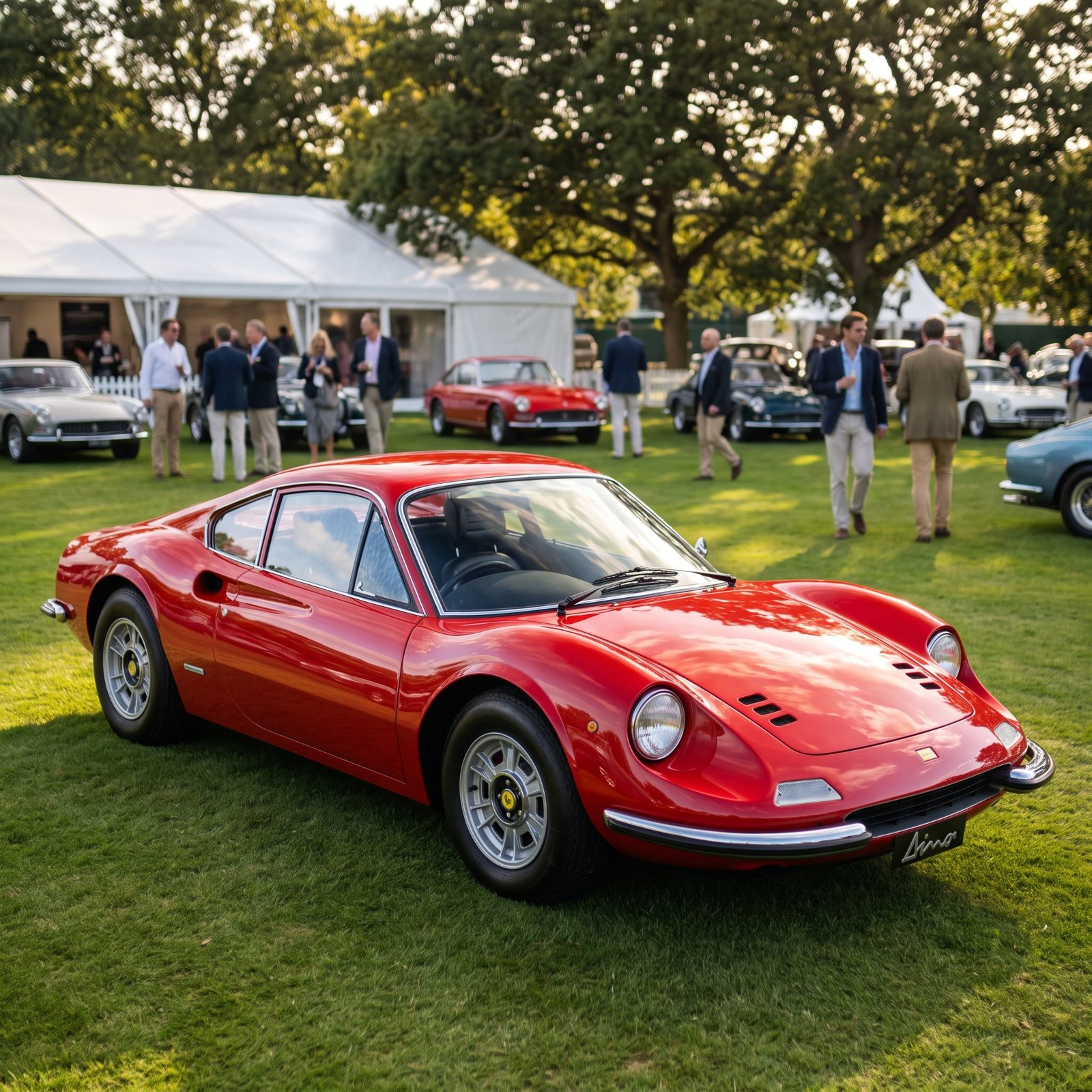
Want to start a fight at a car show? Ask whether the Dino is a real Ferrari. Enzo never put the prancing horse on it. He named it for his late son, Alfredino, and gave it a V6 instead of a V12, which sent the purists into a fuss.
They were wrong, and most of them know it now. The 246 GT is one of the most achingly beautiful shapes Pininfarina ever produced, and it drives like a jewel. For decades it was the “affordable” Ferrari. Nobody says that anymore.
1963 Mercedes-Benz 300SL Roadster: The Gullwing’s Grown-Up Sibling
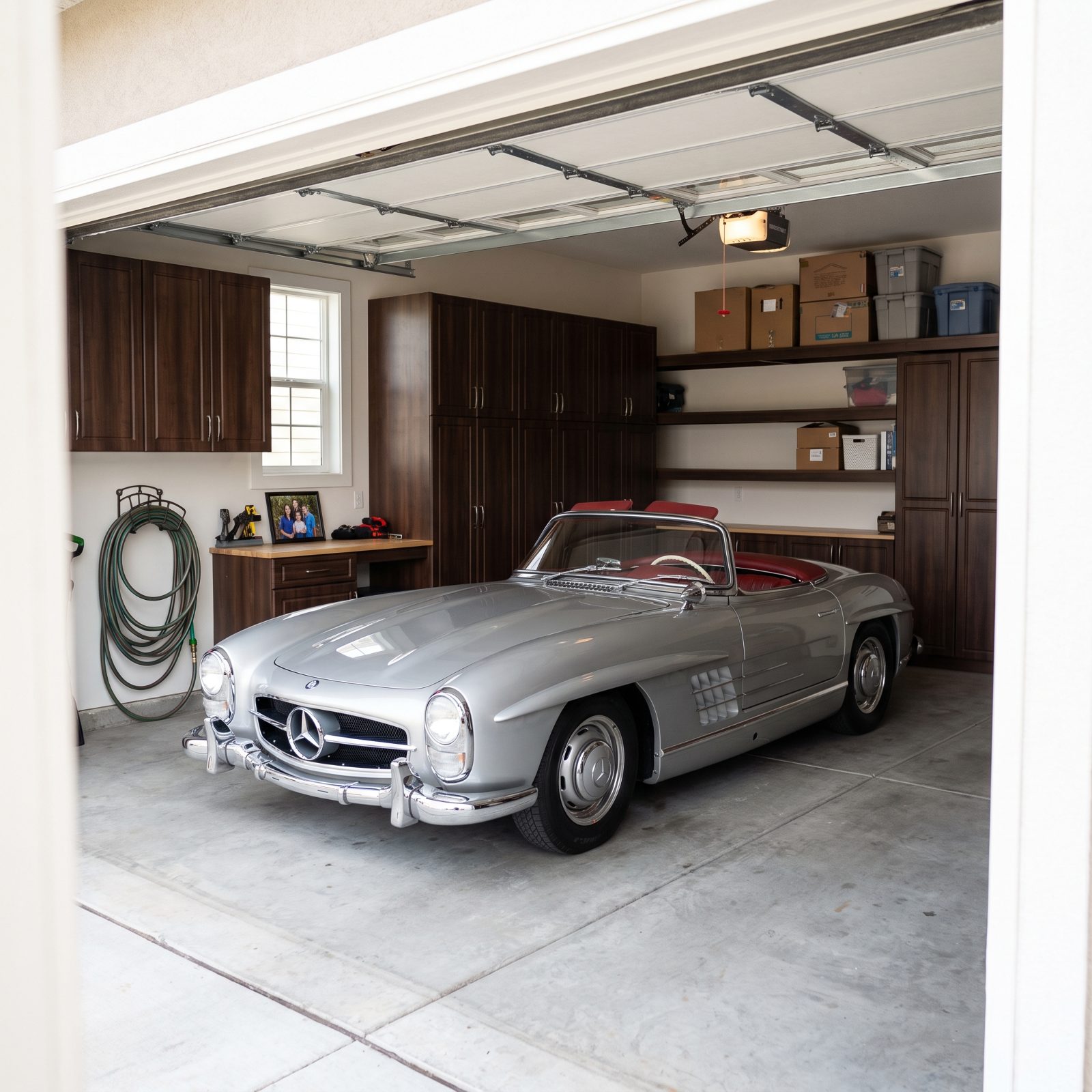
Everyone fawns over the Gullwing, and fair enough. But the 300SL Roadster is the one I’d actually want to own. You lose the theatrical doors and gain a proper low-sill entry, a better rear suspension, and the ability to drop the top and hear that fuel-injected straight-six sing.
Look for the eyebrow headlights, the power bulges on that long hood, and a grille star big enough to signal ships. Built through 1963, it’s the civilized version of a racing legend. The silver ones with red leather stop traffic at a concours. Worth every penny of whatever the owner paid, and they paid plenty.
1961 Lincoln Continental Convertible: Four Doors, Suicide-Hinged, Impossibly Cool
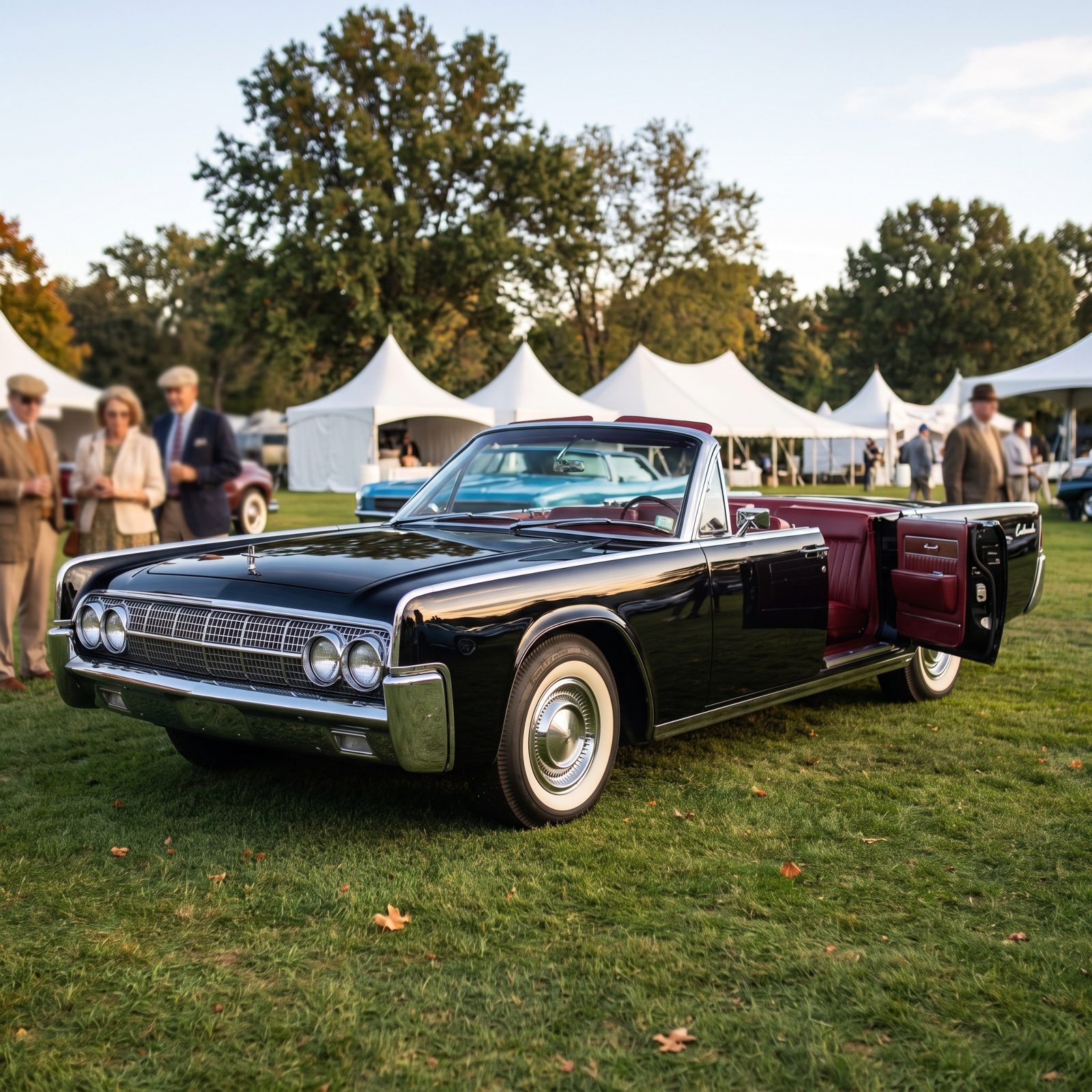
Elwood Engel drew a shape so restrained and so right that it won an industrial design award, which almost never happens to a car. The 1961 Continental threw out the chrome overload of the fifties and said less — slowly, and with authority.
Then there are the doors. Rear-hinged, opening from the center, the kind of detail that makes a kid stop dead on the sidewalk. The convertible is the crown jewel, with a top mechanism complex enough to make a restorer weep. And yes, it’s the car most people know from a certain terrible day in Dallas. History rides along whether you want it to or not.
1963 Chrysler Turbine Car: The Jet-Age Dream That Actually Ran
Would you like to save this?
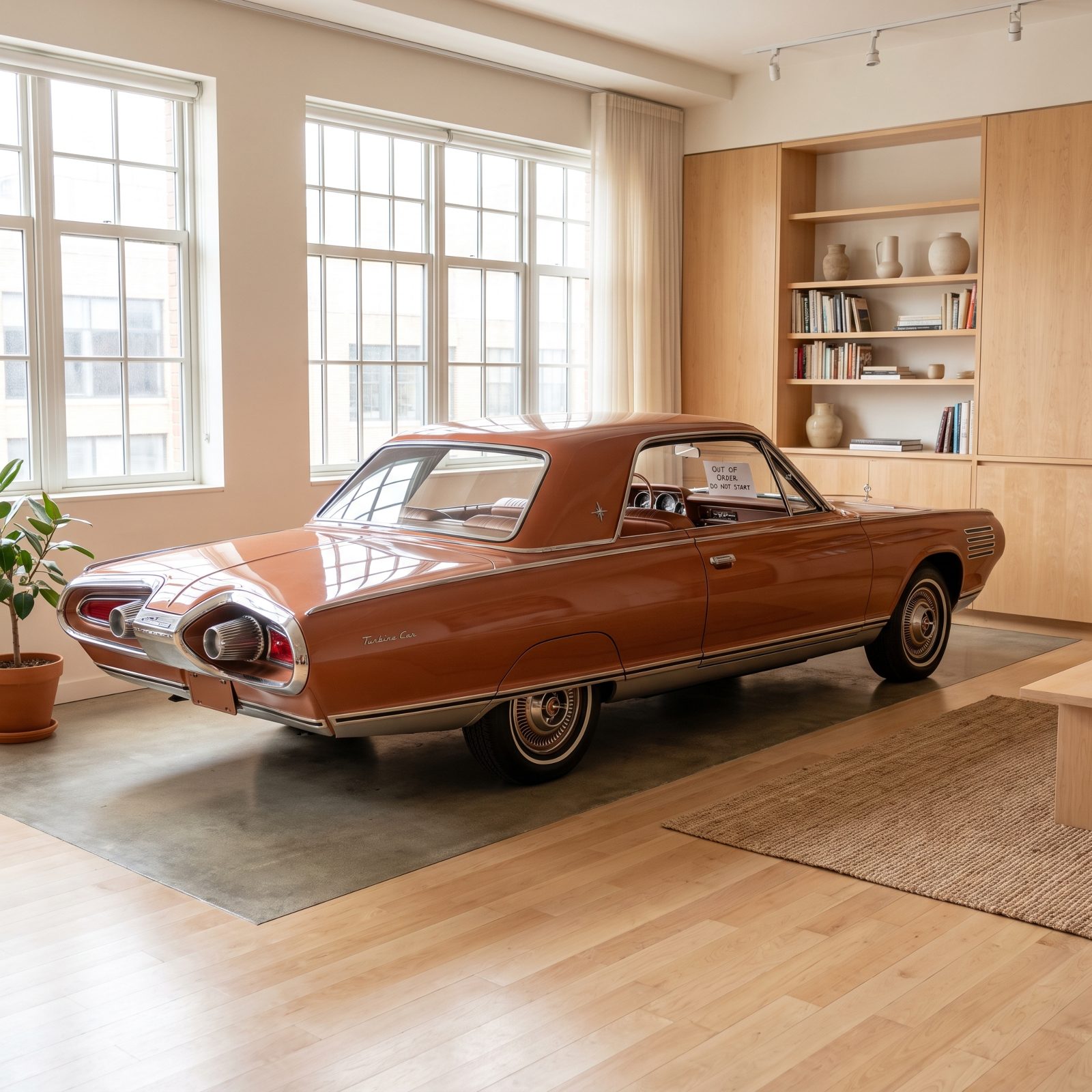
This one isn’t just rare. It’s nearly extinct by design. Chrysler built 55 Turbine Cars, lent them to ordinary families to test, then deliberately crushed all but a handful to dodge import duties on the Ghia bodies. Nine survive, and most of those sit in museums.
It ran on a gas turbine engine. Jet-engine tech in a street car that would burn diesel, kerosene, even tequila if you were feeling adventurous — someone tried. It whooshed instead of rumbled. Encounter one at a show and you’re looking at one of the boldest what-ifs in automotive history, wearing one of the prettiest colors ever to roll out of a design studio.
1964 Shelby Daytona Coupe: The Car Built to Humble Ferrari
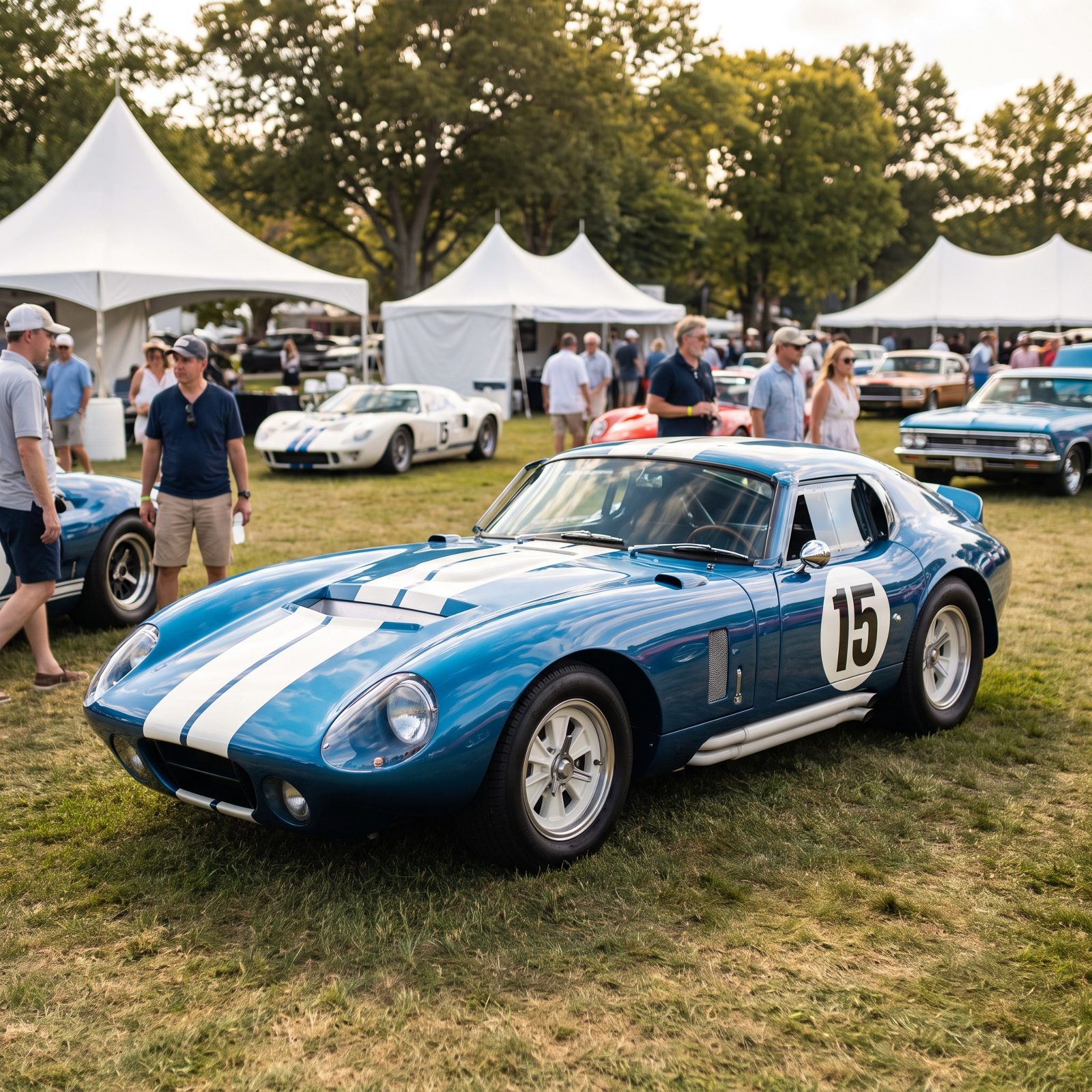
Carroll Shelby had one goal: beat Ferrari at Le Mans and in the world championship. The open Cobra was too slow in a straight line at high speed, so a young designer named Pete Brock drew a slippery coupe body with a chopped Kamm tail, and the Daytona was born.
Six were built. In 1965 they did the impossible, taking the FIA GT championship away from Ferrari — the first and only time an American manufacturer ever managed it. That’s not a footnote. That’s a mic drop.
You almost never see a real one outside the most serious events. The very first Daytona built was later recognized as one of the most historically significant American cars of all. See that blue-and-white shape on a show field? Cancel your other plans.
1966 Chaparral 2E: The White Rocket That Taught Racing to Fly
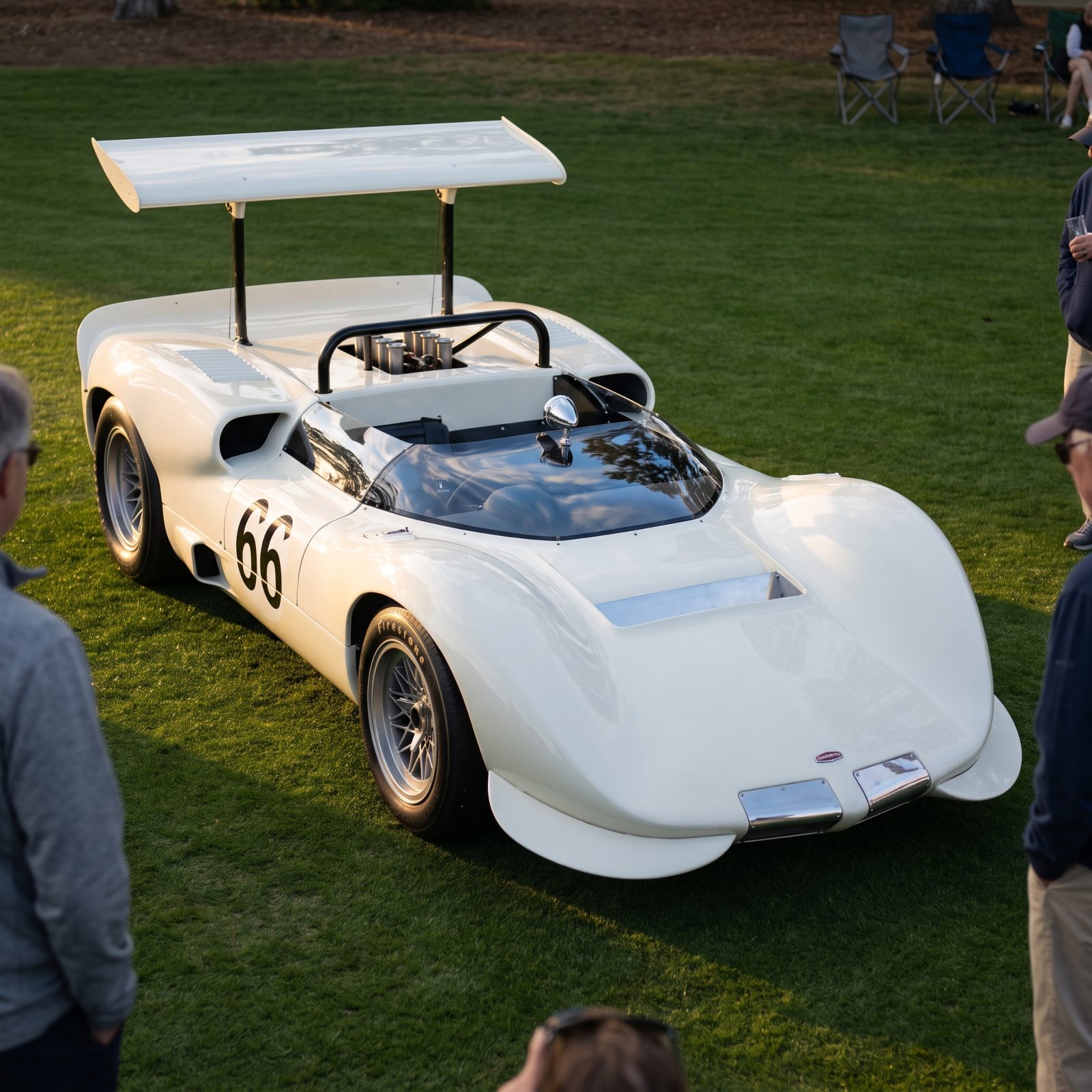
You don’t forget the wing. Jim Hall bolted an adjustable airfoil on struts above the engine and ran it off a pedal, so a driver could stall it flat on the straights and bite it down into the corners — in 1966 that was science fiction wearing racing slicks.
Here’s the thing. Every aerodynamicist since has been quietly copying this car. Hall figured out downforce before Formula 1 even had a name for it, and he did it in a Midland, Texas garage with an automatic transmission and a frankly absurd amount of nerve.
At a show, walk around back first. Study how the wing dumps its load straight into the uprights instead of the chassis, then stand at the nose and sight down the body. Nothing about it happened by accident.
1969 Lola T70 Mk3B: The Prettiest Shape Ever to Lose to a Porsche
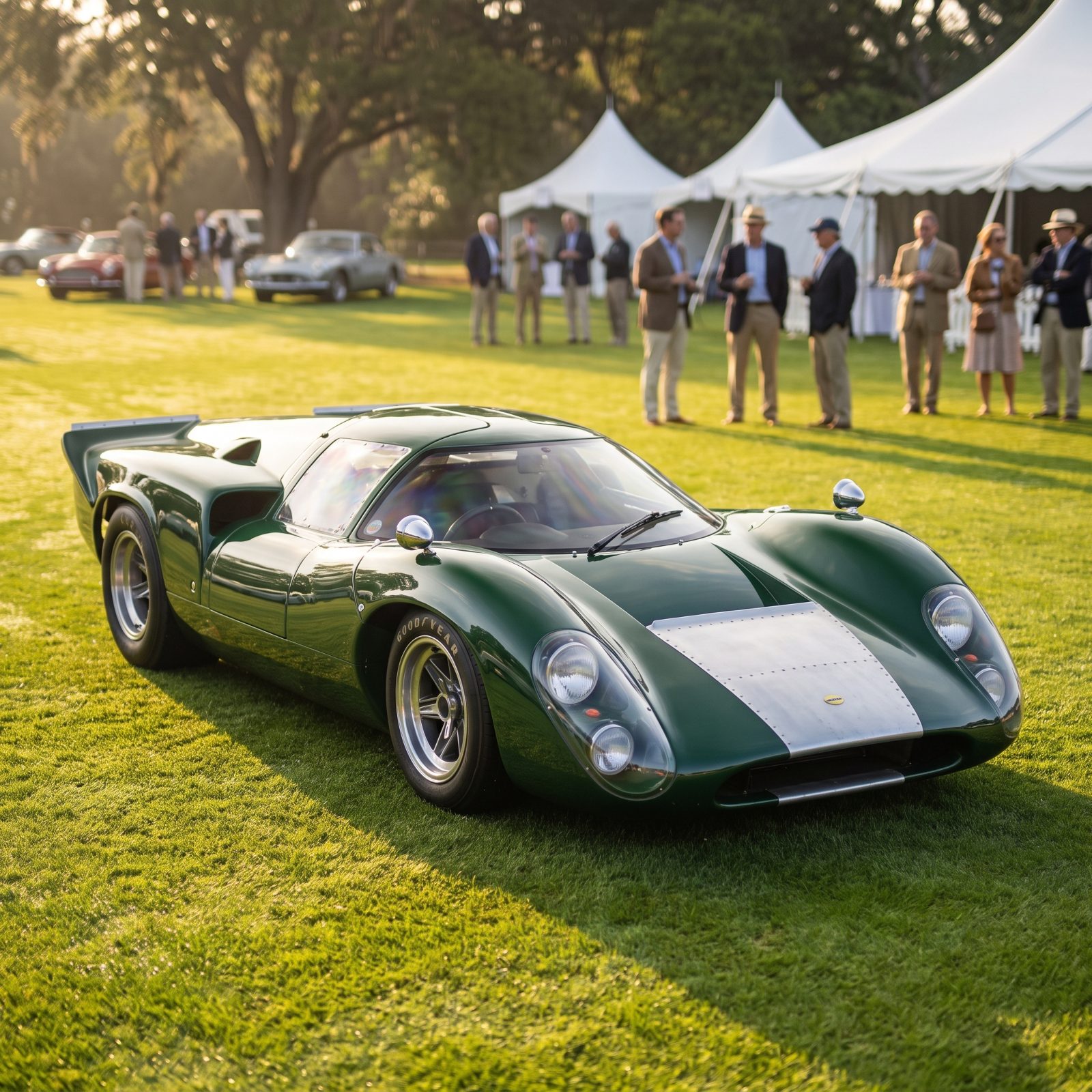
Some cars win races. This one wins the walk from the parking lot.
The T70 Mk3B might be the most sensual shape of the whole endurance era — a long low coupe that looks poured rather than built. Eric Broadley took his earlier open roadsters, gave them a roof, and stopped people cold at Le Mans.
It never got the fairy-tale ending the shape deserved. Reliability gremlins and the ferocious Porsche 917 saw to that.
But park it on a show field next to anything and watch which one draws the crowd. One word of caution: look for the real ones. Plenty of T70s on the circuit today are continuation chassis, which is fine, but an original-tub Mk3B is a different animal entirely.
1969 Nissan Skyline 2000GT-R: The Hakosuka That Started a Legend
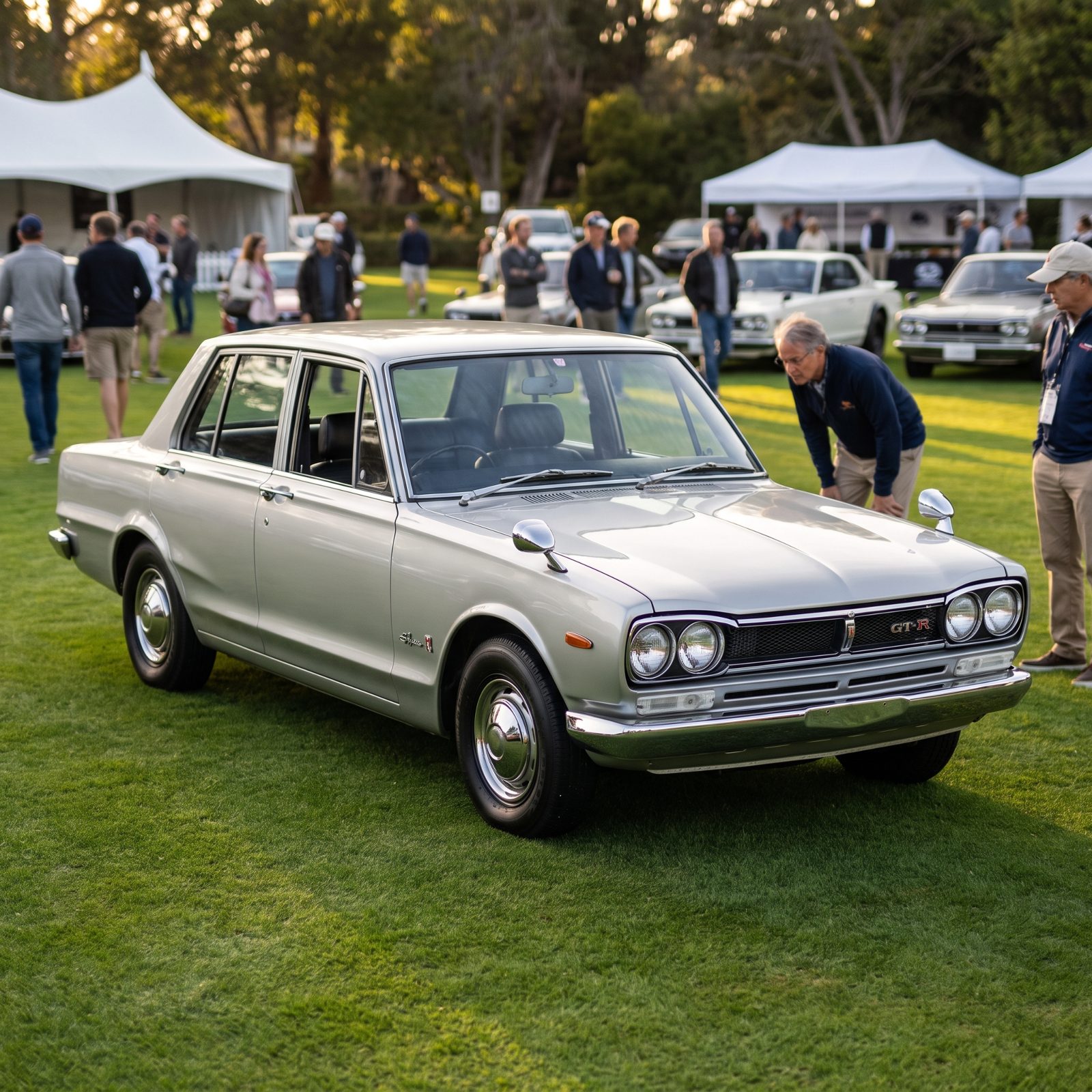
Gearheads call it the Hakosuka, the box Skyline, and it’s the car that put Nissan on the map before most Americans could pronounce the name. Under that upright sedan body sat the S20: a twin-cam, four-valve, triple-carb straight-six lifted straight out of a race program. In a four-door. In 1969.
This is where the whole GT-R myth begins. The racing version ran up a winning streak in Japan that passed into legend, and every GT-R since has been chasing that first car’s shadow.
Hardly any left Japan, so a genuine Hakosuka at an American show is a rare sight worth crossing the field for. Don’t be fooled by the humble three-box shape — the magic is all bolted under the hood.
1969 Datsun 240Z: The Sports Car That Caught Detroit Napping
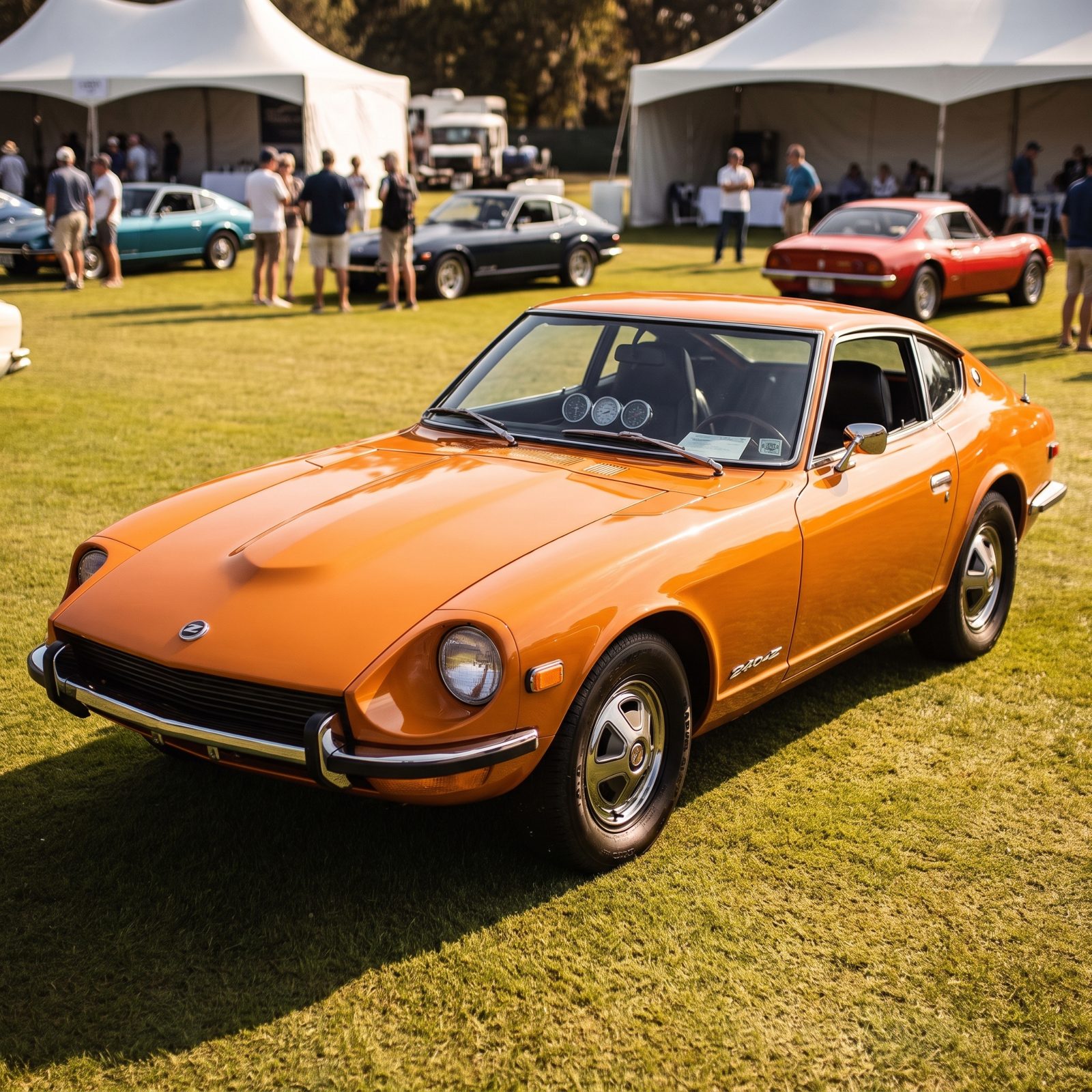
It did the unthinkable: it made a reliable sports car.
When the 240Z landed in 1969 it offered the long-hood swagger of a Jaguar E-Type, a smooth overhead-cam straight-six, and a price that didn’t require a second mortgage. Then — and this was the real heresy — it started every single morning. British sports car owners, who spent half their weekends elbow-deep in the engine bay, took one look and felt the ground shift under them.
The Z sold like crazy and rewrote the rulebook. Nearly every affordable sport coupe that followed owes it a debt.
On the show field, early “Series 1” cars with the vented hatch and chrome bumpers are the ones collectors chase. Find a clean original in that first-year orange and you’re staring at the exact moment Japan stopped asking permission.
1967 Mazda Cosmo Sport 110S: The Rotary Spaceship Almost Nobody Saw
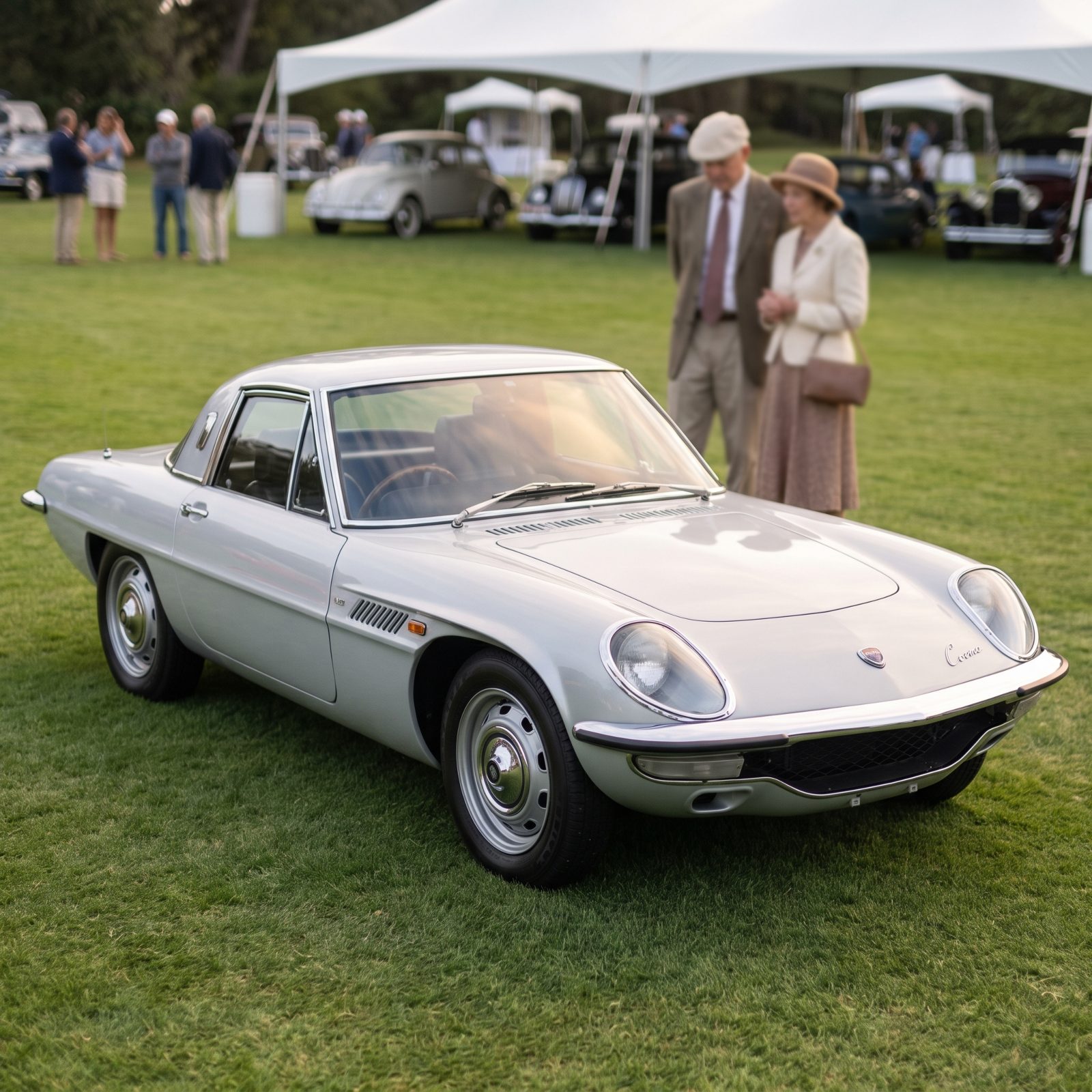
Pop the hood on a Cosmo and something’s missing — the pistons. Mazda bet the entire company on the Wankel rotary, an engine with a triangular rotor spinning inside an oval chamber, and the Cosmo Sport was the proof of concept that whispered where everything else banged.
Only a few more than a thousand were built across the whole run. That scarcity, paired with styling that looks like it taxied in off the set of a 1960s sci-fi serial, makes it one of the holy grails at any Japanese-car gathering.
Spotting one is a genuine event. And here’s the trick: listen. A healthy rotary doesn’t chug like a piston engine, it hums — almost like a turbine deciding whether it feels like spooling up today.
1964 Mini Cooper S: The Giant Killer in a Lunchbox
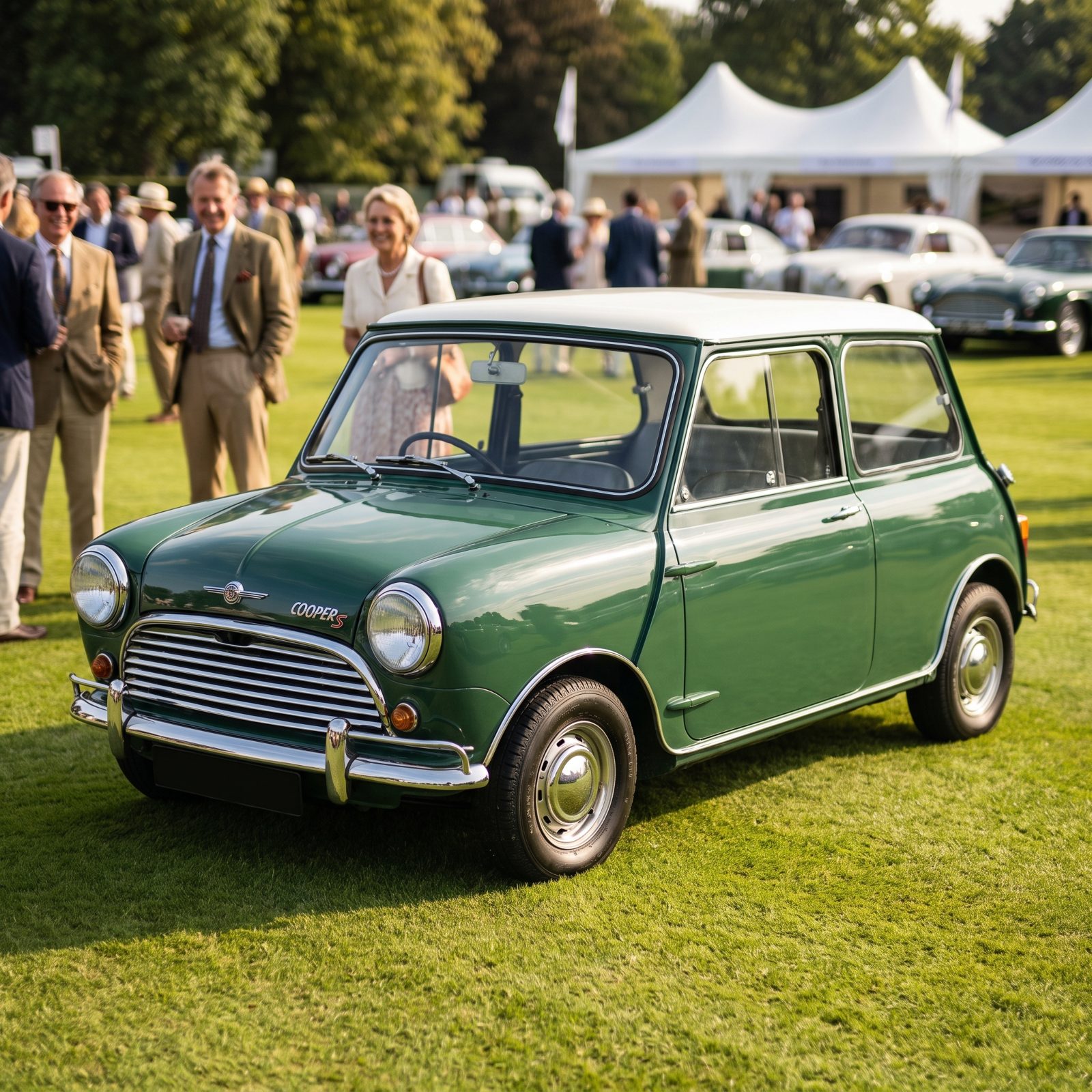
It won the Monte Carlo Rally. Three times. Against cars twice its size.
The Cooper S took Alec Issigonis’s clever little economy box, dropped in a punchier engine with disc brakes, and turned the thing into a weapon — front-wheel drive, wheels shoved out to the corners, a body about the size of a phone booth. Nobody saw the giant killer coming until it was already leading.
On a show lane full of chrome and tailfins, the Mini plays the opposite game entirely. It wins on charm and reputation rather than square footage.
Hunt for a genuine Cooper S, not a dressed-up base Mini. The real ones have the twin fuel fillers, the bigger brakes, and a build history that actually checks out. Plenty of tribute cars wear the badge. Fewer earned it.
1967 Volkswagen Type 2 Samba Bus: Twenty-Three Windows of Pure Sunshine
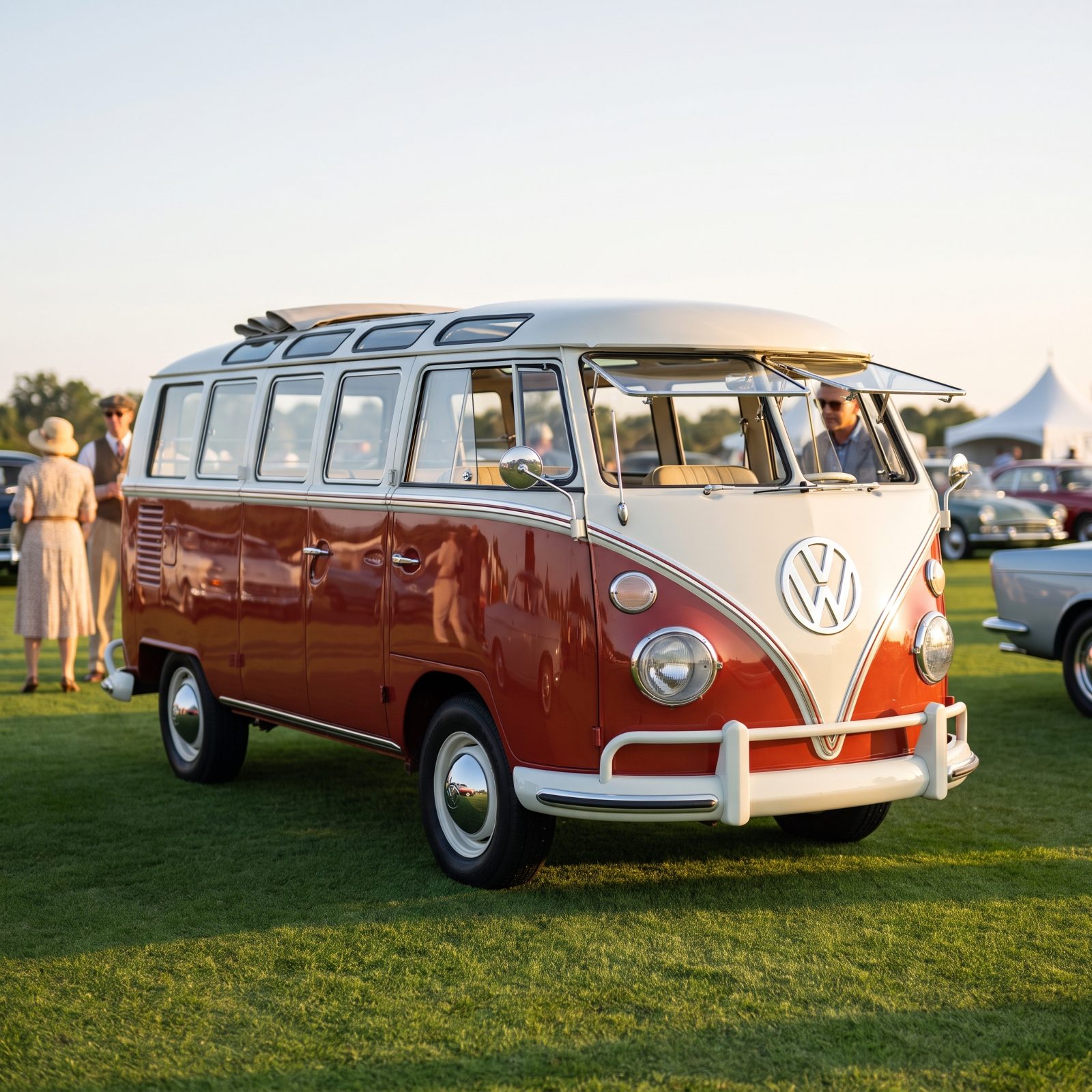
The Samba is the bus that launched a thousand surf posters. Twenty-three windows — including the little skylights up top and the wraparound corner panes — plus a canvas sunroof that folds all the way back to let the whole sky in. Volkswagen built it as a sightseeing shuttle for the Alps. America turned it into a mood.
These are blue-chip now. A genuine 23-window Deluxe in honest shape commands money that would’ve made the original owners choke on their coffee.
At a show, count the glass. Later buses dropped to 21 windows once the rear corner panes went away, so the full 23-window car is the one worth the walk — and check those skylights, because correct ones are getting brutal to source.
1963 Volkswagen Beetle Ragtop: The People’s Car With the Open Roof
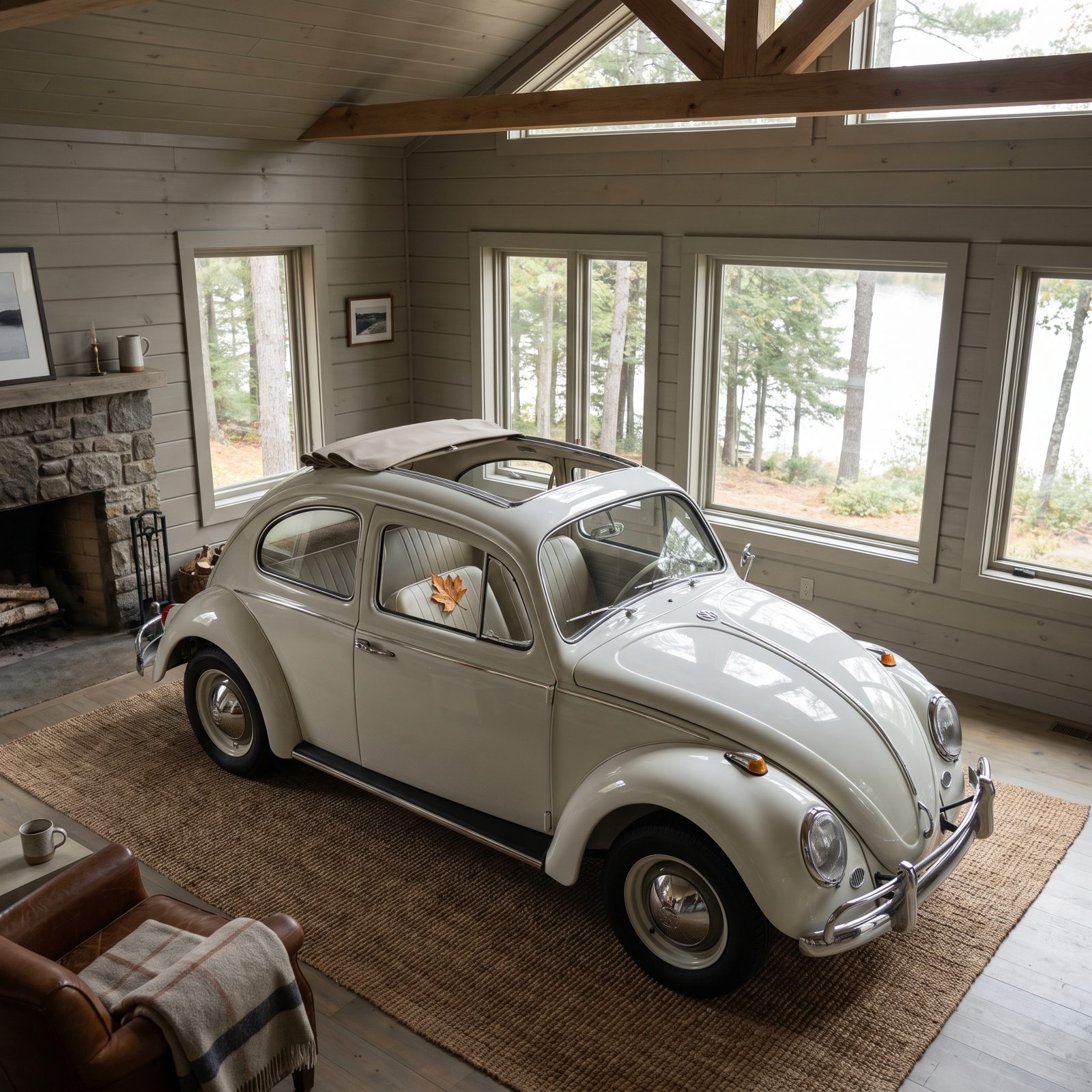
The most-produced car in history, with a twist most people never knew existed.
The ragtop Beetle came with a factory-fitted cloth sunroof that cranks back over most of the roof, turning the humble people’s car into a budget convertible without the structural headaches of a full droptop. Roll it open on a spring afternoon and the air-cooled flat-four putters away behind you while the sun pours straight in.
Collectors prize these over the standard sedans.
Why? The sliding canvas roof is hard to find in good order and the mechanism takes real know-how to rebuild — this is not a weekend job for the faint of heart. At a show, the ragtop sits quietly among its hardtop siblings. Look for the canvas seam running fore to aft. That one little detail separates a nice Beetle from a genuinely desirable one.
1966 Ford Bronco Roadster: The Topless, Doorless Trailblazer
Would you like to save this?
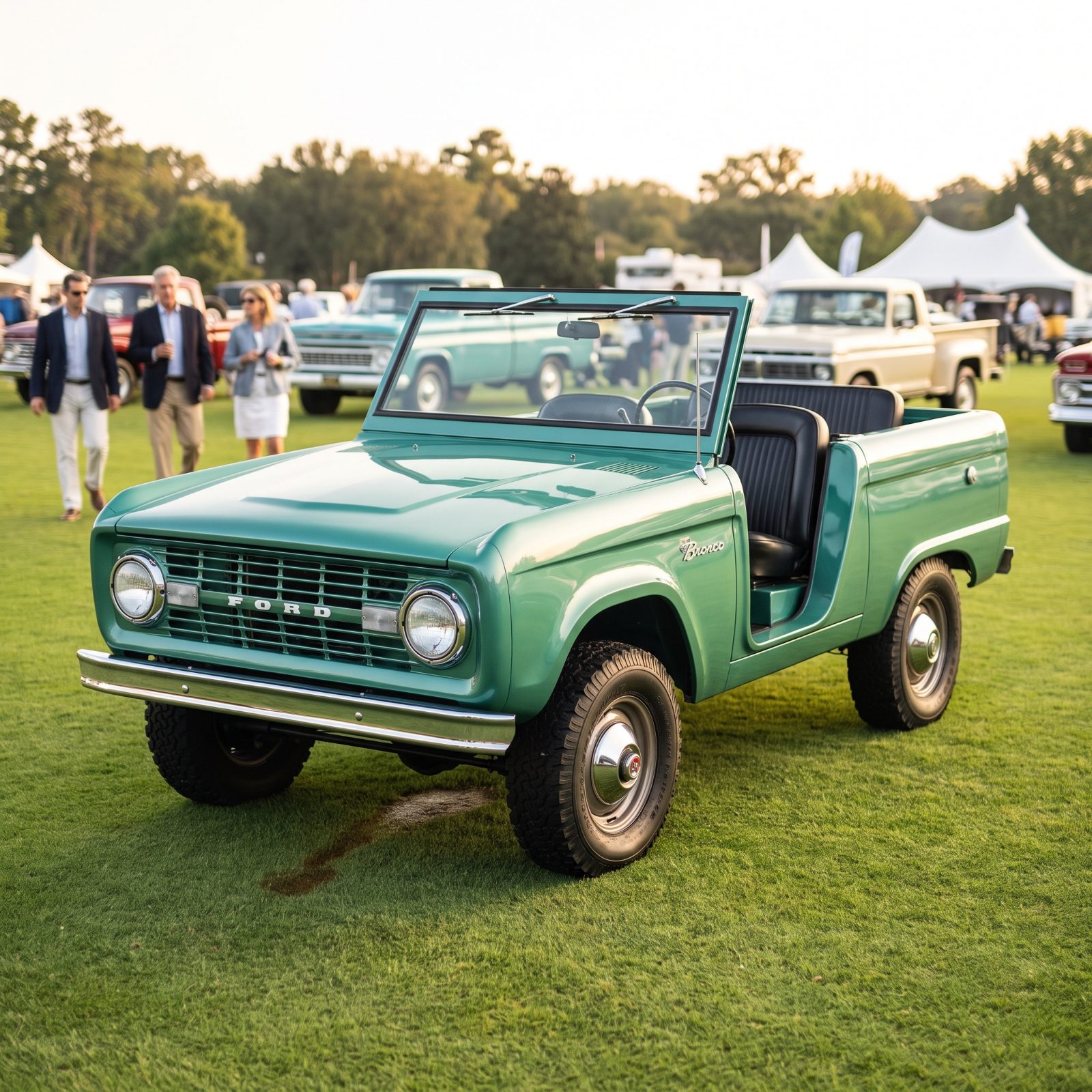
The rarest Bronco of them all is the one that came with almost nothing. The 1966 U13 Roadster had no roof, no doors, not even roll-up windows — just a windshield, a bench, and four-wheel drive. Ford pitched it as a stripped-down fun machine. Buyers mostly said no thanks.
That sales flop is exactly why it’s gold now. The Roadster was the shortest-lived early Bronco body style, so a survivor is one of the rarest finds on any vintage 4×4 field.
Early Broncos in general have gone supernova in value, but the doorless Roadster is the connoisseur’s pick. Check the body tag for the U13 code — lots of early Broncos get the doors and top yanked for the look, but only a handful were actually born that way.
1969 Chevrolet K5 Blazer: The Full-Size SUV Before Anyone Called It That
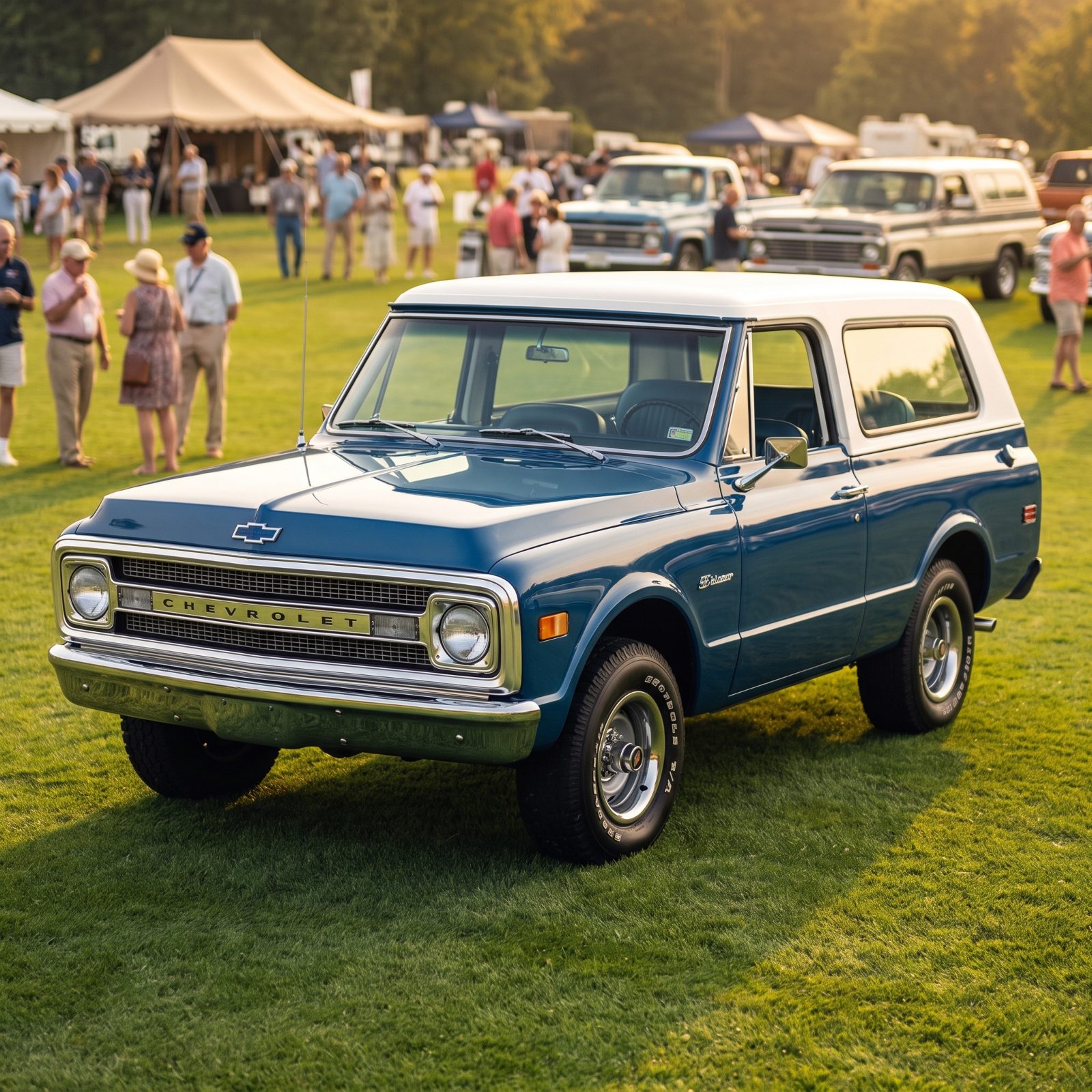
It invented a category Detroit didn’t have a name for yet.
Chevy watched the little Bronco and Scout sell, then decided to go big. The 1969 K5 Blazer took a shortened full-size pickup chassis, added a removable hardtop, and served up V8 power with room for the whole family. Comfortable, roomy, four-wheel drive, a roof that lifts clean off — that formula is the great-grandfather of every full-size SUV sitting in your neighbor’s driveway today.
First-year ’69s are the ones to hunt down, and genuine four-wheel-drive versions outrank the two-wheel-drive variants.
On the field, the removable top is the whole show. An original hardtop in good shape is harder to find than the truck under it. Pop it off on a clear day and you’ll understand instantly why America fell for the idea.
1962 Chevrolet Bel Air 409: The Song Had It Right
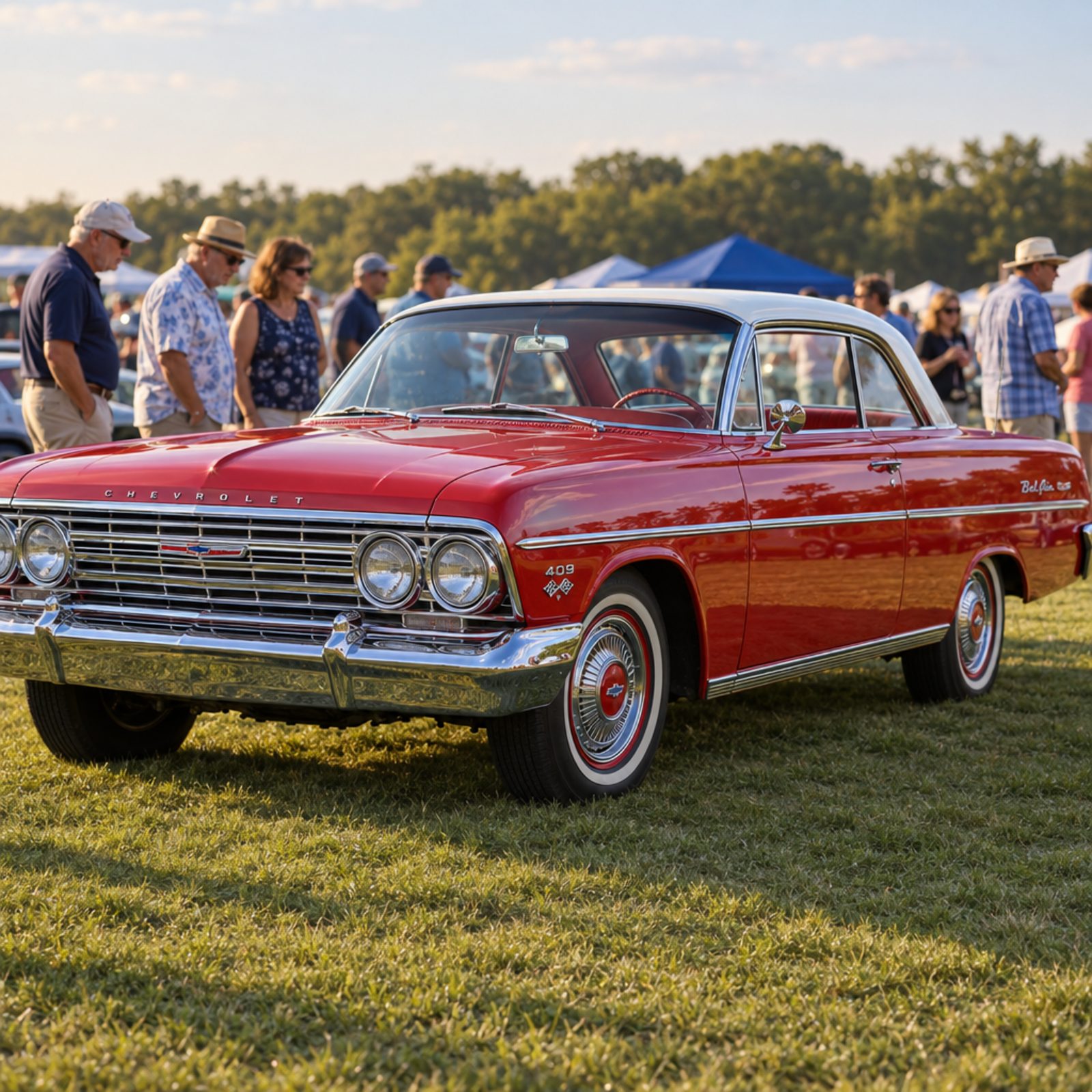
The Beach Boys made it famous, but the 409 earned its fame on the strip first. That 6.7-liter big-block put out as much as 409 horsepower in a car that looked like your grandfather’s grocery-getter, and that was the whole trick. A full-size Chevy with sleeper manners and a motor that embarrassed Corvettes.
At a show, walk around back and hunt for the dual-quad setup under that flat hood. Original 409s are getting scarce, and plenty of what you see wears the badge without the real engine underneath. Pop the hood yourself if the owner offers. The casting numbers never lie.
1964 Ford Fairlane Thunderbolt: The Factory Hot Rod Ford Built in a Back Room
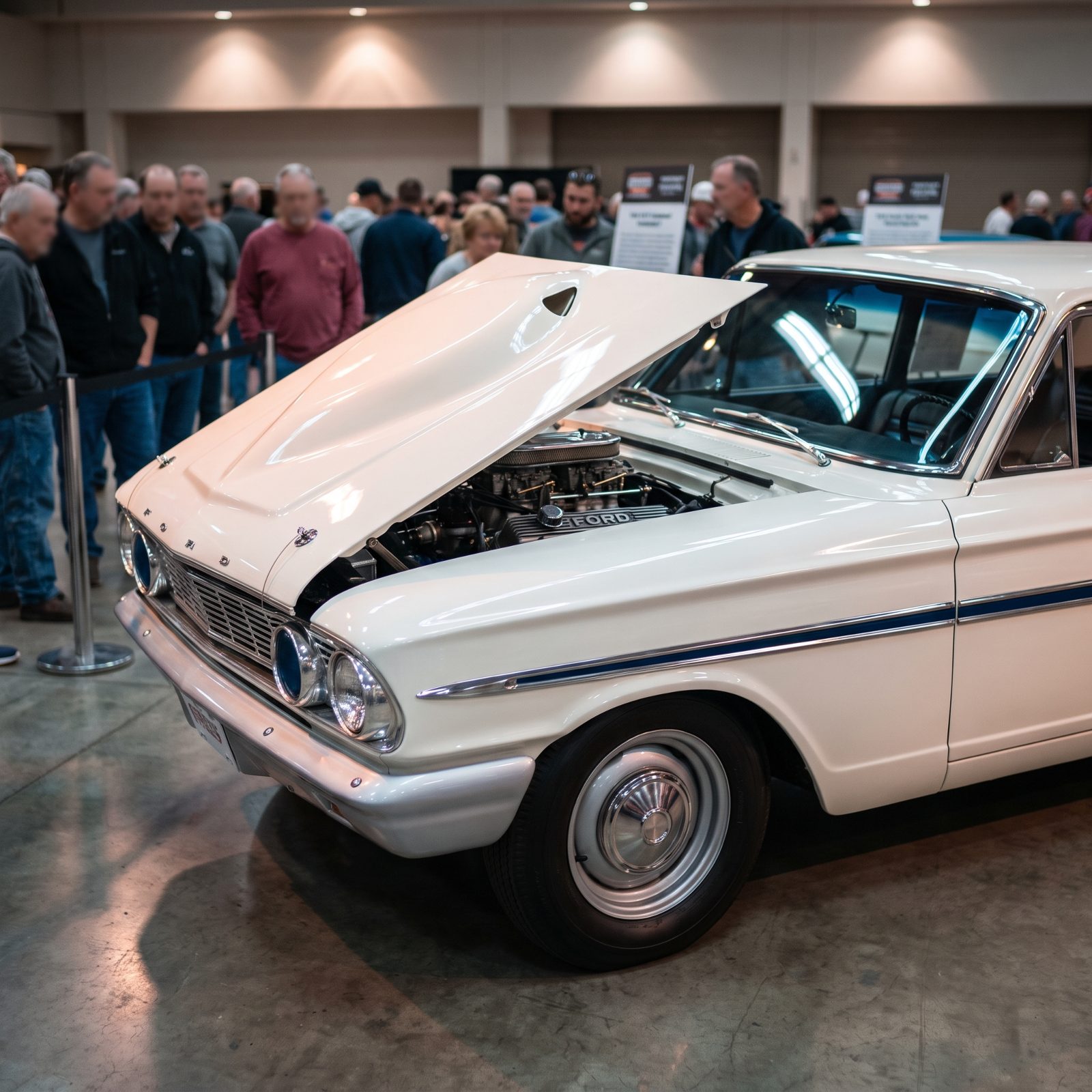
Ford didn’t really sell the Thunderbolt. They built about a hundred to go win Super Stock, handed them to drag teams, and looked the other way. Fiberglass hood, plexiglass windows, no radio, no sound deadening, and a 427 high-riser crammed into a Fairlane that was never designed to hold it.
Why does it matter? This was the opening shot in the factory muscle wars, fired before the GTO got the credit. Find one at a show and you’re staring at one of the rarest Fords of the decade. The bubble-scoop hood and the raw, stripped interior give it away. Everything that could be lightened, was.
1968 Dodge Dart Hemi Super Stock: The Little Car That Ate Big Ones
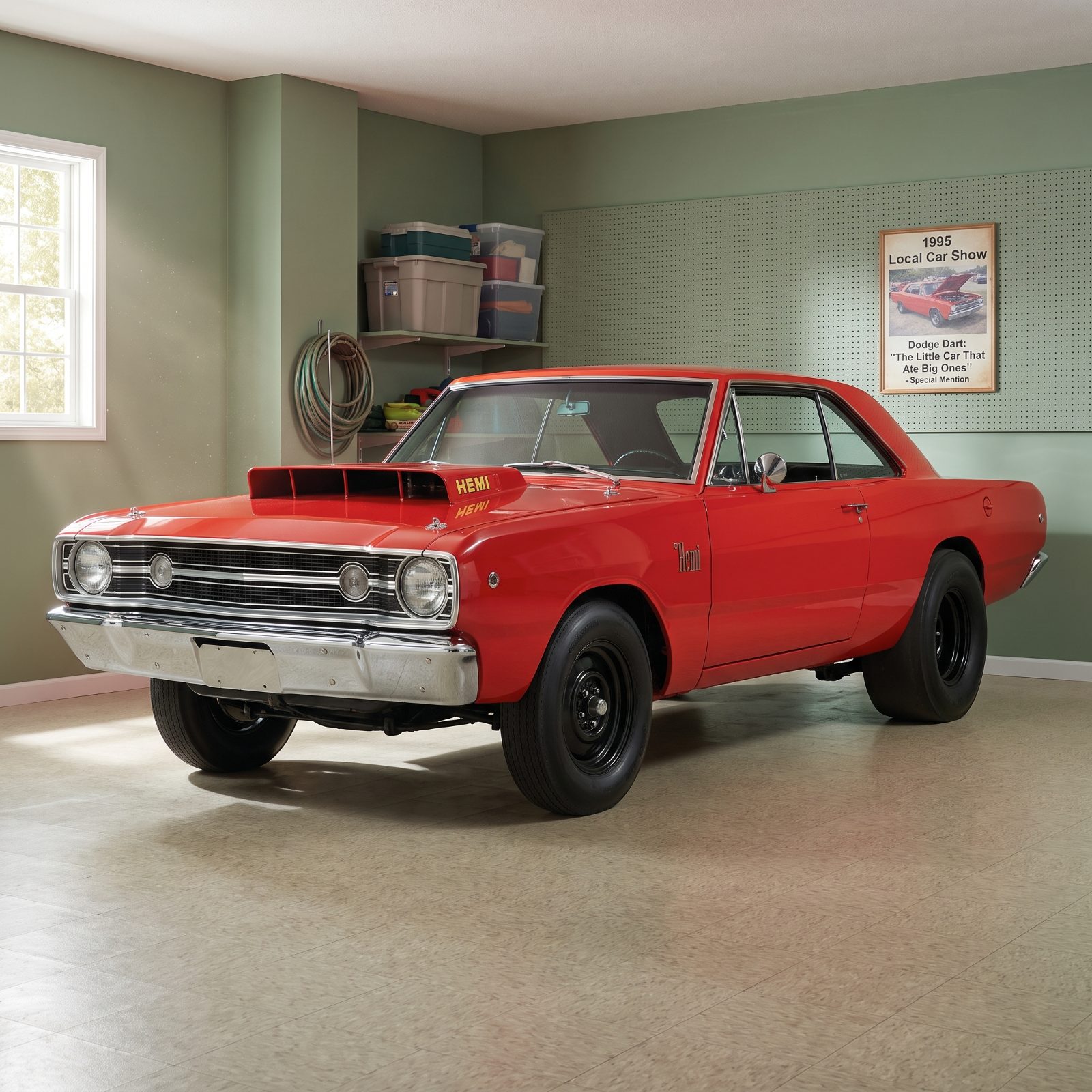
Mopar engineers did something absurd and wonderful in 1968. They grabbed the little Dart, stripped every ounce they could, acid-dipped the body, and shoehorned the 426 Hemi into an engine bay that had no business holding it. Hubbell and Thorley handled the shoehorning. The thing ran low elevens straight off the showroom floor.
These were race cars with a title, roughly eighty built by Hurst. Spot one and look at the front tires. Comically skinny, with all the weight shoved rearward for traction. The battery usually rides in the trunk.
1964 Plymouth Barracuda: The Pony Car That Beat Mustang to the Punch
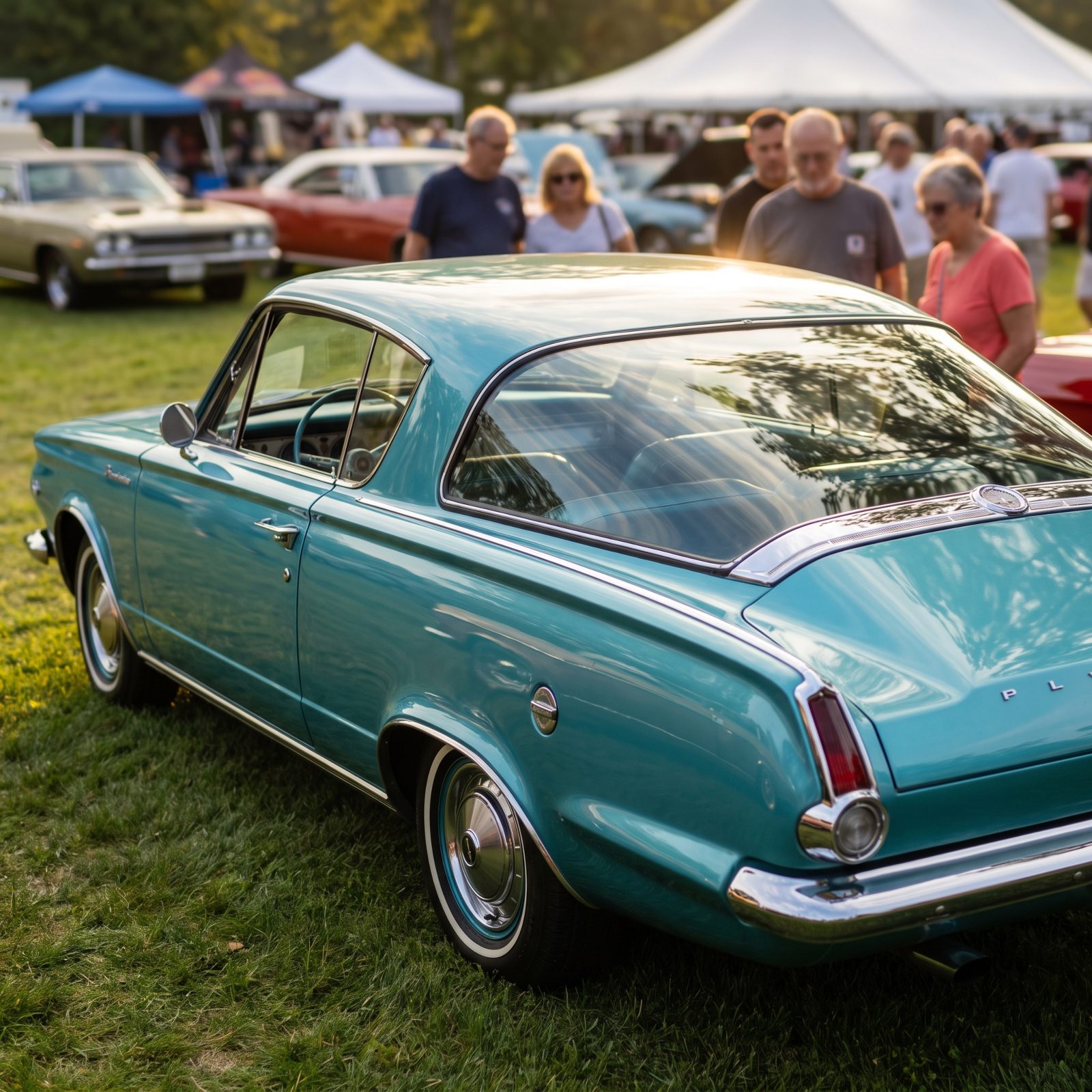
Here’s a bar bet you’ll win every time. The Barracuda beat the Mustang to market by about two weeks in April 1964. Plymouth got there first and almost nobody remembers.
What makes the early car worth finding is that rear glass, one of the largest pieces of curved automotive glass installed to that date, a huge fastback bubble that fold-down seat and all turned the cabin into a tiny hauler. Based on the humble Valiant, sure. But that back window is pure drama. Walk around behind it and you’ll see it still looks like nothing else on the field.
1969 AMC AMX: Detroit’s Forgotten Two-Seater
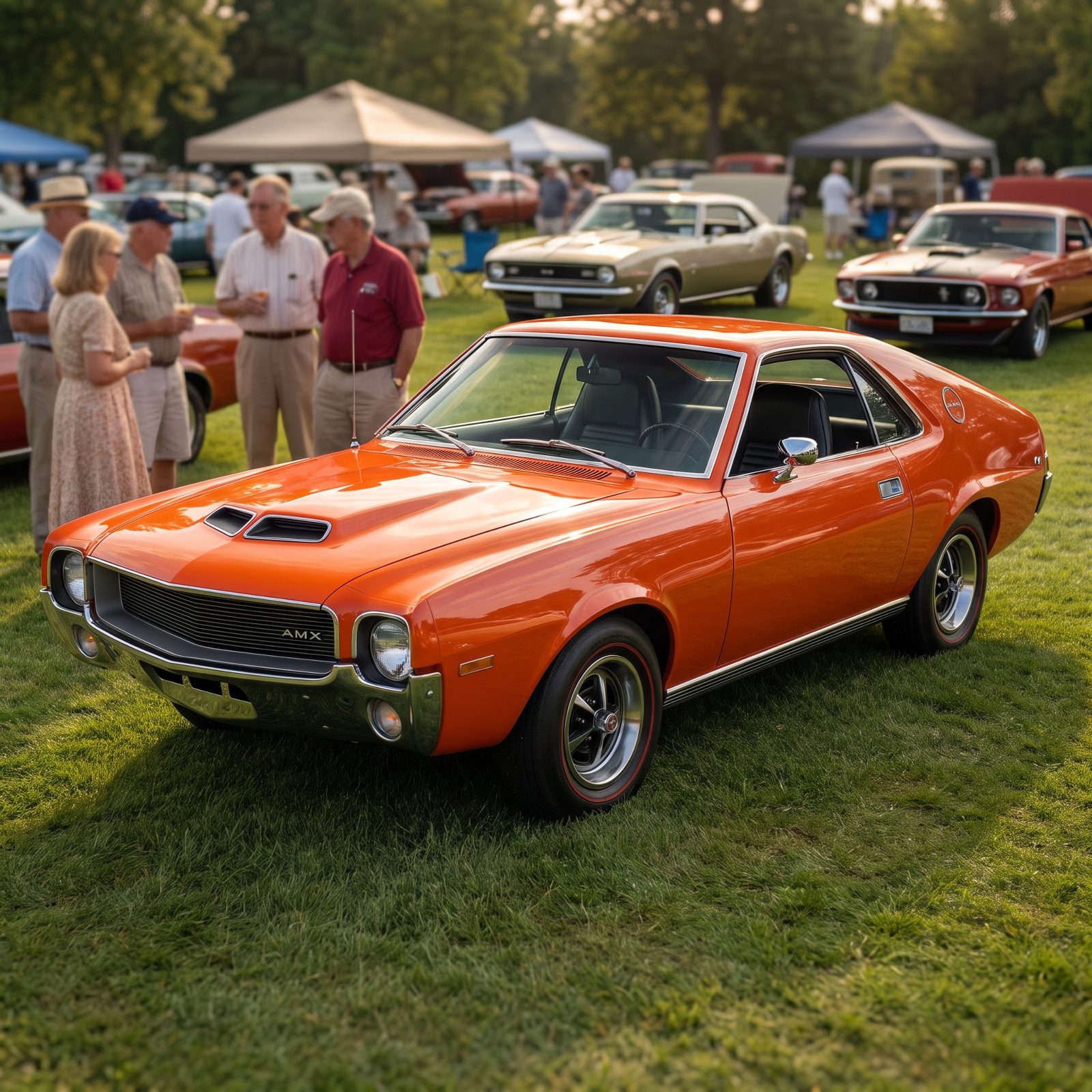
AMC was the underdog, and the AMX was their swing for the fences. A true two-seater, the only American two-seat sports car of the era besides the Corvette, built on a shortened Javelin platform. Short wheelbase, big engine options up to the 390, and a face that looked angry in the best way.
Go hunt one down, because AMC gets skipped at most shows and that’s a shame. These are genuinely rare now. The 1969 cars wore wild factory colors like Big Bad Orange and Big Bad Blue, and the short tail makes it look like someone sawed a foot out of the middle of a normal pony car. Which, roughly, they did.
1963 Studebaker Avanti: Raymond Loewy’s Fiberglass Farewell
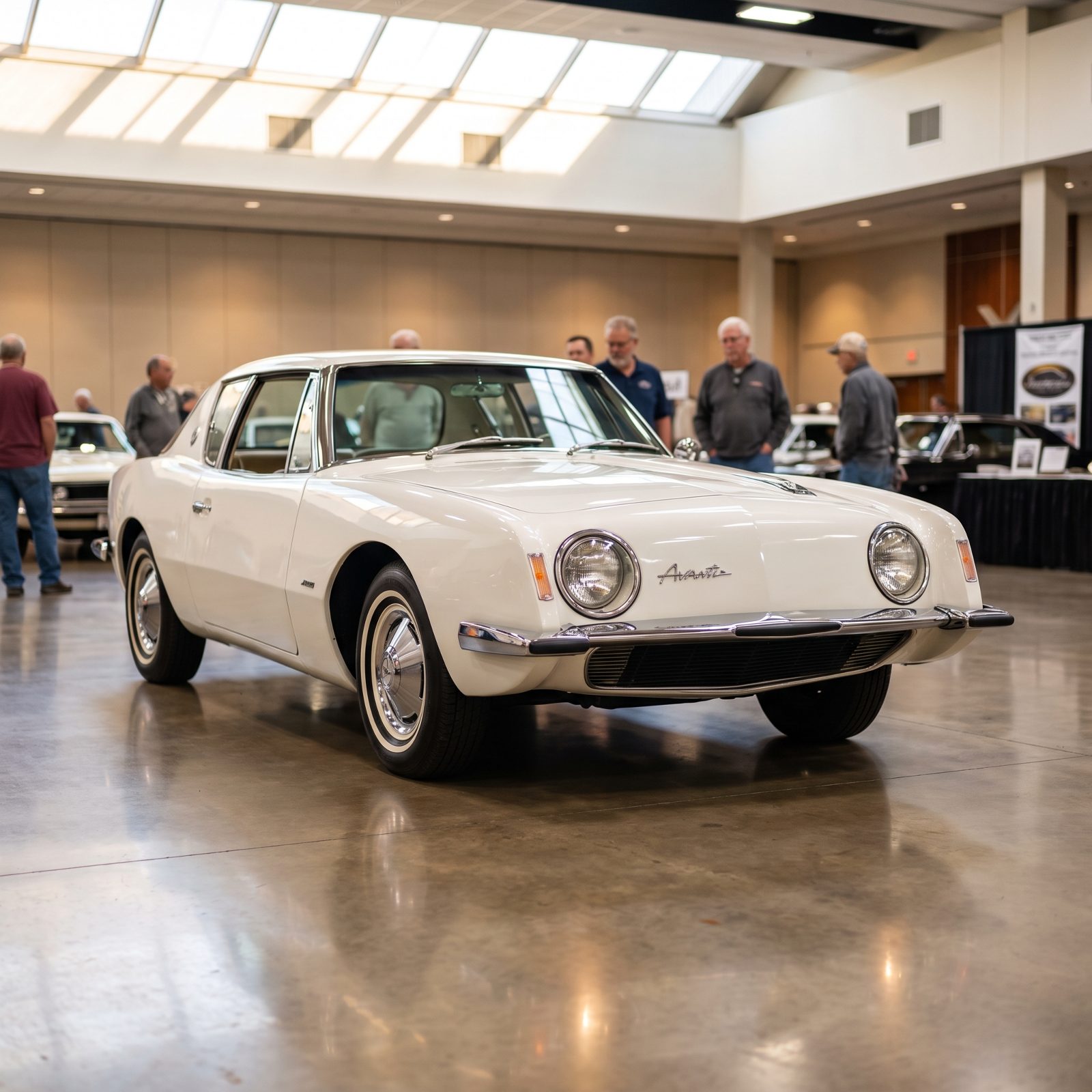
Studebaker was dying, and the Avanti was the beautiful thing it did on the way out. Raymond Loewy sketched it in a rented house in Palm Springs in about forty days. Fiberglass body, no grille up front, a shape that looked like it came from a decade that hadn’t happened yet.
The R-series supercharged versions set land-speed records at Bonneville. Then the company folded, and other outfits kept building the car under different names for decades, which confuses buyers to this day. The real 1963 Studebaker-badged cars are the ones to chase. Look for the asymmetrical dash and that grille-less, forward-leaning nose.
1966 Oldsmobile Toronado: The Front-Driver That Should Have Flopped
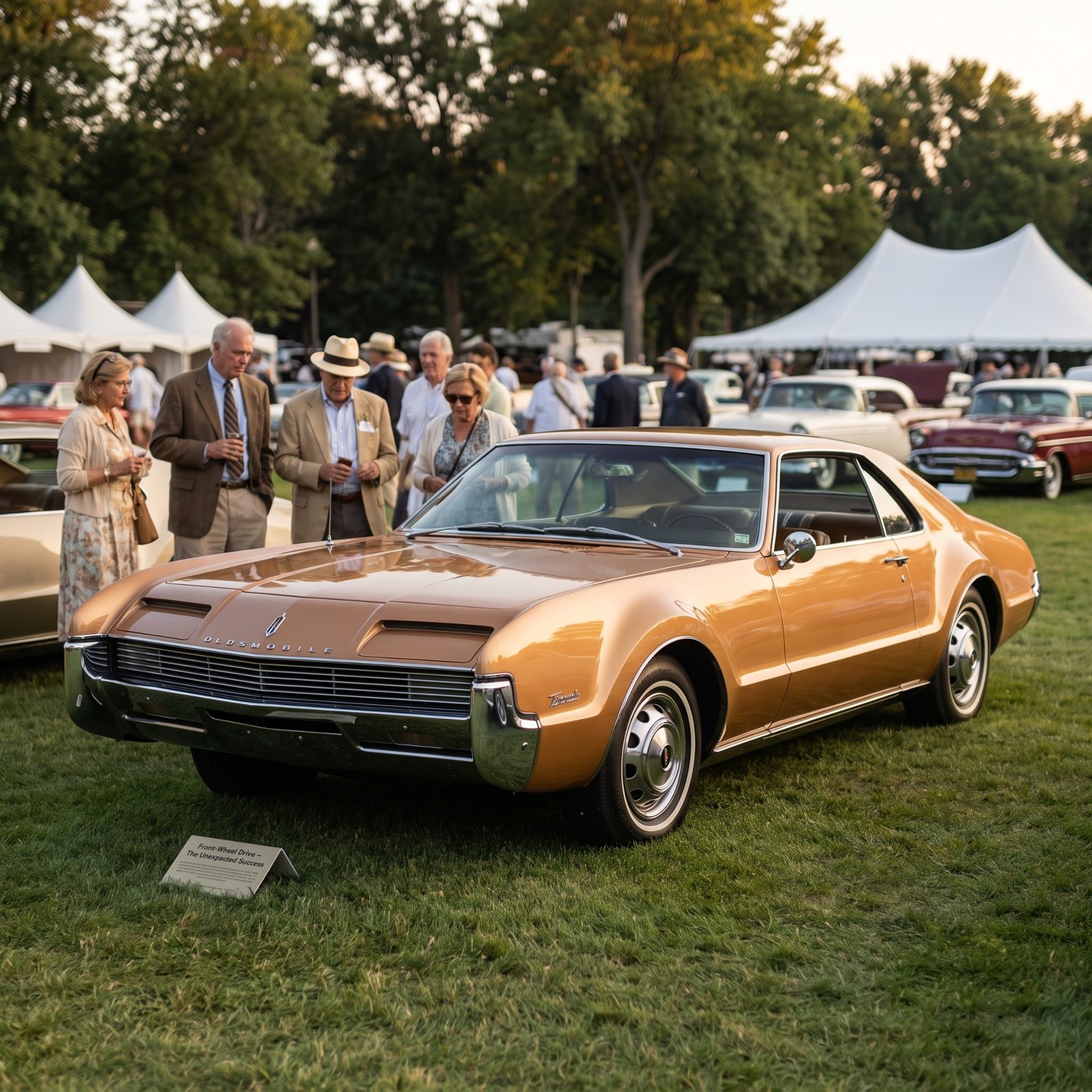
Front-wheel drive in a two-ton American luxury coupe sounded like madness in 1966. Oldsmobile did it anyway, and it worked. The Toronado put 385 horsepower from a 425 Rocket V8 through the front wheels, the first American front-driver since the Cord of the 1930s.
You come for the styling. Those flared arches, the hidden headlamps, the long flat hood with no driveline hump to fight. It won Motor Trend Car of the Year and still looks resolved in a way most big coupes of the era don’t. Stand at the nose and notice how clean the front reads, because the whole drivetrain is tucked up under there.
1965 Buick Riviera Gran Sport: Clamshell Headlights and a Nailhead Punch
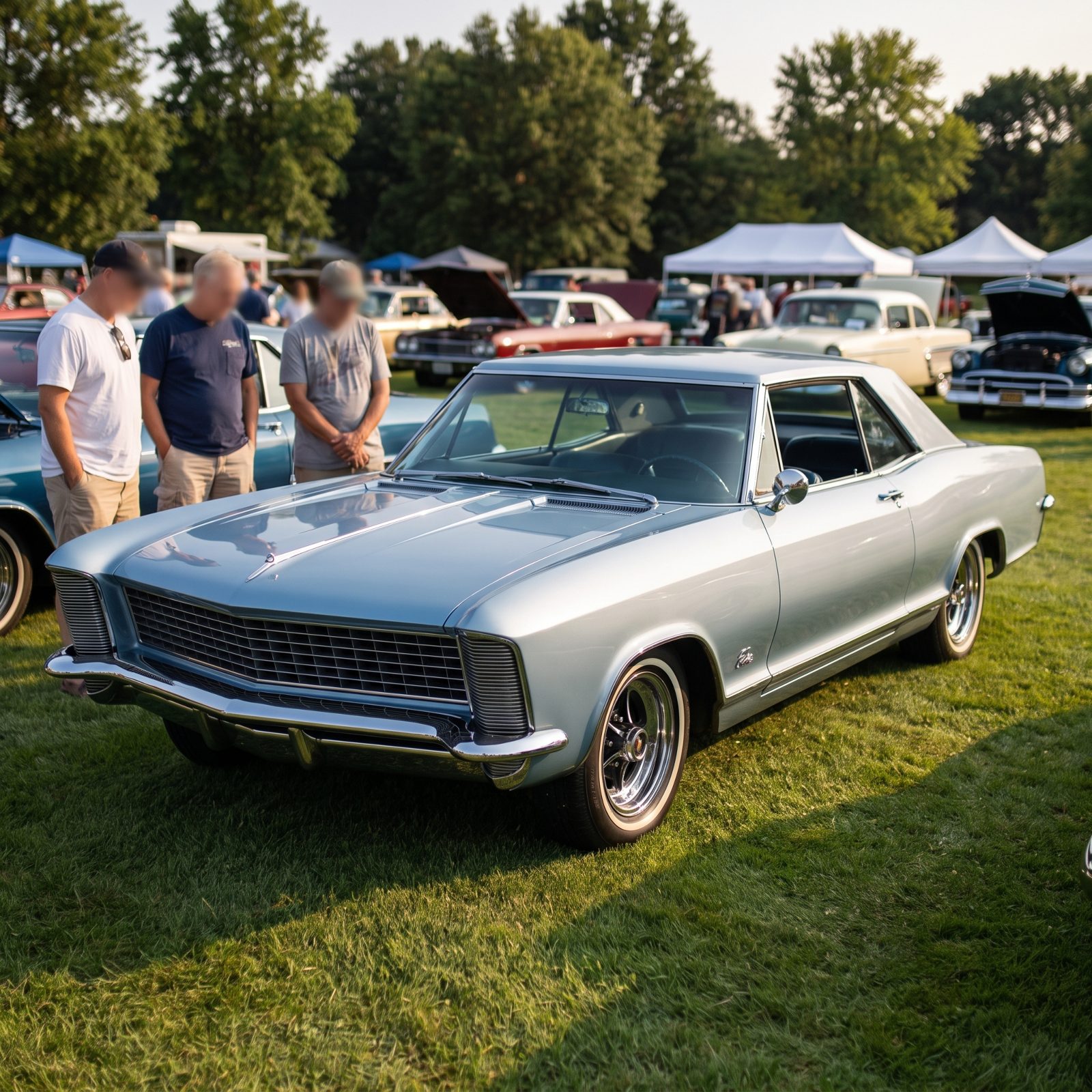
The first-generation Riviera was Bill Mitchell’s answer to a question nobody asked GM: what if a Buick could look like a custom coachbuilt coupe? The 1965 is the one to find, because that’s the only year the headlights hid behind the leading edges of the fenders. Little clamshell doors swung open to reveal them. Pure theater.
The Gran Sport added the 425 Nailhead with dual quads and a stiffer suspension, so it drove the way it looked. Clean, sharp, fast. That razor-edge body held up better than almost anything else from 1965.
Mitchell reportedly wanted it to look like a Ferrari that had been to finishing school. He got closer than anyone had a right to expect.
1960 Cadillac Eldorado Biarritz: The Last Great Tailfin
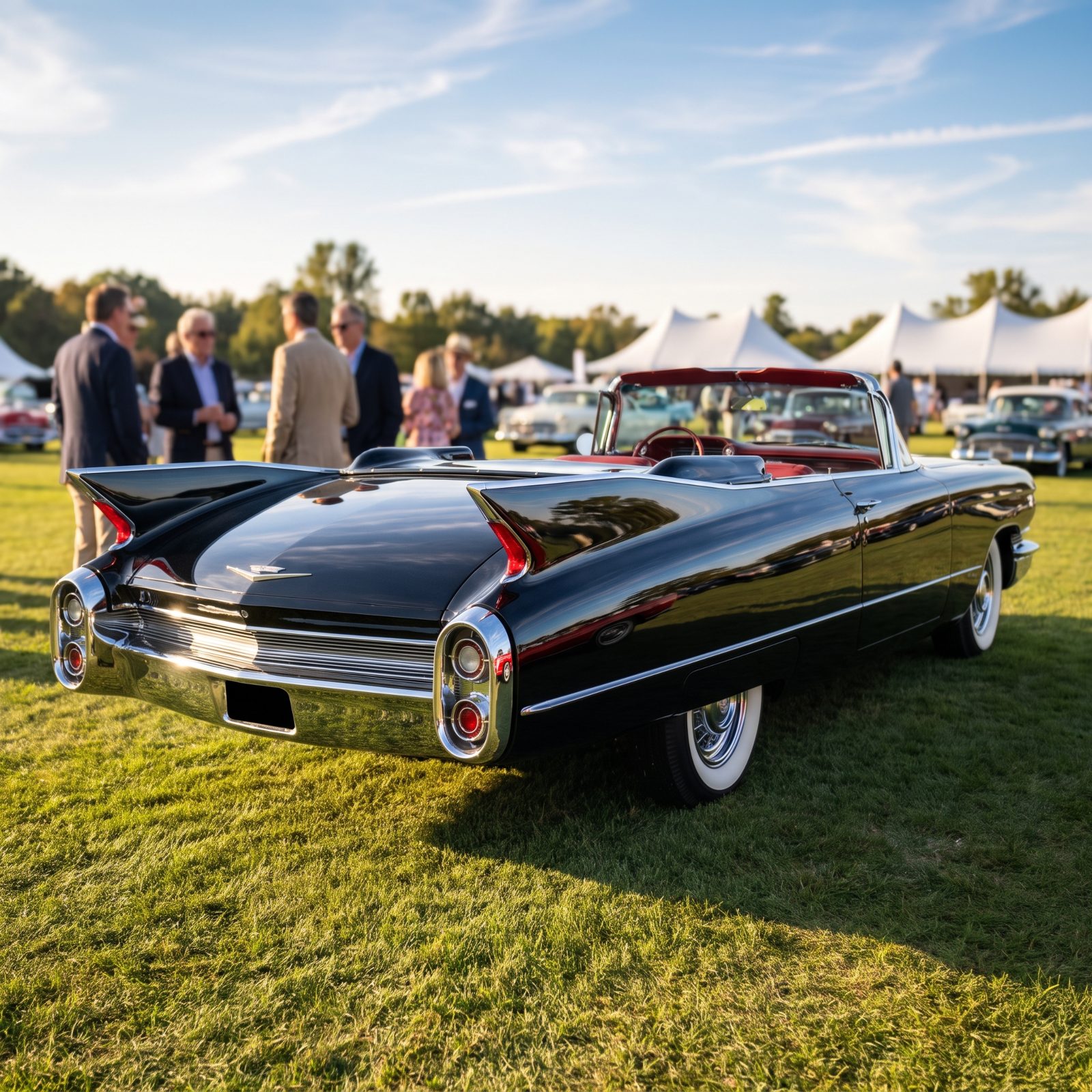
By 1960 the tailfin was on its way out, and Cadillac sent it off in style. The Eldorado Biarritz carried fins a touch tamer than the wild 1959, yet the whole car marked the high-water mark of a certain American confidence. Chrome everywhere. A 390 V8. Leather you could get lost in.
Seek it out, because this is peak jet-age Detroit, the design language that defined the decade’s opening act before taste moved on. Walk around back. Those fins with the bullet lamps are the thing your dad pointed at when you were a kid. Barely more than a thousand Biarritz convertibles rolled out that year.
1969 De Tomaso Mangusta: Italian Body, Ford Heart, Zero Compromise
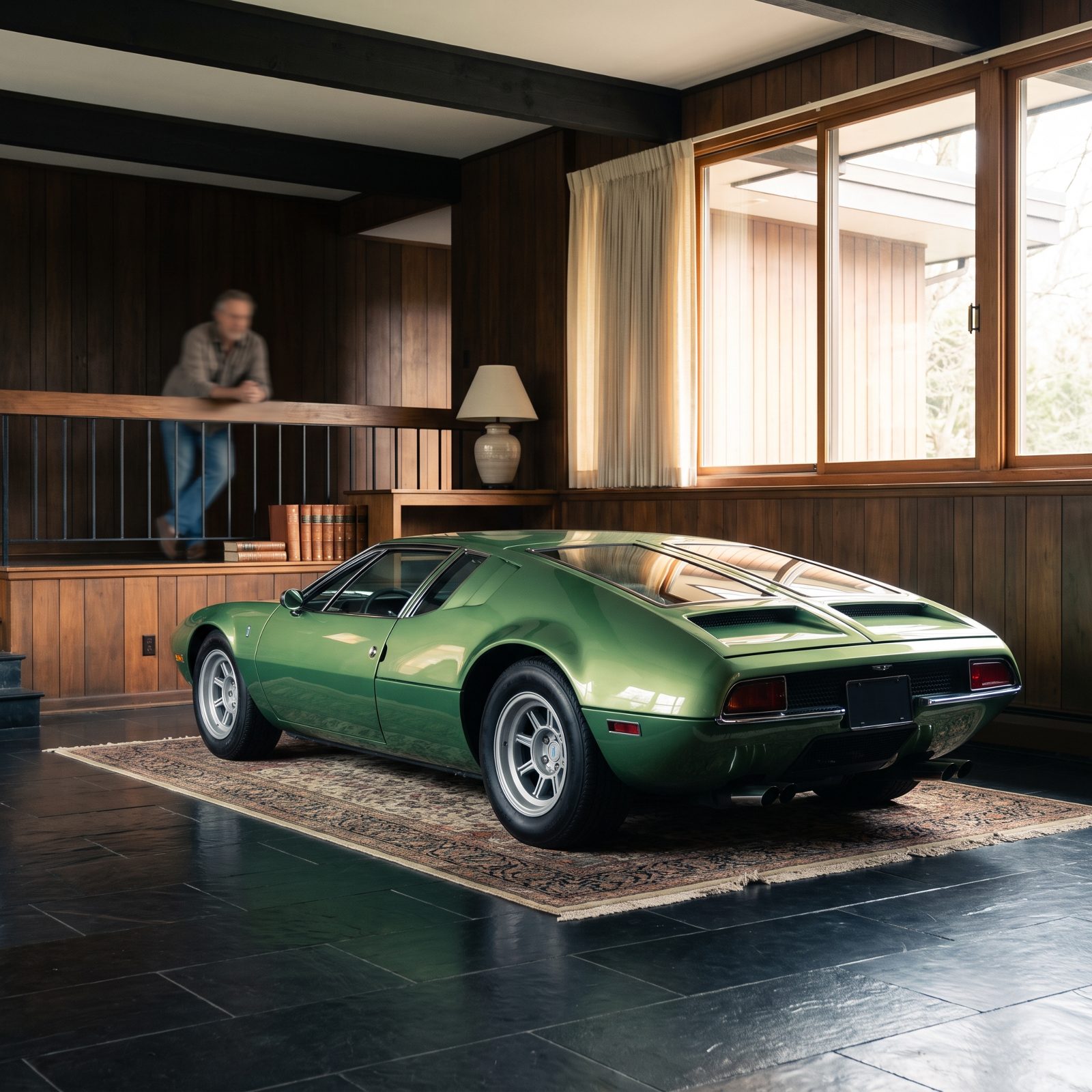
Alejandro de Tomaso named this car after the mongoose because the mongoose kills cobras. Subtle he was not. The Mangusta wrapped a Giugiaro-penned body around a Ford 302 V8 sitting amidships, and the result was one of the lowest, most dramatic shapes of the decade.
The split rear glass panels lift like gullwings to reveal the engine, and it’s worth hanging around to catch an owner open them. Only a few hundred were built. The handling was reportedly terrifying, all thanks to a rearward weight bias, but nobody buys a Mangusta to be sensible. Find one and you’ve found the prettiest car on the field, and probably the twitchiest.
1969 Maserati Ghibli SS: Giugiaro’s Shark-Nosed Grand Tourer
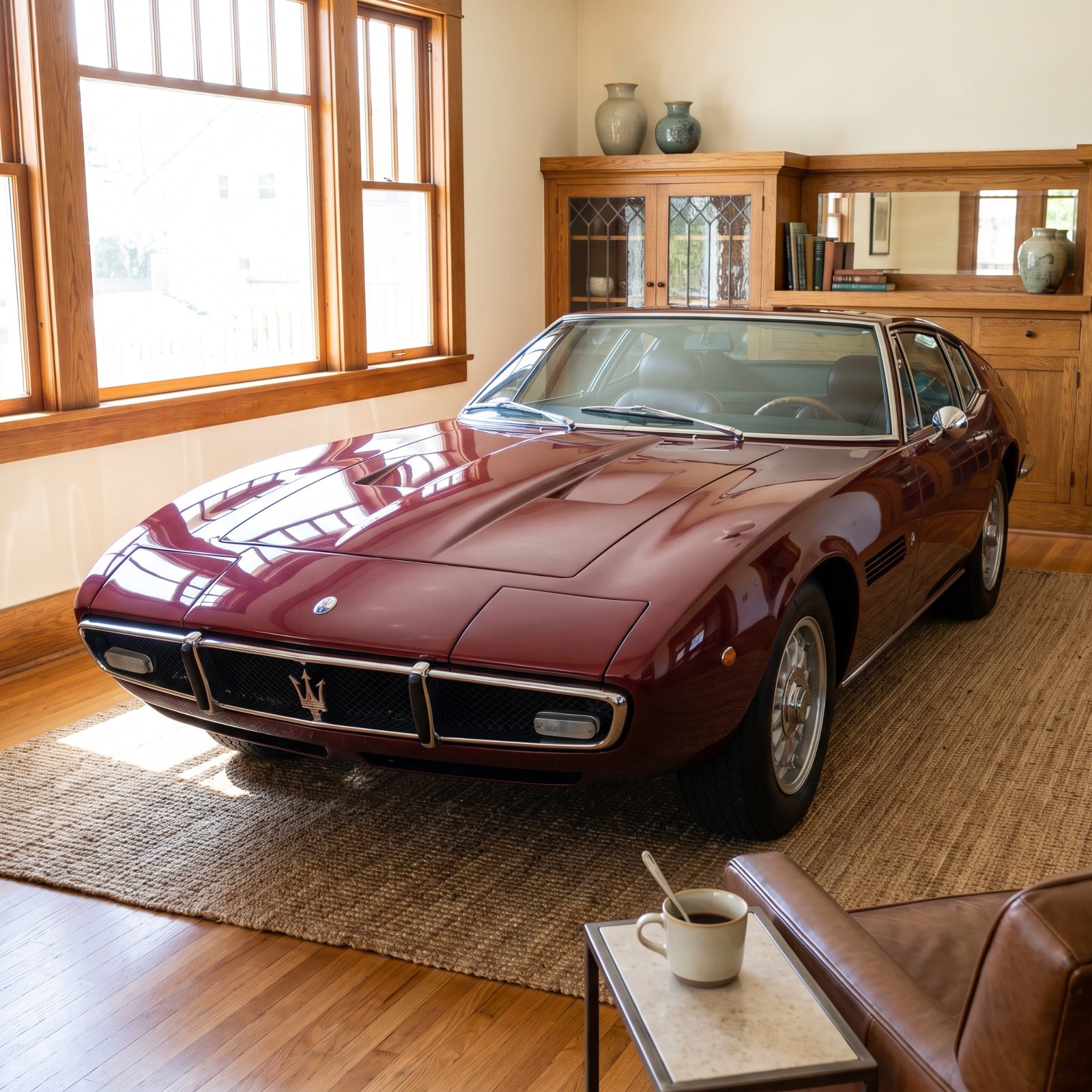
Giugiaro was twenty-eight when he drew this thing, and it still looks like it was sketched tomorrow. The Ghibli SS runs a 4.9-liter quad-cam V8, dry-sump, good for around 335 horsepower. It was Maserati’s answer to the Ferrari 275 and the Lamborghini Miura, and it outsold both.
At a show, walk to the nose first. That hood is nearly as long as a Volkswagen is wide, and the shark profile reads best from a low three-quarter angle. Check the pop-up headlamps and the dry-sump badge on an SS — that’s how you tell it apart from the standard Ghibli.
1962 Lotus Elan: The Featherweight That Redefined Handling
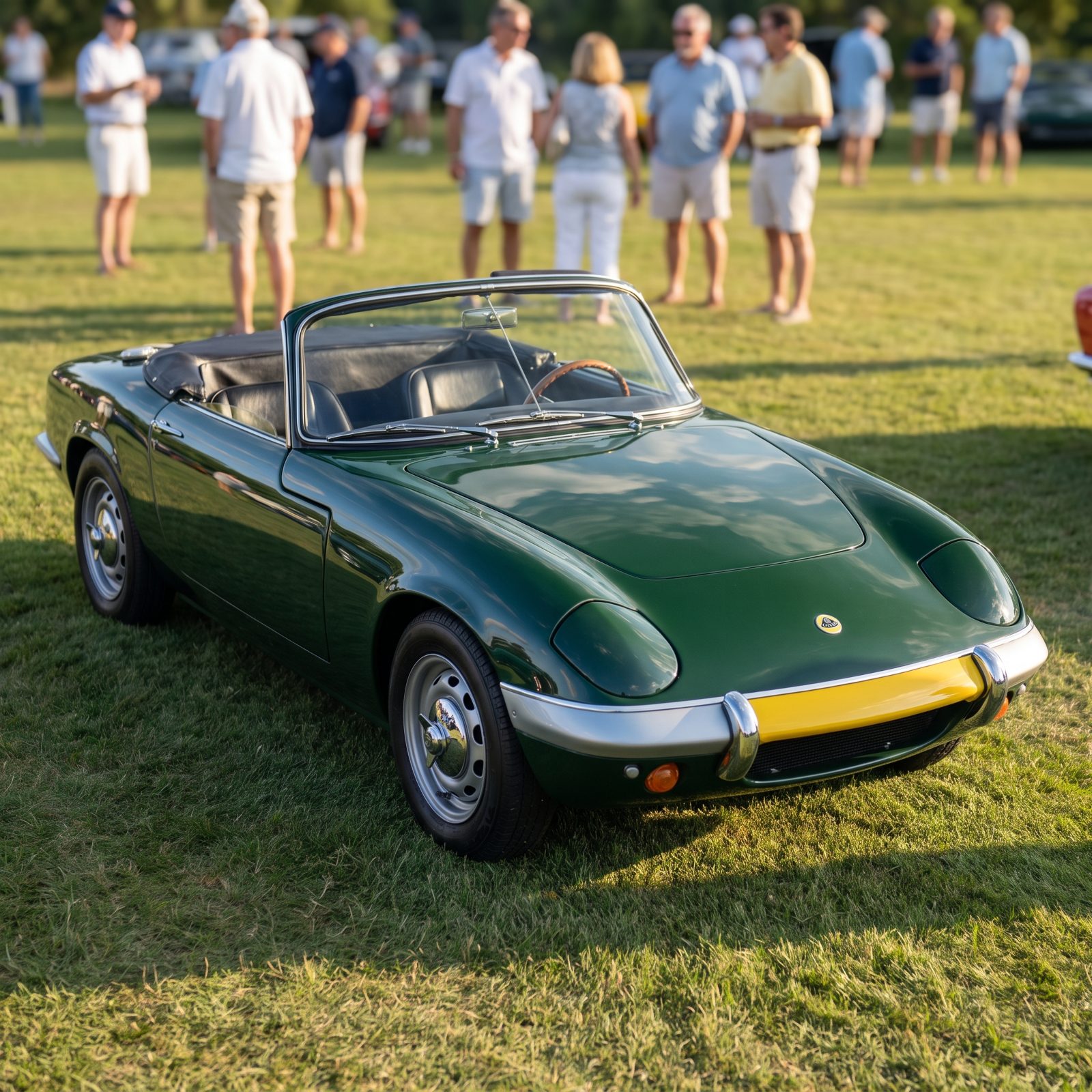
Twelve hundred pounds. That’s the number that matters. Colin Chapman built the Elan around a backbone chassis and a fiberglass body, hung a twin-cam 1.6 off the front, and gave the world a sports car that handled like your thoughts were steering it.
People underestimate the Elan at shows because it’s small and unassuming next to the big Italian metal. Don’t. This is the car Mazda engineers tore apart and studied before building the Miata, so everything good about affordable roadster handling traces back to this little green wedge on the lawn.
Look for the pop-up headlamps — vacuum-operated from the factory, and the bane of every owner’s existence — and the Lotus badge on the nose. Early cars had the sweetest lines before the bumpers grew.
1965 Sunbeam Tiger: The British Roadster With a Ford Heart
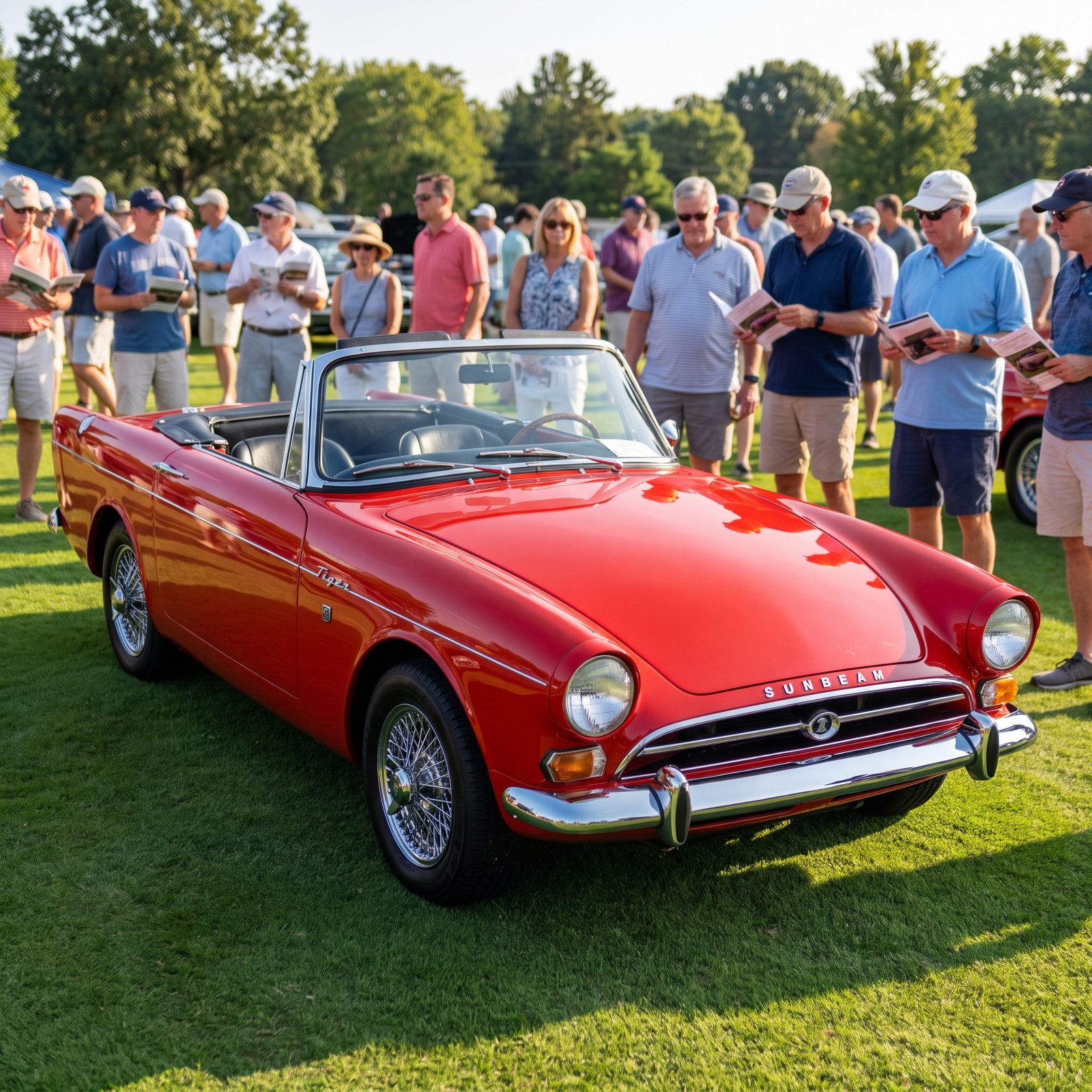
Carroll Shelby’s fingerprints are all over this one. Someone looked at the pretty little Sunbeam Alpine, decided it needed more thunder, and shoehorned a Ford 260 V8 into the engine bay. The result was a sleeper that could humble cars costing three times as much.
For years I lumped the Tiger in with ordinary British roadsters and completely missed the point. The point is under the hood. A 164-horse American V8 in a car that weighs almost nothing makes for a genuinely quick, slightly unhinged little machine.
1967 Austin-Healey 3000 Mk III: The Last of the Big Healeys
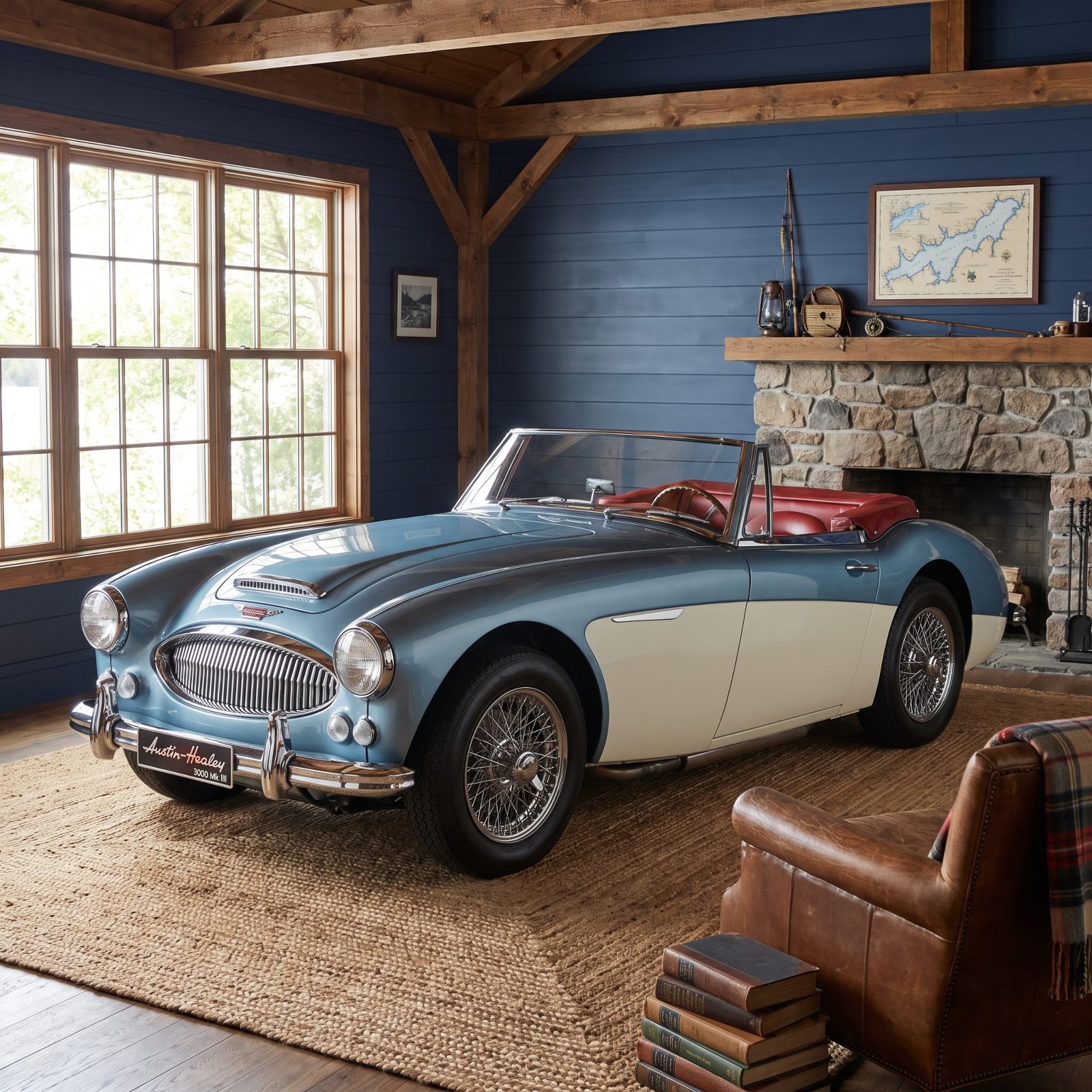
You hear a big Healey before you see it. That straight-six burble through the exhaust is one of the great engine sounds — throaty and a little rough, like a baritone clearing his throat.
The Mk III was the final and most refined version: a 148-horse 2.9-liter six, wind-up windows, a proper walnut dashboard. It also sat so low that you could cook your calf on the exhaust if you weren’t careful, which is exactly the kind of flaw that makes people love these cars.
At a show, seek out an original two-tone example with correct chrome wires. Blue-over-ivory is the combination everyone remembers, and the shot every photographer walks straight toward.
1969 Mercedes-Benz 280SL Pagoda: The Roof That Named a Legend
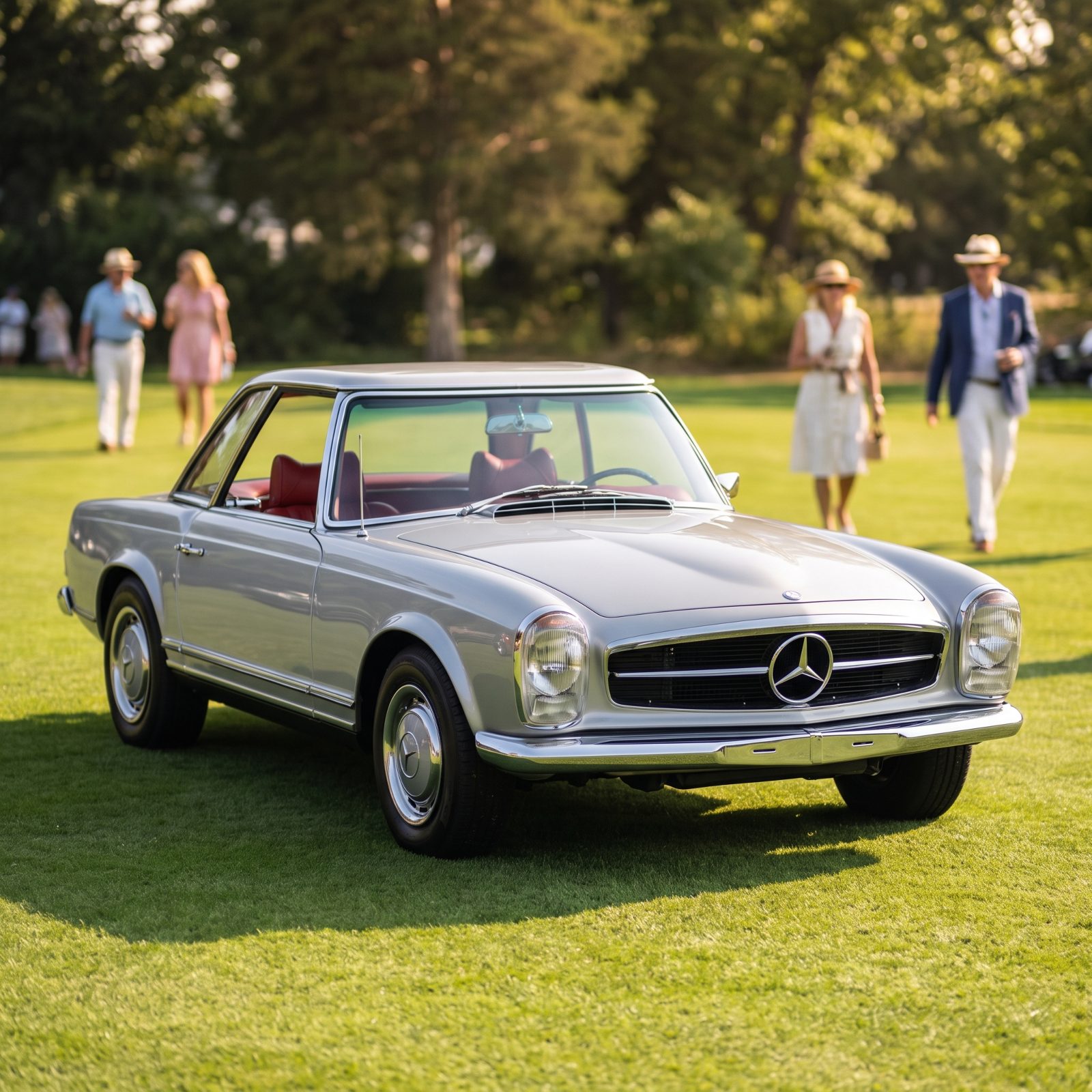
The nickname wrote itself. That removable hardtop dips in the center and rises at the edges, echoing an Asian temple roof, and the car has been the Pagoda ever since. Paul Bracq styled it, and it might be the most quietly dignified sports car of the decade.
Under the skin it’s all substance. The 280SL got a 2.8-liter fuel-injected six, front disc brakes, and build quality that puts most of its rivals to shame. These were engineered to outlive their owners, and plenty have.
1965 Alpine A110: The Little French Rocket That Ruled the Rally Stages
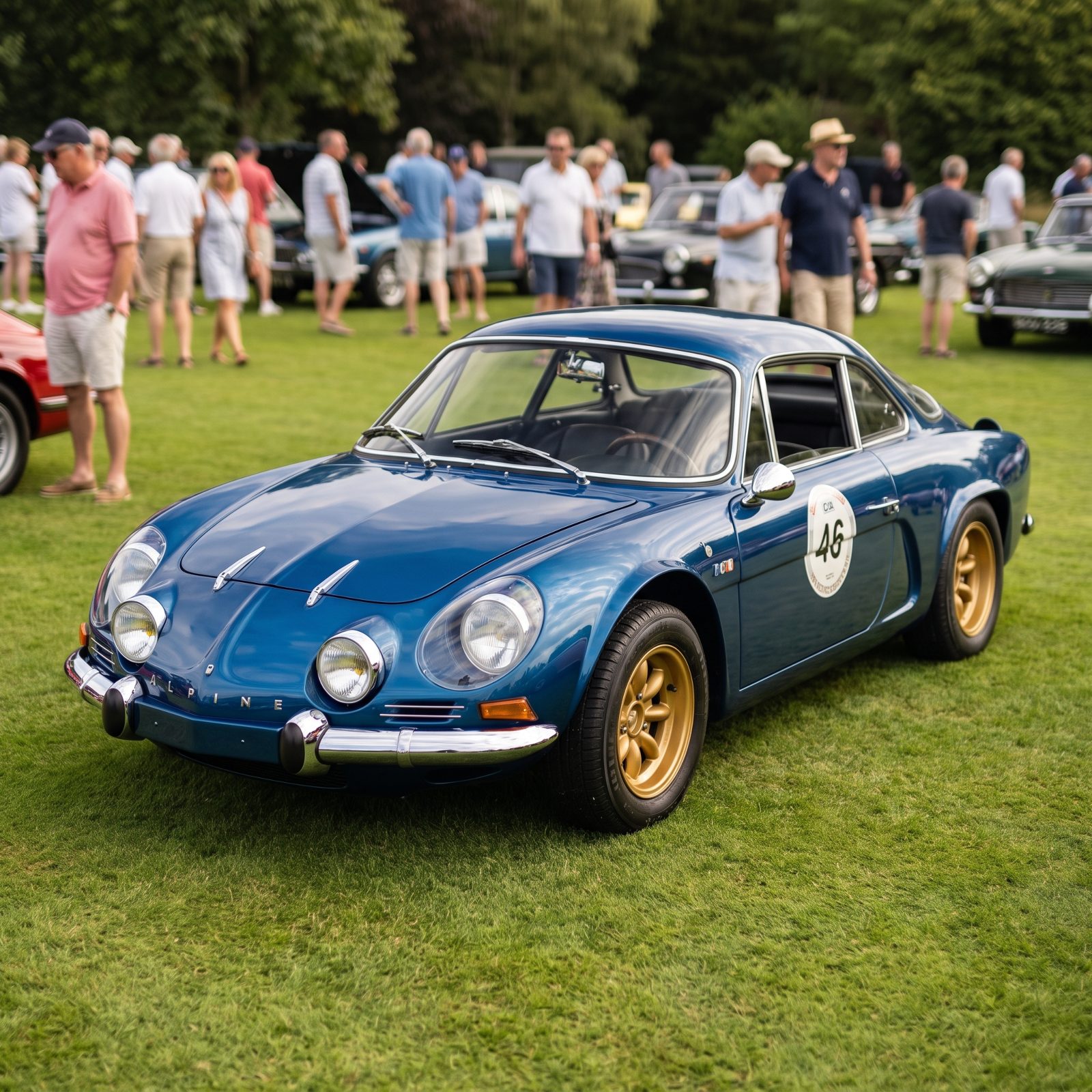
Blue. Always blue. The A110 is so tied to Bleu Alpine that any other color almost feels like a mistake. This tiny rear-engined coupe weighed next to nothing, put its power over the driven wheels, and absolutely terrorized the world rally stages.
It won the first World Rally Championship for manufacturers in 1973 — a French minnow outrunning everything bigger and richer. At a show it hides in plain sight because it’s so small, but the rally fans will be stacked three deep around it.
Find an original Berlinette with the quad headlamps under clear covers. The proportions look almost cartoonish until you crouch down and see how purposeful every curve really is.
1969 Holden Monaro GTS 350: Australia’s Bathurst-Winning Brute
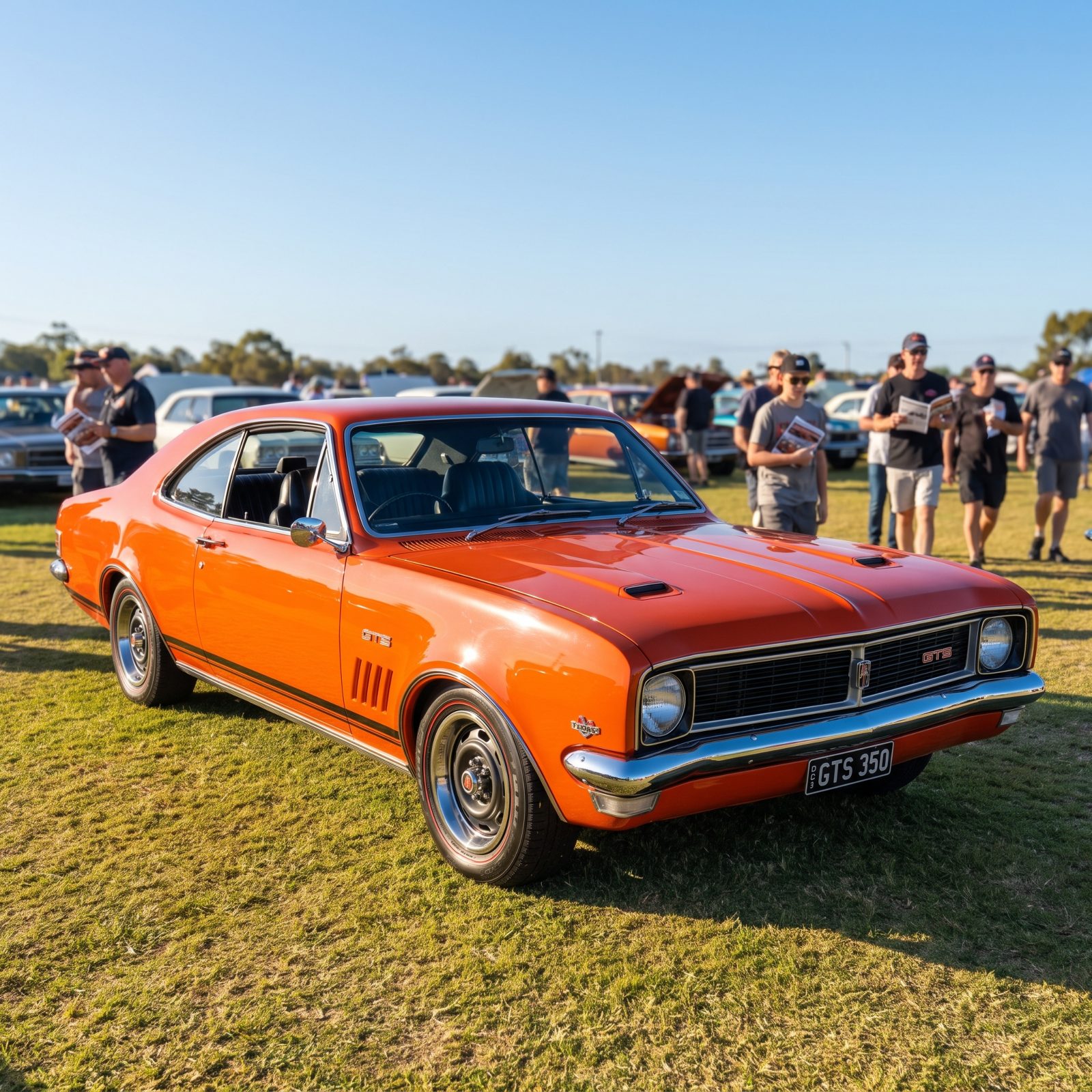
Most Americans have never seen one, and that’s a shame. The Monaro GTS 350 is Australia’s muscle-car royalty — a slinky two-door running a Chevrolet 350 V8 — and it won the brutal Bathurst 500 endurance race in 1969, a year after its GTS 327 predecessor did the same.
Where American muscle shouted, the Monaro had a sleeker, almost European roofline hiding real menace underneath. The bonnet-mounted tachometer is a lovely period touch, putting your revs right in your sightline at full tilt around Mount Panorama.
1968 Bizzarrini 5300 GT Strada: The Rarest Corvette-Powered Exotic You’ll Ever See
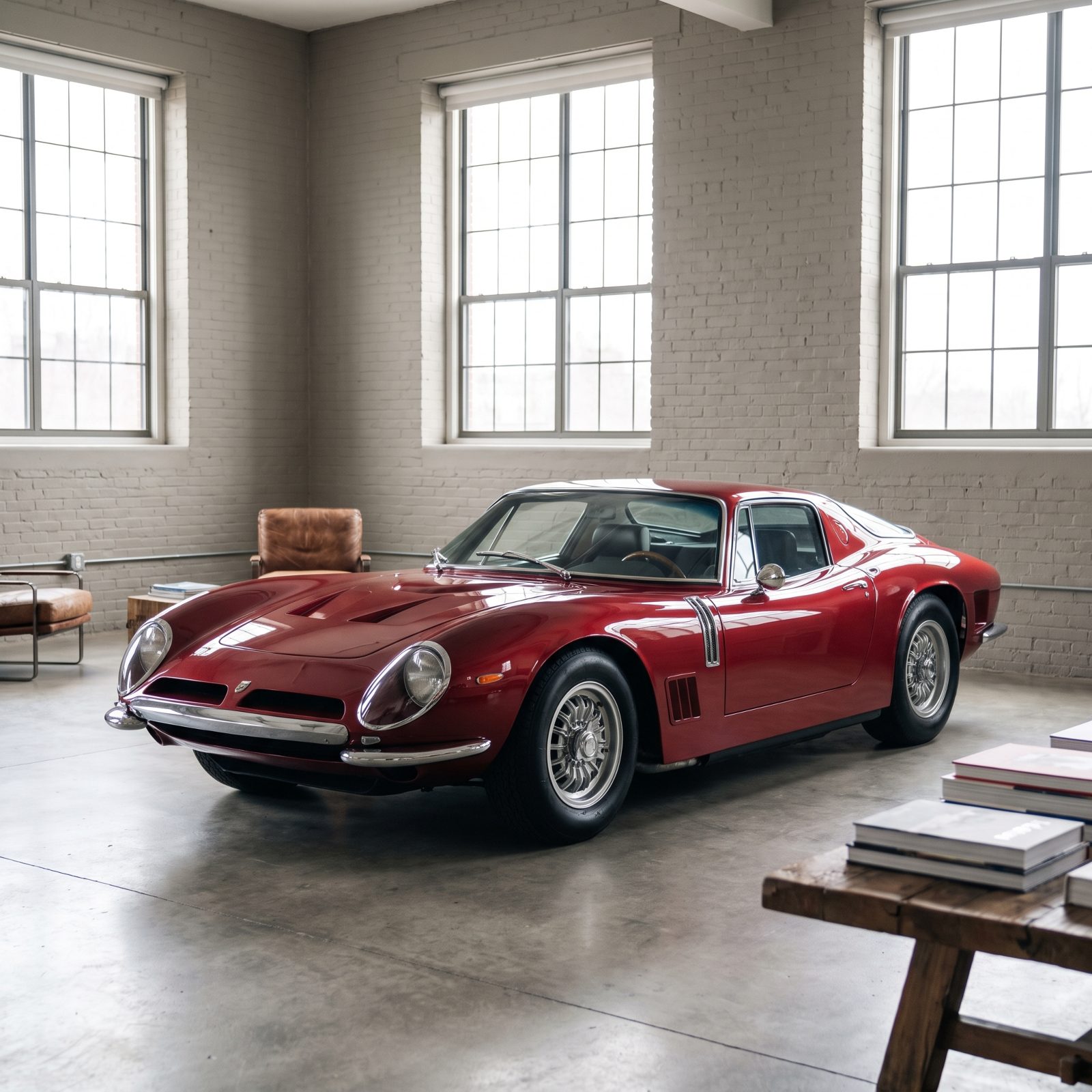
Giotto Bizzarrini engineered the Ferrari 250 GTO’s engine before he fell out with Enzo and went his own way. That pedigree is the whole point of this car. The 5300 GT Strada hides a front-mid-mounted Chevrolet 327 V8, set so far back the spark plugs are nearly under the dashboard.
Fewer than 150 were built. You can hit a hundred shows and never see one in the metal, so if a Bizzarrini is on the field, drop whatever you’re doing and go look. The Giugiaro body sits so low it barely clears your knee.
Italian art, Corvette heart — and one of the great overlooked exotics of the era.
1966 Lamborghini Miura P400: The World’s First Supercar
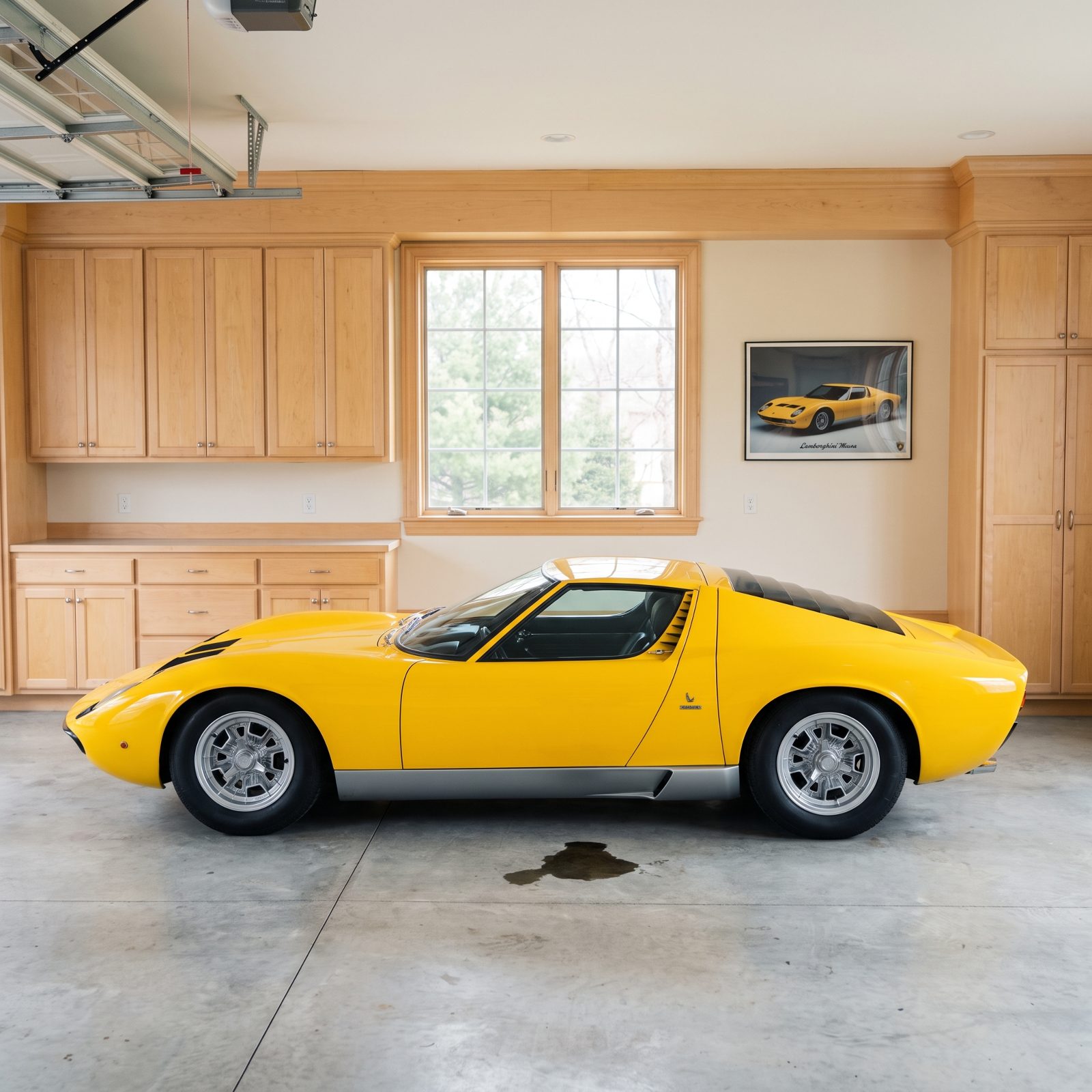
This is the one that started everything. Before the Miura, fast cars put the engine up front and pointed it at the horizon. Lamborghini turned a V12 sideways, mounted it behind the driver, and wrapped it in a Bertone body so low and sensual it genuinely stopped traffic at its 1966 Geneva debut.
The 350-horse quad-cam V12 and the mid-engine layout together created the template every fast car since has followed. Ferrari didn’t even have a mid-engined twelve yet. A tractor company beat them to it.
The eyelash trim around the headlamps is pure theater, and nobody has ever improved on it.
If there’s a Miura on the field, you’ll find it by following the crowd. It’ll be the deepest cluster of people on the lawn, and rightly so. Seek out an early P400 in Giallo or Arancio with gold Campagnolo wheels. This is the shape that defined a whole category of automobile.