
Would you like to save this?
The car sitting in your garage right now, the one you bought because it was cheap and fun and nobody else wanted it, may be worth more than you think. Not Barrett-Jackson money. But enough to make you blink. These are the sleepers and orphans and misfits that slipped past the auction crowd while the muscle-car blue chips grabbed the headlines. Values on the ones below have been climbing quietly, and most longtime owners have no clue. Check the numbers before you sign anything.
2009 Pontiac G8 GXP: The Last Great Pontiac Nobody Saw Coming
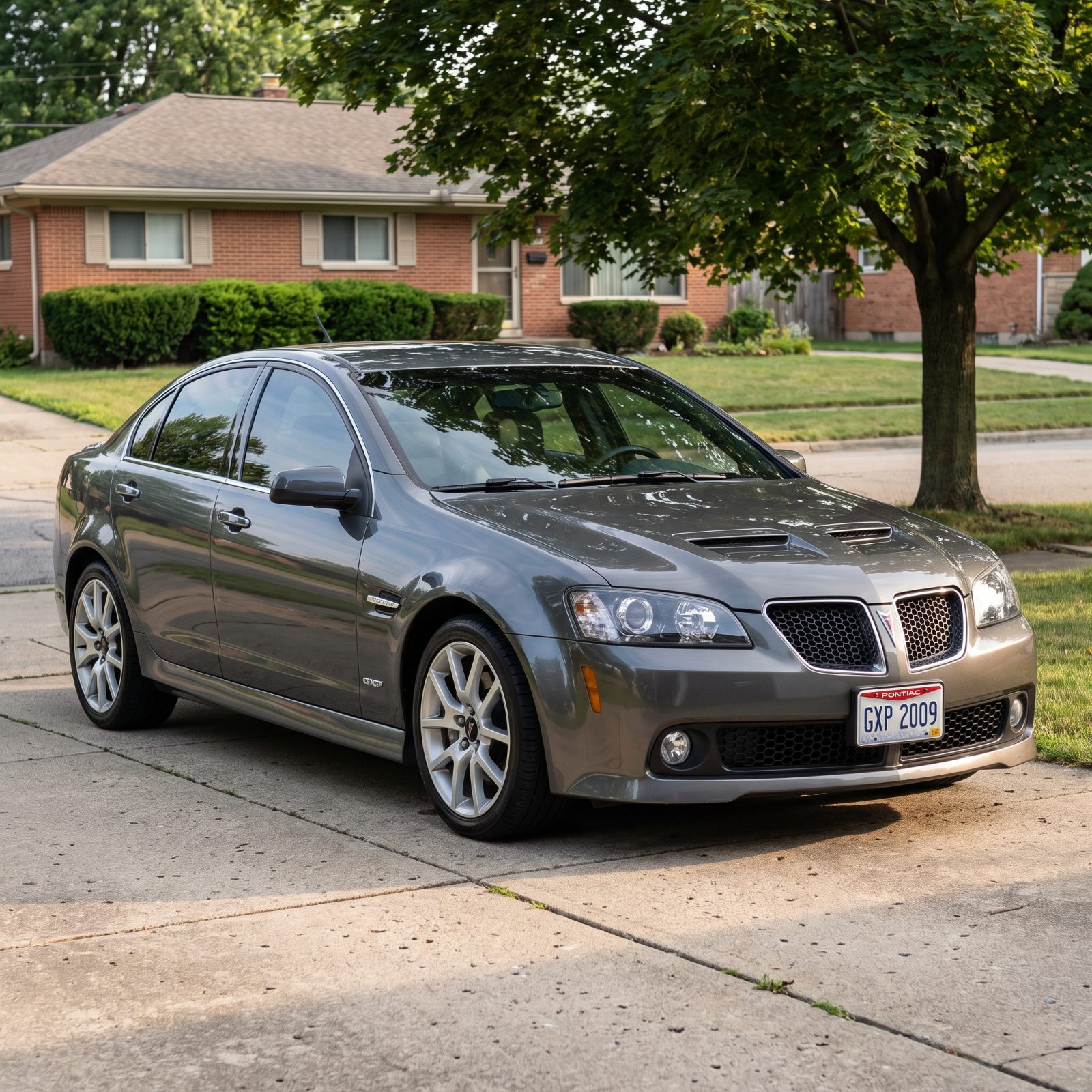
Only a small run of these left the plant before GM pulled the plug on Pontiac. A 6.2-liter LS3 under the hood, 415 horsepower, a six-speed manual if you knew to ask, and a chassis lifted straight out of the Holden Commodore in Australia. It was the four-door Corvette engine most people never knew existed.
Owners who grabbed one for the low twenties years ago keep seeing them cross the block for a lot more now. Low-mileage manuals move the needle the hardest. A commercial flop and a mechanical home run in one car — exactly the combination that makes collectors twitchy a decade down the road.
Before you sell, document the mileage and transmission clearly. A verified six-speed with service records is worth a hard second look at the asking price.
1995 BMW 540i M-Sport: The E34 That Enthusiasts Finally Woke Up To
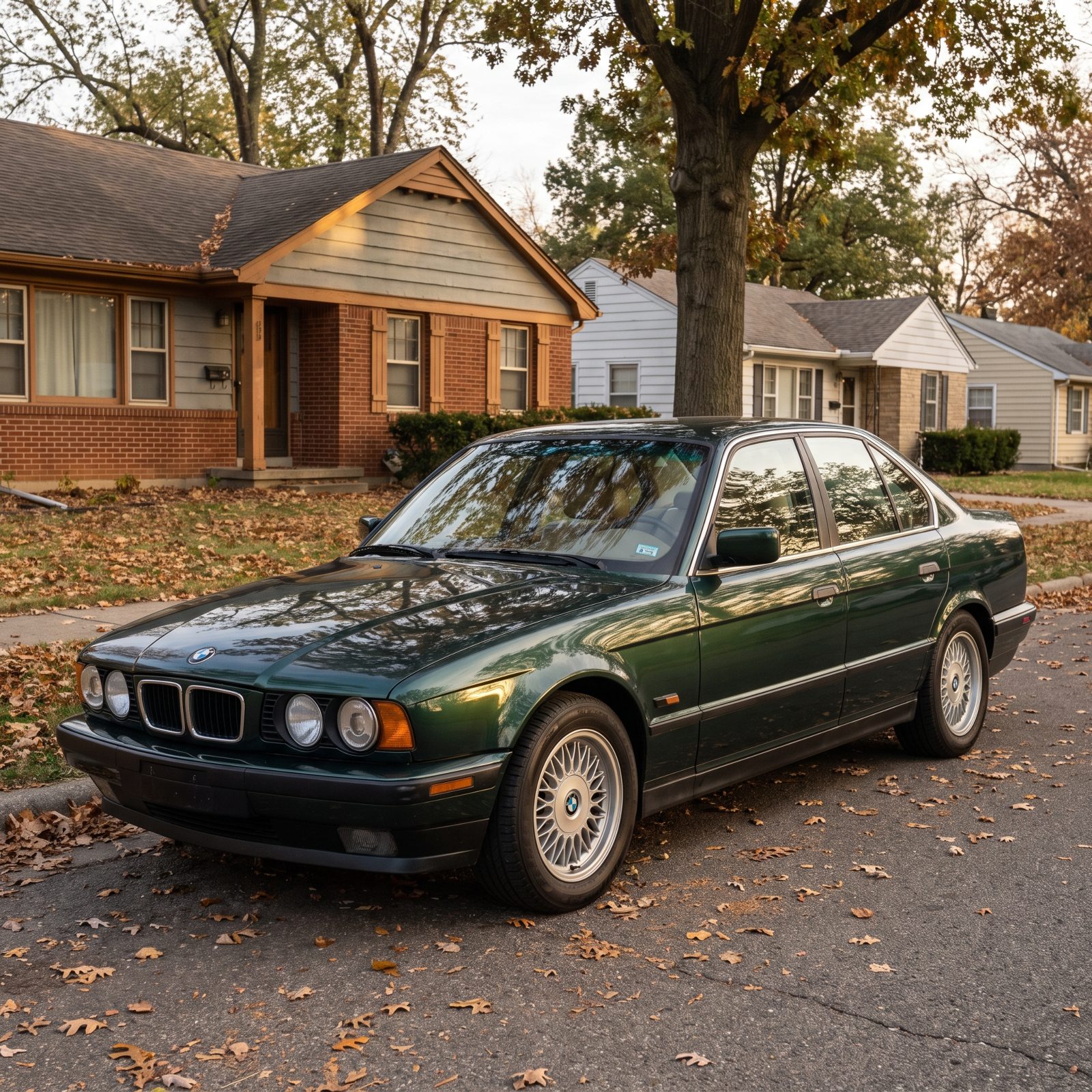
The E34 was the last 5-Series BMW built like a tank. The 540i added a 4.0-liter V8 and, in the right trim, a six-speed manual that collectors now chase like it owes them money.
For years these traded as used German luxury cars — cheap and slightly scary to own. That window is closing. Clean, rust-free examples with the manual have climbed well past what anyone paid for them used, because the supply of unmolested ones shrinks every winter one more rots out or gets parted.
Clean rockers, intact wood trim, a cooling system that’s been properly refreshed? Then you’re holding more than a nice old BMW. Get it on a lift and photograph the underside before you list it.
1994, 1996 Chevrolet Impala SS: The Black Sedan That Became a Cult
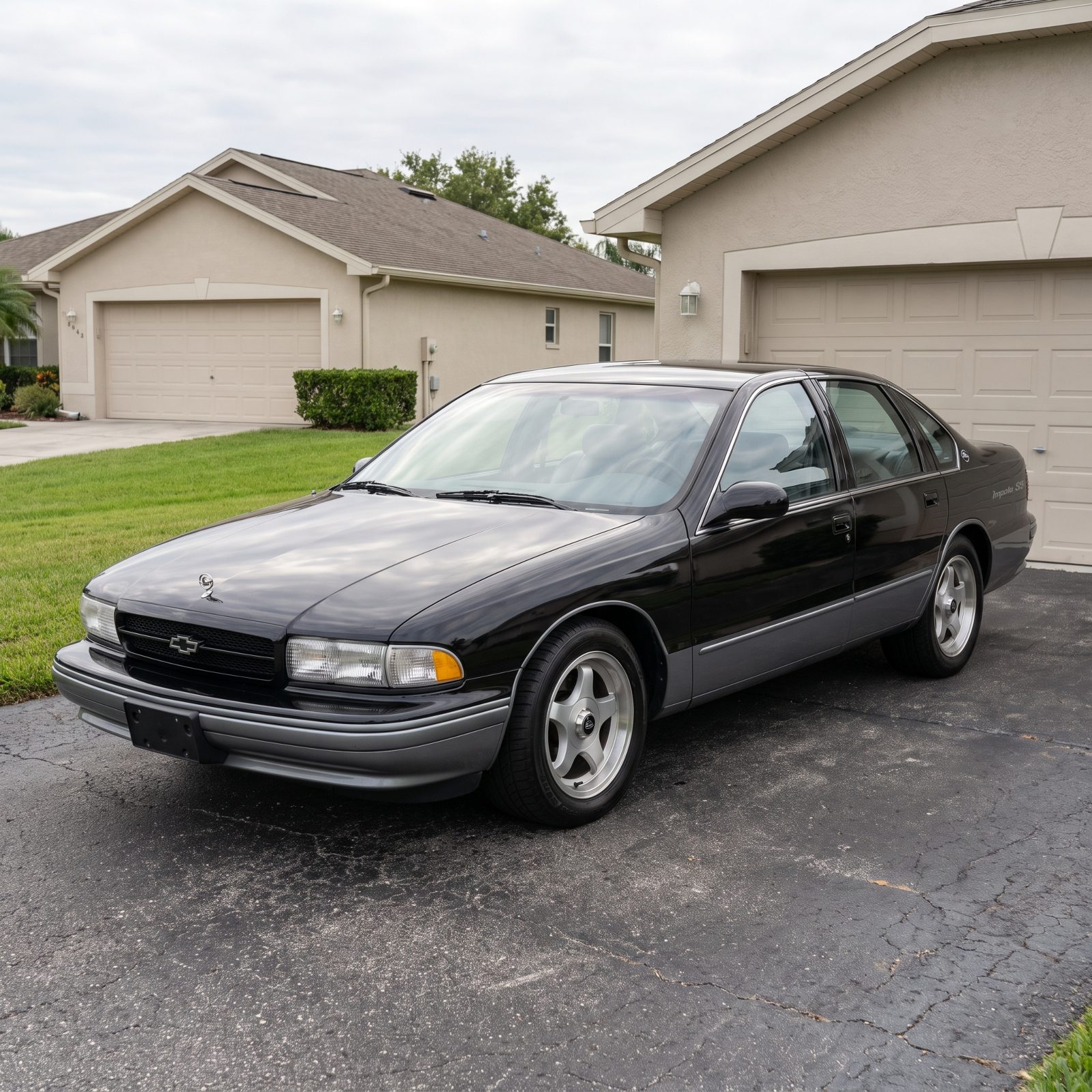
Picture the four-door Caprice putting on a tuxedo and growing a mean streak. The LT1 small-block, the lowered suspension, the monochrome black paint stretched over that long body panel. Chevy built a cop-car platform and sold it to civilians who knew exactly what they were getting.
They stayed affordable a long time because Chevy made a ton of them. But low-mileage, unmodified examples have been quietly separating from the pack. The drilled-and-lowered ones? Still cheap, still everywhere. Clean survivors with original paint and under 60,000 miles are the ones pulling real money.
Don’t let someone talk you out of yours at used-car prices just because it has four doors.
1967, 1970 Mercury Cougar XR-7: The Mustang’s Better-Dressed Cousin
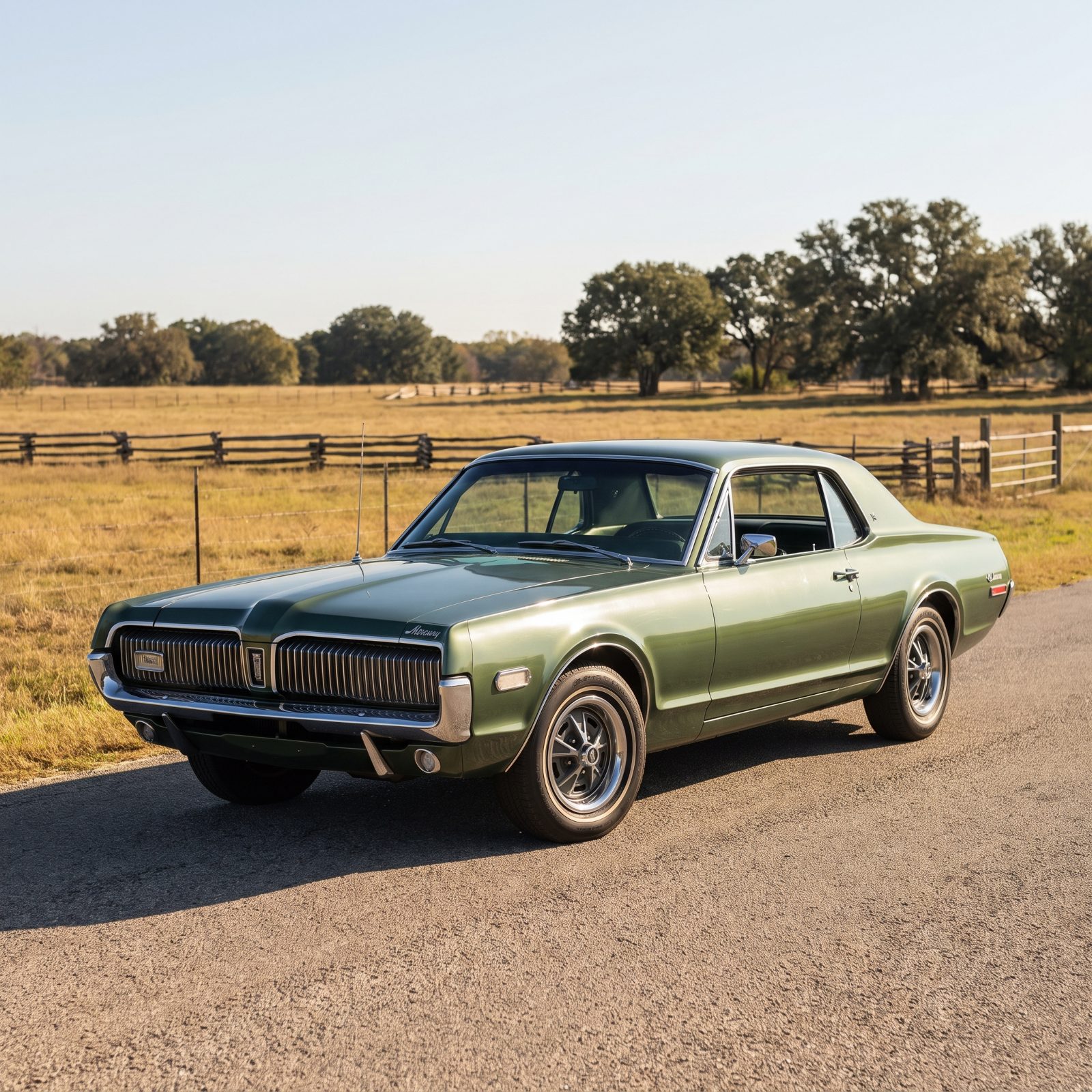
Everyone chased the Mustang. The Cougar quietly offered the same bones with a longer wheelbase, hidden headlamps, sequential taillights, and an interior that felt like it belonged in a car costing a good deal more. The XR-7 was the loaded one — full gauge package, leather-trimmed seats, the works.
Pony-car money flowed to Mustangs for decades, which left Cougars in the shade and kept them cheap. That shade is lifting now. A clean XR-7, especially with a GT or a four-barrel engine, has appreciated steadily while nobody was paying attention.
Here’s what most owners miss. The Cougar’s lower production numbers work in your favor at sale time. You’re holding something rarer than the Mustang that soaks up all the glory.
1988, 1991 Honda CRX Si: The Featherweight That Collectors Chase Now
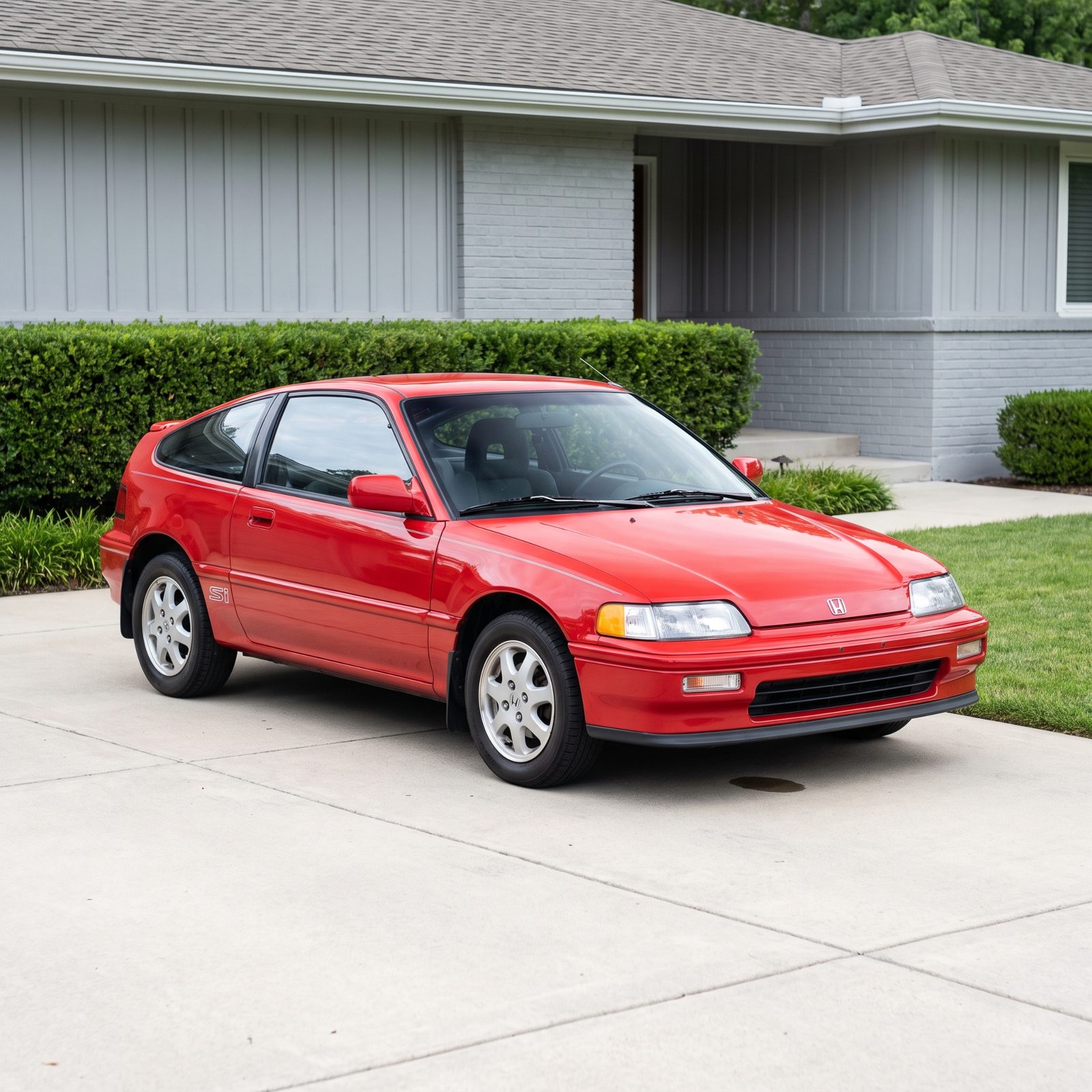
Under 1,900 pounds. A high-revving 1.6 that lived at the top of the tach, and a chassis so playful it ruined other small cars for a whole generation of drivers. The CRX Si was the budget enthusiast’s secret handshake.
For years they got thrashed, modified, and planted into guardrails by people who couldn’t afford anything faster. That attrition is exactly why clean, stock, rust-free examples bring real money now — the supply got destroyed.
We’ll say it plainly. A factory-original Si with unmolested bodywork and honest miles is one of the most undervalued cars a longtime owner is likely sitting on. If yours never caught the ricer treatment, you won the lottery and may not know it yet.
1966, 1970 Oldsmobile Toronado: The Front-Drive Monster Hiding in Plain Sight
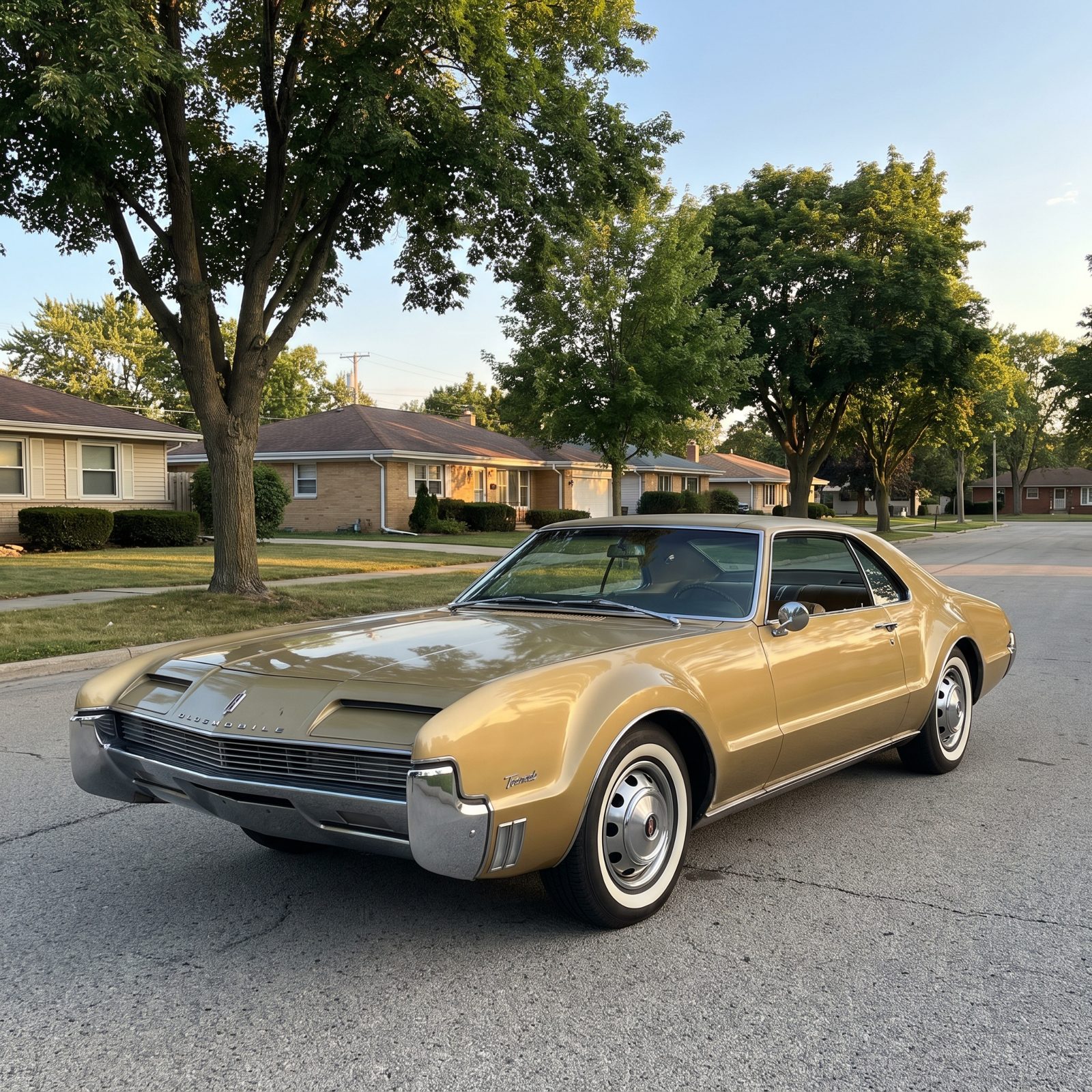
Front-wheel drive, a 425 (later 455) big-block, and styling that still looks like nothing else on the road. The first-generation Toronado was engineering swagger wrapped in a body the size of an aircraft carrier. Nobody built anything like it before, and nobody has since.
Big American coupes from the late ’60s got overlooked for years. They weren’t nimble pony cars and they drank fuel like it was free. But design-forward collectors have caught up to the Toronado, and clean early examples have appreciated in a real way.
The W-34 performance versions command the most attention. Still, any rust-free, original-paint Toro is worth more than most owners assume. These were never common, and good ones are flat-out scarce now.
1984, 1986 Ford Mustang SVO: The Turbo Four That Fox-Body Fans Finally Respect
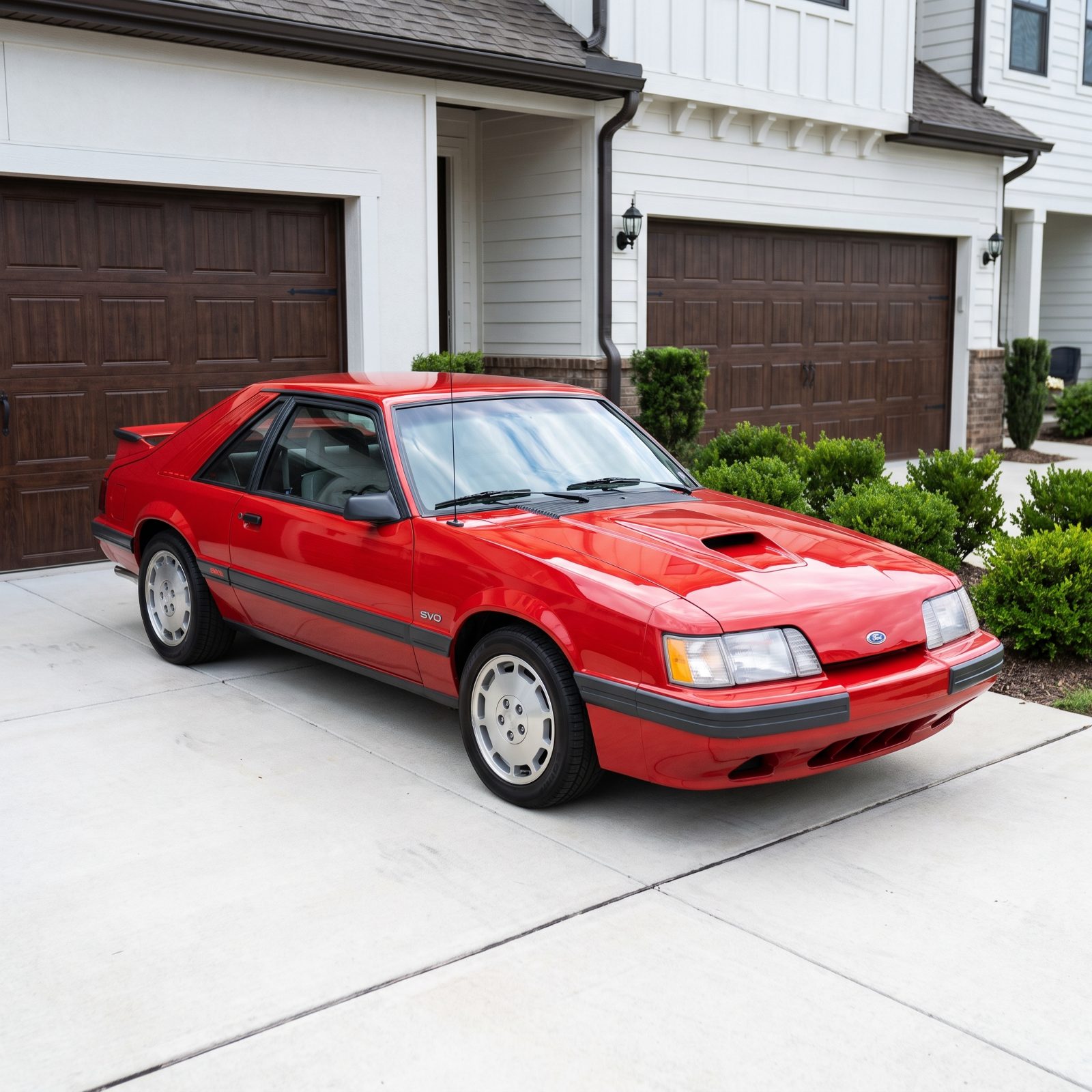
While everyone else bought the 5.0 GT, Ford quietly built a turbocharged, intercooled four-cylinder Mustang with four-wheel discs, adjustable Koni shocks, and a Hurst shifter. The SVO was the thinking enthusiast’s Fox-body, and it got dismissed for years for one dumb reason — no V8.
That dismissal kept prices low, and now it’s biting the folks who sold theirs cheap. Production was tiny. The engineering was genuinely ahead of its time, and the respect finally showed up. The 1985.5 and 1986 cars with the stronger intercooled engine bring the most.
Got a clean one with the flush aero headlamps and the biplane spoiler intact? You own one of the more sophisticated Mustangs Ford ever made. Don’t let a V8 purist lowball you.
2003, 2004 Mercury Marauder: The Factory Sleeper Collectors Were Slow to Price
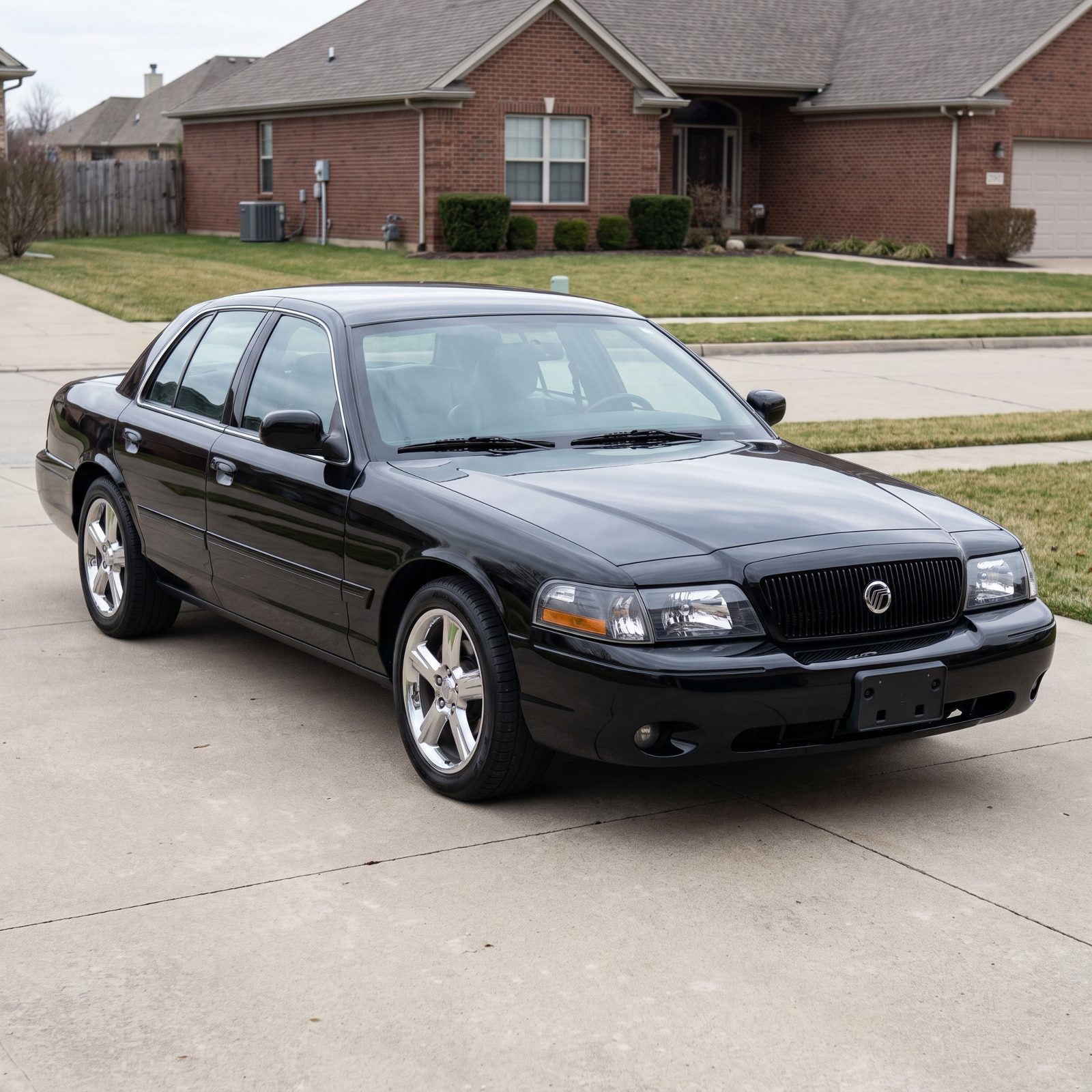
Take a Grand Marquis, drop in a DOHC 4.6 V8 making 302 horsepower, blacken every piece of brightwork, and bolt in a limited-slip rear. That’s the Marauder — a factory hot rod built on a retiree’s car and sold in tiny numbers right before Mercury itself went away.
These stayed cheap a long time because people couldn’t get past the Panther platform underneath. Now the rarity and that body-on-frame, V8, rear-drive recipe have collectors circling. Black cars with low miles lead the pack, though the 2004 colors (Dark Blue, Silver Birch) are picking up interest for their scarcity.
Unmodified, clean frame? You’re sitting on one of the last genuinely interesting things Mercury ever built.
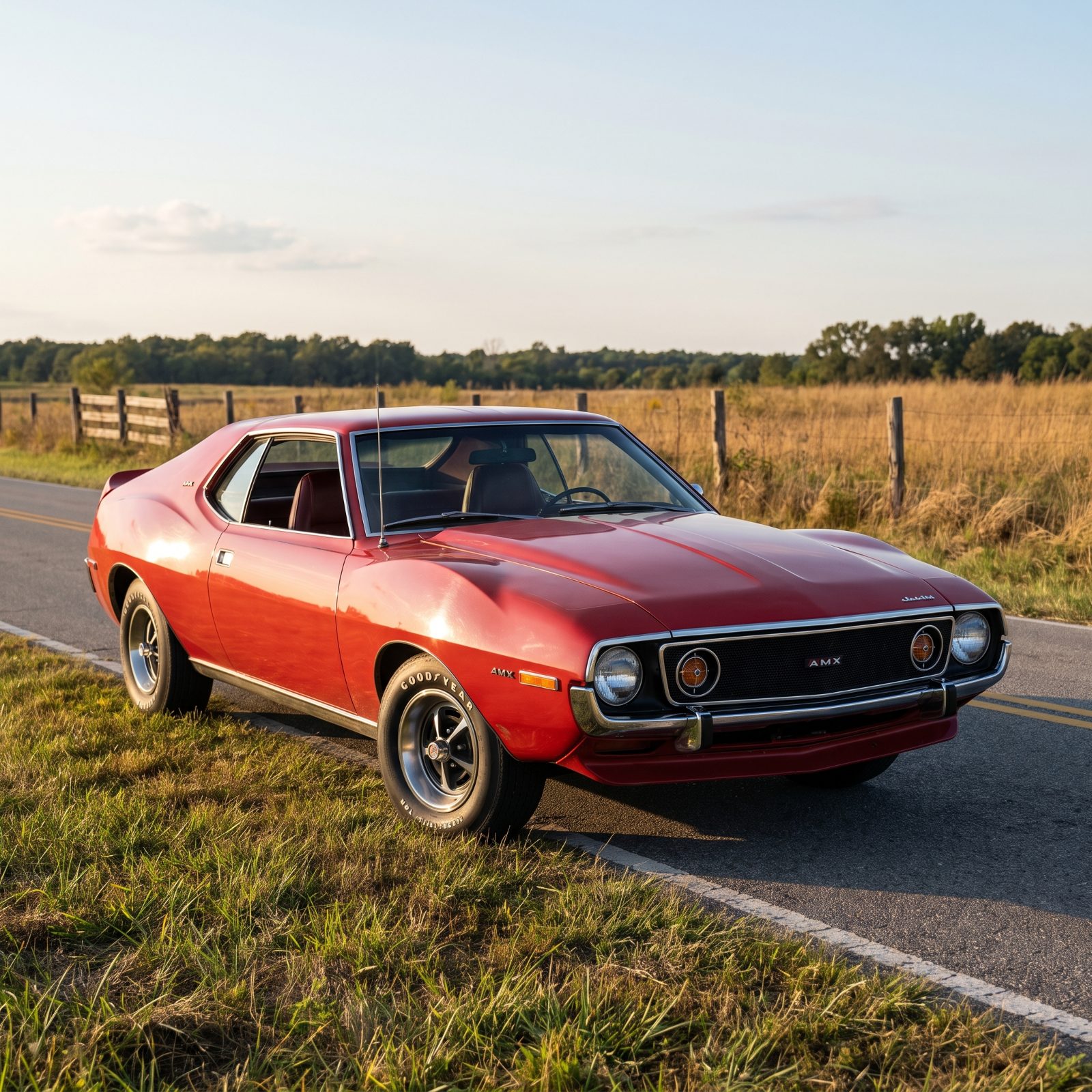
1971, 1974 AMC Javelin AMX: The Orphan Muscle Car With Real Scarcity
Would you like to save this?
AMC built muscle cars on a shoestring, and that’s exactly why they matter now. The second-generation Javelin AMX, with its wild humped fenders and the 401 under the hood, was a genuine performer the day it was born — and overshadowed by the Big Three that same day.
Orphan-brand muscle sat cheap for decades. Parts were scarce, and nobody wanted a car from a company that no longer existed. That math has flipped. Scarcity now works in the seller’s favor, and clean 401-powered AMXs have climbed hard while the Camaros and Mustangs of the same year got pricey years ago.
Documentation matters enormously here. A build sheet and a verified 401 can bump your car into a whole different tier.
1992, 2001 Acura Integra GS-R: The VTEC Coupe That Got Away From Everyone
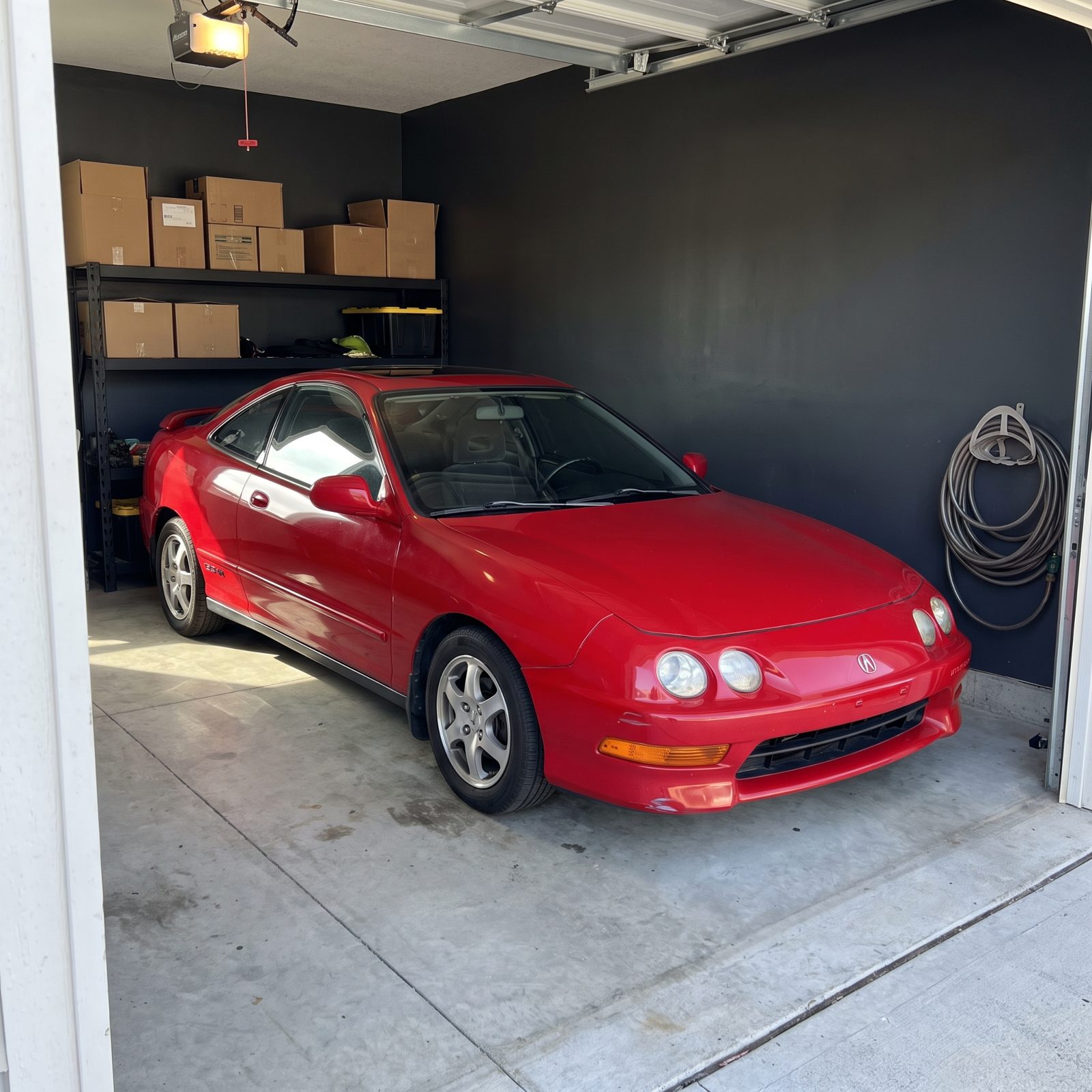
The B18C1 (B17A1 in the earliest cars) under the hood spun to 8,000 and made VTEC a household word for a generation of drivers. The GS-R was the one you wanted — the real engine, the right suspension, a coupe or sedan that handled like it cost twice the sticker.
For years these were disposable tuner platforms, chopped and modified and run straight into the ground. That destruction is the whole story behind today’s prices. Clean, bone-stock, rust-free GS-Rs with honest mileage have become genuinely hard to find, and the market noticed.
Kept yours original somehow — factory wheels, unmolested interior, no shaved VINs on the suspension? Then you’re holding a car that vanished almost everywhere else. That’s the kind of survivor collectors pay up for now.
1989, 1991 Porsche 944 S2: The Transaxle Porsche Nobody Took Seriously
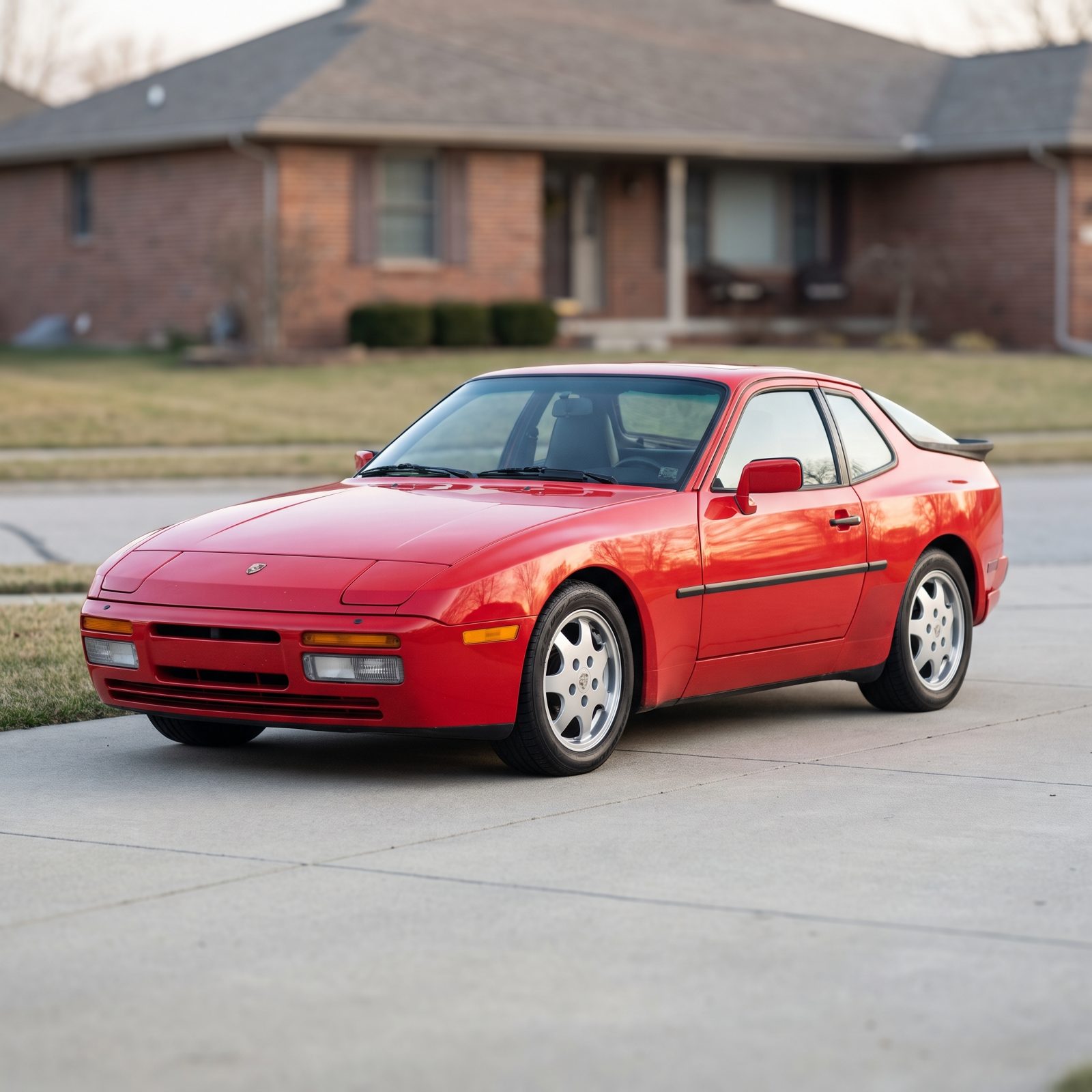
The 944 spent two decades as the Porsche people bought because they couldn’t swing a 911. That math has flipped. The S2 got a 3.0-liter four, the largest four-cylinder Porsche ever put in a road car, plus the wider body and real brakes. Front-engine, rear transaxle, near-perfect balance, and it drives better than its reputation ever let on.
Here’s the trap owners fall into. They price it against a late-’80s used import instead of against what clean examples actually trade for now. Service records are the whole ballgame. A documented timing-belt and water-pump history can swing the number by thousands.
2006, 2008 Dodge Magnum SRT8: The 425-Horse Wagon Everybody Forgot
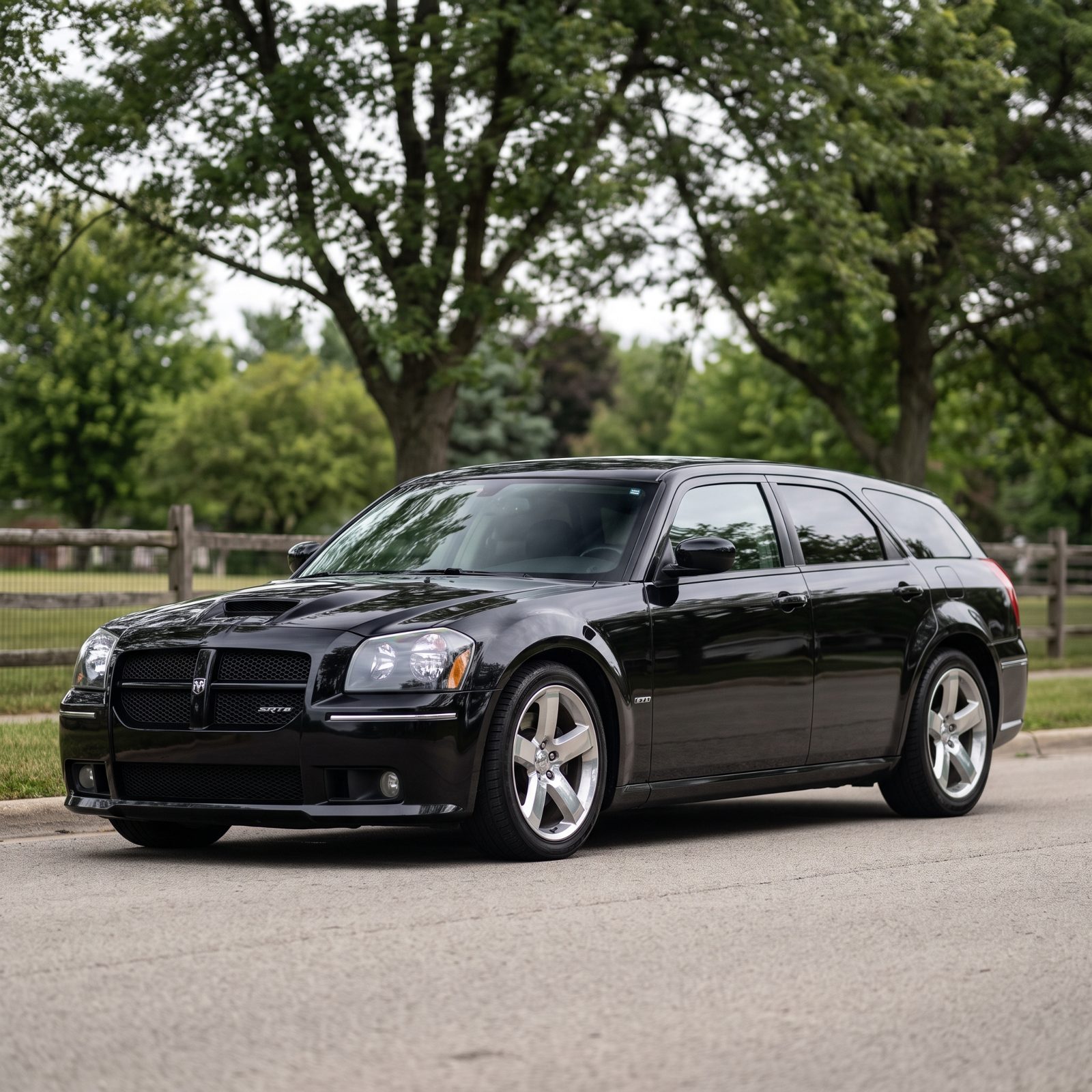
A 6.1-liter Hemi making 425 horsepower, stuffed into a family wagon. Chrysler built it, nobody in 2007 knew what to do with it, and plenty got worn out as actual grocery-getters. That’s exactly why clean low-mile ones are scarce now.
Sellers assume a wagon is worth less than the Charger or 300 that shared the running gear. Backward. Scarcity plus the oddball factor flipped that. A rust-free Magnum SRT8 with service records and no modified tune is a genuine sleeper appreciator, so keep the factory airbox, keep the stock wheels, keep the paperwork.
1988, 1993 Toyota Celica All-Trac: Rally DNA in a Daily Driver’s Coat
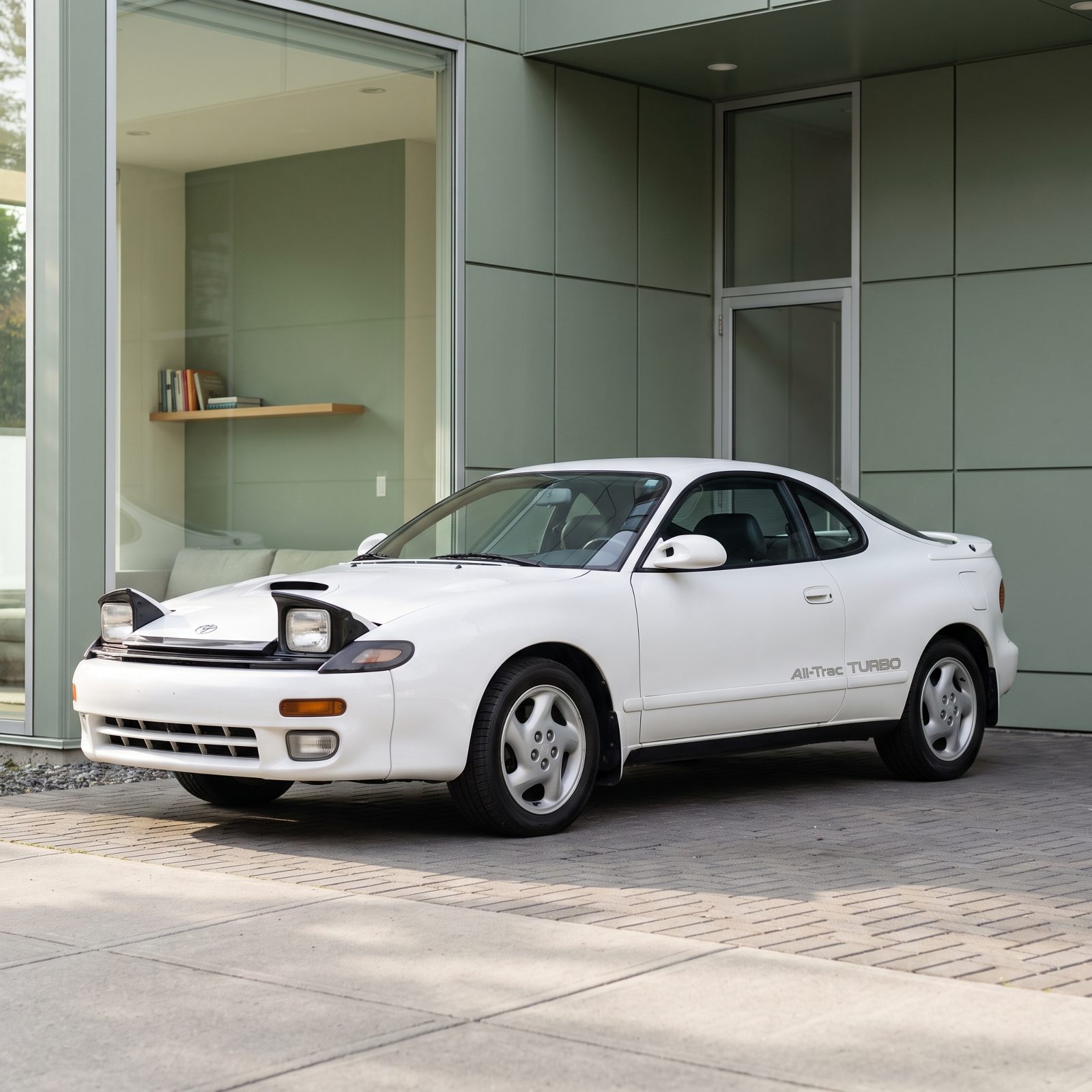
The All-Trac took Toyota’s turbocharged all-wheel-drive rally tech and wrapped it in a car that looked like the Celica your neighbor leased. That camouflage is exactly why owners undervalue it. It drove like a commuter, so people treated it like one, and most got driven into the ground.
The survivors are the story. A clean All-Trac Turbo with unmolested AWD, intact turbo, and no deferred timing-belt maintenance is quietly scarce. These are the cars 40-somethings who couldn’t afford them new are hunting now, and that’s always when prices move. Don’t let a buyer tell you it’s just an old Celica. Check the service history, confirm the center differential is healthy, and price it on rarity.
1986, 1987 Mercedes-Benz 190E 2.3-16: The Cosworth-Headed Baby Benz
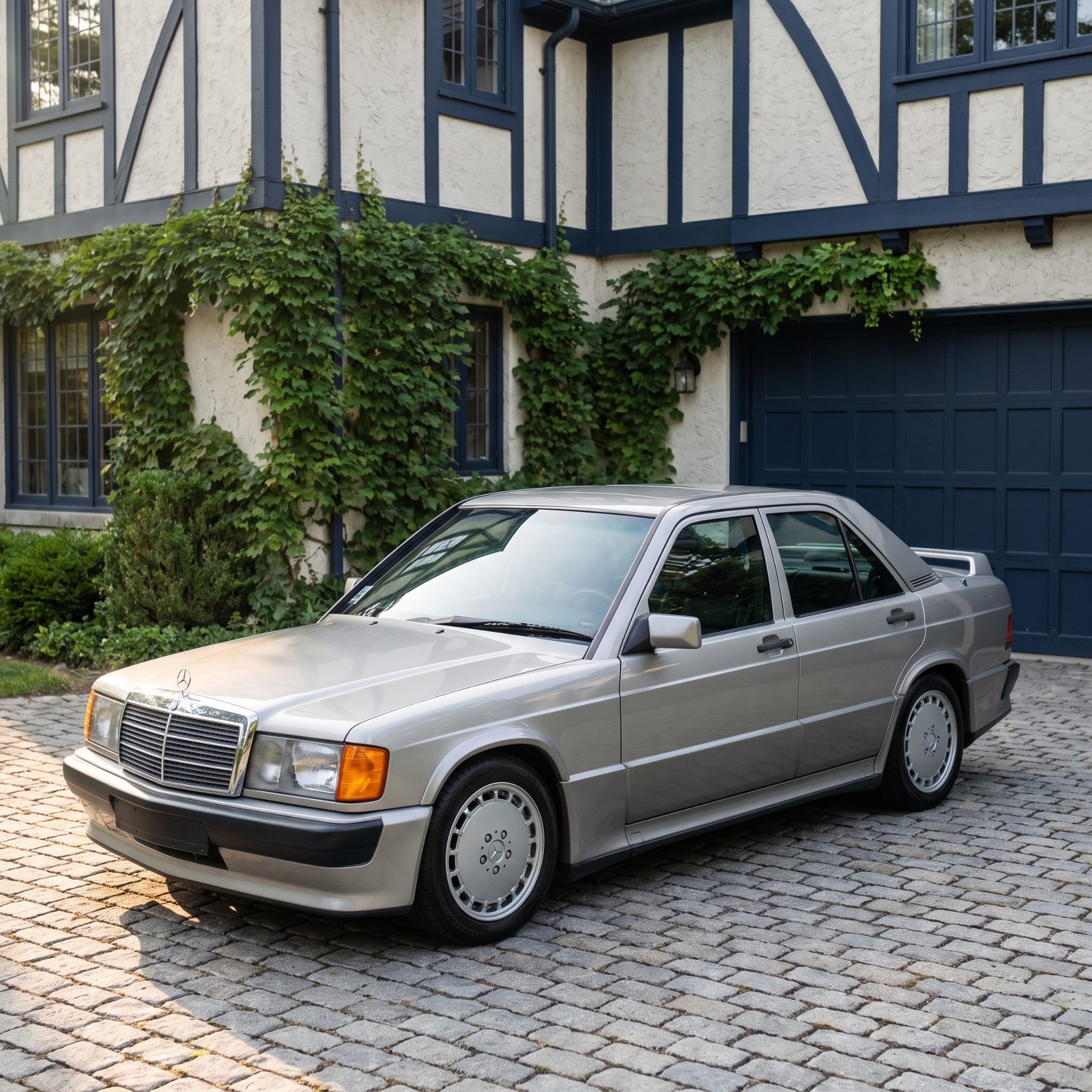
Cosworth built the cylinder head. That one fact should change how you price this car. The 2.3-16 was Mercedes answering the BMW M3 before anyone used the word collectible, a dogleg five-speed homologation special dressed as a stern little sedan.
For years these traded like ordinary W201s, and owners still anchor to that. Big mistake. The 16-valve cars live in their own value tier now. Originality is everything here, so think correct wheels, factory spoiler, documented valve adjustments, and no boy-racer alterations. A matching-numbers example with records tells its own story, and cheap interior swaps only hurt a buyer’s confidence in the whole thing.
1986, 1987 Buick Regal T-Type: The Grand National’s Quiet Twin
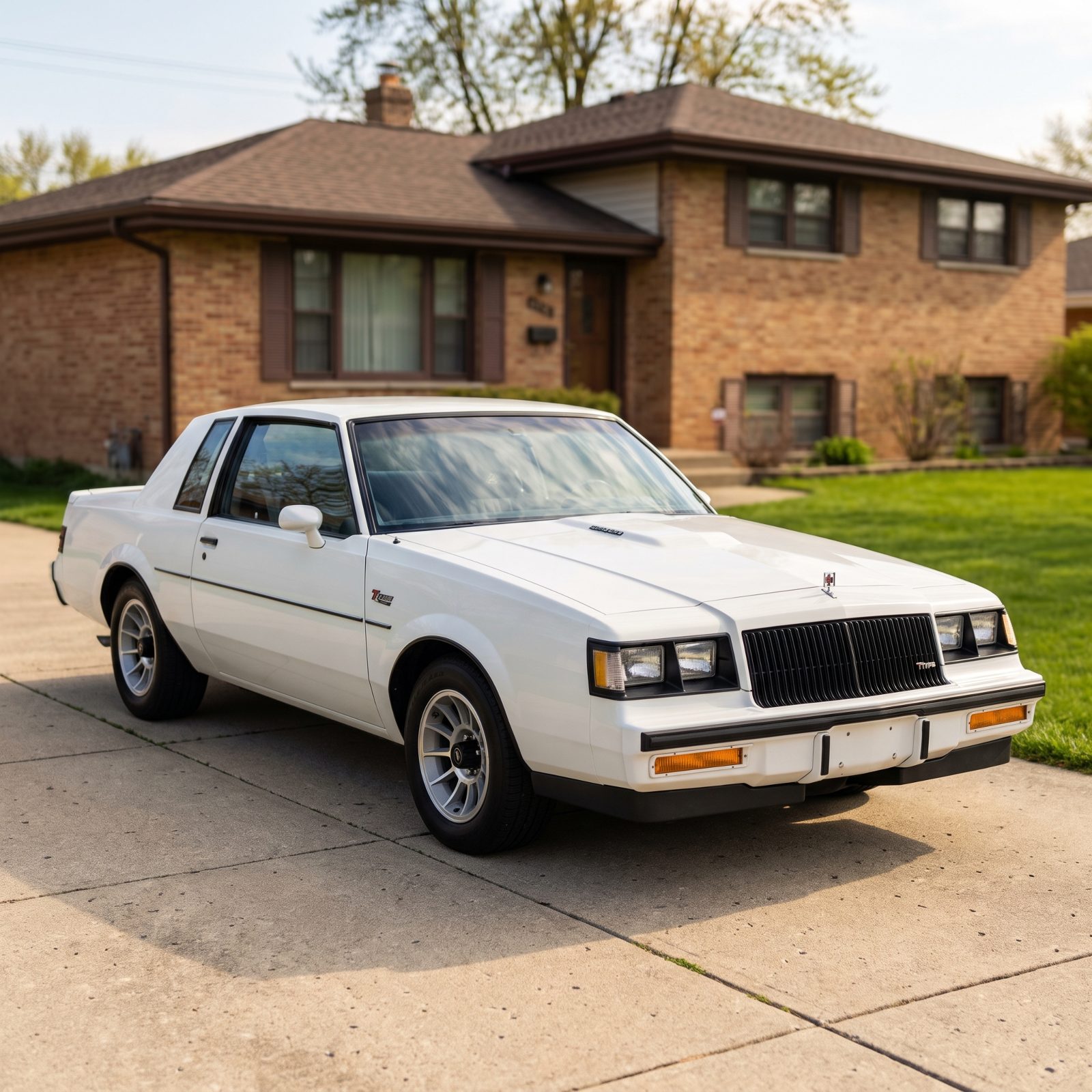
Everybody chased the black Grand National and ignored its lighter-colored brother. Same turbocharged 3.8 V6, same intercooled punch, often with a nicer interior and a less thuggish look. The T-Type is the thinking collector’s version of the car that made Buick dangerous.
Owners keep pricing it as a lesser Grand National. The gap is narrowing fast as the GN gets priced out of reach and buyers go hunting for the next-best thing wearing the same drivetrain. A stock, unmodified T-Type with original turbo hardware and documented boost history is where the smart money is pointing.
1992, 2000 Lexus SC 300 With a Manual Transmission: The Three-Pedal Unicorn
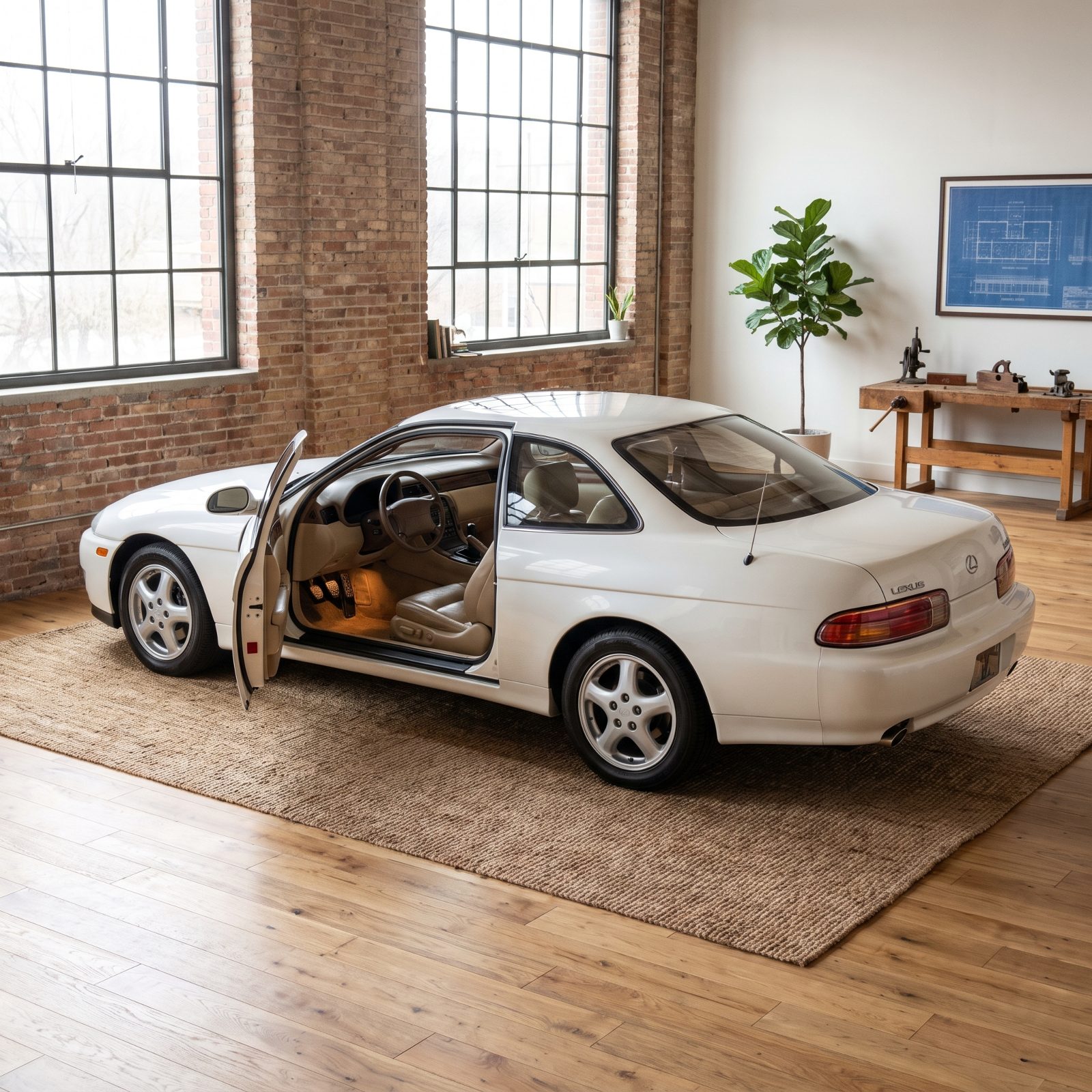
The 2JZ-GE straight-six without a turbo is the engine, and the five-speed manual is the whole reason this car matters. Lexus barely sold any with three pedals. Most SC 300s came as automatics, bought by people who wanted a quiet luxury coupe, not a driver’s car.
So owners price every SC 300 the same, and that’s the error. The manual commands a serious premium that automatic sellers never see coming. The engine shares its bones with the Supra’s legend, the chassis is bulletproof, and the rare clutch pedal turns an overlooked coupe into a sought-after one. Have the manual? Say so loudly and photograph the shifter.
1986, 1987 Dodge Omni GLH-S: Carroll Shelby’s Pocket Rocket
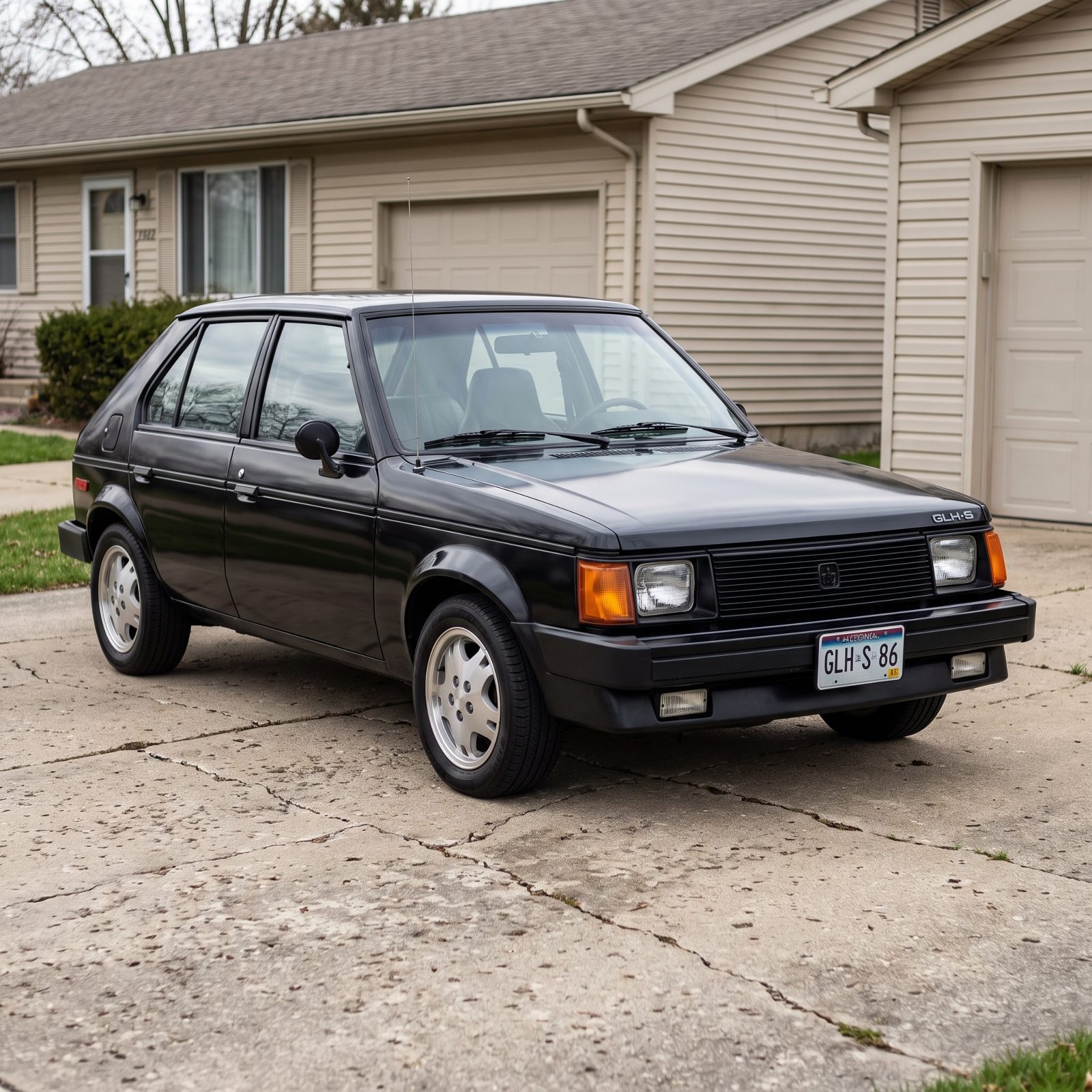
Carroll Shelby took an economy hatchback and made it quick enough to embarrass sports cars. The GLH-S, which stood for Goes Like Hell, Some more, got a turbocharged 2.2 making around 175 horsepower in a car that weighed almost nothing. Shelby built roughly 500 of them.
Here’s the problem with how owners value these. It still looks like a cheap Omni, and people who don’t know the history see a disposable 80s econobox, so sellers absorb that read. Don’t. This is a numbered Shelby collectible with a tiny production run. Verify your Shelby build number, keep the turbo stock, and price it against the legend, not against the Omni it’s wearing.
A 175-horsepower hatchback in 1986 was absurd. That absurdity is now worth real money.
1997, 1998 BMW M3 Sedan With a Manual Transmission: The Four-Door Sleeper
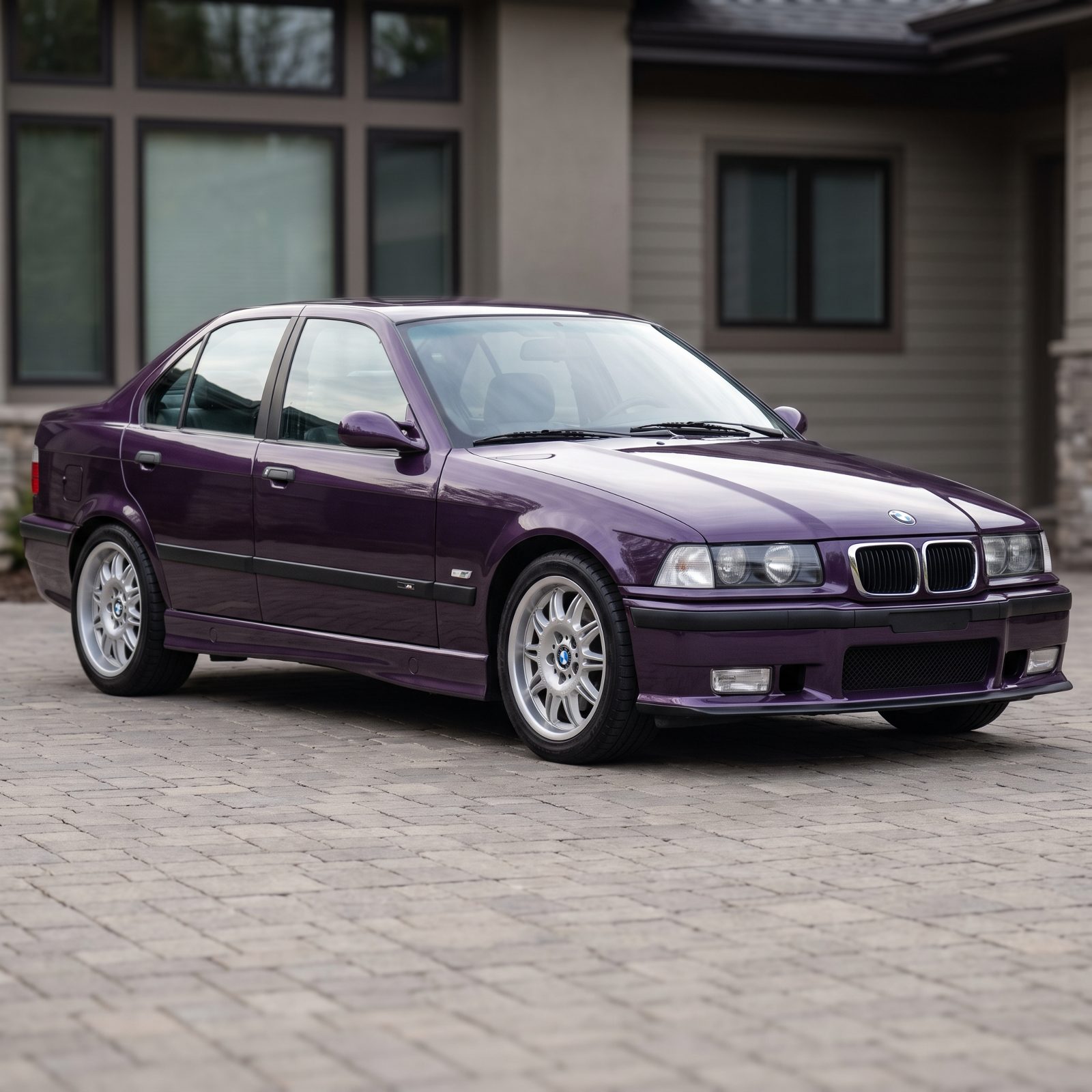
Enthusiasts fought over the E36 M3 coupe for years and let the sedan sit. Same 3.2-liter inline-six, same running gear, two extra doors, and a practicality that made these the ones families actually drove. Which means clean low-mile manual sedans are genuinely hard to find now.
The coupe got all the attention, so sedan owners assume theirs is the lesser car worth less money. The market is correcting that. A manual E36 sedan with documented VANOS service, a healthy cooling system, and no track abuse is riding the wave the coupe already surfed. Keep the paper trail on the engine work, because buyers pay for proof, not promises.
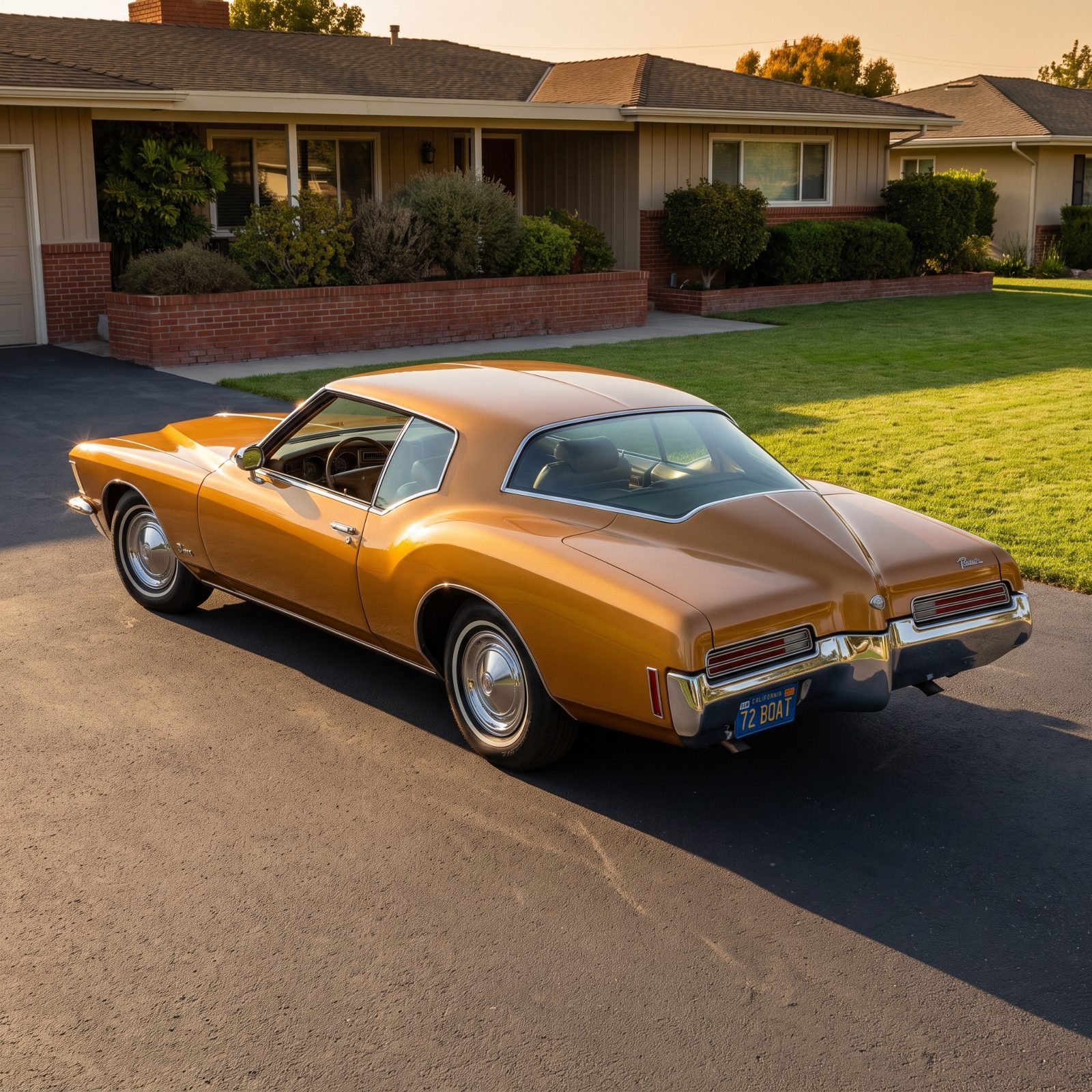
1971, 1973 Buick Riviera: The Boattail That Styling Forgot
Would you like to save this?
The boattail Riviera is one of the boldest shapes Detroit ever shipped. For decades it fell into the gap between muscle car and luxury coupe where nobody was collecting, too thirsty for the economy crowd, too soft for the drag-strip crowd. So it sat.
That gap is closing. Big, confident 70s styling is having its moment, and the boattail’s silhouette is unmistakable. Owners who’ve held one often price it as an old land yacht and leave money on the table. A clean example with its original 455, correct chrome, and un-cut body is a genuine design piece now, not just a used Buick.
1991, 1992 Mitsubishi Galant VR-4: The AWD Turbo Sedan Before Its Time
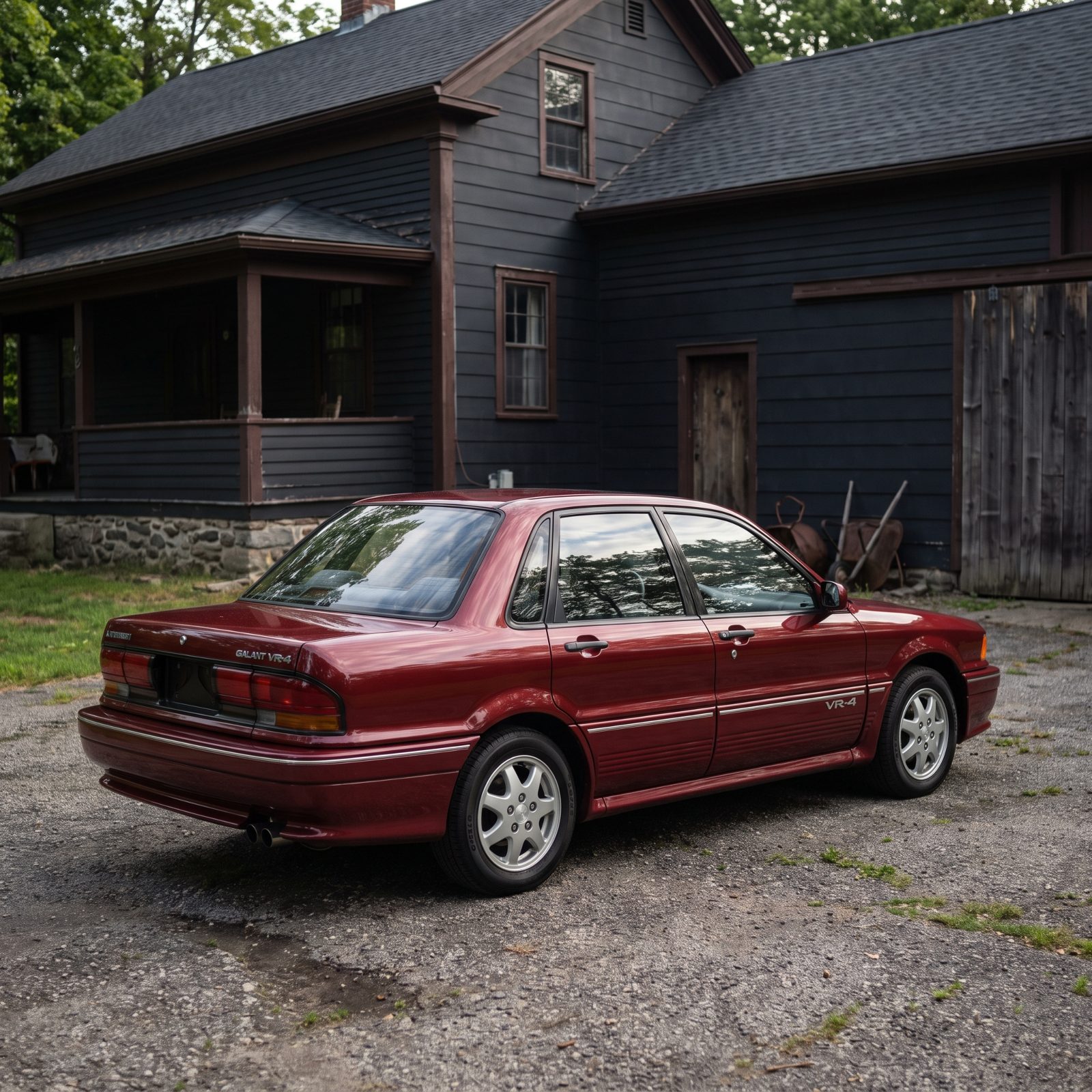
Turbocharged, all-wheel drive, four doors, built in limited numbers, and it previewed the rally tech Mitsubishi would ride for a generation. The Galant VR-4 was the quiet pioneer. Almost nobody noticed at the time.
The invisibility is both the problem and the opportunity. It looks like a plain family sedan, so owners price it like one and buyers who don’t know the history walk right past. The ones who do know are paying up for clean, unmodified examples with healthy drivetrains, because so few survived the tuner era intact. If yours still has its original turbo and its all-wheel-drive system is sorted, you have more car than the badge suggests. Price it on the engineering, not the appearance.
1965, 1966 Plymouth Barracuda Formula S: The Pony Everybody Forgot Beat the Mustang to the Punch
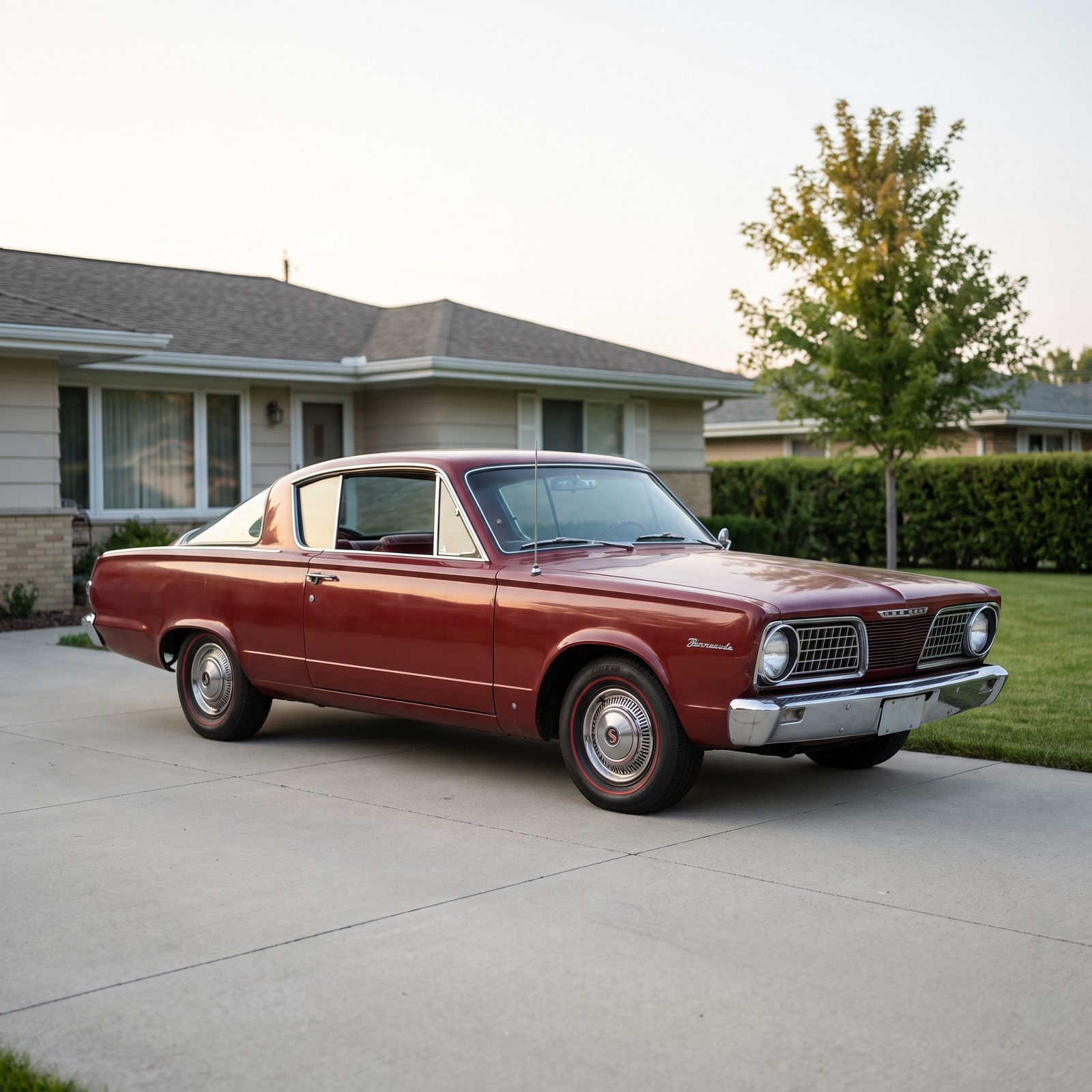
Everybody hands the Mustang the credit, and the Barracuda beat it to the dealership by a couple of weeks. That glorious wall of wraparound glass made it look like a greenhouse on wheels, and for years that same roof was its curse. Nobody wanted it. The Formula S rewrote the math with the 273 Commando V8, a firmer suspension, and a tach, and those are the cars pulling real numbers now.
The mistake is assuming a six-cylinder base car and a Formula S live in the same price neighborhood. They don’t. Before you let one go, confirm the 273 Commando, the correct gauge package, and that the rear glass isn’t cracked, because replacements are unobtanium and a crack guts the value fast.
1984, 1989 Nissan 300ZX Turbo: The Z Values Already Jumped, and Clean Examples Are the Scarce Part Now
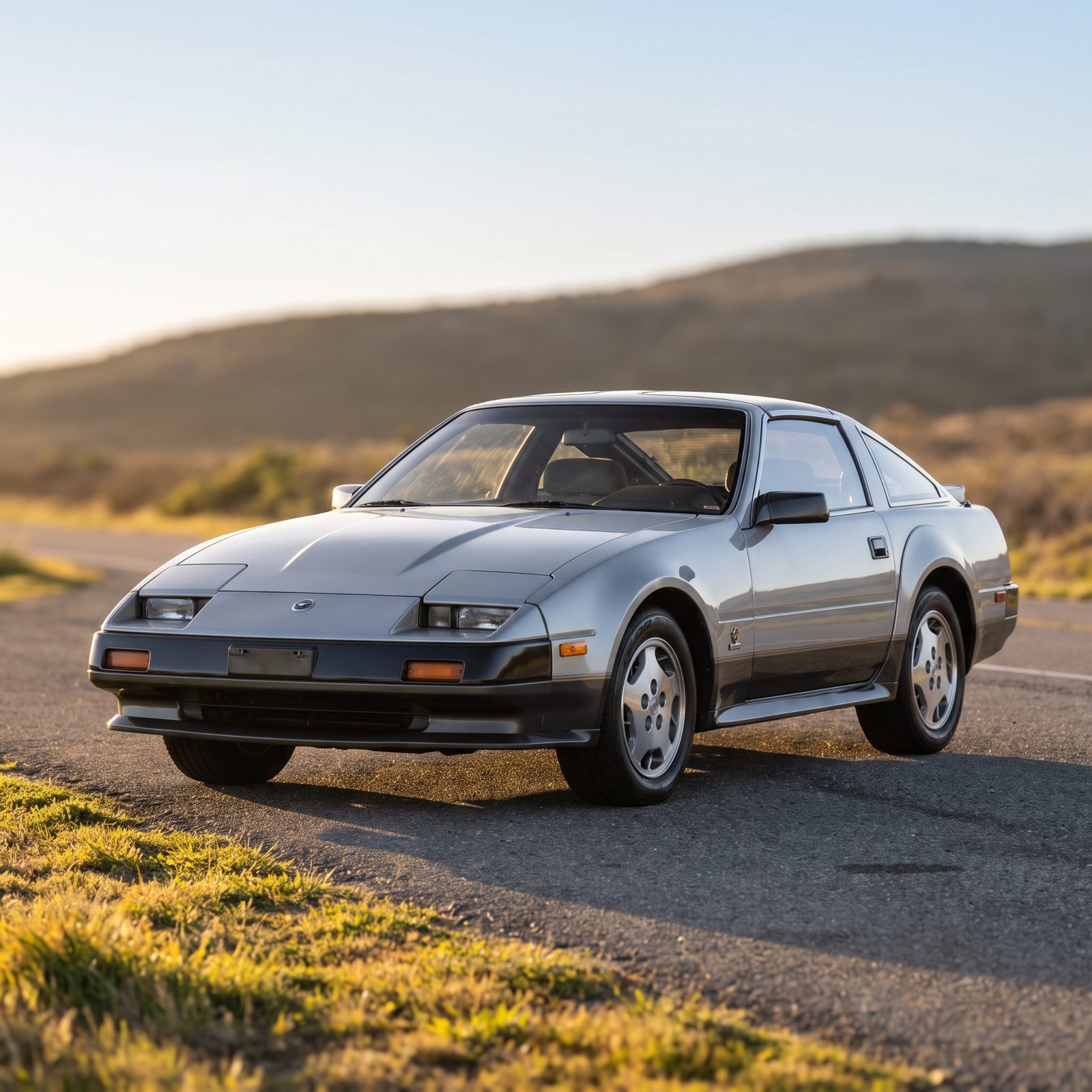
The eighties Z lived in the bargain bin a long time. Guys bought these as cheap, fast daily drivers and used them like it, which is exactly why a clean, unmolested Turbo with the T-tops and documented service is the hard thing to find today. Scarcity is where the money hides.
Owners sell these thinking turbo Japanese iron from the Reagan years is still pocket change. It isn’t anymore. A rust-free Z31 Turbo with the original turbo intact, no boost-controller butchery, and good T-top seals outruns a tired restoration project every time. Check the floors. Check the T-top channels for leaks. Keep every maintenance record, because the buyer paying top dollar wants proof it was loved, not thrashed.
1963, 1964 Studebaker Avanti: Raymond Loewy’s Fiberglass Spaceship That Collectors Finally Took Seriously
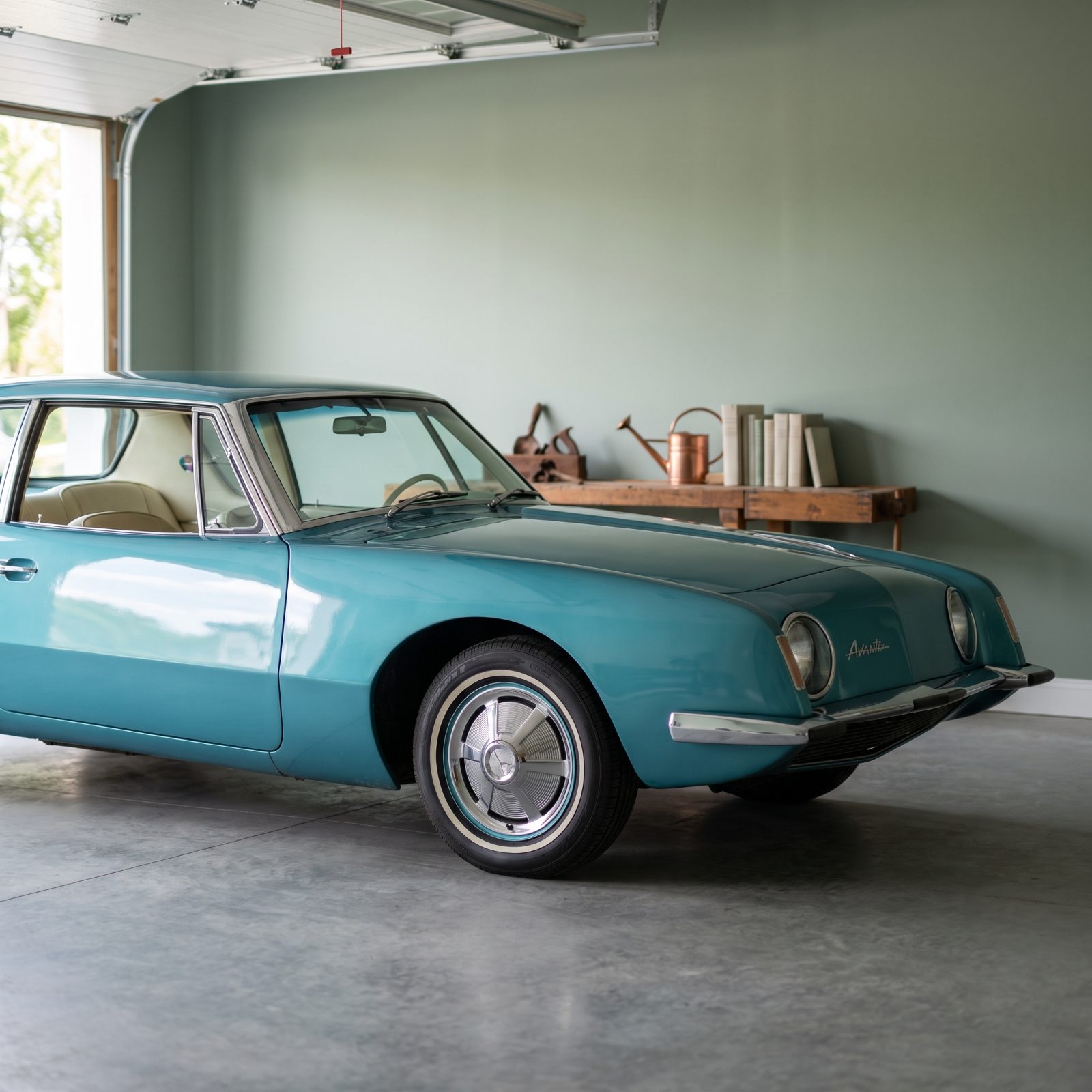
Raymond Loewy sketched this thing in a rented house in Palm Springs in about six weeks, and it still looks like it dropped in from a decade that hadn’t happened yet. The grille-less nose. The fiberglass body. The available Paxton supercharger. Studebaker was dying and somehow built one of the most forward-looking shapes in American history on the way out the door.
Because Studebaker folded, people assumed the Avanti was an orphan with no value. Wrong. The genuine 1963 and 1964 Studebaker-built cars, especially a supercharged R2, have quietly become six-figure conversation pieces at the right auction. Don’t confuse them with the later Avanti II continuation cars, which are lovely but a different market entirely. Verify it’s a real Studebaker-era car by the serial number before you name a price.
2001, 2002 Audi S4 Avant With a Manual: The Twin-Turbo Wagon Wrench-Heads Are Quietly Hunting
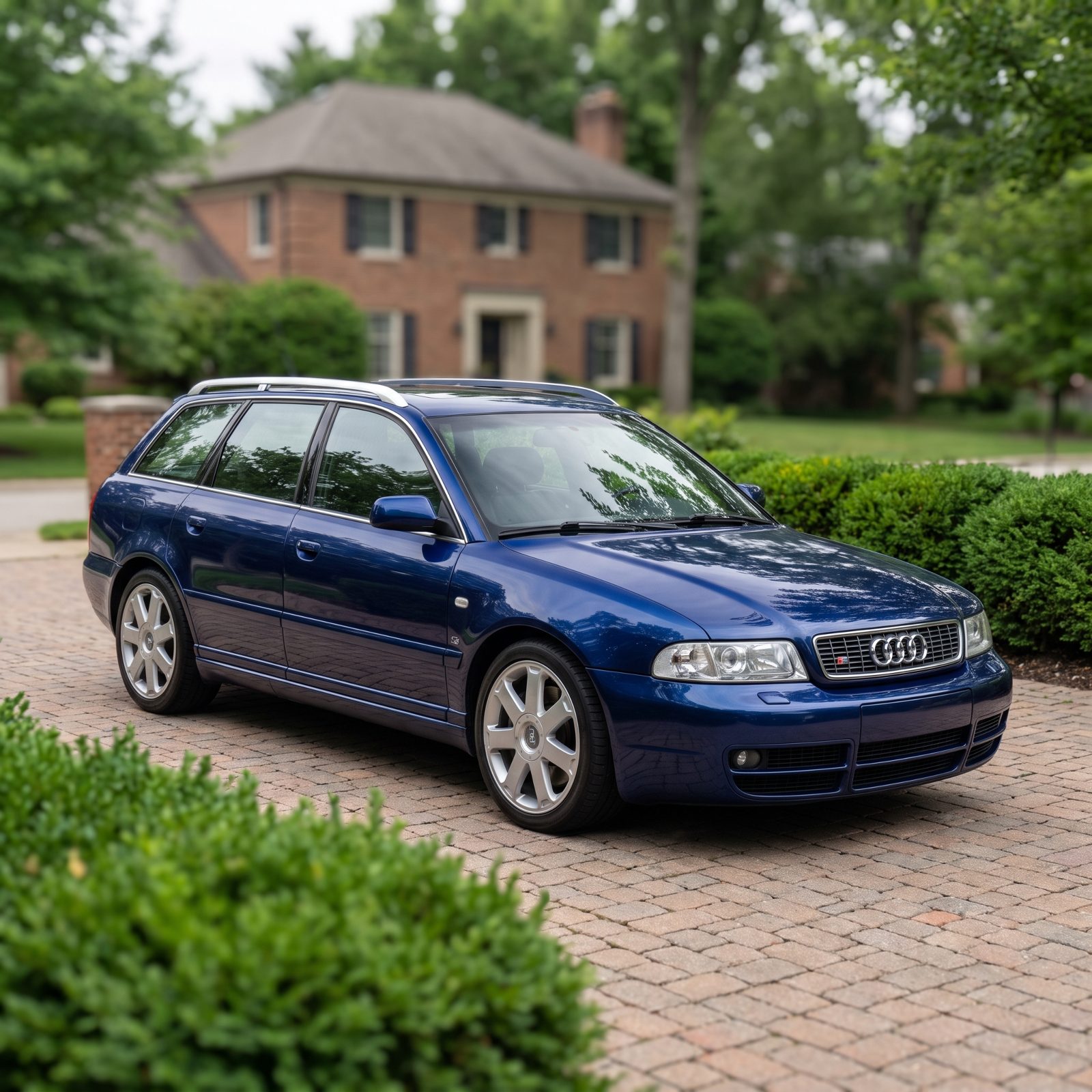
A twin-turbo V6, all-wheel drive, a six-speed stick, and a wagon body you could haul plywood in. The B5 S4 Avant was the sleeper enthusiasts whispered about while depreciation quietly gutted the price. Everybody chased the sedan’s speed. The wagon added practicality and gave up nothing.
Now the trap. These cars scare off casual sellers with their reputation for timing belts, coil packs, and turbos, so owners dump them cheap just to escape the maintenance anxiety. Meanwhile the modern-classic crowd pays a premium for a sorted manual Avant precisely because so few survived the mod-and-abandon cycle. If yours has receipts for the K04 turbos, timing service, and a clutch, you’re not selling a liability. You’re selling a unicorn. Document everything.
1997, 2002 Plymouth Prowler: The Factory Hot Rod People Laughed At and Are Now Chasing
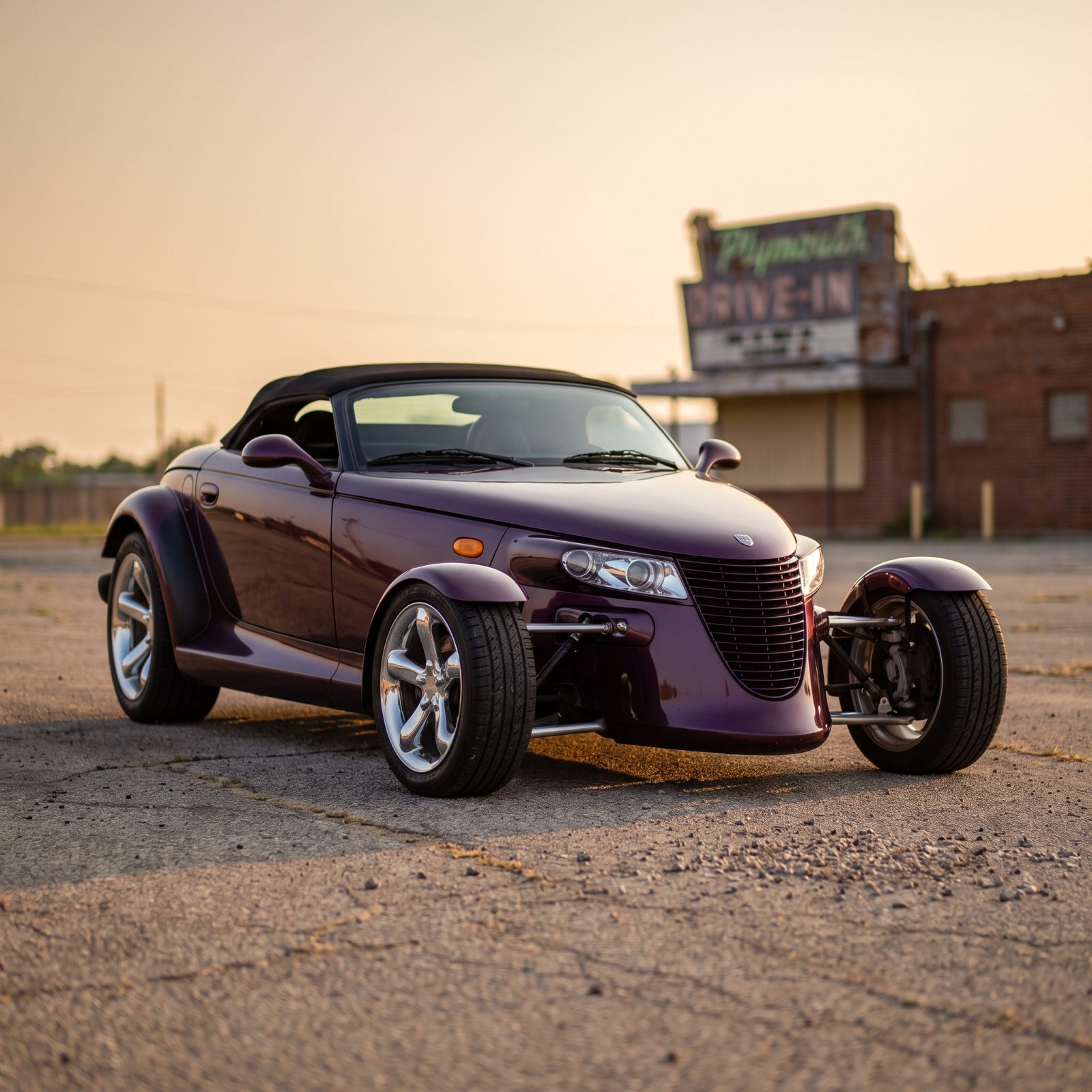
When it dropped, half the car world rolled its eyes. A retro hot-rod silhouette with a 214-horse V6 and an automatic? The purists wanted a Hemi and never got over it, so the Prowler sat in classified ads for years at embarrassing prices.
That’s the mistake right there. The aluminum body, the open-wheel layout, the simple fact that Plymouth built a genuine production hot rod and then watched the brand die around it, all of that made the Prowler a future keeper the whole time. Low-mileage examples in the bolder colors are climbing steadily. Keep the mileage honest, keep the matching trailer if you ordered one, and never let anyone talk you into treating it like a disposable novelty. It isn’t.
1986, 1989 Chrysler Conquest TSi: The Widebody Turbo Starion Twin Hiding Under a Pentastar Badge
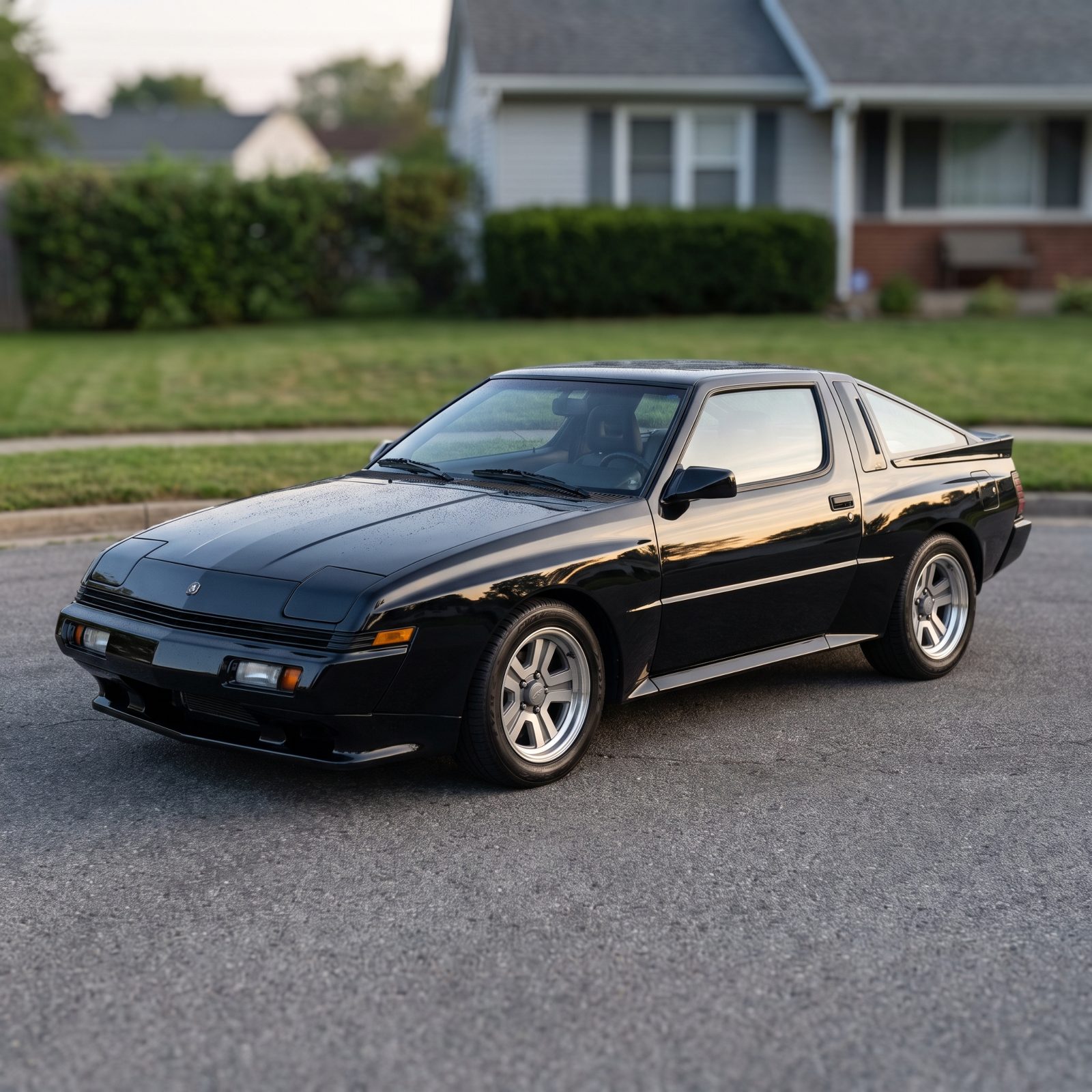
Same car as the Mitsubishi Starion, rebadged and sold through Dodge and Plymouth dealers, and that split identity confused the market for decades. The TSi with the intercooled turbo four and the flared widebody arches is the one that matters, and plenty of owners still think they’re sitting on a disposable eighties commuter.
They’re wrong. The 2.6-liter balance-shaft four, the proper widebody fenders, and honest survivor condition have yanked these out of the bargain bin fast. Here’s the twist, though: that same confusion cuts both ways, so buyers want proof of a healthy turbo and no rust in the arches. Clean, rust-free, unmodified TSis are getting genuinely scarce. Check the arch seams carefully before you set a number.
1995 Volvo 850 T-5R and 1996, 1997 850 R: The Yellow Wagon That Humiliated Sports Cars on Track
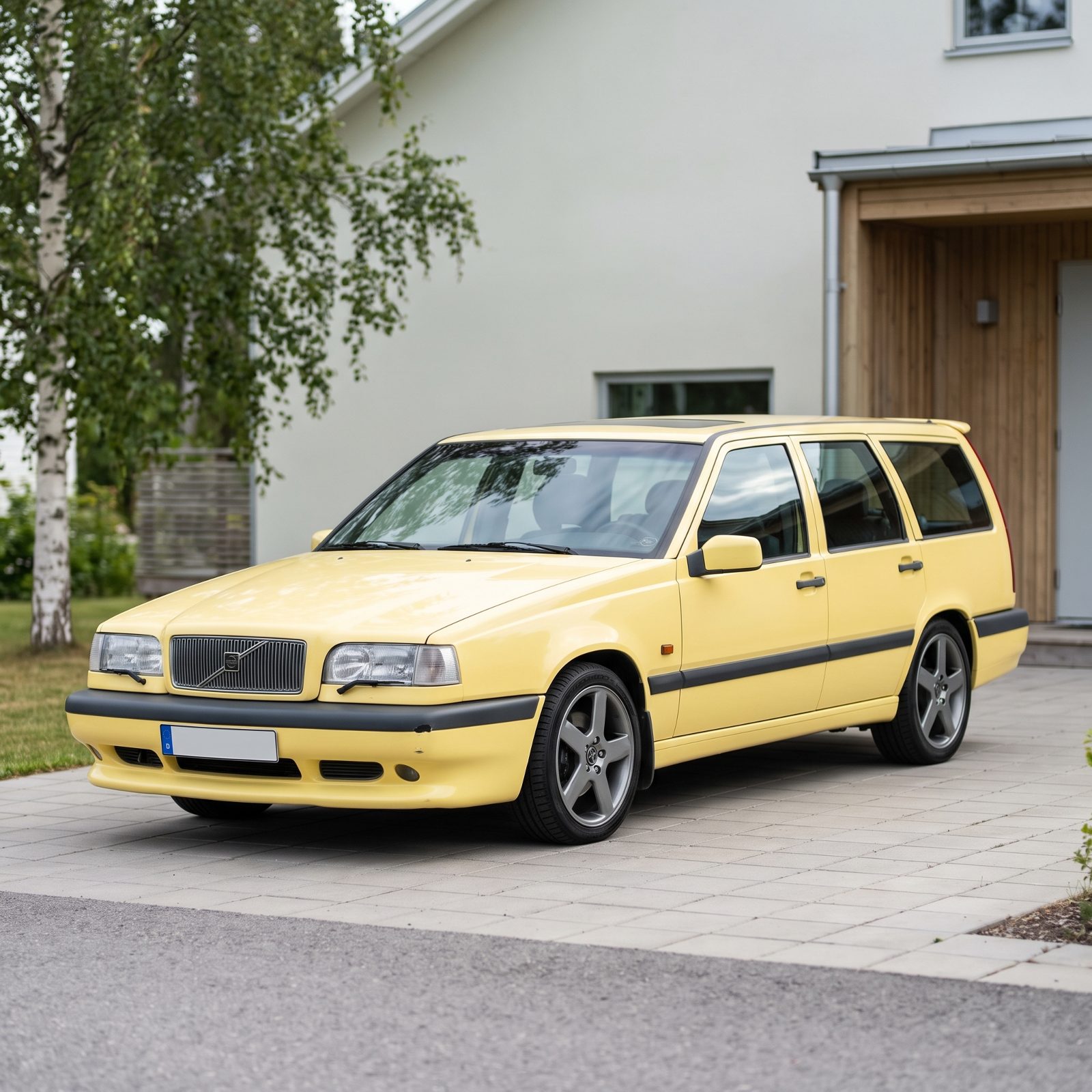
A turbocharged family wagon went touring-car racing and embarrassed the people who laughed at it. The T-5R in that unmistakable cream yellow was a limited run tuned by Porsche, of all people, and for years it depreciated like any old Volvo because that’s exactly what everyone assumed it was.
Huge miss. The low-production R models, especially a clean manual wagon, have climbed into real collector territory while the sedans and the plain 850s stayed cheap. The confusion is both your enemy and your friend: casual buyers can’t tell a real T-5R from a dressed-up turbo. Keep the paperwork that proves the build, hang onto the original Titan wheels, and never let someone price it like a used grocery-getter.
2004, 2005 Mazdaspeed MX-5 Miata: The Turbo Factory Miata Most People Don’t Know Existed
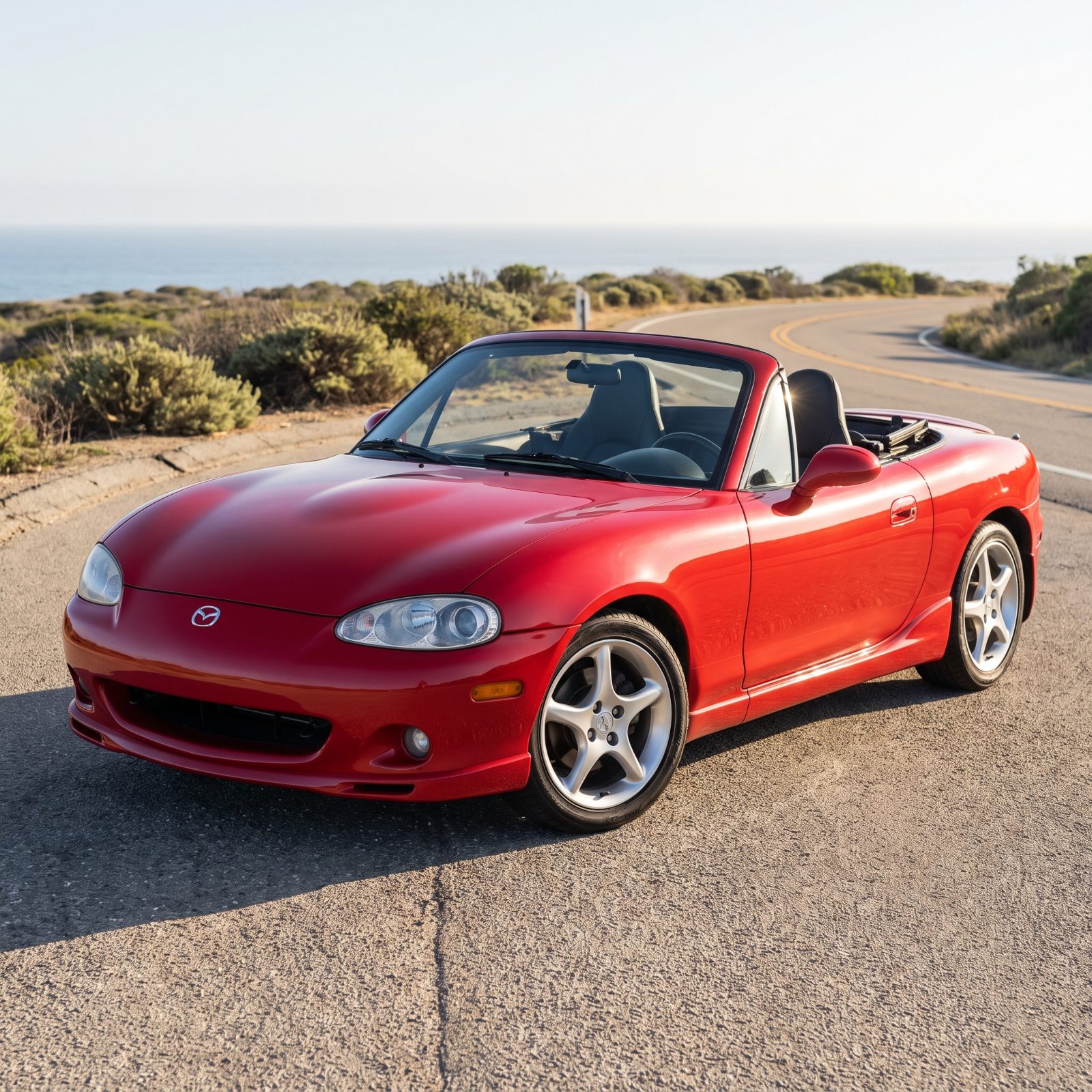
Mazda built a factory turbocharged Miata, sold it for one short run, and most people still blink when you tell them it existed. Only a few thousand reached the States, each one wearing a unique body kit, Racing Hart wheels, a stiffer suspension, and a boosted 1.8. They vanished into the sea of ordinary NB Miatas.
And there’s the money lesson. A stock, unmodified Mazdaspeed with its original turbo and factory wheels is worth multiples of a standard Miata, yet owners sell them like any other used roadster because the car hides in plain sight. The catch? Nearly all of them got modified, so a genuinely stock survivor is the rare bird. Keep it stock. Keep the records.
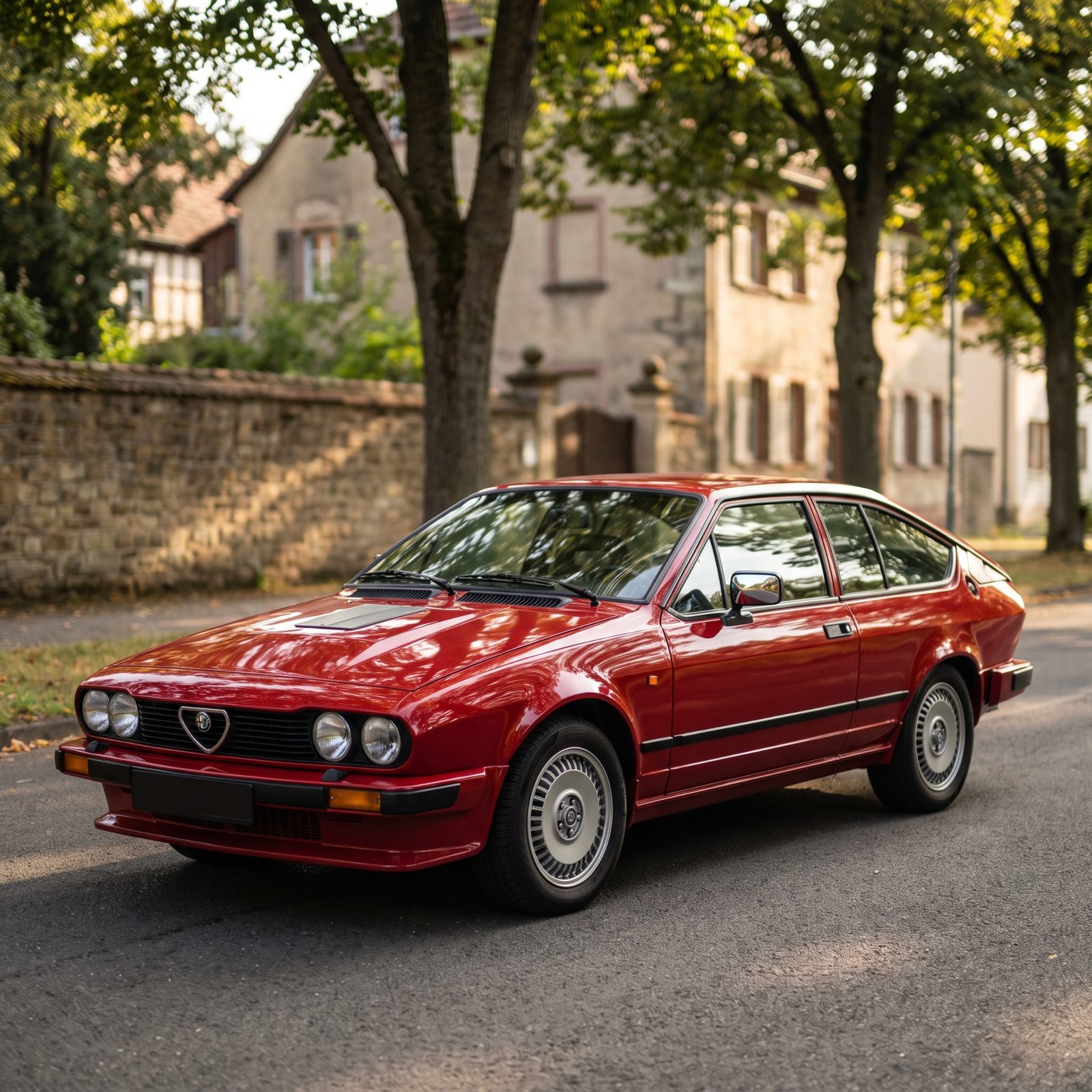
1981, 1986 Alfa Romeo GTV6: The Busso V6 Coupe Whose Soundtrack Alone Now Commands a Premium
Would you like to save this?
That 2.5-liter Busso V6 makes a noise that genuinely changes your heart rate. The GTV6 paired it with a rear transaxle, a slippery Giugiaro-penned body, and the kind of balance that makes you forgive it everything. And it needed forgiving, because these cars rusted and demanded constant attention, so for a long stretch they just got cheap.
Cheap and ignored. Then the Busso V6 became legend, Alfa prices lifted across the board, and a rust-free, sorted GTV6 turned into something people actively chase. The transaxle clutch and the timing belts still intimidate sellers into bargain pricing. A well-maintained example with a healthy clutch, fresh belts, and clean sills deserves real money. Service history is the whole conversation here.
1995, 1999 Mitsubishi Eclipse GSX: The All-Wheel-Drive Turbo That the Tuner Scene Devoured and Left Few Survivors
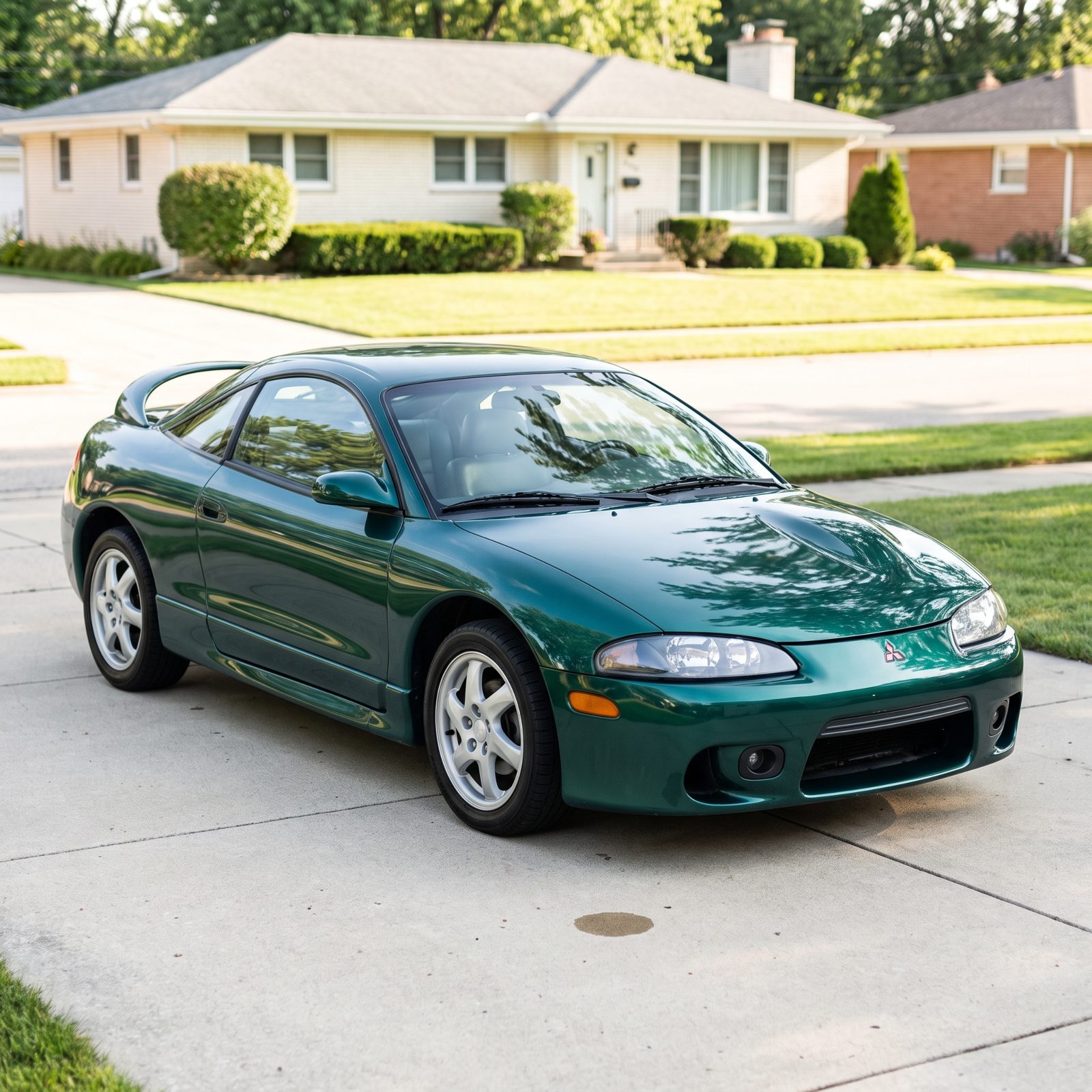
The 4G63 turbo four and the full all-wheel-drive GSX driveline made this the one everybody wanted in the nineties, and that popularity nearly wiped them off the map. The tuner scene bought them, boosted them, blew them up, and scrapped them. Finding a bone-stock, unmodified, uncrashed GSX today is a genuine hunt.
Which is exactly why values have turned. Scarcity, a legendary engine, and a heavy dose of nostalgia add up to a market that moves fast. The owners who kept theirs stock out of pure stubbornness are the ones watching real appreciation now. If yours never got a bigger turbo, never saw a drag strip, and still wears its original VIN-matched panels, you’ve got the rarest version of a car everybody remembers. Don’t undersell that originality. It’s the whole ballgame.
The 1985, 1991 Saab 900 SPG You Almost Sold for Beer Money
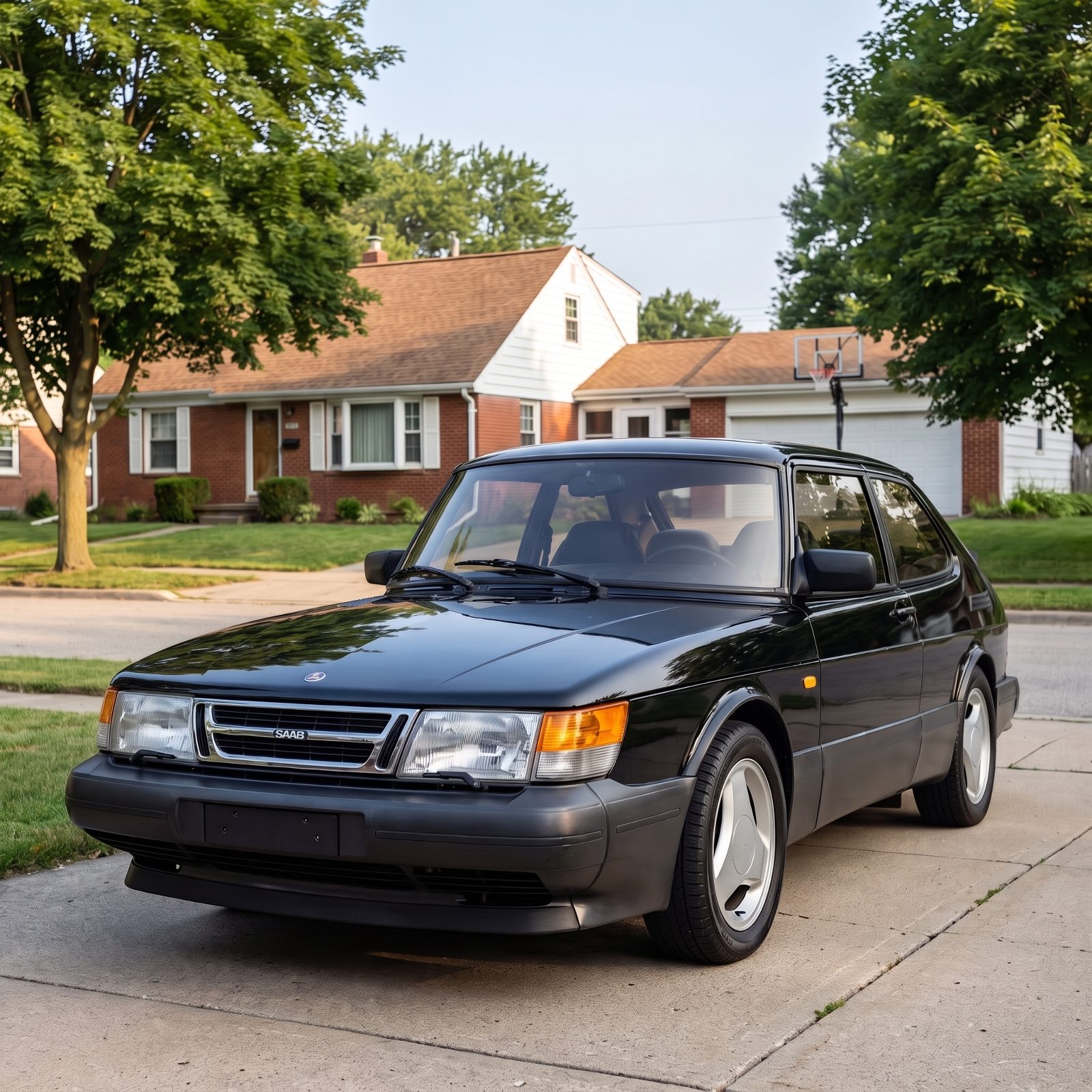
You bought it because it was weird and fast and nobody else at the office drove one. The turbocharged SPG was the hot 900, with that understated black hatchback body, silver alloys and a 16-valve mill that pulled like a freight train once the boost woke up. For years these traded for whatever a tired Volvo cost. That window’s slammed shut.
Clean, unmolested SPGs with documented maintenance are climbing, the manual cars especially. The mistake? Treating it like an old daily and handing it to a shop that’s never seen a Saab, letting them guess their way through the water pump and the balance shaft chains. That’s how a $12,000 survivor turns into a parts car overnight.
Find a specialist. Keep every receipt. And whatever you do, don’t repaint it — original paint, chips and all, beats a glossy respray to the people writing the checks.
The 1991, 1994 Nissan Sentra SE-R Hiding in Plain Sight
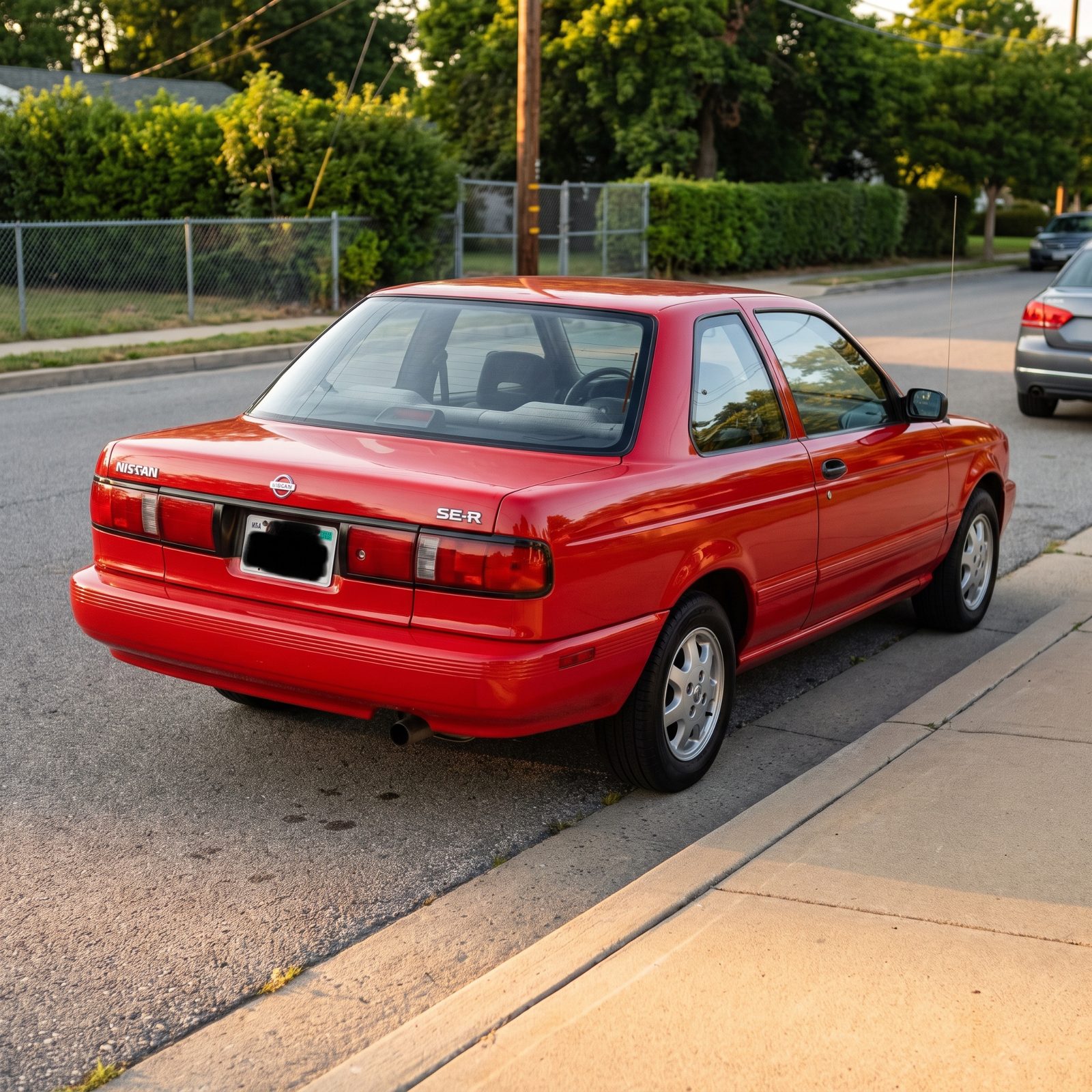
It looked like your mother’s economy car. That was the whole joke. Under the hood sat the SR20DE, the engine enthusiasts still build entire hobbies around, bolted into a chassis that would embarrass sports cars costing twice as much.
Trouble is, almost all of them got thrashed, modified into oblivion, or crashed by the third owner. A bone-stock SE-R with factory wheels and an unmolested engine bay is genuinely rare now, and values say so. Plenty of people still figure it’s beater money because the trunk says Sentra. They’re wrong.
If yours is stock, keep it stock. Pull the records, note the original boost-free SR20, and photograph the engine bay before anyone touches it. Buyers pay for proof, not promises.
The 1998, 2003 Jaguar XJR Everyone Assumed Would Bankrupt Them
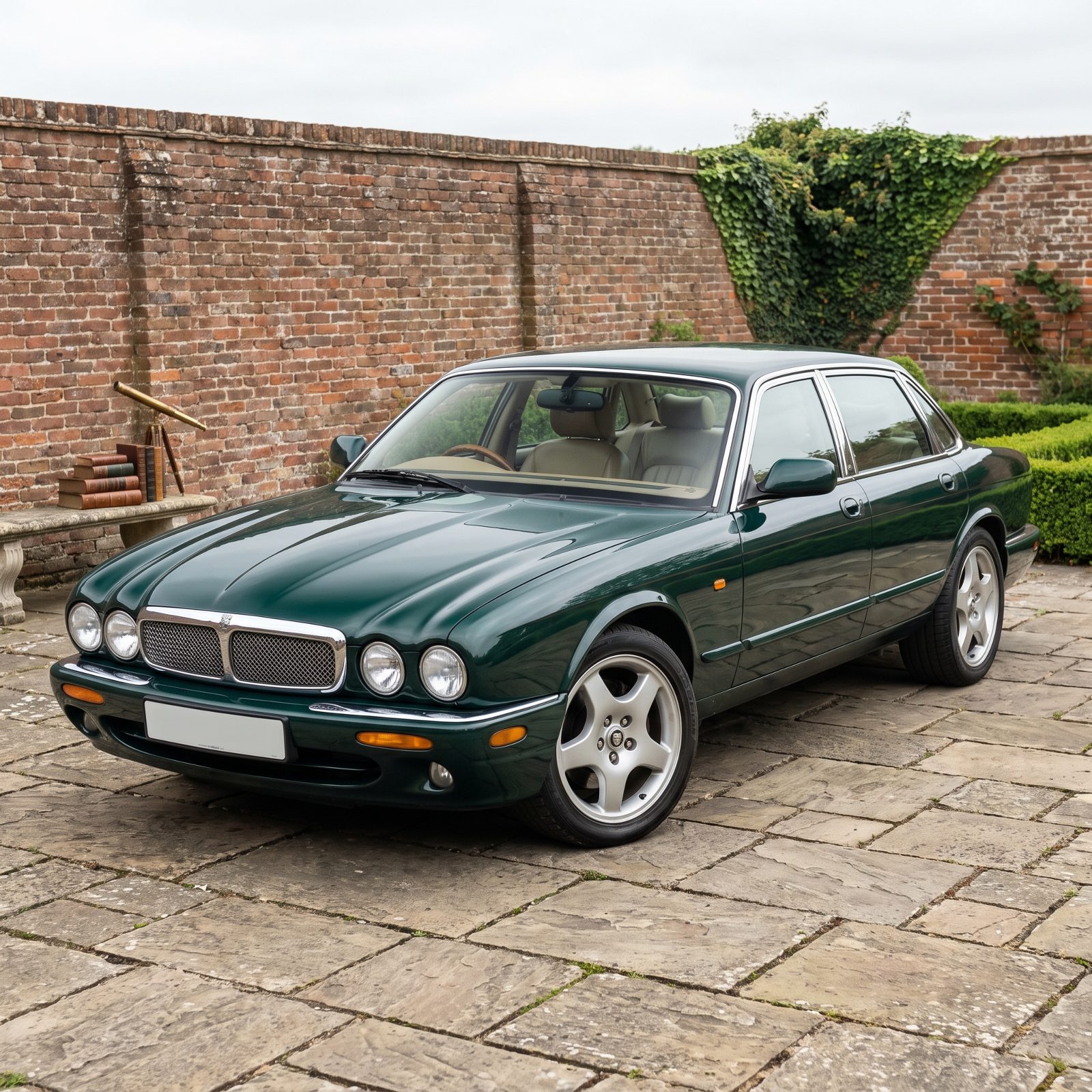
The supercharged V8 under that hood made 370 horsepower and a sound like distant thunder. For two decades nobody wanted one, because the word on the street said an out-of-warranty Jaguar would eat you alive. Depreciation turned a $70,000 sedan into a $6,000 gamble.
The gamble changed. Clean, sorted XJRs with service history are appreciating now that people have figured out a well-maintained one is no scarier than any other complex luxury car. Deferred maintenance is what kills you here. Let the cooling system or the old Nikasil worries go unaddressed, and you’ll scare off every serious buyer who walks up.
So stay ahead of the water pump, thermostat, and timing chain tensioners. A fat folder of receipts turns a suspicious buyer into a confident one, and confident buyers pay more.
The 1992, 1995 Volkswagen Corrado VR6 That Outran Its Reputation
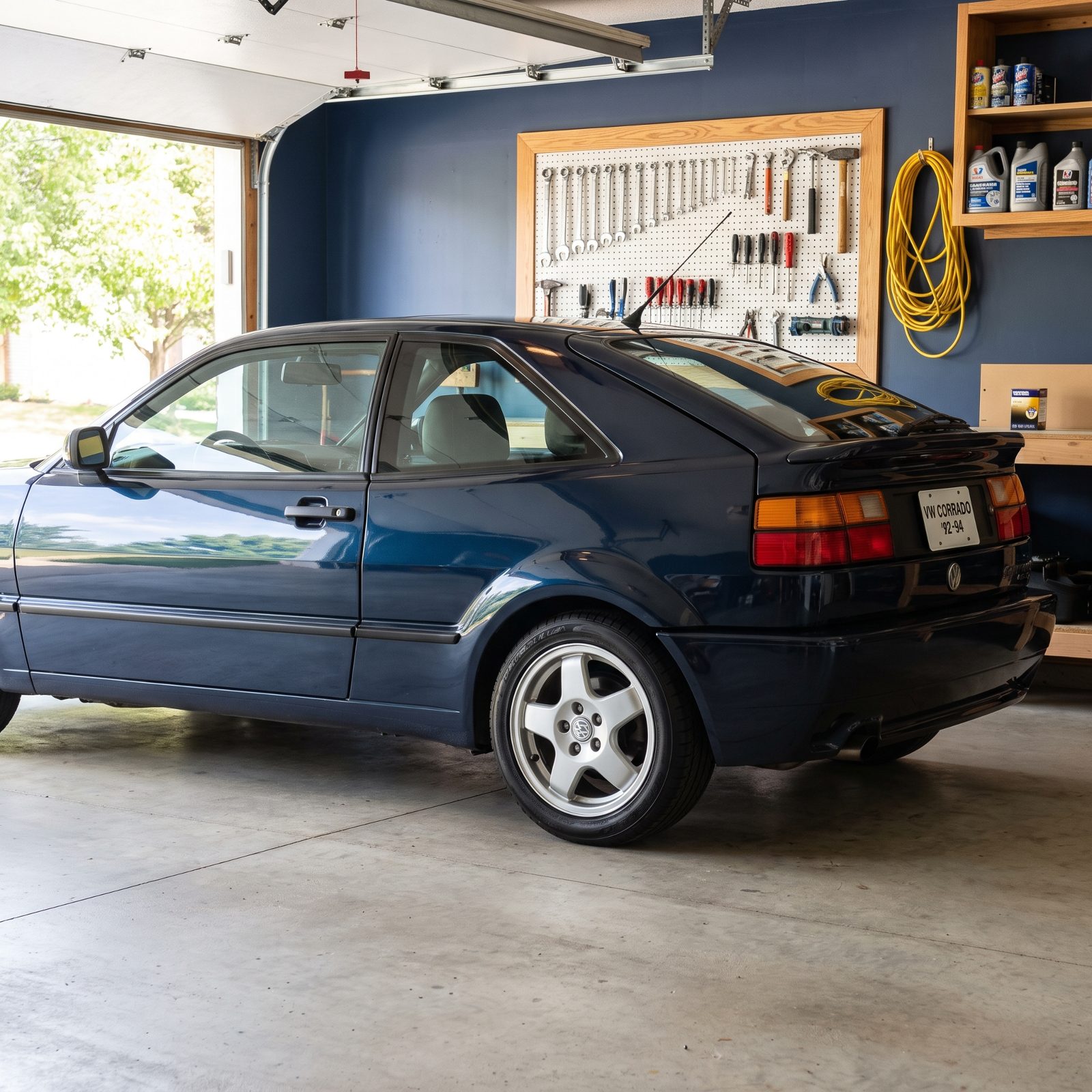
That narrow-angle VR6 note is unmistakable — half warble, half growl — and it made the Corrado feel special in a way the Golf it shared parts with never managed. VW barely sold any here, and that scarcity is now the whole story.
Good VR6 Corrados are quietly turning into blue-chip territory. Owners panic over the usual trouble spots and dump them cheap: cracked sunroof cassettes, tired motor mounts, the chain guides. Known issues, all of them. Fixable. Not reasons to send the car to scrap.
Sort the chain guides with an OEM kit, swap the mounts, and keep that pop-up spoiler mechanism working. A running, sorted VR6 with records is worth multiples of a project. Don’t let a $400 repair cost you $4,000 at sale.
The 1989, 1994 Nissan 240SX Hatchback the Drift Crowd Already Spotted
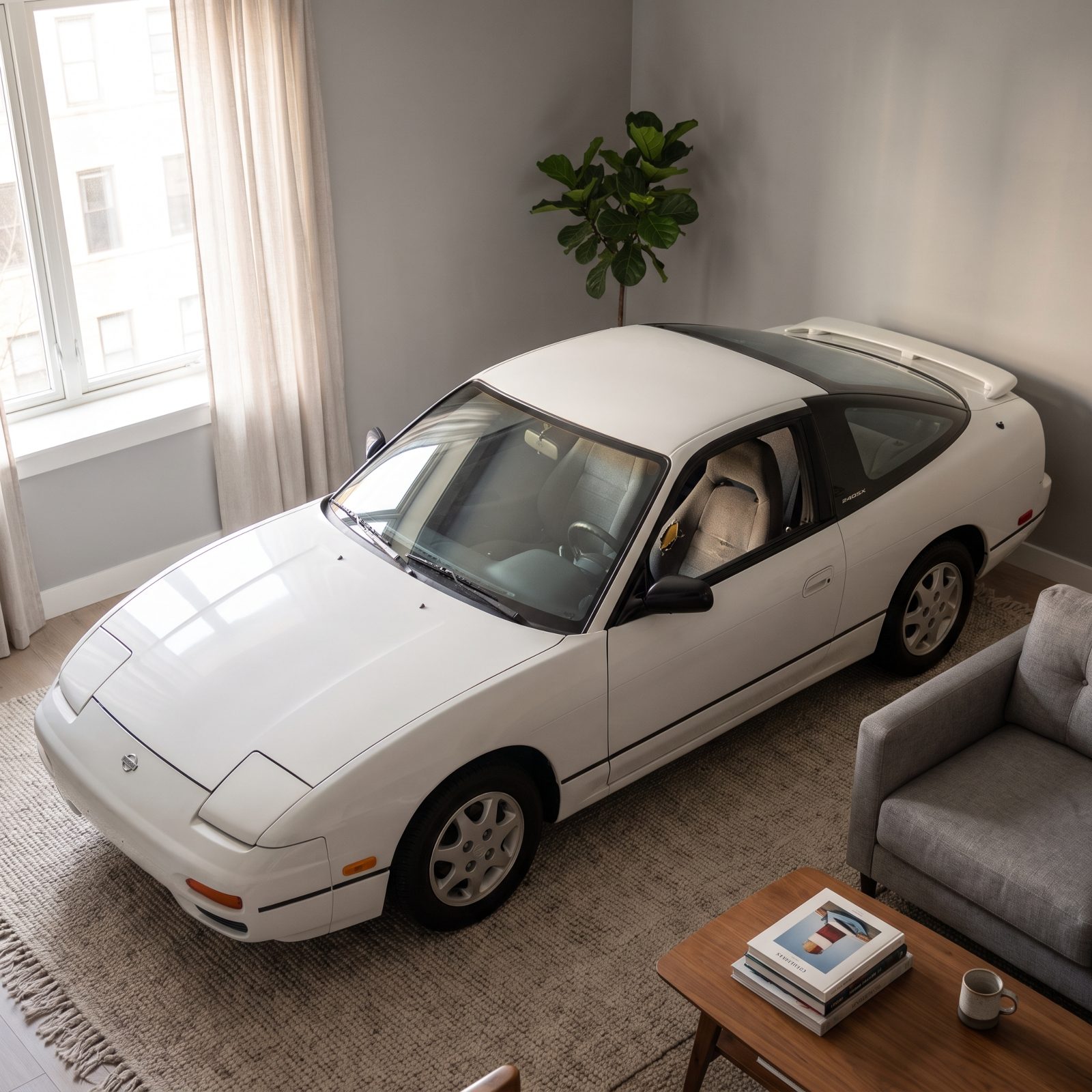
The hatchback was the cool one. That smooth S13 fastback, the pop-up lights, the rear-drive balance that made it the darling of a whole generation of back-road hooning. Which is exactly the headache for anyone who kept a clean one.
Nearly every 240SX got drifted, swapped, or wrecked. An unmodified, rust-free hatchback with its original KA24 and factory wheels is genuinely hard to find, and the market knows it cold. Don’t let the drift crowd convince you it’s only worth the sum of its tuner parts.
A documented, stock survivor is worth far more as a time capsule than as a project. Wave off every offer that opens with “I’ll SR20 swap it anyway.” Funny enough, those are the exact people who’ll pay the most for yours untouched.
The 2005, 2006 Chrysler Crossfire SRT-6 Nobody Bought New
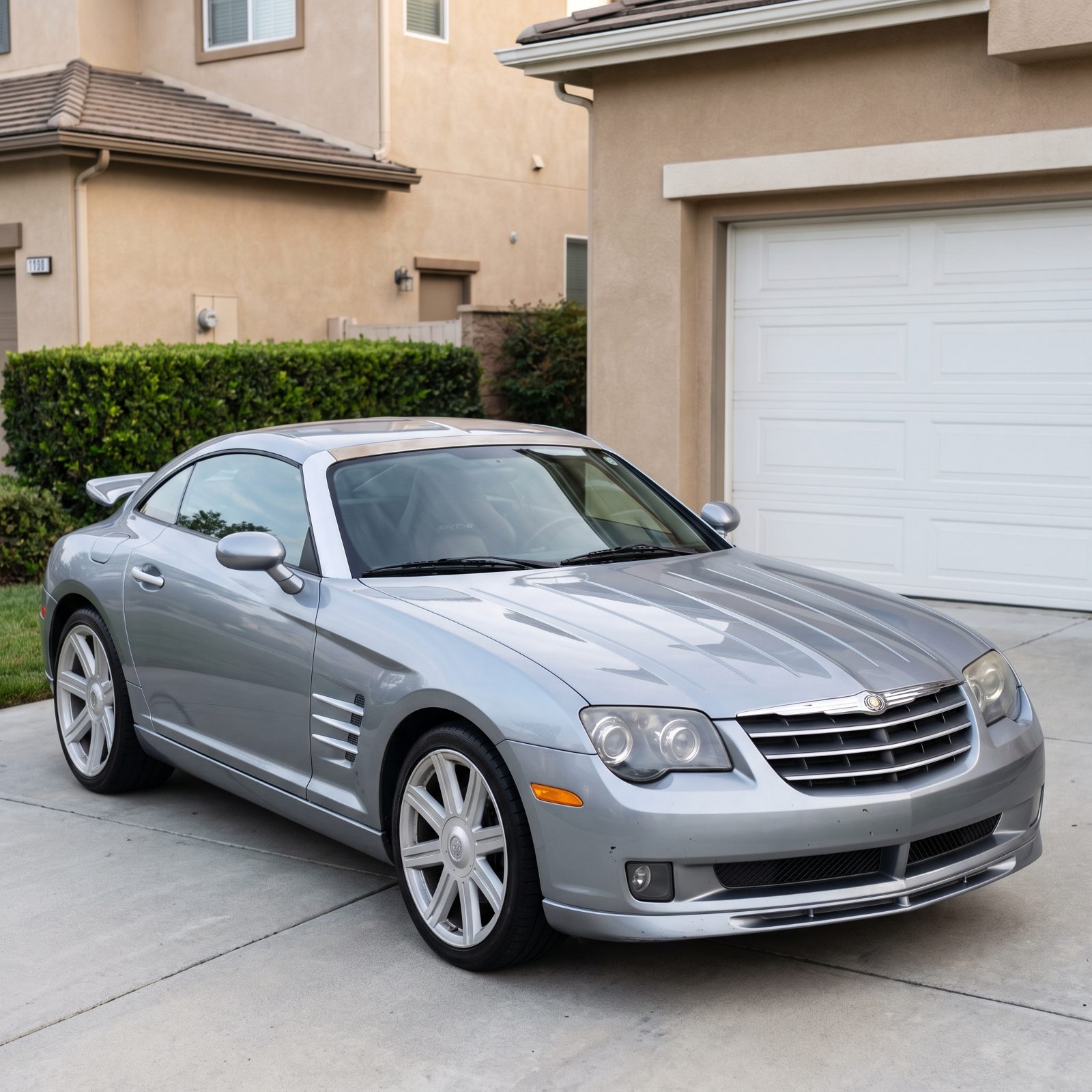
Chrysler built a two-seater on Mercedes SLK bones and dropped in the supercharged SRT-6 motor — 330 horsepower in a tidy boat-tail coupe. Then almost nobody bought one. They sat on lots, got discounted into the dirt, and became a punchline.
That punchline is aging surprisingly well. Low-production SRT-6 cars, the coupes in particular, are pulling serious collector attention because the mechanicals are proven Mercedes AMG-era hardware wearing oddball American clothes.
The temptation is to figure it’s still a depreciation orphan and let it go at Craigslist money. Resist. Keep the supercharger serviced, don’t ignore the rear differential fluid, and hold onto the original wheels. Weird cars nobody appreciated new are precisely the ones that pop ten years later — and this one’s popping.
The 1991, 1992 Isuzu Impulse RS That Lotus Helped Build
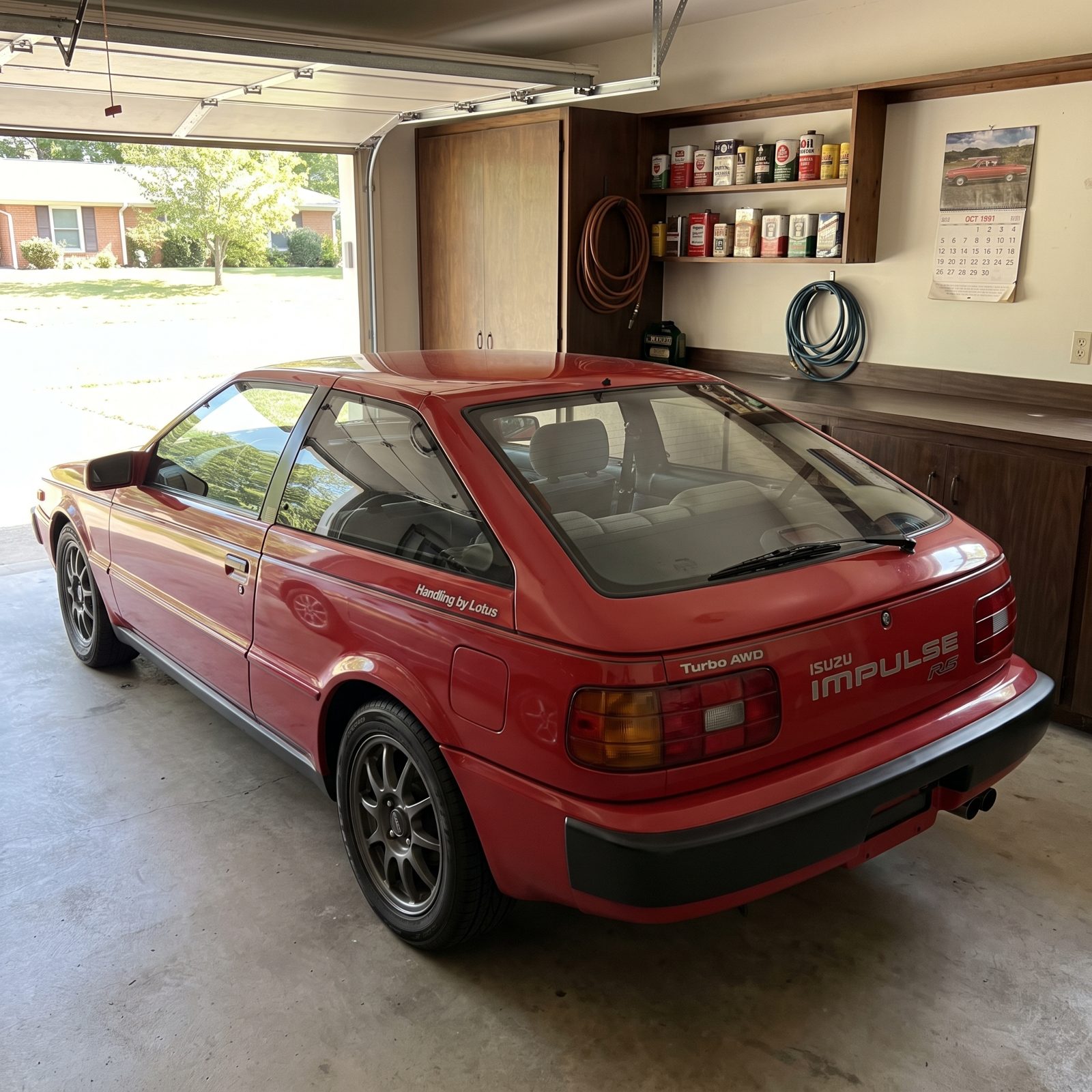
Turbocharged, all-wheel drive, tuned by Lotus. That little badge on the fender reading “Handling by Lotus” wasn’t marketing fluff — Group Lotus actually did the suspension work. Hardly anyone remembers the car, which is precisely why it’s a sleeper now in every sense.
Survivors are scarce and parts are scarcer, and that combination moves values the moment the right buyer shows up. Sell to the first person who shrugs at the Isuzu badge and you’ve sold short, because that person has no idea what it is.
Find the enthusiast who does. List it in the model-specific forums and groups, mention the Lotus connection and the turbo AWD drivetrain, and keep the pop-up headlight motors working. The buyer who gets it pays what the generalist never would.
The 1972, 1976 AMC Gremlin X With a V8 Under That Stubby Hood
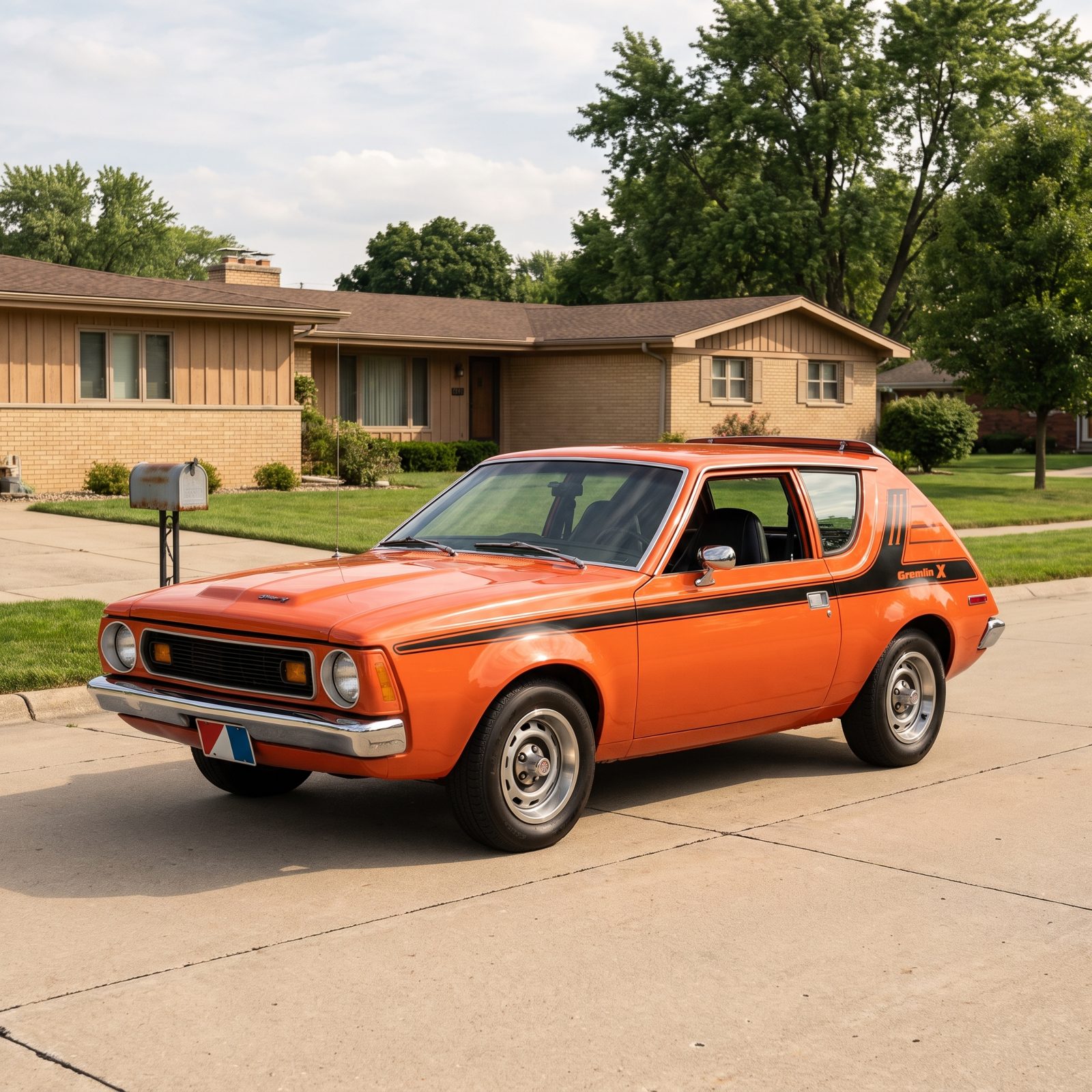
Yes, a Gremlin. Stop laughing. AMC stuffed a 304 V8 into the little chopped-tail economy car, and the Gremlin X with that engine is a genuine curiosity the muscle-era crowd has started to warm to.
They were cheap, they got mocked, and most of them either rusted into the ground or got picked apart as six-cylinder parts donors. A real X-package V8 car — documented and solid — is rare and climbing. Whatever you do, don’t apologize for it. Lean into the oddball charm. That’s the appeal, the whole of it.
Verify the engine against the VIN, keep the X stripes and graphics original, and watch the rear quarters and floors for rust. The 1970s cars people laughed at are the ones getting the last laugh at auction.
The 2003 Acura CL Type-S With the Rare Six-Speed Manual
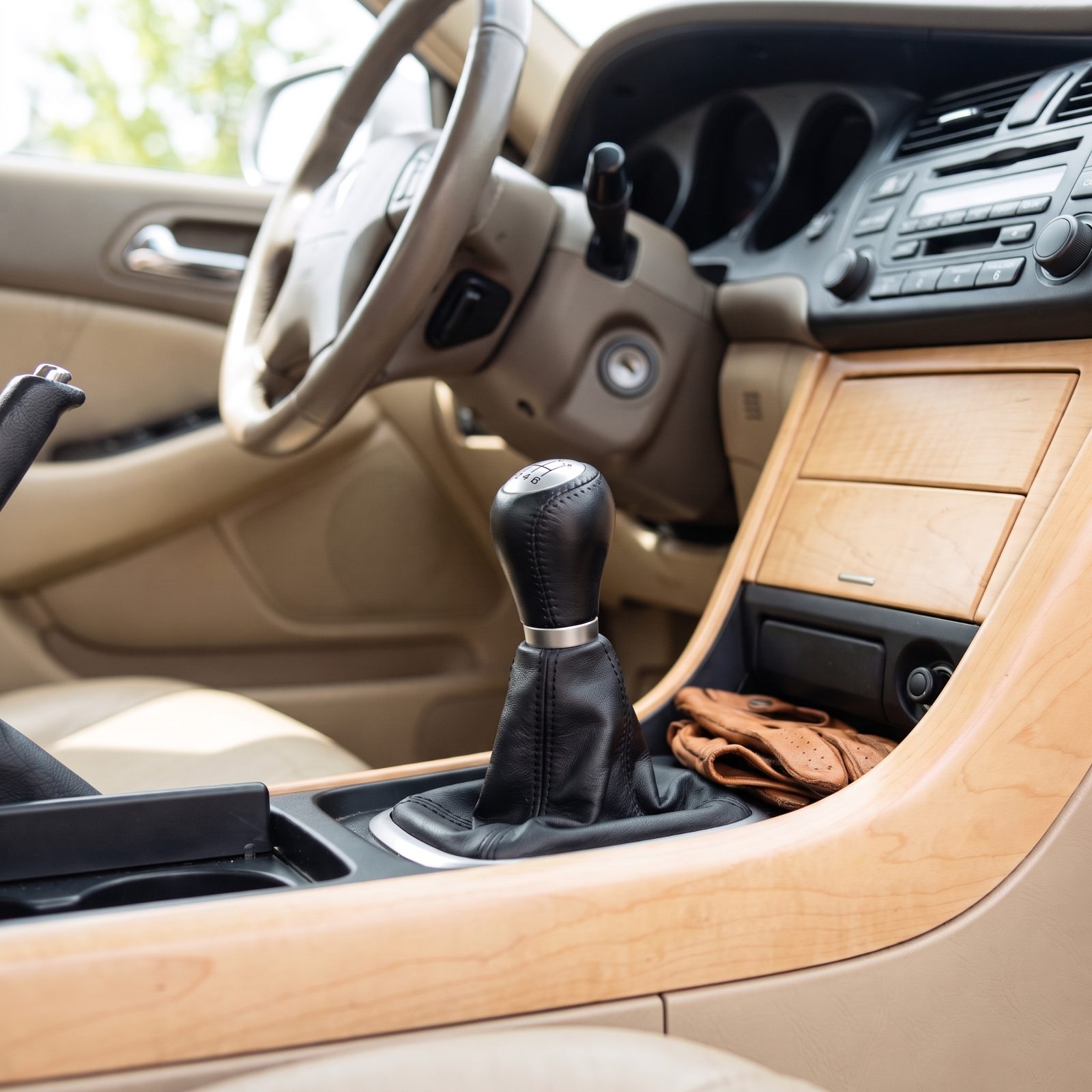
Honda sold the CL Type-S with an automatic to nearly everyone. Then, for 2003 only, they offered the six-speed manual in tiny numbers — and that one detail changed everything about the car.
The manuals are the quietly hunted ones now, because they pair the 260-horse J32 with a proper stick and a limited-slip differential. List it as just another used Acura coupe without mentioning the gearbox and you’re leaving real money on the table.
Got the six-speed car? Say so, loud and early. Confirm the LSD, keep the transmission fluid fresh with Honda MTF, and photograph the shifter and the pedal box. One more pedal than the buyer expects is worth thousands.
The 2015, 2017 Chevrolet SS With the Manual Most People Forgot GM Even Made
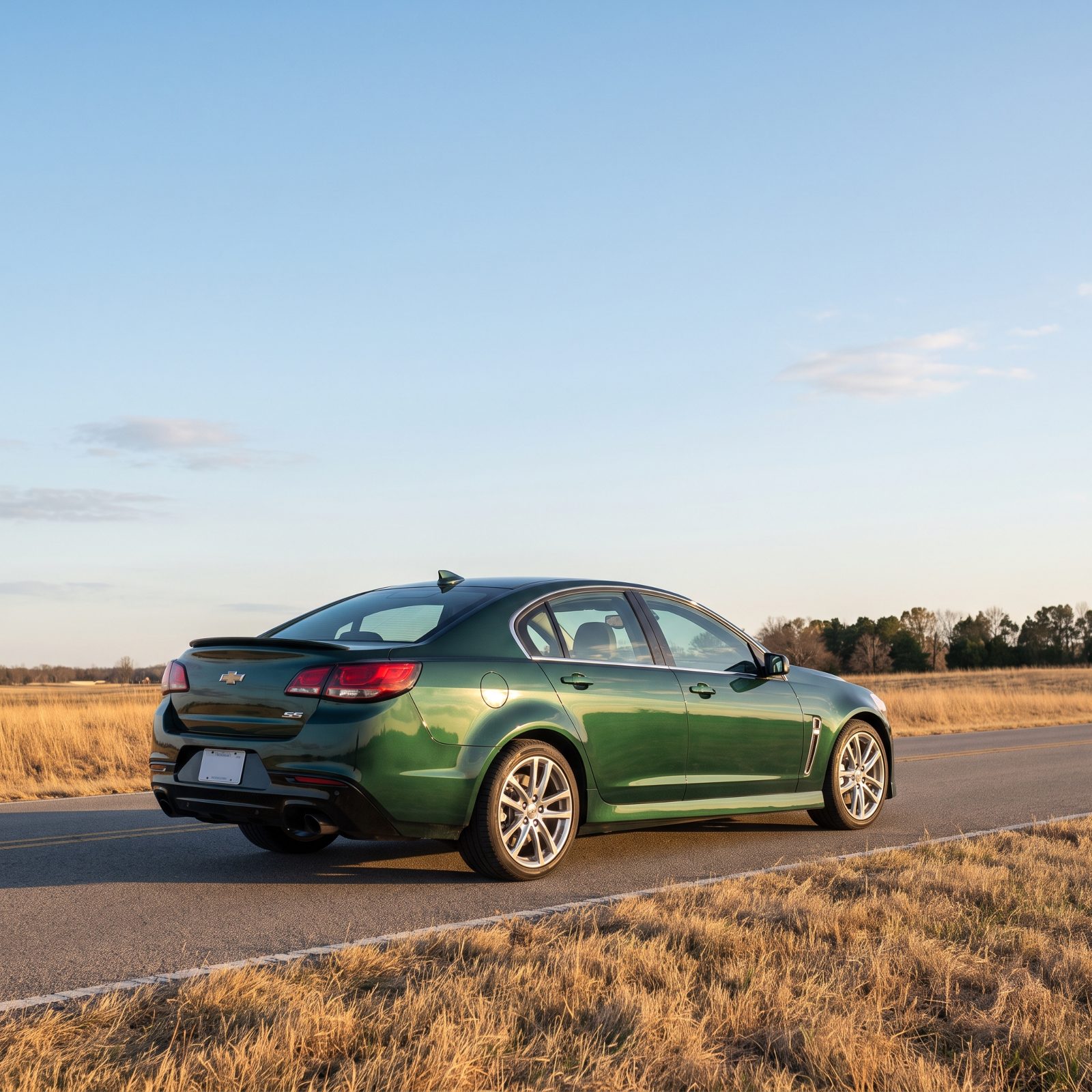
A four-door Holden with a 6.2-liter LS3, rear-wheel drive, and a six-speed manual, sold quietly in America as a Chevrolet nobody noticed. GM barely advertised it, sales were tiny, and then production ended and the whole thing just vanished.
That’s the recipe for an instant modern classic, and the manual cars are already appreciating faster than anyone guessed. Treat a low-mile manual SS like an ordinary used sedan and sell it on price alone, and you’ll regret it inside a year.
Hold the line. These were among the last rear-drive, stick-shift V8 sedans GM built, and the manual fraction is tiny. Keep the mileage honest, service the differential, and don’t let a dealer trade-in appraisal tell you what it’s worth. The enthusiast market already knows better.
The cars nobody advertised become the cars everybody wants. The SS is the clearest proof in a generation.
The 1991, 1992 Lotus Elan M100: The Front-Wheel-Drive Lotus Everyone Loved to Dismiss
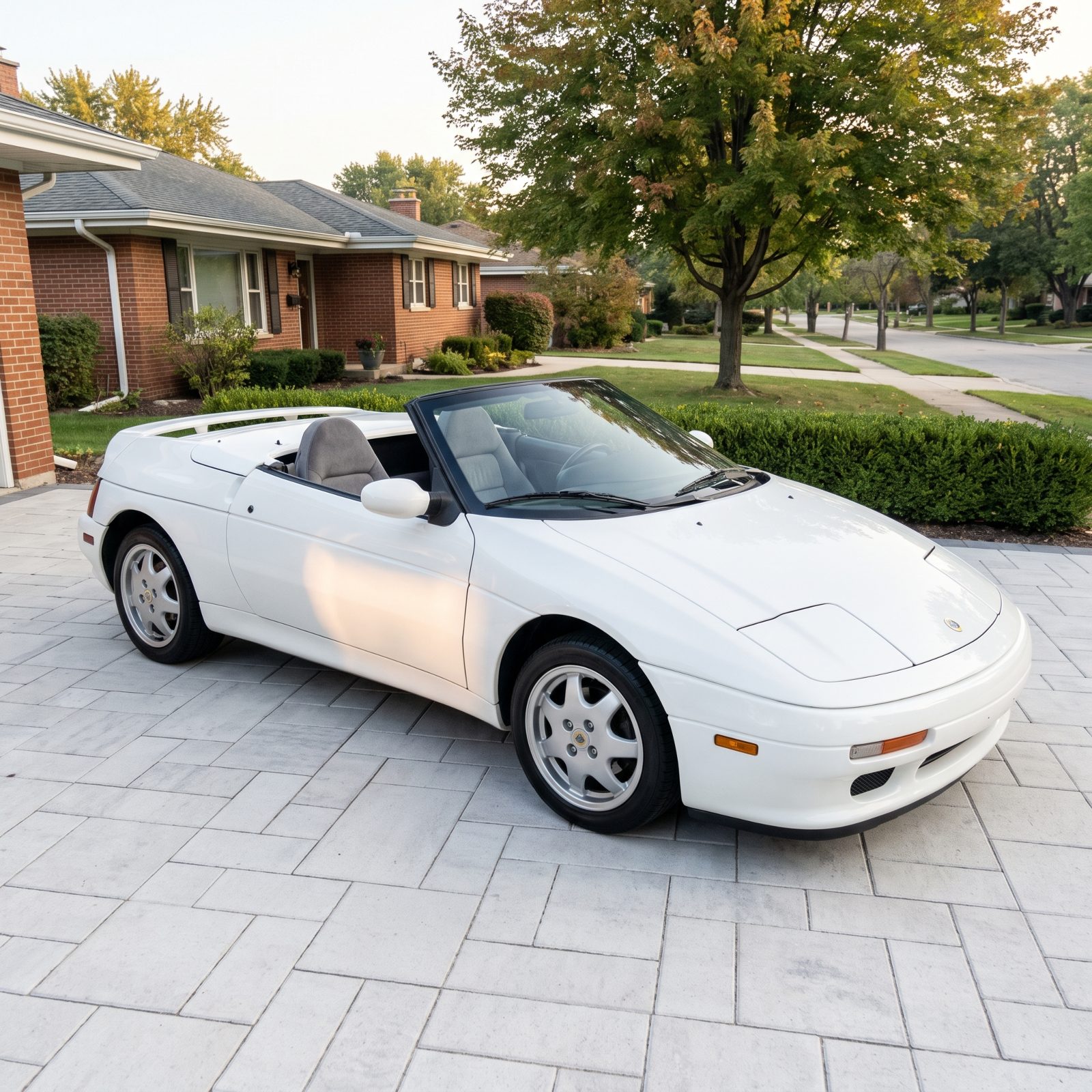
Here is the car the enthusiast press buried alive in 1991. A Lotus with the engine up front and the power going to the wrong wheels. Blasphemy, they said, because a Lotus is supposed to be rear-drive, lightweight, and pure, so the Elan M100 got written off before most people ever drove one. If you own one and you’ve been apologizing for it at cruise nights, knock it off.
And here’s the real mistake everybody made: assuming a front-drive badge locks a car into low value forever. Lotus built only about 4,600 of these. The Isuzu-sourced 1.6 turbo sits in a chassis the factory engineered to handle like nothing else of its day, which makes it one of the sweetest-steering roadsters of the whole decade. The market caught up eventually. Clean, documented, low-mile examples now climb well past what a tired MX-5 brings, and the rare SE turbo cars run out ahead of everything.
So don’t panic-sell, and don’t dump it cheap. Get it appraised by somebody who actually knows the M100 — not the shop that shrugs at anything that isn’t a vintage Esprit. Keep the service records, chase down the original tool kit and the books, and sit tight for the SE premium if you’ve got one of those.