
Would you like to save this?
The best drivers on the road aren’t the fastest or the most aggressive. They’re the ones reading clues nobody else notices — a front wheel twitching an inch, a pair of shoes under a parked van, a reflection in a storefront window that shows cross traffic you can’t see yet. These habits sound odd until the day one of them saves a fender. Or a life. None cost money, none require a new car, and all of them just ask you to look where other people don’t. Here are the ones old hands lean on without ever bringing them up.
Please note that some of the images in this article were created with the assistance of AI.
36. Watch Parked Cars’ Front Wheels for Movement
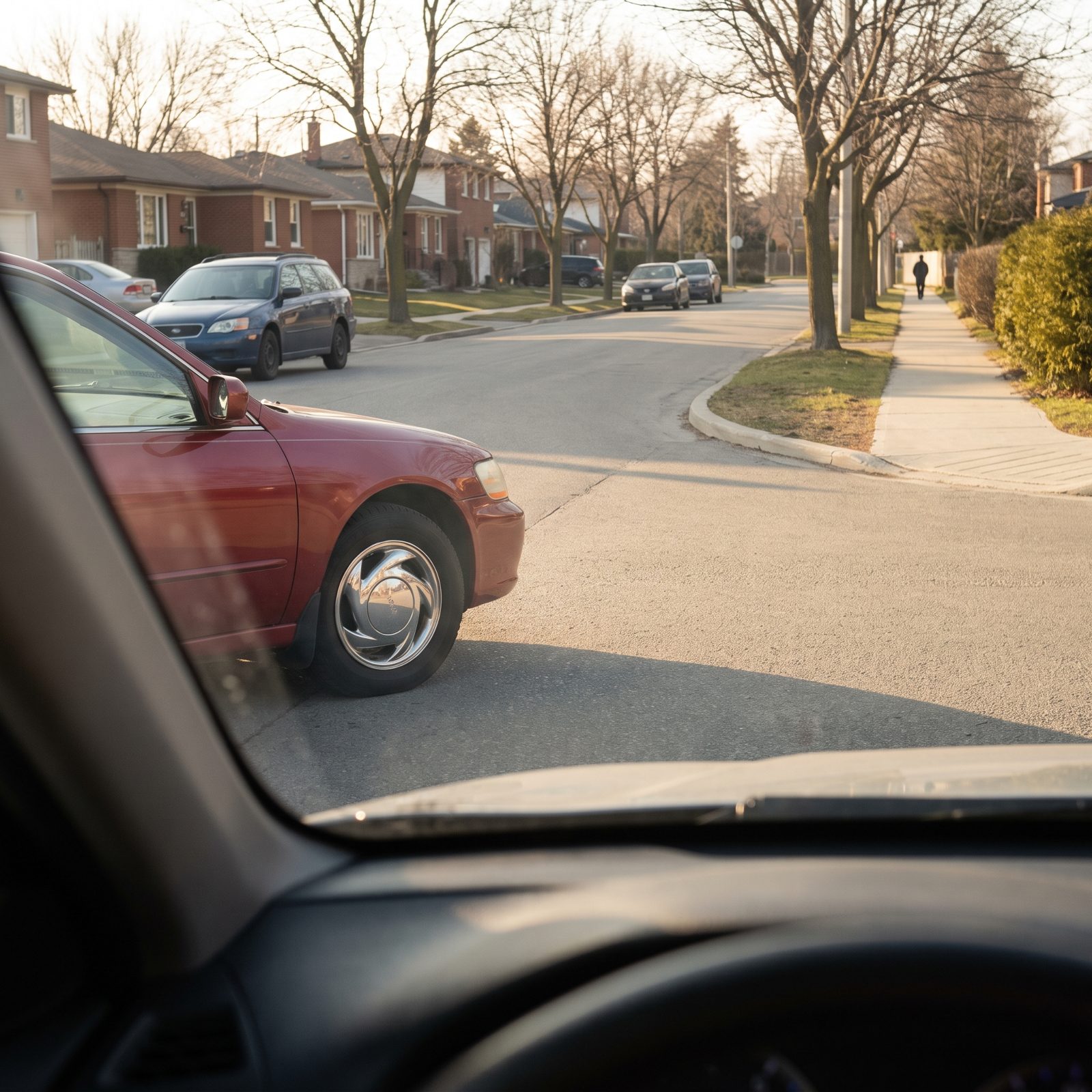
A brake light tells you a car is already moving. A front wheel tells you half a second sooner, because when someone’s about to pull out of a parallel spot, the tire rolls and cocks toward the lane before the body ever shifts. That tiny movement is the earliest warning you’ll get.
Scan the wheels, not just the windows. A driver’s head might be invisible behind tinted glass, but rubber on asphalt doesn’t lie.
35. Use Brake-Light Reflections to See Beyond Traffic
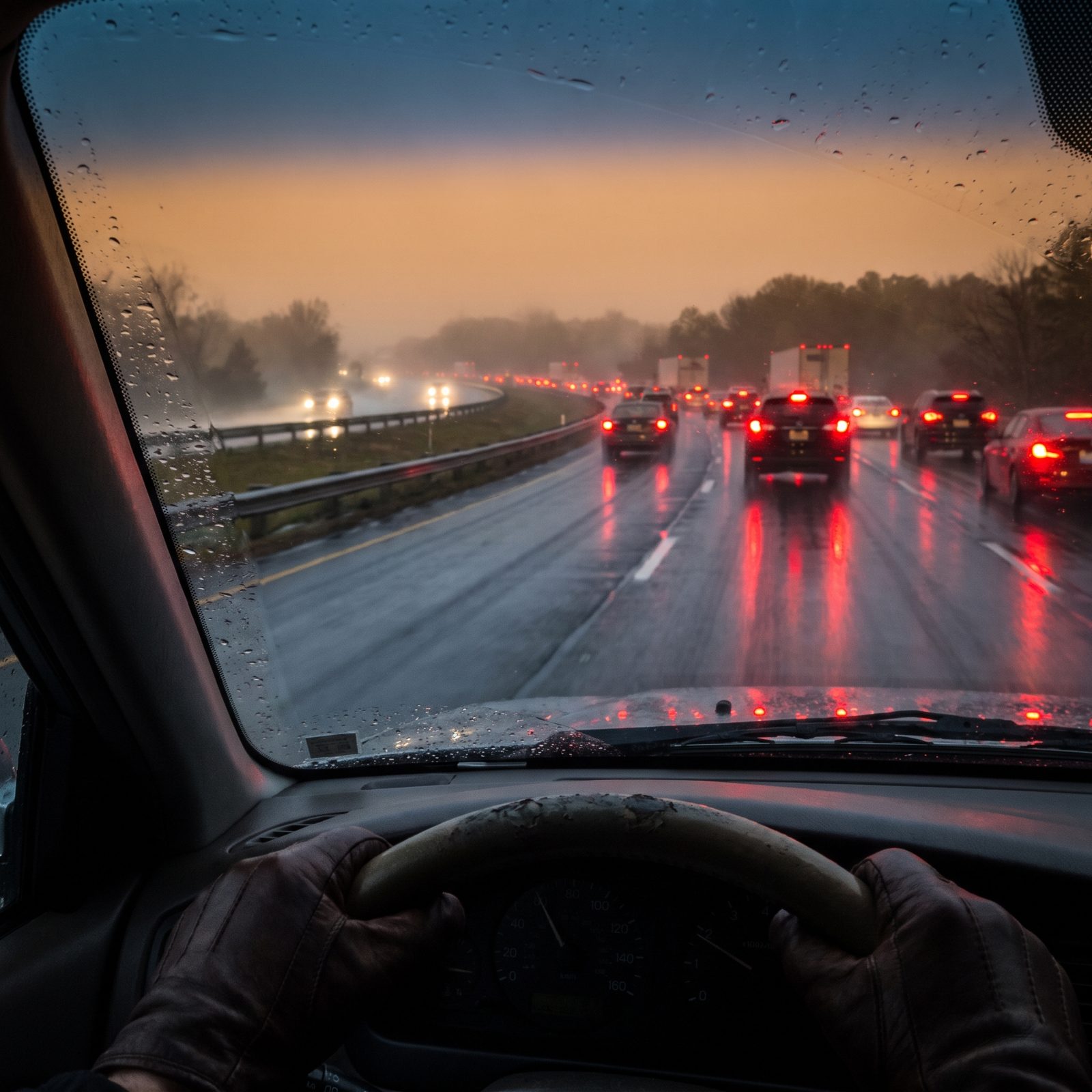
You can’t see through the box truck in front of you. But you can often see the brake lights of the cars beyond it — glowing in the gap under the trailer, bouncing off wet pavement, flashing between the stilts of a tall chassis.
When a chain of brake lights lights up three cars ahead, you’ve got a two-second jump on slowing down, and that jump is the difference between a smooth stop and a panic stab at the pedal. Train your eyes to look past the metal directly in front of you and read the traffic you technically can’t see.
34. Treat a Disappearing Sidewalk as a Hidden Driveway
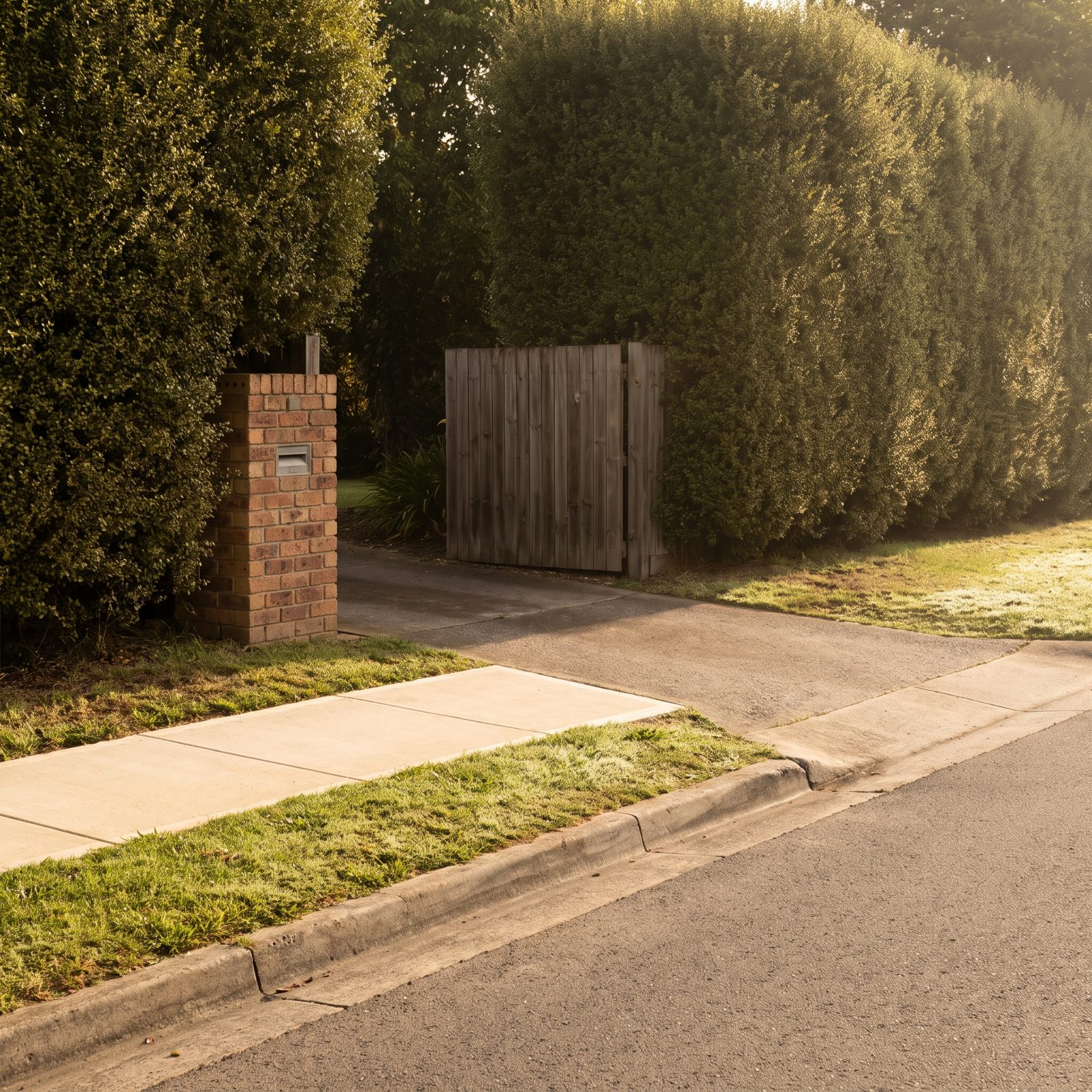
Sidewalks don’t just stop for no reason. When the pavement dips or breaks, there’s usually a driveway cutting across it — even when a hedge or a parked car hides the actual mouth of it.
Spot a gap in the curb and treat it like a loaded driveway. A car could nose out. A kid on a bike could shoot across. The sidewalk is quietly telling you where to expect movement, long before anything actually moves.
33. Look Beneath Parked Vehicles for Feet and Paws
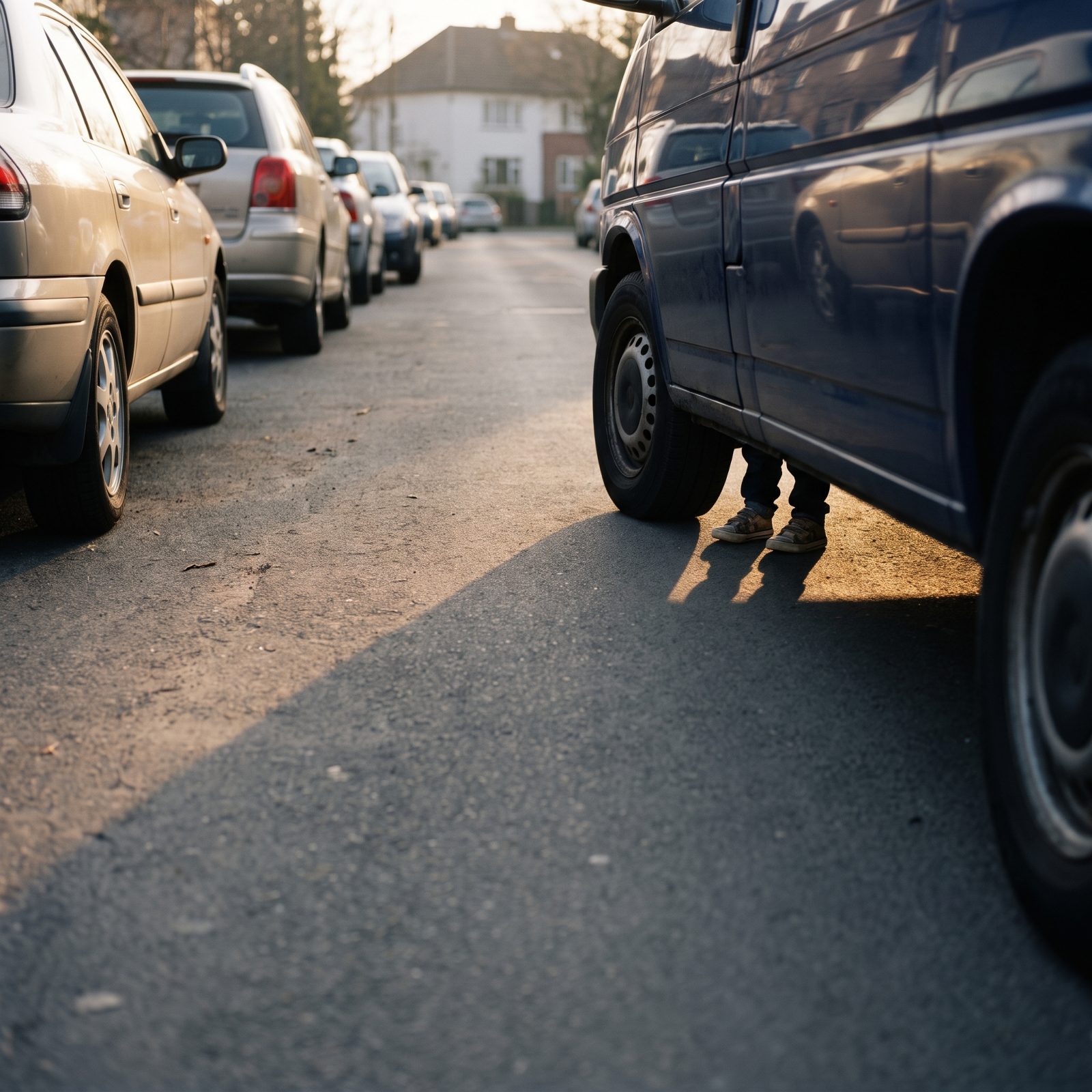
The gap under a parked car is a window to what’s hiding behind it. A pair of feet standing on the far side of a van. A ball rolling out from between bumpers. A small shadow moving where there shouldn’t be one.
Children and smaller obstacles vanish completely behind a parked SUV, but their feet still touch the ground, and that ground is visible under the chassis. Drop your eyes to the dark strip beneath parked vehicles as you pass. It’s the one sightline nothing short of a skateboard can block.
32. Use Building Windows to Spot Hidden Cross Traffic
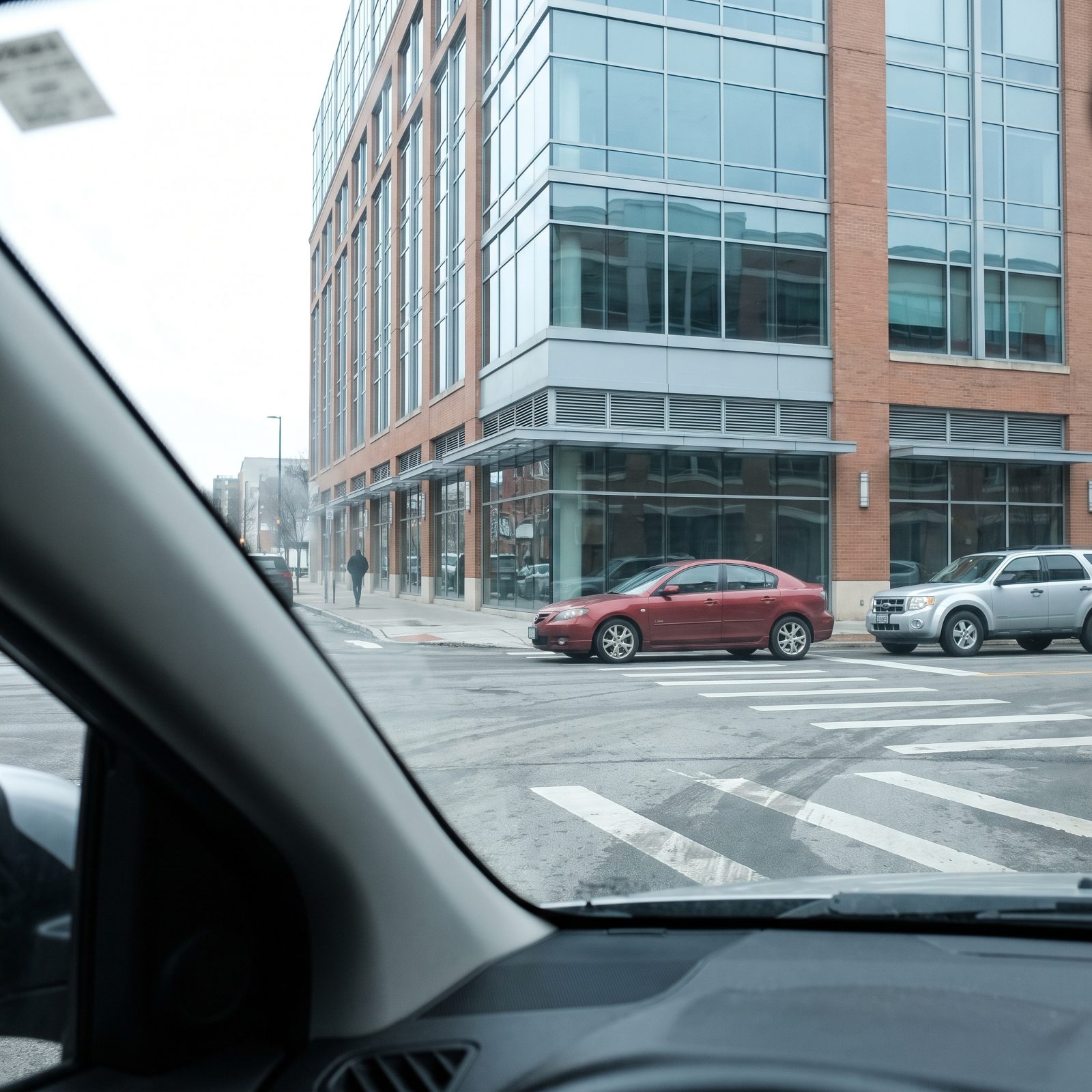
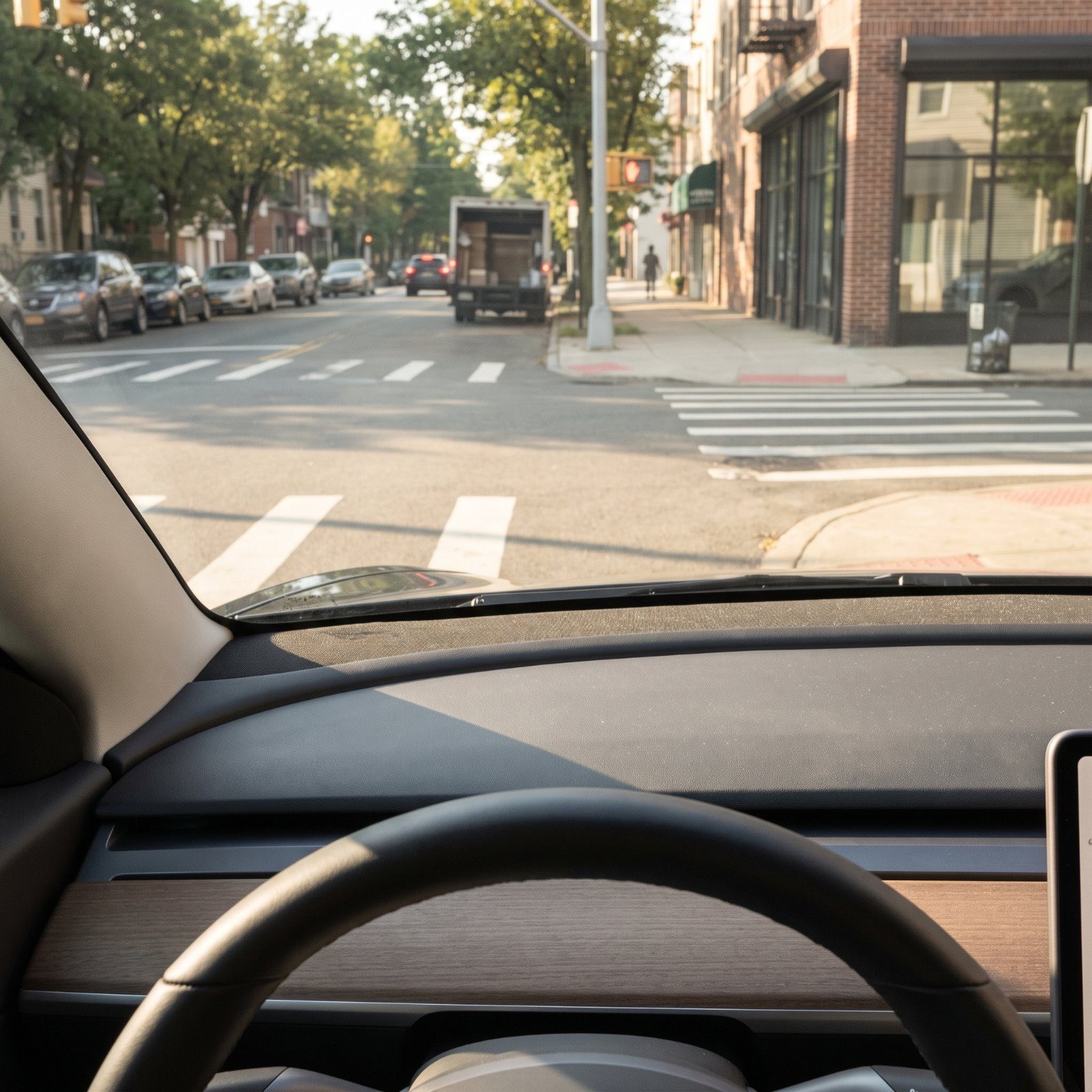
Blind corners aren’t always blind. At a tight city intersection, the big storefront windows on the opposite corner often work like a mirror, giving you a second view of the street. Practise matching reflections to cars you can already see, so you’ll recognise a vehicle approaching from where your own view can’t reach. Trusting a reflection takes practice, sure, but the information is real, and it’s free.
31. Check Truck Mirrors Before Passing Beside the Cab
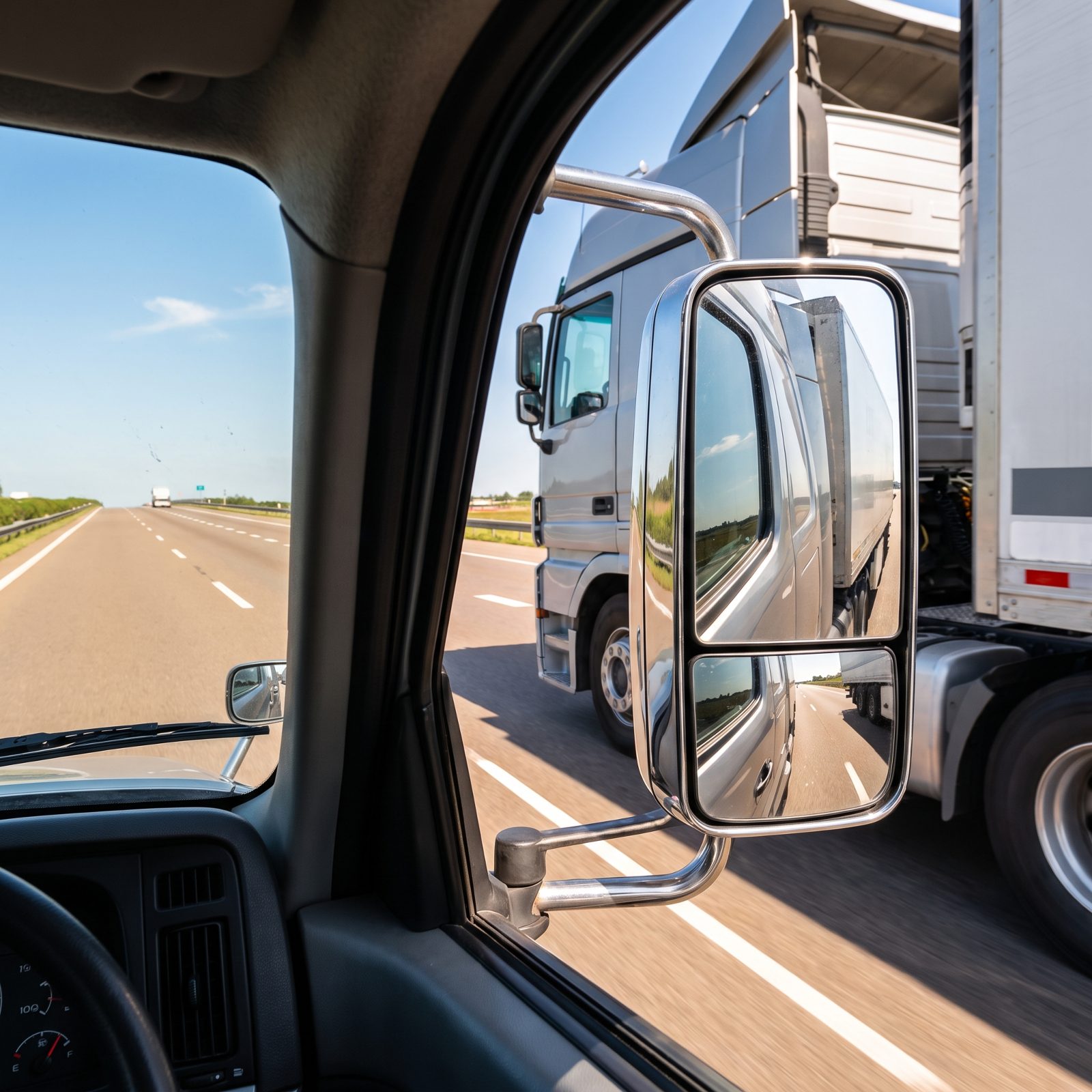
The rule most people half-remember: if you can’t see the trucker’s mirrors, the trucker can’t see you. True. But there’s a sharper version.
Before you commit to passing beside a big rig, glance at the driver’s door mirror. If it’s angled to catch your lane and you can see into it, you’re visible. See only the back of the mirror housing? You’re parked squarely in the blind spot, and the trucker has no idea you exist. Pass through that zone with purpose or don’t pass at all. Lingering beside a cab is where lane-change disasters are born.
30. Read Crosswalk Countdowns as Stale-Green Clues
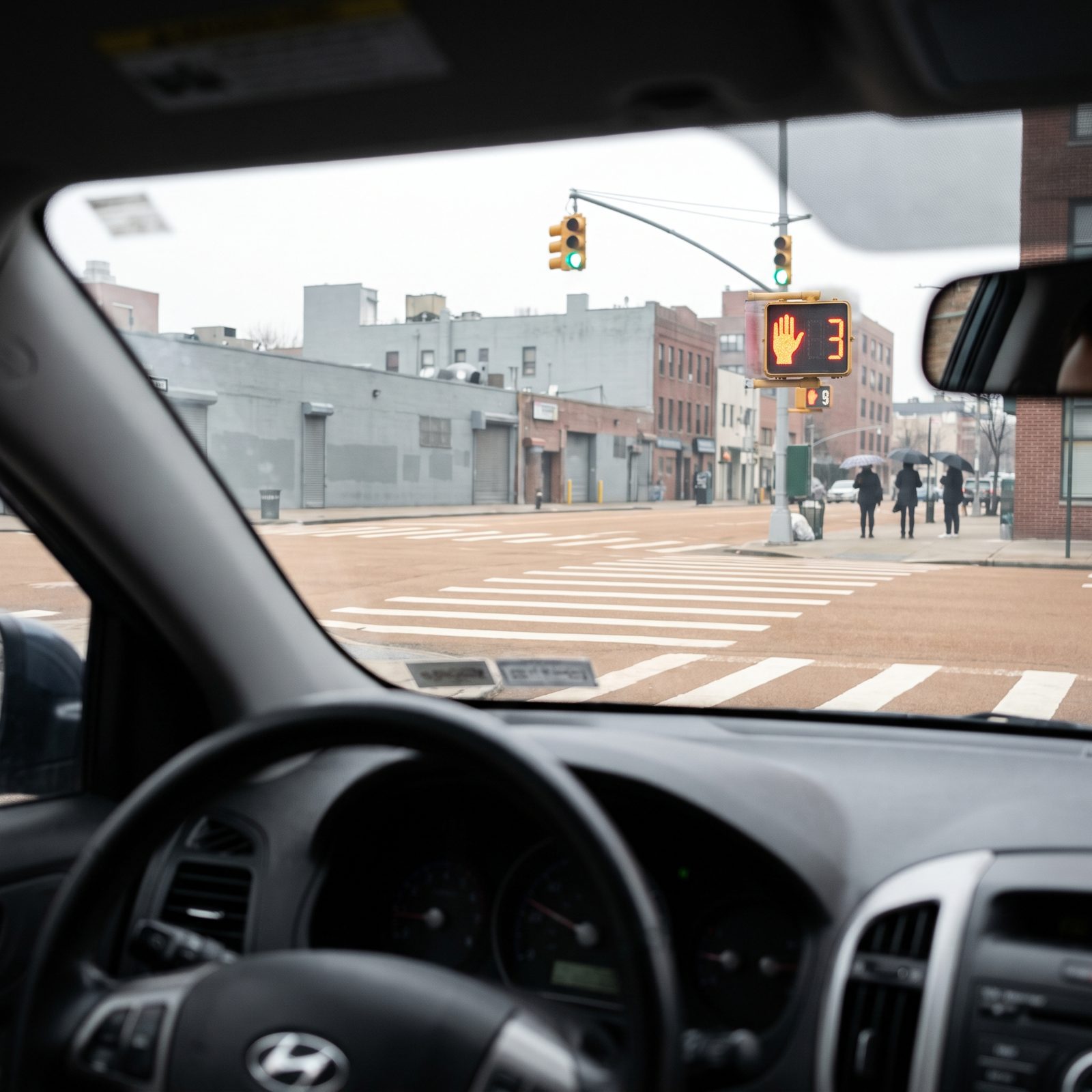
That pedestrian countdown isn’t just for people on foot. When the walk signal hits its final seconds, the light facing you is about to turn yellow.
Spot a countdown reading three, two, one as you roll up, and you already know a decision is coming. Ease off and prepare to stop instead of flooring it into a late yellow and a hard stomp on the brakes. The timer does your thinking for you.
29. Say Developing Hazards Out Loud
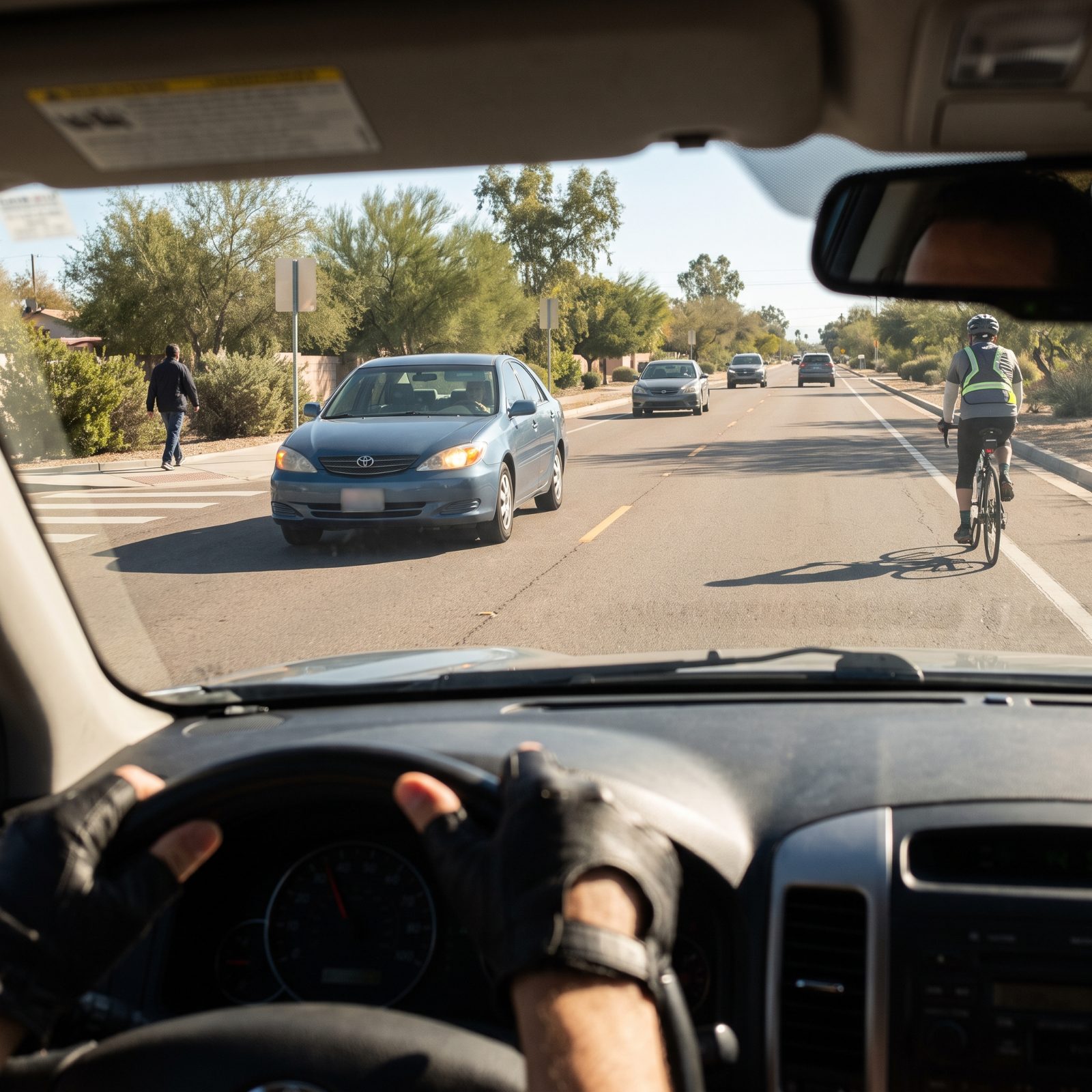
Talking to yourself in the car sounds ridiculous until you try it. “Car braking ahead. Cyclist on the right. Light’s going stale.” Naming hazards out loud forces your brain to actually register them instead of letting them slide past as background noise.
It’s the same technique pilots and train operators use, and it works because speech is slower and more deliberate than a glance. You can’t say “pedestrian stepping off the curb” without your foot already covering the brake. The commentary keeps you ahead of the scene instead of chasing it.
You can’t say a hazard out loud without your body already preparing for it.
28. Look Through Vehicle Windows When Traffic Permits
Would you like to save this?
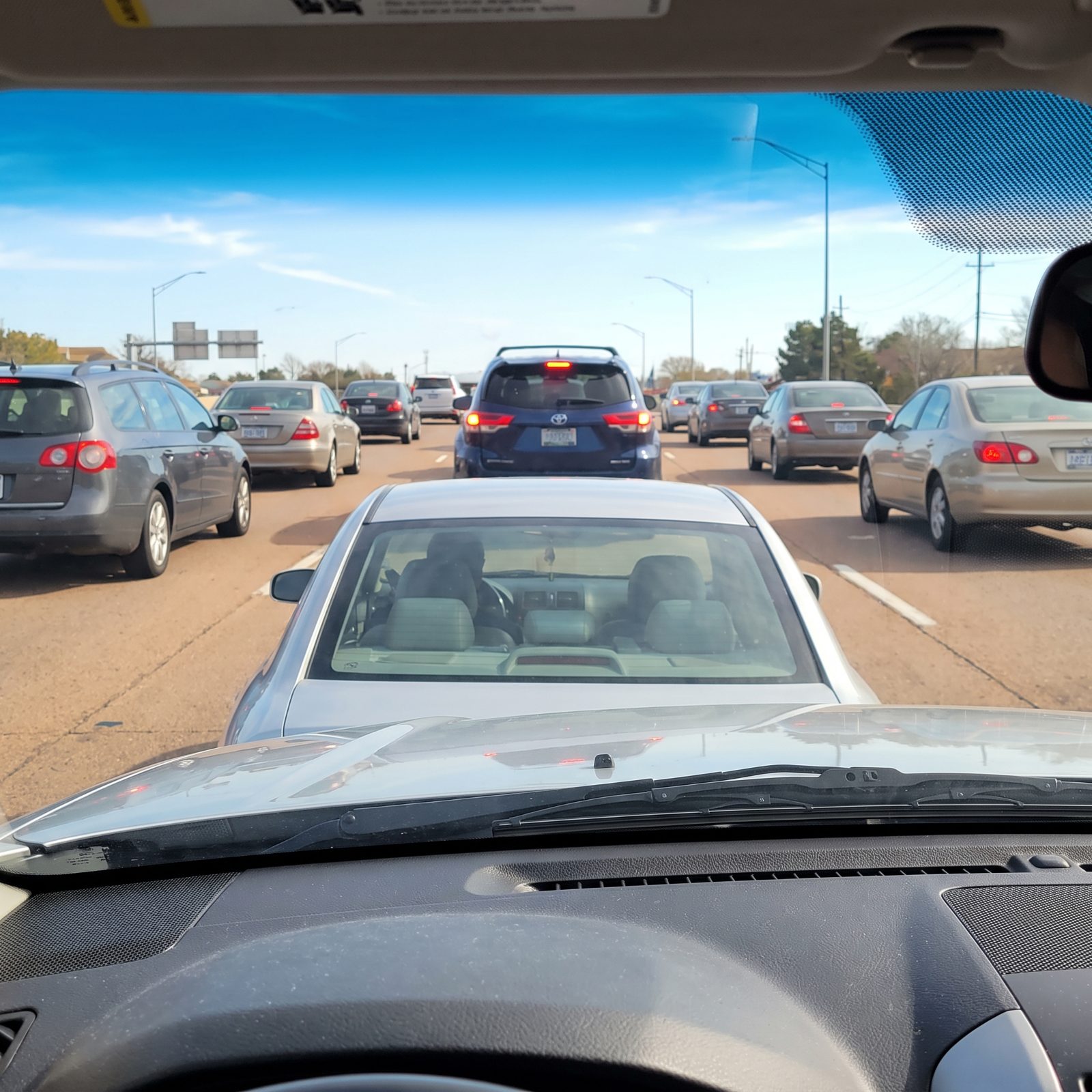
Glass is see-through. Most drivers forget that the second they hit traffic. The car ahead of you has a rear window and a windshield, and if it’s a sedan or hatchback, you can often look clean through it to the brake lights two or three cars up the line.
That early warning buys you reaction time nobody else has. So pick your following car partly by what it lets you see. A low sedan is a free window on the road ahead. A delivery van is a wall.
27. Choose Lanes for Sightlines, Not Apparent Speed
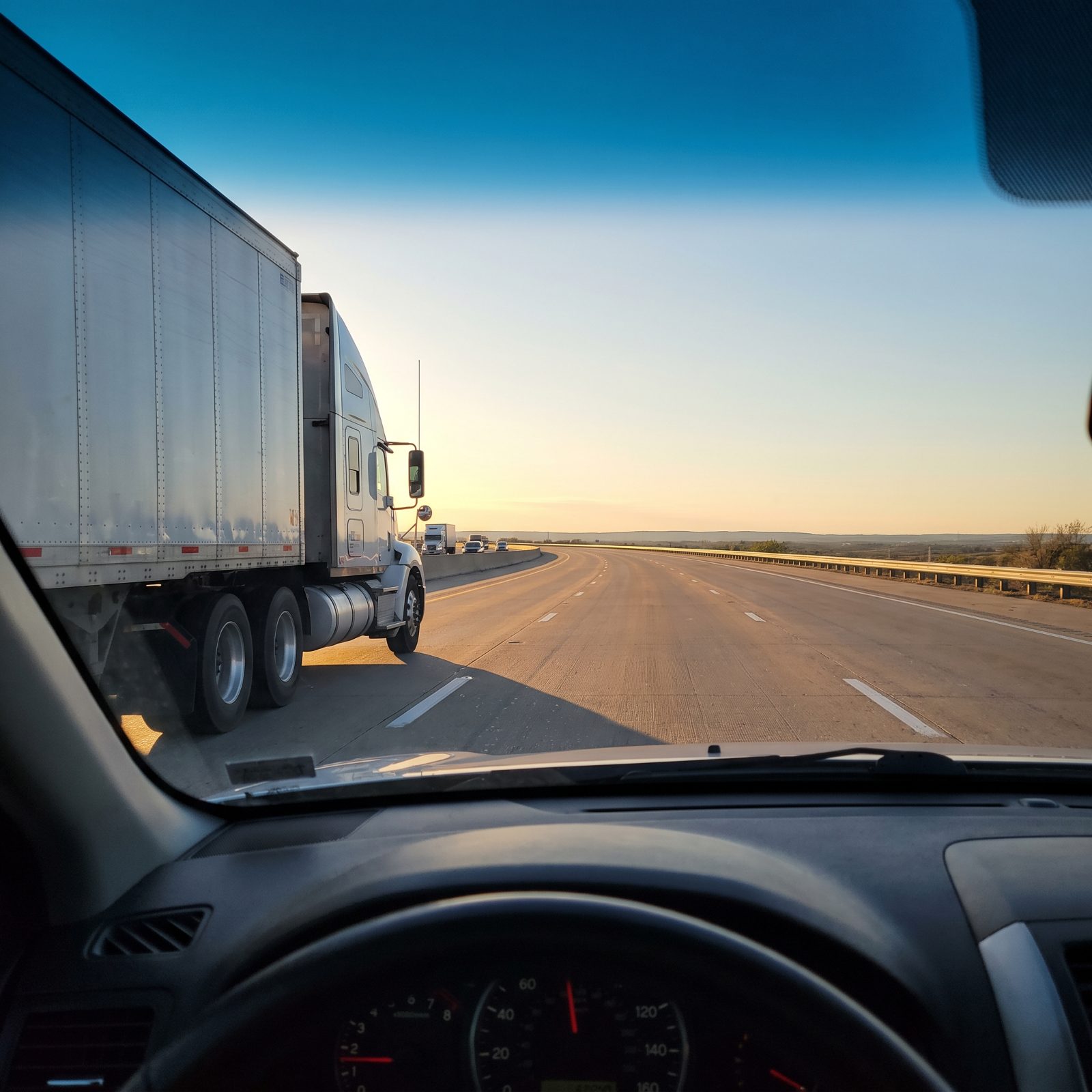
Everyone chases the lane that looks faster. Better drivers chase the lane they can see down. A lane stuck behind a tall truck might be rolling at the exact same speed as the open lane beside it, but one gives you fifty feet of warning and the other gives you a steel wall.
Pick the lane with the longest clear view, even when it feels a hair slower. Stress on the road comes from surprises, and surprises come from blocked sightlines. Trade a little speed for a lot of visibility and the whole drive gets calmer. The fastest lane, in the end, is the one where nothing catches you off guard.
26. Keep an Escape Gap at Every Traffic Light
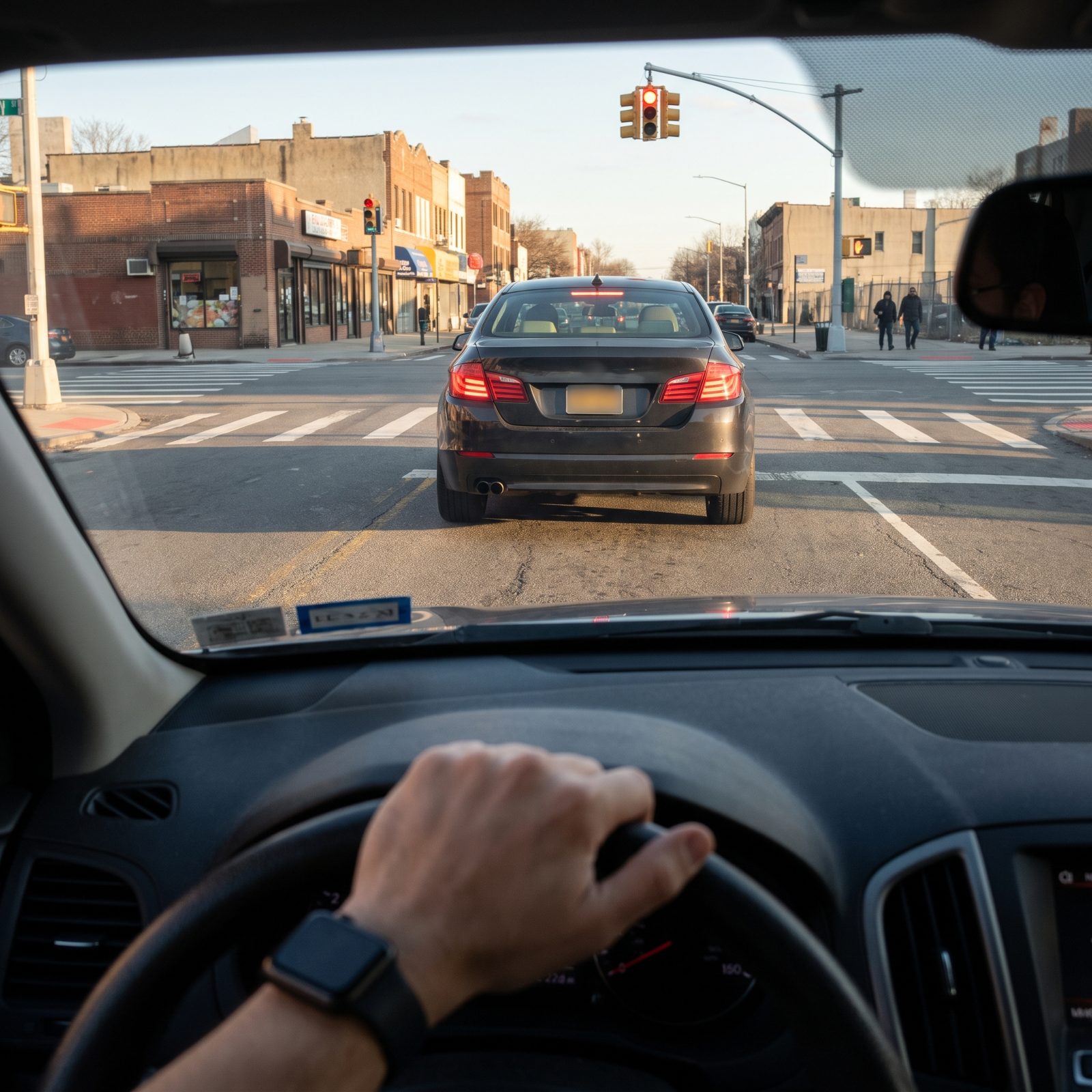
Pull up behind the car ahead and stop where you can still see where its back tires meet the road. That gap is your way out.
Somebody rolls up too fast behind you? You’ve got room to creep forward instead of getting sandwiched. The guy in front stalls and you can swing around instead of sitting there. Costs you nothing. Most drivers ride the bumper ahead like they’re trying to shove it through the light, which leaves them zero options the second anything goes sideways.
25. Keep the Wheels Straight While Waiting to Turn Left
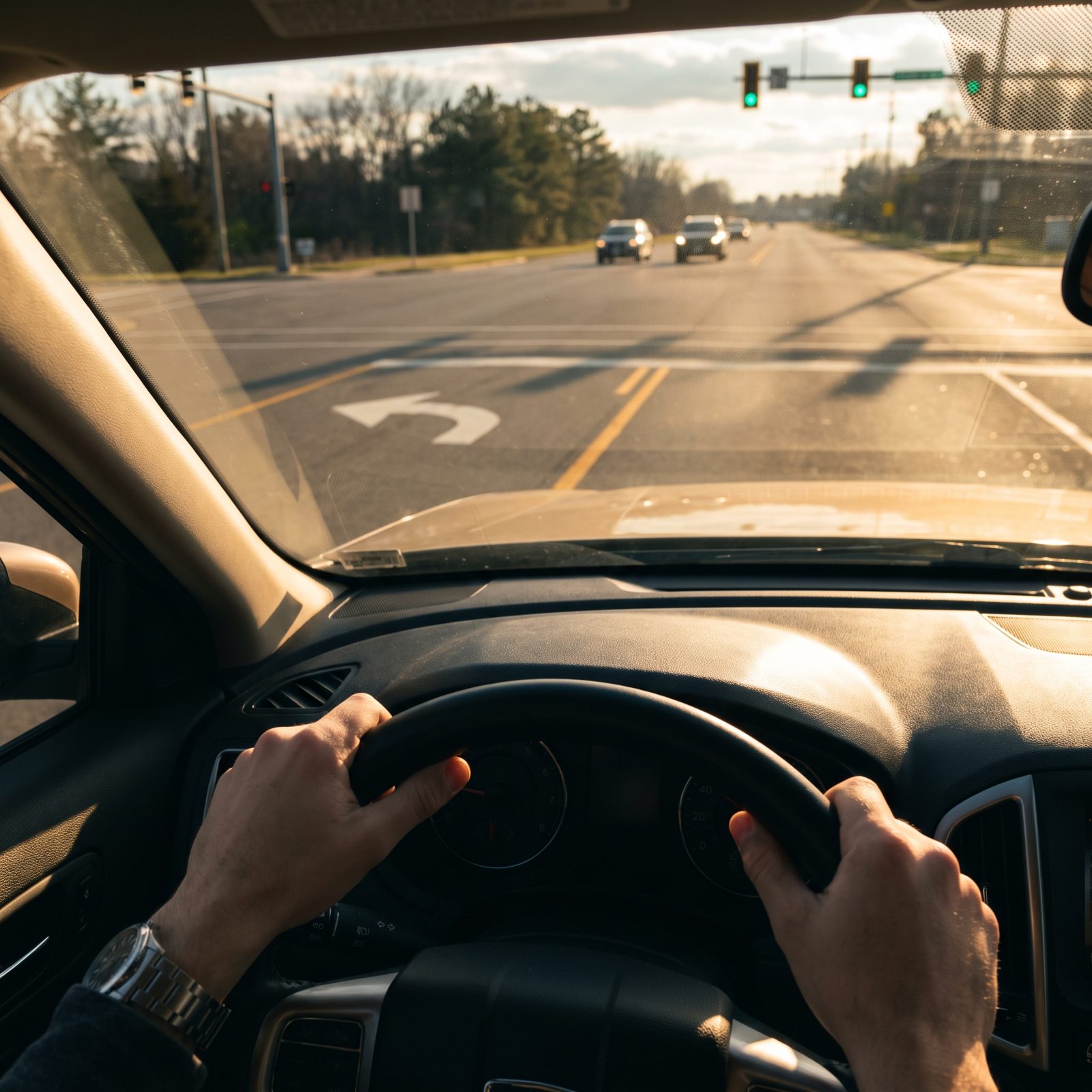
This one has saved lives, plain and simple. When you’re rolling up to an intersection to turn left and may have to wait for a gap, keep your wheels pointed dead straight until it’s clear to go.
Here’s why. Someone rear-ends you while your wheels are already cranked left, and they shove your car straight into oncoming traffic. Wheels straight, you get pushed forward into open road instead of a head-on. Waiting to turn the wheel at the last second feels unnatural, no question. But for anybody who logs a lot of left turns, it’s the single best habit going.
24. Check the Rearview Mirror Before Braking Hard
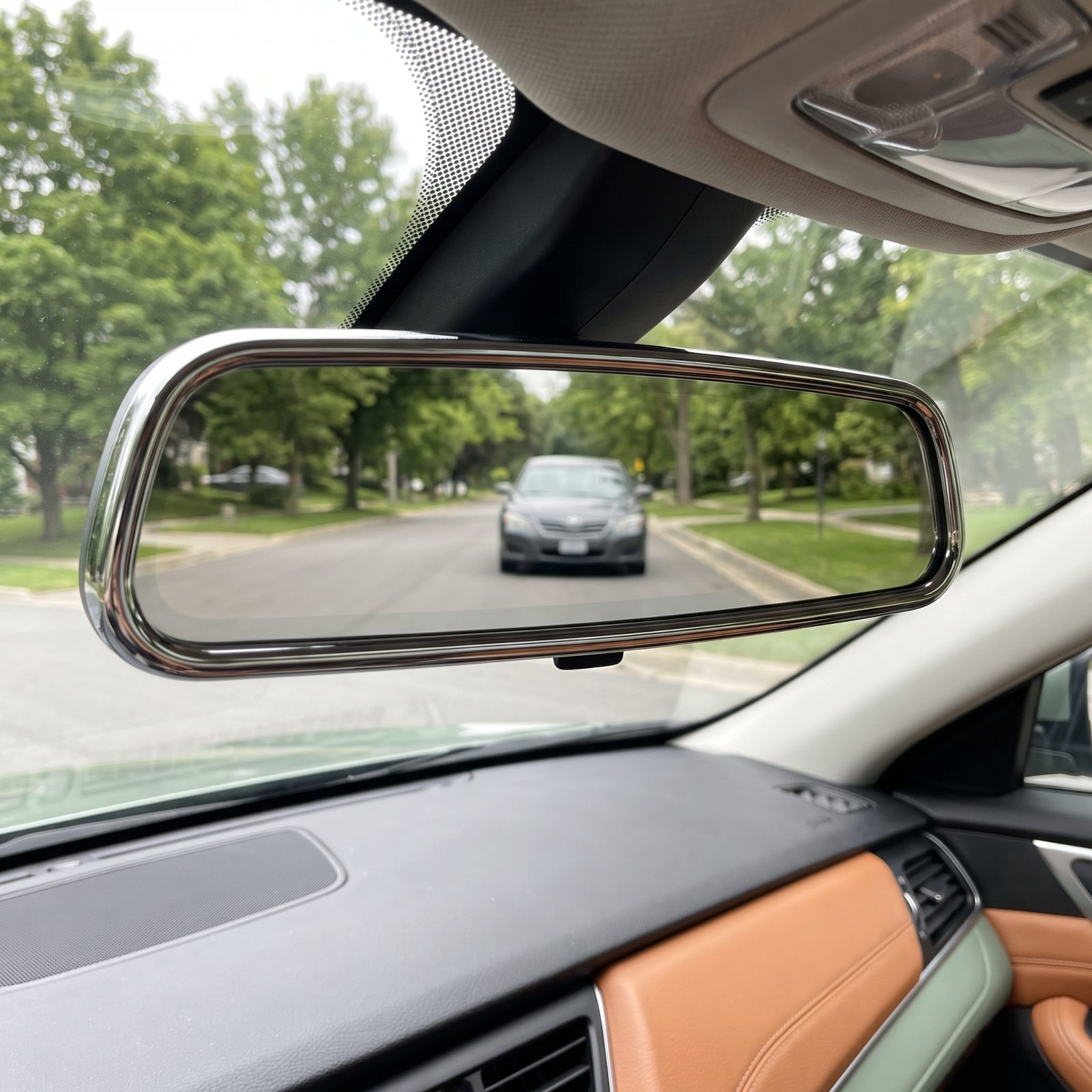
A quick glance up before you stand on the brakes tells you whether the driver behind is paying attention or riding your bumper with a phone in his lap.
Say somebody’s tailgating you and you have to slow in a hurry. That split-second mirror check lets you brake smoother, flash your lights earlier, or leave yourself a cushion ahead to ease off into. You can’t control the tailgater. You can control how much warning you hand him.
23. Pause One Beat After the Light Turns Green
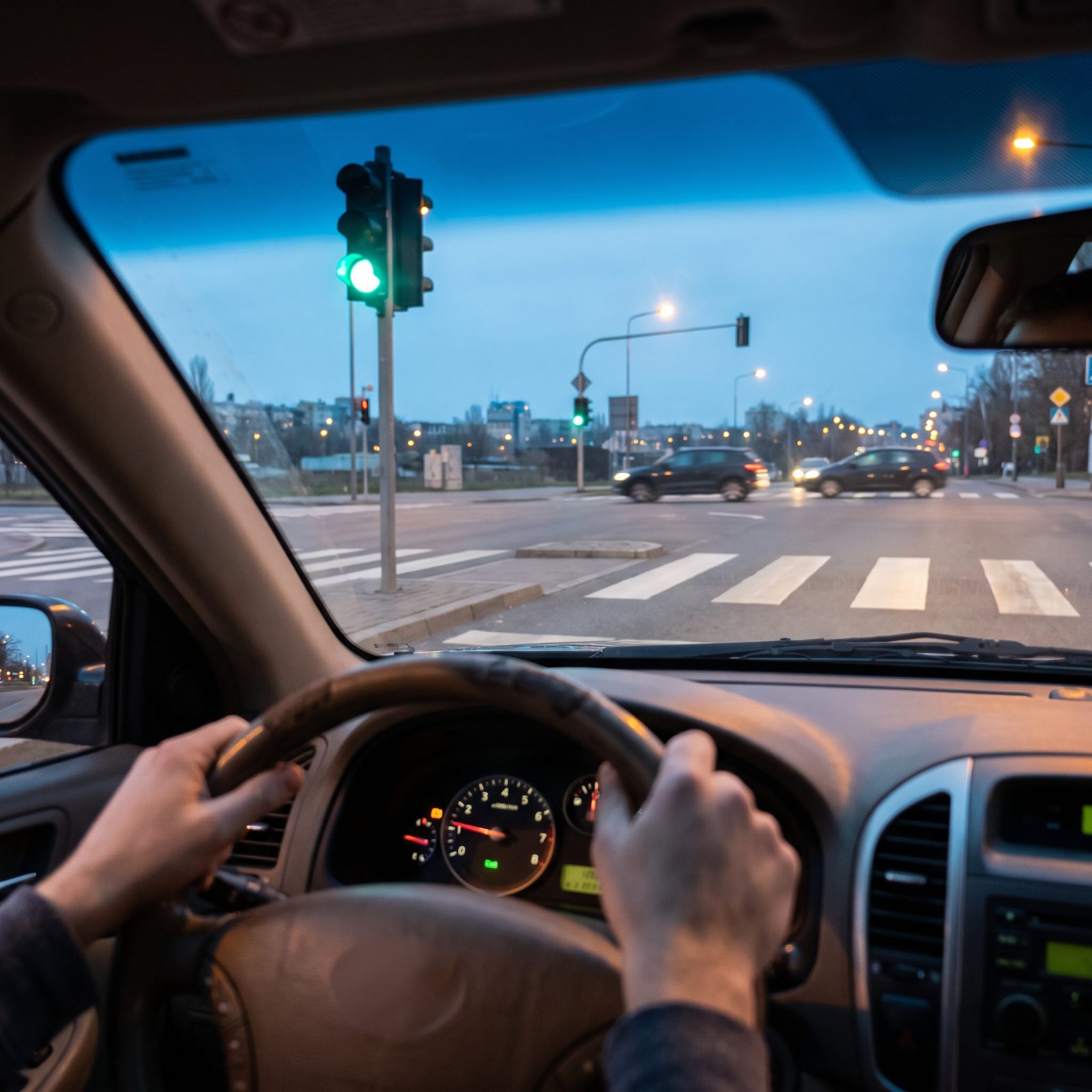
Green doesn’t mean go. Green means check, then go.
Wait a beat and sweep the intersection before you roll. You’d be amazed how many drivers run late yellows and flat-out red lights, and the first second after your light goes green is exactly when they come barreling through from the side. That one-beat pause has yanked more drivers out of a T-bone than they’ll ever know. The horn behind you can wait.
22. Signal Before Braking for a Turn
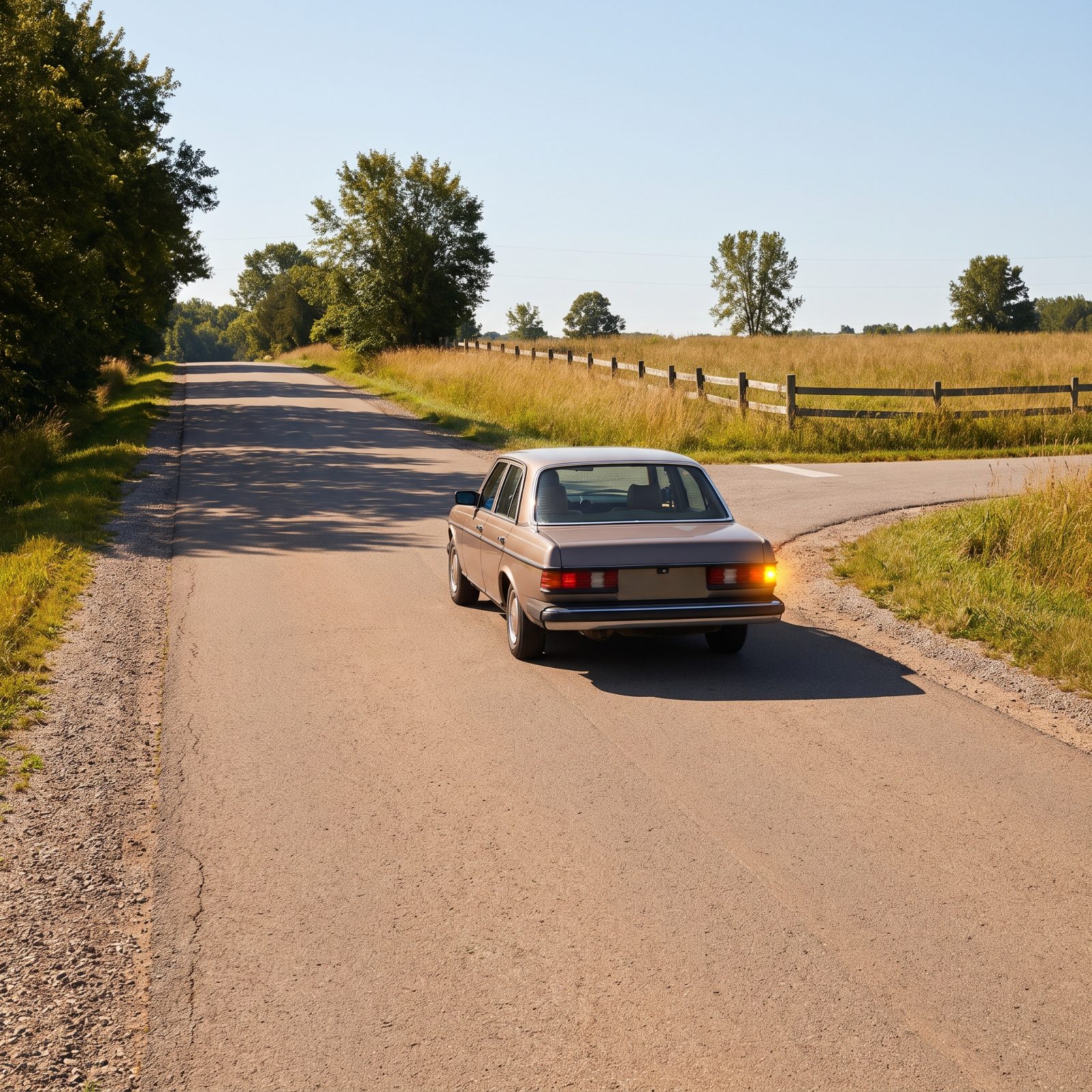
Most people hit the brakes first, then flip the signal as an afterthought. Flip it around.
Signal first, brake second. Now the driver behind understands why you’re slowing before your brake lights even come on. He reads “turn” instead of “sudden stop,” and he’s got time to prepare instead of stabbing his own brakes in a panic. A small reorder of two things you already do, and it wipes out a whole category of rear-end surprise.
21. Cover the Brake Near Uncertain Intersections
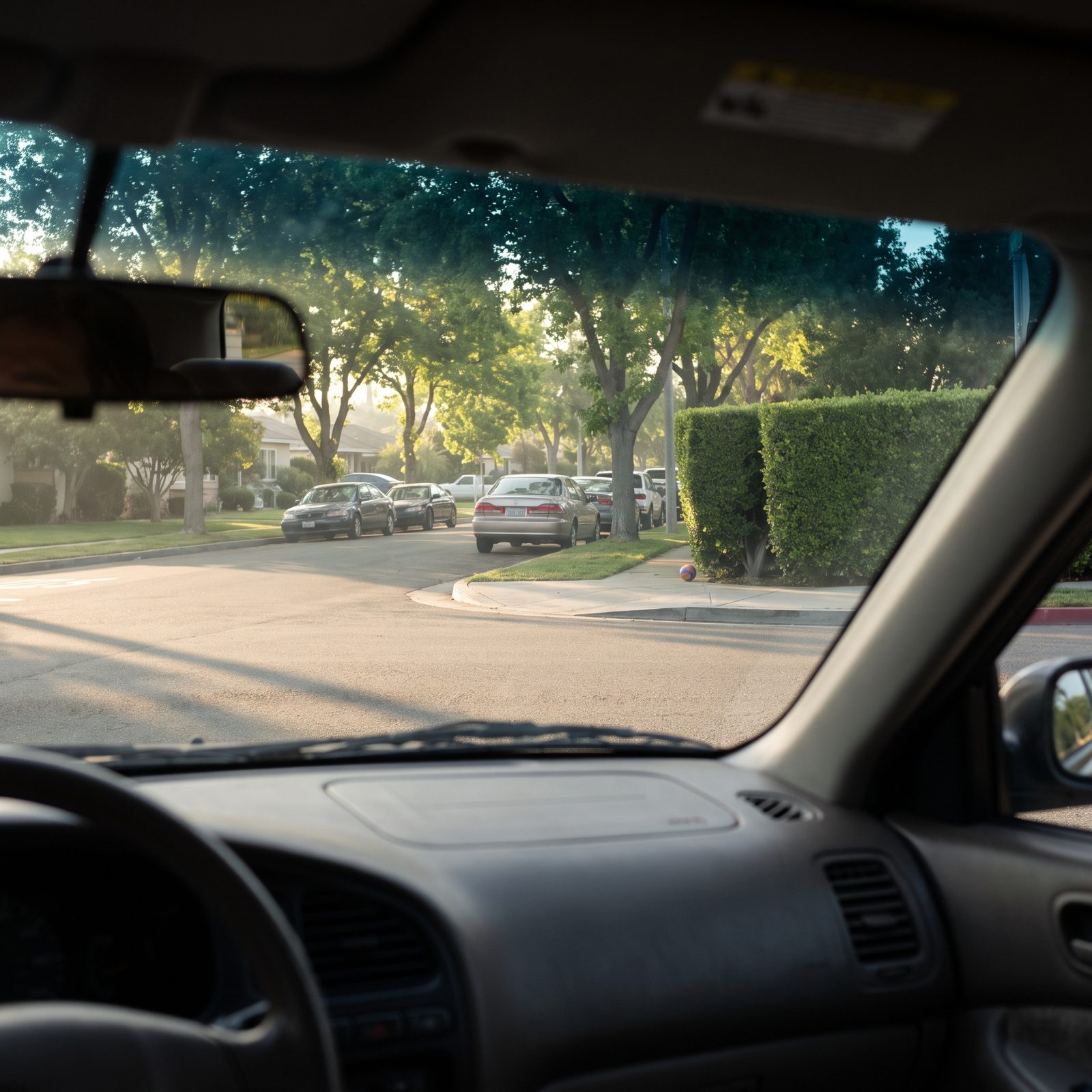
Covering the brake means lifting your foot off the gas and resting it lightly over the brake pedal without pressing. You’re not slowing down. You’re ready to.
Do it anytime something’s hidden: a blind driveway, parked cars blocking a crosswalk, a side street with a hedge choking the corner. A kid or a dog or another car pops out, and you shave a tenth of a second off your reaction. A tenth of a second is sometimes the whole ballgame.
The best drivers aren’t quicker to react. They’re already halfway through the reaction before anyone else has started.
20. Finish Most Braking Before Entering a Curve
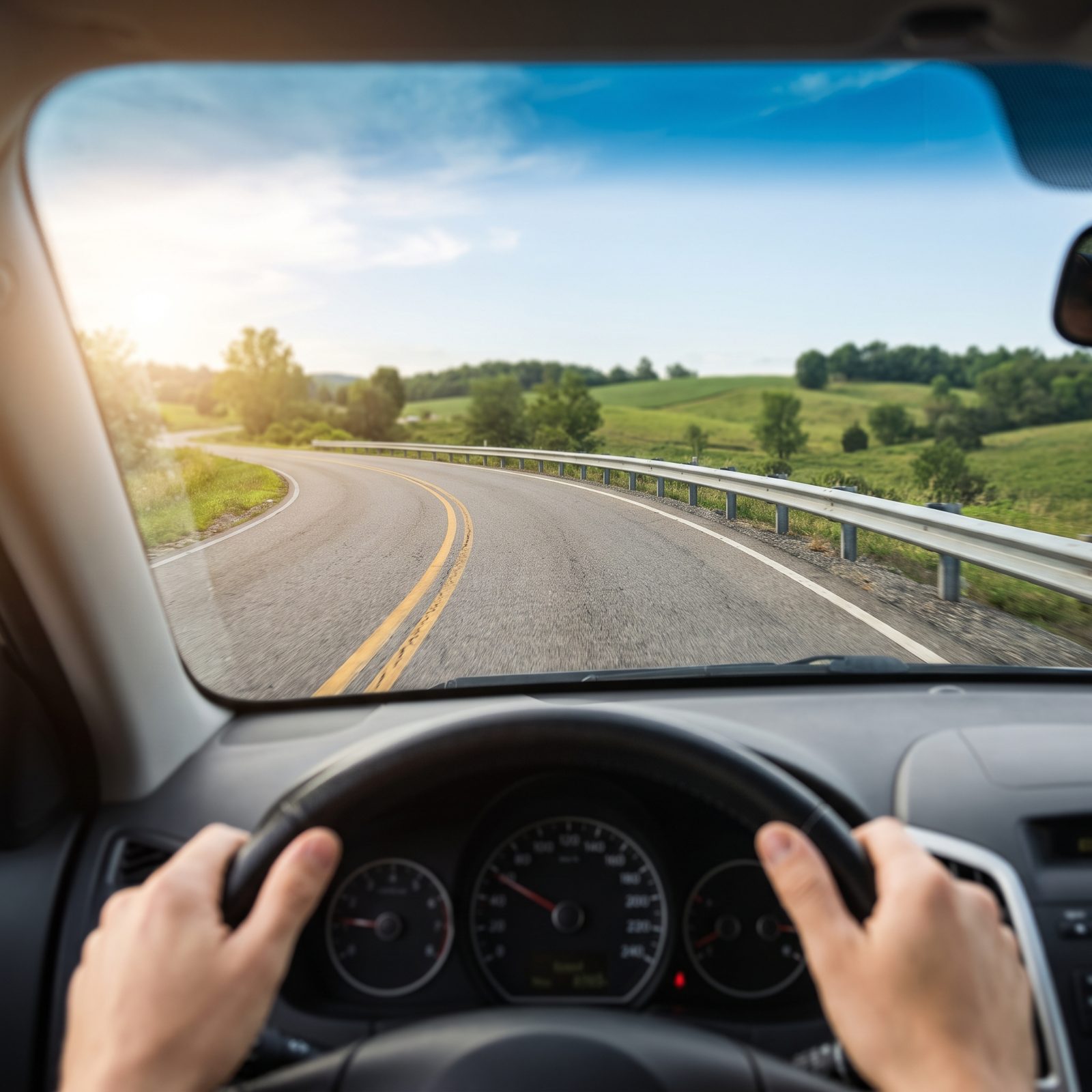
Do your braking on the straight, before the curve, so you enter it already at the right speed. Then ease off and let the car settle through the bend.
Brake hard mid-corner and you throw the car’s weight forward, right off the rear wheels when they need grip most. The result feels nervous and squirrelly, like the back end wants to come around on you. Slow down early and the whole thing feels planted. This is the habit that makes a car feel like it’s on rails, and it’s mostly about timing, not speed.
19. Slow Before a Hilltop Blocks the Road
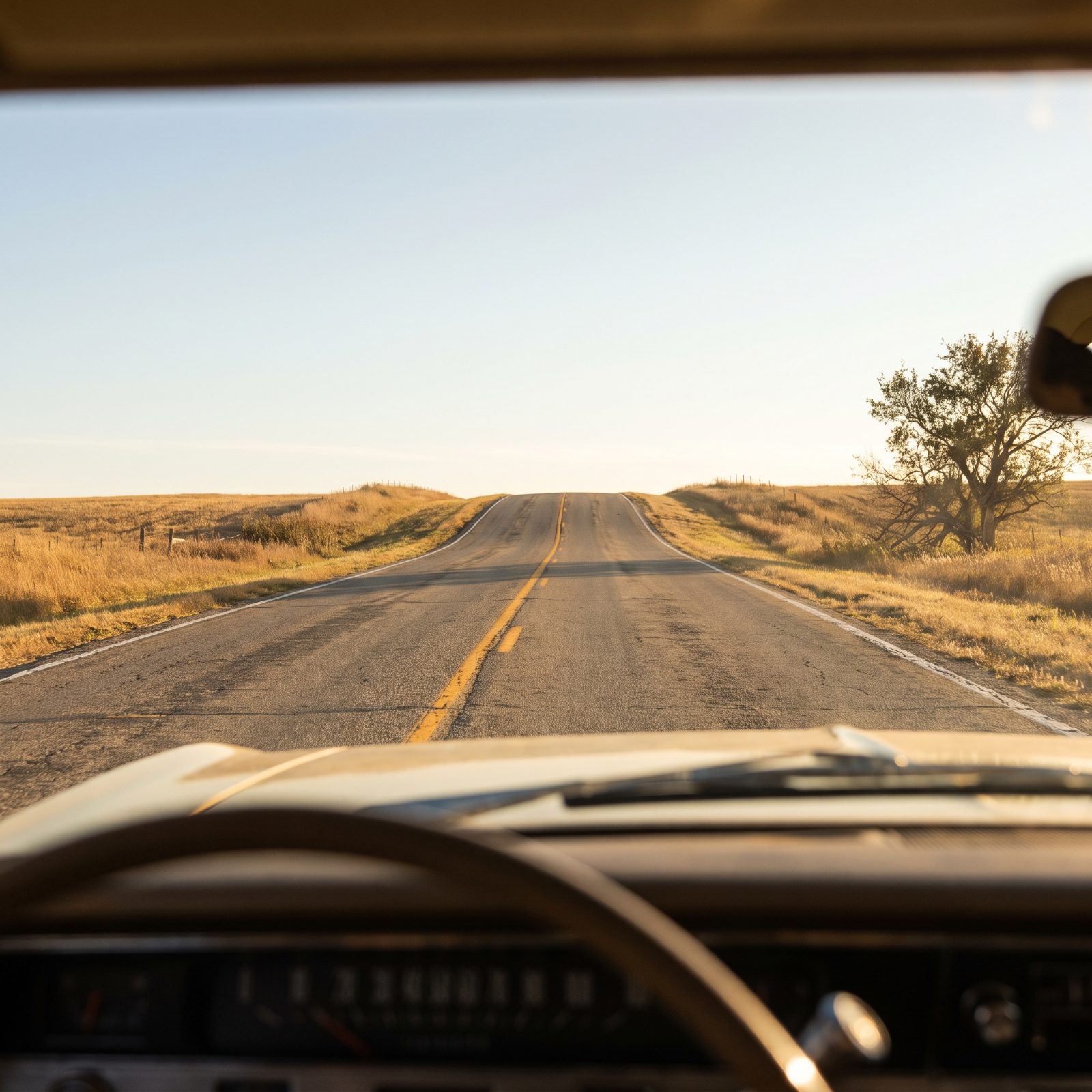
A hilltop hides everything on the other side. A stopped tractor, a stalled car, a cyclist, debris in the lane. You don’t see it until you’re right on top of it.
So ease off the gas before the crest and keep right. Whatever’s waiting over there, you want enough room to react instead of discovering it at full speed. Country roads punish the driver who assumes the far side is empty. It usually is. Right up until the day it isn’t.
18. Leave Extra Space Behind Vehicles Stopped Uphill
Would you like to save this?
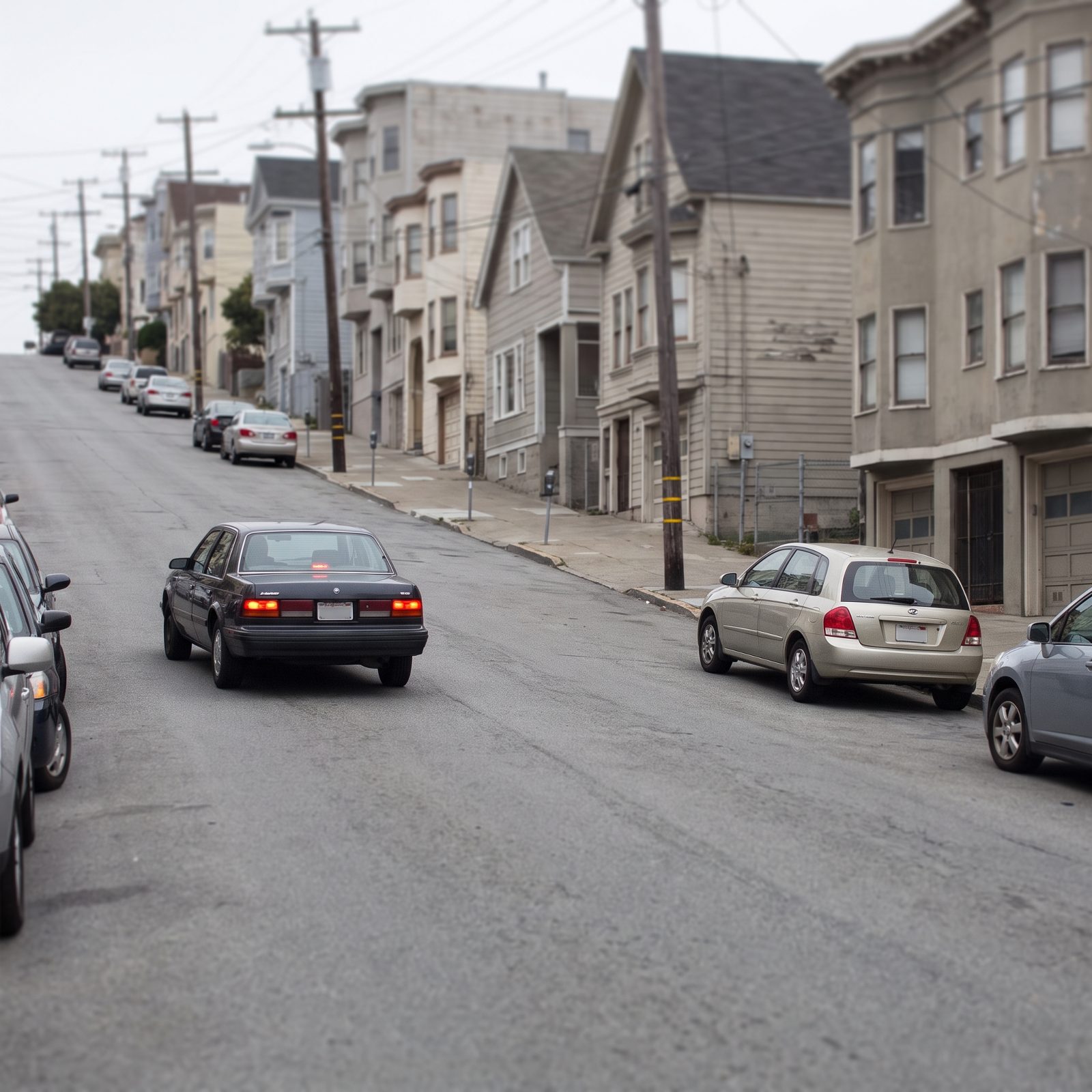
Stopped behind someone on a steep hill? Leave more room than feels necessary.
Plenty of drivers roll backward a foot or two when they lift off the brake to catch the gas, especially in a manual. That rollback has crunched more front bumpers than anybody likes to admit. Give yourself a buffer, and the rollback is a non-event instead of a fender bender and an awkward swap of insurance cards halfway up a 15-degree grade.
17. Drop Into a Lower Gear Before a Long Descent
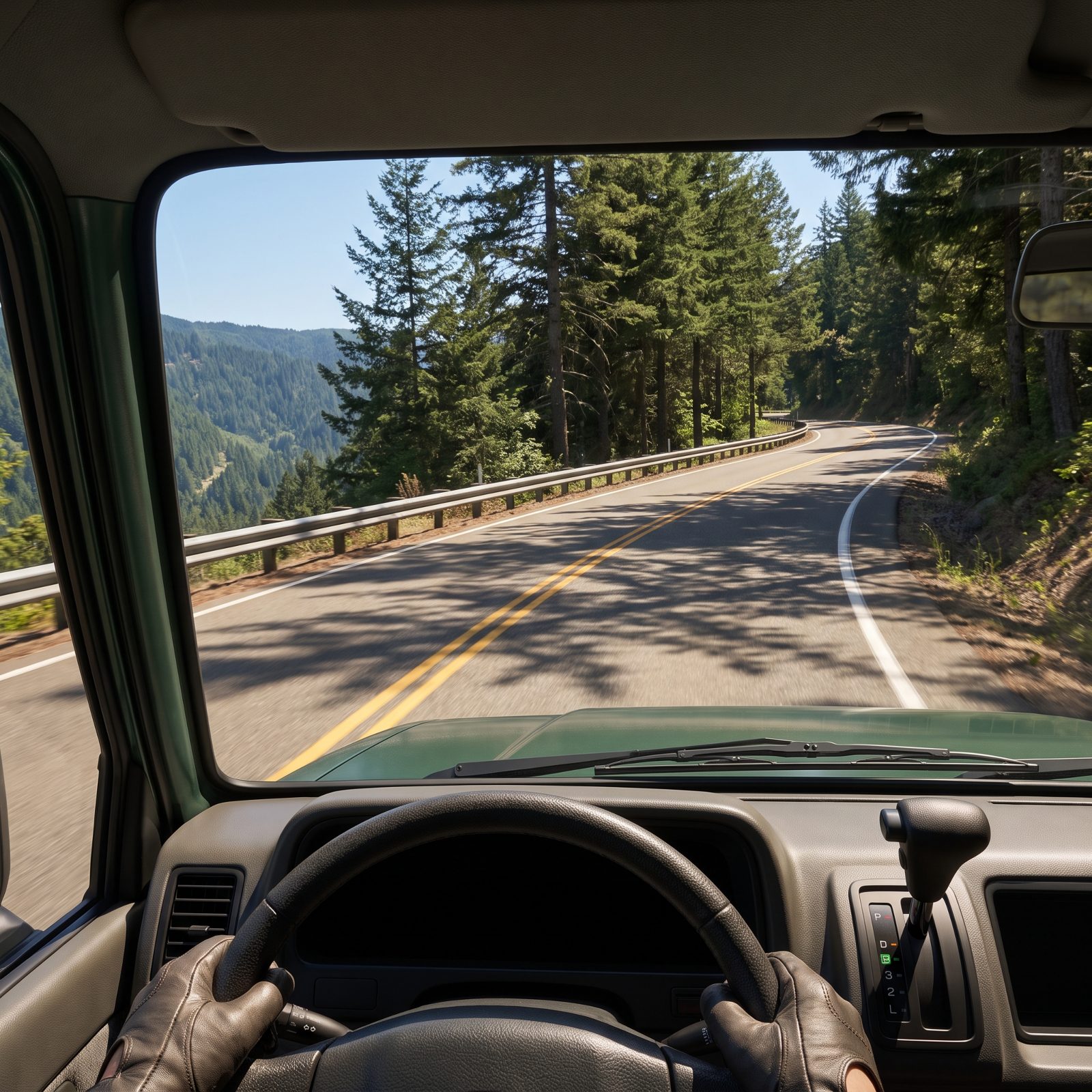
Riding the brakes down a six-mile grade is how you cook them. The fluid heats up, fade creeps in, and by the bottom the pedal feels like a sponge underfoot. Drop into a lower gear and the engine does the slowing for you, which keeps the brakes cool and ready for the moment you actually need them.
Works on manuals and automatics alike. Most automatics have a 2 or an L, or a paddle you can tap down, and the engine note rises and holds you back without a foot on the pedal. Flatlanders never learn this. Mountain drivers never forget it.
16. Count Your Following Distance in Seconds, Not Car Lengths
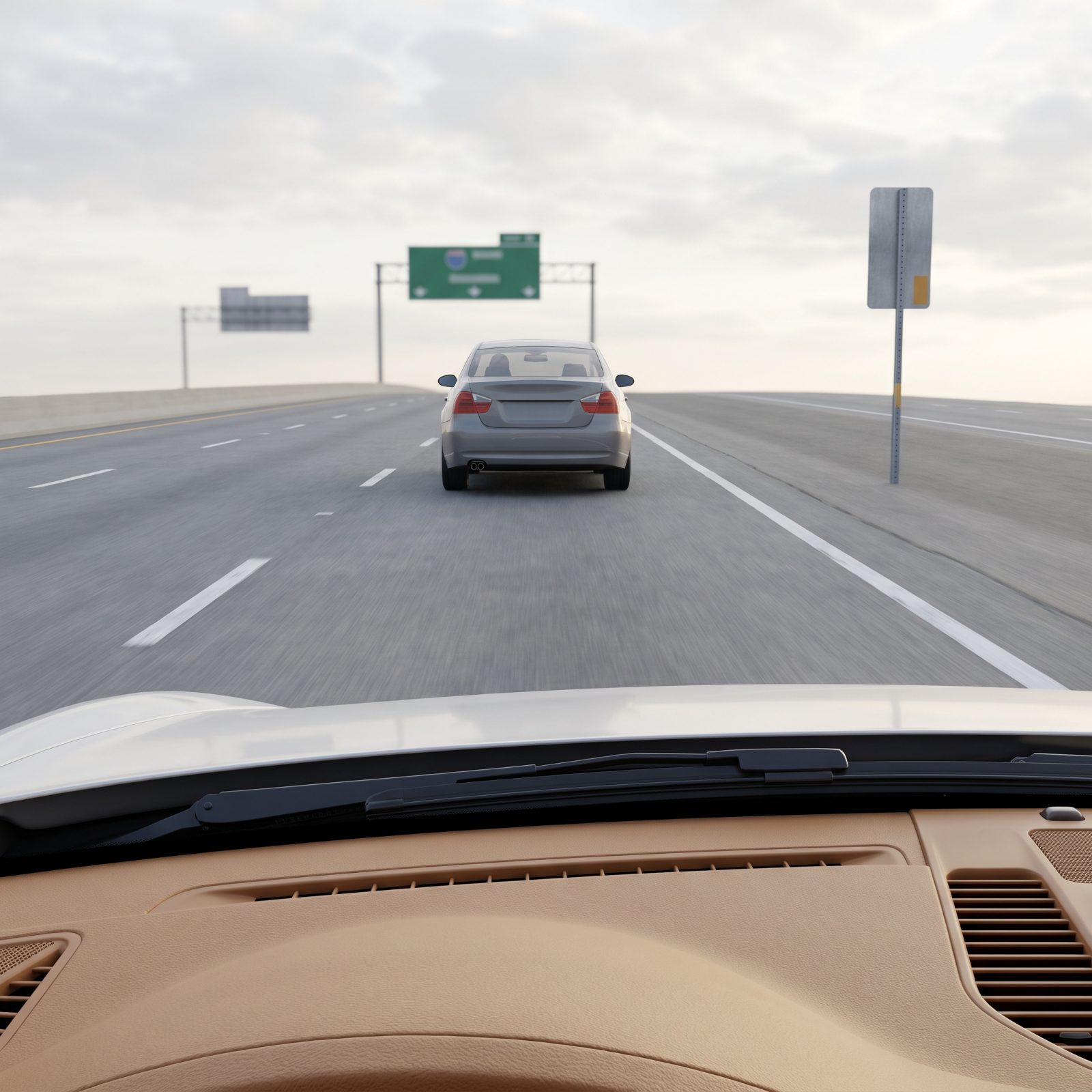
Car lengths are useless. Nobody can judge them at speed, and they don’t scale with how fast you’re going. Seconds do. Watch the car ahead pass a fixed point — a sign, a shadow, a crack in the road — and count. Reach that same point in under three seconds and you’re too close.
Here’s the part that matters: add a second for rain, another for dark, another when you’re running on fumes. On a wet night when you’re beat, six seconds isn’t crazy. Sounds like a lot of gap. It’s also the difference between stopping clean and explaining yourself to an insurance adjuster.
15. Refuse to Drive Boxed In on All Four Sides
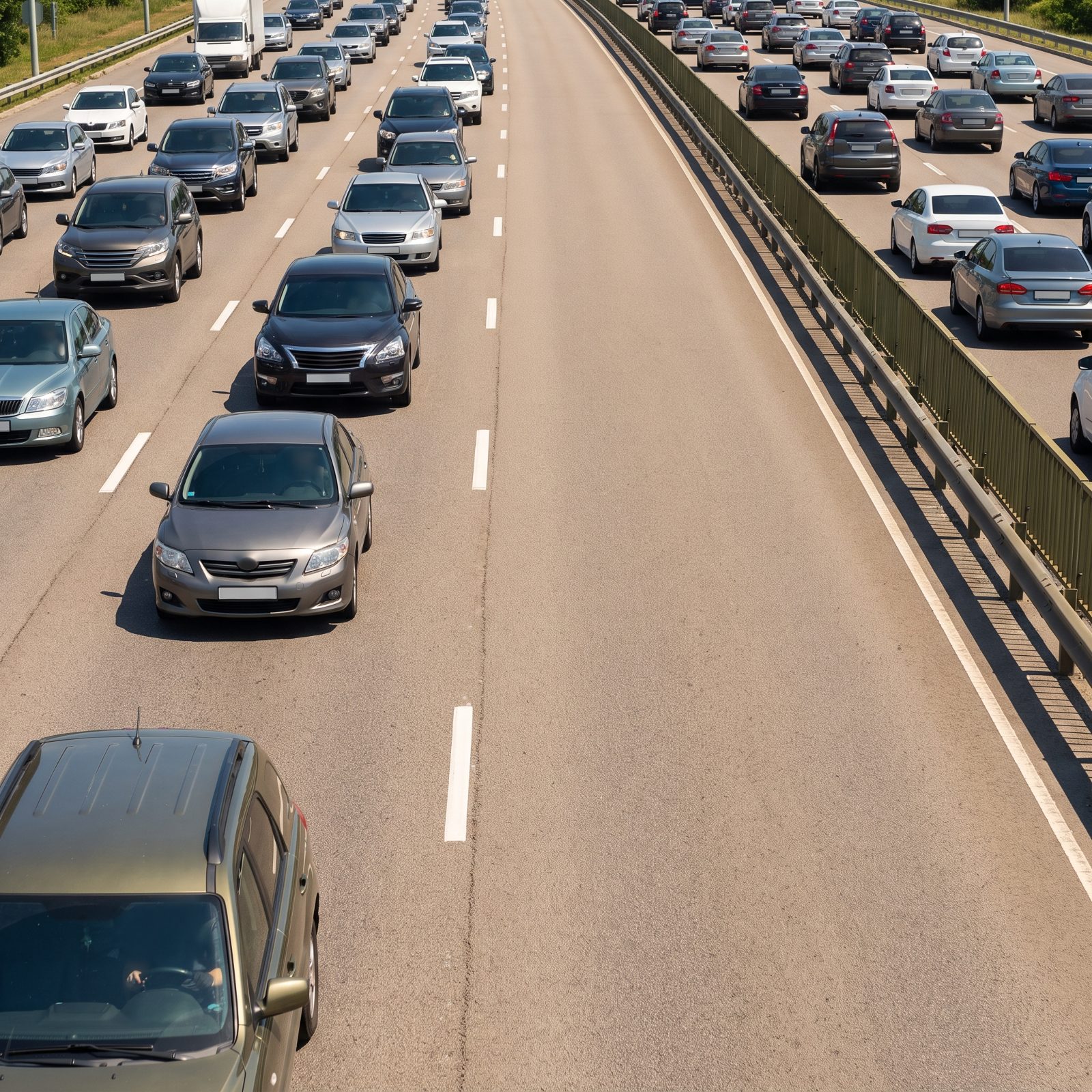
Picture yourself locked in the middle of a cluster. A car ahead, one behind, one on each side. Somebody three cars up stands on their brakes. Where do you go? Nowhere. You’re a passenger now, not a driver.
Good drivers hate being boxed in, so they ease off the gas, let the pack drift ahead, or nudge forward to break out, always keeping at least one open escape beside them. The habit costs you a few seconds of someone else’s company and nothing more. What you get back is an exit.
14. Stagger Your Position Instead of Riding Beside Another Car
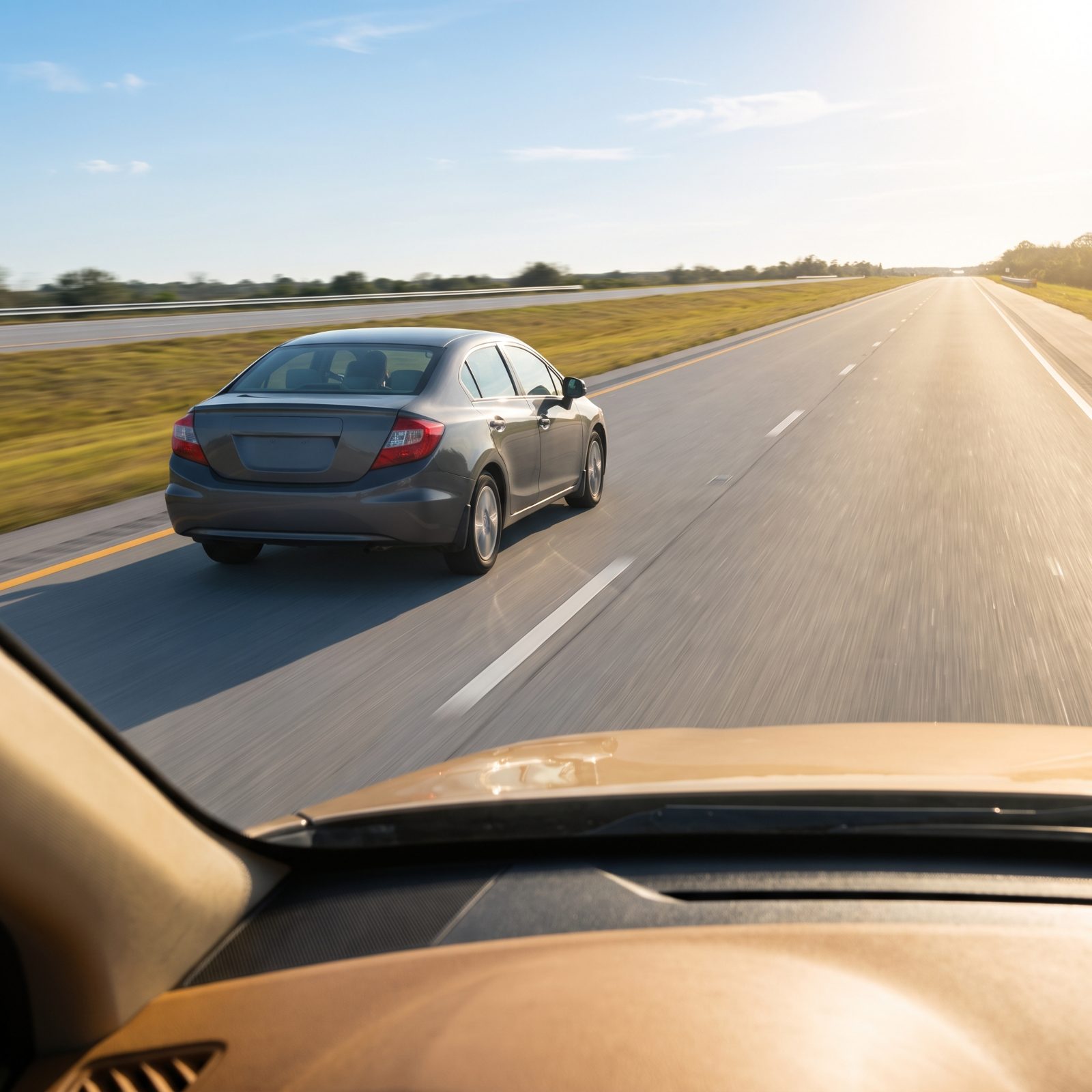
Pacing a car in the next lane is a slow-motion trap. You sit in each other’s blind spots, and the second either of you needs to merge, there’s nobody to yield. You both flinch at once.
Pick a position instead. Drift a little ahead or drop a little back so the lane beside you stays open. It’s a tiny speed change nobody notices. And now, if someone ahead of them swerves into your lane, there’s room — plus a clear slot waiting if you need to move.
13. Fall Back From Big Trucks So You Can See Around Them
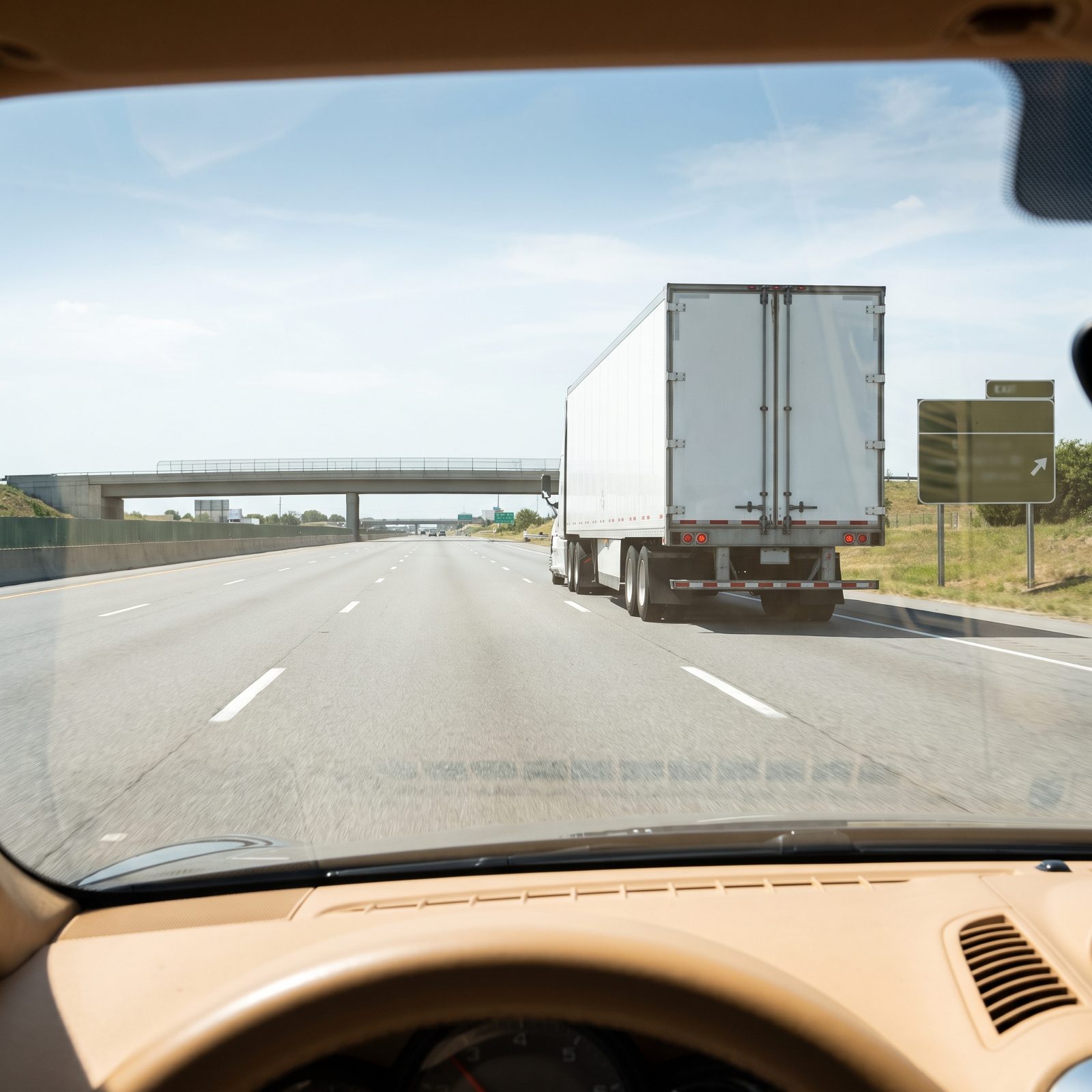
Tuck in close behind a loaded trailer and your whole windshield becomes a wall of mud flaps. You can’t see the brake lights three cars up, the stalled car, the debris, the reason everyone’s about to stop.
Hang back and the picture opens up. Now you can see past the truck’s sides to the road ahead, and the trucker can catch you in his mirrors, which counts for more than people think. A rig driver who can’t see you simply assumes you aren’t there.
12. Treat a Turn Signal as a Rumor, Not a Promise
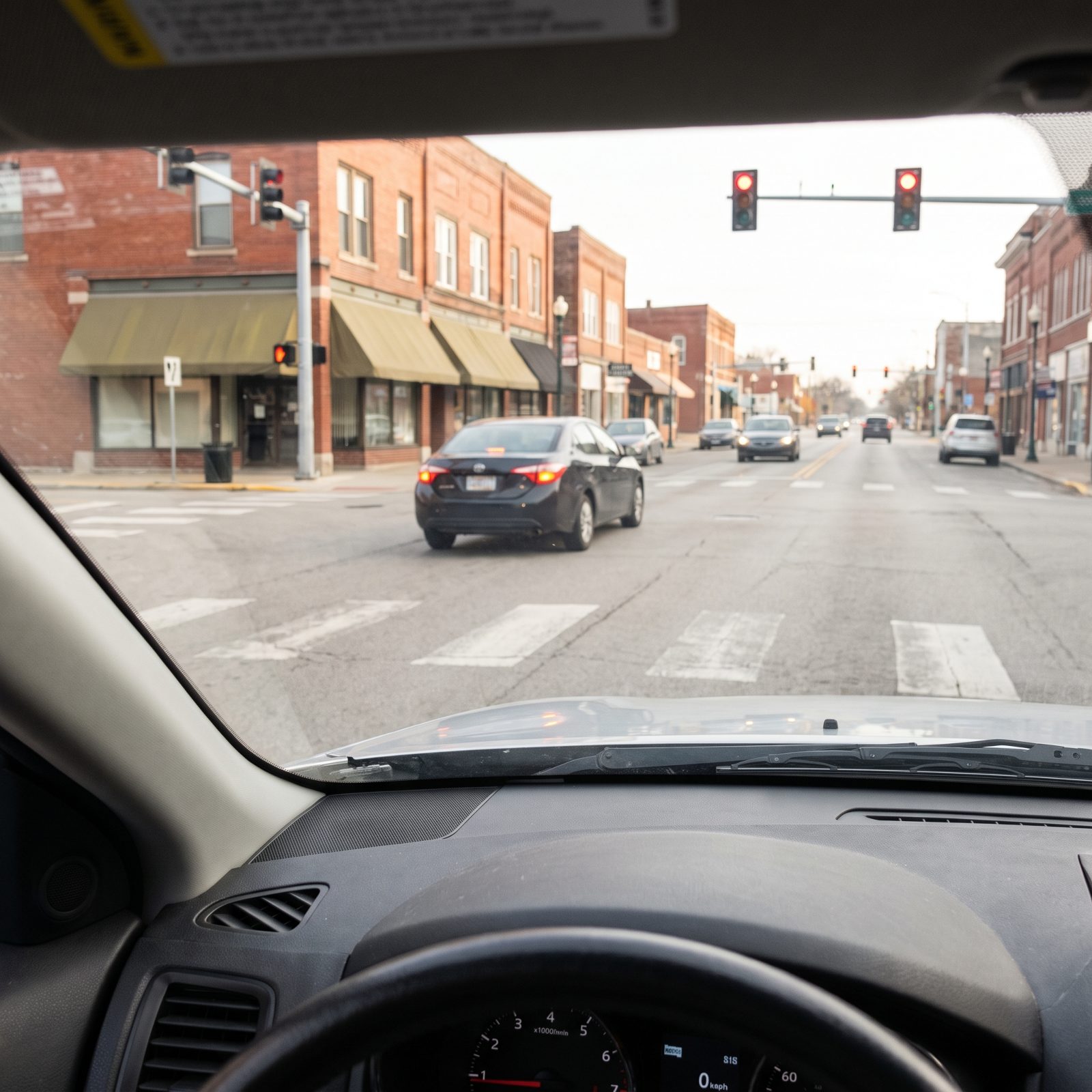
A blinker tells you what a driver’s hand did, not what the car’s about to do. People leave signals on for miles. They signal left and turn right. Some forget the lever entirely.
So wait for the proof — a dropping speed, a nose easing toward the lane, wheels actually turning. Until the car commits, that flashing light is a maybe. The folks who pull out in front of a blinker that never turned? They’re the ones filing the report.
11. Never Wave Someone Into a Lane You Can’t See
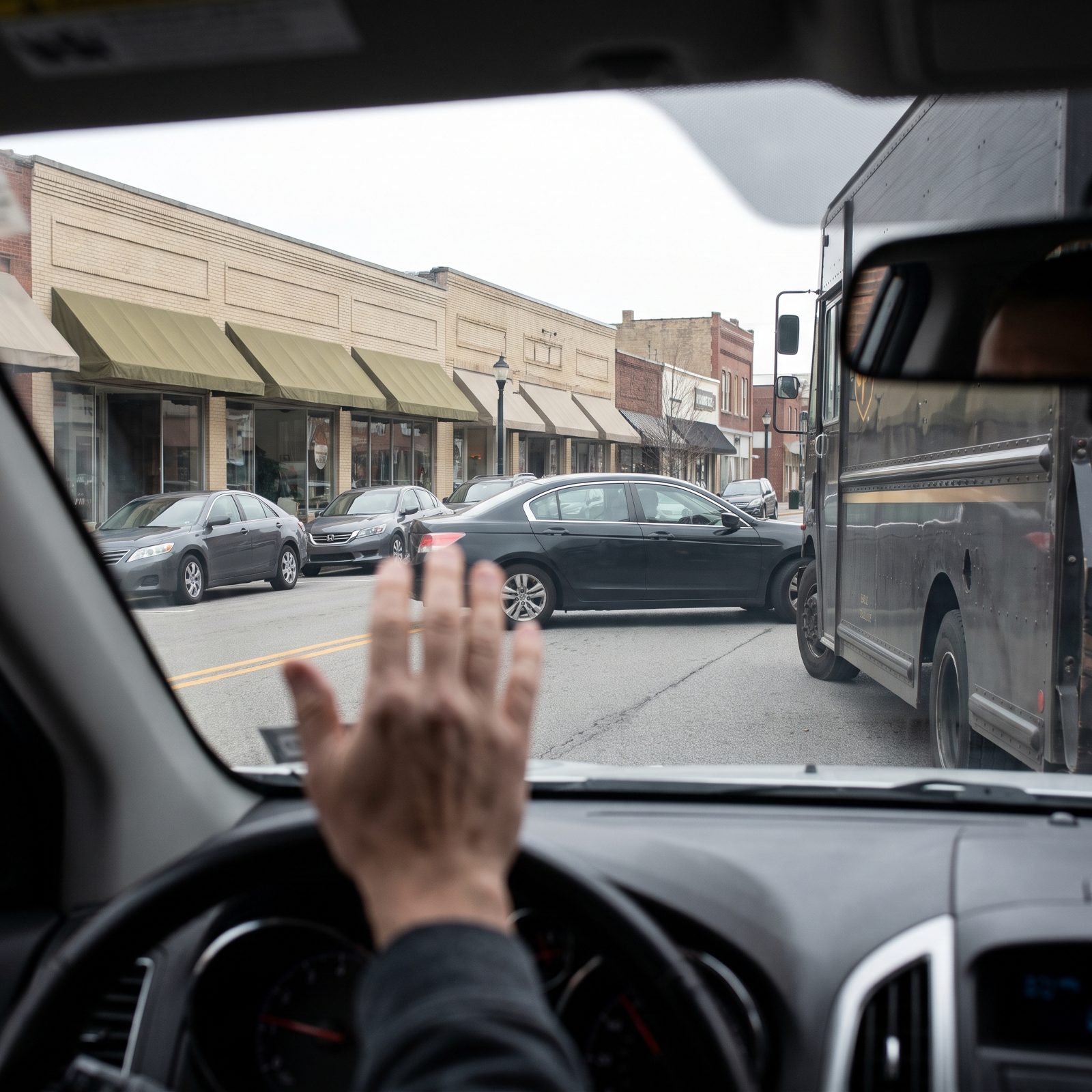
It feels generous. You stop, you wave the other driver across, you’re a good citizen. But you can only see your own lane. The lane past you — the one with a car coming that you can’t spot — isn’t yours to give away.
That friendly wave has caused plenty of wrecks. The driver trusts your signal, pulls across, and gets clipped by traffic you had no view of. Stop if you need to. Just let them make their own call on the lanes you can’t vouch for.
Your wave only speaks for the space you can actually see. Everything past that is someone else’s decision to make.
10. Make Three Right Turns Instead of One Dangerous Left
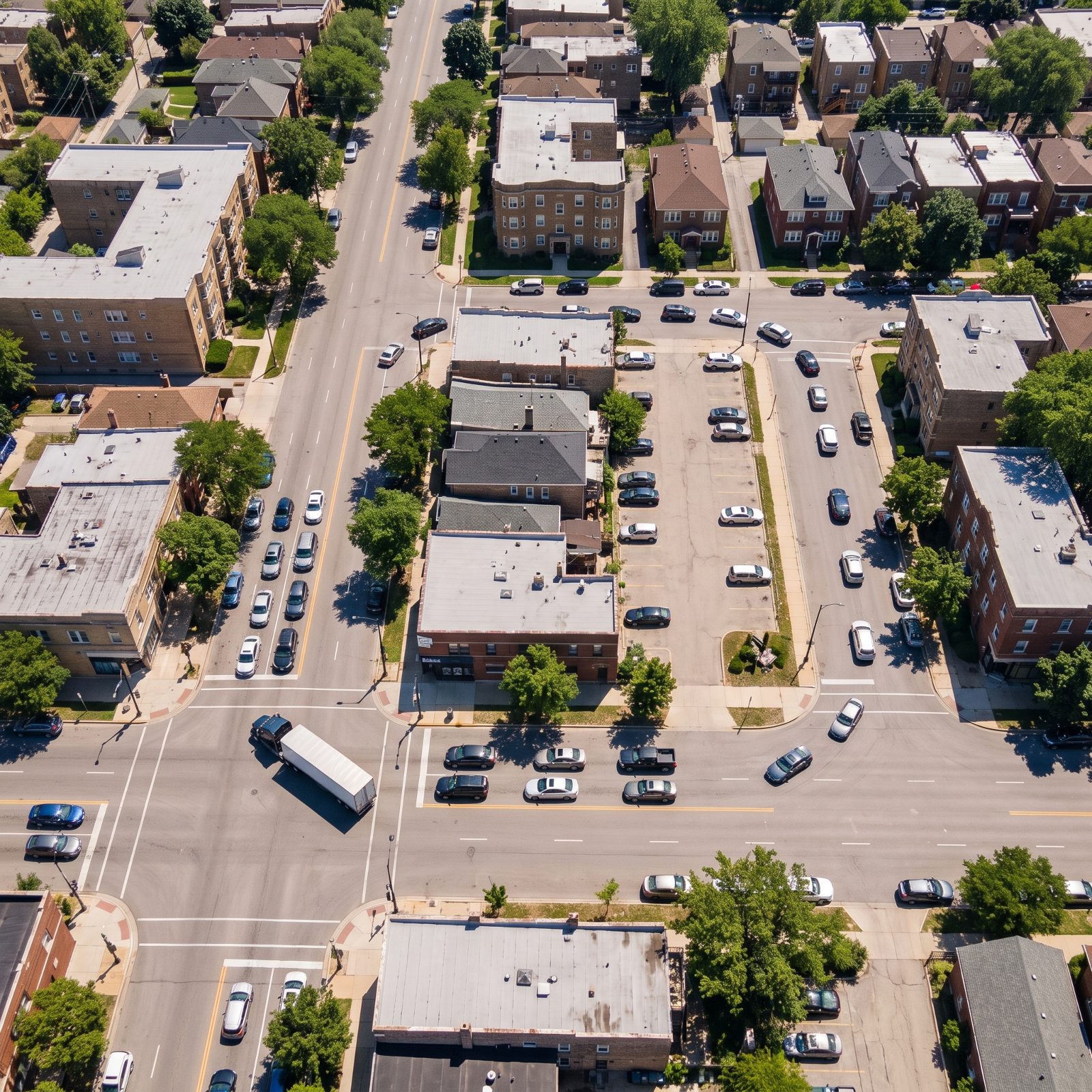
A left turn across two lanes of oncoming traffic with no light and no arrow is one of the most exposed things you’ll do all day. You’re waiting on a gap that may never come, and the pressure stacks up behind you until you grab a worse gap than you should.
Three rights around the block drop you right where that left would have landed you, every move protected. Delivery fleets route this way on purpose, cutting crashes and the fuel wasted idling at turns. Feels silly. Isn’t.
9. Let the Missed Exit Go Instead of Lunging for It
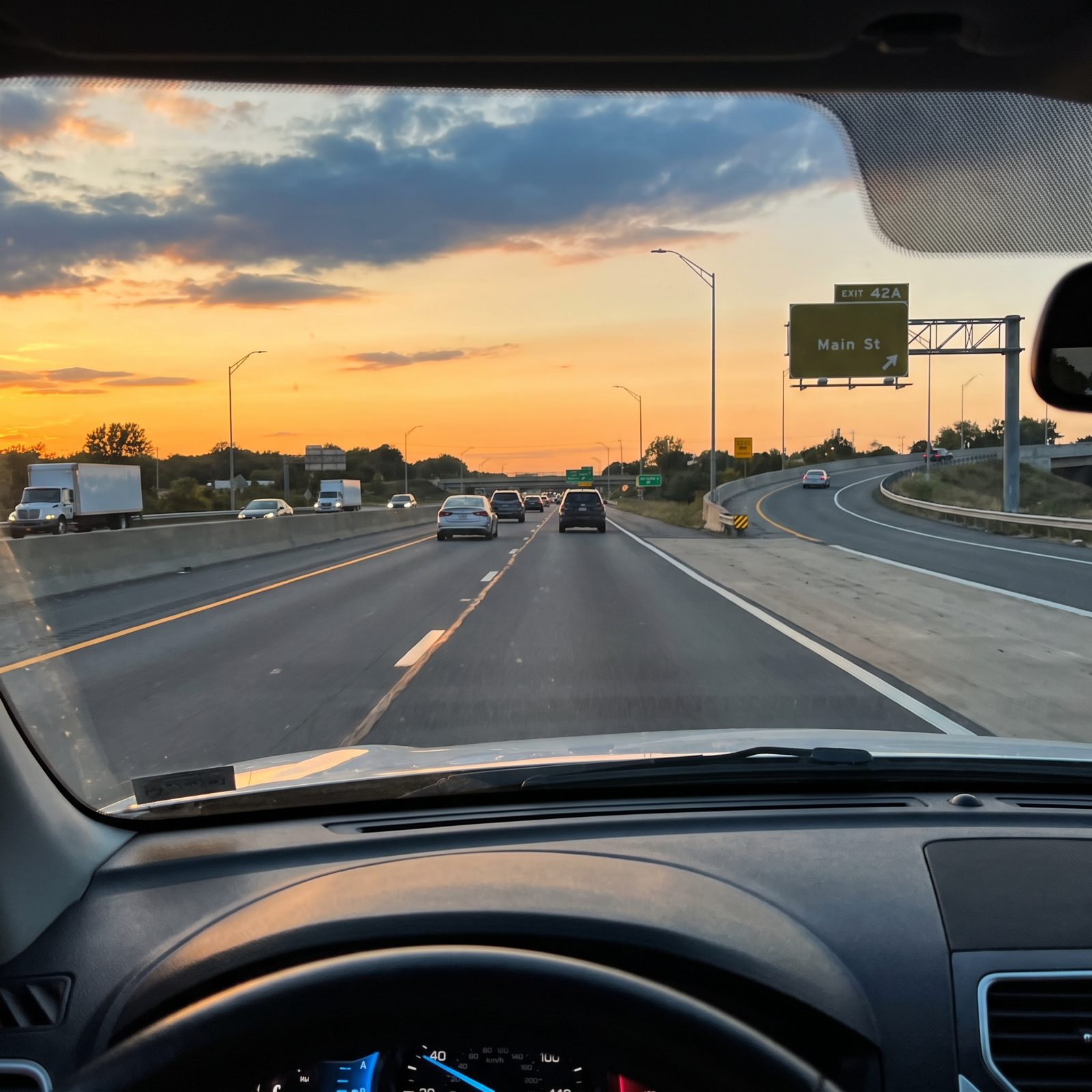
The exit’s right there and you’re three lanes off. Every cell in your body wants to cut across three lanes and grab it. Don’t. A missed exit costs you five minutes. The desperate lunge across traffic can cost you the whole car.
Ride it out, take the next one, loop back. Nobody has ever regretted a calm detour, and plenty of people have regretted the swerve. The next exit is always closer than you think, and it comes with a whole lot less adrenaline.
8. Let Aggressive Drivers Move Far Ahead
Would you like to save this?
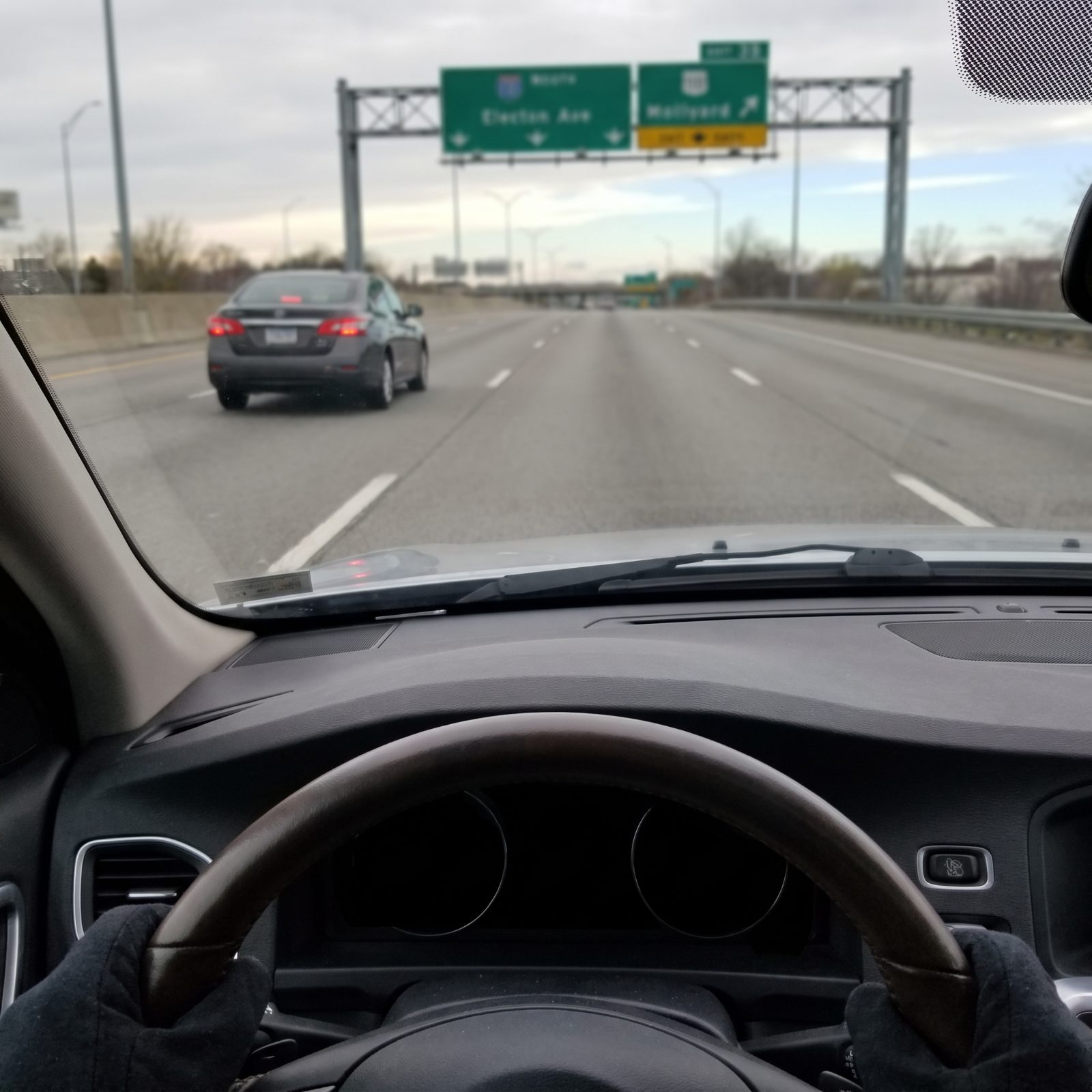
Here’s the part nobody wants to accept: giving an aggressive driver exactly what he wants is the smartest move you’ve got. He wants to be in front of you. So let him. Ease off a touch, open the gap, and watch him disappear into somebody else’s day up ahead.
Tailgate him back, race to block him, match his pace — every one of those ties your blood pressure to a stranger who already decided to drive like a fool. Space is the one thing you control completely out there. Spend it on your own peace and quiet.
7. Avoid Changing Lanes Inside an Intersection
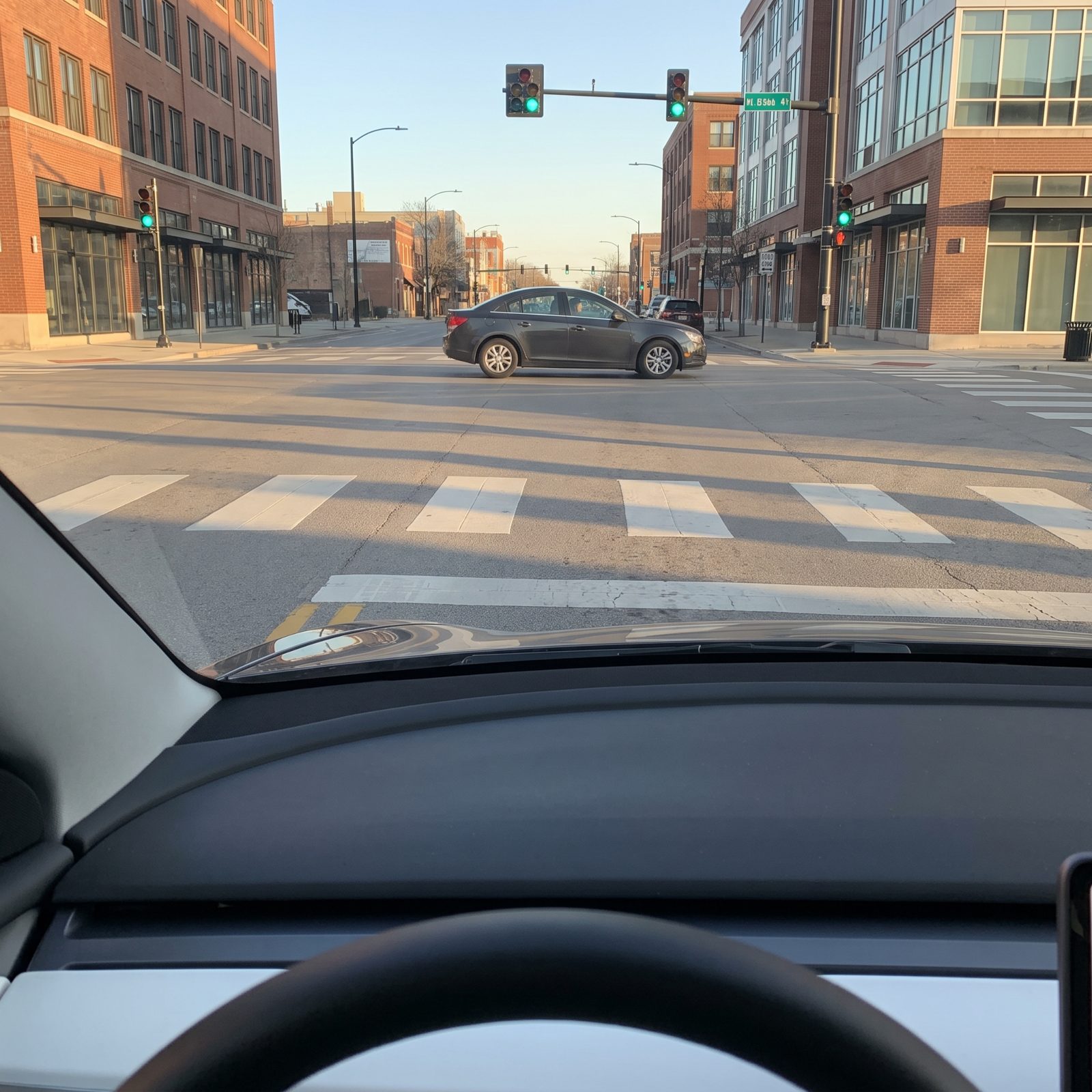
Most folks drift lanes straight through an intersection without a second thought. Feels efficient. It’s also exactly where predictability goes to die.
Inside that box, everybody around you is making split-second calls based on where they figure you’re headed. Swap lanes mid-crossing and you yank the rug out from under all of them at once — the car turning across you, the pedestrian stepping off the curb, some joker sneaking a right on red. They all read your position as a promise you’re about to break. Hold your line through the junction, straighten out, then signal and move once you’re clear of it. One small habit, and a whole category of near-misses just evaporates.
6. Lower Audio During Complicated Traffic
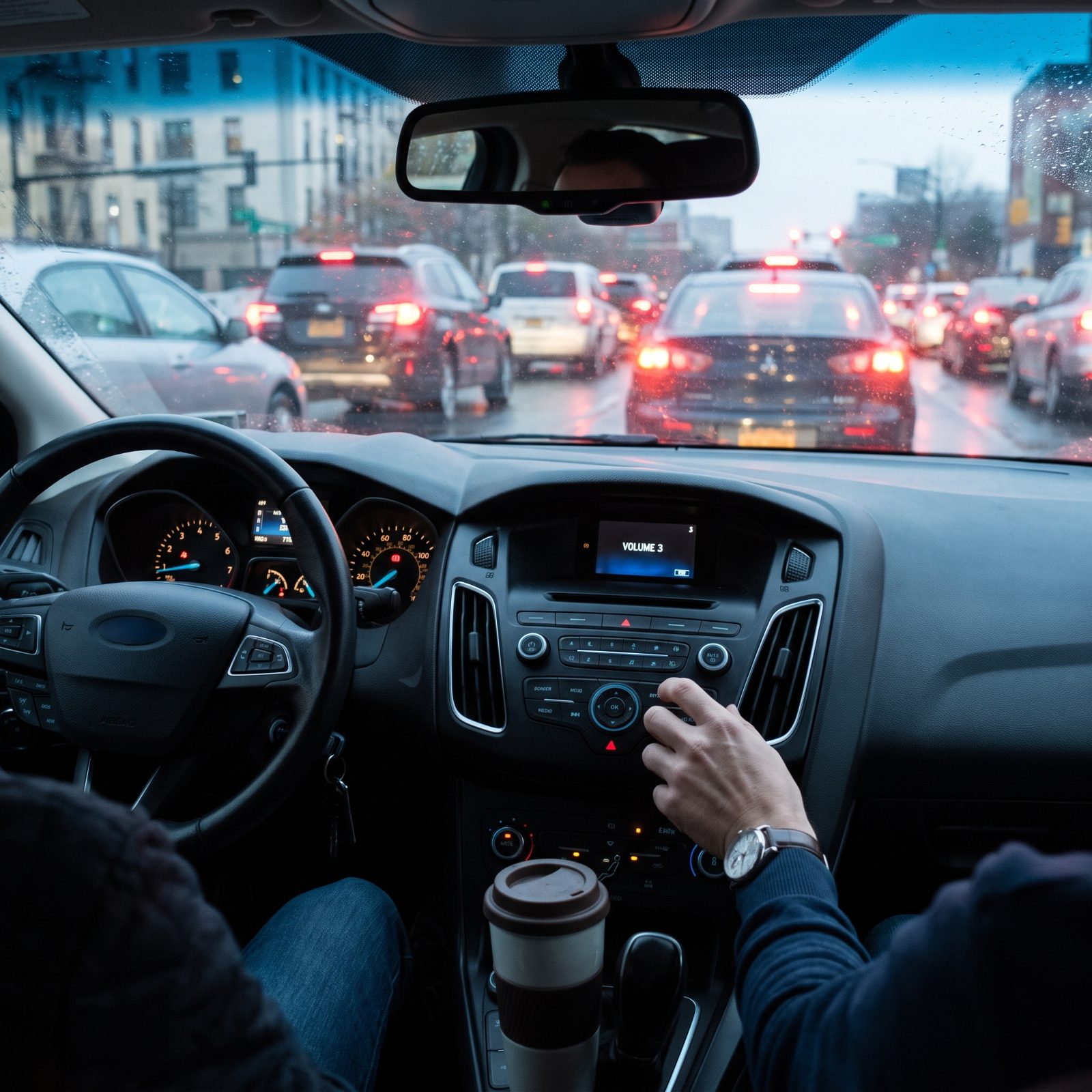
Turning the music down doesn’t help you hear better. It helps you think better.
There’s something real going on here. Your brain carries a fixed pool of attention, and loud audio quietly siphons off a chunk of it whether you clock it or not. A merge zone, a confusing fork, a parking garage spiral, construction cones scattered everywhere — those are your cues to reach for the volume knob.
You’ve probably done it without thinking. Ever notice how people kill the radio when they’re lost, like turning it down helps them “see” the house number? That instinct is dead on. It’s just wildly underused. Make it a deliberate move in any messy traffic and you free up bandwidth right when you’re starved for it.
5. Anchor the Heel for Smoother Pedal Inputs
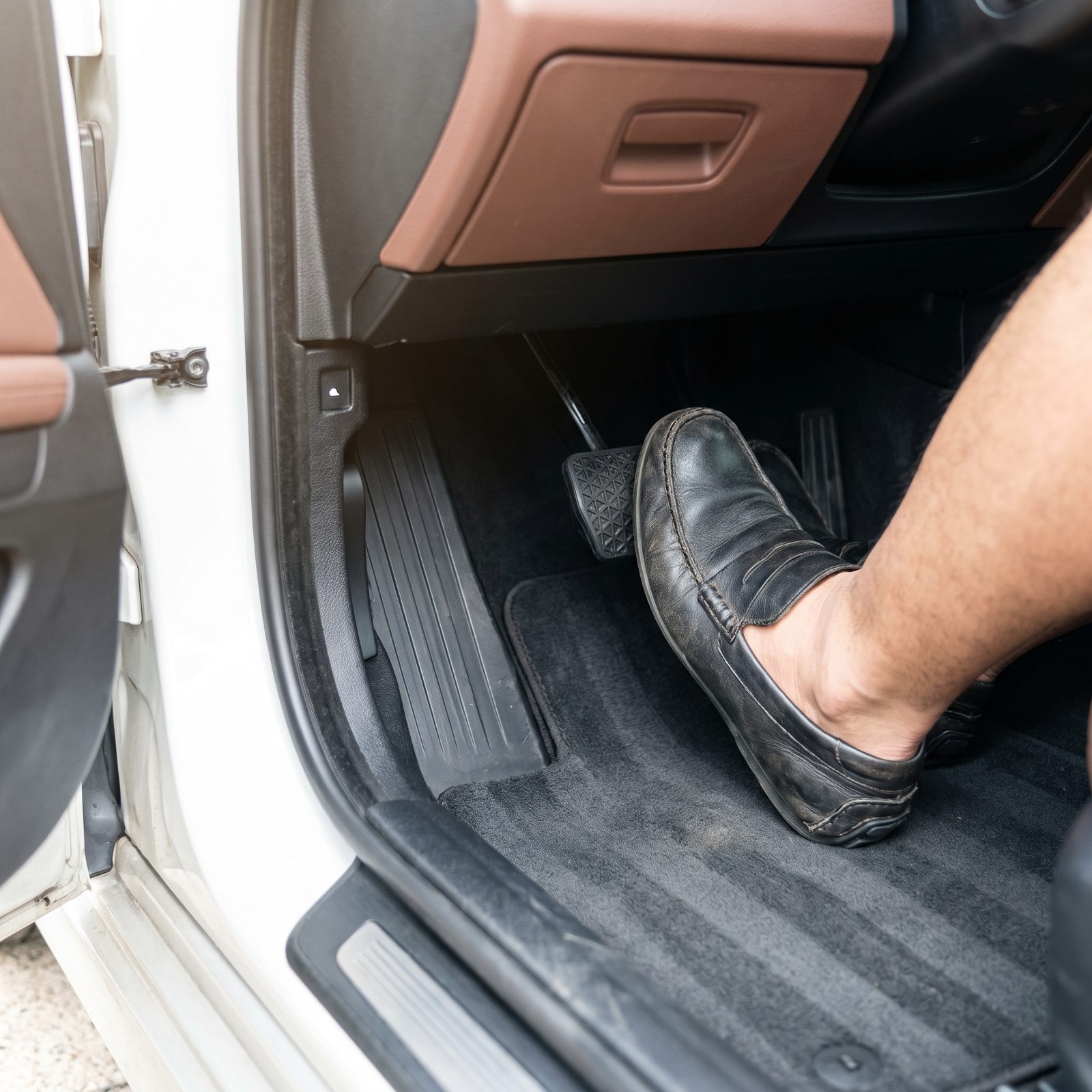
Watch a nervous passenger and the trouble usually shows up at their feet. A floating foot, hovering between pedals with no reference point, every press a flat-out guess. Jerky stops. Lurching starts. That little heartbeat of hesitation before the brake finally bites.
Plant your heel on the floor and pivot the front of your foot instead. Now you’ve got a fixed anchor and your ankle handles the fine work. Brake pressure rolls on in a smooth ramp instead of a stab. Passengers quit bracing. The whole car feels calmer, because it genuinely is.
Nobody teaches it in driver’s ed. Yet every smooth driver you’ve ever ridden with does it without a thought.
4. Set Side Mirrors Wider Than Instinct Suggests
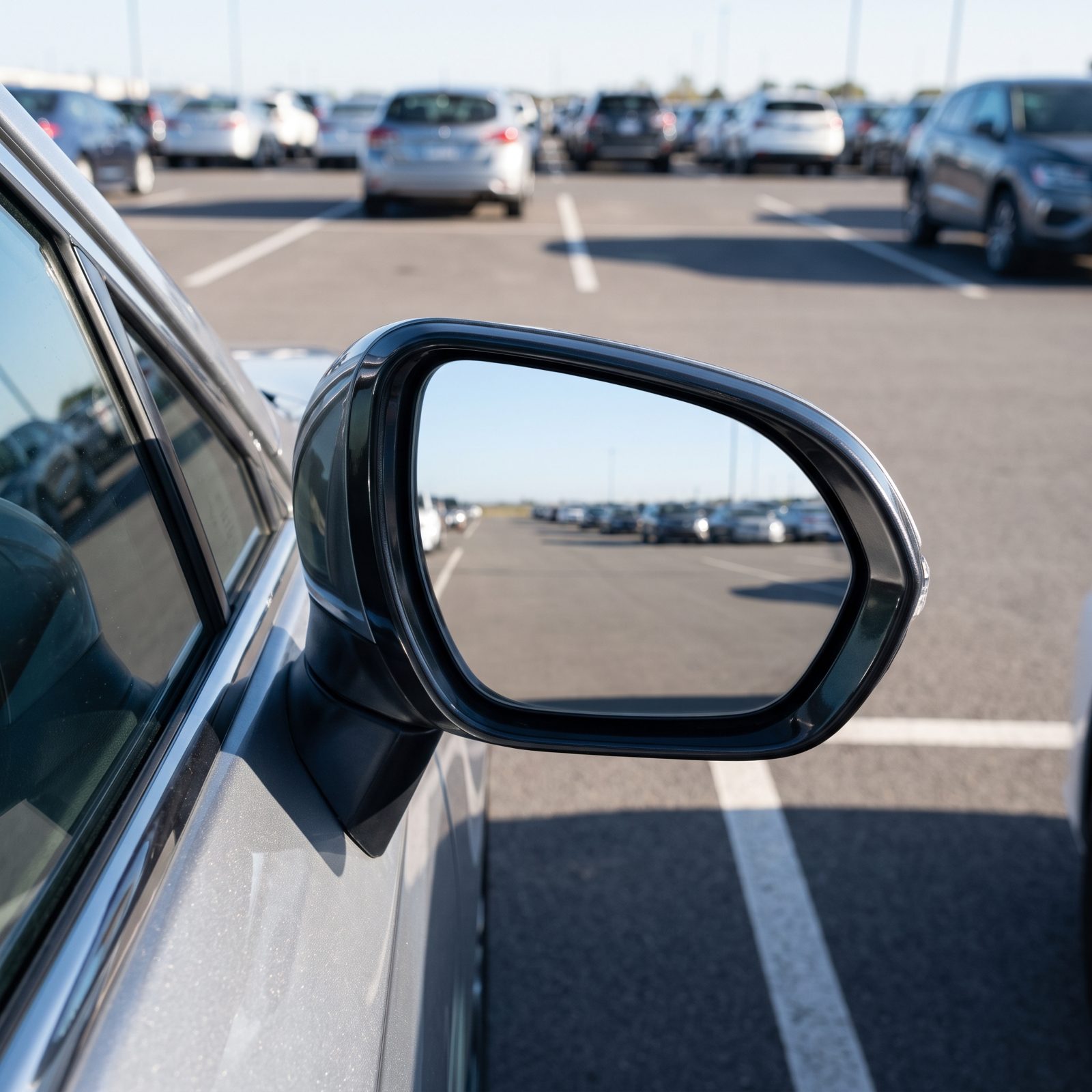
Quick test. If you can see the side of your own car in your side mirrors, they’re aimed wrong. That strip of your own door panel does exactly nothing except hide a car sitting in your blind spot.
Angle each mirror outward until your own door just drops out of view. The first couple of drives feel strange, almost disorienting, because you’ve spent years training yourself to watch your own flanks. Push through anyway. A car passing you now slides out of the rearview, into the side mirror, and lands in your peripheral vision with no dead gap anywhere in the handoff.
3. Avoid Cruise Control on Slippery Roads
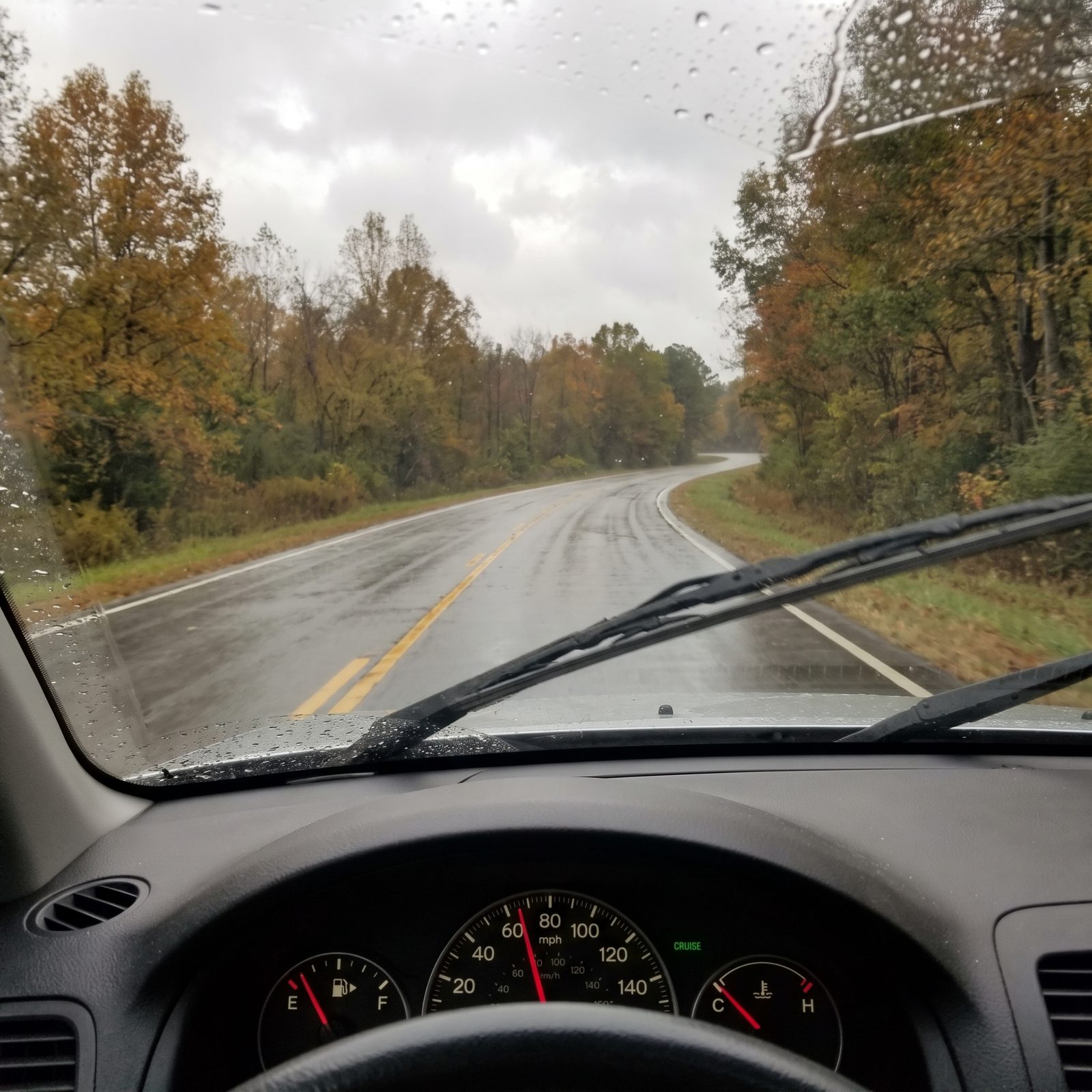
Cruise control is a gift on a dry Interstate and a genuine hazard on a wet or icy one. It has one job — hold your speed — and it’ll fight tooth and nail to do that even as a tire loses its grip on the world.
Hit a slick patch with it engaged and the car might actually feed in throttle to claw back a speed it had no business chasing, right at the moment you want weight settling and the gentlest possible inputs. You lose that instant foot-on-pedal readiness too. Rain, standing water, snow, black ice, that early frost sitting on a shaded bridge at sunrise. Switch it off and drive with your own two feet.
2. Brake in a Straight Line Rather Than Swerving for an Animal
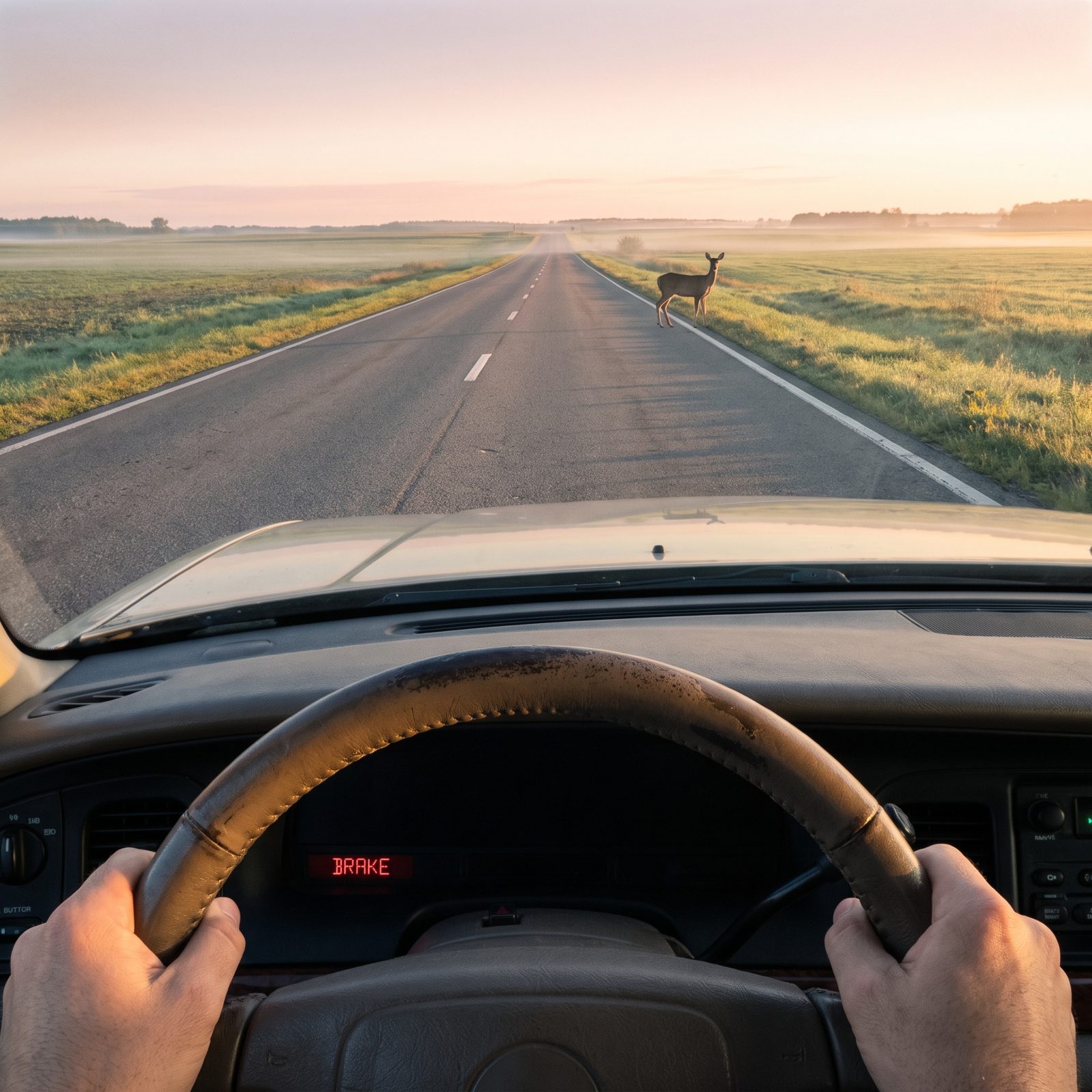
Every instinct screams to yank the wheel. Fight it.
A deer in the road is a bad moment. A head-on with oncoming traffic, or a rollover down into a ditch, is a tragedy. The swerve, not the animal, is what kills most people in these wrecks.
Brake hard, hold your lane, keep the wheel aimed dead ahead. A modern car stops far better going straight than it corners in a blind panic, and that straight line keeps you out of the opposing lane and off the shoulder — where the trees and the poles wait. Smaller critters too, same rule applies. The car can take what the swerve cannot.
1. Back Into Parking Spaces on Arrival
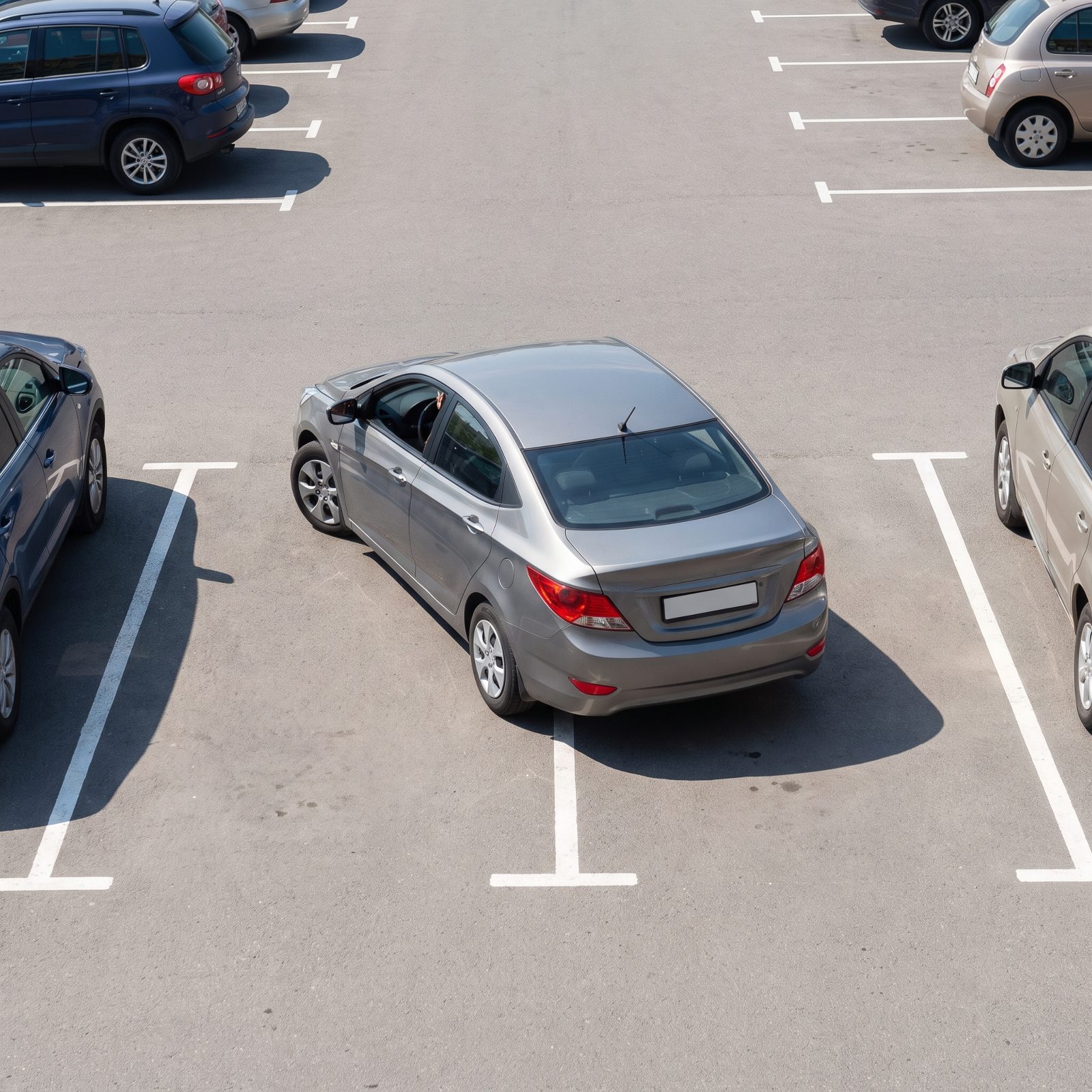
This one flips most people’s habit on its head, and the logic is sneaky good. The hard maneuver — backing into a tight slot — happens when you arrive calm and unhurried, nobody trailing a cart behind you. The easy one, pulling straight out, happens when you leave, which is usually a scramble: kids wrestling with seatbelts, a line of cars idling for your spot.
Back in when you get there and you’ve knocked out the truly dangerous half of parking. That blind reverse out of a slot later on, nose buried, guessing at cross-traffic you flat-out cannot see? Gone. Pull forward out of a space and you see everything coming. Sure, it feels like extra effort up front. Really you’re just shoving the effort over to the moment you’ve got patience to spare.