
Would you like to save this?
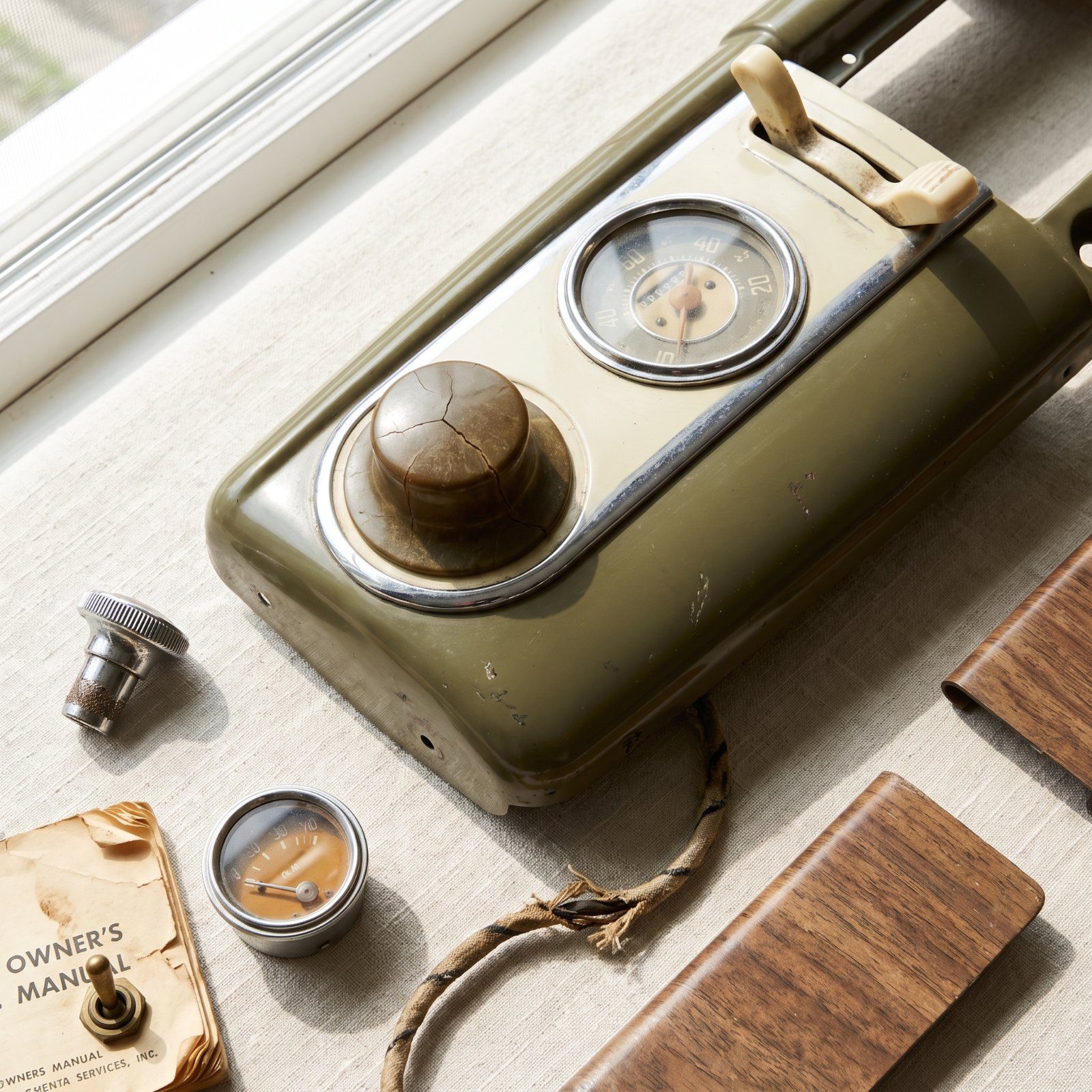
Pop the door on a 1938 sedan or a 1952 grain truck and the dash reads like a foreign language. Knobs with no icon. A lever where the horn should be, and a dial that looks like a radio tuner but isn’t. Half of these controls vanished so completely that the mechanics who serviced them are mostly gone too. The ones below ran the real machinery of early motoring, back when a driver did jobs the engine now handles alone. Most people couldn’t name a single one.
Please note that some of the images in this article were created with the assistance of AI.
29. Semaphore Indicator Switch: The Turn Signal That Popped a Little Arm Out of the Car
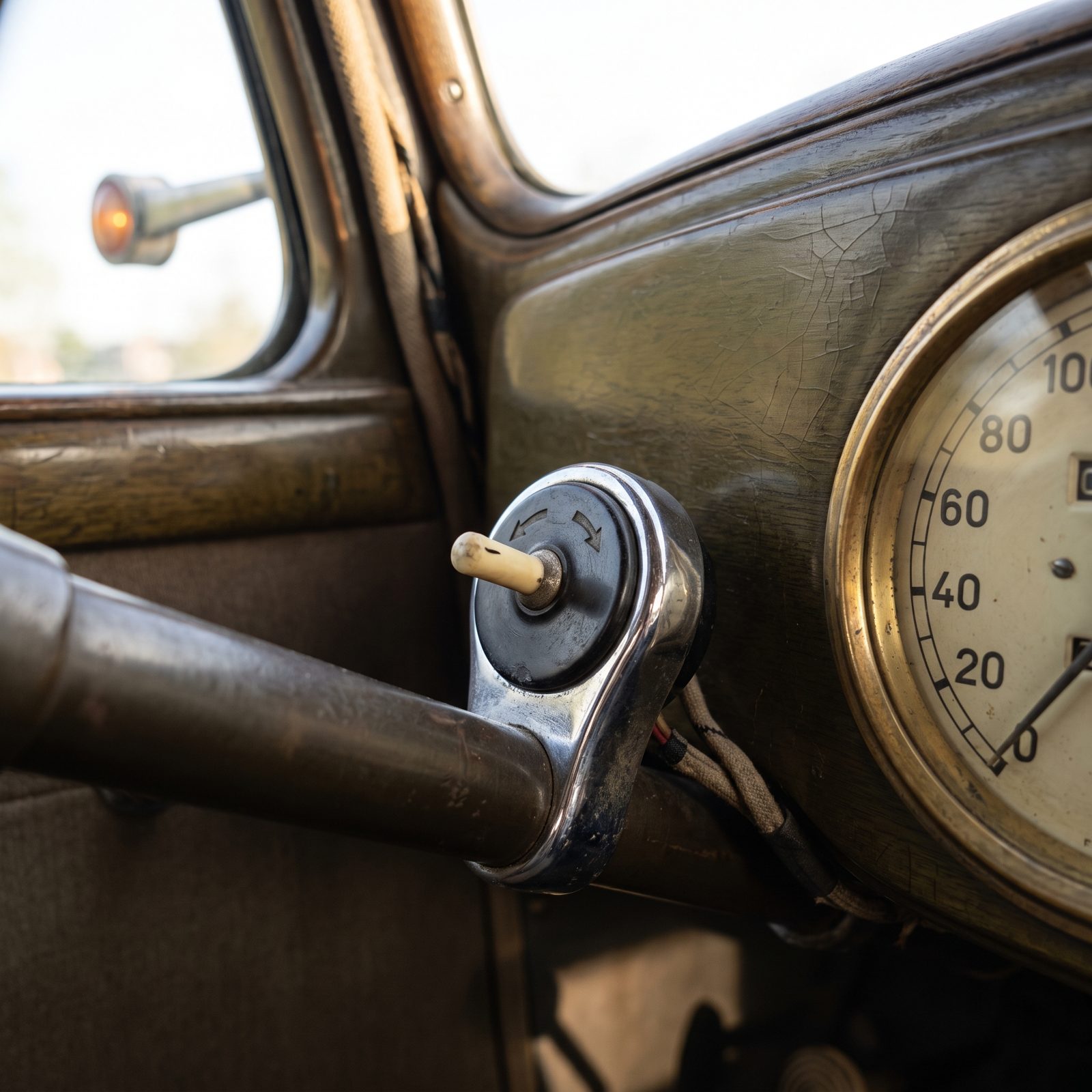
Before three blinking amber bulbs became the law, cars told other drivers where they were headed by waving a little arm at them. Flick the semaphore switch and a backlit blade swung out of the door pillar like a tiny railroad signal.
They jammed constantly. Dirt, rust, a tired solenoid, and the arm would sit half-raised forever, which told the fellow behind you absolutely nothing. Drivers learned to thump the pillar to coax it home.
28. Autronic Eye Sensitivity Dial: The Knob That Dimmed Your Brights for You
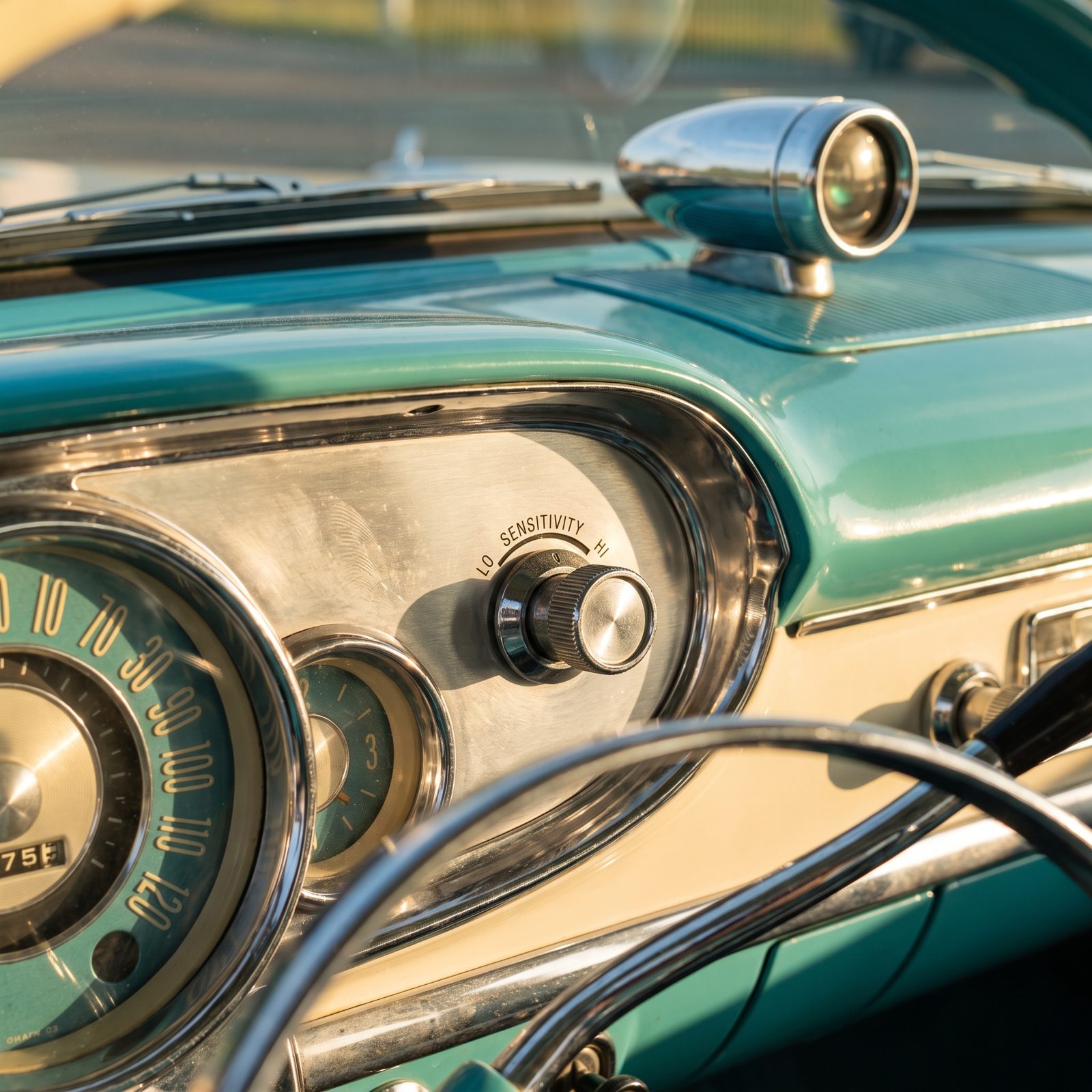
A bullet-shaped chrome eye sat atop the dash, its lens peering forward down the road, and when it caught oncoming headlights it dropped your high beams to low all on its own. General Motors called it the Autronic Eye, and the little dial on the dash set how touchy the thing was.
Turn the sensitivity up and a distant porch light could dim you. Turn it down and you’d blind the poor soul coming the other way until he was practically in your lap.
Call it the great-great-grandfather of today’s auto-dimming mirrors, except it ran on a vacuum tube and a photocell. A bug splattered across the sensor could leave you stuck on high beams all night.
27. Freewheeling Control: The Lever That Let the Car Coast Like a Toboggan
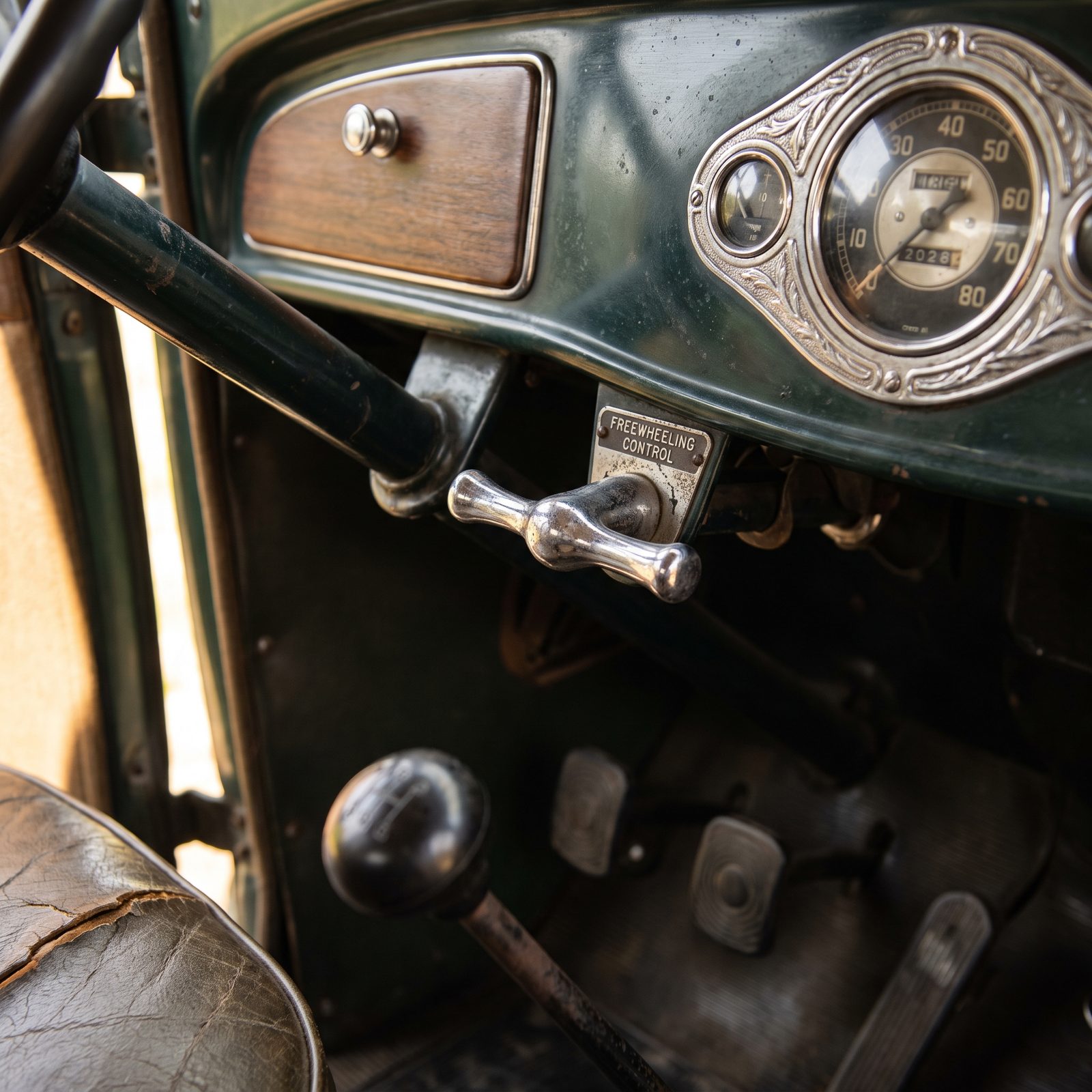
Pull this lever and the car kept rolling after you lifted off the throttle, the engine disconnecting from the drivetrain so you coasted with no drag at all. Saved fuel. Also made downshifting pointless and left the brakes to do all the slowing.
On a long mountain grade that meant hot, fading brakes and a knot in the driver’s stomach, which is exactly why it fell out of favor. Turns out engine braking is a feature, not a flaw.
26. Two-Speed Rear-Axle Switch: The Toggle That Doubled a Truck’s Gears
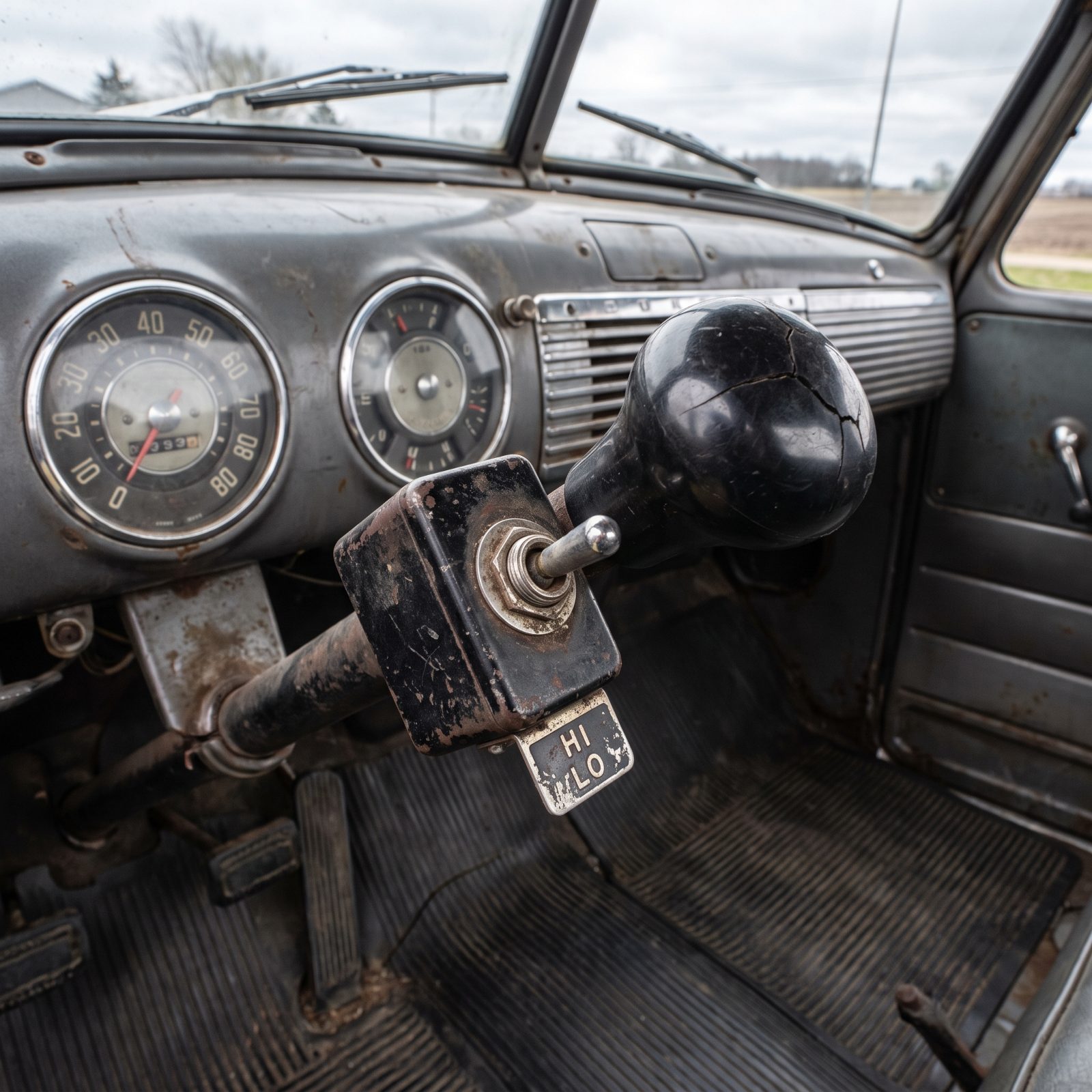
Flick this little switch clamped partway along the shift lever and the rear axle itself changed gears, splitting every notch on the transmission into a high and a low. Suddenly a four-speed truck had eight ratios, and that mattered enormously when you were dragging a loaded trailer up a grade.
The trick was timing. You pre-selected, lifted off the throttle, and let the axle shift mid-coast — a move that took a few ruined attempts to learn. Mess it up and the whole rig lurched like it hit a curb.
Old hands could feel the shift land through the seat of their pants without ever glancing down.
25. Vacuum Trunk-Release Button: The Gadget That Popped the Decklid on Engine Suction
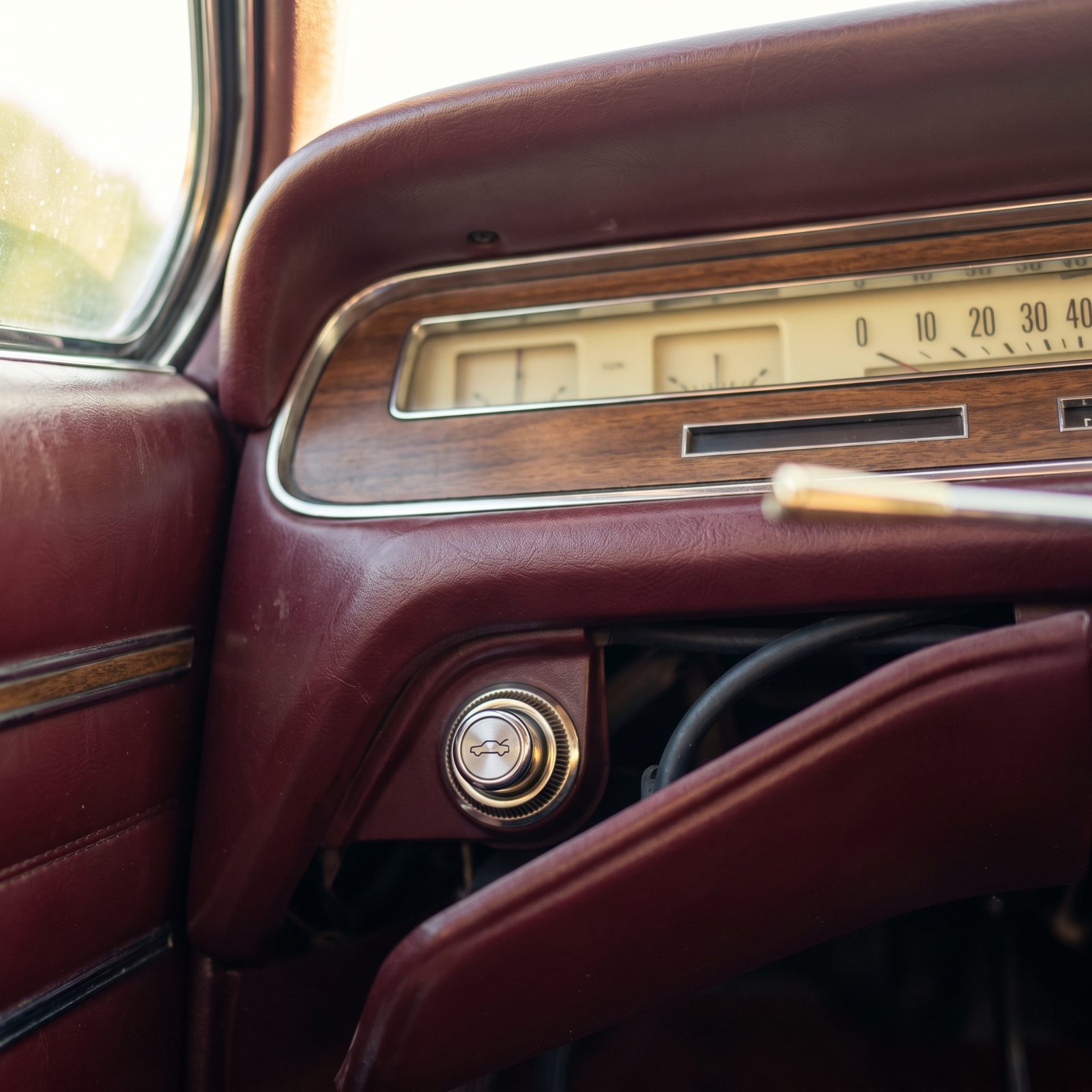
Press the button, hear a faint hiss, and the trunk lid swings up behind you. No cable, no motor. Just engine vacuum pulling a servo that tugged the latch open, the same suction that ran the wipers and the power brakes.
Felt like magic in 1962. Felt like a cruel joke the first cold morning the vacuum leaked and nothing happened, leaving you to fumble for the key you’d stopped carrying.
24. Radiator Shutter Control: The Pull-Knob That Rationed Air to the Engine
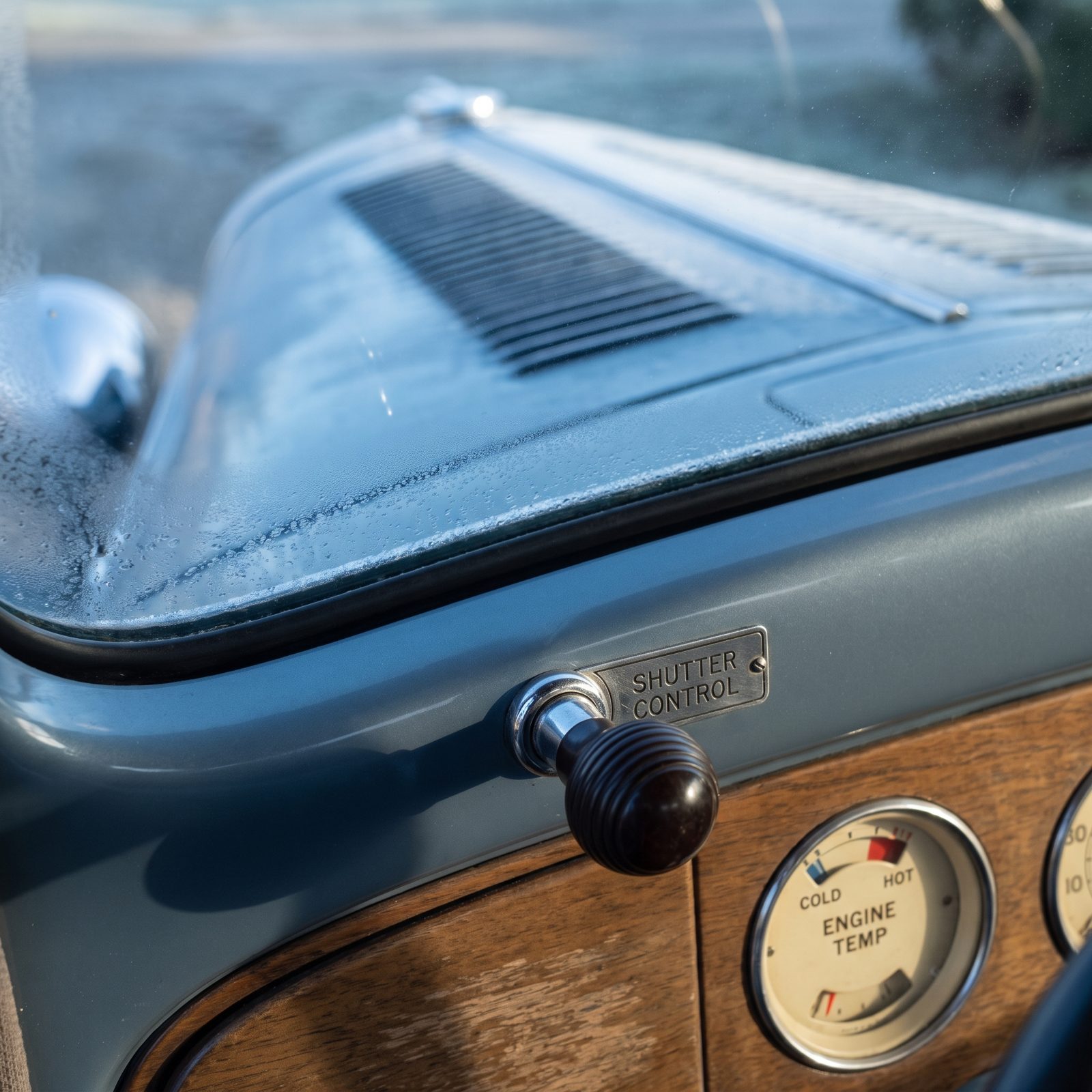
On a frigid morning the engine couldn’t get warm, so this knob let the driver choke off the airflow through the radiator with a set of louvered shutters up front. Close them down and the engine held its heat. Crack them open on a hot climb and it cooled.
You managed it by watching the temperature gauge and nudging the knob, a running conversation between your right hand and the needle. Thermostats eventually did the job automatically and the knob disappeared. But on a prewar car it was the driver who kept the engine honest.
23. Spark Advance Lever: The Ignition Timing You Set by Hand
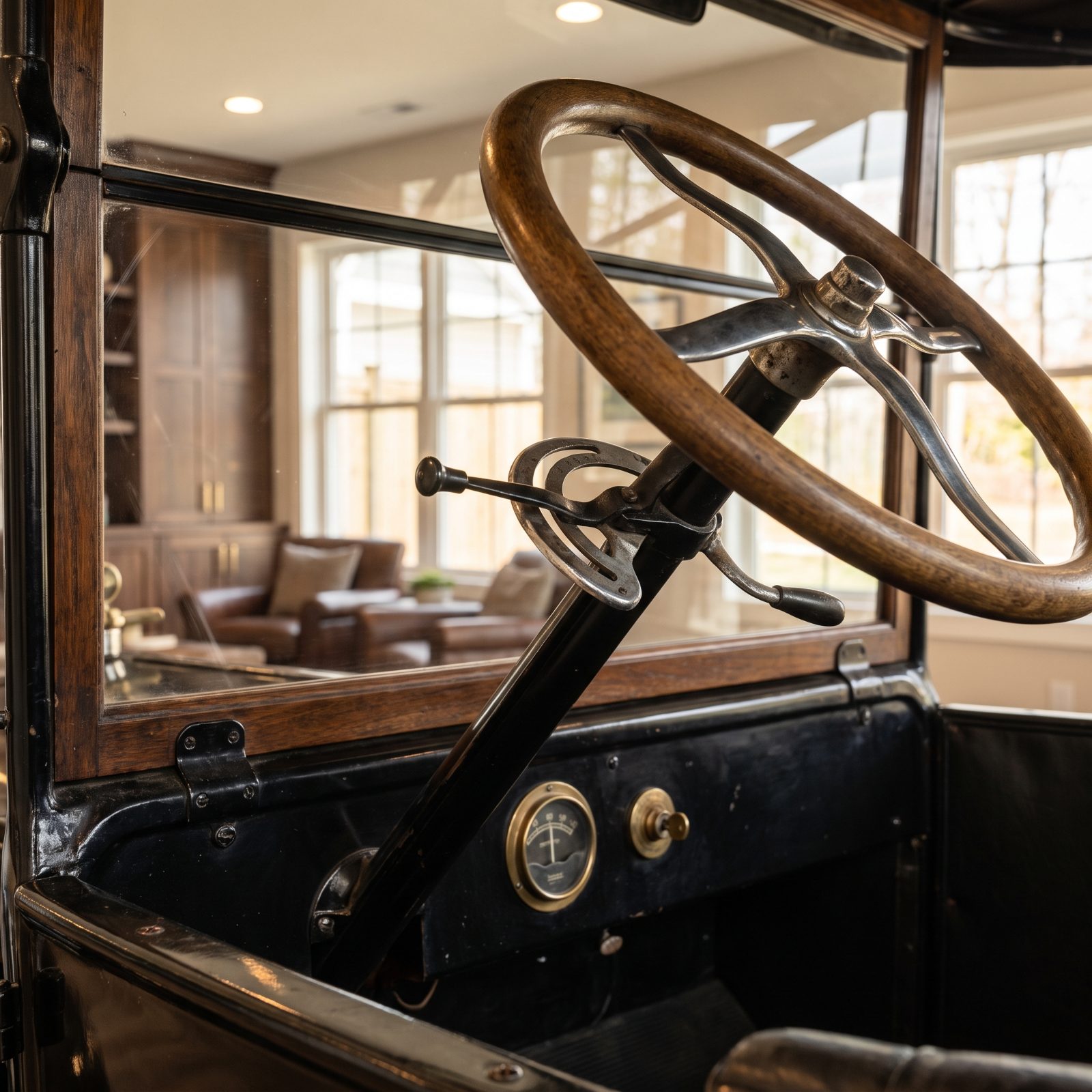
Starting an early car was a ritual, and this lever was step one. Mounted on the steering column, it let the driver retard the ignition timing before cranking, then advance it once the engine caught and you picked up speed.
Forget to retard it before you hand-cranked and the engine could kick back hard enough to break a wrist. Men lost the use of hands this way. The spark lever wasn’t a convenience. It was self-defense.
Every driver was part mechanic back then, reading the engine by ear and ruling the timing with his own hand.
Automatic advance mechanisms took over by the 1930s, and with them went the last job that made driving a two-handed, full-attention affair.
22. Gasoline-Heater Switch: The Button That Lit a Tiny Furnace in the Cabin
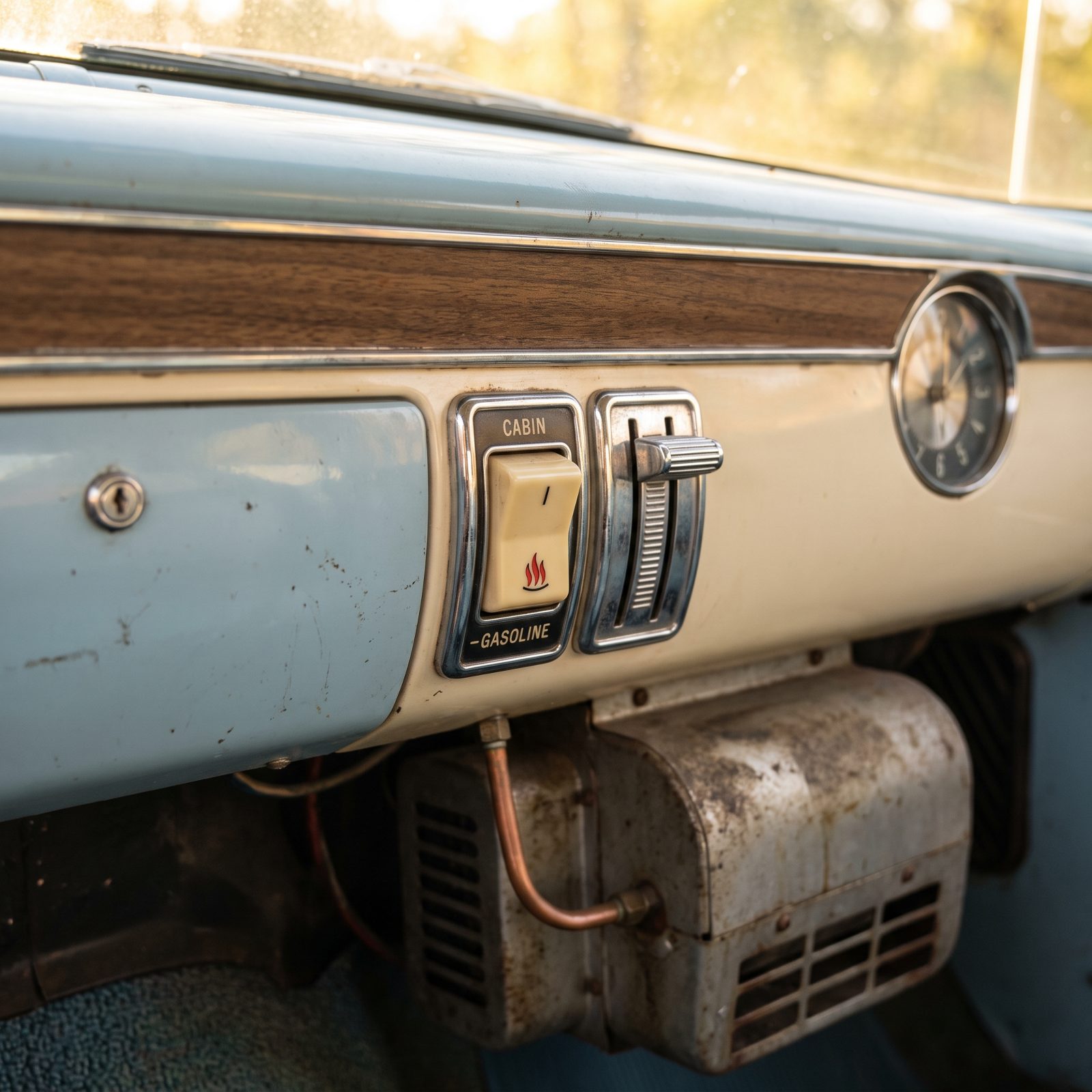
Picture a pilot light burning under your dashboard. That’s roughly what a gasoline heater was — a small fuel-burning furnace tapped straight into the gas tank, warming the cabin without waiting on the engine.
They worked beautifully in bitter cold, so they turned up in trucks, campers, and air-cooled Volkswagens that had no engine coolant to borrow heat from. They also made some owners nervous, and not without reason. Any fuel-fired appliance living inside a steel box wants careful respect.
Modern diesel bunk heaters are the same idea, grown up and properly engineered.
21. Speed-Warning Dial: The Buzzer You Set Yourself
Would you like to save this?
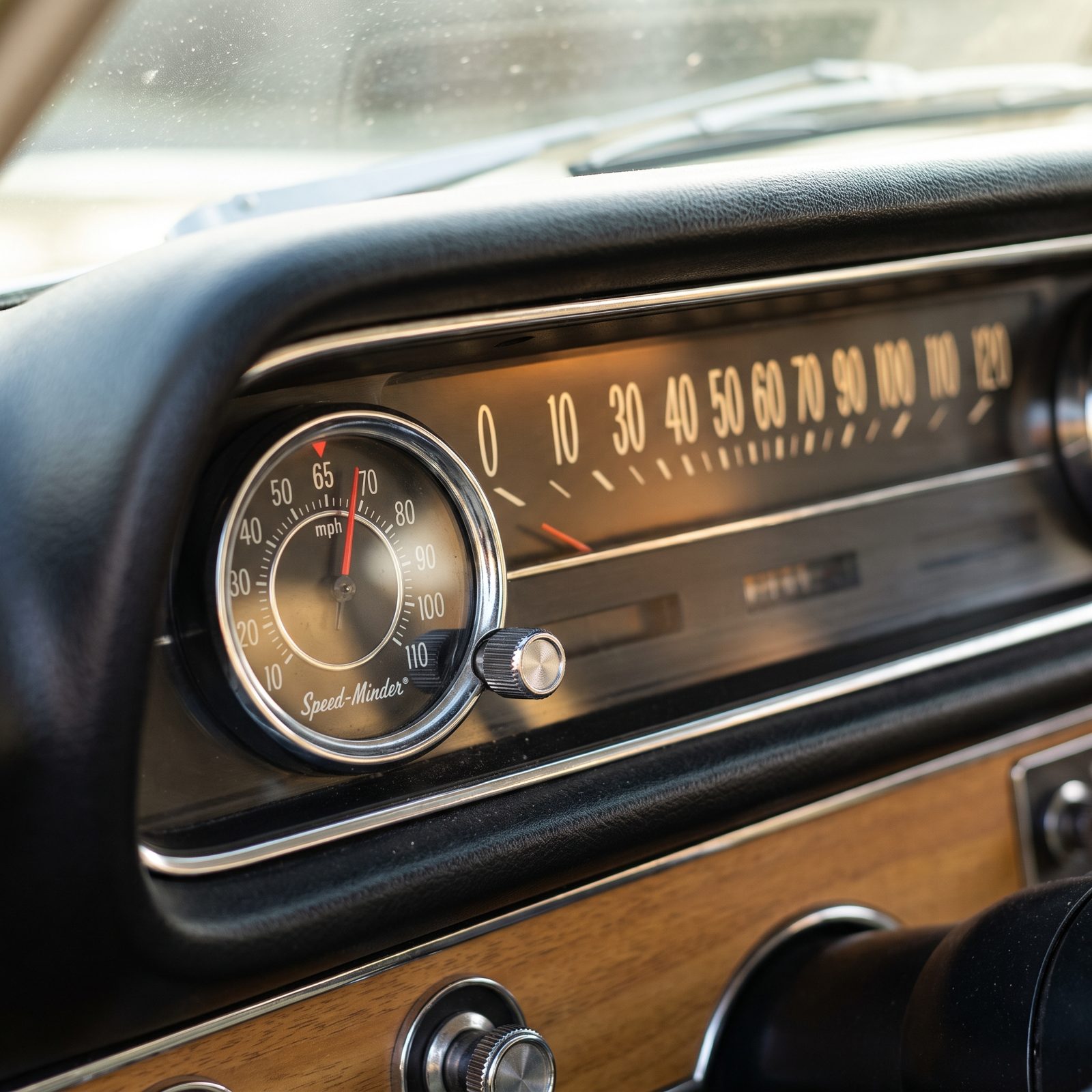
Twist the dial, set the pointer to say 70, and the moment the car crossed that speed a buzzer sounded off behind the dash. No camera, no ticket, just a mechanical nag you programmed yourself.
Fleet managers loved them for keeping a lead foot honest. Teenagers with borrowed keys loathed them for exactly the same reason.
20. Vacuum Headlight-Door Override: The Hidden Lever for When the Suction Quit

Hidden headlamps were the showstopper of the late ’60s, the lids snapping shut over the lights for a clean nose, then rolling open at the pull of a switch. They ran on engine vacuum, and vacuum has a nasty habit of leaking.
When it did, the doors stayed clamped shut and you couldn’t see a thing after dark. That’s what this override was for, a small manual lever, usually tucked under the dash or near the vacuum canister, that let you force the doors open by hand and limp home.
Plenty of drivers never knew it existed until a mechanic pointed it out. Plenty of old-car owners still keep theirs in working order, waiting for the night the vacuum finally gives up and the headlights refuse to look at the road.
19. The Vacuum Wiper Valve That Made Your Blades Quit on a Hill
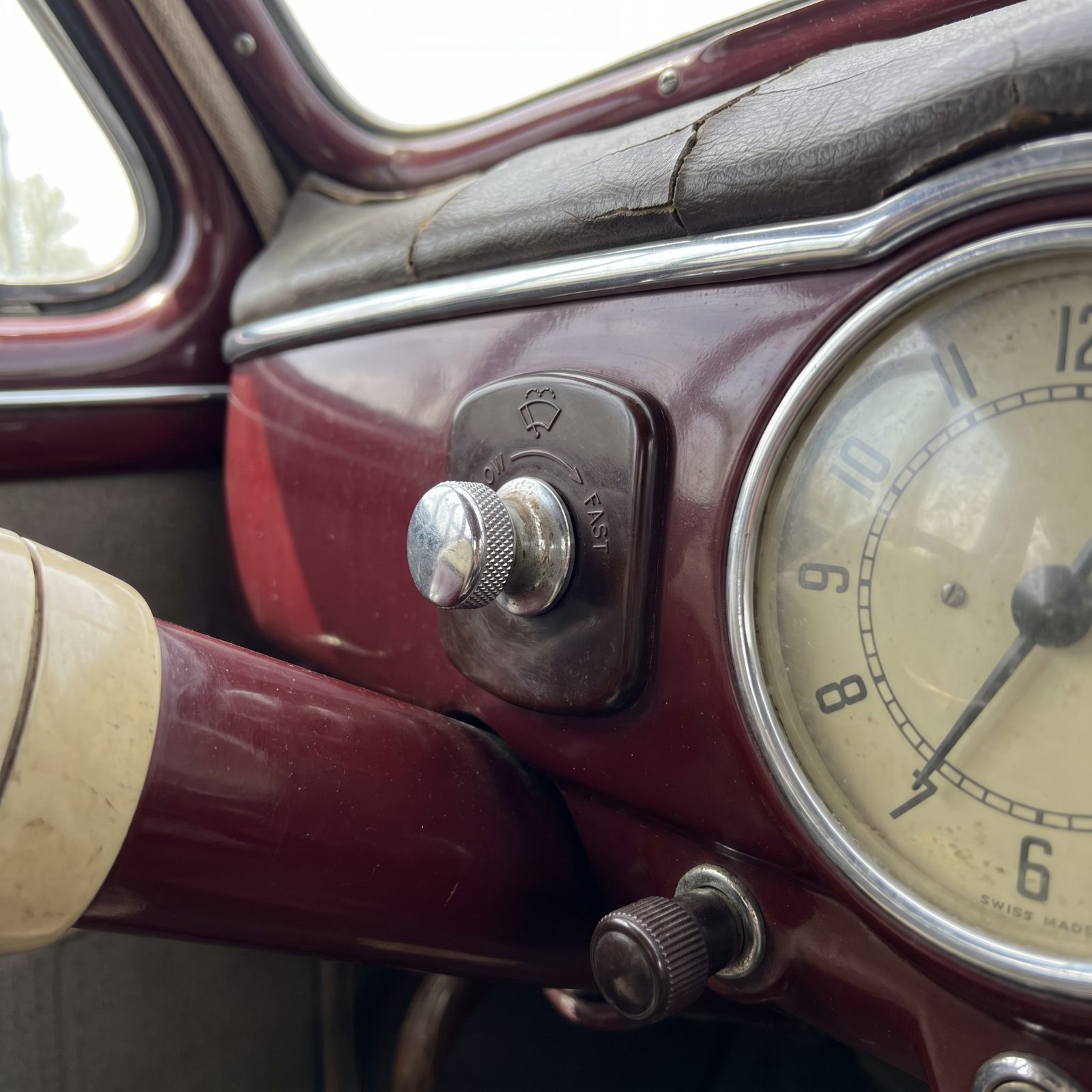
Pull onto a long grade in an old sedan and watch the wipers slow to a crawl right when the rain picks up. That wasn’t a fault — it was physics, and the little vacuum valve on the dash was just along for the ride.
Vacuum wipers ran off engine manifold vacuum, so under hard throttle the vacuum dropped and the blades dragged, then stalled mid-sweep. Drivers learned to ease off the gas on a hill just to clear the glass. The control itself was tiny. A knurled chrome valve you’d easily mistake for a choke or a heater knob today.
18. The Reserve-Fuel Control, Back When a Gas Gauge Was Optional
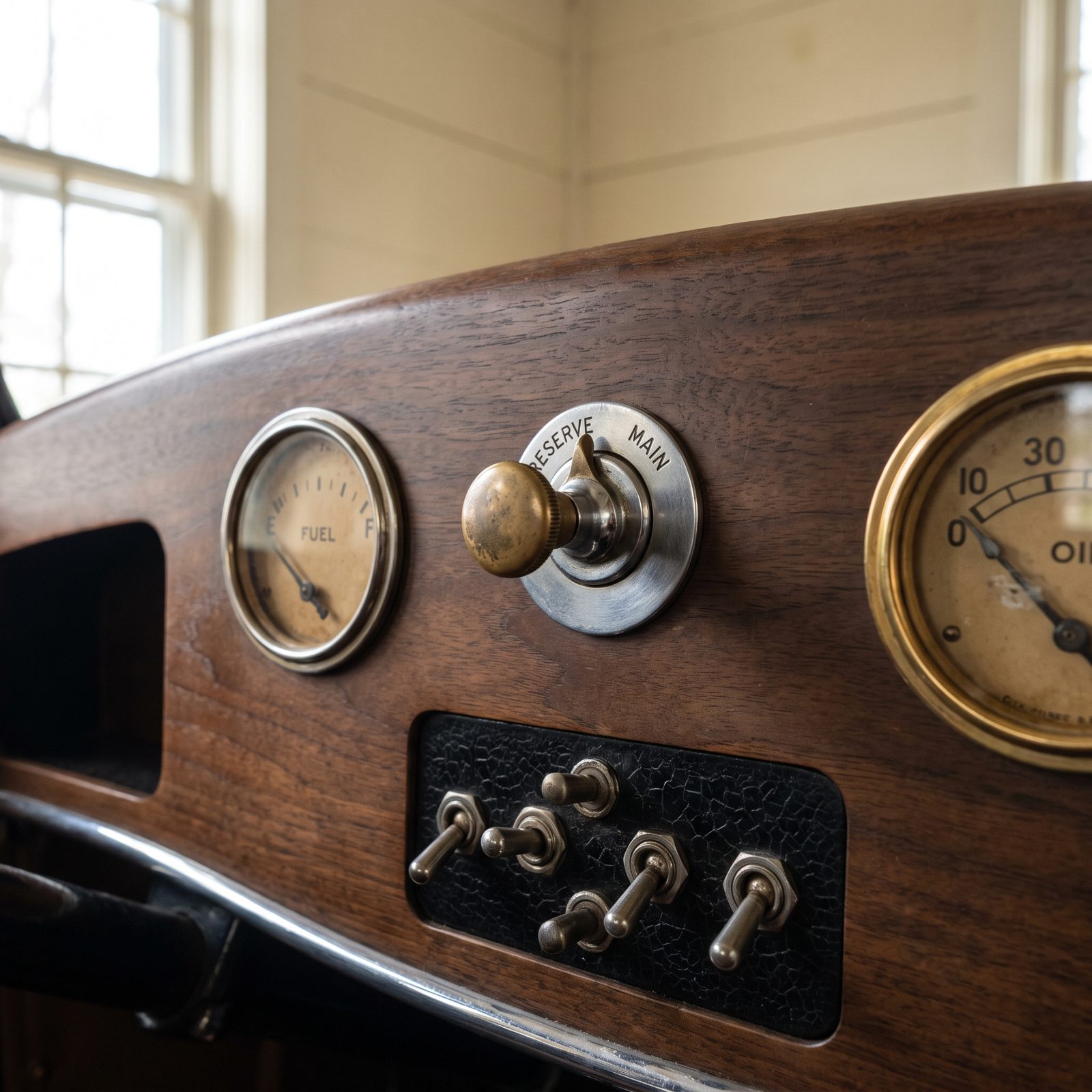
Before fuel gauges were trustworthy, you planned for running dry. Many early cars fed the engine through a two-position valve: main tank, and a small walled-off reserve you switched to the moment the engine first coughed.
Even with a fuel gauge mounted right beside the knob, the cough was what you trusted. You’d flip the control from Main to Reserve, buy yourself a few more miles, and start scanning the roadside for a Standard or Sinclair sign. Motorcyclists kept the ritual alive for decades afterward. On a car dash, though, that little knob reads like a mystery now — easy to confuse with a choke or a hand throttle.
17. The Ether-Start Button Every Cold-Morning Diesel Driver Prayed Over
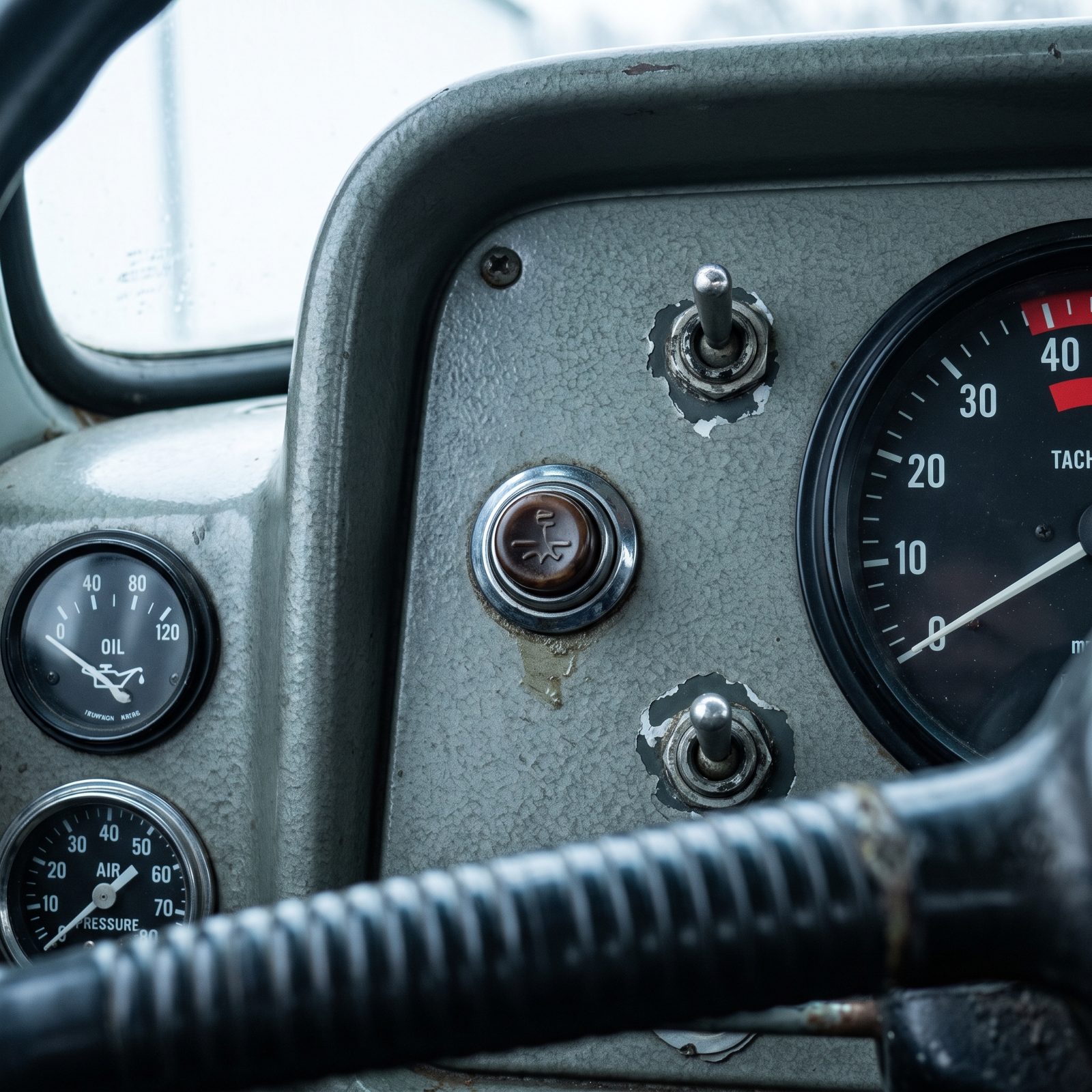
Thirty below and a diesel that won’t catch. That’s when a thumb found the ether button.
Press it and a measured shot of starting fluid sprayed into the intake, giving the cold cylinders something volatile to light off. Used right, it saved a frozen morning. Used wrong — too many jabs, too eager — it could rattle a piston or crack a ring land.
Old-timers were stingy with it on purpose. One tap, then crank. The button itself was small and unremarkable, which is exactly why a stranger sliding into the cab might mistake it for a horn or a wiper control and get a lungful of ether for the trouble.
16. The Overdrive Lockout Cable You Yanked Before a Long Downgrade
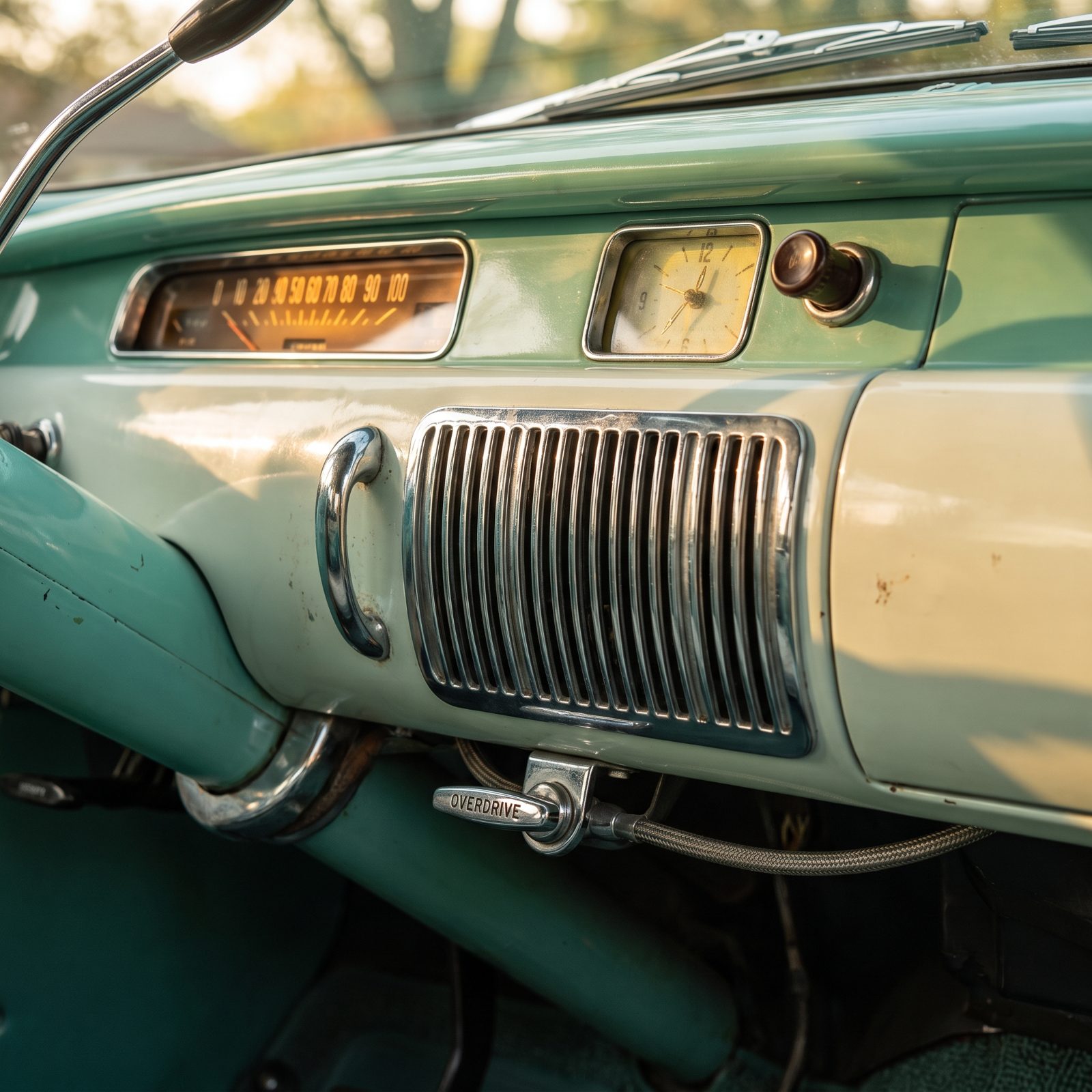
There’s a chrome T-handle hiding under a lot of 1950s dashboards, and most people have no idea what it does. Pull it, and the car physically locks itself out of overdrive.
Why would you want that? Engine braking. Heading down a mountain pass, you wanted the gearing to hold the car back instead of cooking the brakes to nothing. Yank the handle and overdrive couldn’t engage; push it in on the flats and you got that relaxed, low-rpm highway cruise again.
Easy to mistake for a hood release. Very much not a hood release.
15. The Hand-Throttle Knob That Held Your Idle for You
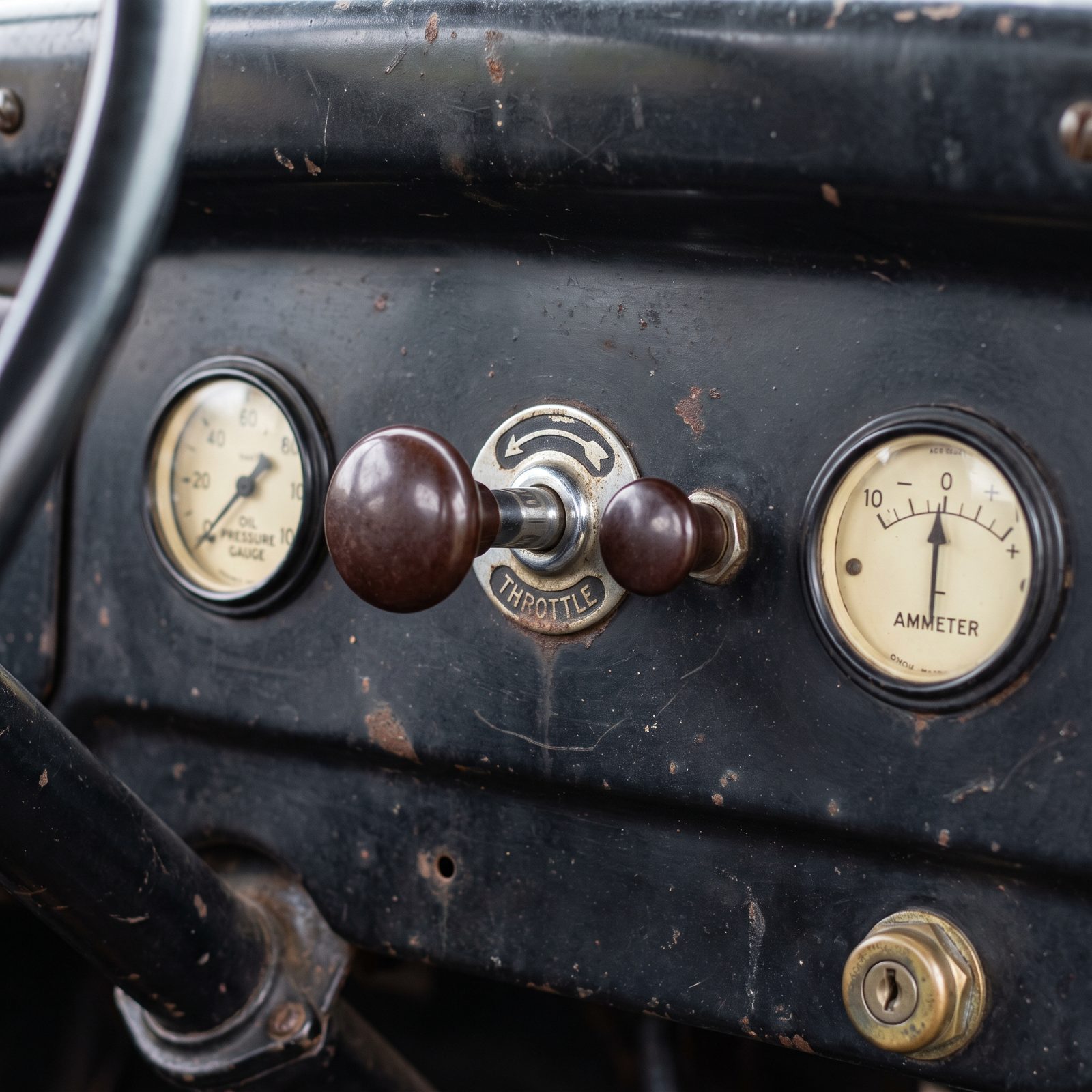
Want to run a cold engine warm without sitting in the cab working the pedal? The hand throttle did it. Pull the knob out, the engine held above idle, and you could walk away.
Farmers and mechanics loved it. Set the revs to drive a belt-run accessory, bleed a cooling system, or just keep a stubborn flathead from stalling on a frosty morning. The knob usually sat right next to the choke, and the two get confused constantly. One meters fuel for starting. One sets your running speed. Mix them up and you’ll flood the thing or race it to the moon.
14. The Magneto Switch That Decided Whether the Engine Lived or Died
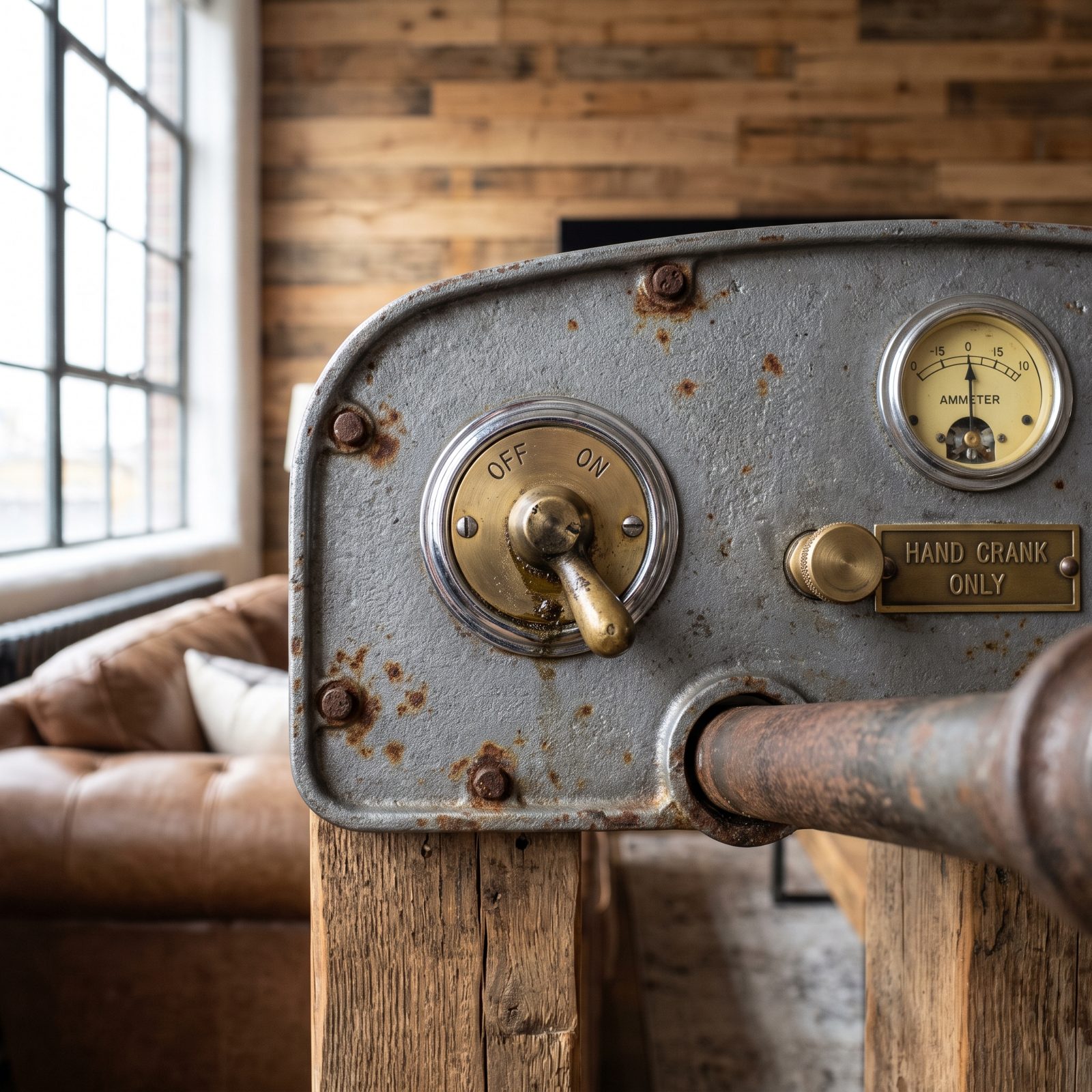
A magneto makes its own spark — no battery needed once the engine turns. That independence is exactly why its switch works backward from what you’d expect.
Flip a magneto switch to OFF and you’re not cutting power to it. You’re grounding it, shorting the spark to kill the engine. Leave it in the wrong spot and a hand-cranked engine could fire while you’re still gripping the crank, which is how a lot of forearms got broken in the early days.
13. The Blackout-Light Selector From a Dashboard Built for War
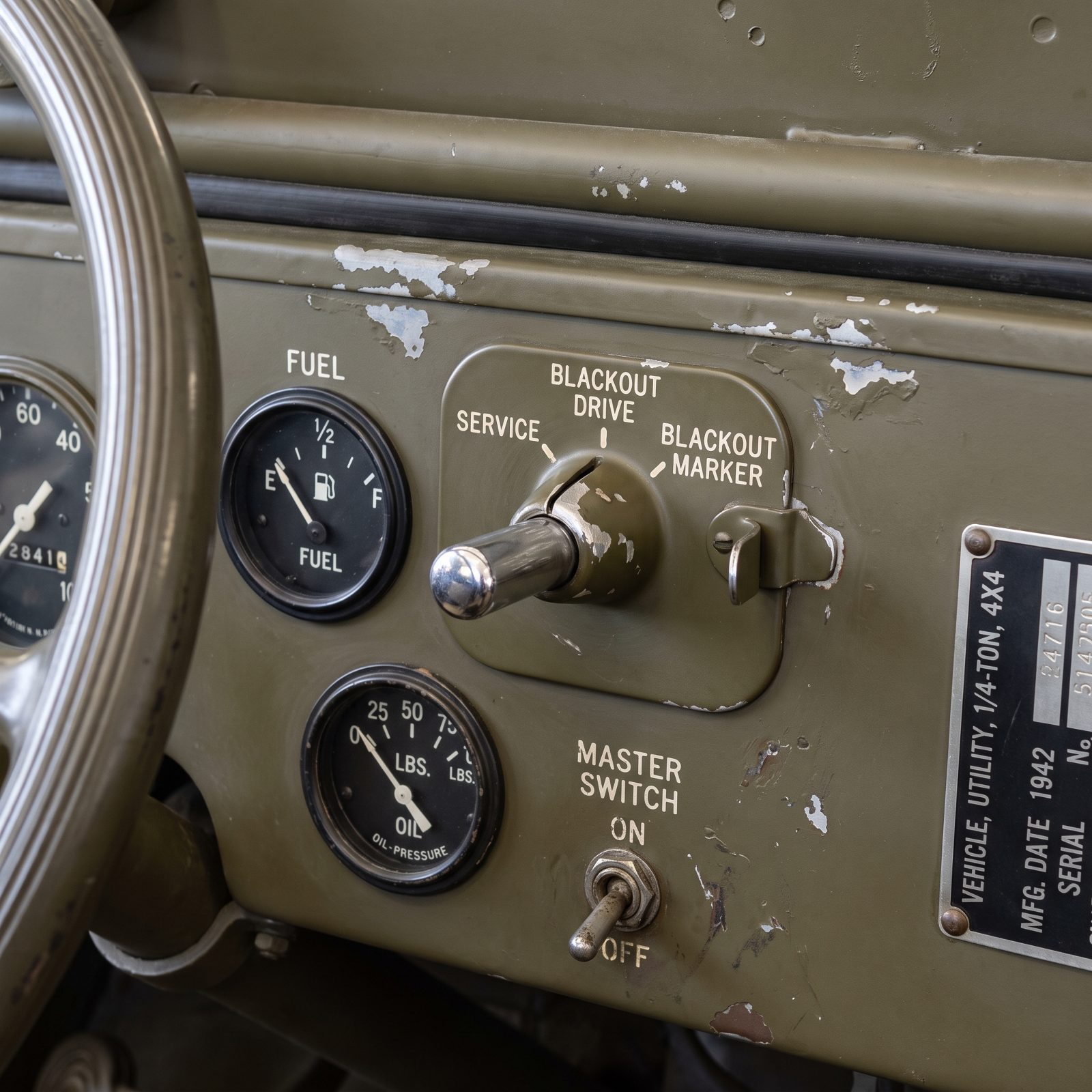
The selector on a wartime dash doesn’t just turn the lights on. It controls how little light the vehicle shows at all.
Blackout driving lights threw a thin slit of illumination downward so a convoy could move at night without becoming a target from the air. Blackout markers were tiny shielded lamps, visible only from close behind, letting one truck follow another without a column of headlamps stretching for miles.
Surplus vehicles brought these selectors into civilian driveways by the thousands. A lever marked with positions nobody could decode anymore, built for a kind of night driving most owners would never do.
12. The Glow-Plug Pull Switch and the Long Wait Before Cranking
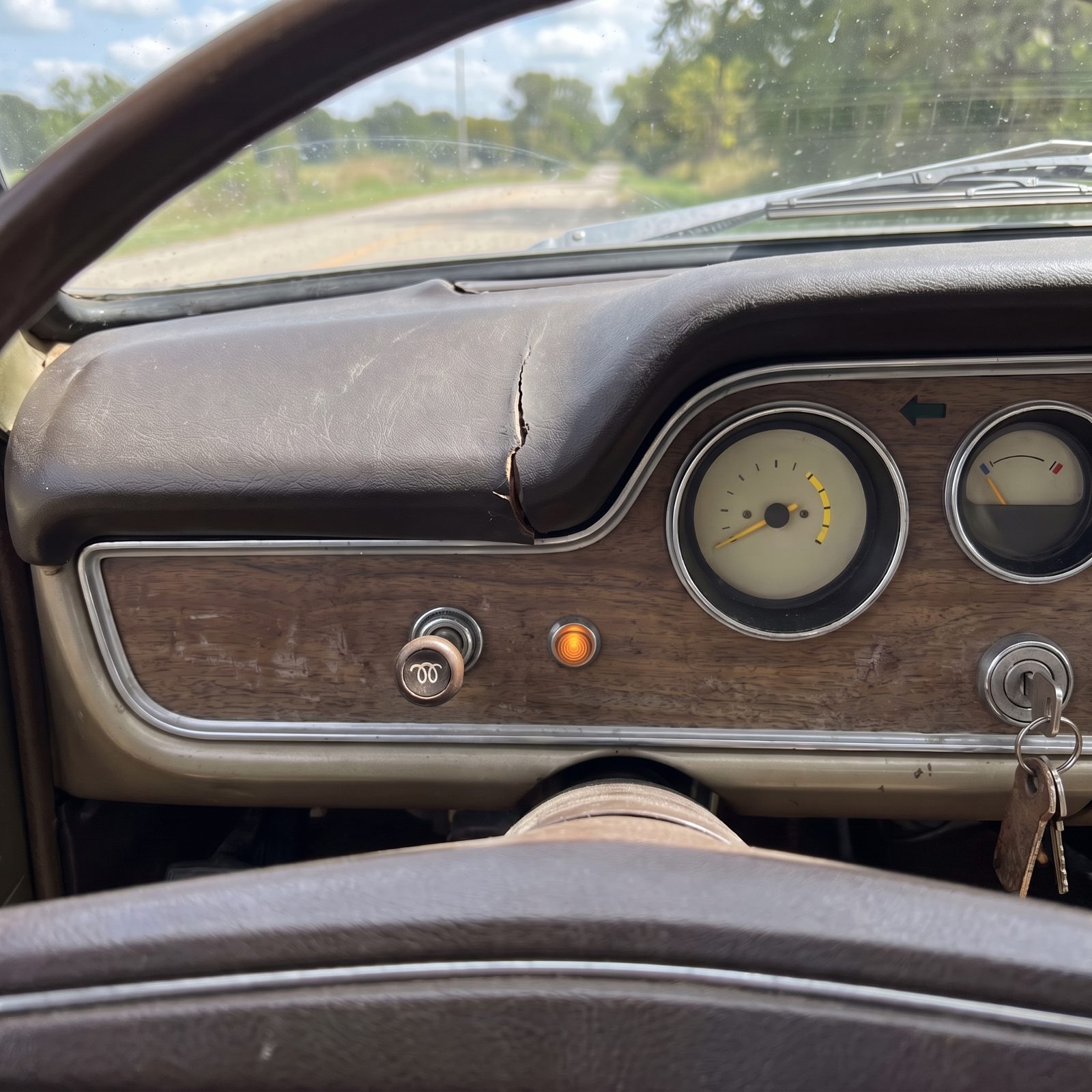
Diesels don’t use spark. They light fuel by compression heat alone, and a stone-cold engine sometimes can’t make enough. So you preheated it, and you waited.
Pull the glow-plug switch and small heating elements glowed inside the cylinders, while an indicator lamp told you when they were ready. Only then did you crank. Rush it and the engine just chugged and sulked. The whole ritual — pull, wait, watch the lamp, crank — baffled anyone who’d only ever driven gas cars.
11. The Diesel Stop Knob You Had to Pull to Turn the Key Off
Would you like to save this?
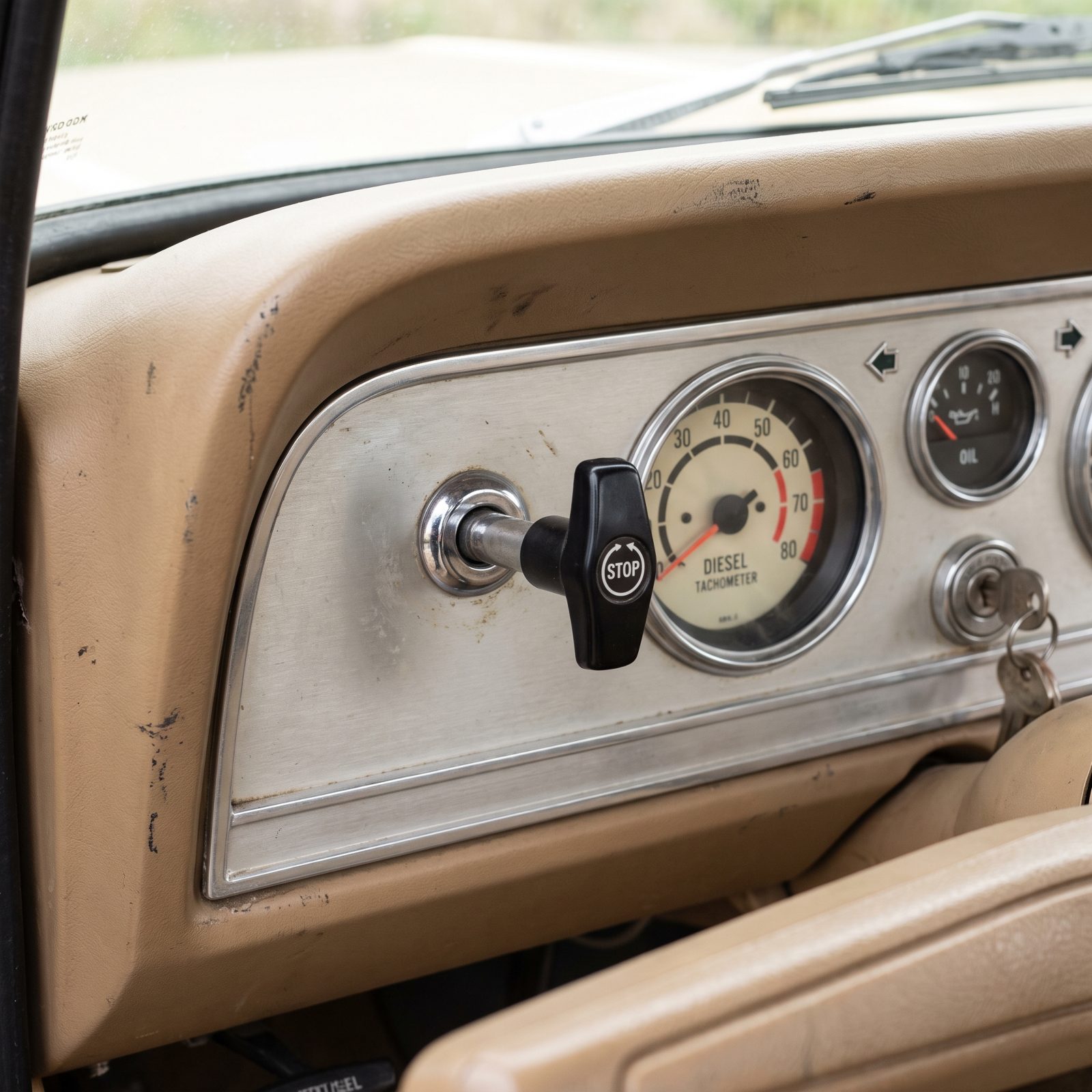
Turn the key off in an old mechanical diesel and nothing happens. The engine keeps running, because there’s no spark to cut.
To shut it down you pulled the stop knob, and that yanked a cable that cut fuel delivery at the injection pump. The engine starved and died. Let go too soon and it caught right back up, coughing, like it didn’t want to quit. New diesel owners found this out the awkward way — stuck in a parking lot with a running truck and a dead ignition, hunting for the magic knob.
10. The Power Takeoff Control That Turned Your Truck Into a Machine Shop
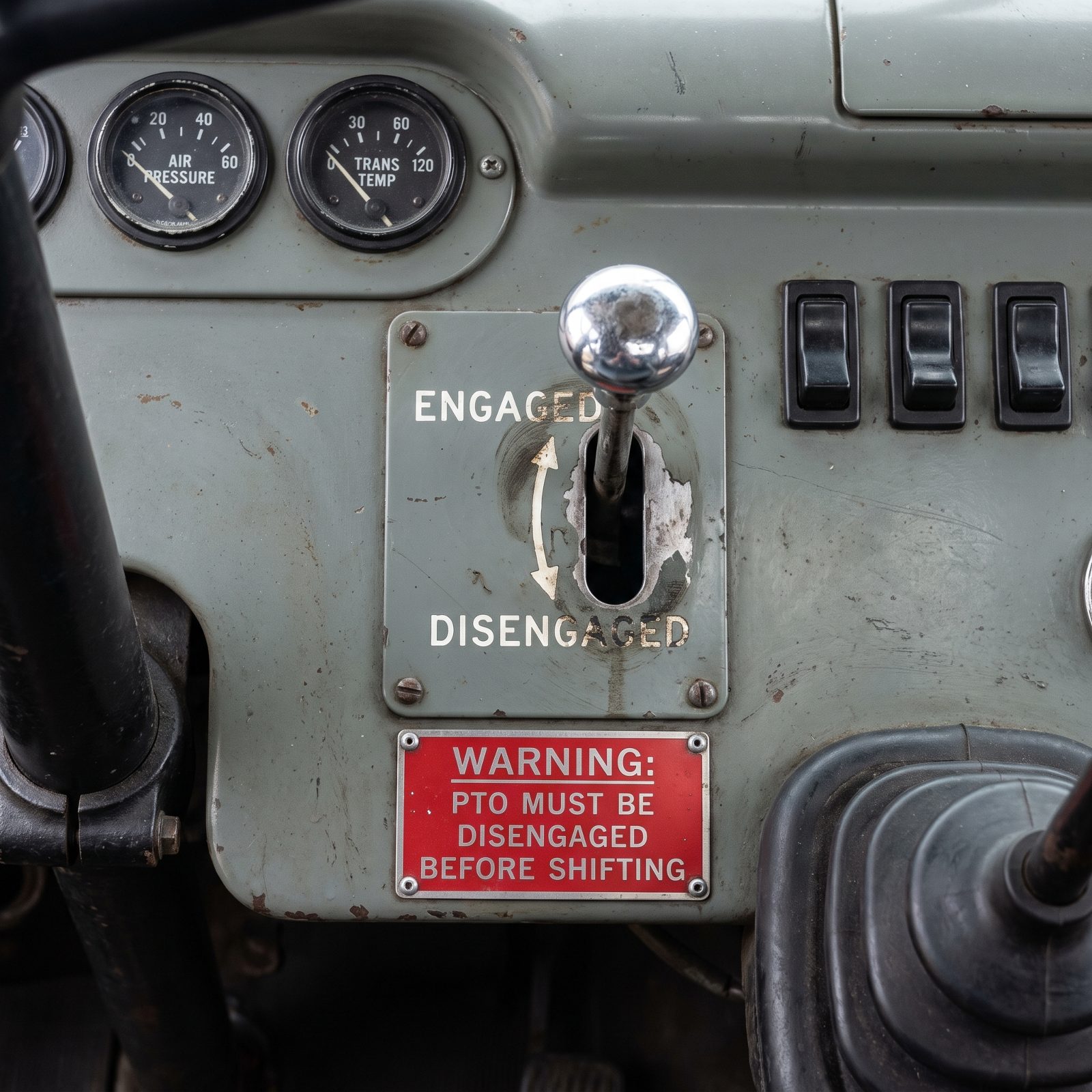
Not every control in an old truck moved the truck. The power takeoff lever sent engine power sideways, out to whatever happened to be bolted to the chassis.
Engage it and the transmission drove a dump bed’s hydraulic pump, a winch, a cement mixer, a fire pump, a tow-truck hoist. One engine, dozens of jobs. The lever usually carried a warning plate and a gated slot so you couldn’t bump it by accident — a PTO spinning when you didn’t expect it was a genuine hazard.
To the uninitiated it reads like a second shifter. And in a sense that’s exactly what it was, except it shifted power to the part of the truck that actually earned its keep.
9. The Pushbutton Parking-Pawl Control That Locked Early Automatics in Park
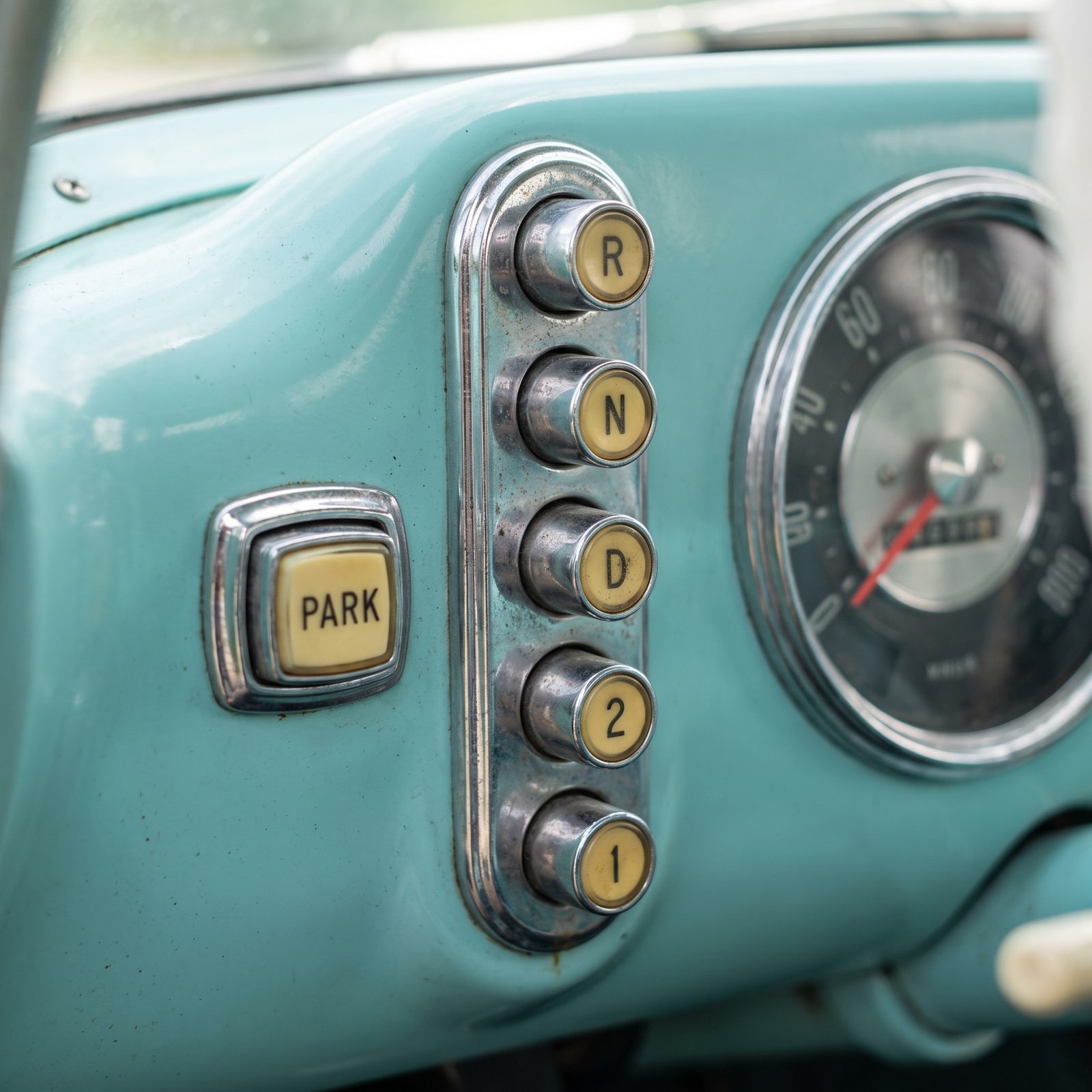
Slide behind the wheel of certain late-’50s and early-’60s automatics and there’s no lever anywhere — just a row of chrome buttons sticking out of the dash like a jukebox selector. The one marked PARK did something modern drivers never think about. It physically drove the parking pawl into the transmission to lock the output shaft.
And here’s where people get it wrong today. They figure that PARK button is just another gear, or they mix it up with a starter. Neither. It was a mechanical command to a linkage that held the car still on a hill. Miss it, forget the handbrake, and you’d find your coupe three doors down.
8. The Rear-Window Blower Switch That Cleared the Glass Before Defrosters Existed
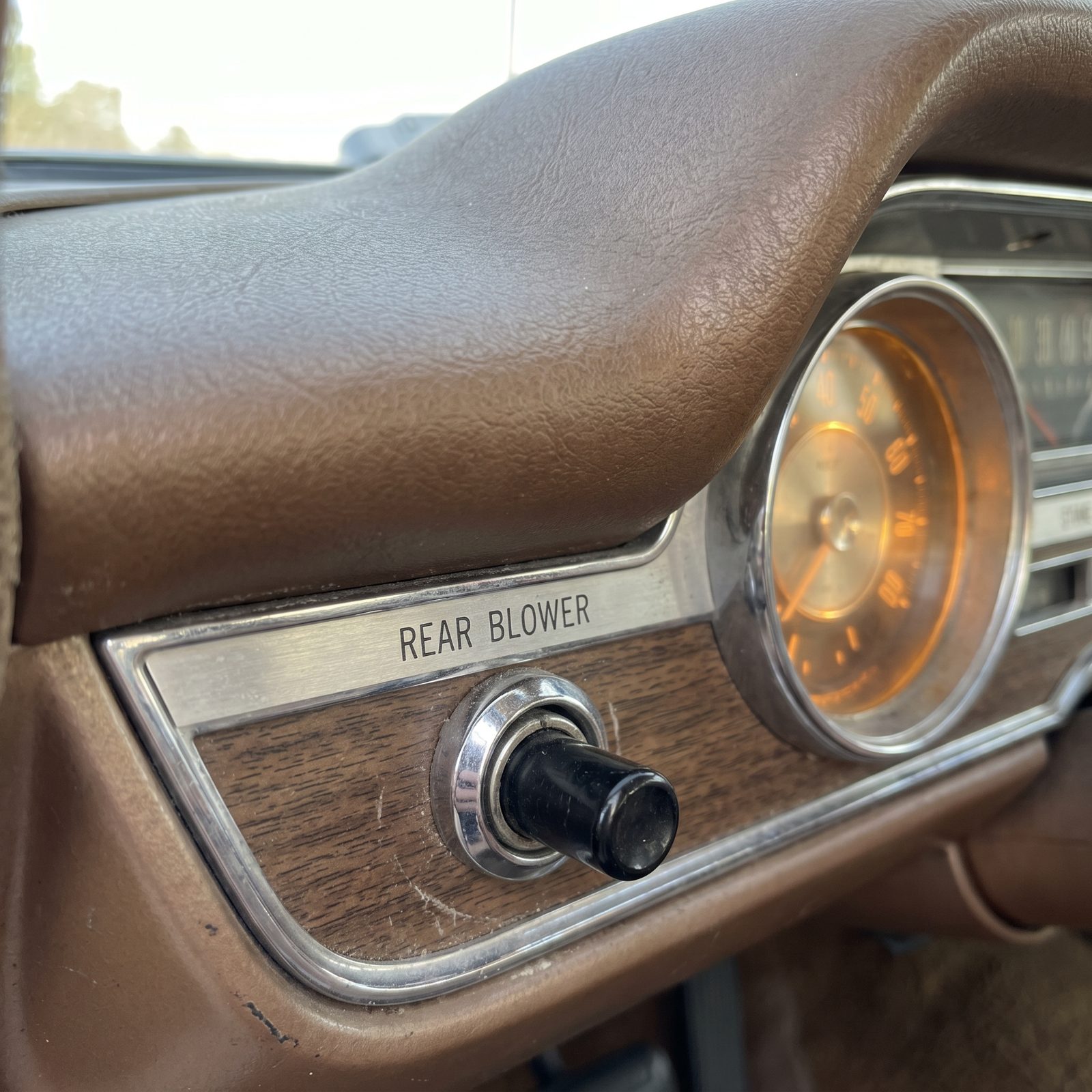
Long before anybody printed thin orange heating lines across a back window, wagons and a few sedans fought rear-glass fog with brute force. A little electric fan bolted behind the back seat, flicked on by a switch tucked low on the dash.
Plenty of folks spot that REAR BLOWER toggle at a car show and figure it ran the heater or a rear speaker. It did neither. It spun a blower to push cabin air across the inside of the rear glass, so Mom could actually see the car behind her on a cold morning.
Heated glass killed it off through the 1970s. The switch lingered in parts bins, baffling restorers who wire it to the wrong circuit and wonder why nothing warms up.
7. The Twilight Sentinel Dial That Kept Your Headlamps Burning After You Walked Away
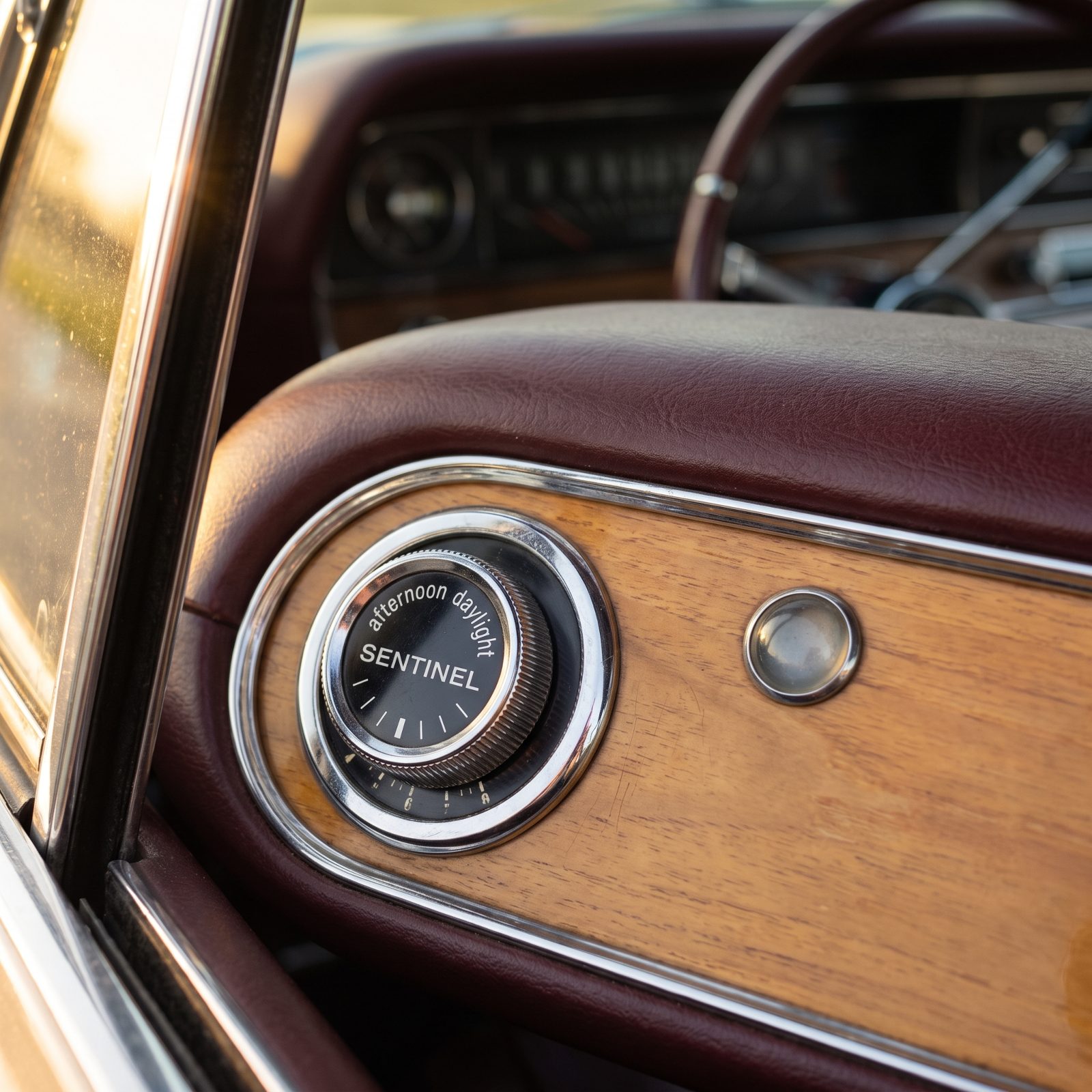
This is the control everybody mistakes for a dimmer. It isn’t. The Twilight Sentinel was a delay timer, paired with a little photocell lens set into the wood fascia that sensed when dusk fell and switched your headlamps on all by itself.
The dial set how long the lamps stayed lit after you killed the engine and walked toward the house. Sixty seconds. Ninety. Long enough to find your front door in the dark without fumbling for keys. Cadillac and Oldsmobile buyers couldn’t get enough of it in the ’60s.
Find one today and half the crowd calls it an interior dimmer or a clock adjuster. The giveaway is that photocell lens sitting in the wood beside the dial. No photocell, no sentinel.
6. The Windshield Washer Plunger You Pumped by Hand
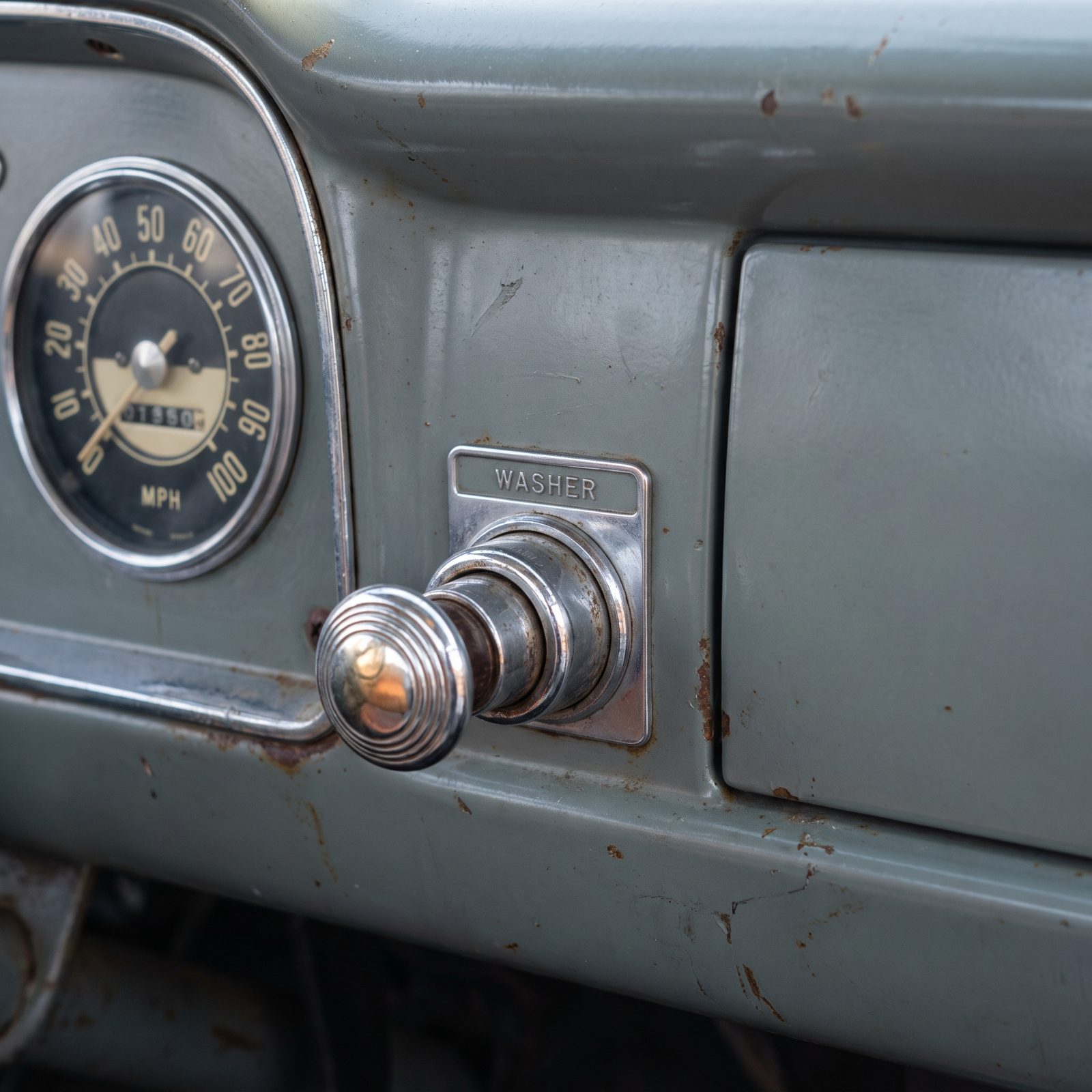
Before an electric pump did the work, you cleared bug-spattered glass with your own thumb. The washer plunger was a spring-loaded knob on the dash — push it, and it forced a shot of fluid up the lines and out the nozzles. Push harder and faster, you got more.
It feels odd now, like priming a camp stove to clean your windshield. Restorers pull that ribbed chrome knob and assume it’s a choke or a throttle. Nope. One quick press and a squirt hits the glass; nothing else moves.
5. The Windshield-Center Crank That Swung the Glass Open for Fresh Air
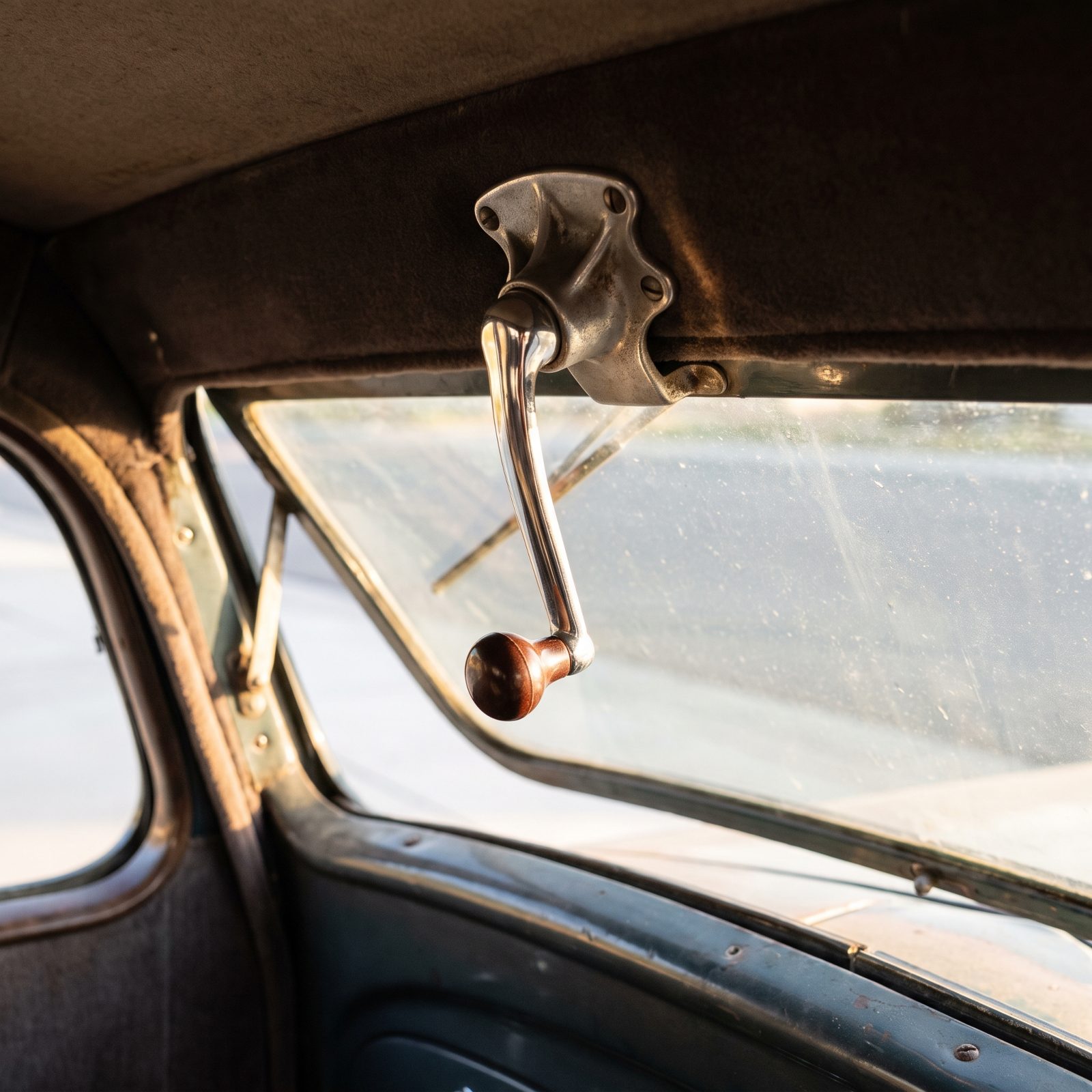
Roll down a window and you get wind in your face. Crank open the whole windshield and you get something else entirely — a low, steady rush of air coming in under the glass, straight at your chest, with the road noise cut strangely flat.
Prewar cars pulled this off. A crank at the top center of the windshield frame tilted the entire glass outward on its upper hinge. That was your air conditioning in 1932.
Spot one in a Model A or an early coupe and newcomers will guess it’s a rearview mirror adjuster or an overhead map light. It’s a ventilation crank. When it’s seized with eighty years of grime, freeing it takes real patience.
4. The Cowl-Ventilator Control That Opened a Flap Ahead of the Windshield
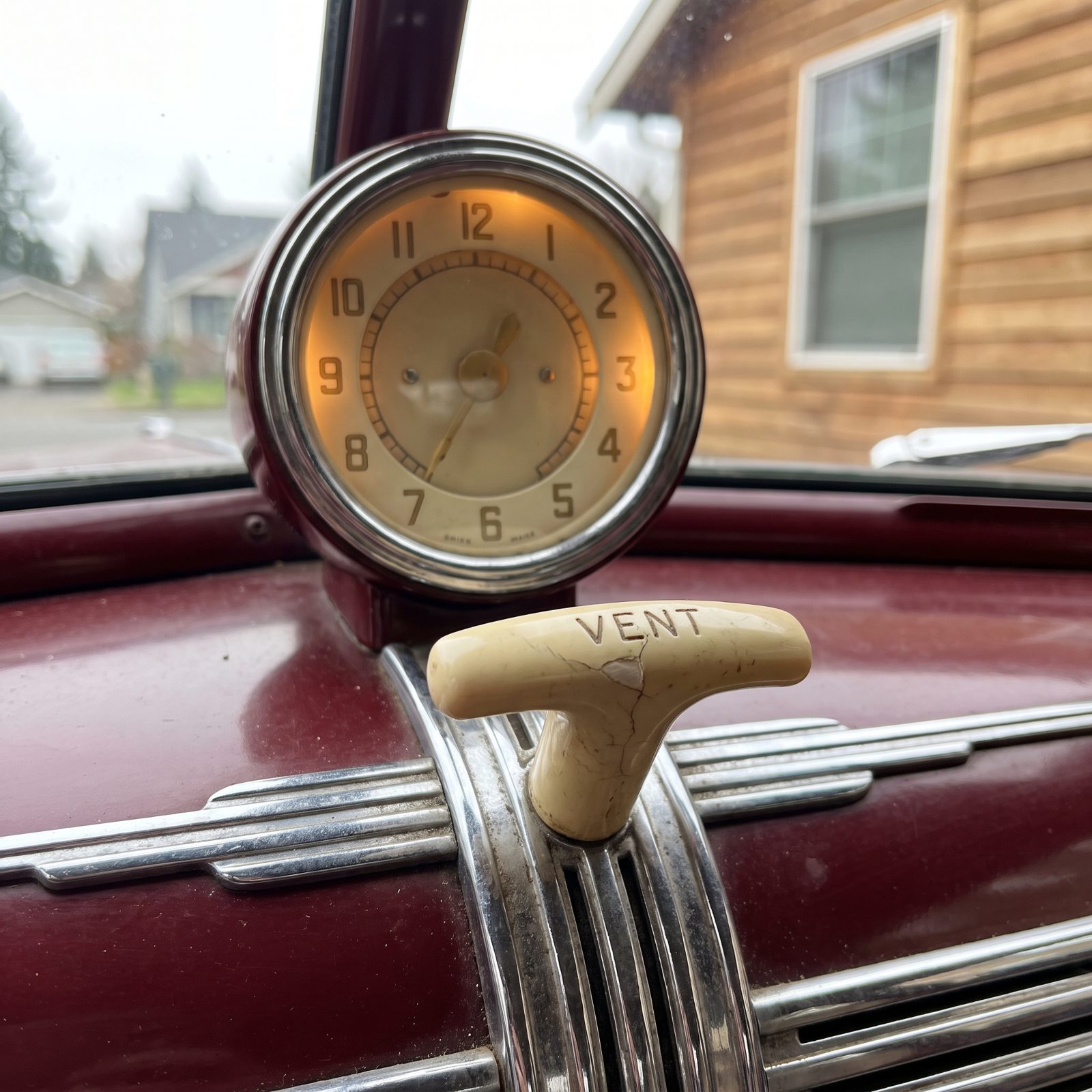
Up near the base of the windshield on old sedans sat a hinged flap in the sheet metal — the cowl vent. A pull knob or lever inside opened it, and fresh air funneled down onto your feet and lap through a scuttle below the dash.
Beautifully simple idea. No fan, no ductwork worth mentioning, just a flap that caught the wind. Modern eyes land on that VENT handle and read it as a hood release or a defroster. Pull it on a still day and nothing happens that you can see. Pull it at speed and the cabin suddenly smells like cut grass and asphalt.
Leave it open in the rain, though, and you’ll be mopping the floor mats later. Every veteran of these cars learned that one the hard way.
3. The Heater Water-Valve Control That Ran Hot Coolant Through the Core
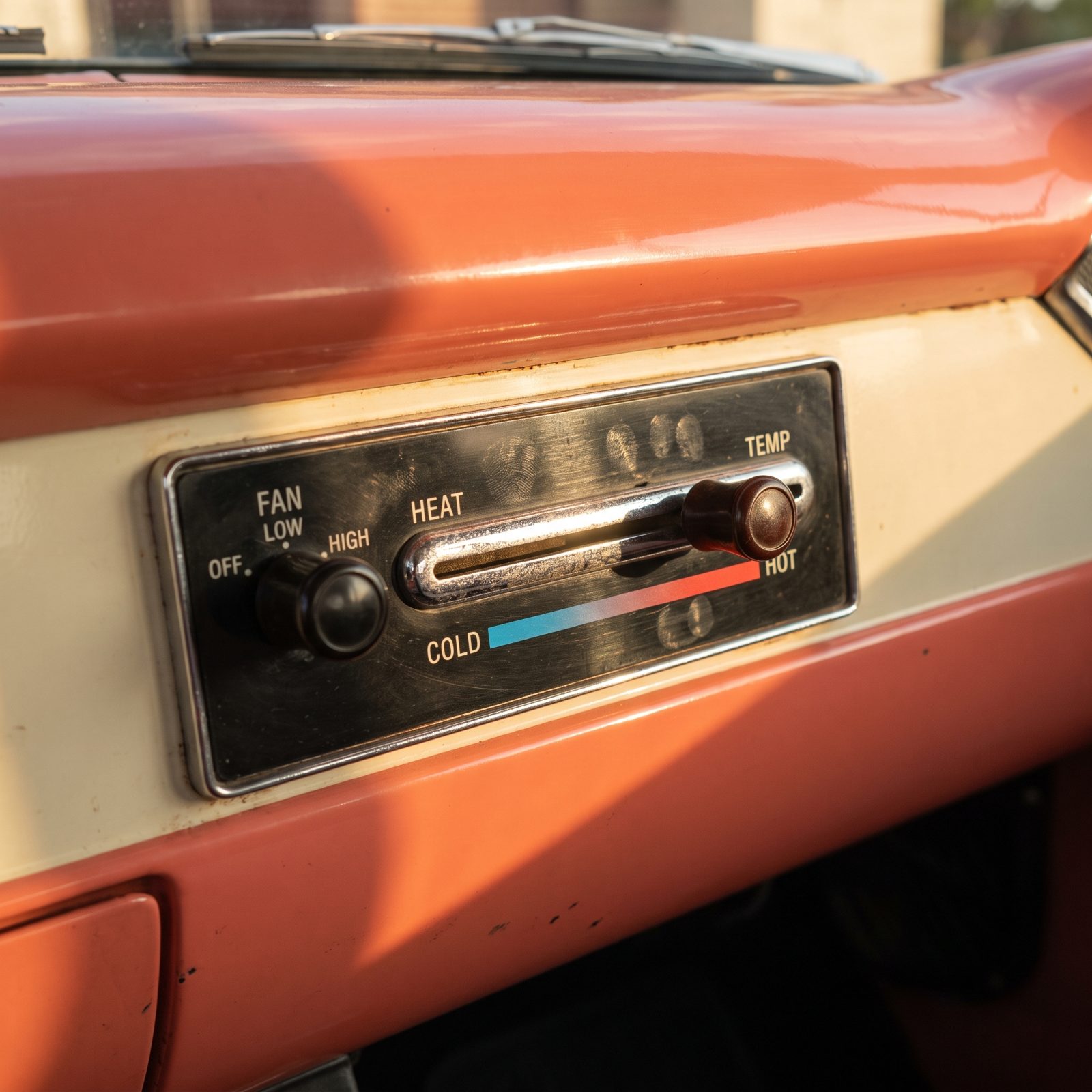
Turn up the heat in an old car and you weren’t nudging a blend door or coaxing a thermostat — you were opening a valve. That HEAT or TEMP control pulled a cable that cracked open a water valve, letting hot engine coolant flow through the heater core under the dash.
More flow, more warmth. Shut the valve and the core cooled off, so your defroster blew lukewarm. Simple plumbing.
The modern confusion is real. People assume that slider does the same job as the fan switch sitting right next to it. It doesn’t. One moves air, the other moves hot water. A stuck valve is exactly why so many of these cars roast you in July with no way to shut the heat off.
2. The Starter Pull Knob That Cranked the Engine From the Dash
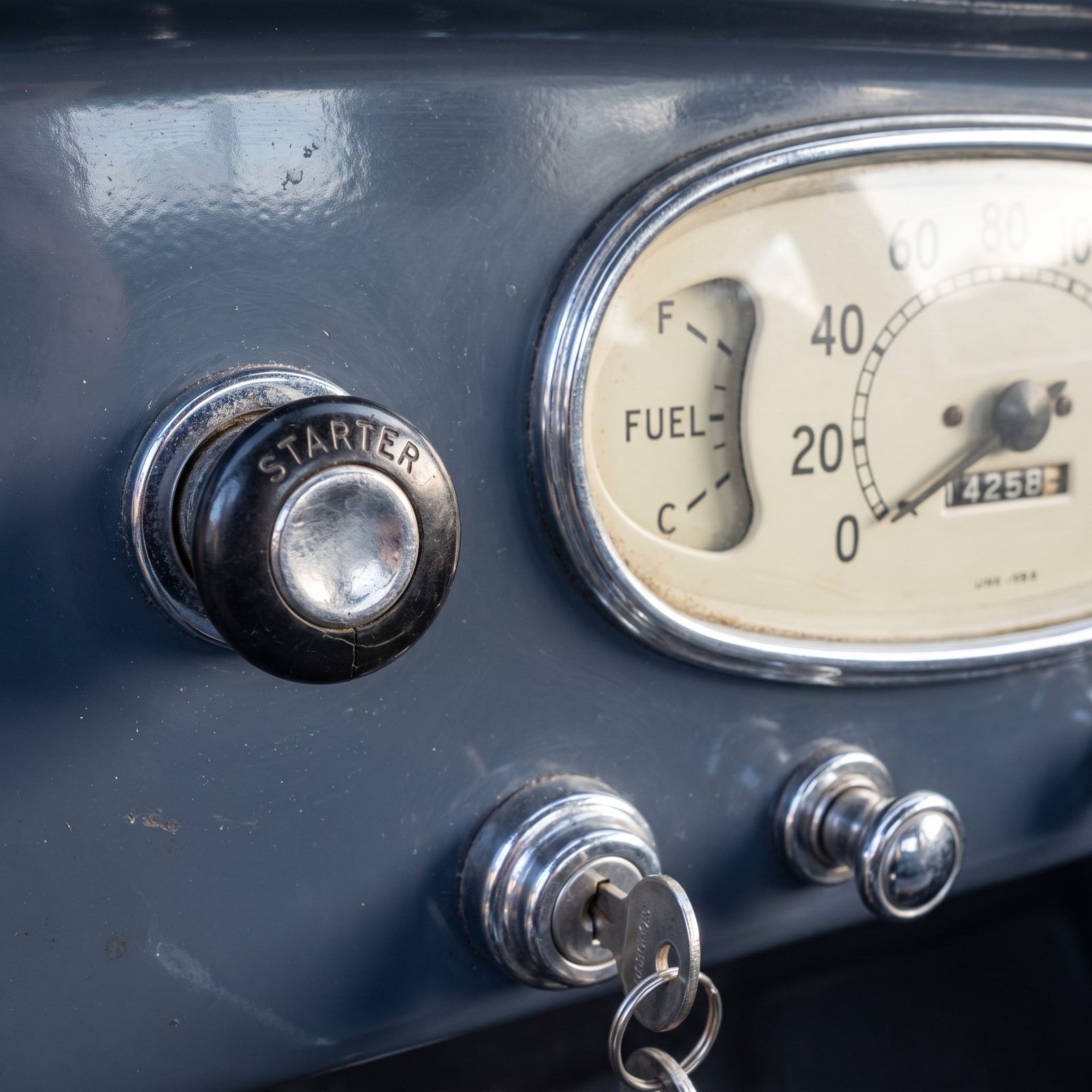
For a good stretch of motoring history, starting the car was two separate acts. Switch on the ignition. Then pull — or press — a dedicated starter control, usually a knob right there on the dash, to engage the starter motor and spin the engine over.
No single key turn did it all. The ignition switch woke the circuits; the starter knob did the cranking. You kept pulling while the engine caught, then let go.
This is the one that fools everybody. A prewar dash carries a cluster of similar-looking knobs, and the STARTER, the CHOKE, the LIGHTS, and the THROTTLE all look like cousins. Pull the wrong one in the wrong order and you’ll flood the engine or just sit there scratching your head. Knowing the sequence was part of knowing how to drive.
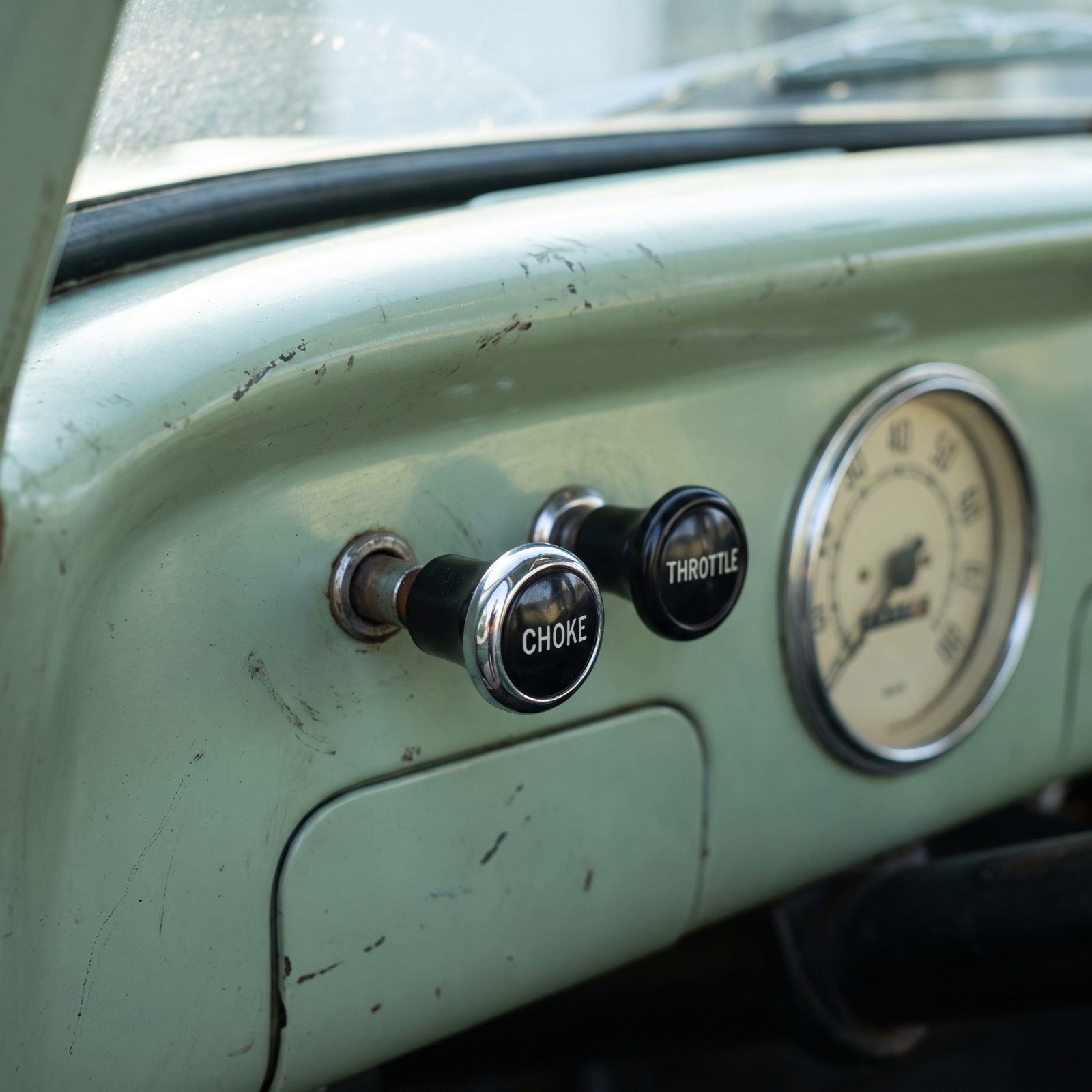
1. The Carburetor Choke Pull That Fed a Cold Engine Its Breakfast
Would you like to save this?
Cold morning, engine stone cold, and the trick was that knob marked CHOKE. Pull it out and you closed a plate in the carburetor throat, choking off air so the mixture ran rich. Rich fuel is what a cold engine wants to fire and keep running until it warms.
You pulled it fully to start, then eased it back in as the engine caught its breath. Leave it out too long and you’d foul the plugs and wash the oil right off the cylinder walls. Every driver had their own feel for it.
Automatic chokes, and then fuel injection, erased the ritual. A cold start is invisible now. But that manual choke knob is the single most misidentified control on any old dash, forever mistaken for the throttle sitting right beside it. The tell is the smell. Too much choke and the whole garage reeks of raw gas.