
Would you like to save this?
Nobody buys a lemon on purpose, and nobody marries the wrong person on purpose either. Yet we do both, over and over, driving off the lot grinning while the smarter part of our brain sits in the back seat with its arms crossed. The same wiring that makes a convertible feel like freedom makes a bad first date feel like fate. We mistake a good first impression for a good long run, fall for the paint, ignore the rust. We tell ourselves a story about who we’ll be with this car, this person, this choice — then spend years justifying it. What follows is a tour through the little lies we tell ourselves at the dealership, and how each one has a twin waiting in the rest of life.
Please note that some of the images in this article were created with the assistance of AI.
19. You Mistake Shiny Paint for a Healthy Engine
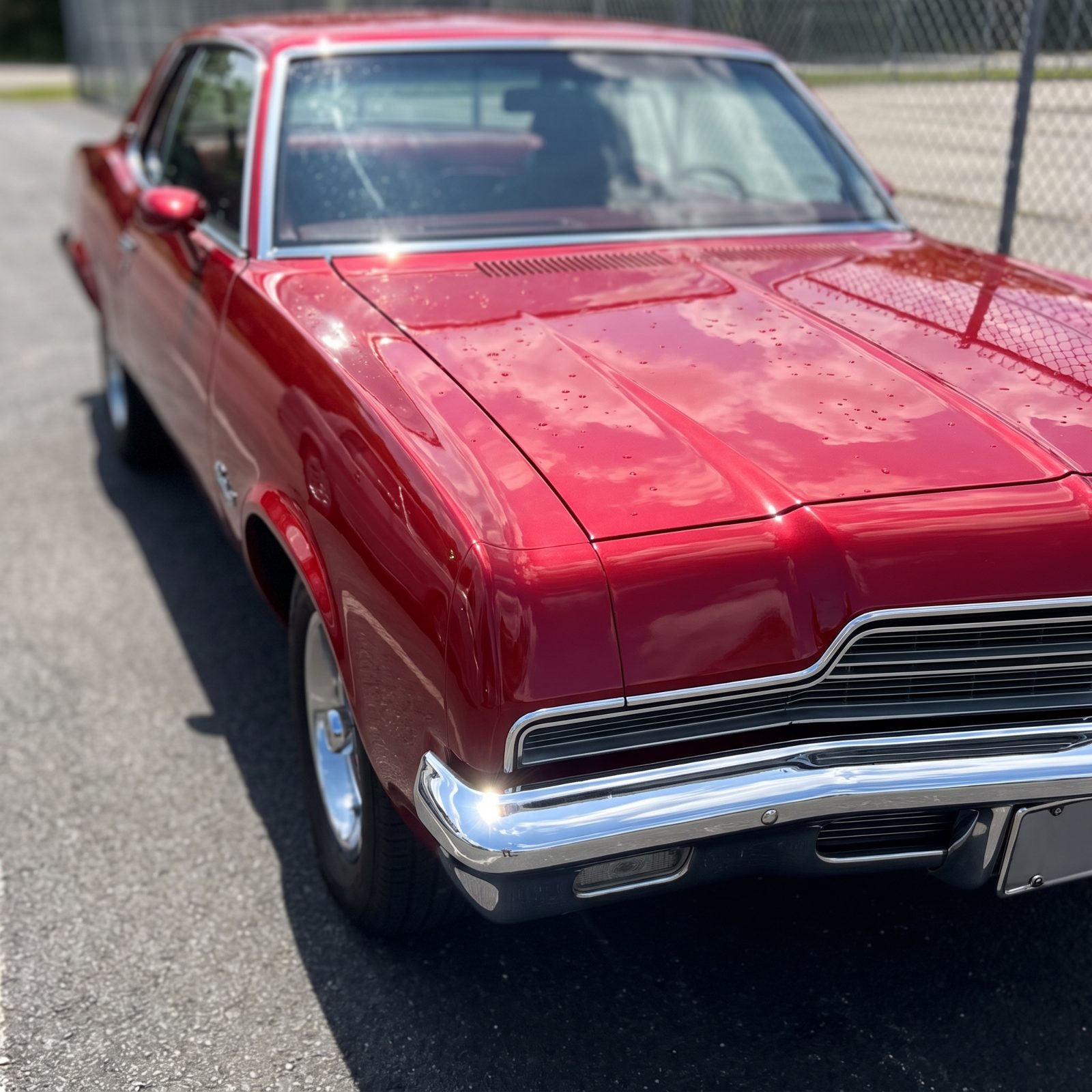
The paint is doing something to you. A freshly detailed hood, waxed until it mirrors the sky, triggers something older than good sense, and we read surface as substance. Clean must mean cared-for. Shiny must mean sound. The brain loves a shortcut, and a gleaming fender is the easiest one there is.
Call it the halo effect. One attractive trait bleeds outward and colors everything we haven’t checked — a beautiful face makes us assume kindness, a beautiful paint job makes us assume a beautiful engine. Neither assumption earned a thing.
Here’s the trouble. Paint is the cheapest fix on any car. A guy can spend a weekend and a few bucks making a tired old motor look like a showpiece, same way a person can look flawless across a candlelit table and be a complete disaster by the third week. You fell for the clearcoat, not the compression.
18. A Thrilling Test Drive Makes the Back Seat Irrelevant

Ten minutes behind the wheel and the deal is basically done. The engine barks, the corners feel glued, the sun hits the dash just right, and some chemical in your blood has already signed the paperwork. Nobody test-drives a car thinking about hauling plywood or buckling in a grandkid. You test-drive the feeling.
And that feeling is the whole trap. We weight the vivid, present experience far heavier than the boring future reality — psychologists call it present bias. The thrill is here now, loud and physical. The cramped back seat and the forty-dollar oil changes are abstract, far away, somebody else’s problem.
Same reason a first date full of fireworks blinds you to whether this person can sit quietly in a room with you for thirty years. Chemistry is a sprint. Living together is a marathon. The test drive never once asks you to do the thing you’ll actually do every single day.
17. You Buy the Sports Car Your Imaginary Self Needs
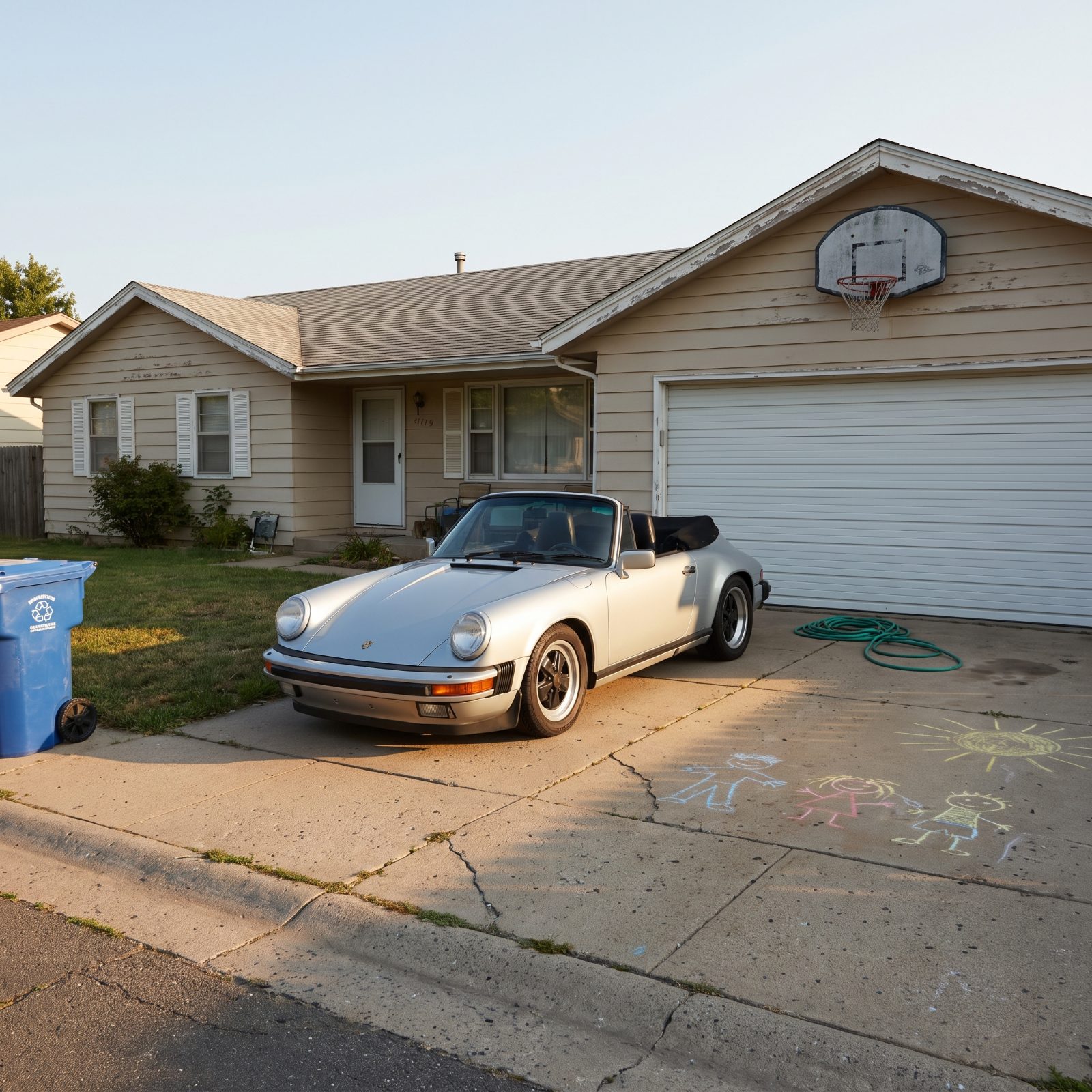
You don’t buy the car you drive. You buy the car the person you wish you were would drive. That two-seat roadster parked in the driveway of a guy whose weekends are soccer practice and gutter cleaning isn’t transportation — it’s a costume for a life that hasn’t shown up yet.
We shop for our ideal self, then live as our actual self, and the gap sits in the garage collecting dust and insurance bills. The convertible that was going to make you spontaneous mostly makes you nervous about parking it.
People make the exact same blunder choosing a partner. You pick someone who fits the story you want to tell about yourself — the adventurer, the sophisticate, the person with a glamorous life — and then reality clocks in and you’re both just tired on a Tuesday. The car and the partner were props for a role you cast yourself in before checking whether you even wanted to play it.
You bought it for the person you were planning to become, and he never arrived.
16. The Rare Color Makes Ordinary Flaws Seem Special
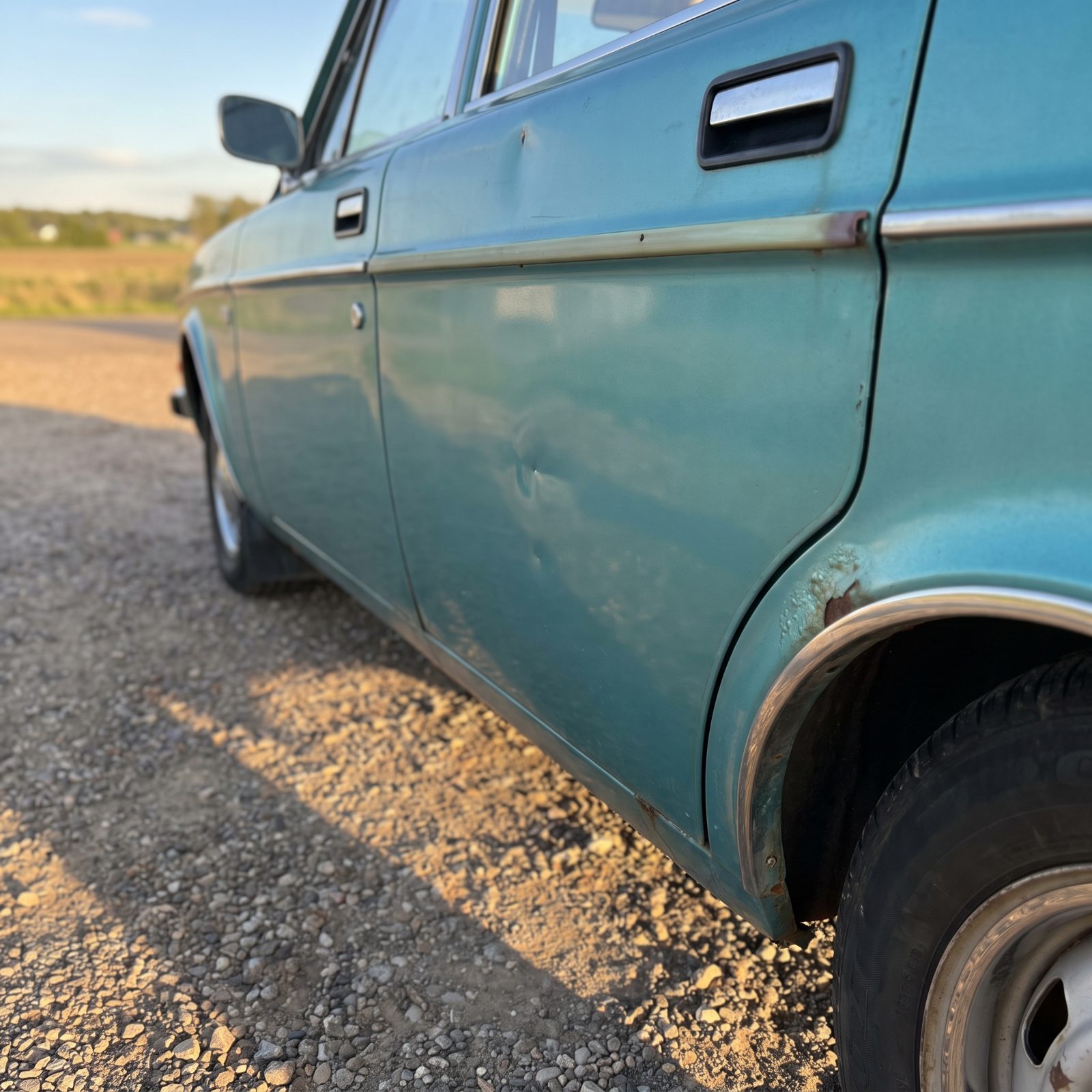
Everybody else’s car is white, silver, or black. This one’s a strange sun-faded teal nobody makes anymore, and suddenly the door ding and the whisper of rust by the wheel arch become character instead of problems. Rare feels valuable. Our brains confuse unusual with good.
That’s scarcity talking. When something is uncommon we assume it must be worth more, even when the rarity has nothing to do with quality. The color is just a color — it doesn’t improve the transmission or slow the rust. But it flatters us. Owning something uncommon makes us feel uncommon.
People do this with partners constantly. Somebody a little odd, a little hard to find, a little nobody-else-has-this gets forgiven a mountain of ordinary trouble because the packaging feels special. You tell yourself the flaws are part of the charm. They’re not. They’re just flaws wearing an interesting coat of paint.
15. You Picture Road Trips Before Checking the Service History

Before you’ve even opened the hood, you’re already on the trip. Windows down, mountain highway, a cooler on the roof and the radio loud. The daydream arrives fully formed and in high definition, while the service history — the thing that actually decides whether any of that happens — stays in a folder you never ask to see.
We fall for the future we imagine and skip the past we could verify. The fantasy is free and instant. Due diligence is work, and it might kill the fantasy, so we quietly decline to do it.
It’s the same reason people skip the hard conversations early in a relationship. Asking about the exes, the debts, the patterns, the reasons the last three things ended — all of it feels like it’ll ruin the magic. So you don’t ask. You just picture the road trips. The receipts were there the whole time. You chose not to read them.
14. You Stop Shopping Once One Car Feels Familiar
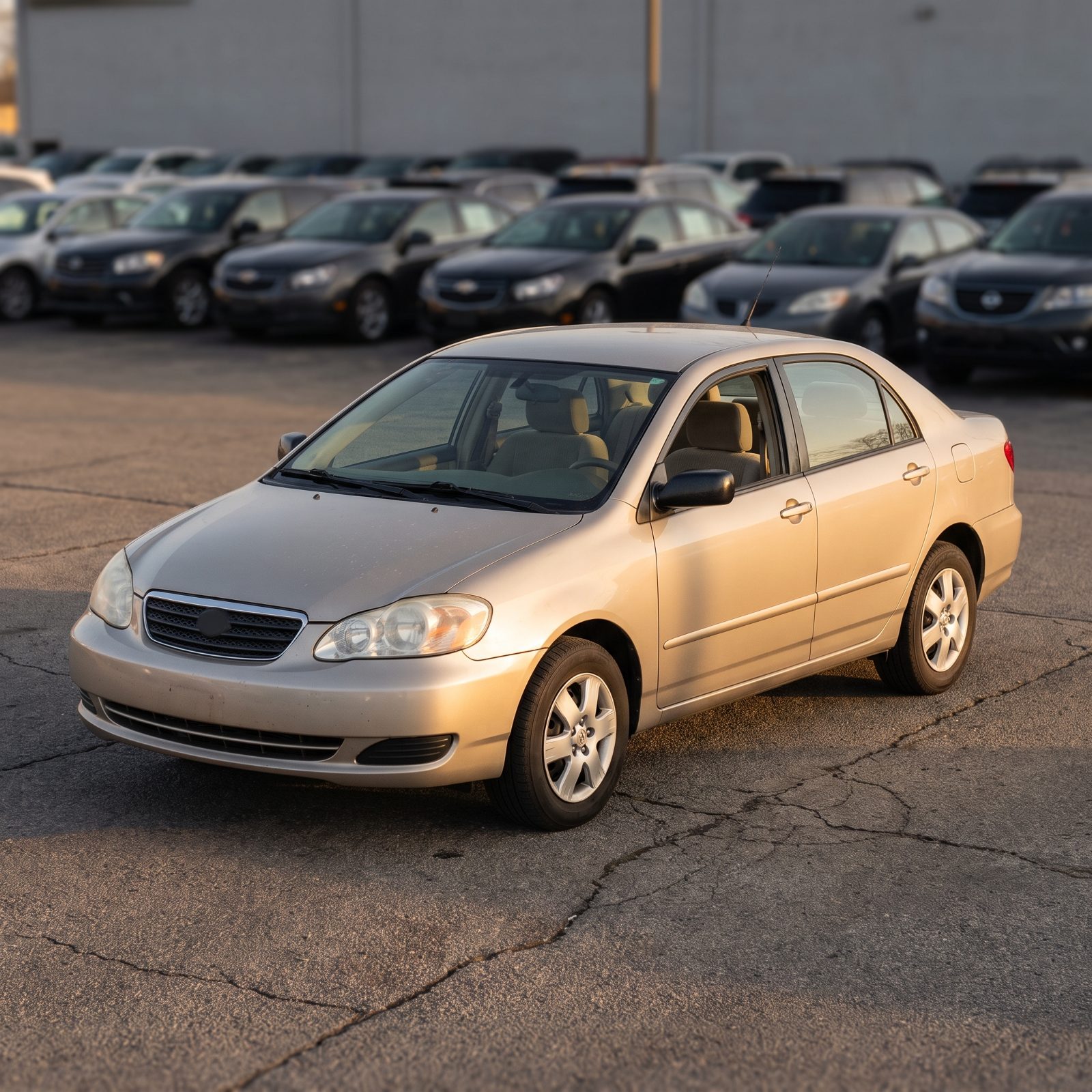
The lot has forty cars. You test three. The third one feels okay, nothing wrong with it, the seats comfortable enough, and some exhausted voice in your head says this’ll do. The search ends not because you found the right one but because looking got tiring.
Economists have a word for this: satisficing. You stop at the first option that clears the bar instead of hunting for the best one, because searching has a cost, and at some point your brain decides looking further isn’t worth whatever better thing might be out there.
Which is a perfectly reasonable way to buy a toaster and a dangerous way to pick a car you’ll keep ten years. It’s also how a lot of people land where they land in love — not because it was right, but because it was there, and it was pleasant, and starting over sounded awful. Comfortable isn’t the same as correct. It just feels that way when you’re tired of looking.
13. You Trust the Brand Because Your Family Always Did
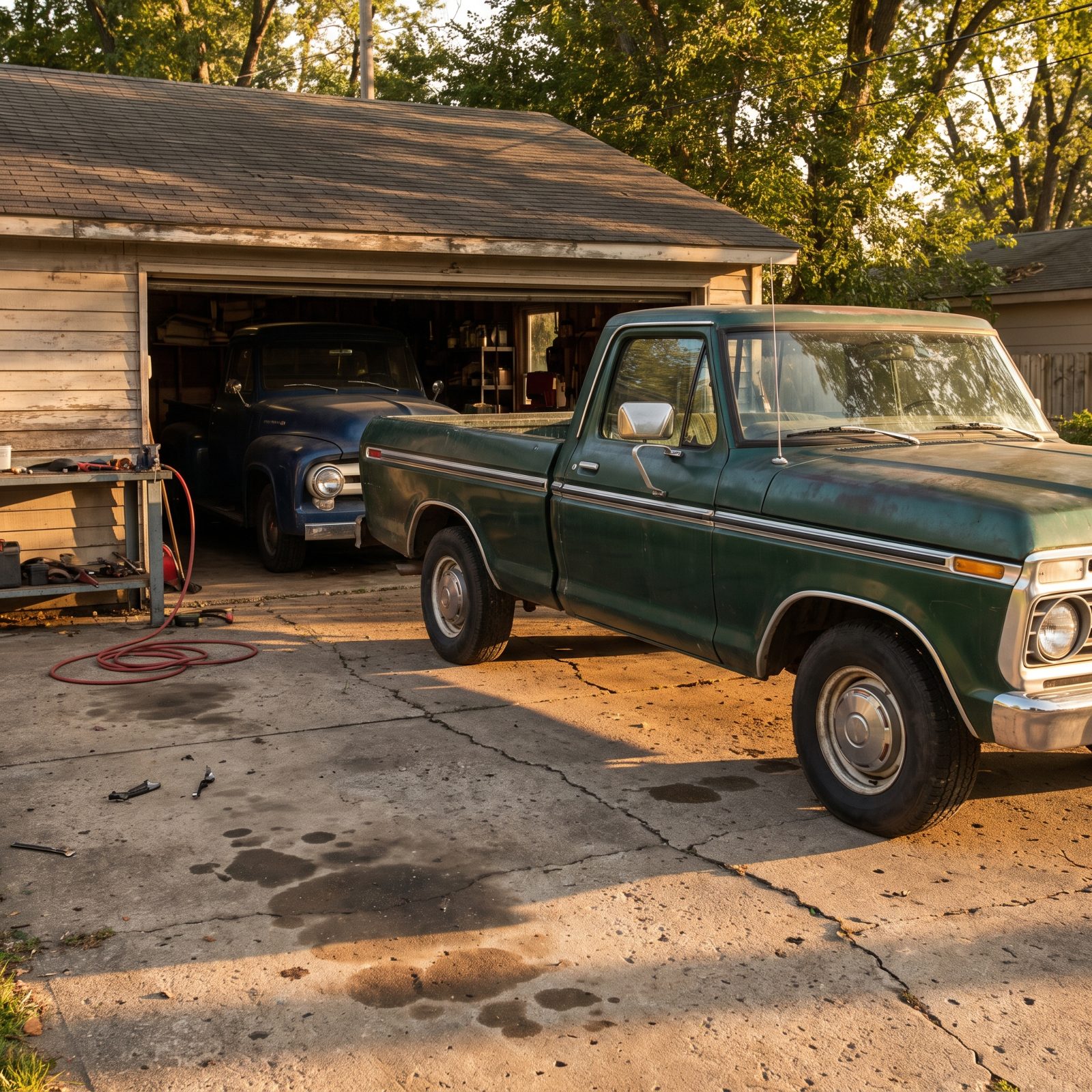
Dad drove one. Granddad drove one. There’s a photo somewhere of three generations leaning on the same make of truck, so when it’s your turn the decision is already made. You’re not buying a vehicle. You’re renewing a family membership.
Brand loyalty feels like wisdom and is often just inheritance. We trust what we grew up around because familiar feels safe, and questioning it feels disloyal. The company may have changed hands, changed factories, changed everything that made your granddad trust it — doesn’t matter. The feeling got passed down intact.
People choose partners this way too, steering toward whatever their family taught them to recognize as normal and right, for better and sometimes much worse. The familiar pattern feels like home even when home wasn’t always great. You confuse what you know with what’s good for you. They’re not always the same badge.
12. One Glowing Review Outvotes Fifty Owner Complaints
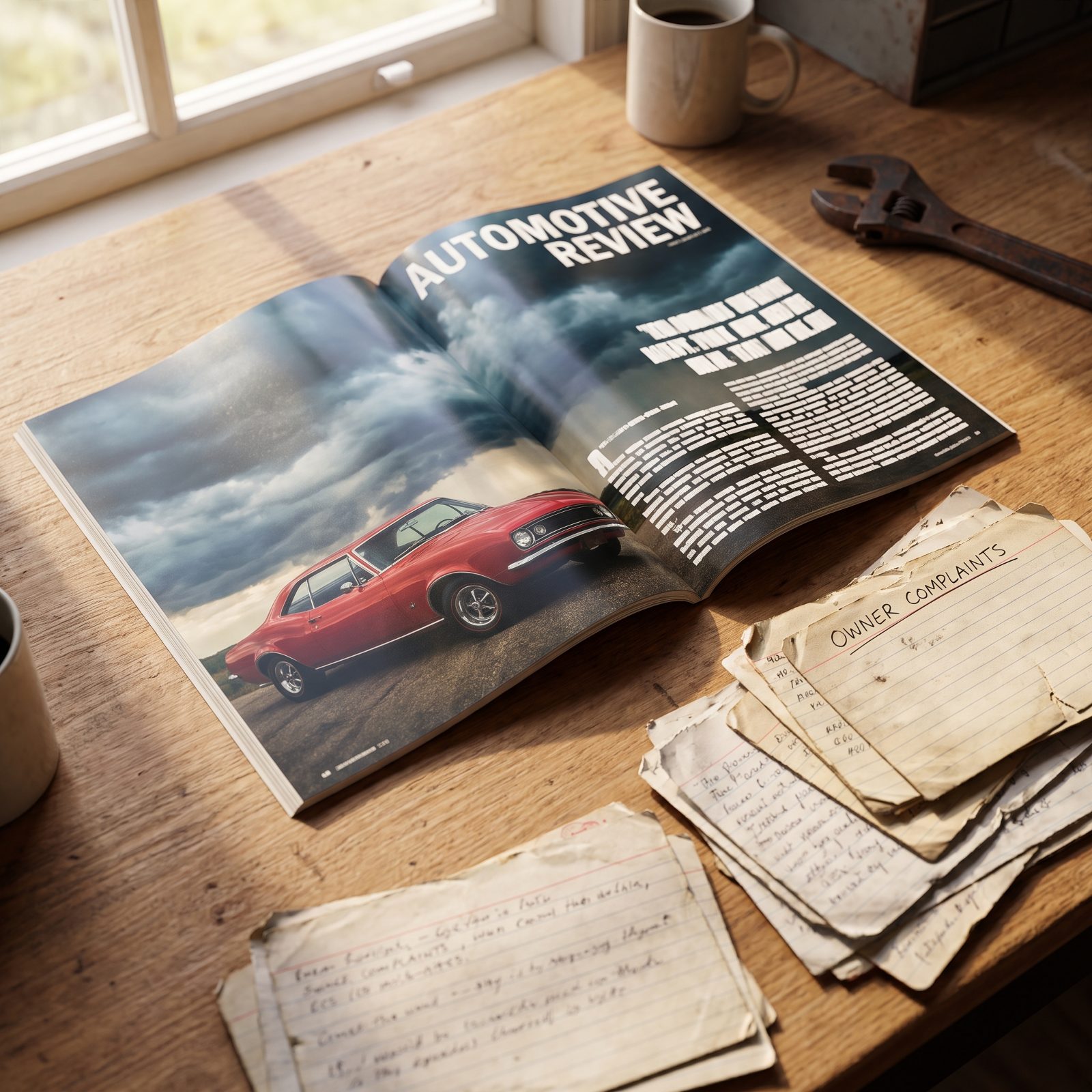
Fifty owners write that the thing eats transmissions. One magazine spread calls it a driver’s dream, and guess which one you carry out of the showroom in your head. The vivid, confident, professionally photographed rave sticks. The pile of boring, repetitive complaints slides right off.
We overweight the vivid and the positive once we’ve already started to want something. Confirmation bias in a tuxedo. Lean toward a yes and you go hunting for the review that agrees with you, waving off the fifty that don’t. One cheerleader beats a crowd of warning signs — because you recruited the cheerleader on purpose.
Everybody’s watched a friend do this with a person everyone else saw clearly. The friends raise the red flags, gently at first. And the one reassuring thing, the one good quality, the one great weekend, gets quoted like scripture while the warnings get filed under they just don’t get it. The reviews were honest. You just outvoted them with a majority of one.
11. The Salesperson’s Deadline Suddenly Feels Like Destiny
Would you like to save this?
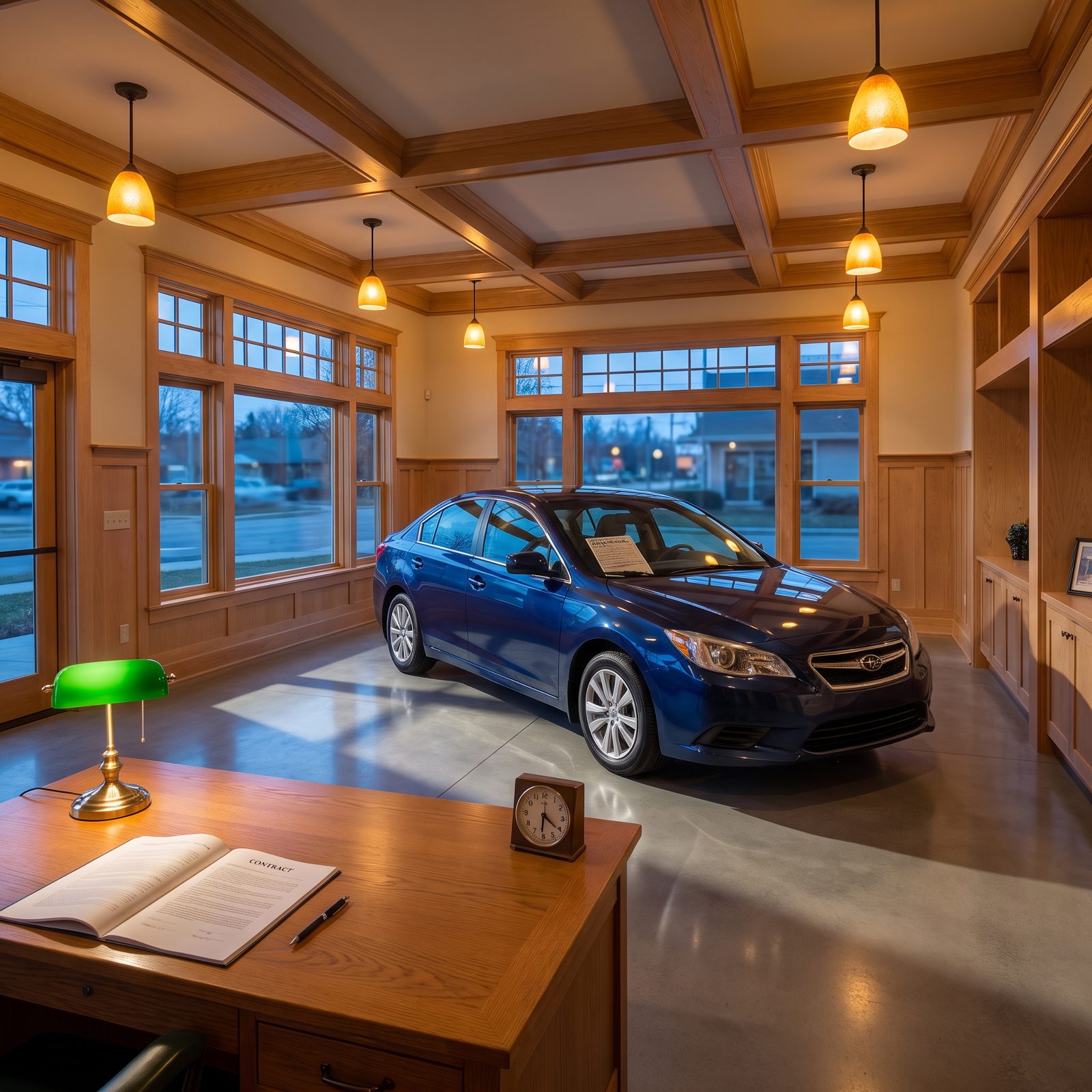
“This price is only good till the end of the day.” And just like that, a car you weren’t sure about this morning becomes a chance you can’t let slip. The deadline didn’t change the car. It changed your clock.
Artificial scarcity is the oldest move on the lot, and it works because loss aversion runs deep in the wiring. The fear of missing out hits harder than the pleasure of getting something, so a ticking deadline shoves you out of careful thinking and into panic buying — exactly where someone wants you when there’s a contract on the desk.
The same pressure runs through a lot of bad romantic decisions. The sense that this is your one shot, that you’re not getting younger, that if you don’t commit now the window closes. Manufactured urgency dressed up as fate. Real good things usually survive you sleeping on them overnight. A thing that only works if you decide this second is usually a thing someone else needs you to decide this second.
10. A Big Discount Makes the Wrong Car Feel Right
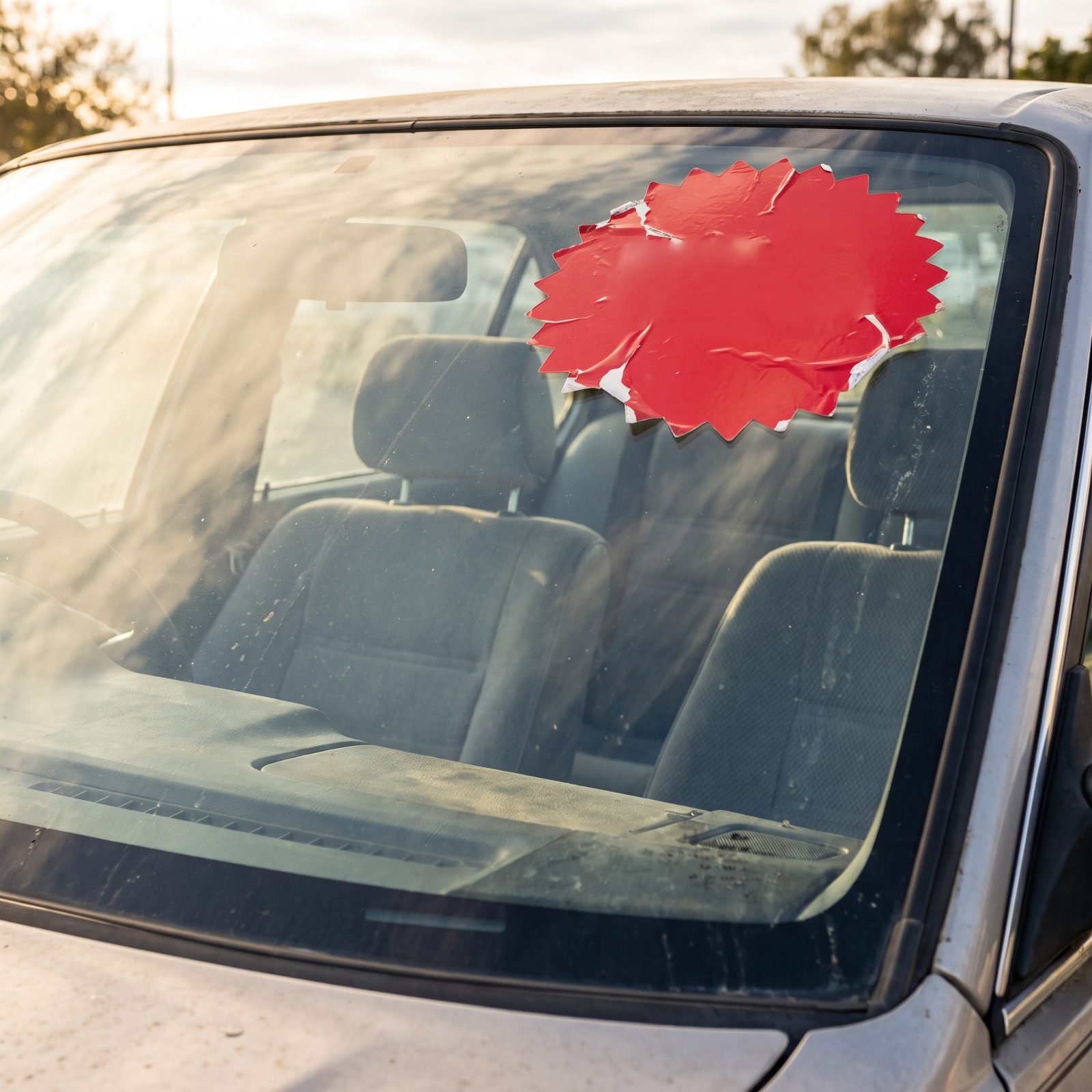
Knock enough off the sticker and your standards quietly follow it down. A car you’d never consider at full price becomes irresistible at four grand off, and the discount does something sneaky — it reframes the whole decision around the money you’re saving instead of the car you’re getting.
That’s anchoring, a cheap trick that works on all of us. The original price sets a mark in your mind, and every dollar below it reads as a win. You stop asking is this the right car? and start answering but look how much I’m saving, which are not the same question.
The bargain becomes the whole reason, and the thing itself fades into the background.
People settle in love for the same reason, telling themselves the deal is too good to walk away from. Low drama, low effort, available, convenient. But a discount on a car you don’t want is still a car you don’t want. You didn’t save money. You spent it on the wrong thing, just less of it.
9. You Let the Monthly Payment Hide the Total Cost
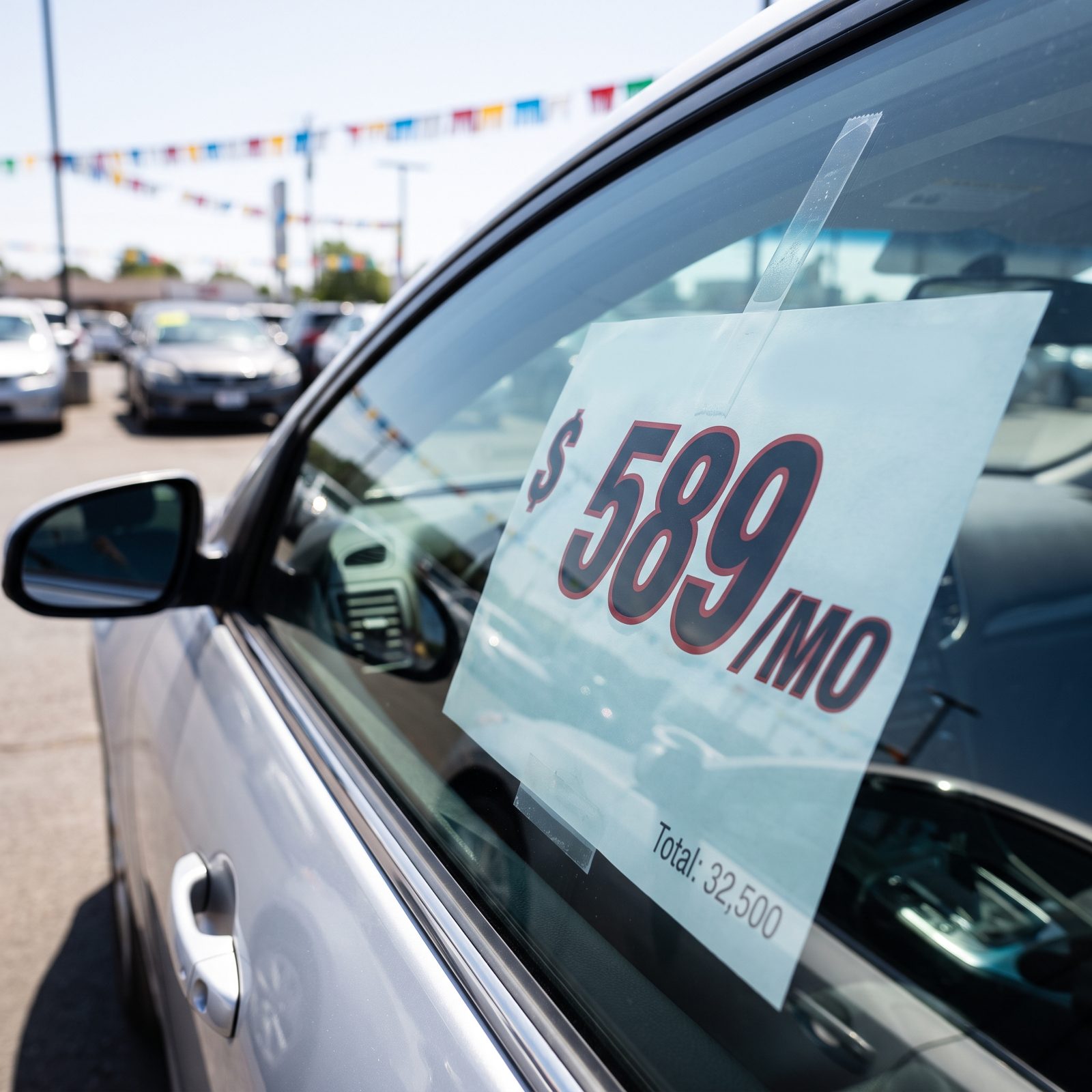
Nobody signs up for five years of anything on purpose. You walk in chewing on a number you can live with each month, and you walk out having agreed to a number you never actually said out loud. The payment feels small. The total is a different animal entirely, and the dealer already knows which one you’ll stare at.
Relationships run the same math. A Tuesday night together feels fine, easy even — it’s the full invoice, the years stacking up and compounding, that nobody adds up in the moment. We price things by the installment because the installment is the part that doesn’t scare us.
8. Horsepower Wins Today; Fuel Bills Arrive for Years
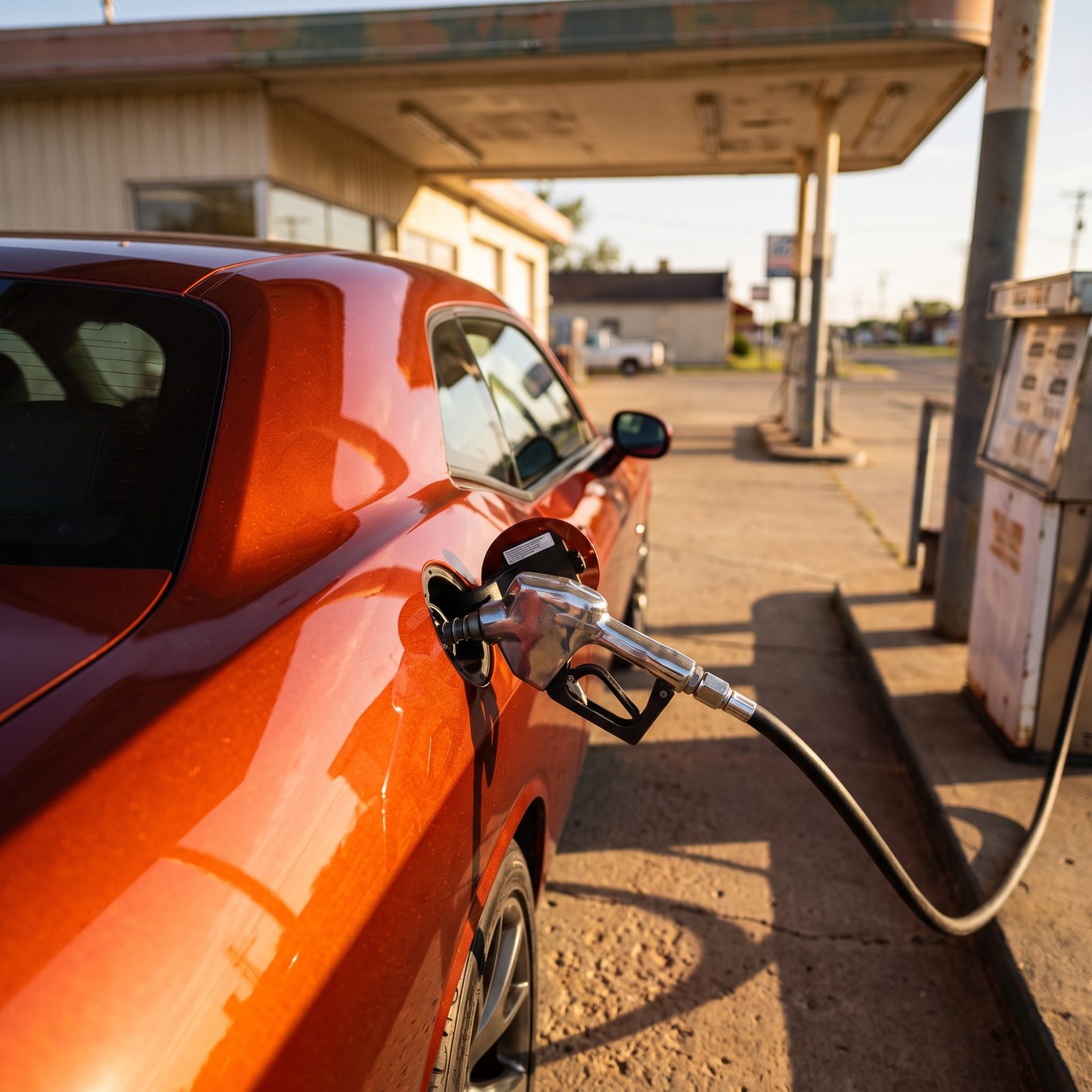
The test drive is all torque and thunder. You press the pedal, the back end squats, and your brain writes a check your wallet will be covering for years. That rumble sells itself in about four seconds flat. The fuel bill takes the better part of a year to really land on you.
We pick partners the same thrilling, shortsighted way — the spark, the intensity, the big charismatic personality that fills a room the second it walks in. Then the room needs feeding every single day, and charisma turns out to run expensive. Funny how the thing that wowed you at the start so often becomes the thing that bleeds you dry at the end.
7. You Explain Away Every Dashboard Warning Light

The little orange light clicks on and you decide, right there, that it’s a faulty sensor. A glitch. Probably nothing. You turn the radio up a notch so the thought has somewhere else to go, and you keep driving like the dashboard didn’t just try to tell you something true.
Every relationship has its warning lights too. The comment that stung. The pattern you clocked twice and then flat refused to count. We become genius-level mechanics at explaining why the signal doesn’t mean what the signal plainly means.
Here’s the hard part. The sensor is almost never the actual problem. It’s just the thing brave enough to speak up first.
6. Your Friends Hate the Car, So You Defend It Harder
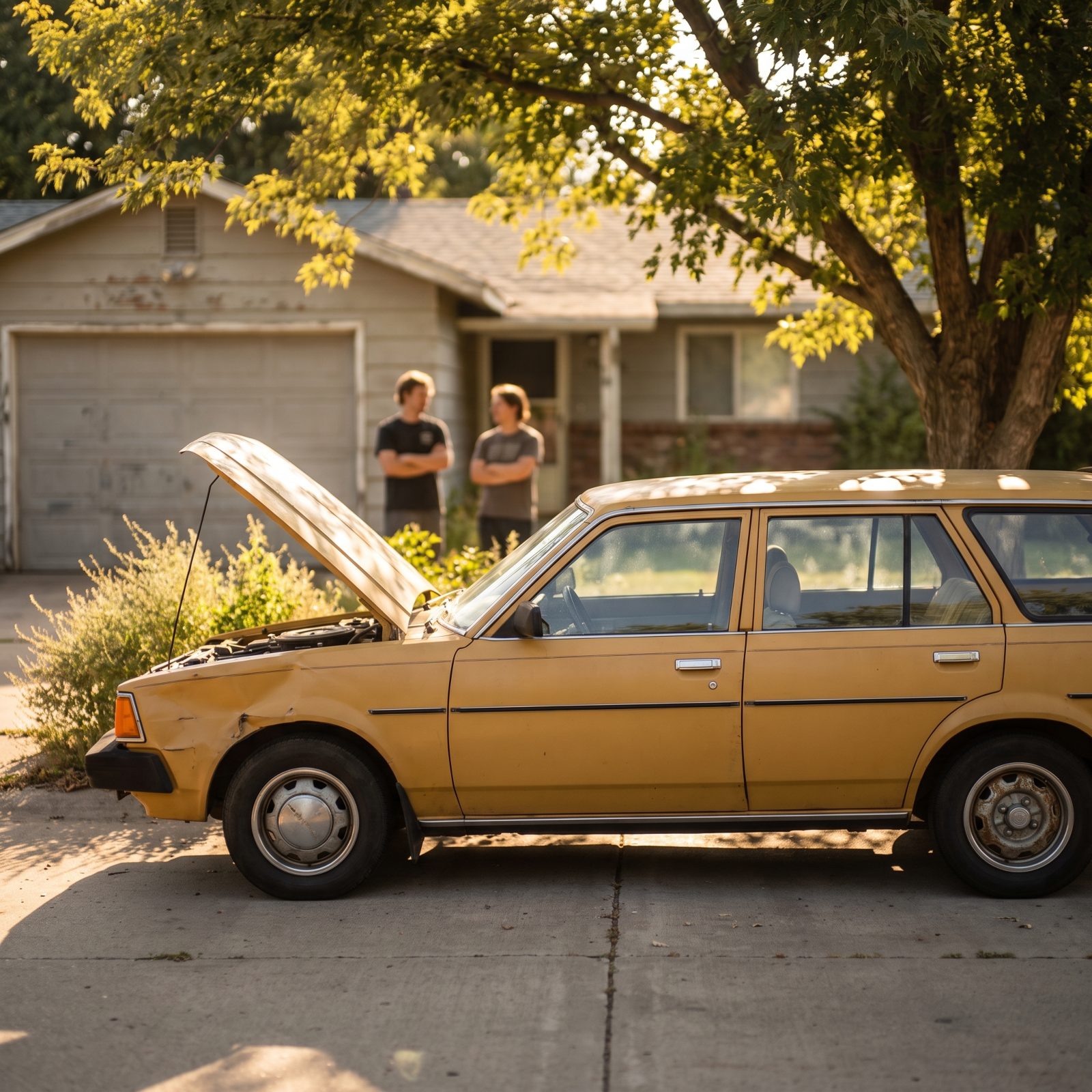
Your buddy pops the hood, winces, and says what everyone’s been thinking. And something flips in you. Suddenly that rattling, rust-flecked oddball is a classic, a sleeper, a misunderstood gem, and you’re its lawyer, its defender, and its biggest fan all at once.
Flag someone’s partner to them directly and watch the same door slam shut. The more the people who love you push, the tighter your grip gets.
5. You Blame Yourself for Hating the Uncomfortable Seats
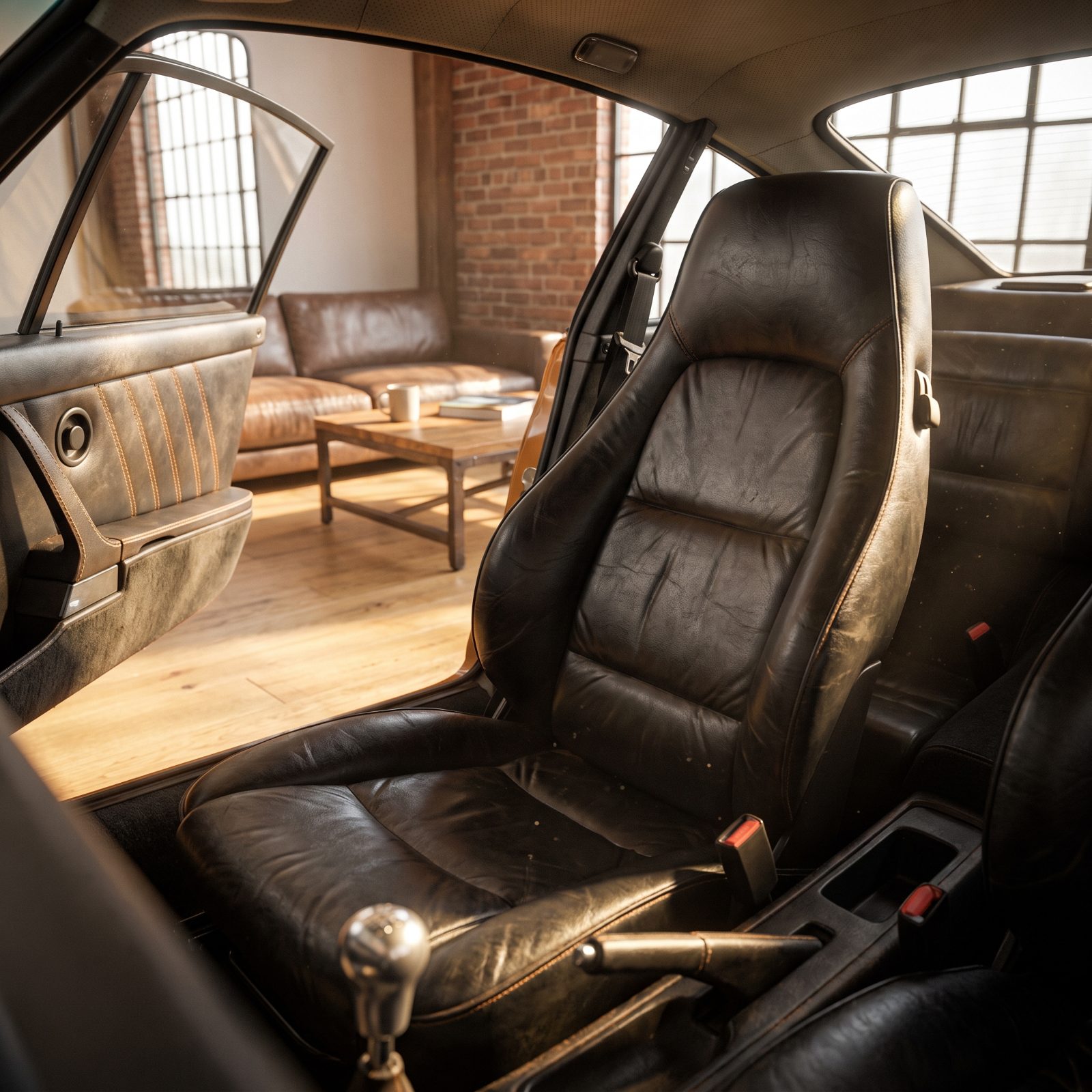
Your back aches after twenty minutes. The seat wasn’t built for a body like yours, and instead of blaming the seat you start doing stretches, buying lumbar pillows, telling yourself you just need to sit differently. The car isn’t wrong. You’re wrong for not fitting it.
This one cuts deep, because it’s exactly how people stay in the wrong relationship. The discomfort becomes a personal failing. If I were easier, lower maintenance, less needy, this would feel fine. You twist yourself into a shape the thing was never going to accommodate, then call your own ache the flaw.
4. You Add Accessories Instead of Fixing the Actual Mismatch
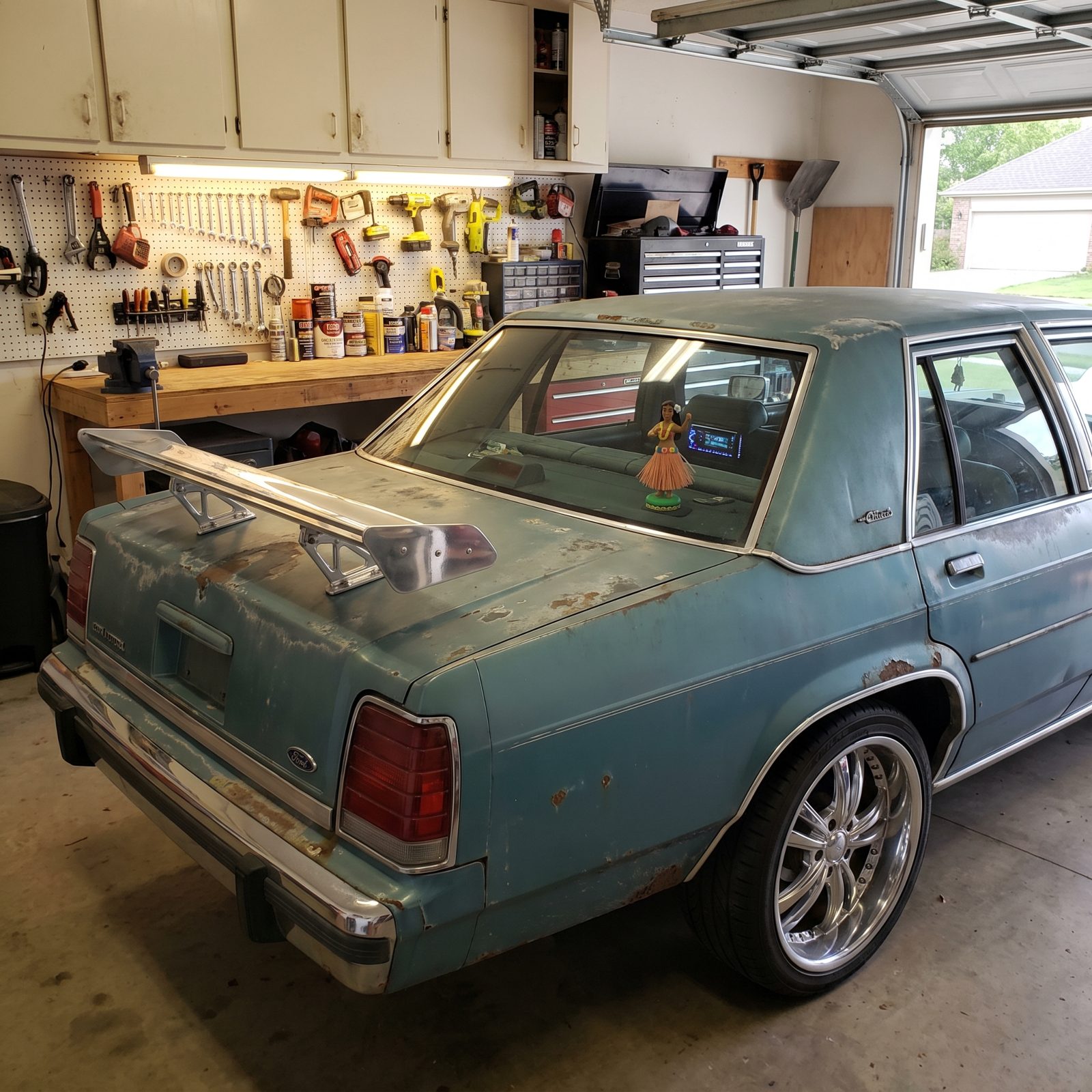
The car doesn’t suit your life, so you buy it a better stereo. New rims. A roof rack you’ll use twice, maybe. Each upgrade is a small bet that the right add-on will finally make the whole thing click, and each one quietly ducks the real question, which is whether you should’ve bought it in the first place.
People renovate relationships the exact same way. A big trip to paper over a bad patch. A gift where a conversation belonged. New furniture, new hobby, new year’s resolution, anything at all except the hard look at the mismatch sitting underneath it. We decorate around the problem because decorating is easier than deciding.
You can’t accessorize your way out of the wrong fit. The rims are gorgeous. The car still isn’t yours.
3. Every Good Drive Resets the Bad-Morning Counter

It wouldn’t start twice this week and it stalled at the light on Monday, and then Sunday comes, the road opens up, the engine finally sings, and every bit of that evaporates. One great drive and the ledger wipes clean. You forget you were ever thinking about letting it go.
Love runs on the same selective memory. One perfect weekend erases a hard month. We don’t average the experience — we let the best moment stand in for the whole, and the best moment is a flat-out liar about how things actually go day to day.
2. You Call Costly Repairs Proof It’s Worth Saving
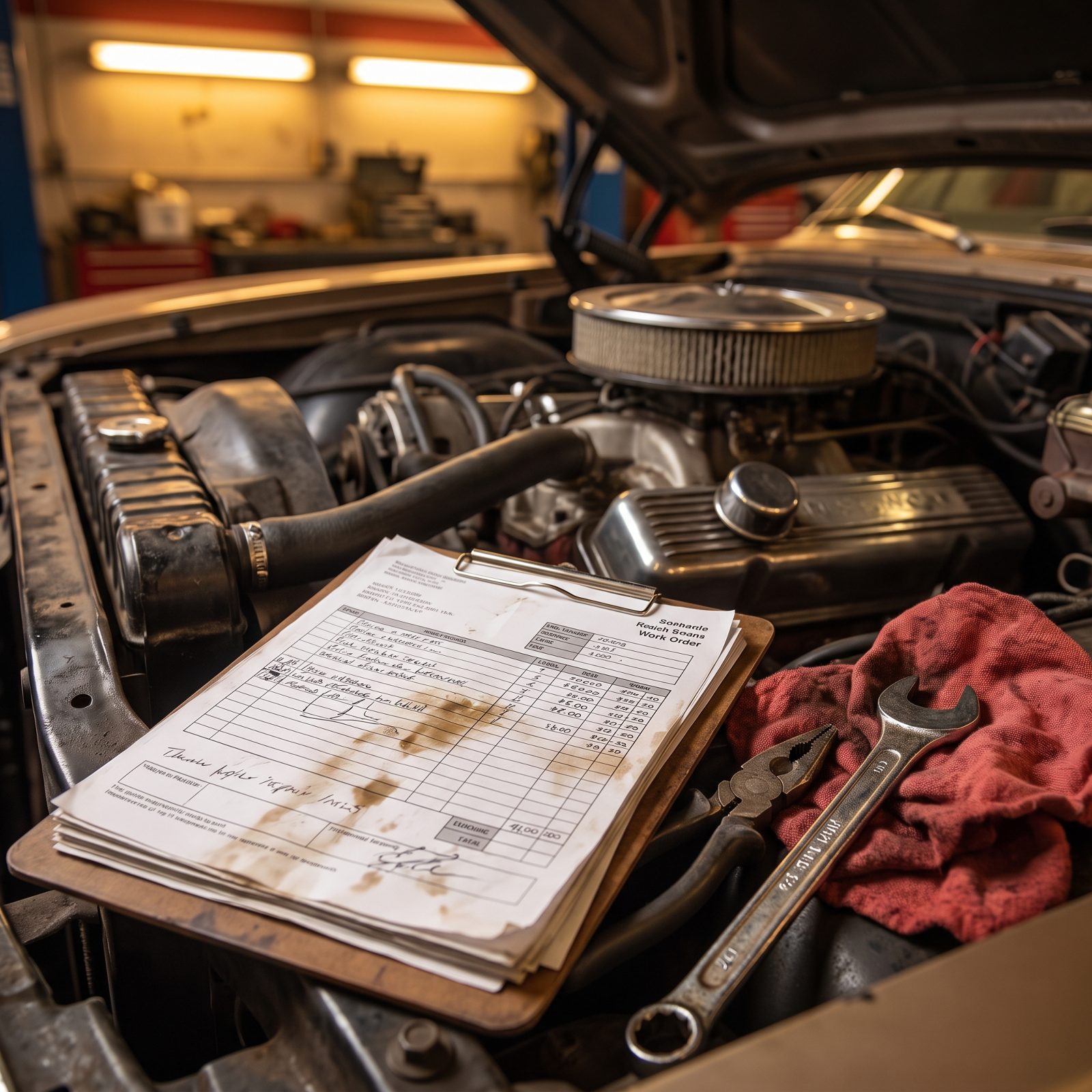
Thousands into the transmission, you don’t walk away. You double down. All that money can’t have been for nothing, so the smart move, obviously, is to keep pouring cash in to protect the cash you already poured in. The more you’ve sunk, the more it deserves saving — or so the story goes.
This is the engine humming under so many relationships that should’ve ended years back. Time invested becomes the reason to invest more time. We treat what’s already gone as a down payment on staying, instead of what it plainly is, which is gone.
1. You Keep It Because Selling Means Admitting the Mistake
Would you like to save this?
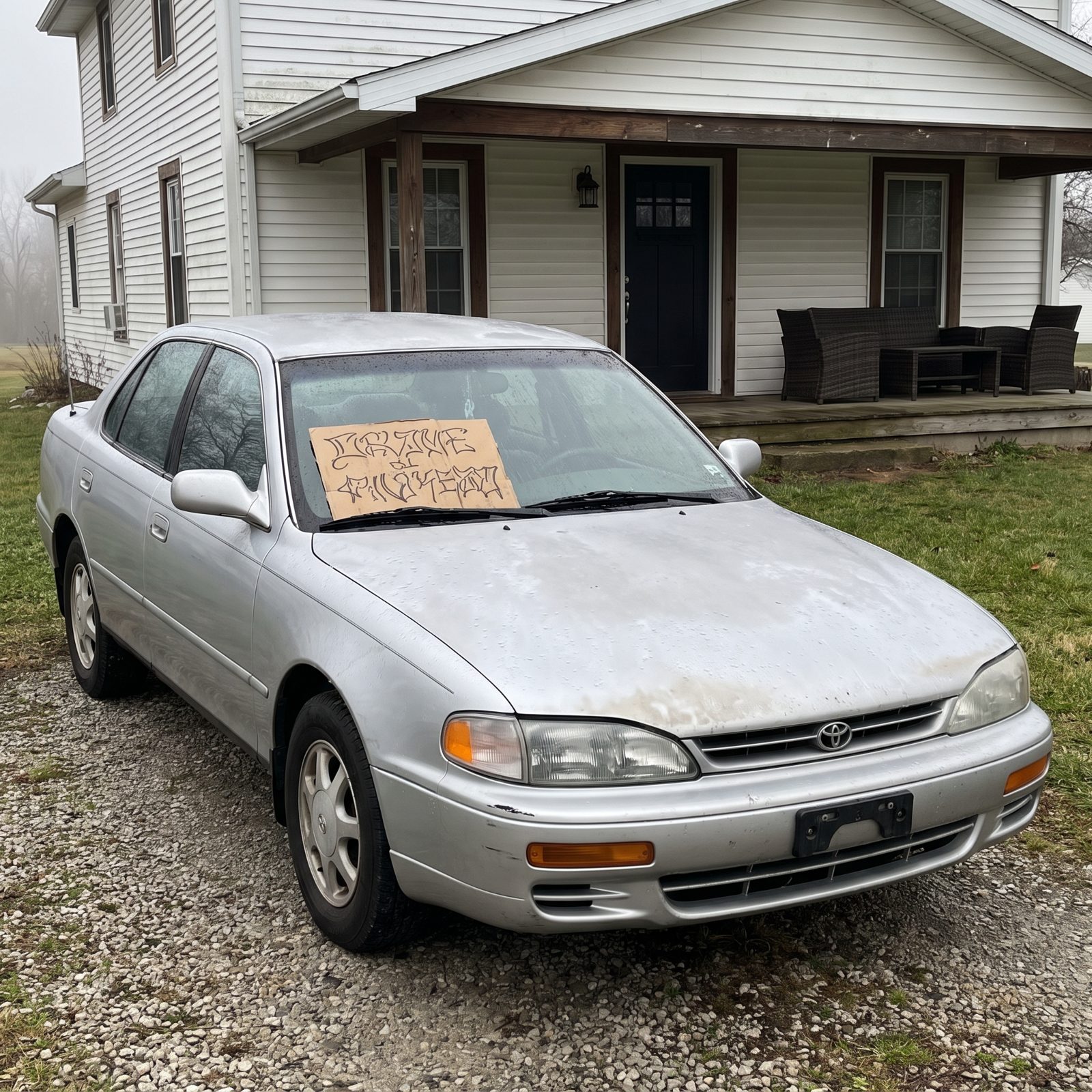
You could list it. You keep meaning to. But propping that sign in the window is a public confession that you chose wrong, that the money and the months were a misread, and somehow the daily low-grade regret feels easier to swallow than that one clean moment of saying it out loud.
So the car sits. The relationship sits. The lease on a life you stopped wanting just keeps auto-renewing, because ending it means owning the start of it. We’d rather keep paying for a mistake than announce we made one.
Here’s the part worth hearing on your way out the door. Selling the wrong car isn’t the admission of failure. Keeping it is. That sign in the window is the first honest thing you’ve said about it in a long, long time.