
Would you like to save this?
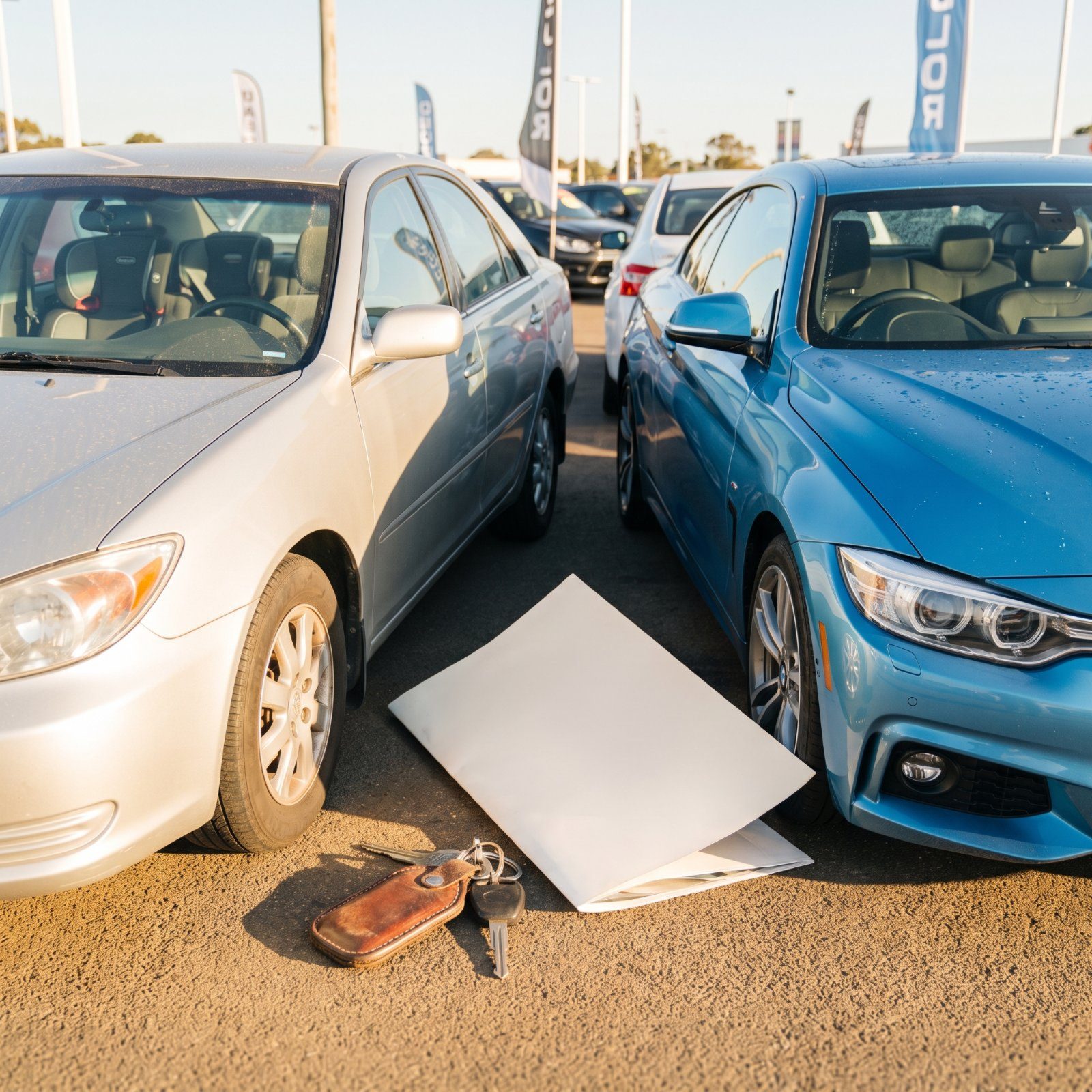
The paperwork is signed, the house is somebody else’s problem now, and the first thing a lot of people do is go look at cars. Not because the old one quit. Because the old one still smells like a life that ended. So there you are on a dealer lot on a Saturday morning, keys to the sedan you’ve driven for nine years riding in your pocket, and something strange happens — you’re not shopping for transportation anymore, you’re shopping for the next version of you. Keeping the old car too long, wanting a color you never wore, test-driving the thing your ex hated: every one of those moves runs on the same wiring that rebuilds a person after a split. Here’s how the lot becomes a mirror.
Please note that some of the images in this article were created with the assistance of AI.
17. You Keep the Old Car Because One More Change Feels Huge
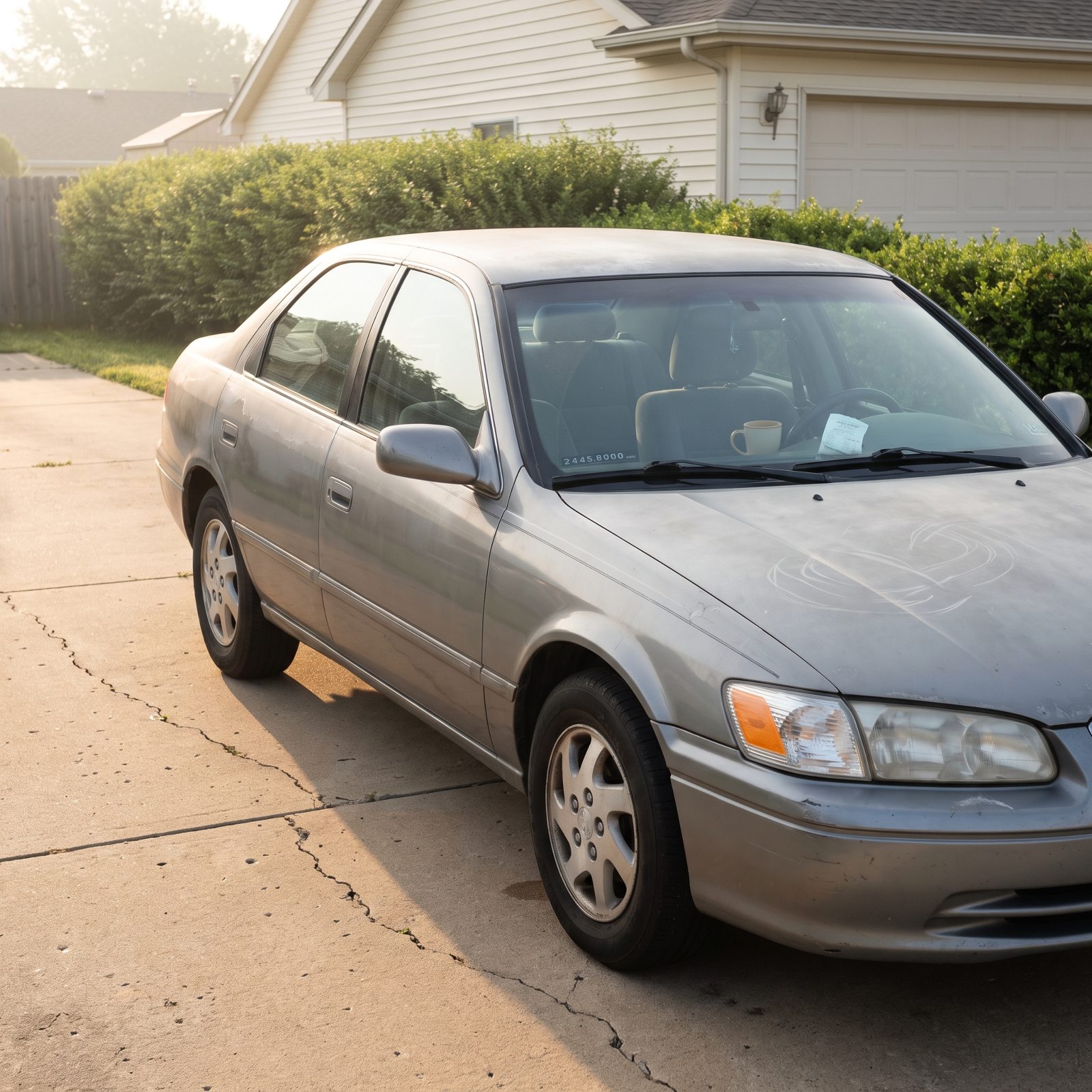
The sedan has a check-engine light you’ve learned to ignore, a thirst for oil, and a driver’s seat worn into a permanent dent shaped exactly like you. And you keep it, long past the point where it makes any sense, because trading it in means one more thing changing in a year where everything already changed.
Status quo bias. After a split, the nervous system is running on fumes and every decision costs more than it used to, so you cling to the familiar object — not because it’s good, but because it’s known. Known feels like safety when nothing else does.
16. You Miss the Trade-In as Soon as It Leaves
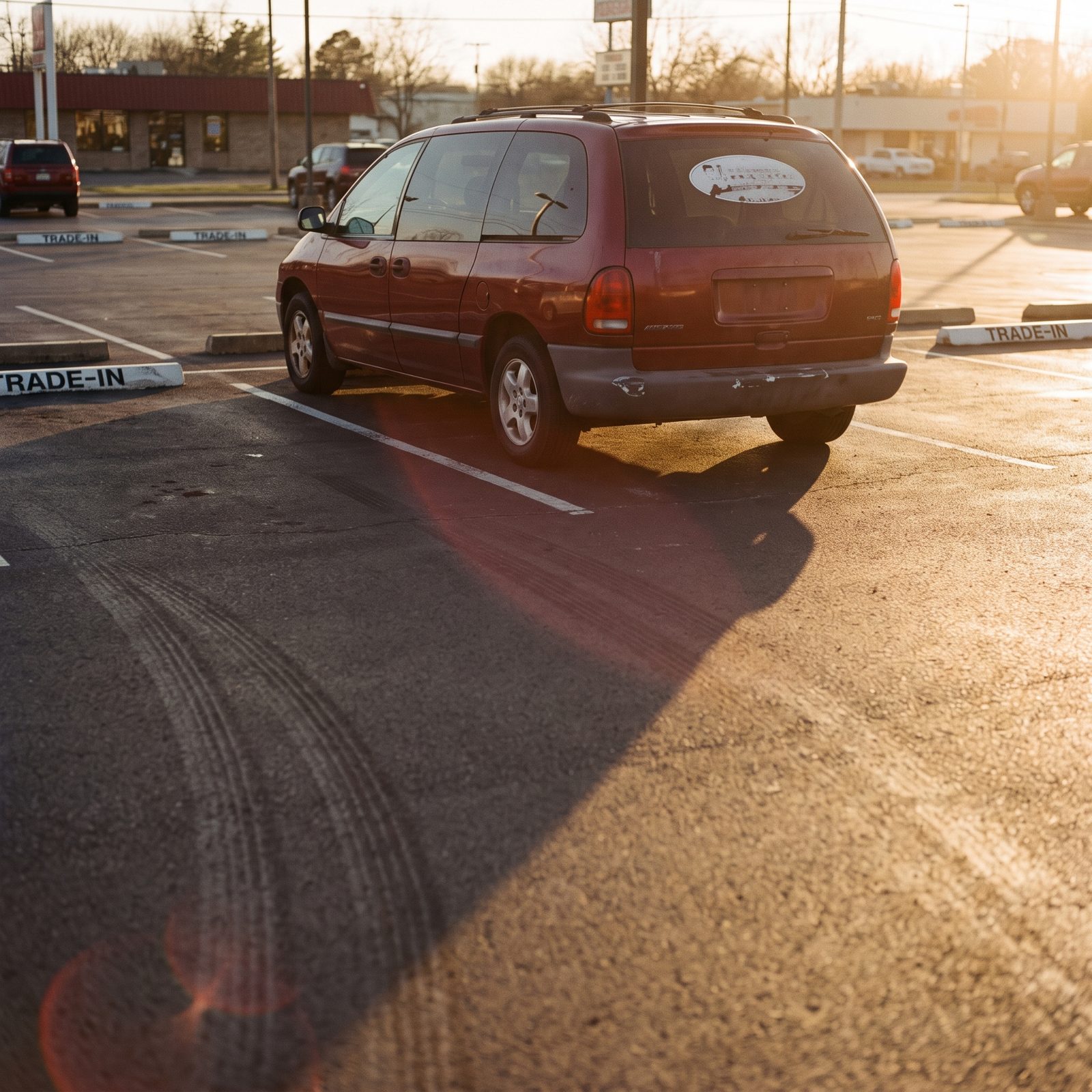
You signed the papers, drove off in the new one, and somewhere at a red light on the way home it landed: that old wagon was where the kids learned every song on the radio. Where the dog rode. Where the fight happened and the makeup happened too.
Now you want it back, and you don’t even know why.
The endowment effect, turning on you at the worst possible moment. The second something leaves your hands, your brain reprices it upward and loads it with meaning it never carried while you owned it. A car turns into a container for a life. You weren’t selling sheet metal — you were selling a chapter, and you felt it the instant the chapter closed.
15. You Rework the Budget Around One Income and Two Homes

The old math is gone. One income now, not two, plus a second household to furnish and heat. A car payment that looked fine on a shared budget looks reckless on a solo one, so you sit at the kitchen table and rebuild the whole thing from the bottom up.
It’s the painful, necessary part, and it mirrors exactly what rebuilding an identity takes. Before you can decide who you’re becoming, you have to take honest inventory of what you actually have. Not what you had. What’s real now.
14. You Measure the Back Seat Against the New Custody Routine
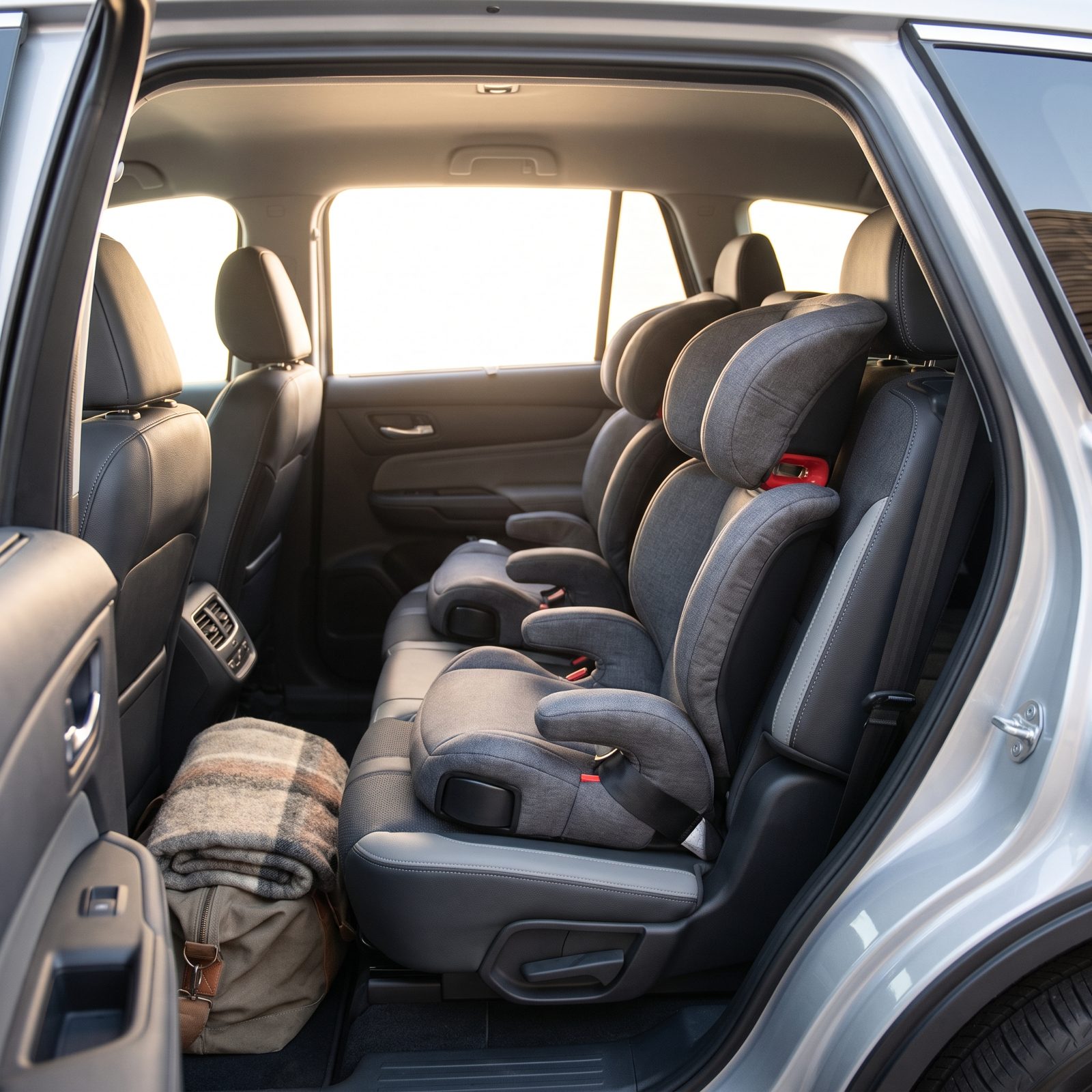
Suddenly you’re thinking about car seats differently. Not do they fit, but do they fit easily — because now you’re wrestling them in and out alone, on handoff days, in a parking lot, in the rain. You’re measuring legroom against homework on Wednesdays and overnights on weekends.
The object has to serve a schedule that didn’t exist a year ago. Identity construction, made physical. A new life carries new logistics, and the tools have to match the logistics, not the memory.
Nobody warns you that half of starting over is just solving problems you never had to solve before. The back seat is one of them. You judge it by how it serves the parent you’re becoming, not the one you were.
13. You Test-Drive the Car Your Ex Always Vetoed
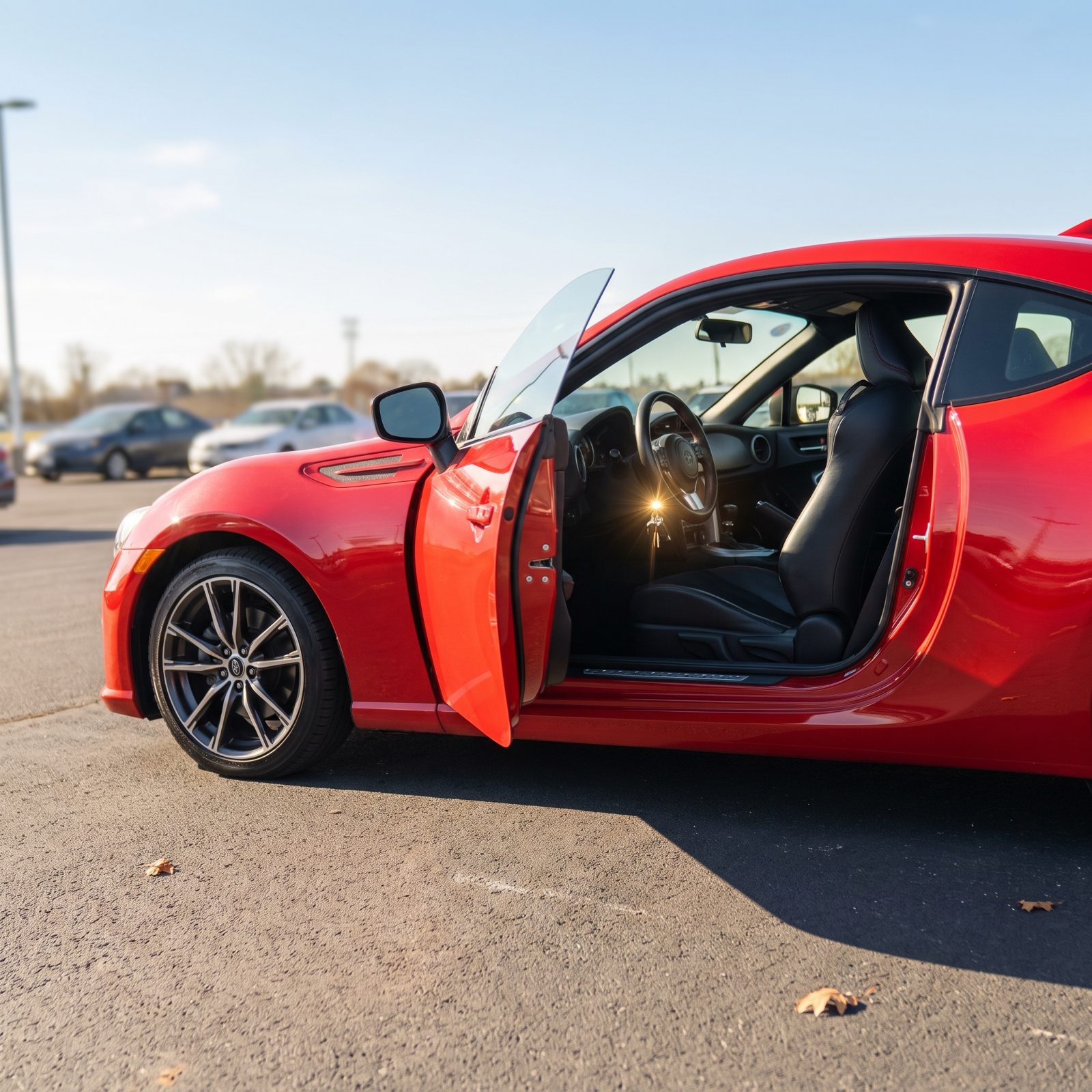
There was always a car you wanted that got shot down. Too impractical. Too much. Too loud, too fast, too something. For years it lived on a list of things you weren’t allowed to be. Now you’re sitting in it, salesperson tossing you the keys, and your heart is doing something it hasn’t done in a long time.
Test-driving the vetoed car is reactance — the hunger for a choice that used to be off-limits. Suppress a want long enough and it doesn’t vanish. It compounds. The moment the lid comes off, it roars back louder than the want ever was on its own.
You’re not just driving the car. You’re driving the yes you never got to say.
And honestly? You might not even buy it. Sometimes the drive is the whole point. You needed to prove the choice was yours to make.
12. You Trade the Family Hauler for Something That Feels Yours
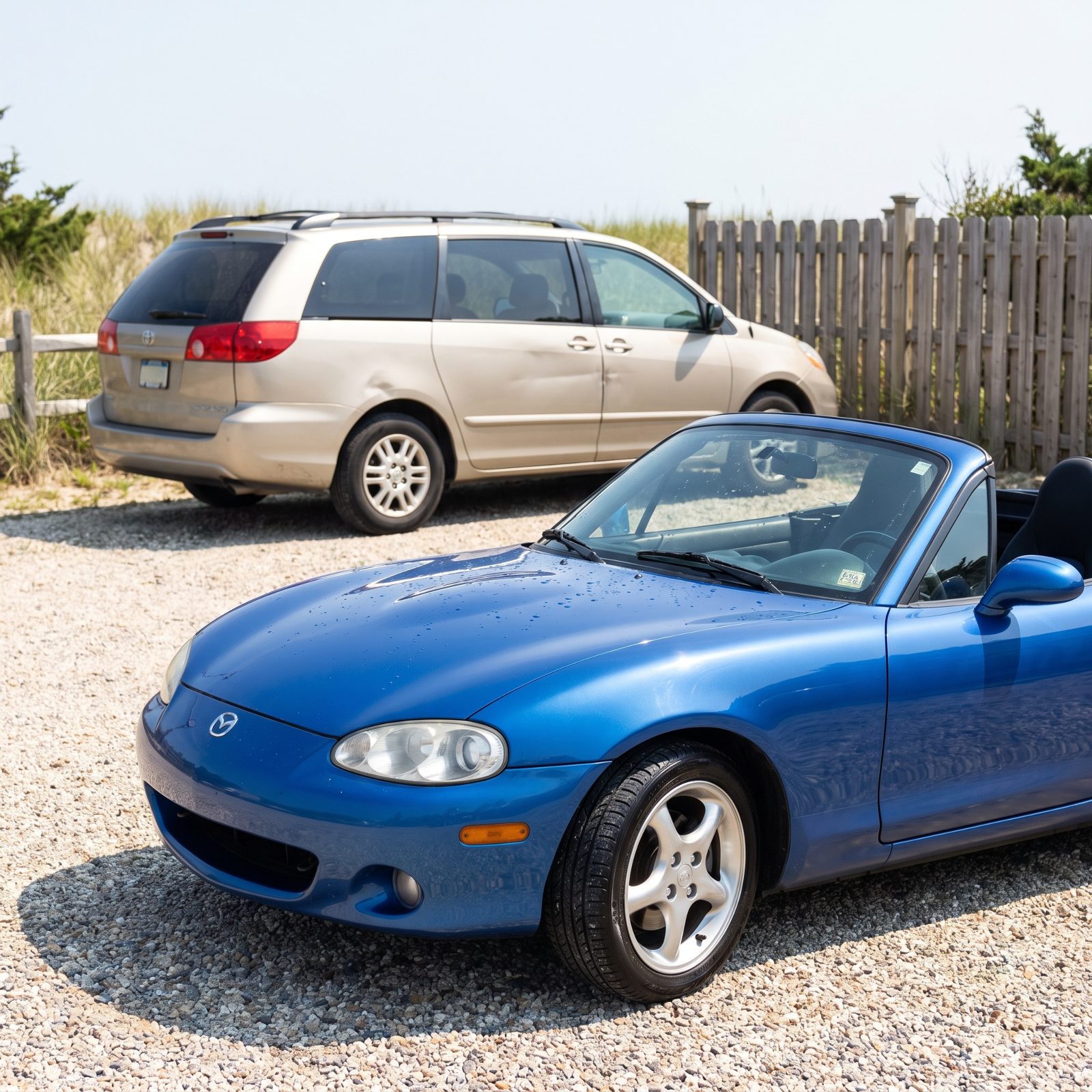
The three-row hauler was a decision made by committee — room for everyone’s gear, everyone’s friends, everyone’s needs. A vehicle built to serve a household. There’s grief in letting it go. There’s also a thrill, because the next car answers to exactly one person.
Call it the reconstruction phase, where you stop asking what the family requires and start asking what you want. Smaller, maybe. Faster. Lower to the ground. The car shrinks, and your sense of yourself somehow swells to fill the gap.
11. You Reject Sensible Cars That Look Too Much Like Before

The salesperson keeps steering you toward the practical choices — good resale, great reliability, the reasonable gray sedan any adult would be smart to buy. And you keep flinching away, and it takes you a minute to figure out why.
They look like the old life. Same shape, same color, same quiet message of settle down and be sensible. Buying one would feel like climbing right back into the thing you just climbed out of.
Identity-protective rejection. You’re not judging the car on merit; you’re judging it on resemblance. Anything that reminds you of who you were gets pushed away, sometimes unfairly, because the whole project right now is becoming somebody else. Sensible can come back later. At the moment it just feels like surrender.
10. Every Badge Gets Judged by What It Says About You
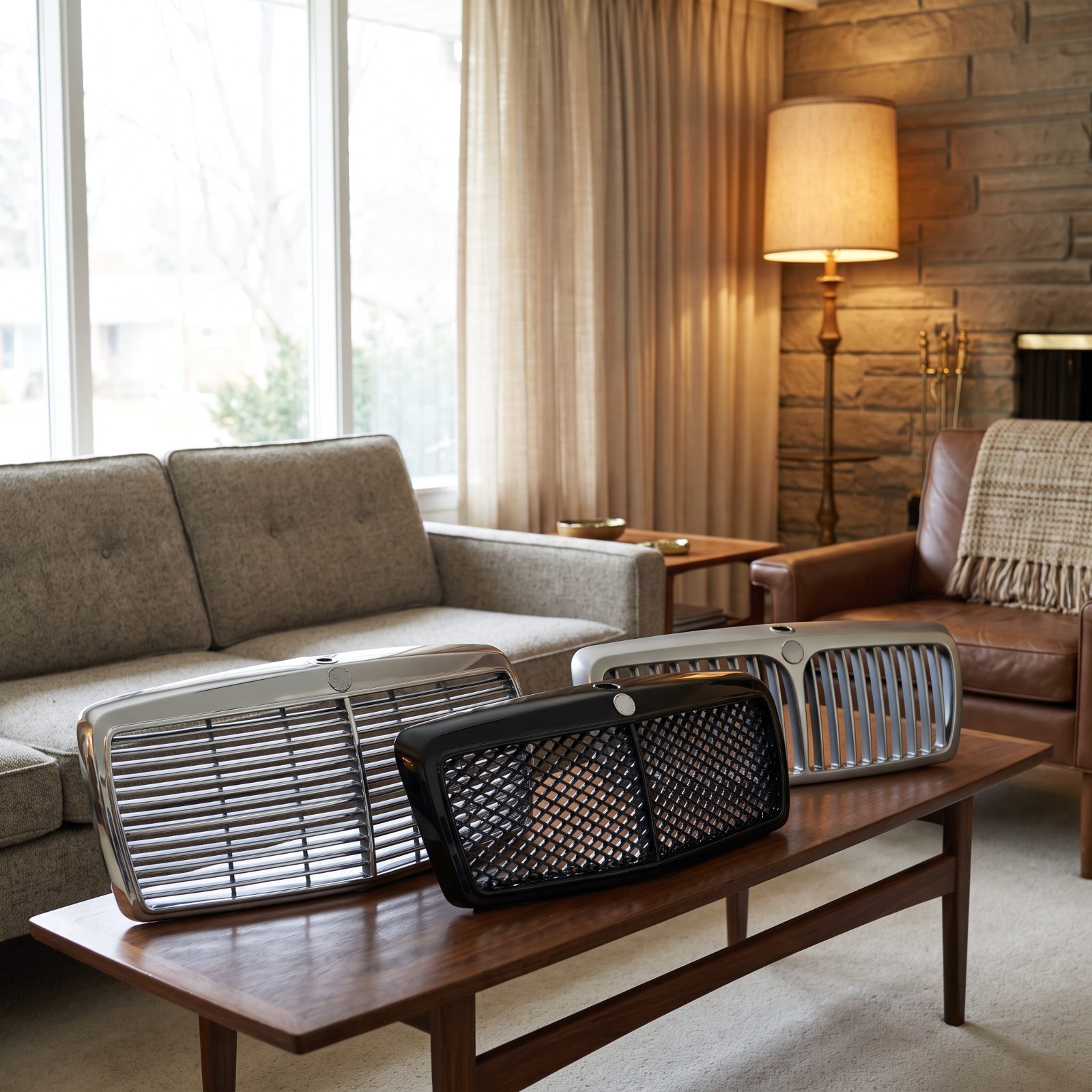
You never used to care what the emblem on the hood said about you. A car was a car. Now you stand in front of the lineup and every badge feels loaded. This one says I gave up. That one says I’m trying too hard. The next says exactly the right amount of I’m doing fine, thanks.
Welcome to identity signaling with the volume cranked all the way up. After a split you’re painfully aware of the story the world reads off you, because the old story just got rewritten against your will. The car becomes a sentence you get to write on purpose.
9. You Suddenly Want a Color Nobody Associates With You
Would you like to save this?
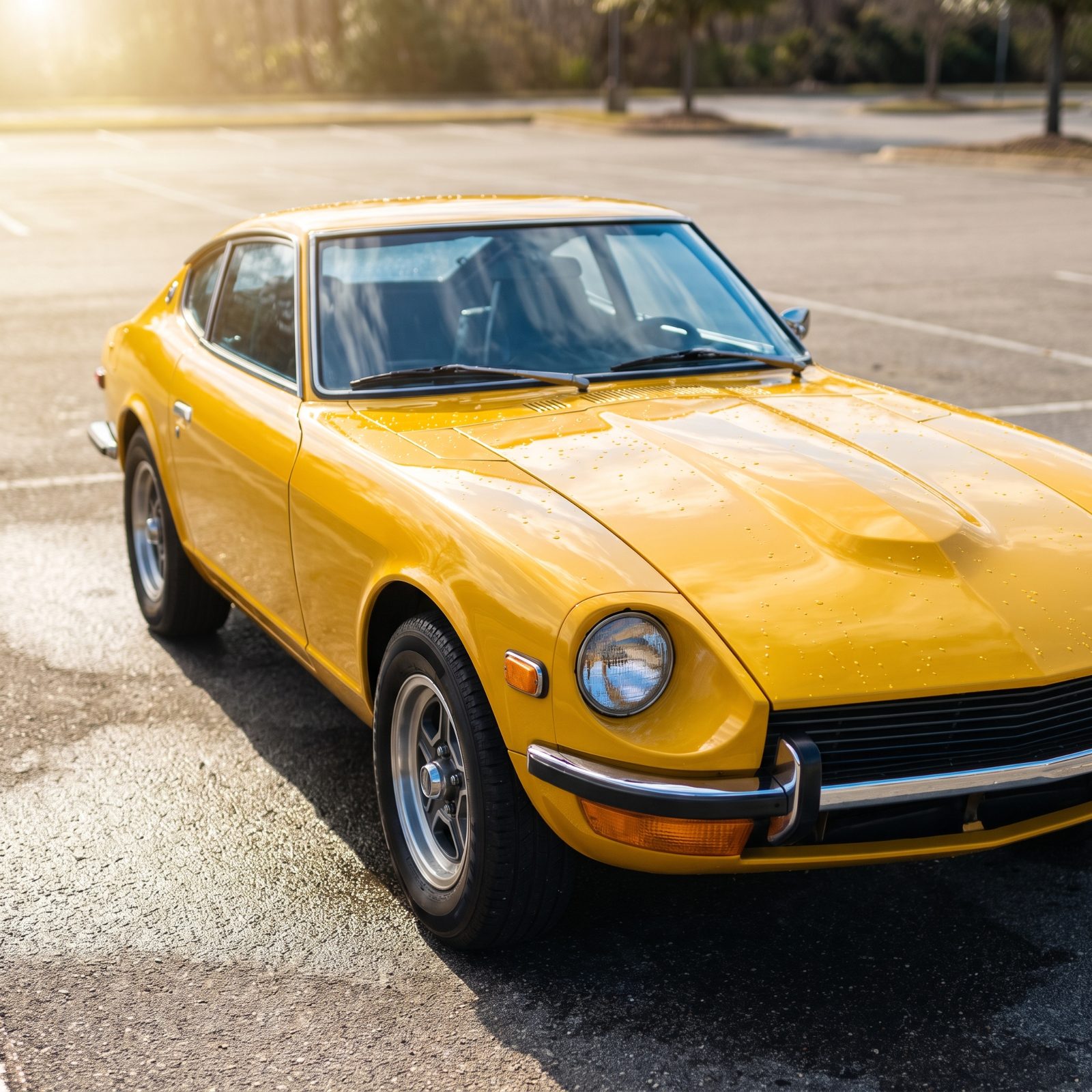
For twenty years your cars were silver, gray, white, maybe a safe dark blue — colors that don’t draw attention. Then you walk onto the lot and find yourself parked in front of something yellow. Or teal. Or a red so loud it practically honks.
Nobody who knew you would guess this color, and that’s the whole appeal.
Picking a shade that contradicts your old reputation is a small act of self-redefinition. Color reads faster than anything — before shape, before badge, before you’ve even parked. Choosing one no one associates with you is a way of saying the person they knew doesn’t fully exist anymore. The new one likes yellow, apparently.
8. You Build an Online Configurator for Your Future Self

Mid-afternoon, sun across the table, and you’re on the manufacturer’s website clicking through wheel options for a car you cannot afford and may never buy. Interior from black to tan. Sport package on, off, on again. An hour disappears. You build the same car four different ways.
You’re not shopping. You’re rehearsing. The configurator is a sandbox where you try on versions of a future self at zero cost and zero risk — click, undo, click again, each build a slightly different answer to who you’re about to be.
This is how people assemble a new identity before they commit to it: by simulating it first. The brain needs to test-drive the self the same way it test-drives the car. Sunlit table, coffee going cold, no salesperson hovering, the imagined version of you gets to take shape one option at a time. You’ll fold the tablet’s cover shut eventually. But you’ll have met somebody new in there.
7. You Bring a Friend Who Knows the New You
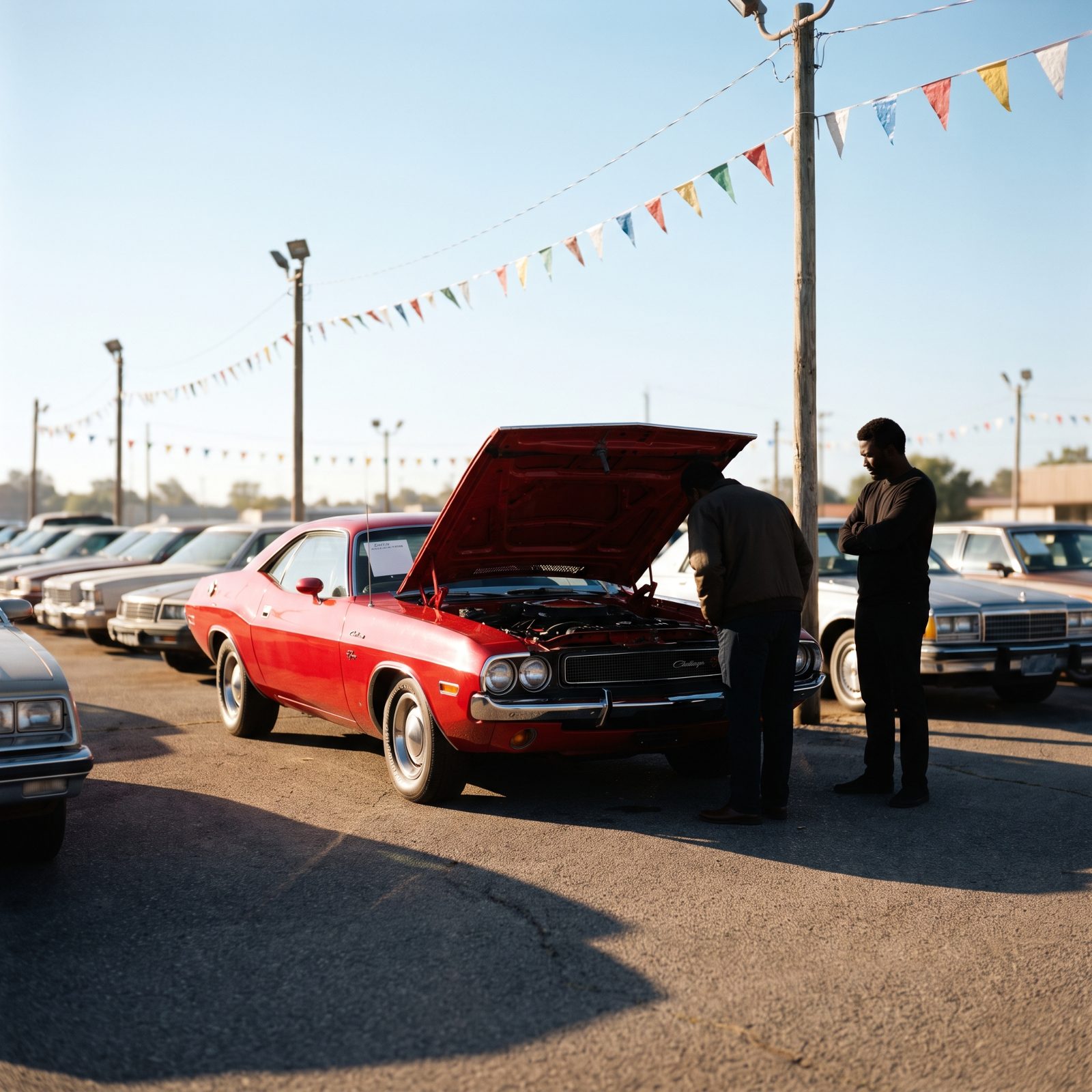
The lot is empty except for you, the salesman, and the one person you called at eight that morning. Not the friend who knew your whole married life. The newer one — the one who met the version of you that likes to pop the hood and ask about the carburetor.
No accident there. When we rebuild who we are, we recruit witnesses who’ll back the new story instead of the old one. The friend who still pictures you as the careful station-wagon type would wince at the Challenger, while the new friend just nods along. You brought the mirror that reflects back the self you’re trying to become.
Psychologists call it self-verification — we steer toward people who see us the way we want to be seen. On a car lot it looks like a second opinion. Underneath, it’s casting. You’re not asking whether the car is good. You’re asking someone to agree that this car is you now.
6. You Personalize the Cabin Before the Temporary Tags Come Off
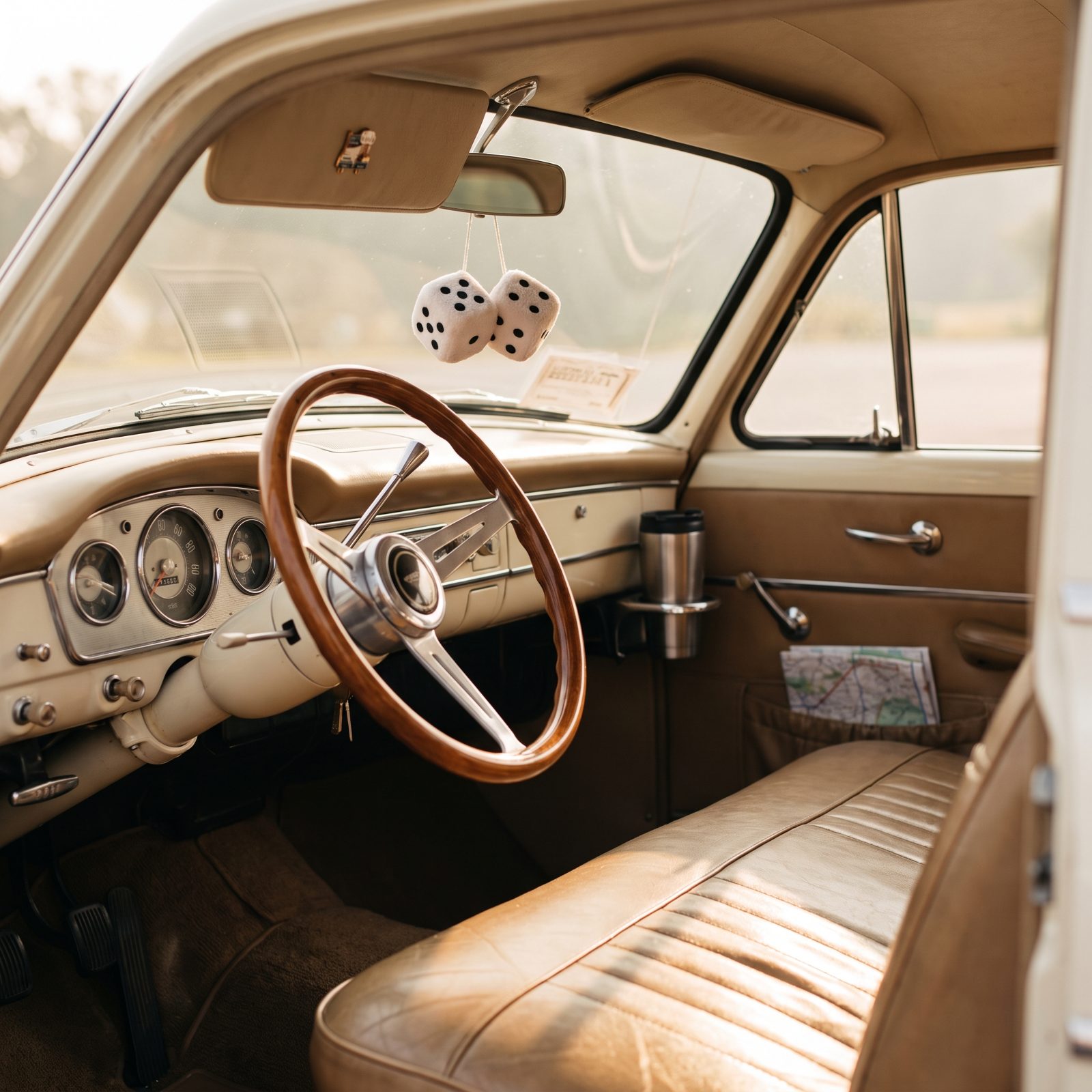
The paper tag is still sitting at the base of the windshield, and you’ve already hung something from the mirror. A pin on the visor. A travel mug that drops into the slot like it was measured for it. The car is barely yours on paper, and here you are signing it with your own hand.
This is the identity-building stretch of the whole affair. A new self feels fragile at first, almost borrowed, so we hurry to mark the territory — to make the thing unmistakably ours before the doubt creeps back.
There’s a known quirk at work. Once we pour our own effort into something, we value it more and feel more bound to it. Assemble the furniture yourself and you love it beyond its price. Clip the map pocket, hang the dice, and the car stops being inventory. It becomes something you authored.
5. You Post the Steering-Wheel Photo Before Learning the Controls
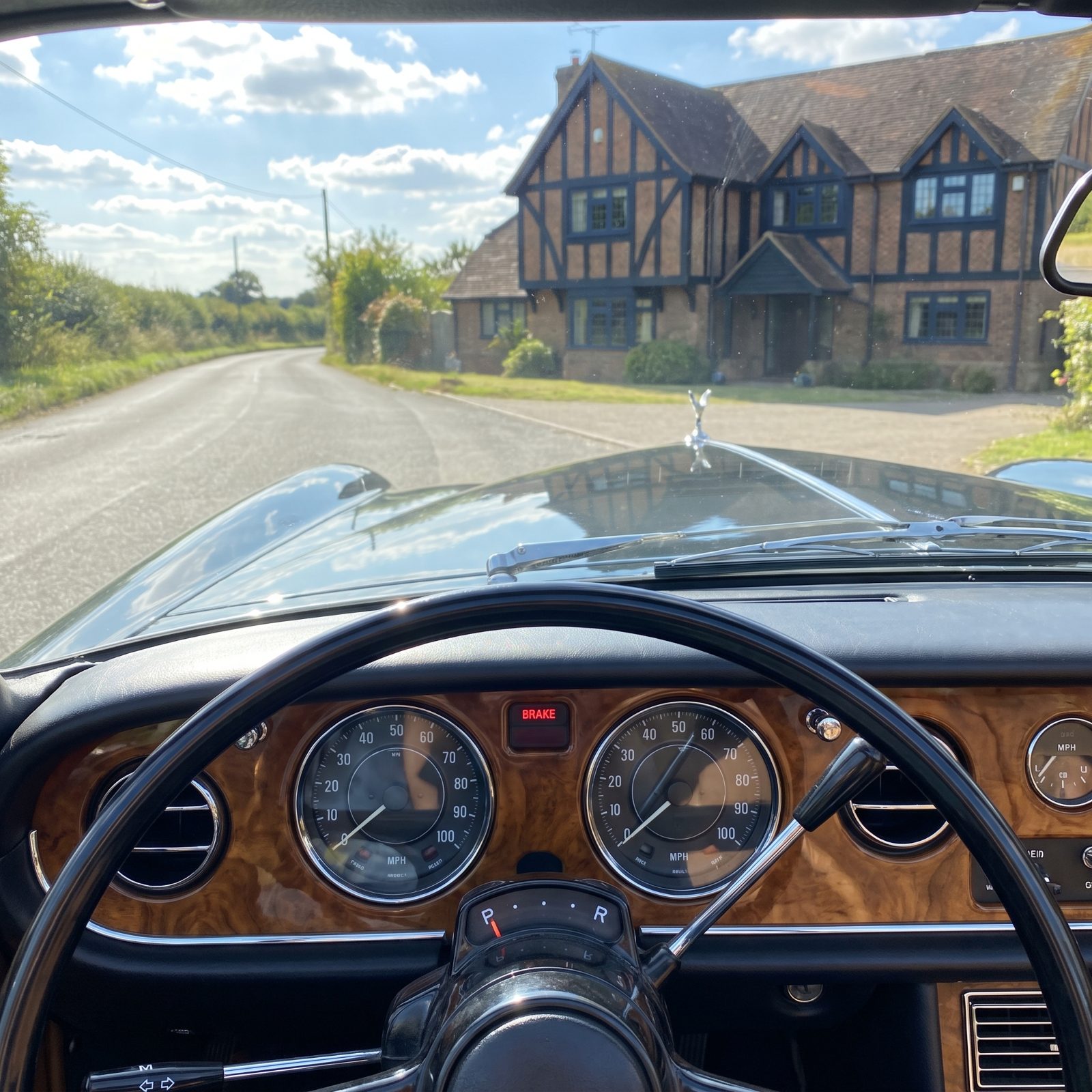
You snapped the shot from the driver’s seat before you’d figured out where the wipers were. Dashboard glowing, hood stretching out ahead, that little thrill of look at this. The caption practically writes itself.
The announcement arrives before the competence, and that’s the tell. When a new identity is still wet paint, we go public to lock it in. Say it out loud and it feels committed, harder to walk back, witnessed.
Why does it work? A quiet pressure we put on ourselves. Once we declare something to other people, we want our actions to match the words. Announcing the new car is announcing the new you, and the audience becomes a reason to keep showing up as that person.
Nobody posts a photo of themselves reading the owner’s manual. The manual is the real learning. The photo is the flag planted on the hill. Both matter — we just always raise the flag first.
4. You Turn the First Solo Drive Into a Soundtrack Scene
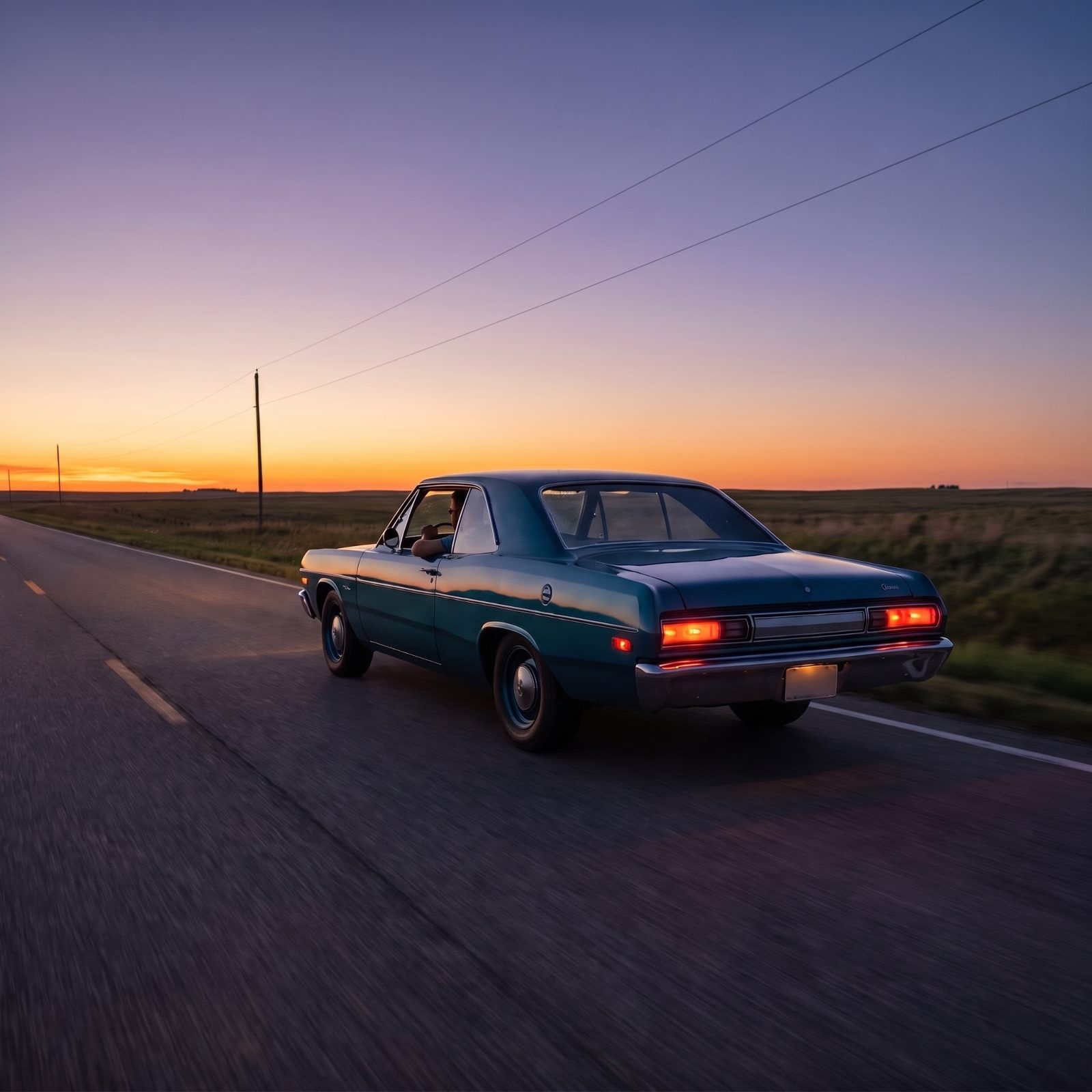
First real drive alone, you cue up the song. Not any song. The one. Windows down, volume up, and suddenly a trip to nowhere feels like the opening credits of something.
We score our transitions on purpose. Music glues emotion to memory, and a brand-new self goes looking for a founding moment it can replay. The drive turns into a scene because you’re directing it.
It sticks for good reason. A rush of feeling paired with a fresh experience burns into memory far harder than the ordinary days around it. You’re building the origin story in real time, picking the exact track you’ll forever tie to the start of this new version of you.
3. You Spot Your New Model Everywhere Once It Is Yours
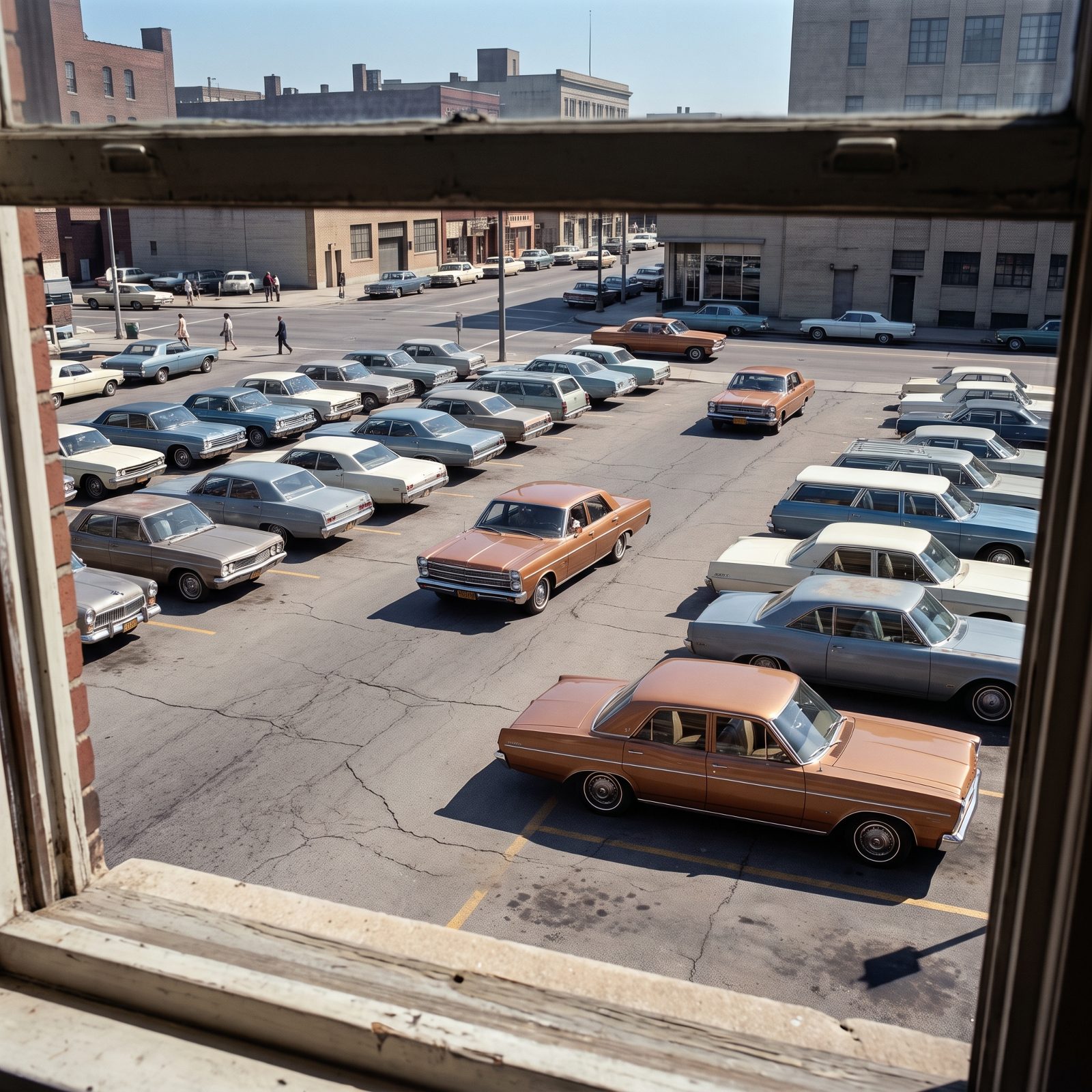
The day you drove it home, your model was rare and special. By week’s end, they were everywhere — parking lots, side streets, the one at the light that made you do a double take. Where had they all been hiding?
They hadn’t. Your brain just started pointing them out. Once something becomes part of who you are, the mind flags every match in the crowd and filters the world to confirm the choice. Buy the car and the whole road fills up with it.
Same machinery runs when we pick a new path and then suddenly notice everyone who took it too. Reassuring, mostly. Every twin you spot is a tiny vote that you belong to a real category now, not off on your own on some reckless whim.
You didn’t change the traffic. You changed what you notice. And what we notice is quietly deciding who we think we are.
2. You Second-Guess the Purchase Right After Feeling Certain
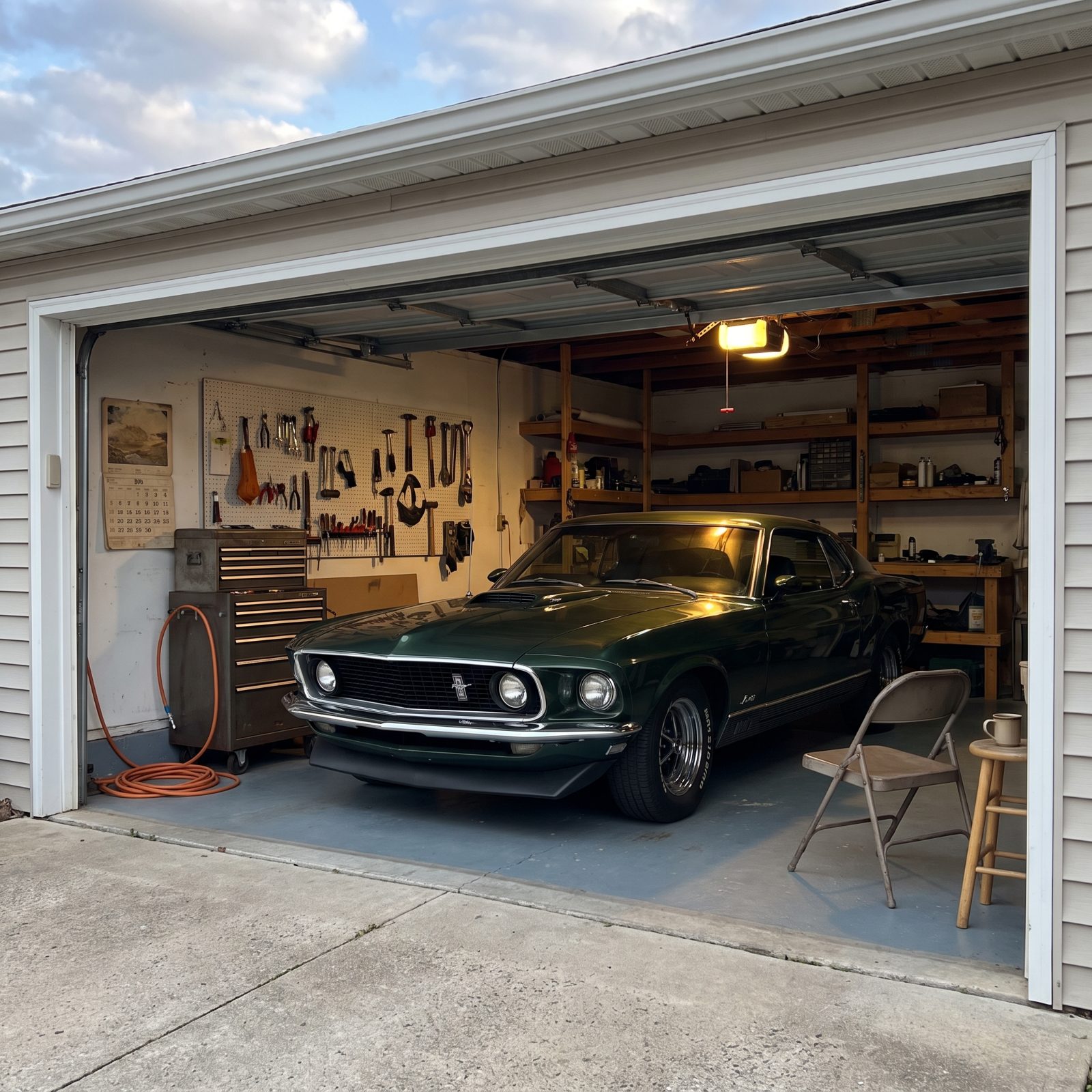
The high lasts about a week. Then you’re sitting in the garage at night wondering if you overpaid, if the payment is nuts, if the sensible car would have been, well, sensible. That bulletproof certainty from the lot has sprung a leak.
Normal stuff, and it’s not really about the car. Any big move that redraws who we are drags a wave of doubt along right behind the decision. We reach for whatever we didn’t choose and polish it into the smarter path we somehow missed.
The mind hates the gap between what we did and what we might have done, so it goes hunting for evidence that we blundered — and it almost always finds some. The second-guessing is the old identity putting up one last argument before it packs its bags.
1. You Treat New-Car Smell Like an Official Fresh Start
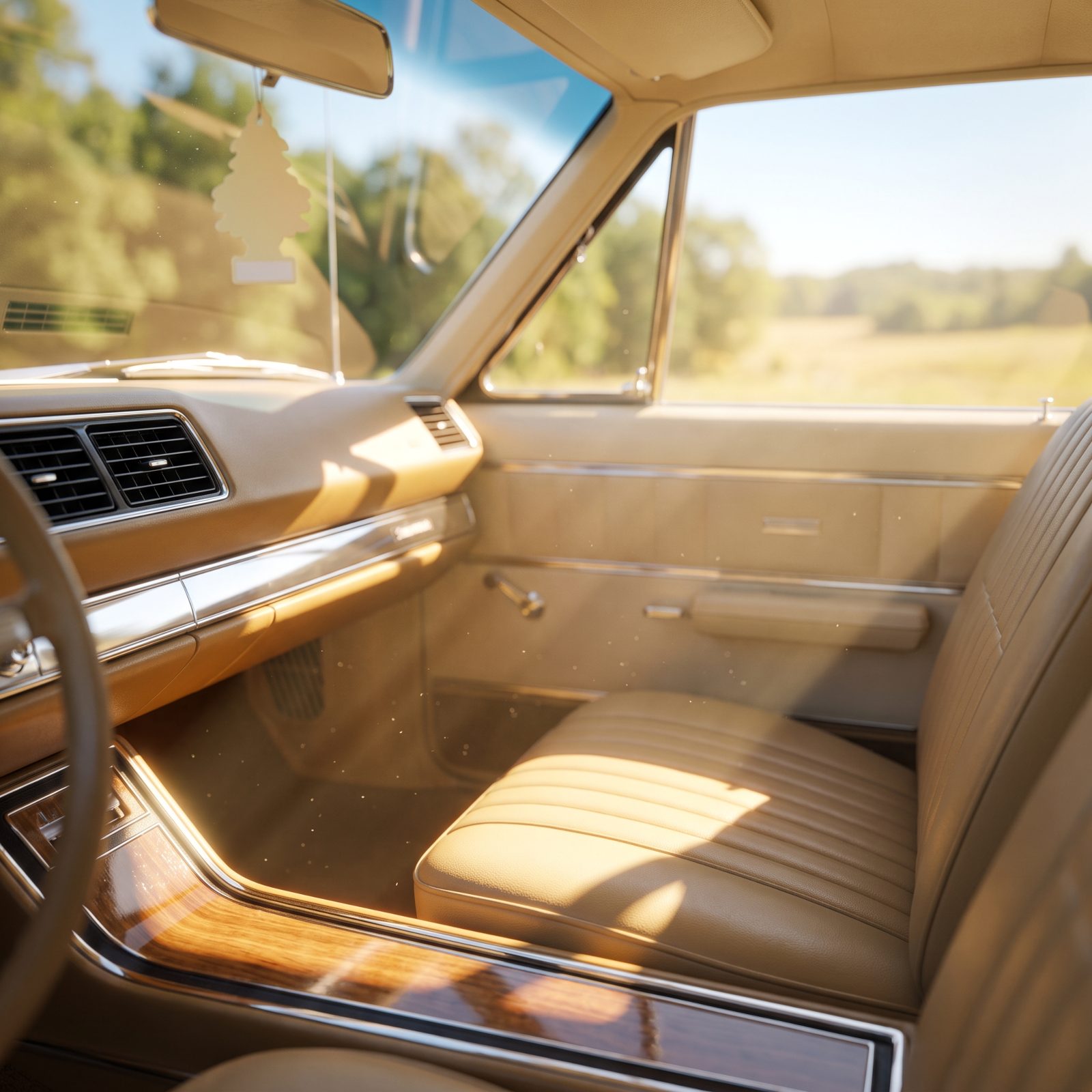
You crack the door the next morning just to catch it again. That smell. Vinyl, plastic, something chemical and clean that somehow means brand new, fresh page, none of the old stuff.
We treat a scent like a line drawn in the dirt. The old car smelled of coffee spills and kid snacks and a decade of a life you’re leaving behind. This one smells of nothing yet — and nothing yet is exactly the point. A blank slate you can breathe in.
Smell wires straight into the parts of the brain that handle memory and feeling, which is why a single whiff can haul you back thirty years in a heartbeat. A new scent writes a new anchor. You aren’t just enjoying it. You’re marking the before and the after, deciding this is where the fresh chapter begins.
The smell fades in a few months, naturally. By then you won’t need it. The new self will have settled in, and the car will just smell like your life again — which, when you think about it, was the goal all along.