
Would you like to save this?
The driver’s-ed instructor had a clipboard, coffee breath, and a list of absolutes he swore would keep you alive. Half of them would flunk you today. Cars changed and the crash science caught up, but the habits stuck around anyway, handed from parent to kid in a sun-faded sedan on some quiet Sunday afternoon. Gospel behind the wheel of a ’74 Impala is now the exact thing that’ll make a modern instructor stop the lesson cold. Here’s what’s worth unlearning, and what belongs in its place.
Please note that some of the images in this article were created with the assistance of AI.
39. Trusting the Parking Pawl Alone, Set the Parking Brake Before You Lift Off the Foot Brake
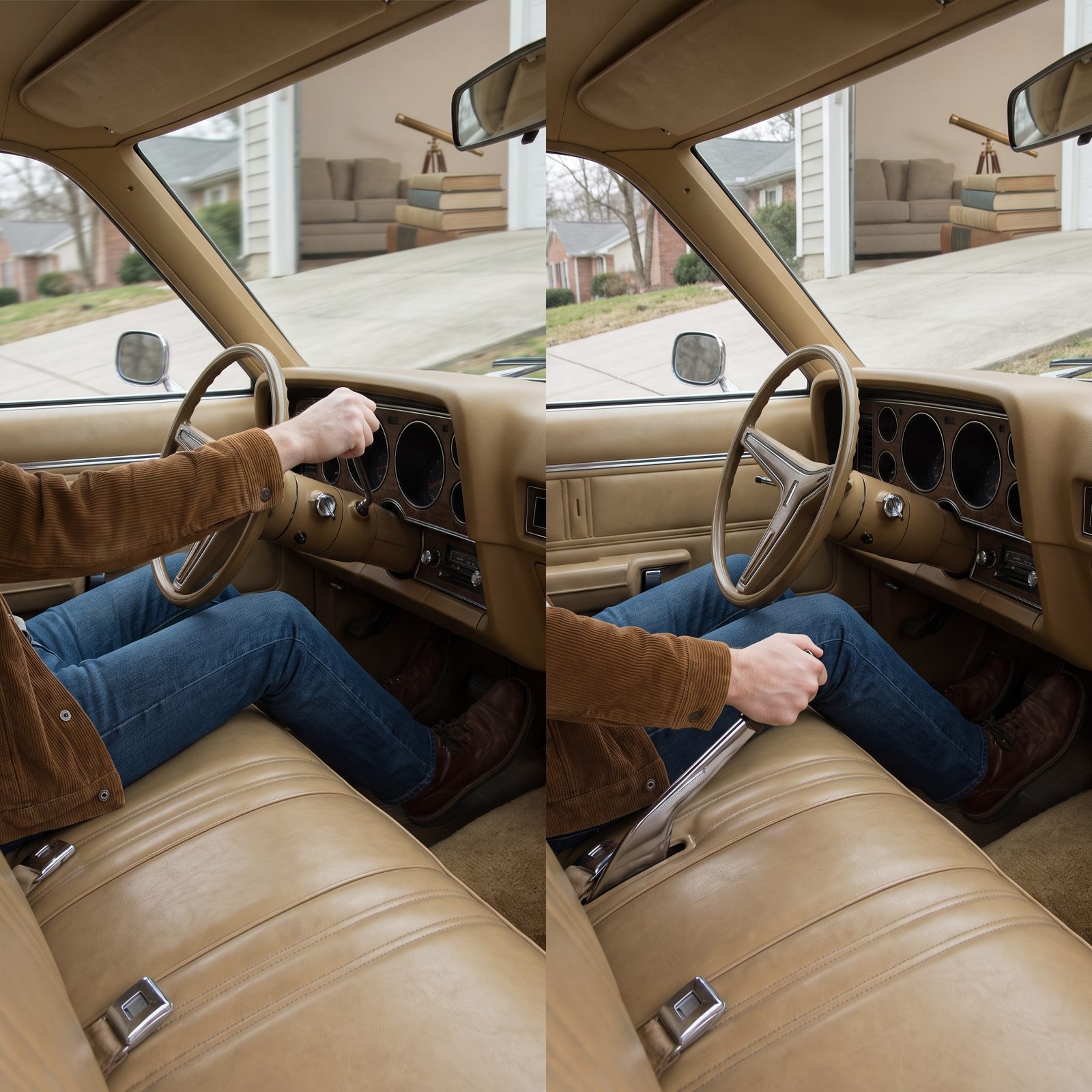
The old lesson treated P like a brake. It isn’t. The parking pawl is a small steel pin that drops into a notch on the transmission output, and on a ’74 sedan still rolling up a sloped driveway, the whole weight of the car hangs on that one pin the moment you shift to P and step off the brake. You know the clunk when you shift out of park on an incline? That’s the pawl letting go of a load it’s been carrying the whole time.
Set the parking brake first, with your foot still on the pedal. Then shift to P. Then let go. Now the brake holds the car and the pawl just backs it up. Do it the old way, shifting to P and stepping off the brake before pulling the lever, and you’re betting everything on one pin, forever.
38. Mirrors Aimed at Your Own Doors, Swing Them Wide to Erase the Blind Spots
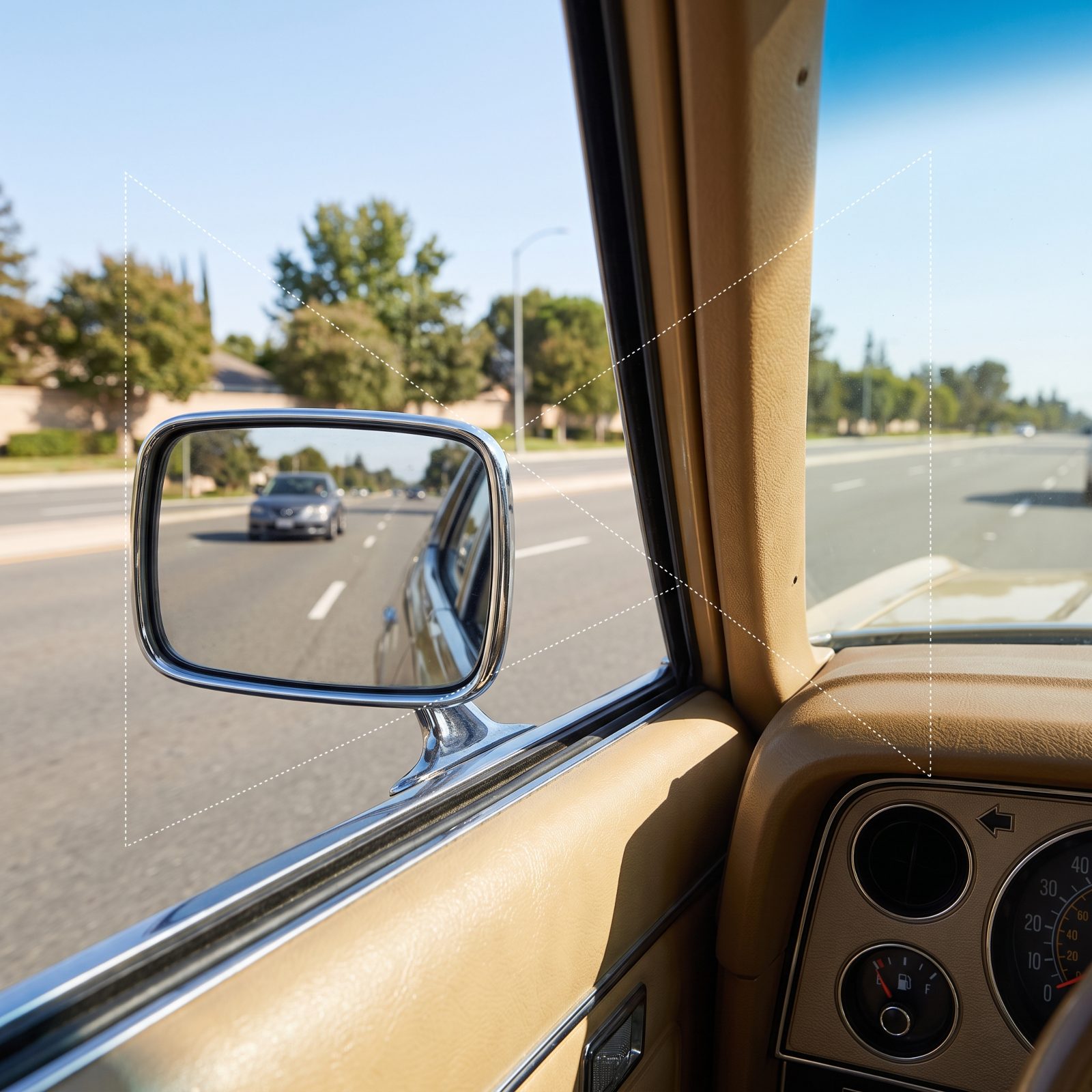
If you can see the side of your own car, your mirror is pointed at the wrong thing. The ’70s habit was framing the rear quarter panel so you always knew where your own fenders were. Comforting. Useless. You already know where your car is.
Swing each mirror outward until the car’s flank just disappears from the inner edge. That shift pushes your coverage into the lane beside you, the exact zone where a car hides between what the glass shows and what you catch over your shoulder. You still glance back before you move over. But the wider aim shrinks the surprise down to almost nothing.
37. Craning Over Your Shoulder the Whole Time You Back Up, Scan All the Way Around Instead
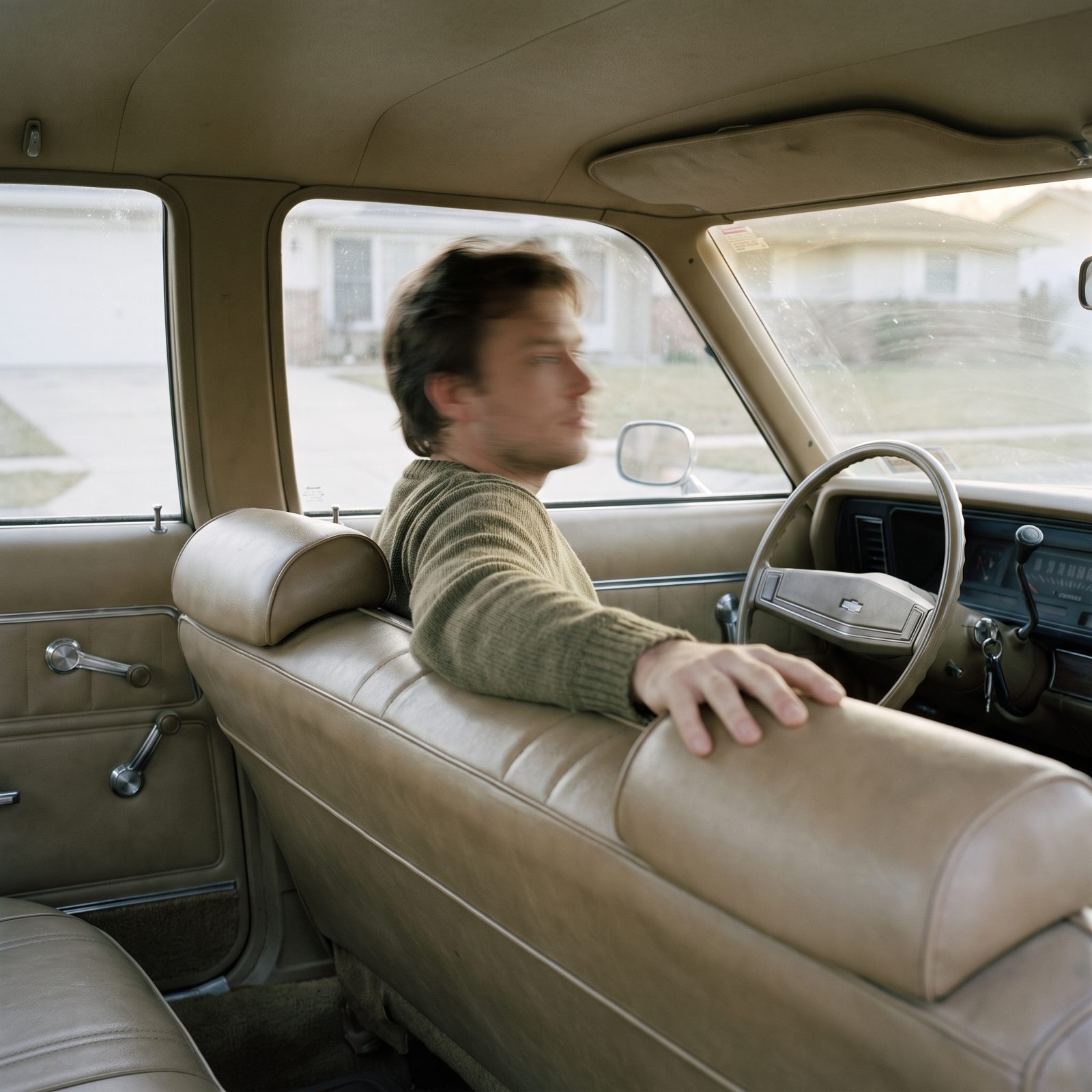
Drape an arm across the bench seat, crane your head toward the side glass, stare out that one window, and reverse. That was the move, and it looked confident as anything. It also pinned every bit of your attention on one window while a kid on a bike rolled up the driveway from the front.
Reversing isn’t a single direction. A car swings its nose when the back end turns. So you want a rolling scan: rear window, both mirrors, forward over the hood, cycling the whole time you’re moving. Back-up cameras help, sure, but they show a slice and nothing on the sides. That old shoulder-twist gave you a crystal-clear view of exactly one thing and blind faith in everything else.
36. Rowing Down Through Every Gear to Spare the Brakes, Your Brakes Were Built to Do the Work
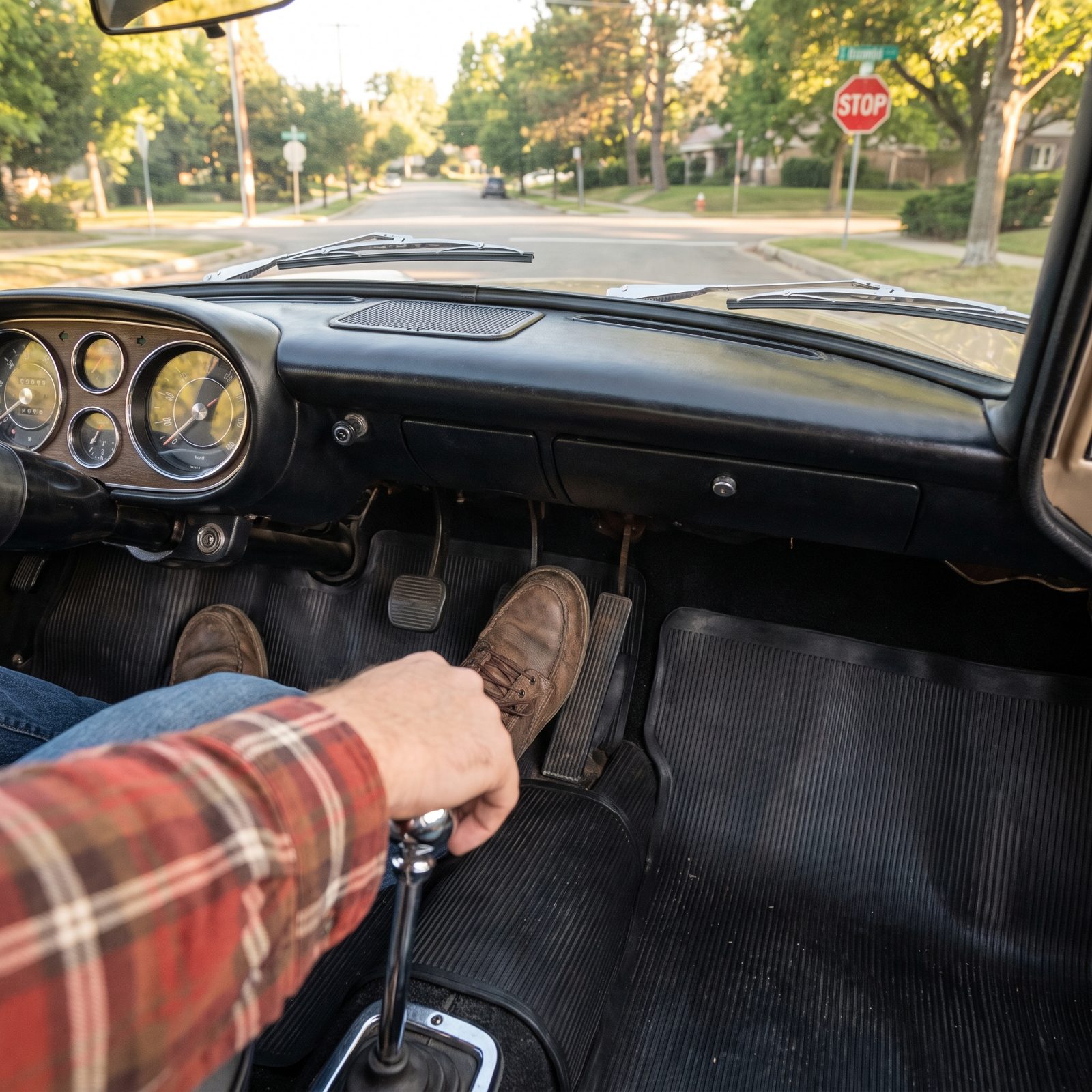
There was real logic to this one once. Old brake linings wore quickly, and heavy drum brakes faded on long descents, so anyone who drove hills learned to engine-brake down through the gears.
For ordinary slowing in a normal car, that math flipped. Brake pads are a wear item made to be replaced. Clutches and synchros are expensive and slow to swap. Clutching down through every gear to a stoplight just trades cheap pads for pricey driveline parts, and a mistimed downshift can upset the whole car.
Keep engine braking for long mountain grades, where fade is a genuine risk. For everyday stops, let the brakes earn their keep and shift down to match your speed as you roll up.
35. “Turn Into the Skid”, Aim Your Eyes and the Wheel Where You Want to Go
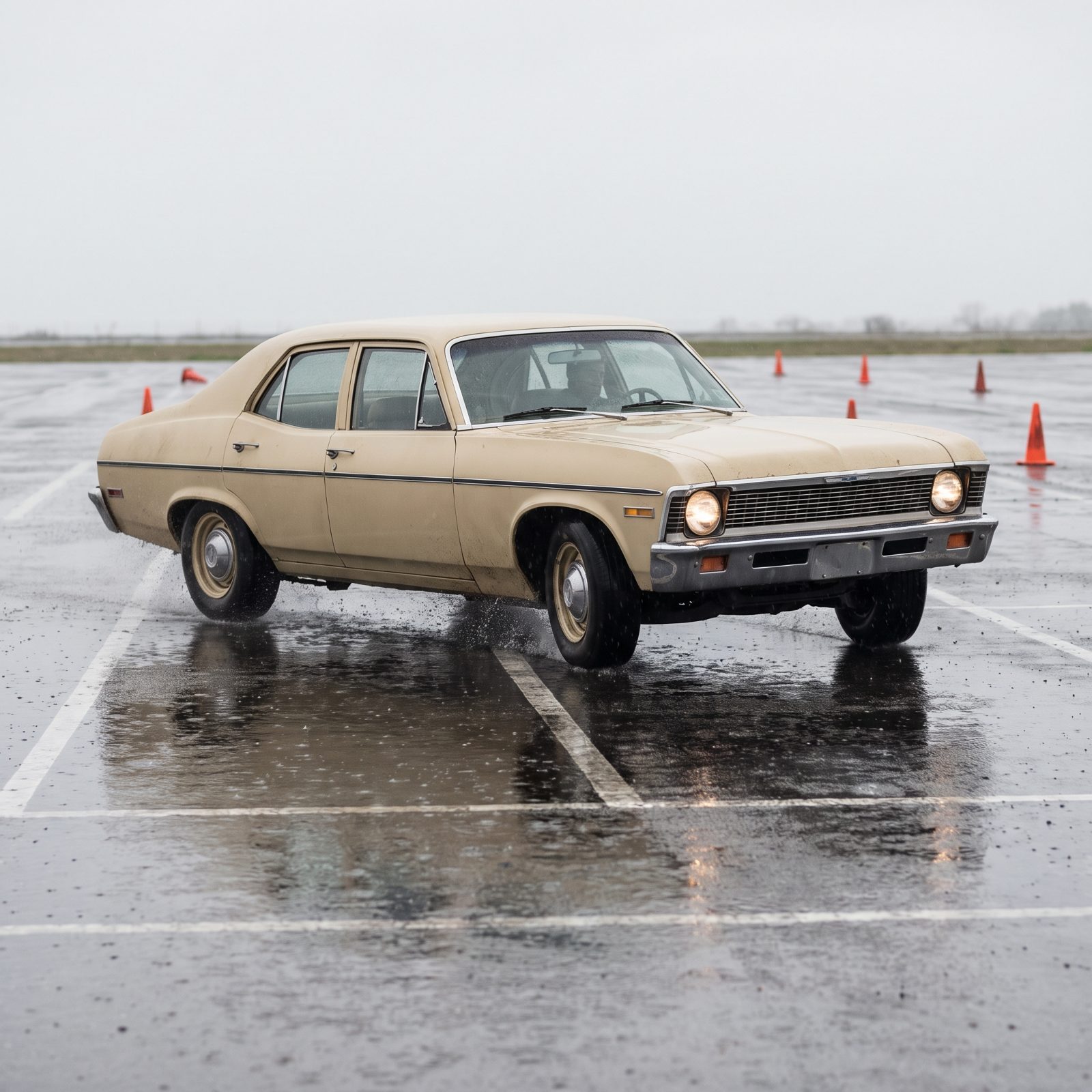
“Turn into the skid” confused more students than it ever saved. Into which skid? The front? The back? A nervous kid hears it, freezes, and tries to decode the riddle while the car keeps sliding out from under them.
Instructors ditched the whole puzzle. The new rule is plain as dirt: look where you want the car to go and steer there. Your hands follow your eyes. Fix your stare on the escape path, the clear lane, the open shoulder, and the steering mostly sorts itself out. For once, the eyes pulling the car along works in your favor.
34. Killing the Ignition When the Gas Pedal Sticks, Shift to Neutral First
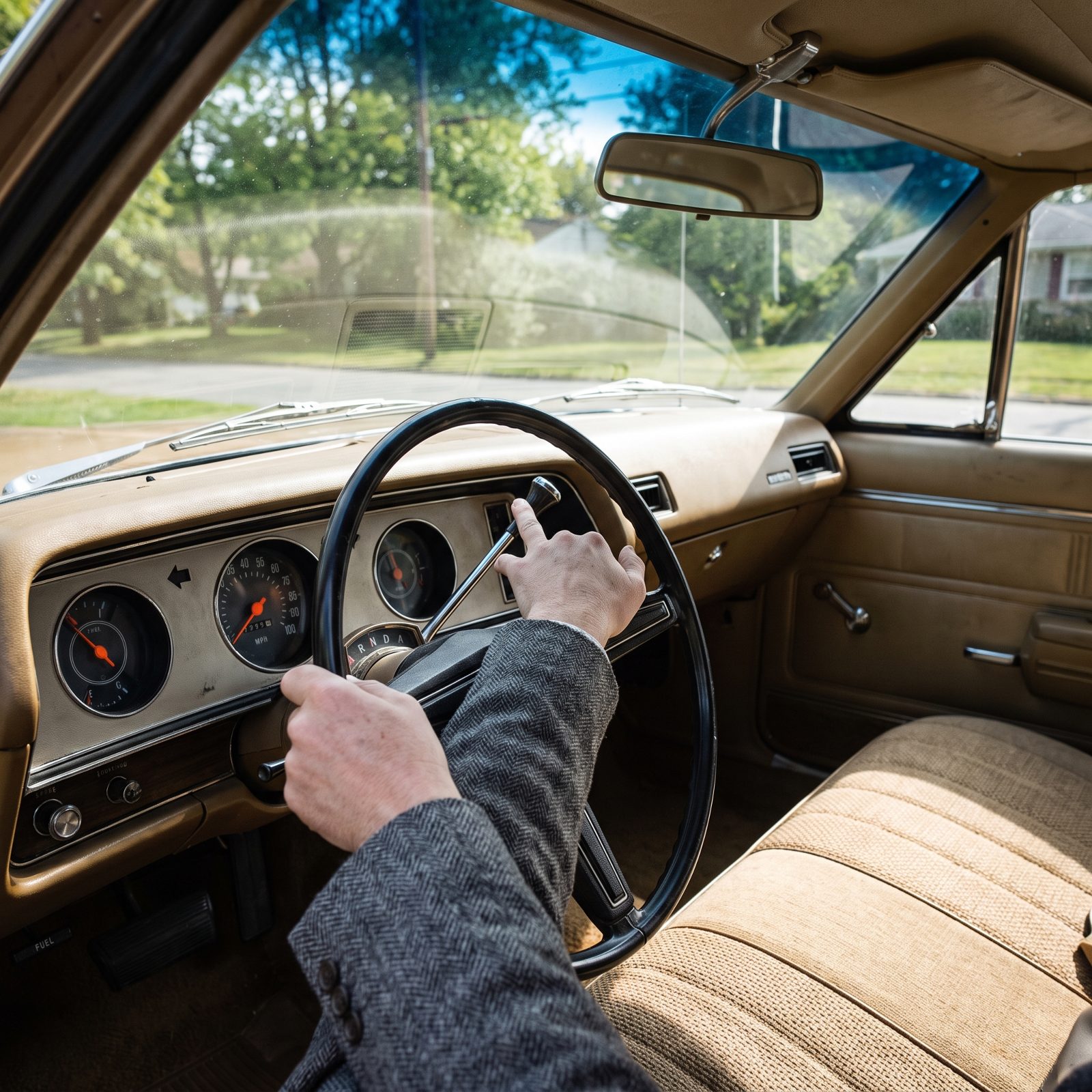
The ’70s answer to a runaway throttle was fast and dead wrong: cut the ignition. Kill the engine and the car goes calm, right?
Turn off the key and you can lose power steering assist, lose power brake boost, and on some cars lock the steering column outright. Now you’re wrestling a heavy wheel and a rock-hard pedal at speed.
Shift to neutral first. The engine races against nothing, the wheels disconnect from the drive, and you keep full steering and braking to guide the car off the road. Then stop. Then shut it down. Neutral keeps the car under your command instead of yanking the controls away mid-emergency.
33. Bracing for Impact With Locked, Straight Arms, Bent Elbows and Your Belt Do the Protecting
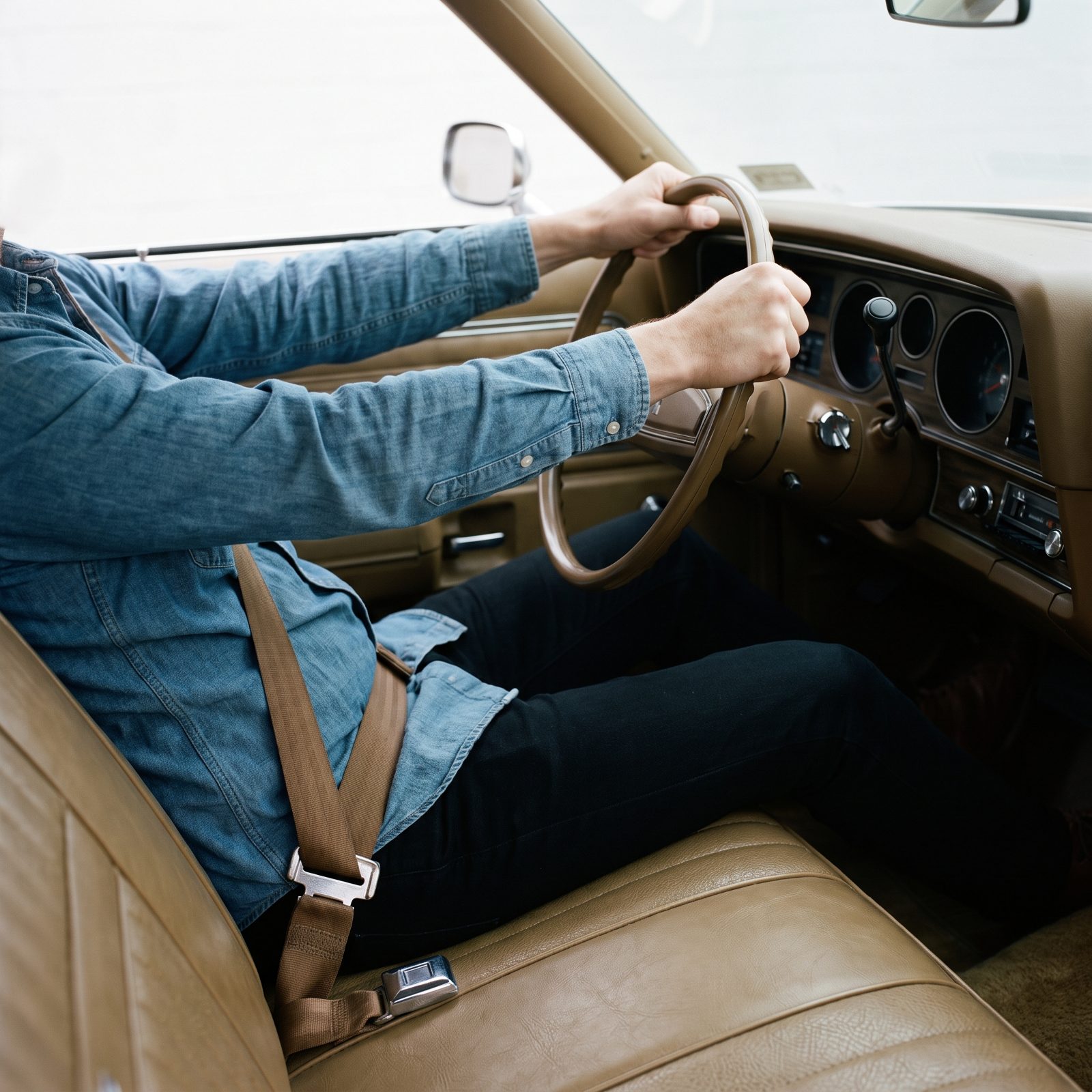
Stiff arms, locked elbows, white knuckles, brace. It feels strong. It’s a terrific way to shatter a wrist.
Rigid limbs transmit a crash’s force straight into joints and bones, and a deploying airbag firing into locked arms can do its own damage on top of that. What protects you in a modern car is the restraint system, the belt and the airbag working together, not your own muscles trying to hold the line.
Sit back. Keep your elbows softly bent. Wear the lap belt low across the hips and the shoulder belt snug across the chest. Let the belt load you into the seat and the airbag catch you. Your only job is to stay belted and let the engineering do what muscle never could.
32. Stabbing the Brakes the Instant a Tire Blows, Hold Your Line and Ease Off the Gas
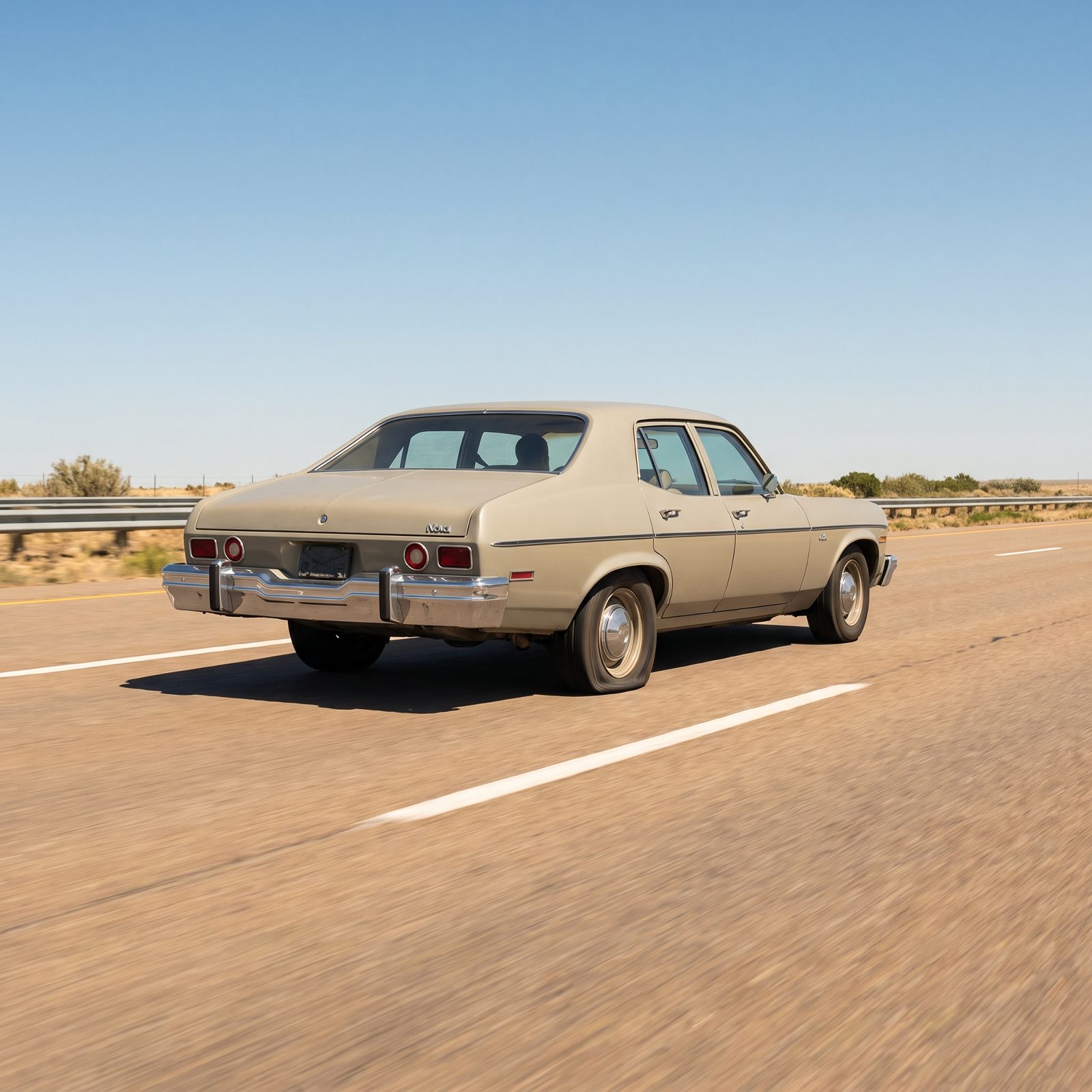
A blowout at highway speed yanks the car hard toward the flat. The instinct nobody ever corrected is to hit the brakes and get slow fast. Brake hard on a tire that’s already dragging and the car can snap sideways before you’ve finished the thought.
Instead, hold the wheel firm with both hands and steer straight. Ease off the accelerator and let the car scrub its own speed. Once it bleeds off and settles, brake gently and coast to the shoulder. The flat’s a nuisance. The panic brake is what turns a nuisance into a spin.
31. Pumping the Brake Pedal in a Panic Stop, ABS Wants One Firm, Steady Shove
Would you like to save this?
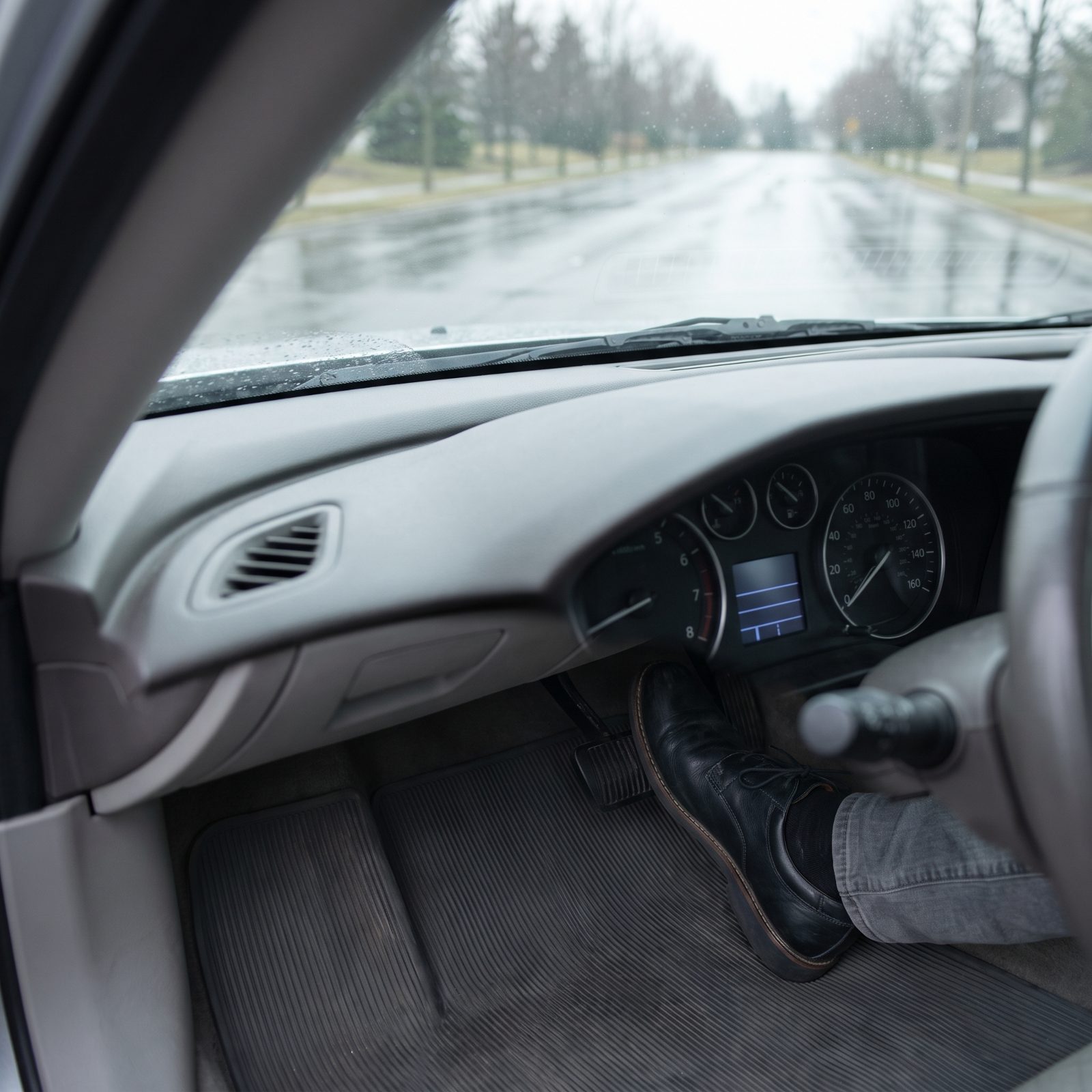
Pumping the brakes made sense before anti-lock systems. Lock a wheel on a non-ABS car and it skids with zero steering; pumping let the tire grip, release, and grip again so you could still point the car somewhere.
Anti-lock brakes do that pumping for you, faster than any foot alive, modulating each wheel many times a second. Pump the pedal yourself and you interrupt the very system trying to save you.
So in an emergency stop, press the pedal hard and hold it down. That pulsing and grinding you feel through your foot isn’t a fault. It’s the system working. Keep the pressure on and keep steering. And if you’re still rolling on drum brakes with no ABS, the old pump still applies, so know what you’re driving before the moment arrives.
30. Gripping the Wheel at 10 and 2, Airbags Made 9 and 3 the Smarter Hold
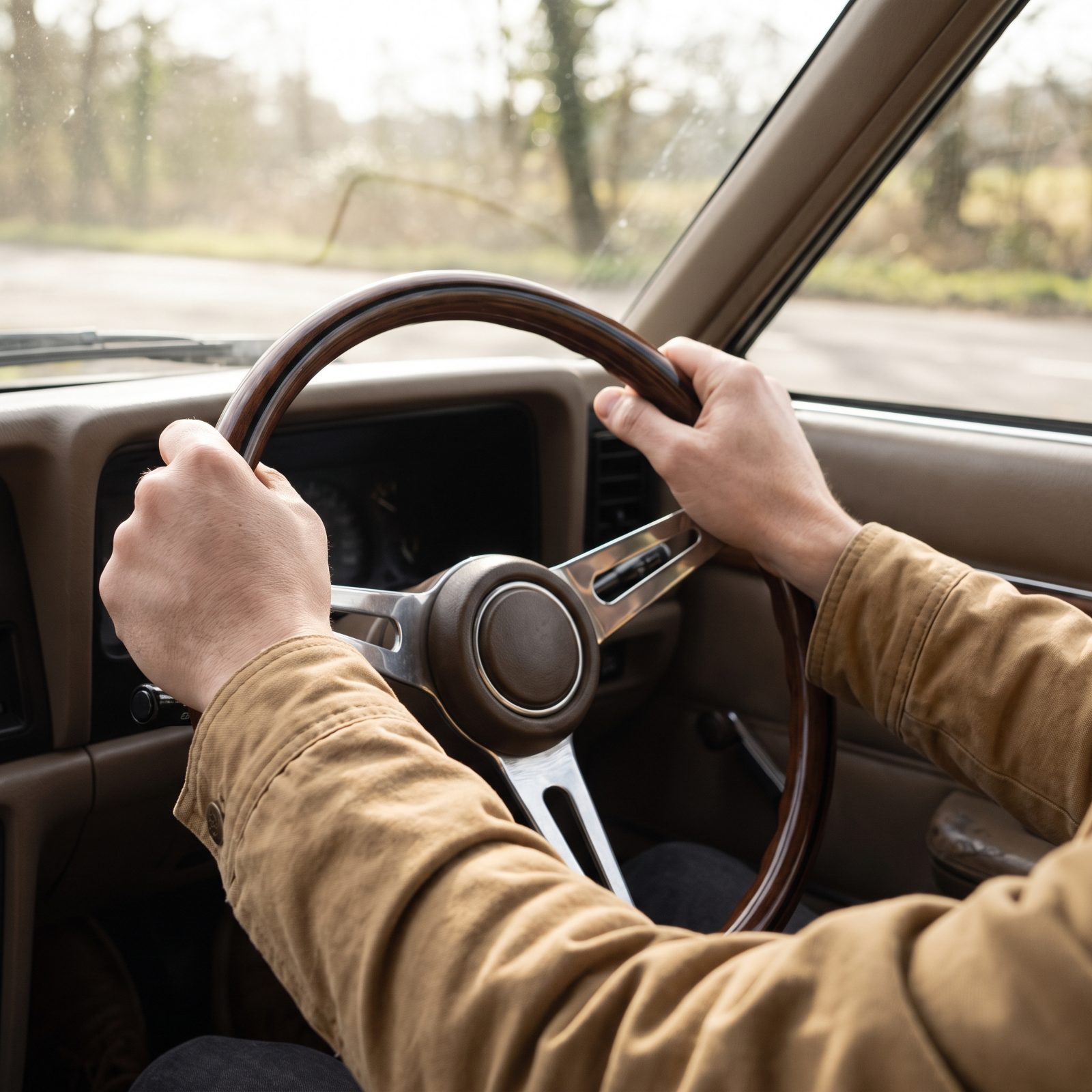
Ten and two was drilled into every student behind a big thin-rimmed wheel. Then airbags arrived, and the geometry changed overnight.
An airbag erupts from the wheel’s center with real force. Hands up at 10 and 2 sit right in that deployment path, and a firing bag can slam your own arms back into your face. Drop down to 9 and 3 and your hands and forearms clear the blast zone.
The lower grip also hands you smoother control. Your hands turn through a wider arc without crossing over, and your arms settle into a more relaxed, less tiring line on a long drive. The old habit parks your knuckles exactly where the airbag lives. Move them down and out.
29. Sitting Right On Top of the Wheel for Leverage
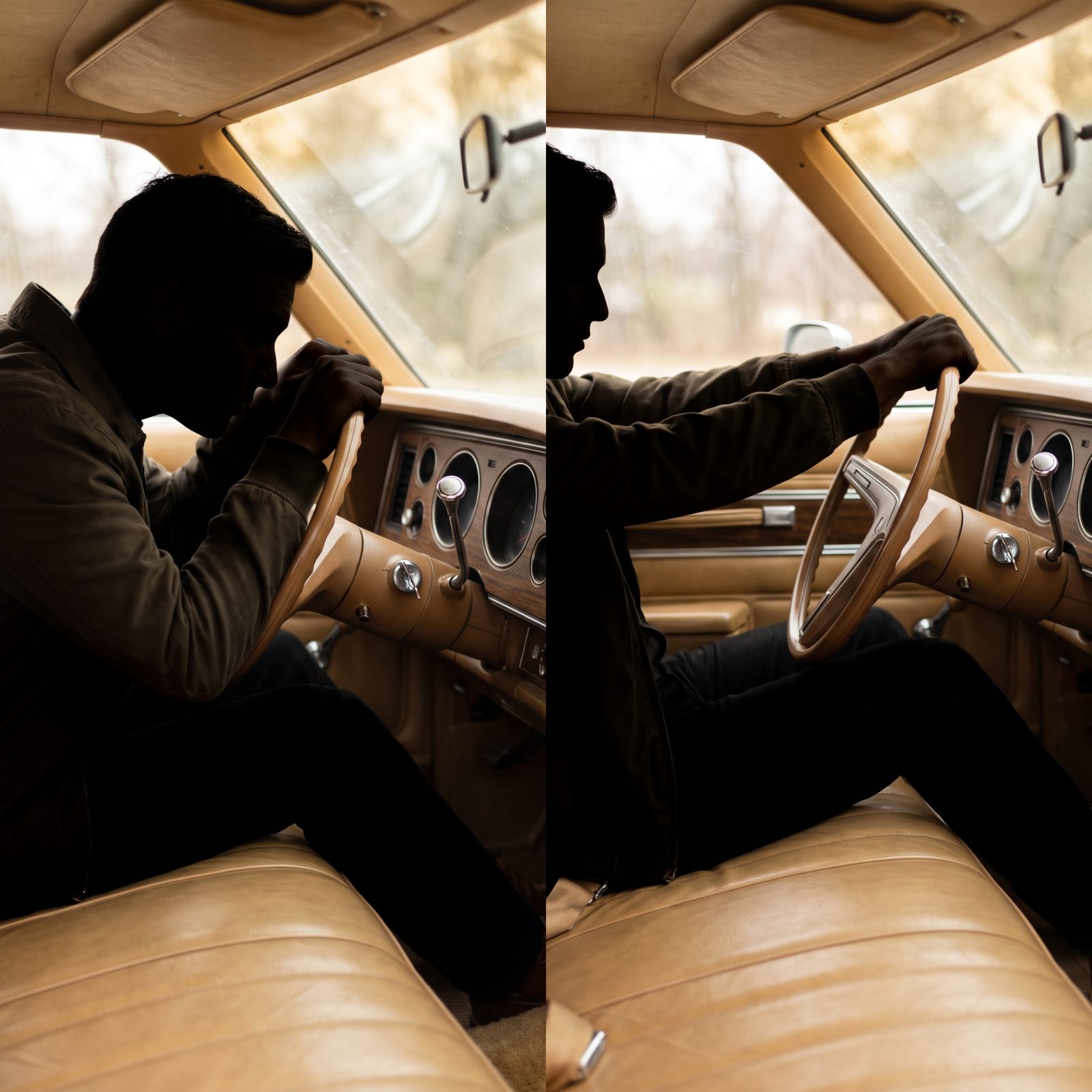
Old-school logic said a driver sitting near the wheel had more control over a heavy car with manual steering and no power assist. There was a sliver of truth to that in a 1963 land yacht. It stopped being good advice the moment airbags showed up.
Now the guidance asks for roughly ten inches between your chest and the center of the wheel. An airbag deploys fast and hard. Perch on top of it and you’ll meet the thing before it’s finished inflating — which is about as pleasant as it sounds. Slide the seat back, keep a soft bend in the elbows, and give the belt and bag room to do their jobs.
28. Dropping the Head Restraint Down for a Clearer Rear View
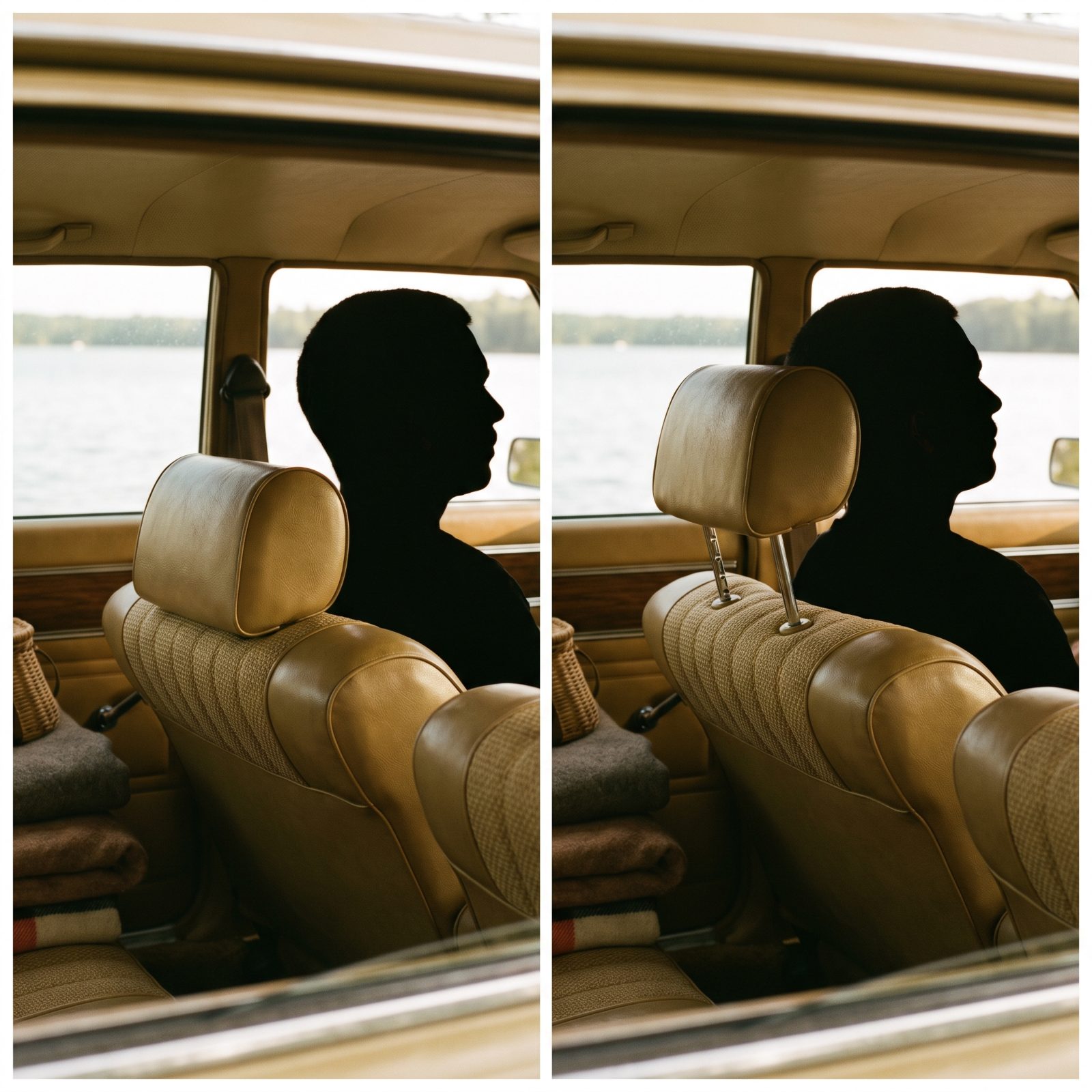
People treated head restraints like obstacles. Crank them down, see more out the back window, done. Even the name got mistaken for a comfort feature, which is exactly the problem.
It’s a safety device with one job: stopping your head from snapping backward in a rear-end hit. That snap is where whiplash comes from. Set too low, the restraint becomes a fulcrum your neck bends over instead of a backstop that catches your head.
Raise it so the top reaches about the top of your head, or at least the level of your ears, and keep the gap behind your skull small. A little rearview inconvenience is worth nothing against your cervical spine.
27. Tucking the Shoulder Belt Behind Your Arm
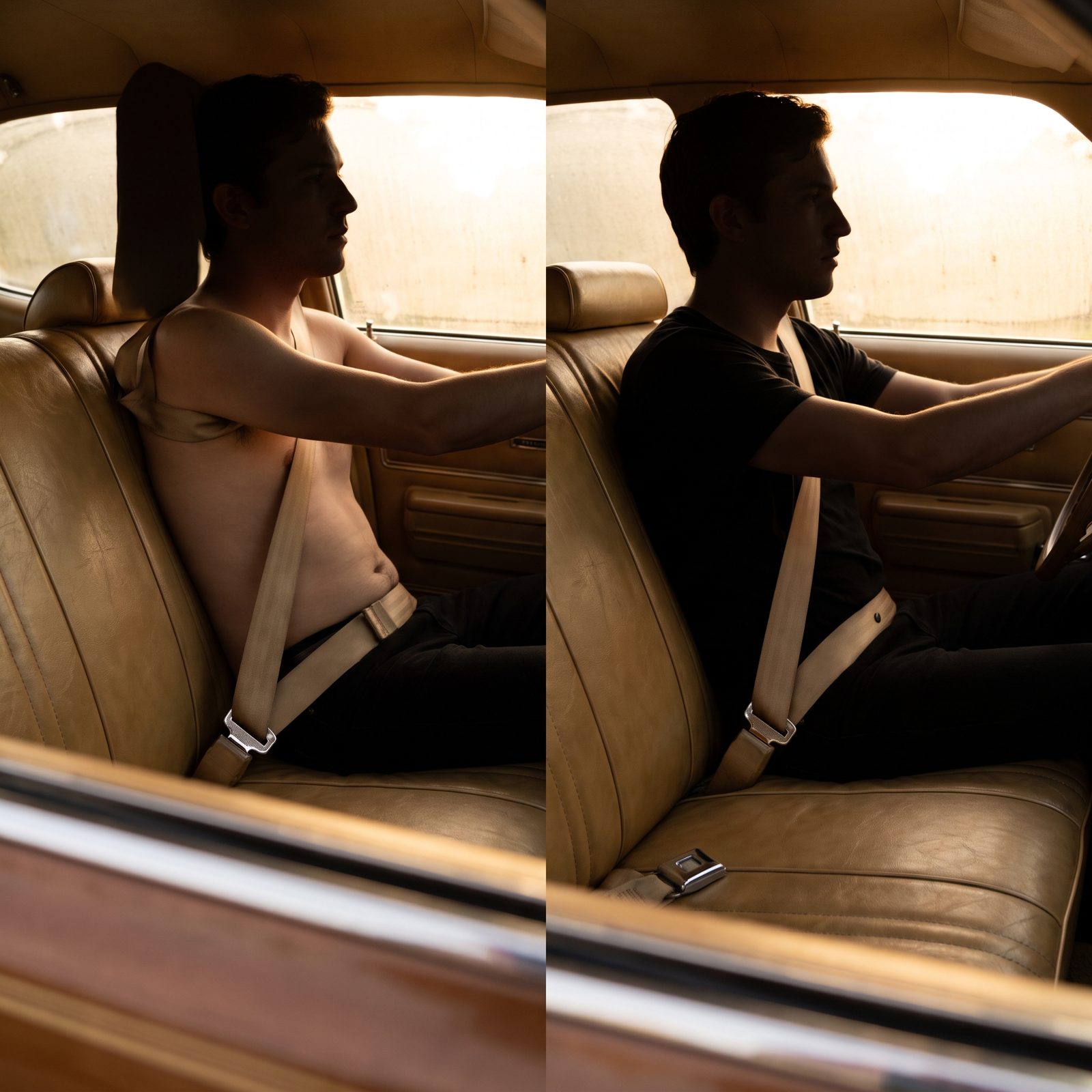
Shoulder belts were newer then, and plenty of folks found them annoying across the neck, so the workaround spread fast: loop the shoulder strap around the arm and under the armpit so it hangs slack across the chest. Keep the lap belt snug, take the bite out of the nagging part. Some instructors just shrugged and let it slide.
Here’s the flat truth. Looped around your arm like that, the belt does far less in a crash. With all that slack, your upper body pitches forward before the strap catches, and the lap belt can fold you right over it. That diagonal strap exists to spread the force across your chest and collarbone — the strongest places on your body to take a hit.
26. Holding a Child on a Lap Up Front
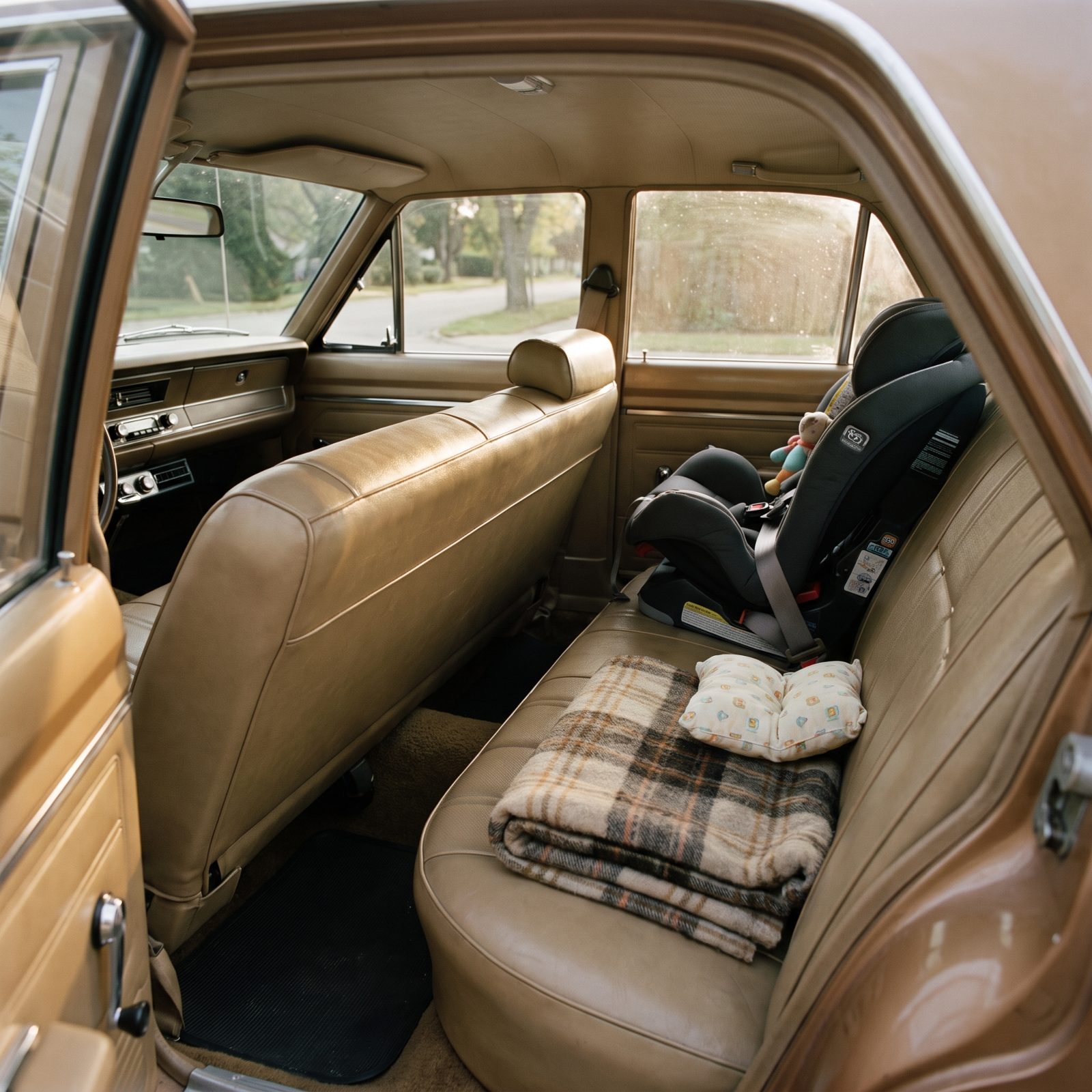
A parent’s arms felt like the safest place on earth. In a sudden stop they become the opposite. The physics are brutal: a small child throws forward with force far beyond their actual weight, and no arm on the planet can hold that.
A properly secured, age-appropriate restraint is the only answer. Rear-facing for the littlest ones, then a forward-facing harness, then a booster until the adult belt actually fits across the body. Check the seat’s height and weight limits instead of guessing by age.
25. Putting the Kids Up Front Where You Can Keep an Eye on Them
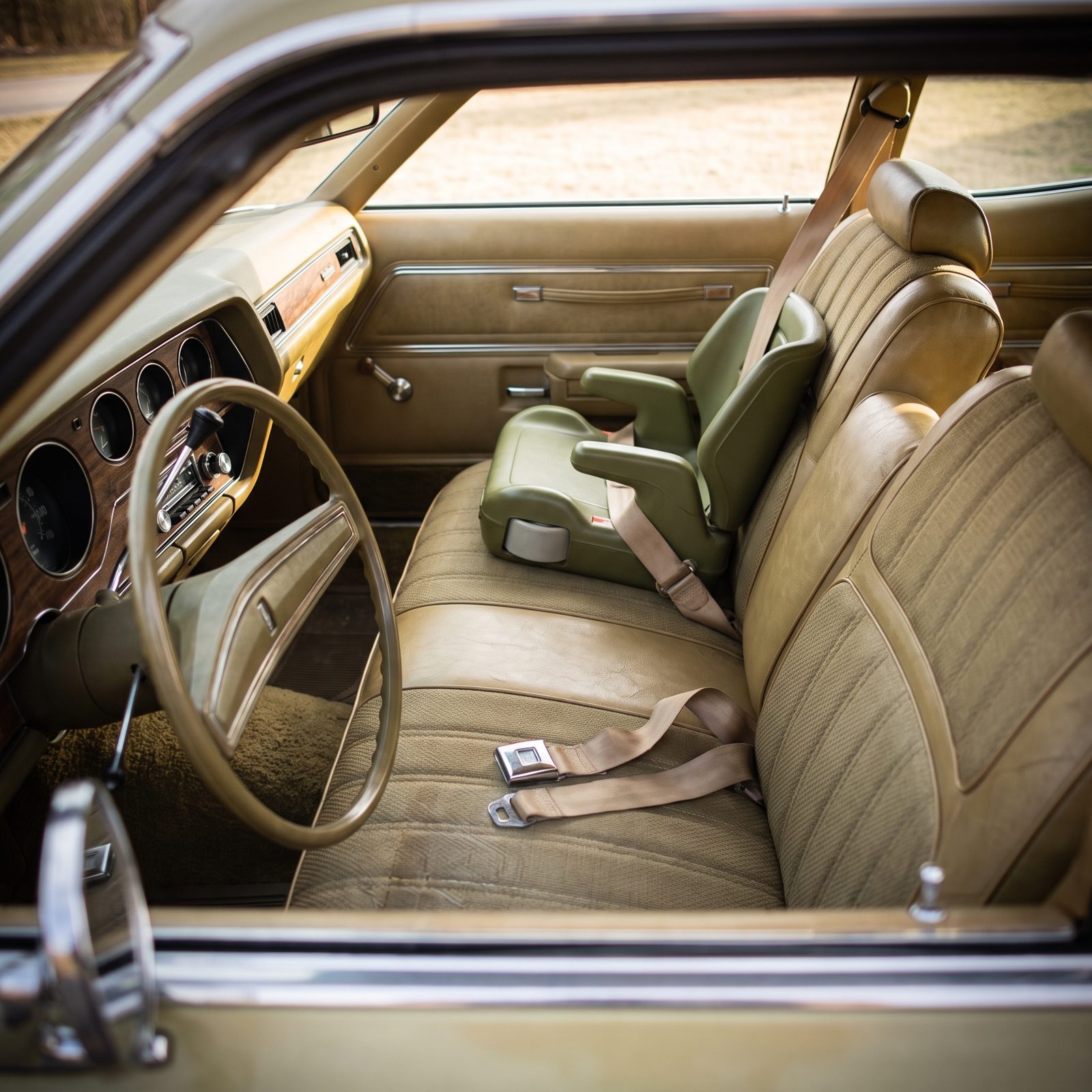
It made sense as parenting. Not as safety. Kid up front, within reach, easy to settle — but the dashboard and windshield were never built to protect a small body, and a front airbag is a real danger to a child.
The back seat is the safer spot, full stop, and it stays that way through roughly age twelve. Back there, a kid sits away from the hardest-hitting points of a frontal crash and clear of an airbag sized for a grown adult.
Yes, it’s less convenient. The tradeoff isn’t close.
24. Pumping the Gas Pedal Before Turning the Key
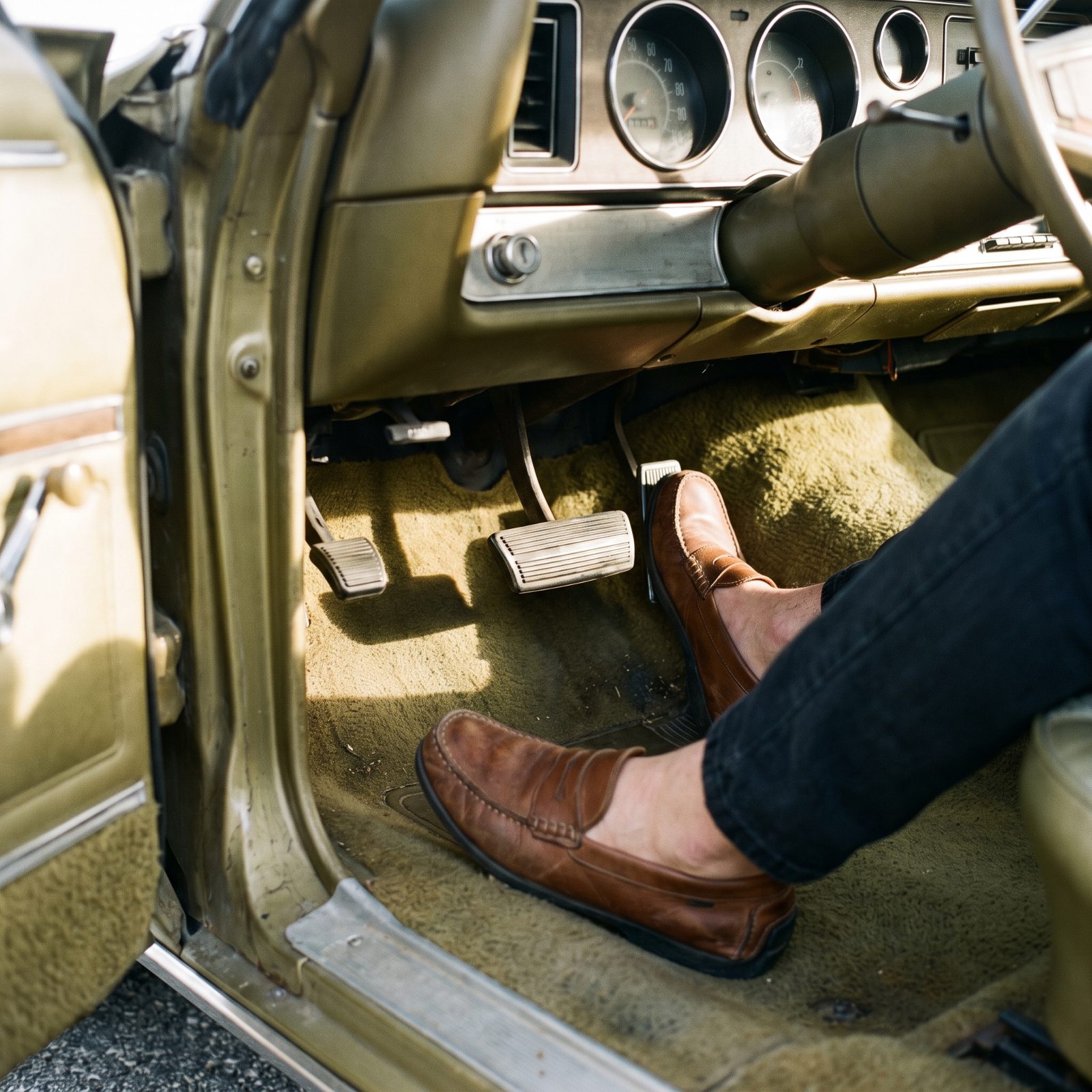
Two or three stabs on the gas, then crank it. That little ritual fed fuel into a cold carburetor and set the choke, and for a 1972 engine on a frosty morning it was exactly right. It got burned into muscle memory for a whole generation.
Fuel injection erased every bit of it. The computer meters the mixture the instant you turn the key. Pump the pedal now and you accomplish nothing — on some systems you can actually throw off the start or flood the thing. Turn it on, wait a beat, go.
23. Letting It Idle Five Minutes to Warm Up
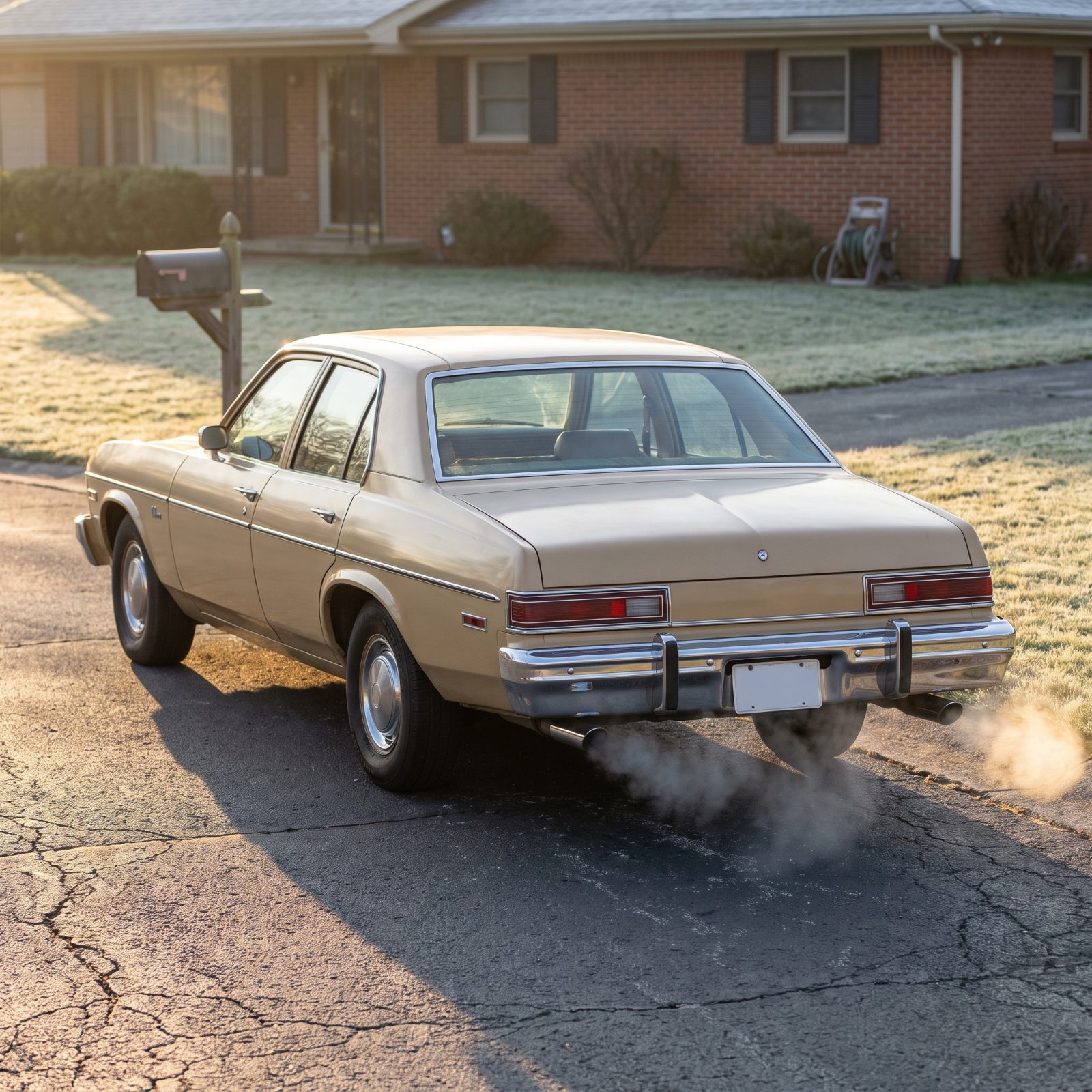
There’s a real nostalgia to a cold car huffing away on the frosted front lawn while the coffee brews inside. On a carbureted engine, that long warm-up genuinely helped — the choke backed off, a rough cold idle smoothed out, everybody won.
Modern fuel-injected engines come up to temperature by being driven, not by sitting there. A quick start-up of thirty seconds to a minute gets the oil moving, and the rest of the warming happens best under a gentle load.
The engine warms faster rolling down the street than standing still in a cloud of its own exhaust.
Long idling wastes fuel and, come winter, just fogs up a cold garage for nothing. Drive it easy for the first few minutes instead.
22. Coasting Downhill in Neutral to Save Gas
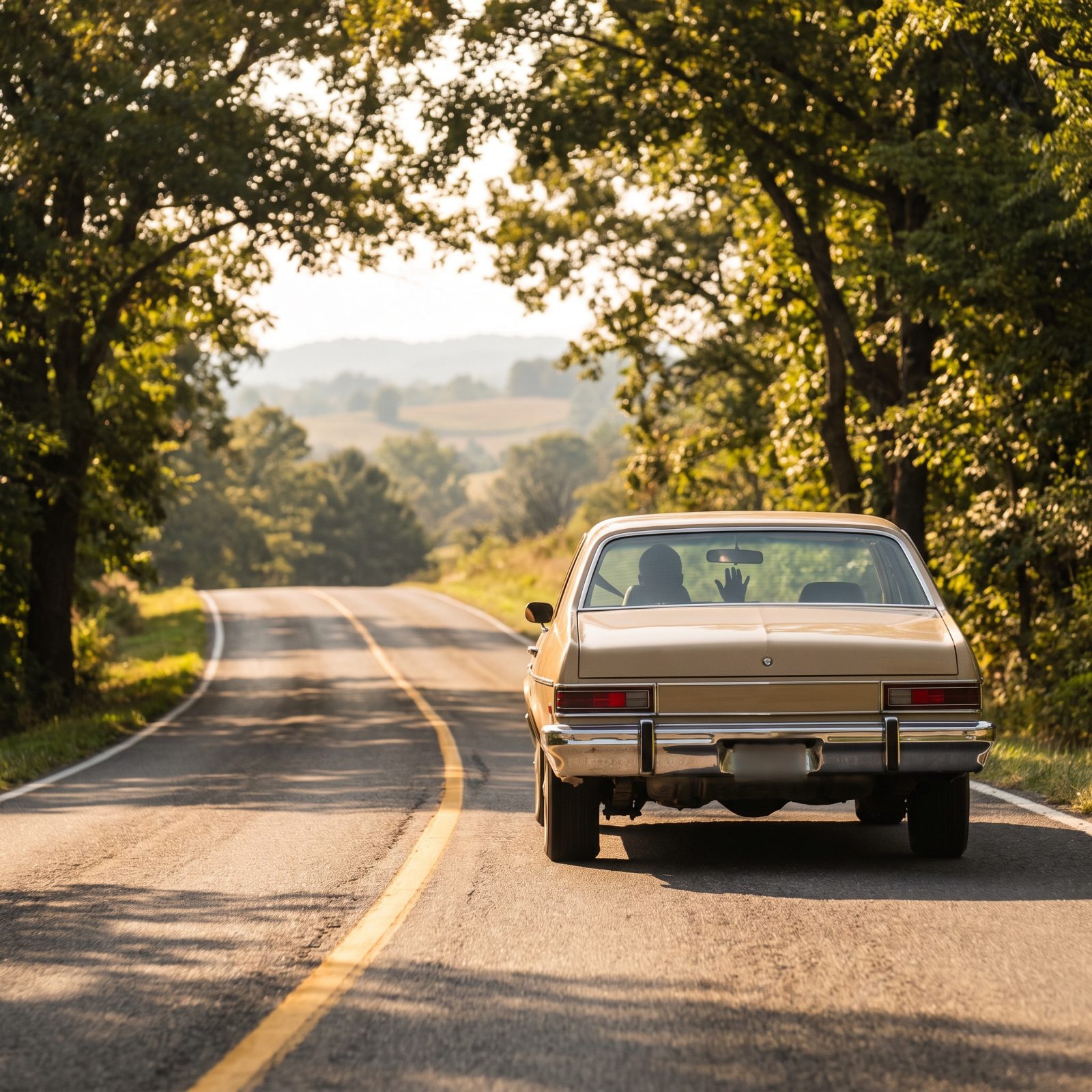
Shift to neutral, let gravity do the pulling, sip less fuel. Felt clever, and in an older car the math roughly held up, since an idling engine still drank gas.
Flip it around for a modern car. Left in gear while coasting downhill, it often cuts fuel to the injectors entirely, because the turning wheels are already spinning the engine over. Drop into neutral and the engine has to idle again, burning fuel just to stay alive. You also throw away engine braking, which leaves you riding the brakes down a long grade until they fade or overheat.
21. Riding With a Foot Resting on the Clutch
Would you like to save this?
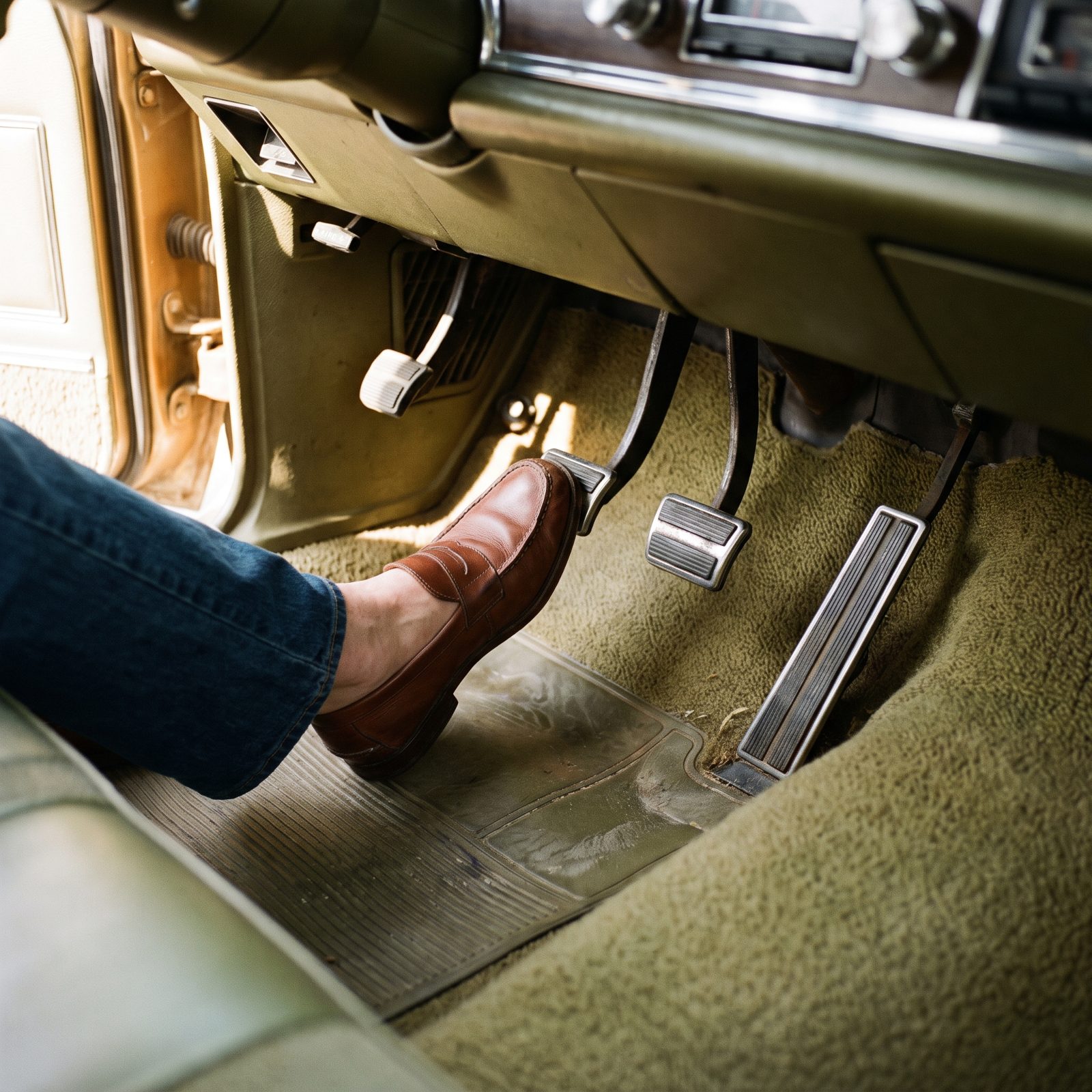
Some instructors taught keeping the left foot hovering on the clutch, ready to shift. Ready, sure. Also expensive.
Even feather-light pressure can keep the clutch from fully engaging, and that partial slip grinds the friction material away over thousands of miles. Clutches aren’t cheap to replace. The pedal wants to be either all the way in or fully released — never half-held out of habit.
Park your left foot on the dead pedal, that flat footrest off to the left. Your clutch will thank you by lasting the way it’s supposed to.
20. Holding the Car on a Hill by Slipping the Clutch
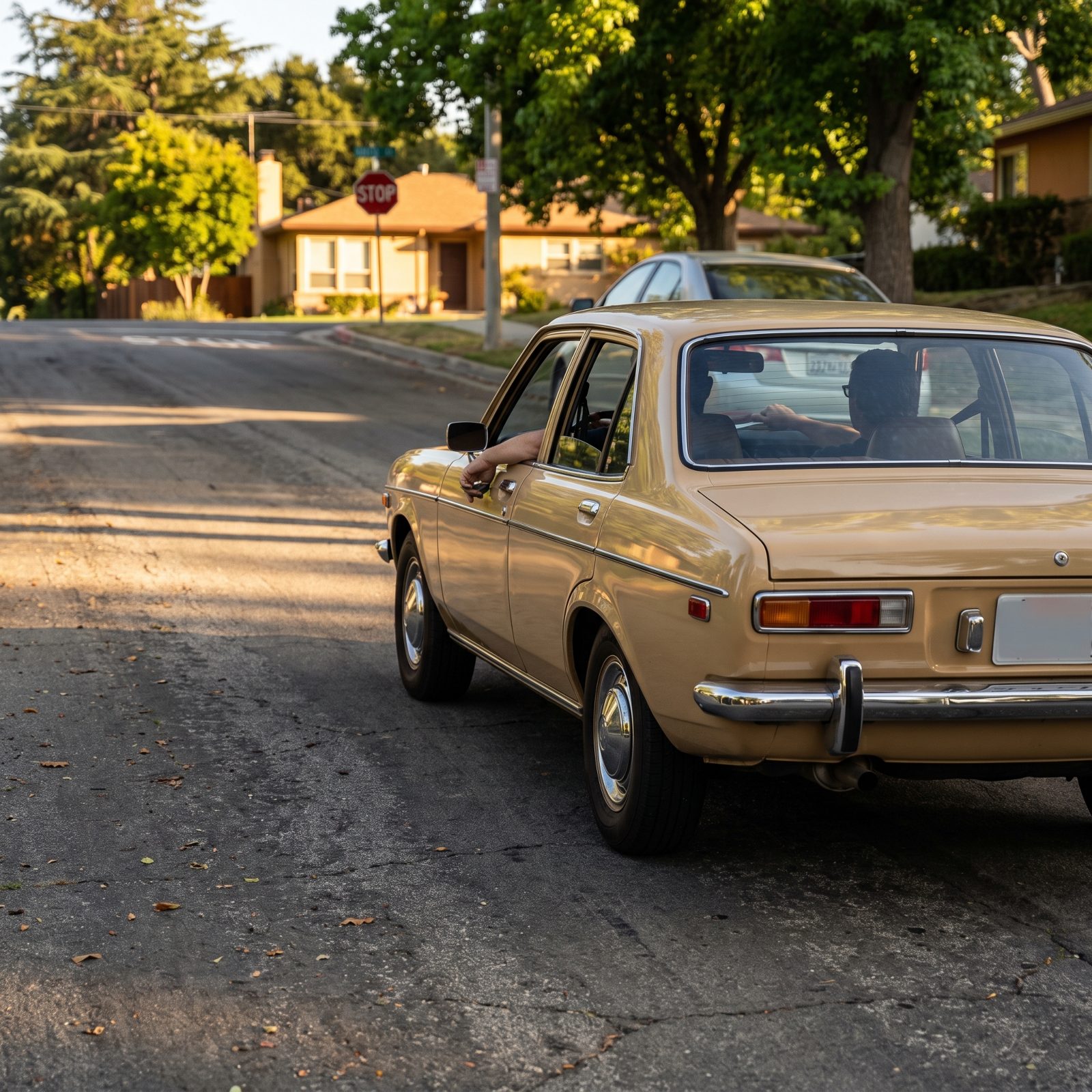
The hill hold. Clutch half out, revs up, balancing the whole car against the slope on nothing but a slipping disc. It looks smooth and feels like skill — and it cooks your clutch faster than just about anything else you can do behind the wheel.
Use the brake. Foot brake or handbrake holds you dead still with zero wear, and then you release and feed the clutch only once you’re actually moving. Plenty of newer manuals even handle this for you with hill-start assist.
19. Rocking Furiously Between Drive and Reverse to Escape a Rut
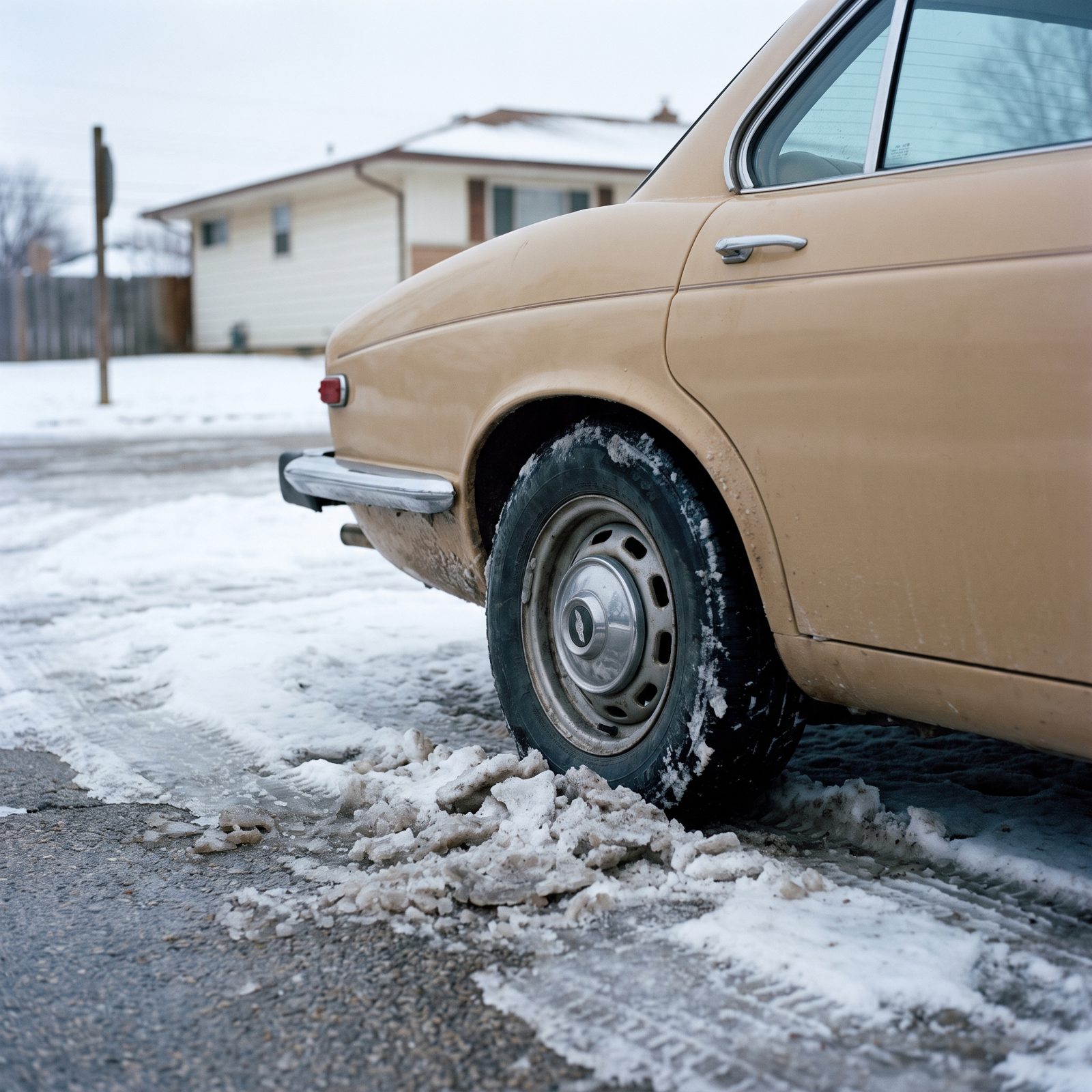
The old move was to slam it D-to-R-to-D as fast as your hand could sling the column shifter, flooring it each way until something gave. Usually what gave was the transmission.
Modern instructors flinch at this one because an automatic was never built to reverse direction while the drivetrain is still spinning the other way — you’re grinding bands and clutches that cost more than the tow truck would have. Let the car come to a full stop between each direction change. Steady throttle, gentle rock, momentum built slowly. Patience gets you out. Violence gets you a rebuild.
18. Bleeding Air Out of the Tires for “Better” Snow Grip
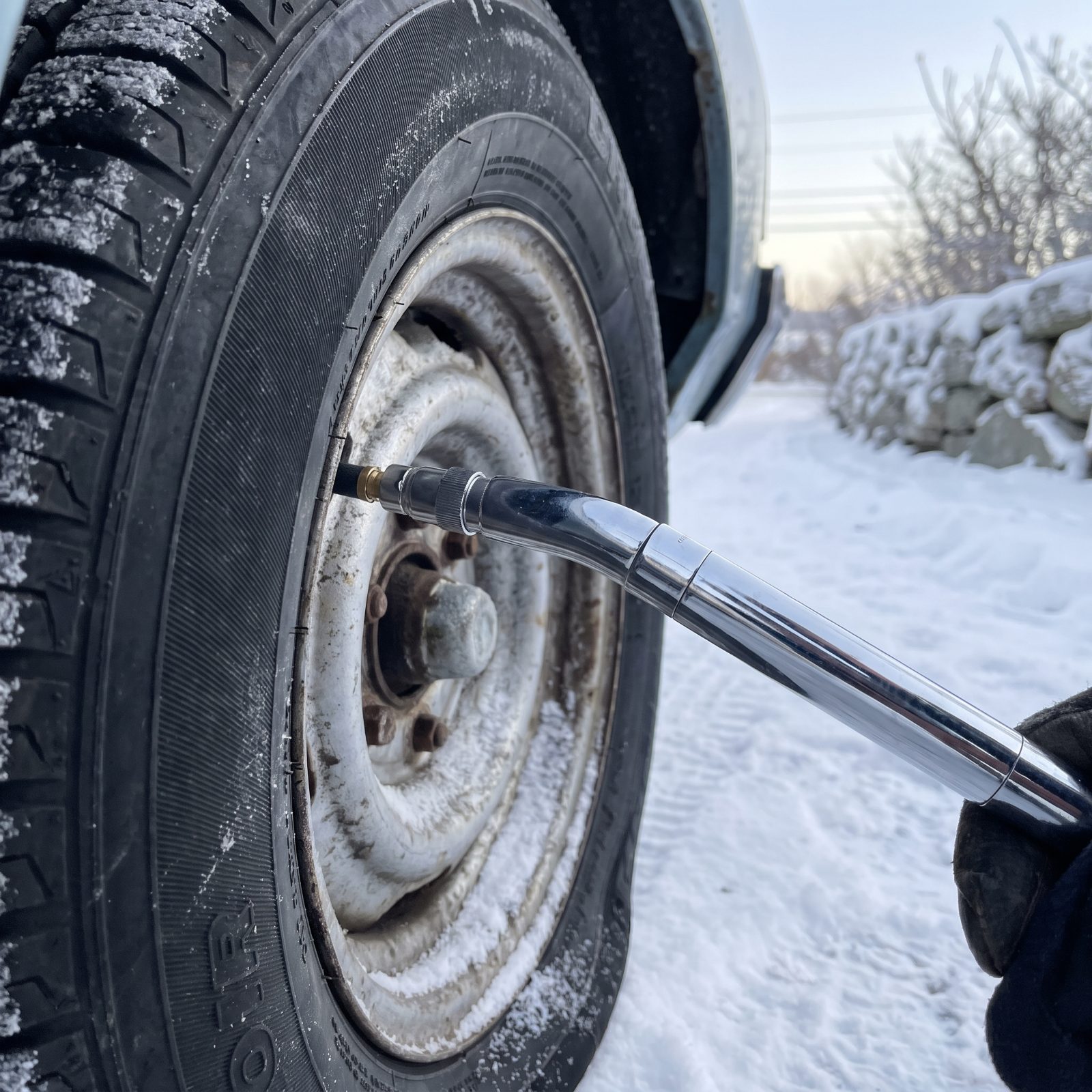
Somebody’s uncle swore that letting air out flattened the tire, widened the footprint, and floated you over snow like a snowshoe. Half the neighborhood did it every December.
Sure, it spreads the contact patch. It also wrecks the tire’s shape, overheats the sidewalls, kills your steering, and risks popping the bead loose in a hard turn. On ice, more rubber touching nothing useful buys you exactly nothing. Run the pressure printed on the sticker inside the driver’s door jamb, not the number molded on the tire — that door figure is what the people who designed the car actually tested. Trust it over tradition.
17. Bolting Snow Tires Onto Only the Drive Wheels
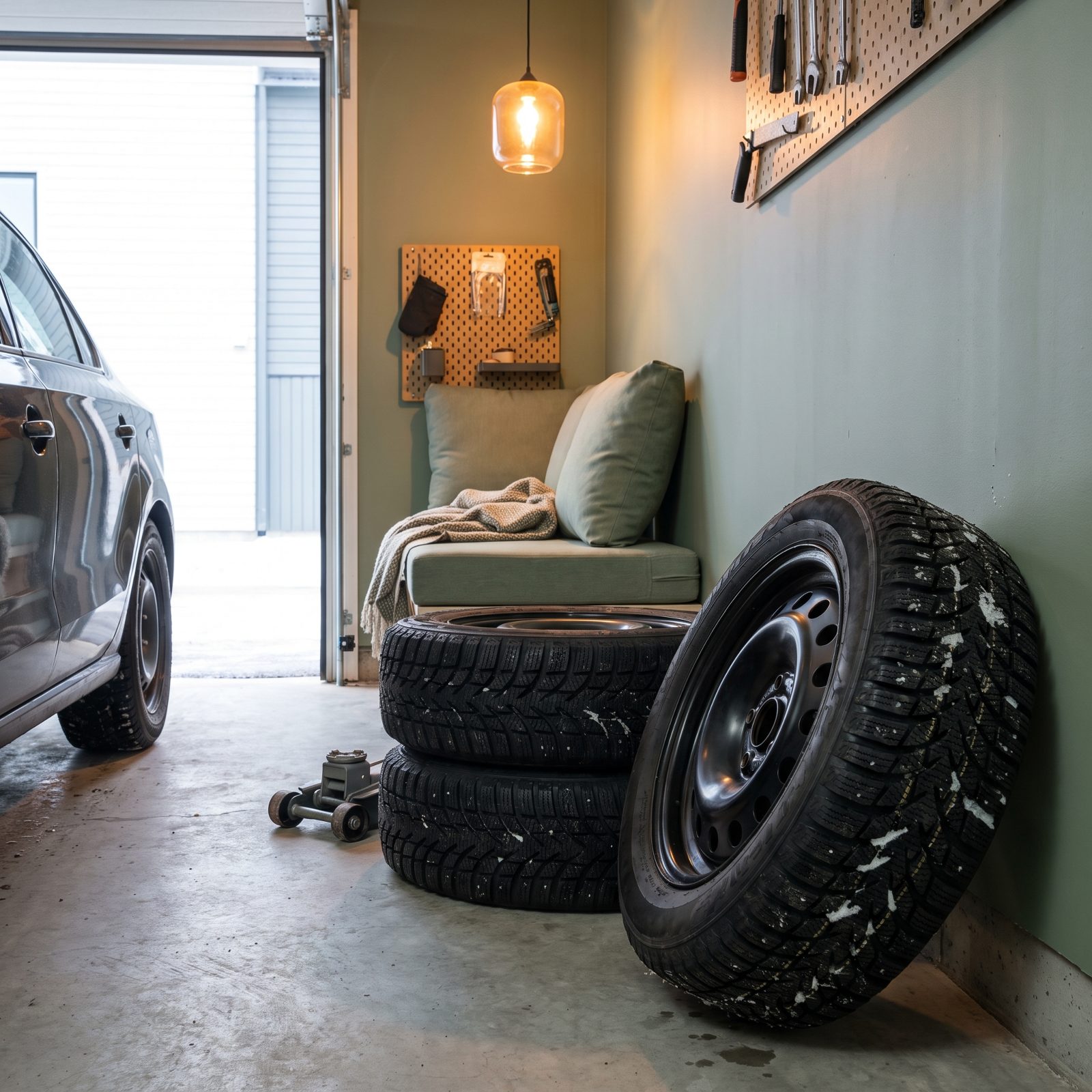
Two winter tires feels thrifty. It drives like a trap.
Back then the logic was simple: put the grippy rubber where the power goes and save money on the rest. On a rear-drive sedan that meant snow tires out back and summer tires up front, or the reverse once front-drive cars showed up.
And that’s where it bites you. One axle grips, the other lets go, and the car spins mid-corner with no warning at all. No instructor today will bless anything but four matching winter tires, because the same grip front and rear keeps the car settled when it starts to slide. Skimp on two and you’ve bought yourself an ambush.
16. Believing Four-Wheel Drive Also Means Four-Wheel Stopping
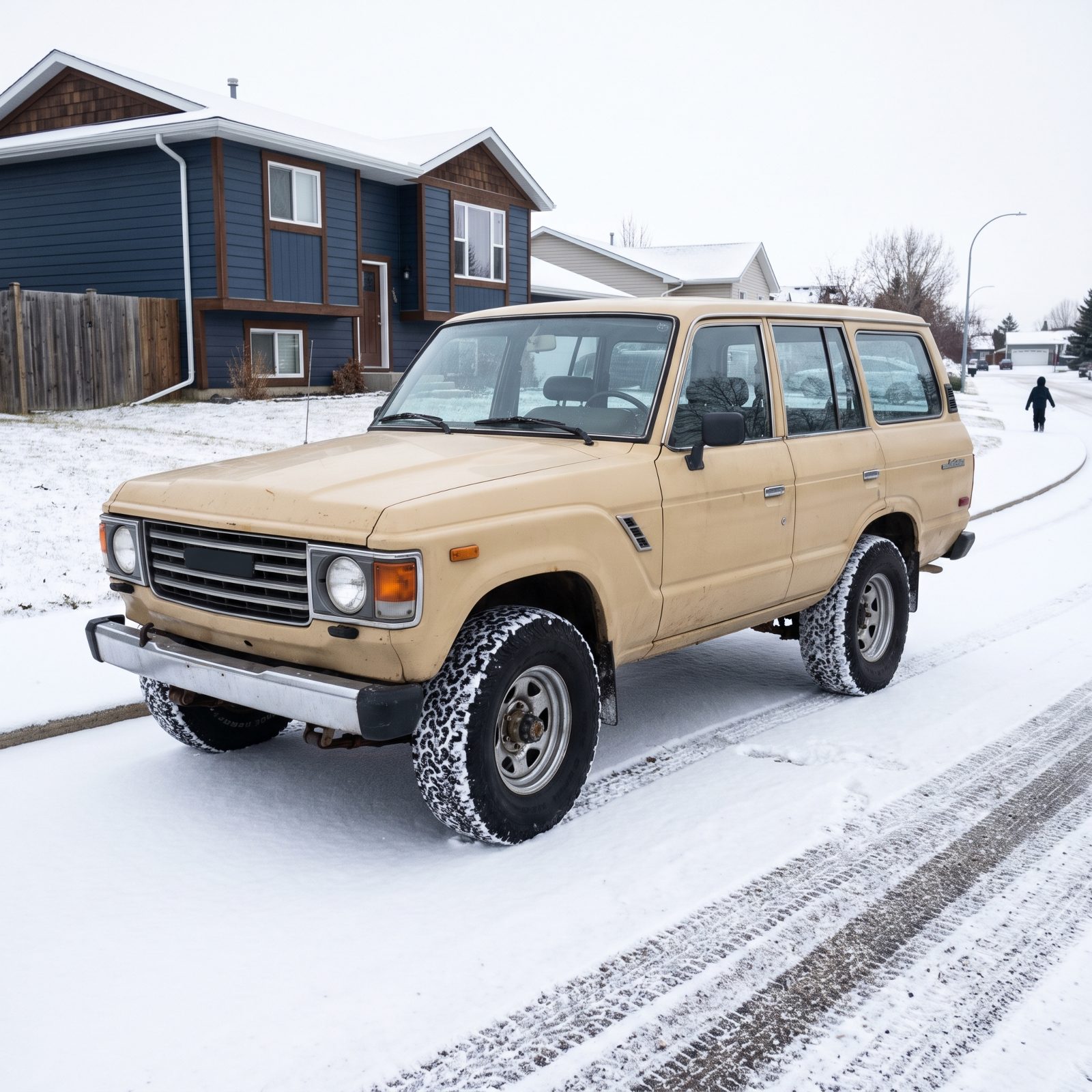
Four-wheel drive sold a lot of confidence it couldn’t back up. If all four wheels pulled, drivers figured, all four would stop just as well — so they tailgated in snow like they had superpowers.
Driving all four wheels helps you go. It does nothing for how you stop. Braking comes down to tire grip and road surface, same as any two-wheel-drive car, and a heavier 4WD rig usually wants more room, not less. Instructors hammer this point because the confidence is the actual hazard. Leave extra following distance no matter what’s spinning underneath you. The brakes don’t know how many wheels get power.
15. Clicking On Cruise Control in Rain and Snow
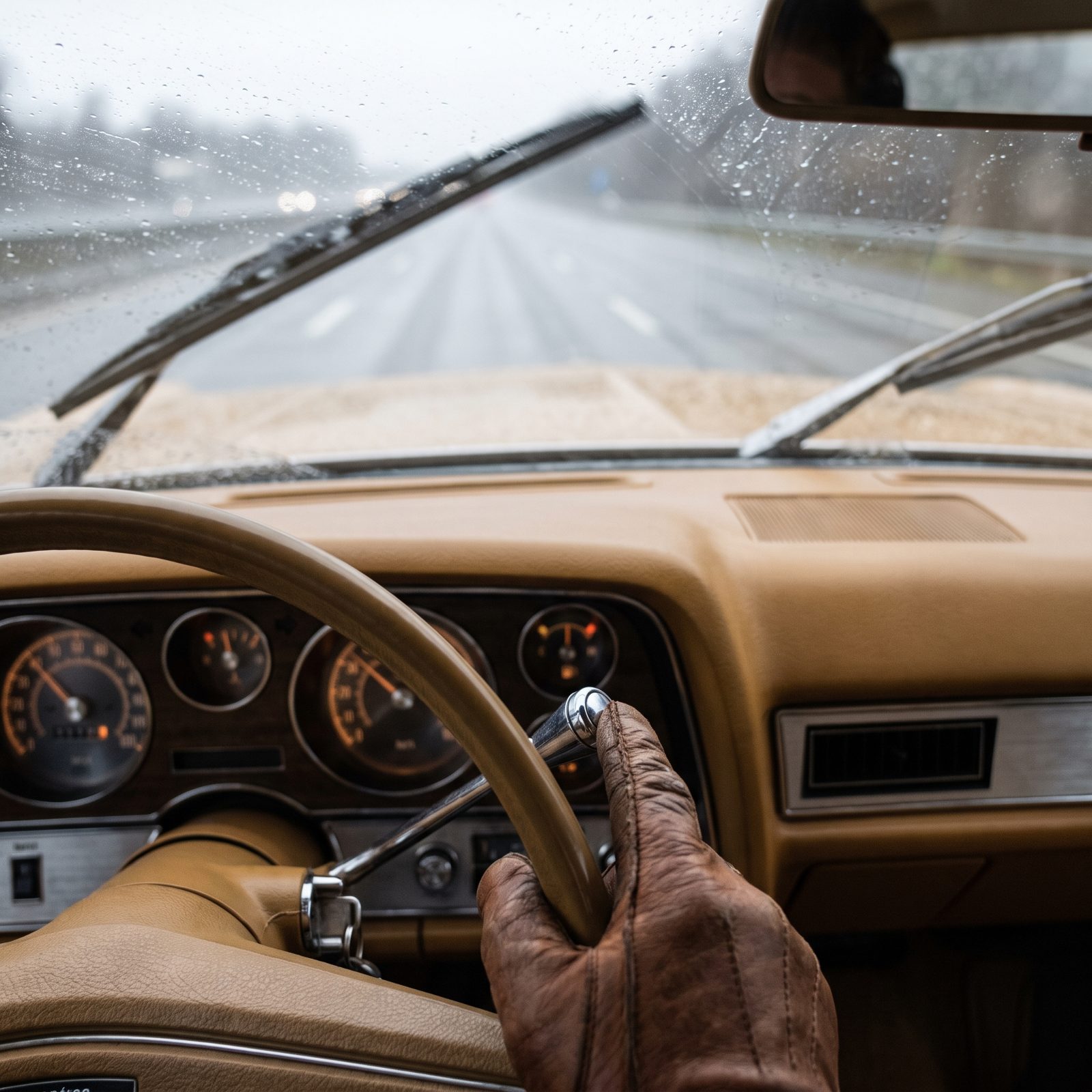
Cruise control was the shiny new toy, and plenty of instructors treated it as a reason to never touch the pedal on a long wet drive.
On a slick road, that’s exactly backward. If a driven wheel loses grip, the cruise reads it as the car slowing down and feeds in more power to “catch up” — right when you want less. That’s how a damp highway turns into a spin. You have to be the one managing throttle as grip comes and goes under the tires. Flip it off the moment the road goes wet or white. Let your right foot feel what the pavement is doing.
14. Stomping the Brakes the Instant the Car Starts to Float
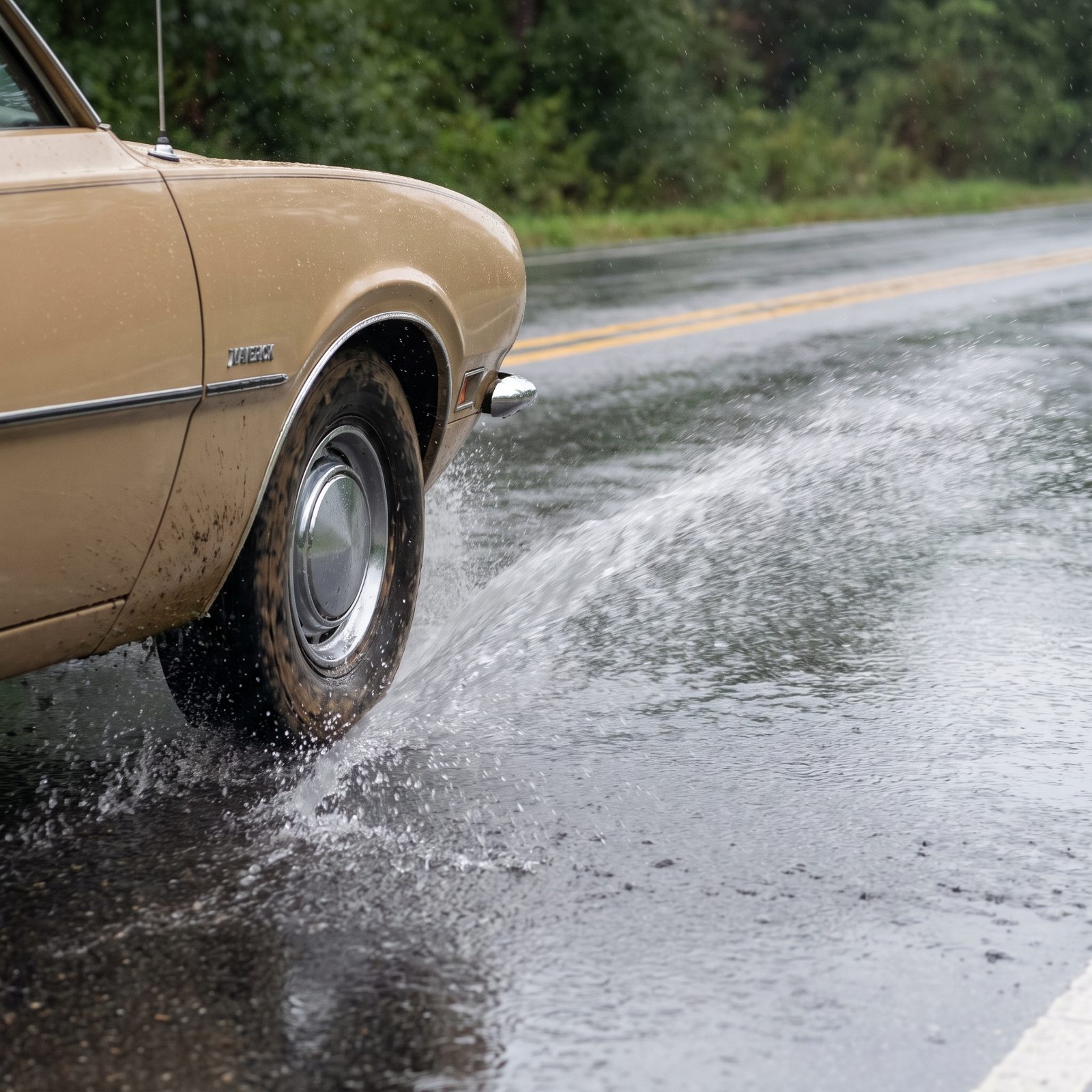
Feel the steering go light as the tires lift onto a film of water, and the trained ’70s instinct was to jump on the brake. Worst thing you can do.
When you hydroplane, the tires aren’t touching the road at all, so braking can lock a wheel or snap the car sideways the instant grip returns. The fix is calm and dull. Lift smoothly off the gas, hold the wheel steady, and let the car coast until the tread finds pavement again — no sudden steering, no panic stab at the pedal. Smooth and boring is what saves you here. Drama is what crashes you.
13. Flipping On the High Beams to See Through Fog
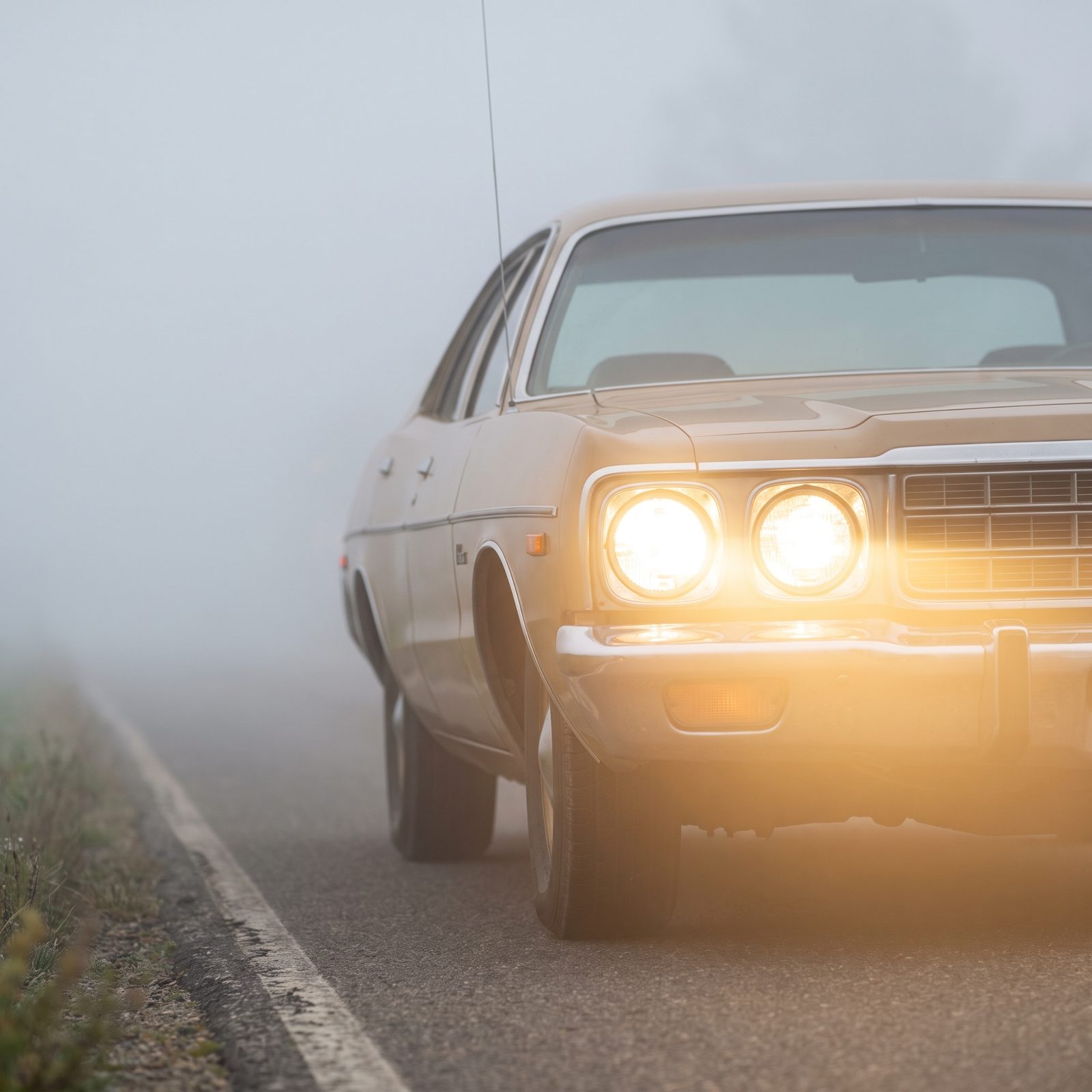
High beams feel like more light, and in fog more light sounds like the answer. It isn’t.
Fog is a wall of water droplets, and high beams throw their glow up and forward straight into that wall, which bounces it right back into your own eyes as glare. You end up seeing less. Drop to low beams, which aim down at the road where the fog is thinner, or use fog lamps if the car has them. Instructors drill this one as a reflex worth owning. The brighter setting is the trap, not the tool.
12. Tucking In Behind Someone’s Taillights as a Fog Guide
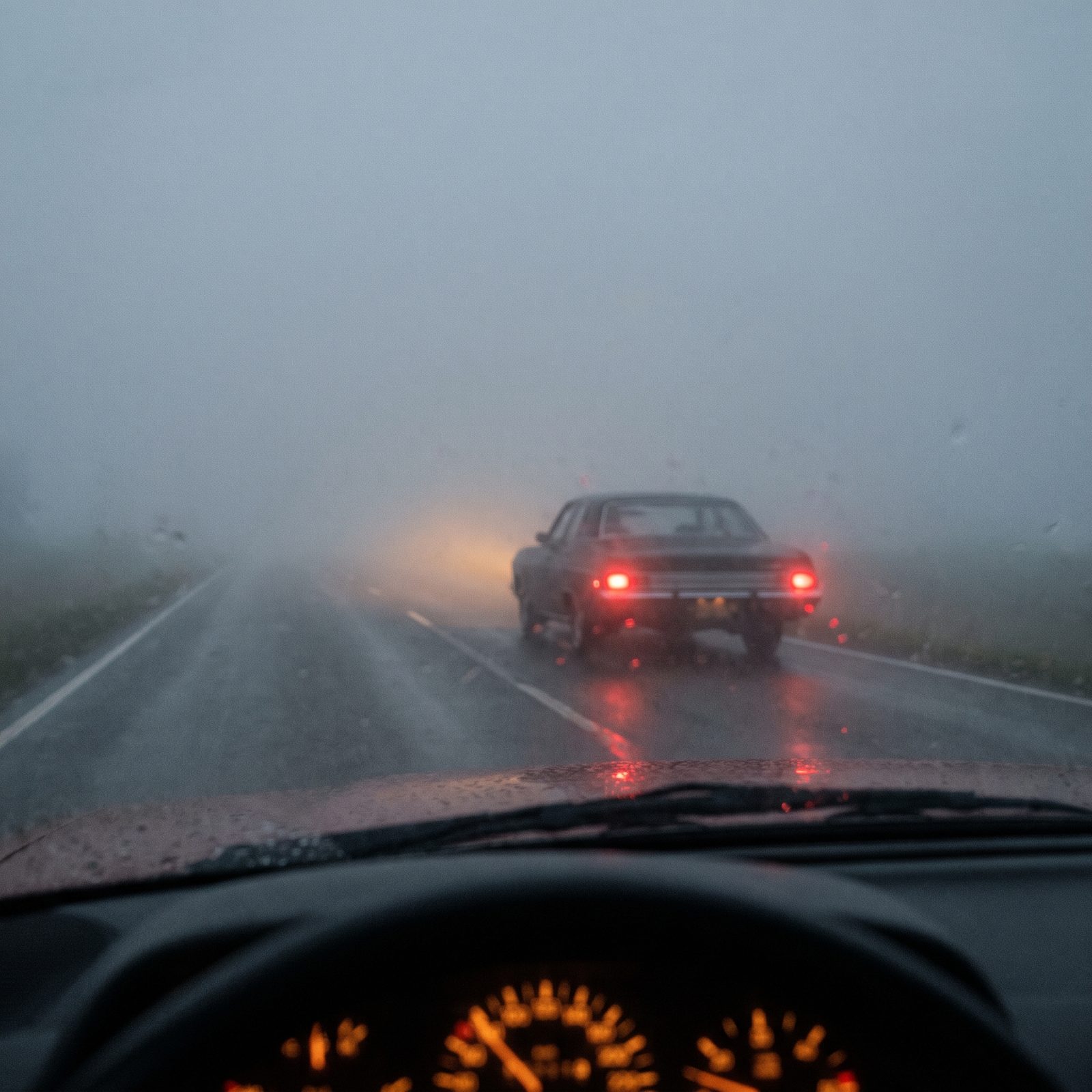
The comforting trick was to find a set of taillights and lock onto them, letting the car ahead do the navigating while you coasted along in its wake.
Those red dots are a magnet, and they pull you in. To keep them visible in thick fog you drift closer and closer, until you’re tailgating a stranger at a distance that leaves no room to react when they brake for something you can’t see. Hold your own gap and read the road yourself. Use the lane markings and the shoulder as your reference, not another driver’s bumper. Their caution isn’t a plan you can borrow.
11. Strapping On Yellow-Tinted “Night Driving” Glasses
Would you like to save this?
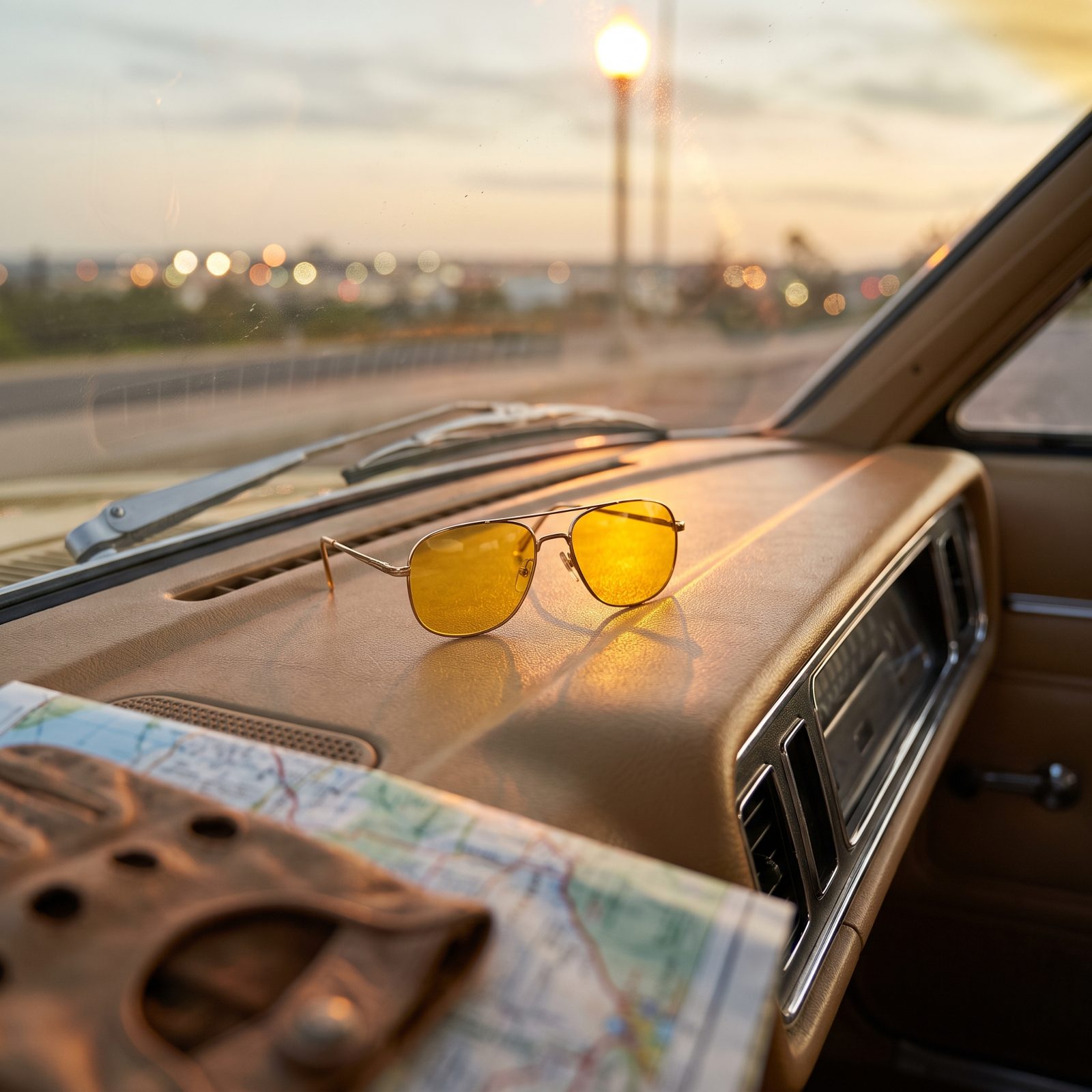
Drugstores and gas stations sold these by the rack — amber lenses that promised to cut glare and sharpen the night. Plenty of instructors nodded right along.
Any tint, whatever the color, cuts down the light reaching your eyes, and at night you need every photon of it. The yellow makes oncoming headlights look softer, which fools you into feeling safer while you actually see less in the dark gaps between lights. Lousy trade on a country road. Save tinted lenses for daytime glare. Come nightfall, a clean windshield and clean glasses do far more than any amber gimmick.
10. Running on Parking Lights at Dusk to “Save the Battery”
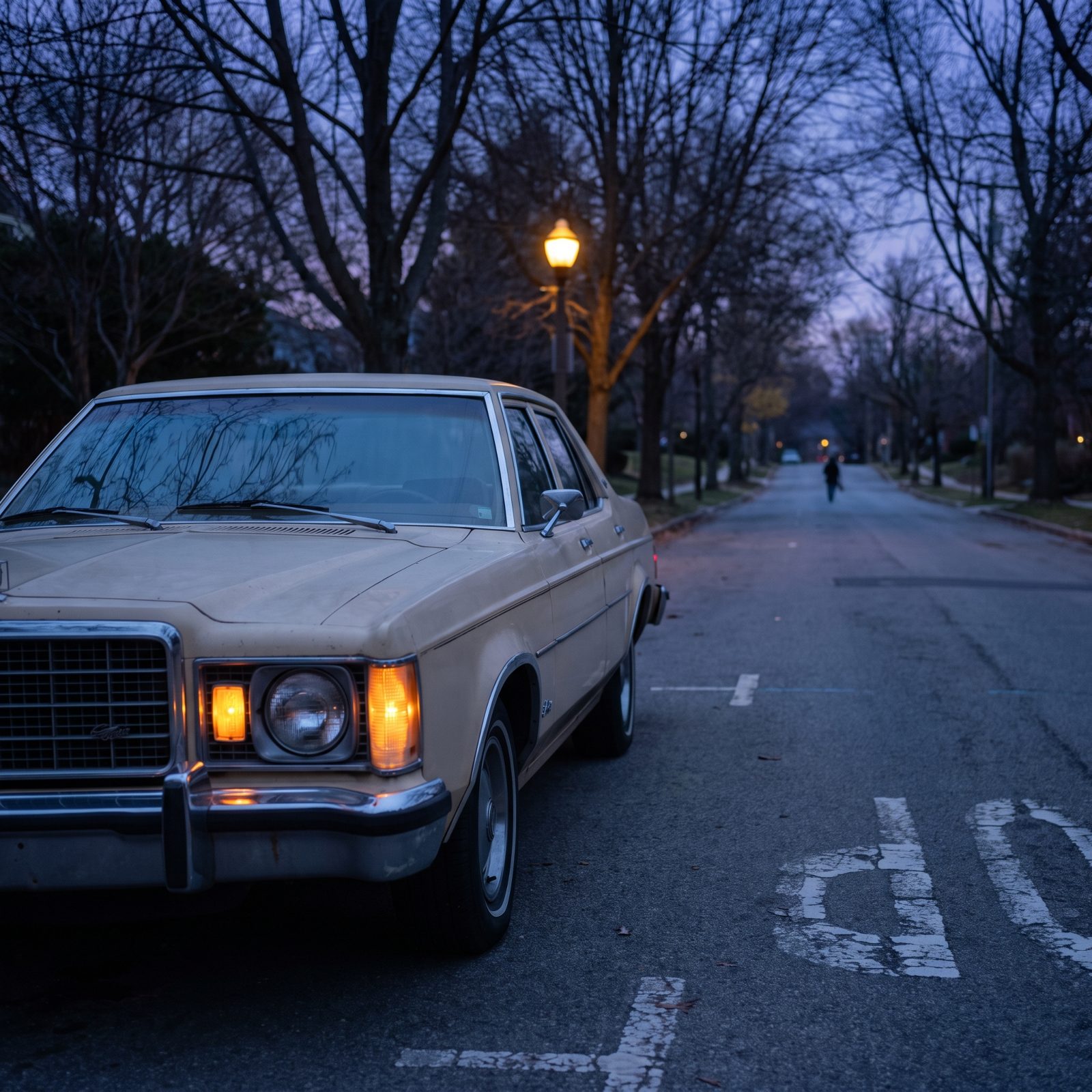
At that gray in-between hour, drivers would click to parking lights and feel responsible, like they were being seen without wasting the headlamps.
Parking lights were never meant to light the road or make a moving car visible. At dusk, with everything washing into the same shade of gray, a car showing only those faint markers all but vanishes to oncoming traffic. Low beams make you visible to others long before you think you need them — and being visible is the whole job. When the light starts to fade, turn the headlights on. Being seen is cheaper than any battery you were trying to spare.
9. Checking Only the Mirrors Before a Lane Change
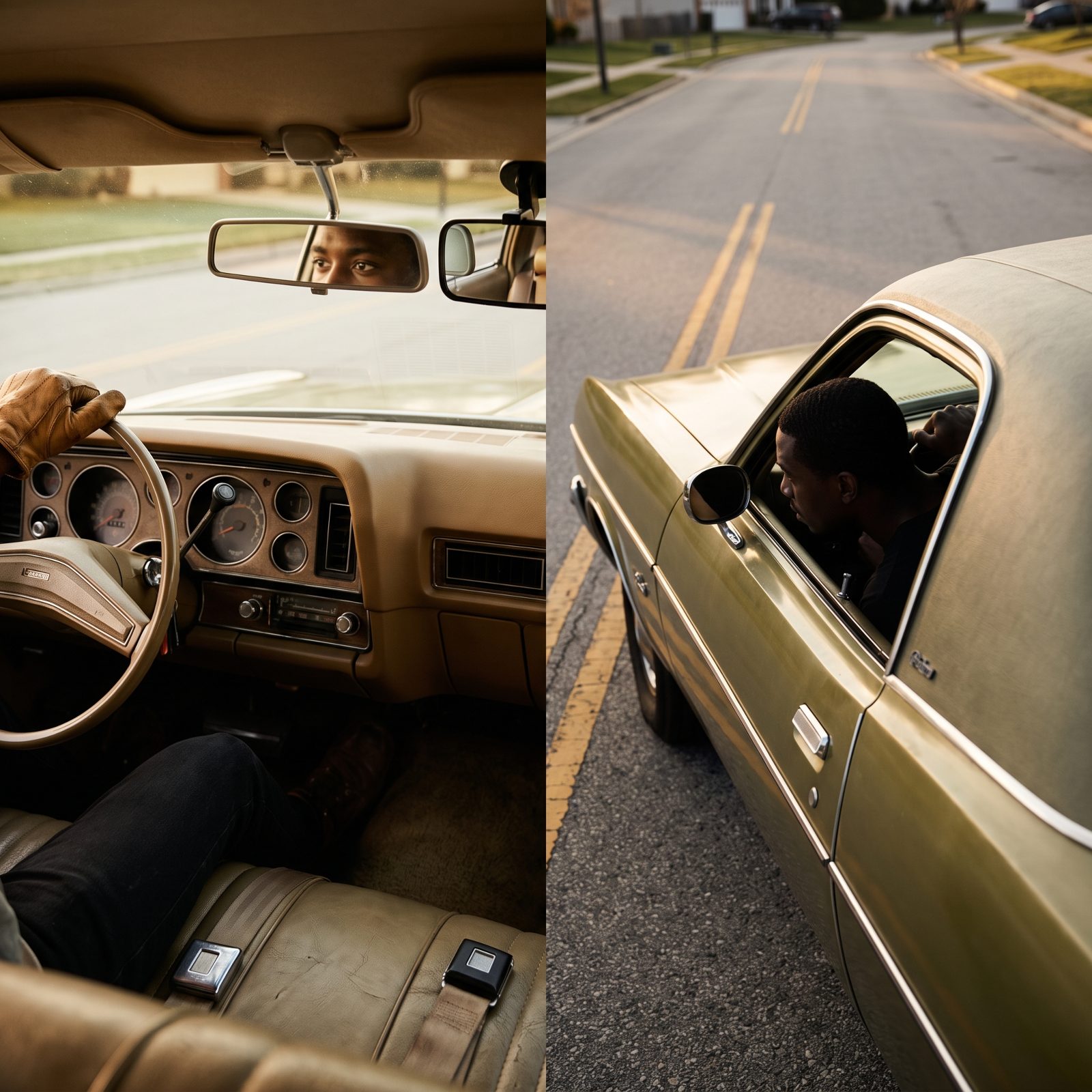
Mirrors lie to you. Every one of them hides a wedge of road beside your rear quarter panel, and back in the 1970s plenty of instructors acted like glass alone had the job covered. It didn’t.
A motorcycle, a compact, even a tall cyclist can sit perfectly inside that gap while your mirror shows nothing but empty pavement. Modern instruction treats the shoulder check as non-negotiable. Glance the mirror, turn your head a few degrees, confirm with your own eyes before the wheel moves.
8. Opening the Door With the Nearest Hand
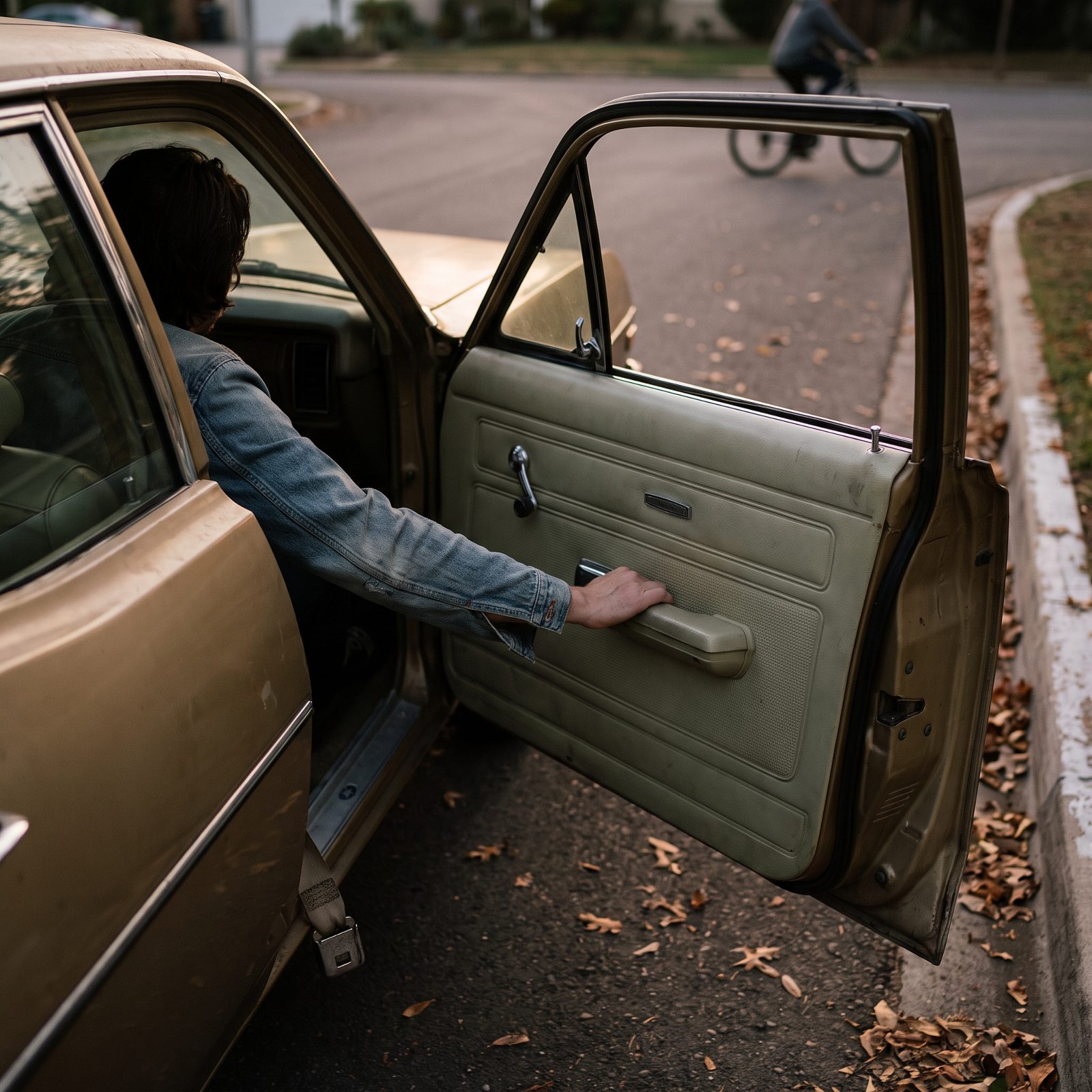
The far hand knows something the near hand doesn’t. Stay seated and stretch the nearest arm sideways to the handle, and your shoulders stay square, your head stays turned away, and you never see what’s on the other side of the door you’re about to swing open. Reach across your body instead and your shoulders twist, your head follows, and you get that look.
Grabbing the handle with the closest hand feels faster and keeps you facing forward, which is exactly the problem. The crossed-arm reach became standard advice over in Europe for a reason, and it quietly heads off the doored-cyclist disaster without a single extra instruction. Old habits still favor speed over the glance. The glance wins.
7. One Car Length Per Ten Miles Per Hour
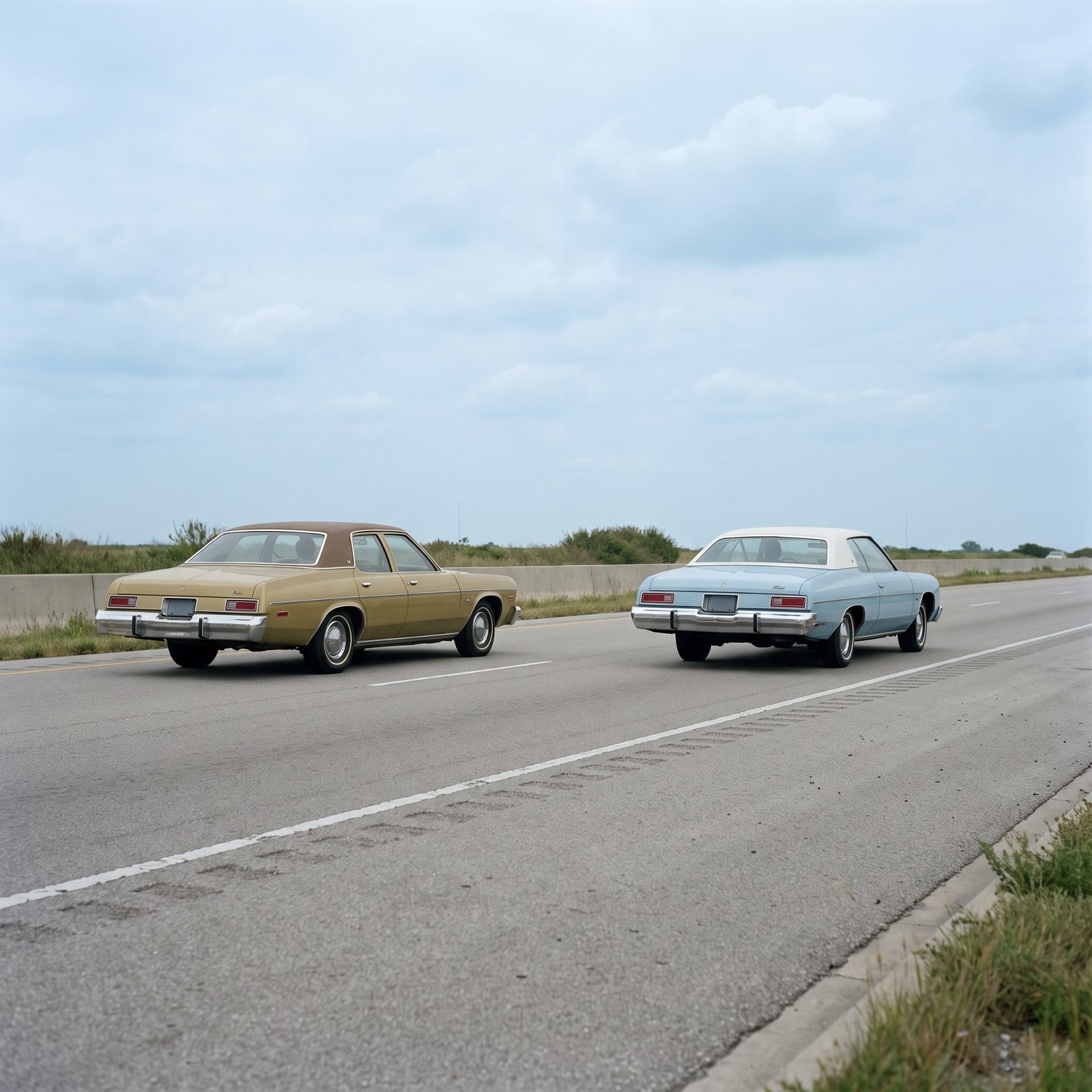
Try eyeballing one car length for every ten miles an hour at seventy on a wet highway. You can’t. Nobody can, and that’s the flaw baked into the old rule.
Car lengths are a guess made while moving, and they ignore your reaction time, which doesn’t shrink just because traffic speeds up. The modern replacement is the three-second rule. Pick a fixed point ahead, and if you reach it before counting three seconds after the car in front passes it, you’re too close. Nasty weather pushes that out to four or five.
6. Tucking in Close Before a Pass
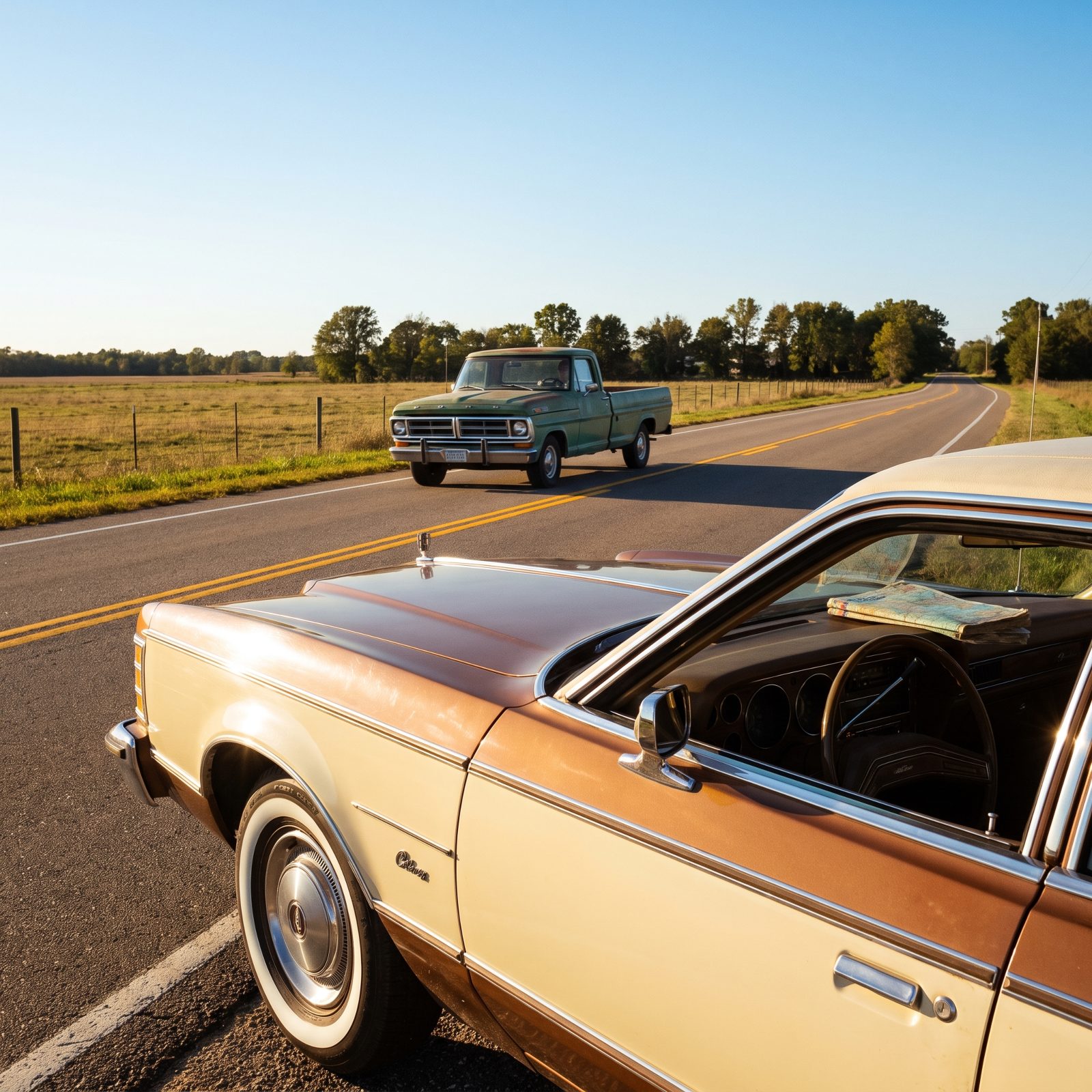
Riding the bumper of the car you want to pass used to look eager. Mostly it just looked foolish.
Crowd in close and you lose two things at once. You can’t see far enough up the oncoming lane to know the pass is safe, and you’ve thrown away the running room you need to accelerate past cleanly. Hang back a few lengths instead. The sightline opens, you build speed before you ever cross the line, and the whole move takes less time than the impatient version. Space isn’t hesitation — it’s the thing that makes the pass work.
5. Stopping Before You Merge When the Freeway Looks Busy
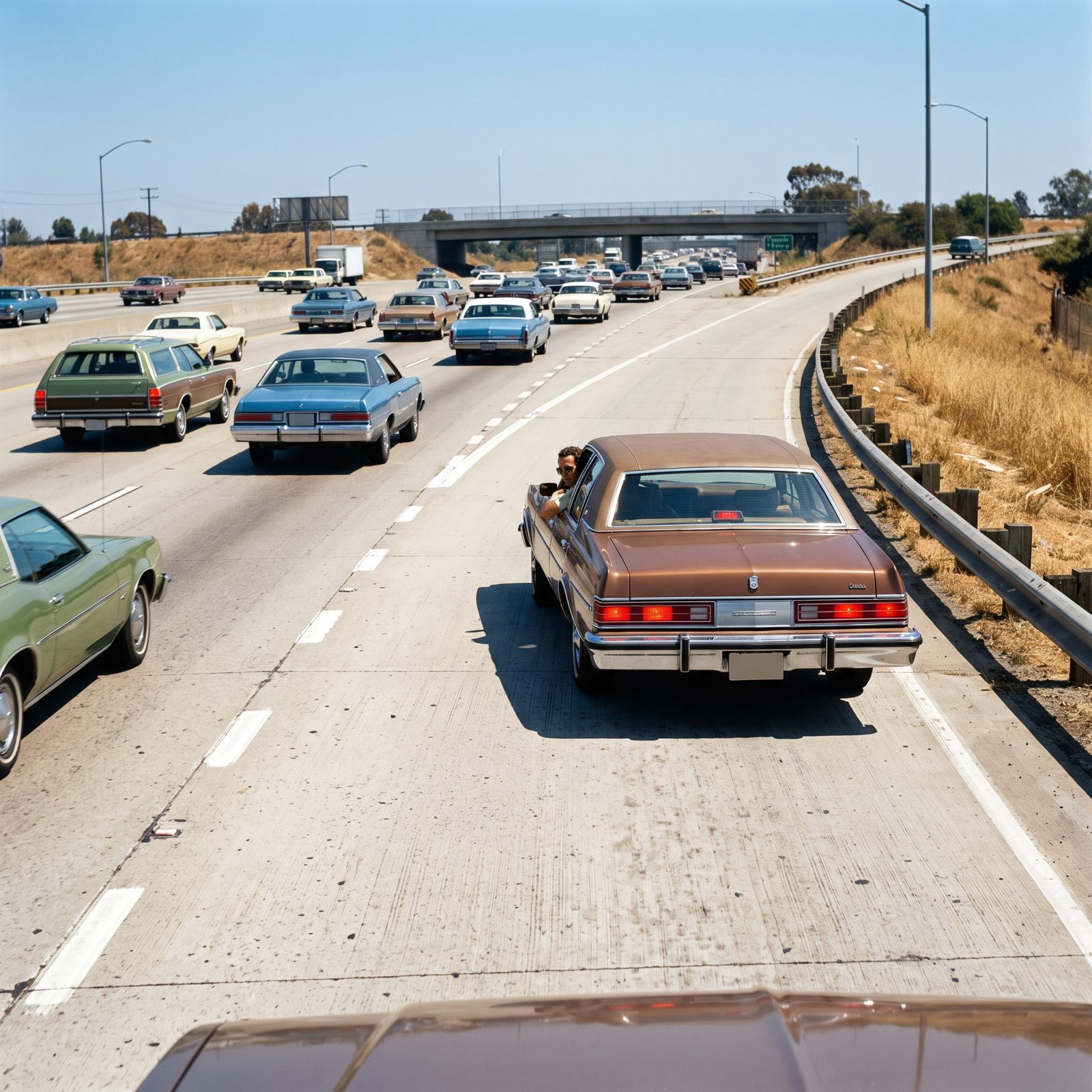
Coming to a dead stop at the end of an on-ramp feels safe. It’s one of the more dangerous things you can do out on a highway.
Stop, and now you’ve got to merge into sixty-mile-an-hour traffic from zero with no runway left to build speed. That acceleration lane exists precisely so you don’t have to. Use its full length, match the pace of the flow, find your gap, slide in at speed. Busy traffic is a reason to use the ramp better, not to park on it.
4. Flooring It on the Yellow

Yellow does not mean hurry. Never did, though a whole generation learned to read it that way.
Speeding up to beat the light turns a routine signal into a gamble on timing, cross traffic, and the stranger who jumped their green a half-second early. The current standard is plain: when the light turns yellow, stop if you can do it safely. Only carry through when stopping would mean a hard, skidding panic brake. Your default is the brake pedal, not the throttle.
3. Launching the Instant the Light Goes Green
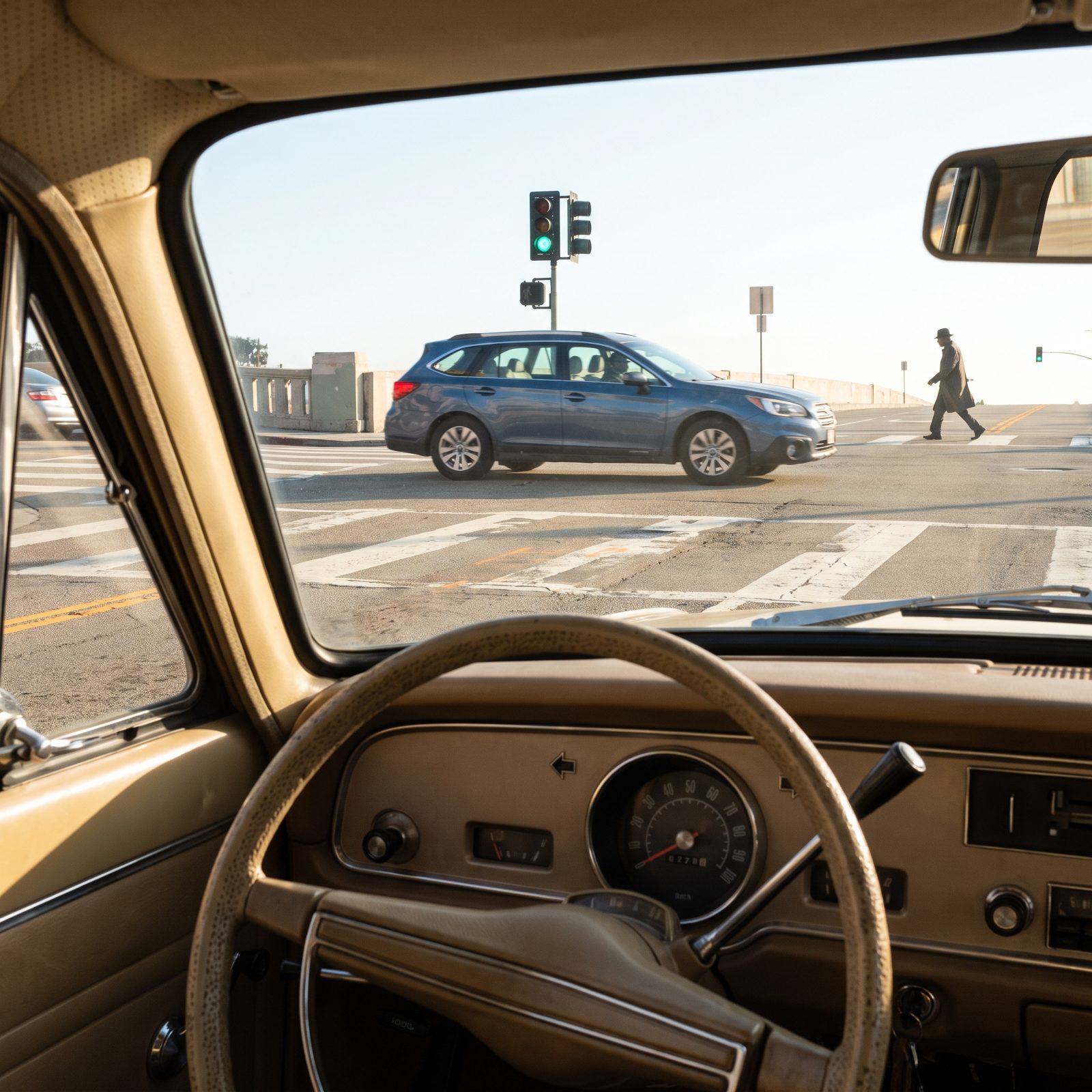
Green is permission, not a starting gun.
The old reflex was to go the instant the color changed, foot already moving. Trouble is, the car running the tail end of the amber is still sitting in the box, and the pedestrian who stepped off late is still crossing right in front of you. A one-second scan — left, then right, then ahead — costs almost nothing and catches the exact collision that reflex causes. Look before you roll. That light will still be green a heartbeat later.
2. Waving a Stranger Across Lanes You Can’t See
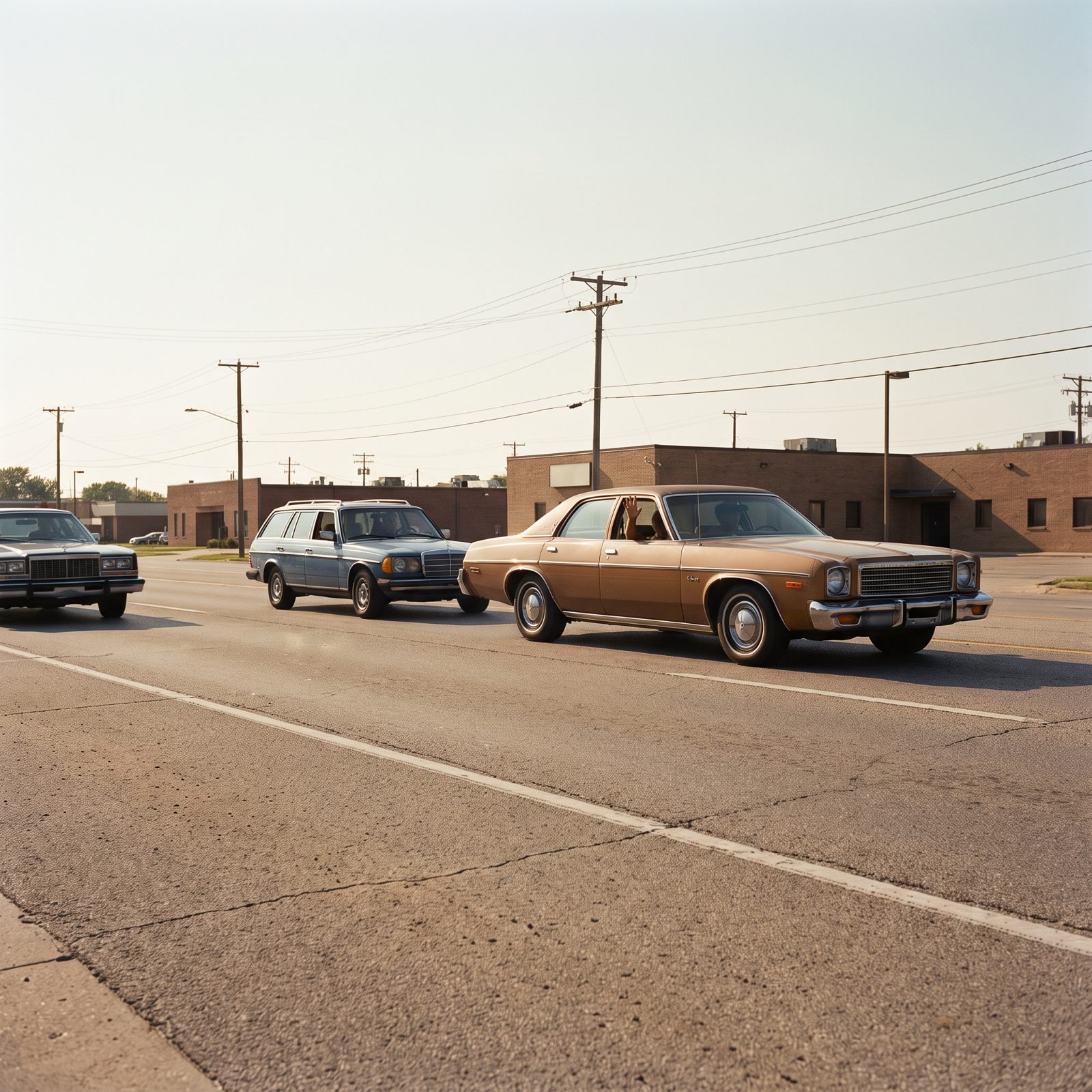
The friendly wave-across is one of the kindest wrong things a driver can do.
You can vouch for your own lane. You cannot see the lane beside you from inside your car, which means your gesture is a promise you have no way to keep. The waved driver trusts it, pulls out, and meets the vehicle you never saw. Instructors now say leave the gap and let people read the road themselves. Courtesy that hides a hazard isn’t courtesy at all.
1. Drafting Behind a Semi to Stretch the Tank
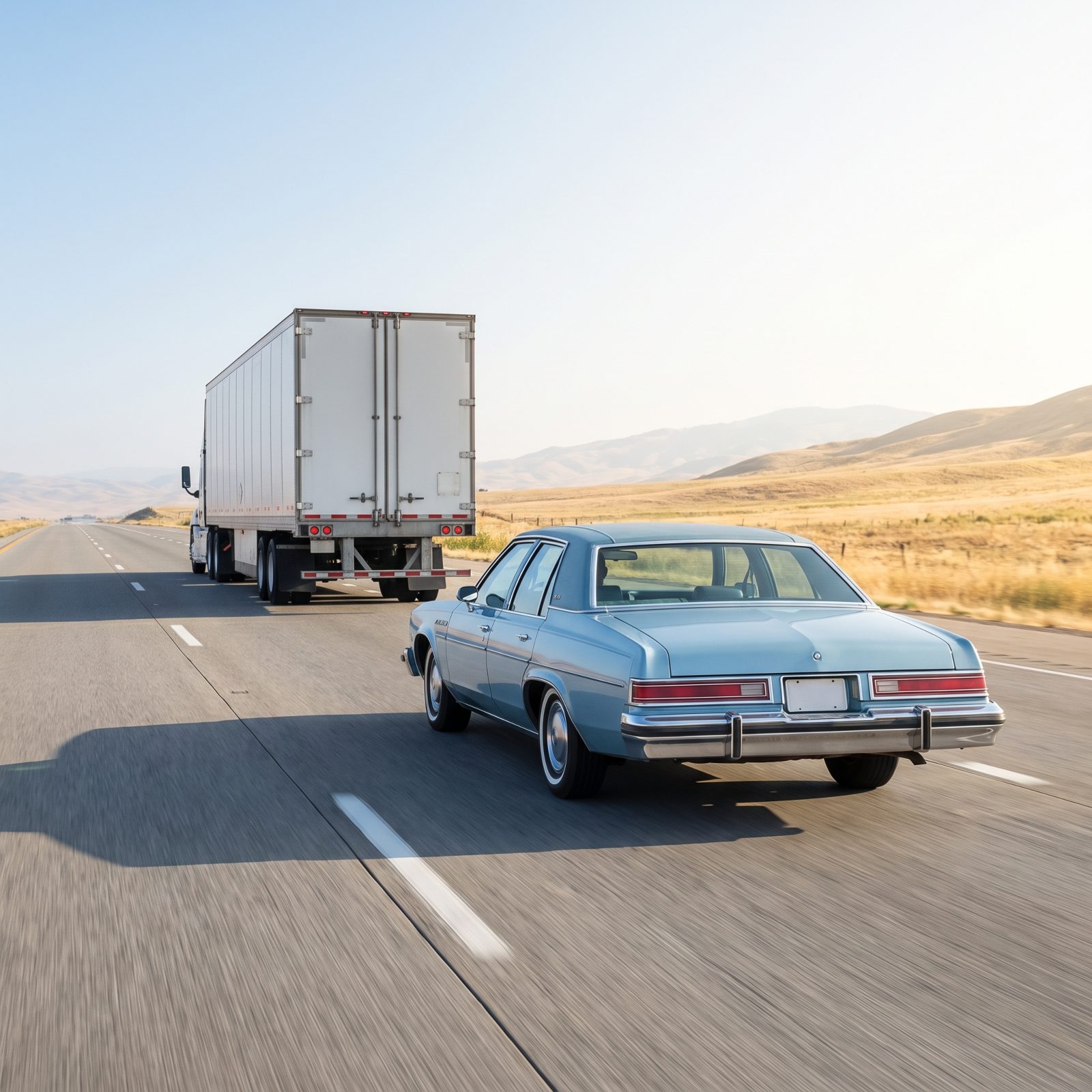
Tucking in tight behind a semi does shave fuel. It also hands away everything that keeps you alive.
Close behind a trailer, you see none of the road ahead. The truck becomes a wall, and whatever it swerves to miss, you meet with no warning and no room to spare. Trucks need far more distance to stop than a car, and a few gallons of gas makes a lousy trade for your only stopping buffer. Drop back where you can see past the trailer, or just change lanes entirely. The savings were never worth the blindfold.