

Would you like to save this?
The appraiser circles your trade-in with a clipboard, and you already feel a little embarrassed about the car you loved three years ago. Funny thing is, you felt the exact same way the week before you quit a job you’d bragged about at Thanksgiving. Same itch. Same story you tell yourself about a new start, a better fit, and how this time it’ll finally stick.
Please note that some of the images in this article were created with the assistance of AI.
We swap cars and swap jobs for reasons that sound completely different but run on the same machinery underneath — novelty, status, boredom dressed up as strategy, and the quiet hope that a different seat will fix the thing that was never about the seat. What follows pairs the showroom with the career, scene for scene, so you can laugh at the recognition and then understand what’s actually driving both.
19. The Test Drive Feels Better Than Tuesday Traffic
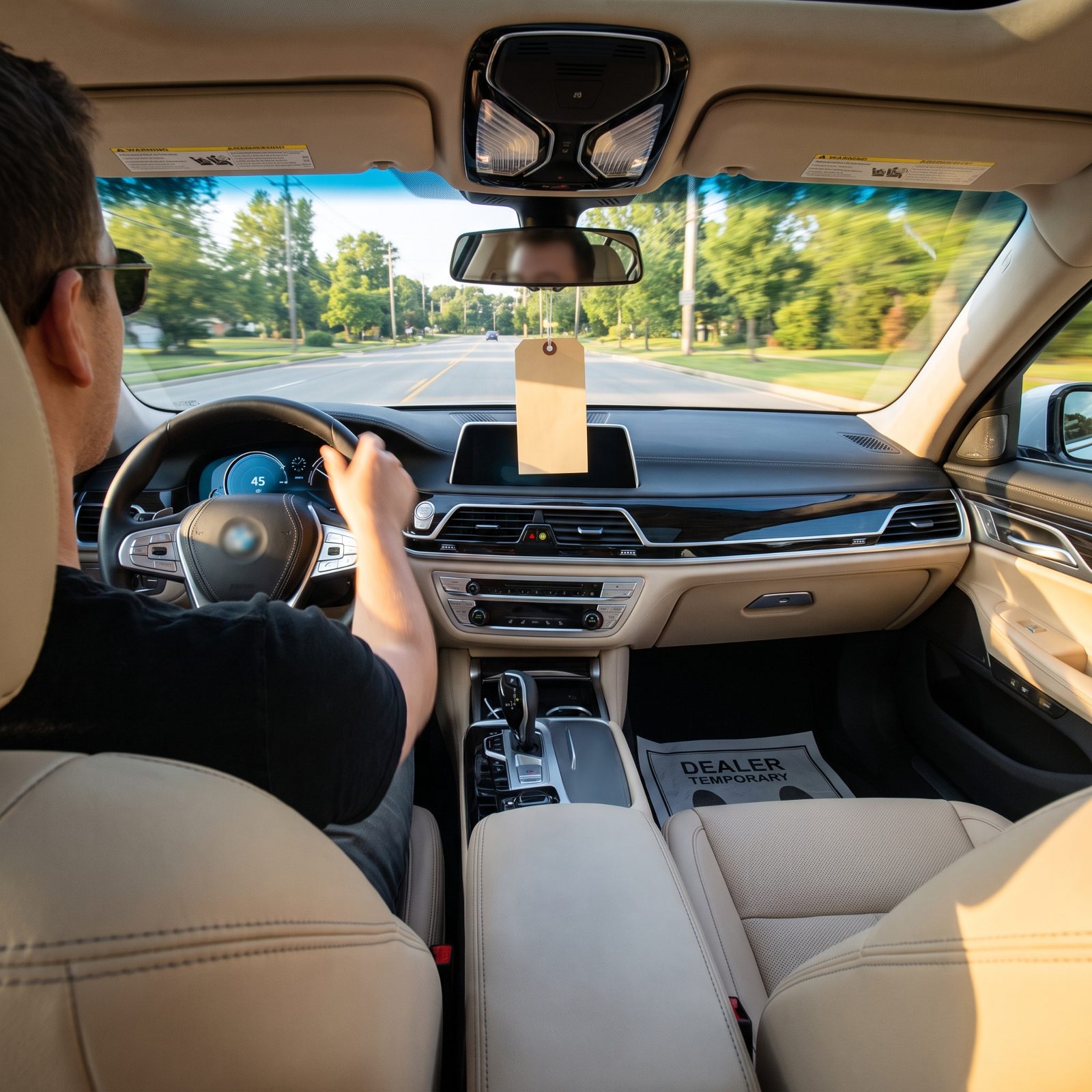
Thirty minutes behind the wheel of a car you don’t own yet, and the whole world looks different. The steering is tight, the stereo is loud, and nobody has spilled coffee in the cupholder yet. You take the long way back to the dealership because the car hasn’t disappointed you even once.
Now think about the job interview that went great. You described your strengths, laughed at the right moments, and pictured the whole thing clean and fresh. Same high — a version of the work that exists only before any actual work happens.
Psychologists call this the contrast effect. You’re not really comparing the new car to the old car; you’re comparing a perfect thirty-minute demo to three years of Tuesday traffic, dead batteries, and the rattle you never got around to fixing. The demo always wins because the demo has no history. The new job always sounds better because it hasn’t had a chance to let you down yet.
18. You Buy the SUV for Weekends You Rarely Have

You bought it for the camping trips, the mountain bikes, the dog you were going to adopt. The roof rack has never held anything heavier than a car wash. And the third row folds down so flat because you’ve never once needed the third row.
This is the same reason people take jobs for the version of themselves they plan to become — the role with travel you’d love, projects you’d lead, skills you’d finally learn on the weekends. You buy the capability, not the use.
Behavioral economists have a name for this. We overweight the exceptional day we imagine and shrug off the ordinary day we’ll actually live. The SUV earns its keep on a handful of trips a year and spends the rest idling at a stoplight, burning fuel for cargo space you’re hauling empty. We pay a premium for the life we picture, then live the one we already had.
What Our Readers Say
- Not everyone needs an SUV for hauling: in our reader votes, station wagon photos got hearts 88% of the time, compared with 83% for the other cars in the same articles.
From Jalopy Talk reader polls and votes.
17. A Bigger Badge Feels Like a Promotion

The car does roughly what your old one did. Gets you to work, holds the groceries, idles in the same traffic. But the badge is different now, and people glance at it in the parking lot. You tell yourself it’s about the engineering. It’s about the badge.
Same deal with the fancier job title. Senior this, Director of that. The daily work barely changed, but the business card means something at the reunion and the salary line reads better out loud.
We don’t buy the thing. We buy what the thing says about us to people who are barely paying attention.
Status signaling is old wiring, older than cars. We broadcast where we stand so the group sorts us correctly. The frustrating part is how fast it fades. The badge thrills you for a month, then it’s just your car. The title impresses you until it’s just your Monday. The signal wears off faster than the loan does.
16. The Monthly Payment Hides the Real Cost

The salesman never says the price. He says the payment. A few hundred a month sounds survivable, and your brain stops right there. You don’t do the multiplication, don’t add the interest, don’t picture the way the whole number balloons when you stretch the term out.
Changing jobs runs on the same blind spot. You see the bump in base pay and feel richer. What you don’t price in is the lost tenure, the vesting you walked away from, the new commute, the year it takes to feel competent again. The headline number is loud. The real ledger is quiet.
We’re built to feel monthly, not total. The small recurring number feels manageable, so we agree to a big one we never actually examined.
15. One Repair Bill Sends You Straight to the Showroom
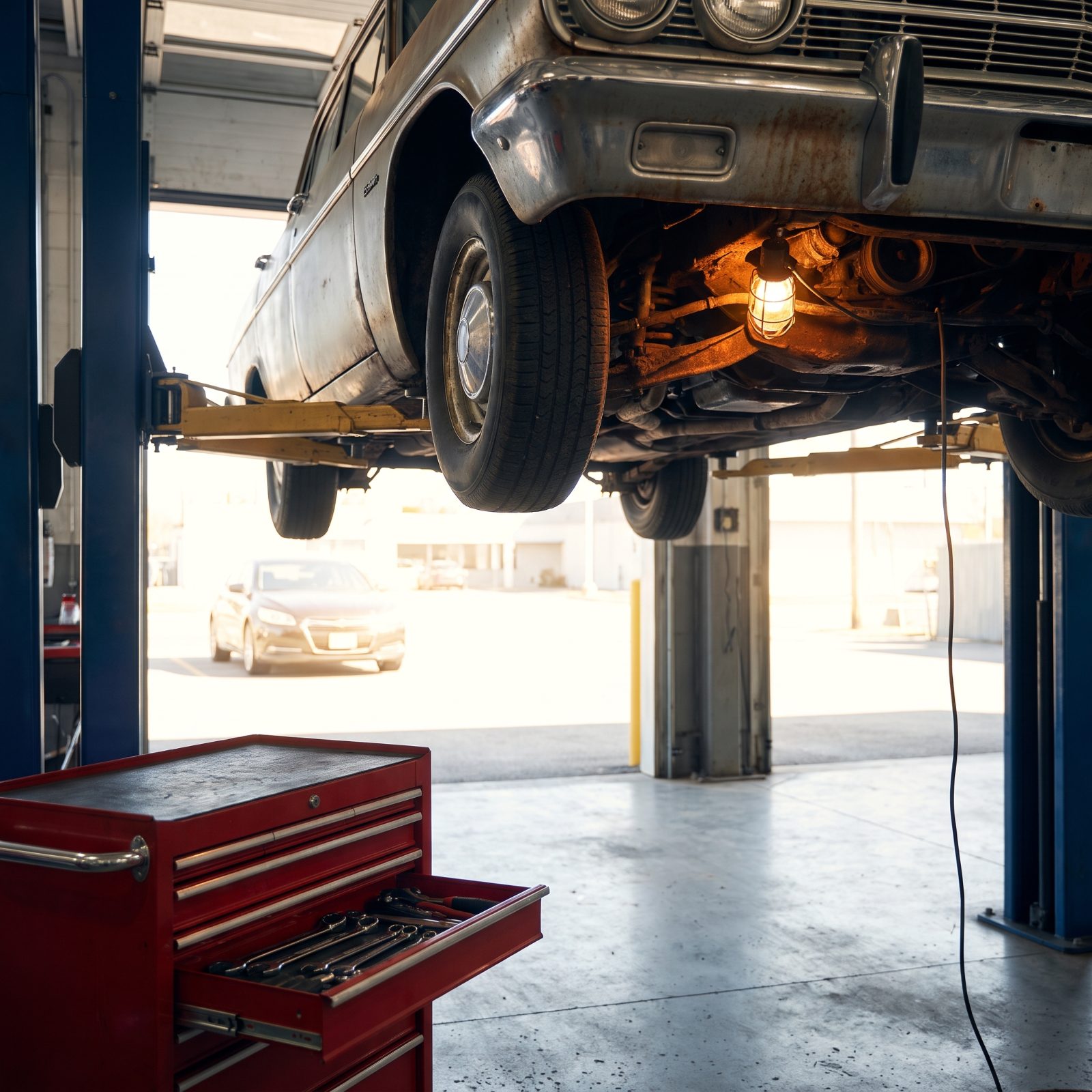
The estimate lands north of a thousand bucks and something in you snaps. Not the transmission — your resolve. In the time it takes to drive from the shop to lunch, you’ve decided the whole car is unreliable and you’re done pouring money into it. By dinner you’re on the dealer’s website.
One bad quarter at work does this too. A project goes sideways, a boss turns short with you, and suddenly the entire job is broken and you’re updating your resume at midnight. One bad event, one giant conclusion.
This is the amygdala talking, not the accountant. A single sharp pain feels like a verdict on everything. But the math is usually boring and annoying. That repair bill is a few months of payments on a new one, and the car you just fixed doesn’t come with years of unknown new problems. The repair feels like loss. The new car feels like escape. Neither feeling is doing arithmetic.
14. Someone Else’s Upgrade Makes Yours Feel Suddenly Ancient
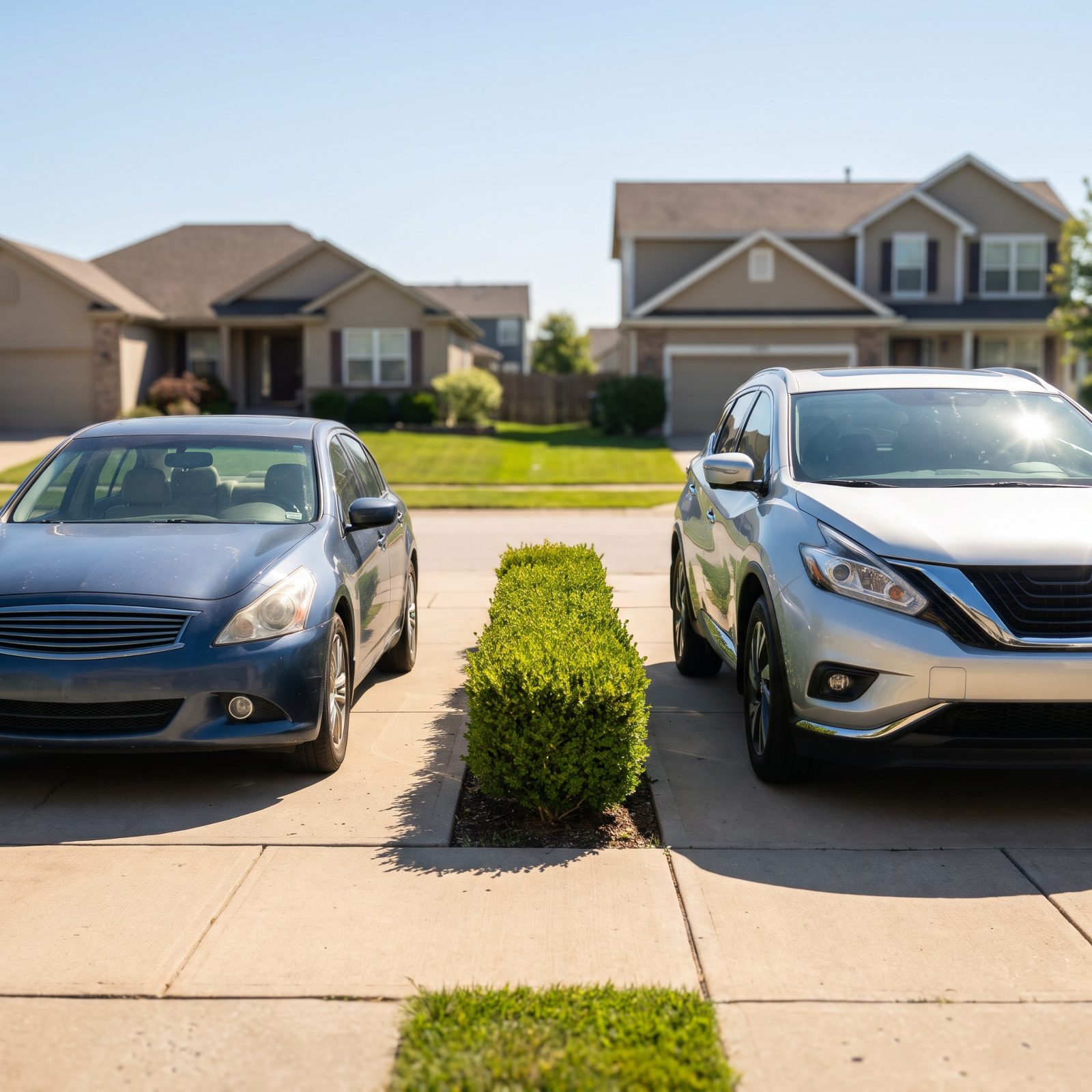
Your car was fine on Thursday. Then the neighbor rolled home in something newer, and now yours looks tired in your own driveway. Nothing about your car changed. The reference point moved.
We do this with careers constantly. A former coworker posts a shiny new title and your perfectly good job develops a stench you didn’t notice an hour ago. The grass got greener because someone mowed theirs where you could see it.
Economists call this relative deprivation. Satisfaction isn’t about what you have — it’s about what you have compared to the person standing next to you. The cruel math is that there’s always a newer car and a better-sounding job out there, so by this yardstick you never actually arrive. You can only keep replacing the thing right after it stops being the newest one on the block.
13. You Outgrow the Car You Once Dreamed About
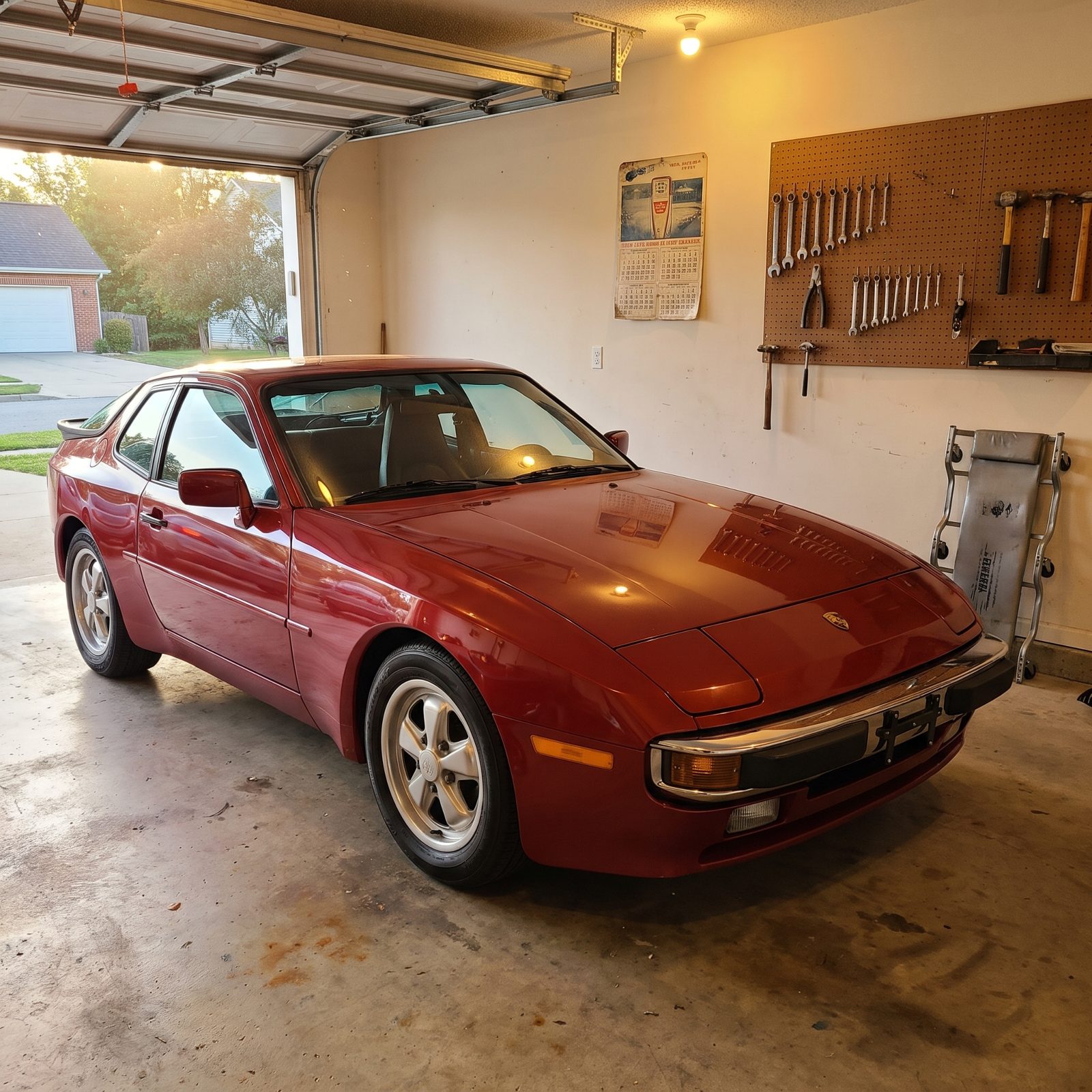
You saved for years for that car. Taped the brochure to your wall. And one day you climb in and the magic has drained out of it. The low seats bother your back. The dream didn’t fade — you moved past it.
That first great job did the same thing. The one you’d have killed for at twenty-five bores you senseless at forty-five. Not because it got worse. Because you got bigger than the box it fits in.
Hedonic adaptation is the quiet engine here. Whatever we chase, we get used to. The thrill flattens into a baseline, and then the baseline feels like nothing at all. Here’s the hard part: the new car and the new job will flatten the same way, on the same schedule. The problem was never the car. It was how fast wanting turns into having, and having turns into normal.
12. Dealer Bonuses Make Bad Timing Feel Brilliant
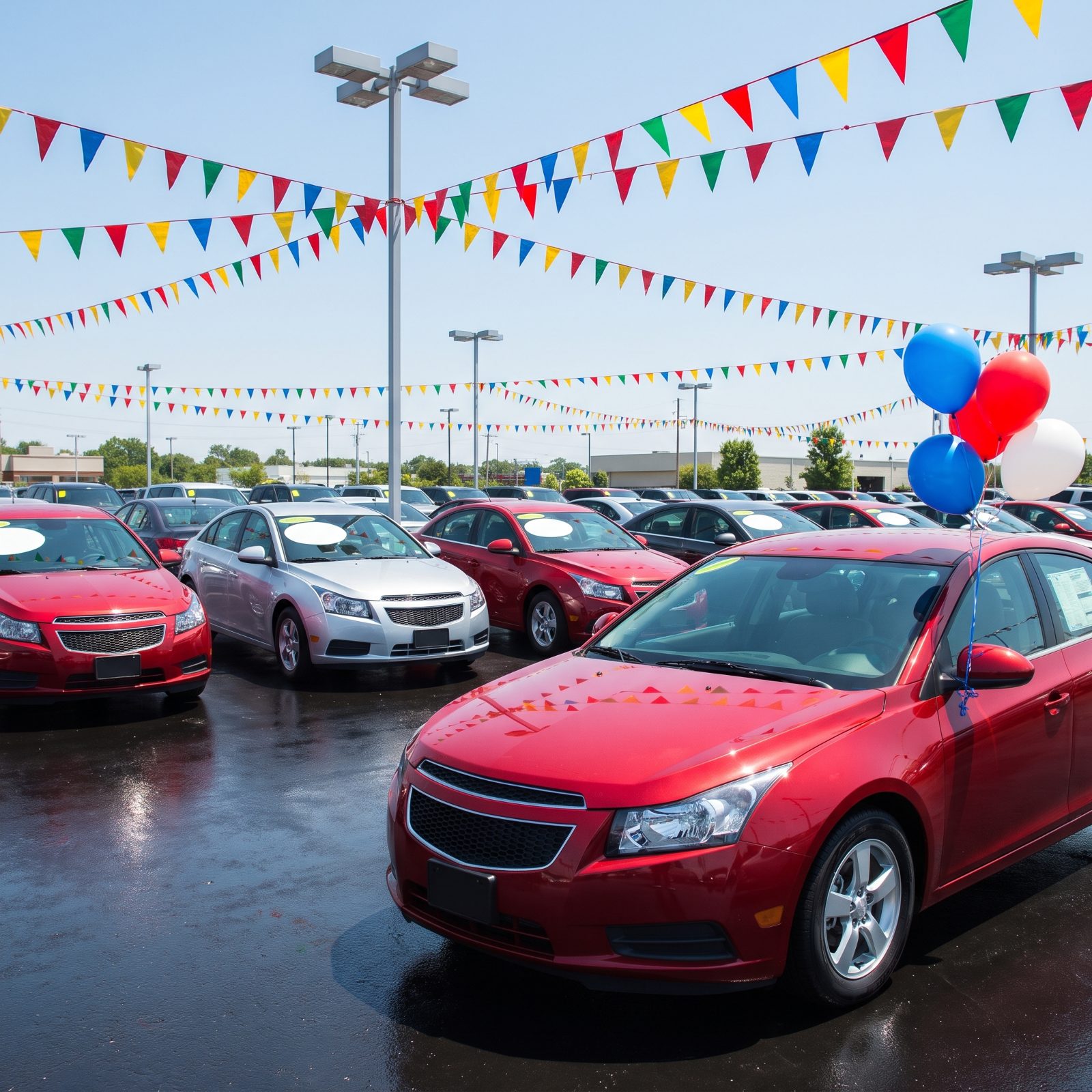
You weren’t going to buy this month. Then the banners went up, the zero-percent financing appeared, and some fat incentive started blinking at you. Suddenly a car you didn’t need became a deal you couldn’t pass up. The discount made the purchase feel like a decision instead of an impulse.
A recruiter pulls the same move with a signing bonus and a counteroffer. You weren’t looking to leave, but the number lands in your lap and now staying feels like leaving money on the table. The offer manufactured the urgency.
What’s happening is the deal itself overriding whether you ever wanted the thing. We hate feeling like we missed out, so a time-limited bonus hijacks the real question. You stop asking whether you need a new car and start asking whether you can afford to skip the savings. A good deal on something you didn’t want is still spending you didn’t plan. The bonus didn’t fix your timing. It hid it.
11. That New-Car Smell Makes Every Flaw Seem Smaller
Would you like to save this?
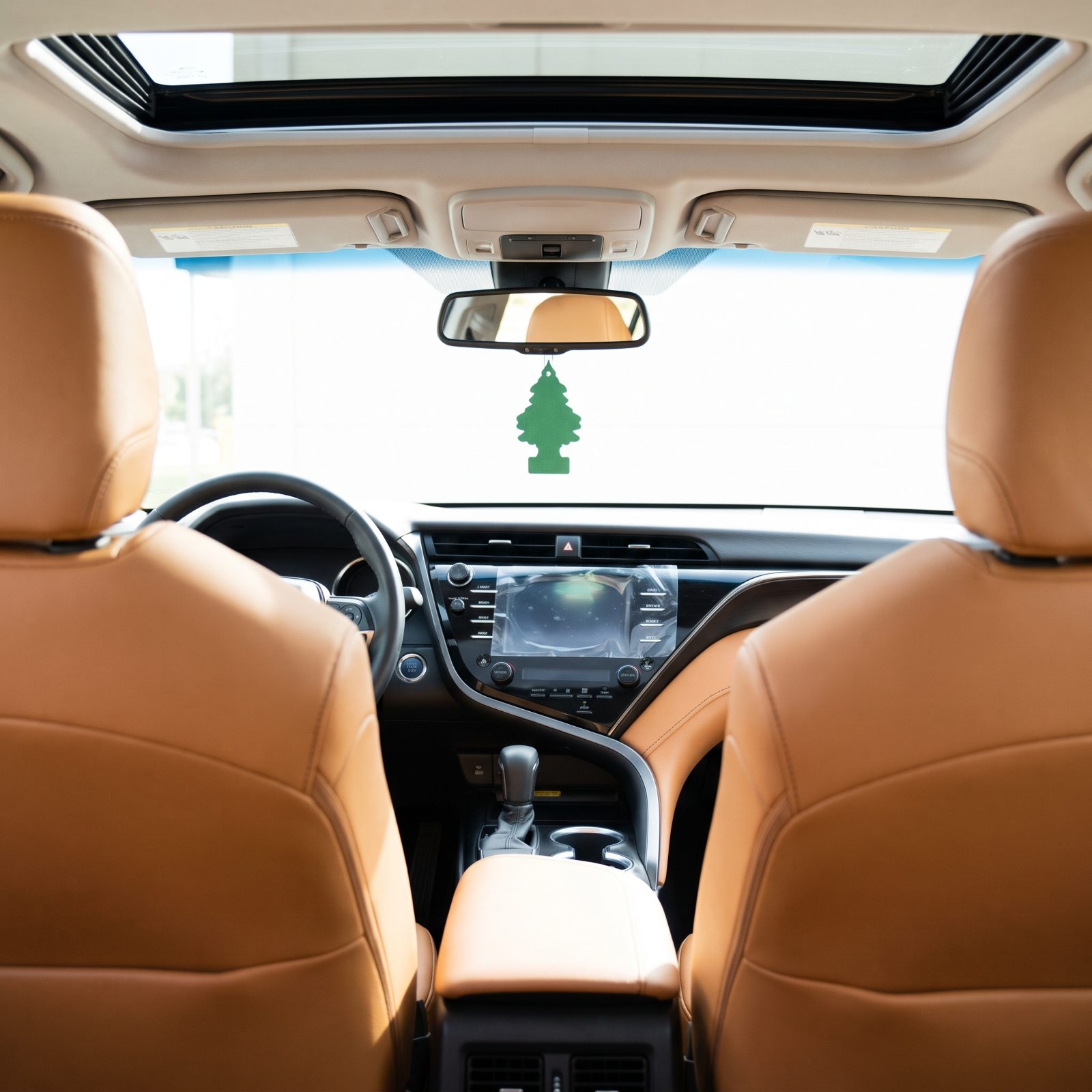
That smell. Plastic, adhesive, fresh carpet, and whatever chemical they pump in to make it feel like possibility. You breathe it in and the stiff ride, the clumsy infotainment, and the blind spot you’ll curse later all shrink down to nothing. The whole package glows.
The honeymoon at a new job works identically. First-week lunches, a clean desk, everyone on good behavior. The dysfunction is already there, humming under the floor, but the newness coats everything in a flattering light and you don’t smell the trouble yet.
Psychologists call it the halo effect. One strong positive impression — the smell, the fresh start — spills over and colors your judgment of everything else. You don’t evaluate the car fairly. You evaluate it through a cloud of newness.
10. Online Reviews Confirm What You Already Want

You already picked the car. Now you spend two weeks reading reviews, and what a coincidence — the good ones feel trustworthy and the bad ones feel like cranks who got a lemon. You skim right past the complaints about resale value and linger on the five-star raves. Research, you call it. It’s really permission.
Job seekers do the same dance before they resign. They read the company’s glowing culture page and nod, then wave off the sour anonymous reviews as disgruntled nobodies. The mind made its choice; the search just builds the case.
Confirmation bias is sneaky because it feels like homework. You think you’re gathering evidence. You’re actually gathering comfort, filtering the whole internet down to the voices that agree with the decision you already made. Honest research can talk you out of a thing. This kind never does. It only ever says yes, because you only ever asked it to.
9. A Higher Trade-In Offer Feels Like Personal Validation
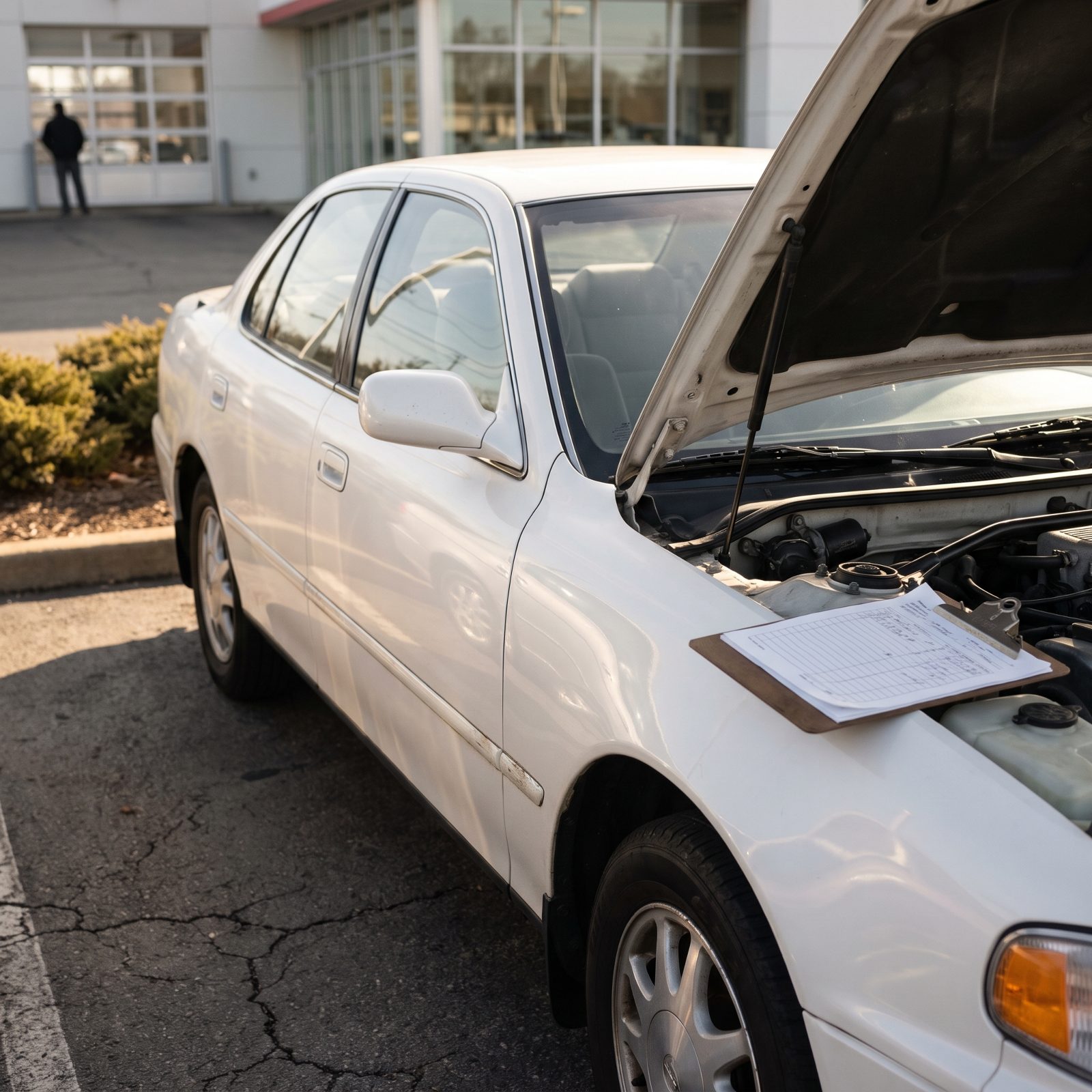
You hand over the keys and you wait, telling yourself the number doesn’t matter. It matters. When the figure comes back higher than you expected, something in your chest lifts, and it has nothing to do with the money. It’s about being told you chose well. You kept it clean, you changed the oil, and somebody looked at all those small decisions and nodded.
Same jolt as when a new employer names a salary bigger than your last one. The dollar amount reads like a verdict on your whole working self. You weren’t underpaid — you were undervalued, and here’s the proof.
Except both numbers are negotiating positions, not report cards. The appraiser wants your car. The recruiter wants you in the chair. Neither is grading your character. But the brain treats any high number pointed our way as a referendum on worth, and it feels wonderful right up until we remember who benefits from flattering us.
8. Family Opinions Follow You Into the Dealership
You walk onto the lot a grown adult with your own money and your own license. Then your father’s voice shows up uninvited. Buy American. Never buy the first model year. A real car has a V8. And there you are, defending a choice to a man who isn’t even present, talking yourself out of the car you actually want because of a rule you absorbed at fifteen.
People do it with careers all the time. You turn down the creative gig for the stable one because your family respects steady paychecks. You chase a prestigious title because somebody at a long-ago dinner table measured success by letterhead.
Identity signaling, aimed inward. We’re not just buying a car or taking a job — we’re staying loyal to the tribe that raised us, performing their values back at them even when nobody’s watching. And the approval we chase usually belongs to people who wouldn’t have to drive the car or clock into the job for a single day.
7. You Replace Reliable Because Reliable Started Feeling Boring
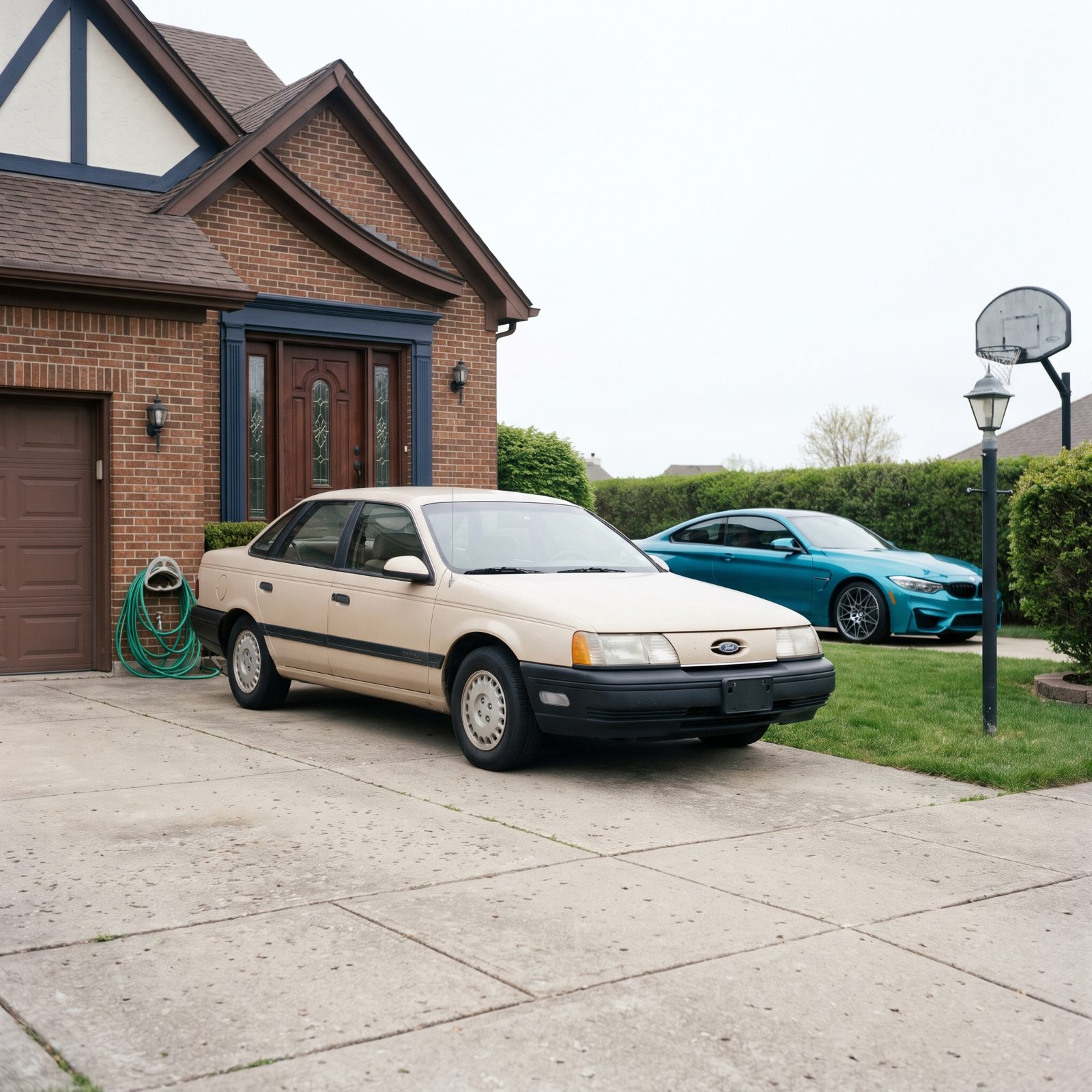
The old car starts every single morning. It never strands you, sips gas, and asks for nothing but oil twice a year. And somewhere along the line that flawless dependability curdled into something that feels like beige wallpaper. Now you catch yourself scrolling listings at night, hunting for more growl, more screen, more reason to glance back at it across a parking lot.
We pull the same move on good jobs. Role’s stable, people are decent, pay is fine — and that very stability starts reading as stagnation. We mistake the absence of excitement for the absence of value.
The culprit is hedonic adaptation. Whatever reliably delivers, we stop noticing. The thrill of a car that just works fades to baseline within months, and then baseline starts to feel like boredom. Novelty hits the reward system harder than steadiness ever will, even when steadiness is the thing quietly holding your whole life together. Boring is usually just dependable you’ve stopped appreciating.
6. A Shiny Dashboard Distracts From an Awkward Driving Position
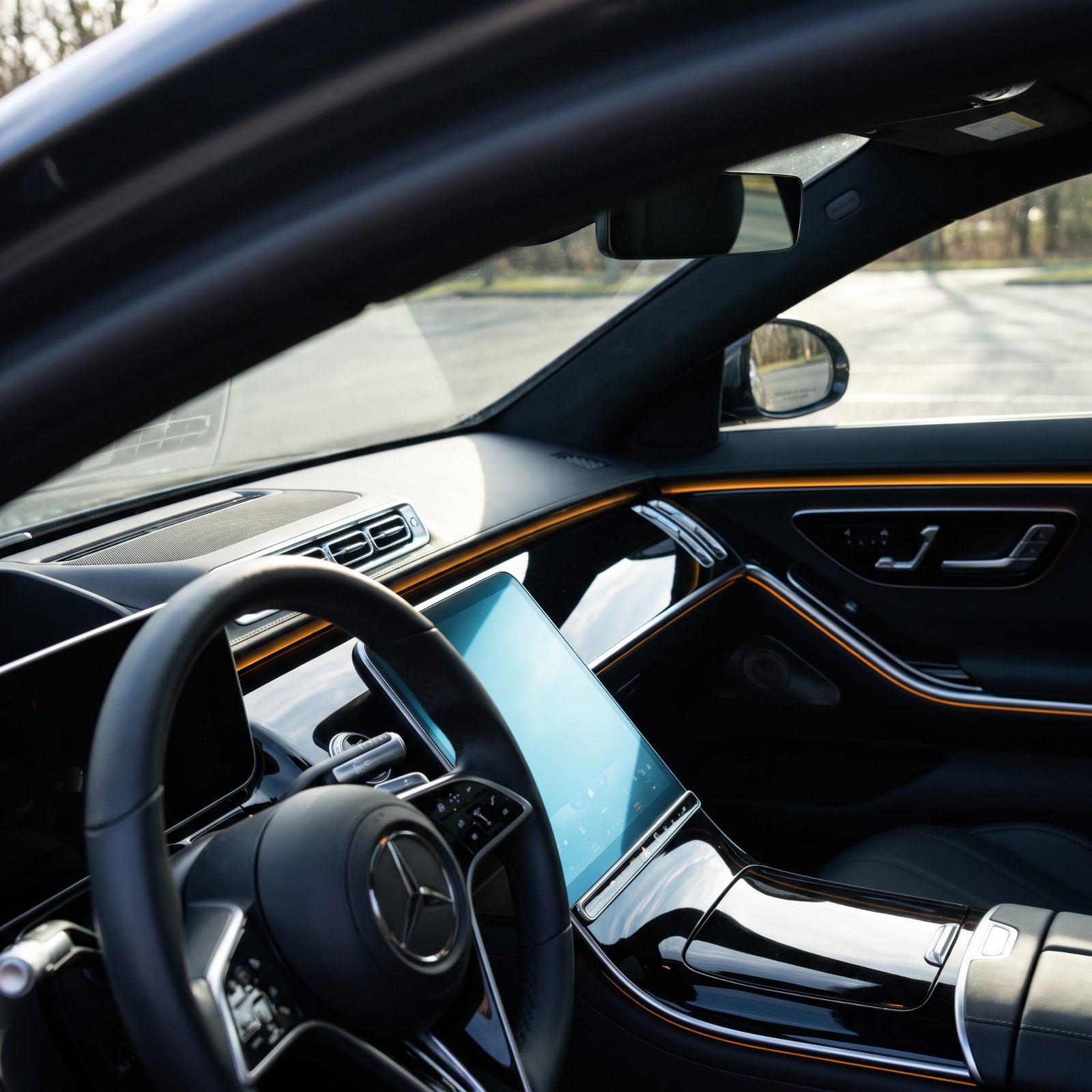
You slide in and the dashboard lights up like a fighter jet — twelve inches of touchscreen, ambient glow, a start button that feels like a secret handshake. Sold. Three weeks later your lower back has a complaint, the A-pillar hides half the intersection, and the seat never quite fits. But look at that screen.
Same trick, new job. The fancy office, the title, the espresso machine, all of it dazzling enough that you don’t notice the actual day-to-day work doesn’t suit how you’re built.
This is the focusing illusion doing quiet damage. We fixate on one vivid feature and let it stand in for the entire experience, especially a feature that’s easy to show off. The screen is visible and impressive. The driving position is something you only feel after a month of commutes. We over-weight what dazzles in the showroom and under-weight what we’ll actually live inside — and the flashiest feature is almost never the one you end up caring about.
5. You Keep Browsing Long After Choosing a Car

The car is in your driveway. Bought, titled, insured. And you’re still on the listings app at ten at night, scrolling trim levels you could have had, colors you almost picked, a dealer two states over with a better price. Decision’s made. You can’t stop auditing it.
People do this after accepting a job, too. The offer’s signed, the start date’s set, and you’re refreshing the career boards anyway, checking what else was out there, poking at the choice like a loose tooth.
Welcome to buyer’s remorse’s quieter cousin — the compulsion to keep the door propped open. Every alternative we didn’t take becomes a ghost of a better life. The brain hates closing a loop, so it keeps the comparison running long after comparison can do any good.
The decision ends the day you buy the car. The second-guessing is a hobby you chose separately.
At some point browsing stops being research and turns into self-punishment. The honest move is to close the app and go drive the thing you actually own.
4. The Old Car Gets Neglected Once You Start Looking
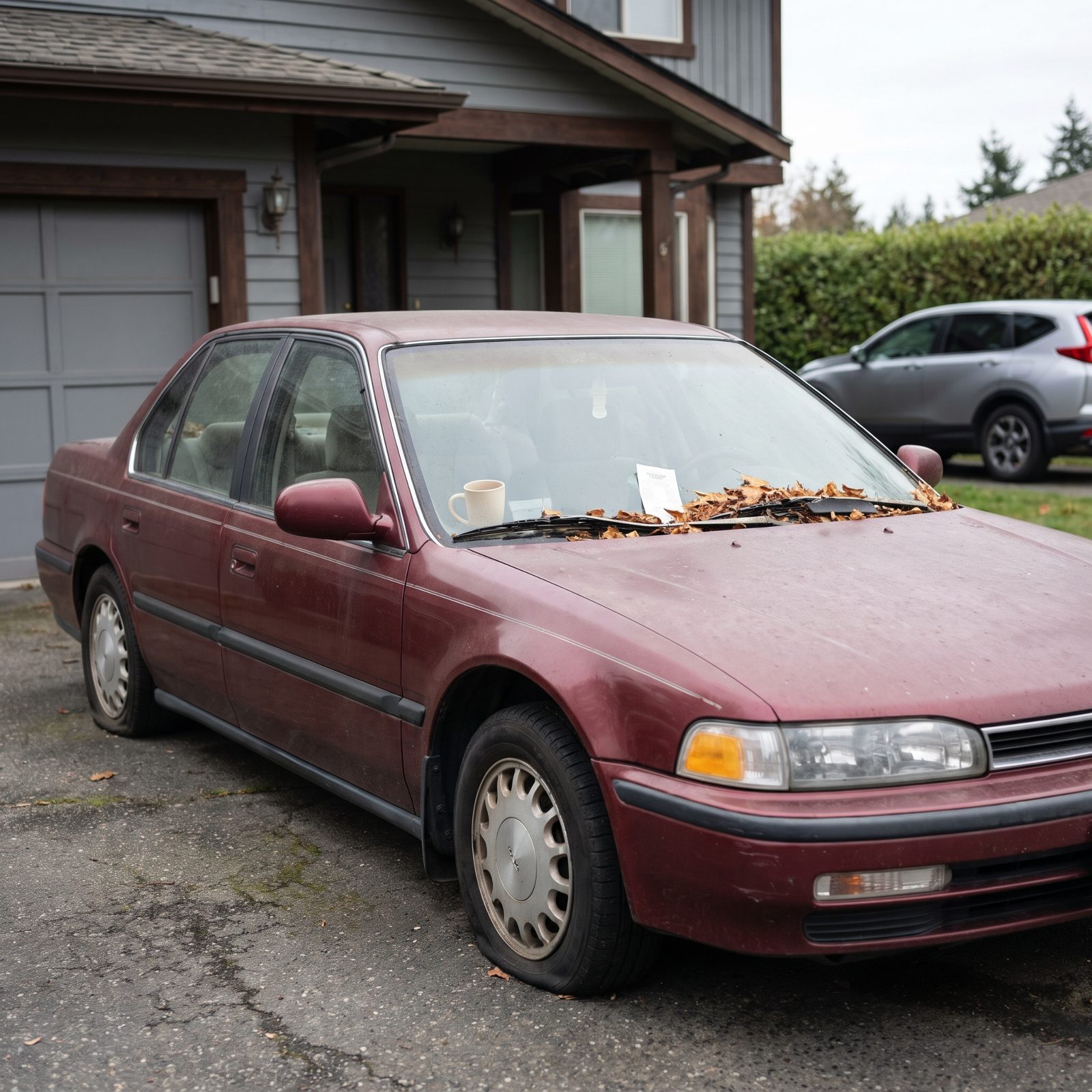
The minute you decide you’re getting a new car, the old one stops getting washed. Why wax something you’re about to trade? You skip the oil change you’d normally never miss, and that little rattle you’d have chased down last year just rides along now. Your care evaporates the moment your eye wanders.
Happens with jobs the instant you start interviewing elsewhere. The projects you used to sweat over get a shrug. You coast. You’ve already mentally moved out of the building.
Disengagement running ahead of the actual exit. Once we’ve decided something is ending, we pull our investment back to protect ourselves from the sting of leaving — caring about something you’re abandoning feels foolish, so we quit caring. The strange part is how often the neglect speeds up the ending. A car that looks unloved appraises low. A checked-out worker gets noticed. We write the ending, then without meaning to, we help it come true.
Our readers seem to reward the opposite habit: cars restored to concours condition got hearts 85% of the time, versus 74% for the other images in the same articles.
3. You Time the Purchase Around a Hot Market

Used-car prices spike and suddenly your plan accelerates. Your current car is worth a small fortune right now, goes the thinking, so you’d be foolish not to cash in and jump into something new while trade-in values run this high. Market’s hot. Strike now.
It’s the same itch that makes people quit perfectly good jobs during a hiring frenzy, when every recruiter in the inbox makes staying put feel like leaving money on the table.
Loss aversion runs this one, dressed up as opportunity. The fear of missing a window hurts more than the risk of a bad move. We tell ourselves we’re being shrewd about timing, but a hot market cuts both ways — your trade-in is up, and so is the price of everything you’d replace it with. You’re selling high and buying high in the same afternoon. Markets make us feel clever at the exact moment we’re most likely to act on impulse wearing a strategy costume.
2. You Expect the Next Car to Fix Your Routine

The fantasy is specific and vivid. Once I have this car, I’ll finally take the scenic route to work. I’ll go on weekend drives. I’ll become the person who keeps it immaculate, packs for spontaneous trips, actually enjoys the commute instead of enduring it. The new car isn’t transportation — it’s a new version of you, pre-ordered.
Changing jobs hauls the same cargo of hope. The new role will make me disciplined, respected, finally happy on Sunday nights. We load the next thing with the power to fix a life the current thing never built.
The fresh-start illusion, and it’s a stubborn one. We imagine a change of setting will change our habits, when habits are the one thing that climbs into the new car with us. The scenic route was always available in the old one. The disciplined version of you doesn’t come bundled with the keys. New metal, same commute, same you behind the wheel. The upgrade we actually need rarely sits on a lot.
1. You Miss the Old Car Once the Payments Begin
Would you like to save this?
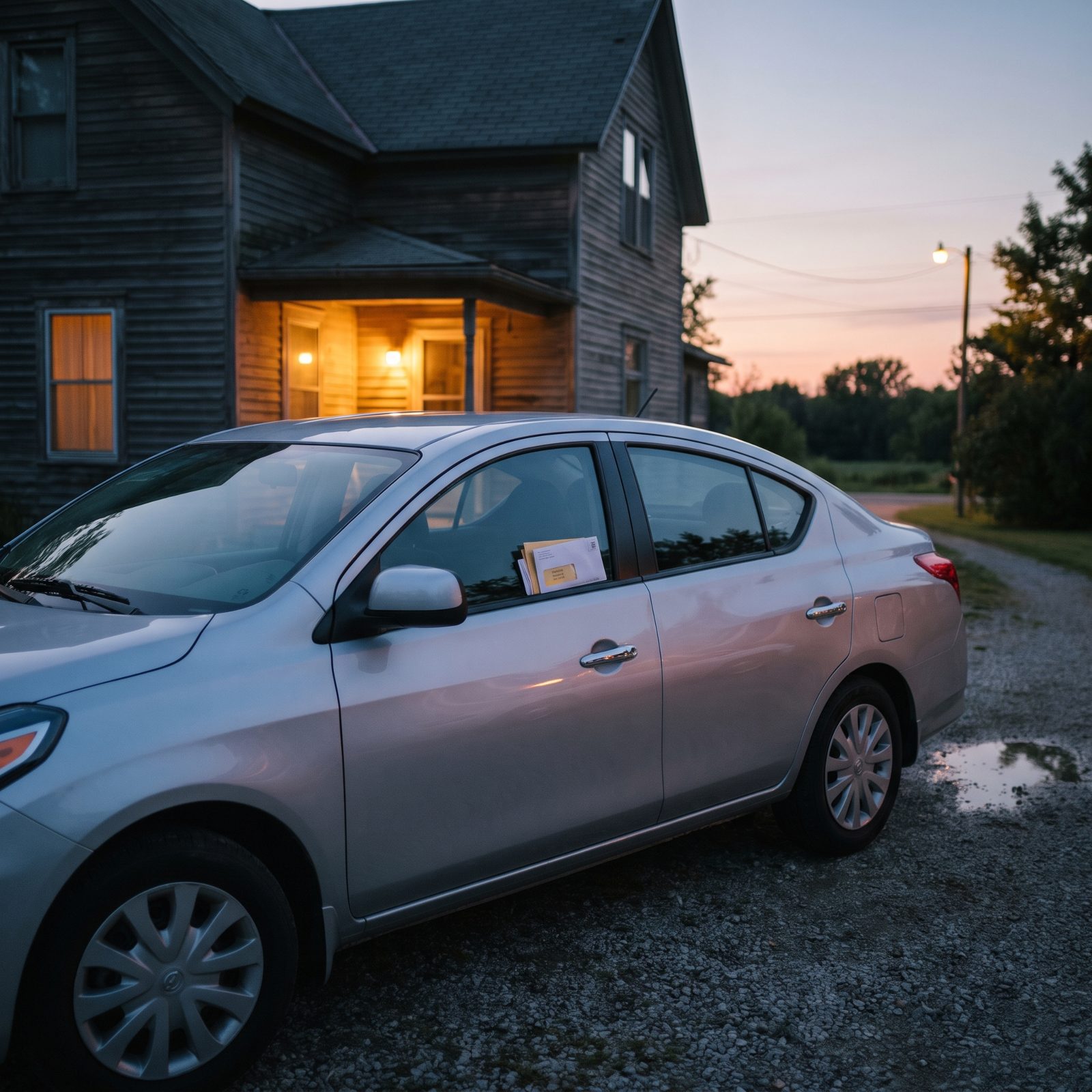
The new-car smell lasts about a month. The payment lasts five years. Right around the time the novelty wears thin, the first withdrawals hit the account, and suddenly the old car looks a whole lot better from here. It was paid off. Never cost you a cent in interest. It had a dent you knew by heart and a seat worn to the exact shape of your back.
The job version is the first Monday at the new place, when the fresh excitement has cooled and you catch yourself remembering the old team fondly — the coworkers you liked, the parking spot you had figured out, the problems you’d already learned to dodge.
Nostalgia and the endowment effect gang up the second something’s gone. We value what we owned more than what we chose over it, and distance sands the rough edges off the past. The old car’s annoyances fade while its comforts glow. Whatever we gave up always looks better once it’s out of reach — which is exactly why it’s worth remembering why we left before we romanticize the thing we drove away from.