
Would you like to save this?
The pump handle clicked off, the attendant screwed the cap back on, and nobody thought twice about the lead you’d just poured into the tank. A 1974 sedan was a different animal. Sharp chrome, a steel dashboard your knee could dent, an ashtray at every seat like it was worth bragging about. Half the stuff that came standard back then would get a car yanked off the line now. Here’s what the rulebook quietly erased.
Please note that some of the images in this article were created with the assistance of AI.
26. Leaded Gasoline Fill-Ups at the Full-Service Pump
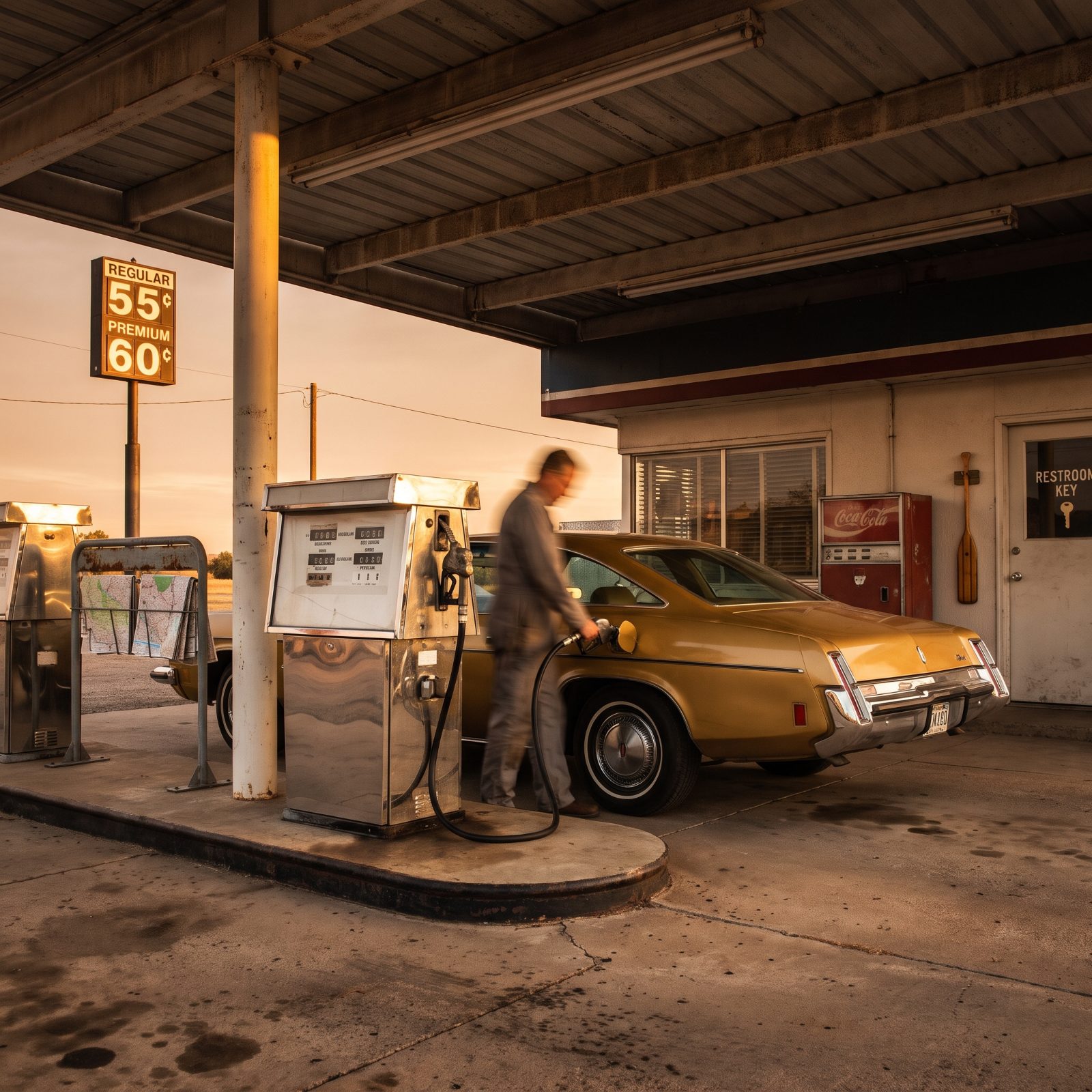
You rolled over the hose, the bell dinged twice, and a guy in coveralls came out before you’d even killed the engine. Fill ‘er up with regular meant leaded, and leaded was just gas. Nobody flinched.
That tetraethyl lead did real work, stopping the knock and letting engines run higher compression without rattling themselves apart. It also went straight out the tailpipe and into everybody’s lungs. The EPA started squeezing it out in the mid-70s with the catalytic converter, which lead would poison dead in a few tankfuls. By 1996, leaded fuel for on-road cars was banned outright.
25. Chrome Bumpers With Edges Sharp Enough to Open a Can
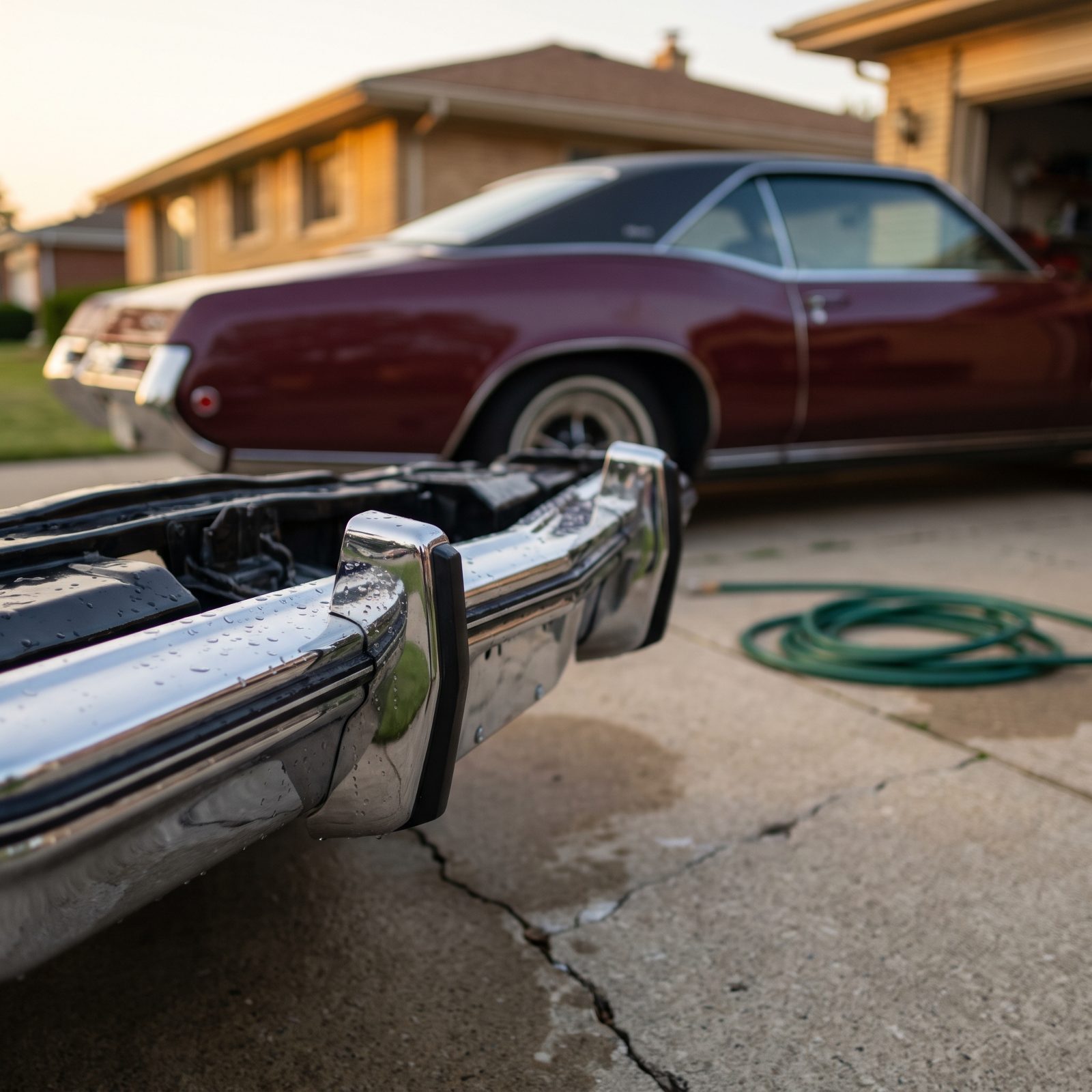
Run your hand along the front end of an early-1970s sedan and you’d want to be careful. The slim chrome bumper blades of the era were decorative first and protective second, with pointed overriders and exposed corners you could cut yourself on.
Then came the federal 5-mph bumper standard in 1973, and the look changed overnight. Cars sprouted big chrome battering rams with black rubber-capped guards, and the slim chrome blade was done. Pedestrian-impact rules finished the job. Try selling a car today with a sharpened steel ridge at shin height. You can’t.
Those sharp edges haven’t hurt chrome’s reputation with our readers, who gave cars with lots of chrome more hearts than the other images in the same articles.
24. The Rigid Steel Dashboard With Nothing Soft to Hit
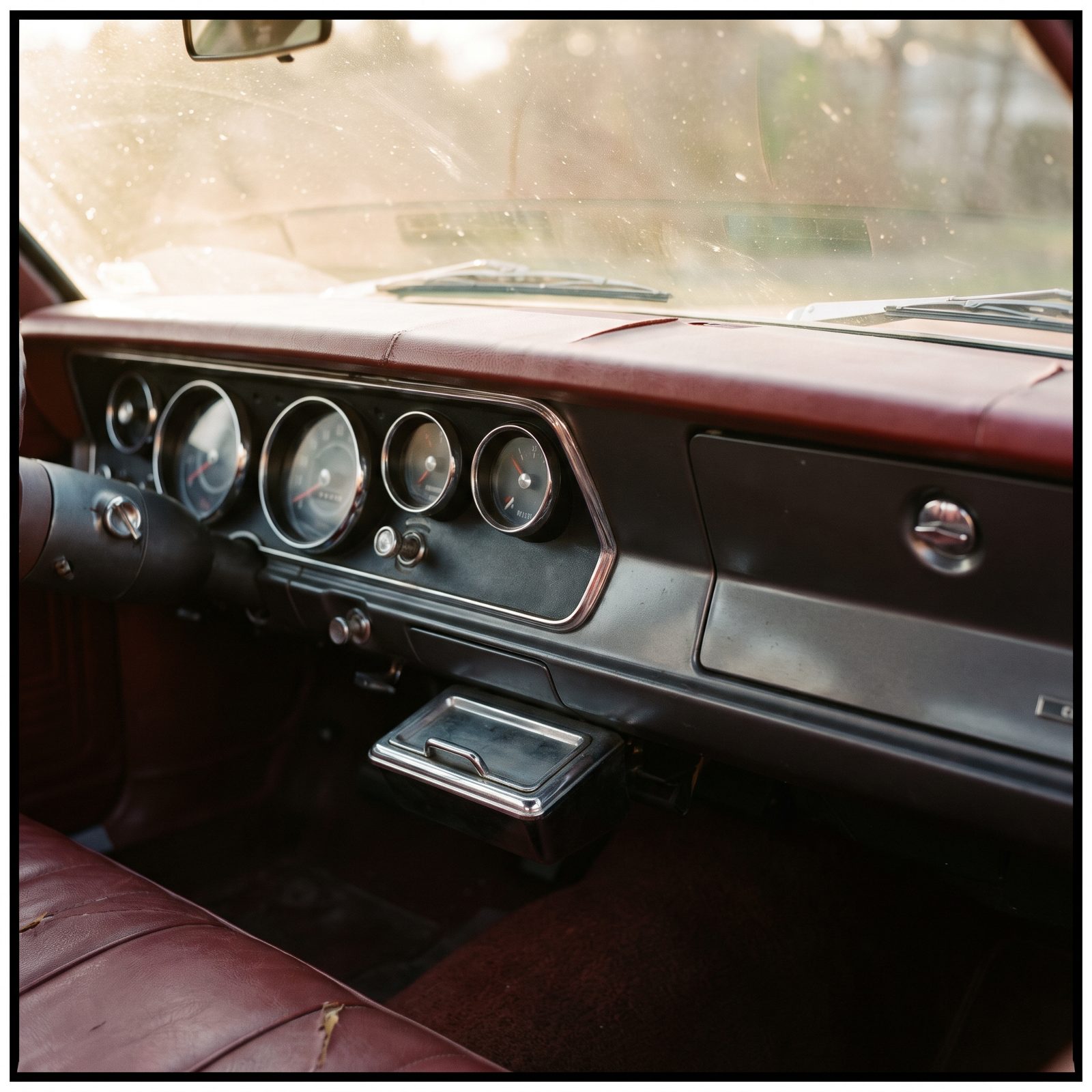
Reach out and knock on the dash of a base-model early-70s compact. Steel, mostly. If you were lucky, a black padded top and a padded maroon crash rail ran across it, but between them sat a bare painted steel panel with chrome knobs you’d meet face-first in a panic stop.
Engineers already knew better. Padded dashboards had been around since the late 50s, and federal rules required padding on the upper dash starting with 1968 models. Federal interior-protection standards eventually mandated energy-absorbing padding across every surface a head or knee could reach. Now the whole cabin is designed to crush and give. Back then, it just gave you a dent to match.
23. Not a Single Airbag Anywhere in the Car
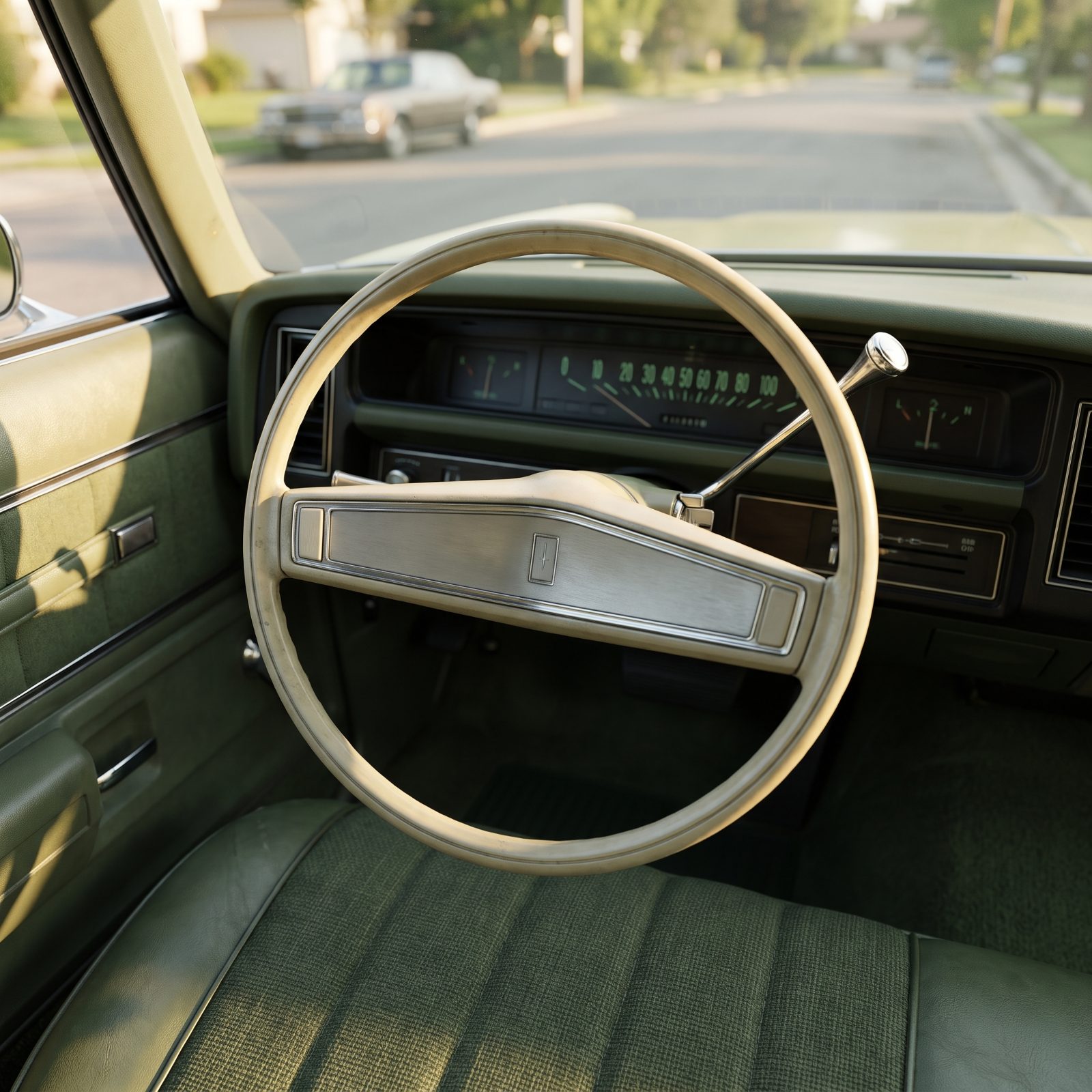
Look at the center of a 1975 steering wheel. Flat chrome horn pad, maybe a cheerful emblem, and about two inches of air between it and your sternum. That was the whole safety plan up front.
Airbags existed as an idea, even showed up in a handful of GM cars in the mid-70s as an oddity nobody bought. They didn’t become mandatory until the 1998 model year. For most of the 70s, your crumple zone was the hope that the other guy would brake in time.
What Our Readers Say
- Safety rules aside, Jalopy Talk readers still have a soft spot for the era: photos that look like the 1970s got hearts 82% of the time, versus 77% for other images in the same articles.
From Jalopy Talk reader polls and votes.
22. Lap Belts Only, No Shoulder Strap in Sight
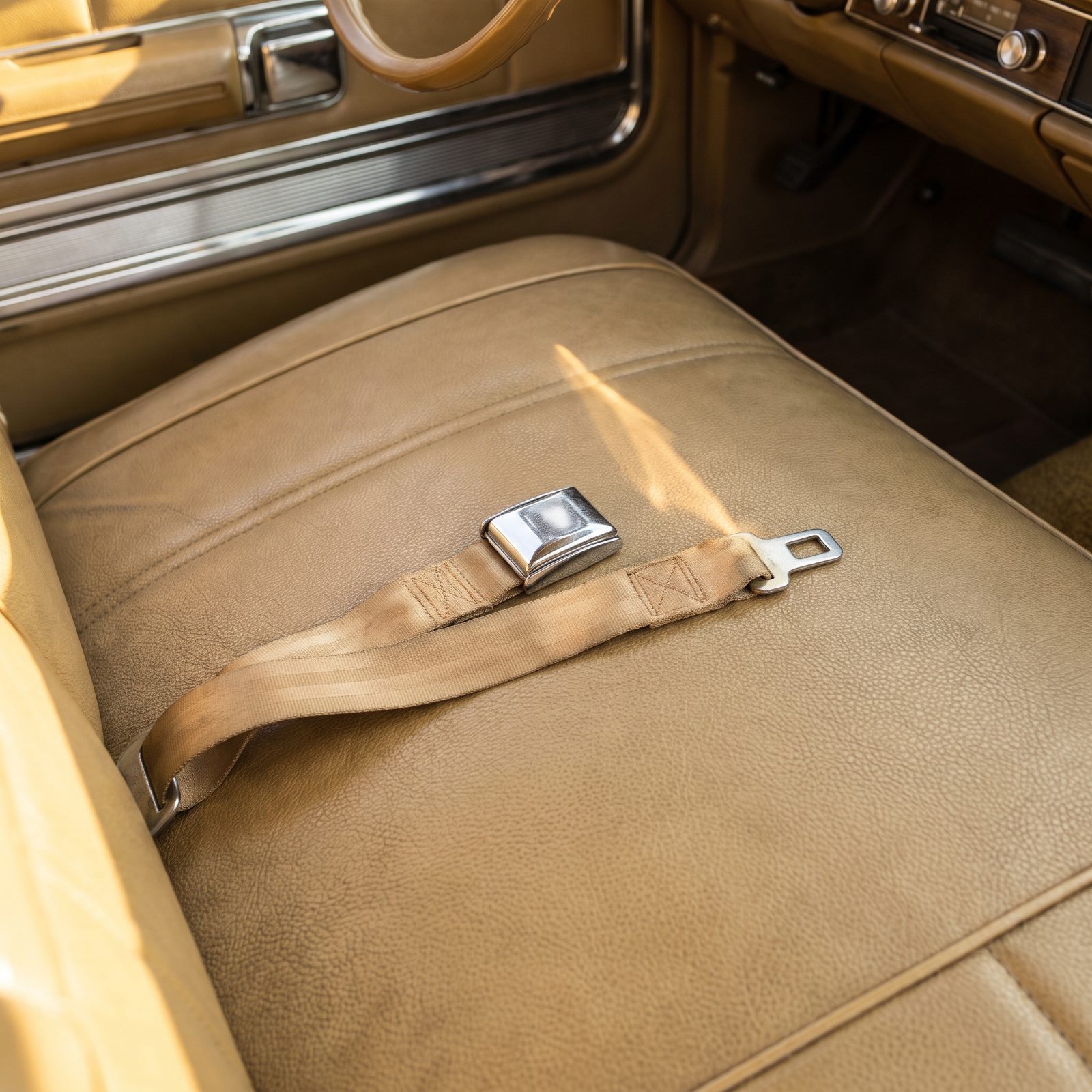
You clicked it low across the hips and that was that. No shoulder strap, no retractor pulling it snug, just a strip of webbing and a chrome buckle that let your whole upper body fold forward in a hard stop.
Front shoulder belts were required starting with 1968 models, yet plenty of 70s cars still ran lap-only in the back, and the front three-points were so awkward and loose that half of us tucked them behind the seat. Modern law demands a shoulder belt at nearly every seating position, with pretensioners that cinch tight on impact. The hip-only strap is a museum piece now.
21. Back Seats With No Belts At All
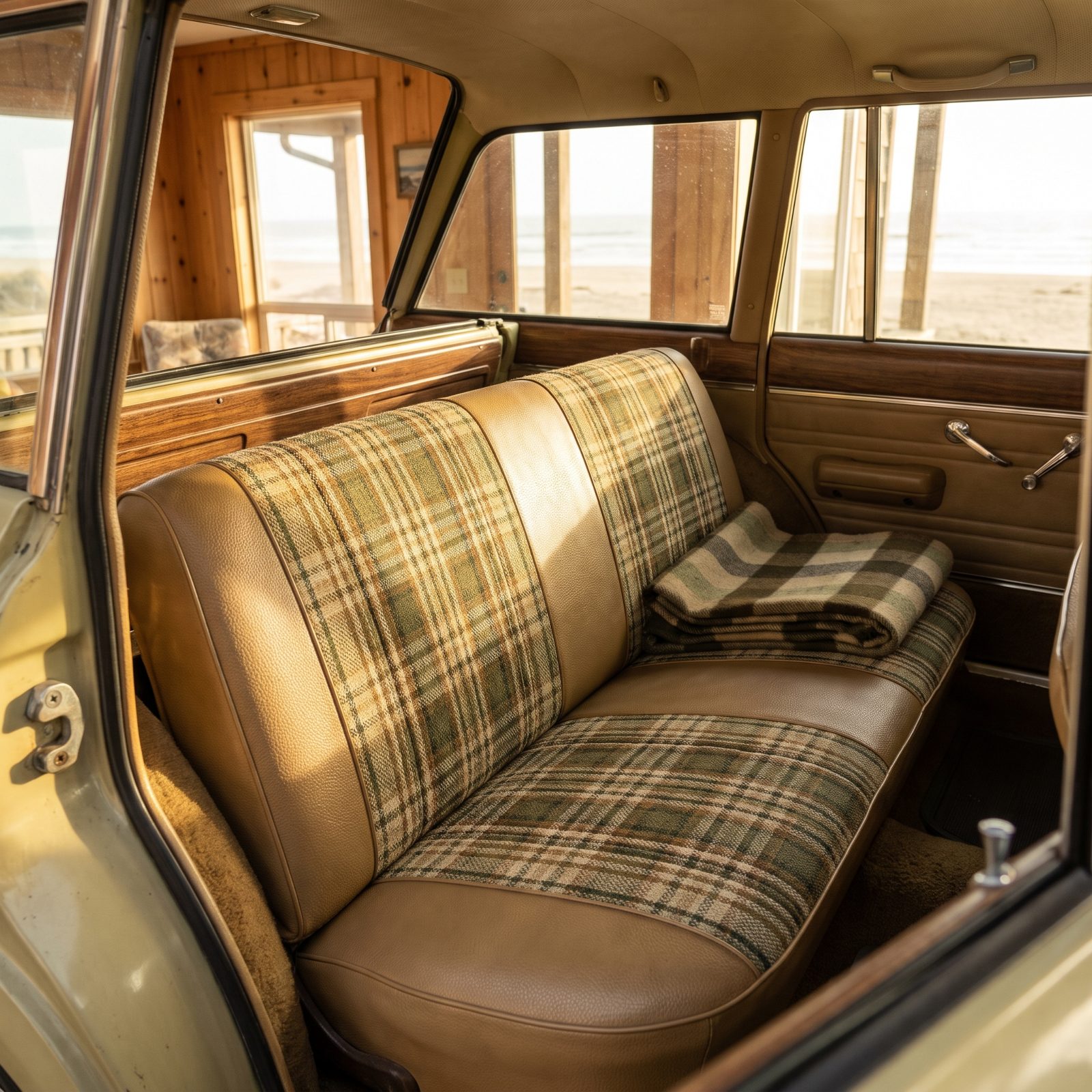
The back of the wagon was a playground. Kids sprawled across the seat, lay down for a nap, climbed into the rear-facing third row to wave at the cars behind. Belts back there? Often none at all.
Rear-seat belts weren’t federally required until 1968 for the main bench, and the way-back third rows and some rear benches slipped through for years. We treated the cargo area like a rolling den. Today every seat needs a belt, and the rear-facing wagon seat went extinct largely because you couldn’t make it comply. We mourn it anyway.
Beltless back seat or not, the wagon still wins affection: in our reader votes, station wagons got hearts 88% of the time, compared with 83% for other images alongside them.
20. Pop-Up Headlights That Winked Open on Springs
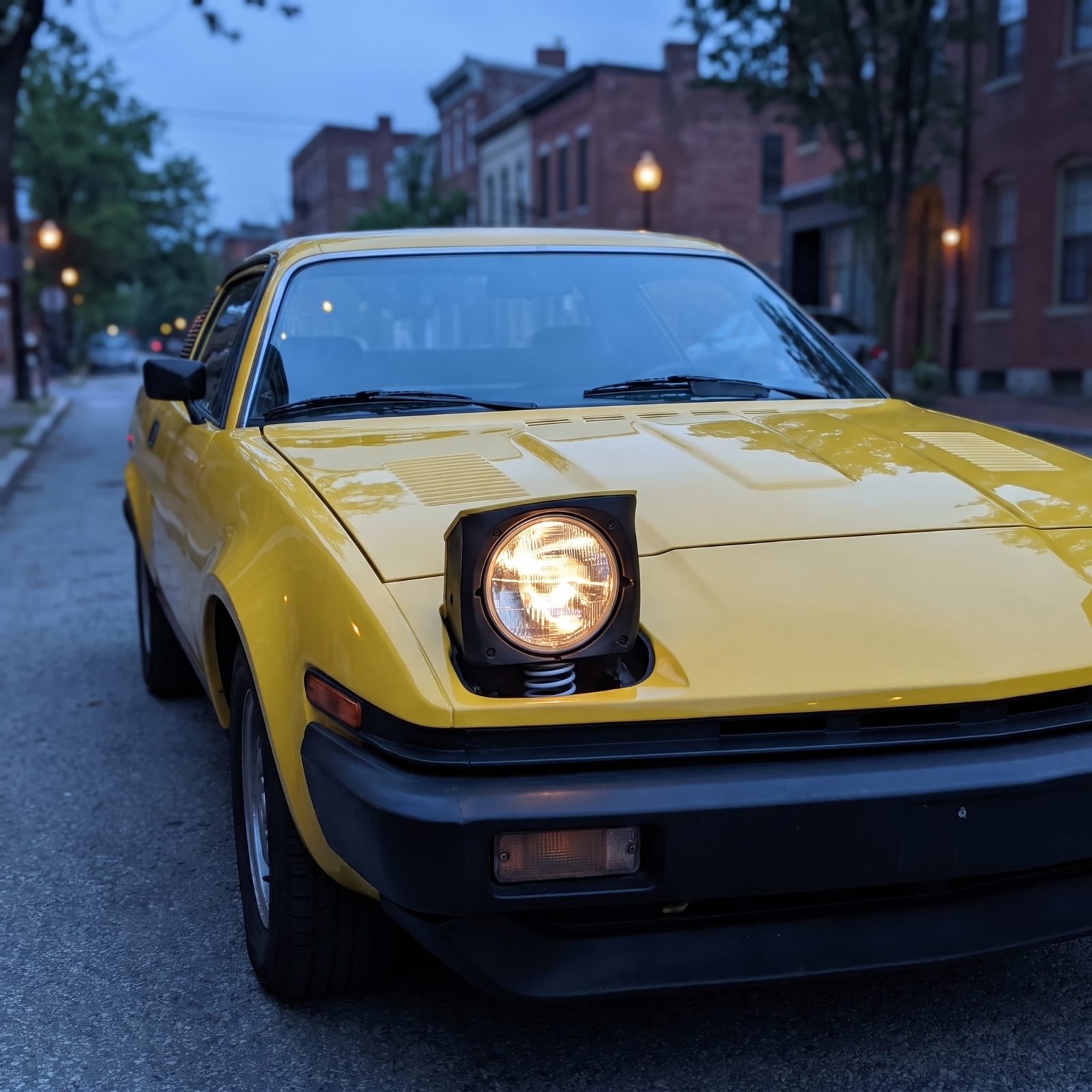
There was nothing cooler than flipping the switch and watching the nose wake up. The headlights rose out of the nose, and every kid on the block wanted one.
They didn’t die by a single law so much as by a pile of them. Pedestrian head-impact standards, aerodynamic drag, and the simple fact that a hard pop-up panel at bumper height is a terrible thing to strike a person with all stacked up against them. The last mainstream pop-ups vanished in the early 2000s. Fixed composite lamps won. Charm lost.
19. An Ashtray and a Cigarette Lighter at Every Seat
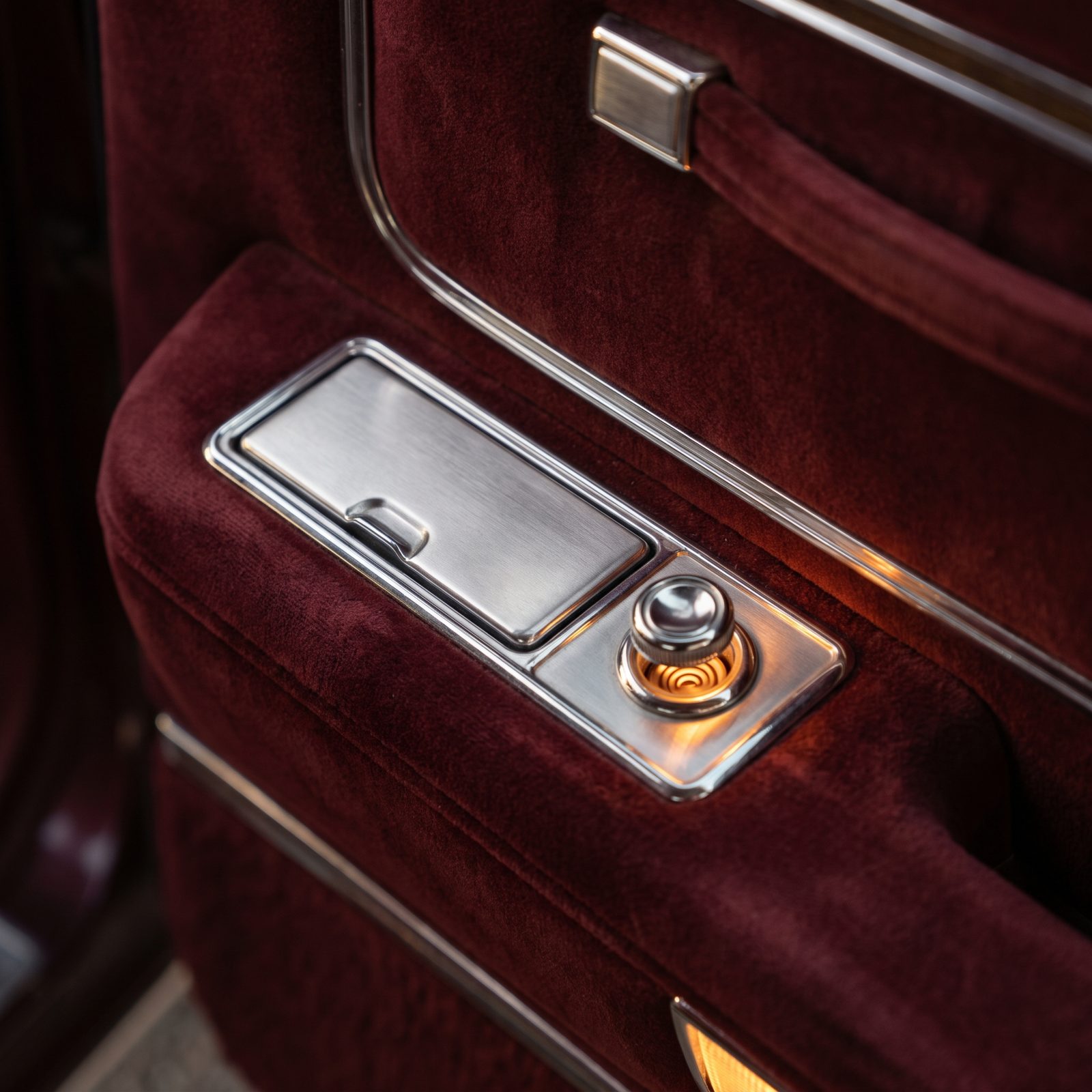
Front, back, sometimes even the doors. A 1974 brougham came with ashtrays everywhere and a cigarette lighter that glowed orange when it popped. Smoking wasn’t a flaw in the cabin. It was a design assumption.
Nothing banned the ashtray by name. The market just moved. By the 90s automakers started charging extra for a “smoker’s package,” then quietly turned the lighter socket into a power outlet and the ashtray into a coin tray. The hardware’s still shaped like the old socket. The purpose got erased without a single hearing.
18. Asbestos in the Brake Pads and the Clutch Lining
Would you like to save this?
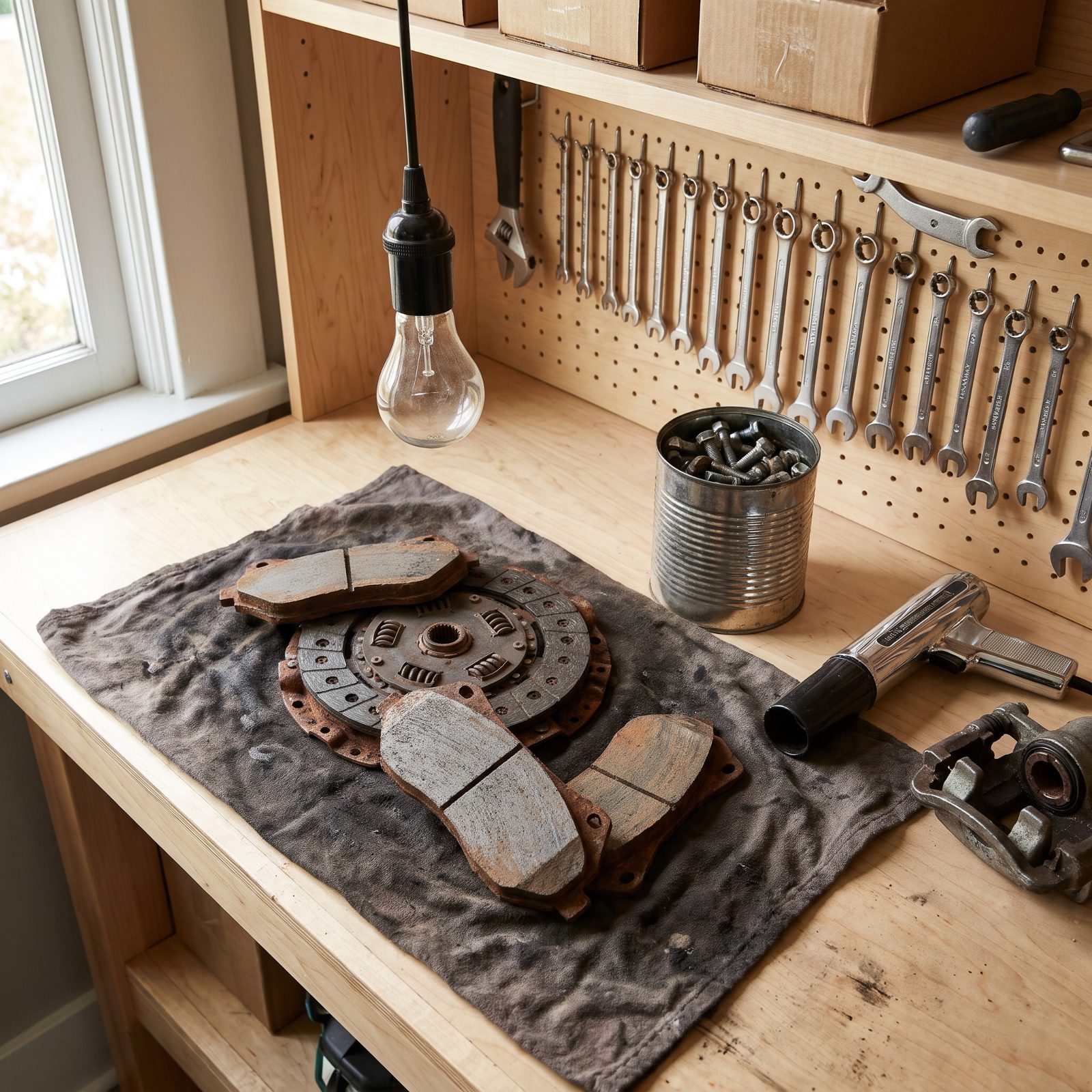
Pull a worn clutch or do a brake job in 1975 and you’d blow the dust out with a shot of compressed air. Nobody wore a mask. That fine grey powder was loaded with asbestos, prized because it handled heat beautifully and gripped hard.
It also caused mesothelioma, and the shops full of men doing routine brake work day after day paid the price years later. Regulators moved slowly, but asbestos in automotive friction materials got pushed out through the 80s and 90s in favor of semi-metallic and ceramic compounds. The parts work better now. The dust won’t kill the mechanic.
17. Hood Ornaments Pointed Like a Spear
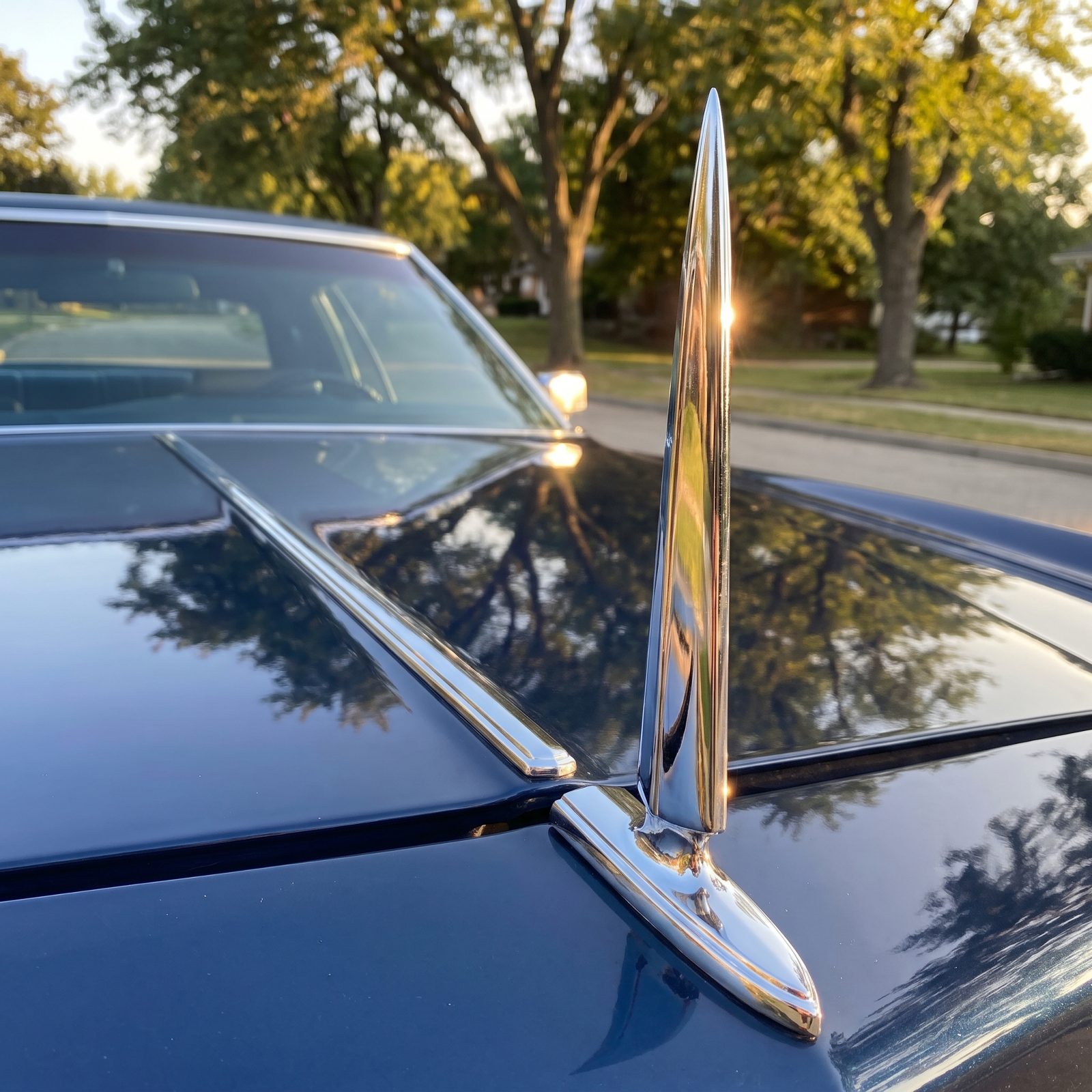
The ornament stood up proud on the nose, a chrome figure or a spear of bright metal that said this car cost something. It also sat at exactly the height to catch a person at the hip or the chest.
Pedestrian-safety rules quietly ended the tall rigid hood ornament. The ones that survive on luxury cars now fold flat or retract on a spring the moment they meet resistance. No more fixed chrome lance leading the way. Probably the right call. It still took something handsome off the front of the car.
16. The Early-Decade Big-Block That Breathed Straight Into the Air
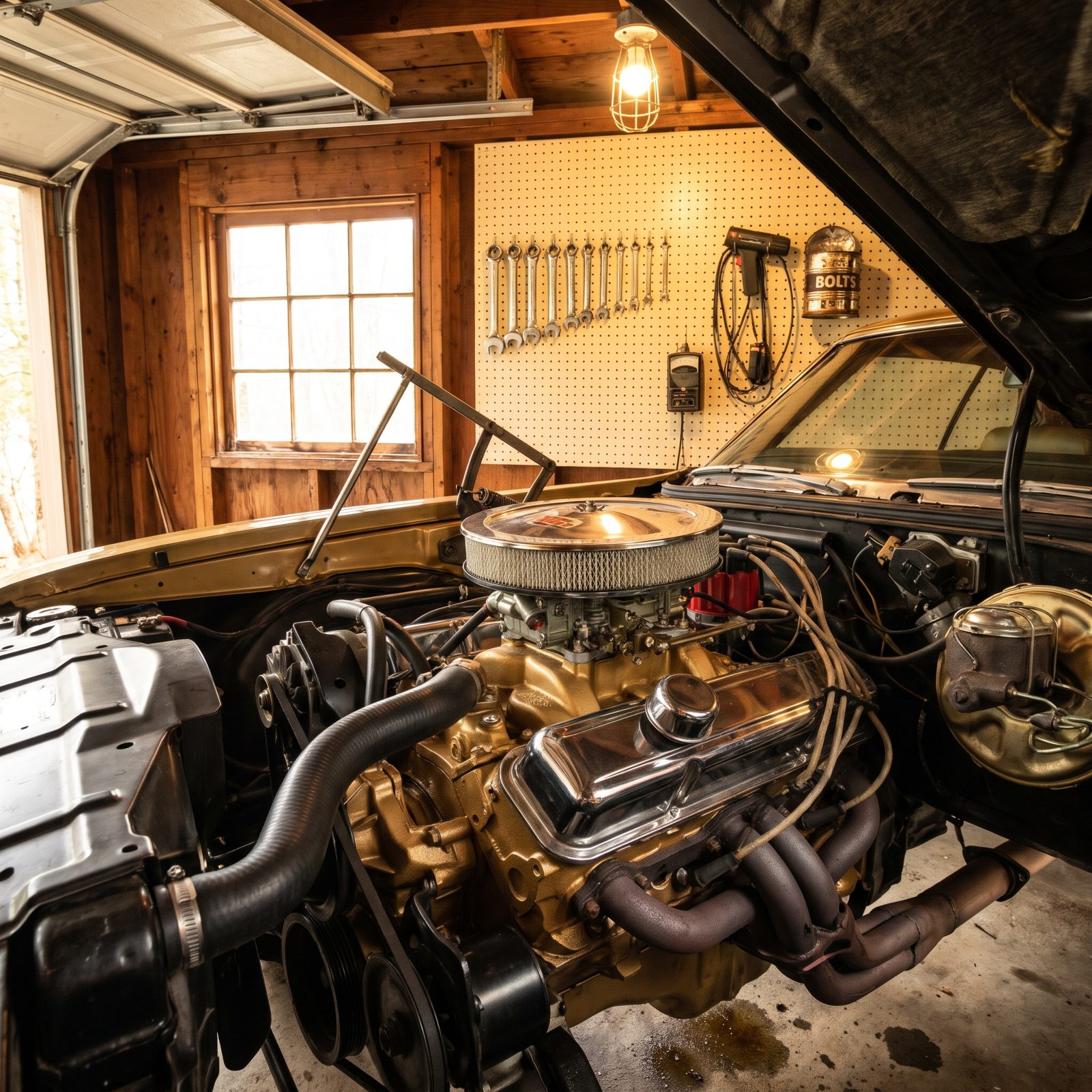
Pop the hood on a 1970 muscle car and you’d find a straight shot from the combustion chamber to the open sky. No catalytic converter. No air pump worth mentioning, just a carburetor dumping fuel and an exhaust that sang.
That’s why the early-decade cars smelled the way they did idling at a light — rich, leaded, unmistakable. The 1975 model year changed all of it. Catalytic converters became mandatory, unleaded gas became the rule, and the big-blocks lost their lungs almost overnight.
Ask anyone who had a ’70 and then drove a ’76. That second car felt strangled, and it was. We traded horsepower for air you could breathe, which was the right call. Didn’t make it hurt less at the time.
15. Doors With Nothing Inside Them But Window Crank and Hope
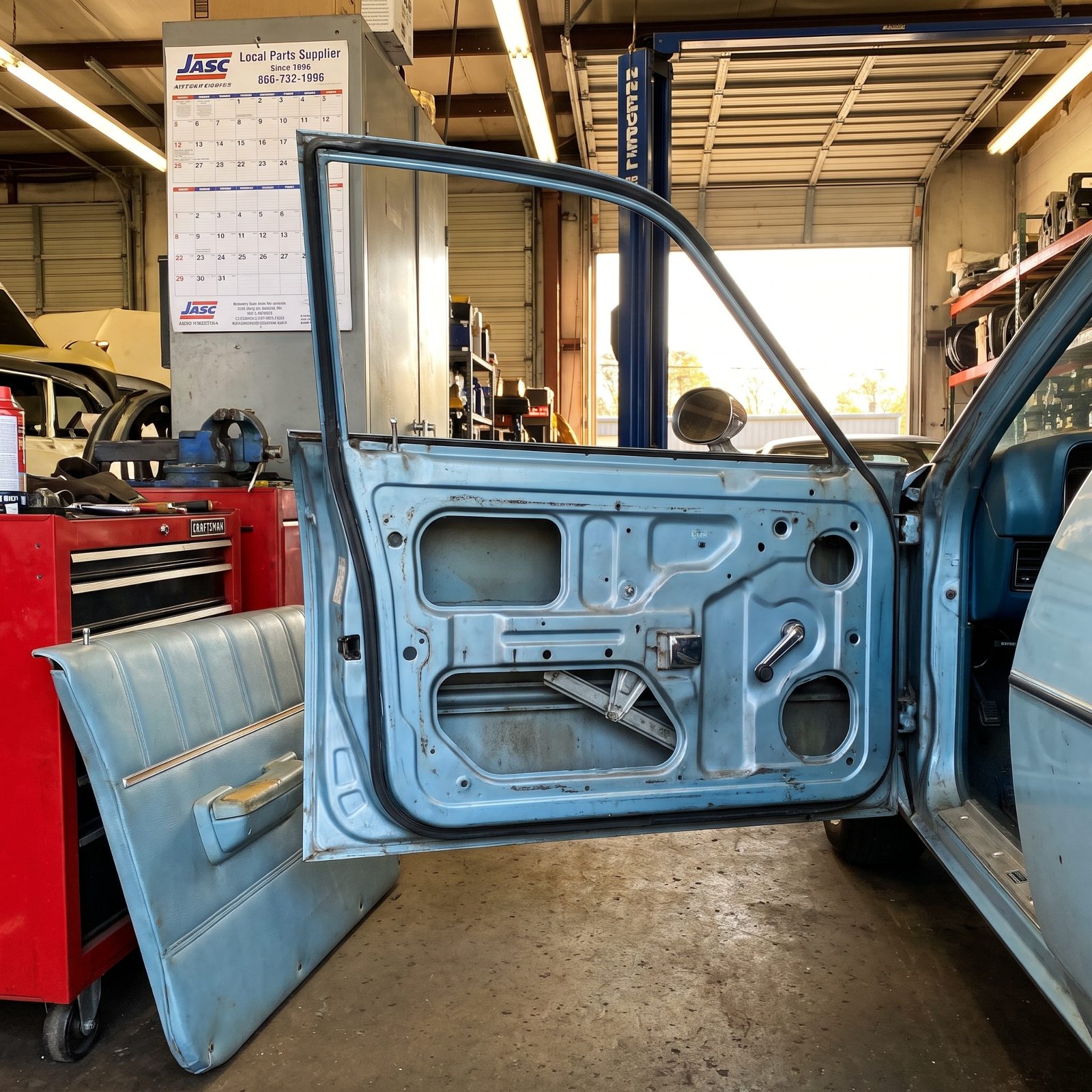
Knock on the door of a 1972 sedan and it rang hollow, because it was. No steel beam inside. Just the window mechanism, the lock rod, and a sheet of metal between you and whatever hit you from the side.
Side-impact door beams started showing up around 1969, and federal side-door strength rules made them effectively mandatory starting with 1973 models. That’s the single biggest reason a modern door weighs what it does.
You felt the difference the first time you thunked a 1990s door shut. That solid bank-vault sound? A steel beam doing its job. The old cars never made that sound — they managed a tinny clap, and we thought nothing of it.
14. The Flat Vinyl Bench Seat With No Headrest in Sight
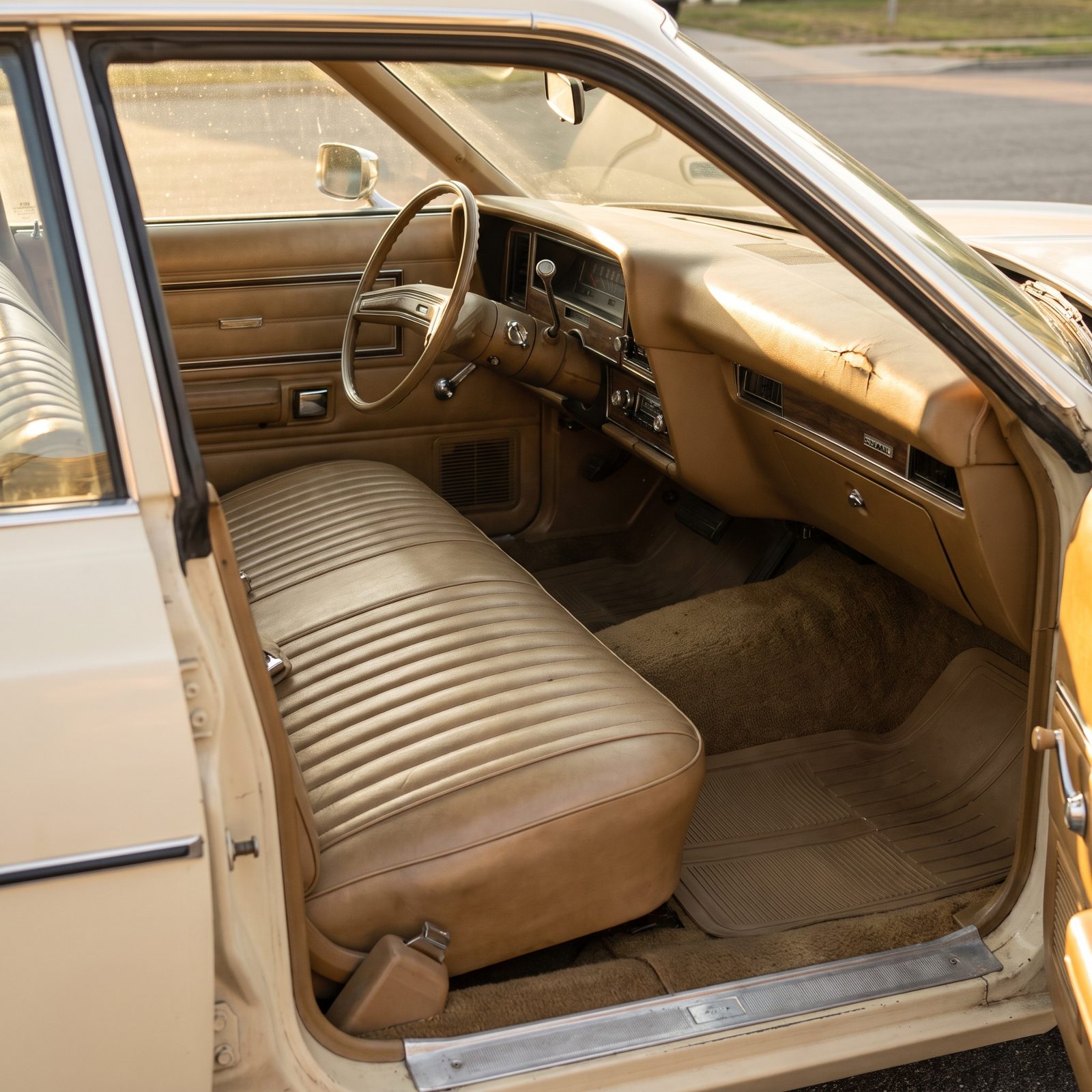
Three across the front, sliding into each other on every hard left turn. The vinyl bench seat was a sofa with a seatbelt, and it had no headrest anywhere on it.
Which meant that in a rear-end collision there was nothing to stop your head from snapping back over the low seatback. Head restraints became required on front outboard seats in 1969, but plenty of older cars still on the road ran those flat, naked benches, and the restraints that did exist were often cranked down to useless.
13. The Steering Column Pointed Straight at Your Chest Like a Spear
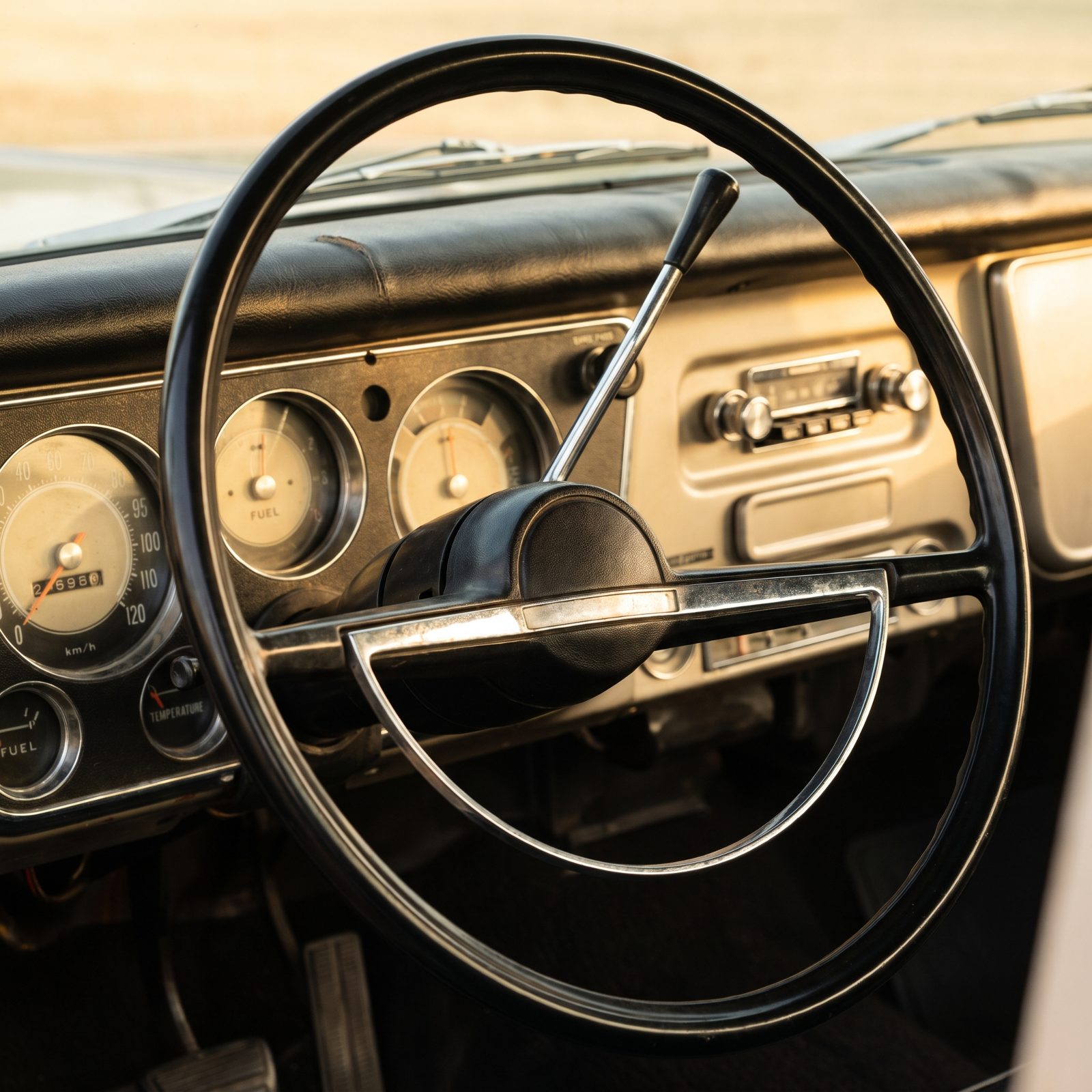
The thing nobody wants to picture: in a front-end crash, before collapsible columns were universal, the steering shaft could drive back through the dash and into the driver. A rigid steel rod aimed at your sternum.
GM introduced the energy-absorbing collapsing column back in 1967 and it spread across the industry, but the engineering kept improving all through the 70s as crash standards got teeth. The column was built to telescope and crumple instead of impaling.
One of those safety wins you never see and never think about. The wheel still looks like a wheel. What changed is hidden down in the column, and it has quietly saved more people than almost anything else in the car.
12. Windshields That Turned Into a Thousand Flying Knives
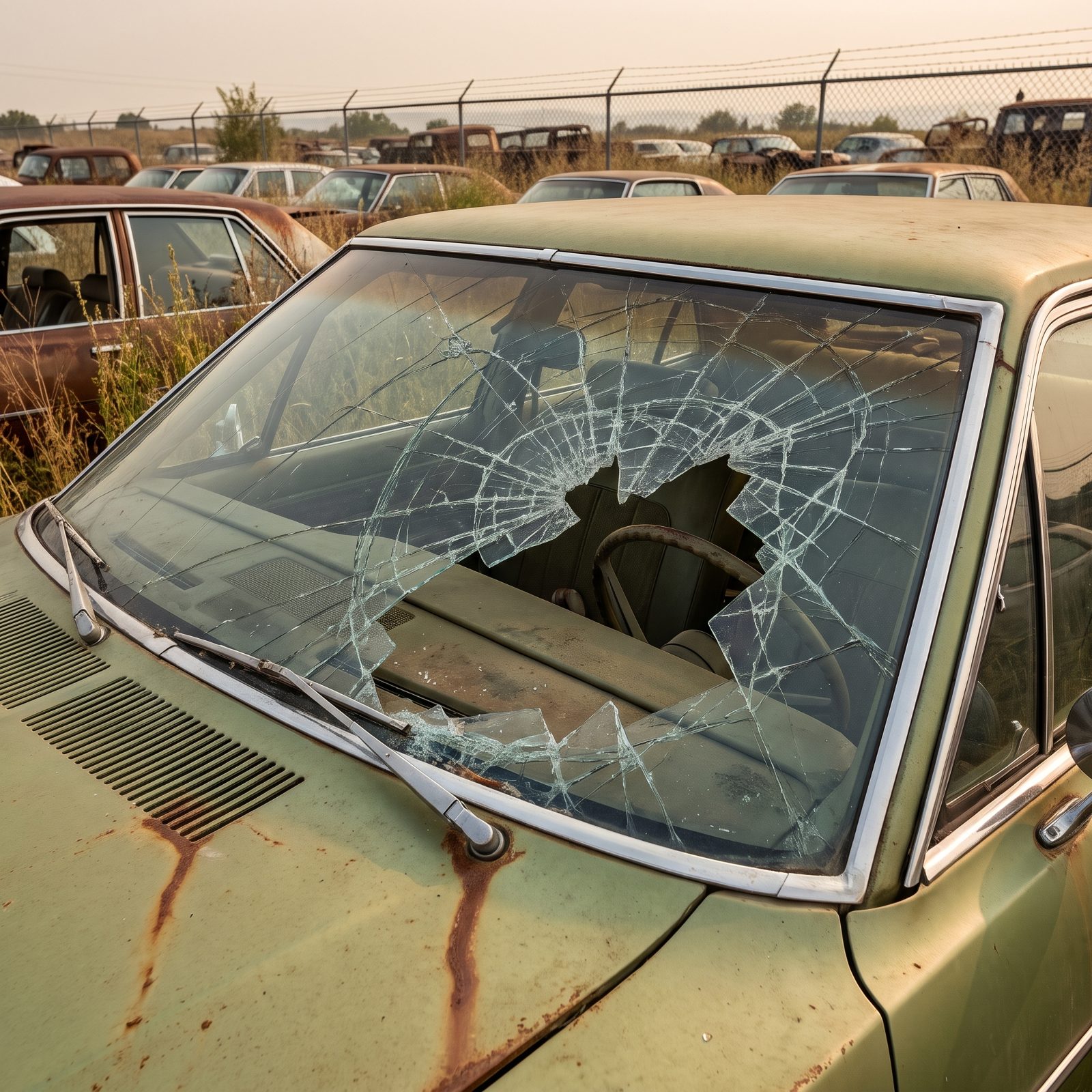
Not all glass breaks the same way, and that difference used to send people through the windshield. Older side and rear glass could shatter into large, sharp, dagger-shaped shards instead of the harmless pebbles we get now.
Tempered glass that crumbles into blunt nuggets, and laminated windshields that hold together on a plastic layer, became the standard. The idea was simple — in a crash, you want glass that falls apart into something that won’t open an artery.
Anyone who ran a wrecking yard back then will tell you the old glass came out in pieces that could cut you cleaning up the car. The new stuff just rains down like gravel. That’s the whole improvement, and it matters more than it sounds.
11. The Loose Cargo Rolling Around the Cabin Like a Pinball
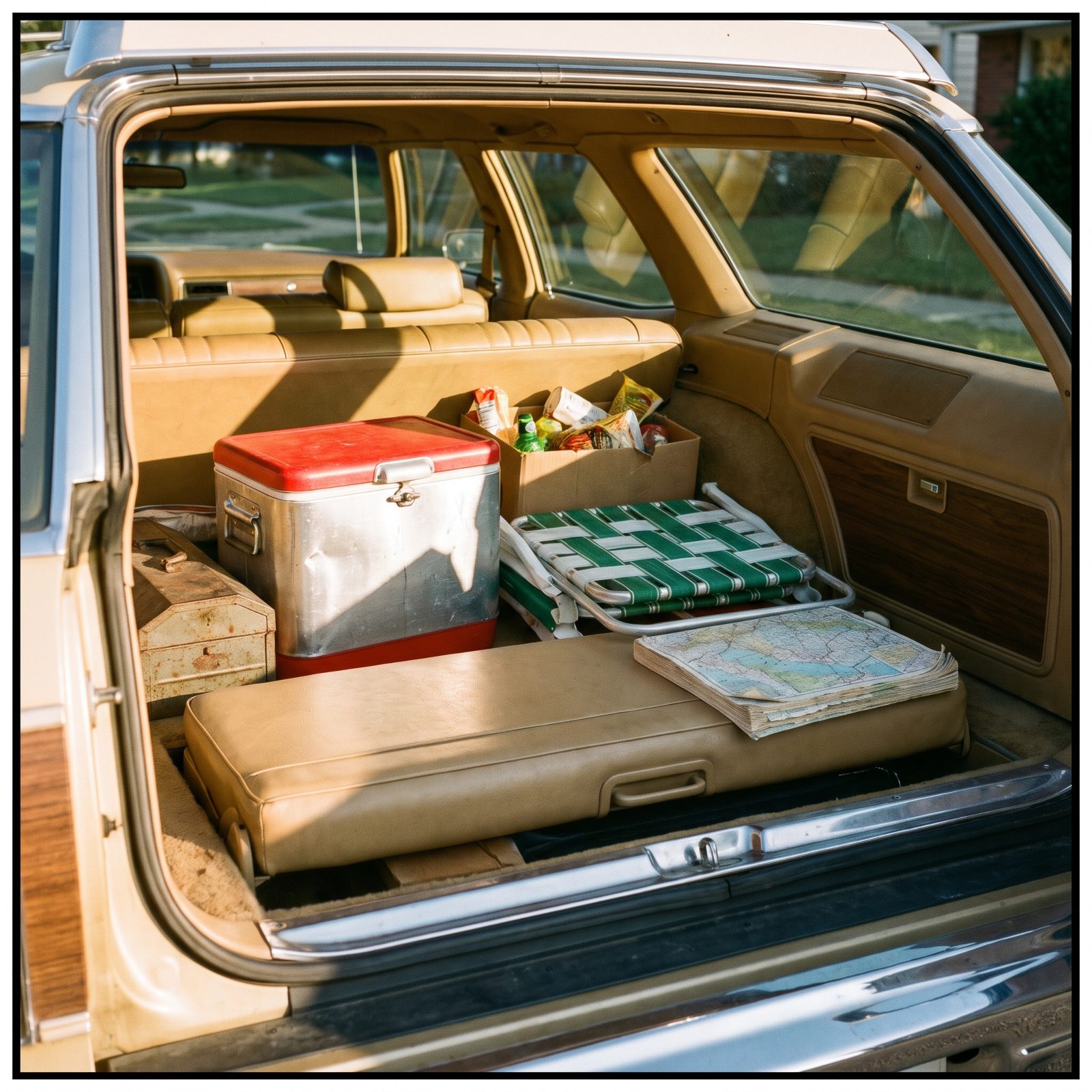
Everything in the back of the wagon was a projectile waiting for a reason. The cooler, the toolbox, the case of soda, the bowling ball — nothing tied down, nothing restrained.
In a hard stop at highway speed, every one of those objects kept moving forward at whatever the car was doing. People understood brakes. Momentum was another matter, and nobody thought about it until something heavy came flying between the seats.
Cargo nets, tie-down anchors, the whole concept of load securement in passenger vehicles — it all came out of exactly this. We learned that a loose toolbox in the back isn’t luggage. It’s a missile with a delayed fuse.
10. No Child Seat, No Anchors, Just Mom’s Right Arm as a Seatbelt
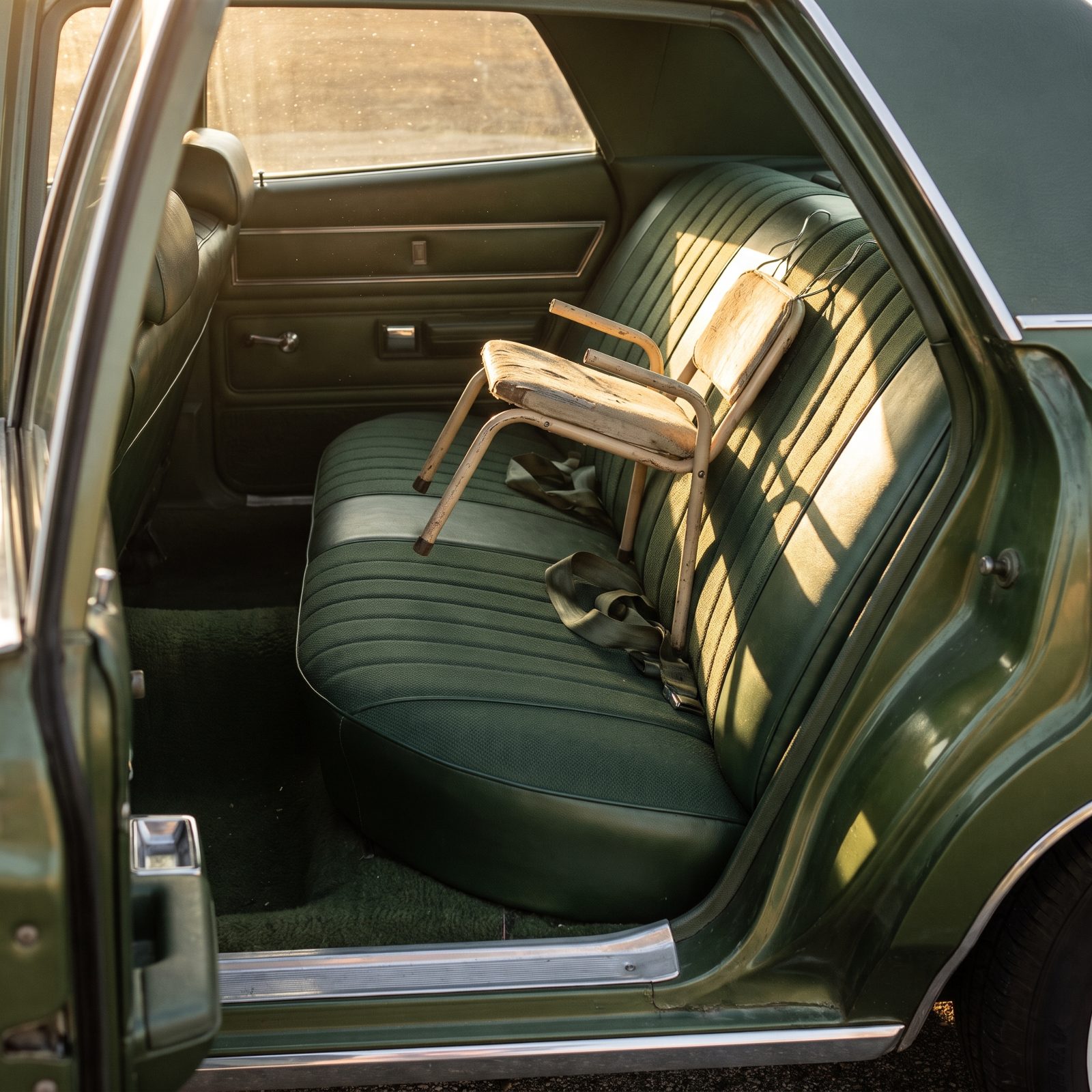
The 1970s child car seat, when a family bothered with one, was often a glorified booster that hooked over the seatback with a little wire. It kept the kid up high enough to see out the window. In a crash it did almost nothing.
No top-tether anchors. No LATCH. Rear seats had lap belts at best — no shoulder belts, no way to lock a child restraint firmly to the car’s frame. The federal crash-testing standard for child seats didn’t arrive until 1981, and LATCH anchors weren’t required until the 2002 model year.
Most of the time the plan was simpler than all that. Kid in the back, Mom throws an arm across them at the stop sign. We all survived it, which tells you nothing about whether it was safe.
9. The Mercury Tilt Switches Quietly Poisoning the Junkyard
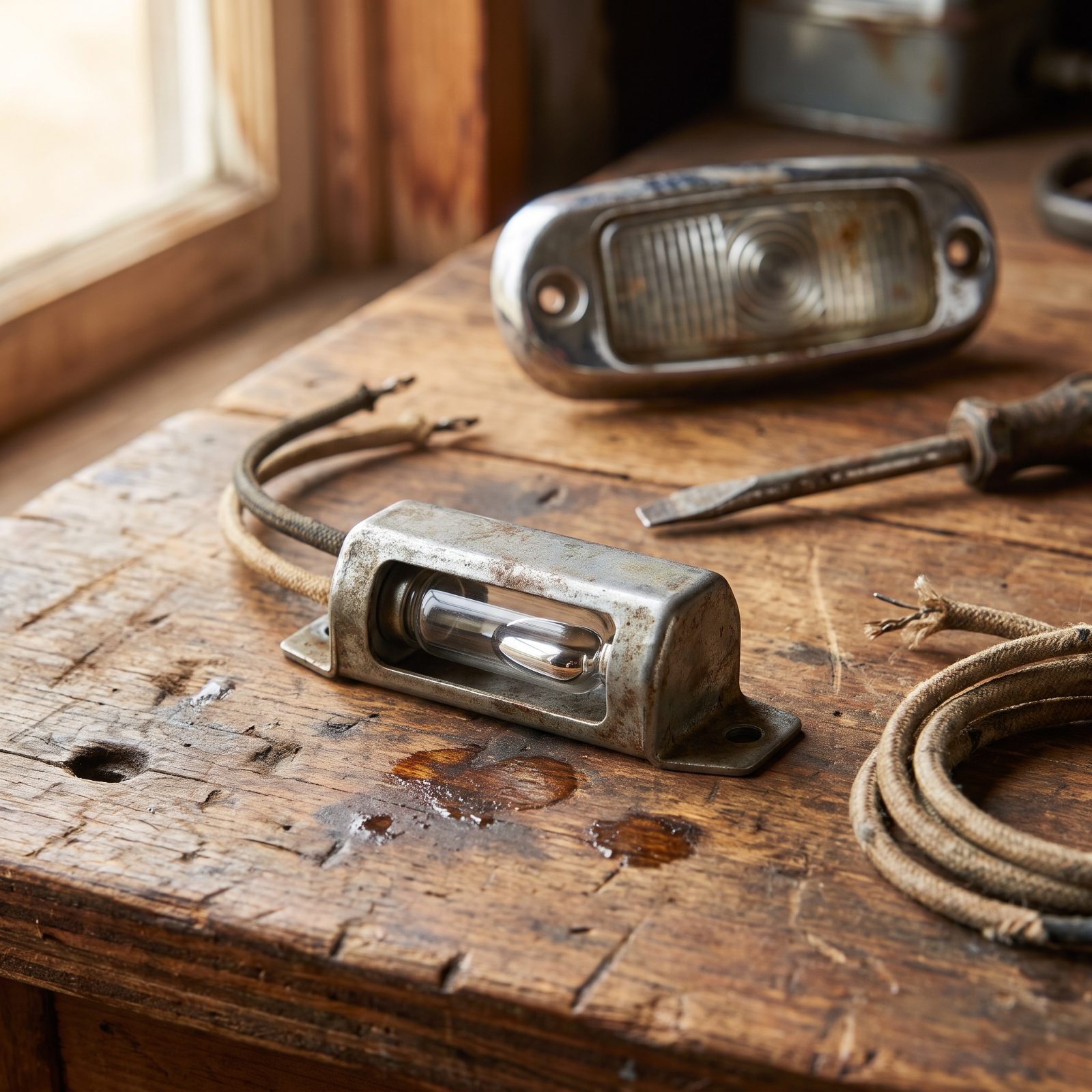
Pop the trunk and a little light came on. Lift the hood and the underhood lamp glowed. Simple convenience, and almost nobody knew how it worked.
Inside those switches sat a bead of liquid mercury in a sealed glass tube. Tilt the lid, the mercury rolled, the circuit closed, the light came on. Clever little trick. Also a neurotoxin riding around in your trunk.
The real trouble showed up at the end of the car’s life. When old vehicles got crushed and melted for scrap, those switches released mercury into the environment. Automakers phased them out, and switch-recovery programs eventually paid to pull them from junked cars before crushing.
8. The Four-Barrel Carburetor That Ran Rich and Smelled Like Saturday
Would you like to save this?
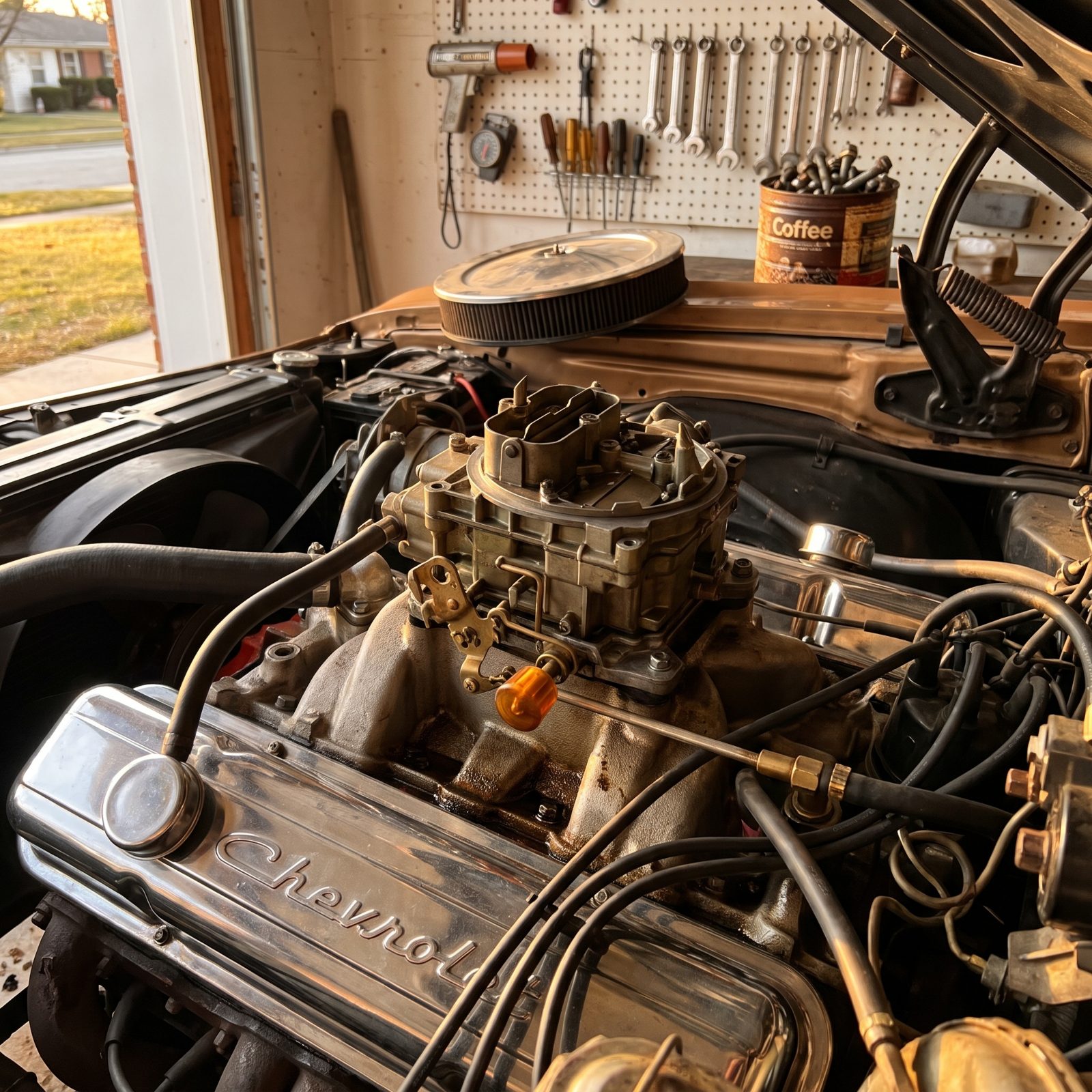
Ask anyone who grew up near a garage in the seventies what Saturday smelled like, and half of them will tell you it smelled like a carburetor running rich. The Quadrajet sat on top of the intake like a crown, four barrels gulping air, and when the choke hung on cold it’d dump enough raw fuel to perfume the whole block. You learned to read it by nose.
Here’s what nobody tells you now. That smell meant the thing was adjustable — you could lean it out, richen it up, tune the idle with a screwdriver and your own ears on a Sunday afternoon. No scan tool, no laptop, no dealer login. Just you, a vacuum gauge if you were fancy, and a willingness to get gasoline on your hands.
Was it wasteful? Absolutely. Did it foul plugs and wash down cylinder walls when it ran too fat? Sure did. But there was an honesty to a carburetor you could fix in the driveway, and when a V8 finally caught and settled into a lope, you’d done that yourself.
7. R-12 Freon: The Cold Air That Cost the Ozone
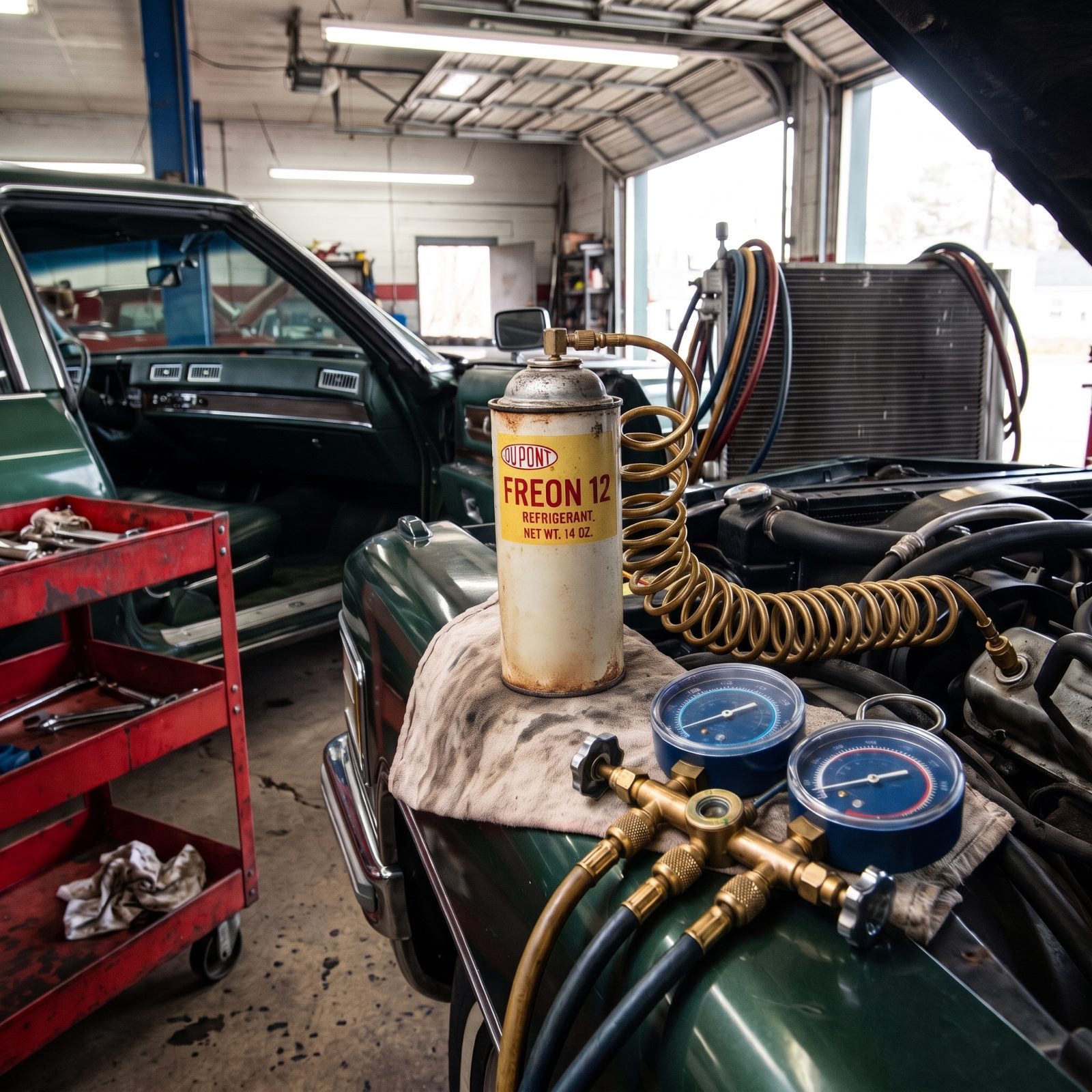
Old R-12 air conditioning didn’t just cool the cabin. It turned a July afternoon into a meat locker. You’d climb into a baking sedan, crank the dash lever to the far left, and within a few blocks your knuckles went numb on the wheel. Modern systems feel like a polite breeze by comparison.
The catch was the stuff coming out of that steel can. R-12 chewed holes in the ozone layer, which is why the EPA eventually phased it out and the whole chemistry of car cooling had to change. And here’s the thing — a slow leak back then was somebody’s standard summer gripe, nobody thinking much about where that gas went once it hissed off into the sky.
Topping off the system was a roadside ritual. A can, a hose, a set of gauges on the fender. Now that whole workbench scene is gone, retired by regulation and better sense, and the cold air that came with it was colder than anything we settle for today.
6. The Rear Deck With Nothing But Two Taillights Staring Back
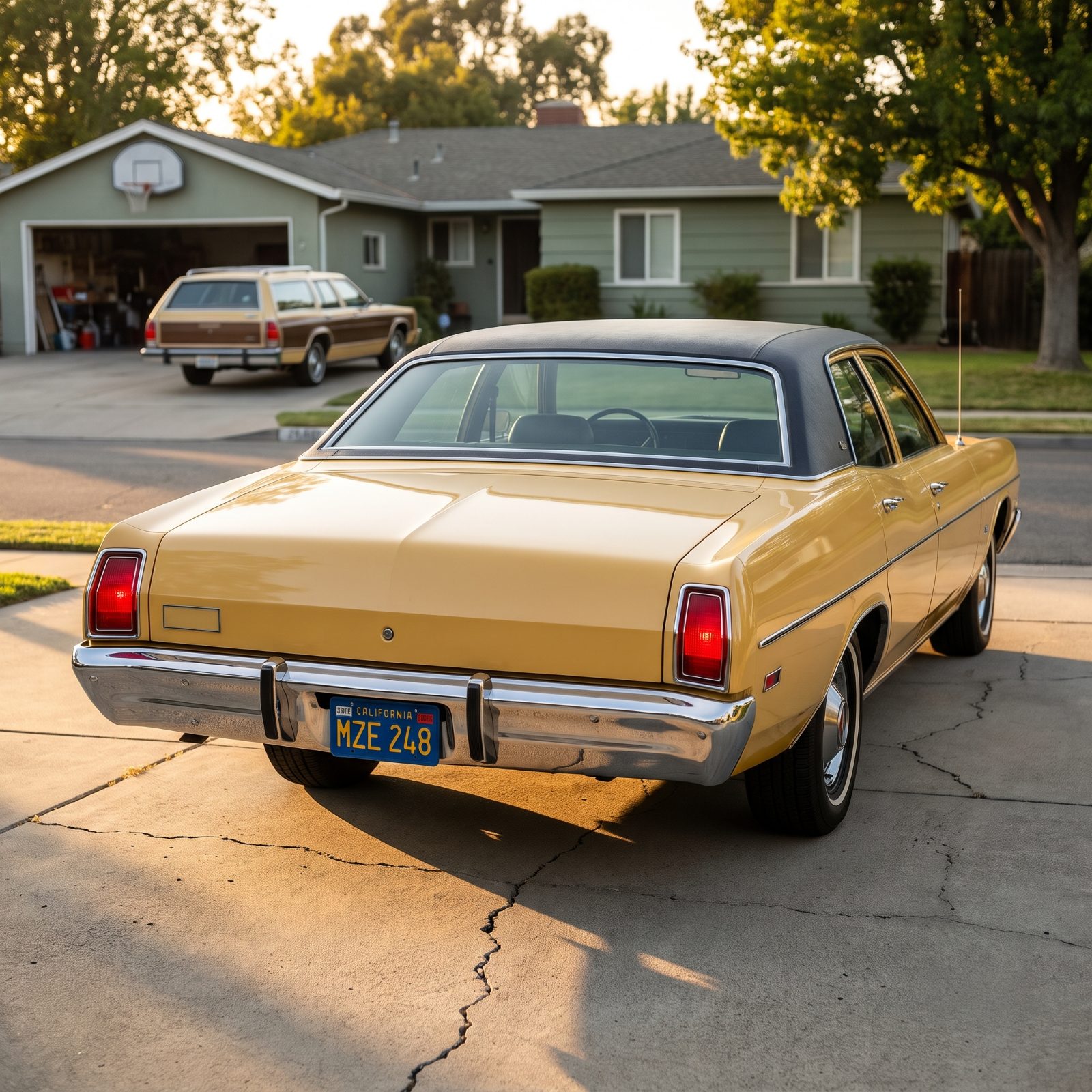
Look at the back of a big seventies sedan and something’s missing — that third brake light perched up in the rear glass. It wasn’t there yet. Just two taillights and a wide stretch of painted metal staring back at whoever was tailgating you.
Federal rules didn’t require that center high-mount stop lamp until the mid-eighties, so every car before it asked the driver behind you to figure out your intentions from two lower lamps alone. In bright sun, against a chrome bumper throwing glare, you didn’t always catch the brake tap until the nose was already dipping.
The empty deck looks clean to modern eyes, almost elegant in its simplicity. But that blank expanse was a small gap in how cars talked to each other, and we filled it eventually for a reason. Still — there’s a quiet handsomeness to a trunk lid with nothing bolted to it.
5. Sealed-Beam Headlights That Lit Maybe Thirty Feet of Road
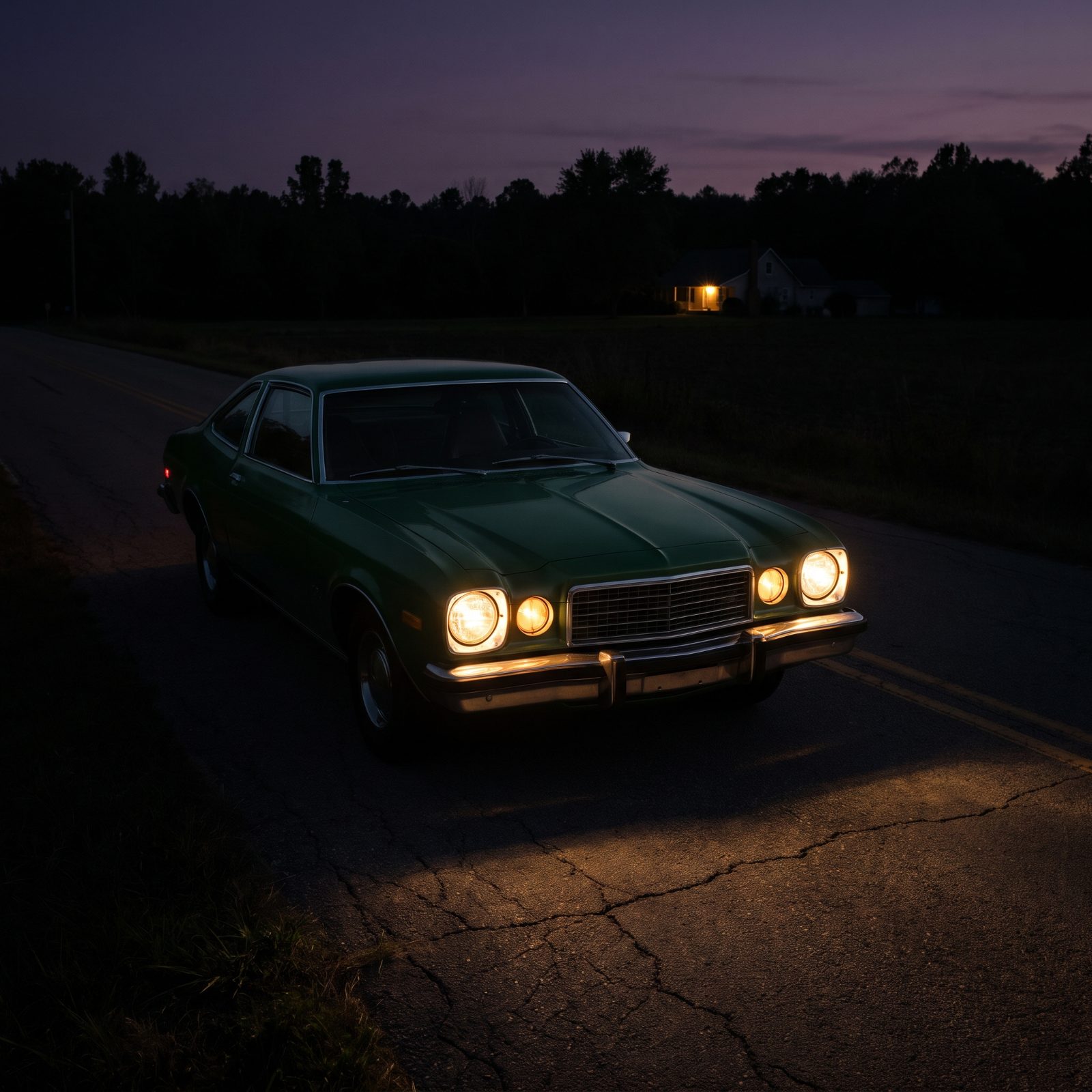
Sealed-beam headlights were basically one giant light bulb per side, filament and reflector and glass fused into a single sealed unit. When one died, you didn’t swap a bulb. You bought the whole lamp, popped the chrome ring, and dropped a new round sealed beam into the bucket.
They glowed a warm, friendly yellow, and they lit about as far as a flashlight thrown underhand. On a dark county road with no moon, you outran your own headlights at anything past forty, trusting the shoulder markers and your memory of the curve ahead. A deer stepping out past the beam’s edge was pure luck, good or bad.
People remember them fondly anyway. There’s something about that amber pool on the asphalt, a cone of light that felt like the whole world had shrunk down to what you could see. Was it dangerous? A little. Did it make every night drive feel like an adventure? That too.
4. Fuel Lines That Were One Chafe Away From a Fire
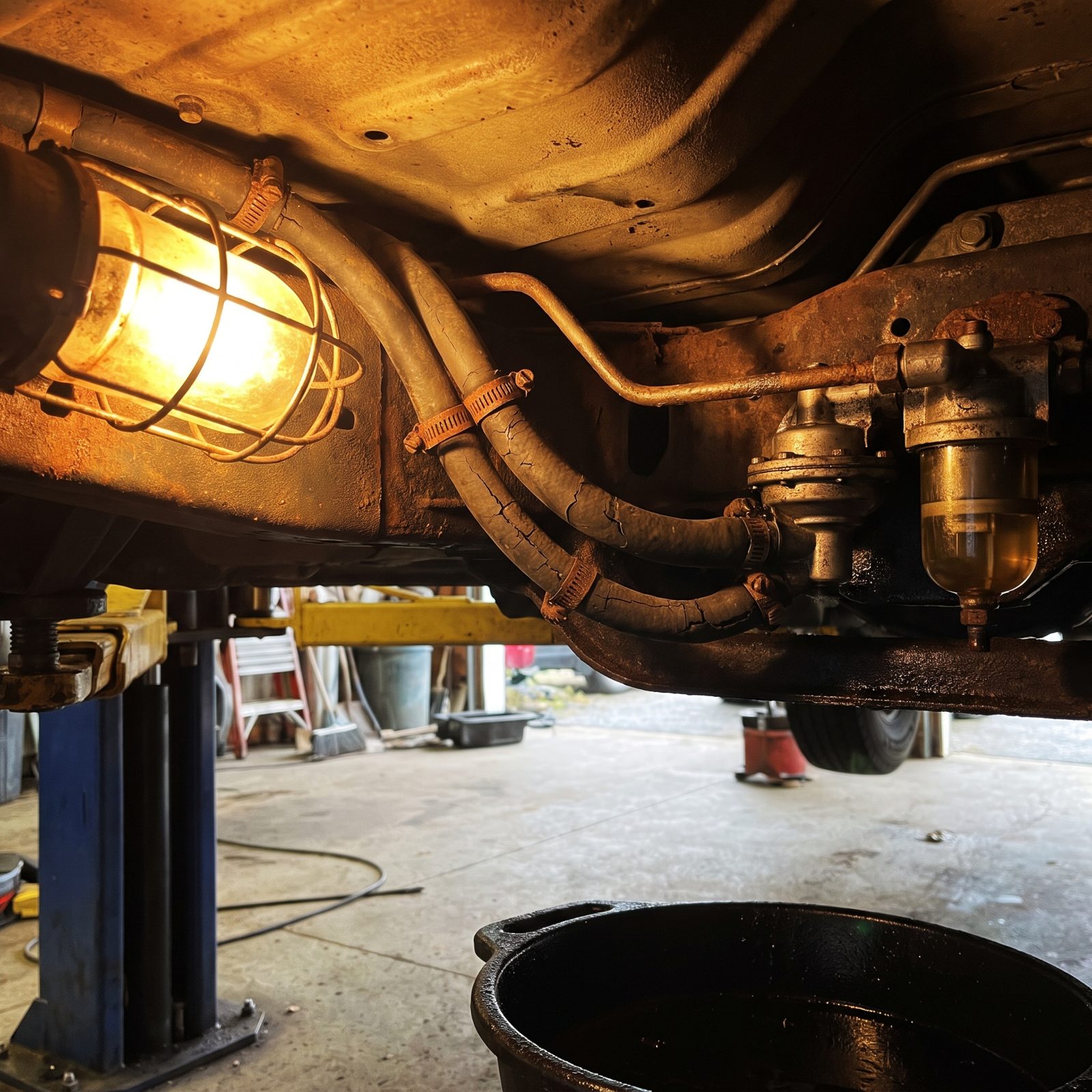
Crawl under an old car and follow the fuel line from the tank forward, and you’ll find a story that should give you pause. Rubber hose sections, spring clamps that had maybe lost their spring, a steel line running inches from a hot exhaust manifold. Decades of heat cycles baked that rubber until it cracked like an old boot.
One good chafe against a frame rail, one split in a brittle hose, and gasoline could find an ignition source in a hurry. It happened more than anyone liked to admit.
What’s funny is how routine the fix was. You’d spot a weeping hose during an oil change, cut a fresh length off the roll, tighten two clamps, and call it an afternoon. No codes, no modules, no sealed quick-connect fittings — just you, a drop light, and a pocket knife, keeping a small fire from becoming a big one.
3. Brakes With No ABS, Just Your Right Foot and a Prayer
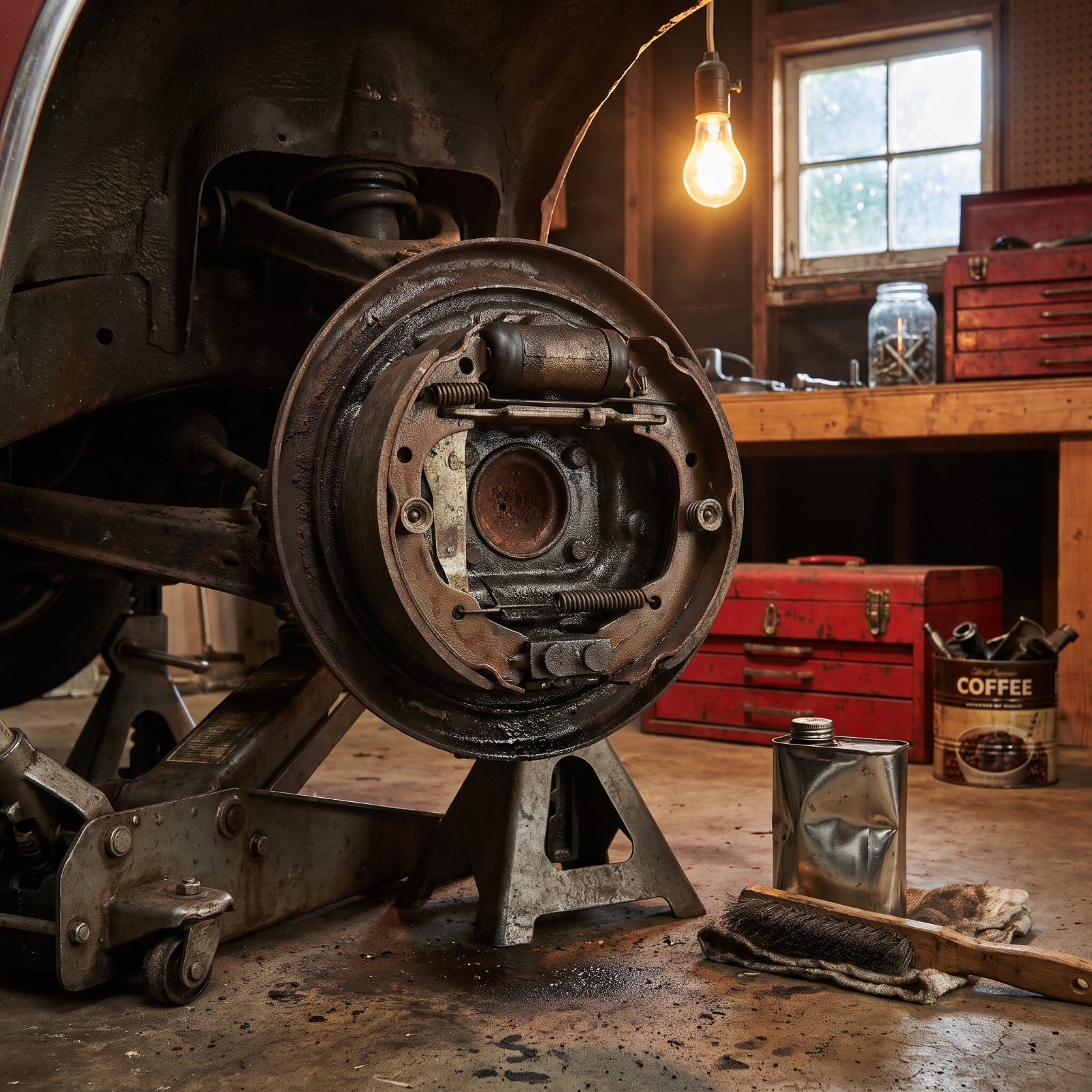
No anti-lock brakes. No electronic stability control. No little computer deciding which wheel got how much braking force a hundred times a second. In a hard stop on wet pavement, you had your right foot and whatever judgment you’d built up over years of driving.
Stomp the pedal in the rain and all four wheels could lock, turning your tires into skis and your steering wheel into a useless hoop. The trick drivers taught each other was to pump — ease off, press again, feel for the edge where the tires still gripped. Old-timers got good at it. Everybody else learned the hard way.
And the drum brakes behind it all were gloriously simple. Pull the drum, there’s your shoes and springs and a wheel cylinder, all laid out plain. You could rebuild the whole corner on a Saturday with a floor jack and a coffee can of parts. Stopping was a conversation between your foot and the road, nobody mediating, and you paid attention because of it.
2. The Bare Spinning Fan With No Shroud and No Mercy
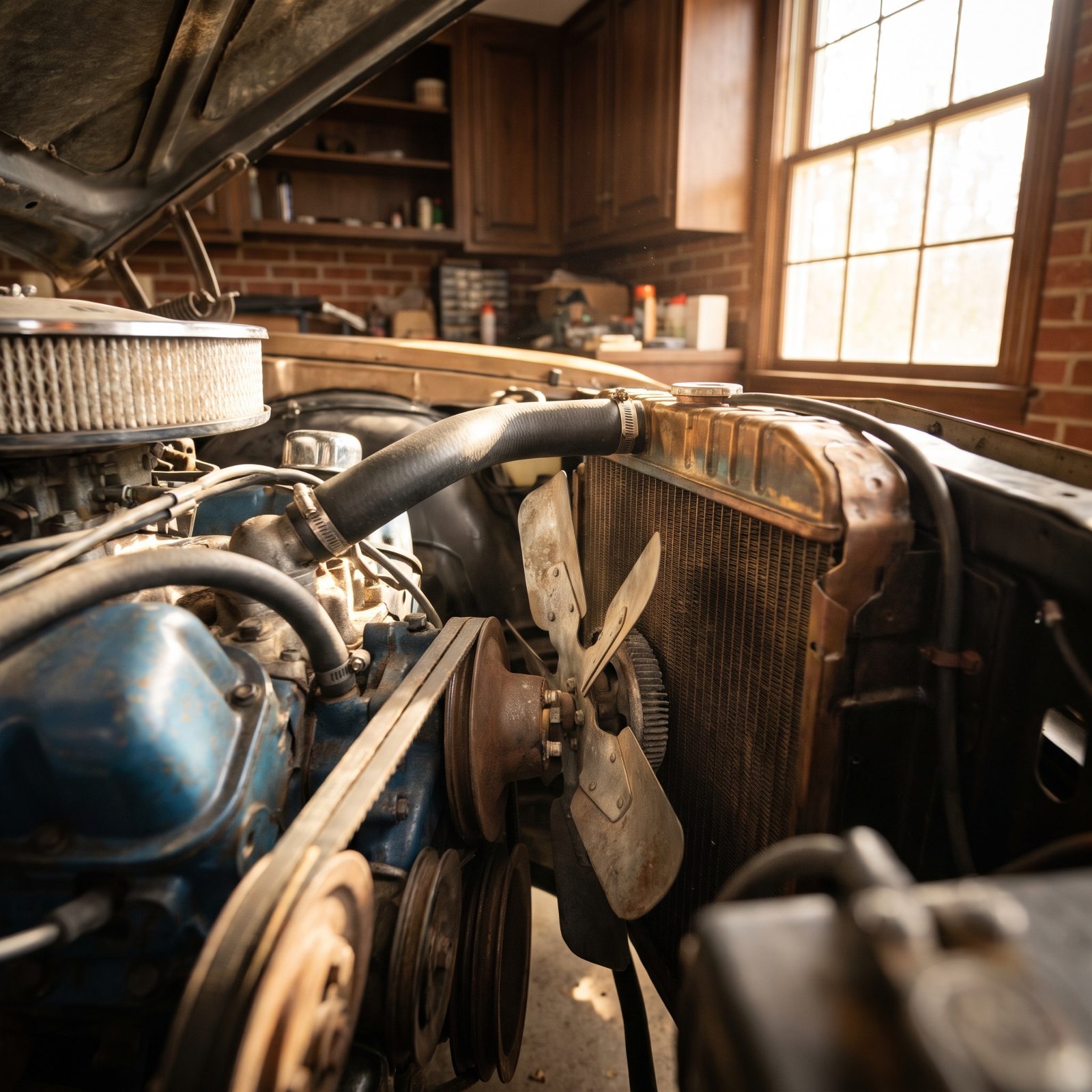
Pop the hood on a running V8 and there it was — a bare steel fan bolted straight to the water pump, spinning hard, no shroud, no guard, nothing between those blades and your fingers but good sense and fast reflexes.
Every mechanic of a certain age has a story about a wristwatch, a shop rag, or a screwdriver that got snatched out of the engine bay and flung across the garage. Drop a wrench near a hot idling motor and you’d watch it get batted off the far wall like a line drive. The fan didn’t care.
These days a fan is an electric unit, shrouded and fused and tucked out of reach, kicking on only when the coolant says so. Back then it ran whenever the engine ran, screaming for horsepower at highway speed when you least needed the drag. It cooled the motor and it demanded respect, and the two jobs were never really separate.
1. Tires You Checked by Kicking Them and Hoping
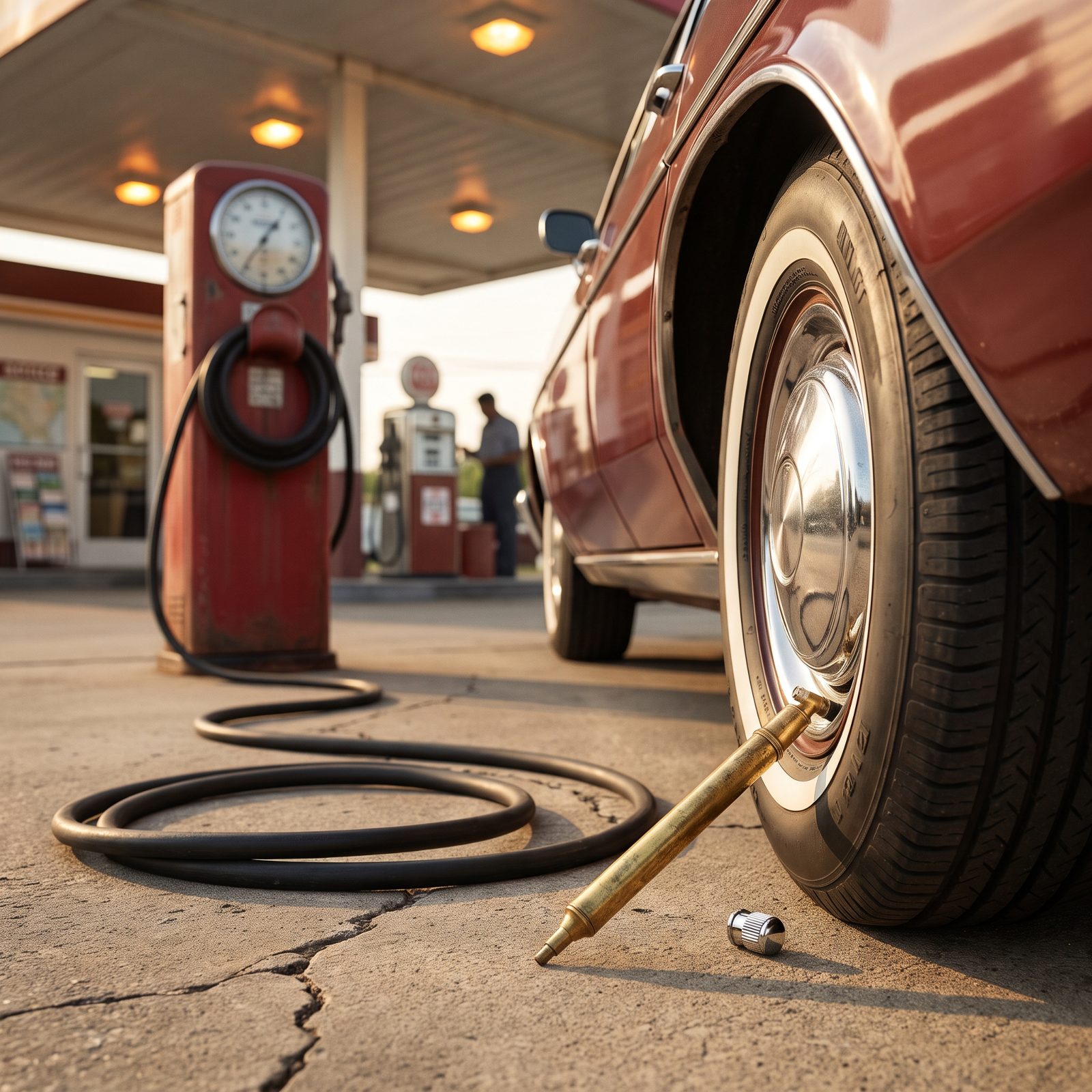
There was no little light on the dash telling you a tire was low. There was your eye, maybe a boot to the sidewall, and a brass pencil gauge rattling around in the glovebox if you were the conscientious type. Most folks weren’t.
Tire pressure monitoring didn’t come standard until decades later, so a slow leak stayed invisible until the car started pulling or the tread wore funny on one edge. People drove on soft tires for weeks, burning extra gas and cooking the rubber, never the wiser. A blowout at highway speed was the price of not paying attention, and plenty paid it.
The ritual, when you bothered, had its own charm. Pull up to the service island, step over that black air hose looped on the concrete, unscrew the chrome valve cap, and press the brass gauge onto the stem to check each tire against spec. Crude? You bet. But there was satisfaction in doing it by hand, hearing the hiss, thumbing the gauge, and knowing you’d checked it right yourself.