
Would you like to save this?
The guy at the lot slides his hand along the hood of a half-ton and goes quiet. Not reading the window sticker. Not checking the gross vehicle weight. Just looking, the way you look at something you’ve already decided to love and haven’t admitted yet.
Please note that some of the images in this article were created with the assistance of AI.
That moment never changed, even though the brand on the tailgate did, and the price climbed through the roof. But the wiring under the hood of the person buying stayed right where it sat in 1972. We fall for a face, we trust the family name, we let a test drive tear up a spreadsheet that took three evenings to build. The same machinery that picks a truck picks a partner. And both of them have to start every cold Monday morning whether you feel like it or not. Here’s where the two overlap, and why you’ll laugh when you catch yourself in it.
18. You Judge the Grille Before You Check the Payload
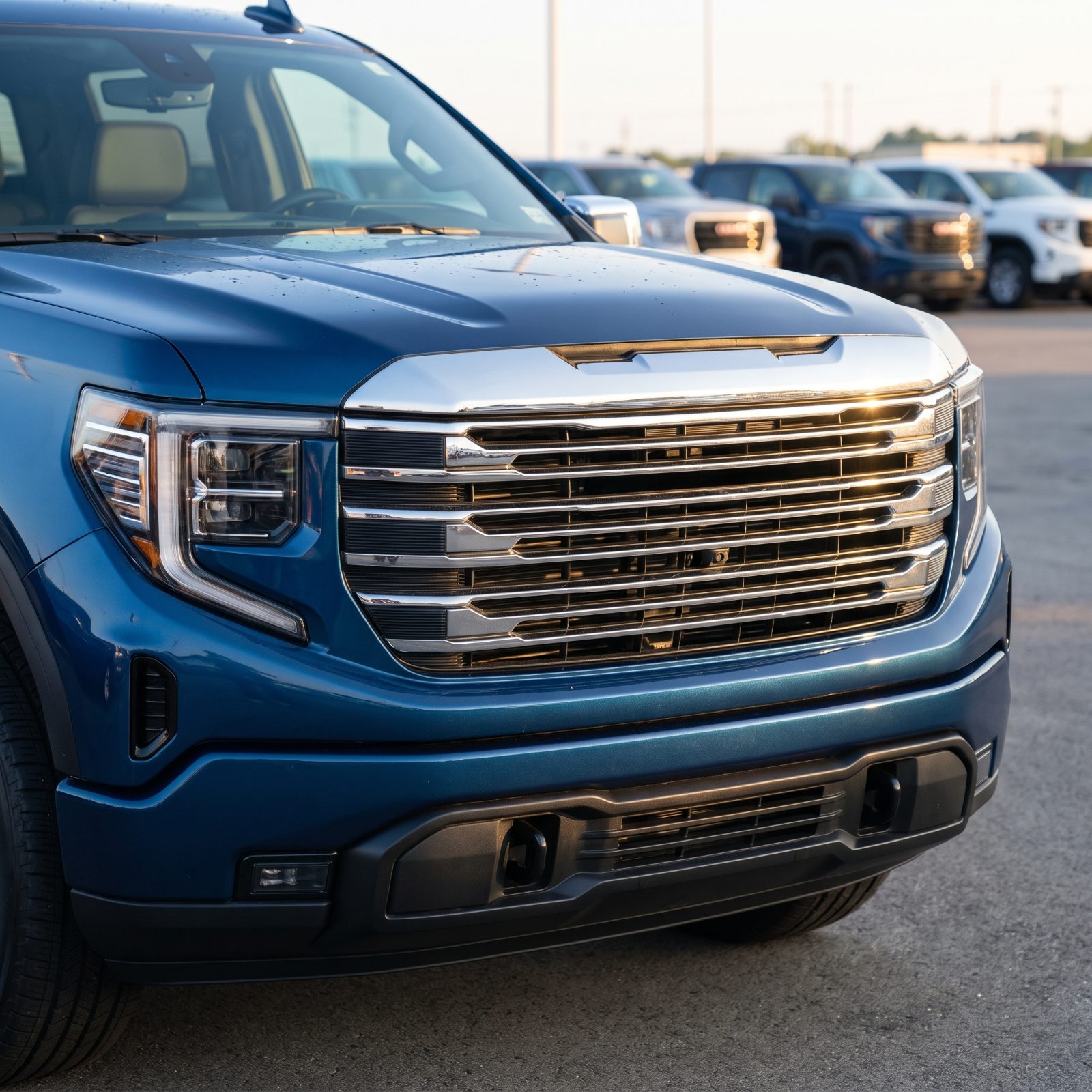
Watch anyone walk up to a truck on the lot. They don’t drop to a knee and read the payload rating stamped inside the door. They stand back and take in the face — the grille, the stance, the way the headlights sit. Attraction happens in about a second and a half, long before a single number enters the room.
Same thing across a crowded party. The handshake, the smile, the way someone carries themselves. We size up the surface and build a whole story on it, then go hunting for facts that agree with the story we already wrote. Psychologists call it the halo effect. One good first impression, usually looks, bleeds into everything else, and suddenly we assume the handsome one is also honest and capable and easy to live with.
The grille tells you nothing about how the thing tows a loaded trailer up a grade in July. But it got your wallet open, and that’s its whole job.
17. The Badge You Grew Up With Feels Safer
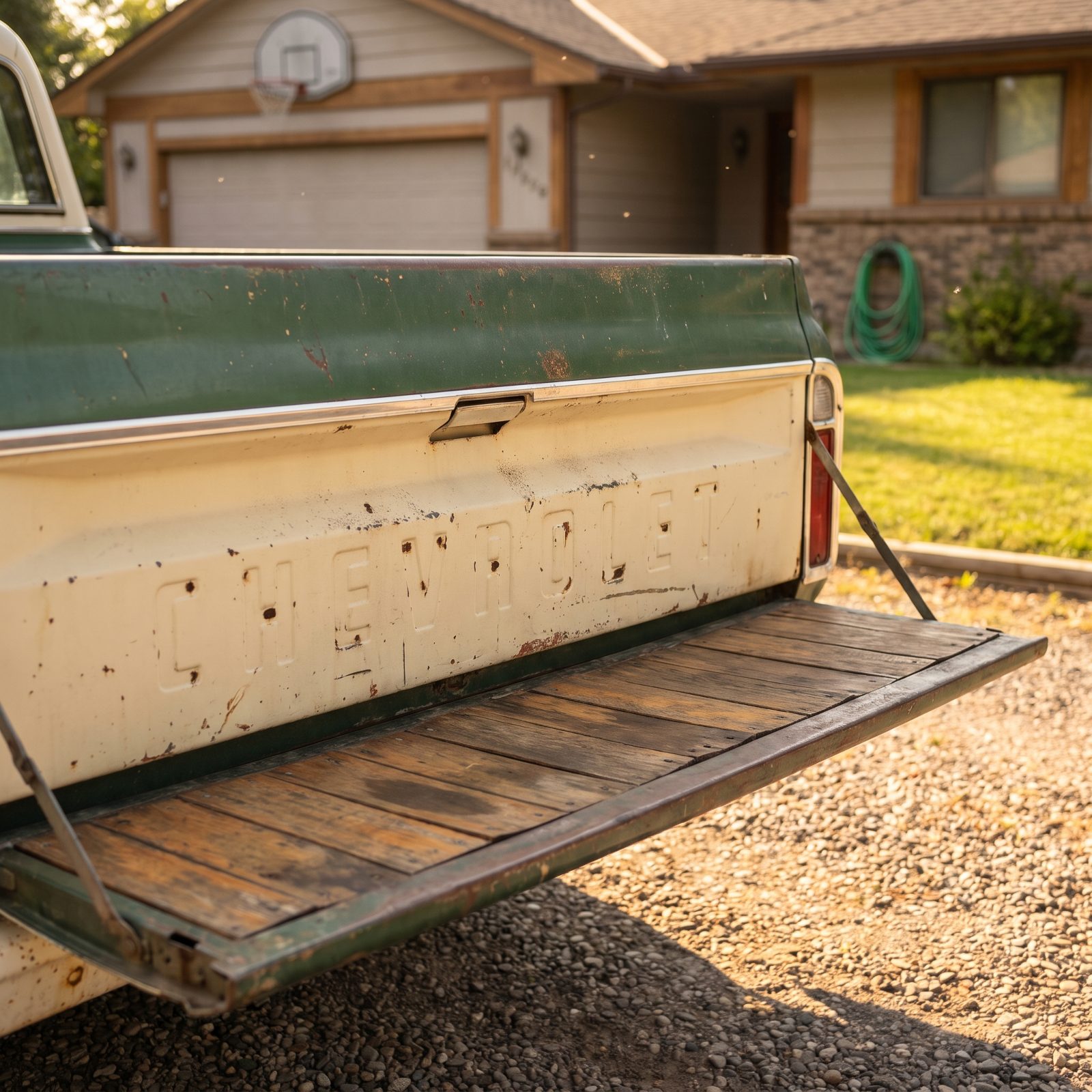
There’s a reason some folks will only ever drive one brand. Dad drove it. Granddad drove it. The first truck that ever hauled your dirt bike to the trailhead wore that same badge, and arguing someone out of it is like arguing them out of their last name.
We do the identical thing with the kind of person we marry. We reach for familiar — the accent that sounds like home, the sense of humor that matches the dinner table we grew up at, the values we absorbed before we could even spell them. Familiarity reads as safety to the oldest part of the brain, which never fully believes the devil you know is a devil at all.
Here’s the catch. Loyalty to the badge can keep you from noticing the brand across the aisle quietly got better. Comfort is not the same as the right fit. It just feels like it, right up until the warranty runs out.
16. Your Friends’ Truck Opinions Get a Vote Anyway
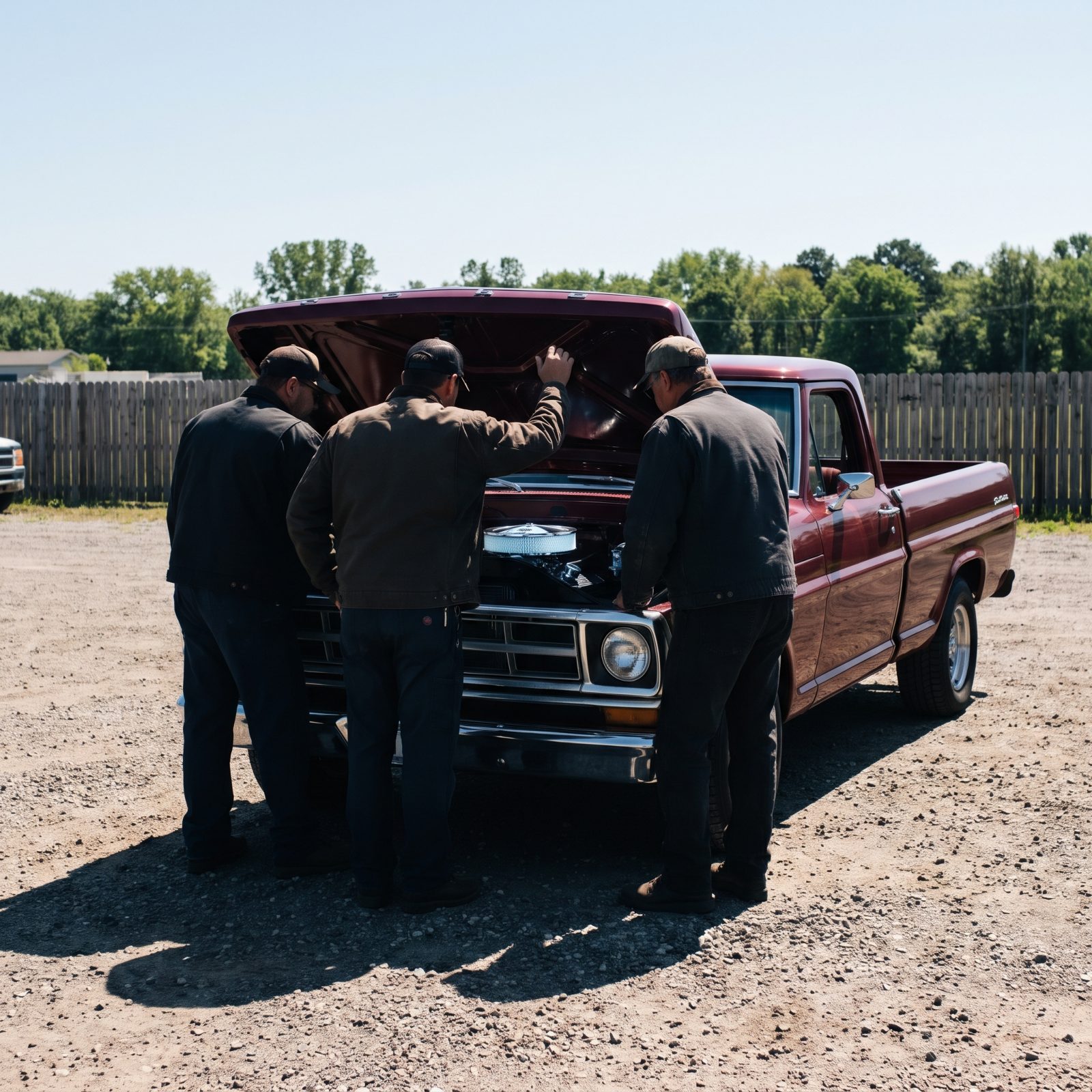
Nobody asked, but everybody’s got a verdict. You pull into the driveway with a new truck and before the engine cools there’s a neighbor telling you his brother-in-law had one of those and the transmission went at eighty thousand. Suddenly a decision you sweated over for weeks feels wobbly, undone by a story about a guy you’ve never met.
That same crowd weighs in on who you’re dating. The approving nod at Thanksgiving, the raised eyebrow from your oldest buddy, the sister who “just has a feeling.” We like to think we choose a partner privately. We don’t. We choose with a committee rattling around in our heads.
That committee is social proof doing its work. When we’re unsure, we borrow confidence from the group, because for most of human history being cast out was more dangerous than being wrong. The tribe’s opinion still carries weight it rarely deserves. A loud buddy with one bad truck story should not outrank your own test drive — but he gets a seat at the table anyway.
15. The Test Drive Can Overrule Your Entire Spreadsheet
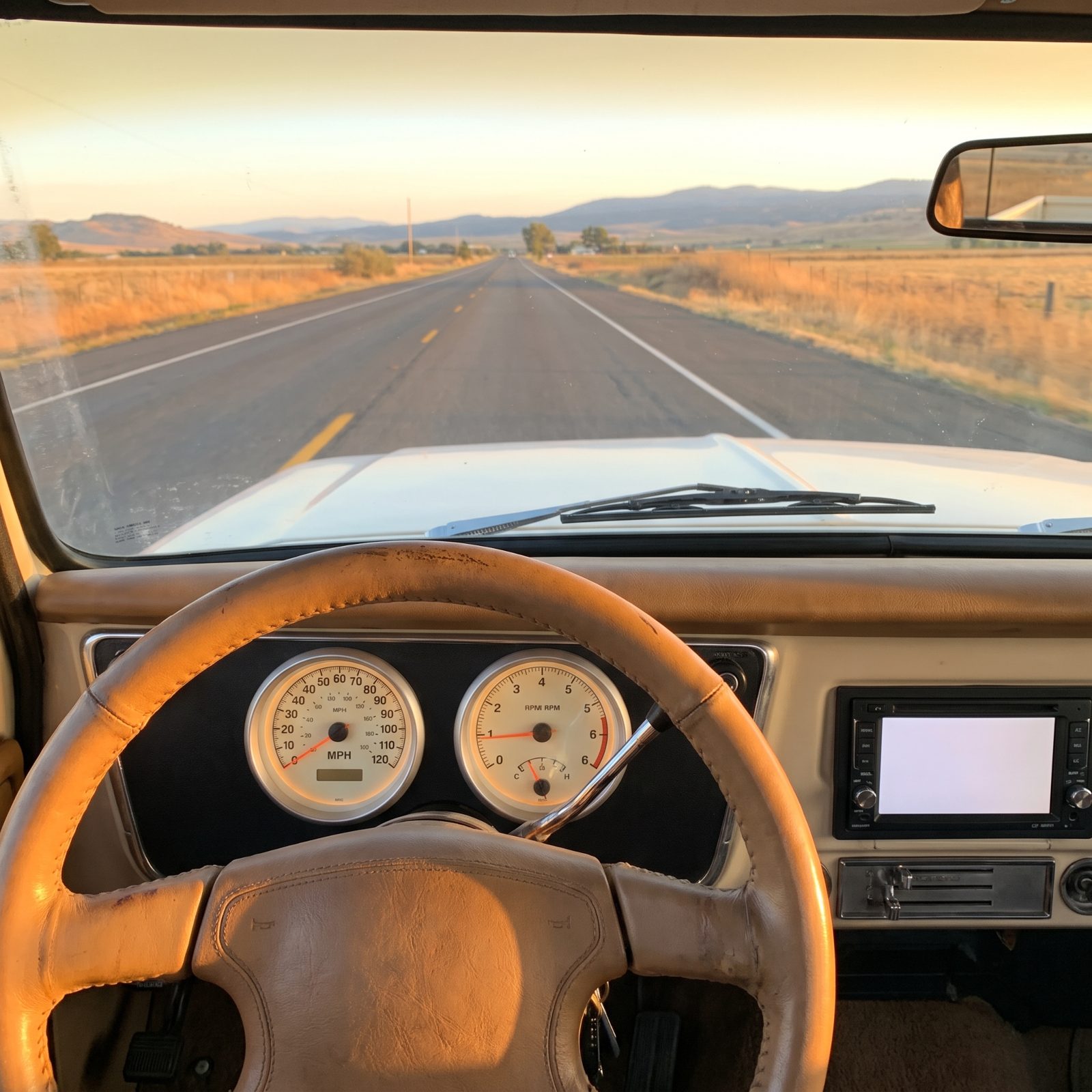
You did the homework. Columns of fuel economy, bed length, reliability scores, resale value, all ranked and color-coded, and one truck clearly won on paper. Then you drove the other one, felt how it settled into the road and how the throttle answered, and the spreadsheet went in the glovebox to die.
Anybody who ever planned to marry sensible knows this feeling. There’s the one who checks every box on the list, and there’s the one who makes your stomach drop when they walk in. The gut nearly always wins that fight.
Behavioral folks call it the affect heuristic. When something feels good, we quietly lower our estimate of its risks and raise our estimate of its benefits, no math required. The emotion does the deciding, then recruits logic afterward to write the press release. Plenty of buyers have abandoned weeks of research in fifteen minutes behind the wheel. Most of us have been that buyer.
14. You Say Practical, Then Price the Giant Tires
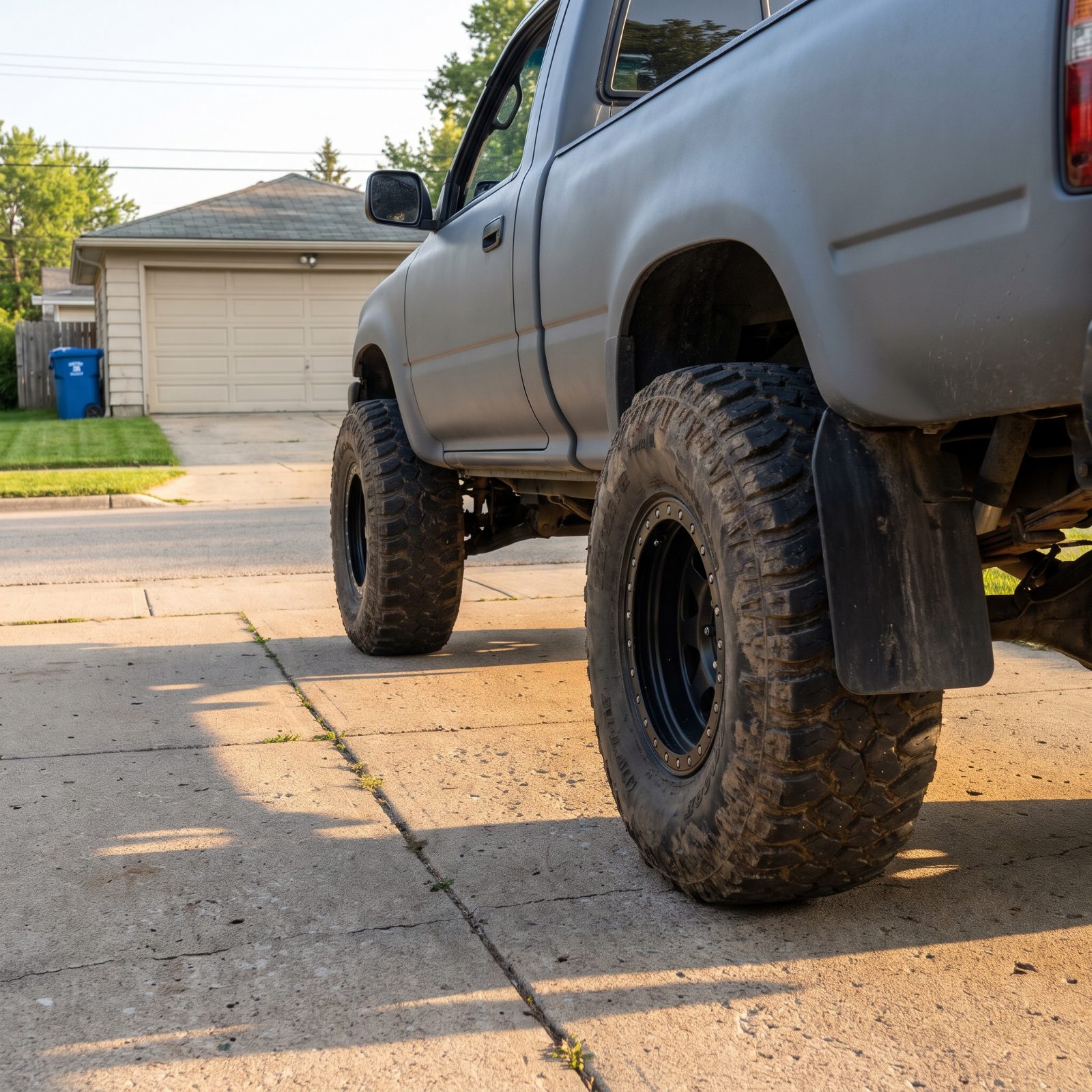
The pitch to your spouse was that you need a truck for hauling mulch and towing the little trailer. Reasonable. Responsible. Then it’s eleven at night and you’re on the configurator pricing thirty-five-inch tires, a lift kit, and a light bar that could signal passing ships.
That same gap between the practical story and the real want shows up in dating. People announce they want someone stable, kind, low drama, then keep choosing the one who’s a little dangerous and a lot of fun. The stated preference and the revealed preference live in different zip codes.
We tell ourselves the practical version because it’s socially acceptable and easier to defend. The actual want is for the thing that excites us. Economists spot this everywhere: don’t listen to what people say they’ll choose, watch what they actually buy. The mulch was never the point. The mulch was the permission slip.
13. You Buy Towing Capacity for a Future Camper
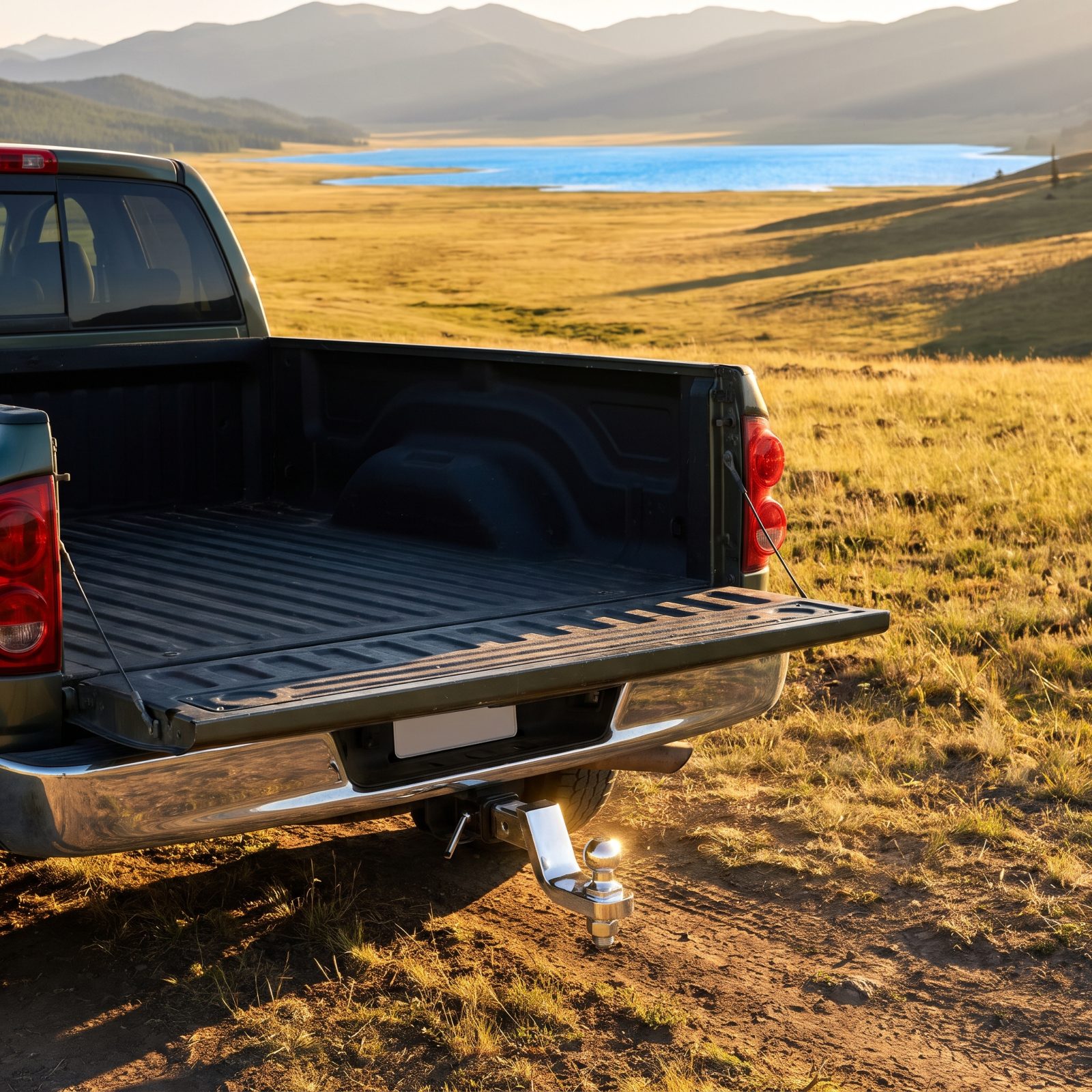
You bought the heavy-duty tow package. Maxed out the capacity, paid for the beefier axle, the engine upgrade, the works — all for the camper you’re definitely going to get. Someday. The one you’ve never actually shopped for.
People choose partners the same way, lining up behind who someone could become instead of who’s standing right there. The fixer-upper romance. We marry the potential and spend years waiting on a renovation the other person never signed off on.
That’s projection bias at work. We overestimate how much the future will match the fantasy we’re having right now, and we pay real money today for a tomorrow we’ve only imagined. The capacity you’ll never use feels like foresight. Mostly it’s a story about the life you wish you were living, bolted onto a truck. The camper rarely shows. The bigger payment always does.
12. You Forgive a Cramped Back Seat for Better Towing
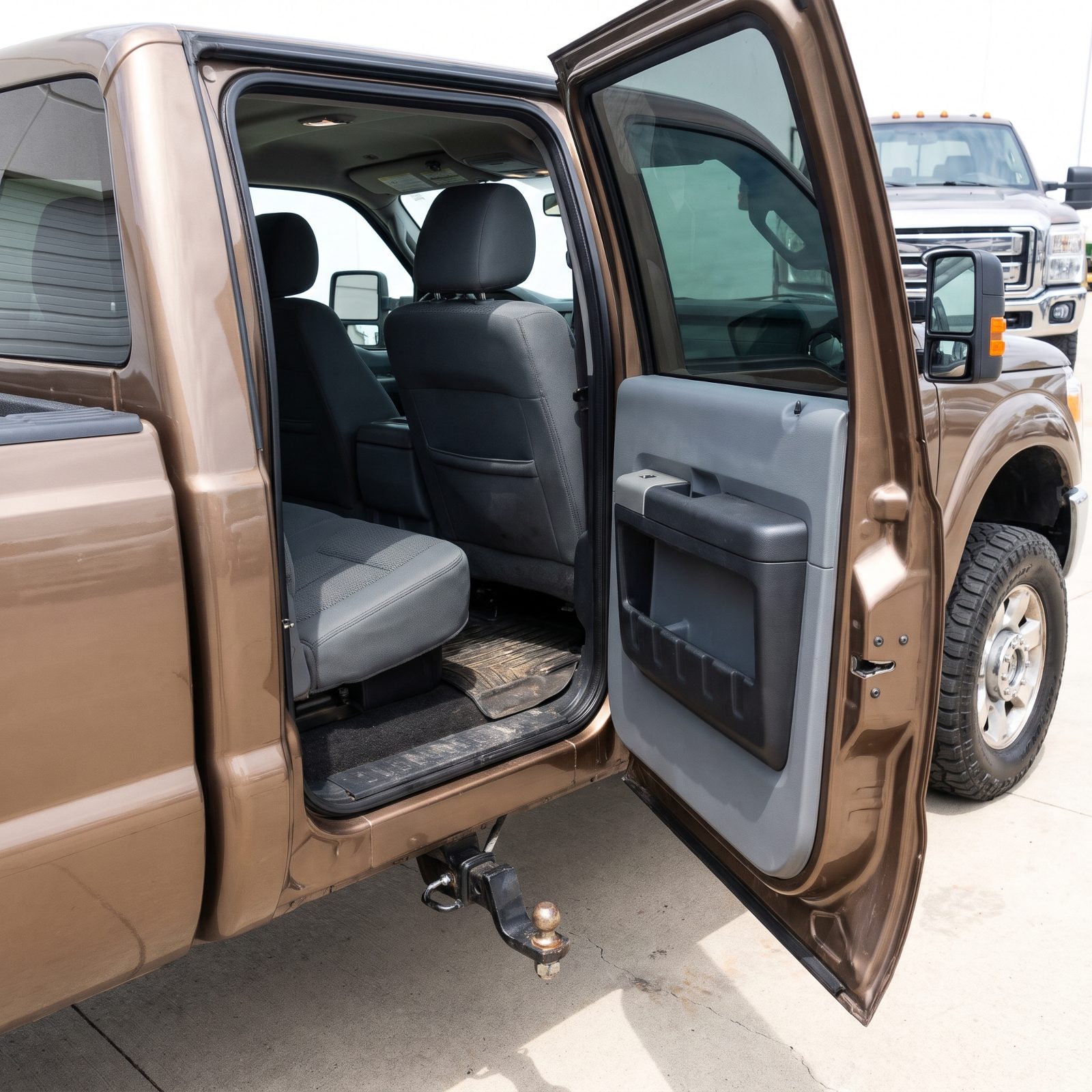
The back seat is tight, and your tall kids will complain on every road trip — you know it going in. But this one tows a thousand pounds more than the roomier option, so you shrug and sign. You decided the thing you value most, and the rest got demoted to acceptable.
A good marriage runs on that same quiet trade. Nobody checks every box. You pick the two or three qualities you can’t live without, kindness or steadiness or a sense of humor, and you make real peace with the flaws you can tolerate. The snoring. The terrible taste in movies. The chronic lateness.
The folks who stay happy aren’t the ones who found a flawless fit. They’re the ones who chose their deal-breakers on purpose and refused to let a cramped back seat cancel the whole truck. Accepting the trade-off up front beats pretending there won’t be one.
11. One Bad Reliability Story Can Kill the Spark
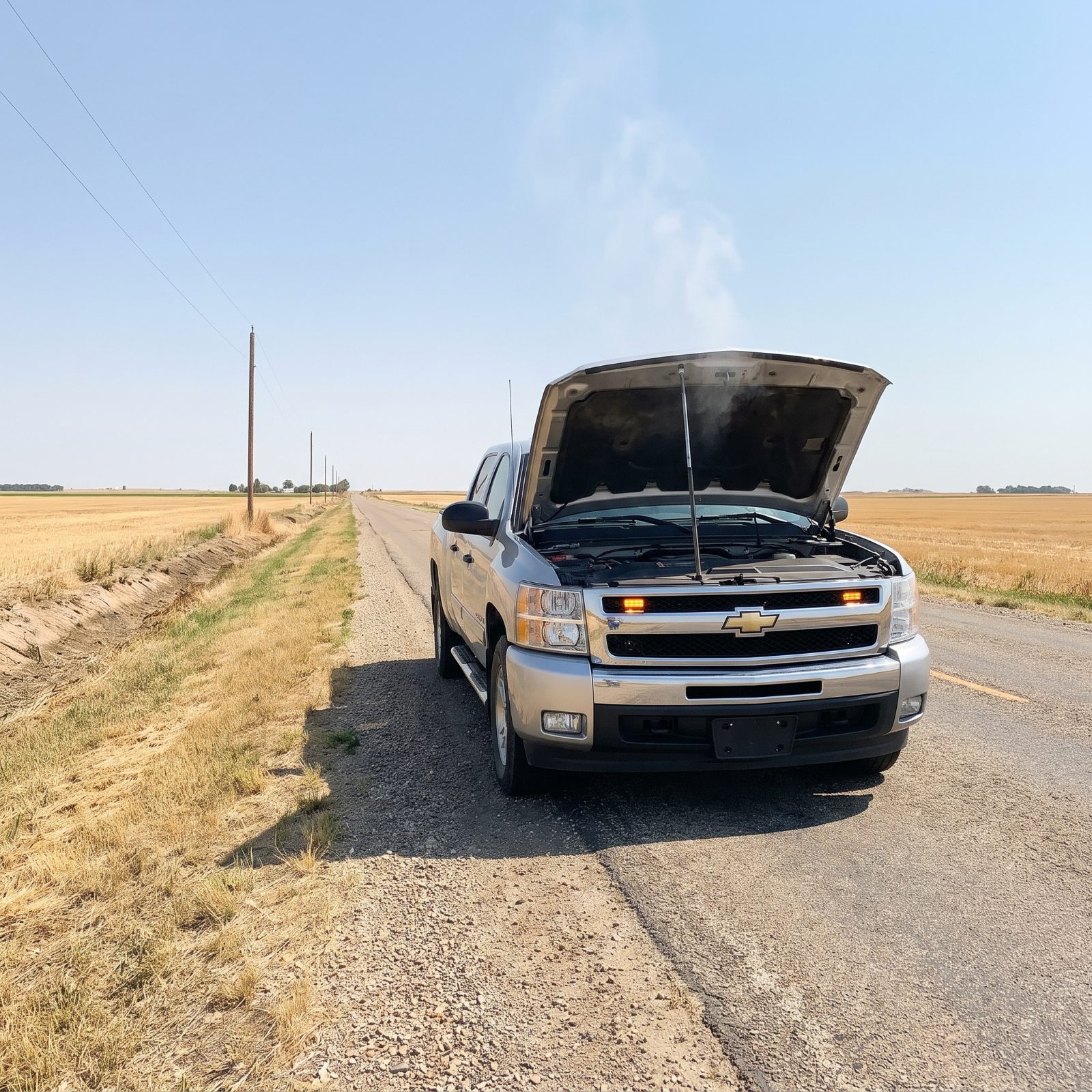
It only takes one story. You’re sold on a truck, ready to buy, and then somebody tells you their cousin’s same model ate two transmissions before a hundred thousand miles. Doesn’t matter that thousands of other owners had zero trouble. That one horror story sticks like tar, and the spark is gone.
Hearts work that way too. One tale of betrayal, one friend burned badly, and suddenly a perfectly decent prospect gets viewed through a crack of suspicion they never earned.
Negativity bias is why. Bad news lands harder and lasts longer than good, because for our ancestors missing a threat was fatal and missing a treat was just disappointing. We’re built to weigh the one disaster over the thousand smooth miles. Rotten deal for the truck. Rotten deal for the person standing in front of you, too.
10. You Check the Maintenance Record for Past Trouble
Would you like to save this?
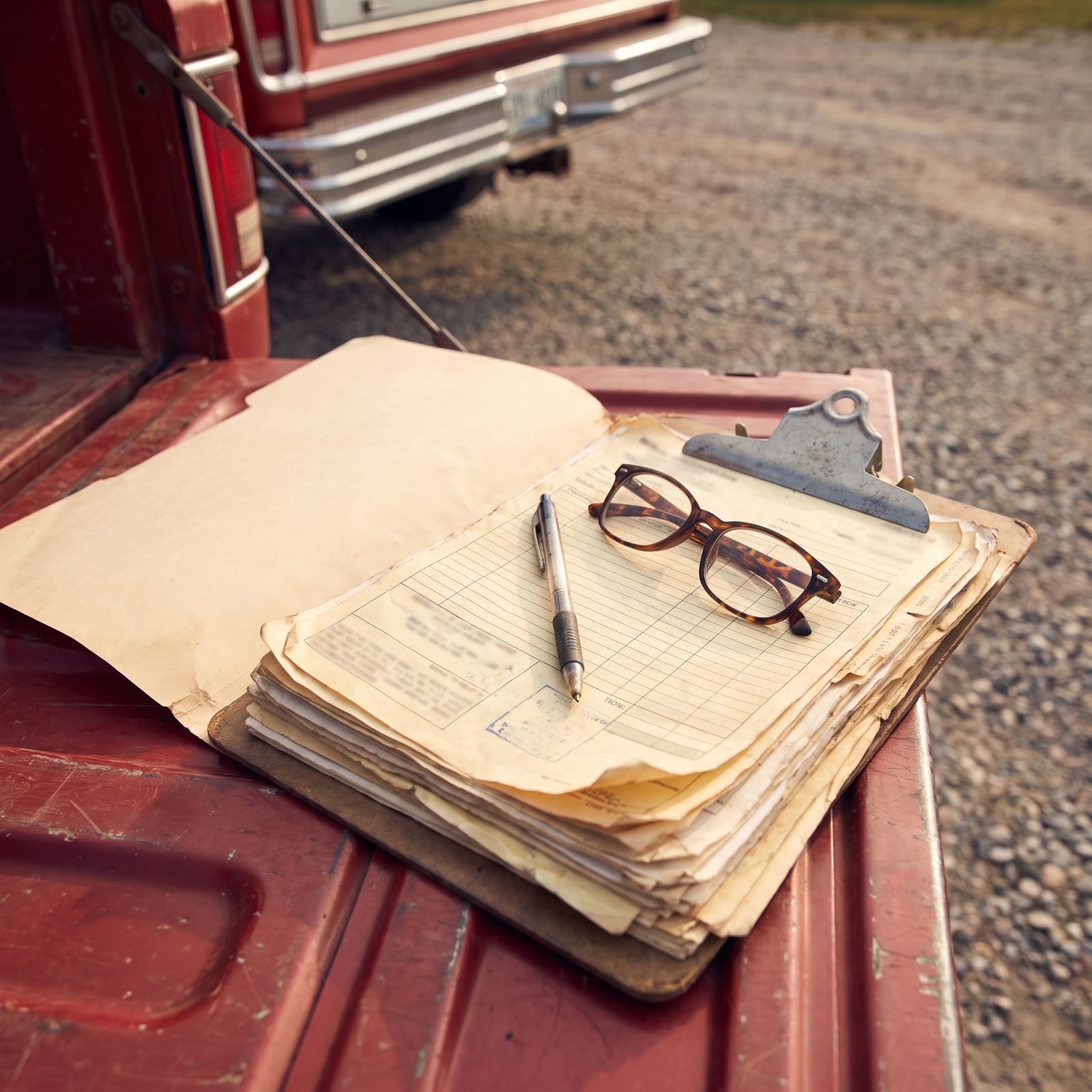
Buying used, you don’t just kick the tires — you want the paperwork. Oil changes, the timing belt, any accident on the history report, that one repair bill that hints the previous owner ran it hard and skipped the maintenance. The past is the best guide you’ve got to the future.
And nobody dates seriously without running the same quiet audit. How did the last relationship end? Any pattern of walking away when things get hard? We read someone’s history like a service record, looking for the recurring problem that’s going to become our problem.
It’s base-rate thinking, and it’s mostly wise. Past behavior really is the strongest predictor of future behavior, for people and for trucks alike. The trick is telling the difference between a one-time fender bender and a chronic, swept-under-the-rug issue that keeps coming back. One you forgive. The other you walk away from.
9. Dealership Manners Don’t Reveal the Monday Commute
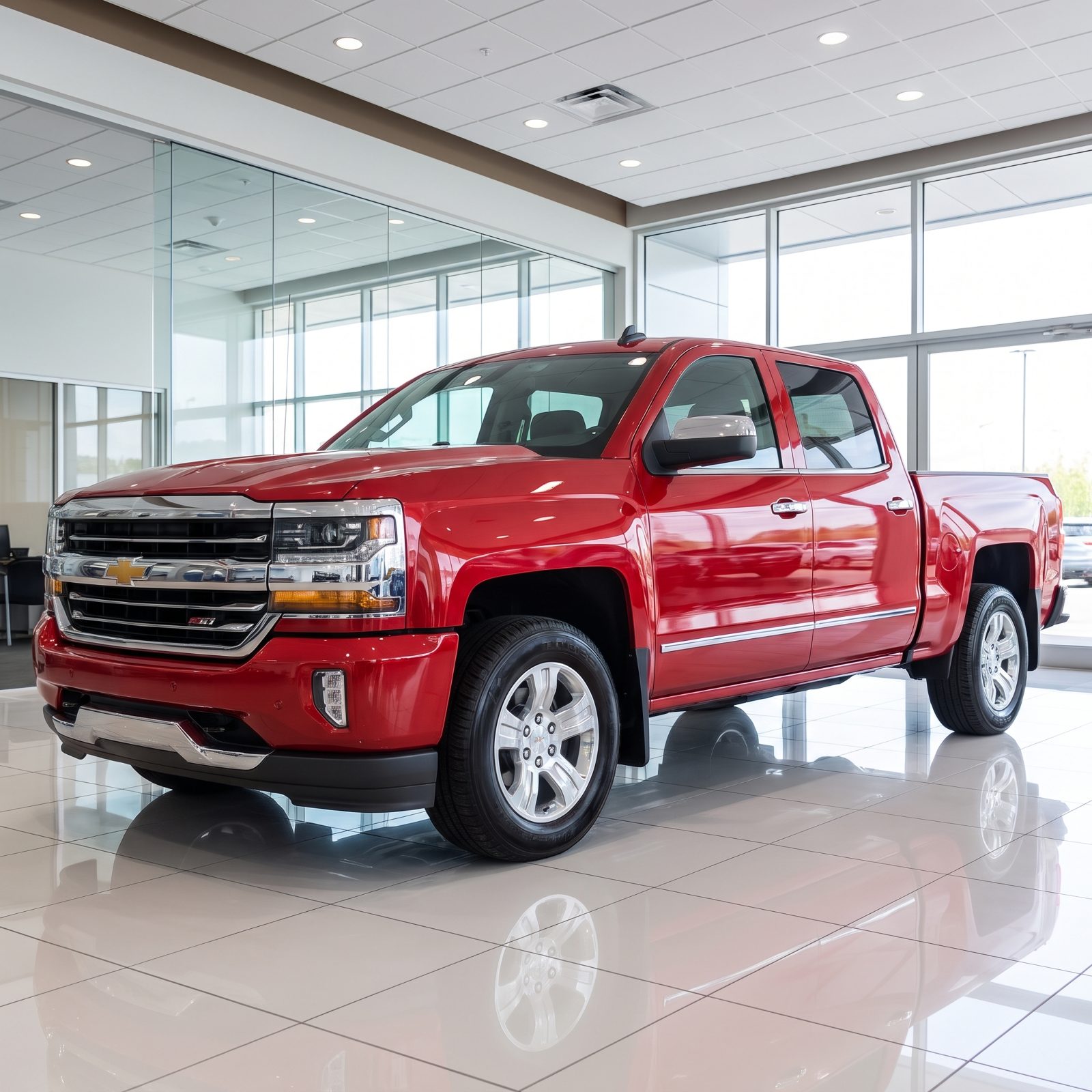
On the lot, everything shines. Waxed to a mirror, cabin smelling of new vinyl, the salesman grinning, the truck idling smooth and quiet. Of course it’s charming — it’s on its best behavior and so is everyone selling it. None of that tells you how it’ll handle a frozen Monday at six a.m. with a dead battery and a load of lumber waiting.
Courtship runs on the exact same polish. Everybody’s funny and generous and attentive while they’re trying to win you. The real information arrives later, when the car won’t start and the sink’s full of dishes and nobody’s performing anymore.
The showroom shows you the sales pitch. The parking lot in January shows you the truth.
We mistake the presentation for the product, in both cases, because the presentation is all the data we have at the moment we decide. The smart move is the same for trucks and for people: discount the sparkle a little, and wait for a cold morning before you commit your life to anything.
8. One Annoying Touchscreen Can Sour Every Daily Errand
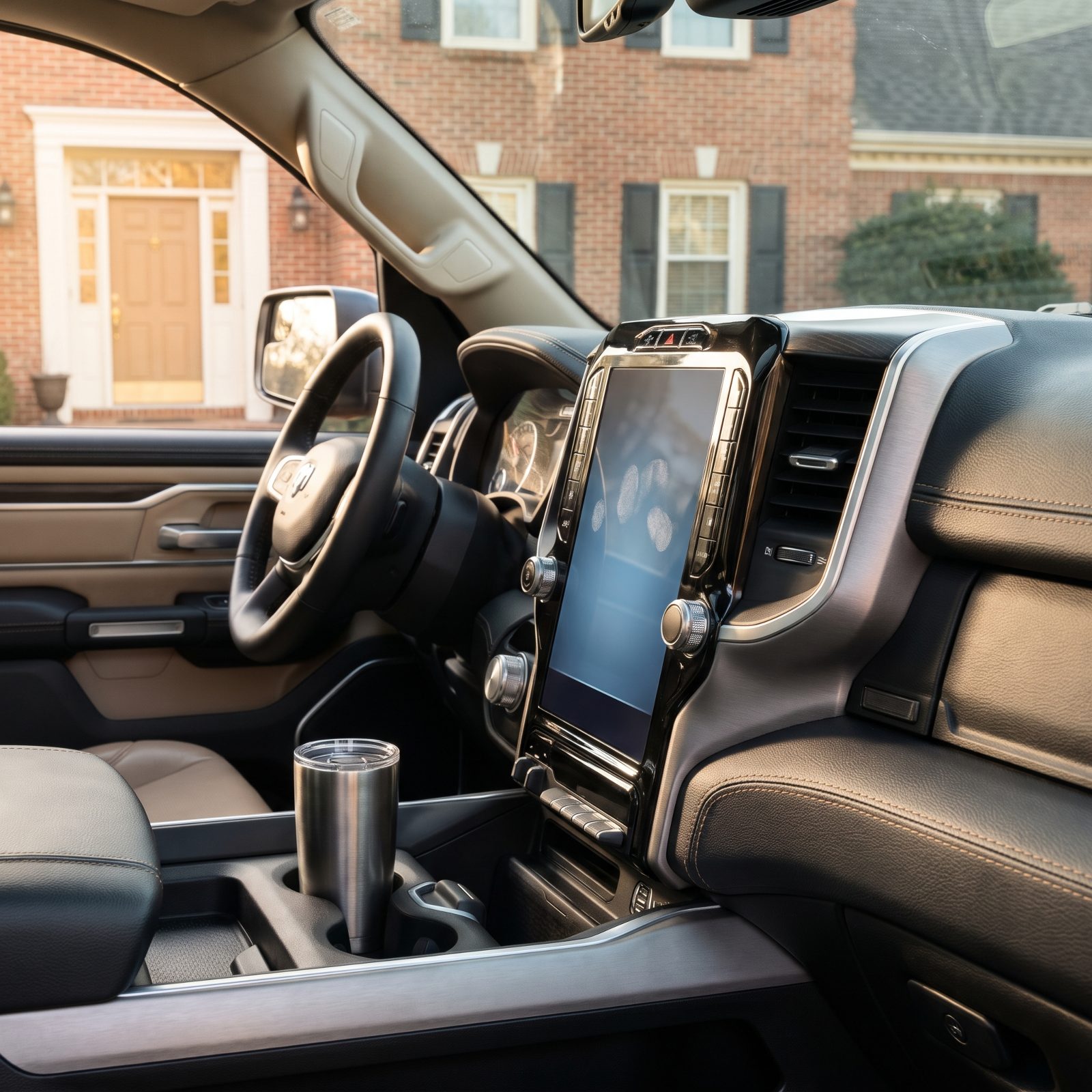
The sales guy demos the big screen like it’s a cathedral. You tap through menus, nod, sign. Then a Tuesday comes. You want heat on your feet, and the fan speed is buried three taps deep behind a laggy animation while the light turns green behind you.
It’s the small stuff that wears you down — the person who checks every box on paper but sighs every time you load the dishwasher wrong. You don’t leave over the big betrayals. You leave over the thousandth little friction.
Physical knobs survived for a reason. You find them with cold hands and your eyes on the road, while a touchscreen makes you look down to do what a button did by feel. Test the daily stuff, not the showroom stuff.
7. After Six Configurators, Every Truck Starts Blurring Together
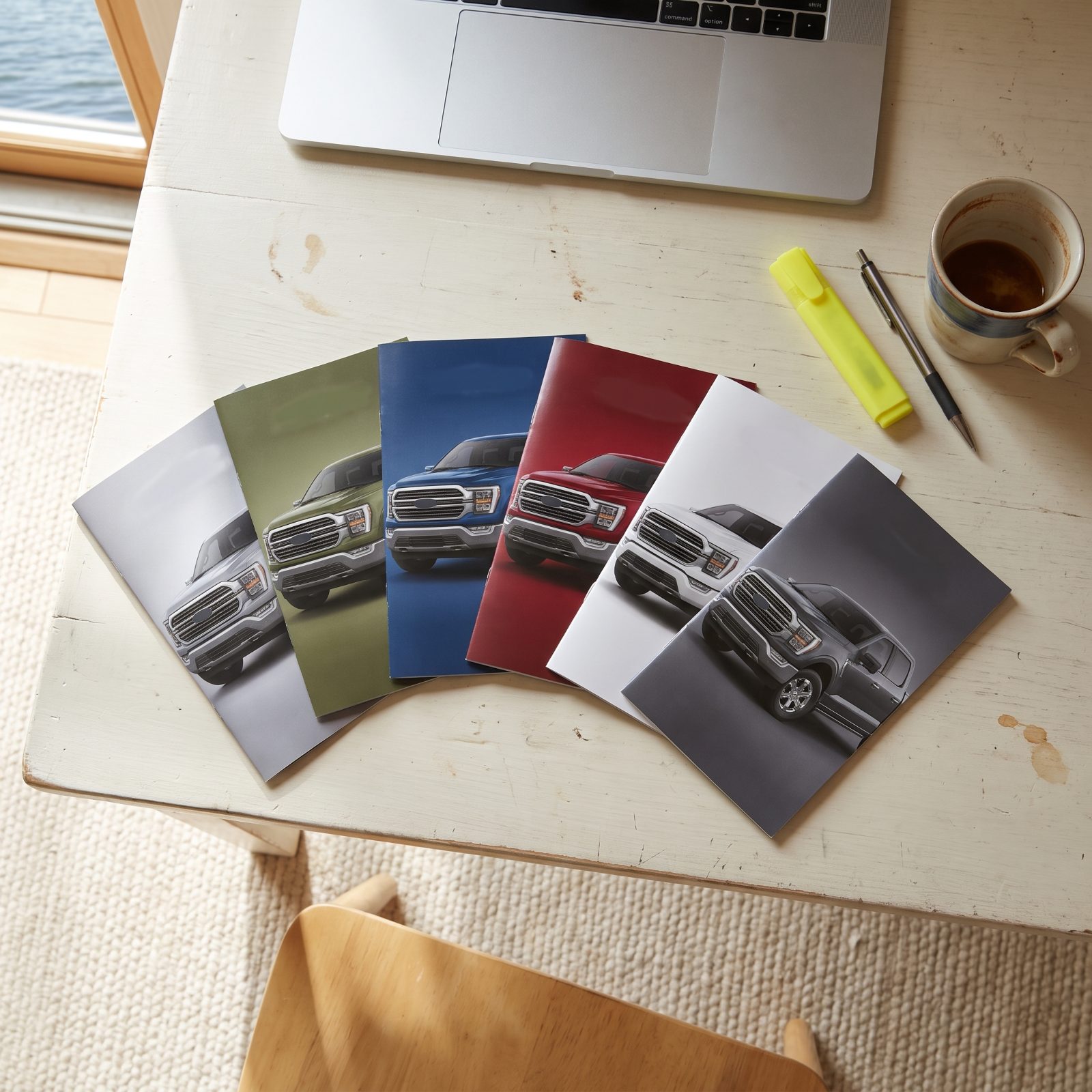
Cab size, bed length, engine, package, wheels, paint. Each configurator is a slot machine with a hundred levers, and by the sixth one the silver and the gray and the storm-cloud blue have melted into a single gray blob in your head. You couldn’t tell them apart in a lineup.
Same thing happens after the fifth dating profile of the night. The brain floods and stops distinguishing. More options should mean a better choice — instead you end up more tired and less sure, and plenty of people just close the laptop and buy nothing.
So narrow it before you shop. Pick three non-negotiables, then ignore everything that doesn’t clear the bar. A short list is a kindness you give your own exhausted brain.
6. You Keep Shopping Because the Perfect Truck Might Exist
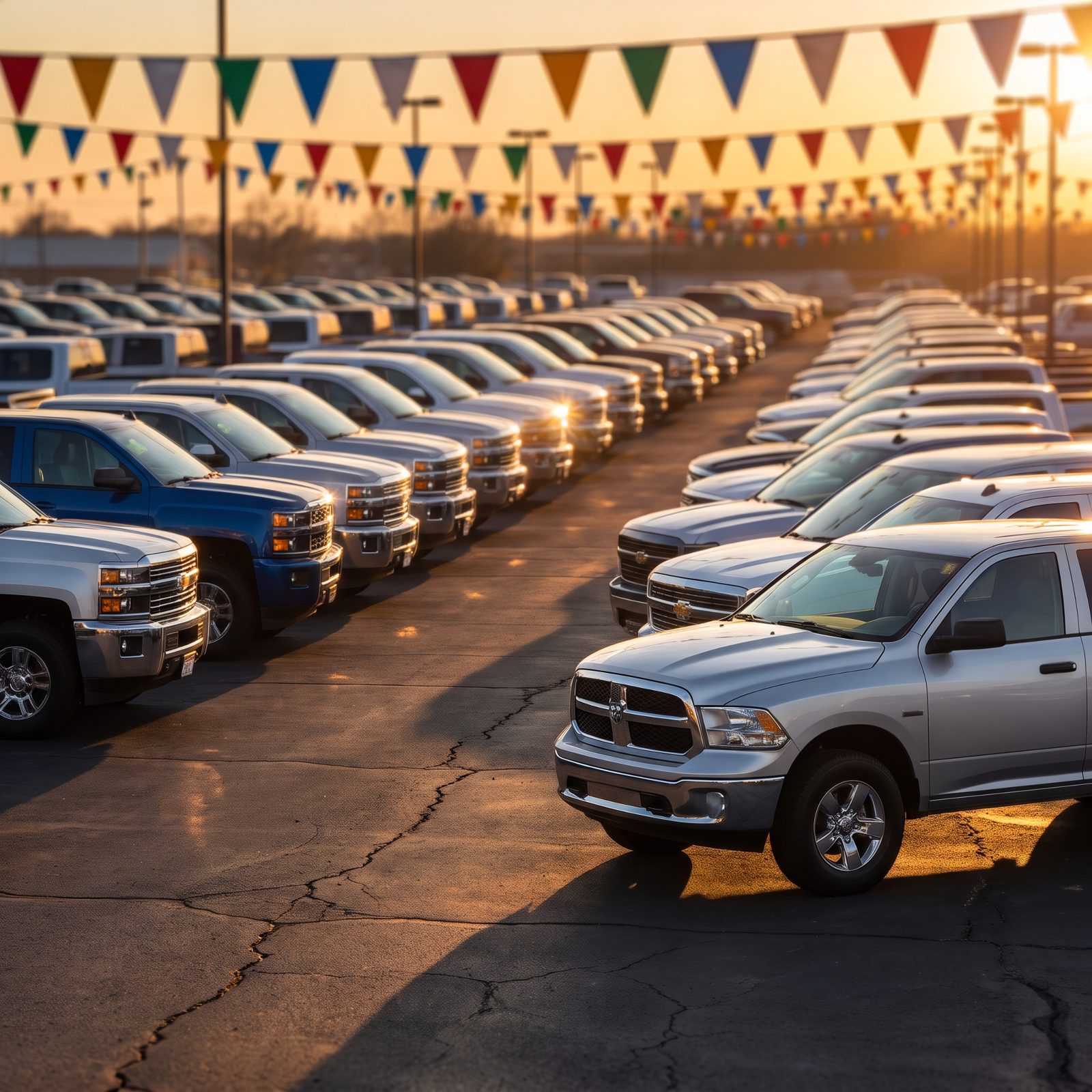
The truck in front of you is good. Towing’s right, price is fair, bed’s the size you need. But you keep one browser tab open to a dealer sixty miles away. Maybe they’ve got the same thing cheaper. Maybe one with the heated wheel. Maybe the one.
This is the itch that keeps good people single for a decade. Settling feels like losing, so you keep looking past a perfectly fine option for a hypothetical better one that may not exist and definitely isn’t sitting on a lot near you.
The perfect truck is the one you’re not driving because you’re busy looking for the perfect truck.
Economists split people into two camps. Maximizers chase the absolute best and end up less happy with whatever they get. Satisficers set a good-enough bar, clear it, and drive off content. The truck doesn’t improve while you hunt — it just gets sold to someone who stopped hunting.
5. Limited Inventory Makes That Color Look Suddenly Perfect
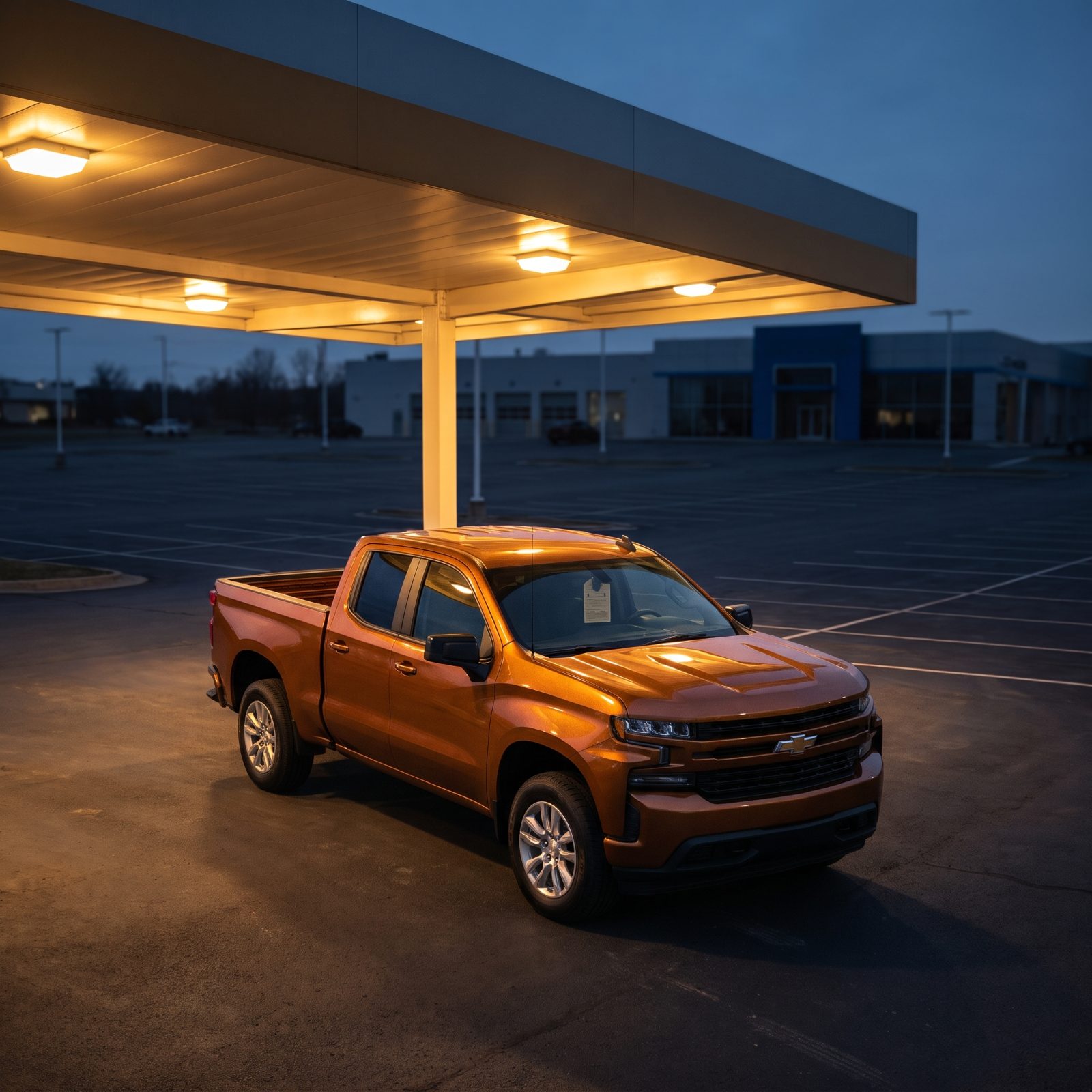
You were lukewarm on the copper paint. Then the salesman mentions it’s the last one in the region and two other folks called about it this morning. Suddenly copper is the only color you ever wanted. Funny how that works.
Scarcity rewires desire. A person you were ambivalent about turns magnetic the second someone else shows interest. We want what we might not be able to have, and the clock does half the convincing for us.
Ask yourself one clean question. If three identical ones sat on the lot with no clock running, would you still want it today? If the honest answer is no, it was never the truck. It was the panic.
4. A Big Rebate Can Make the Wrong Truck Tempting
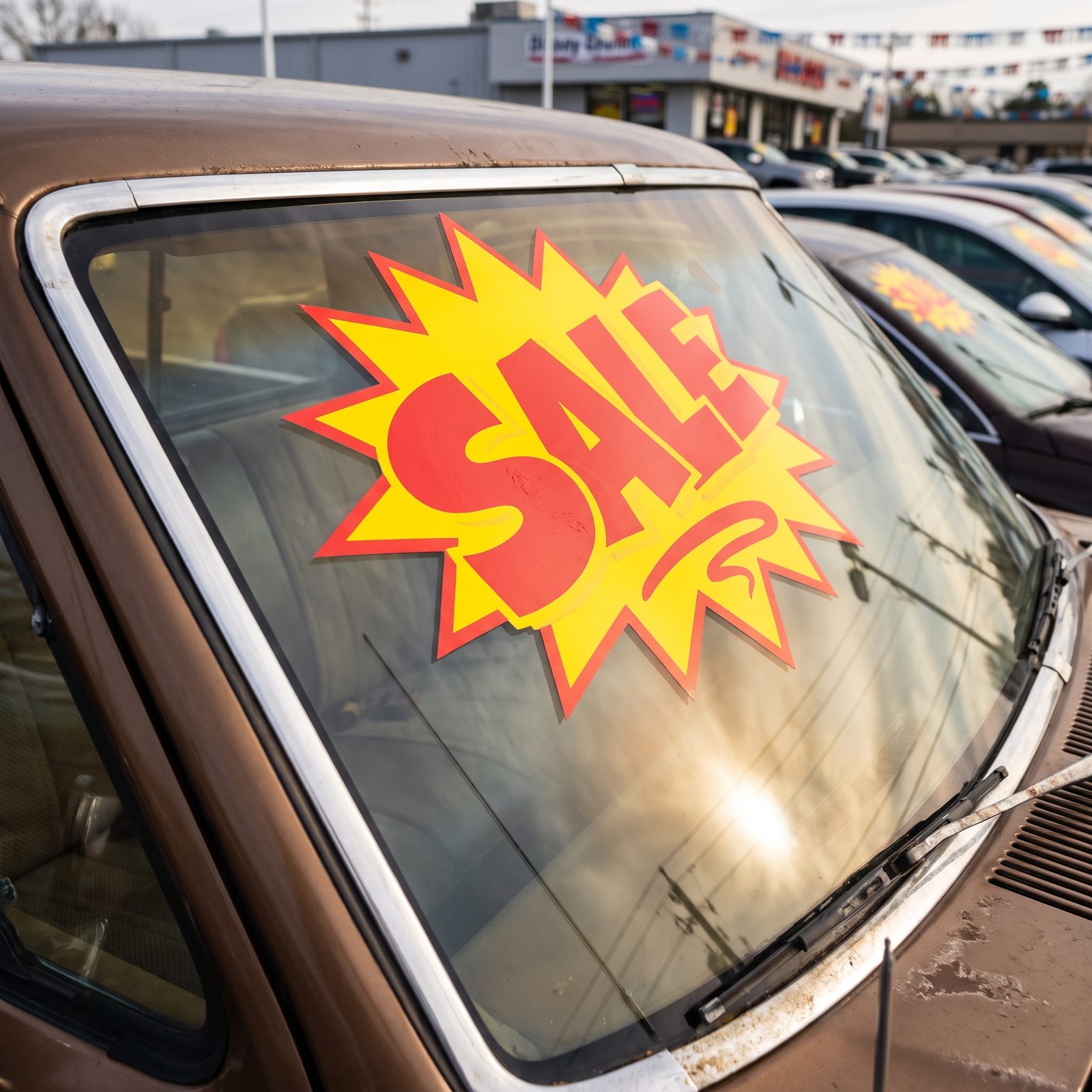
You walked in for the four-door you actually need. But there’s a model with a fat rebate stapled to the windshield — big discount, headline number — and it’s the configuration nobody wanted, which is exactly why it’s discounted. The savings start doing the talking.
A sweet deal has a gravity all its own. It’s how people end up committed to someone wrong for them because the timing was convenient and the effort was low. Cheap and available is a strong pull. It’s also a terrible reason.
The rebate is only a bargain if you wanted the thing underneath it. A thousand off a truck that’s too small, wrong cab, wrong bed, is not a thousand saved. It’s full price for a truck you’ll resent by year two. The discount is real, sure, but the fit is the only number that matters — and you already know yours.
3. A Monthly Payment Makes the Stretch Feel Smaller
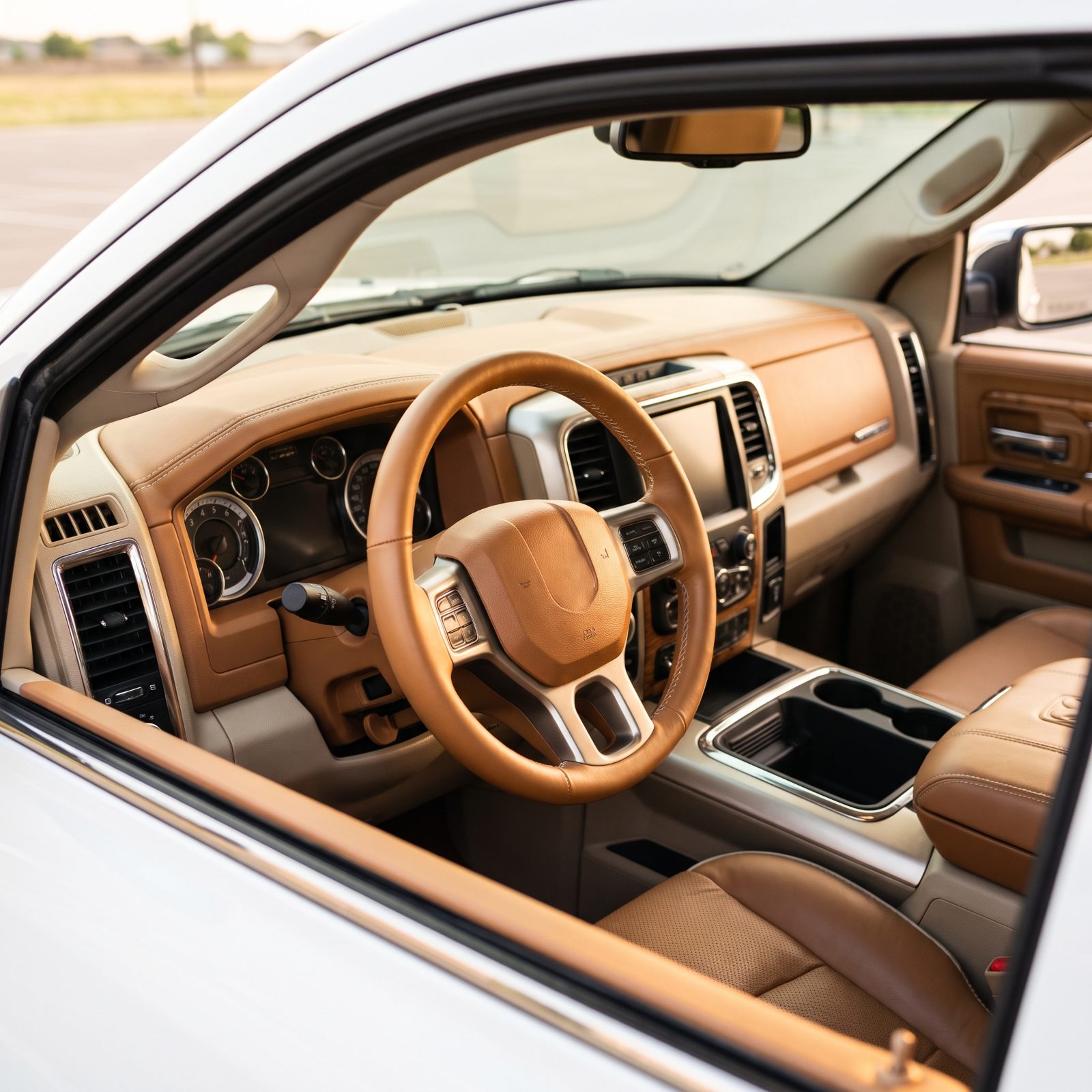
The sticker is eye-watering. Then the finance manager slides a paper across the desk with a monthly number on it, and somehow forty-five thousand dollars shrinks to “less than you spend on lunch.” Spread thin enough, anything feels affordable.
It’s the same trick we play on ourselves with any long commitment. The full cost is terrifying, so we chop it into bite-size pieces and pretend the pieces are the whole. Seventy-two months is six years. That’s the real question, not the tidy little monthly.
A long loan doesn’t make the truck cheaper. It makes the pain slower and larger. You’re not deciding on a payment. You’re deciding on six years. Decide on the six years.
2. The Fancy Trim Wins Until Insurance Sends a Quote
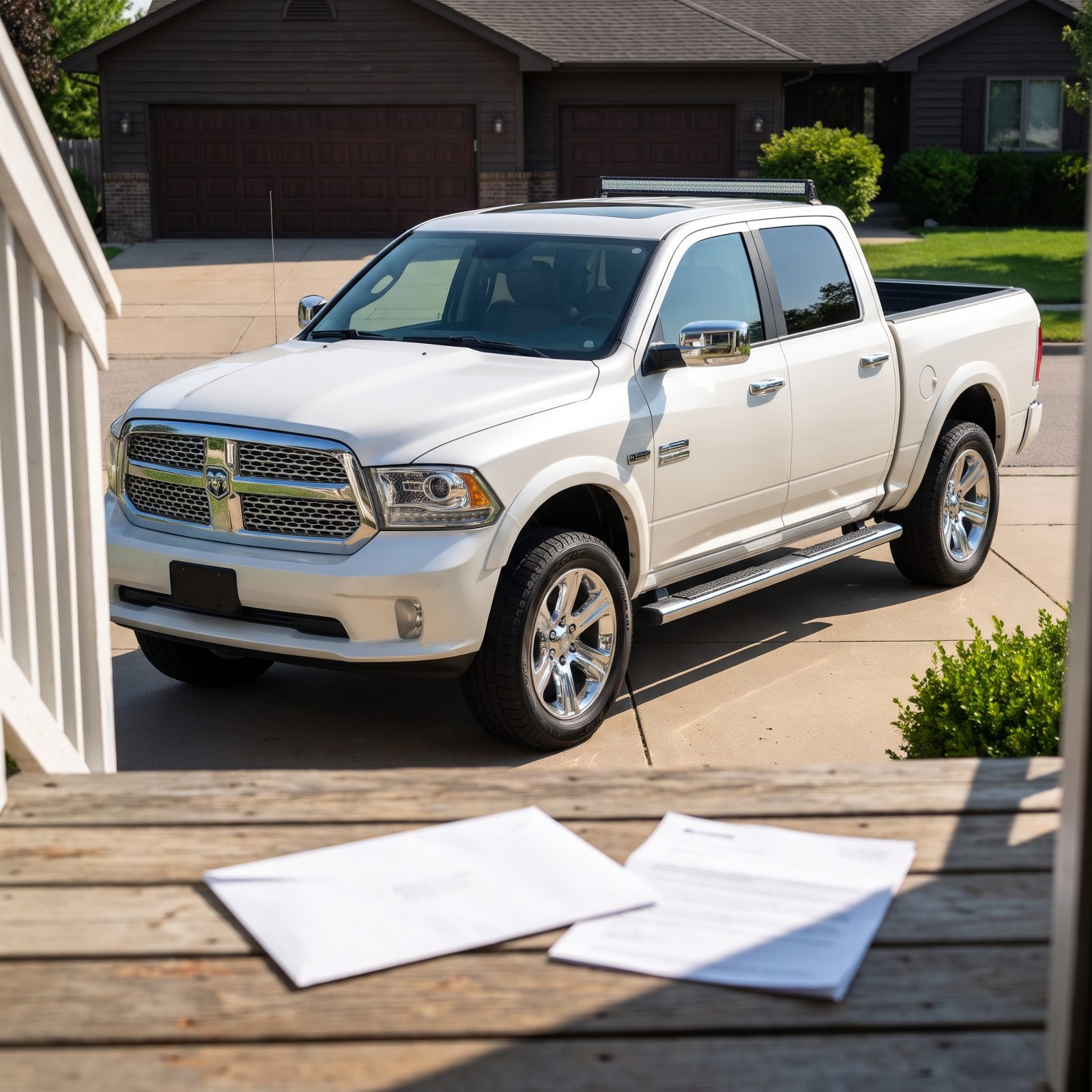
You fell for the loaded trim. Leather, the big wheels, the light bar, the badge that tells the parking lot you did well. Then you pull a real insurance quote and the monthly premium makes a noise you weren’t expecting. The flashy choice has bills the showroom never mentioned.
This is the halo effect wearing off. The impressive exterior had you convinced the whole package was better, right up until the hidden costs of keeping it impressive showed up. Shiny things are expensive to keep shiny.
Run the full cost before you fall. Insurance, fuel grade, tire size, repair rates. A truck that costs more to own every month isn’t a better truck. It’s just a louder one.
1. Once You Add Your Toolbox, It Feels Like Yours
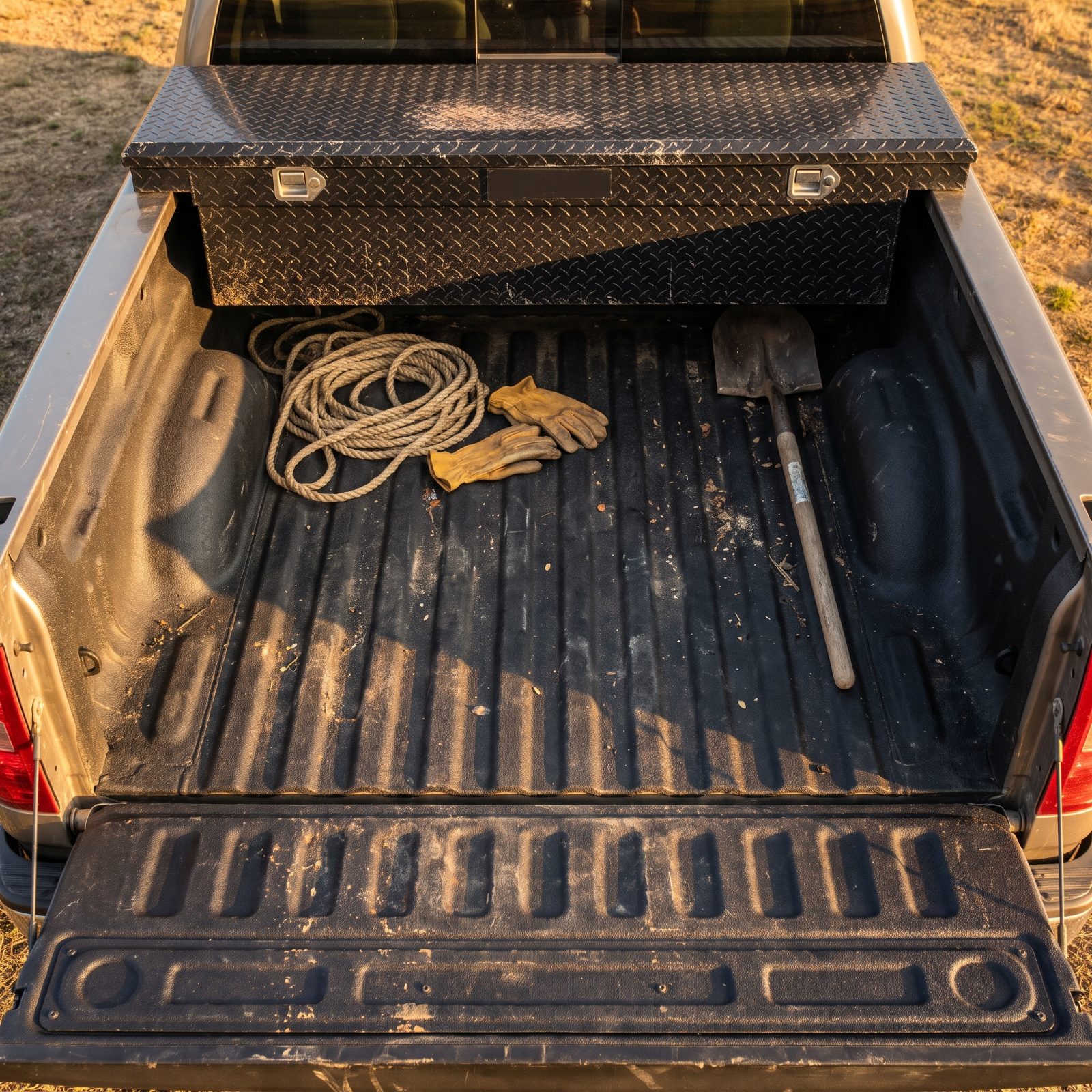
The day you drove it off the lot, it was still a product. Then you bolt in the toolbox, spray the liner, hang the ice scraper, and learn the one cupholder that actually holds your coffee without spilling. Somewhere in there it stops being a truck and becomes your truck.
The work you put into something makes you love it more — the sweat equity effect, some folks call it. People overvalue what they’ve labored on, which is also why a relationship you’ve both poured years into feels impossible to walk away from, even past its prime.
That attachment is real, and it’s not nothing. But notice it for what it is. The toolbox doesn’t turn a bad truck good; it just makes a good-enough truck feel irreplaceable. Which is fine, honestly, if you chose well up front. Pick the one worth getting attached to, then go ahead and get attached. That’s the whole game.