
Would you like to save this?
The driver’s-ed film reel clicked and sputtered against the cinderblock wall while the instructor paced with a wooden pointer. Half these lessons are gone now, handed off to sensors and screens that do the thinking for you. We still remember them the way you remember a phone number you dialed a thousand times. Some kept us alive on two-lane blacktop. Some turned out to be dead wrong. The ones below lived in muscle memory long after the written test faded into some forgotten Tuesday afternoon.
Please note that some of the images in this article were created with the assistance of AI.
29. Hand Signals Out the Window for Turns and Stops
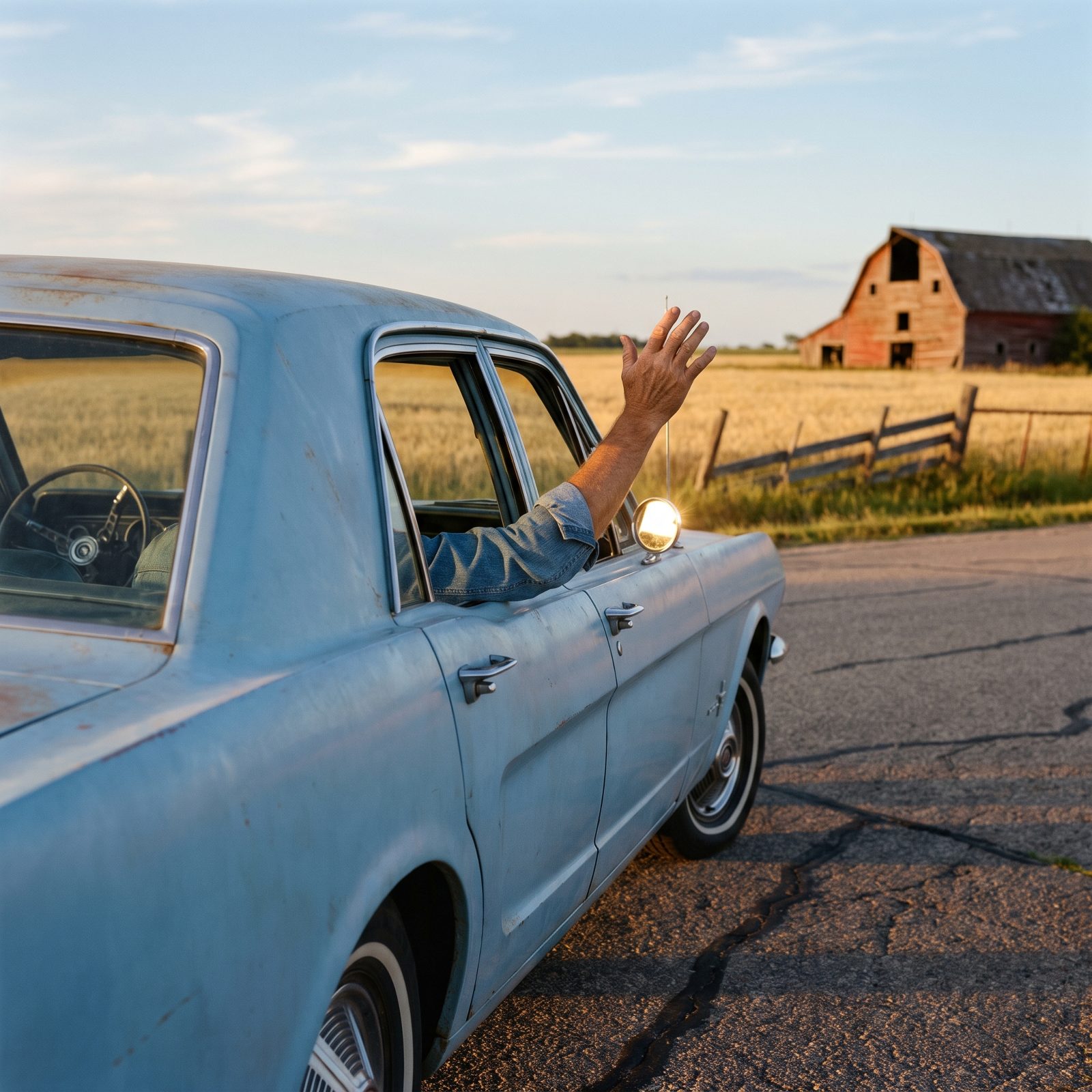
Before the turn-signal stalk became universal, your arm was the signal. Straight out for left, bent up for right, bent down with your palm facing back for stop. We drilled it until it was automatic, and we used it even in cars with working blinkers, because the instructor swore the bulb might burn out and the arm never would.
Kids in the family sedan learned to read the arm before they could read a clock, and whoever rode shotgun would stick a hand up out the passenger window to copy it, even though only the driver’s arm out the left window ever counted. Now the lever does everything, and most drivers under forty have never once seen a hand signal. Cyclists still use them. Everyone else forgot.
28. Pump Your Brakes on Ice Instead of Trusting ABS
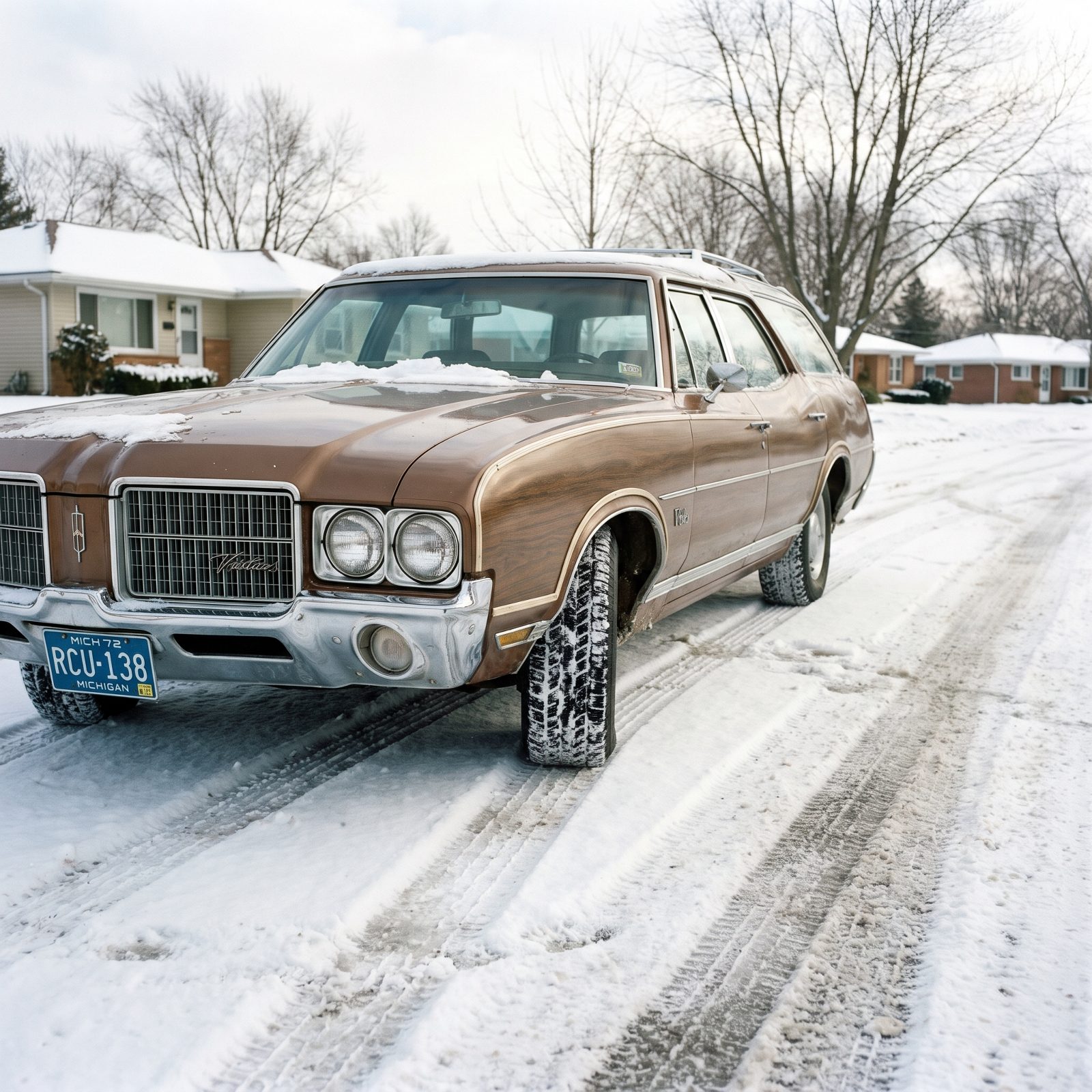
On a car with four-wheel drums and no electronics, stomping the brake on ice just locked the wheels and turned you into a sled. So we learned to pump. Ease on, let off, ease on again, keeping the tires rolling just enough to steer. You practiced it in empty snowy parking lots with your dad white-knuckling the dash.
Then anti-lock brakes showed up and did the pumping for you, faster than any human foot ever could, and now the right move on ice is to press hard, hold, and let the pedal buzz and shudder under your sole. A whole generation had to unlearn the one thing that used to keep them out of the ditch.
27. Always Carry a Paper Road Map in the Glovebox
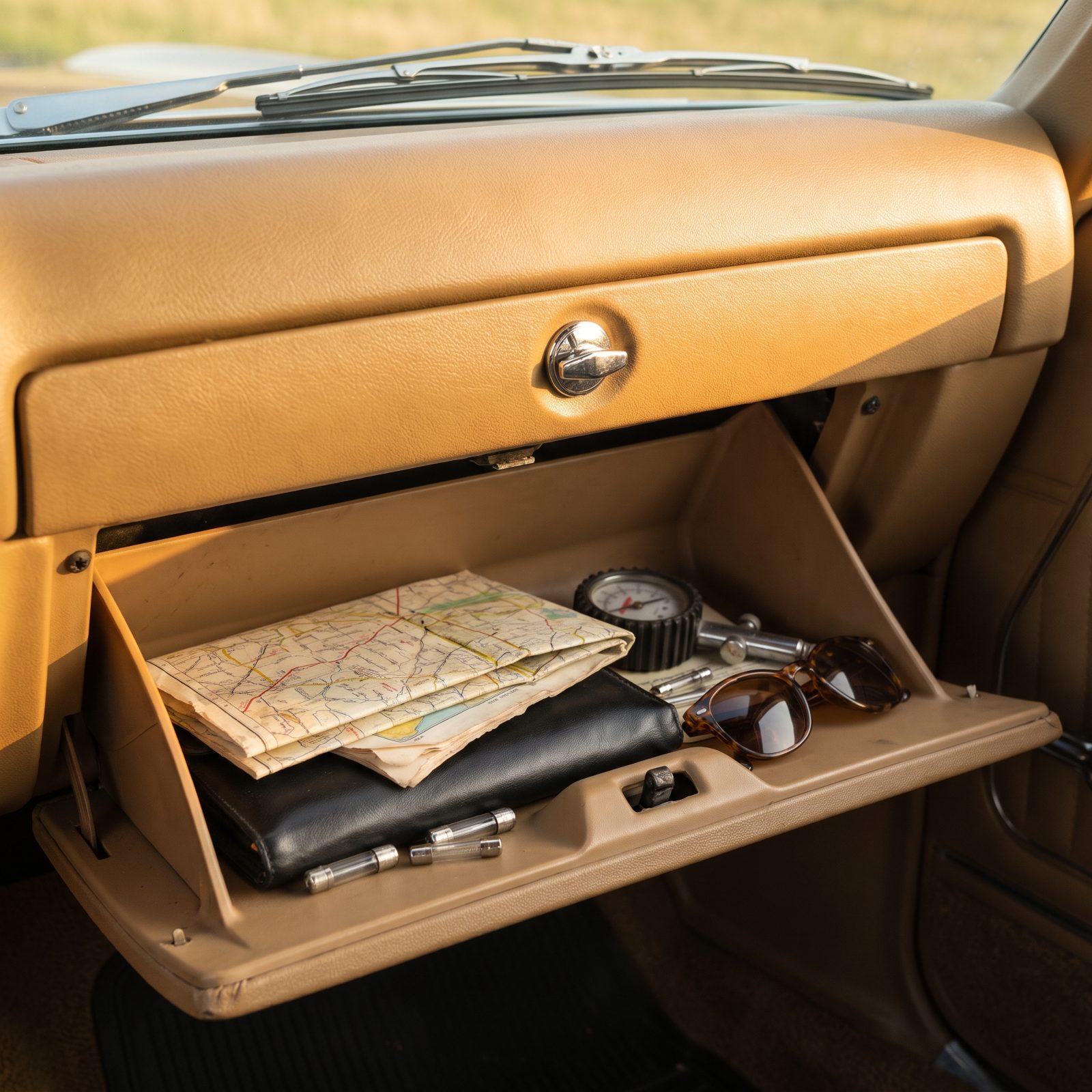
Every glovebox had one. Usually free from the gas station, refolded wrong a hundred times until it tore along the creases. You planned the whole trip at the kitchen table the night before, tracing the route with a finger, and the navigator rode shotgun calling out exits.
Get lost and you pulled into a station to ask a man in coveralls who knew every back road in the county. The map never lost signal, never needed charging, never routed you down a dirt track into a cornfield. Plenty of us still keep one in the car. Call it paranoia.
26. Dim Your High Beams a Block Before Oncoming Cars
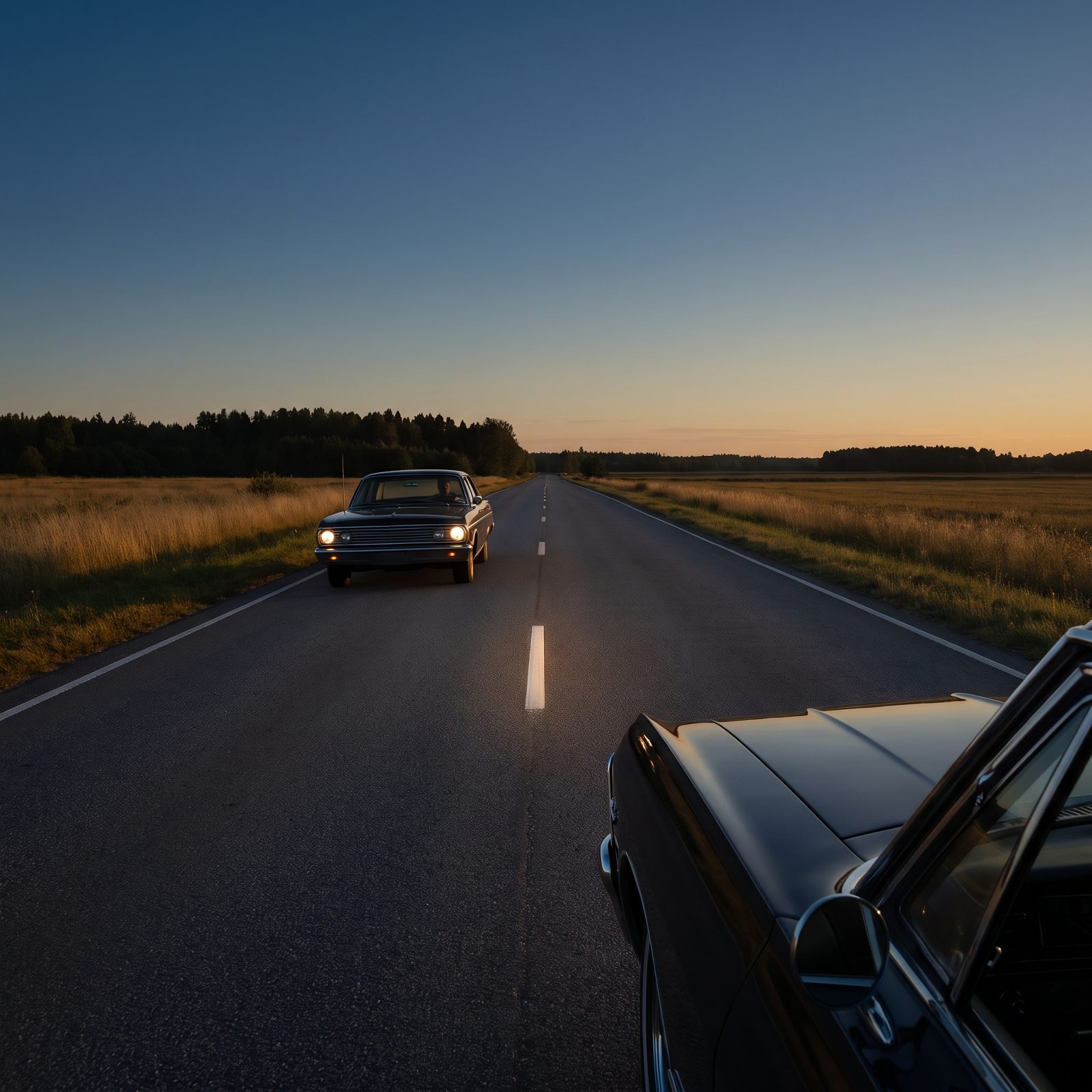
Courtesy on a dark road had a rhythm to it. You saw the glow of oncoming lights crest the hill, reached down, and clicked the dimmer — a floor button by your left foot back then — dropping to low beam so you didn’t blind the other driver. A block out. Give them room.
Some cars eventually got automatic dimmers, and now plenty of folks just leave the brights blazing and squint through the glare like it’s the other guy’s problem. The floor dimmer button is gone entirely. That little foot-tap was a handshake between strangers in the dark.
What Our Readers Say
- Jalopy Talk readers still have a soft spot for the big ones: full-size land yachts got hearts 87% of the time, versus 79% for other cars in the same articles.
- In our readers’ votes, cars dripping with chrome drew more hearts than the other cars pictured alongside them, 90% versus 83%.
From Jalopy Talk reader polls and votes.
25. Flash Your Headlights to Warn of a Speed Trap
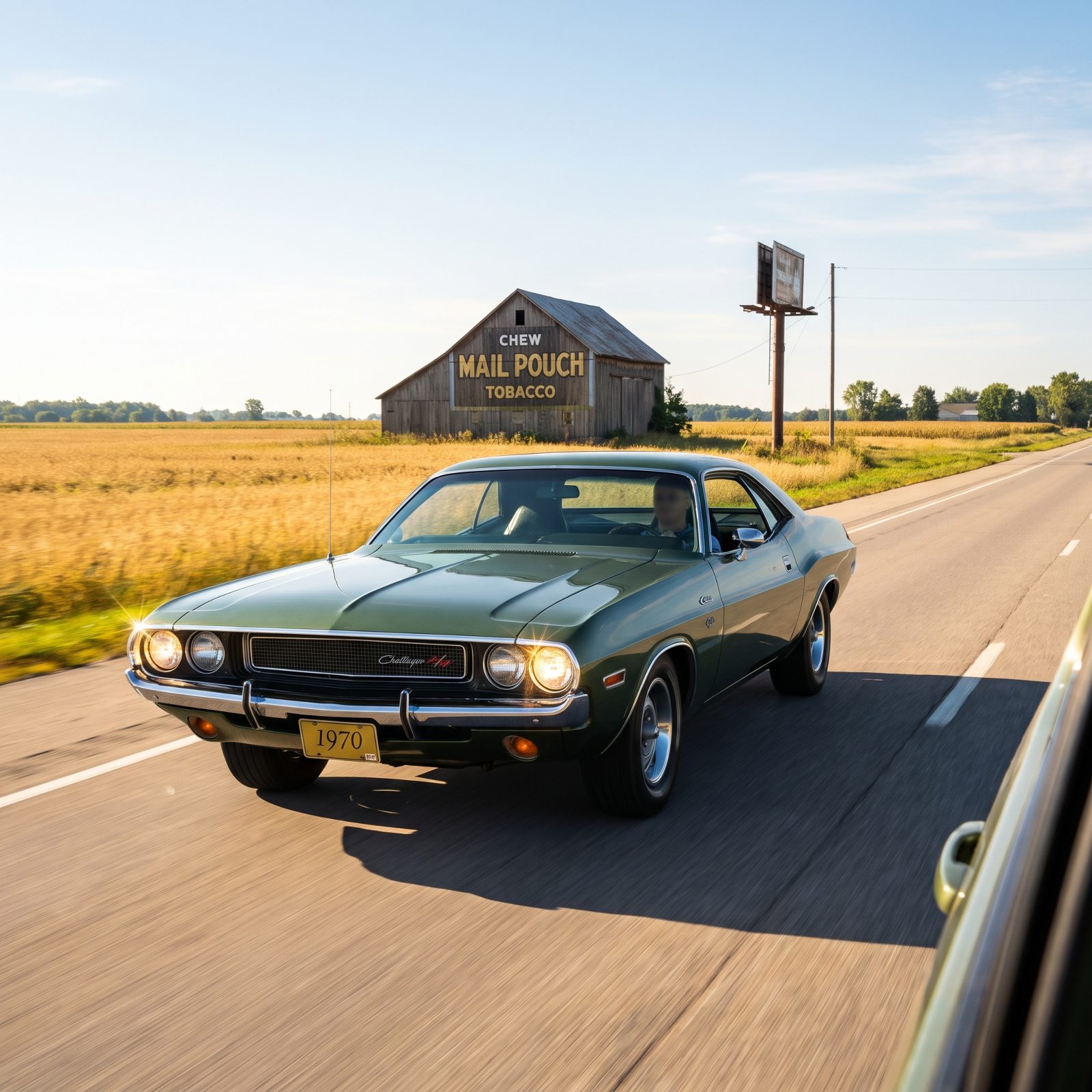
Two quick flashes at an oncoming car meant one thing: cop ahead, ease off the gas. An unspoken brotherhood of the road, a favor you did for a total stranger because somebody had probably done it for you ten miles back.
The gesture faded as radar detectors, then phone apps, took over the job. But there was something human in that flash no app ever matched — a stranger looking out for you at seventy miles an hour, asking nothing in return.
24. Turn Into a Skid, and Actually Know How to Do It
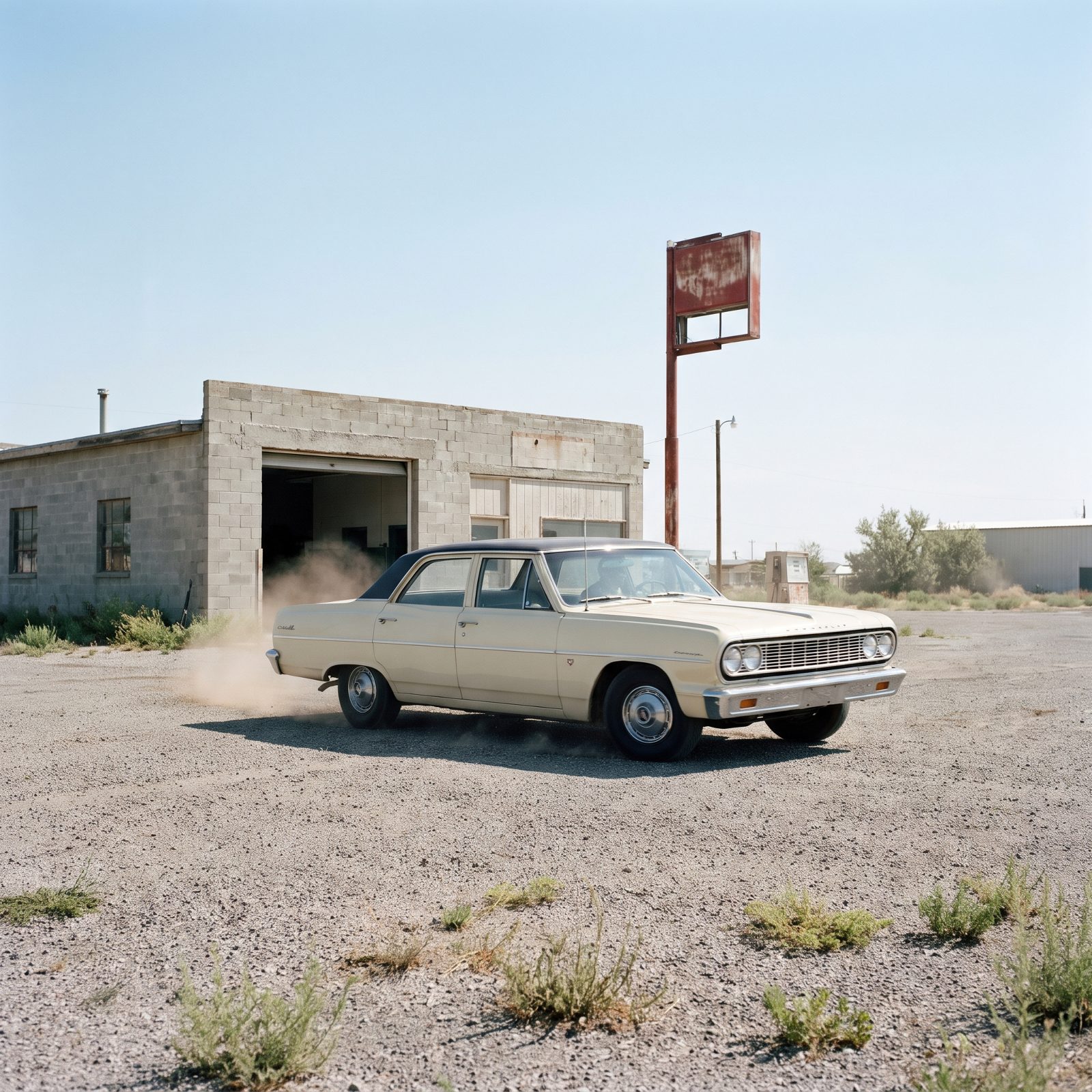
Rear end sliding out? Steer into it. Point the wheel where the back of the car is headed, ease off the gas, keep your foot off the brake. We practiced in empty lots until the correction became a reflex instead of a panic.
Stability control quietly handles this now, a hundred times a second, before most drivers even feel the slide begin. Good thing, mostly. But knowing how to save a skid with your own two hands was a quiet confidence you carried around. The car could get loose and you wouldn’t.
23. Let the Engine Warm Up Before Driving Off
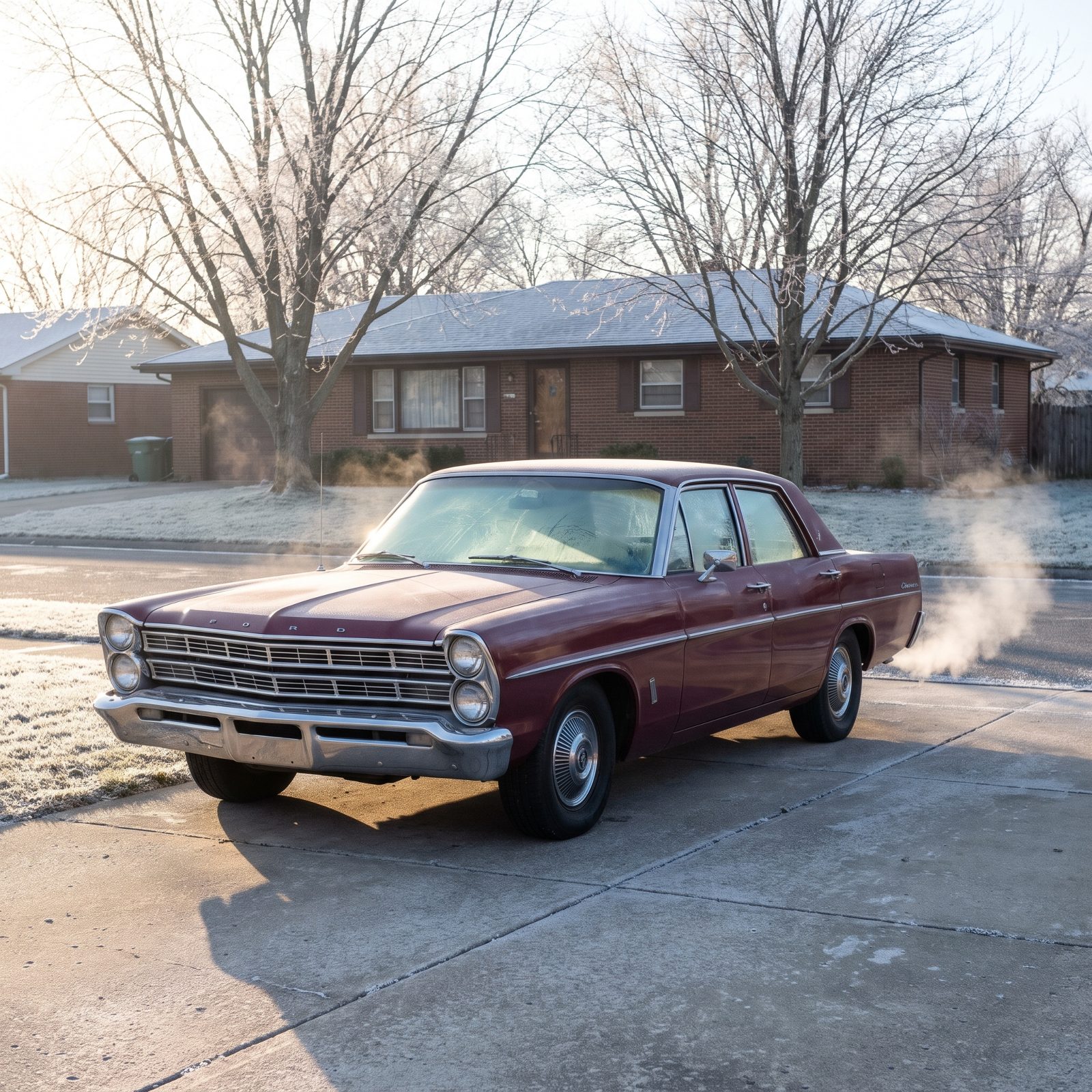
You started the car, maybe gave it a little choke on the old ones, and let it idle while you scraped the windshield or finished your coffee. Carbureted engines ran rough and rich until the oil got moving, and taking off cold felt like asking too much of the machine. Ritual as much as necessity.
Modern fuel injection made most of that pointless. The best thing you can do now is drive gently for the first few minutes, not sit in the driveway for ten. The habit stuck anyway. Plenty of us still let it run a bit on a frosty morning, just because our fathers did.
22. Never Rest Your Hand on the Gearshift While Driving
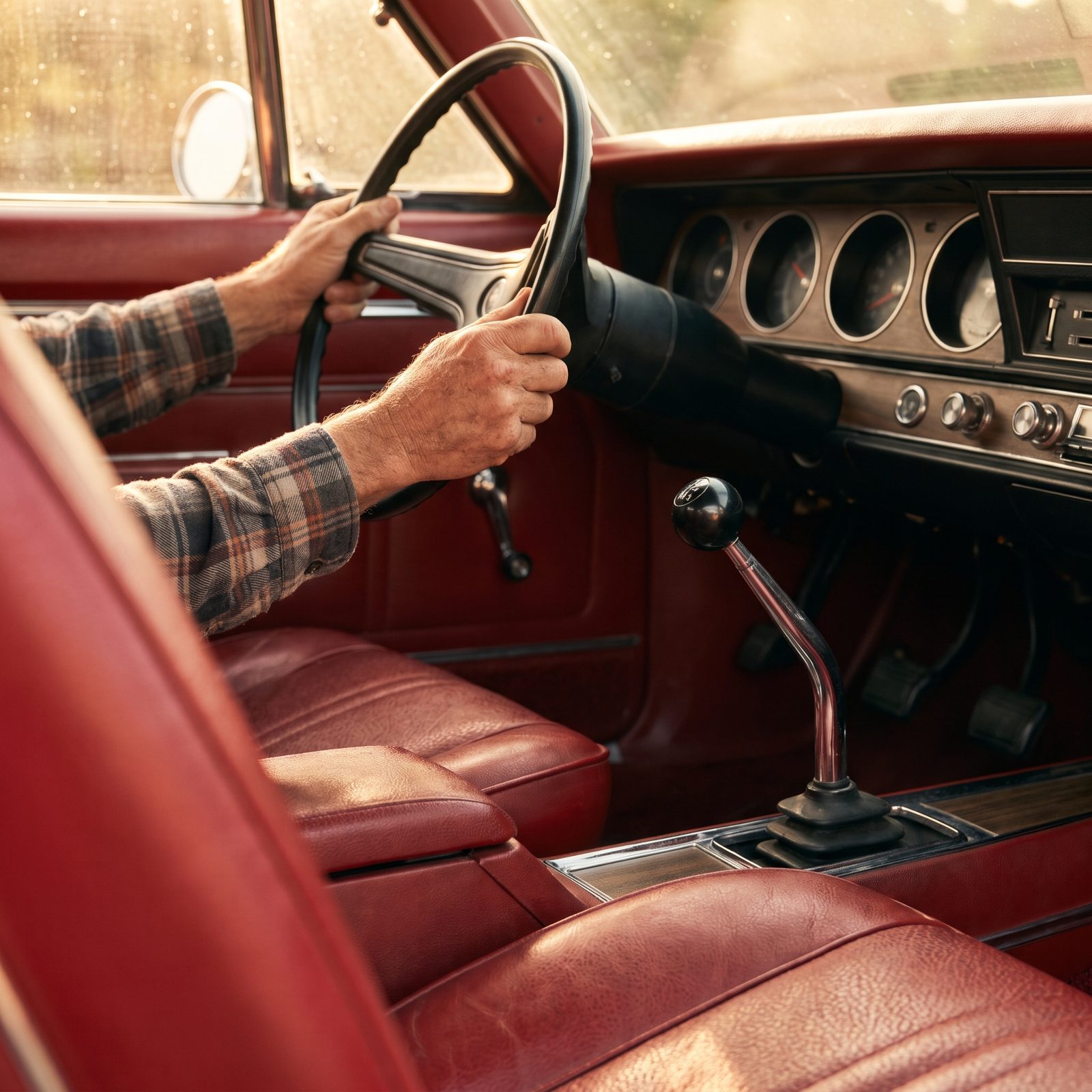
The instructor smacked the clipboard the second your palm drifted onto the shifter. The reasoning was mechanical: constant hand pressure wore down the shift forks and synchros inside the transmission over the years, and you wanted both hands ready on the wheel regardless.
Most cars went automatic, shifters got tucked into consoles or swapped for little buttons, and nobody says this anymore. Yet a manual driver who learned it right still parks that hand on their knee between shifts. Old habits wear grooves.
21. Keep Both Hands at 10 and 2 O’Clock
Would you like to save this?
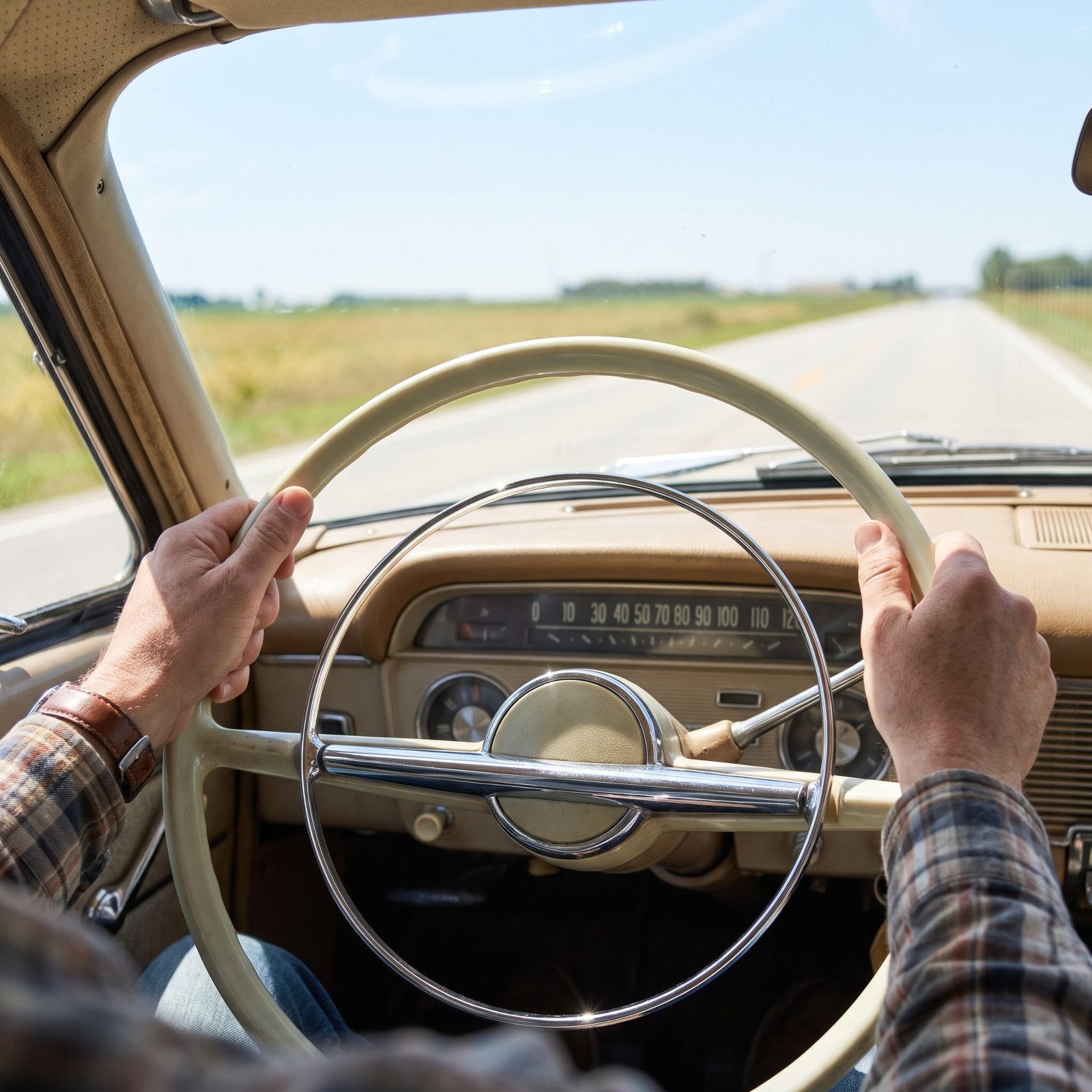
Hands at ten and two, thumbs hooked over the rim, eyes up and far down the road. It was gospel. Full control, even grip, ready for anything. The instructor would reach over and nudge a lazy hand back up where it belonged.
Then airbags changed the math. A wheel that fires an explosive cushion in a crash can snap the arms crossed over it, so the official advice shifted down to nine and three, sometimes even eight and four, to keep your forearms clear of the blast. Fifty years of muscle memory, revised by a device nobody saw coming.
20. Downshift to Slow Down Instead of Riding the Brakes
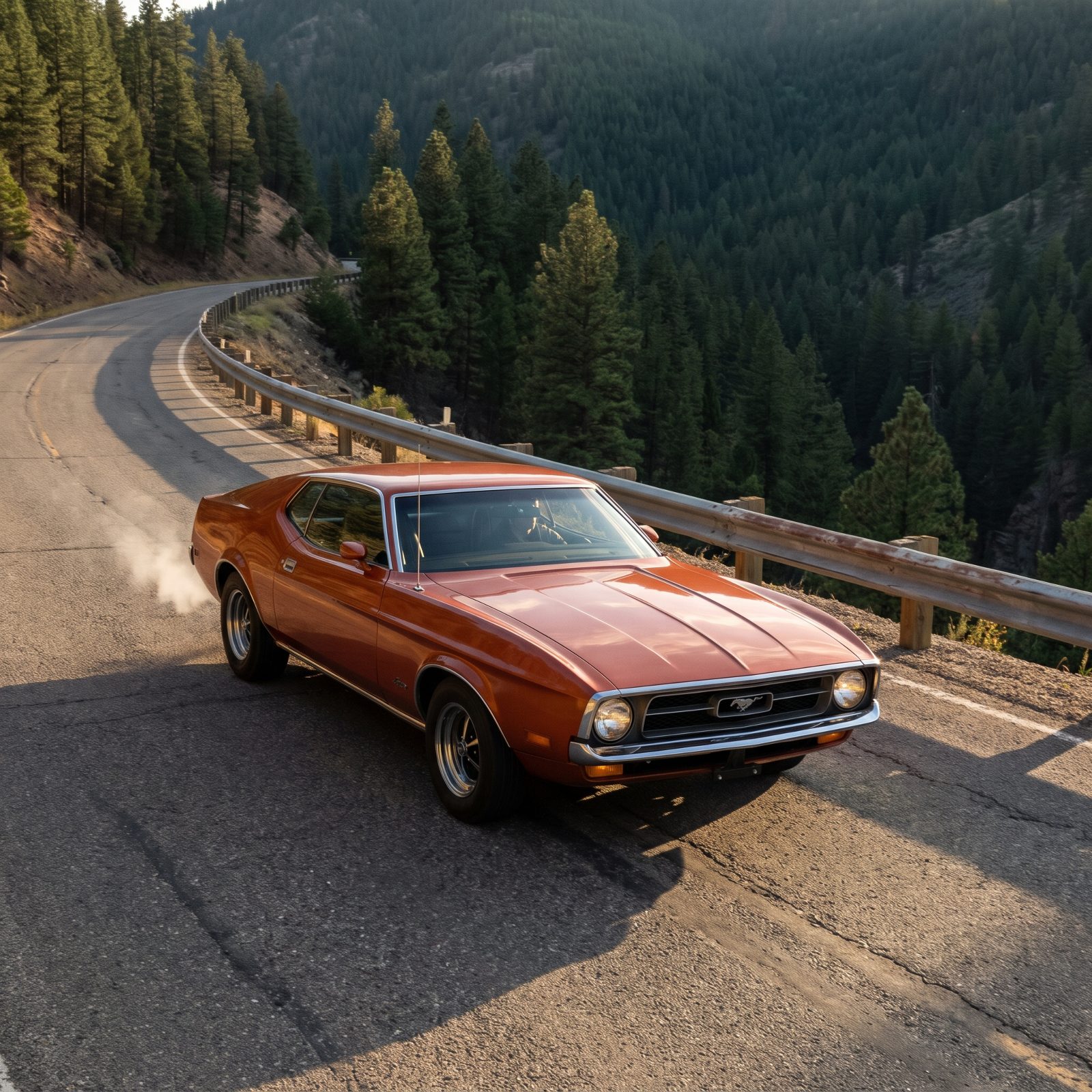
Coming down a long grade, you dropped a gear and let the engine hold the car back, saving your brakes for when you actually needed them. Ride the brakes all the way down a mountain and you’d cook them, boil the fluid, and reach the bottom with a pedal that sank straight to the floor. We learned that the scary way, or we learned it in class and took the teacher’s word for it.
Modern brakes shed heat better and automatics do their own downshifting, so the skill faded. But any driver who’s ever smelled their own brakes smoking on a long descent never forgets this one. Downshift. Save the pads. Arrive alive.
19. Pull Over and Rest When Your Eyelids Get Heavy
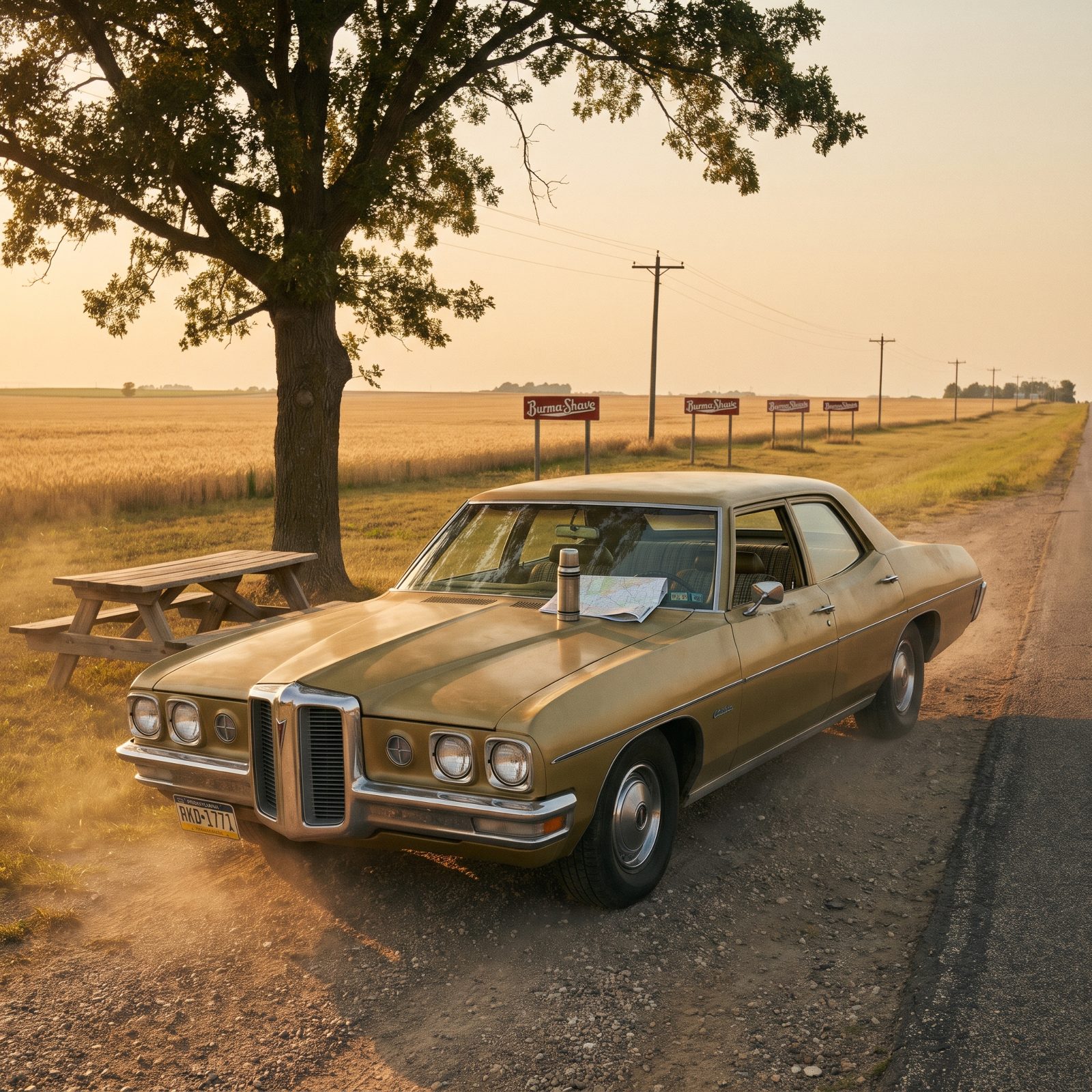
Driver’s ed drilled it in before seatbelts were even a given: tired behind the wheel was as dangerous as anything in a bottle. The lesson was simple. Feel your eyes get heavy and you pull over, because pushing through was how people ended up in a ditch. You don’t crack the window and turn the radio up and bargain with yourself for another forty miles.
We used to actually do it — a rest stop, a gravel shoulder, ten minutes with the seat reclined and a thermos of coffee, and nobody felt weak about it.
Now the move is an energy drink, a podcast, and a quiet lie that you’re fine. You’re not fine. The old advice beat every gadget they’ve bolted into dashboards since.
18. Signal Every Turn, Even on an Empty Road at Midnight
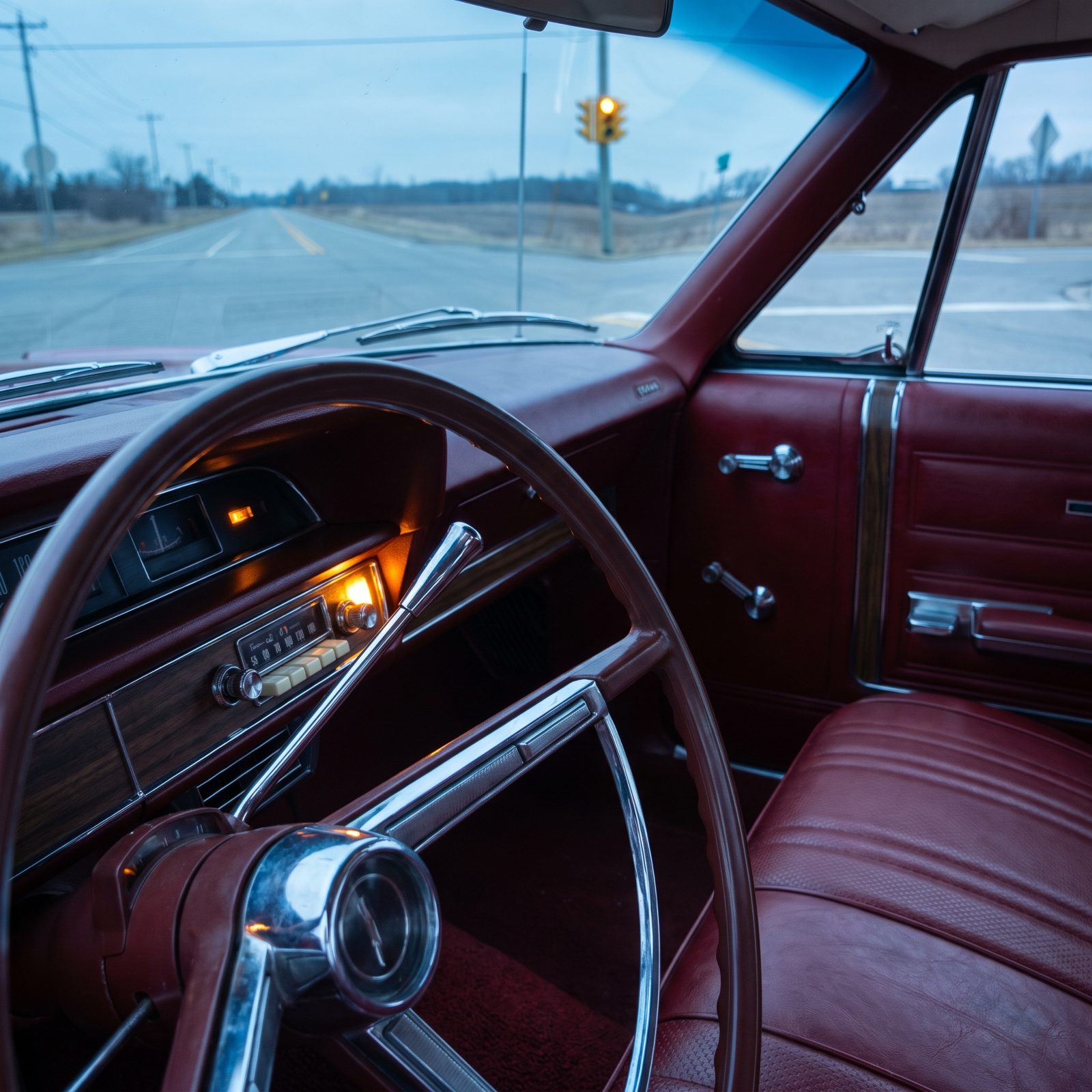
The instructor’s line stuck: the blinker isn’t for the other guy, it’s for you. You signal on an empty road because that’s how the habit stays a habit. Skip it when it doesn’t matter and you’ll skip it when it does.
There’s something almost courtly about it now — a flick of the stalk at a dead-empty intersection at midnight, announcing your intentions to absolutely nobody, just because that’s how you were raised to drive.
Watch an intersection today and count the cars that just drift into a turn. The blinker went from reflex to afterthought. We treated it like manners; now it’s optional.
17. Pop the Hood and Check Your Oil at Every Fill-Up
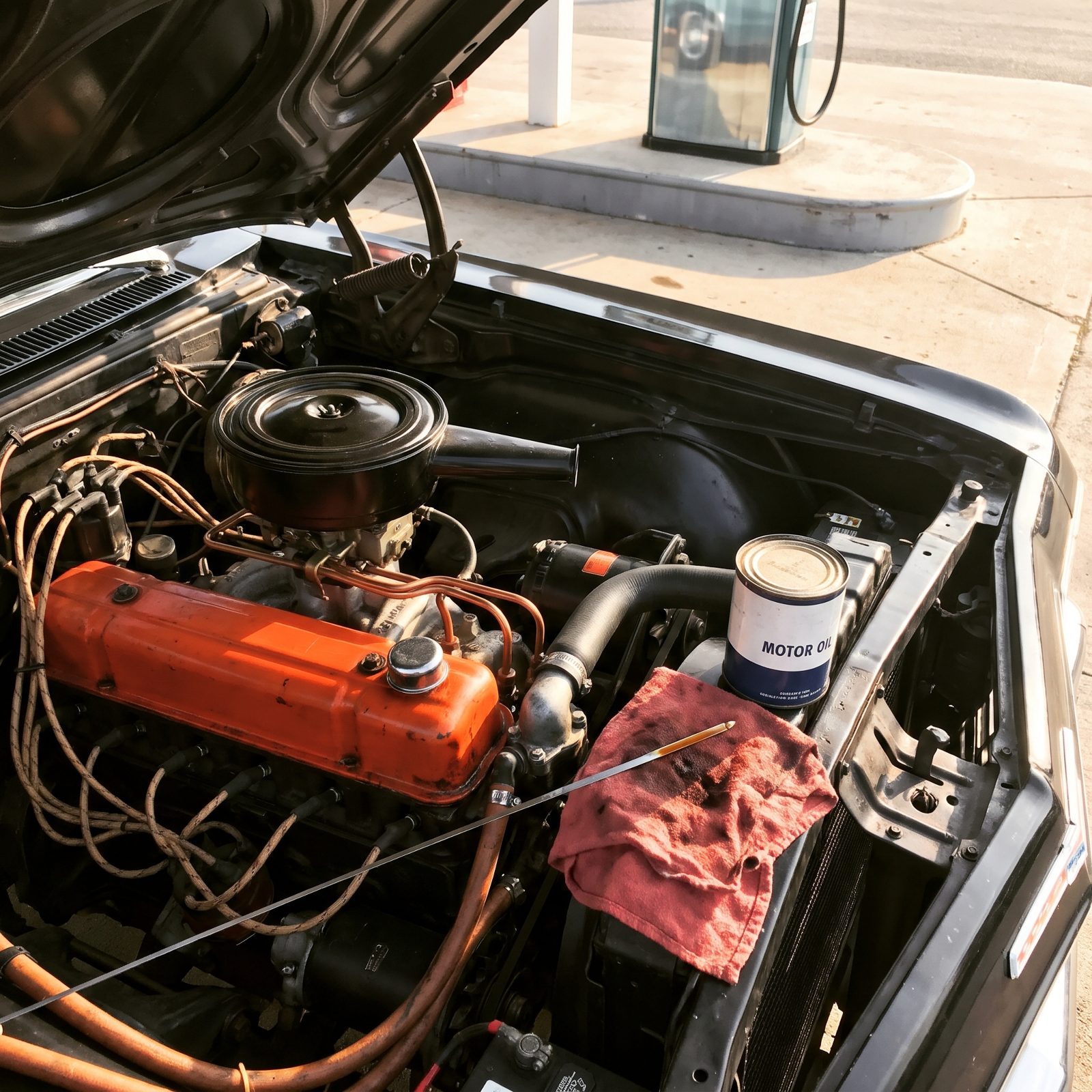
Every tank meant a lifted hood. The attendant did it without asking, or you did it yourself: pull the dipstick, wipe it on a rag, drop it back, pull it again, read the line. Topped off if it was low. Caught a car burning oil before the engine broke the bad news on its own terms.
Cars leaked more back then, sure. Checking oil at every stop wasn’t paranoia — it was how you spotted trouble a hundred miles before it stranded you on some shoulder with the hood up and the sun going down.
Most drivers today couldn’t find the dipstick. The dashboard light does the worrying now, and by the time it comes on you’ve usually already done the damage.
16. Coast Down Long Hills in Neutral to Stretch a Tank
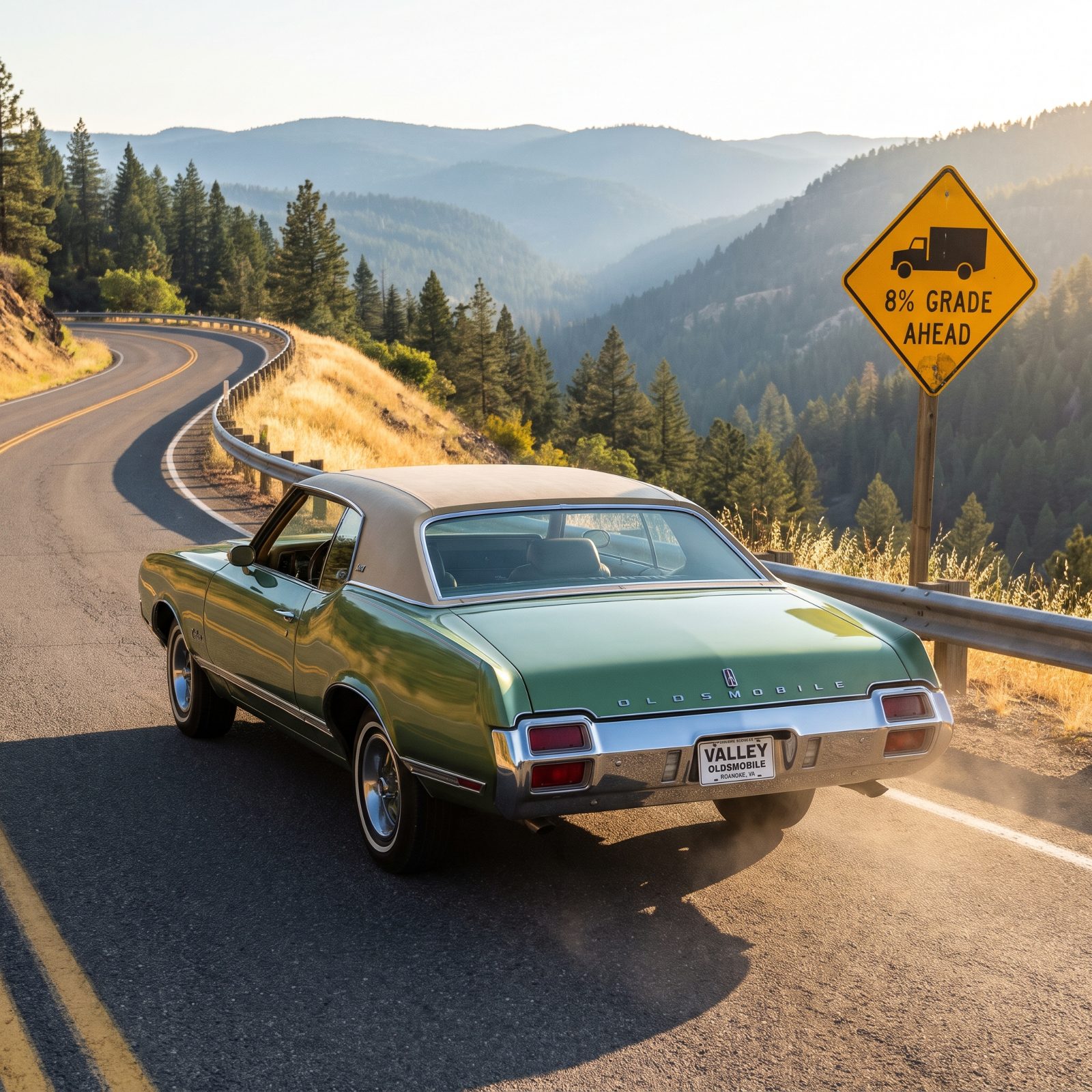
Gas cost next to nothing and we still tried to save it. Crest a long hill, slip the lever into neutral, let gravity carry you down with the engine loafing at idle. Felt clever. Felt thrifty. Dad swore by it.
Turns out it saved almost nothing and traded away your engine braking, which mattered a lot on a steep grade with a loaded wagon full of kids and luggage. And here’s the real kicker — modern fuel injection cuts fuel completely when you coast in gear, so the old trick runs exactly backwards today.
Doesn’t matter. The memory is the quiet. That weightless stretch of a long downhill with the motor barely whispering, windows down, nobody in a hurry.
15. Carry a Spare and Know How to Change It in the Rain
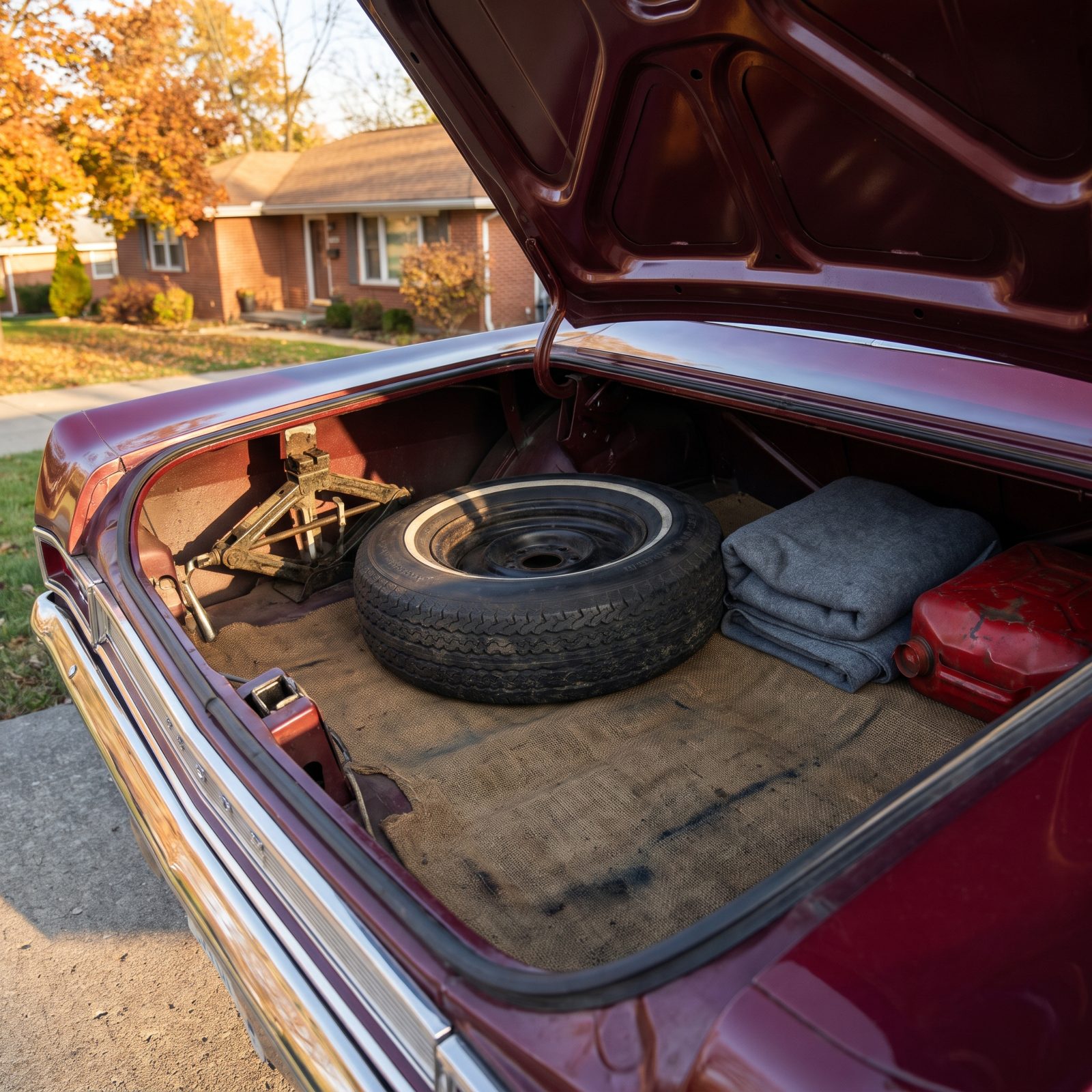
You didn’t leave the driveway without a full-size spare and the knowledge to use it. Driver’s ed walked you through it, then your father walked you through it again in the driveway until you could loosen the lugs before jacking, set the jack on solid ground, and torque them back in a star pattern without being told.
A flat on a dark shoulder was an inconvenience, not a crisis. You had a jack, a wrench, and a plan.
Now cars ship with a can of sealant and a compressor, or nothing at all, plus a phone number for someone else to come do it. The skill quietly left the building. Ask around — half the people you know have never broken a lug nut loose in their lives.
14. Set the Parking Brake Every Single Time, Flat Ground or Not
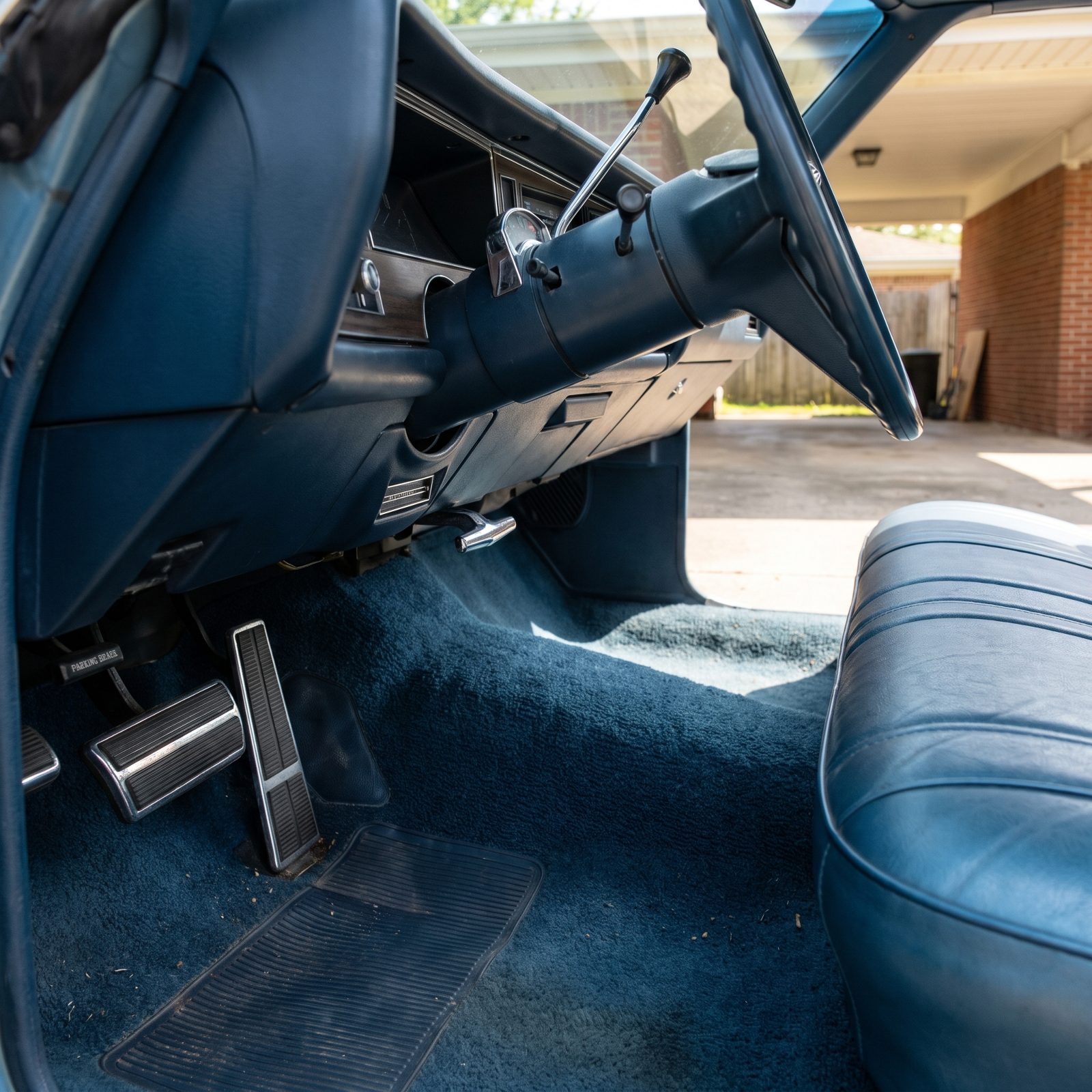
Flat driveway, level garage — didn’t matter. You put it in Park and you set the brake. The logic went like this: Park alone leans the whole weight of the car on one little parking pawl inside the transmission, and that part was never built to be the only thing standing between your bumper and the neighbor’s fence.
Set the brake, and Park just backs it up instead of shouldering the whole load alone.
It became muscle memory. Shift, pull or stomp the brake, out the door. Today most drivers only touch the parking brake the day they learn it exists, usually during a hill-start on a driving test, then forget about it for the next twenty years.
13. Turn the Wheels Toward the Curb When You Park on a Hill
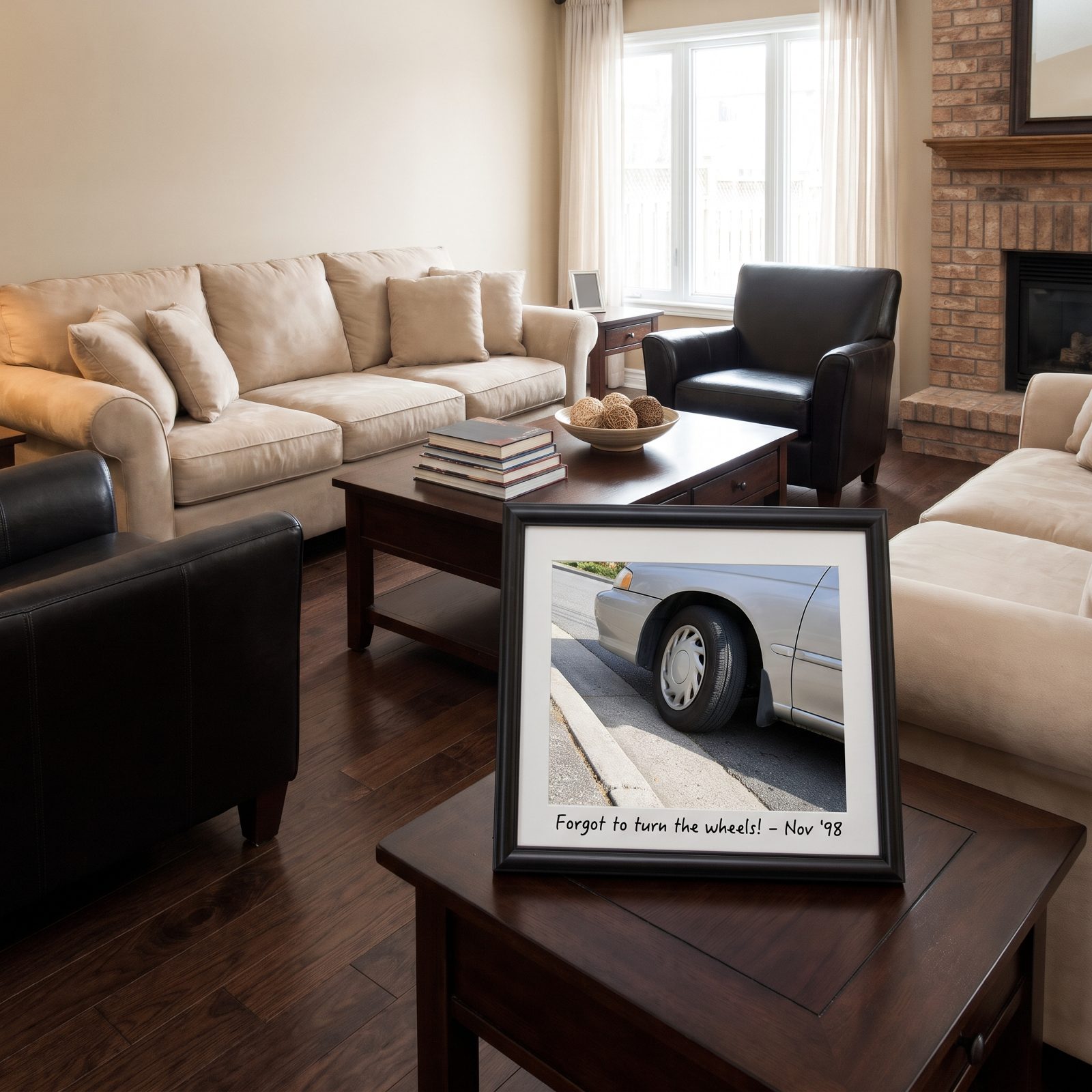
Facing downhill, wheels toward the curb. Facing uphill, wheels away. If your brake ever quit, the curb would catch the tire and stop the car before it became everyone else’s problem halfway down the block.
They tested you on it. Get it wrong on the parallel-parking portion and you heard about it.
It’s still the law in plenty of places — hilly cities especially — and still a smart move. But automatics and reliable brakes made it feel like overkill to a generation that never learned it in the first place. The curb-check wheel turn is one of those small acts of consideration that nobody notices until a parked car is rolling straight at them.
12. Give the Friendly Wave When Someone Lets You In
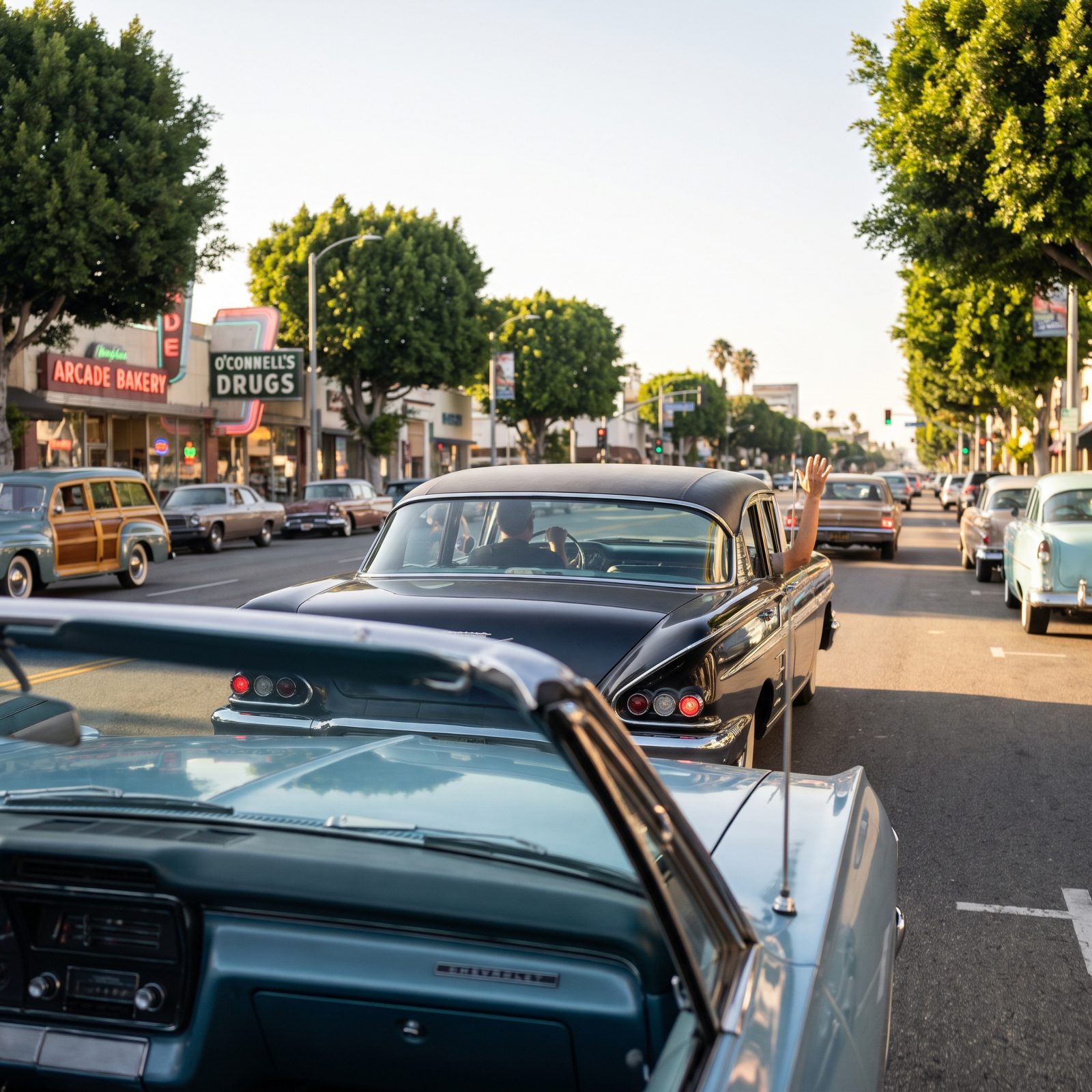
Someone eased off to let you merge, so you lifted a hand. A real wave, not a grudging nod. It cost nothing and it made the whole road feel like a place where people looked out for each other.
The gesture had grammar to it. A flat palm for thanks. A finger lifted off the wheel for hello on a country road. Everybody understood it.
Then traffic got meaner and the wave thinned out. Now a courtesy gets met with nothing, or a phone-lit face that never looked up. The thank-you wave was the handshake of the highway, and we mostly stopped offering it.
11. Lay Off the Horn Unless It’s a Real Emergency
Would you like to save this?
The horn was a warning device, full stop. You used it to say I’m here and you might not see me — not to vent, not to scold, not to hurry the car ahead through a light that turned green a half-second ago.
Lean on it for no reason and a cop could actually write you up for it. More to the point, it was rude, and rude on the road was how people got hurt.
Now the horn is punctuation. It means I’m annoyed, I’m impatient, I disagree with your very existence. The quiet discipline of saving it for genuine danger faded right along with the manners it traveled with.
10. One Car Length of Gap for Every Ten Miles Per Hour
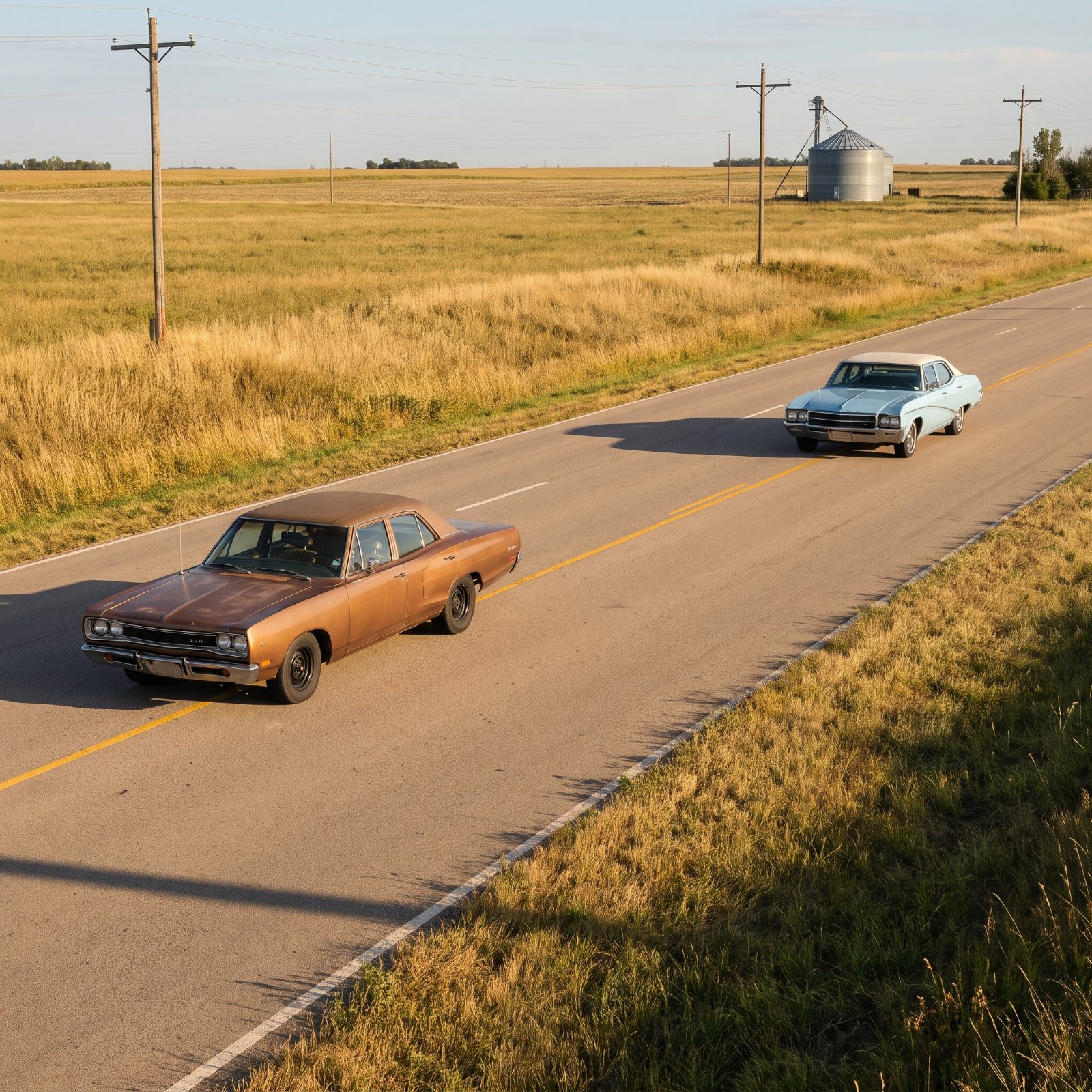
The old rule was a car length for every ten miles an hour. Doing fifty, you left five lengths. Crude, yes — you had to eyeball it — but it taught something real: speed eats your reaction time, so the gap has to grow right along with it.
They later swapped it for the two-second rule, which is tidier and probably better. Still, the car-length version made you see the distance, picture the cars stacked nose to tail, do the math in your head.
Watch a freeway today. Nobody’s leaving five of anything. Bumpers riding bumpers at seventy, everyone trusting everyone else’s brakes. The generous gap was a gift you handed the driver behind the driver in front of you. We traded it for arriving eleven seconds sooner.
9. Topping Off the Radiator and Checking the Belts Before Every Long Trip
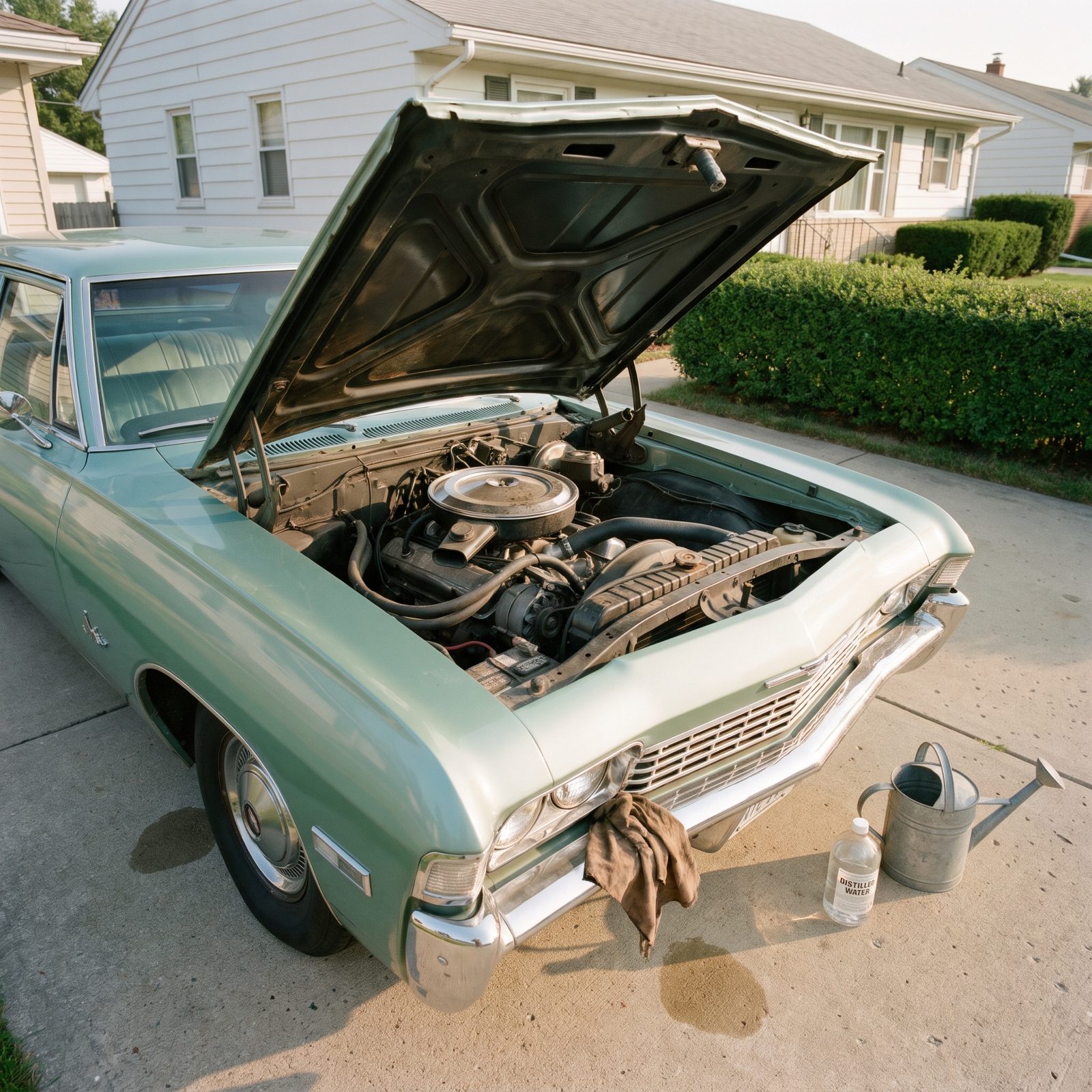
Nobody left for grandma’s house three states over without first lifting the hood on a Saturday morning. You topped off the radiator, squeezed the hoses for soft spots, and ran a thumb along the fan belt feeling for that telltale glaze. A glazed belt squealed, then it snapped, usually somewhere with no shade and no phone. The whole ritual took maybe fifteen minutes and saved you a tow truck and a ruined weekend. These days the dashboard just blinks a light at you, which is fine until the day it doesn’t.
8. Carrying Jumper Cables and Actually Knowing How to Use Them
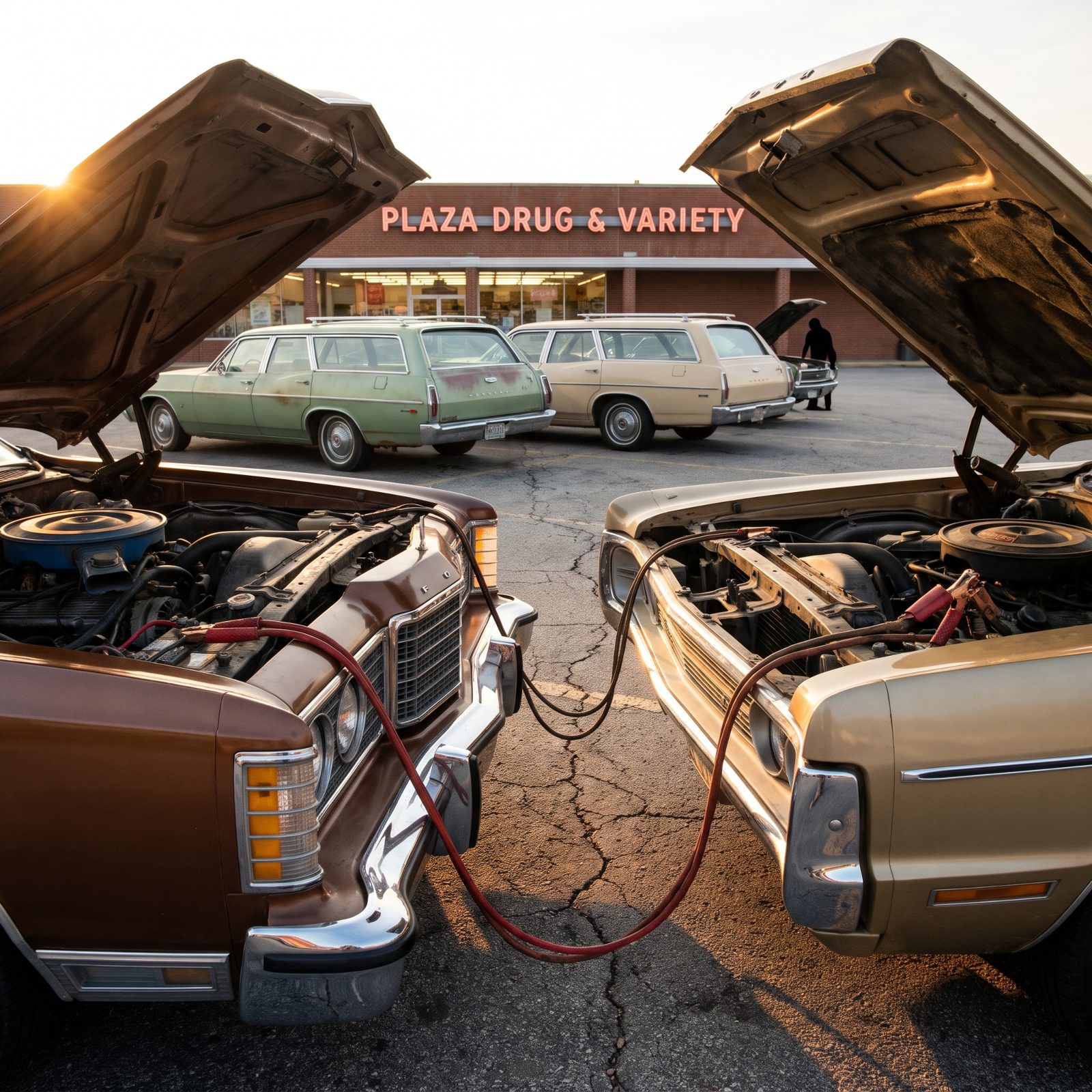
Cloth-wrapped cables with heavy copper clamps lived in the trunk of every self-respecting car, coiled next to the spare. Owning them was half the battle. The other half was knowing red to positive, black to the good battery’s negative, and black to a bare bit of engine metal on the dead car — not the terminal, unless you enjoyed a face full of sparks. Hook them up backwards and you’d cook an alternator, maybe worse. A stranded driver in a parking lot could flag down almost anybody and get a jump, because the know-how came standard back then. Try that now and you’ll get a lot of people looking up a YouTube video on their phones.
7. Yielding to the Car on Your Right at a Four-Way Stop
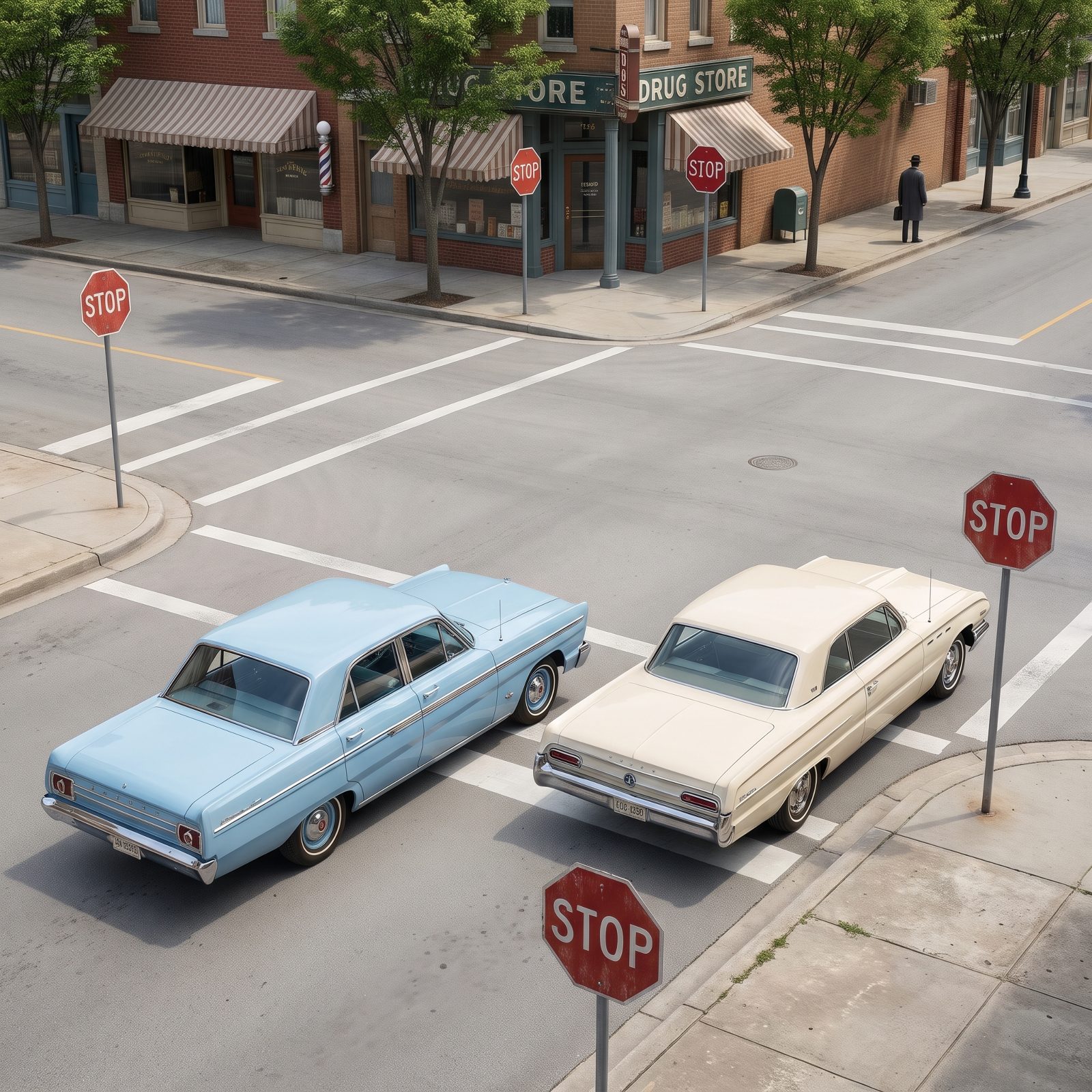
The car on your right went first. That was it — a rule everybody carried in their head, no app required. Four cars could roll up to a quiet small-town intersection, read each other with a glance and a nod, and sort it out in the time it takes to say it. Nowadays half the people at a four-way stop are either waving everybody through at once or inching out like they’re defusing a bomb. The old rule worked because people trusted each other to know it. Lose the shared rule and you get the standoff, two drivers frozen, each insisting the other goes.
6. Keeping Your Headlights Off in Daylight to Spare the Battery
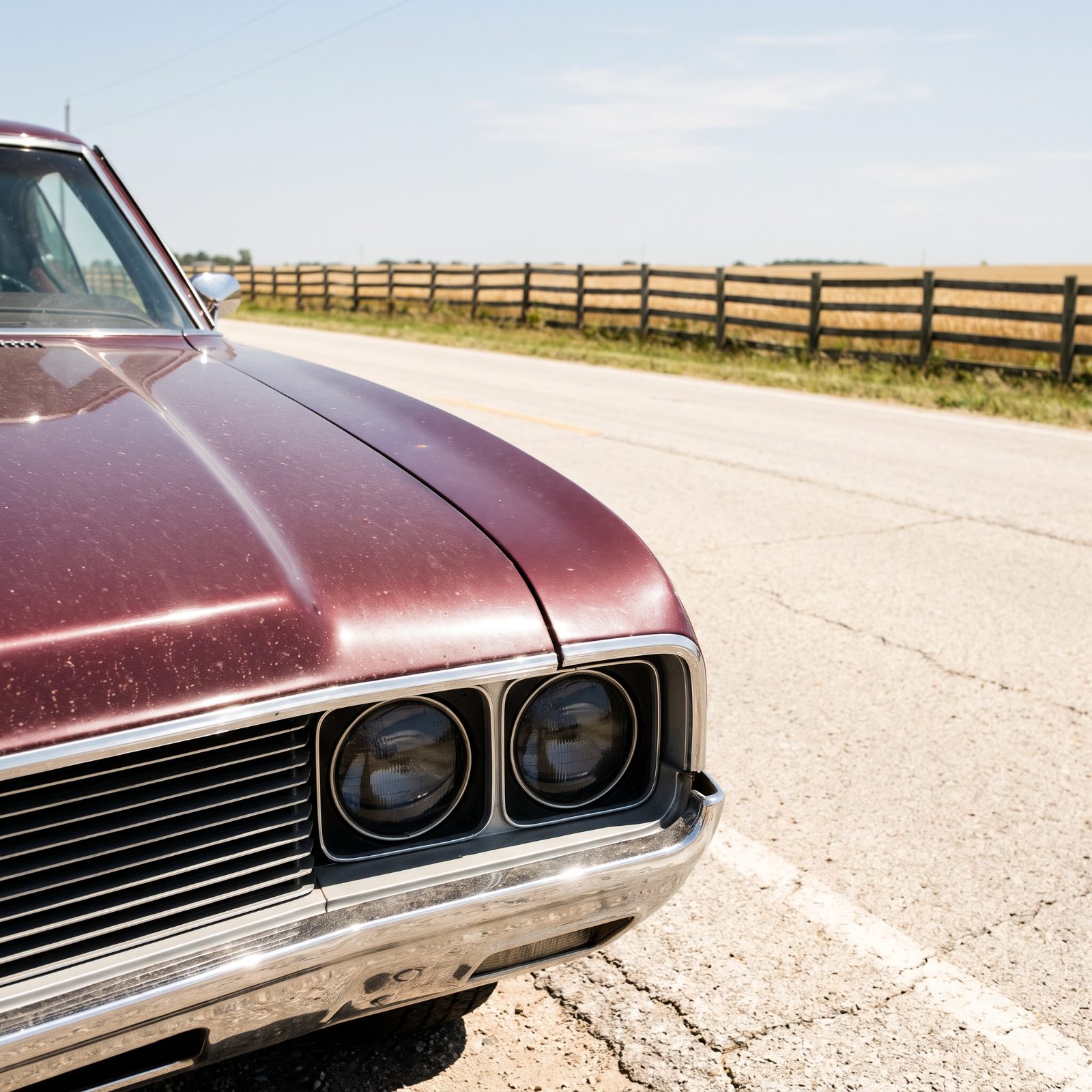
Running your lights in broad daylight was the mark of a driver who’d either forgotten or didn’t know better. Those old generators and small batteries didn’t have a lot to spare, and headlights were for seeing in the dark — the sun handled the rest. So you flicked them off the moment the sky brightened, same as you’d close the icebox door. The whole idea of lights blazing at noon would’ve struck a 1960s driver as flat-out wasteful. Then daytime running lamps came along and quietly settled the argument in the other direction.
5. Pulling Fully Onto the Shoulder for a Passing Funeral Procession
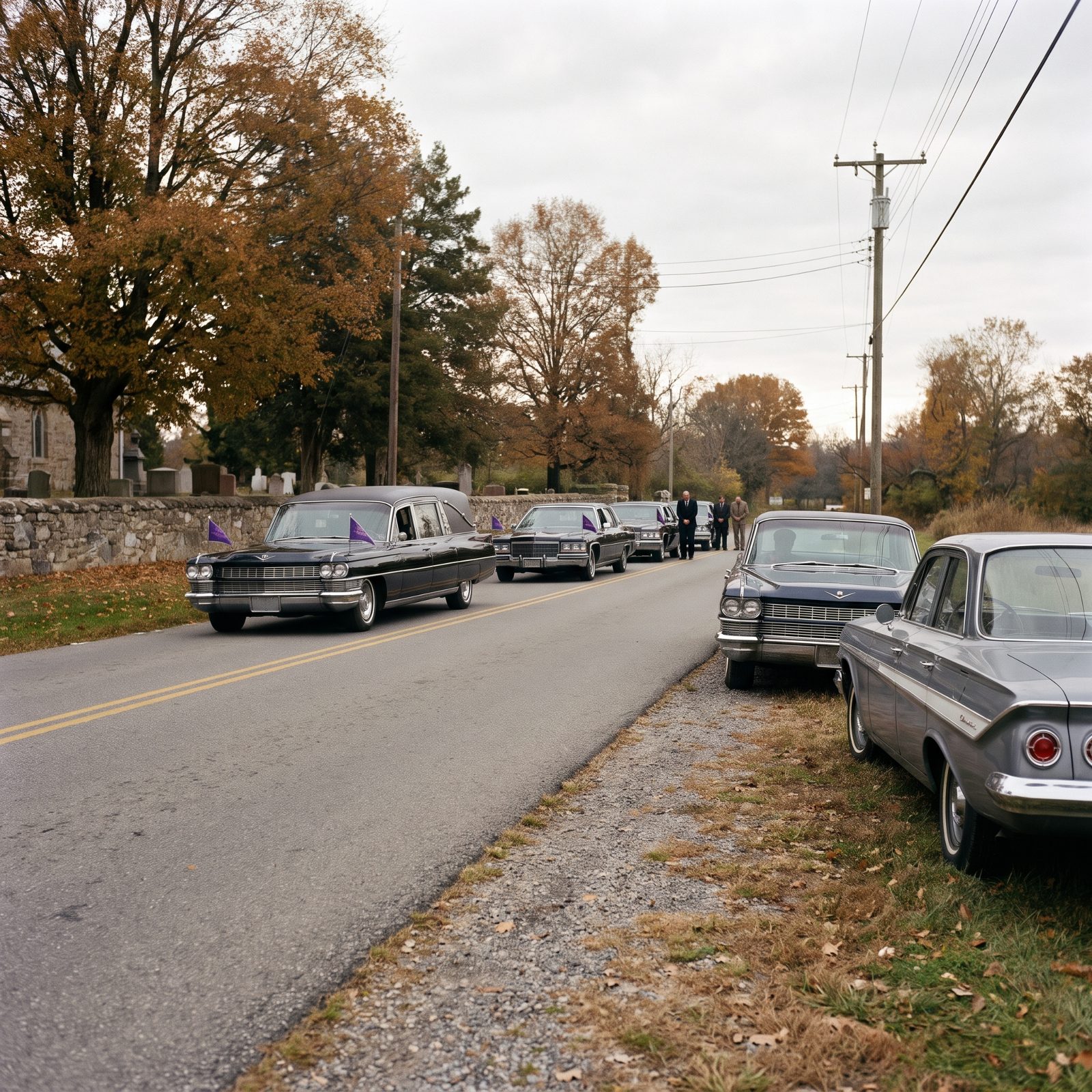
You saw the hearse and the little purple flags, and you pulled over. All the way over, onto the shoulder, and you stopped — didn’t matter which direction you were headed or how late you were running. Men stepped out and took their hats off. It wasn’t written in any traffic code. It was just something people did for the family in those slow dark cars, a small courtesy extended to strangers in the worst week of their lives. That instinct has mostly faded now, lost somewhere between four-lane traffic and everybody being in a hurry.
4. Never Driving With the Interior Dome Light On
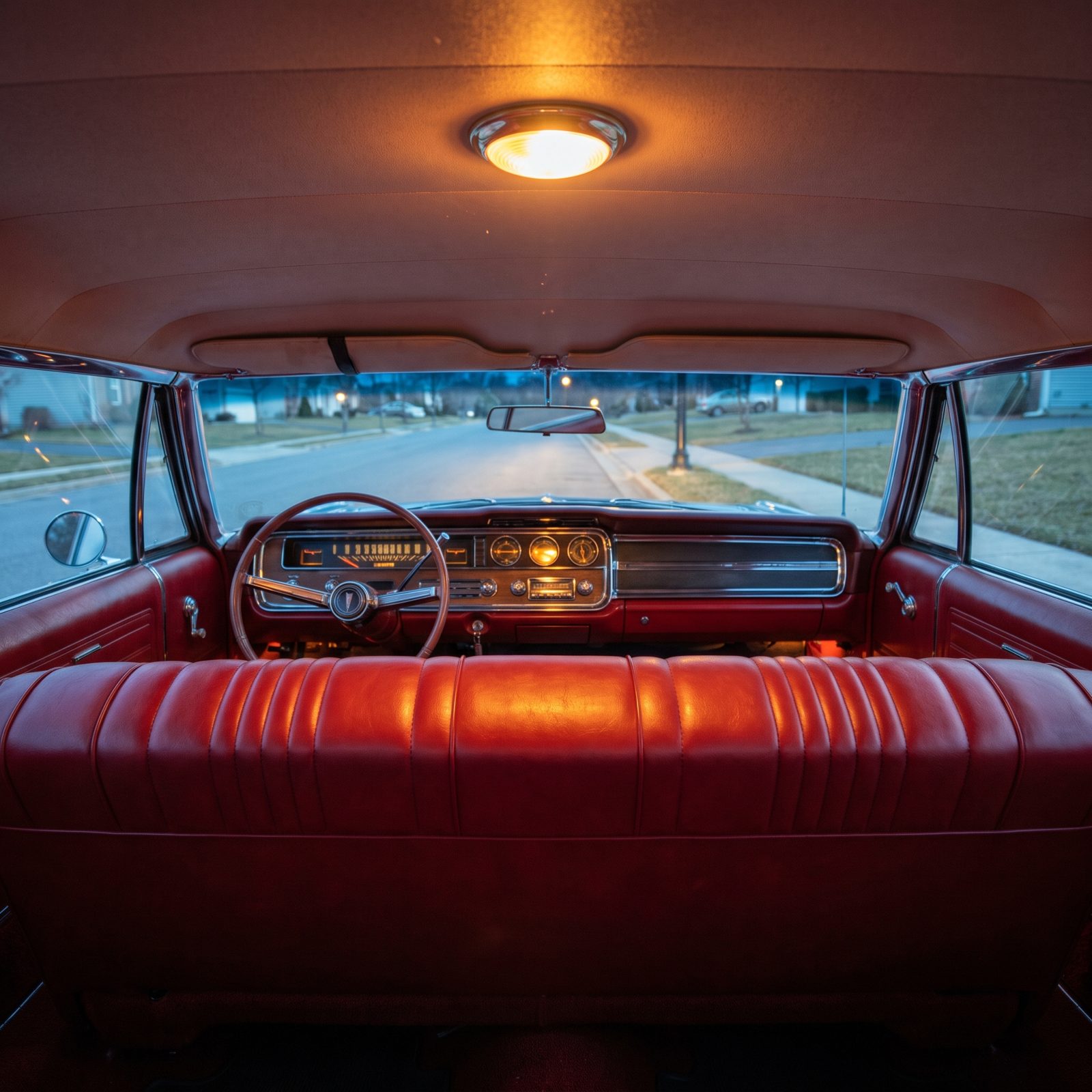
“Shut that light, you’ll blind me.” Any kid who grew up riding in the back heard some version of it. A lit dome light threw a reflection across the windshield and washed out the road ahead, so the rule was absolute: lights off before the car rolled. Find your gum wrapper or your dropped nickel at a stoplight, not in motion. It was about seeing out, plain and simple, and no map-reading or seat-belt-buckling earned you an exception while the wheels were turning.
3. Letting Faster Traffic Pass Instead of Camping in the Left Lane
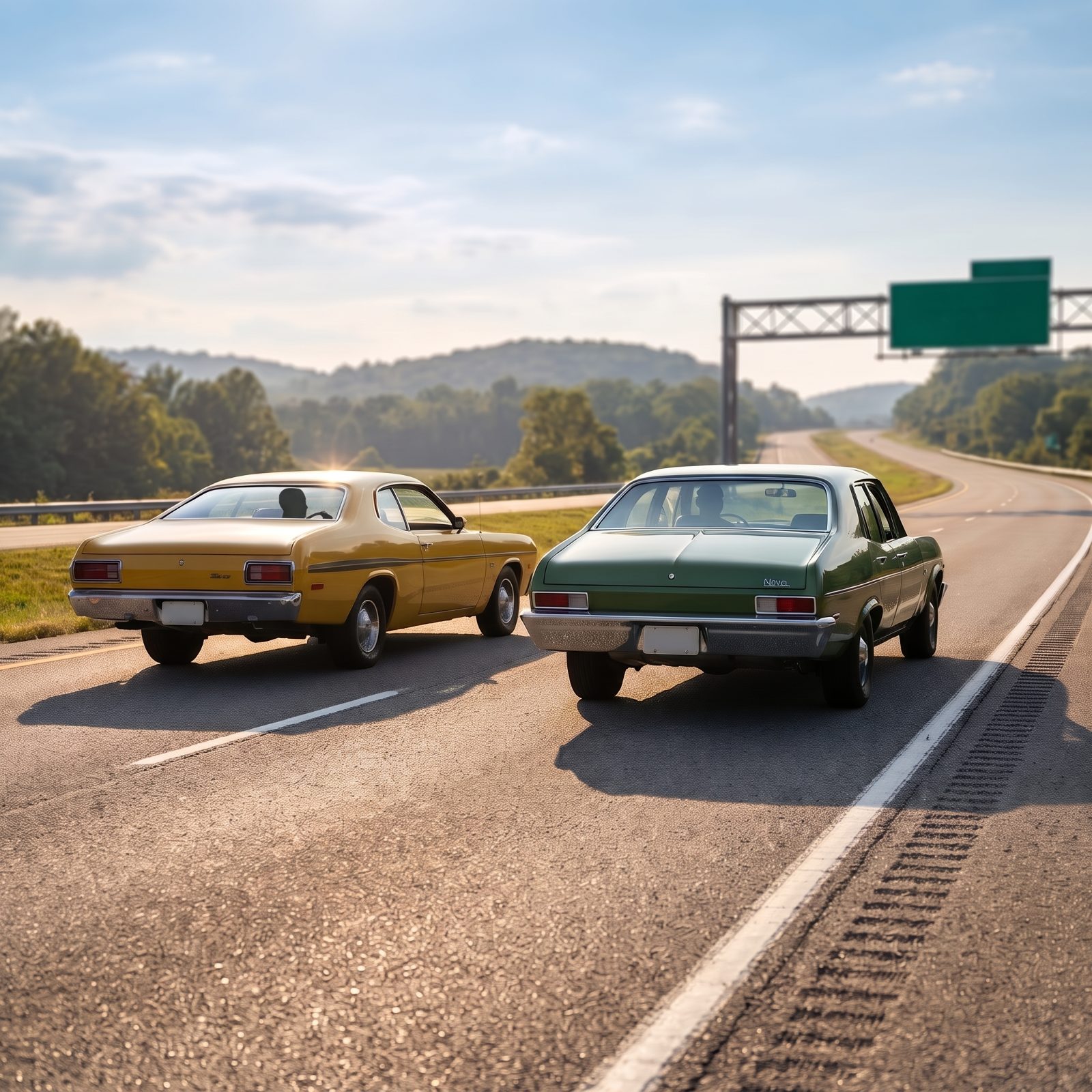
The left lane was for passing. You slid over, got around the slower car, and slid right back — you didn’t move in and set up camp. Somebody coming up faster behind you? You let them by and thought nothing of it. There was a courtesy to the whole arrangement, an unspoken agreement that the fast lane belonged to whoever was actually using it to pass. Now the left lane is where cars go to park at sixty-two miles an hour with a line of furious traffic stacking up behind them, and nobody seems the least bit bothered by it.
2. Shifting to Neutral at Every Red Light
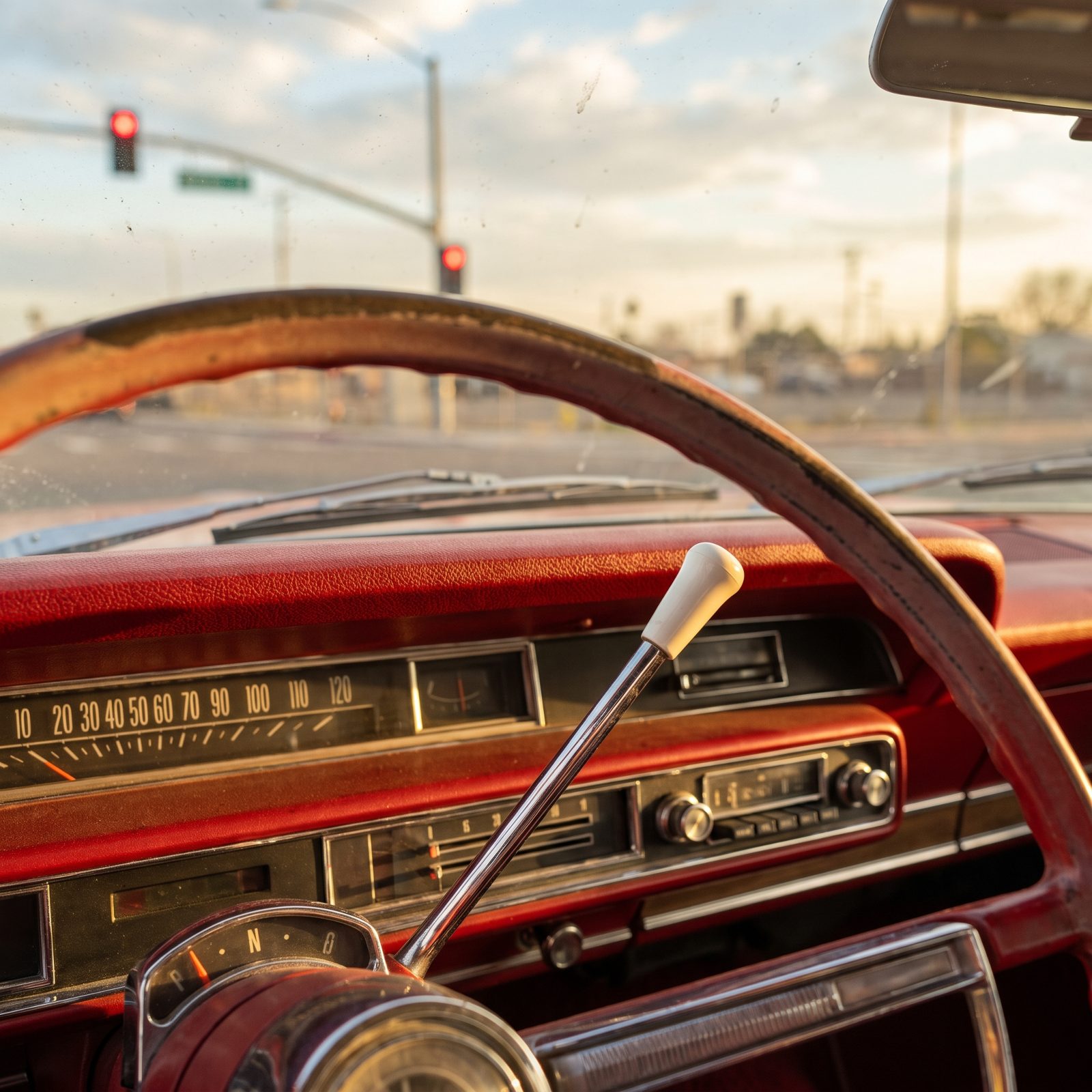
Red light, and the hand went to the column shifter — the pointer still resting on D, just a click away from neutral. Plenty of old-timers swore it spared the transmission from the strain of idling in Drive while your foot held the brake, and it kept the engine from fighting itself at a dead stop. Whether the old automatics really cared is another question entirely. But the habit stuck, passed from father to son like a secret handshake. You’d spot a true believer at every light, that little shift up and then the click back into Drive the second the green hit.
1. Always Backing Into the Driveway So You Could Pull Out Safely
Would you like to save this?
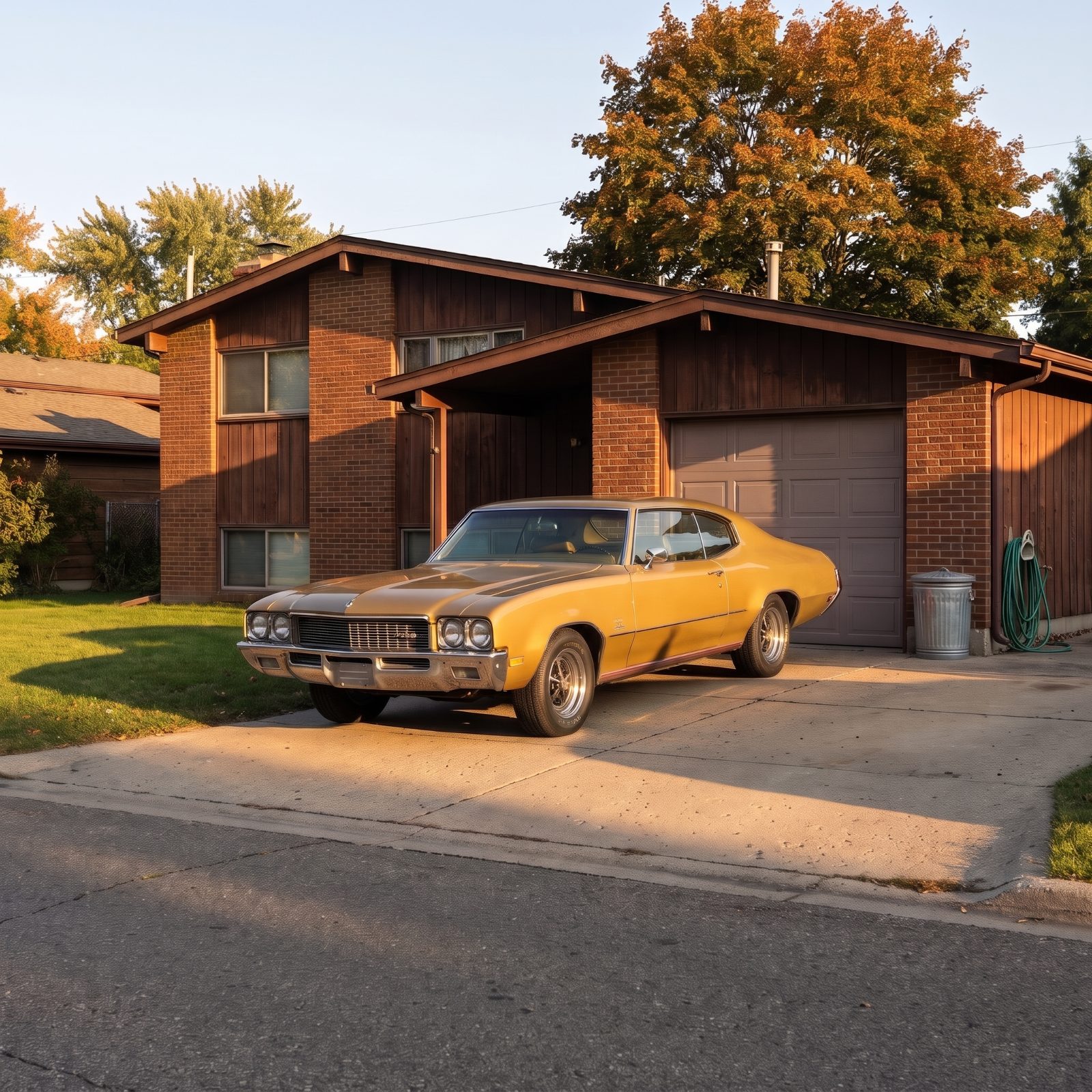
Pull in nose-first and you’d have to back out blind into the street later, craning over your shoulder past kids on bikes and the neighbor’s fence. So you did the hard part up front. You backed in — a little jockeying, a couple of corrections — and come morning you just pulled straight out facing traffic, able to see everything coming. It was foresight, really: trade a minute of fuss tonight for a safe departure tomorrow. Mostly a dying habit now that backup cameras do the squinting for us, though you’ll still catch an old Buick sitting nose-out in a driveway, ready to go, and you’ll know exactly who parked it.