
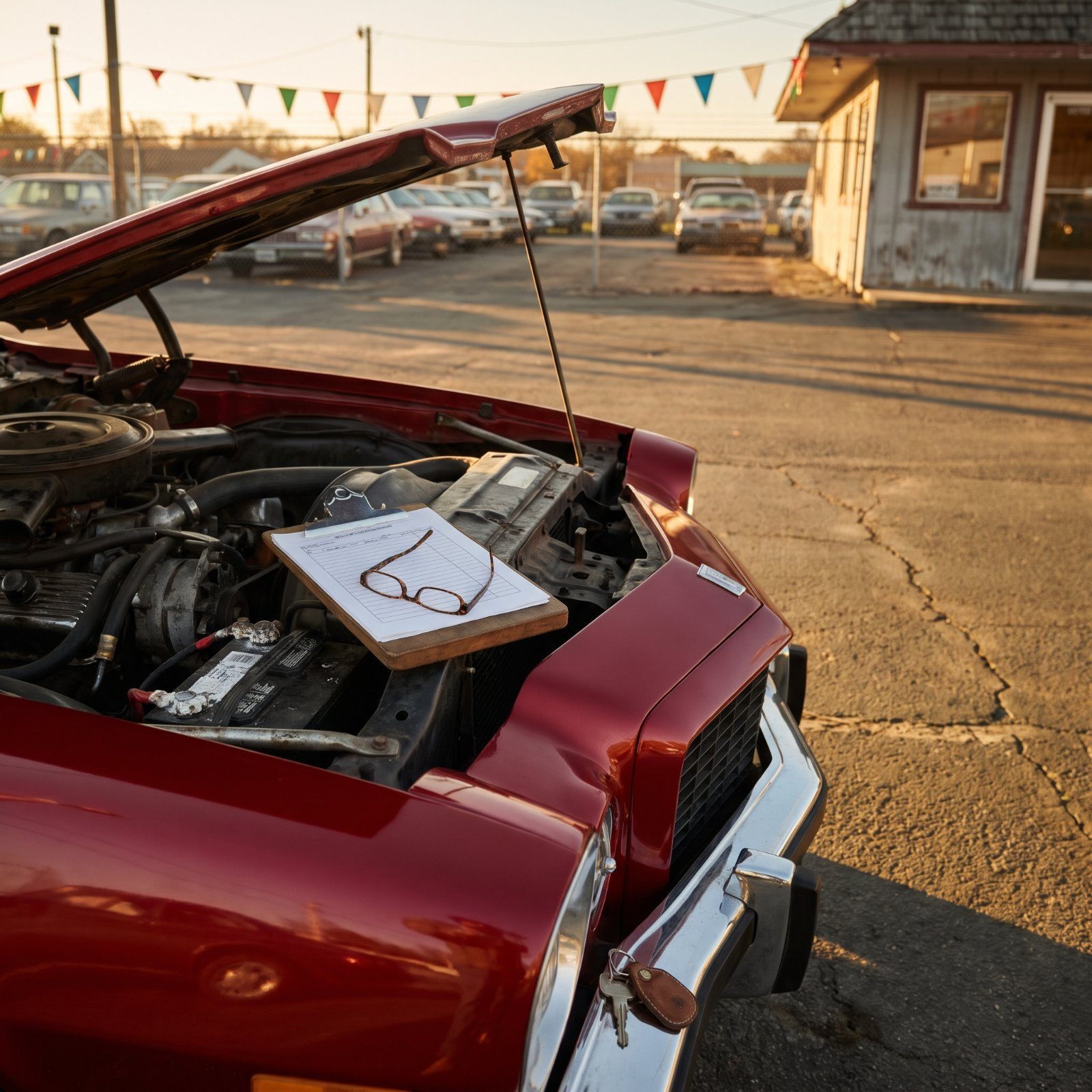
There is a particular silence on a used-car lot. You are standing beside something gorgeous, the paint still warm from the sun, and a small voice in the back of your head is asking about the transmission. You tell that voice to pipe down. We’ve all done it — walked past the sensible sedan to go stand next to the loud one, heart doing something it has no business doing over a machine. The wiring that pulls us toward the wrong car is the same wiring that pulls us toward the wrong partner. Same chemistry, same blind spots, same stack of warning signs we decide to read later. Here’s how it happens, and why your brain keeps falling for it.
Please note that some of the images in this article were created with the assistance of AI.
18. You Fall for the Bodywork Before Checking Under the Hood
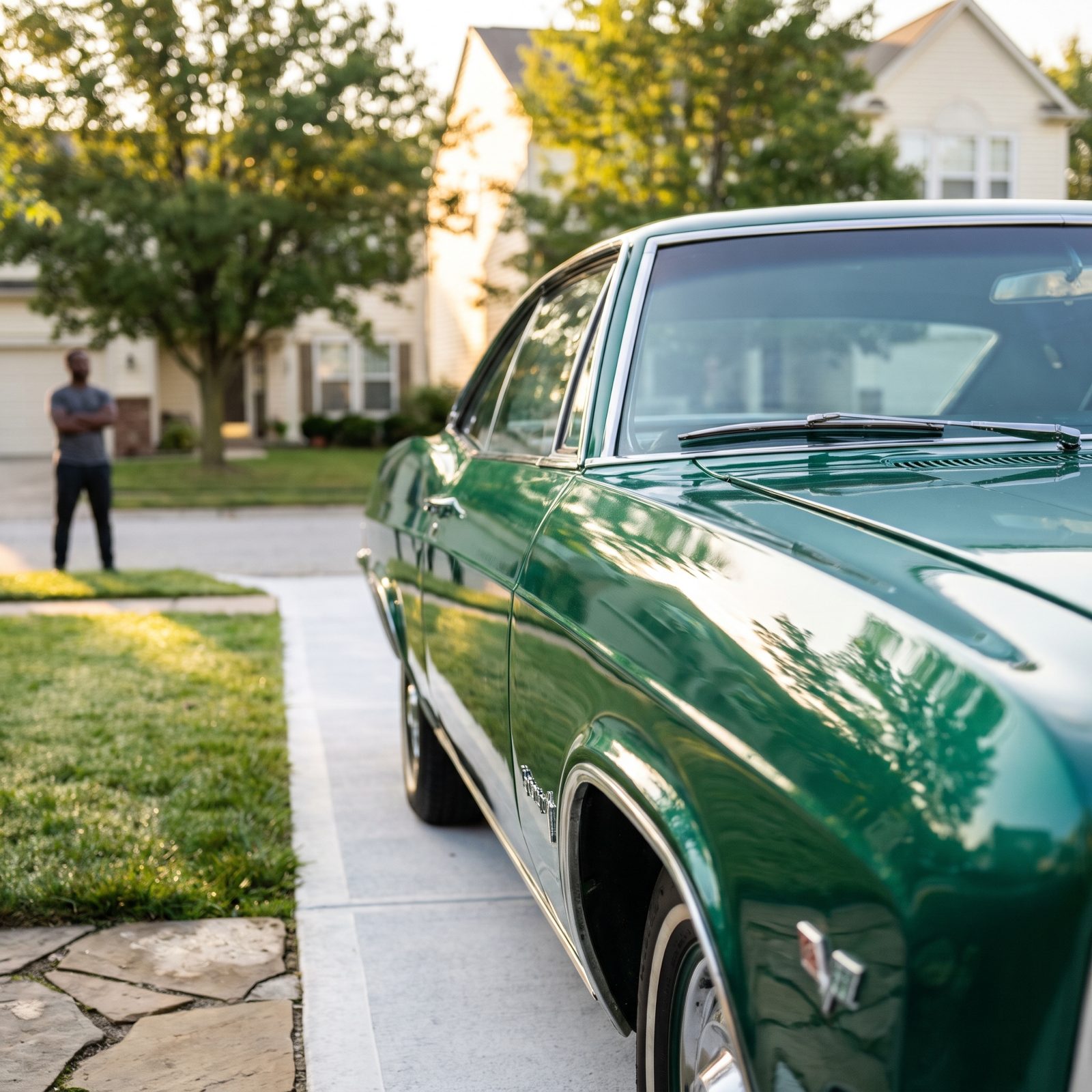
You know the moment. The paint is so clean you can see yourself in the door panel, and you’ve already decided this is the one. The hood never gets opened. Nobody asks how it runs cold on a January morning. You are in love with the surface.
This is the halo effect doing its oldest trick: when one trait is attractive, your brain fills in the rest with flattering guesses. Beautiful bodywork quietly convinces you the engine must be sound too, because surely something this pretty couldn’t let you down. People pull the identical move with a charming stranger across a room.
The paint tells you nothing about the timing chain, and the jawline tells you nothing about how someone handles a bad week. But we treat the visible as proof of the invisible. Every time.
What Our Readers Say
- In Jalopy Talk readers’ votes, red and burgundy cars got hearts 85% of the time, compared with 75% for the other cars pictured in the same articles.
- Cars with lots of chrome also drew more hearts from our readers, 90% versus 83% for the other images in the same articles.
From Jalopy Talk reader polls and votes.
17. That Exhaust Note Makes Every Warning Light Seem Petty

Turn the key, and the whole thing rumbles up through the seat and into your chest. In that half-second, the check-engine light flickering on the dash becomes a minor administrative detail. Something this loud and alive can’t really be sick, right?
Confirmation bias, wearing earplugs. Once you want the car, every sensory thrill becomes evidence for your decision and every red flag gets downgraded to a quirk. The exhaust note is emotional, immediate, loud. The oil leak is quiet, boring, and future-tense. Guess which one wins the argument.
It’s the same reason a person’s magnetic laugh can make you forget the three times they’ve already let you down. The pleasure is now, the consequence is later, and the brain discounts later at a brutal rate.
16. One Great Test Drive Outvotes a Stack of Service Records
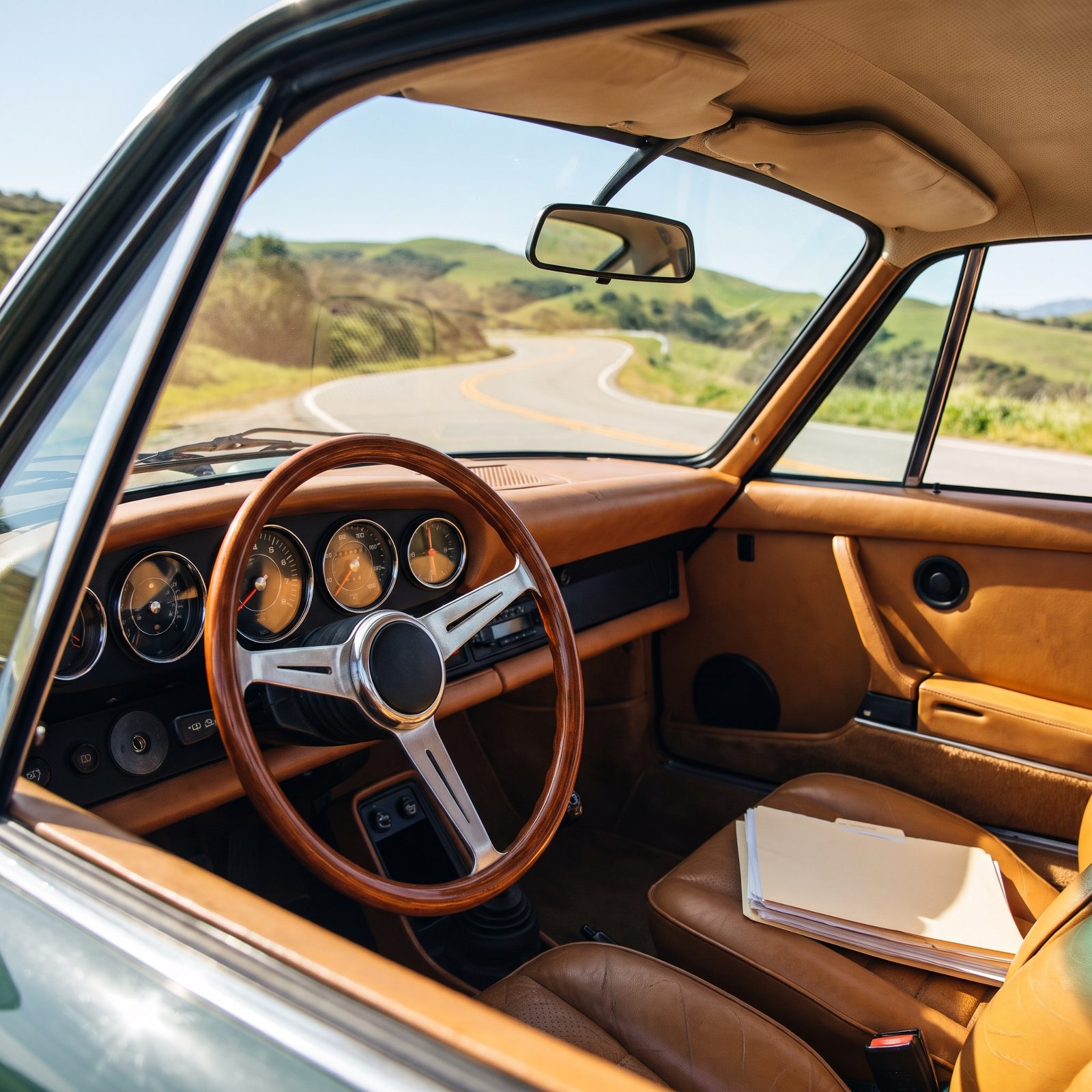
The test drive went perfectly. Shifted clean, braked straight, sun out, road empty, and for twenty glorious minutes it felt like the machine was built around you. Meanwhile a folder of service records — three transmission repairs, all documented — sits on the passenger seat, unread.
This is the availability heuristic. A single vivid, recent, emotional experience looms larger in the mind than a pile of dry data. The drive happened to you; the records happened to someone else. Your gut trusts the thing it felt.
Same thing with one magical first date. One good night rewrites a year of other people’s warnings. The lived twenty minutes simply shout louder than the documented history.
15. A Limited-Edition Badge Makes You Commit Too Fast
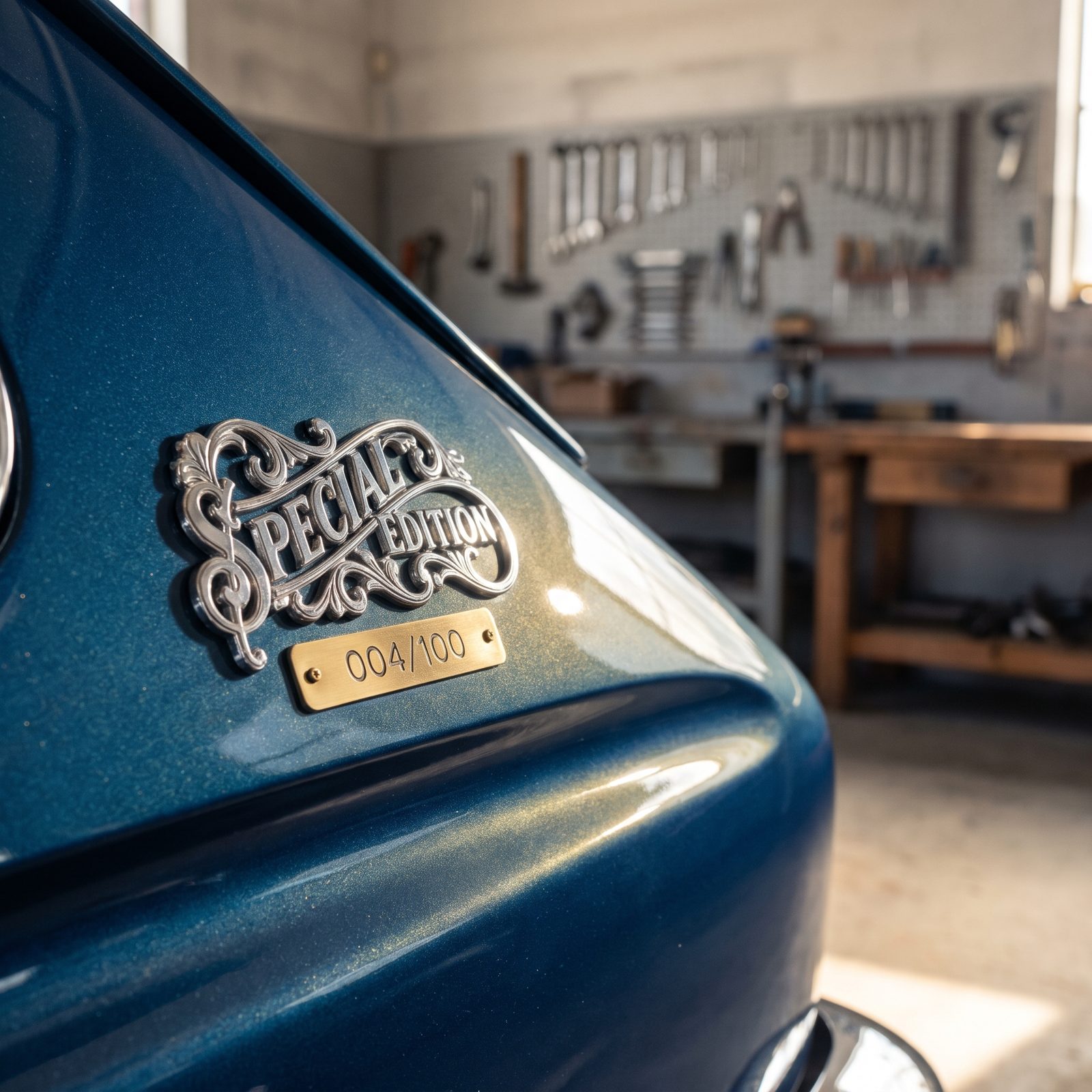
Scarcity is a drug, and the badge is the dealer. The seller mentions only a few hundred were ever built, and suddenly your careful deliberation collapses into a feeling that you must act now or lose it forever.
Loss aversion kicks in hard. The fear of missing out on something rare feels sharper than the pleasure of owning it, so you move faster than your judgment can keep up. You stop asking whether the car is right and start panicking that someone else will take it.
It’s the exact rush that makes people lock down a relationship because the person seems too special to risk losing, long before anyone has checked whether they actually fit. Rare is not the same as right. Rare just means harder to walk away from.
14. You Let the Seller’s Confidence Replace Your Own Judgment
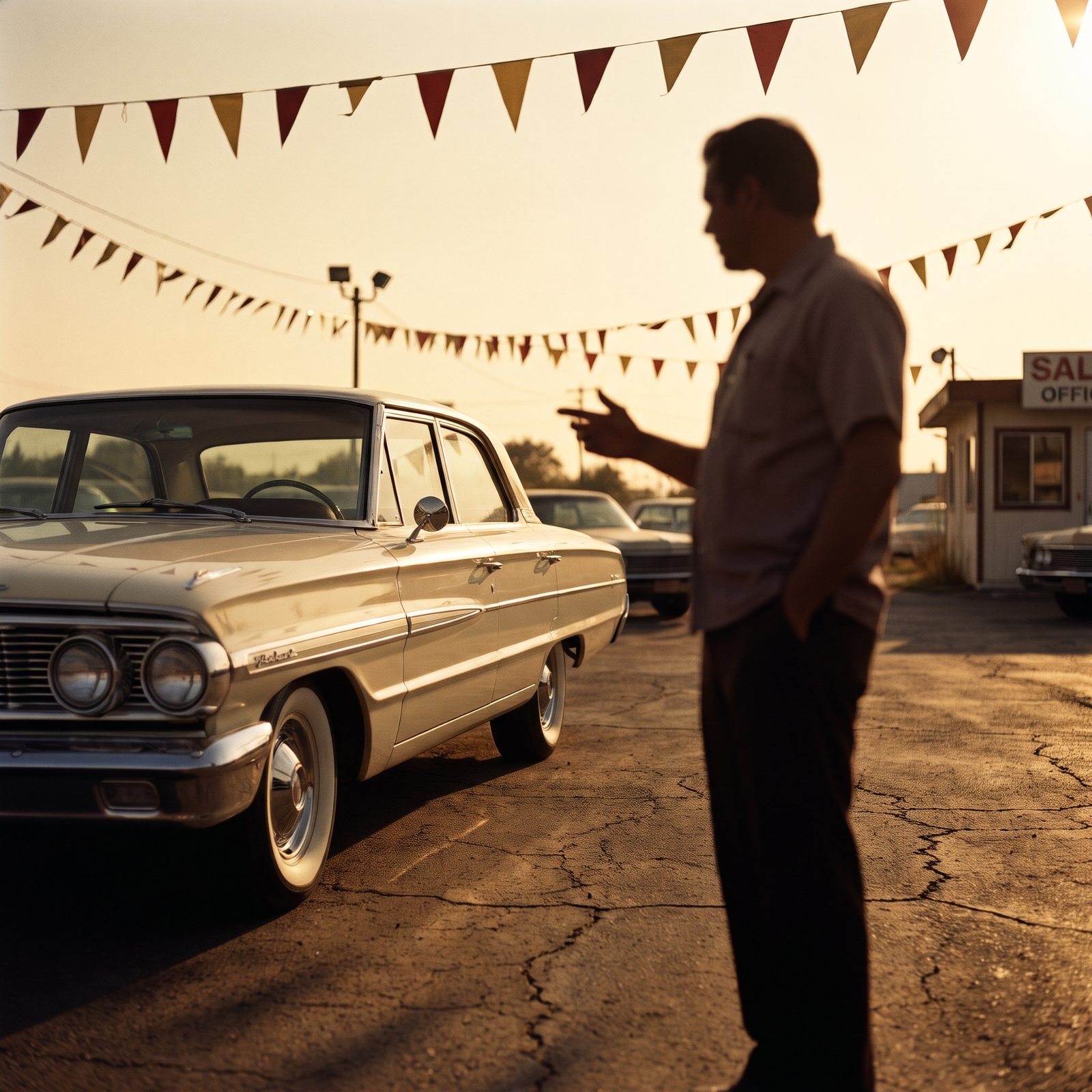
The seller never hesitates. Every question gets a smooth, certain answer, delivered with the calm of a man who has never been wrong in his life. By the end you’re nodding along, your own doubts feeling faintly rude.
Authority bias meeting social proof. We’re wired to read confidence as competence, even when the two have nothing to do with each other. A person who sounds sure makes us feel foolish for being unsure.
The same spell works in dating. Someone who speaks in absolutes and never flinches reads as trustworthy, when all you’ve really measured is how comfortable they are talking. Confidence is a performance anyone can learn. It is not the same as being right, and it’s definitely not the same as the car being sound.
13. You Choose the Model That Feels Suspiciously Familiar
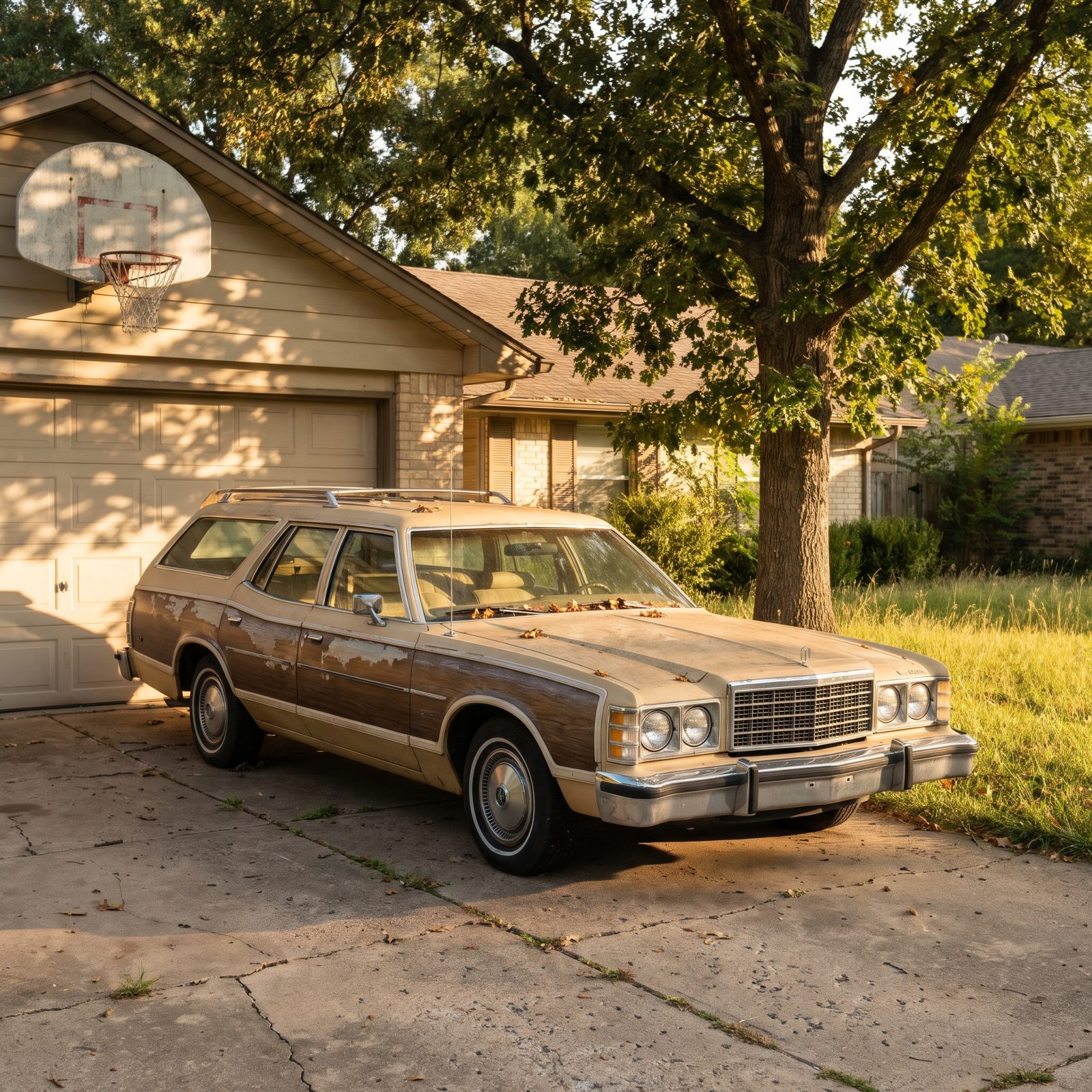
You keep circling back to the same make your father drove, or the model you learned stick in, or something that smells like a summer you can’t quite name. On paper there are better choices. You want this one.
Nostalgia is a powerful anchor. The brain confuses familiarity with safety, because familiar things once kept us alive. A car that echoes your history feels like coming home even when it drives like a brick.
People fall for partners who resemble the emotional furniture of their childhood for the exact same reason. Recognizable feels like belonging. But familiar and good are two separate questions, and once the first one lights up we almost never bother asking the second.
12. You Buy the Image, Then Live With the Blind Spots
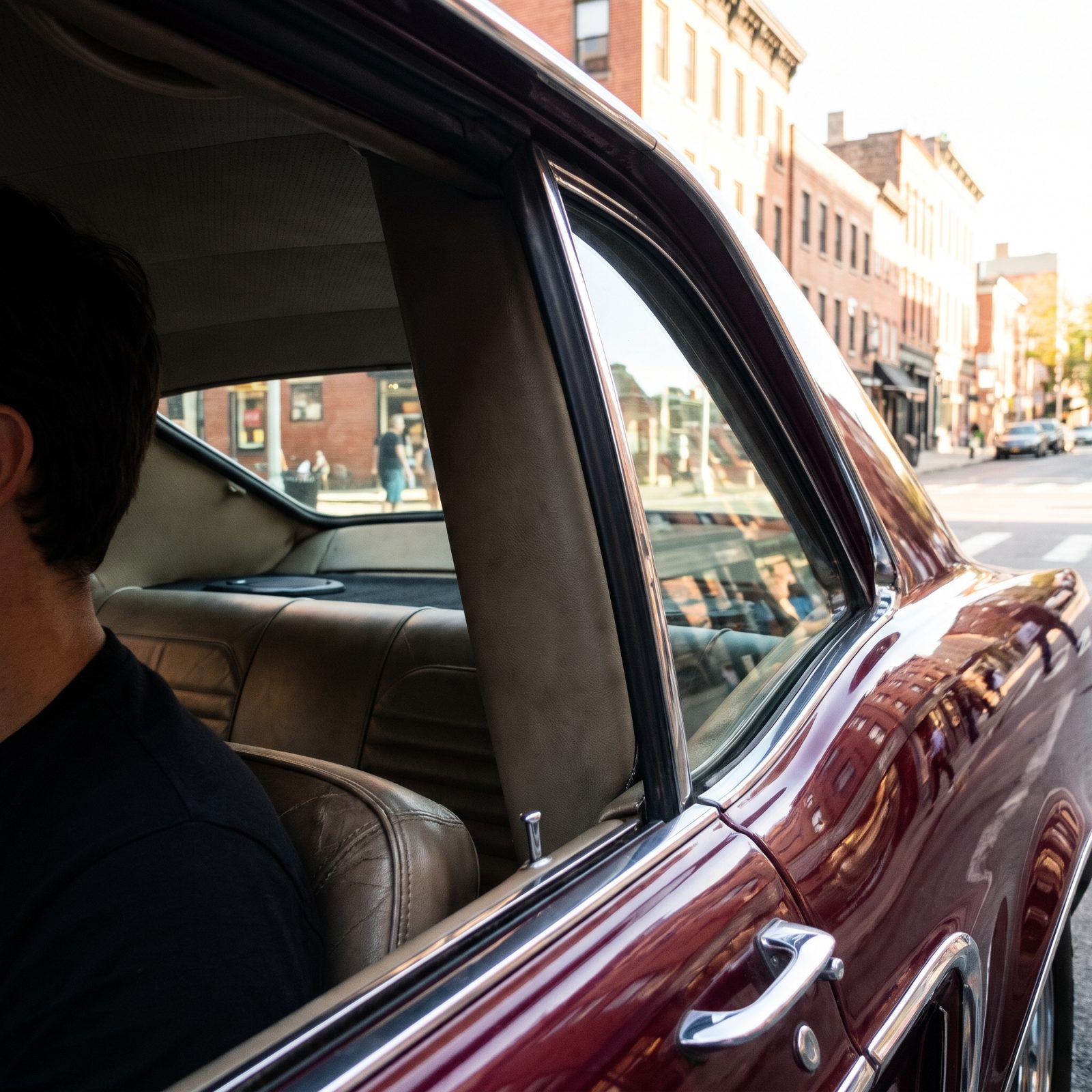
The silhouette sold you. Low roof, long nose, the kind of profile that turns heads in a parking lot. Three weeks in, you discover you can’t see a thing out the back, parking is a nightmare, and your neck aches from folding yourself into it.
This is the gap between the self you wanted to project and the daily reality of actually living with your choice. You bought the image, which is forward-facing and public. The blind spots you didn’t account for are private and relentless.
Love does this too. You pick the person who looks great at the party, then slowly learn what they’re like at seven on a Tuesday when the dishwasher breaks. The image is for other people. You’re the one who has to live inside it.
11. You Ignore the Two-Seater Problem Until School Pickup

The roadster made perfect sense the day you bought it. Top down, wind in what’s left of your hair, pure joy. Then comes the morning you need to carry two kids, a cello, and a cooler, and the two-seater problem lands all at once.
Call it the planning fallacy, romance edition. When you commit, you picture the best-case life and skip the ordinary logistics. You imagine the open road, never the school pickup line where your dream car has exactly one empty seat.
People marry the fantasy and then move in with the reality constantly. The thrill of the choice crowds out the boring arithmetic of how it’ll actually fit your week. The car isn’t wrong. It just answered a question you weren’t going to be asking for very long.
For what it’s worth, station wagons got more hearts from our readers than the other cars pictured alongside them, 88% versus 83%.
10. You Stretch the Loan Because This One Feels Special

It’s more than you planned to spend. Noticeably more. But this one feels special, so the budget you set so firmly last week starts bending, and the loan stretches another year, then two, until the math stops looking you in the eye.
Here’s the exception fallacy at full volume. Rules are for ordinary cars and ordinary people — this one is different, you tell yourself, so the limits don’t quite apply. Every overcommitted buyer and every reckless romantic has whispered the same line.
The word “special” is where good judgment goes to quietly resign.
The danger is that “special” feels like a reason when it’s really just the sensation of wanting something badly. The loan doesn’t know the car is special. It only knows how long you’ll be paying.
9. You Start Modifying It Before You Truly Know It
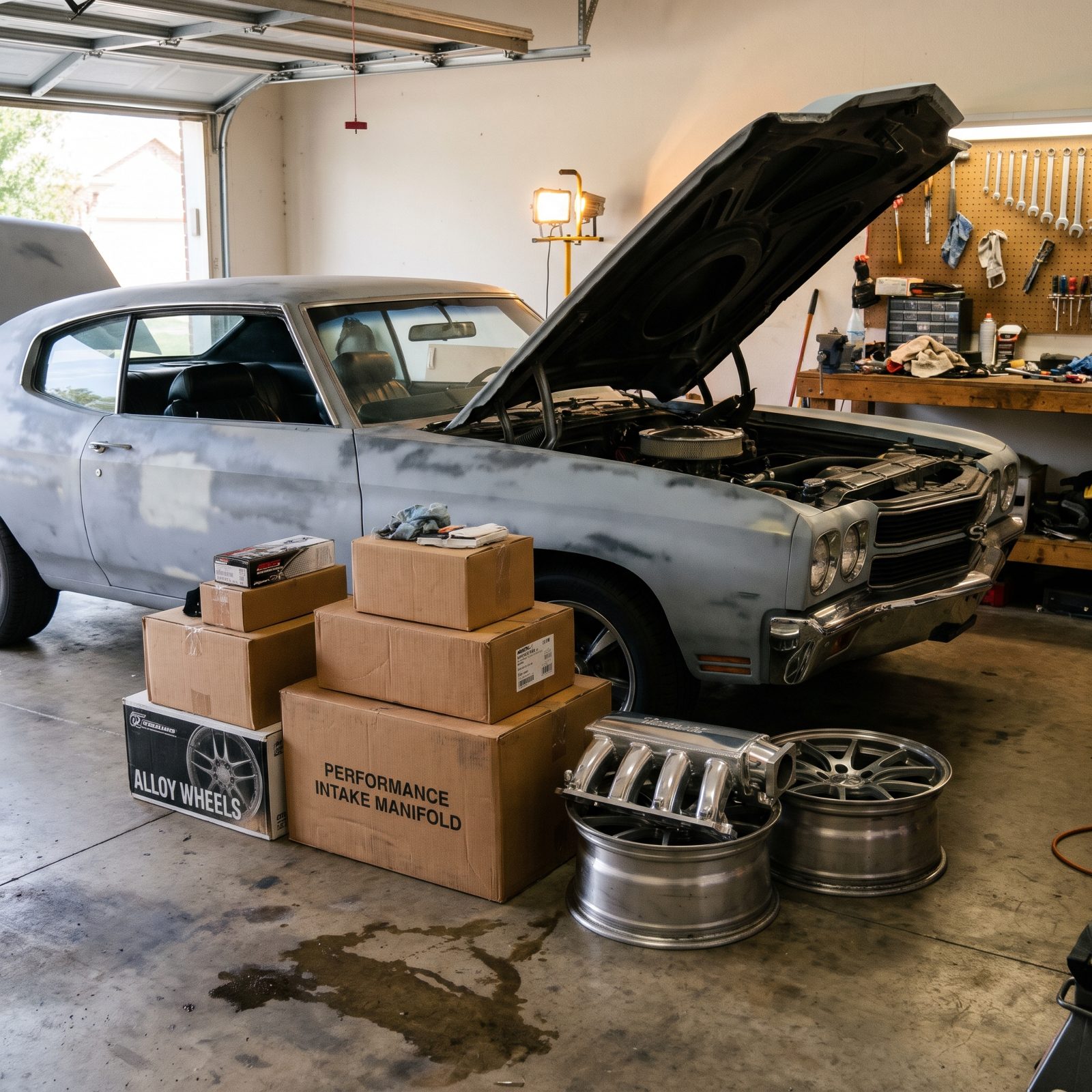
You haven’t even finished the first oil change and you’re already ordering wheels, a new intake, a shift knob you spotted online at midnight. You’re improving a car you barely know.
This is the IKEA effect fused with commitment escalation. The more effort and money you pour in, the more attached you become, and the attachment itself starts justifying the next pour. Each upgrade is a little vow. Walking away gets harder with every bolt you turn.
People do this to partners too, trying to renovate someone into the version they imagined before they’ve honestly assessed the version they’ve actually got. The fixing becomes the bond. By the time you learn what you really bought, you’ve sunk in too much to see it clearly — and that was always the trap.
8. You’re Sure Your Love Can Fix That Project Car
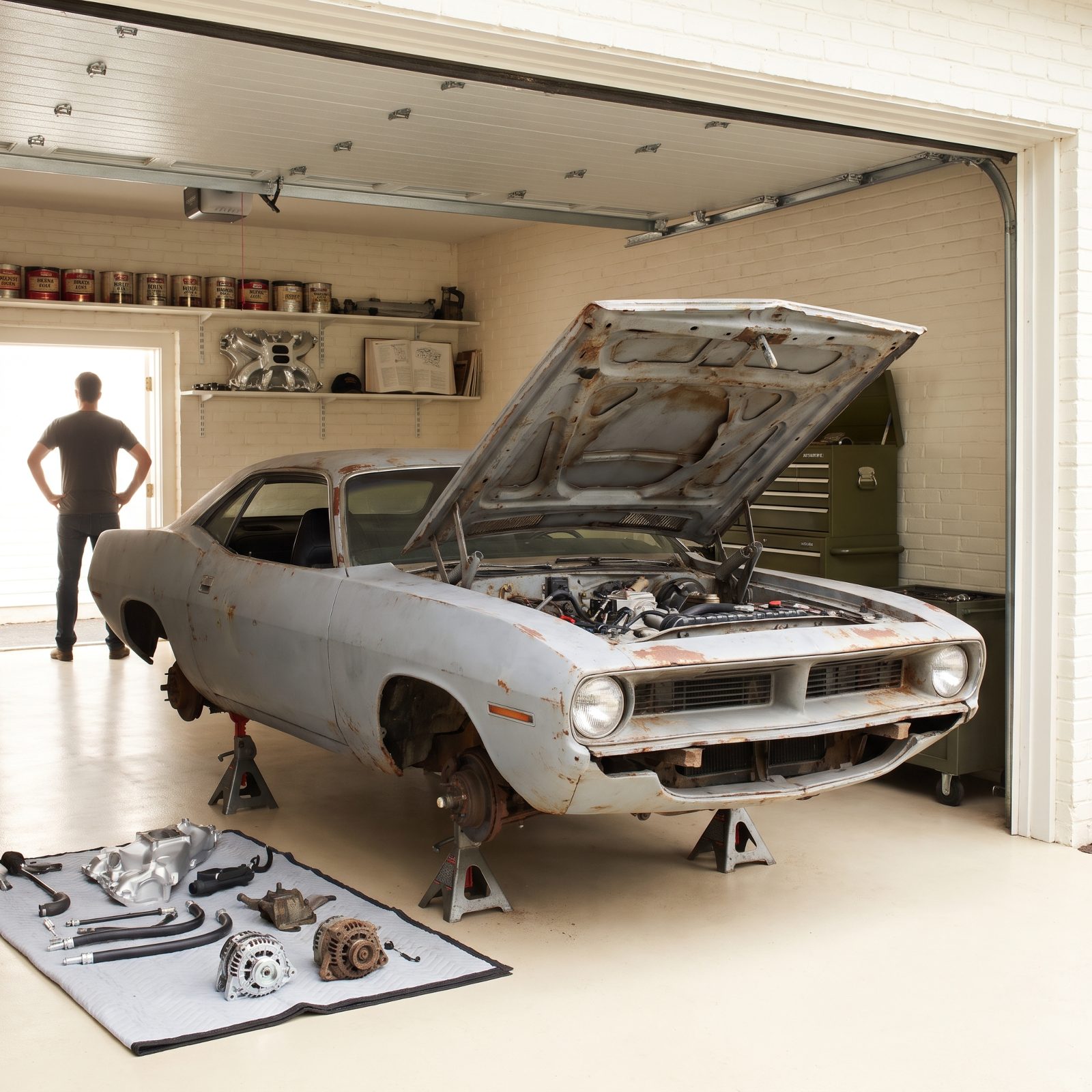
You saw it in a barn, under a tarp, with a tree growing a little too close to the bumper. Most people saw a parts car. You saw potential — a weekend here, a rebuilt carburetor there, and by summer she’ll purr. That was four summers ago.
This is the fixer-upper fantasy, and it runs the same circuit whether the project has a crankshaft or a pulse. Psychologists call it the illusion of control, our deep belief that effort and devotion can bend a stubborn thing to our will. It feels noble. It feels like commitment. It’s also why people marry potential instead of reality and then wonder where the next decade went.
The hitch is simple. A car doesn’t change because you love it harder, and neither does a person. You can only ever fix the one who was already most of the way fixed before you got there.
Our readers do have a soft spot for the finished result: restored, concours-condition cars got hearts 85% of the time, versus 75% for other images in the same articles.
7. You Call Constant Repairs Part of Its Personality
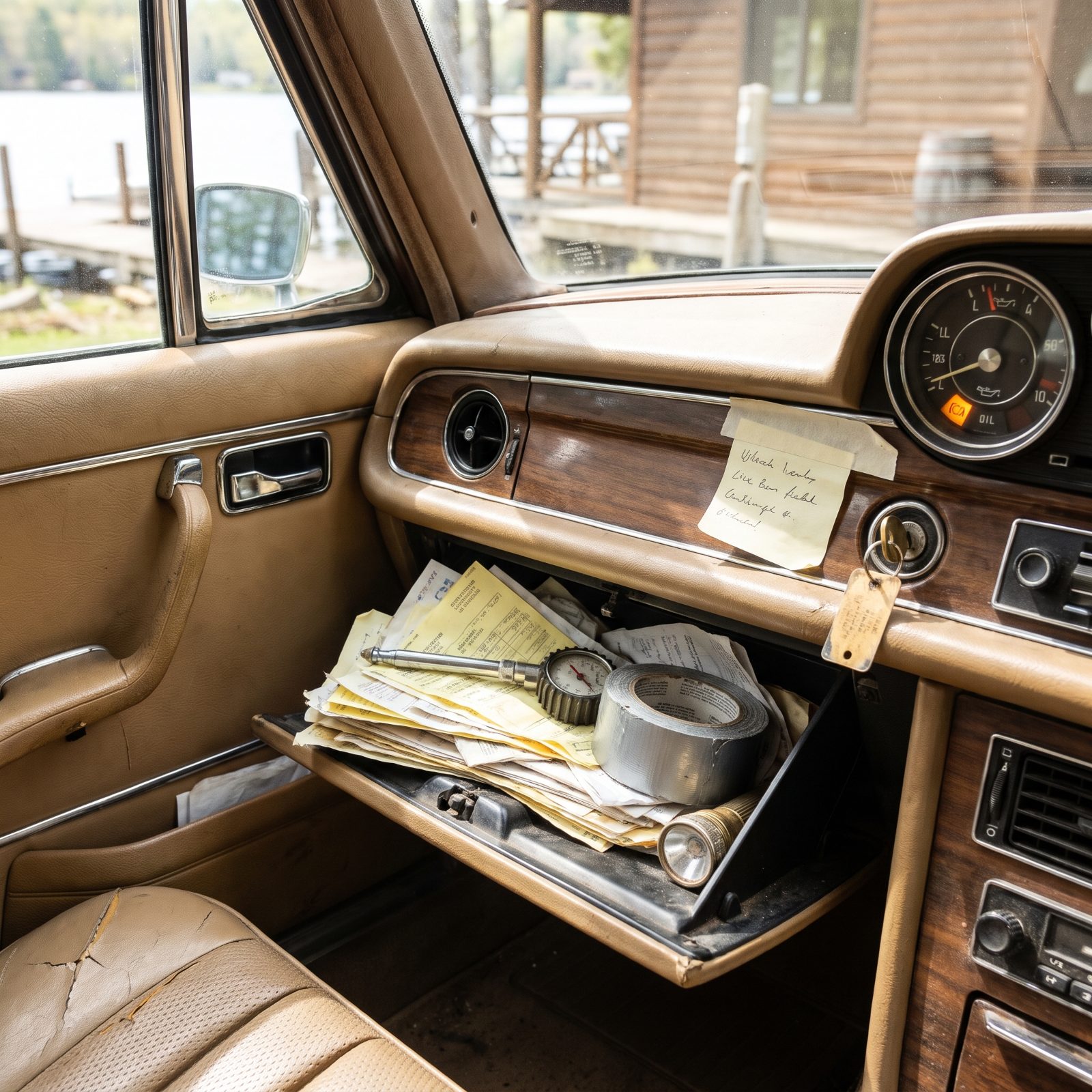
She stalls at every third stoplight. The passenger window only rolls down if you believe in it. You’ve stopped calling these problems — now they’re character. “That’s just how she is,” you say, the way people describe a partner’s temper like it’s a charming accent.
Reframing flaws as quirks is how we talk ourselves into staying. Call it a cousin of cognitive dissonance: the car costs us money and dignity, so the brain quietly rewrites those costs as features to keep the story comfortable. Admitting the thing is just unreliable would mean admitting we chose poorly, and nobody enjoys that particular mirror.
There’s a line between a lovable quirk and a liability, and it’s usually drawn by how often you’re late, stranded, or apologizing. A quirk makes you smile. A liability makes you lie to your friends about why you’re forty minutes behind.
6. One Perfect Sunday Drive Earns Forgiveness for Three Breakdowns

The one perfect drive. Top down, engine behaving, the road unspooling ahead at golden hour and everything humming. In that half hour you forgive the overheating on the highway, the no-start in the grocery lot, the tow bill that still haunts your credit card. One great Sunday pays off three bad weeks.
That’s the intermittent reward at work, the most addictive reinforcement schedule ever studied. Slot machines run on it. So do the relationships people can’t seem to walk away from. Unpredictable payoffs hook us harder than reliable ones, because the brain dumps its biggest dopamine hit on the hope of the reward, not the reward itself.
A car that ran perfectly every single day would be easier to leave than one that breaks your heart six times and then gives you the best afternoon of your year.
5. You Keep Paying Because You’ve Already Rebuilt the Transmission
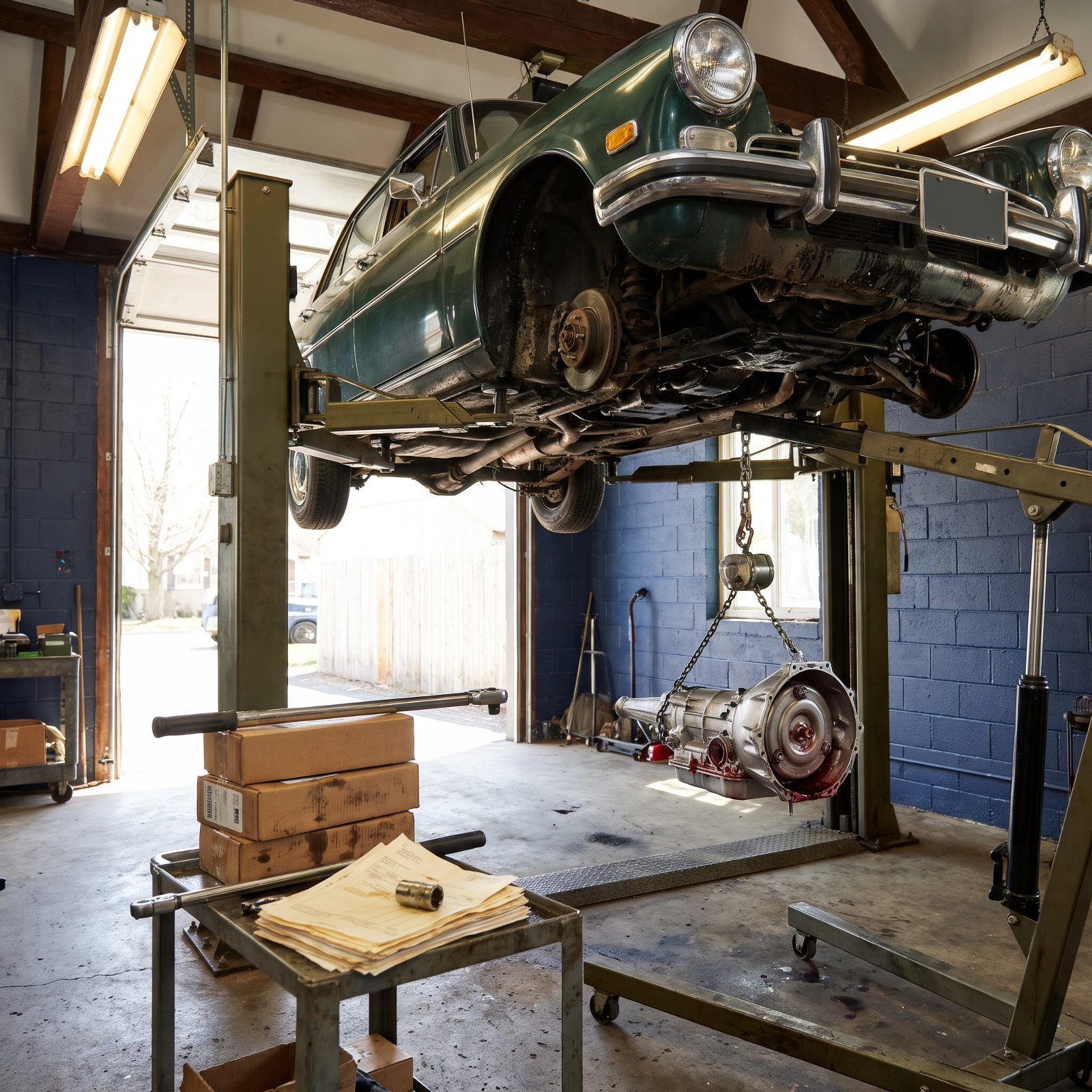
New clutch. Rebuilt transmission. Fresh brakes all around. You’ve got a small fortune into a car worth less than that, and now the water pump is going. Selling it now feels insane, you reason, after everything you’ve put in — so you write another check.
Welcome to the sunk-cost fallacy, the most expensive bias in the garage. Past spending is gone no matter what you do next, but the mind flat refuses to treat it that way. We keep investing to justify what we’ve already lost, which is exactly how people stay years too long in a thing that drains them, telling themselves they can’t quit now.
Here’s the hard truth most of us learn the slow way. The money you already spent is not a reason to spend more. It’s just tuition. The only question that matters is whether the next dollar is worth it, not the thousand that came before.
4. Your Friends Spot the Lemon Before You Do
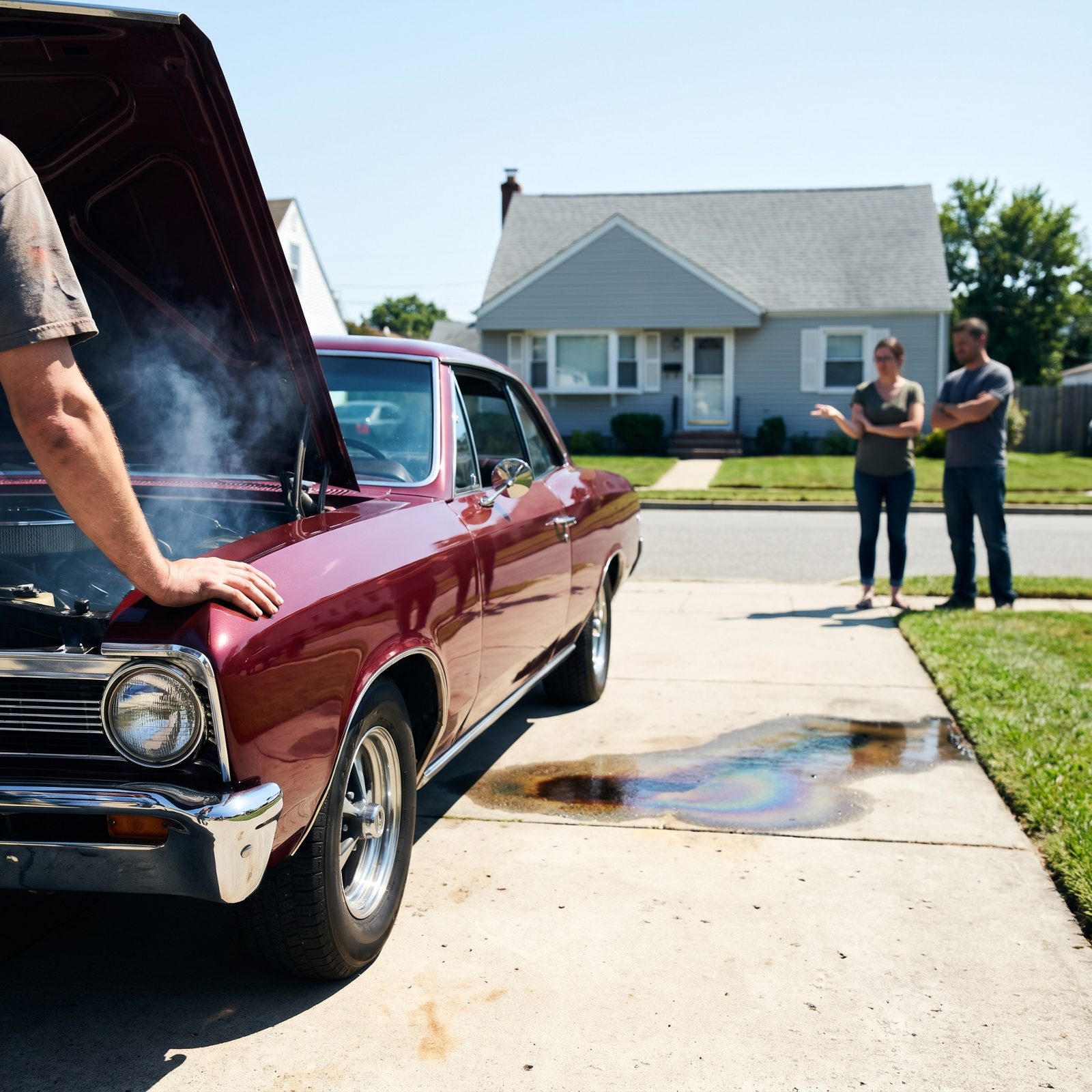
“How much did you pay for that?” a buddy asks, in the careful voice people use when they already know the answer is too much. Your friends see the oil spots on the driveway, the exhaust haze, the way it sits a little crooked. You see the lines, the paint, the way it looks in the setting sun.
Everyone spots the lemon before the owner does, for the same reason the people around us clock a bad match before we will. Infatuation narrows attention. We fixate on the few traits we fell for and go blind to the rest — a trick called the halo effect, where one shining quality makes us assume all the others must be fine too. Our friends aren’t infatuated, so their vision stays clear.
Doesn’t mean you have to listen. But when three people who like you all flinch at the same time, that flinch is data.
3. You Get Defensive When Anyone Questions Your Dream Car

Make one crack about reliability and watch the temperature drop. Suddenly you’re reciting zero-to-sixty times, historical significance, the magazine that crowned it car of the year back in ’71. The defense comes instant and a little too hot for a conversation about a machine.
That heat isn’t really about the car. It’s about you. The dream car has fused with your identity, so a shot at it lands as a shot at your judgment, your taste, your sense of who you are. People defend an unsuitable partner the same furious way, because walking it back would mean admitting a piece of their self-image was built on a mistake.
Nothing makes us argue harder than a choice we’re secretly unsure about. The louder the defense, the thinner the confidence underneath. And we say that as people who’ve absolutely done it — mid-tow, insisting the car was basically perfect.
2. You Remember the Road Trips, Not the Tow Trucks

Ask about the car and you’ll hear about the coast run, the diner in the middle of nowhere, the way it looked parked at the overlook. You won’t hear about the three hours on the shoulder waiting for a flatbed, or the time it died at the state line in the rain.
Memory is a flattering editor — it keeps the highlight reel and quietly deletes the outtakes. Psychologists tag this the peak-end rule and the rosy retrospection effect: we recall experiences by their best moments and their endings, not the dull or miserable stretches in between. Same mechanism that lets people remember a difficult relationship as mostly wonderful once enough time has passed.
This isn’t a flaw, exactly. It’s how we survive. But it’s worth knowing your own brain is showing you a trailer, not the whole movie, before you decide to buy the sequel.
1. You Stay Loyal to a Badge That Keeps Disappointing You
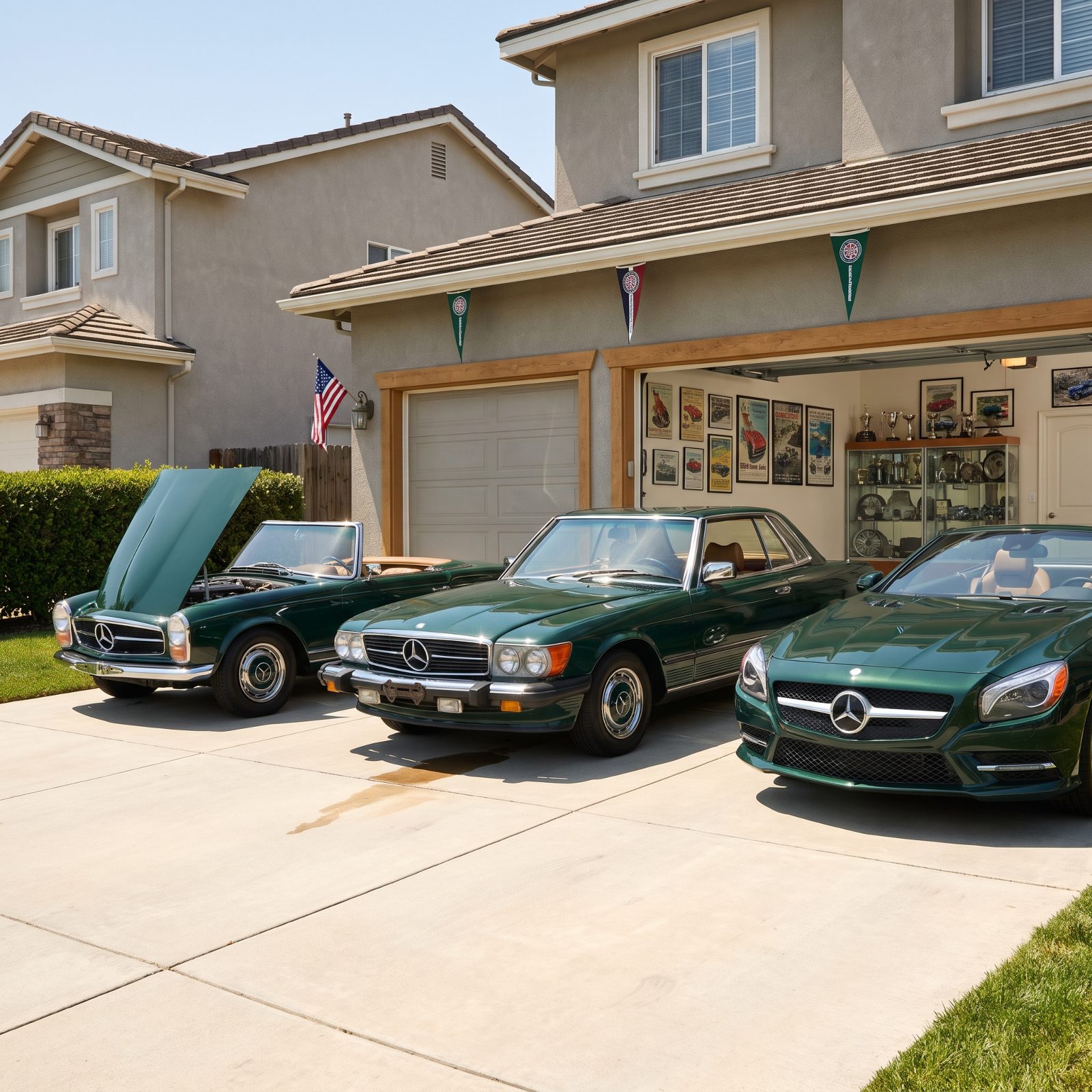
The last one left you stranded. The one before that rusted out early. Yet when it’s time to buy again, you walk straight back to the same emblem, dead certain this one will be different. Three strikes and you’re still at the plate, swinging for the same pitcher.
Brand loyalty is tribe loyalty. The badge isn’t just a car — it’s a membership, a flag, a part of how you see yourself and who you stand with. Leaving it feels like betraying a team, so we forgive the marque the way people forgive a family member who disappoints them again and again. Confirmation bias handles the rest, filing the good experiences under proof and the bad ones under flukes.
Loyalty is a fine thing. Loyalty to something that keeps letting you down is just habit wearing loyalty’s jacket. The badge doesn’t know your name. It’s never once stayed up worrying about you.