
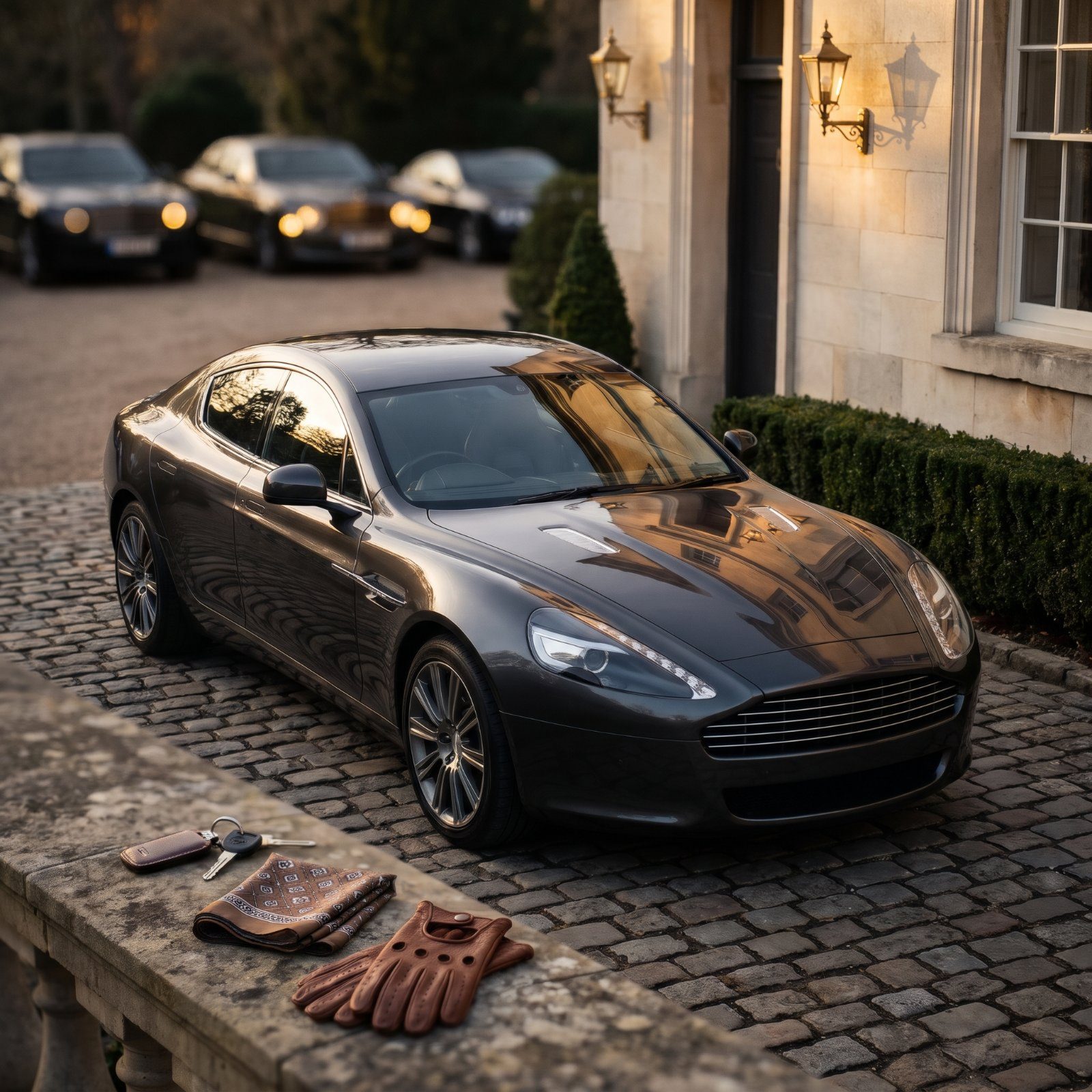
There’s a specific moment at the entrance to a nice event. You’re still twenty feet from the valet stand, and your foot has already eased off the gas so the engine note lingers a half-second longer than it needs to. You know that feeling. You felt it the night you walked back into a gymnasium you hadn’t seen in thirty years, scanning for the people who remembered the version of you that couldn’t afford this.
Please note that some of the images in this article were created with the assistance of AI.
A luxury car and a class reunion run on the same old wiring, and both are about being seen, being measured, and hoping the measuring comes out in your favor. Both make grown adults rehearse casual lines in the rearview mirror. What follows is a tour through that wiring, where the shine on the hood and the nerves in the parking lot turn out to be the same thing.
18. You Research Everyone Else’s Cars Before Pulling Up
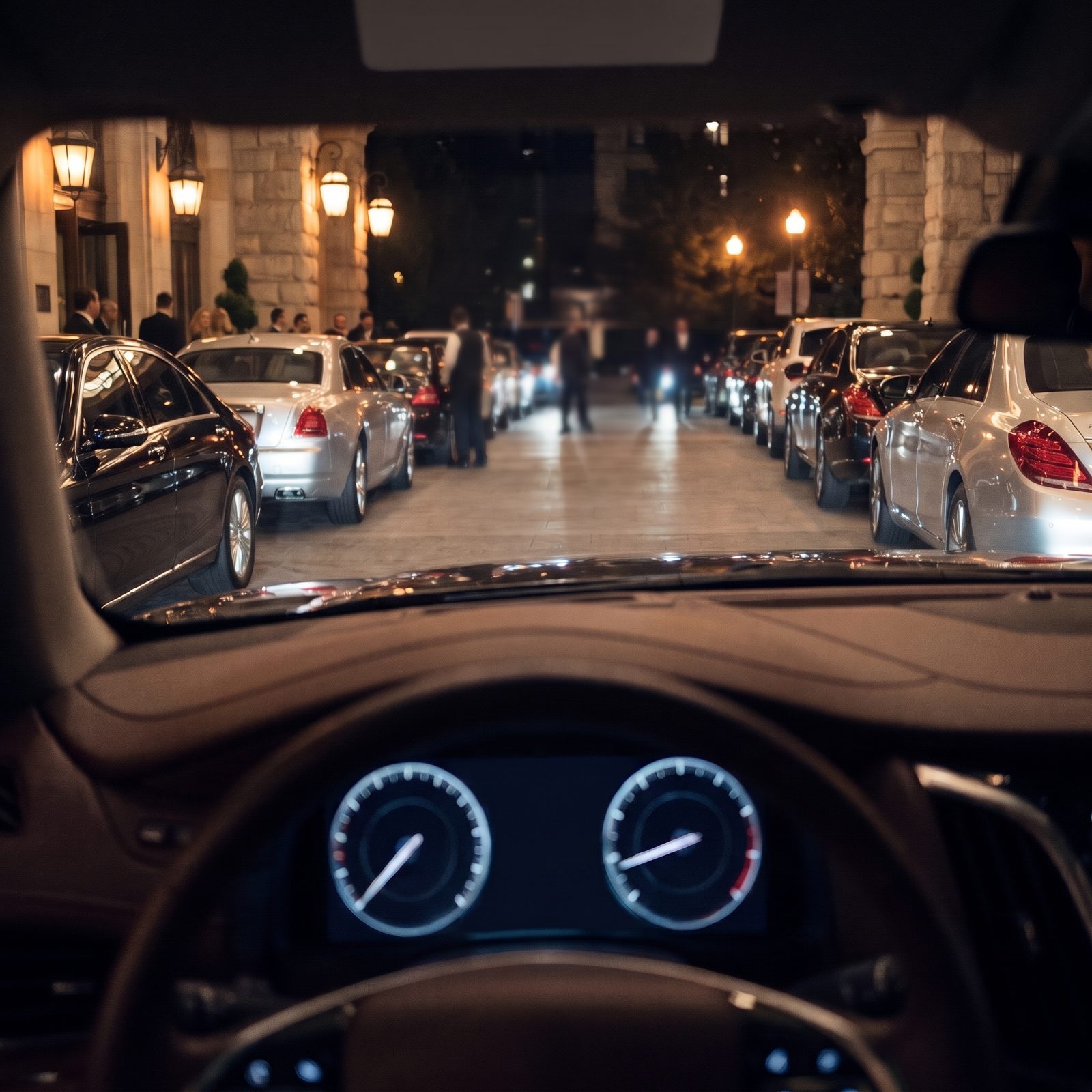
Before you even leave the driveway, you already know what’s going to be parked there. You’ve cataloged the neighbor’s new SUV, the brother-in-law’s sports coupe, the guy from the club who upgraded last spring. You’re not driving to the event. You’re driving into a comparison you ran in your head three days ago.
Same thing you did before the reunion. You looked people up because you wanted to know who did well, who stalled out, where you’d land in the pecking order before anyone said a word. Psychologists call it social comparison, and it runs upward almost automatically — we measure ourselves against the people slightly ahead, rarely the ones behind.
17. You Detail the Car Like Everyone Is Taking Notes
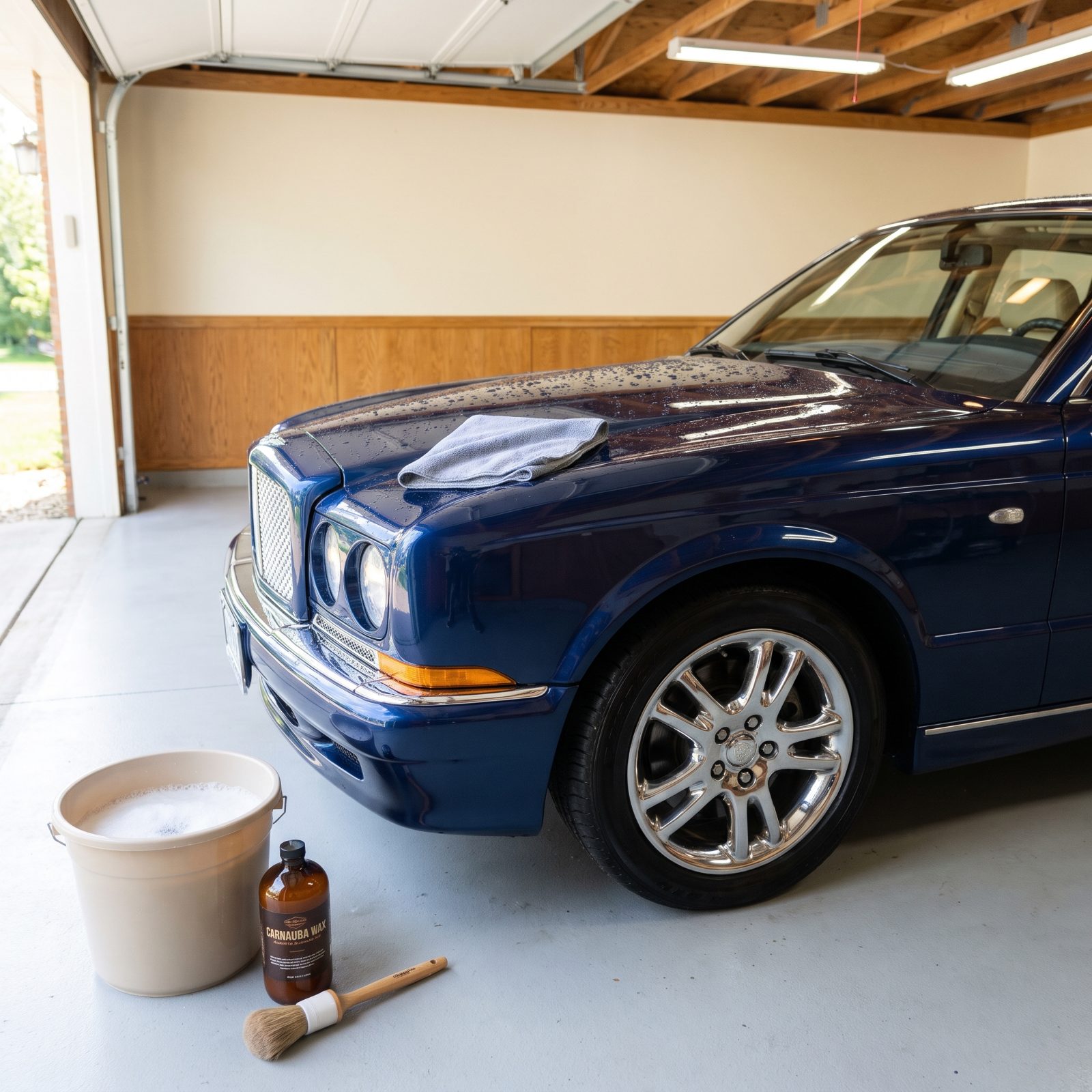
The car hasn’t been dirty in weeks, yet here you are on a Saturday working a swab around the lug nuts because somebody at the party might glance at the wheels. You buff the trim. You wipe down a door jamb no human will ever see. You’re not cleaning a car — you’re preparing an exhibit.
This is impression management, and it kicks in hardest before an audience you expect to judge you. It’s the same reason you ironed a shirt for the reunion that you’d happily wear wrinkled to the grocery store. The stakes feel higher when old eyes are watching.
And the funny part? Most of the effort is invisible. Nobody clocks the clean door jamb. But you know it’s clean, and that knowledge gives you a little armor walking in.
The obsession with spotless has company: our readers gave photos of restored, concours-condition cars more hearts than the other images in the same articles, 82% versus 74%.
16. You Dress Like the Leather Interior Was Your Stylist
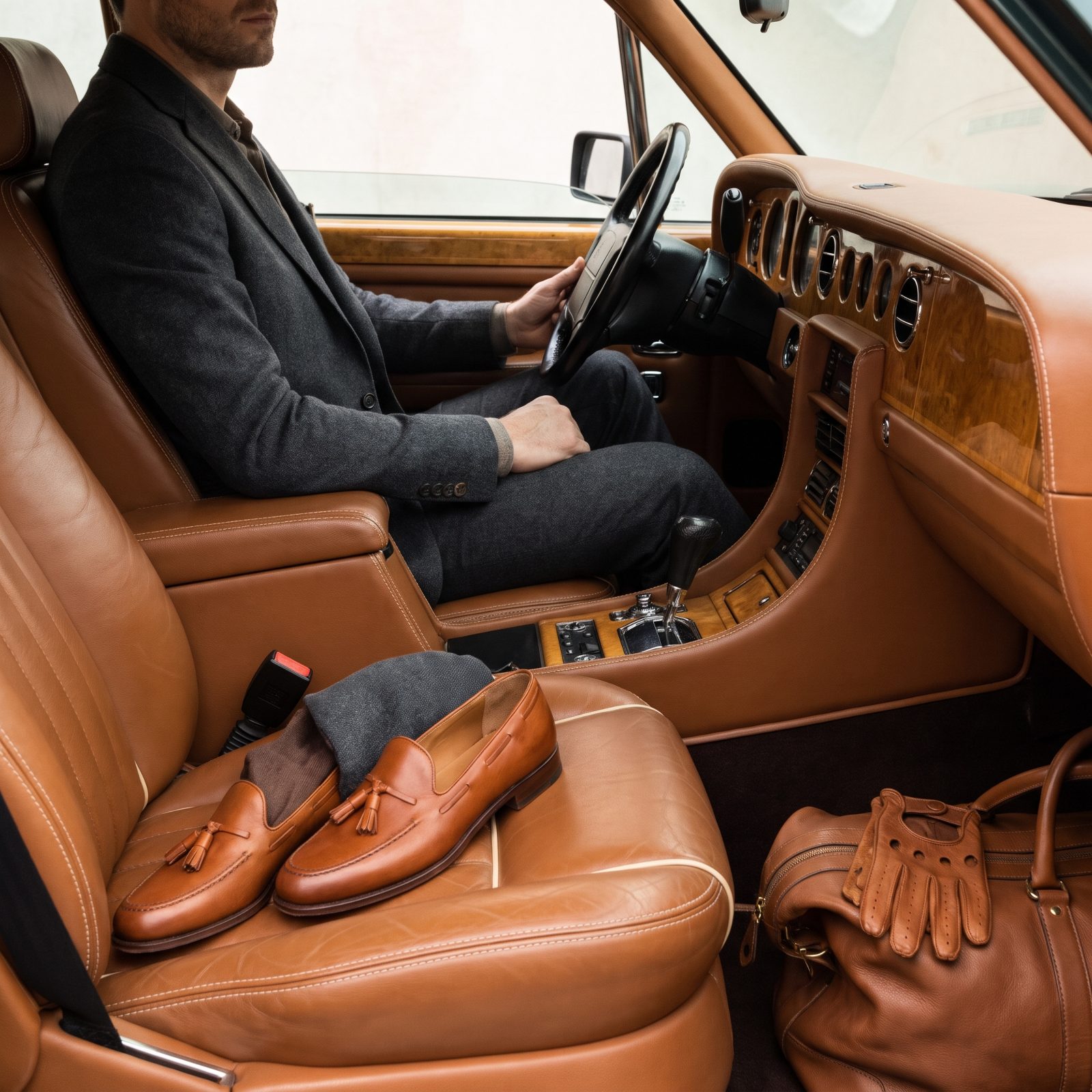
You bought the cognac leather package, and somewhere along the way your wardrobe started agreeing with it. The cognac leather loafers aren’t an accident. Neither is the charcoal wool blazer that happens to sit against the seats like it was cut to match them. You’re not dressing for the evening. You’re dressing to complement the upholstery.
Reunions do this too. You pick the outfit that fits the story you want to tell about where life took you, and the clothes become a prop in the same production.
There’s a name for it: enclothed cognition, the idea that what you wear changes how you feel and carry yourself. Slide into a cabin that matches your jacket and you don’t just look settled — you start to believe you are.
15. You Remember Exactly Who Doubted You’d Ever Own One
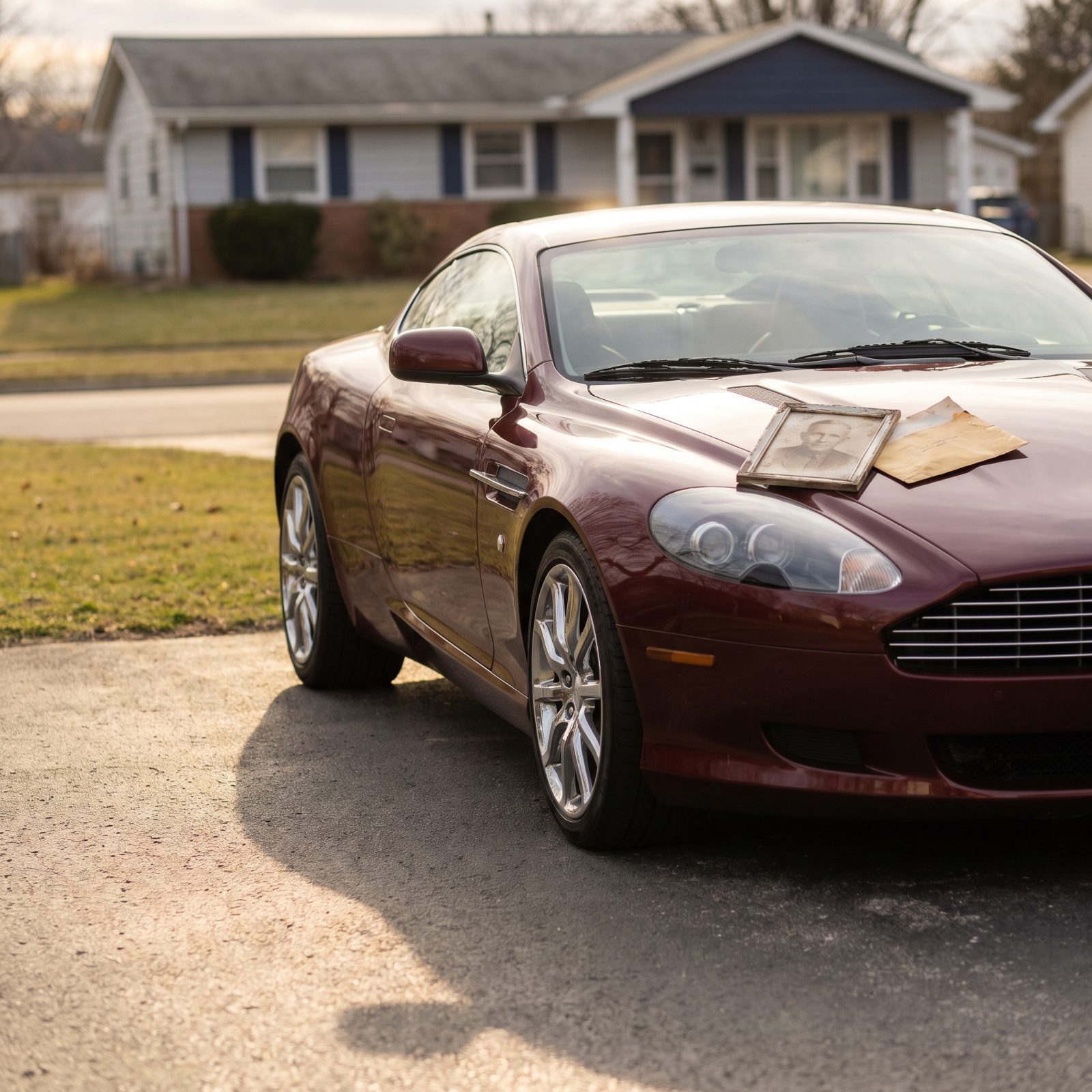
Here’s the quiet truth. When you turn the key, a face sometimes flashes up. A relative who called it a phase. A former boss who passed you over. Someone, decades back, who made it clear they didn’t think you had it in you. The car isn’t just a car to you — it’s the reply you never got to send.
The nicest thing about proving a doubter wrong is that they rarely have to be in the room.
Reunions run on this exact fuel. People show up carrying the ghost of who they were and the hope that the room will finally see who they became. It’s called vindication, and it’s one of the oldest engines we’ve got.
What Our Readers Say
- In Jalopy Talk readers’ heart votes, photos of sports cars got hearts 80% of the time, compared with 61% for the other images in the same articles.
From Jalopy Talk reader polls and votes.
14. You Choose Valet Parking for the Entrance Alone
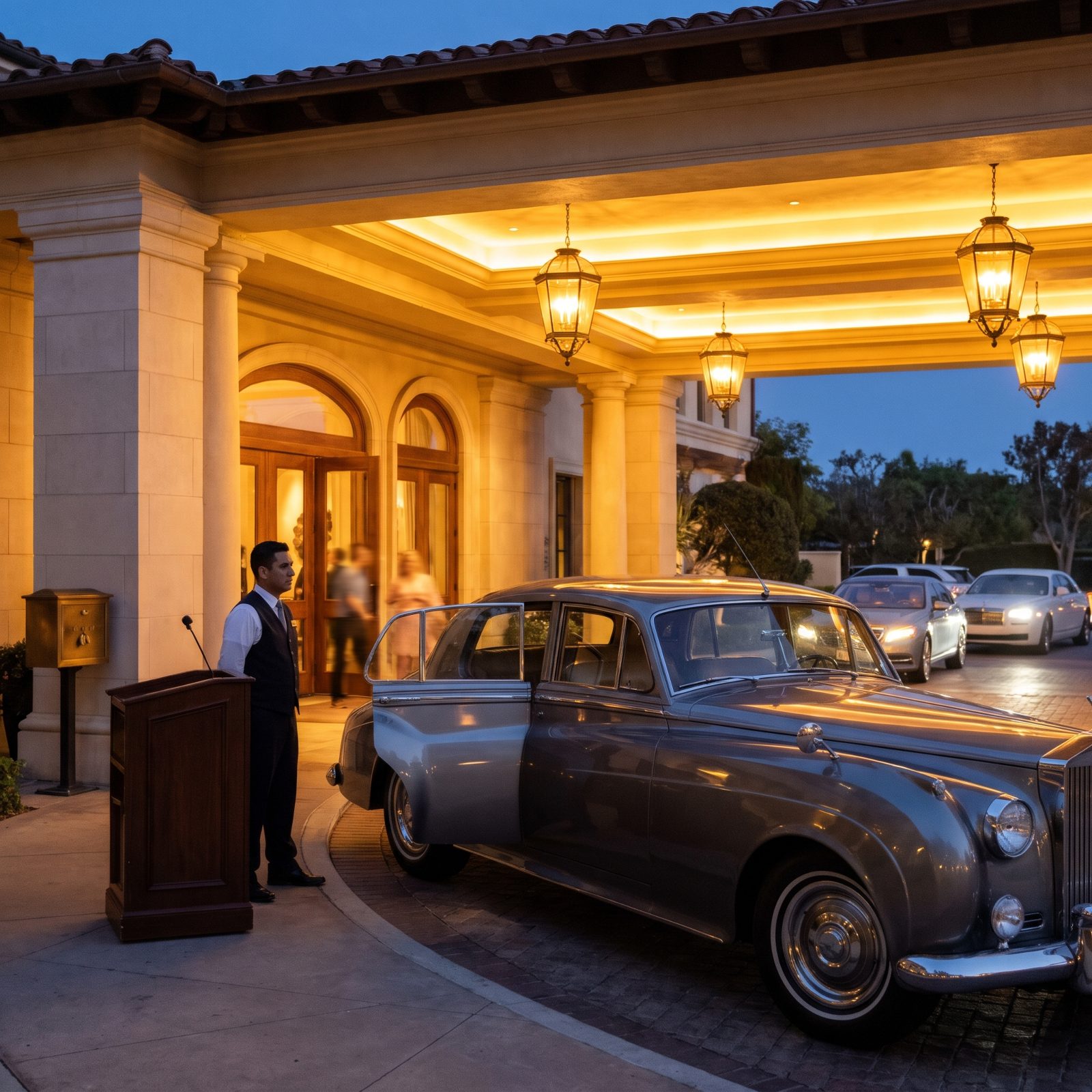
Self-parking would be easier. The garage is right there, forty dollars cheaper, no tip required. You take the valet anyway, because the valet lane is a runway and self-parking is just a hallway. The point was never convenience. The point was gliding up to the curb while the door swings open under the lights, with everyone watching.
Reunions have their own version. You time your arrival so you walk in when the room is full, not empty. Peak entrance, maximum witnesses.
Behavioral folks call it the spotlight effect — our tendency to believe everyone is watching us far more closely than they actually are. The valet lane sells you three seconds of starring role. Most of the crowd isn’t even looking. You feel like they are, and that feeling is what you paid for.
13. The Key Fob Somehow Ends Up Beside Your Phone
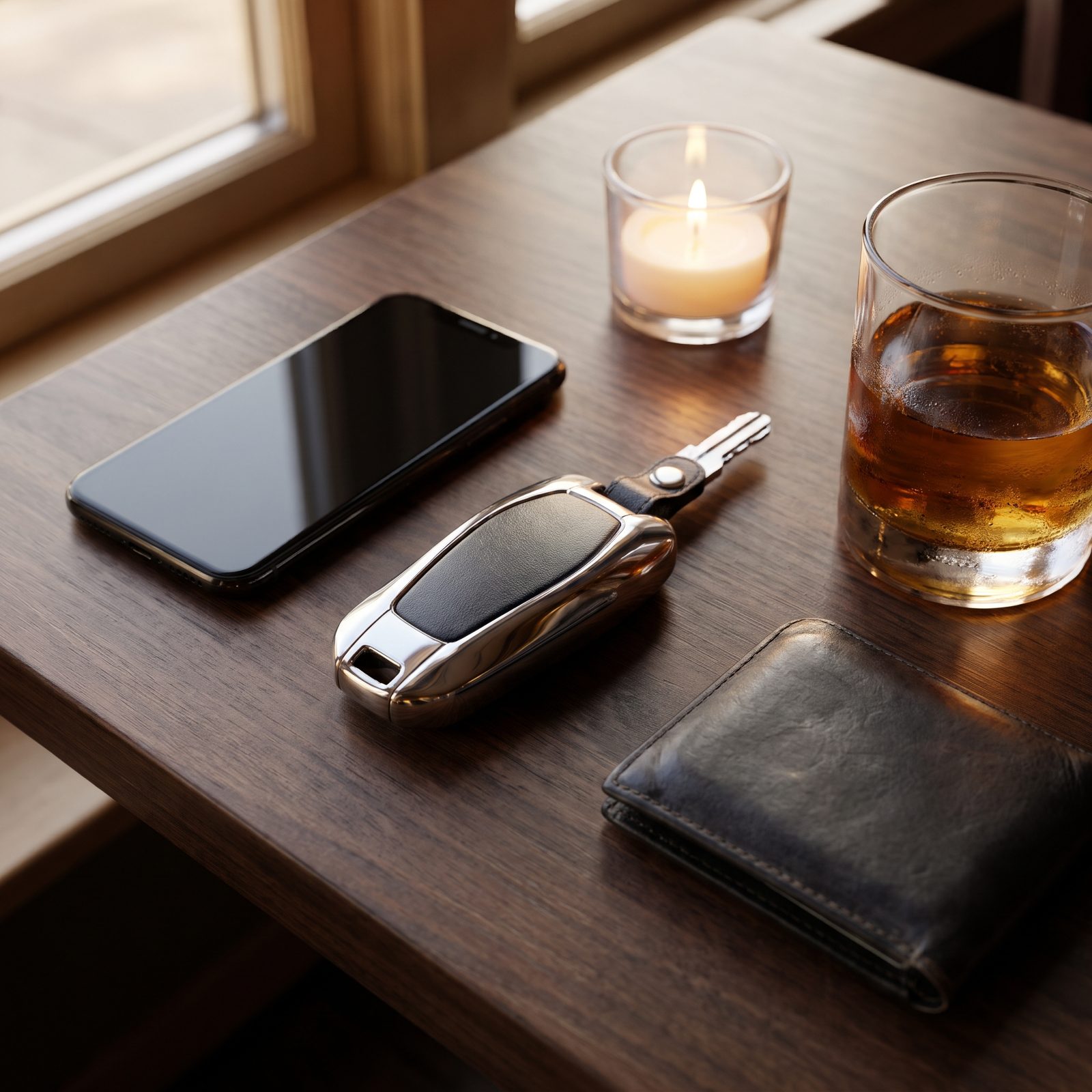
You could leave the fob in your pocket. Instead it finds its way to the table, right beside your phone, chrome side up, where the candlelight can reach it. You didn’t announce the car. You just let its calling card sit there, waiting to be recognized by anyone who knows what they’re looking at.
At the reunion, it’s the subtle mention that your kid goes to the good school, dropped mid-sentence like it slipped out. Nobody wants to brag. Everybody wants the brag to be discovered.
The polite term is the humblebrag, and it works because explicit boasting costs you status while quiet signaling earns it. The fob on the table does the bragging so your mouth doesn’t have to.
12. A Higher Trim Level Can Ruin Your Whole Arrival
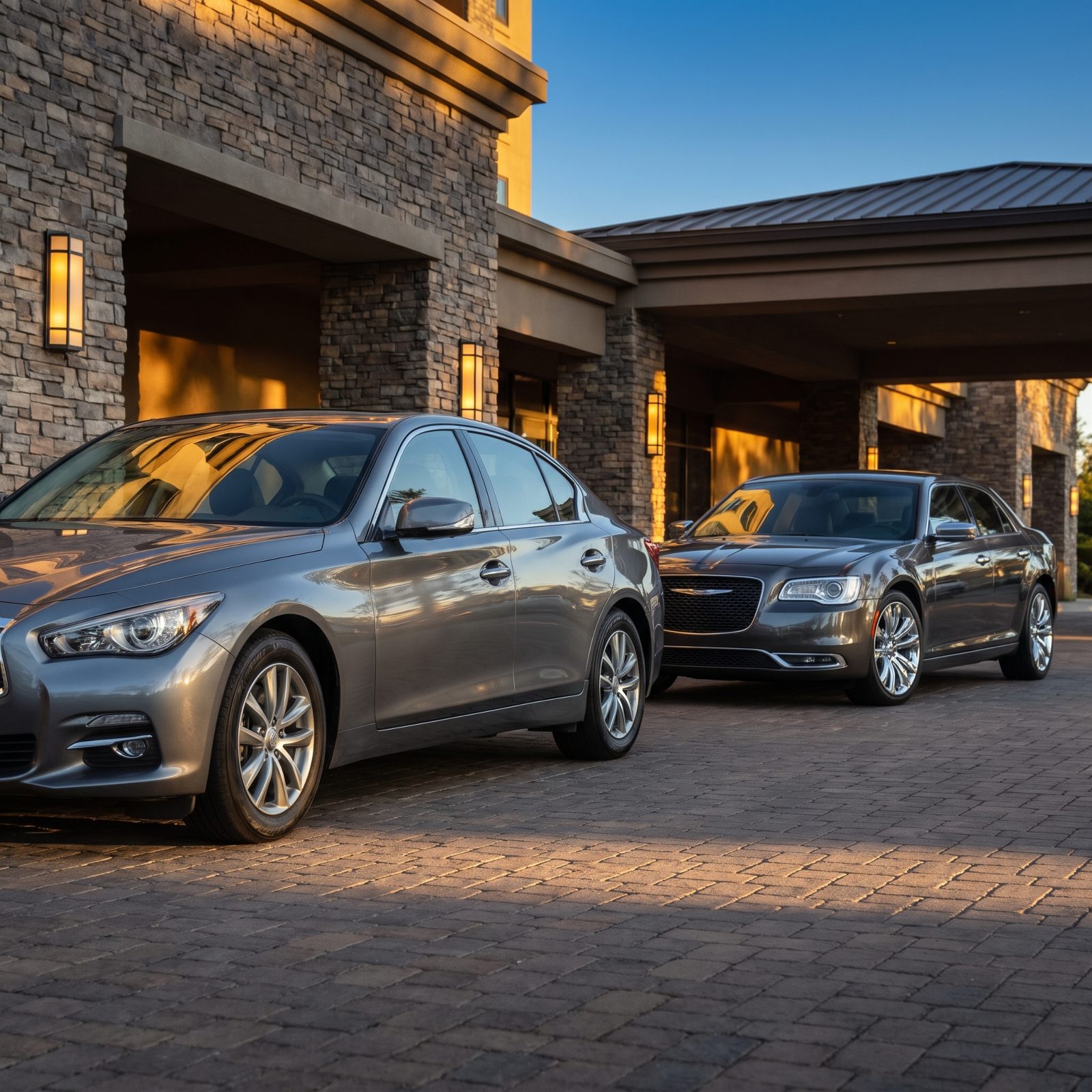
You pulled in feeling tall. Then you spotted it — a different sedan parked just ahead, with the bold chrome grille, the flashier wheels, the presence you talked yourself out of. In two seconds your pride collapsed into a math problem about what you should have ordered. Nothing about your car changed. The parking lot just rearranged your opinion of it.
Same deflation hits at a reunion, where you felt great about your life right up until someone mentioned their lake house. Suddenly your perfectly good situation feels like a step behind.
Economists call it relative status. Satisfaction isn’t fixed. It resets against whatever’s parked next to you. The other sedan didn’t take anything from you — it just moved the finish line.
The chrome envy is widely shared, too, since cars with lots of chrome got hearts from our readers 86% of the time, versus 81% for other images in the same articles.
11. You Correct Anyone Who Calls It the Base Model
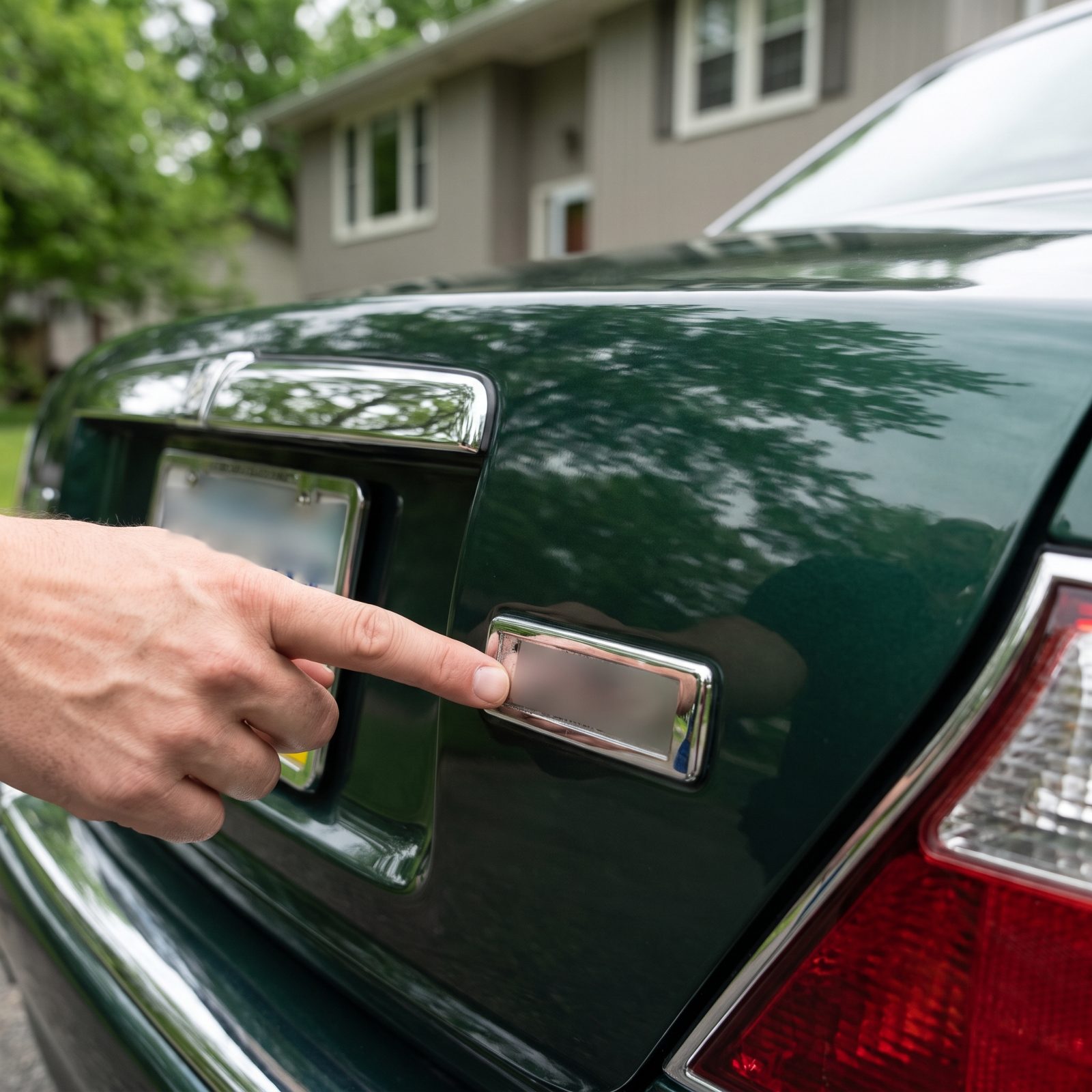
Somebody glances over and says, oh, you got the base one. A small fire lights inside you. No, you explain, it’s actually the middle trim, with the sport package, and the upgraded sound. You didn’t need to say any of that. But being mistaken for the entry level felt like a demotion you couldn’t let stand.
Reunions run on these micro-corrections. Someone misremembers you as the person who never left town, and you quietly set the record straight about the three states you’ve lived in since.
Underneath it is identity protection. The label someone slaps on you becomes a threat to the story you tell about yourself. Correcting the trim is really defending the version of you that the trim was supposed to prove.
10. You Rehearse How Casually You’ll Mention the Horsepower
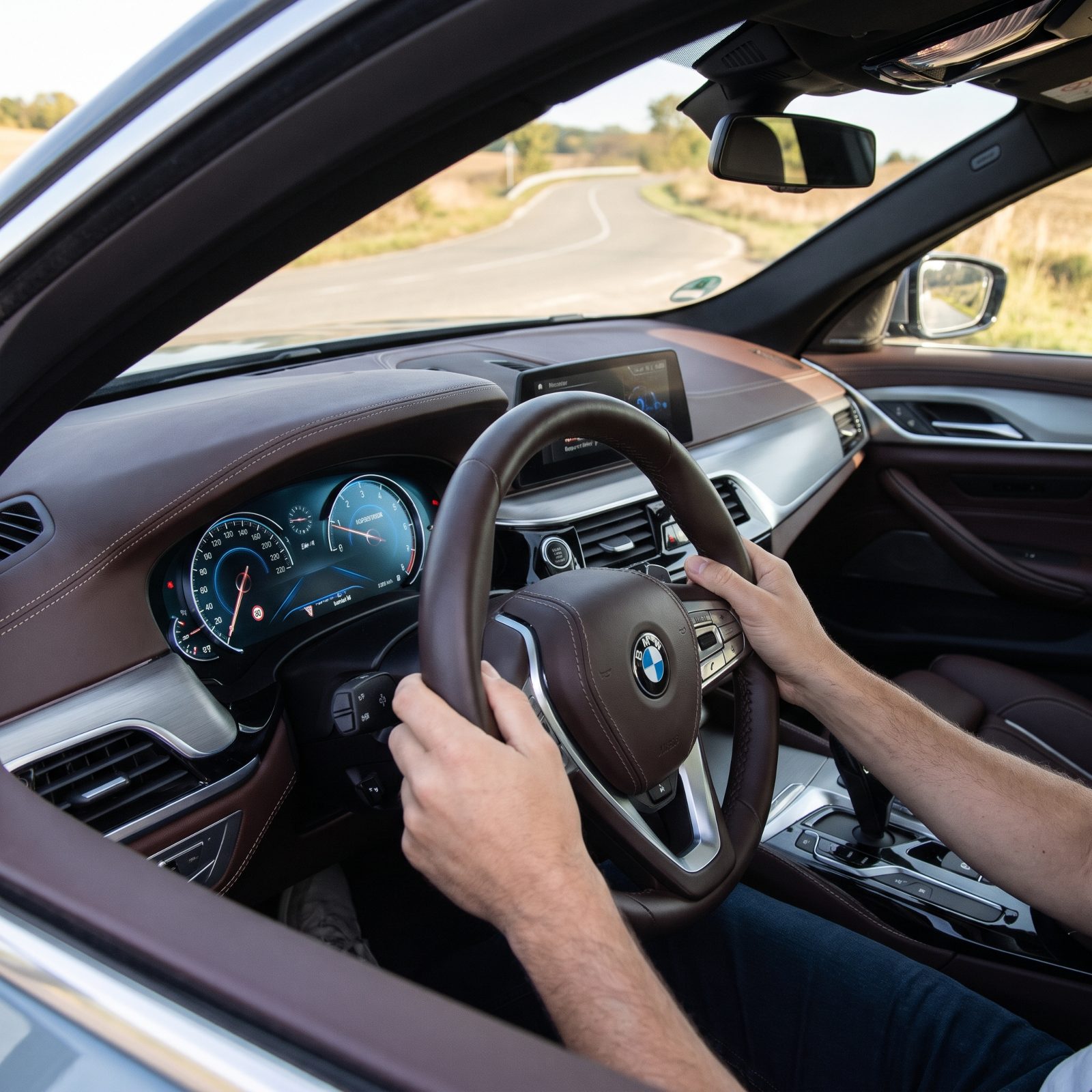
You’ve got the number memorized, and more importantly you’ve got the delivery memorized. You won’t lead with the horsepower. You’ll wait for someone to ask what’s under the hood, then toss it out like it’s trivia you barely think about. The casualness is the whole performance. You practiced sounding like you didn’t practice.
Every reunion has this — the rehearsed-spontaneous line about the promotion, delivered with a shrug, polished in the car on the way over.
Nothing takes more preparation than sounding like you didn’t prepare.
Social psychologists call it the effort to appear effortless. We hide the wanting because visible wanting reads as insecurity. So the horsepower comes out wrapped in a yawn, which is its own kind of tell.
9. You Downplay the Price While Naming Every Option
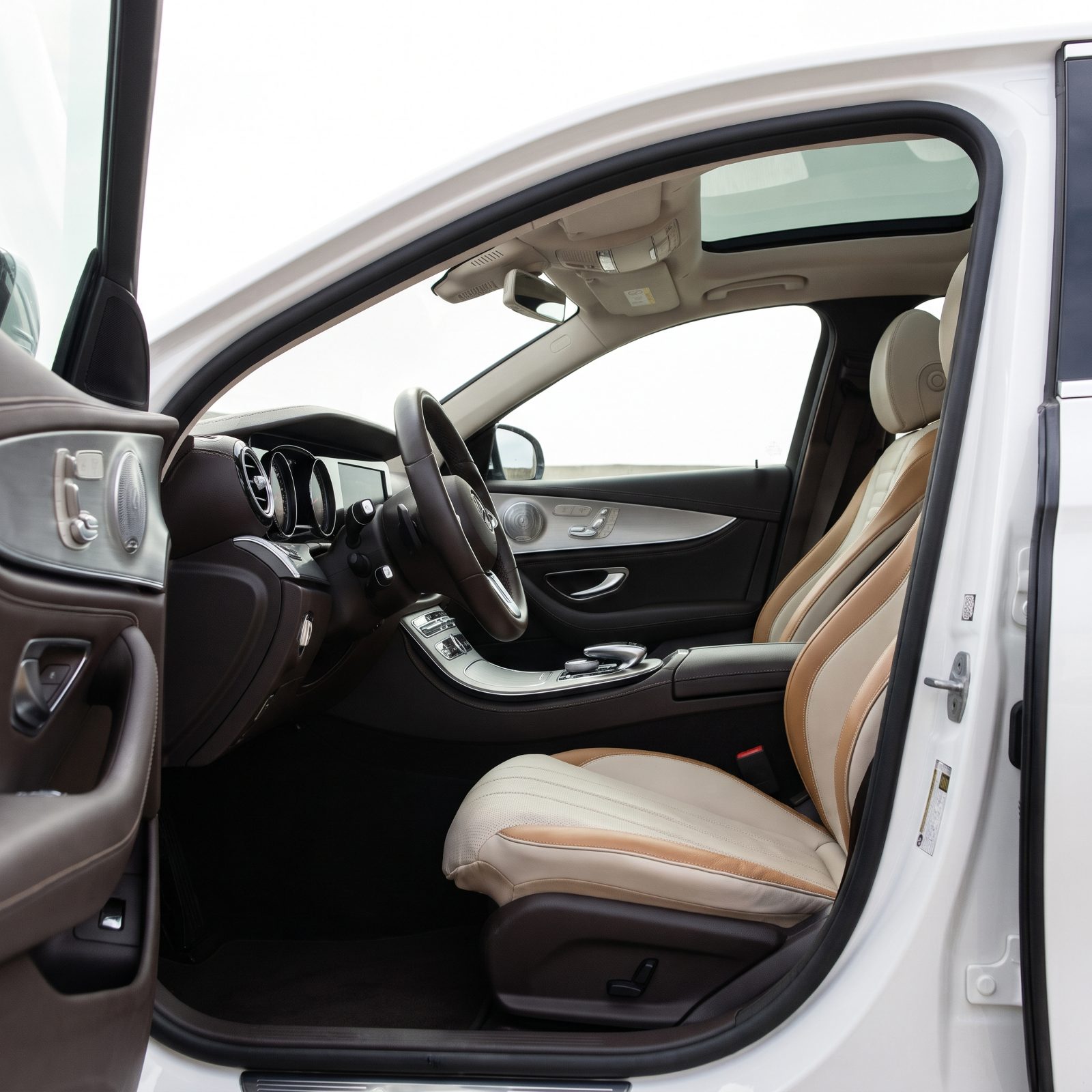
Ask the price and you’ll get a shrug. Oh, I got a deal, it wasn’t that bad. Then, in the same breath, you learn about the panoramic roof, the upgraded audio, the massage seats, the extended warranty, the winter package. You downplayed the total while itemizing every dollar that built it, because you wanted to seem reasonable and impressive at the same time.
This is the reunion move where someone waves off a compliment about their house, then walks you through the renovation room by room. Deflect the praise, supply the evidence.
It’s a balancing act between two fears — looking like a show-off, and looking like you can’t afford nice things. Naming the options without the price lets you have the status without the vulgarity of the receipt. Everybody does it. Almost nobody admits it. And now, on the drive home, you’ll replay whether you pulled it off.
8. You Explain the Lease Before Anyone Actually Asks
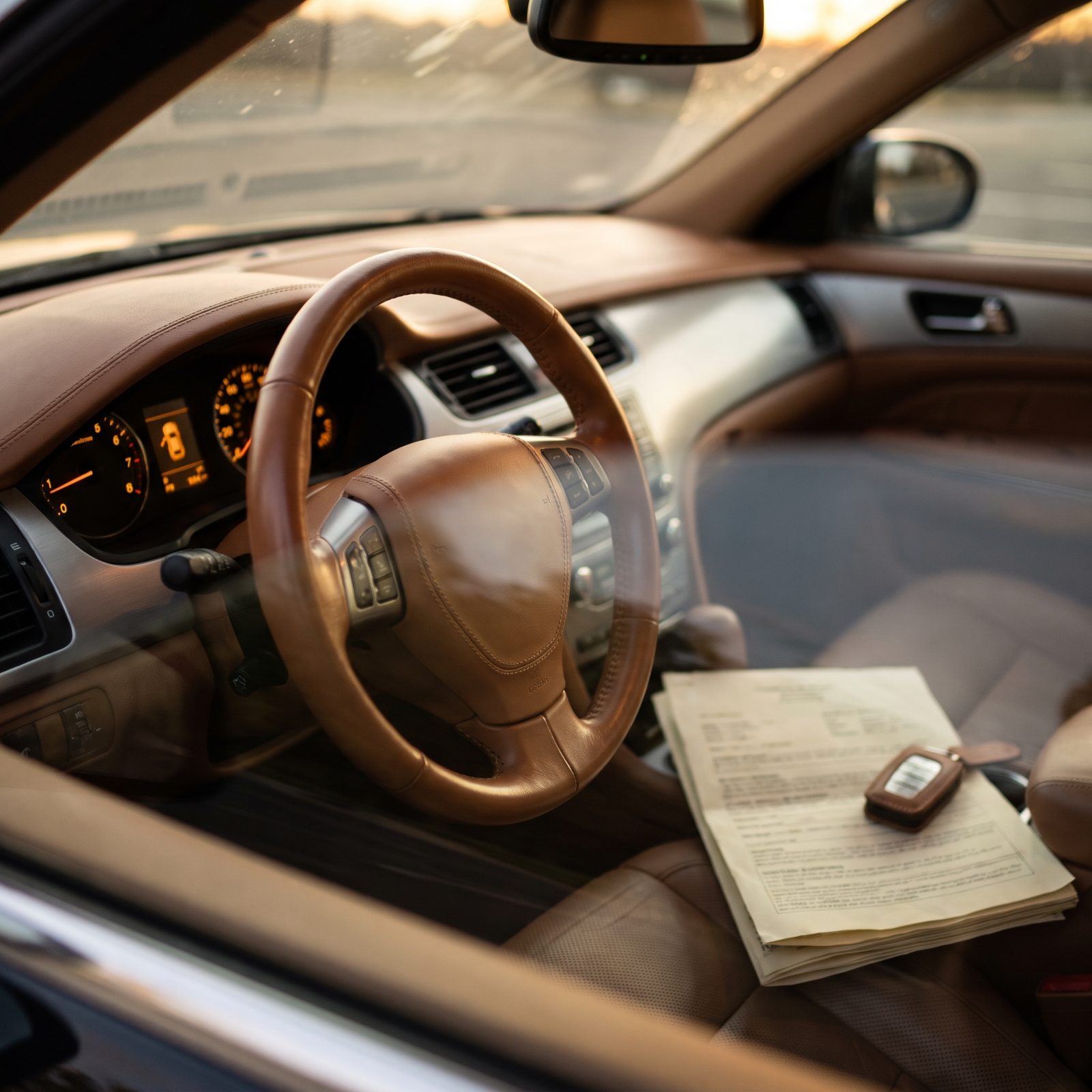
Someone compliments the car and before the sentence is even finished you’ve already blurted it out: “It’s a lease, actually.” Nobody asked how you paid. You volunteered the receipt anyway.
Same reflex that kicks in the second a reunion classmate mentions your job. You lead with the qualifier — the deal you got, the hand-me-down office, the thing that explains why the good fortune isn’t really showing off. Psychologists call this preemptive self-handicapping, a close cousin of humility signaling. You lower the stakes before anyone can judge you against them, so if they come away unimpressed, you’ve already agreed with them. You weren’t bragging. You were just being practical.
But the lease disclaimer rarely lands as modesty. It lands as a person managing how they’re seen, which is the one tell the car was supposed to hide.
7. You Worry They Think the Car Is Rented
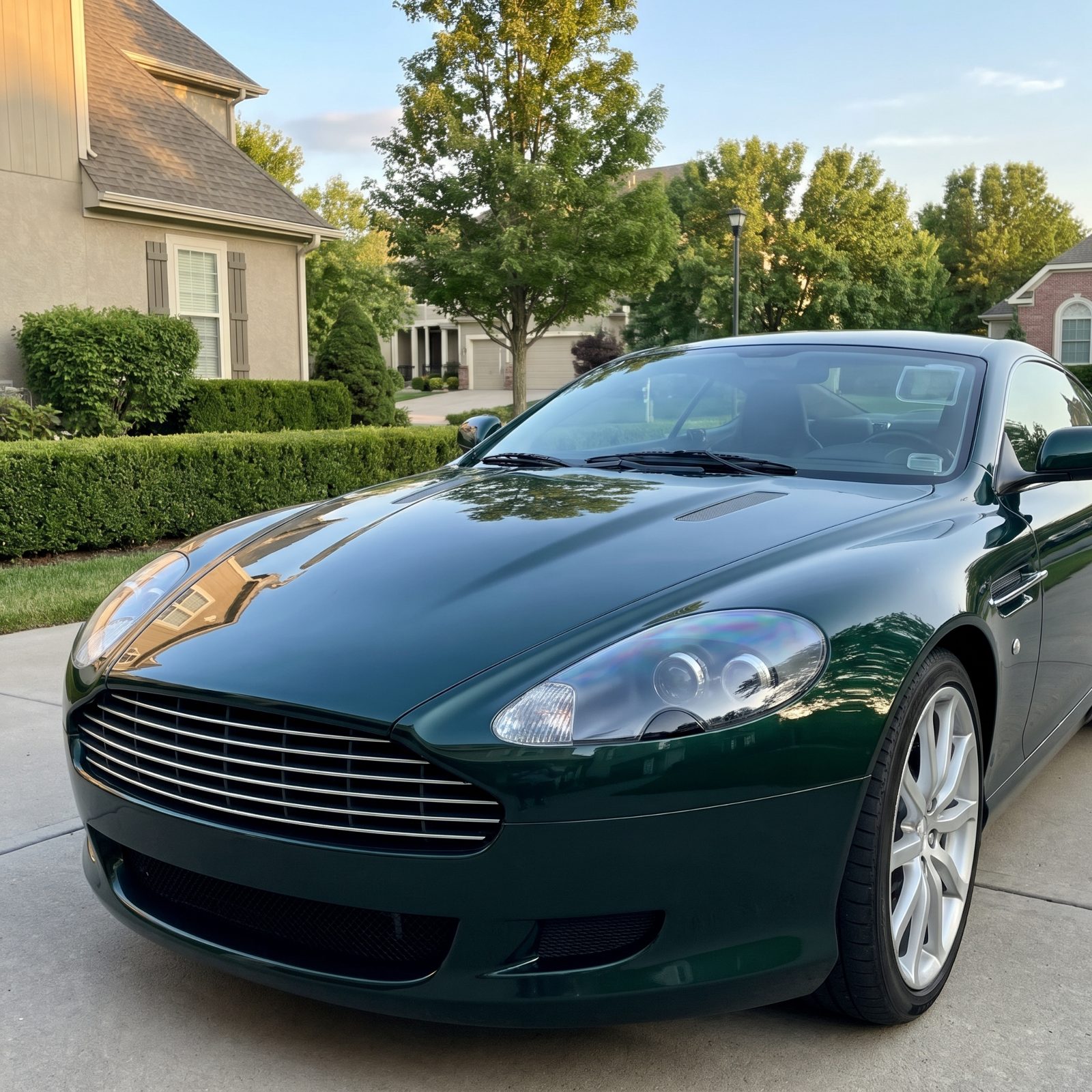
There’s a specific fear that creeps in at the stoplight. What if the guy in the next lane assumes this is a weekend rental? What if he figures you borrowed it, or you’re some influencer faking the whole lifestyle for a photo?
That worry has a twin at the reunion. You walk in dressed well and part of your brain whispers that everyone can tell the blazer is new, bought for tonight, a costume. The real anxiety isn’t being seen as poor. It’s being seen as a fraud, someone pretending to be further along than they are. Imposter syndrome doesn’t confine itself to work. It shows up anywhere you’re being evaluated, and it reads your own success as evidence of a scam you’re about to get caught running.
Nobody in the next lane is thinking about you. They’re worried the same thing about their own car.
6. You Make the Depreciation Joke Before Anyone Else Can
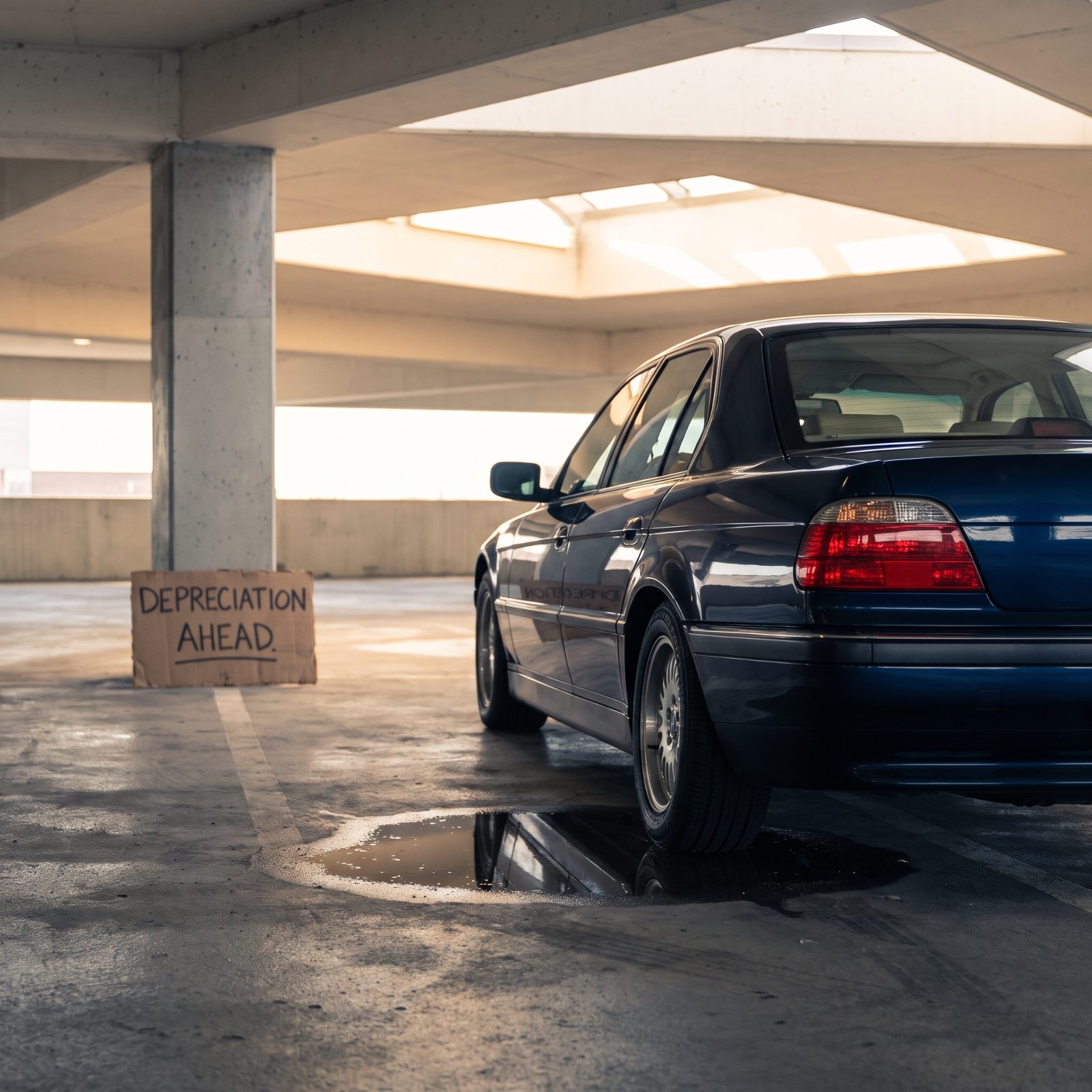
You drive it off the lot and the first thing out of your mouth — to your spouse, to your buddy, to yourself — is some version of “well, it just lost ten grand pulling onto the street.” You say it with a grin. First one to roast the purchase.
At the reunion it sounds like “oh, I’ve gotten fat” or “ignore the gray, it’s a disaster up here.” You insult yourself first so nobody else gets the swing. Self-deprecation as social armor, and it works for a reason: by naming the flaw, you take it off the table. You can’t be mocked for something you already mocked. You own the joke, so you own the moment.
The depreciation joke is you quietly admitting you know the car is a want, not a need, and getting ahead of anyone who might point it out.
5. You Defend the Brand Like It Signed Your Diploma
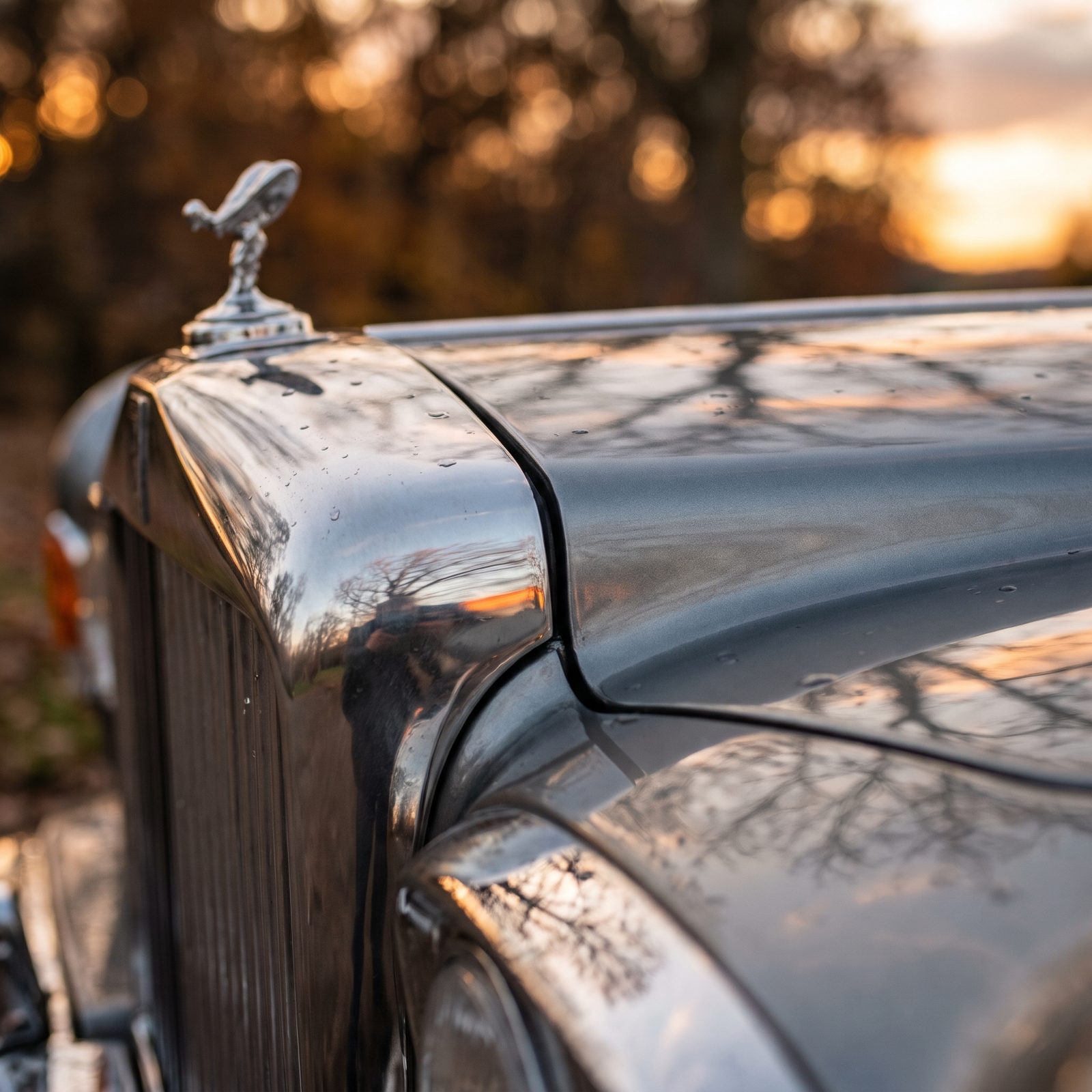
Mention one reliability complaint about the marque and watch what happens. You straighten up. Out come the engineering heritage, the racing pedigree, the German or Italian or British thing you half-remember from a forum. You defend the badge like criticizing it is criticizing you.
That’s identity fusion, the same engine that makes grown adults argue about a high school they left decades ago. The letterman, the college, the team, the brand. When your sense of self gets stitched into a group symbol, an attack on the symbol lands in your body as a personal insult. You’re not debating cars anymore — you’re protecting the story that this choice says something true and good about you.
Most of us have done this. Hear someone trash a brand you own and you can feel it right in your jaw.
4. You Claim You Bought It for the Safety Features
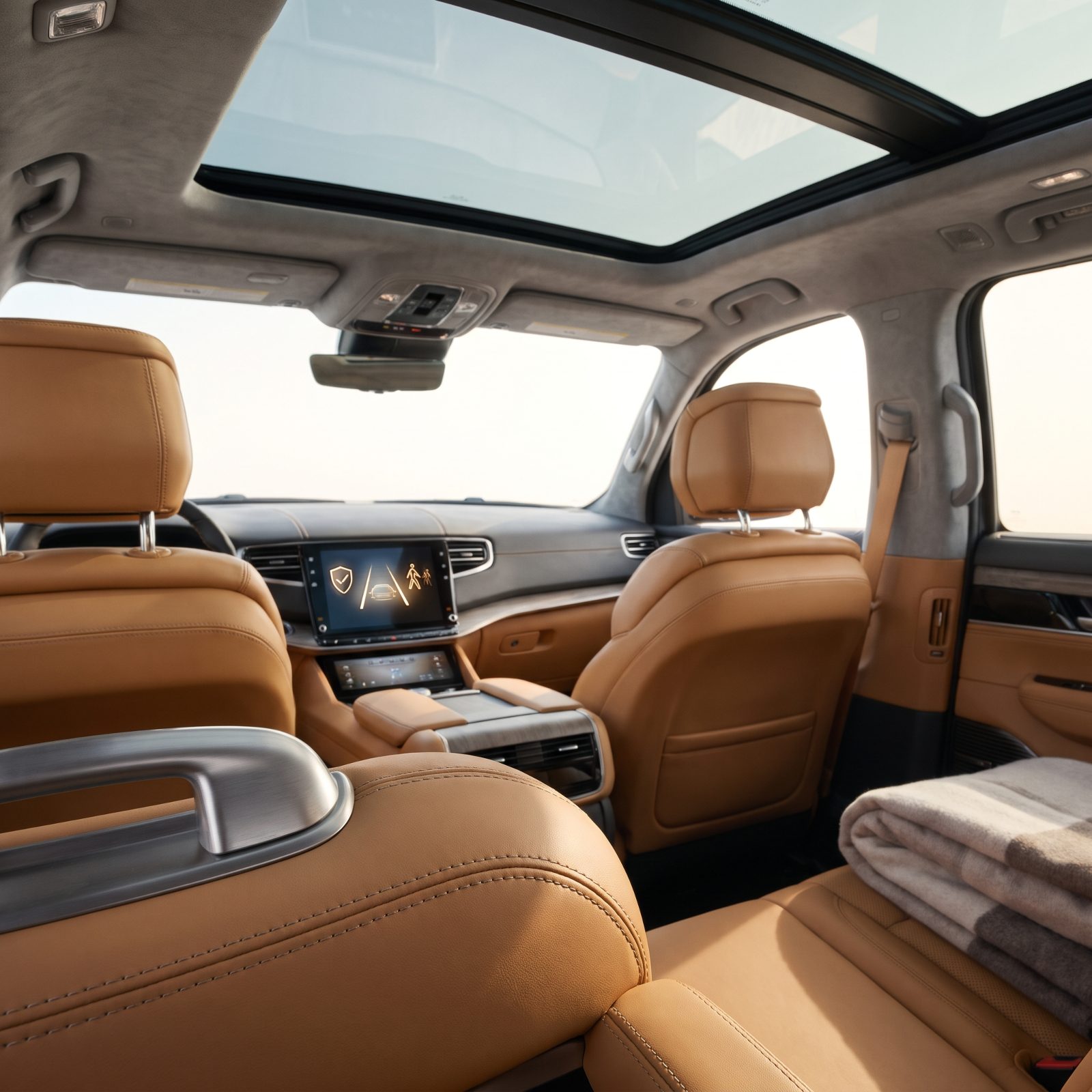
Ask anyone why they bought the expensive one and you’ll hear about the airbags. The lane assist. The crash ratings. “It’s really about keeping the family safe.” Sure. Nobody buys a six-figure car for the blind-spot sensor that also comes bolted into a sedan costing a third as much.
This is rationalization — the mind’s gift for finding a noble reason after the emotional decision is already made. At the reunion it sounds like “I moved back to be near my parents” when the truth is the city chewed you up and spat you out. We reach for the acceptable motive because the real one, which in this case is wanting to feel like you made it, feels too naked to say out loud.
The safety line isn’t a lie, exactly. It’s a respectable coat you drape over a want so you can stand in public wearing it.
3. You Hide the Messy Back Seat From Curious Passengers
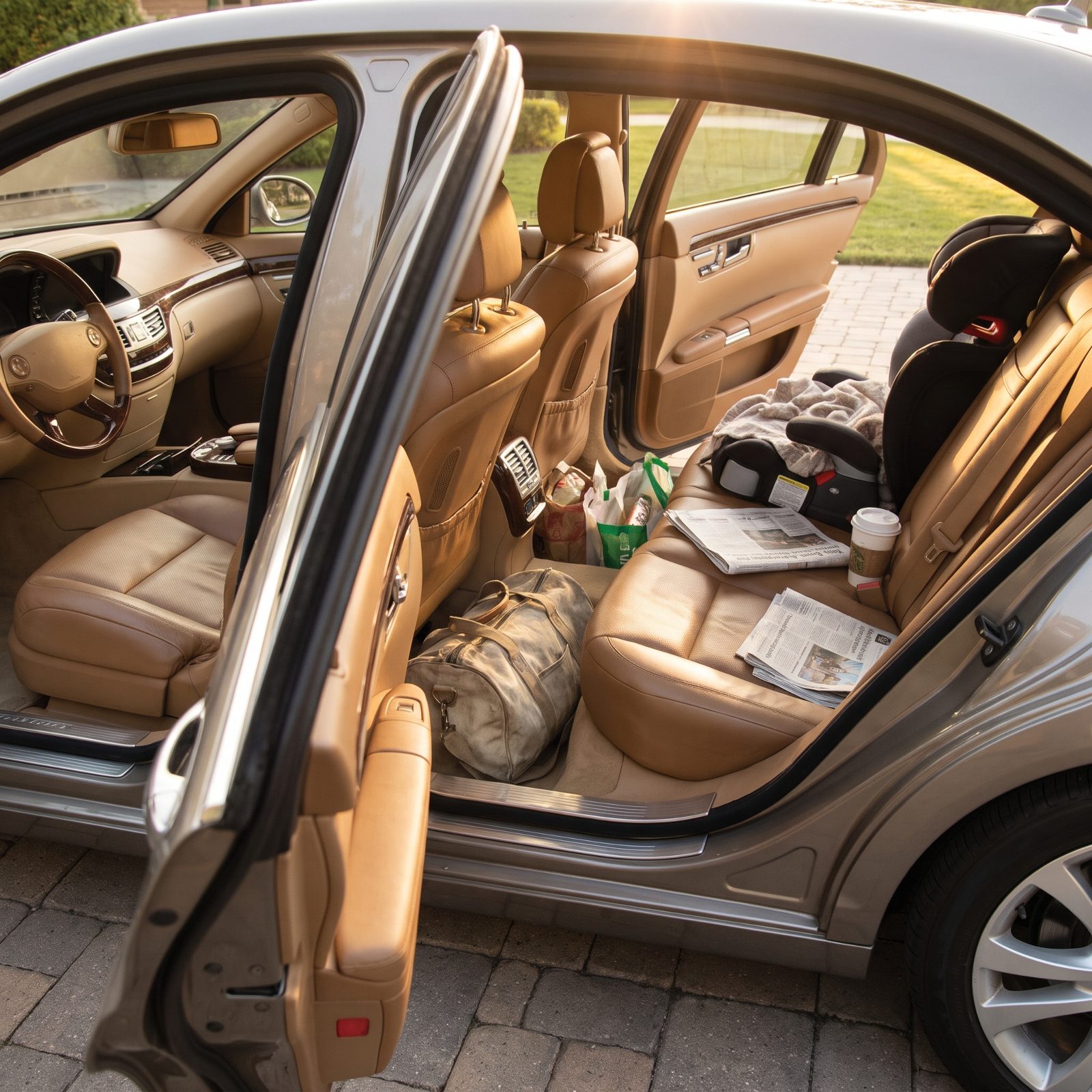
Somebody needs a ride and your stomach drops. The front is showroom clean. The back is a landfill of gym bags, crumpled receipts, and a kid’s half-eaten snack welded to the floor mat, so you find yourself steering them to the passenger seat, fast, before they see.
Impression management, plain and simple. You curate the visible you and bury the rest, same as the reunion where you post the beach photos and not the Tuesday you spent crying in a grocery store parking lot. We all run a front stage and a back stage. The luxury car just makes the gap louder, because the badge promises a life as polished as the paint, and the back seat tells the truth.
2. You Hope the Badge Erases Your Old Yearbook Label
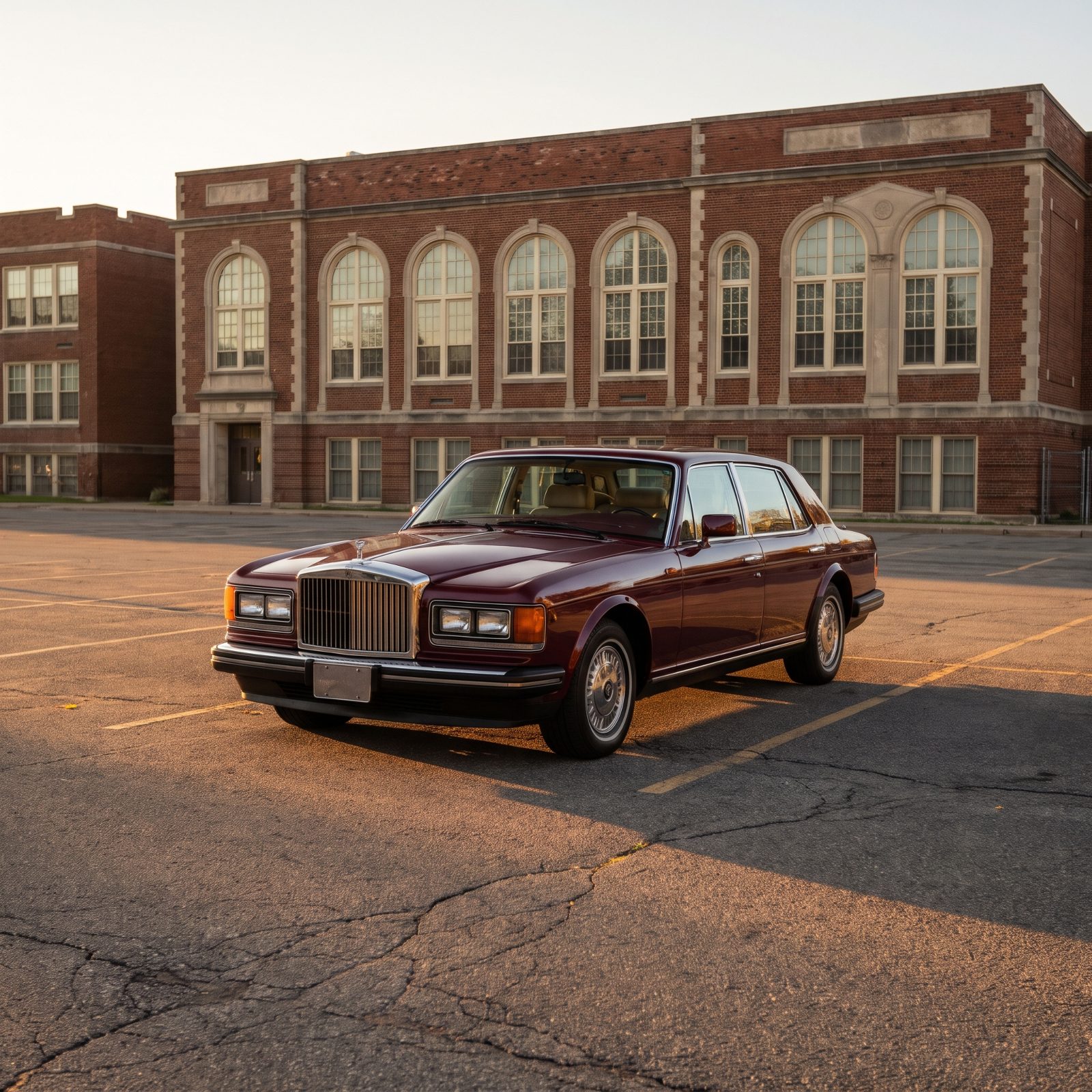
Now the quiet one nobody admits. Part of the reason you bought it is for the kid you used to be — the one who got overlooked, or teased, or counted out. Some stubborn corner of you believes that if the right person from 11th grade saw you pull up in this, the old verdict would finally get overturned.
That’s the whole emotional machinery of a reunion compressed into four wheels. We spend years trying to out-earn an old label, as if status now could travel back and rescue who we were then. Psychologists call it the arrival fallacy, the belief that the next acquisition will finally deliver the feeling you’ve been chasing your whole life.
It won’t. The car is real. The audience in your head is not. And that kid you’re trying to impress can’t see the car, because he grew up and became you, and you’re the only one still keeping score.
1. You Drive Home Wondering Whether Anyone Was Actually Impressed
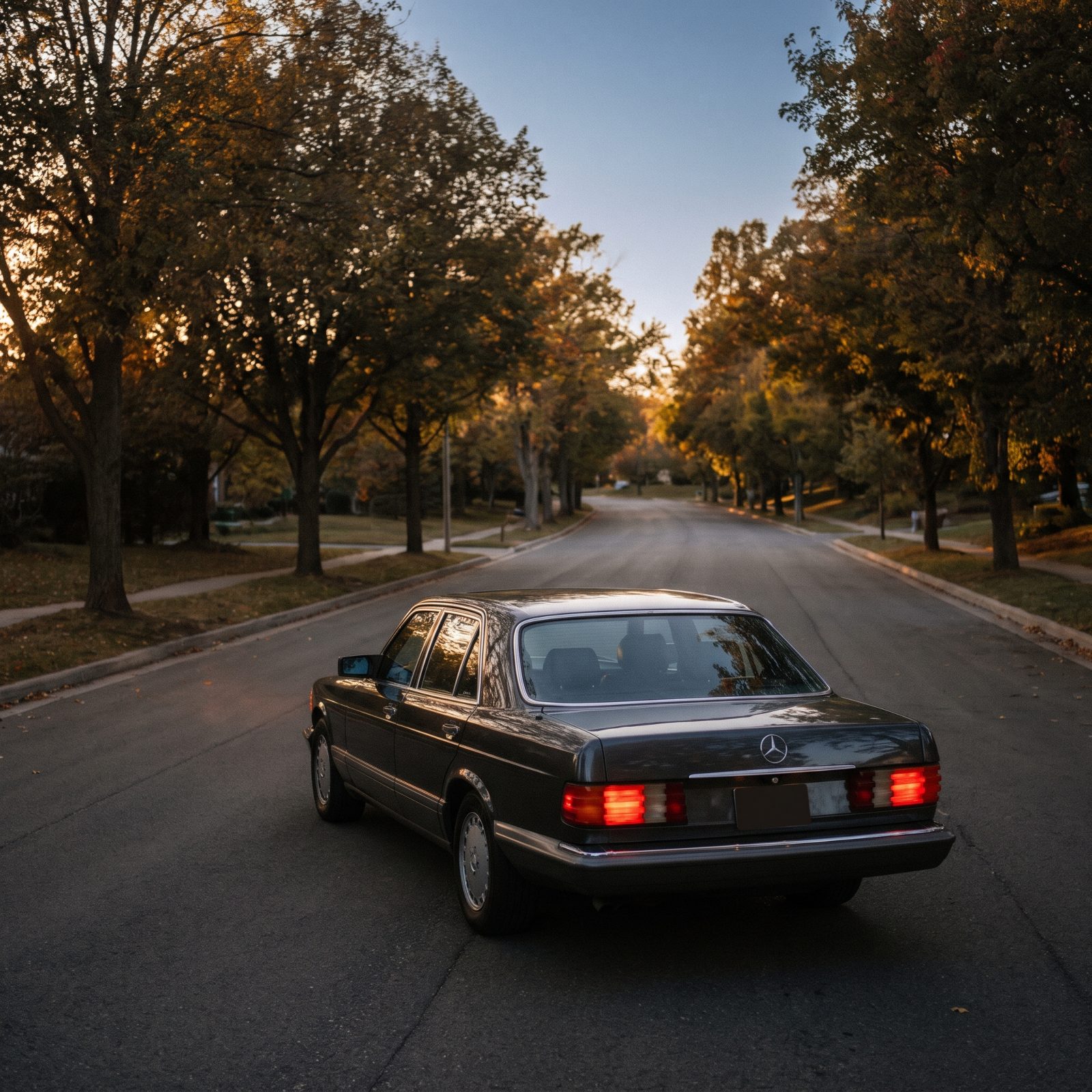
The day winds down and you’re alone in the driveway, engine ticking, and the question arrives uninvited. Did anyone even notice? Did it land? You sit there behind the wheel, replaying the glances you thought you caught, scoring a game nobody told you they were playing.
This is the quiet after the drive home from the reunion. You spent the afternoon performing and now you’re auditing the reviews, except there are no reviews, because everyone else was busy auditing their own. The spotlight effect, they call it — the deep and wrong conviction that people notice and remember us far more than they actually do. We badly overestimate how much anyone is watching.
The car was supposed to answer the question. Instead it handed you a quieter, lonelier version of it.
Everybody who saw the car today has already forgotten it. They went home and wondered whether anyone noticed them. And that’s the part that should set you free. Nobody’s keeping the scorecard you’ve been filling out your whole life. You can put it down.