
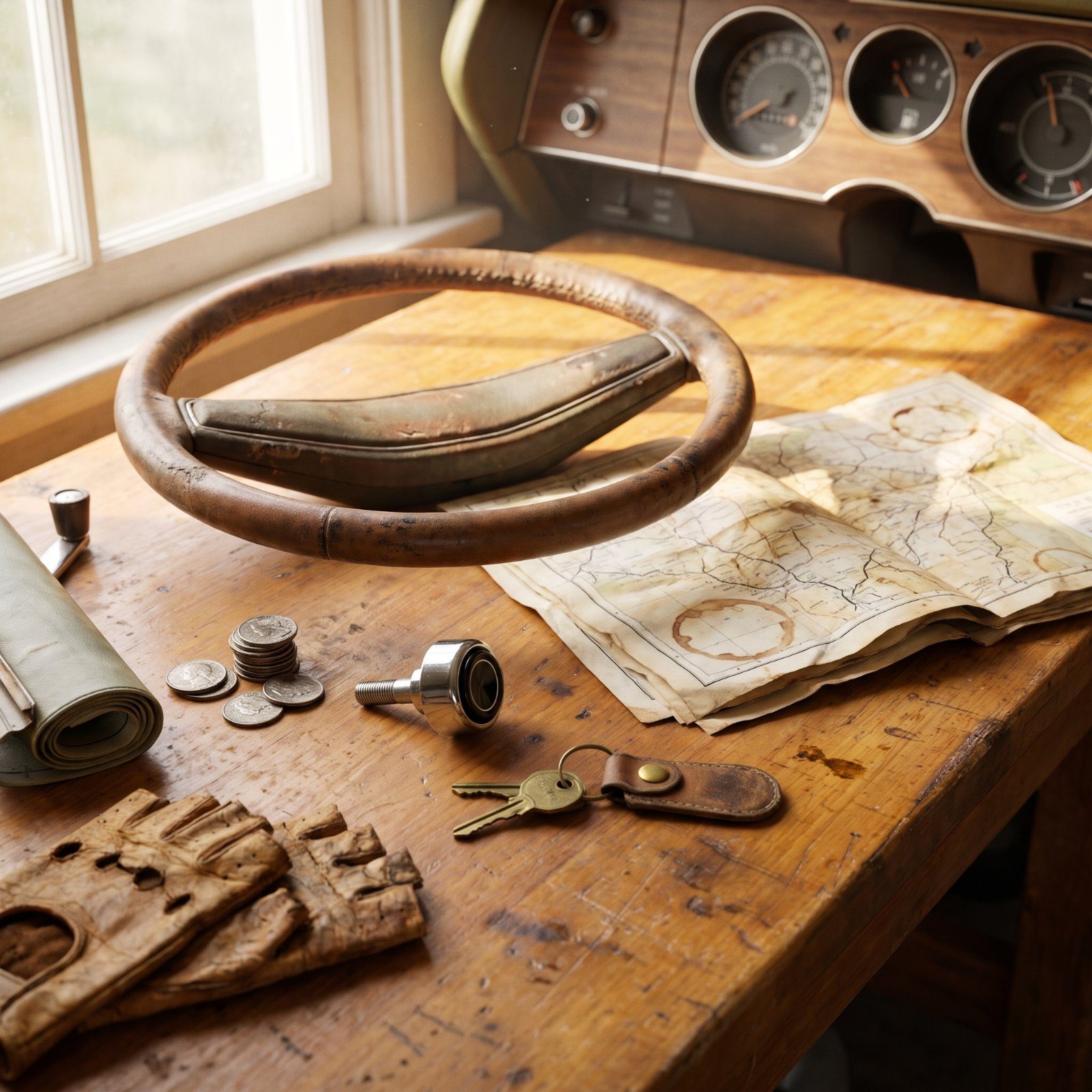
The gas pedal was a conversation. You pumped it twice, held your breath, and listened for the engine to catch on a cold February morning. If it flooded, you waited, and you knew exactly how long. Driving asked things of you that no screen ever will. These are the hands-on skills, the muscle memory, and the small rituals that lived in anyone who learned the road before the digital dashboard showed up. See how many still live in your hands.
Please note that some of the images in this article were created with the assistance of AI.
27. Learning to Work a Clutch on a Column-Shift Manual
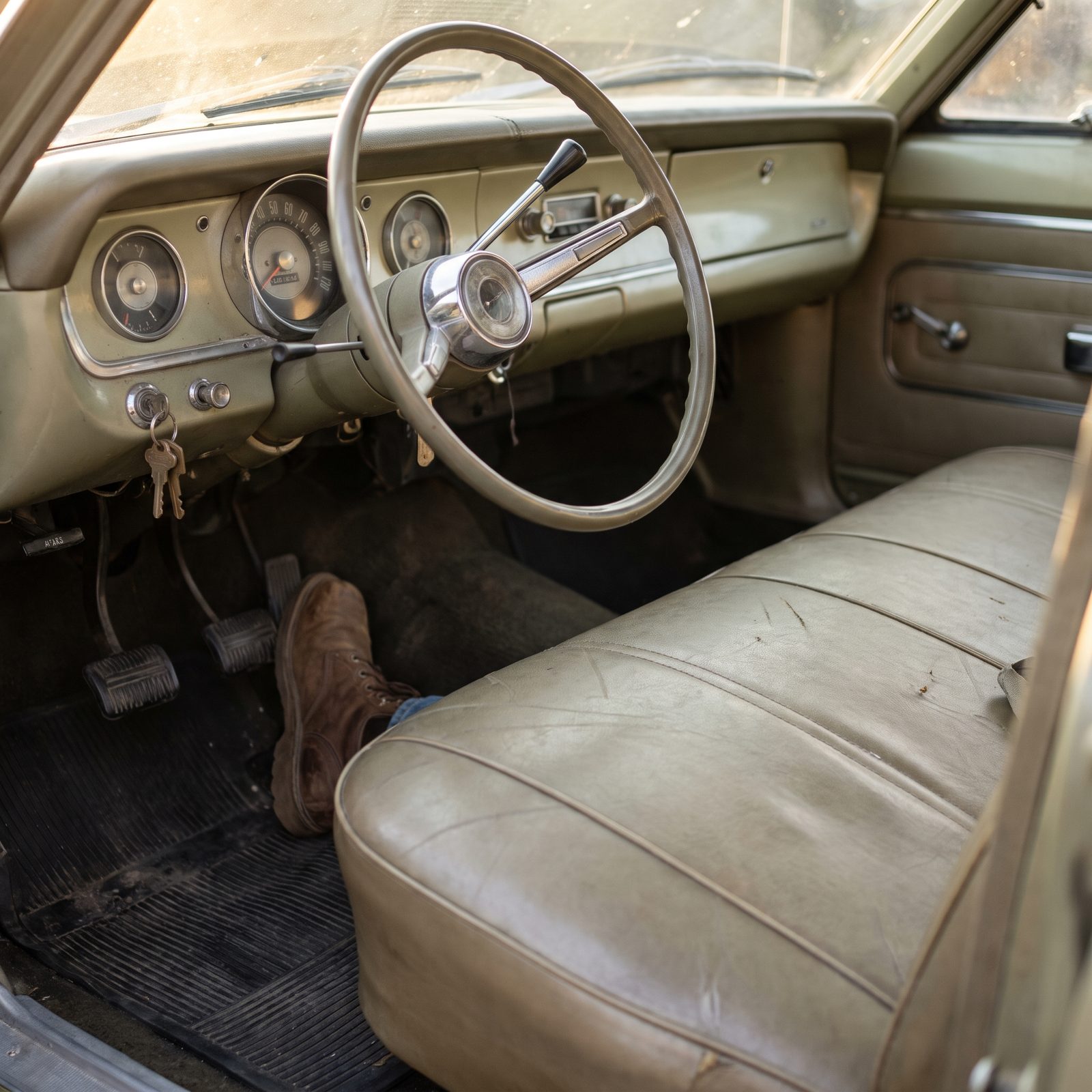
Three forward gears and reverse, all worked from a lever sticking out of the steering column like an afterthought. First was toward you and down, second up and away, and you learned the pattern with your right hand while your left foot negotiated a clutch that had its own opinions.
The real test was hill-starts. Clutch rising, gas rising, handbrake dropping, all at once, with a line of cars behind you and no do-overs. Stall it and the whole street knew. Roll backward into a mailbox learning this, and you never forget the feel of the friction point.
26. Pulling the Choke Knob to Start a Cold Engine
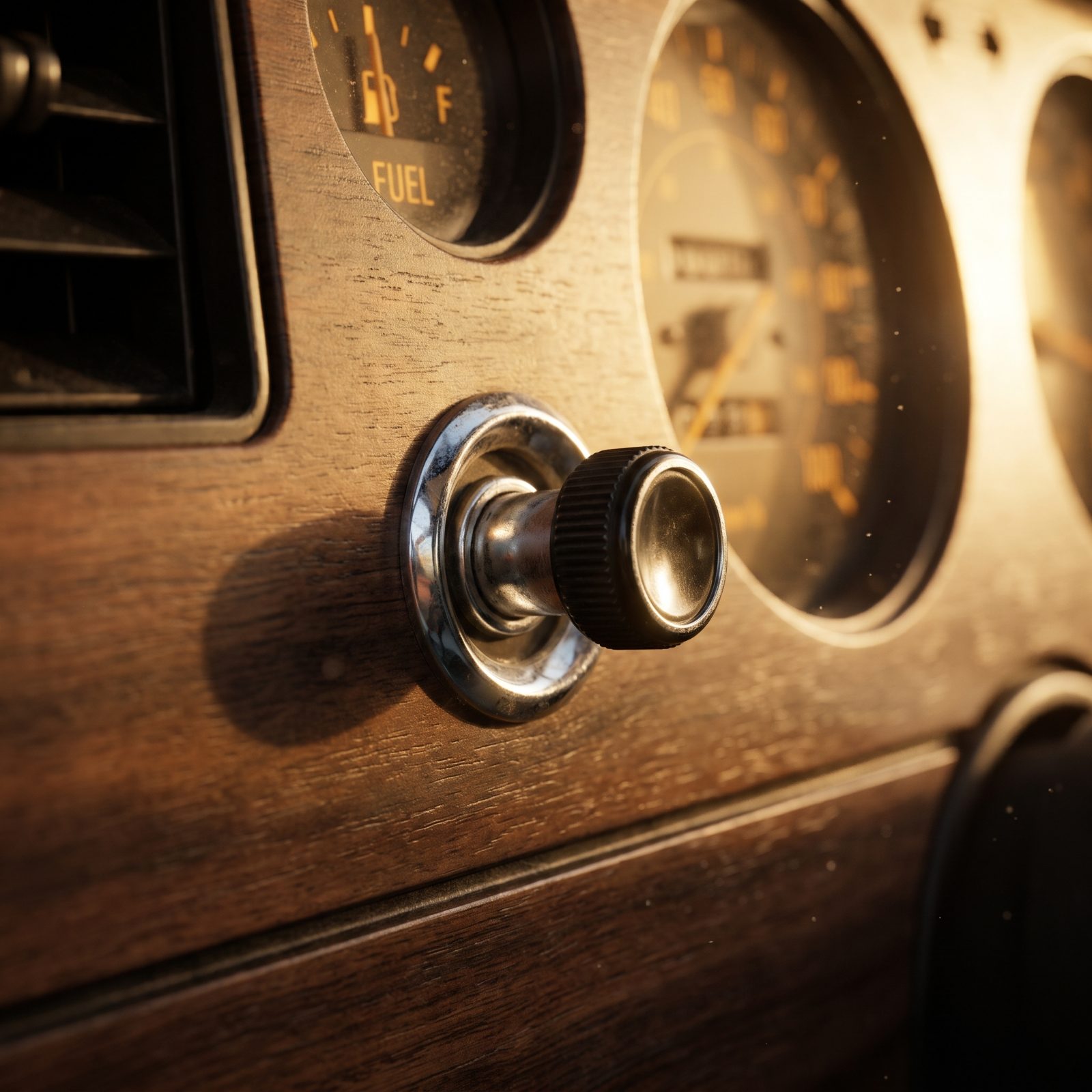
Cold mornings had a ritual. You pulled the choke knob out, cranked the engine, and listened for it to settle into a fast, lumpy idle. Too much choke and it coughed. Too little and it died on you right there in the driveway.
Then came the part only experience taught: easing the knob back in degree by degree as the engine warmed, until it ran smooth on its own. Push it in too soon and you were cranking again. You developed an ear for the exact moment the engine was ready. Nobody told you. You just knew.
25. Pumping the Gas Pedal Before Turning the Key
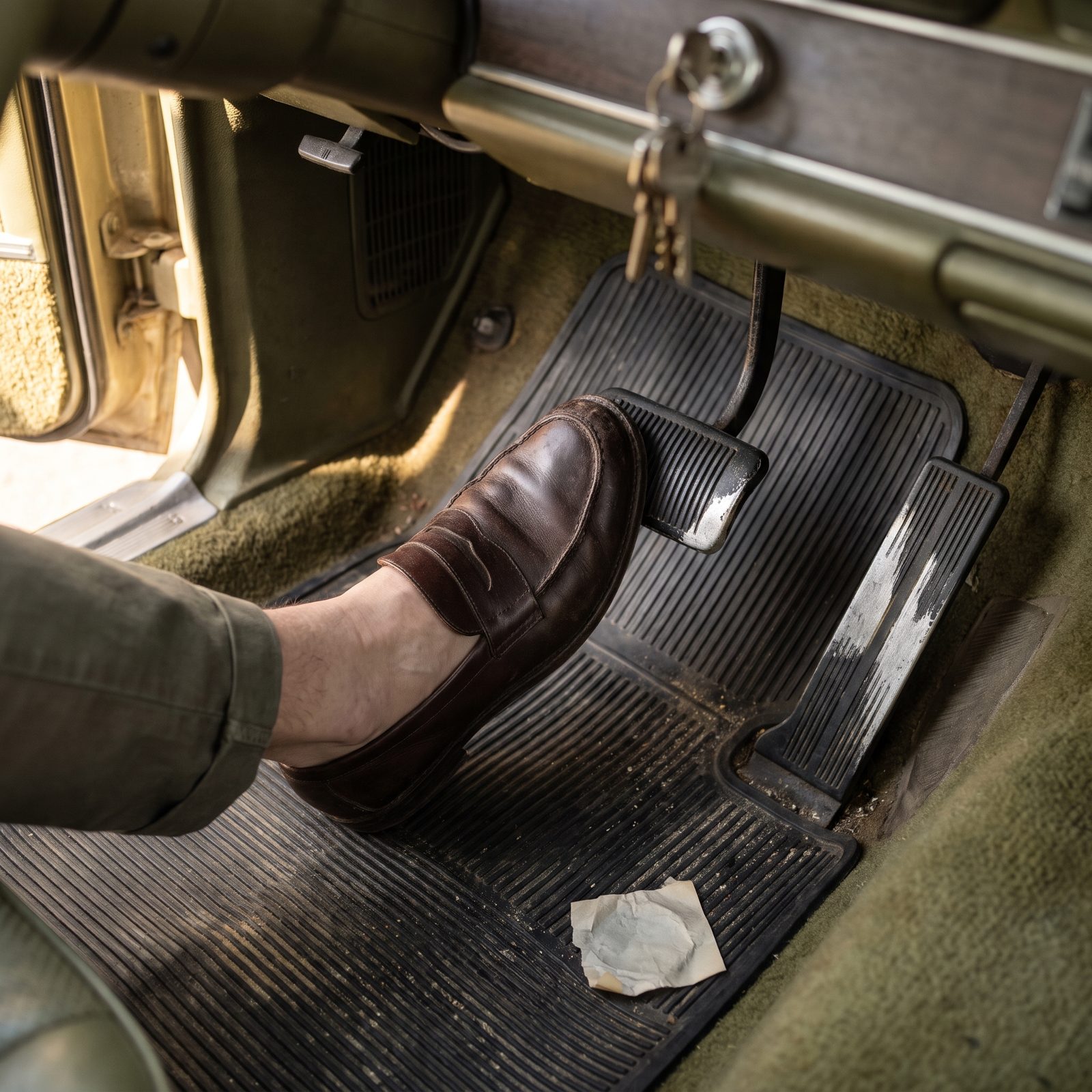
Before fuel injection did your thinking for you, a carburetor needed priming. Two quick pumps of the gas pedal to squirt fuel into the intake, then turn the key. Not three. Three flooded it.
And if you did flood it, there was a fix: floor the pedal, hold it there, and crank. Purely by sound and smell, you learned the difference between an engine that needed more fuel and one that was drowning in it. That faint whiff of gasoline told you everything. Kids today will never diagnose a car with their nose.
24. Unfolding a Giant Paper Road Map Across the Dashboard
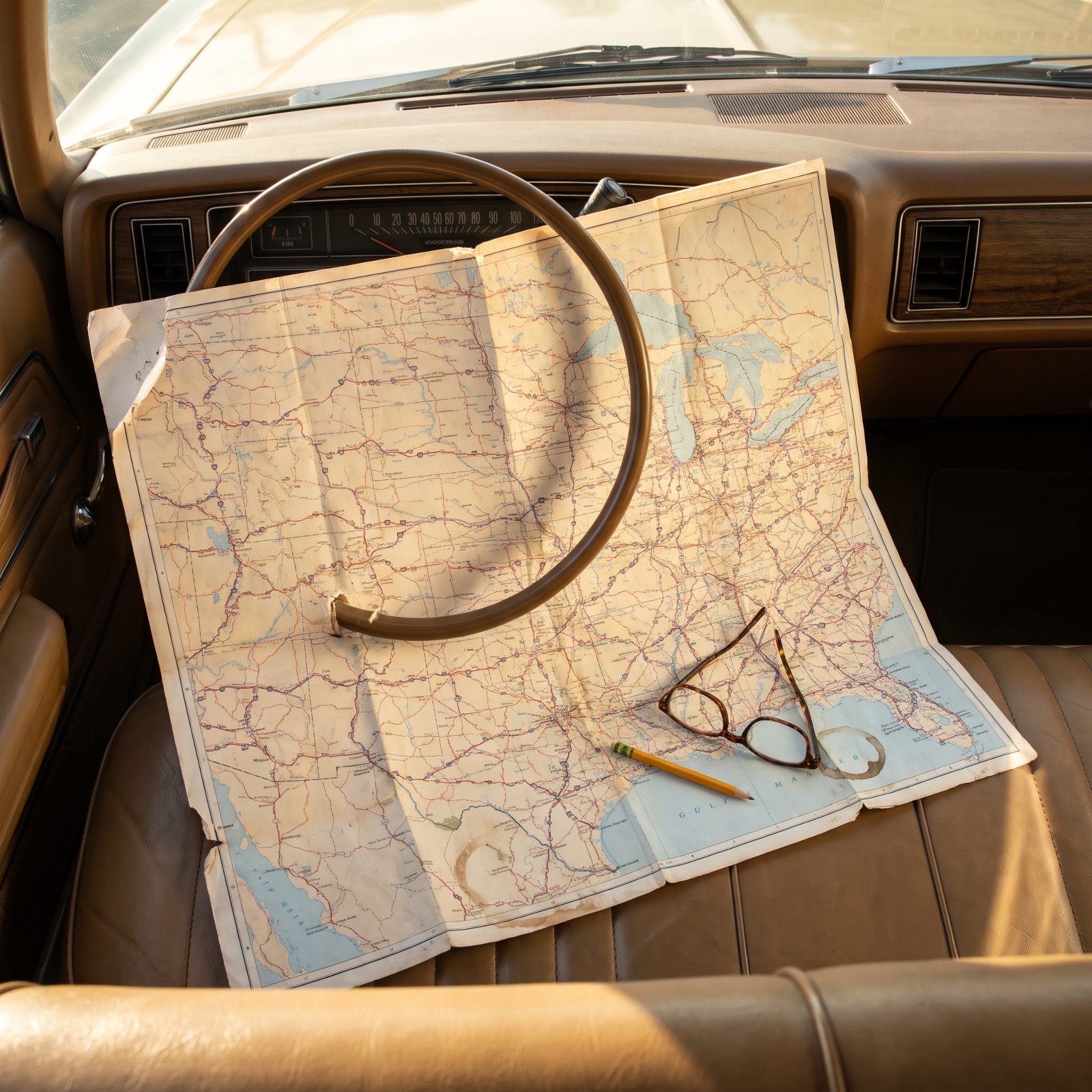
You never refolded it right. That was the law. The thing opened to the size of a card table and swallowed the whole front seat, and getting it back into its original creases required patience nobody had at a rest stop.
Reading one was a skill. You traced the red highway lines with a finger, followed the blue lakes and coastline, and worked out your turns well in advance, even when the tiny print was impossible to make out. The passenger seat became mission control, and whoever sat there had a real job. A good navigator was worth their weight in gas money.
What Our Readers Say
- Photos of cars that look like the 1960s earned more hearts from Jalopy Talk readers than the other images in the same articles, 89% versus 77%.
- Cars with a 1970s look also drew more hearts from our readers than the other pictures they appeared alongside, 82% compared with 77%.
From Jalopy Talk reader polls and votes.
23. Memorizing the Way Instead of Following a GPS Voice
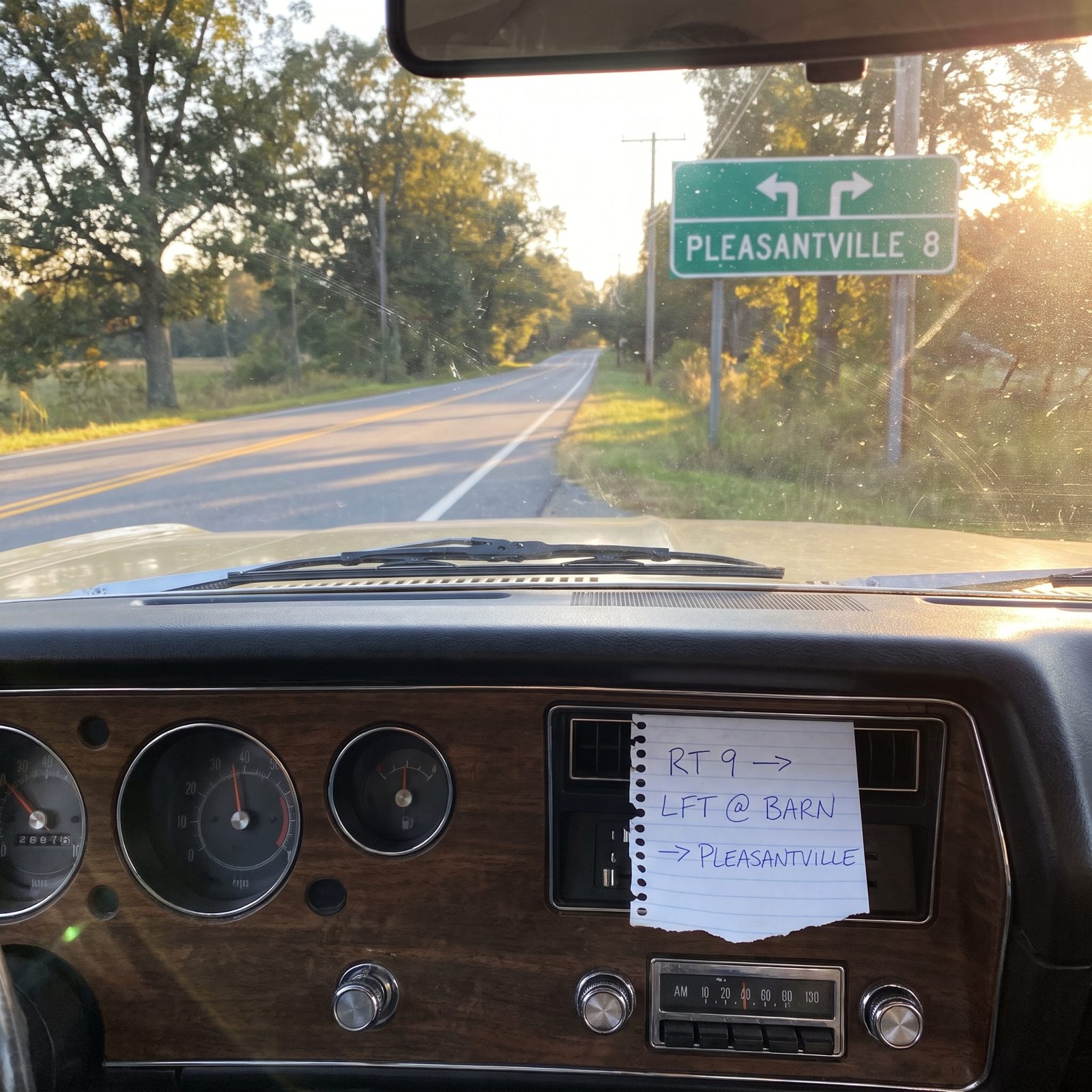
Someone gave you directions once, over the phone or scrawled on an envelope, and that was it. Left at the second light, past the Dairy Queen, right where the old barn used to be. You held the whole route in your head and committed.
This built a kind of spatial memory that GPS has quietly killed. You knew which way was north by the sun. You knew your own town like the back of your hand because you had to. Get lost and there was no blue dot to rescue you, just you, your memory, and the willingness to admit you’d blown it and ask.
22. Finding a Pay Phone to Tell Someone You’d Be Late
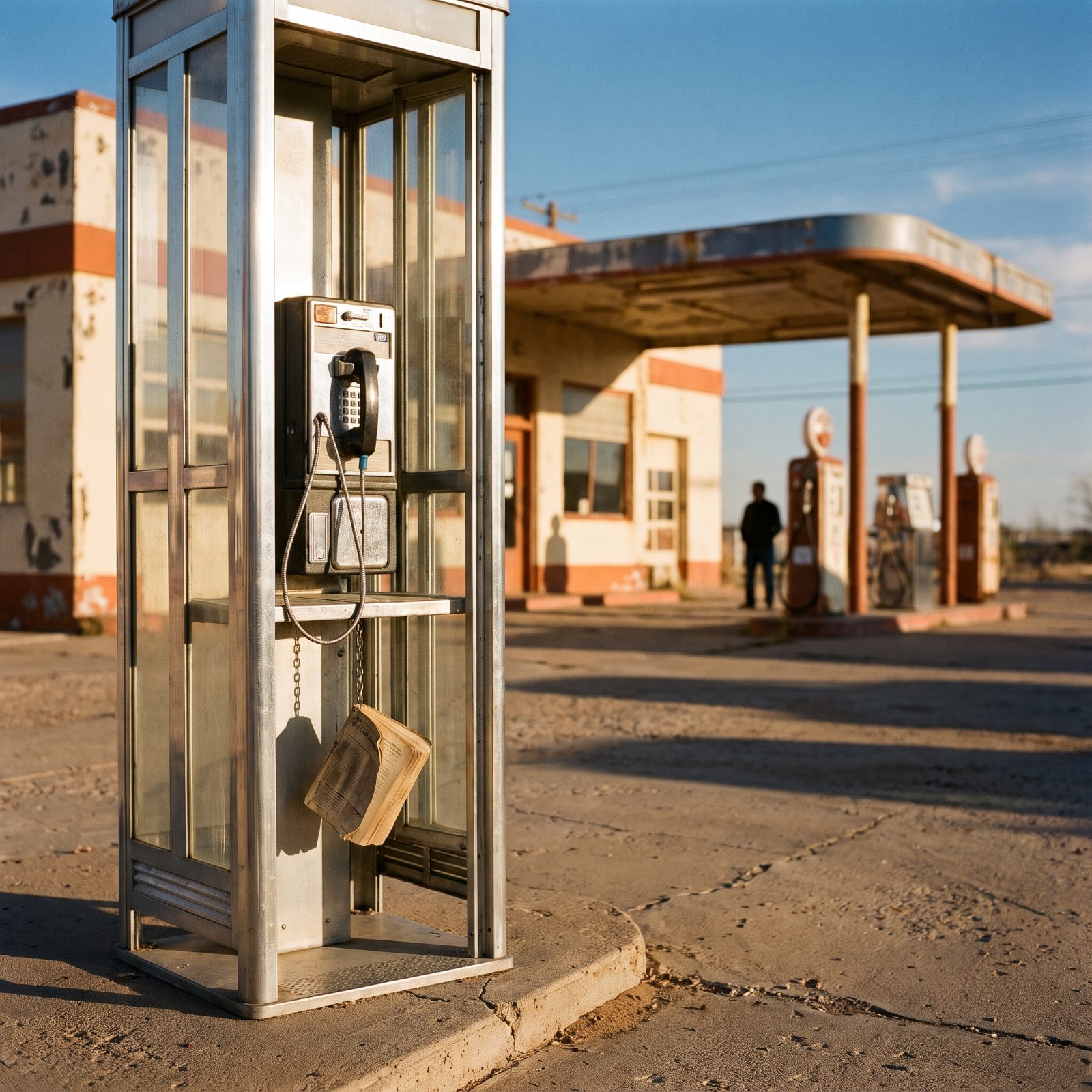
Running late meant pulling over, digging for a dime (later a quarter), and finding a working pay phone. You scanned gas stations and diner entrances for that little metal shelter like your life depended on it.
Half of them ate your coin. Half had the handset cord cut. Find a good one and you spoke fast, because people were waiting and you were burning change. There was no texting from the road. If you said you’d be home by six and you weren’t, somebody worried until you found a phone, and that mattered in a way a thumbs-up emoji never will.
21. Keeping a Stack of Quarters for Toll Booths
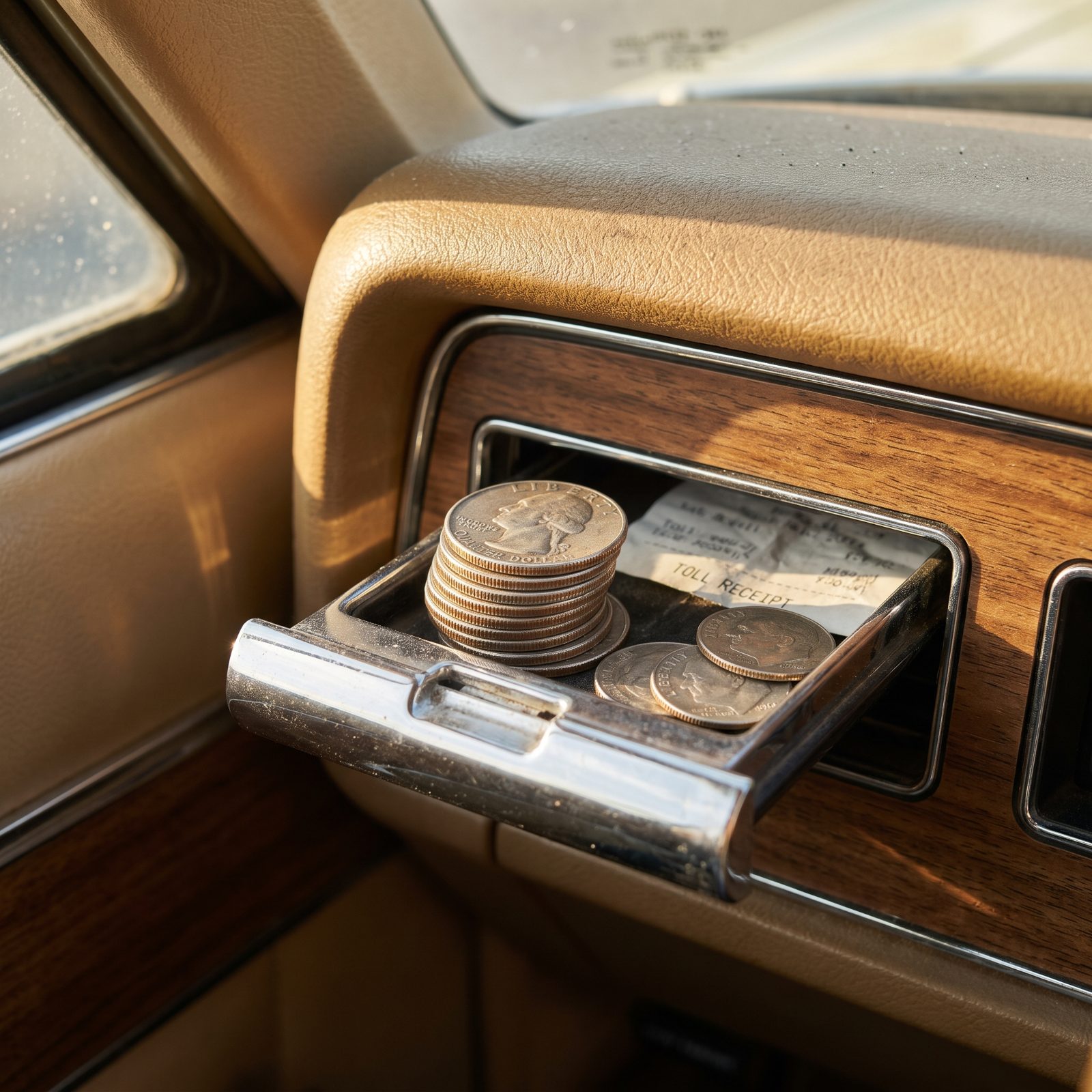
Every car had a dedicated spot for toll money. The ashtray, the little dashboard cubby, a chrome coin dispenser clipped under the dash that clicked out exact change. You rationed those quarters like gold on a long turnpike run.
The panic was real when you came up short at the exact-change lane with cars stacking up behind you, scrounging the floor mats and seat cracks for a stray dime. A fistful of quarters meant freedom. It also meant you were the person everyone asked when they needed one.
20. Rolling Down the Window by Hand to Cool Off
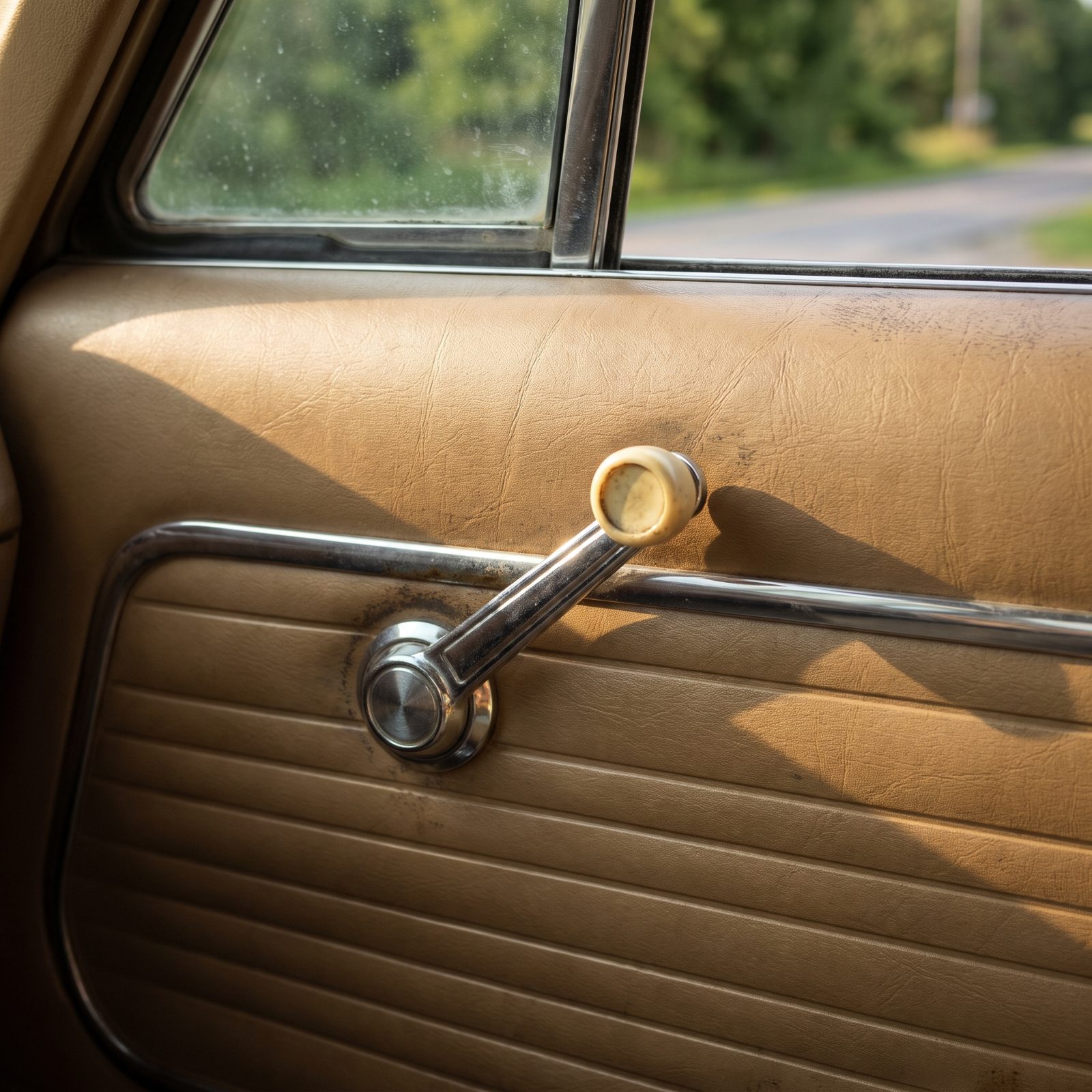
No air conditioning in most cars meant one answer to a hot day: crank that window down. The handle spun in a tight circle, usually two and a half turns to fully open, and your arm learned the rhythm.
The front passenger rolled theirs down. Kids in back fought over the crank and whose side should be open. On the highway it got loud and your hair went everywhere and you loved it anyway. There was a whole technique to cracking the windows just enough to pull a cross-breeze without blowing the map off the dash.
19. Hand-Cranking the Sunroof or Fiddling the Vent Windows
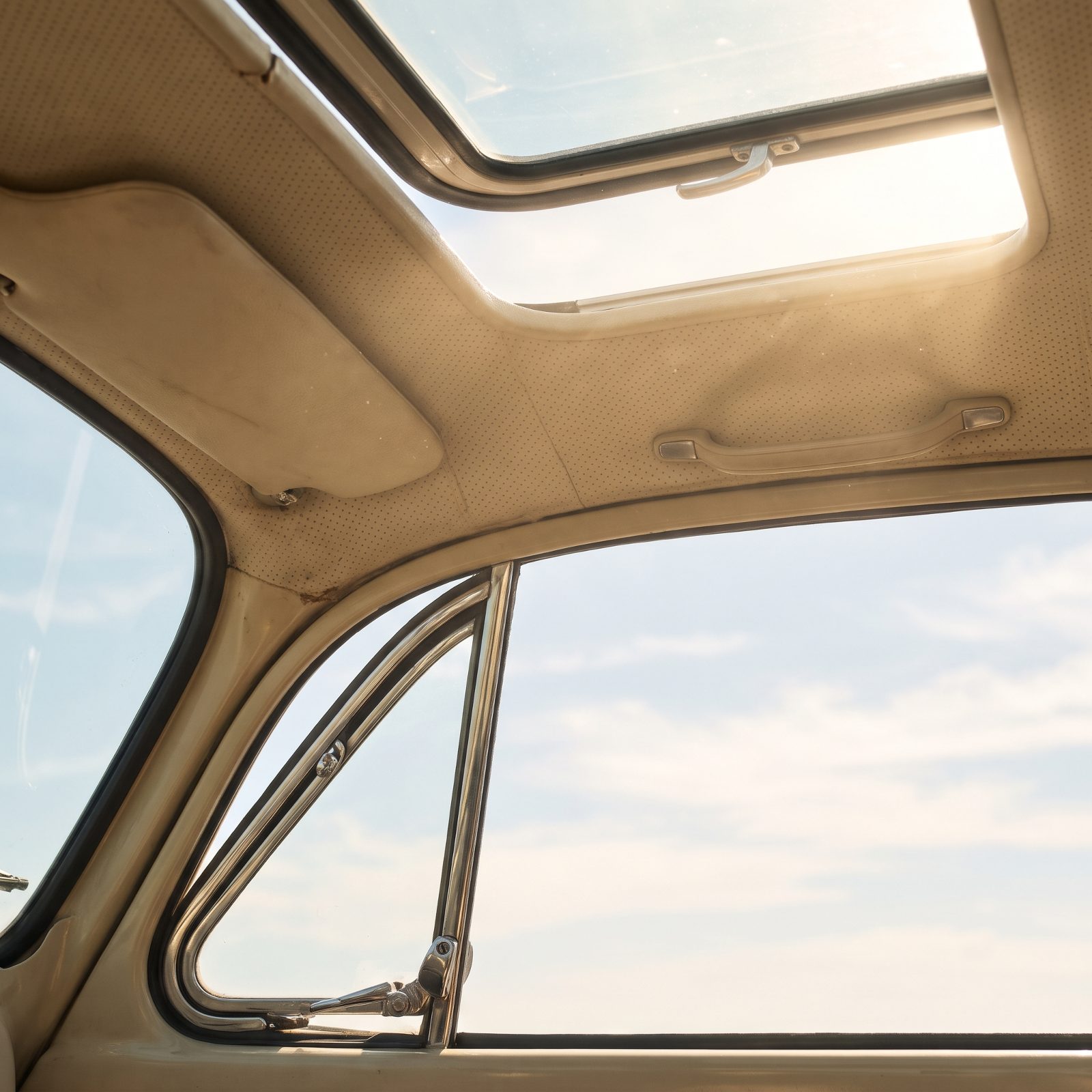
The little triangular vent window up front pivoted open on a chrome latch and aimed a jet of air exactly where you wanted it. Angle it right and you got a cool stream on your face at any speed, no fan required. Nobody ever gave that thing the credit it deserved.
Fancier cars had a glass sunroof you opened with a chrome latch handle, pushing the panel up and back while the light poured in. It took effort. It took commitment. And it felt like a reward when that panel slid clear and the summer air rolled through. Every one of these little handles and latches gave you something to do with your hands, and somewhere along the way we traded all of it for a button and forgot what we lost.
18. Adjusting the Side Mirror by Reaching Out the Window
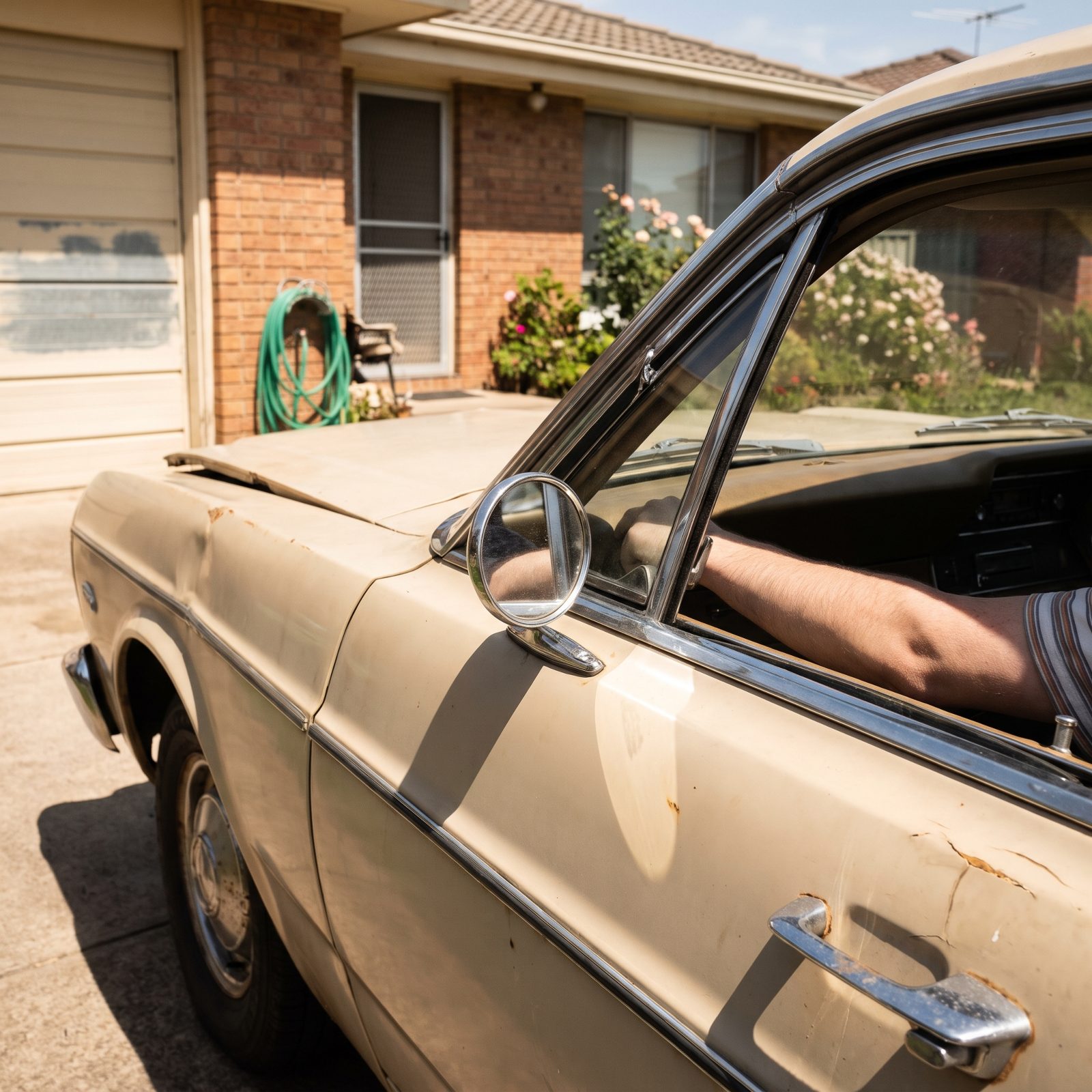
Power mirrors were something you read about in a brochure for a car you couldn’t afford. In most cars, the driver’s side mirror got set by rolling the window down, reaching out, and nudging the glass with your fingertips until the lane behind you showed up where it should.
The passenger side was worse, if your car even had one. You either leaned all the way across the bench seat, stretching like a gymnast, or you asked whoever was riding shotgun to push it a little left and then a little more. One good bump from a car wash brush or a narrow garage and you were back out there fiddling. You set it once, you guarded it, and you glared at anyone who knocked it out of place.
17. Using a Key to Unlock Every Door by Hand
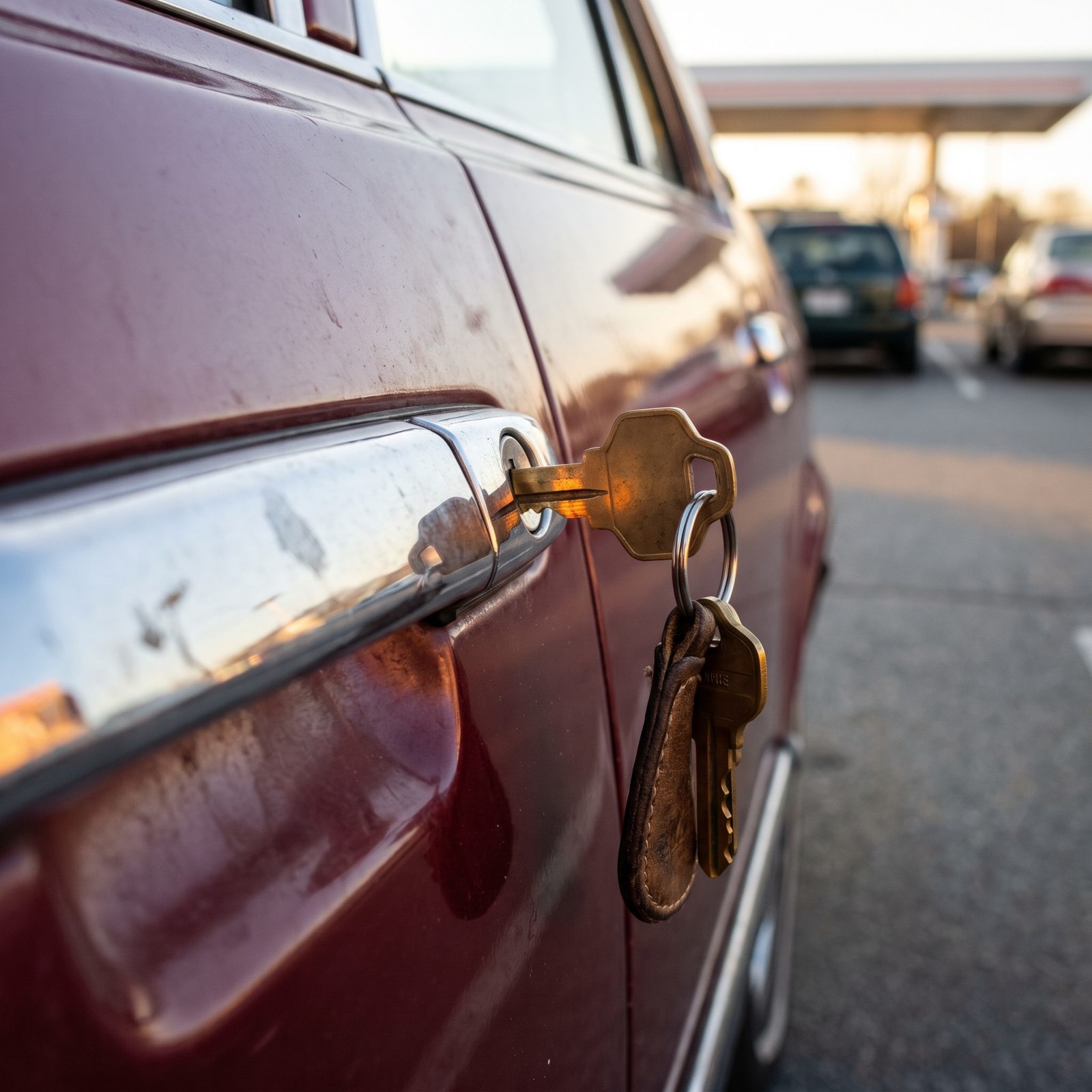
There was no beep, no chirp, no flash of the parking lights. You walked up to the car, slid the key into the door lock, and turned. In the dark, in the rain, with grocery bags hanging off your wrist, you found that little slot by feel.
Getting a passenger in meant leaning across the seat and pulling up the lock post on their door, a small courtesy that said a lot on a first date. Plenty of cars came with two keys, one for the ignition and another for the doors and trunk, and you learned which was which in the dark by the shape of the head. Locking up meant pushing down every post before shutting the doors, and the sinking feeling of seeing your keys dangling from the ignition through the glass is one nobody forgets.
16. Jiggling the Key Just Right to Get It to Turn
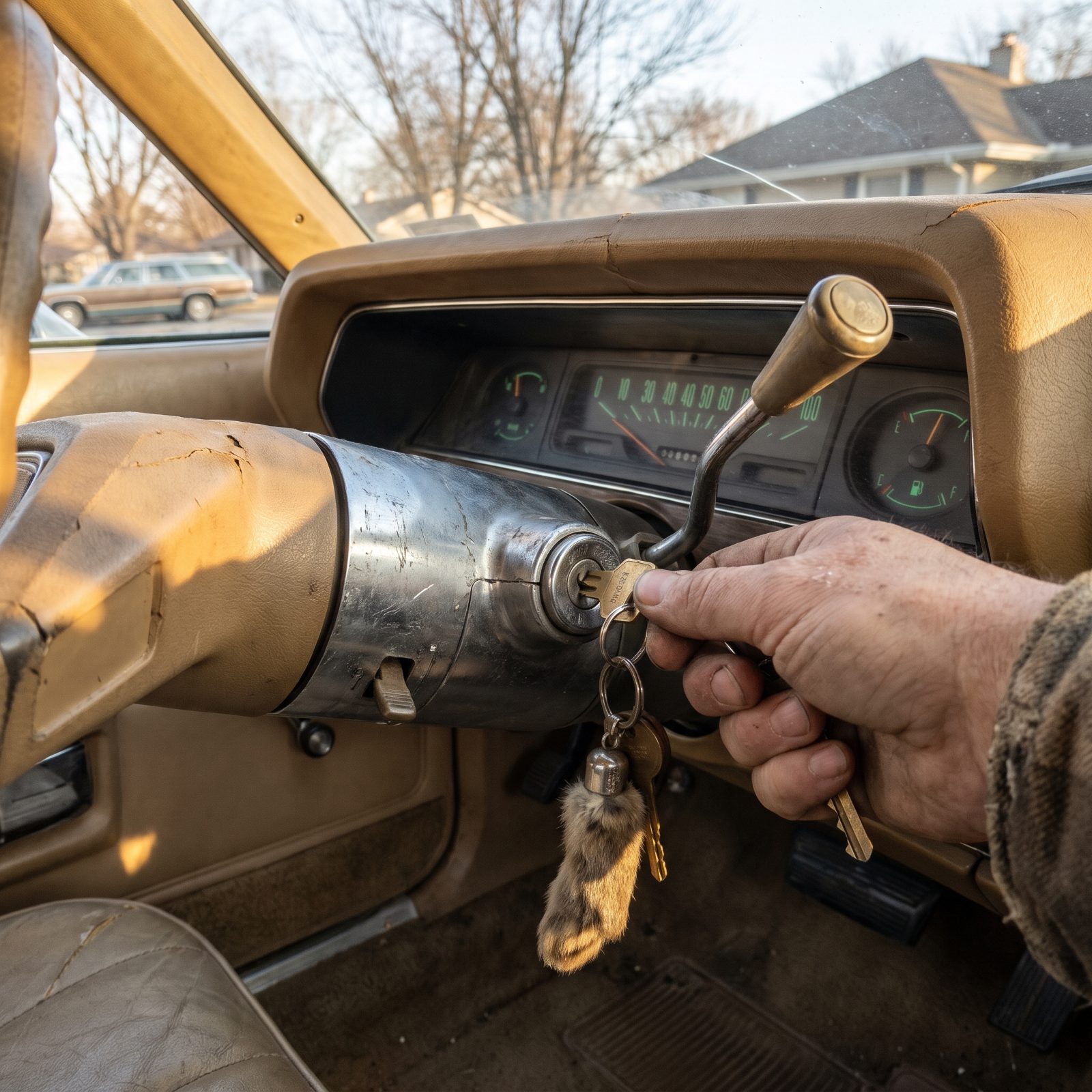
Keys wore down. So did ignition cylinders. After enough years, getting the car to start became a negotiation, and every regular driver knew the secret handshake: pull the key out a hair, wiggle it, push it back in, try again.
Then there was the steering lock. Park with the wheels turned and the column locked up tight, so the key wouldn’t budge until you rocked the steering wheel side to side while turning. Borrowing someone else’s car often came with instructions, delivered like a family recipe. Lift up a little, then turn. Don’t force it. It took practice, and the person who’d driven that car the longest could start it in one smooth move while everyone else fumbled.
15. Checking the Oil With a Dipstick and a Rag
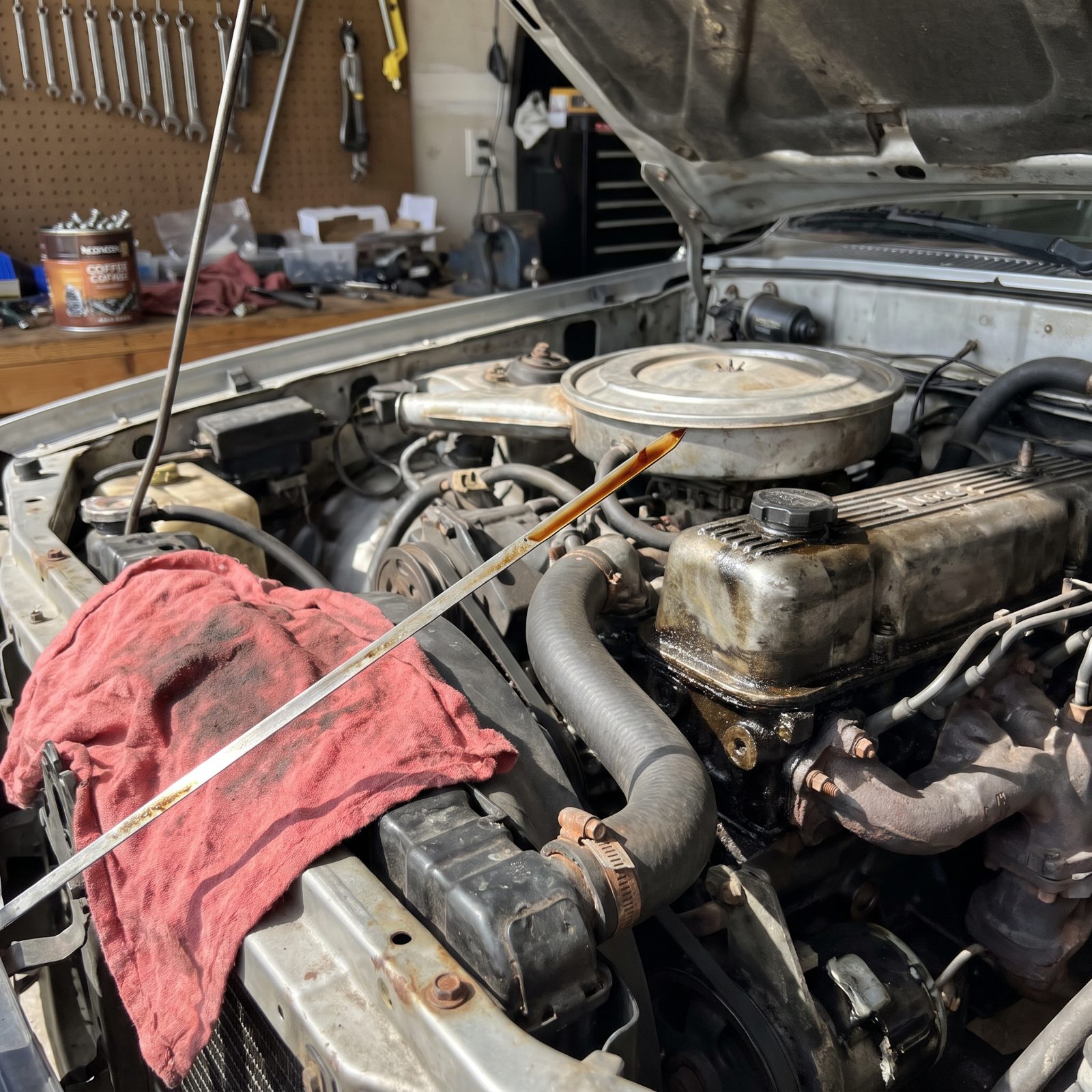
Engine off, car on level ground, hood up. You pulled the dipstick, wiped it clean on a rag, pushed it back in all the way, and pulled it again to read where the oil line sat between the marks. If it was near the bottom, a quart from the trunk went in.
You read more than the level, too. Clean amber oil meant things were fine. Black and gritty meant it was overdue for a change. Milky or foamy meant something worse was going on, and you didn’t like the look of it. Every car carried an oil-stained rag somewhere for this exact job, and checking it at every other fill-up was simply part of owning a car.
14. Changing a Flat Tire on the Shoulder Yourself
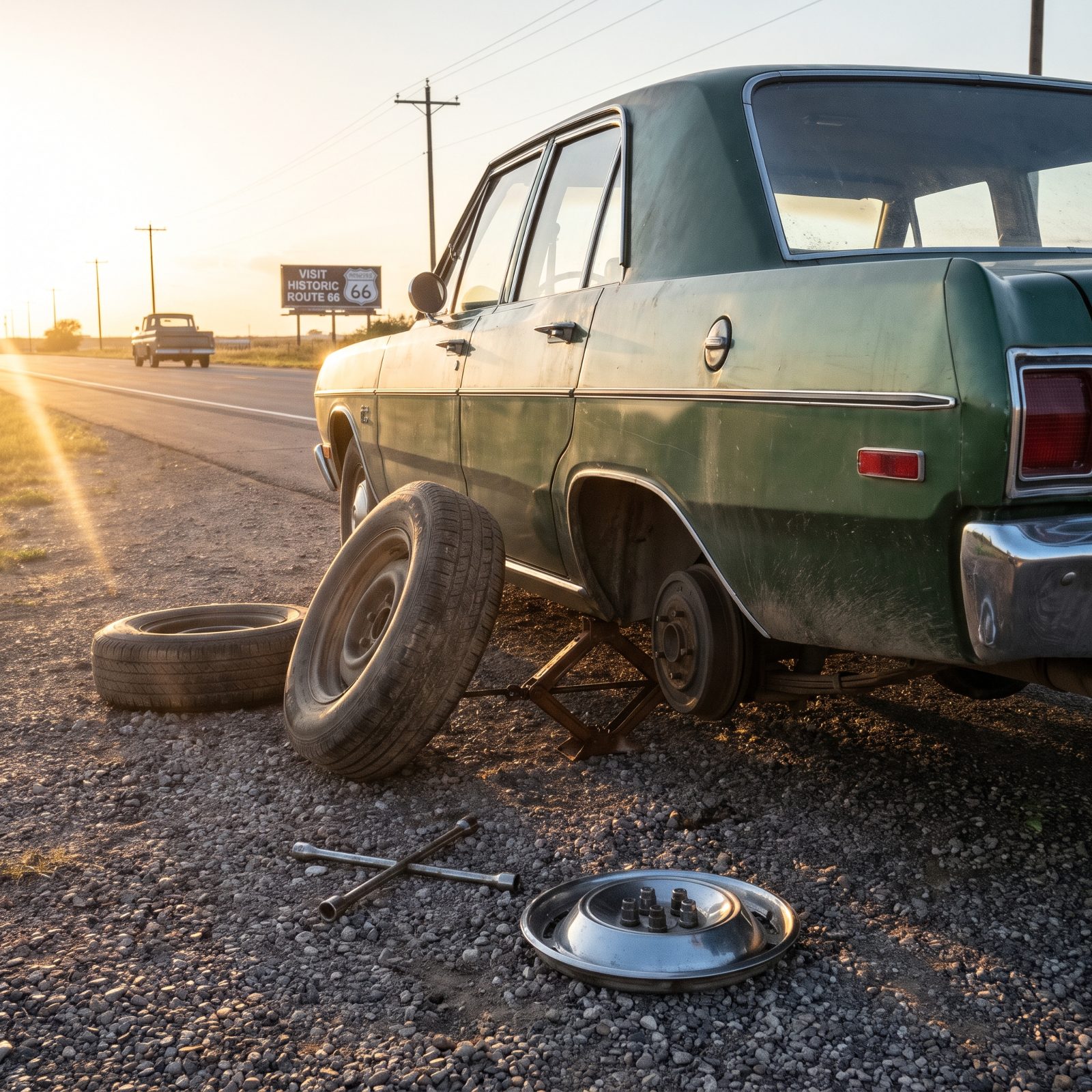
A flat meant pulling onto the shoulder, popping the trunk, and digging the spare out from under the luggage. Older cars came with bumper jacks that hooked onto the bumper and ratcheted the whole corner of the car into the air, wobbling in a way that made you keep your hands clear.
You learned the order the hard way. Loosen the lug nuts first, while the tire was still on the ground, because a wheel in the air just spins. Jack it up, swap the tire, snug the nuts by hand, lower it, then tighten them all the way. Nobody called for help, because there wasn’t anyone to call. You got your hands dirty and you got back on the road.
13. Jumping a Dead Battery With Your Own Cables
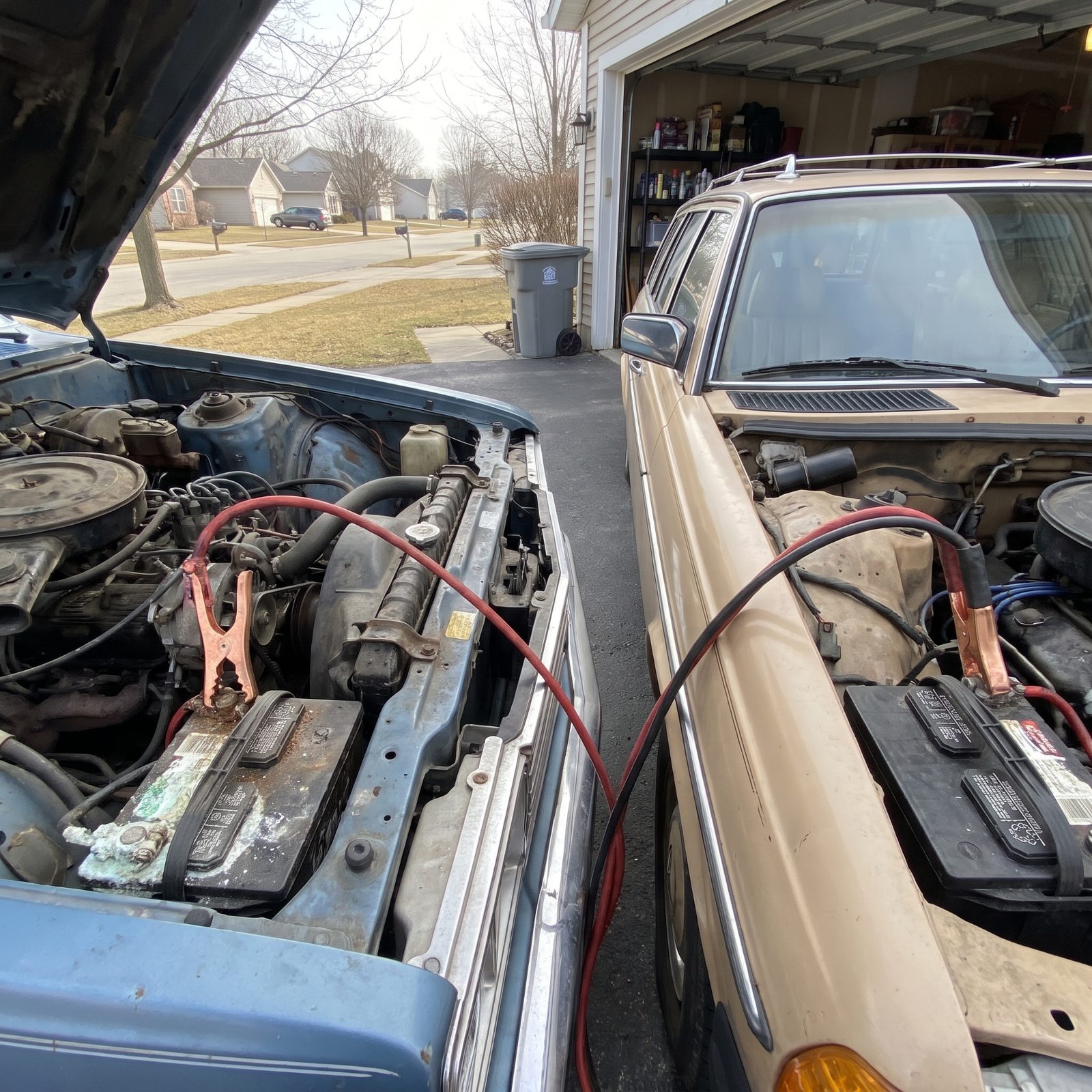
A set of jumper cables lived in every trunk, coiled up next to the spare. Leave the headlights on overnight and you’d be standing in a parking lot, hood up, waiting for a stranger with a running engine to take pity on you. Most of them did.
The order mattered, and you recited it like a prayer. Red clamp on the dead battery’s positive, other red on the good battery’s positive. Only then did the black clamps go on: one on the good battery’s negative, the last on bare metal on the dead car, away from the battery. Let the good car run a few minutes, then turn the key and hope. When it caught, you let it run a good while before shutting it off, and you thanked the stranger like they’d saved your life.
12. Reading Engine Trouble by Sound, Smell, and Feel
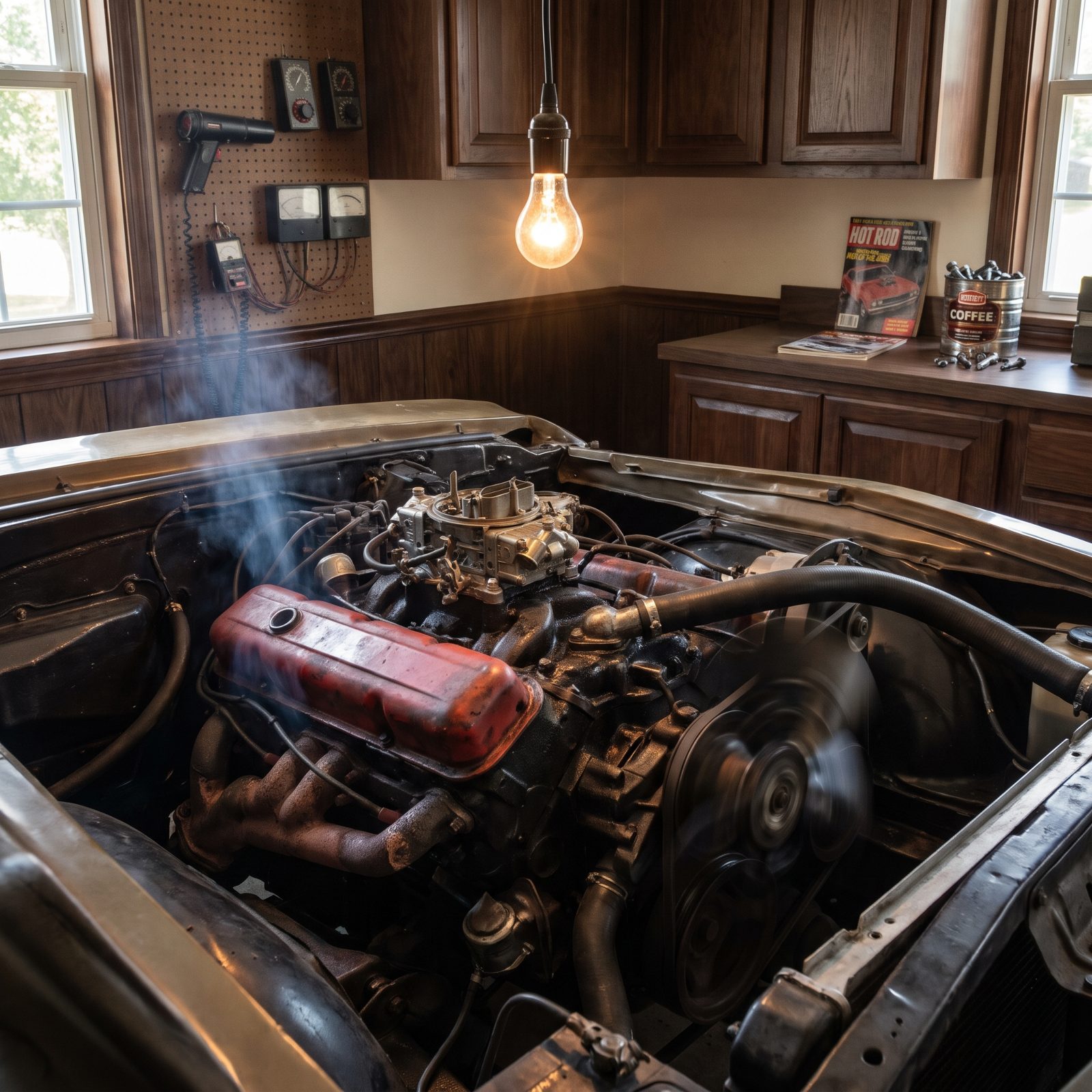
There were no warning messages on a screen. The car talked to you through noises, smells, and vibrations, and you learned its language. A high squeal on startup meant a slipping belt. A grinding when you braked meant the pads were gone. A knock or ping when you stepped on it going uphill meant something was off with the timing or the fuel.
Your nose did a lot of the work. A sweet syrupy smell meant coolant was leaking somewhere. Burning oil had its own sharp stink. A shimmy in the steering wheel at highway speed meant a tire or alignment problem. A timing light and a meter hanging on the pegboard helped, but mostly you needed attention, and you paid it every single time you drove.
11. Bleeding the Brakes by Feel When the Pedal Went Soft
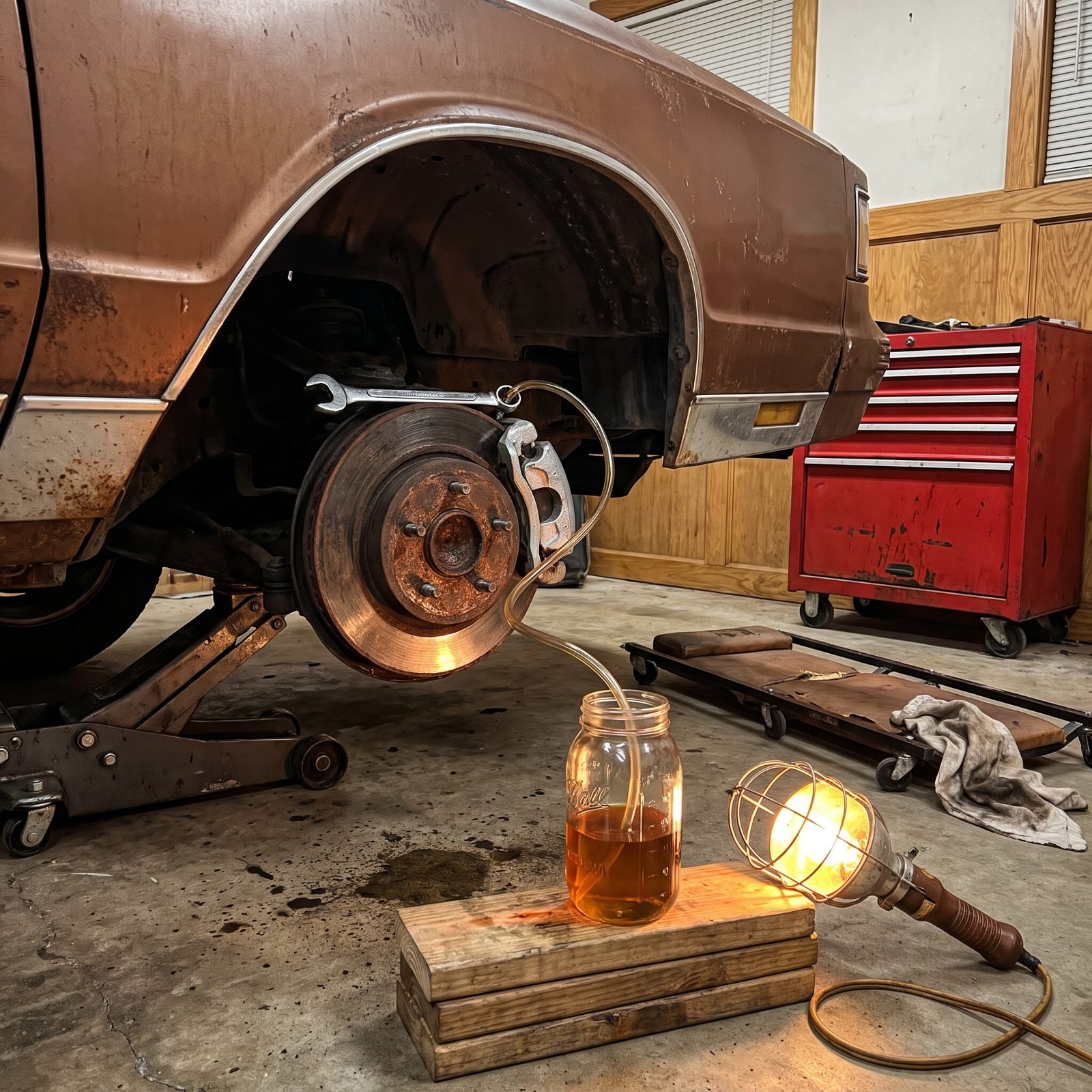
A brake pedal that sank toward the floor or felt spongy meant air had gotten into the lines, and the fix was a two-person job in the driveway. One person sat in the car pumping the pedal and holding it down. The other crouched at the wheel, cracked open the bleeder valve, and let the fluid and bubbles push out before closing it up again.
You started at the wheel farthest from the master cylinder and worked your way closer, keeping the reservoir topped up so you didn’t suck more air in. A clear tube running into a jar let you watch for bubbles. The real test was the pedal itself. When it went from mushy to firm and high under your foot, you knew you’d gotten it right.
10. Decoding the Gas Gauge Needle That Bounced Around
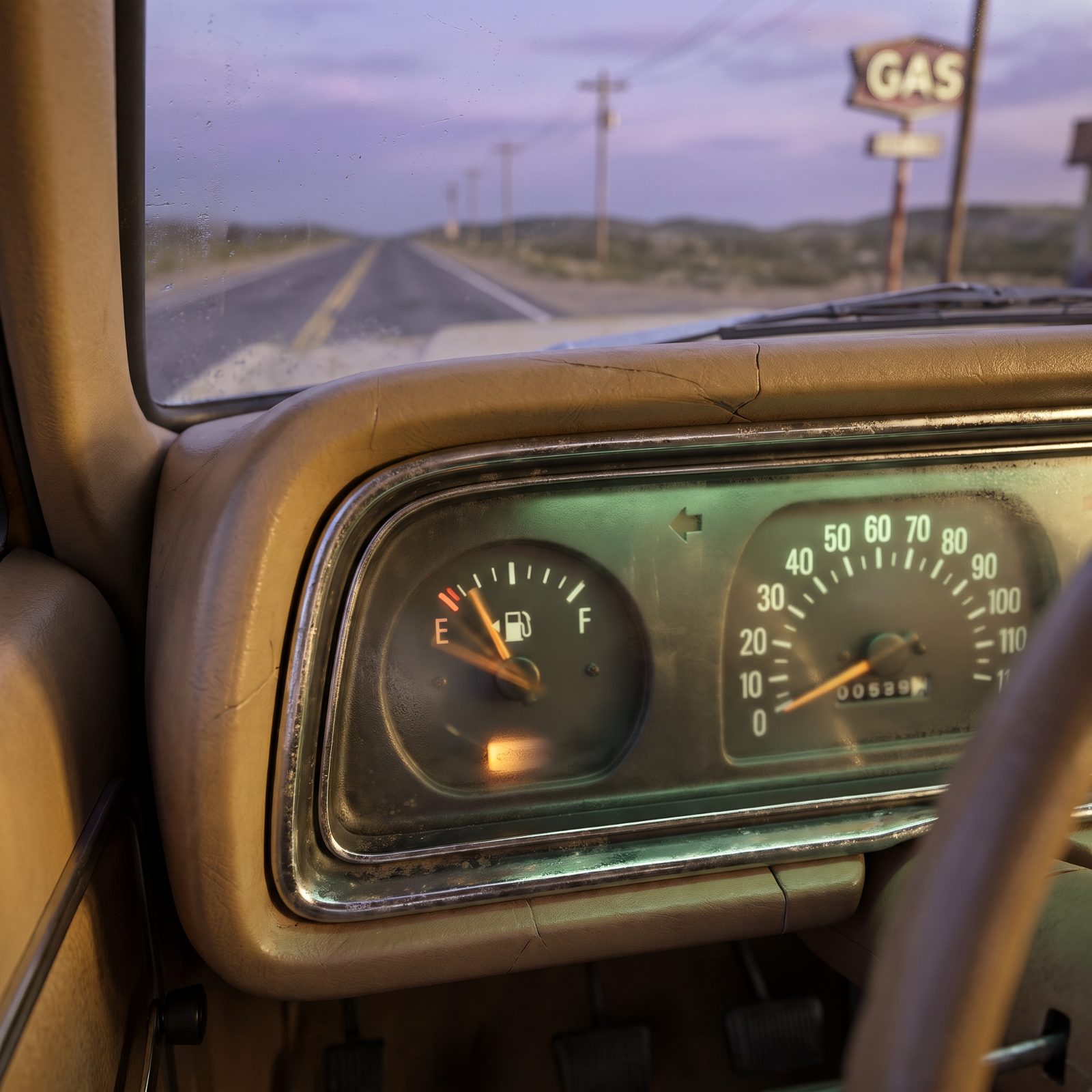
The fuel needle in an old car was more of a suggestion than a measurement. It swung in hard turns, drifted on hills, and sometimes needed a knuckle tap on the dash to settle. Every driver learned to read their own gauge with a personal translation.
Empty didn’t always mean empty. You knew your car had a little left when the needle touched E, or you knew it absolutely did not. You tracked miles on the trip odometer, did the math in your head, and kept a mental list of every gas station on your regular routes. Borrowing someone else’s car meant asking the most important question first: what does the gauge really mean?
9. Double-Clutching an Old Gearbox With No Synchros
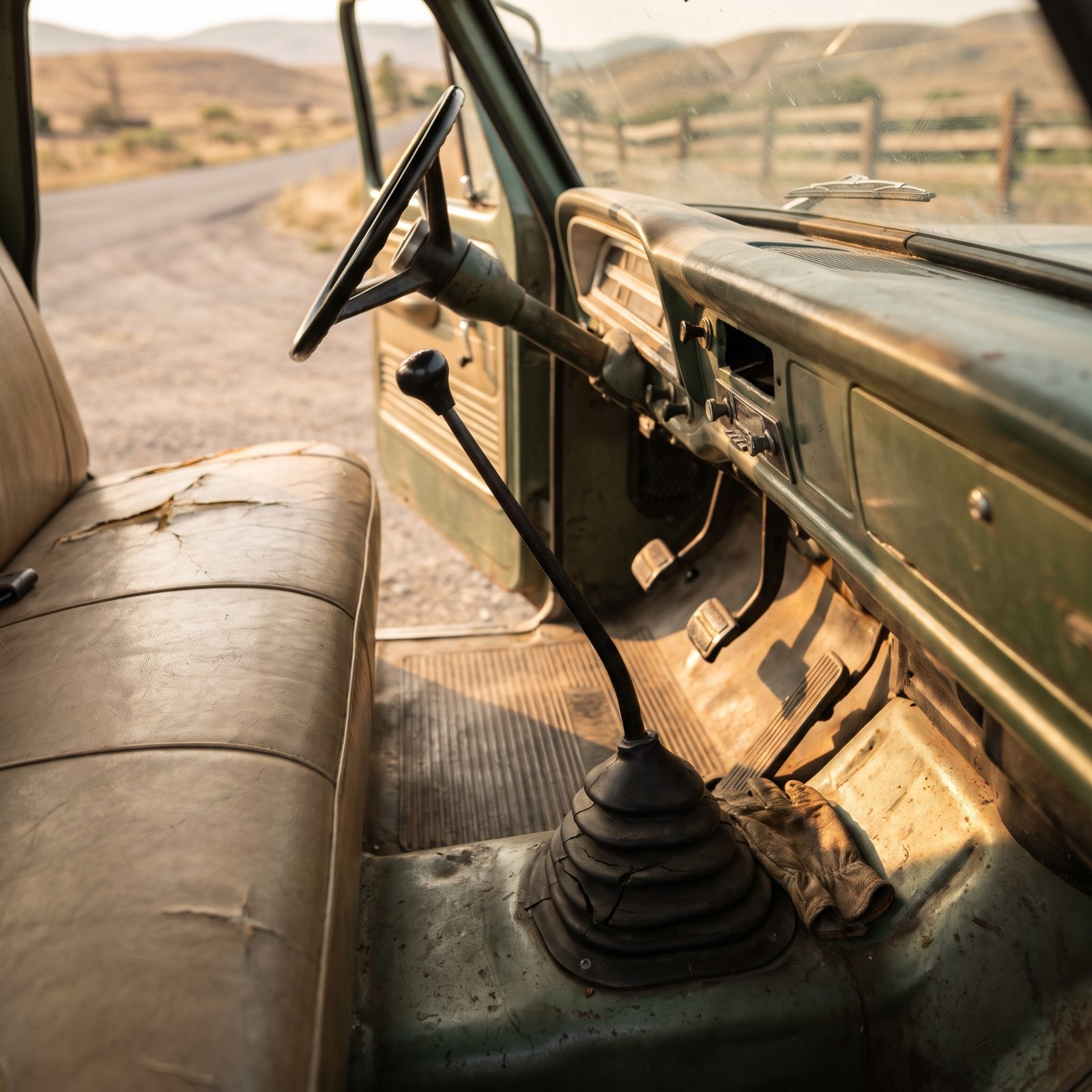
Plenty of older gearboxes, especially in trucks and early cars, had no synchronizers on some gears, or none at all. Shift straight from one gear to the next and you got a nasty grinding crunch. The fix was double-clutching, and once you had it, it felt like a dance.
For a downshift, you pushed the clutch in, slipped into neutral, let the clutch back out, blipped the throttle to bring the revs up, then clutched again and slid into the lower gear. Done right, the gears met at matching speed and the lever dropped in like it was greased. Done wrong, everyone in the car heard about it. It’s a skill that lives in the feet, and anyone who learned it never lost it.
8. Wrestling a Car With No Power Steering Into a Parking Spot
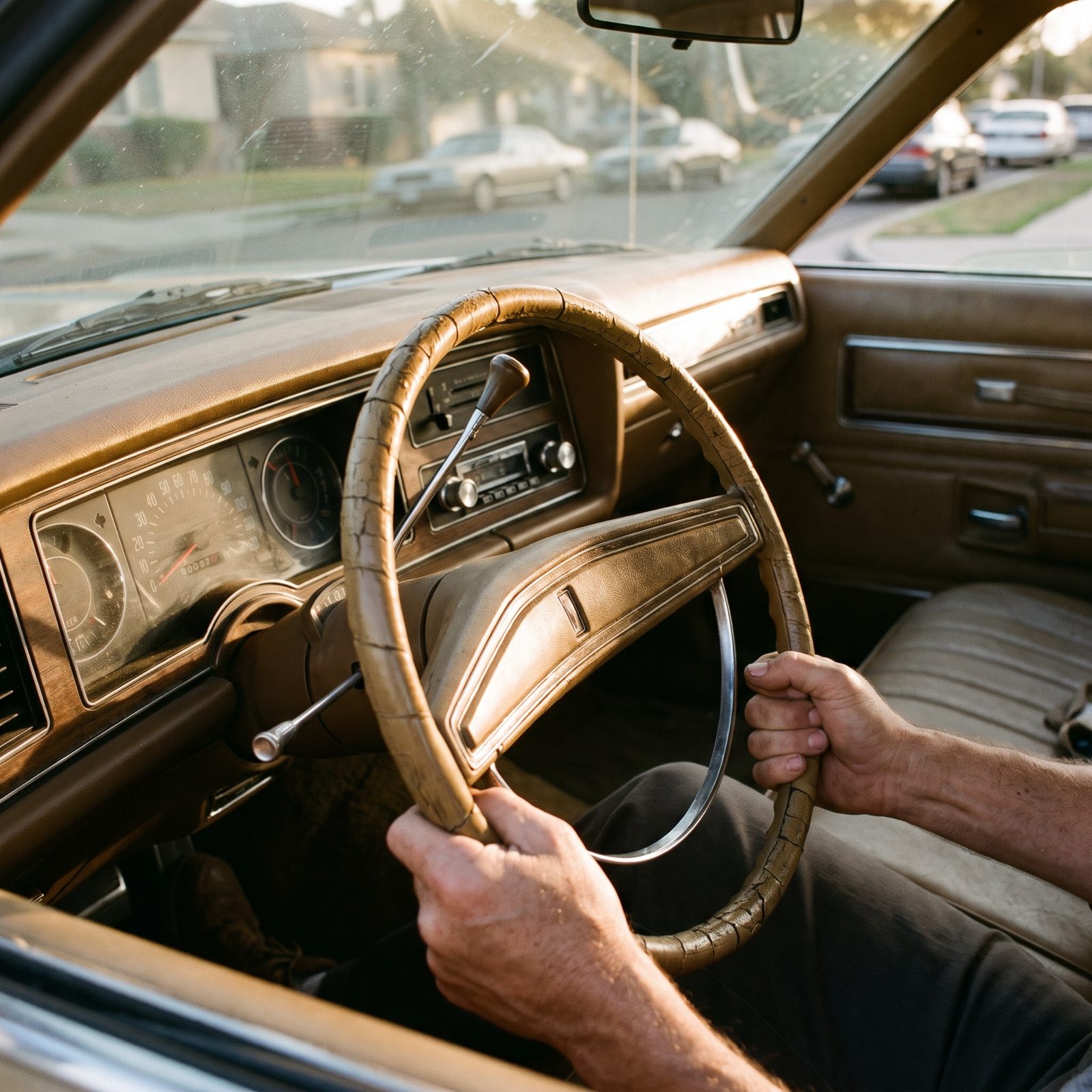
At highway speed you hardly noticed. In a parking lot, the wheel turned into a workout. With no power assist, cranking a full-size sedan into a tight space meant gripping hard, leaning into it, and hauling the wheel hand over hand while the front tires scrubbed against the pavement.
You learned tricks. Keep the car creeping forward, because a rolling wheel turns far easier than one sitting dead still. Plan your angle early so you only had to fight it once. Steering ratios were slow, so lock to lock took a lot of turns, and your shoulders felt every one. Anybody who parallel parked one of those on a narrow street had forearms to show for it.
Sore arms or not, our readers still have a soft spot for those big sedans: full-size land yachts got more hearts than the other images in the same articles, 85% versus 78%.
7. Backing Up With Nothing But Mirrors and a Turned Neck
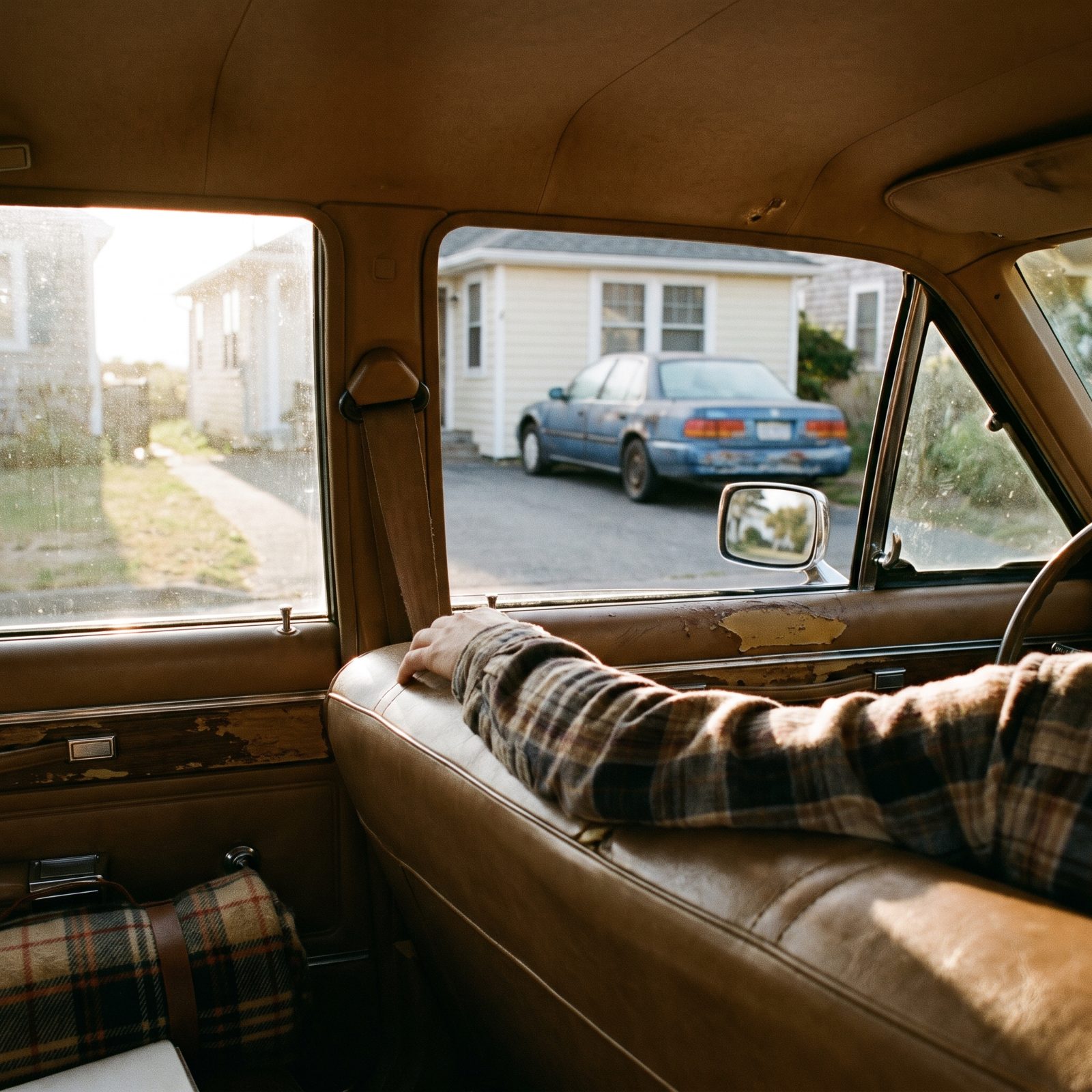
Reversing meant one move: right arm thrown over the passenger seat, body half-turned, eyes glancing out the side window. No camera, no beeping sensors, no colored lines on a screen. Just your neck, your judgment, and the side mirrors for backup.
You learned where the corners of your car really were by feel and a few close calls. Driver’s ed drilled it into you, and the parallel parking portion of the road test was where nerves ran highest. Backing a long wagon down a narrow driveway with kids and luggage blocking the rear glass took real skill. Pull it off and you felt like a pro.
6. Letting the Car Warm Up Five Minutes in the Cold
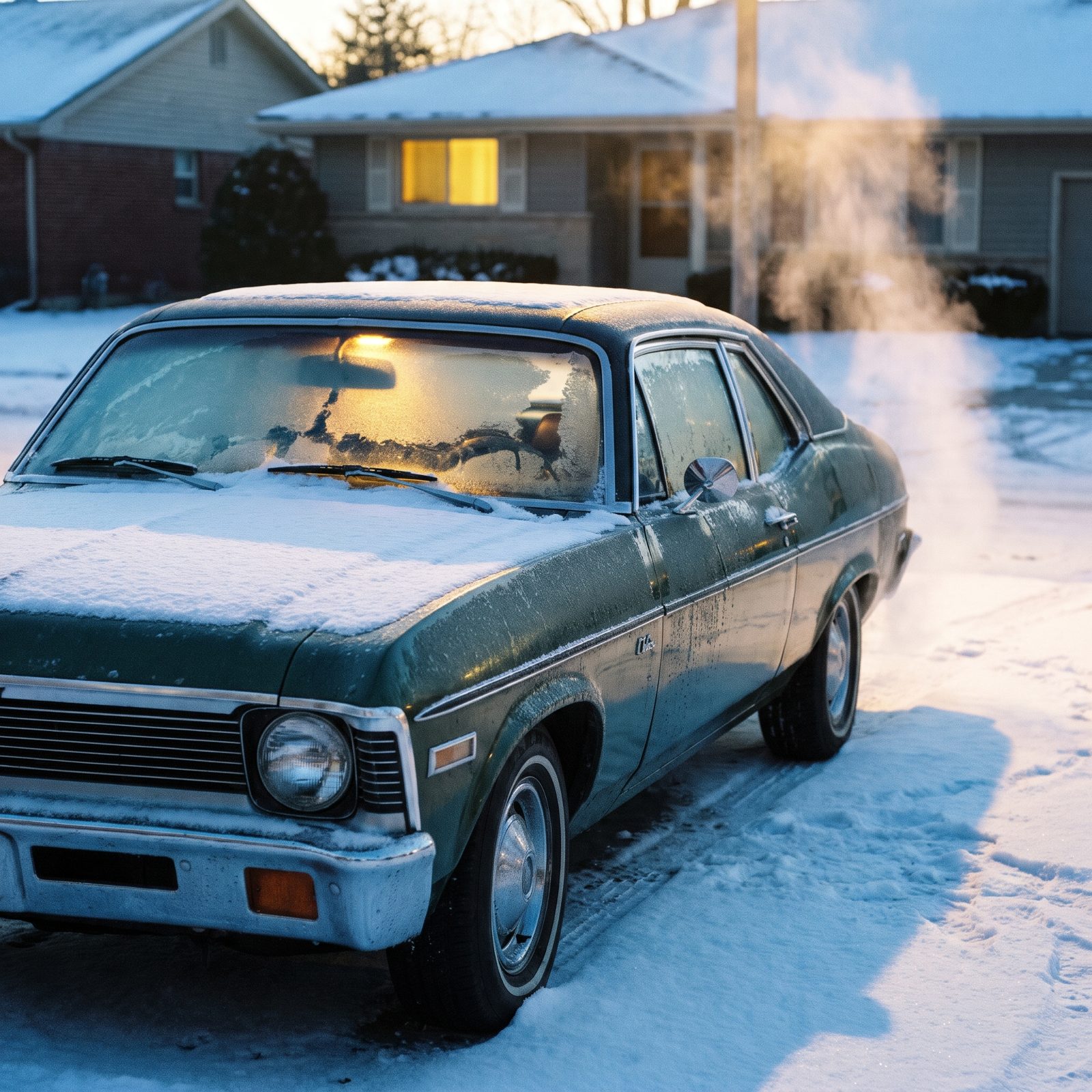
On a frozen morning you didn’t just start the car and go. You started it, let it run, and went back to scraping ice off the windshield while the engine found its footing. Carbureted engines ran rough and stumbled until they warmed, so pulling out too soon meant stalling at the first stop sign.
Those few minutes were also about comfort. The heater blew cold until the coolant came up to temperature, so you sat there in your coat, breath fogging the glass, waiting for that first puff of warm air from the vents. It felt like a small victory every single time.
5. Pulling Up to a Full-Service Pump and Saying “Fill It Up”
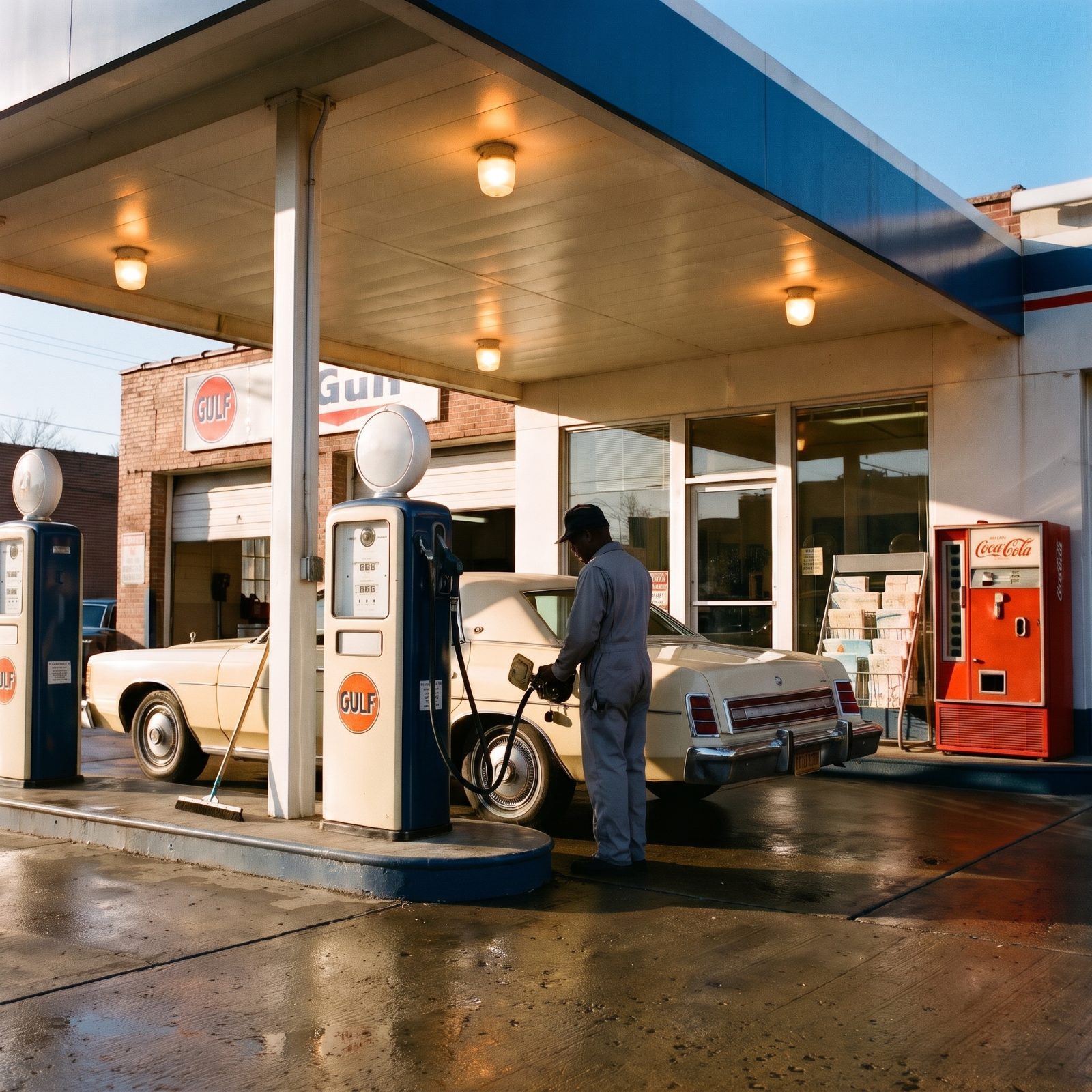
You rolled over a rubber hose, a bell went ding inside the station, and an attendant came out to meet you. You cracked the window and said the magic words. Then you stayed put while somebody else did the work.
A good attendant did more than pump. They washed the windshield, popped the hood to check the oil, and might eyeball your tires while the tank filled. You paid right there at the window and drove off without ever getting gas on your hands. Self-serve eventually took over nearly everywhere, though New Jersey still keeps the tradition alive by law.
4. Finding a Station by Ear With a Slow Turn of the Dial
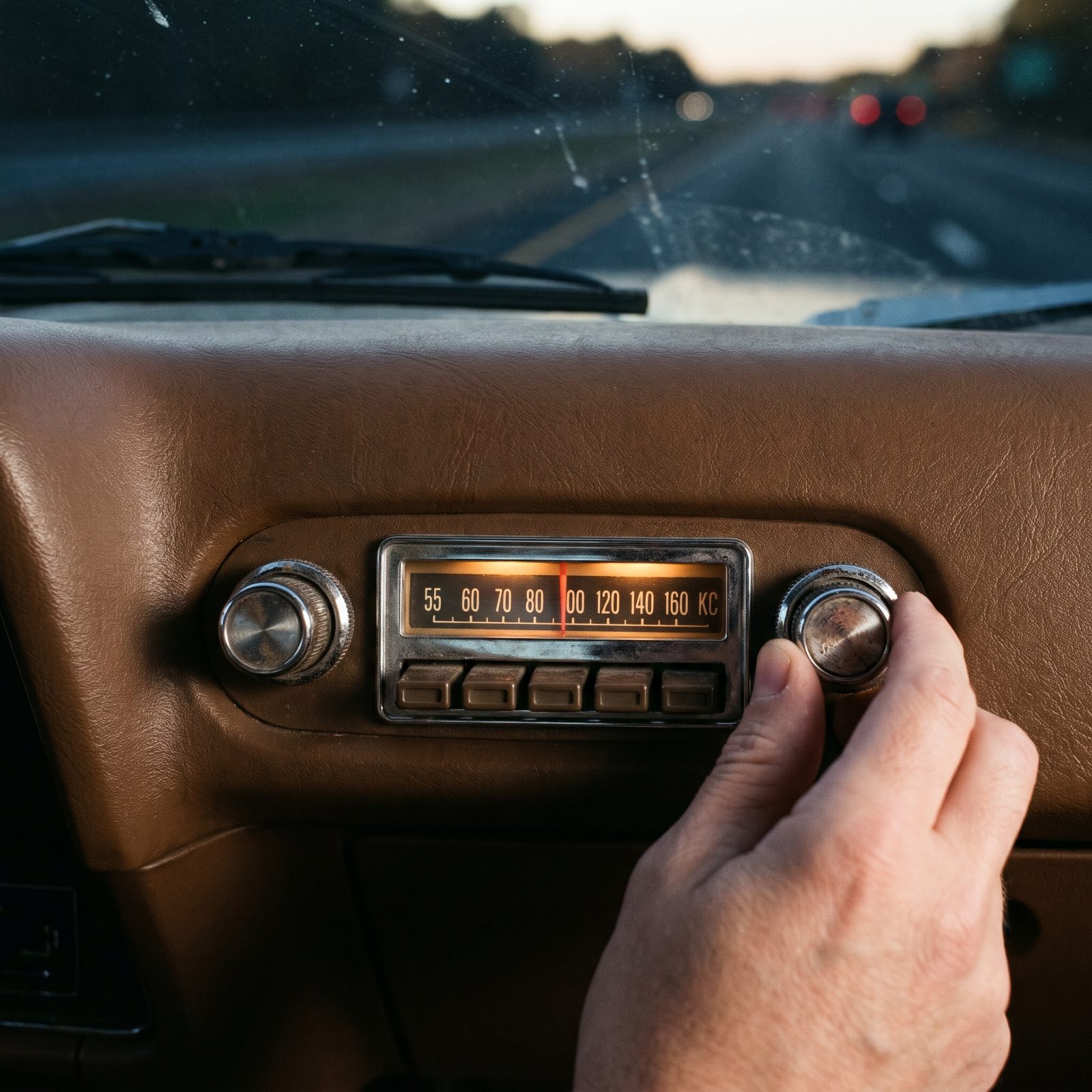
No scan button, no digital readout. You turned a knob and watched a thin needle slide across a row of numbers, listening through static for music to come in clear. Overshoot by a hair and it fuzzed out again, so you nudged it back with the patience of a safecracker.
Many radios had chunky push-button presets you set by tuning a station, pulling the button out, and pushing it back in. On long drives your favorite station faded into crackle as you left its range, and the hunt started over. At night, AM signals carried far, and you might pick up a ballgame or a DJ from hundreds of miles away.
3. Sliding an 8-Track Into the Deck and Hoping It Didn’t Chew
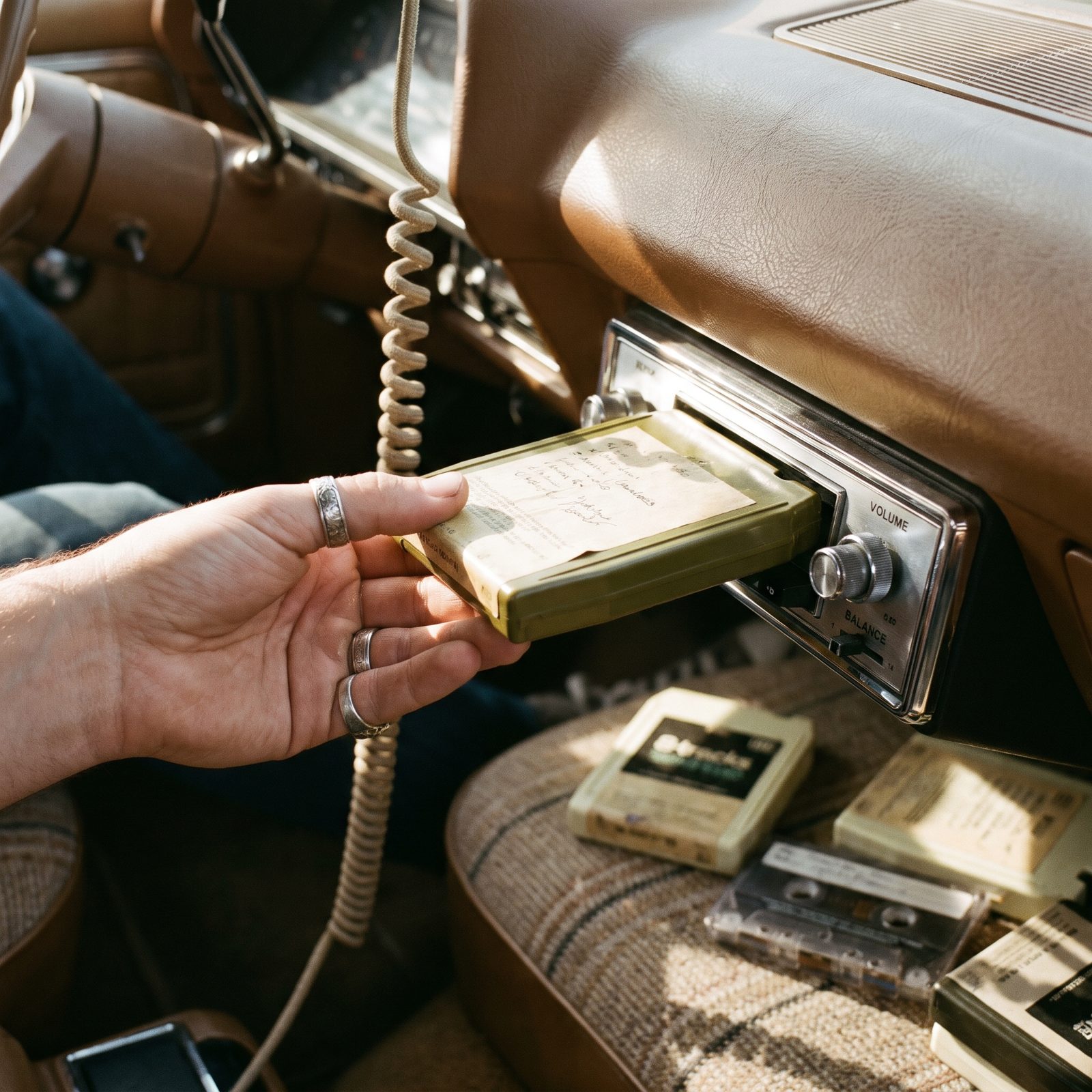
The cartridge was the size of a paperback, and it went in with a satisfying clunk. Then you waited to see if it would play clean or start warbling. The tape ran in an endless loop split into four programs, and when one ended the deck switched tracks with a loud click, sometimes right in the middle of a song.
When the music started dragging, people wedged a folded matchbook into the slot to press the cartridge tight against the head. Sometimes the tape came out tangled and stretched, and your favorite album was gone. You loved it anyway, because it was music you picked, playing in your own car.
2. Pushing In the Dash Lighter and Waiting for the Pop
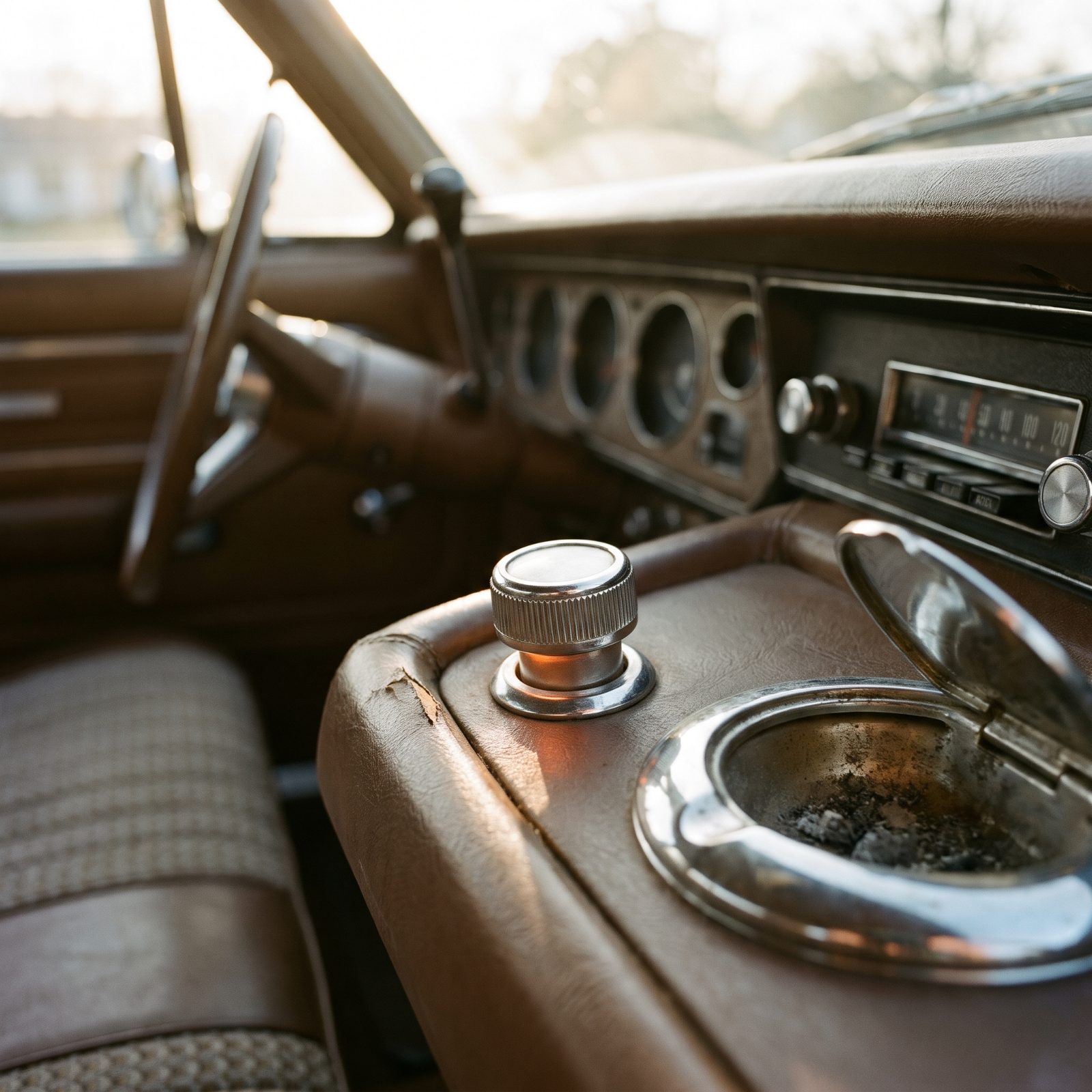
Nearly every dashboard had one. You pushed the knob in, the coil behind it heated up, and a few seconds later it popped back out with a sharp little click. Pull it free and the end glowed bright orange in concentric rings.
Plenty of drivers used it exactly as intended, and the ashtray beside it filled up fast. Kids were warned again and again not to touch it, and most of them learned the lesson about hot metal the hard way at least once. That same round socket later found a second life powering phone chargers and gadgets, long after most people stopped lighting up behind the wheel.
1. Flashing Your High Beams to Warn a Stranger About the Speed Trap Ahead
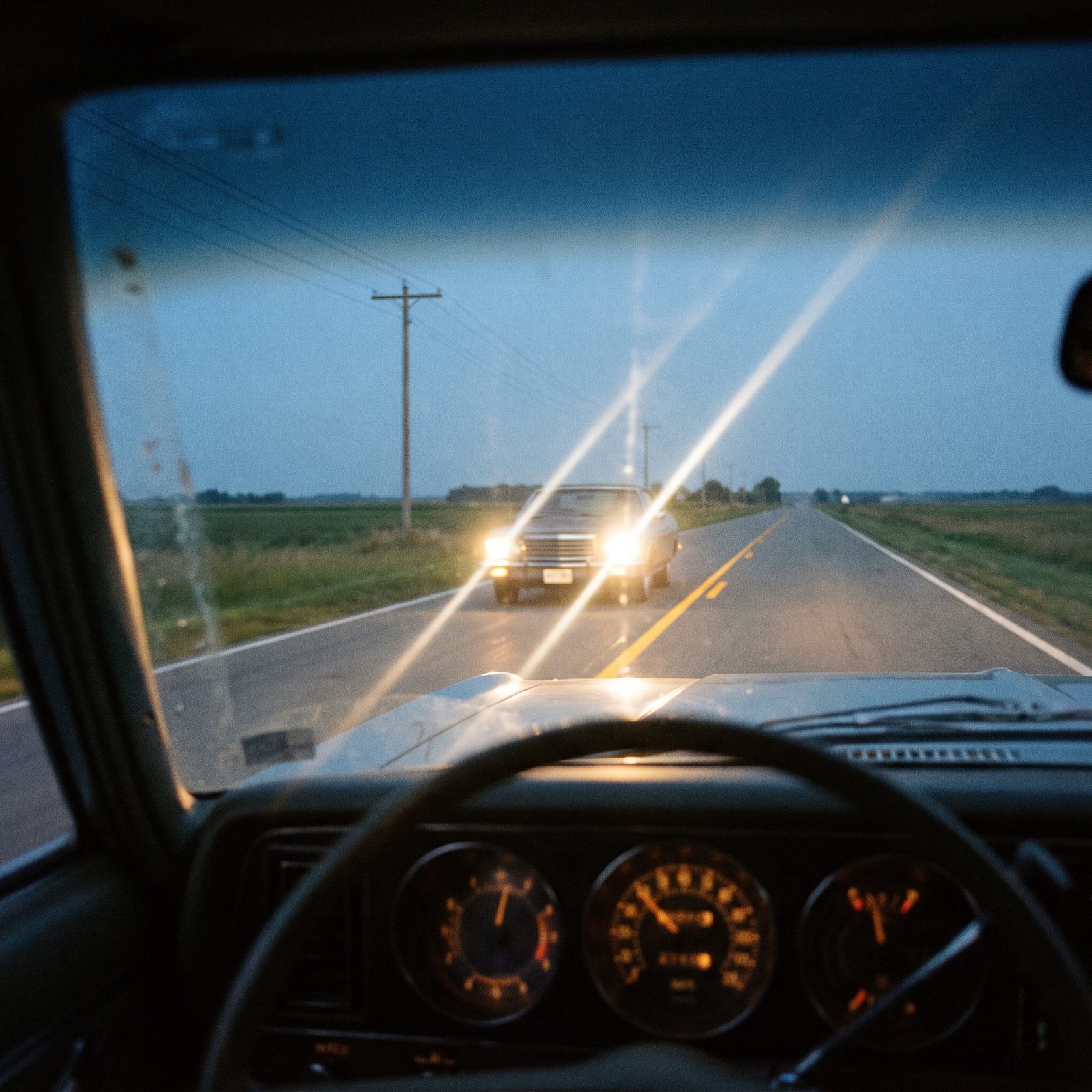
You’d spot a patrol car tucked behind a billboard, and a minute later you’d flick your high beams at every oncoming driver. Two quick flashes. No words, no explanation needed. They knew to ease off the gas.
It worked the other way too. When a stranger blinked their lights at you on an empty two-lane road, your foot came off the pedal before your brain caught up. It was a wordless network of people who’d never meet, looking out for each other at fifty-five miles an hour. Truckers had their CB radios. Everyone else had a headlight switch and good manners.