
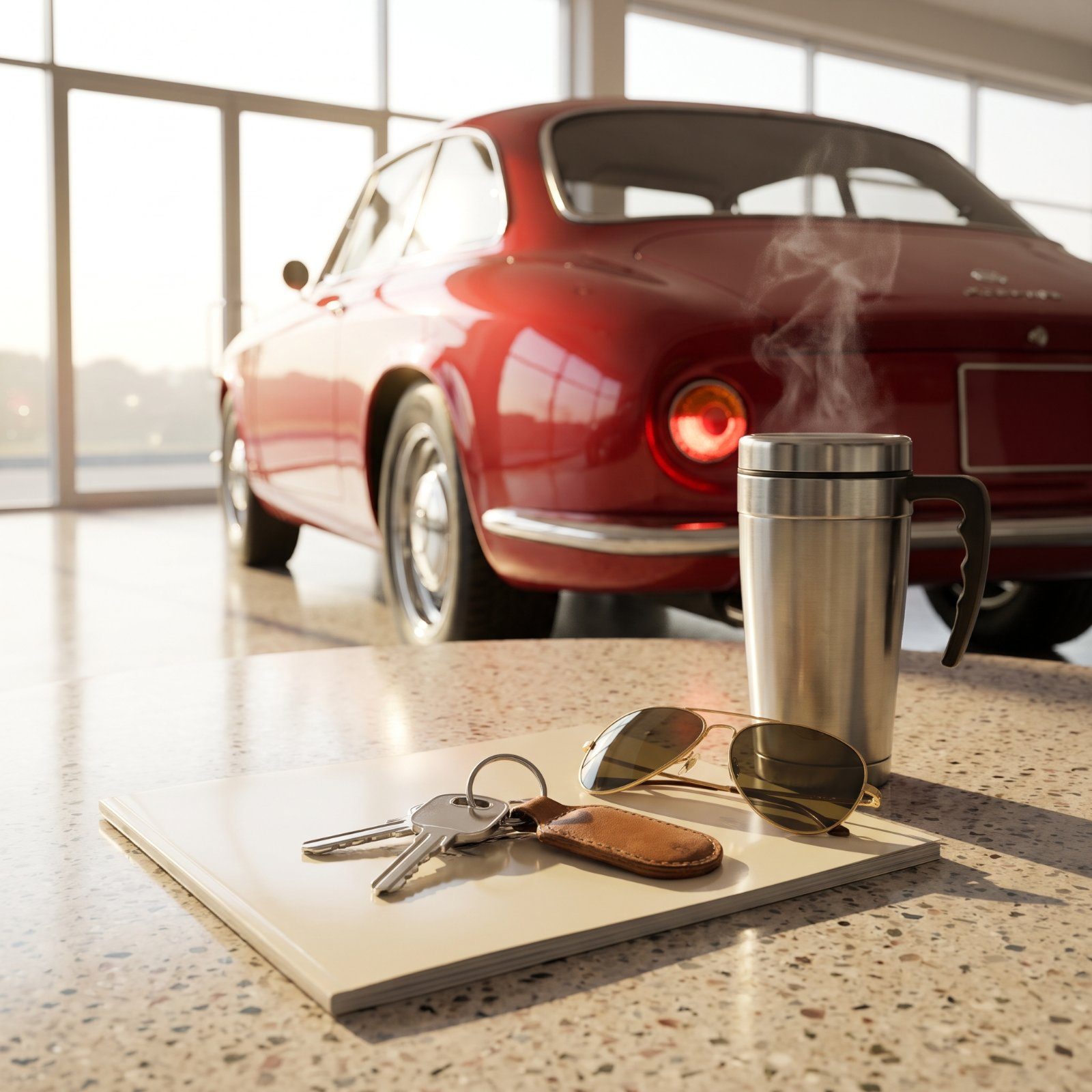
The salesman knew. He parked it right out front, nose to the road, afternoon sun lighting up the paint like it was wet. You weren’t shopping for that one — you came for the sensible four-door with good mileage and a rebate. Then you saw the long hood and the low roof, and something in your chest went sideways. No hood opened. No service records checked. You’ve got no idea whether parts cost a fortune or whether it rides like a buckboard dragged behind a mule. None of it matters yet, because the wanting arrived before the knowing did. That gap between desire and information is where every bad car purchase lives, and the same wiring that makes you fall for the wrong machine makes people fall for all sorts of things. Here’s why the pretty one keeps winning.
Please note that some of the images in this article were created with the assistance of AI.
17. You Decide It’s Reliable Before Opening the Hood
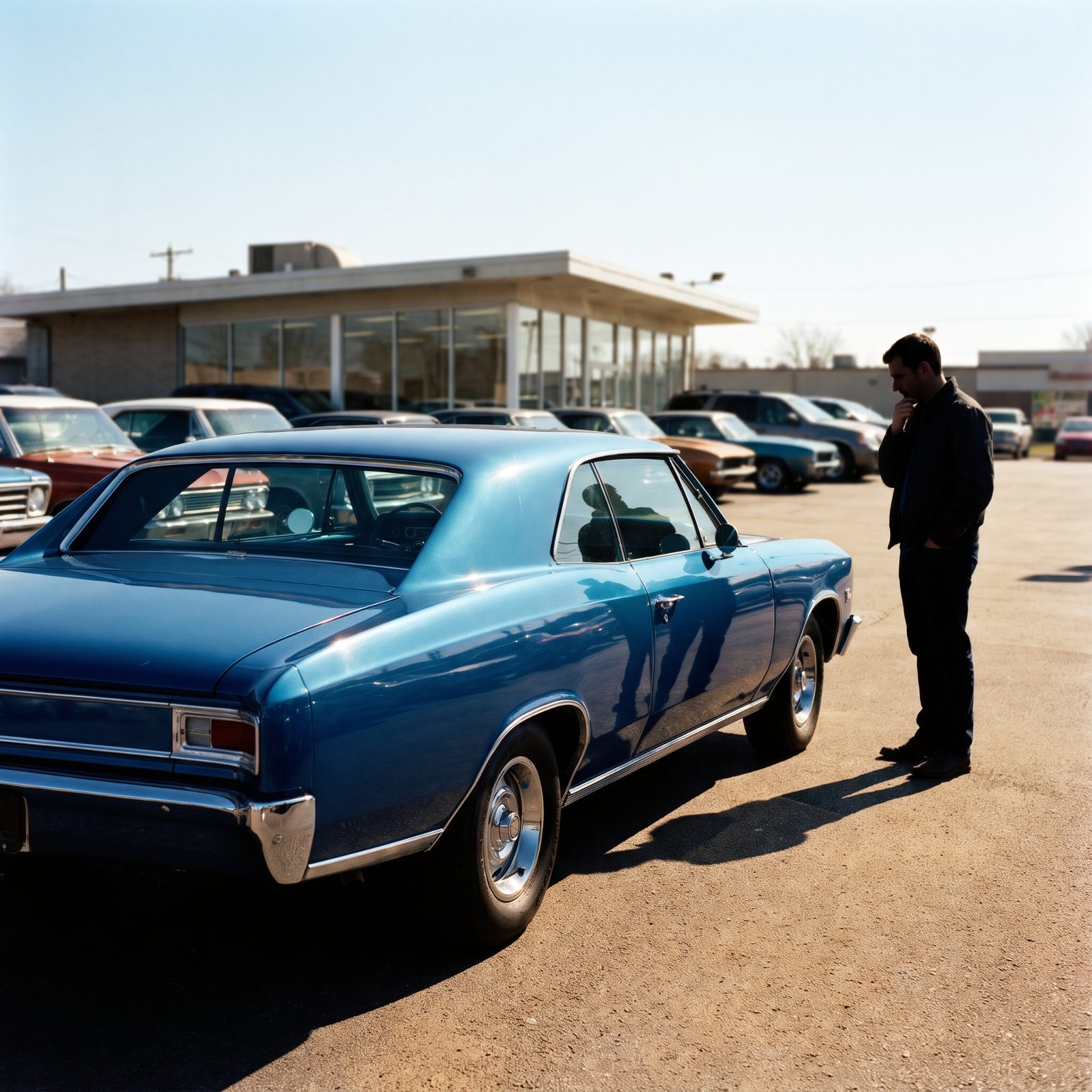
You walk a slow lap around it. You crouch to sight down the side at the paint, press the door and feel that satisfying thunk, nod at nobody in particular. And somewhere in that lap, without ever lifting the hood, you’ve already decided the engine is sound. A car that looks this good couldn’t possibly hide a tired timing chain or a weeping head gasket. Could it?
That’s the halo effect doing its work. One attribute you can see — the beauty — bleeds over onto attributes you can’t, like the mechanicals under the sheet metal. We assume the good-looking person is also kind and smart, and we assume the gorgeous car runs as clean as it shines.
The fix is boring and it works. Open the hood. Read the records. Bring someone who doesn’t care how it looks. The paint can’t hear you anyway.
What Our Readers Say
- When our readers hearted a car photo and tapped a reason, body style came out on top at 28%, ahead of nostalgia at 25% and “would drive” at 18%.
From Jalopy Talk reader polls and votes.
16. A Great Exhaust Note Feels Suspiciously Like Chemistry
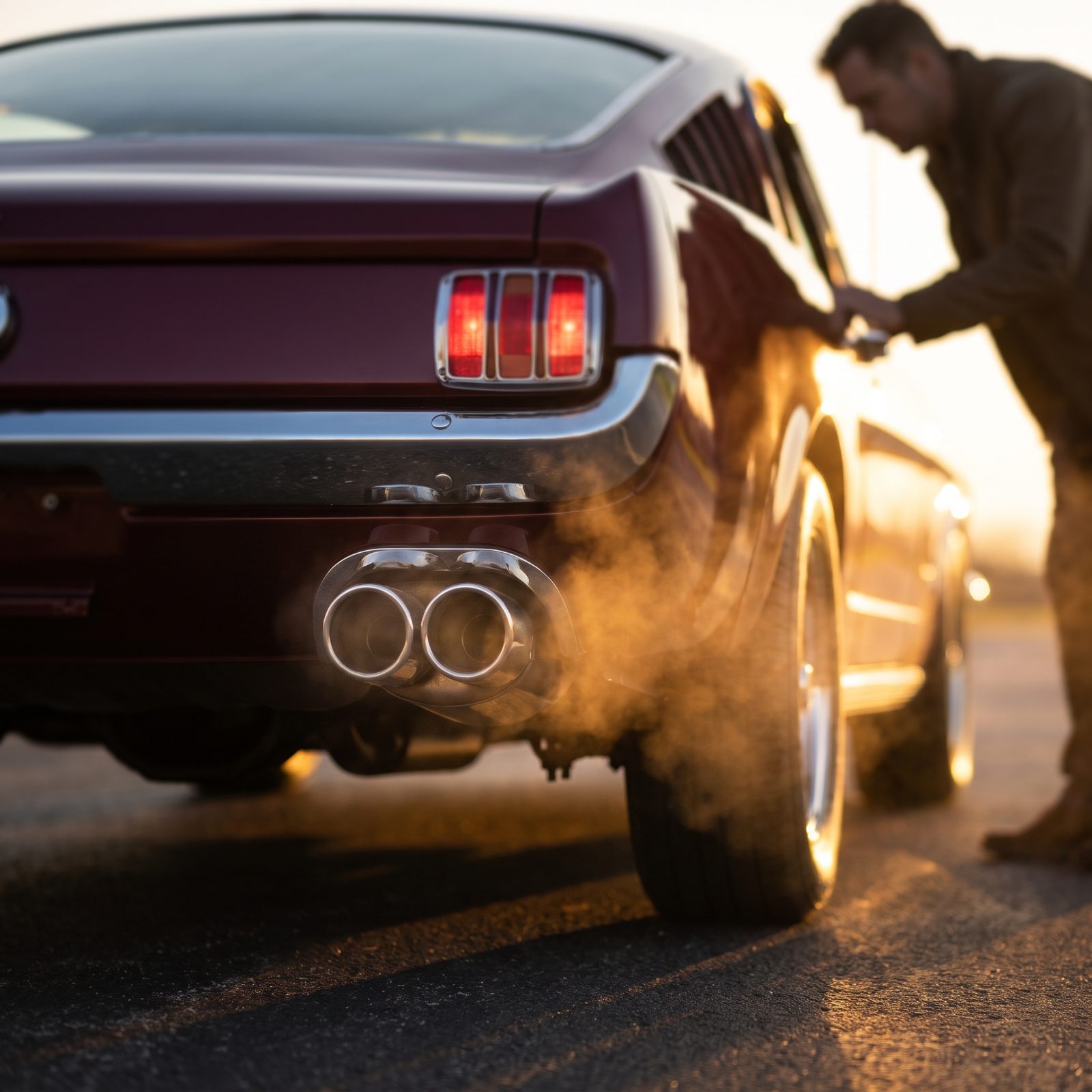
Someone turns the key and the thing settles into a lope, that low uneven idle that vibrates up through your sternum. Your pulse ticks up. You grin without deciding to. Right there, you’re sold, and you haven’t gone three feet.
What you’re feeling is real — it’s just not information. A good exhaust note triggers the same arousal response a first-date flutter does: heart rate, a little adrenaline, a warm hum of yes. The brain is terrible at telling the difference between excitement about a thing and excitement that happens to be standing near one.
Chemistry tells you something is happening. It does not tell you the something is good for you.
A fuel economy figure doesn’t rumble. A clean carfax won’t make your chest buzz. So the loud visceral stuff wins every argument against the quiet sensible stuff, because your body voted before your brain got a ballot. Plenty of us have fallen for a sound and regretted the car attached to it. More than once, honestly.
15. You Forgive Awful Visibility Because Those Fenders Look Incredible
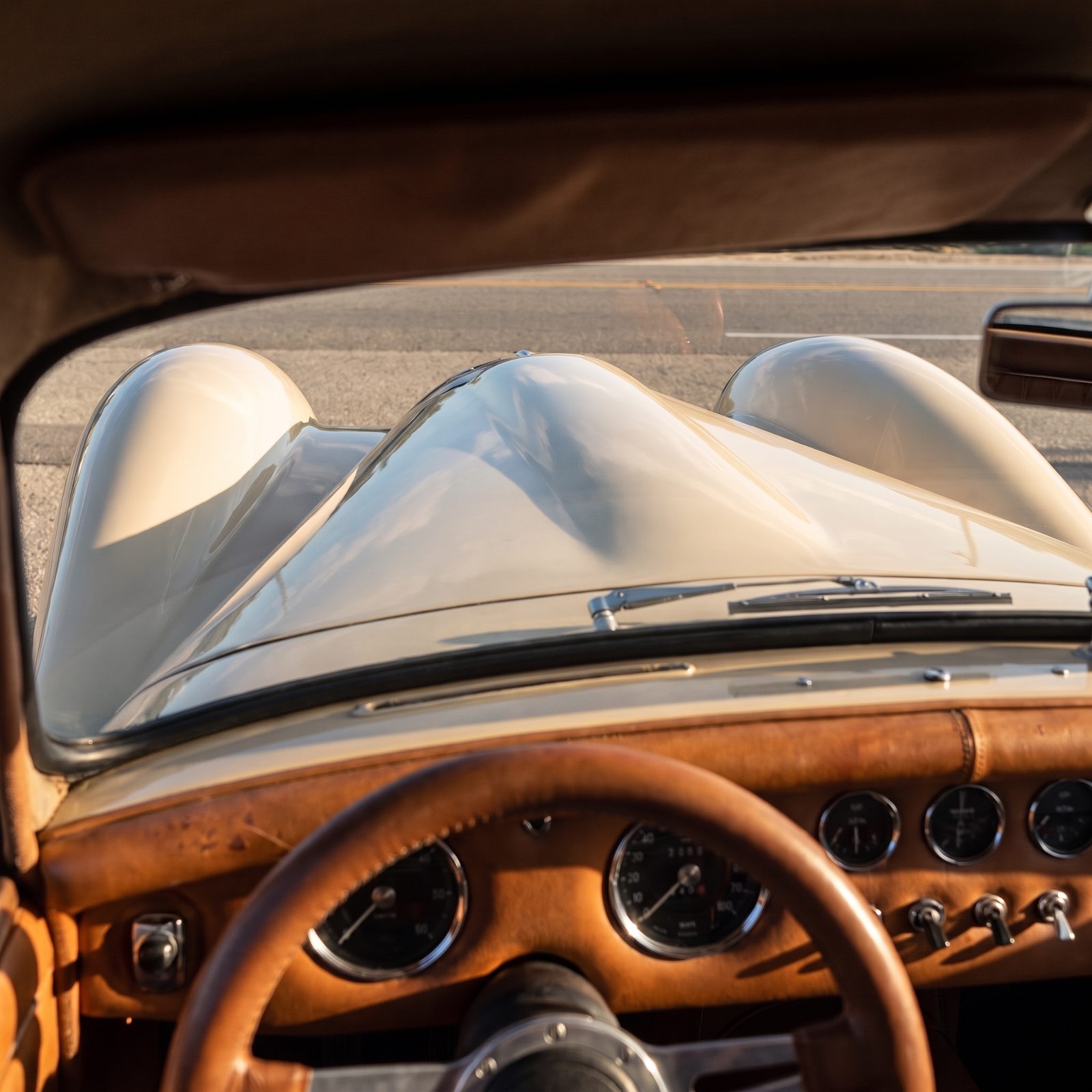
You slide in behind the wheel and the first thing you notice is that you can’t see the road right in front of the nose. The hood swells into two proud fender humps, a third bulge rises dead center through a wide-open windshield and swallows everything close to the bumper, and backing out of a parking space is going to require faith and a spotter. And you say, out loud, that you love it.
This is rationalization, fast and automatic. Once the wanting locks in, your mind quietly reclassifies every flaw as charm. Terrible sightlines become “character.” Blind spots become “part of the experience.”
Those fenders really are beautiful. That’s the trap — the prettier the flaw’s neighbor, the easier the flaw is to pardon.
14. You Mistake Expensive Leather for a Compatible Daily Driver
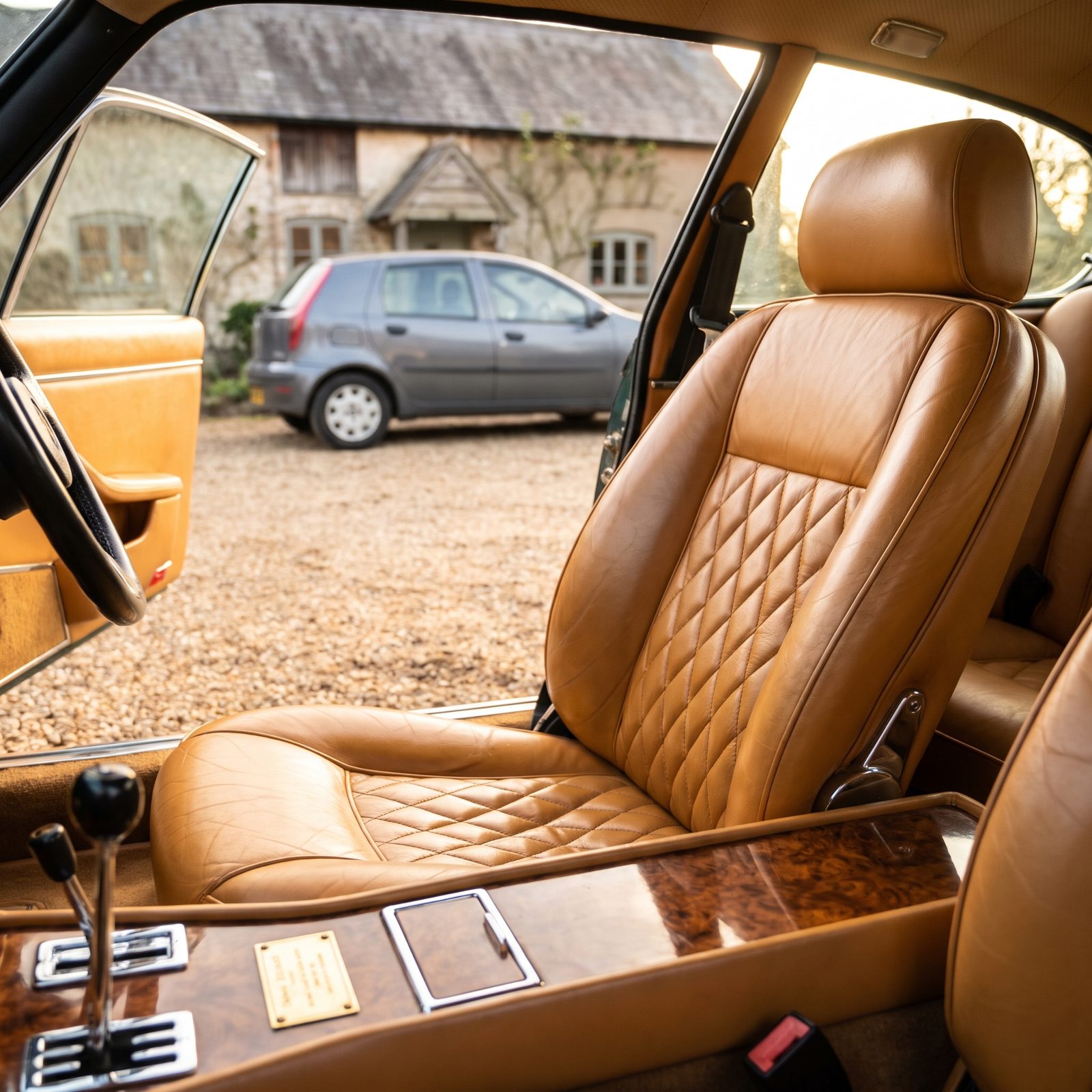
The smell gets you before anything else — that rich oily leather, thick stitching under your palm, a dashboard with real wood instead of printed plastic. You sink into the seat and think, this is the kind of car a person like me should have.
Here’s what the leather won’t tell you: whether it’ll start on a cold morning, whether the clutch is murder in traffic, whether a routine brake job costs about what a used economy car does. Luxury details are a signal you can touch. Daily compatibility is a thousand small things you can’t feel sitting still in a showroom.
We confuse the two constantly. A gorgeous surface stands in for a good life together. But the car you actually live with is the one that handles the grocery run and the school pickup and the rainy Tuesday — not the one that smells like a gentleman’s club. Nice leather is a wonderful thing to sit in for ten minutes. Lousy reason to sign for forty-eight months, though.
13. The Badge Makes You Picture a Better Version of Yourself
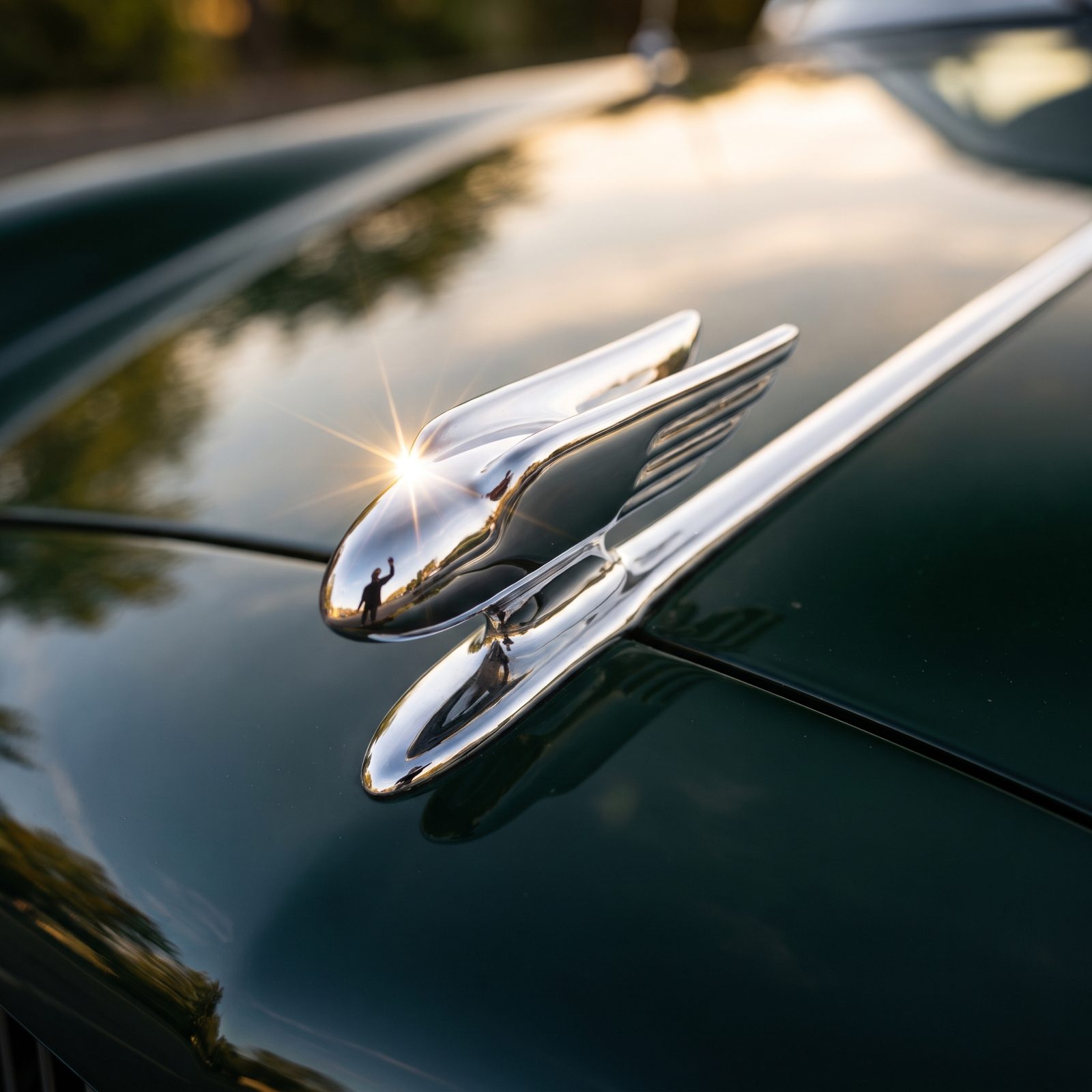
You keep glancing at the badge on the hood. Not because it’s pretty, exactly, but because of who you become the moment you’re seen driving behind it. The guy who made it. The woman who earned the nice thing. That little emblem isn’t selling you a car — it’s selling you a slightly upgraded self.
Identity signaling runs underneath nearly every aspirational purchase. We don’t just buy objects, we buy the story we get to tell with them. The right ornament on the grille is a sentence about your status that you never have to say out loud.
Nothing wrong with wanting to feel like the better version. Just know that’s what you’re paying for, and that the version doesn’t come with the car.
12. You Prefer the Coupe That Somehow Looks Like You
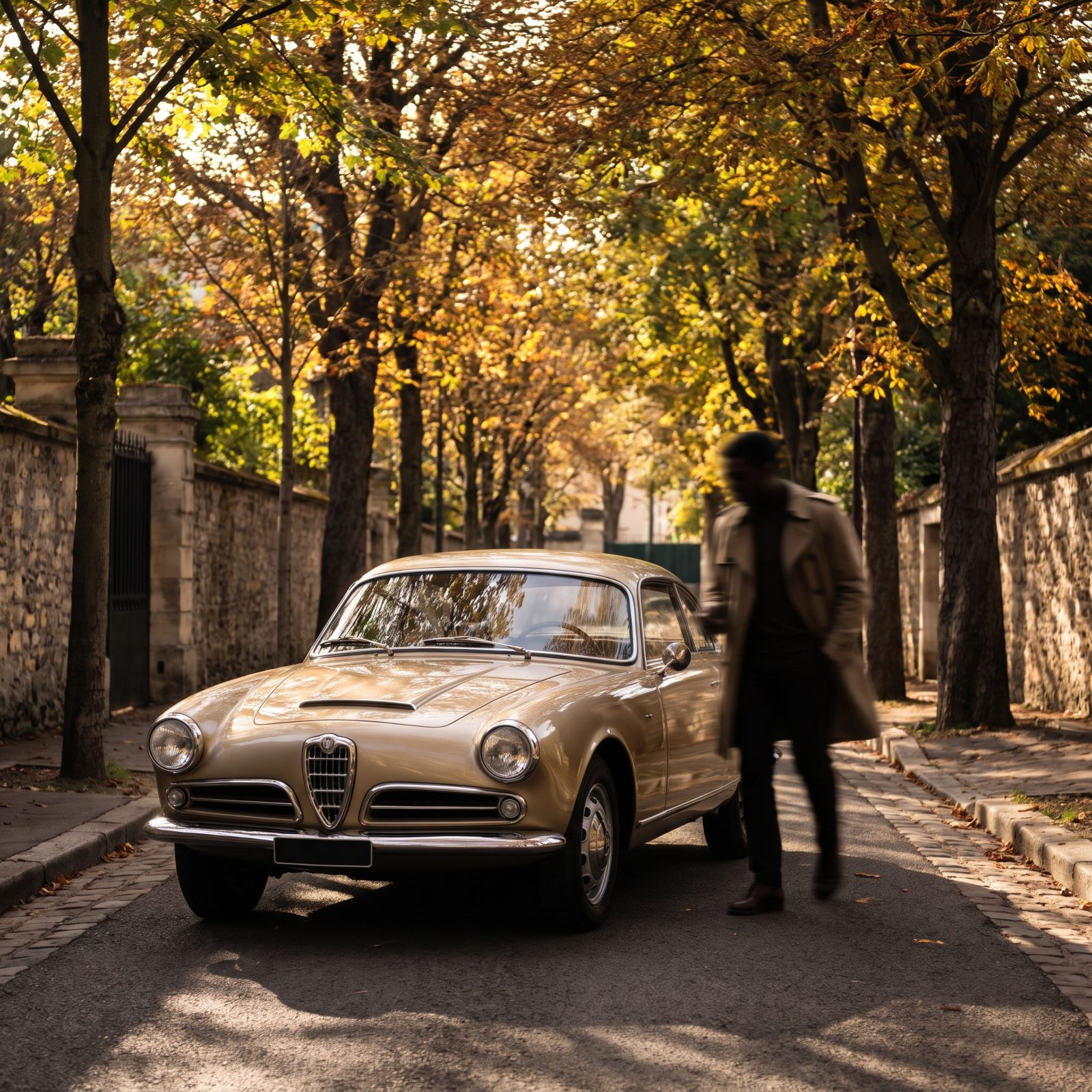
Two cars, same price, same guts under the skin, and you keep circling back to one. You can’t quite say why until it hits you: that grille looks like your kind of face. Confident, a little mischievous, built the way you’d build yourself if you could. The other one is perfectly fine. It just isn’t you.
This is a cousin of mere exposure called self-congruity. We’re drawn to things that mirror how we see ourselves, or how we’d like to. We reach for the car that feels like a self-portrait in sheet metal.
It’s why two people test-drive the identical model and walk away with opposite verdicts. One sees freedom, the other sees a mid-life cliché — same car, different mirror. Pay attention when a design feels personal, because that feeling is loyal and quiet and it’ll outlast nearly every spec on the window sticker. Just don’t confuse looking like you with being right for you. Your reflection has terrible taste in reliability.
11. Other Drivers Staring Makes You Want It More
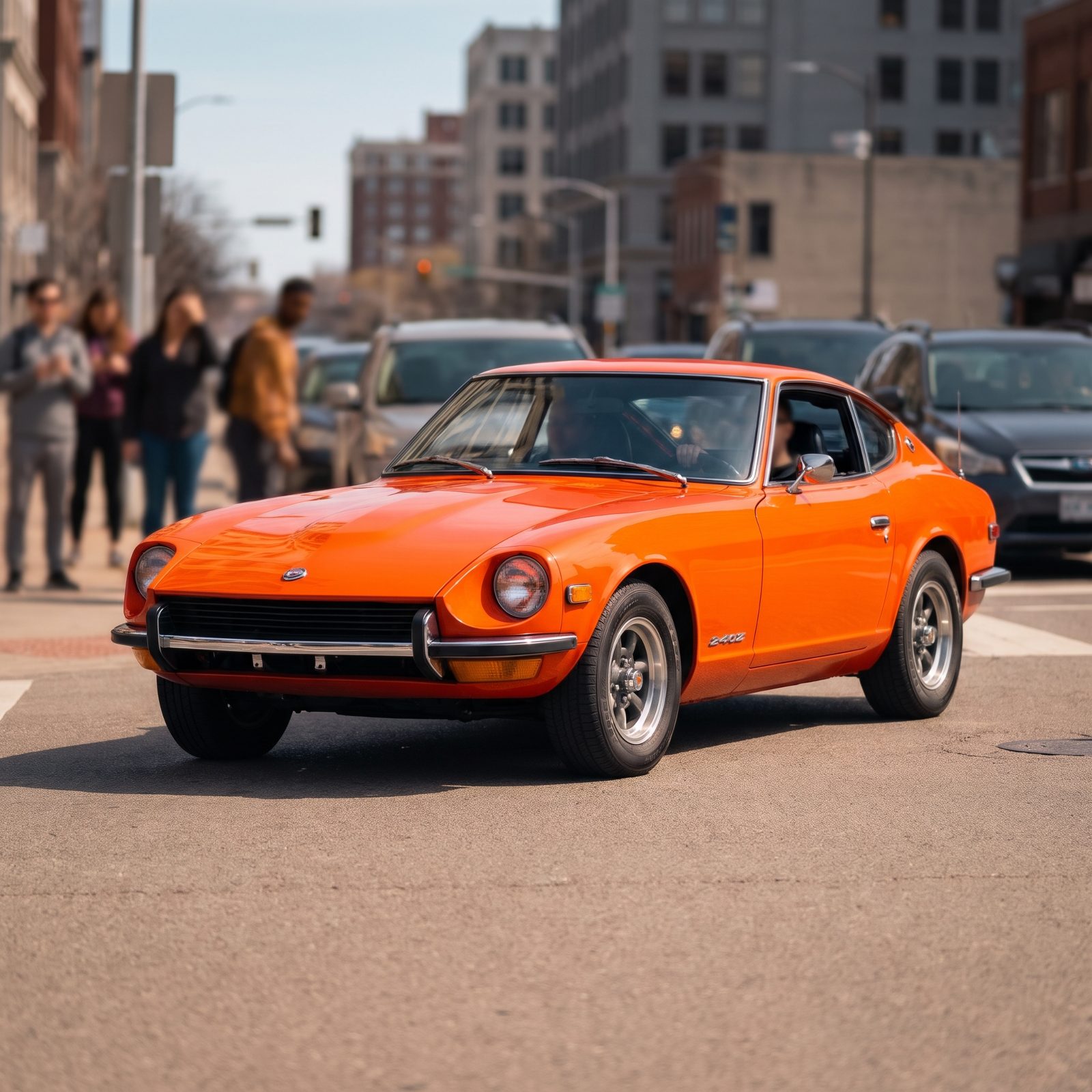
You pull up to a light and a kid in the next car points. The guy at the gas pump does a slow turn. Somebody gives you the little nod. And the car you were only half sure about an hour ago suddenly feels like the best decision you ever made.
Social proof is the engine here. When other people clearly want what we have, our own wanting gets louder. Their attention validates the choice before we’ve lived with it long enough to know whether it was smart.
The stares don’t change the car. They change your story about the car.
Here’s the catch. The attention is a one-time high, and it fades the second the novelty does, leaving you with whatever the thing actually is on a Monday. A car that only feels good when strangers are looking is a car you bought for them, not for you. Plenty of flashy purchases cool off the exact week the neighborhood stopped noticing.
10. Your Boring Sedan Makes the Sports Car Look Hotter
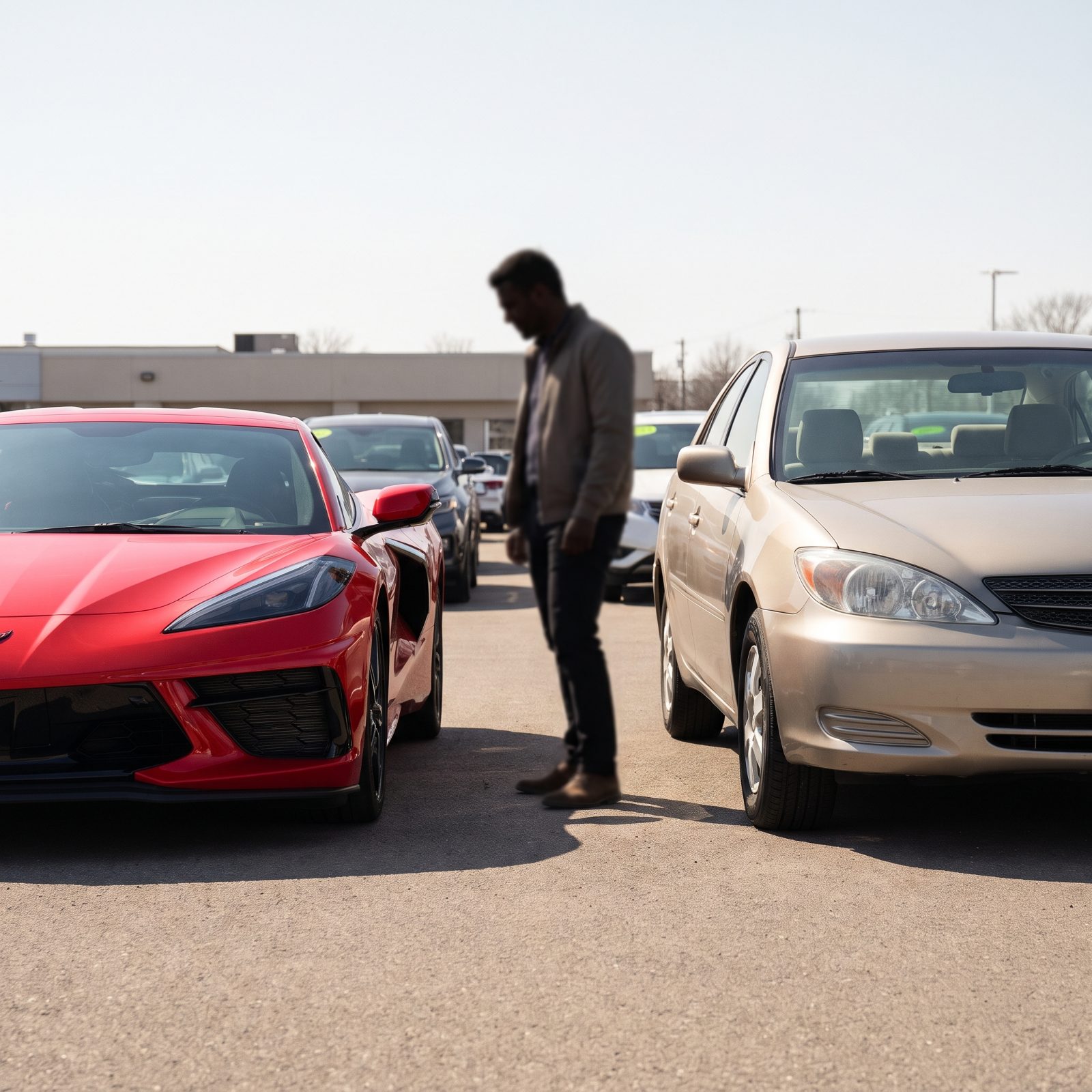
Park the sports car anywhere and it looks good. Park it next to your sensible commuter and it looks like freedom itself. The contrast does half the seduction for you. Low roofline, loud color, two seats instead of four — all of it screams louder because the beige four-door standing beside it is so determinedly quiet.
That’s the contrast effect. We don’t judge things on their own merits, we judge them against whatever’s nearby. The reasonable car becomes the foil that makes the unreasonable one irresistible.
The trick to beating it is to judge the car alone. Picture it in your driveway with nothing flashy parked beside it. Does it still thrill you, or did half the thrill belong to the beige one all along?
Jalopy Talk readers feel the pull too: sports car photos got hearts 79% of the time, compared with 61% for the other images in the same articles.
9. The Familiar Grille Starts Looking Better Every Commute
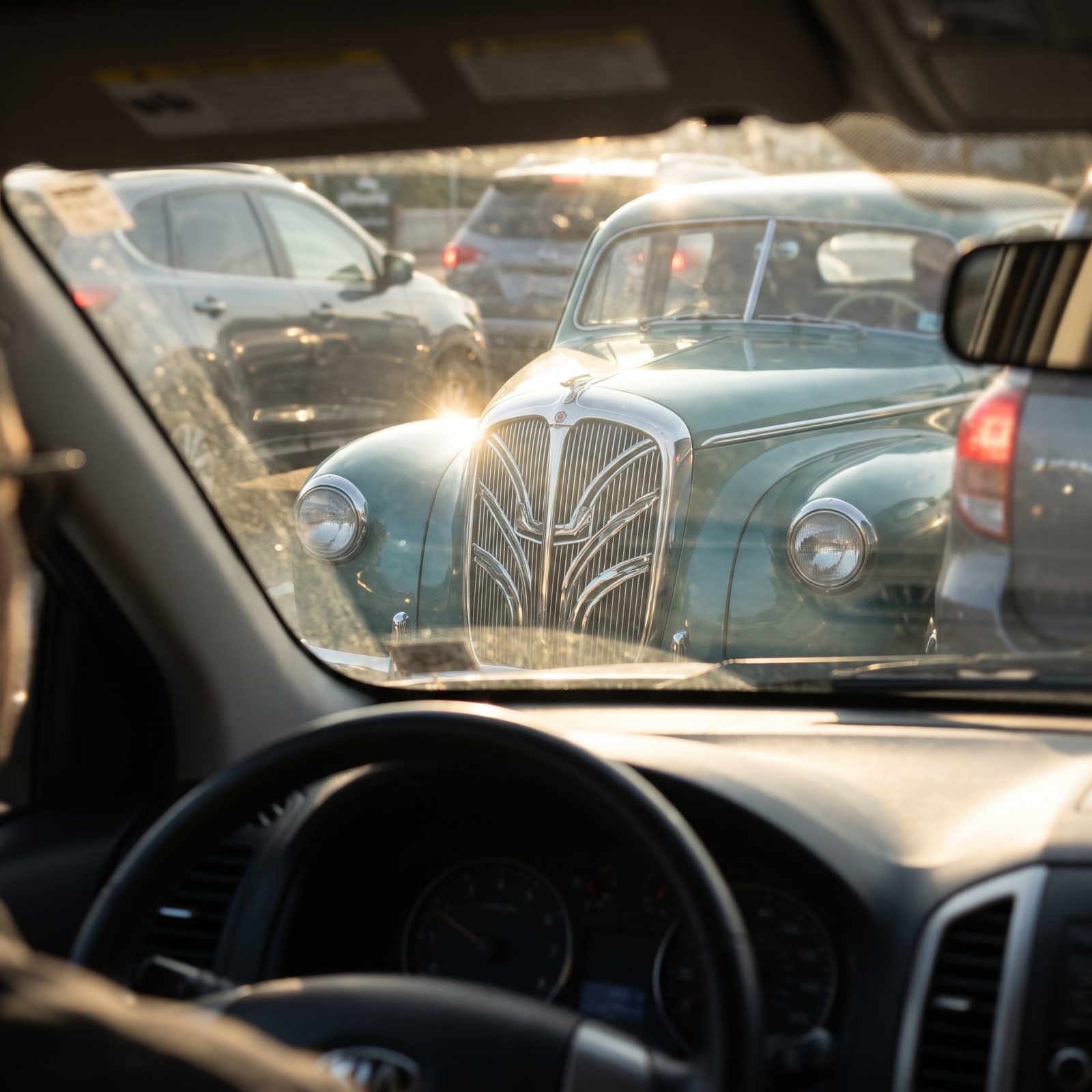
The first time you saw that grille you thought it was odd. Too toothy, too fussy, not your taste. Then you saw it again on the drive home, and again the next morning in the next lane, and by week three you catch yourself hunting for it in traffic — and the design you once found strange now looks, somehow, exactly right.
Nothing about the grille changed. You did. That’s the mere-exposure effect, maybe the most reliable bias in the whole deck. We like things more simply because we’ve seen them more. Repetition reads as comfort, and comfort reads as preference.
It’s how fashions you mocked become fashions you buy, and how a car that looked ugly at the auto show is the one you’re lusting after by Christmas. The affection is manufactured by your own commute. Worth knowing before you mistake familiarity for love, because the two feel identical from the inside, and only one of them will still be there once the novelty wears off.
8. Limited-Edition Paint Makes Waiting Feel Like Losing It
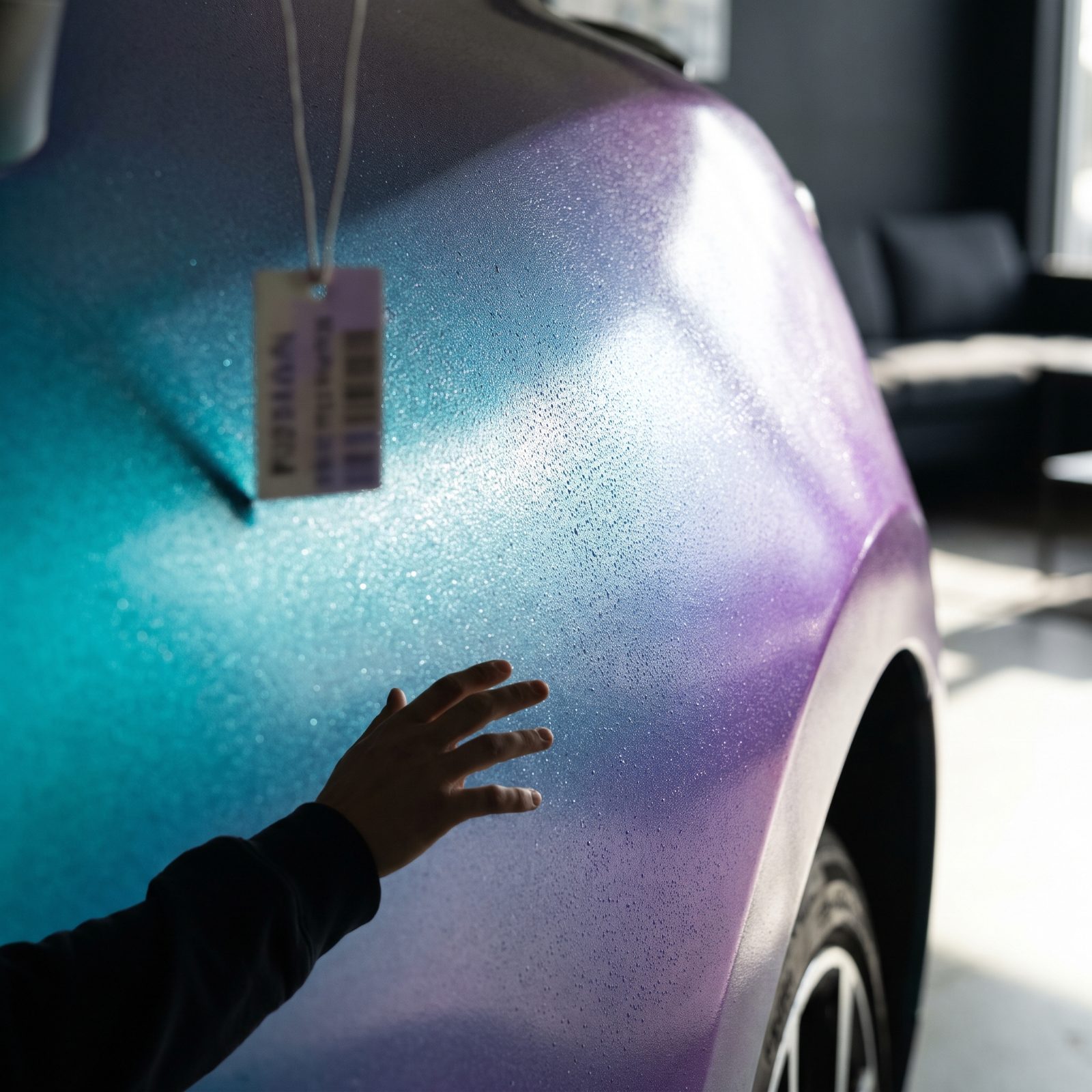
They tell you only a few hundred came in that paint. Suddenly the shade you were lukewarm on thirty seconds ago becomes the one thing you need before somebody else grabs it. Your heart rate climbs, your sensible questions evaporate, and you’re reaching for the pen.
Scarcity hits two buttons at once. It flips loss aversion on, because the pain of missing out stings worse than the pleasure of getting would ever feel good. And it leans on social proof — if it’s rare, it must be worth wanting.
Limited editions are genuinely special sometimes. But special-ness is the easiest thing in the world to fake, and the panic it creates is the whole product.
7. You Build a Future Around One Flirty Test Drive
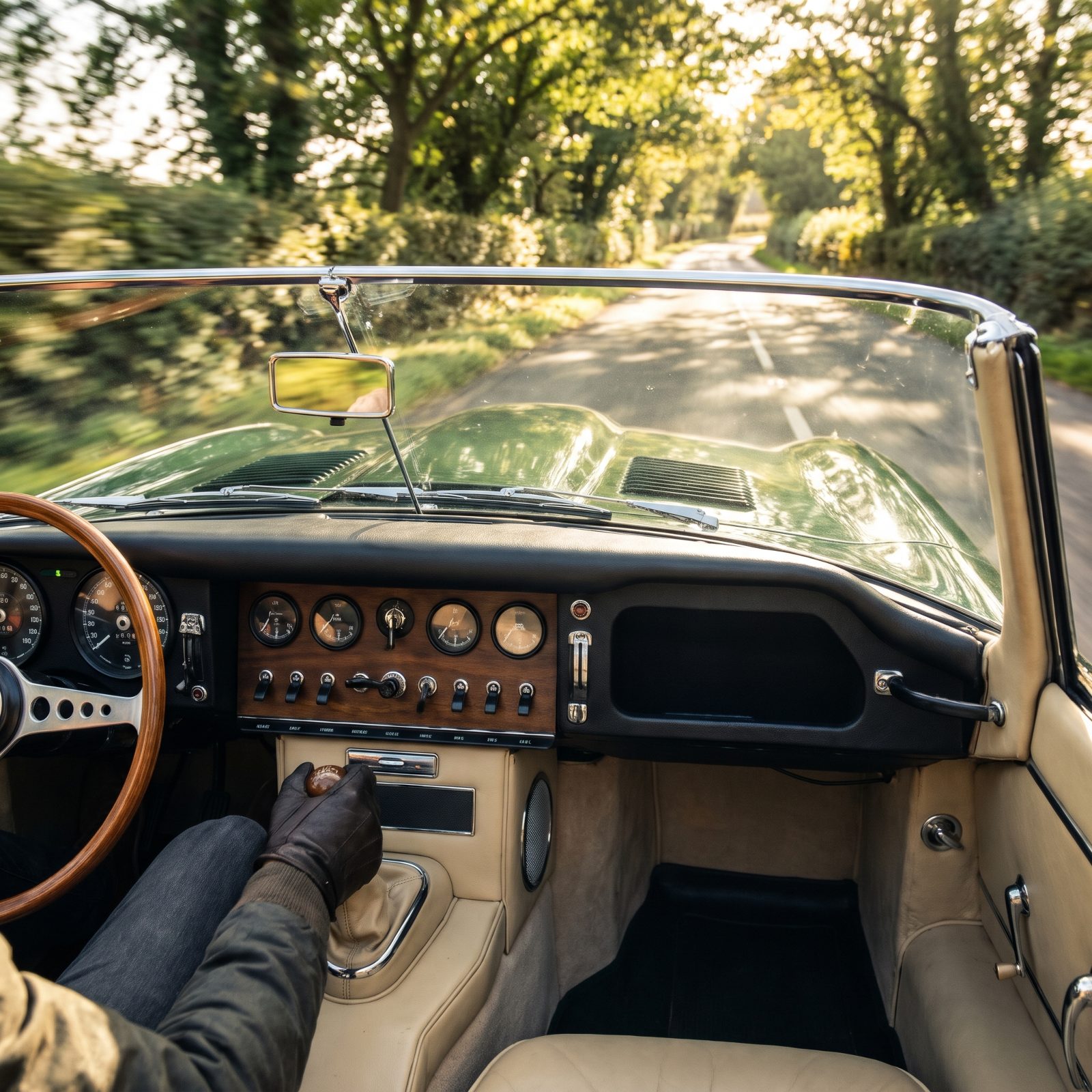
Forty minutes behind the wheel on a perfect Saturday, windows down, that first downshift hitting like a confession. By the second mile you’re already picturing the mountain trip, the kid’s wedding exit, the look on your old coworker’s face when you pull up. You’re not test driving anymore. You’re planning a life.
Same optimism that makes a great first dinner feel like proof of a whole future. We take one curated, caffeinated hour and stretch it across years of random Tuesdays. Nobody test drives a car in a cold parking lot at 6am with a dead battery and a kid screaming in the back. The dealer makes sure of that.
Behavioral folks call this affective forecasting, and we’re famously bad at it — we predict how a thing will make us feel by sampling it at its absolute best. The flirty drive is a highlight reel. Ownership is the full season, reruns and all.
6. One Perfect Corner Erases Forty Minutes of Discomfort
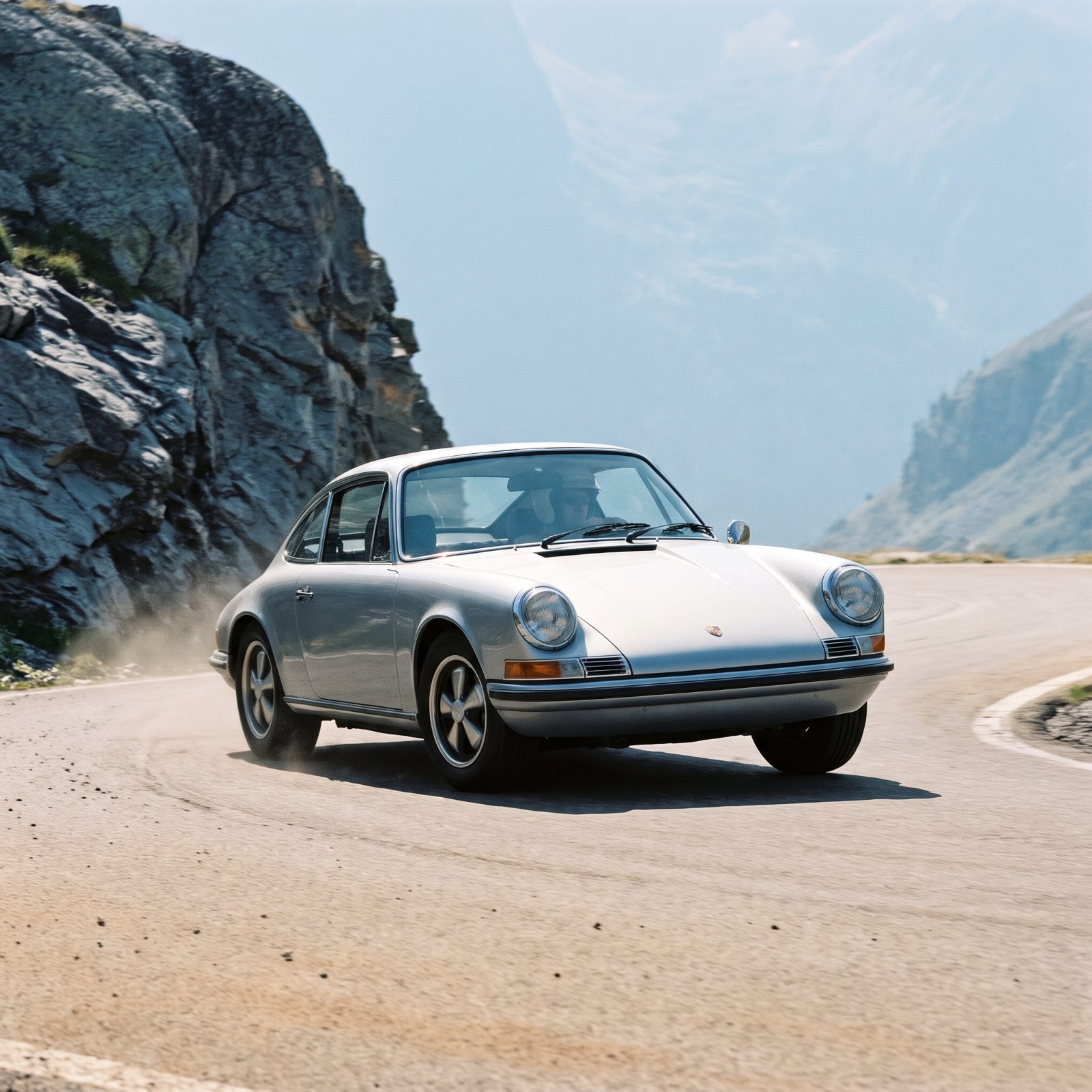
The seat was too firm, the clutch was heavy, and your left knee had been complaining for half an hour. Then you hit one sweeping on-ramp, the car settled, and everything the thing does right arrived in a single two-second rush. The knee? Forgotten. The clutch? Forgotten. Sold.
Peak-end thinking does this to us constantly. We don’t judge an experience by its average — we judge it by its best moment and how it ended. One glorious corner at the finish rewrites forty minutes of nagging discomfort into “mostly great, actually.”
Same mechanism that keeps a rough relationship alive on the strength of a few electric nights. The highs stay vivid while the low-grade friction fades into background noise. And here’s the trouble with cars: you don’t drive the one perfect corner every day. You drive the firm seat and the heavy clutch every single morning.
5. You Keep Revisiting the Listing Instead of Calling
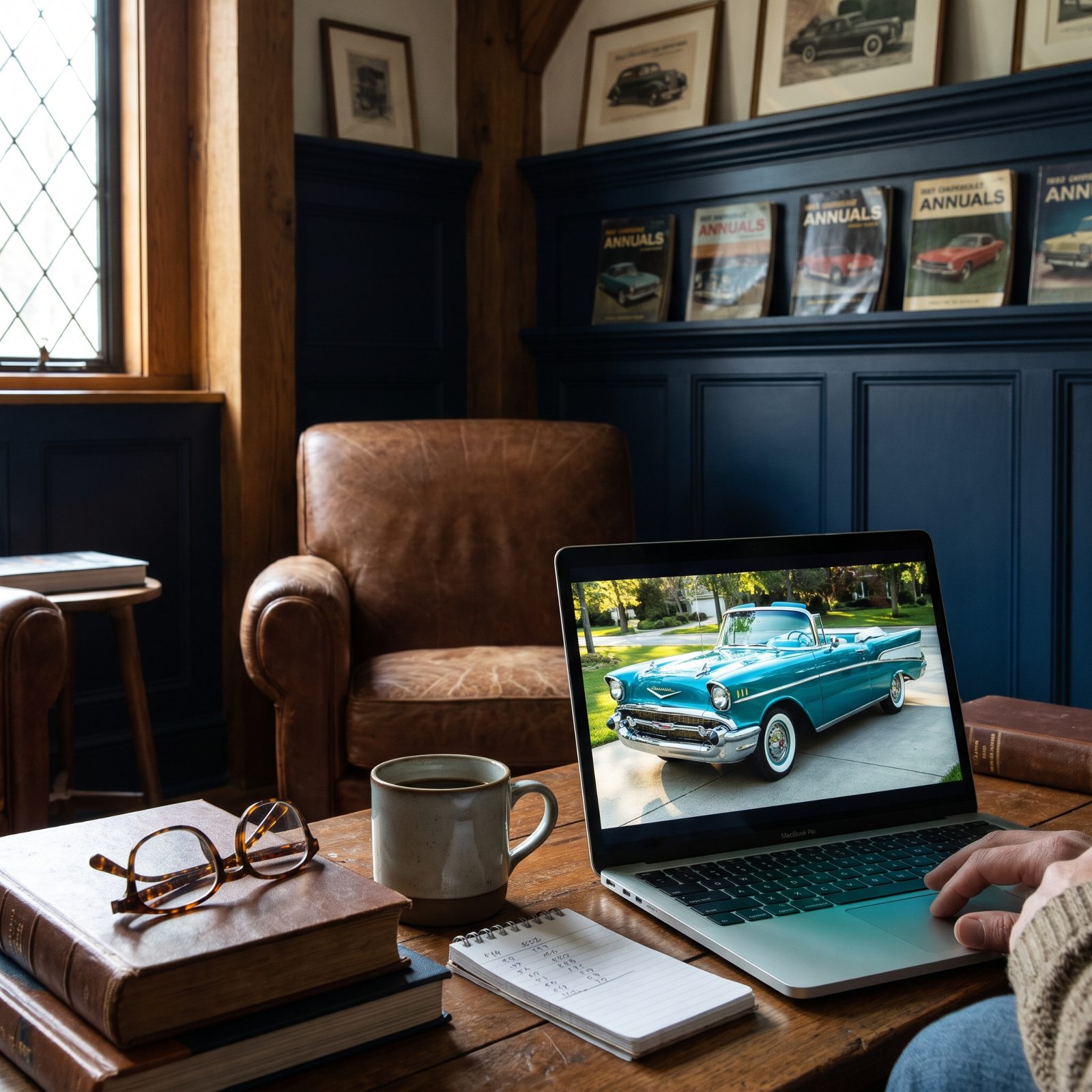
You’ve opened the listing again this week — more times than you’d admit out loud. Zoomed in on the engine bay, read the description until you could recite it in your sleep. But you haven’t called. Calling makes it real, and real means it could end badly.
Window shopping a car you won’t commit to is the automotive version of rereading old messages instead of texting back. The looking feels like progress. It isn’t. It’s a holding pattern dressed up as research.
Desire is comfortable. Decision is terrifying. So we marinate.
Loss aversion runs both directions here. Scared of buying wrong, scared of someone else buying it first. The listing becomes a worry stone — you rub it for the small hit of wanting without the risk of the deal. Then one morning it’s marked SOLD, and the relief and the gut-punch arrive together, which tells you everything about how badly you wanted it.
4. An Unavailable Supercar Becomes Your Permanent Crush
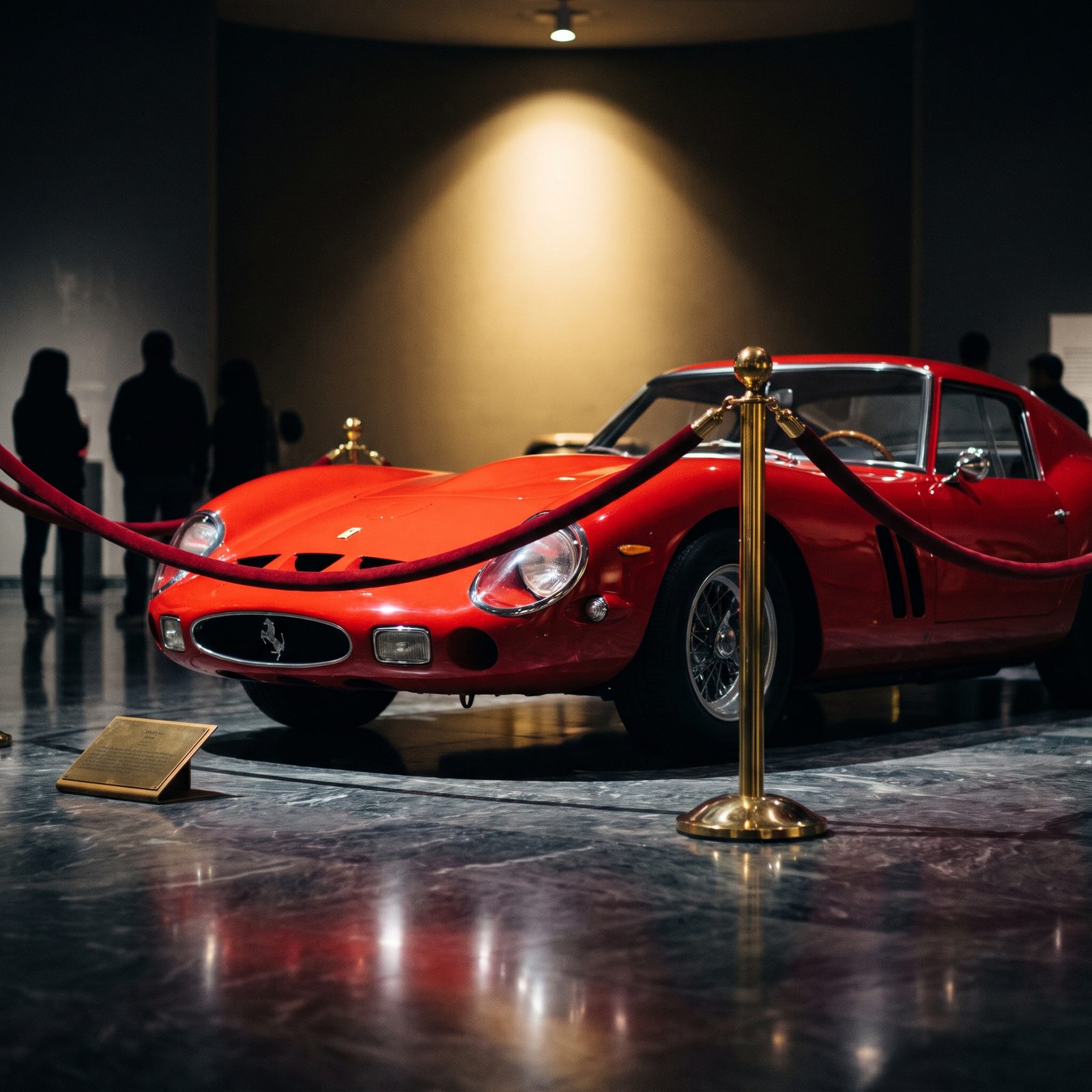
You will never own it. You know this. The price is a phone number, the waitlist runs a decade, and the one example on the market lives behind a rope in somebody’s climate-controlled collection. And yet it owns a permanent room in your head. You’ve memorized its lines the way teenagers memorize the face of someone who doesn’t know they exist.
Scarcity is a drug. The thing you can’t have glows brighter precisely because it’s out of reach. We want what resists us, and nothing resists quite like a car that’s forever sold, forever guarded, forever above your pay grade.
Call it the celebrity crush of the garage. Safe to adore because it will never disappoint you by actually showing up with a leaky head gasket. The fantasy stays perfect because reality never gets a turn. Honestly, the unattainable ones might be the healthiest loves we have. They never ask for a down payment.
3. You Research Its Flaws Only After Picking Your Color
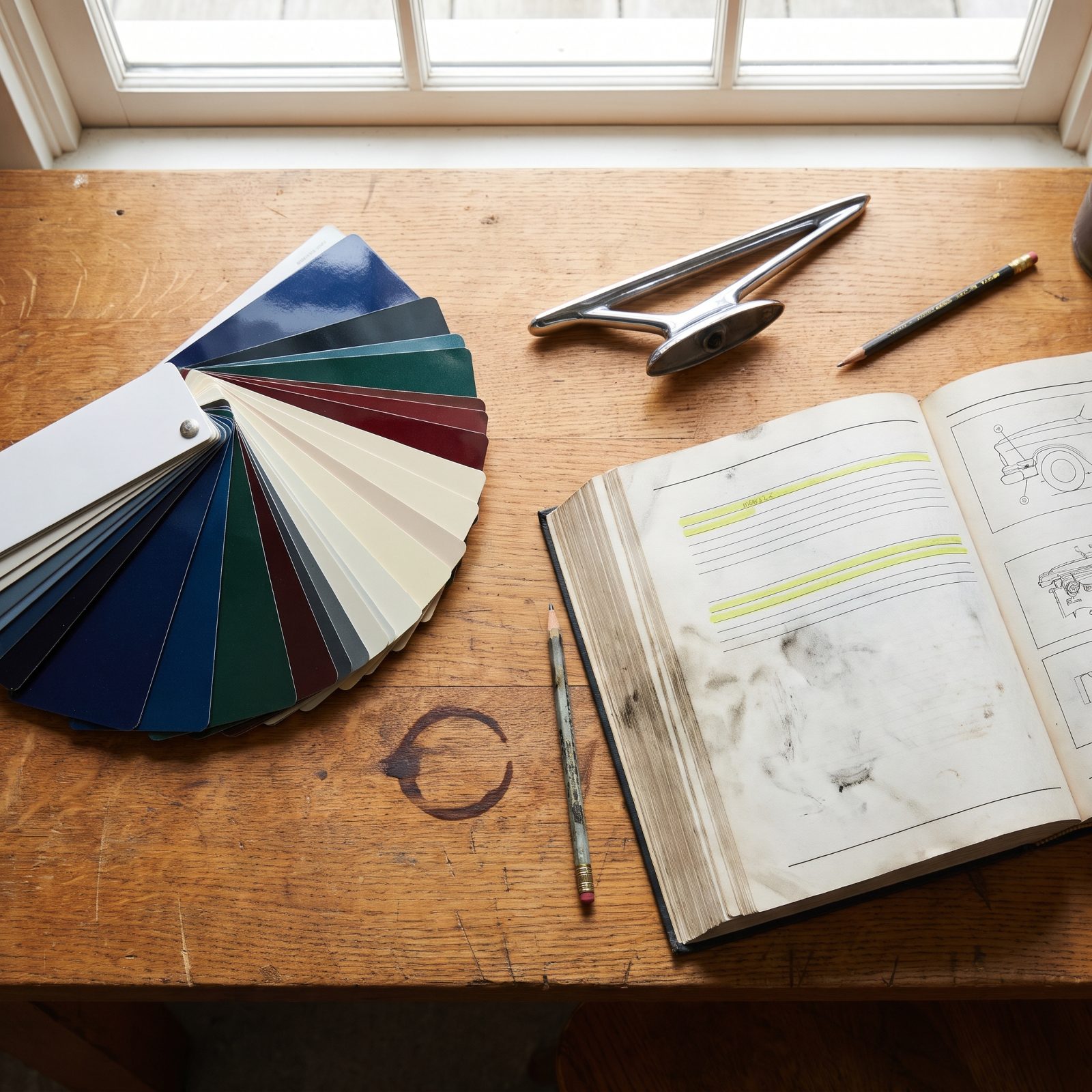
Admit it. You picked the color before you checked whether the model eats water pumps for breakfast. You had a mental picture of it in dark green on a crisp morning long before you ever typed “common problems” into a forum. By the time the bad news lands, the dream already has a paint code.
This is motivated reasoning doing its quiet thing. We don’t research to decide — we decide, then research to defend. Every forum horror story gets filed under “well, that guy didn’t maintain his,” and every praise thread gets bookmarked as gospel.
Same move as picking a wedding date before anyone’s met the in-laws. The decision was already emotional. The facts show up late, hat in hand, allowed to confirm but never to overrule.
2. You Remember the Curves and Forget the Repair History
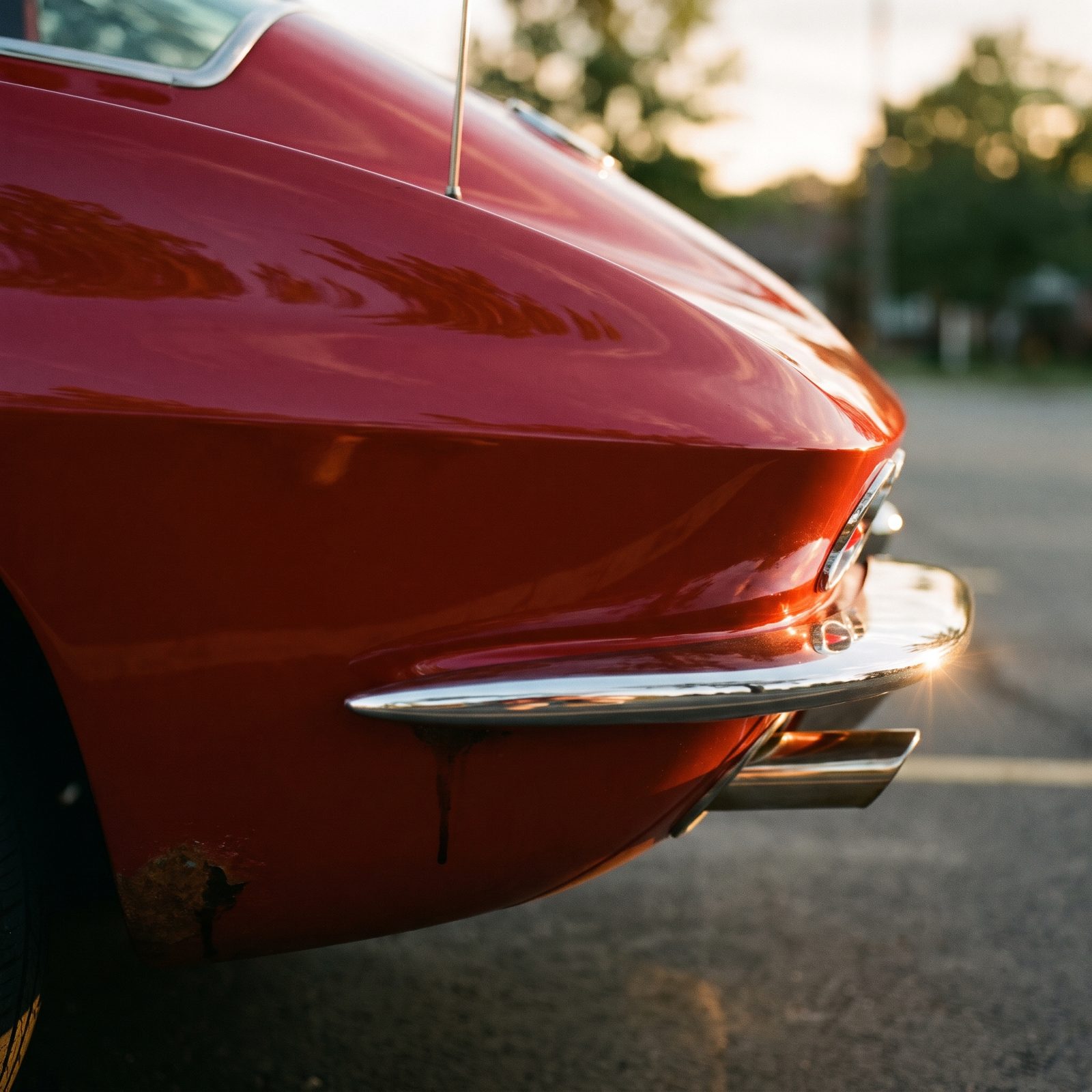
Years from now you’ll describe this car to someone and your hands will draw the shape of the fender in the air. You won’t mention the two timing chains, the wiring gremlin, or the autumn it spent on jack stands. The curves stick. The invoices evaporate.
Nostalgia is a ruthless editor — it keeps the magazine cover and throws away the receipts. The beautiful parts of owning something gorgeous get burned into memory while the grinding maintenance fades to a vague shrug.
It’s exactly how people remember a difficult old flame as mostly wonderful, the arguments sanded down to a soft blur while the good weekend at the coast stays in sharp color. Rosy retrospection, the researchers call it. Our memory doesn’t record what happened. It records a nicer movie about what happened.
1. Once the Deposit Clears, Every Flaw Gets Rationalized
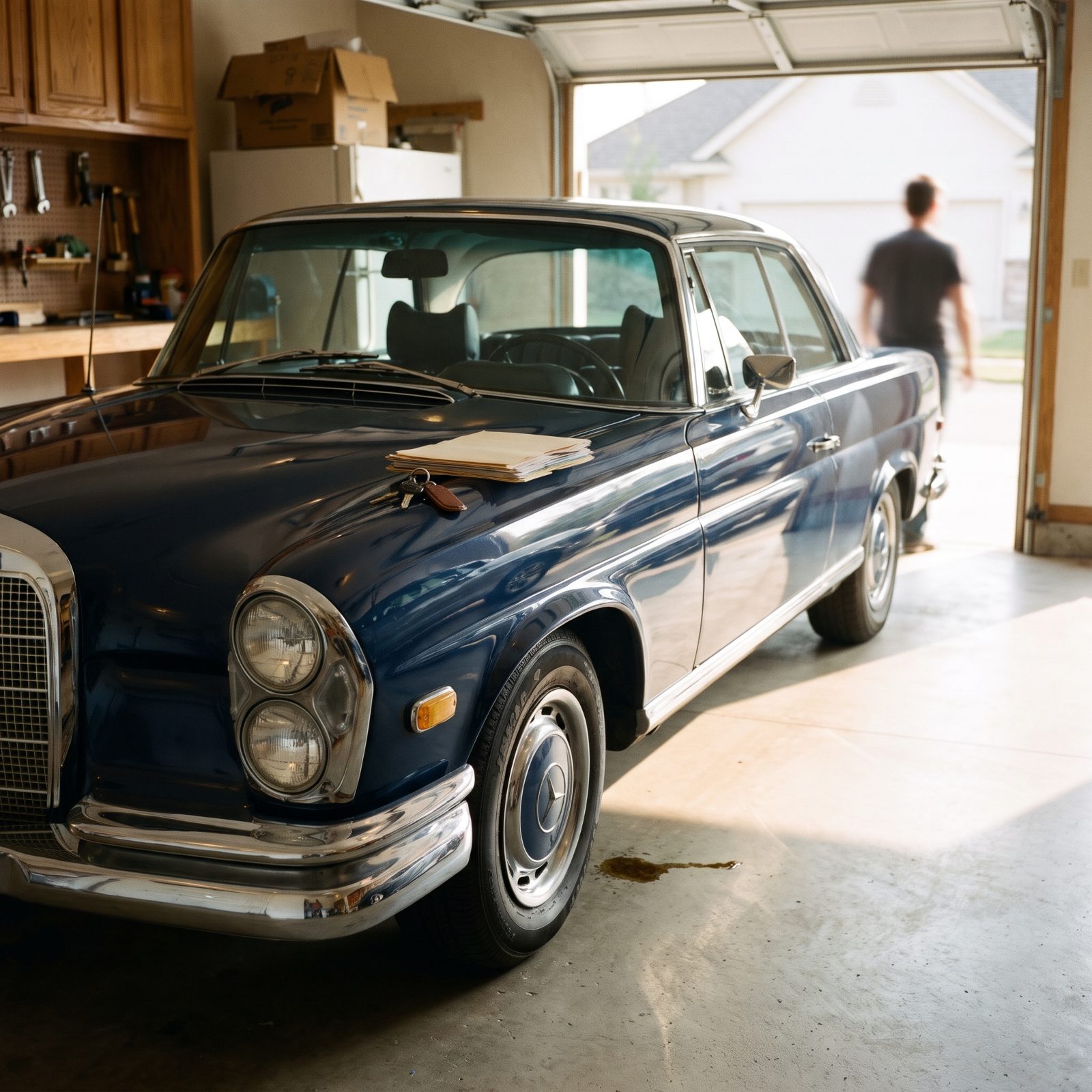
The check clears and something flips overnight. The clunk in reverse becomes “character.” The thirsty idle turns into “part of its charm.” The thing you’d have walked away from a week ago is suddenly a quirk you’d defend to anyone who’ll listen. You’re in now, so everything about the car becomes evidence that you chose well.
Welcome to post-purchase rationalization, cousin to the sunk-cost fallacy. Once money and ego ride on the line, admitting the car has real problems means admitting you got it wrong — and we’ll do almost anything to dodge that conversation with ourselves.
Same reflex that makes newlyweds defend a partner’s worst habit to their own skeptical mother. Commitment doesn’t just follow the decision. It rewrites how you see the thing you decided on, buffing every flaw until it passes for a feature.