
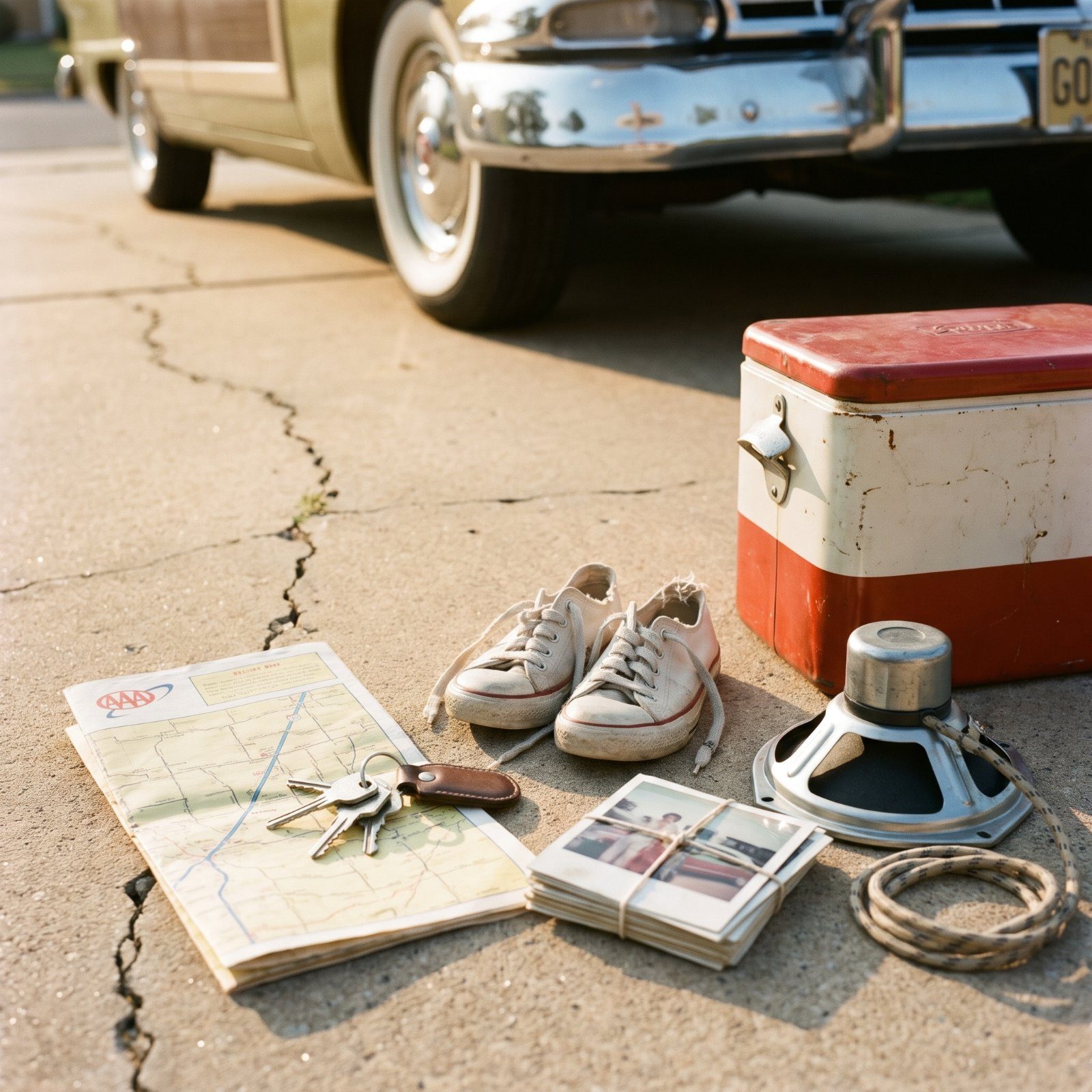
The vinyl seat stuck to the backs of your legs in July, somebody’s foot was in the cooler, and Dad reached one arm into the back to settle a fight without ever taking his eyes off the road while the AM radio played something you’d remember for the rest of your life. These were the cars that hauled us to Grandma’s, to the drive-in, to the lake and back. Big engines, big benches, no seatbelts worth mentioning. The ones below carried a whole American childhood.
Please note that some of the images in this article were created with the assistance of AI.
27. The Ford Country Squire Wagon With the Woodgrain Sides and the Way-Back Seat
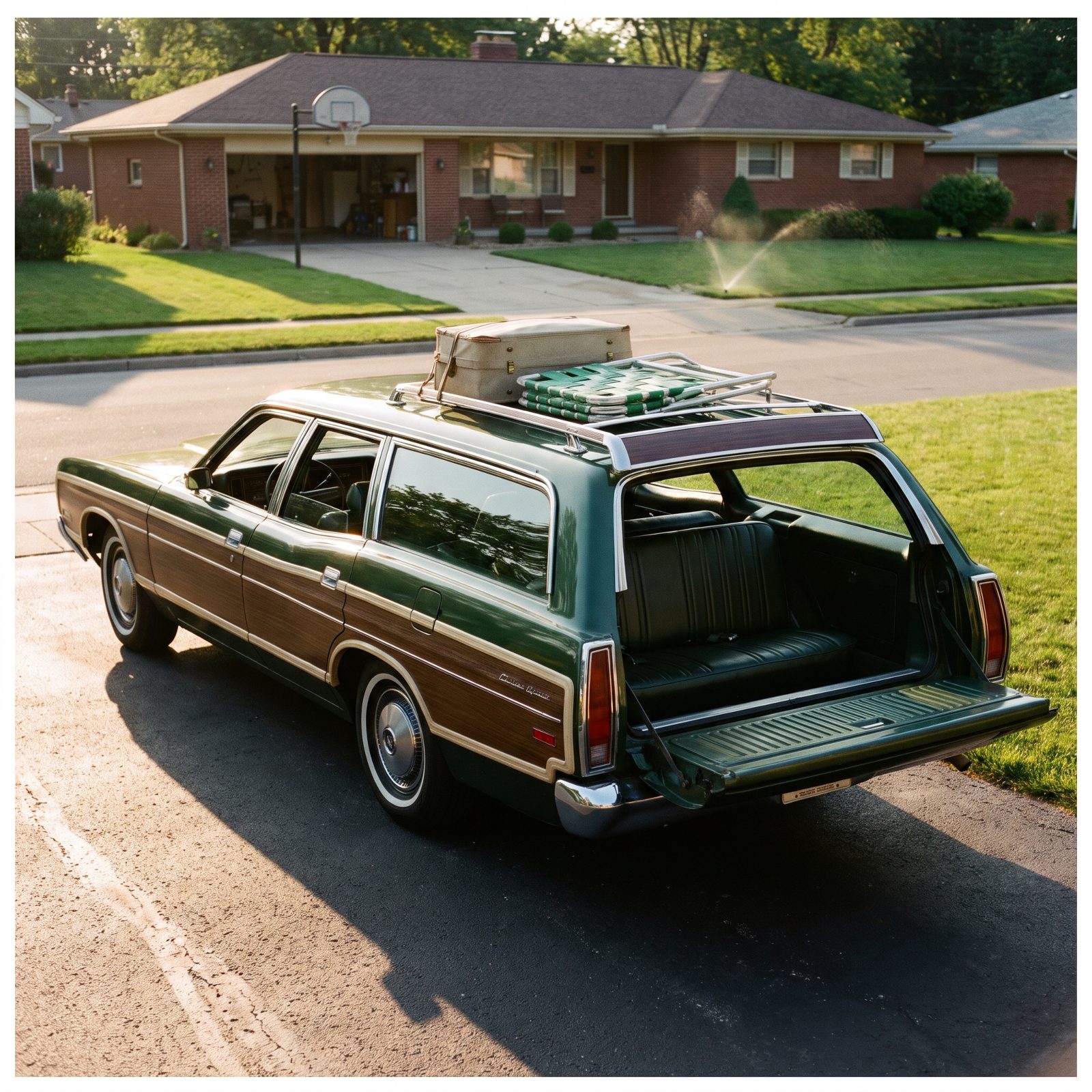
Nobody wanted the way-back. Everybody wanted the way-back. It was the rear-facing third row, and from there you waved at the drivers behind you, made faces, and felt the whole highway unspool backward beneath you.
The Country Squire was the aircraft carrier of American childhood. Dad loaded the roof rack with the good suitcase and the bad one, Mom packed sandwiches in wax paper, and that woodgrain paneling — not wood, never wood, a vinyl decal we all pretended not to notice — said your family was going places. Usually Grandma’s.
Wagons still earn affection: in our readers’ heart votes, station wagon photos got hearts 87% of the time, a bit more than the 83% for other images in the same articles.
26. The Volkswagen Microbus That Made the Whole Family Feel Like an Adventure
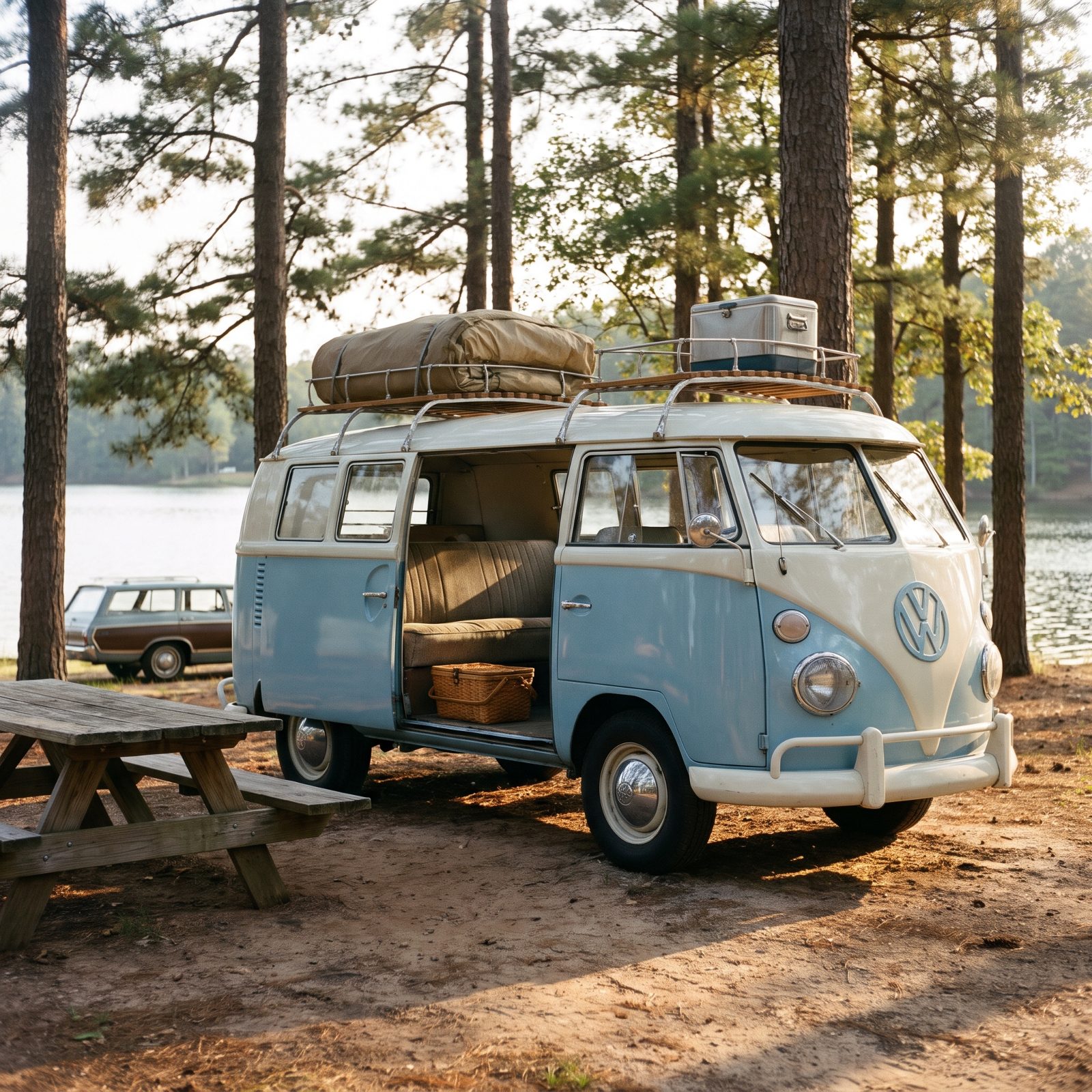
You heard it before you saw it. That air-cooled flat-four clattering down the street like a sewing machine with ambitions, slow uphill, slower still with six kids and a dog aboard.
The Microbus turned a trip to the hardware store into an expedition. Enormous windows, seats facing every direction, and a sliding door that a kid could operate with great ceremony. It was underpowered and overloved. You could fit a Little League team in it, and families did, which is how half of us learned the lyrics to every song on the AM dial.
25. The Volkswagen Beetle Every Teenager Learned to Drive In
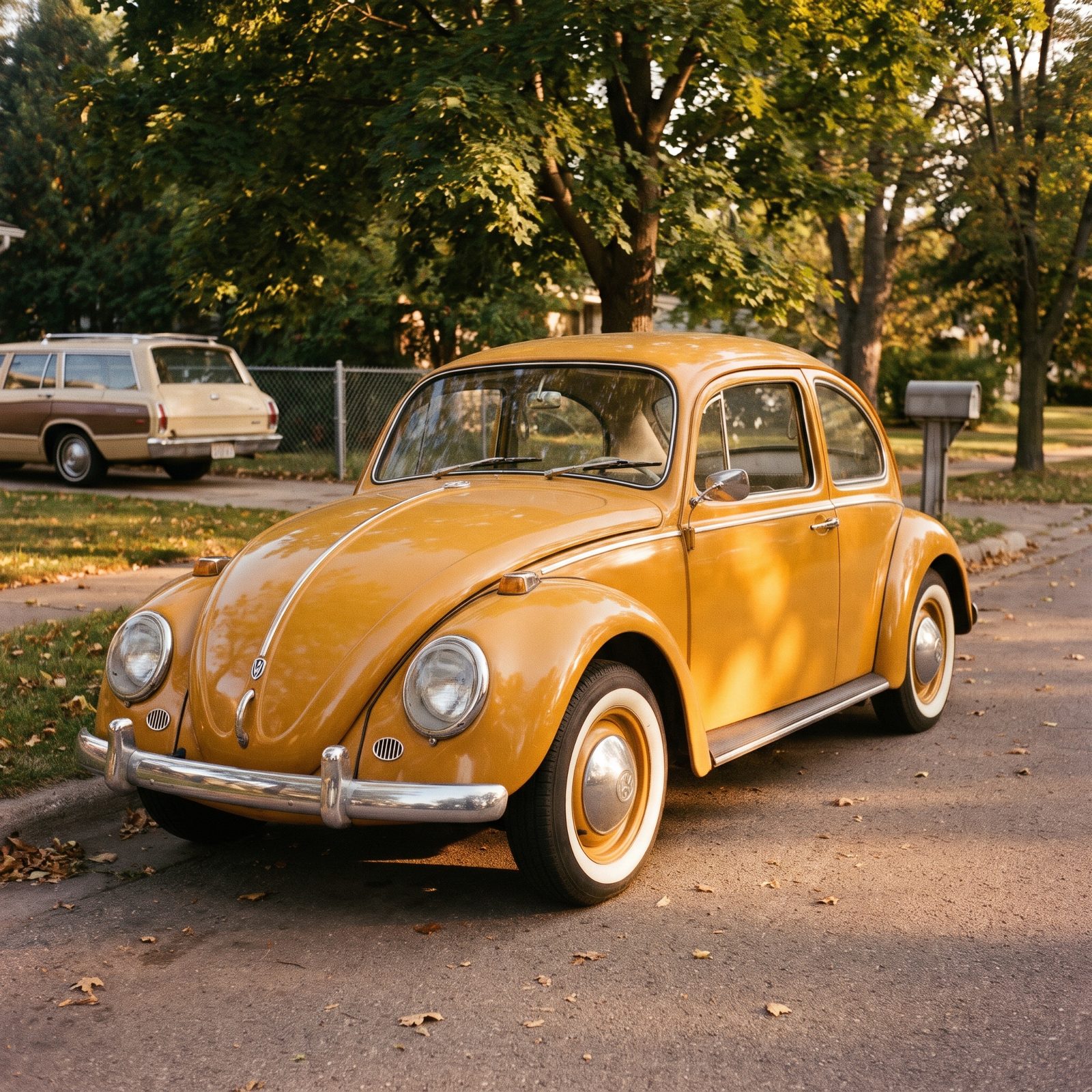
If you learned a manual transmission in the 1970s, there’s a good chance it was a Beetle that taught you.
The stick was long and rubbery, the clutch forgiving, and that little rear engine would putter forward even when you fed it the wrong gear. The heater barely worked. The windows fogged. Your groceries rode in the front trunk and your friends somewhere in the back, legs folded like deck chairs.
This was the car dads bought daughters and sons for a few hundred bucks — the one that survived every stall and curb and fender-tap. Simple enough that a teenager with a wrench and a Chilton manual could actually fix the thing in the driveway.
24. The Ford Mustang That Dad Swore Was Still Practical
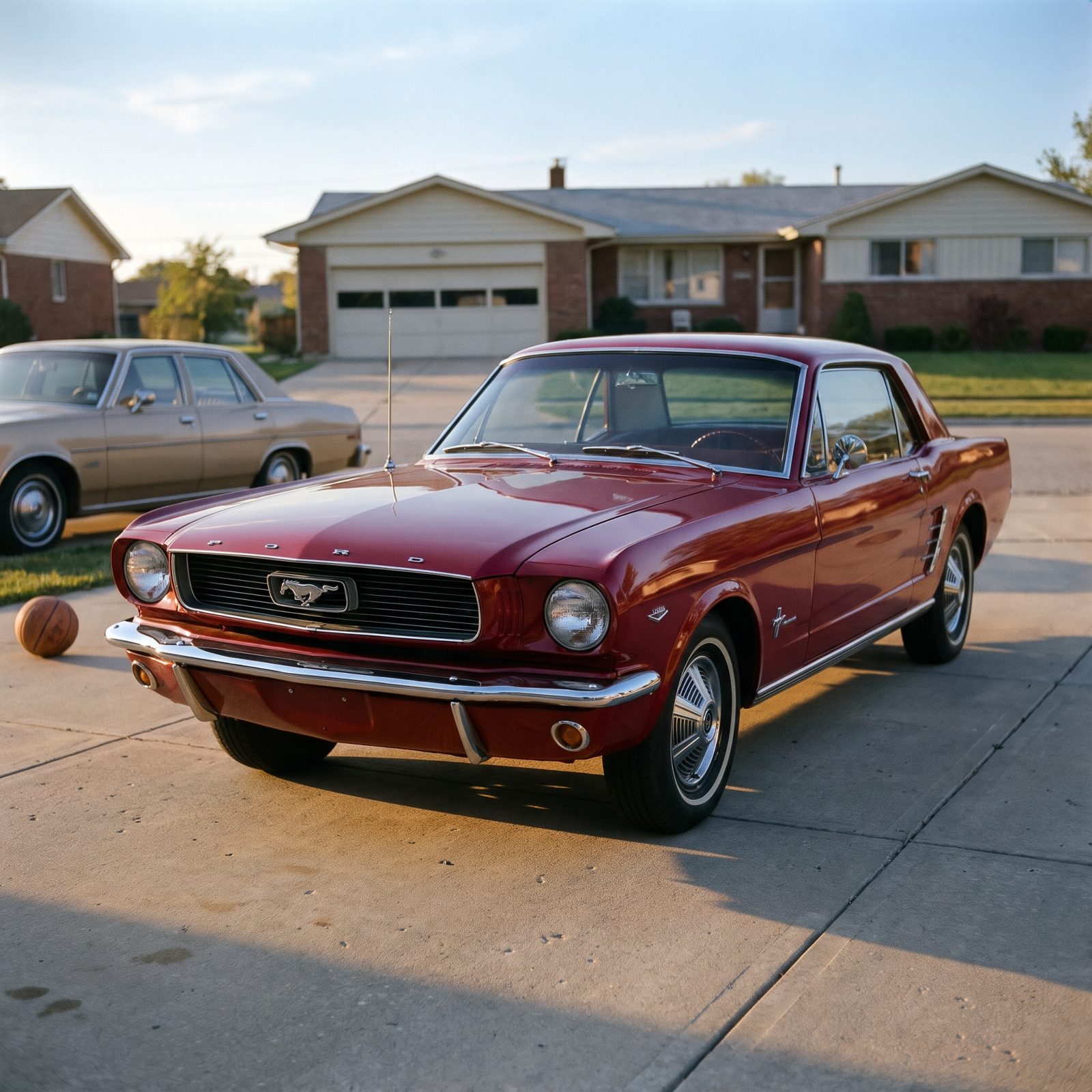
It launched in 1964 and sold like nothing Detroit had seen. The pitch was genius: sporty enough to feel young, cheap enough that a family man could justify it to his wife, with a back seat — technically — for the kids.
So the Mustang ended up in a lot of driveways it had no business being in. Families squeezed two children into that cramped rear bench, nobody complained much, and for a few years the suburban dad got to feel like he hadn’t entirely surrendered.
What Our Readers Say
- In Jalopy Talk readers’ heart votes, photos with a 1960s look got hearts 88% of the time, compared with 77% for the other images in the same articles.
- Cars that look like the 1970s do well with our readers too, earning hearts 82% of the time versus 77% for the other images alongside them.
From Jalopy Talk reader polls and votes.
23. The Chevrolet Impala That Felt Like a Living Room on Wheels
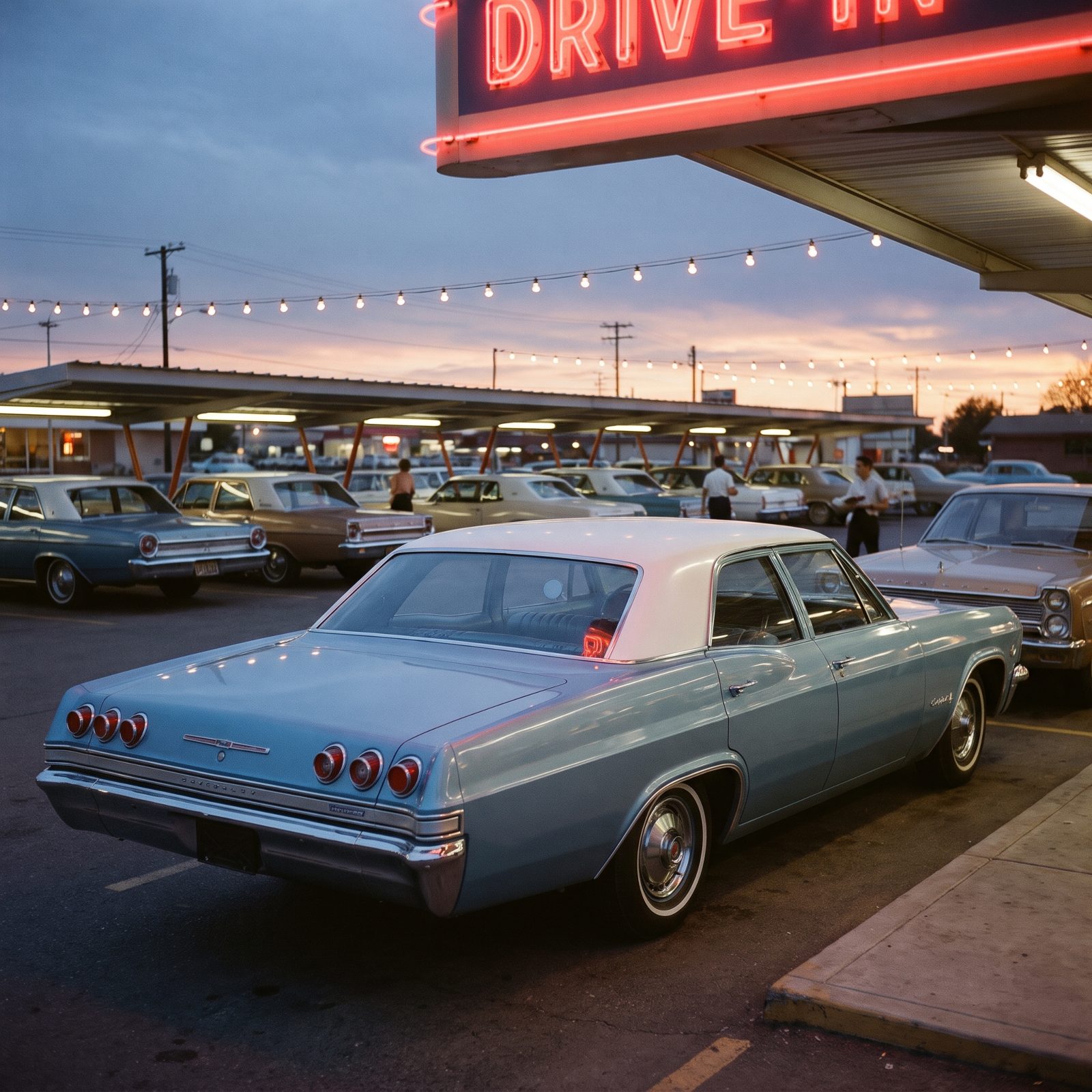
Front bench, rear bench, and enough room between them for a kid to lie flat on the floor hump and fall asleep on a long night drive. The Impala was the family sedan that didn’t try to be anything else, and that was precisely why everybody loved it.
Three round taillights per side, a name everybody knew, and a ride so soft it felt like the road had been upholstered. Chevy once sold a million of these in a single year. You’d spot them in every church parking lot and every drive-in diner in America, powder blue and dignified, idling while somebody’s dad ordered burgers from the carhop.
22. The Oldsmobile Vista Cruiser With the Skylight Windows Over the Second Row
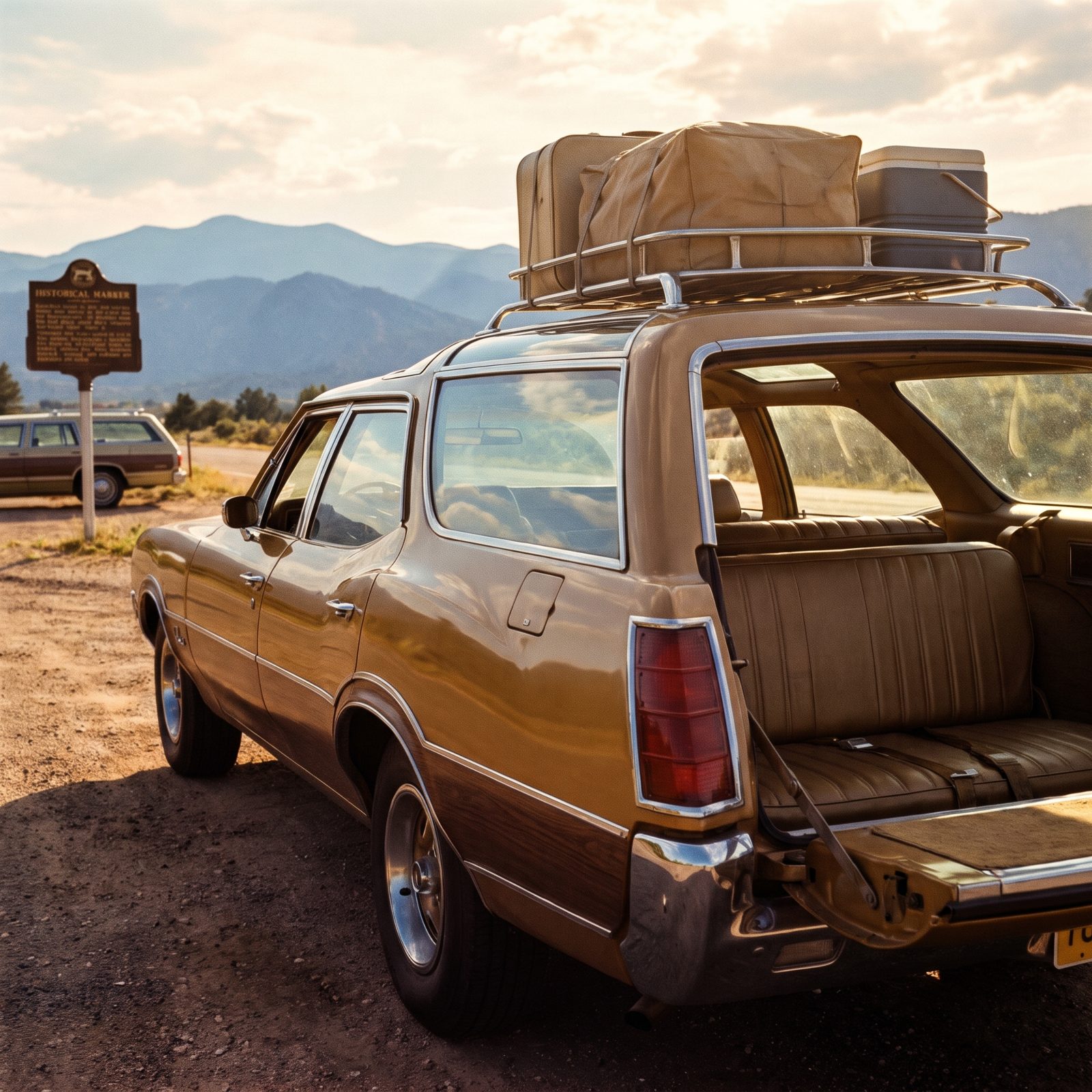
The roof had windows. Actual glass panels over the middle seat, so a kid lying back on the way to the Grand Canyon could watch the sky go by.
That skylight is the detail everybody remembers. The Vista Cruiser handed you a view most adults up front never got — clouds, overpasses, the undersides of billboards flipping past.
It rode on a longer wheelbase, roomy enough for the full American summer migration: three kids, a cooler, a tent, a transistor radio, and that particular smell of hot vinyl and suntan lotion nobody can quite describe but everybody remembers.
21. The Pontiac Firebird Trans Am With the Screaming Chicken on the Hood
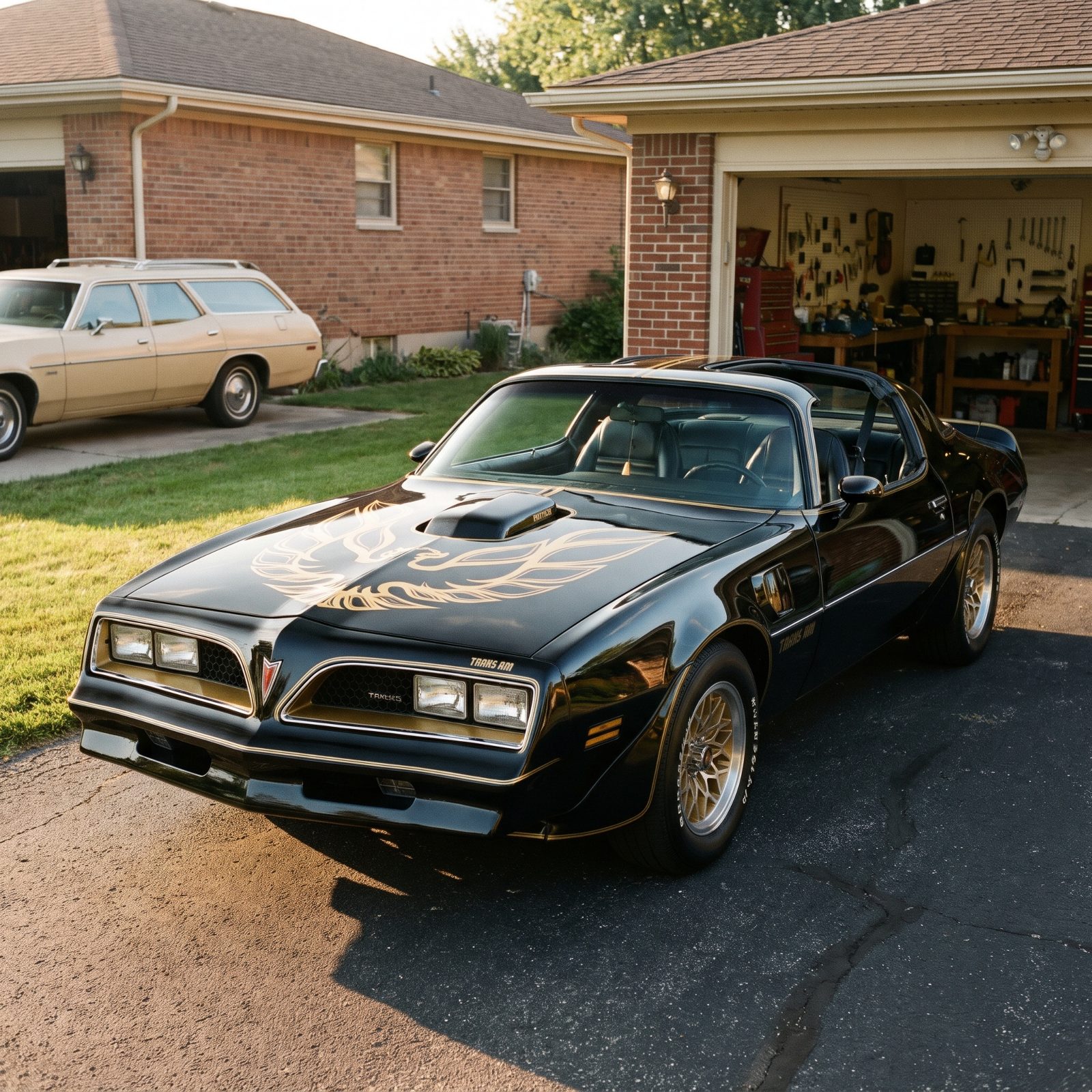
This was not a family car and everyone knew it, which is exactly why it mattered. It was the one some dads kept in the garage next to the sensible wagon, pulled out on Sundays, washed with a devotion they never once showed the lawn.
Black with gold, that giant flaming bird across the hood, T-tops you could pop out in summer. A kid who got a ride in one came home a legend. The 1977 model became a national obsession after a certain movie put it on screen, and suddenly every boy on the block wanted the one with the screaming chicken.
20. The Pontiac GTO That Started the Whole Muscle-Car Thing
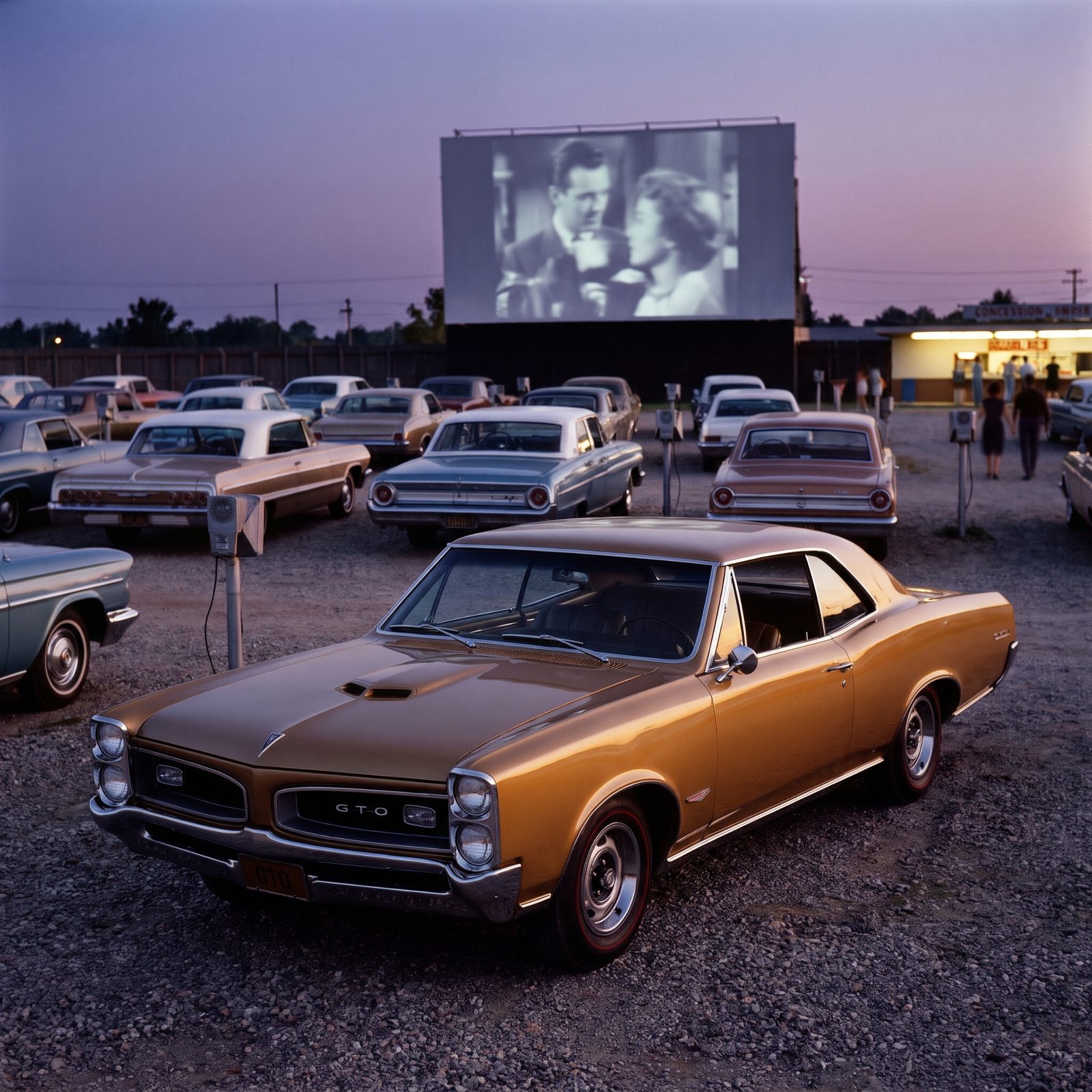
The 1964 GTO did not ask permission. Pontiac dropped a big V8 into a midsize body, slapped three letters on it, and more or less invented the muscle car on purpose.
It was loud. It was quick. And the kid whose older brother owned one spent every Saturday night praying for a ride down Main Street with the windows down. The GTO was the sound of a neighborhood on a summer evening — that rumble you felt in your chest before you ever saw the car. Plenty of families never owned one, and plenty of childhoods were shaped by the one three houses down.
19. The Dodge Charger With the Fastback Roofline and the Hidden Headlights
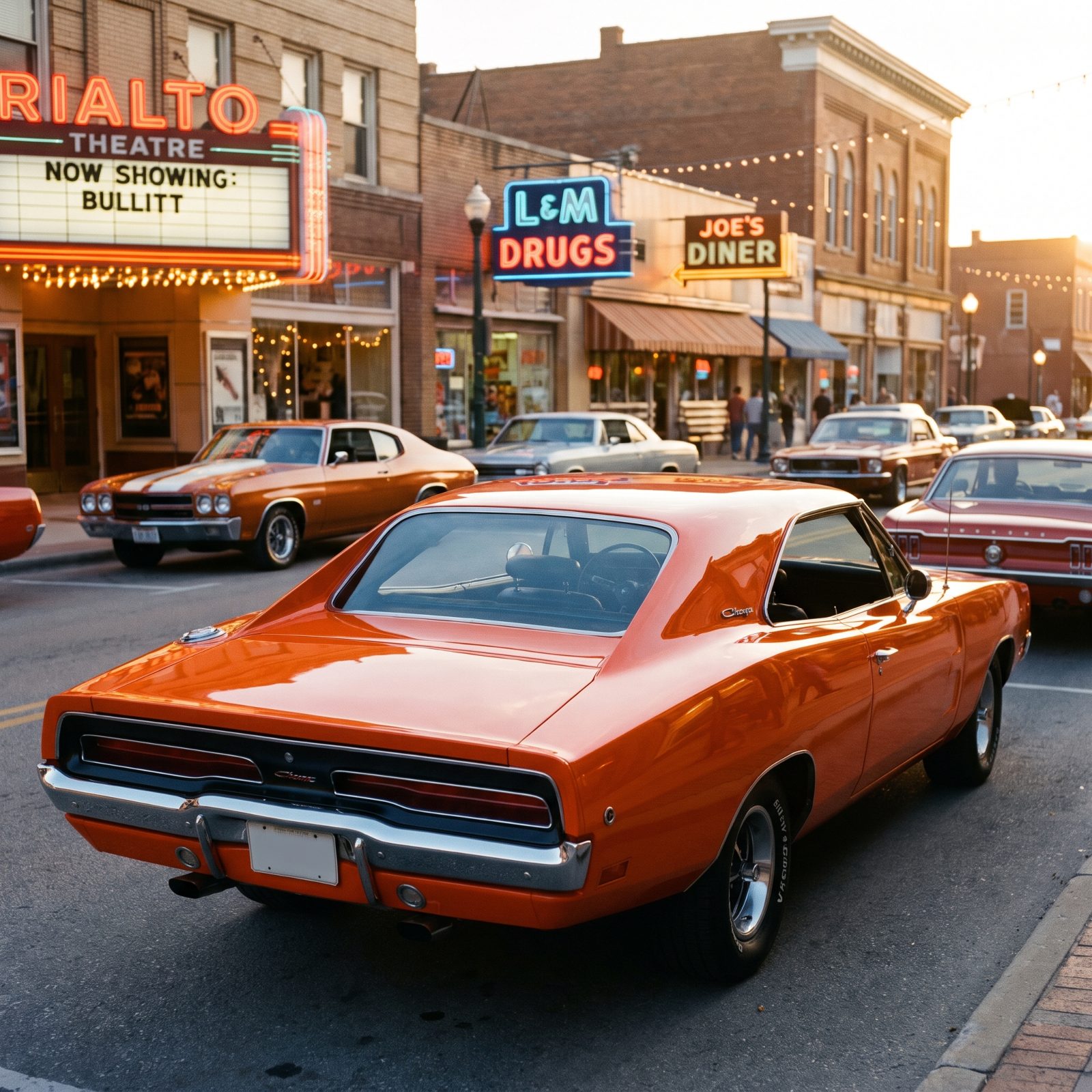
Hidden headlights that rolled open like the car was waking up. A roofline that swept back in one clean line. The Charger looked fast standing still, which is about the hardest trick a car can pull.
It wasn’t the sensible choice and it wasn’t pretending to be. Here was the car that made cruise night worth leaving the house for, the one that crept up slow down Main Street with the windows down and the radio loud. A whole generation of kids pressed their faces to the glass when one went by, memorizing the shape, filing it away for later.
18. The Plymouth Road Runner That Beeped Like the Cartoon
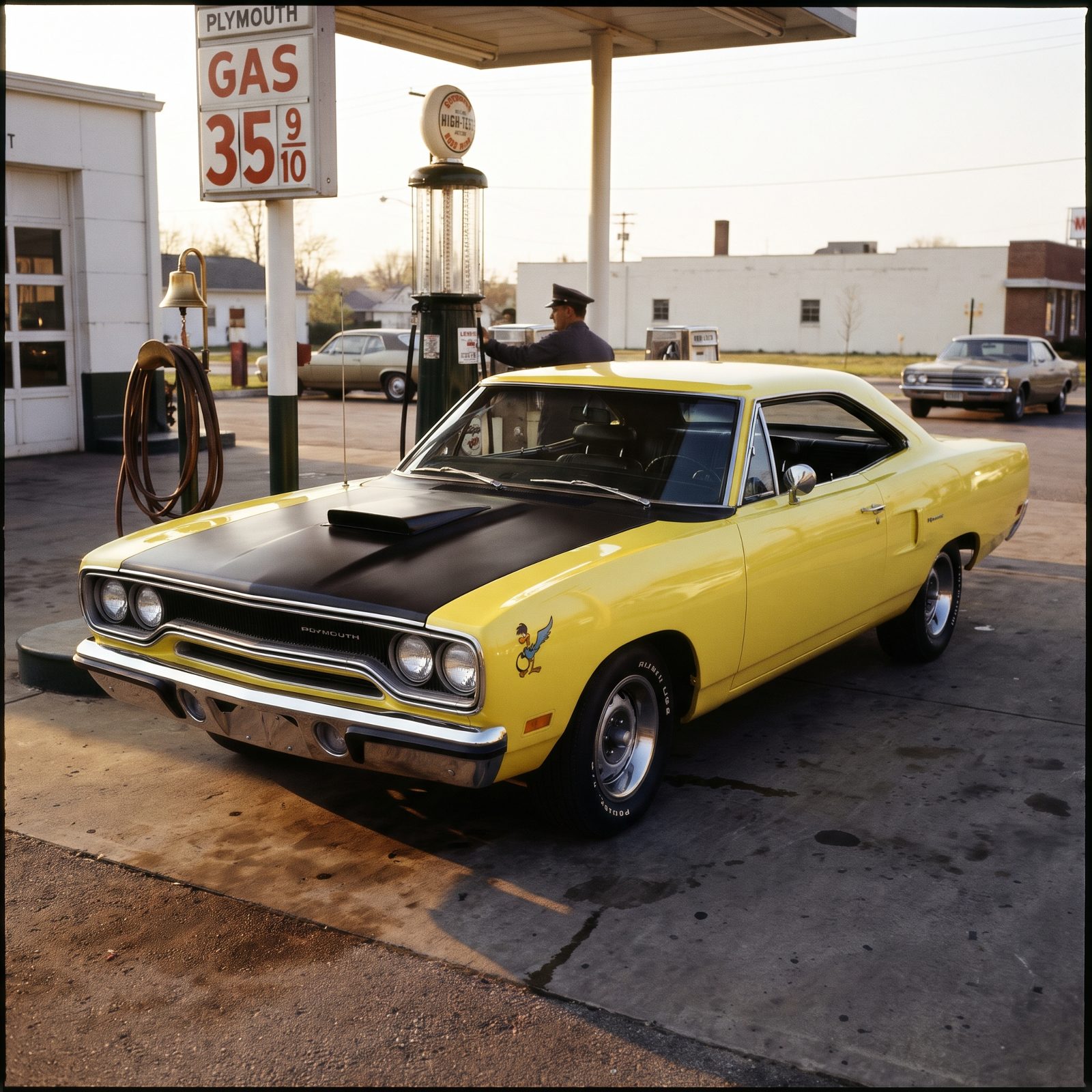
The horn went “beep beep.” Chrysler actually paid Warner Bros. for the cartoon license and tuned a special horn to match the bird.
That was the whole joke, and the whole genius. Plymouth built a stripped-down, big-engine car for guys who wanted speed without the price tag, slapped a cartoon on the fender, and watched it fly out of showrooms.
Kids loved it for the obvious reason. Dads loved it because it was cheap and brutally quick. It was the muscle car that didn’t take itself too seriously, which somehow made it more fun than the ones that did. If one pulled up next to you at the light and the horn went off? You remembered it for forty years.
17. The Chevrolet Camaro That Dad Washed Every Saturday Like It Was Family
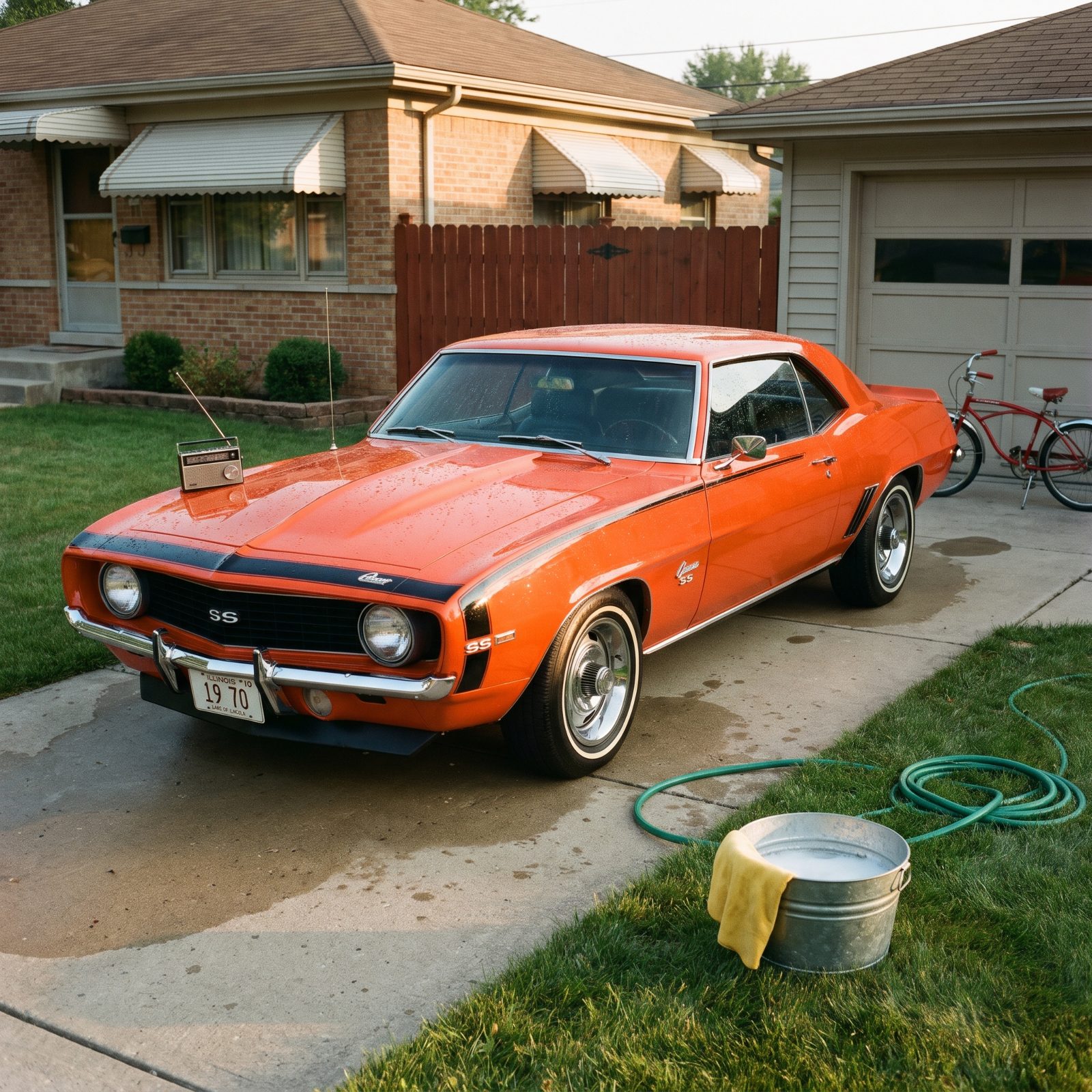
Chevrolet showed up late to the party Ford started, and it knew it. The Camaro arrived for 1967 aimed squarely at the Mustang, and when reporters asked what a Camaro was, Chevy’s answer was that it was a small, vicious animal that ate Mustangs. Dads on both sides of the street took that personally.
The one in your driveway got more attention than the kids did. Every Saturday the hose came out, then the bucket, then the whitewall brush, then the wax that went on in circles and came off in smaller circles. You were allowed to help with the hubcaps. You were not allowed to lean on the fender. If you rode in the back and dropped a Popsicle on that carpet, you heard about it until Labor Day.
16. The AMC Gremlin: The Hatchback That Looked Like Someone Started a Bigger Car and Changed Their Mind
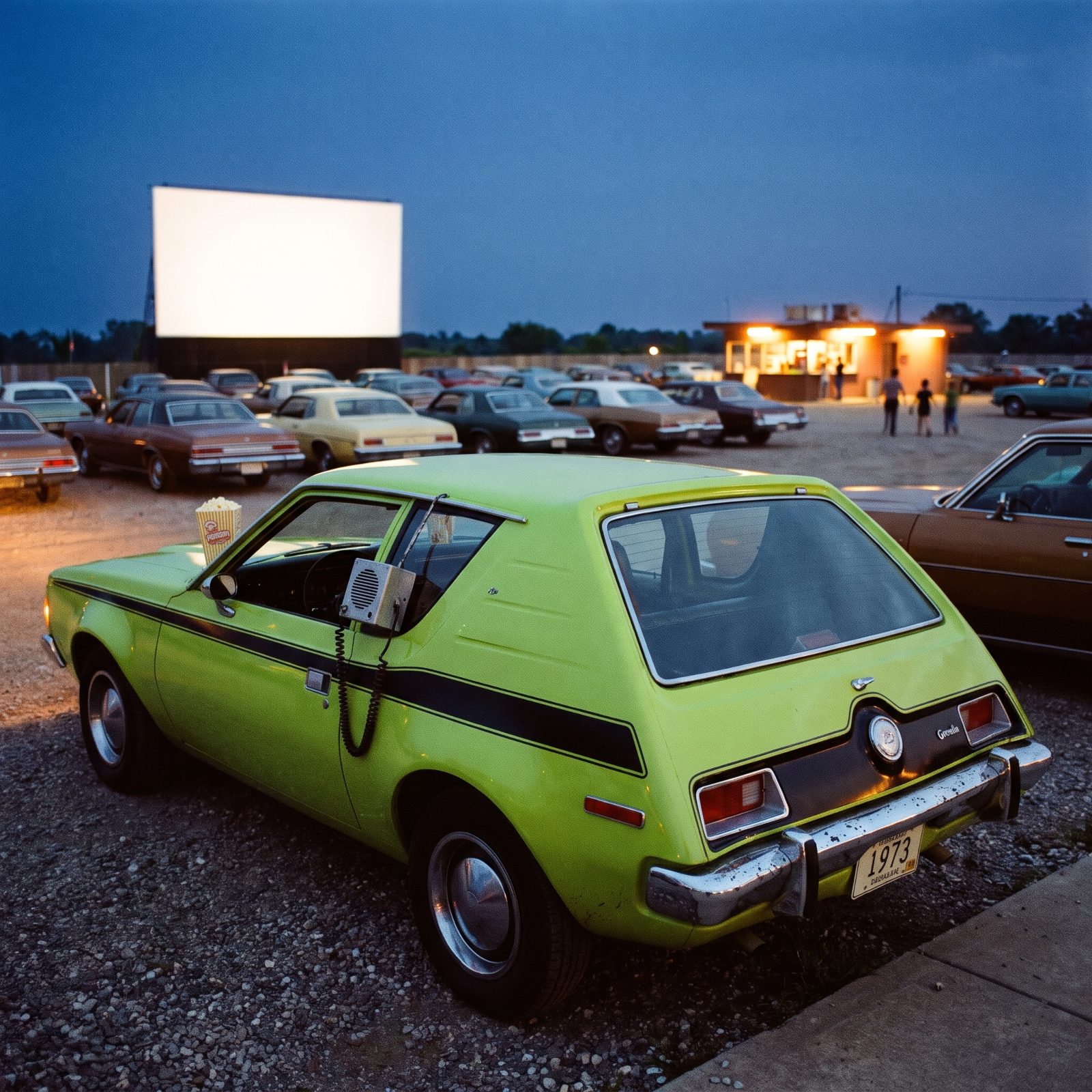
It looked like the factory ran out of car about three-quarters of the way through. AMC took its compact Hornet, lopped the back end off right behind the rear wheels, and rolled out the Gremlin on April Fools’ Day, 1970. Some people thought that was the joke. Plenty of other people bought one anyway.
And honestly, it worked. Gas was getting expensive, the Gremlin was cheap and small and easy to park, and the flip-up rear glass meant you could toss groceries, a sleeping bag, or a younger sibling’s bike in the back. Kids in the back seat stared out at a tailgate that seemed about a foot away. Nobody ever forgot their first ride in one, mostly because nobody had ever seen anything shaped like it.
15. The Ford Pinto: The Little Runabout That Hauled a Whole Childhood Around Town
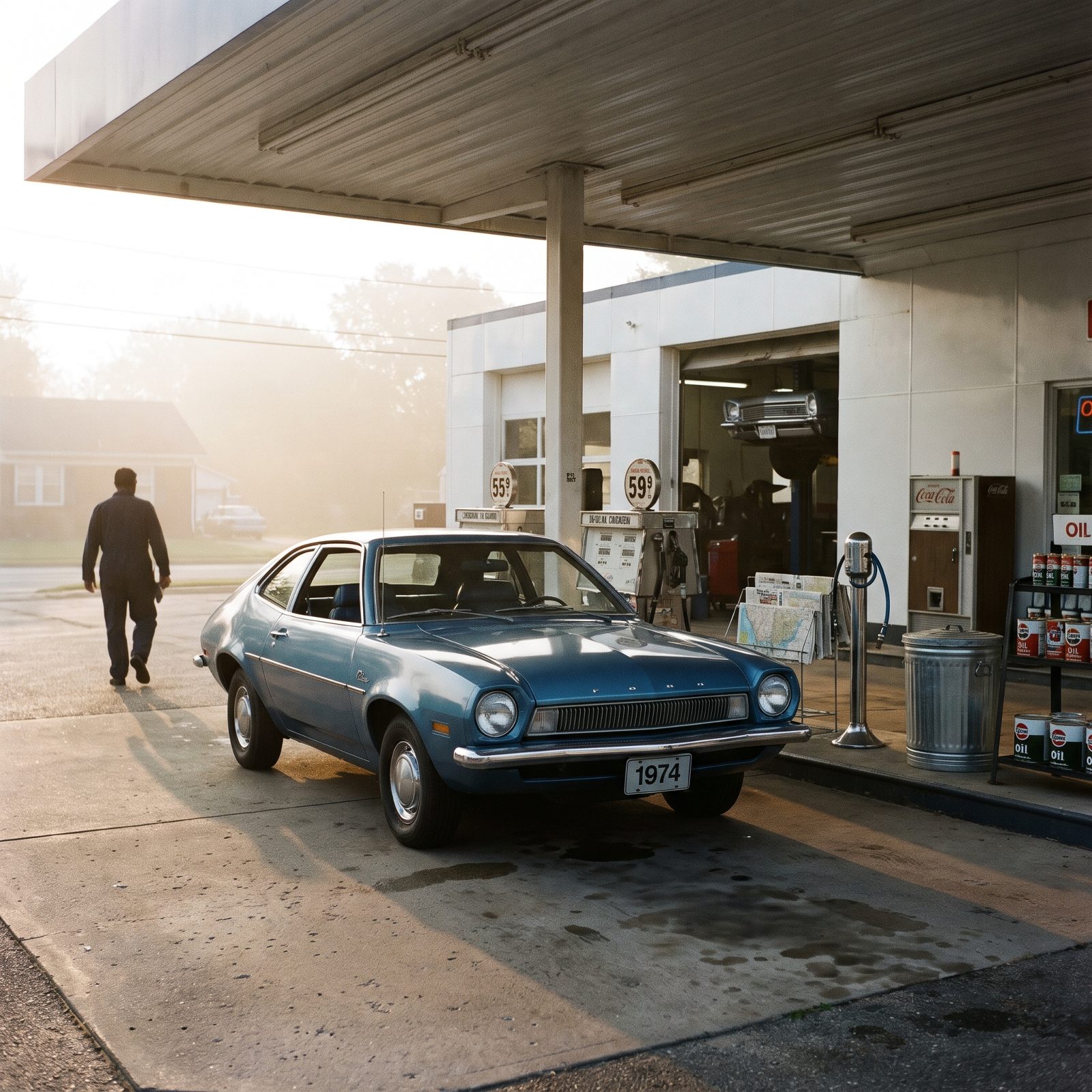
Ford’s answer to the Beetle and the Japanese imports landed for 1971, and it was exactly what a lot of families needed: small, cheap to buy, cheap to run. The Pinto became the second car, the commuter car, the first car for the teenager, and the one Mom drove to school pickup, swim lessons, and the grocery store three times a week.
The hatchback version, which Ford actually called the Runabout, swallowed more than it had any right to. There was a wagon too, and the Cruising Wagon with the little porthole windows looked like a van that had shrunk in the wash. The Pinto later picked up a hard reputation over its fuel tank design and a big recall in 1978, but for a lot of kids it was just the little car that got them everywhere they needed to be.
14. The AMC Pacer: The Rolling Fishbowl With More Glass Than Any Kid Had Seen
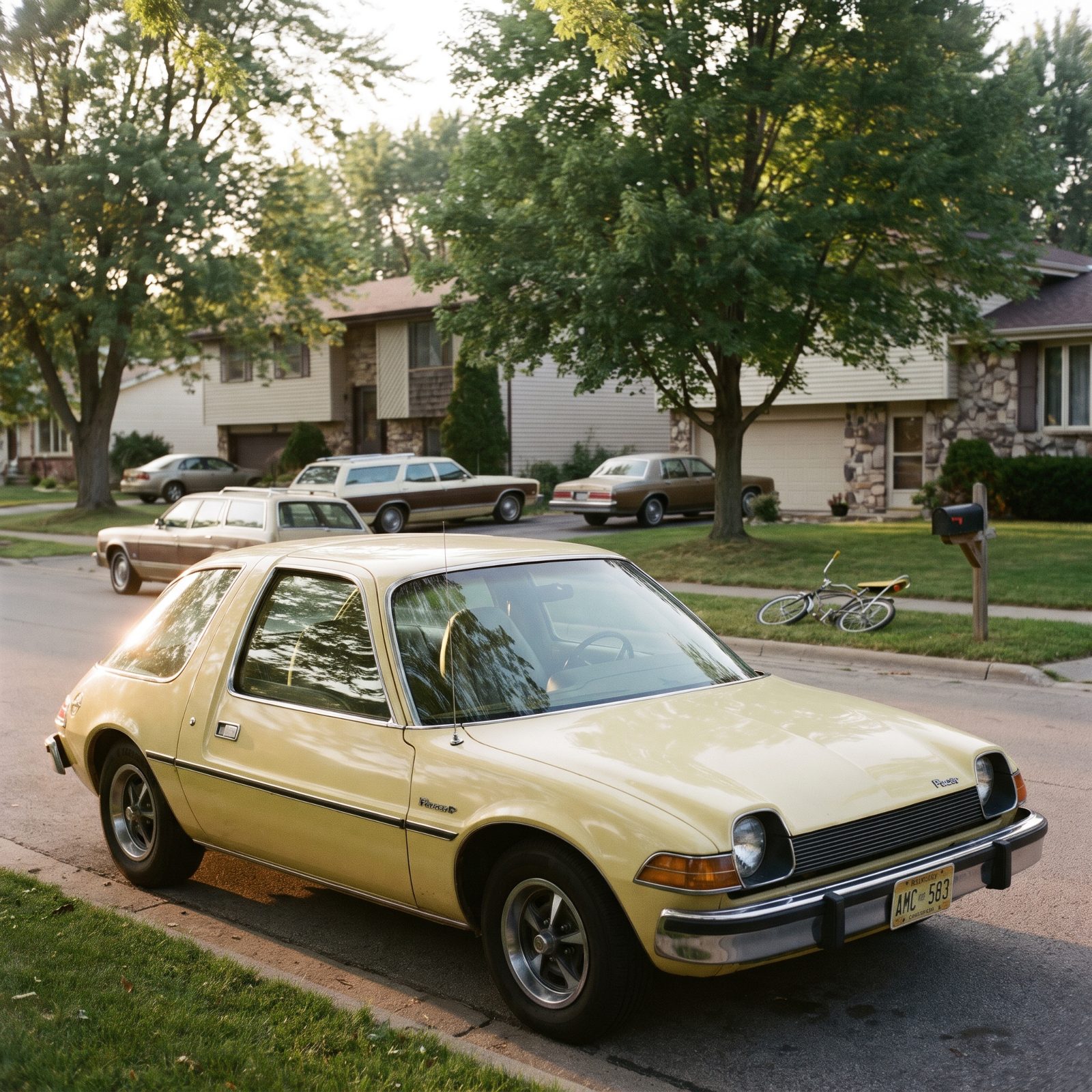
Riding in the back of a Pacer was like sitting in an aquarium that someone had put on wheels. AMC introduced it for 1975 and called it the first wide small car, and the glass went practically everywhere. Kids pressed their faces against windows that curved around the roof, and in summer the whole cabin baked like a greenhouse.
The strangest detail was one most adults never noticed: the passenger door was longer than the driver’s door, so people climbing into the back seat from the curb had an easier time of it. Clever idea, odd-looking car. The Pacer didn’t last long in showrooms, but a whole new generation fell for it years later when one painted with flames rolled through a certain early-’90s comedy about two guys and a basement cable-access show.
13. The Chevrolet Nova: The No-Nonsense Family Compact That Simply Would Not Die
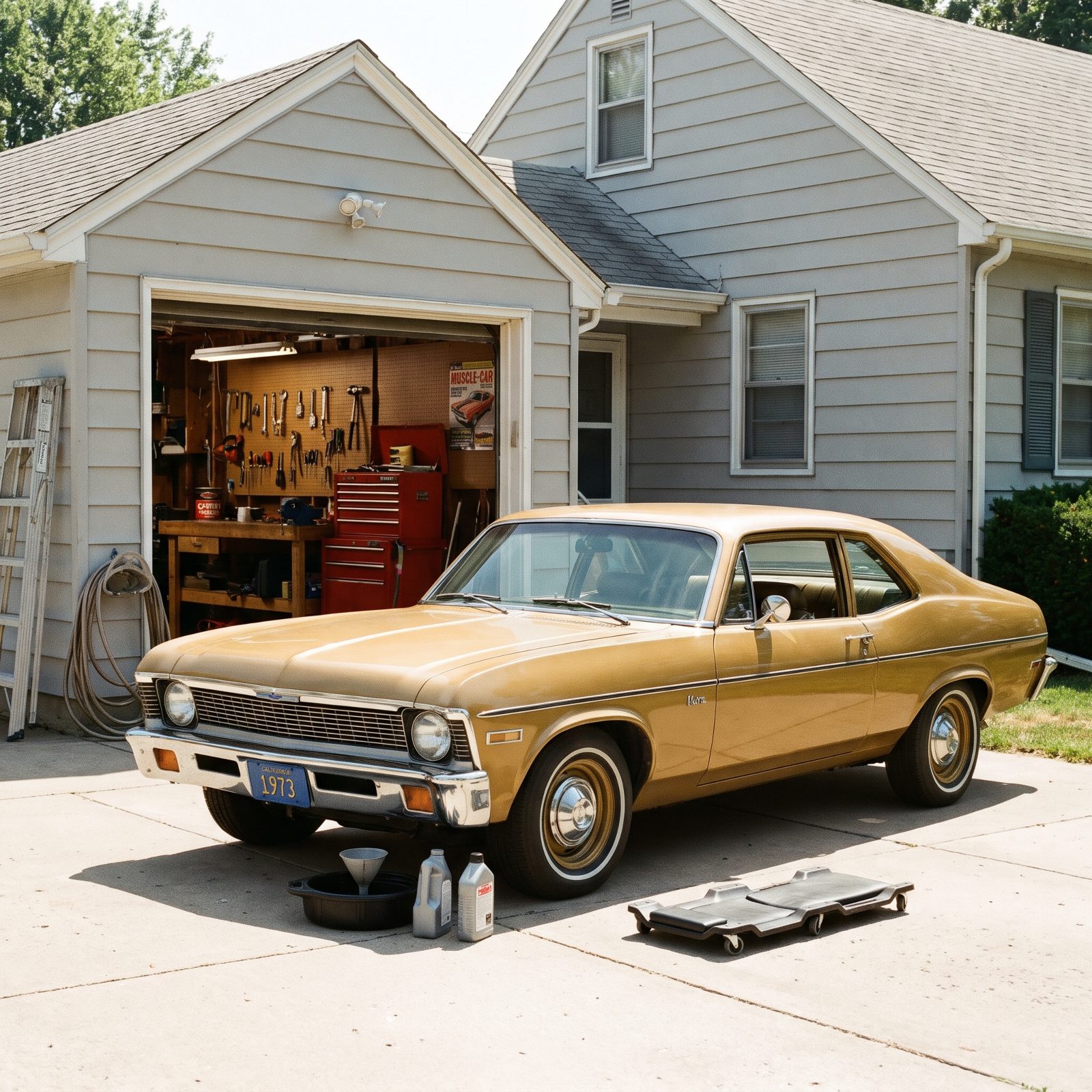
It started life as the Chevy II in 1962, with Nova as the fancier trim, and by 1969 the Nova name had taken over completely. Plain sedan, plain dashboard, plain everything. That was the point.
Every neighborhood had one parked out front, usually with a six-cylinder and an automatic, usually beige or pale green, usually with a dent somebody’s teenager swore wasn’t their fault. The Nova got handed down from parents to kids to cousins and kept going. Oil changes optional, apparently. It showed up as the town’s cop car, the plumber’s car, and the car you learned to parallel park in, and you’d still see them chugging around long after the rest of the decade’s cars had gone to the scrapyard.
12. The Jeep Wagoneer: Wood-Trimmed Luxury Before Anyone Called It an SUV
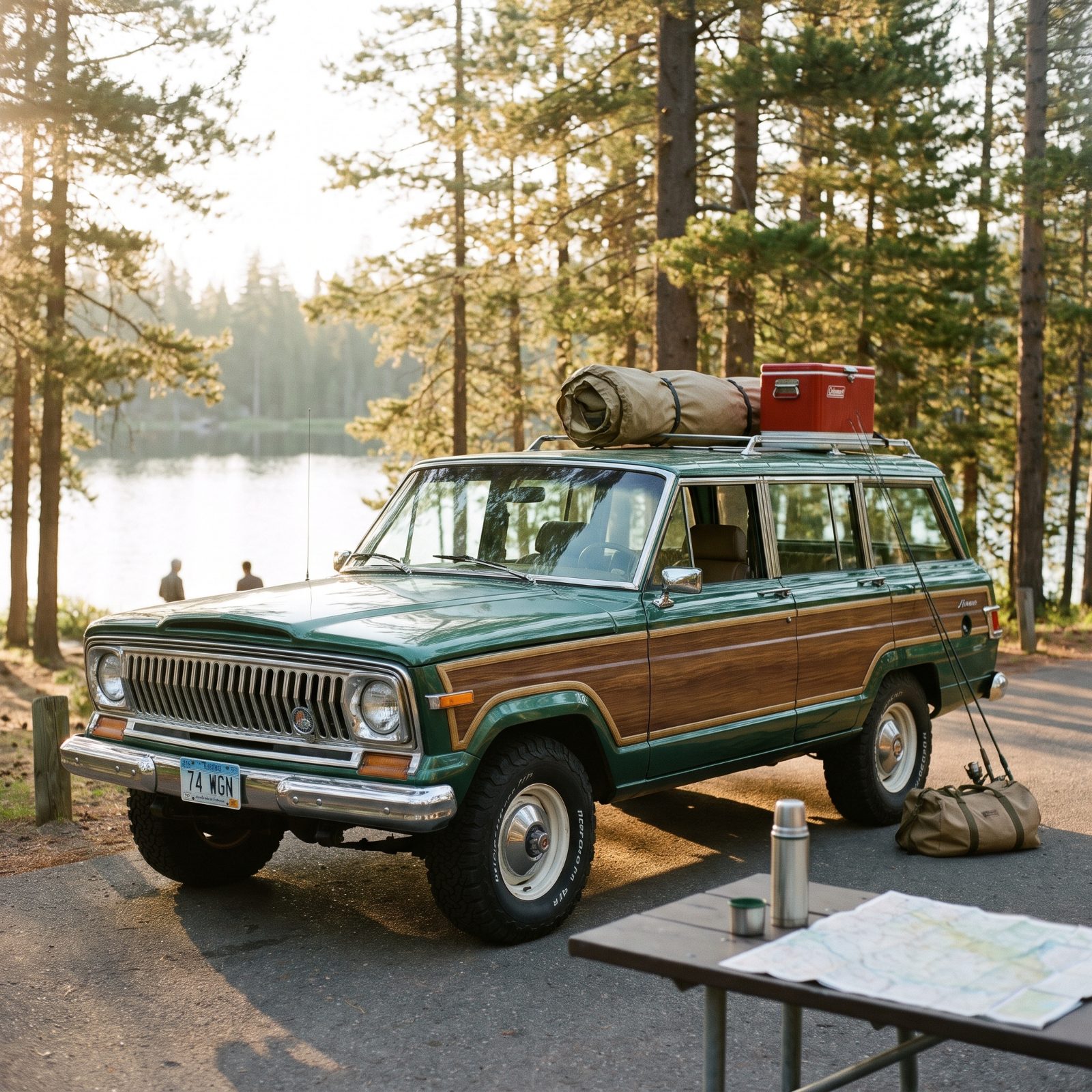
Before anybody had coined the term SUV, there was the Wagoneer, and it was the family that had one who seemed to have figured something out. Four-wheel drive, a real station wagon body, and eventually the woodgrain side panels and plush interiors that turned it into the car you’d see outside the ski lodge and the country club in the same weekend.
Kids riding in the back got the best of both worlds. It was comfortable enough for a long drive to the mountains and tough enough to keep going when the road turned to gravel, then to dirt, then to whatever that was. Snow days meant nothing to a Wagoneer. Dad would back it out of the driveway while the rest of the street was still digging out.
11. The Chevrolet Suburban: The Rolling Living Room That Swallowed a Whole Family and the Dog Food
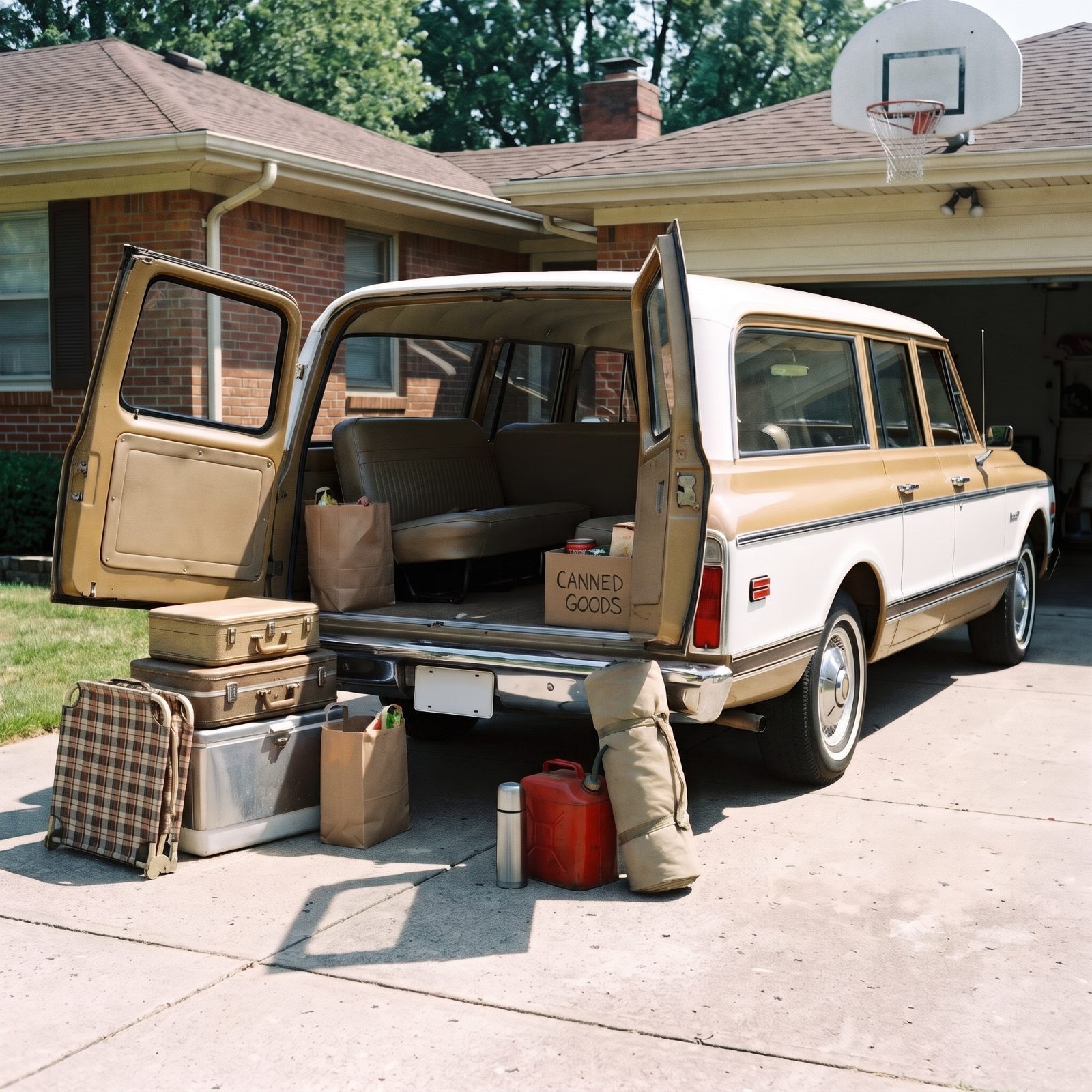
The Suburban name goes back to the 1930s, which makes it one of the oldest nameplates in the business, but in the ’60s and ’70s it was simply the biggest thing a family could drive without a commercial license. It was really a truck with a station wagon’s ambitions, and it held everything: the kids, the neighbor kids, the cooler, the tent, the fifty-pound sack of dog food, and the dog.
The late-’60s versions had one door on the driver’s side and two on the passenger side, so getting in from the street meant climbing over somebody. Nobody minded. It rode high enough that you looked down on station wagons, and the back was so cavernous that siblings could be separated by an entire time zone of vinyl. Peace in the car, finally.
10. The Ford Galaxie 500: The Big Blue Highway Cruiser With the Bench Seat Wide as a Sofa
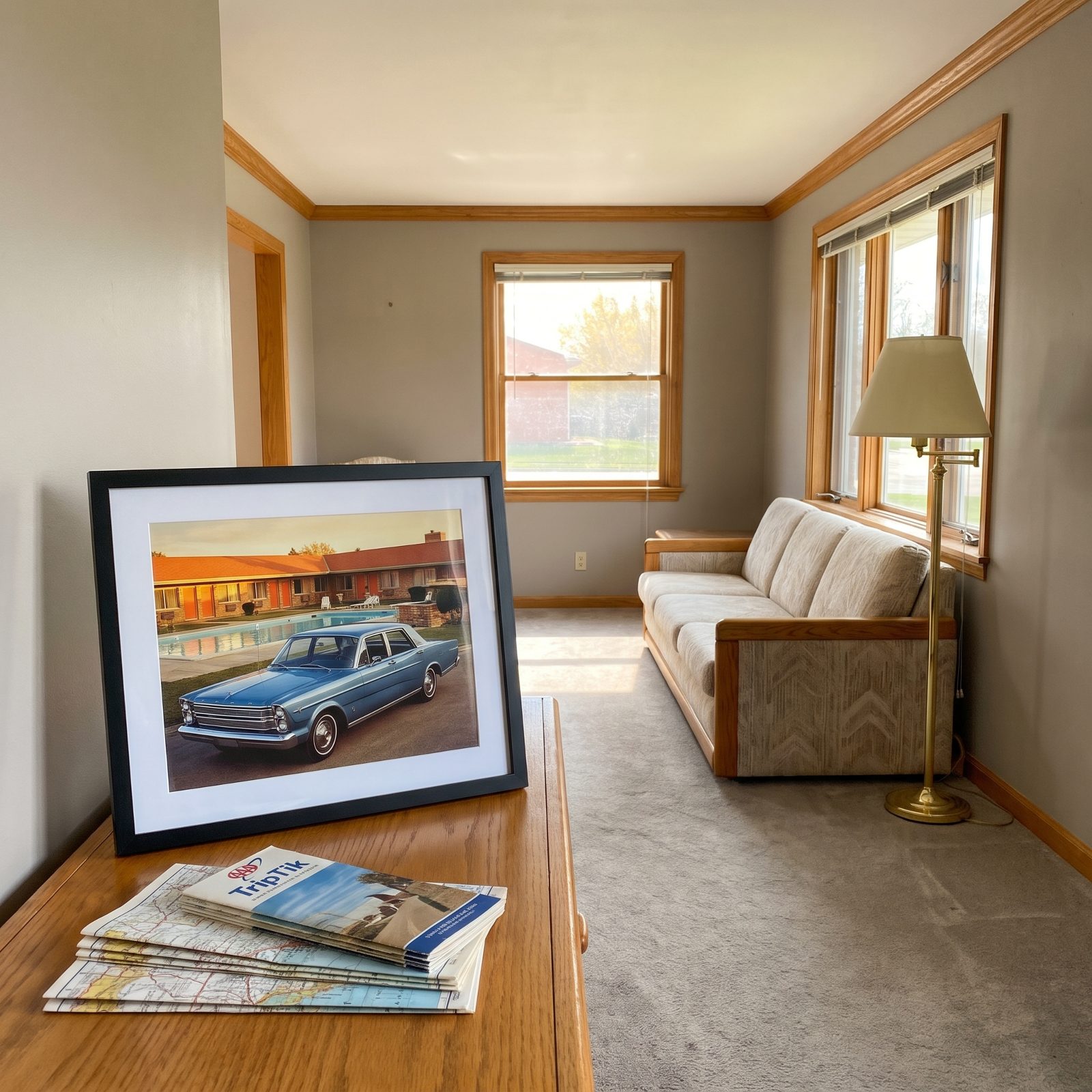
The Galaxie 500 was Ford’s full-size family car, and it was built for the interstate. Long hood, long trunk, a big V8 up front, and a ride so soft it floated over expansion joints like they weren’t there. Dad set it at a cruising speed and you could practically feel the miles disappearing.
That front bench seat was the real feature. Three adults could sit up there without touching elbows, and a little kid could stretch out across the back and nap from one state line to the next. Somebody’s always seemed to be a deep metallic blue that shone under gas station lights at night. Long trips, big car, big seat. That was the Galaxie.
9. The Chevrolet Bel Air: The Family Sedan That Carried Everyone to Church and the Drive-In
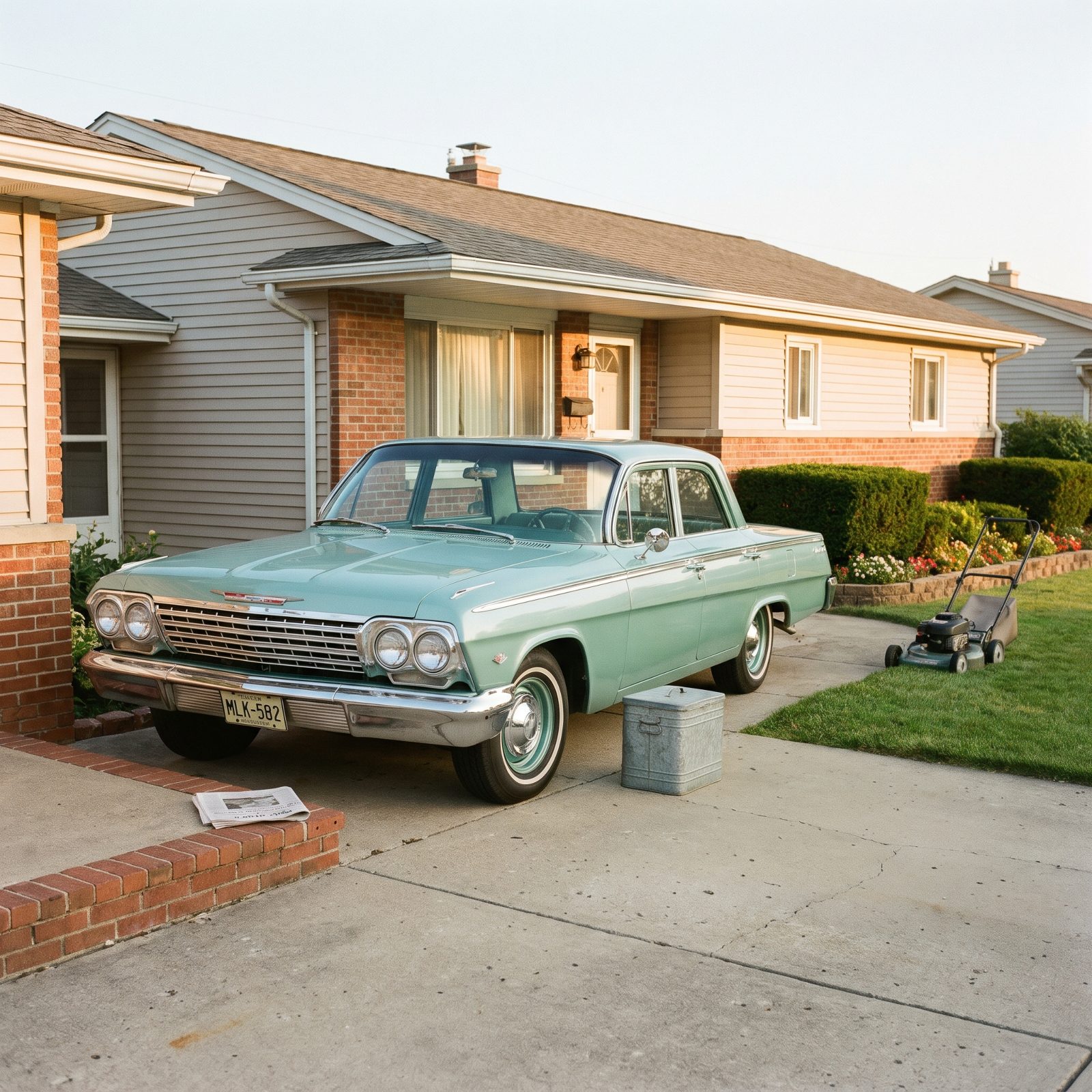
Sunday morning, hair combed flat with water, shoes that pinched, and the Bel Air waiting in the driveway. By the 1960s it sat in the middle of Chevrolet’s full-size lineup, nicer than the bare-bones models and more sensible than the Impala, which made it exactly the car a practical family bought.
It took you to church in the morning and to the drive-in that night, where the speaker hung on the window and the kids watched the double feature from the back seat in pajamas until somebody fell asleep. A lot of us were too young to remember the movie, but we remember the Bel Air: the chrome, the bench seats, and that warm, safe feeling of riding home in the dark.
8. The Dodge Dart: The Slant-Six Survivor That Outlasted Three Mortgages
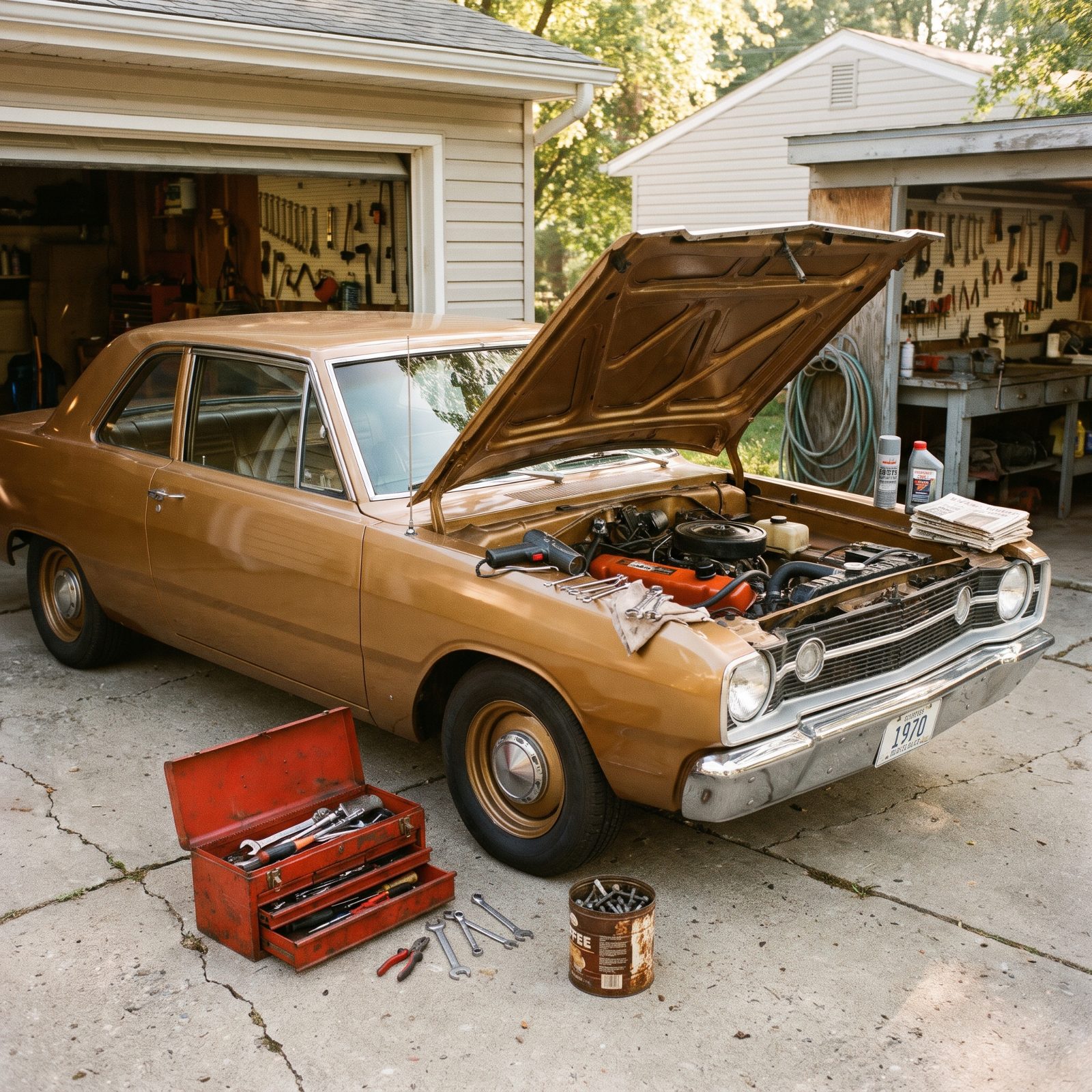
The Dart was the compact that refused to quit. Dodge built it through the 1960s and into the mid-’70s, and the version everybody remembers came with a plain, sturdy engine under the hood, an orange cover topped by a round black air cleaner. It wasn’t fast. It didn’t need to be. It just ran, and ran, and ran.
Families bought one new, drove it for a decade, handed it to the oldest kid, who handed it to the next one. Paint faded, upholstery split, the radio picked up one station, and that engine kept turning over every morning. Mechanics liked to joke that the body would rust away before the engine gave out, and for plenty of Darts, that’s exactly what happened.
7. The Cadillac Coupe DeVille That Smelled Like Leather and Your Grandfather’s Cigars
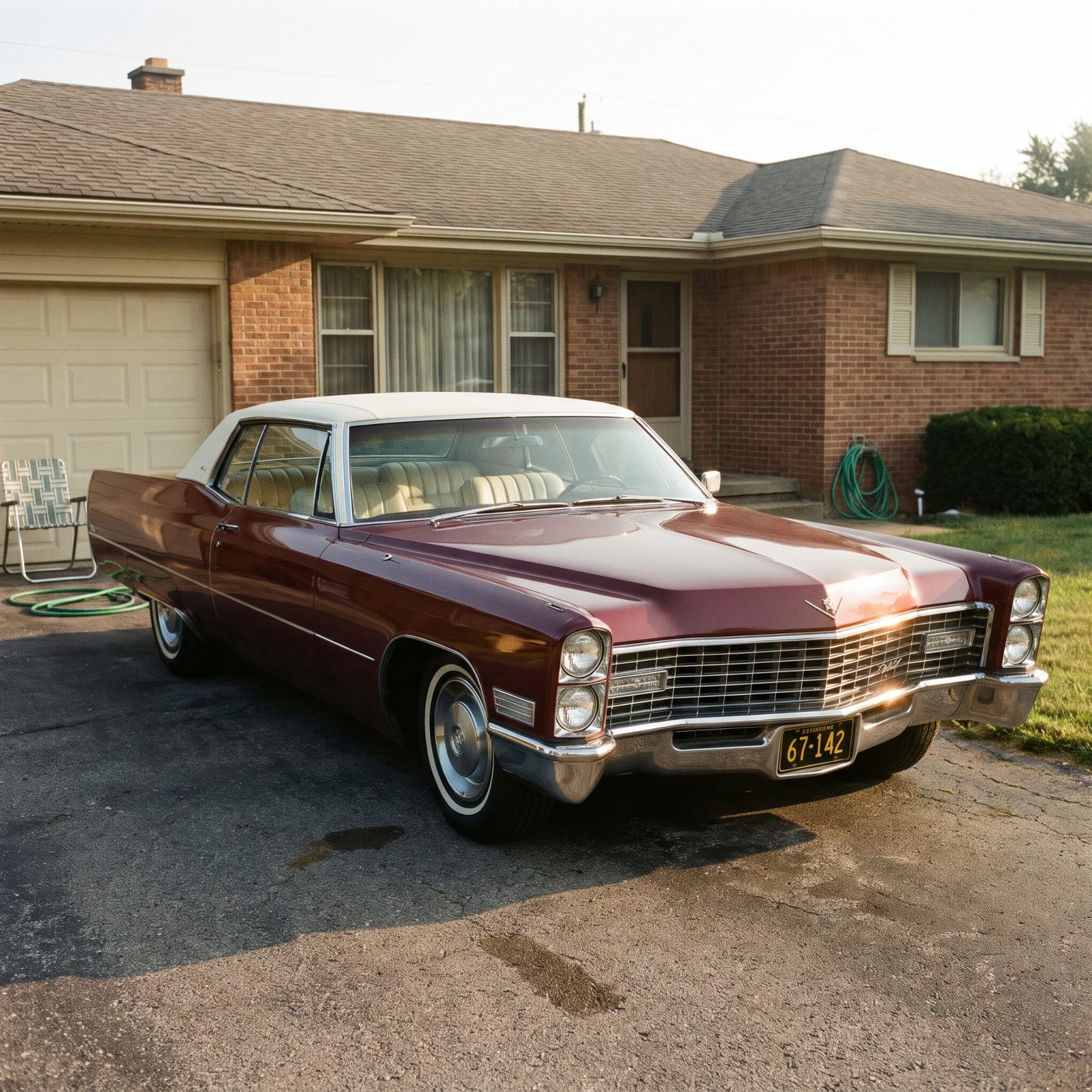
Climbing into the back seat was like boarding a small ship. The Coupe DeVille rode so soft you felt the road the way you feel a rumor — secondhand and muffled — while Grandpa drove with one wrist draped over the wheel and the AM dial locked on whatever station was spinning Sinatra that afternoon.
This was the car that announced somebody had made it, and the chrome alone could blind a neighbor. Kids got told to keep their shoes off the leather. Kids mostly didn’t listen.
6. The Buick Electra 225 Everyone Called the Deuce and a Quarter
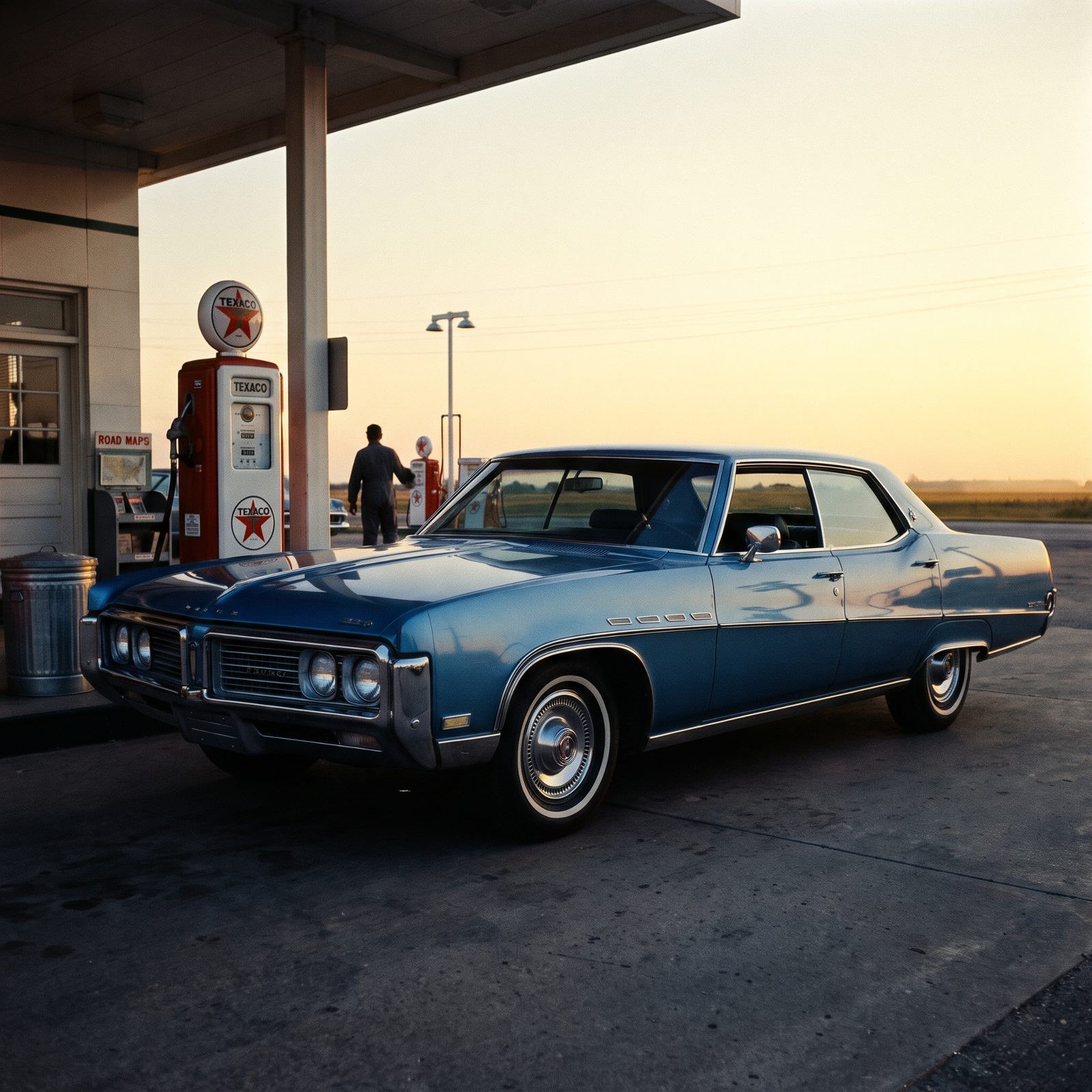
Two hundred twenty-five inches of American steel, and everybody shortened it to the Deuce and a Quarter. The Electra 225 took up a parking space and part of the next one.
Dad filled it at the Texaco and watched the attendant squeegee a windshield the size of a picture window. Back seat? You could stretch out flat and nobody noticed. Four slotted chrome trim pieces on the fender, all in a single row, meant a big engine under that hood, and the big engine meant you heard the thing before you ever saw it come rolling down the block.
Our readers have a soft spot for cars this size: full-size land yacht photos got hearts 84% of the time, versus 78% for the other images in the same articles.
5. The Ford Thunderbird That Made the Guy Next Door Look Like a Movie Star
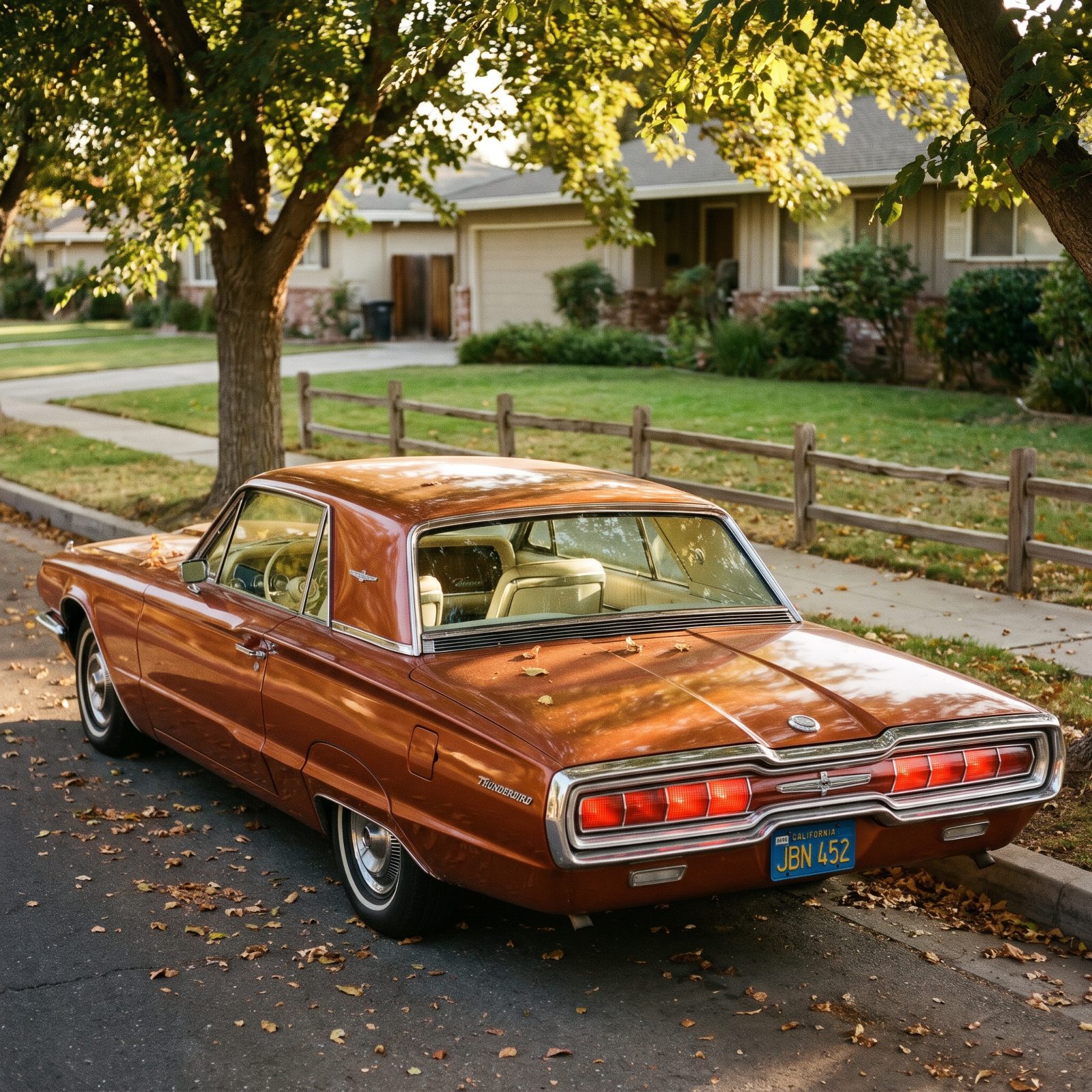
Two seats, then four, but always the sense that the Thunderbird was built for somebody who had somewhere better to be. The guy down the street washed his every Saturday morning with a chamois and never once let the neighbor kids sit in it.
The sequential taillights were the whole show. You’d stand behind the thing at a red light just to watch them sweep across when he flipped the turn signal.
4. The Lincoln Continental With the Doors That Opened Backward
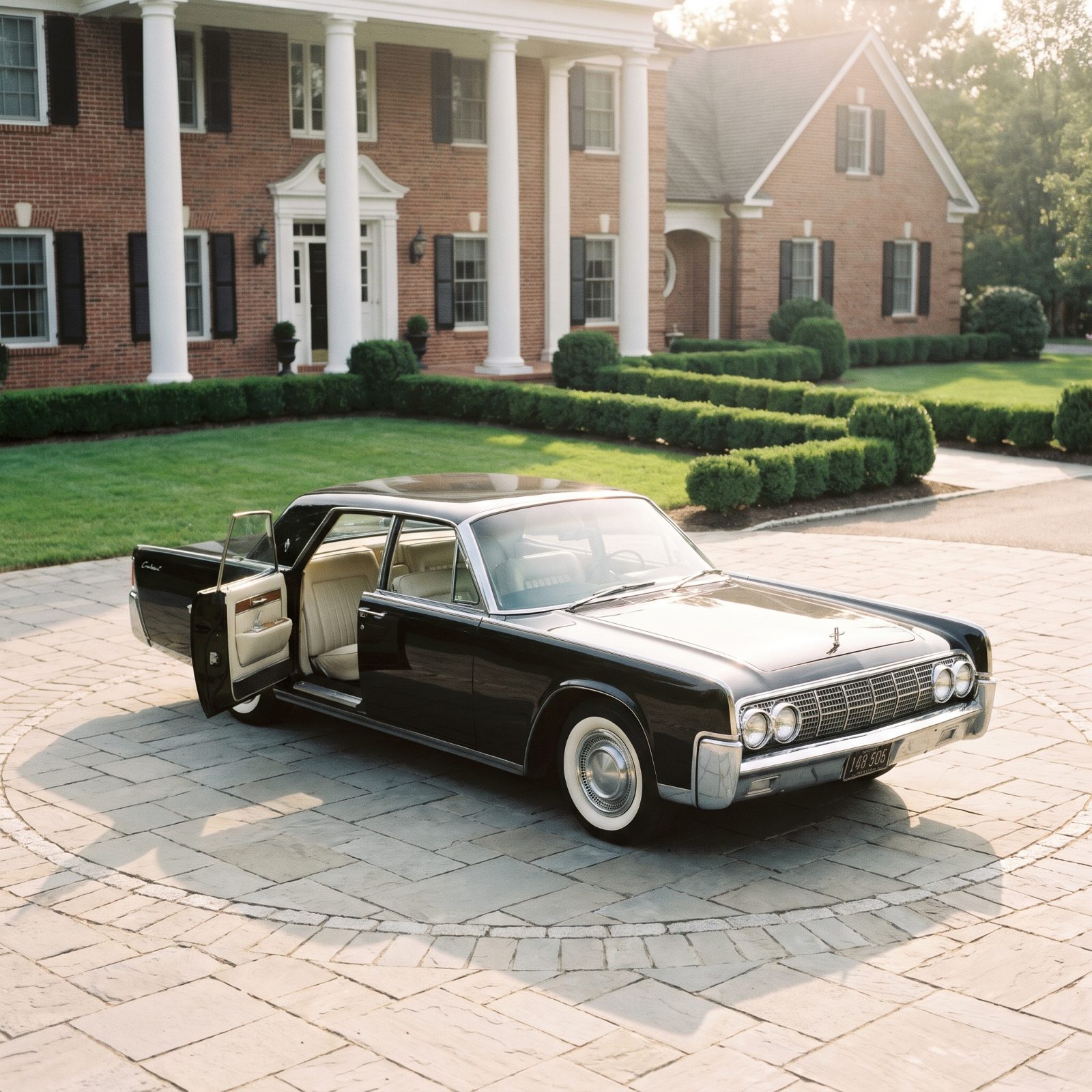
The doors opened backward, and that alone made it the most interesting car on the block to a seven-year-old. You climbed in facing forward, which felt like a secret the grown-ups had figured out and nobody else knew.
The Continental was quiet in a way other cars simply weren’t. Shut the door and the street went away. Dignitaries rode in these, and so did the funeral homes, which gave the car a weight even kids could feel.
Nobody slammed a Lincoln door. You pulled it shut and it settled like a bank vault.
3. The Oldsmobile Cutlass Supreme That Was in Every Other Driveway
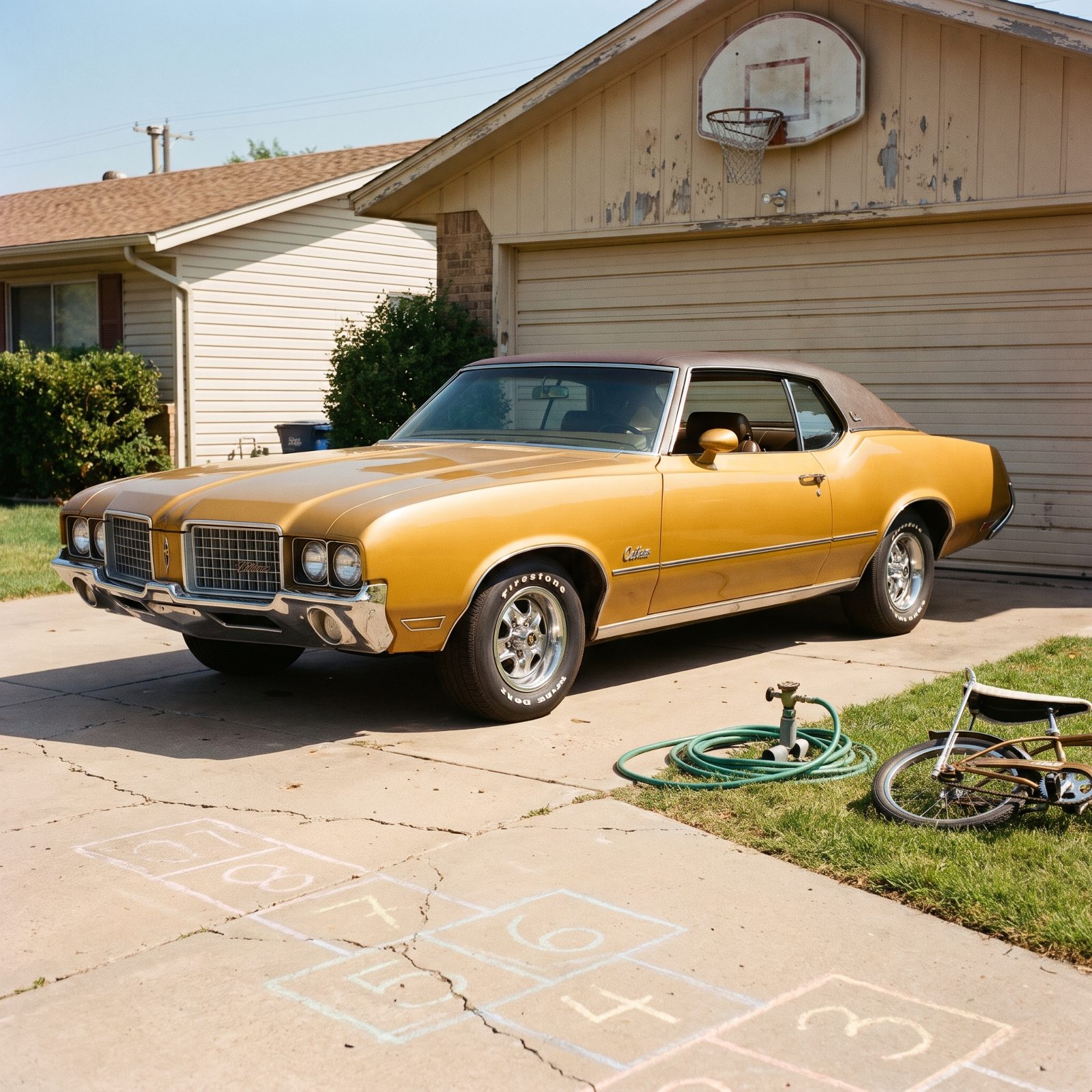
If the Cadillac was for showing off and the Lincoln for funerals, the Cutlass was for everyone else. It was the most common car in America by the mid-70s, and it earned that spot honestly.
Not too big, not too small, handsome enough to feel good about in the church parking lot. Families drove these to Little League, to the grocery store, to the drive-in with the kids piled in back.
2. The International Harvester Scout That Smelled Like Mud and Adventure
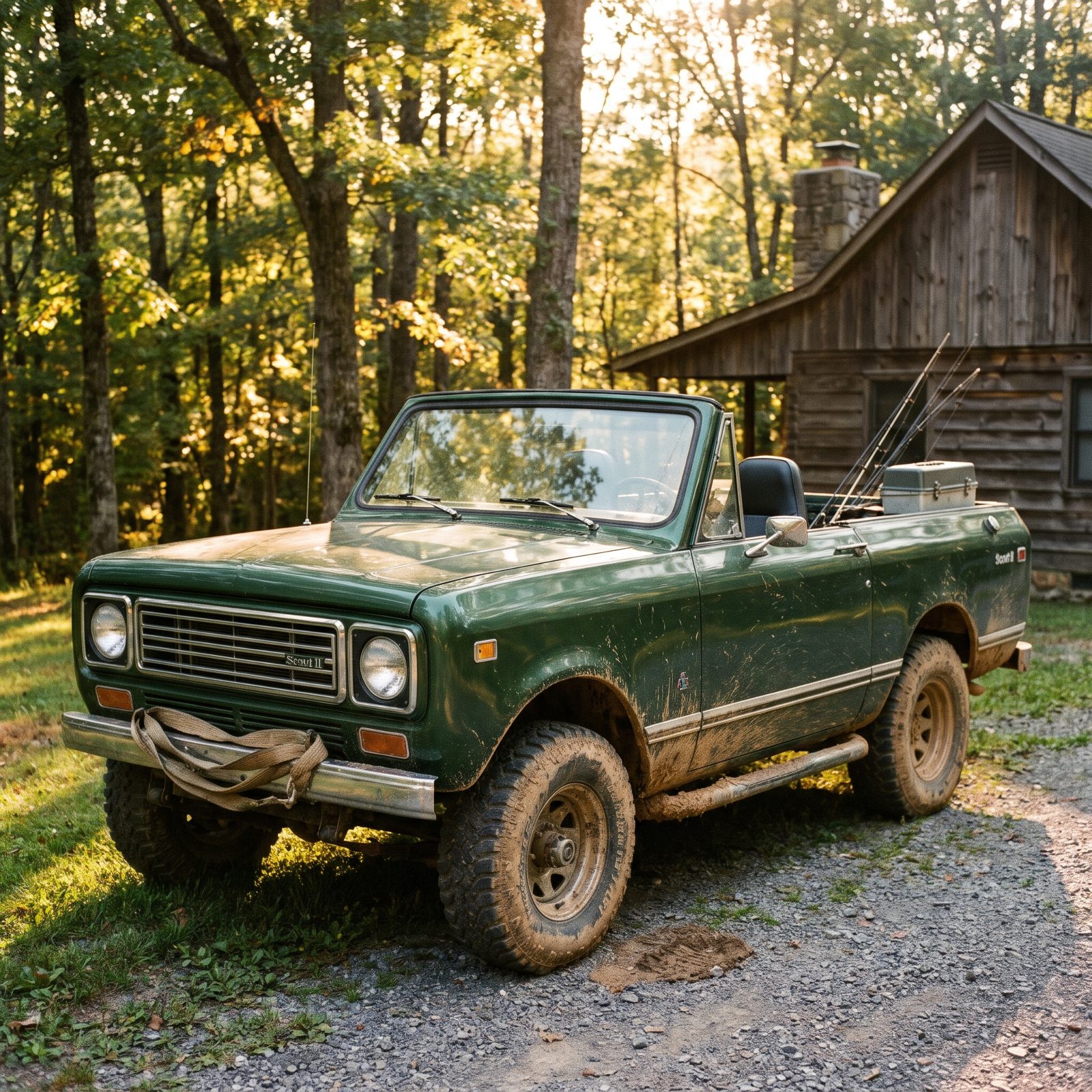
The Scout was the one that got dirty on purpose. The neighbors babied their sedans; this thing came home from the lake coated in mud and nobody flinched.
Boxy and honest, built by a company that mostly made tractors and farm trucks. The ride was rough, the heater barely worked, and the kids in back loved every bone-rattling minute of it because it felt like going somewhere real. Pavement optional.
You could take the top off in summer. That alone made it the best car any kid ever got to ride in.
1. The Datsun 240Z That Taught the Neighborhood Dads a New Trick
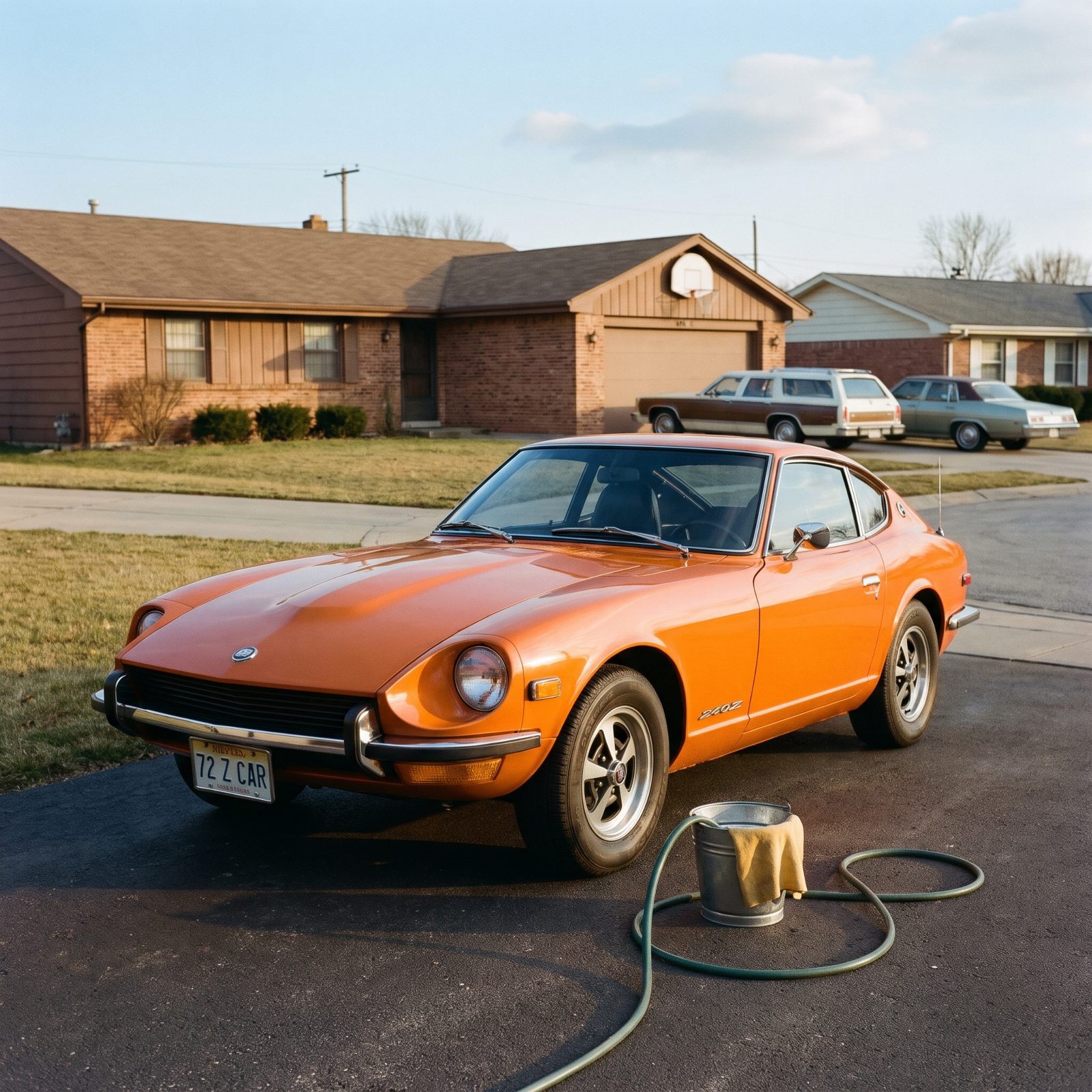
This is where the driveways changed. The 240Z showed up orange and low and foreign, and the dads who’d only ever bought Detroit iron started drifting over to look.
It went like a sports car and cost like a sensible one, which had never happened before. Suddenly the question wasn’t just Ford or Chevy.
The Z didn’t ask Detroit’s permission. It just parked in the driveway and let the neighbors come to it.
For a lot of American families this was the first Japanese car anybody took seriously. It wouldn’t be the last.