
The worst financial decision ever made in a driveway usually smells like new rubber and old leather. You tell yourself you’re being sensible. You’ve read the reviews, scribbled a budget on the back of an envelope somewhere. Then a particular car rolls into view, the light hits the hood just right, and every rational thought in your skull packs up and leaves town. We’ve all done it. We’ve also watched a friend do the exact same thing with a person instead of a Pontiac, and the pattern lines up perfectly because the wiring underneath is identical. Attraction, denial, the fear of missing out, the stubborn belief that we can fix what’s broken. Below, the familiar scenes from the lot, and the uncomfortably familiar mirror on the human side of things.
Please note that some of the images in this article were created with the assistance of AI.
20. You Fall for the Photos Before Driving the Car
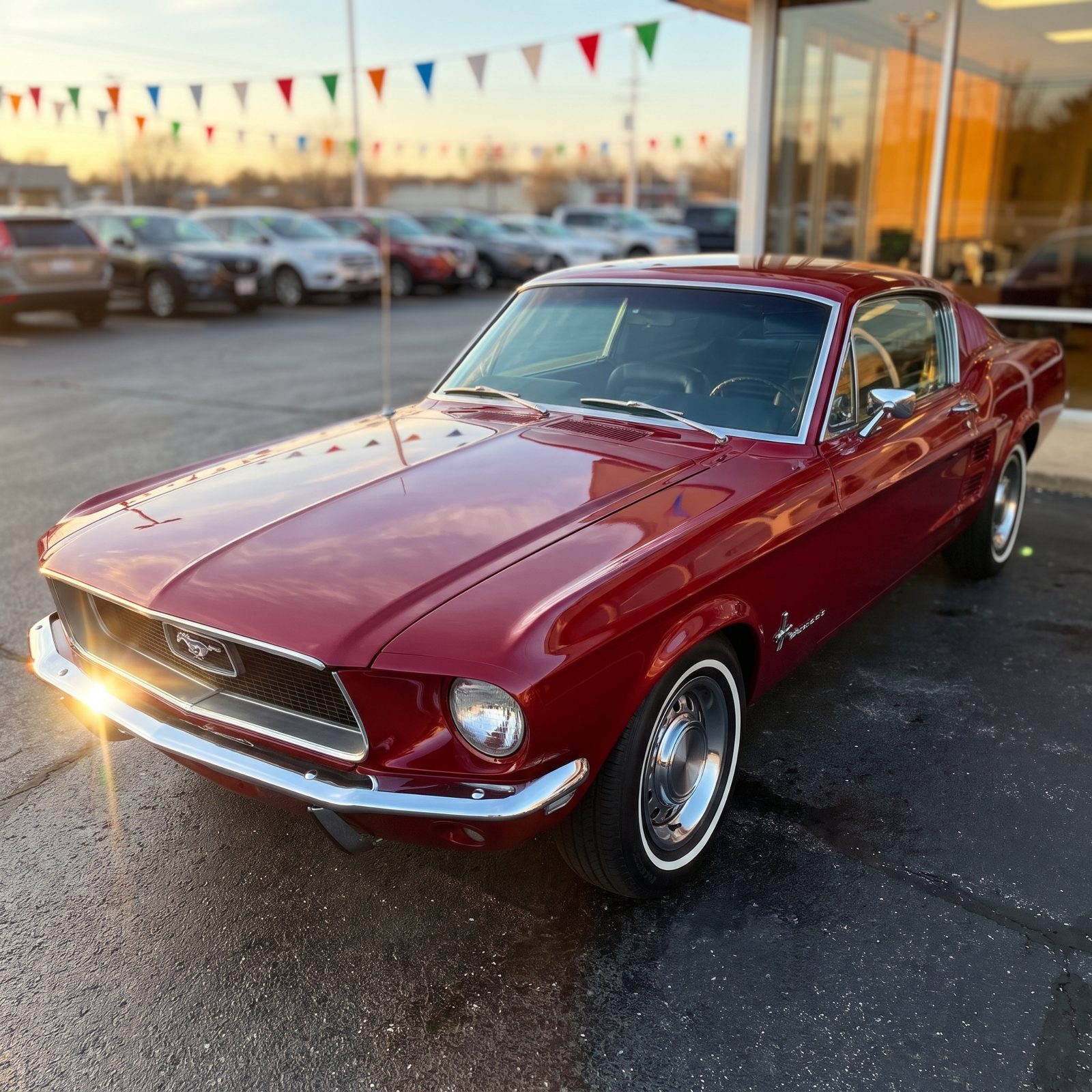
The listing photos were taken at the one hour of the day when that paint looks like liquid. Shot low, shot glossy, every ding photographed out of existence. You scroll the gallery three times before you notice you’ve already decided, and the test drive becomes a formality — a box you check to confirm what the pictures already told you.
Same reflex that makes someone fall for a profile and then spend the first date hunting for evidence the photos were right. Psychologists call it the halo effect. One strong positive impression — that gorgeous hood, that great smile — leaks out and colors everything else. If it looks that good, surely the transmission is fine. Surely the rest adds up.
It rarely does. What you saw was the car’s highlight reel, not its Tuesday-morning reality. And the harder you fell for the image, the more you’ll forgive in person, because admitting the picture oversold you means admitting you got played.
What Our Readers Say
- When Jalopy Talk readers hearted a car photo and gave a reason, the top picks were body style and nostalgia, tied at 26% each, ahead of “would drive” at 18%.
- Practical, plain scenes earned fewer hearts from our readers than the other images in the same articles, 60% of the time versus 76%.
From Jalopy Talk reader polls and votes.
19. A Roaring Engine Makes Practical Problems Feel Weirdly Small
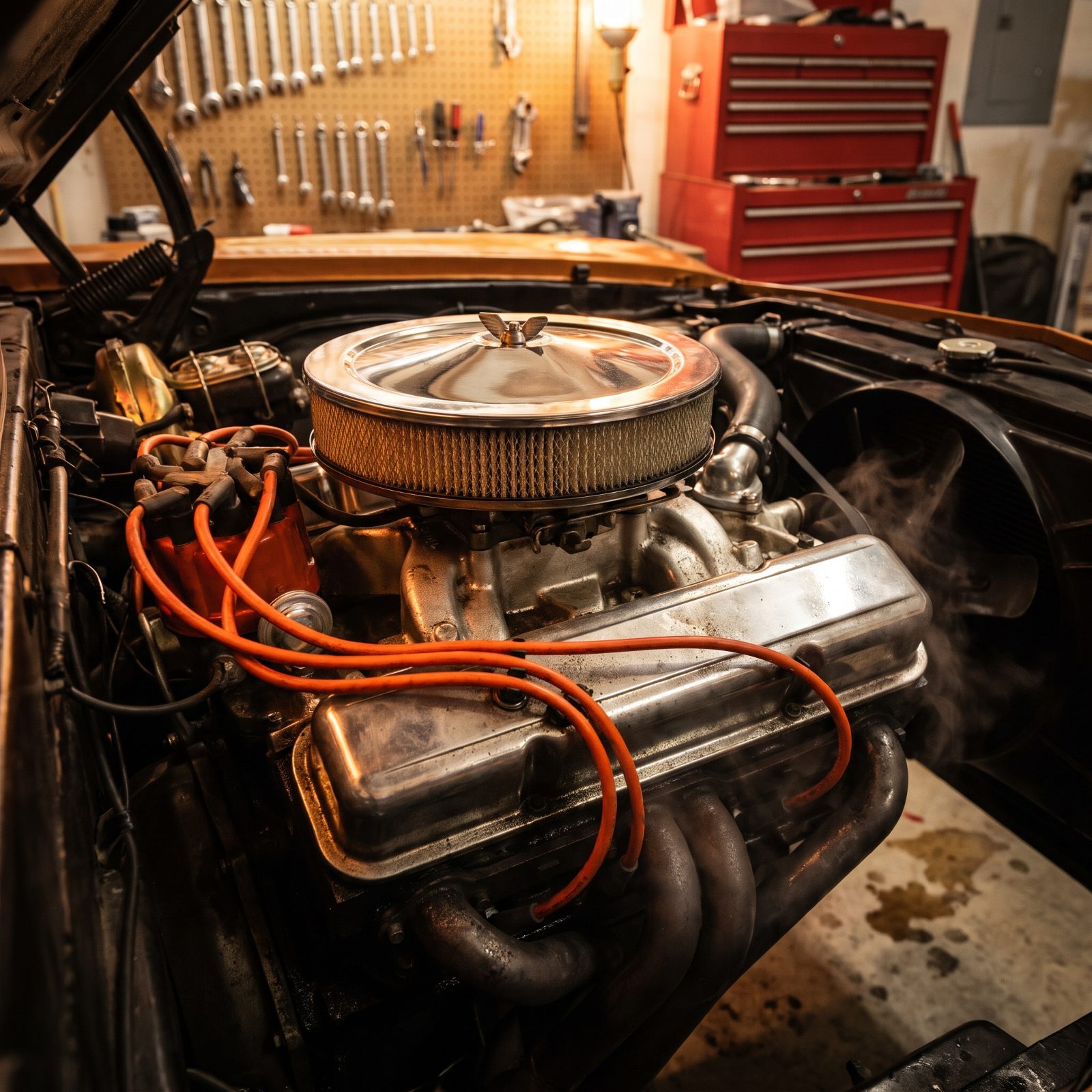
You turn the key and the whole garage shakes — that low throb coming up through the floor and into your chest. Suddenly the mismatched quarter panel and the receipt showing twelve miles per gallon seem like somebody else’s problem. The sound is doing your math for you, and the math says yes.
It’s the exact moment a thrilling first night makes the red flags go soft-focus. Arousal, the good kind, narrows your attention down to whatever’s producing it. You stop running the ledger. You feel more than you think, and feeling always has a better publicist.
The rumble is real and it’s wonderful. It’s also completely unrelated to whether this car will strand you on an off-ramp in February. Excitement and suitability are two different gauges on the dashboard, and the fun one is easier to read.
18. Another Buyer Suddenly Makes This Car Feel Irreplaceable
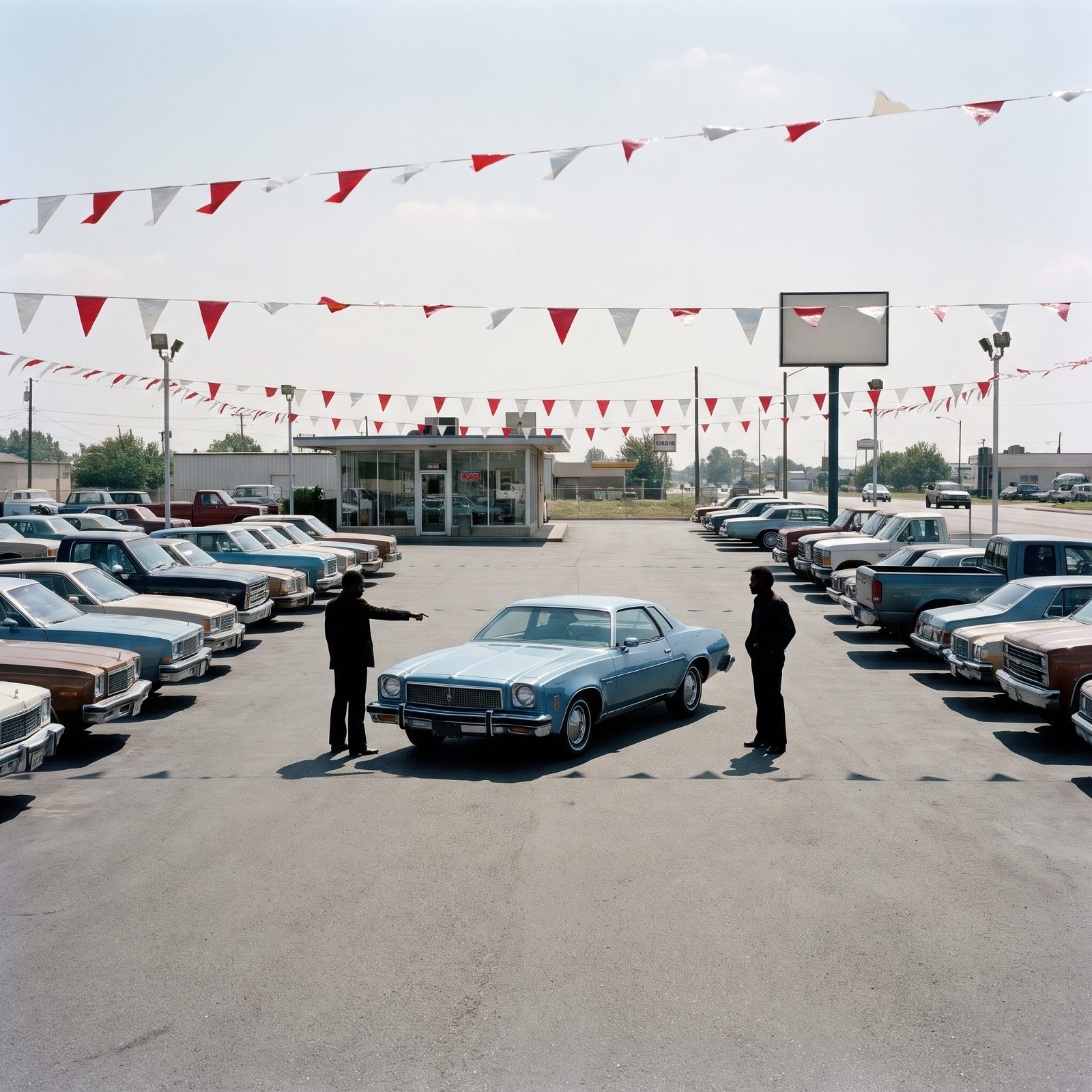
You were lukewarm on it an hour ago. Then the salesman mentions another couple is coming back after lunch, maybe with a deposit, and something flips. The car you were half ready to walk away from is now the only car. You’re mentally writing the check before you’ve finished the sentence.
That’s loss aversion wearing a nice jacket, propped up by social proof. The threat of losing something stings about twice as hard as the pleasure of gaining it, and the fact that someone else wants it gets read by your brain as proof it’s worth wanting.
Same engine that makes a person far more interesting the moment someone else shows interest. Scarcity manufactures desire out of thin air. The right question was never “will I lose it” but “did I even want it before the clock started?” Usually the answer is no, and the ticking clock was invented by someone who sells cars for a living.
17. You Buy the Badge Your Friends Will Notice
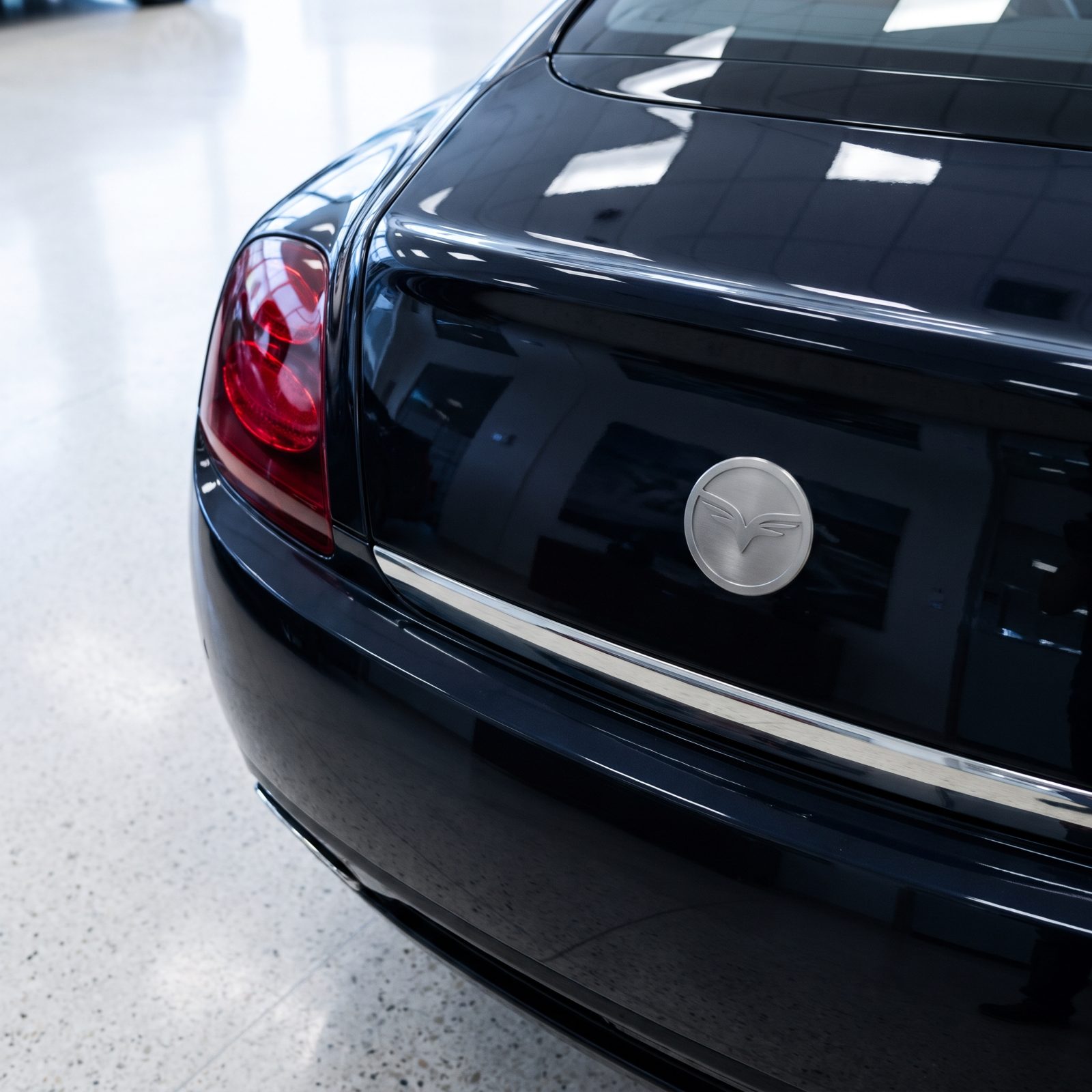
Be honest about which car you pictured in the office parking lot before you pictured yourself driving it. The one where you imagined the neighbor’s eyebrow going up. You tell yourself it’s about build quality and resale. Mostly it’s about the small nod of recognition you’ll get at the next cookout.
Call it status signaling, plain and simple, and it drives more romantic choices than anyone admits. The partner chosen partly for how they look on your arm. The badge chosen partly for how it reads to the crowd you run with.
Wanting to be seen well isn’t shameful. The trouble starts when the audience’s opinion outvotes your own daily experience. A car you love driving beats a car other people love seeing you in, every single time the novelty wears off — which is faster than you’d think.
16. That Huge SUV Comes With an Imaginary Outdoorsy Life

You don’t just buy the three-row four-wheel-drive beast. You buy the version of yourself who takes it up mountain roads and loads it with kayaks and spends weekends somewhere with a view. The brochure sold you a life, and the life came bundled with the vehicle.
Then the truck ends up doing a grocery run and sitting in a two-car garage it barely fits. The kayaks never materialize. You’re paying truck-sized fuel bills on a machine built for terrain you’ll see maybe twice.
This is affective forecasting gone sideways, the same error that makes people choose a partner for the imagined future rather than the actual present. We’re terrible at predicting what will make us happy, and we routinely buy the fantasy attached to a thing instead of the thing itself.
You weren’t buying the SUV. You were buying the weekends you keep meaning to have.
The capability is real. The question nobody asks on the lot is whether you’ll ever actually use it, or just pay a premium to feel like you might.
15. A Boring Reliable Car Gets Dumped for Something Exciting
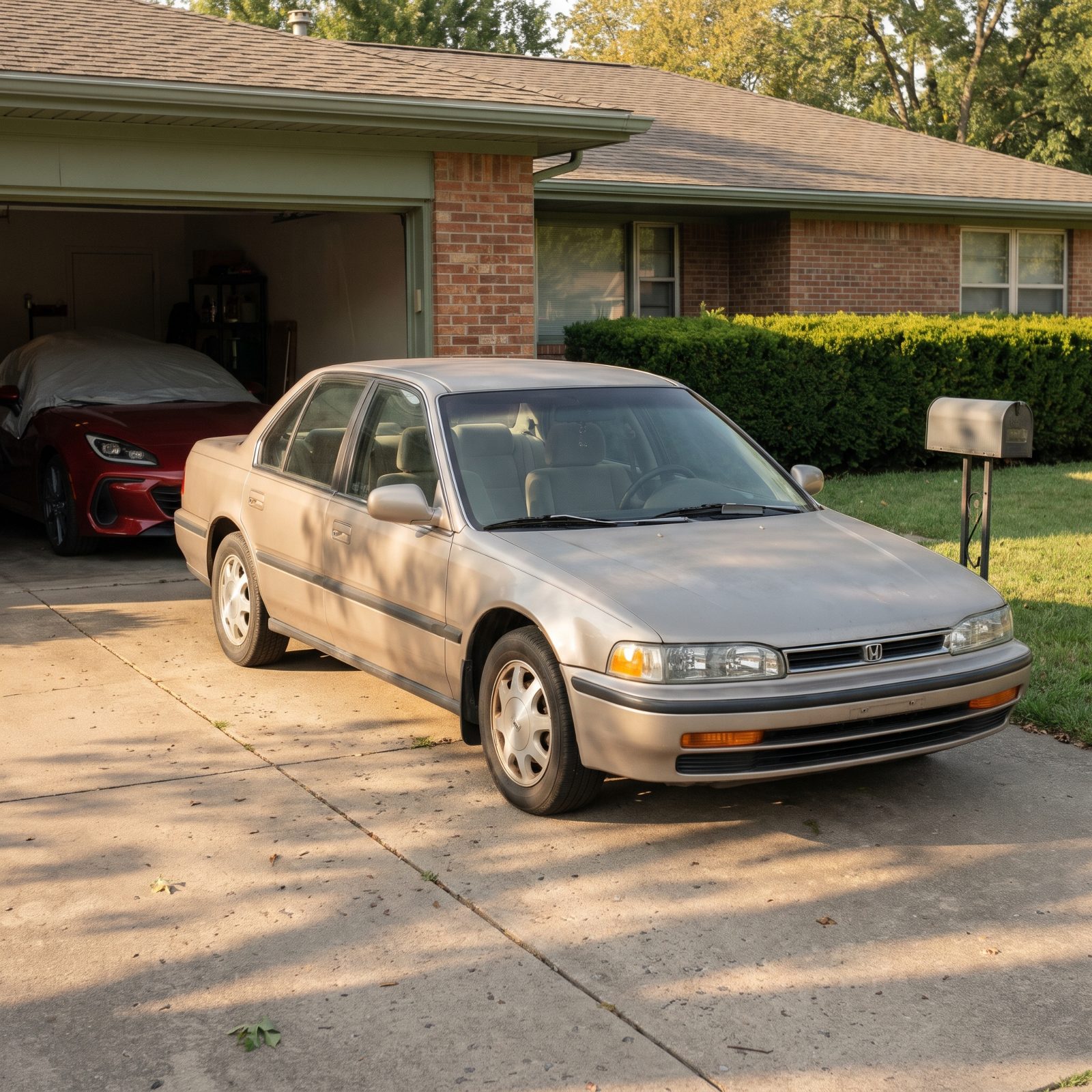
The old sedan started every morning for eleven years. Never left you stranded, never cost more than oil and tires. Then one spring you looked at it in the driveway and felt absolutely nothing, so you traded it for something with a loud exhaust and a worse warranty.
That’s hedonic adaptation, the thing that quietly dismantles good relationships and good cars alike. Reliability becomes invisible. We stop noticing the steady thing precisely because it never gives us a problem to notice. Dependability provides no dopamine, and dopamine is what we chase.
The cruel joke is that the exciting replacement adapts too. Six months in, the new rumble becomes background noise, and now you’ve got the thrill of a repair bill to go with it. The boring car wasn’t the problem. Your attention was.
Our readers feel that pull too: sports car photos got hearts 79% of the time, compared with 62% for the other images in the same articles.
14. You Buy the Fixer-Upper Certain You Can Change It
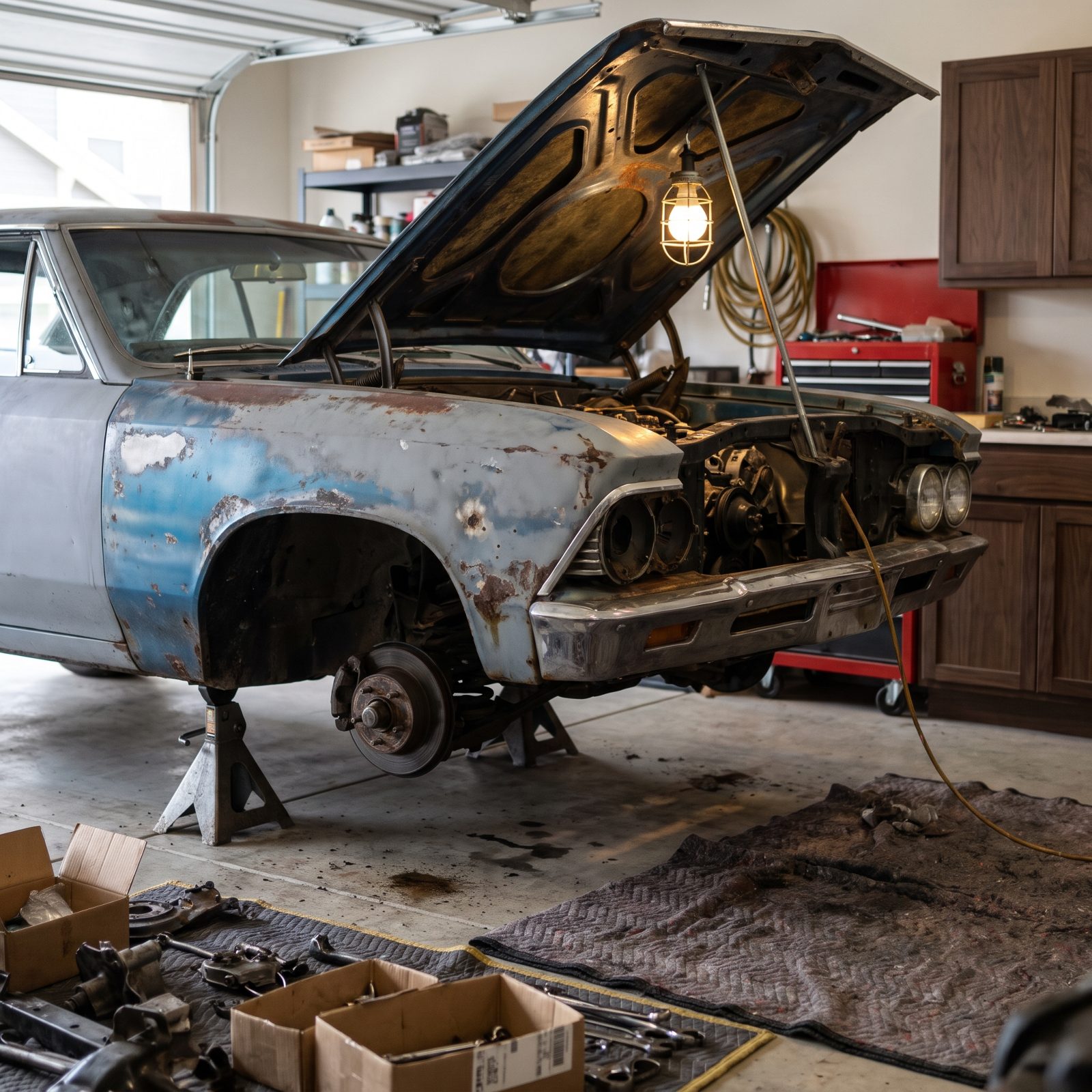
It needs a little work. That’s what you say out loud. In your head it’s already finished — fresh paint, rebuilt engine, cruising to the show on a Saturday. You see the car it could be so clearly that you stop seeing the car it actually is, which is a rust bucket on jack stands.
Every mechanic has heard it, and so has every friend who’s watched someone date a project. The belief that your love and effort will complete what’s missing. That you, specifically, will be the one to fix what nobody else could.
Potential is intoxicating because it lets us fall for a future instead of a present. The restoration costs triple the estimate and takes four times as long, same as the person who swore they’d change. Some projects are worth it. But go in loving the rusty thing on the stands, not the gleaming version in your head, because that version isn’t what you’re buying.
13. You Skip the History Report Because the Seller Seems Nice
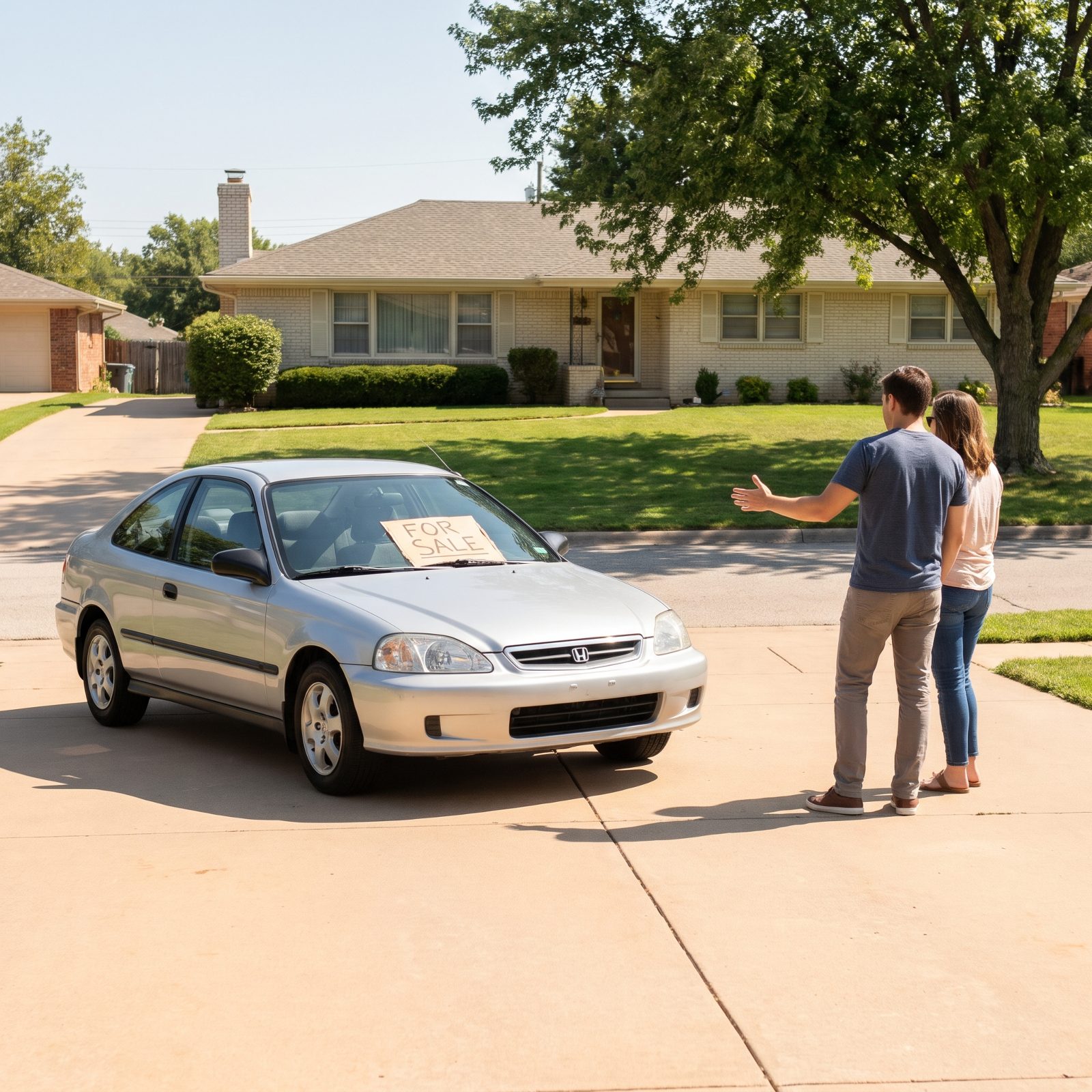
The guy selling it is a gem. Offers you a lemonade, talks about his grandkids, clearly loves the car. He seems honest, so you nod along and skip the part where you pull the vehicle history and have a mechanic put it on a lift. Running those checks would feel almost rude.
Confirmation bias is doing the work here. You’ve already decided he’s trustworthy, so you collect the evidence that agrees and quietly skip the evidence that might not. Same way a charming first impression gets someone to stop vetting entirely, right when vetting matters most.
Charm is not disclosure. Plenty of lovely people are selling cars with flood damage they genuinely forgot about — or didn’t. The history report doesn’t care how pleasant the driveway chat was, and that’s exactly why you need it.
12. You Hear the Clunk and Picture Your Driveway Anyway
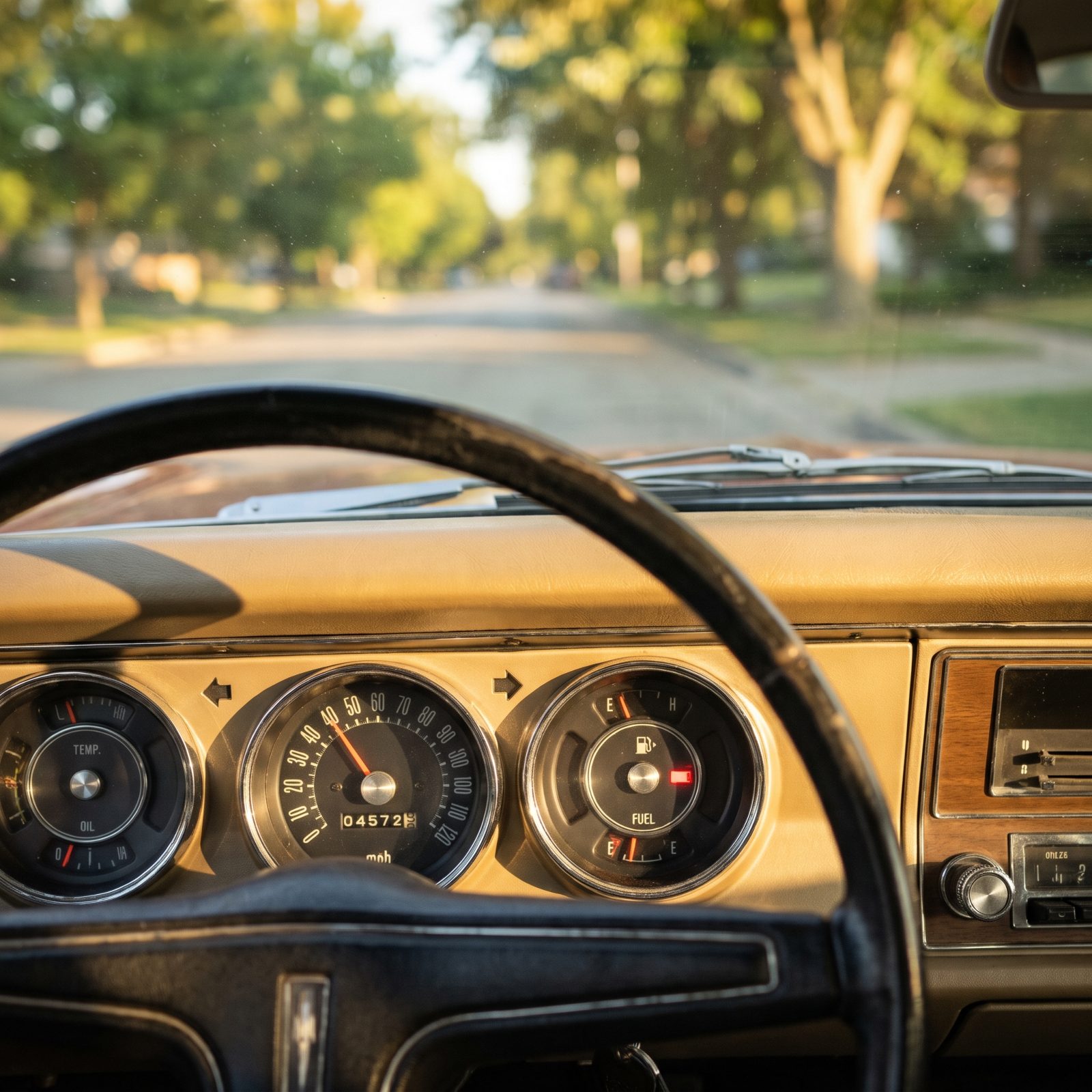
There’s a noise. A faint clunk from the front end when you turn, the kind of sound that should stop a sensible person cold. Instead your brain files it under “probably nothing” and goes right back to picturing the car gleaming in your own driveway on a Sunday morning.
That’s motivated reasoning — the mind bending the facts to protect a decision you’ve secretly already made. You’re not evaluating the car anymore. You’re defending the fantasy of owning it, and the clunk is an inconvenient witness you’d rather not call.
It’s the same thing that lets someone explain away a troubling early sign because they’re already attached to the story. The warning was right there. You heard it clearly. Then you chose the version of events that let you keep the dream, and the dream doesn’t come with a repair budget.
11. You Dismiss the Mechanic Who Ruins the Fantasy
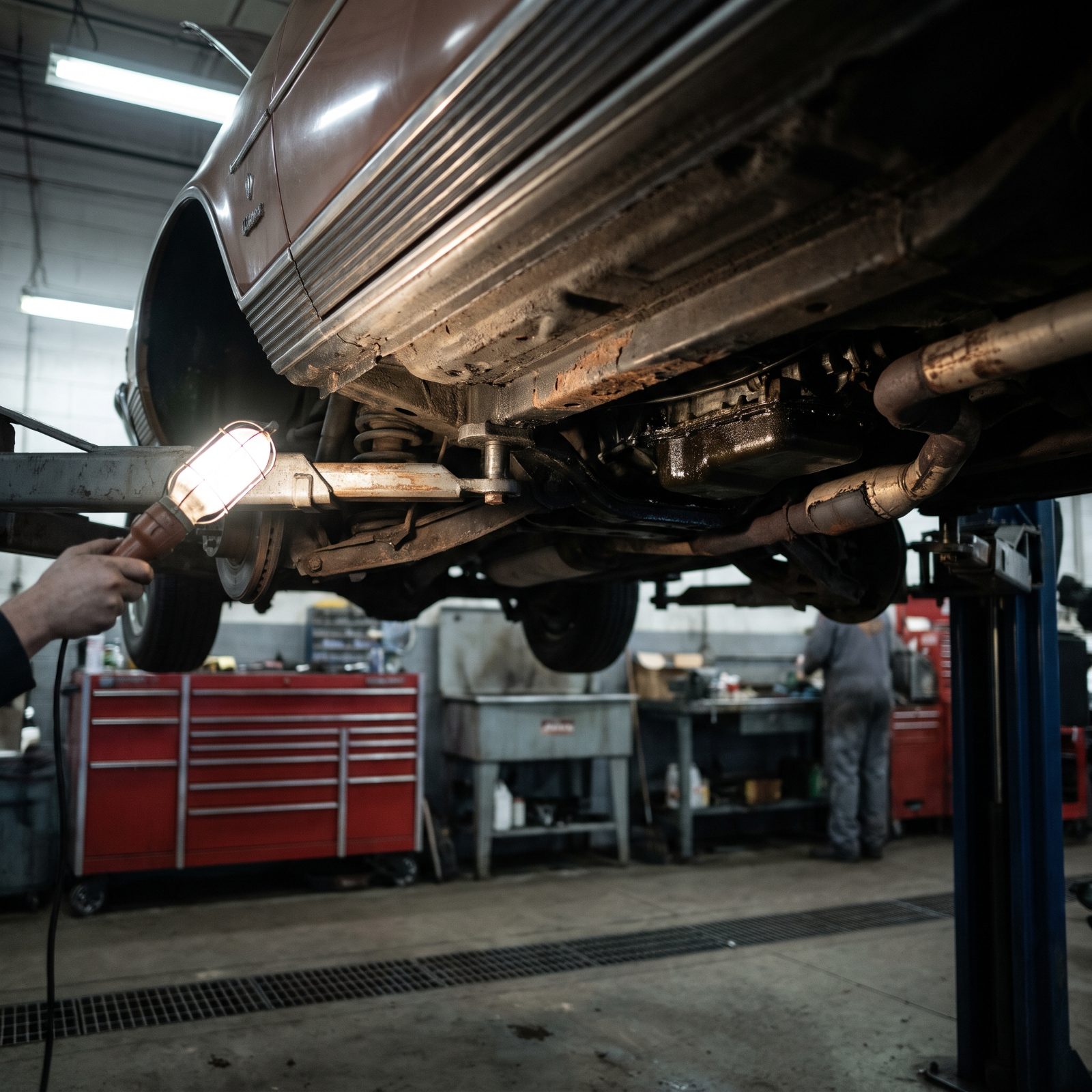
You bring it to a mechanic because that’s the responsible thing to do. He puts it on the lift, shakes his head, starts pointing at rust and a transmission that’s weeping fluid. And instead of thanking him, you find yourself annoyed. Maybe he’s being overcautious. Maybe he just doesn’t get it.
What he’s actually doing is puncturing a decision you’d already made, and nobody likes the messenger who ruins the fantasy. Commitment escalation at its finest. The deeper you’ve invested emotionally, the more hostile you get toward anyone offering the inconvenient truth.
It’s the friend who gently asks if you’re sure about this one, and gets frozen out for the trouble. The people best positioned to save you are the people you’re most tempted to ignore — precisely because they’re telling you the thing you drove here hoping not to hear.
10. You Assume the Tiny Back Seat Won’t Matter
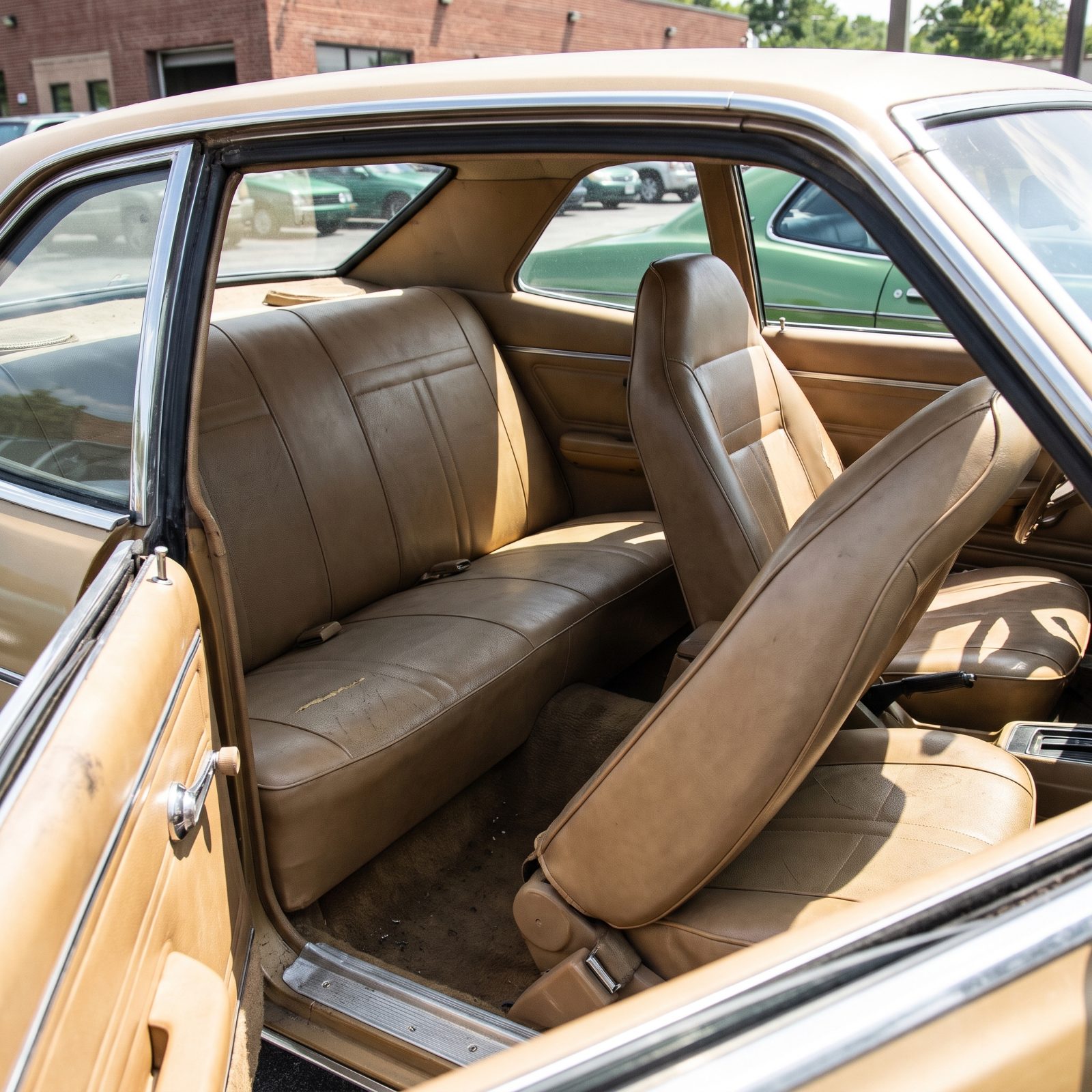
You’re standing on the lot, keys in hand, telling yourself the back seat is basically fine. Who sits back there anyway? Grandkids twice a year, a golf bag. You’ve already decided, so the thing that doesn’t fit your life becomes the thing that won’t matter.
Same trick we run on a person’s one glaring flaw. The temper, the drinking, the way they talk over you at dinner. Early on, when the shine is bright, we file it under minor and rationalize a dealbreaker into a quirk — because admitting it’s a dealbreaker means walking away.
Two years later you’re hauling lumber with the sunroof open because nothing fits in the back. The flaw you shrank came back to full size. It always does.
9. The Trade-In Offer Anchors Everything That Comes Next
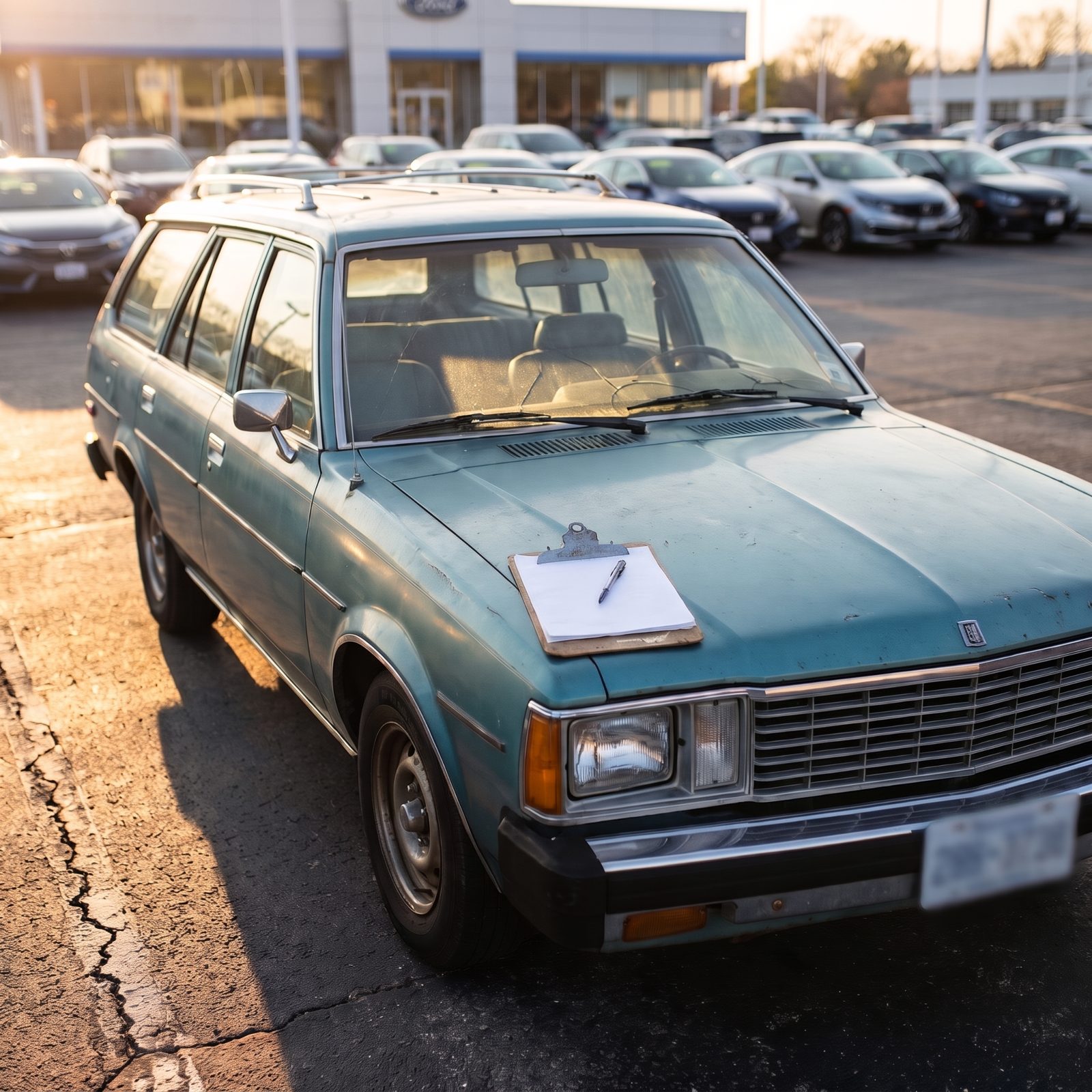
The first number out of the salesman’s mouth isn’t about your old wagon at all. It’s a stake in the ground. He lowballs the trade-in, and suddenly every figure after it feels reasonable by comparison, so you negotiate up from his number instead of starting from what the car is actually worth.
Romance pulls the same lever. The first person who shows you real attention after a dry spell becomes the measuring stick, and if they treat you a little better than loneliness did, they look like a catch. You’re negotiating up from zero, not from what you deserve.
Walk in knowing your own number, for the car and for yourself. Everything the other side says is just an attempt to move you off it.
8. The Monthly Payment Makes the Full Price Disappear

Nobody asks what the car costs anymore. They ask what it costs a month. Stretch the loan long enough and a frankly unaffordable car becomes a comfortable little number you can say out loud without flinching, while the total price hides in plain sight up top and your eye goes straight to the bottom.
We do this with people too. We don’t tally the whole relationship — we judge it one pleasant Saturday at a time. The weekly good mood papers over the yearly bad math. Spread the cost thin enough and you stop seeing it.
Both tricks work because the brain is lousy at long division under pressure. A big scary total feels like a threat. A small friendly installment feels like a solution. Same obligation, different frame, and the frame wins every time.
We’ve watched sensible people sign for something they’d never pay cash for, simply because it came sliced into sixty gentle pieces. Add it up before you sign. The full number is the only one that’s true.
7. By Dealership Six, Almost Any Car Looks Like the One
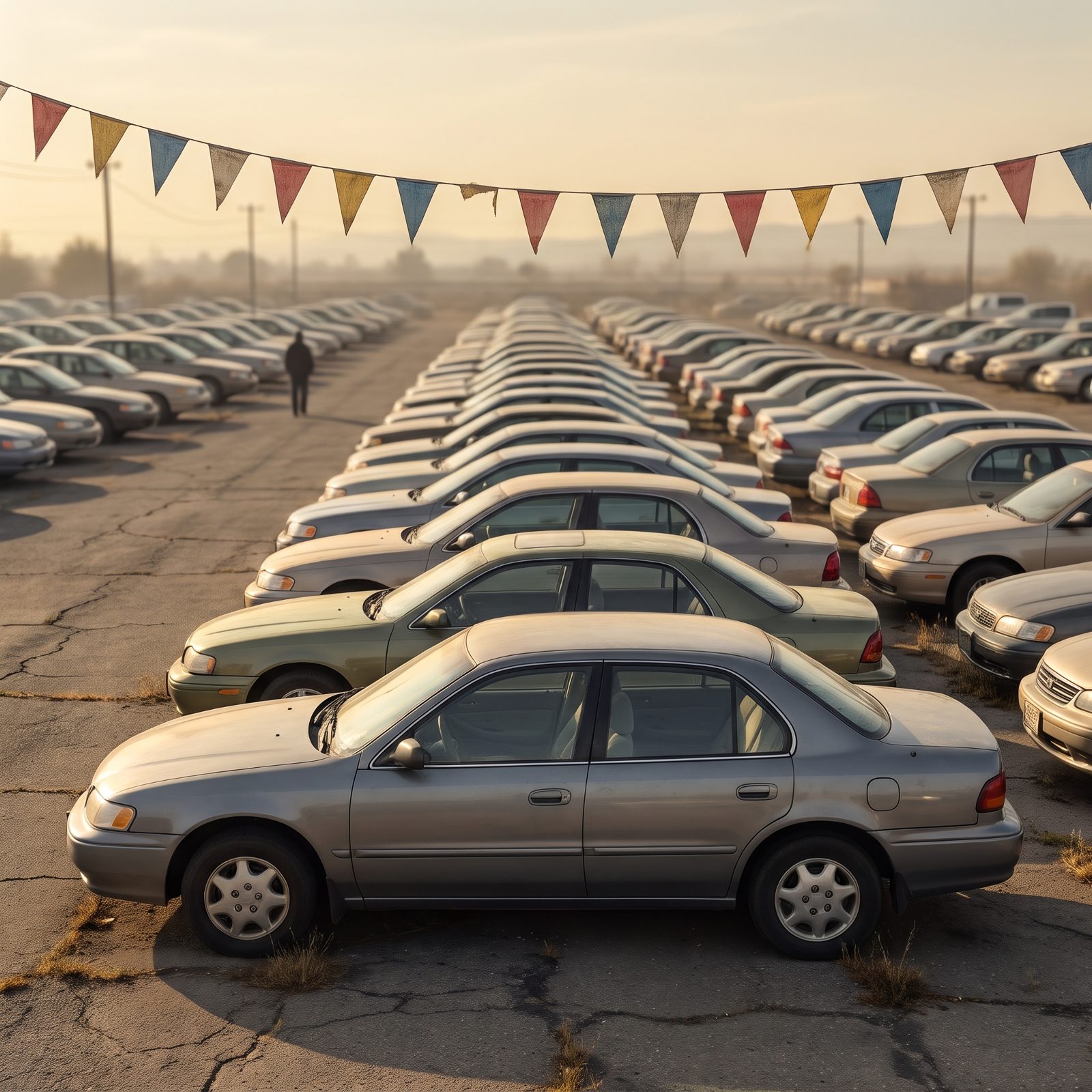
You started the morning with a checklist. By the sixth lot it’s crammed back in your pocket, your feet ache, and the gray sedan in front of you suddenly looks like destiny. It isn’t better than the five cars you passed on. You’re just tired of looking.
Dating fatigue runs identical. After enough first dates that went nowhere, the next pleasant-enough person starts looking like the finish line — not because they’re right, but because you’re worn out from choosing.
Do the heavy decisions early, with a full tank. The car you pick at nine in the morning and the one you settle for at four in the afternoon are rarely the same car.
6. Once You Say Yes, Every Dealer Add-On Gets Easier

The big yes was the hard one. Once you’ve agreed to buy the car, the finance office opens like a tollbooth. Paint protection? Sure. Extended warranty? Why not. Fabric sealant for a few hundred bucks? You’re already here, you’ve already committed, what’s a little more.
That’s commitment escalation, and it runs straight through our relationships. The person who’d never accept a bad situation cold will accept it one small concession at a time, because each yes makes the next one feel consistent. Saying no later would mean admitting the earlier yeses were a mistake.
The first yes is the only expensive one. After that you’re just protecting it.
Dealers know your resistance drops the moment you sign the main deal. So do the people who float a request only after you’re emotionally locked in. The move isn’t to fight each add-on. It’s to notice that your defenses quietly left the building the second you committed — then go drag them back in.
5. You Browse Listings After Buying and Find Better Options
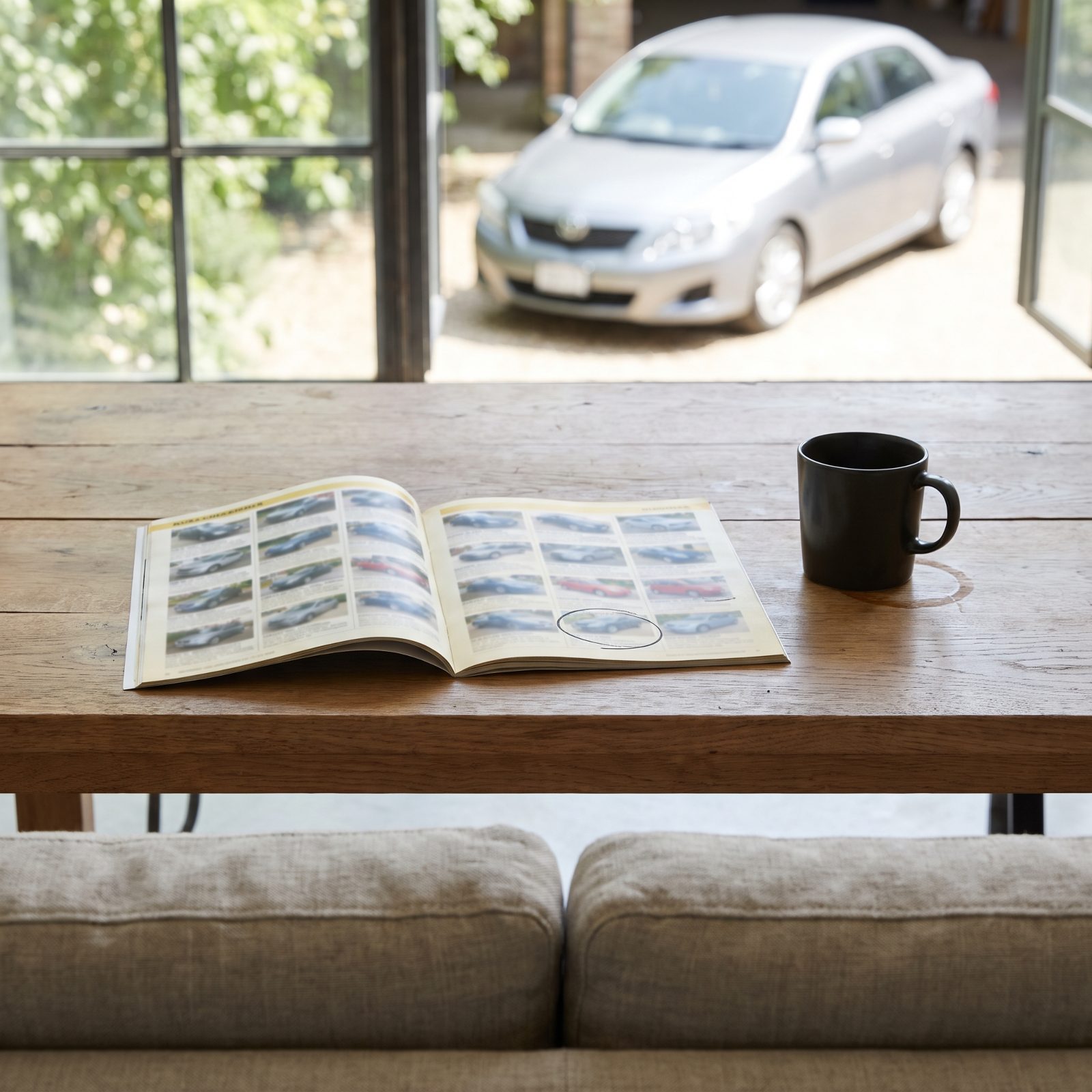
You signed Tuesday. By Thursday you’re back on the listings, and there it is: same model, lower miles, two grand less, three towns over. Your stomach drops. You weren’t even looking to replace your new car — you were looking to feel better, and you did the opposite.
This is the exact itch that sabotages people right after they commit to someone. Suddenly every other option seems to glow. The grass across the fence looks greener precisely because you can no longer graze there.
That better listing probably has a flaw you can’t see from the photos. Yours has flaws you’ve already made peace with. Close the magazine. Drive the car.
4. Every Sedan Gets Compared With the One You Missed
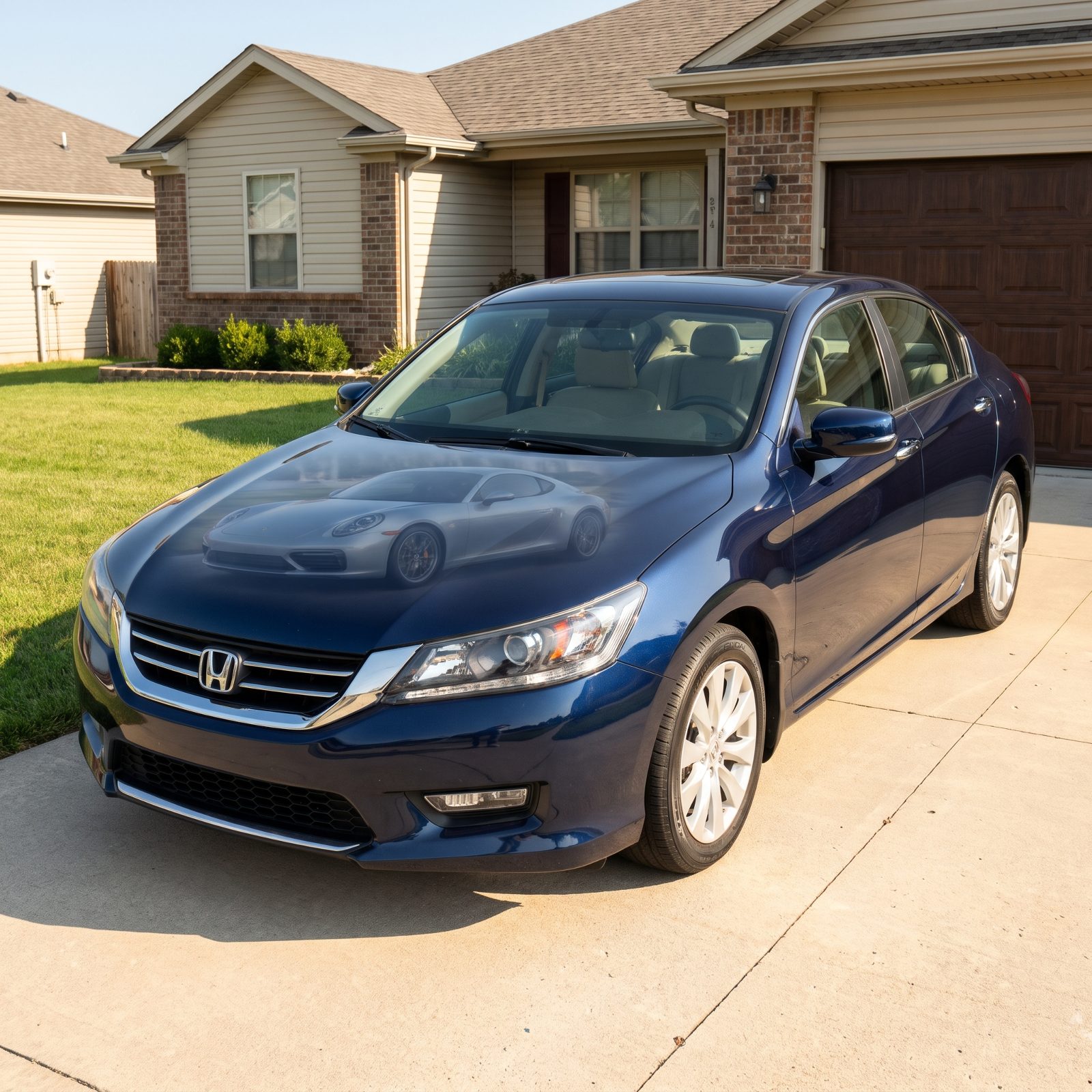
There’s a car you almost bought. You remember it better than the one in your driveway, and every sedan you’ve owned since gets measured against that phantom. Every one comes up short — because the car you missed never had to prove itself in the rain at six in the morning.
The one that got away in romance works the same way. A memory never leaves dishes in the sink. It stays frozen at its best, a highlight reel with no bad days and no tax of actual living. You’re not comparing your real partner to a real person. You’re comparing them to a daydream.
The missed car idles forever at the top of the hill, polished and perfect, because it never got the chance to disappoint you. The one you bought earned its scratches honestly.
Give the car in your driveway the same grace you give the one in your memory. Only one of them ever actually showed up.
3. You Keep Repairing the Lemon to Justify Past Repairs
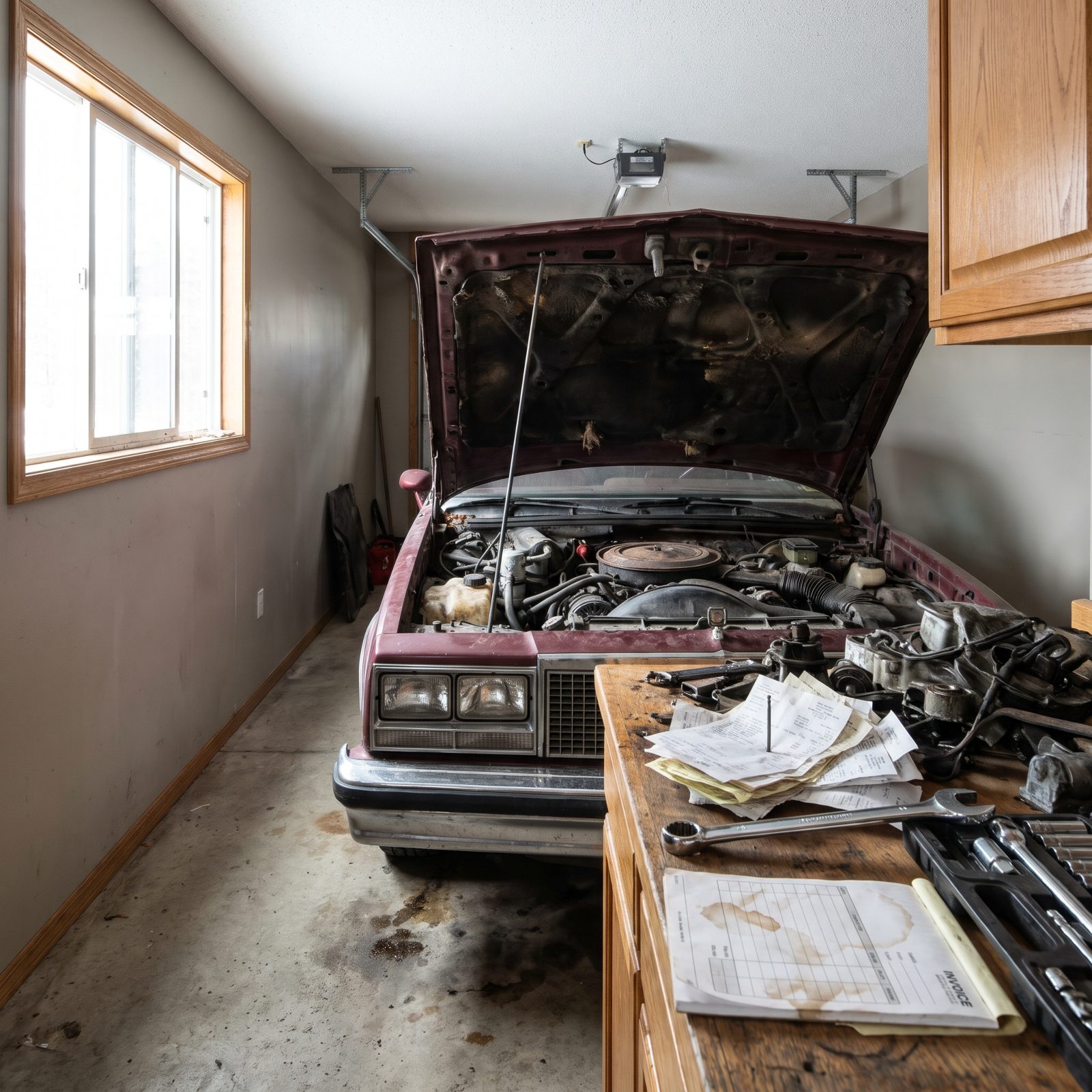
The transmission went last spring and you fixed it. Then the alternator. Then the brakes. Each repair hurts more than the last, but walking away now would mean all that money was wasted — so you pour another fat check into a car worth less than the check. The repairs don’t justify keeping it. The keeping justifies the repairs.
This is the sunk-cost fallacy, and it’s the single most expensive habit in both garages and relationships. We stay in the bad situation not because it’s working, but because leaving means admitting the years we already spent were a loss.
Ask one question. If I had none of this history, would I buy in today? If the answer is no, the history is the only thing keeping you there. And history makes a lousy reason.
2. You Defend the Car Harder as Doubts Pile Up
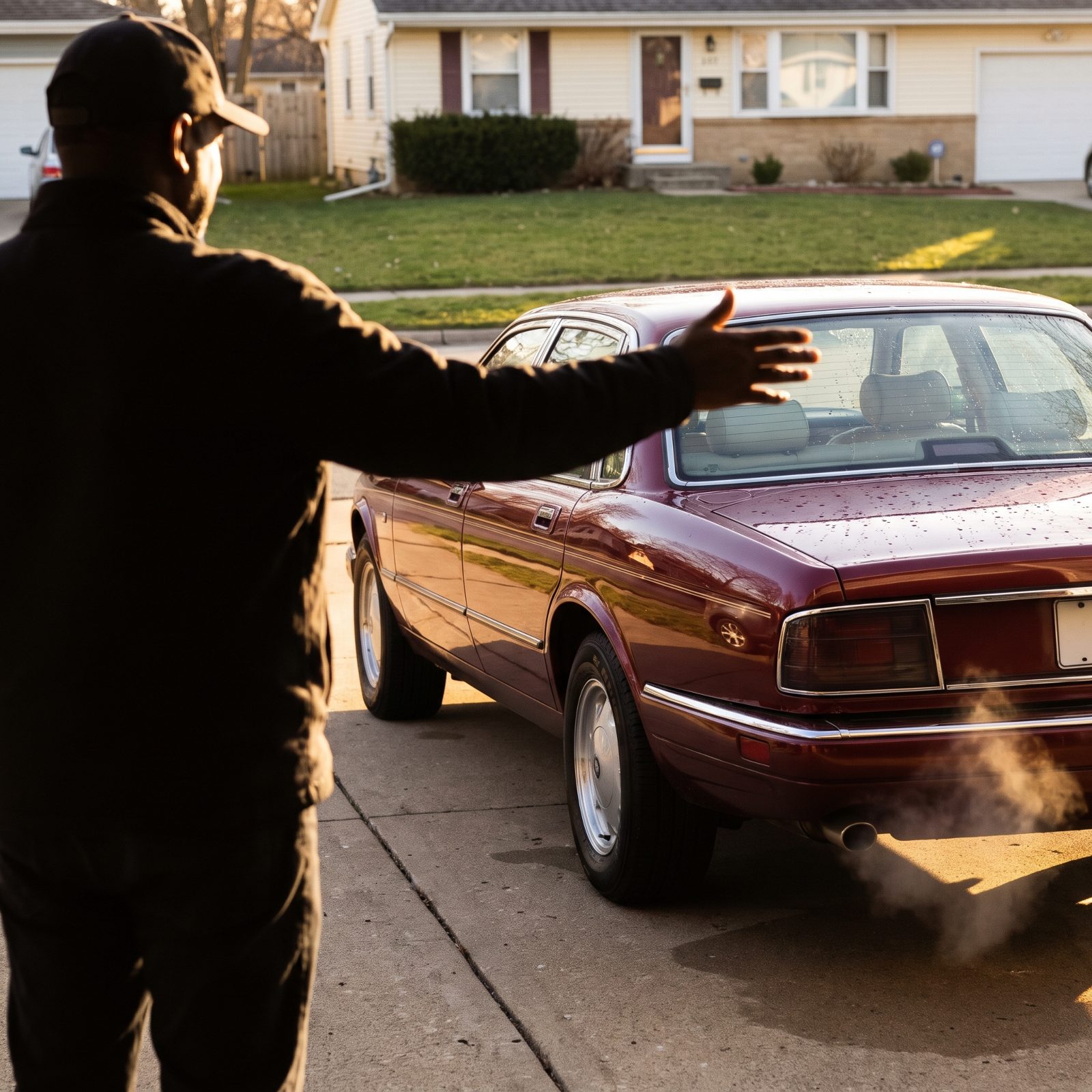
The more a friend raises an eyebrow at your car, the more you talk it up. Great in the snow. Classic lines. They don’t make them like this anymore. The defending gets louder exactly as the private doubt gets heavier. You’re not arguing with your friend — you’re arguing with yourself.
We guard our questionable relationships the same way. The harder someone close to us pushes, the more fiercely we insist everything’s fine, because admitting the doubt out loud would crack something we’re not ready to look at.
When you find yourself defending a choice nobody’s really attacking, that’s the doubt talking in disguise.
Chalk it up to cognitive dissonance. Holding two beliefs that clash — I chose this, and this isn’t good — feels awful, so the brain resolves the mess by cranking up the volume on whatever it already committed to. The louder the sales pitch, the shakier the ground underneath it.
Next time you hear yourself overselling, stop and listen. You’re the customer you’re working hardest to convince.
1. You Buy the Same Troubled Model Because It Feels Familiar
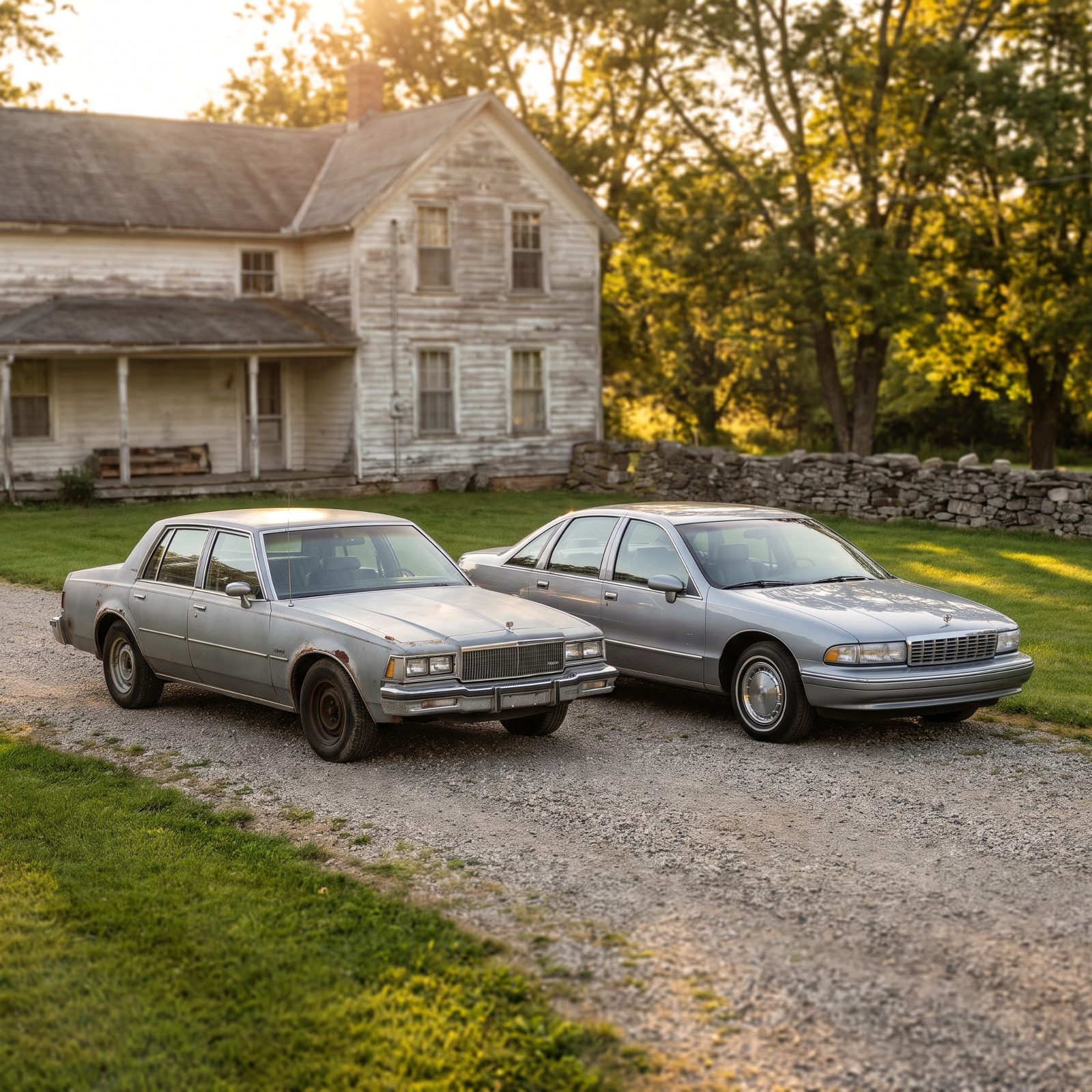
The last one spent half its life in the shop. Same make, same model, same reputation for trouble. And here you are at the dealership, drawn straight back to next year’s version of the exact car that burned you. You know better. You buy it anyway.
People do this with partners so reliably it’s almost a cliché. The same type, the same patterns, the same fight in a new face. Familiar feels safe even when familiar has a documented history of letting you down.
The pull is comfort, not logic. A known problem asks less of us than an unknown one. We’d rather manage trouble we understand than risk a kind we don’t — even when the known trouble is the whole reason we’re shopping again.
If the last one was a mistake, the fix isn’t a newer version of the mistake. It’s a different car entirely.