
Nothing stops a showroom cold like a car with a bow on the hood. The idea sells itself. Execution is where people get burned, because finance desks know exactly how much emotion is in the room on December 20th — and emotion is the most expensive thing you can haul onto a dealer lot. Good news, though: almost every trap here has a boring, five-minute fix. What follows are the mistakes we watch play out every holiday season, and how to dodge each one before you sign.
Please note that some of the images in this article were created with the assistance of AI.
44. Letting a Giant Bow Substitute for a Good Deal
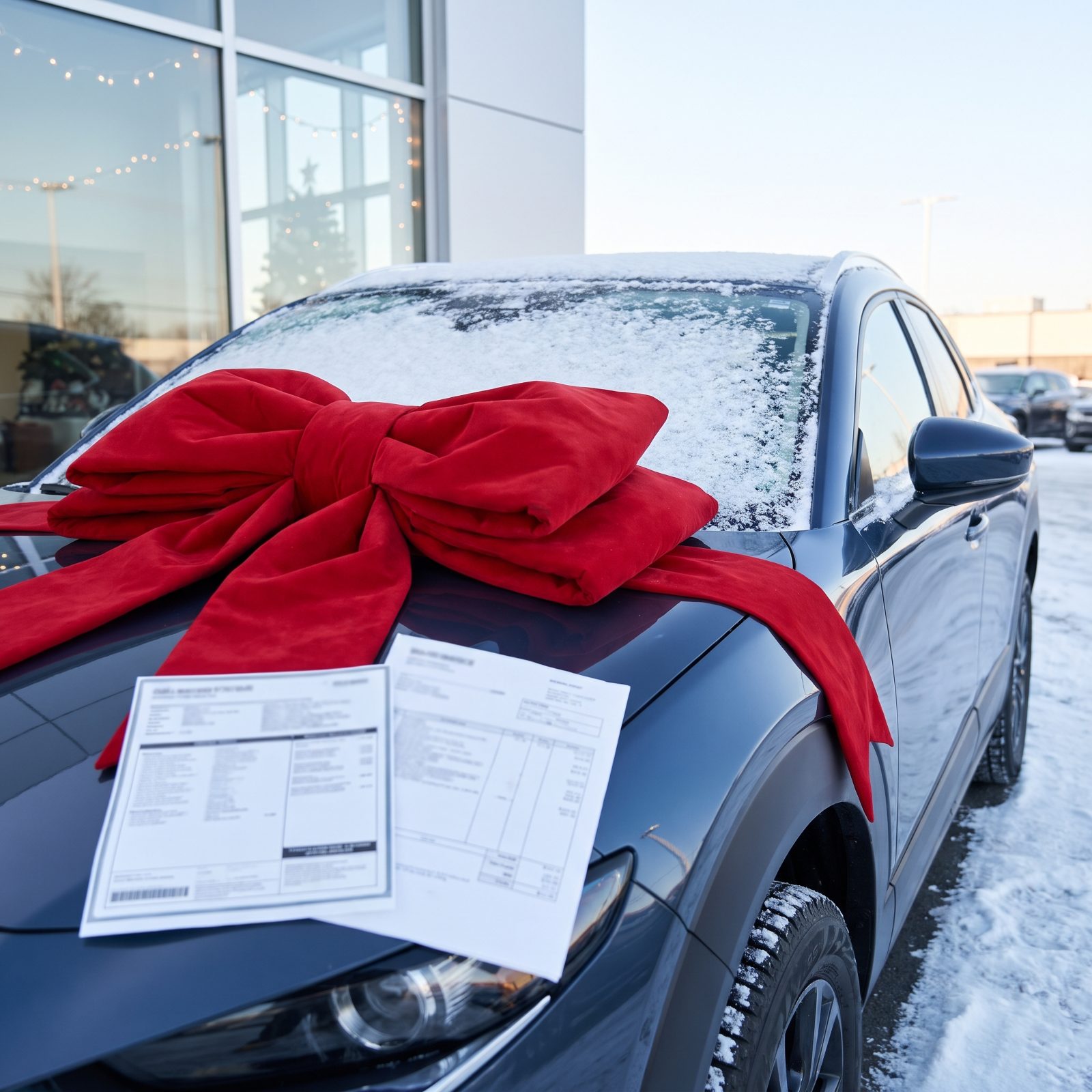
That bow is a hundred-dollar accessory doing the work of a seasoned salesperson. It floods the room with so much warmth that the number on the sticker stops registering. Which is exactly why it exists.
Dealers love a Christmas buyer because emotion short-circuits negotiation. You walk in ready to feel something, and a ribbon on the hood gives you permission to skip the part where you argue over price. End result: a car bought at or above sticker during the one month you held the most leverage.
So negotiate the car first — cold, boring, like it’s July and the thing is for you. Get the out-the-door number in writing, then stack it against a competing quote from another store. Only after that do you let them tie the bow on. The bow is free. The markup you waved past because of it is not.
43. Telling the Salesperson the Surprise Cannot Fail

You lean across the finance desk and say the words that cost you money: “This has to happen by Christmas. It can’t fall through.” Now the person selling you the car knows your deadline, your emotion, and that you have no walk-away. You just handed over the only three cards worth holding.
A desperate buyer gets worse terms on everything — rate, add-ons, trade allowance, all of it drifts in the dealer’s favor the moment they sense you won’t leave empty-handed.
Keep the timeline to yourself. Shop like you’ve got all the time in the world, even if you don’t. And if a deal stalls, be genuinely willing to hand over a photo of the car and a printed “your real gift arrives next week” note instead. A good surprise survives a four-day delay. Your wallet might not survive the panic buy.
42. Waiting Until Christmas Eve to Start Shopping

By December 24th, the good inventory is gone. The exact color, the trim with the heated seats, the one priced right — already sold to someone who started in November. What’s left on Christmas Eve is the leftover color in the wrong trim, and the finance office stays open late specifically for folks with no other option.
Rushed December deals skip the comparison shopping that saves real money, and they chain you to whatever’s physically sitting on the lot.
Start in early December at the latest. Give yourself room to order the right spec, run quotes against two or three stores, and let financing clear without a same-day scramble. Reading this on the 23rd? Order the right car and gift a framed photo with the keys. Honestly, the reveal of “it’s coming, here’s exactly what you picked out” plays better than you’d think.
Colour is worth hunting for early: in our reader votes, red and burgundy cars got hearts 81% of the time, versus 73% for the other images in the same articles.
41. Buying Before the Recipient Test-Drives It
A car is the one gift where the recipient has to physically fit inside it for years. Sightlines, seat bolstering, where the knee lands against the console, whether the A-pillar blots out the view at an intersection — none of that shows up in a photo, and all of it shows up on day one.
Buy it blind and you risk gifting something uncomfortable or just plain wrong for how they drive. Worse, the magic of the surprise now stands between them and admitting it.
If surprise matters, arrange a sneaky test drive weeks early: a friend “shopping,” a borrowed demo, a weekend rental of the same model. Or buy the trip, not the car — gift a dealer visit where you pick and drive it together. The reveal loses a little drama. The fit becomes a sure thing.
40. Guessing Which Trim and Options They Want

Trim guessing is where good intentions go sideways. You spring for the top package with the panoramic roof and premium sound, and it turns out they’d have swapped all of it for the base model with a smaller payment and more legroom. Or you save on the base, and they quietly wish they had heated seats and adaptive cruise for the commute.
The gap between trims is thousands of dollars and years of daily living with the result.
Pin down the deal breakers in advance. Casual conversations do the job: What matters in your next car? What drives you nuts about this one? Or gift the budget and the shopping trip together, and let them spec it. The surprise becomes the gesture, not a dice roll on options.
What Our Readers Say
- When Jalopy Talk readers disliked a car photo, the top reason was simply “not my style” at 37%, with body style close behind at 29%.
From Jalopy Talk reader polls and votes.
39. Assuming the Car Can Be Exchanged After Christmas
A sweater has a return window. A new car does not. The second you sign and take delivery, it’s a used car, and it may have shed real value before it ever rolls off the lot. No receipt in the box, no thirty-day exchange, no store credit if the recipient hates the color.
Most buyers assume a car behaves like every other Christmas purchase. It doesn’t, and that assumption turns a wrong-fit gift into a costly thing you’re now stuck with.
Ask about the dealer’s exchange policy in writing before you buy. A few stores offer short return or swap windows; most offer nothing at all. Safer bet: don’t take final delivery until the recipient has seen and approved the car. Hold the signing for after the reveal. A bowed car on the showroom floor is still fully returnable. The one sitting in your driveway is not.
38. Forgetting the Recipient’s Mobility and Accessibility Needs
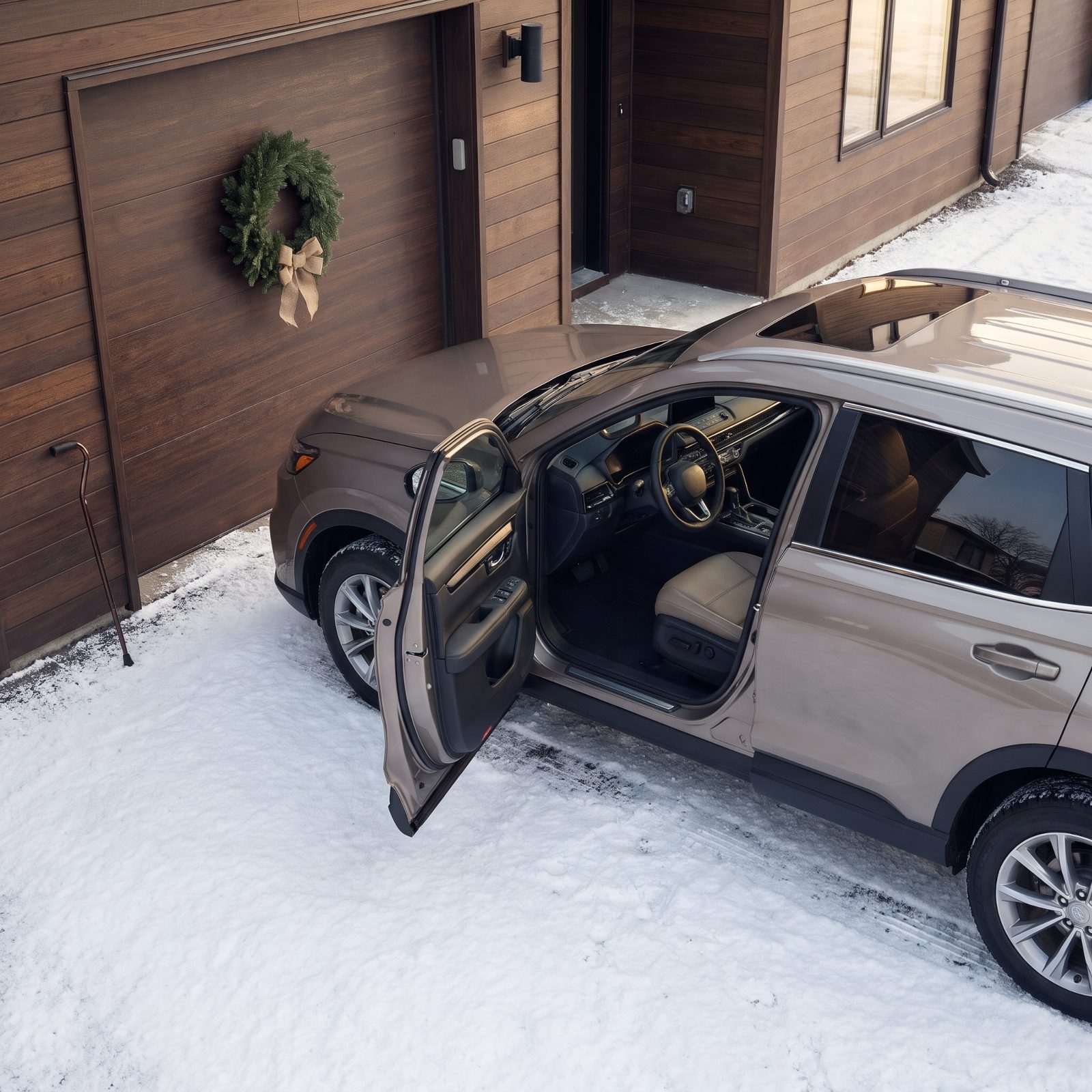
Step-in height makes or breaks a car for a lot of people, and it never crosses your mind until the recipient is standing at the door wondering how on earth to get in. A sports car sits too low for stiff knees. A tall SUV sits too high for someone who can’t climb up. Door width, seat bolstering, the reach to the controls — all of it either works for their body or quietly fights it every day of the week.
Gift a car that’s a wrestle to enter and you’ve gifted a daily reminder of what’s hard, dressed up with a ribbon.
Think honestly about the person. Low or tall? Easy slide-in or a careful climb? A side-hinged door or a liftgate they can actually manage? Heated seats for bad joints? Match the vehicle to how they move, not to what looks impressive under the showroom lights.
37. Skipping the Child-Seat and Cargo-Fit Test
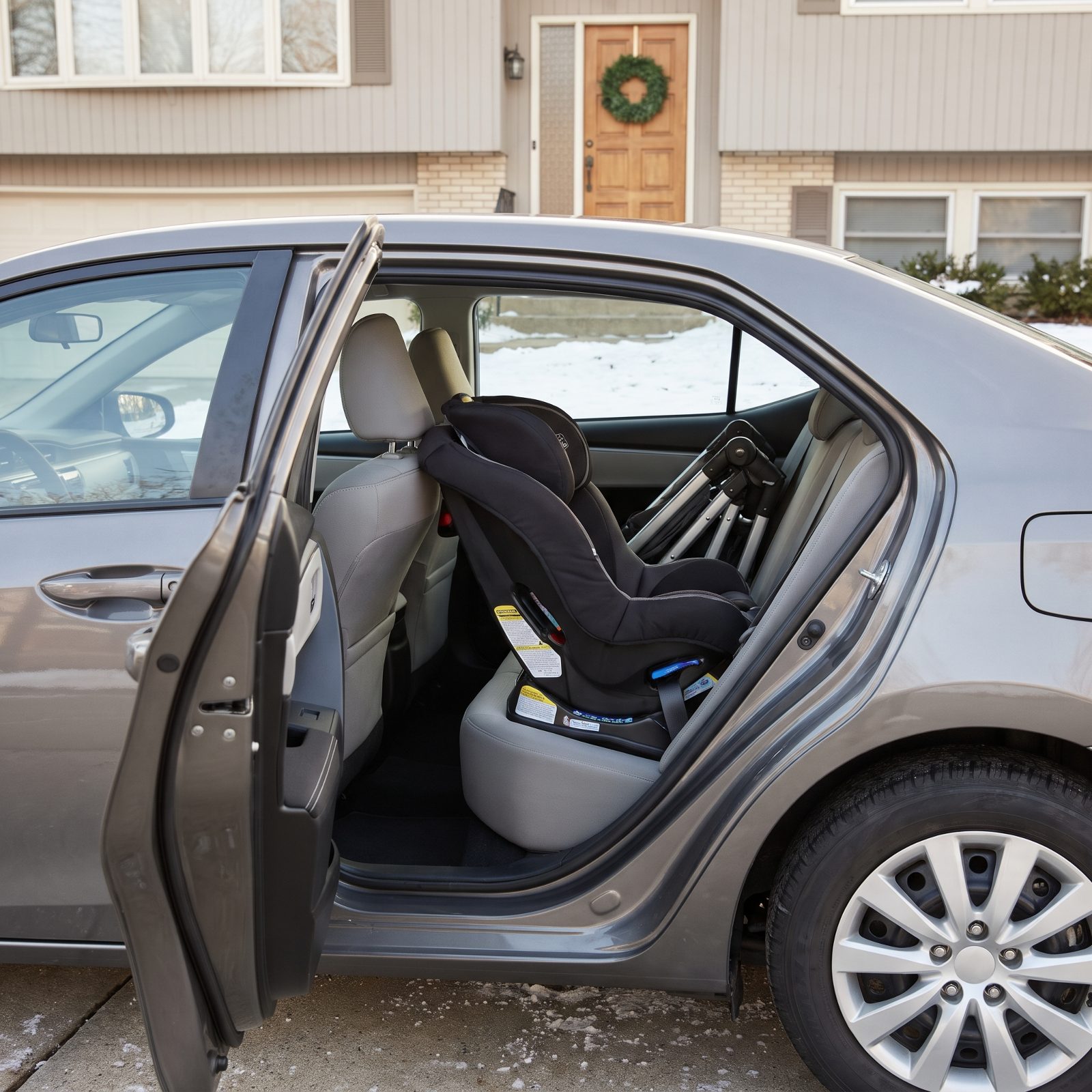
Three car seats don’t fit across every back seat, and a stroller won’t slide into every trunk. These are the details that turn a beautiful gift into a daily logistics headache by January. Rear-facing seats eat front legroom. Narrow rear doors make loading a toddler a wrestling match. A sloped hatchback swallows less than it looks like it should.
For anyone hauling children or gear, the fit test matters more than the badge.
Bring the actual car seat and the actual stroller to the dealer, or check real-world fit guides before you buy. Install the seat, sit someone in front of it, pop the trunk and load the stroller. Five minutes of fuss now spares you two years of frustration. The prettiest sedan on the floor isn’t a gift if their daily life won’t fit inside it.
36. Gifting an EV Without a Real Home-Charging Plan
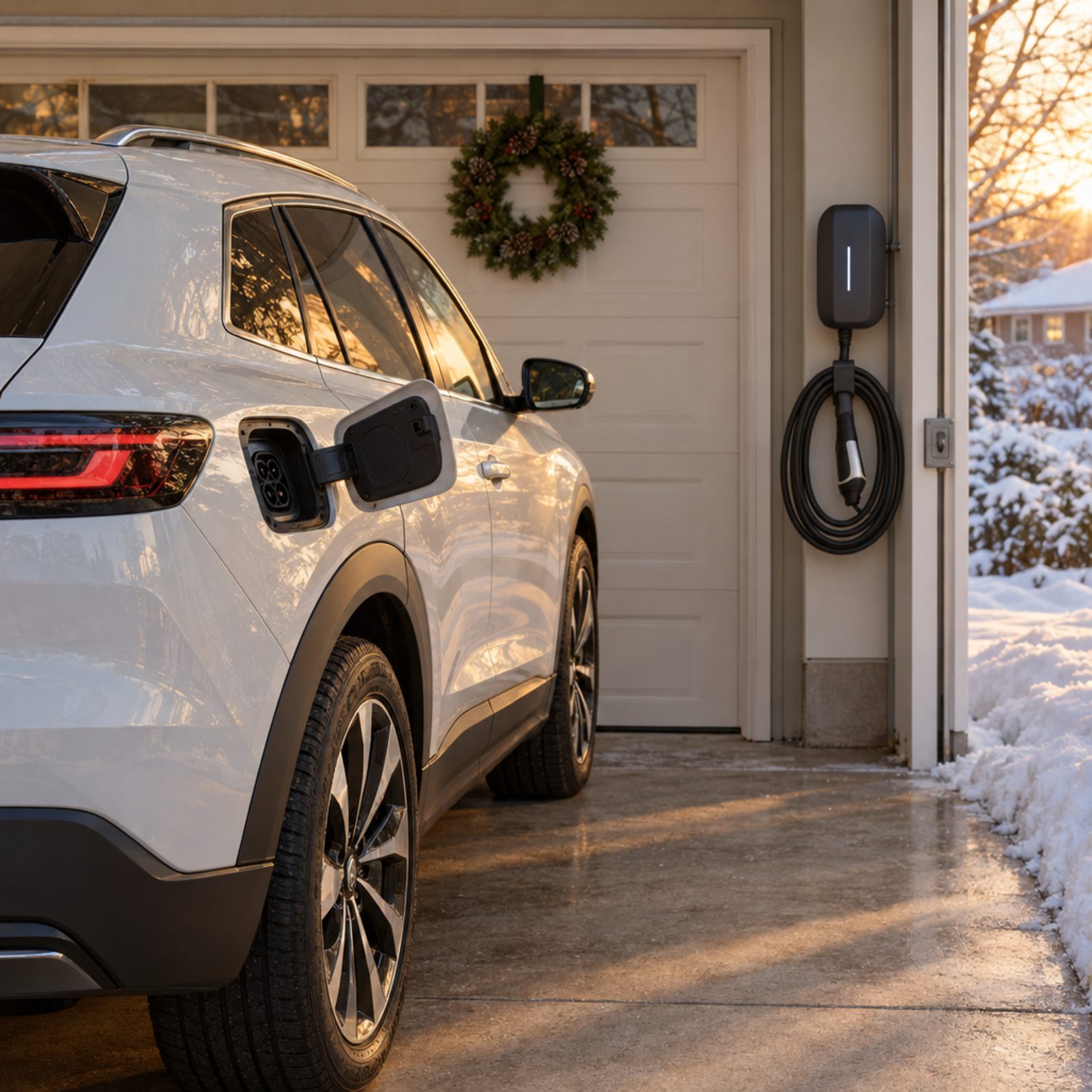
An EV under the tree is a grand gesture right up until the recipient realizes charging it off a regular wall outlet takes most of a day — or that they live in an apartment with no outlet at all. The car is only as good as the plug it goes home to.
Gift an electric car to someone who can’t charge it conveniently and you’ve handed them a daily errand, not a convenience. Level 1 charging off a standard outlet is painfully slow for real driving.
Before you buy, confirm the home situation. Own a house with a garage? Price a Level 2 charger and the electrician visit, then fold it into the gift. Apartment or street parking? Map the nearby public chargers and the real cost of leaning on them. For some folks a hybrid is the smarter, lower-drama call. Don’t let the technology outrun the parking spot.
35. Skipping an Insurance Quote on the Exact VIN

The sticker price is the number you fret over. The insurance premium is the number that quietly shows up every month for the life of the car. A sporty two-door or a punched-up trim can carry a premium that makes the recipient flinch long after the bow hits the trash.
Skip the quote and you might gift a car that’s a genuine stretch to insure — brutal for a younger driver, or a model that rates high for theft or repair cost.
Get a real quote on the exact VIN, with the exact driver on the policy, before you sign. Rates swing wildly between trims and models that look all but identical on the lot. A five-minute call can be the line between a gift they can comfortably afford and one that pinches every single month. Least romantic part of this whole business — and the one that protects the gesture.
The appeal is real: sports cars got more hearts from our readers than the other images in the same articles, 77% versus 65%, so get that quote before falling for one.
34. Surprising Someone Who Must Become a Co-Signer

Nobody mentions this trap until the pen is already in your hand. If the person you’re surprising doesn’t have the credit to carry the loan alone, the dealer needs them to co-sign — which blows the surprise the second they have to show up, hand over a Social Security number, and sign a legal obligation on Christmas Eve.
A co-signer isn’t a cheerleader. They’re on the hook for every payment, and the loan lands on their credit report whether they ever touch the keys or not. Spring that on someone and you’ve traded a happy morning for an ambush.
So sort the financing before the bow goes on. Either qualify the loan entirely in your own name, or have the honest conversation first and let them walk in knowing exactly what they’re signing. A gift shouldn’t come with a credit application stapled to it.
33. Putting the Title in the Wrong Person’s Name

The title is the whole ballgame. It names the legal owner — the one person who can sell the car, insure it cleanly, and claim it if things ever go sideways. Get the name wrong and you’ve tied a knot that takes a DMV trip and sometimes a notarized form to untie.
Picture it. You title the car in your name to keep the surprise, then try to hand it over in January. Now there’s a transfer, a possible second sales-tax hit in some states, and a fresh stack of paperwork for the person who was supposed to own it from the start.
Decide who owns it before you sign anything. If it’s truly their car, their name goes on the title day one. Keeping it in yours for a reason? Know the reason, and know what it costs.
32. Financing It in the Giver’s Name but Calling It the Recipient’s Car

This one feels harmless and quietly builds years of friction. You finance the car in your name because your credit is stronger, then treat it as their vehicle. They drive it, park it, fill it, feel like it’s theirs. On paper, it isn’t.
And the loan lives on your credit. A missed payment dings you, not them. Insurance gets murky when the registered driver and the loan holder don’t match, refinancing later means restarting the whole circus, and the person actually behind the wheel builds zero ownership history. You’ve handed them a car they can’t really call their own.
If the plan is to keep the loan in your name for a season, write down the handoff date and the refinance plan. Make it a bridge with an exit, not a permanent arrangement everybody forgets to end.
31. Believing “Year-End Clearance” Guarantees the Lowest Price

The banners say it loud. Year-end blowout, everything must go, best deals of the season. Some of it’s even real — dealers want outgoing model-year stock off the lot, and sales staff are chasing monthly and quarterly quotas right through the holidays.
But December is also the most emotional, most rushed buying month of the year, and that cuts the other way. A sign that screams clearance tells you nothing about the actual out-the-door number you could negotiate.
Treat the season as a mild tailwind, not a promise. The price is still made at the desk, not on the banner.
30. Skipping Competing Written Quotes

Walking into one dealer with one price in your head is like betting on a horse without so much as glancing at the rest of the field. You have no idea whether the number is any good until you’ve seen what three other rooftops will put in writing.
A written quote — an actual out-the-door figure, fees and all — turns a vague gut feeling into leverage. Dealers know you can forward it down the street. That knowledge alone moves the price.
Email or online-chat three to five dealers for the same vehicle, same trim, same options. Ask each for the full out-the-door number. Then mention, politely, that you’re comparing. I’ve watched that one line shave real money off a deal, and it costs you nothing but an afternoon of typing.
29. Negotiating From the Monthly Payment
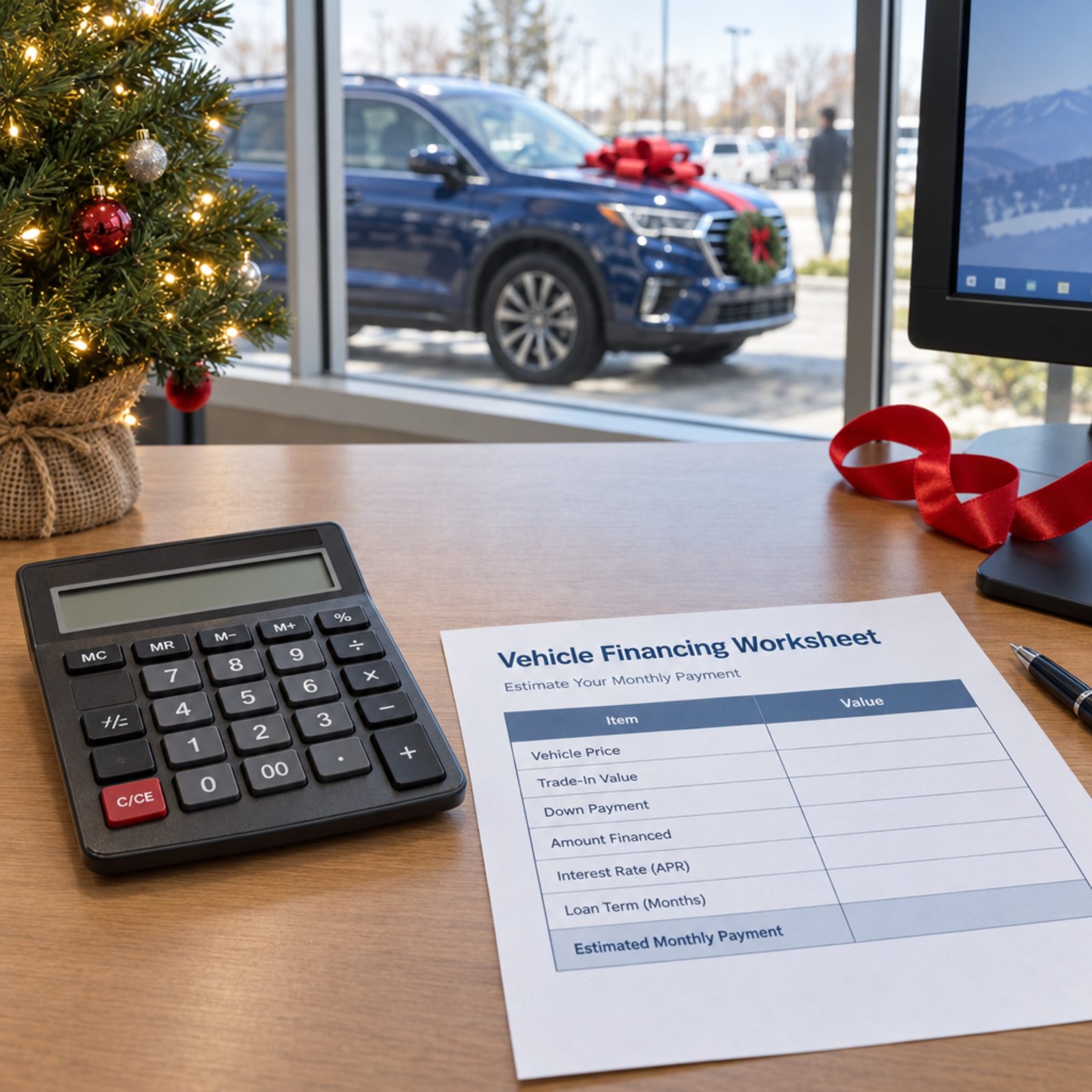
The most expensive four words in any dealership: what’s comfortable per month?
Answer that, and the negotiation walks right out of your hands. A monthly payment can be hit from a dozen directions, most of them designed to cost you. Stretch the loan to 72 or 84 months and the monthly drops while the total you hand over climbs. Shave the discount, pad the interest, slip in an add-on — and the payment still lands right where you said you were comfortable. You feel like you won. You didn’t.
Negotiate the price of the car as one number, out the door, every fee folded in. Settle that first. Only then talk about how it gets financed, and keep the loan term and the interest rate as separate conversations entirely.
28. Mentioning the Trade-In Before Settling the Car Price
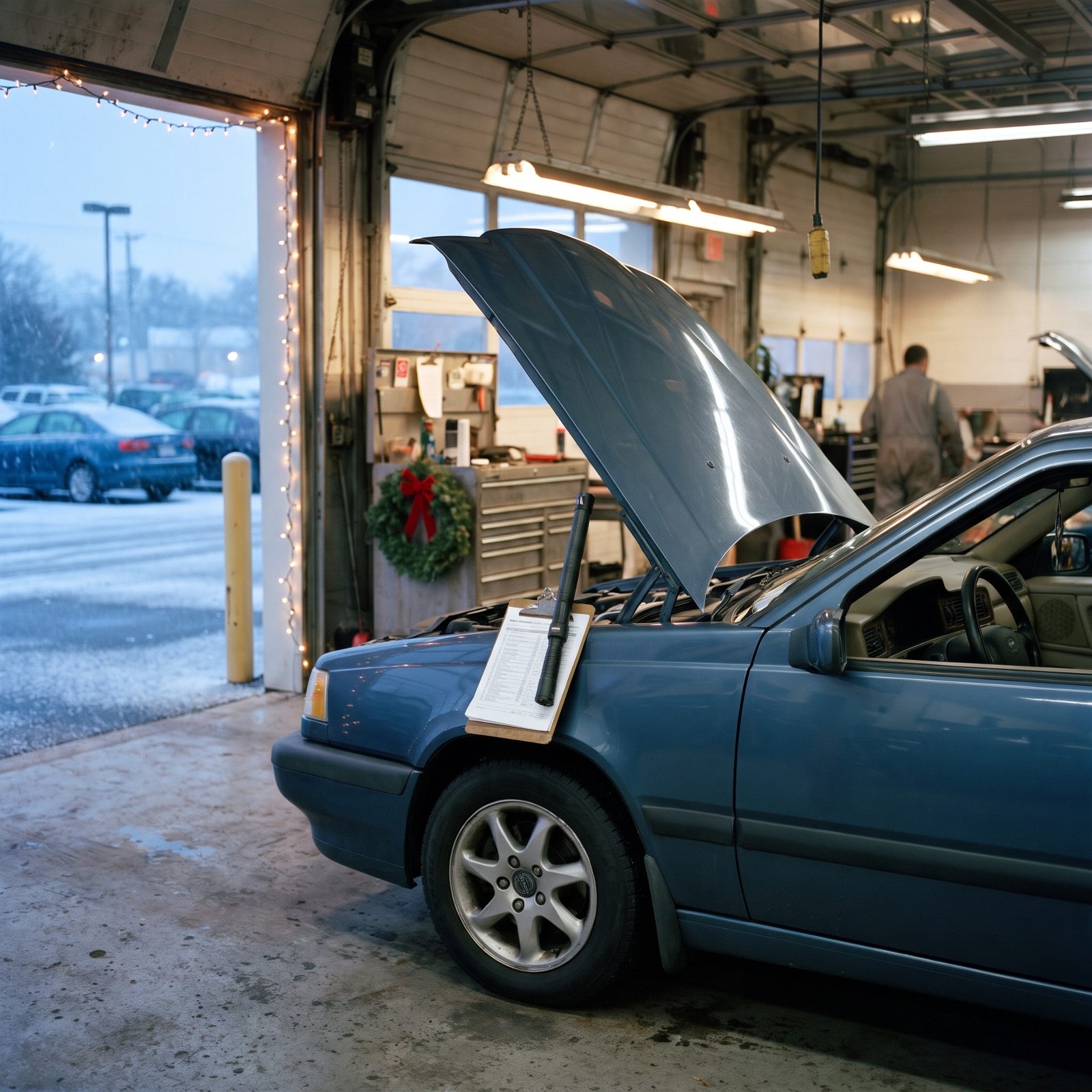
You lead with the trade-in because it feels like progress. The salesperson smiles — now there are two numbers to juggle instead of one, and juggling is exactly where they make their money.
Here’s how it goes sideways. They hand you a generous price on the new car, then quietly lowball the trade. Or they pump the trade number while padding everything else to match. Two moving parts, and you lose track of which hand is giving and which is quietly taking.
Lock the purchase price of the new car first, as a standalone out-the-door number. Then — and only then — bring up the trade as its own separate deal. Check what your old car is actually worth beforehand and grab at least one private-sale or online-buyer quote to hold it against. One number at a time keeps everybody honest.
27. Rolling Old Negative Equity Into the Gift
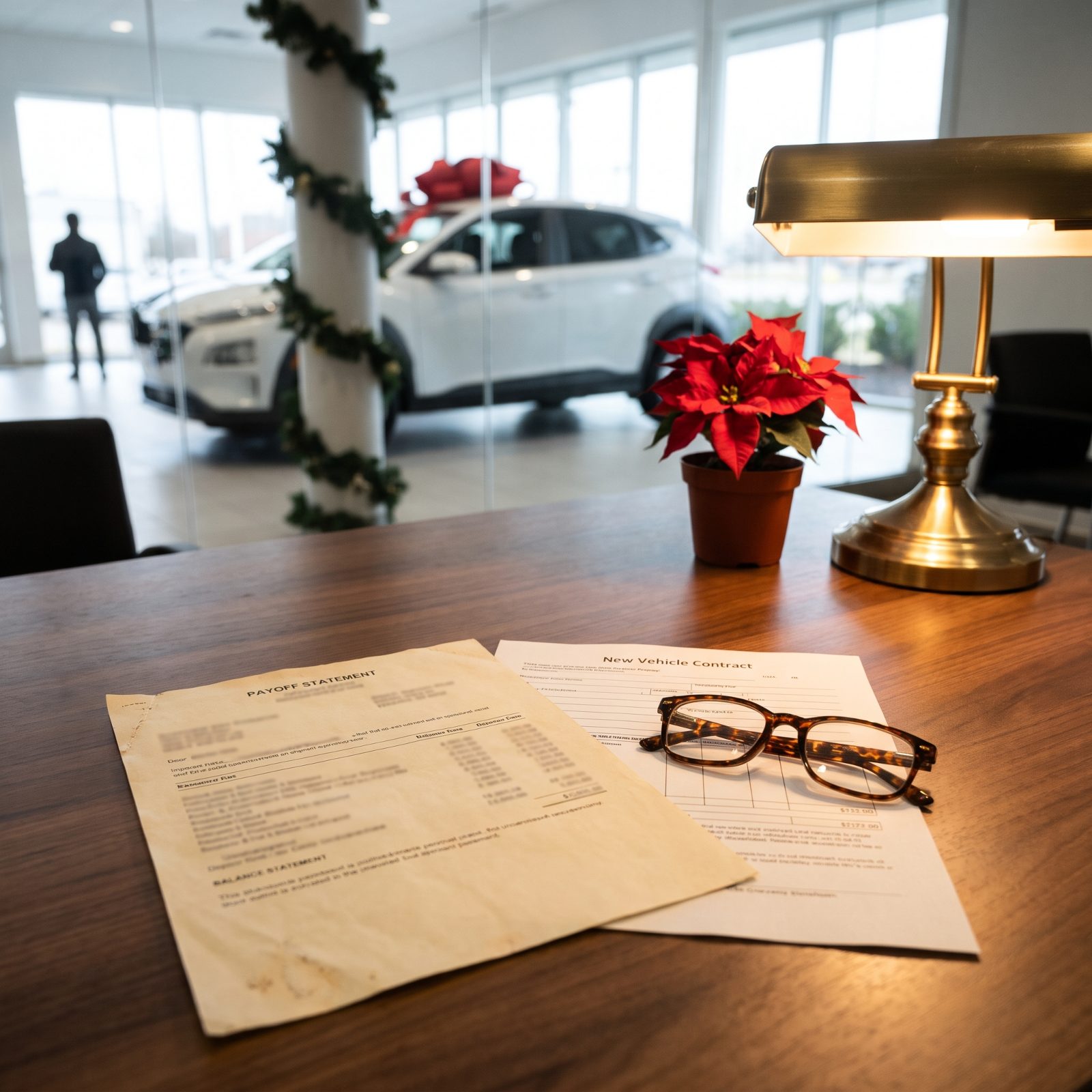
Say the old trade still owes more than it’s worth. The dealer offers a tidy fix: just roll the leftover balance into the new loan. Problem solved, bow on top, everyone smiles.
Except now the gift starts life underwater. You’re financing a car plus the ghost of the last one, and the moment it rolls off the lot you owe thousands more than it’s worth. Dangerous spot if it gets totaled early — insurance pays what the car is worth, not what the loan says.
Got negative equity on the old car? Deal with it honestly. Pay the gap down before you buy, sell the old car privately to close the hole, or just wait until the math drifts closer to even. A gift shouldn’t come pre-loaded with somebody else’s debt.
26. Arriving Without Outside Financing Preapproval

The finance office is the dealer’s home field, and the house rate is set to win. Walk in empty-handed and you take whatever rate they offer — which often carries a quiet markup the dealer keeps for arranging the loan.
So get preapproved before you ever set foot on the lot. A credit union or your own bank can run the numbers in a day or two and hand you a real rate and a real ceiling. Now you walk in with a number already in your pocket.
Best part? You let the dealer try to beat it. Sometimes they can — manufacturer financing can undercut a bank when the incentives line up. Fine. Let them earn it against your preapproval instead of filling in the blank for you.
25. Letting the Dealer Send the Credit Application Everywhere

You sign one credit application, and the dealer cheerfully shops it to a dozen lenders hunting for an approval. Sounds helpful. Trouble is, each of those lenders can pull your credit, and a stack of hard inquiries in a short window can nick your score at the worst possible moment.
There’s a cushion built into the system. Auto-loan inquiries made inside a short shopping window — usually 14 to 45 days depending on the scoring model — get bundled and counted as one. But let the dealer scatter applications across weeks, or mix in unrelated credit pulls, and that protection quietly falls apart.
Tell the finance manager, in plain words, to get your written okay before sending your application to any lender. Do your rate shopping in one tight stretch. Your credit is yours to protect, not theirs to spray around the room.
24. Accepting an Undisclosed Interest-Rate Markup

The finance manager quotes you a rate and you nod along, happy to be done. Trouble is, the bank approved you lower than that. The gap between the two numbers is the dealer’s cut, and nobody said a word about it out loud.
That markup rides along for the whole term. A couple of points on a thirty-thousand-dollar loan adds up to real money, the kind you could’ve spent on winter tires and a decent set of floor mats. Costs you nothing to catch. Costs plenty to miss.
So ask for the buy rate in writing. Get your own pre-approval from a credit union before you ever walk in, then make the dealer either beat it or match it. If their number comes in higher, well, now you know exactly why.
23. Stretching the Loan to 84 Months

Eighty-four months sounds like a present when that monthly number finally drops low enough to breathe. But seven years of payments isn’t a present, it’s a mortgage on a machine that’s busy losing value while it sits in the driveway.
Most of that term you’re upside down, owing more than the thing is worth. And if life happens somewhere around year three, a fender bender, a job change, a sudden itch to trade it in, you’re writing a check just to walk away clean. The low payment was bait.
Cap it at 60 months. Forty-eight if you can swing it. And if the car only fits your budget stretched out over seven years, it’s the wrong car, plain and simple. Buy less car, not more time.
22. Mistaking Zero Down for a Cheaper Deal
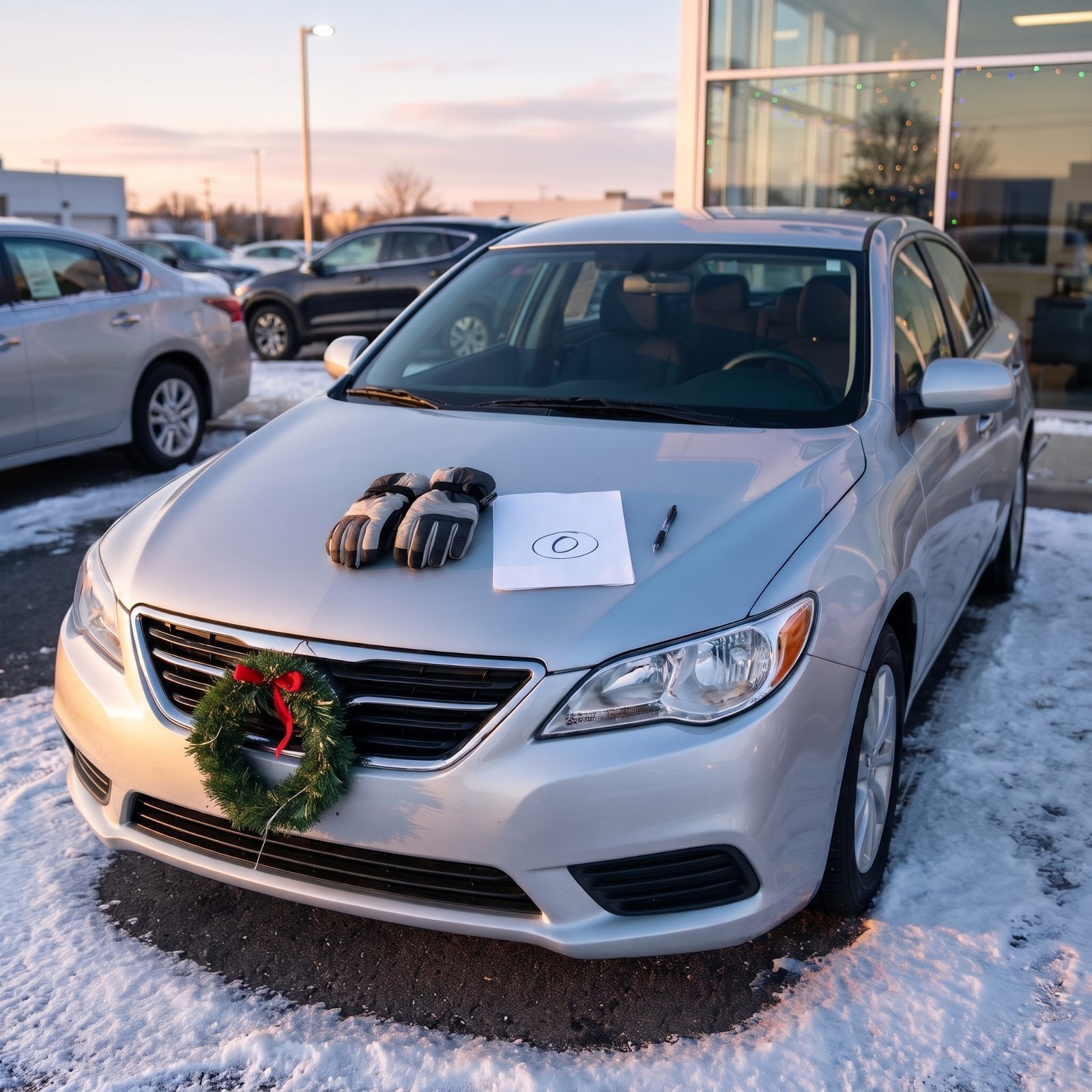
Zero down feels like you kept your money. You didn’t.
Every dollar you skip at signing gets financed anyway, with interest, for the full life of the loan. So the car that cost nothing up front quietly costs more every single month and more in the end. You also start deeper underwater, which bites the moment anything goes sideways.
Put real money down. Ten to twenty percent if you can manage it. It shrinks the balance, trims the interest, and hands you breathing room if you ever need to sell in a hurry. A present you can actually afford beats one that trails you around for years.
21. Driving Away on Conditional “Spot Delivery” Financing

You sign, they hand over the keys, the bow goes on the hood, everybody cheers. Then a week later your phone rings. The financing fell through, come back in and re-sign at a higher rate. That little maneuver is called spot delivery, and it’s about as old as the car lot itself.
The leverage here is pure psychology. Once the car’s parked in your driveway and the whole family has laid eyes on it, you’ll agree to nearly anything to keep it there. The dealer knows this cold. It’s the entire reason they waved you off the lot before the deal was actually final.
Don’t take delivery until the financing is fully approved and funded, full stop. If the paperwork says “subject to approval” or “conditional,” you don’t have a deal yet. Wait it out. A few extra days sure beats a surprise rate hike after the holiday glow burns off.
20. Counting on a Rebate the Buyer Does Not Qualify For

That big advertised number assumes every star aligns. Military, recent college grad, brand loyalty, a competing lease you don’t have, financing through the captive lender. Stack enough of those boxes and sure, the price looks fantastic up on the banner.
Build your whole deal around a rebate you can’t actually claim, though, and the real price lands thousands higher than you figured. The fine print is where that pretty promise quietly dries up and blows away.
Read every qualifier before the number sucks you in. Have the dealer confirm in writing which rebates apply to you specifically, not to some imaginary buyer who checks all five boxes. Qualify for just one of the five? Then price the car on that one.
19. Taking the Rebate Without Comparing the Low-APR Offer

Most manufacturers hand you a fork in the road: take the cash rebate, or take the low financing rate, never both. And folks reach for the rebate because cash feels solid in your hand while a percentage feels like algebra.
Sometimes that instinct is dead right. Plenty of other times it’s dead wrong. Spread across a longer loan, a zero or near-zero APR can save you far more than the rebate ever handed back, especially when the rebate’s thin and the standard rate is downright ugly.
Run both numbers before you commit to either. Total what you’d pay overall with the rebate subtracted and your regular rate, then total it again with the low-APR offer and no rebate. Whichever number comes out smaller wins. Let the arithmetic decide this one, not your gut.
18. Celebrating an MSRP Discount Before Seeing the Out-the-Door Price
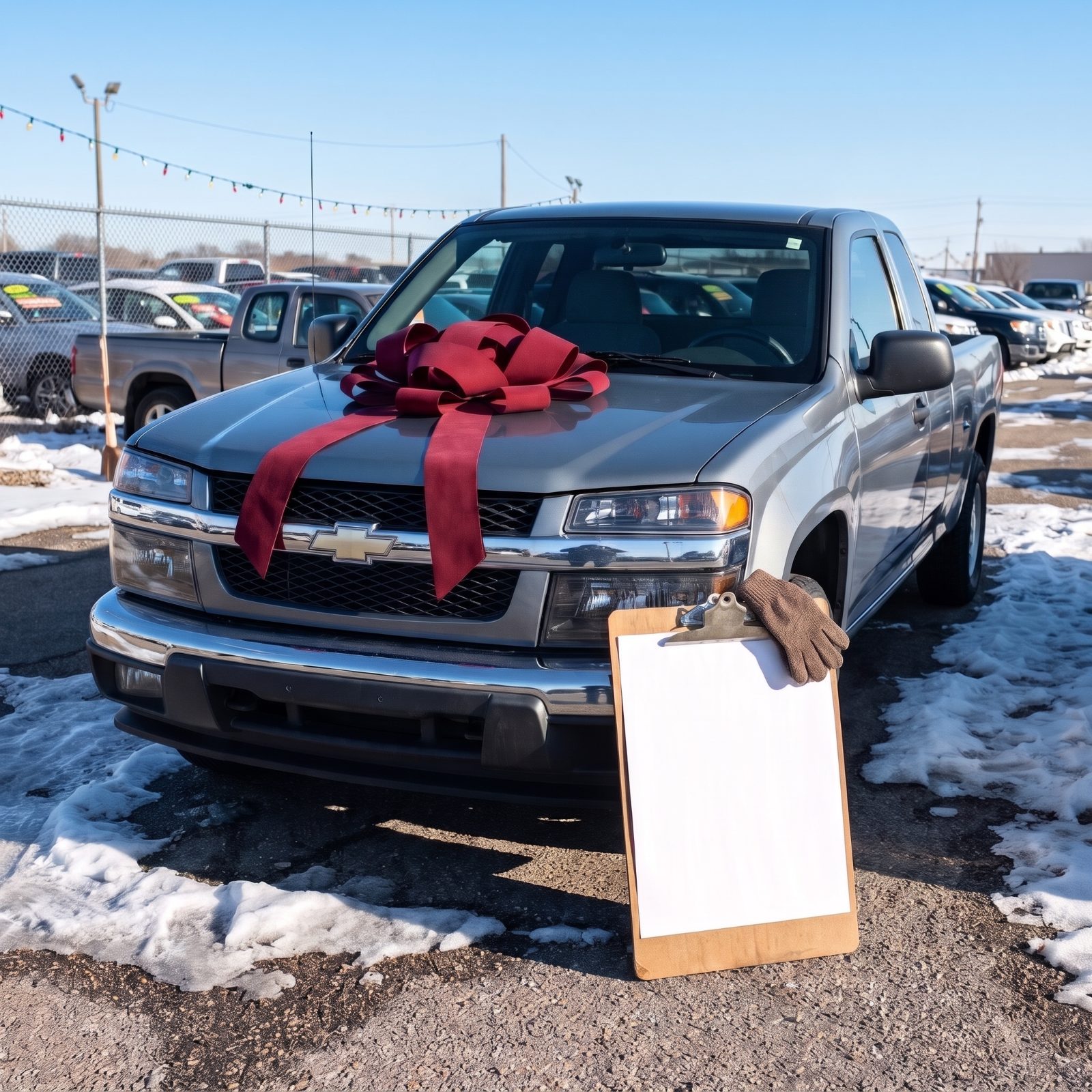
A discount off sticker means absolutely nothing until you see the bottom line.
Dealers love waving a fat number off MSRP, because MSRP is a soft target they puff up in the first place. Then the fees, the add-ons, the dealer prep, and the padded extras all pile up below the fold until the out-the-door price has quietly climbed right back where it started.
Ask for the full out-the-door figure in writing every time, taxes and every last fee folded in. That’s the only number telling you what you’re actually paying. Compare that total between lots. And here’s the dirty secret, the dealer flaunting the biggest discount is usually the one burying the most underneath it.
17. Missing a Dealer Addendum Beside the Window Sticker
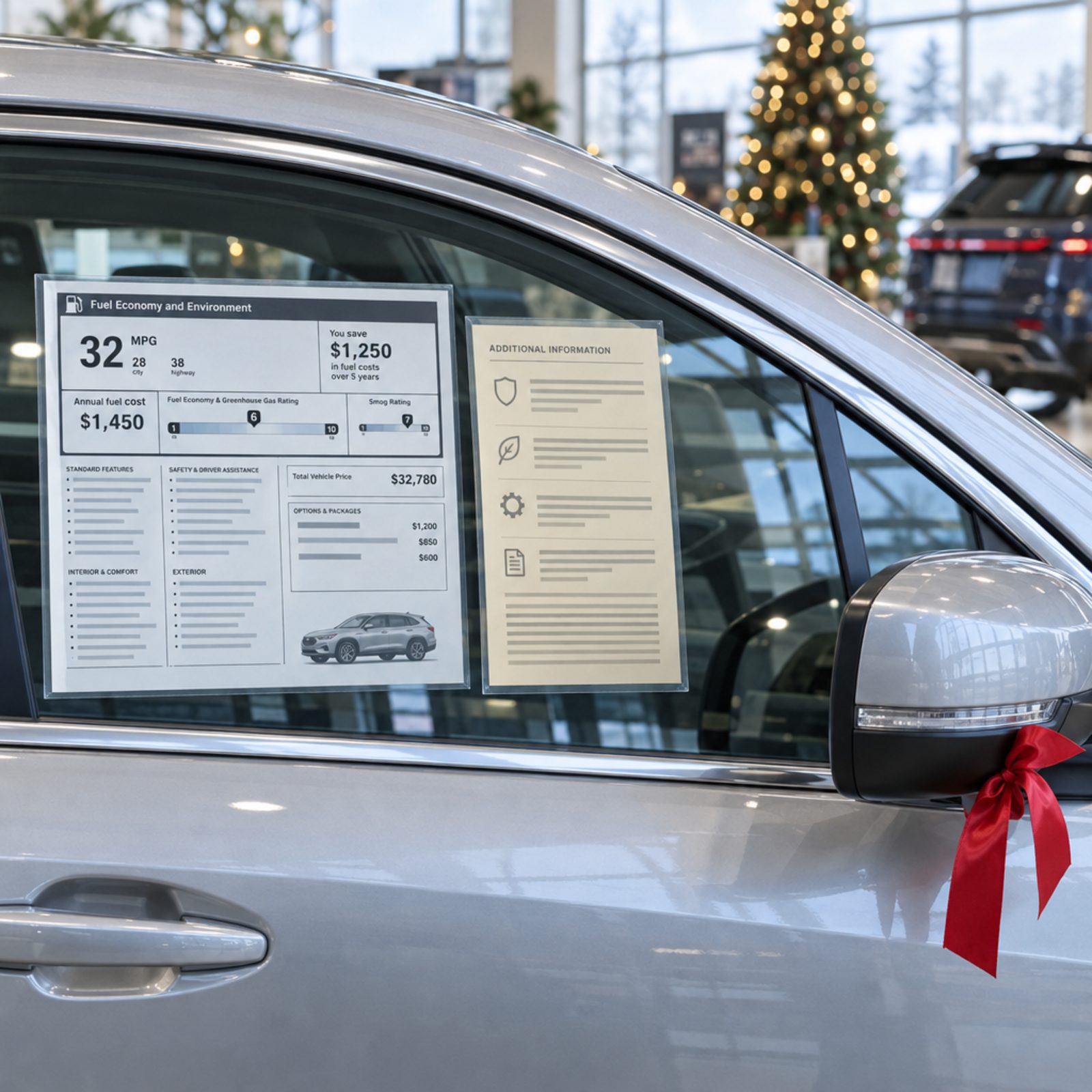
There’s the factory window sticker, the one carrying the real MSRP and the EPA numbers. And then, stuck right beside it, sits the dealer’s addendum, the second label they run off on their own printer. That’s where the markup hides.
Fabric protection, nitrogen in the tires, pinstripes nobody on earth asked for, and some vague “market adjustment” line to top it off. All padding, usually marked up to the moon and mostly negotiable or refusable outright. Buyers glance at the official sticker and never give the second sheet a real look.
Ask for the addendum before you talk numbers, then read both labels, start to finish. Anything on the addendum that isn’t on the factory sticker is fair game to decline. Nitrogen is air with a markup, nothing more. Say no and watch the total fall.
16. Paying a Destination Charge Twice

The destination charge is simply the fee to haul the car from the factory to the lot. It’s already printed on the factory window sticker, baked into the price, and that one line is the only place it ought to live.
Now and then it pops up a second time on the dealer’s own worksheet or buyer’s order, dressed up like a separate dealer fee. Pay it twice and you’ve just handed over several hundred bucks for a boat that already sailed. Buyers miss it because the two documents almost never get read side by side.
Lay the window sticker and the contract right next to each other and match that destination number line for line. It shows up once, or it’s wrong. Make them strike the duplicate before you sign a single thing.
15. Buying VIN Etching That Was Already Installed
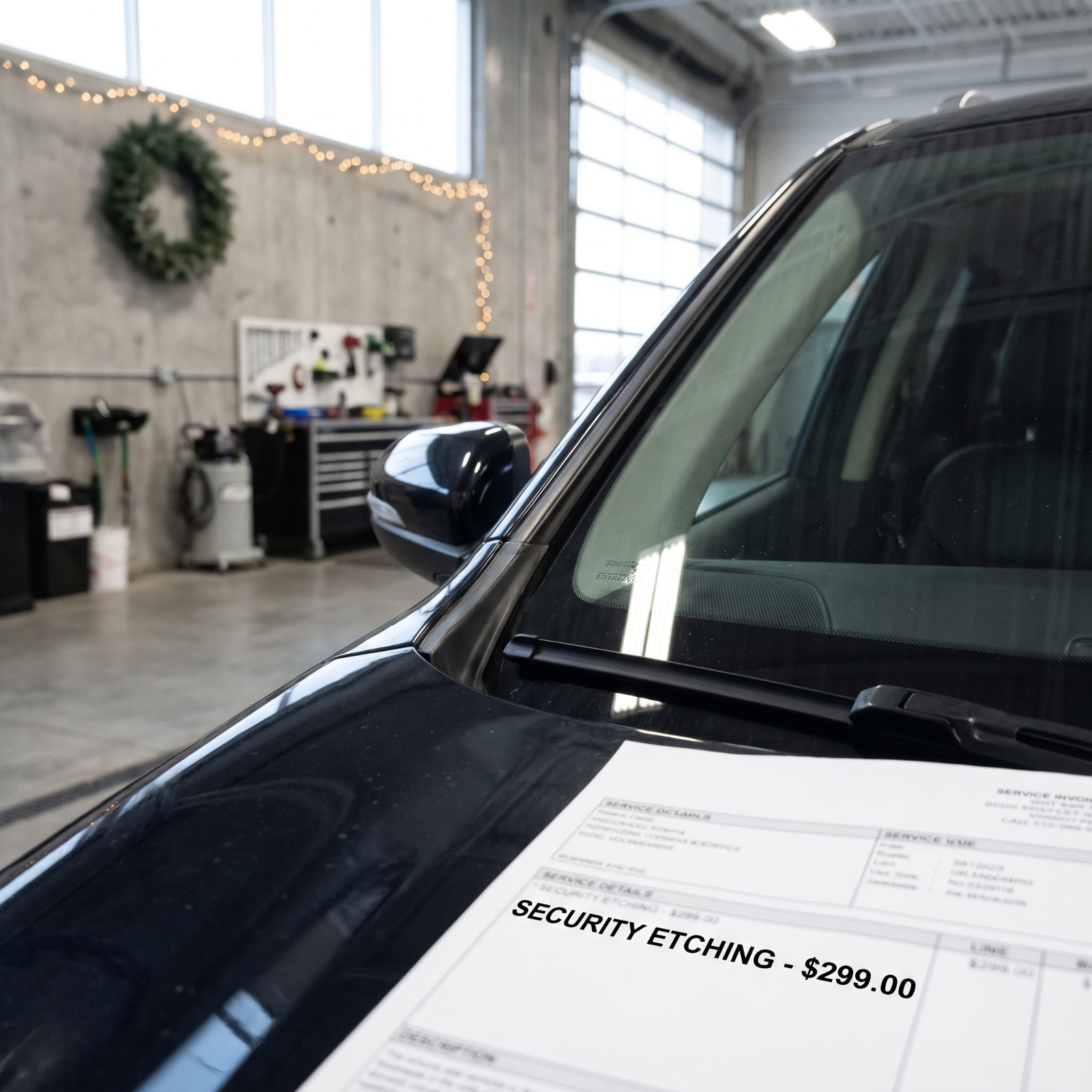
Here’s one that makes gearheads laugh and then wince.
VIN etching, scratching the vehicle identification number into the glass as a theft deterrent, often arrives already done from the factory or some earlier step. Yet there it is on the finance menu again, a two or three hundred dollar “security package,” pitched like you’re adding it fresh off the shelf.
You can’t add what’s already sitting there. Pay for it anyway and you’ve bought a service somebody performed before you even walked through the door. Slick move on their part. A flat loss on yours.
So walk out to the car and eyeball the corner of the windshield. If the etching’s already there, decline the add-on cold. And frankly, you could etch a VIN yourself with a cheap kit for a few bucks on a slow Saturday if you ever wanted it. Not worth a line item on the contract either way.
14. Paying Hundreds for Nitrogen-Filled Tires

The green valve caps give it away. Somebody charged you an extra two or three hundred bucks to pump your new tires full of nitrogen instead of plain compressed air, and the pitch never changes: better pressure stability, longer tire life, a cooler running tire.
Here’s the trouble. Air is already seventy-eight percent nitrogen. Whatever edge the other twenty-odd percent gives you is real on a race car running flat-out all day — on a gift car that drives to work and back, it’s nothing. Pressure bleeds out through the rubber and the bead either way, which is exactly why you still check your tires once a month like a grown-up.
Tell them to pull it off the deal. If it’s already on the car, no harm done — just top off with regular air at any gas station when it drops. The caps can stay green. Your wallet doesn’t have to.
13. Accepting Paint and Fabric Protection at the Signing Desk
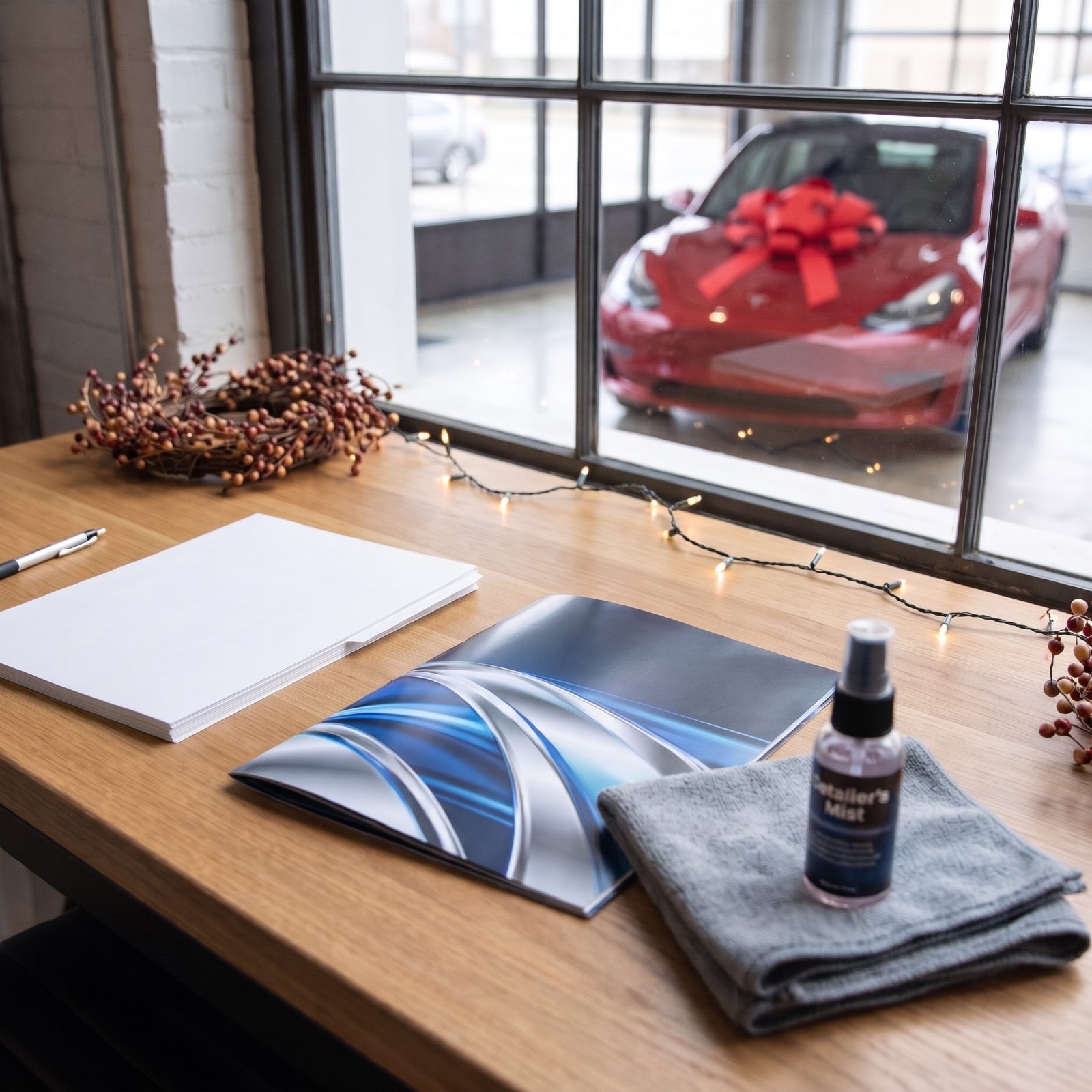
It comes up right at the end, when you’re tired and the pen is already in your hand. Paint protection. Fabric and leather guard. Nine hundred dollars, sometimes more, dressed up as cheap insurance against a world of birds and spilled coffee.
What you’re actually buying is a sealant a detailer could lay down in an afternoon for a fraction of the price, bundled with a warranty so stuffed with conditions that winning a claim is nearly impossible. Modern clear coat is already tough as nails. The dealer margin on this stuff is enormous, which is why it never shows up on the window sticker — only at the desk, when your guard is down.
Skip it in the office. Want the paint protected? Take the car to a proper detail shop after the holidays and get a real ceramic coating applied by someone who stands behind the work. You’ll spend less and get more.
12. Overlooking a Recurring Aftermarket Alarm Subscription
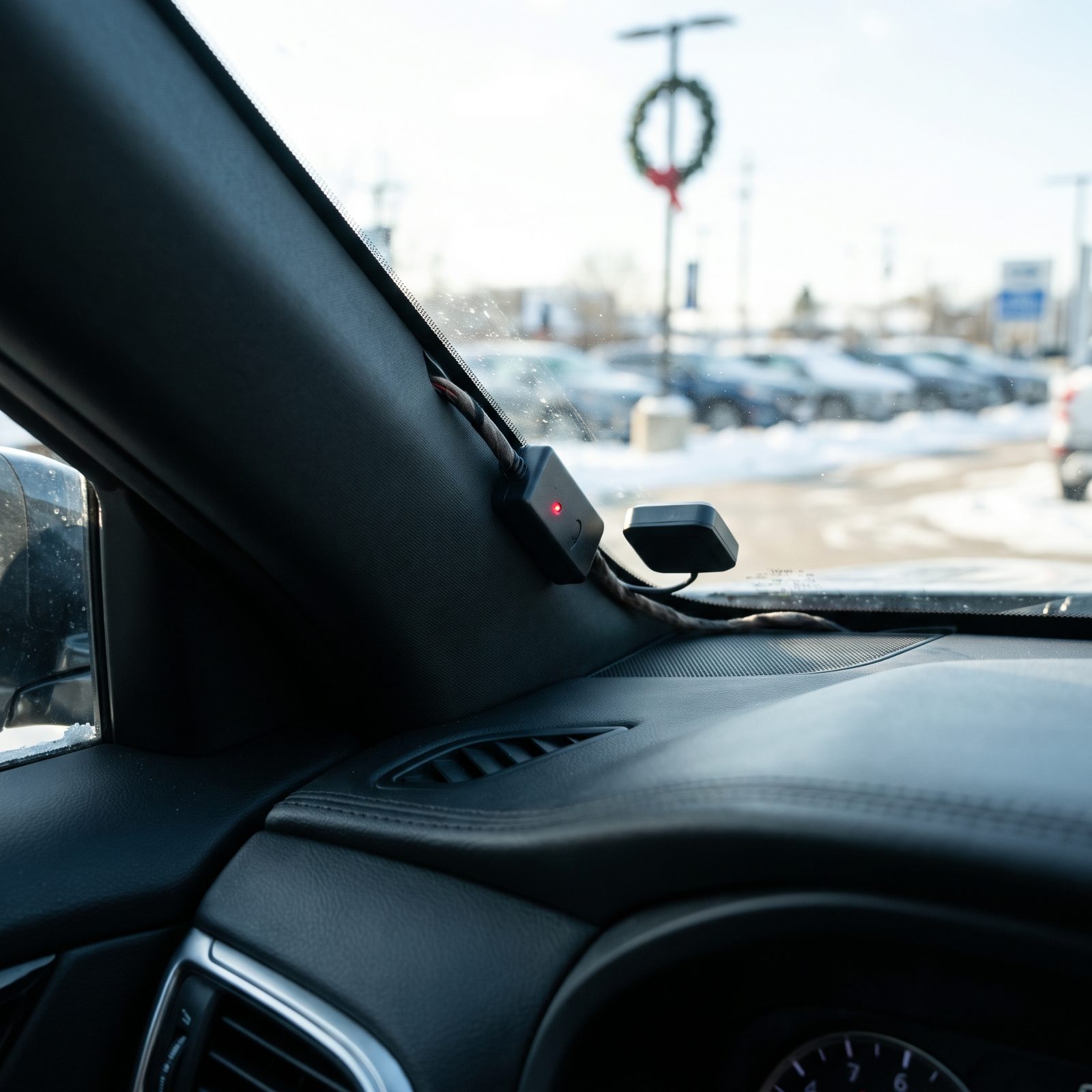
Not every add-on ends when you drive off the lot. Some aftermarket alarm and GPS tracking systems come with a monthly or annual subscription buried in the fine print — the kind that auto-renews on a card long after the bow hits the trash.
Device installed, paperwork signed, and a year later there’s a charge nobody remembers agreeing to. On a gift car this is a special kind of trap, because the person who signed the deal isn’t the one driving it or watching the bank statement.
Before you sign, ask flat out: does anything on this car bill again after today? If there’s a tracker or alarm riding on a service plan, decline the plan or have the device left out entirely. A factory alarm and a steering lock cover you fine.
11. Buying the First Extended Service Contract Offered

The first extended warranty number you hear is almost never the real one. These contracts carry wide markup and plenty of give, and the opening price is just where the haggling starts.
Say you grab the first offer at twenty-eight hundred dollars. The exact same contract, from the exact same administrator, often sells for closer to eighteen hundred if you push — or less if you buy it later from a reputable source instead of rolling it into the loan, where it quietly collects interest for six years.
Want the coverage? Fair enough, especially on a complicated modern car with turbos and screens everywhere. Just don’t buy it blind on the spot. Get the contract name and administrator, take it home, price it against an independent provider, and keep it out of the financing. Coverage you pay interest on for six years stops being a bargain fast.
10. Prepaying for Maintenance That Works Only at One Dealer
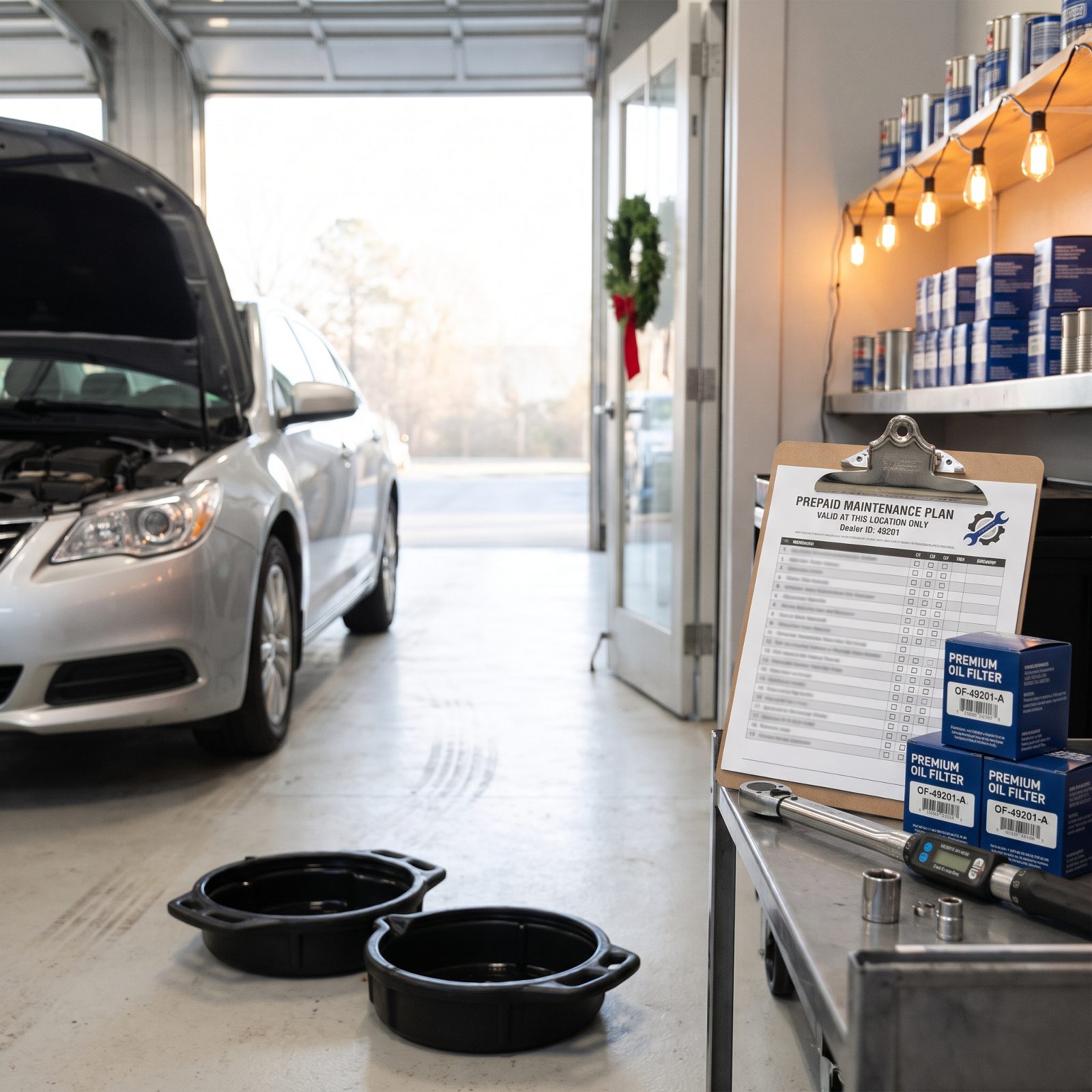
Prepaid maintenance plans sound tidy. Pay once, get your oil changes and inspections covered for three years, forget about it. The catch hides in a single word: redeemable only at the selling dealer.
Hand someone a car as a gift and they might live forty minutes from that store, or move the next summer, or just prefer the independent shop down the street that’s changed their oil for a decade. Now the plan is dead weight — prepaid and useless.
So read where the thing is actually honored before you buy. A manufacturer-backed plan good at any franchised dealer nationwide can earn its keep. A plan chained to one rooftop, for a car headed into somebody else’s life, usually can’t. In doubt? Skip it and pocket the money for whatever shop they actually choose.
9. Buying Dealer GAP Without Comparing the Insurer’s Price

GAP insurance is genuinely useful. It covers the difference between what you still owe and what the car’s actually worth if it’s totaled early in the loan, when depreciation runs out ahead of your payments. The product isn’t the problem. Where you buy it is.
Dealers routinely charge several hundred to over a thousand dollars for GAP, usually rolled straight into the financing. Your own auto insurer frequently sells the same protection for pocket change, tacked onto your policy for a few bucks a month.
Call your insurance company before you sign anything. Ask what GAP runs on their end, then compare the two. Dealer’s number three times higher? You decline at the desk and add it to your policy the same week. Same coverage, a lot less money, no interest riding on top.
8. Forgetting Sales Tax, Title, and Registration in the Budget
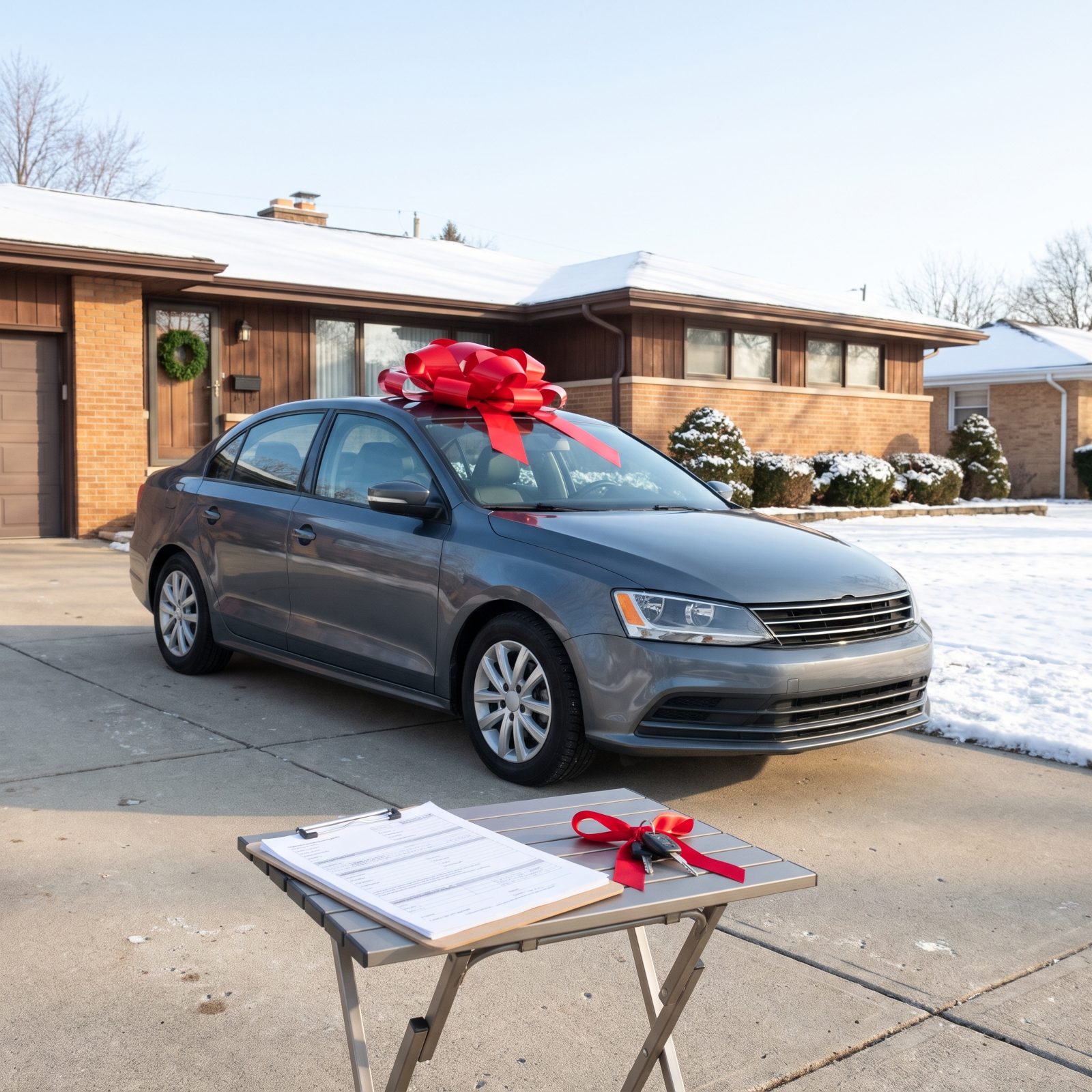
You budget for the car and forget the taxman, the title clerk, and the plate. Then the out-the-door number lands a couple thousand higher than the sticker you’d fixed in your head, and the surprise is yours instead of theirs.
Sales tax alone can take a healthy bite out of the price depending on where you live, and that’s before title fees, registration, and the documentation charges the dealer piles on. On a gift this stings extra. You wanted a clean round number under the bow — not a scramble at the finance desk while everyone waits.
Ask for the full out-the-door price in writing before you fall in love with a car. Every tax and fee, itemized. Build your budget off that total, not the advertised price. The bow looks a whole lot better when the math underneath it already balances.
7. Letting the Car Leave Before Insurance Is Active

The most expensive drive of your life can be the one from the lot to home. A new car doesn’t automatically carry coverage the second it’s yours. If your policy doesn’t stretch to cover it, or you never added it, you’re uninsured from the first turn of the wheel.
One wrong move at an icy intersection in late December and you’re paying for a brand-new car out of pocket, with no bow and no gift left to give. Dealers assume you’ve handled it. Buyers assume it’s included. Both assumptions can be dead wrong.
Call your insurer before the car moves. Most will add a vehicle over the phone in a few minutes and hand you a binder number on the spot. Get that confirmation, then drive. Costs nothing but a phone call — and it’s the single easiest disaster on this list to dodge.
6. Skipping an Independent Inspection on a Used Gift
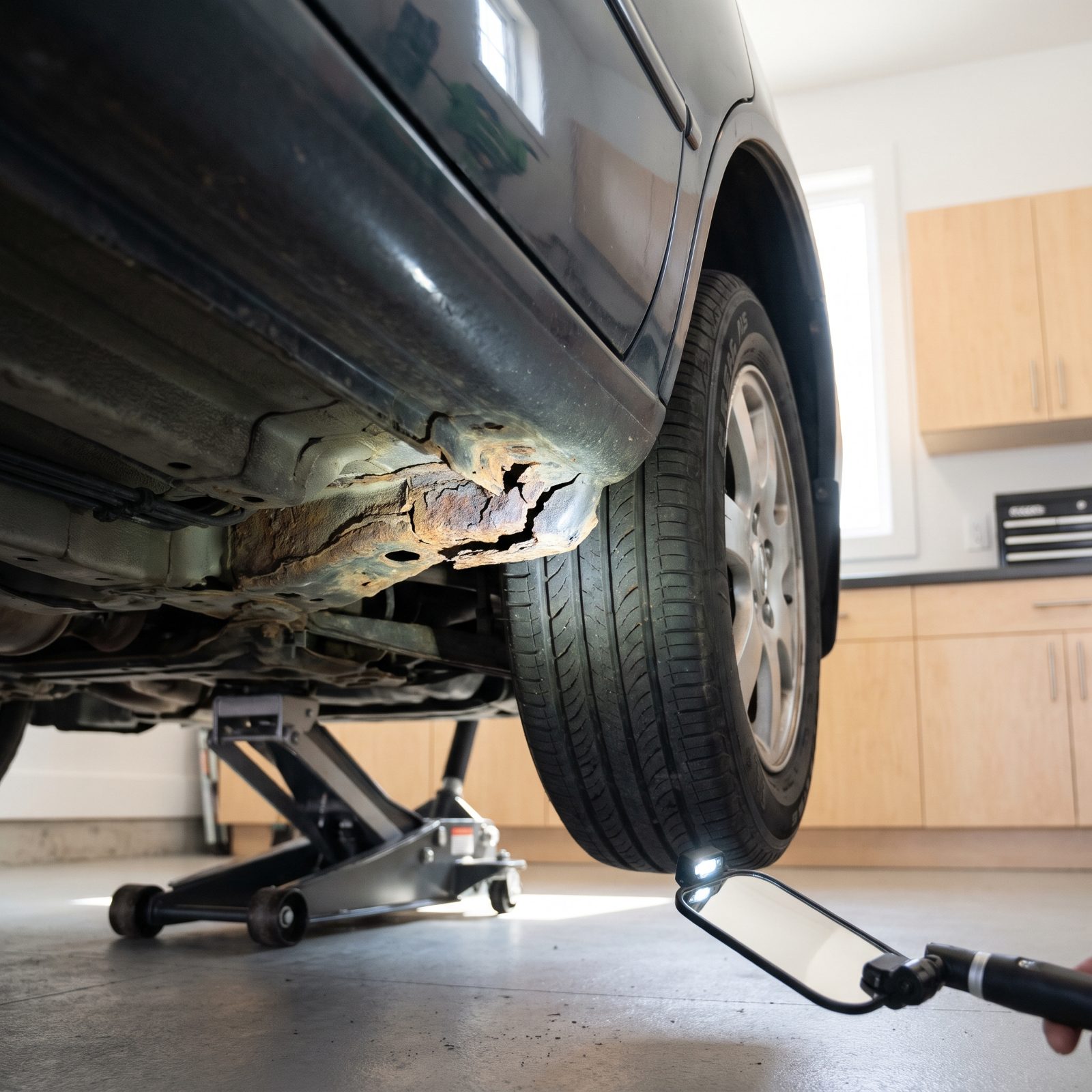
A used car wrapped in a bow is still a used car, and the dealer’s own once-over isn’t the same as a set of eyes working for you. Skipping an independent pre-purchase inspection to save a hundred bucks is how you gift someone a transmission problem for Christmas.
I’ve watched it play out too many times. The car looks sharp on the lot. The test drive feels fine. Three weeks later there’s a noise, a leak, a sensor light — and the problem was sitting there the whole time, just quiet enough to clear the sale.
Take any used car to a trusted independent shop before money changes hands. A hundred to a hundred fifty bucks buys you a lift, a scan tool, and an honest opinion about the frame, the fluids, the brakes, and whatever that fresh detail job was hiding. A good dealer won’t flinch at the request. One who refuses just told you everything you needed to know.
5. Missing Repaired Transit, Hail, or Lot Damage
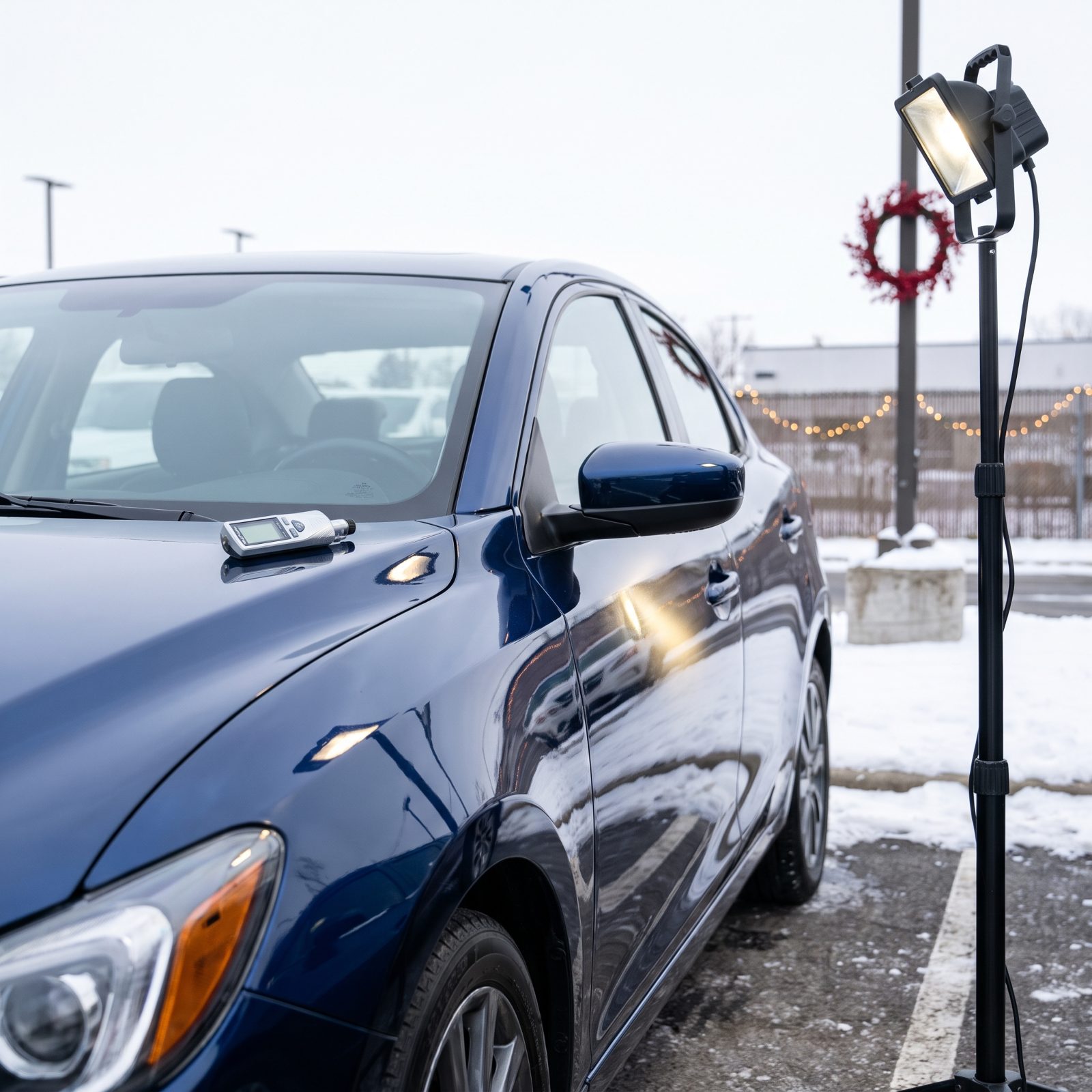
Cars get hurt long before they ever reach the lot. A hailstorm on the delivery yard. A scrape in transit. A ding from a careless porter. Some of it gets quietly patched up and the car rolls out looking factory-fresh, with nobody obligated to tell you a thing unless the damage crossed a legal threshold.
Repaired lot damage isn’t the end of the world if it was done right. Done cheap, though, it means mismatched paint, orange-peel texture, and a resale hit down the road the day a sharp buyer spots it. You just want to know what you’re actually handing over.
Inspect the car in daylight before you sign. Sight down each panel for ripples and breaks in the reflection. Check that the gaps are even and the sheen matches corner to corner. A cheap paint-depth gauge, or a good detailer, will confirm whether any panel’s been resprayed. Catch it now and you can negotiate or walk. Catch it in three years and it’s your problem.
4. Buying a Demo or Loaner Without Checking Its In-Service Date

A demo or service loaner can look like the perfect gift. It’s technically new, it smells new, and it carries a nice discount off sticker. What the price tag doesn’t show is when the clock started ticking on the factory warranty.
On many brands, warranty coverage begins on the date the car was first placed in service, not the day you sign. If the dealer registered that car as a demo or loaner months ago, the recipient may be unwrapping a vehicle with a chunk of its bumper-to-bumper coverage already gone. Add a few thousand miles of strangers and test drivers behind the wheel, and that discount can start looking thin.
So ask two direct questions before you negotiate: what’s the in-service date, and when does the warranty start and end on this exact VIN? Get both answers in writing. Then price the car like the lightly used vehicle it is, not like a fresh one off the truck. If the in-service date is old and the discount doesn’t reflect it, keep walking.
3. Buying a Used EV Without a Traction-Battery Health Report
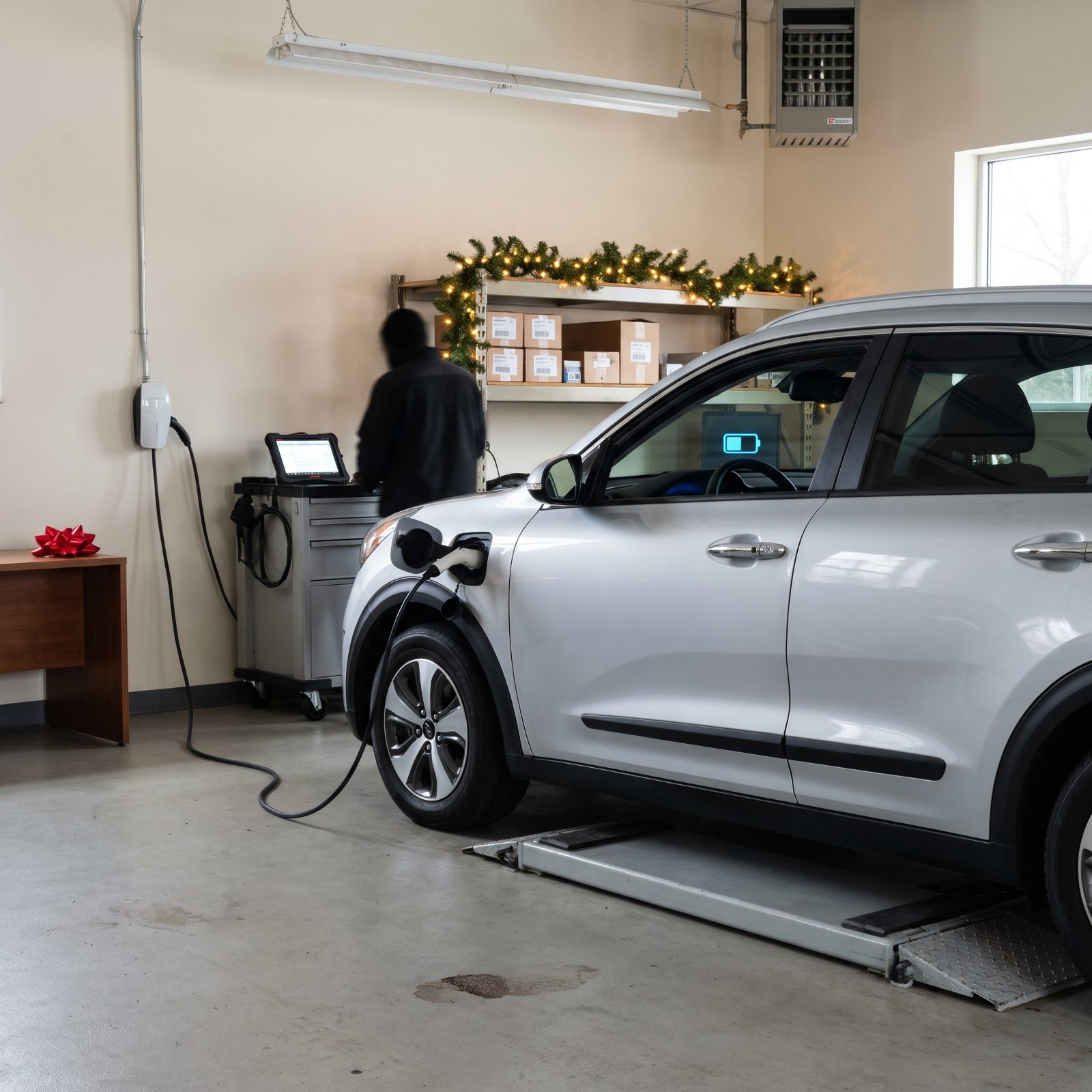
On an electric car, the traction battery is the single most expensive part on the vehicle, and its condition decides how far the car actually goes on a charge. Two used EVs with the same year, trim and odometer reading can have very different amounts of usable range left, depending on how they were charged and how hard they were driven.
A clean exterior and a glowing dashboard tell you nothing about that. Neither does the range estimate on the screen, which bounces around based on recent driving and temperature. And because cold weather cuts EV range on its own, a December test drive makes it even harder to tell a tired pack from a healthy one on a chilly lot.
Ask for a battery state-of-health report before you buy. Some dealers can pull one through the manufacturer or a diagnostic tool, and independent shops that work on EVs can run one too. While you’re at it, confirm how much of the battery warranty remains for this specific VIN, since terms vary by brand and model. If the seller won’t produce a health report, treat the car as a gamble priced like a sure thing.
2. Accepting Verbal Promises Instead of a Signed “We Owe”

“Sure, we’ll throw in a second key.” “Don’t worry, we’ll fix that scratch before delivery.” “The floor mats are on order, they’ll be here next week.” It all sounds friendly, and it’s easy to shake hands on it when you’re racing to get the car home before the twenty-fifth.
Then the salesperson changes stores, the manager doesn’t remember any conversation, and the paperwork you signed says nothing about mats, keys or touch-up paint. A spoken promise on a car lot is worth about as much as the air it’s printed on.
Anything the dealer agrees to do or provide after the sale belongs on a signed “We Owe” form, sometimes called a due bill. Each item should be spelled out specifically, along with who pays for it and when it will be completed. Get a copy with a manager’s signature before you sign the purchase contract, not after.
1. Inspecting the Car Only Under Nighttime Lot Lights
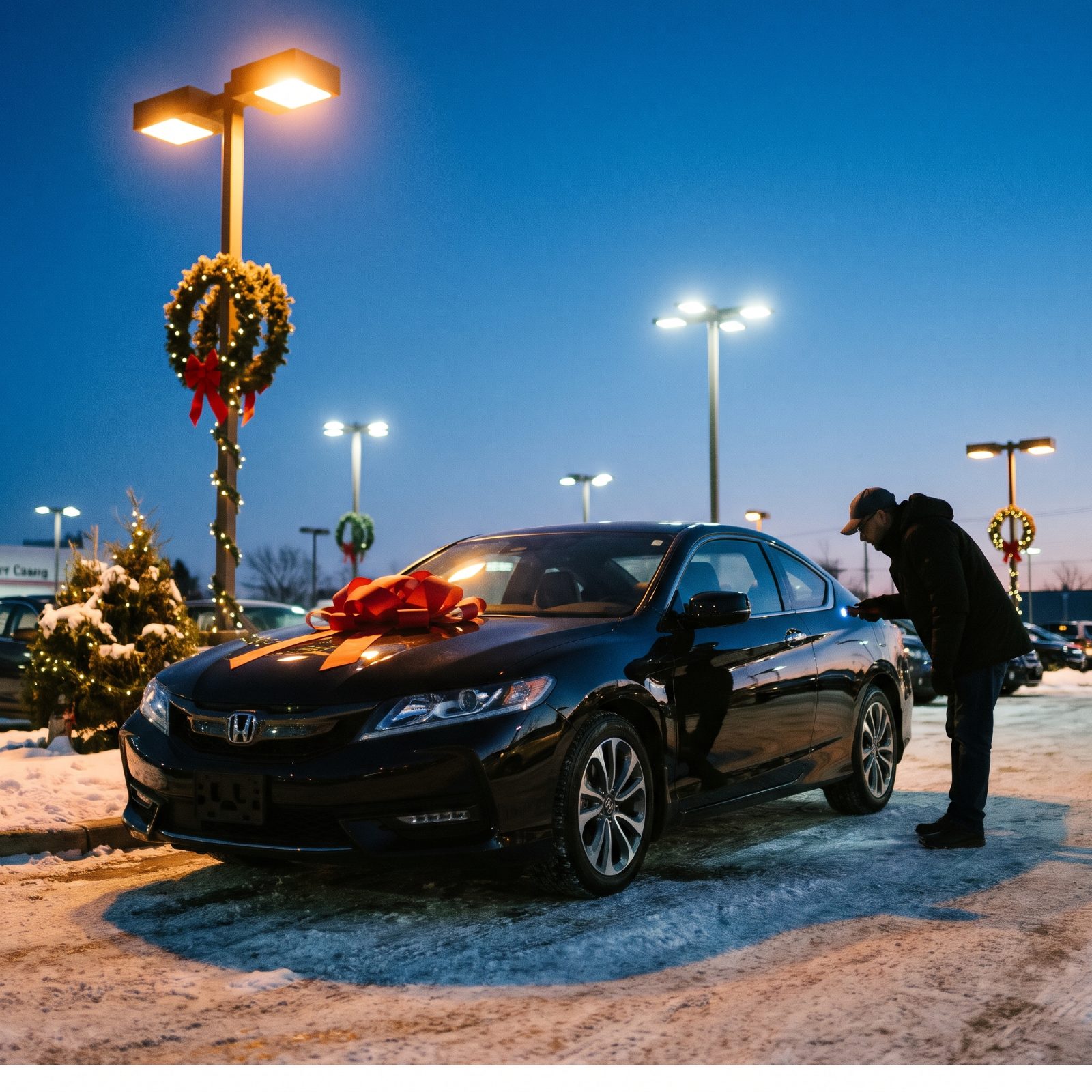
December days are short, and plenty of holiday car shopping happens after work, under the bright overhead lights of a dealer lot. Those lights make every car look fantastic. That’s not an accident.
Harsh, high-mounted lighting washes out swirl marks, flattens small dents, hides mismatched paint between panels and disguises curb rash on the wheels. Wet pavement and winter grime make it even easier to miss what’s there. A car that dazzles at 7 p.m. can look like a different vehicle at 10 a.m. in the driveway, with the recipient standing next to it.
Look at the car in daylight before you sign, even if it means coming back the next morning. Walk all the way around it, crouch down and sight along each side for ripples, check the paint color from panel to panel, and inspect the tires and wheels up close. Bring a flashlight for underneath and inside the wheel wells. If the dealer insists the deal has to close tonight, the deal will still be there tomorrow when the sun comes up.