
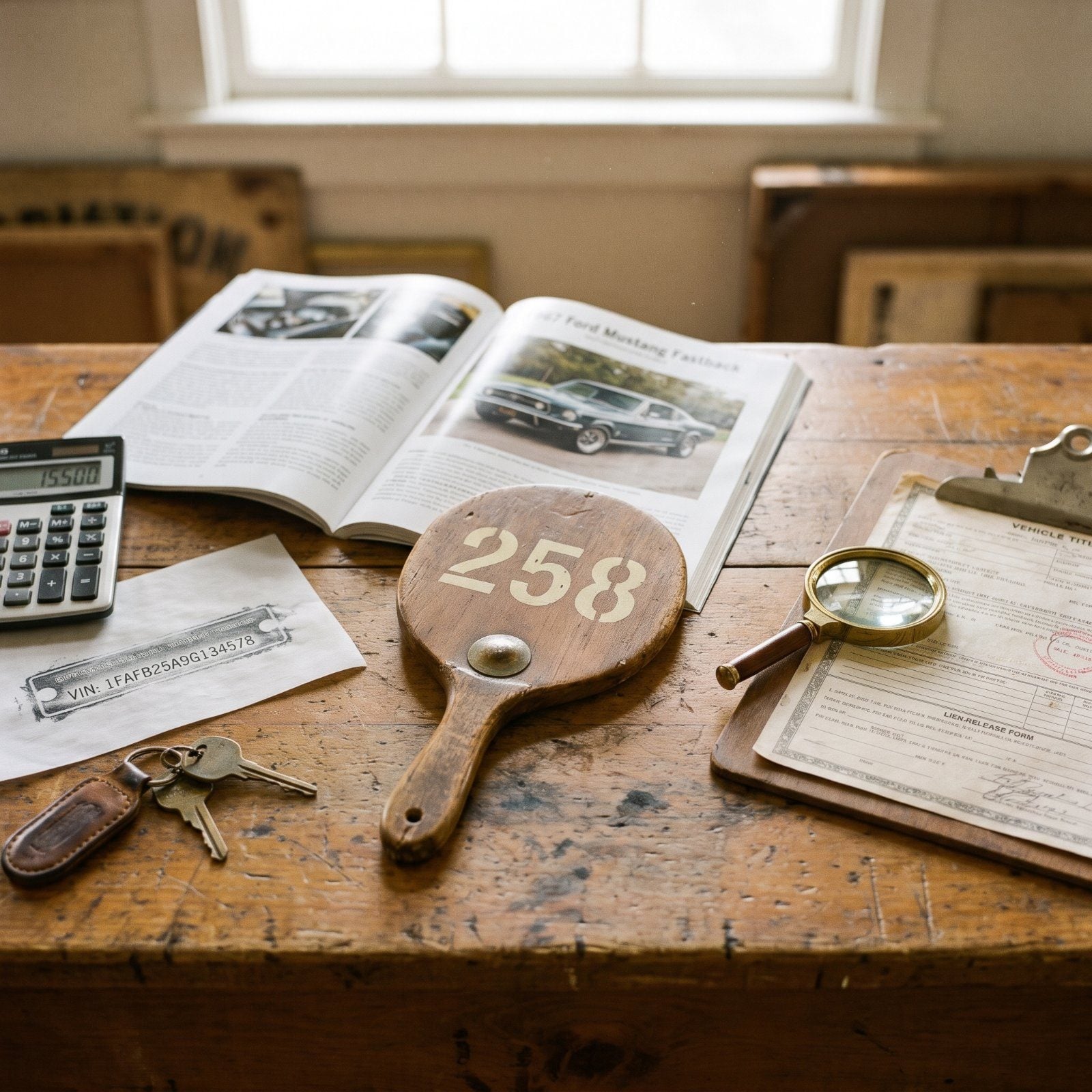
The gavel comes down and you feel like a genius. Then the invoice lands, and your winning bid has grown a second head. Auctions reward the prepared and punish the dazzled, and most first-timers get dazzled the moment the lights hit the paint. Here’s the thing, though — nearly every expensive lesson here is avoidable with an hour of homework and a steady hand on the paddle. What follows are the traps that separate the folks who drive home grinning from the ones nursing buyer’s remorse.
Please note that some of the images in this article were created with the assistance of AI.
36. Setting a Hammer-Price Limit Instead of Your Real All-In Number
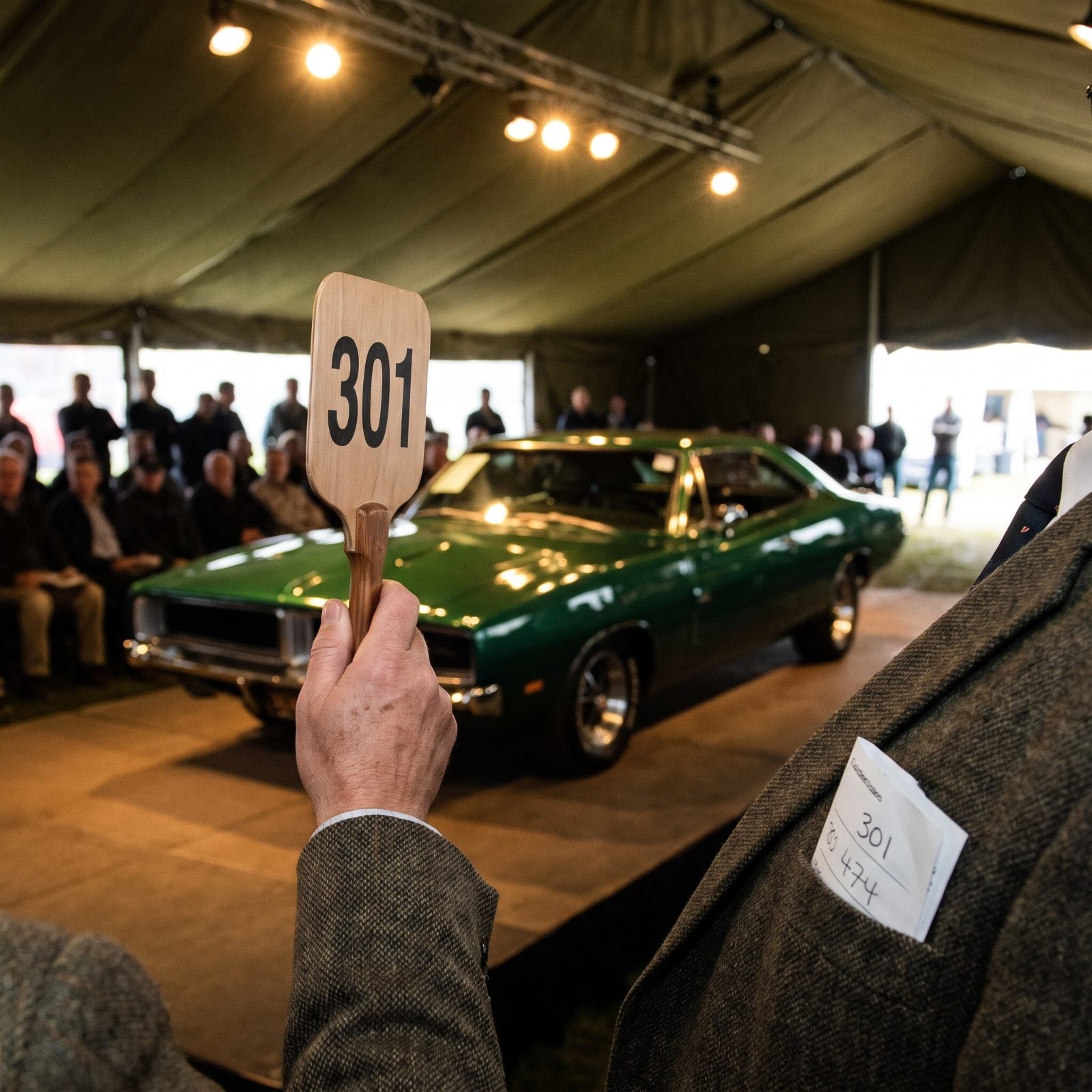
That number flashing on the board is not what you pay. Tack on a buyer’s premium, then sales tax, then the doc fee and sometimes a title-transfer charge, and a hammer in the low forties can bill out thousands higher before you’ve even arranged a trailer.
First-timers set their ceiling on the hammer and get ambushed at the payment desk. Work backward instead. Decide the most you can spend out the door, then subtract the premium and your state’s tax rate to find your true bidding limit. Write that number on your hand if you have to. The guy who keeps bidding because “it’s only a little more” is the guy financing the auction company’s new roof.
35. Chasing Asking Prices When Only Sold Prices Tell the Truth
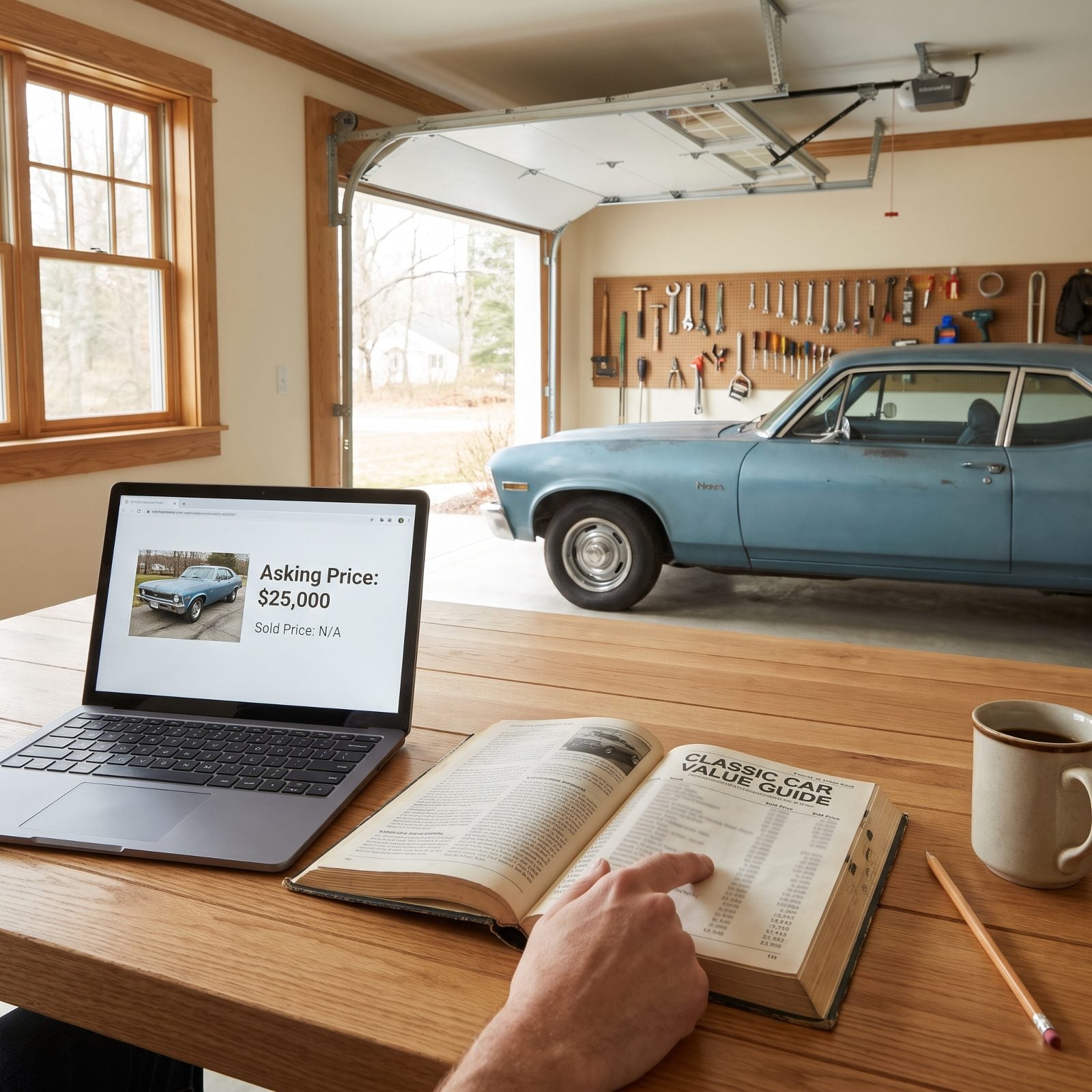
Online listings are wish lists. A seller can ask the moon, leave the car parked for two years, and that fantasy price still pops up when you Google the model — telling you what somebody hoped for, not what anyone actually paid.
So pull real results. Auction sites publish sold figures, and the price-guide providers track hammer prices by year and condition. Look at what’s closed in the last year or so, filter for comparable condition, and build your number from reality. I got burned early trusting a dreamy classified and bid into a wall that didn’t exist. Asking prices are the weather forecast. Sold prices are what you actually walked out in.
34. Comparing Apples to a Completely Different Orchard on Trim and Options

Two Mustangs from the same year can live worlds apart in value, and the catalog photo won’t shout the difference. Base six-cylinder versus the big-block. Factory air versus none. Four-speed versus a column auto, the right rear axle code, the correct interior package. These details are the whole ballgame.
Price the exact car in front of you, not the model name. A matching trim, the same drivetrain, the right options. Comparing a loaded GT to a stripper coupe because they share a nameplate is like pricing a house by the zip code and ignoring that one has three bedrooms and the other has a kitchen from 1974.
33. Taking the Catalog’s “1 of 400” Rarity Claim on Faith

“One of only 400 produced.” It sounds official and it sells cars, but who’s checking? Catalog copy is marketing, written to move the lot, and that rarity figure sometimes gets stretched to include a color, a trim, and a transmission combination nobody tracks officially.
Verify it against the marque registry or the production records enthusiasts have compiled over decades. Plenty of clubs keep real numbers by option code. And if the claim can’t be backed by a document or a known registry, treat it as flavor, not fact. Rarity should raise the price only when you can prove the rarity. Otherwise you’re paying a premium for a sentence someone typed on a deadline.
32. Skipping the Shoebox of Restoration Receipts and Build Photos
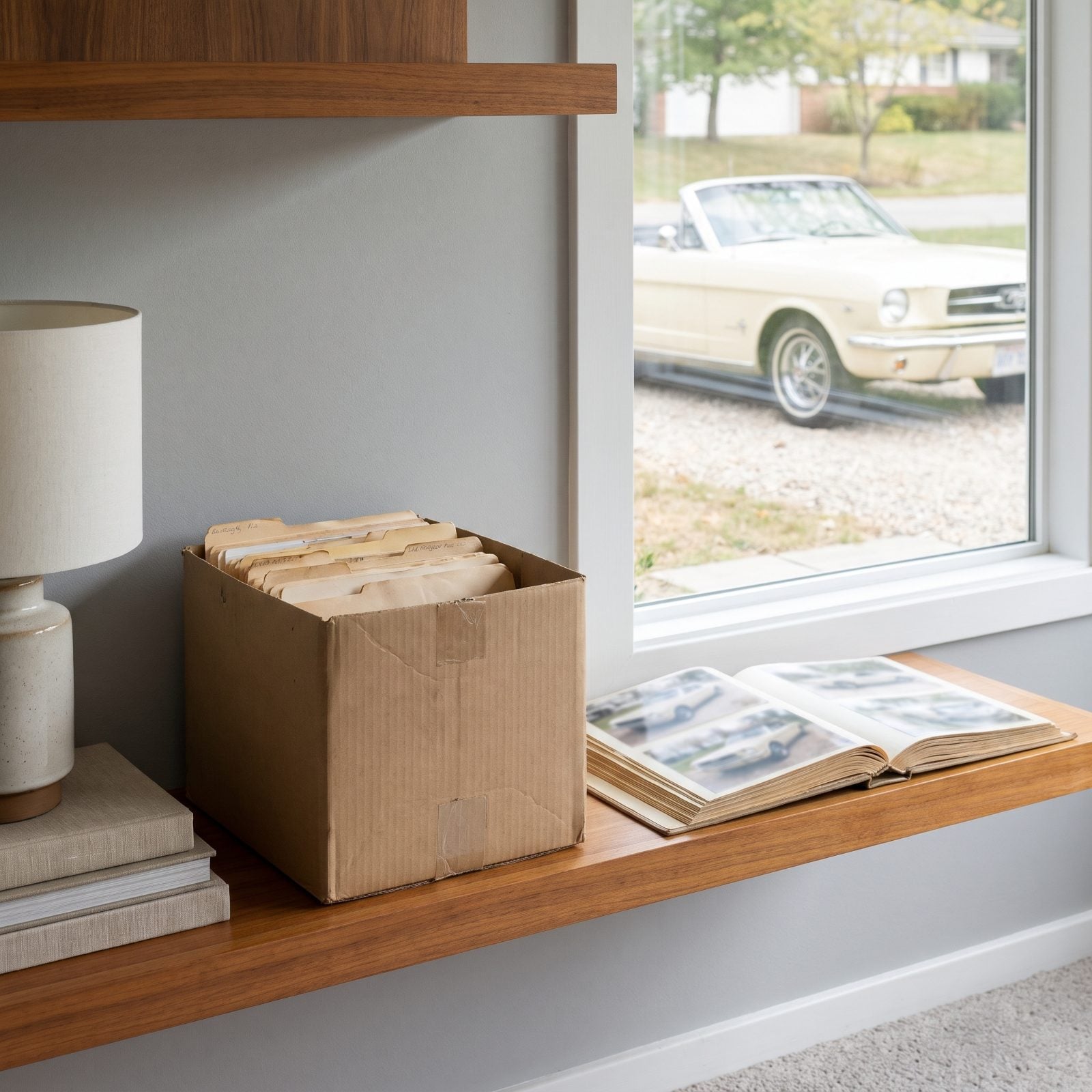
A fresh paint job can hide a world of sins, and a pretty car with no paper trail is a mystery wrapped in clearcoat. You have no idea whether that body was blocked properly over clean metal or slathered over filler and old rust by someone cashing out before the bubbles came back.
Ask for the documentation and actually read it. Dated receipts from known shops, parts invoices, and a photo album showing the car stripped to bare metal. That album is gold. It tells you what you can’t see once the panels are back on. A restoration without receipts is a story you’re asked to believe at full retail.
31. Not Matching the Title to Both the Car and the Consignor

A clean-looking title is worthless if the name on it isn’t the consignor’s and the VIN doesn’t match the plate on the car. Title snags are how a cheap-seeming deal turns into months of DMV purgatory, or worse, a car you can’t legally register.
Before you bid, confirm three things line up: the VIN on the title matches the VIN on the car, the title brand (clean, salvage, rebuilt, bonded) is what you expect, and the seller has the right to sell it. Selling on behalf of an estate or a third party? Ask to see the paperwork that gives them authority. A beautiful car with a tangled title is an anchor you’ll be dragging for a year.
30. Forgetting to Check for an Outstanding Lien Against the Car

Picture the nightmare. You pay cash, drive the car home, and a bank calls because the previous owner still owes money on it. A lien follows the vehicle, not the person, and an unpaid one can let a lender repossess the car you just bought fair and square.
Run a lien check before you raise the paddle. A title search through your state, plus a history report keyed to the VIN, will usually flag an active lien or a lender listed right on the title. Good auction houses verify this and can issue a clean title, but never assume. A half hour of checking beats a repo truck in your driveway.
29. Skipping Preview Day Because the Catalog Photos Look Flawless
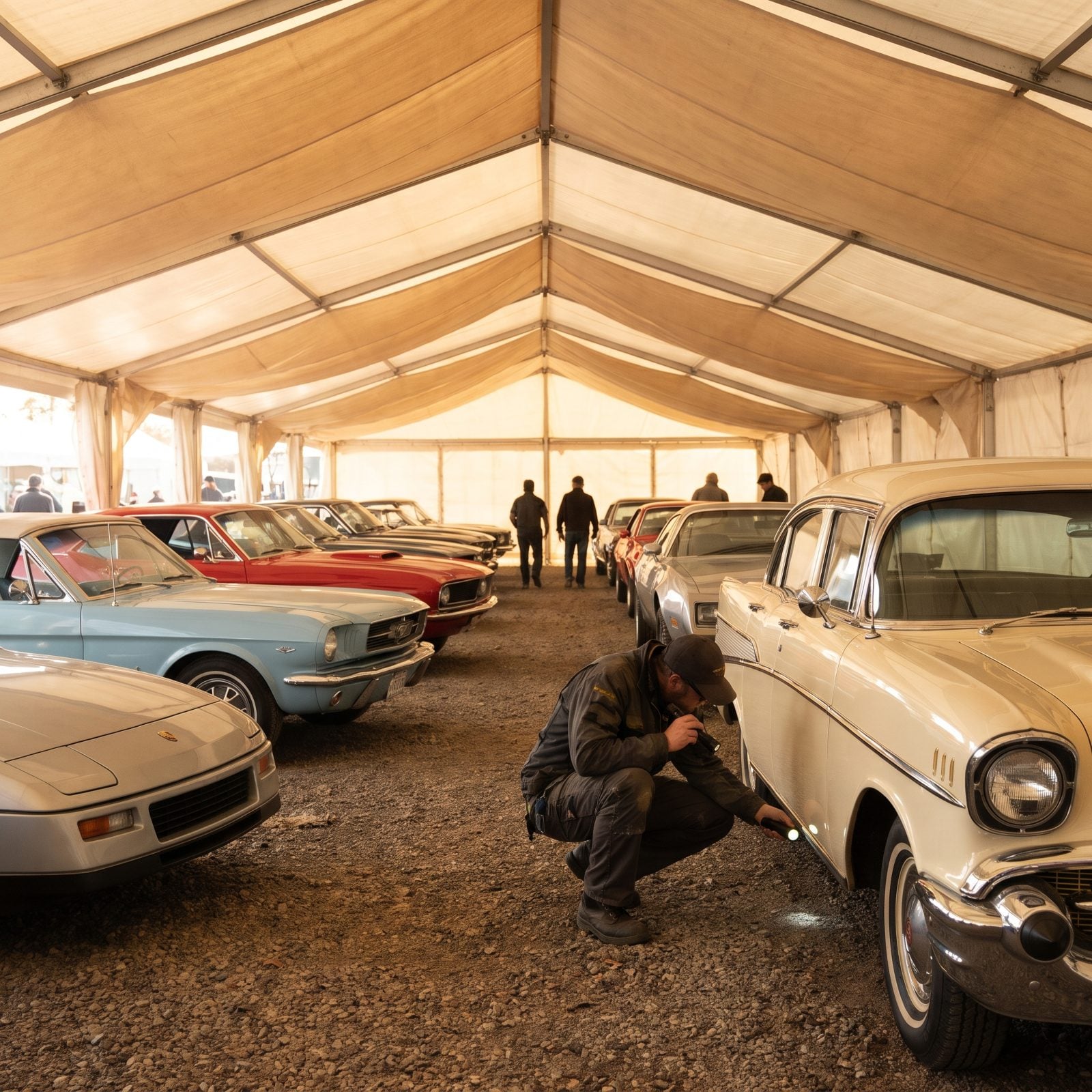
Studio photos flatter everything. The right lens angle and some good light will hide wavy panels, overspray on the rubber, a cracked dash, and the faint ripple of filler under a glossy flank. A catalog is a dating profile, and you know how those go.
Go to preview day and put your hands on the car. Open and close every door, feel the panel gaps, sight down the body in daylight for waves, check the undercarriage with a flashlight, and look at the engine bay for fresh paint hiding repairs. Bring a magnet wrapped in a cloth to probe for filler if the paint looks too new. Sit in it. Smell it. Twenty minutes in the preview tent tells you more than a hundred glossy photos ever will, and it’s the cheapest insurance at the whole event.
What Our Readers Say
- Jalopy Talk readers gave photos of restored, concours-condition cars more hearts than the other images in the same articles, 83% versus 77%, so polished paint tugs at almost everyone.
- When our readers loved a car photo and tapped a reason, the top pick was “nostalgic” at 26%, ahead of body style and “would drive.”
From Jalopy Talk reader polls and votes.
28. Not Hiring a Model-Specific Inspector
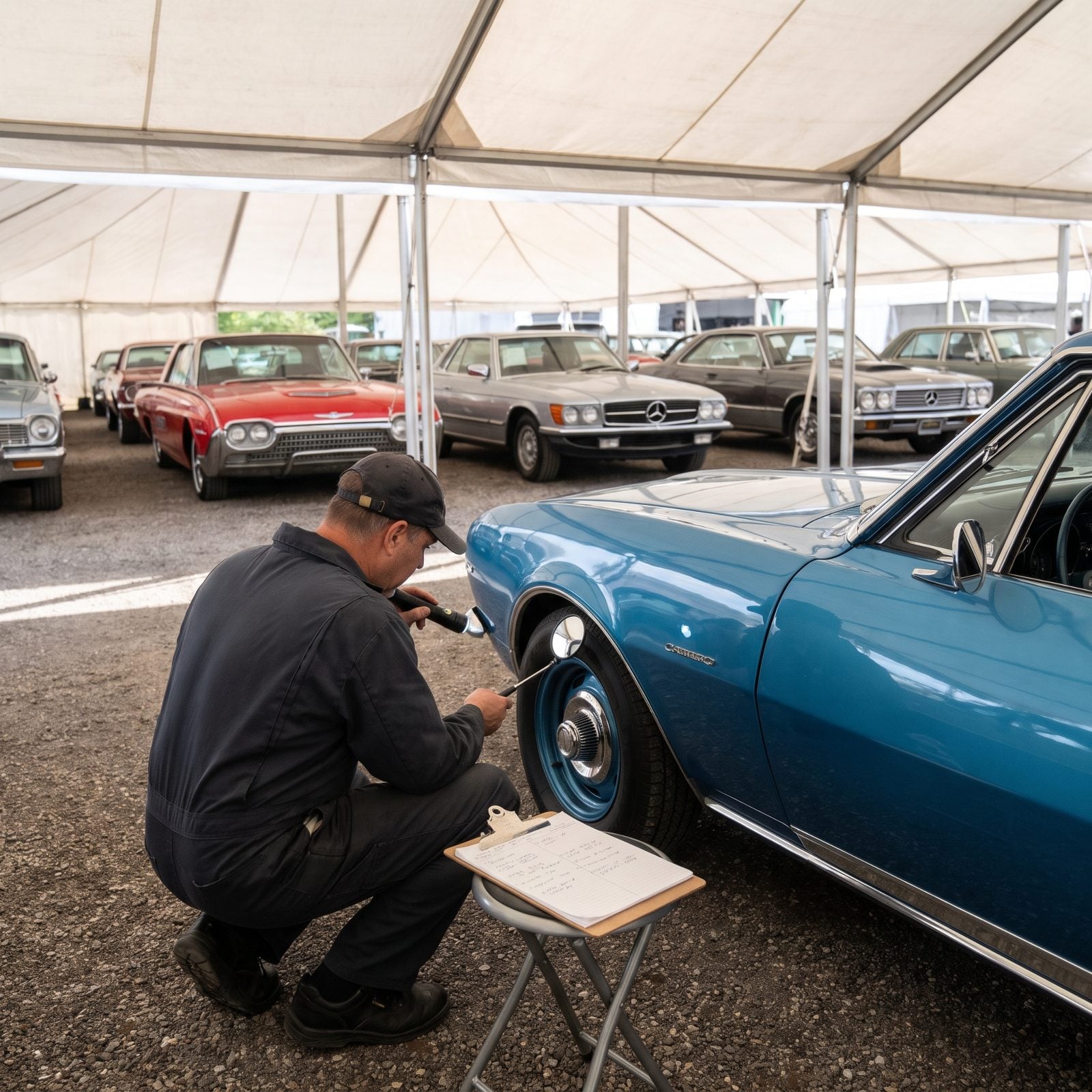
A generalist with a nice toolbox is not the same as someone who has pulled apart forty of the exact car you’re chasing. Every model hides its own soft spots. Early Mustangs rot at the torque boxes, E-Type Jaguars bury trouble in the monocoque floors, and air-cooled Porsches lie about their matching numbers in ways only a 911 person will ever catch.
So hire a pre-purchase inspector who knows your specific car cold. A marque club referral beats a random mobile mechanic every time, because that person already knows which casting numbers belong where, which repro parts flag a hidden repair, and exactly what the thing should sound like at idle.
27. Misreading Vague Condition-Report Language
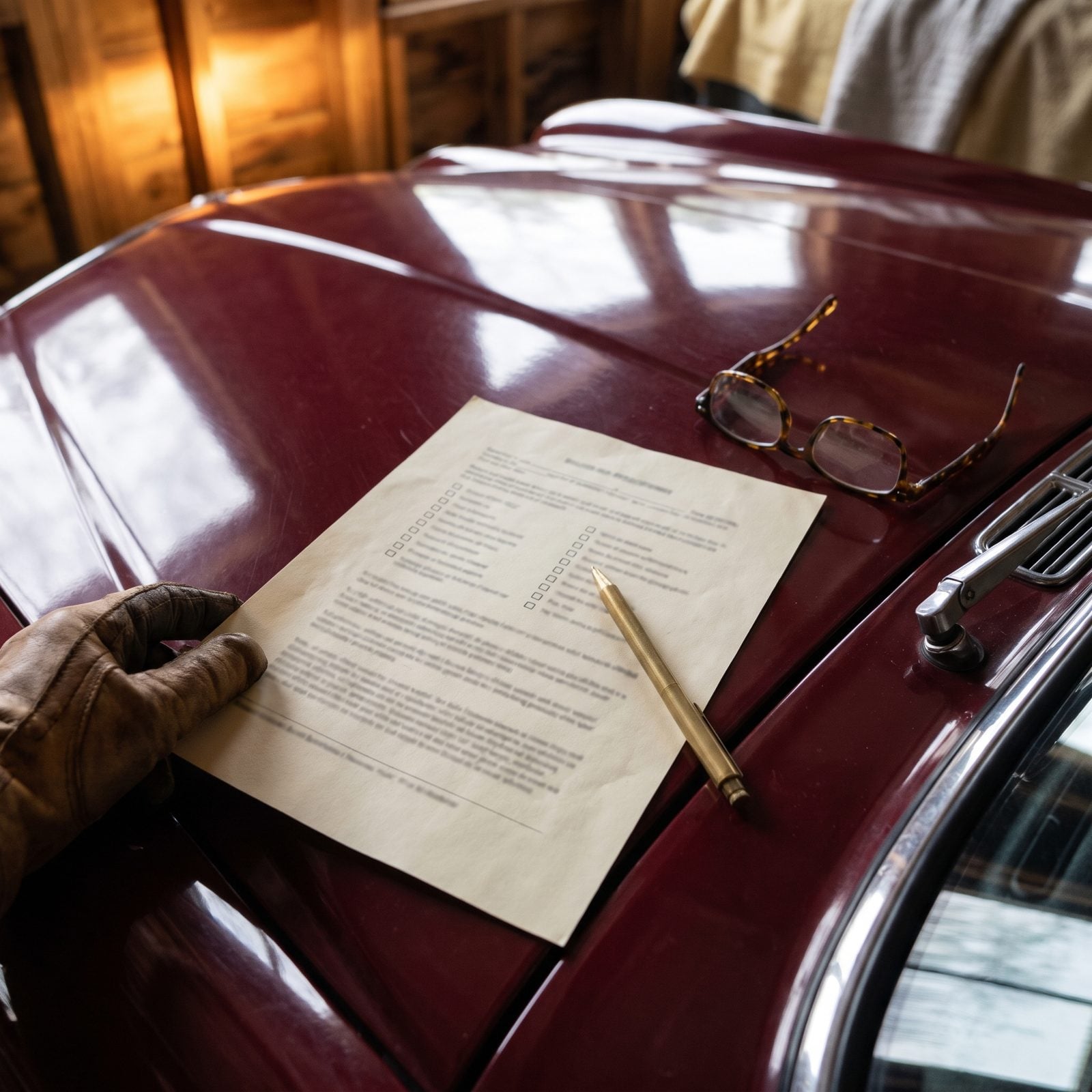
Auction catalogs run on a secret dictionary. “Older restoration” means the paint is probably cracking somewhere you can’t see. “Runs and drives” promises nothing about whether it runs or drives well. And “believed to be numbers-matching”? That’s a legal shrug dressed up as a fact.
Read every softening word as a flashing yellow light. When a report describes the chrome and the leather in loving detail but goes fuzzy the second it reaches the mechanicals, the silence is the report. Call the auction house and ask direct questions in writing — does the engine number match the title, when was the last service, has it driven under its own power this year? Get names. Get dates. Vague answers tell you everything you need to know.
26. Failing to Hear the Engine Start From Cold
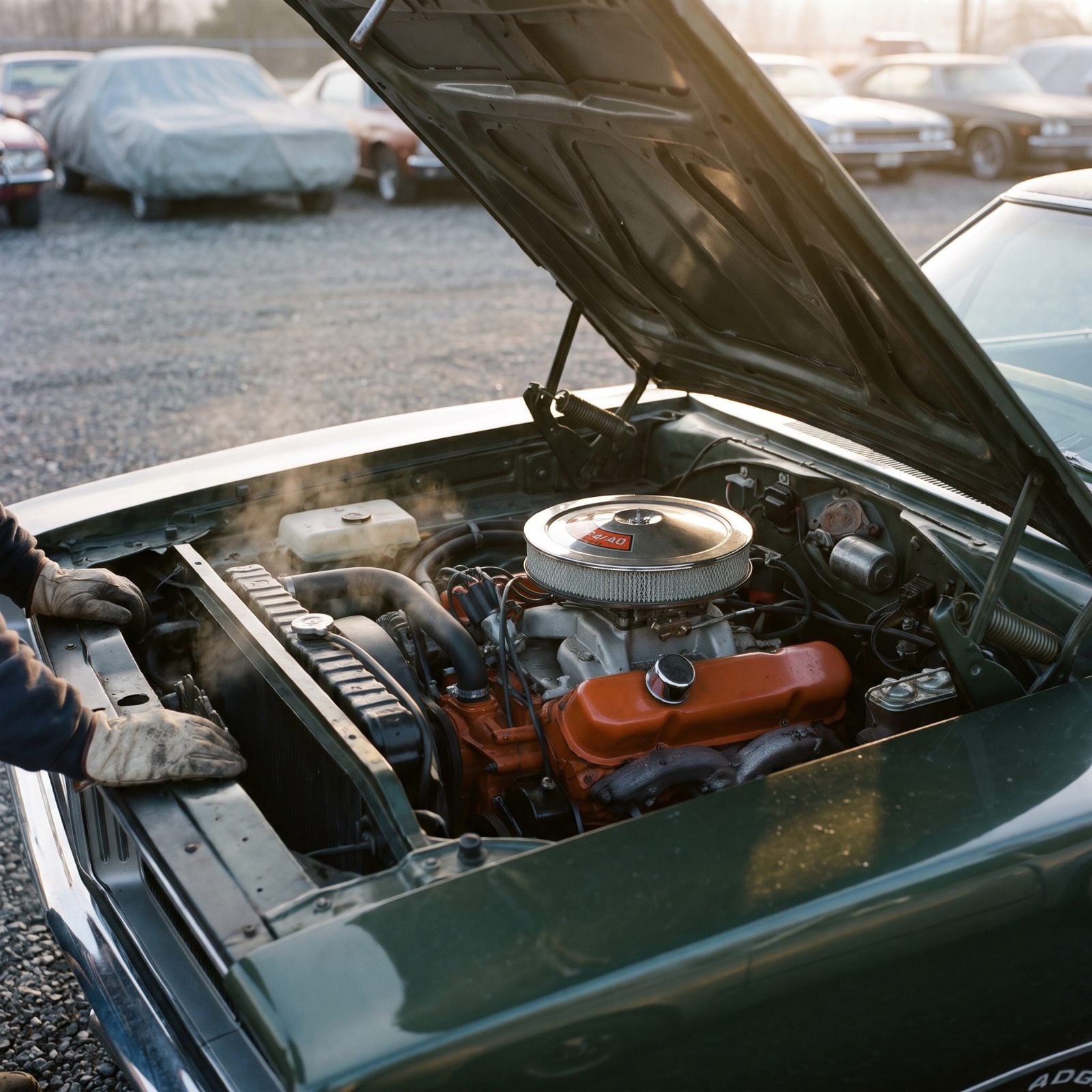
Sellers love to have the engine warmed up and purring by the time buyers wander over. Convenient, isn’t it? A hot engine will happily hide worn bearings, weak compression, and a lifter that only taps until the oil comes up to pressure. A cold start, on the other hand, tells the truth whether anybody wants to hear it or not.
Ask to be there for the first fire of the day, before anyone has laid a hand on it. Listen for a knock that fades as it warms, blue smoke in those first few seconds, a startup rattle that means a timing chain near the end of its life. Oil pressure that crawls up slow — or never climbs at all — is a warning you can hear before you ever reach for your wallet.
In its guide for used-classic buyers, a classic car repair shop advises “Whenever possible, inspect the vehicle with the engine cold. Sellers sometimes warm up a car before you arrive to hide hard starting, smoke, noisy valve train components, or other cold-start symptoms.”
25. Buying Without a Road Test When One Is Available

Plenty of auction cars never move an inch before the hammer falls. But when a road test is on the table — even a slow lap of the lot — turning it down is a gamble you simply don’t have to take.
A short drive surfaces what no walkaround ever will: a synchro that grinds on the two-three shift, a clutch that slips under load, brakes that pull, a rear end that whines, a frame that shimmies over the first bump in the road. A static car can be dressed up all day long. A car in motion can’t hide a worn gearbox or a tired suspension. If they’ll let you drive it, drive it.
24. Skipping an Undercarriage Inspection on a Lift
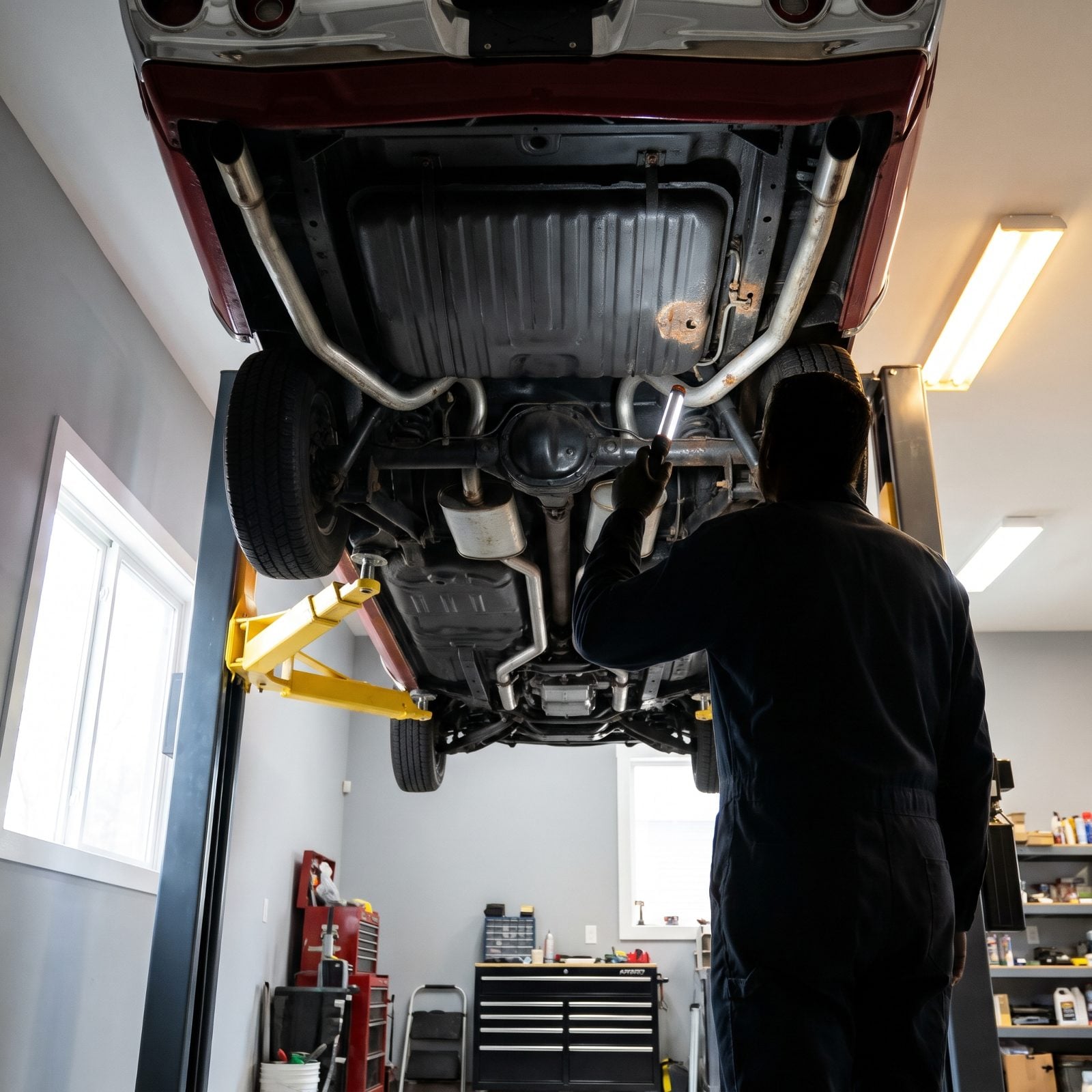
The top of a classic gets all the attention and all the wax. The bottom is where the real story lives — floor pans, frame rails, trunk drops, the inner structure holding everything together — and most buyers never once bend down to look.
So if the auction has a lift, or you can arrange a pre-sale inspection at a nearby shop, get the car in the air. Poke the floors with a screwdriver. Check the frame for kinks, fresh welds, and mismatched sections that point to a rebuild or a hard hit. A car that looks like a hundred-pointer from the fender line can be held together by filler and faith underneath.
23. Not Using a Paint Meter to Find Body Filler
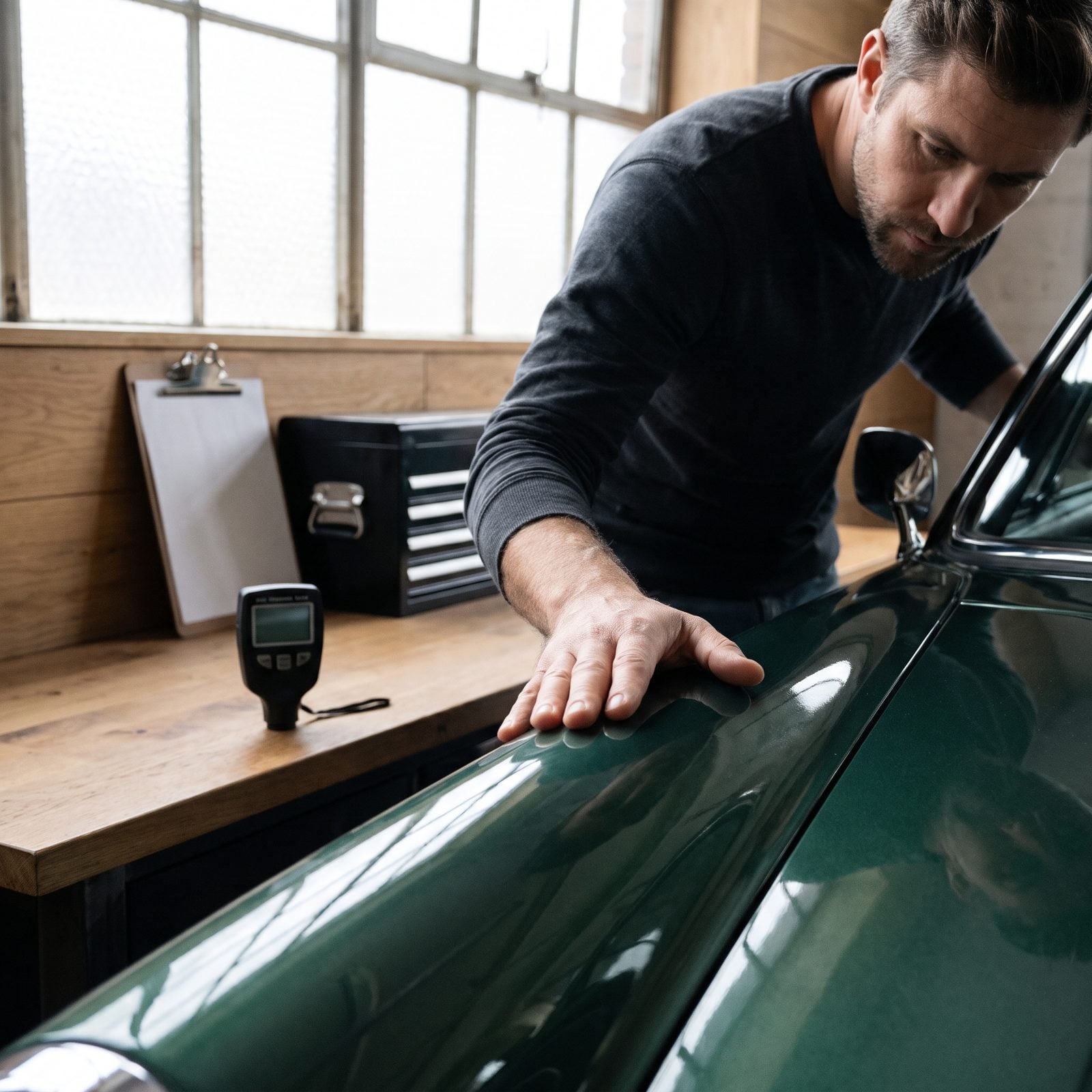
Factory paint runs a predictable thickness. Body filler under paint runs double or triple that, sometimes wildly more where somebody packed a dent or buried a repair. Your eye can’t see any of it. A paint meter can.
Pick up a cheap electronic paint-depth gauge — the kind that costs less than a decent set of plug wires — and sweep every panel on the car. Watch for one door reading twice the number of the one right next to it. Spikes over the wheel arches and lower quarters mean filler, and filler means rust or collision work lurking beneath a gorgeous finish. That little gauge pays for itself the first time it steers you clear of a cut-and-shut.
According to a pre-purchase inspection mechanic with more than 30 years of experience, “Factory paint is applied evenly by automated robotics. If a door, guard, or quarter panel shows a drastically thicker reading than adjacent panels, it indicates secondary paintwork, previous collision repairs, or underlying body filler.”
22. Ignoring Uneven Panel Gaps and Accident Clues
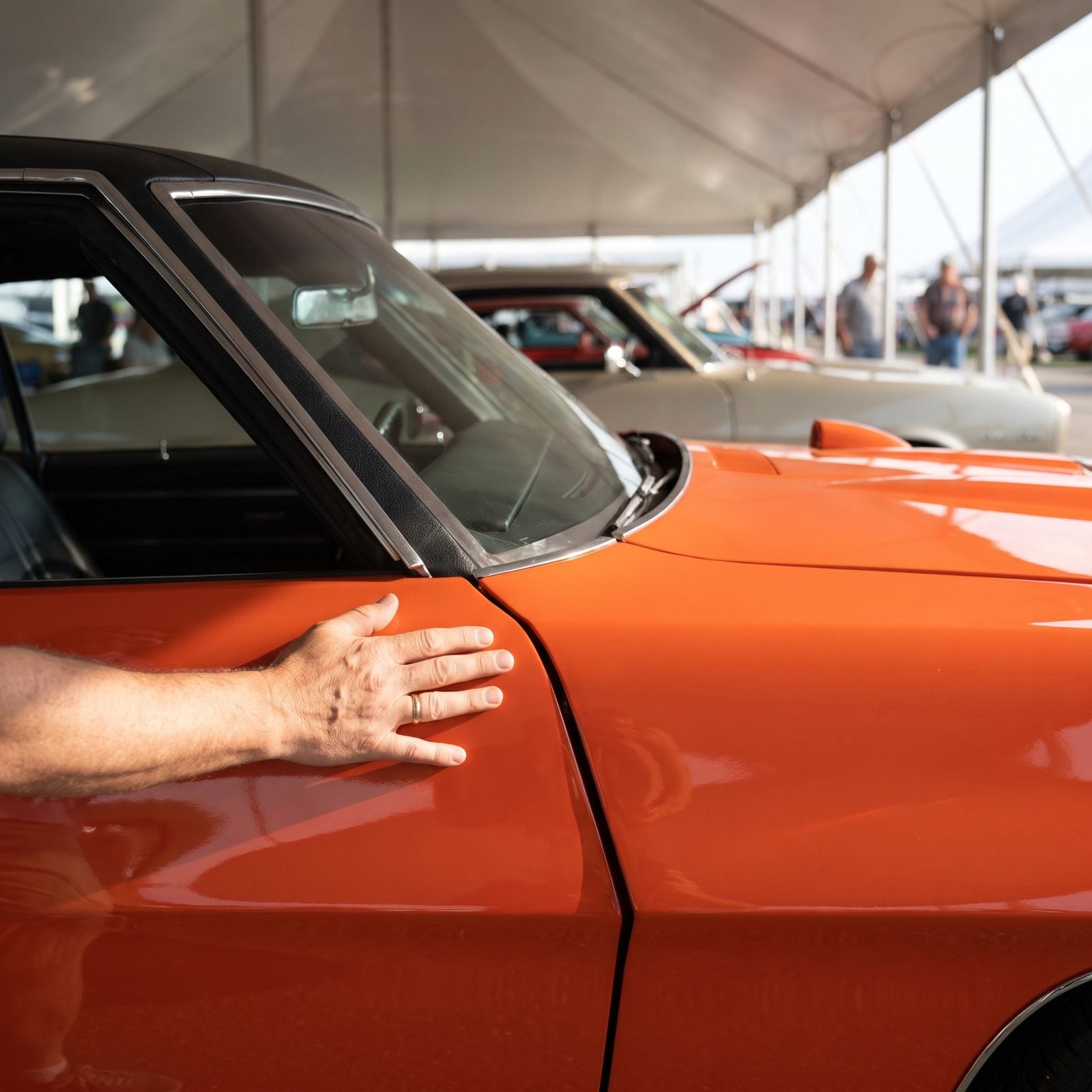
Factories built these cars to a tolerance, and that tolerance holds consistent all the way around the body. A gap that’s tight at the top of the door and wide at the bottom, a hood that sits proud on one side, a trunk lid that needs a slam to catch — those aren’t charming quirks. They’re the signature of a panel that got hung after something bad happened.
Walk the whole car and read the gaps like a story. Sight down the body from the front and rear corners, hunting for waves in the sheet metal. Does the paint color match exactly in direct sun, panel to panel? Overspray on rubber seals and fresh seam sealer where there shouldn’t be any finishes the confession.
21. Missing Rust Hidden Beneath Fresh Undercoating
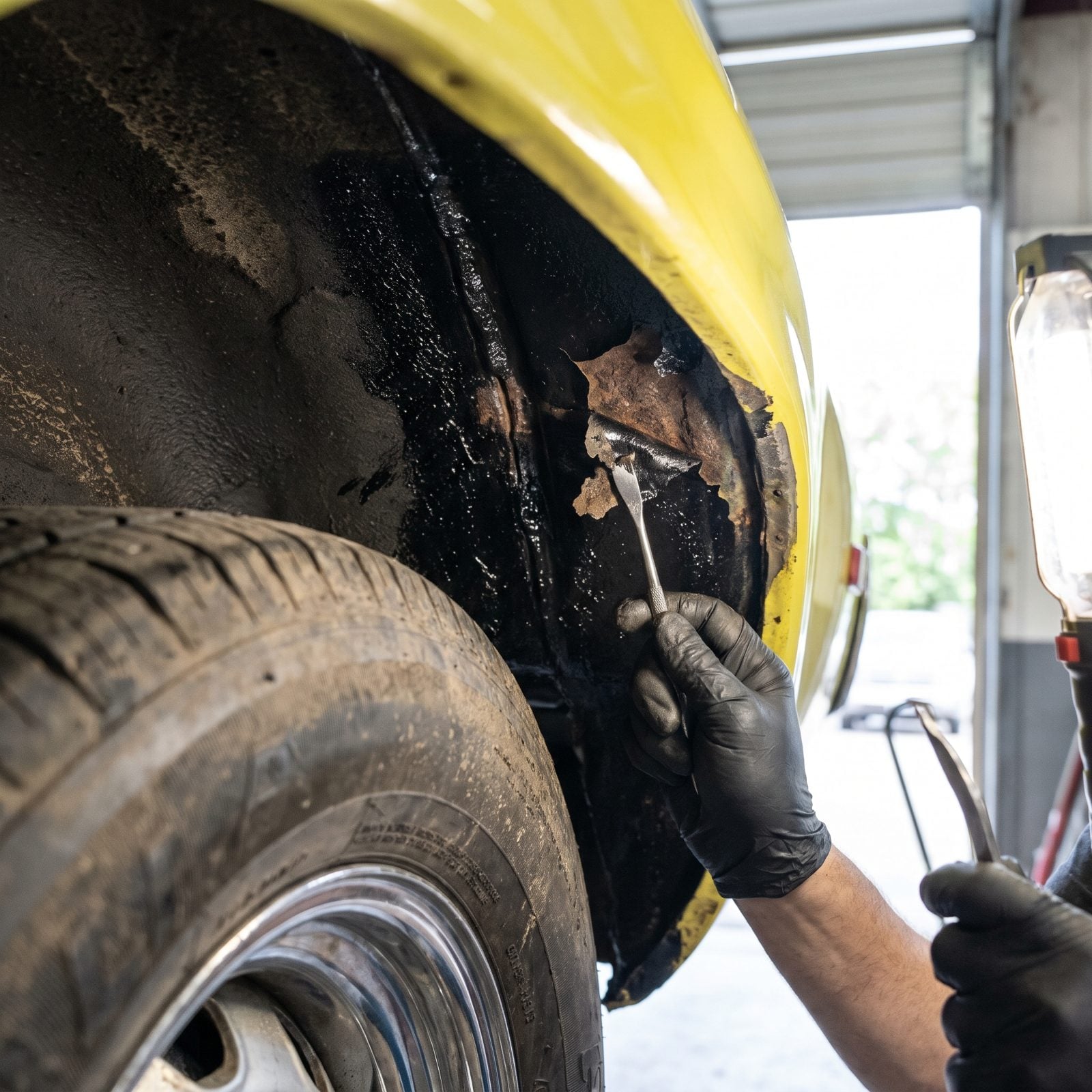
Fresh undercoating on an older car is rarely a gift. It’s a mask. A thick new layer of black rubbery coating sprayed across the floors and wheel wells is usually covering rust that would scare you right off, or hiding a patch panel welded in with more hope than skill.
When you spot shiny new undercoat on a car that’s pushing forty years old, get curious — not relieved. Probe along the seams and edges with a pick or screwdriver wherever the coating thins out. Press the floors with your thumb and feel for give. A magnet won’t tell you much through thick undercoating, so trust your hands and a flashlight instead. And if the seller recently “freshened” the underside, ask why. Then ask what it looked like before.
In its guide to spotting hidden rust on classics, a vehicle appraisal firm cautions “While undercoating can protect metal, sellers sometimes apply it just before listing a vehicle to hide rust.”
20. Dismissing Fluid Leaks, Smoke, or Low Oil Pressure
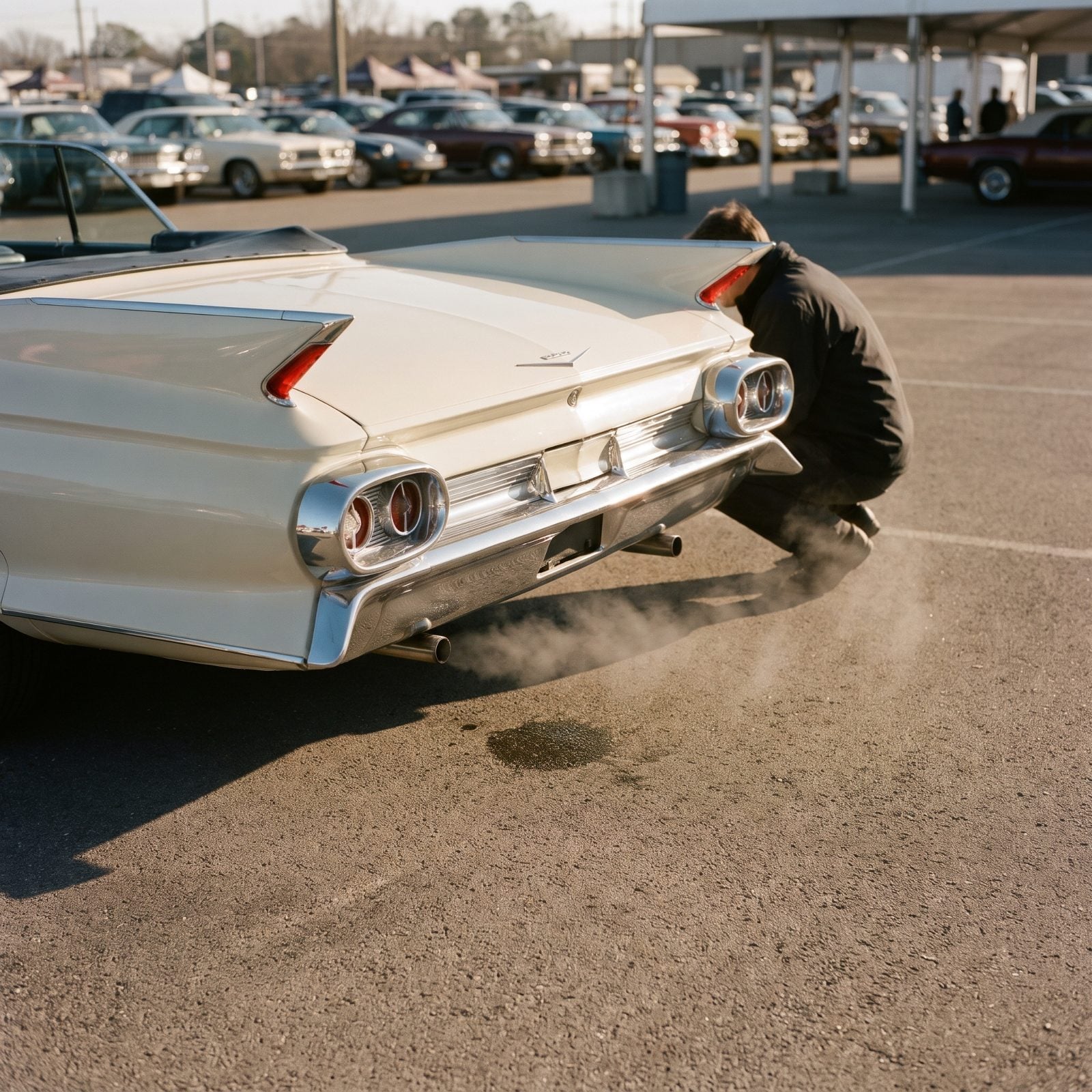
Everyone wants to believe the drip is “just a little weep” and the blue haze is “just old gas.” Sometimes it genuinely is. More often it’s a head gasket starting to let go, rings on their way out, or a rear main seal that’ll cost more to chase than the whole car is worth owning.
Watch the color and watch the timing. Blue smoke means oil burning. White that lingers means coolant in the combustion chamber. Black means it’s running rich. A fresh wet spot under the car is current news, not ancient history. And if there’s an oil pressure gauge on the dash, keep your eye on it at warm idle — a needle that barely lifts is a tired engine telling you the truth to your face. Don’t argue with it.
19. Underestimating the Cost of Missing Trim and Chrome
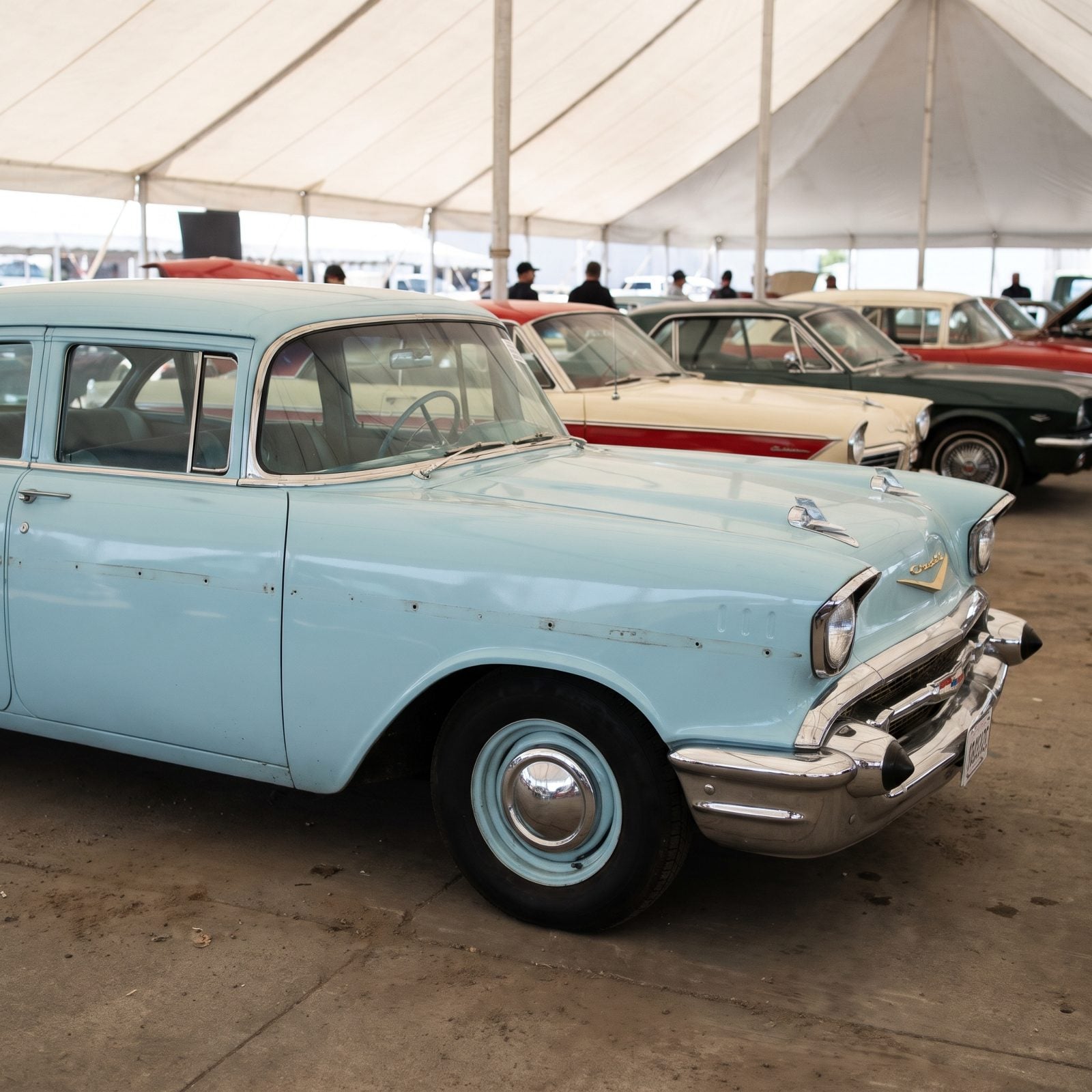
A car can look right from ten feet and still be missing a fortune in brightwork. You walk up, the paint gleams, then you notice it. A chrome spear gone from the fender, the hood emblem replaced with two empty holes and a smear of touch-up, grille teeth snapped off at the base.
Why does it sting? Because reproduction trim for popular models gets made again, while correct NOS pieces for an orphan car or a one-year-only body style do not. When a bumper or a stainless window surround runs four figures and ships from a guy in Ohio who only answers email once a week, your bargain just quietly doubled.
Walk the whole car before you raise a paddle. Run a finger along every trim line, count the emblems against a factory photo, and price the missing pieces before the lot crosses the block. A phone and the model’s parts forum will tell you in five minutes whether that chrome is a $90 fix or a two-year scavenger hunt.
Brightwork carries real emotional weight too: Jalopy Talk readers gave photos of cars wearing lots of chrome more hearts than the other images in the same articles, 82% versus 75%.
18. Skipping the Auction House’s Terms and Conditions

Nobody reads the fine print until it costs them. The terms and conditions are a dull PDF you skim on your phone, and buried in it is every fee, every deadline, and every rule that decides whether you drive home happy or spend the ride stewing.
Skip it and you’ll meet the buyer’s premium at the worst possible moment: when your winning $20,000 hammer price lands as $22,000 on the invoice, plus sales tax, plus a documentation charge nobody warned you about. A ten-percent premium means your real ceiling sits ten percent below where you think it does.
Read the whole thing the day before. Highlight the premium rate, the payment window, the title-transfer process, and whatever they say about descriptions being opinion. Boring homework, sure. But it’s the difference between a plan and an ambush.
17. Missing the Auction’s Short Payment Deadline
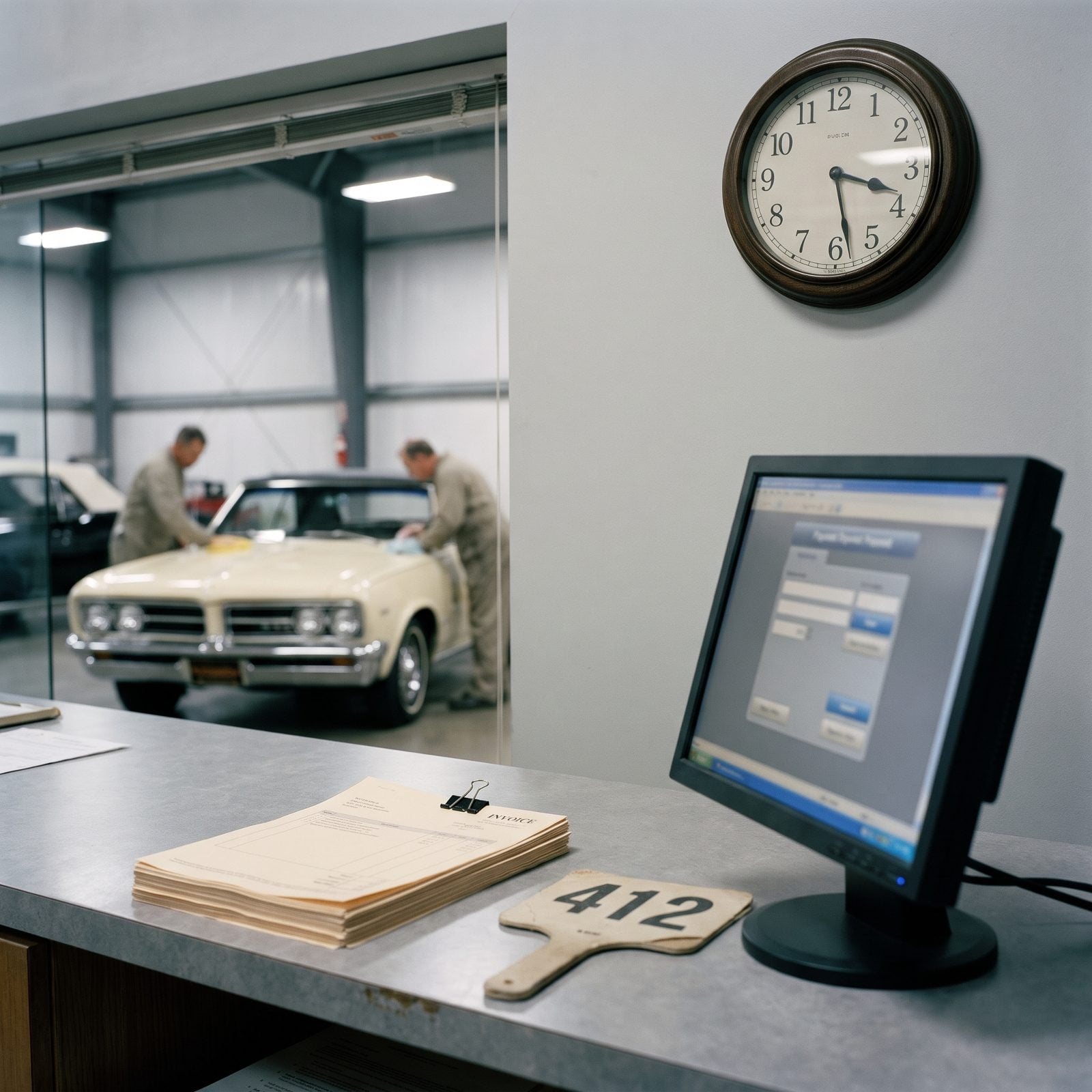
Win a car and the clock starts, often faster than people expect. Some houses want settlement within a day or two, and the cheerful desk that congratulated you turns into a cashier with a hard cutoff.
Blow the deadline and you’re not just late. You can eat storage fees, a daily penalty, or in a bad case lose the car and your deposit while the house quietly re-sells it out from under you. A wire transfer that takes two business days does not care that you meant well.
So stage the money before the sale. Know whether they take a cashier’s check, a wire, or cash up to a limit, and know the exact hour settlement is due. Call your bank ahead so a five-figure wire doesn’t get frozen for “unusual activity” the one afternoon you need it to clear. Buy the car, then pay like you planned it, because you did.
16. Trying to Arrange Financing After Winning
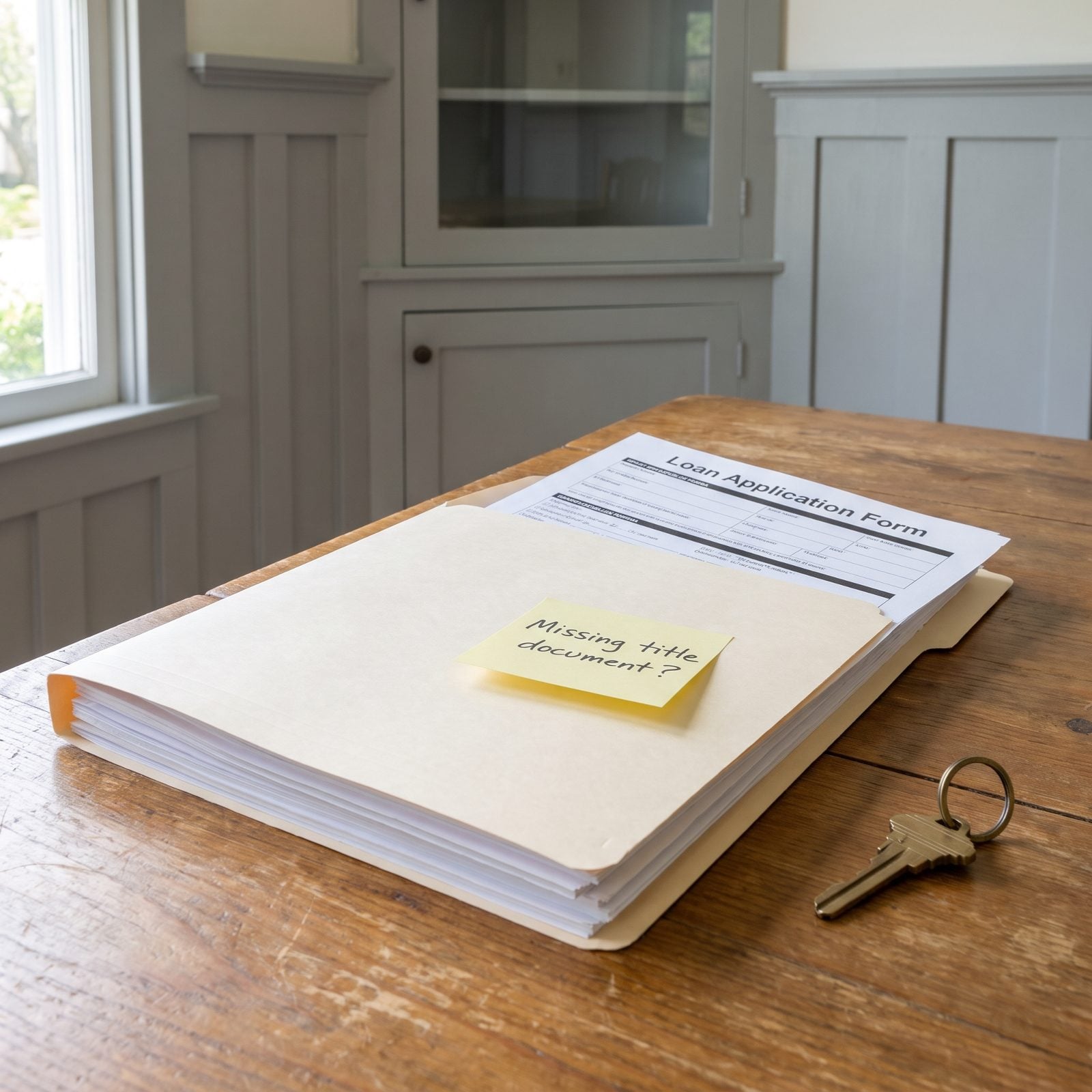
Here’s a trap that feels responsible and isn’t: planning to sort out the loan once you know what the car cost. By then you’ve already committed to pay, the settlement window is ticking, and classic-car lenders don’t approve a specialty loan on an old vehicle in an afternoon.
Collector-car financing isn’t a quick dealer swipe. The lender wants the year, the model, a condition sense, sometimes photos, and they underwrite against auction value rather than a sticker. Start that after the hammer and you’ll either miss the payment deadline or scramble for a worse rate.
Financing is fine. Financing backward is how a dream car turns into a default.
15. Not Understanding Reserve and No-Reserve Lots

Reserve or no reserve changes how you should bid, and new buyers often don’t know which lot they’re chasing.
A reserve lot has a hidden floor. The seller set a minimum, and if the bidding stops under it, the car doesn’t sell no matter how hard you fought. You can win the high bid and still go home empty-handed, which feels like a cruel joke the first time it happens to you.
No reserve is different. The car sells to the highest bidder, period. That’s where the real deals live, and also where the fever burns hottest, because everyone in that room knows this one is actually going home with somebody tonight.
Check each lot’s status in the catalog, then bid differently on each. One is a floor you have to clear. The other is a fight to the top.
14. Failing to Learn the Auction’s Bid Increments
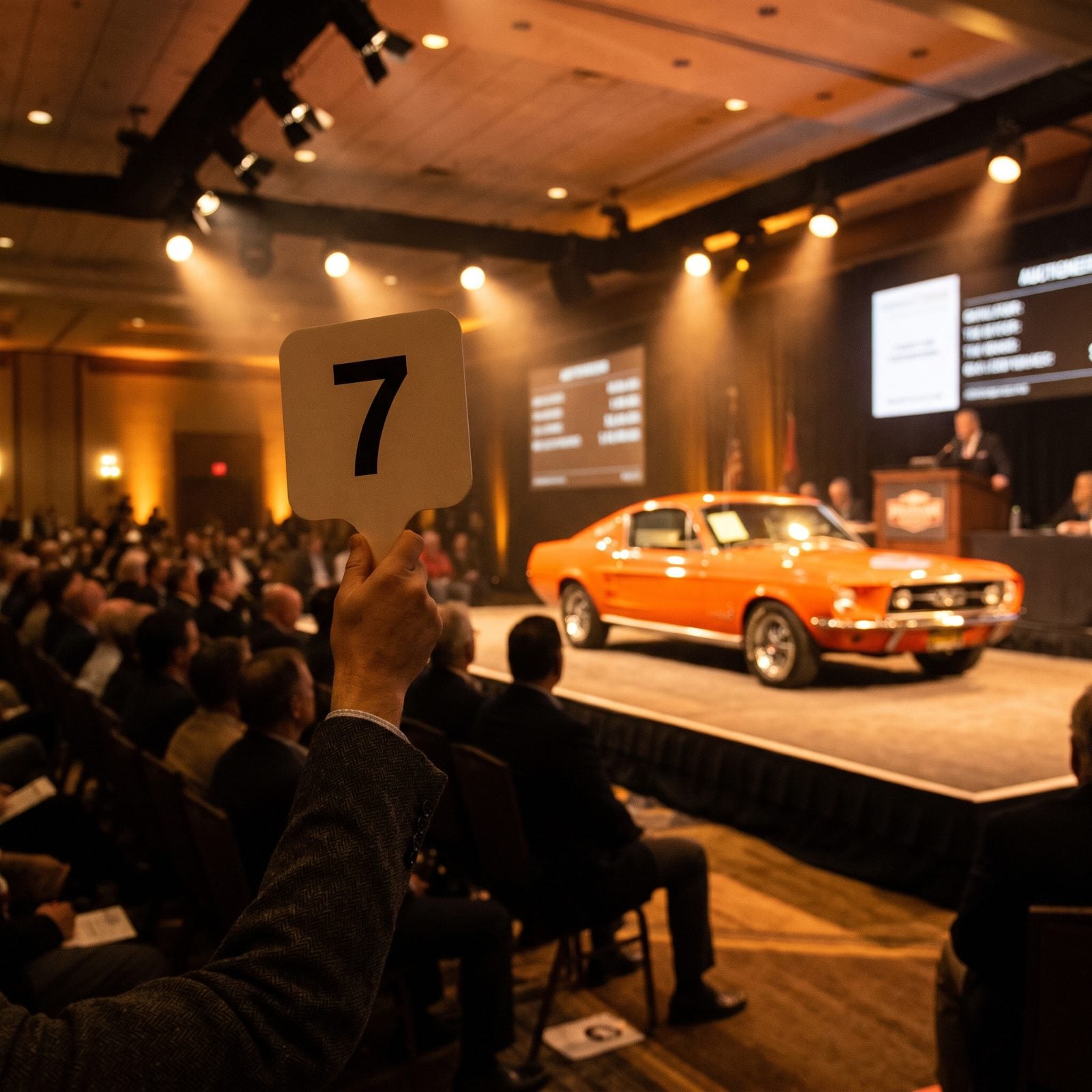
Bidding moves in set jumps, and the auctioneer runs them fast. One minute you’re at $18,000 in five-hundred-dollar steps, and the moment the car crosses a threshold the increments leap to a thousand, then twenty-five hundred.
Miss how that works and you’ll either freeze at the wrong second or wave your paddle and commit to a jump far bigger than you meant. There’s no take-back once the hammer falls and the car’s yours at a number you never intended.
Learn the increment ladder before your lot comes up. Most houses publish it, or you can watch a few lots sell and map the steps yourself. Know your top number, and know which increment lands you right at it versus which one blows clean past it. The buyer who understands the ladder bids with a steady hand while everyone else is doing panic arithmetic.
13. Ignoring Online-Bidding Video and Audio Delay

Bidding from your couch feels modern and safe right up until the lag bites. The live stream you’re watching runs seconds behind the actual room, so by the time you see the auctioneer say “going once,” it may already be gone in real time.
That delay costs online bidders cars every single day. You click bid, the system routes it, the room has already moved on, and you’re chasing a number that no longer exists. Audio stutters, video freezes, and the hammer waits for nobody.
So bid early and bid decisively. Don’t try to snipe the last second from a feed you can’t trust. Better yet, set a proxy maximum so the platform bids for you at machine speed instead of relying on your thumb and a shaky connection. Test your internet before the sale starts, and keep a phone number for the clerk handy for when the stream drops at the worst moment. It will, eventually.
12. Misunderstanding How a Proxy Maximum Bid Works
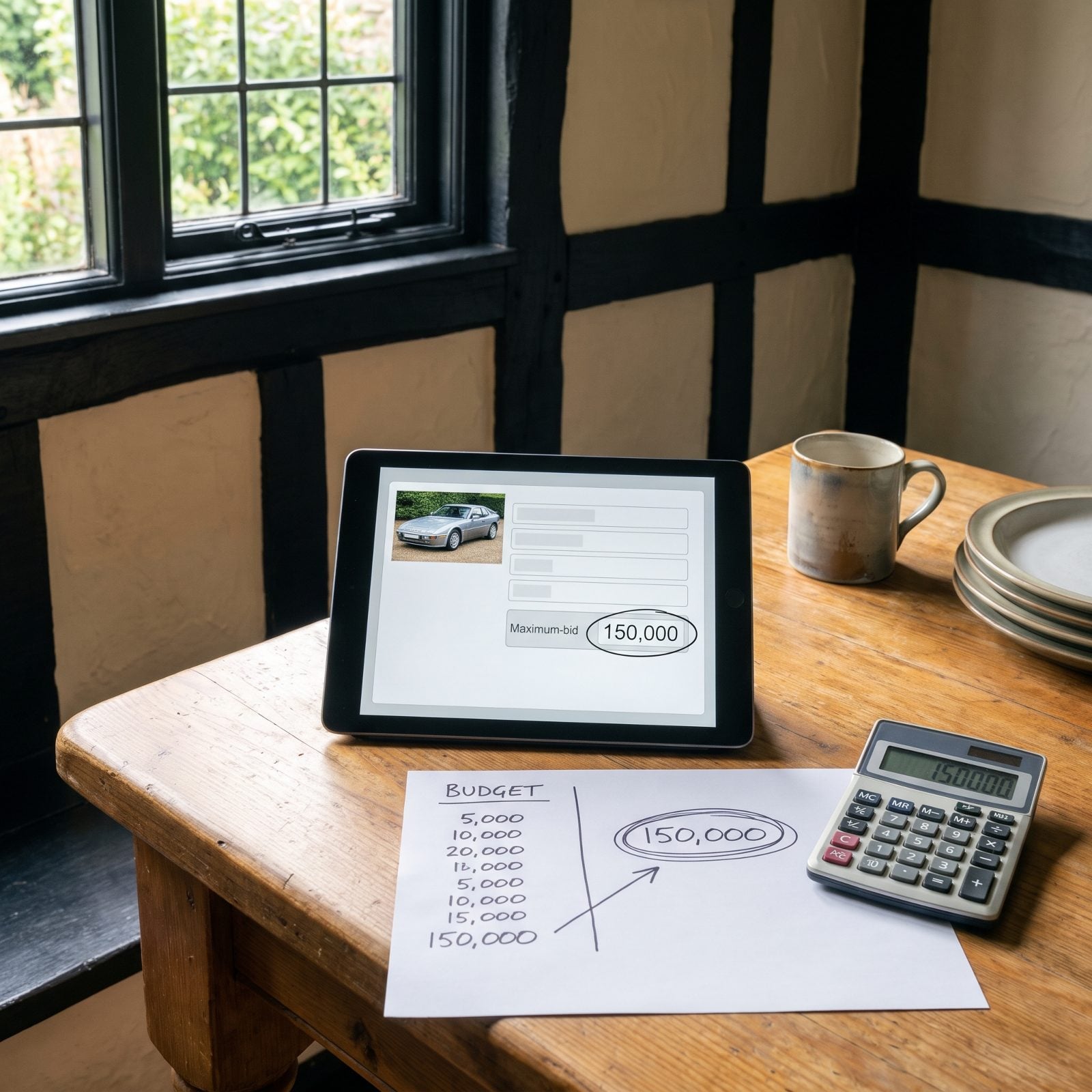
The proxy max is the most misunderstood tool at an online auction, and misunderstanding it is how people overpay or lose by accident.
So here’s how it actually works. You enter the top figure you’d pay, say $22,000. The system doesn’t jump straight there. Instead it bids on your behalf one increment at a time, only as high as it needs to stay ahead, up to your ceiling. If the room stalls at $16,500, that’s what you pay. The $22,000 was your limit, not your bid.
Set your true walk-away number and let the proxy defend it. Pick the figure where you’d shake the next guy’s hand and congratulate him, then enter it and step back. The machine bids with discipline. Most of us can’t.
11. Making a Gesture the Ringman Reads as a Bid

The ringman’s whole job is catching intent. A stretch, a wave at a friend across the room, a touch of your glasses right as the hammer price climbs — he reads all of it, watching the room like a hawk over a hayfield, and ambiguity gets counted as a yes.
Here’s why it matters: in most states, the auctioneer’s acknowledgment is the bid, not your intention. Argue later and you’re already the registered high bidder on a car you never wanted.
So sit still. Keep your paddle flat on your lap until you mean it, and when you do bid, raise it clean and hold eye contact with the ringman so there’s zero doubt. Need to talk to your buddy? Lean in and whisper, hands down. The gestures can wait for the parking lot.
10. Not Asking Whether the Auctioneer Can Bid Toward the Reserve

Reserve auctions have a quiet mechanic nobody explains to you up front. In many sales the auctioneer can place bids on the seller’s behalf, right up to the reserve price. Those are called chandelier bids, and they’re perfectly legal in most reserve formats as long as they stay below the line.
What this means for you: that competing bidder you’re sweating over at thirty-some grand might not exist. You could be bidding against the ceiling itself, driving your own number up toward a reserve you can’t see.
Read the conditions of sale before the first lot crosses the block. Absolute auction, no reserve? Then no such bidding is allowed and the high bid wins, full stop. If there’s a reserve, ask the house directly how it’s handled. Then set your walk-away number and let the phantom bids run without you.
Answering a reader’s question about phantom bids, a collector-car attorney explains “In a reserve auction, all three types of shill bidding are perfectly legal as long as the bid is below the reserve.”
9. Failing to Confirm Who Holds the Current High Bid
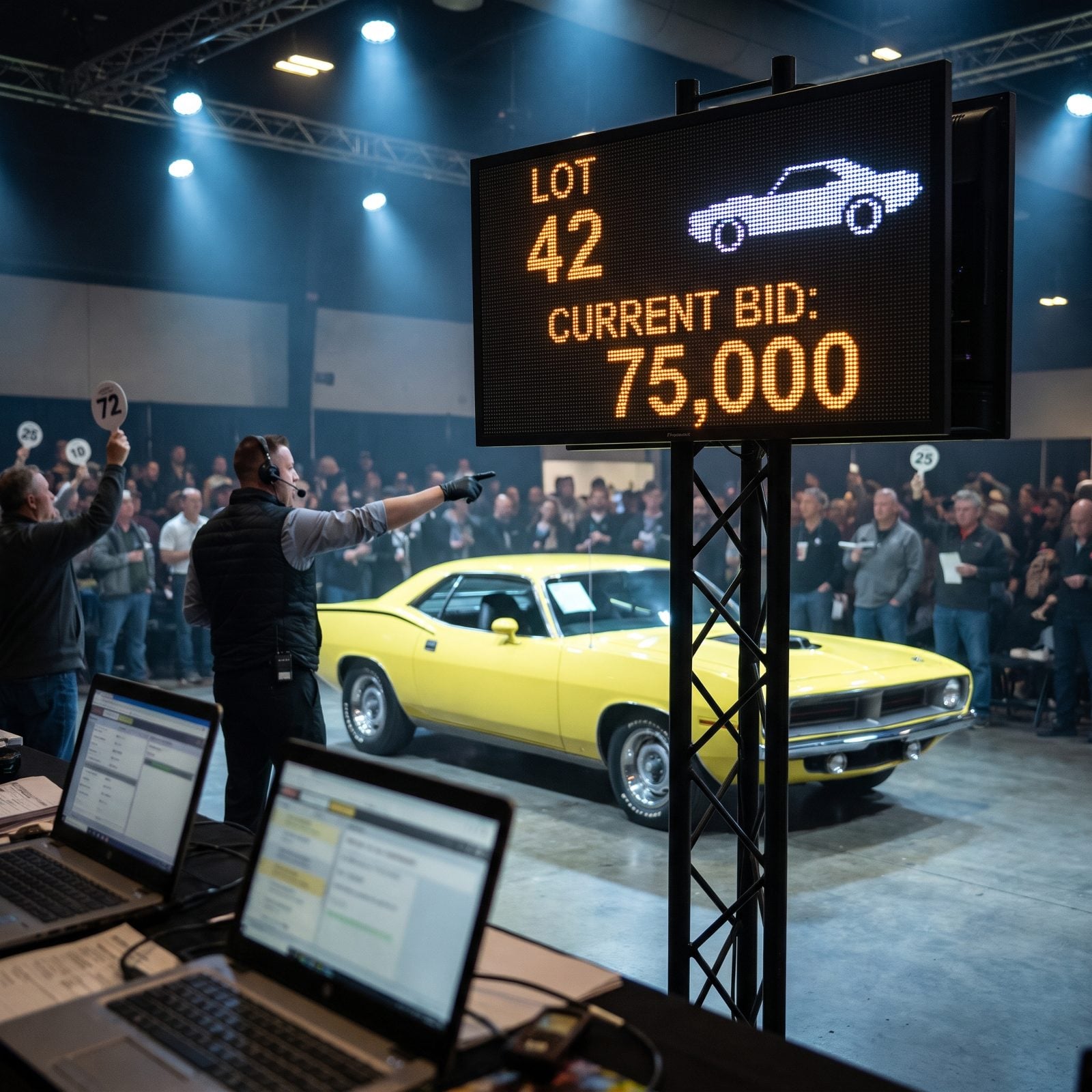
You raise your paddle, the auctioneer nods, you relax. Problem is, you don’t actually know whether your bid landed or whether a phone bidder and an online buyer are both stacked above you. The chant moves fast, the numbers blur, and the room is loud.
Lose track of your position and you’ll either stop bidding on a car you were winning or keep bidding against yourself after you’ve already got the high. Both hurt.
Watch the ringman’s hand — he points at the current high bidder, and when he points at you, you’re in front with the next number resting on someone else. If the house runs a screen, keep one eye on it. When in doubt, a raised eyebrow at the ringman earns you a yes or a no. Never assume. Confirm.
8. Bidding While the Auctioneer Announces a Major Defect
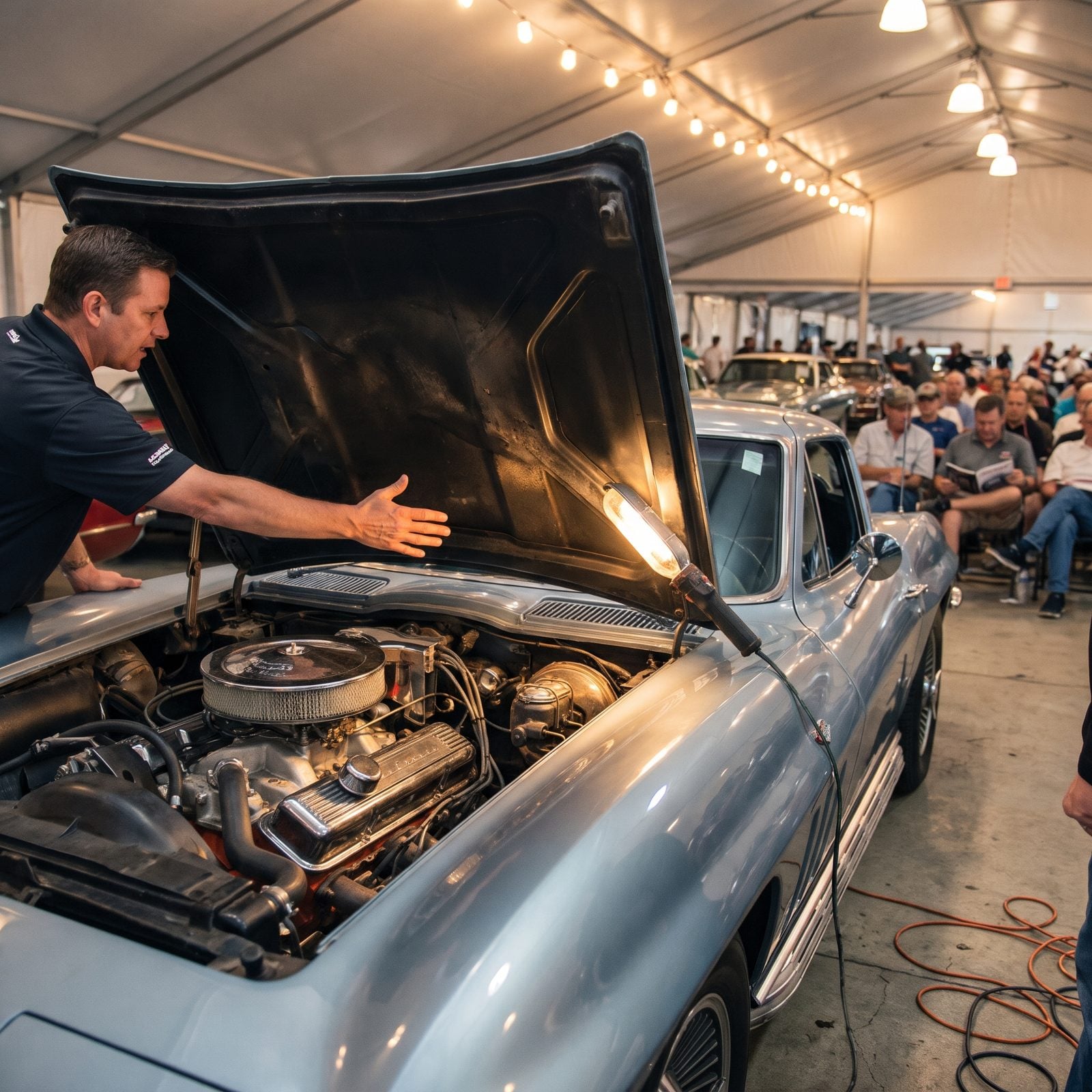
Right before the hammer swings, a good auction house reads out the known issues. Replaced VIN tag. Non-matching numbers engine. Frame repair. Title brand. It all comes fast, buried in the patter, and half the room isn’t even listening.
Bid through that announcement and you’ve accepted it. The disclosure overrides the catalog, the glossy photos, whatever you assumed during preview — all of it. A non-matching engine can knock a six-figure car down by a third, and you just agreed to it out loud.
Stop bidding the instant the auctioneer starts reading disclosures. Listen to every word. Didn’t catch something? Stop, don’t bid, and ask a staffer to repeat it before the lot moves on. Announced defects are the whole ballgame. I’ve watched people lose their shirts because they were texting during the one sentence that mattered.
7. Jumping the Bid by More Than Necessary

Auctioneer’s calling for a thousand more. You panic and shout out five. Congratulations — you just handed the house four thousand dollars of free momentum and told the whole room you’ve got no discipline.
Big jumps feel powerful. They aren’t. They skip the small increments where a weaker competitor might’ve tapped out at the next hundred, and they shove you toward your ceiling faster than the natural rhythm of the sale ever would.
Let the auctioneer set the increment and bid exactly that. If the house is calling five hundred, bid five hundred. The one place a jump bid earns its keep is late in a two-way duel, when a decisive leap can rattle the other bidder into quitting. Even then, use it once, on purpose, not out of nerves.
6. Chasing Another Bidder Just to Win the Contest
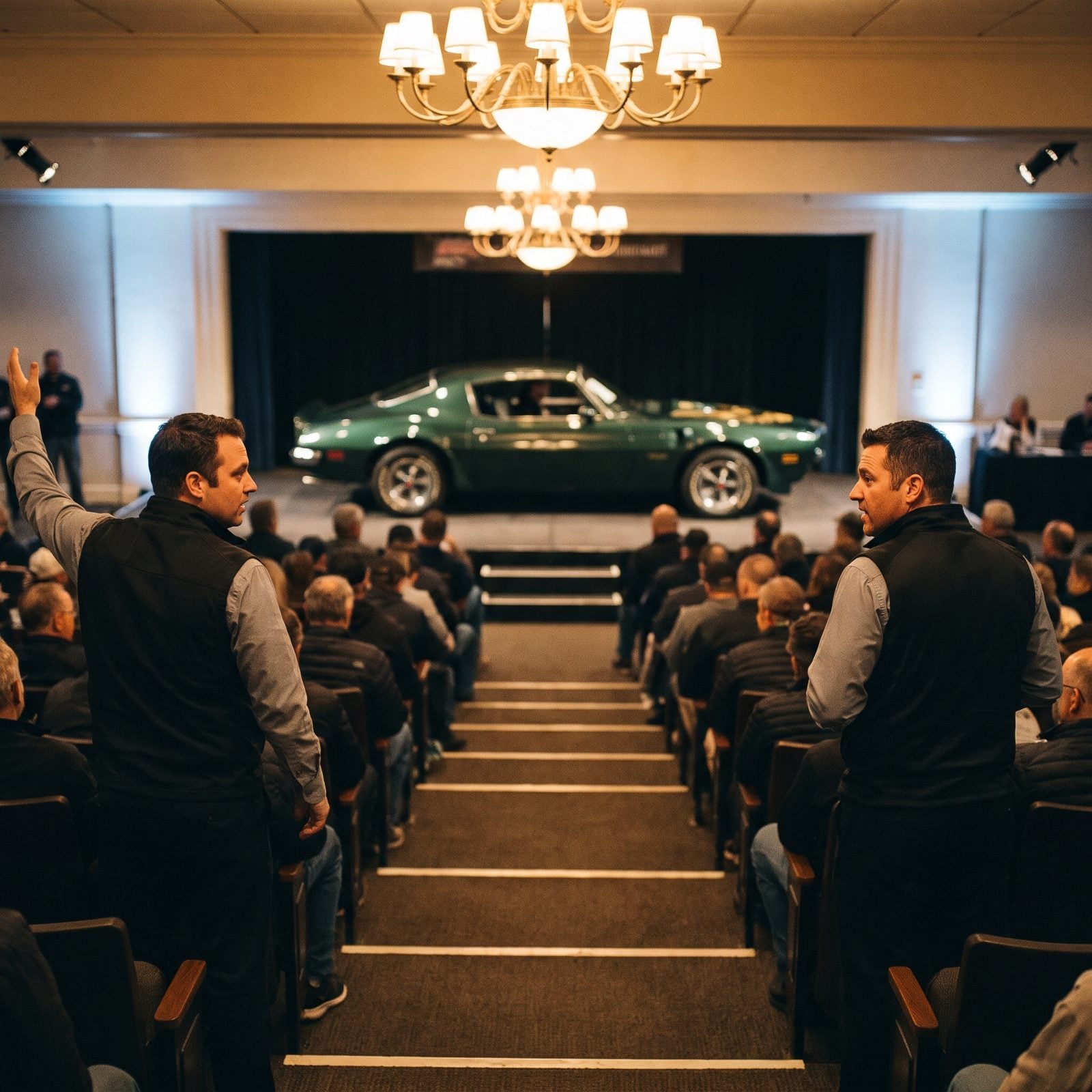
Somewhere around the third round, it stops being about the car. It’s about the guy across the aisle who keeps nodding. Your pulse is up, the crowd is watching, and winning starts to feel like the whole point.
That’s exactly when auctions empty wallets. The ego duel has buried more buyers than bad engines ever did — you win the staring contest and drive home with a car worth ten grand less than you paid, plus a commission on the overage.
Write your number on your paddle before the lot runs. When the bid passes it, set the paddle down and sit on your hands. The other bidder is a stranger you’ll never see again. That car, or one just like it, will surface next month at some other sale. In that room, your discipline is the only thing you actually own.
5. Letting Travel Costs Create a Sunk-Cost Purchase
You flew two states over. Hotel, rental, meals, the time off work. By Saturday afternoon a little voice starts whispering that you can’t leave empty-handed after all that.
That voice is the sunk-cost trap, and it’s a professional at talking people into the wrong car. The money you’ve already spent getting there is gone whether you buy or not, so it should carry zero weight on what you bid.
Decide before you leave home what makes the trip worthwhile, and let “watched some great cars sell” count as a win. A few hundred in travel is cheap tuition next to overpaying by five figures on a consolation prize. Walk out clean if the right car didn’t show. There’s always another auction, and your bank account won’t remember the airfare.
4. Buying a Backup Car in Frustration After Losing
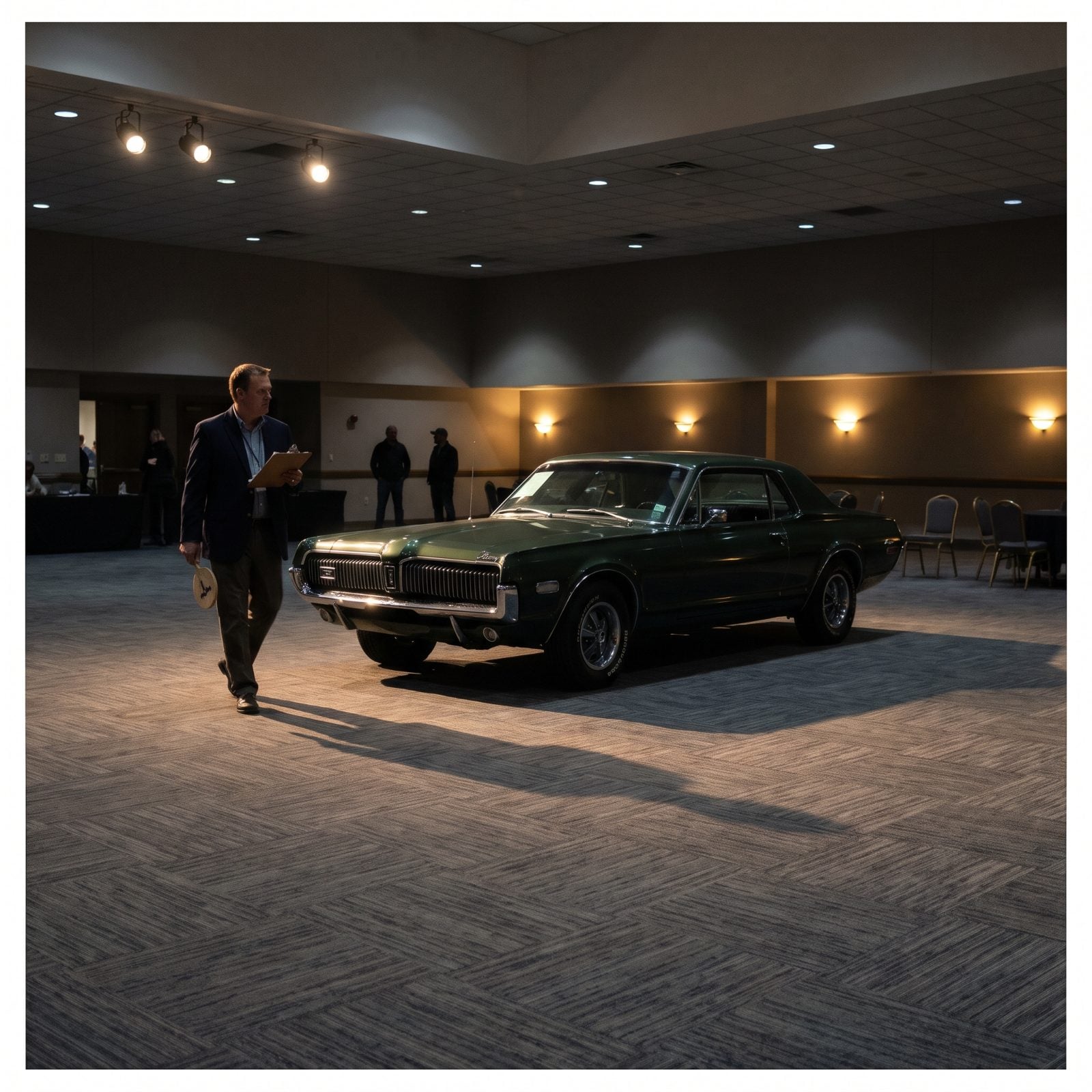
You just lost the car you came for. The adrenaline’s still up, there’s wounded pride in your chest, and twenty minutes later a decent-looking something rolls across the block. Your hand goes up almost on its own.
This is revenge spending dressed up as opportunity. The backup car never got your research, never got a proper inspection, never earned its way onto your list. You’re buying a feeling, not a vehicle.
Give yourself a hard cooling-off rule: after a loss, no bidding for one full hour. Walk the preview tent, grab a coffee, let the heart rate settle. If the backup car is genuinely good, it’ll still be good once you’ve cooled down and can actually evaluate it. Nine times out of ten the urge is long gone by then — and your wallet thanks you.
3. Bidding Before Obtaining Real Transport Quotes
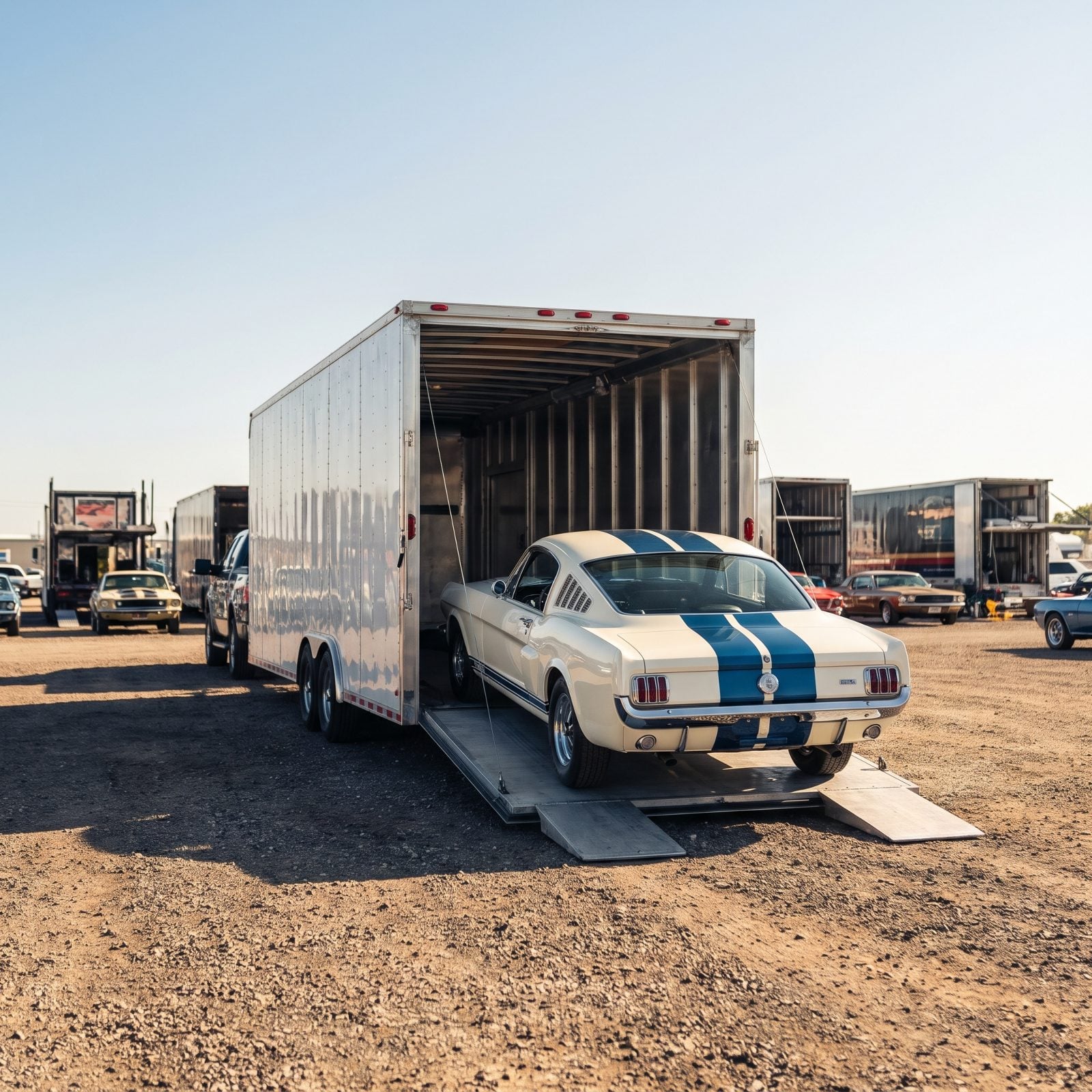
Here’s the moment that catches first-timers flat. You win the car, you’re grinning, and then it hits you — it’s a thousand-odd miles from your garage with a dead engine, and you’ve never priced a hauler in your life.
Open transport, enclosed transport, a non-runner that needs a winch, seasonal demand, auction-week surge pricing. The number swings from a few hundred to several thousand, and enclosed carriers book up fast around major sales. That cost is part of what the car truly costs you, and skipping it blows up your budget after the hammer falls.
Get two or three real quotes before you ever register, using the car’s lot location and your delivery address. Fold the highest quote into your walk-away number. If it’s a non-runner, say so when you quote — loading a dead car changes the price. Know the all-in figure before you raise your paddle, not after.
2. Leaving the Lot Without Signed Sale and Ownership Documents in Hand
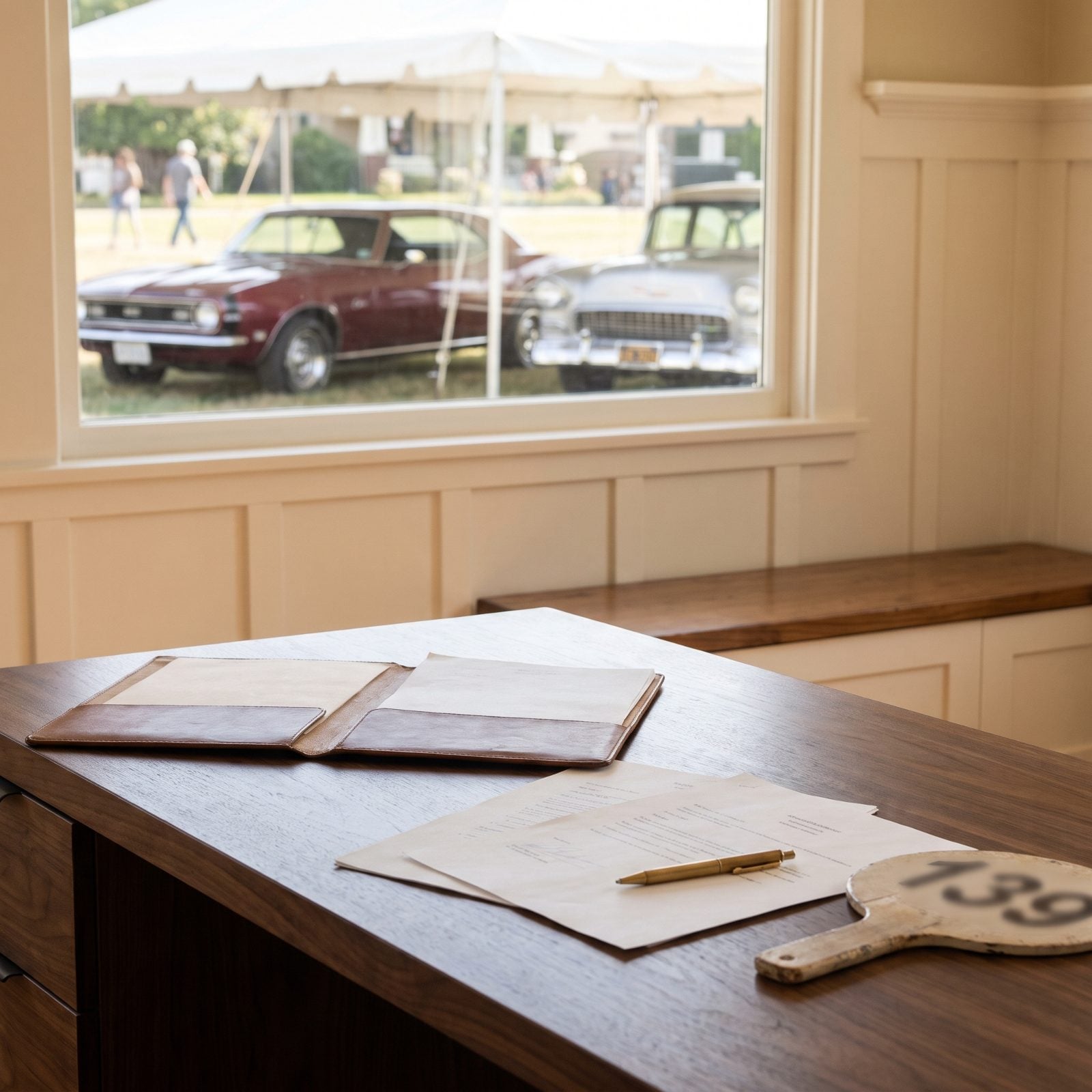
The hammer drops, the crowd claps, somebody pumps your hand, and you drive off grinning with a signed paddle receipt and a verbal promise that the title is “being sorted and will be mailed.” At the DMV counter three weeks later, that promise is worth exactly nothing.
No signed title. No bill of sale. No proof the seller ever owned the thing. You can’t register it, you can’t insure it properly, and if there’s a lien hiding on that VIN, congratulations — you just bought a stranger’s car loan. A car you can’t title is a very expensive lawn ornament, and I’ve watched more than one proud buyer learn that the hard way.
Before money changes hands, get the signed, notarized title (or the auction house’s guaranteed-title paperwork), a dated bill of sale showing the VIN, the sale price, and both signatures, plus any history file that comes with it. Then match the VIN on the title to the plate on the dash and the stamping on the frame. No documents, no payment. Walk if you have to.
1. Sending Payment Without Verifying the Wire Instructions by Phone

This is the scam that cleans out first-timers every single season. You win the car, an email lands wearing the auction house letterhead and announcing “updated wire instructions,” and off goes your five figures to the account listed. Trouble is, that email came from someone who slipped into the thread, and the bank account belongs to a stranger two states over.
Wire money moves fast and comes back almost never. Once it’s gone, it’s gone — no car, no cash, just a very quiet phone. Auction houses see this constantly, which is why the good ones practically beg you to confirm by phone.
So pick up the phone. Call the auction’s main number — the one printed in the paper catalog or on their official site, never the number buried in the suspicious email. Read the account and routing numbers back to an actual human and confirm them out loud. Any “last-minute change” to payment details should make the hair on your neck stand up. That urgency is the tell.