
Would you like to save this?
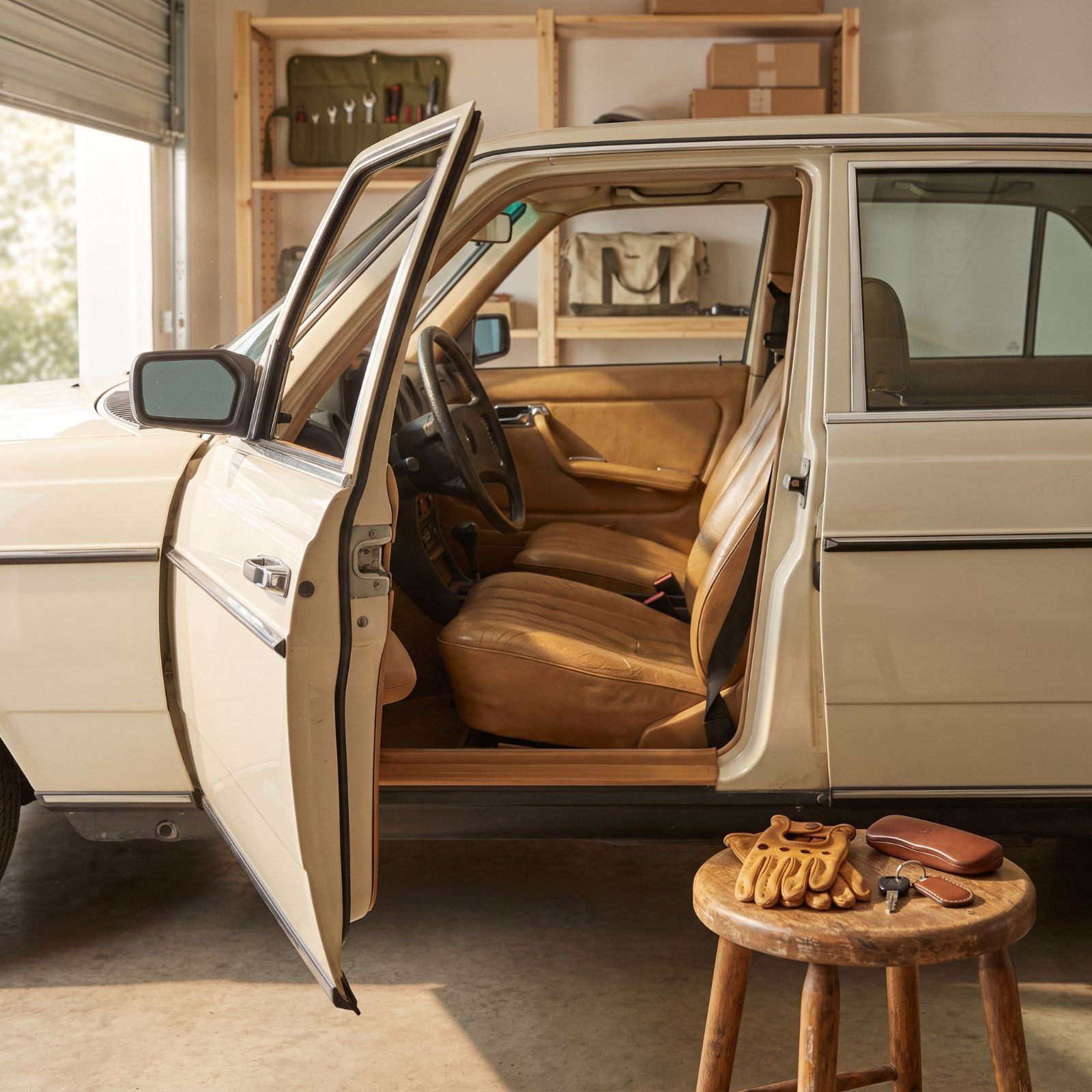
The test drive hogs all the attention. Nobody times how long it takes to get in and out, and that’s the part you’ll do twice a day for the next ten years. The features that make a car livable past 60 don’t show up in big letters on a spec sheet. They show up in your knees, your lower back, and your shoulders on a cold morning. Here’s what seasoned drivers tell us to check before you sign anything.
41. Hip-Level Seats That Don’t Require Climbing Up or Dropping Down
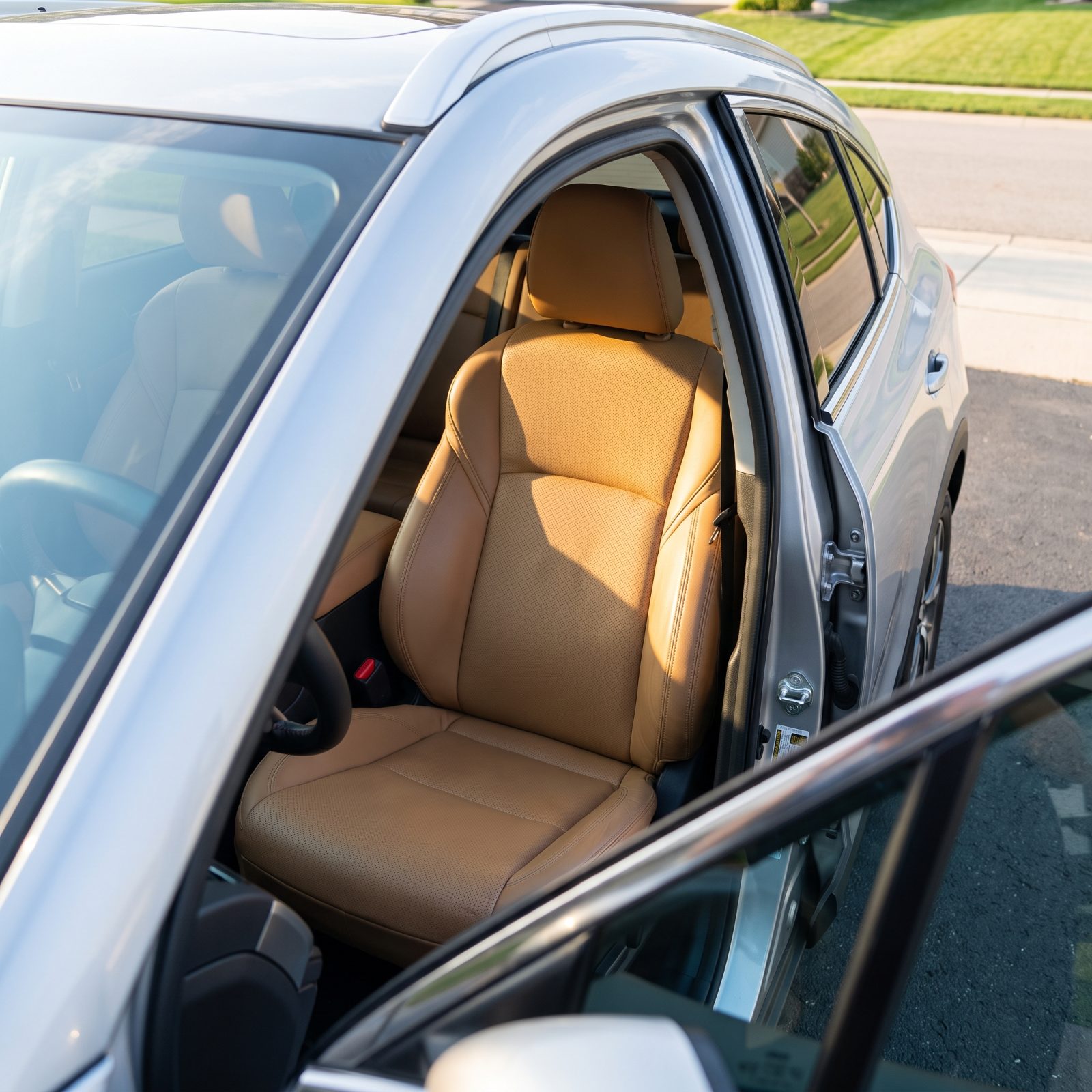
The seat that sits too low is the one you curse every single time you get out of it. Same with the truck seat you have to hoist yourself into. Neither one seems like a big deal in the showroom, but both become a daily negotiation with your knees and lower back once the novelty wears off.
You want a seat height that lands right around your hip when you’re standing next to the open door, so you slide in and out sideways instead of dropping down or climbing up. Crossovers and taller sedans tend to nail this. Low sports coupes and the highest trucks do not.
Here’s the test nobody runs on a test drive: get in and out five times in a row before you fall in love with the engine. Your body will tell you the truth faster than any salesperson.
40. Wide-Opening Front Doors
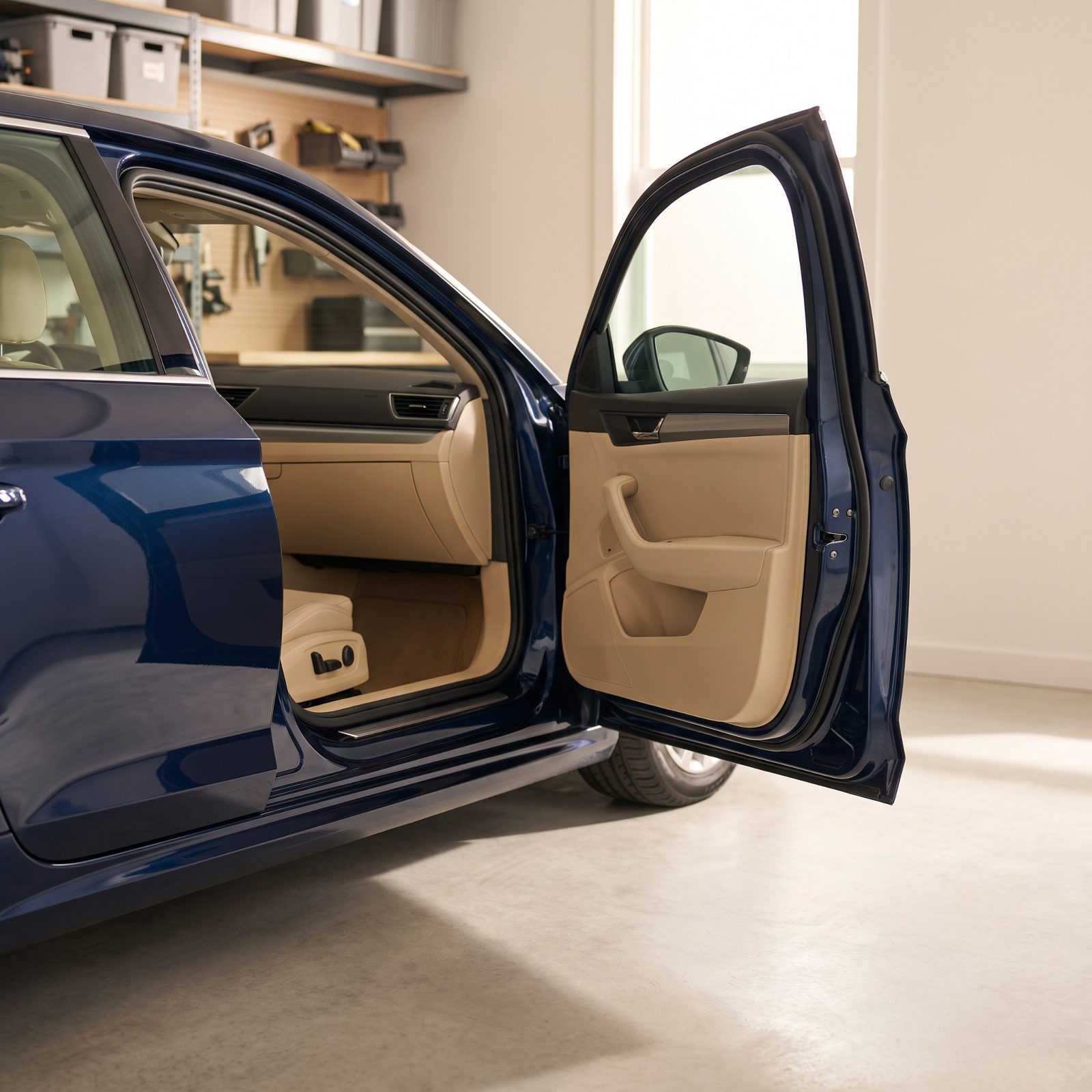
You’ve tried to climb out of a car in a tight parking spot where the door only opens halfway. You know the shuffle — twist, duck, grab the frame, and hope nobody’s watching.
Doors that swing to a wide angle, ideally with a third detent that holds them open, give you a real opening to work with. That extra few inches is the difference between easing in and folding yourself in, and it matters most when your hip or shoulder isn’t as loose as it used to be. Which happens to everyone eventually.
Check how many stop points the door has and how far the last one goes. Then try it parked close to a wall, because that’s where you’ll actually use it.
39. Generous Headroom at the Door Opening
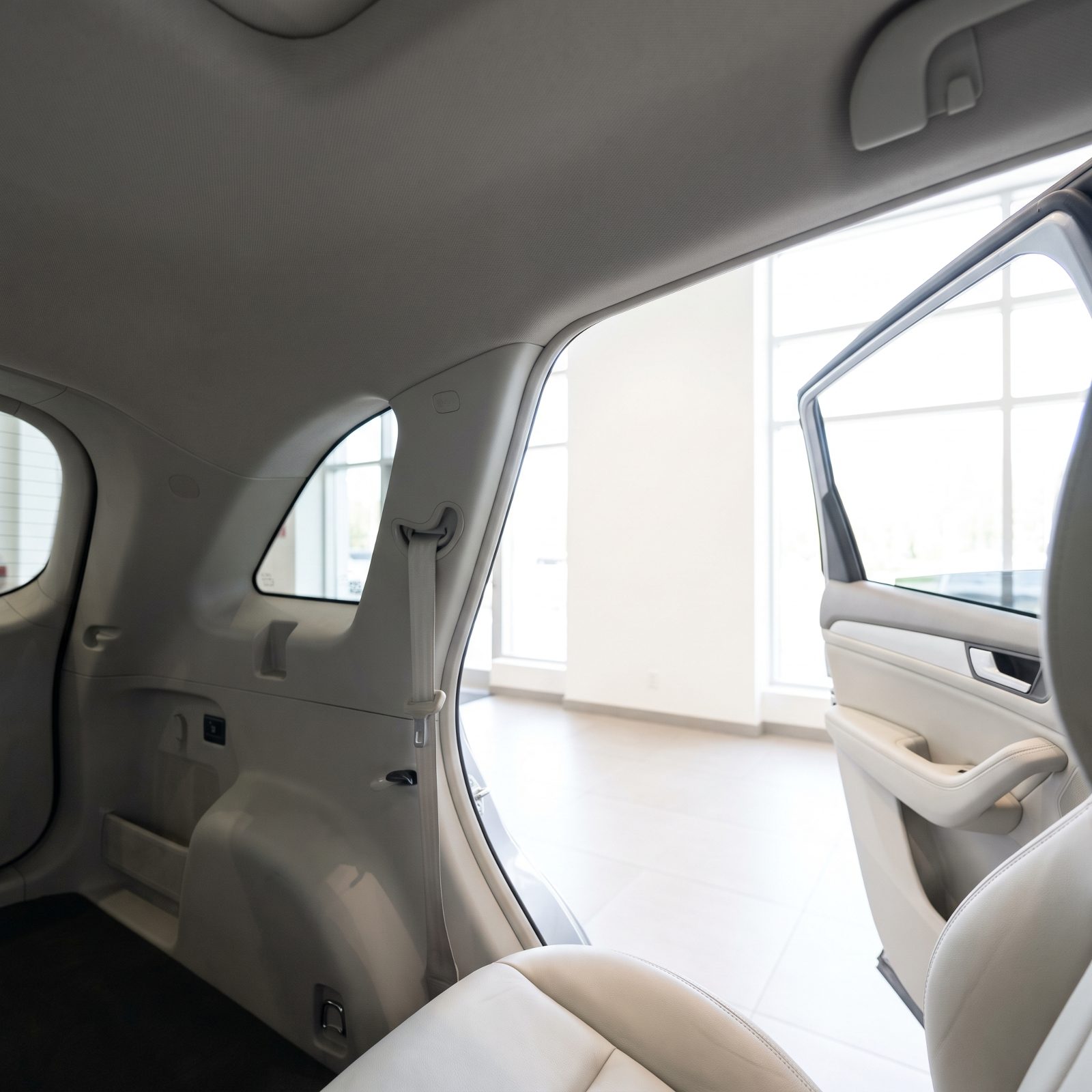
The bump on the head is such a small thing until it happens three times a week. A roofline that dips low at the door opening makes you duck more than you should, and ducking while lowering yourself into a seat is exactly the move that tweaks a back.
Taller doors and squarer openings let you walk your head in rather than fold it in. SUVs and upright sedans usually win here, while sleek fastback rooflines look sharp and bite you at the door frame.
Sit down without ducking on purpose and see what happens. If the top of the frame clears your head with room to spare, that’s your car.
38. Sturdy Grab Handles Above the Doors
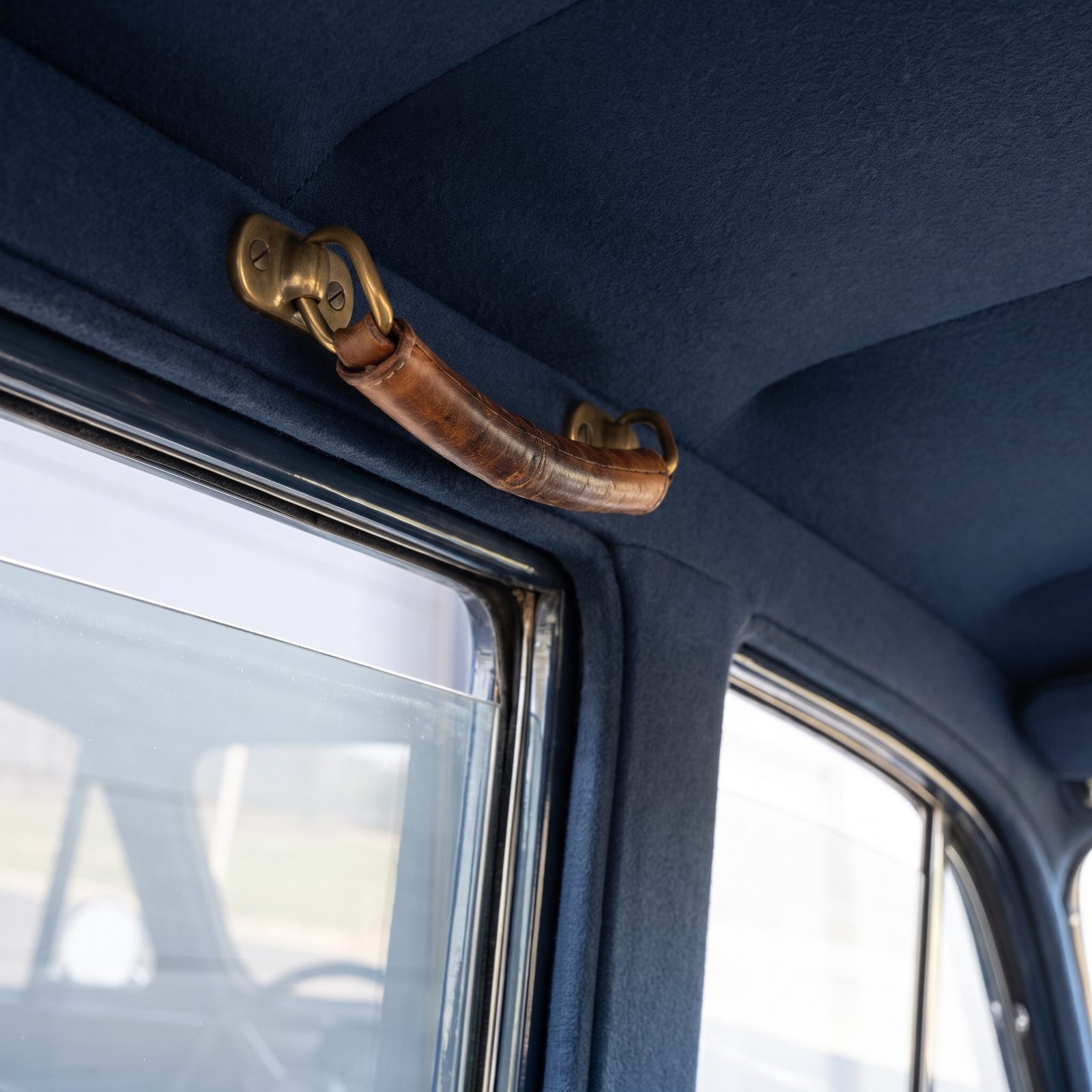
The grab handle above the door is one of those parts you ignore until the day you really need it. Then you notice whether it’s a solid assist handle bolted into the pillar or a flimsy coat hook that flexes when you pull on it.
A proper handle gives you a second point of contact when you’re rising out of the seat, taking load off your knees and keeping you steady on a wet morning or an icy driveway. The weak ones that bend under weight? Worse than none at all, because you trust them and they let you down.
Grab it and pull hard right there in the showroom. If it feels like it means it, good. If it wiggles, that car wasn’t built with this in mind.
37. Multiway Power Driver’s Seat Adjustment
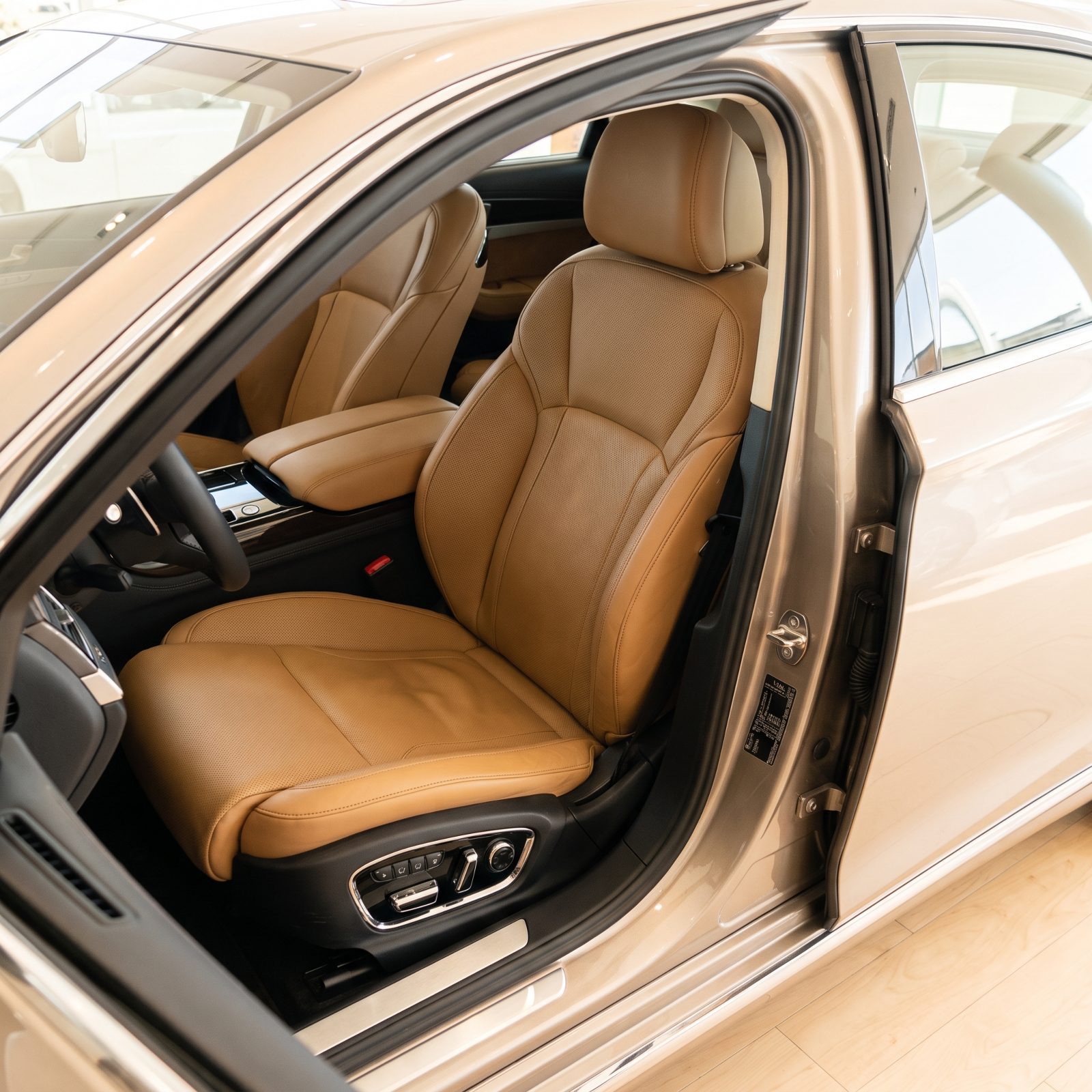
Eight ways beats four. Ten beats eight. This is the one spec where more really is better, and it’s cheap insurance against a daily backache.
Manual seats give you a couple of crude adjustments and call it done. Power seats with six, eight, or ten directions let you fine-tune height, tilt, recline, and fore-aft until your spine actually agrees with the position. For anyone who drives more than twenty minutes at a stretch, the right seat angle decides whether you arrive fresh or arrive sore.
Spend real time dialing it in before you decide. The seat that feels fine for two minutes and wrong at mile forty is a mistake you’ll make every single day.
36. Driver’s Seat Memory Settings
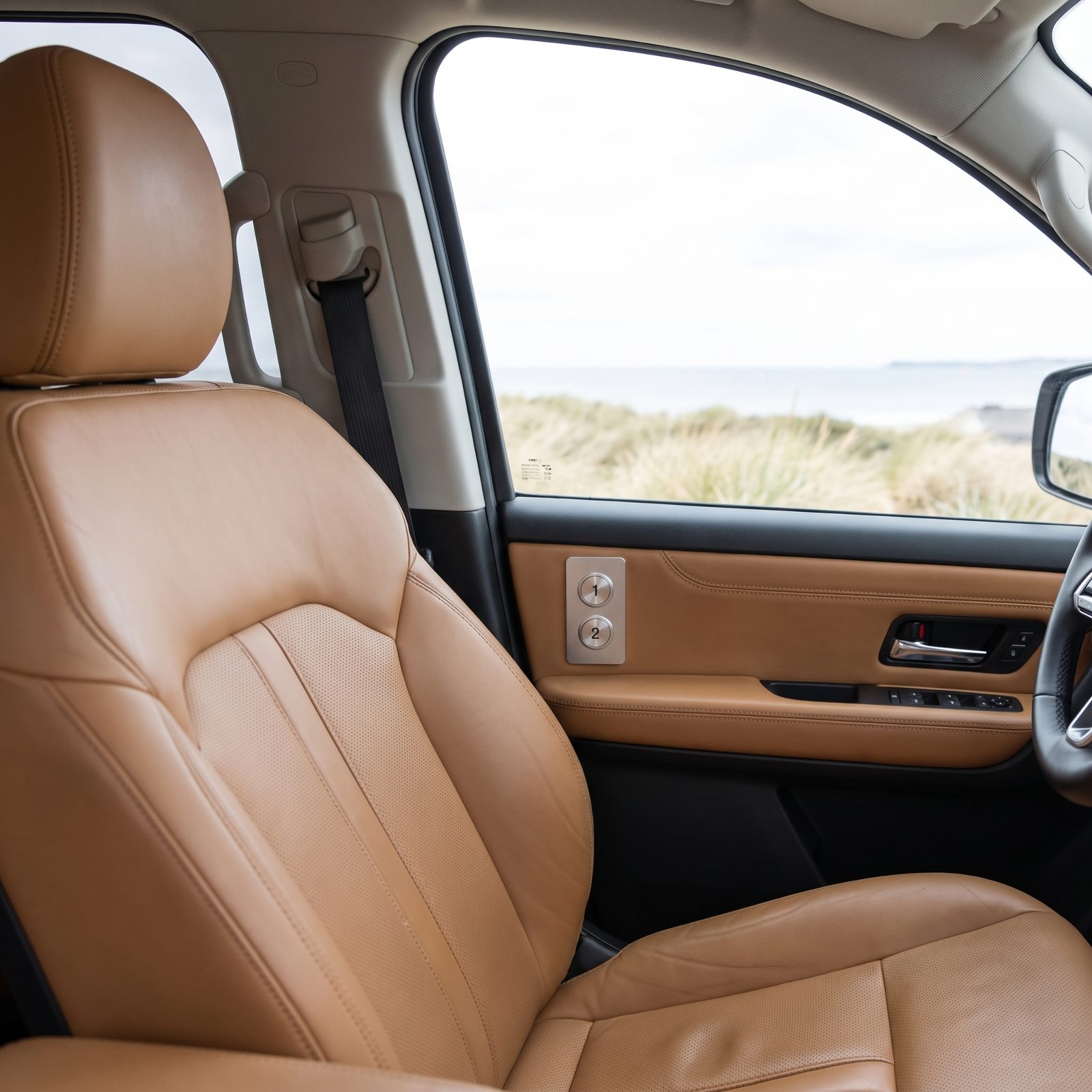
If two people share a car, the memory seat is marriage counseling built into the door panel. One button puts everything back where you had it — seat, mirrors, sometimes the steering wheel and pedals too.
And here’s the benefit nobody mentions: it saves your hands and shoulders from fishing around for levers every time your spouse borrows the car. You press a number, the car arranges itself, and you drive. No reaching, no twisting, no guessing.
Look for a system that stores at least two full profiles and ties the mirrors in. The ones that only remember the seat are half a feature.
35. Power-Adjustable Lumbar Support
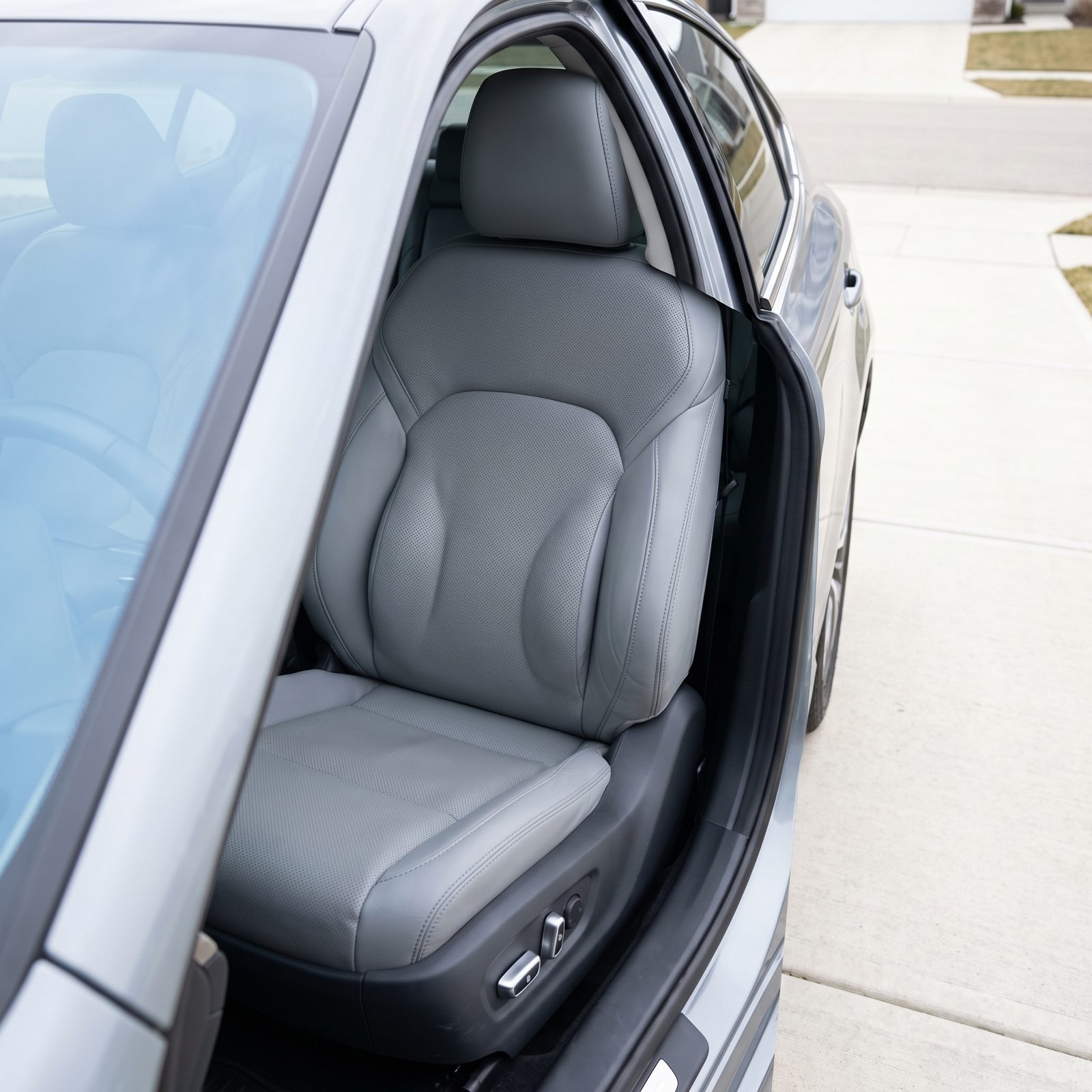
A fixed lumbar bump is a gamble. It either happens to match your back or it digs into you for the life of the car.
Power lumbar lets you move the support up, down, in, and out until it fills the small of your back instead of poking it. On a long drive that’s the single biggest factor in whether you step out stiff or step out fine. I’ve sat in cars where the lumbar hit me square in the wrong vertebra, and no amount of seat fiddling fixed it. The only cure is being able to move the support itself.
Four-way power lumbar is the one to find. Two-way helps. None means you’re hoping the factory guessed your spine correctly, and they didn’t.
34. Supportive Seat Cushions With Long Thigh Support
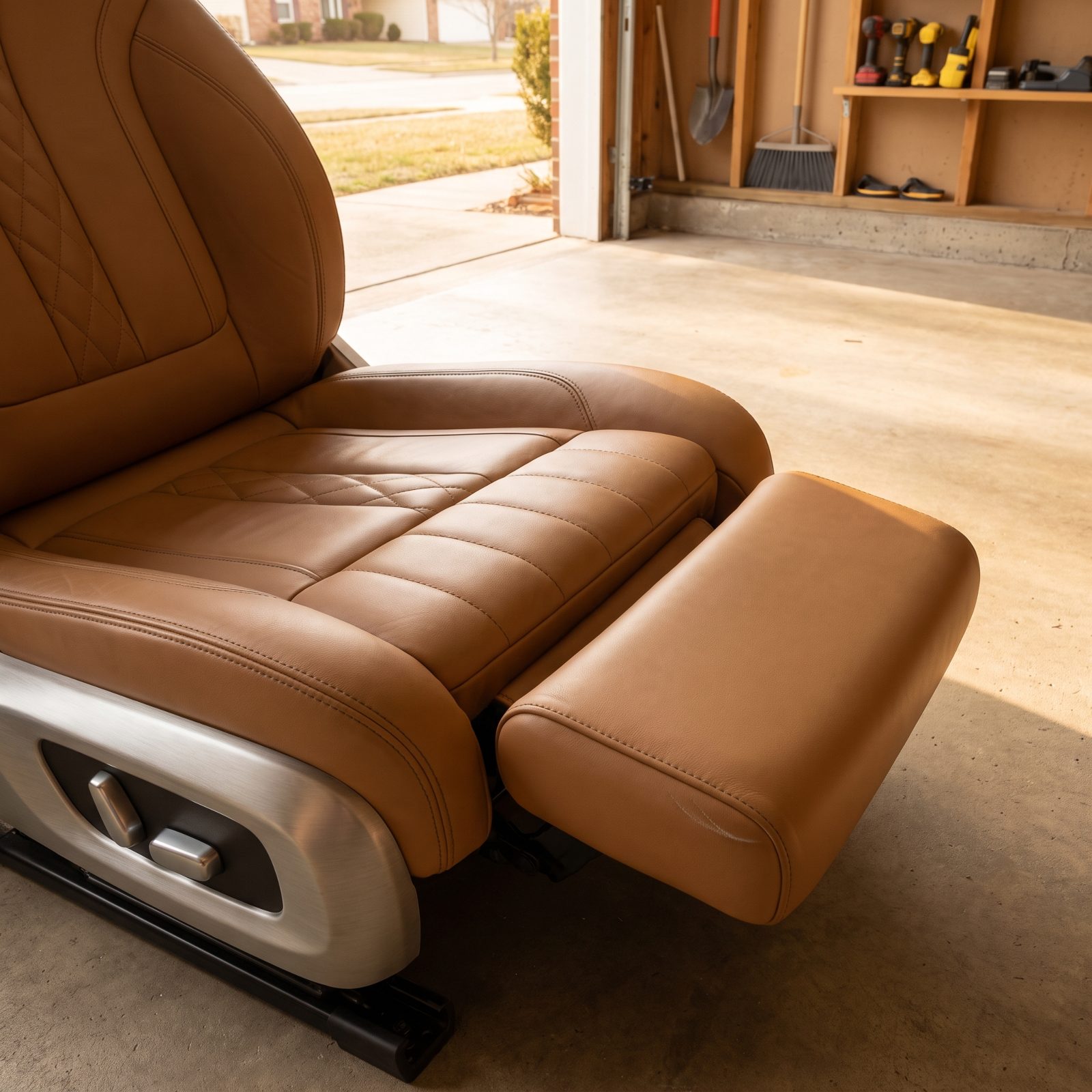
You’ve slid into a seat where the cushion ends halfway down your thighs and left your legs dangling. After an hour your knees ache and you can’t figure out why. That’s a short cushion with no thigh support, and it’s one of the most common seating mistakes in affordable cars.
A seat bottom that runs out under your thighs carries the weight of your legs instead of dumping it on your knees. Some cars even offer an extendable front edge — a cushion that slides out for taller legs. Worth hunting for if you’ve got long femurs.
The flat, short cushions feel fine in the parking lot. They punish you on the interstate.
33. Power-Adjustable Pedals
Would you like to save this?
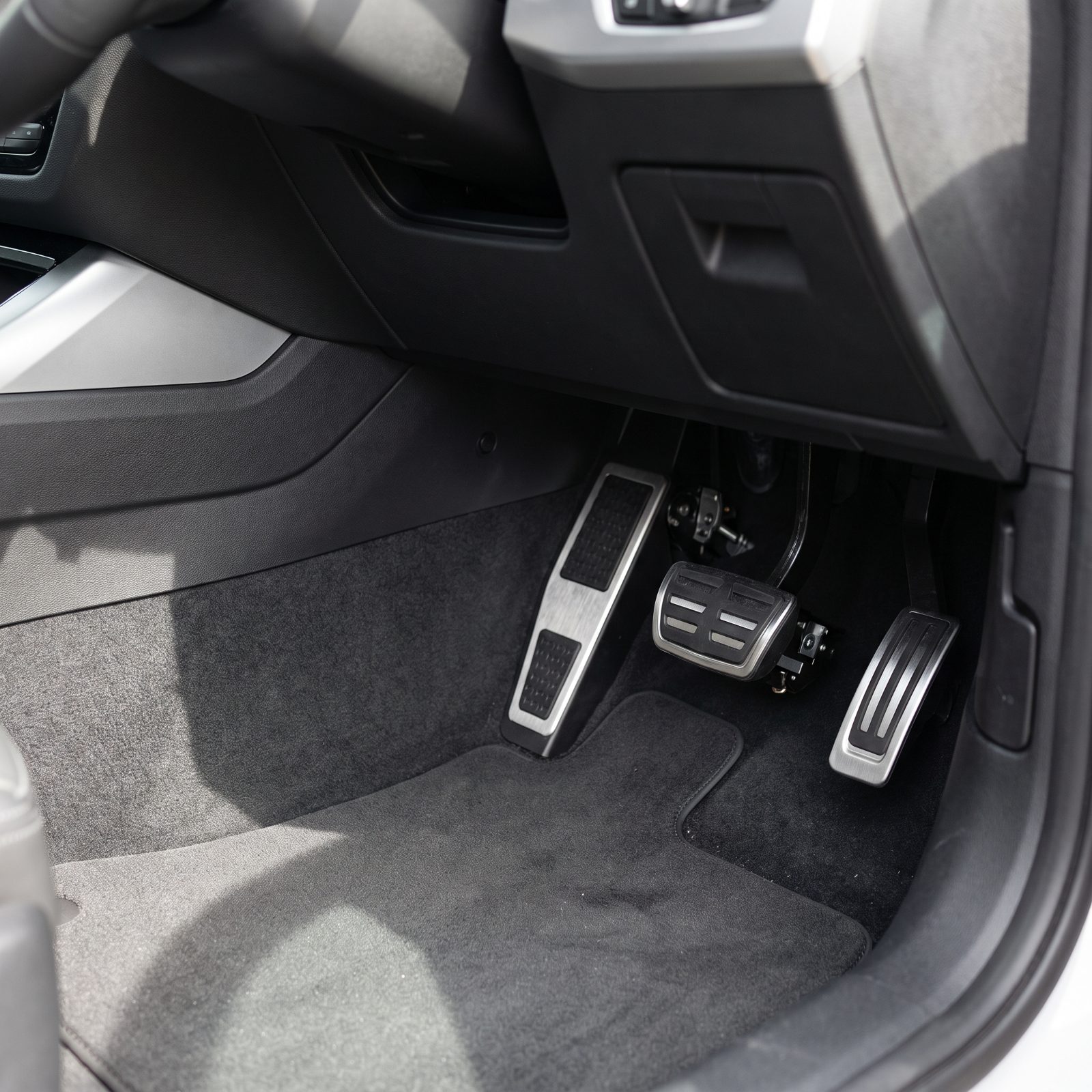
Here’s a feature shorter drivers swear by and everyone else overlooks. Power-adjustable pedals bring the gas and brake toward you instead of forcing you to slide the seat forward into the airbag and the wheel.
Move the pedals out to meet your feet and you keep safe distance from the steering wheel while still reaching everything comfortably. That matters for airbag safety, and it matters for your knees, which shouldn’t be jammed against the dash just to work the brake. If you’ve ever felt crowded by the wheel simply to drive the car, this is the fix.
It’s not common on every model, so ask specifically. Pair it with memory settings and the pedals move for each driver automatically.
32. Power Tilt-and-Telescoping Steering Wheel
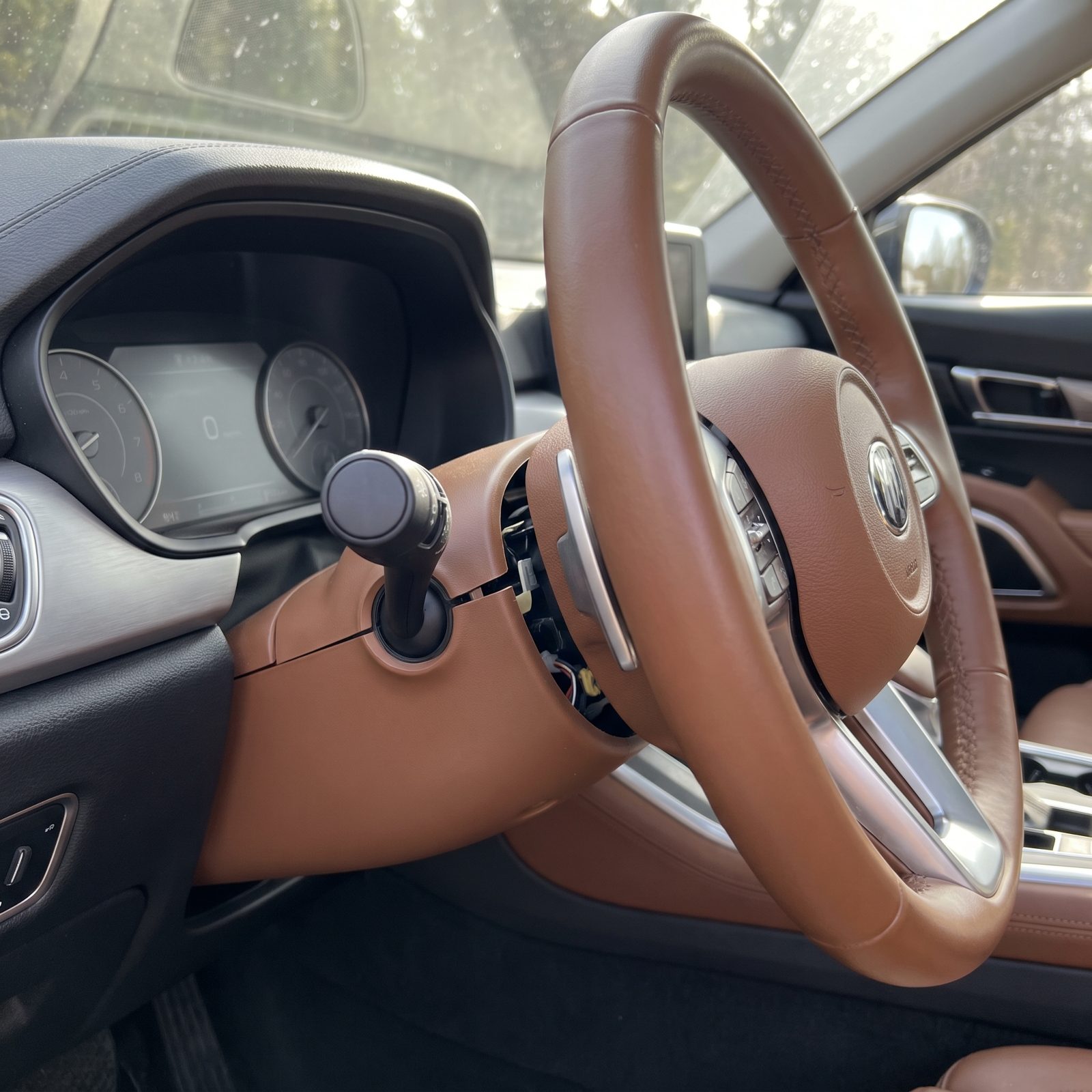
A wheel that only tilts is doing half the job. The one you want tilts and telescopes, moving up and down and in and out, so you can set your arms at a relaxed bend instead of stretching for it.
Get the power version if you can. It pairs with the seat memory so the wheel retracts when you get out and returns to position when you climb back in. That retracting trick alone earns its keep, because it opens up room to slide in and out without the wheel in your lap. On an old car with a fixed column, you bend your whole posture around the wheel. A telescoping one bends to you instead.
Set it last, after the seat and pedals, and your driving position finally clicks into place.
31. Height-Adjustable Seatbelt Anchors That Keep the Strap Off Your Neck
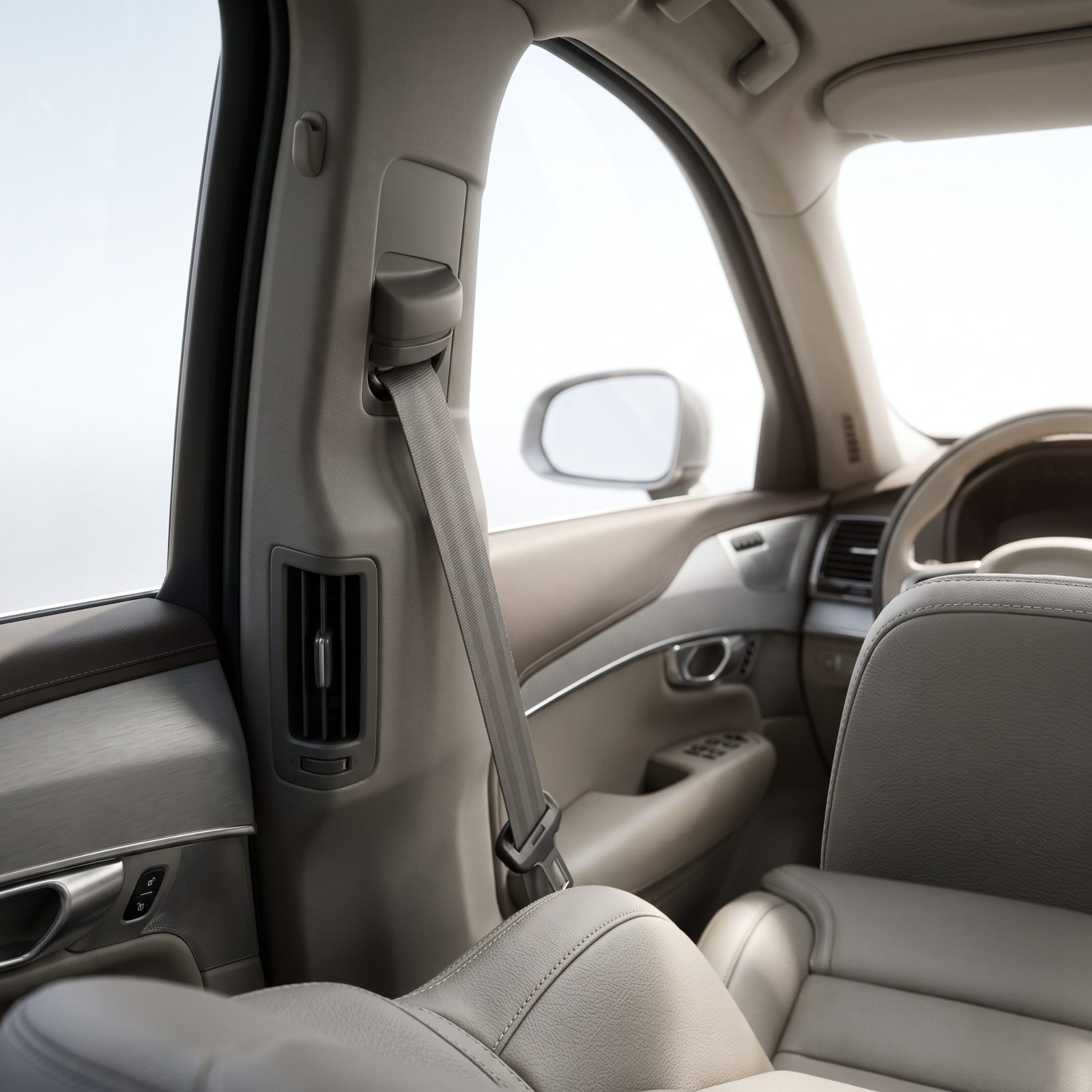
A seatbelt that saws across your throat on every drive turns a pleasant trip into a neck-rubbing ordeal. For shorter drivers especially, a fixed anchor point parks the strap too high, and it rides up toward the jaw.
Here’s the part that matters. A belt sitting wrong doesn’t just annoy you — it slides off the collarbone and shoulder where it’s supposed to catch you in a crash. Comfort and safety are the same conversation.
Look for a car with a slider on the B-pillar you can thumb up or down without tools, then set it so the belt crosses the middle of your shoulder and the center of your chest. Test it from your actual seating position, not standing outside the door like you’re inspecting a used Buick.
30. Seatbelt Buckles You Can Actually Find Without Looking
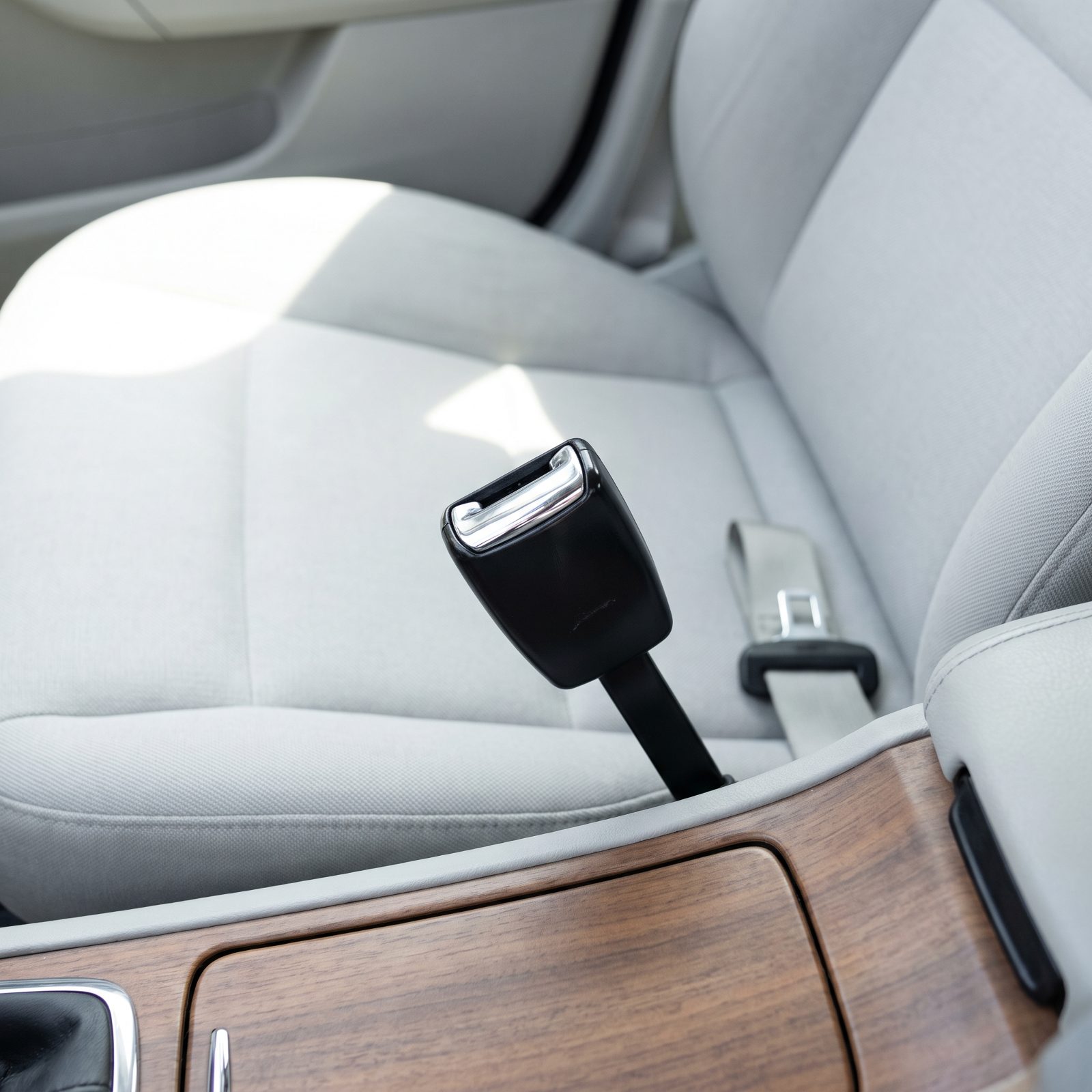
You know the fumble. Belt in one hand, the other patting around the dark gap beside the seat for a buckle that’s sunk somewhere near the floor, and by the time you catch it you’ve twisted halfway out of your seat.
A buckle that flops over or hides down in the crevice makes every entry a small chore. For anyone with stiff shoulders or less range in the wrist, that adds up fast.
Shop for a car where the buckle rides a semi-rigid stalk that stands up on its own, presenting itself at hand height. Then try something: sit in the seat and buckle up with your eyes closed. Find it first try? That’s your car.
29. Heated Front Seats for the Cold-Morning Stiffness
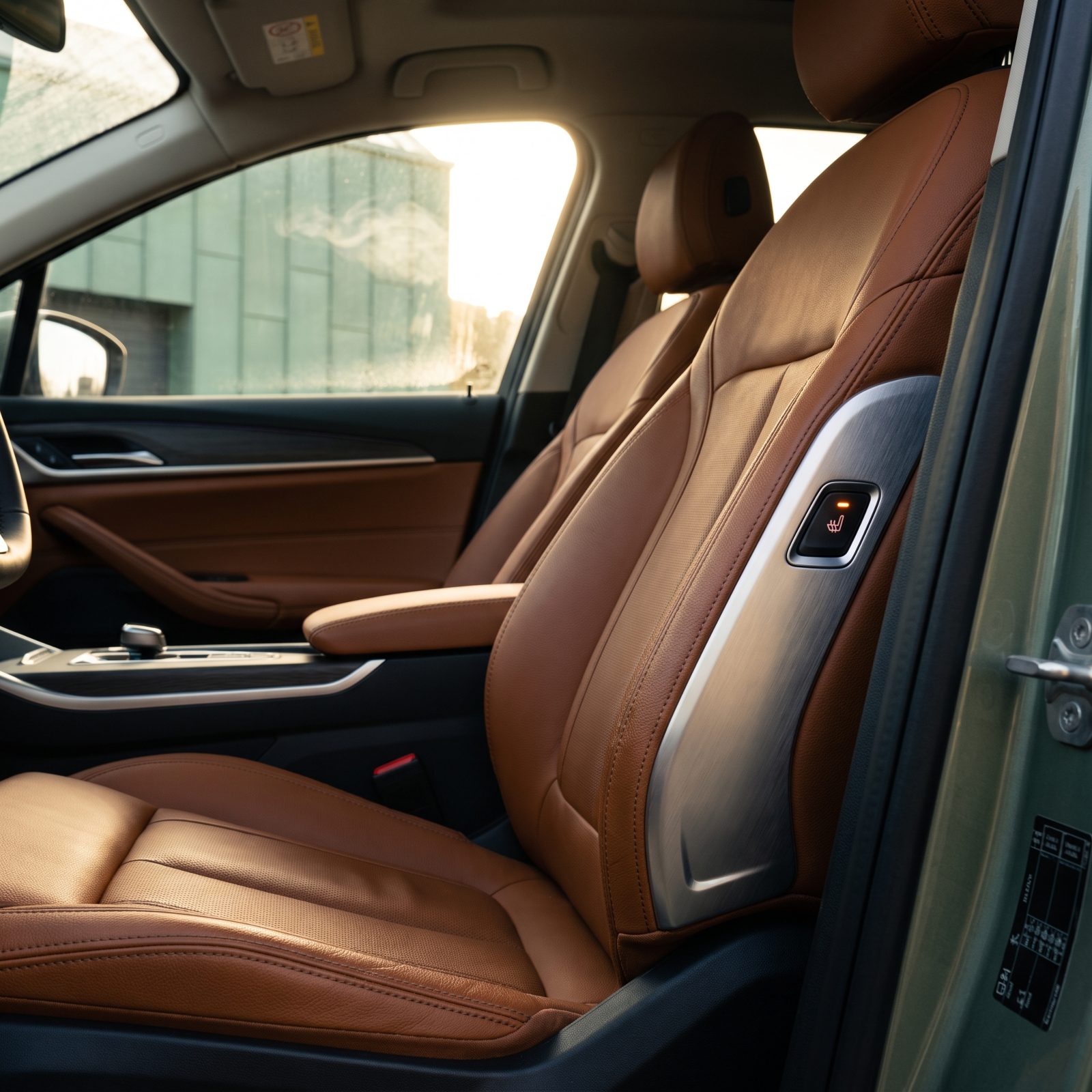
Cold mornings are hard on a stiff lower back, and a heated seat does more than feel nice.
Gentle warmth loosens the muscles around the hips and lumbar before you’ve pulled out of the driveway. Drop into a cold seat and those same muscles clench, and you spend the first ten miles driving tensed up like a man waiting for a dental appointment.
Skip cars where the only heat comes from a slow cabin blower. You want a dedicated heating element and at least two or three levels, plus a quick-heat mode that reaches temperature in under a minute. Test it on your visit, even in July. The salesman will roll his eyes. Let him.
28. A Heated Steering Wheel for Hands That Don’t Grip Like They Used To
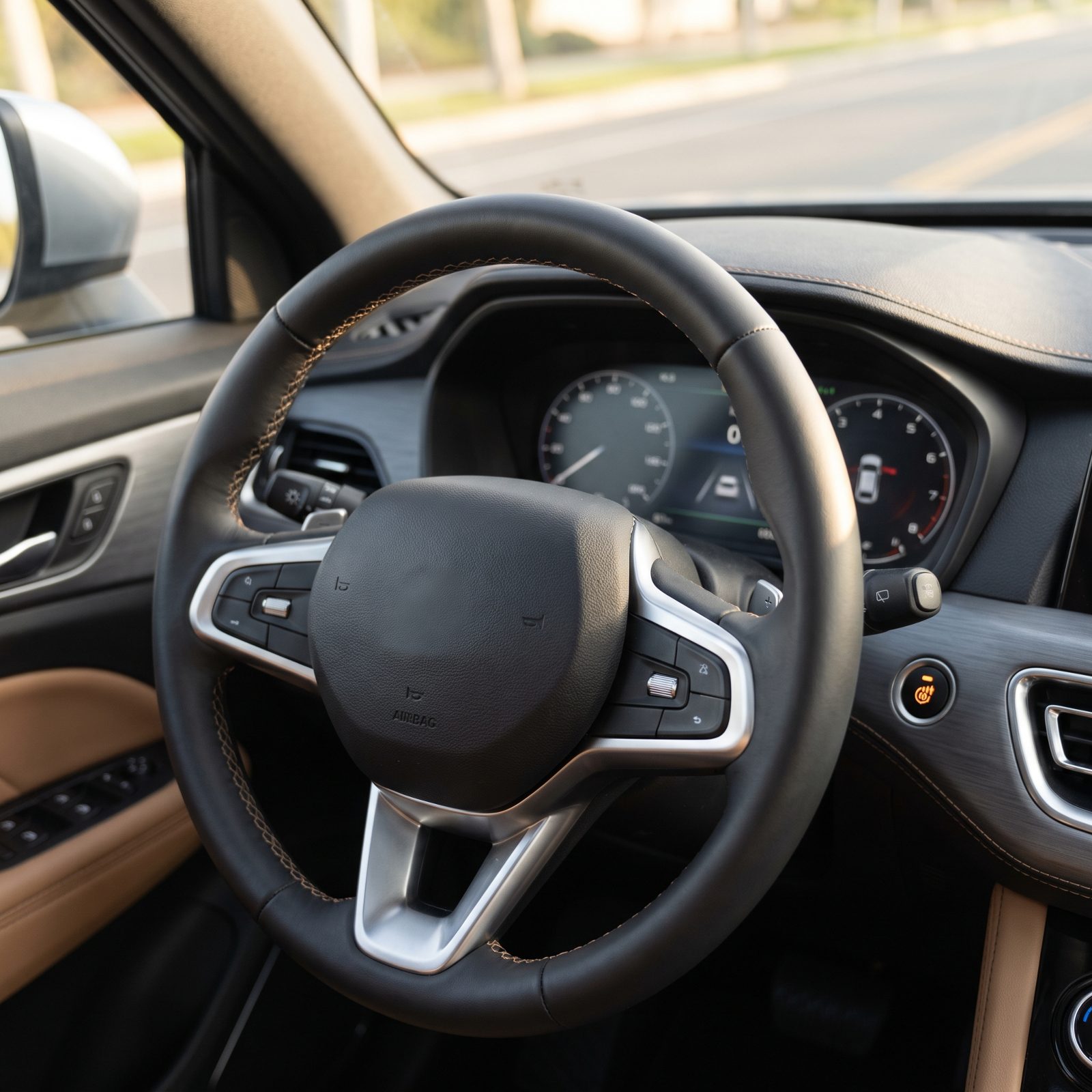
Arthritic fingers and cold weather make a miserable pair. A rigid, icy wheel forces you to clench just to keep a grip, and the ache sets in before you reach the first stop sign.
A heated rim warms the whole hand, relaxes the grip, and takes the edge off joint stiffness. Drivers who’ve battled stiff hands for years ask for it more than almost anything, and most never go back.
When you’re shopping, look for a wheel-heat button right on the hub or dash — not buried four menus deep in a touchscreen. Leather or a leather wrap holds and spreads heat better than hard plastic. Pair it with the heated seats.
27. Physical Knobs for Volume and Climate You Can Work by Feel
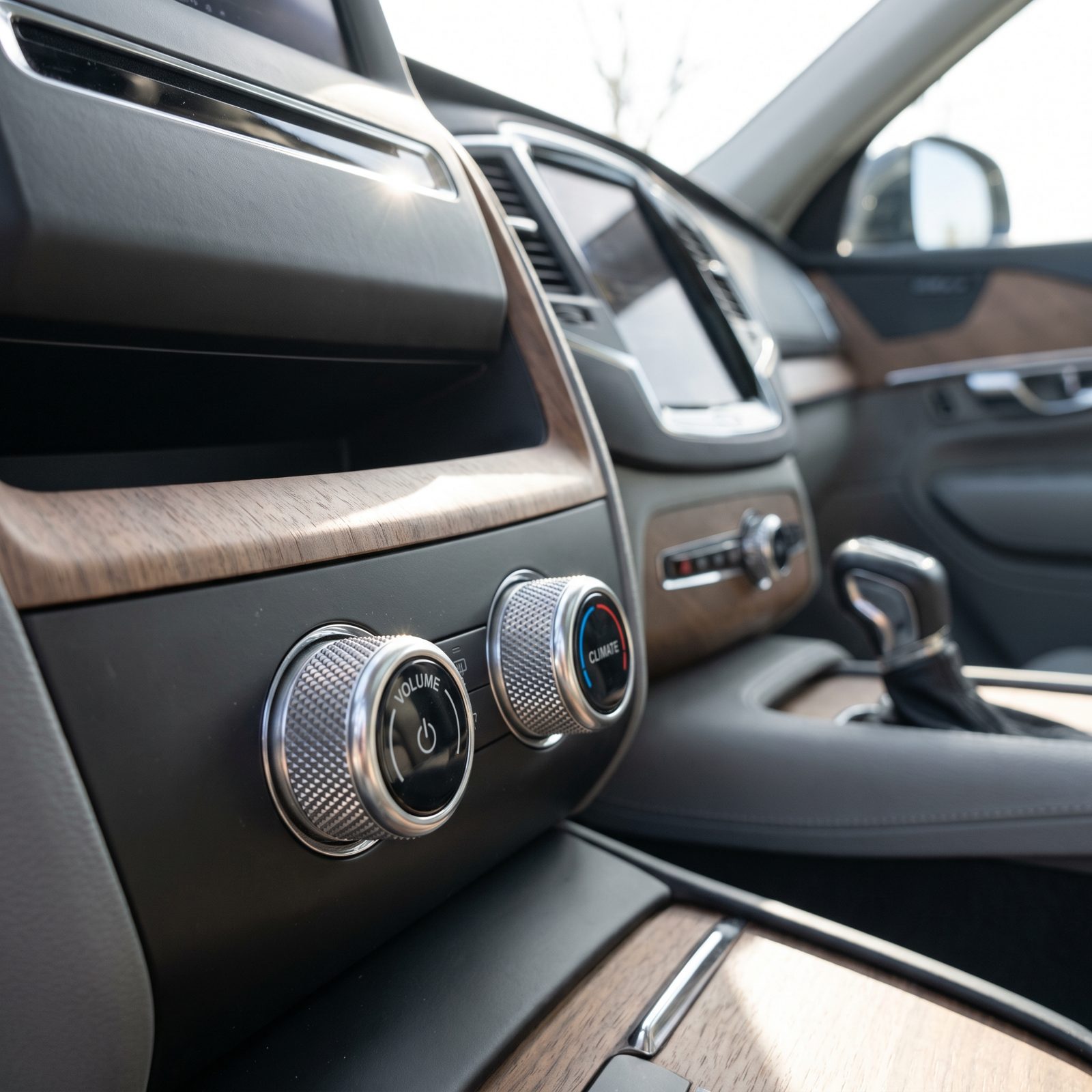
I will die on this hill: real knobs beat touchscreens for anything you touch while the car is moving.
A volume dial or a temperature knob you can turn blind keeps your eyes on the road. Hunt-and-peck a flat glass panel and you’re glancing down, swiping, missing, glancing again. That’s not progress. It’s a hazard dressed up as modern.
Buy a car that keeps the essentials physical — a round knob for volume, a round knob or clearly raised buttons for cabin temperature, real buttons for the defroster and fan. Then run the test on your visit: set the temperature and change the radio station without taking your eyes off an imaginary road ahead. Manage it, and that interior is on your side.
26. Large, High-Contrast Gauges You Can Read at a Glance
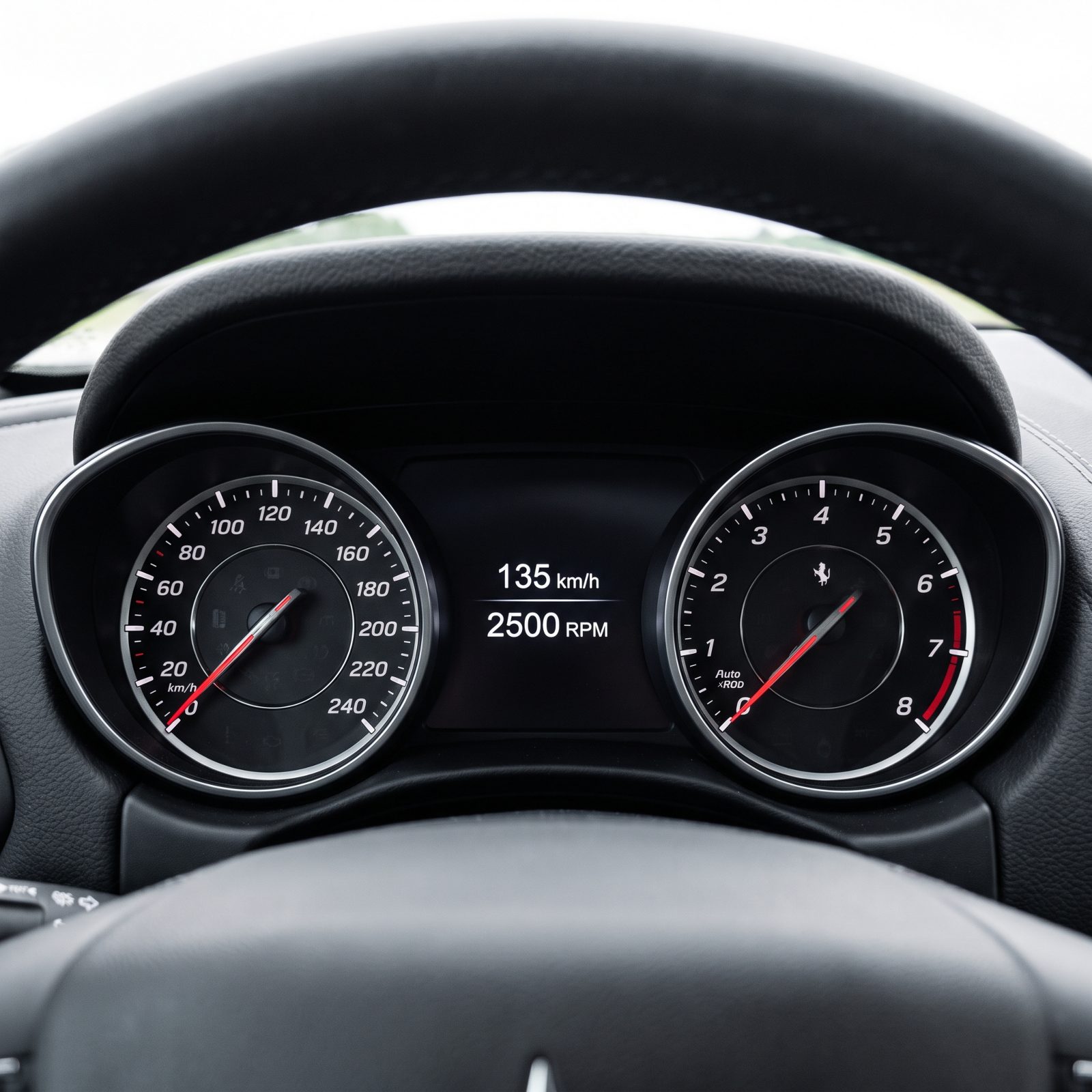
Some dashboards cram so much into the cluster that reading your own speed takes real effort — tiny numbers, low contrast, a wash of pale gray on gray. In bright sun or at dusk you end up squinting when you should be watching traffic.
Gauges you can’t read mean longer with your eyes off the road, which is the exact opposite of their one job.
So look for big, bold numerals, strong contrast — white or bright figures on a dark face — and a needle or readout that jumps out instantly. Sit in the car in daylight and glance at the speedo for half a second. You should know your speed without studying it.
25. An Infotainment Screen With Text and Icons Big Enough to Trust
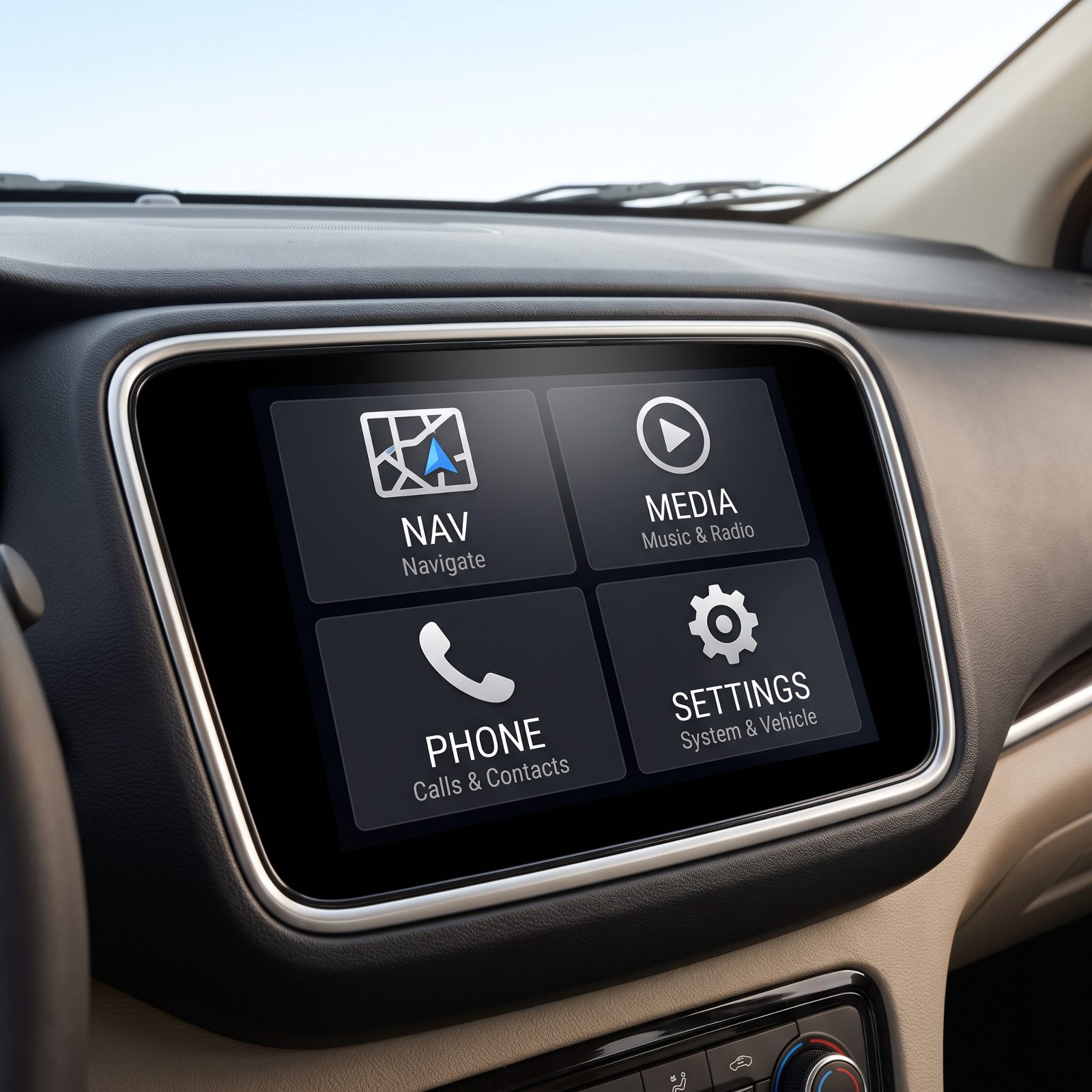
Plenty of infotainment systems seem to have been designed by people with perfect close vision who never once pictured somebody reaching for reading glasses to change a setting. Cramped text. Postage-stamp icons. Menus three layers deep.
A screen you can’t read at arm’s length drains your attention and your patience, and it turns simple tasks — punching in an address, picking a station — into a vision test you didn’t sign up for.
Shop for a system with adjustable text size, bold high-contrast icons, and a sensible layout that keeps the common functions on the first screen. Big tap targets matter too, because a tiny button means more misses and more muttering. Bring your glasses to the dealership and try entering a destination. If it fights you in the lot, it’ll fight you for years.
24. Steering-Wheel Controls Marked Clearly Enough to Use Blind
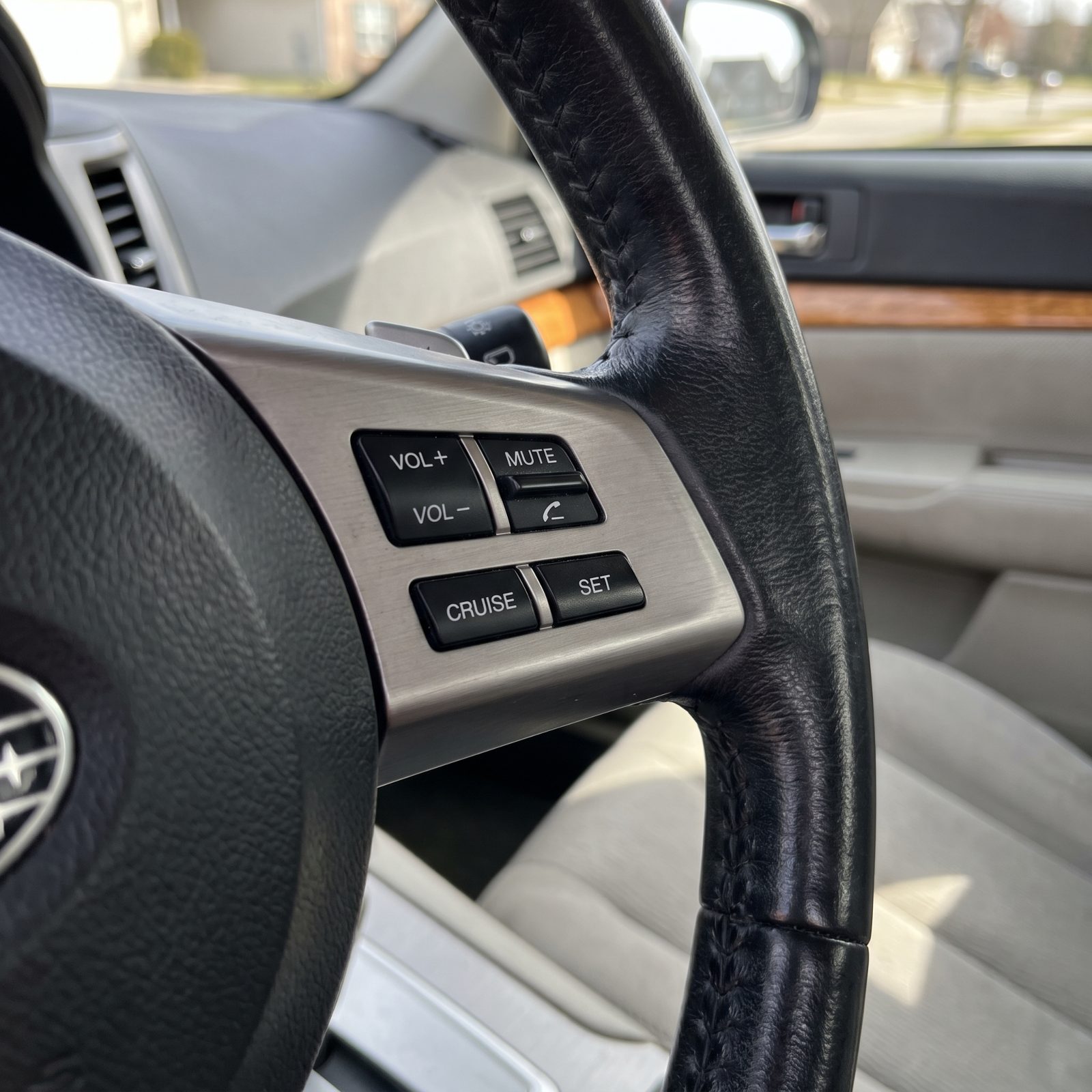
Wheel buttons exist to keep your hands where they belong.
But that only works if you can find the right one without hunting. Too many designs use flush, identical buttons with faint printed labels you can’t read or feel. So you look down. And just like that, the convenience feature has become the distraction.
You want buttons that differ by shape and texture, with bold raised symbols your fingertips can read on their own — a volume rocker on one side, cruise and phone clearly grouped, a voice button you can land in a second.
On the test drive, adjust the volume and set the cruise without looking at your hands. If your fingers already know where to go, somebody did the layout right.
23. A Head-Up Display That Keeps Your Speed in Your Line of Sight
Would you like to save this?
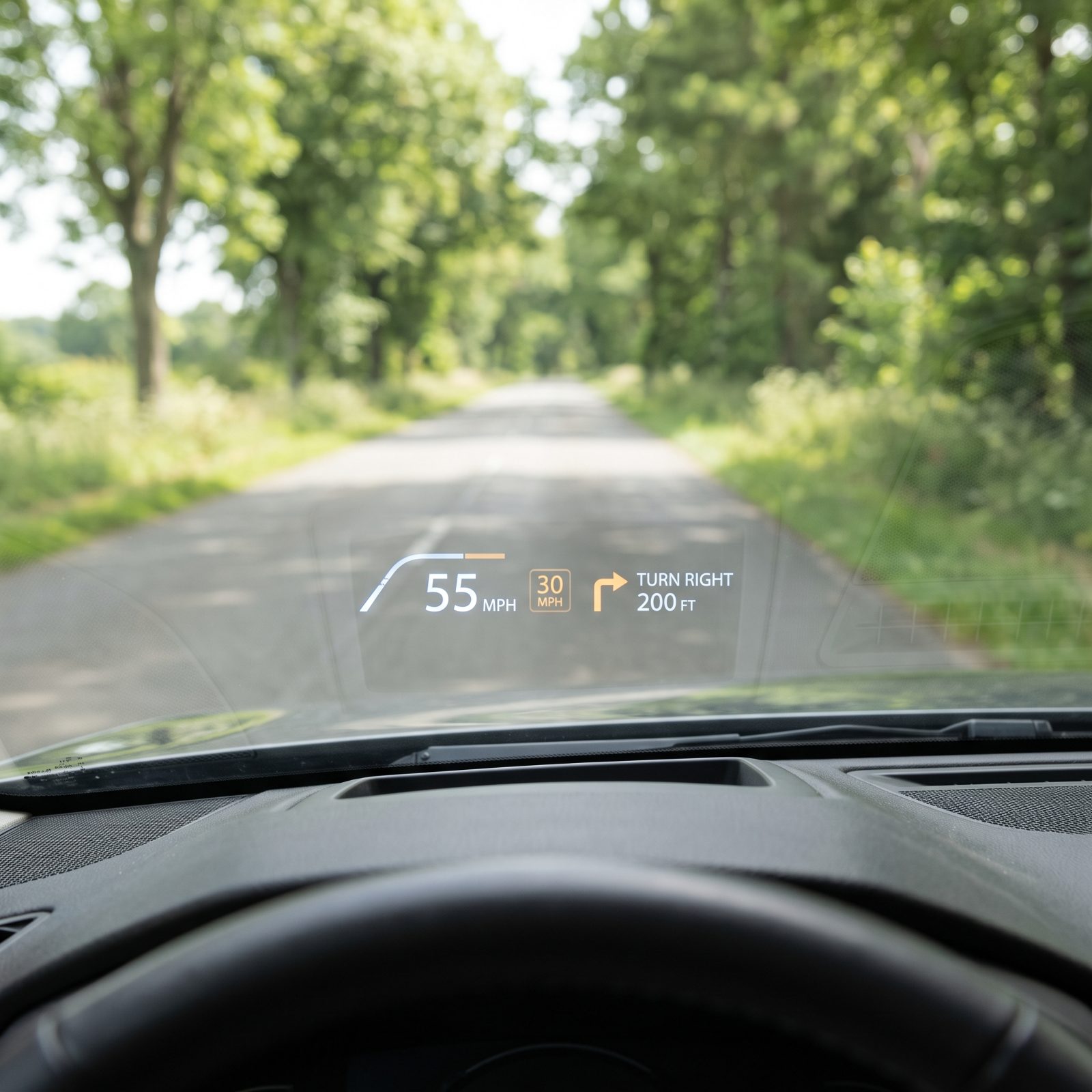
Glancing down at the dash, refocusing from the road to the cluster and back — it’s a small chore your eyes repeat thousands of times a year. For older eyes that refocus more slowly, each of those glances takes longer and costs more.
A head-up display throws your speed, and often the navigation prompts, onto the lower windshield so the information floats right in your forward view. No looking down. No shifting focus from near to far.
When shopping, look for a HUD with adjustable brightness and height so you can set it to your eye line, and make sure the numbers stay readable in bright sun — that’s where cheaper systems wash out to nothing. Try it at midday, not at dusk.
22. Large Side Mirrors That Show You What’s Beside You
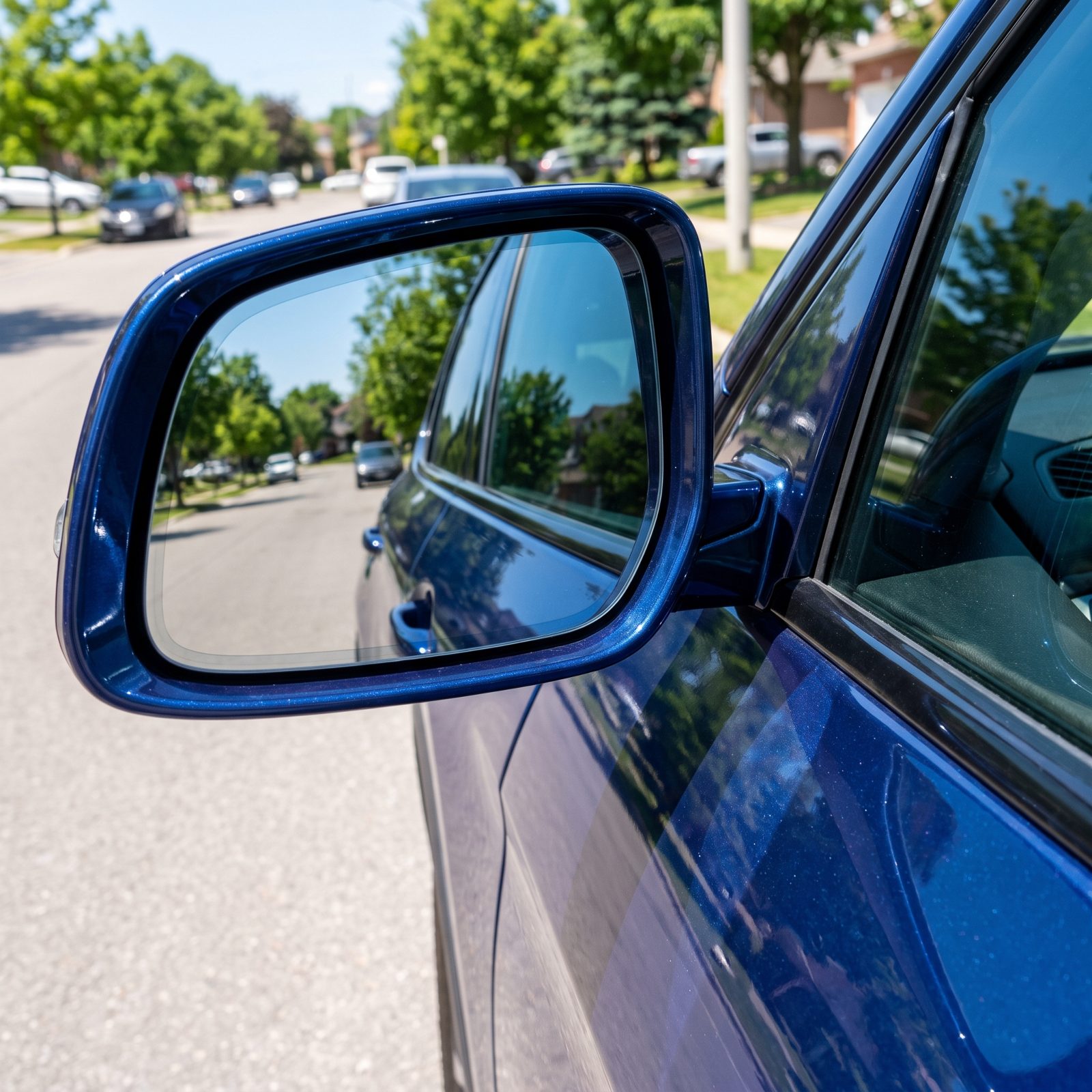
Small, stylishly shrunken mirrors look sporty in a brochure and leave you craning your neck in real traffic. Less glass means a narrower field of view, and a narrower view means more blind spot and more twisting around to check it.
If your neck doesn’t swivel like it did at thirty, mirror size is a genuine safety feature dressed up as a styling choice.
Pick a car with large side mirrors, ideally with a wide-angle or convex section worked into the outer edge for the blind spot. Power-adjustable and heated is better still, and blind-spot indicator lights in the glass are a nice bonus. Sit in the driver’s seat and check how much of the next lane you can see without turning your head.
21. Bright LED Headlights That Actually Light the Road
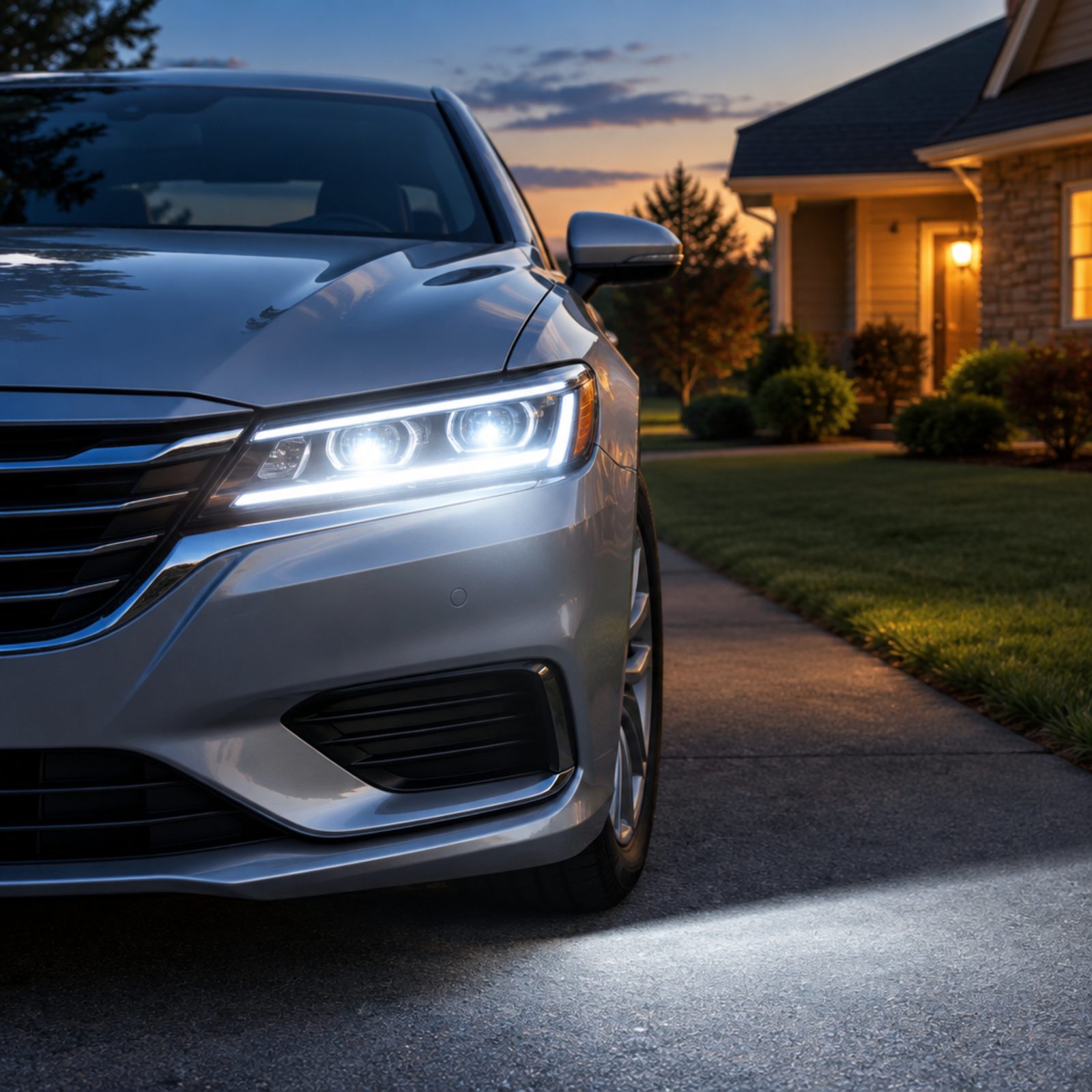
Old halogen bulbs throw a dim yellow puddle down the road, which was fine when you were thirty. The aging eye needs roughly twice the light to read the same detail, and it shakes off glare slower every year. That gap between what the road shows and what you can read? That’s where deer, potholes, and dark-clothed pedestrians live.
LED headlights fix most of it. The light runs cooler and whiter, closer to daylight, so your eyes handle contrast the way they’re built to. Look for projector-style LED clusters with a sharp beam cutoff, not cheap retrofit bulbs jammed into an old reflector housing. Aim factory LEDs correctly at a wall (center of the beam about two inches below headlight height at 25 feet) and they’ll show you the ditch before you’re in it.
20. Cornering Lights That Swing Into the Turn With You
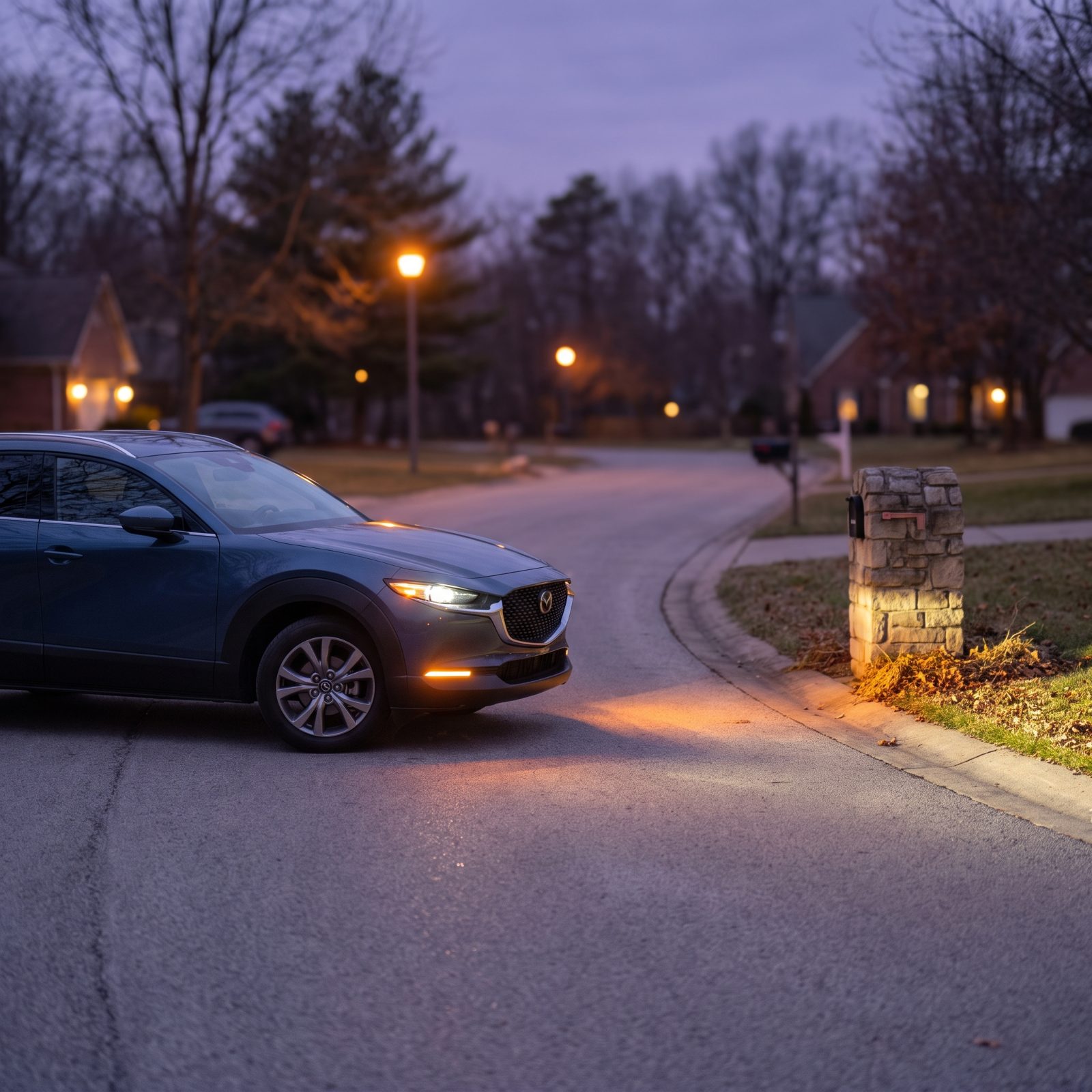
Standard headlights point dead ahead, no matter where you’re steering. So on a dark curving road you’re turning into a black hole, seeing the apex only once you’re already in it. On a tight country bend or an unlit cul-de-sac, that’s the exact spot where a kid on a bike or a backing-out car hides.
Cornering lights read your steering angle and swing the beam into the turn, lighting the road you’re about to drive instead of the one behind you. Some setups use the fog lamps to splash extra light sideways at low speed, a real gift in a dark parking garage. Test drive at night, take a proper corner, and watch where the light actually goes. Stays glued straight ahead? Keep shopping.
19. Automatic High Beams You Don’t Have to Babysit

Most of us ride on low beams all night. Flicking the brights on and off every time a car crests the hill is a chore, and half the time you forget and blind somebody anyway. So you get half the light you paid for on the stretches where it matters most.
Automatic high beams use a forward camera to drop to low when they spot oncoming headlights or taillights, then snap back up the second the road clears. Maximum reach without thinking about it, and you stop being the person other drivers flash at. One catch: the system can lag a beat on sharp hills. Keep your thumb near the stalk on hilly two-lanes and you’ve got the best of both.
18. An Auto-Dimming Rearview Mirror That Kills the Headlight Glare
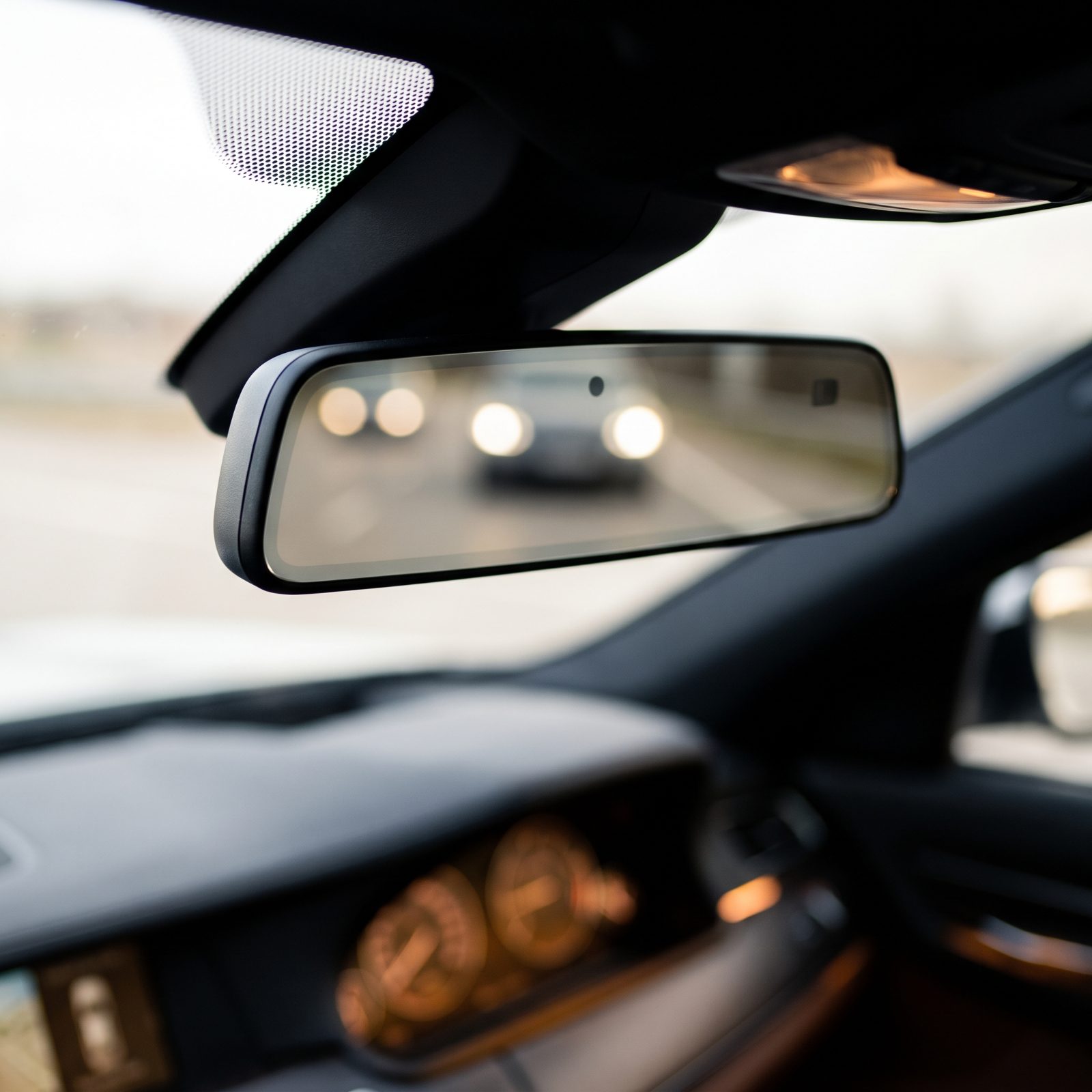
That blast of white light flooding your mirror when a pickup with its brights on sits behind you at a stoplight? Painful at any age. Genuinely dangerous as your eyes slow down. The old manual flip-tab dimmer helped, except then your mirror shows a dim useless ghost and you forget to flip it back.
An auto-dimming mirror senses the bright light from behind and darkens the glass electronically, just enough to cut the glare while keeping the view clear. No tab to fumble, no trade-off. Many versions pack in a digital compass and the backup-camera display too. A small box of liquid stands between you and the worst glare on the road, and once you’ve lived with one, a plain mirror feels like going backward.
17. Rain-Sensing Wipers That Read the Weather for You
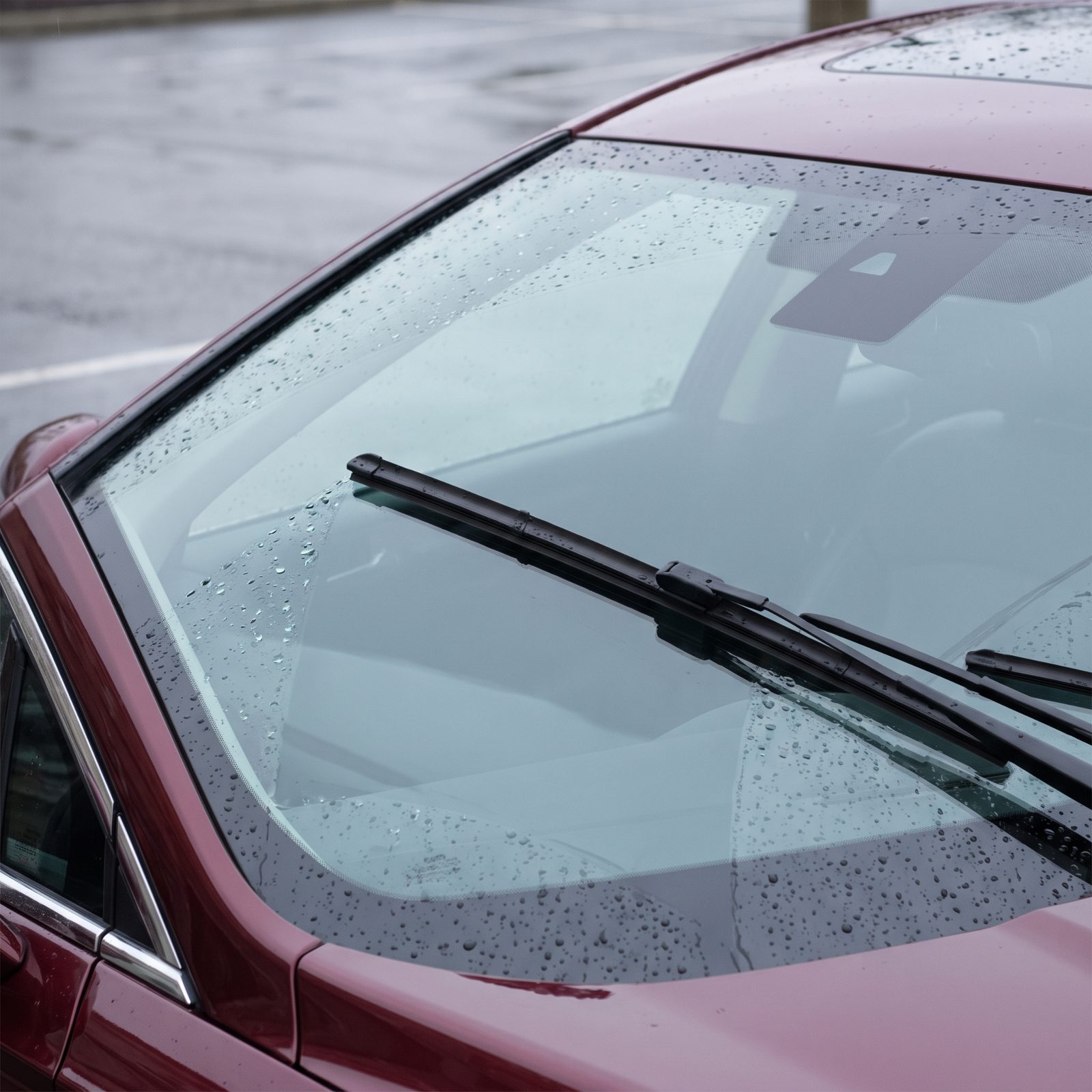
Fiddling with the wiper stalk through changing rain splits your attention right when the road is slickest. Too slow and you’re peering through a smear. Too fast and the blades chatter dry across the glass. Either way your hand and your eyes are off the job for a second you don’t have.
Rain-sensing wipers use an optical sensor at the top of the windshield to measure how wet the glass is, then set the speed and interval on their own. Drive under an overpass and they pause. Hit a downpour and they ramp right up. You just steer. Pair them with fresh silicone blades and a decent glass treatment, and bad weather stops being a wrestling match with the dashboard.
16. A 360-Degree Surround-View Camera That Erases the Blind Corners
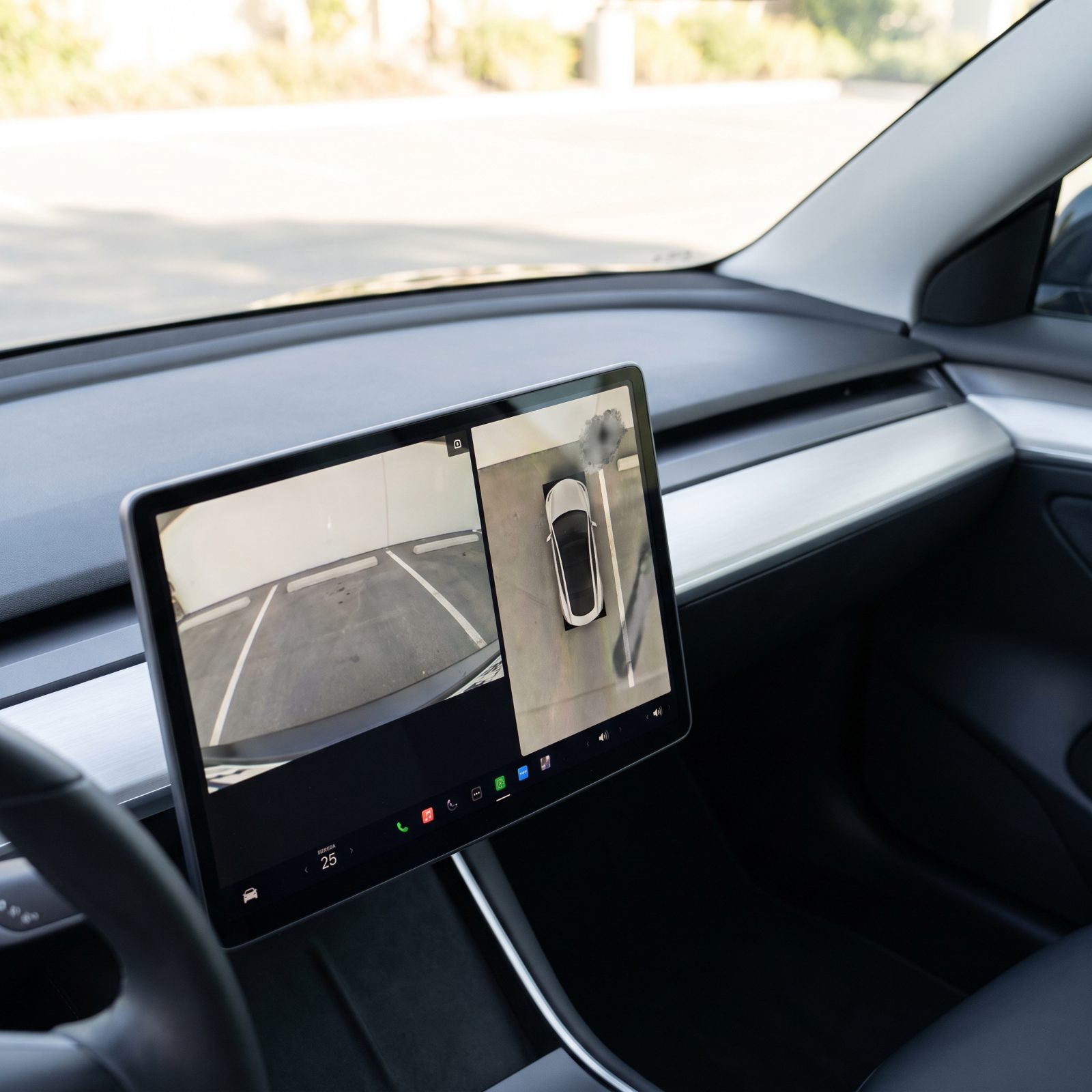
Tight garages, narrow drive-thrus, parking spots fenced in by concrete pillars. They all punish anyone who can’t twist around like they did at twenty-five. That quarter-inch between your mirror and the pole is flat-out invisible from the driver’s seat.
A surround-view camera stitches images from cameras at the front, rear, and under each mirror into a top-down view on the center screen. You watch your car slide into the spot from above, as if you’re hovering over it. No neck craning, no guessing. It catches curbs before you scrape a wheel and kids’ bikes before they turn into a bad afternoon.
On the test drive, pull into the tightest space you can find and park using only the screen. If the image stays sharp and lag-free in daylight and still usable in a dim garage, that camera just handed you back the flexibility your spine won’t.
15. Front and Rear Parking Sensors That Beep Before You Bump
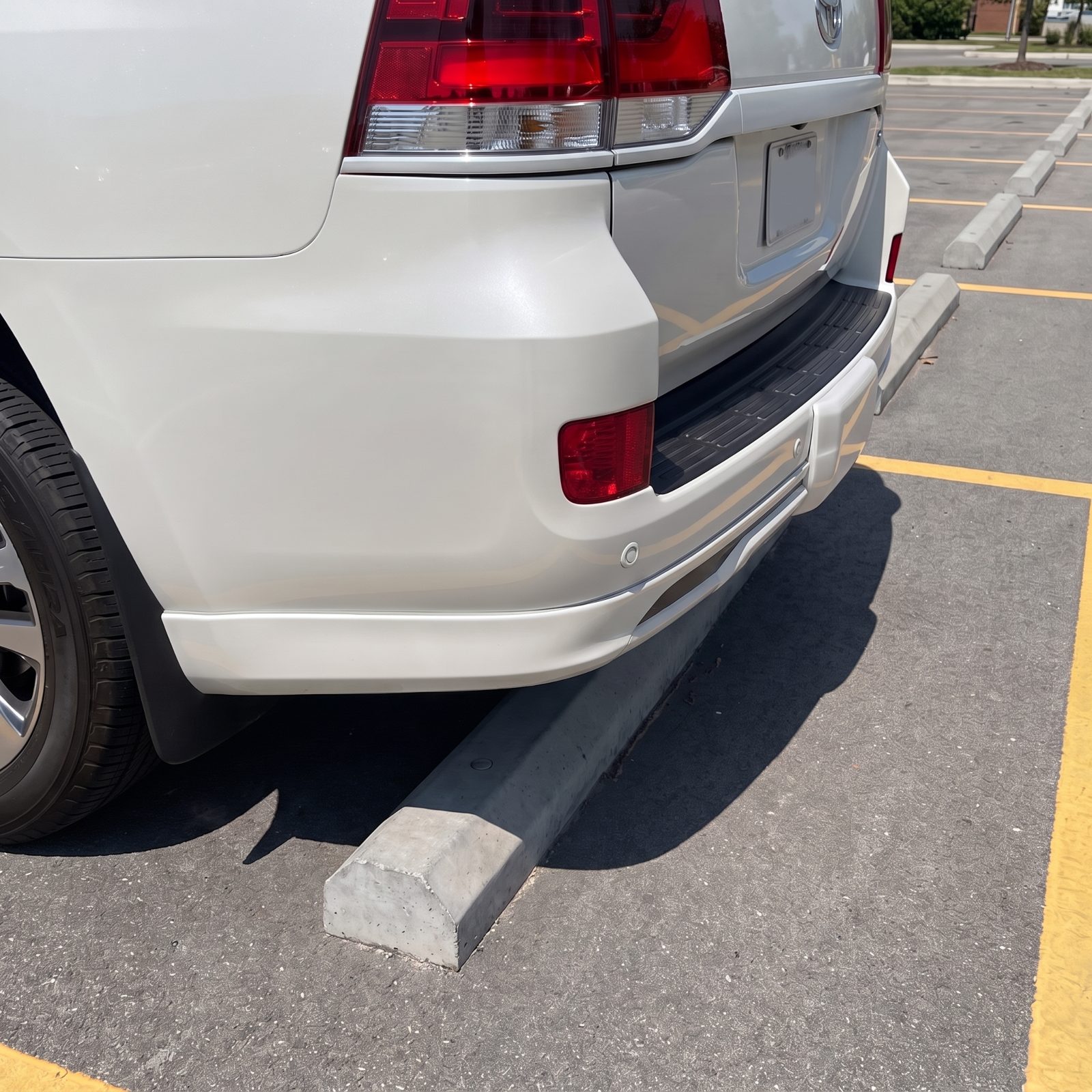
Bumpers are expensive to repaint and curbs don’t move. Judging those last few inches by eye gets harder as your peripheral vision narrows and your neck stiffens up. One tap against a concrete parking block and you’re staring at a four-figure estimate for a scuff nobody will ever notice except your wallet.
Parking sensors read the distance to anything ahead or behind and beep faster as you close in, going solid right before you touch. Front sensors matter as much as rear ones when you’re pulling nose-first into a garage with a deep freezer against the back wall. They’re the co-pilot watching the corners you physically can’t turn to check anymore. Paired with a backup camera, they cover what your mirrors and your neck can’t.
14. Blind-Spot Monitoring That Watches the Lane You Can’t See
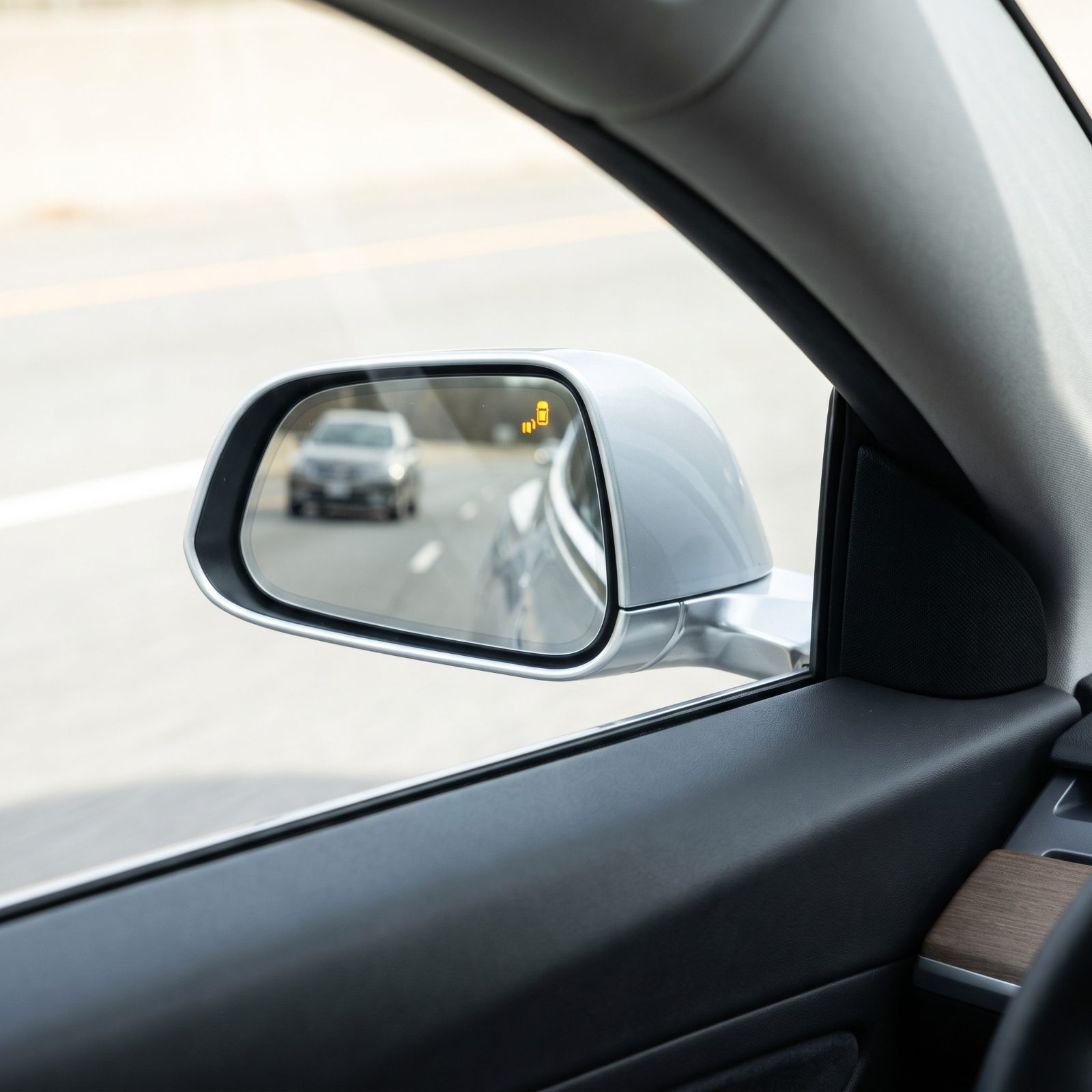
The over-the-shoulder head check is the first thing a stiffening neck gives up. You tell yourself the mirror’s enough, and then a car materializes in the lane just as you start drifting over. Every driver has felt that cold jolt at least once.
Blind-spot monitoring puts radar on your rear corners and lights a small amber icon in the side mirror whenever a vehicle sits in your blind zone. Flip the turn signal while something’s there and many systems add a beep or a flash you can’t miss. It doesn’t replace a glance, but it catches what the glance would’ve needed you to twist around for. For anyone whose neck doesn’t rotate like it used to, this one feature alone is worth crossing a few cars off the list.
13. Rear Cross-Traffic Alert for Backing Out of Tight Spots
Would you like to save this?
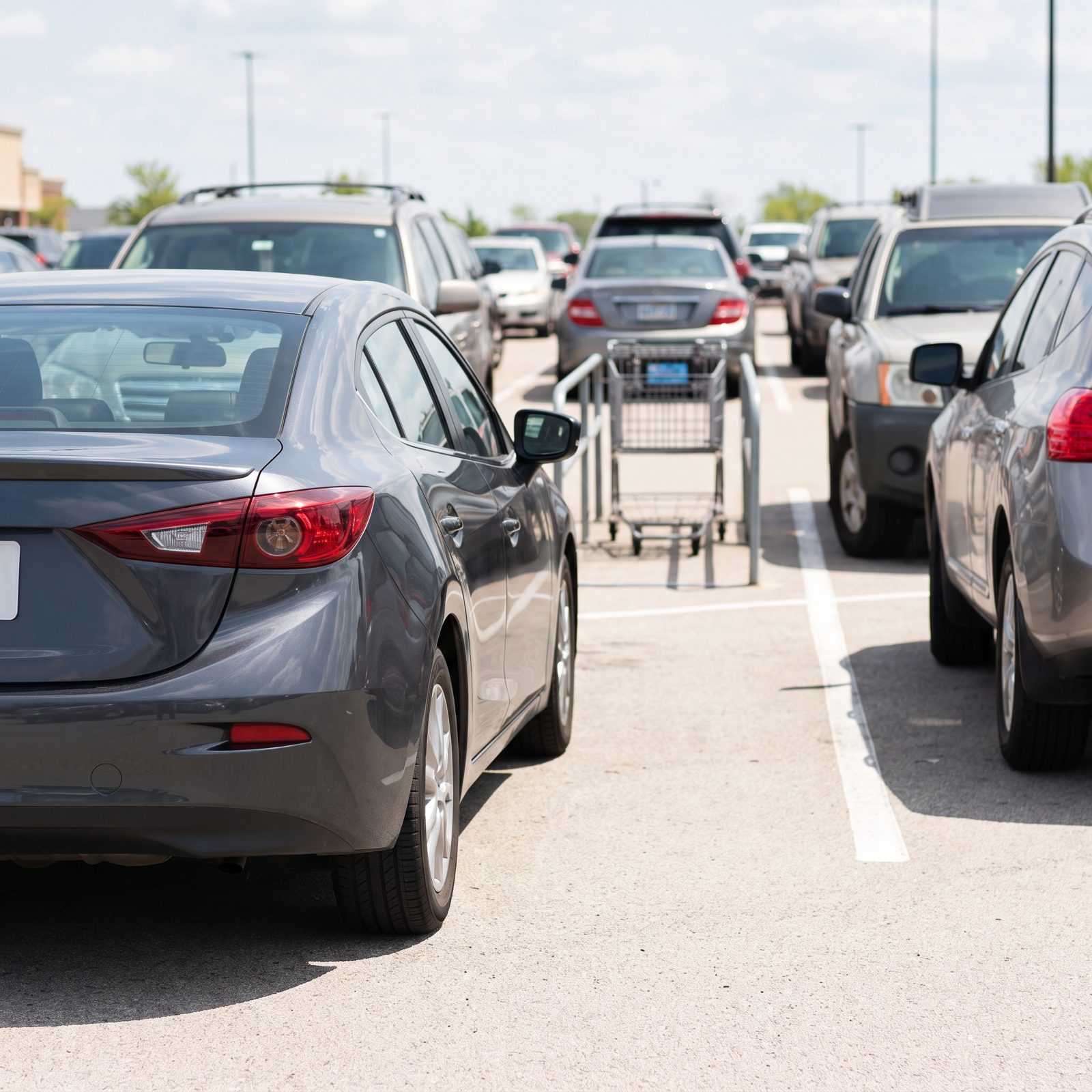
Backing out of a packed spot when tall SUVs box you in on both sides is pure guesswork. You can’t see the lane until your bumper is already in it, and that’s precisely when a car comes rolling down the row or a shopper steps across behind you.
Rear cross-traffic alert runs on the same corner radar as blind-spot monitoring, only aimed sideways. As you reverse, it watches for anything crossing your path and warns you with a beep plus an arrow on the screen pointing which way the trouble’s coming from. It picks up cars before they even enter your camera view. In a crowded lot, that’s the difference between inching out blind and knowing the coast is clear before you move.
12. Adaptive Cruise Control That Keeps Your Following Distance for You
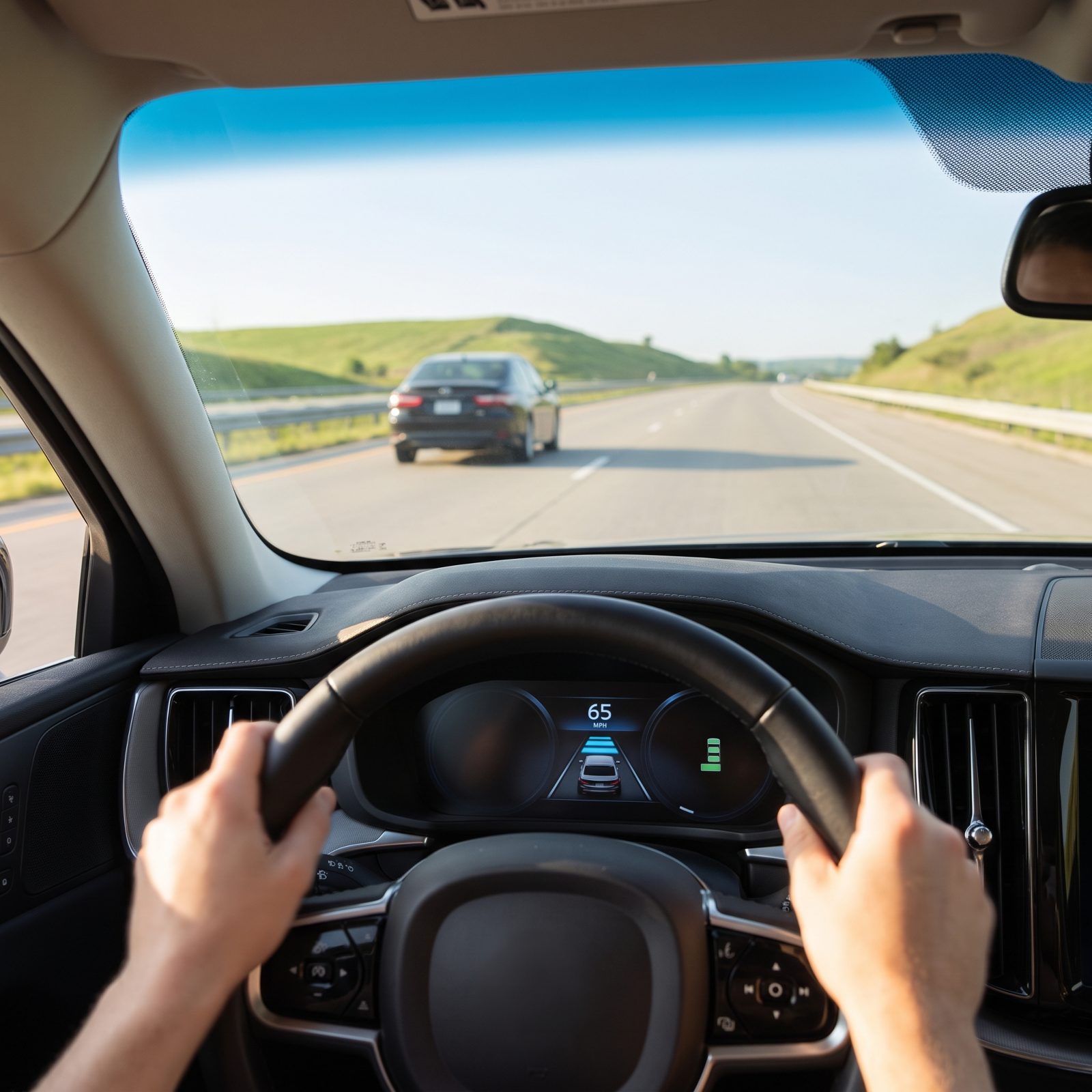
Standard cruise control holds your speed and nothing else. Traffic slows, you grab the brake, reset it, slow again, reset again. On a long interstate run that constant foot shuffle wears you down, and fatigue is its own hazard on the drive home from grandkids three states away.
Adaptive cruise control uses forward radar to hold a set following distance, braking and accelerating on its own as the car ahead changes speed. You pick the gap, and the car keeps it in flowing traffic. Your right leg finally gets a rest, your eyes stay up on the road instead of flicking to the speedometer, and you roll into the driveway a lot less frayed.
11. Lane-Departure Warning That Catches the Drift Before You Do
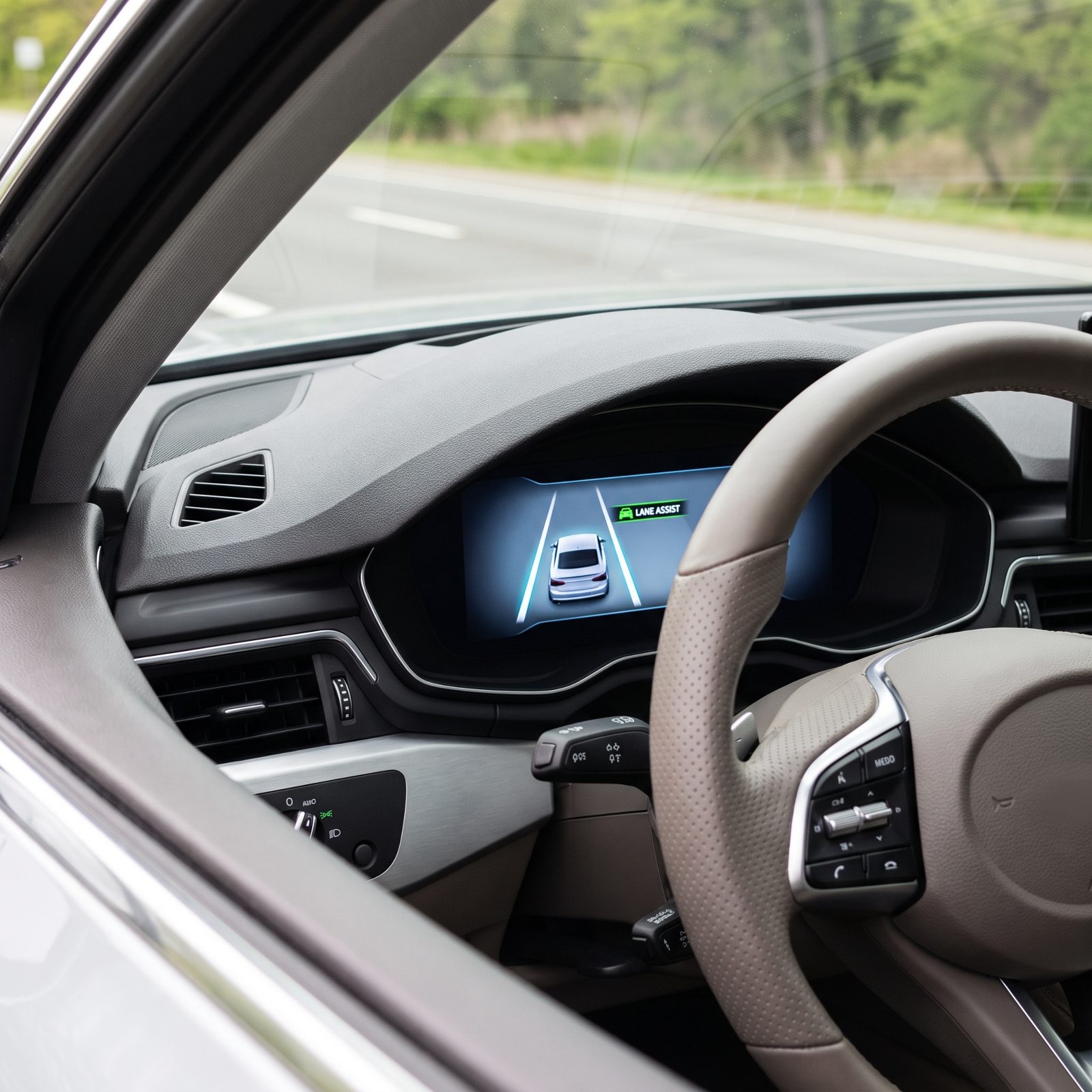
You know the feeling. A long flat stretch, radio low, and your eyes drift to a mailbox or a billboard for half a second too long while the car wanders toward the line. Everybody does it, and nobody likes admitting it.
Lane-departure warning gives you a nudge before that half-second becomes a problem — a gentle buzz through the wheel, a soft chime, sometimes a light tug back toward center. It isn’t nagging. It’s watching the part of the road you looked away from.
When you test drive, ask to feel it work on a real road, not a parking lot. Some systems are twitchy and annoying. The good ones only speak up when they should. Pick the quiet, confident one.
10. A Tight Turning Circle That Forgives a Narrow Driveway
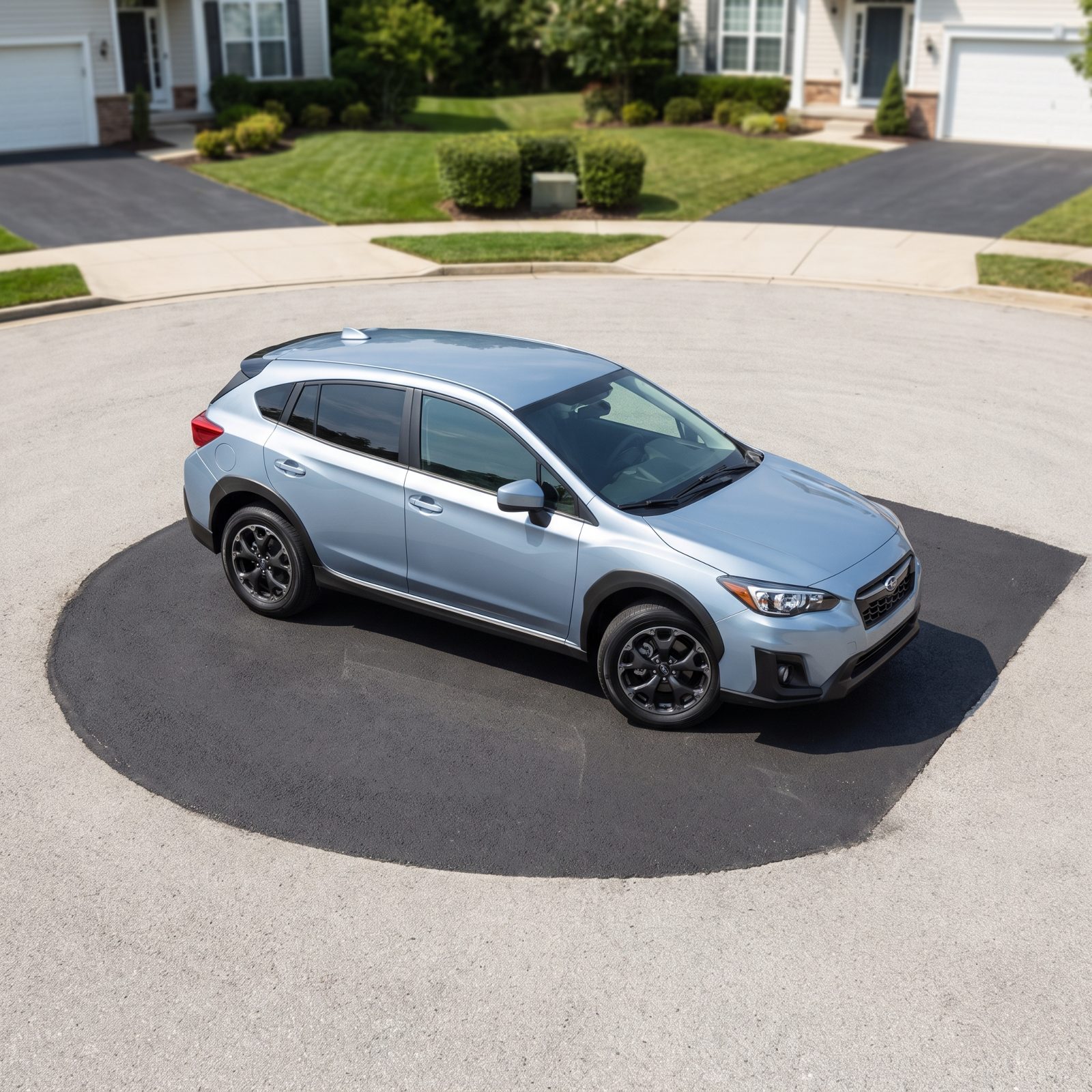
Nobody reads this number on the window sticker, and everybody should: the turning circle. It’s how much room the car needs to swing a full U-turn, and the smaller that number, the fewer three-point turns in your future.
A tight circle means you clear the garage in one pull, back out of a parking spot without a seventeen-point shuffle, and flip around on a narrow street without climbing a curb. A sloppy circle? You fight the car every single day in small, tiring ways.
Check the spec, then prove it. Find an empty lot and swing a full lock-to-lock turn. You’ll feel the difference between 34 feet and 40 feet right in your shoulders.
9. Light Steering at Parking-Lot Speeds That Spares Your Shoulders
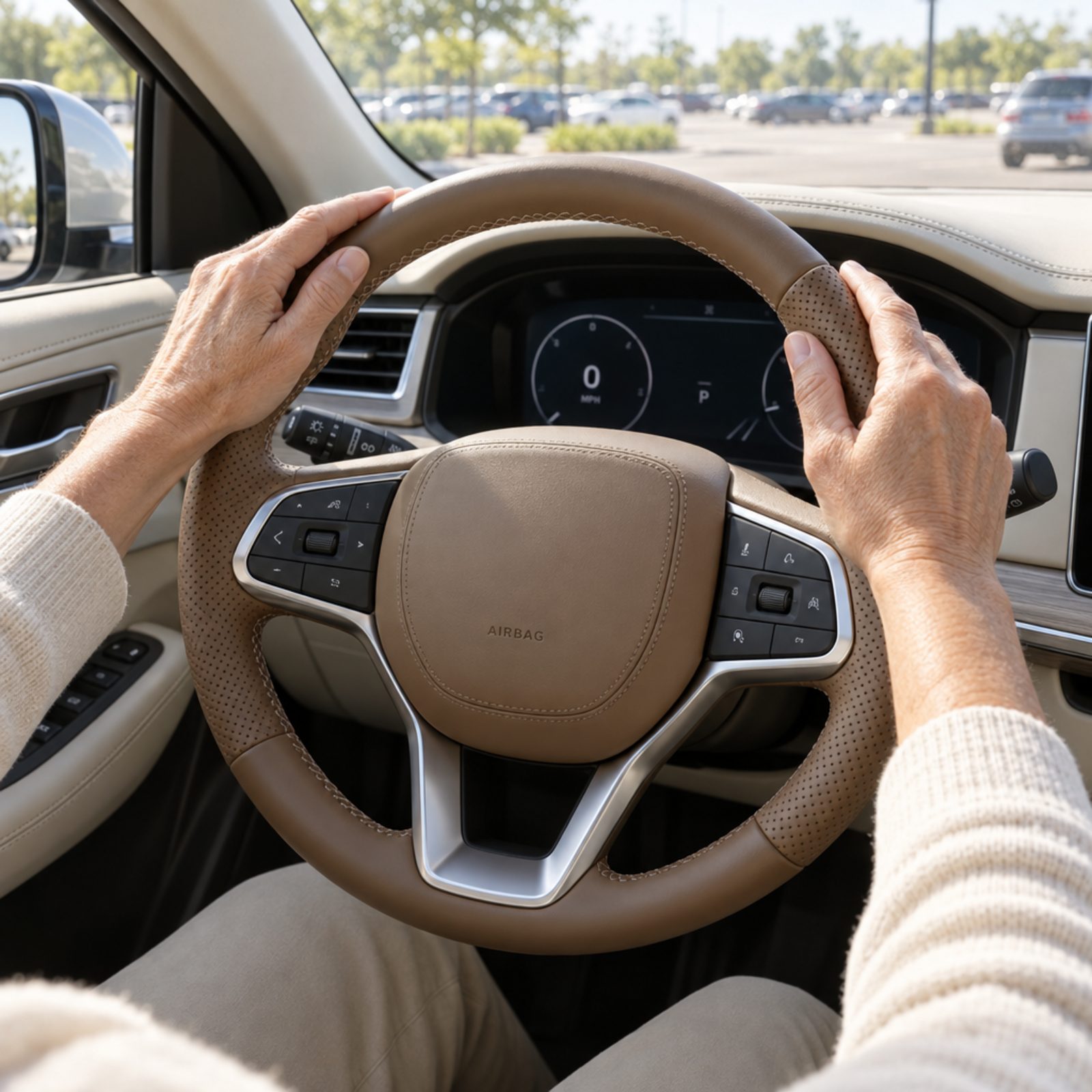
Not all power steering is tuned the same. Some cars go light and loose at a crawl, then firm up as you pick up pace. That’s exactly what you want.
Heavy steering at parking speed makes every lot a workout. Over the years it piles up in your wrists and shoulders, turning a quick errand into something you quietly dread. Variable-ratio electric power steering fixes it — the wheel spins with a fingertip while you park, then weights up for stability once you’re out on the highway.
8. A Suspension Tuned for a Smooth Ride, Not a Track Day
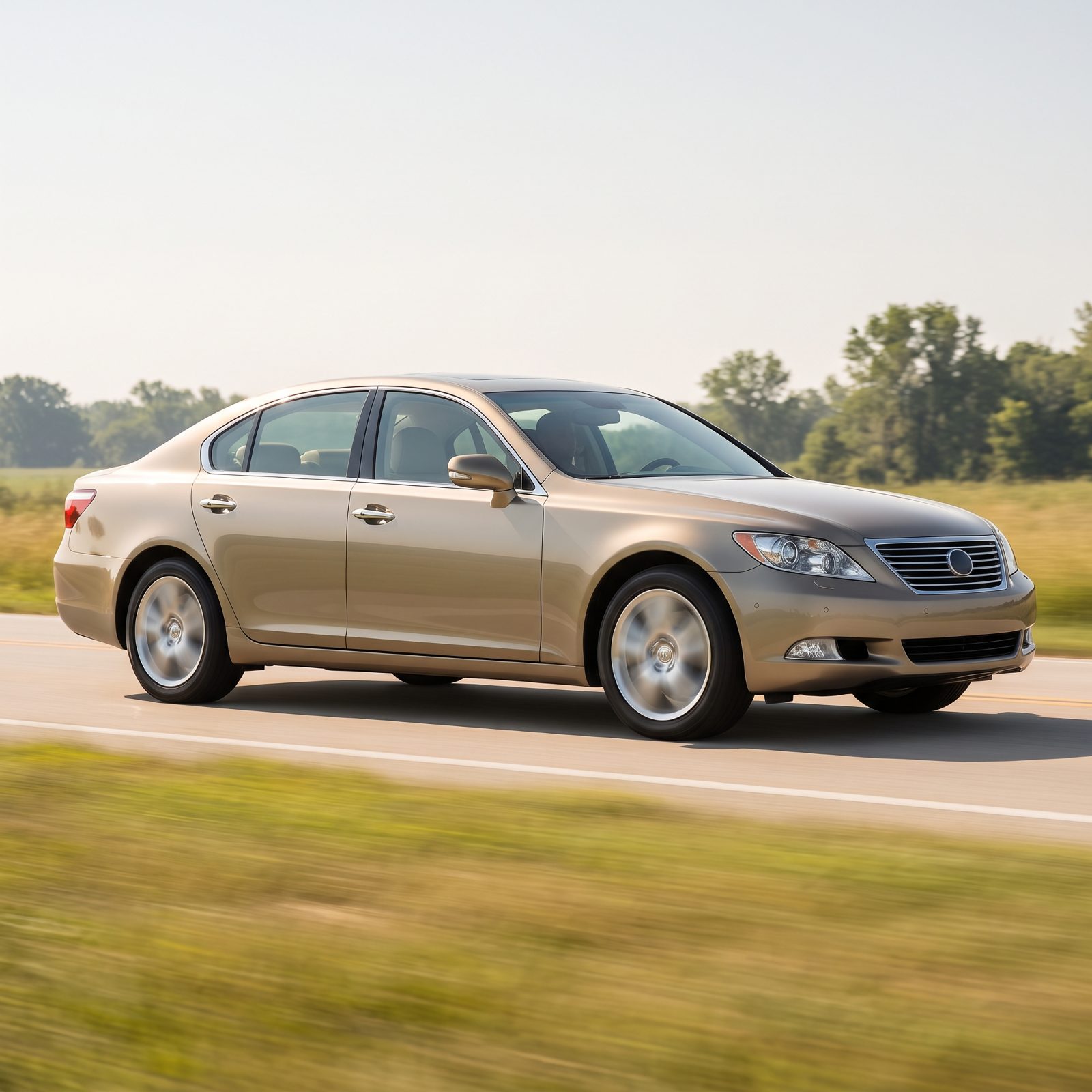
Firm sport suspensions are fun for about ten minutes. Then you hit a patch of broken pavement and feel every seam in your back.
A comfort-tuned setup soaks up expansion joints, potholes, and rough shoulders instead of passing them straight into your spine. For anyone with a cranky lower back or a stiff neck, that absorption is the whole difference between arriving relaxed and arriving sore.
Test it on a bad road near the dealership, never the glass-smooth lot. Drive over railroad tracks, speed bumps, a torn-up intersection. Big wheels with thin tires look sharp and ride like a hammer; a sensible wheel with a taller sidewall floats. I’ll take the float every time.
7. Dual-Zone Automatic Climate Control That Ends the Thermostat War
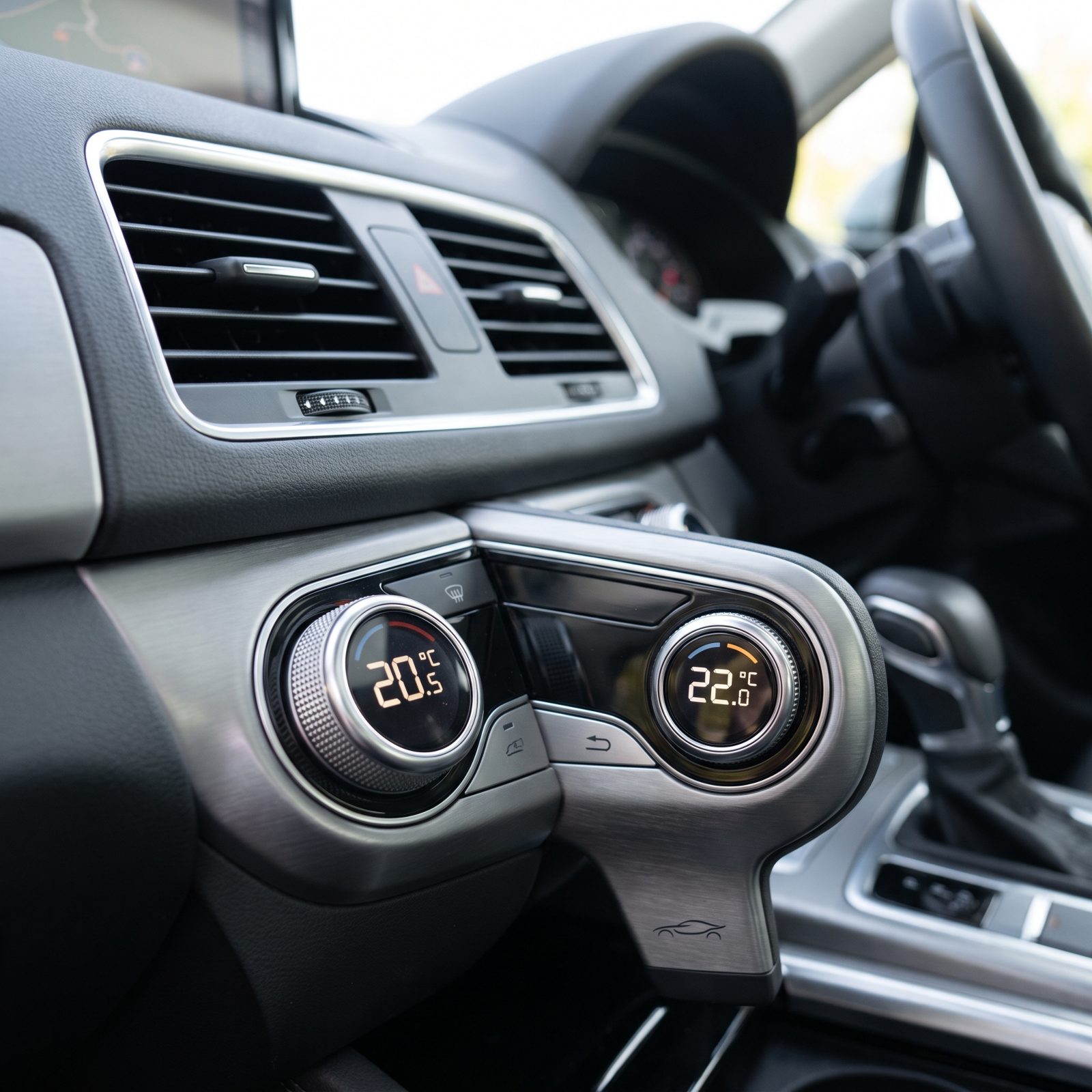
Every couple has had this fight. One of you runs hot, one of you runs cold, and the single temperature dial becomes a quiet battleground on every drive.
Dual-zone automatic climate control hands each side of the car its own setting. You set yours to 70, your passenger sets theirs to 76, and the car holds both without either of you touching a vent again. Automatic means you pick a number and forget it — no fiddling with fan speed, no leaning over to adjust airflow at a red light.
Sounds like a small luxury. On a three-hour drive, it’s the thing that keeps the peace.
6. A Power Liftgate You Open With an Elbow Full of Groceries
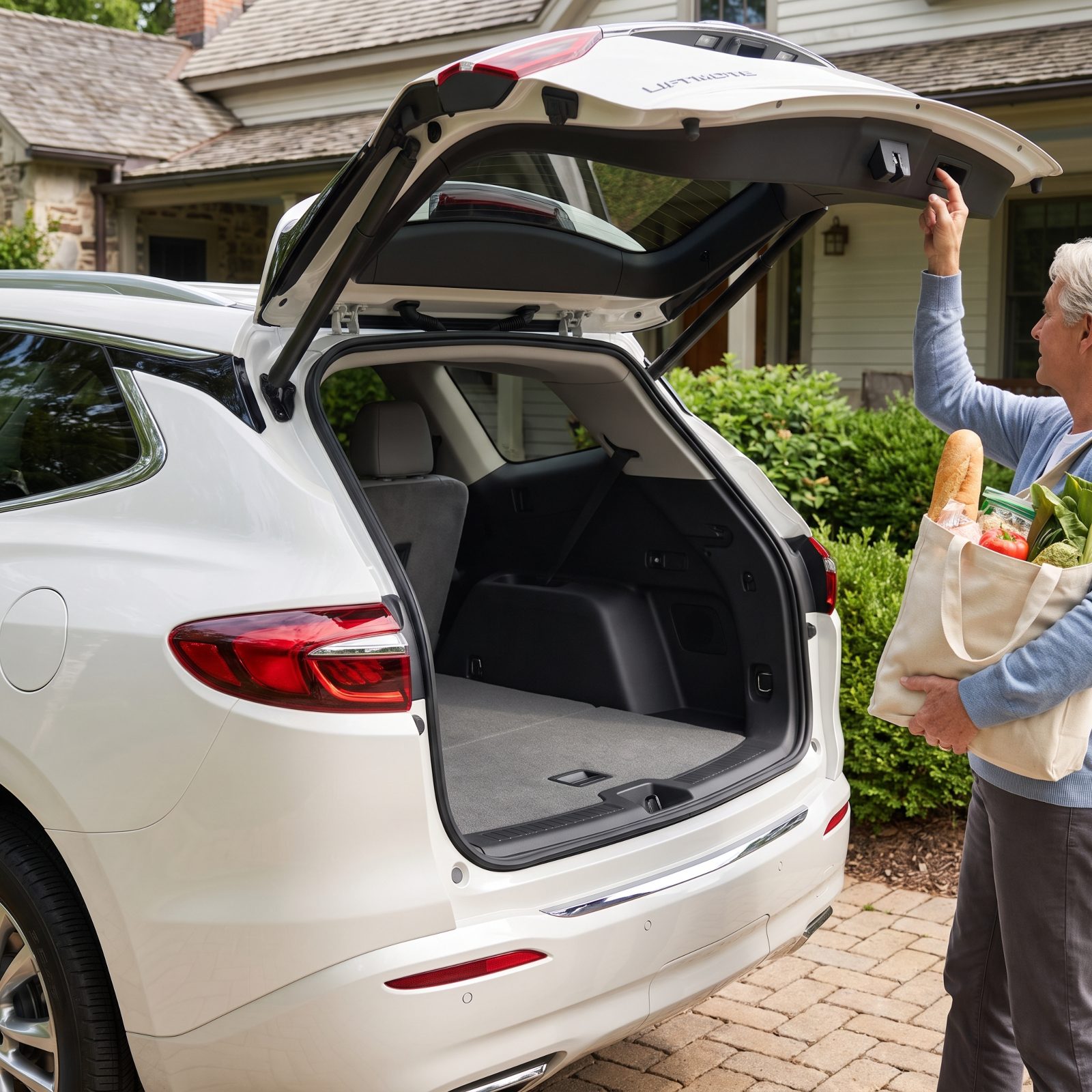
Picture it. Both arms loaded, a gallon of milk in one hand, a bag biting into your fingers. Now try to lift a heavy tailgate. Something has to go on the ground.
A power liftgate opens with a button on the key, a tap on the dash, or on many cars, a wave of your foot under the bumper. No lifting, no reaching up to yank it closed, no strain on your shoulders. It shuts with a button too, so you never stretch for a handle you can barely reach.
Go for the foot-sensor version. When your hands are full, your foot is the only thing you’ve got left.
5. A Low, Flat Cargo Floor That Saves Your Back on Every Load
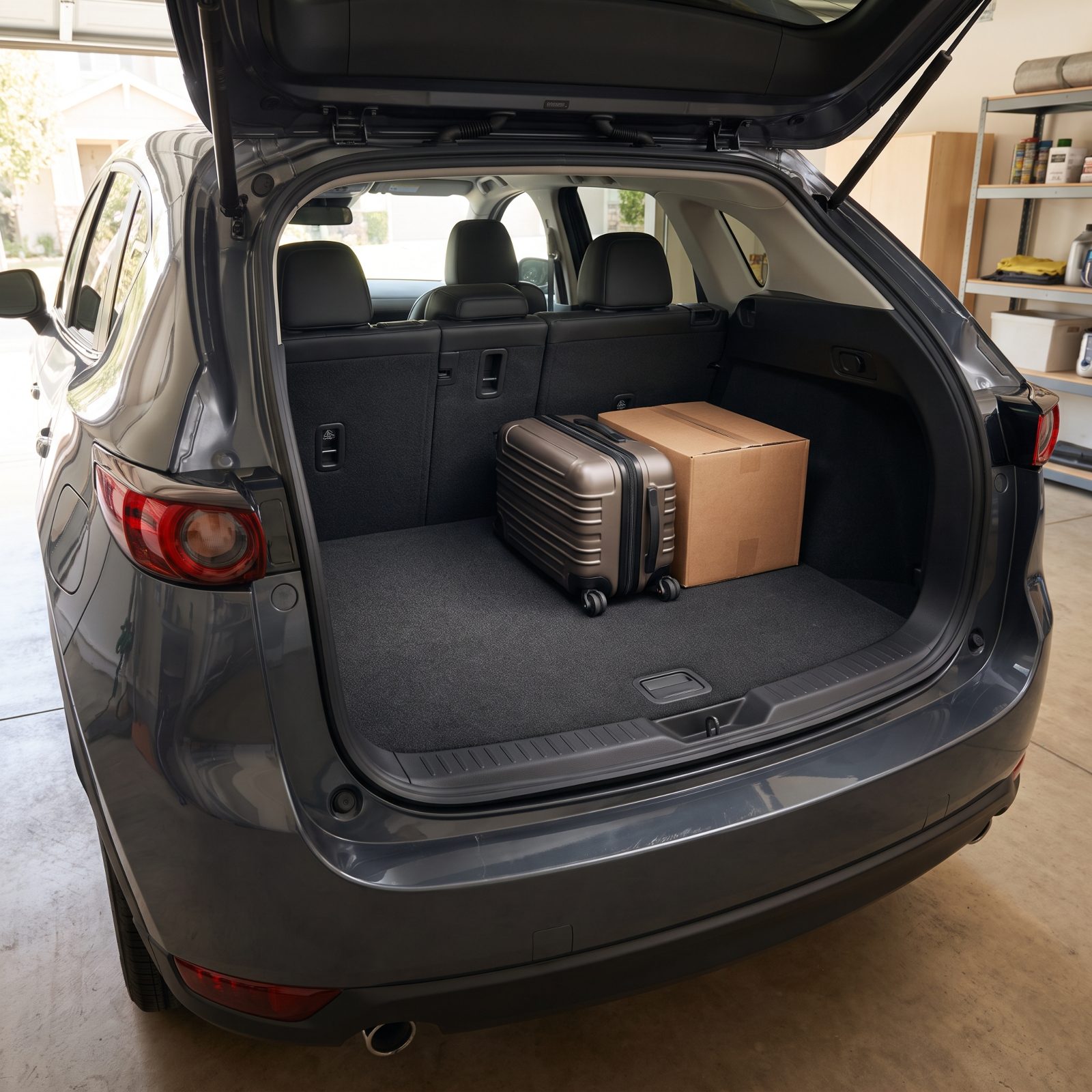
High-riding SUVs look tough, but watch someone load one. They’re hoisting the cooler up over a tall lip, then reaching deep into a sunken well to shove it forward — which is exactly how backs go out.
A low, flat cargo floor lets you slide things in instead of lifting them up and over. Groceries, luggage, a bag of mulch, the folding chairs for the grandkids’ game. Everything goes in at a height that keeps your spine happy.
Look for a loading floor near hip height with a low bumper lip and seats that fold truly flat. On the lot, load something heavy yourself. Your lower back will tell you the truth faster than any brochure ever could.
4. Proximity Keyless Entry So You Never Dig for Keys in the Rain
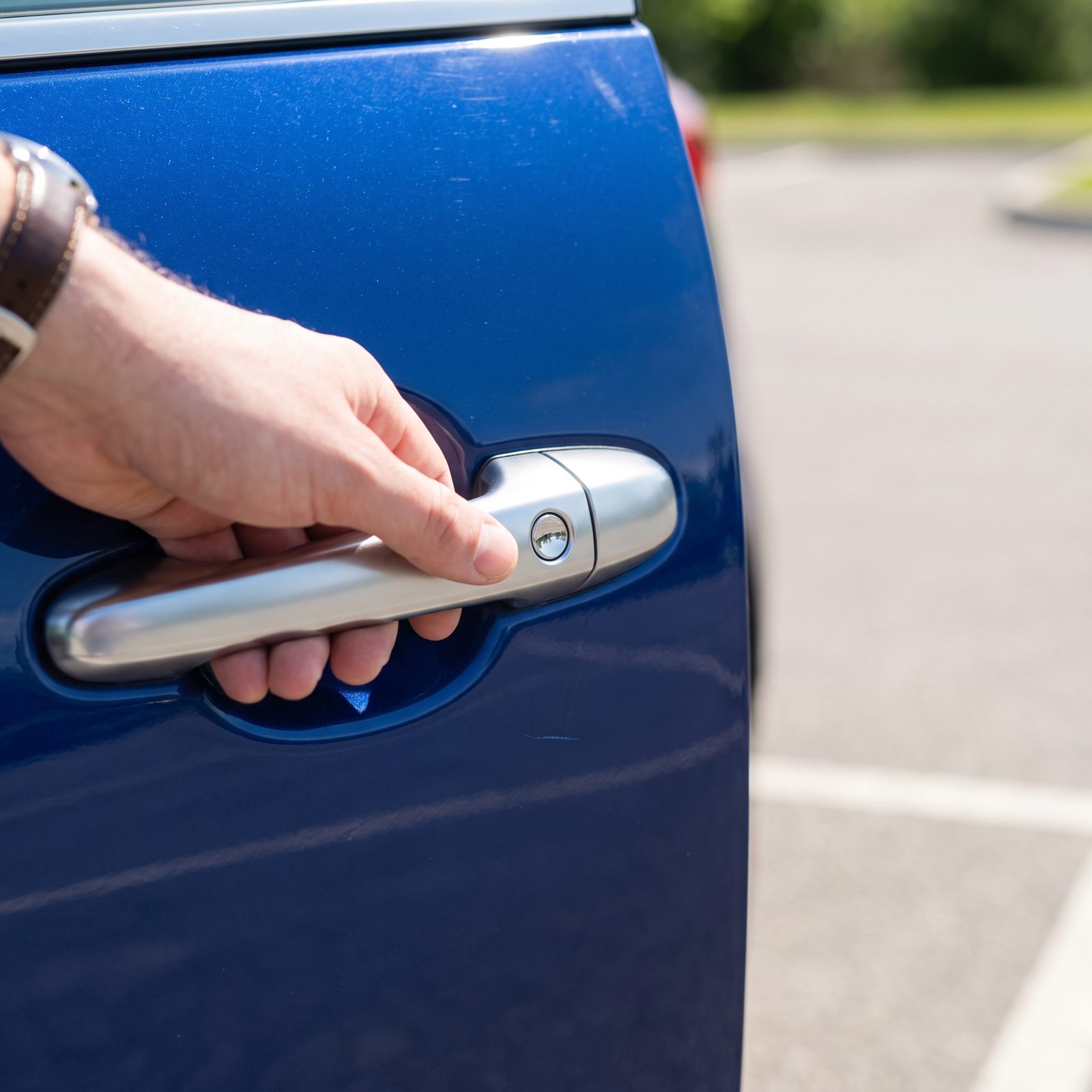
Fumbling for a key with cold hands, in the rain, a bag sliding off your shoulder — that’s one of the small daily miseries of driving. Proximity keyless entry ends it.
The fob stays in your pocket or purse. Walk up, pull the handle, and the door unlocks because the car senses the key is near. Push a button on the dash to start. No twisting, no searching, no dropping the key in a puddle at night.
For arthritic hands, this is a genuine relief. No little metal key to grip and turn, no awkward angle, no struggle at the end of a long day. The car just knows it’s you.
3. Individual Tire-Pressure Readouts That Name the Soft Tire
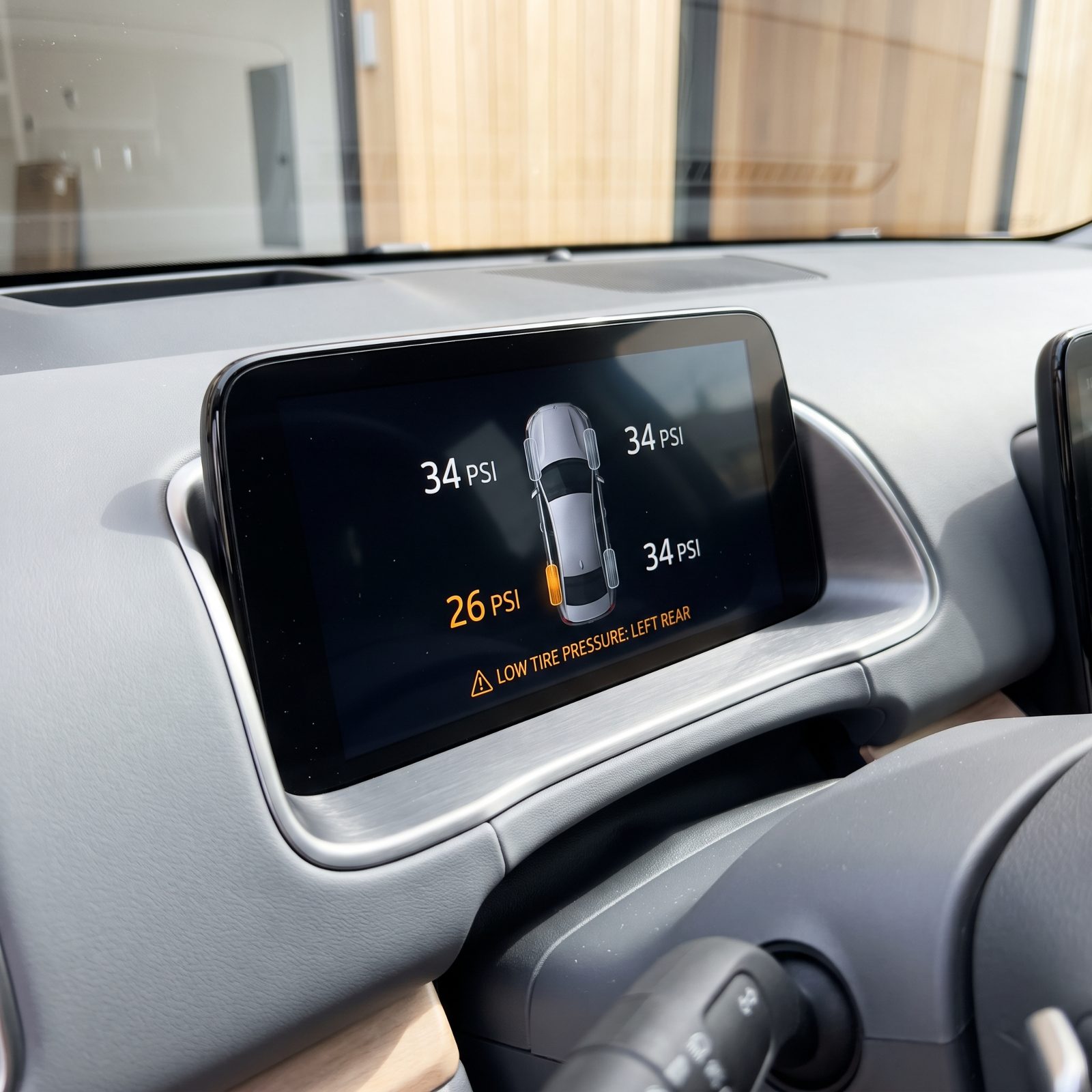
Basic tire-pressure systems just light a little amber symbol and leave you guessing. Which tire? How low? Good luck.
The better systems show you four numbers, one for each corner, right on the dash. A glance tells you the right rear is at 26 while the rest sit at 35, so you know exactly which one to top off and whether you’re nursing a slow leak worth watching.
Underinflated tires wear fast, hurt your fuel economy, and handle poorly in a panic stop. A tire that’s low every two weeks is telling you something. Individual readouts let you hear it early.
2. A Built-In Emergency SOS Button for the Moment You Hope Never Comes
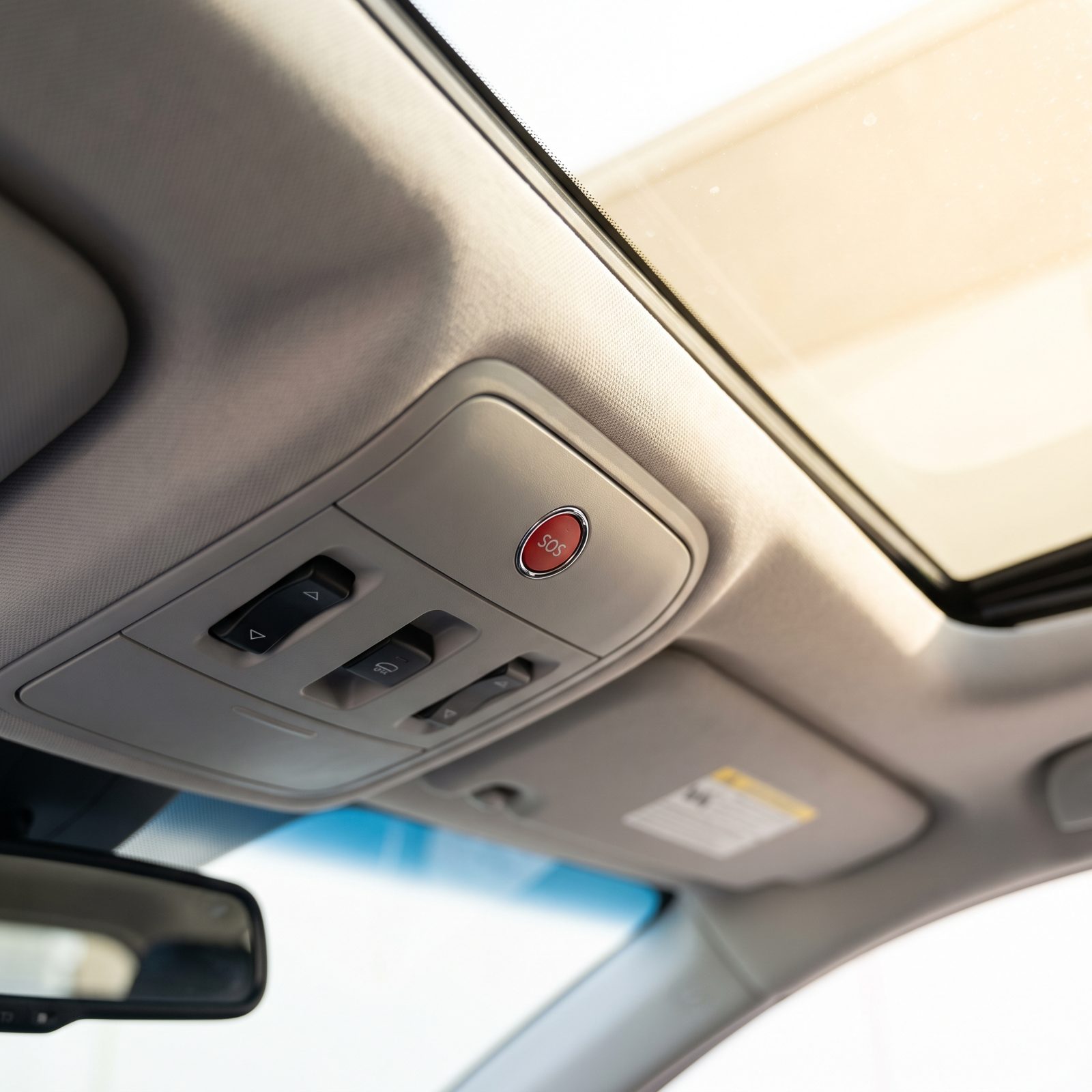
This is the feature you buy and pray you never press. A built-in emergency SOS button, usually tucked into the overhead console, connects you straight to a live operator and sends your location to responders.
After a hard stop on a dark road, a medical scare, or a crash that fires the airbags, you may not be able to find your phone, unlock it, and explain where you are. The car does all of that on its own. Many systems call for help even if you’re unconscious.
For driving alone, for long rural stretches, for the peace of mind of the people who love you — it’s worth the subscription. One button, and someone knows exactly where you are.
1. Automatic Emergency Braking That Hits the Pedal a Half-Second Before You Do
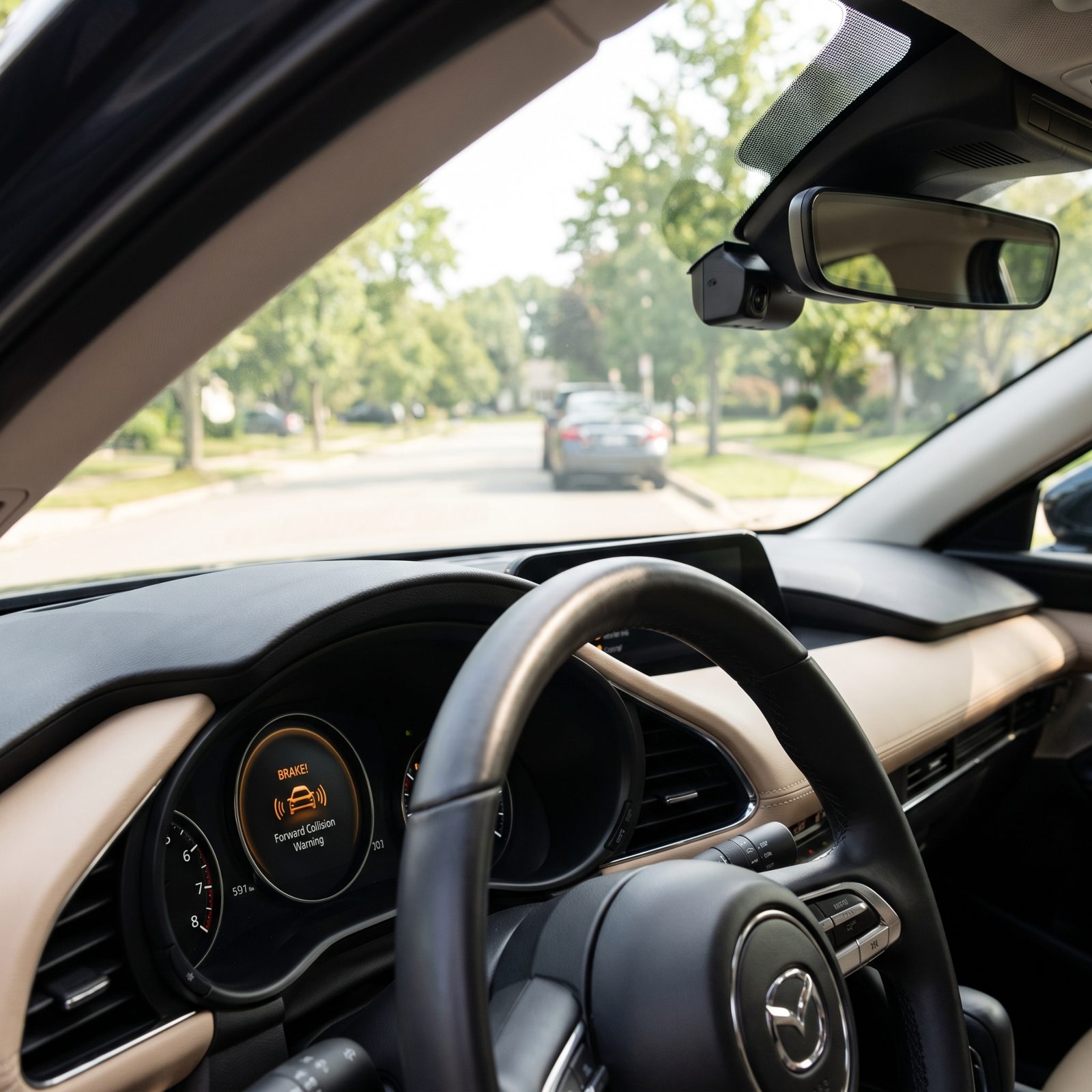
Somewhere in your sixties, reaction time quietly packs up and leaves, and no amount of highway miles buys it back. Automatic emergency braking doesn’t care about any of that. A camera and radar read the car ahead, flash a forward-collision warning first, then stand on the brakes if your foot still hasn’t moved. What would’ve been crumpled metal and a week of insurance phone calls often turns into nothing at all — just a startled heartbeat and a car that stopped.
Here’s where folks trip up at the dealership. Not all AEB works at speed. Ask flat out whether the system functions above 50 mph and whether it spots pedestrians, not just other cars. A setup that only works in parking-lot creep? Nearly useless once you’re out on the interstate.
On the test drive, make the salesman dig up the exact menu where warning sensitivity lives. Set it early. Early nags you for about a week, sure. Then you forget it’s there entirely, and one gray afternoon it hauls you back from the clown who slams on his brakes at a green-turning-yellow light.