
Would you like to save this?
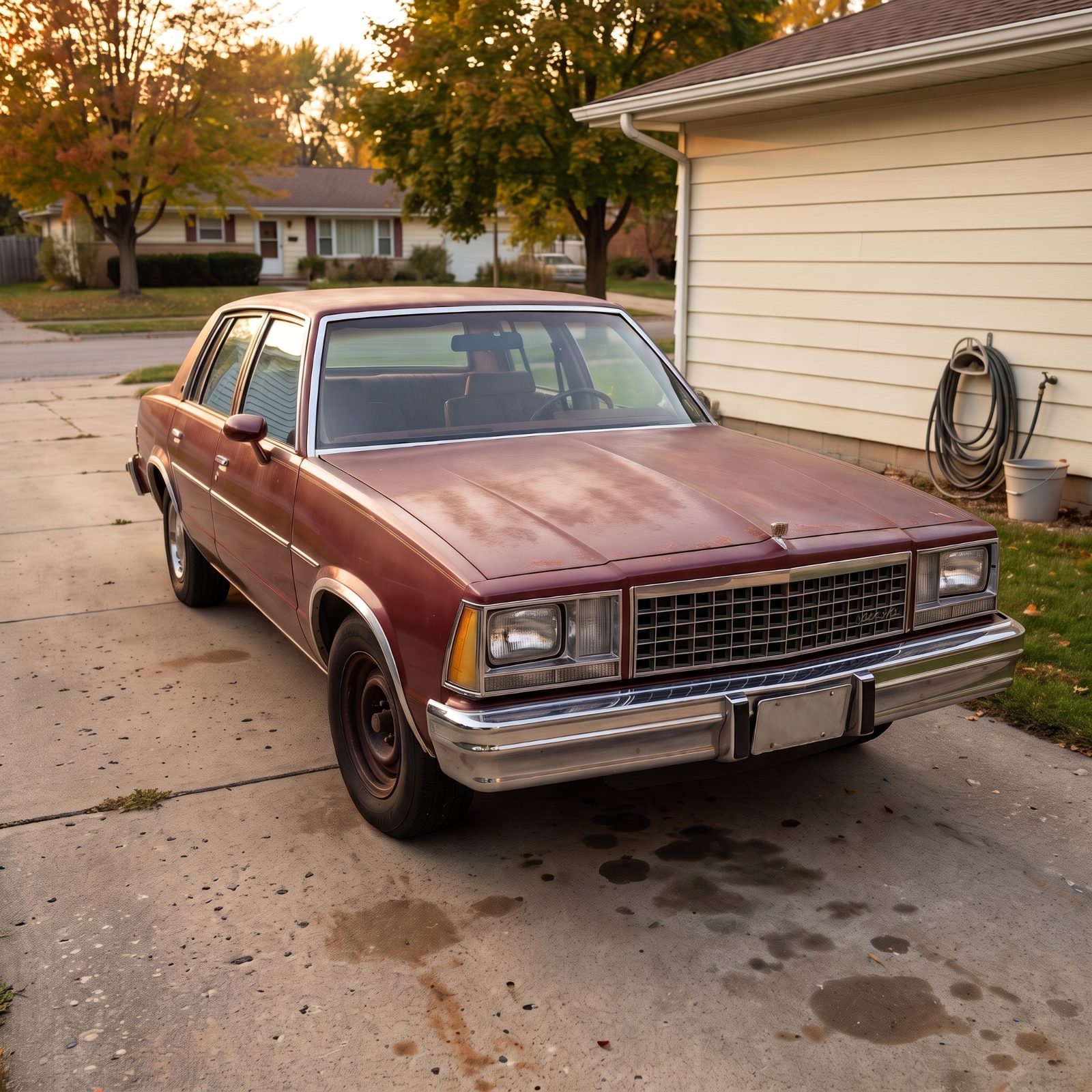
The ’82 Cutlass with the vinyl roof peeling back like sunburned skin. The hand-me-down Nova that smelled like your uncle’s cigarettes. The pickup you were half-afraid of on the highway. You can picture the exact spot the gearshift sat, the way the door shut, the one gauge that never worked right.
Here’s the strange part. You remember that car with a clarity you can’t summon for jobs, houses, or whole vacations from a few years back. That isn’t sentimentality. It’s how the teenage brain encodes freedom, fear, and the first taste of being nobody’s passenger.
What your first car was, how you got it, what it cost, and what you forgave it for still runs underneath the way you buy, drive, and talk about cars today. Keep reading. You’re about to find out things about yourself you parked a long time ago.
18. The Reason Your First Car Is Burned Into Memory Deeper Than Your First Apartment (And It Has Nothing to Do With How Much You Loved It)
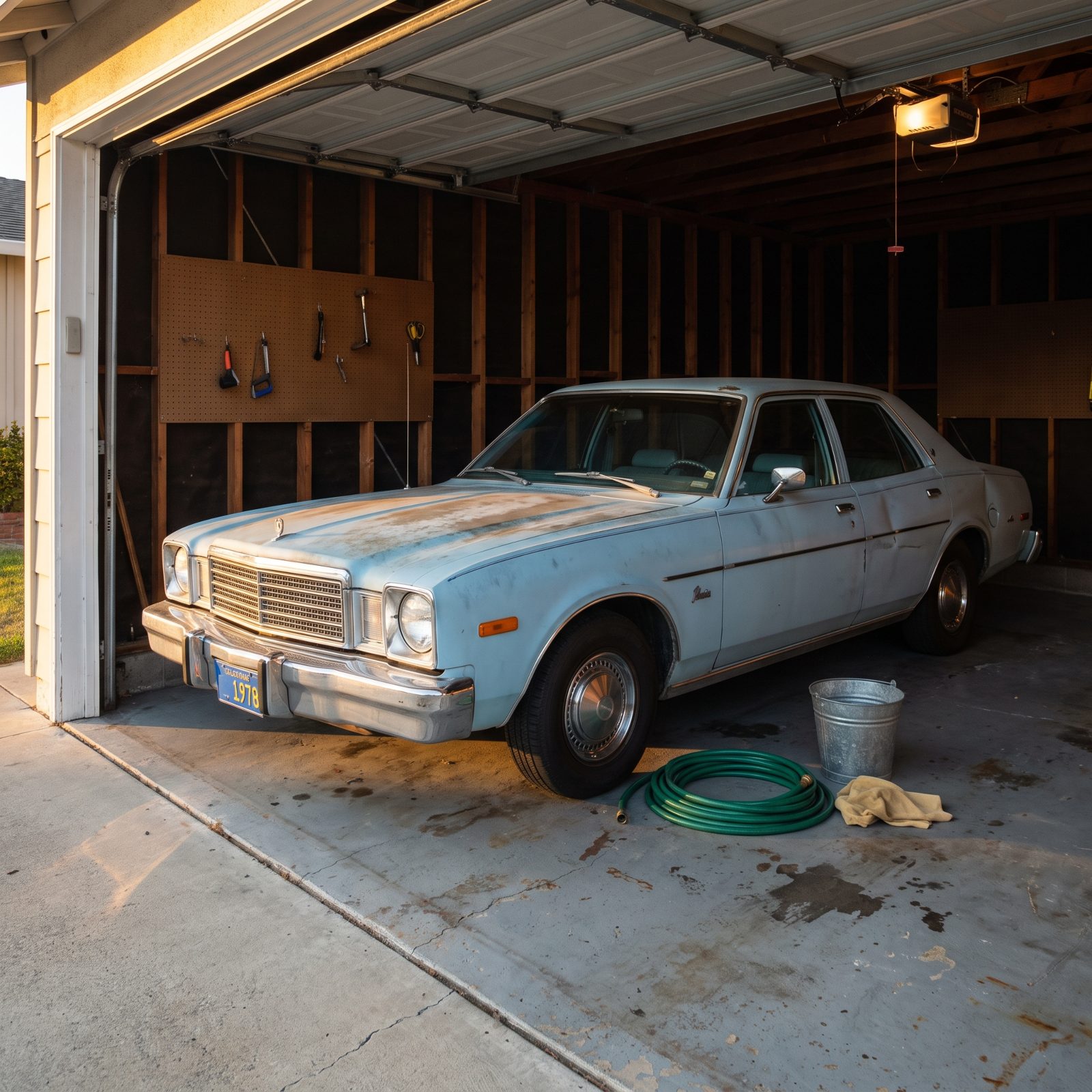
Ask anyone past fifty what their first car was. You’ll get the make, the model, the color, the exact sound the door made, maybe the smell of the seats baking in a July parking lot. Ask them about their first apartment and you’ll get a shrug and a street name they’re not sure about.
That gap isn’t about love. It’s about timing. Psychologists call it the reminiscence bump, and it’s one of the most durable findings in memory research. A systematic review in PLOS ONE (Source) found that adults over forty recall a disproportionate number of events from roughly ages ten to thirty, and that these memories stick because they define who a person is. Your first car landed square in that window, usually at sixteen or seventeen, right when your brain was building the story of yourself.
The car wasn’t just transportation. It was a character in the origin story. And a 1988 study cited in Slate found that 93 percent of vivid life memories concern first-time events. First car. First freedom. Of course it’s burned in.
17. What the Condition of Your First Car Quietly Told You About Where Your Family Stood (And Why You Figured It Out Before Anyone Said a Word)
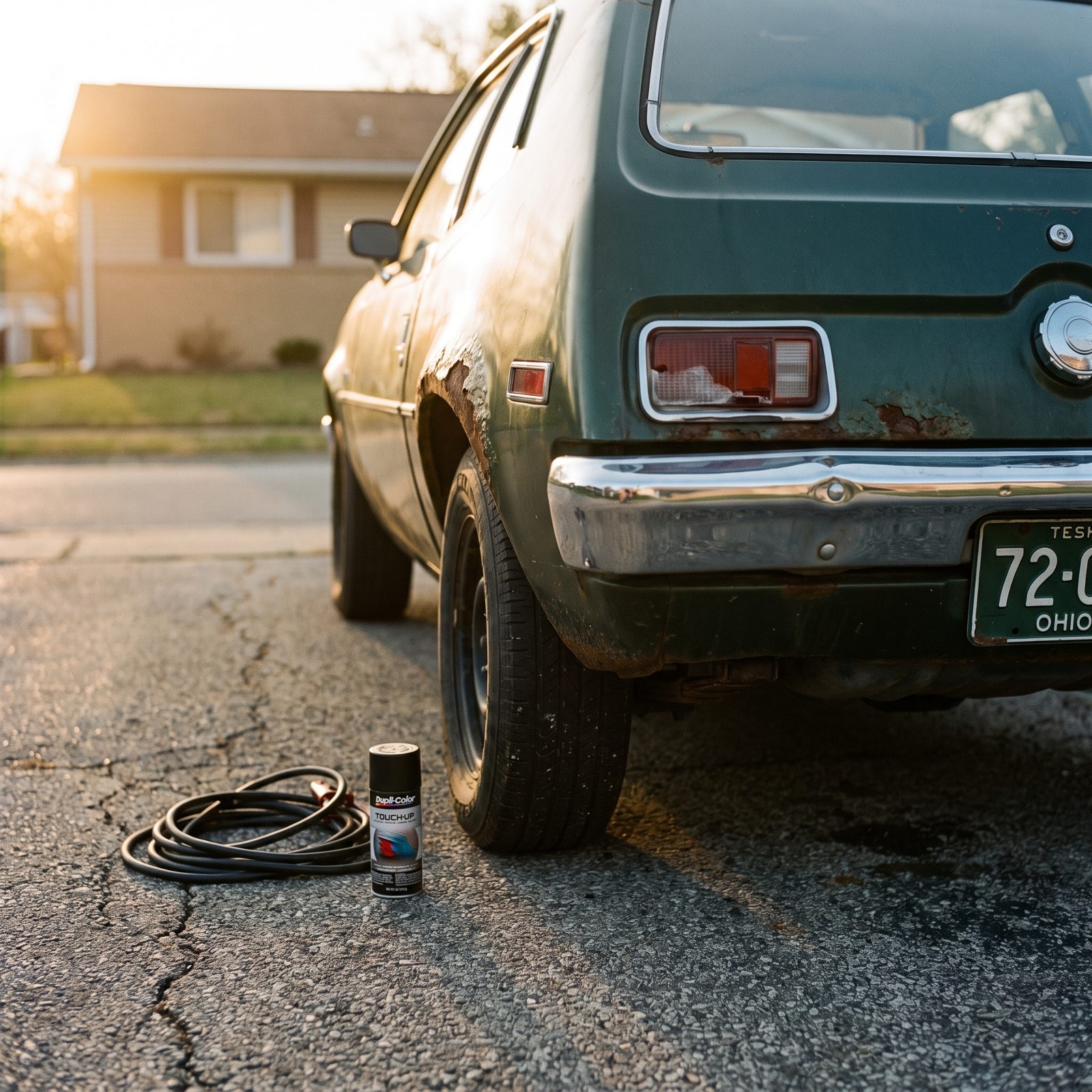
Nobody sat you down and explained the family budget. You read it off the car.
A teenager can do the math without a single conversation. A rust spot over the wheel well. A radio that worked only when you smacked the dash. A hand-crank window that stuck halfway down from October to April. Or the opposite: a nearly new car with the dealer sticker barely gone, keys handed over with a grin. Kids are fluent in these signals long before they have the vocabulary for class, sacrifice, or what their parents went without.
That early reading sticks because it got filed during the exact years the brain is building identity. Research on autobiographical memory found that memories from the reminiscence bump serve self-continuity more than any other function, meaning they become load-bearing beams in the story of who you are. The condition of that first car wasn’t just a fact about a vehicle. It became a fact about your family, and you carried it.
Some people spent decades proving they’d moved past that rust. Some spent decades missing the car that embarrassed them. Both remember the paint.
16. The Thing That Happened in Your Brain the First Time You Drove Alone That Your Phone Could Never Reproduce
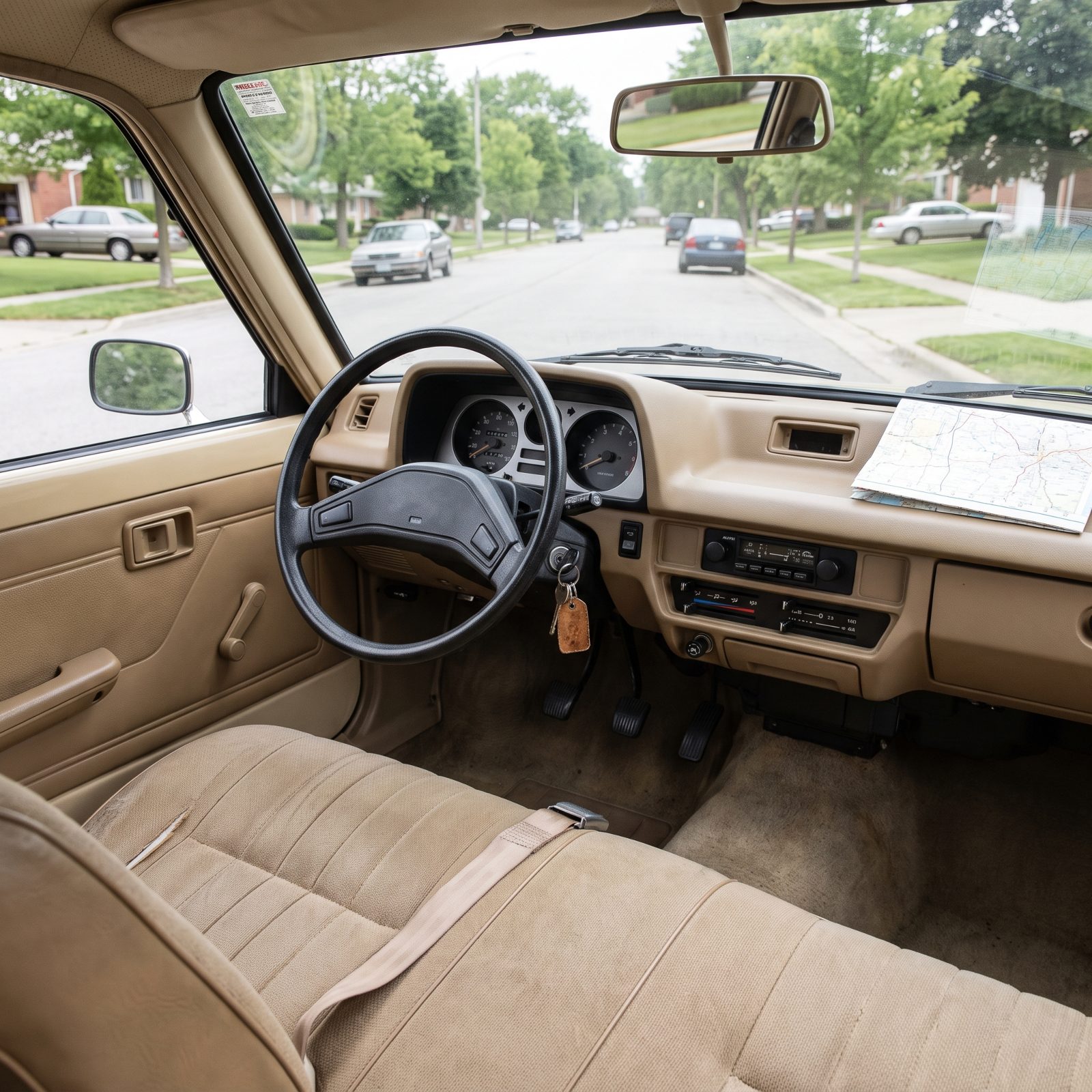
The seat was emptier than it had ever been. No instructor. No dad with his hand braced on the dash. No sibling in the back. Just you, the key, and a quiet that felt enormous.
That first solo drive rearranges something. For years every trip behind the wheel came with a supervisor who could grab control. Now the responsibility was entirely yours, and your brain knew it. Driving instructors note that new solo drivers feel more alert, more cautious, and more anxious, because the brain is adjusting to full responsibility for the first time.
That is the part no screen can hand you. Research on the psychology of learning to drive (Source) frames the first solo drive as a milestone of autonomy, a clean break from parental supervision. The teenage brain, with its still-developing prefrontal cortex, encodes that moment hard. Novelty plus high emotion plus genuine stakes is the recipe for a memory that lasts forty years.
You can scroll a thousand feeds and never feel what you felt pulling out of that lot alone. The car gave you a version of yourself you’d never met.
15. Why the People Who Got Hand-Me-Down Sedans Grew Up Different From the Ones Who Got Nothing (And Both Remember It Decades Later)
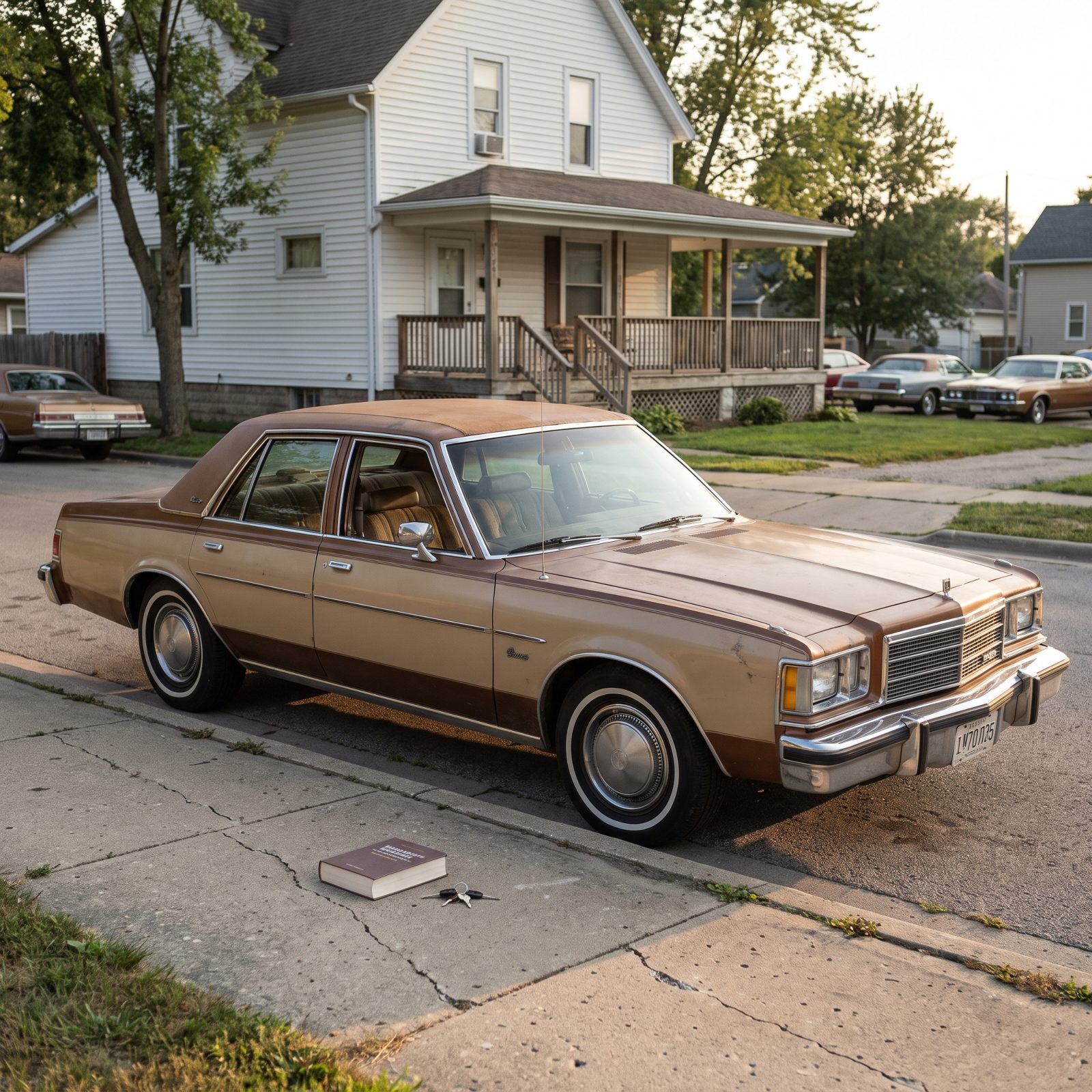
Two kids, same high school parking lot. One got the family’s old sedan when the folks upgraded. One got a bus pass and a long walk.
Both of those arrangements shaped a person, and both got remembered. The hand-me-down kid inherited more than a car. A set of keys at sixteen is a quiet statement: we trust you, you’re one of us, here’s a piece of the family. The kid with nothing learned a different lesson, usually some mix of resourcefulness, resentment, and the particular hunger of watching other kids drive off.
Here’s why neither forgets. Memory research shows that experiences from youth serve to maintain a sense of self-continuity across the whole lifespan. The sedan handed down and the car never given both became part of the story. One person tells it with gratitude. One tells it with a chip that eventually became a motor. Decades later, ask either one and watch their face change.
14. The One-Sentence Story You Still Tell About How You Got Your First Car (And What It Reveals That You Never Meant to Reveal)
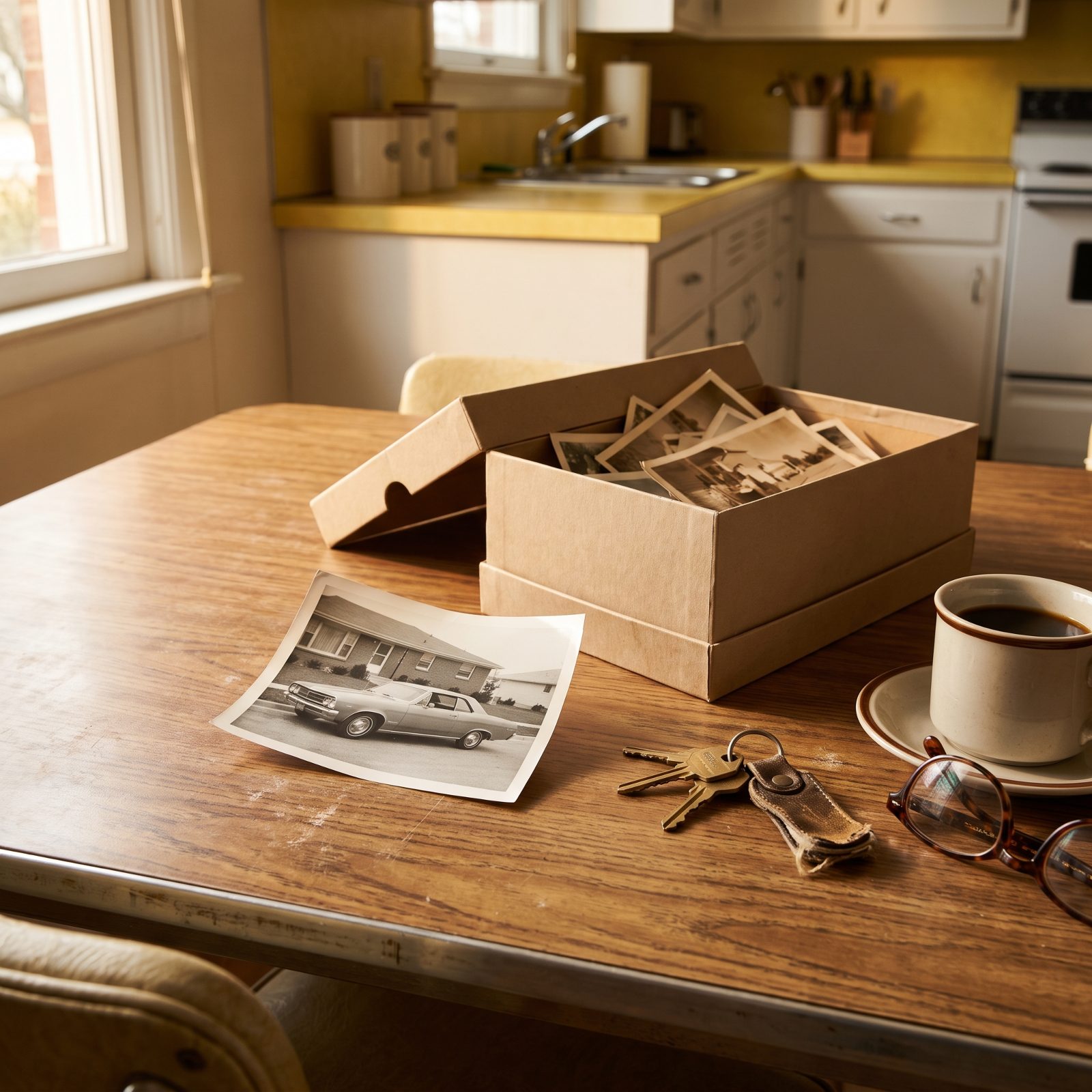
Everyone has the sentence. “I saved up two summers mowing lawns.” “My uncle sold it to me for a dollar.” “Dad found it in a widow’s garage.” “I totaled it three weeks later, don’t ask.”
You’ve told your version so many times it’s smooth as a river stone. And it says more than you think. The way you frame that first car is really the way you frame yourself. The person who leads with how hard they worked for it is telling you what they value. The person who makes it a comedy of errors is telling you how they handle failure. The person who gets quiet and says their grandfather gave it to them is telling you about love and loss in the same breath.
This is nostalgia doing its real job. Sedikides and Wildschut’s work on the sociality of nostalgia (Source) describes it as a social emotion, one that refers to important figures from the past and the momentous events that included them. Your first-car sentence isn’t about a car. It’s a tiny autobiography you’ve been rehearsing for forty years, and the people in it are the point.
13. What the Smell of That Specific Car Does to You Now That No Photograph of It Ever Could
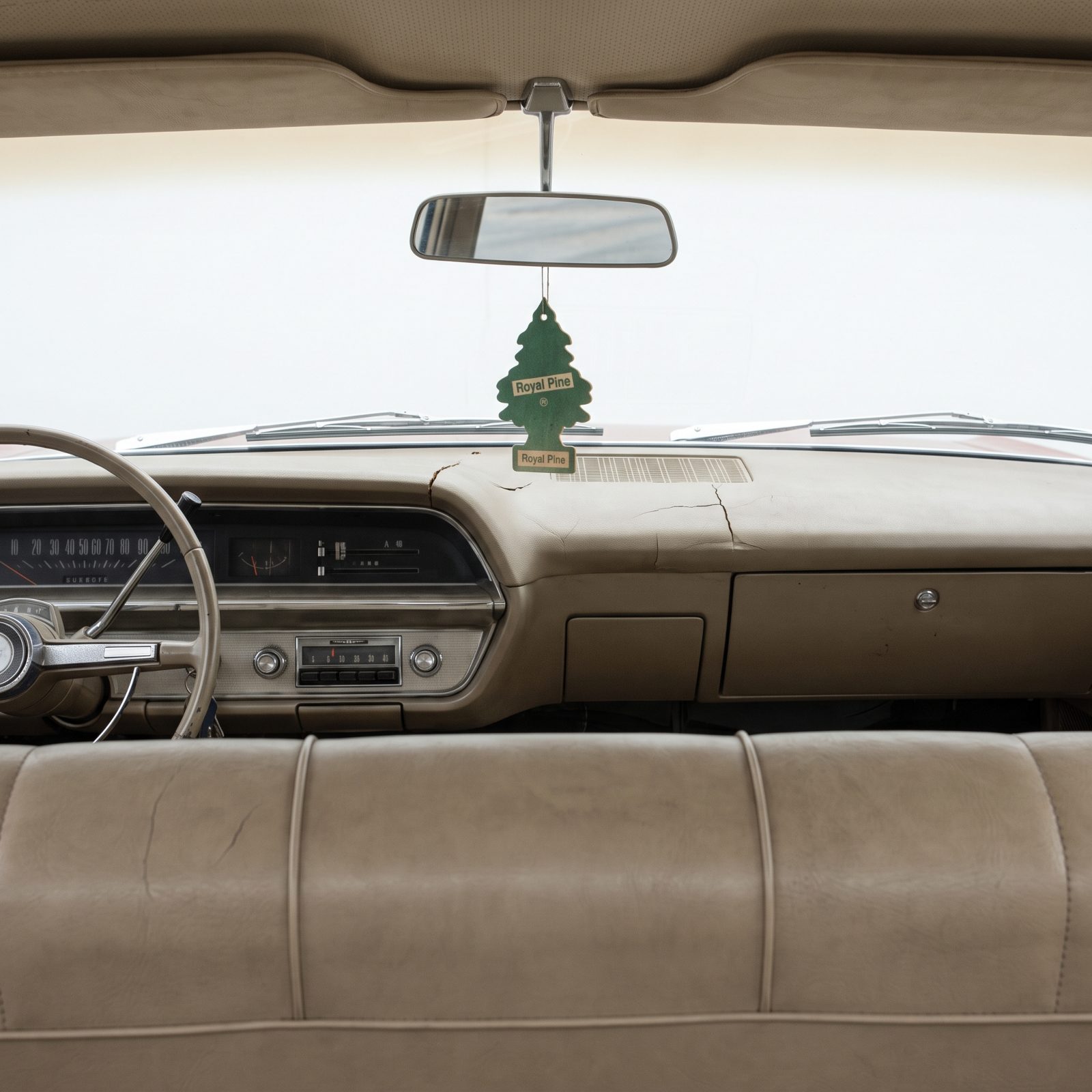
Crack open an old car door today and you might stop breathing for a second. Warm vinyl. A ghost of gasoline. Cigarette smoke baked into the headliner by a parent who quit decades ago. That specific blend can drop you straight back into the passenger seat at seventeen, faster and harder than any photo album.
There’s real science under that gut-punch. It’s called the Proust phenomenon, and a major review of odor-evoked autobiographical memory (Source) confirmed that smell-triggered memories are more emotionally intense than those triggered by sight, sound, or touch. The wiring explains it. A clinical case report notes that odors produce memories with heightened heart-rate responses compared to other senses, and that the effect runs straight through the amygdala, the brain’s emotion center.
A photograph shows you the car. The smell puts you back inside it. One is a record. The other is a time machine, and it doesn’t ask permission before it fires.
12. The Reason Four Teenagers Crammed Into a Beat-Up Compact Remember It More Fondly Than Any Nicer Car They Owned Later
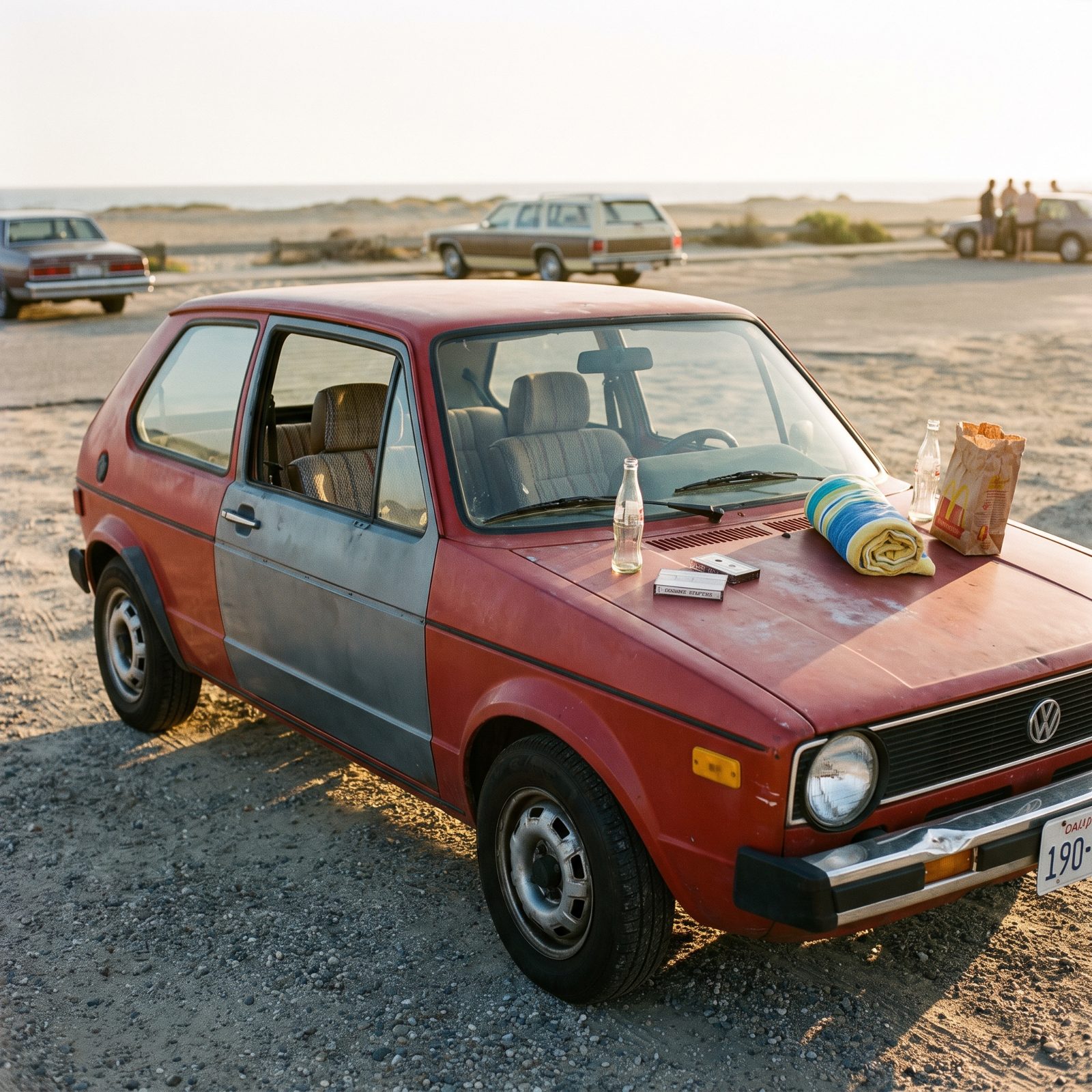
Four of you in a rattly compact built for two comfortable adults. Somebody’s knees in the dashboard. The windows down because the AC quit in 1981. A tape deck doing its best. And somehow that night is more vivid than the leather-seated sedan you bought at forty-five.
The nicer car was better in every measurable way. The compact wins anyway, and nostalgia research explains the upset. A landmark study on nostalgia as a repository of social connectedness (Source) found that recalling a nostalgic event bolsters feelings of belonging and strengthens social bonds. The cramped car wasn’t about the car. It was about the people jammed into it with you.
That’s the trick of memory. The discomfort is part of the fondness, not despite it. The shared squeeze, the bad radio, the friends who are now scattered or gone. Later research confirmed nostalgia is, above all, a social emotion that draws strength from a shared past. You don’t miss the compact. You miss who you were in it, and who was in it with you.
11. Why the First Car You Were Actually Afraid Of Taught You More About Yourself Than the Safe One Ever Would Have
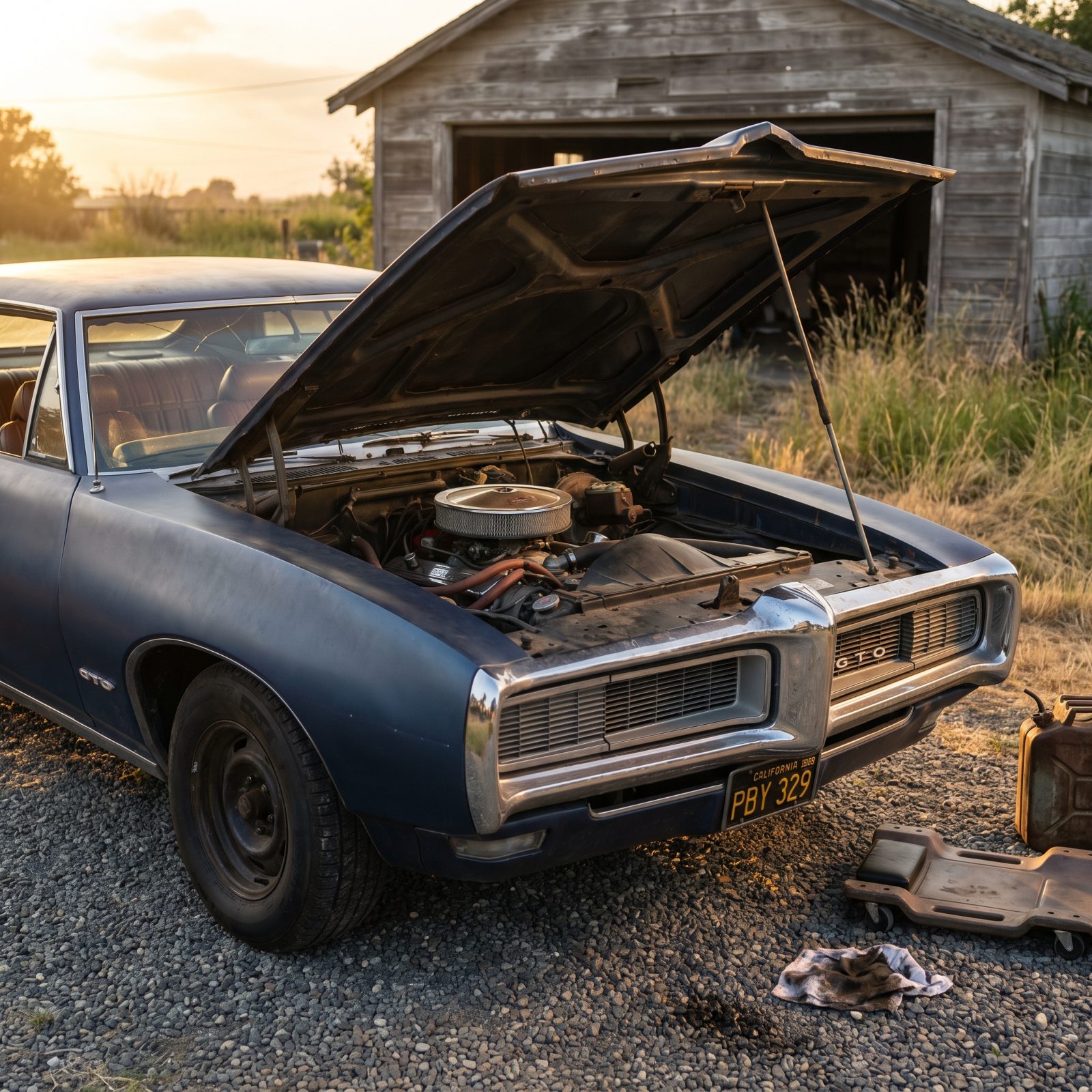
Some first cars scared you a little. Brakes that needed a head start. A clutch that fought back. A V8 under a hood far older than your judgment, or a rust-bucket that might quit on the highway at any moment. You drove it anyway, white-knuckled, learning.
That fear did something a safe car never could. The teenage brain is famously bad at risk assessment. Research on driving psychology points out that the still-developing prefrontal cortex leads young drivers to underestimate danger and overestimate their own skill. A car that demanded respect was a brutal, effective teacher. It forced attention. It made you competent the hard way.
And it encoded deep, because high emotion cements memory. The scary car is the one you can still feel in your hands. The things it taught you, about focus, about your own nerve, about what you could handle, became permanent. Memories from that age anchor self-continuity (Source) for the rest of your life. You learned who you were under pressure. The safe car would have let you stay a stranger to yourself.
10. The Quiet Thing That Happened When You Washed That Car for the First Time (And Why It Wasn’t About the Car Being Dirty)
Would you like to save this?
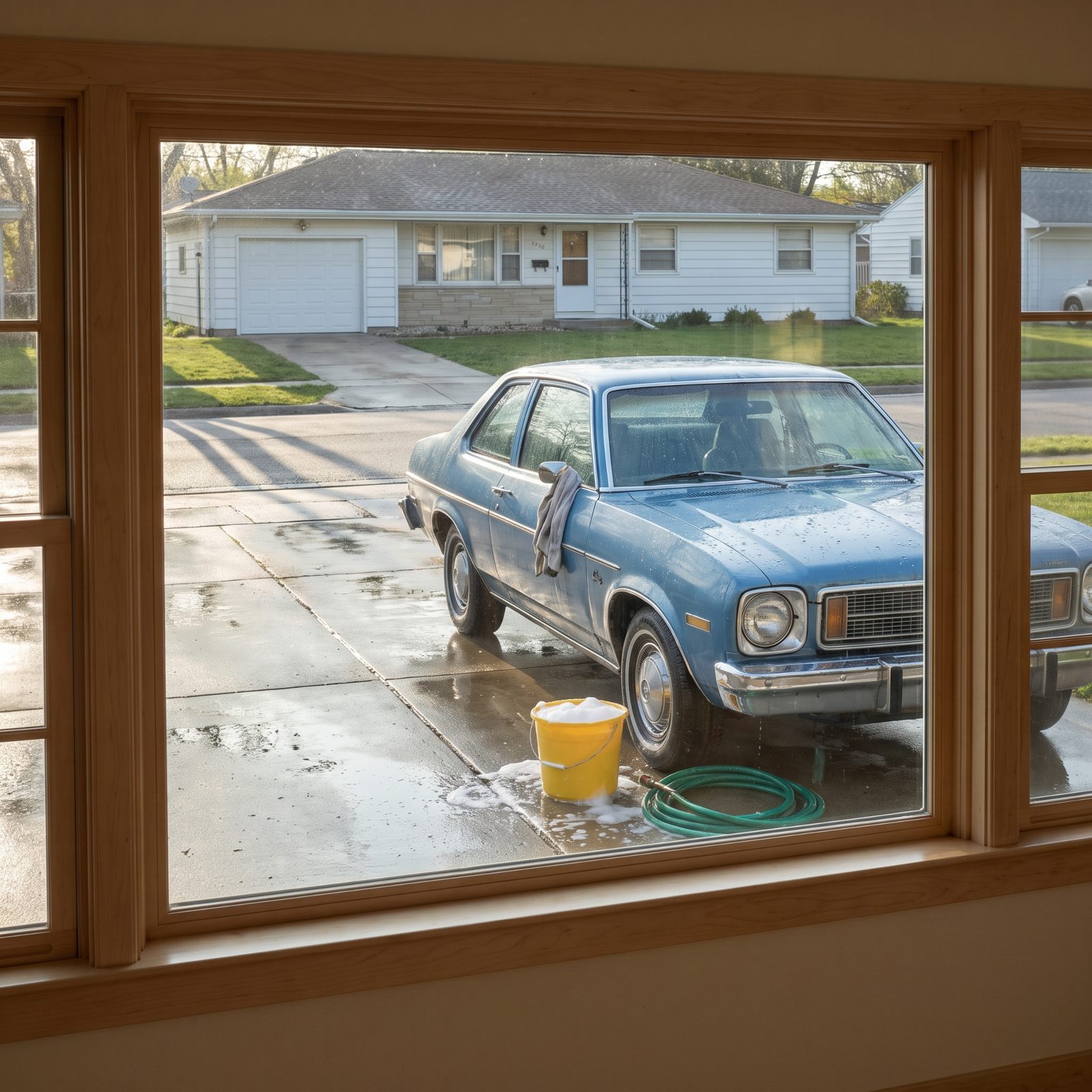
A bucket of suds in the driveway. A garden hose kinked at the spigot. The first car you ever owned, nose-in, water sheeting off a hood that had seen two owners before you. You weren’t cleaning it. You were claiming it.
That Saturday ritual mattered more than the dirt did. Nostalgia built around people and belonging tends to cement a sense of who we are, and the act of caring for an object marks it as ours in a way a title transfer never does. Source
You ran a rag over a quarter panel your dad co-signed for and felt, for maybe the first time, like the adult version of you was already arriving. The water in the gutter went gray. Nobody told you to do it. That’s the part you remember.
9. What the Car You WANTED at 17 But Couldn’t Have Still Says About You Today
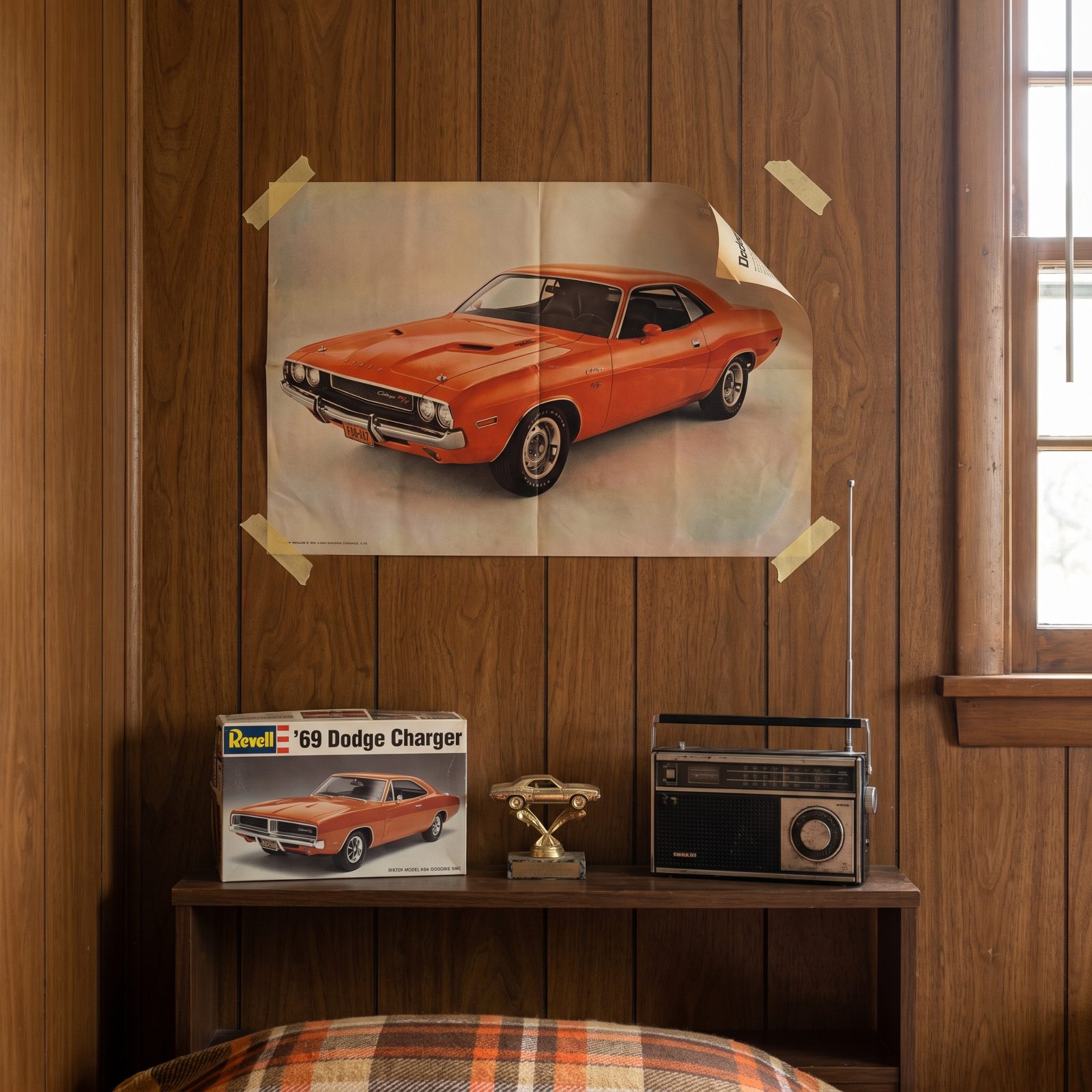
There was a car on a magazine page you tore out and taped inside a locker door. Maybe a GTO. Maybe a Mustang fastback the color of a traffic cone. You never got it. You got the hand-me-down with the vinyl roof peeling at the corners.
That gap between what you wanted and what you drove is still doing work. The teen years sit inside what psychologists call the reminiscence bump, the period from roughly 10 to 30 that adults recall more vividly than any other, partly because the experiences there become entwined with our developing sense of who we are. Source
The car you couldn’t afford became a stand-in for the life you were reaching toward. Which is why the man who finally buys the restored version at 58 isn’t buying a car. He’s closing a loop he opened at 17.
8. The Psychological Reason You Defend Your First Car’s Bad Reputation to This Day
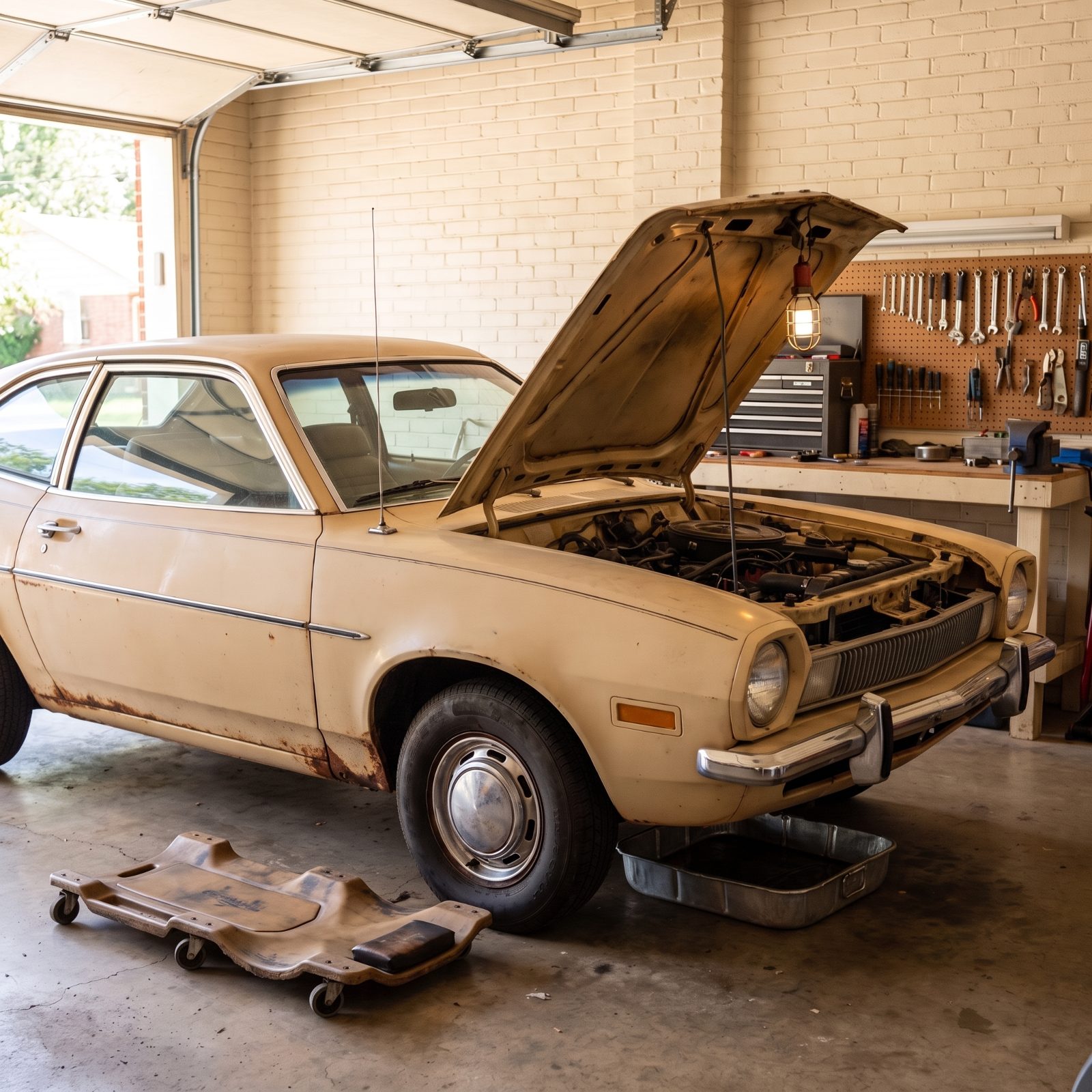
Somebody at the parts counter calls it a rust bucket. A deathtrap. The slowest thing Detroit ever shipped. And something in your chest tightens, because that was your car, and you will correct the record.
Here’s the mechanism underneath it. When people pour real effort, frustration, breakdowns, knuckle-busting roadside repairs into something, the brain inflates that thing’s value to justify the suffering. It’s called effort justification, and it’s why the hardest initiations breed the deepest loyalty. Source
The research is direct about it. We attribute greater value to an outcome we had to work to achieve, independent of what it’s objectively worth. Source
So the Pinto that stranded you three times? You defend it like family. Not in spite of the trouble. Because of it.
7. Why the Teenager Who Drove That Car Is a Stranger to You Now (And Why It Matters That You Still Honor Him)
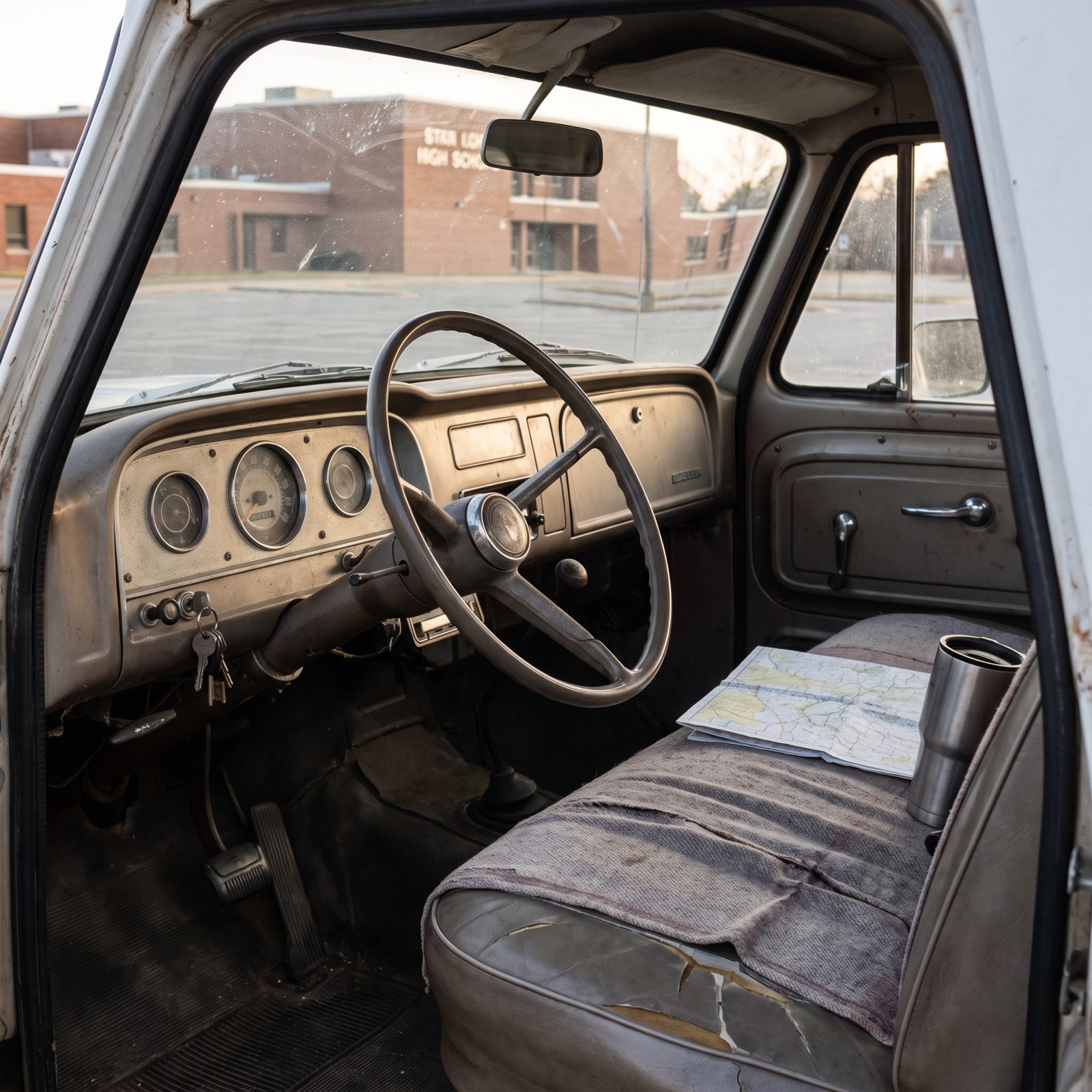
Think about the kid who sat behind that wheel at 17. Bad haircut, no money, certain he had everything figured out. You’d barely recognize him across a room. And yet he’s the reason any of the rest of you exists.
Nostalgia isn’t just looking back. When you drop into a nostalgic memory, the brain builds a bridge between your past and present selves, reinforcing a sense of identity and continuity. Source
That continuity is why honoring the teenage driver matters. He’s not gone. He’s the foundation the current model got built on.
The adolescent brain absorbs strong emotional experiences more deeply because it’s still maturing, which is why the version of you from behind that wheel got burned so permanently into memory. Source You can’t delete him. Better to nod at him now and then.
6. The Way Your First Breakdown on the Side of the Road Shaped How You Treat Every Car You’ve Owned Since
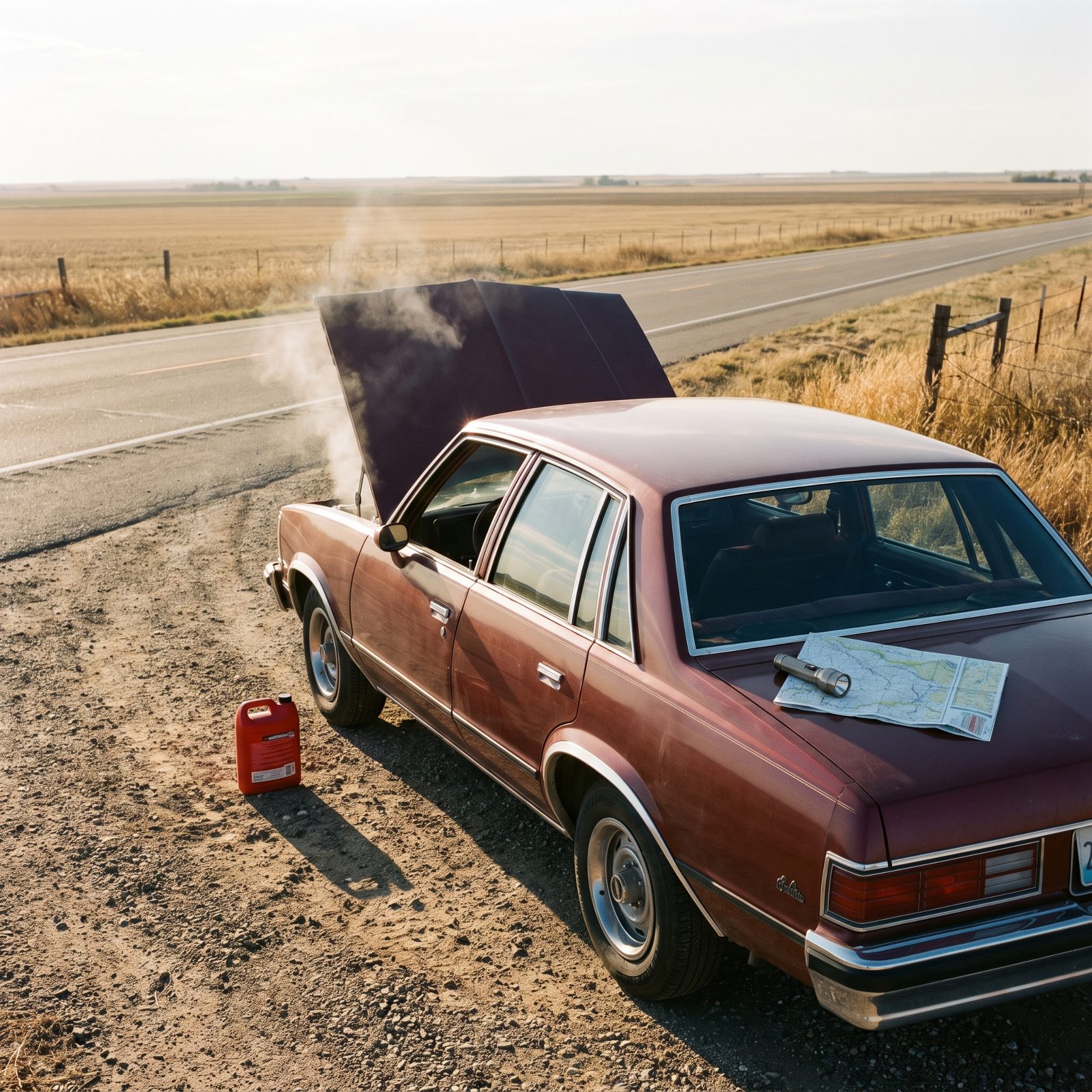
Shoulder of a two-lane. Hazard lights ticking. Steam curling up from under a hood you didn’t know how to open yet. You were a long walk from the nearest gas station and nobody was coming.
That moment rewired something. It likely qualifies as a first, a novel and genuinely stressful one, and novel first-time events get encoded far more deeply than routine ones. A classic finding held that the large majority of vivid life memories concern unique or first-time events. Source
So now you check your oil before a trip. You keep a jug of coolant in the trunk you’ll probably never use. You learned caution the only way caution really sticks, which is the hard way, at 19, with your thumb out.
5. What Learning to Fix That Car in the Driveway Did to You That Driving a Reliable Car Never Could
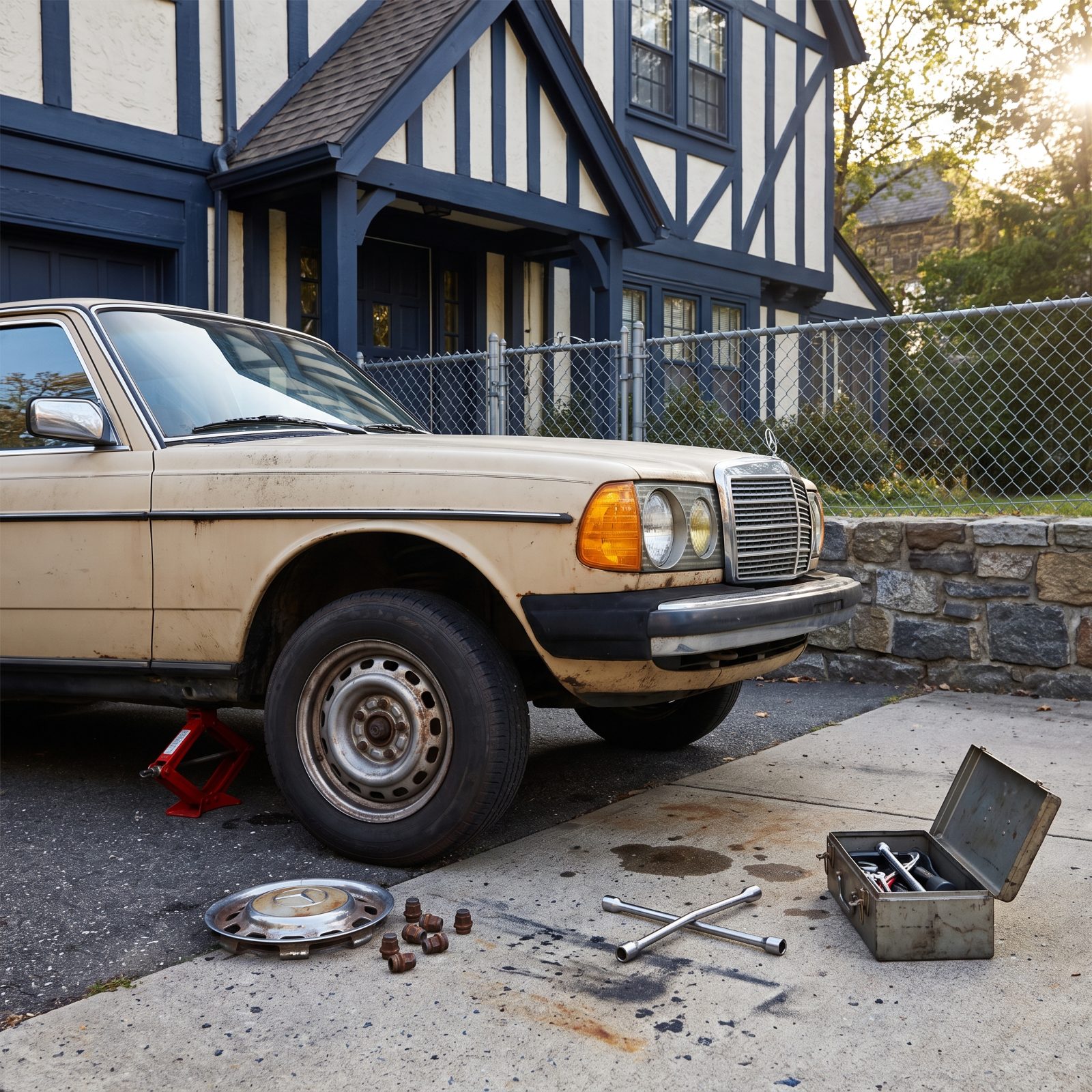
The feel of a socket wrench finding the bolt by touch. The weight of a wheel coming off in your hands. You learned those things once, on your back on cold concrete, and your hands never forgot them.
That’s not sentiment. It’s biology. Motor skills are the prime example of procedural memory, and their availability even after years of disuse is well known. Source Unlike facts, which decay, procedural memory is more resistant to forgetting, which is why you can still swap a tire decades later but can’t recall a phone number from last week. Source
A car that never breaks never teaches your hands anything. Reliability is a gift and a theft at the same time. You got the thing done. You also never got the lesson.
4. The Reason You Can Still Drive the Route to Your High School in Your Head But Can’t Remember Last Year’s Vacation
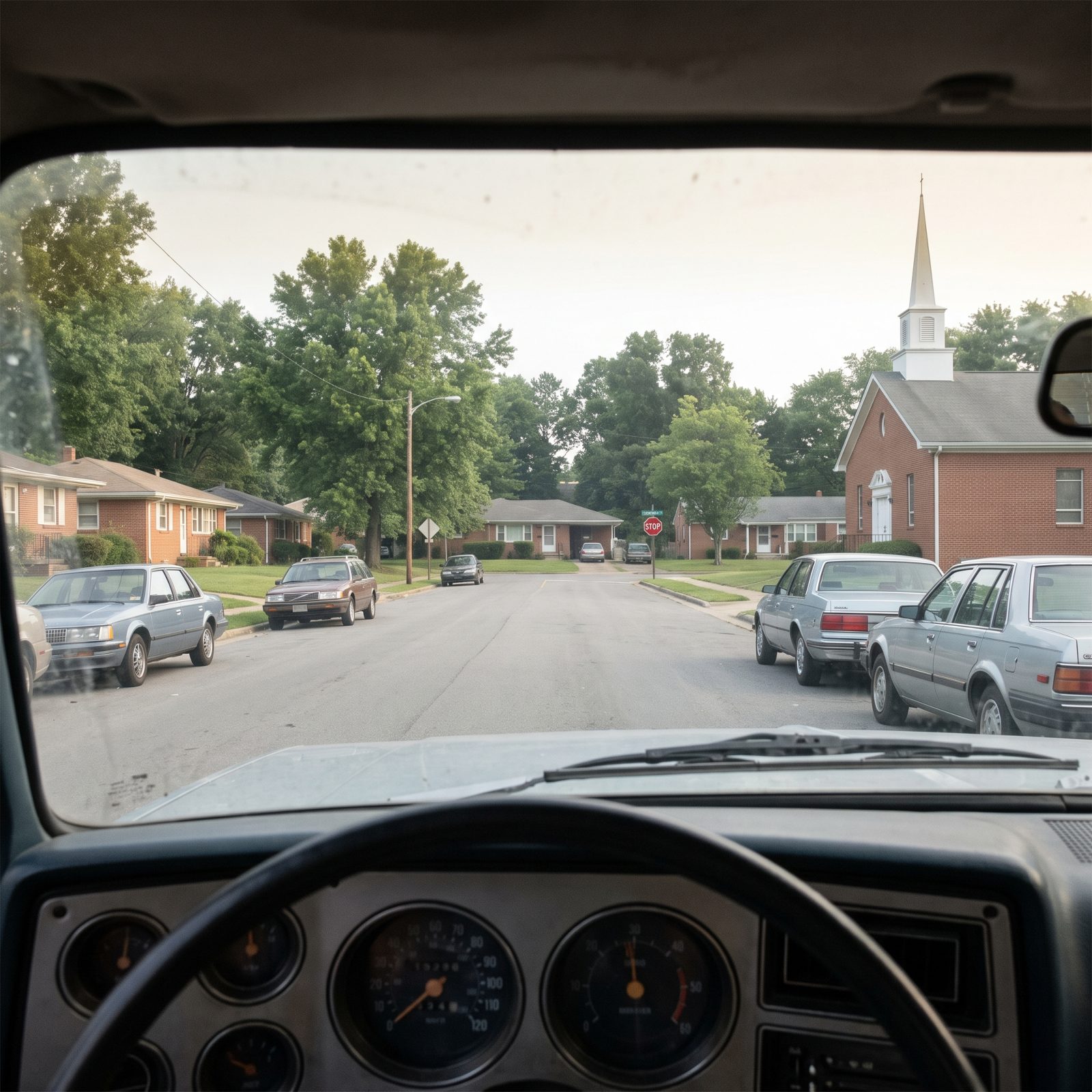
Close your eyes. Start at your old driveway. You can take every turn. The stop sign that leaned. The dip in the road by the Methodist church. The shortcut through the subdivision. You drove it a thousand times, and it’s still in there, perfect.
Two things conspired. First, that route sits dead center in the reminiscence bump, the stretch of life we recall more richly than any other. Source
Second, repeated driving builds procedural memory, the kind that becomes automatic and stable through practice. Source
Last year’s vacation was a single declarative event, and those fade. The drive to school was carved in by years of repetition plus the age that burns things deepest. It’s not nostalgia keeping it alive. It’s architecture.
3. Why the Car Your Dad Picked Out Still Carries a Weight the Car You Chose Yourself Never Did
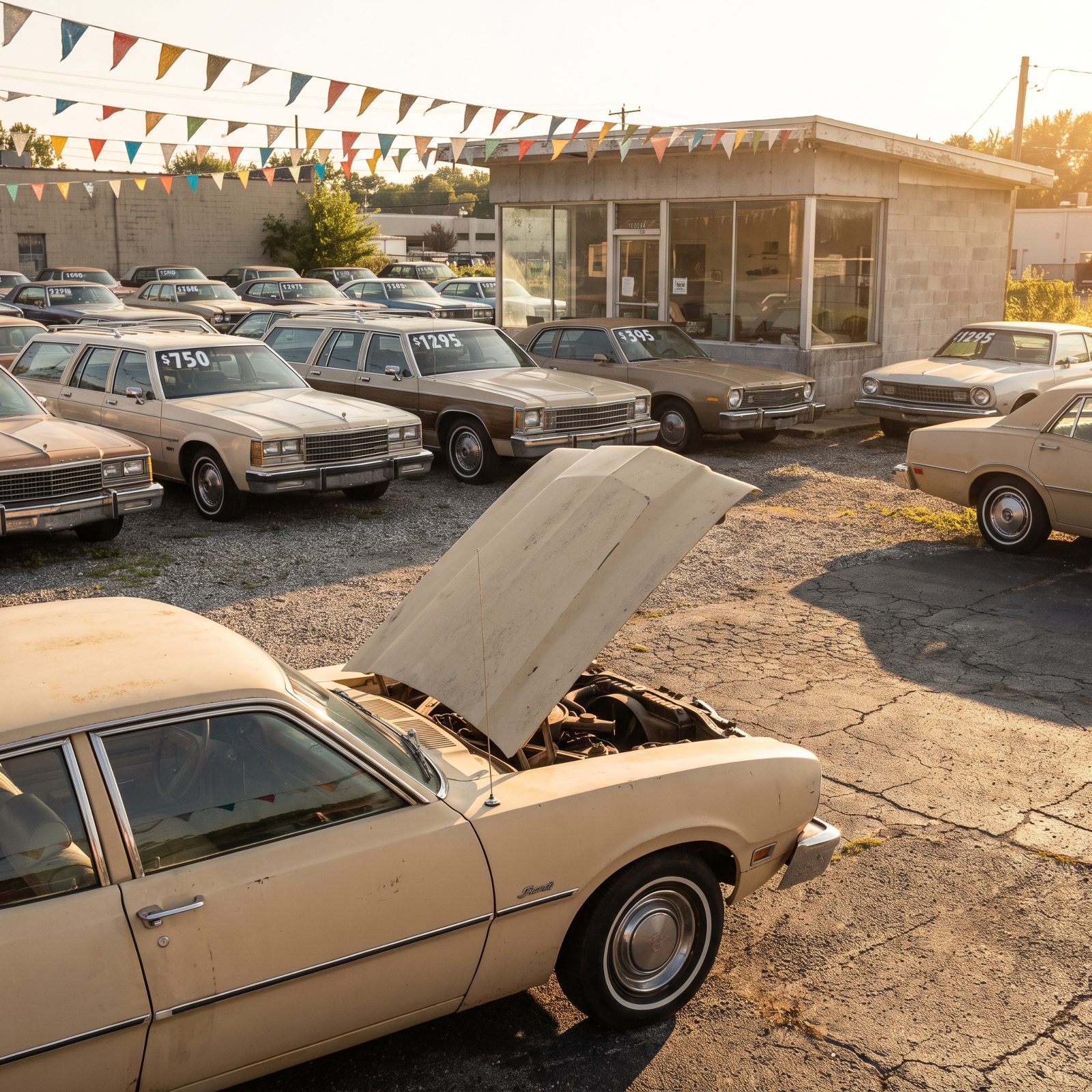
He walked the lot with you. Kicked a tire or two, which does nothing, and you both knew it. Looked under the hood with a seriousness he hadn’t earned since his own first car. Then he pointed at the sensible sedan instead of the one you wanted. And that’s the one you still dream about.
The weight comes from the people in it. Nostalgia centers on moments when we felt loved, belonged, or mattered, and revisiting those moments strengthens our bonds and our sense of self across time. Source
A car you chose alone is a transaction. A car your father chose for you is a conversation you can still hear. Autobiographical memory is shaped in large part by family, the people who help define who we are. Source
The car you picked yourself was just a car. The one he picked carried him in it. Still does.
2. What It Means That You’d Buy That Same Model Again Now, Even Though You Know Better
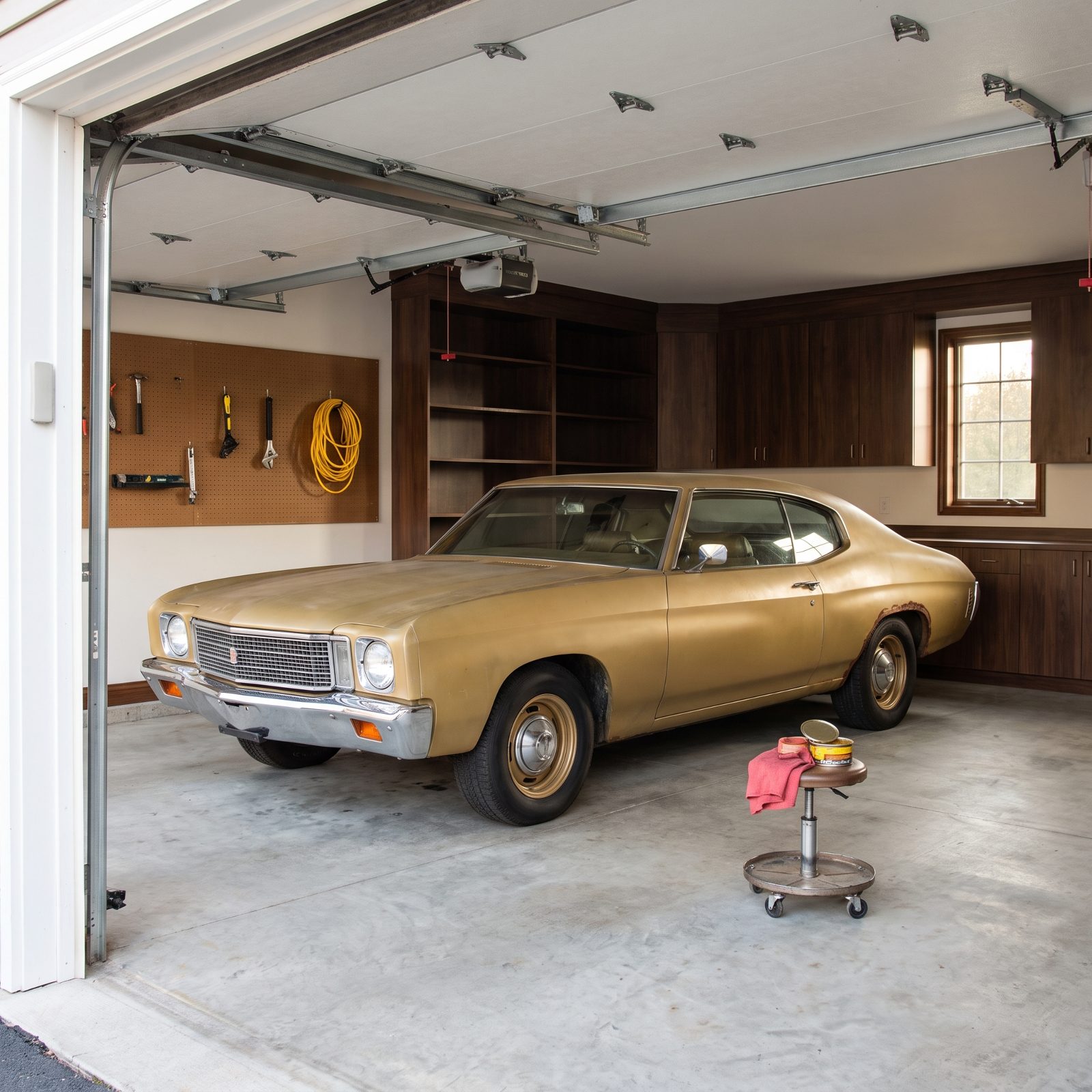
You know the carburetor was a nightmare. You know it rusted at the rear wheel wells by the third winter and the heater took ten minutes to admit it existed. And you’d still, given a free Saturday and a reasonable price, go find one and buy it again.
That pull isn’t about the car. It’s about who you were when you drove it. The attachments we form to objects in our teens and early twenties run deeper than anything we buy later, because those years are when identity gets built, and whatever rode along for that construction gets welded to it. Research shows consumers form strong attachments to brands in their teens and early twenties (Source), and those attachments hold for decades, with nostalgia doing the heavy lifting later in life.
Here’s the part that stings a little. The emotional value wins even when the rational value loses. Emotional association is the single best predictor of what we choose, full stop (Source), functional improvements be damned. You’re not buying the better car. You never were. You’re buying back the person who thought that car was freedom.
1. The One Detail of That Dashboard Your Hands Still Remember Even When Your Mind Has Let It Go
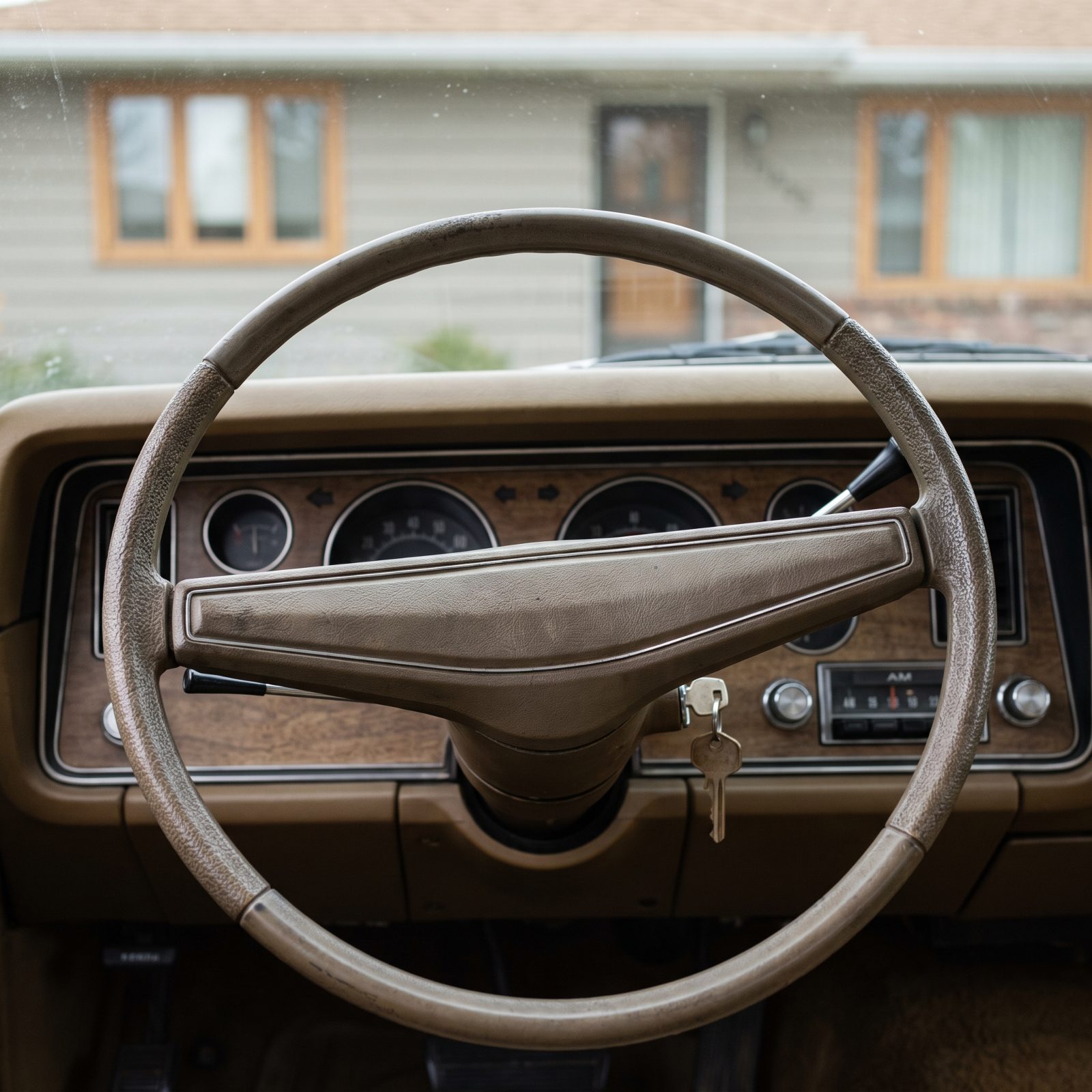
Try this. Picture reaching for the headlight knob on your first car. Not where you think it was. Where your hand goes. For a lot of people the hand knows before the mind catches up, drifting left and down, fingers already shaped for the pull.
That’s not memory the way a photo is memory. It’s a different system entirely. The skills you drilled behind that wheel, the shift pattern, the exact throw of the turn-signal stalk, the stretch to the radio dial, live in procedural memory, run by the basal ganglia and cerebellum rather than the hippocampus that files away facts and faces. These are the deep structures that handle the automatic movements of steering a vehicle (Source), and they operate below conscious thought.
Which is why it lasts. Motor memories stay remarkably intact even after years of disuse (Source), the same reason you never forget how to ride a bike. You might forget the color of the seats. You might blank on the year. But your foot still knows the exact height of that clutch, and your thumb still knows the click of that signal. The car is long gone. Your body never got the message.
The Bottom Line
Here’s what your first car actually knew: it was the first place you were ever fully in control and fully alone, and your brain encoded that freedom the way it encodes nothing else before or since. That’s why the smell, the route, and the dashboard outlast memories that should matter more, because that car wasn’t transportation, it was the moment you became a separate person. Go find out if that teenager would recognize who you turned into, and whether he’d be glad.