

Would you like to save this?
January 1978. A driveway in Toledo. A man in a Carhartt jacket starts his Oldsmobile Delta 88, lets the automatic choke hold a fast idle, and leaves it running while he finishes his coffee and scrapes the windshield. His father did the same thing. Nobody questioned the ritual because it made sense for the machine sitting under the hood.
Decades later, drivers still repeat many of those routines in cars with fuel injection, electronic ignition, modern oil, onboard diagnostics, and maintenance schedules that would have sounded impossible in 1978.
The old advice was not always wrong. It was built for carburetors, breaker points, vented steel fuel tanks, short-lived spark plugs, and engines that needed far more attention than the average car does now. The hardware changed. A surprising amount of the garage wisdom did not.
These 16 rules show which habits still protect a car, which ones now waste money, and where the owner’s manual deserves the final word.
16. The Warm-Up Rule Was Written for Carburetors and Chokes

A carburetor had to mix air and fuel mechanically. On a cold morning, gasoline did not vaporize as easily, so the engine relied on a choke to restrict incoming air and create a richer mixture.
That is why older cars often needed a short warm-up. Until the intake and choke mechanism began to warm, the engine could hesitate, stumble, or stall under load.
Fuel injection changed the routine. Sensors now measure coolant temperature, intake air, throttle position, and other conditions while the engine computer adjusts the mixture automatically. The system may remain in a cold-start mode for a while, but the driver no longer has to manage a choke.
Carburetors had largely disappeared from new U.S. passenger cars by the early 1990s, although a few light trucks and specialty vehicles remained after that. The exact final model depends on whether the category includes passenger cars, trucks, or fleet vehicles.
15. Long Cold-Engine Idling Wastes Fuel Without Warming the Car Efficiently
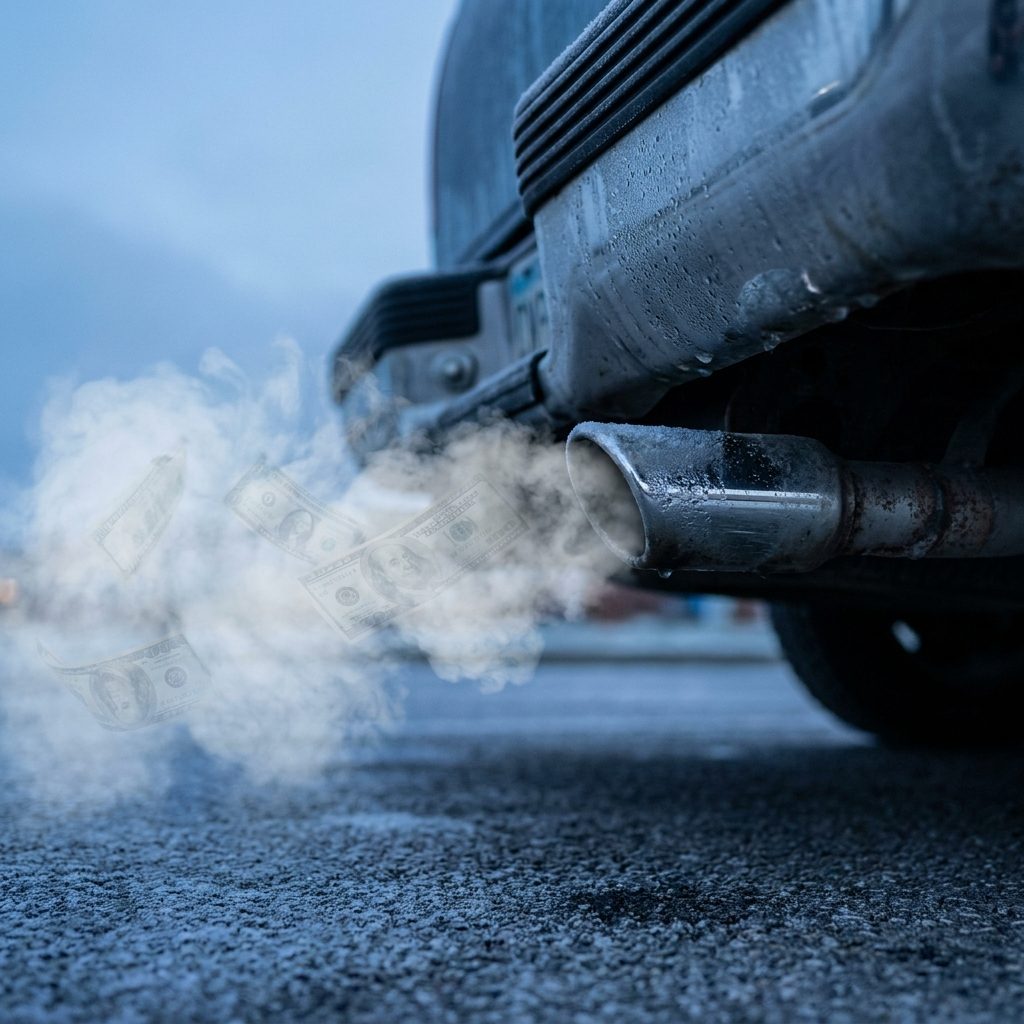
A modern engine usually warms more quickly under light driving than it does while sitting in the driveway. Extended idling therefore adds fuel use and emissions while delaying the point when the engine, transmission, and cabin all reach normal temperature.
Cold engines also use a richer fuel mixture. Prolonged operation before full warm-up can contribute to fuel dilution and deposits, especially when the car is repeatedly driven only short distances.
That does not mean a brief idle guarantees cylinder damage. The sensible concern is cumulative: frequent long idling, repeated short trips, poor maintenance, and oil that never reaches operating temperature can all work against engine health.
The fuel cost depends on engine size, idle time, fuel price, and how often the habit occurs. A few minutes each morning may cost modestly. Twenty minutes at a time in a large vehicle can add up quickly.
14. Modern Multigrade Oil Flows Better in Cold Weather
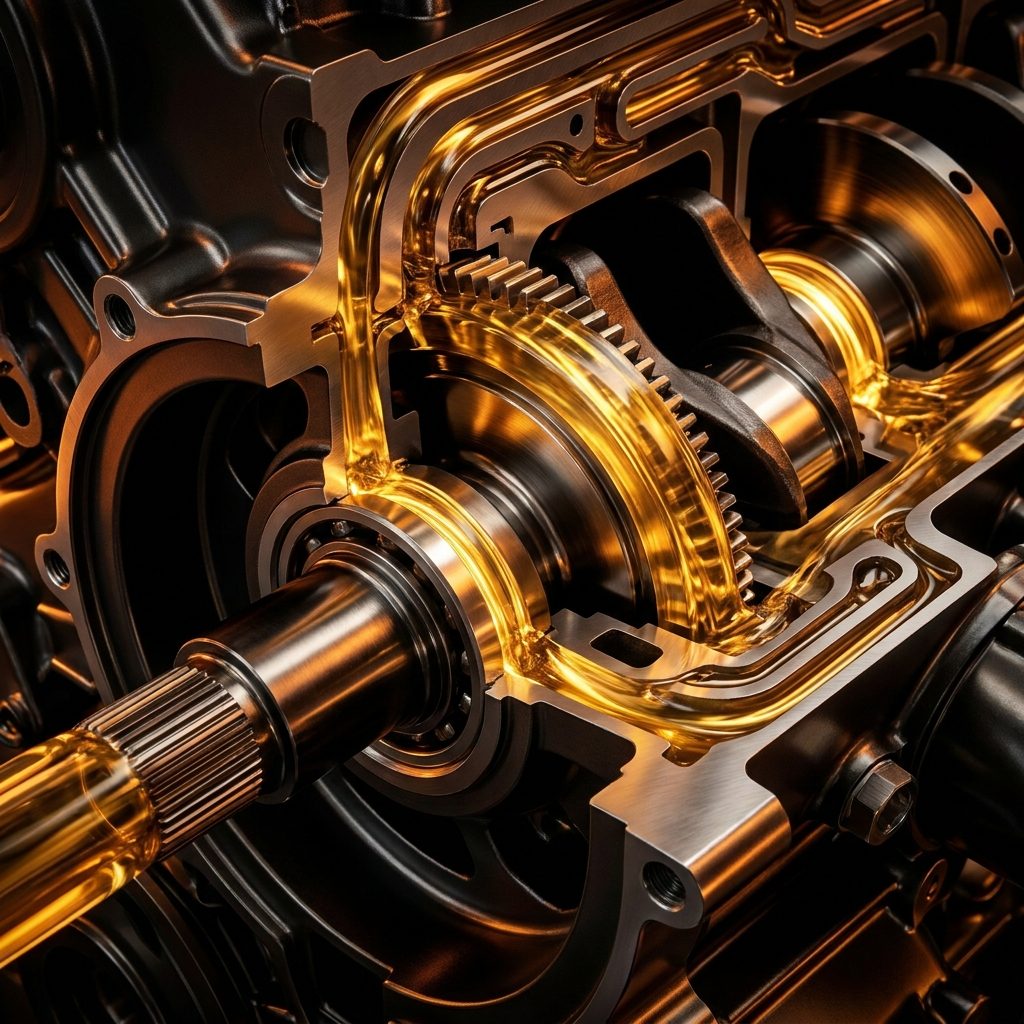
The oil in a modern engine behaves differently from the straight-grade lubricants common in earlier decades.
A multigrade oil such as 5W-30 is formulated to flow at low temperatures while still protecting the engine when hot. Synthetic base stocks can improve cold-weather performance further, particularly in severe winter conditions.
Oil circulation time is not identical in every engine. Temperature, viscosity grade, pump design, filter condition, and engine layout all matter. That is why a universal claim such as “every bearing is protected in exactly 20 seconds” is too precise.
The practical point is simpler. Use the viscosity and specification listed in the owner’s manual, allow the engine a few moments to establish stable oil pressure, and avoid heavy throttle while the powertrain is still cold.
13. Modern Manuals Favor a Short Settle and a Gentle Drive Away
Modern owner’s manuals commonly advise against long stationary warm-ups. The usual instruction is to start the engine, allow it to settle briefly, and drive away gently.
Exact wording varies by manufacturer, model, engine, and climate. Some manuals advise a short pause before selecting a gear. Others simply warn against extended idling. None of them specify a 3,000-RPM ceiling or an exact five-minute limit; the driver’s job is to keep the throttle moderate until the engine and transmission reach operating temperature.
The reason is practical. Light driving warms the engine, transmission, fluids, emissions system, and passenger compartment more efficiently than stationary idling. For most modern fuel-injected cars, that means starting the engine, buckling up, checking the mirrors, and pulling away once the idle settles.
A carbureted classic is different. It may need choke input, a brief warm-up, or a specific starting sequence. The daily driver and the weekend Chevelle do not follow the same procedure.
Visibility remains the exception. If the windshield is iced or fogged, run the defroster long enough to make the vehicle safe to drive. That is a visibility requirement, not an engine-maintenance ritual.
12. “Change Your Oil Every 3,000 Miles” Is Not a Universal Rule
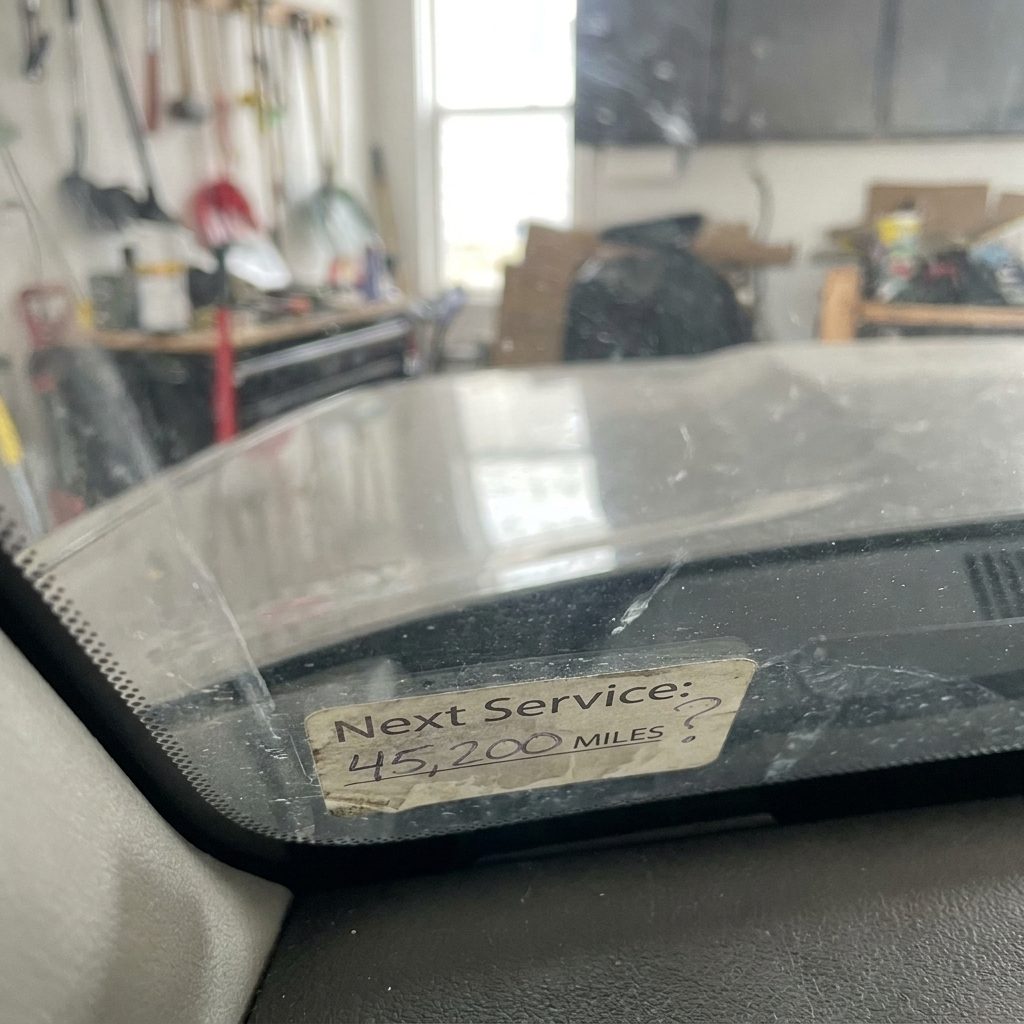
The 3,000-mile interval made more sense when engines ran richer, oils were less capable, fuel left more deposits, and operating tolerances were less precise.
Modern intervals vary widely. Some vehicles still call for relatively short changes under severe service. Others use oil-life monitors or permit much longer intervals with the correct synthetic oil.
The quick-lube sticker is not the specification. The owner’s manual is.
Mileage is only part of the schedule. Time, short-trip use, towing, extreme temperatures, dust, extended idling, and the required oil standard can all shorten the interval.
A classic or rebuilt engine may also need a different routine from a modern commuter car. Follow the schedule written for the vehicle in front of you, not the one your father owned in 1975.
11. The “Never Turn Off the Engine for a Quick Stop” Habit Usually Wastes More Fuel Than It Saves
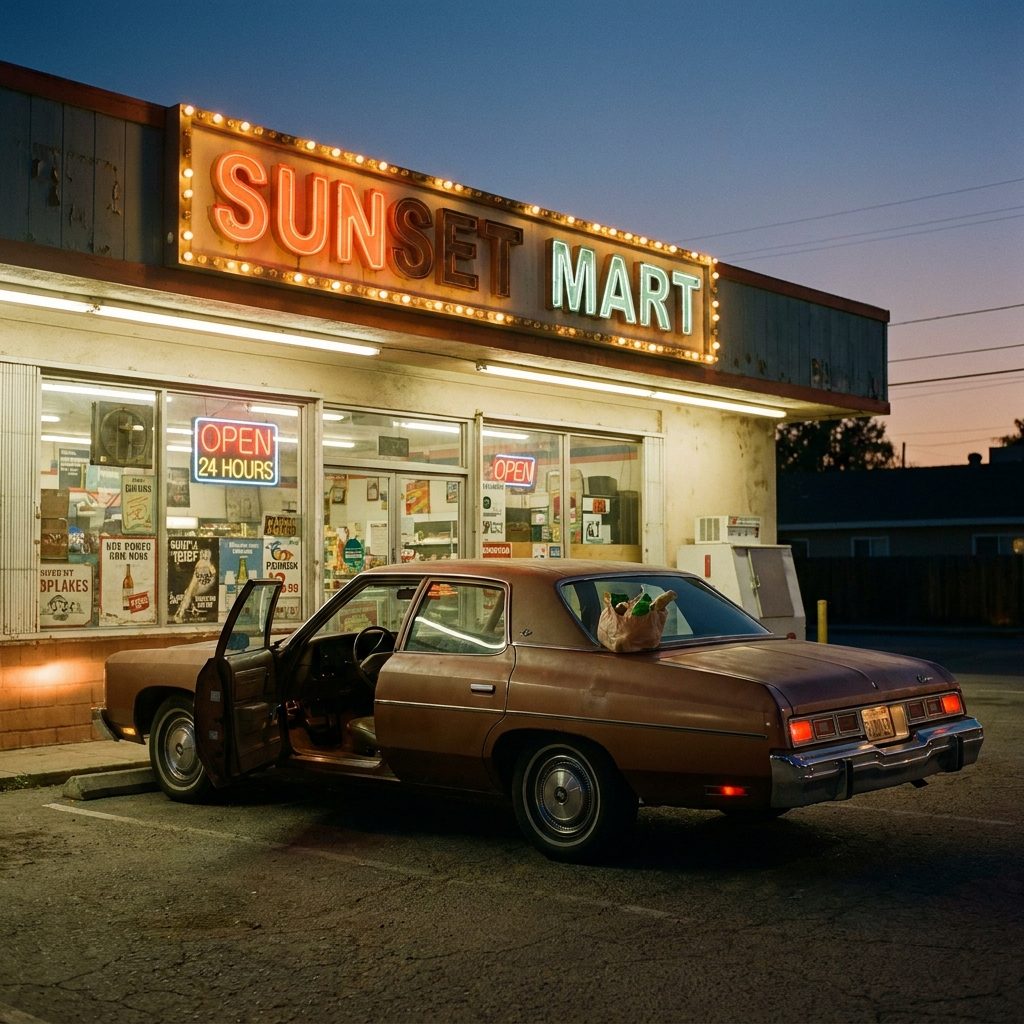
The old claim said restarting used more fuel than leaving the engine running. That could sound plausible when carbureted engines required rich restart mixtures.
For many modern passenger vehicles, the fuel used during a brief restart is less than the fuel consumed during an extended idle. Government testing has placed the crossover at roughly ten seconds for some vehicles, although the exact point varies.
That does not mean the engine should be switched off in unsafe conditions or moving traffic. Climate needs, medical concerns, visibility, traffic rules, and vehicle design still matter.
The simple habit is to shut the engine off during a genuine wait when it is safe and practical. A two-minute stop at the curb is not helping the engine.
10. Premium Gas Does Not Make Every Engine Run Better
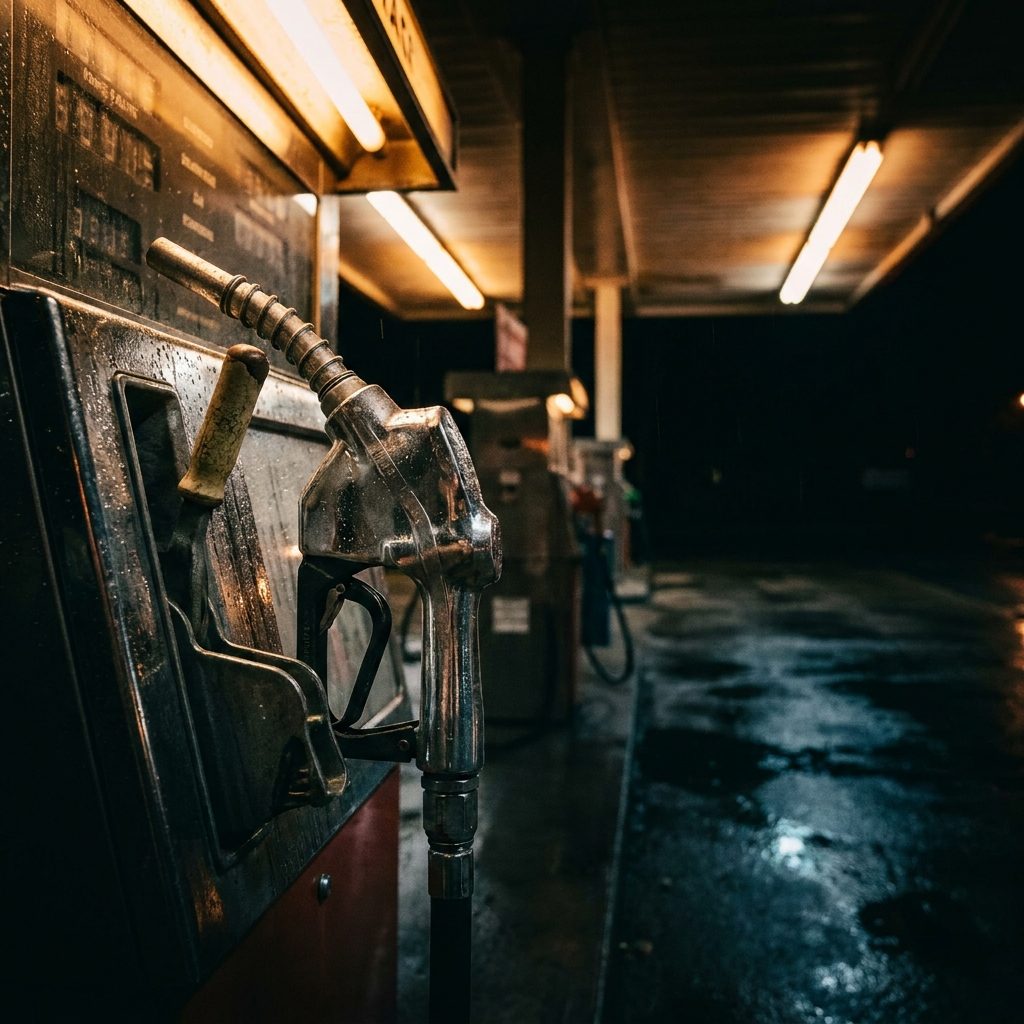
Premium gasoline has a higher octane rating. That means it resists knock under conditions that demand greater knock resistance. It does not automatically contain more energy or produce more power in every engine.
A vehicle designed for regular gasoline generally gains little or nothing from a higher octane grade. A vehicle that requires premium should receive it. A vehicle that merely recommends premium may produce its best rated performance on it while still allowing regular under specified conditions.
Turbocharging alone does not settle the question. Some turbo engines require premium. Others are engineered for regular.
Read the fuel-door label and owner’s manual. The correct grade is the one the manufacturer specifies, not the one with the most flattering name on the pump.
9. The Annual Tune-Up Belonged to Points, Plugs, and Carburetors

A tune-up once meant real, regular adjustment. A mechanic set ignition points, checked dwell, timed the distributor, replaced fouled plugs, and adjusted the carburetor.
Electronic ignition eliminated many of those tasks. Fuel injection removed the idle-mixture screws and choke adjustments. Long-life spark plugs stretched replacement intervals.
Modern cars still require maintenance and diagnosis. Spark plugs, filters, coils, belts, software, sensors, and fluid services do not last forever. The difference is that the old annual ritual has been replaced by model-specific intervals and condition-based repairs.
The word survived. The contents of the job changed.
8. Keeping More Fuel in the Tank Can Still Be Sensible in Winter

Would you like to save this?
Older vented steel tanks were more vulnerable to moisture and condensation than modern evaporative-emissions systems. That history helped create the rule about keeping the tank above half during winter.
Modern systems manage vapor and airflow more effectively, but they are not immune to every moisture or fuel-quality problem. Ethanol can absorb a limited amount of water, yet excessive contamination can cause its own problems.
The strongest modern reason to keep extra fuel is preparedness. A storm, road closure, traffic jam, detour, or power outage can turn a short trip into a long wait.
There is no mechanical requirement to refill every time the gauge drops below half. Avoid repeatedly running the tank nearly dry, and carry a sensible reserve when weather or distance makes it prudent.
7. Open Windows Do Not Always Use Less Fuel Than Air Conditioning
Air conditioning places a load on the engine or electrical system. Open windows increase aerodynamic drag.
At lower speeds, open windows may be the more efficient choice. At highway speeds, the drag can eliminate or reverse that advantage, particularly in a streamlined vehicle.
The crossover point is not the same for every car; vehicle shape, outside temperature, humidity, fan setting, speed, and how far the windows are opened all affect the result.
The practical rule is simple. Use ventilation around town when conditions allow. On the highway, closing the windows and using the air conditioner may be equally efficient or better.
6. Bigger Engines Do Not Automatically Last Longer
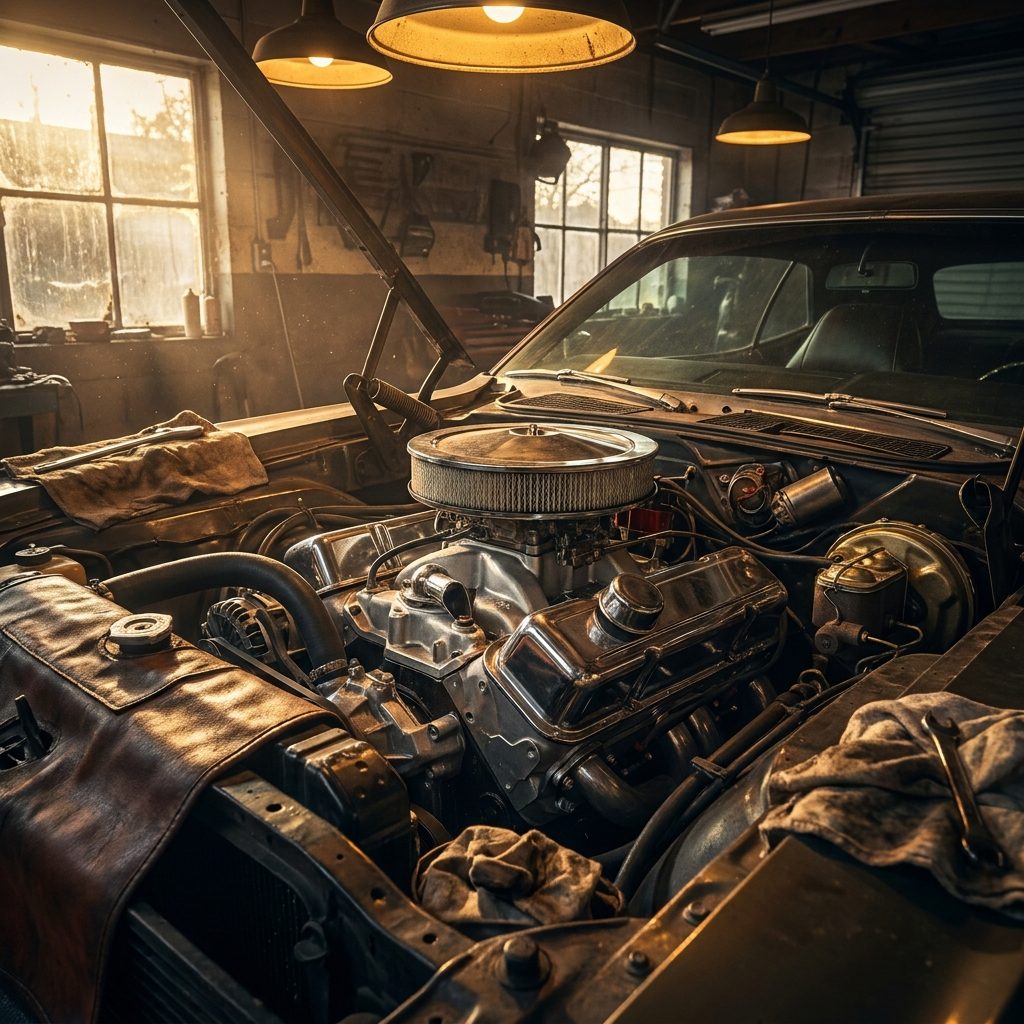
Large, low-output engines often earned a reputation for longevity because they produced modest power and operated under relatively low stress.
Modern engine durability is more complicated. Cooling design, lubrication, boost pressure, operating temperature, cylinder pressure, maintenance, driving conditions, and manufacturing quality all matter.
A small turbocharged engine can last for hundreds of thousands of miles when properly designed and maintained. A large naturally aspirated engine can fail early when neglected.
Displacement may provide margin in some applications, particularly under sustained heavy loads, but it does not override poor maintenance. Bigger is one variable, not a warranty.
5. Tire Pressure Deserves More Attention Than Driveway Warm-Ups
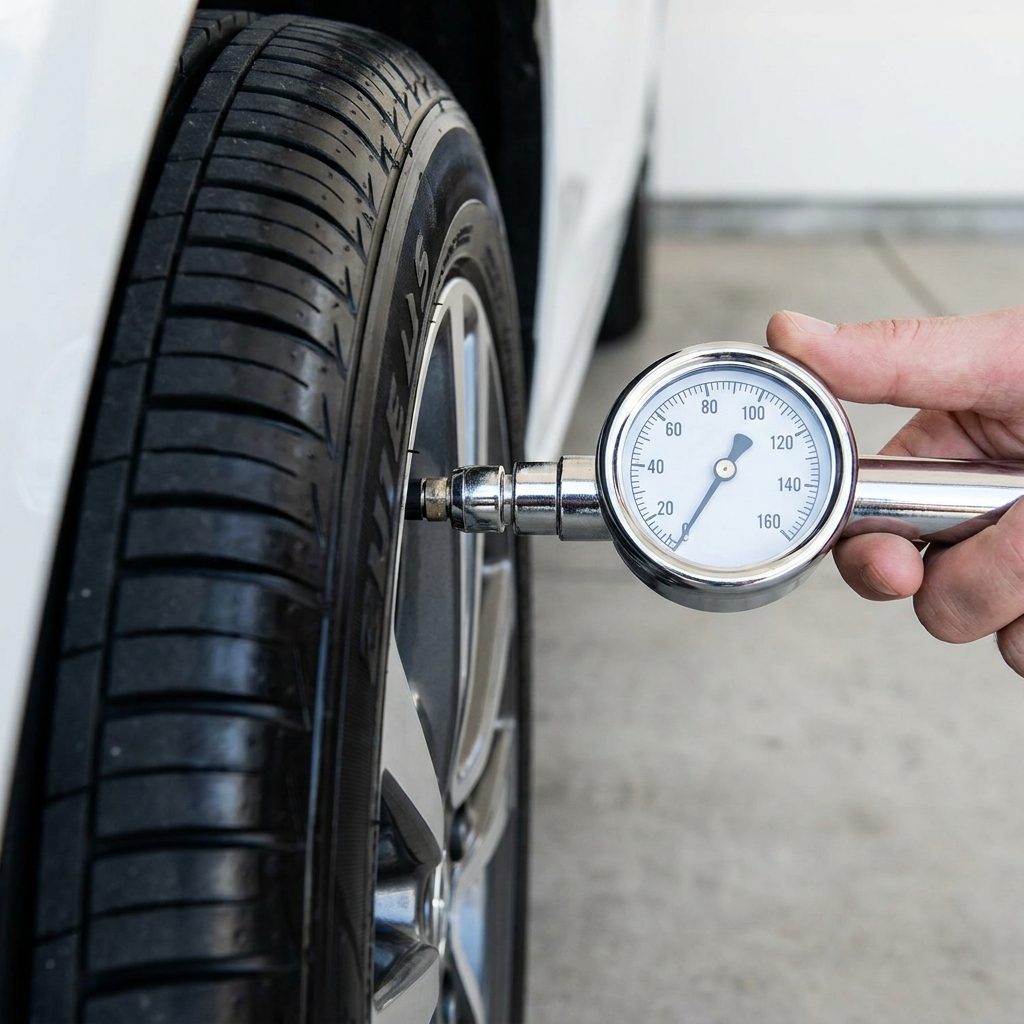
Underinflated tires increase rolling resistance, wear unevenly, reduce handling margins, and can raise fuel consumption.
Pressure changes with temperature and slowly declines as air moves through the tire. The exact loss varies, so a September reading does not predict one universal November number.
Check pressures when the tires are cold and use the specification on the driver’s door-jamb label or in the owner’s manual. The number molded into the sidewall is usually the tire’s maximum pressure, not the vehicle’s everyday target.
A tire-pressure monitoring system is a warning system, not a substitute for a gauge. The dashboard light may not appear until pressure has fallen well below the recommended setting.
4. A New Noise Deserves Attention, Not Automatic Panic

Cars develop rattles, squeaks, hums, and vibrations as parts age. Some are minor. Others are early warnings.
The useful response is neither ignore everything nor assume every sound means catastrophic failure. Note when the noise occurs, whether it changes with speed, steering, braking, temperature, or engine load, and whether warning lights or fluid loss appear with it.
Grinding brakes, knocking engines, steering clunks, wheel-bearing growls, tire thumps, rapid changes, or noises accompanied by warning lights deserve prompt inspection.
A loose heat shield and a failing bearing can both make alarming sounds. The goal is diagnosis, not guesswork.
3. Dashboard Warning Lights Do Not Replace Basic Checks
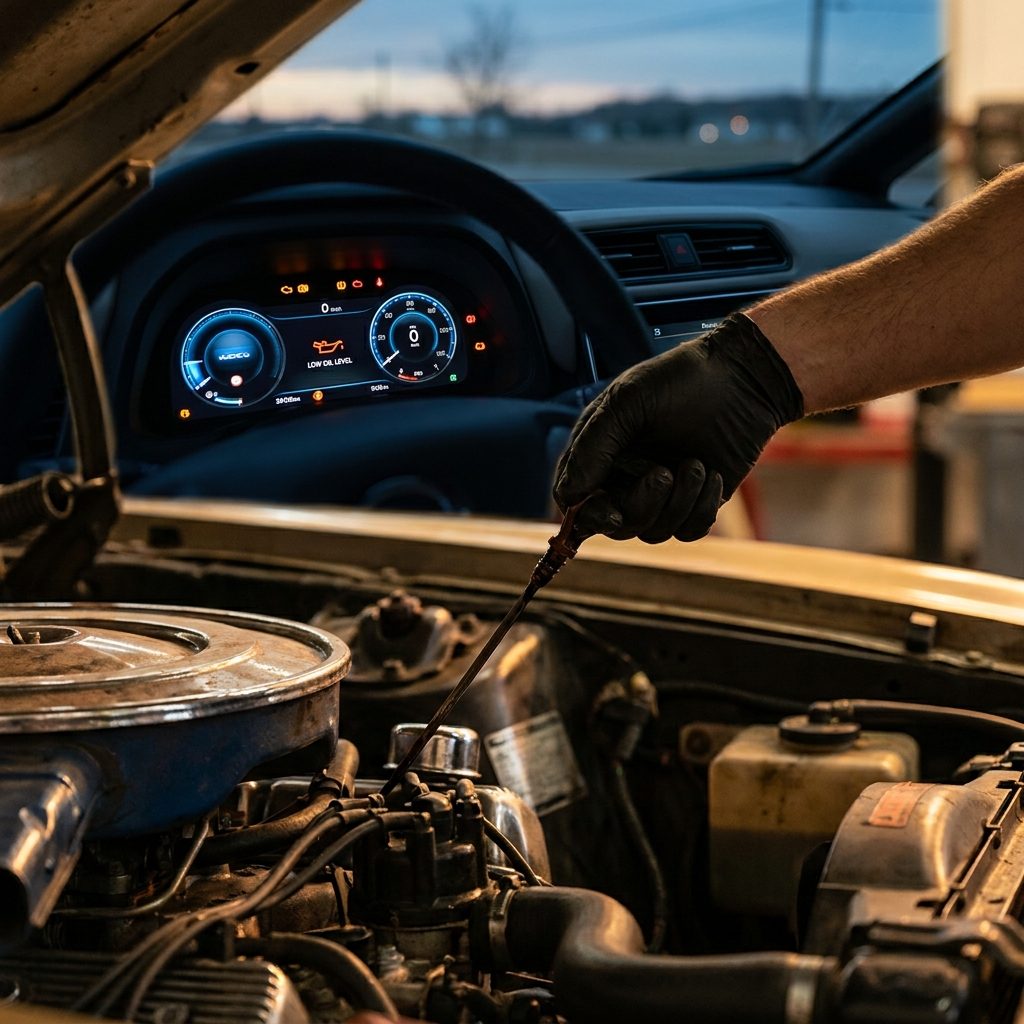
Modern vehicles monitor far more than cars from the 1970s. Onboard diagnostics can detect emissions faults, misfires, sensor failures, and many engine-management problems.
That does not mean the car checks everything for you.
Oil-life monitors generally estimate oil condition from operating data. They do not chemically analyze the lubricant. Tire-pressure systems warn about low pressure but do not inspect tread, punctures, or alignment. OBD-II does not detect every coolant leak, worn belt, failing wheel bearing, or low fluid level.
Warning lights are valuable, but they are not permission to stop looking under the hood. Check fluids where the manual calls for it, inspect tires, watch for leaks, and respond promptly to red warnings or abnormal temperature and oil-pressure indications.
2. The Trunk No Longer Needs a Parts Store, but It Still Needs an Emergency Kit
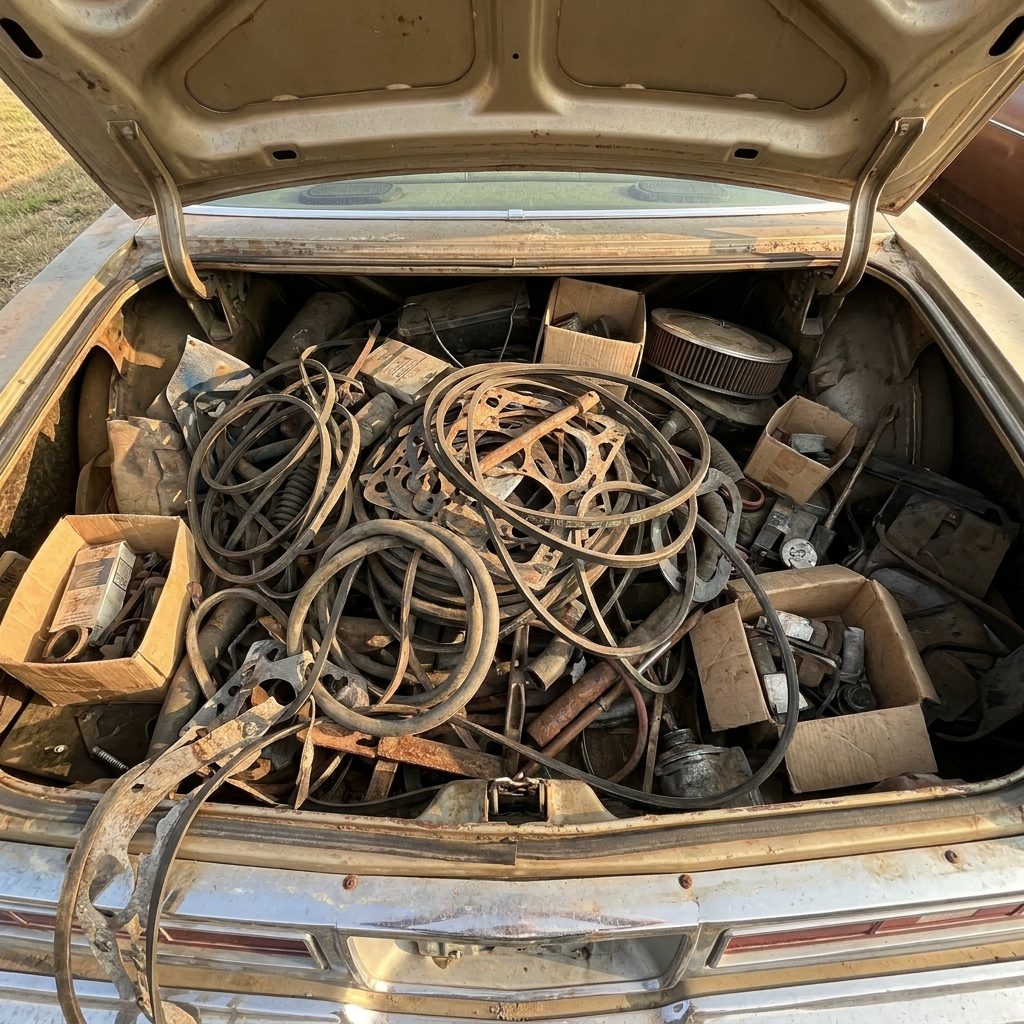
Drivers once carried points, condensers, fan belts, hoses, fuel filters, and enough tape to rebuild half the engine bay at the side of the road.
Electronic ignition, fuel injection, improved belts, better cooling systems, and longer component life removed much of that need.
Modern cars still break down. Dead batteries, flat tires, punctures, overheating, electrical failures, and road damage have not disappeared.
Replace the box of obsolete spare parts with equipment suited to the vehicle: a usable spare or inflator, the correct jack and tools, a flashlight, booster pack or cables, first-aid supplies, gloves, water, and seasonal emergency gear.
The trunk can be lighter without being empty.
1. The Best Modern Car Rule Is to Read the Manual and Maintain the Car

The owner’s manual is written for the engine, transmission, fuel system, fluids, tires, and electronics actually installed in the vehicle.
It tells you which gasoline to use, which oil specification matters, when severe-service intervals apply, what the warning lights mean, and whether the vehicle has special cold-weather instructions.
Warranty coverage does not generally require dealership maintenance. Independent shops and owners may perform routine service, although poor workmanship, skipped maintenance, or incorrect fluids can affect coverage for resulting damage. Keep records and receipts.
Modern cars want regular maintenance more than ritual. Use the correct fluids. Follow time and mileage limits. Check the tires. Repair genuine faults. Drive gently when the powertrain is cold, then use the vehicle normally.
The old garage rules were not all wrong. They were written for specific machines under specific conditions. Read the manual before asking a rule from 1975 to govern a car built forty years later.