
Would you like to save this?
Park a Mercedes 500E next to a regular E-Class and most people walk right past it. That’s the trick. The best sleepers never shout — they tuck the whole story into one bolt, one badge, one bulge in the sheetmetal that only the initiated ever clock. We went looking for production cars that fooled the parking lot on purpose, where a single overlooked detail flips the whole thing from forgettable to furious. Spot the detail and the car gives itself up. Miss it and you’ll never know what just left you at the light. Here are the ones that reward a second look.
Please note that some of the images in this article were created with the assistance of AI.
39. Ford Taurus SHO: The Yamaha Intake Manifold Hiding Under the Hood
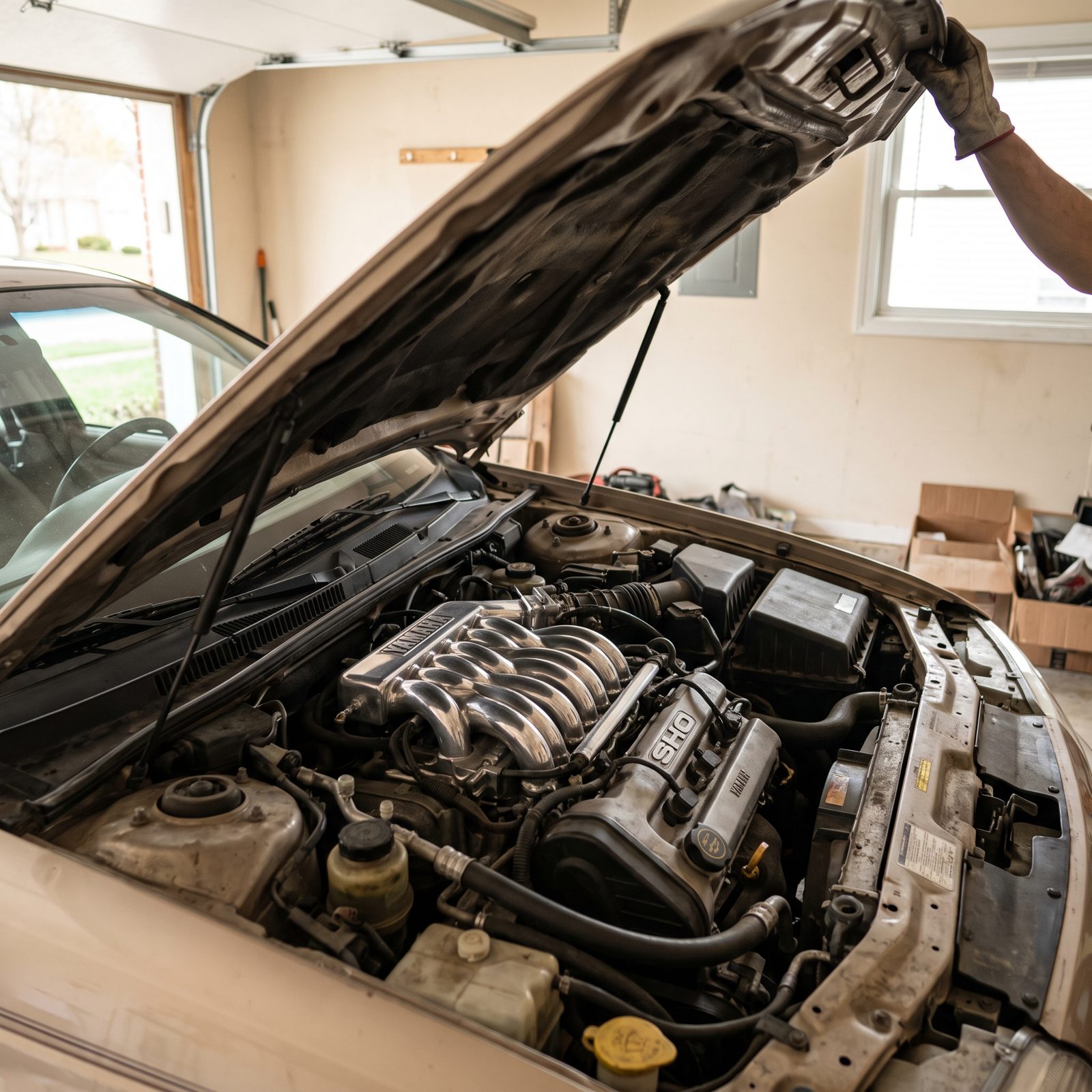
From ten feet away it’s your aunt’s grocery hauler — same slab-sided Taurus body, same mild-mannered stance. Then someone pops the hood and there it is: an intake manifold that looks like a nest of chrome serpents, and nothing else in 1991 came close.
Yamaha built that 3.0 V6. The curved individual runners weren’t styling, they were tuned length, and they let the thing scream to 7,000 rpm while every other domestic family sedan gave up early and went home. The manifold is the tell. Spot it and you know the SHO is quick.
38. Renault Clio V6: The Engine Sitting Where the Back Seat Should Be
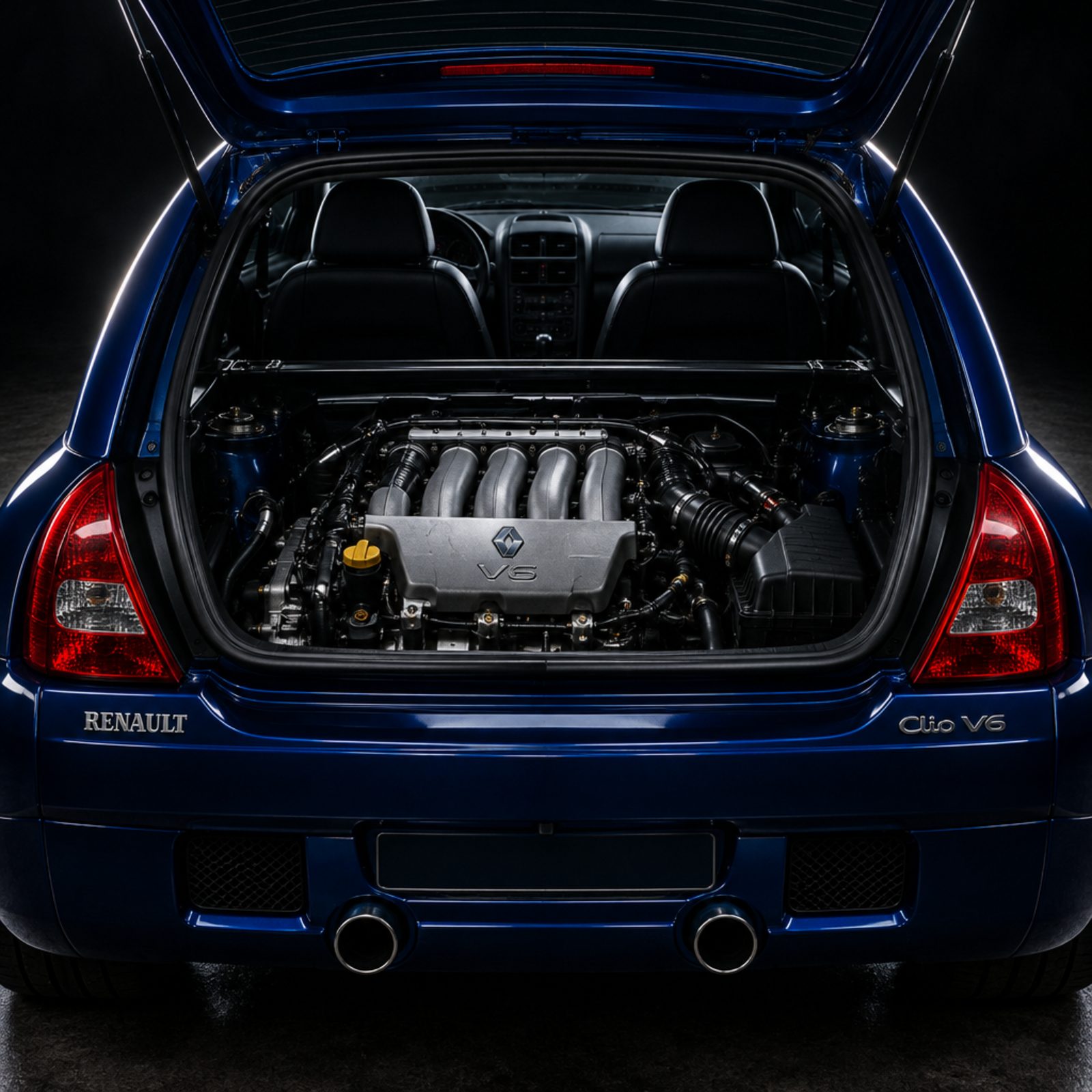
Open the rear hatch and there are no back seats. There’s an engine.
Renault took a humble Clio shopping car, cut out the rear bench, and dropped a 3.0-liter V6 right behind the front seats. The widened fenders and shoulder scoops give it away if you know what you’re looking at, but most people just see a fat little hatchback until that glass comes up.
It handled like a mid-engine sports car and rode like a shopping cart with a grudge. Twitchy. Short. Heavy in the middle. Completely mad, and there’s never been anything else quite like a city hatchback carrying its motor in the trunk.
37. Mercedes-Benz 500E: The Wheel Arches Flared Just Enough
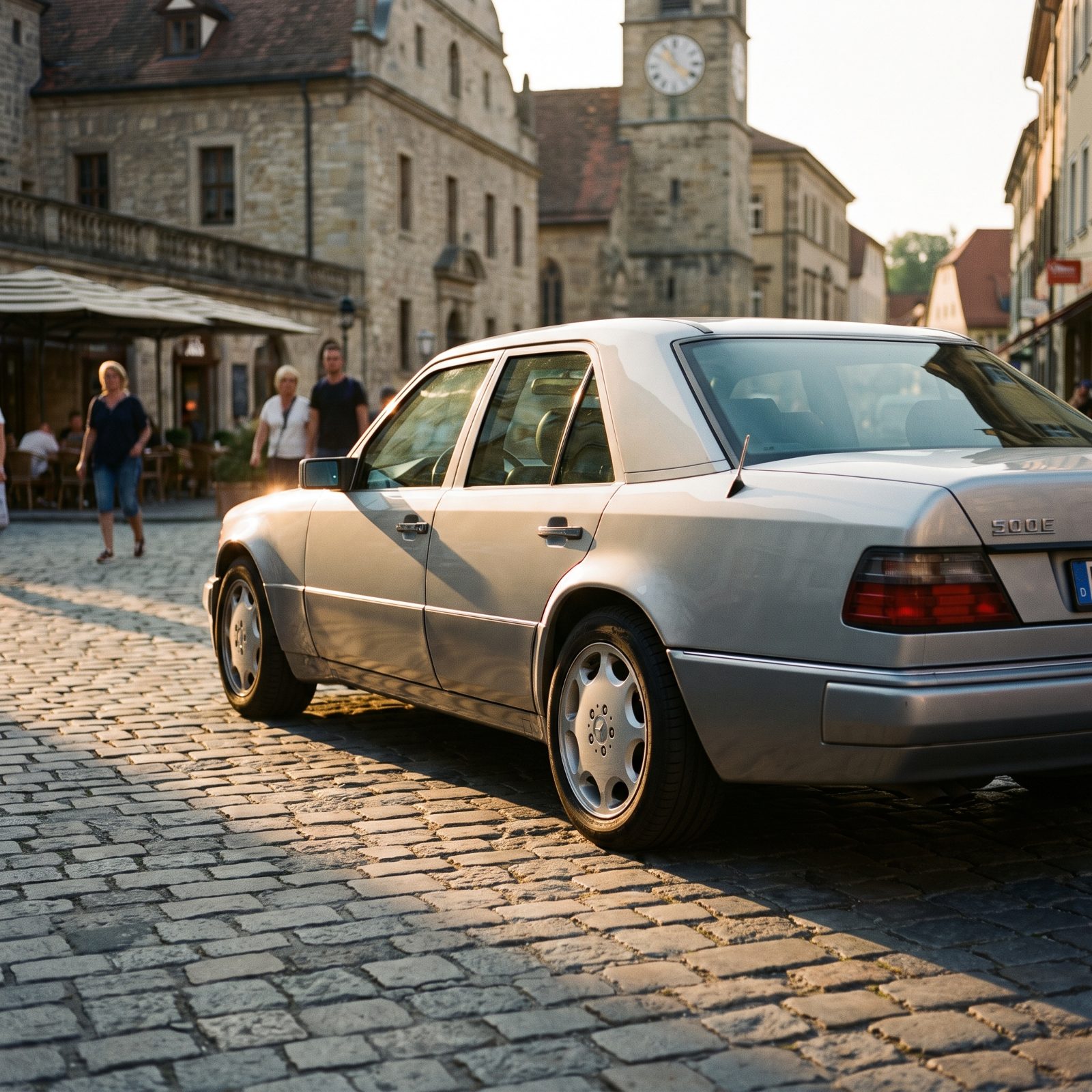
Everyone’s eye slides right over a W124 Mercedes. It’s the taxi, the diplomat’s car, the shape burned into every 1990s airport curb.
Now look at the wheel arches. They’re flared — just barely, maybe half an inch wider than a standard E-Class, enough to swallow a fatter tire and a wider track. Porsche hand-built this one, which is why the arches had to grow to cover the 5.0 V8’s extra muscle. The whole car wears wider hips than its ordinary sibling, and almost nobody notices.
36. Audi RS2 Avant: Those Red Calipers Are Porsche’s
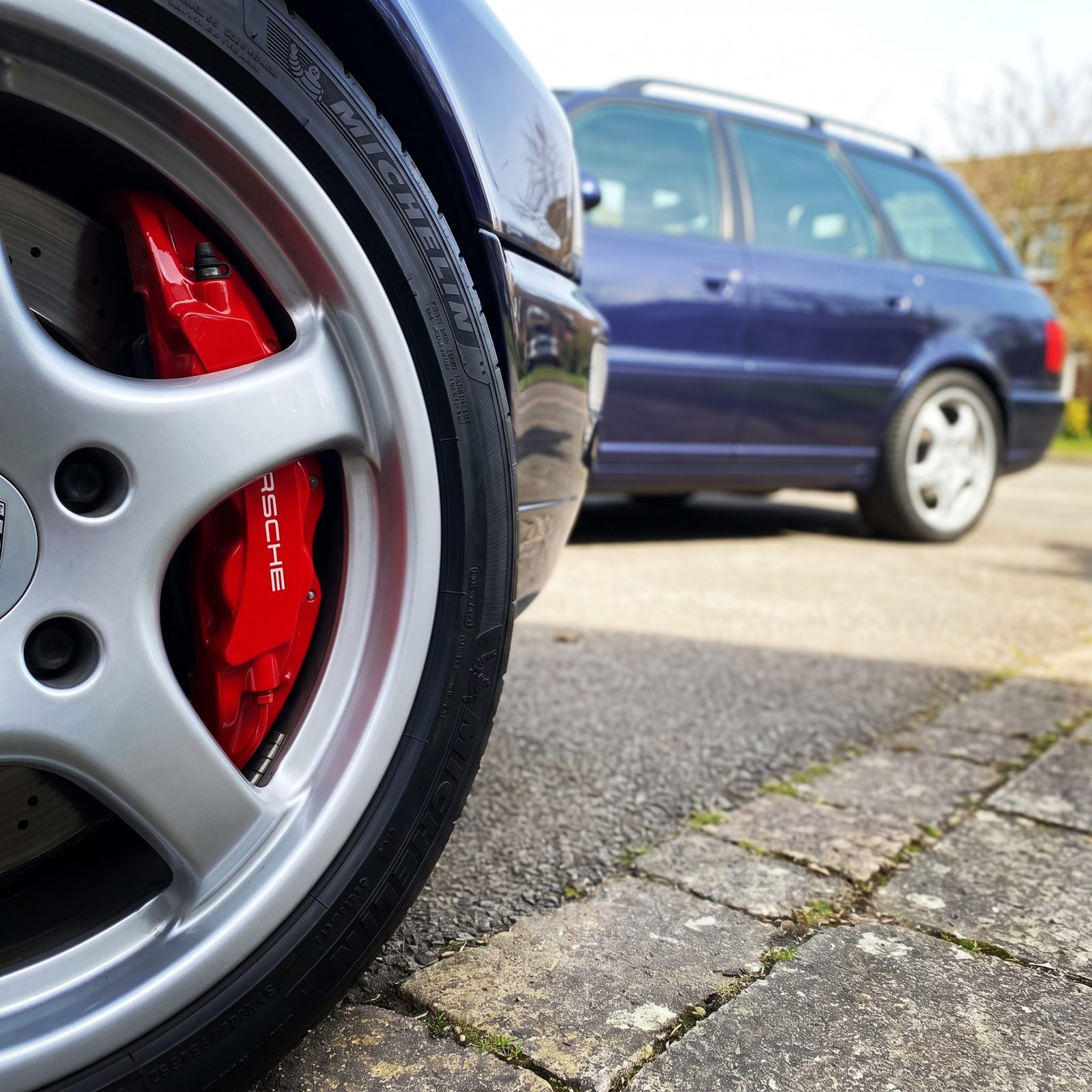
It’s a wagon. A boxy, sensible, haul-the-dog-and-the-luggage estate car. Then you crouch down and spot red brake calipers glowing behind Cup-style wheels, and the whole read changes.
Those calipers came from Porsche. So did the wheels, the mirrors, and a good chunk of the engineering — Porsche developed the RS2 alongside Audi, tuned the turbocharged five-cylinder to over 300 horsepower, and bolted on its own braking hardware. The red paint is the signature, Porsche quietly signing a grocery wagon.
Most quick cars want to look quick. This one looks like it’s late for the school run and will still make a 911 feel slow off the line.
35. Volkswagen Phaeton W12: The Gauge That Reads ‘W12’ and Changes Everything
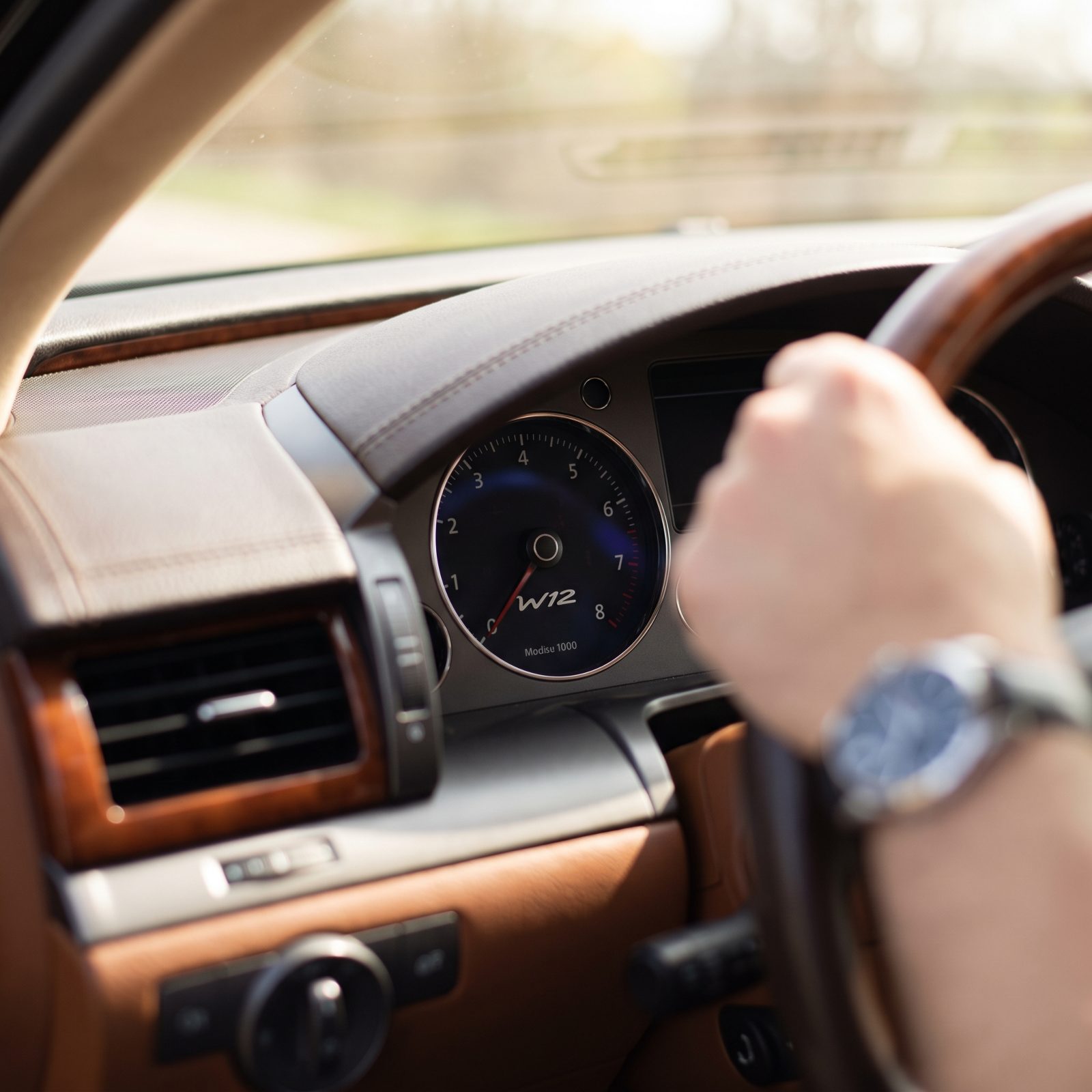
A Volkswagen badge on the hood tells you almost nothing. Could be a Passat with ideas above its station. The cabin is quiet, wooded, almost boring in its restraint.
Then you clock the little W12 script tucked under the tachometer. Twelve cylinders. In a Volkswagen. The same badge that sat on economy cars in high school parking lots covered a hand-built six-liter W12 and a cooled glovebox nobody asked for.
VW built a four-door that could run with a Bentley, then refused to tell anyone with a louder badge.
That gauge is the entire joke — the most expensive thing about the car is the only thing hinting at what’s underneath.
34. Dodge Coronet Hemi Four-Door: The Little Fender Badge That Shouldn’t Exist
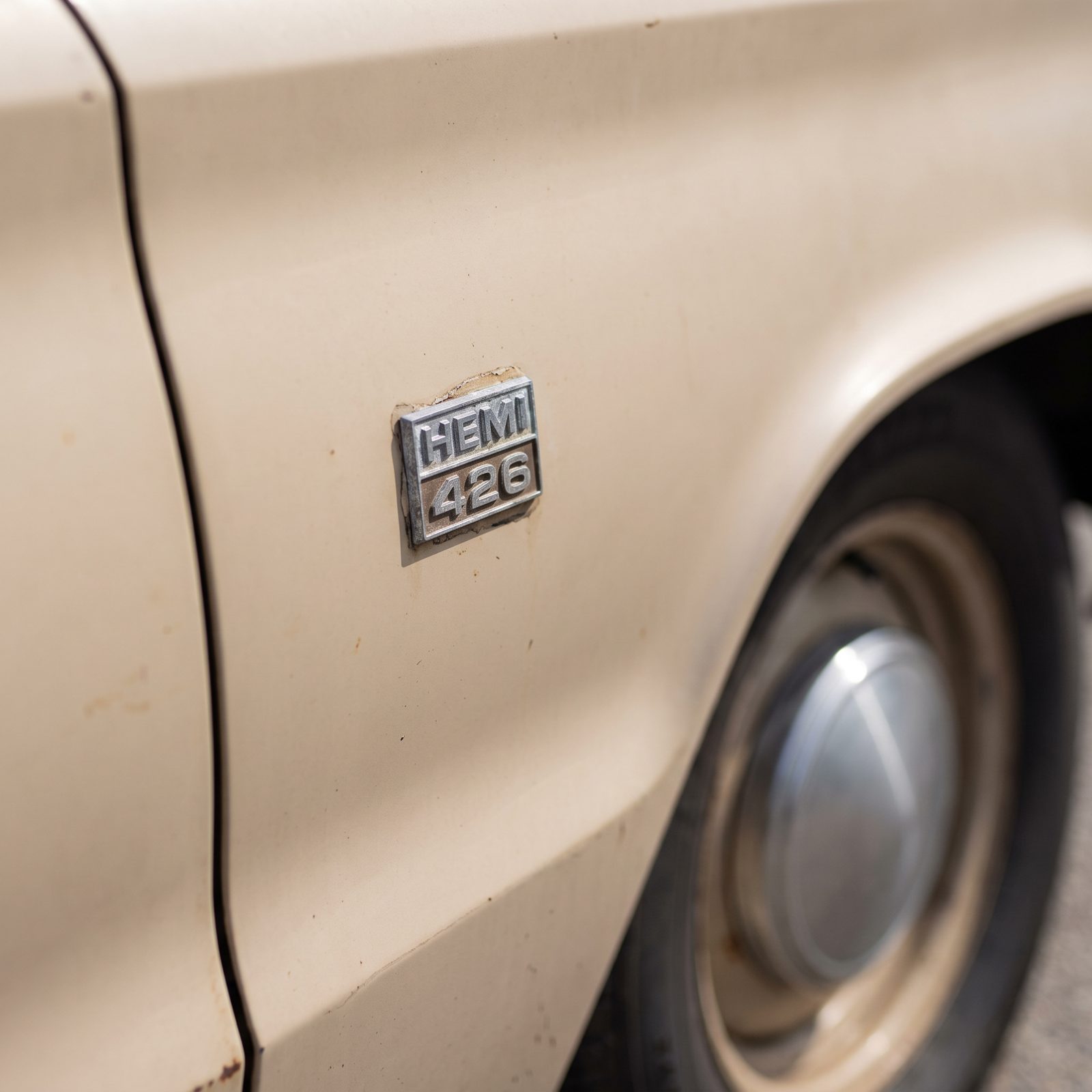
Four doors. Bench seats. Dog-dish hubcaps. This is the car your grandfather bought because the dealer had it in stock and the color was inoffensive.
Except there’s a tiny HEMI script on the front fender, and that one word rewrites everything. Somebody walked into a Dodge dealer in 1966 and ordered a 426 Hemi — the same engine terrorizing NASCAR — in the most invisible body shape on the lot. A family sedan with the heart of a race car and a completely straight face.
33. Buick Regal GS: The Third Pedal That Nobody Expected
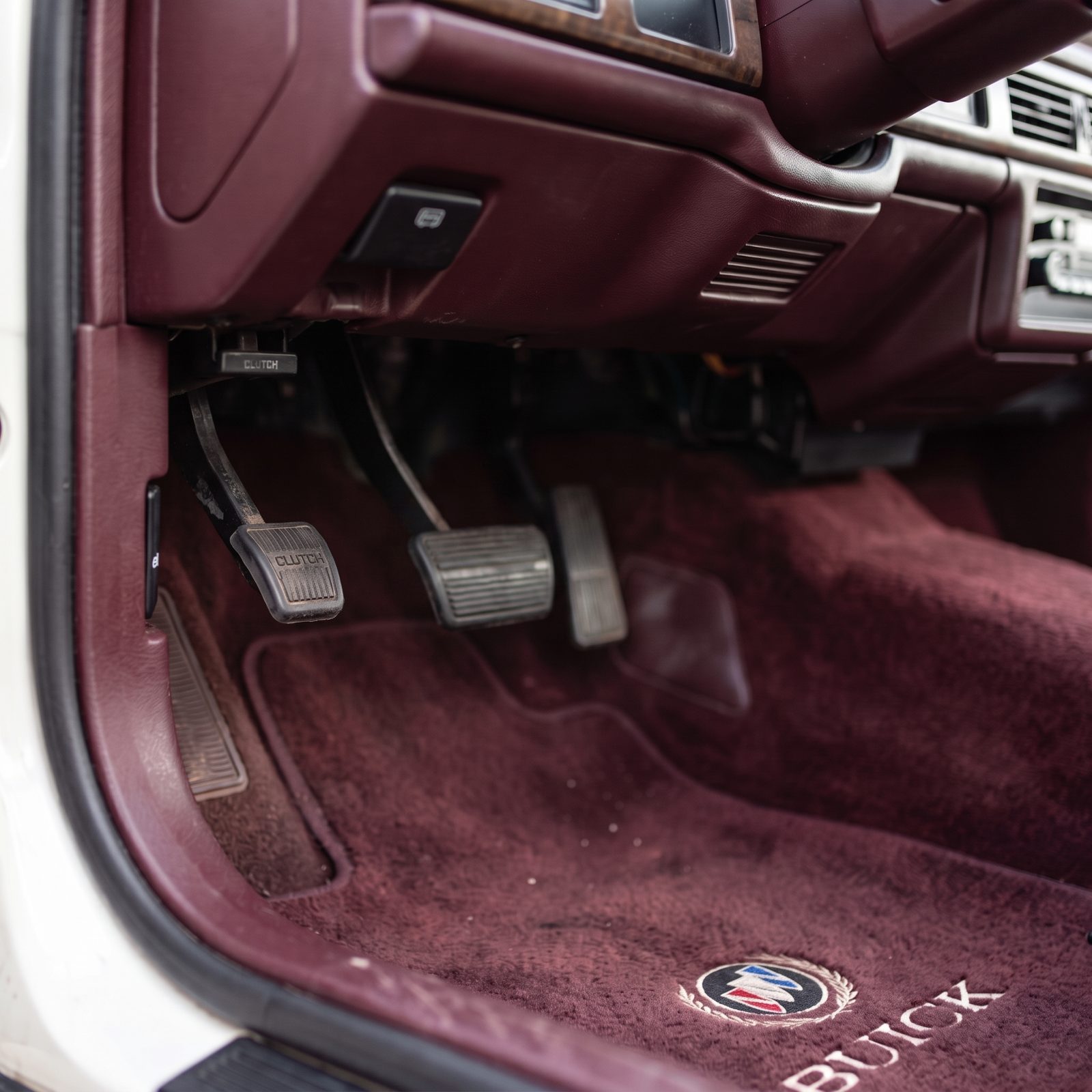
A Buick is the last place you’d go looking for a manual gearbox. The badge means cushioned ride, soft seats, and an automatic that shifts like a lazy Sunday.
Which is exactly why the clutch pedal in a Regal GS stops you cold. Buick quietly offered a stick in a turbocharged sedan wearing a nameplate your retired neighbor loved — three pedals in a car engineered to isolate you from the road entirely.
It’s the smallest tell in the whole lineup. One extra pedal, hiding down in the footwell, saying this particular Buick actually wants you to drive it.
32. Mercedes-Benz 190E 2.3-16: The First Gear Hiding Down and to the Left

Reach for first gear and your hand goes the wrong way.
The 190E 2.3-16 wears a modest compact-sedan body, that boxy 1980s shape nobody bothers photographing. But the Cosworth-tuned sixteen-valve engine and the Getrag gearbox came with a dogleg pattern — first gear sitting down and to the left, out of the normal H.
Why? So that second through fifth line up in a clean straight shift for racing, with first reserved just for pulling away. A detail borrowed straight off the track, hiding in a car that looks like it belongs in a dentist’s parking space. Grab the wrong gear once and you’ll never forget which one it is.
31. Buick GNX: The Fender Vents That Actually Breathe
Would you like to save this?
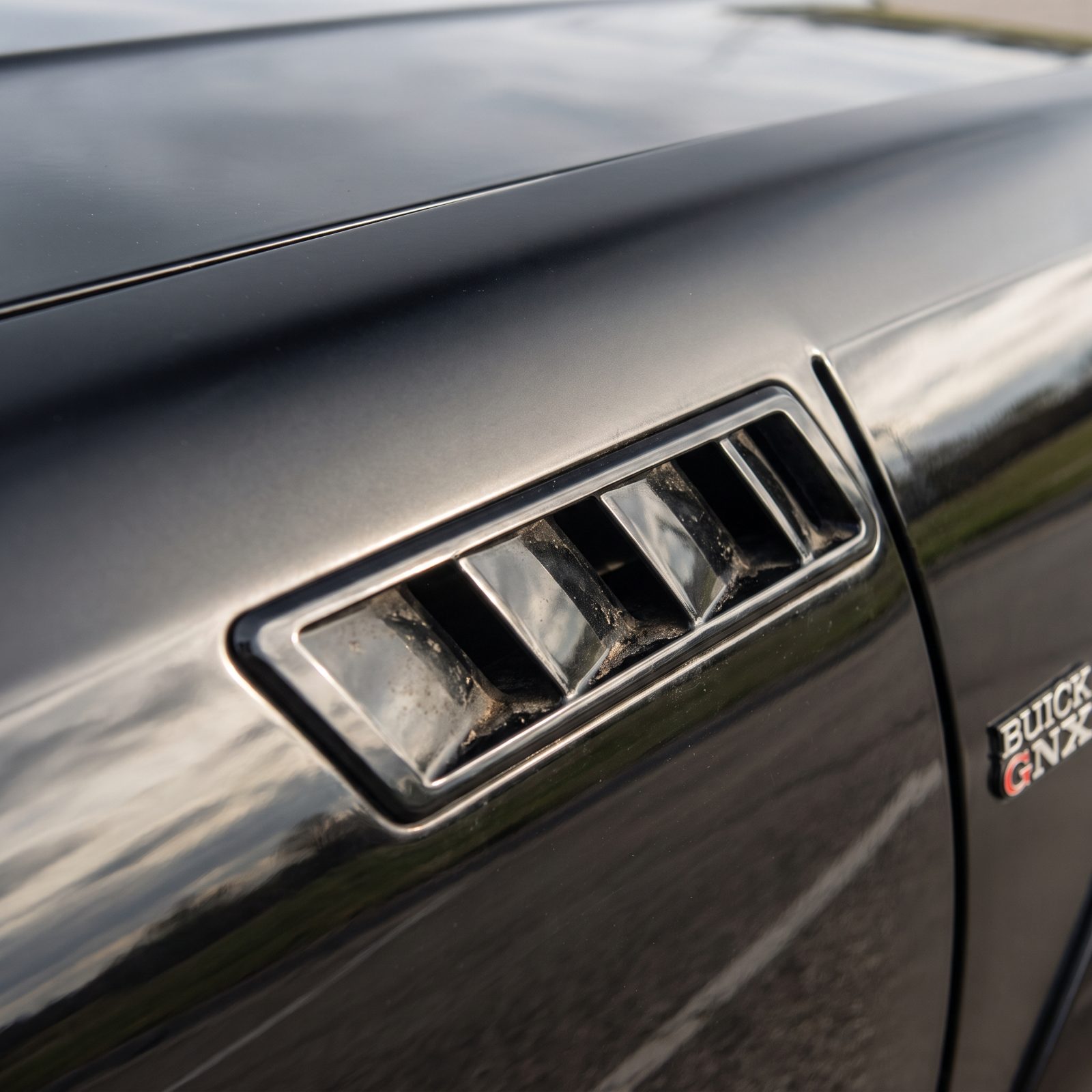
The GNX is all black and all business, so the sleeper argument is half-lost before you even start. But look at the fender vents behind the front wheels.
They’re real. Actual openings that pull hot air out of the engine bay, not the fake plastic gills every other car of the era glued on for show. McLaren Performance handled the final build, added those working vents and a heavy-duty suspension, and turned the last Grand National into the fastest-accelerating American production car of 1987.
Everyone remembers the black paint. Almost nobody notices the vents are doing a job.
30. Mazda Mazdaspeed6: The Hood Bulge You Have to Look Twice to See
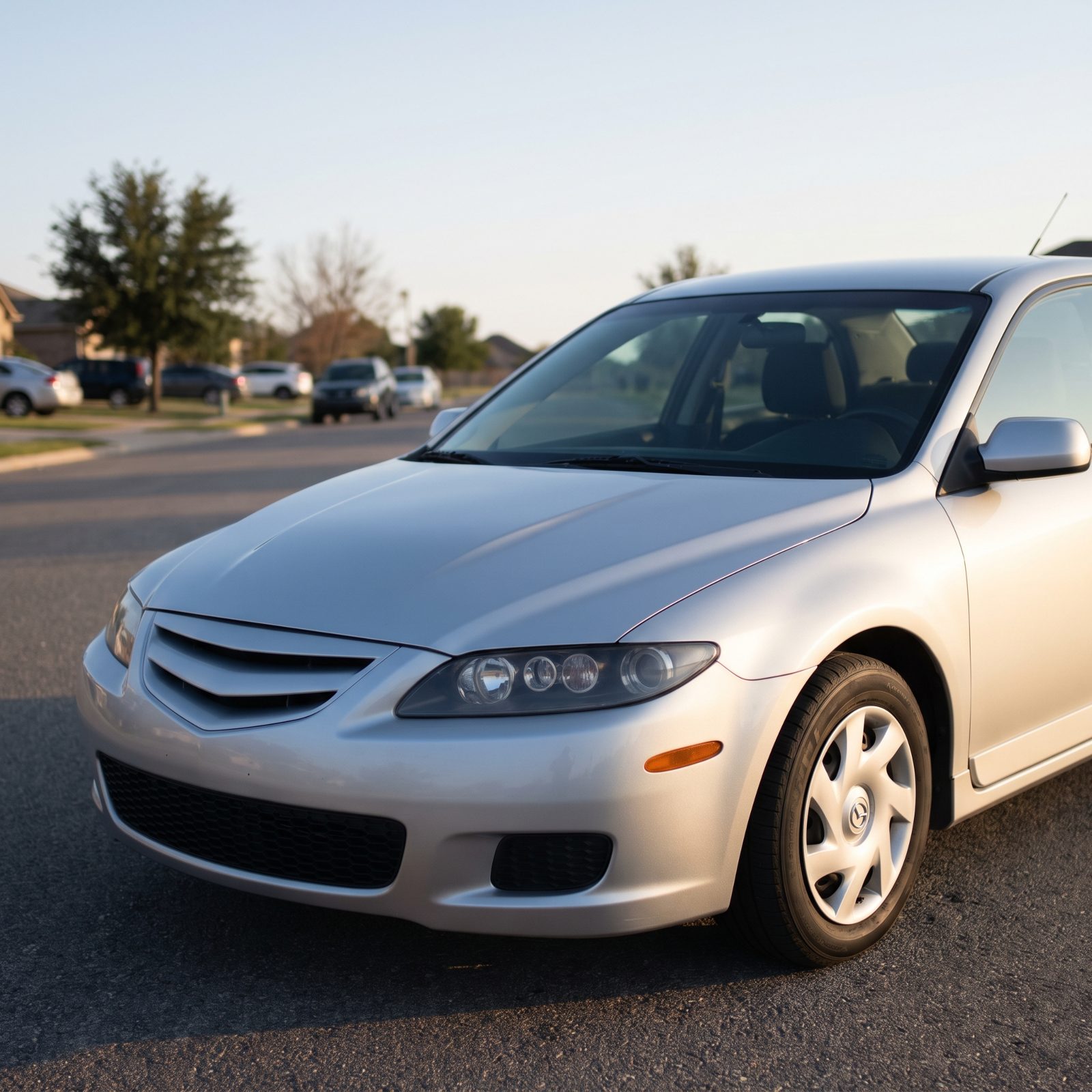
This one is almost too good at hiding. A silver four-door Mazda, the kind that rents for forty bucks a day and vanishes in every parking lot it touches.
Then light catches the hood and you see it — a shallow bulge pressed into the metal, so faint you could own the car a month and never clock it. Underneath sits a turbocharged 2.3 and all-wheel drive making real power. The bulge is there to clear the intercooler plumbing, not to brag about anything.
And that was the point. A quick, grippy, genuinely fast sedan that looks like it wants nothing more than to pick up groceries and go home. The crease in the hood is its only confession. Blink and you’d call it a plain Mazda6 and move on — which is exactly what it was built to make you do.
29. Rover 75 V8: The Wider Transmission Tunnel That Gives It Away
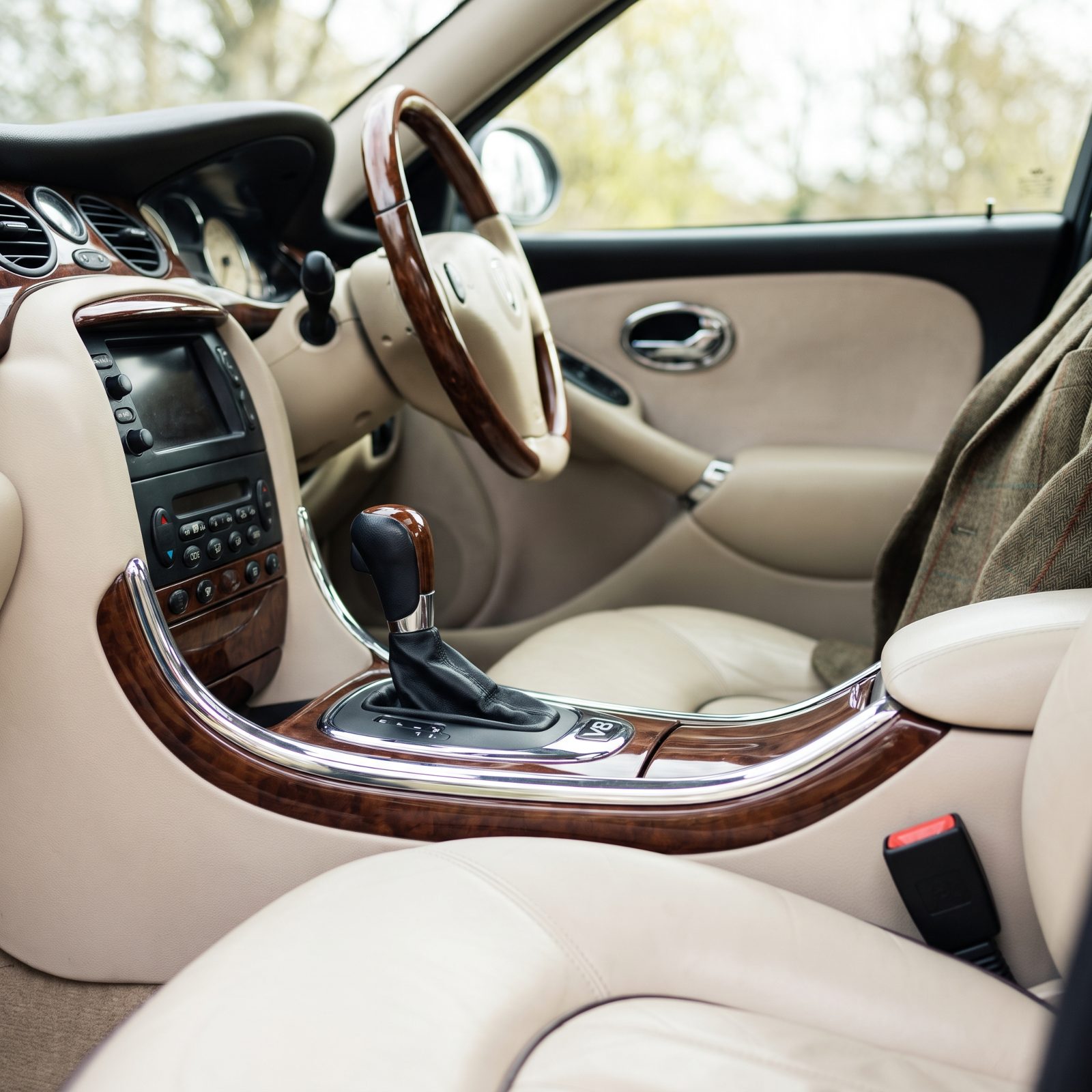
Look at a Rover 75 and your brain files it under retired bank manager. Soft chrome, round lamps, a cabin that smells of leather and old money. Then someone opens the door and the transmission tunnel is far too wide.
That bulge gives it away. Most 75s ran transverse four-cylinders and sixes with front-wheel drive, but the V8 version — built after the MG Rover takeover — needed a longitudinal Ford Mustang 4.6-liter and rear-wheel drive. So they cut and widened the whole floorpan to swallow the prop shaft.
A genteel sedan hiding a rear-drive American V8 under polite bodywork. The tunnel is the only thing in the cabin willing to admit it.
28. Toyota Camry TRD: The Hidden Braces Bolted Behind the Rear Seat
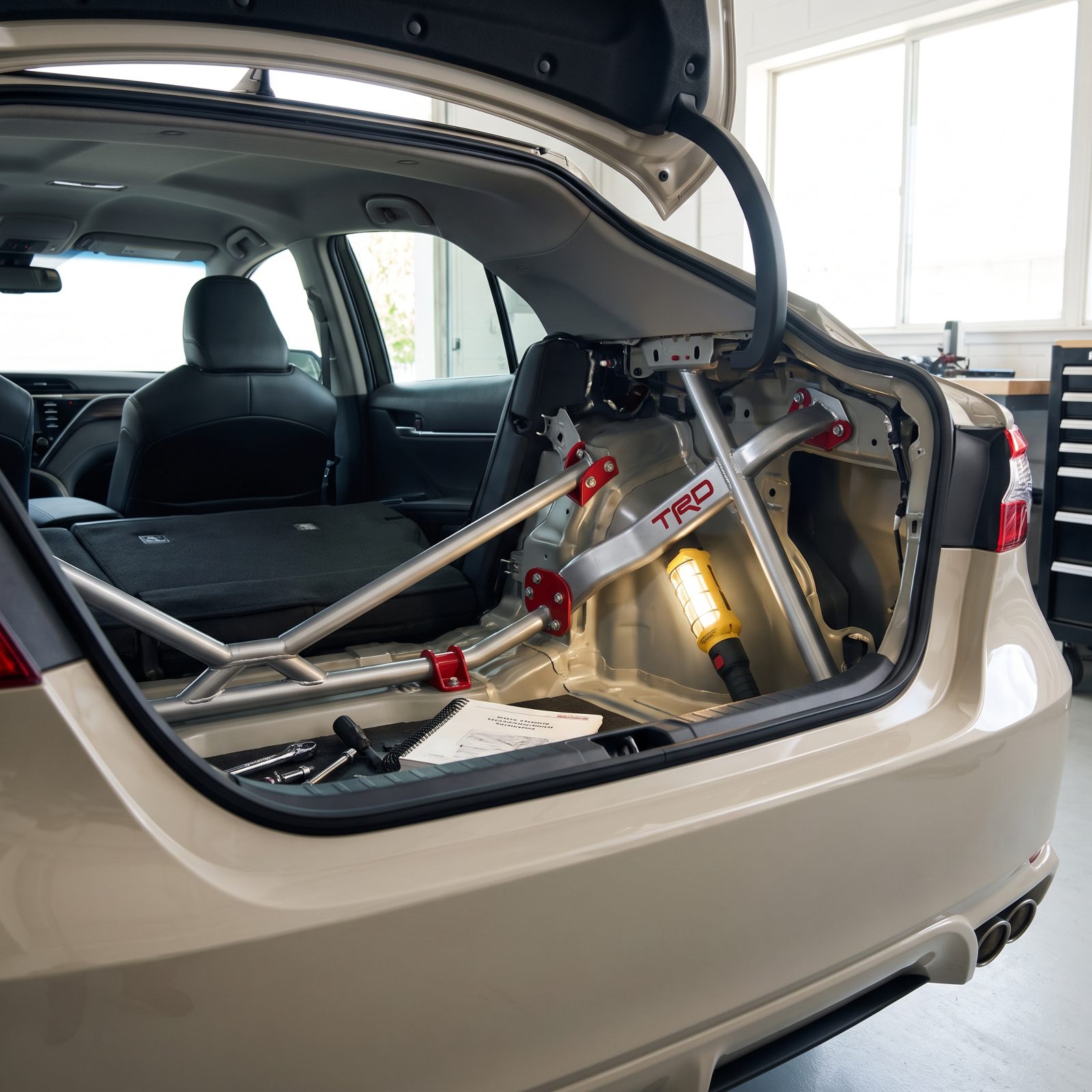
A Camry is the automotive equivalent of oatmeal — dependable, sensible, invisible in a parking lot. Which is exactly why the TRD version is such a quiet joke.
Fold the rear seat down and you find two red-painted steel braces bolted across the trunk aperture. Toyota added them to stiffen the chassis, the kind of thing you’d expect in a track car and absolutely not in the sedan your dentist drives.
Nobody in the back seat ever sees them. But the driver feels them in a corner, where the body resists a twist the plain Camry never bothered with. A performance secret you have to physically crawl in and go looking for.
27. Pontiac Tempest Super Duty: The Transaxle Hiding at the Back
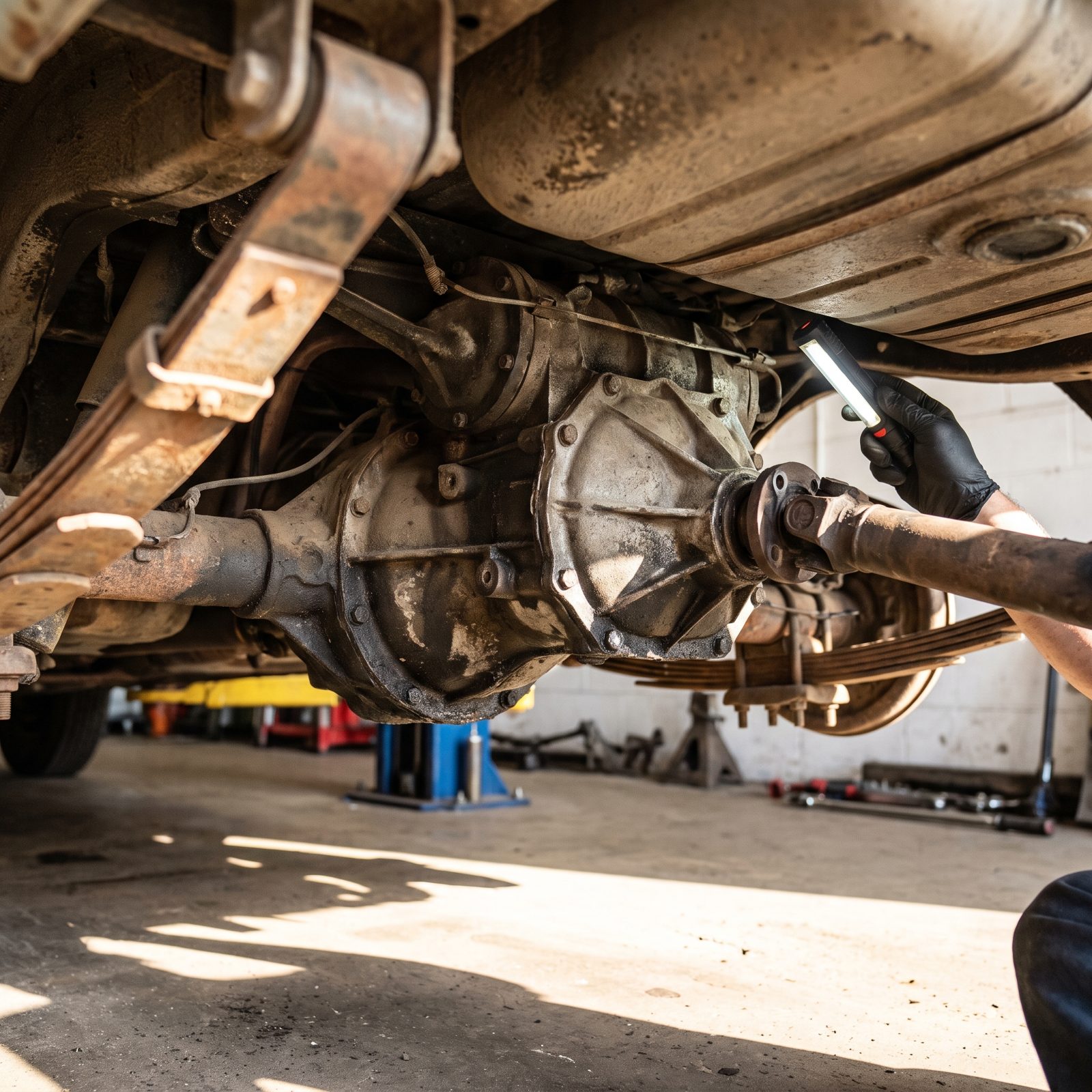
The early Tempest looked like nothing. A compact Pontiac for people who found a GTO frightening. Slim bumpers, plain flanks, a half-a-389 four-cylinder that shook like a paint mixer.
What made it strange lived under the floor. Pontiac mounted the transmission at the back, as a rear transaxle, connected to the engine by a thin, flexible driveshaft they nicknamed the rope drive. It curved. On purpose.
The rare Super Duty variants turned that layout into drag-strip legend, feeding serious power through a setup no other American compact used. The detail that mattered was invisible, lying flat beneath the car, reshaping how the whole thing drove.
26. Studebaker Lark R2: The Paxton Supercharger Under the Hood
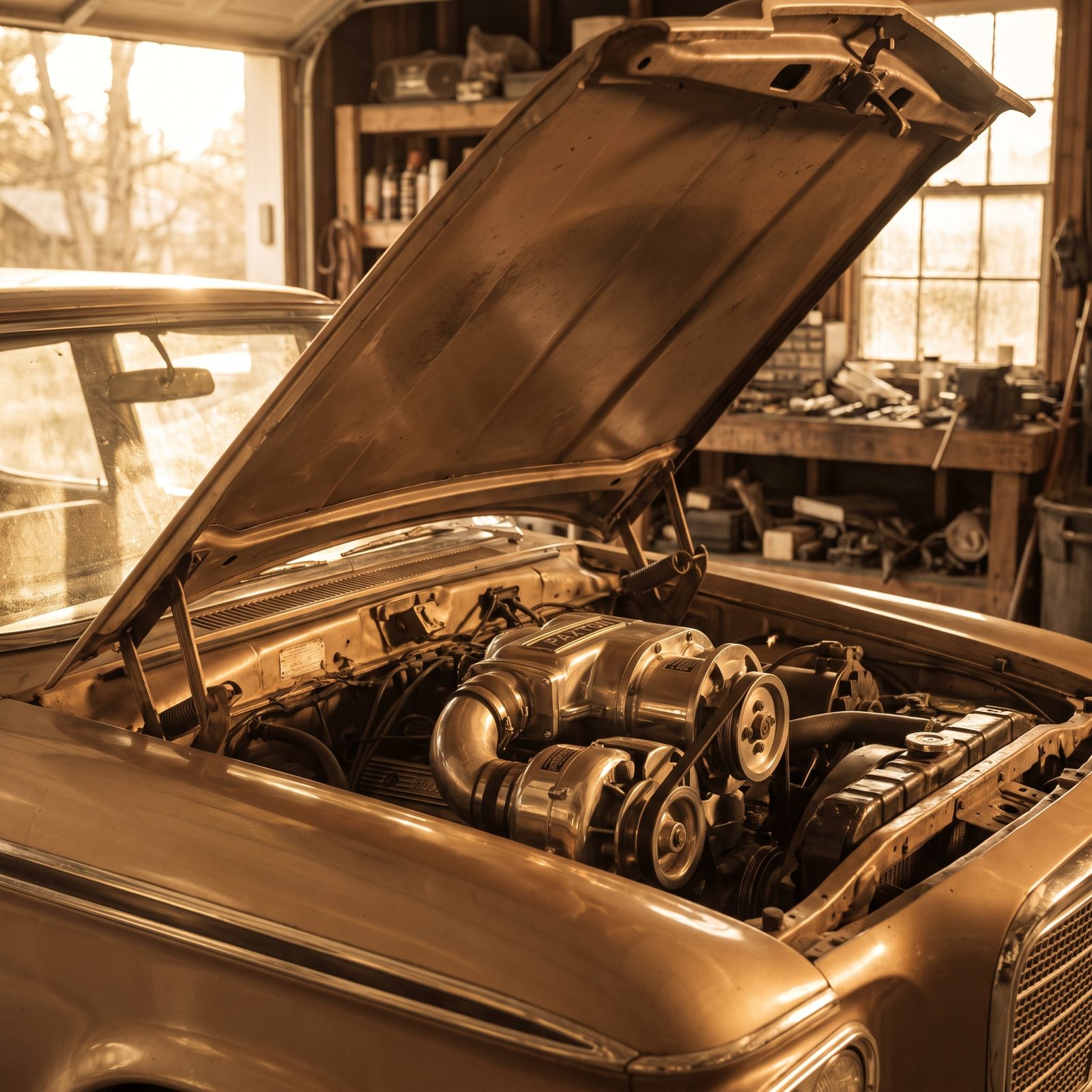
The Lark was the compact a thrifty uncle bought. Boxy, upright, shaped like a toaster that learned to drive. Studebaker was circling the drain, and the Lark was its sensible last stand.
Pop the hood on an R2 and there’s a Paxton centrifugal supercharger strapped to the V8. That belt-driven alloy snail turned a grandpa car into something that would embarrass a Corvette at a stoplight.
Same dumpy body. Same vinyl bench. One finned casting under the hood, and the whole personality flips. Andy Granatelli ran supercharged Studebakers to speed records with this exact hardware, which tells you the little snail was no gimmick.
25. Honda Accord Euro R: The Red-Topped Engine That Changes Everything
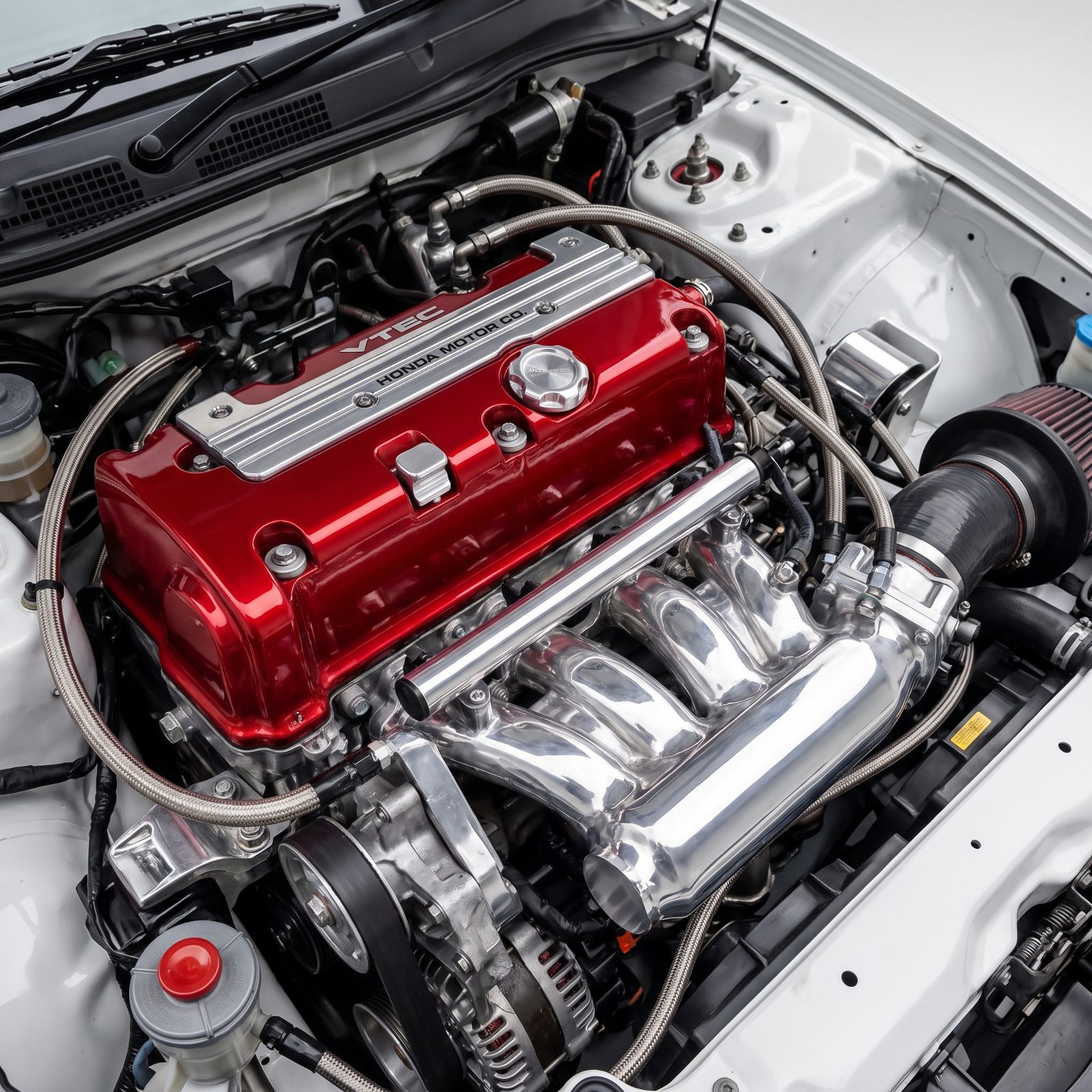
From ten feet away, a JDM Accord Euro R is just a clean silver sedan. The kind of car that merges politely and parks between the lines.
Then the hood goes up and you see it: a red valve cover. In Honda language, that red crackle paint means this isn’t a regular engine — it’s the high-strung, high-revving unit from the serious cars, a close relative of what lived in the Integra Type R. One splash of color, and it’s a promise. Keep the revs up past 6,000 and the engine swaps personalities, snarling where a normal Accord would just hum along.
24. Alfa Romeo 156 GTA: The Busso Intake Runners You Can See From the Driveway
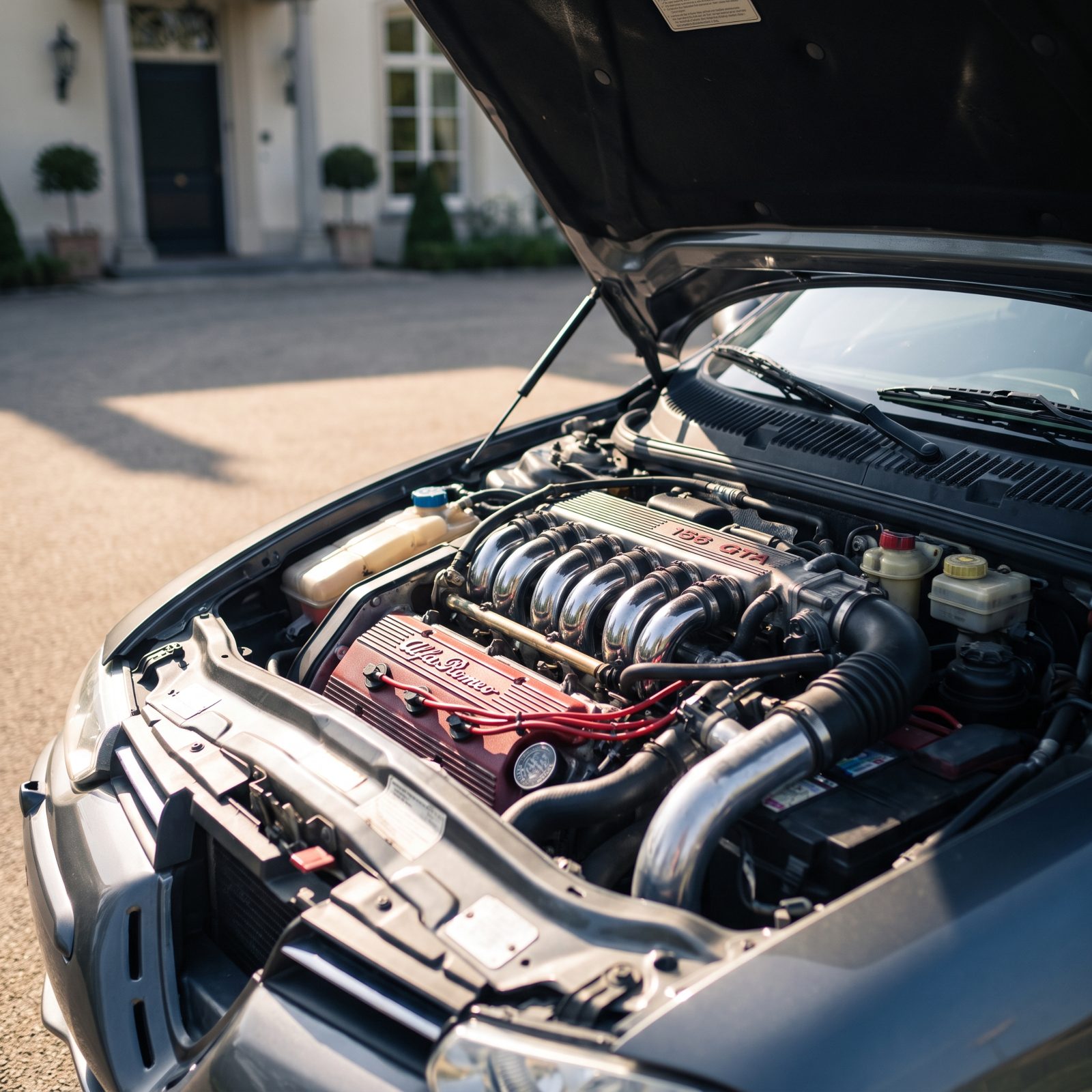
Alfa’s 156 was a good-looking sedan that sold on charm. The GTA version hid its extra violence behind the same pretty bodywork — lower, wider wheels, nothing that screams for attention.
Open it up and the Busso V6 is right there, crowned with a cluster of polished intake runners curving across the top like organ pipes. The designers sweated over that casting because they knew people would stare.
And they do. The Busso is widely called one of the best-sounding engines ever built, and that intake is the first clue your ears are about to be rewarded. Lift the hood and the car stops pretending to be modest.
23. Chevrolet Cobalt SS Turbo: The Boost Gauge Clamped to the A-Pillar
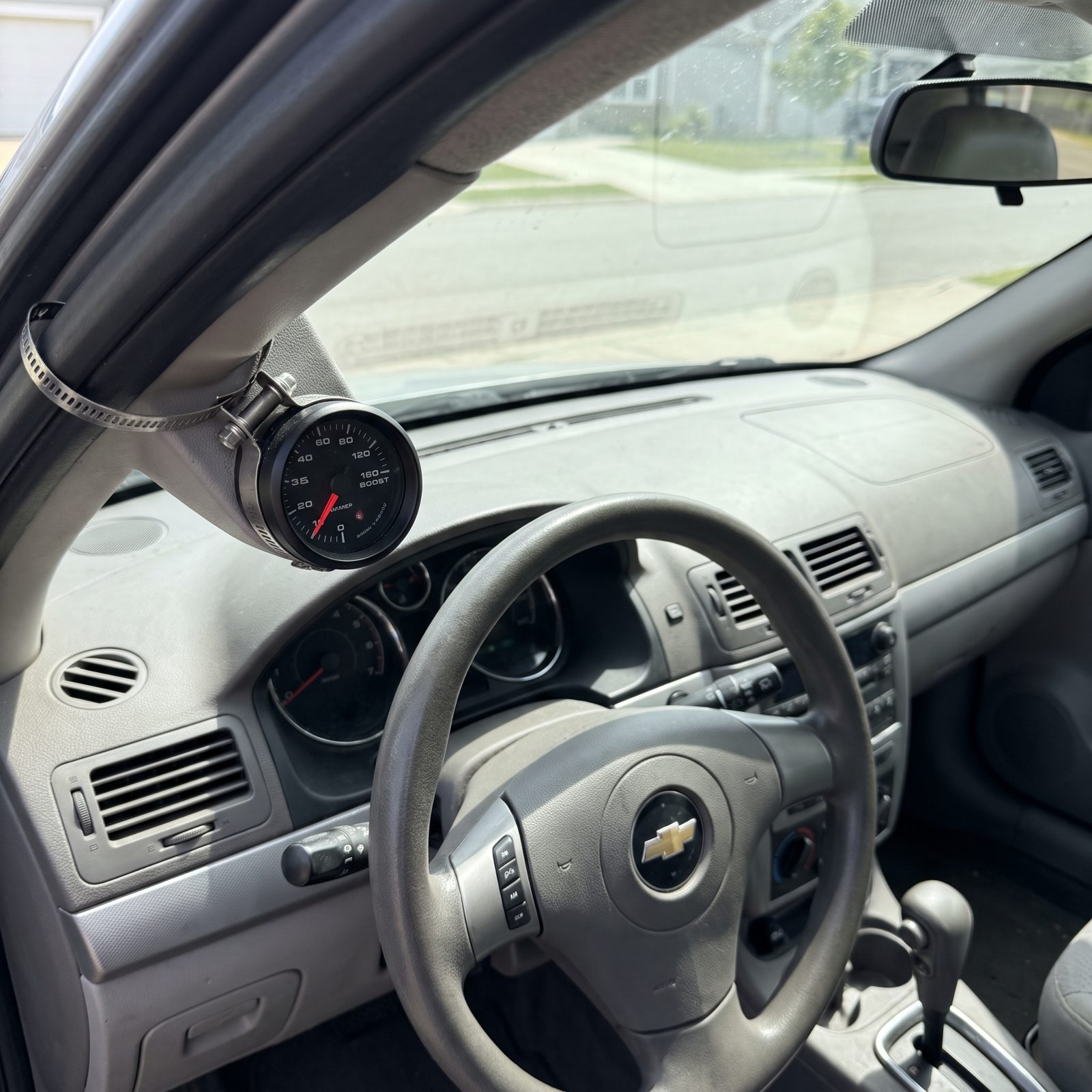
The Cobalt was a rental-counter special — cheap, forgettable, the car you forgot you were driving. GM built a turbocharged SS version and barely touched the outside.
The tell sits inside, on the A-pillar: a round boost gauge in a pod, fitted at the factory. Economy cars don’t come with instruments for watching the turbo build pressure. Sports cars do.
That one gauge rewrites the whole cabin. Suddenly the plain plastics and the big rear seat read like a disguise. The Cobalt SS was genuinely quick, and that little needle climbing is the only honest thing in the room.
22. Nissan Stagea 260RS: The GT-R Cluster Staring Back at You
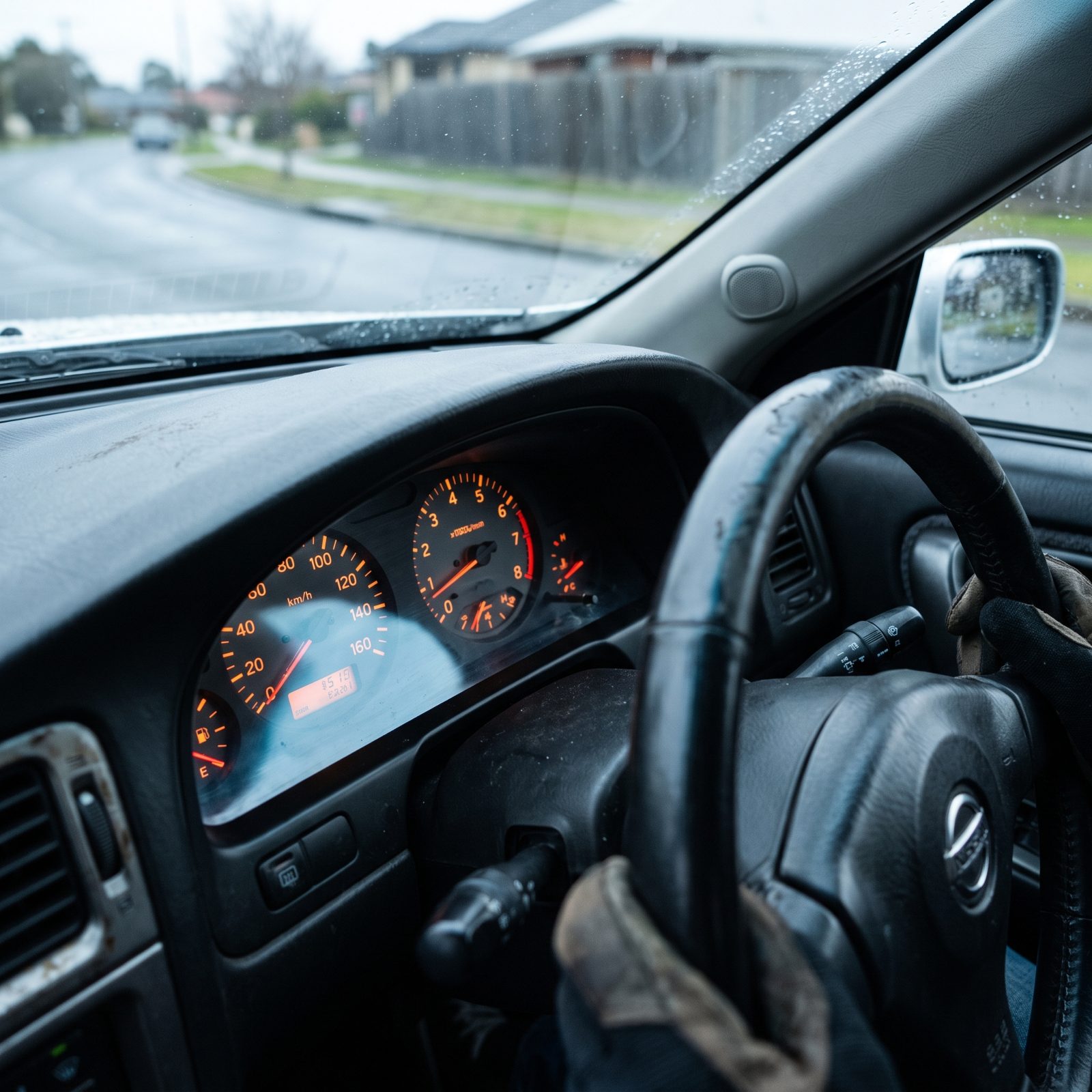
It’s a wagon. A long, sensible family hauler built for groceries and dog crates and the daily school run. The Stagea asks nothing of you.
Slide behind the wheel, though, and the gauges don’t match the furniture. You’re staring at the instrument cluster from a Skyline GT-R — tachometer front and center, boost gauge where a wagon has no business having one.
That’s because the 260RS was essentially a GT-R drivetrain stuffed under estate bodywork by Autech: twin-turbo six, all-wheel drive, the works. The cluster is the confession. Everything else keeps a straight face while those needles quietly tell you what you’ve actually bought.
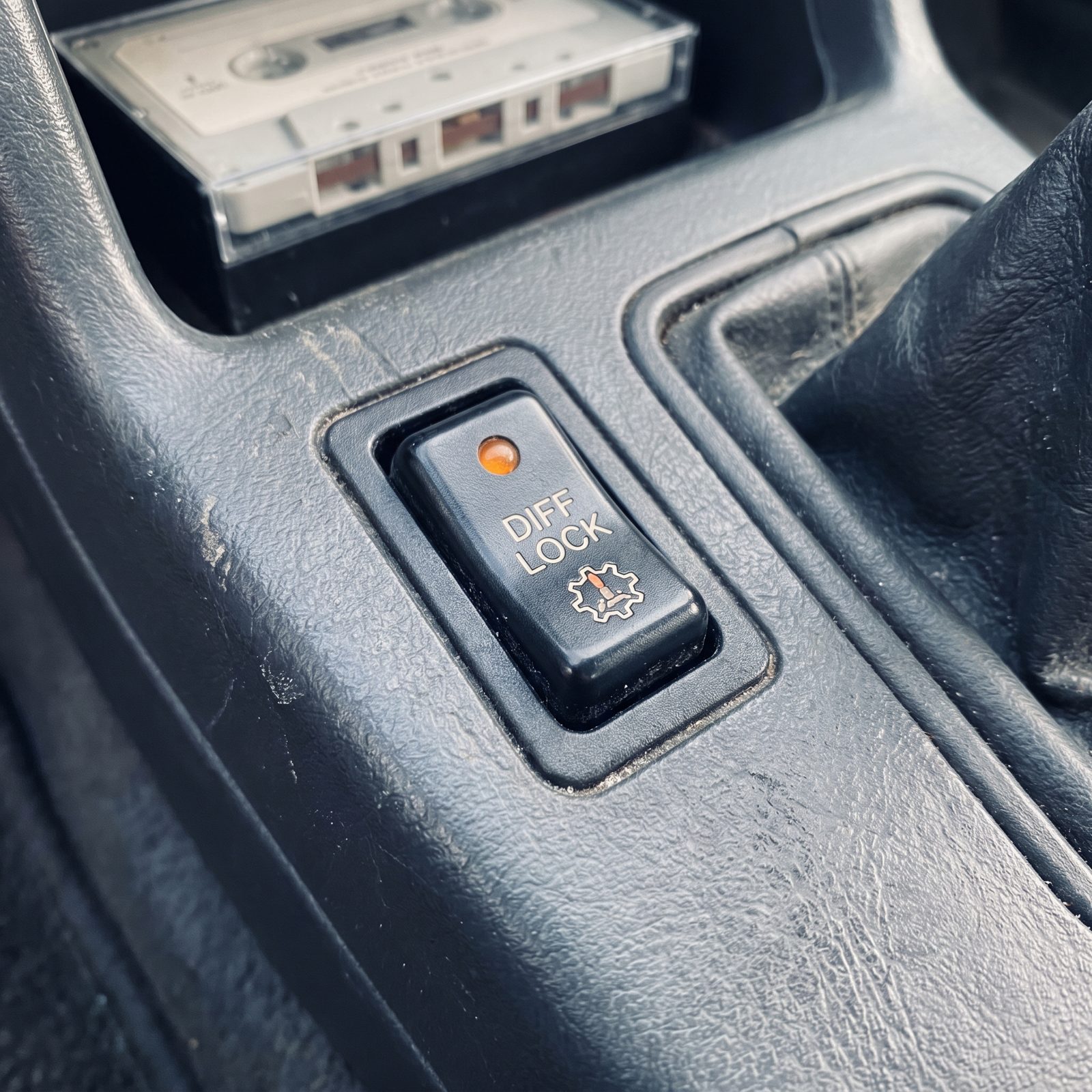
21. Mazda 323 GTX: The Center-Diff Lock Switch Nobody Expects
Would you like to save this?
The 323 GTX looks like the hatchback your first girlfriend’s mother drove. Boxy, upright, cheerfully anonymous in a damp car park.
Then you spot the switch on the console that locks the center differential. Economy hatchbacks don’t get those. Rally cars do.
That switch is the whole story. The GTX was a homologation special, built so Mazda could go rallying with a turbo all-wheel-drive version of its humble runabout. Flick it and the car digs into gravel or snow like it’s got something to prove. The box it came in just forgot to mention any of that.
20. Mitsubishi Galant VR-4: The Numbered Plaque on the Dash
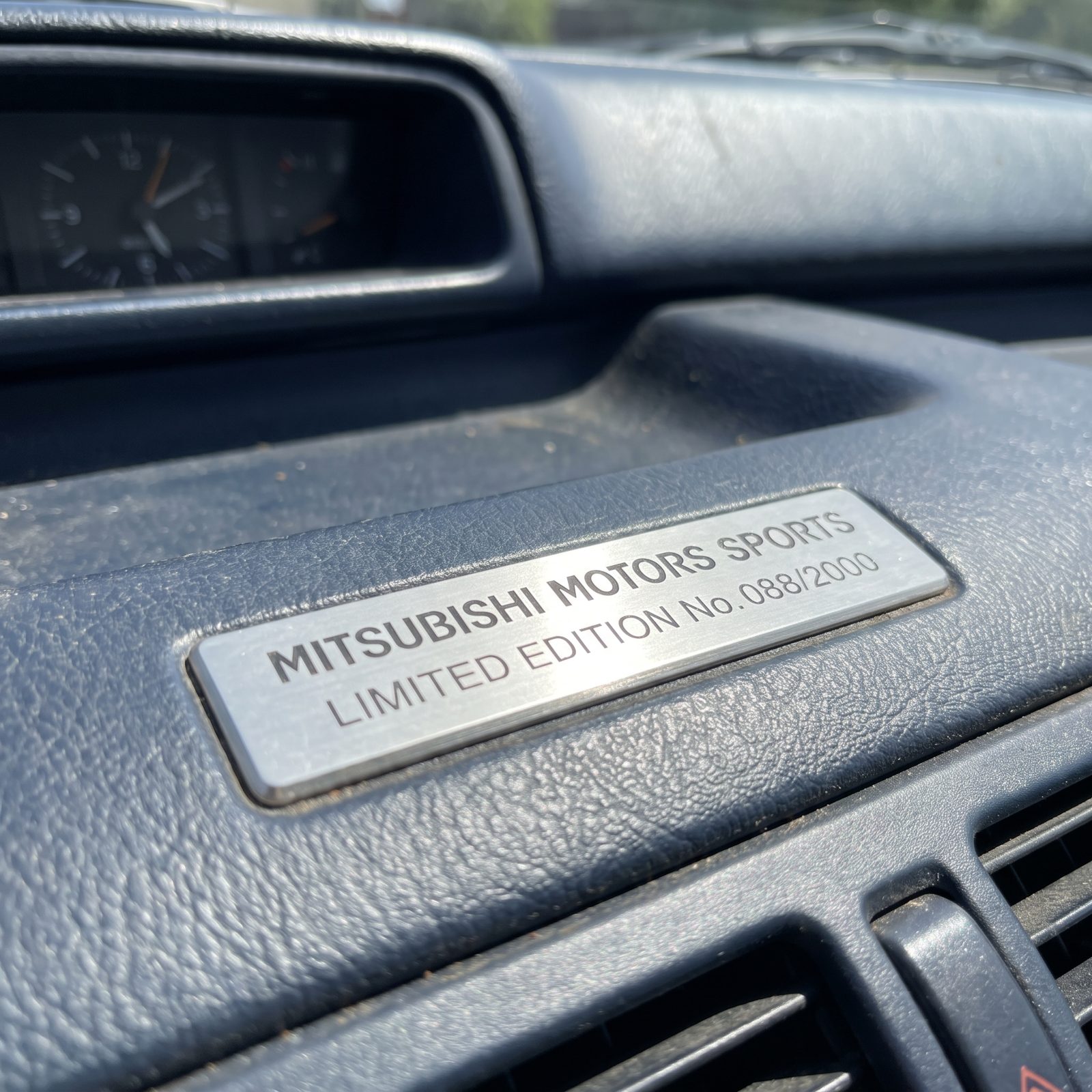
A square blue sedan in a driveway. Four doors, room for the family, the kind of car that vanishes in traffic completely. That’s the Galant VR-4, wearing its invisibility like armor.
On the dash sits a small engraved plaque with a build number. Ordinary sedans aren’t numbered — limited-run homologation cars are.
That little plate marks it as one of a limited batch built so Mitsubishi could homologate the car for world rallying. Turbocharged, all-wheel drive, the direct ancestor of the whole Lancer Evolution bloodline. Easy to miss, that plaque, and it quietly tells you this grocery-getter has rally royalty in its family tree.
19. Plymouth Reliant Police Package: The Certified Speedometer
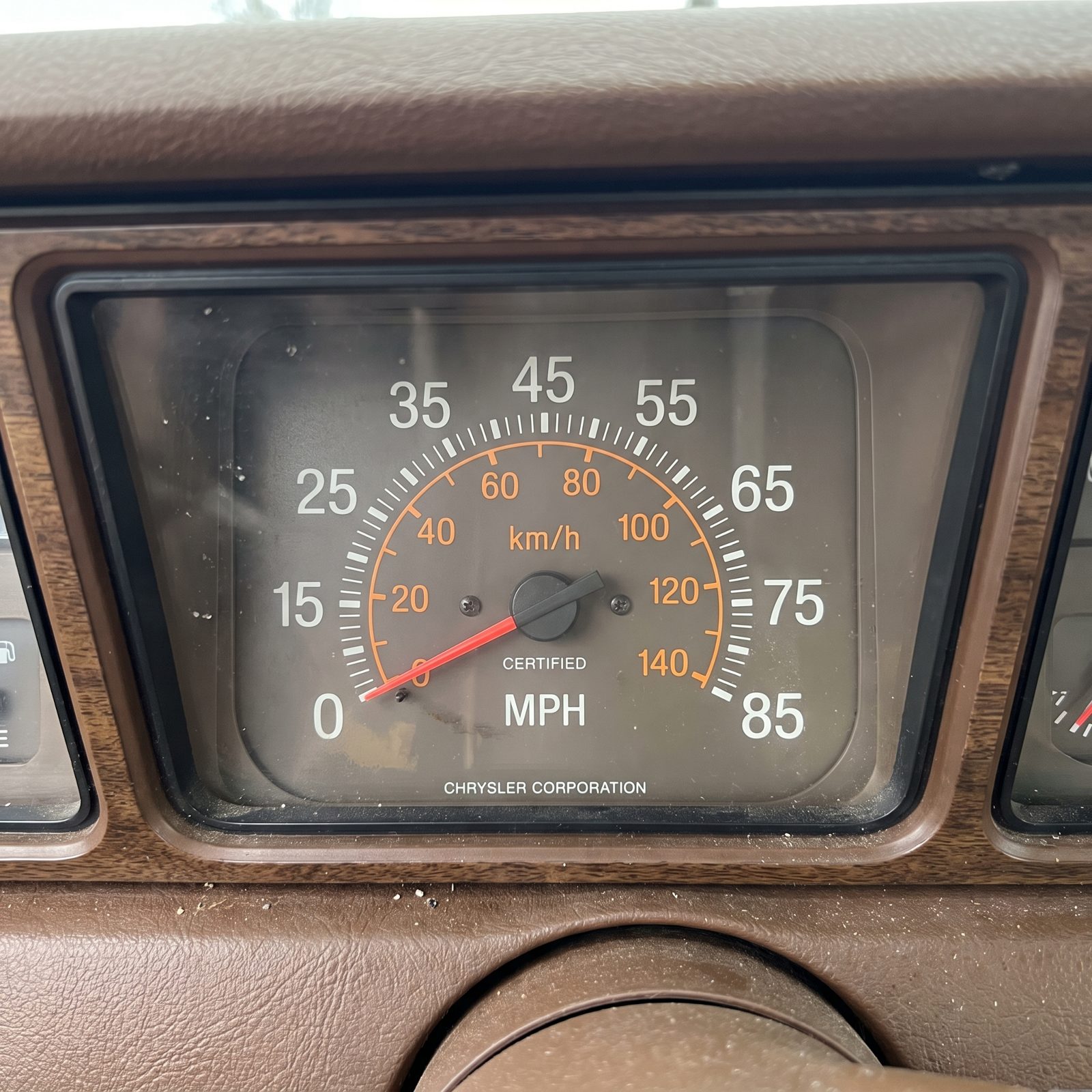
Nobody stole a glance at a K-car in 1983, and that was exactly the point. Chrysler sold the Reliant police package to departments that wanted something cheap, invisible, and just quick enough to close a gap on the highway.
The giveaway sits behind the wheel: a certified, calibrated speedometer. A regular Reliant speedo was pretty much a guess. The police unit had to read true, because a ticket written off an inaccurate gauge wouldn’t survive a courtroom. That one instrument rewrites everything you assumed about the rest of the car. The engine got breathed on, the cooling uprated, the suspension stiffened to carry the extra duty.
18. Citroën BX GTI 16V: The Fiberglass Tailgate
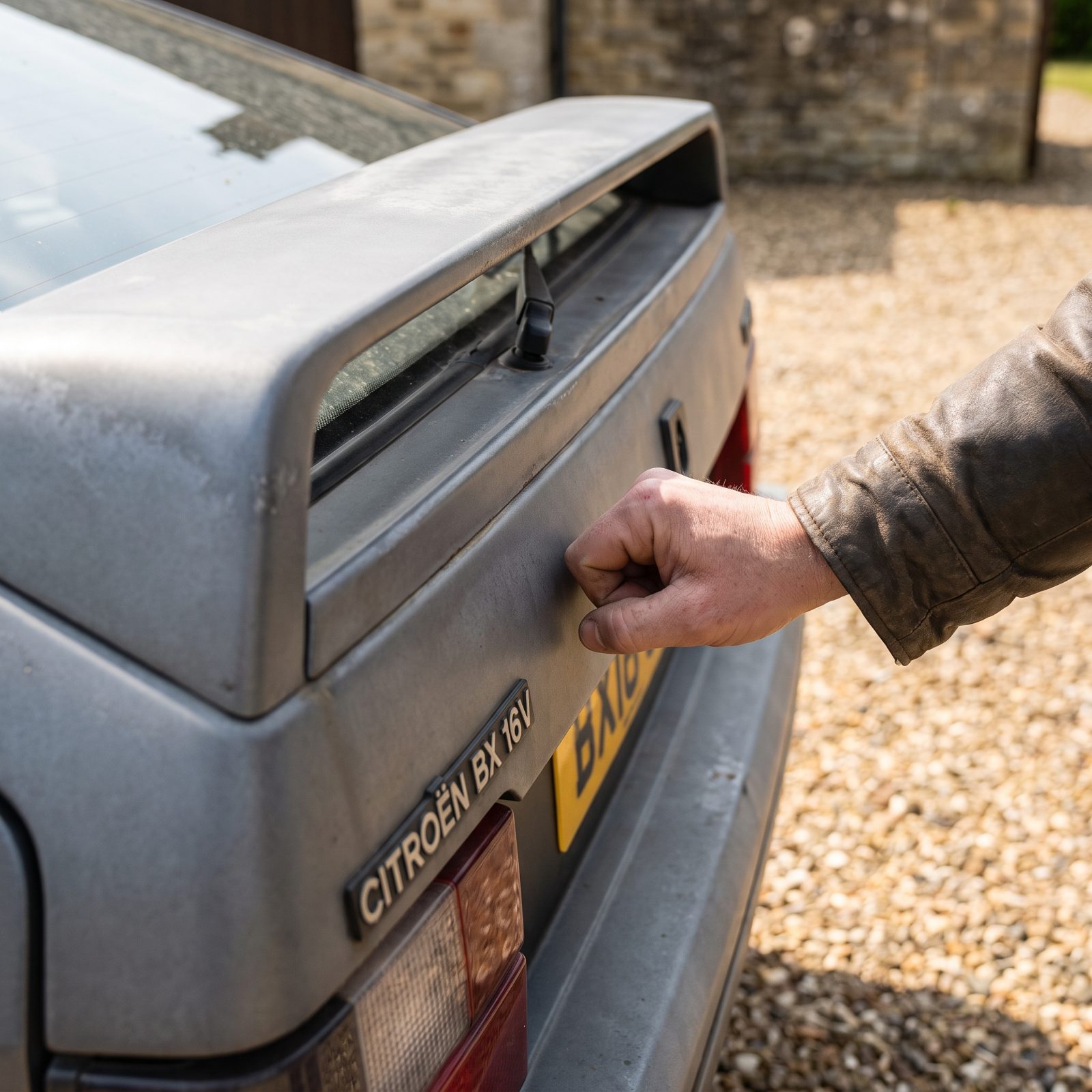
From across the car park it’s just another 1980s family hatchback, angular and a little aloof. Walk up and knock on the tailgate, though, and it answers wrong. Dull. Hollow. Not steel.
Citroën built several of the BX’s panels, the tailgate and the bonnet among them, from fibreglass-reinforced plastic. In a car this ordinary-looking, that’s a genuinely odd engineering flex, and it paid off: shaving weight where weight mattered made the GTI 16V and its 160-horsepower twin-cam lighter on its feet than the sleepy bodywork let on. The hydropneumatic suspension handled the rest, floating over broken tarmac while the car cornered flat enough to embarrass hotter-looking rivals. One knuckle-rap on the back and the whole thing reshuffles in your head.
17. AMC Hornet SC/360: The Functional Hood Scoop
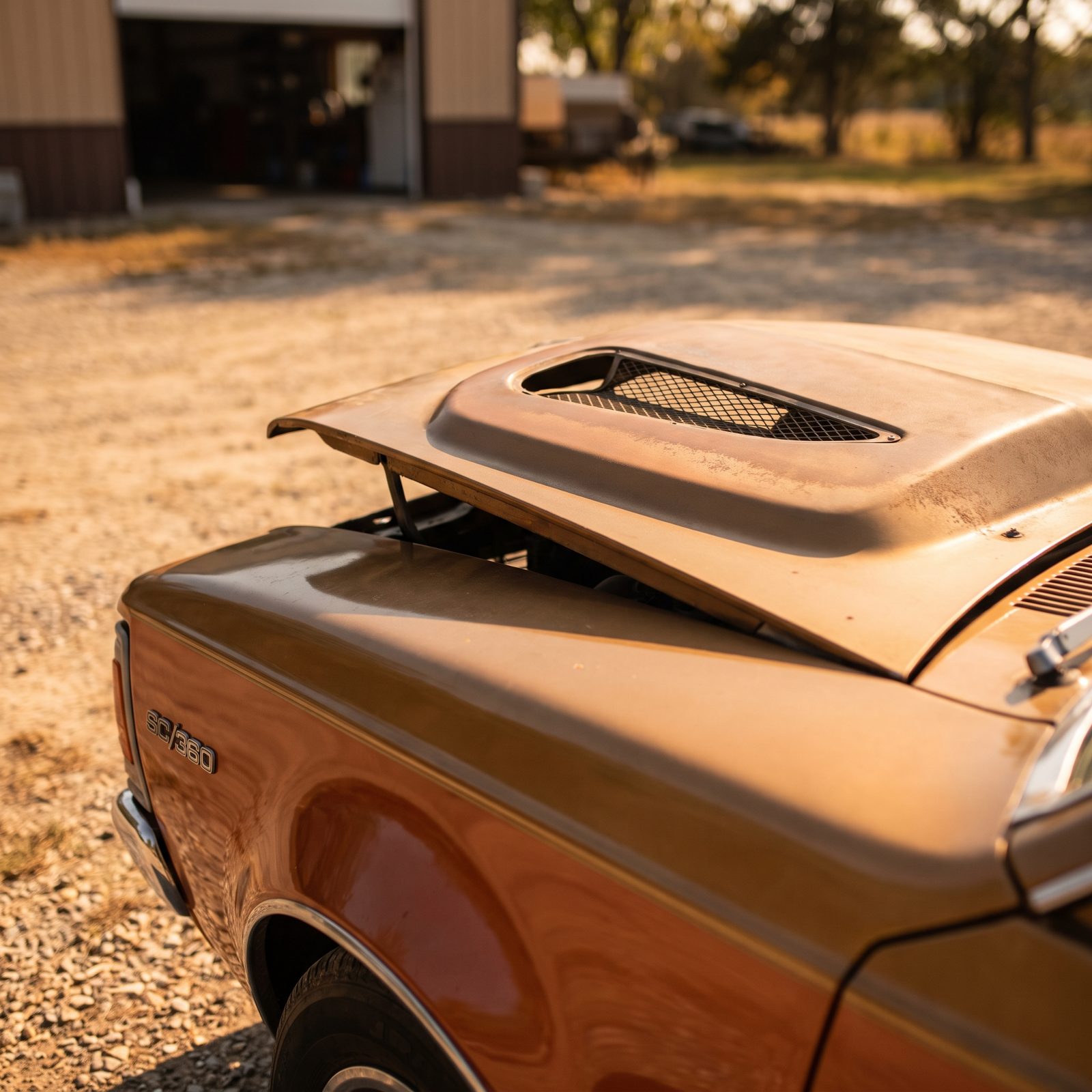
The Hornet was AMC’s answer to the compact economy car, the kind of thing a schoolteacher drove to work. The SC/360 wore almost the same clothes: same upright roofline, same sensible proportions, same dog-dish hubcaps if you skipped the options.
Then there’s the scoop. On the SC/360, that optional Ram-Air piece actually did its job, feeding cold air to a 360 V8 that had no business living under such modest sheetmetal. AMC built only a few hundred of these in 1971, and the insurance climate of the era basically strangled it after a single year. The working scoop is the tell. It turns a grocery-getter into one of the great sleeper performance cars almost nobody bought.
16. Plymouth Savoy Max Wedge: The Hood-Scoop Block-Off Plates
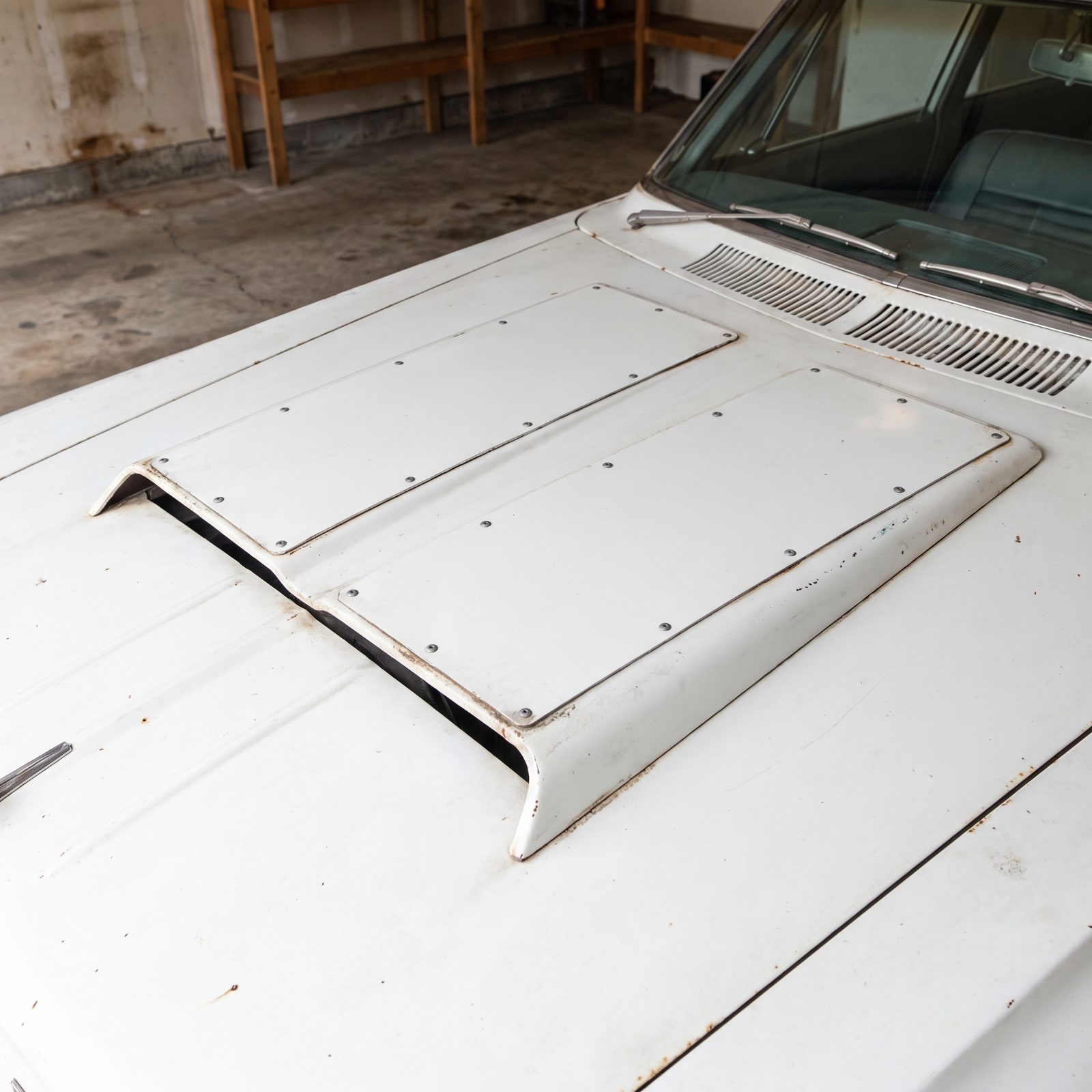
You’ve seen the plain-Jane Savoy and dismissed it. Everyone did. Base trim, white paint, a sedan built to vanish in a parking lot.
Lift the hood and the giveaway is almost nothing: a pair of block-off plates where functional scoop openings were meant to breathe. The Max Wedge 413 lived under there, a factory drag engine making enormous numbers for 1962, delivered with the fresh-air provisions capped so it could run street or strip. Plymouth sold these as lightweight weapons wearing the cheapest body in the catalog. The block-off plates are the handshake — the quiet admission that this innocent sedan was engineered to leave rubber for a quarter mile and then drive home for the week’s groceries.
15. Opel Insignia OPC: The Recaro Seat Shoulder Cutouts
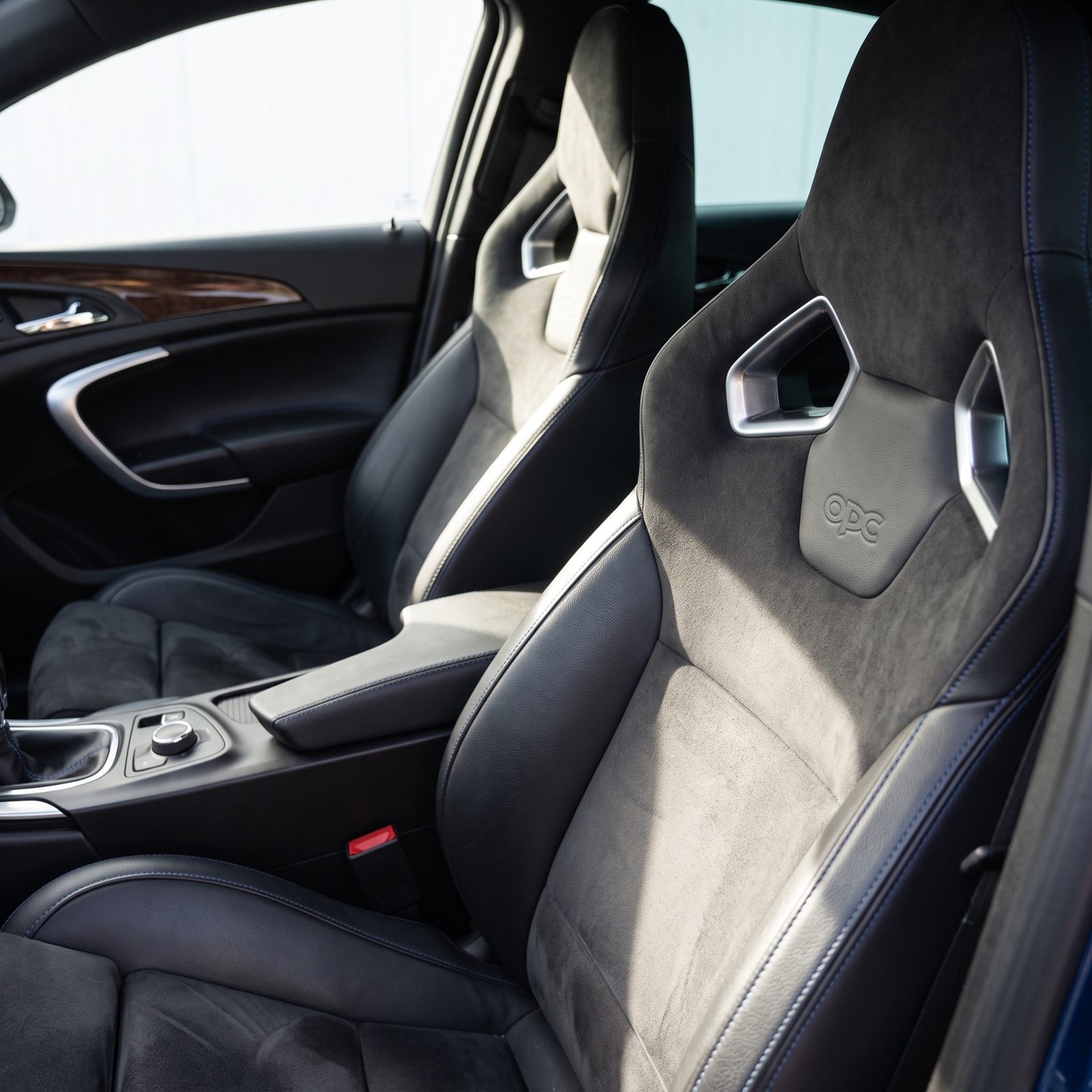
Executive saloon on the outside — measured, sober, the kind of car a sales manager leases. Nothing about the exterior raises your pulse.
Open the door, and the seat tells the truth. The OPC’s Recaro front buckets carry cutout openings at the shoulders, a trick lifted straight from proper motorsport seats, meant to clear a harness and pin your torso through hard cornering. In a four-door family car, that’s a wink from the engineering team. Behind the bland bodywork sits a 325-horsepower turbocharged V6 and all-wheel drive. Those shoulder cutouts are the first hint that somebody at Opel was thinking about lap times, not lumbar support.
14. Alpina B10 Bi-Turbo: The Blue-and-Green Pinstripes
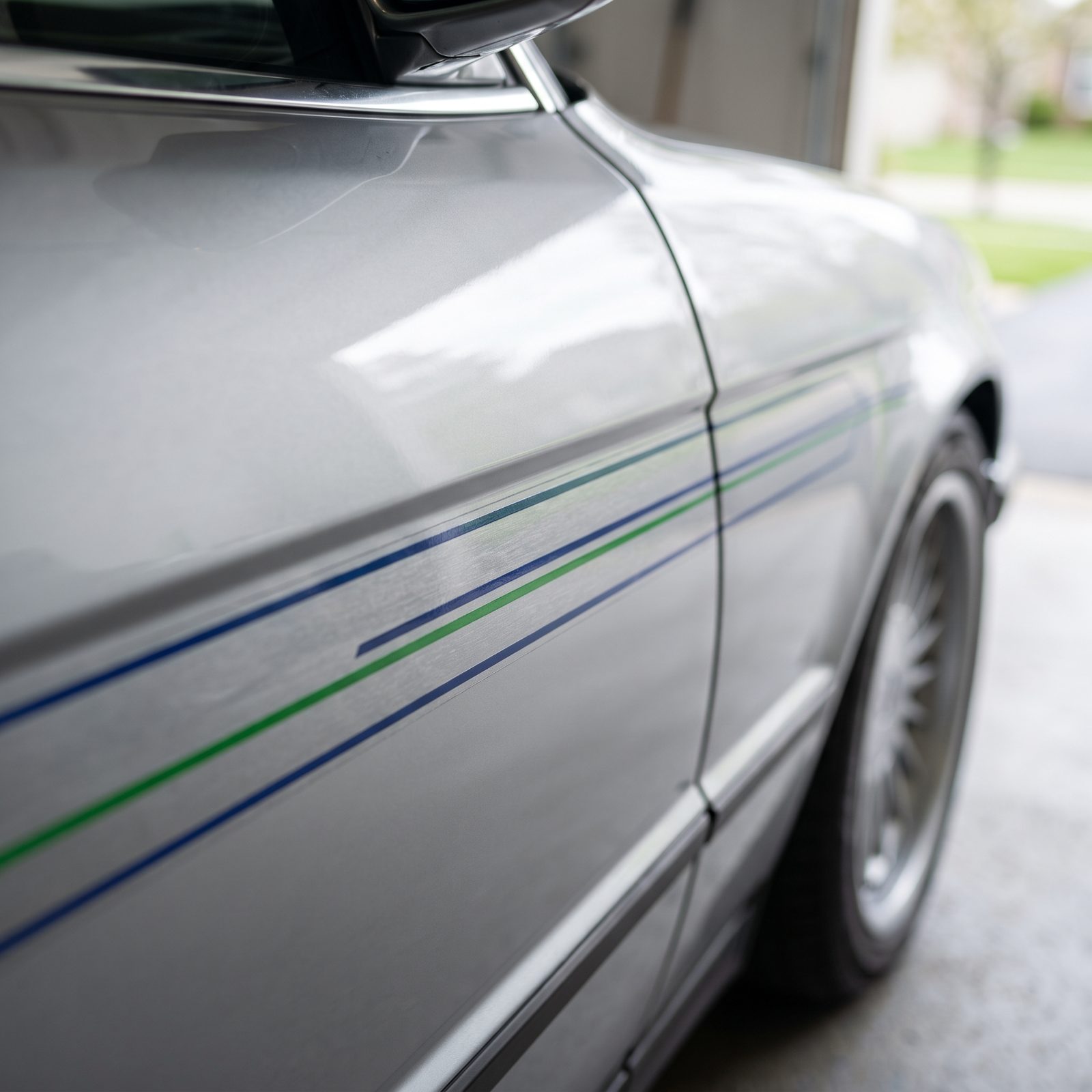
A silver E34 5 Series doesn’t turn heads, and that restraint is the whole philosophy. No wings, no shout. Just a well-dressed saloon gliding past.
Look along the flank for a thin twin stripe, blue and green, running the length of the car. That coachline is Alpina’s signature, and it’s the single thread that unravels the disguise. Behind it sits a twin-turbocharged straight-six that made the B10 Bi-Turbo one of the quickest four-door cars on the planet when it launched in 1989, good for somewhere near 180 mph. Alpina never built loud cars. They built fast ones and tagged them with a pinstripe you had to already know to notice.
The whole art of Alpina was making 180 mph look like a dentist’s commute.
13. Lexus IS F: The Stacked Tailpipes
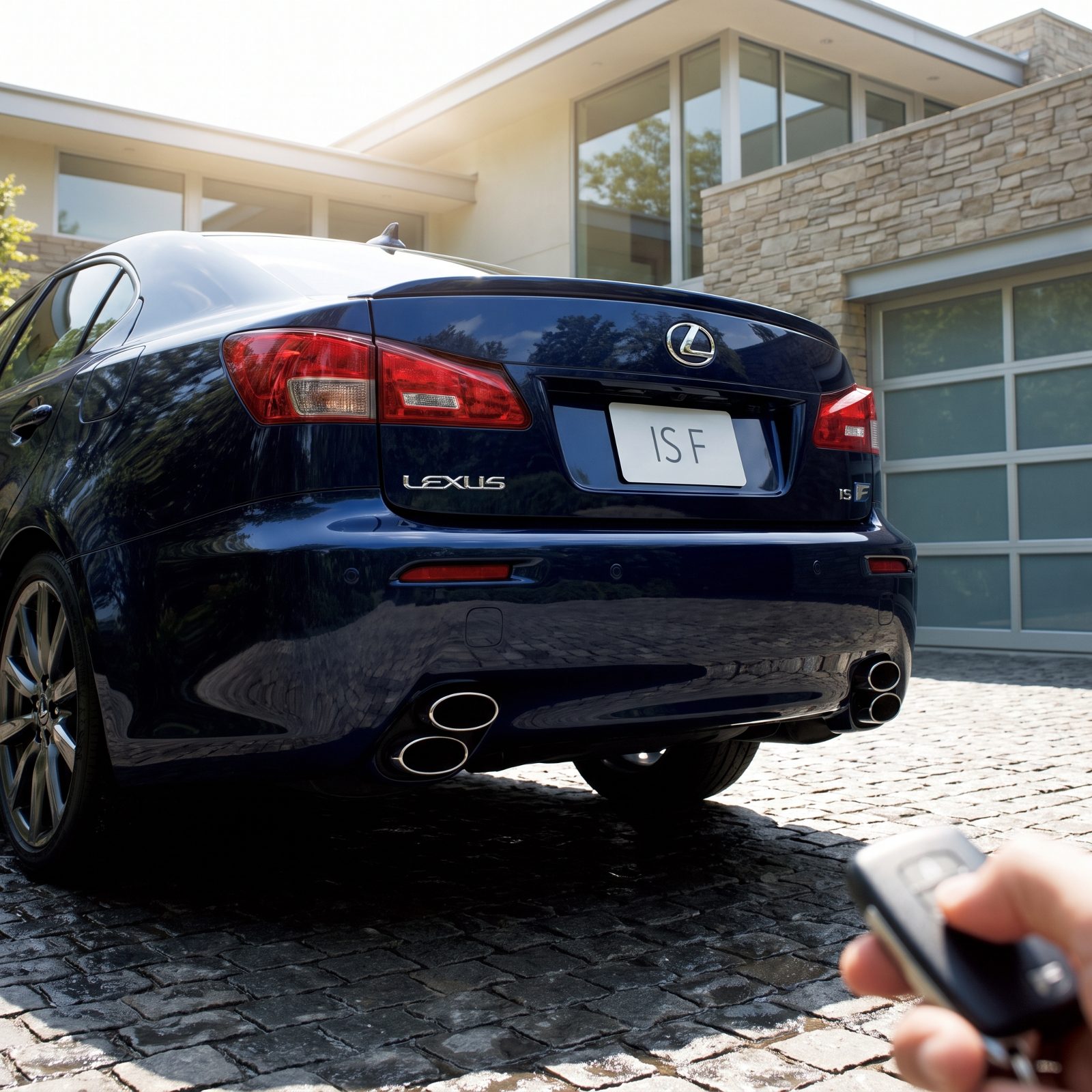
At a glance the IS F is a tidy Lexus sedan, the sort of thing you’d expect in a dealership service lane next to a comfortable ES. Then your eye drops to the back bumper.
The tailpipes are stacked. Two over two, at each corner, a layout almost nobody else bothered with. That geometry signals the 5.0-liter V8 and the 416-horsepower character hiding under the civil bodywork. It’s the one styling decision that commits. Everything else about the car murmurs luxury-sedan manners, but those pipes are the IS F admitting out loud that it would rather be at a track day. Small detail. Total reframe.
12. Vauxhall Lotus Carlton: The Deep Front Air Dam
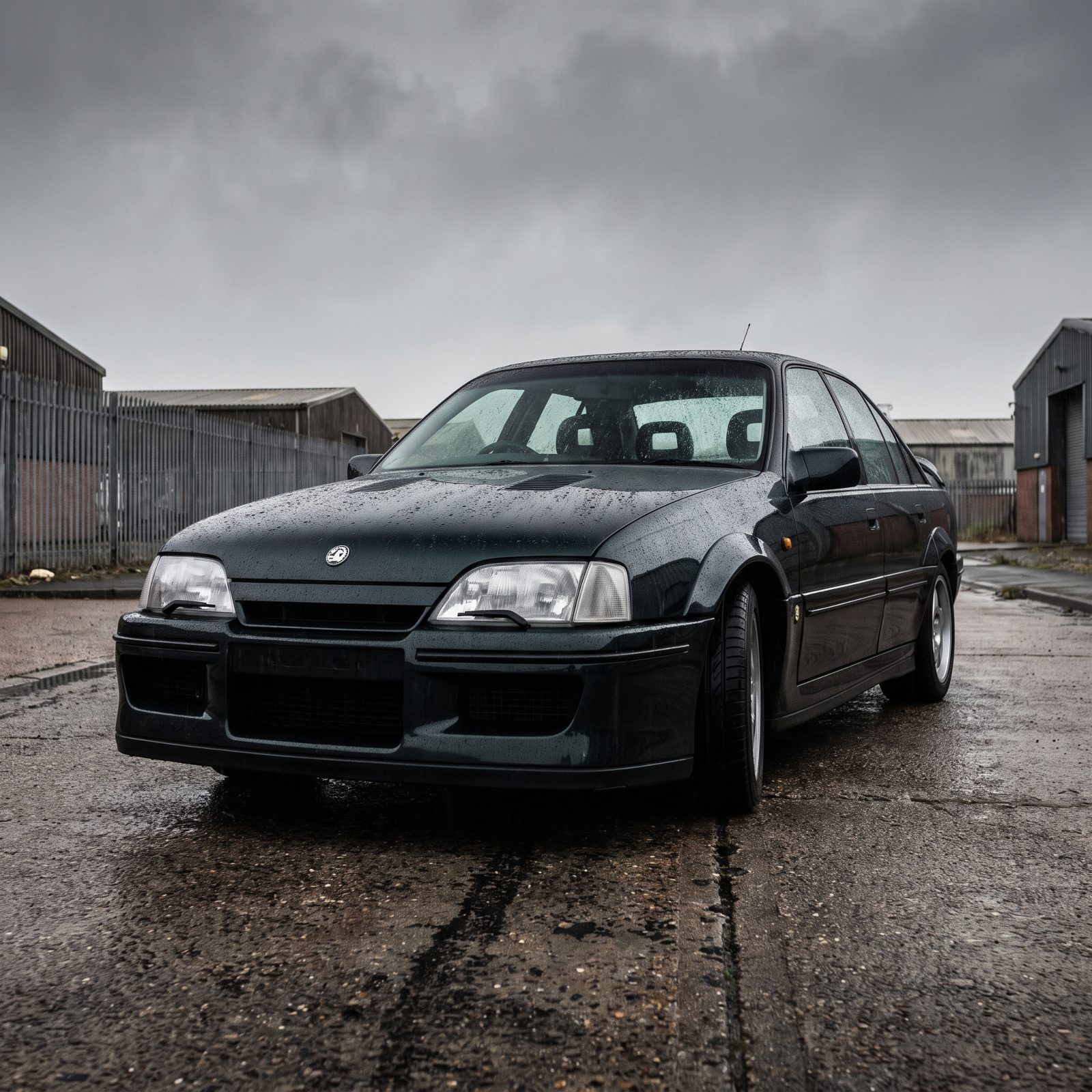
Imperial Green so dark it passes for black. A big executive Vauxhall, the kind that ferried managers up the motorway in anonymous comfort. Park it between two ordinary Carltons and most people couldn’t pick it out of the lineup.
Drop your gaze to the front, though. That air dam sits far lower and meaner than any standard car’s, built for stability at speeds the base Carlton never dreamed of. Lotus engineered this thing to crack 170 mph, which made it the fastest four-door saloon in the world in its day and set off a genuine public row in Britain about whether such a car should even be road-legal. The deep front dam is the part that keeps the whole illusion pressed to the road.
11. Mercury Marauder: The Satin-Finish Five-Spoke Wheels
Would you like to save this?
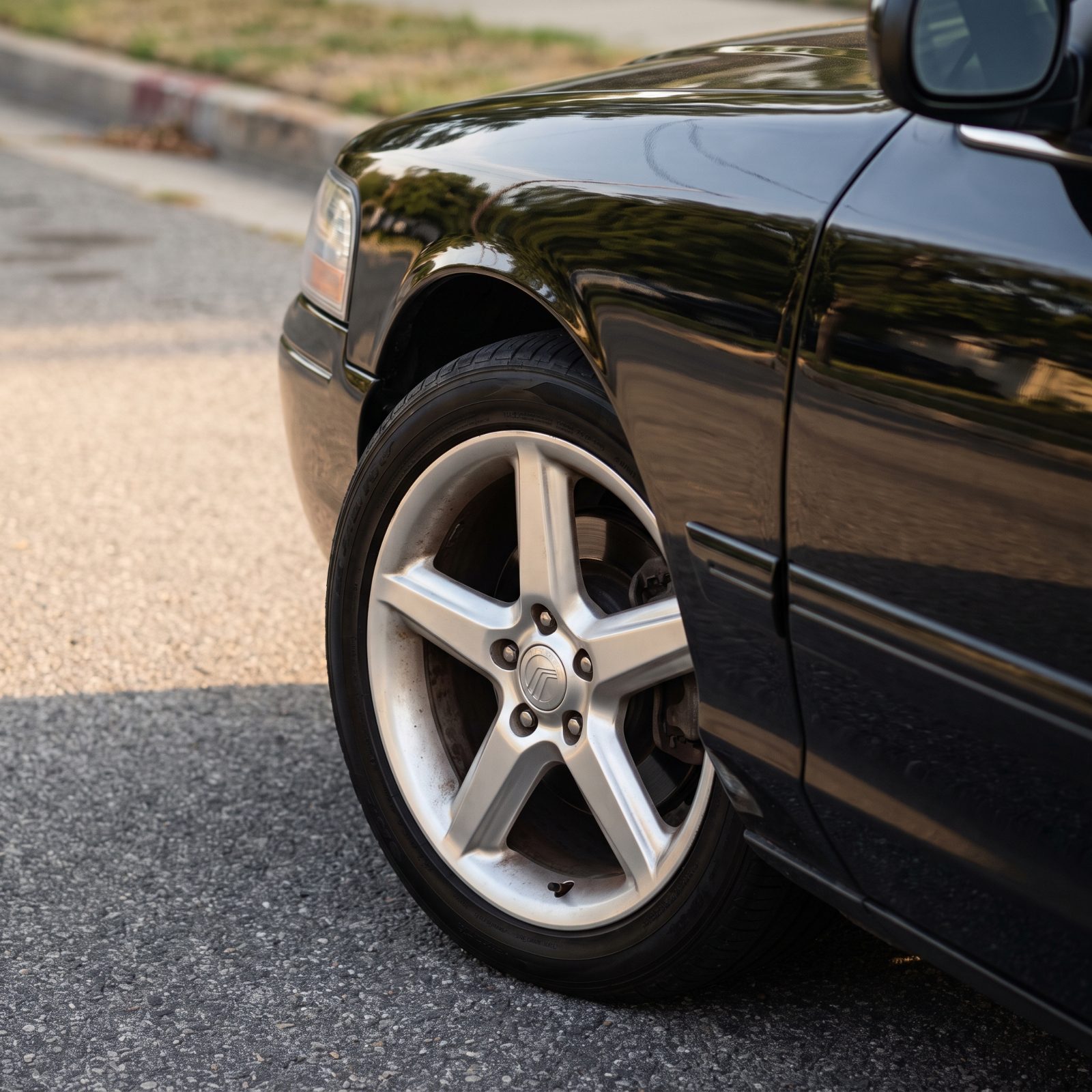
The Marauder shares most of its sheetmetal with the Grand Marquis your grandfather parked at the Elks Lodge. Same body, same stance, same long-hood proportions. All deliberate.
The wheels break the spell. Those satin-finish five-spoke alloys don’t sparkle like chrome and don’t look painted either, just a muted machined silver that reads as quiet money. Paired with the blacked-out trim and the 302-horse DOHC V8, they announce a car with no interest in retirement. Mercury built the Marauder for buyers who wanted the sleeper of all sleepers, a Panther-platform four-door that could leave a row of jacked-up pony cars confused at the light. The wheels are where the attitude lives.
10. Genesis G80 Sport: The Copper-Colored Headlight Accents
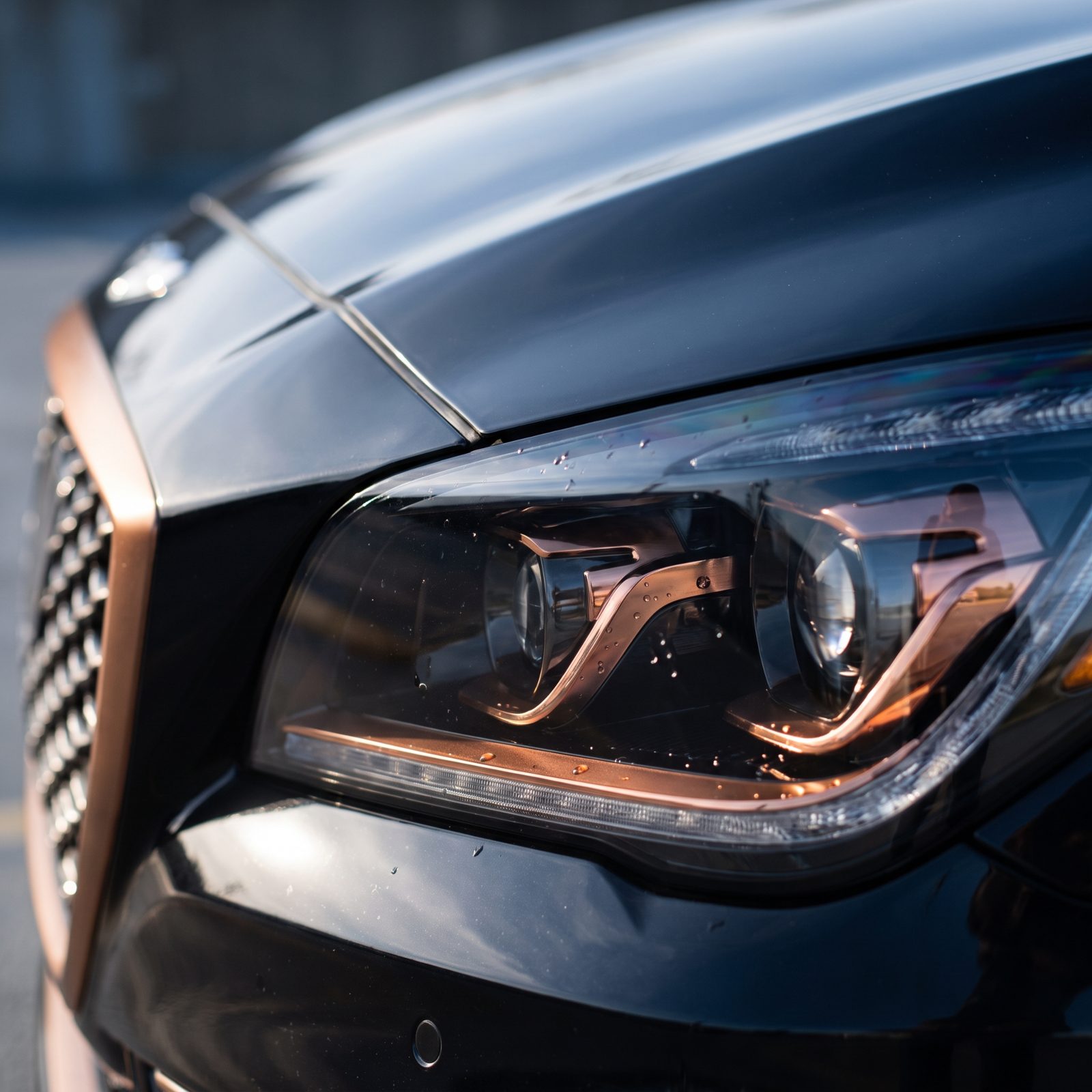
From a distance the G80 Sport does the quiet-luxury thing beautifully. Composed grille, flowing hood, the measured dignity a brand leans on to argue it belongs among the Germans.
The difference is a sliver of copper in the headlights. Those warm metallic accents, echoed in small touches around the car, are the Sport trim’s calling card against the standard G80’s cooler chrome. Sounds trivial. It isn’t. That copper line flags the twin-turbo V6 and the firmer, more aggressive setup underneath, and it shifts how you read the whole front end — from cold executive to something with a pulse. A few millimeters of warm color doing the work of a loud badge.
9. Honda Fit Sport: The Magic Seat Release That Swallows a Dresser
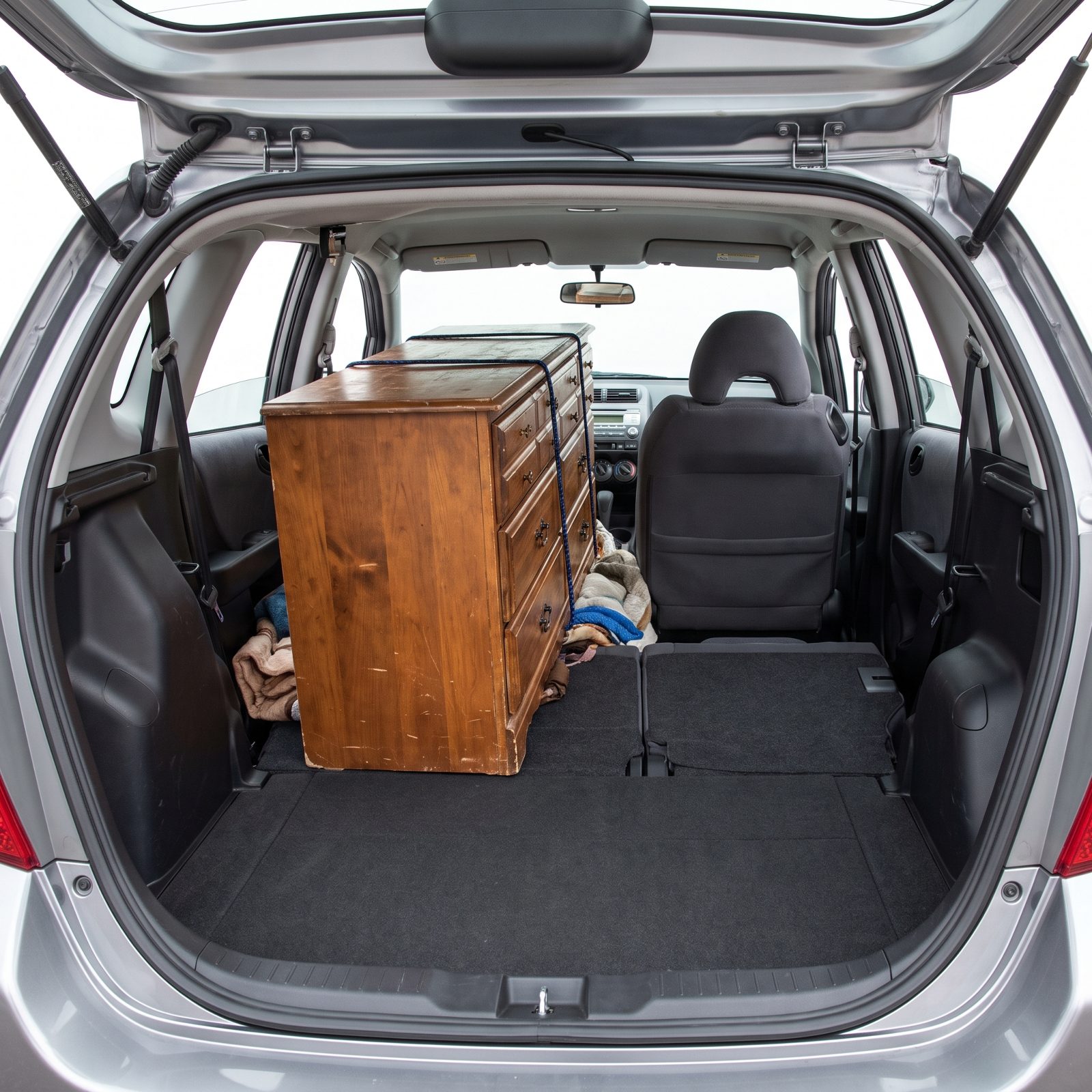
On paper it’s the cheapest-looking box in the Honda lot. Then you pull one handle and the rear seat bottoms flip up and lock vertical against the doors, like theater seats folding away.
That one hinge is the whole trick. Most small cars fold the seatback flat and call it a day, but the Fit folds the cushion up too, which clears a tall, flat footwell. You can stand a ten-gallon shrub back there, or haul a dresser home without renting a truck.
8. Dodge Neon SRT-4: The Front-Mount Intercooler Peeking Through the Bumper
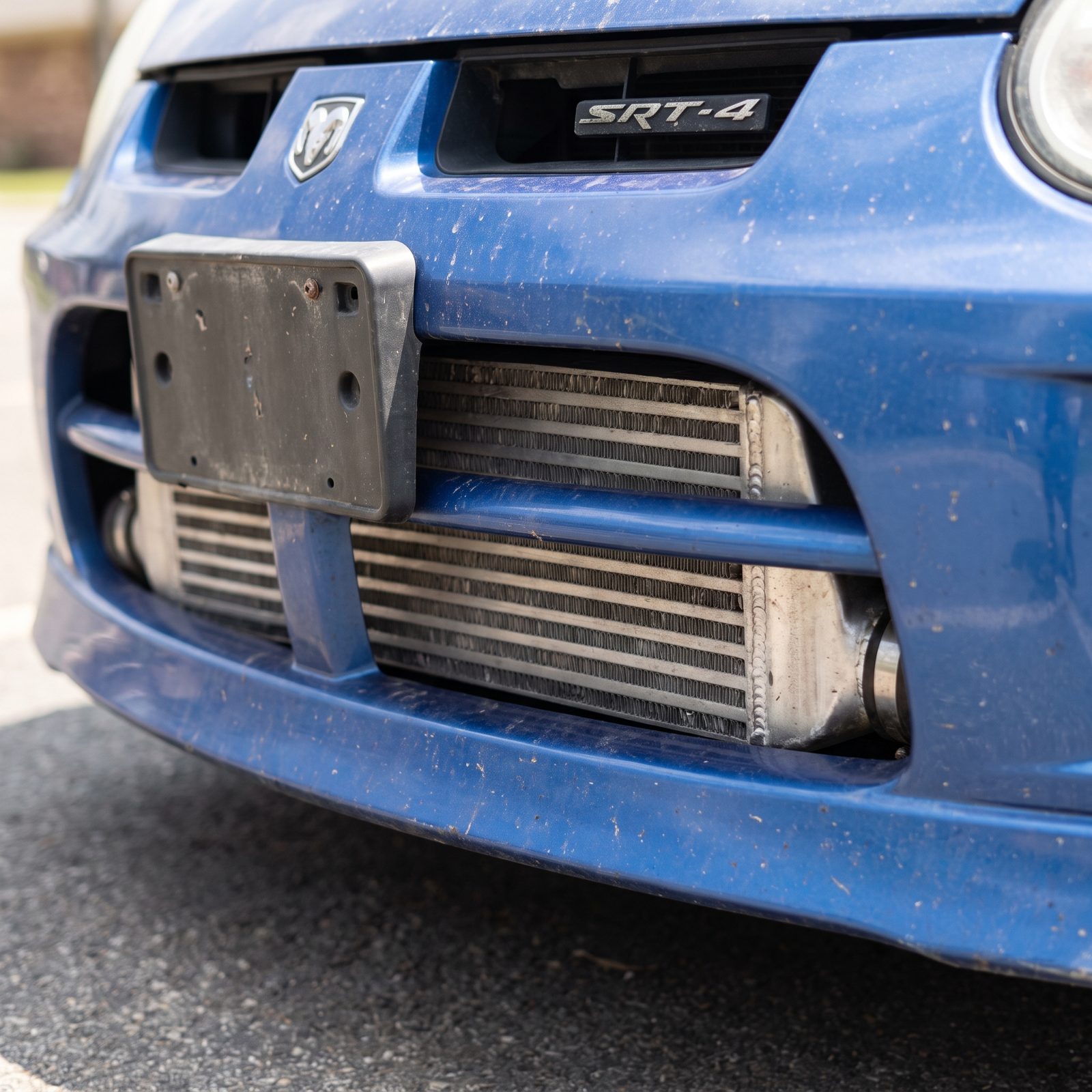
Looks like a rental Neon your cousin returned with cigarette burns in the seats. Walk around the front and the lie falls apart.
There it is, filling the lower bumper opening — a front-mount intercooler the size of a cafeteria tray. That slab of aluminum is the tell, cooling the compressed air off the turbo, and nobody bolts one of those to a grocery-getter. The SRT-4 ran a 2.4-liter turbo good for better than 200 horsepower out of a car that cost less than most sports-coupe down payments.
Honestly, the rest of the styling stayed almost comically plain. That was the joke. It’d run with cars costing twice as much, then park next to them looking like it got lost.
7. Volvo V70 R: The Blue Dials That Give It Away
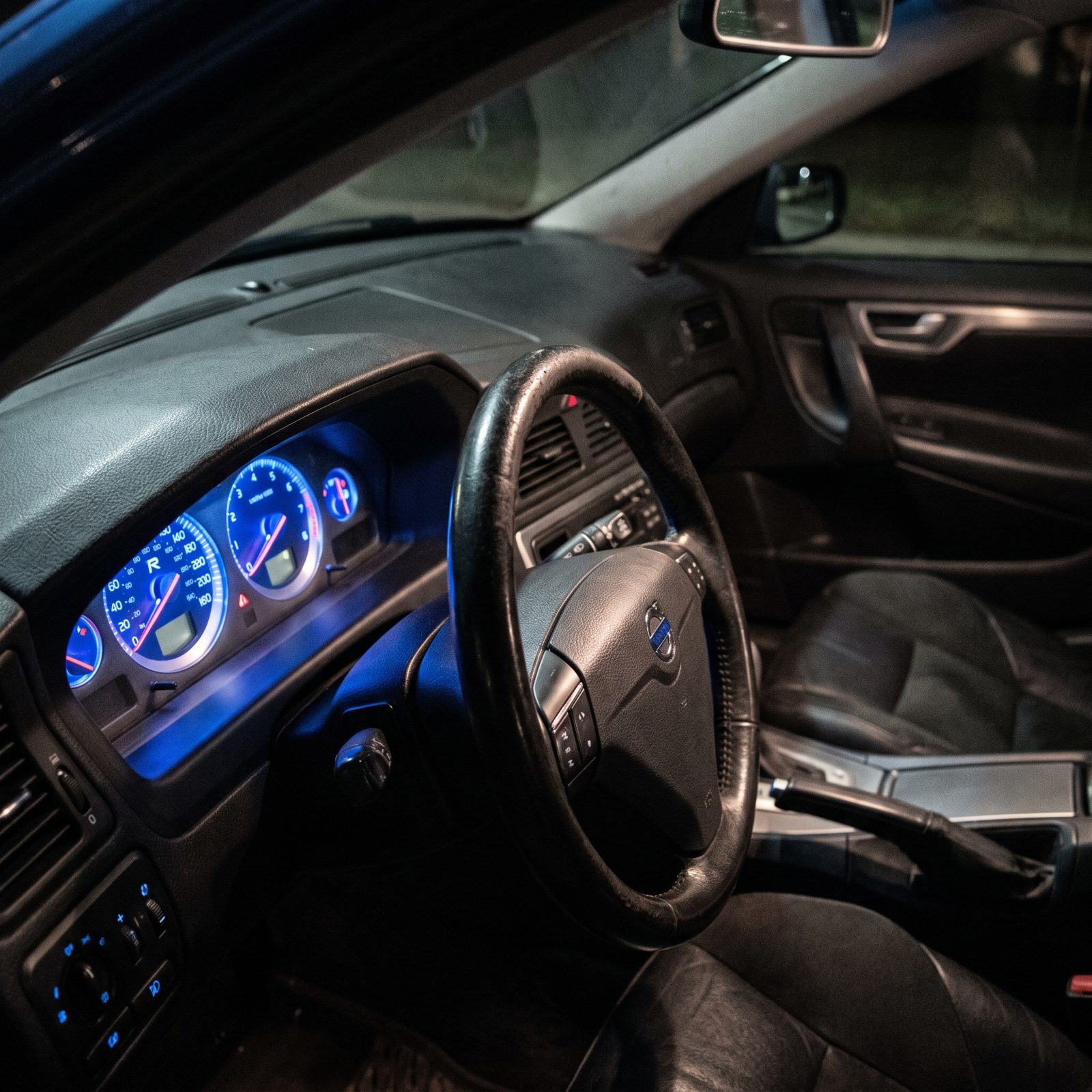
A Volvo wagon is the uniform of people who’ve made peace with practicality, and the V70 R wears the same sensible suit. Sit down, though, and the gauges glow blue.
Every other Volvo ran white or amber dials. The R got blue instrument faces, a color reserved for the fast one. Under the quiet bodywork sat a turbocharged five-cylinder pushing around 300 horsepower through all four wheels, with suspension you could firm up at the touch of a button.
6. Ford Crown Victoria P71: The Blacked-Out Rear Fascia Cops Knew by Heart
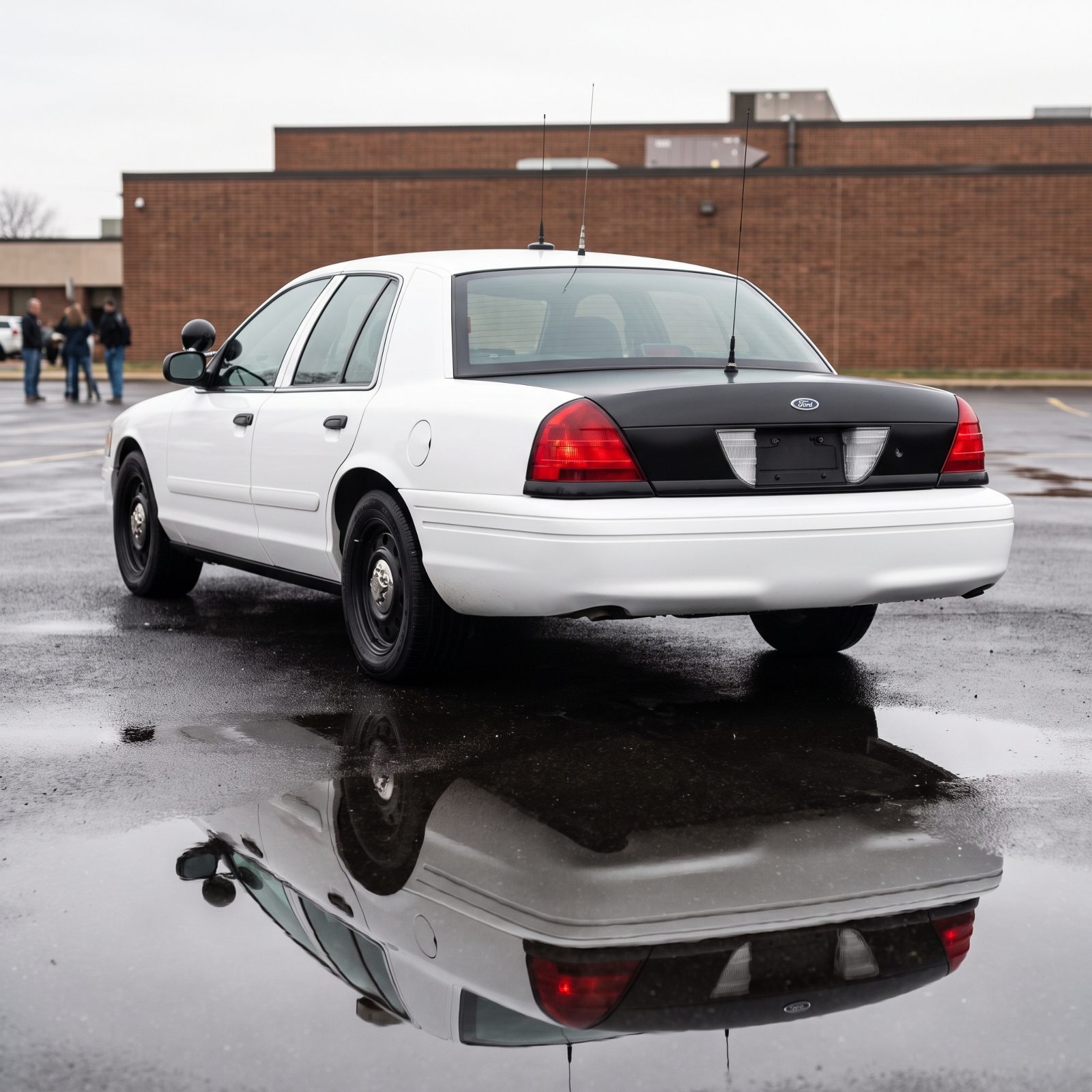
Every retired fleet Crown Vic looks the same from the front — blank white, taxi-plain, the kind of car you tune out in traffic.
The giveaway lives at the back. Civilian Crown Vics got a body-color rear bumper, but the P71 police package left it unpainted: a flat black plastic fascia, cheaper to replace after a few parking-lot nudges. Spot that black bumper and you’ve found a car with a heavy-duty cooling system, stiffer springs, a big alternator, and a frame built to be leaned on.
5. Toyota Corolla AE86: The TWIN CAM Door Graphic That Meant Business

Boxy, light, front-engine rear-drive, shaped like every other mid-80s economy car on the block. The AE86 hid in plain sight.
Then you clocked the bold TWIN CAM 16 lettering across the door. That graphic pointed to the 4A-GE under the hood — a 1.6-liter twin-cam four that loved to rev and weighed almost nothing to push around. Rear-wheel drive and a chassis you could rotate with a flick of the throttle made it the car that taught a generation to drift.
It never looked fast standing still. That was always the point.
4. Chevrolet Caprice 9C1: The Dog-Dish Steel Wheels Hiding Serious Brakes
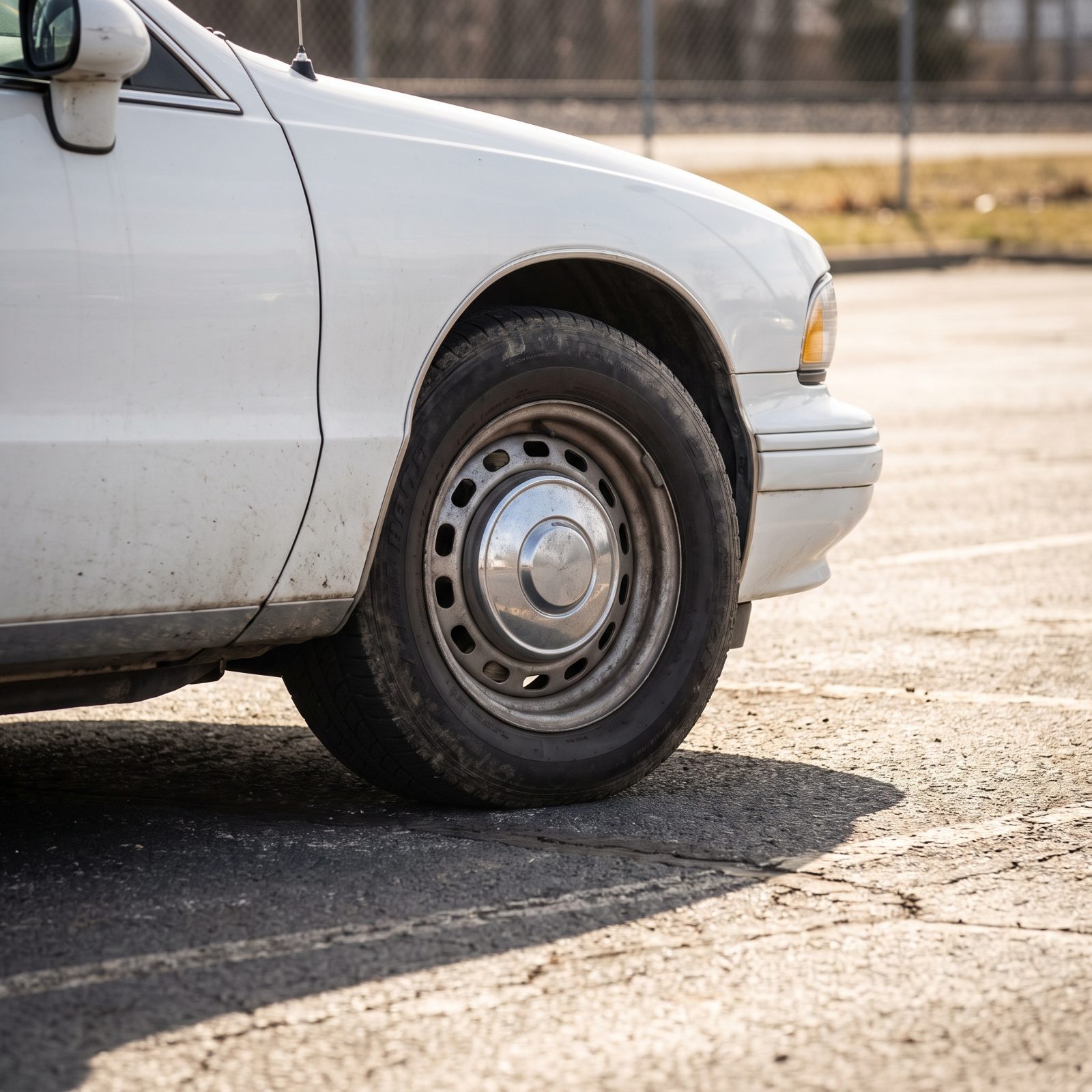
The 1990s Caprice already looked like an upside-down bathtub, and the 9C1 police version made it worse on purpose — plain silver steel wheels with cheap dog-dish caps that screamed fleet budget.
Look past the hubcap. Those economy steelies covered a heavy-duty braking setup, bigger rotors, a trans cooler, stiffer bushings, and on the right-year cars the LT1 V8 lifted straight from the Corvette parts bin.
The cheapest-looking wheels in the catalog, bolted to the fastest sedan GM would sell you.
A car dressed to be ignored, built to catch anything that tried to run.
3. Lincoln MKZ 3.0T: The Engine Cover Quietly Holding 400 Horsepower
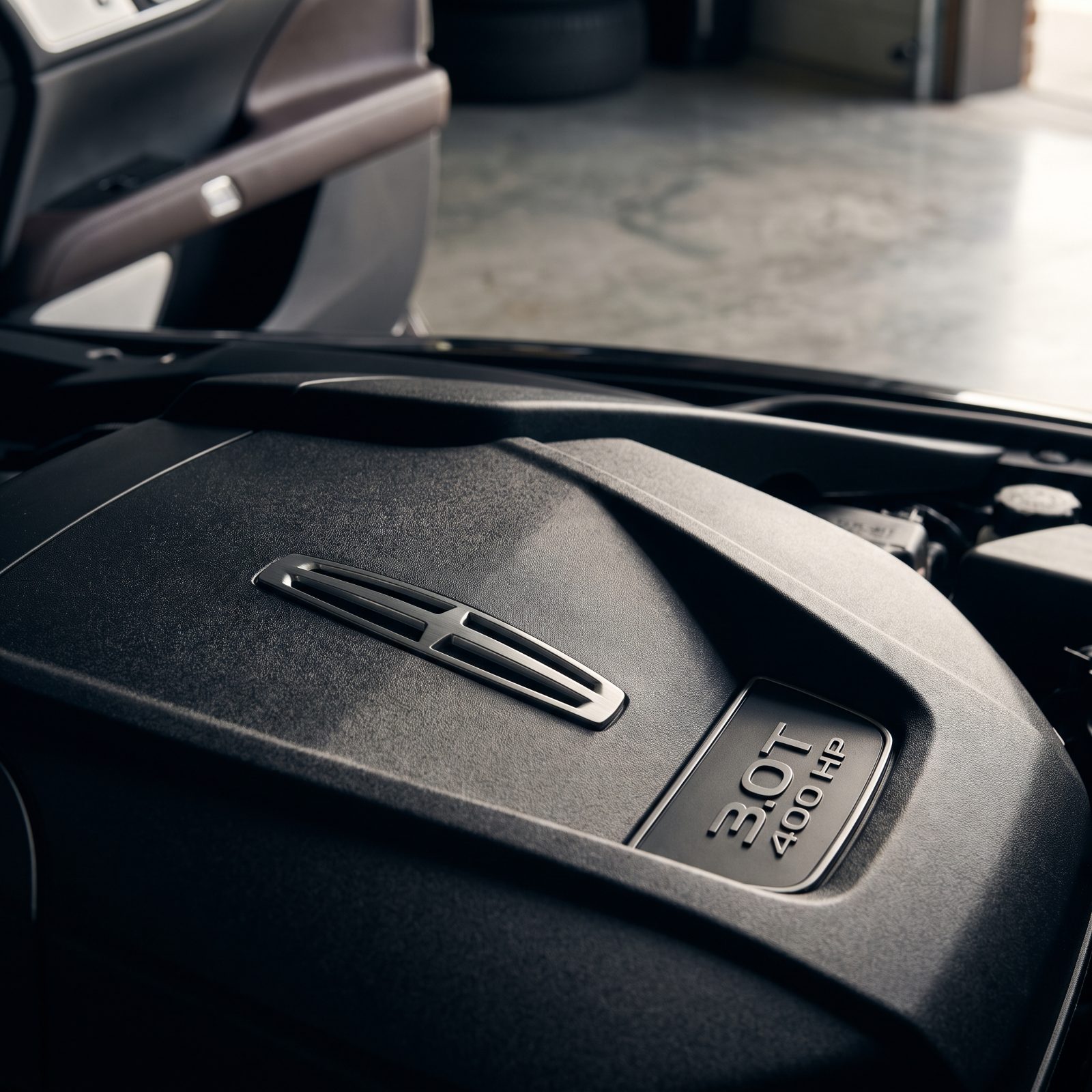
A Lincoln MKZ is the car you see parked outside a nice-but-quiet restaurant and never think about again. Comfortable, tasteful, forgettable.
Pop the hood on the 3.0T and the nothing-special plastic engine cover sits over a twin-turbo V6 making 400 horsepower with all-wheel drive. That number belongs in a sports sedan with stiff seats and a loud exhaust. Here it’s wrapped in quilted leather and a cabin that whispers.
2. Jaguar X-Type Estate: The Leaping-Cat Ornament on a Ford Underneath
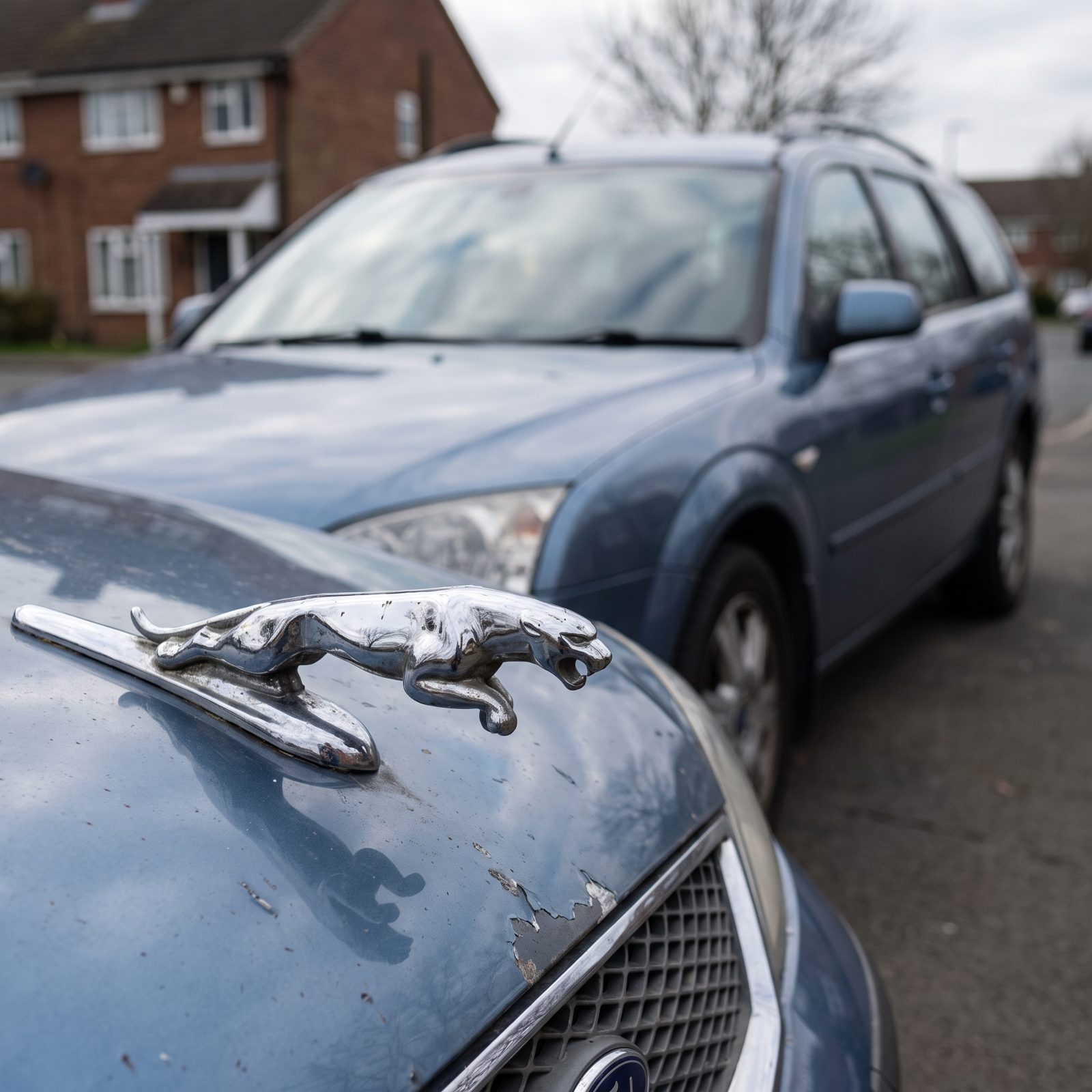
The X-Type Estate shared its platform with a Ford Mondeo, and enthusiasts never let Jaguar forget it. A humble wagon in a posh coat.
What rescues the whole thing is the chrome cat leaping off the nose. That ornament carries decades of Le Mans wins and walnut dashboards, sitting there daring you to call the car ordinary. The Estate itself is genuinely useful too — a proper load-hauler with available all-wheel drive and a cabin trimmed in real wood and leather.
Badge snobbery aside, a green Jaguar wagon with a chrome cat on the hood still turns a head in a parking lot. The engineering was Ford. The intent was pure Coventry.
1. Lancia Thema 8.32: The Rear Spoiler That Rises on Command
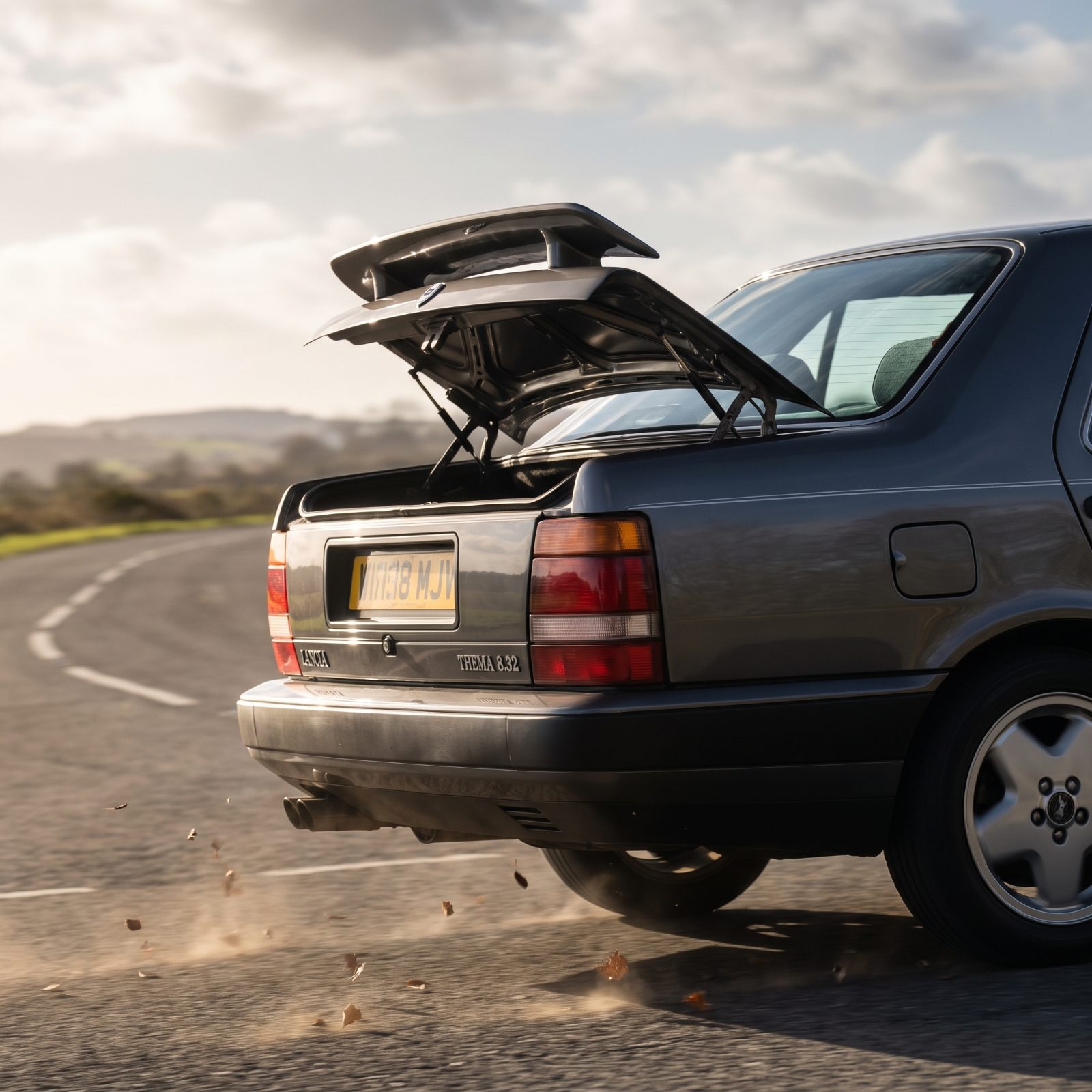
Three boxes, four doors, and the understated manners of an Italian executive sedan built to vanish into a corporate garage. The Thema 8.32 looked like paperwork on wheels.
Then the rear spoiler climbed up out of the trunk lid, like the car had decided to stop pretending. Under that dull suit? A Ferrari-designed 2.9-liter V8 — the “8.32” naming its eight cylinders and 32 valves. Alcantara and wood inside, a flat-plane-crank Ferrari engine ahead of the driver, and a wing that only showed itself at speed.