
Would you like to save this?
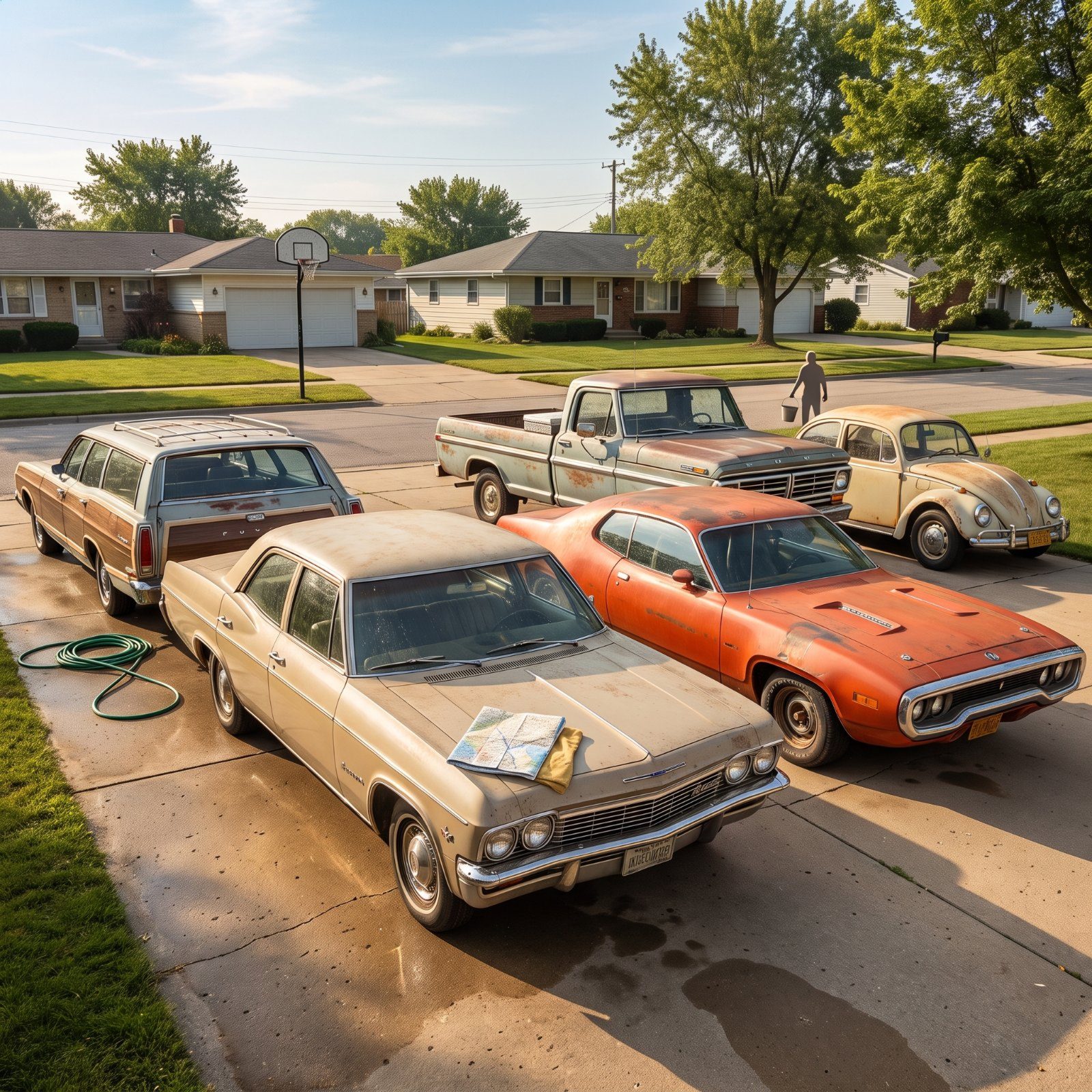
A man tells you almost nothing directly. Then he parks his whole personality in the driveway and washes it every Saturday.
The car a father drove between 1955 and 1990 was rarely just transportation. It was a budget, a fear, a promise, and an argument with himself, all of it welded onto four wheels and painted a color he had to defend to his wife. The base-model sedan meant one thing. The muscle car that disappeared the year the second baby came meant another, and it was sadder than anyone under the roof understood at the time.
These next sections read the driveway like a diary. What the wagon he kept for eleven years was really saying. Why he never let anyone else drive it. And what the Sunday drive with no destination confessed that he couldn’t say at the dinner table. You already know these men. You just never read them this way.
The Car a Man Bought the Year His First Kid Was Born (And Why It Tells You Everything About What He Was Afraid Of)
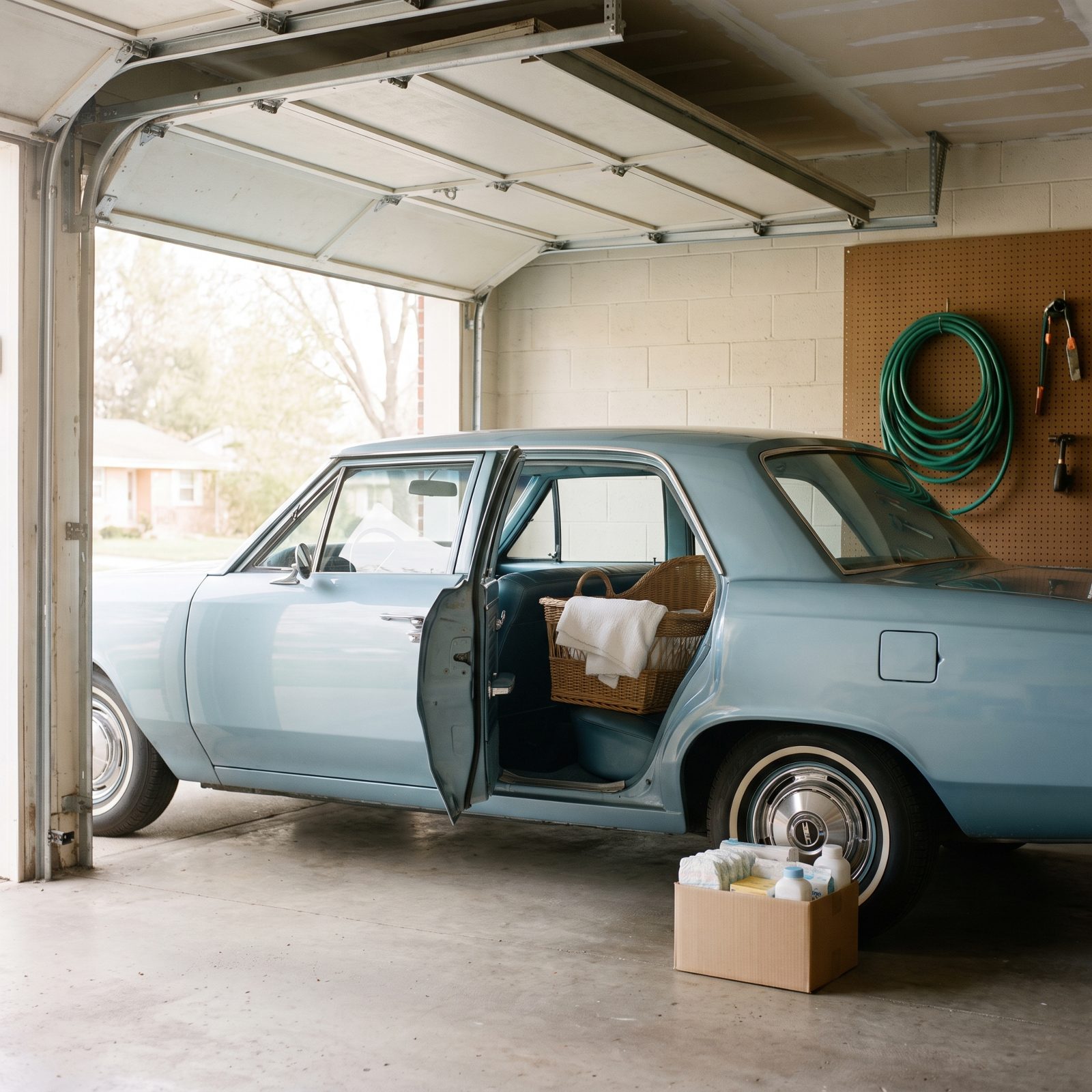
The 1962 sedan in the driveway showed up nine months after the crib did. That timing is not a coincidence. A first child rearranges a man’s whole sense of what a car is for, and the vehicle he chose in that window is a confession he never spoke.
Watch what changed. The two-door became a four-door. The bench seat got roomier. He suddenly cared about trunk space and how the doors latched. Psychologists studying possessions call this using objects as an extension of identity and a source of comfort and safety (Source), and a new father’s first car after the birth is exactly that. It’s the shape of his fear made physical.
Some men bought bigger. Some bought slower. Some bought the boring one and privately grieved the fun one they gave up. What they were all doing was the same thing: buying a rolling promise that the small person in the back would arrive home safe. The car was the vow. He just made it in sheet metal instead of words.
Why the Dad Who Kept the Same Station Wagon for Eleven Years Was Making a Statement He Never Said Out Loud
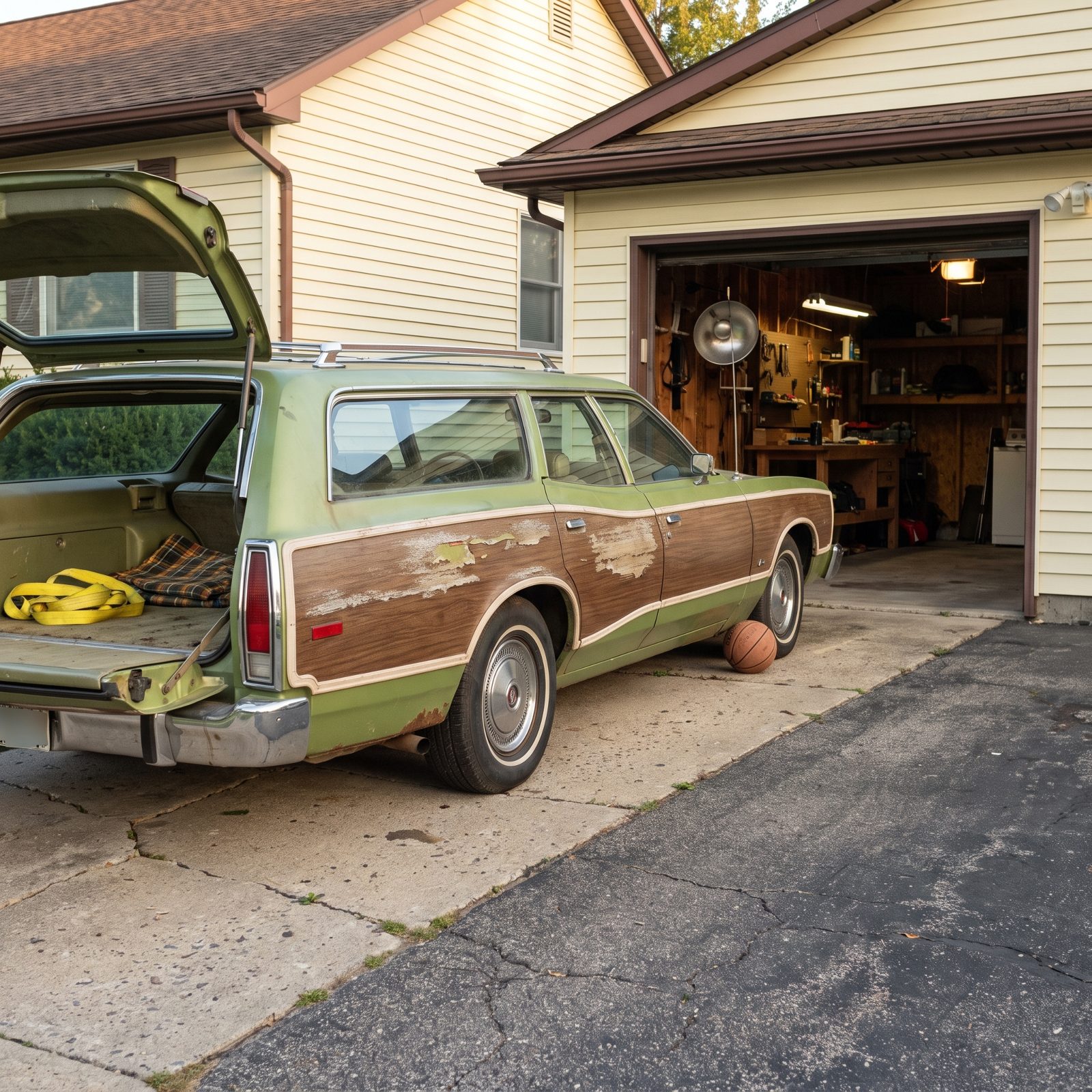
Eleven years is a long time to keep a car. Long enough that the odometer rolled past 120,000, the vinyl cracked at the seams, and the kids grew from car seats to learner’s permits in the same back bench. He could have traded it. He didn’t.
The wagon that stayed became a symbol of something. The Smithsonian, which keeps a 1955 Ford Country Squire in its collection, notes that the station wagon served as a mobile living room at drive-ins, a dining room at drive-in restaurants, and a home on wheels during camping trips (Source). Eleven years of that isn’t a car. It’s an archive.
Keeping it was the statement. It said the family was stable, the money was steady enough, the man didn’t need a new thing every three years to feel like somebody. Plenty of that came from a father raised by people who fixed things instead of replacing them (Source). He wasn’t cheap. He was loyal, to an object that had held his whole family’s ordinary life. Which is a strange thing to be loyal to, and also completely understandable.
The One Thing a Pickup Truck in the Driveway Signaled to Every Neighbor on the Block Between 1955 and 1985
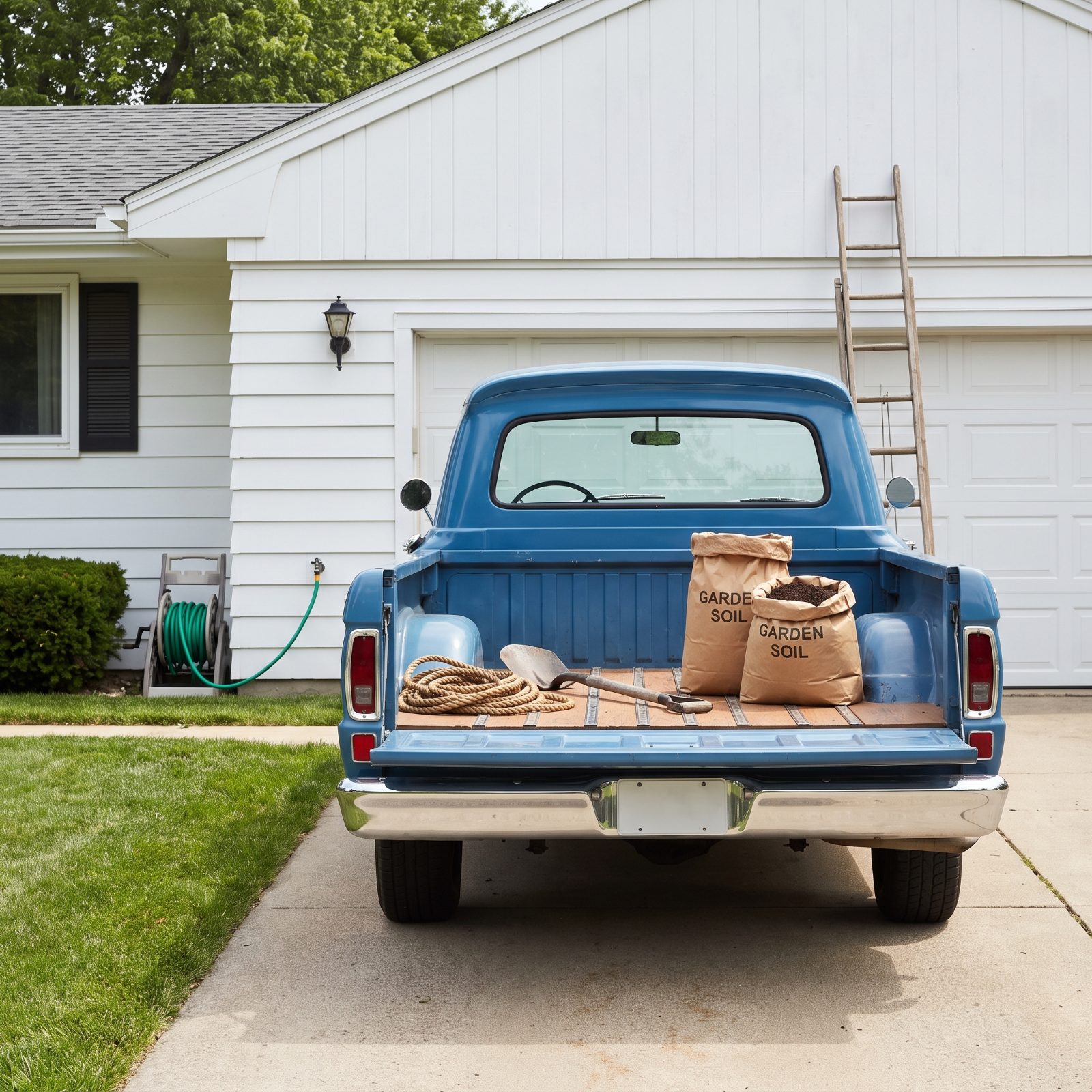
A pickup in a suburban driveway said one word before anyone shook your hand: capable.
Not rich. Not flashy. Capable. The Smithsonian points out that since the 1920s, pickups have been versatile aids in farming, construction, family recreation, and shopping (Source), and that a postwar pickup helped build the suburbs and carried families to new strip retail areas (Source). The man who parked one at home was telling the block he could haul his own lumber, tow his own boat, and fix his own fence.
Here’s the quiet part. In a neighborhood of sedans and wagons, the truck was a small refusal. It said this guy didn’t outsource the physical parts of his life. He mulched, he moved, he built the deck himself over three weekends. Neighbors read it instantly. A borrowed truck bed on a Saturday was practically a social currency on some streets.
The bed being empty most weeks didn’t matter. The signal was the readiness, not the load. He kept the truck for the ten days a year he needed it, and for the 355 days it told everyone who he was.
What It Meant When Your Father Chose the Base Model on Purpose (And Why His Kids Understood It Decades Too Late)
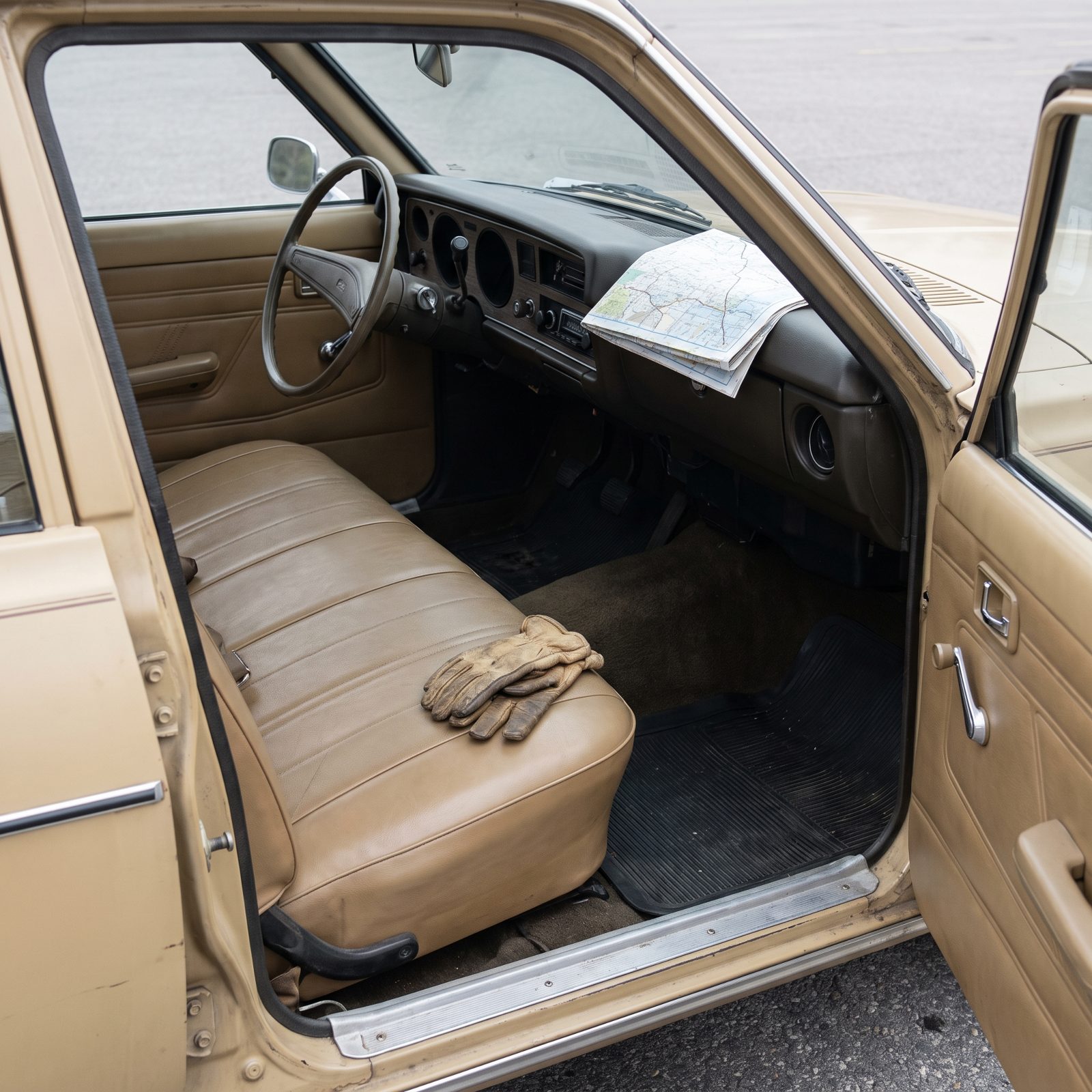
Crank windows. Rubber floor mats. An AM radio and nothing else. The base model wasn’t what he could afford. It was what he chose, with the money for the nicer trim sitting right there in the bank.
Kids read this as thrift, or worse, as being cheap in front of their friends. What it actually was ran deeper. A father who came up around people shaped by lean years often carried a horror of waste absorbed from parents who never threw anything away (Source). Paying extra for power windows felt, to him, like a small moral failure.
There’s real research here. Some psychologists tie voluntary thrift to restrained acquisition in service of a longer-term goal (Source), and his longer-term goal was you. The college fund. The mortgage paid early. The base model was the tuition, in disguise.
The kids figured it out at maybe forty, usually while writing their own child’s tuition check. Too late to thank him properly. Right on time to become him.
The Muscle Car That Vanished From the Garage the Same Year the Second Baby Arrived, and the Quiet Grief Underneath It
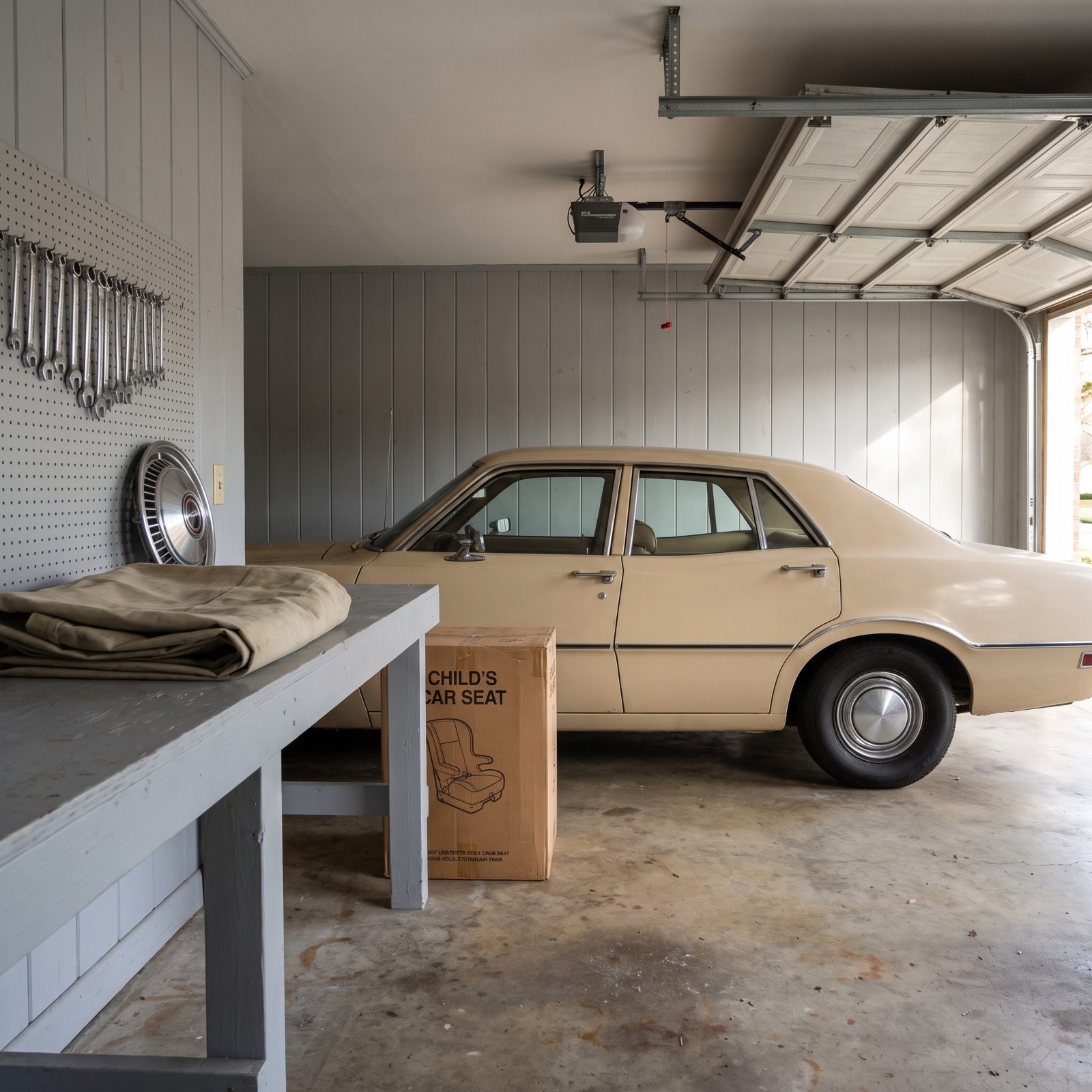
One summer it was there. The 1969 fastback, 390 under the hood, the rumble you could hear from two blocks off. The next summer, a four-door in its place and no explanation offered.
The second baby did it. Two kids meant two car seats, and two car seats don’t fit in a fastback. So he sold it. The math was simple. The feeling was not.
Researchers studying “car guys” found that for many men, a car isn’t a possession but a symbolic physical embodiment of a self they want to present to the world (Source). Selling the muscle car meant retiring a version of himself, the fast one, the one who wasn’t anyone’s dad yet.
He never called it grief. Men of that era rarely called anything grief. But you’d catch him at a stoplight thirty years later, head turning at the sound of a V8, going quiet for a second. That was the version of him saying hello. He traded that guy for you, and he’d do it again, and it still cost him something real.
Why the Man Who Waxed His Car Every Saturday Was Never Really Talking About the Car
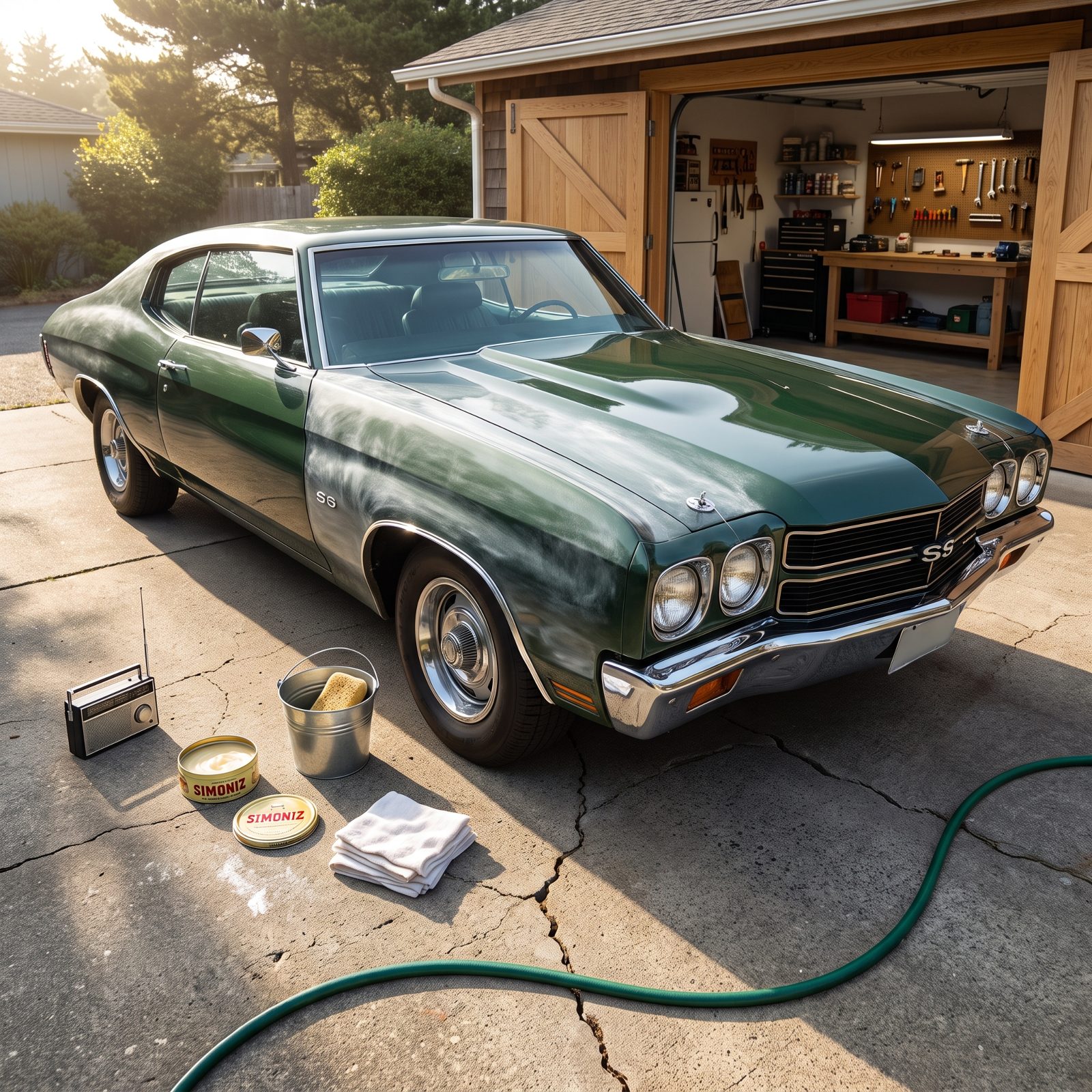
Saturday morning, radio on the garage windowsill, a can of paste wax and a stack of old undershirts cut into rags. He did the hood in slow circles, and if you tried to help he’d hand you the wheels and keep the paint for himself.
The car was clean by nine. He was still out there at eleven.
That ritual was never about dirt. Possessions become, in the language of the research, a repository of identity and a source of comfort and safety (Source), and the weekly wax was a man tending the one corner of his week he fully controlled. The job had a boss. The house had a mortgage. The car had him, and it stayed exactly as good as the effort he put in. That’s a rare thing to be able to say about anything.
The Smithsonian’s own wagon carries this exact detail: a father who taught his children to wash and polish the exterior and vacuum the upholstery (Source). Waxing the car was how a certain kind of man said things he had no other language for. Come stand next to me. This is how you take care of what’s yours. I’m glad you’re here.
The Sedan That Screamed ‘I Made It’ Without a Single Word (And What That Cost the Man Who Drove It)
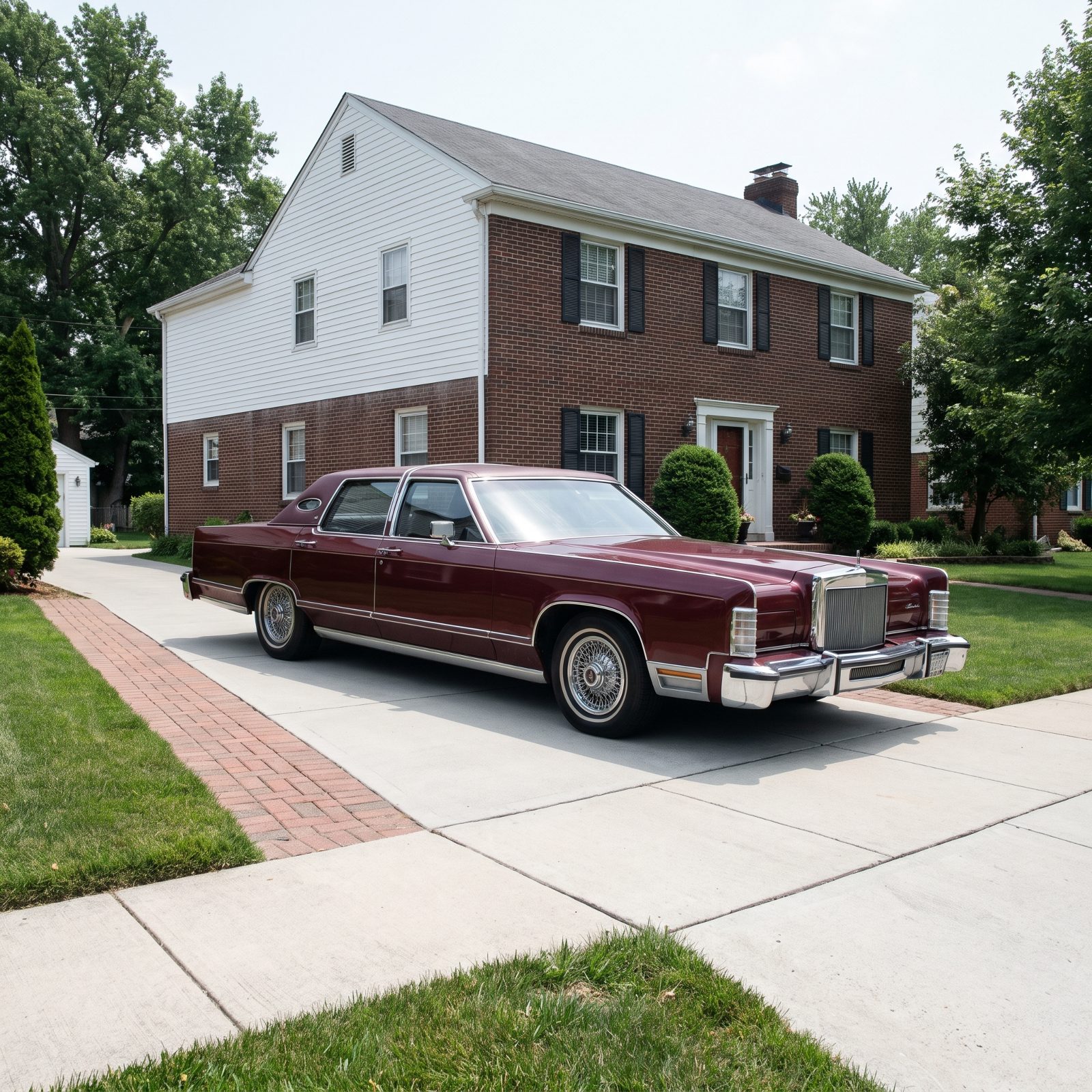
The full-size luxury sedan, deep maroon, vinyl roof, the ornament on the hood that the whole neighborhood recognized. He pulled it into the driveway of a house he’d worked twenty years to afford, and he didn’t have to say a thing. The car said it.
Cars carry that freight. Surveys find nearly half of people agree that cars function as a status symbol (Source), and the marketing of that era leaned all the way in, selling middle-aged men the promise that economic success and the right sedan would confirm they’d arrived (Source).
But there’s a bill attached. Research on thrift and materialism finds that the more a person believes wealth and possessions are important goals, the lower their reported life satisfaction and the higher their anxiety (Source). The man who needed the car to say he’d made it often hadn’t quite convinced the person who needed convincing most: himself.
Some drove that maroon sedan with pure earned pride, and good for them. Others drove it a little too carefully, a little too aware of who was watching, working a second job to keep the payment current. The car looked identical from the street. Only he knew which one he was.
What the Foreign Compact in a Union-Town Driveway Told You About the Guy Behind the Wheel
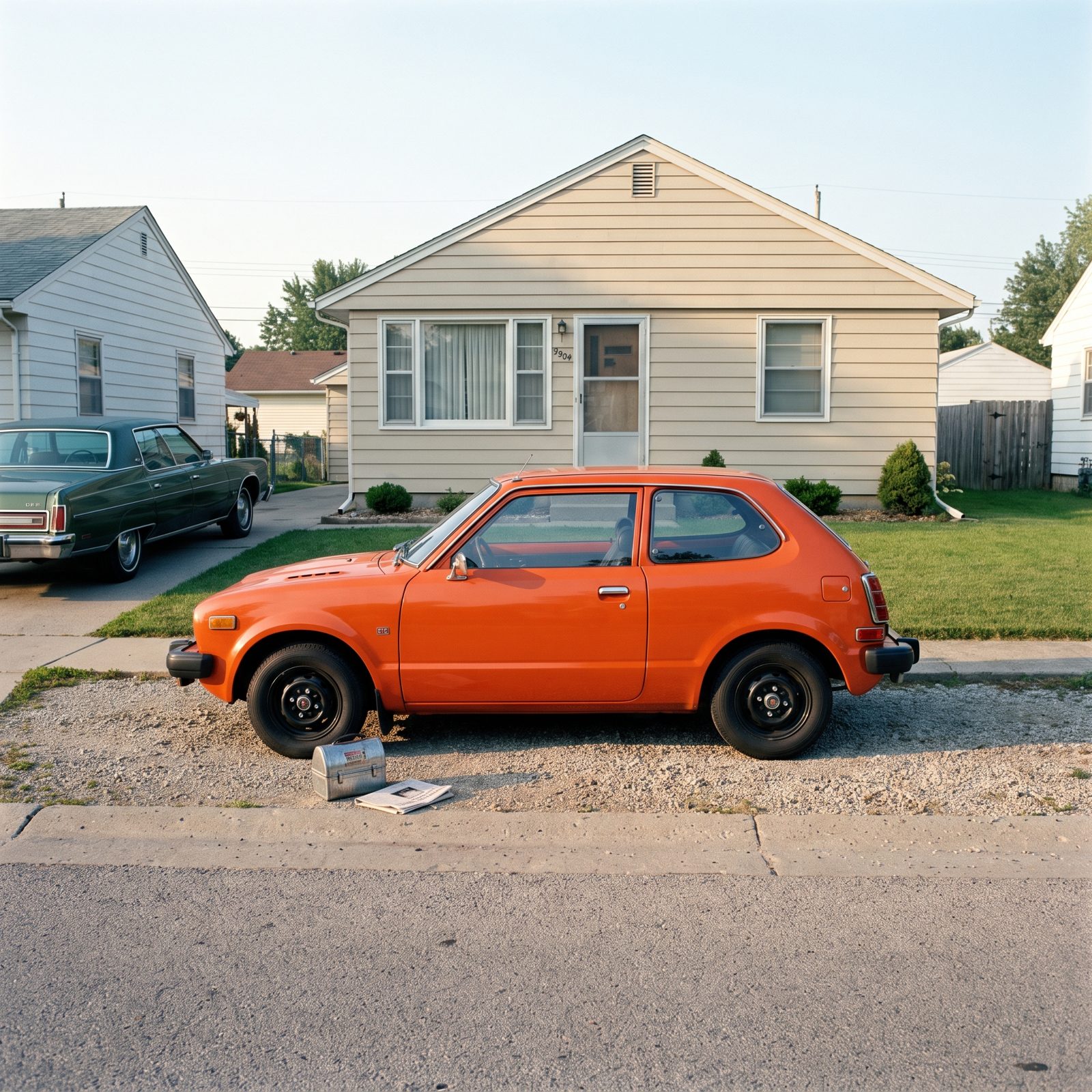
In a town where the plant made cars, a Japanese compact in the driveway was a loaded thing. Everybody on the street clocked it. Some of them had opinions.
Because a car is never just transportation in a place like that. Research on car choice shows how heavily social norms and peer expectation shape what a man feels he’s allowed to drive (Source), and in a union town the norm was cast iron: you buy what your neighbors build. The little import parked out front broke that rule in plain daylight.
So what did it say about him? A few possible men. The one who did the math on gas mileage after 1973 and refused to apologize for it. The one quietly furious at his own plant’s management. The independent streak who’d rather be right than liked. Objects work as a way we broadcast identity, status, and group affiliation to the people around us (Source), and this guy was broadcasting that he’d rather stand a little apart.
It took a kind of nerve to park that car where he parked it. Whatever else he was, he wasn’t a man who needed the block’s permission. There’s something to respect in that, even from across the fence.
The Reason Some Fathers Bought American No Matter What, and Why It Was Never About the Engine
Would you like to save this?
You knew the type. He’d walk a dealer lot, glance at the imports, and keep walking without a word. Ford, Chevy, Dodge, Plymouth. The badge was the whole argument, and the argument was never mechanical.
Buying American in the postwar decades was an act of belonging. The man who did it was usually a man whose paycheck came from a plant, a supplier, a union local, or a town whose whole economy ran on Detroit. To drive a Datsun in a GM town in 1974 wasn’t a car choice. It was a statement about whose side you were on. Possessions carry group identity as much as personal taste, and Source notes we broadcast social status and group affiliation through the things we own.
So the loyalty wasn’t stubbornness. It was gratitude wearing a hood ornament. The car said: this industry fed my kids. I’m not about to insult it in my own driveway.
Why the Dad Who Did His Own Oil Changes Was Teaching a Lesson He Couldn’t Say Directly to His Son
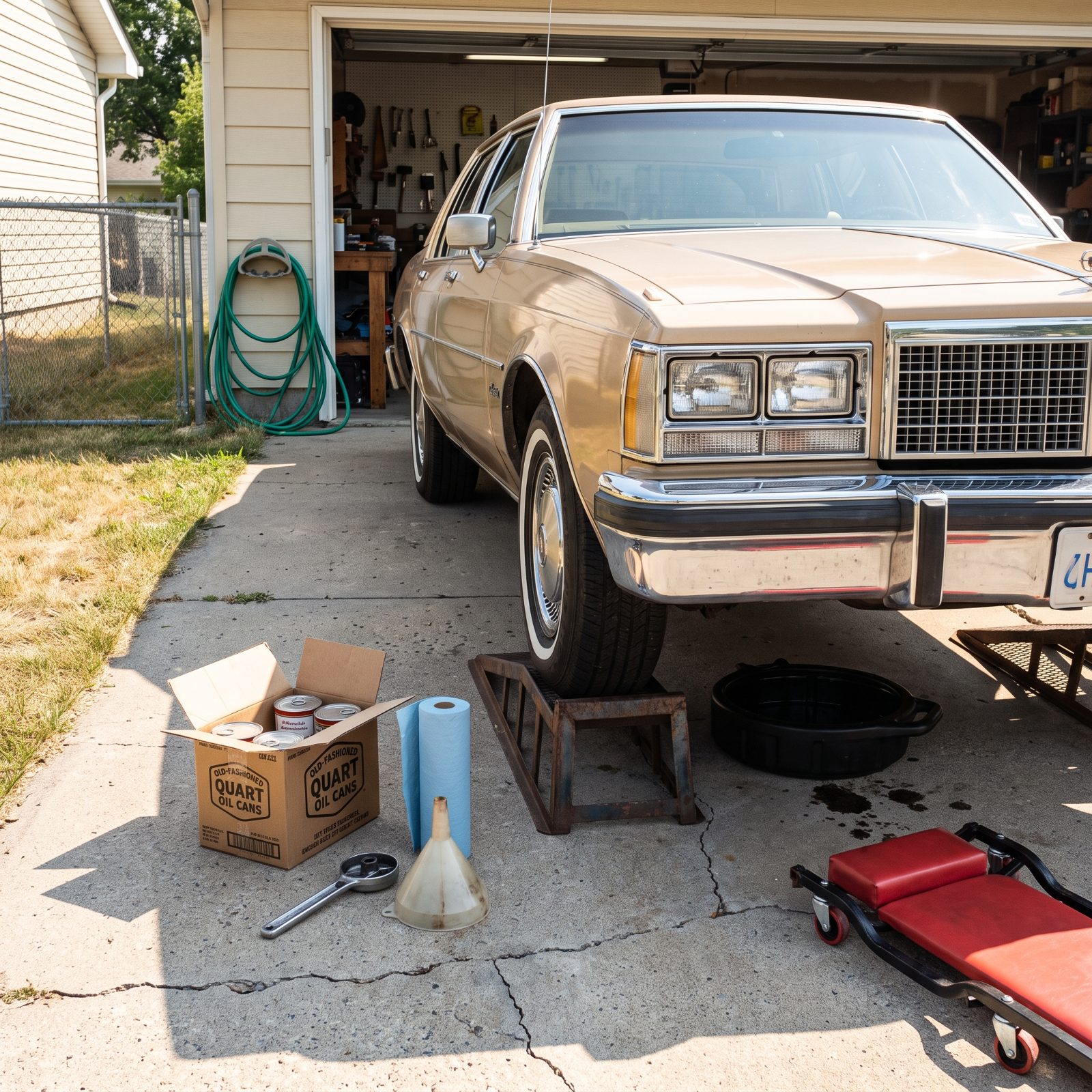
Saturday morning. Ramps. A drain pan the color of a rust stain. And a boy told to hold the flashlight steady.
The dad who changed his own oil wasn’t saving twelve dollars. He could’ve paid a shop and spent the morning on the couch. What he was doing, whether he’d have said it out loud or not, was demonstrating a whole philosophy of adulthood: you take care of your things, you understand how they work, and you don’t pay someone to do what you can learn to do yourself.
Fathers of that era rarely lectured about self-reliance. They performed it. The lesson traveled through the hands, not the mouth. Decades later the son remembers the smell of hot oil and the specific weight of the flashlight, and that’s the whole point. The ritual encoded the value more durably than any speech ever could have.
The Convertible a Middle-Aged Man Bought at Forty-Five and What Every Psychologist Would Have Predicted
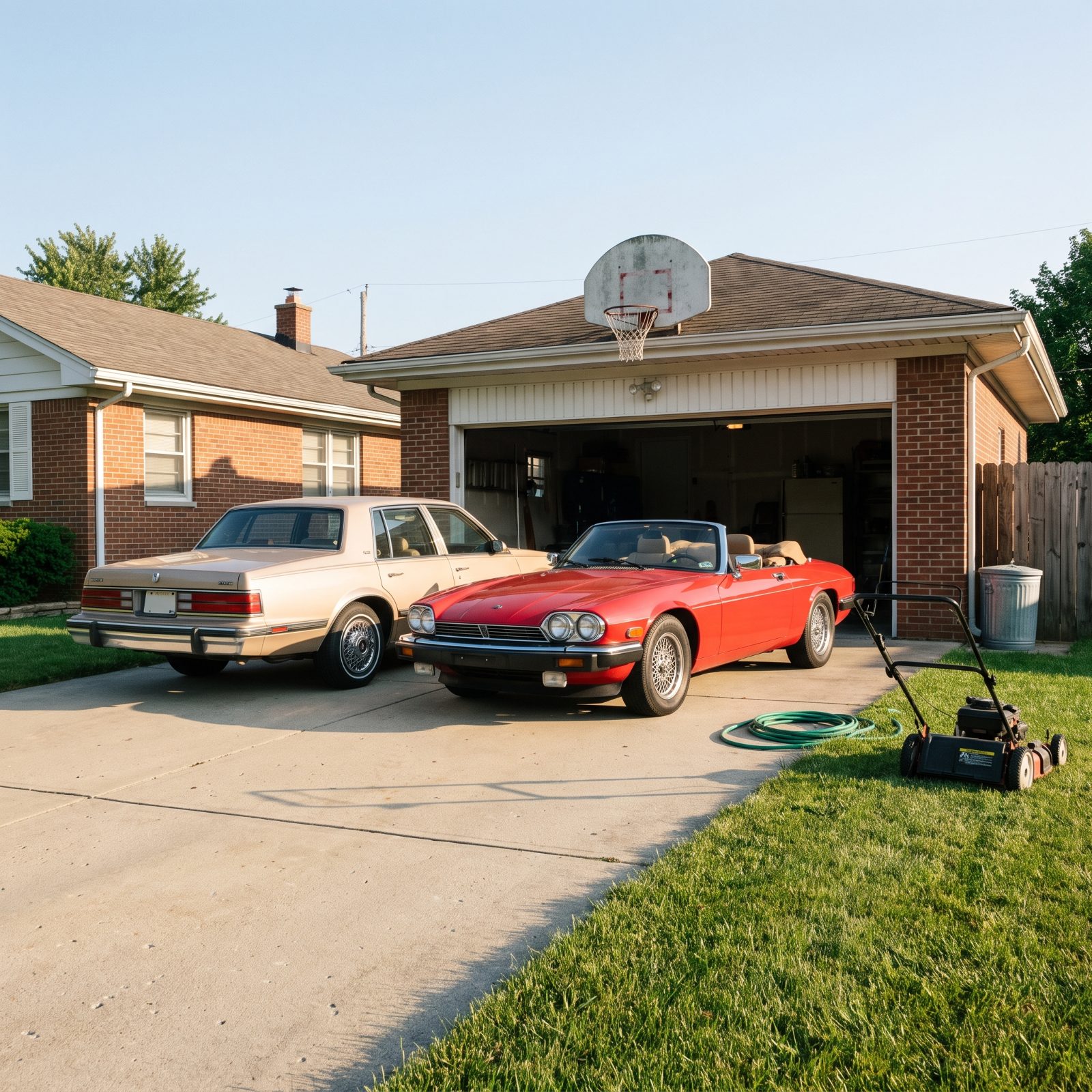
The car showed up in the driveway with no warning. Two seats, a soft top, and a color the family wagon would never have been. The neighbors smiled the knowing smile.
The cliche exists because the pattern is real. When men reach the middle of life and start doing the math on the years left, a certain kind of purchase follows. Source found that thirty percent of men said they were likely to buy a car associated with a midlife crisis, and the sports car was their top choice. There’s a wrinkle, though. Men often buy the car they wanted at seventeen and couldn’t have. Source notes the older buyer of a sports car very likely had one, or wanted one, in his youth.
So the convertible isn’t a break from himself. It’s a reunion. He’s driving back to a version of the man who never got the car, and buying it for him, late.
The Difference Between the Dad Who Named His Car and the Dad Who Called It ‘the Vehicle’
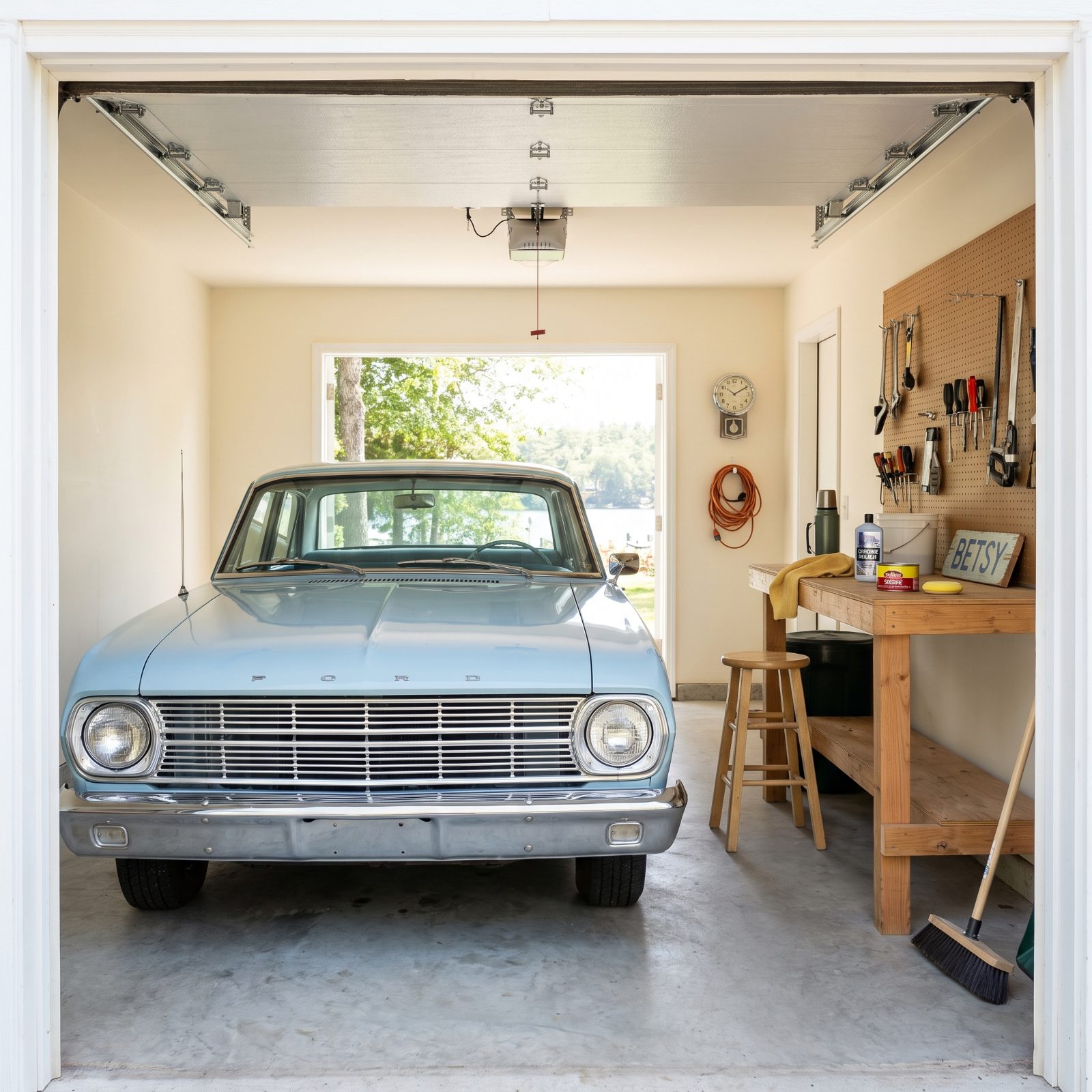
One father patted the dashboard and called her Betsy. The other filled out the insurance form, referred to it as “the vehicle,” and never once said anything warmer.
These are two entirely different relationships to the world. The naming dad practices anthropomorphism, the very human habit of assigning personality to a machine. Source lists anthropomorphism as a core facet of emotional attachment to objects, alongside treating a possession as an extension of the self. His car had moods. It “didn’t want to start” on cold mornings. It was, quietly, a member of the family.
The “vehicle” dad wasn’t cold. He was drawing a line. A car was a tool that got the job done, and getting attached to a tool struck him as a category error. Both men loved their families the same. They just decided differently about where a machine sits in the emotional household.
What the Toolbox in the Garage Revealed About a Father’s Idea of Being Needed
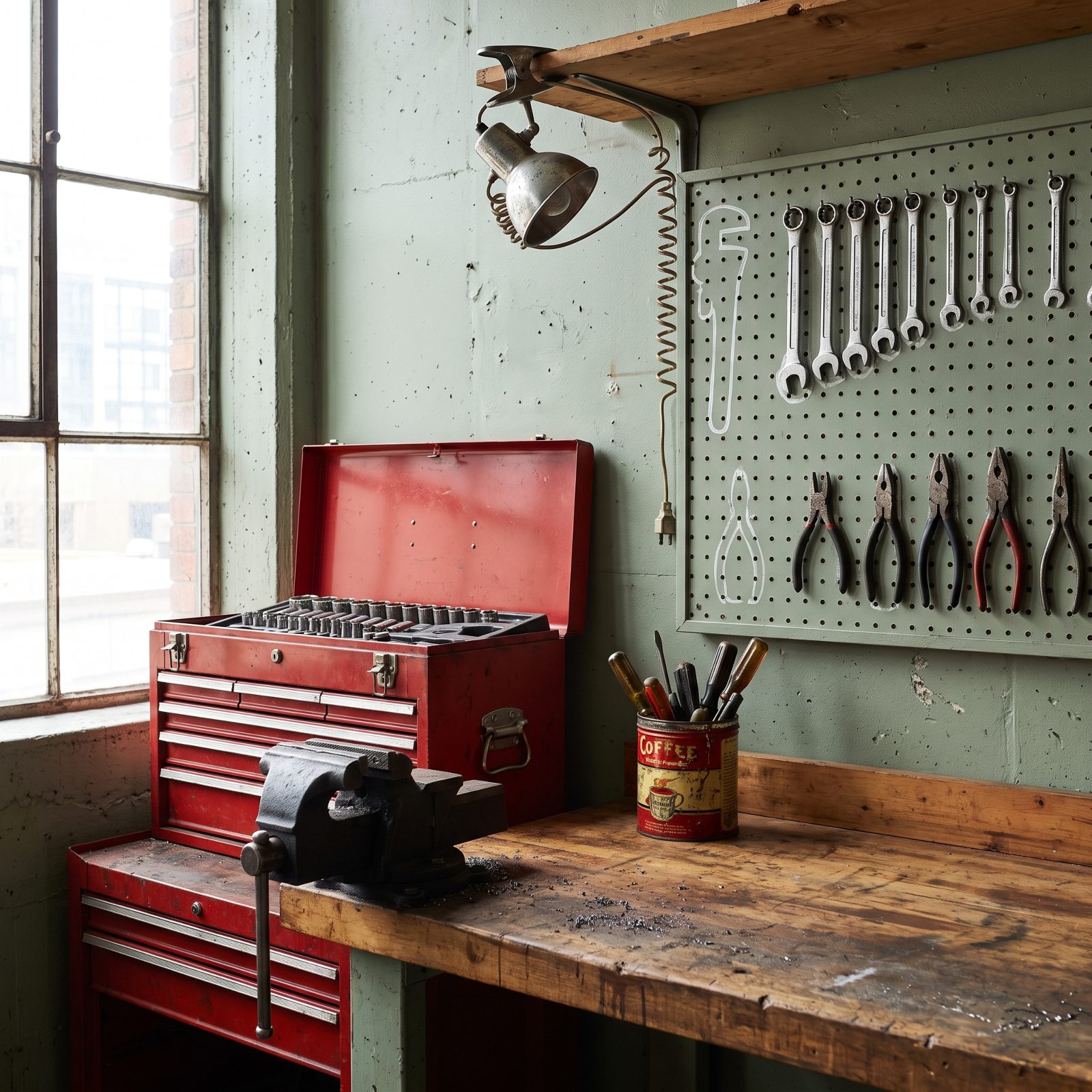
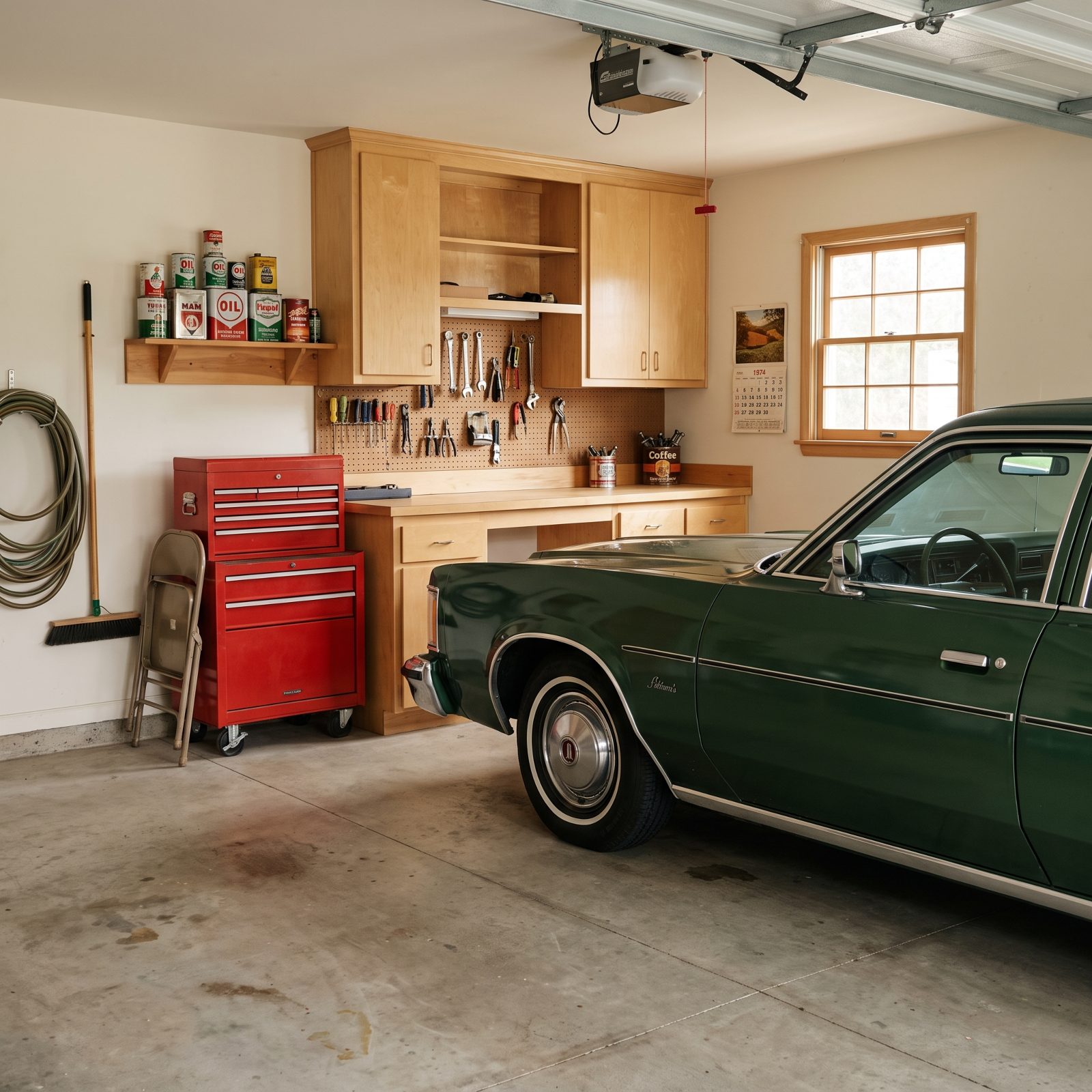
The rolling steel chest with the top that lifted and the drawers that rolled on ball bearings. Every socket in its slot. A shadow board where each wrench had its own painted outline, so you could tell at a glance if one had wandered off.
A man’s toolbox was a map of his idea of usefulness. The father who kept a deep, organized box was declaring something: I am the person this household calls when something breaks. That role mattered enormously to a generation of men who measured themselves by what they could provide and fix. Possessions act as an extension of the self, and Source defines a possession as personal identification with an item as an extension of who you are.
So the tools weren’t just tools. They were proof of a station in the family. As long as the box was full and the knowledge was in his hands, he was needed. And being needed, for a lot of these men, was the same thing as being loved.
Why the Man Who Never Let Anyone Else Drive His Car Was Guarding Something Bigger Than Sheet Metal
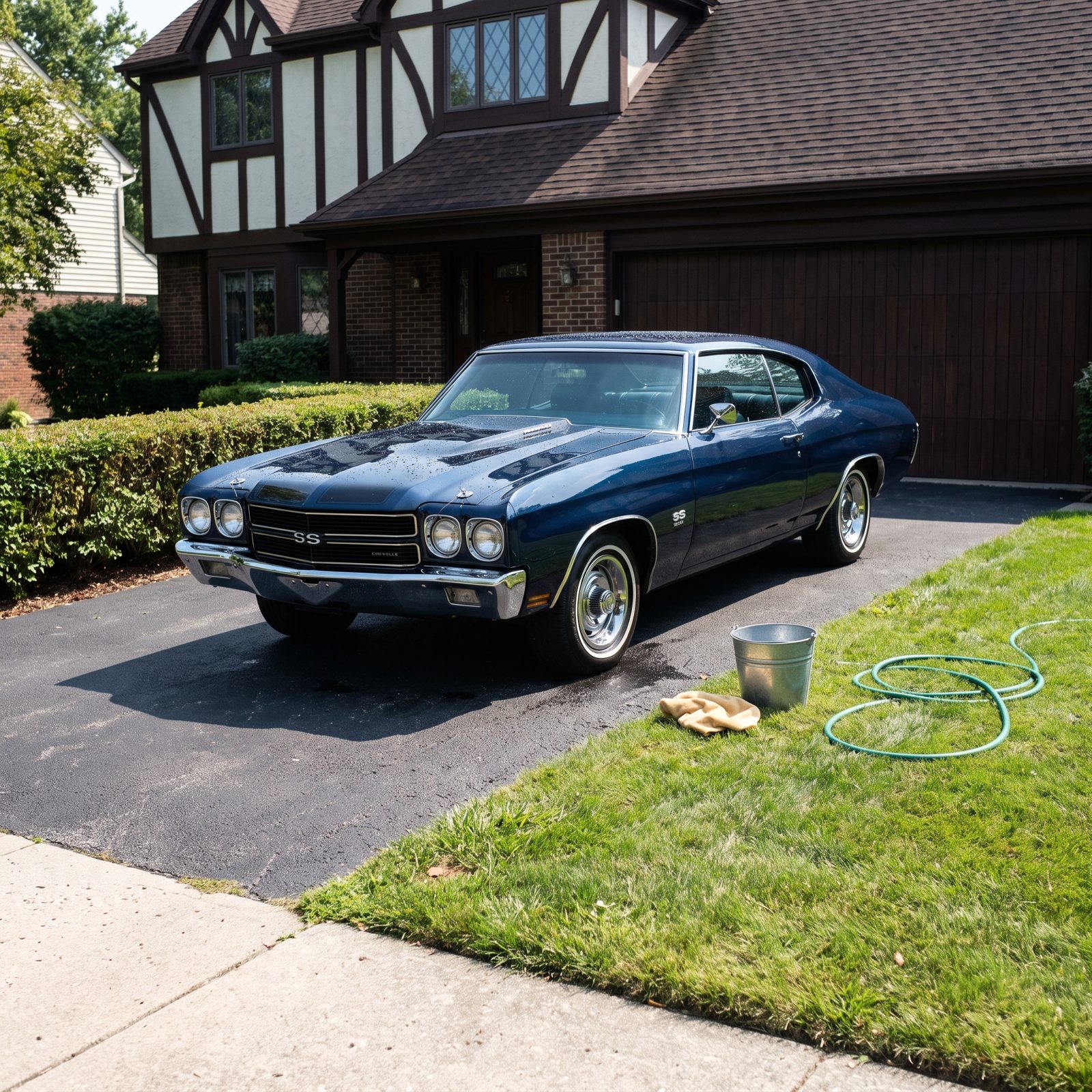
Ask to borrow it and watch his face. Not the wagon, the wagon was fine. The other car. The one he washed by hand and parked at the far end of every lot to avoid door dings. Nobody drove that one but him.
On the surface it looks like control. Dig a little and it’s protection of the self. When a possession becomes an extension of who you are, handing over the keys feels like handing over a piece of your identity to someone who might not treat it with the same care. Source describes cherished possessions as woven into identity like a second skin, anchoring us to versions of ourselves.
The car was where this man felt most like himself. Competent. In command. Twenty-two again on a good stretch of road. Letting someone else drive it wasn’t about the risk to the paint. It was about someone else sitting in the one seat where he was fully, uncompromisingly himself.
The Fuel-Economy Obsession of Certain 1970s Fathers, and the Fear It Was Really About
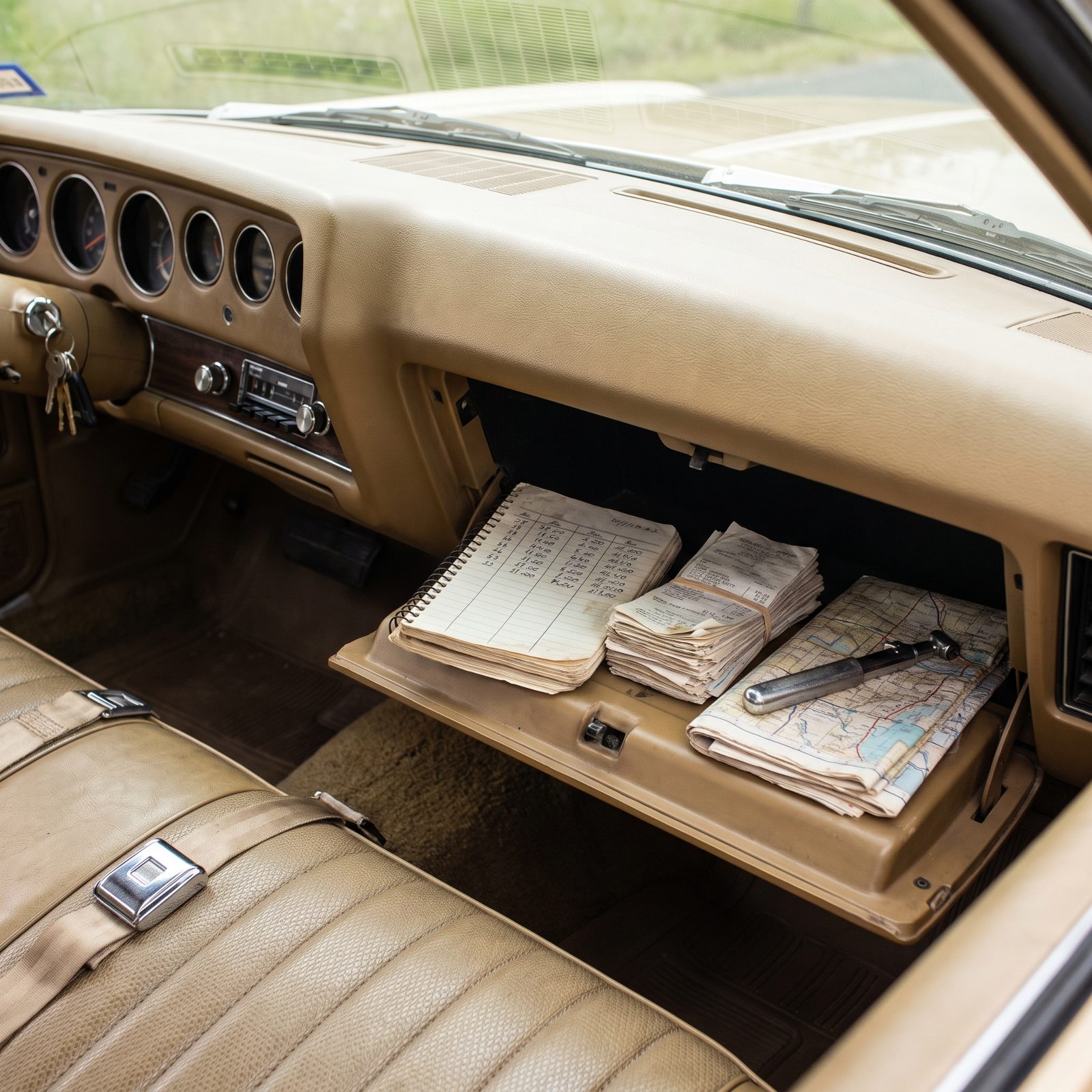
He kept a little notebook in the glovebox. Every fill-up. Gallons in, miles driven, the number worked out to the tenth of a mile per gallon in ballpoint. He’d announce the figure at dinner like a stock report.
It’s easy to laugh at now. But the men doing this in 1974 and again in 1979 had just watched the ground move under them. Two oil shocks, lines snaking around the block at the pump, odd-even rationing by license plate, and gas prices that made a mockery of the household budget. The mileage notebook wasn’t a hobby. It was a small, controllable answer to a large, uncontrollable fear.
Objects become symbols of stability in a world that suddenly isn’t. Source notes that objects can serve as anchors of stability and security in a rapidly changing world. The notebook did that. When you can’t control OPEC, you can at least control your right foot, and write the proof down where the family can see it.
How the Car a Father Refused to Sell Long After It Died Became a Museum of a Version of Himself
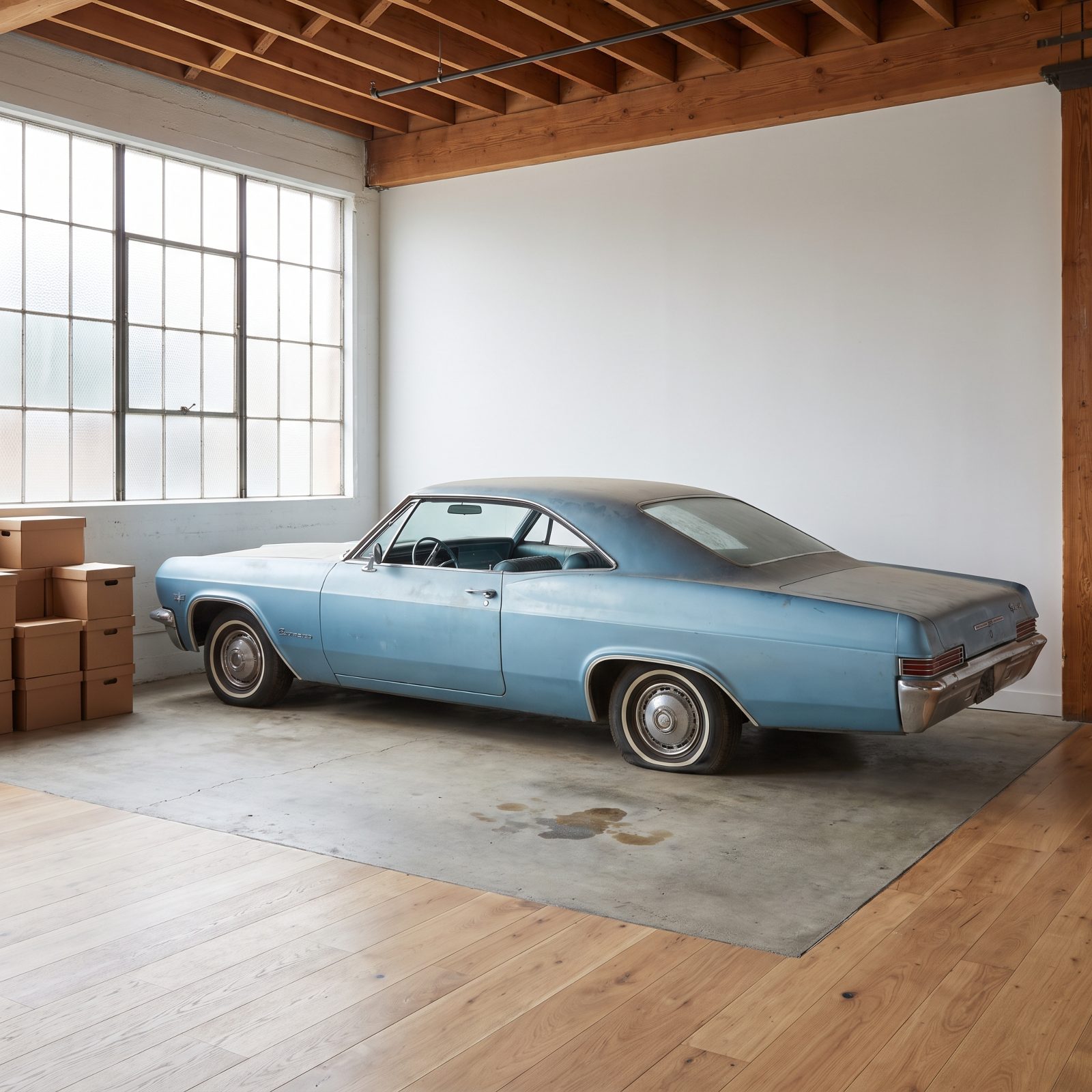
It sat in the back of the garage for years. Flat tires. Dust on the hood thick enough to write in. It hadn’t run since the Reagan administration and everyone knew it never would again. He wouldn’t hear a word about selling it.
People kept telling him it was just taking up space. They were wrong about what it was. A possession can become a repository of autobiographical memory, and Source lists exactly that among the facets of object attachment. That car held the drive home from the hospital with the first baby. The trip out west the summer of ’68. His own younger hands on the wheel. It was a building the memories lived in.
Nostalgia is bittersweet by design. As psychologist Krystine Batcho put it, the sweet part is the treasured memory and the bitter part is knowing those times are gone forever, and Source records that line. Selling the car meant admitting the man who drove it was gone too. He wasn’t ready. So the dead car stayed, and it kept him company, and that was reason enough.
The Quiet Psychology of the Dad Who Bought the Practical Wagon but Kept a Photo of the Car He Wanted
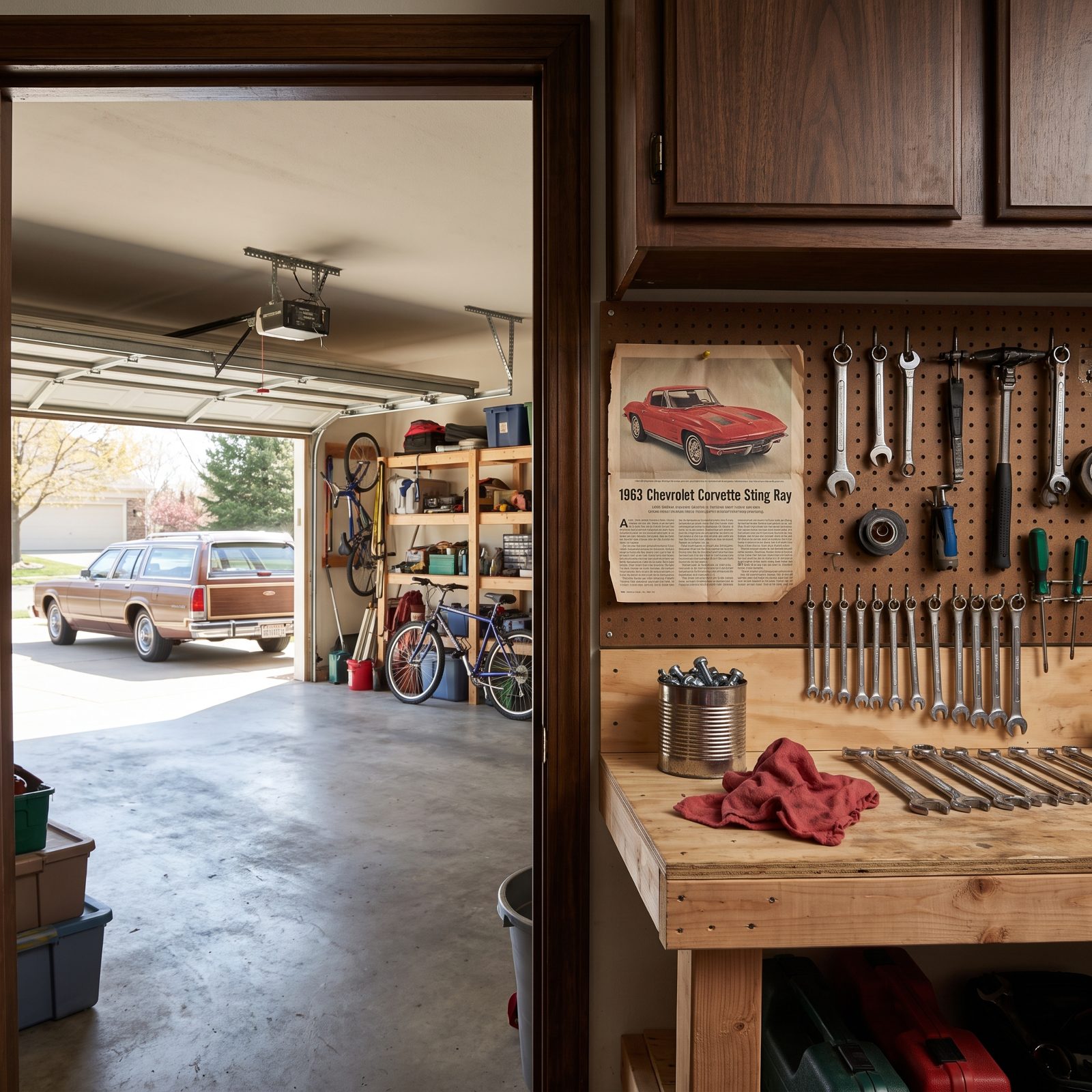
He drove the Country Squire. Faux wood on the flanks, three rows of seats, room for the cooler and the lawn chairs and everyone’s bicycles for the trip to the lake. But somewhere in the top drawer of his dresser, or clipped inside the garage workbench, there was a magazine page. A ’63 Corvette. A GTO. Something fast with no practicality at all.
You’ve seen that drawer. Maybe you have one now. The wagon was the choice a man makes when the math changes, when the second kid arrives and the down payment on a house wins the argument. Source
Here’s the part that lands years later. The deferred dream doesn’t always dry up. Psychologists who study postponed ambition note that dreams put off aren’t the same as dreams abandoned, and the ones that stay accessible are usually the ones a person never quite stopped picturing. Source
He kept the photo. That’s the whole tell. He chose the wagon and grieved the coupe at the same time, and never mentioned either.
Why the Sunday Drive With No Destination Was the Most Honest Thing Some Fathers Ever Did
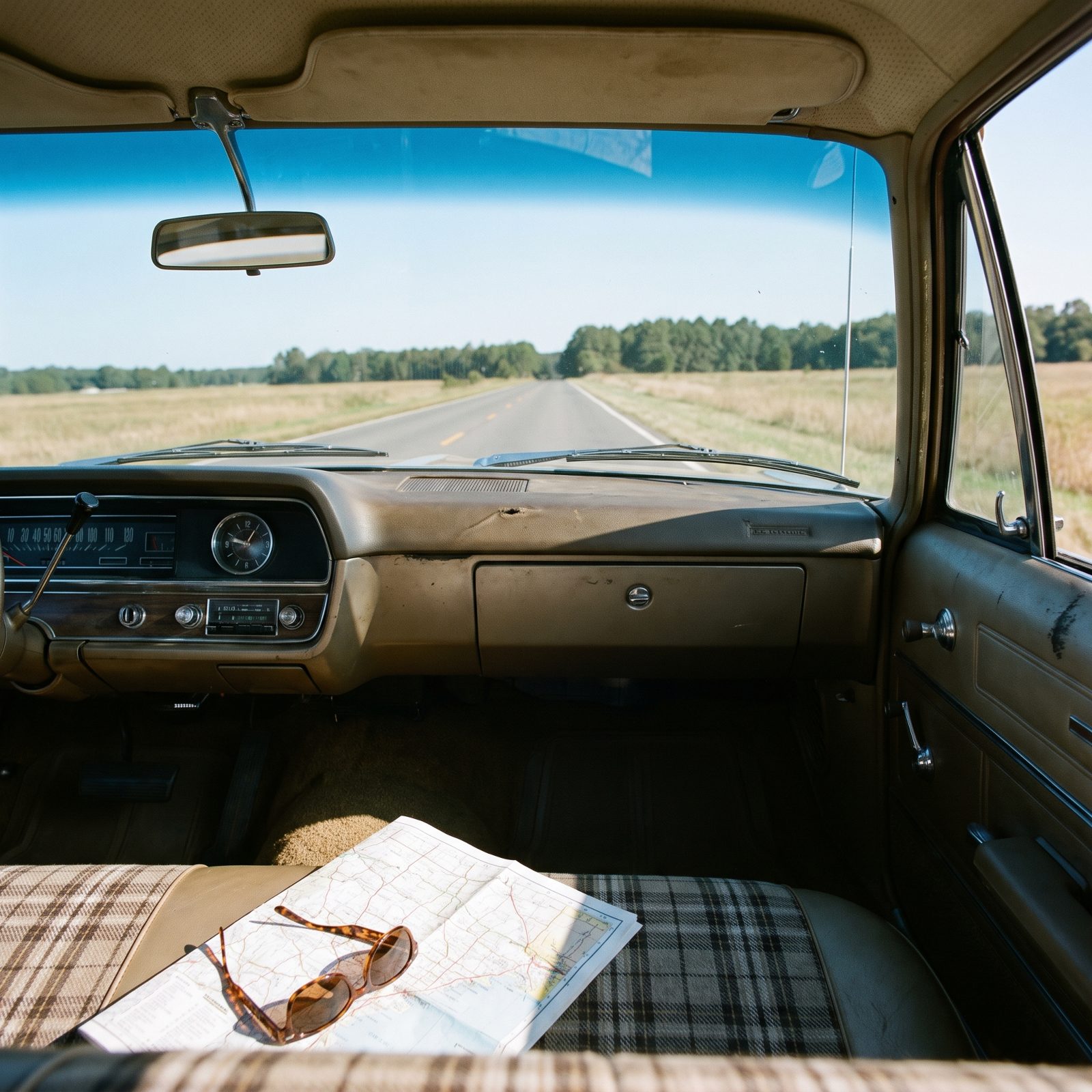
No map. No errand. Just the keys off the hook after church and a vague “let’s go for a ride.” He’d point the car down a county road he’d never driven, past farms and the reservoir and that one house everybody wondered about, and the whole thing had no point at all. Which was the point.
A man who spent six days a week meeting other people’s needs got behind the wheel and, for an hour, decided everything. Route, speed, when to turn around. Researchers who study aimless driving describe exactly this pull: when your days run on schedules and obligations, taking a drive with no goal restores a sense of control and choice you don’t get anywhere else. Source
There’s a physical layer too. The low hum, the rhythm of the road, the reason the kids always fell asleep in the back. Low-frequency vibration nudges the parasympathetic nervous system toward calm, which is a clinical way of saying the car settled him down. Source
He wasn’t going anywhere. He was getting somewhere. Those are different things, and he knew it before anyone had the words for it.
The Bottom Line
The car was a confession because it said what he couldn’t: that he was afraid of failing you, proud of providing for you, and grieving the man he set aside to do it. Every choice under that hood, the practical wagon, the base model, the muscle car he sold, was him telling you he loved you in the only language he trusted not to break. Next time you’re near that driveway, look at what he drove, and ask yourself what he was trying to say before you ask him with words.