
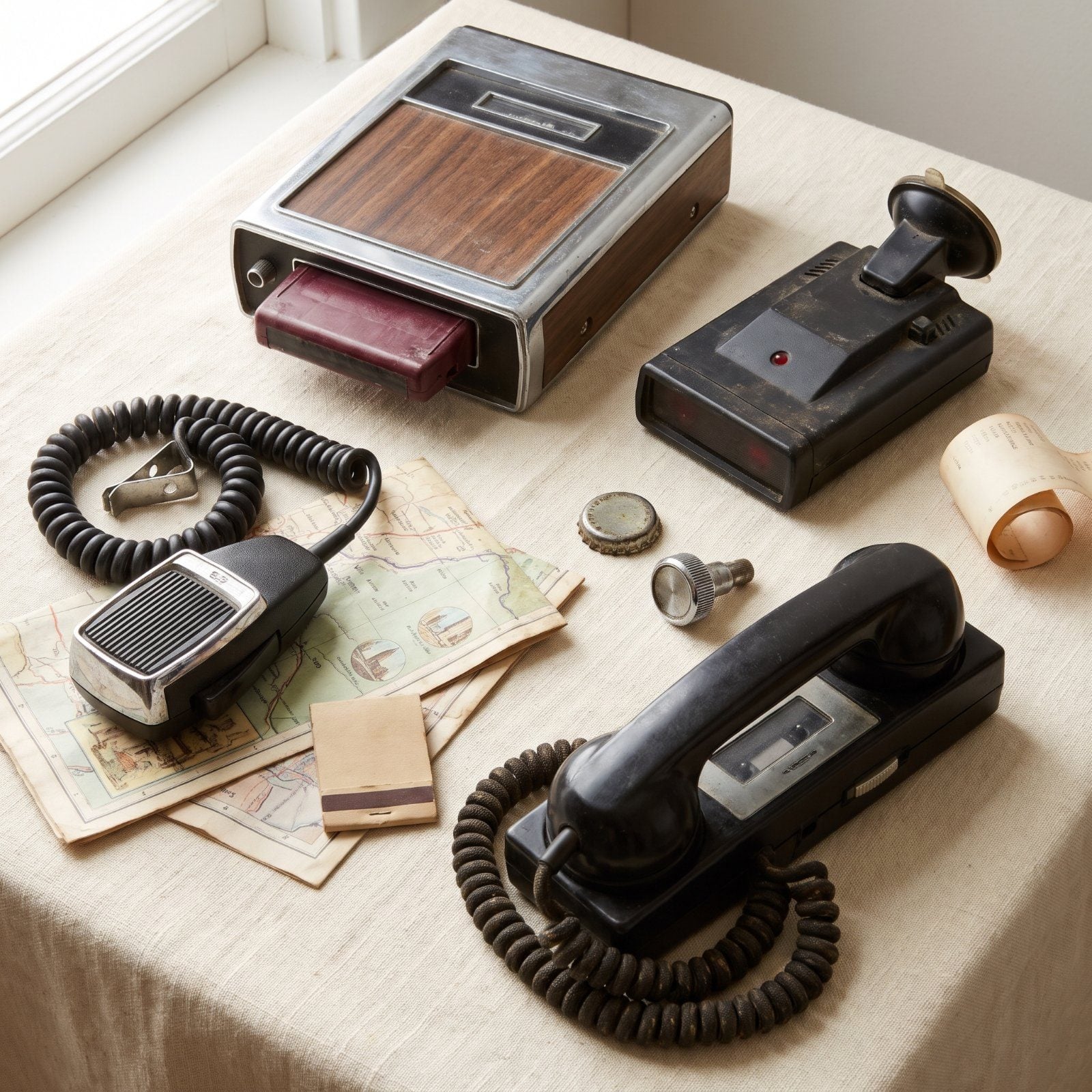
The choke knob glowed amber, the AM radio hissed between stations, and bolted somewhere under the dash sat a gadget that cost half a month’s pay and made you feel like the future had pulled up to your curb. Every decade had its must-have cockpit toy. Some worked beautifully, some rattled apart on the first pothole, and all of them promised something nobody’s family sedan had ever done before. The ones below turned ordinary dashboards into command centers, then quietly got left behind.
Please note that some of the images in this article were created with the assistance of AI.
24. The Under-Dash 45-RPM Record Player
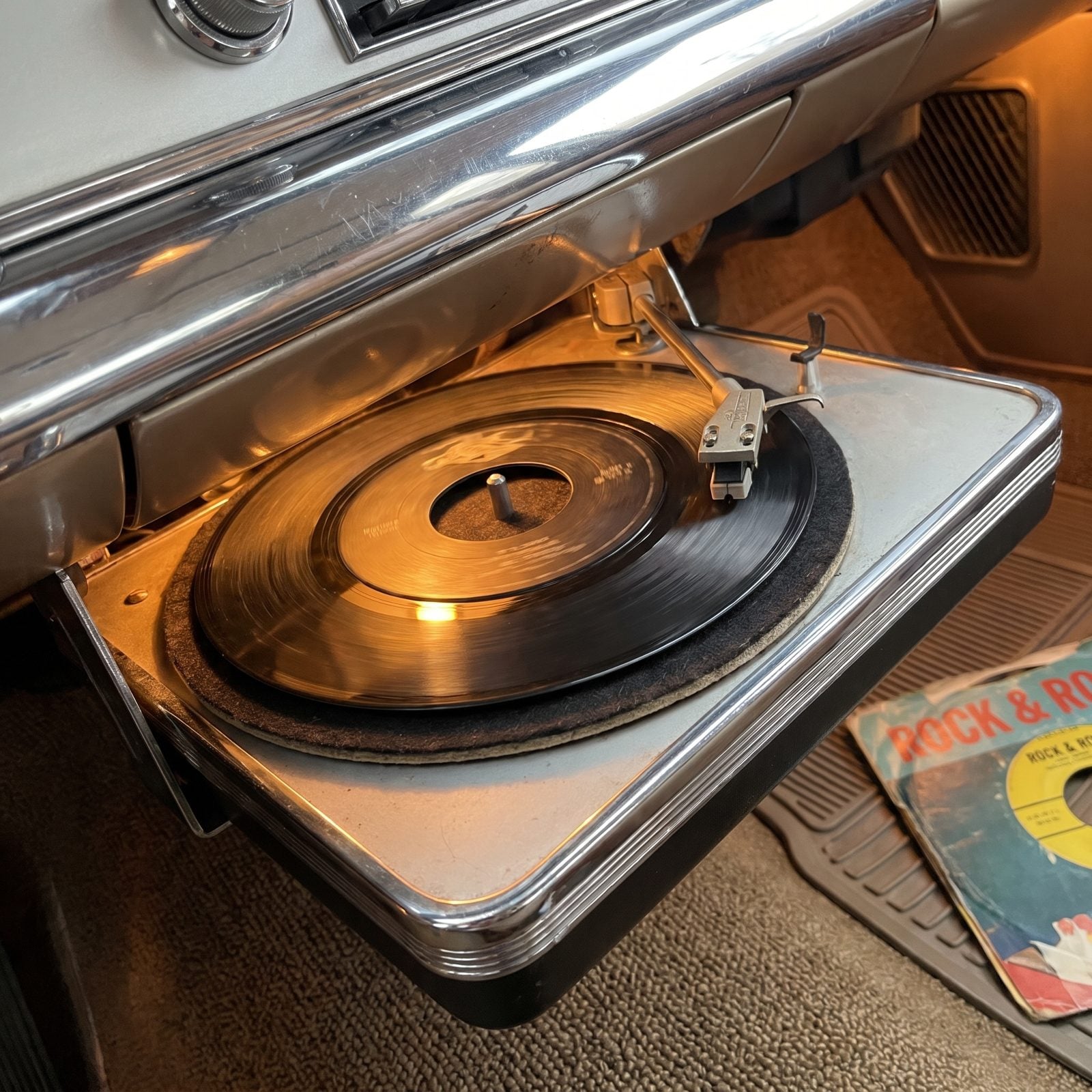
Imagine hitting a railroad crossing at thirty-five with a needle riding the grooves of a Buddy Holly single. That was the whole problem. Nobody who bought one seemed to care.
Chrysler offered these honest-to-goodness turntables bolted under the dash in the late 1950s, using special slow-speed discs at first and then standard 45s, spun by a tonearm engineered to fight bumps with extra stylus pressure. It mostly lost that fight. You carried a little case of records like a traveling DJ, swapping singles at red lights.
A beautiful idea, strangled by physics. The eight-track would do the one thing the record player never could — survive the drive.
Writing about Chrysler’s later 45-rpm RCA turntable, a veteran mechanic and columnist who chronicled obsolete car audio says “It still skipped on real-world pavement, but it must’ve been the cat’s meow if you were parked on a date.”
23. The Built-In Car Telephone Handset
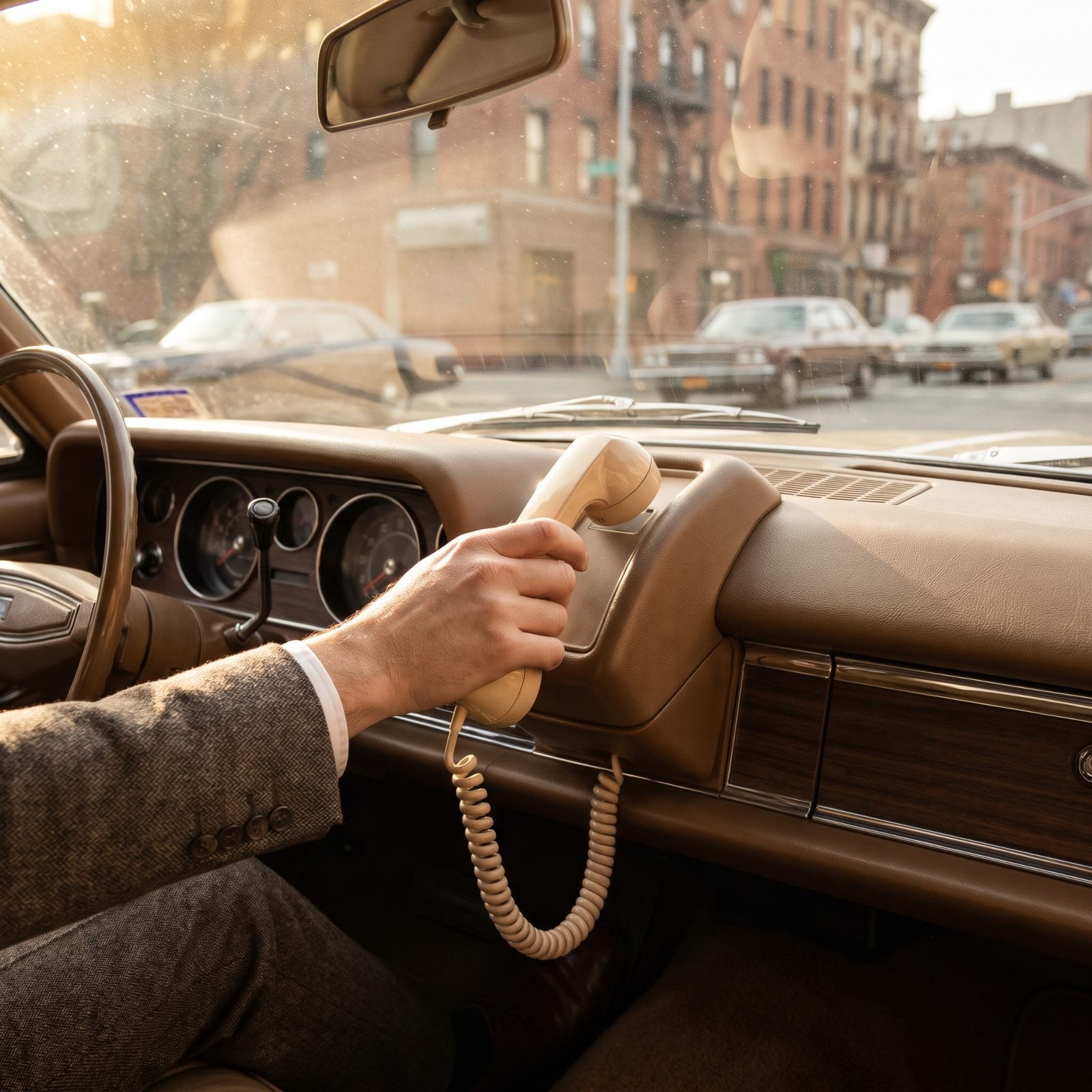
You didn’t dial it. You picked up the handset, told a mobile operator a number, and waited while she patched you through on one of a handful of channels the whole city shared.
The built-in car phone of the 1960s and 70s was less a gadget than a status flare. Hardware filled half the trunk, a call cost a small fortune per minute, and if someone across town was already talking you simply couldn’t get a line. People who had one found reasons to be seen using it — leaned back, elbow on the window, handset to the ear in a stopped parking lot.
A telephone that ran on scarcity and showing off. Which honestly describes a lot of early technology.
22. The Eight-Track Tape Deck
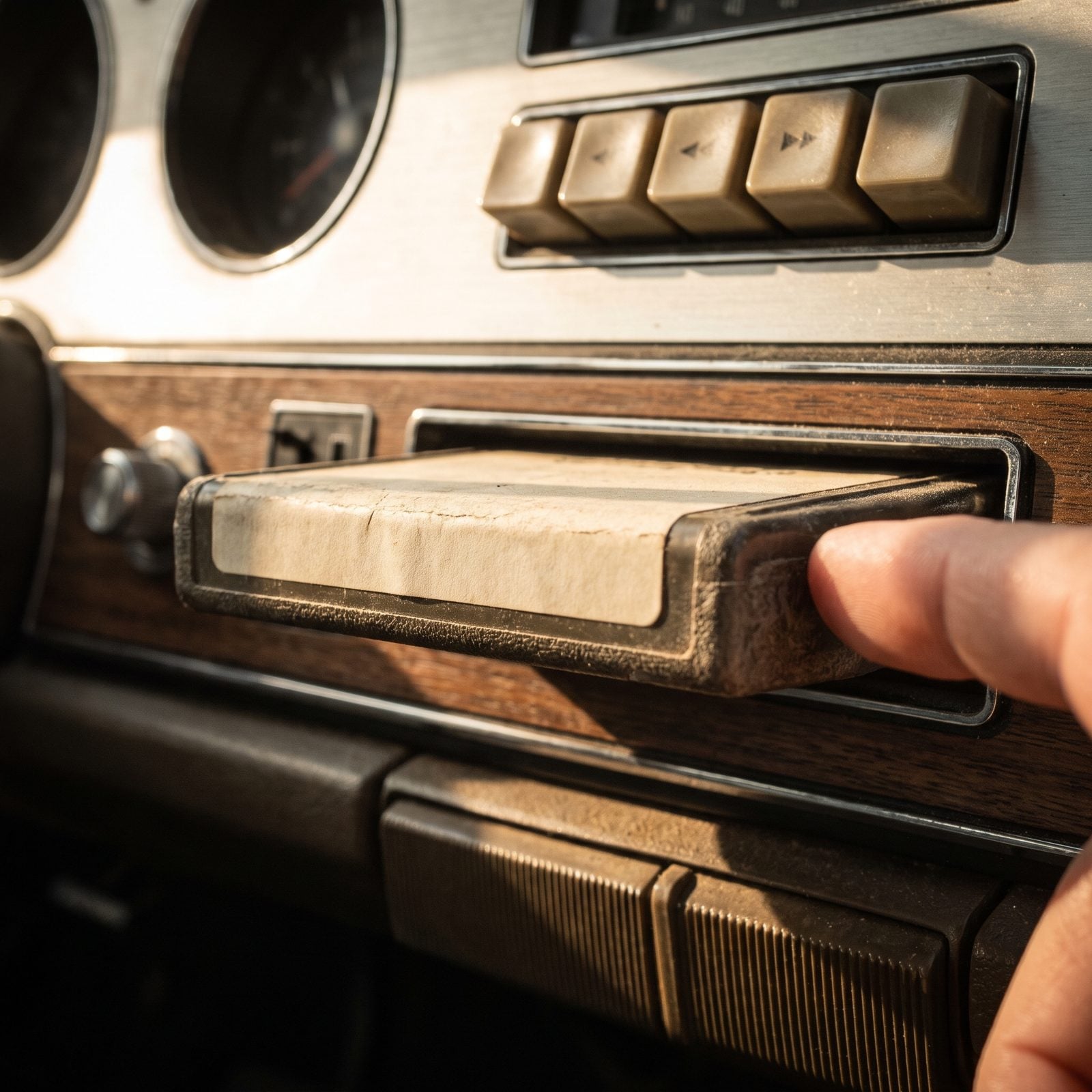
The clunk. You remember the clunk.
The eight-track switched programs mid-song with a decisive mechanical thunk, usually right as the guitar solo peaked. There was no rewind. Wanted a song again? You waited for the whole tape to loop back around, or you jammed a matchbook under the cartridge to fix the tracking.
For most of the 1970s this was the sound of freedom. Cartridges piled up in a shoebox on the passenger floor, and the deck sat right in the woodgrain dash, a factory slot flanked by chunky push buttons that matched the trim.
Flawed, loud, completely beloved. We’d take that clunk over a flawless algorithm picking our music any day.
What Our Readers Say
- When Jalopy Talk readers loved a car photo and tapped a reason, “nostalgic” came out on top at 26%, ahead of “would drive” and “body style”.
- When our readers disliked a car photo, the top reason was simply “not my style” at 41%, while only 12% called it “dated”.
From Jalopy Talk reader polls and votes.
21. The Traffic-Light Viewing Prism
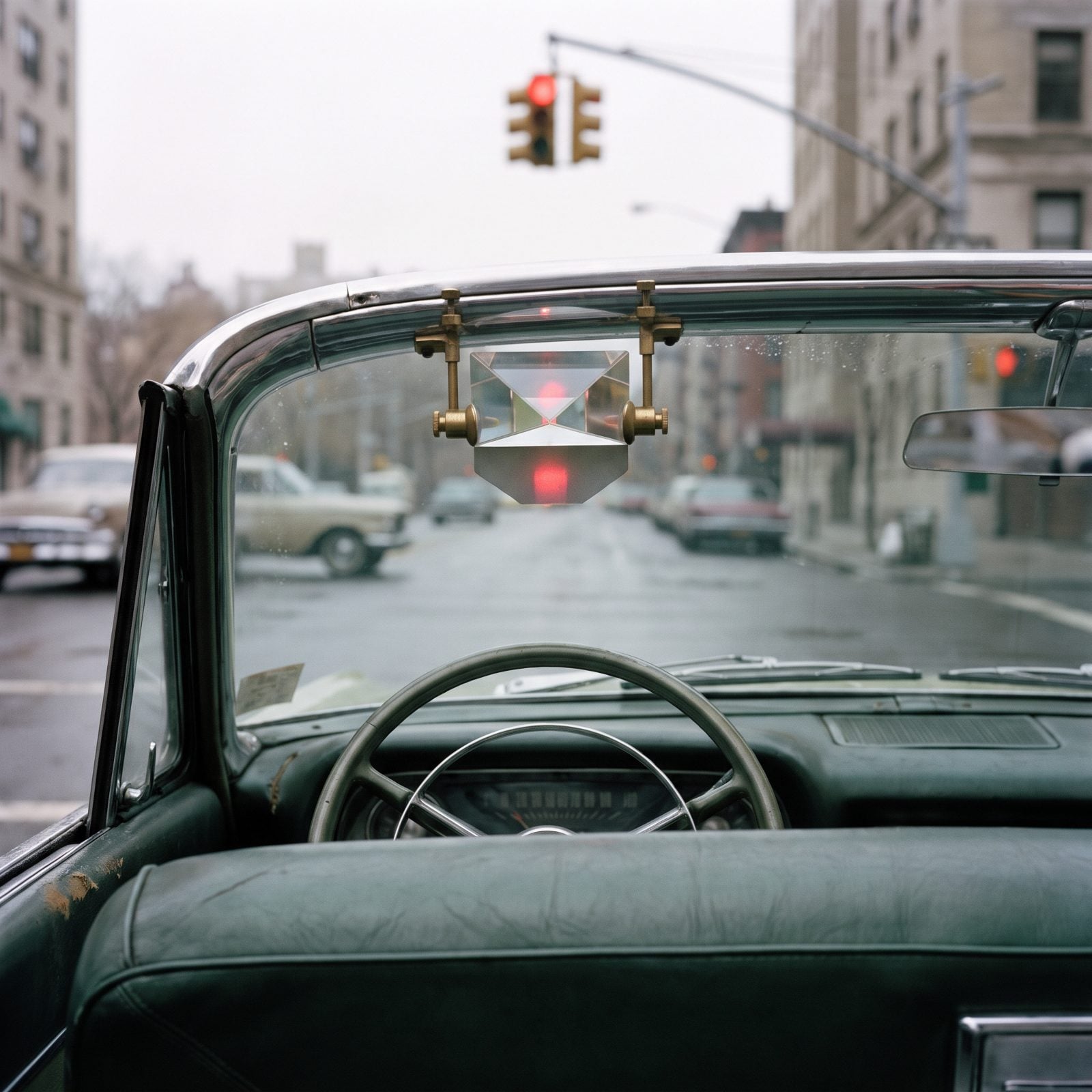
Pull too far forward at a stoplight and the overhead signal vanished above your windshield. You either leaned over the wheel and craned your neck like a tortoise, or you bought the little prism.
This stuck-on wedge of acrylic bent the light straight down so you could watch the signal change without doing a yoga pose. A dollar-store fix for a problem every driver had and nobody ever talked about.
20. The Spring-Mounted CB Radio
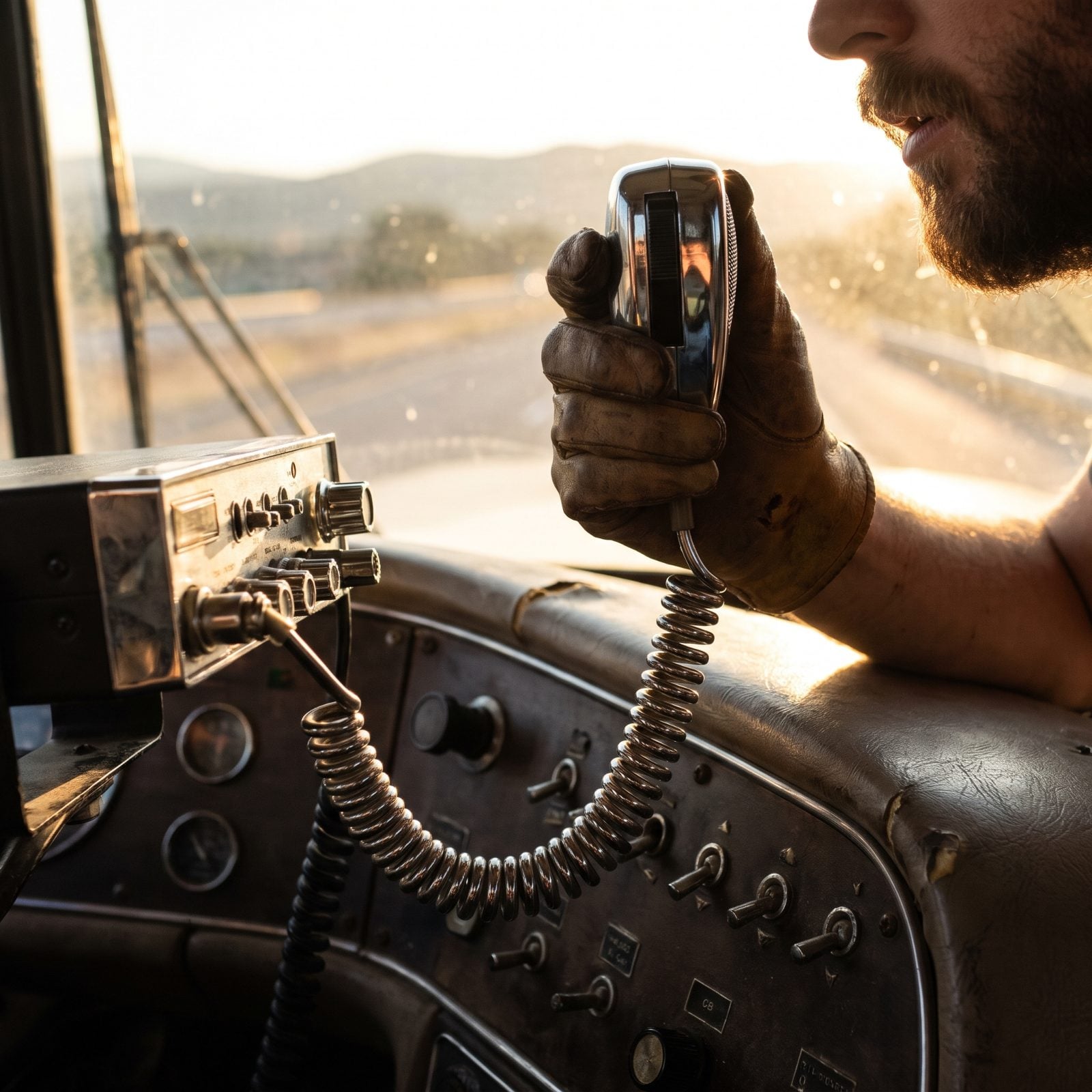
You keyed the chrome mic, said your handle, and for a minute you belonged to a club that stretched down the whole interstate.
The CB boom hit hard in the mid-1970s, and the radio swung under the dash on a spring mount so it could flex with the bumps instead of cracking its brackets. Everybody had a channel, a handle, and strong opinions about where the smokeys were parked. Breaker one-nine. Ten-four.
A social network with knobs, running on nothing but a whip antenna and the willingness to talk to strangers at seventy miles an hour. We’ve never quite replaced it.
19. The Giant First-Generation Radar Detector
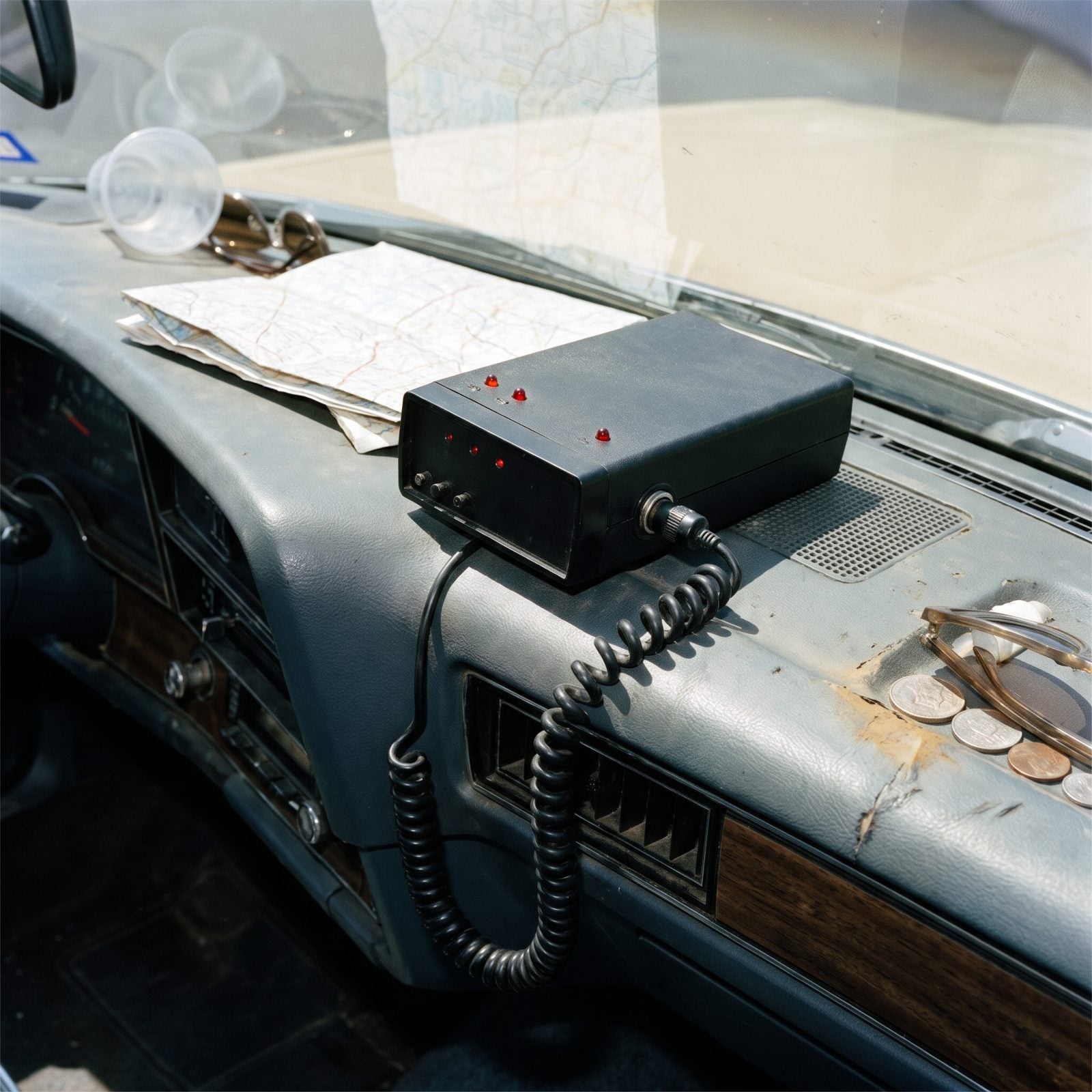
It was the size of a brick and about as elegant.
The first radar detectors of the late 1970s squatted on the dash or clung to the windshield with a suction cup that gave up on hot days, offering two big red dome lights and one beep that false-alarmed on garage doors, grocery-store sliders, and occasionally nothing at all.
Drivers bought them anyway and treated them like a copilot. The cord dangled down to the cigarette lighter because nobody wired anything cleanly back then.
Later models shrank to the size of a deck of cards. The brick, though, had conviction — it sat up there announcing to every passing car that you took your cruising speed seriously.
Looking back at the first radar detectors, a car-electronics industry writer explains “If a signal of any kind were present, the alarm would go off. Door openers at the grocery store and variety store, along with ultrasonic alarms at the local bank, set them off equally successfully.”
18. The Dashboard-Mounted Mobile Fax Machine
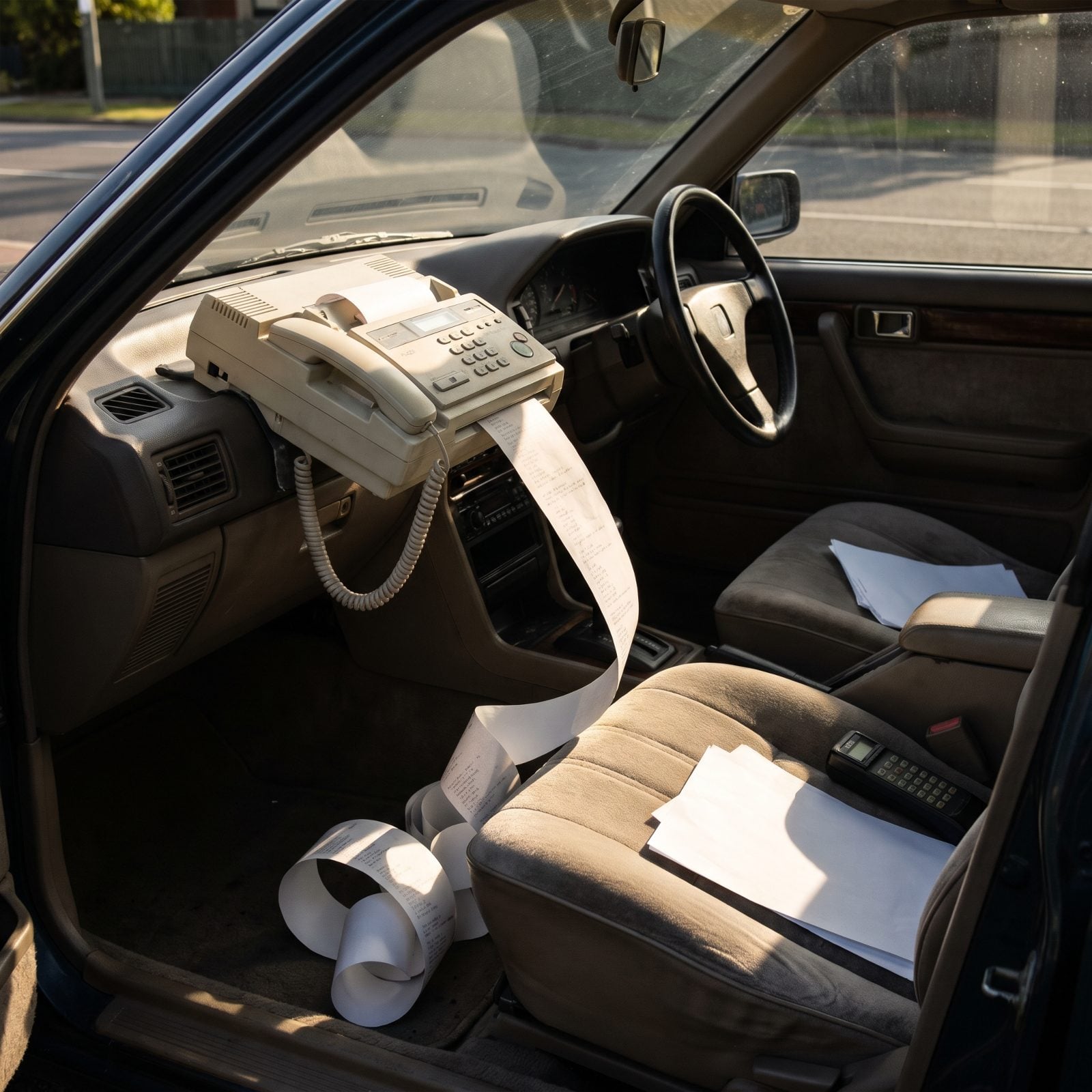
Picture a contract sliding out of a machine bolted to your console while you idle in a parking lot, the thermal paper curling and warm to the touch.
The car fax was peak late-1980s ambition. Mobile professionals could send and receive documents from the front seat, assuming the cellular connection held, which it frequently did not. It paired with the car phone, cost a king’s ransom, and printed on that shiny thermal paper that faded to a blank sheet within a year.
Almost nobody needed it. Plenty of people wanted to be the kind of person who did. That tension has sold more car gadgets than usefulness ever has.
17. The Slide-Out Cassette Stereo
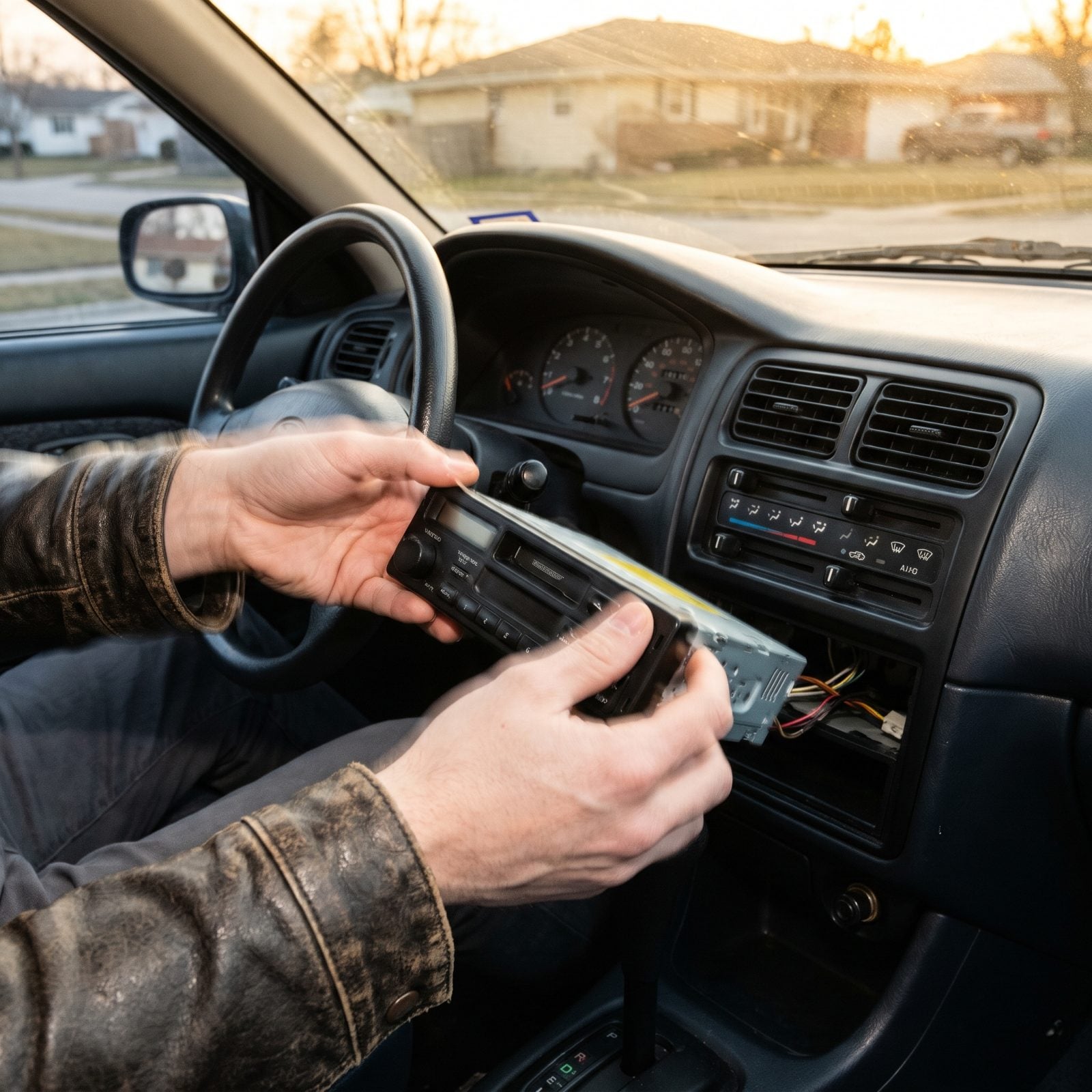
The anti-theft play of the era was beautifully low-tech: you yanked the whole faceplate off and carried it inside like a wallet.
By the late 1980s the cassette deck had grown a removable or slide-out face, the idea being that a radio with no front was worthless to a smash-and-grab thief. Half of them ended up left on kitchen counters while owners cursed in frozen parking lots.
The cassette itself was the heart of it, though. Mixtapes made on the living-room stereo. A pencil for when the tape spooled out and tangled. You rewound by ear and stopped exactly where the song began, if you were any good at it.
16. The Suction-Cup GPS Unit With a Trailing Power Cord
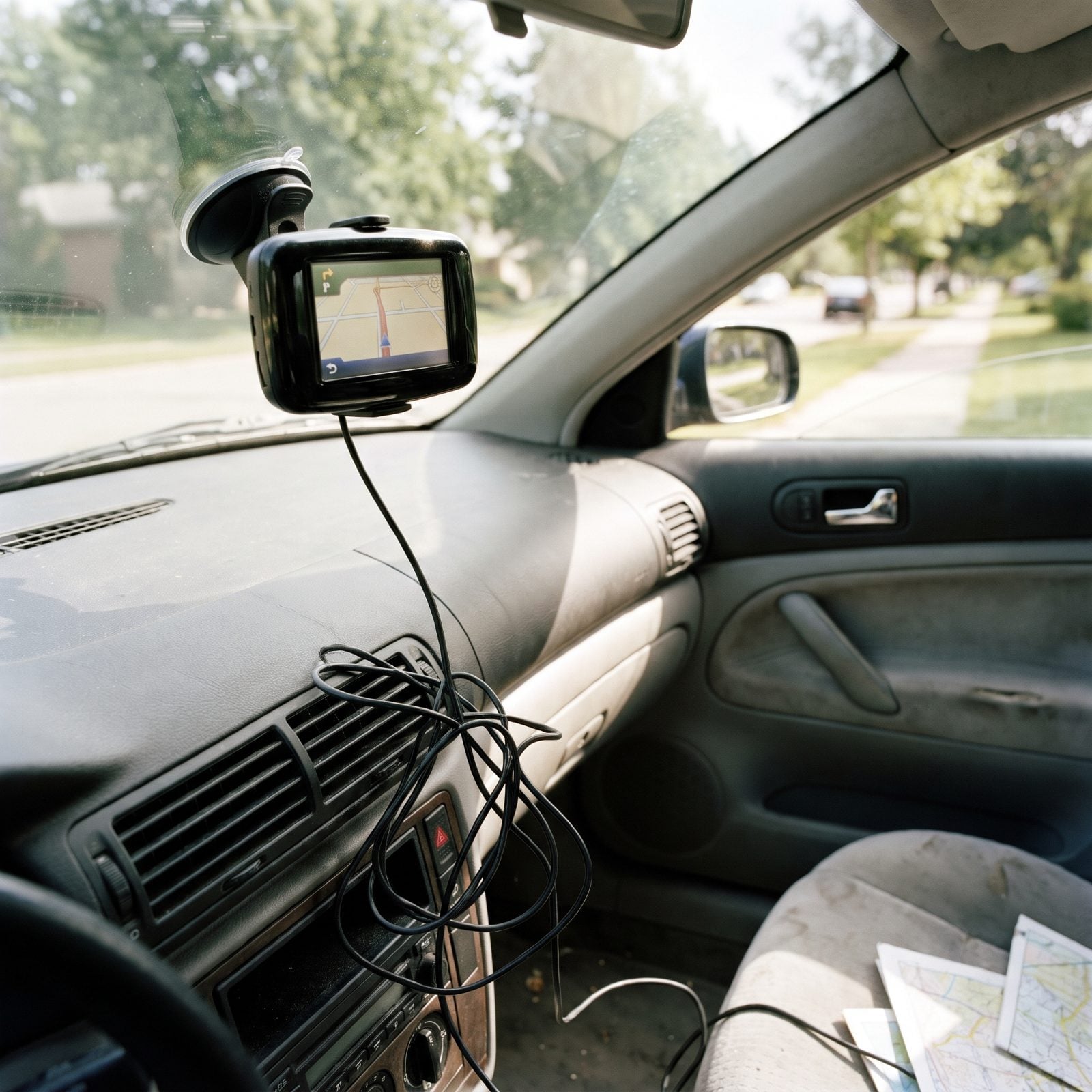
The cord was the whole personality.
Early portable GPS units clamped to the windshield with a suction cup that released on a whim, usually at the worst intersection, and trailed a black power cord down to the cigarette lighter in a loop you snagged with every elbow.
The screen was a dim green grid. It announced the turn about two seconds after you needed to take it. Still, watching a little triangle crawl along a digital road felt like science fiction you’d parked in your driveway.
It replaced the folded paper map that never folded back right. Then the phone in your pocket replaced it. Fast company, this technology.
15. The Dashboard Police Scanner
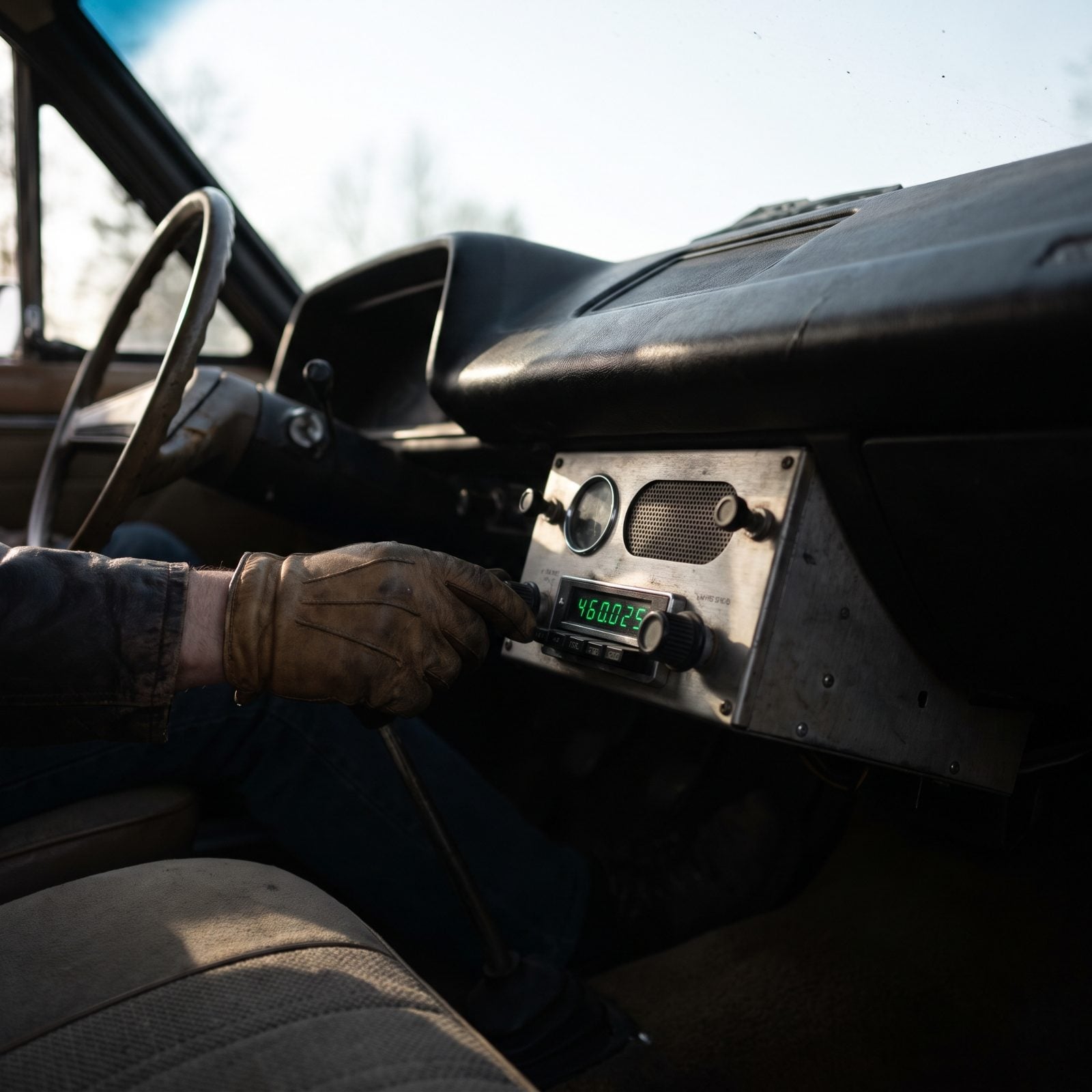
Some people wired a scanner under the dash to hear accidents before the radio reported them. Some just liked knowing where the action was on a quiet night.
The dashboard police scanner crackled with dispatch codes, fire calls, and the occasional tow-truck gossip, sweeping through channels with a soft green blink. Hobbyists loved it. So did the guy who really wanted to beat the traffic jam before it formed.
It hung on well into the 1990s before everything went encrypted and digital, locking out the curious civilian for good. For a few decades, though, your dashboard could eavesdrop on the whole county, and that was a strange kind of company on a long dark drive. The scanner knew the road was never really empty.
14. The Car-Stereo Graphic Equalizer With the Dancing Green Bars
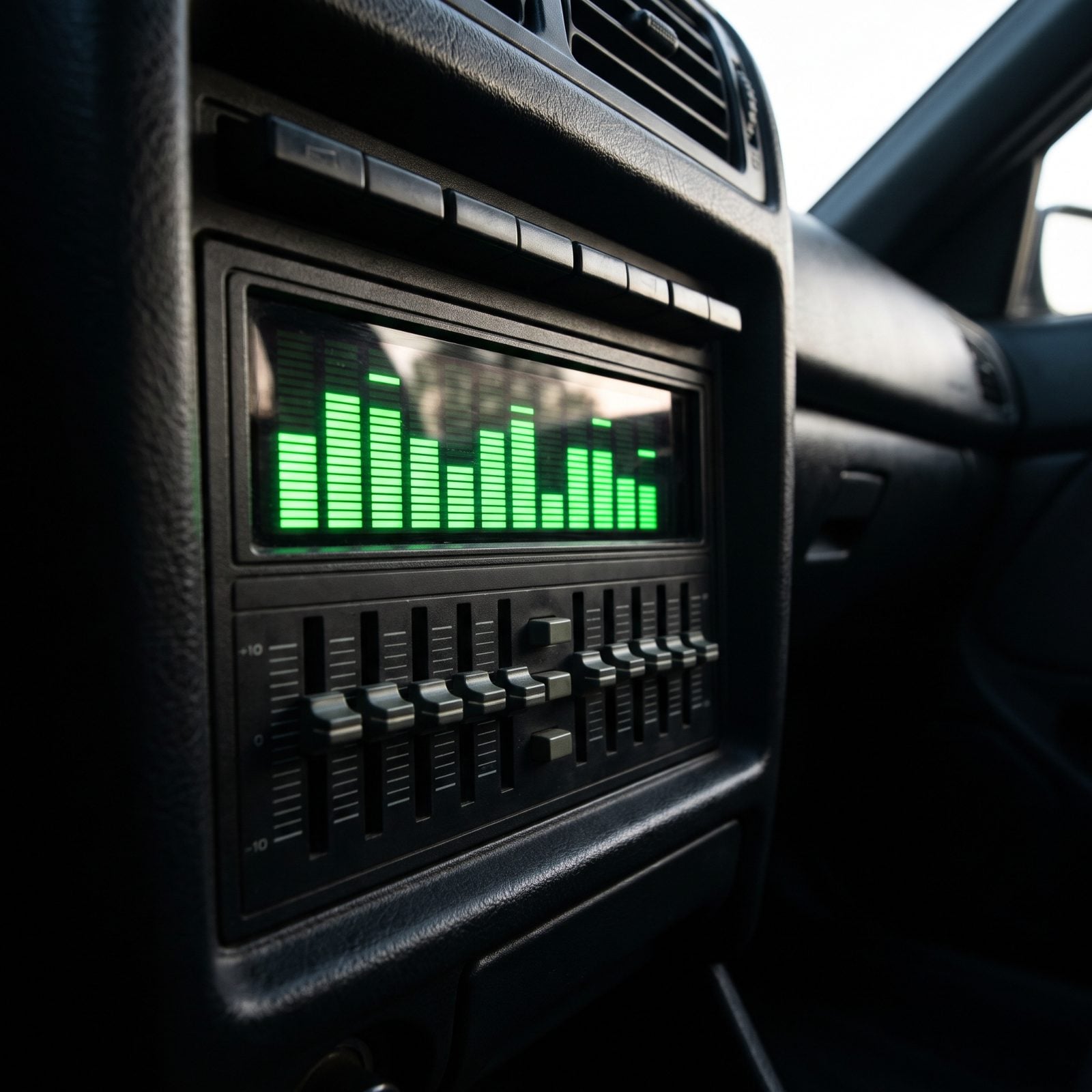
The music was almost beside the point. What you really wanted was the little light show sitting right below the radio, bouncing along to every kick drum.
Car-audio equalizers took over 1980s dashboards as their own separate box, usually tucked under the head unit with a row of tiny sliders and, on the fancier ones, a strip of glowing green or amber bars that jumped with the beat. You set the sliders into a perfect smile curve, cranked the bass, and nodded with satisfaction at a cabin that now rattled at every stoplight.
Did it make the factory speakers sound better? Sometimes. Did it look like you were piloting a recording studio down the interstate? Every single time.
13. The Talking Digital Dashboard That Reminded You a Door Was Ajar
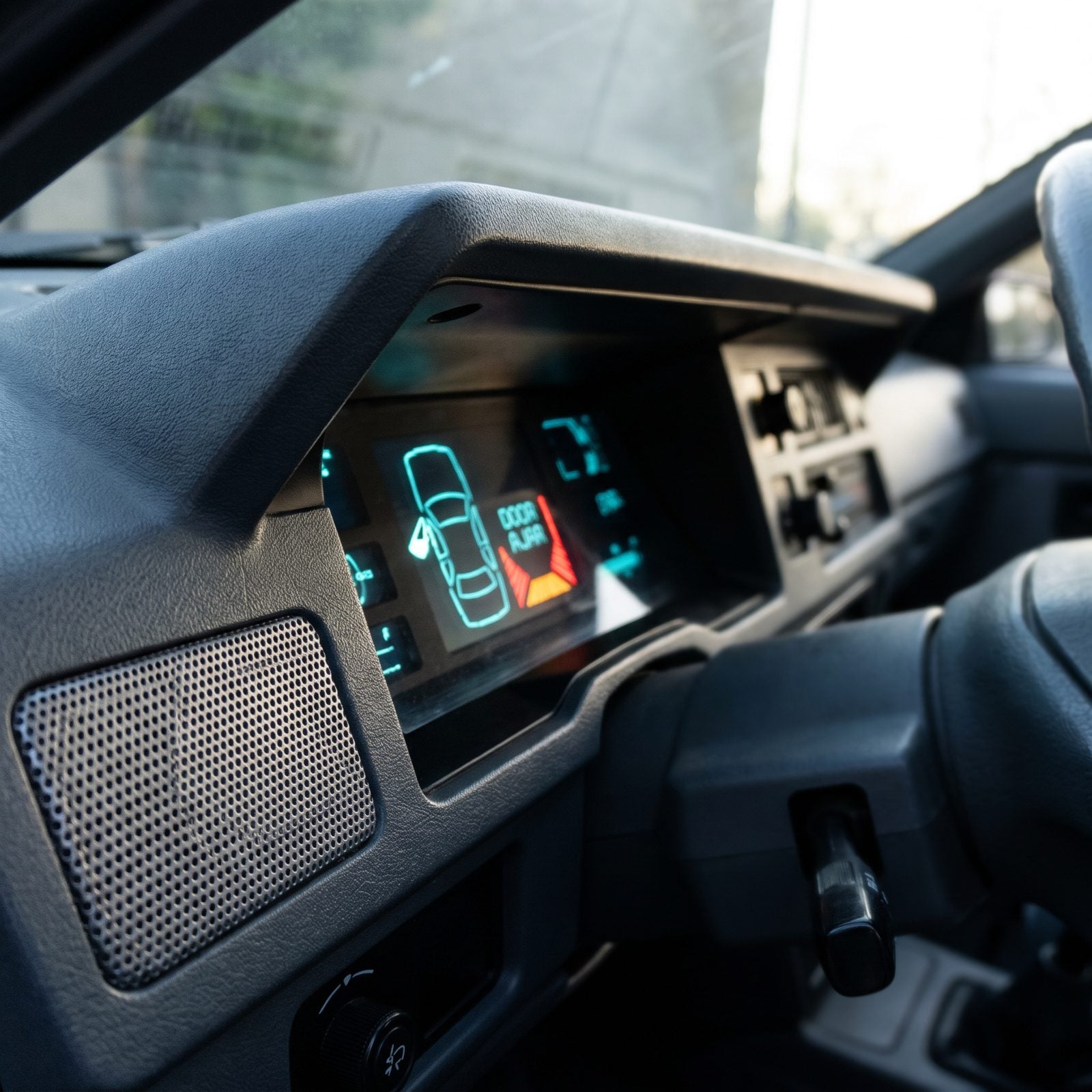
Leave the keys in the ignition and the car didn’t just chime at you. It spoke. In a flat, slightly robotic voice, it informed you that a door was ajar, as if you’d missed the cold draft yourself.
Synthesized voice warnings arrived in the early 1980s and felt like science fiction made real. The car could tell you about low fuel, an unfastened seatbelt, or headlights left burning. Owners showed it off to friends the way you’d demo a new microwave. Then the novelty wore off, and the same sentence on every single grocery run started to feel like nagging.
Plenty of owners went hunting for a way to shut it off. The talking car had personality. It just never learned when to stop.
Not every owner loved the talking dash, and a classic-car magazine writer notes “Many either disabled the system by pulling a fuse or turned the system off using a glovebox mounted switch.”
12. The Mechanical Rally Trip Computer Bolted Below the Dash
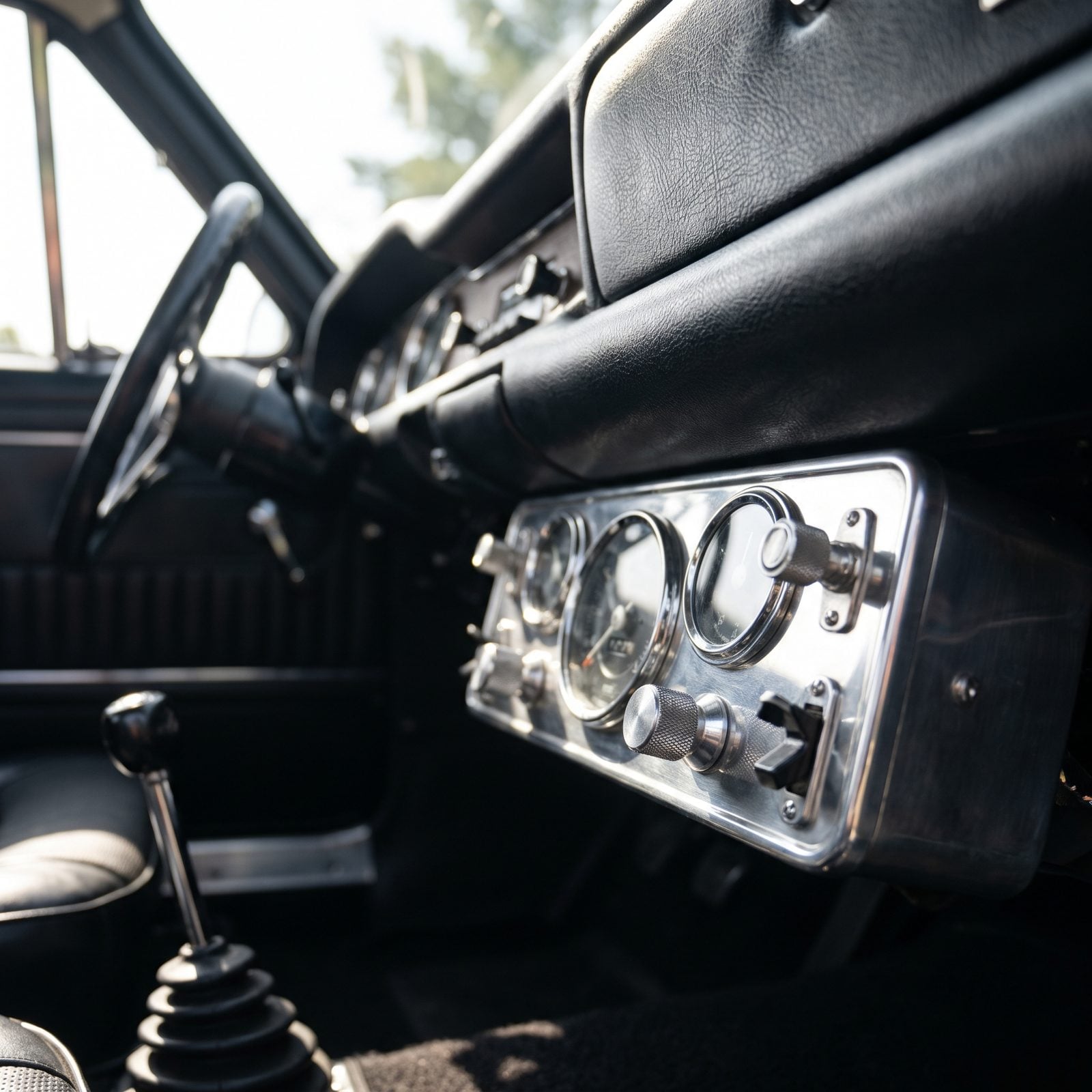
Long before any screen could tell you your average speed, serious rally crews bolted a gleaming metal box below the dash and ran a cable to it straight off the drivetrain.
Mechanical trip computers like the Swedish-made Halda Tripmaster counted distance with gears instead of chips, reading out to fractions of a mile so the navigator could follow route instructions down to the exact turn. Little knobs zeroed the counters between stages, and the whole thing clicked and whirred like a small mechanical watch the size of a toaster.
Weekend club rallyists put them in ordinary sedans just to feel the part. A pure machine for an obsession with precision, and it never once needed a software update.
11. The Twin Rally Stopwatch Set Ganged on a Chrome Bracket
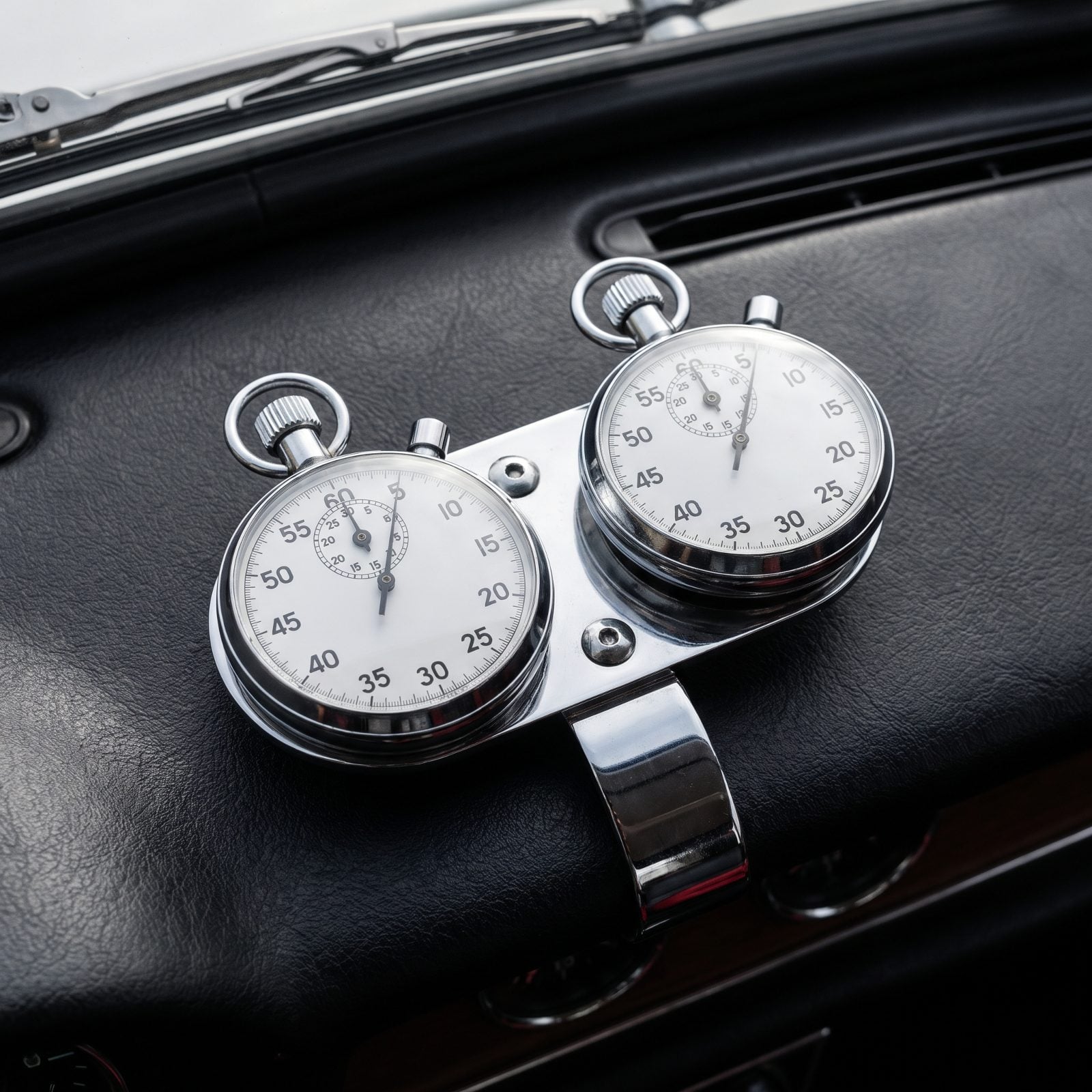
One stopwatch told you elapsed time. Two told everyone in the parking lot that you were a navigator with a plan.
Rally drivers of the 1950s and 60s mounted a matched pair of timers side by side on a chrome bracket above the dash, often one for total time and one for the current leg. Swiss makers, Heuer most famously, built dashboard timers precisely for this job, with big legible faces and crowns you could hit with a gloved thumb.
In a real time-speed-distance rally they were essential gear. In a sporty coupe that never left the city, they were jewelry. Gorgeous jewelry, though, and some of those old dash timers are now worth far more than the cars they once rode in.
That era still lands with our readers: car photos that look like the 1960s got hearts 87% of the time, versus 80% for the other images in the same articles.
10. The Oversized Shift-Light Pod That Screamed ‘Row the Gears’
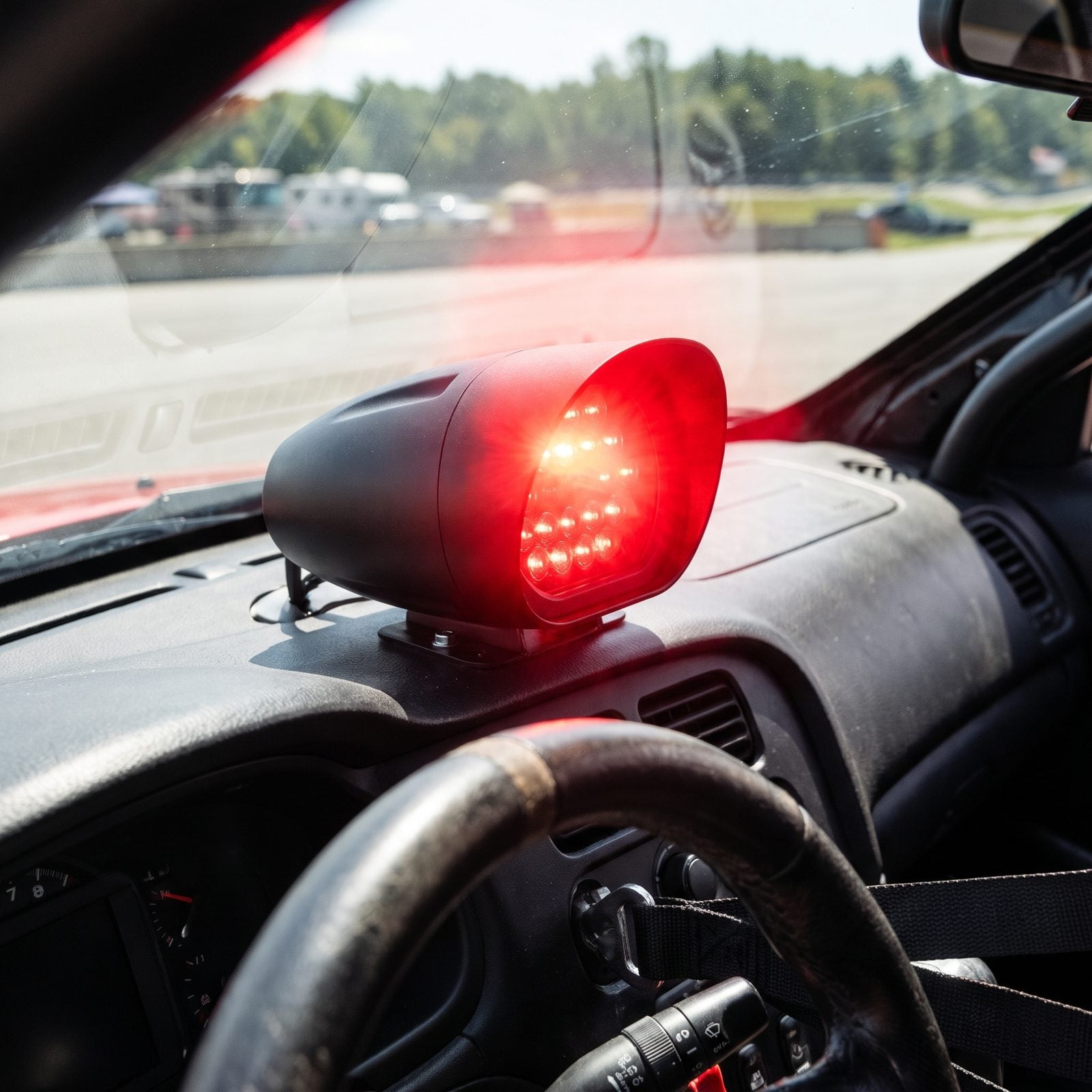
A tachometer tells you what the engine is doing. A shift light tells you what to do about it, and it does so loudly.
These aftermarket pods sat on the dash or clamped to the steering column with a bulb the size of a fat thumb. You dialed in your shift point, and when the needle got there, the thing exploded in red or amber right in your line of sight. Drag racers swore by them. So did plenty of street drivers who never once got near redline on the way to work.
Nothing said “this car means business” like a warning light bigger than the gas gauge. Modern cars hide the same idea in a tiny graphic. The old pod wanted the whole street to know.
9. The Floating-Ball Inclinometer for the Off-Road Daydreamer
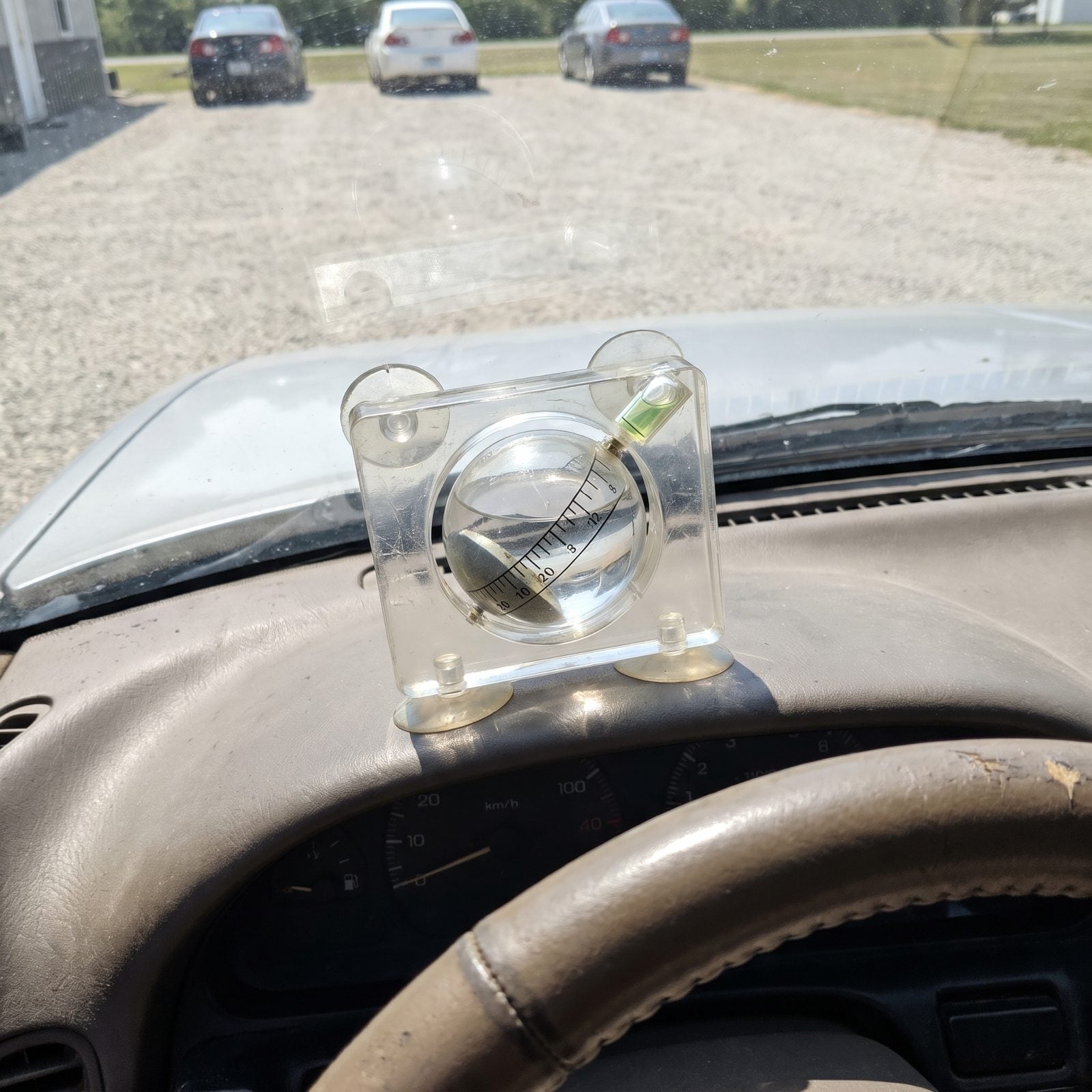
The trail was usually a gravel driveway. The inclinometer didn’t care. It still reported every degree of lean like you were crawling a mountainside.
These dash-mounted gauges used a ball or a weighted dial floating in a curved, liquid-filled housing, showing how far the vehicle was pitched front to back or tilted side to side. On a genuine off-road climb, that information could actually keep you out of trouble. On a parking-lot speed bump, it was pure entertainment.
Four-wheel-drive owners loved them, and so did people who simply wanted to look like they owned a four-wheel drive. The little ball wobbled with every turn, a constant reminder of adventures that mostly happened between the ears.
8. The Spinning Magnetic Compass Globe Suction-Cupped to the Glass

Before turn-by-turn directions, a lot of drivers navigated with a paper map, a sense of the sun, and a little liquid-filled ball stuck to the windshield.
The suction-cup compass globe held a flat dial with a needle that swung around to point north, bobbing and spinning on every curve before settling down. Brands like Airguide sold them for years, and the better ones included small adjustment screws to compensate for the steel and electrical systems of the car, which happily threw the reading off anyway.
Was it accurate? Roughly. Was it charming to glance up and see the needle drift from N to NE as you merged onto the highway? Absolutely. It made every road trip feel like an expedition, even when the destination was an aunt two counties over.
7. The Clip-On Windshield Defroster Fan That Wheezed Against the Frost
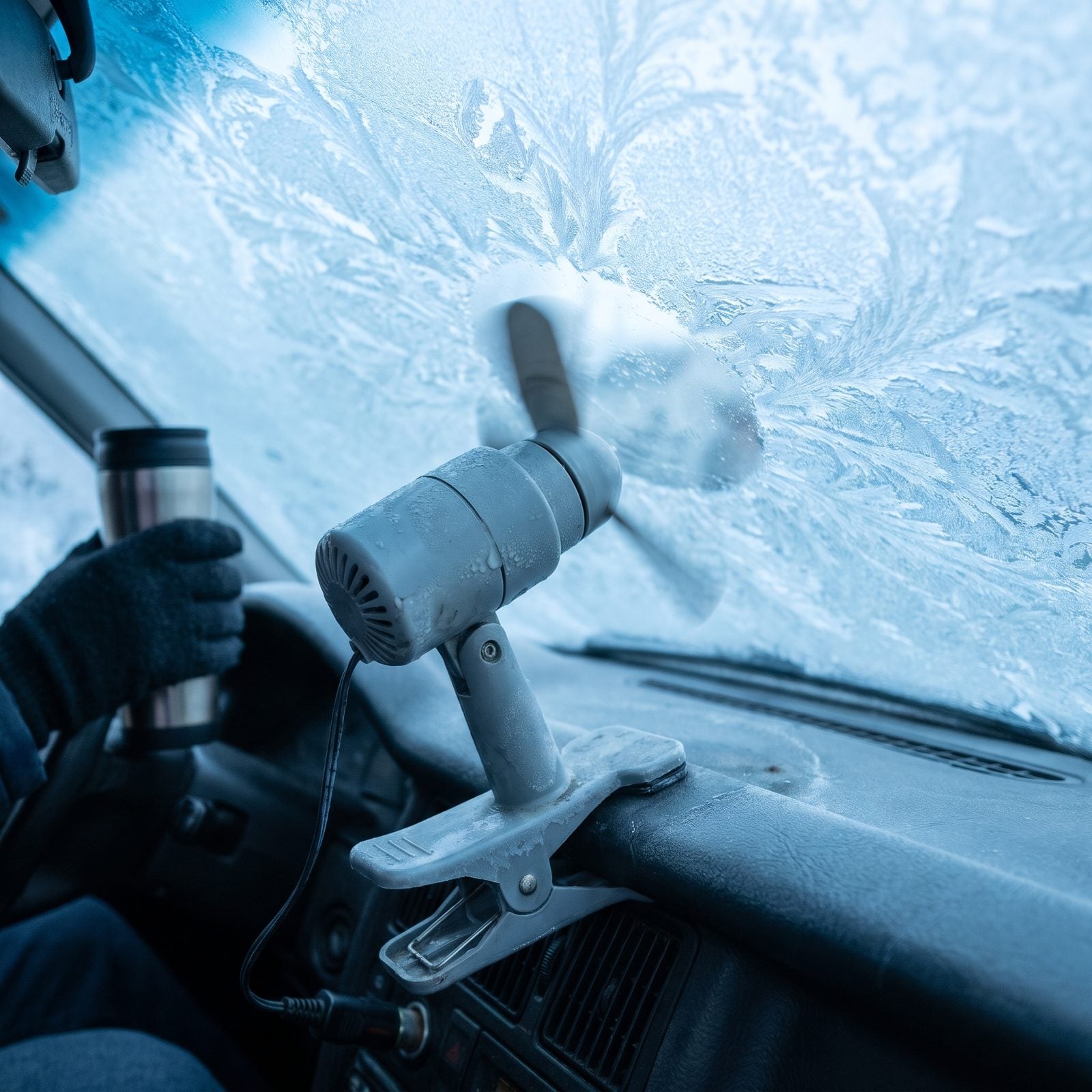
The factory defroster was slow, the morning was cold, and you were already late. So you clipped a tiny fan to the dash and plugged it into the lighter socket.
These 12-volt units promised to blast your windshield clear in moments. In practice they pushed a thin breeze at one patch of glass, sometimes with a heating element that managed lukewarm at best. You hunched over the wheel peering through a clear spot the size of a dinner plate while the rest of the glass stayed frosted.
They buzzed, they rattled, and they made a noble effort. Better heater cores and rear-window defrosters eventually made them pointless, but for a few winters that little fan was the most hopeful thing in the car.
6. The Under-Dash Tissue Dispenser the Whole Family Reached For
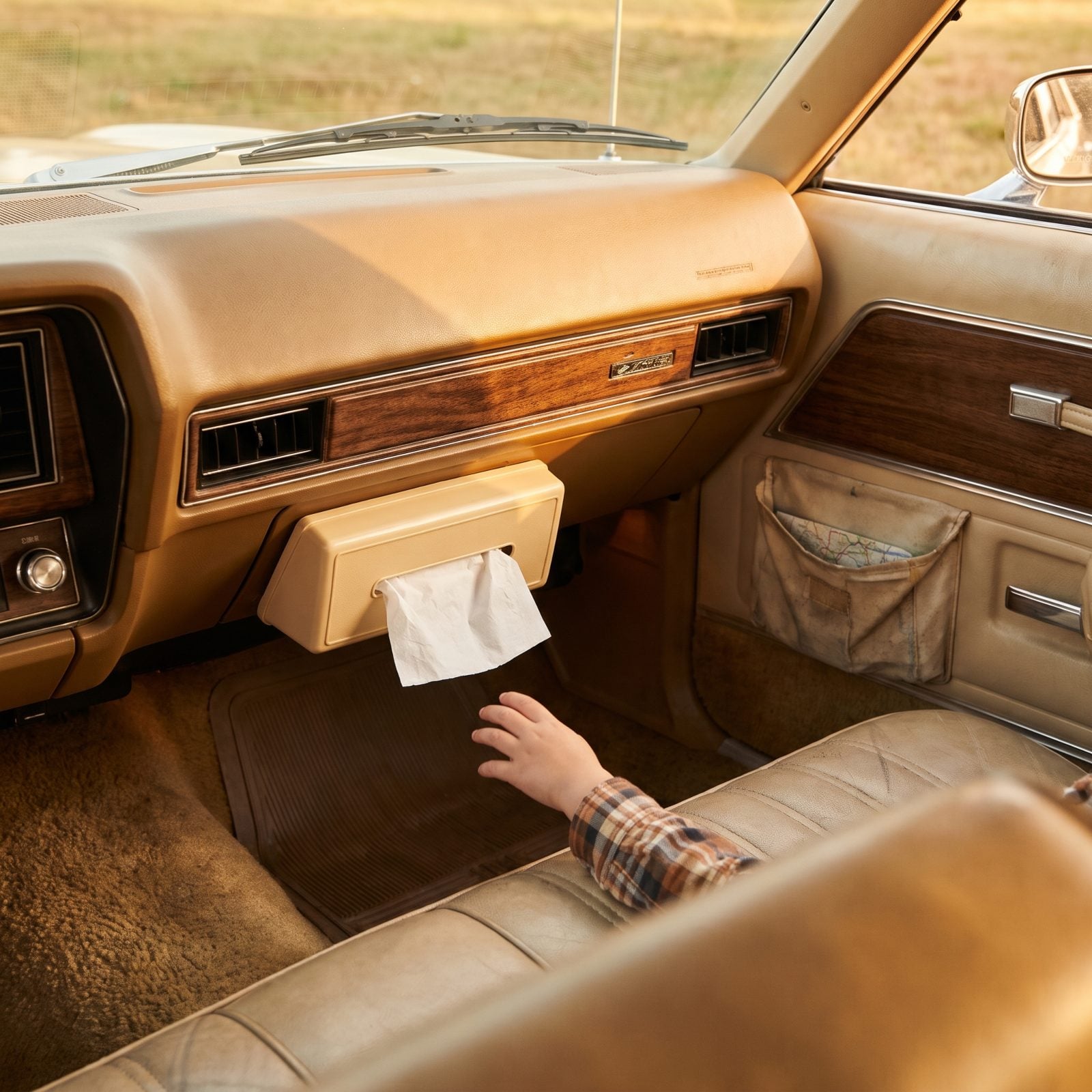
Every family wagon seemed to come with one, bracketed up under the glovebox where a kid could reach it from the middle of the bench seat. Pastel plastic, usually avocado or that particular 1970s beige, and a single tissue poked out of the oval slot like it was waiting for you.
You used it for everything. Skinned knees in the parking lot, a nose that ran the second the heater kicked on, a melted ice cream wiped off the vinyl before Mom could see. The box never seemed to empty, because somebody always refilled it from the big carton back home.
To an eight-year-old, these were the dullest thing in the car. Now? We’d give a lot to reach up under a dash and feel that spring clip give.
5. The Dashboard Cigarette Dispenser With the Push-Button Eject
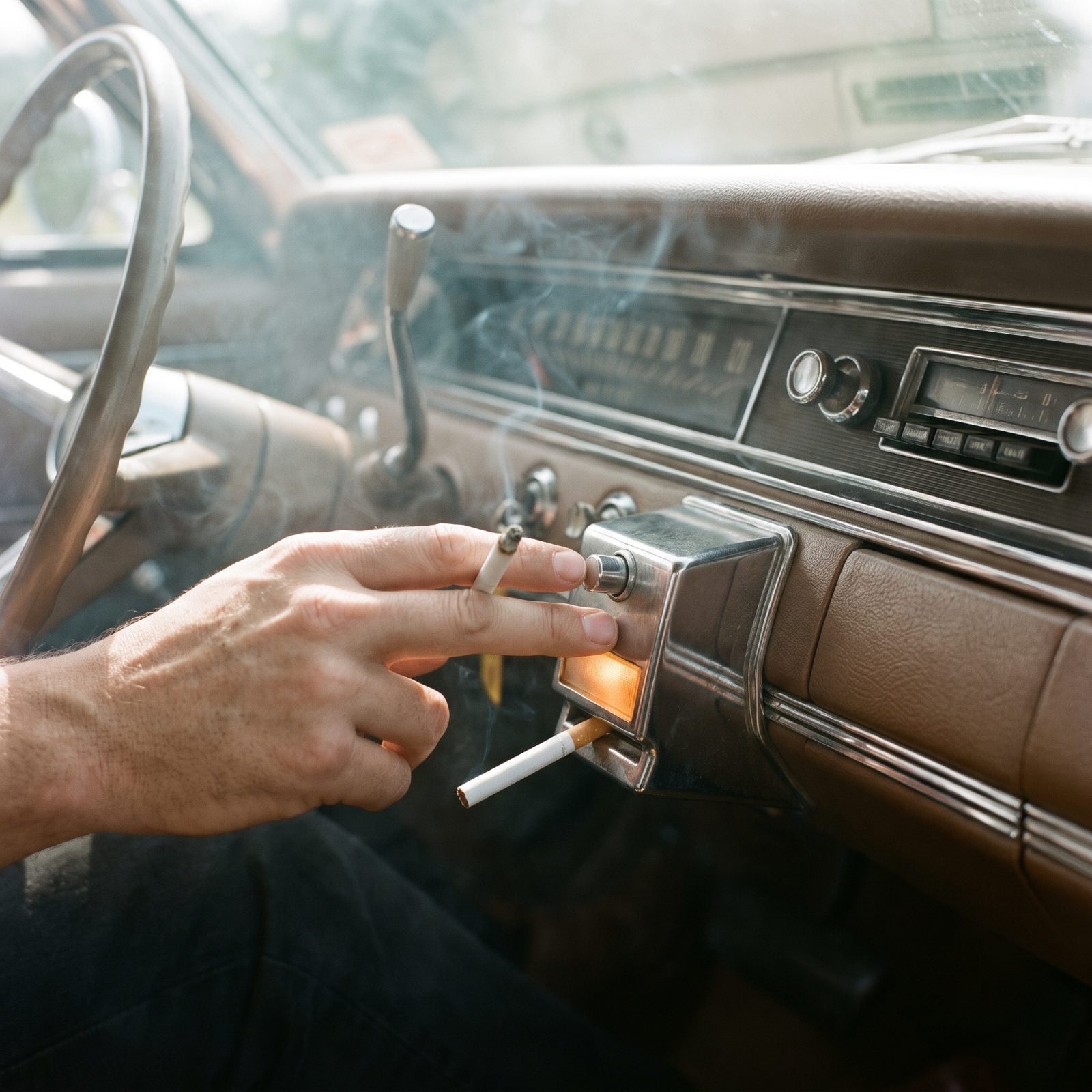
Lighting up while driving once took two hands and a knee on the wheel. Somebody decided that was one hand too many.
The dashboard cigarette dispenser held a full pack in a little box mounted under the dash or on the console. You pressed the button, and a single cigarette slid out the front, tobacco end first and still unlit, filter still tucked in the slot, while your eyes stayed on the road. The whole ritual became a one-handed routine.
It feels absurd now, a machine built to make smoking at sixty miles an hour more convenient. Back then it was simply good design, and plenty of drivers thought it was the cleverest thing in the car.
4. The Suction-Cup Cupholder That Fell Off Every Time You Turned Left

Cars of a certain age had nowhere to put a drink. Not a slot, not a ring, not a molded dimple in the console. So you bought a plastic holder with a suction cup and stuck it to the dash or the side glass.
It held fine on the driveway. Then you took the first left turn with a full soda in it, the cup lost its grip, and the whole thing let go onto the floor mat. Hot days softened the seal. Cold days stiffened it. Textured dashboards never gave it a chance at all.
Built-in cupholders eventually spread across nearly every new car in the 1980s and 90s, and the suction-cup version faded out. Nobody missed the sticky carpet.
3. The 12-Volt Dashboard Coffee-Maker Bracket Wired Into the Cigarette Lighter
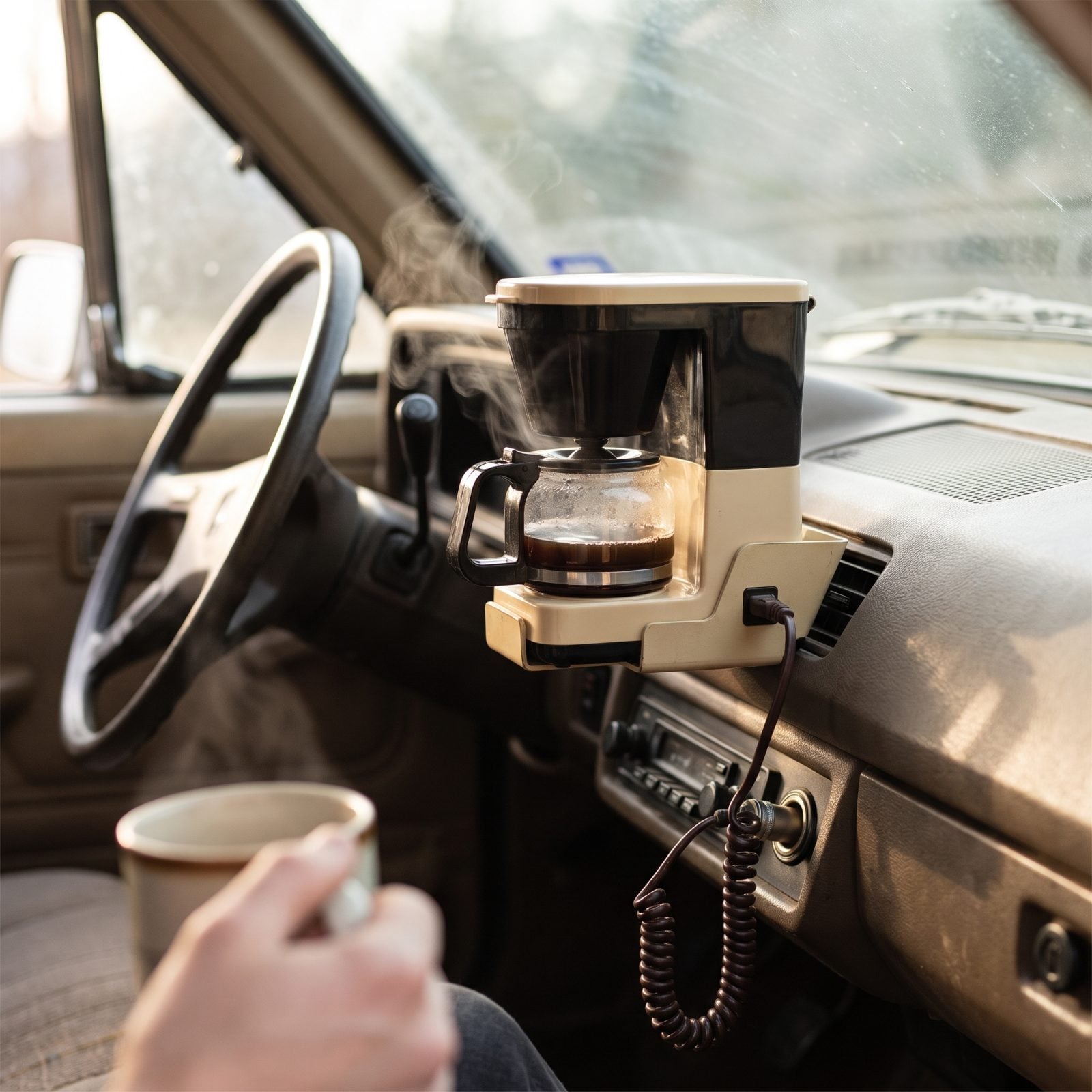
The pitch was irresistible for anyone with a long commute: fresh coffee brewed right there in the car, powered by the cigarette lighter.
The reality was slower. A 12-volt socket can only push so much power, so these little brewers took ages to heat a single cup, and some of them blew the fuse before they finished. The bracket that held it to the dash had to stay level, which was a tall order on any road with curves. A sudden stop meant hot coffee where you least wanted it.
Truckers and road-trippers kept them around anyway. There was something satisfying about watching a brew drip while the highway rolled by, even if a gas-station cup would have been faster.
2. The Solar-Powered Cabin Ventilator That Sat Propped in the Window Crack
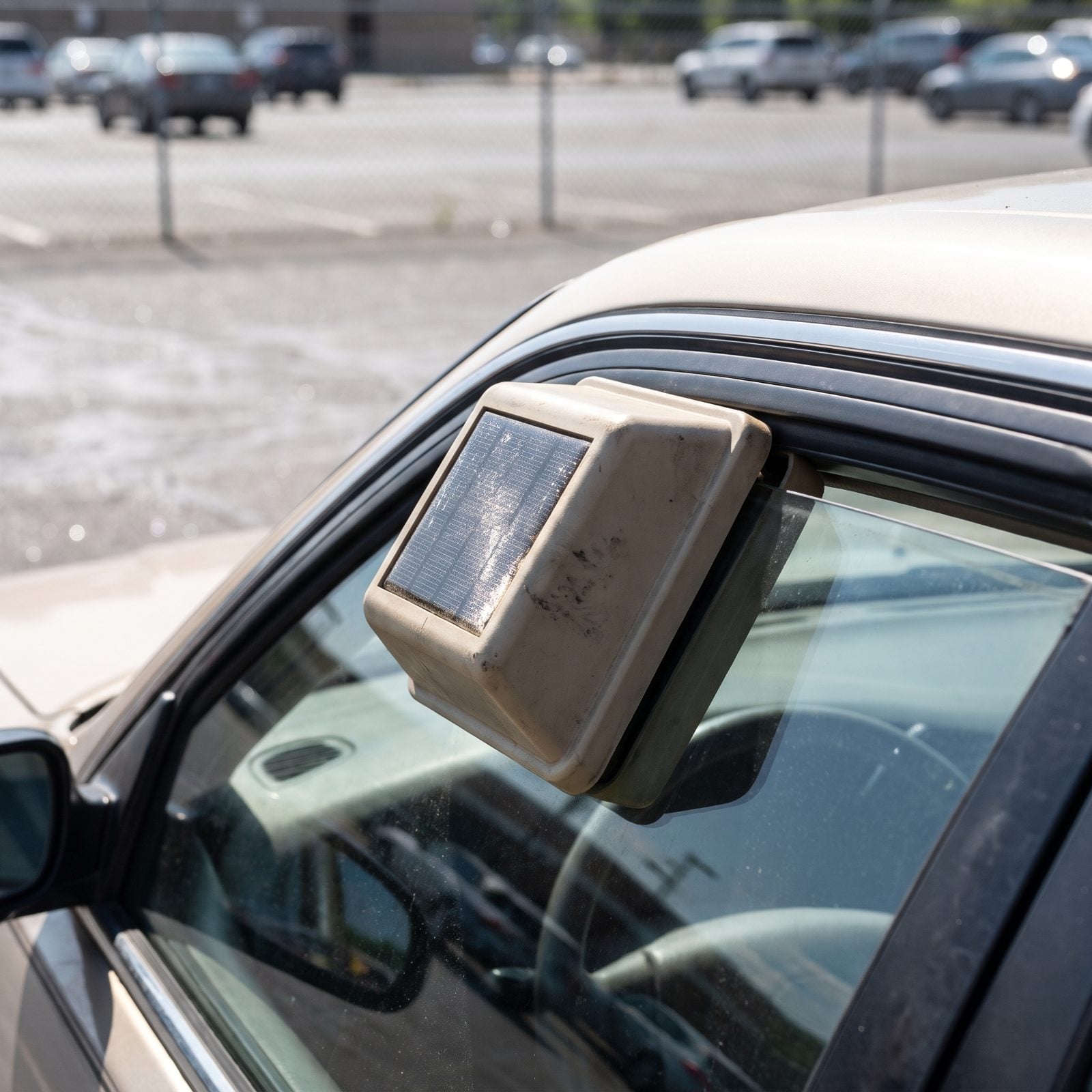
Park in a summer lot and come back to a car hot enough to bake bread. The solar ventilator promised to fix that without touching the battery.
It was a deep, bulky plastic box with a small solar panel on the outside and a fan on the inside, fitted into the top of a window rolled down just a crack, wedged between the frame and the nearly closed glass. While you shopped, the sun spun the fan and pulled hot air out of the cabin. In theory, you came back to something bearable.
In practice, the breeze was gentle at best, and the car was still hot. But it felt proactive, the panel looked a little space-age, and it gave you a reason to leave the window open a crack without feeling careless about it.
1. The LED Knight Rider Scanner Light That Swept Across the Grille
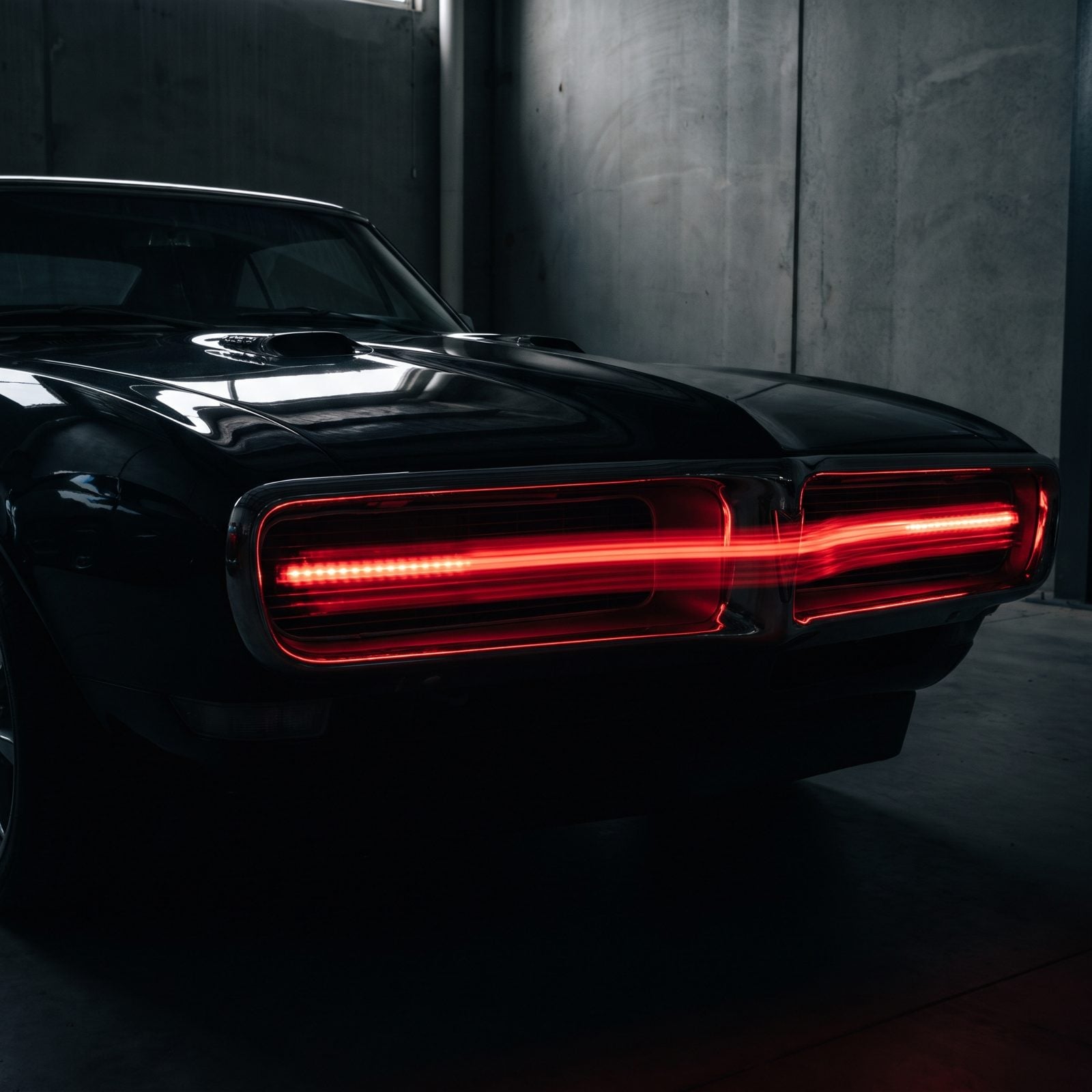
Every kid who watched a black Trans Am talk back to its driver wanted that red light sliding side to side across the nose. Some grown-ups wanted it even more.
The aftermarket answered with scanner kits: a row of red LEDs behind a strip that mounted in or behind the grille, wired to a little controller that swept the light back and forth with that hypnotic rhythm. Some came with a dash switch so you could turn it on for an audience and off when anyone in uniform was around.
It never made a car faster or smarter. It just made it feel like it might answer if you spoke to it, and for a certain generation, that was the whole point.