

Would you like to save this?
A DZ-stamped 302 can sell a car or sink it, and the difference often comes down to a half-inch of broach marks nobody can see without dropping the engine. The 1969 Z/28 is one of the most documented, most faked, most argued-over muscle cars ever built. Two Norwood cars and one Van Nuys car can share a glovebox full of identical codes and still tell three different stories. What follows is where the real disputes live, and why the paperwork rarely settles them.
Please note that some of the images in this article were created with the assistance of AI.
40. Whether a DZ Engine Stamp, Partial VIN, and Broach Marks Are Genuine
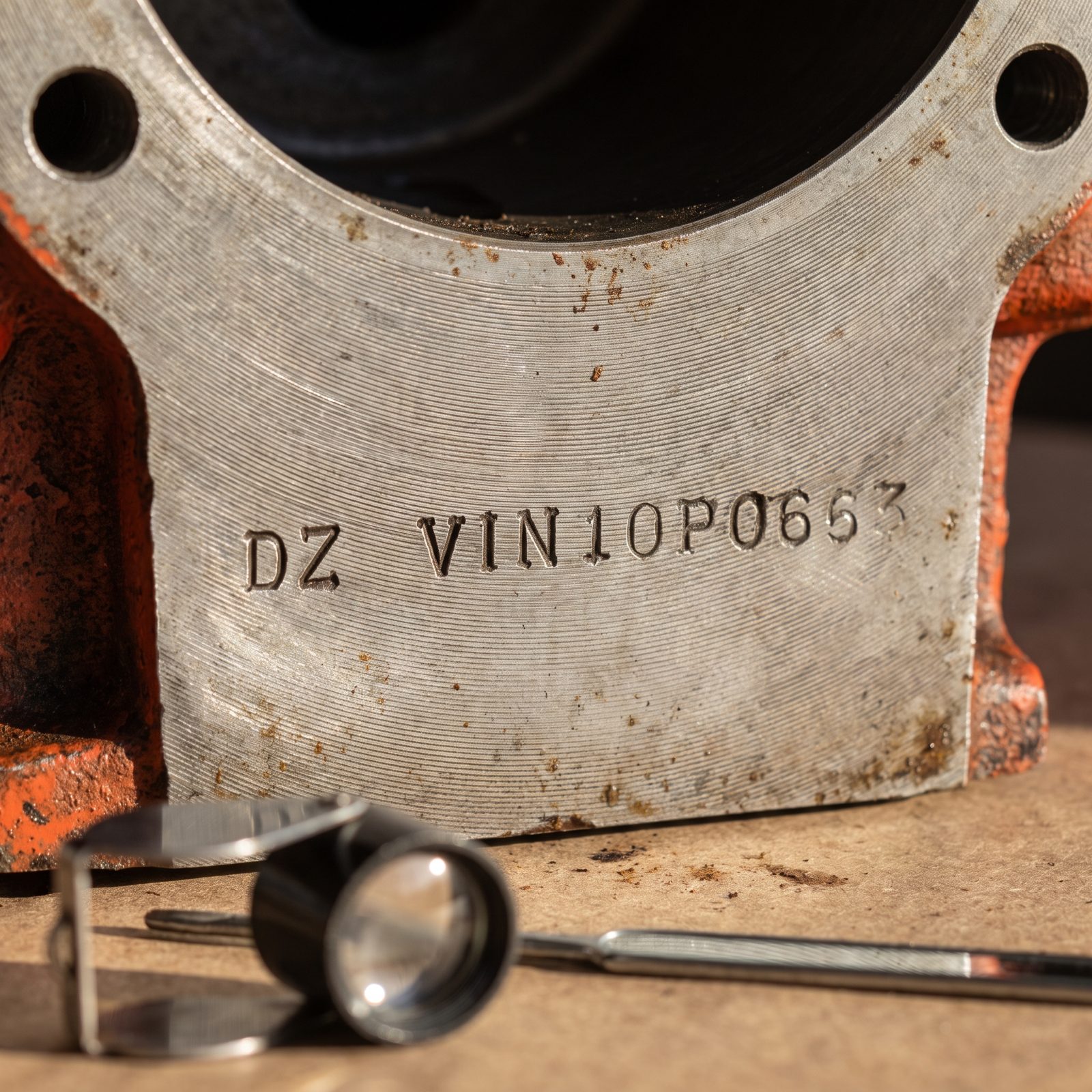
The DZ suffix is the whole ballgame, and it’s also the easiest thing in the world to fake. A real factory pad shows three things working together: a crisp DZ suffix, a partial VIN that matches the car, and broach marks running clean beneath the stamps. Restampers nail the first two and ruin the third.
Broach marks are the horizontal machining scratches the factory left when it decked the block, and genuine stamps sit right on top of them. Pad looks too flat? Too clean? Broach lines vanishing exactly where the characters start? Somebody milled the pad and started over.
We’ve watched grown men argue for an hour over a quarter inch of steel. The font matters too. Those gothic characters have a specific look, and gang-stamp spacing carries a natural waver that a modern stamp kit fights to copy and usually loses.
39. What the X33 and X77 Cowl-Tag Codes Actually Prove
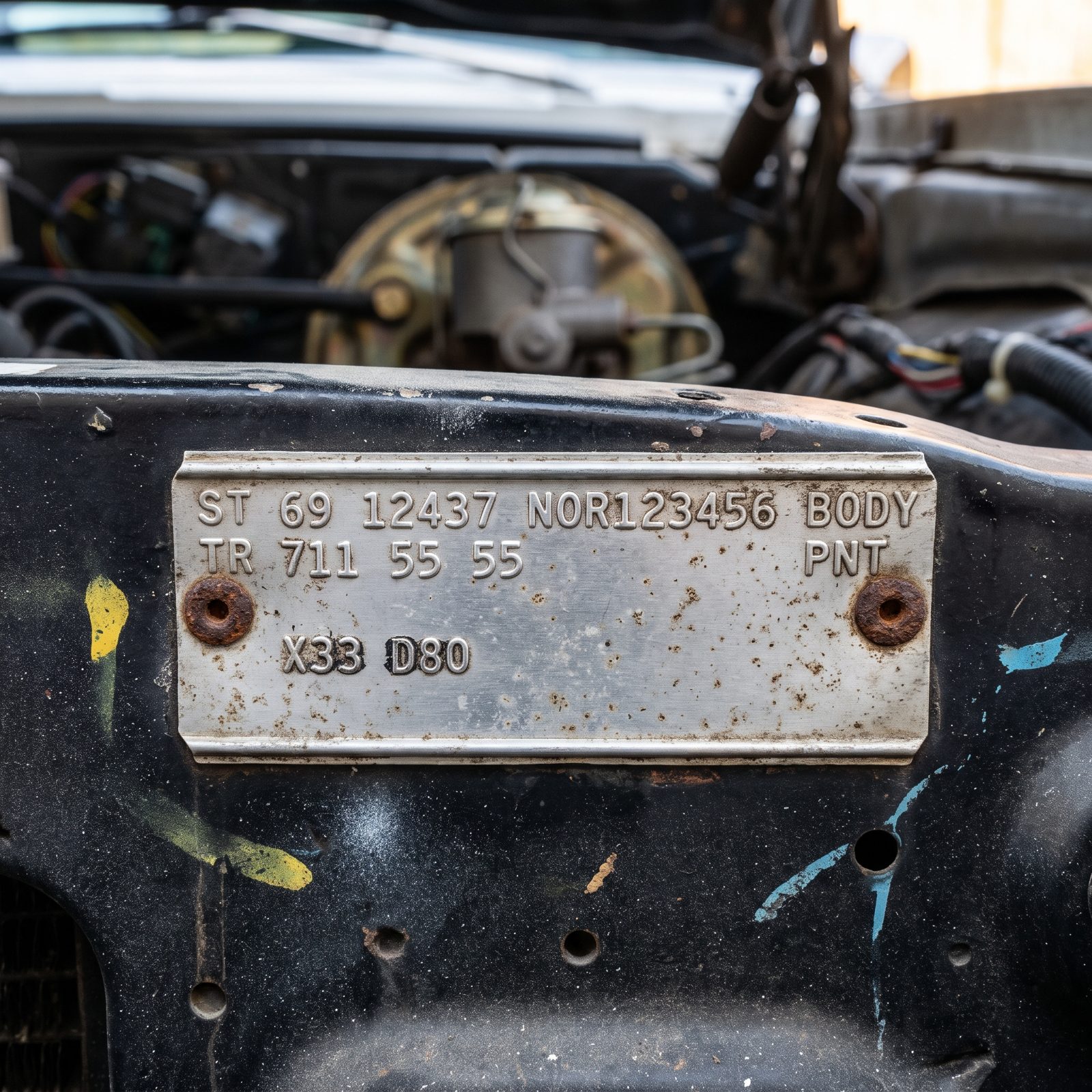
Here’s where a lot of hope goes to die. The X-codes on a Camaro cowl tag describe the car’s option package as it was ordered, and collectors treat them like a birth certificate. They’re closer to a shipping label.
An X-prefix body code can tell you the car left the line as a Z/28-optioned body. Useful. What it can’t do is prove the drivetrain under the hood today is the one that rode out on the trailer. Tags get swapped. Bodies get re-tagged during restorations. A clean-reading tag on a car with no supporting paperwork is a starting point, not a verdict.
Read the whole tag, not just the line you want to see. Paint code, trim code, build date, body code — they all have to agree with each other and with the rest of the car.
38. Dealer-Installed Cross-Ram vs. Assembly-Line Authenticity
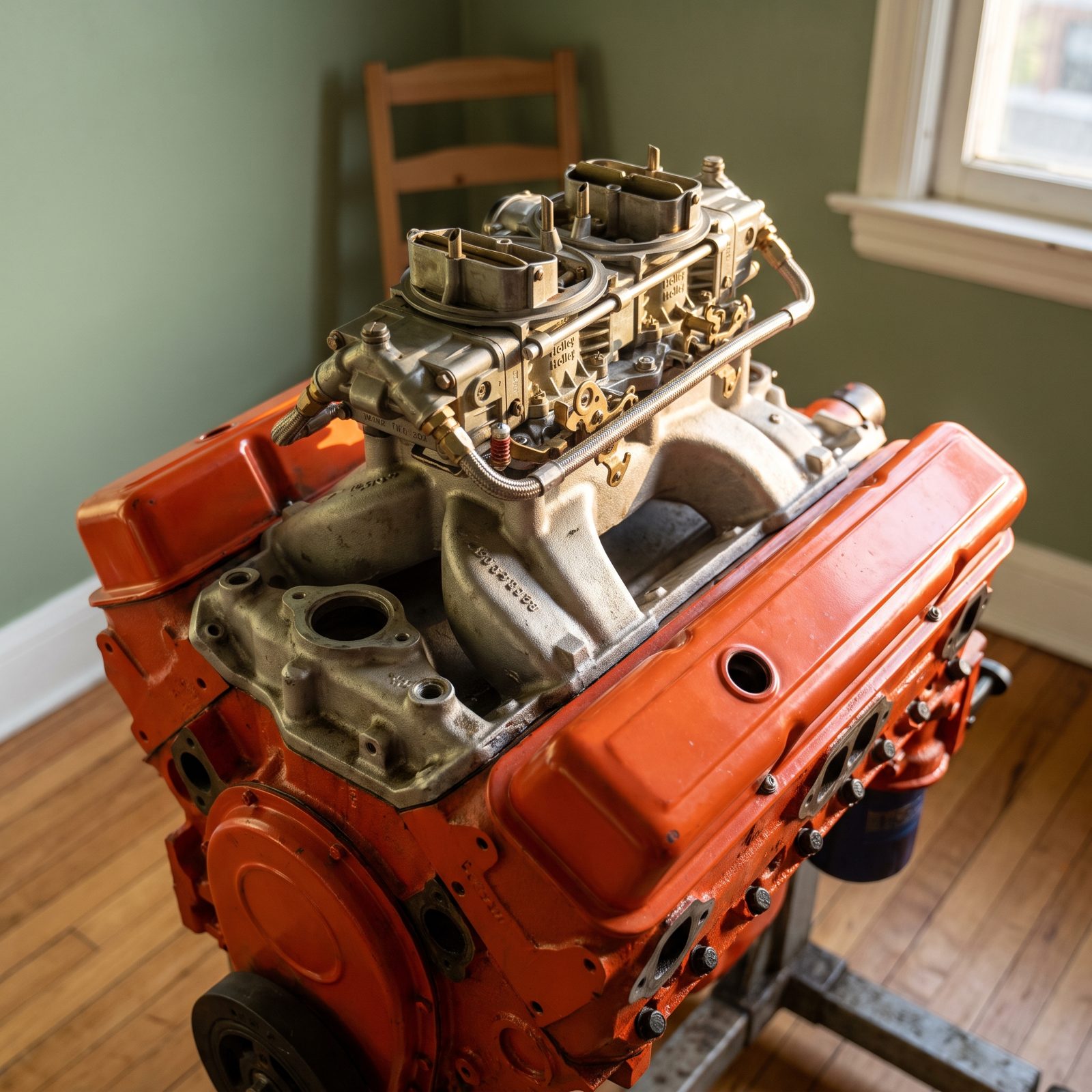
The cross-ram is one of those parts that makes a Z/28 look like it’s about to eat a road course for breakfast. Chevrolet sold it as a dealer-installed option, boxed up from the parts counter rather than bolted on at the end of the assembly line, and that distinction fuels endless fights.
A car wearing a cross-ram today proves almost nothing about whether that car had one in 1969. No cowl-tag code stamped it on. The only real evidence is original dealer paperwork, parts invoices, or a documented ownership chain that mentions it.
So the question stops being “is the cross-ram real” and becomes “is the cross-ram’s history to this car real.” Not the same thing. A seller who blurs the two is telling you something.
37. Whether JL8 Four-Wheel Disc Brakes Can Be Authenticated Without Paperwork
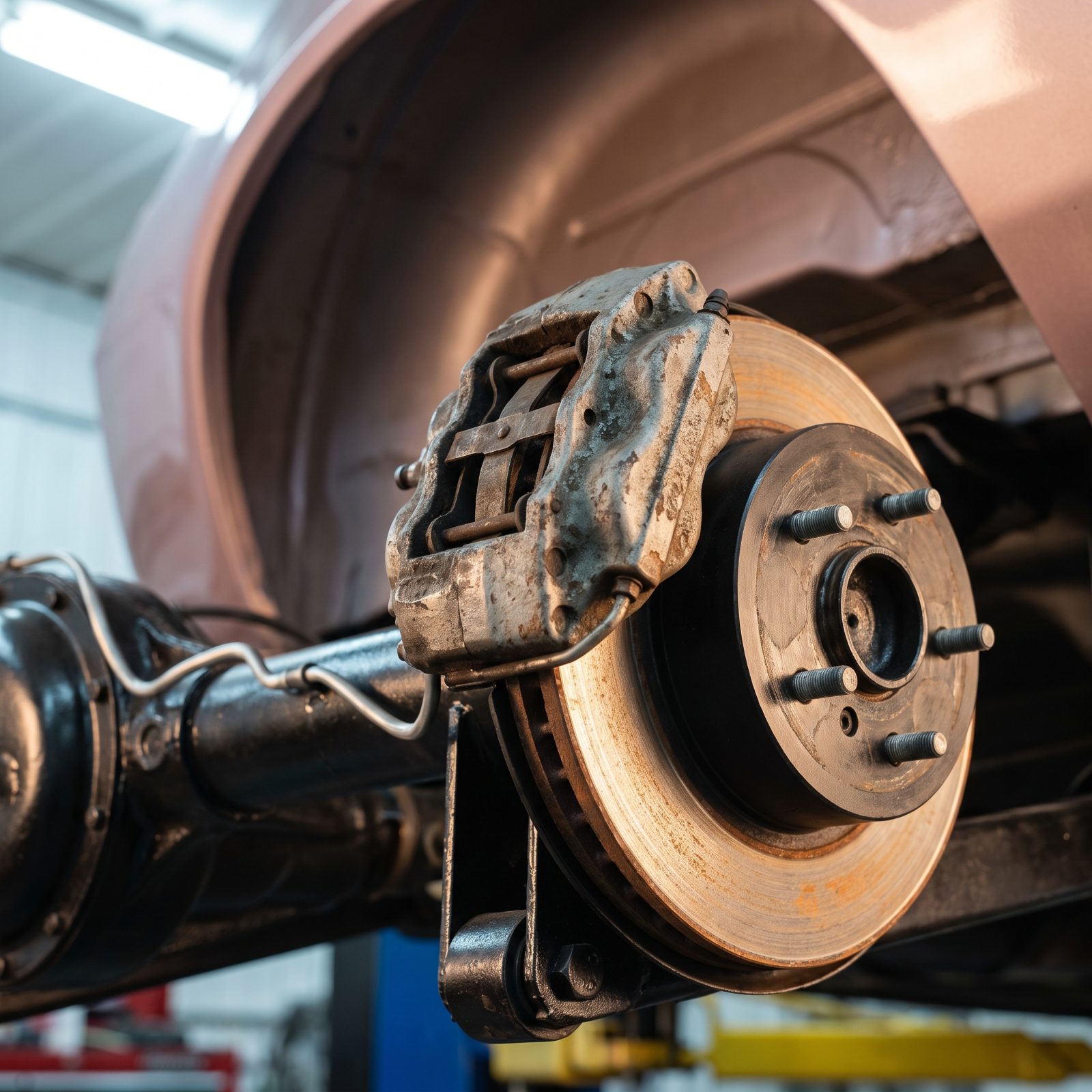
JL8 is the rarest factory option that still argues with itself. Four-wheel disc brakes went on a tiny slice of 1969 Z/28s, and the hardware is distinctive enough that you can build a strong case from the car alone, even without the original invoice.
The rear setup is the tell. Specific calipers, specific mounting brackets, a particular rear-end configuration, a proportioning valve that never shows up on drum-brake cars. These parts resist faking because the brackets and the rear housing have to match.
So can you authenticate JL8 without paperwork? Partly. The physical evidence carries you most of the way, and paperwork closes the gap between “these are correct JL8 parts” and “these JL8 parts lived on this car in 1969.”
36. Open-Element Air Cleaner, Cowl Induction, or a Factory Flat Hood
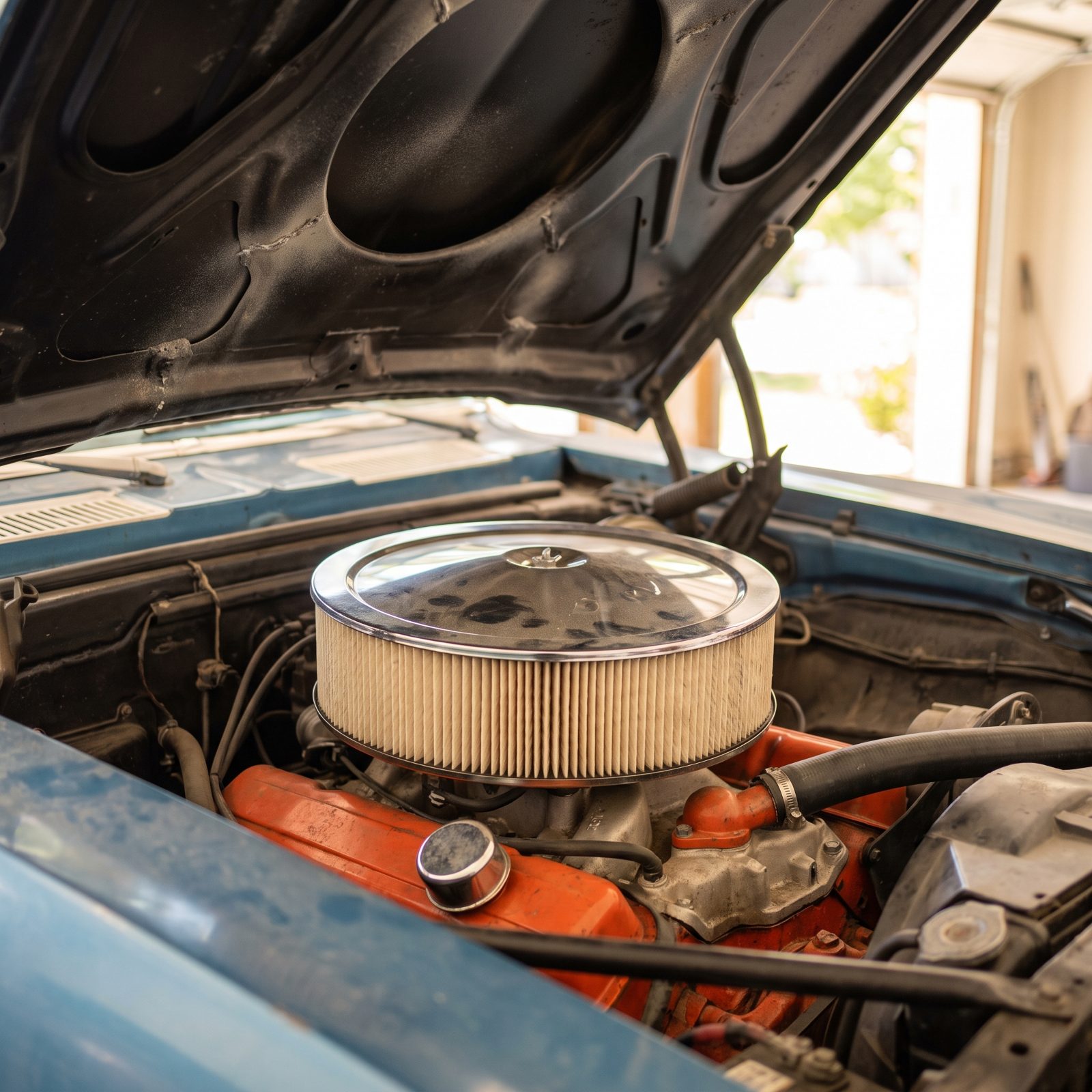
Hood and induction mismatches start more comment-section wars than almost anything else. The 1969 Z/28 could leave the line with a flat hood and an open-element air cleaner, and the cowl-induction setup is a whole separate conversation with its own codes and its own fakes.
People see a cowl-induction hood on a Z/28 and assume it’s correct. Sometimes it is. Often it’s a period-popular addition or a later restoration call that got quietly reframed as original. Air cleaner, hood, and documentation all have to agree.
A factory flat hood with an open-element cleaner is honest and correct for plenty of these cars. Don’t let anyone shame you into thinking a flat-hood Z/28 is somehow less legitimate — it left Chevrolet exactly as built.
35. Whether Factory Headers Were Truly Delivered With the Car
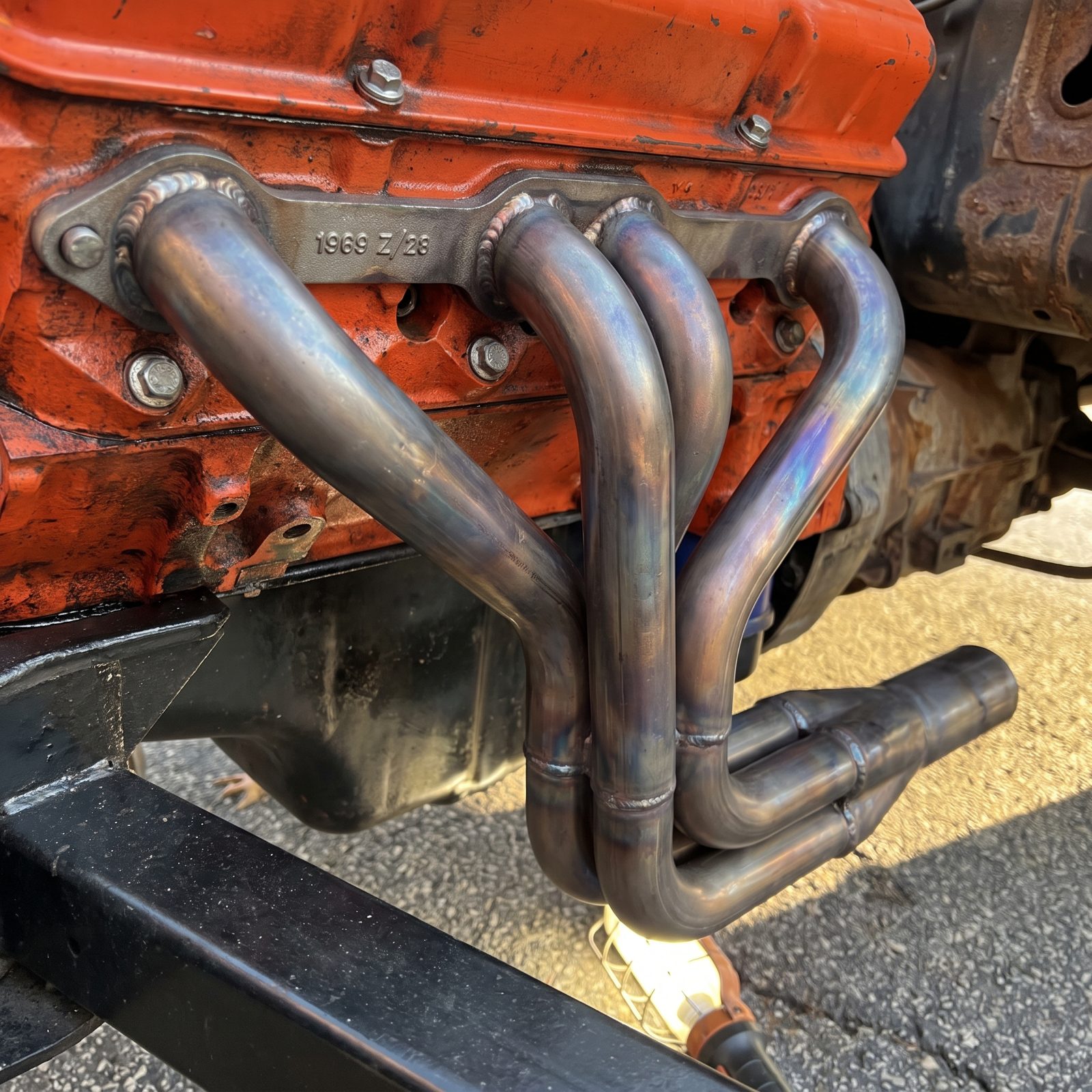
Factory headers are a trap dressed as a feature. Certain Z/28s could be equipped with tubular headers, sure, but like the cross-ram they were often a dealer or over-the-counter affair rather than something that clamped on at the plant.
A seller who says “it came with factory headers” is making a claim that needs backup. Period headers are easy to find, easy to bolt on, and impossible to tell apart from “delivered with the car” without a paper trail, because the parts themselves carry no code tying them to a build date.
We’d rather see a car with correct cast-iron manifolds and honest documentation than a header car with a hopeful story. One is verifiable. The other is a vibe.
34. When Chambered Exhaust Gave Way to the Transverse-Muffler System
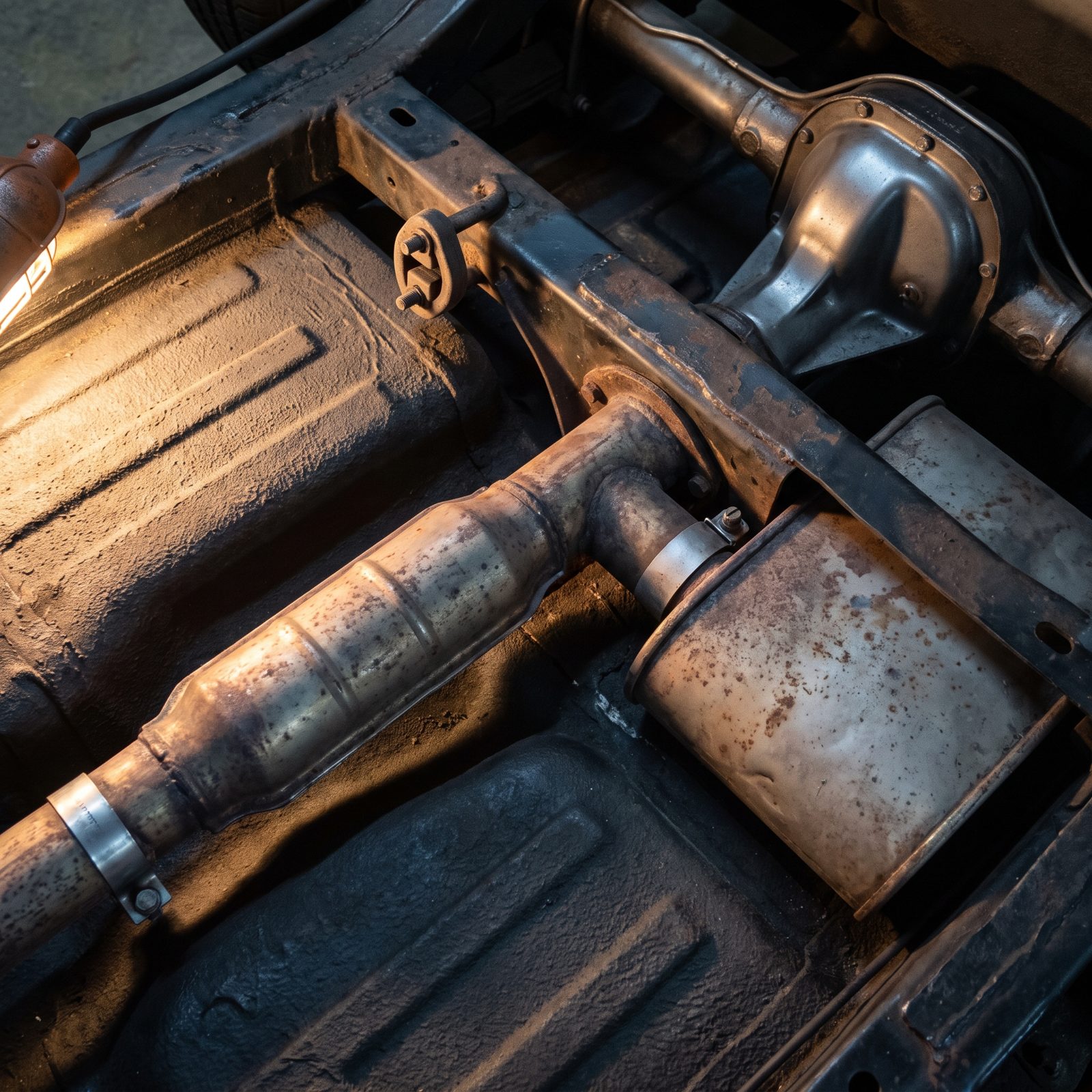
Exhaust is one of the quieter authentication clues, and yes, that’s a bad pun I’m keeping. Early 1969 Z/28s could carry the chambered exhaust, a straight-through design famous for its sound and infamous for its drone. Later in the run, production shifted toward the transverse-muffler arrangement.
The build date on the cowl tag is your friend here. A car built in a window where chambered exhaust was standard should show evidence of it, or evidence it was removed. A late-build car wearing chambered pipes needs a reason.
The hanger brackets and the floor-pan mounting points tell the story even when the pipes are long gone. Original cars carry the scars of what they were born with.
33. When D80 Spoilers Became Available, and Whether the Holes Were Factory Punched
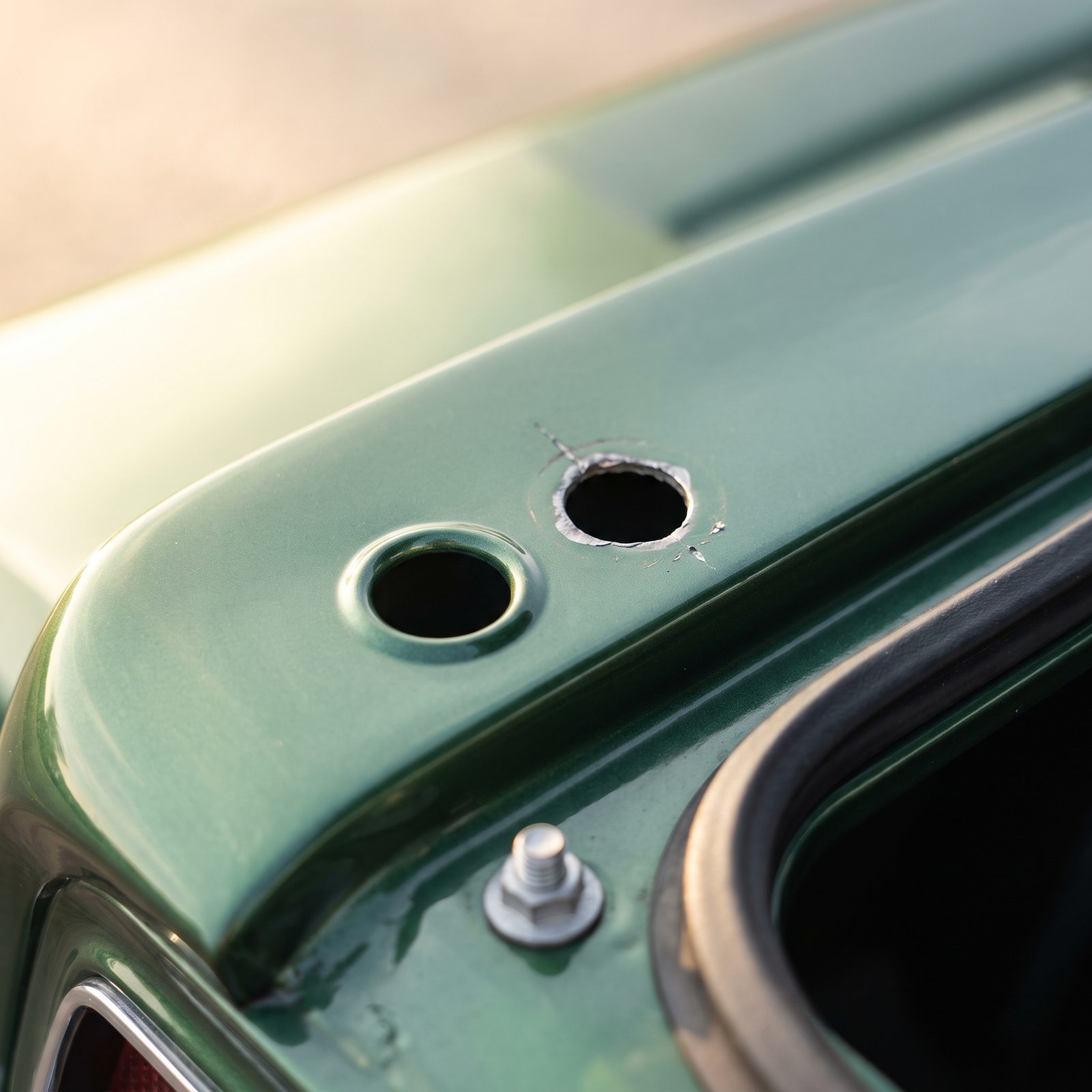
The D80 spoiler argument comes down to four holes. The rear spoiler option arrived at a specific point in the 1969 production year, so a very early car wearing a factory spoiler is immediately suspicious.
The real detective work happens under the spoiler. Factory-punched mounting holes have rolled edges with original paint carried into them. Holes drilled later show raw bright metal at the edges, sometimes with sealer smeared over to hide the fresh cut.
- Factory holes: paint rolled into the edge, clean uniform spacing.
- Added-later holes: bright bare metal, slightly off spacing, fresh undercoat.
- Filled-and-redrilled holes: body filler ghosting under the paint, the saddest tell of all.
Pull the spoiler. If a seller won’t let you look, that’s your answer.
32. Exact Rally-Stripe Widths, Spacing, and Edge Wraps
Would you like to save this?
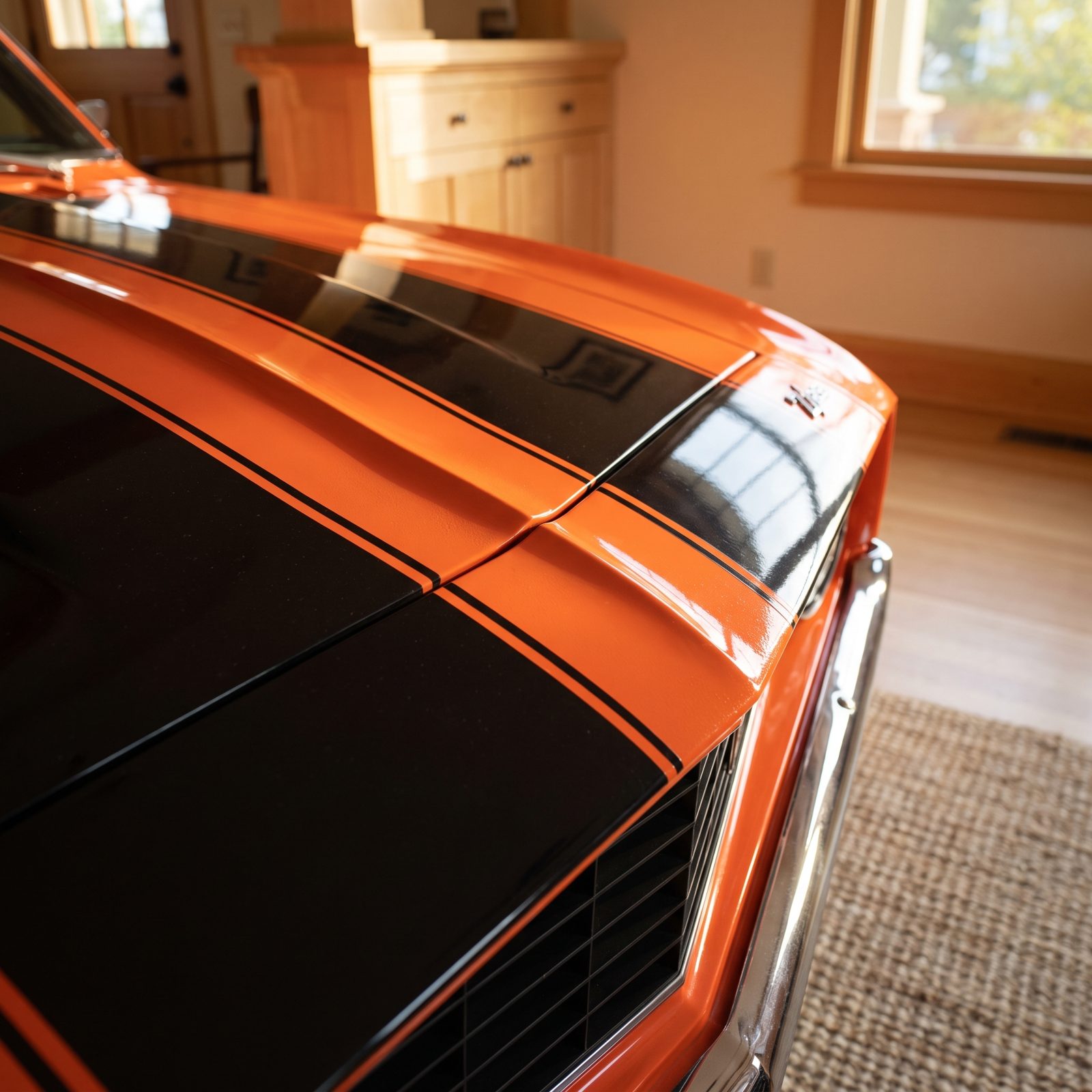
Rally stripes look simple until someone pulls out a tape measure. The factory painted them with specific widths, a specific gap between the pair, and a particular way the stripe wrapped over the hood’s leading edge. Eyeball it and you get caught.
The spacing between the two stripes is a common miss. Too wide, too narrow, or uneven, and a trained eye clocks it across the room before noticing anything else. The edge wrap over the front of the hood is another giveaway, since reproduction jobs often stop the stripe short or run it long.
None of this proves the car is a real Z/28. Plenty of clones wear perfect stripes. But a correct stripe layout tells you the restoration was done by someone who sweated the details, which usually correlates with the parts that matter.
31. Why Norwood and Van Nuys Cowl Tags Cannot Be Decoded the Same Way
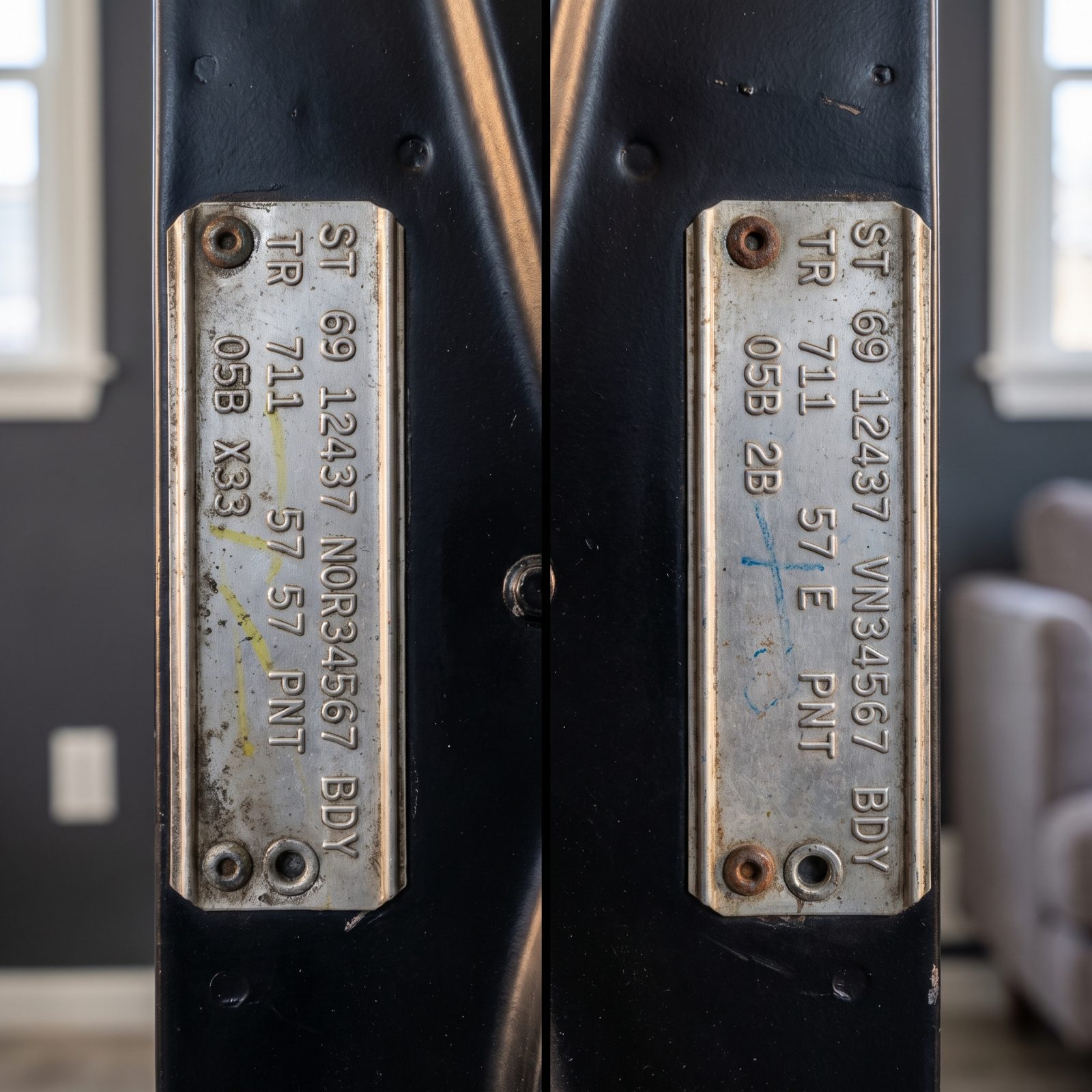
This is the one that catches newcomers every time. The 1969 Camaro rolled out of two plants, Norwood in Ohio and Van Nuys in California, and their cowl tags do not speak the same language.
The two plants stamped different information, arranged it differently, and used their own conventions for build dates and codes. A decoder that works perfectly on a Norwood tag will mislead you badly on a Van Nuys car, and plenty of “this code doesn’t check out” accusations trace right back to someone using the wrong plant’s rulebook.
Before you decode a single character, know which plant built the car. Build sequence, tag format, even what the tag leaves out — all of it shifts between the two.
Two correct cars, two different tags, and the only way to read either one is to know where it was born.
Get the plant right first. Everything downstream depends on it, and the folks who argue loudest online are usually the ones who skipped this step.
30. How Far Block Casting Dates Can Precede Final Assembly
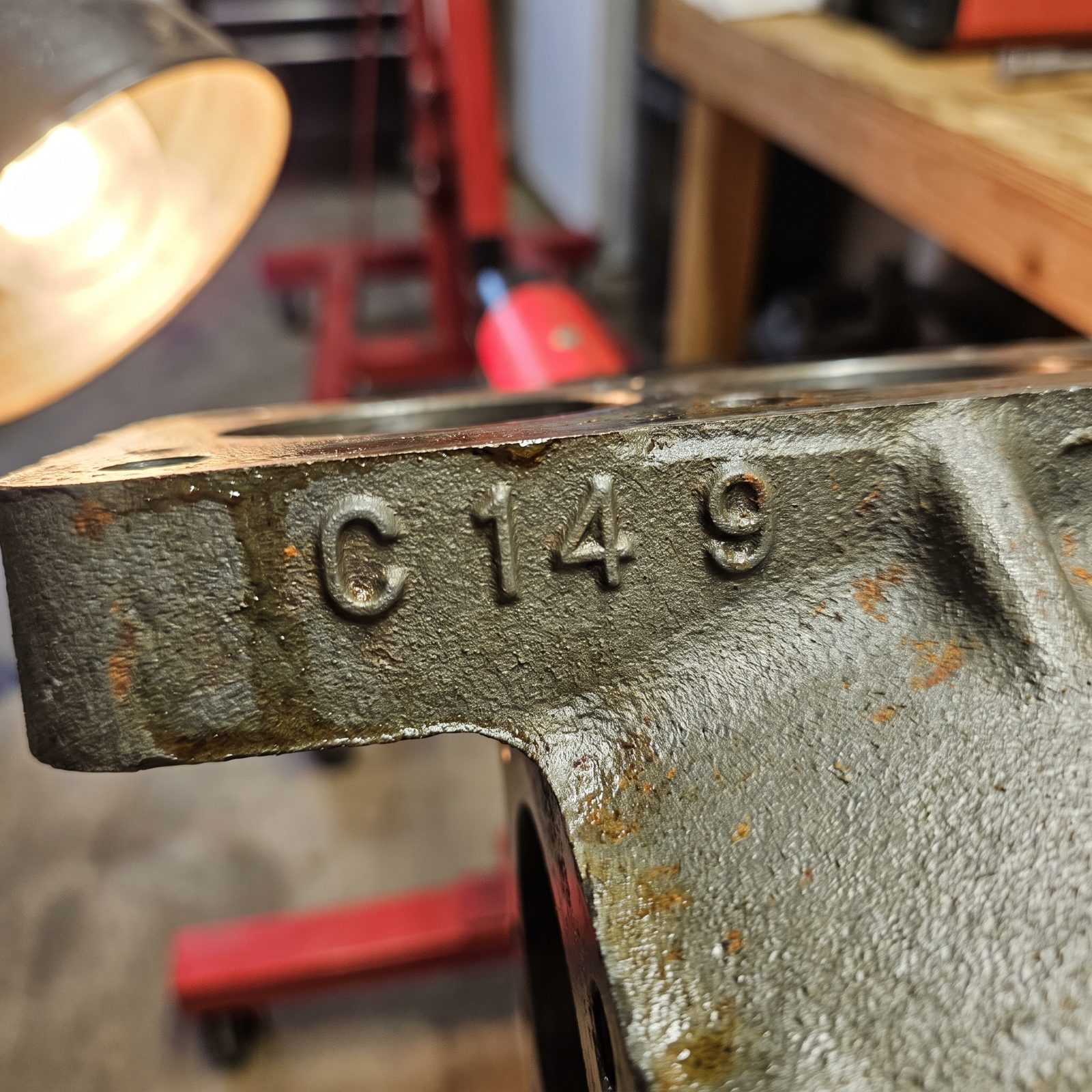
Start with the number stamped into the block flange, not the stripes on the hood. A genuine DZ 302 block carries a casting date that comes before the car was built, never after, and that gap is perfectly normal. Foundries poured iron, blocks sat in inventory, and assembly happened weeks later.
What collectors actually fight about is how wide that gap can stretch. A block cast in September bolted into an October car raises no eyebrows. Four or five months ahead? Now people start talking. Push it too far and somebody wonders aloud whether the block came out of a parts bin, or out of a completely different car.
29. Which Cylinder-Head Castings and Dates Are Correct for Early and Late Cars
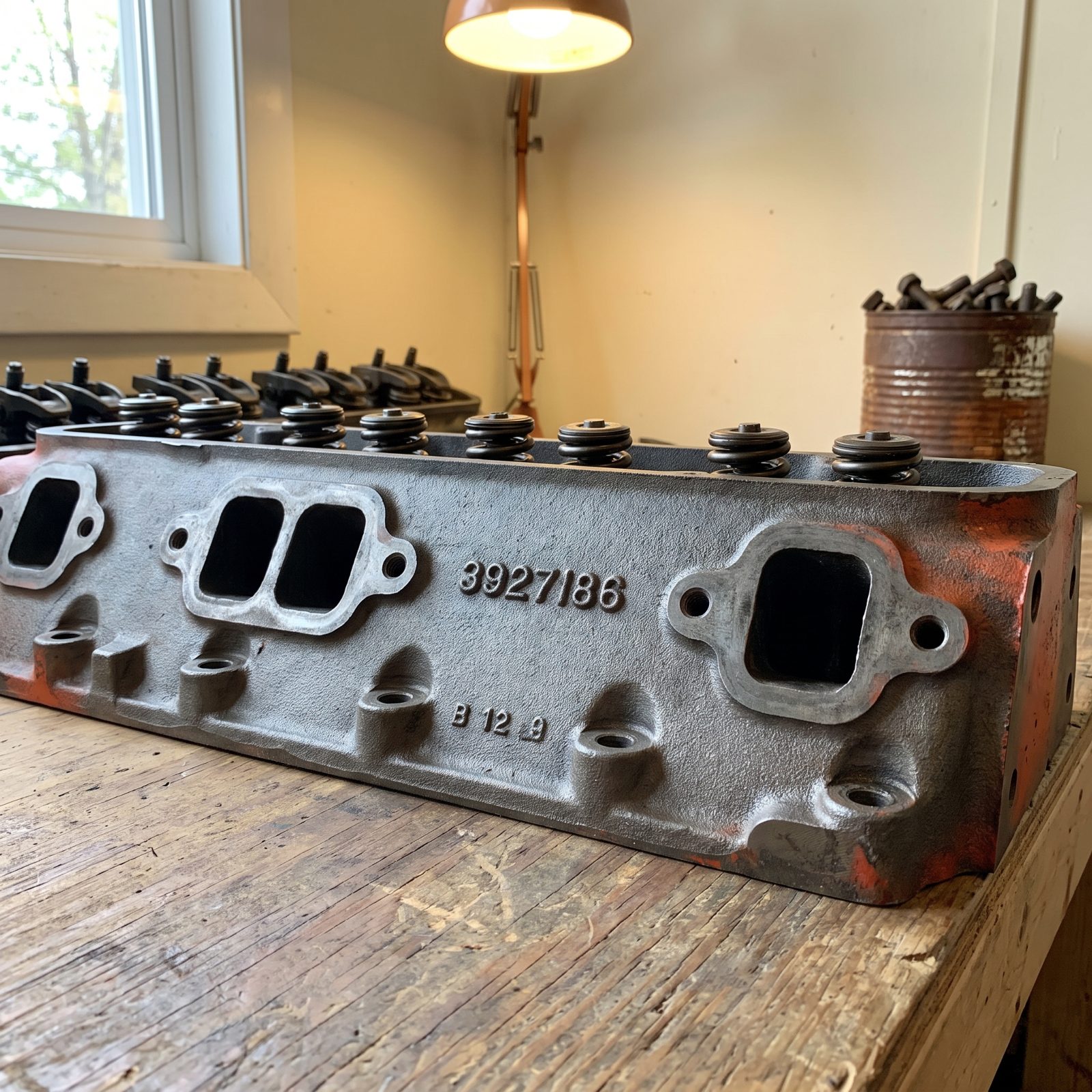
Early 1969 Z/28s and late ones didn’t always wear the same heads, and that single fact feeds endless parts-counter arguments. The large-valve castings had a window. Cars built before and after it can correctly carry different numbers.
Here’s where buyers get burned. A head with a casting date two weeks after the car’s build is a red flag, plain and simple, because it couldn’t have been on the engine when the engine was stamped. People see the right casting number and stop reading. The number is half the story. The date sitting next to it is the other half.
28. Whether Every Original DZ 302 Received a Forged Crankshaft
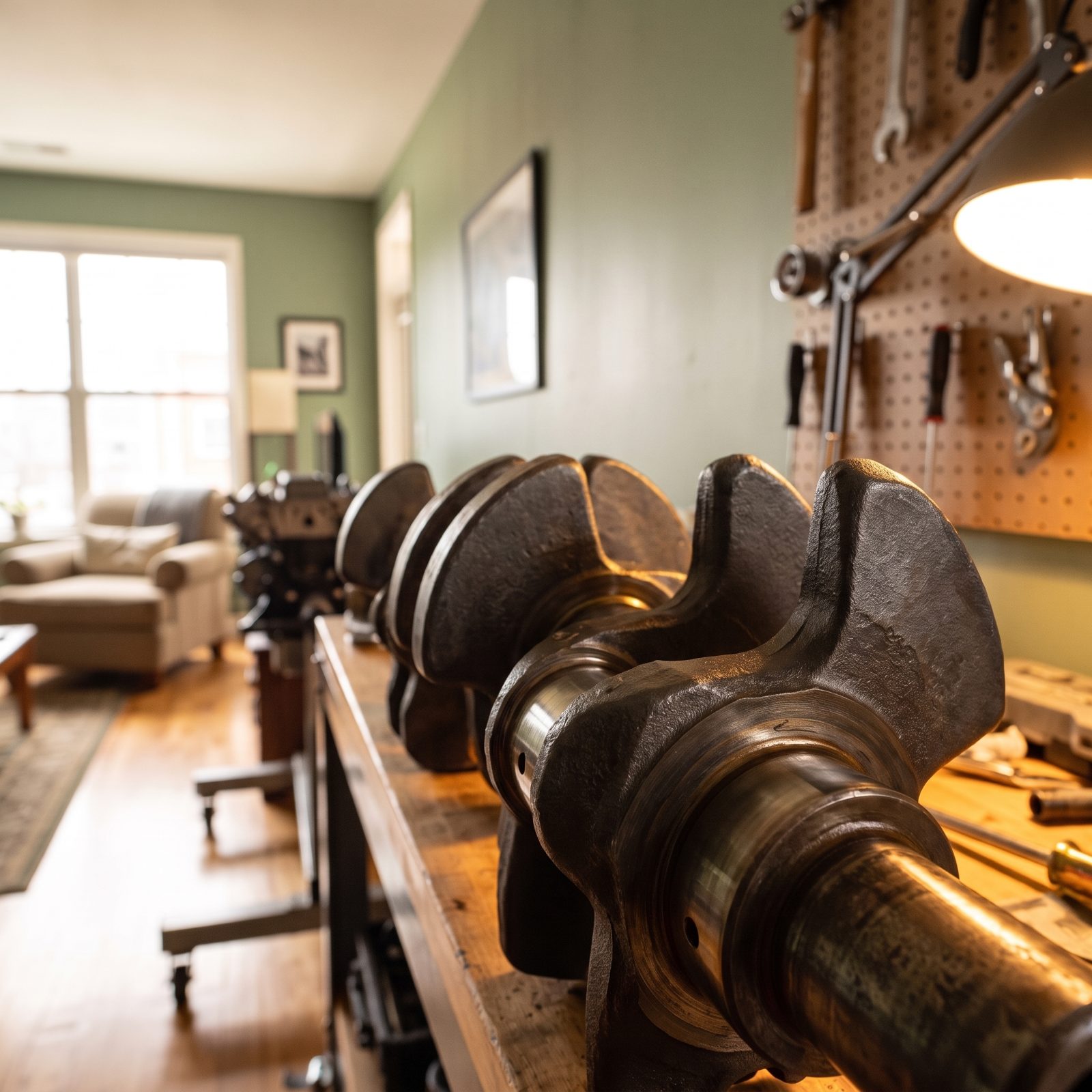
The forged crank is gospel among DZ 302 believers, and mostly the gospel holds. These engines turned high rpm, and the factory built them to live up there with a forged steel crankshaft baked into the recipe.
But collectors who speak in absolutes usually get corrected eventually, because production is messy. The question a careful buyer actually asks isn’t whether the crank should be forged — it’s whether this one is, and whether its forging marks line up with the rest of the engine’s story. Pull the number. Read it. Don’t take the seller’s word that it’s a forging just because the brochure said so.
27. The 302’s Actual Factory Compression Ratio
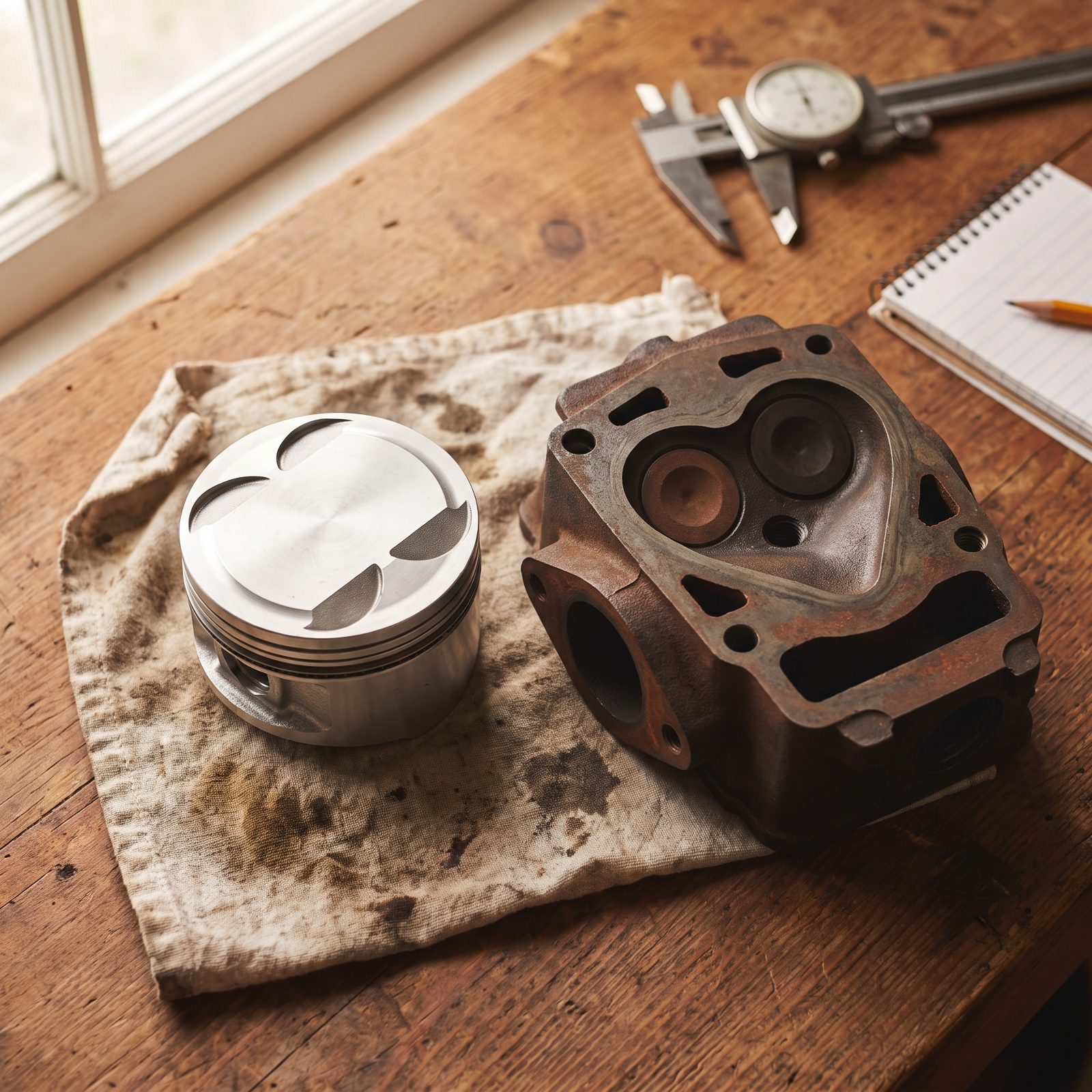
The brochure number and the real number were never quite the same, and that gap is where 302 arguments catch fire. Advertised compression was one figure; what the pistons, heads, and gasket actually produced in the real world sat a hair off it.
None of this matters to a cruiser. It matters enormously to a judge and to a buyer paying a premium for correctness. Piston part number, head chamber volume, gasket thickness — change any one and you’ve moved the ratio off factory. So the guy chasing power quietly bumps it, then turns around and advertises the car as numbers-correct. It isn’t.
26. Which Intake-Manifold Casting and Date Are Correct
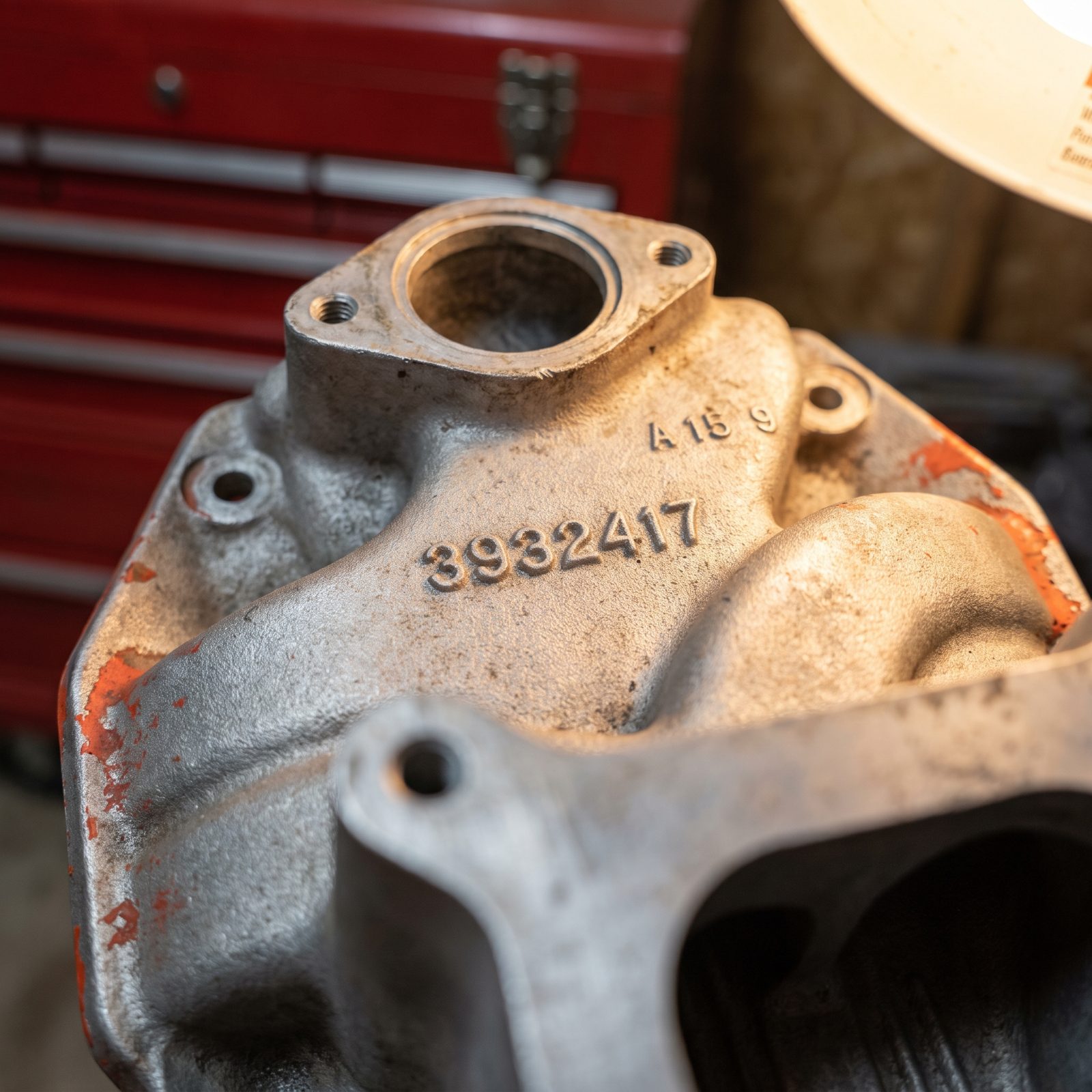
The aluminum intake is the piece restorers love to swap and hope nobody checks. The correct casting number is well documented. The date code cast right into it is the part that gets ignored.
Here’s the simple rule that catches a lot of trouble: the intake’s casting date has to make sense against the engine build. An intake cast after the car was assembled was never on that engine from the factory — doesn’t matter how pretty the number is. It’s a replacement, and it ought to be priced like one.
25. How to Date a Genuine Holley List 4053 Carburetor
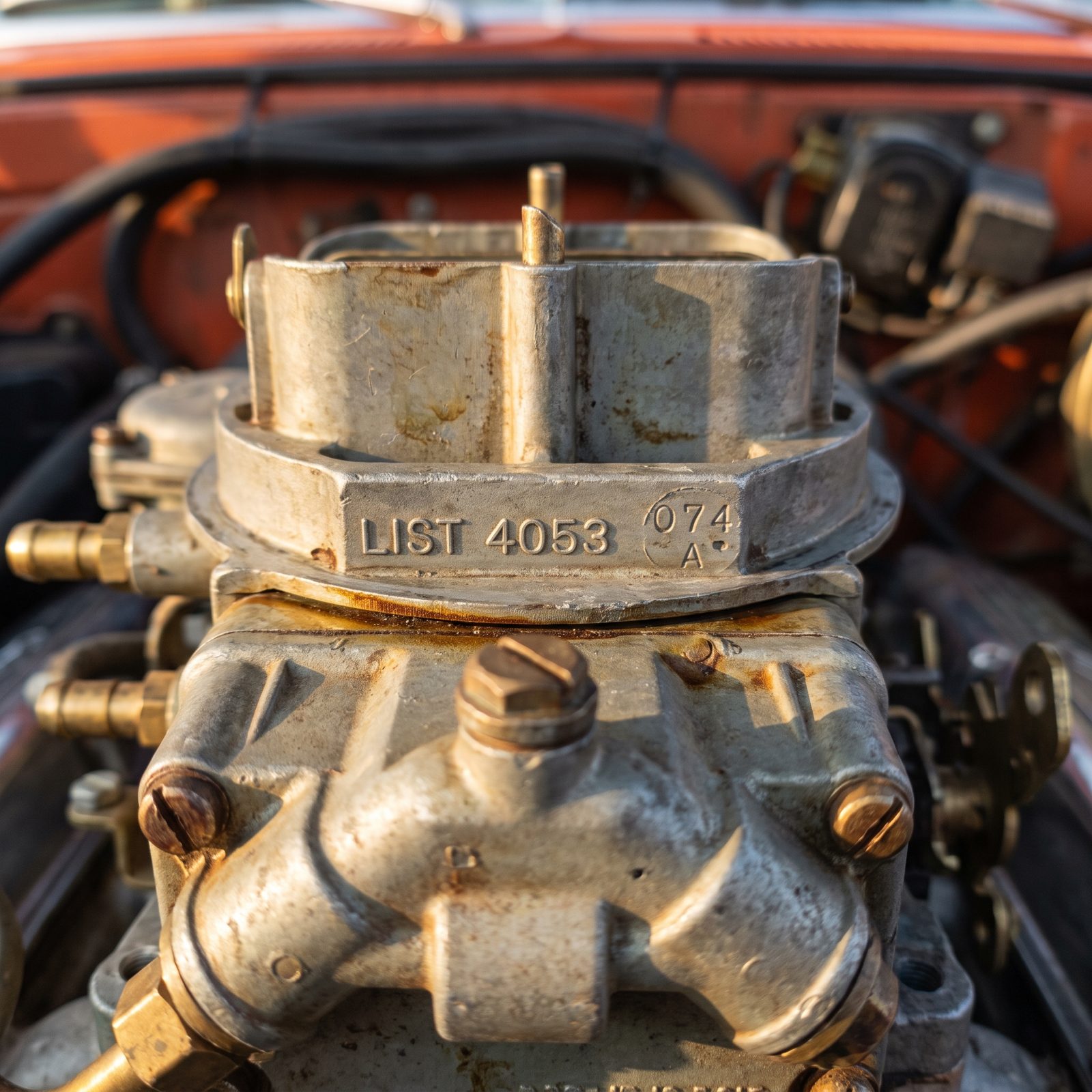
The list number tells you what the carburetor is. The date code tells you whether it belongs on this car. Both are right there on the body if you know where to put your thumb and wipe away the grime.
A correct carburetor list paired with a date that lands inside the car’s build window is the find. A correct list with a wildly wrong date is a carburetor that got moved around somewhere across fifty-plus years — which describes most of them. Genuine survivors still breathing through their original unit are rare, and priced accordingly.
The list number proves the species. The date code proves the alibi.
24. Whether AIR Smog Equipment Could Legitimately Be Missing When New
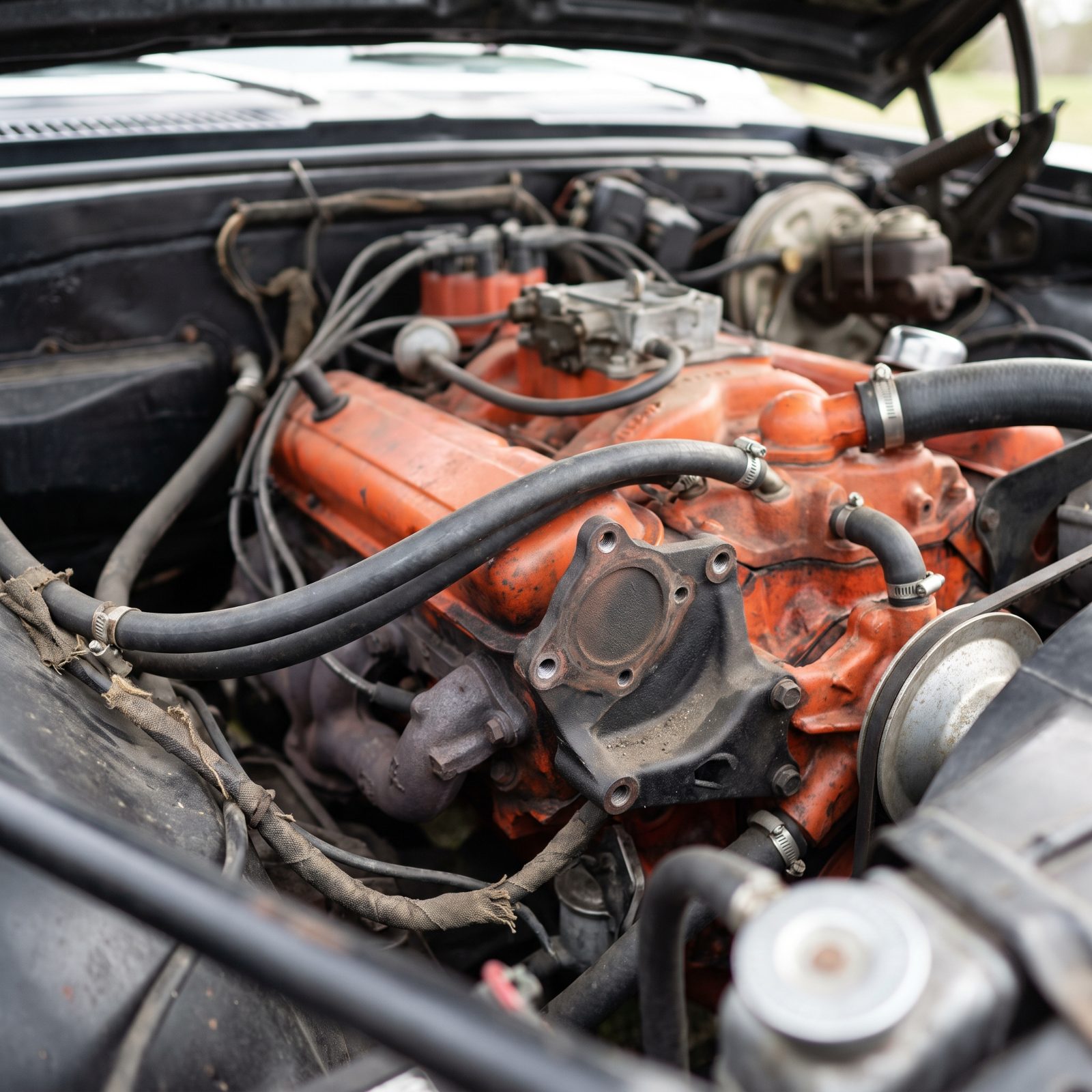
A missing smog pump sends some buyers running and makes others nod knowingly. Air-injection equipment was tied to where a car was originally sold, so cars built for certain markets left the line without it while cars for others had it bolted on.
An absent pump isn’t automatically proof of tampering. It might be exactly right. The honest way to settle it is to match the engine’s configuration to the car’s documented origin — not to assume missing equipment means somebody stripped it off in a parking lot back in 1974. Plenty of people did strip them. Plenty of cars never had them. You have to know which.
23. Correct Deep-Groove Crank, Water-Pump, and Alternator Pulleys
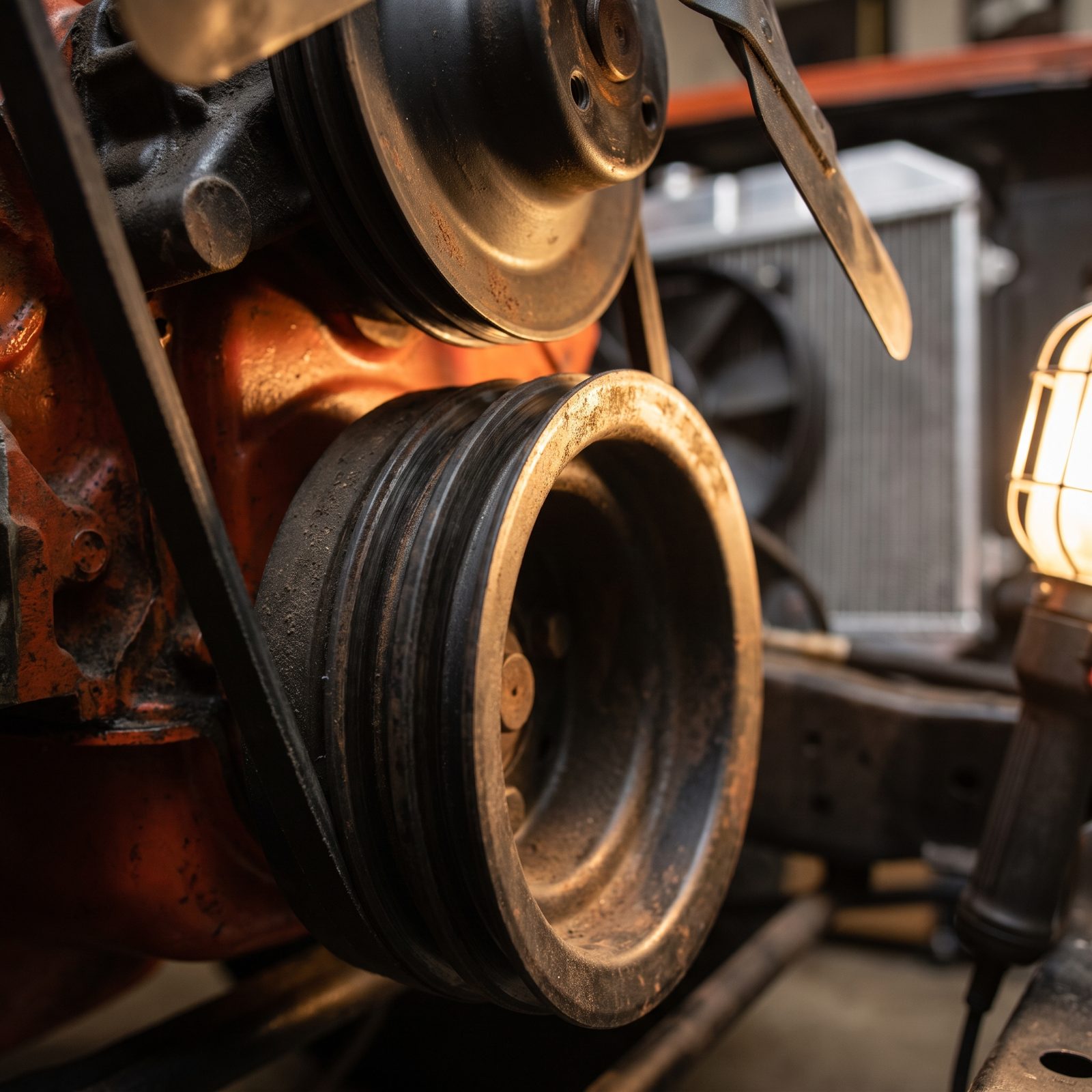
High-rpm engines fling standard belts right off the pulleys, so these cars got deep-groove pulleys front to back — crank, water pump, alternator. The extra depth kept the belt seated when the tach needle climbed toward the top of the dial.
Grab shallow-groove pulleys off a common small-block and the engine runs fine, but the detail’s wrong, and a judge spots it in a second. It’s one of those small finishes that separates a car built to drive from a car built to document. Neither is wrong. They just aren’t the same car, and they shouldn’t carry the same price.
22. How to Read Original Radiator Tags and Tank Codes

Would you like to save this?
That little tag on the radiator tank is a time stamp most owners drive past for decades without reading. It carries a date and codes that, read correctly, tell you whether this radiator rode out of the factory in this car.
Tank construction and the codes stamped into them shifted through the model year. A tag that lines up with the build date is gold. A reproduction core with no tag at all? Just a radiator that keeps the engine cool — honest enough, simply not documentation. Learn to tell the difference before you pay for it.
21. Where Chevrolet Orange Paint and Exhaust-Manifold Overspray Should End
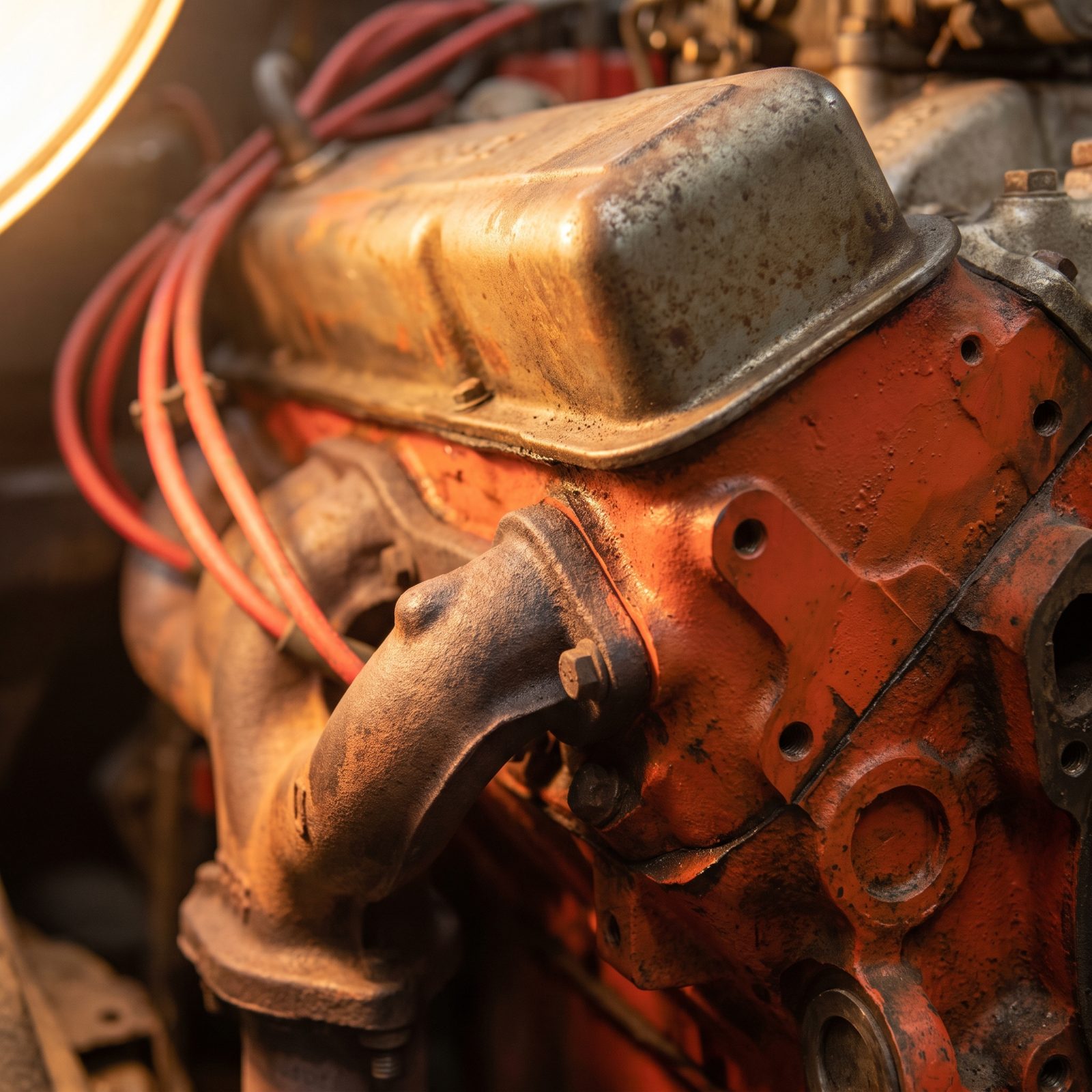
Factory engine assembly was fast and a little sloppy, and the sloppiness is the tell. Orange paint went on the assembled engine, so overspray landed on things it technically shouldn’t have and stopped in places that look random until you’ve seen a dozen originals.
A too-perfect restoration gives itself away right here. Crisp masked lines, zero overspray, manifolds bare as surgical steel — that’s a show restoration, not a factory finish. The real cars show paint drifting onto manifold edges and clamps caught in the orange. Overspray is evidence. Perfection, oddly enough, is the thing that makes a careful buyer suspicious.
20. How Much a Protect-O-Plate or Build Sheet Really Proves About a 1969 Z/28
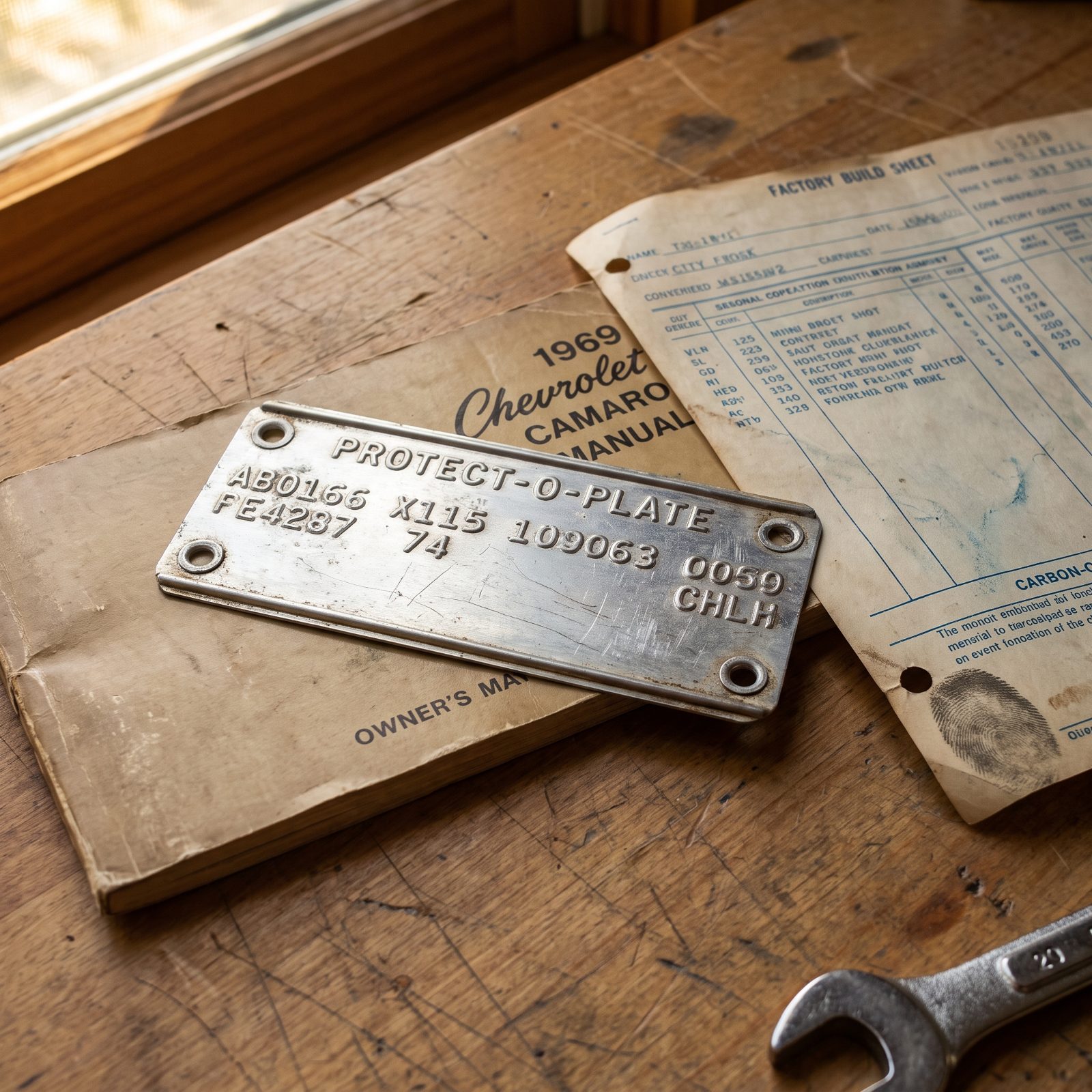
A Protect-O-Plate feels like gold when it slides out of the glovebox with the car. Engine code, axle, build timing, sometimes the original dealer — it’s all right there. What it won’t tell you is whether that plate belongs to the body sitting in front of you.
Build sheets run the same risk. A tank sheet tucked above the fuel tank is a wonderful find, and forgers know exactly how wonderful, which is why reproductions circulate like dollar bills at a swap meet. Paper proves what the car was. It never proves the paper and the sheet metal grew old together.
19. The Hidden VIN Derivative Locations Worth Crawling Under the Car to Find
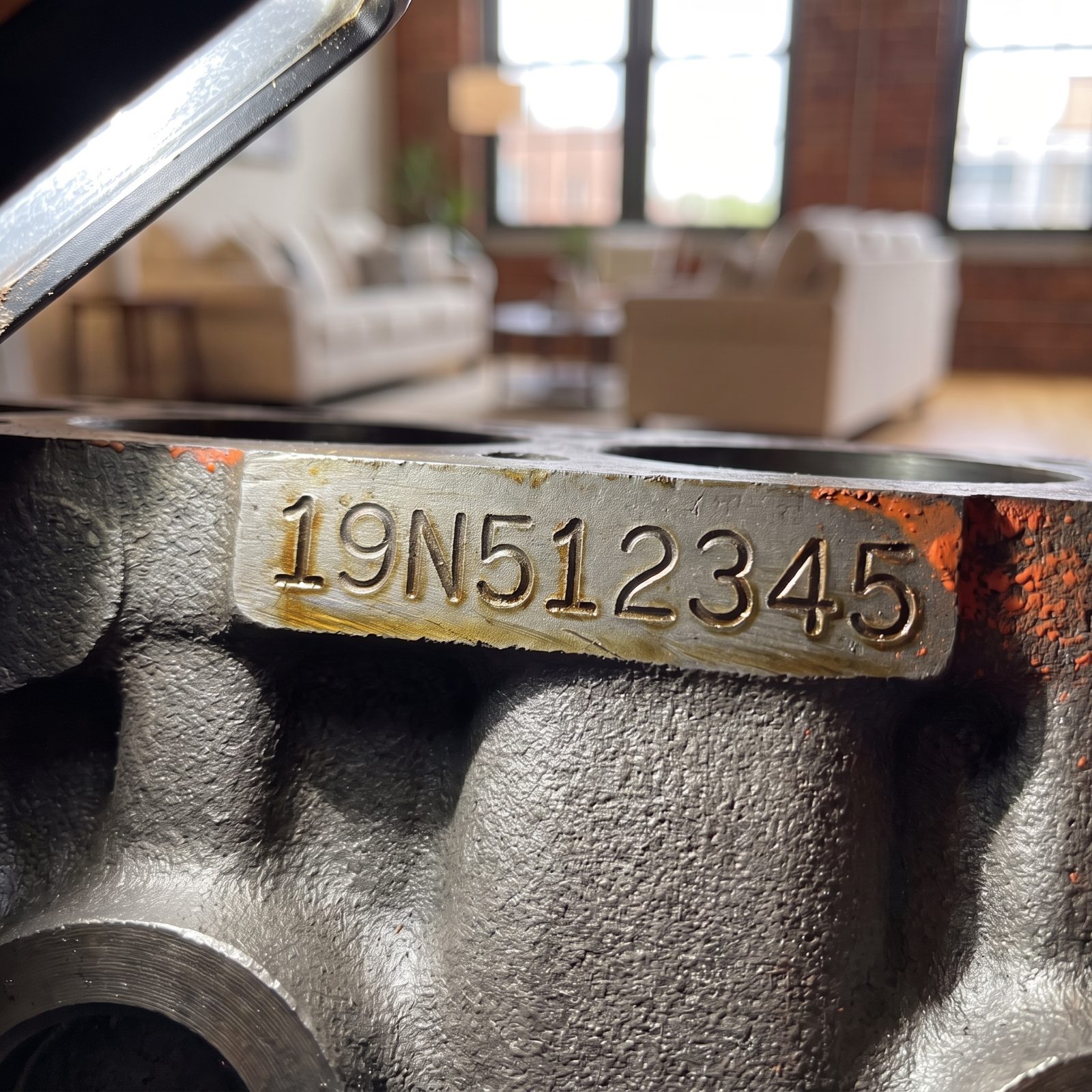
The trim tag on the cowl is the easy one, and easy is why it gets faked. Serious verification starts in the places nobody ever expected a factory worker to hide a number.
Start with the VIN derivative stamped on the engine pad. Do the die characters match the font and spacing of a 1969 Norwood or Van Nuys gang stamp? Then chase the partial VIN tucked on the frame rail and the body spots that varied from plant to plant. When every derivative agrees with the dash VIN and the font looks right, you’ve got a story worth trusting. One that’s missing, ground smooth, or wearing a suspiciously fresh font? That’s a question that costs real money.
18. Born-With Components Versus Parts That Merely Carry the Right Date Code
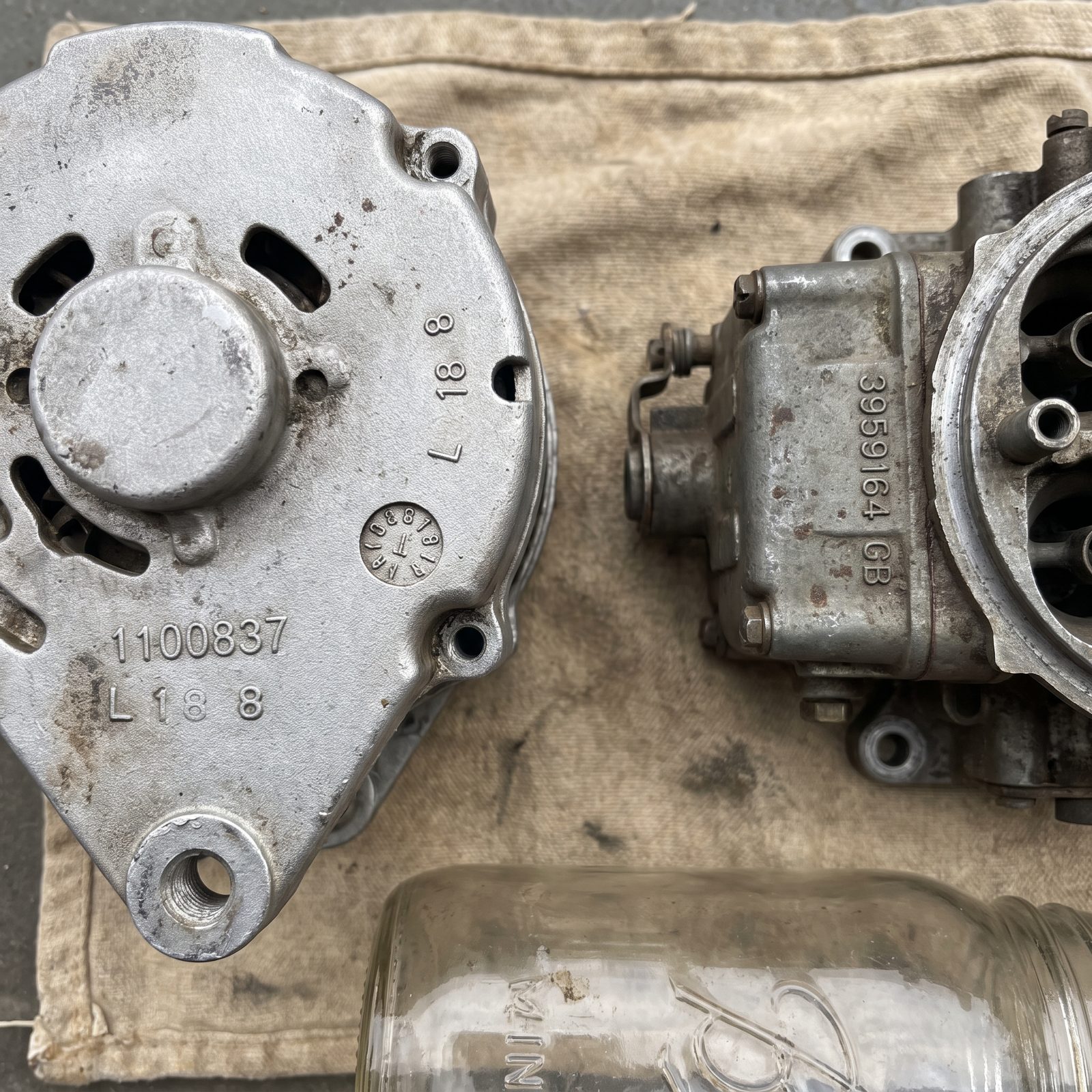
A correctly dated part and a born-with part are not the same animal. The gap between them is where restoration budgets live or die.
Born-with means the component rolled down the line bolted to this specific car. Correctly dated means somebody found a carburetor, alternator, or distributor whose casting date falls a few weeks ahead of the build, which is precisely what a factory part would show. Both can be honest. Only one is original.
The trap is date-code worship. A date code sitting two weeks ahead of assembly looks perfect and proves nothing about which line it served. Judges reward dated parts because born-with parts are nearly impossible to confirm — fair enough. Just don’t let a seller quietly translate “correctly dated” into “original” while you’re nodding along.
17. The Moment a Rebodied Z/28 Stops Being the Same Car
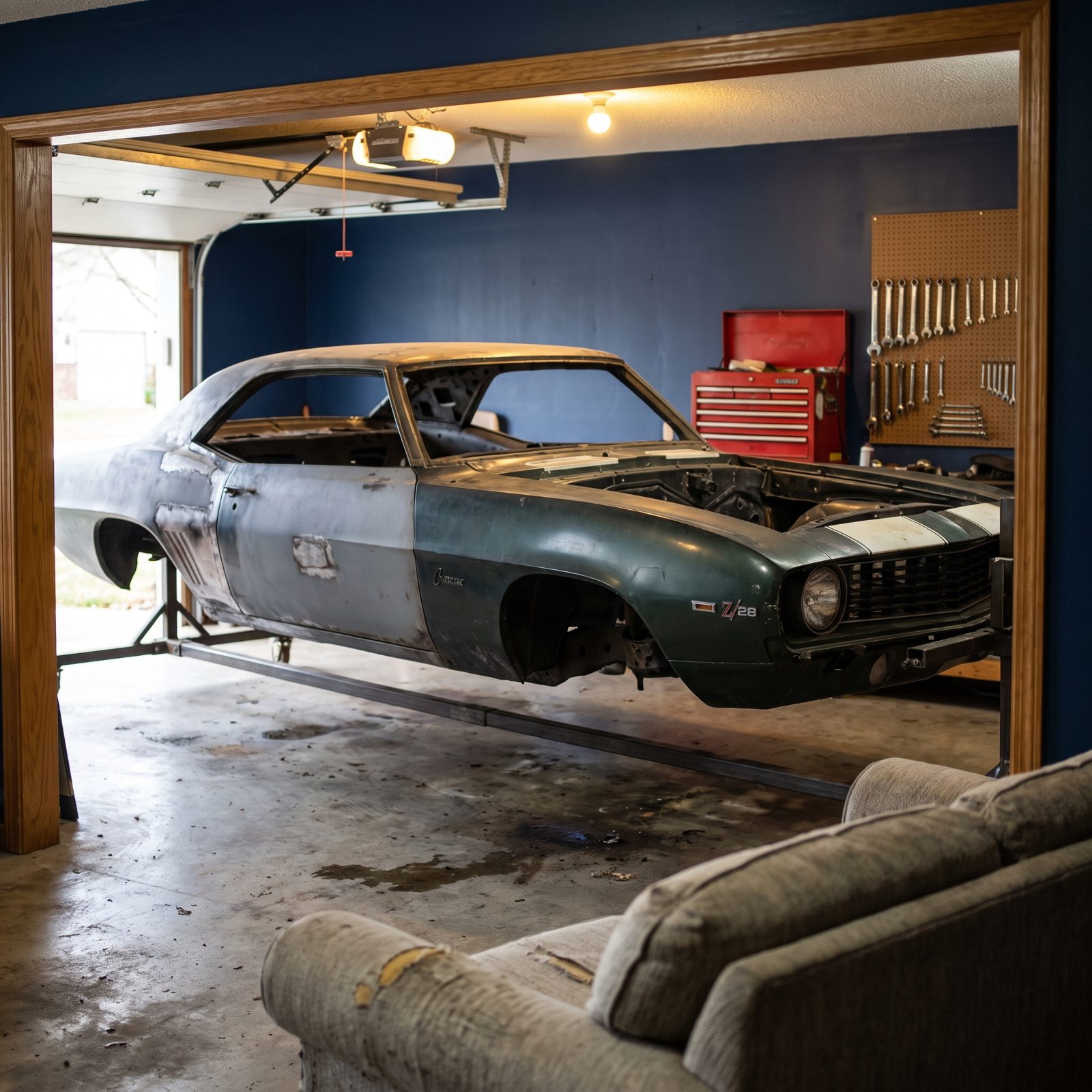
Swap a rusted quarter panel and nobody blinks. Swap the whole shell, bolt the old trim tag onto a donor body, and you’ve started an argument that’ll outlive the car.
Nobody agrees on the exact line. Most collectors shrug off patch panels and even a replaced floor. Most draw the line somewhere around the cowl and firewall — the structural identity of the thing, the metal the VIN derivatives were stamped into. Once that original cowl is gone, the dash VIN is riding on steel it never came with.
A rebody can be an honest rescue of a rotted car or the laundering of a cheap shell. Disclosure is the whole difference. Ask what metal is original. If the answer gets vague around the cowl, you already have your answer.
16. Muncie M21 or M22 Behind the 302, and Which One the Car Actually Deserves
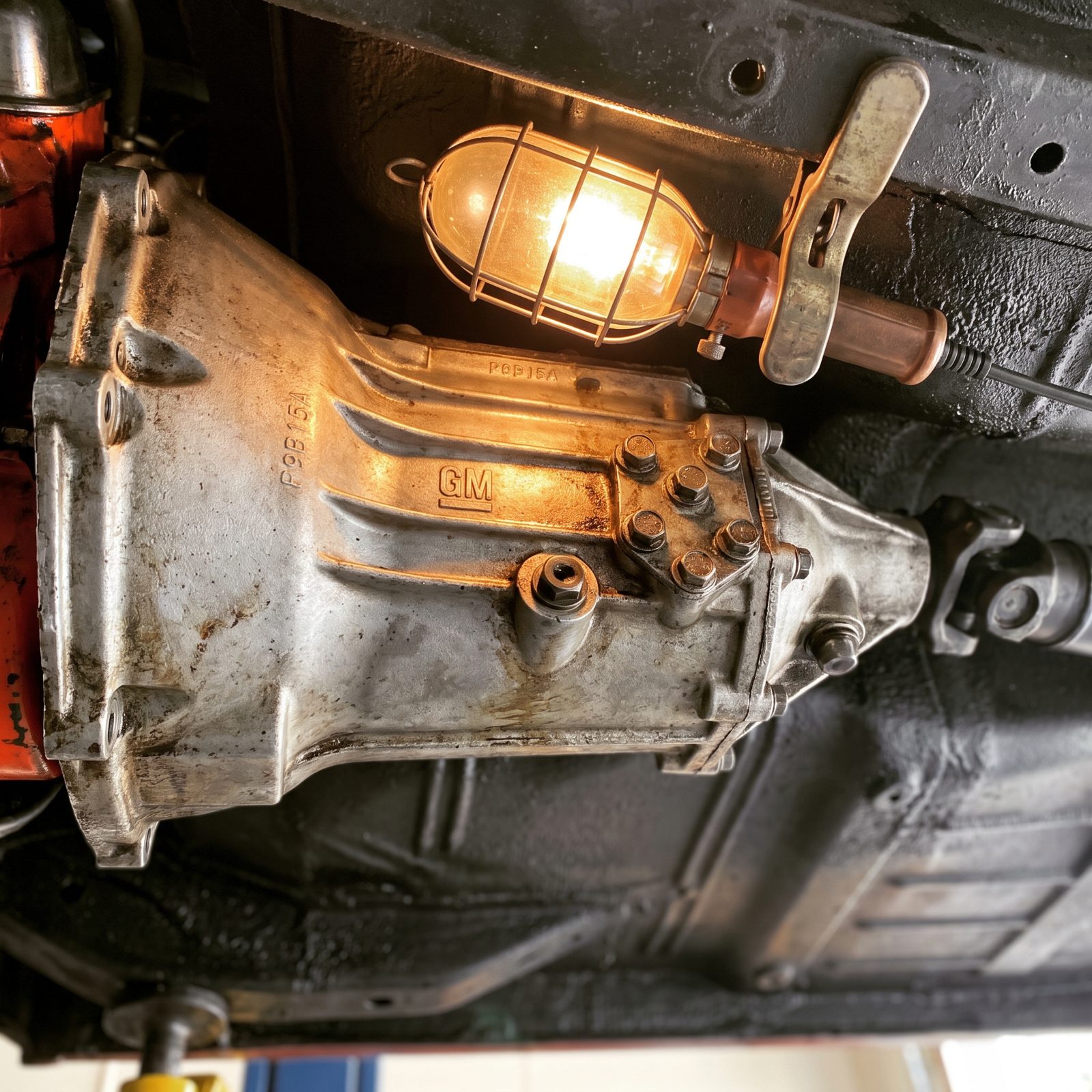
The 302 lived to rev, so the four-speed behind it matters more than almost any other option. And here’s the question that starts fights: was an M22 Rock Crusher actually available, or did a later owner bolt one in because it sounds right?
The M21 close-ratio box did the heavy lifting behind most 302 cars. The M22 was built for abuse and shows up far less often than internet legend would have you believe. A Z/28 wearing an M22 isn’t automatically wrong. It’s automatically worth a second look, because a desirable-sounding gearbox is exactly the sort of thing that migrates toward a valuable car over fifty years.
15. Reading a Genuine Muncie Transmission Stamp Without Fooling Yourself
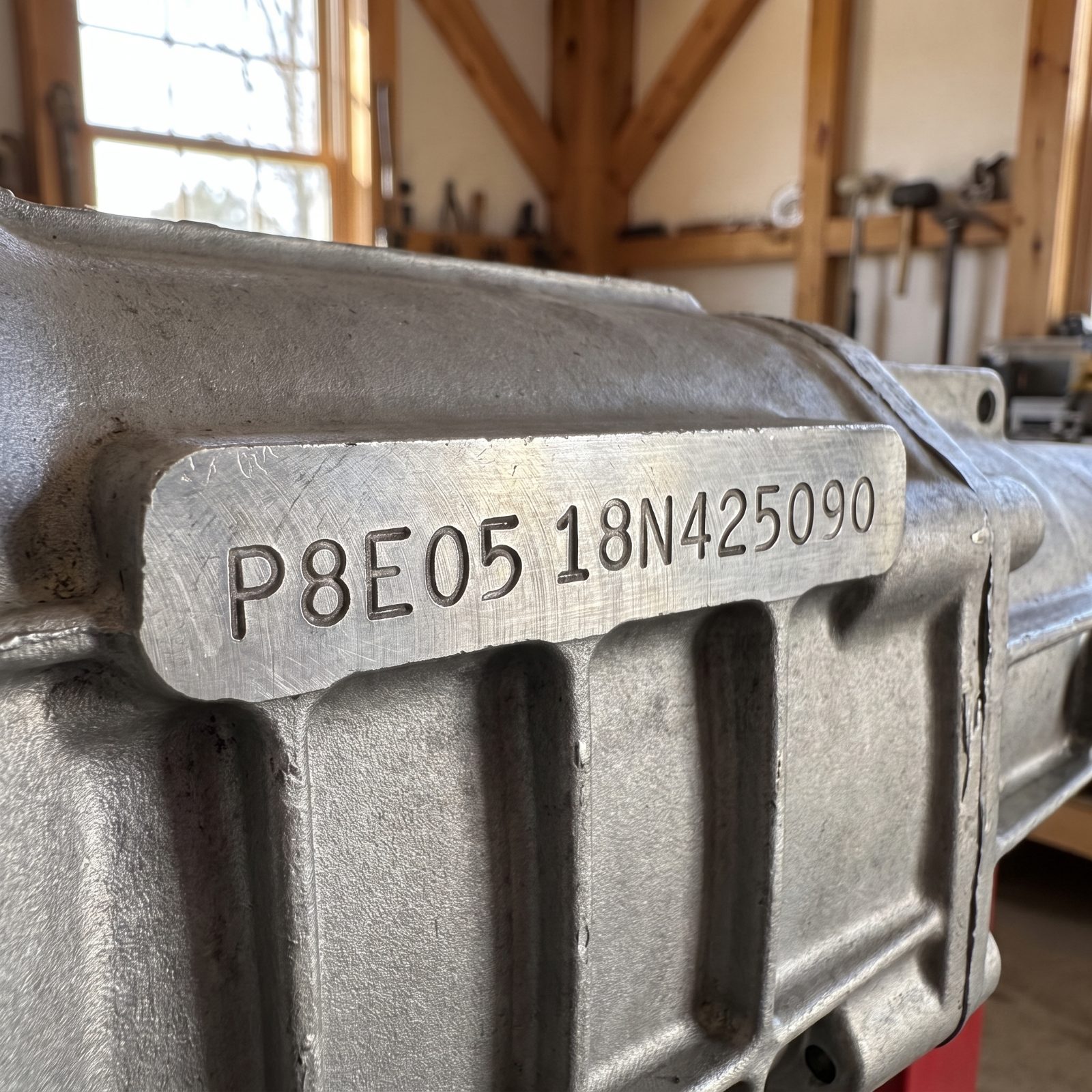
The Muncie stamp is a short story written in metal — a partial VIN, a single-letter month code, and the assembly date. Learn to read it and half the authenticity game opens right up.
Confirm the partial VIN matches the car, then check that the month code and date land a sensible stretch before the build. Fresh, too-deep, or too-crisp characters on an old case should raise a flag, especially when the surrounding machining looks disturbed. A restamp is cheap to commission and tough to catch at a glance. That’s exactly why it pays to look twice.
14. The Hurst Shifter: Which Handle, Body, and Linkage Belong in a ’69 Z/28
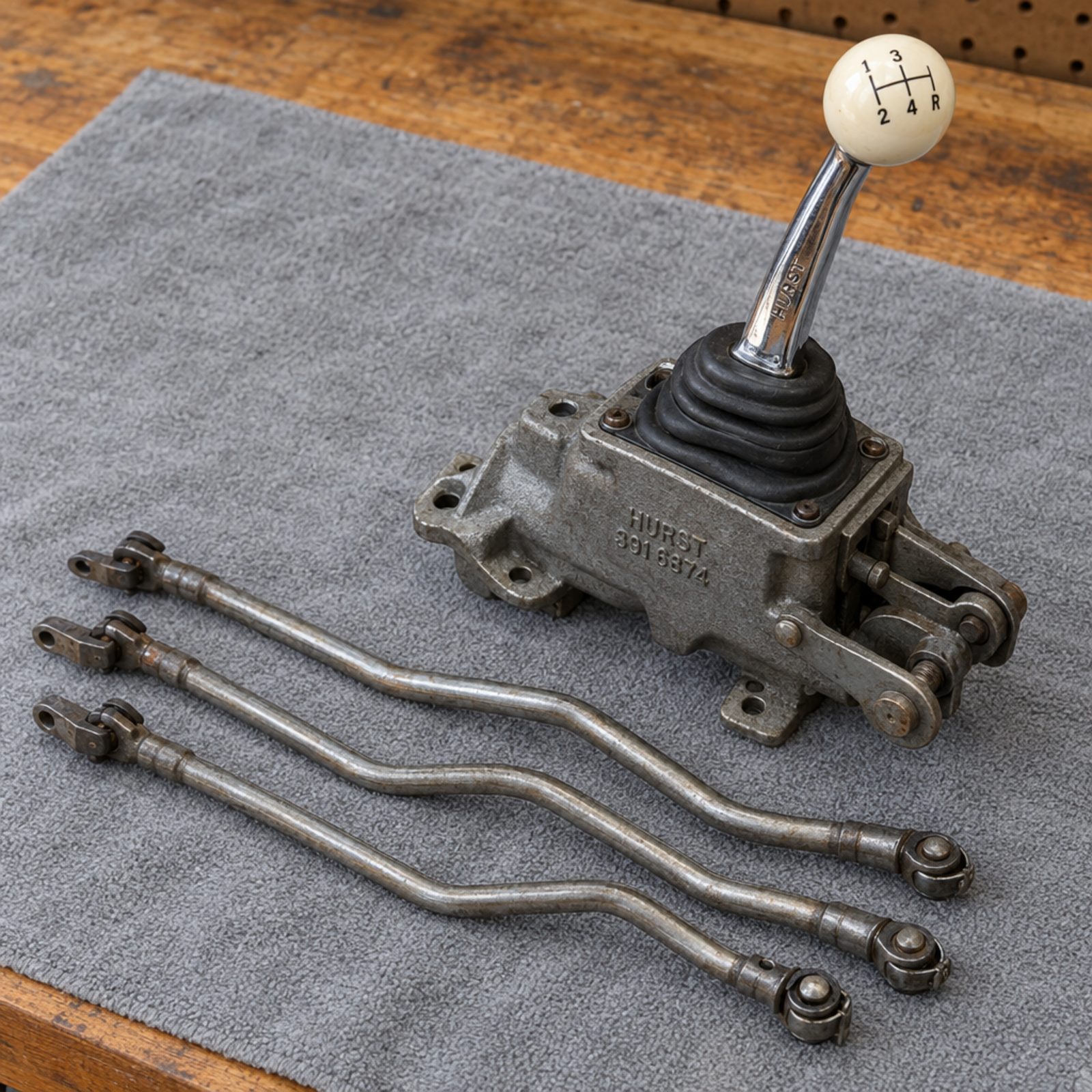
Grab the shifter in a ’69 Z/28 and you’re touching one of the most swapped, substituted, argued-over pieces on the whole car.
Correct means the right Hurst body, the right handle shape and length, and the specific bent linkage rods that marry the console to the transmission. Decades of owners have fitted whatever Hurst unit happened to be on the shelf. Most work fine mechanically while being flat wrong for judging. The knob alone has launched more debates than it has any business launching.
None of this ruins a driver. It matters enormously the second someone claims the car is correct. A reproduction handle on original rods, or a later body entirely, is the detail that separates a well-documented car from a well-dressed one.
13. Whether That Rear-Axle Ratio Was Standard Equipment or a Checked Box
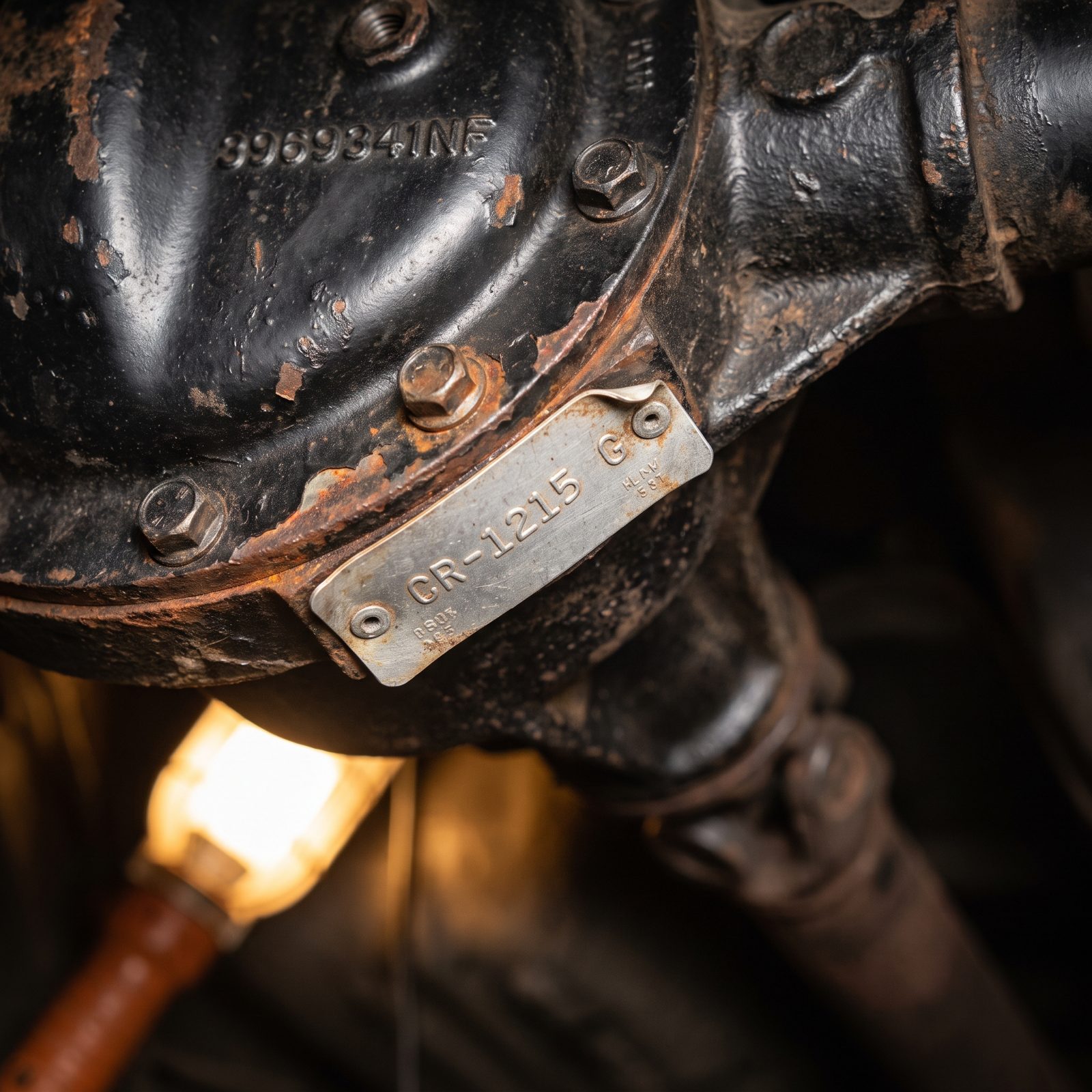
Ask three Z/28 owners which axle ratio was standard and you may walk away with three confident, contradictory answers. The honest reply is that it depends on how the order was spec’d and what the buyer checked on the sheet.
Certain ratios were the common fit. Others were genuine options tied to specific equipment. And a few show up often enough that people assume they were standard when they were just popular. The axle code tag and the housing tell you what’s under the car right now. The build documentation, if any survives, tells you what left the factory. When those two disagree, the ratio conversation gets interesting in a hurry.
12. Making the Axle Stamp, Casting Date, and Assembly Timeline Agree
Would you like to save this?
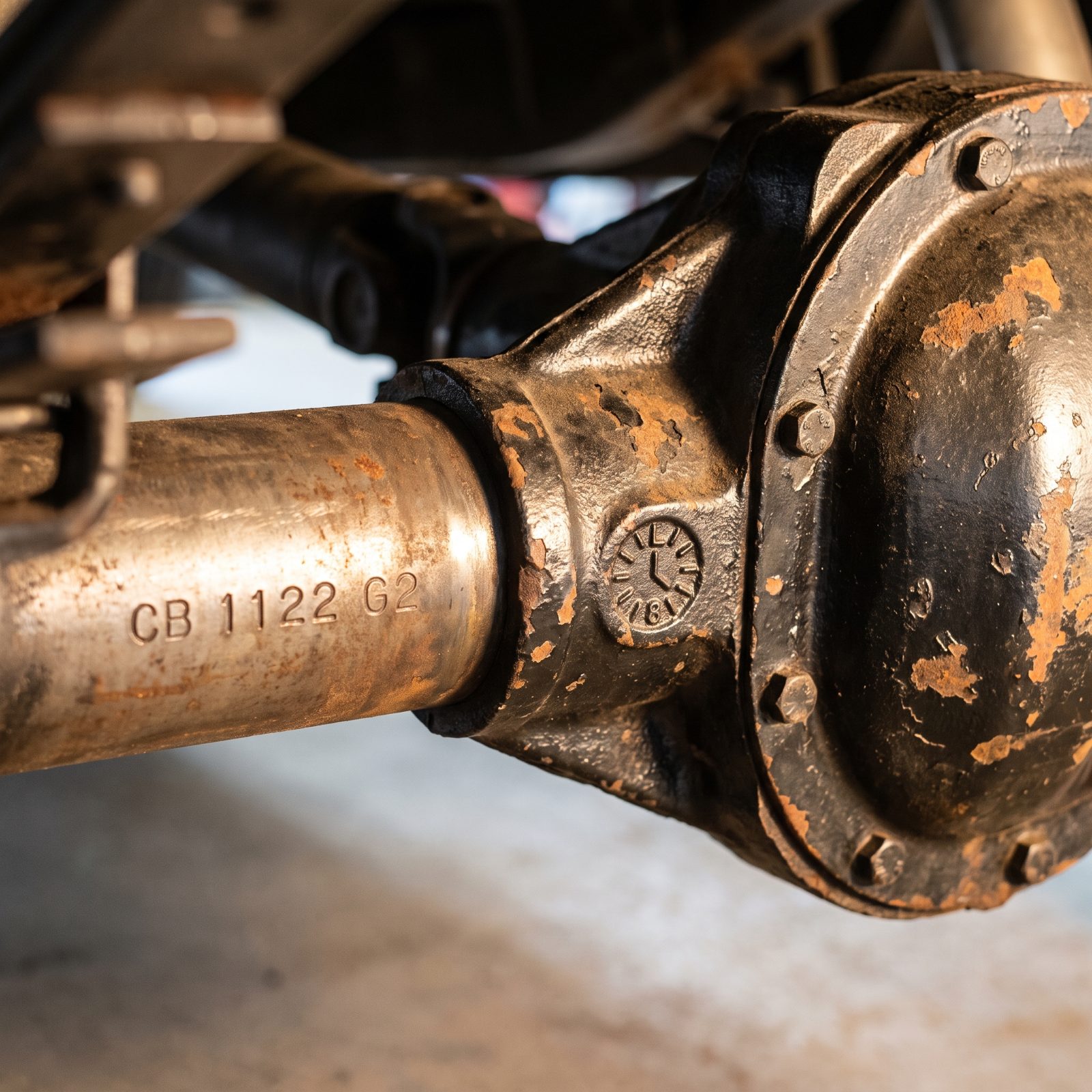
Dates should fall like dominoes, each one tipping sensibly into the next. Casting date first, then the axle assembly stamp, then the car’s build date — each separated by a believable lead time.
A differential cast weeks ahead of assembly, feeding a car built a short stretch later, is the picture of a healthy original axle. Trouble shows up when the sequence breaks. A casting date landing after the stamp. An assembly stamp that falls after the car was supposedly built. Gaps so wide the parts obviously came from different corners of the supply chain.
11. Master-Cylinder Casting Numbers, Stamps, and the Bleeder Detail Nobody Checks
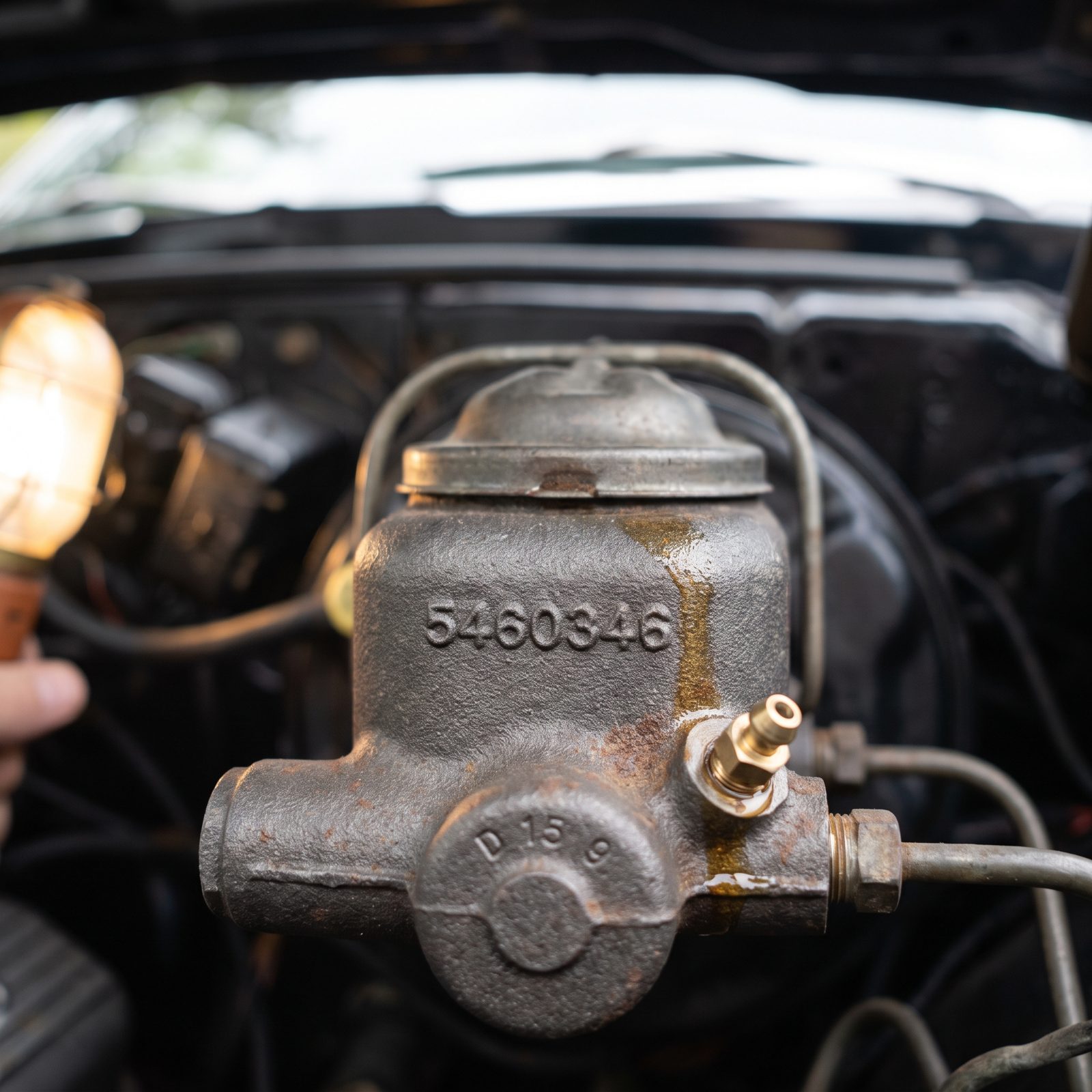
Of all the places a Z/28 can get caught out, the master cylinder is the one buyers skip and judges never do.
The casting number should match the application. The date code should sit sensibly ahead of the build. And the small stuff — bleeder boss layout, machined faces, the presence or absence of certain features — should line up with what the factory actually used. Reproduction and later-service castings exist, and they bolt on so cleanly that most people never think to look.
It’s a humble iron lump bolted to the firewall. It also quietly tells you whether the person selling sweats the details or just the photographs. Get the small, boring parts right and the big claims suddenly get a lot easier to believe.
10. Standard vs. Quick-Ratio Steering: The Box That Starts Arguments
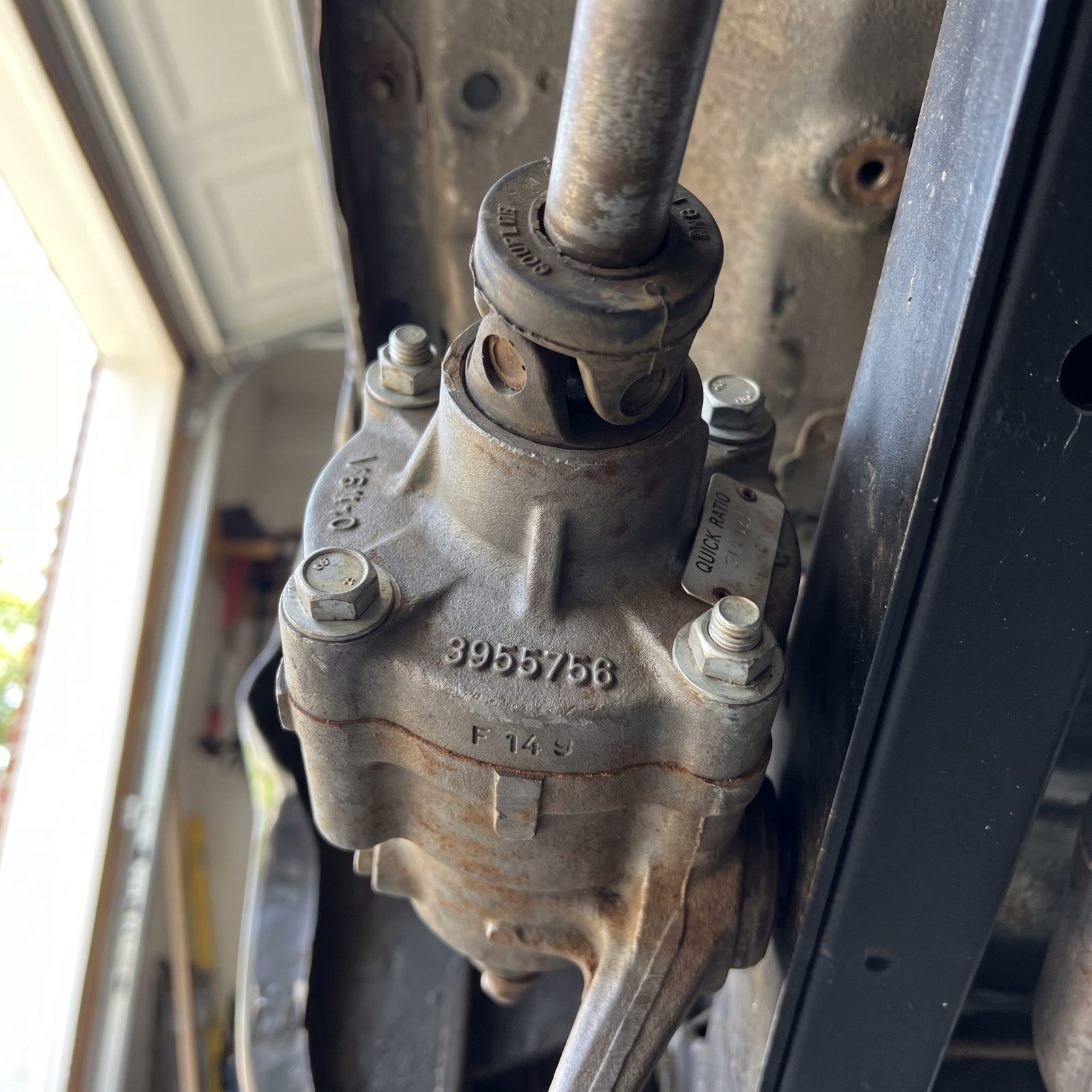
Pop the hood on two correct Z/28s and you might find two different steering boxes, both right. The standard ratio and the optional quick-ratio box left the line depending on how the car was ordered, and the casting numbers and date codes settle the argument.
Collectors fight over this because a swapped box is invisible from the driver’s seat. It only shows itself when you read the stamps against the build period. A quick-ratio car wearing a standard box isn’t automatically wrong, but it needs an explanation, and “the previous owner liked it slower” is not the explanation a judge wants to hear.
9. The 15×7 Rally Wheel: Reading Codes and Dates by Build Period
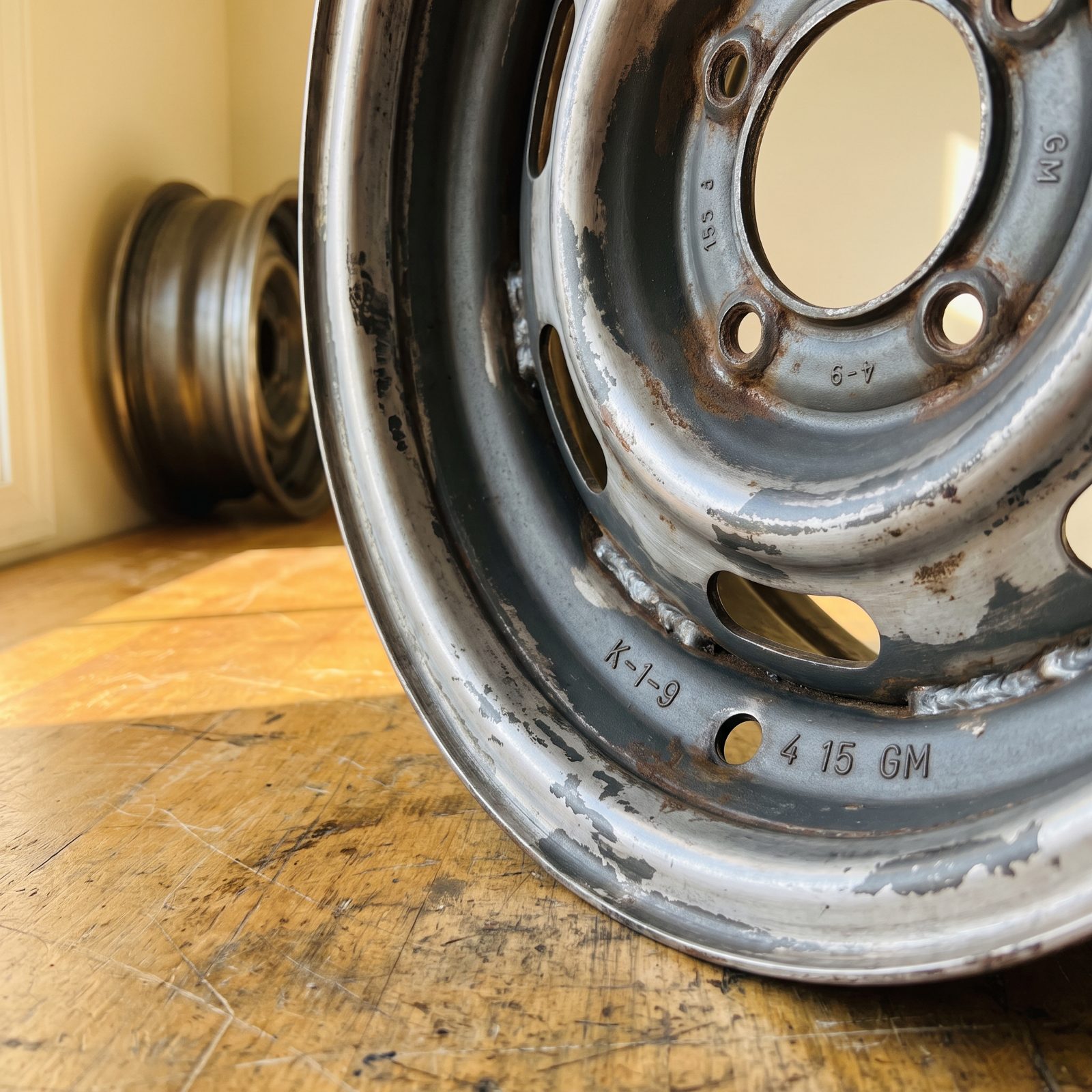
Not all Rally wheels are the same Rally wheel. The 15×7 steel rims carried stamped codes and date stamps that shifted across the 1969 model year, and matching all four to the correct build window is where serious collectors separate a real set from a close-enough swap meet haul.
The codes live on the inner barrel, usually near the valve stem. Early and late production used different stamps. A set with four mismatched dates spread across half a year tells you the car wears a Frankenstein assembly bolted together by somebody chasing the look without chasing the paperwork.
Does it matter for driving? Not one bit. At a concours table or in a sale negotiation, though, it can swing real money.
8. Flat Cap, Domed Cap, and the Trim Ring Nobody Agrees On
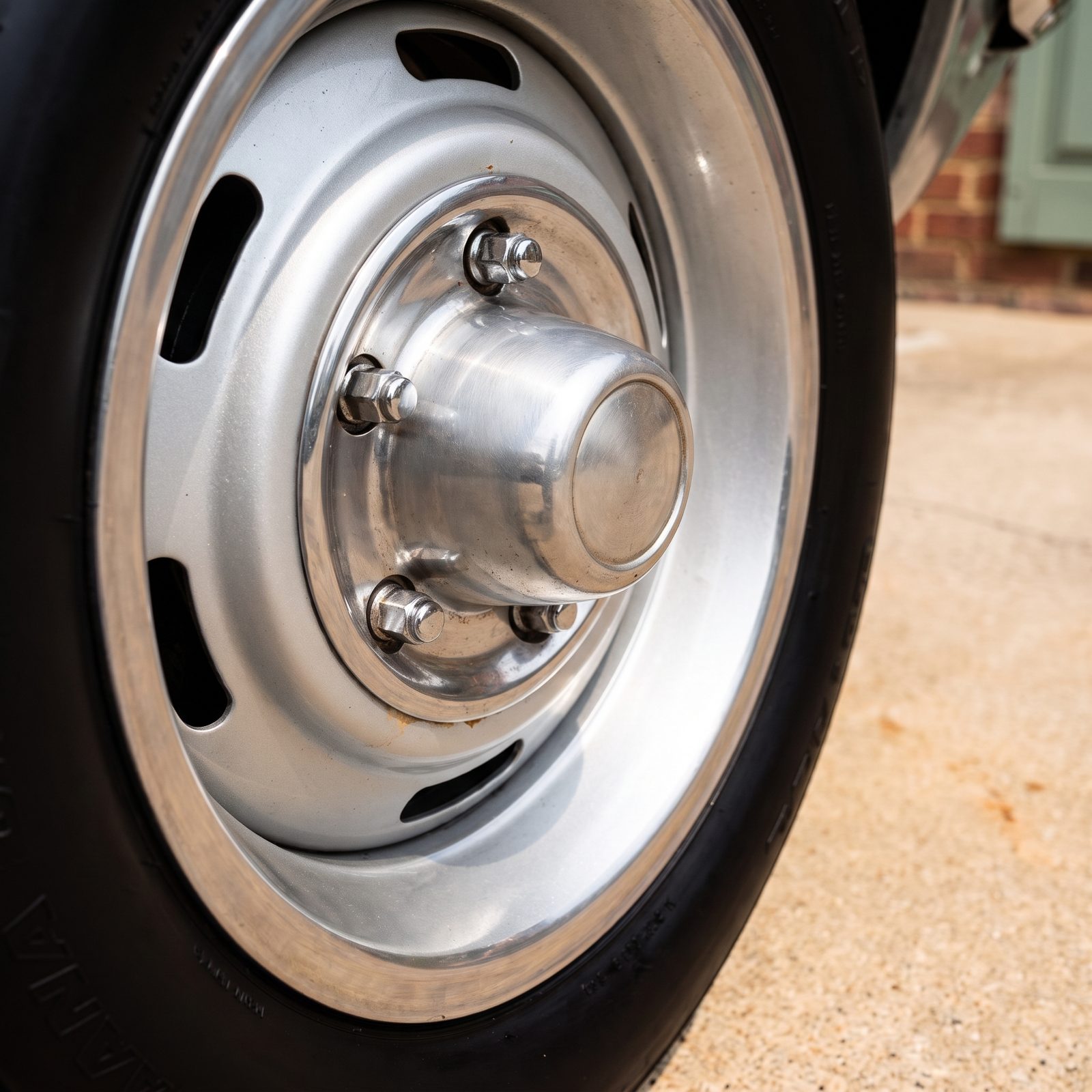
The center cap is small and the fight over it is not. Flat caps and domed caps both showed up on genuine cars depending on the production window, and the correct trim-ring finish is its own separate squabble that has ended friendships at cruise nights.
Here’s the trap. Reproduction caps are everywhere, and plenty of them wear the right shape with the wrong finish or the wrong clip style on the back. The profile tells you one thing, the retention hardware another, and both have to agree before you can call a set period-correct.
7. Goodyear or Firestone: Which E70-15 Actually Belongs
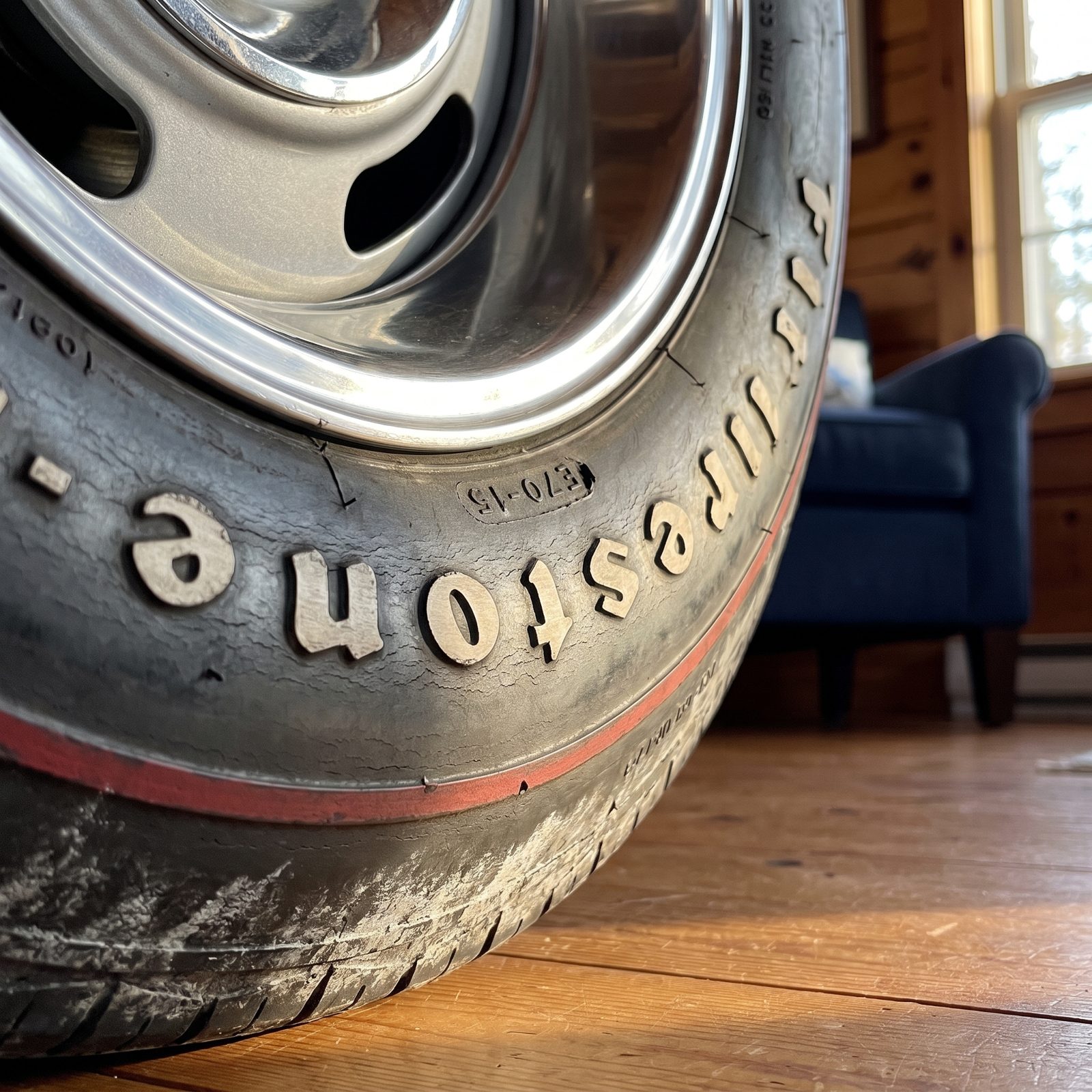
The tire debate turns on who supplied the rubber. Original E70-15 tires came from more than one maker, and collectors argue hard over which brand belongs under a given car, right down to the sidewall stamp and the date molded into the rubber.
Almost nobody runs sixty-year-old bias-plies on the road, so this is a show-and-documentation fight rather than a driving one. Today’s reproduction E70-15s nail one brand’s look and butcher another’s, which means a wrong repro can be more visibly off than a correct original that happens to be checked and cracked.
Date coding on the tires should fall just before the car’s build. Four tires dated after assembly means they rolled on later, same story as the wheels.
6. The Trunk Inventory: Spare, Jack, Hook, and Base
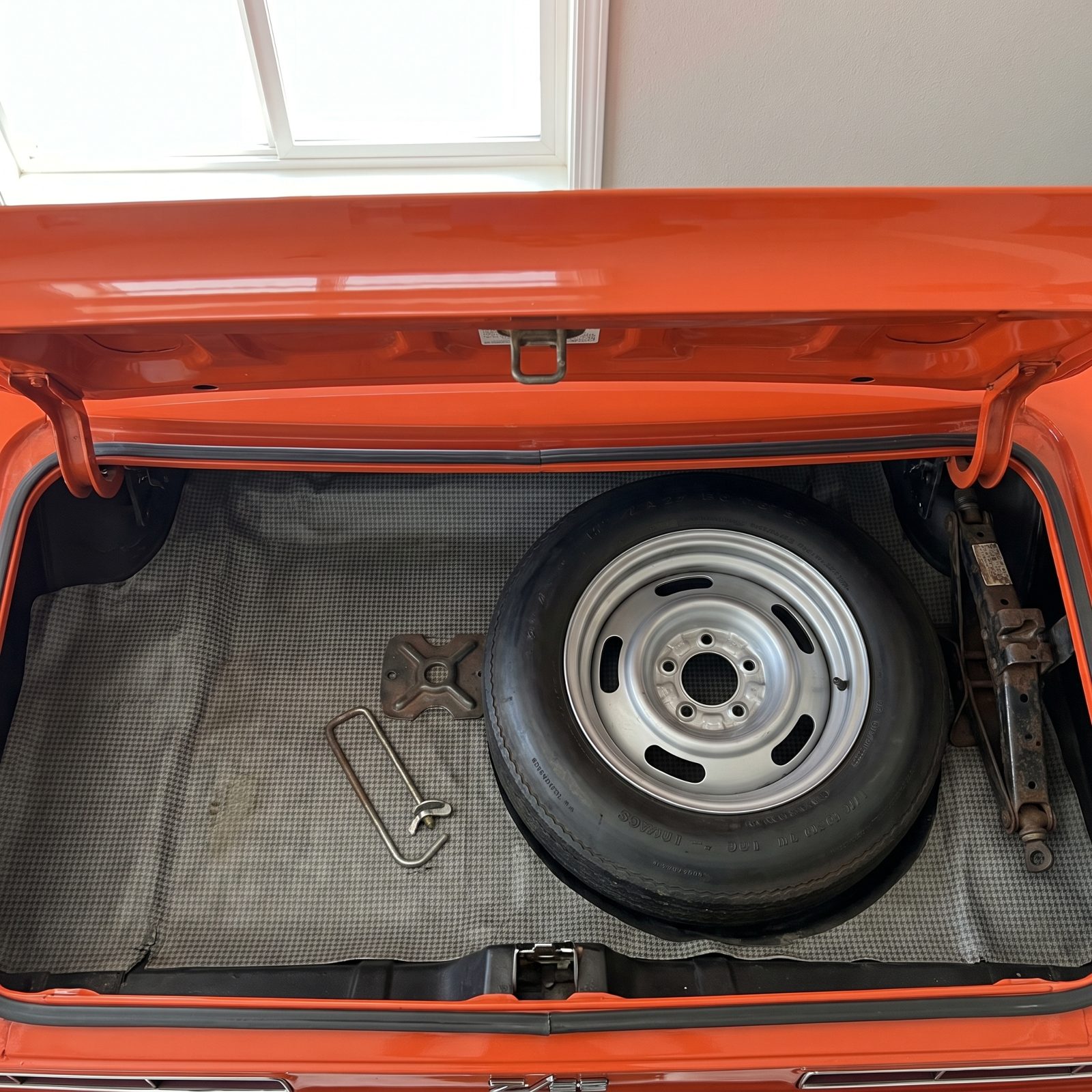
Open the trunk and the small stuff tells a big story. The correct spare, the right jack, the proper hook, and the stamped base all belong together, and nailing the combination trips up more restorations than engine detail ever does.
Why? Nobody saved this stuff. Jacks got borrowed and lost, spares got mounted after a flat on some road trip in 1974, and the base wound up rusting in a coffee can in somebody’s garage. Building a correct trunk means hunting down the exact pieces for the exact build period, and the reproductions range from passable to laughable.
5. The Tachometer Redline and the Gauge Package That Proves the Car

The tach face is a fingerprint. The redline marking and the specific gauge package expected on a Z/28 are details collectors check against the build, because a swapped cluster or a wrong-year tach gives the car away fast.
This matters more than people think. A high-winding small block earned a high redline, and the gauge package that came with the car reflects how it was optioned. Mismatch the tach to the drivetrain and you’ve got a cluster that came from somewhere else, which raises an obvious question: what else did?
The honest tell is wear. An original cluster ages with the car. Spot a pristine face sitting in an otherwise honest, patinaed interior, and it’s worth a second look.
4. Factory Inspection Marks vs. Restoration-Shop Decoration
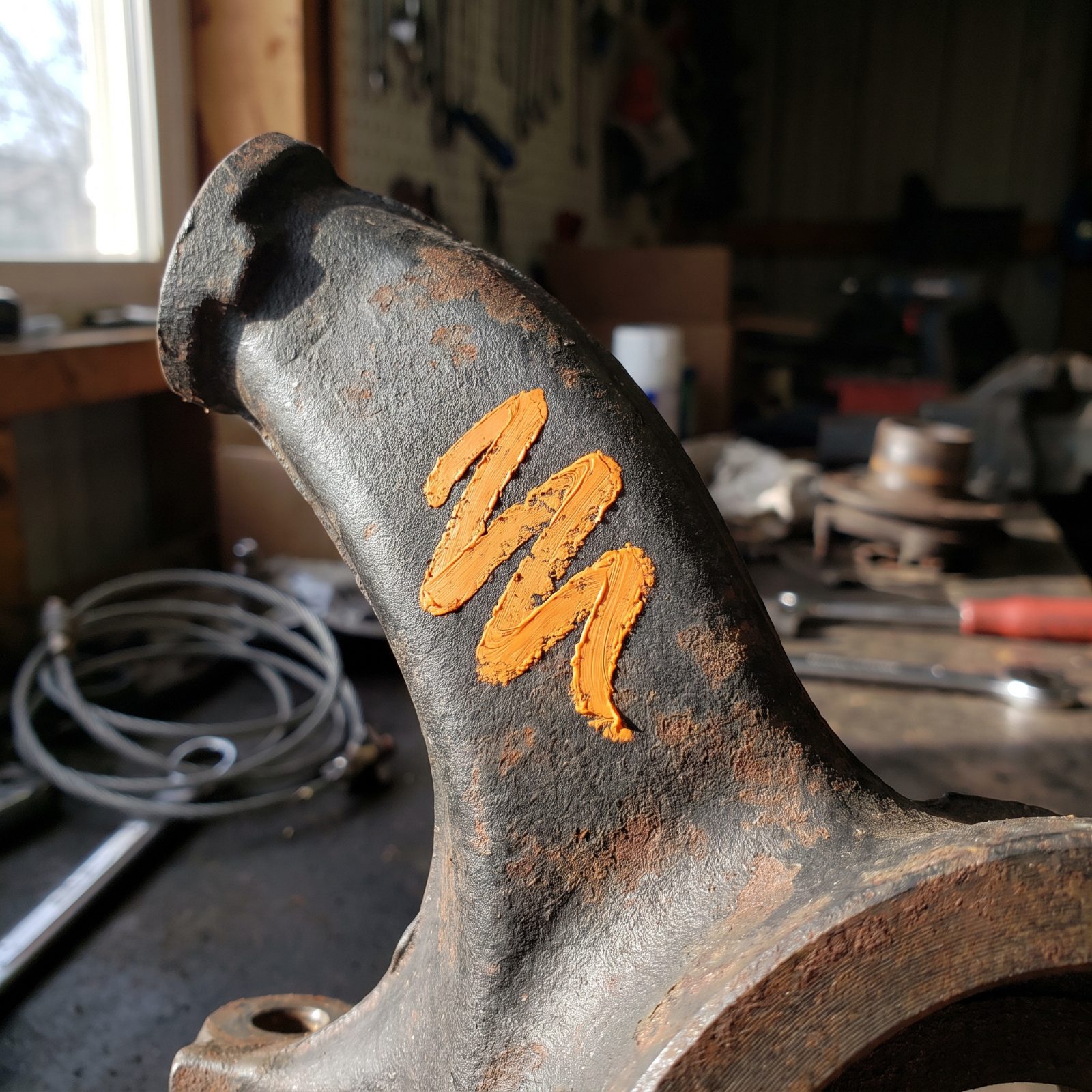
Chalk marks and inspection dabs are catnip for buyers and a minefield for honest sellers. Factory workers left crayon squiggles, paint dabs, and assembly marks all over these cars, and restoration shops have gotten very good at recreating the look.
The problem is simple. A real inspection mark aged with the car, faded, flaked, settled into the metal. A decorated mark added during restoration looks the part but reads too fresh, too deliberate, or lands in a spot where no inspector ever worked. The best restorers reproduce them for correctness and say so out loud. The dishonest ones let you assume.
A mark that looks newer than the paint around it isn’t a clue. It’s a question.
3. Special-Order Paint: Why the Color Alone Isn’t Proof
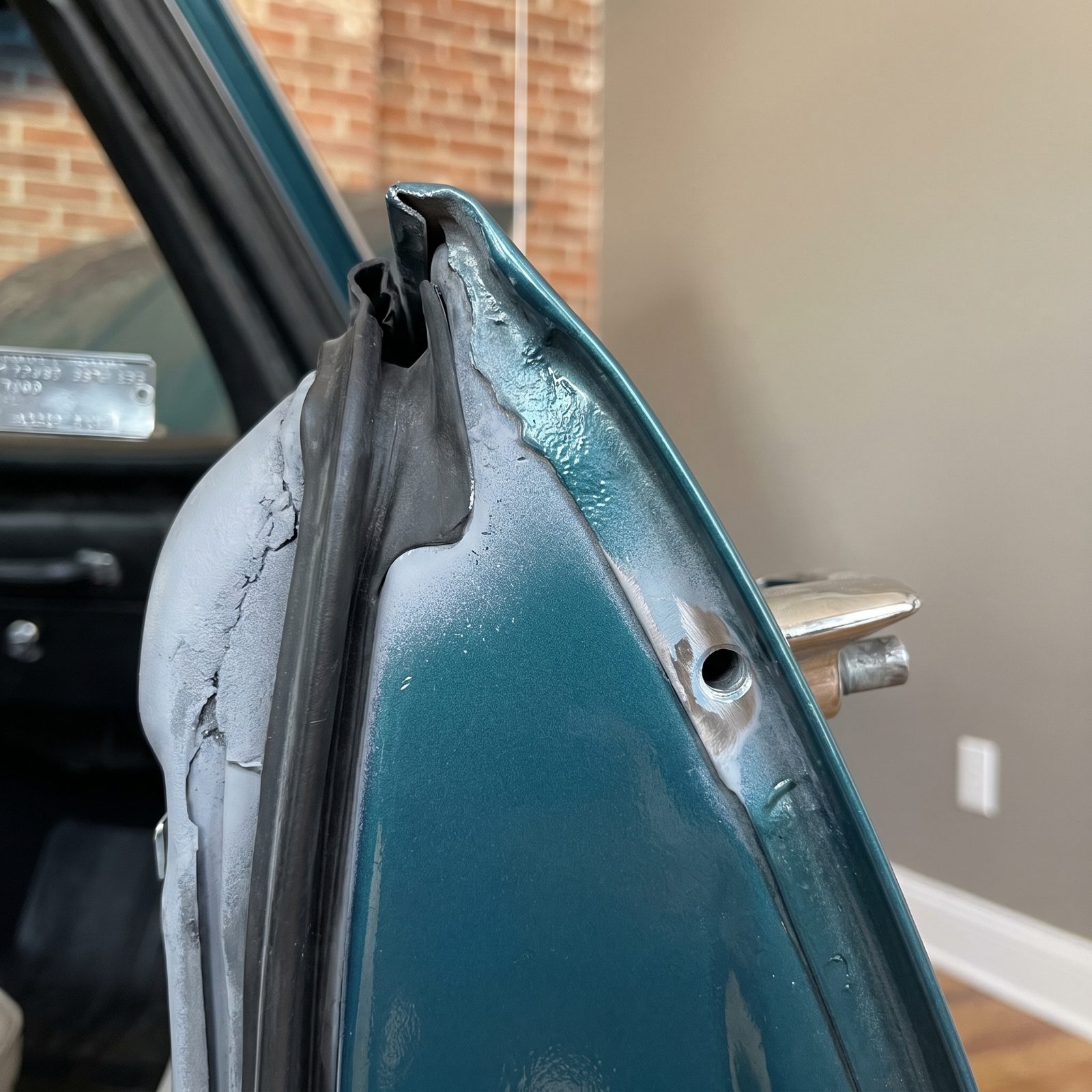
A rare color gets hearts racing and wallets opening, which is exactly why special-order paint cars draw extra scrutiny. An unusual hue proves nothing by itself. Anyone can respray a common car into a rare color and call it special-order.
Collectors want the paper to back the paint. The cowl tag, a documented trail, factory application evidence in the jambs and under the hood, all of it has to line up. Overspray in the right places, primer layers that make sense, a finish consistent with factory process, those carry more weight than the color.
2. The 290-Horsepower Rating That Fooled Everyone on Purpose
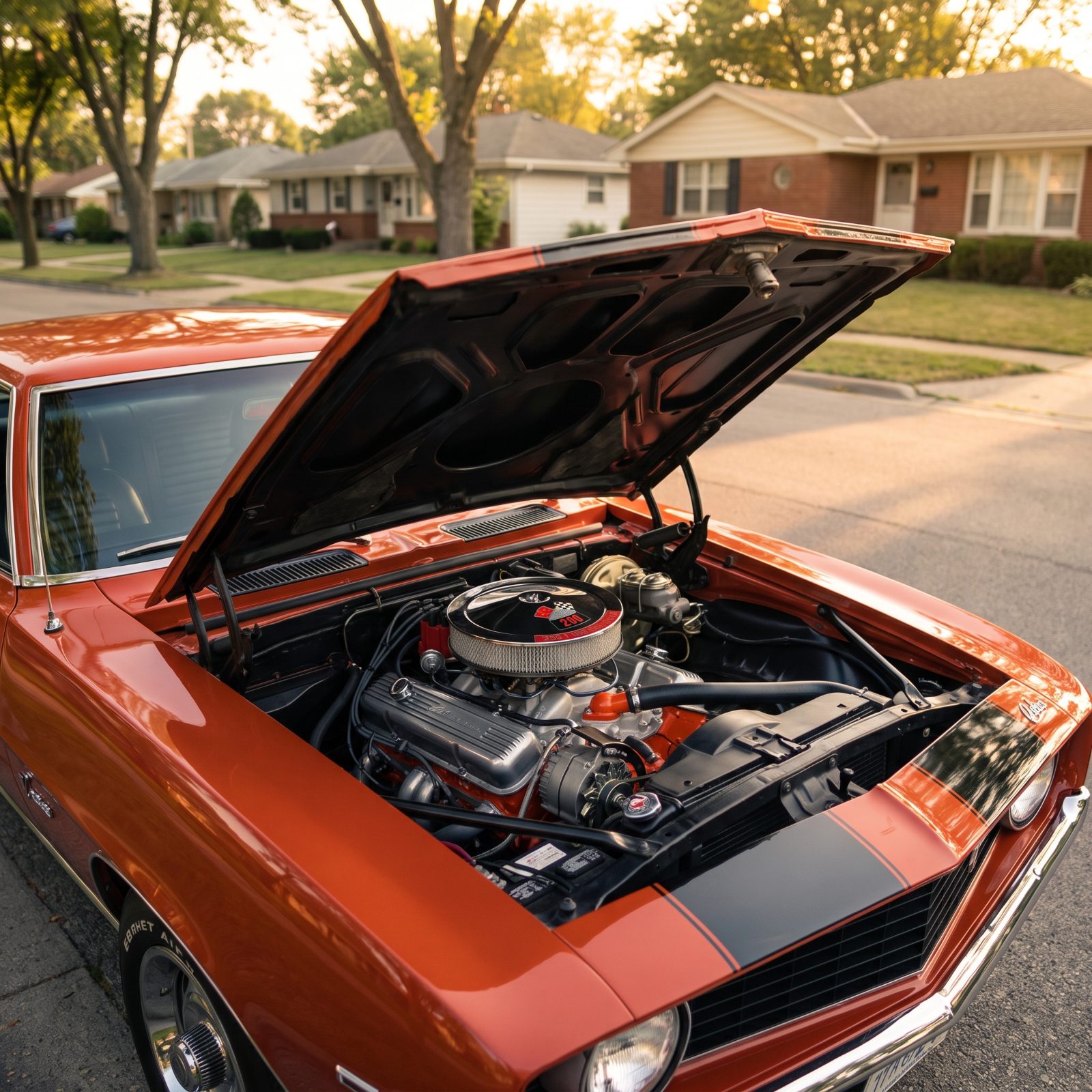
The factory said 290 horsepower. Almost nobody believed it then, and nobody believes it now. That high-winding small block got rated conservatively for reasons tangled up with insurance brackets and sanctioning rules, and nothing to do with what the engine actually made.
Why does a decades-old horsepower number still start arguments? Because it shapes how people value the car and how they talk about it. The underrating became part of the legend, and collectors love pointing out just how badly the published figure sold the thing short.
1. The Production Total You Can Actually Defend
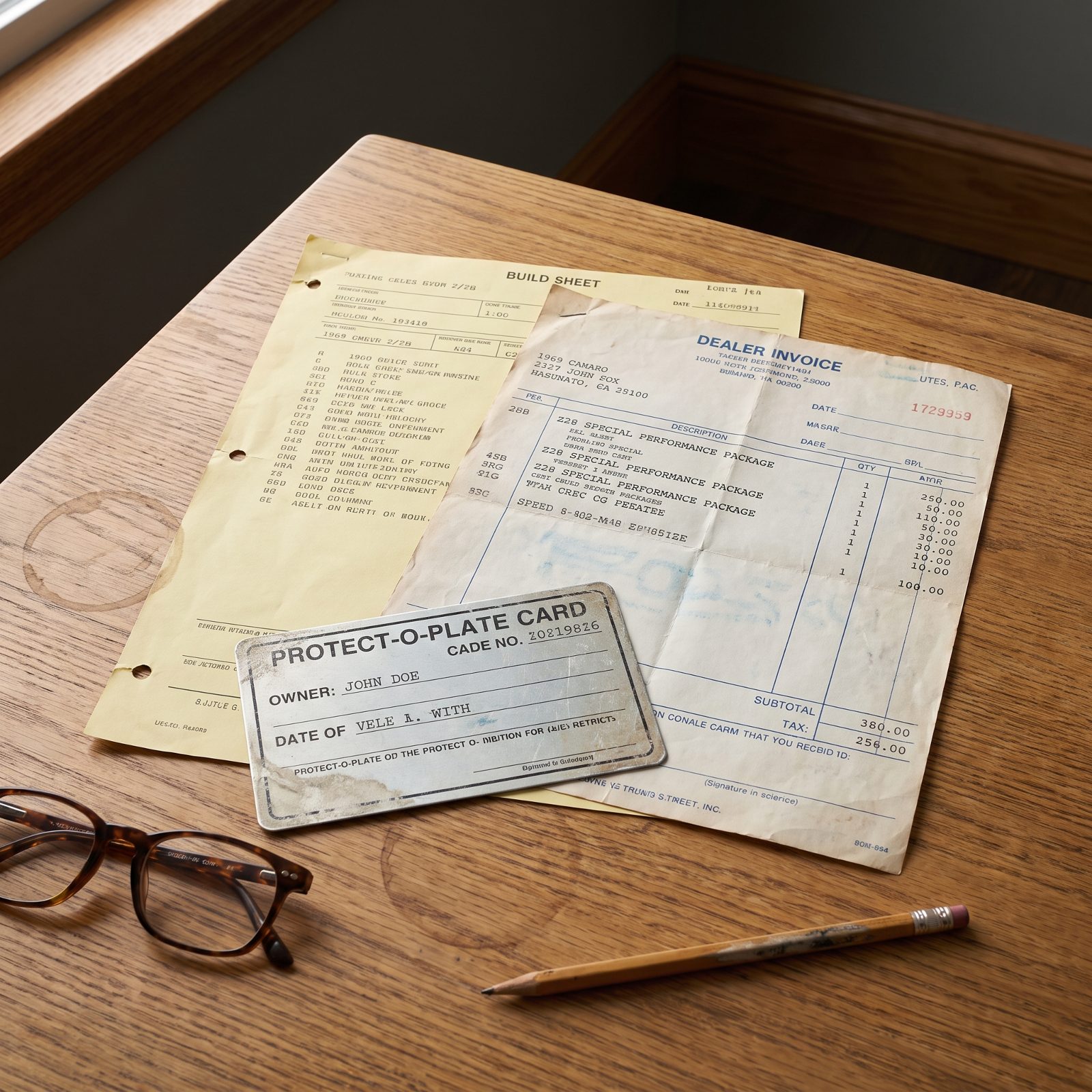
Ask ten Z/28 experts how many left the line in 1969 and you’ll get a range, not a number. The production figure for the year gets quoted, disputed, and re-quoted, and the total worth defending is the one backed by records rather than repeated out of habit.
This is the deepest rabbit hole in the whole discussion. Early figures, revised figures, counts that fold in special orders or leave them out, they all float around, and the one you cite says plenty about how carefully you’ve done your homework.
The honest answer? Give the widely accepted figure, say where it comes from, and admit the edges are fuzzy. Anyone who hands you one clean number with total confidence is either very well sourced or guessing. Usually guessing.