
Would you like to save this?
A car almost never dies in one dramatic moment. It dies a little at a time, in the habits you don’t think twice about — the way you ride the pedal down a grade, the clutch foot that never comes off, the pothole you take at speed because slowing down felt like admitting something. None of it feels like a mistake while you’re doing it. But every one of these is quietly filing away at a part that costs real money to replace. The fixes below need no special tools. Just a little attention on your next drive.
36. Taking Potholes at Full Road Speed
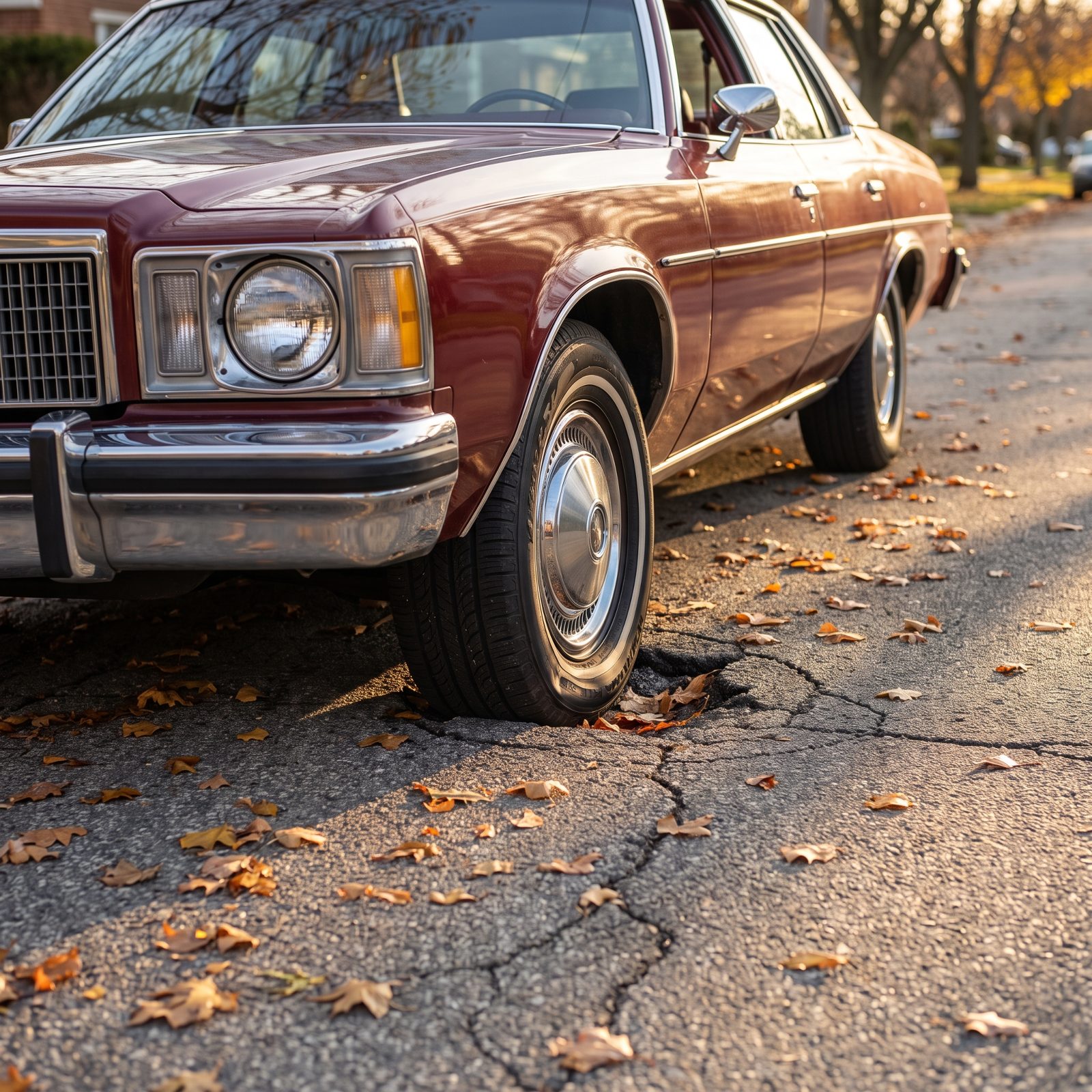
You see the pothole. You decide, in that half-second, that lifting off would feel like flinching, so you hold your speed and let the tire slam into the edge at thirty-five. The jolt comes up through the wheel, and you’ve forgotten about it by the next block.
That hit is doing real damage where you can’t see it. A hard strike at speed bends rims, cracks sidewalls, knocks the alignment sideways, and over time hammers ball joints, tie-rod ends, and shock mounts loose. On an older car still riding on its factory bushings? Brutal.
Slow down before the hit, not during it. Brake ahead of the pothole, then release just as the tire reaches it — that lets the suspension travel freely and soak up the blow instead of taking it rigid. Can’t avoid it? Straddle it. And have the alignment checked after any strike that makes you wince.
35. Riding the Brakes All the Way Down a Long Grade
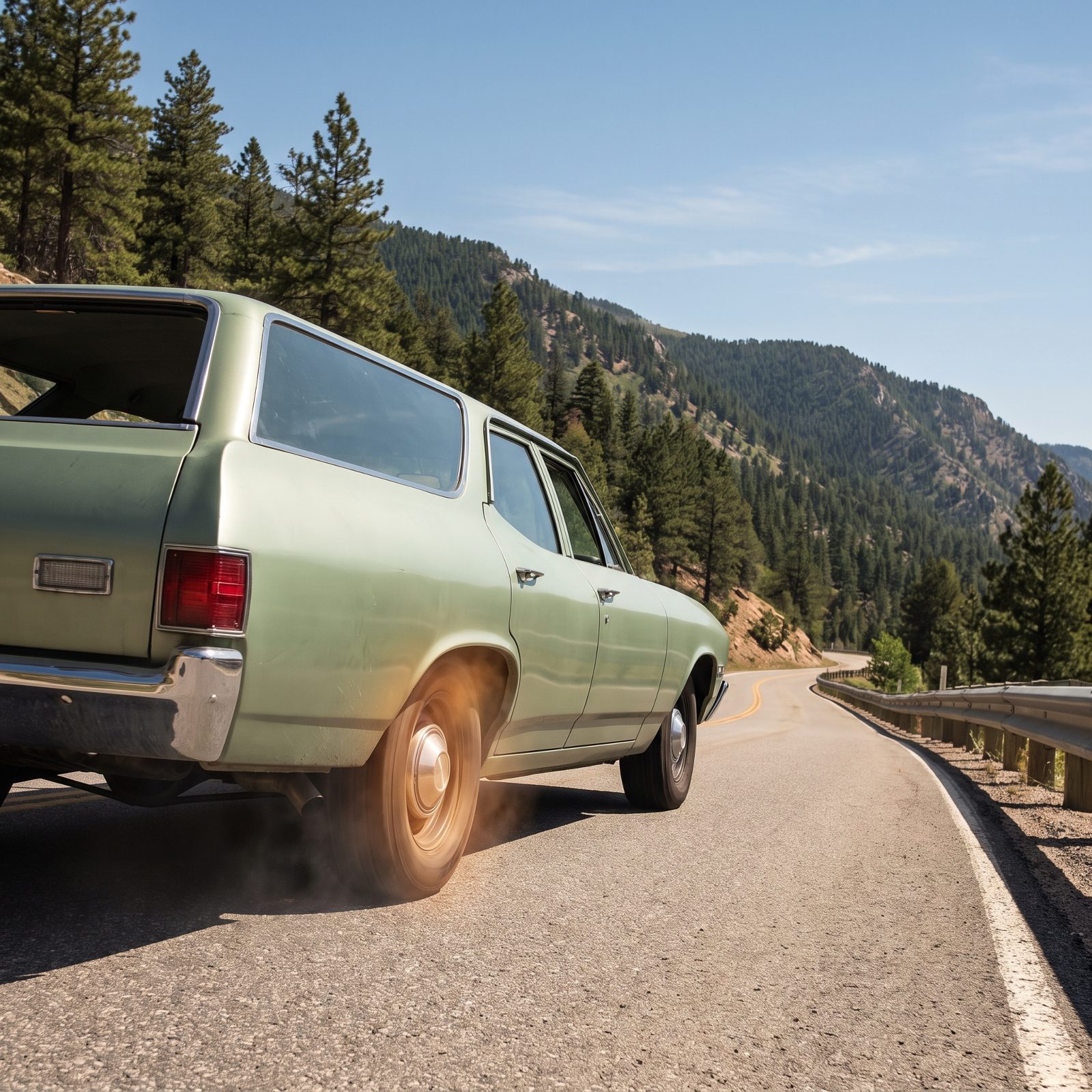
The grade runs three miles and your right foot just settles onto the brake pedal and stays there — light, steady, all the way down. Feels safe. Feels controlled.
It’s cooking your brakes. Steady friction with no chance to shed heat drives the pads and fluid up to temperatures where everything fades. The pedal goes soft, the fluid can boil, and in a drum setup the shoes glaze over and quit biting. On a heavy old wagon packed for a trip, that’s a genuinely scary surprise waiting for you at the bottom.
34. Pulling Away With the Parking Brake Still On
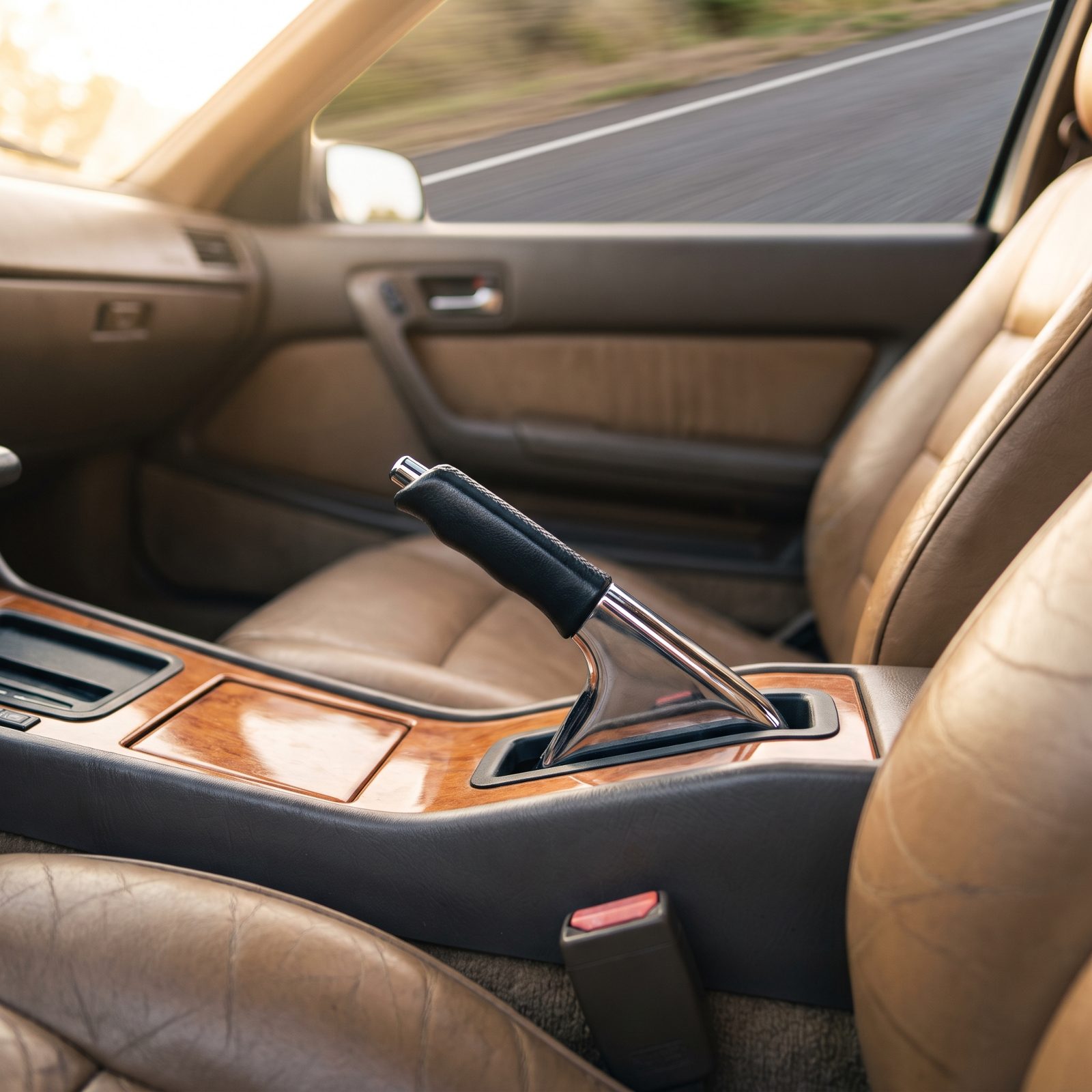
You set off and something feels slightly off. A faint drag, then a few minutes later a smell — hot iron and scorched toast. The handle wasn’t all the way down, or the pedal didn’t fully release, and you’ve been driving with the rear brakes half-clamped the whole time.
Even light drag builds enormous heat. It bakes the rear shoes or pads, warps the drums or rotors, cooks the wheel-bearing grease, and can seize an adjuster for good. One careless afternoon ruins parts that should have lasted years.
Make releasing the brake a deliberate motion, not a flick — feel it drop all the way home. Smell hot brakes or notice the car pulling harder than usual? Stop and check. And on a classic with a cable system, lube the cable yearly so it returns fully every time.
33. Driving On a Badly Underinflated Tire
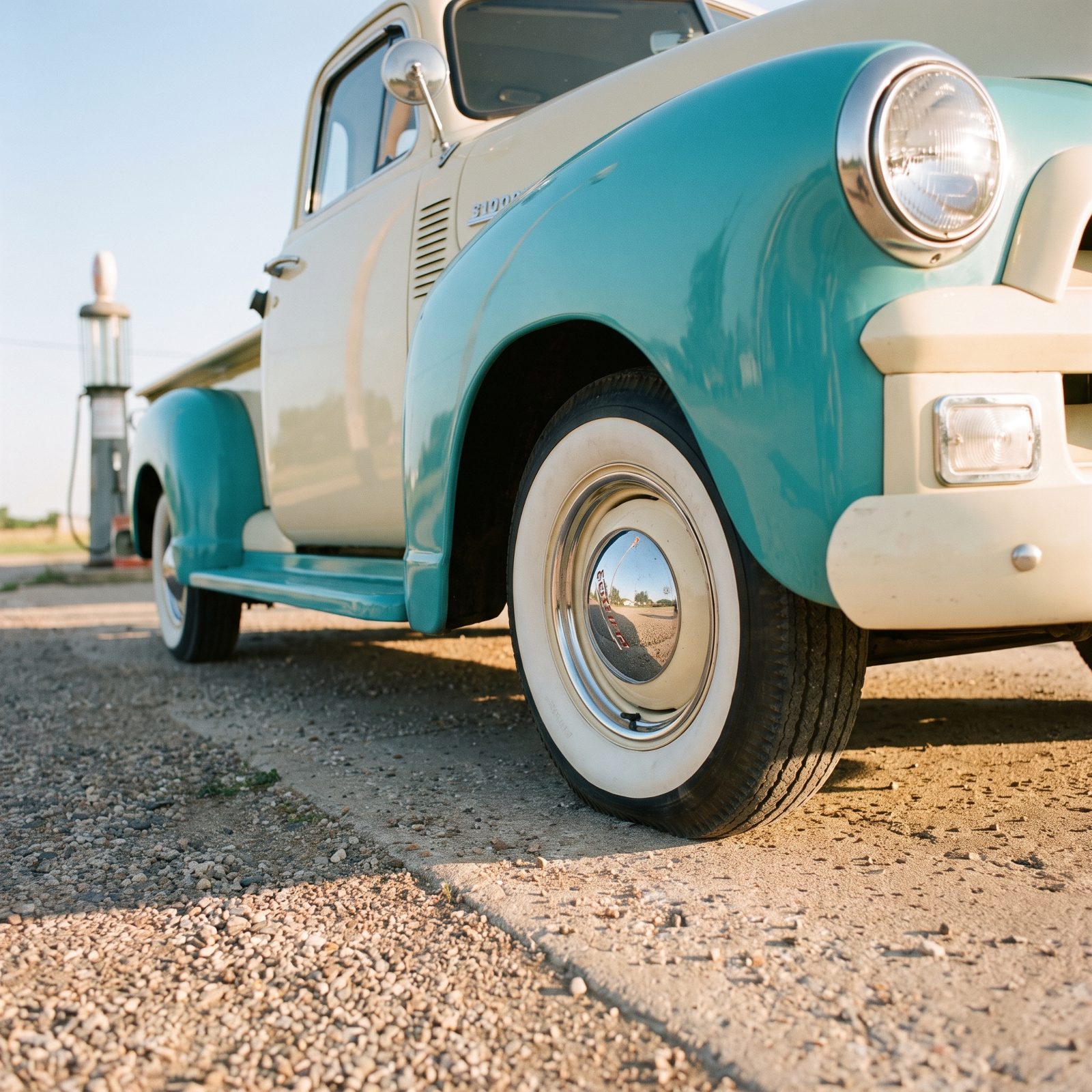
A soft tire looks almost normal until it’s too late. You tell yourself you’ll top it off tomorrow and keep driving on it today.
Underinflation makes the sidewall flex far more than it was ever built to, once per revolution, mile after mile. That constant flexing builds heat inside the carcass — and heat is what destroys a tire from the inside out. The tread wears off both shoulders, the casing weakens, and you’re one hot highway afternoon away from a blowout. It drags your mileage down and chews the edges off the fronts, too.
Check pressures cold. First thing in the morning, before you’ve driven anywhere, with a good dial or digital gauge. Set them to the door-jamb spec, not the number molded into the sidewall. On a classic, hit all four at least monthly, because tires lose a pound or so a month just sitting in the garage.
32. Resting Your Foot on the Clutch Pedal
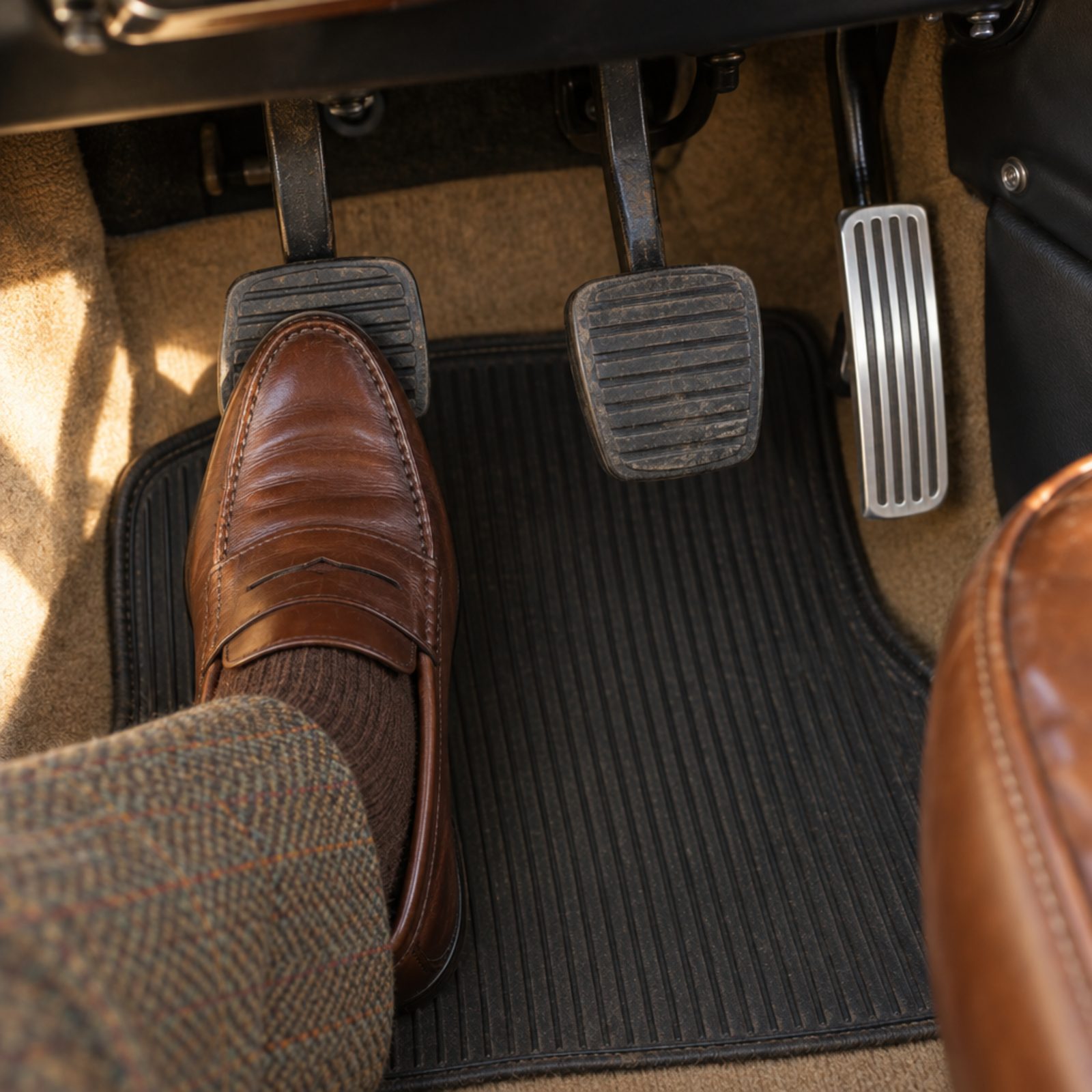
It feels natural to let your left foot settle onto the clutch while you drive. A little resting place. Harmless, right?
Not quite. Even light pressure keeps the release bearing spinning against the pressure-plate fingers and partly unloads the clutch. That slow, constant slip wears the friction disc and burns up the throwout bearing long before their time. The folks who do this for years are the ones replacing a clutch at 40,000 miles when it should’ve gone more than twice that far.
Give your left foot a home that isn’t the pedal. Most manual cars have a dead pedal or a flat spot to the left of the clutch — use it. Keep your foot fully off the clutch any time you’re not actively shifting, and that clutch will outlast two owners.
31. Holding the Car on a Hill With the Clutch
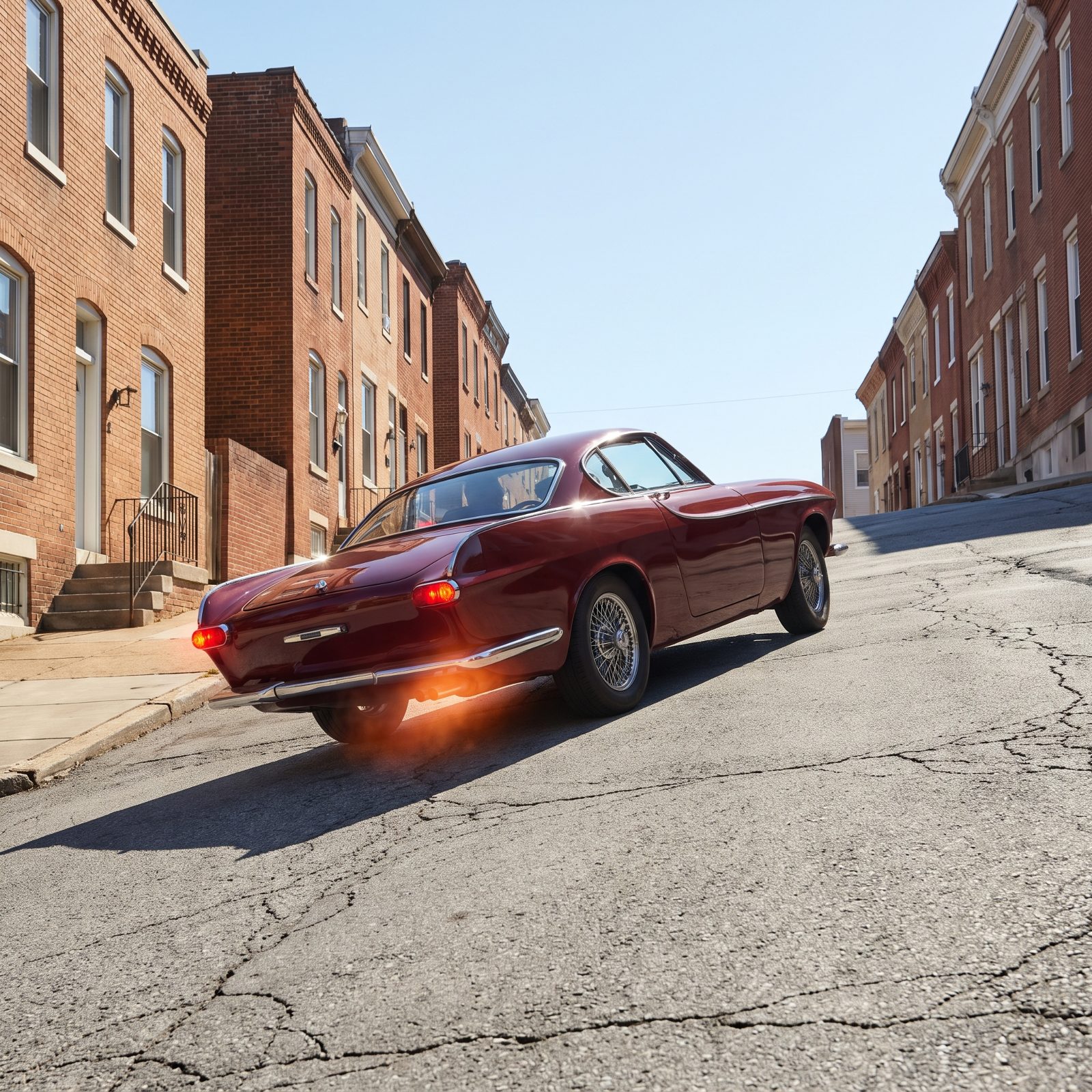
Stopped on a steep hill, you balance the car against the slope with the clutch instead of the brake. Clutch half out, engine revving a bit, the car hovering in place without rolling back. It feels like a skill. It’s slowly killing your clutch.
Hold a car this way and the friction disc is slipping continuously against the flywheel, making the exact heat and wear a clutch is designed to avoid. You can smell it — that sharp, acrid burn. Do it at every stoplight on a hill and you’ll be smelling it a lot.
The clutch is for connecting the engine to the wheels, not for fighting gravity.
Use the handbrake. Hold on the brake, in neutral or with the clutch down, then pull away clean — handbrake off as the clutch bites. Those old-school hill starts exist for a reason, and they save your clutch every single time.
30. Sitting at Every Red Light With the Clutch Down
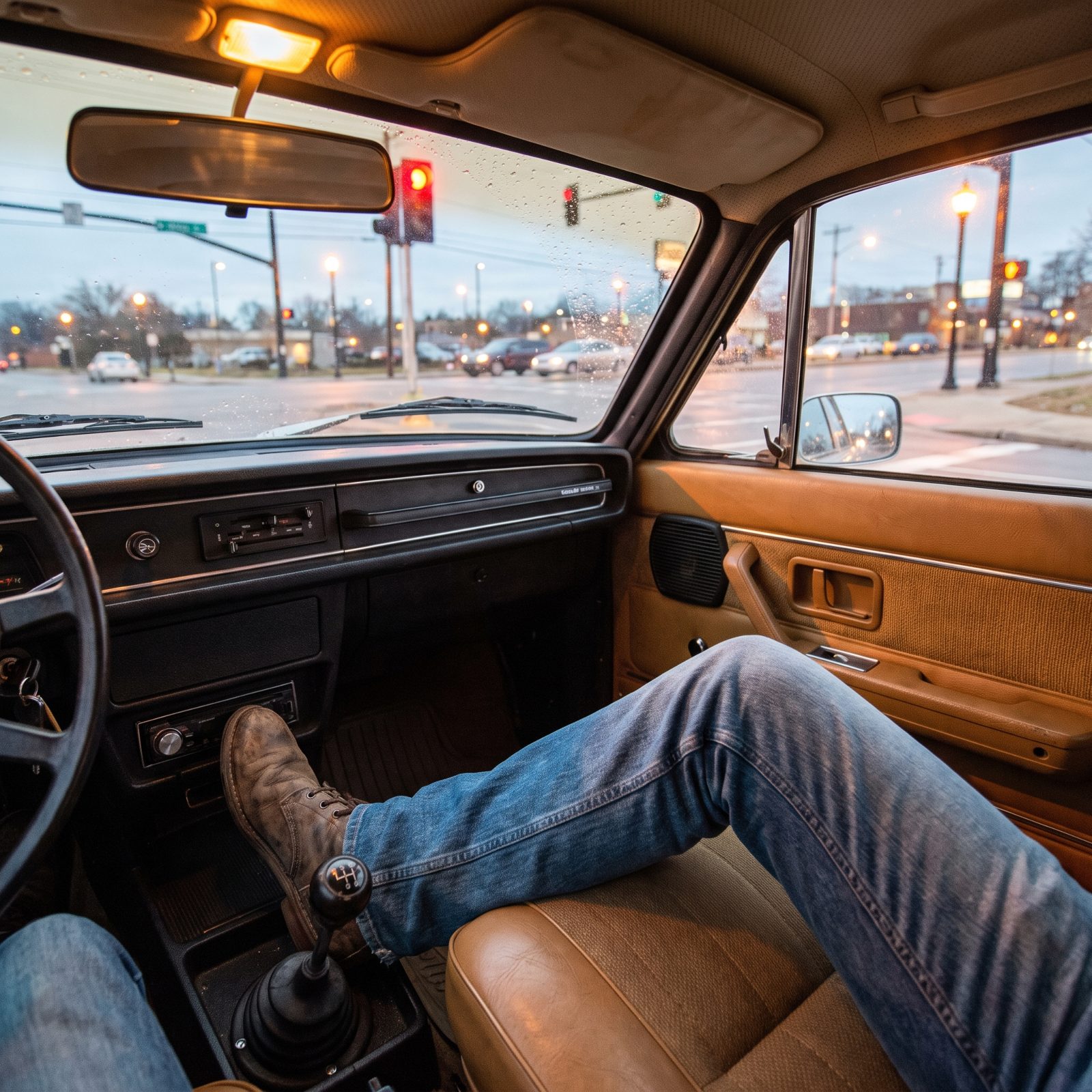
Light turns red, you roll to a stop, drop into first, and hold the clutch flat to the floor for the full minute and a half. Ready to launch the instant it goes green.
And the whole time, the throwout bearing spins under load, wearing itself out one red light at a time. The bearing itself is cheap. Getting to it means pulling the transmission, which is anything but. You’re trading a one-dollar habit for a four-figure job down the road.
29. Forcing the Shifter Into a Gear That’s Grinding
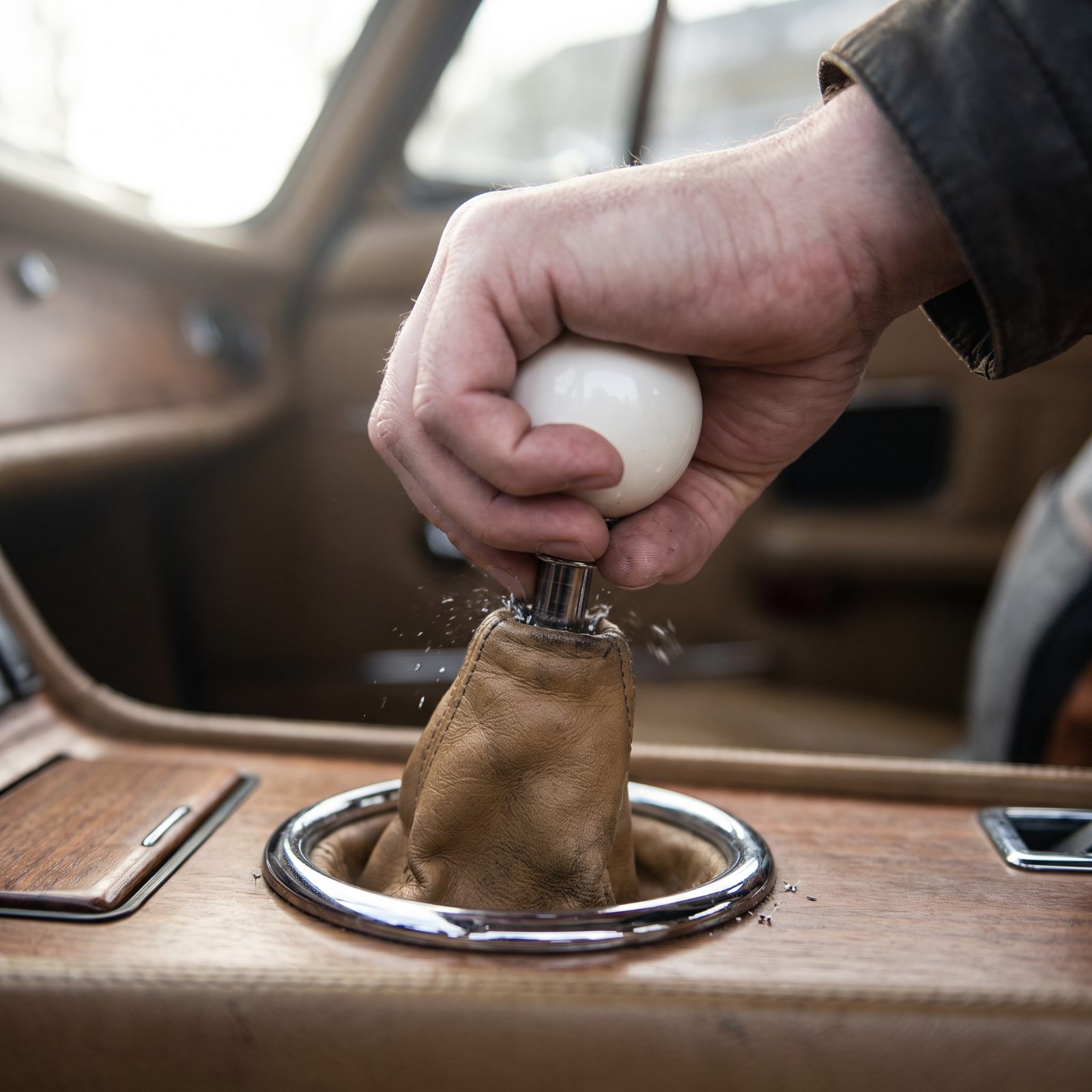
The gear won’t go in. You hear that crunch, so you push harder, grinding the lever home through the resistance. It finally seats with a nasty crackle and you drive on like nothing happened.
That grind is the synchronizer failing to match speeds and the gear teeth clashing against each other. Every forced shift chips and wears those synchros and dog teeth, and once they’re gone the gear pops out or refuses to engage at all. A rebuild is the only cure, and it is not cheap.
When a gear baulks, don’t muscle it. Let the clutch out, pause a half-second, press the clutch again, and try once more without force. Still fighting you? Double-clutch it: into neutral, clutch up, clutch down, then into gear. On an older box with tired synchros, double-clutching isn’t nostalgia. It’s survival.
28. Downshifting Without Blipping the Throttle
Would you like to save this?
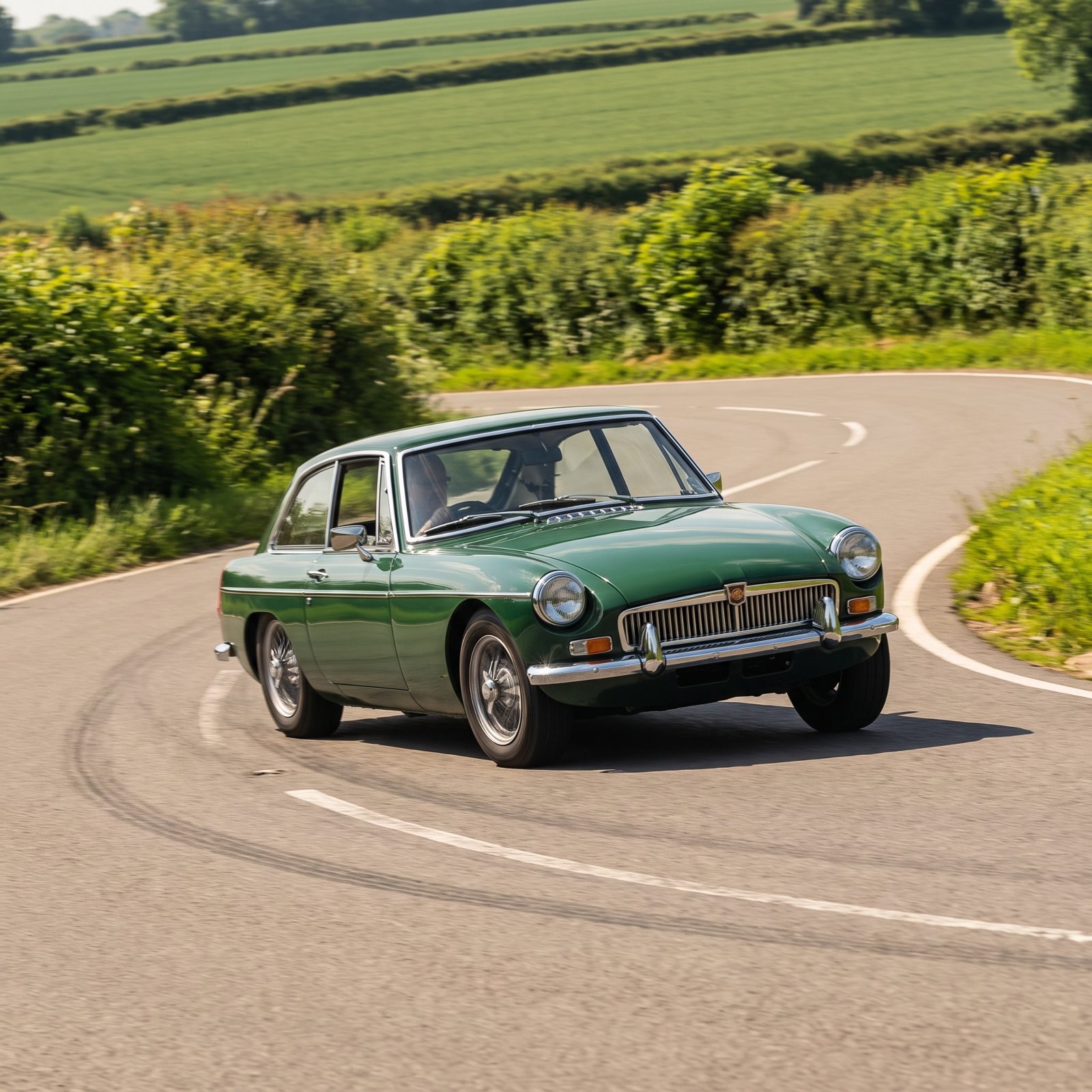
Coming into a corner, you drop two gears in one motion and let the clutch straight out. The engine jerks up to meet road speed, the whole car lurches, and the back end gives a little shudder.
That lurch is the clutch and driveline swallowing the mismatch between a slow engine and fast-spinning wheels. Over and over, it wears the clutch, shock-loads the gearbox and differential, and upsets the balance of the car right when you want it planted.
Match the revs. As you declutch and downshift, give the throttle a quick blip to bring engine speed up to where the lower gear wants it. Let the clutch out and the whole thing meets smoothly — no lurch, no wear. Heel-and-toe is the advanced version, but a plain throttle blip gets you most of the way there and spares your drivetrain.
27. Slamming From Drive to Reverse Before Fully Stopping
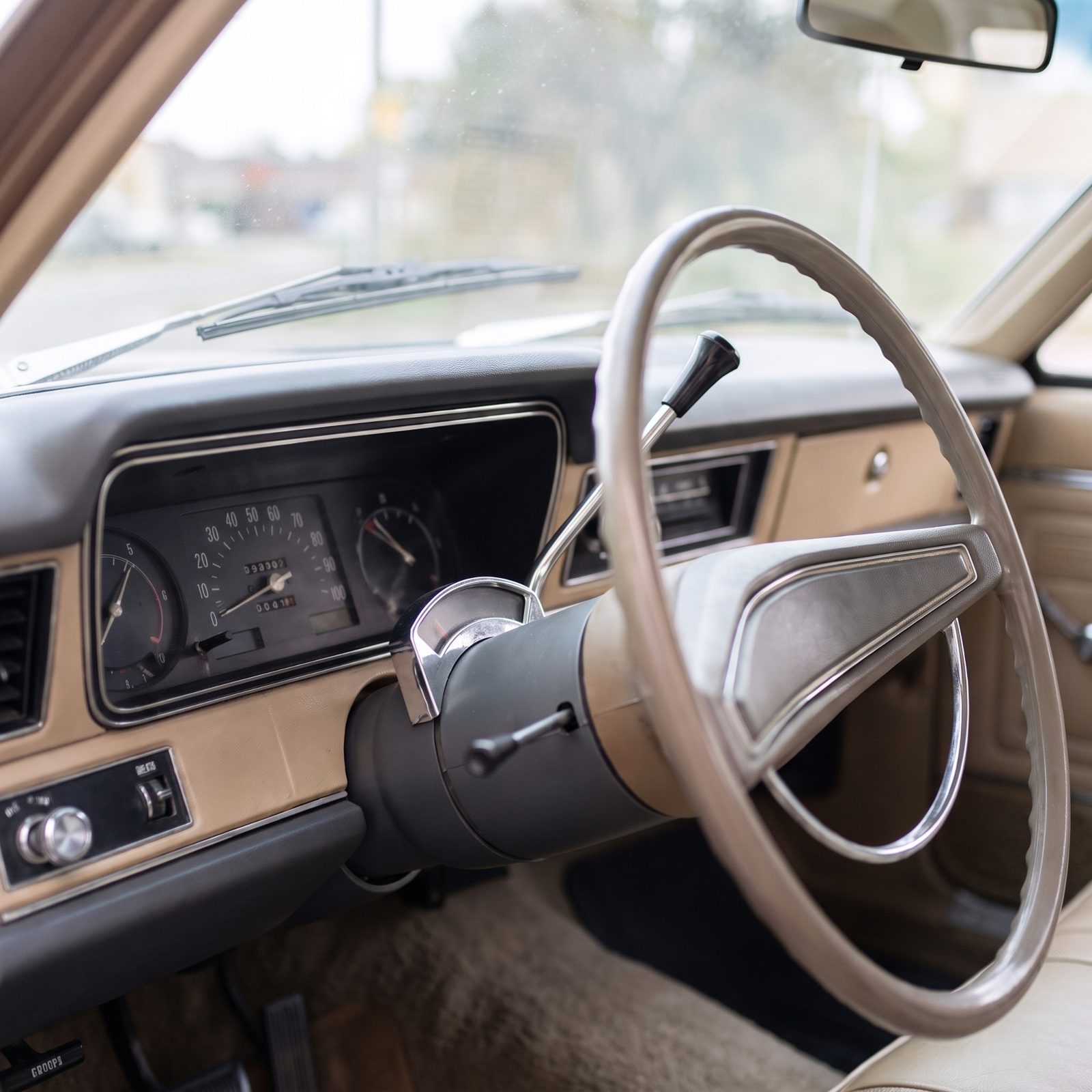
You’re backing out of the driveway, still rolling backward a touch, and you yank the lever into Drive to pull forward. The car clunks, hesitates, then goes. You’ll do it a dozen times today without a second thought.
Shift between Drive and Reverse while the car’s still moving and you force the transmission to reverse direction against the wheels. That shock loads the clutch packs, bands, and driveline, and on an older automatic it’s one of the surest ways to grenade a gearbox early. The U-joints and mounts take their share too.
Come to a complete stop first. Full stop, foot on the brake, then select the next gear. It costs you half a second and saves a transmission that, on a classic, might not even be rebuildable without a long parts hunt. Patience at the end of the driveway is cheaper than a tow truck.
26. Slamming Into Park Before the Car Fully Stops Rolling
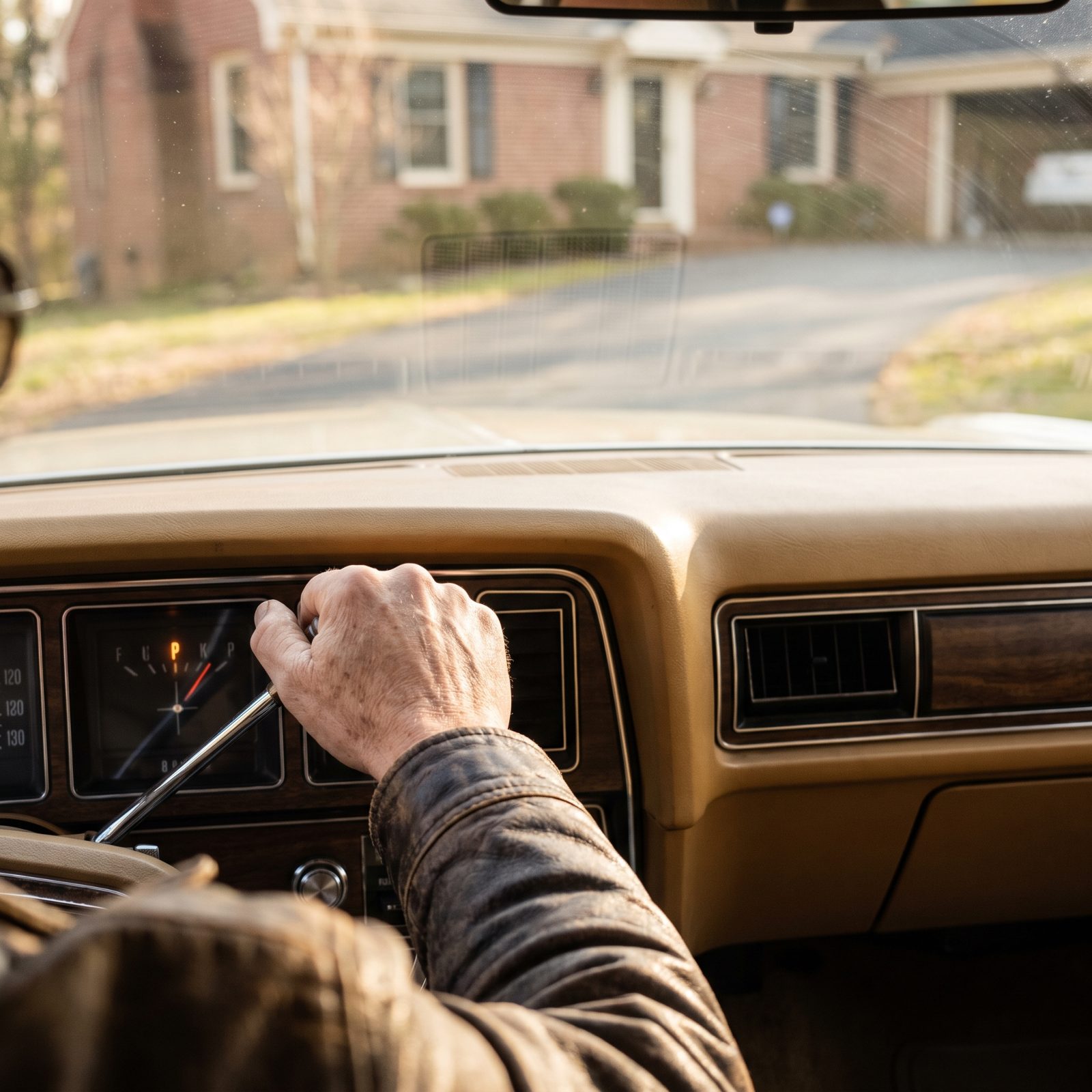
You pull into the garage, the car’s still drifting an inch a second, and you knock the lever into Park to save half a breath. Feels harmless. It isn’t.
Inside the transmission there’s a little hardened-steel pin called the parking pawl, and it drops into a notched gear to take the whole rolling weight of the car. On a moving vehicle that’s a hammer blow landing on a part the size of your thumb. Do it enough times and the pawl chips, the notch rounds off, and one afternoon Park just quietly stops holding.
The fix costs you nothing. Come to a complete stop. Set the parking brake first, shift to Park, then let off the brake pedal. The brake carries the load while the pawl only locks in the memory of it. Plenty of drivers ignore all this for years and get lucky — don’t count on luck doing the same for you.
25. Revving in Neutral, Then Dropping an Automatic Into Drive
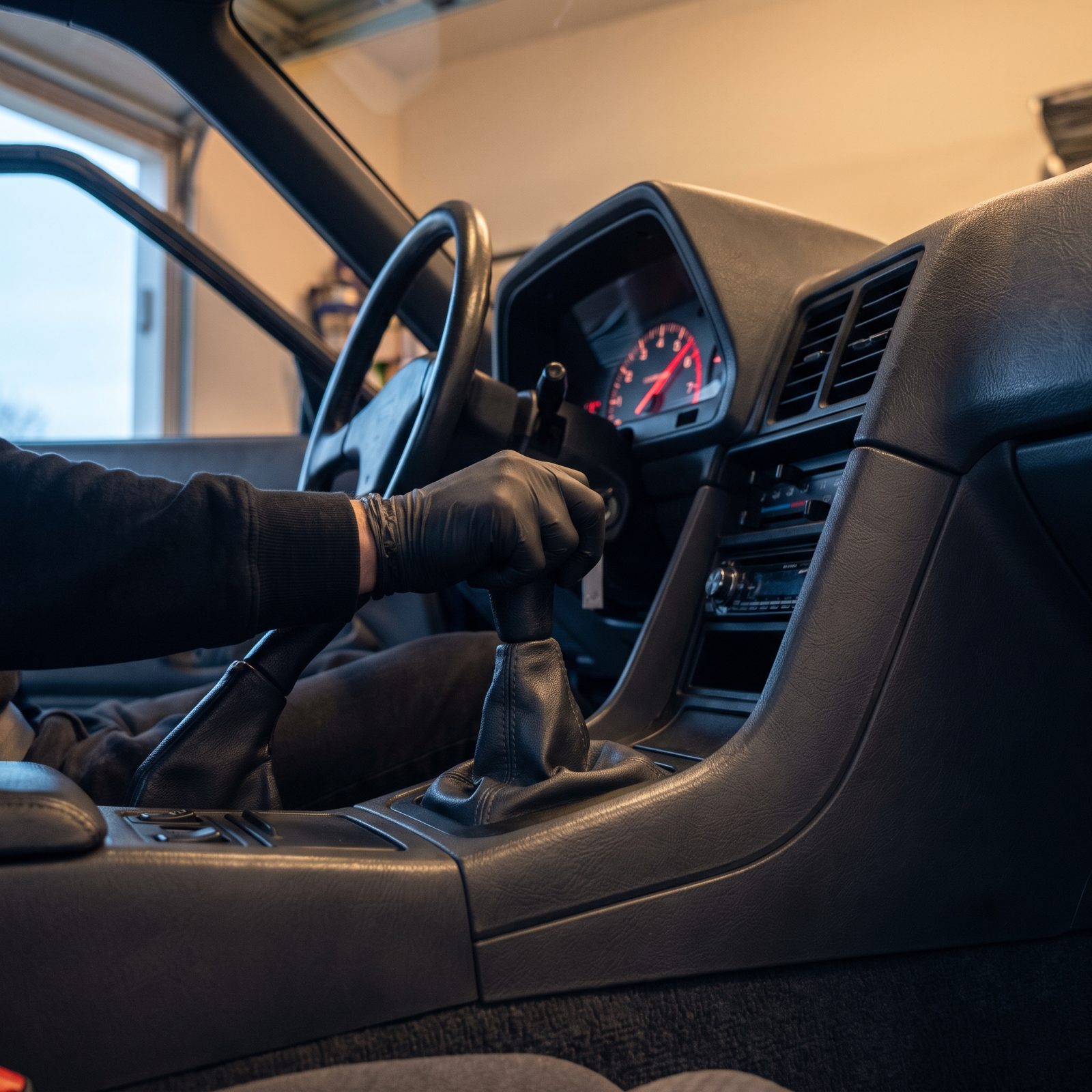
The engine’s howling in Neutral, you yank it into Drive, and the whole car lurches like it got rear-ended. Satisfying sound. Expensive habit.
Engage a spinning torque converter against stationary clutch packs and all that energy has to go somewhere. It goes into shock-loading the clutches and the driveline. The fluid flashes hot, the friction surfaces glaze over, and that’s where the slow burn toward a rebuild gets its start.
Let the engine settle back to idle before you select a gear. Pause a beat with your foot firm on the brake, feel the converter take up gently, then roll on the throttle. Smooth engagement is free horsepower for your transmission’s lifespan.
24. Rocking a Stuck Car Between Drive and Reverse Without a Pause
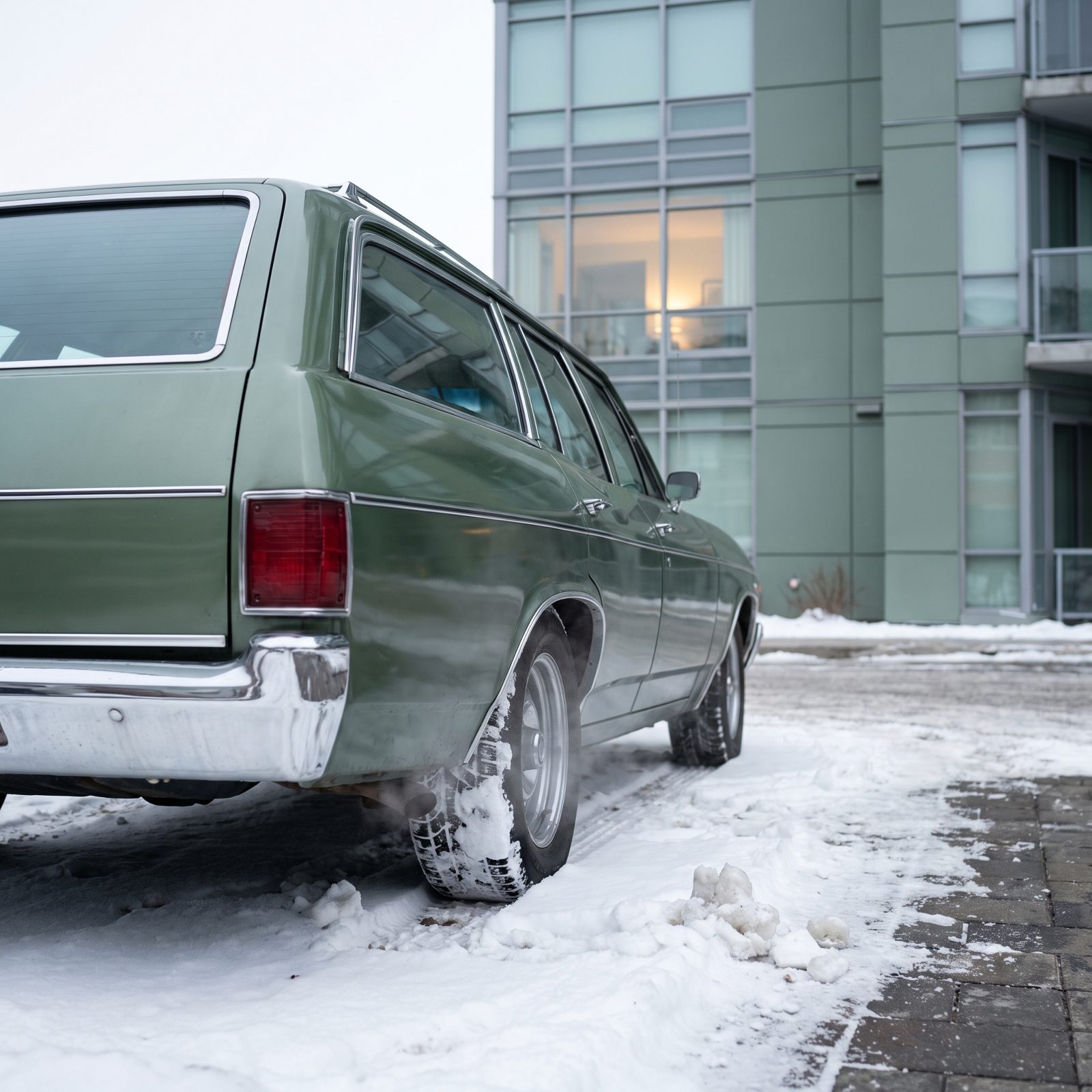
Stuck in snow or mud, you flick between D and R as fast as your wrist can move, hoping momentum frees you. The car barely budges. The transmission, meanwhile, is taking a beating.
Every direction change asks the clutches and bands to grab while parts are still spinning the other way. That reversal of load is about the hardest thing you can do to an automatic, and the fluid temperature climbs fast enough to cook it right there in your driveway.
If you must rock the thing, do it slow. Ease into Drive, let the car rock forward and roll back on its own, then slip into Reverse at the exact moment it’s stopped or coasting backward. A full beat in each gear. Honestly, though? Keep a bag of sand and a folding shovel in the trunk all winter. Traction beats transmission abuse every time.
23. Crawling a Dual-Clutch Car Through Stop-and-Go Traffic for Miles
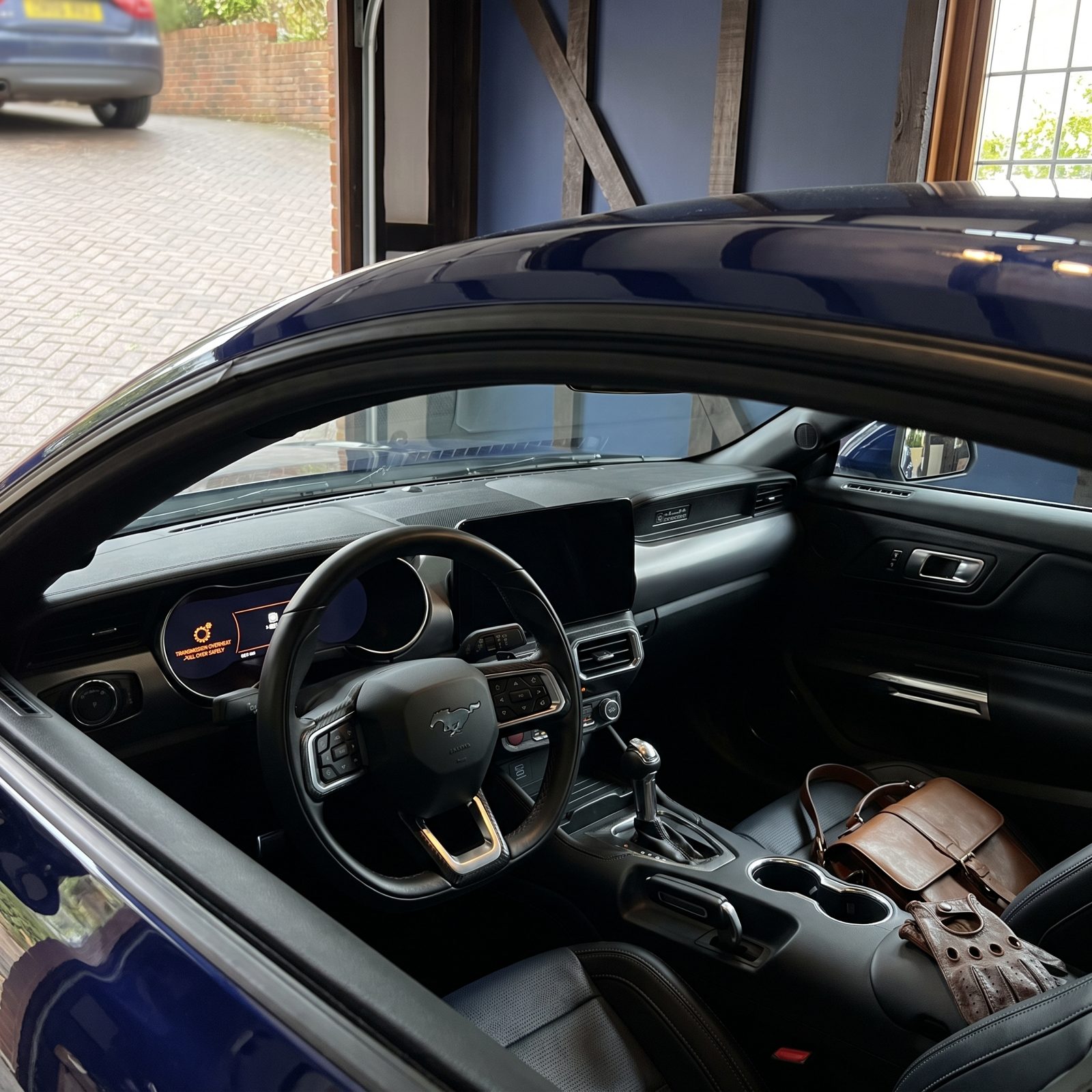
Dual-clutch gearboxes are brilliant on an open road and downright miserable in a crawl. Hold one at a slow creep for a mile of gridlock and you’re slipping the clutch the entire time, no different from riding a manual’s clutch pedal for an hour straight.
All that slipping dumps serious heat right at the friction surfaces. Overheat them often and the clutch packs wear early, the shifts turn clunky, and you’re staring down a repair bill that’ll ruin your week.
In heavy traffic, let bigger gaps open ahead so you can move in clean, decisive pulls instead of a nonstop crawl. Stop fully and let the car hold on the brake rather than inching along at walking pace. Got a manual mode? Drop it into first and let it fully engage between creeps. The gearbox wants to grip, not slip.
22. Blipping the Throttle Right After a Cold Start
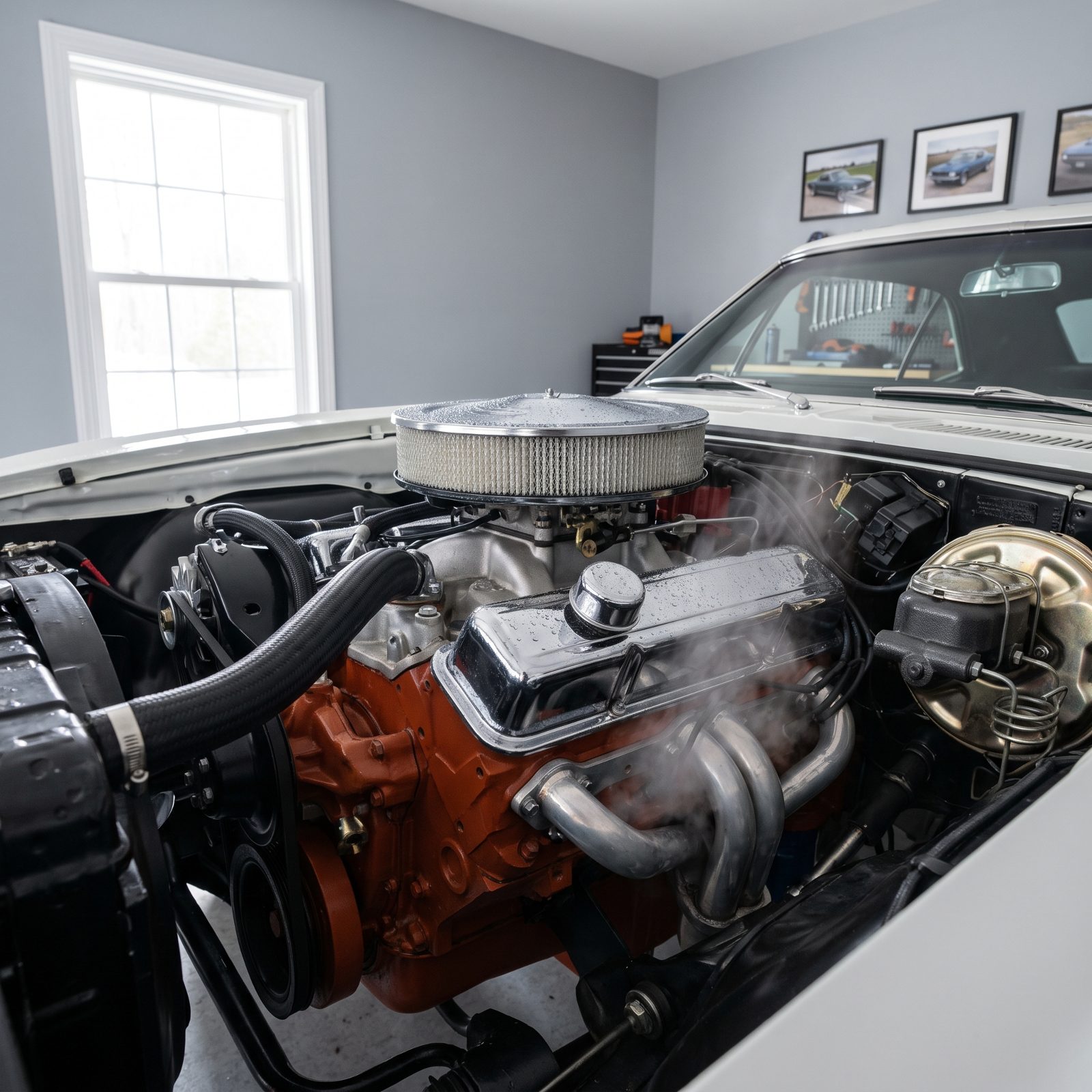
Cold morning, you fire it up and give it a couple of blips to hear it clear its throat. We all love that sound. The engine hates the timing of it.
At cold start the oil is thick and most of it has drained back down to the pan overnight. Rev before the pump pushes a fresh film up top and you’ve got metal rubbing metal at the cam, the valve gear, the upper cylinder walls. That’s exactly where cold-start wear lives, and it adds up over the years.
So start it and just let it idle. Thirty seconds to a minute is plenty for pressure to come up and oil to reach everywhere it needs to be. Then pull away gently and keep the revs modest until the temp gauge lifts off its peg. That warm-up isn’t wasted time — it’s the cheapest engine insurance money can’t even buy, because it’s free.
21. Killing a Turbo Engine the Second You Pull In Hot
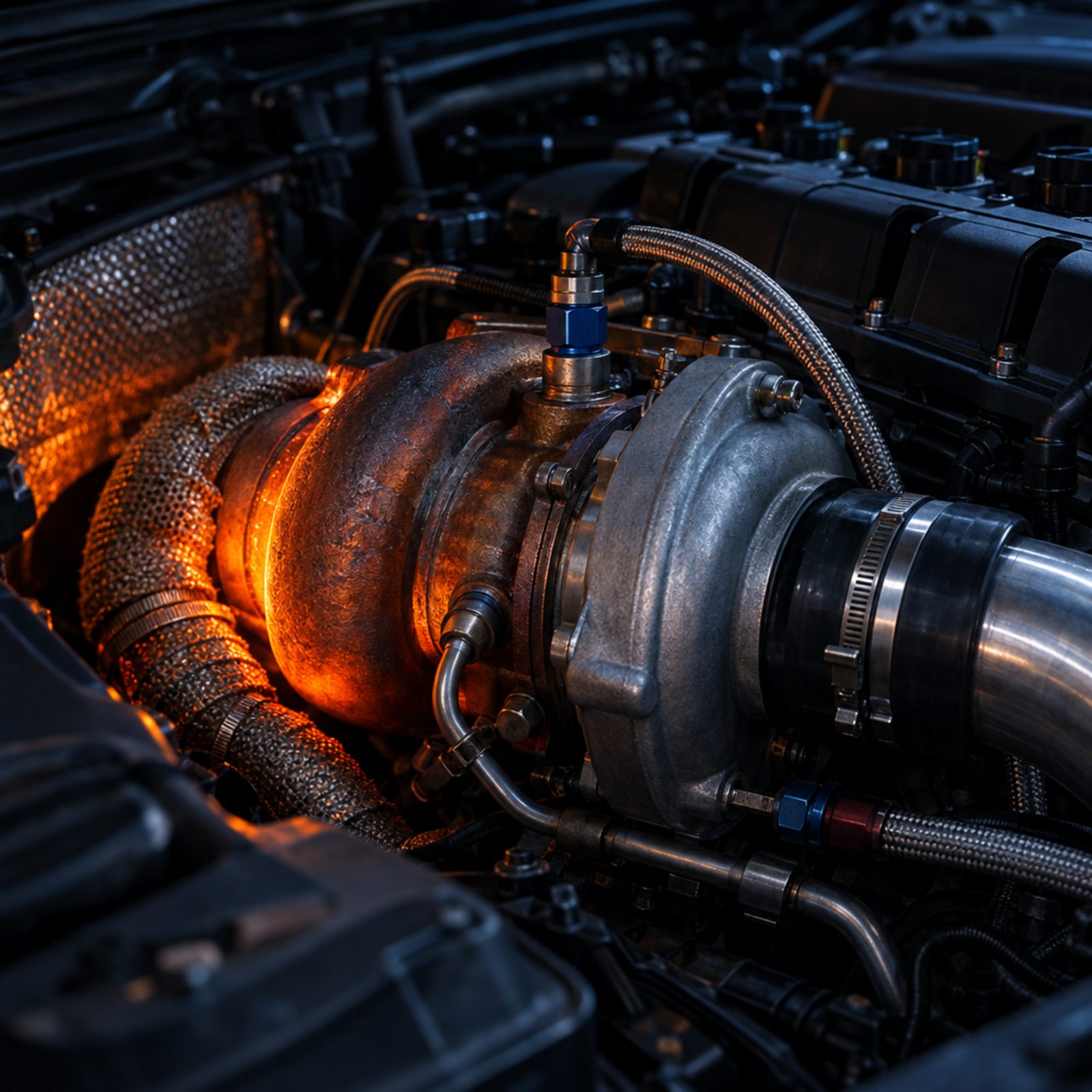
You come off the highway after a spirited run, pull into the drive, and twist the key before you’ve even unbuckled. That turbo’s been spinning near 100,000 rpm and glowing cherry red, and you just cut its oil supply stone dead.
With the engine off, oil stops flowing to the center bearing while the turbo is still baking. Whatever oil is left sitting in the lines cooks down into hard carbon — old-timers call it coking. That grit is precisely what wrecks a turbo bearing.
Let it idle a minute or two before shutdown after any hard driving. Oil keeps circulating and the heat bleeds out of the housing. Around-town errands, you can skip the ritual entirely. But after a hard pull or a long hot climb, give it that cool-down. A turbo rebuild makes sixty seconds of idling look like the bargain of the century.
20. Flooring It in Top Gear While the Engine’s Barely Turning Over
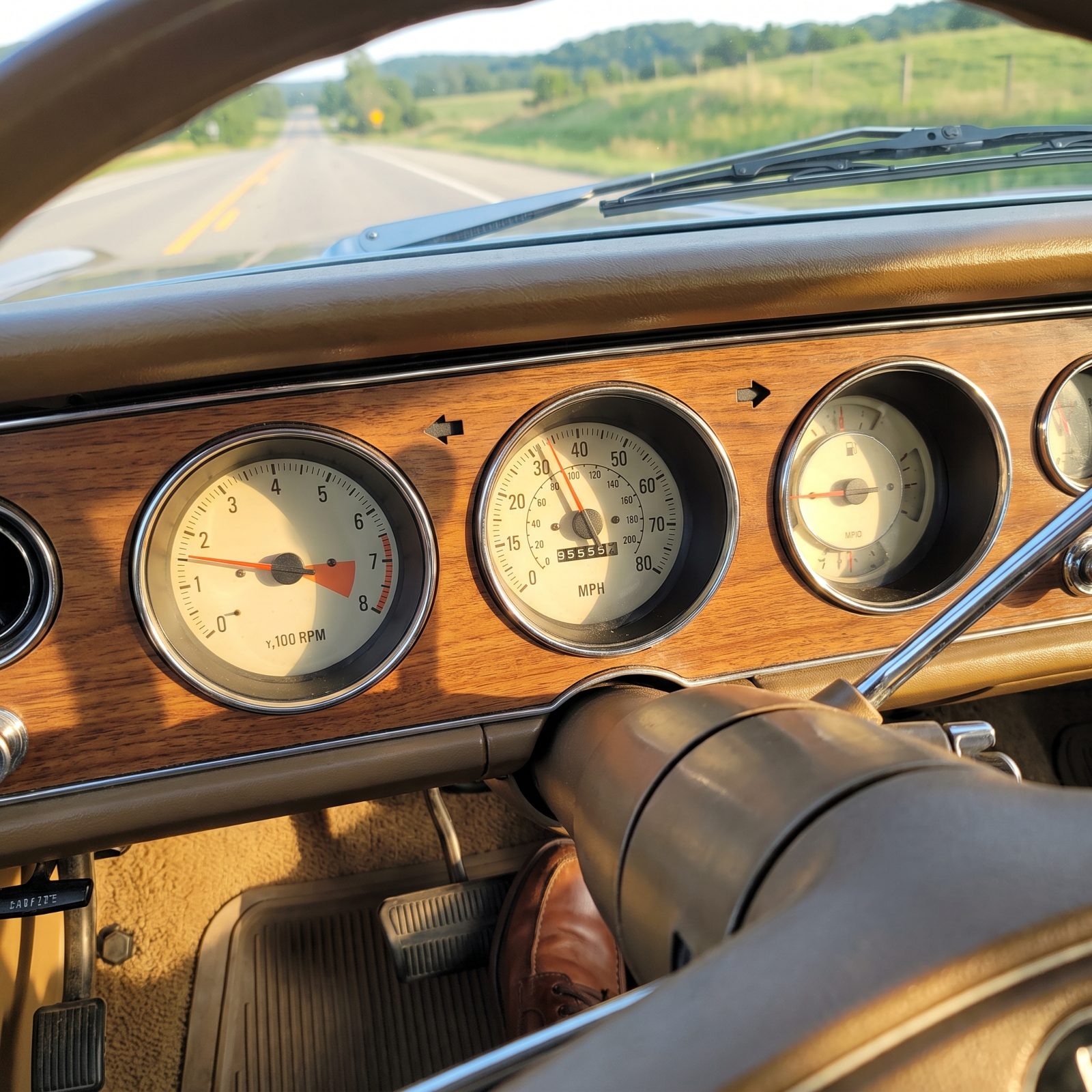
You’re in top gear, engine loafing along near idle, and a hill comes up. Rather than downshift you just mash the pedal and let it lug. The car shudders, groans, and slowly gathers itself together.
That groaning is the engine being asked for big power when it’s spinning far too slow to make it cleanly. The load hammers the crankshaft and connecting-rod bearings, and on some engines it kicks off knock that beats up the pistons and head gasket.
Drop a gear before you ask for power. Let the revs climb into the engine’s happy range, then accelerate. Automatic? A firmer shove on the pedal tells it to kick down. Lugging feels economical. It’s really just slow-motion damage to the bottom end.
19. Winding It to the Redline Over and Over for Fun
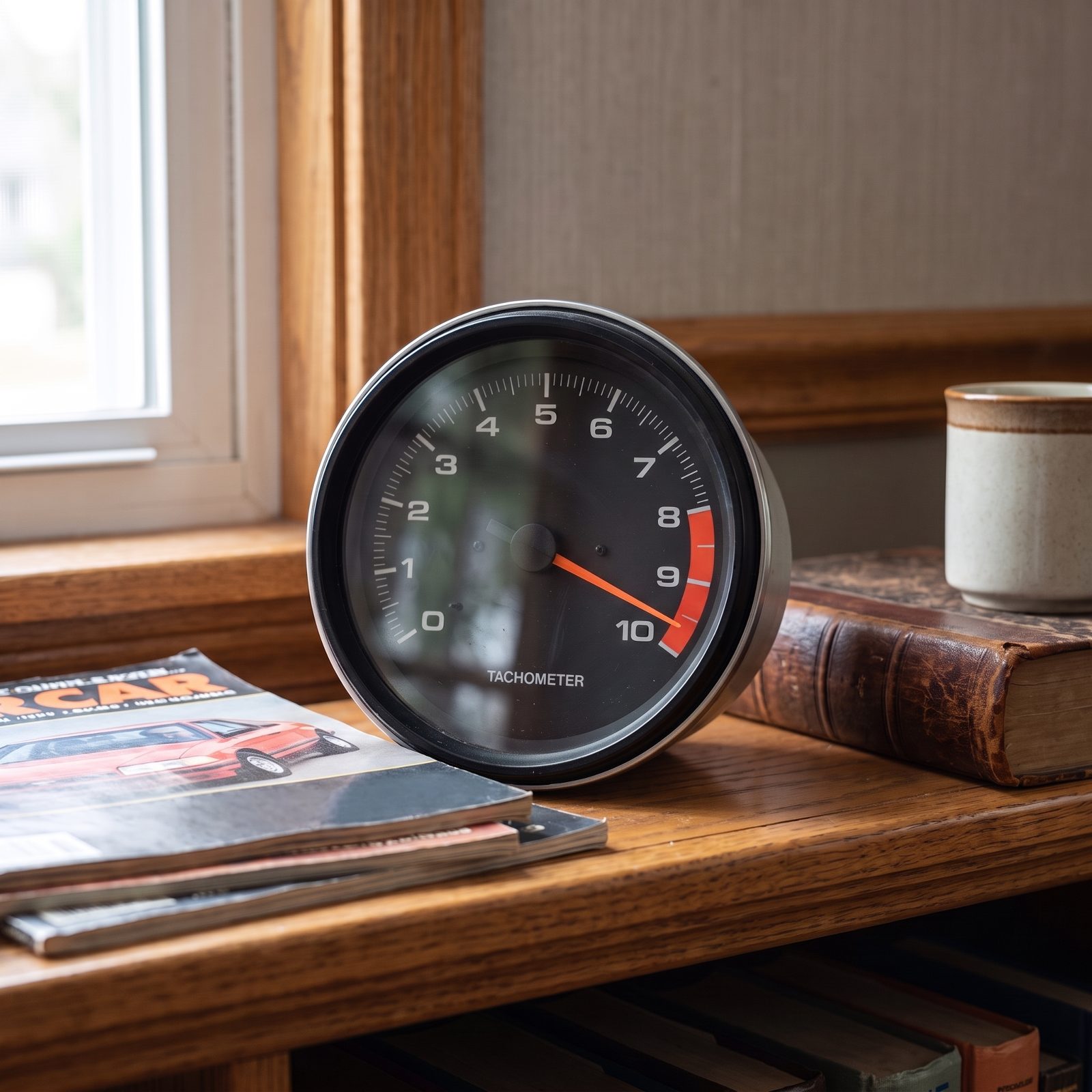
Bouncing the needle off the redline is a thrill. There’s a reason somebody painted that stretch of the dial red, though.
Up there the valvetrain is riding its ragged edge, the valve springs are working flat out, and oil film goes thin right where you need it thickest. One clean pull through the range now and then is fine, even healthy for a good engine. Live up against the limiter shift after shift, though, and you grind down bearings, springs, and rings in a hurry.
Use the top end on purpose, not by reflex. Take a pull once in a while, especially once things are warm. Do your everyday driving well short of redline and let the motor breathe. An engine that gets stretched occasionally lasts; one that gets hammered daily is gone in half the time.
18. Launching Hard From Every Single Stoplight
Would you like to save this?
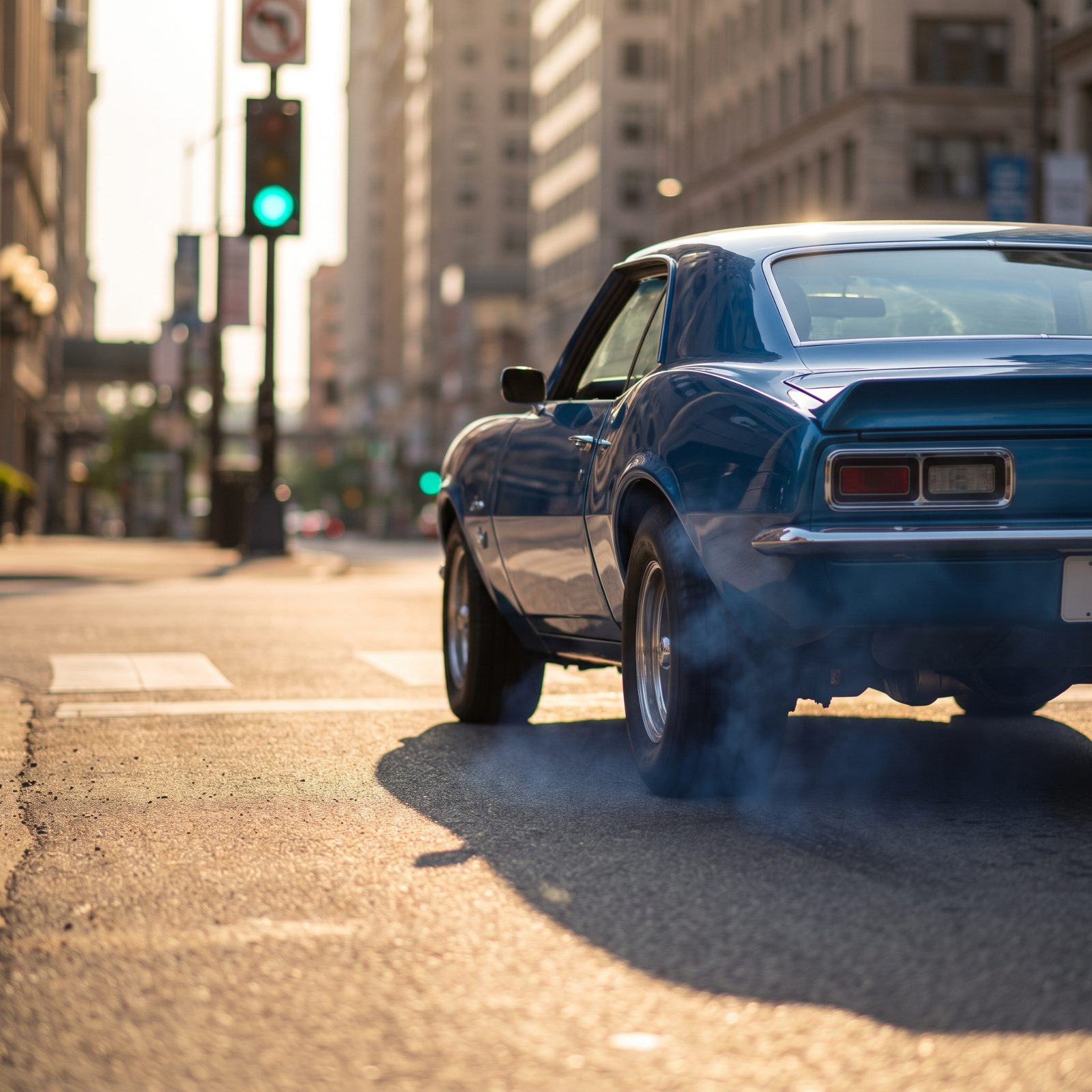
Green light, you nail it, the nose lifts and the tires chirp. Feels great once. As a daily habit it spreads the pain clean across half the car.
Hard launches shock-load the whole driveline in one go. The transmission takes the hit, the engine mounts flex and tear, tires scrub off their tread, and the rear suspension and axle absorb a pounding they were never meant to see every single day.
Roll onto the throttle with intent instead of stabbing at it. You’ll keep up with traffic just fine, your tires will last a season longer, and your mounts and driveline will pay you back in quiet, clunk-free miles. Save the real launch for an empty road when you actually want it. Every light is not a drag strip.
17. Racing Toward Red Lights and Standing on the Brakes at the Last Second
You can spot this driver a mile off: full throttle up to the red, then hard on the brakes to stop in time. Burn the fuel, then burn the brakes to throw it all right back away.
Repeated hard stops cook the pads and rotors. The heat warps rotors into a steering-wheel shimmy and glazes the pads so they bite poorly the one time you really need them. On top of that you’re pounding the suspension and wearing uneven flat spots into the tires.
Read the road ahead instead. See a red and simply lift off early, letting the car coast down so you arrive slow and barely brush the pedal. Smoother, cheaper on fuel, and it can double the life of a set of pads. The best braking is the kind you saw coming and never had to do hard.
16. Taking Corners Fast Enough to Make the Tires Scrub
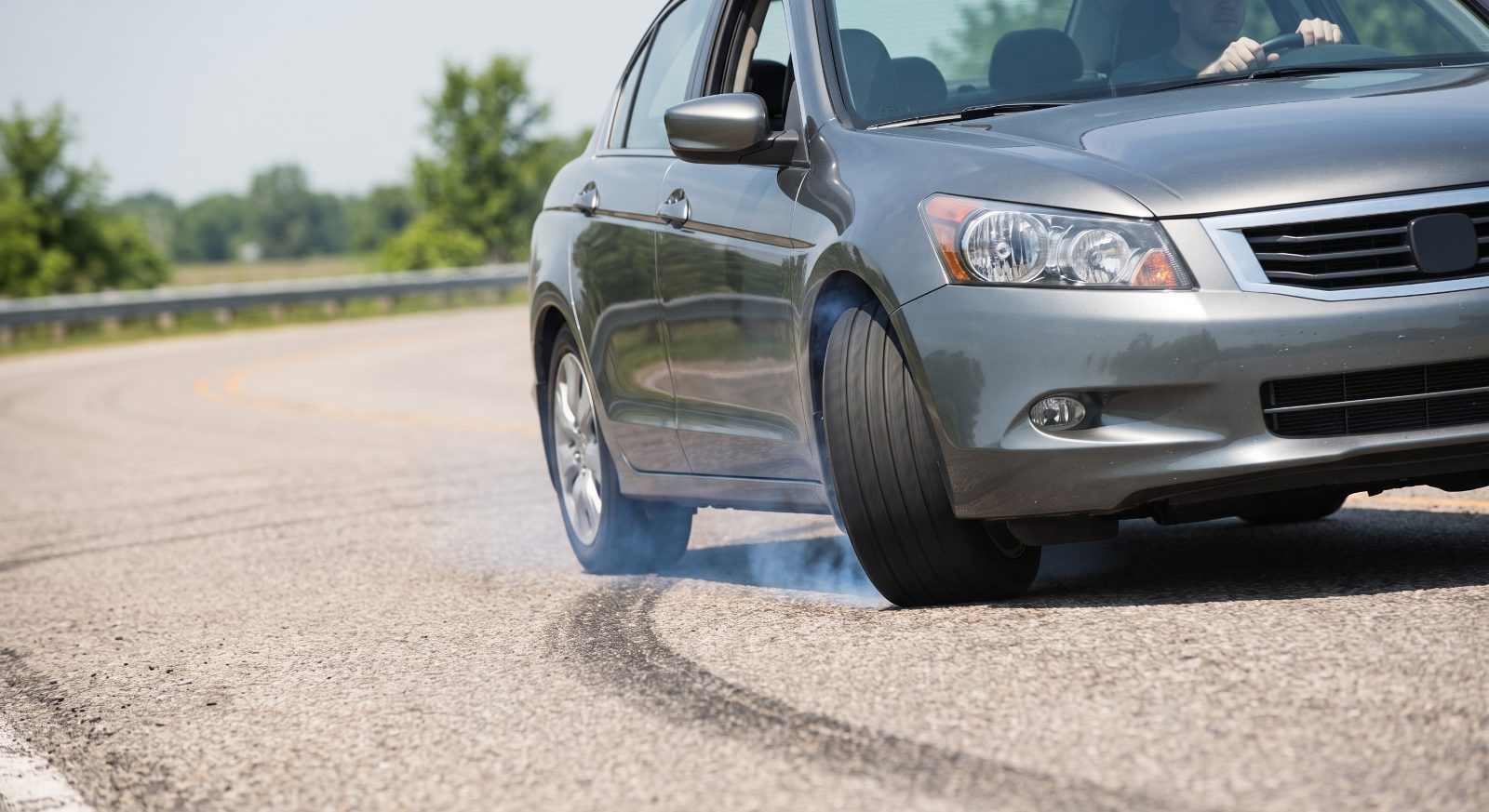
You know the road you love — the one with the sweeping bends where the car comes alive and you lean in a little harder than you should. Then you hear it. That high scrub, the front end washing wide, the sidewall howling like it’s got something to say.
What you’re hearing is rubber being dragged sideways across pavement instead of rolling over it, and do it often enough and the outer shoulders of your front tires feather and cup. You lose thousands of miles of tread and bake heat into bushings and ball joints that were never meant to work that hard.
Slow in, fast out. Brake before the corner, settle the car, then feed the throttle back in as the wheel unwinds so the tire stays planted, the tread wears flat and even, and the whole front end lasts.
15. Holding the Steering Wheel Against Full Lock
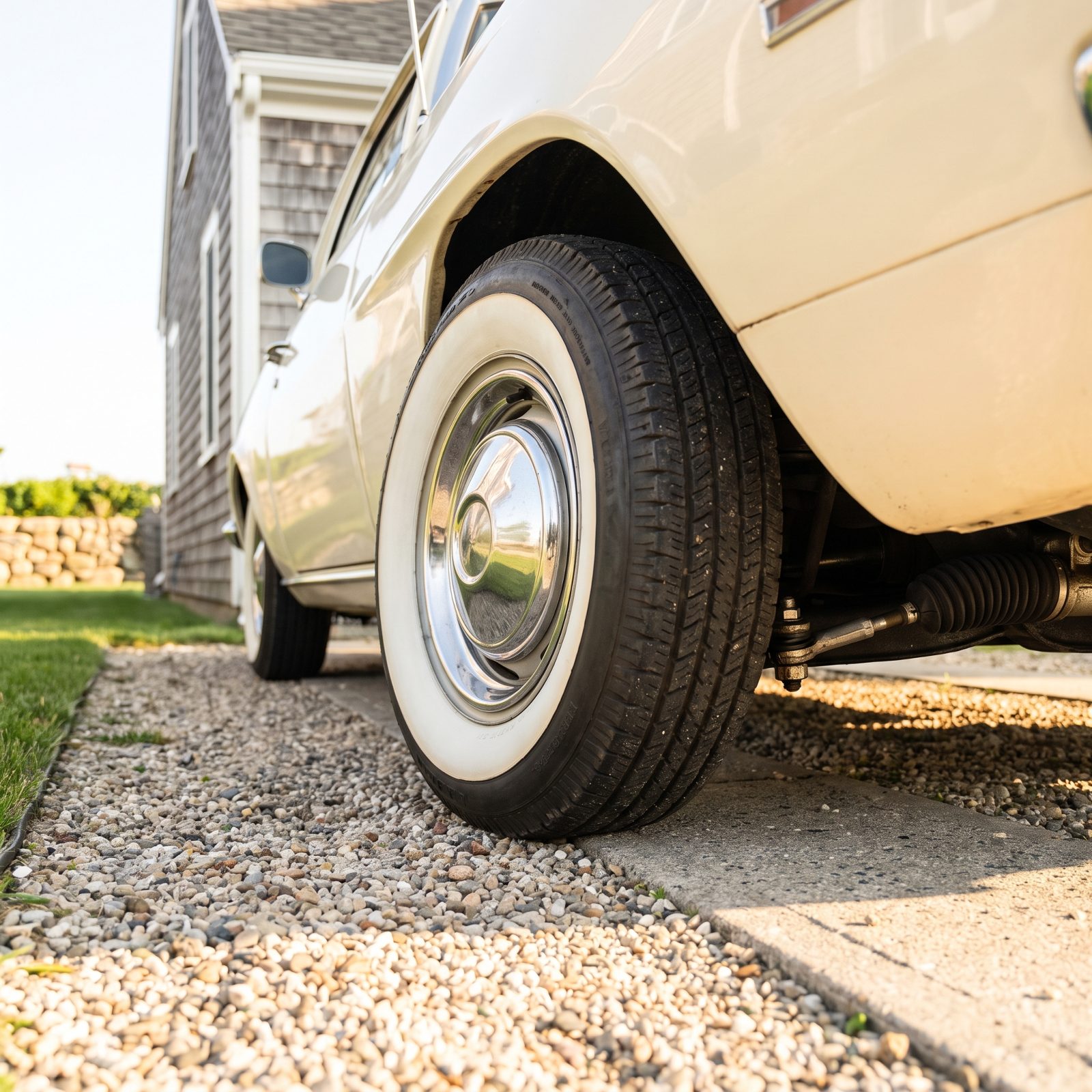
Everybody does it. You crank the wheel all the way over while parking, feel it hit the stop, and just sit there with the engine running while you work out your next move. The pump groans and you barely notice.
That groan is the power steering pump dead-heading against the stops, building pressure it has nowhere to send. Hold it there longer than a few seconds and you overheat the fluid, stress the hoses and seals, and knock years off the life of the pump.
Back the wheel off a hair the moment you hit the stop — a quarter turn is enough to drop the pressure and let fluid circulate again. In an old car with a tired pump, that one small habit can buy you another season before the whine gets serious.
14. Hitting Speed Bumps Without Slowing Down
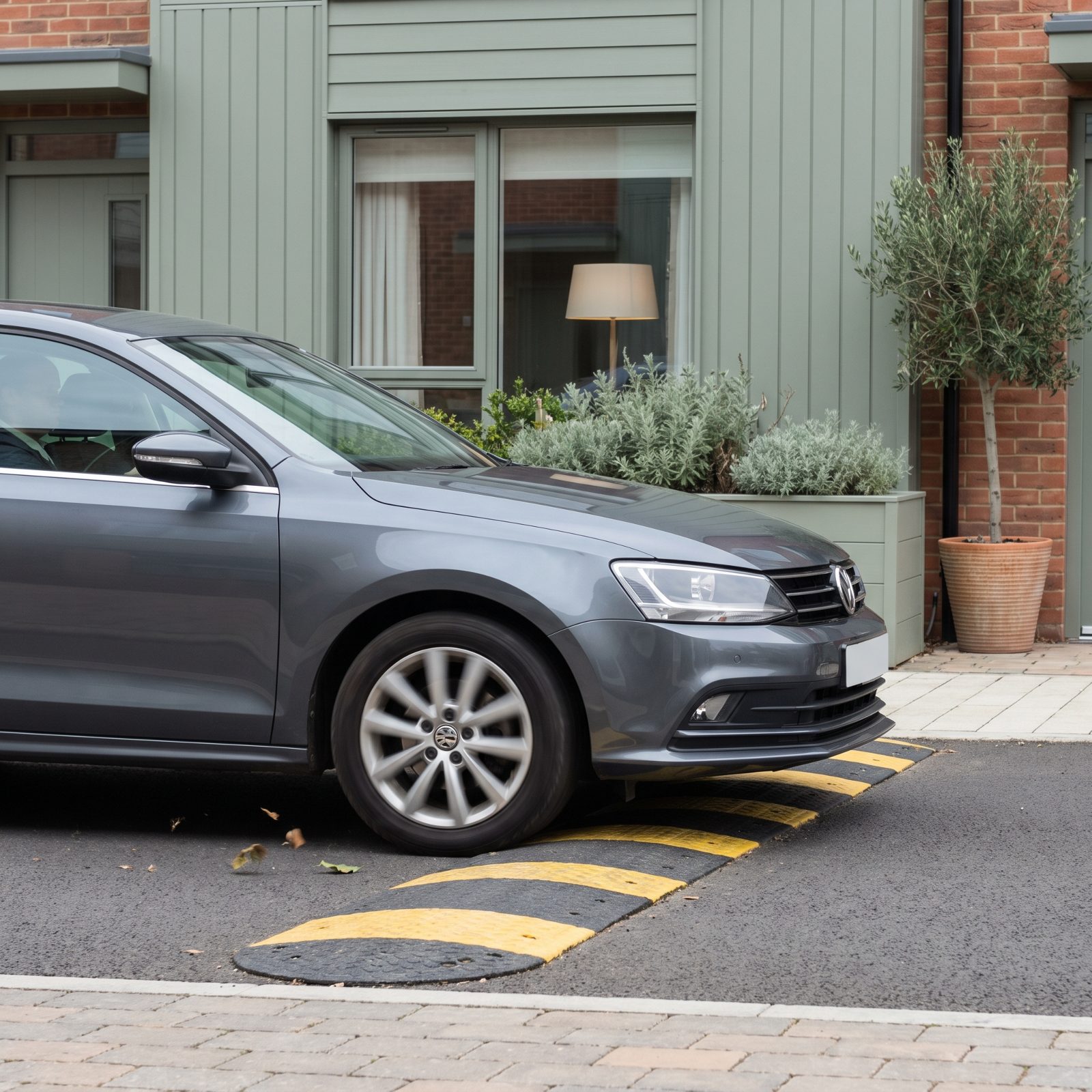
That hollow thud, and the lurch that snaps your head back. You took the bump at twenty because you were in a hurry and, let’s be honest, because you plain forgot it was there.
The shock absorber and strut mount swallow that whole impact in a fraction of a second, and they hate every bit of it. Do it daily and you blow out shock seals, crack strut mounts, loosen ball joints, and knock the alignment sideways until your tires start wearing on one edge.
Brake to a walking pace before the bump, not on it. Roll over gently and let the suspension travel do its job. Your fillings will thank you, and so will the front end.
13. Clipping Curbs With the Tires
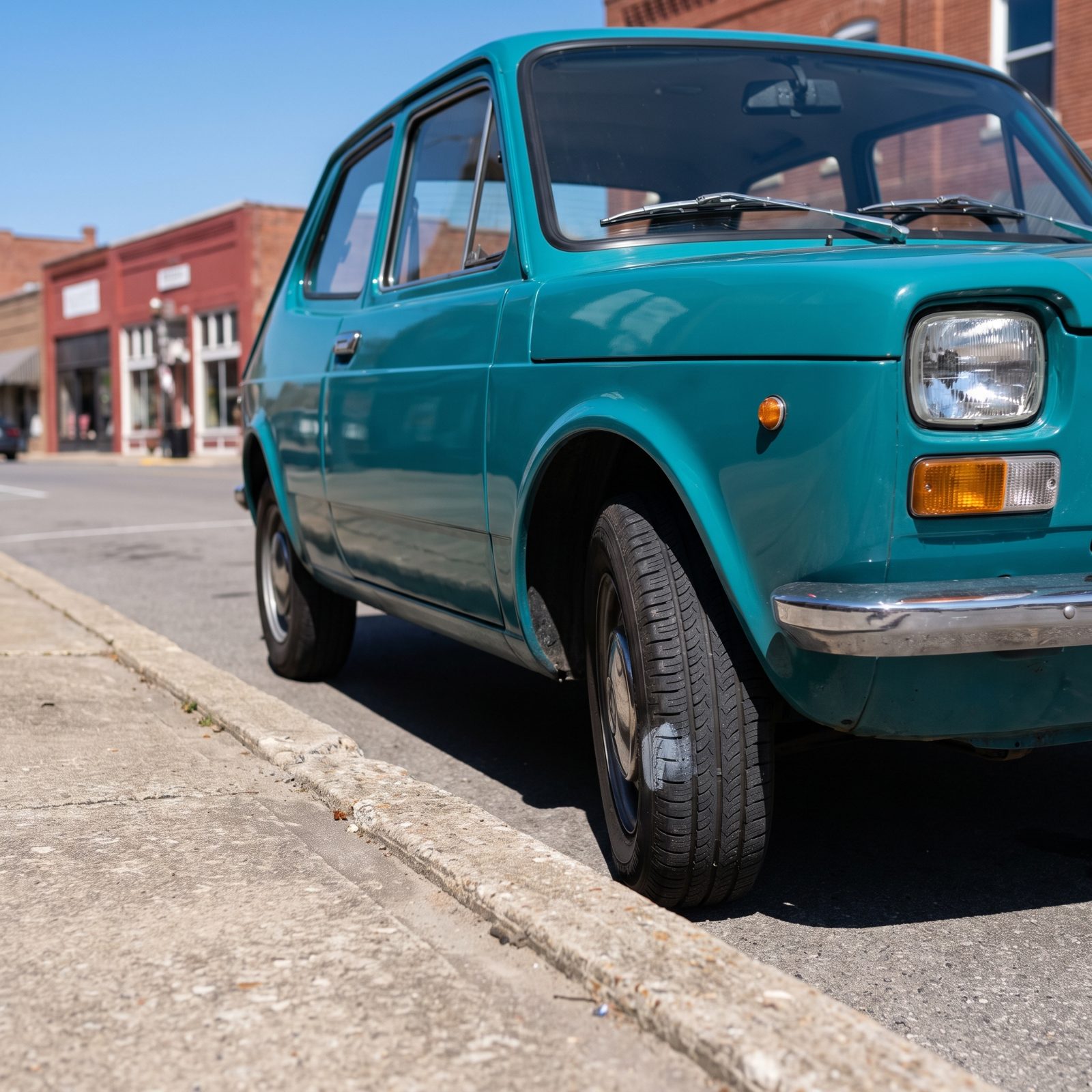
Tight parallel spot, you nudge in, and the sidewall kisses the concrete. A little scrape. No big deal — you’ve done it a thousand times.
Trouble is, the sidewall is the weakest part of a tire. Scuff it hard enough and you abrade the rubber, and a real hit can pinch the cords between curb and rim, leaving behind a bulge that’s a blowout waiting to happen. Catch the curb square with any speed and you’ll also knock the steering alignment and bend the lip of the rim.
Give yourself a few inches and ease in slow. And if you do clip one hard, get down and look for a bulge before you drive on. A tire with a bulge in it is scrap, no matter how much tread is left.
12. Regularly Carrying More Weight Than the Car Is Rated For
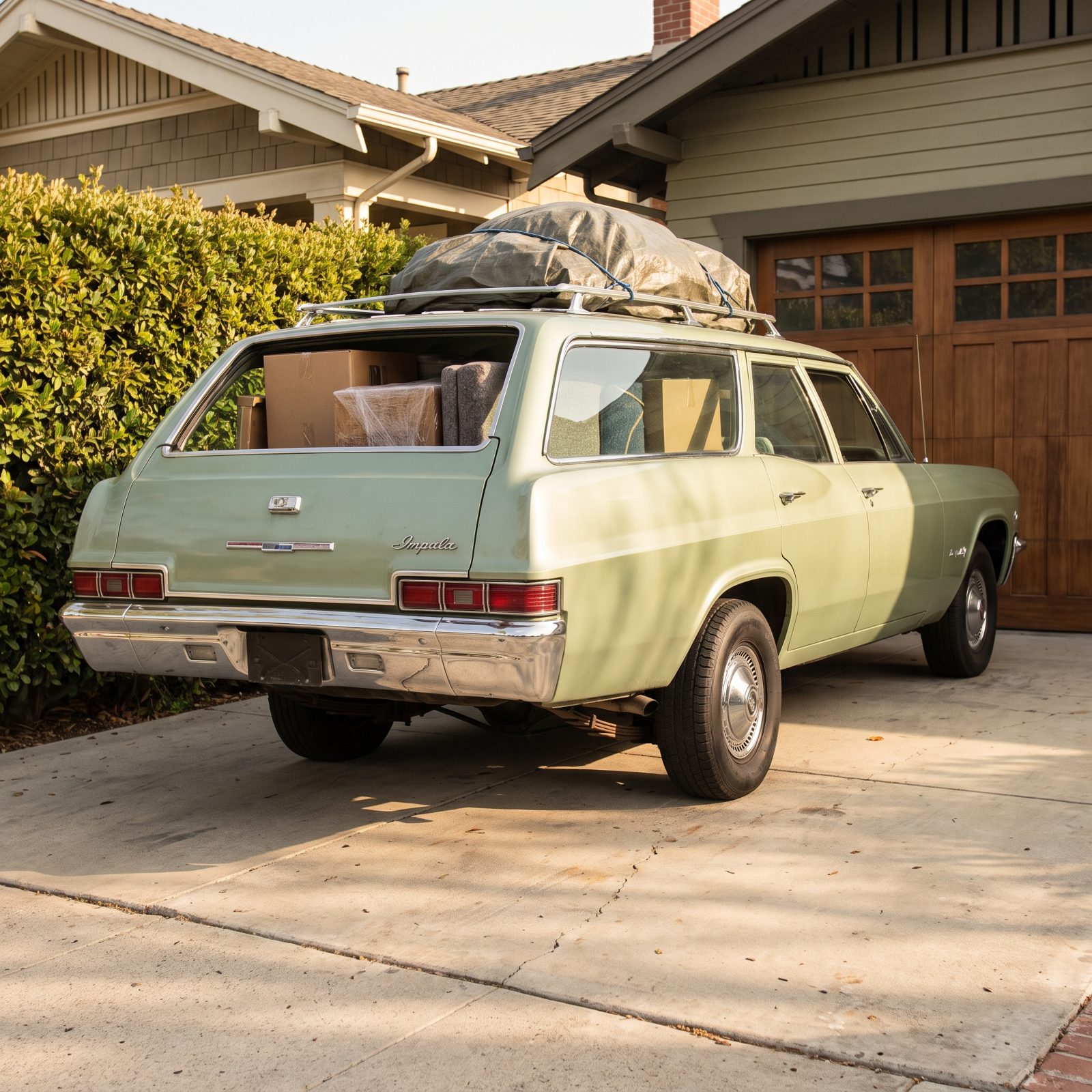
The back end squats and the headlights point at the treetops. You loaded it up for the dump run or the move and figured the car would sort itself out.
Overload it week after week and you overwork everything at once. The springs sag and lose their temper, the shocks run hot, the wheel bearings and axles carry loads they were never spec’d for, and the tires build heat until the tread separates. Brakes that stopped the car empty suddenly want a lot more road with all that weight aboard.
Find the load rating on the door-jamb placard and respect it. Keep weight low and forward instead of stacked over the rear axle. Haul heavy often? Add helper springs or air bags rather than asking a stock suspension to live under a burden it was never built for.
11. Towing Beyond the Vehicle’s Rated Capacity
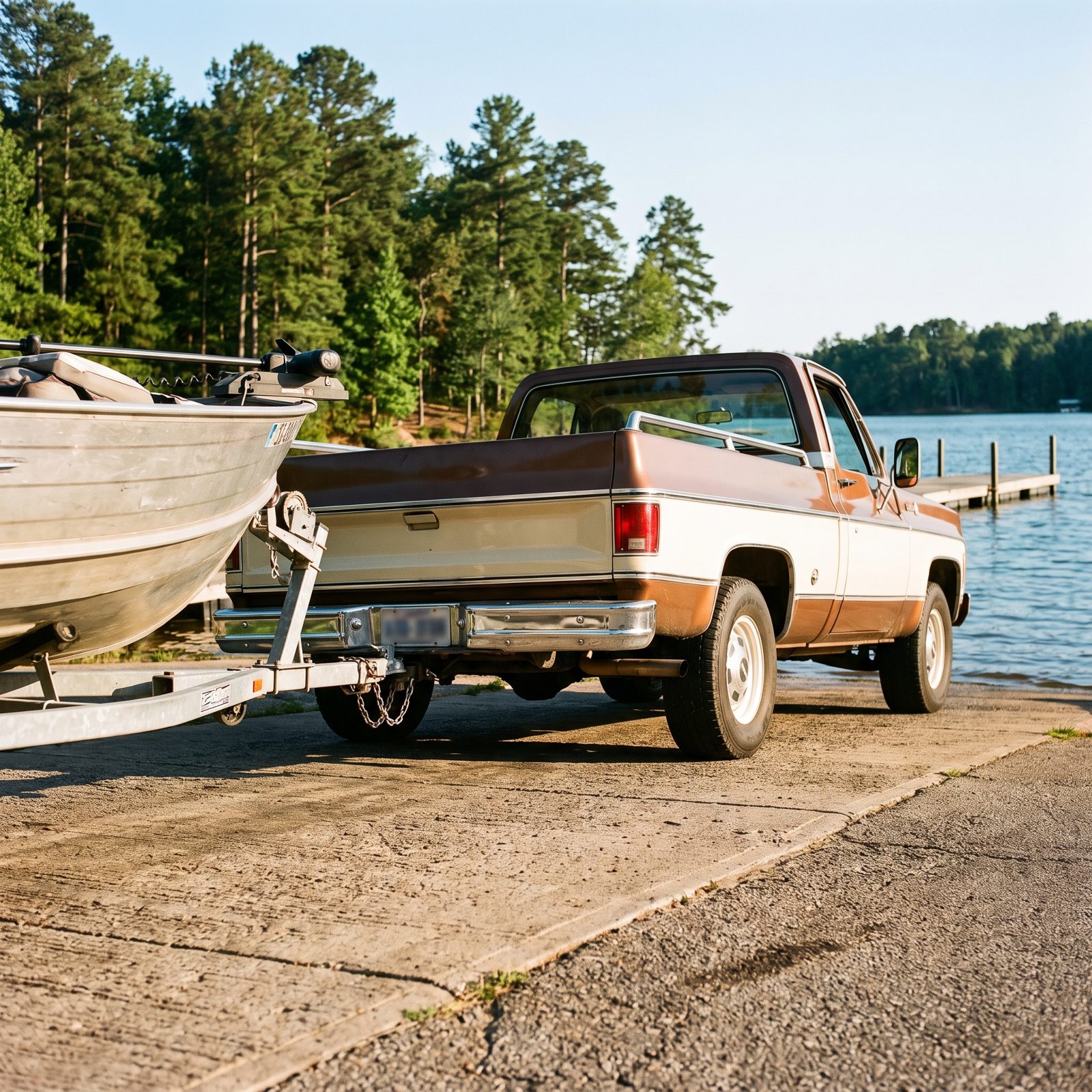
The trailer weighs more than the sticker says it should, but it’s only a few miles and the truck pulled it fine last time.
Towing over capacity is the fastest way there is to kill an automatic transmission. The torque converter works overtime, the fluid overheats, and the friction clutches inside start to burn — you’ll smell it before you see it. Heat is what kills gearboxes, and an overloaded trailer makes nothing but heat. Brakes fade on the first long downhill, and the rear axle and bearings pay the toll too.
Know your tow rating and stay under it with margin to spare. Run a transmission cooler if you tow at all, keep an eye on the trans temp gauge, and use tow mode or a lower gear to hold the converter locked up. On a grade, let the engine do the braking instead of riding the pedal the whole way down.
10. Using Four-Wheel Drive on Dry, High-Grip Pavement
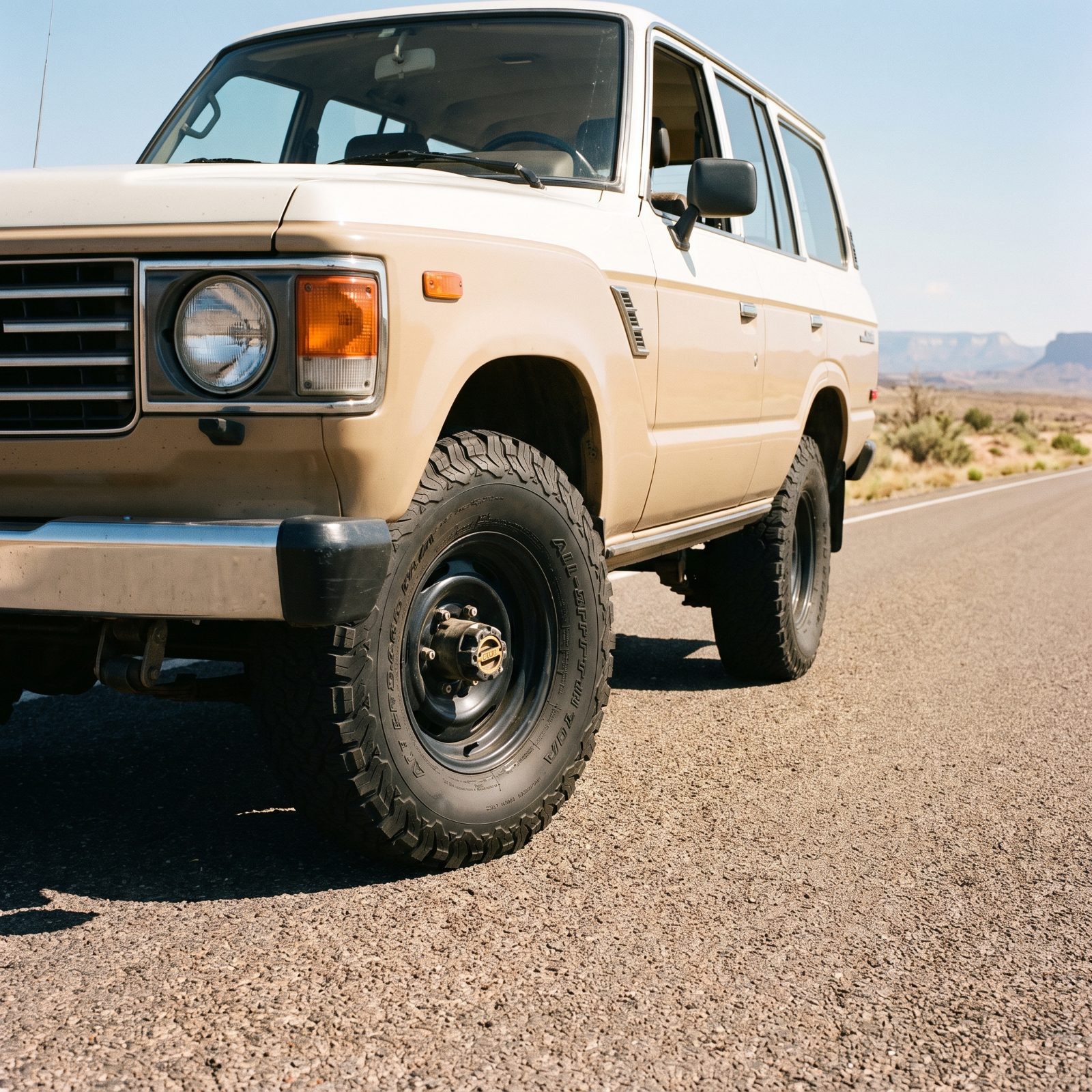
Dry road, clear day, and the transfer case is still sitting in 4-High because you never shifted it back after that muddy driveway last week.
A part-time four-wheel-drive system locks the front and rear axles together at the same speed. On dirt or snow the tires slip just enough to absorb the difference. Dry pavement gives them nowhere to slip, so the system binds in every turn — chattering, hopping, and grinding the gears in the transfer case and differentials until something finally lets go. Old-timers call it driveline windup.
Save part-time 4WD for loose or slippery surfaces, and the second you’re back on dry grippy pavement, shift to two-wheel drive. If it feels like the truck is fighting you through the corners, that’s the driveline binding — your cue to shift out of it right now.
9. Driving Through Water Deep Enough to Reach the Air Intake
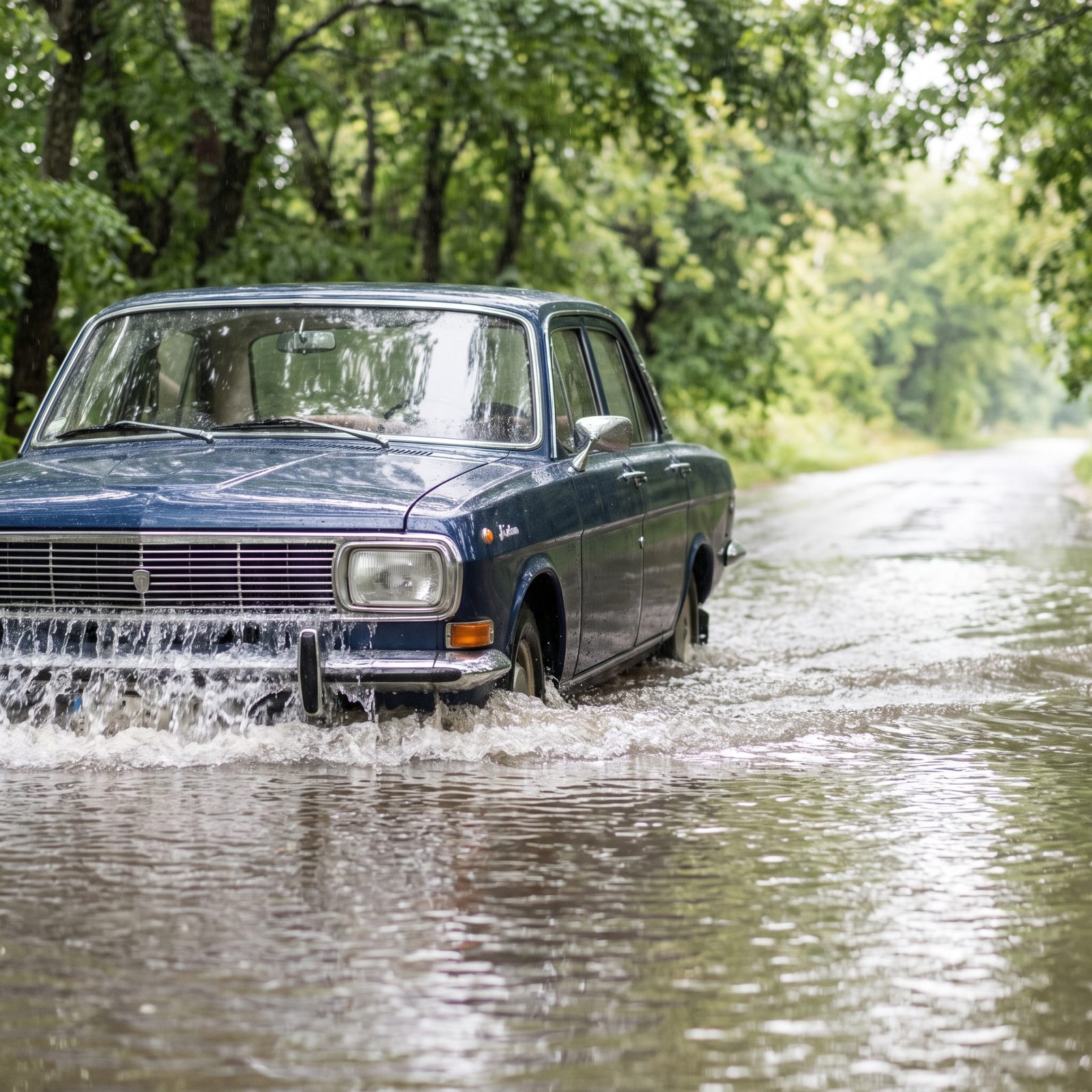
The water across the road looks shallow. It always looks shallow. You ease in, feel the nose float a little, and keep going because turning around now feels silly.
If that water reaches the air intake, the engine can suck it straight into a cylinder — and water doesn’t compress. The piston comes up against a slug of it and bends a connecting rod or cracks the block. Mechanics call it hydrolock, and it kills an engine in one stroke. Short of that, water contaminates the oil, fouls the electrics, and flushes grease out of bearings.
Can’t see the road surface? Don’t drive it. When in doubt, walk it or turn around. One flooded dip that bends a rod costs more than every oil change you’ll ever be tempted to skip.
8. Taking Only Short Trips That Never Fully Warm the Engine
Would you like to save this?
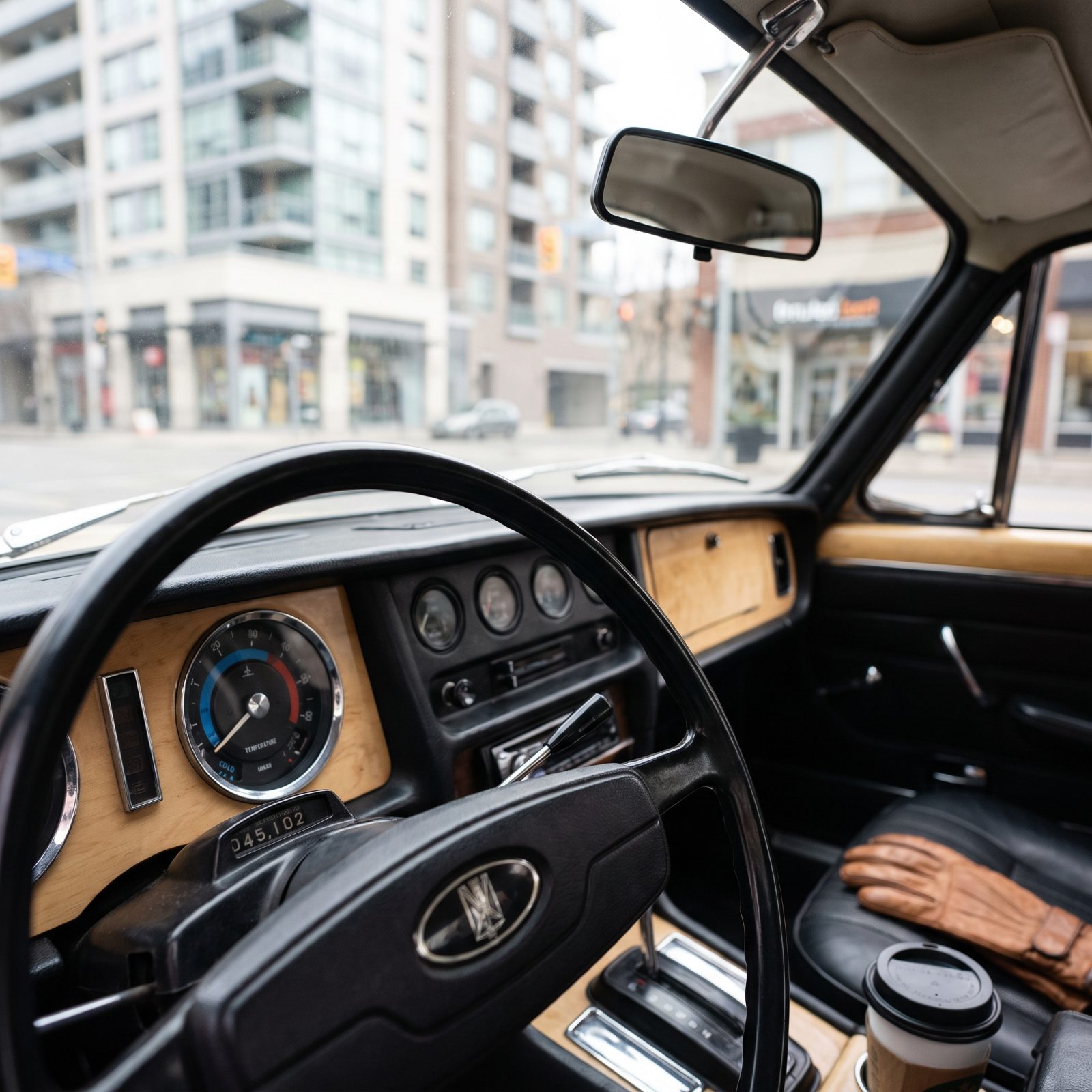
Two miles to the store. Three miles to work. The engine barely gets off the cold mark before you shut it down again. Feels economical. It isn’t.
A cold engine runs rich and burns its fuel incompletely, and the unburned gas washes down the cylinder walls to dilute the oil while water condenses inside the crankcase and sludges things up. The battery never fully recovers from all that cold starting, either. Short trips are brutal on an engine even though they feel gentle — far harder than a long highway run.
So once a week, give it a proper drive. Twenty or thirty minutes at highway speed gets the oil good and hot, boils off the moisture and fuel trapped in the crankcase, and lets the charging system catch its breath. If your life is all short hops, shorten the oil change interval to match, because that oil is working harder than the mileage lets on.
7. Interrupting Diesel Particulate Filter Regeneration Repeatedly
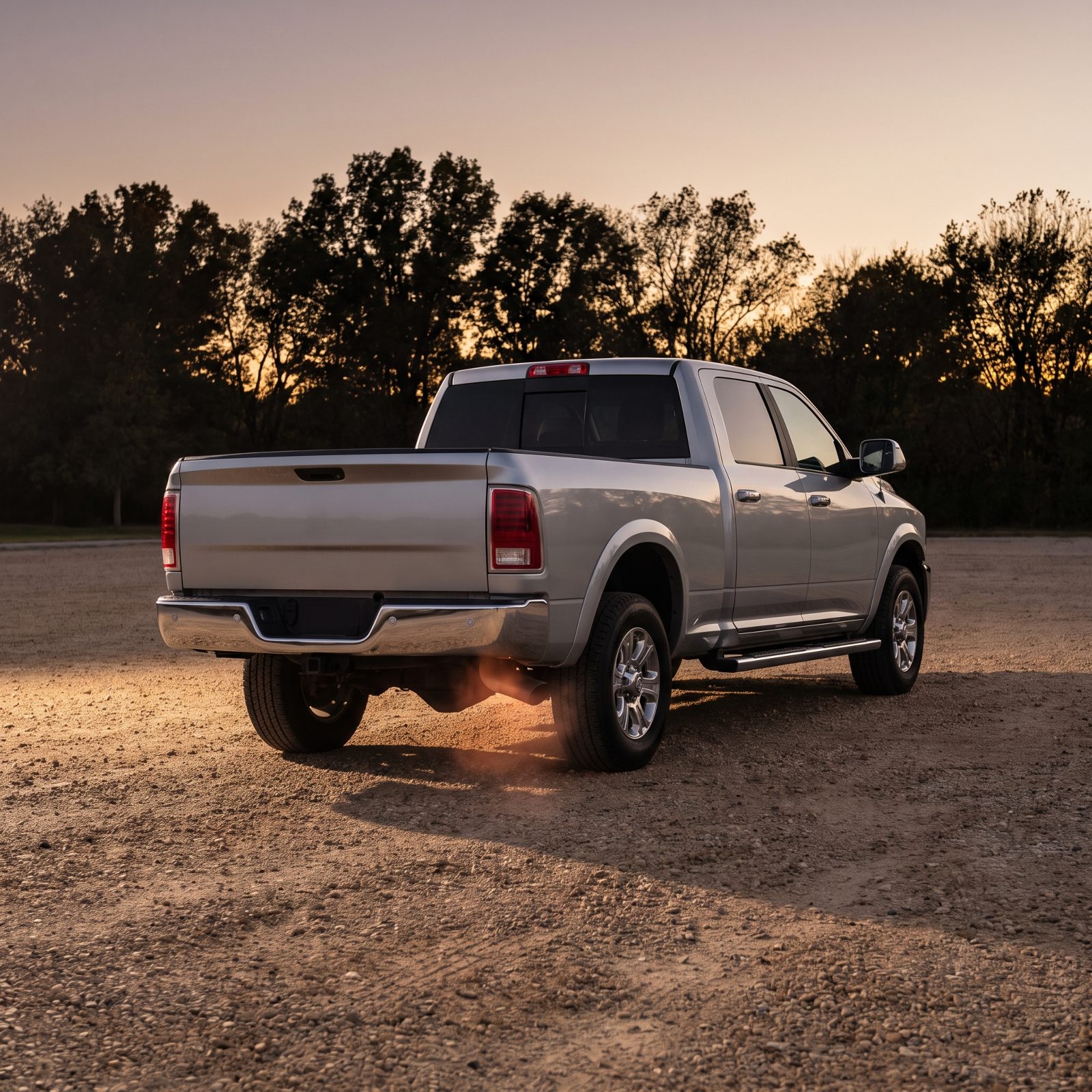
This one’s for the diesel crowd. Your truck kicks off a regen cycle, the idle shifts, the exhaust runs hot — and then you switch it off halfway through because you’ve pulled up at the hardware store.
During a regeneration the filter burns off trapped soot at serious temperature. Cut it short over and over and that soot never fully clears, so the filter clogs, backpressure climbs, fuel economy craters, and eventually you’re staring down a forced service regen or a replacement filter with a price tag that’ll ruin your afternoon.
When the truck tells you it’s regenerating, or you catch the idle and exhaust heat changing, let it finish — a fifteen-minute pull at steady highway speed is exactly what it’s after. And if your whole week is nothing but short errands in a diesel, that engine landed in the wrong driveway, and the filter will keep nagging you until you finally give it a real run.
6. Flooring It When the Tires Are Stuck in Mud or Snow
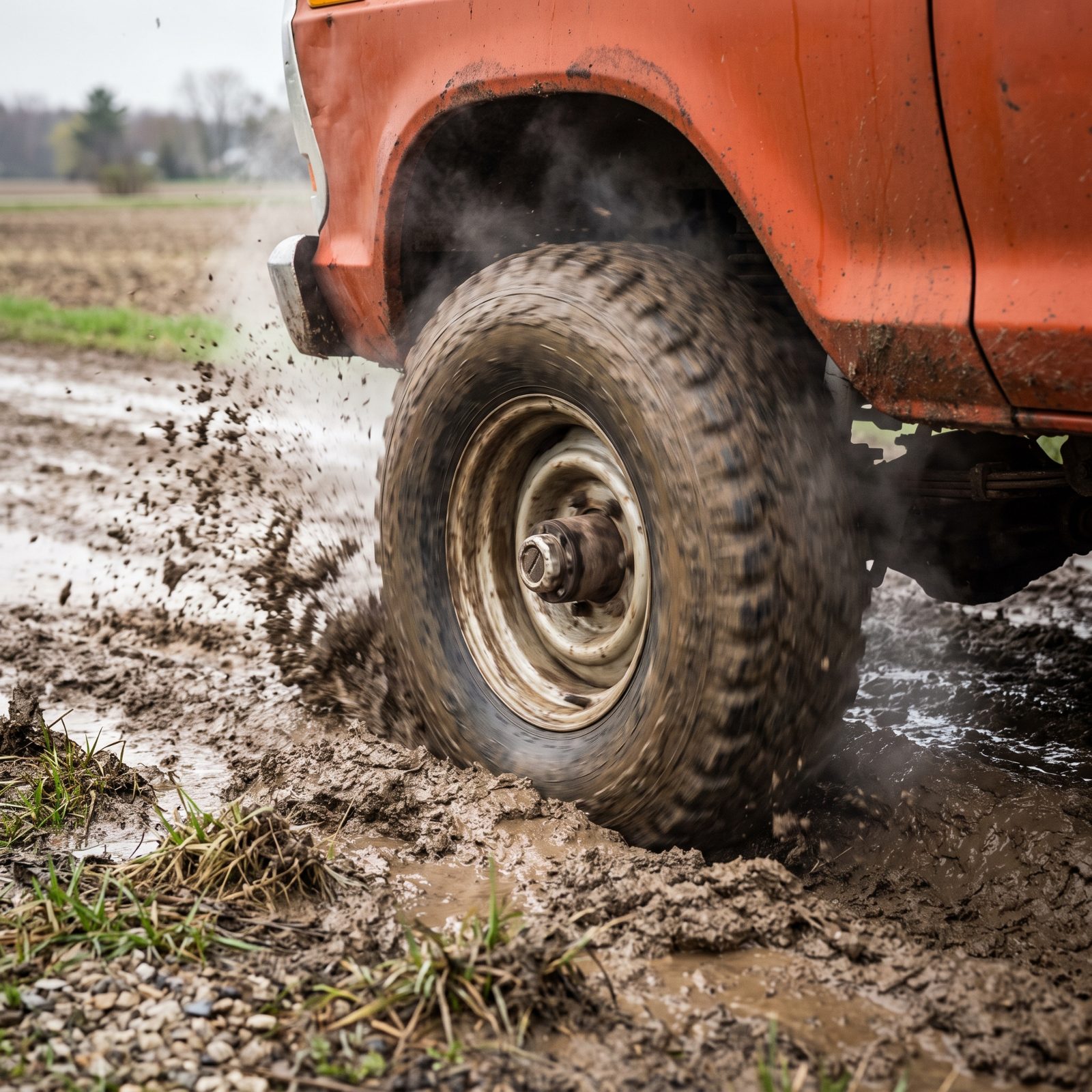
You know the sound. That high whine of a tire going nowhere while the truck sinks another inch. Every instinct screams for more gas, more spin, more fury — and it almost never works, so you end up paying for it.
A spinning tire builds heat fast, and that heat cooks the rubber and weakens the sidewall. Worse, it can shred an open differential’s spider gears the moment one wheel suddenly bites and the other keeps flying. Running a limited-slip setup? You’re glazing the clutch packs with every extended spin.
So stop. Back off the throttle, then rock it gently between drive and reverse, feathering the pedal to walk the car out. Dig the mud or snow clear ahead of the tire, lay down cat litter, gravel, or a traction board, and ease forward with the lightest touch your foot can manage. Patience saves the diff.
5. Shrugging Off a New Shimmy in the Steering Wheel
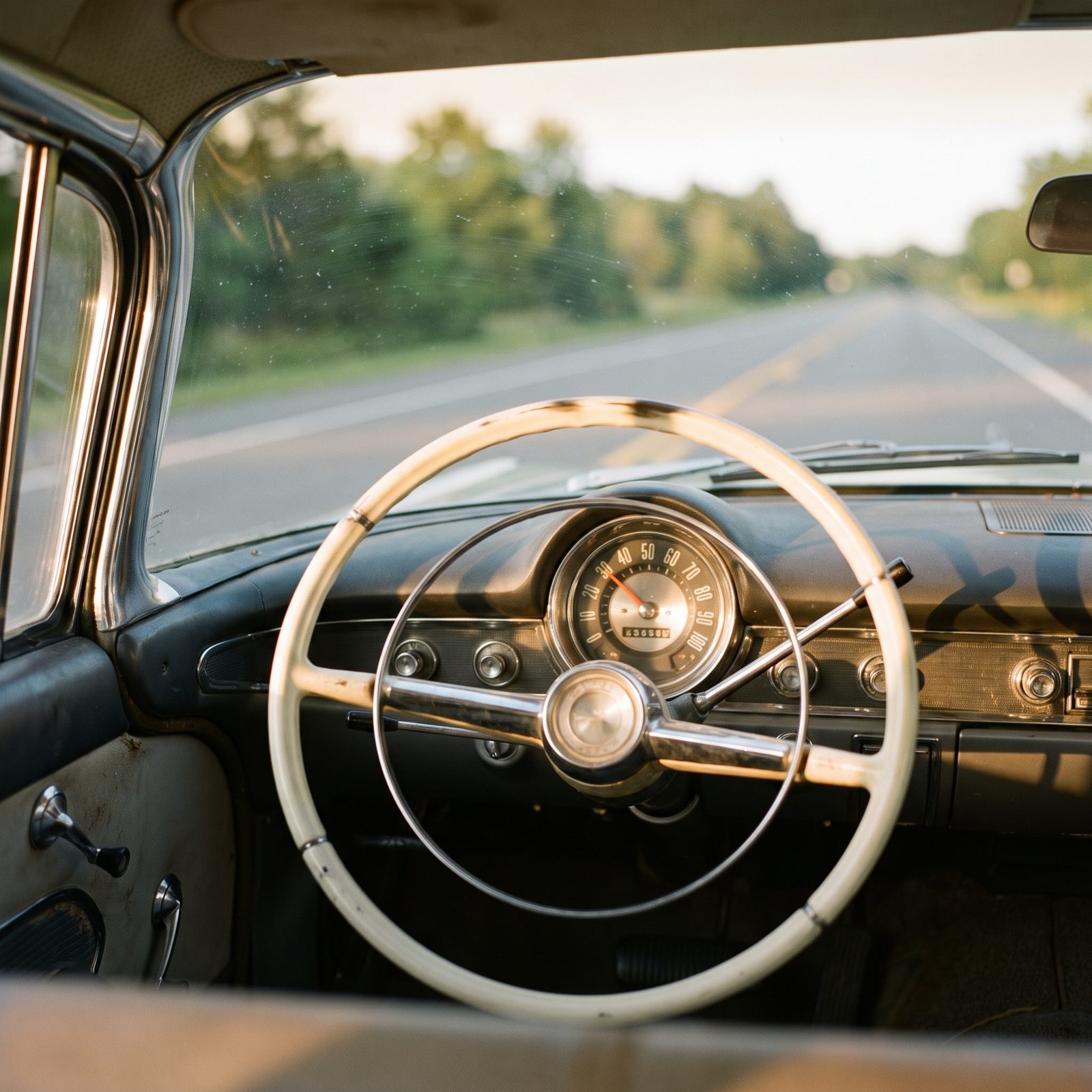
It starts small — a faint buzz through the wheel at 55 that smooths out at 70, easy to write off as a bad stretch of asphalt. Then it shows up every drive.
A fresh vibration is your car talking to you. Usually it’s a wheel out of balance or a bent rim, but it can also be a worn tie-rod end, a dying wheel bearing, or a separating tire belt about to let go. Ignore it and the shimmy chews through bearings, hammers your suspension bushings, and wears your tires into cupped, scalloped patches you’ll never get back.
Get the wheels balanced first. It’s cheap, and it fixes most cases. If the shimmy sticks around after that, have a shop check the tie-rods, ball joints, and bearings before the small problem buys you the big one.
4. Driving On While the Brakes Grind Metal on Metal
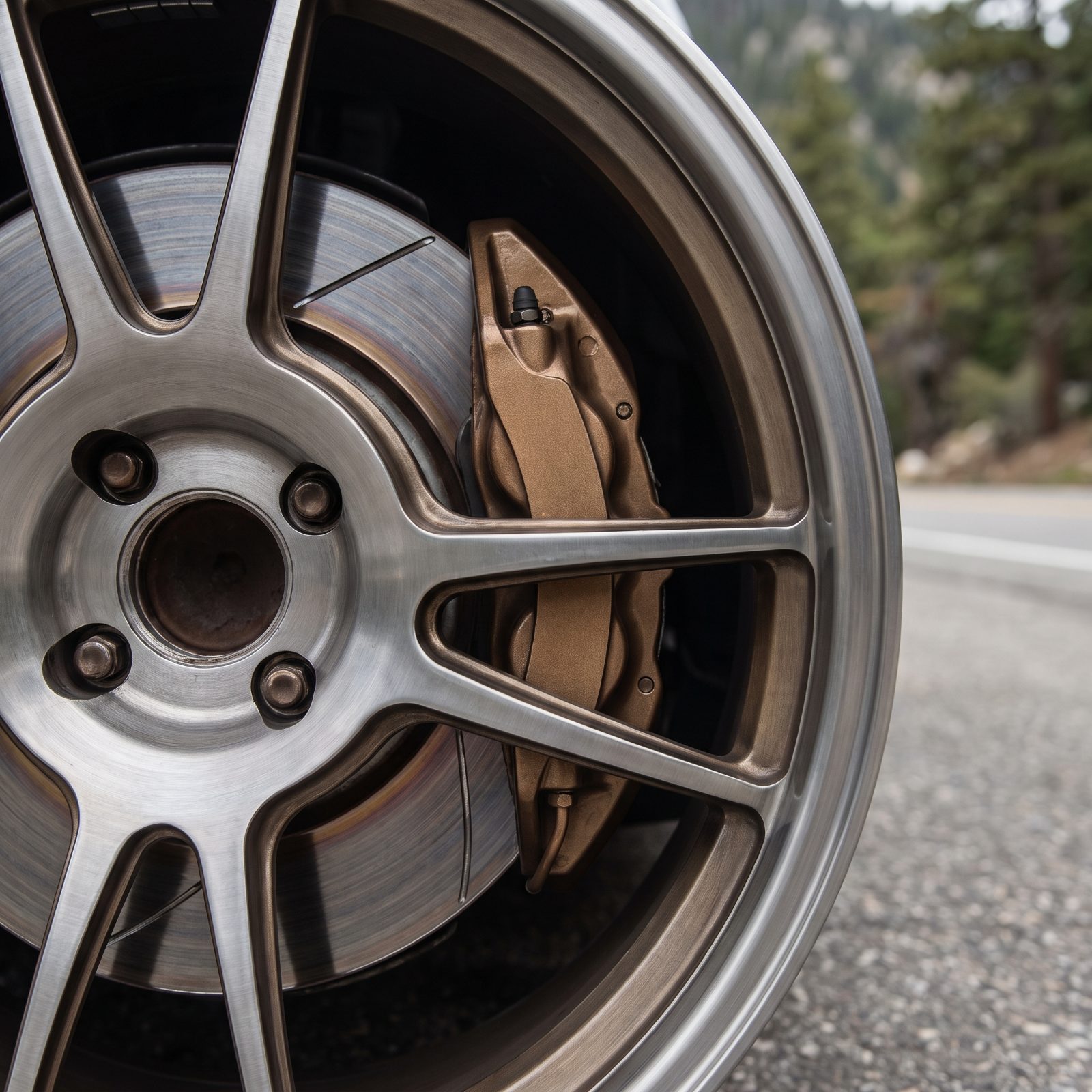
That grinding is the sound of money disappearing. When a brake pad wears past its friction material, the steel backing plate rides straight on the rotor, carving a groove into a part that was perfectly healthy a thousand miles back.
A pad swap is a Saturday job and a modest bill. Let it grind and you’re buying rotors too — maybe calipers, if the metal got hot enough to warp or seize a piston. And your stopping distance goes to pieces exactly when you need it most.
The squeal before the grind is the wear indicator doing its only job. Hear it, and pull the wheel to look. Less than an eighth-inch of pad material left? Order new pads now and resurface or replace the rotors while you’re in there.
3. Treating a Flashing Check-Engine Light Like a Steady One
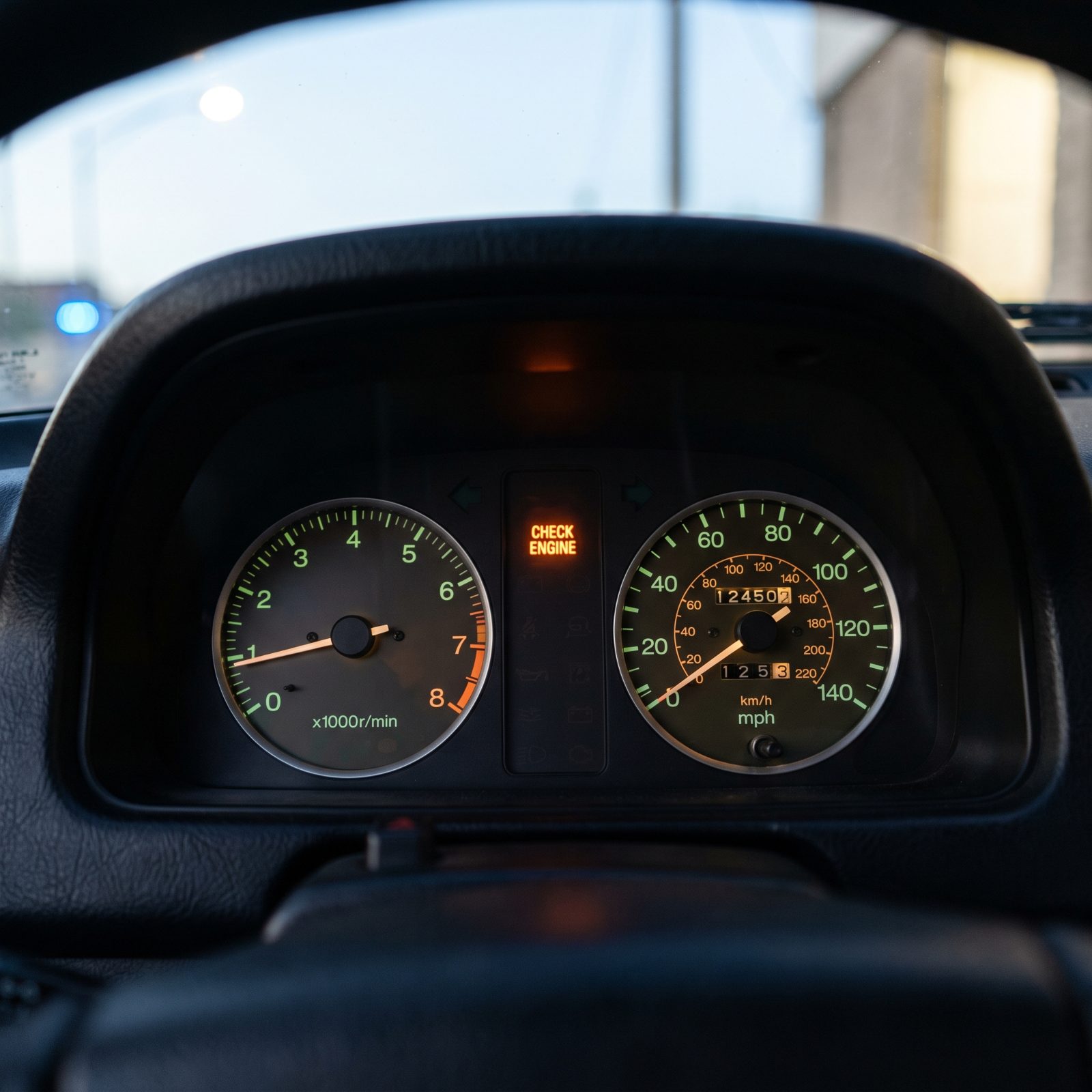
A steady check-engine light means something needs attention soon. A flashing one means something is actively tearing your engine up right now — usually a misfire dumping raw fuel straight into the exhaust.
That unburned fuel pours into the catalytic converter and lights off inside it, cooking the honeycomb substrate until it melts and clogs. Drive on a misfire for a week and you can turn a twenty-dollar spark plug into a converter that costs more than the car’s last paint job.
So if the light flashes, ease off the throttle and head home or to a shop at low RPM. On a newer car, pull the codes with a cheap OBD scanner. On the older stuff, have somebody check the plugs and coil. Fix the misfire before it fixes your wallet.
2. Pushing On With the Temperature Gauge Buried in the Red
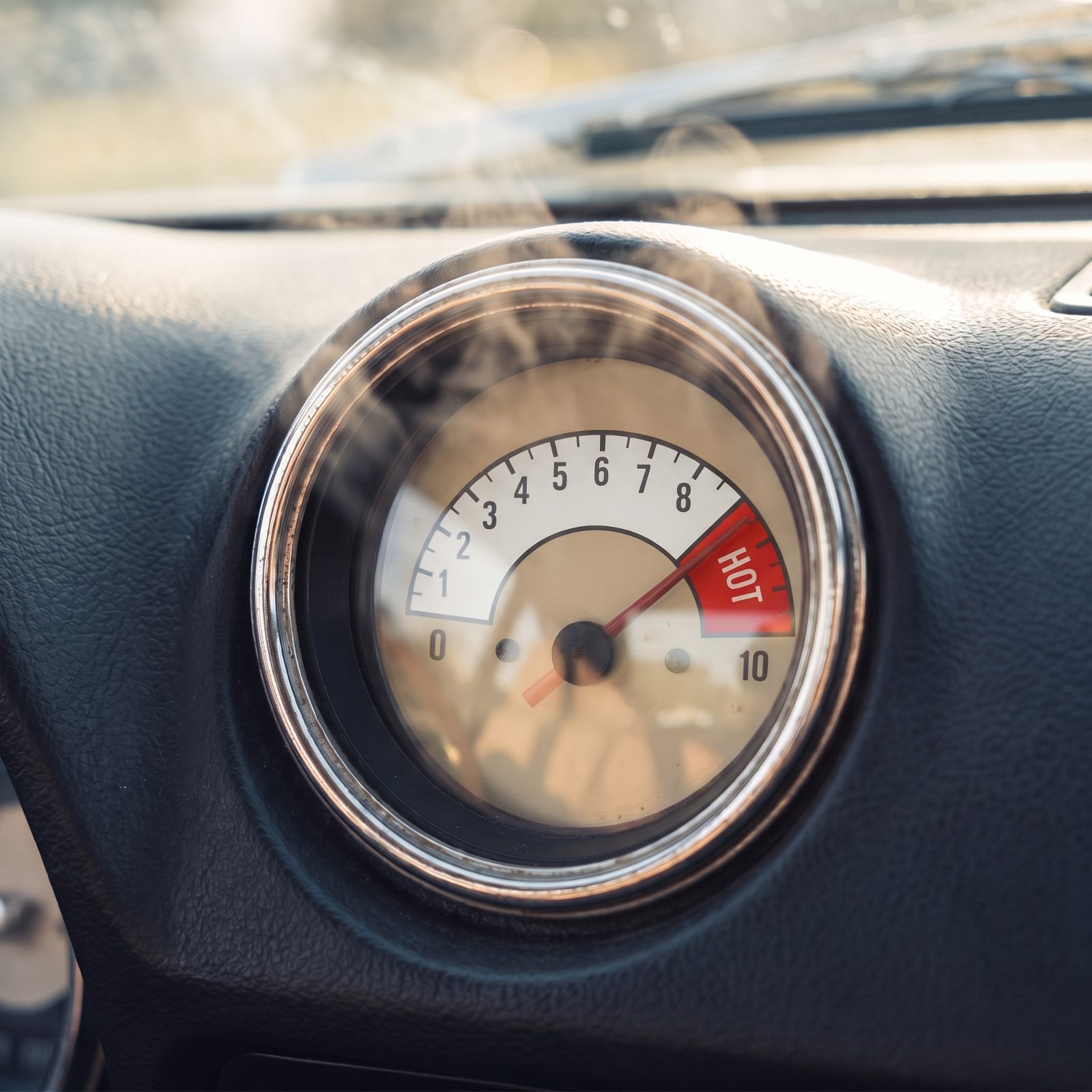
The needle creeps past normal, nudges toward red, and there’s that voice telling you to just make it a few more miles to the next exit. Those few miles can cost you the whole engine.
Heat is what kills aluminum heads and head gaskets. Overheat a cast-iron block badly enough and you warp the deck, crack a head, or blow the gasket and let coolant flood the cylinders. That’s a teardown, not a top-up.
When the gauge climbs, crank the heater to full to pull heat off the engine, then get over safely and shut it down. Let it cool a good half hour before you even touch the radiator cap. Check your coolant level, hunt for a split hose or a dead water pump, and leave it off until you know what went wrong.
1. Keeping Going After the Oil-Pressure Light Comes On
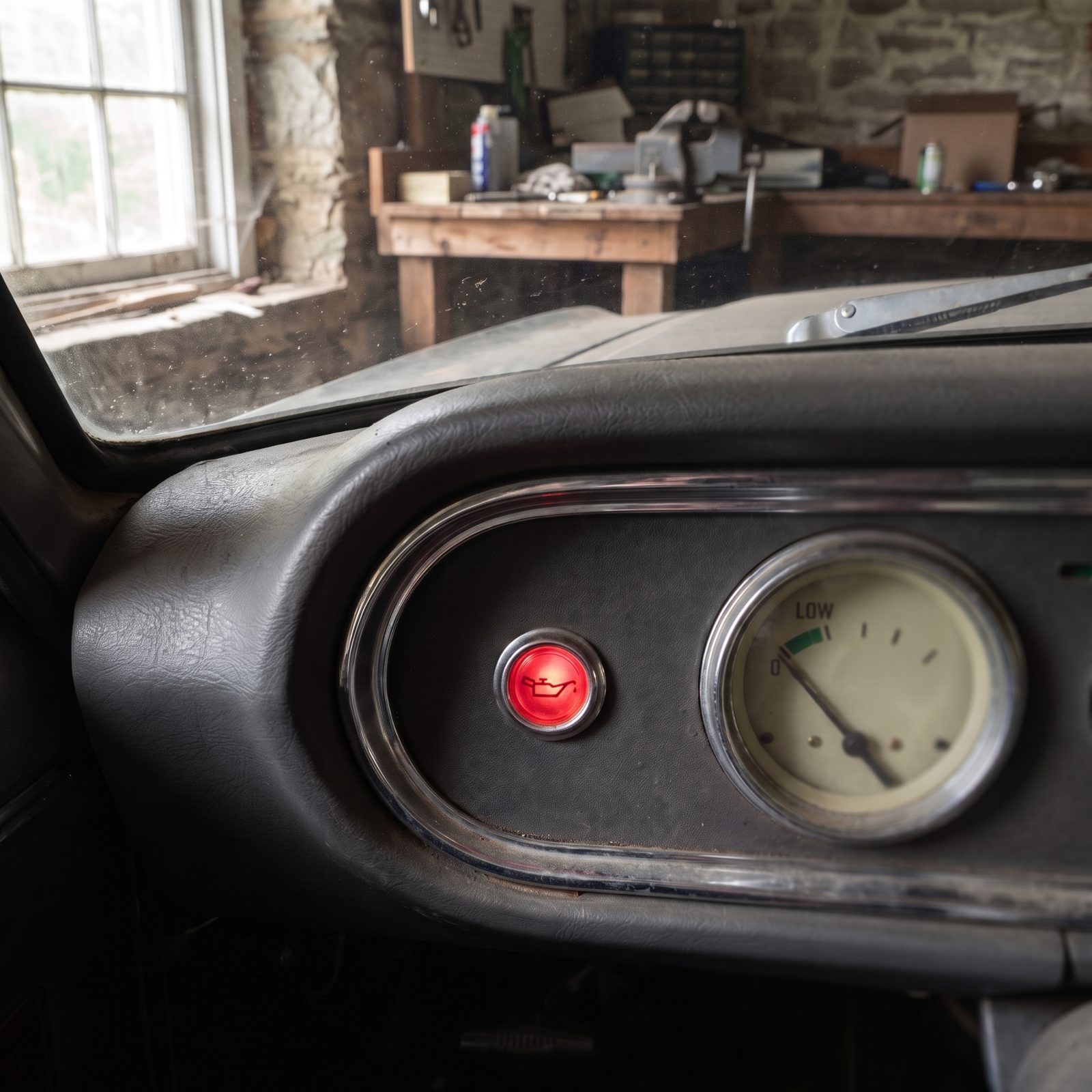
This is the one warning light you never gamble on. The oil-pressure lamp means oil is no longer reaching your bearings under pressure, and a bearing running dry doesn’t fail in miles. It fails in seconds.
Without that pressure film, the crankshaft and rod bearings grind themselves down to metal shavings. You’ll hear a knock, then a louder knock, then an engine that simply won’t turn. By then you’ve spun a bearing and you’re staring down a rebuild or a replacement long block.
If that lamp glows, pull over and shut it off. Not at the next exit. Now. Check the dipstick, top it off if it’s low, and if the light stays lit with full oil, call for a tow. A tow bill is a rounding error next to a crank.