
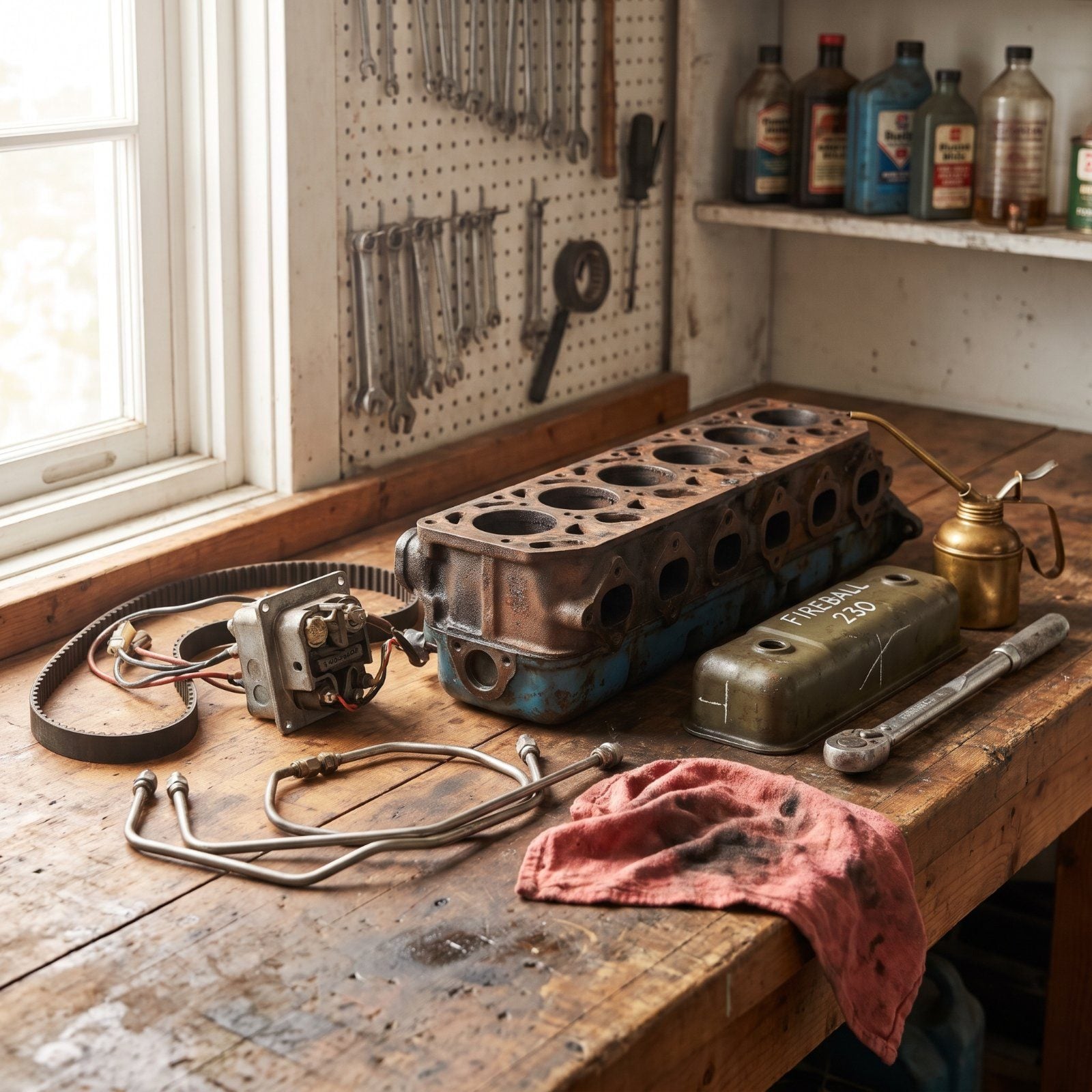
An engine doesn’t ask to be retired. It gets retired because of an emissions rule, a bean counter, or a factory that needed the floor space for something cheaper to build. Meanwhile the thing keeps running. You know the stories already — the diesel taxi with a million miles on the clock, the pickup that outlasted two owners and a divorce. These are the engines that earned their myth honestly, through decades of hard use and a stubborn refusal to die. Here’s why they were great, and the quiet corporate reasons each one disappeared anyway.
Please note that some of the images in this article were created with the assistance of AI.
49. Mercedes-Benz OM617, The Five-Cylinder Diesel Synonymous With Million-Mile Taxis
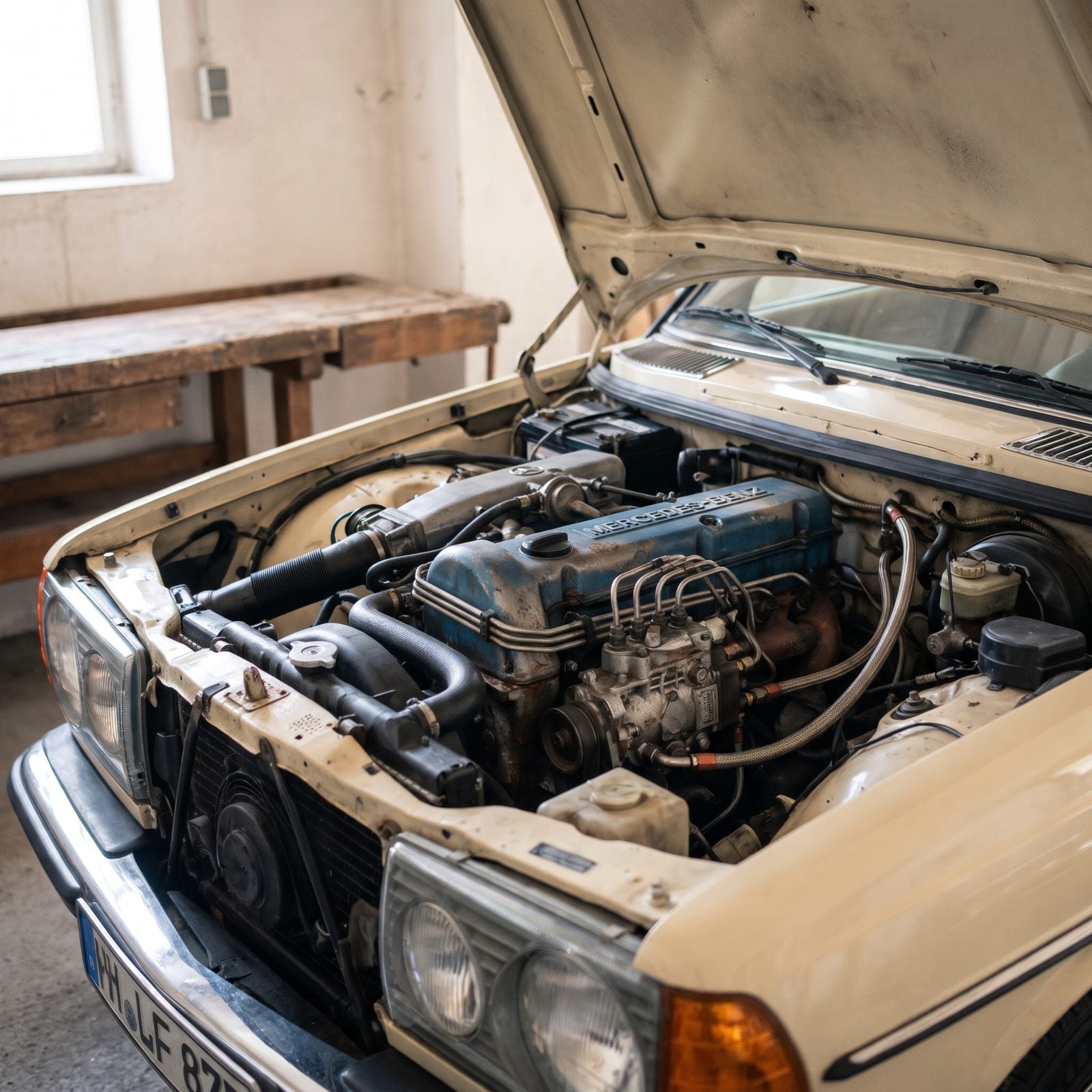
This is the engine that built the million-mile legend before anyone else had the nerve. The OM617 diesel five-cylinder went into W123 sedans and wagons in the late 1970s, and plenty are still on the road wearing seven-figure odometers earned hauling fares in every city with bad roads and worse winters.
Why it lasted: an iron block, a mechanical injection pump with no electronics to fail, low compression stress, and tolerances that didn’t care if you skipped a service. Why it died: tightening diesel emissions through the 1980s and 1990s made the simple mechanical design impossible to certify. You can’t bolt a catalyst and electronic controls onto a philosophy built around having nothing to go wrong.
48. Toyota 22R-E, The Indestructible Pickup Four-Cylinder
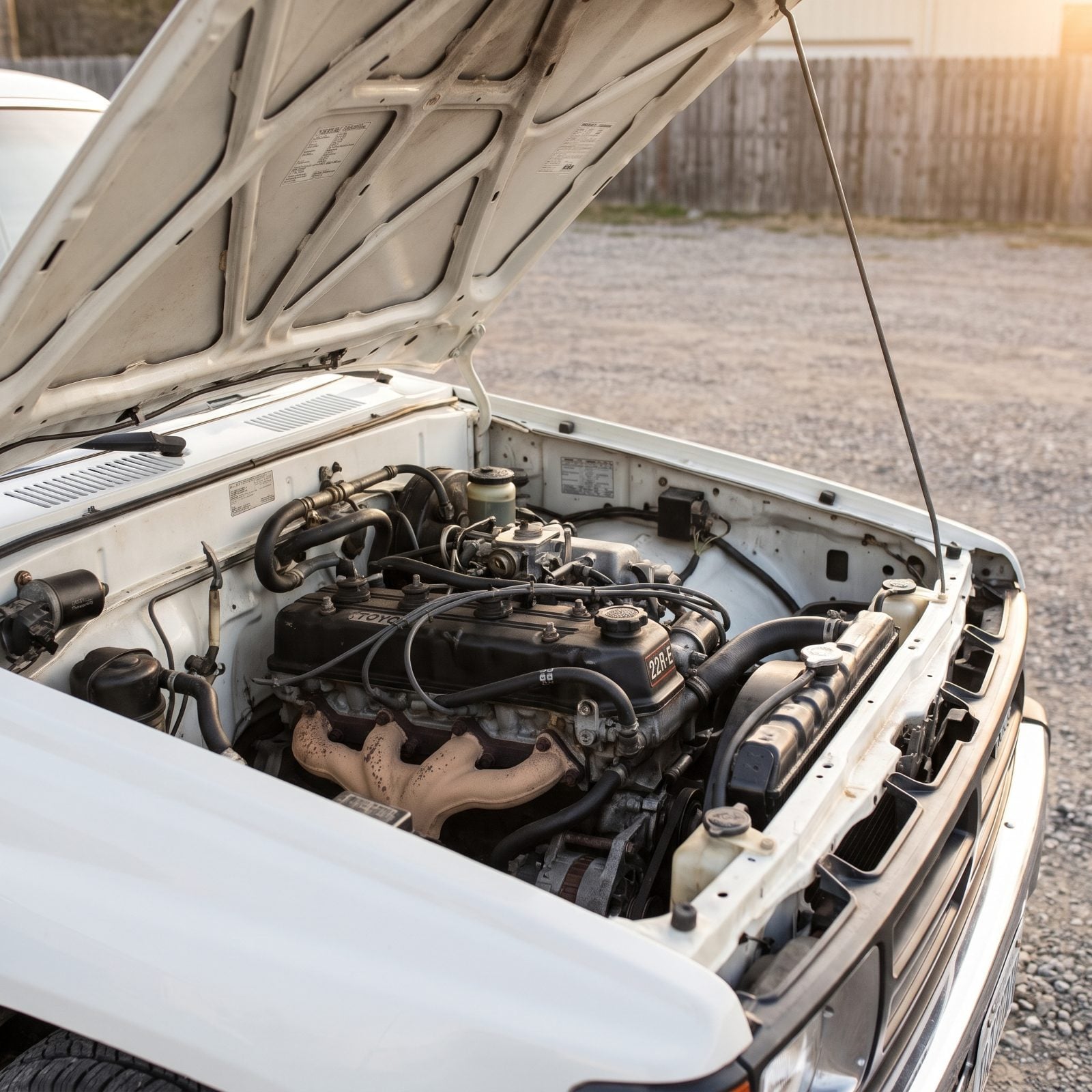
Ask any mechanic over fifty which engine they’d trust to start after sitting in a field for a decade, and a good number will say the 22R. The 22R-E, with electronic fuel injection, carried that reputation into the small pickups and 4Runners of the 1980s and 1990s.
It made modest power and didn’t care. Torque came in low, the timing chain ran in oil, and the whole thing was built like a hand tool. Owners regularly cleared 300,000 miles on nothing but oil changes and the occasional head gasket.
It disappeared because buyers wanted more punch and smoother manners. Twin-cam fours and V6 engines made the old single-cam four feel ancient. Progress retired it — not failure.
47. Ford 300 Inline-Six, The Pickup Engine That Valued Torque Over Horsepower
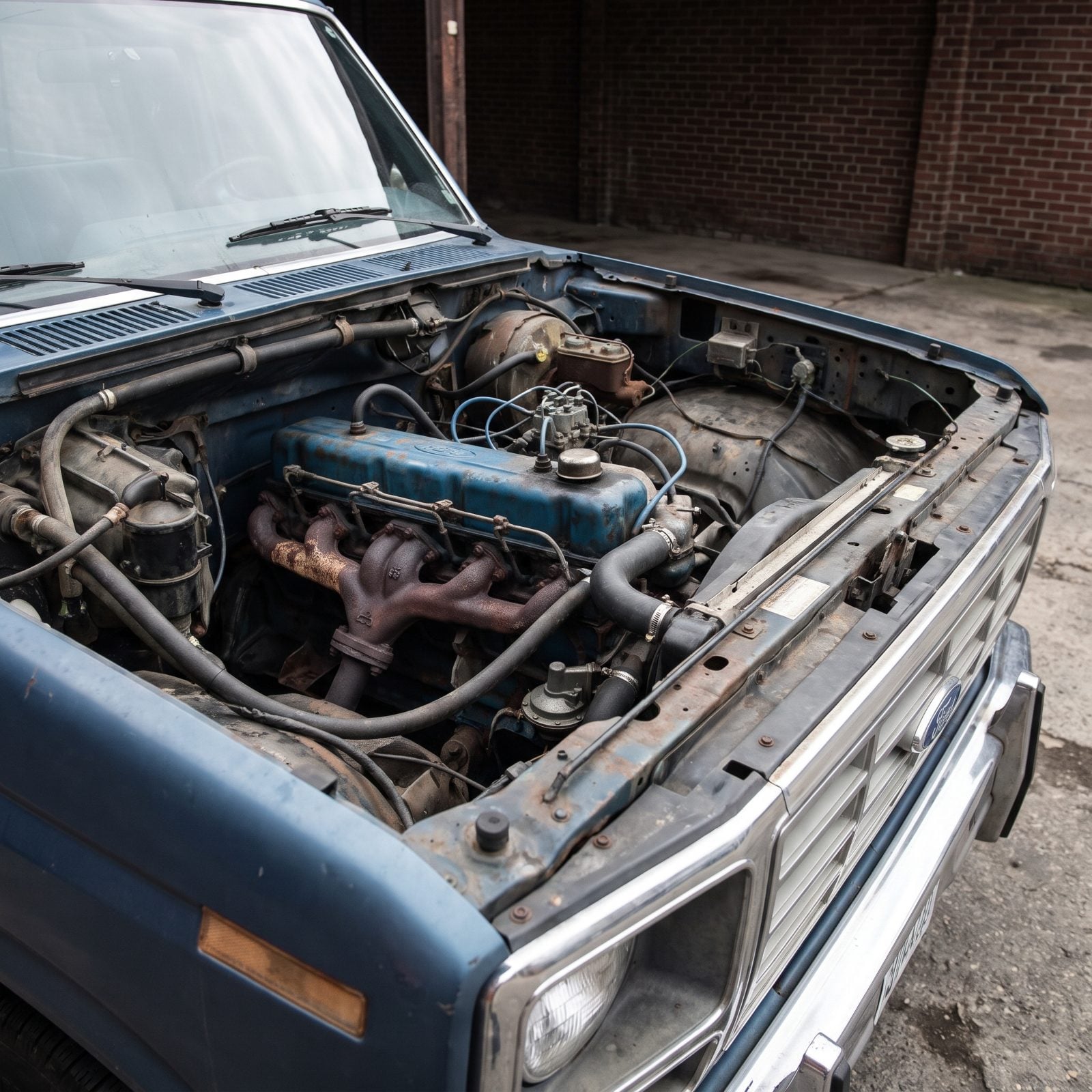
Horsepower was never the point. The Ford 300, a 4.9-liter inline-six that ran from 1965 into the late 1990s, made its living down low — pulling trailers and plows and tired owners out of mud without complaint.
Seven main bearings held a crankshaft you could probably use as an anvil, and the design had almost nothing in it to break. Farmers kept these trucks running for forty years because the engine simply would not stop, and when it finally did, the fix was cheap and obvious.
What killed it was the move to V6 and V8 layouts that tucked under lower modern hoods and met emissions with less fuss. The long straight-six was an awkward packaging problem in a world chasing aerodynamics. Nobody retired it for running badly.
46. Volvo B230 Redblock, The Boxy Volvo Engine That Seemed Unkillable
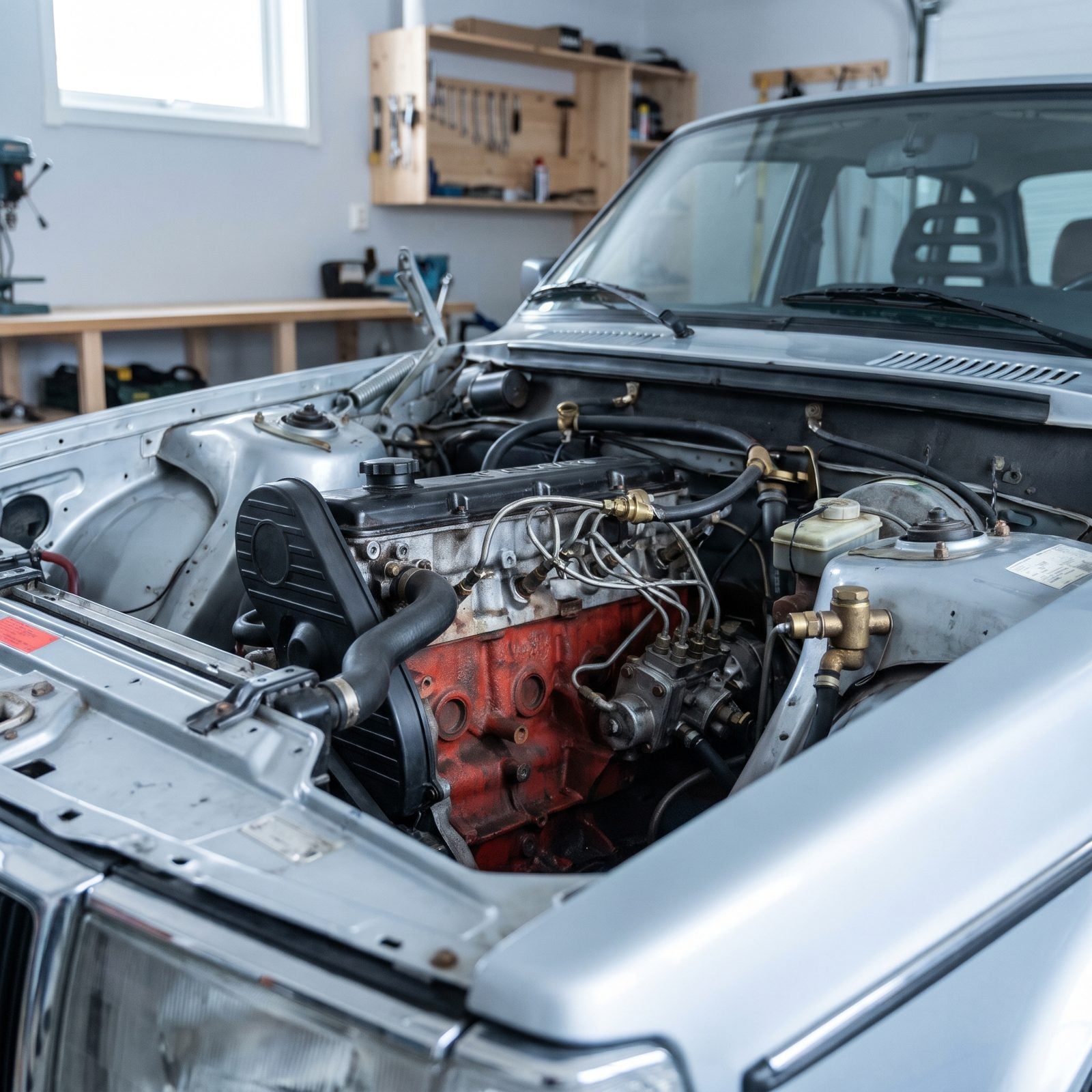
The red paint on the block was almost a dare. The B230 redblock powered the 240 and 740 through the 1980s and 1990s, and earned a reputation for refusing to quit.
Here’s what people get wrong about it. It wasn’t fast and it wasn’t clever. The belt-driven overhead cam needed changing on schedule or it’d bend valves, and owners who respected that interval got rewarded with 300,000-plus miles of sturdy, agricultural reliability. The iron block shrugged off abuse that would crack lesser engines.
It faded out when Volvo moved to lighter, more efficient modular aluminum engines in the 1990s. The iron redblock was heavy, and weight is the enemy of fuel economy. Toughness couldn’t save it from the scale.
45. AMC 4.0 Inline-Six, The Jeep Engine That Made Longevity Part of the Brand
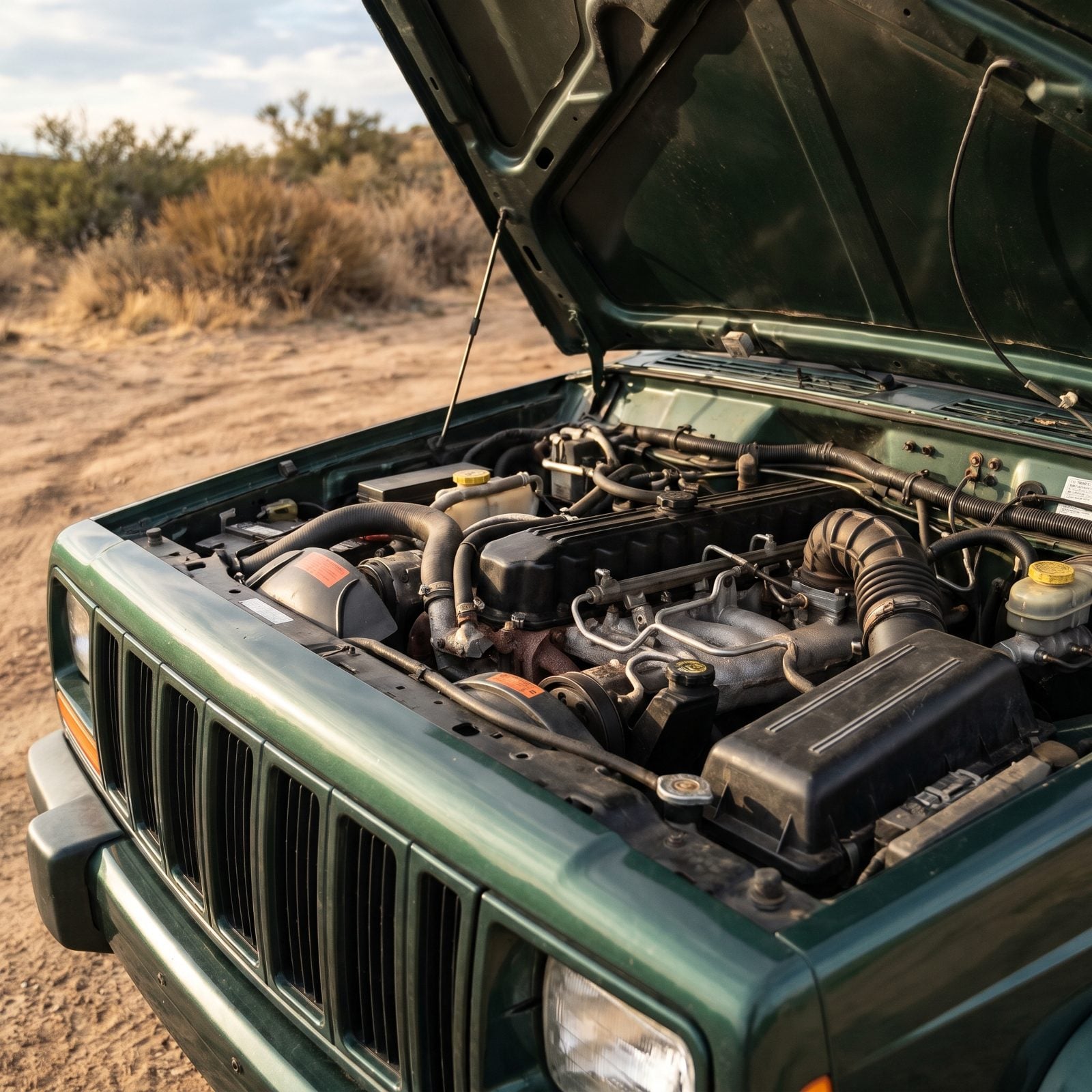
Some engines are reliable. The AMC 4.0 became part of why people bought the vehicle at all. From 1987 through 2006 it powered the Cherokee XJ, the Wrangler, and the Grand Cherokee, and it turned high-mileage survival into a selling point.
The straight-six had a stiff seven-main-bearing block and a torque curve built for crawling over rocks and dragging boats up ramps. Owners talk about 250,000 miles like it’s a warranty figure. The common failure — a cracked cylinder head on certain castings — was well-documented and fixable.
It ended because the long inline-six didn’t fit the newer unibody platforms and couldn’t meet the emissions and fuel targets Chrysler needed. A modern V6 packaged better and ran cleaner. The 4.0 outlived its own relevance to the engineering spreadsheet.
44. Buick 3800 V6, The Low-Stress Engine That Routinely Outlived Its Cars
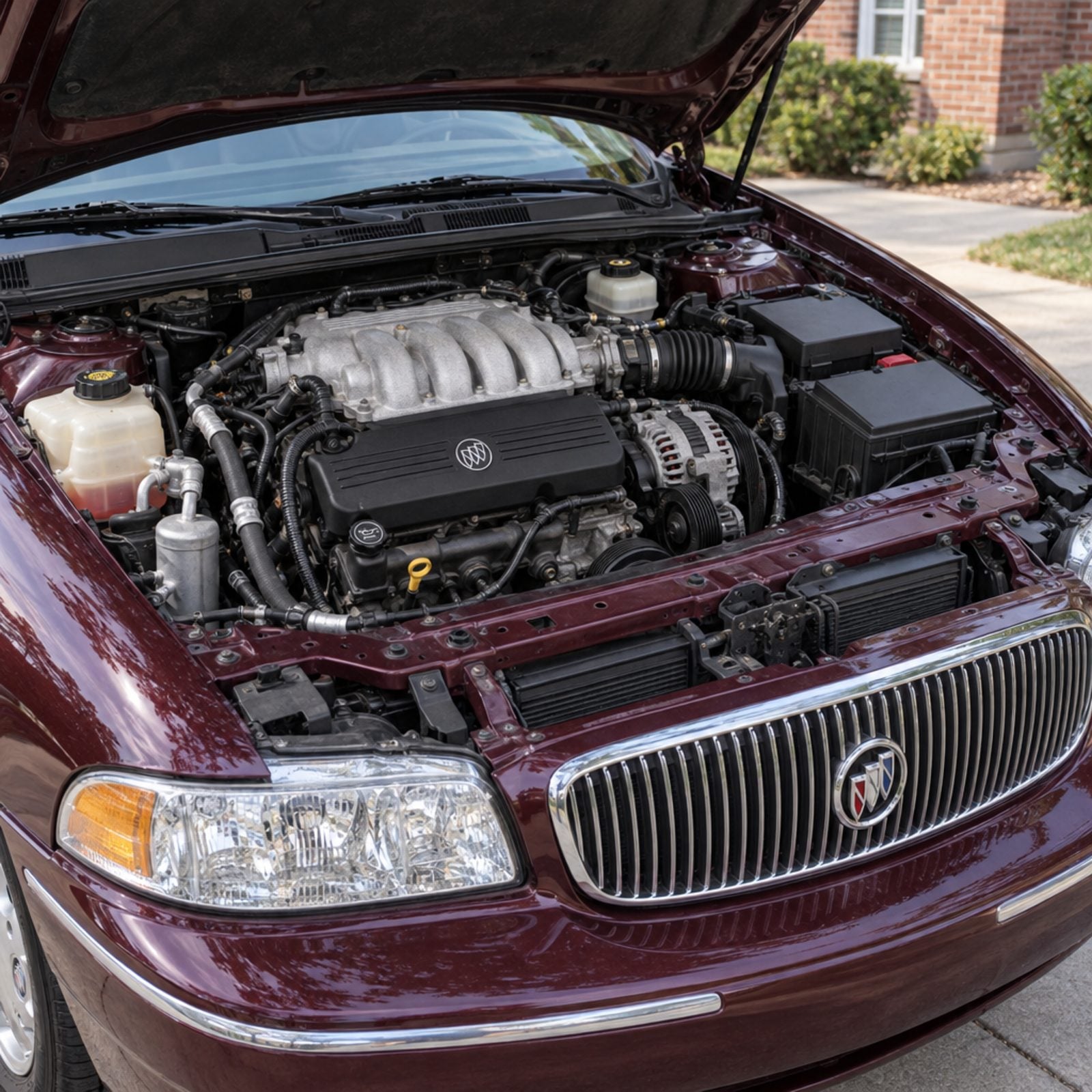
Nobody bought a Buick for the engine. They should have. The 3800 V6, in its Series II form through the 1990s and early 2000s, was the kind of motor that kept running long after the interior had fallen apart around it.
It made easy torque, ran at low RPM, and carried decades of refinement behind the design, all the way back to the 1960s Buick V6. Head gaskets and intake manifold gaskets were its known weak spots. Fix those, and 250,000 miles was ordinary.
GM retired it in the mid-2000s for the smoother 3.6-liter High Feature V6 with overhead cams and variable valve timing. The old pushrod lump couldn’t match the refinement or the emissions of the new design, no matter how long it lived.
What Our Readers Say
- When Jalopy Talk readers hearted a car photo and tapped a reason, “nostalgic” came out on top at 28%, ahead of body style at 22%.
- When our readers disliked a car photo, the top reason was “not my style” at 37%, with “unreliable” picked 11% of the time.
From Jalopy Talk reader polls and votes.
43. Volkswagen 1.9 TDI ALH, The Diesel That Turned Fuel Economy Into an Endurance Sport
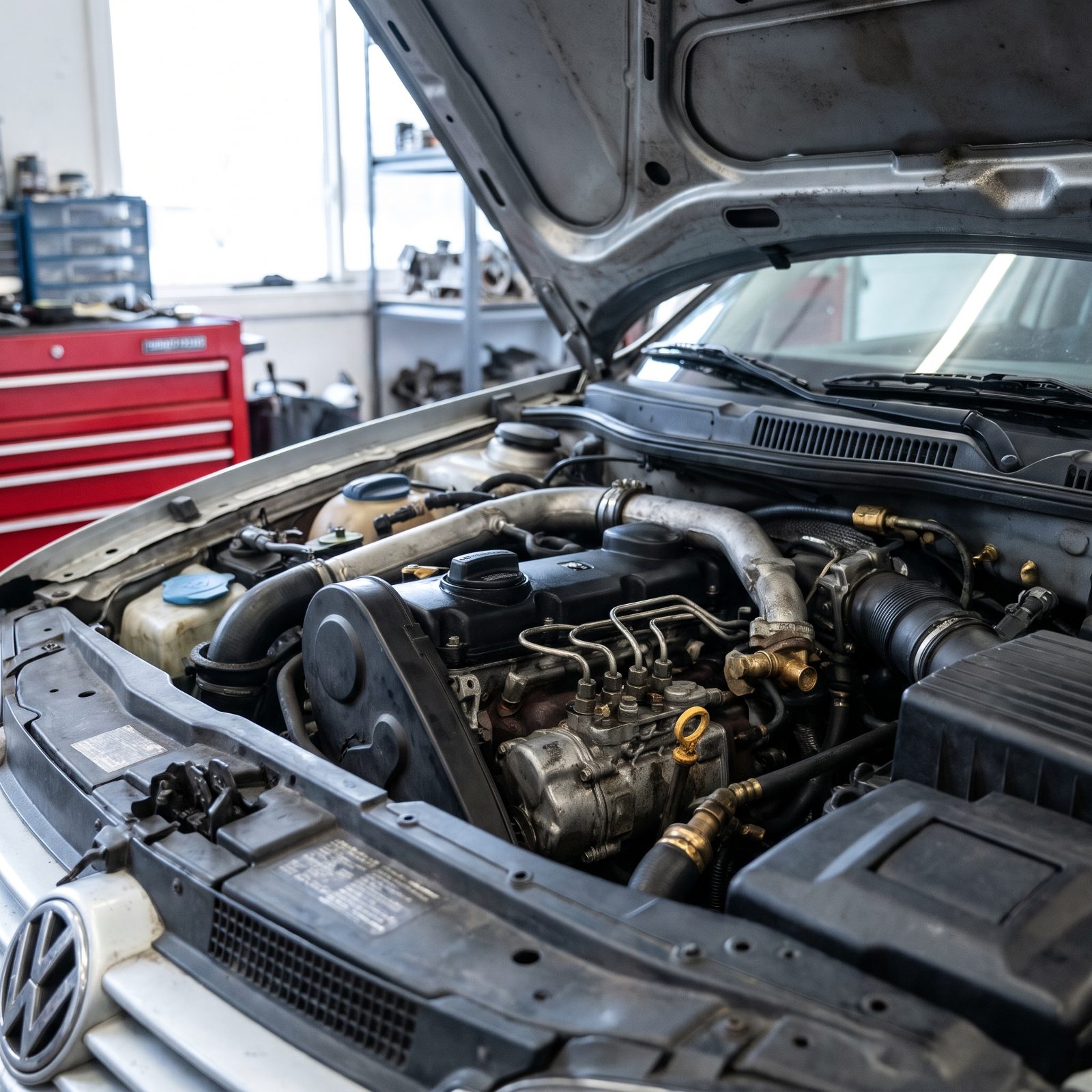
The ALH-code 1.9 TDI turned hypermiling into a hobby with a cult following. Owners chased the high-forties and fifties for mileage and swapped stories of 300,000-mile engines that still returned economy good enough to make gas-station visits feel optional.
The secret was a rotary injection pump with no high-pressure electronic drama, a tough iron block, and a turbocharged diesel that loafed through its whole life. Keep the timing belt fresh and it would run nearly forever.
It vanished because tightening emissions demanded common-rail injection and, eventually, diesel particulate filters and the electronics that later landed Volkswagen in serious trouble. The honest, simple ALH couldn’t clear the regulatory bar in front of it. Its simplicity was its strength — and, in the end, its death sentence.
42. Toyota 2UZ-FE, The Million-Mile Tundra and Land Cruiser V8
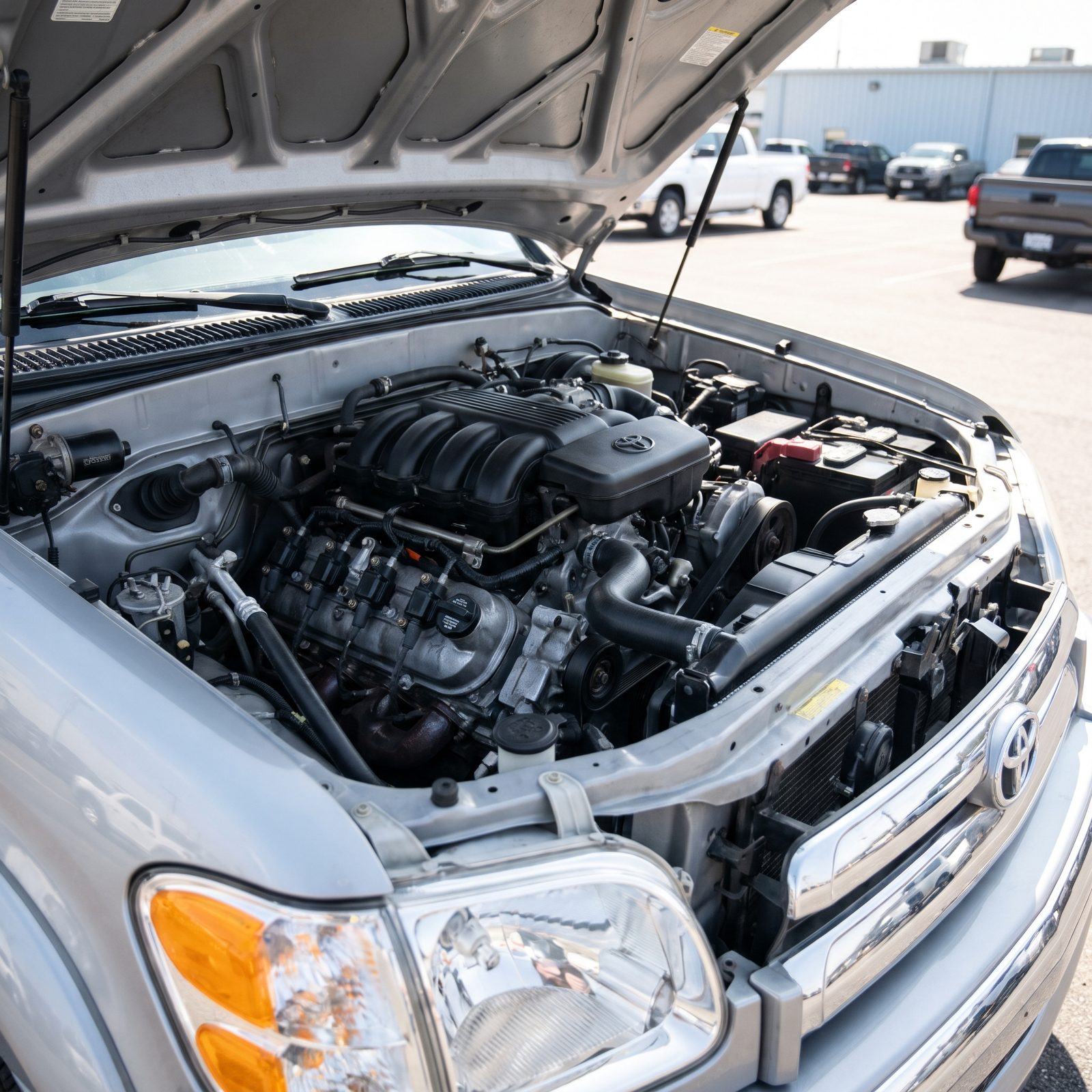
Toyota overbuilt this one on purpose. The 2UZ-FE, a 4.7-liter V8, went into the Tundra, Sequoia, and Land Cruiser from the late 1990s through the 2000s, and the horror stories simply never materialized.
Iron block, aluminum heads, conservative tuning, and a timing belt that owners learned to replace on schedule. High-mileage examples cleared 300,000 miles routinely, and well-documented million-mile trucks exist. The thing was engineered with margin everywhere it mattered.
An engine built with that much headroom spends its whole life barely trying. That’s why it lasts.
Toyota moved on to the 1UR and 3UR series V8s — aluminum blocks, more power, better fuel economy. The newer engines were lighter and cleaner. The 2UZ wasn’t replaced for weakness. It was replaced for weight and thirst, the two things an iron V8 can never win.
41. Chrysler Slant Six, The Leaning Tower of Power That Rarely Gave Up
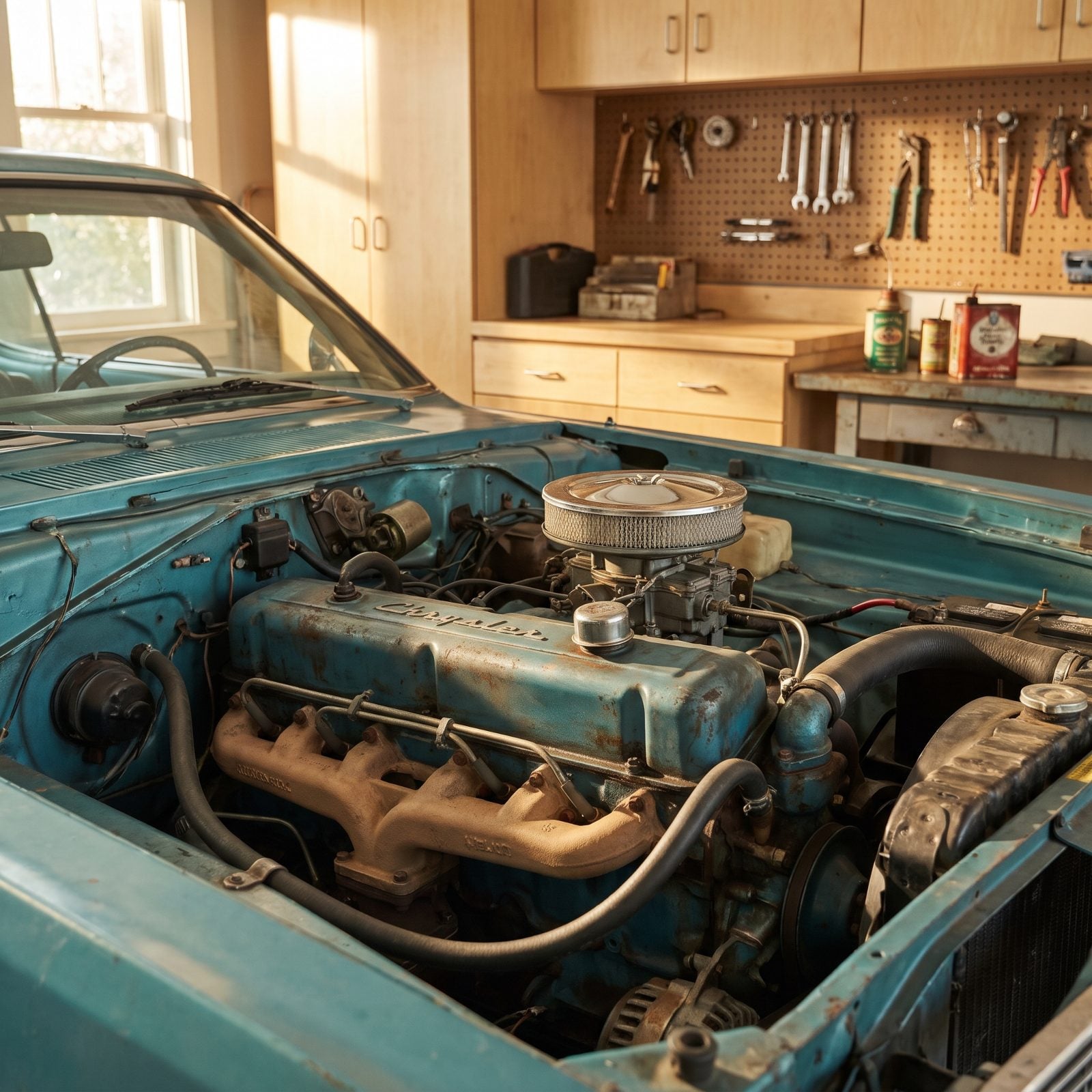
The engine literally leaned over, and that was the clever part. Chrysler tilted the Slant Six 30 degrees to clear a lower hood and make room for a better-breathing intake manifold. It ran in Darts, Valiants, trucks, and vans from 1960 well into the 1980s.
Good luck killing one. The block was stout, the design was dead simple, and it tolerated neglect, bad fuel, and amateur wrenching with the patience of a mule. People drove these engines until the rest of the car dissolved around them.
It went away as Chrysler shifted to V6 and overhead-cam four-cylinder engines that fit front-drive cars better and met emissions more easily. The long, heavy, carbureted six belonged to an era of engineering that regulation and front-wheel-drive layouts left behind.
40. Ford 7.3 Power Stroke, The Diesel Pickup Engine Owners Refuse to Retire
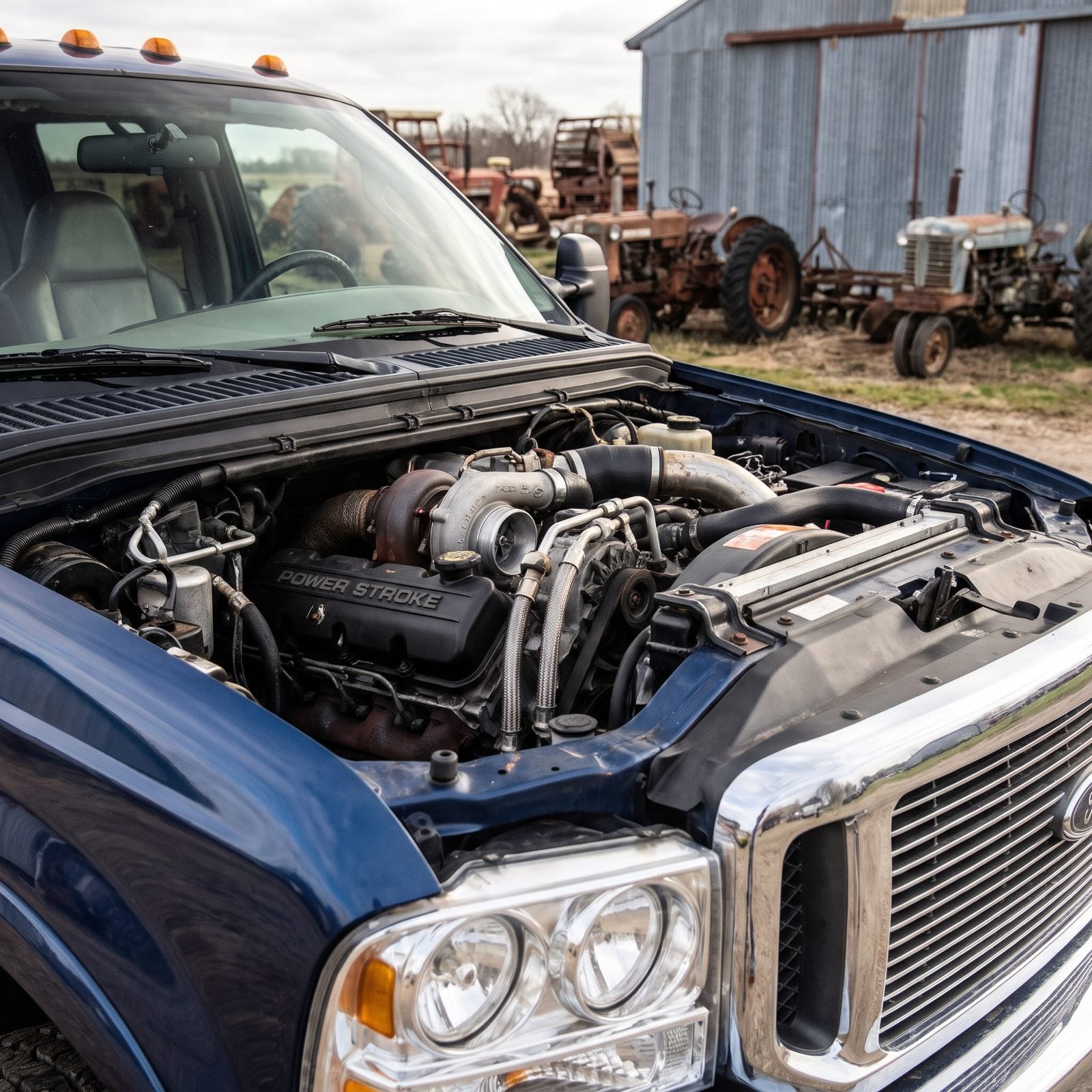
Mention retiring a 7.3 Power Stroke to the man who owns one and watch his face. This 7.3-liter diesel V8, built with International, powered heavy-duty pickups from 1994 into 2003 and became the benchmark every later diesel gets measured against.
The appeal was mechanical toughness: a forged bottom end, hydraulic injection, no particulate filter, and a track record of 400,000 miles of towing without drama. Owners hoard clean examples and refuse to sell, and used prices for high-mile trucks stay stubbornly high because people trust the engine more than anything newer.
It died for emissions, plain and simple. The 6.0 Power Stroke that replaced it added the electronics and after-treatment the 7.3 lacked, and chased more power while it was at it. The old engine was too simple and too dirty to survive the tightening rules. Owners have been mourning it ever since.
39. Toyota 1UZ-FE, The Lexus V8 Engineered Without a Budget Ceiling
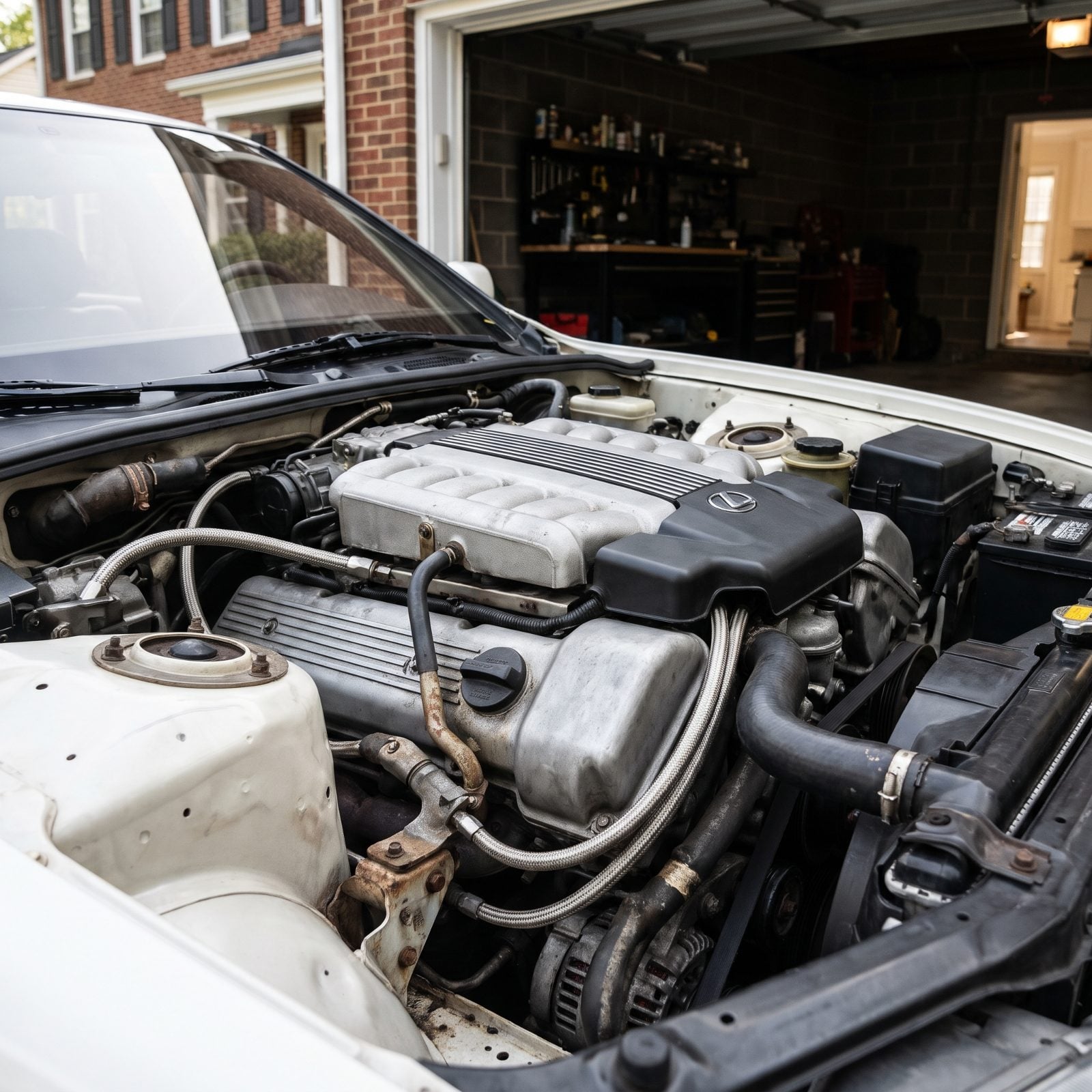
Toyota gave the engineers five years, a blank check, and one instruction: build a V8 nobody could beat. They tore apart a Mercedes and a BMW on the bench, studied them, then went further. The 1UZ-FE that landed in the 1990 LS400 ran so smooth they famously balanced champagne glasses on a redlining one for the ad — and it wasn’t a trick.
So why did it go? Emissions and efficiency targets pushed Toyota toward the larger, variable-valve-timed 3UZ, then eventually toward turbo-fours and hybrids. The 1UZ didn’t fail. It got outvoted by a spreadsheet chasing fleet economy numbers.
38. Volvo B18/B20, The Tractor-Tough Four Behind the Three-Million-Mile P1800
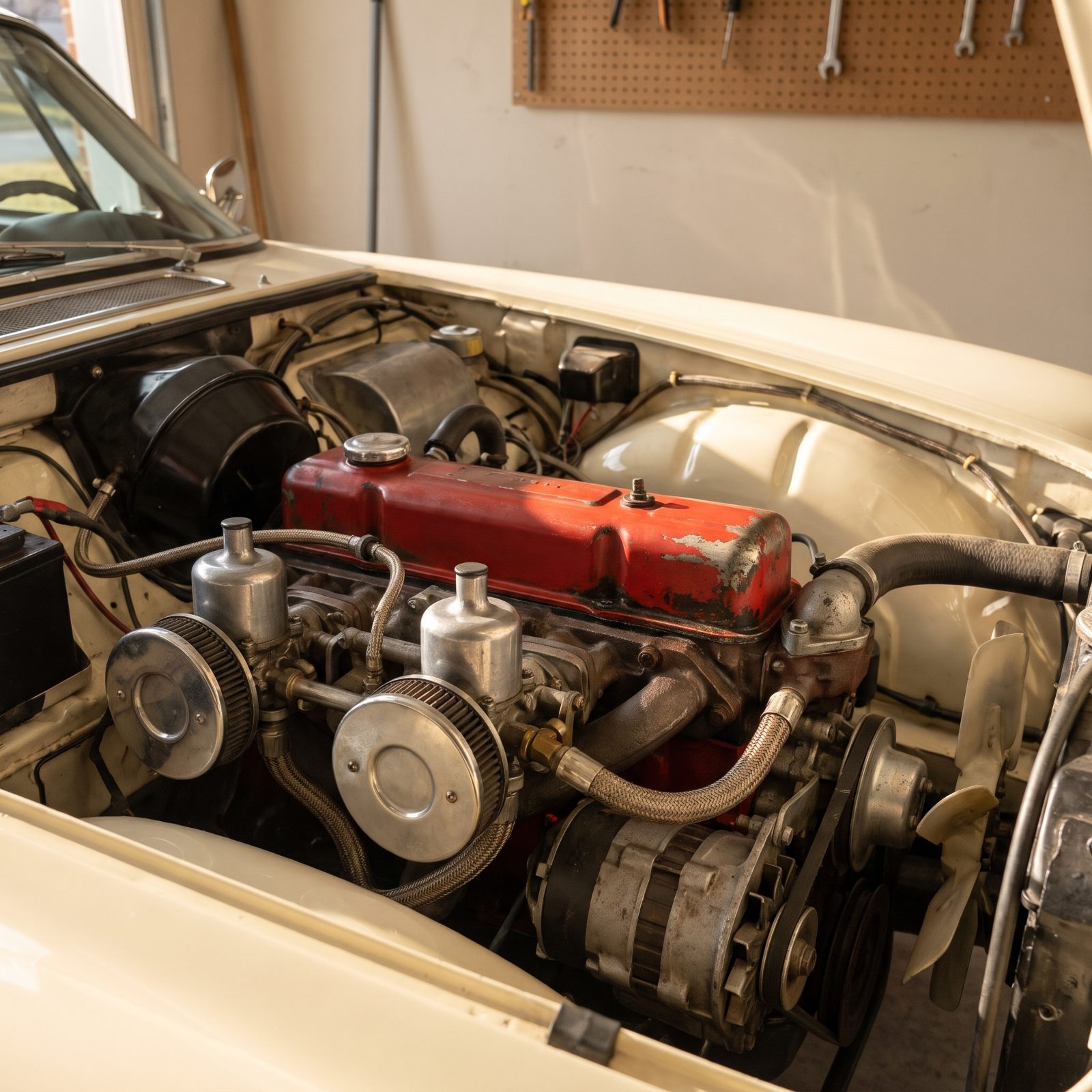
A retired teacher named Irv Gordon put millions of miles on his red 1966 P1800, mostly on the B18 and its successor the B20. Same block design, barely touched for decades. That’s the kind of number that sounds made up until you see the logbooks.
The secret was almost comically simple. Five main bearings on a short, stiff crank, a cast-iron block with thick walls, and valve clearances a shade-tree mechanic could set with a feeler gauge in his own driveway. Nothing exotic to break. Volvo retired it in the mid-1970s when overhead-cam designs and tightening emissions made the pushrod four look dated — not because it wore out. Owners are still finding that out.
Red paint suits a car like that: in our reader votes, red and burgundy exteriors got hearts 81% of the time, versus 73% for the other images in the same articles.
37. Nissan TD42, The Patrol Diesel That Refuses to Die in the Outback
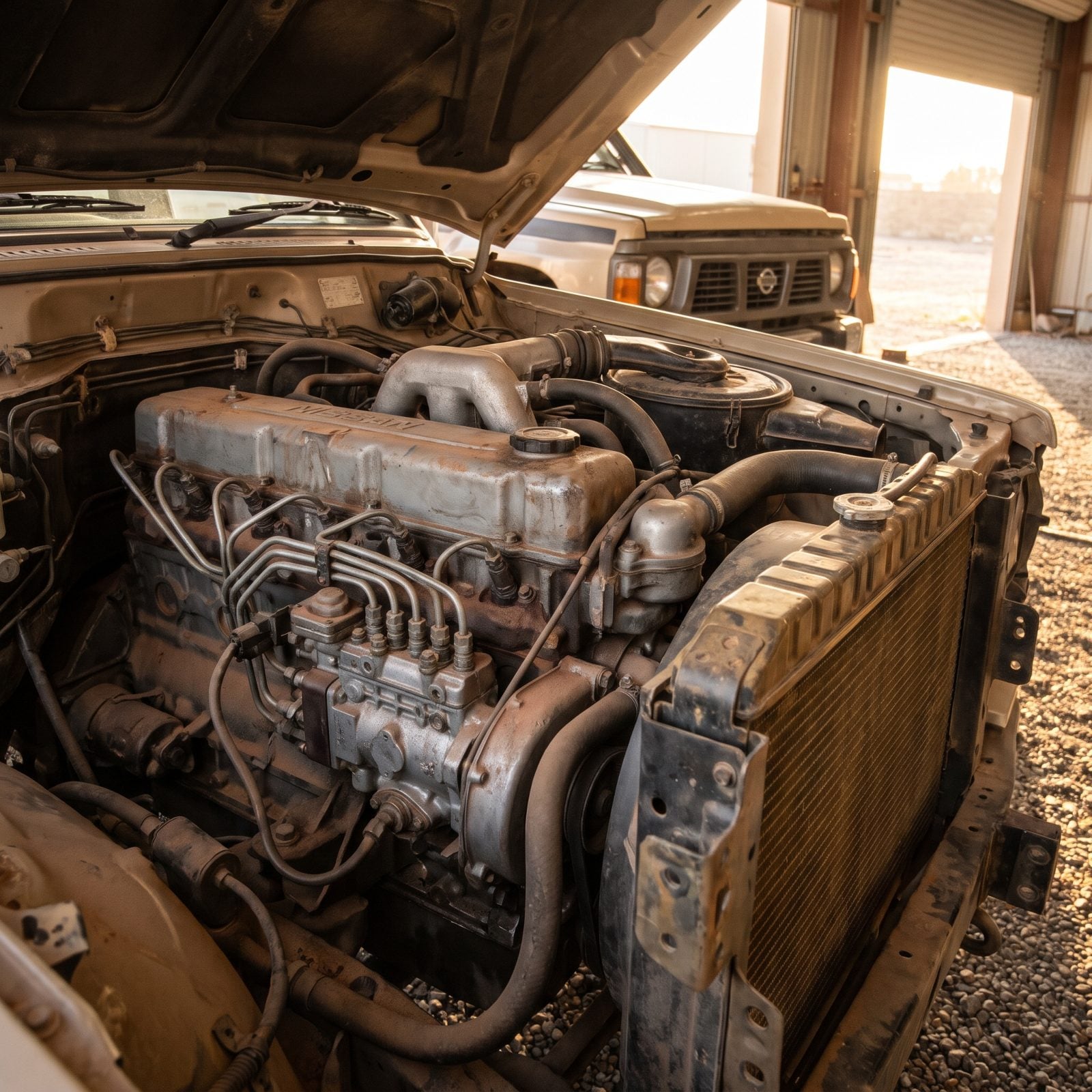
Ask anyone who’s crossed the Australian outback or wrenched for an African fleet. The TD42 is the engine they trust when the nearest workshop is hundreds of miles away.
No electronics to confuse. A mechanical injection pump, a wet-sleeve iron block, and torque low enough to crawl a loaded truck up a sand dune in low range. People have run them deep into six figures on little more than filter changes and clean fuel.
Euro emissions rules eventually made the old mechanical diesel impossible to certify. It survived in export markets for years after the West gave up on it. That tells you everything.
36. Subaru EJ22, The Non-Interference Boxer That Built Subaru’s Reputation
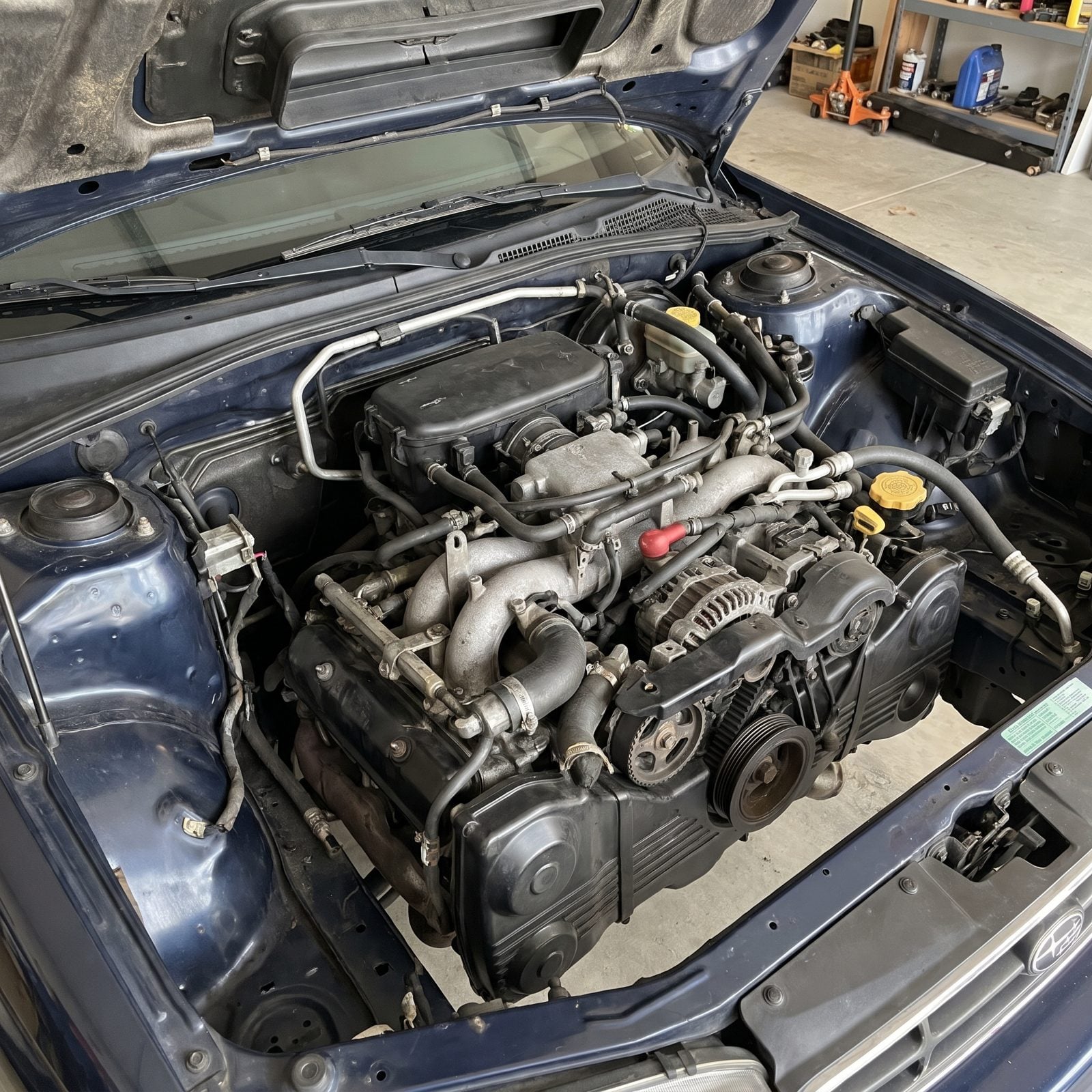
This is the engine that earned Subaru its stripes, and it’s almost always the one buyers point to when they claim a Subaru will run forever. The 2.2-liter boxer was a non-interference design, meaning a snapped timing belt bent nothing and ruined nobody’s week. You replaced the belt and drove home.
Later EJ motors chasing more power and tighter emissions went interference, picked up head-gasket headaches, and lost that forgiving character. The 2.2 got squeezed out as Subaru standardized on the 2.5 for everything. A lot of long-time owners still consider the EJ22 the high-water mark. They’re not wrong.
35. Honda D-Series, The Civic Engine That Asked for Oil and Nothing Else
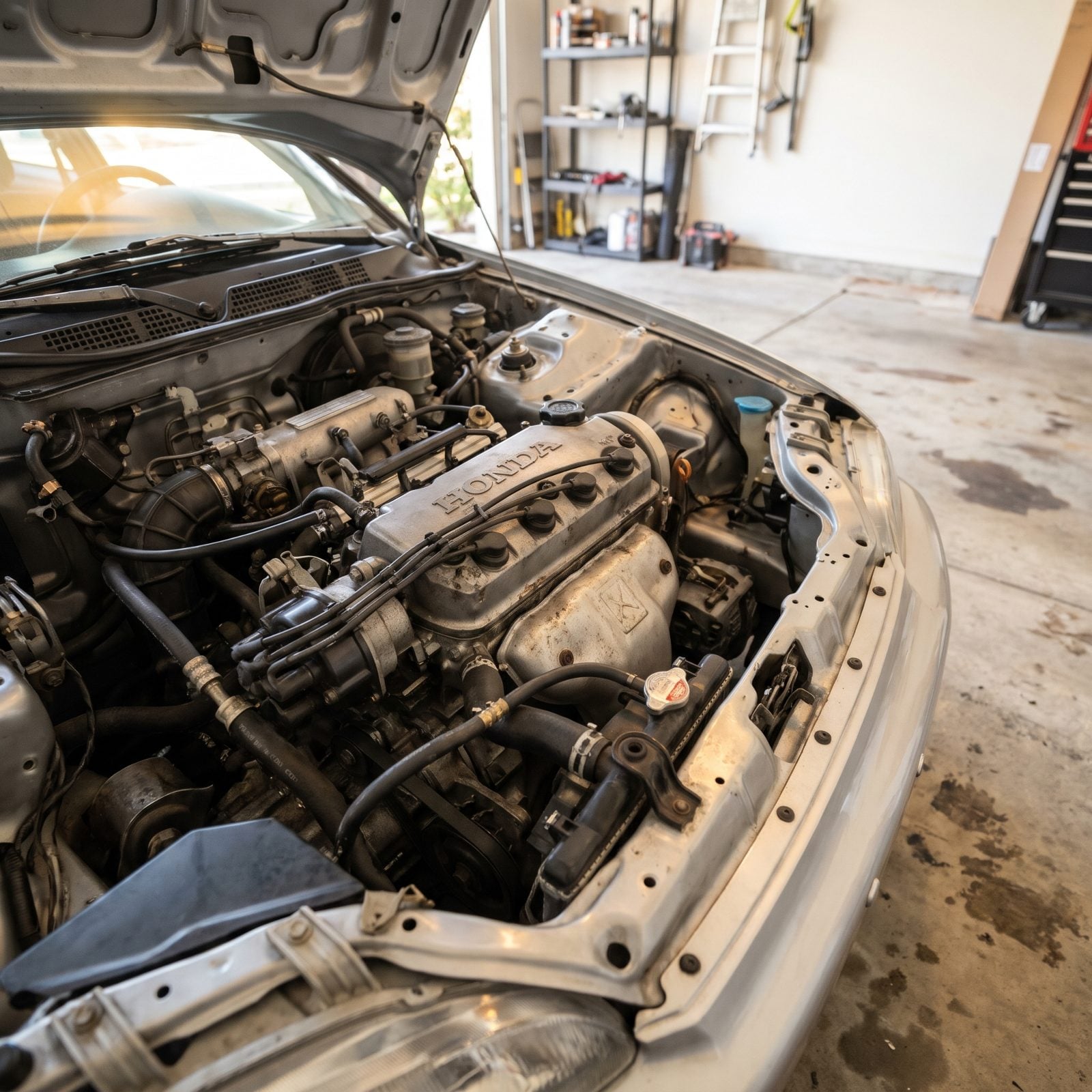
The D-series is the engine your cousin abused in a hand-me-down Civic, and it just kept going. Skipped oil changes, redline merges onto the freeway, 200,000 miles later it still fired on the first crank in January.
Honda built these simple on purpose. Single cam, lightweight valvetrain, generous oil capacity for the displacement. Ordinary maintenance was all it ever asked for. The D-series bowed out as Honda consolidated around the R-series and chased better economy with newer architecture. Nothing wrong with it — the world just moved the goalposts.
34. GM Gen III 5.3 Vortec V8, The Truck Motor Before the Cylinder-Deactivation Headaches
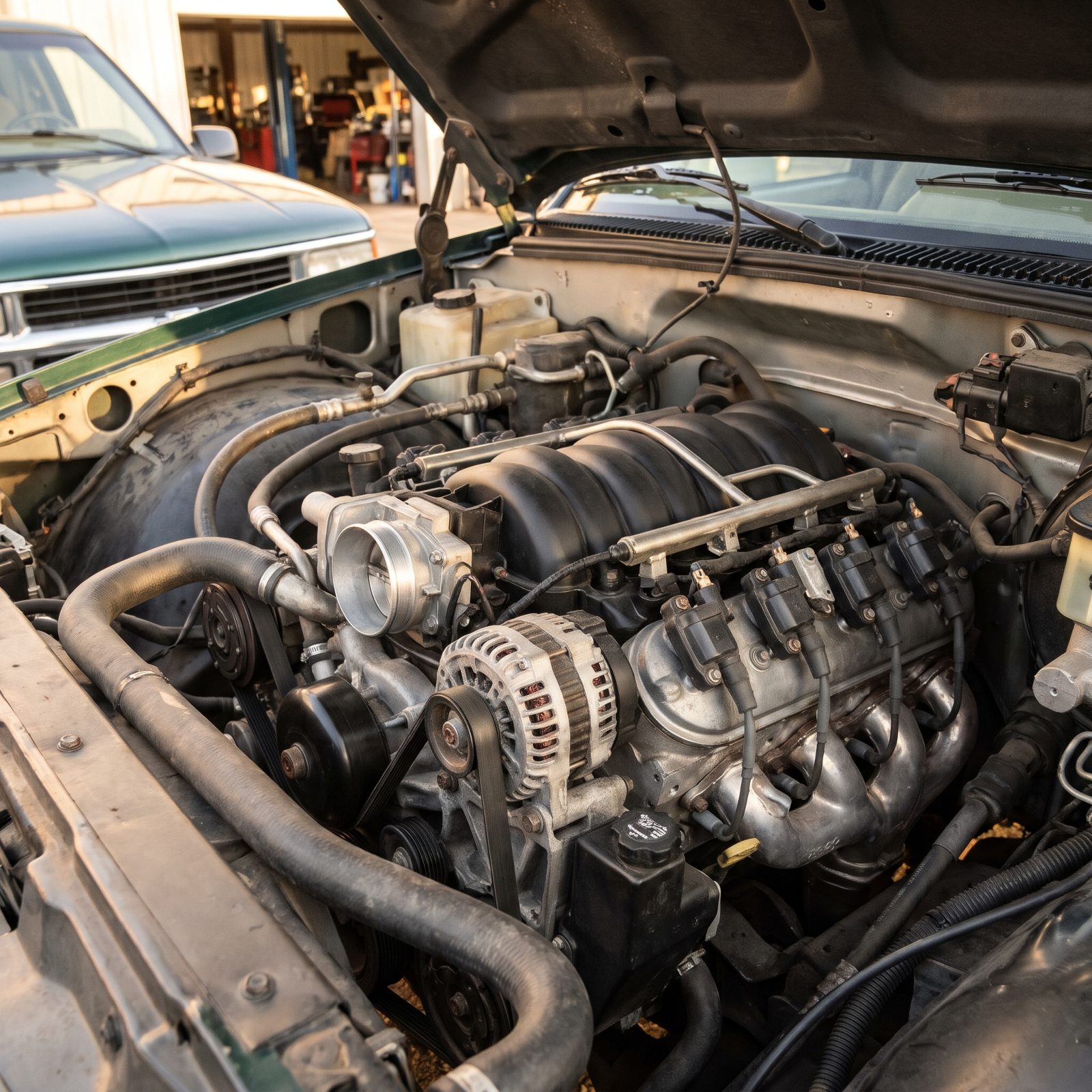
Before active fuel management and variable displacement complicated everything, the 5.3 was the plain-wrap truck V8 that just worked. Shops loved it. Owners trusted it. Two hundred thousand miles of towing and the biggest complaint was usually a tired alternator.
Then GM bolted on cylinder deactivation to chase fuel economy, and with it came the lifter failures and oil-consumption gripes that haunt the newer motors. The early, straightforward Gen III wasn’t discontinued for being bad. It got layered over with efficiency tech because CAFE standards demanded better mileage on paper.
The simplest version was the most durable version. Then the rules made simple illegal.
33. Peugeot XUD, The French Diesel That Ran Every Taxi Line Between Here and Timbuktu
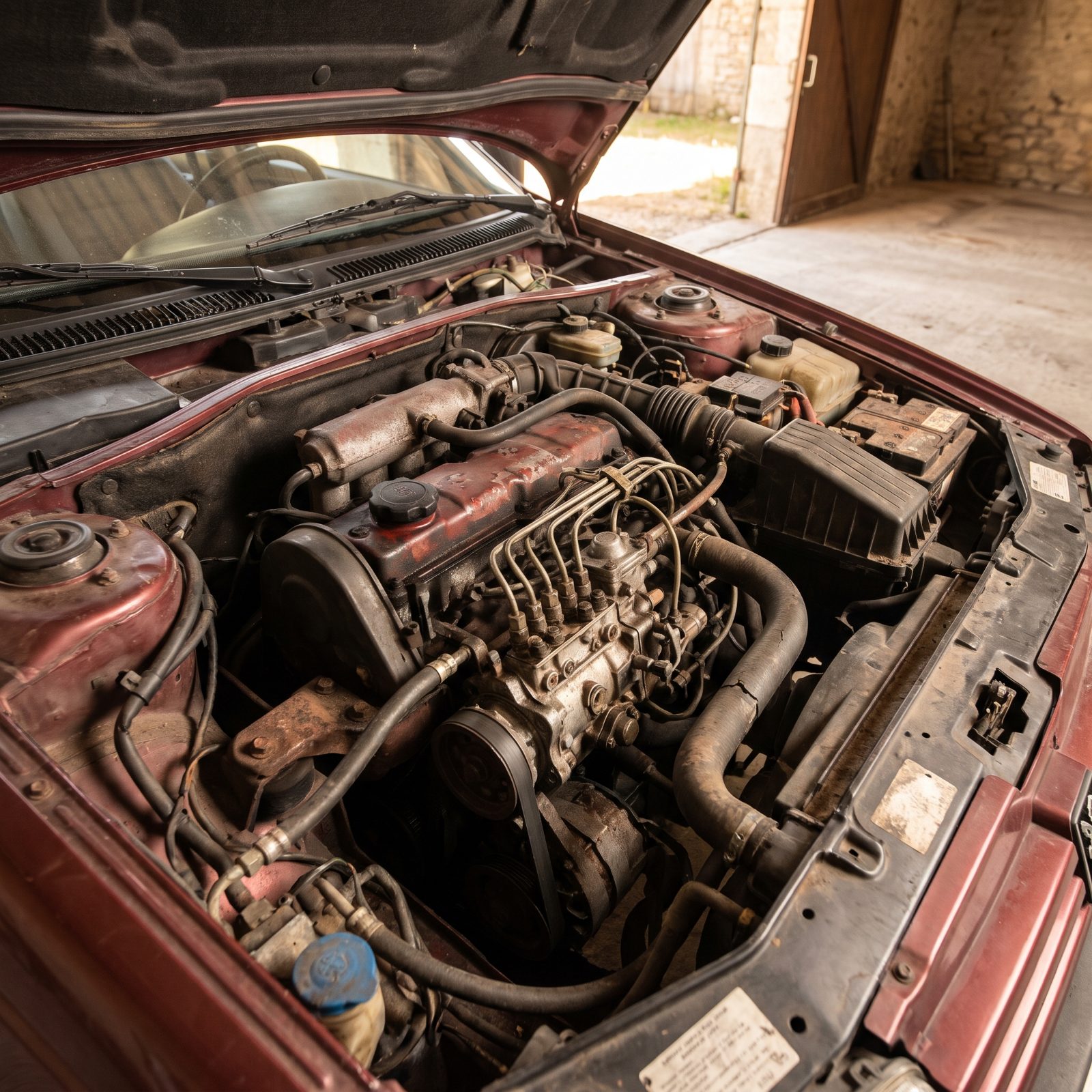
Ever ridden in a battered taxi somewhere hot and far from home? Odds are an XUD was clattering away under the hood. Peugeot’s old indirect-injection diesel went into millions of 205s, 405s, Citroëns, and licensed knockoffs that ran until the body dissolved around them.
It idled on poor fuel, tolerated skipped service, and a rural mechanic could rebuild one with a wrench and a dream. Common-rail injection and Euro emissions rules killed it in the late 1990s, replaced by cleaner, far more complex HDi units. The XUD’s party trick was running forever on neglect. Modern diesels are quieter and cleaner, and they will never, ever do that.
32. Mercedes-Benz M113, The Understressed V8 From Mercedes’ Overbuilt Golden Years
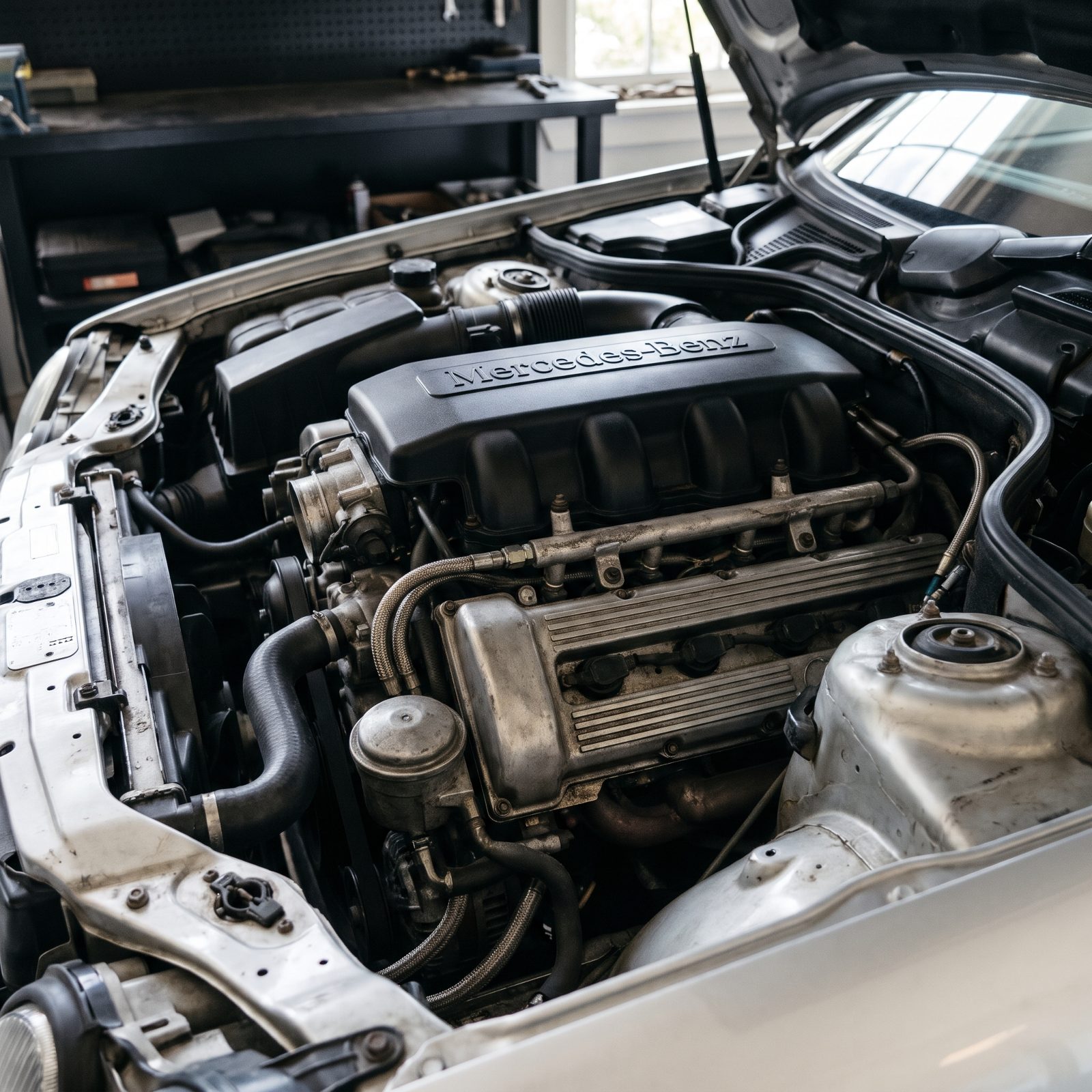
The M113 landed right in the tail end of Mercedes’ build-it-like-a-vault era, and it shows. Chain-driven cams instead of a belt, a stout block, and a design philosophy that treated 250,000 miles as a midlife check-up rather than a finish line.
These V8s routinely sail past 300,000 miles when fed clean oil and transmission fluid. Mercedes moved on to smaller turbocharged and supercharged engines for emissions and efficiency, and the direct-injection units that followed brought their own gremlins. The M113 simply stopped making sense in a world chasing carbon numbers.
31. Toyota 2F, The Land Cruiser Straight-Six Built to Outlast the Trail
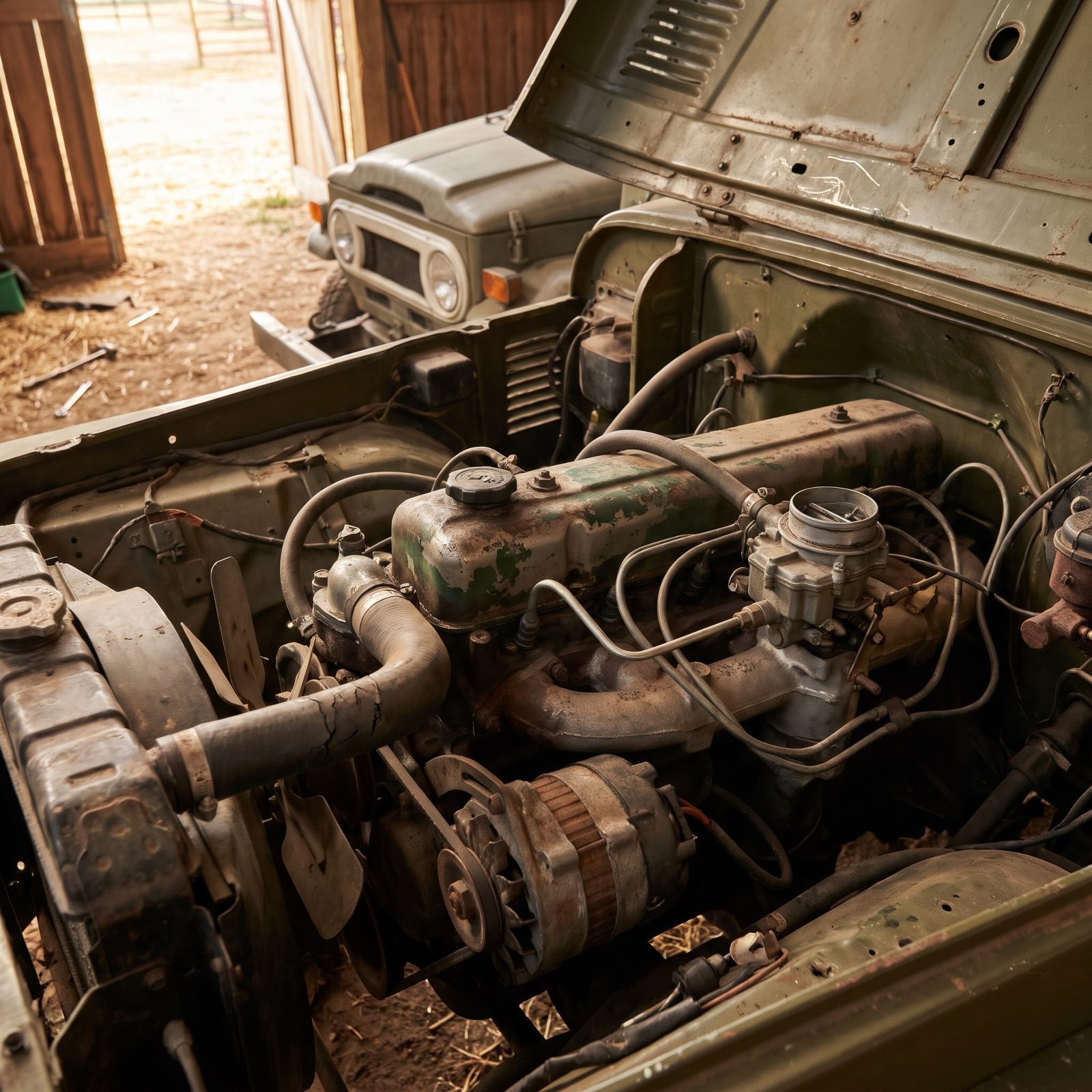
The 2F is the slow, torquey straight-six that dragged FJ40 and FJ60 Land Cruisers through places roads hadn’t reached yet. It didn’t make much power and it didn’t care. Low-end grunt, a carburetor you could rebuild on a tailgate, and an iron block with the thermal mass of an anvil.
Overseas aid fleets and mining crews ran these into the ground, and the ground usually won first. Toyota retired the 2F in the 1980s when fuel injection and emissions standards called for the leaner, more modern 3F and later straight-sixes. For sheer trailside survivability, plenty of old hands still swear nothing newer matches it.
30. Chevrolet Small-Block 350, The V8 America Could Fix in Any Town With a Phone Book
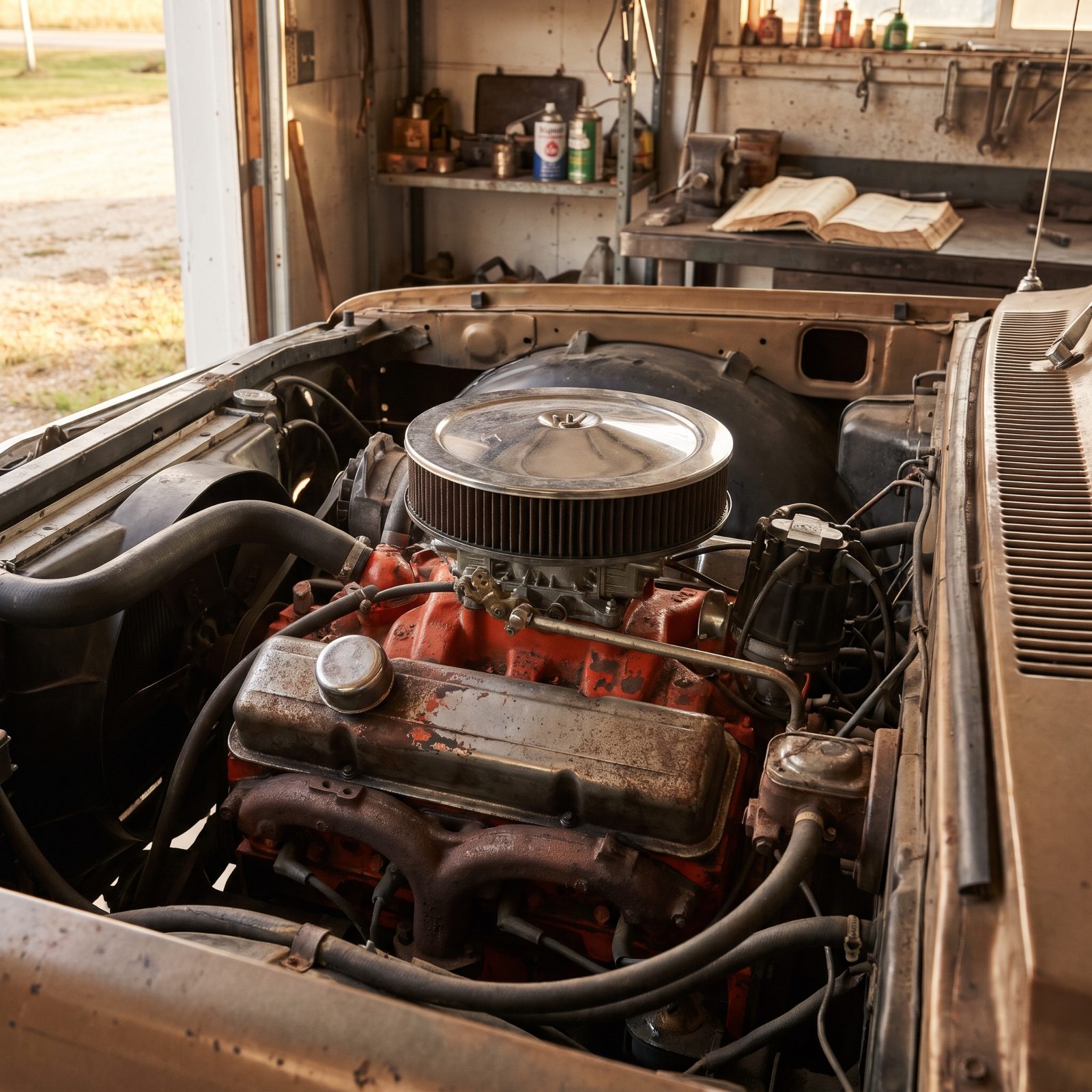
No engine was ever easier to keep alive than the Chevy 350. Not because it was indestructible — though a well-kept one goes a long way — but because the parts sat on every auto-store shelf from Maine to California, and every mechanic alive knew it cold.
Points, plugs, a carburetor rebuild kit, a water pump. Cheap, available, simple. You could fix one in a gravel lot with hand tools and a shop manual. Emissions rules, fuel injection, and the march toward the LS family eventually pushed the carbureted small-block out of production. But as a thing an ordinary person could repair anywhere, it never had a rival.
And that universality is the whole reason it earned its reputation for longevity. An engine you can always fix is an engine that never truly dies.
29. Land Rover 300Tdi, The Field-Repairable Diesel Overlanders Still Seek
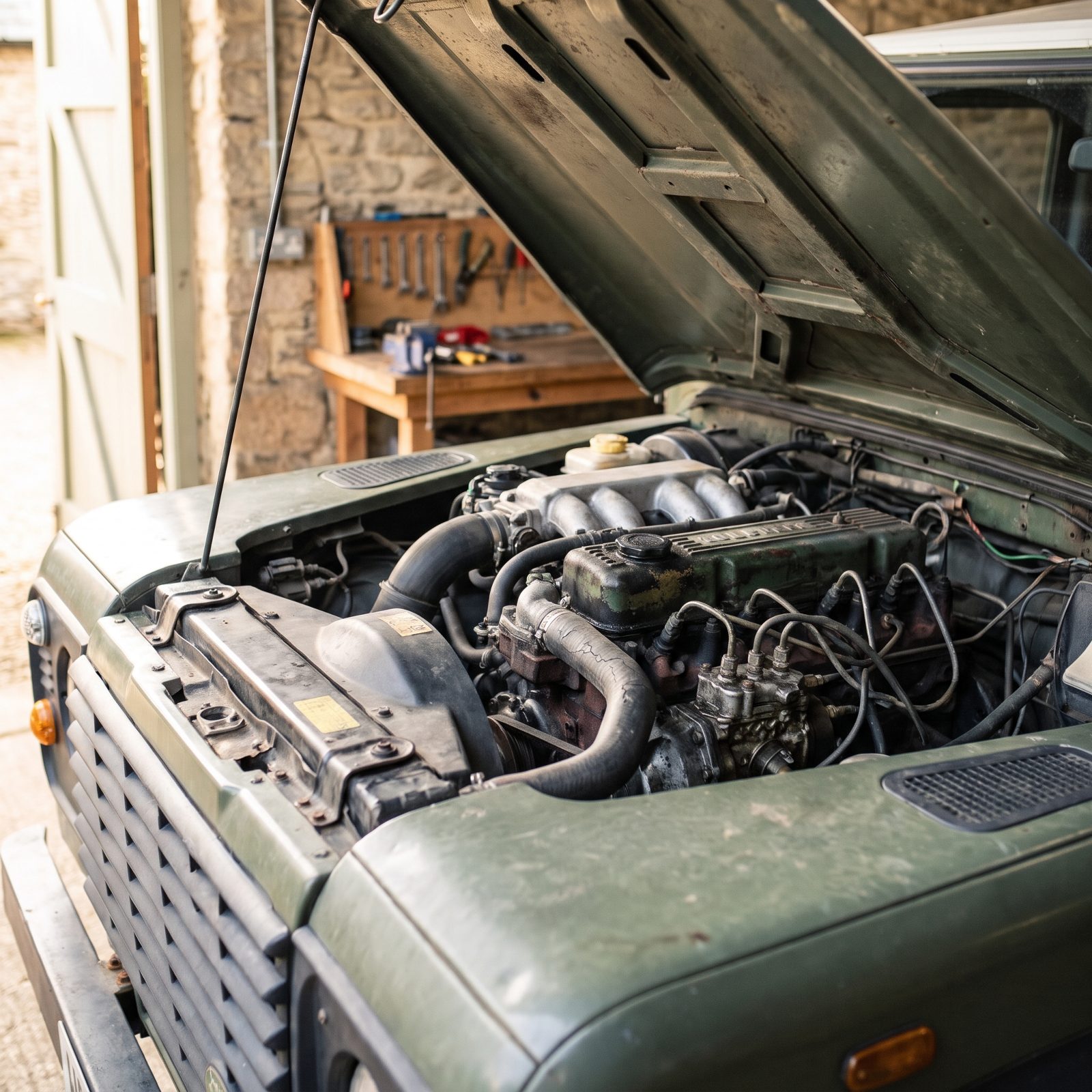
You can rebuild one with hand tools on the side of a track in Namibia. That single fact explains why overlanders still hunt the 300Tdi two decades after it left the line. Mechanical injection means no computer to sulk when the fuel gets dirty, and the belt swaps out with a screwdriver and a little patience. These engines run well past 300,000 miles on honest maintenance.
So why kill it? Emissions. The 300Tdi couldn’t meet Euro 3 without electronic injection — the exact fragile complexity overlanders were trying to avoid. The TD5 took over in 1998: smoother, cleaner, and a nightmare to fix in the desert.
28. Mercedes-Benz M111, The Durable Four-Cylinder From Before the Downsizing Era
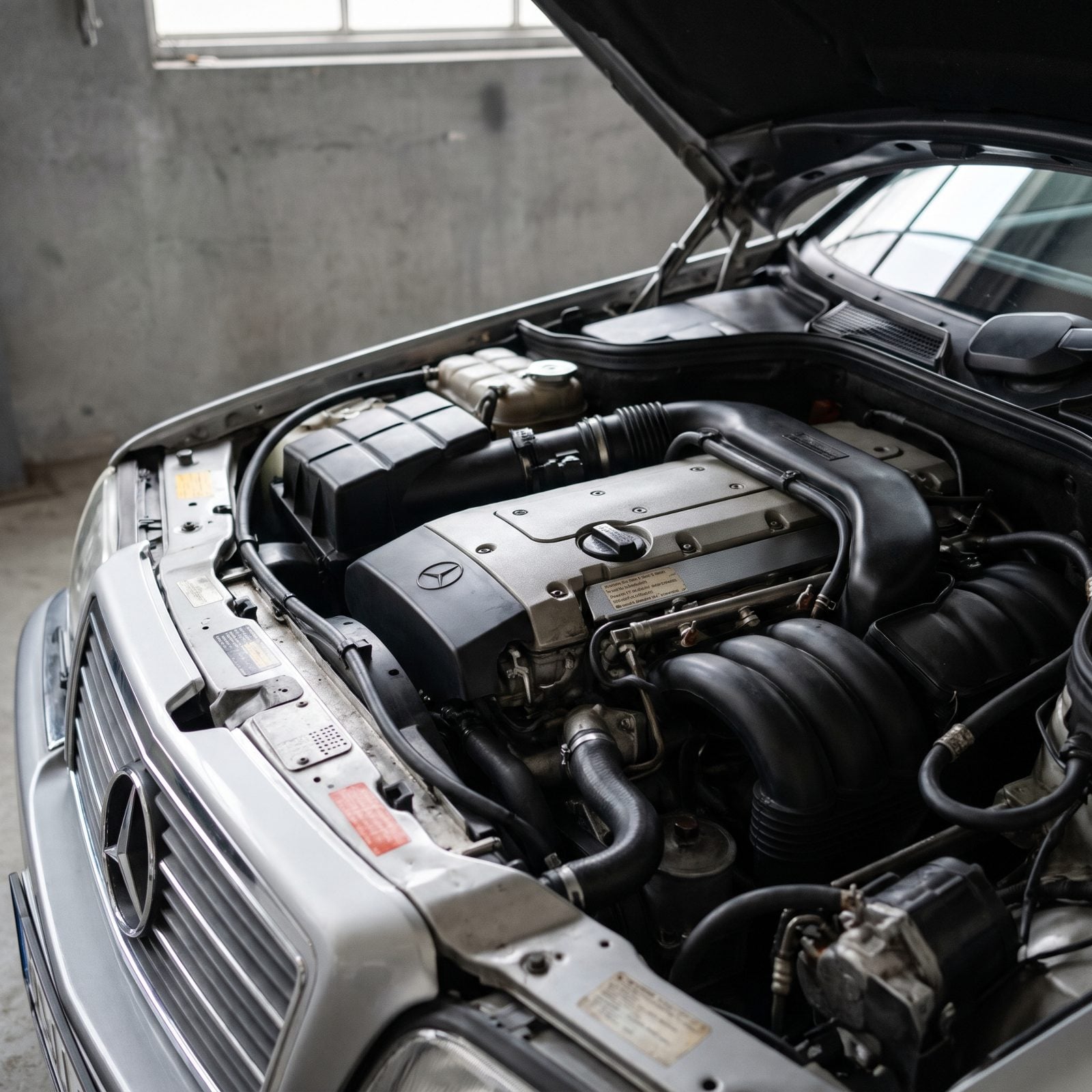
Back when Mercedes still over-engineered everything, the M111 four shrugged off the kind of neglect that murders modern turbo fours. Heavy iron-reinforced block, a conservative tune, a timing chain where lesser engines used a belt. Taxi fleets ran these past half a million kilometers and never gave it a second thought.
The downsizing era is what ended it. By the mid-2000s the whole industry was chasing smaller displacement and forced induction to hit fuel targets, and a robust, naturally aspirated workhorse simply didn’t fit the new arithmetic. Out it went, replaced by lighter engines that make more power and demand a great deal more babysitting.
27. Ford 4.6-Liter Two-Valve Modular V8, The Engine Trusted by Police and Taxi Fleets
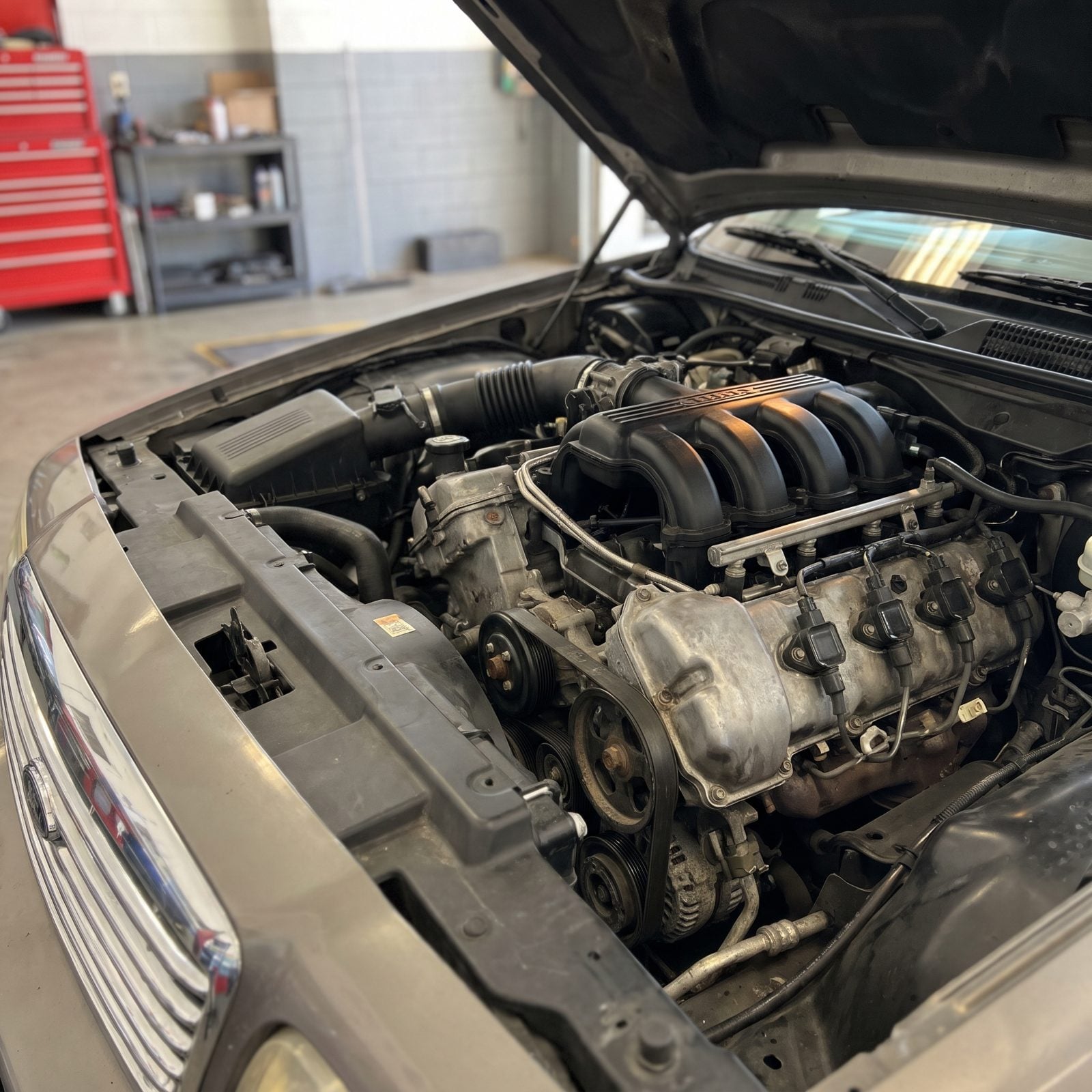
Every cop who ever leaned on a Crown Vic at idle through an eight-hour shift owes this engine something. The two-valve 4.6 Modular wasn’t fast. It was patient. Aluminum heads, a forged crank in the early builds, and a cross-bolted bottom end that laughed off idle hours and flat-out abuse alike — taxi fleets routinely cleared 300,000 miles, and plenty doubled that figure before anyone looked under the hood.
It died because Ford moved on. The three-valve and then the Coyote offered more power and better efficiency, and the old two-valve’s modest output couldn’t justify a second line. When the Panther platform retired in 2011, the workhorse version went with it.
26. Mitsubishi 4G63, The Iron-Block Four That Handled Commuting and Competition
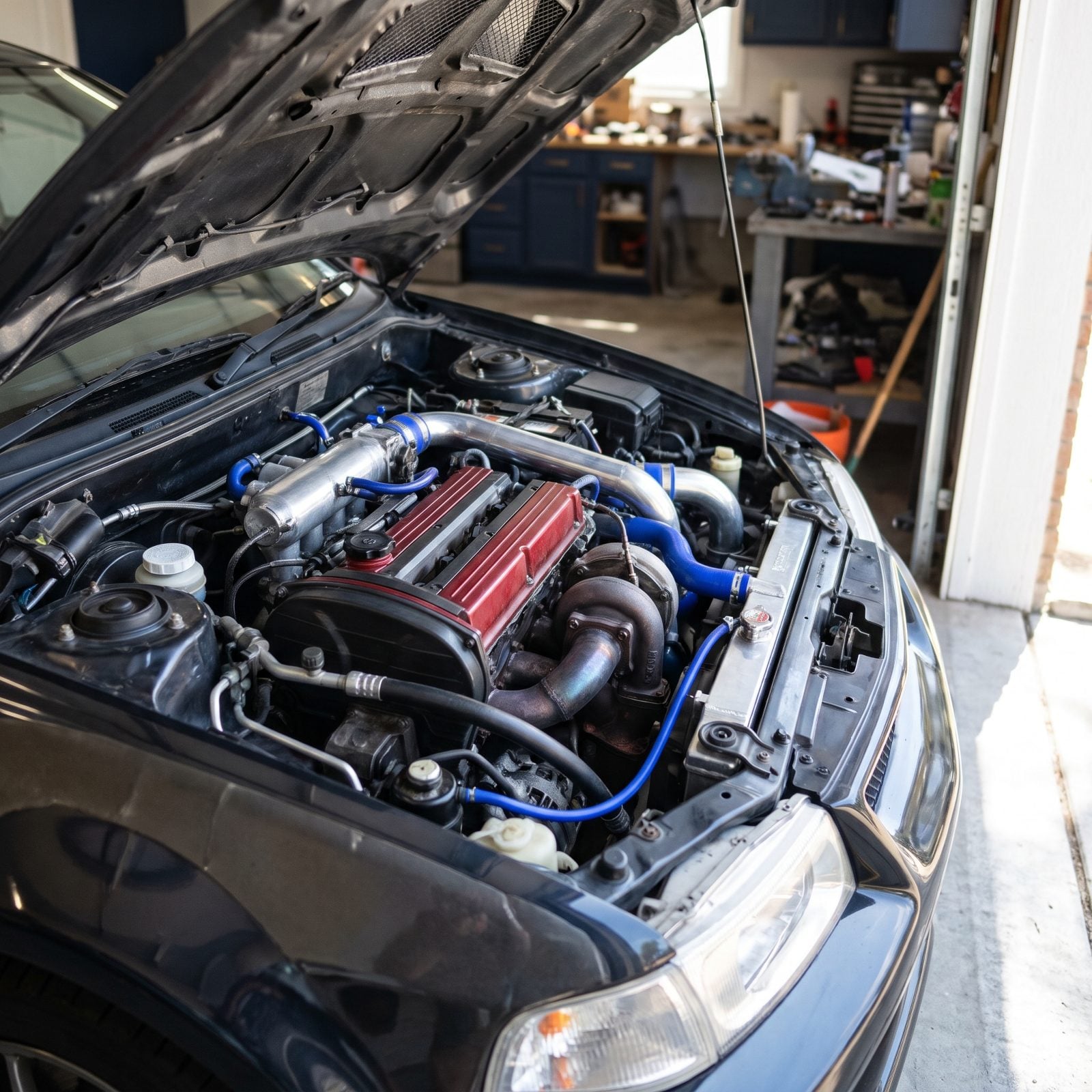
Rally cars and grocery-getters shared the same block, and that was the whole genius of it. The 4G63 sat on an iron foundation stout enough to swallow big boost and keep its composure. Street drivers got a torquey, long-lived four; tuners found it would take absurd power on stock internals. Same engine, two completely different lives.
What killed it was a clean-sheet direction. Mitsubishi switched to the aluminum 4B11 for the Evo X in 2007 — lighter, friendlier to emissions regs — and the legendary iron four was quietly retired. Enthusiasts have been in mourning ever since, and honestly, who can blame them.
25. Toyota 2JZ-GE, The Understressed Naturally Aspirated Legend
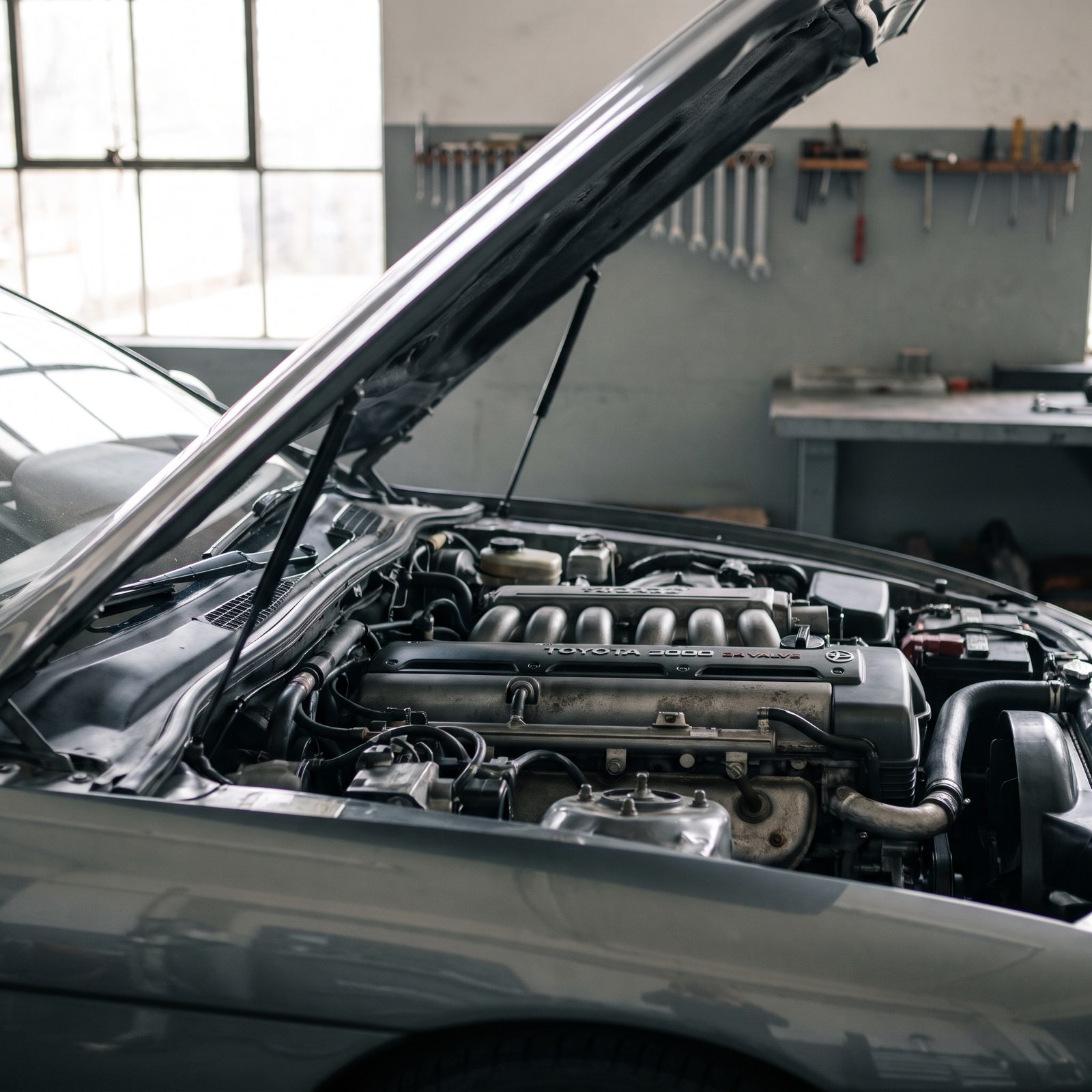
Everyone fixates on the turbo 2JZ-GTE. The quiet hero is the naturally aspirated GE, the one that ran in ordinary Lexus sedans for decades without a hint of drama. Same iron block, same massive bearings, same wildly over-built bottom end — just tuned for calm, endless commuting instead of track-day glory.
An engine built with that much margin doesn’t wear out. It gets outlived by the car around it.
It left us because inline-sixes fell out of fashion. Toyota pivoted to V6 layouts that packaged better in front-drive platforms, and the twin pressures of emissions and efficiency finished off the long iron six. The GE bowed out in the early 2000s — still running strong in cars people flatly refuse to scrap.
24. Honda F22A, The Long-Lived Heart of the 1990s Accord
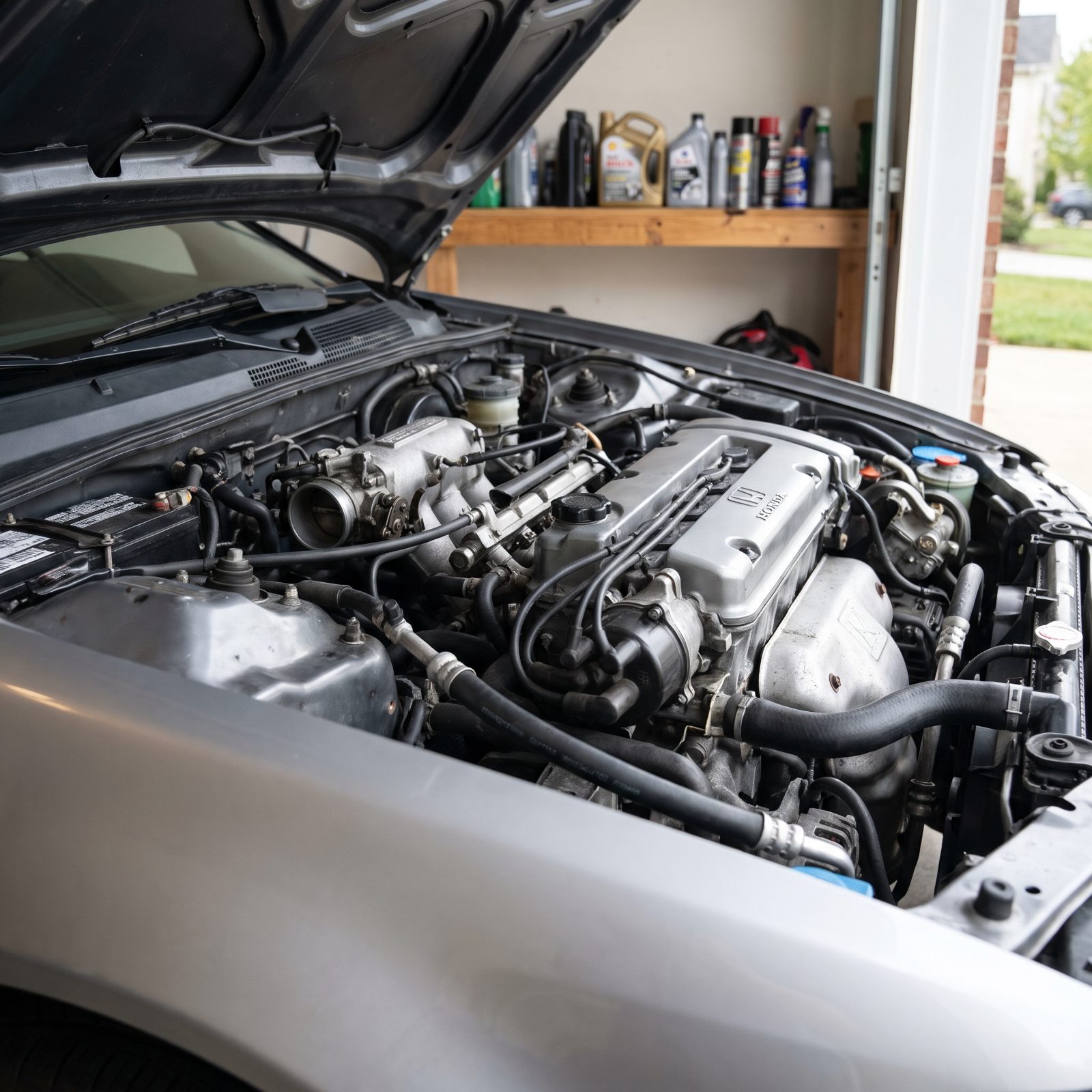
Ask anyone who kept a 1990s Accord until the carpet wore clean through. The F22A just ran. A single-cam or dual-cam four with modest power and almost no vices, it became the default proof that a well-made engine will outlast the owner’s patience with everything else on the car.
Honda swapped the F-series out for the K-series in the early 2000s, chasing more power, cleaner emissions, and the i-VTEC the market was clamoring for. The F22A faded without a fuss — which, come to think of it, is exactly how it lived.
23. Nissan L28, The Stout Straight-Six Behind the Datsun 280Z
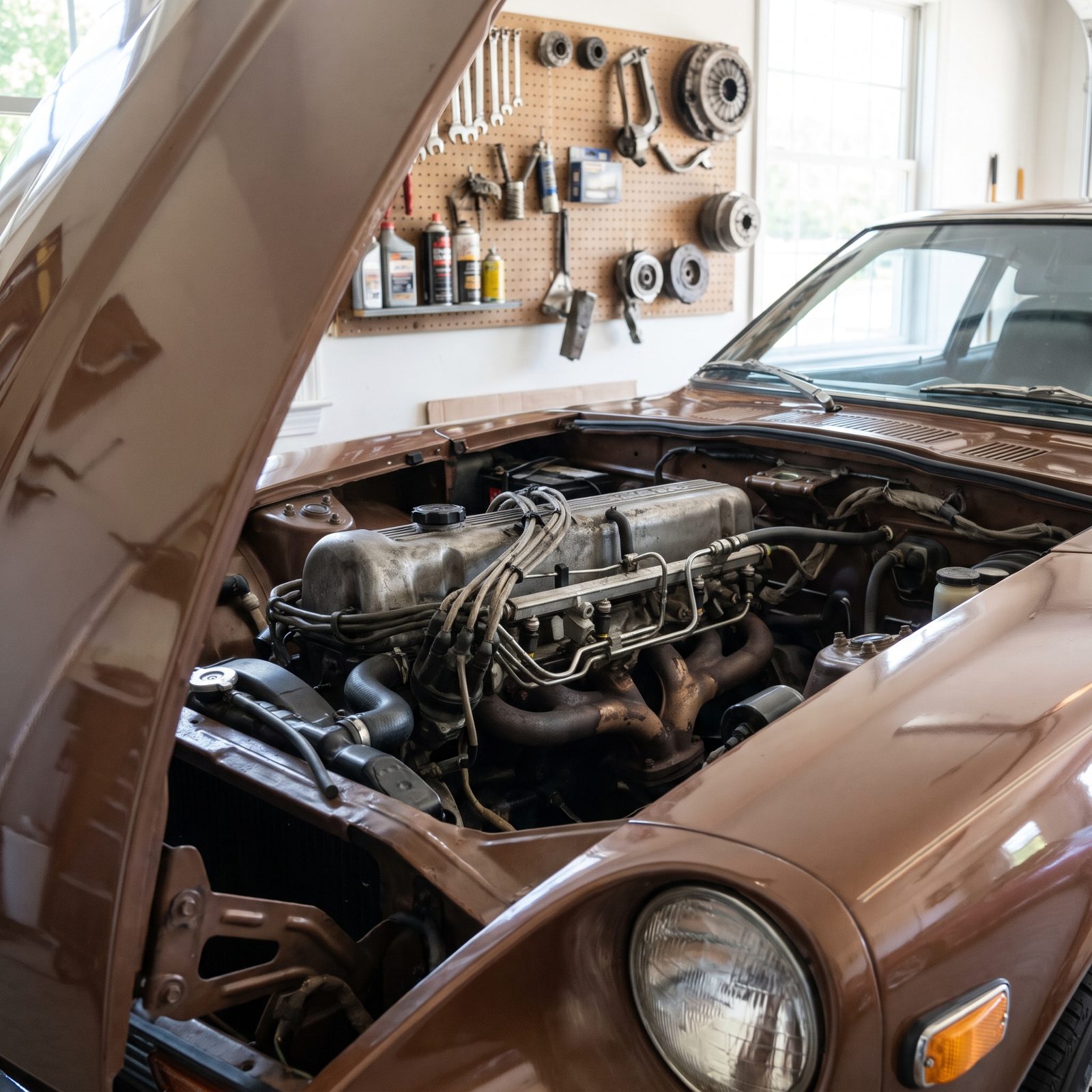
Before the Z car was a collector trophy, the L28 was just a tough iron straight-six that wouldn’t quit. Seven main bearings, a conservative tune, a chain-driven cam, and a block heavy enough to double as a boat anchor if you ever gave up on it. Nobody ever did.
It disappeared because the whole L-series architecture dated back to the 1960s. By the mid-1980s Nissan needed overhead-cam multi-valve designs to make real power and clear emissions, so the venerable L28 stepped aside for the VG V6. The iron six still powers plenty of 280Zs on the road today, and that tells you everything you need to know.
22. Nissan KA24DE, The Torquey Four-Cylinder Built for Trucks and 240SXs
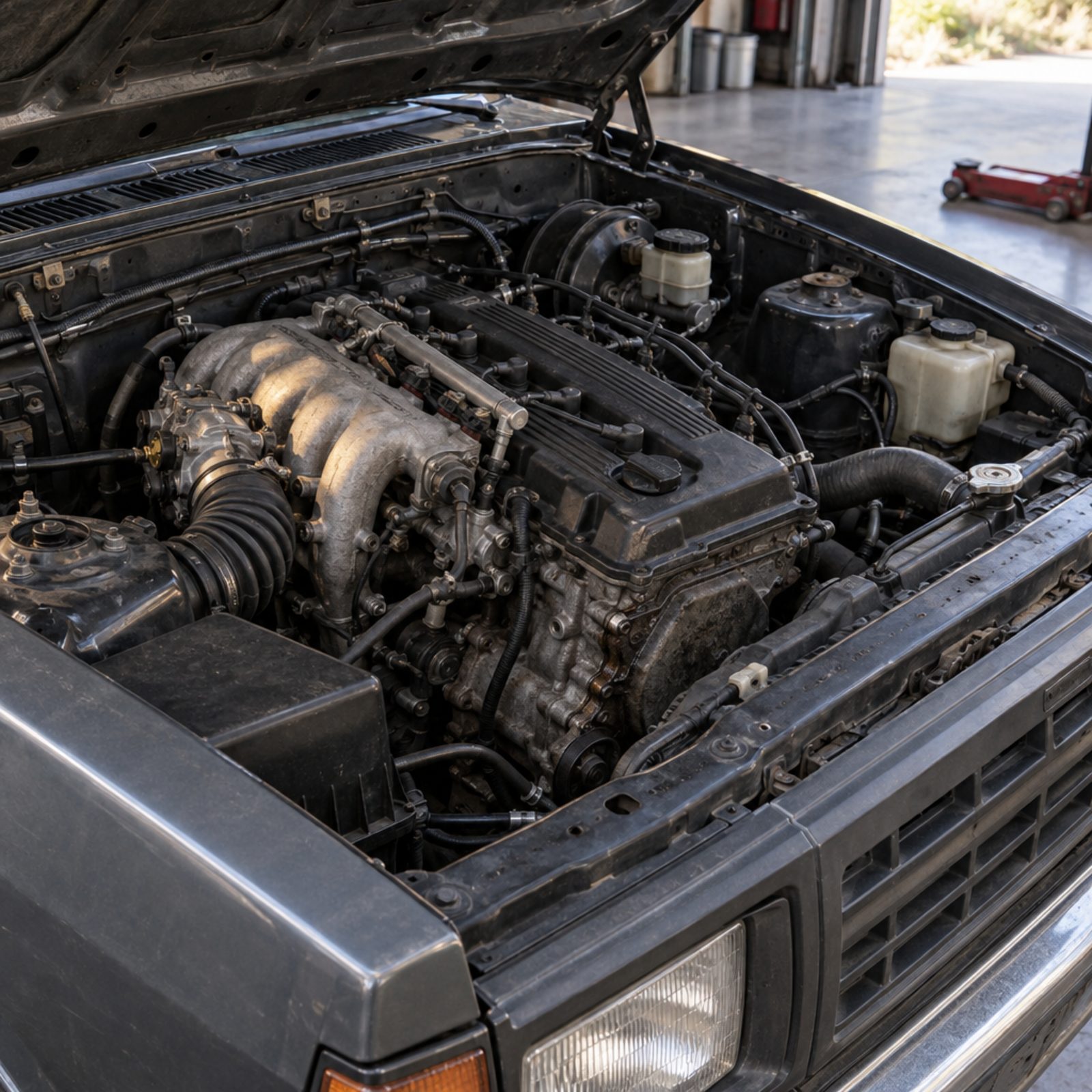
The KA24DE lived a double life. Under a Hardbody pickup hood it hauled loads for years without complaint. Drop it into a 240SX and it became a drift favorite — cheap, torquey, and endlessly willing. Either way, that iron block and low-stress design meant abuse barely registered on it.
It aged out when Nissan moved to the lighter, more modern QR25DE in the early 2000s for better efficiency and cleaner emissions. The KA earned a reputation for honest grunt and a stubborn refusal to die, which is about the best epitaph a workaday four can hope for.
21. Isuzu 4BD1, The Gear-Driven Diesel Beloved by Overlanders
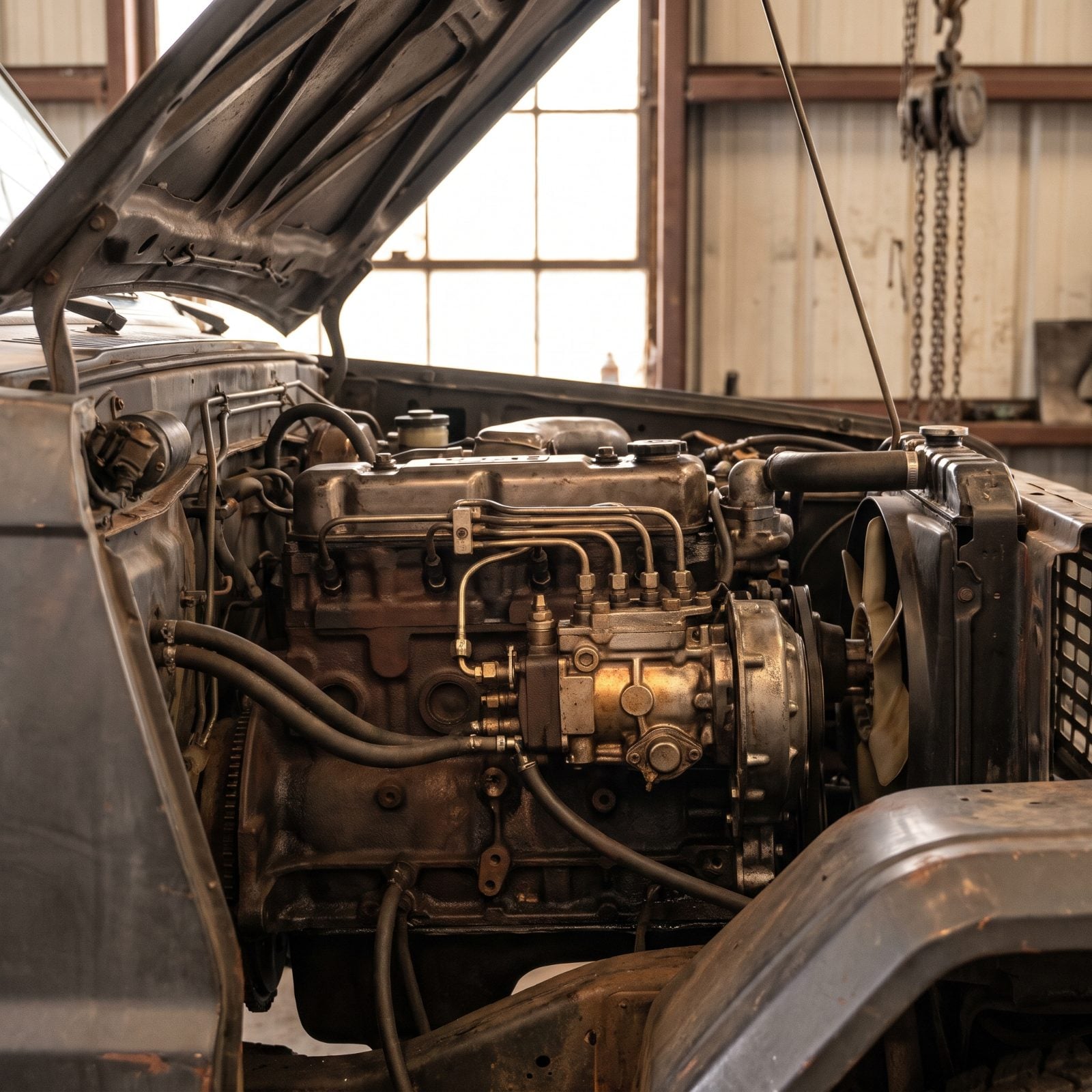
Gear-driven timing means no belt to snap in the middle of nowhere, and that one detail put the 4BD1 on every serious overlander’s wish list. Add mechanical injection, a stout iron block built for commercial duty, and a tolerance for bad fuel and worse maintenance. These things just run.
Isuzu moved on to electronic diesels to satisfy emissions and noise regulations, and the old mechanical 4BD1 faded from new production. Overlanders still swap them into vintage Land Cruisers and Defenders for one reason: they’re simple enough to keep alive with a wrench and a spare injector a thousand miles from anywhere.
20. Toyota 1HD-FTE, The Long-Lived Land Cruiser Turbo-Diesel
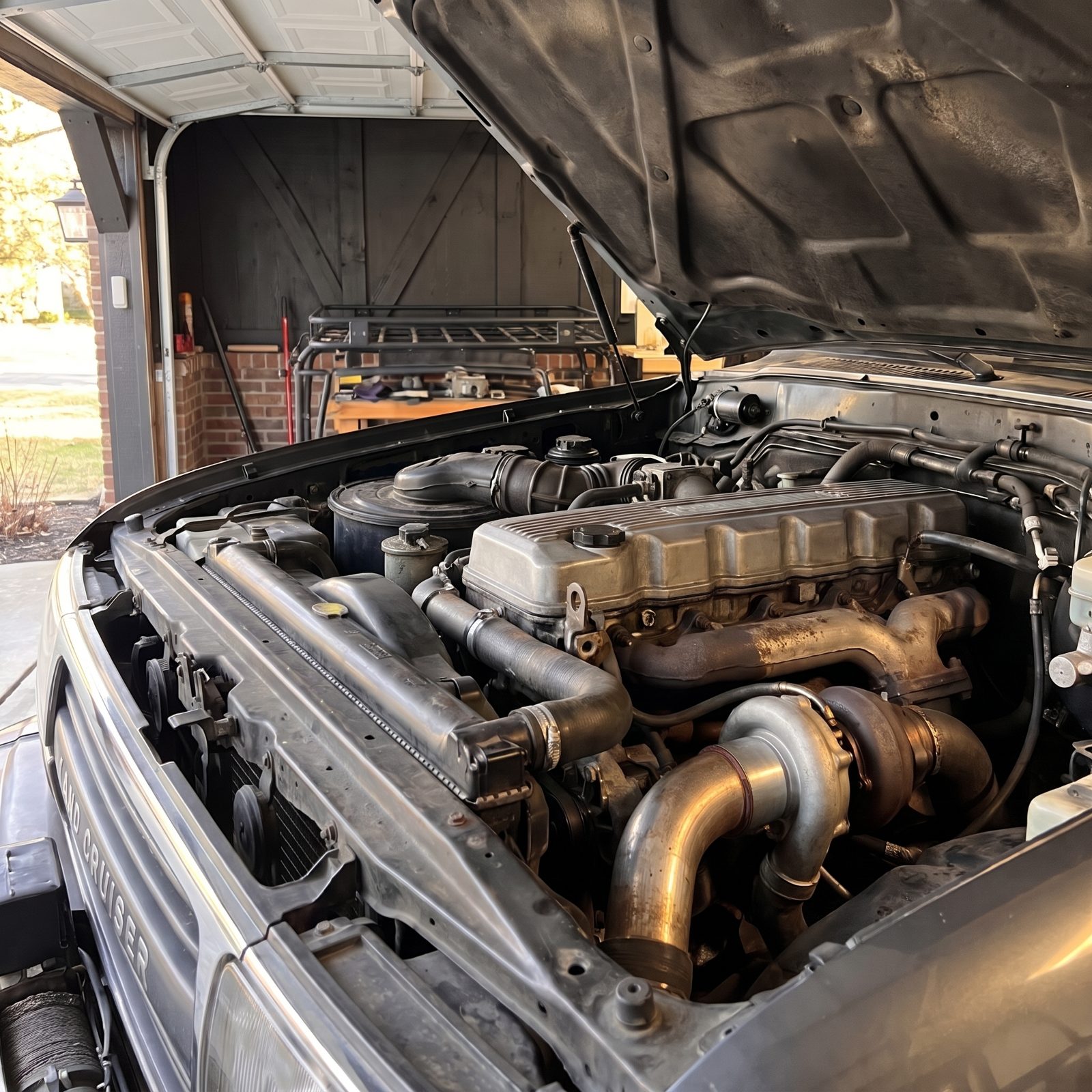
Land Cruisers cross deserts for a living, and the 1HD-FTE is a big reason they come back. A 4.2-liter turbo-diesel inline-six with an iron block, forged internals, and the kind of engineering overhead Toyota reserves for engines that have to survive a thousand miles from the nearest help. Half a million kilometers is routine. Owners treat the odometer as a polite suggestion.
Tightening emissions standards retired it. The electronically controlled six gave way to the common-rail 1VD-FTV V8 in the mid-2000s — cleaner, more powerful, and far more complicated. Expedition drivers still prize the older straight-six for its relative simplicity and its flat refusal to wear out.
19. Mercedes-Benz OM606: The Last Great Indirect-Injection Diesel
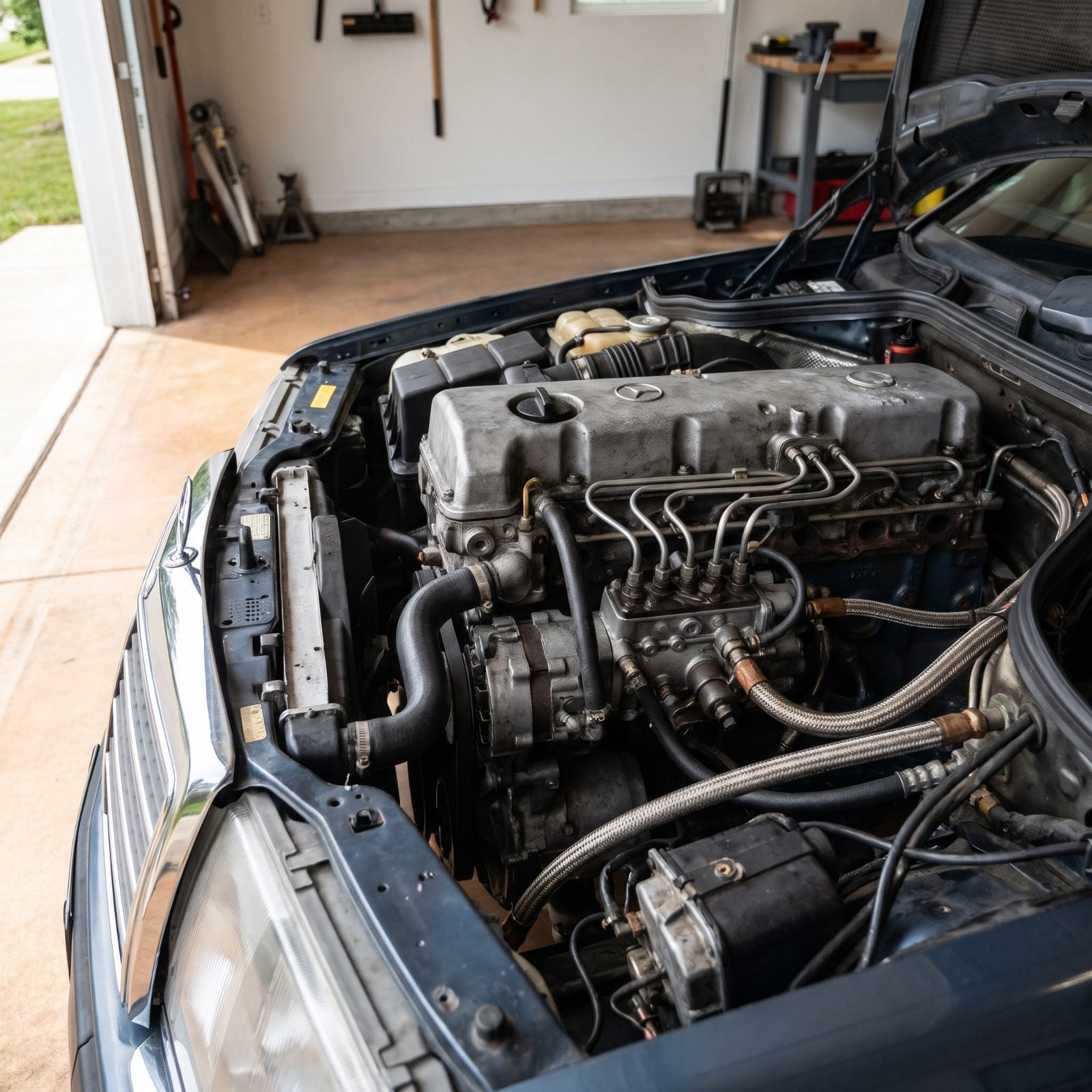
German taxi drivers treated the OM606 like a kettle: fill it, start it, forget it. These diesels cleared enormous mileage on original internals, and the non-turbo versions were so simple there was almost nothing to break. No electronics anywhere near the fuel delivery — just a mechanical injection pump, metal lines, and glow plugs you could count on one hand.
It vanished because tightening emissions rules made indirect-injection diesels obsolete overnight. Common-rail was cleaner and quieter, so Mercedes had no reason to keep building a smoky, clattery survivor the regulators had already written off.
18. BMW M30: The Big Six That Soldiered On for Three Decades
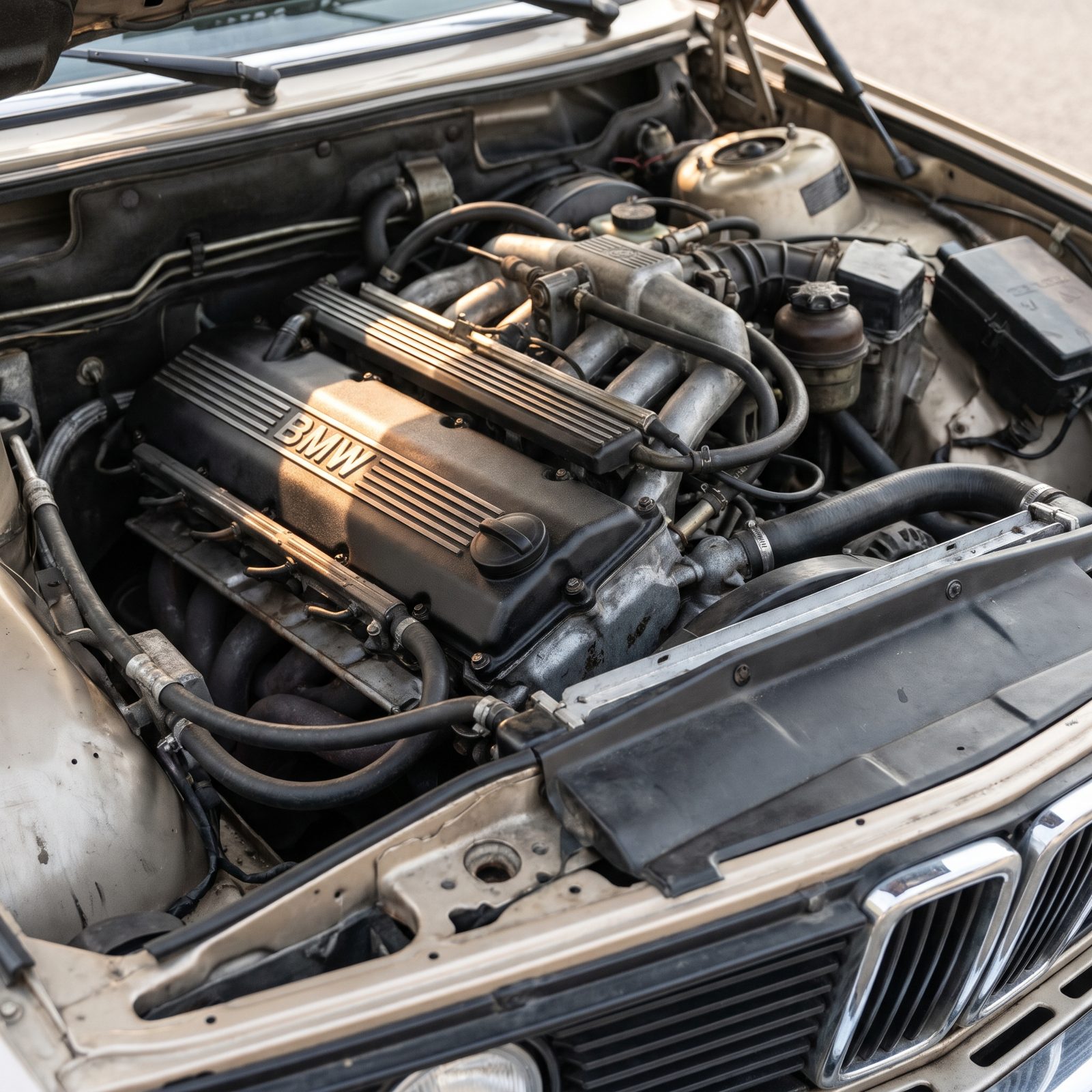
Thirty years in production tells you everything you need to know. The M30 debuted in 1968, and BMW kept building variations of it into the mid-1990s — which almost never happens with a performance engine. It powered executive sedans, and a twin-cam derivative of it even powered the M1 supercar.
The secret? A chain-driven cam, an overbuilt iron block, and a design margin so generous the thing rarely broke a sweat. Change the oil and you’d see a quarter-million miles without drama.
Its retirement came down to something unglamorous: packaging. The M30 was long and tall, and BMW’s newer platforms wanted something compact with four valves per cylinder. The M60 V8 and the newer sixes just fit better under lower hoods.
17. BMW M57: The Torque Monster That Became a High-Mileage Hero
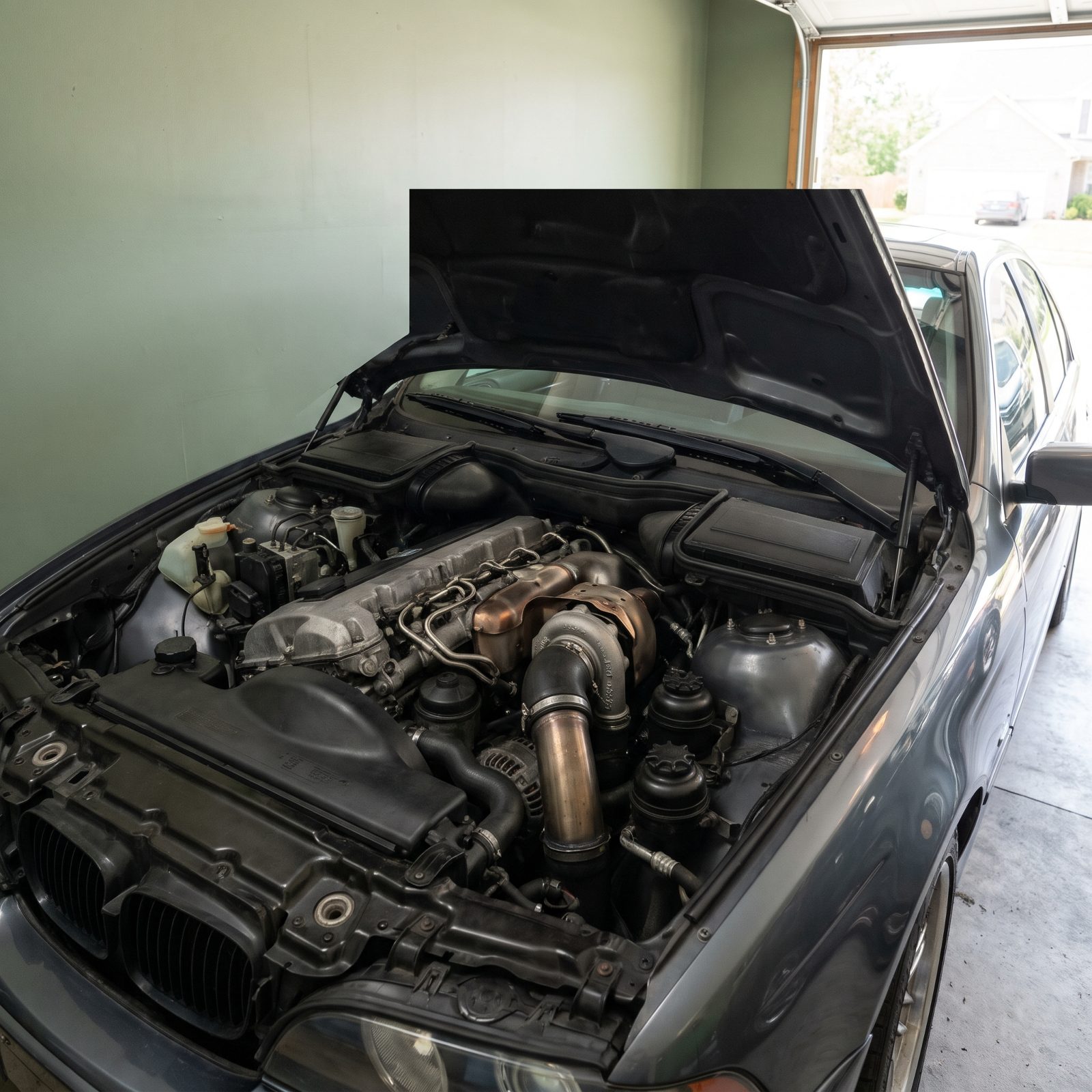
Ask any high-mileage diesel owner and the M57 comes up fast. These common-rail sixes made torque down low and shrugged off hard use when serviced properly. The bottom end was genuinely tough, and the block tolerated remapping that would have grenaded lesser engines.
Emissions killed it. Particulate filters, EGR complexity, and the political fallout of the diesel scandal pushed BMW toward smaller, heavily electrified powertrains. The M57 was a casualty of the whole industry walking away from the large passenger diesel — nothing personal, just the math.
16. Audi’s 2.2 Inline-Five: The Oddball That Ran Forever
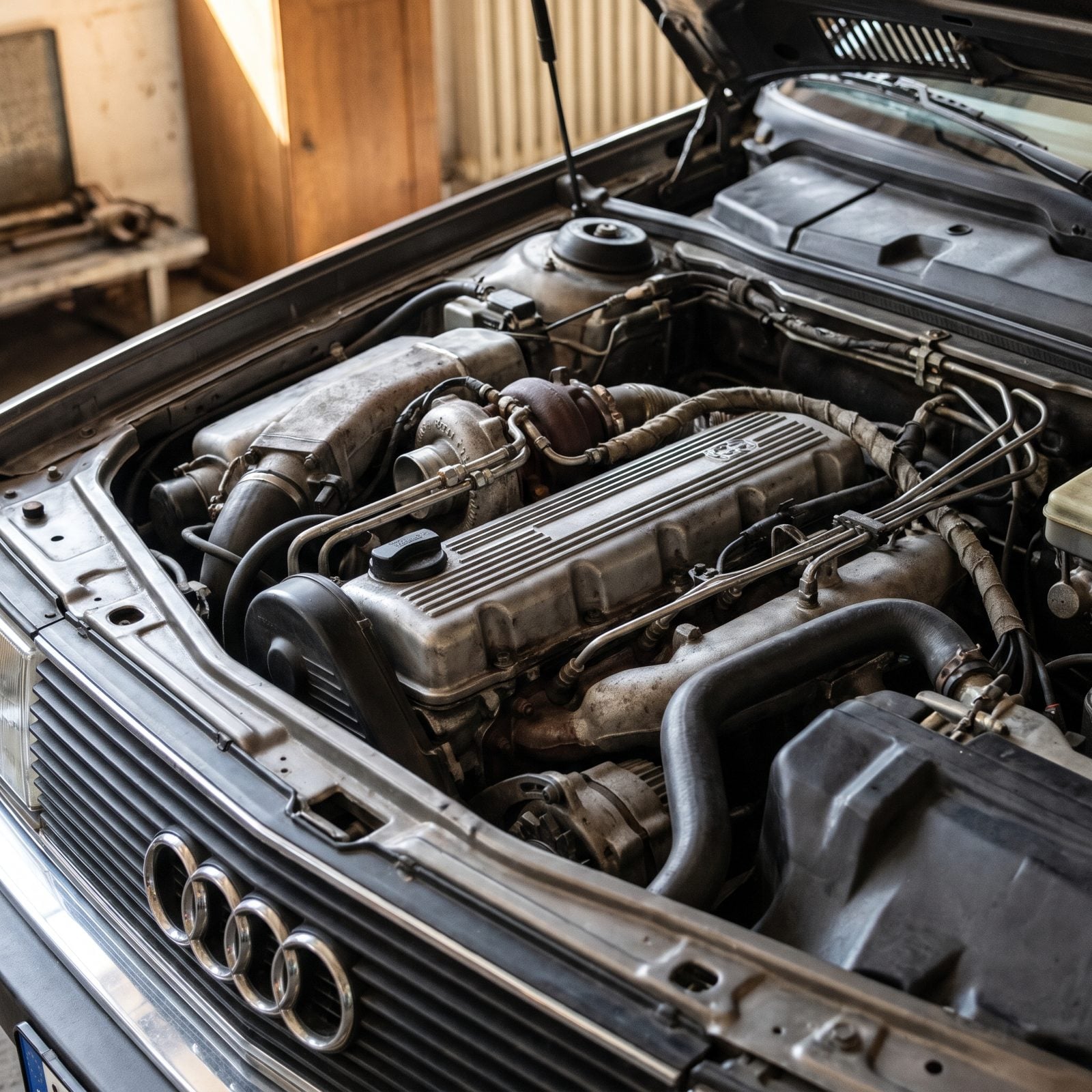
Five cylinders shouldn’t sound that good. But the Audi inline-five had a warble all its own and a reputation for mileage that bordered on absurd. The iron block and under-stressed design meant the turbo versions kept pulling long after the odometer stopped being believable, and rally drivers and road-trippers alike learned to trust it.
It disappeared for a plain reason: balance and fit. An inline-five is inherently awkward to balance and a pain to package, and the industry drifted toward smoother, cheaper fours and sixes. Audi dusted off the five-cylinder idea years later for the RS cars — but the old long-stroke workhorse was gone for good.
15. The VW Air-Cooled Flat-Four: The Engine You Could Fix in a Field
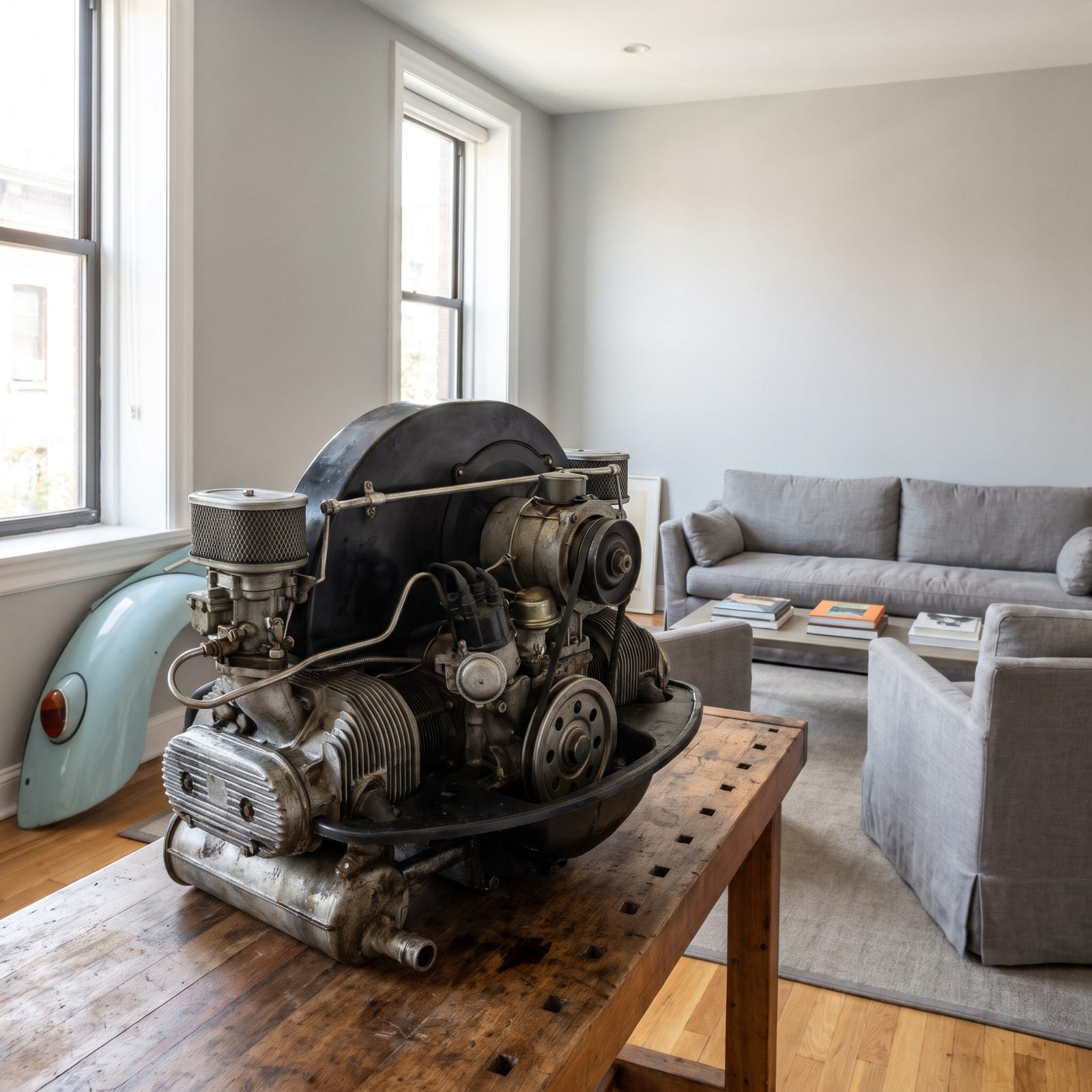
No water pump. No radiator. No head gasket to blow. The air-cooled VW flat-four motorized half the planet because you basically couldn’t strand yourself in one for good — a teenager with a crescent wrench and a Muir manual could pull a head in a driveway.
It made modest power and leaked oil like that was a personality trait. But it ran. Beetles, buses, Karmann Ghias, and a thousand homebrew dune buggies all leaned on it.
Emissions and safety standards finally buried it. An air-cooled engine can’t be metered tightly enough for modern clean-air rules, and crash standards doomed the rear-engine layout it depended on. Water cooling won, and the clatter faded out.
You didn’t own one of these engines. You negotiated with it, and it always came back.
14. Jaguar XK Straight-Six: From Le Mans Winner to Luxury Mainstay
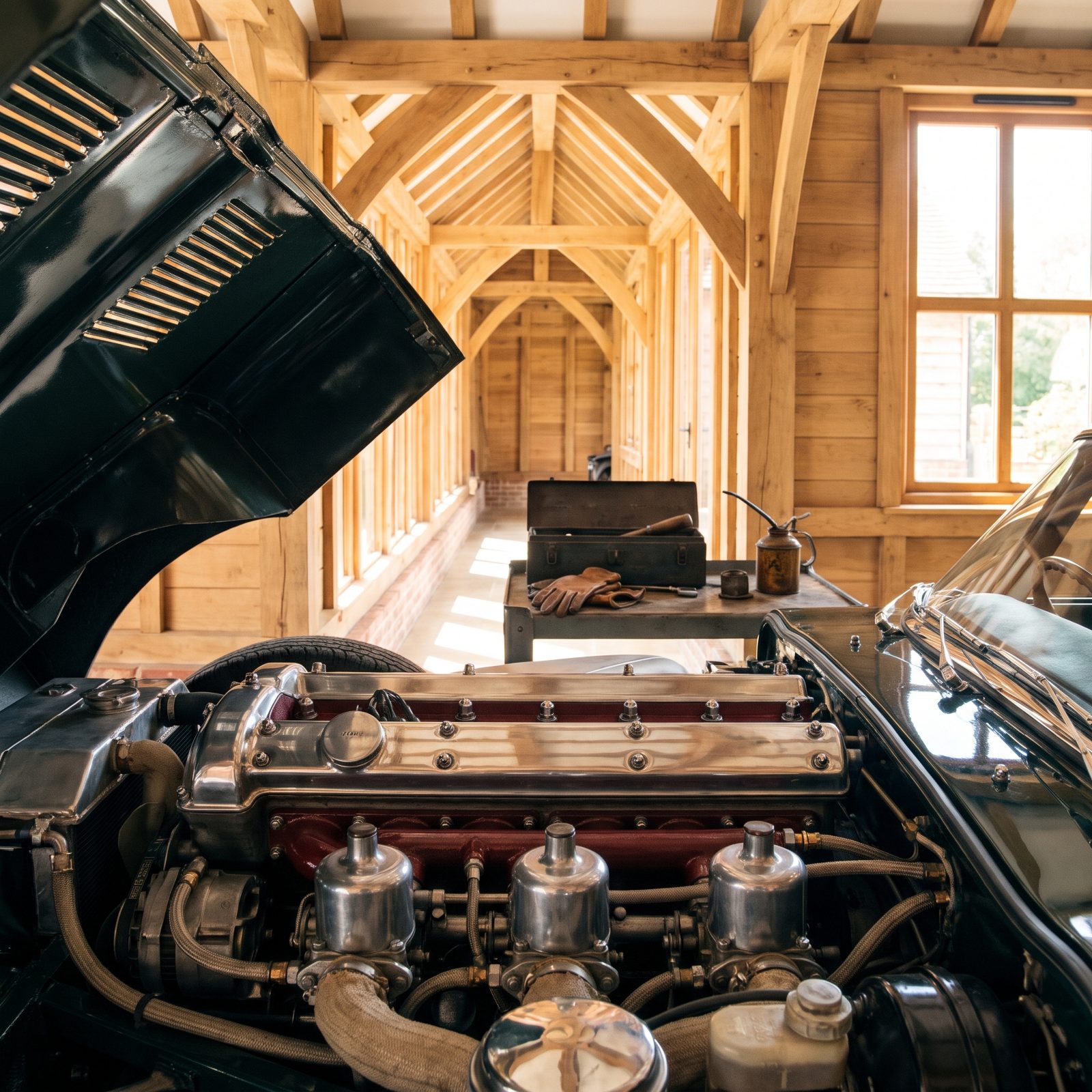
A race engine that ended up in grandmother’s sedan. The Jaguar XK twin-cam six was drawn up in the 1940s, won at Le Mans in the C-Type and D-Type, and still turned up under the bonnet of E-Types and saloons decades later. That range is almost unheard of.
It paired a stout iron block with a hemispherical alloy head, over-engineered for durability and smooth enough to feel electric. Keep the cooling system honest and the mileages piled up.
It bowed out as Jaguar moved to the newer AJ6 six. An engine designed that long ago couldn’t hit the refinement and emissions targets a newer design handled with ease.
13. Saab B202: The Turbo Four Built Before Engines Became Disposable
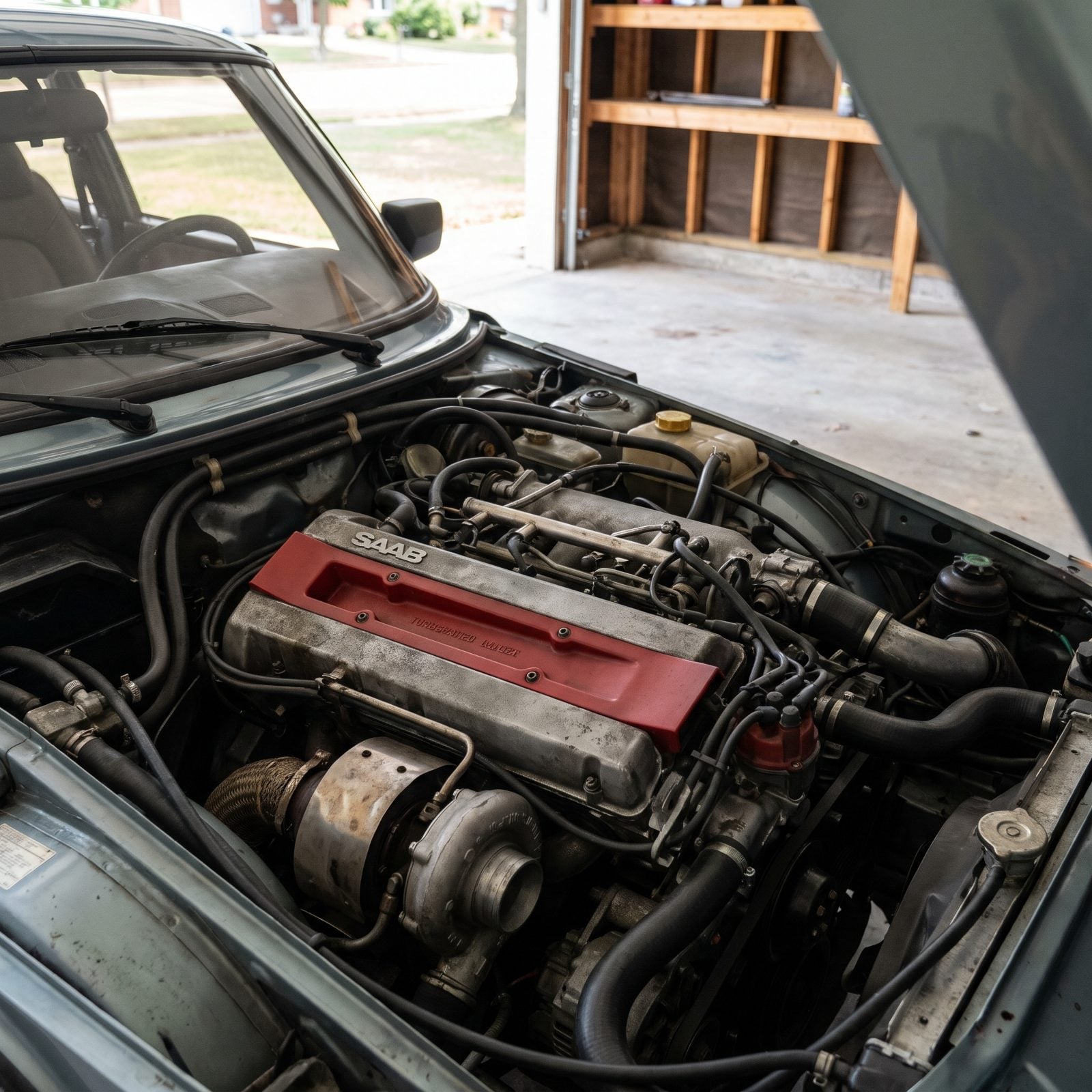
Saab engineered the B202 like an airplane part, which figures given where the company came from. Thick castings, a stout bottom end, and early knock-control electronics let it carry turbo boost for the long haul. These engines passed big mileage while being flogged through brutal Scandinavian winters.
The 900 mounted it longitudinally and backwards. A nightmare to work on, yes — but tough as nails. The engine disappeared when GM absorbed Saab and platform-sharing took over, because keeping a bespoke Swedish four alive made no financial sense inside a global parts-bin strategy. Saab’s independence died, and the B202 went down with it.
12. Fiat FIRE: The Little Engine Designed Around Doing Less
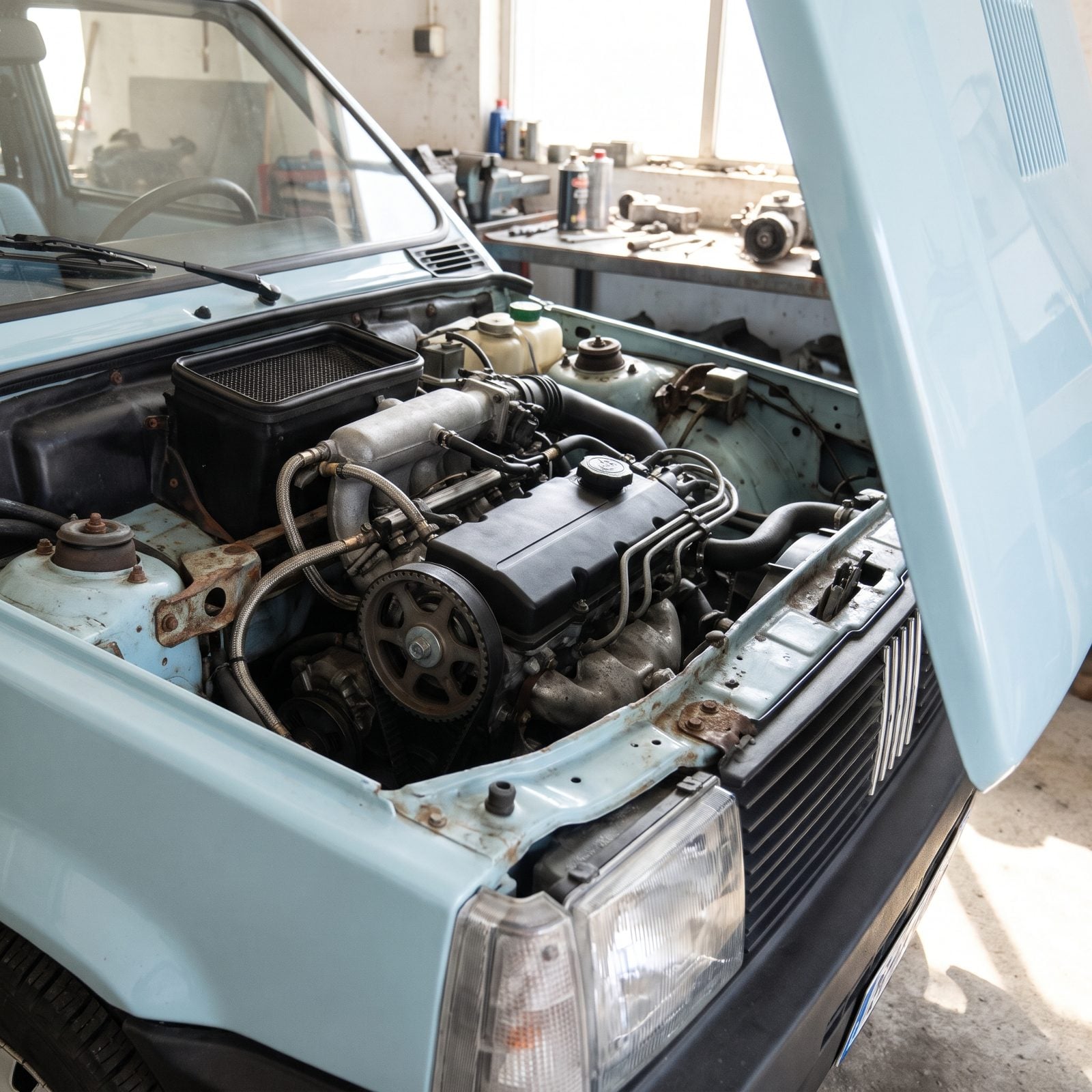
FIRE stood for Fully Integrated Robotised Engine, and the whole idea was fewer parts. Fiat designed it to be built by machines with the lowest component count they could manage, which carried a happy side effect: fewer things to wear out or leak in the first place.
These little fours ran for decades in Pandas and Unos across Europe and South America, shrugging off neglect that would flatten fussier engines.
It faded as emissions and power demands forced in variable valve timing, turbos, and electronics. The stripped-down philosophy that made it last became impossible to keep.
11. Ford 2.3 Lima: The Cast-Iron Four That Powered Half the Lineup
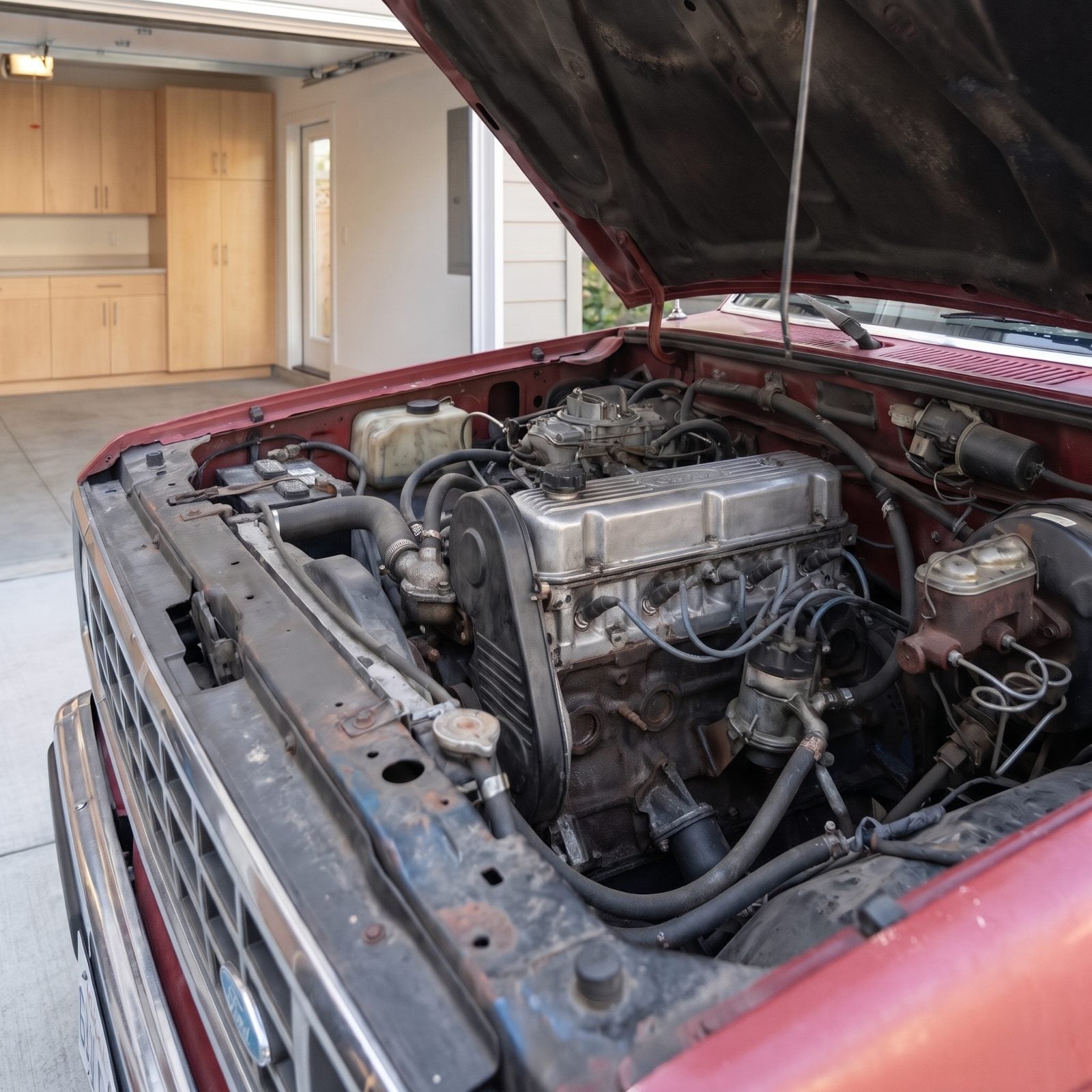
The 2.3 Lima was never glamorous, and that was its gift. Ford dropped this iron-block four into Pintos, Mustangs, Rangers, and even the turbocharged SVO and Thunderbird Turbo Coupe. It did everything and complained about none of it.
The iron construction meant it ran hot and shrugged it off, took abuse from teenage owners, and just kept starting. Parts were everywhere and dirt cheap, so nobody ever had a reason to scrap one.
It eventually gave way to the lighter, thriftier Duratec and modular fours. Cast iron is heavy, and tightening fuel-economy rules made aluminum the only sensible choice. The Lima was too honest for the new math.
10. Ford 302 Windsor: The Small V8 With Parts on Every Shelf
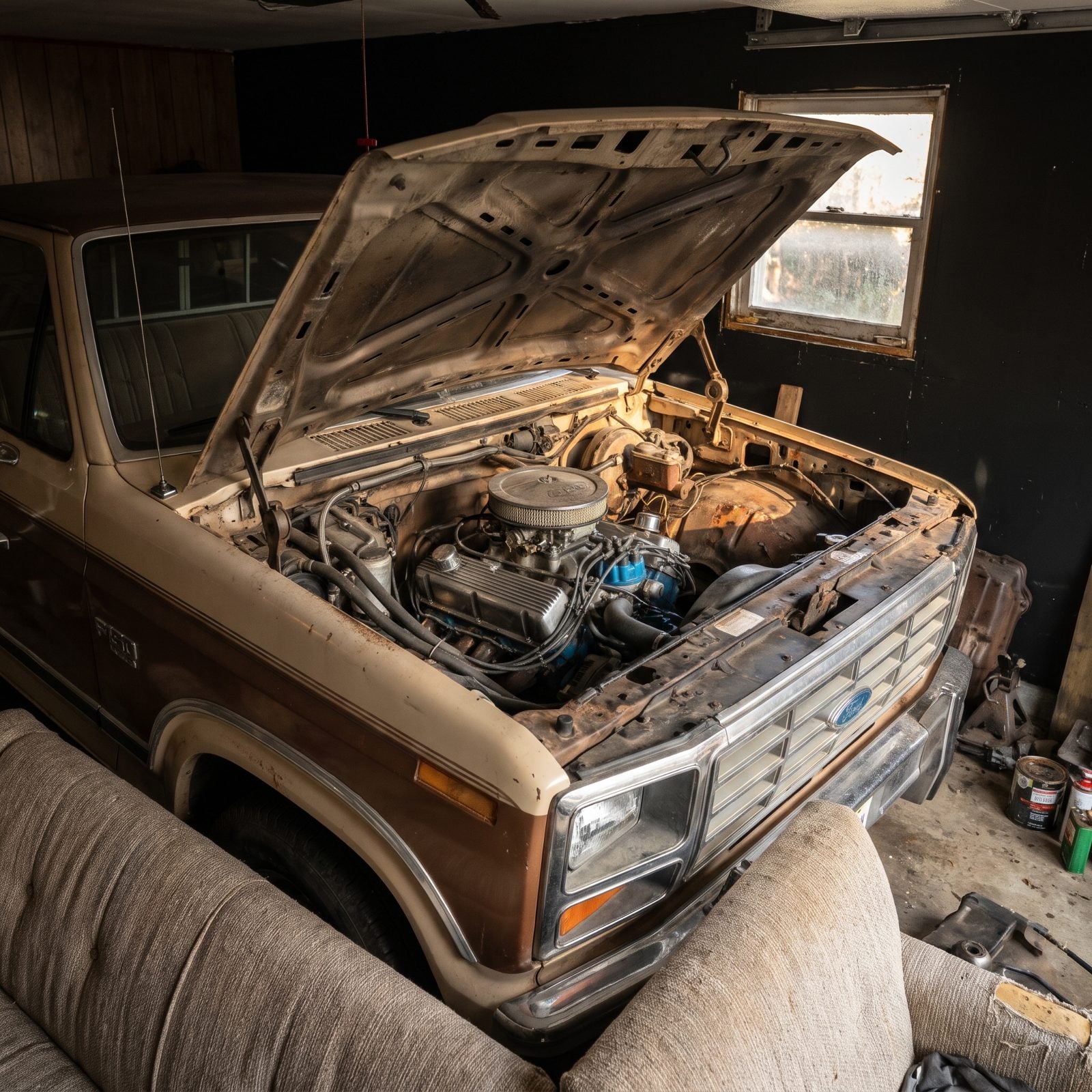
If an engine can be a folk hero, this is the one. The 302 Windsor powered Mustangs, trucks, vans, and cop cars for decades, and the aftermarket built a whole industry around it. You can rebuild one on a weekend with parts from any corner store and nothing fancier than hand tools.
It wasn’t the most powerful V8 out there. Didn’t matter. It was light, compact, and endlessly repairable, and that combination kept millions on the road long past their expected lifespan.
Emissions and the push for overhead-cam efficiency finally retired the pushrod Windsor. The modular V8s were cleaner and squeezed more power out of each liter. But simplicity has a loyalty all its own, and this engine still earns it.
9. Ford 6.9 IDI Diesel: The Simple Mechanical Workhorse Before Electronics Took Over
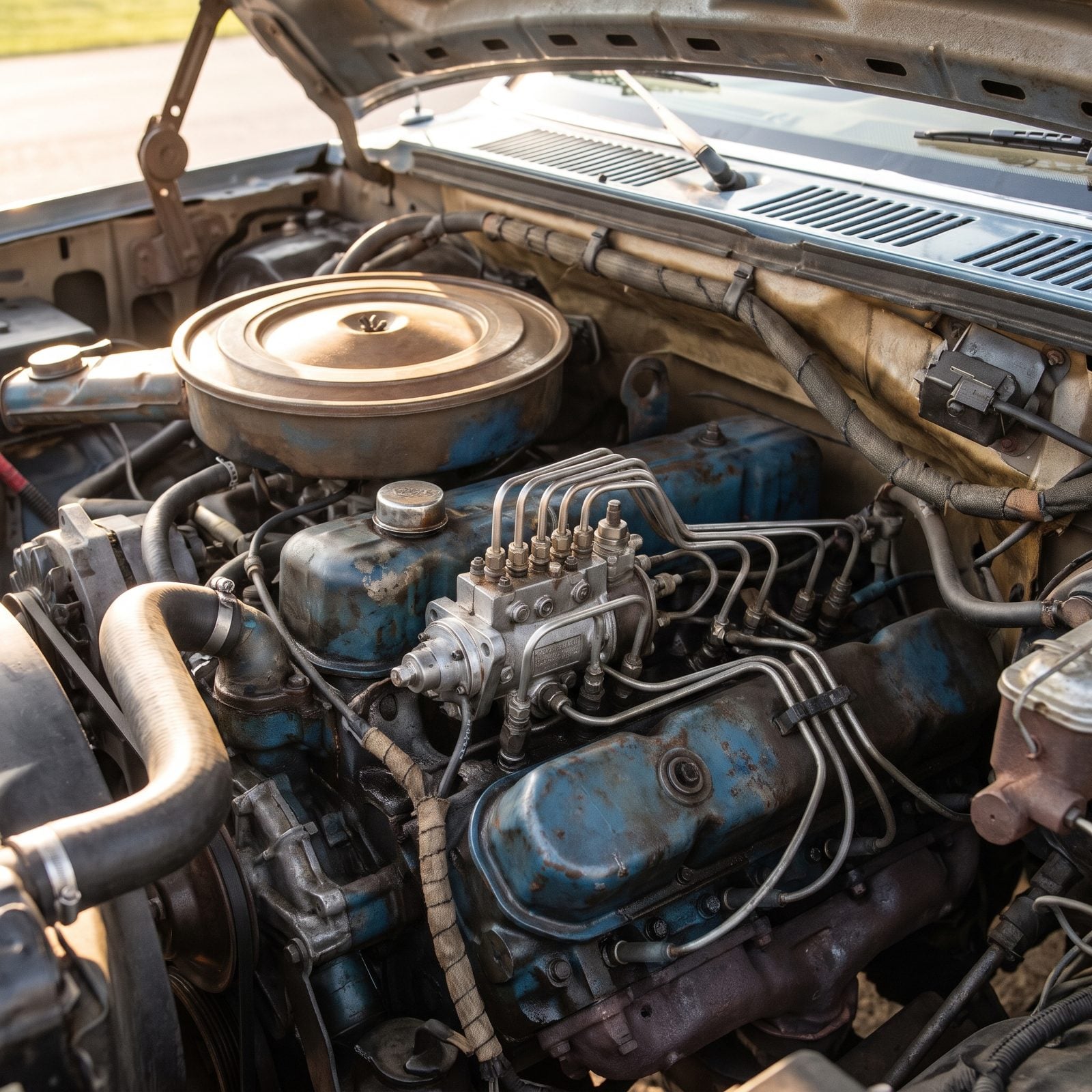
No turbo. No computer. No sensors to fail in the rain. This engine ran on a simple mechanical injection pump and the law of diminishing stupidity, which left almost nothing on it to break. Guys ran these well past a quarter million miles treating maintenance as more of a rumor than a schedule.
It made modest power and made it forever. Ford dropped it because emissions standards and the market’s hunger for torque pushed everything toward turbocharging and electronic injection. The 7.3 Power Stroke that eventually followed was stronger and smarter — and a whole lot more to diagnose at 2 a.m.
8. Ford Barra Inline-Six: Australia’s Turbocharged Iron Lung
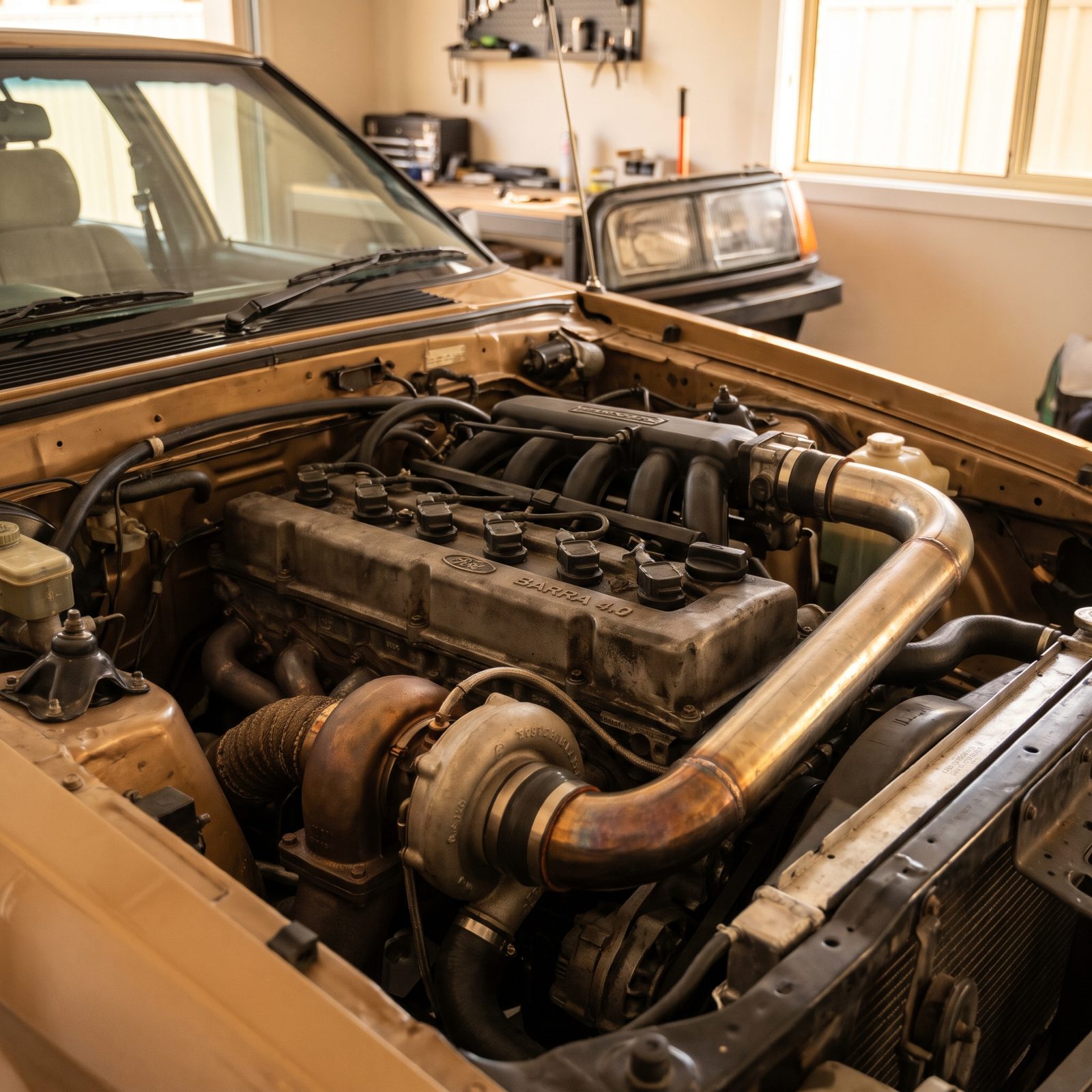
Most Americans never heard this engine run. Their loss. The Barra is a 4.0-liter inline-six that Australian Fords carried for years, and the turbocharged versions became famous for taking abuse that should have grenaded them.
Owners routinely push these well past the two-hundred-thousand mark on factory internals while making power that embarrasses engines twice their price. The block is cast iron and overbuilt, and the bottom end just doesn’t care.
So why is it gone? Ford shut down Australian manufacturing in 2016, and the Falcon died with the factory. No engineering failure here — a boardroom killed it.
An engine this good shouldn’t get killed by a spreadsheet, but that’s exactly what happened.
7. GM Iron Duke 2.5: The Charmless Four That Refused to Die
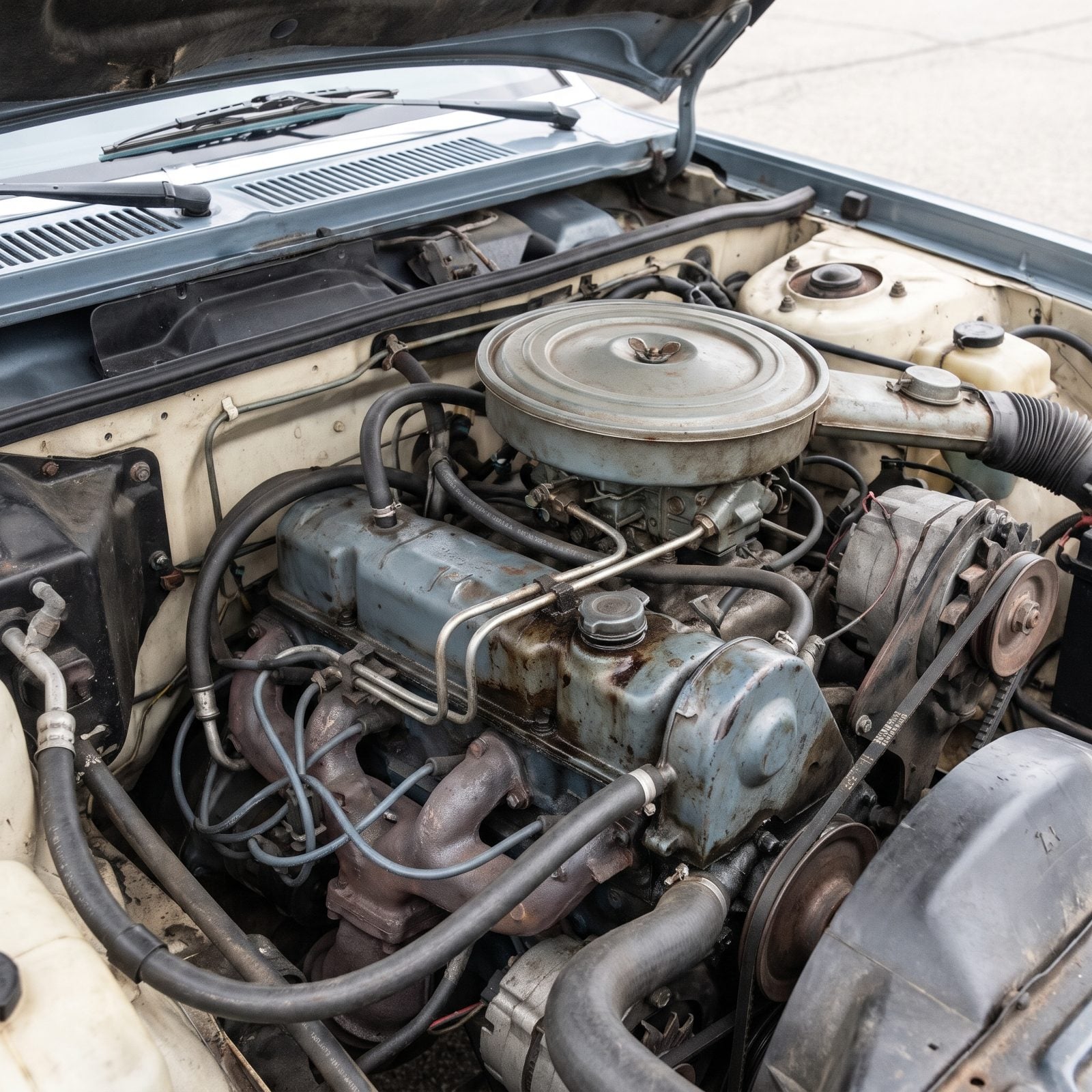
Nobody loved the Iron Duke. That was never the point.
This 2.5-liter four was slow, buzzy, and about as exciting as a dial tone. It also showed up in everything from Novas to Jeeps to industrial equipment, running through the kind of neglect that would have killed something livelier. Cast-iron block, pushrod simplicity, and a stubbornness that bordered on spite.
GM retired it in the early ’90s once modern overhead-cam fours arrived making more power with less vibration. The Duke couldn’t compete on refinement. It never tried. It just kept firing on cold mornings when the thermometer said it had no business starting.
6. Mazda B6: The Little Four That Made the Miata Immortal
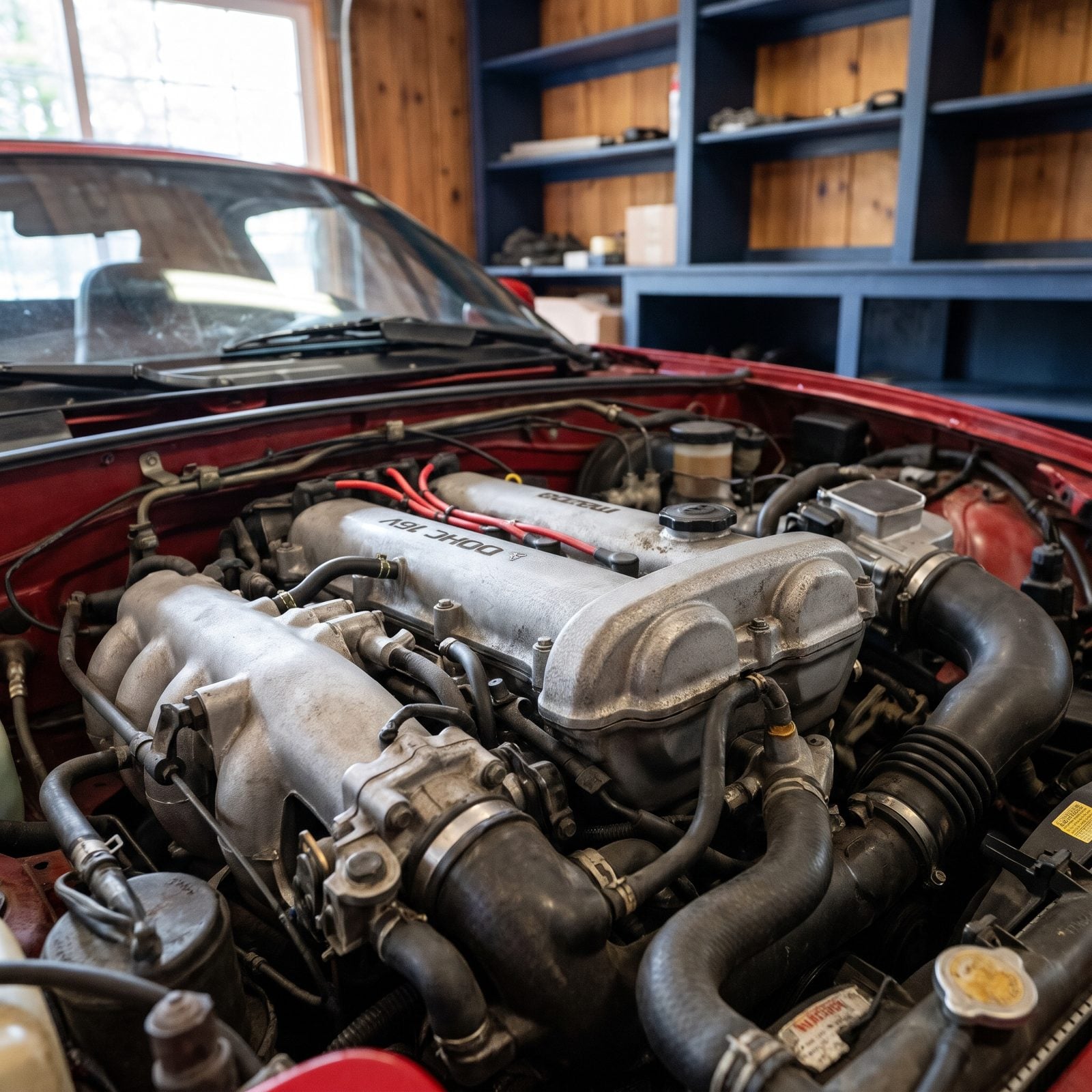
A 1.6-liter making around 115 horsepower doesn’t sound like a legend. Then you check the odometers. The B6 in the original NA Miata routinely clears two hundred thousand miles, and plenty go much further, because Mazda built it with over-engineered bottom ends and a redline that invited abuse without punishing it.
It got replaced when the Miata grew up and wanted more displacement. The 1.8 and later engines made more sense for a heavier car and tightening standards. Nobody mourns the extra power. But the little B6 earned a loyalty the bigger engines never quite matched.
Jalopy Talk readers have a soft spot for drop-tops, too: convertibles collected hearts 80% of the time, compared with 71% for the other images in the same articles.
5. Suzuki G13: The Thimble-Sized Engine That Kept Samurais Climbing
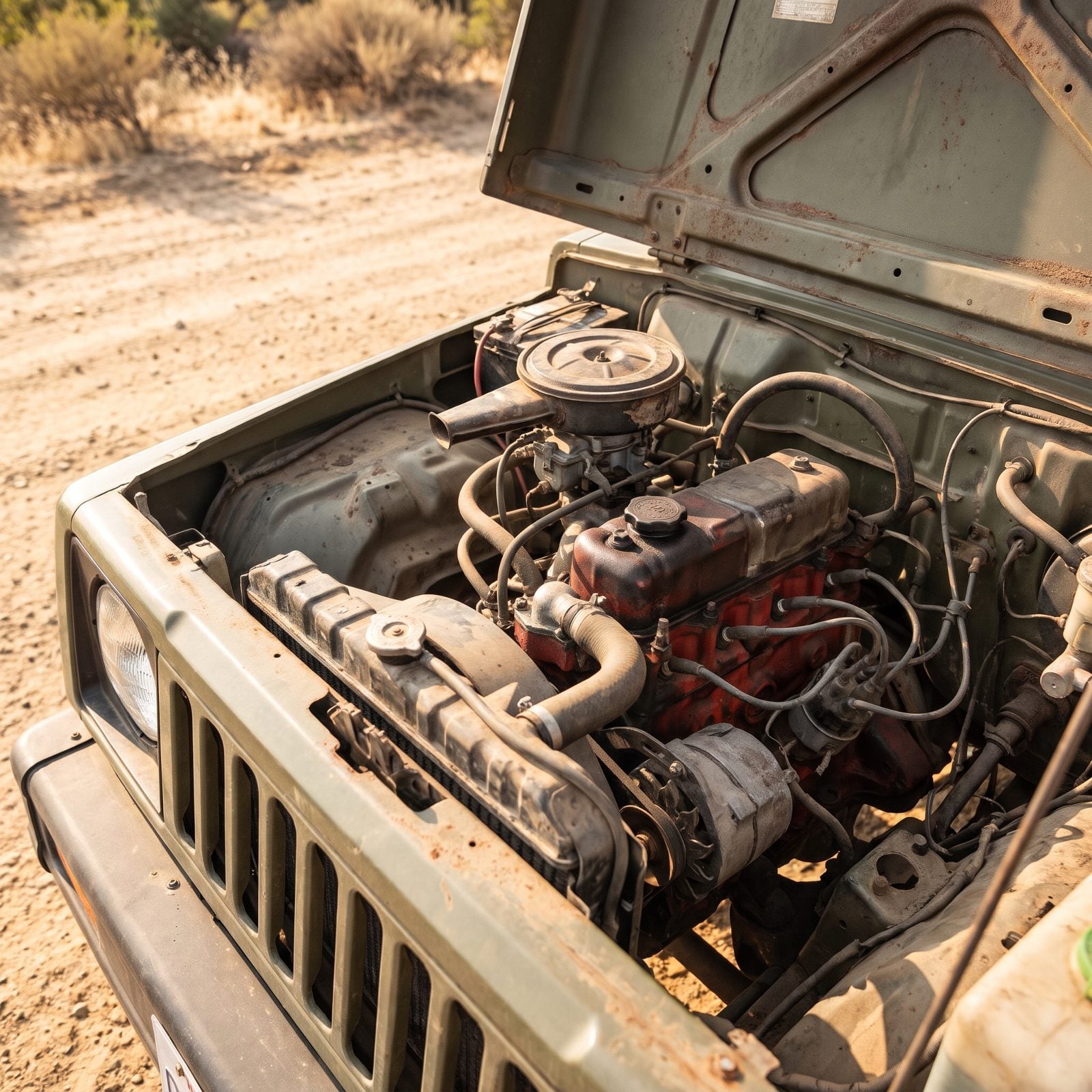
You could practically carry this engine under one arm. The G13 was Suzuki’s 1.3-liter four, and it turned the Samurai and Swift into vehicles that wandered mountains, deserts, and farm roads for decades on almost nothing.
Simple carbureted versions had no electronics to drown, cook, or confuse — bulletproof in places where a tow truck was a two-day drive away.
Suzuki moved on to larger, cleaner engines as safety and emissions rules tightened and the little trucks left major markets. The G13 didn’t wear out. The regulations outran it.
4. Mopar LA 318 V8: The Quiet V8 That Just Kept Going
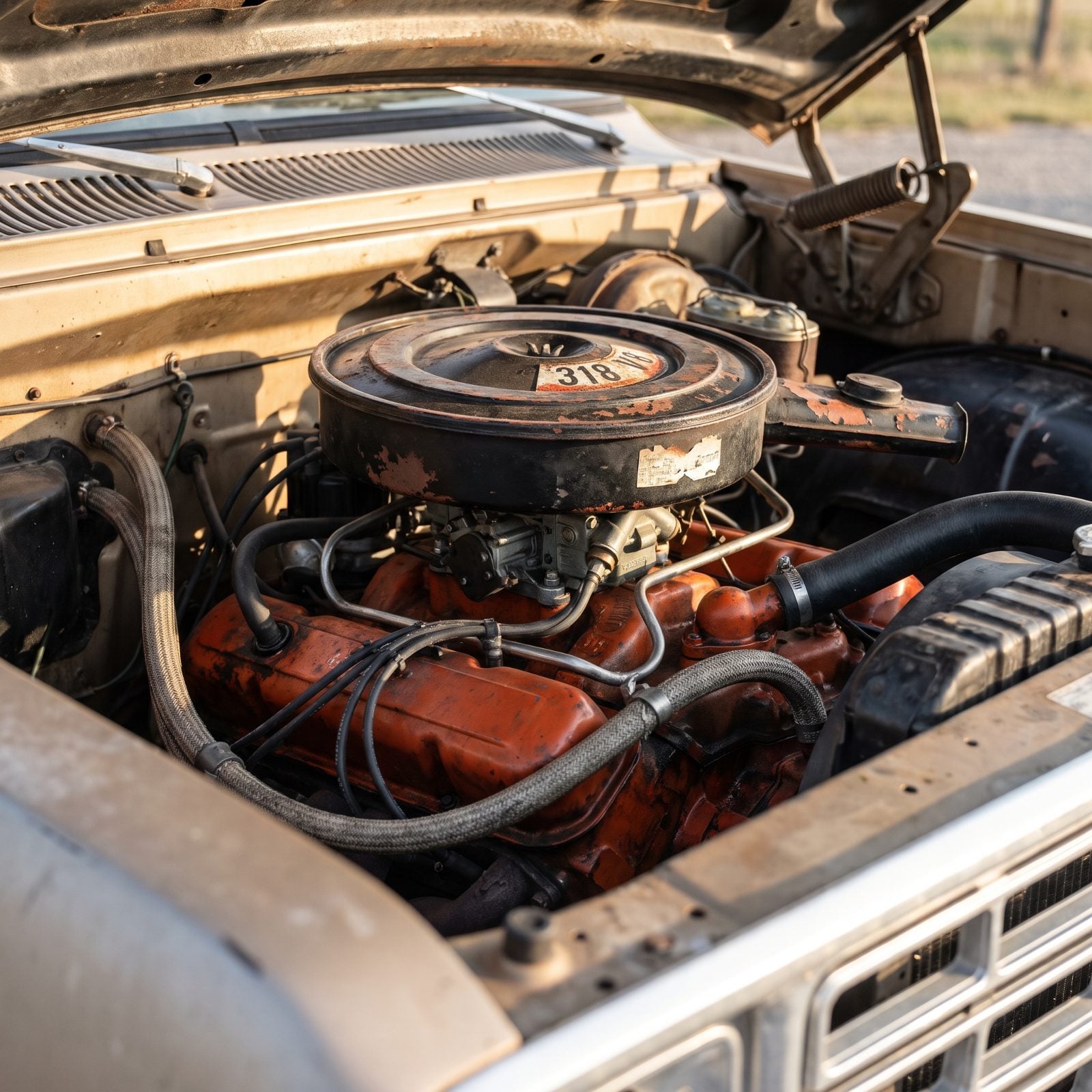
The 318 never won a trophy. It won something better: trust.
Chrysler’s LA-series small-block made modest power in trucks, vans, and sedans for decades, and it did it with a tolerance for neglect that became legend. Delivery fleets, farm trucks, and police cars ran these engines into the stratosphere on cheap oil and infrequent attention.
It bowed out as Chrysler shifted to the Magnum and later overhead-cam designs that made more power and met tighter rules. The 318 was never about peak numbers. It was about still running when the body had rusted out from under it.
3. Detroit Diesel Series 60: The Highway Engine Designed to Run a Million Miles
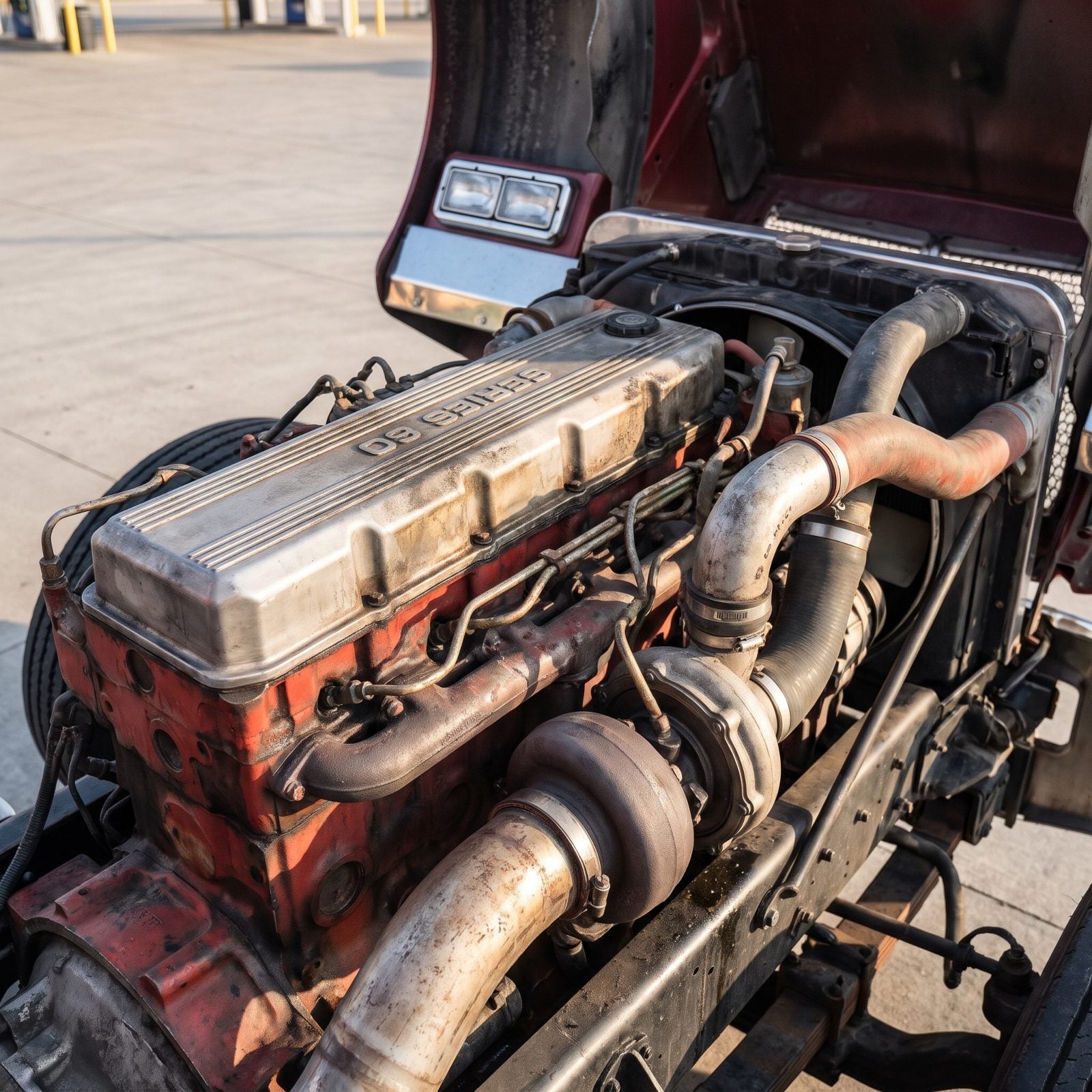
This is the engine that moved America’s freight for a generation. The Series 60 was one of the first heavy-duty diesels built around electronic controls from the ground up, and fleet managers learned to expect a million miles before a major rebuild. Not a typo. A million.
Owner-operators loved its fuel economy and its rebuildability in equal measure. It made money while it sat under the hood, then made more when they overhauled it instead of replacing it.
Emissions regulations eventually did it in. Tighter standards pushed Detroit toward newer, more complex platforms carrying aftertreatment systems the Series 60 was never designed to haul.
2. International DT466: The Wet-Sleeve Diesel Fleets Rebuilt Instead of Replaced
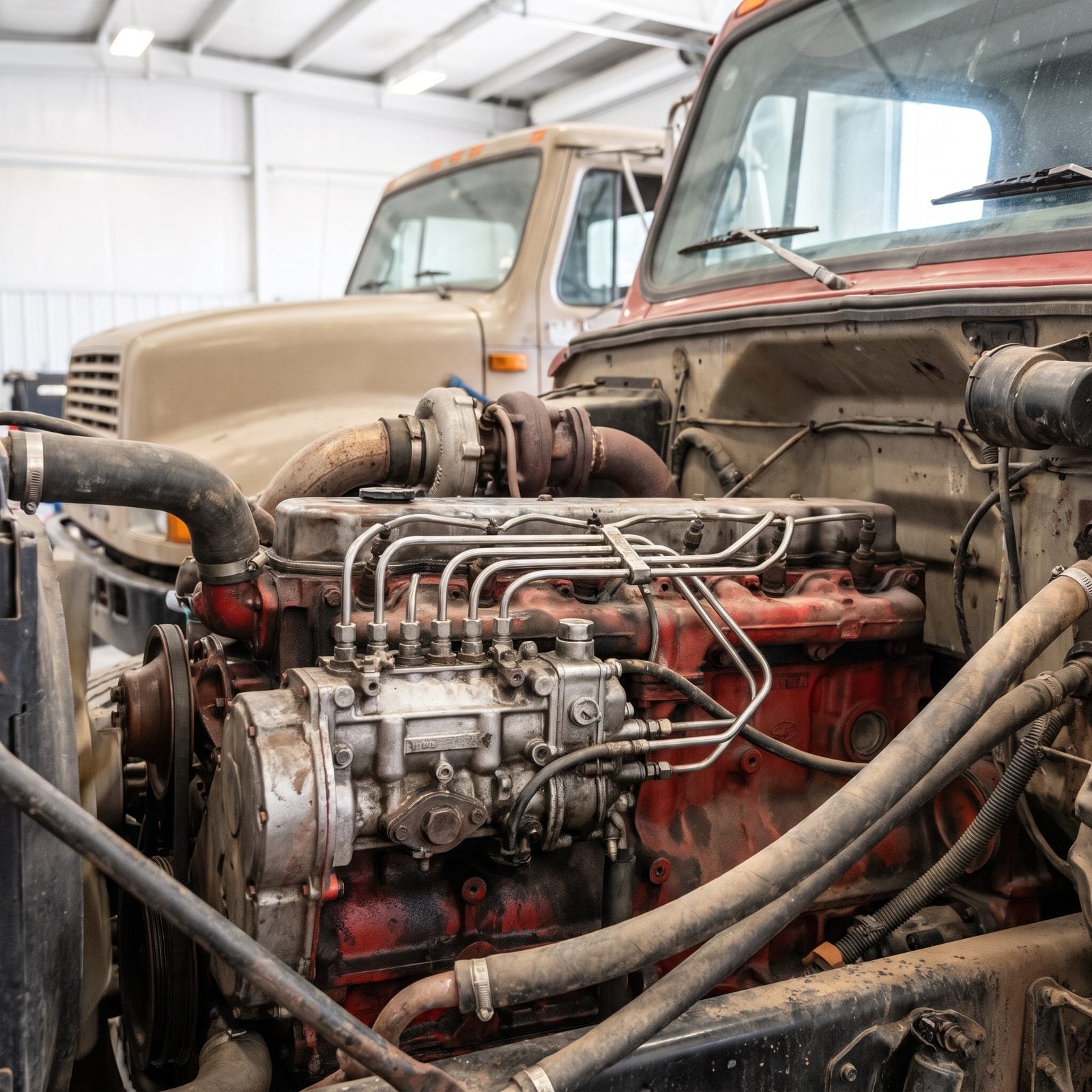
School buses. Dump trucks. Grain haulers. If it worked for a living in the ’80s and ’90s, odds are a DT466 did the working.
Its trick was wet cylinder sleeves — a shop could pull the liners and rebuild the whole thing in-frame without yanking the block. That made it almost infinitely serviceable, exactly what fleet operators want from something that runs every single day.
Later versions added electronics and eventually met the same regulatory fate as every other mechanical diesel. The emissions era wanted aftertreatment, sensors, and precise control. The old wet-sleeve DT466 was built for wrenches, not laptops.
1. Cummins 6BT 12-Valve: The Mechanical Diesel That Rewrote the Ram Pickup
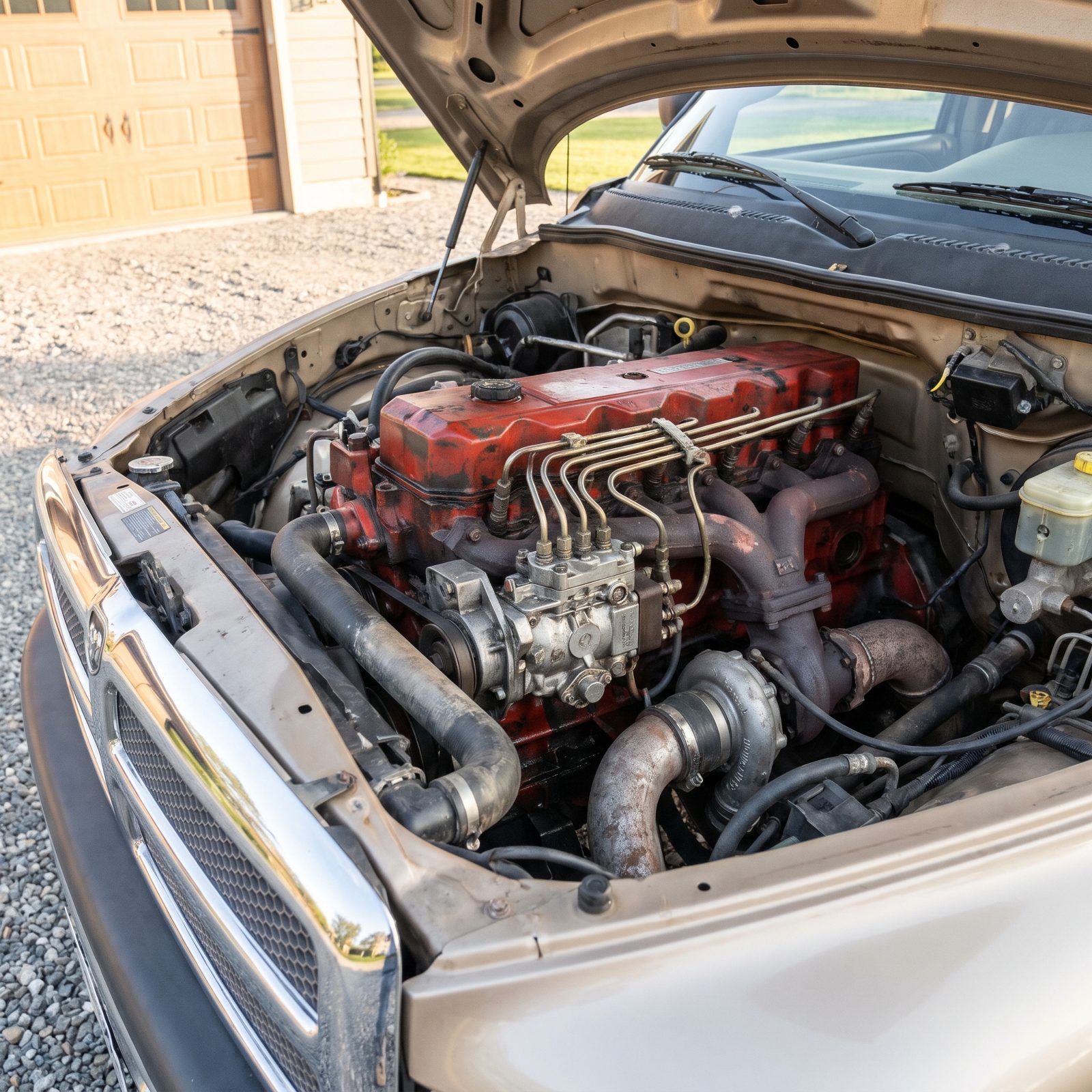
Before Dodge bolted a Cummins into a pickup in 1989, a diesel Ram was a rare, strange thing. After, it was a cult.
The 6BT 12-valve was a commercial inline-six shrunk into a truck engine, and it dragged all that commercial-grade toughness along for the ride. The later versions with the Bosch P7100 pump became tuner gold, because the fueling lived in gears and springs you could adjust by hand. No software. No locked ECU. Just physics.
Owners regularly run these well past four hundred thousand miles, and some clear far more. The 12-valve died when electronic injection arrived in 1998 — quieter, cleaner, and far harder to modify in a driveway.