The nameplate on an old grille can tell you more than any history book. A Brockway Huskie bolted to the hood. A Diamond T emblem catching the afternoon light at a county fairground show. These names moved the country, hauled its lumber, poured its concrete, and fought its wars, then slipped out the back door while nobody was watching. Some died broke. Some got swallowed. A few just quit making trucks and never bothered telling anyone. Here’s where they went.
Please note that some of the images in this article were created with the assistance of AI.
33. White Motor Company, Bankruptcy, Then Volvo Quietly Took the Keys
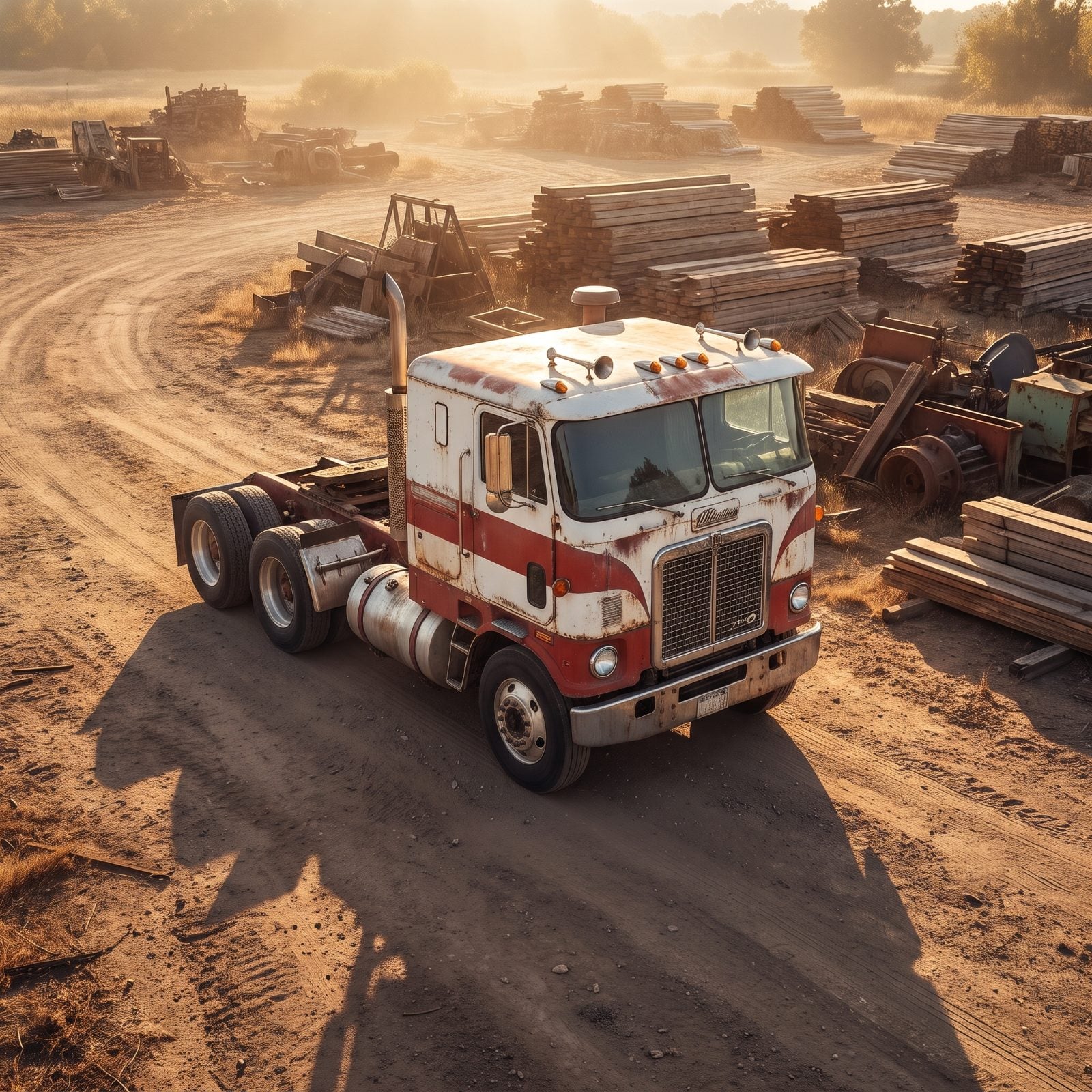
For decades, White was the truck you saw everywhere and never thought about. Lumberyards, freight haulers, fire departments all leaned on heavy iron that just worked, and the company bought up half its competition along the way.
Then the 1970s happened. Fuel crises, a brutal freight recession, and a product line that aged while the money ran out. White filed for bankruptcy in 1980. Volvo stepped in, kept the factories, kept some of the engineering, and slowly folded everything into Volvo and later the Autocar and WhiteGMC badges.
By the 1990s the name was gone off the hood entirely. No funeral. Just a Swedish company and a different emblem on the grille of trucks that were, underneath, still White.
32. Brockway, Mack Shut Down the Division That Growled Like a Huskie
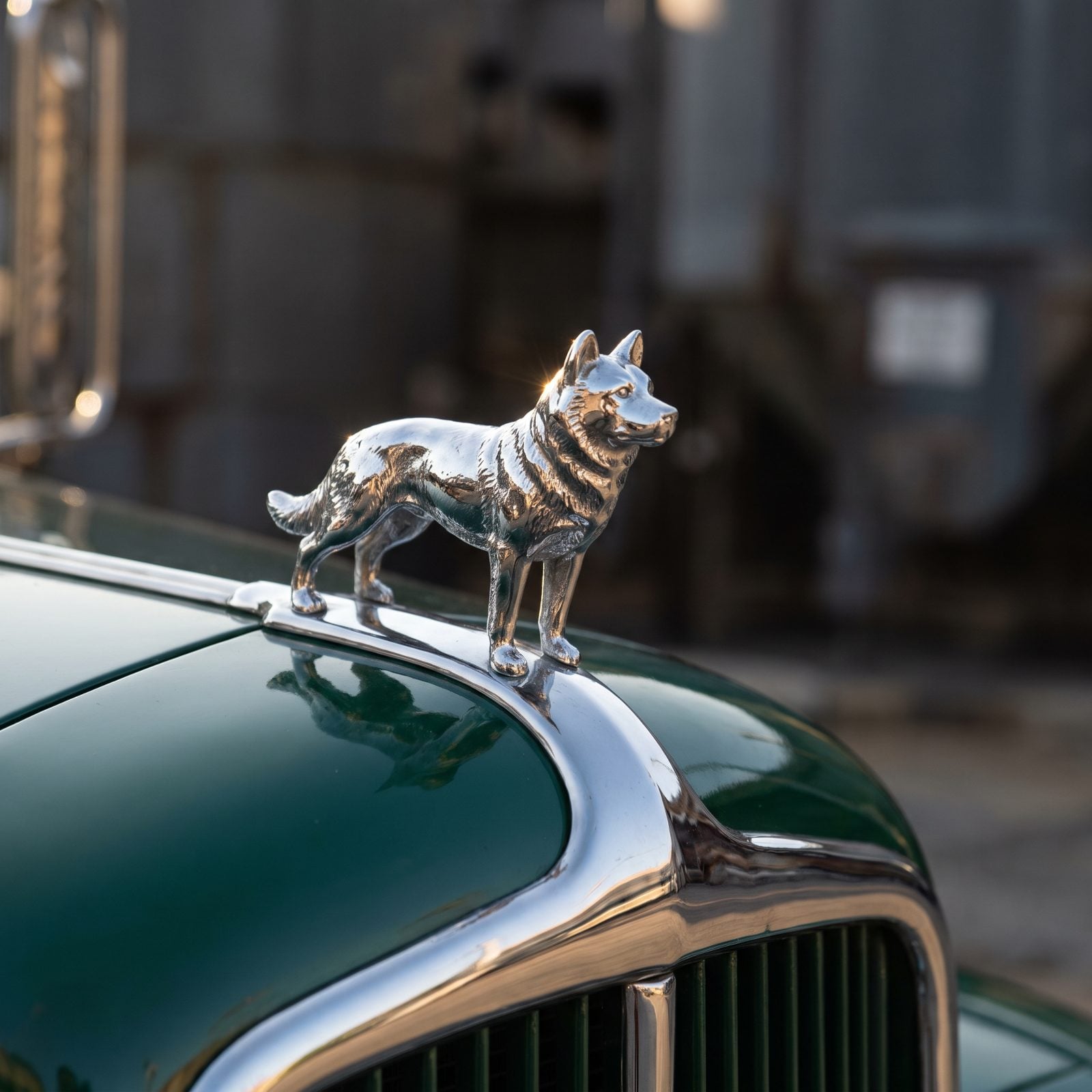
The chrome dog standing on the hood told you everything. Brockway built heavy trucks up in Cortland, New York, and that Huskie ornament became the thing people remembered long after the horsepower figures slipped their minds.
Mack bought Brockway in 1956 and ran it as a prestige division for years. Contractors and heavy haulers swore by the trucks, built up a loyalty that bordered on religious. Then came 1977. A labor dispute, slow sales, a corporate verdict that the division no longer penciled out, and Mack closed the Cortland plant.
Loyalists never quite forgave it. Brockway clubs still meet, still polish those chrome dogs, still tell you the trucks died with plenty of life left in them. And you know what? They weren’t wrong.
31. Sterling Trucks, Daimler Pulled the Plug When the Recession Hit
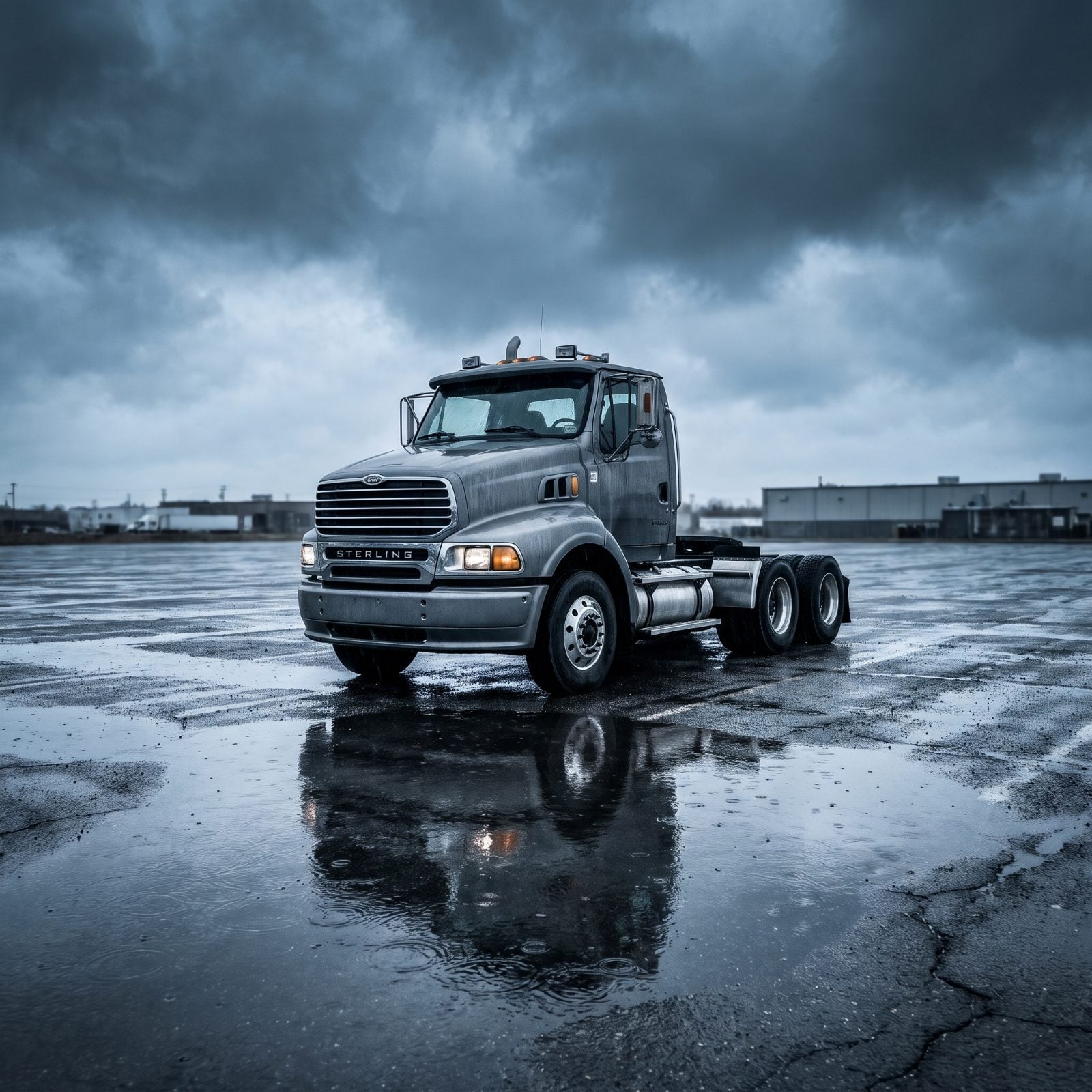
Sterling was the newest name on this list, and it still didn’t survive.
The story is a little tangled. Ford built heavy trucks for years, sold that business to Daimler in 1997, and Daimler revived the old Sterling name, a brand tracing back to Sterling Motor Trucks of Wisconsin decades earlier.
For about a decade Sterling built solid vocational and highway trucks. Then the 2008 financial collapse gutted the freight market. Daimler already had Freightliner and Western Star under the same roof, so Sterling became the odd one out. Production ended in 2009.
It’s the newest ghost here, and proof that a famous parent company and a fresh start guarantee nothing when the economy falls through the floor.
30. Diamond T, The Cadillac of Trucks Lost Its Name in a Merger
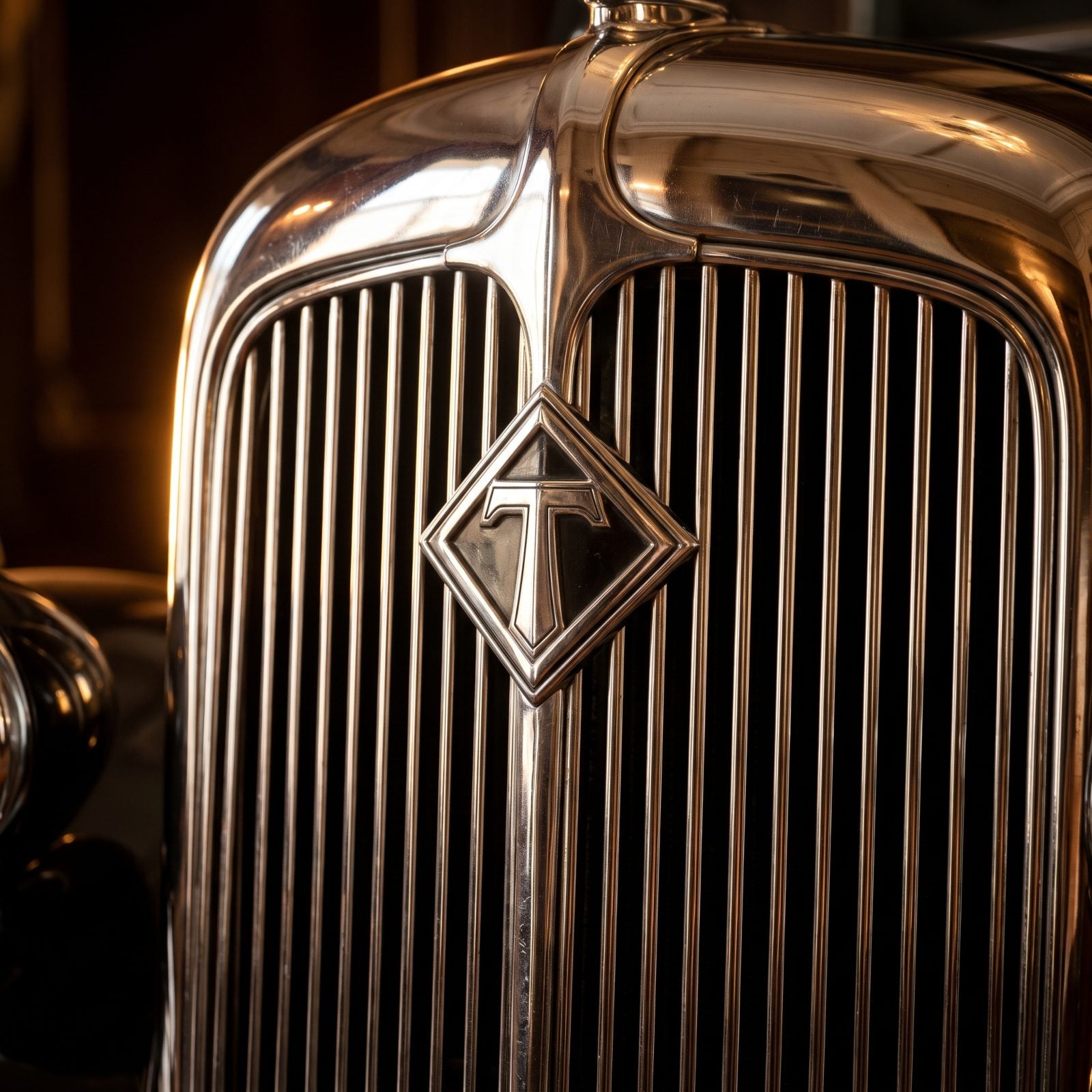
People called Diamond T the Cadillac of trucks, and they weren’t being generous. The grilles looked like jewelry, the paint ran deep, and these were premium haulers built in Chicago for buyers who wanted their work truck to look like it cost something.
The company built a reputation on quality and even produced a prized wartime tank transporter. But the problem was the same one that always gets the small premium builder: volume. Beautiful trucks sold in modest numbers can’t fund the next generation of engineering forever.
White Motor Company bought both Diamond T and REO, then merged them in 1967 into Diamond Reo. The standalone name faded, and with it went one of the best-looking grilles Detroit ever bolted onto a work truck.
As one classic-truck restorer puts it, “The trucks were known for their rugged, do it all and more power, durability, and a brutish yet oddly refined presence that was unlike anything else on the road or off it.”
What Our Readers Say
- When Jalopy Talk readers loved a vehicle photo and tapped a reason, “nostalgic” came out on top at 26%, ahead of body style and “would drive.”
- In our reader votes, photos that look like the 1950s or earlier got more hearts than the other images in the same articles, 82% versus 77%.
From Jalopy Talk reader polls and votes.
29. Marmon, Hand-Built Premium Rigs With No Room to Grow
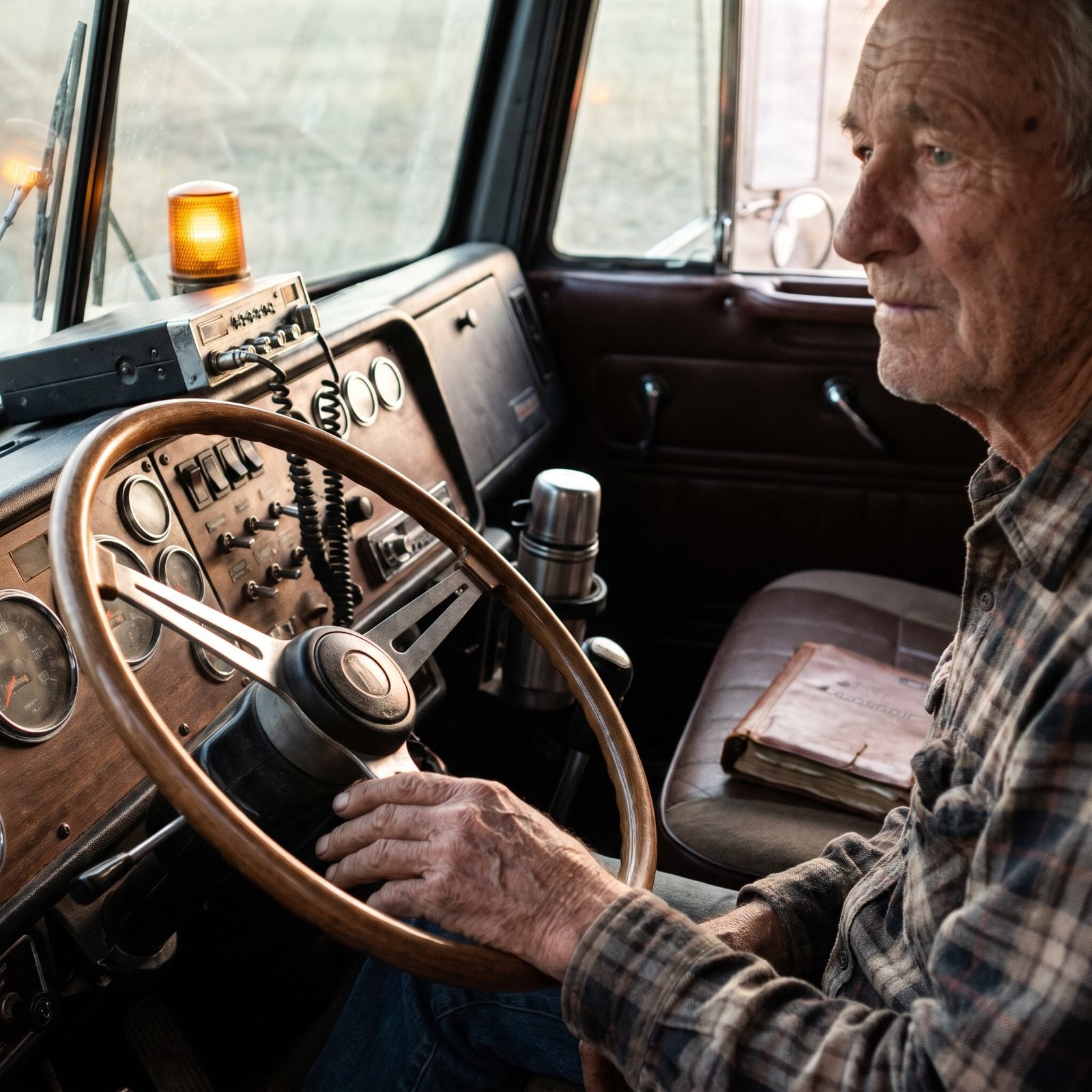
Ask an old owner-operator about a Marmon and watch their face change. These were hand-assembled premium trucks built in Texas in small numbers, the kind a driver bought once and kept forever.
Marmon had a long, strange history. The roots run back to luxury automobiles and the very first Indianapolis 500 winner. By the late 20th century the trucks had a cult following among drivers who valued lightweight aluminum construction and a cab that felt built for the long haul.
Craftsmanship was the whole pitch. It was also the whole problem. Building trucks slowly, by hand, in low volume couldn’t generate the scale needed to survive against the big names. Production wound down in the late 1990s. Great trucks, not enough of them.
28. REO Trucks, The Pioneer That Got Swallowed by the Company It Inspired
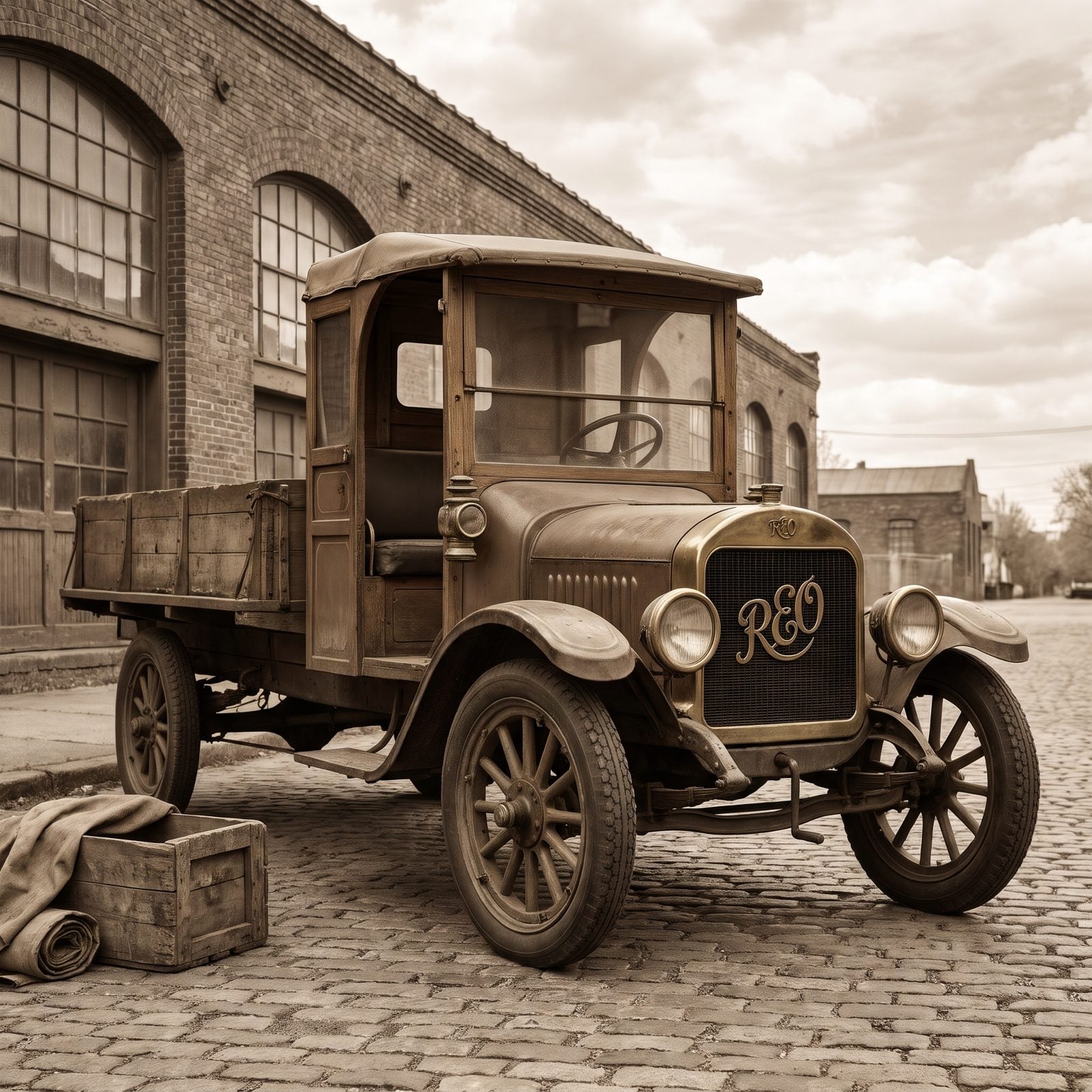
REO carried the initials of Ransom E. Olds, the same man behind Oldsmobile, and that pedigree showed. The Speed Wagon became one of the most recognized light trucks in America, recognized enough that a rock band borrowed the name decades later.
Here’s the twist. REO was a pioneer that helped define what an American truck even was, and it wound up absorbed by White Motor Company, which then merged it with Diamond T.
The pioneer became a line item in somebody else’s catalog. By the 1970s the Diamond Reo name limped along before fading entirely. If you want a lesson in how fast the industry forgot its founders, REO is it.
27. Federal, The Independent That Got Buried Under Postwar Competition
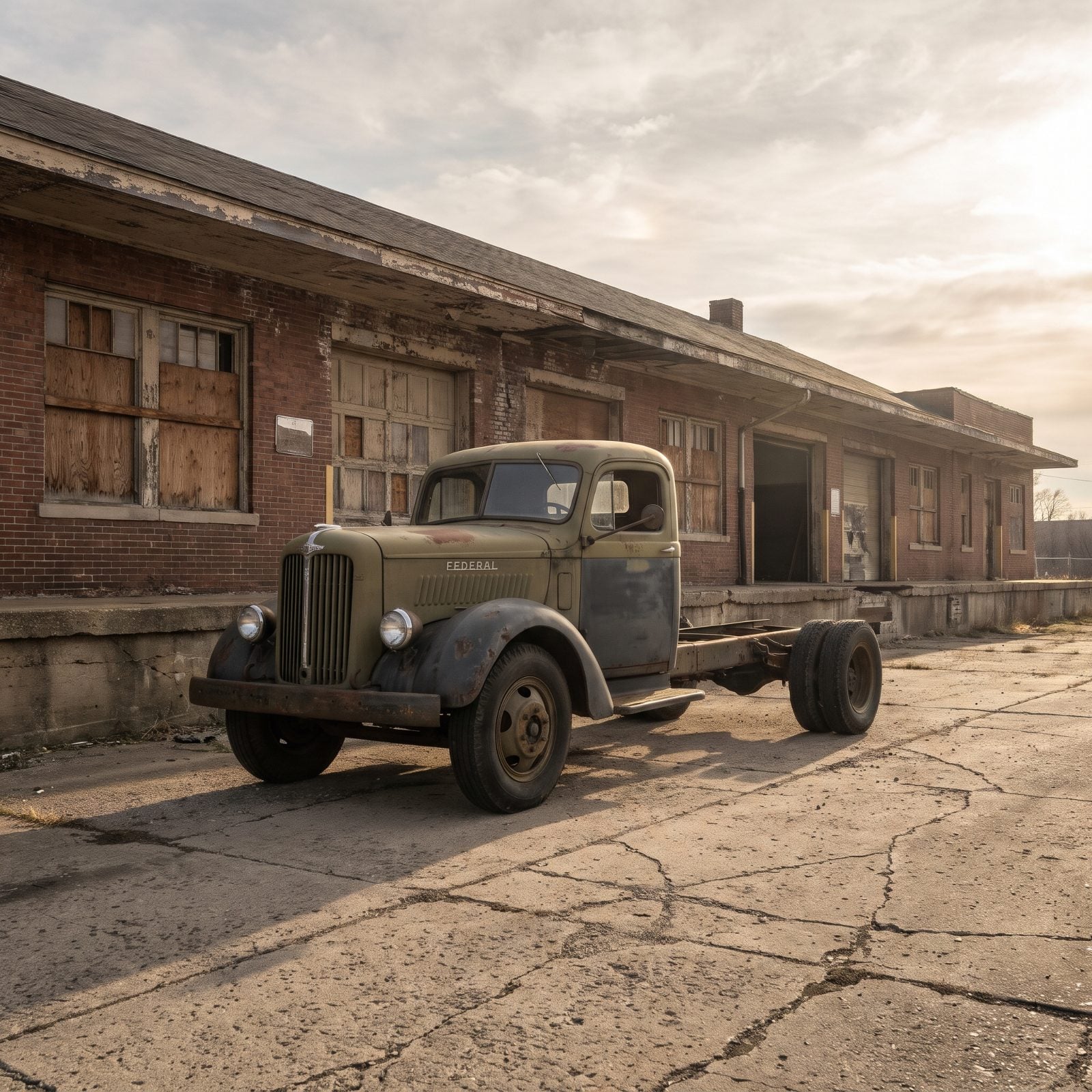
Federal Motor Truck Company of Detroit spent the first half of the 20th century building dependable medium and heavy trucks that did unglamorous, necessary work. Freight. Fire apparatus. Military hauling during the war.
Independents like Federal had a narrow lane. They couldn’t match the volume of the giants, and they couldn’t charge enough to live on the margins the way a true premium builder could. So they just built solid trucks and hoped loyalty held.
After the war it didn’t hold. The market consolidated hard, the big manufacturers out-engineered and out-priced the independents, and Federal couldn’t keep pace. Production ended in the late 1950s, one more honest builder crushed in the middle of the road.
26. Corbitt, The North Carolina Builder Undone by Lost Military Contracts
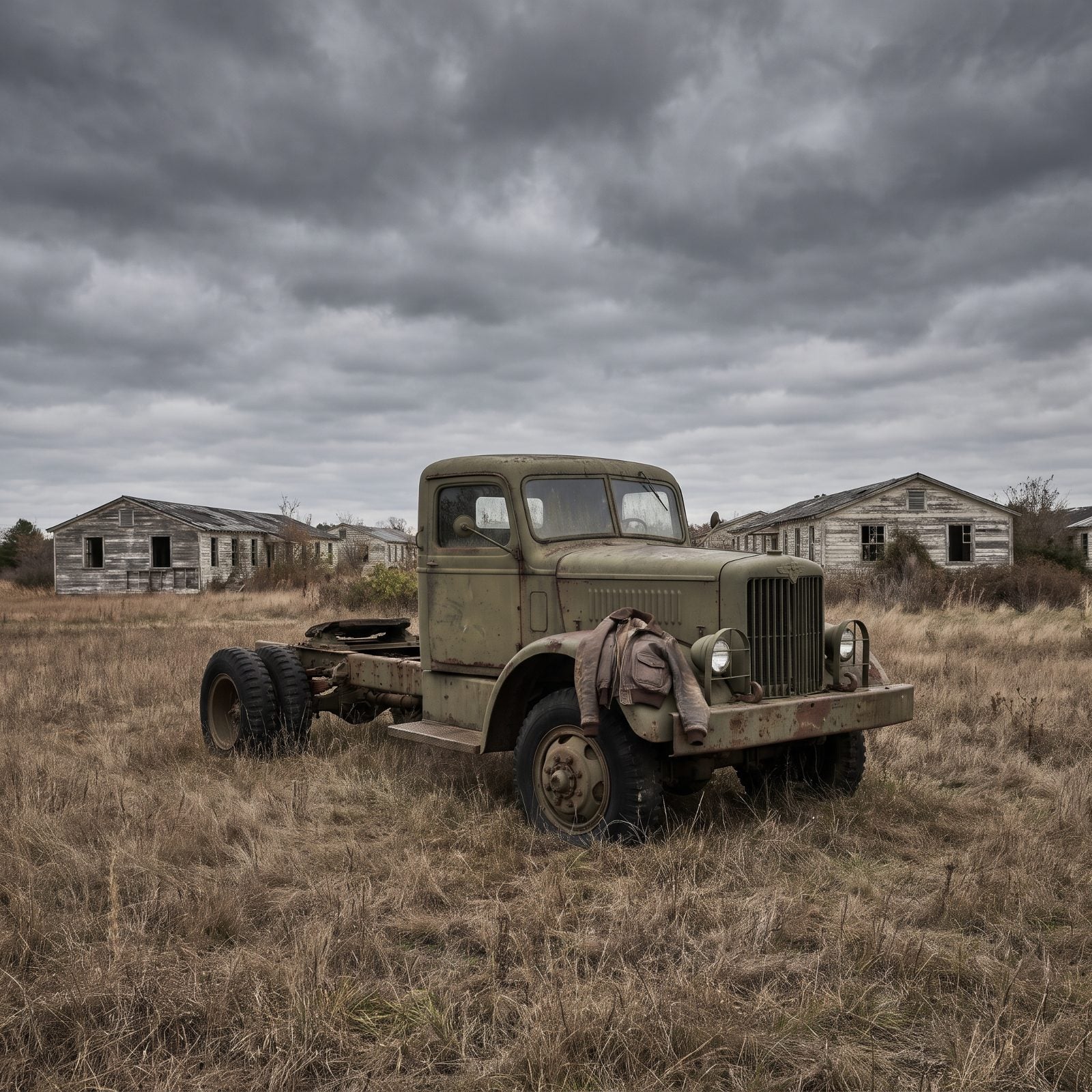
Corbitt built trucks in Henderson, North Carolina, and for a stretch it did very well, especially supplying the military during World War II. Those government contracts were the engine that kept the plant busy and the workers paid.
Then the war ended, and so did the easy orders. A small regional builder leaning this heavily on military work had nowhere soft to land once the contracts dried up. The civilian market was already crammed with bigger, cheaper competitors.
Corbitt limped through a few attempts to stay alive before closing. It’s the classic trap of the specialty builder: a contract that feels like security right up until the day nobody renews it.
25. Hendrickson Trucks, The Builder That Walked Away From Whole Trucks on Purpose
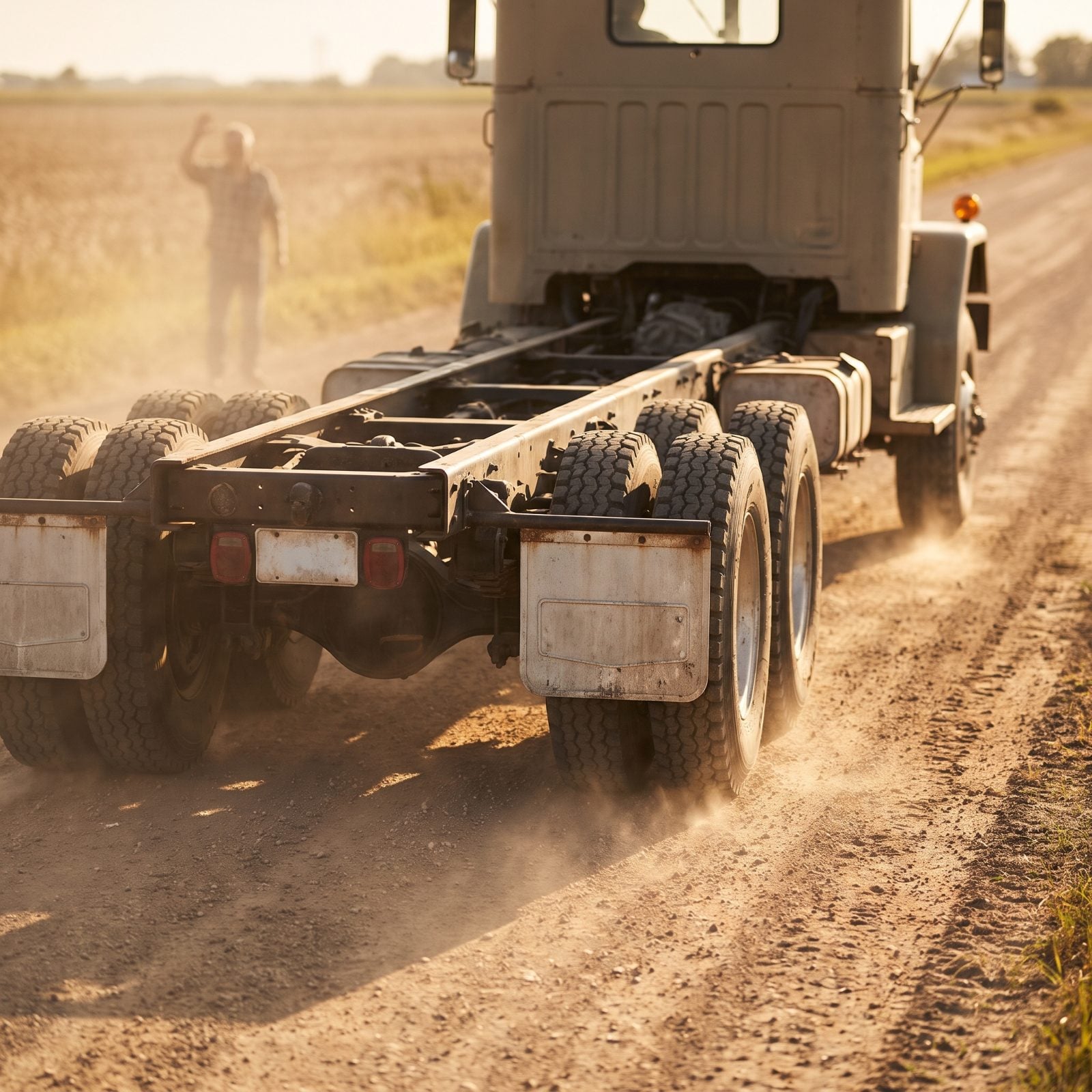
This one didn’t fail. It quit the game on purpose, and that’s the more interesting ending.
Hendrickson built complete trucks for years, but the company’s real genius was suspension and axle systems. Its tandem walking-beam suspension became an industry standard, the kind of component that showed up under other companies’ trucks.
Somewhere along the line the leadership did the math. Why scrap for a sliver of the finished-truck market against White and Mack and the rest, when you could supply critical components to all of them? Hendrickson stepped away from building whole vehicles and went all-in on parts.
The gamble paid off. The complete truck vanished from the catalog, but the company thrived by becoming the thing underneath everyone else’s rigs. Most brands here died broke or got swallowed. Hendrickson is the one that left the stage standing, simply by choosing a smarter seat.
24. Moreland, The West Coast Hauler Rationing Shut Down
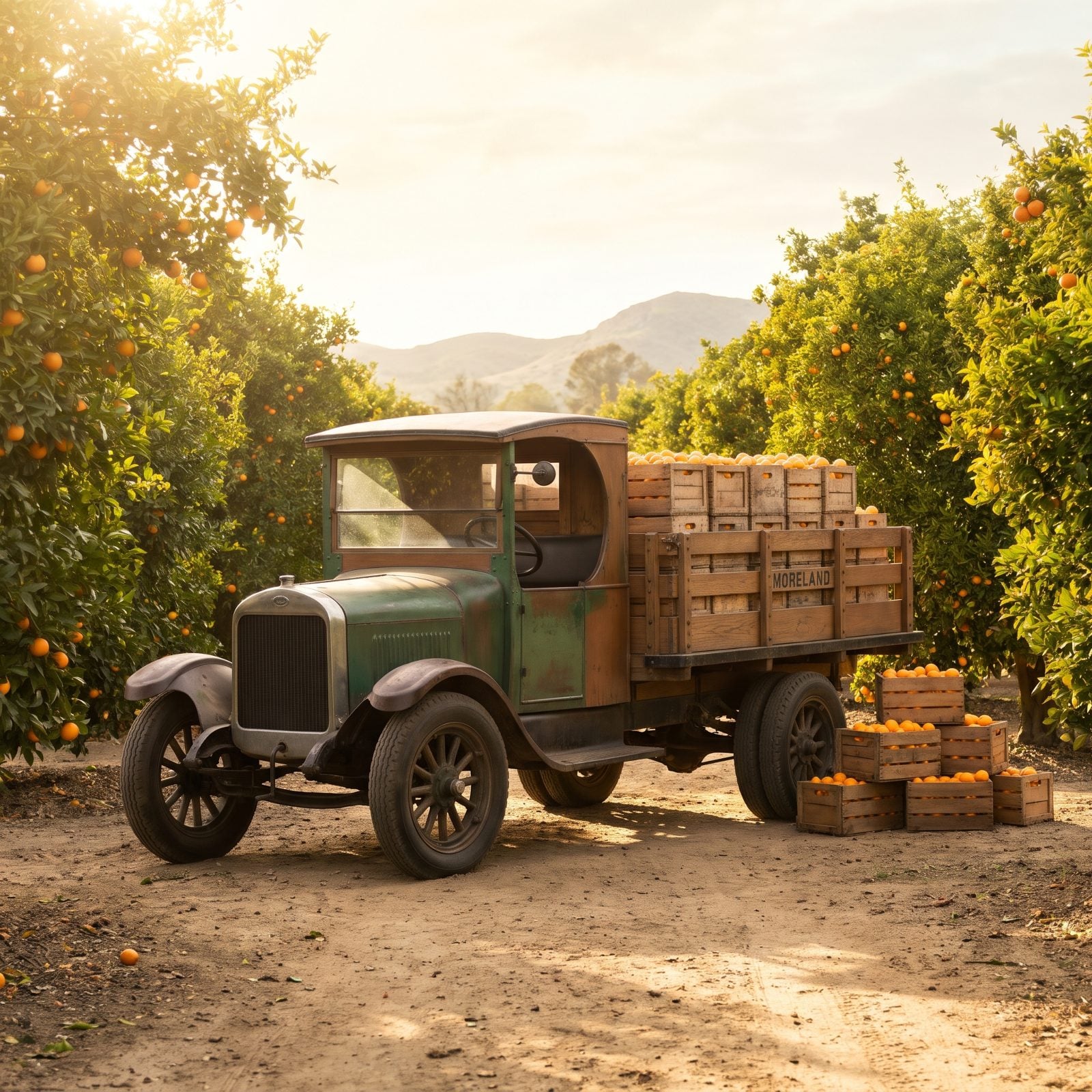
Moreland built trucks in Burbank for the orange groves and the lumber hauls, and for a stretch in the twenties it was the biggest thing rolling out of Southern California — heavy, honest machines made for grades no eastern brand had bothered to design around.
The war finished it. Steel went to the government, rubber went to rationing, and a regional builder with no defense contracts simply ran out of material to bend. Moreland limped into the forties on trailers and spare parts, then stopped. The groves kept growing. The trucks that hauled them didn’t.
23. Indiana Trucks, The Name Brockway Bought and Buried
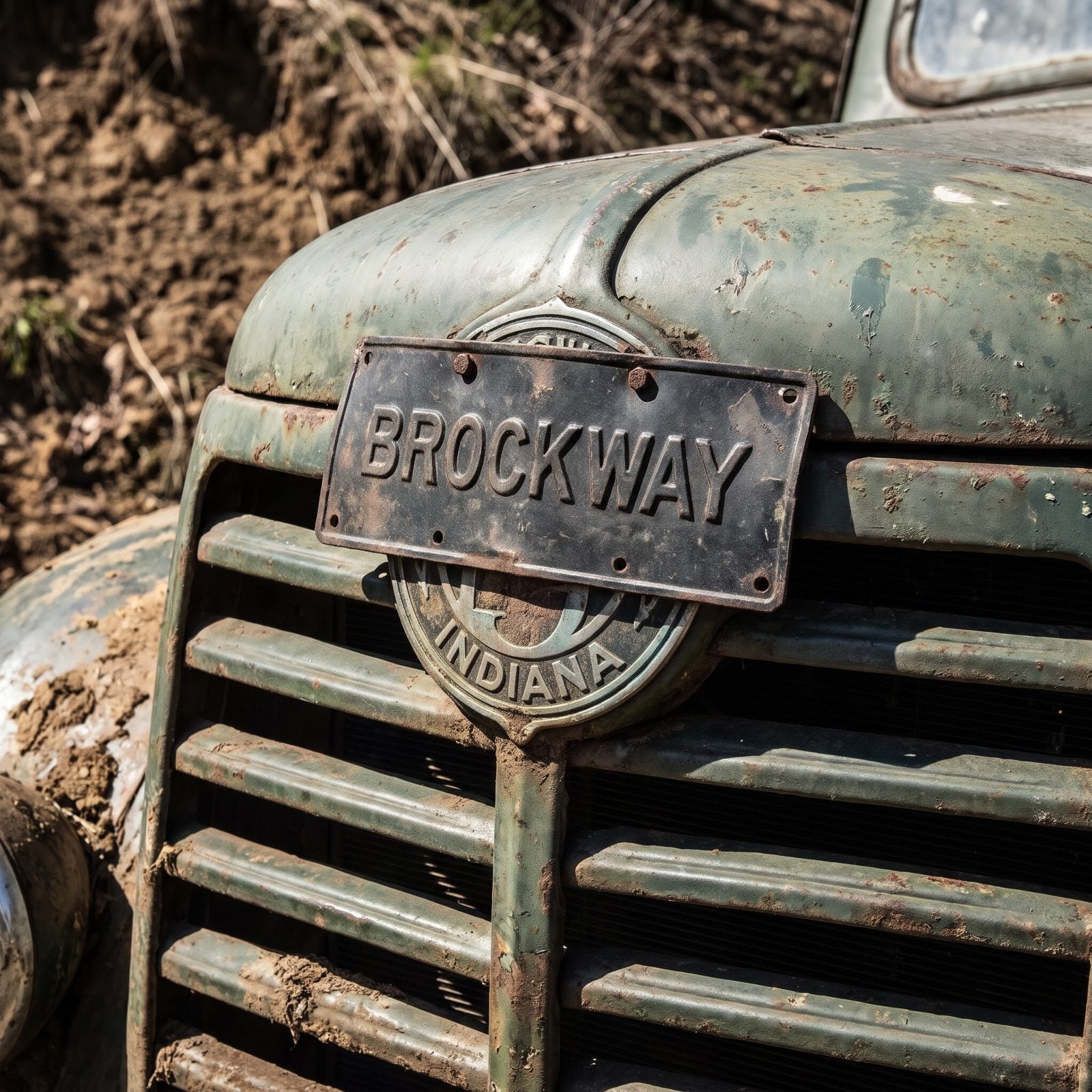
Indiana Trucks out of Marion built dependable medium and heavy haulers right through the twenties and into the Depression — the kind of rig a gravel contractor trusted with a payment book. Solid engineering, no drama.
Then Brockway bought the company in the late twenties. Indiana trucks kept rolling a while, then quietly became Brockways, and the name on the door stopped mattering. That’s how most of these brands went. Not a crash. A buyout, a badge swap, and a few years later nobody under thirty remembered the original marque existed.
Plain corporate housekeeping. Brockway got the dealer network and the factory, and the Indiana name got shelved like a part number nobody reorders.
22. Republic, The Postwar Sales Cliff That Forced a Merger
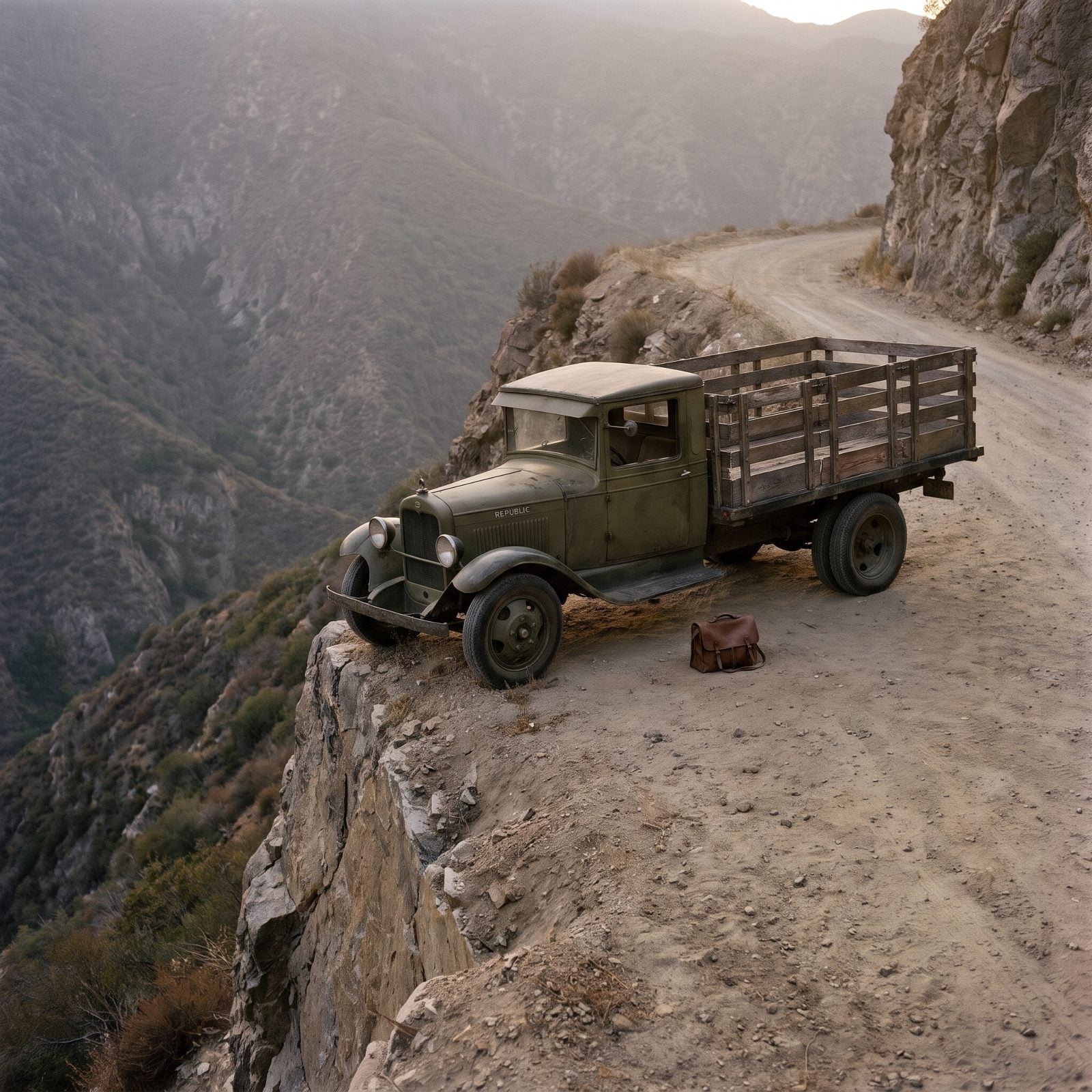
Republic was an Alma, Michigan name that moved real volume around the First World War, assembling trucks from bought-in components and selling them hard to delivery fleets and small haulers.
The model worked until it didn’t. After the war the big three came out swinging with modern cabs and full dealer muscle, and an assembler buying its engines from somebody else couldn’t match them on price or on service. Sales fell off a shelf. Republic merged with LaFrance, and the combined outfit never recovered the ground. A brand that lived on being flexible died the moment the market stopped rewarding flexibility.
21. Hudson Trucks, The Pickup an Automaker Walked Away From
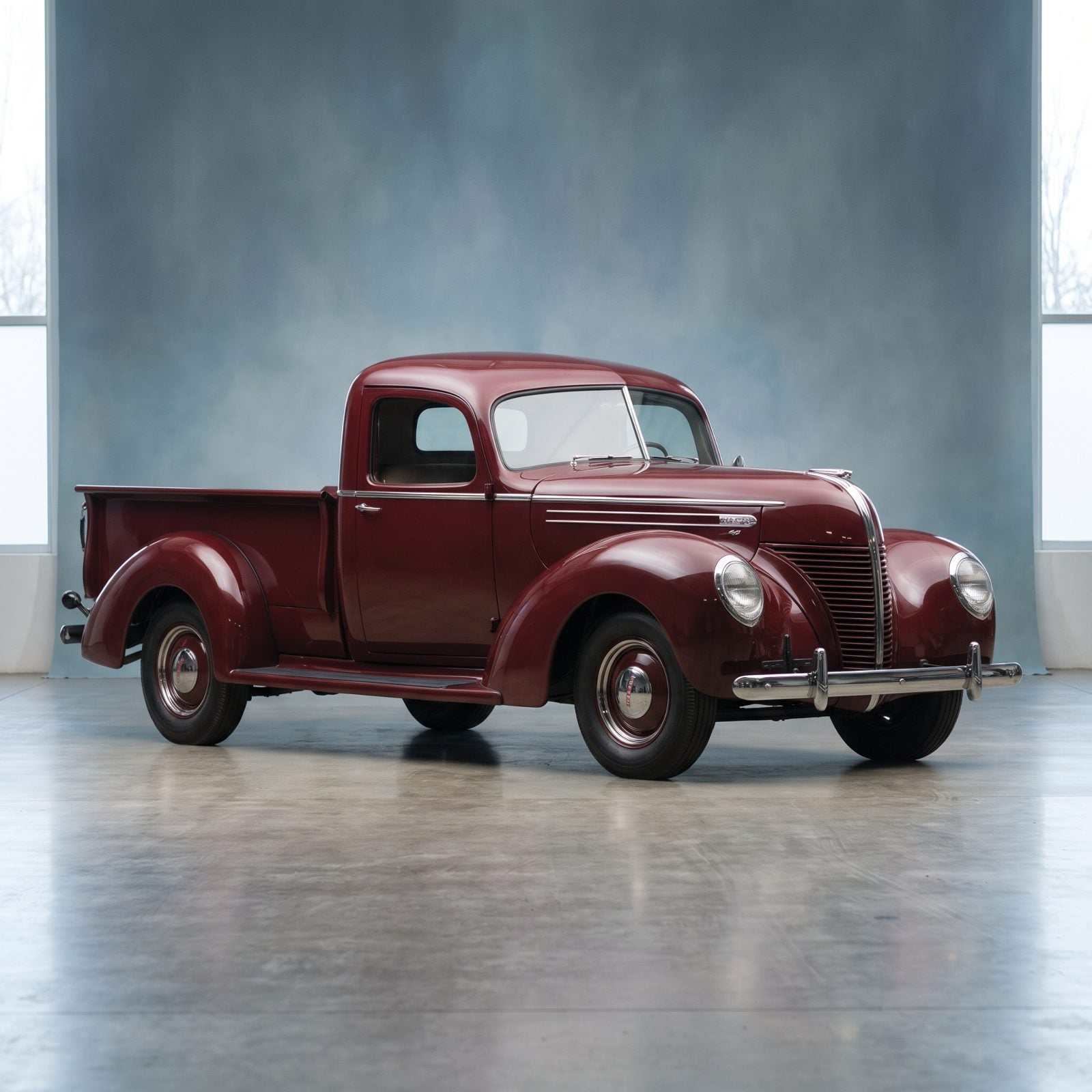
Hudson built handsome pickups in the thirties — car-based trucks wearing the same flowing bodywork that made its sedans look fast standing still. They sold to farmers and small businesses who wanted a Hudson and a hauler in one purchase.
The decision to quit was pure arithmetic. Hudson was a mid-size independent fighting Ford, Chevy, and Plymouth for every car sale it could get, and trucks diluted the focus. So the company pulled out and poured everything into passenger cars.
Didn’t save them. Hudson merged into American Motors in 1954 and the name faded anyway. But the pickups went first — a side business a struggling automaker couldn’t afford to keep.
20. Willys Trucks, The Badge That Vanished Into Jeep
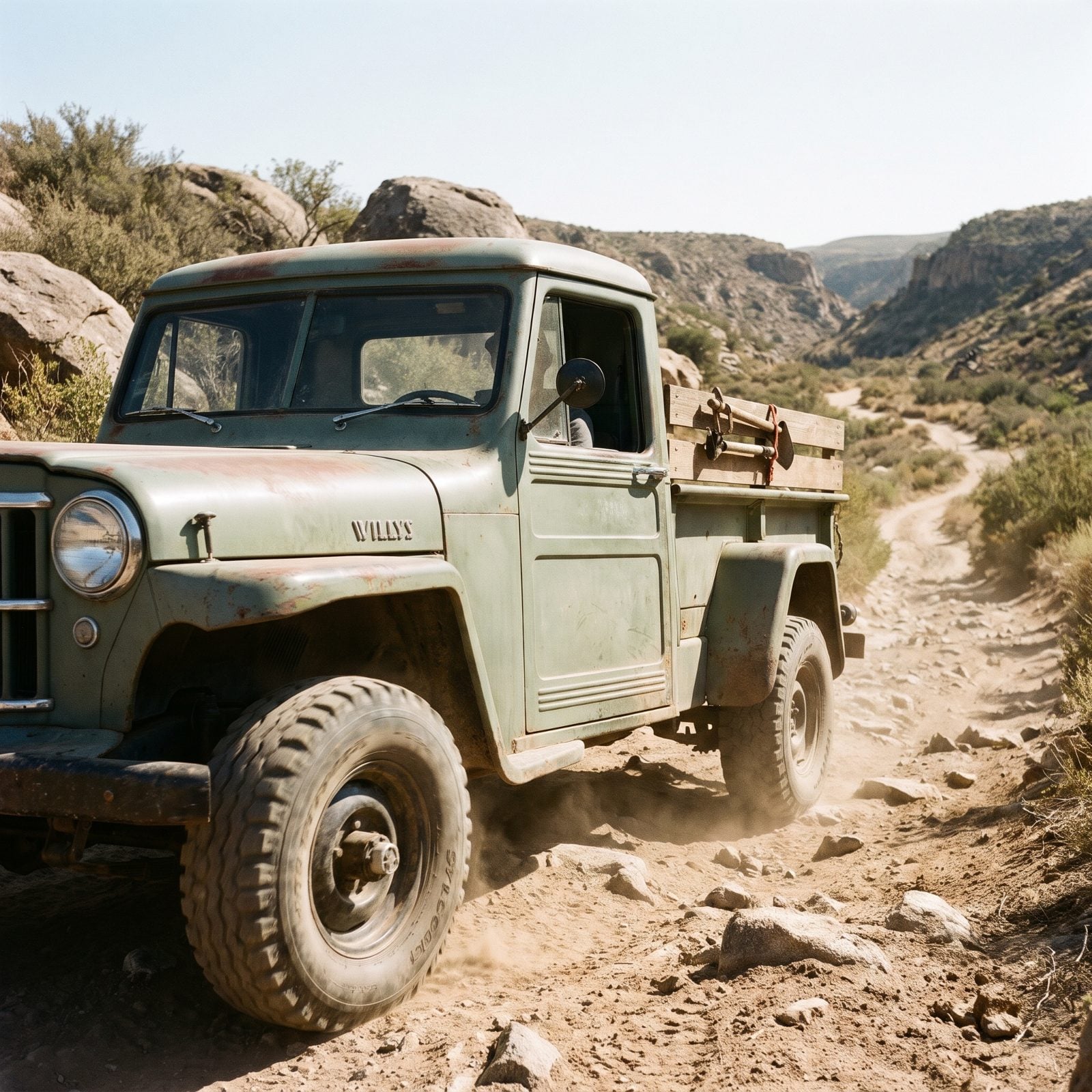
Willys came out of the war with the Jeep and built an entire civilian lineup around it — tough four-wheel-drive pickups, plus the station wagon that basically invented the whole idea decades before anyone said SUV. For a while the Willys badge turned up everywhere a capable truck needed to go.
But the Jeep name was worth more than the Willys name, and the company knew it. Through the fifties and sixties the branding slowly shifted: Willys-Overland became Kaiser-Jeep, Kaiser-Jeep became part of AMC, and every truck that used to say Willys ended up saying Jeep instead. The product never died. The badge just got swallowed by its own most famous child.
19. Fargo Trucks, Chrysler’s Badge Housecleaning Claimed It
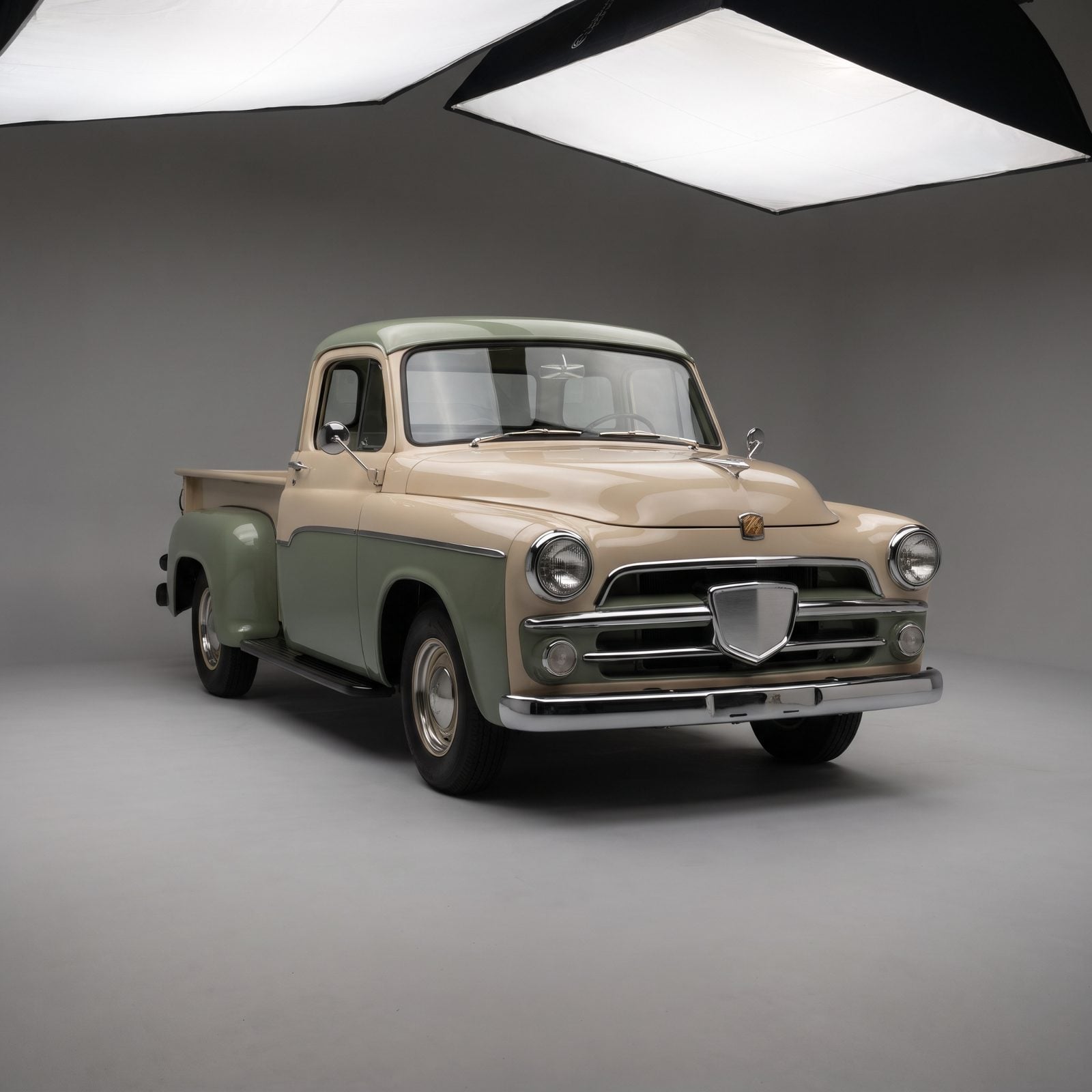
Fargo is one of those names that confuses people, because the truck was genuinely good and genuinely gone. Chrysler used the Fargo badge mostly for export, and for Canadian dealers who needed a truck line to sell alongside Plymouth cars.
Inside a company that already built Dodge trucks, a near-identical twin wearing a different grille badge is a line item waiting to be cut. Chrysler kept Fargo alive overseas long after it vanished from American lots, then trimmed it there too. A badge born from dealer logistics, killed off by the same logistics. No tragedy — just a spreadsheet catching up to a nameplate.
18. DeSoto Trucks, The Export Badge Chrysler Slowly Erased
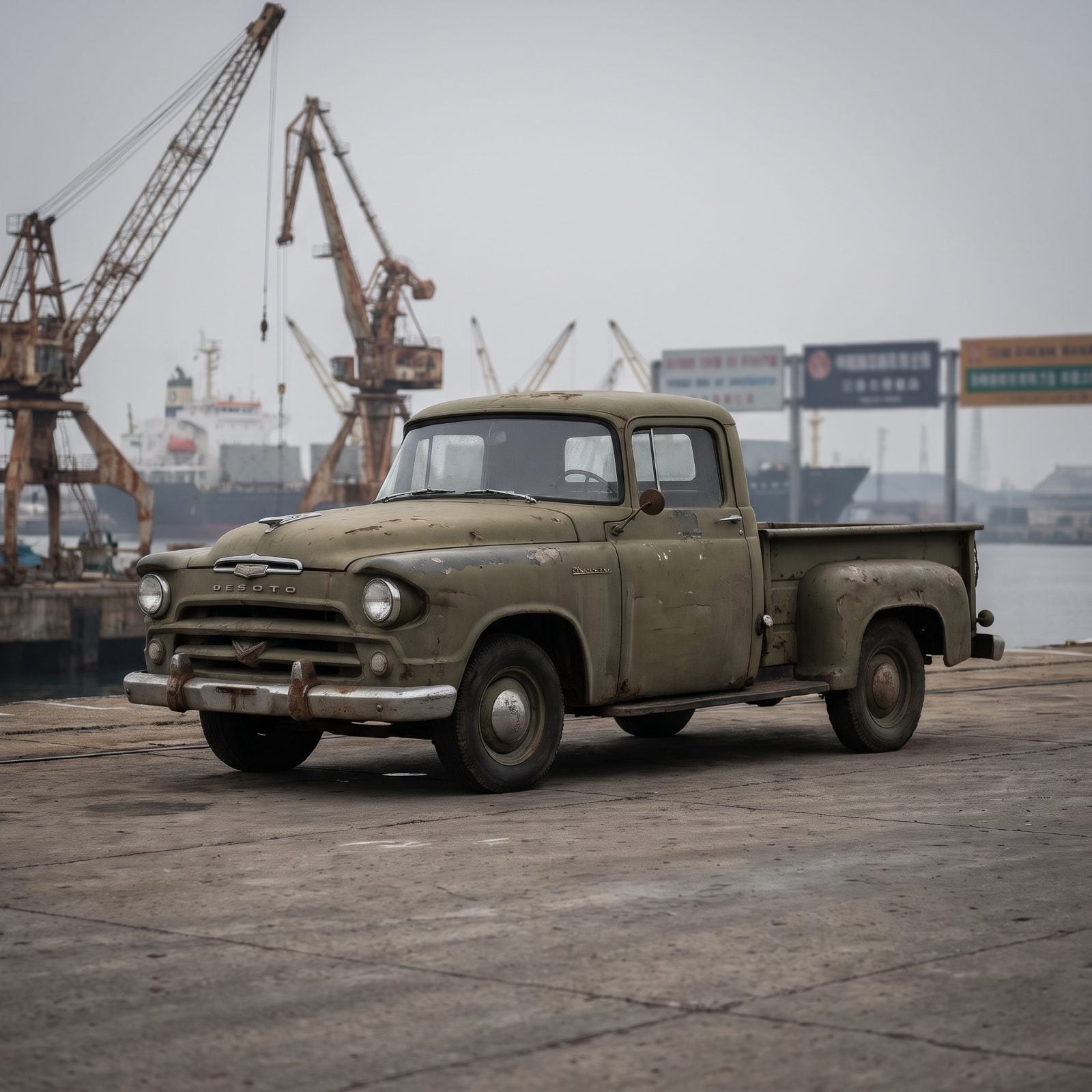
DeSoto trucks almost never appeared on American roads, which is exactly why so few people remember they existed at all. Chrysler built them primarily for export — pickup cabs and beds wearing DeSoto passenger-car grilles, hoods and fenders, aimed at countries where DeSoto carried weight the Dodge name didn’t.
They hauled freight across South America, the Middle East, Australia, wherever Chrysler’s export network ran strongest. Trouble is, a company carrying Dodge, Fargo, and DeSoto versions of the same chassis is carrying two names too many.
So Chrysler thinned the DeSoto truck badge out market by market through the fifties and sixties, and when the car division died in 1961, that sealed it. A nameplate most Americans never laid eyes on, retired for reasons no American customer ever noticed.
17. Divco, The Milk Truck That Outlived the Milkman
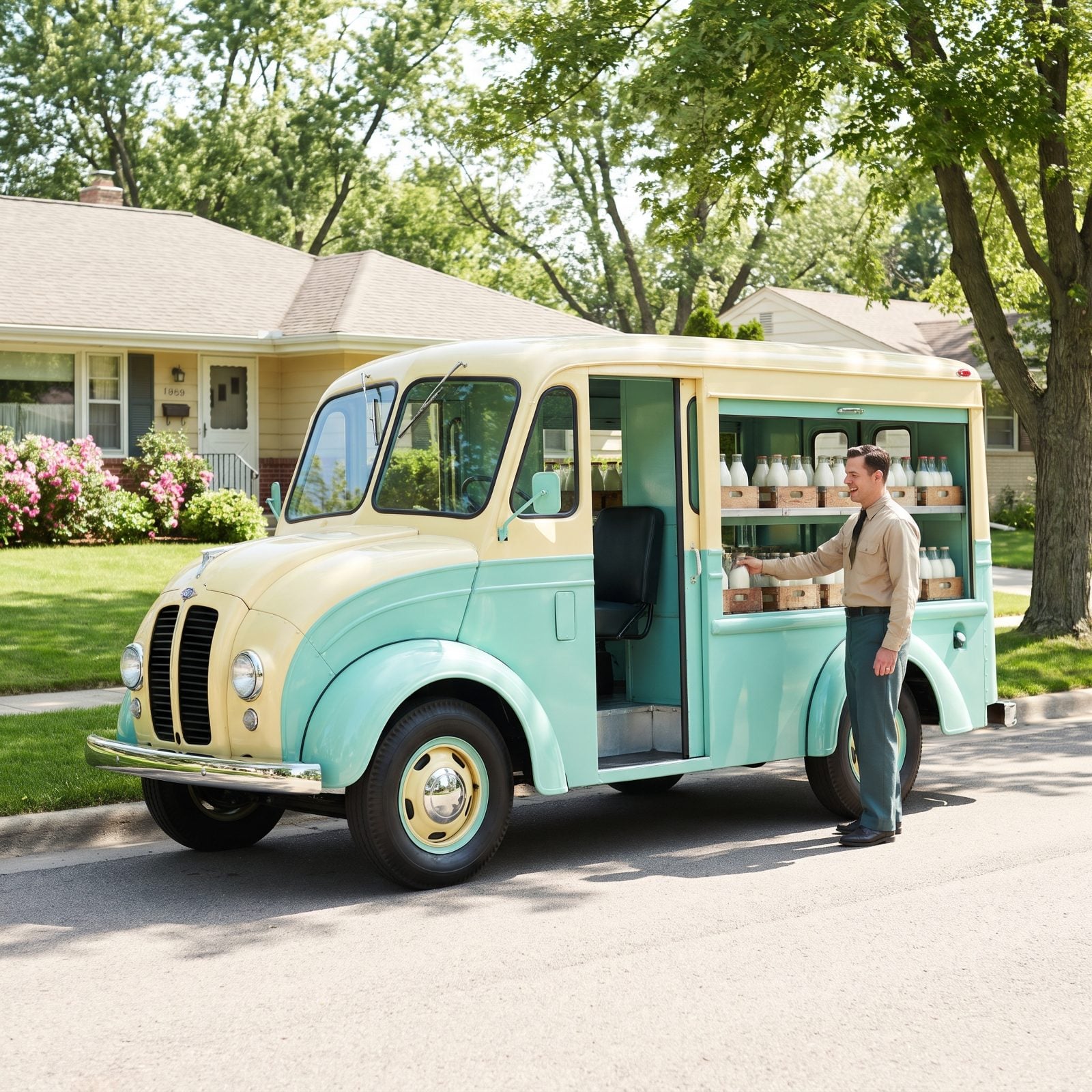
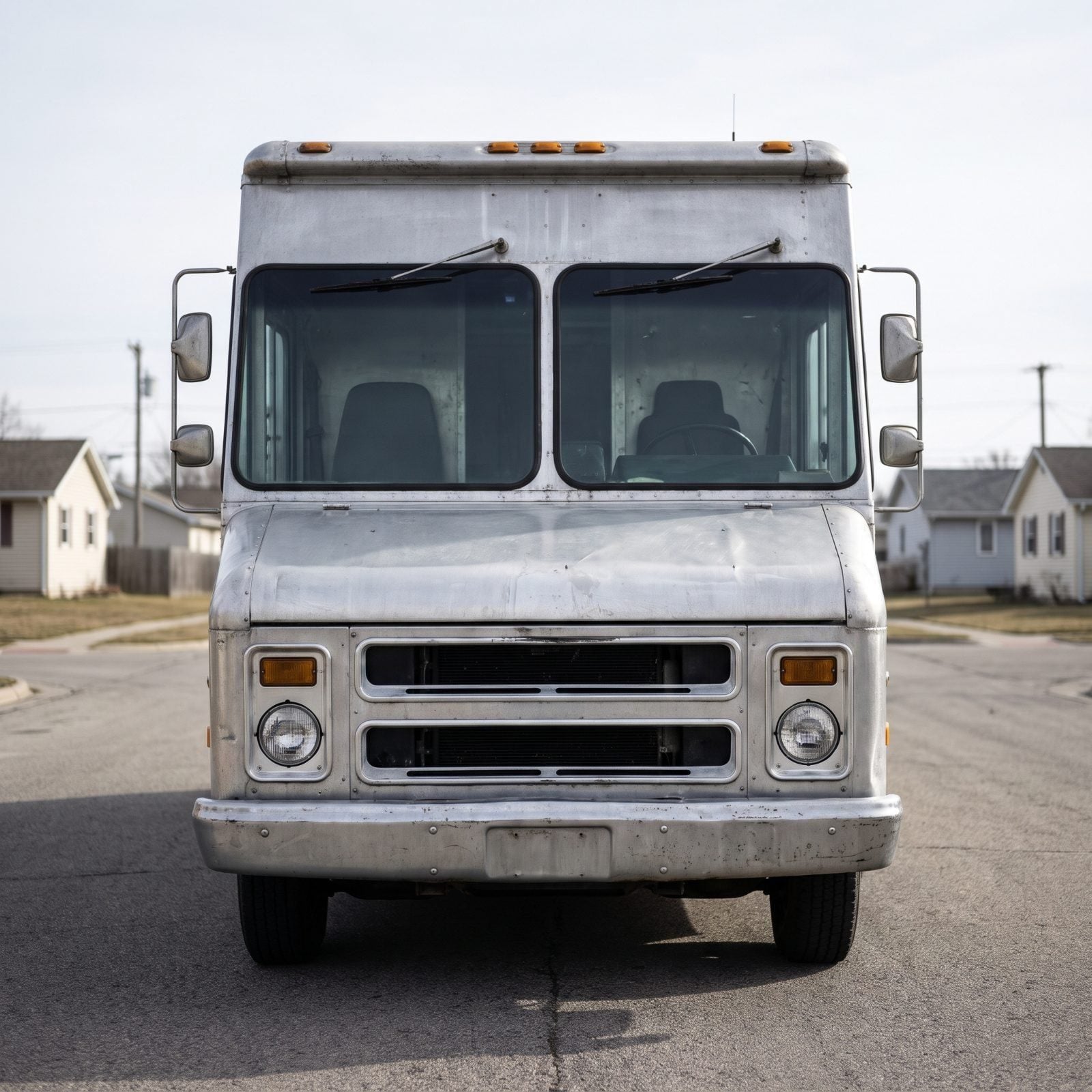
You know the shape even if you never knew the name. The Divco milk truck — that rounded snub-nosed body with doors that slid open so the driver could step straight out onto your front walk, bottle rack in hand, before the coffee was even on the stove.
Divco built the same basic design for decades because it was right for exactly one job: home milk delivery. Door to door, every morning, a route a man knew by heart.
Then the supermarket ate the milkman. Refrigerators got bigger, families bought milk by the half-gallon on grocery day, and the daily route that justified a purpose-built truck simply disappeared. Divco hung on into the seventies, still selling to a world that no longer needed what it made. A flawless tool for a job that had quietly stopped existing.
The truck didn’t fail. The route it was built for did.
As one Divco milk-truck owner puts it, “Even though modifications and improvements were made from time to time (such as higher speeds, increased hauling capacity and the addition of refrigeration), demand fell off to almost nothing as home delivery disappeared from modern life.”
16. Boyertown Auto Body Works, The Step Van the Fleets Stopped Buying
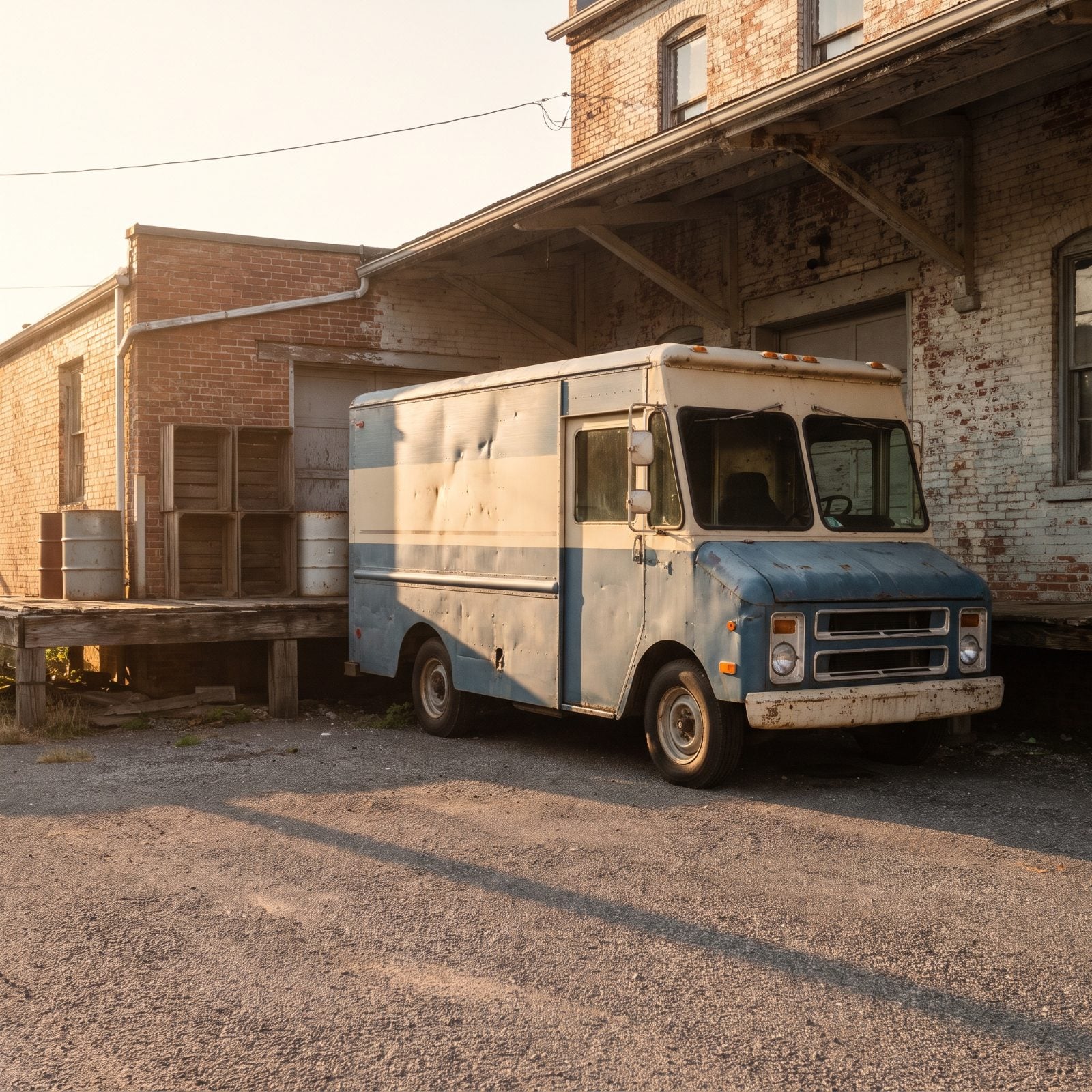
Boyertown Auto Body Works out of Pennsylvania spent the better part of a century building bodies, and in the step-van era it turned out the tall aluminum delivery boxes that bakeries, laundries, and local distributors ran on. Coachbuilt work, done right, for fleets that wanted a van cut to fit their route.
And there was the rub. Boyertown built bodies, not chassis, and its whole business leaned on fleets that still wanted custom delivery trucks. As national brands standardized on off-the-shelf vans from the big manufacturers, the market for a small custom body builder thinned out year by year.
Boyertown pivoted to buses and specialty work, then eventually to a museum of its own history — which tells you how the story ends. The last American coachbuilders didn’t lose on quality. They lost to a world that stopped ordering one truck at a time.
15. Grumman Olson, When the Aluminum Step-Van King Ran Out of Road
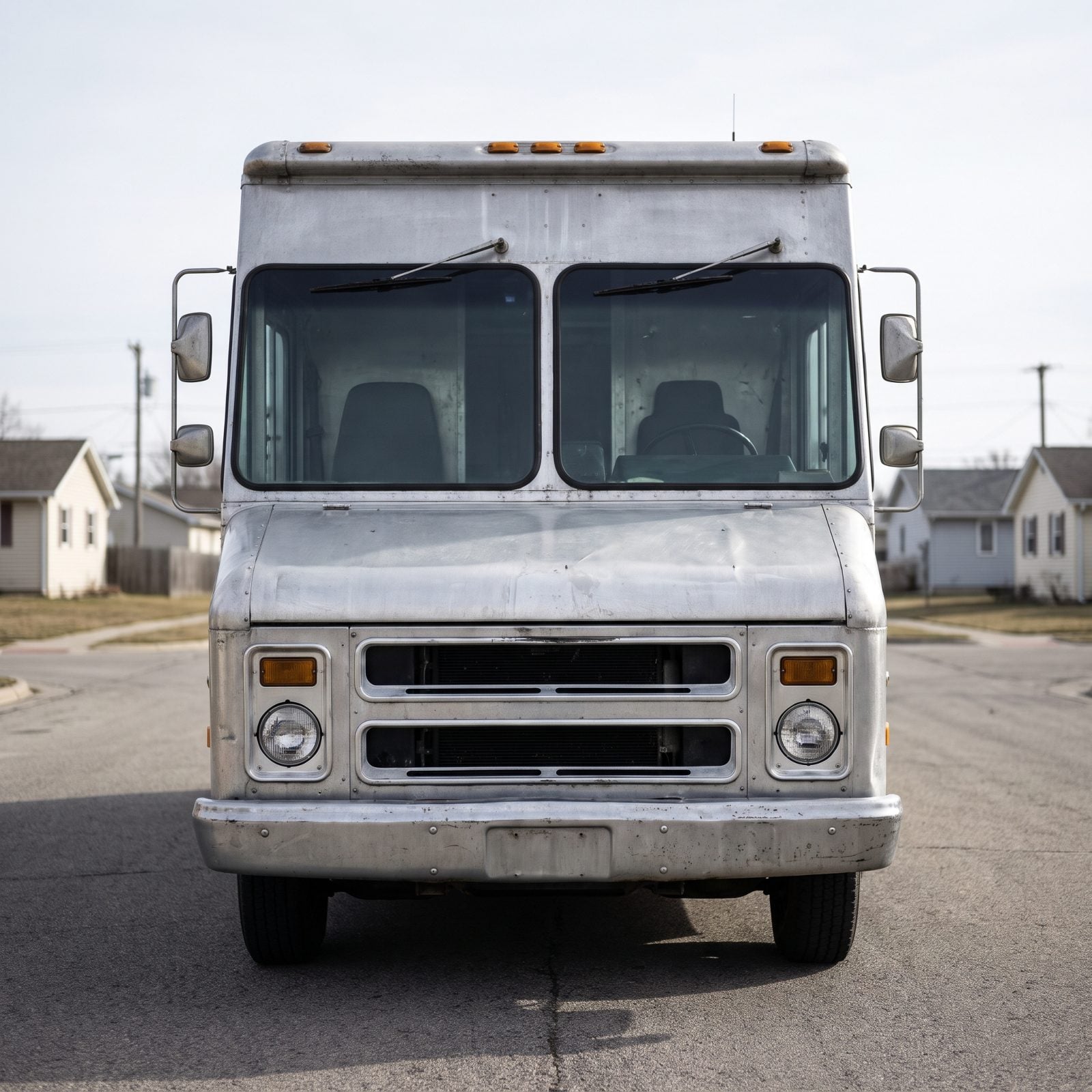
You saw thousands of these and never gave one a second look, which was exactly the point. The Grumman Olson step-van was the plain aluminum box that brought your bread, your mail, and your dry cleaning, built light enough to stop and start all day without drinking fuel.
Grumman knew aluminum from building airplanes, and they poured that know-how into delivery bodies that outlasted the chassis bolted under them. Fleets loved the things because they flat refused to rust.
The end came from the balance sheet, not the road. Bankruptcy shut the lines down and the step-van work scattered to other hands, but the trucks themselves kept running long after the name stopped going on anything new.
14. Ward LaFrance, The Fire-Truck Name That Couldn’t Outbid the Giants
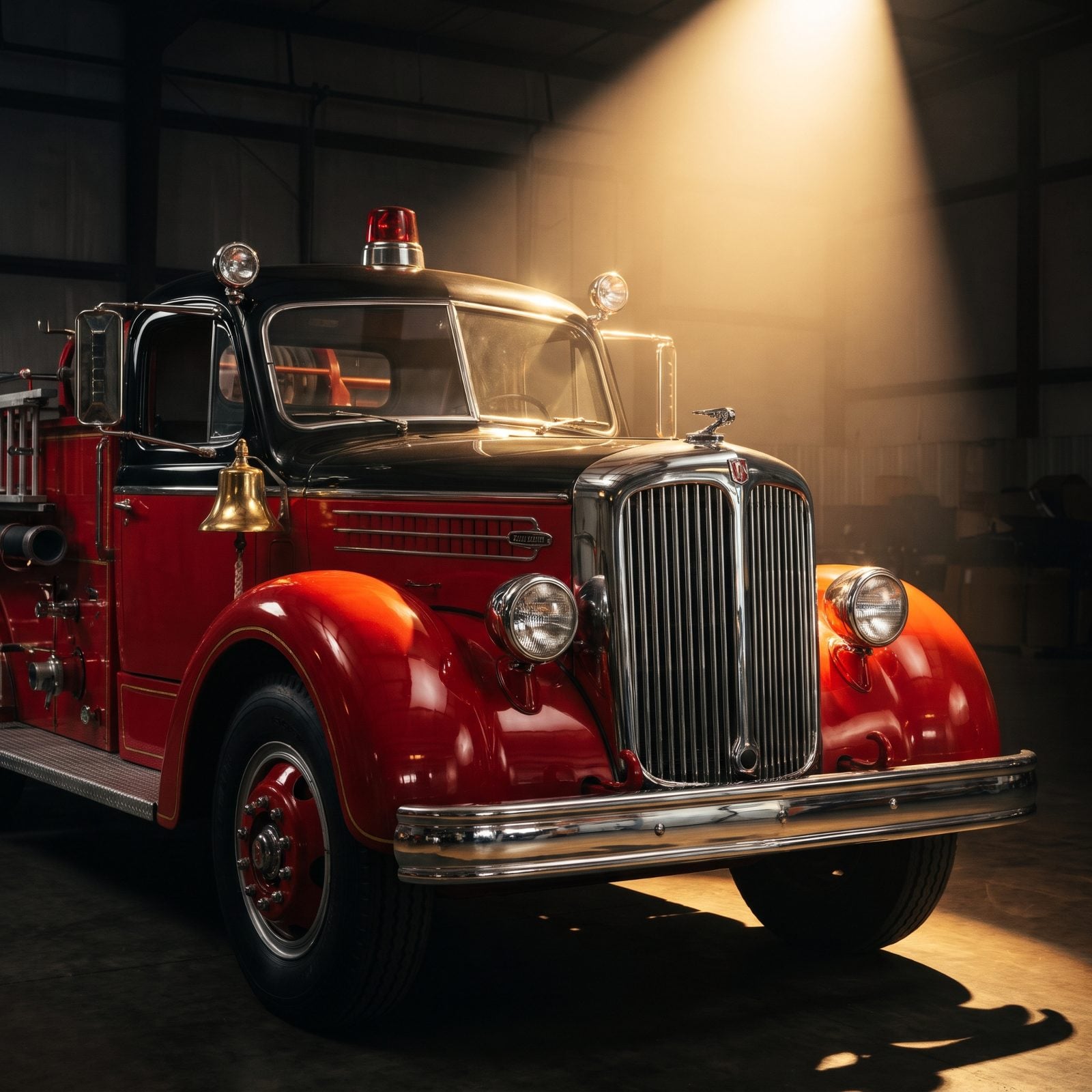
Ward LaFrance built beautiful fire apparatus and still lost. The company turned out pumpers and ladder trucks that small-town and city departments ran hard for decades, with chrome pump panels that looked like something lifted off a steam engine.
Here’s the brutal part of the fire-truck trade: municipal orders go to the lowest responsible bid, and the big manufacturers could sharpen their pencils in ways a smaller shop couldn’t match, year after grinding year.
Squeezed on price and short on cash, Ward LaFrance filed for bankruptcy. Their trucks kept answering calls long after the factory went dark, which is its own quiet tribute.
13. American LaFrance, The 100-Year Fire Institution Sold Into the Ground
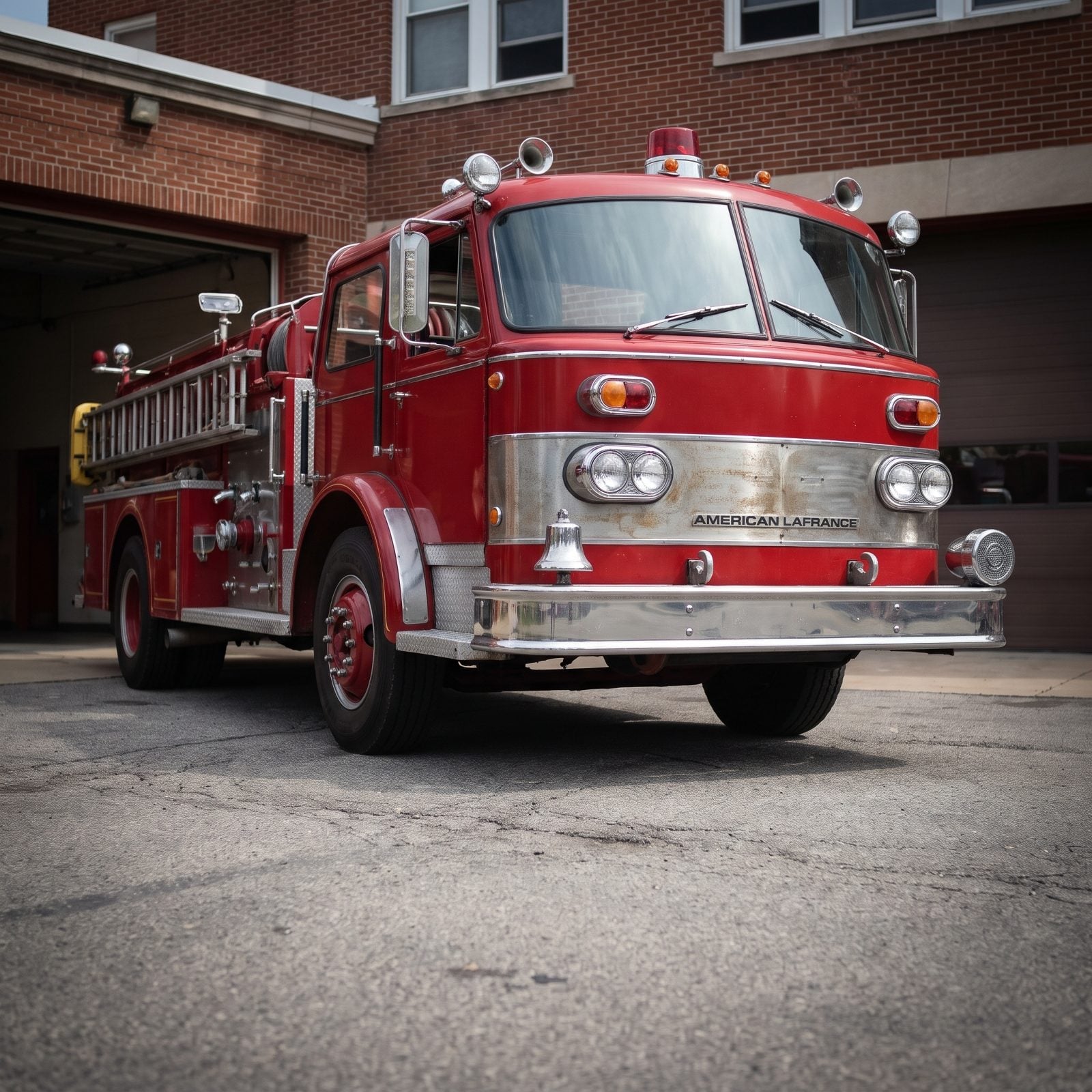
For a century, if a town bought a fire truck, odds were good it wore an American LaFrance badge. The cab-forward engines became the shape kids drew when you handed them a crayon and said fire truck. That flat, cab-forward face was pure American LaFrance.
The name outlived its independence, though. Ownership changed hands again and again, each new owner promising stability, each handoff loosening the roots a little more.
By the end the badge had been shuffled through so many boardrooms it finally stopped meaning a going concern. A hundred years of history doesn’t protect you from a ledger that quits working.
12. Maxim Motor Company, The Massachusetts Pumper Builder That Couldn’t Hold On
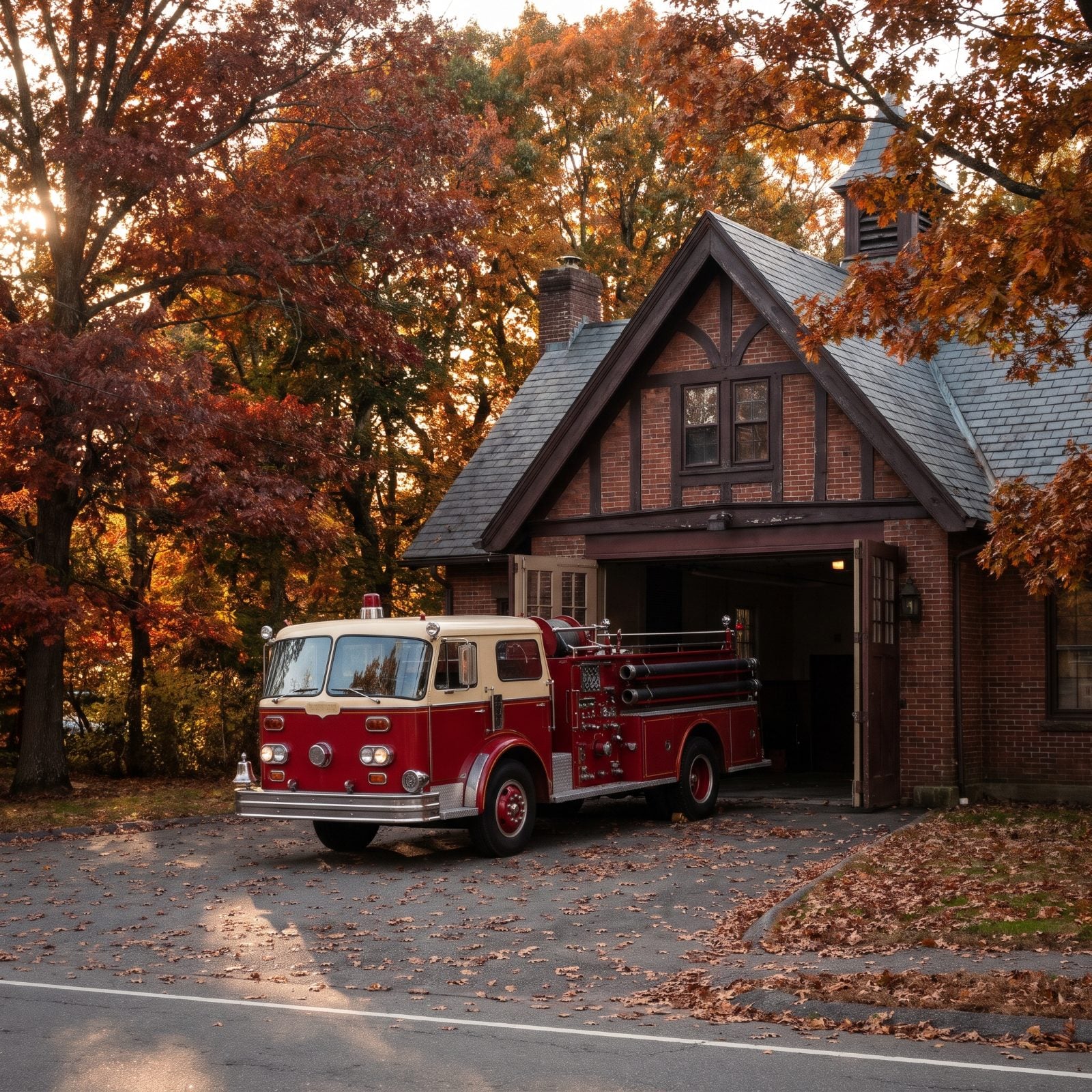
Maxim built fire trucks in Middleborough, Massachusetts. They were the kind of regional outfit that outfitted half the departments in New England and a good stretch beyond it, turning out solid pumpers meant to run for thirty years and then run some more.
Then the orders thinned out. A shop that size needs a steady flow of municipal contracts to keep the floor busy, and when that flow slowed, trouble arrived close behind. Ownership turmoil piled on top of the shrinking order book.
The factory closed. But plenty of Maxim engines are still around, lovingly restored and parked proudly at muster shows, red paint gleaming, nobody willing to let the name slip off quietly.
11. Ahrens-Fox, The Rolls-Royce of Fire Engines, Priced Right Off the Market
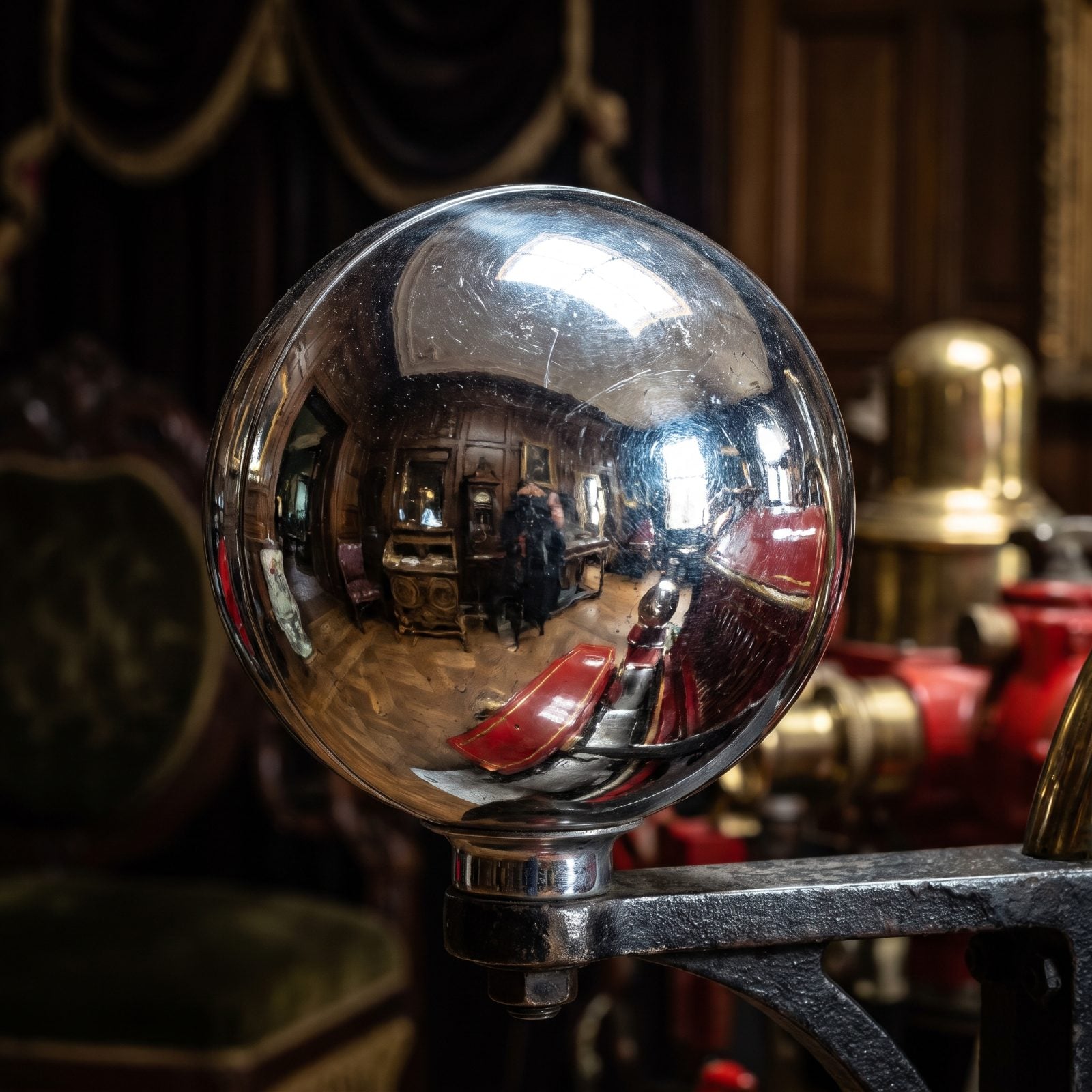
You knew an Ahrens-Fox by the big chrome ball. That polished sphere sitting up front was an air chamber bolted onto the piston pump, and it made the Cincinnati-built engines look like nothing else on the street. Firefighters called them the finest apparatus money could buy, and the price tag backed up the brag.
That was the trap. Each one came together practically by hand, a custom machine with brass and nickel fittings that cost real money to make.
When departments started buying cheaper, mass-produced engines that did the job for a fraction of the price, the arithmetic turned against Ahrens-Fox. Beautiful and broke is a hard combination to survive.
Our readers seem to share the old fondness for brightwork: cars with lots of chrome got more hearts than the other images in the same articles, 82% versus 75%.
10. FWD, The Four-Wheel-Drive Pioneer Folded Into Its Own Sister Brand
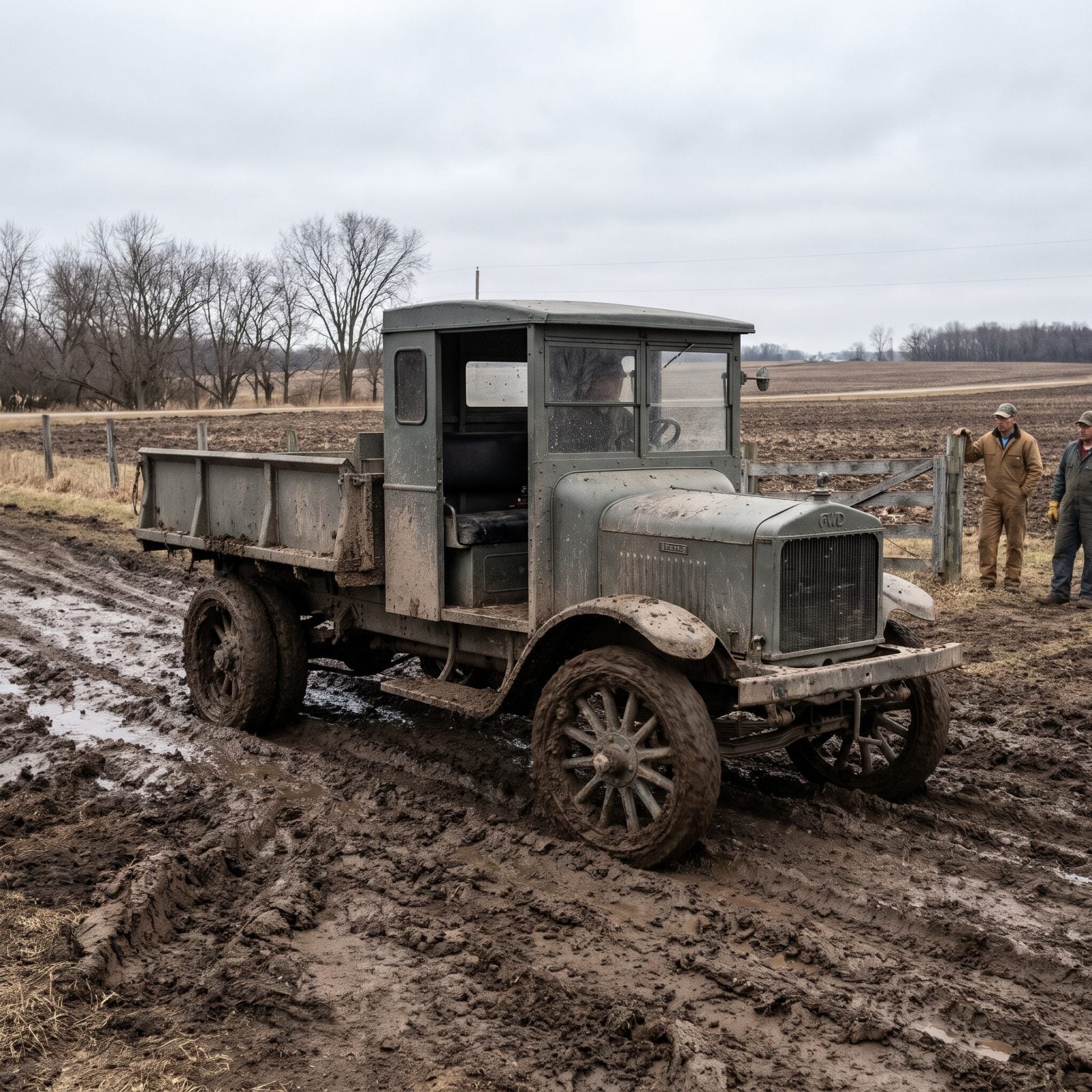
FWD got there first. The Four Wheel Drive Auto Company of Clintonville, Wisconsin, built practical all-wheel-drive trucks back when most of the world was still arguing about whether you needed power at more than two wheels. They settled the argument in mud, in snow, and on battlefields.
For decades FWD trucks hauled through conditions that stopped everything else cold, and the company branched out into fire apparatus, plows, airport rigs, the works.
The ending wasn’t a crash. It was corporate restructuring. FWD got folded in with Seagrave, the fire-apparatus side swallowed the name, and the pioneer that taught America four-wheel-drive quietly became a line item in somebody else’s org chart.
9. Walter Motor Truck, The Snowplow Specialist Whose Niche Shrank Away
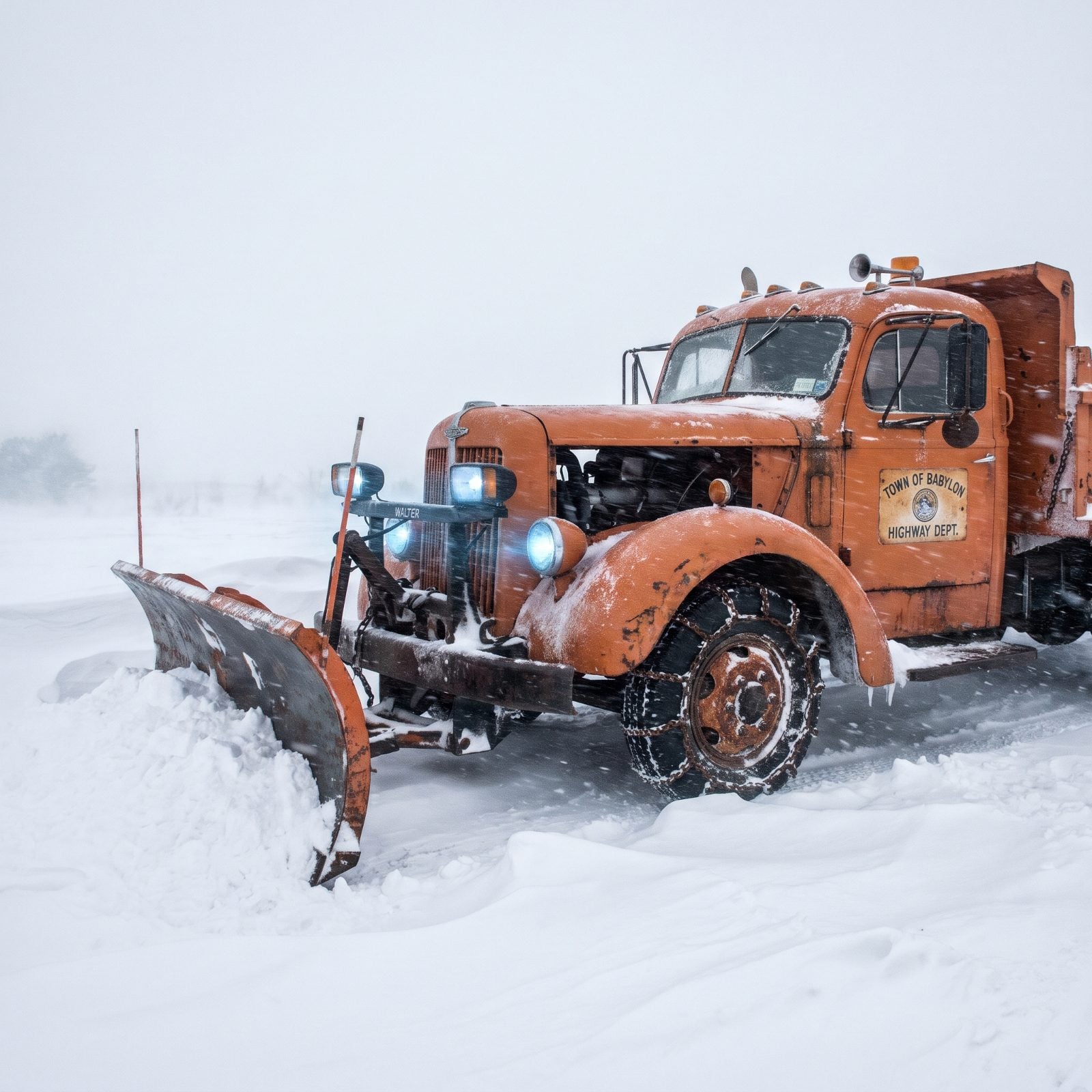
When the snow came down hard enough to bury a road, somebody called for a Walter. These Long Island-built four-wheel-drive monsters cleared the roads and runways that lesser trucks surrendered to. Airports, mountain passes, highway departments drowning in winter, that was Walter’s whole world.
The trouble with owning a niche is that it can shrink right out from under you. The market for heavy snowplows and airport rigs was never huge to begin with, and it got smaller as other builders muscled in and demand patterns shifted.
A company can be the best in the world at one thing and still run out of customers who need that one thing. Walter did exactly that.
8. Euclid, The Off-Highway Legend Whose Badge Got Swapped Out From Under It
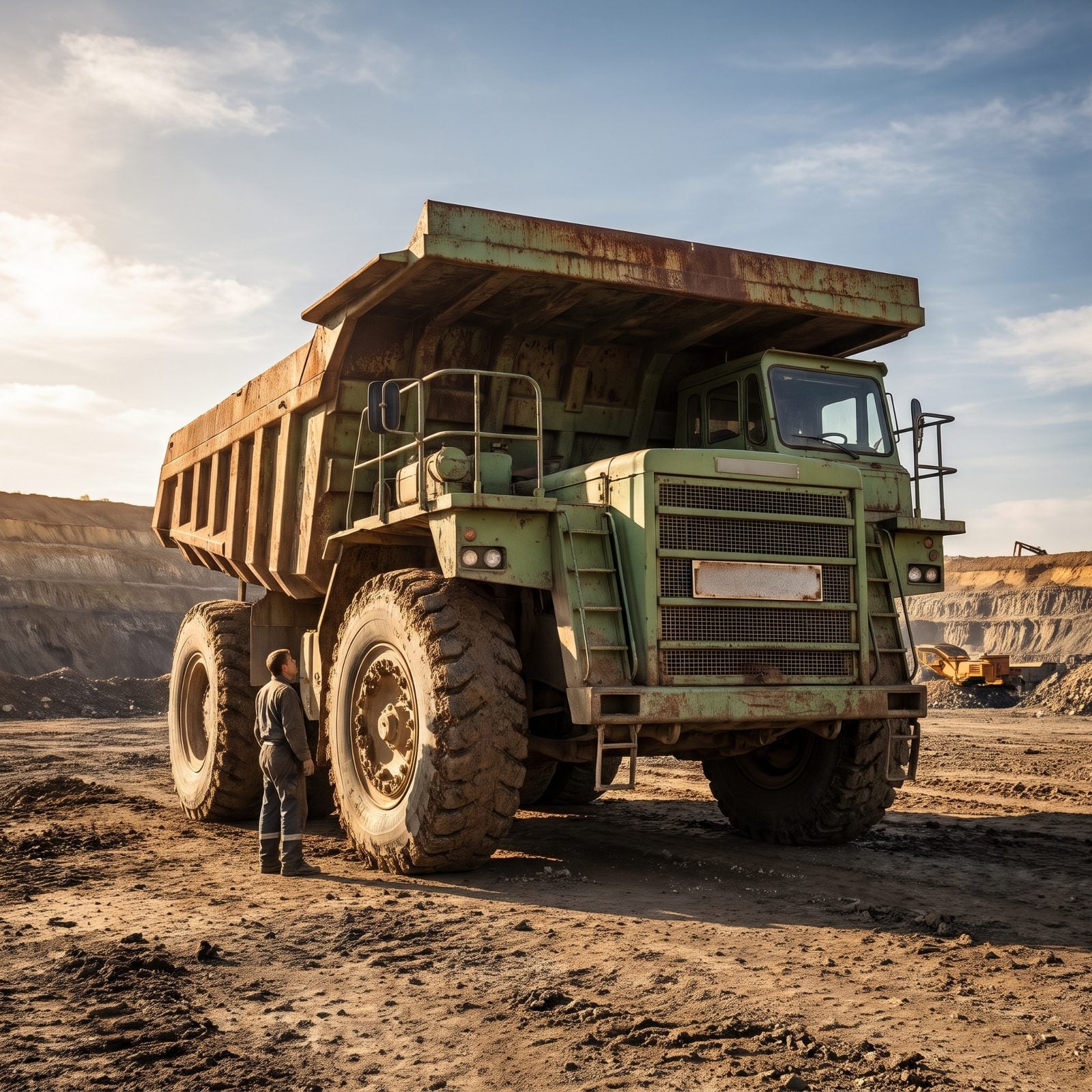
Euclid practically invented the off-highway haul truck as a category of its own. The green monsters moved mountains, literally, dragging rock and ore out of quarries and pits in loads that would flatten an ordinary truck. For years “Euclid” was just shorthand for the whole machine.
Then the ownership shuffle began. Antitrust pressure forced General Motors to sell off pieces of it, the name changed hands, and one owner after another peeled the famous badge and bolted on their own.
The trucks kept working under new names. But the Euclid badge, the one that meant something in every quarry in the country, got retired by owners who had their own brands to push. A legend doesn’t always get a dramatic ending. Sometimes it just gets a new nameplate screwed over the old one.
7. Linn Manufacturing, The Half-Track Hauler That Time Drove Around
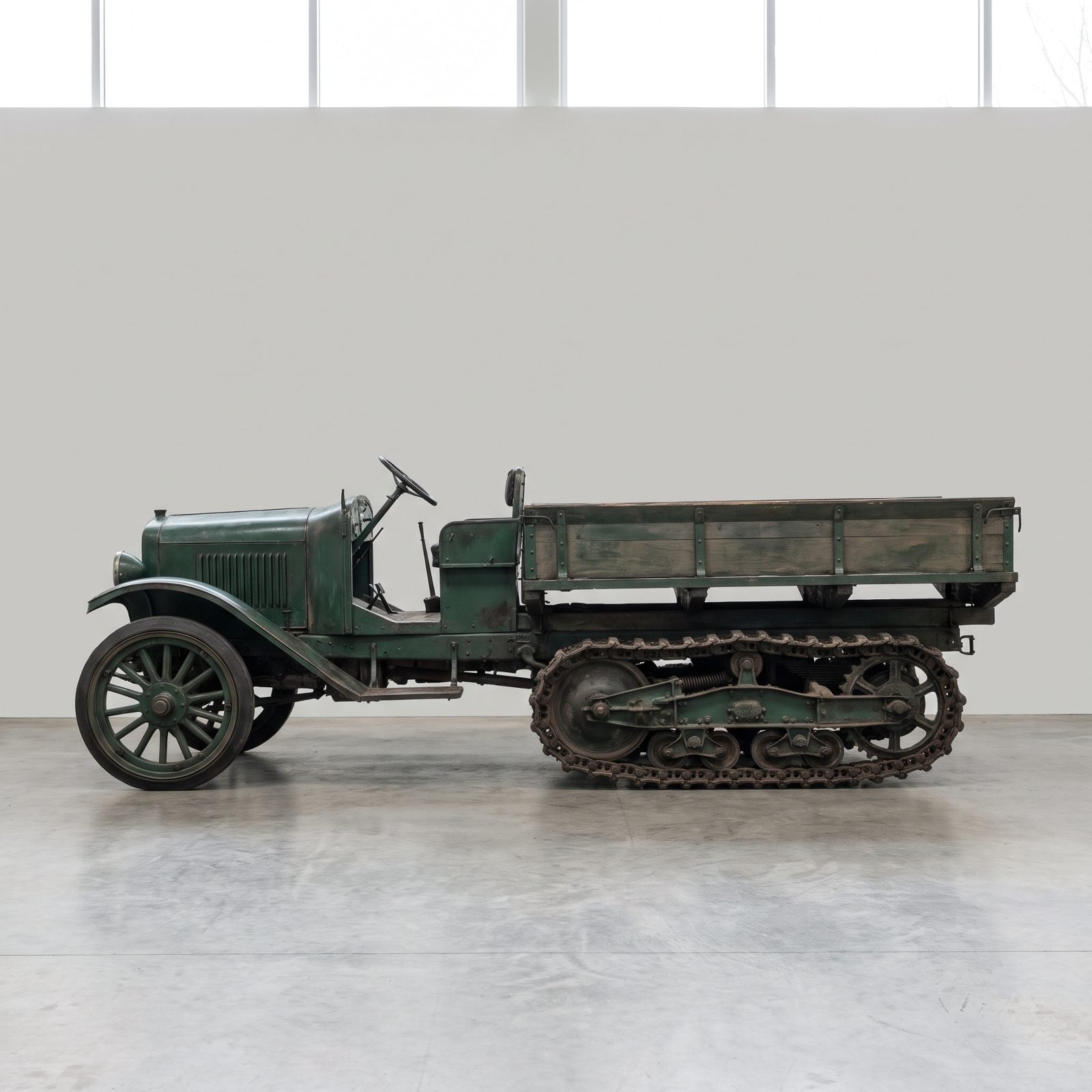
Look at a Linn truck and you do a double take. Wheels up front, crawler tracks out back, a half-track hauler built in upstate New York for places where a road was more suggestion than fact. Logging camps, construction sites, frozen ground and bottomless mud, the Linn went through all of it.
For a good while that layout was genuinely clever, giving flotation and traction the wheeled trucks of the day couldn’t touch. Carl Linn worked it out early and sold a lot of them.
Then four-wheel-drive and crawler technology moved on. Newer off-road machinery did the half-track’s job better and simpler, and the clever old design simply got passed by. The ground never changed. The machines that crossed it did.
6. Pierce-Arrow Trucks: The Luxury Name That Dragged Its Commercial Line Down With It
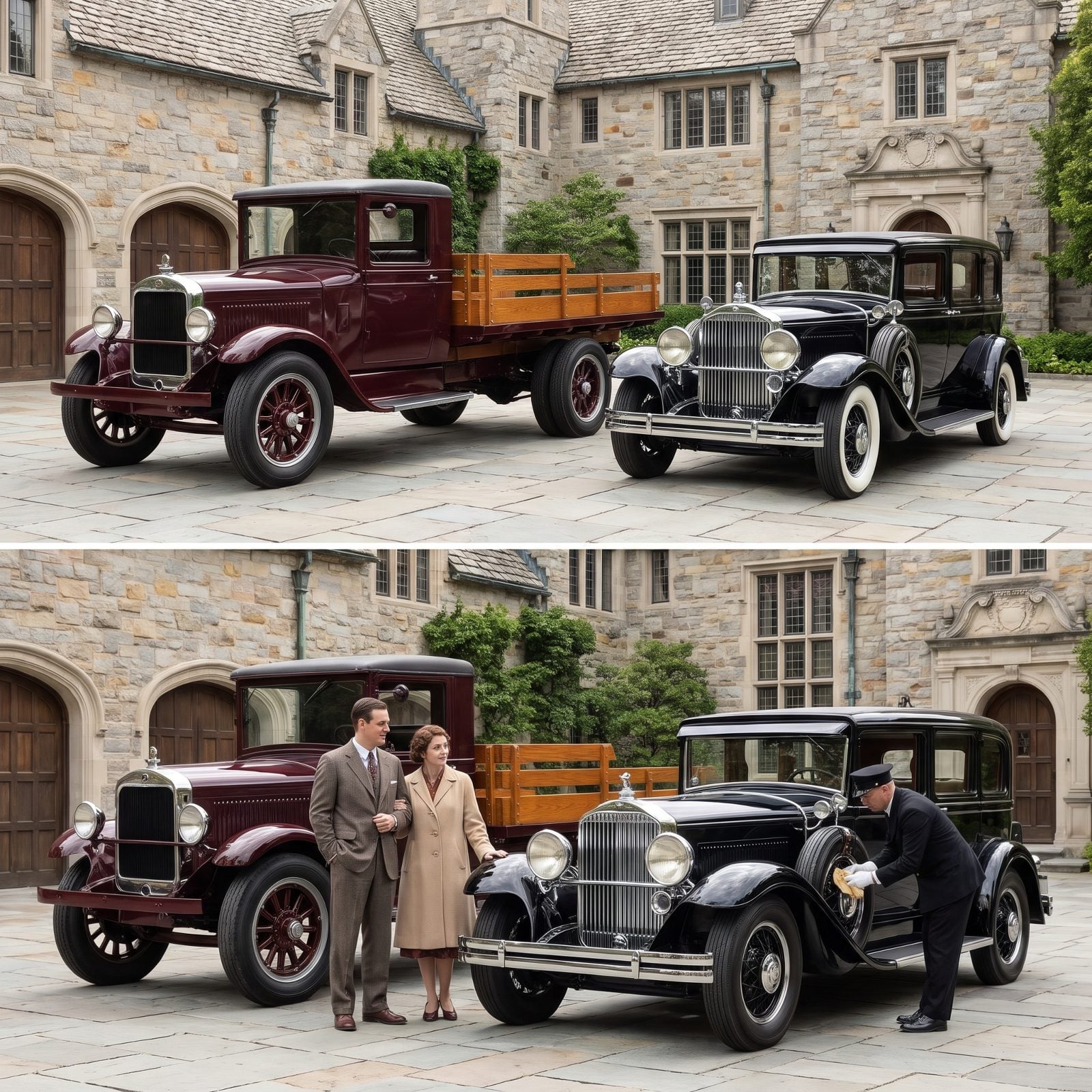
Pierce-Arrow built trucks the way it built its limousines: overbuilt, expensive, aimed at buyers who could afford the best. That same polish, the tall chrome grilles, the winged mascots, the gleaming lamps flanking the radiator, showed up on the commercial chassis too. Fire departments loved them. So did moving companies that wanted their fleet to look like money.
And here’s the trouble with building trucks under a luxury badge during the Depression. When the luxury car business cratered, it took everything attached to it. The passenger line collapsed, the company bled cash, and by 1938 it was done. The trucks were never the problem. They were just handcuffed to a name that couldn’t survive the decade.
5. Packard Trucks: The Day Packard Decided Luxury Cars Were the Only Game Worth Playing
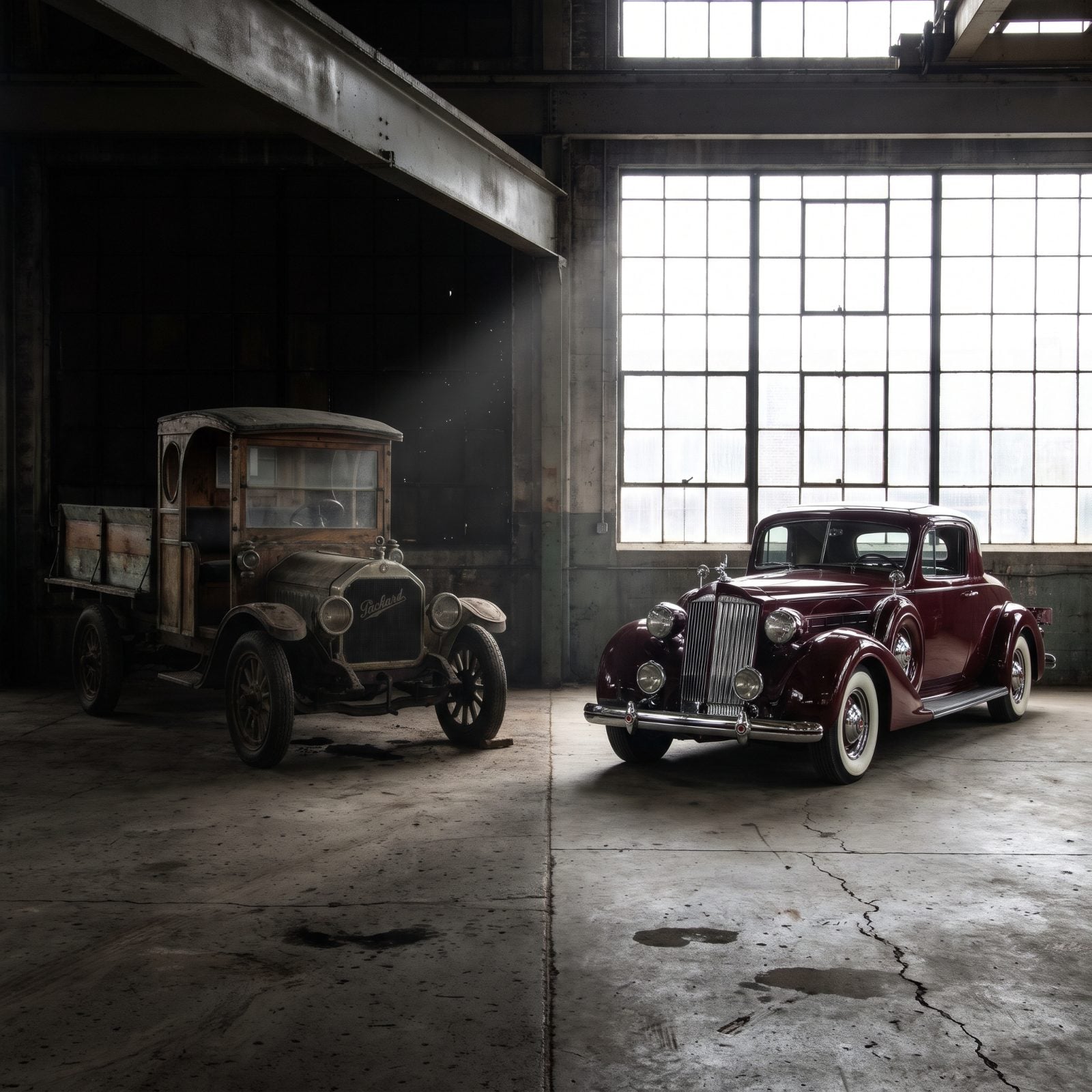
Packard made a cold, clear-eyed decision, and it was probably the right one. In the 1910s the company built sturdy, well-engineered commercial trucks that earned a real reputation, especially during the First World War. They were good. Nobody disputes that.
But Packard looked at its own math and saw where the profit lived. Trucks spread the company thin, while building the finest motorcar in America kept the Packard name golden. So around 1923 it walked away from trucks entirely to pour everything into the luxury line. For decades that bet paid off handsomely.
This one is oddly admirable. Most of these brands died because somebody refused to quit. Packard quit on purpose, while the trucks were still good, and lived another thirty years because of it.
4. Oldsmobile Trucks: Swallowed Whole When GM Handed Every Truck to GMC
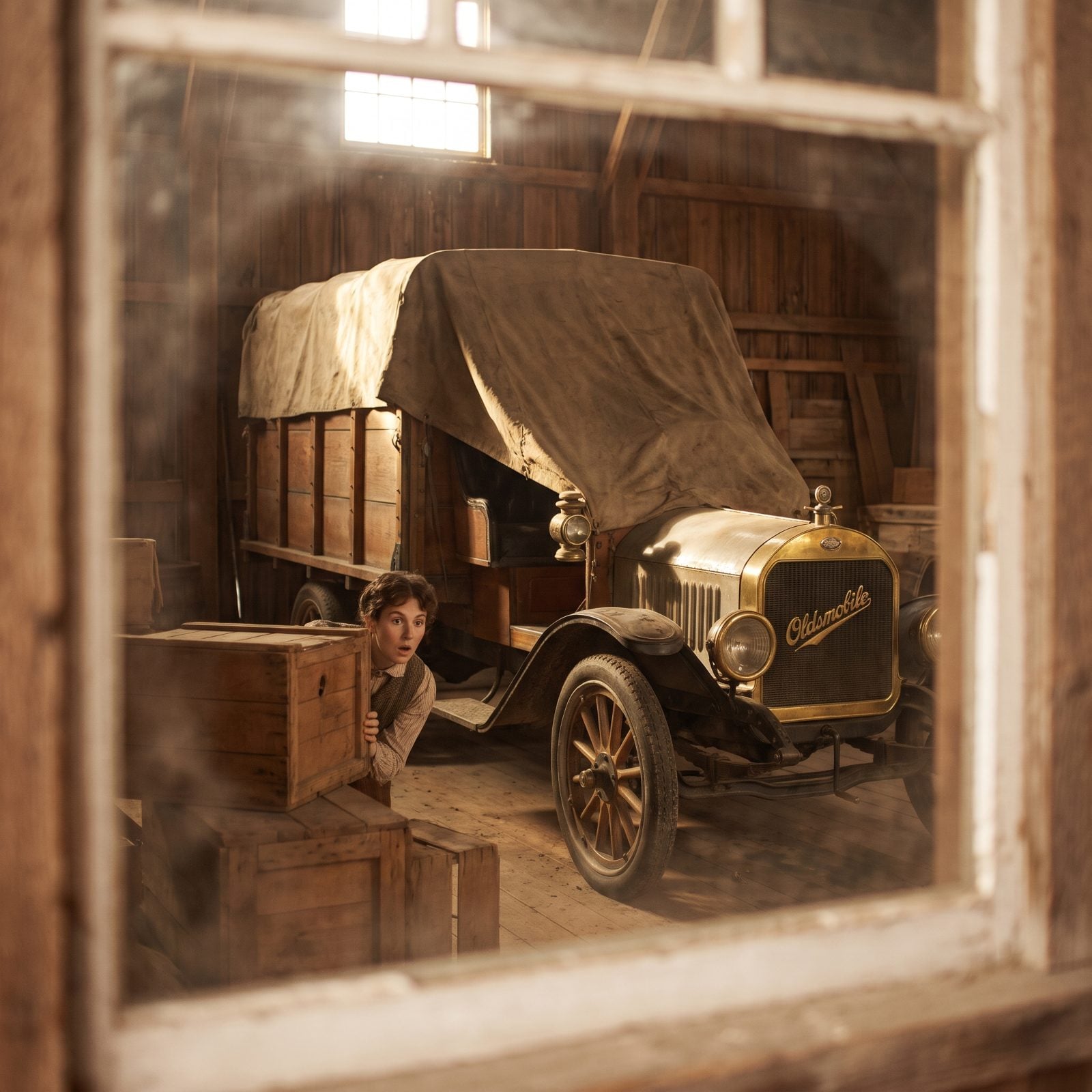
Oldsmobile building trucks sounds strange now, because we’ve known it as a car division for so long. Back in the early days, though, the brand turned out commercial and delivery rigs like a lot of its contemporaries. The badge was on the hood. The work got done.
Then General Motors did what General Motors does: it organized. Rather than let a dozen divisions each build competing trucks, GM funneled commercial production into one brand, GMC, and let the car divisions do what they did best. Oldsmobile’s trucks got absorbed into the machine. No bankruptcy, no scandal, just a corporate reshuffle that quietly erased a name from the loading dock.
3. Riker Trucks: The Electric Pioneer Erased by Locomobile’s Checkbook
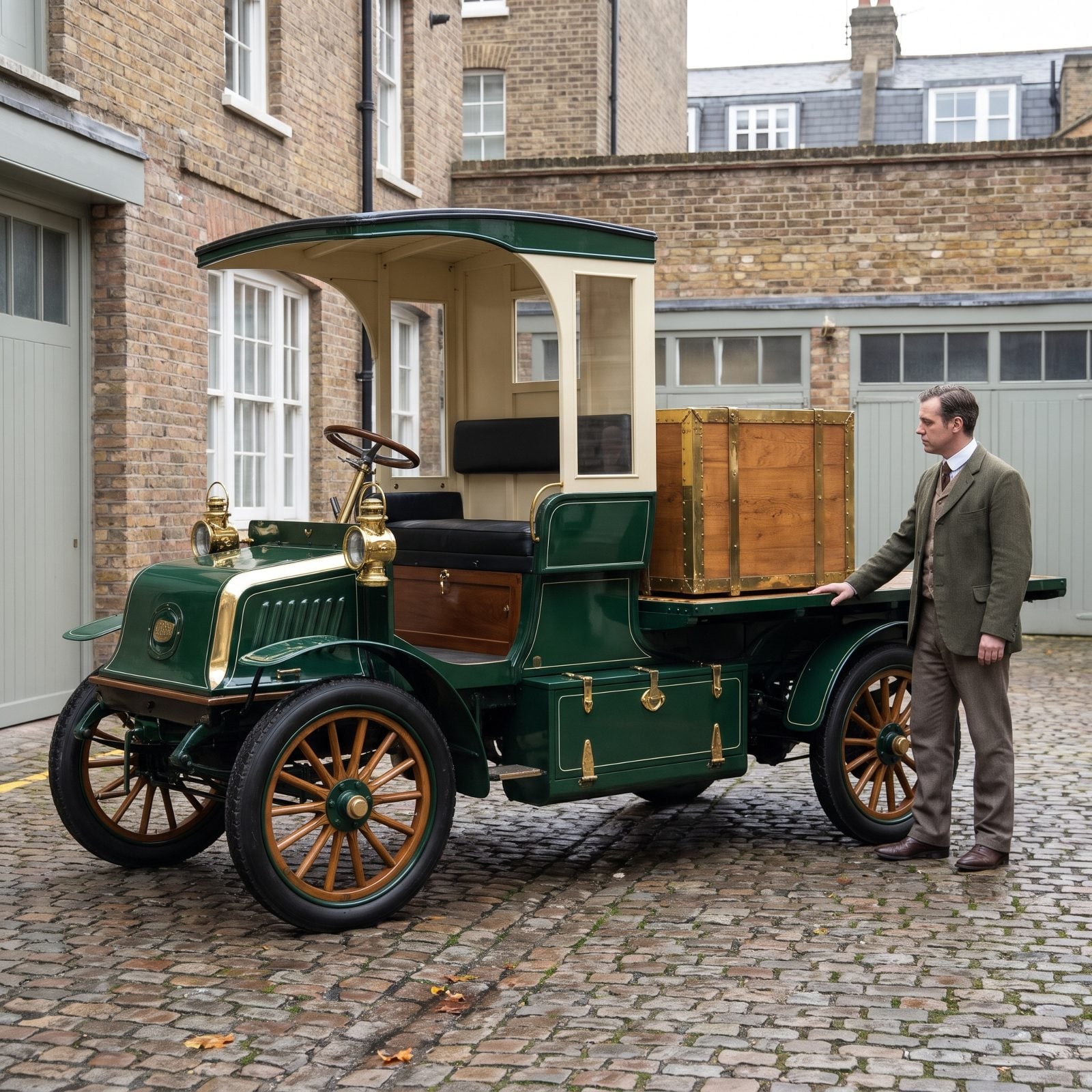
Before gasoline won, electric trucks had a real moment, and Riker was one of the names that made them run. Quiet, clean, torquey off the line, these early electrics made perfect sense for short city delivery loops where range didn’t matter and horses still ruled the streets. Riker was a genuine pioneer, and the engineering was sharp.
The end came not from failure but from a handshake. Locomobile bought the operation, and the Riker name got folded under the new owner. The technology drifted along and the founder moved on, but the brand that had helped prove electric trucks could work just evaporated into someone else’s letterhead.
2. Studebaker Trucks: A Wagon Dynasty Undone by a Dying Balance Sheet
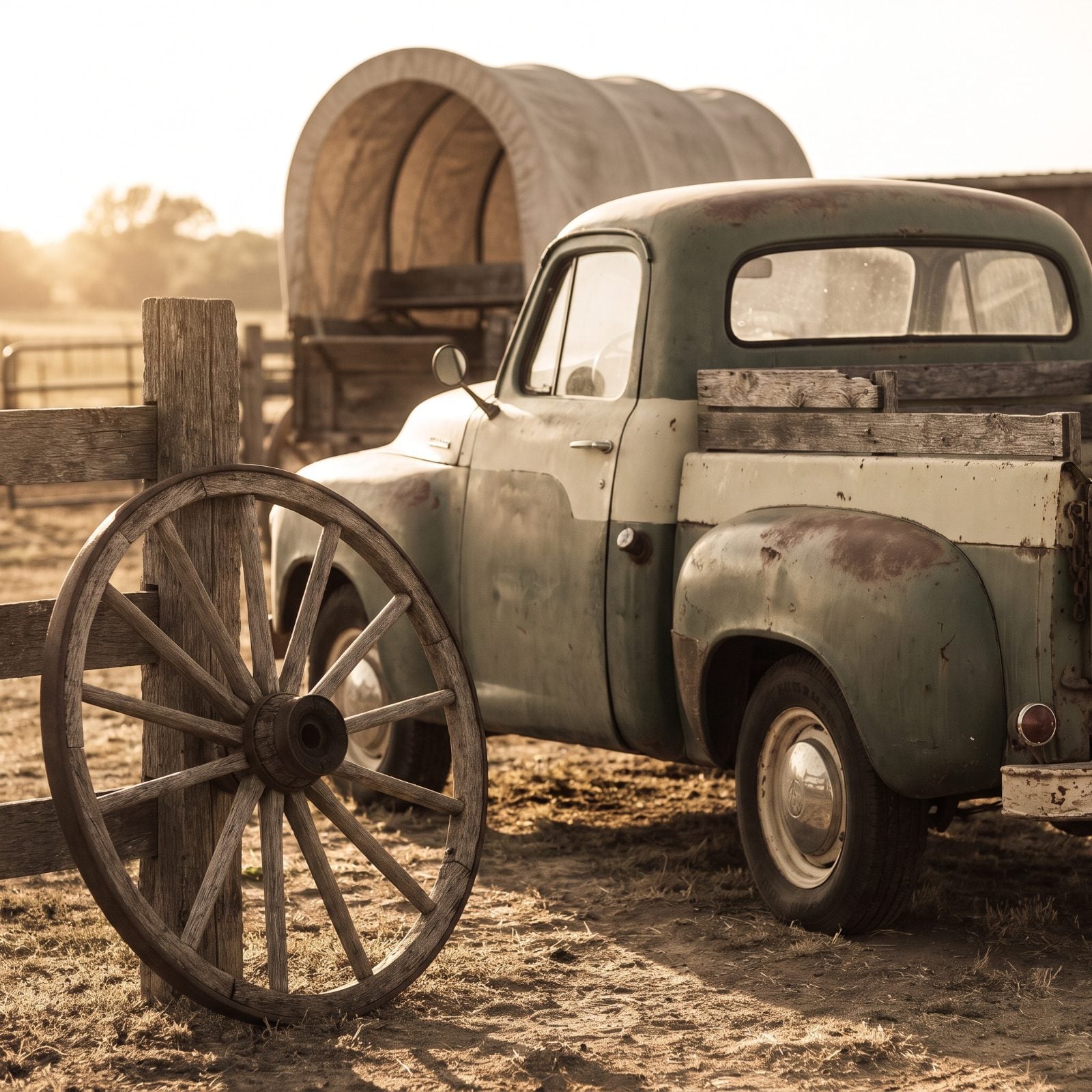
Studebaker had the longest runway of anyone here. It started building wagons before the Civil War, moved into motor vehicles, and turned out trucks that people genuinely loved. Those postwar pickups had a rounded, friendly look that still turns heads at a cruise night, all soft curves and chrome while the competition went square.
None of it was enough. Studebaker spent its final years losing money it couldn’t replace, caught between the Big Three’s deep pockets and its own aging plants. The truck line went down with the ship when the company’s finances finally gave out in the 1960s. A hundred years of building things people hauled stuff with, gone because the ledger ran red.
The trucks didn’t fail the company. The company ran out of road underneath them.
1. Diamond Reo: The Merger-Born Heavy Hauler That Bankruptcy Finished Off
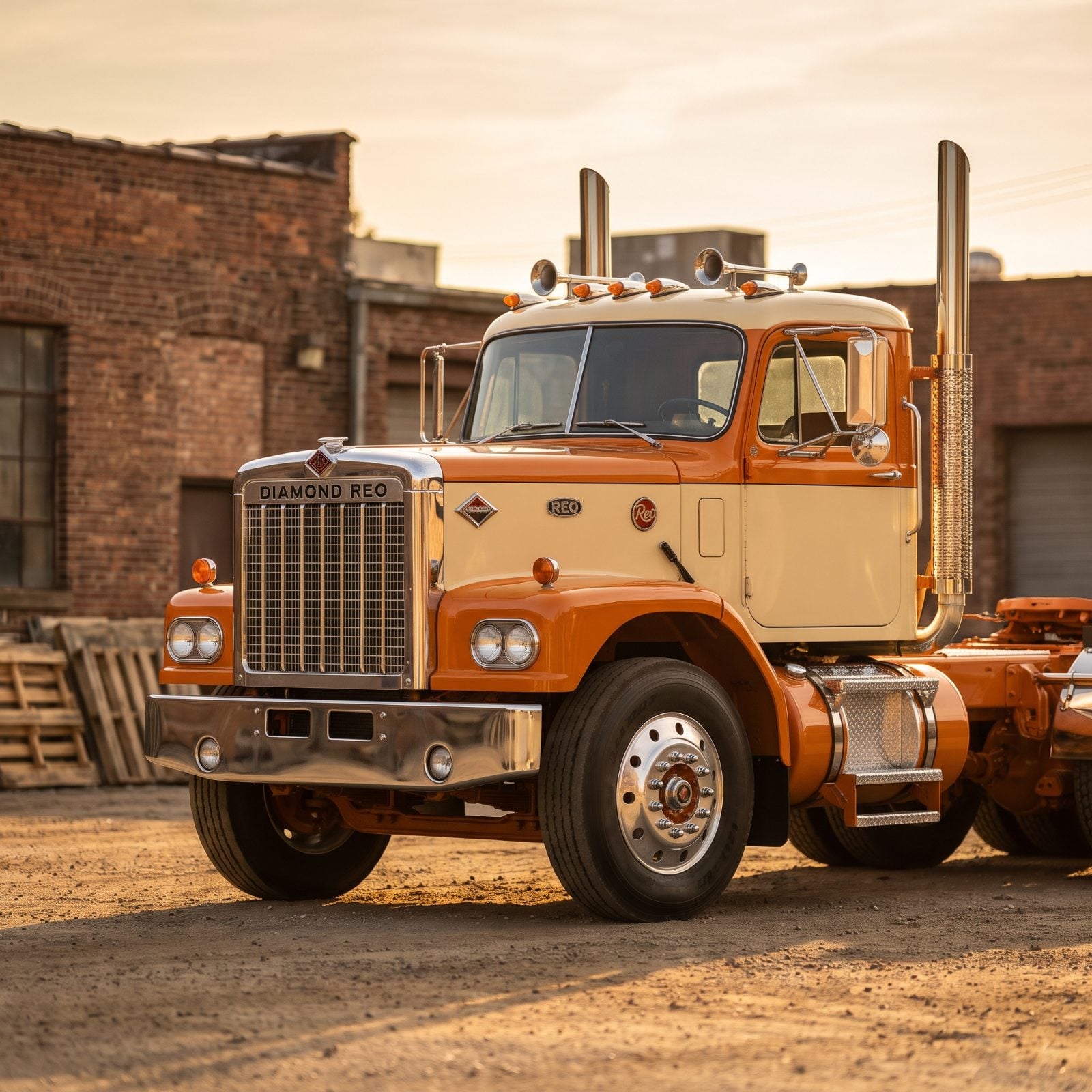
You can still hear old drivers say the name with respect. Diamond Reo came out of a 1967 marriage of two storied truck builders, Diamond T and Reo, both of which had earned their stripes hauling heavy freight for decades. The combined company put tough, handsome conventional rigs on the interstate at exactly the moment long-haul trucking was booming.
So why isn’t it still here? The company went bankrupt in the mid-1970s, and no amount of built-tough reputation can outrun a failing balance sheet. The brand got sold, revived, shuffled, and faded through a string of owners, each one a little more watered down than the last.
That’s the thread running through every name here. The engineering was rarely the killer. It was the money, the mergers, the reshuffles, the quiet decision in a boardroom far from any loading dock. These trucks could take the load. The companies behind them couldn’t.