
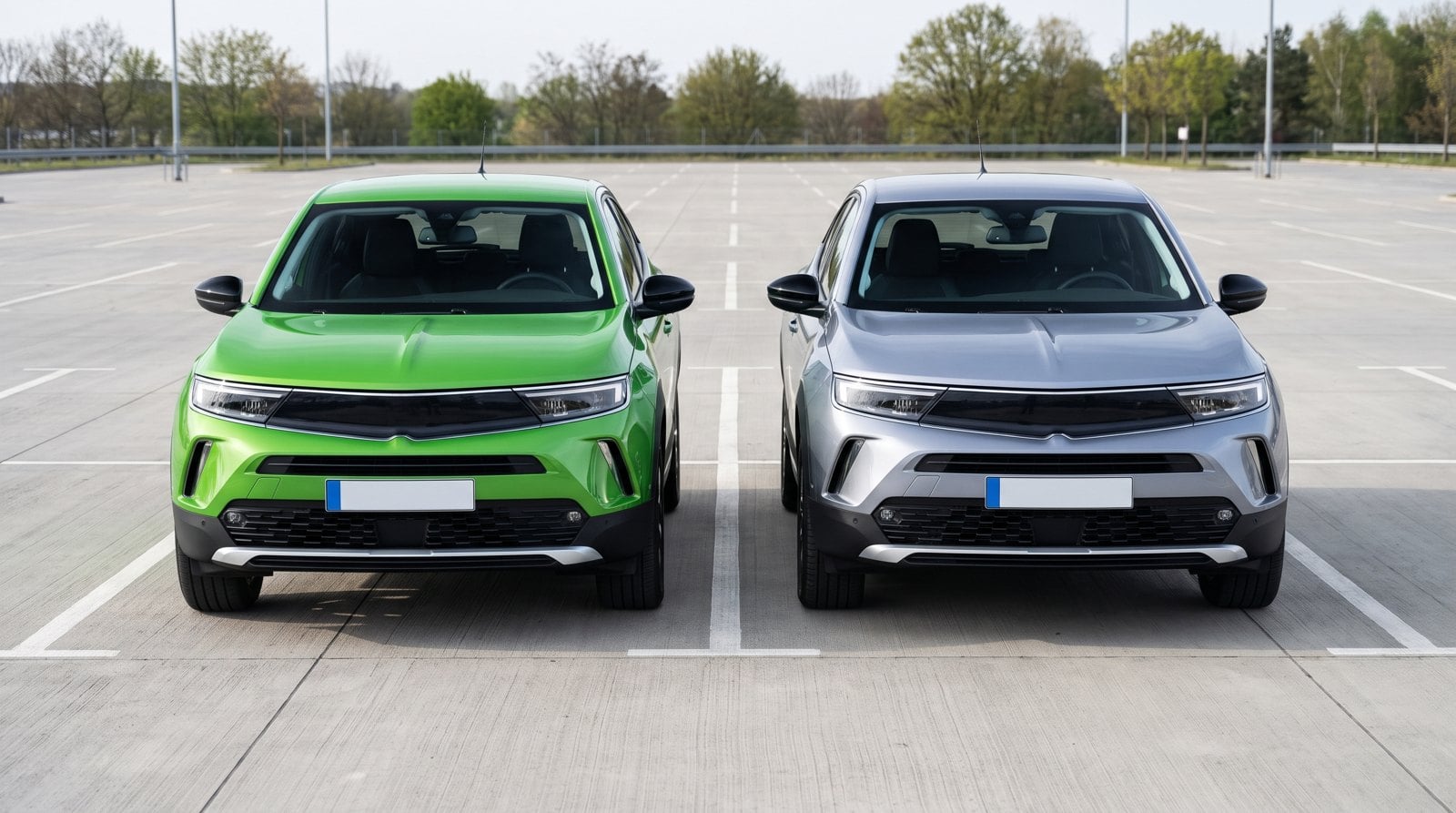
Everybody says hybrids hold their value better than gas cars. We lined up 15 hybrids against the gas version of the same model, and the hybrid kept a bigger share of its sticker price in only three.
Please note that some of the images in this article were created with the assistance of AI.
As a category, hybrids do beat the market. The average hybrid loses about 35 percent in five years against roughly 42 percent for all vehicles. But that average leans on Toyotas with no gas twin at all, such as the Prius and Sienna. Put a hybrid next to its own gas sibling and the picture changes.
There is a twist, though. In most of these pairs the used hybrid still sells for more dollars than the gas car. It cost more new, so it keeps a smaller percentage of a larger number. Both figures are shown for every pair, counted down from the hybrid that trails its twin the most to the three that beat it.
#15. Honda Accord Hybrid (2020–2021 model years)
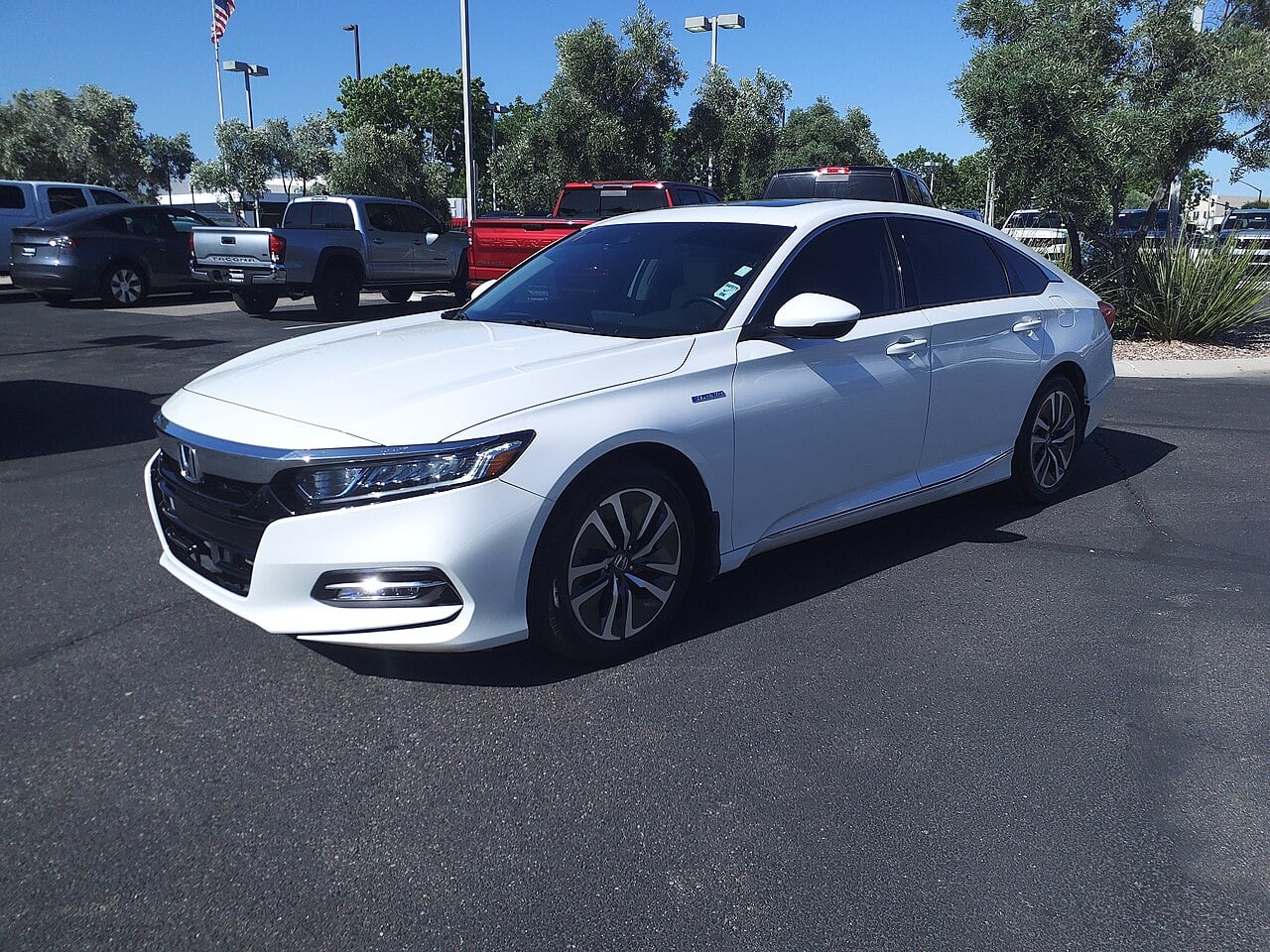
Photo: HJUdall / Wikimedia Commons, CC0 (licence, file page)
Hybrid holds 6.4 points less.
| Value kept after 5 years | Avg. price at 5 years old | |
|---|---|---|
| Honda Accord Hybrid | 61.7% | $23,649 |
| Honda Accord (gas) | 68.1% | $22,687 |
iSeeCars’ separate 2026 study puts 5-year depreciation at 36.8% for the hybrid and 30.5% for the gas model. CarEdge projects 36% depreciation for the model line as a whole.
The biggest gap of all 15 pairs. The Accord Hybrid is a fine car, quick off the line and very efficient. The gas Accord just holds its value so well that the hybrid cannot keep pace.
Even so, the used hybrid sells for nearly $1,000 more than the gas car. Honda now makes the hybrid the default on most Accord trims, a sign of where things are headed.
Sources: iSeeCars resale value: hybrid cars, iSeeCars 2026 depreciation study, iSeeCars resale value: midsize cars, CarEdge depreciation: Honda Accord
#14. Jeep Wrangler Unlimited 4xe (2021 model year)
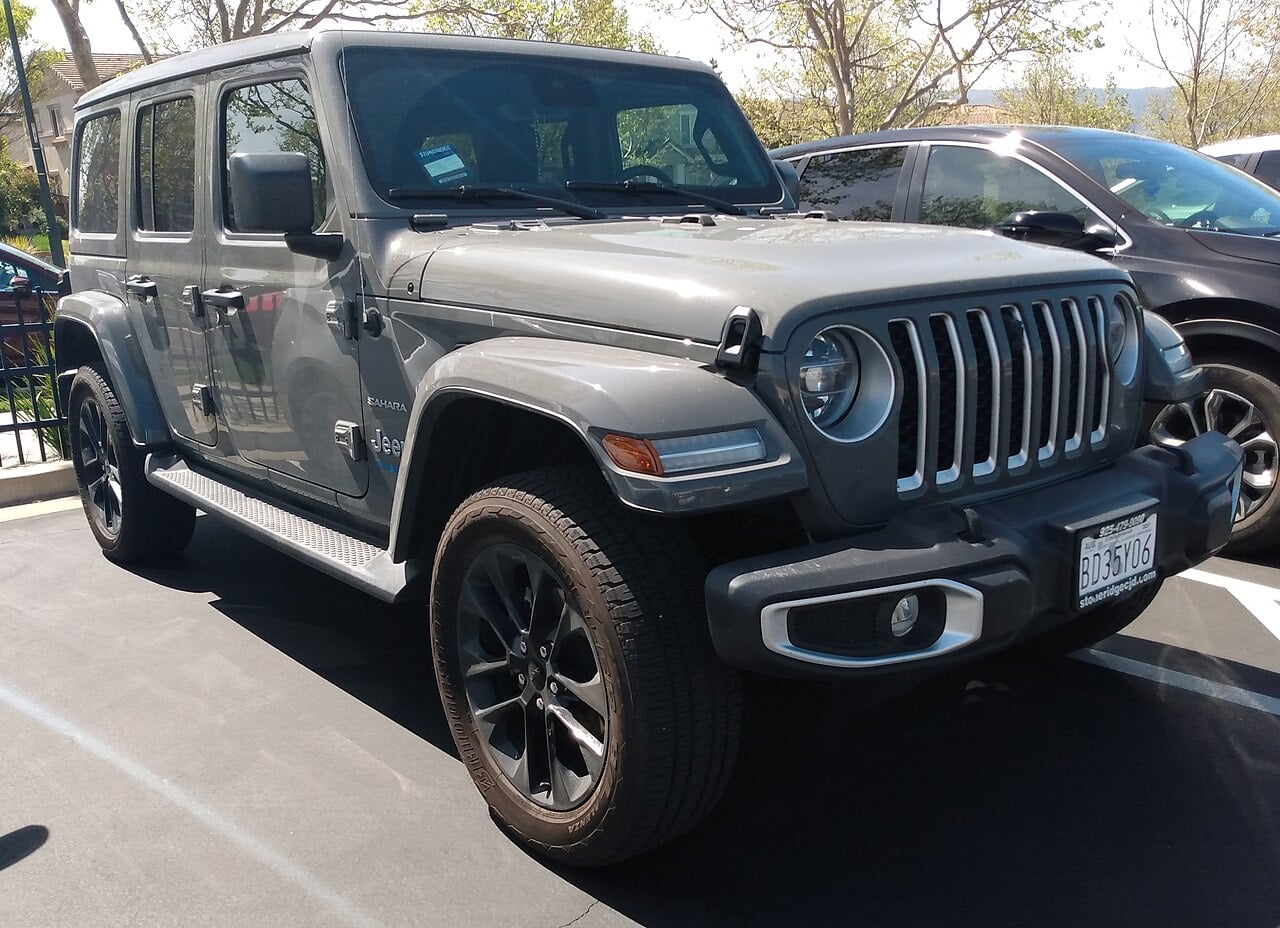
Photo: DestinationFearFan / Wikimedia Commons, CC BY-SA 4.0 (licence, file page)
Hybrid holds 5.5 points less.
| Value kept after 5 years | Avg. price at 5 years old | |
|---|---|---|
| Jeep Wrangler Unlimited 4xe | 57.3% | $27,271 |
| Jeep Wrangler Unlimited (gas) | 62.8% | $29,367 |
CarEdge projects 59% depreciation for the hybrid.
The Wrangler 4xe became the best-selling plug-in hybrid in America for a stretch, pushed along by a federal tax credit and aggressive lease deals. Those incentives are exactly why the used number looks weak.
The regular Wrangler is a resale legend. The 4xe has had recalls related to its battery, and used ones sell for about $2,100 less than the gas version. Check that the recall work has been done.
Sources: iSeeCars resale value: hybrid suvs, iSeeCars resale value: midsize suvs, CarEdge depreciation: Jeep Wrangler 4xe
#13. Hyundai Elantra Hybrid (2021 model year)
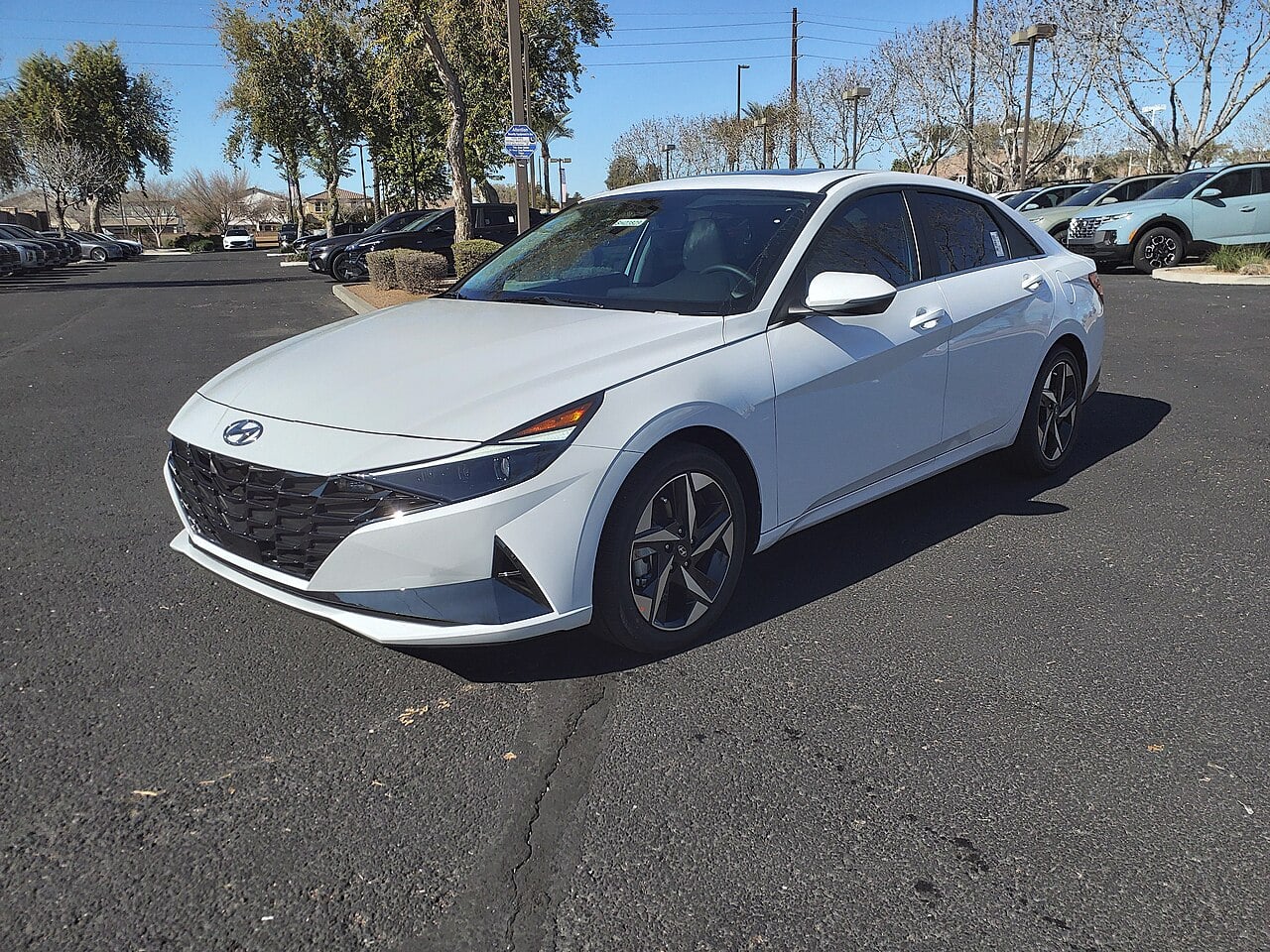
Photo: HJUdall / Wikimedia Commons, CC0 (licence, file page)
Hybrid holds 5.5 points less.
| Value kept after 5 years | Avg. price at 5 years old | |
|---|---|---|
| Hyundai Elantra Hybrid | 58.1% | $19,154 |
| Hyundai Elantra (gas) | 63.6% | $16,504 |
CarEdge projects 40% depreciation for the model line as a whole.
A very frugal compact sedan that arrived for 2021. It costs meaningfully more than a base Elantra, and Hyundai sells a lot of base Elantras.
The gap in percentage terms is one of the widest here. In dollars, the hybrid is worth about $2,650 more at five years.
Sources: iSeeCars resale value: hybrid cars, iSeeCars resale value: small cars, CarEdge depreciation: Hyundai Elantra
#12. Honda CR-V Hybrid (2020–2021 model years)
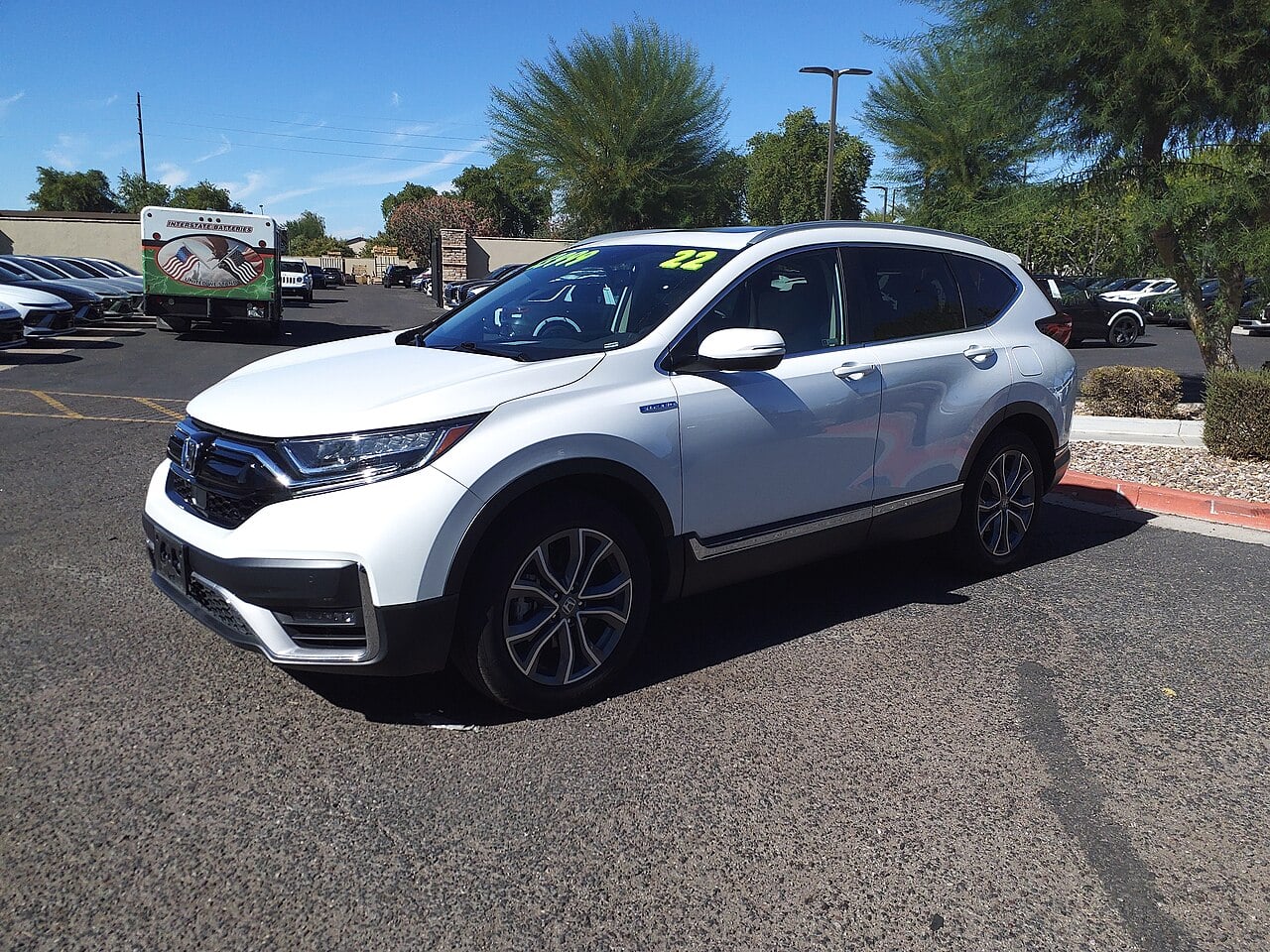
Photo: HJUdall / Wikimedia Commons, CC0 (licence, file page)
Hybrid holds 5.3 points less.
| Value kept after 5 years | Avg. price at 5 years old | |
|---|---|---|
| Honda CR-V Hybrid | 65% | $26,652 |
| Honda CR-V (gas) | 70.3% | $24,887 |
iSeeCars’ separate 2026 study puts 5-year depreciation at 34.1% for the hybrid and 28.9% for the gas model. CarEdge projects 29% depreciation for the model line as a whole.
Honda introduced the CR-V Hybrid in the US for 2020. It is smooth and efficient, and it trails the gas CR-V by more than five points.
That is mostly a compliment to the gas CR-V, which is among the best at holding value in any segment. The hybrid still sells for close to $1,800 more used.
Sources: iSeeCars resale value: hybrid suvs, iSeeCars 2026 depreciation study, iSeeCars resale value: small suvs, CarEdge depreciation: Honda CR-V
#11. Ford Explorer Hybrid (2020–2021 model years)
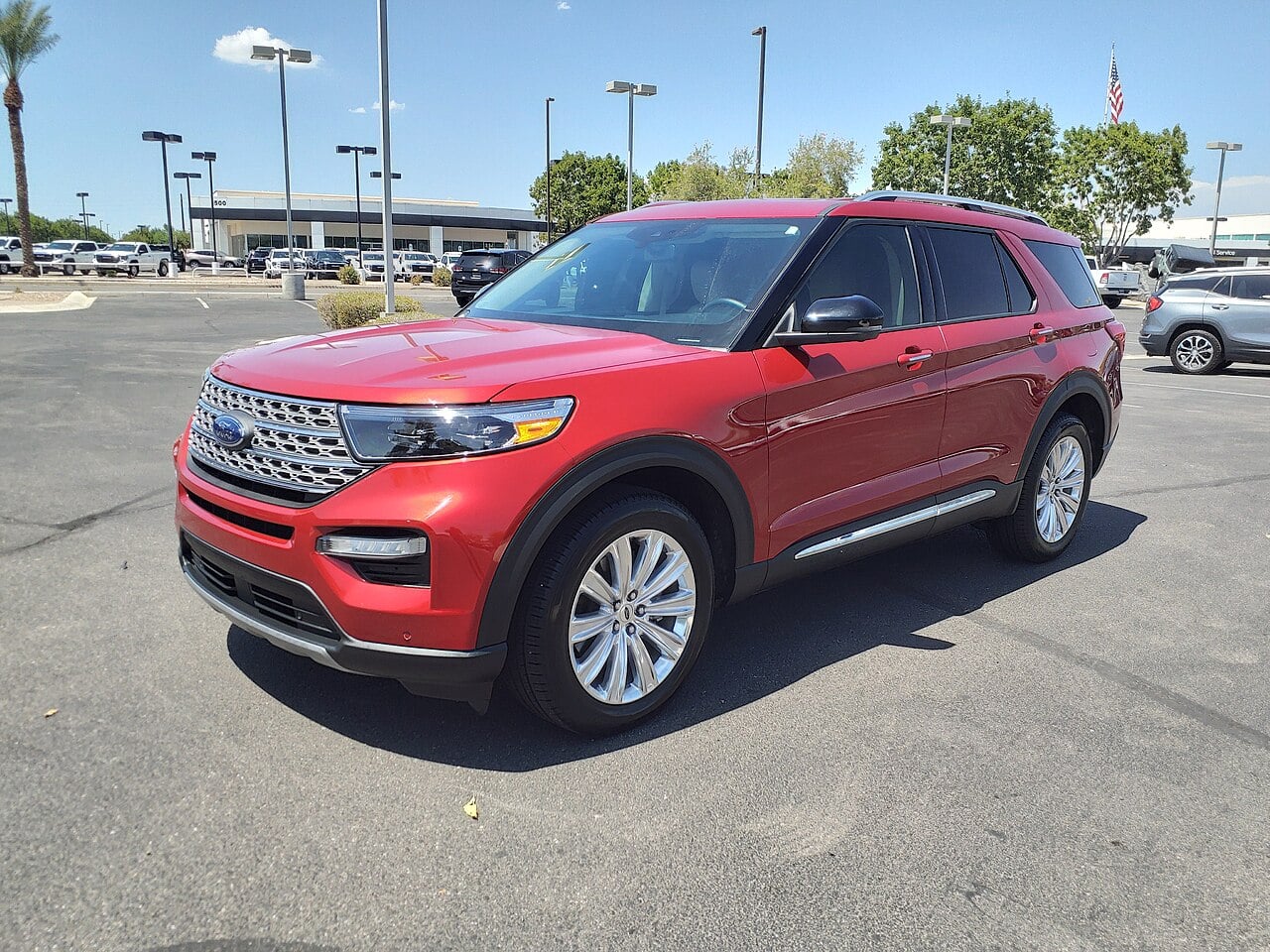
Photo: HJUdall / Wikimedia Commons, CC0 (licence, file page)
Hybrid holds 5.1 points less.
| Value kept after 5 years | Avg. price at 5 years old | |
|---|---|---|
| Ford Explorer Hybrid | 45.2% | $25,980 |
| Ford Explorer (gas) | 50.3% | $24,586 |
iSeeCars’ separate 2026 study puts the hybrid’s 5-year depreciation at 54.2%. CarEdge projects 57% depreciation for the model line as a whole.
Ford built this one for towing and range more than for mileage. It pairs a V6 with an electric motor, and the fuel savings over the standard turbo four are small.
Buyers noticed. The hybrid cost a lot more new and has shed more of it. It is the weakest argument for a hybrid on this list.
Sources: iSeeCars resale value: hybrid suvs, iSeeCars 2026 depreciation study, iSeeCars resale value: midsize suvs, CarEdge depreciation: Ford Explorer
#10. Lexus ES 300h (2020–2021 model years)
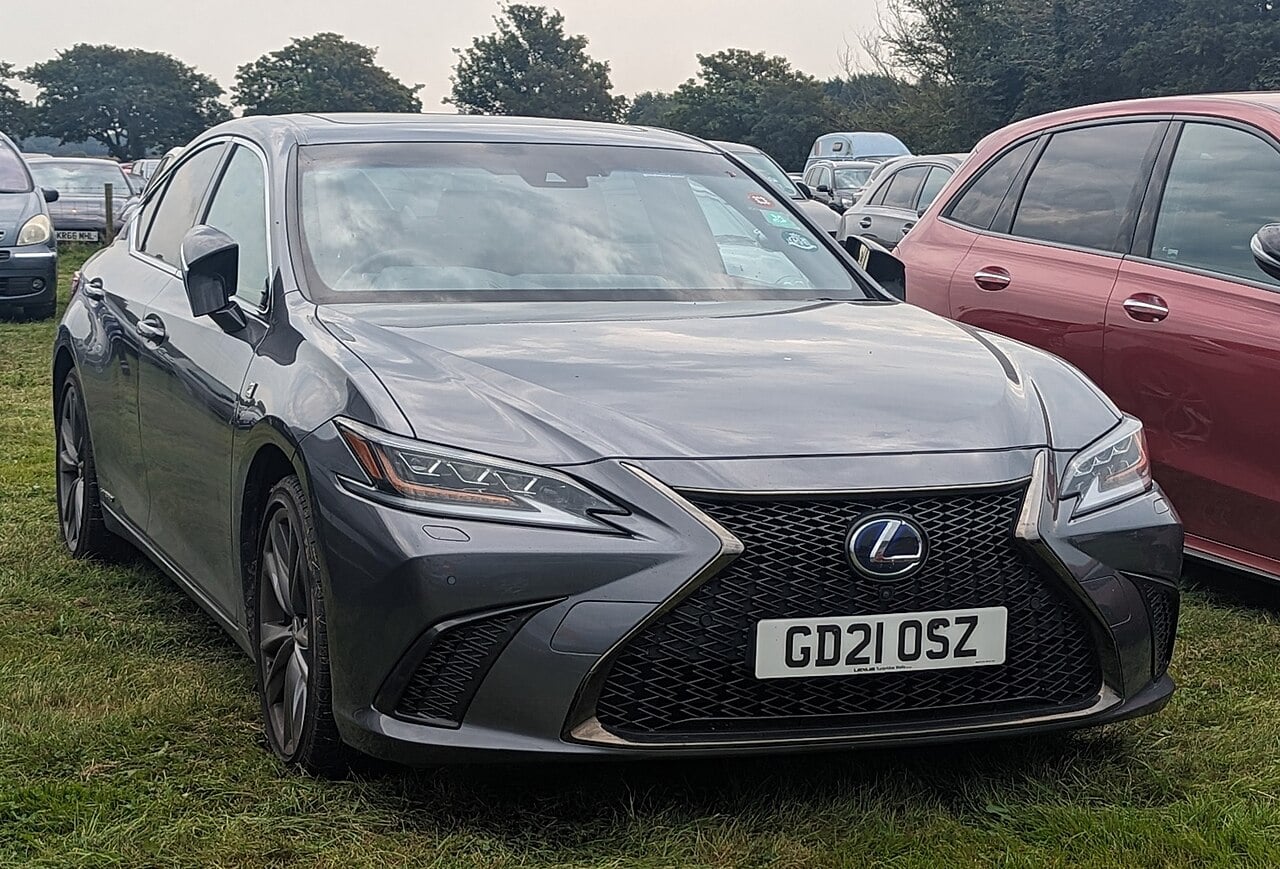
Photo: Calreyn88 / Wikimedia Commons, CC BY 4.0 (licence, file page)
Hybrid holds 4.9 points less.
| Value kept after 5 years | Avg. price at 5 years old | |
|---|---|---|
| Lexus ES 300h | 59.9% | $32,483 |
| Lexus ES 350 (gas) | 64.8% | $32,840 |
iSeeCars’ separate 2026 study puts the hybrid’s 5-year depreciation at 39.9%.
The ES 300h is a Camry-based luxury sedan with the Toyota hybrid system, and owners report very few problems with it. It keeps about 60 percent of its value, which is excellent for a luxury car.
The V6-powered ES 350 keeps even more. Used prices for the two are within a few hundred dollars of each other, so the hybrid’s fuel economy is close to a free upgrade for the second owner.
Sources: iSeeCars resale value: luxury hybrid cars, iSeeCars 2026 depreciation study, iSeeCars resale value: luxury midsize cars
#9. Hyundai Sonata Hybrid (2020–2021 model years)
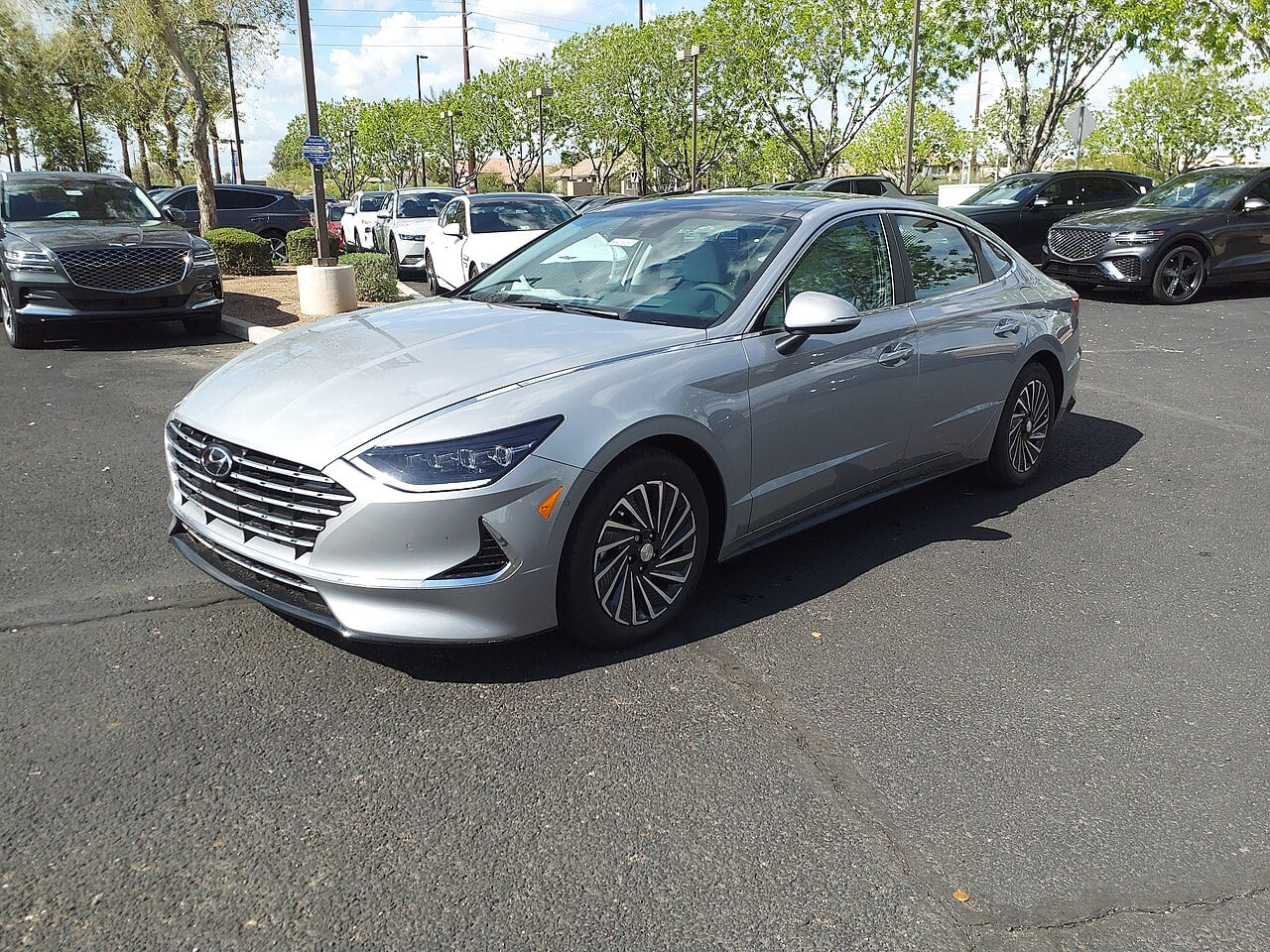
Photo: HJUdall / Wikimedia Commons, CC0 (licence, file page)
Hybrid holds 4.6 points less.
| Value kept after 5 years | Avg. price at 5 years old | |
|---|---|---|
| Hyundai Sonata Hybrid | 51.7% | $18,600 |
| Hyundai Sonata (gas) | 56.3% | $17,941 |
iSeeCars’ separate 2026 study puts the hybrid’s 5-year depreciation at 46.8%. CarEdge projects 45% depreciation for the model line as a whole.
The Sonata Hybrid of this generation came with a solar panel roof on the top trim. That was a talking point more than a selling point.
Midsize sedans are a shrinking market and both Sonatas lose close to half their value. The hybrid gives up a little more and sells for only a few hundred dollars over the gas car.
Sources: iSeeCars resale value: hybrid cars, iSeeCars 2026 depreciation study, iSeeCars resale value: midsize cars, CarEdge depreciation: Hyundai Sonata
#8. Hyundai Santa Fe Hybrid (2021 model year)
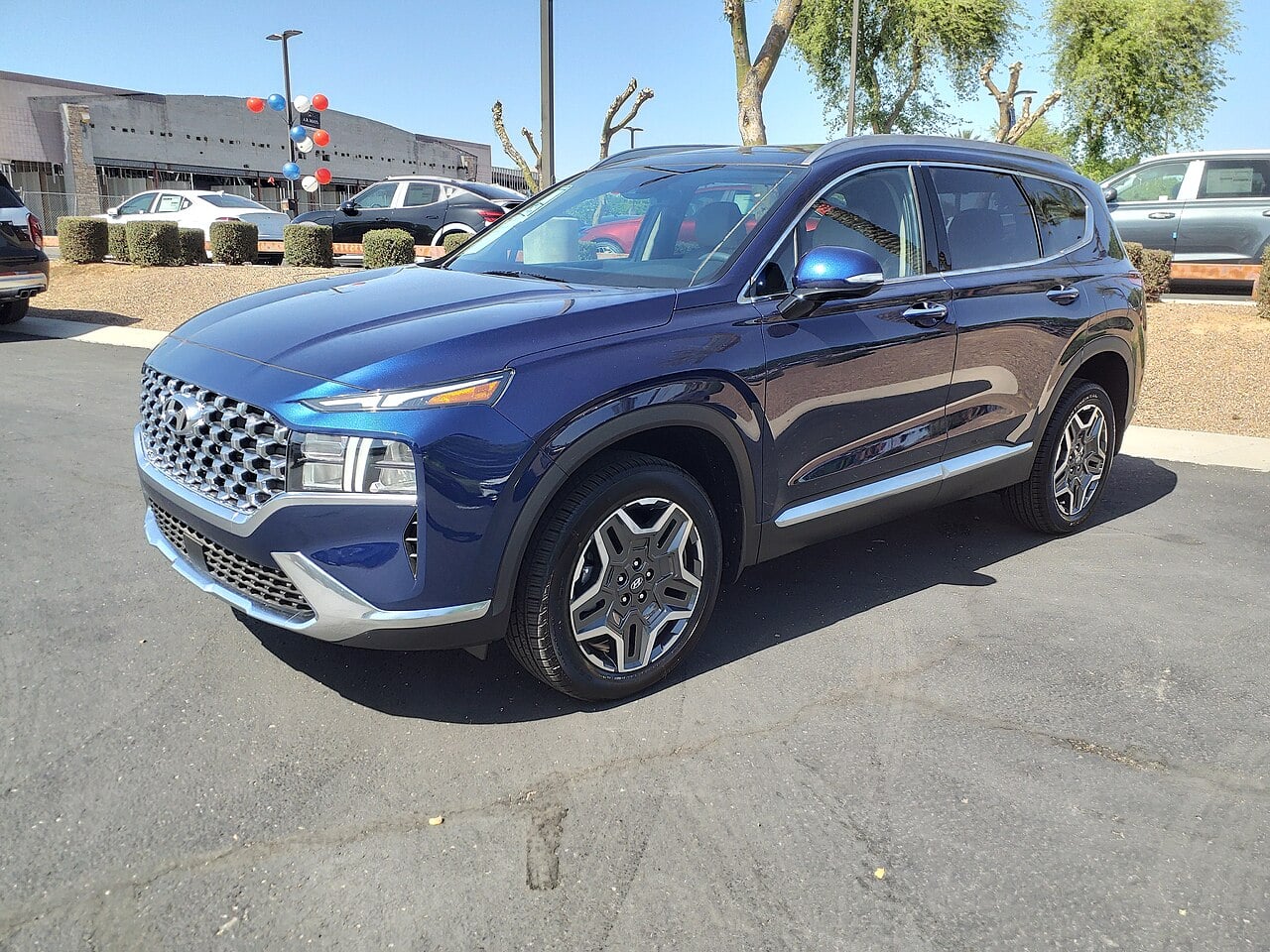
Photo: HJUdall / Wikimedia Commons, CC0 (licence, file page)
Hybrid holds 4.5 points less.
| Value kept after 5 years | Avg. price at 5 years old | |
|---|---|---|
| Hyundai Santa Fe Hybrid | 49% | $22,212 |
| Hyundai Santa Fe (gas) | 53.5% | $20,219 |
CarEdge projects 53% depreciation for the model line as a whole.
Hyundai added the hybrid for 2021 with standard all-wheel drive. It trails the gas Santa Fe by four and a half points and still sells for about $2,000 more.
Hyundai hybrids do not have the reputation Toyota’s do, fairly or not. Used shoppers pay a premium for a Toyota hybrid system that they will not yet pay for a Korean one.
Sources: iSeeCars resale value: hybrid suvs, iSeeCars resale value: midsize suvs, CarEdge depreciation: Hyundai Santa Fe
#7. Chrysler Pacifica Hybrid (2020–2021 model years)
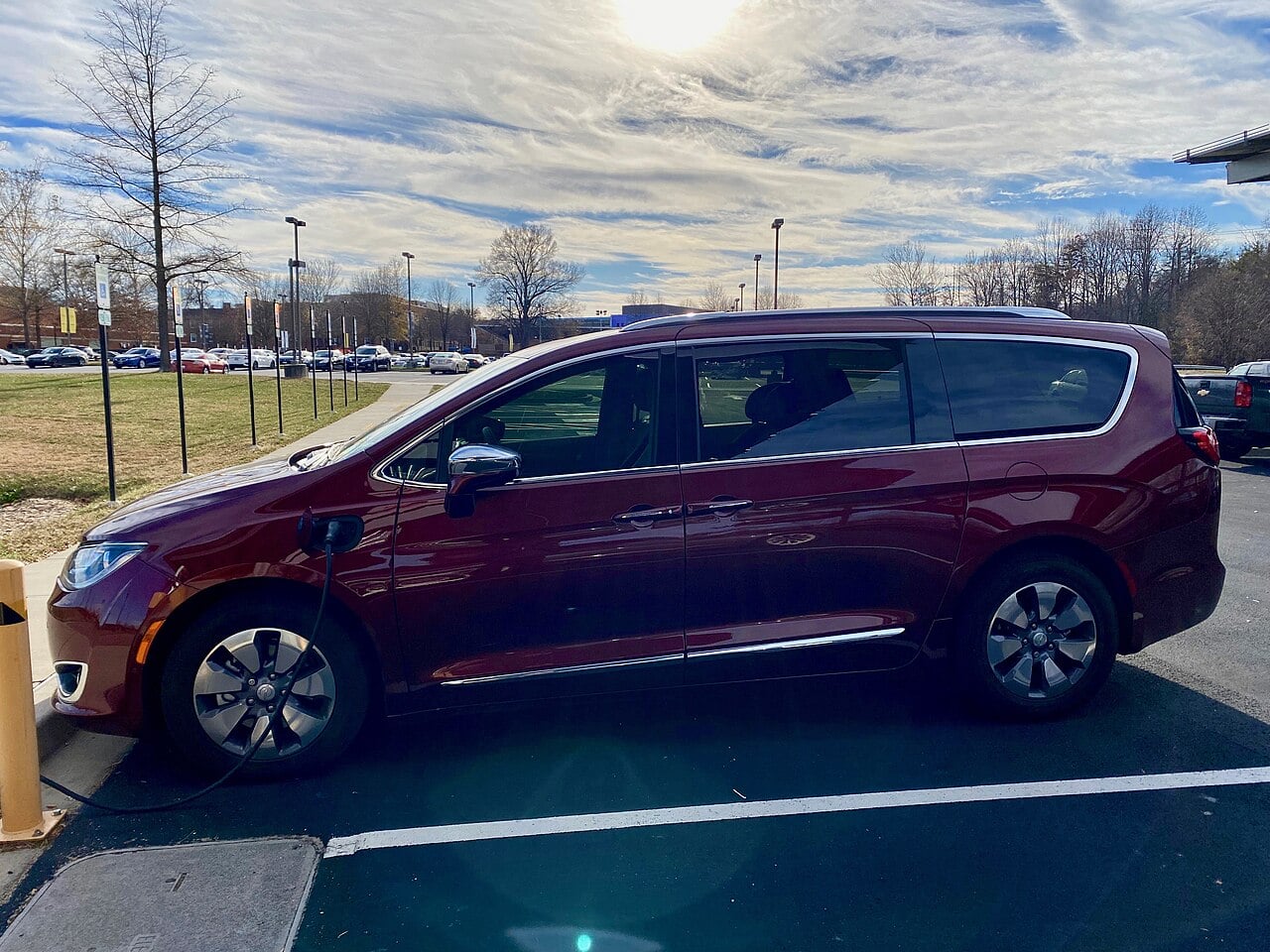
Photo: CZmarlin (Christopher Ziemnowicz) / Wikimedia Commons, CC BY-SA 4.0 (licence, file page)
Hybrid holds 4.1 points less.
| Value kept after 5 years | Avg. price at 5 years old | |
|---|---|---|
| Chrysler Pacifica Hybrid | 45.1% | $22,103 |
| Chrysler Pacifica (gas) | 49.2% | $22,968 |
CarEdge projects 59% depreciation for the model line as a whole.
One of two plug-ins on this list. It can cover short trips on battery alone, and it cost thousands more than the gas van before the federal tax credit that most buyers claimed.
That credit matters. The first owner often paid well under sticker, so the percentage looks worse than it was. This is also one of the few pairs where the hybrid sells for fewer dollars used than the gas model. Early recalls on the hybrid system did not help.
Sources: iSeeCars resale value: hybrid cars, iSeeCars resale value: minivans, CarEdge depreciation: Chrysler Pacifica
#6. Toyota Camry Hybrid (2020–2021 model years)
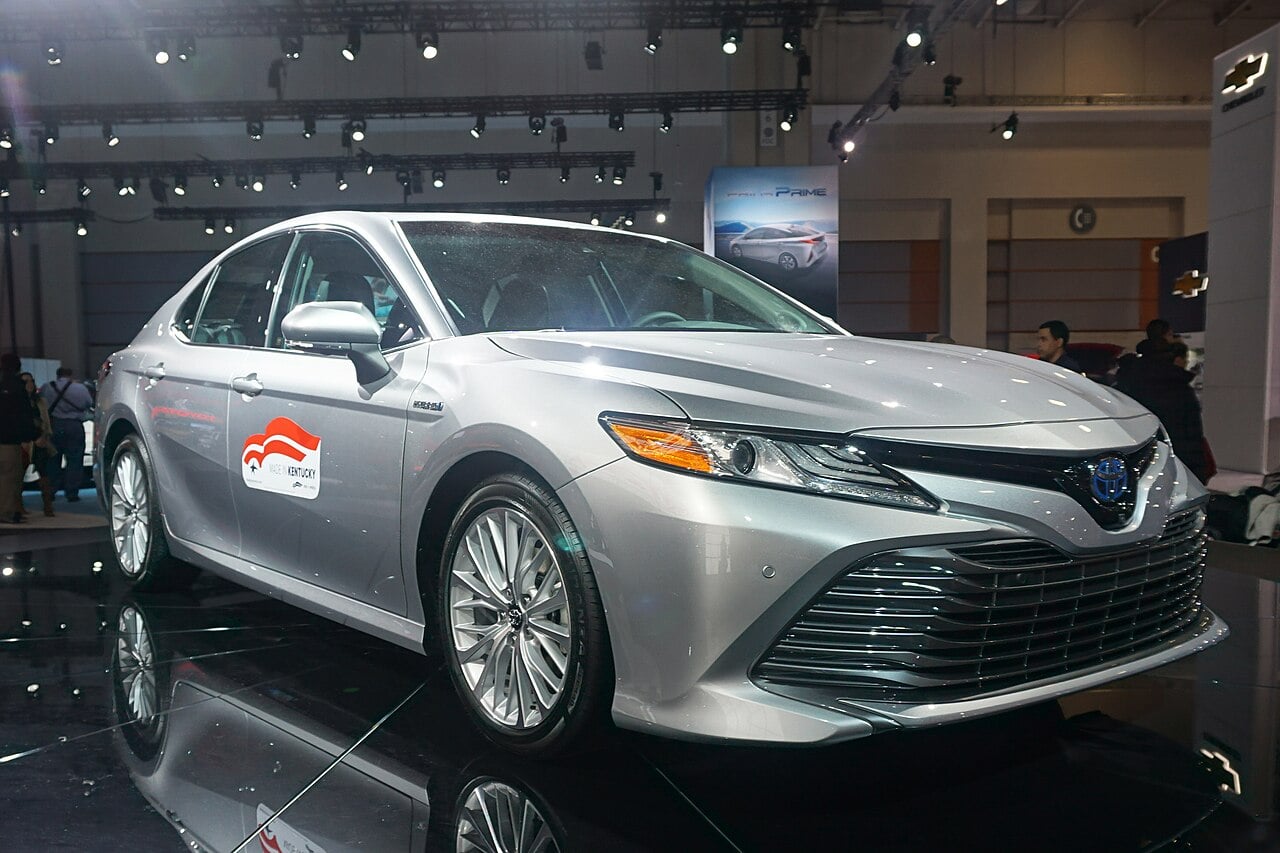
Photo: Mariordo (Mario Roberto Durán Ortiz) / Wikimedia Commons, CC BY-SA 4.0 (licence, file page)
Hybrid holds 3.1 points less.
| Value kept after 5 years | Avg. price at 5 years old | |
|---|---|---|
| Toyota Camry Hybrid | 65.4% | $23,907 |
| Toyota Camry (gas) | 68.5% | $22,359 |
CarEdge projects 36% depreciation for the model line as a whole.
The Camry Hybrid from these years is a fuel-economy standout, and taxi fleets love them. Many of the used ones come out of that kind of service, with high miles.
The gas Camry holds about three points better. Toyota has since made every new Camry a hybrid, which may change how the older ones are valued.
Sources: iSeeCars resale value: hybrid cars, iSeeCars resale value: midsize cars, CarEdge depreciation: Toyota Camry
#5. Kia Sorento Hybrid (2021 model year)
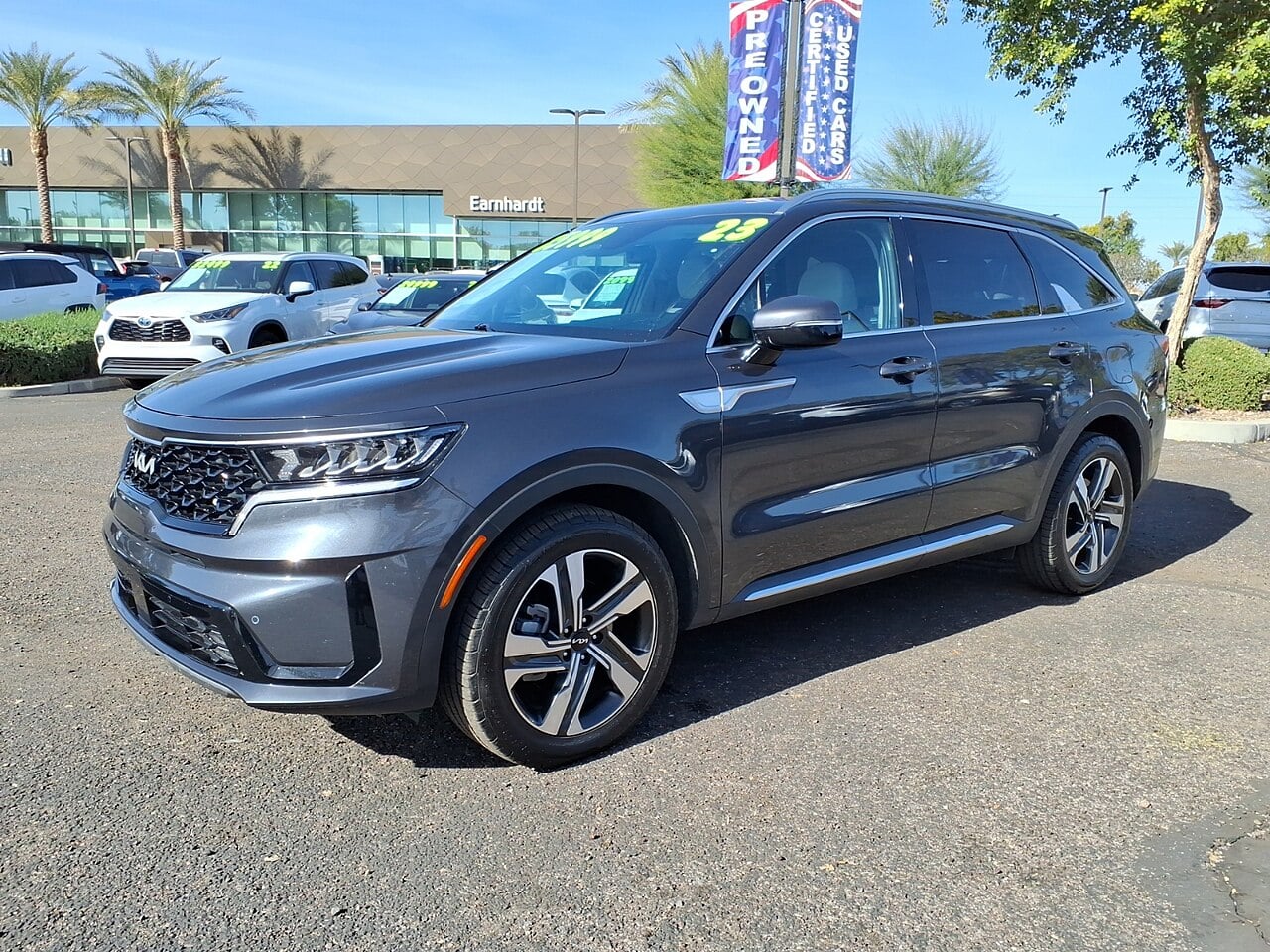
Photo: HJUdall / Wikimedia Commons, CC0 (licence, file page)
Hybrid holds 2.8 points less.
| Value kept after 5 years | Avg. price at 5 years old | |
|---|---|---|
| Kia Sorento Hybrid | 49.2% | $21,962 |
| Kia Sorento (gas) | 52% | $21,505 |
iSeeCars’ separate 2026 study puts the hybrid’s 5-year depreciation at 50.6%. CarEdge projects 57% depreciation for the model line as a whole.
Kia redesigned the Sorento for 2021 and added a turbocharged hybrid. Three-row hybrids without a Toyota badge are still uncommon.
Both versions hover around the halfway mark after five years. The hybrid trails by under three points and sells for a few hundred dollars more. Call it even.
Sources: iSeeCars resale value: hybrid suvs, iSeeCars 2026 depreciation study, iSeeCars resale value: midsize suvs, CarEdge depreciation: Kia Sorento
#4. Toyota Corolla Hybrid (2020–2021 model years)
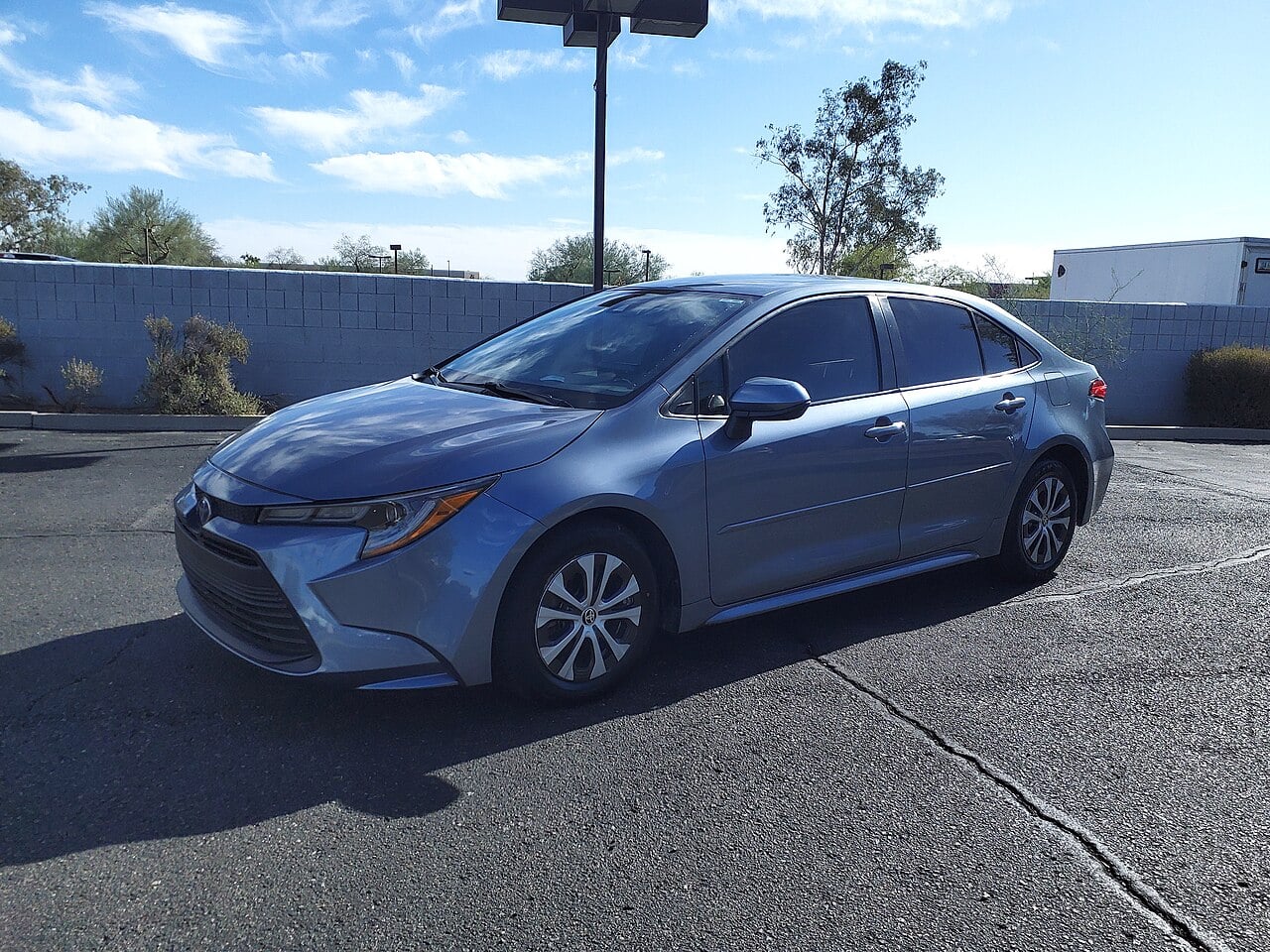
Photo: HJUdall / Wikimedia Commons, CC0 (licence, file page)
Hybrid holds 2.4 points less.
| Value kept after 5 years | Avg. price at 5 years old | |
|---|---|---|
| Toyota Corolla Hybrid | 69.2% | $19,940 |
| Toyota Corolla (gas) | 71.6% | $17,686 |
iSeeCars’ separate 2026 study puts 5-year depreciation at 30.1% for the hybrid and 27.6% for the gas model. CarEdge projects 33% depreciation for the model line as a whole.
Now the list flips. The Corolla Hybrid uses the Prius powertrain in a plainer body and returns outstanding mileage. It still keeps a couple of points less than the regular Corolla.
The gas Corolla is simply one of the strongest resale cars on the road, and that is a hard bar to clear. The hybrid sells for about $2,250 more at five years old, so nobody is losing sleep.
Sources: iSeeCars resale value: hybrid cars, iSeeCars 2026 depreciation study, iSeeCars resale value: small cars, CarEdge depreciation: Toyota Corolla
#3. Ford Escape Hybrid (2020–2021 model years)
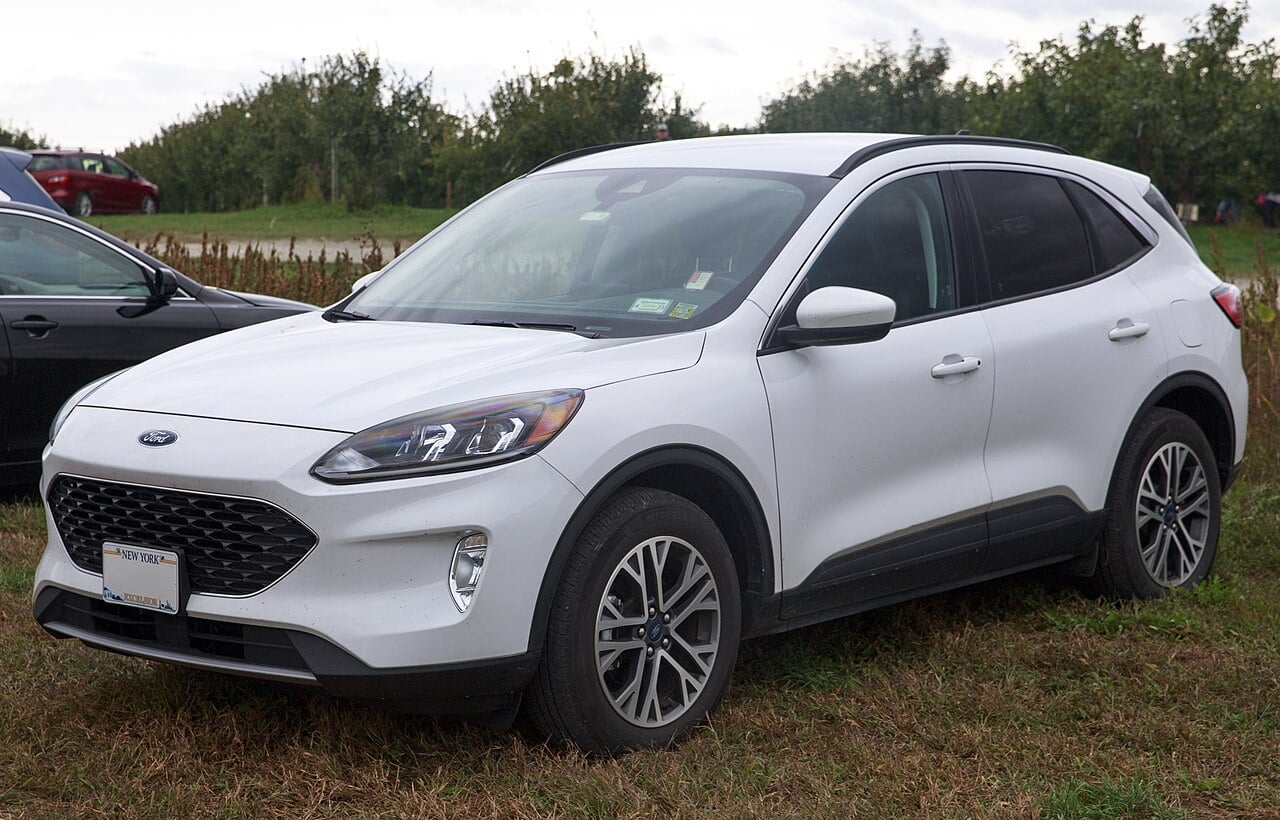
Photo: Mr.choppers / Wikimedia Commons, CC BY-SA 3.0 (licence, file page)
Hybrid holds 0.5 points more.
| Value kept after 5 years | Avg. price at 5 years old | |
|---|---|---|
| Ford Escape Hybrid | 51.6% | $18,683 |
| Ford Escape (gas) | 51.1% | $16,873 |
iSeeCars’ separate 2026 study puts the hybrid’s 5-year depreciation at 47.1%. CarEdge projects 55% depreciation for the model line as a whole.
Ford brought the Escape Hybrid back for 2020 after years away. It edges the gas Escape by half a point, close enough to call a tie.
Neither one holds value well by the standards of this class. Still, the hybrid is the only non-Toyota here to come out ahead, helped by gas engines in the regular Escape that nobody was excited about.
Sources: iSeeCars resale value: hybrid suvs, iSeeCars 2026 depreciation study, iSeeCars resale value: small suvs, CarEdge depreciation: Ford Escape
#2. Toyota RAV4 Hybrid (2020–2021 model years)
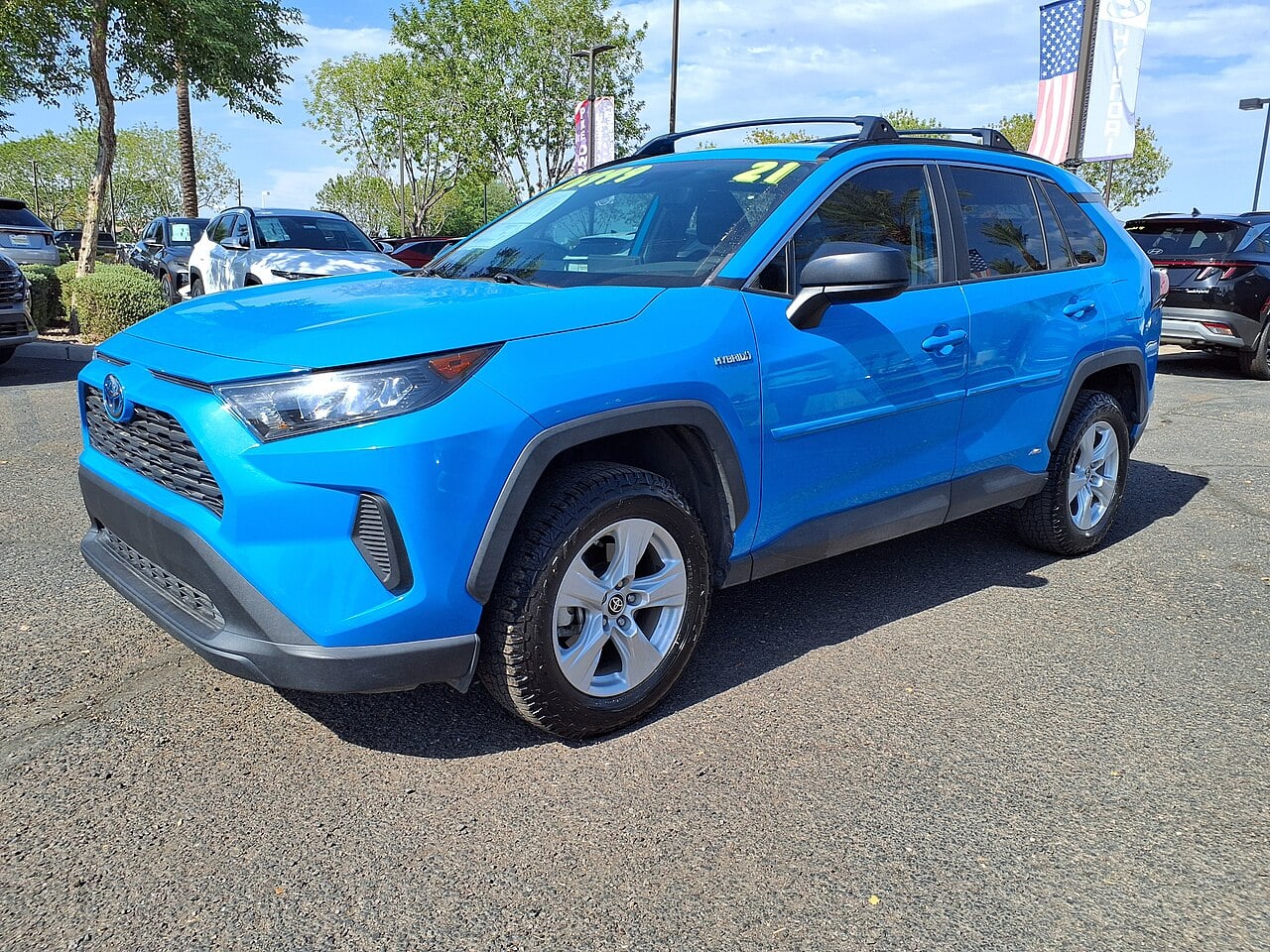
Photo: HJUdall / Wikimedia Commons, CC0 (licence, file page)
Hybrid holds 0.8 points more.
| Value kept after 5 years | Avg. price at 5 years old | |
|---|---|---|
| Toyota RAV4 Hybrid | 75.4% | $29,289 |
| Toyota RAV4 (gas) | 74.6% | $25,484 |
iSeeCars’ separate 2026 study puts the hybrid’s 5-year depreciation at 25.3%. CarEdge projects 28% depreciation for the model line as a whole.
The RAV4 Hybrid is quicker than the gas RAV4, comes with all-wheel drive as standard and uses far less fuel. It is the better car, and the market treats it that way.
The margin in percentage terms is slim, under a point. In dollars it is wide. If you can find a used one near gas RAV4 money, somebody has made a mistake in your favor.
Sources: iSeeCars resale value: hybrid suvs, iSeeCars 2026 depreciation study, iSeeCars resale value: small suvs, CarEdge depreciation: Toyota RAV4
#1. Toyota Highlander Hybrid (2020–2021 model years)

Photo: Rutger van der Maar / Wikimedia Commons, CC BY 2.0 (licence, file page)
Hybrid holds 2.1 points more.
| Value kept after 5 years | Avg. price at 5 years old | |
|---|---|---|
| Toyota Highlander Hybrid | 65.4% | $34,693 |
| Toyota Highlander (gas) | 63.3% | $30,775 |
iSeeCars’ separate 2026 study puts the hybrid’s 5-year depreciation at 34.3%. CarEdge projects 40% depreciation for the model line as a whole.
This is the clearest win for a hybrid in the whole comparison. The Highlander Hybrid gets fuel economy that no other three-row SUV of its size could match in those years, and families who drive a lot went looking for it.
The gas Highlander used a V6 that was smooth and thirsty. Used buyers can do the math on fuel, and they pay roughly $4,000 more for the hybrid at five years old.
Sources: iSeeCars resale value: hybrid suvs, iSeeCars 2026 depreciation study, iSeeCars resale value: midsize suvs, CarEdge depreciation: Toyota Highlander
So the common wisdom is half right. Hybrids are worth more used, in dollars, nearly every time. They do not usually keep a bigger slice of what you paid, since the hybrid premium fades faster than the car under it.
The honest case for a hybrid is the fuel you save over the years you own it. Resale is a wash at best, unless you buy one of the three Toyotas and Fords at the top of this list.
These are estimates from published studies, not appraisals or financial advice. Values vary with trim, mileage, condition and region.