
Would you like to save this?
The smell of new leather in a $90,000 cabin has a way of short-circuiting the part of your brain that does math. I know because I’ve watched it happen to otherwise sharp people, friends who negotiate six-figure deals before lunch but sign luxury car paperwork without reading the second page. These aren’t dumb mistakes. They’re invisible ones, the kind that only show up twelve months later on a credit card statement or a repair invoice that makes your eyes water.
36. Buying Ultra-Low-Profile Tires Without Realizing Every Pothole Becomes a Financial Event
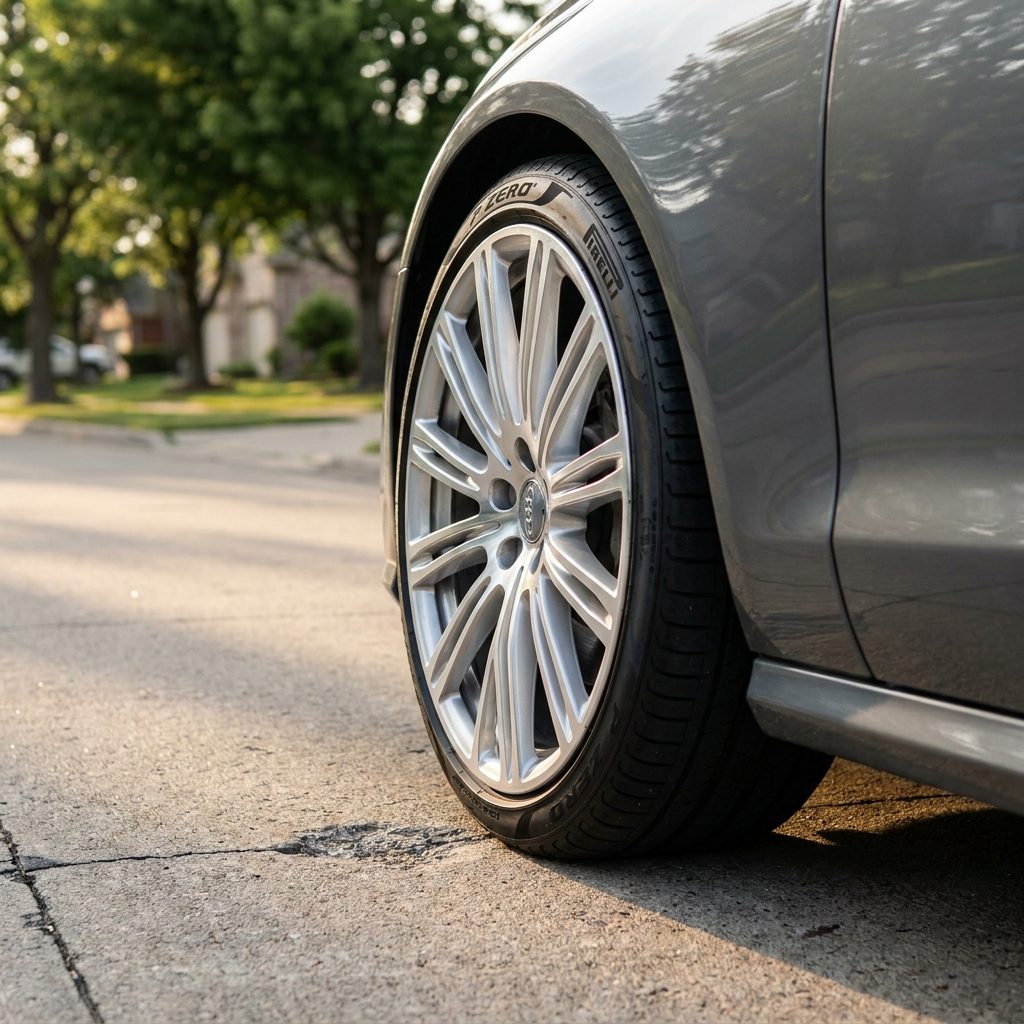
Those 21-inch wheels with the rubber-band-thin sidewalls look predatory in the showroom. On actual roads, they’re financial landmines. A 30-series or 25-series tire has almost no sidewall flex to absorb impact. Every frost heave, every manhole cover, every construction plate sends the full force straight into the rim. One bad pothole can crack an alloy wheel that costs $800 to $1,500 to replace, and you’ll usually need a new tire to go with it.
I bent two rims in a single winter on a set of low-profile Pirellis. My fault for not doing the math first.
The fix is simple: when ordering or shopping, choose one wheel size down from the largest option. An 18- or 19-inch wheel with a 40-series or 45-series tire gives you real sidewall cushion. You’ll barely notice the visual difference, and your spine and your wallet will thank you every time you cross a railroad track. Tire Rack’s “ride quality” filter is genuinely useful here.
35. Leasing a Luxury SUV to ‘Save Money’ Then Getting Destroyed on Mileage Overages
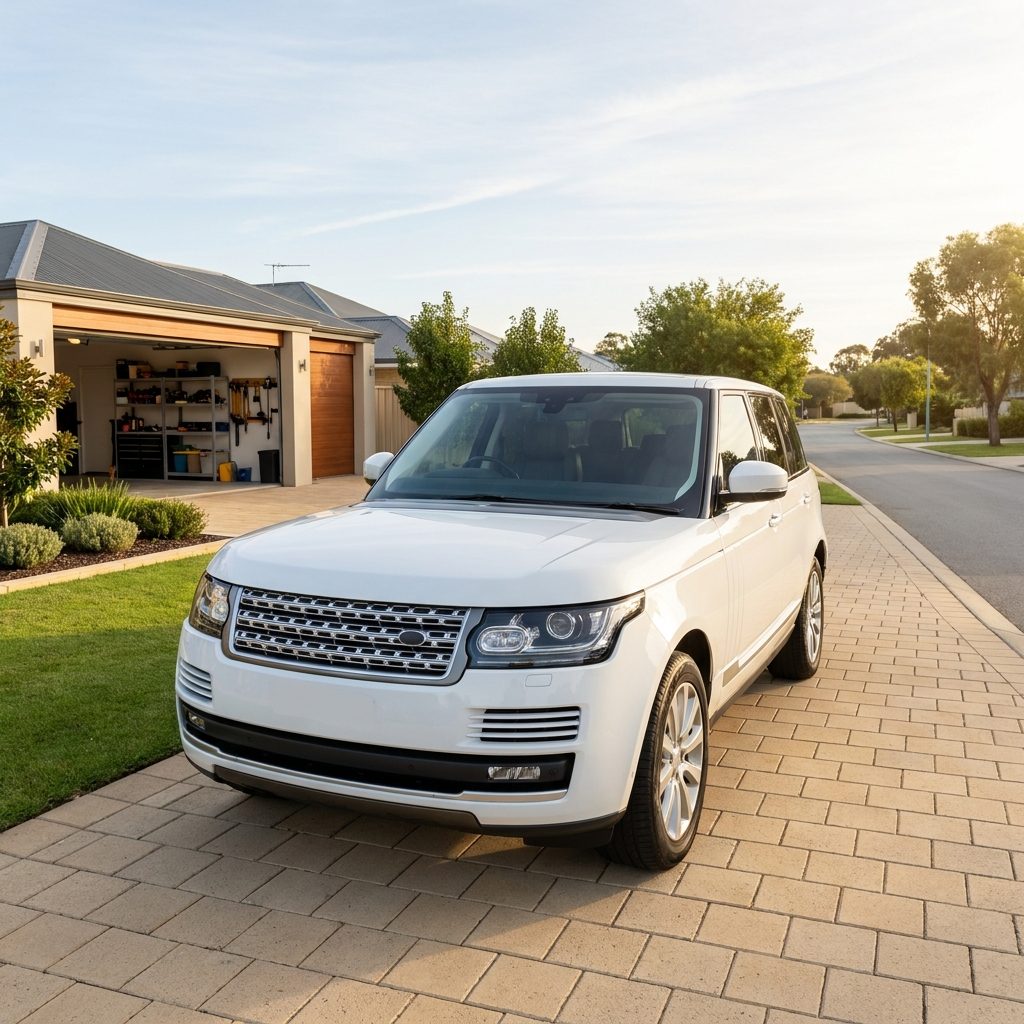
The salesperson will frame the lease as the smart move: lower monthly payment, always driving something new, no depreciation headache. And for the right driver, it can be. But most luxury SUV buyers aren’t the right driver. They’re commuting 25,000 miles a year, running kids to practice, taking road trips. The standard lease allowance is 10,000 to 12,000 miles per year.
Where the bleeding starts
Overage charges on luxury leases run $0.25 to $0.35 per mile. Exceed your allowance by 10,000 miles a year on a three-year lease, and you’re writing a check for $7,500 to $10,500 at turn-in, on top of every monthly payment you already made. That “affordable” payment was a mirage.
If you drive more than 12,000 miles annually, buy the vehicle or negotiate a high-mileage lease upfront. Pre-purchased miles at signing are almost always cheaper per mile than overage charges at the end. Know your annual mileage before you sit down at that desk. Pull your last two years of odometer readings from your insurance company if you need a real number.
34. Ignoring the Cost of Out-of-Warranty Electronics Until One Screen Failure Costs More Than a Family Vacation
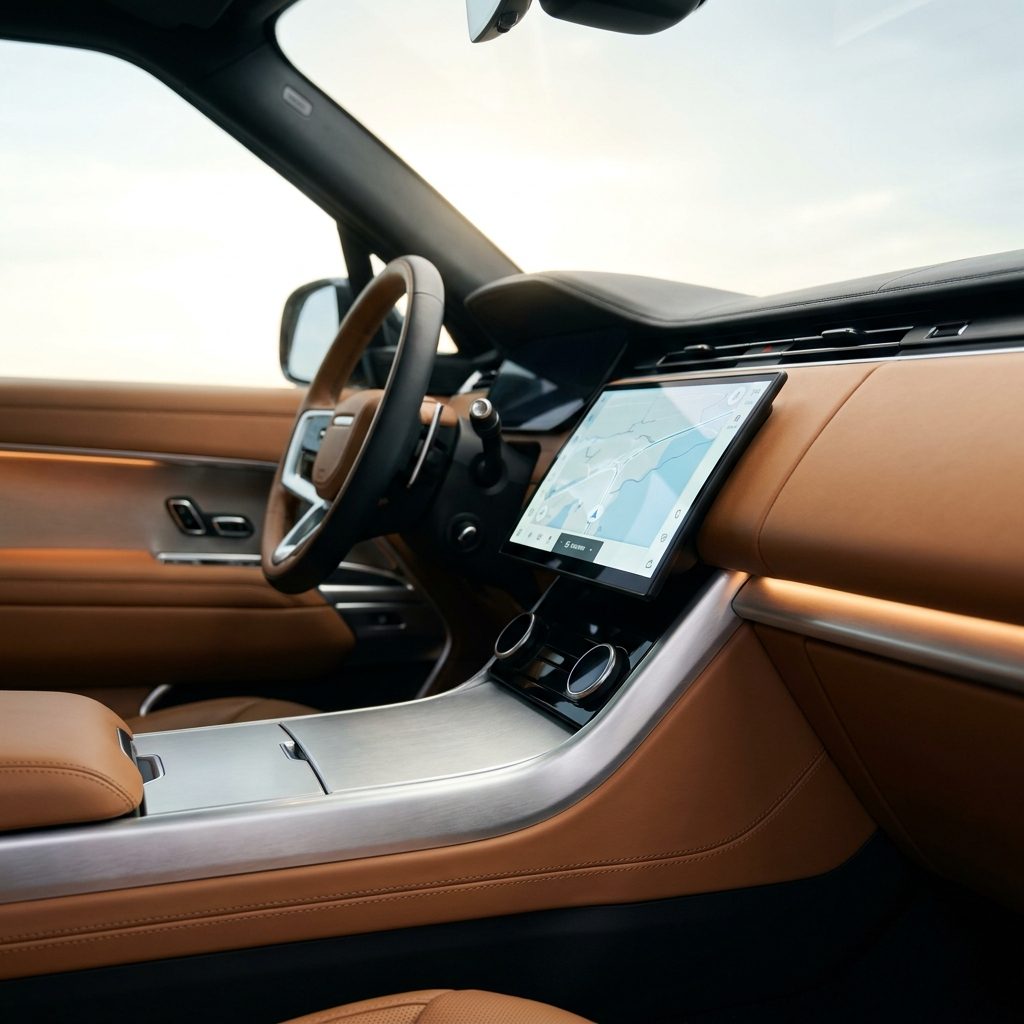
Modern luxury cars have more computing power than some offices. A current Range Rover or Mercedes GLS runs dozens of networked modules controlling everything from climate to suspension height to the gauge cluster itself. When it all works, it’s magnificent. When one module fails outside warranty, the invoice reads like a misprint.
Replacing an infotainment head unit on a late-model Porsche Cayenne can exceed $4,000 in parts alone. A failed digital instrument cluster on a BMW X7 can hit $3,000. The labor to code and initialize these units adds another $500 to $1,000 because they need factory-level diagnostic software.
Before your factory warranty expires, seriously consider an extended warranty from a reputable provider, not the finance office upsell, but companies like Endurance or CARCHEX that cover electronic components specifically. Read the contract language around “infotainment” and “electronic modules.” And get the bumper-to-bumper tier, not just powertrain. The powertrain on these cars is rarely what bankrupts you.
33. Choosing the Flashy Trim Package Instead of the Reliable Engine Option
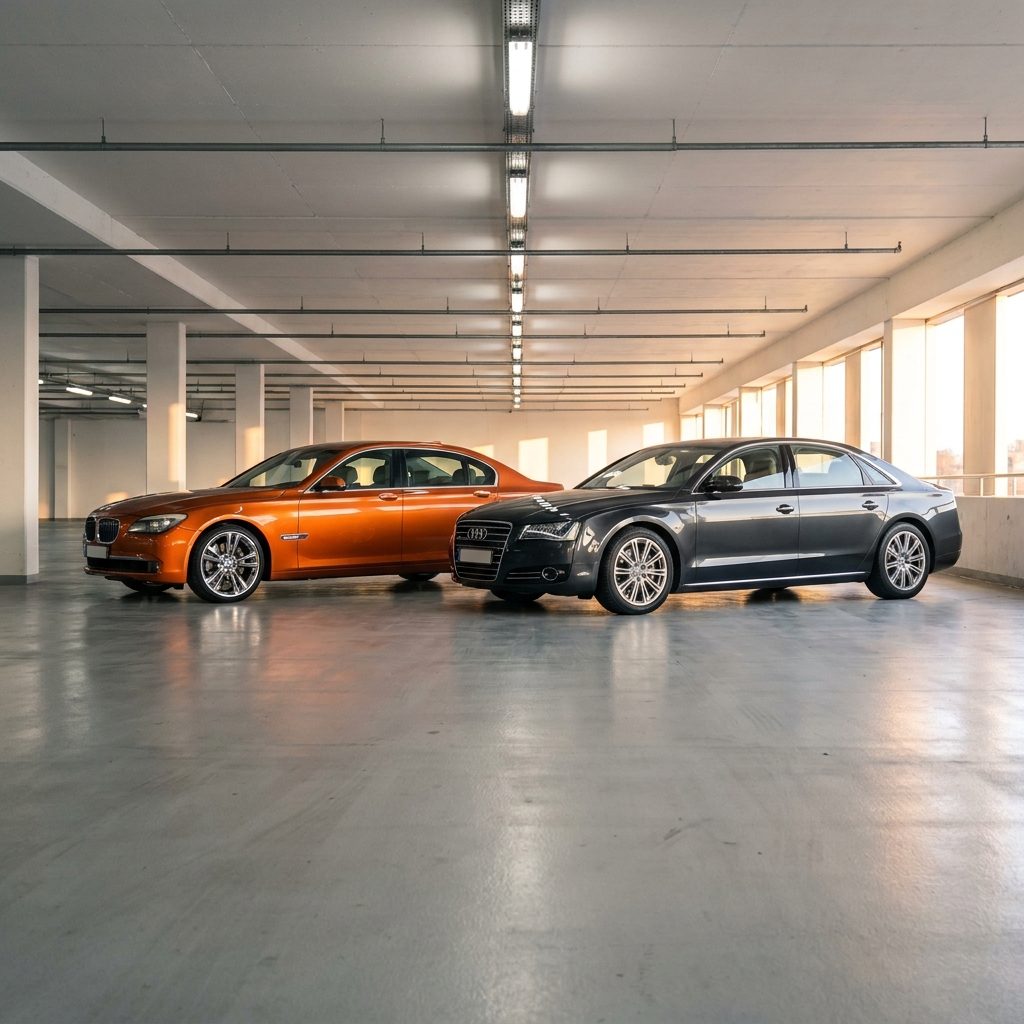
Configuration tools are dangerous things. You start building your dream spec at 11 p.m. and before you know it, you’ve added the sport exhaust, the carbon fiber interior trim, the 22-inch black wheels, the premium audio package, and the panoramic roof. You’re $18,000 over your original number and you haven’t even looked at which engine is under the hood.
Here’s what nobody in the showroom will tell you: the base engine in most luxury lineups is usually the most sorted, the most reliable, and the most affordable to maintain. The twin-turbo V8 option might add 150 horsepower, but it also adds turbocharger replacement costs, additional cooling systems, heavier brake wear, and premium insurance brackets. A Maserati Ghibli with the V8 versus the V6 is a completely different ownership proposition after year four.
Put the money into the drivetrain you can afford to maintain, not the trim that photographs well. The massage seats won’t matter much when you’re sitting in a loaner for two weeks waiting on turbo seals.
32. Using Bargain Gas in a High-Performance Engine Designed for Premium Fuel
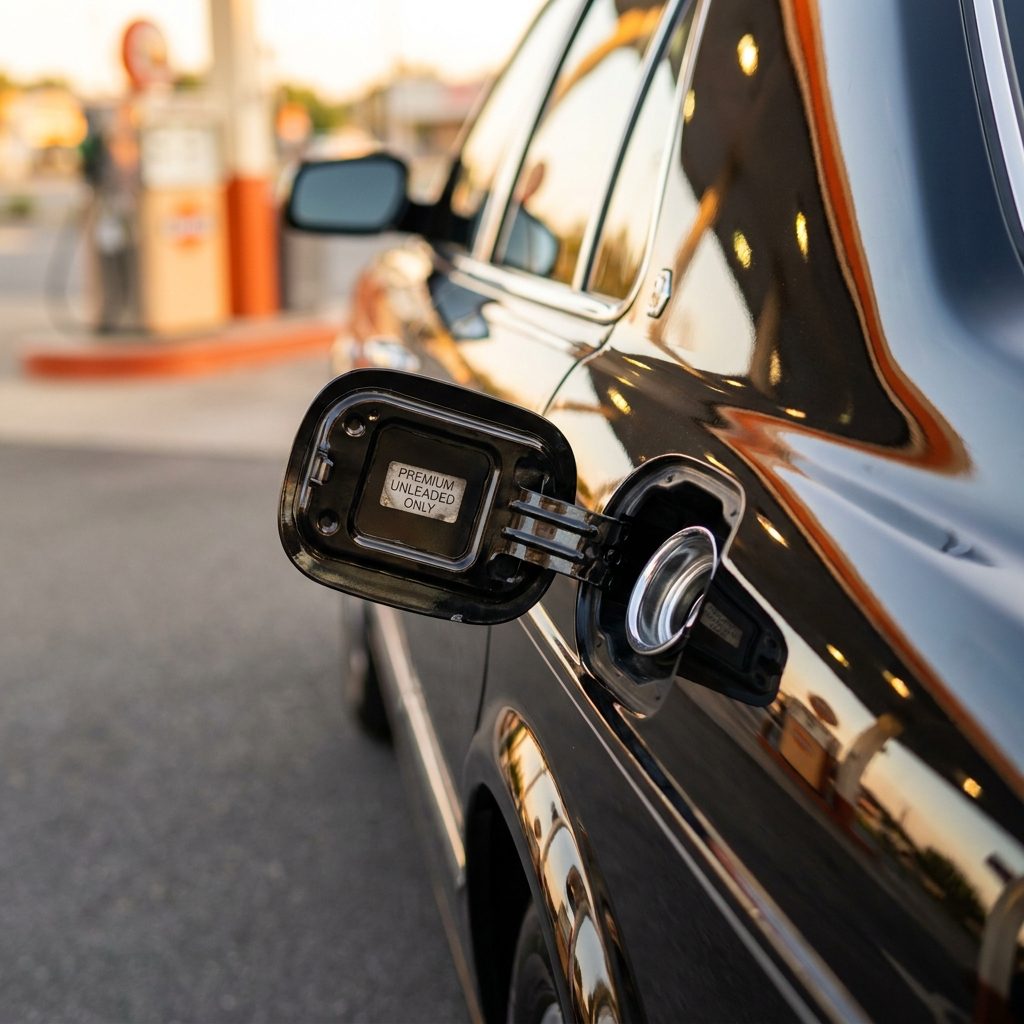
Saving eight cents a gallon on a car that cost six figures is not frugality. It’s sabotage with a very small payoff.
When a manufacturer stamps “Premium Unleaded Required” on the fuel door, they’re not suggesting it like a restaurant wine pairing. They’re telling you the engine’s compression ratio and ignition timing are calibrated for 91 or 93 octane. Drop to 87, and the knock sensors will retard timing to prevent detonation. You’ll lose power, efficiency, and over time, you’ll accumulate carbon deposits on intake valves and piston crowns that the engine was never designed to tolerate.
On direct-injection engines (which most modern luxury cars use), this carbon buildup is already a known problem even with correct fuel. Cheap gas accelerates it. A walnut-blast intake cleaning runs $400 to $700. Just buy the premium. On a 16-gallon fill-up, the difference between 87 and 93 is roughly five or six dollars. You spend more than that on the coffee you drink while pumping.
31. Assuming Dealership Maintenance Prices Are ‘Basically the Same’ as Regular Vehicles
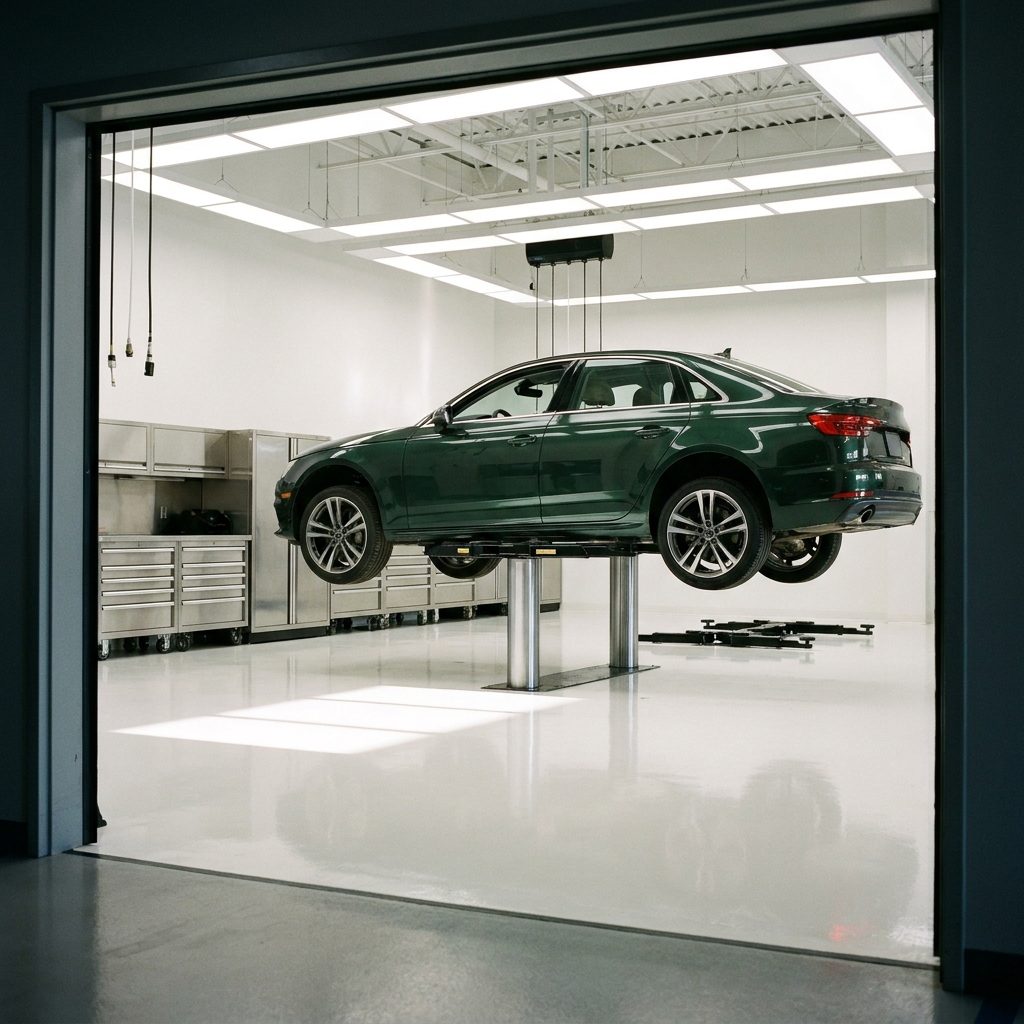
A friend of mine, smart guy, hedge fund analyst, bought a new Jaguar F-Pace and didn’t look at the maintenance schedule until the first service reminder popped up. Oil change: $289. Brake fluid flush: $340. He called me and said, “Is this a joke?” It was not.
Luxury marques charge luxury labor rates, typically $175 to $250 per hour compared to $100 to $140 at a quality independent shop. And the parts carry a dealer markup that can run 40 to 60 percent over aftermarket equivalents that meet or exceed OEM specifications.
- A routine brake job on a BMW X5 at a dealer can exceed $1,800 per axle. An independent Euro specialist will do the same job with equivalent pads and rotors for $900 to $1,100.
- Annual maintenance on a Land Rover at the dealer averages around $1,200 to $1,400. The same work at a qualified independent runs closer to $700.
- Dealer-only diagnostic software used to be a barrier, but many independent shops now subscribe to factory scan tools.
Find a reputable independent European or luxury-car specialist within the first year of ownership. Use the dealer for warranty and recall work. Everything else, take it to someone who doesn’t charge you a location premium for a waiting room with an espresso machine.
30. Buying a German Luxury Car Right Before the Factory Warranty Expires
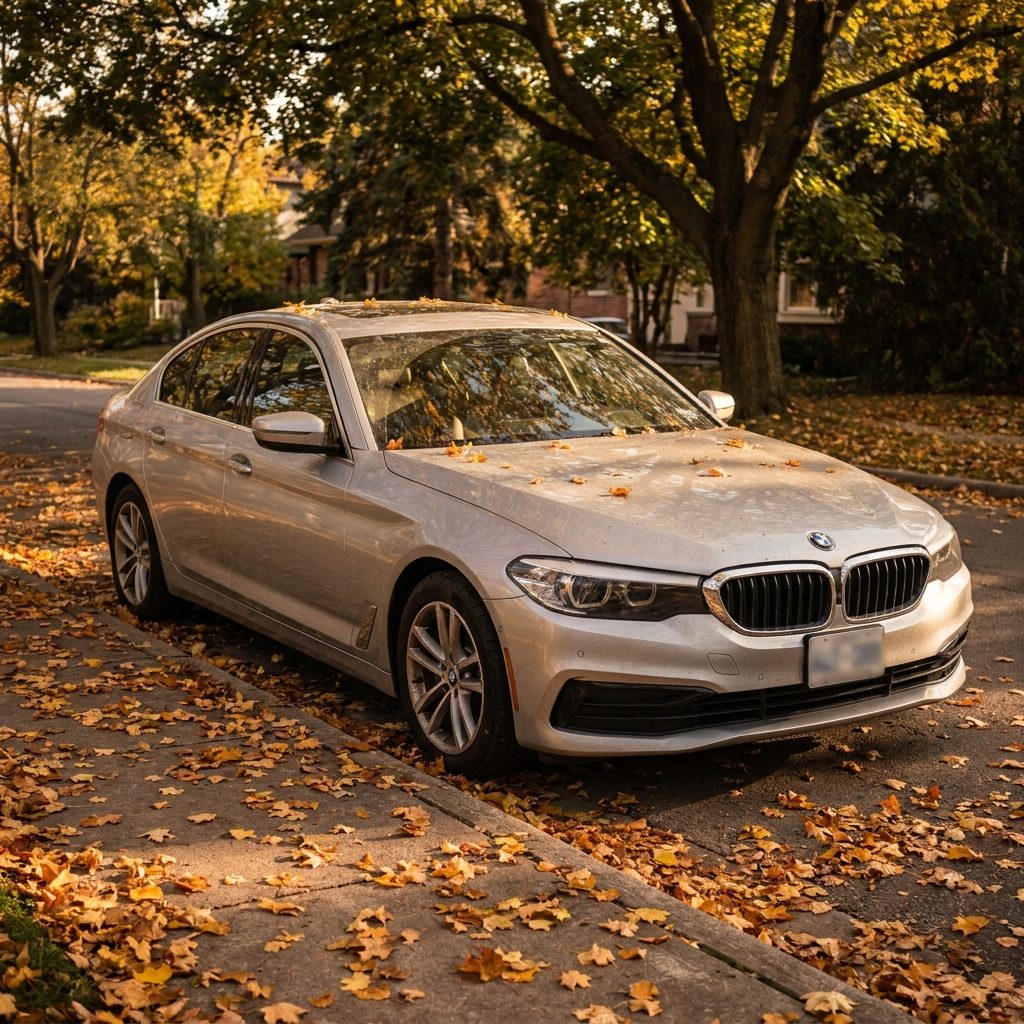
Year three is the sweet spot for buying used luxury, right? Maximum depreciation, still relatively fresh, maybe even some factory warranty left. Except “some warranty left” often means four months, and four months is not enough time to discover the problems that German luxury cars start developing right around the 50,000-mile mark.
Water pumps on N63 BMW engines. Air suspension compressors on anything from Audi. Mechatronic units on dual-clutch Volkswagen Group transmissions. These failures tend to cluster between 50,000 and 75,000 miles, which is precisely the window after the factory warranty closes and before most people budget for serious repairs. A mechatronic unit replacement on a 2019 Audi S4 can hit $4,500.
If you’re buying a German luxury car at three years old, buy one with at least 12 months of transferable factory warranty remaining, or factor $3,000 to $5,000 into your purchase price for an extended warranty from a provider that covers electronic and drivetrain components. Don’t buy the car at 47 months and 49,000 miles thinking you got a deal. You got a countdown timer.
29. Obsessing Over Monthly Payment Instead of Total Ownership Costs

This one makes me genuinely tired because it catches people who think they’re being careful. They negotiate the monthly payment down to a number that feels comfortable, then sign without calculating what the car will actually cost them over four or five years.
Monthly payment is one line item. Total ownership cost includes depreciation (often $15,000 to $30,000 in the first three years on a luxury vehicle), insurance premiums that can run $200 to $400 per month, fuel costs on a vehicle requiring premium, tires that cost $300 to $500 each, and maintenance that runs two to four times what a mainstream brand charges. A $75,000 luxury SUV can easily cost $25,000 to $30,000 per year when you add it all up.
Before you commit, run the real number. Edmunds’ True Cost to Own calculator is free and surprisingly accurate. Look at the five-year figure. If it makes your stomach drop, that’s useful information. Better to feel it now than to feel it every month for sixty months.
28. Skipping Paint Protection and Then Panicking Over Every Rock Chip and Parking Lot Ding
Would you like to save this?
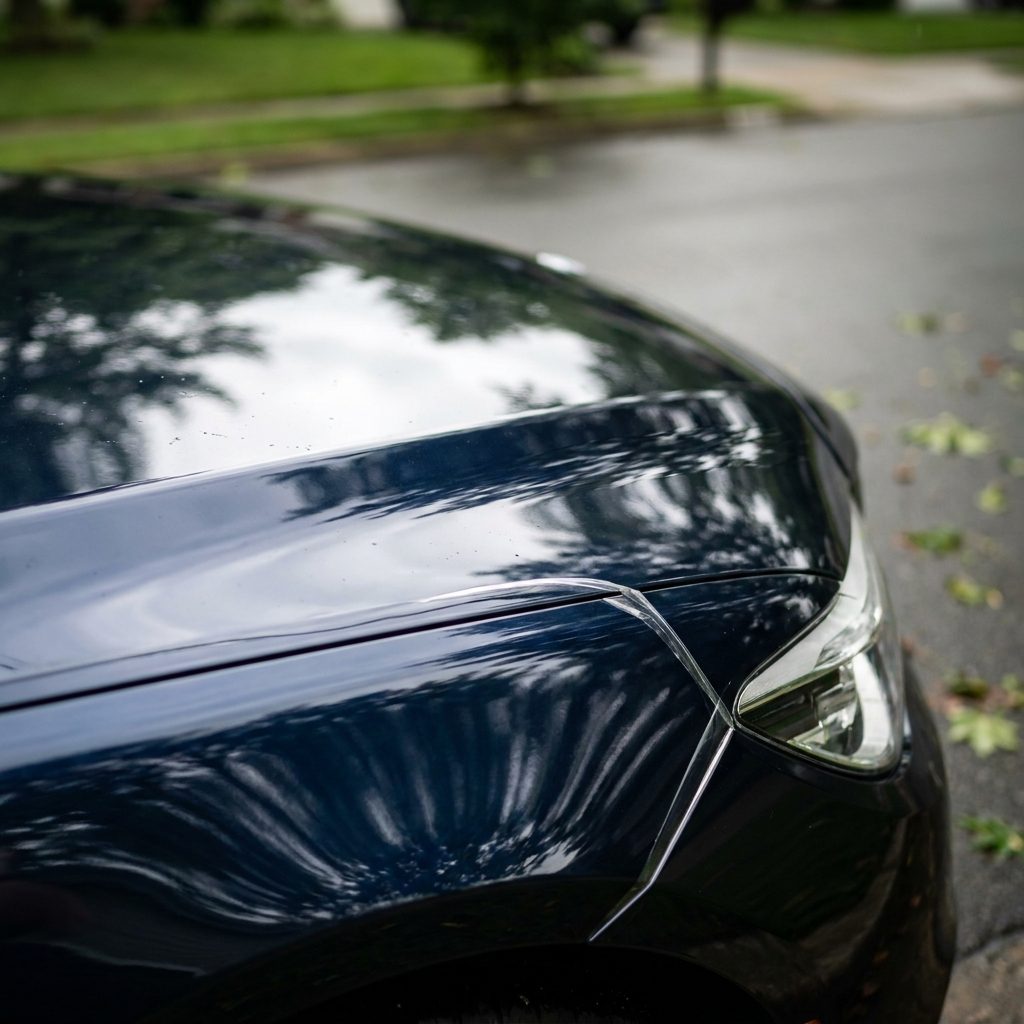
A full respray on a modern luxury car with multi-stage paint and metallic pigments runs $5,000 to $15,000 depending on the color and the body shop. Repainting a single panel to factory match can cost $800 to $1,500. And yet people drive $100,000 cars with bare paint through highway construction zones, gravel roads, and parking garages full of careless door-swingers without a second thought.
Paint protection film (PPF) on the high-impact areas, the front bumper, hood, fenders, mirrors, and rocker panels, costs between $1,500 and $3,000 for a quality installation using XPEL Ultimate Plus or 3M Pro Series film. Full-body coverage runs $5,000 to $7,000. Yes, it’s real money. But it’s less than one insurance-deductible respray, and it keeps the paint underneath showroom-fresh for resale.
Get it done within the first month of ownership while the paint is still perfect. A ceramic coating like Gtechniq Crystal Serum on top of the PPF adds hydrophobic properties and UV protection. The combination is about as close to bulletproof as automotive paint gets.
27. Buying Massive Wheels Because They ‘Look Better’ Even Though Ride Quality Gets Dramatically Worse
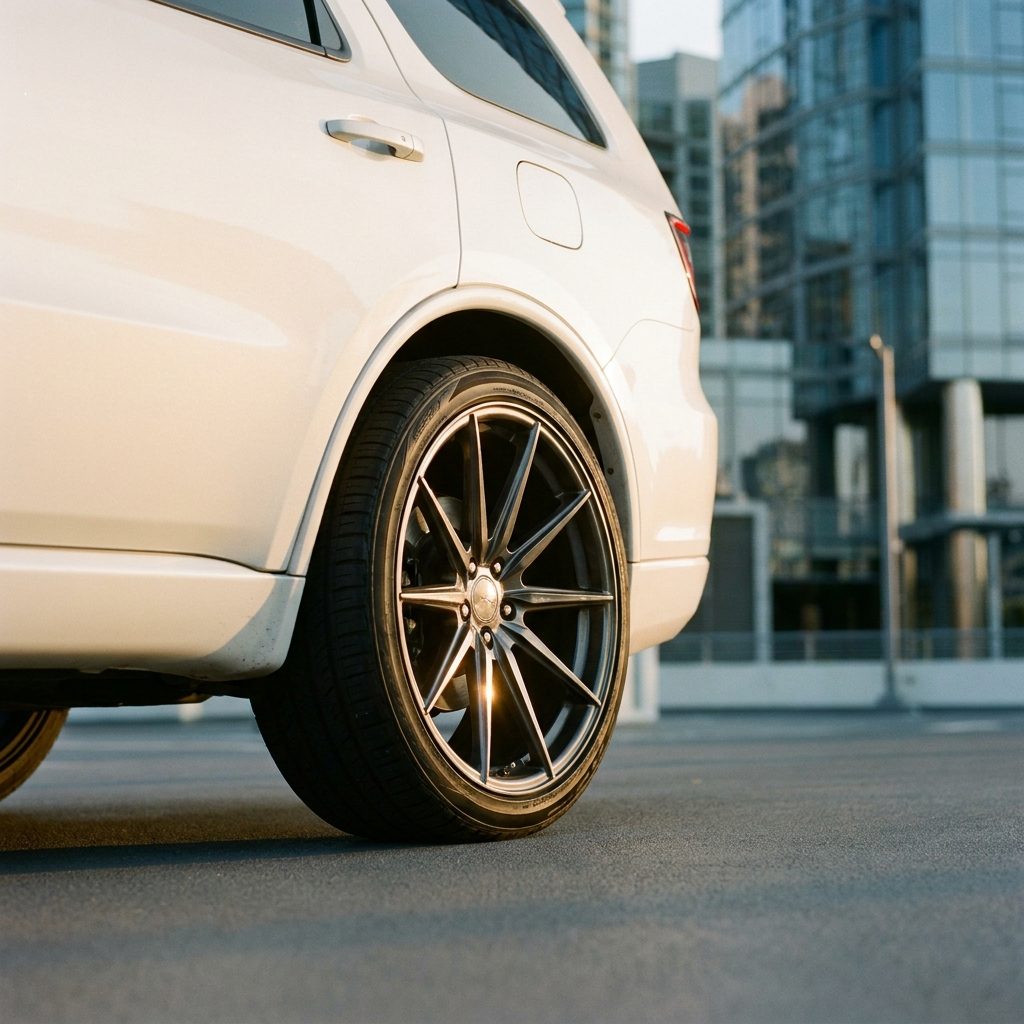
I will die on this hill: the single worst modification most luxury car owners make is upsizing wheels beyond what the car was engineered to carry.
Going from the factory 19-inch wheel to a 22-inch aftermarket setup on a Range Rover or Escalade looks aggressive in photos. In practice, you’ve replaced suspension compliance with a direct connection between every road imperfection and your lower back. The shorter sidewall can’t flex. The heavier wheel increases unsprung mass, which degrades ride quality, braking response, and acceleration. Your adaptive dampers were calibrated for a specific tire profile, and you’ve just thrown that calibration in the trash.
“The engineers who spent three years tuning the suspension didn’t leave room for you to add four inches of wheel diameter. They used all of it.”
Stick with the factory wheel size or go up one inch at most. If you want a visual upgrade, choose a lighter aftermarket wheel in the stock diameter, something forged from companies like HRE, Volk, or BBS. You’ll actually improve performance while keeping the ride the engineers intended. And your chiropractor will be a little less busy.
26. Forgetting Luxury Cars Depreciate Hardest When Loaded with Expensive Options Nobody Else Wants
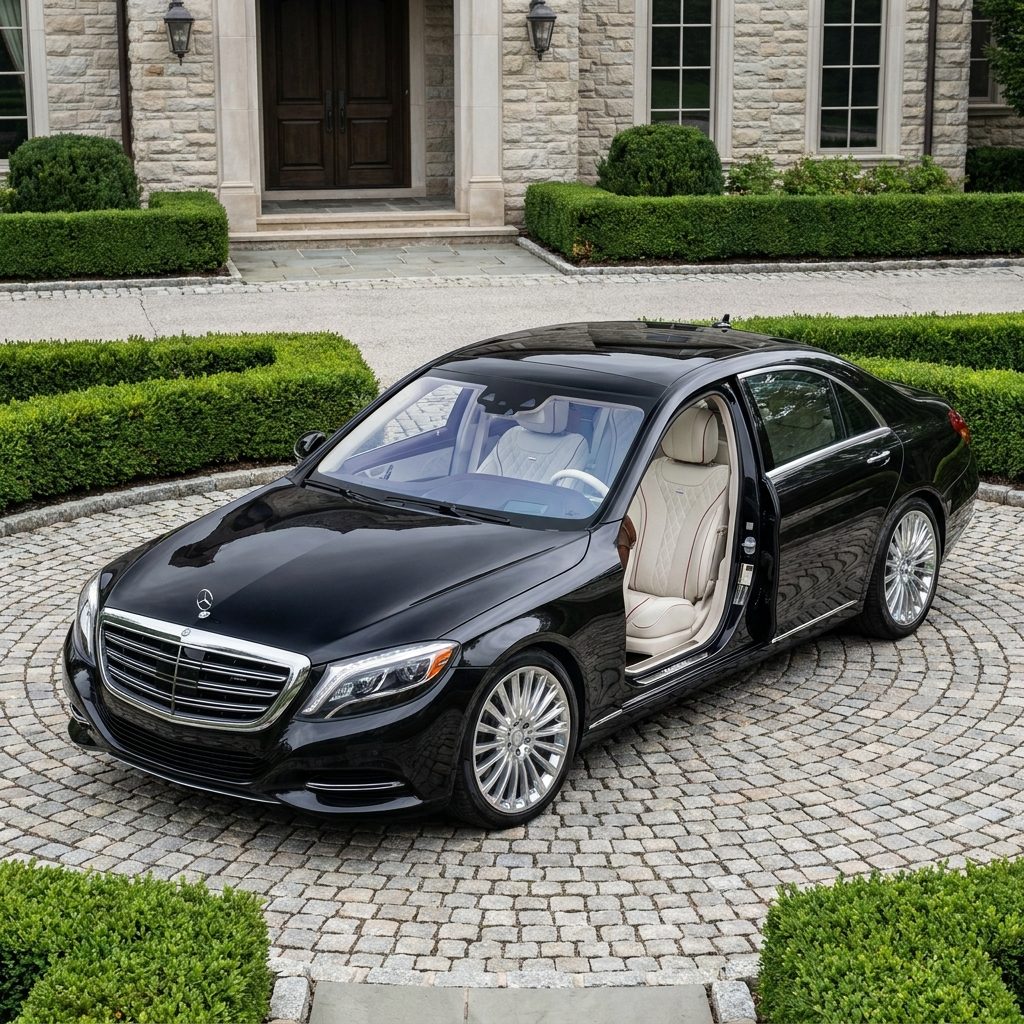
That $14,000 Designo Mystic Blue interior with hand-stitched diamond quilting looked extraordinary on the configurator. The rear-seat entertainment package, the fragrance diffuser, the heated armrests for the second row. Every single option felt like a requirement. And the build sheet swelled to $142,000.
Here’s what actually happens: the second buyer doesn’t care about your taste. They’re shopping on price, mileage, and color. A loaded S-Class with $38,000 in options sells for roughly the same as a lightly equipped one three years later. You ate the entire option cost at depreciation speed. I’ve watched people lose $50,000 in three years on a car they configured like a bespoke suit.
Stick to the options with broad resale appeal: metallic black or white paint, the mid-tier wheel package, and the driver-assistance suite. Skip the niche interior trims and rear-entertainment screens unless you genuinely plan to keep the car for seven-plus years. Your accountant will thank you.
25. Using Automatic Car Washes with Aggressive Brushes on Black Paint
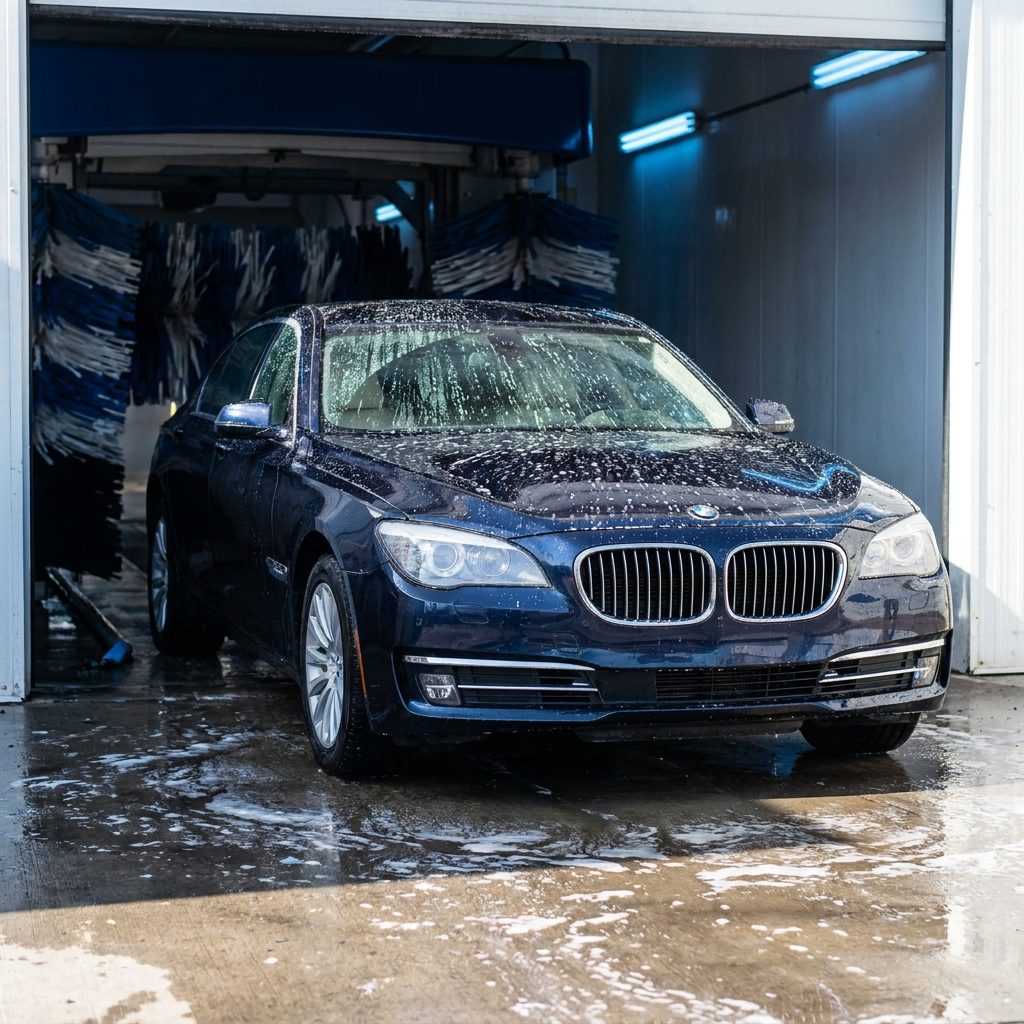
Swirl marks don’t announce themselves. They accumulate quietly, session after session, until you park under a parking-lot light one evening and the entire hood looks like a spiderweb. Those spinning cloth or felt brushes in tunnel washes trap grit from every car that went before yours, and they drag that grit across your clearcoat at speed. On dark paint, especially blacks and deep metallics, the damage is visible within a handful of visits.
Switch to a touchless wash if you must use a commercial facility. Better still, hand-wash with the two-bucket method: one bucket with pH-neutral car wash soap, one with clean rinse water, and a microfiber wash mitt that you rinse constantly. Dry with a waffle-weave drying towel, not a chamois. Once or twice a year, apply a ceramic spray sealant. The whole routine takes 40 minutes and keeps that black paint looking the way it did on the showroom floor.
24. Keeping a Luxury Vehicle in a Condo Parkade Where Every Tight Parking Stall Becomes a Daily Stress Test
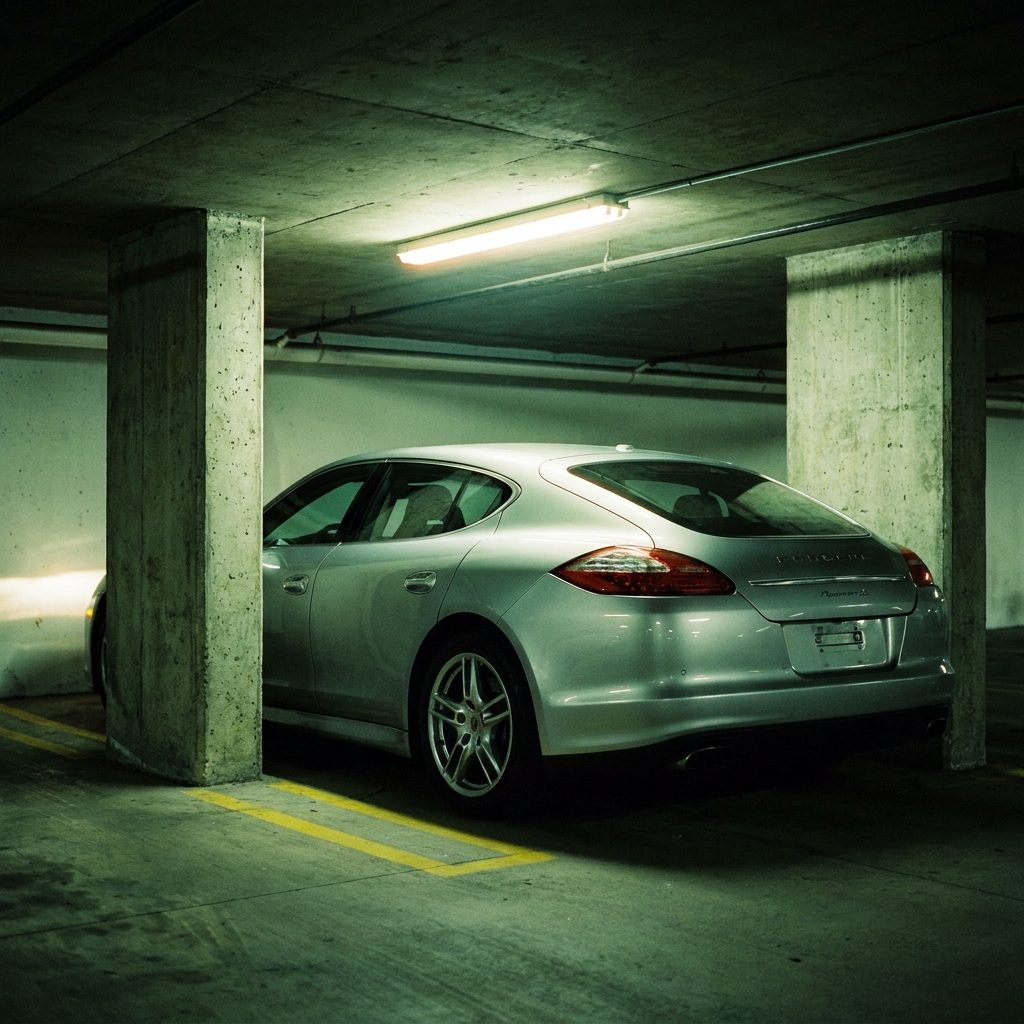
I say this as someone who parked a long-wheelbase sedan in a downtown parkade for two years and regretted every single month of it. The stalls are designed for Honda Civics, not for a car that’s six inches wider and a foot longer than average. You open your door gingerly against a concrete pillar. The guy in the next spot doesn’t.
Door dings on luxury paint cost $300 to $600 per panel for paintless dent repair, and if the clearcoat cracks, you’re looking at a full respray. Tight turning radii on ramp corners chew up front lips and side skirts on low-slung cars. And the constant anxiety, that low-grade dread every time you walk back to the car, quietly erodes the joy of ownership.
Three Options That Actually Work
- Rent a second stall and park diagonally across both. Yes, it costs more. It’s still cheaper than bodywork.
- Install foam edge guards on the pillars nearest your stall. Simple adhesive-backed guards run about $25 and absorb impact.
- If the building allows it, mount a set of rubber wheel stops to center your car in the stall every time.
23. Ignoring Insurance Quotes Before Purchase and Getting Blindsided by Five-Figure Annual Premiums
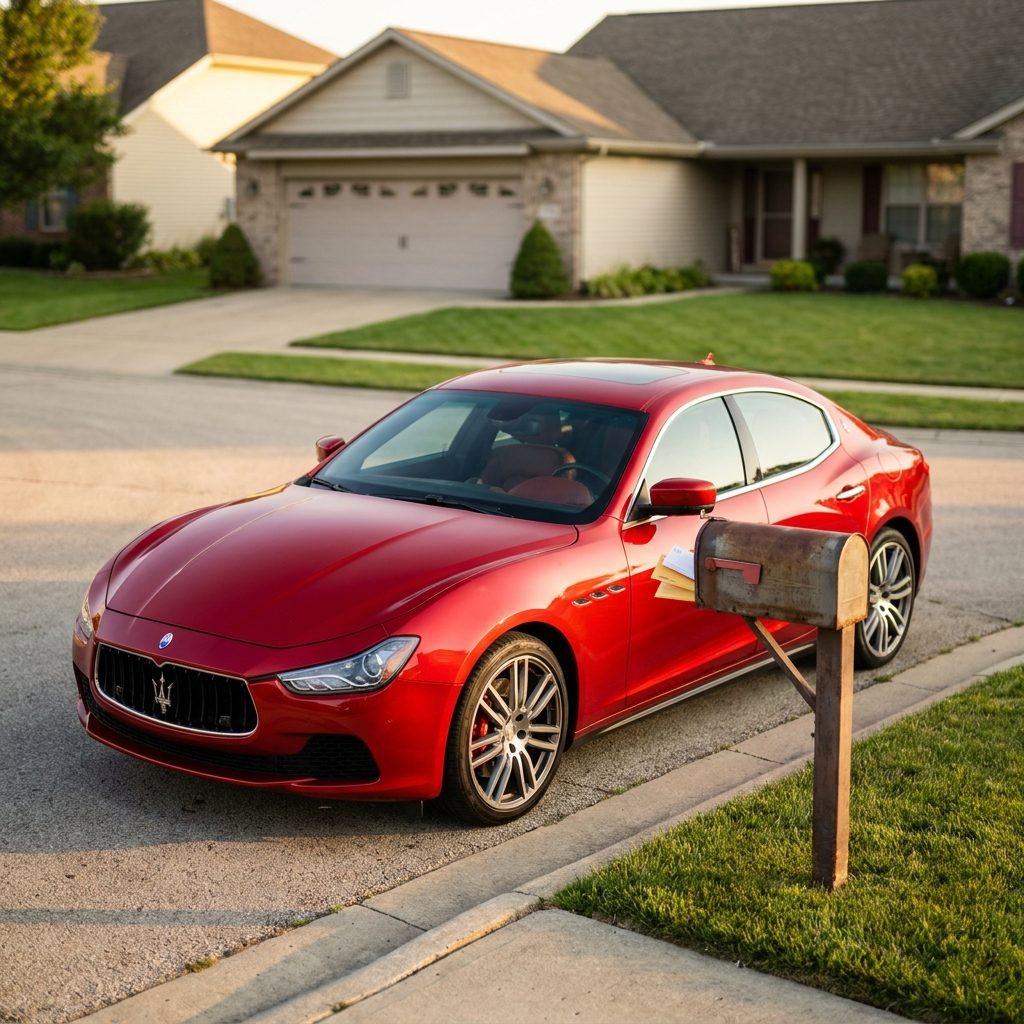
Somebody buys a $95,000 Maserati Ghibli Trofeo, gets home, calls their insurance agent, and hears a number that sounds like a second car payment. High-performance luxury sedans and coupes sit in the worst actuarial categories: expensive parts, expensive labor, statistically higher claim severity. A Porsche Cayenne Turbo GT can run $6,000 to $12,000 a year to insure depending on your zip code, driving record, and coverage limits.
Call three brokers before you sign anything at the dealer. Get quotes with the exact VIN, your actual address, and the coverage you need, not just state minimums. Compare umbrella policy options too. Some owners save significantly by bundling home and auto with a high-net-worth carrier like Chubb or Cincinnati Financial. The five minutes you spend on the phone before committing could redirect thousands of dollars a year.
22. Buying the First Model Year After a Redesign Because the Styling Feels Irresistible
Fresh sheet metal and a completely new interior are genuinely exciting. And that excitement is exactly why first-model-year cars sell at full MSRP with no negotiation room. The problem isn’t the styling. It’s everything underneath.
New platforms carry new electronics, new wiring harnesses, new infotainment architectures, and new engine calibrations that haven’t been stress-tested by 200,000 real-world owners yet. The 2019 BMW X7, the 2020 Corvette C8, the 2022 Range Rover, all of them had notable teething issues in their launch year that were quietly resolved by model year two or three. Software glitches. Suspension calibration complaints. Trim pieces that rattled loose.
Wait for the second or third model year. You’ll get the same design with refined software, updated supplier parts, and often a better-negotiated purchase price because dealer allocation pressure has eased. Patience isn’t glamorous, but it saves you from being a beta tester at full retail.
21. Assuming Air Suspension Is ‘Just Smoother Shocks’ Until the Repair Quotes Arrive
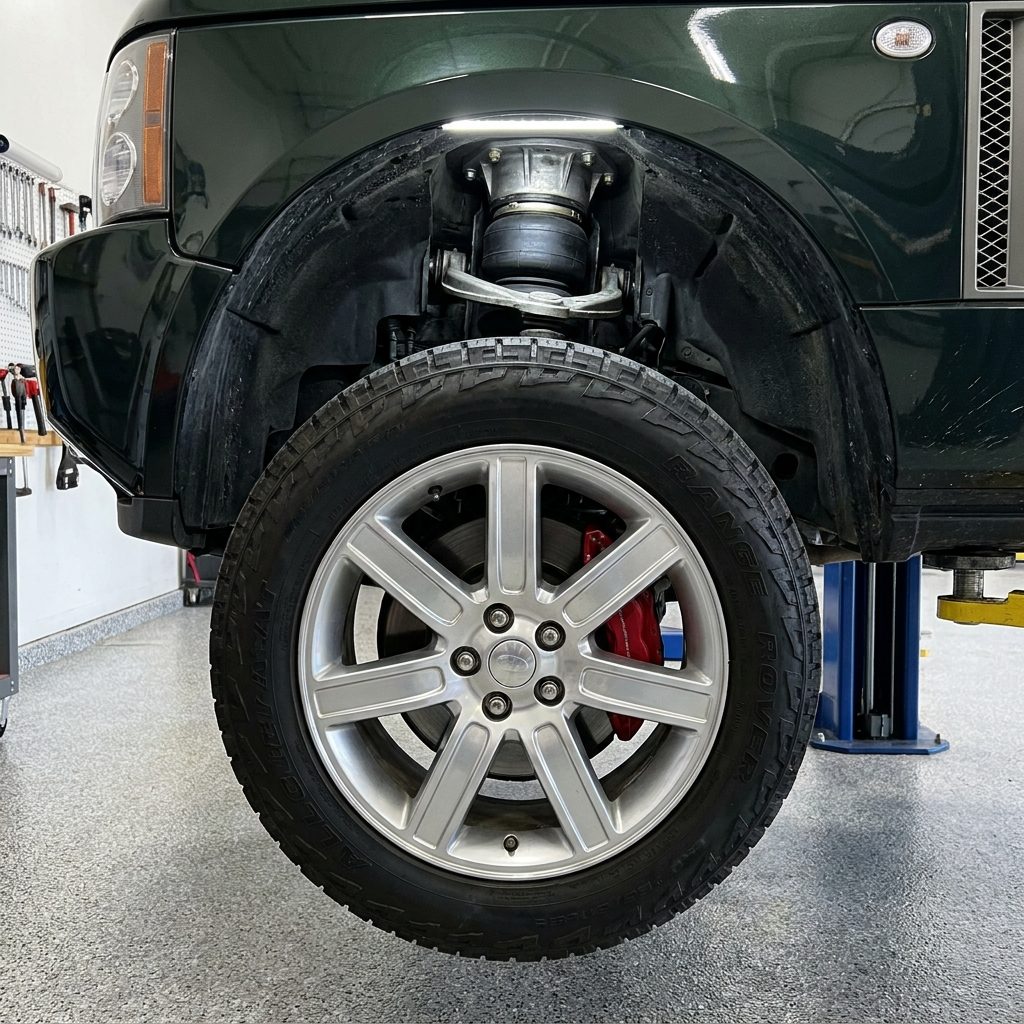
Air suspension feels otherworldly. That floating, yacht-like ride quality is one of the core reasons people buy a Range Rover or an S-Class or a Continental GT. But air suspension is a system with a compressor, valve block, air lines, ride-height sensors, and individual air spring bladders at each corner, and every one of those components has a finite lifespan.
A single air spring replacement on a Range Rover runs $1,200 to $2,500 per corner at an independent shop. The compressor, when it finally burns out from overwork (usually because a leaking bladder forced it to cycle constantly), adds another $1,500 to $2,800. And they rarely fail one at a time. Once one corner goes, the others are on borrowed time.
“Nobody budgets for air suspension. They budget for oil changes and tires. Then the dash warning light comes on and the car drops to its bump stops overnight.”
Before buying any air-suspended luxury car, get the system scanned for faults and check the compressor duty cycle. Budget $4,000 to $6,000 in a reserve fund specifically for suspension work. If you’re buying used, aftermarket air spring kits from companies like Arnott offer OE-quality replacements at roughly 40 percent less than dealer parts.
20. Treating a Luxury Vehicle Like an Investment Instead of a Rapidly Depreciating Comfort Product
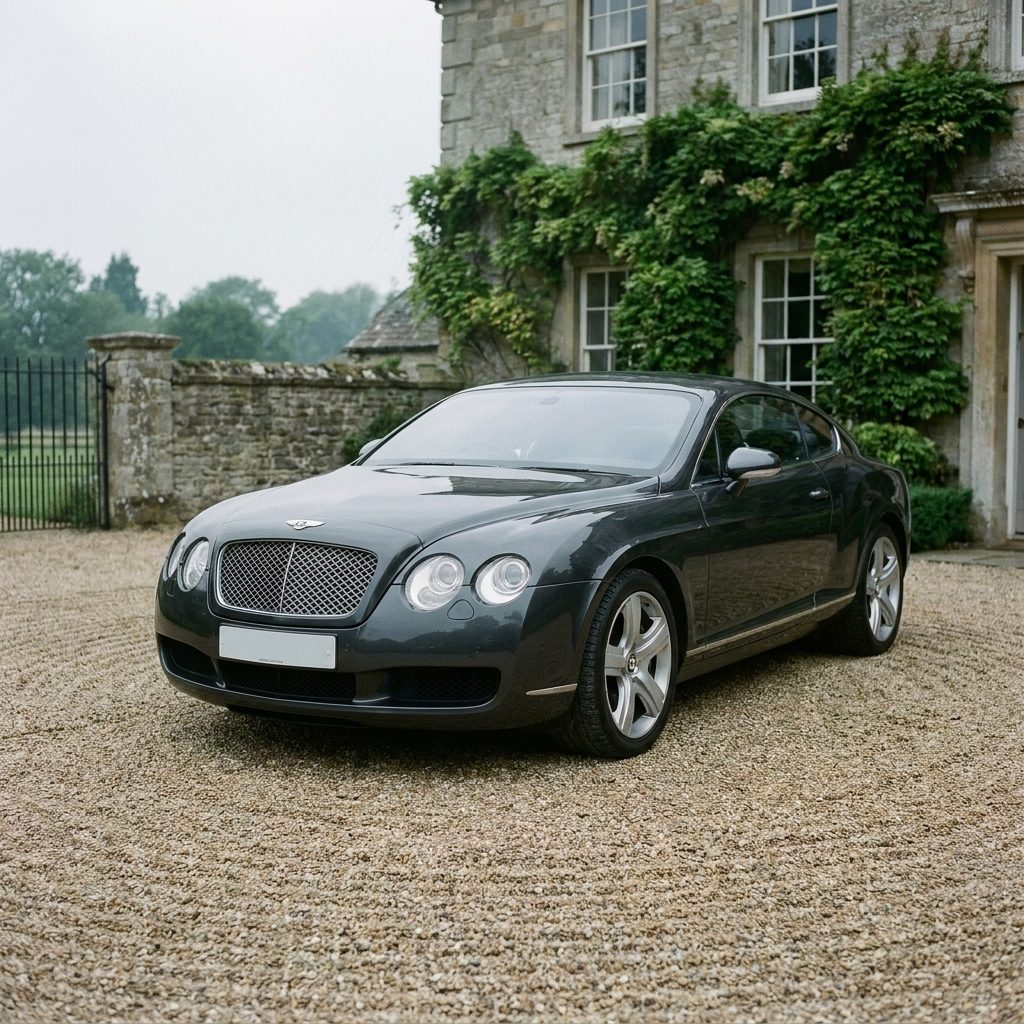
This one gets people angry, and I understand why. You’ve just written a check for a quarter-million dollars and some part of your brain needs to believe the object holds its value. It doesn’t. Almost no modern luxury car does. A new Bentley Continental GT loses roughly a third of its sticker price in the first three years. A Maserati Quattroporte loses half. Even Porsche 911s, the gold standard of depreciation resistance, still lose money if you bought at MSRP and drove normal miles.
Cars are not real estate. They’re transportation with an expiration date on every component. Once you genuinely accept that, your decision-making changes for the better. You stop obsessing over mileage to the point that the car sits in the garage. You stop avoiding road trips. You stop declining to let your kids eat crackers in the back seat. You start actually using the thing, which is the entire point of owning it.
19. Buying a Performance Luxury Car for Short City Commutes Where It Never Actually Gets Enjoyed
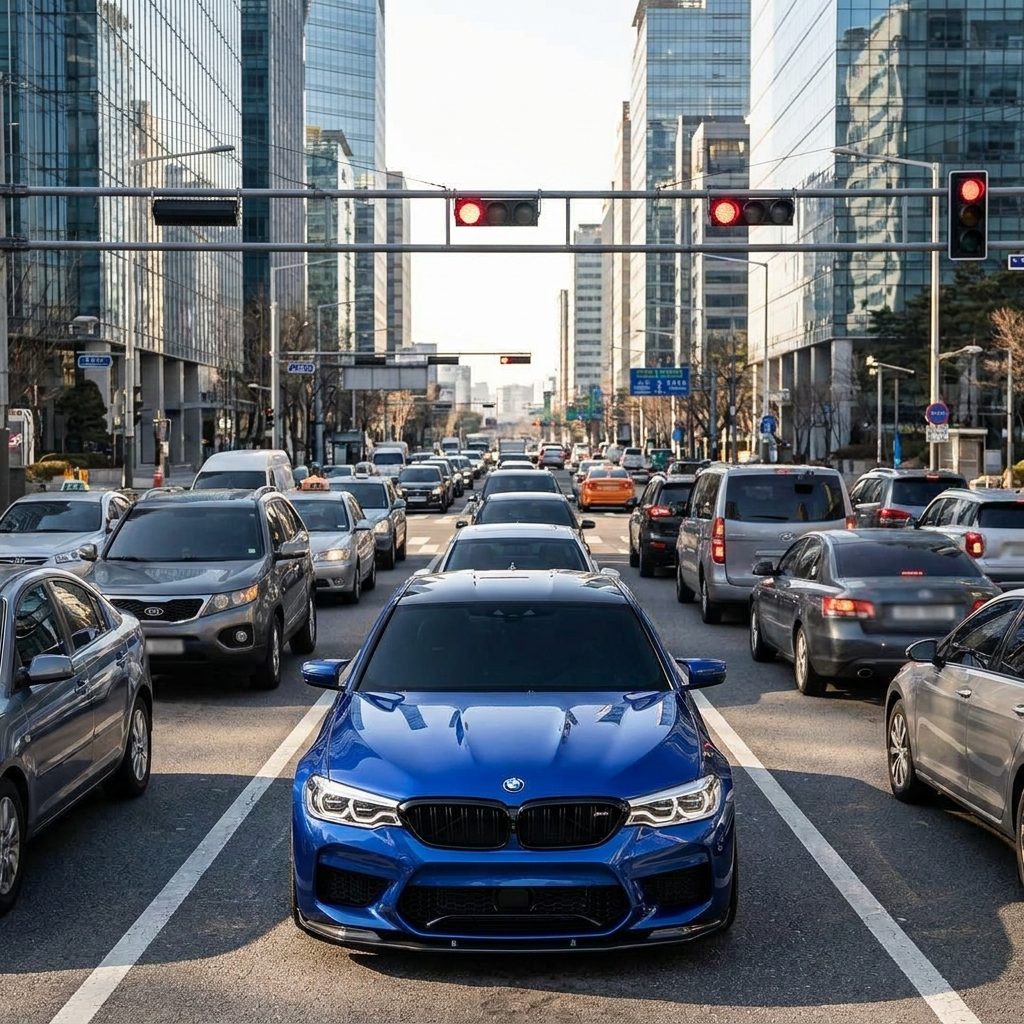
A twin-turbo V8 making 617 horsepower, sitting in second gear at 1,400 RPM for 45 minutes each way. Carbon-ceramic brakes that cost $12,000 to replace, glazing over because they never reach operating temperature. A sport exhaust that drones at exactly the frequency of bumper-to-bumper crawl. This is what a performance luxury car actually becomes on a seven-mile city commute.
Short trips are hard on these engines too. Oil never fully reaches temperature, moisture accumulates in the crankcase, and fuel dilution thins the lubricant faster than the service interval accounts for. You end up changing oil at 3,000 miles instead of 10,000 and still wondering why the car feels sluggish.
If your daily drive is under 15 miles of city streets, buy the comfortable base model and rent the M car or AMG for weekend trips. Or, if you insist on owning the performance variant, commit to at least one spirited 30-minute highway drive per week to bring all the fluids and brakes up to proper operating temperature. Your engine and your brake rotors need that heat cycle.
18. Letting Software Subscriptions, Connected Services, and Premium App Features Quietly Pile onto Ownership Costs
Would you like to save this?
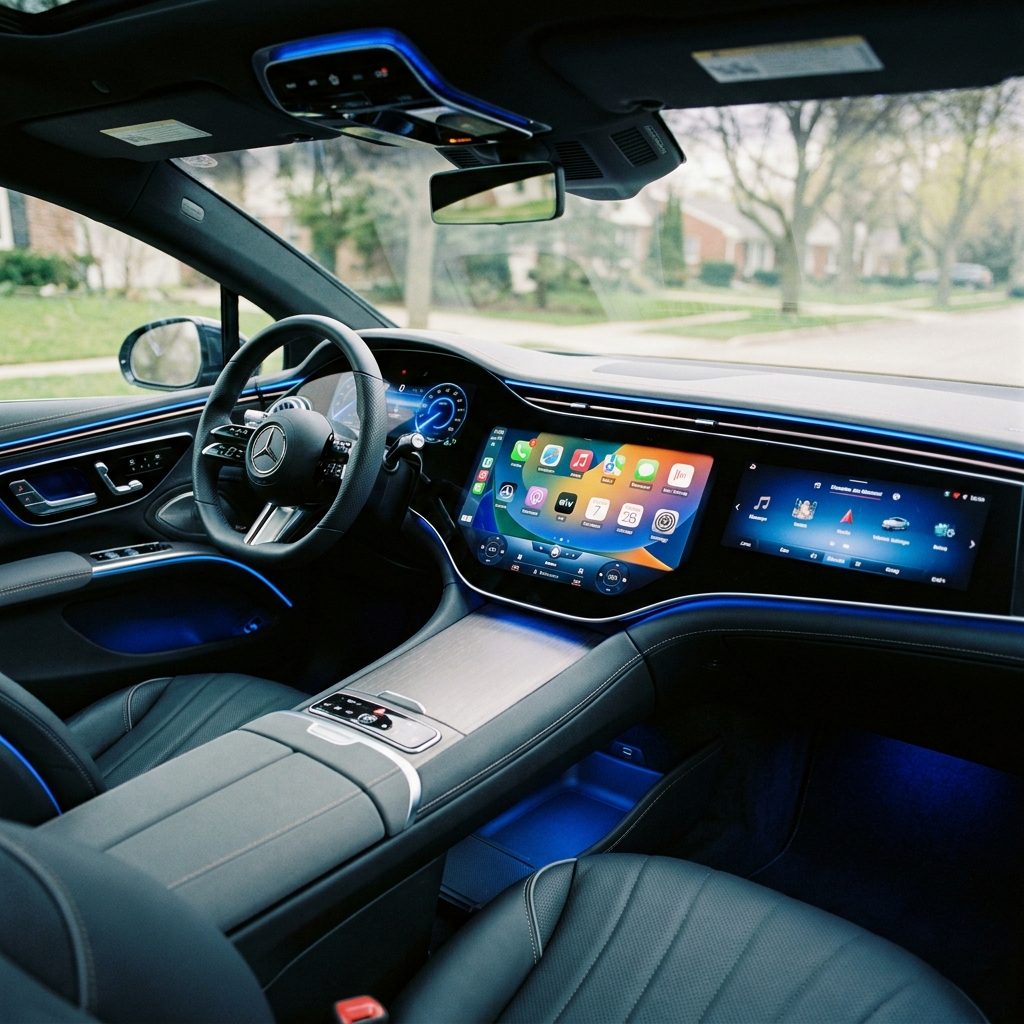
BMW tried charging a monthly fee for heated seats. That made headlines. But the quieter subscriptions are the ones that actually add up. Remote start: $15 a month. Connected navigation with real-time traffic: $25 a month. The premium audio tier unlock: $20 a month. Concierge services: $30 a month. Wi-Fi hotspot: $20 a month. In-car apps for parking and fuel. Extended warranty add-ons sold through the infotainment screen. Some of these activate automatically during the trial period and start billing when you forget to cancel.
Audit every connected service tied to your vehicle. Log into the manufacturer’s owner portal and list every active subscription. Cancel anything you haven’t used in 60 days. For navigation, a $200 phone mount and Apple CarPlay or Android Auto replaces a $300-per-year factory nav subscription with better maps. For remote start, a $350 aftermarket module often provides the same functionality as a permanent install with no monthly fee.
17. Trying to Maintain the Image of Luxury Ownership Long After the Payments Stop Being Comfortable
Nobody talks about this one because it’s uncomfortable. But it’s the most expensive mistake on this list, and it has nothing to do with mechanics or maintenance schedules.
Someone stretches into a $1,400 monthly payment, or leases at the top of their budget, because the car represents something. Status, arrival, reward. And for the first six months it feels worth it. Then the transmission service comes due ($800), and the tires need replacing ($1,600 for a staggered set of performance rubber), and the insurance renewal arrives higher than expected, and suddenly the car isn’t a comfort. It’s a source of quiet financial pressure that follows you everywhere.
A luxury car should be the easiest bill you pay, not the one you shuffle around. The old rule still holds: if the total cost of ownership, including insurance, maintenance, fuel, and depreciation, exceeds 10 to 15 percent of your take-home income, you’re overextended. There’s no shame in driving a well-equipped Lexus ES instead of an S-Class. The Lexus will be more reliable anyway. And the person who drives a car they can easily afford radiates more confidence than someone white-knuckling a payment they can’t.
16. Parking Half a Mile Away to “Protect the Paint” and Turning Every Errand Into a Tactical Operation
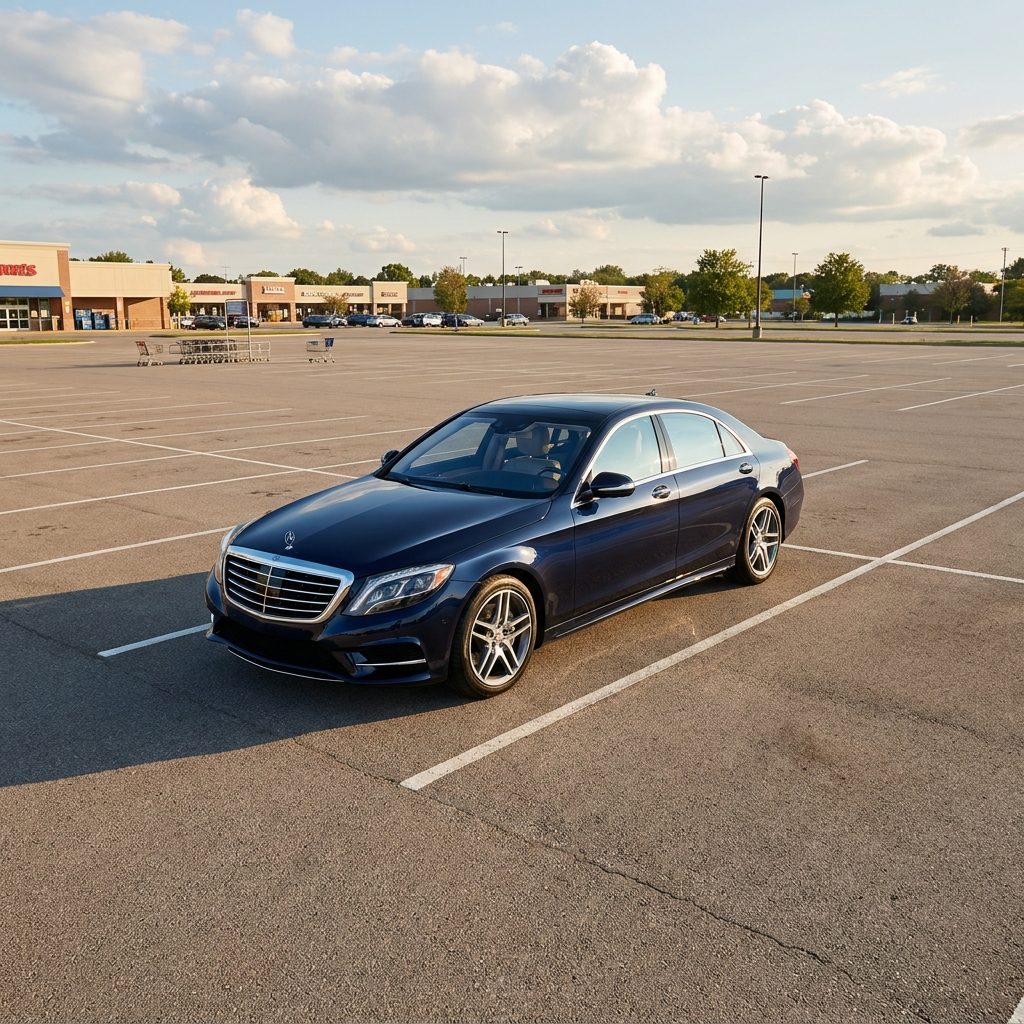
Nobody brings this up, but the guy parking his Range Rover in the back forty of the Costco lot and hiking a quarter mile in dress shoes isn’t protecting his car. He’s punishing himself for buying it. Door dings happen. The actual difference in risk between the back row and the middle row? Barely measurable. What’s very real is the cortisol spike every time you glance out a restaurant window to check on your hood.
If a parking lot scratch genuinely terrifies you, the fix isn’t behavioral gymnastics — it’s a proper paint protection film like XPEL Ultimate Plus or 3M Pro Series on the high-impact zones: fenders, bumper edges, door cups, rocker panels. A full front-end wrap runs a fraction of what you spent on the car, and it handles rock chips, cart nudges, and the occasional careless SUV door with zero drama. After that? Park where it’s convenient and actually use the thing. Life’s too short to hike across sun-baked asphalt guarding sheet metal.
15. Buying White Leather Interiors With Kids, Dogs, or Jeans That Bleed Indigo Dye
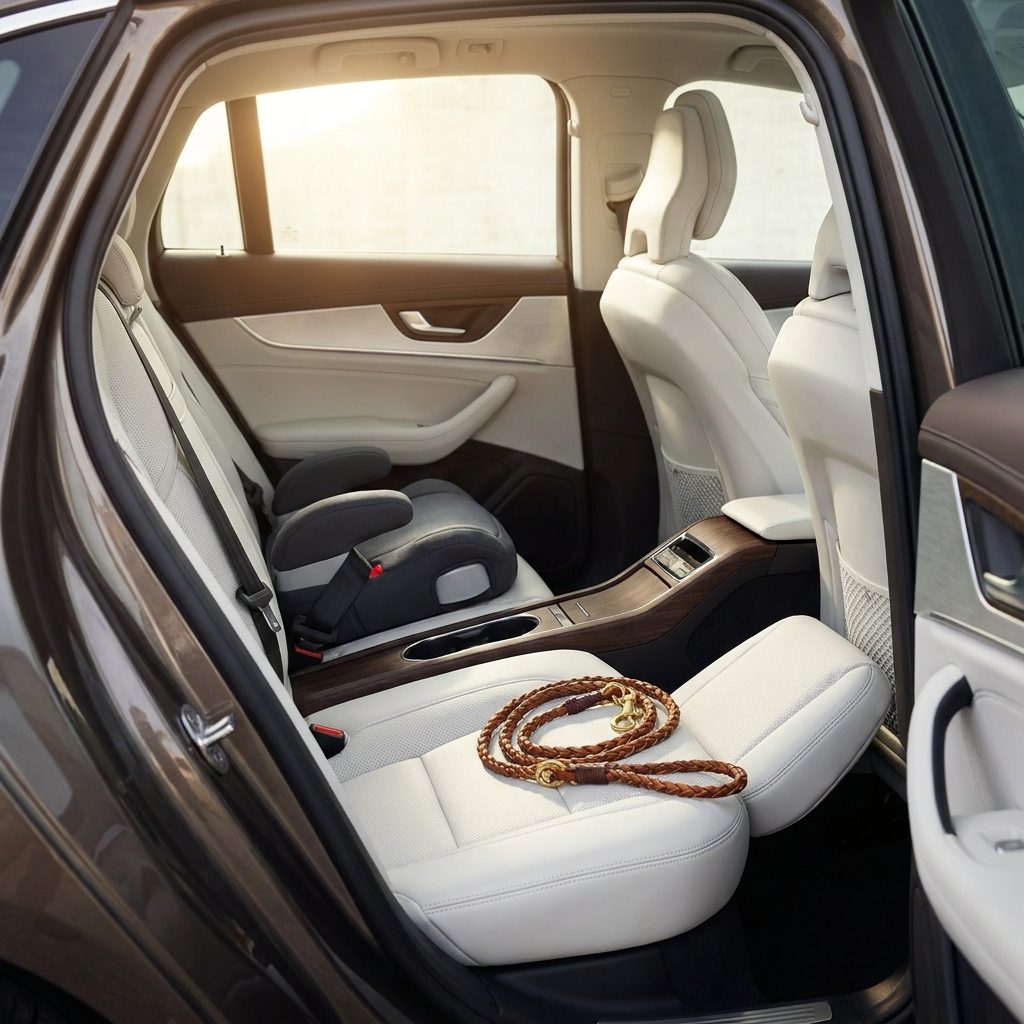
White leather looks astonishing in the configurator. It photographs like a dream. Then real life arrives carrying a juice box and wearing raw selvedge denim.
Indigo dye transfer is the silent killer. Dark jeans leave blue staining on white and light leather that bonds chemically with the hide’s finish coat — cleaning it off requires specialized decontamination products, and repeated scrubbing accelerates the topcoat’s breakdown. Kids and dogs pile on their own chaos: ground-in crumbs, claw marks on bolsters, mystery stains that materialize overnight like poltergeist activity.
Already committed? Apply a leather ceramic coating like Gyeon LeatherShield within the first week of ownership. It creates a sacrificial barrier that lets dye transfer wipe off with a damp cloth instead of requiring aggressive cleaners. Reapply every six months. Keep a pack of leather cleaning wipes in the glovebox for immediate spill response. But honestly — if your life includes small humans or four-legged passengers, a dark saddle tan or espresso brown hides the evidence and ages with genuine character.
14. Getting Addicted to Trading In Every Two Years and Constantly Eating the Steepest Depreciation Curve
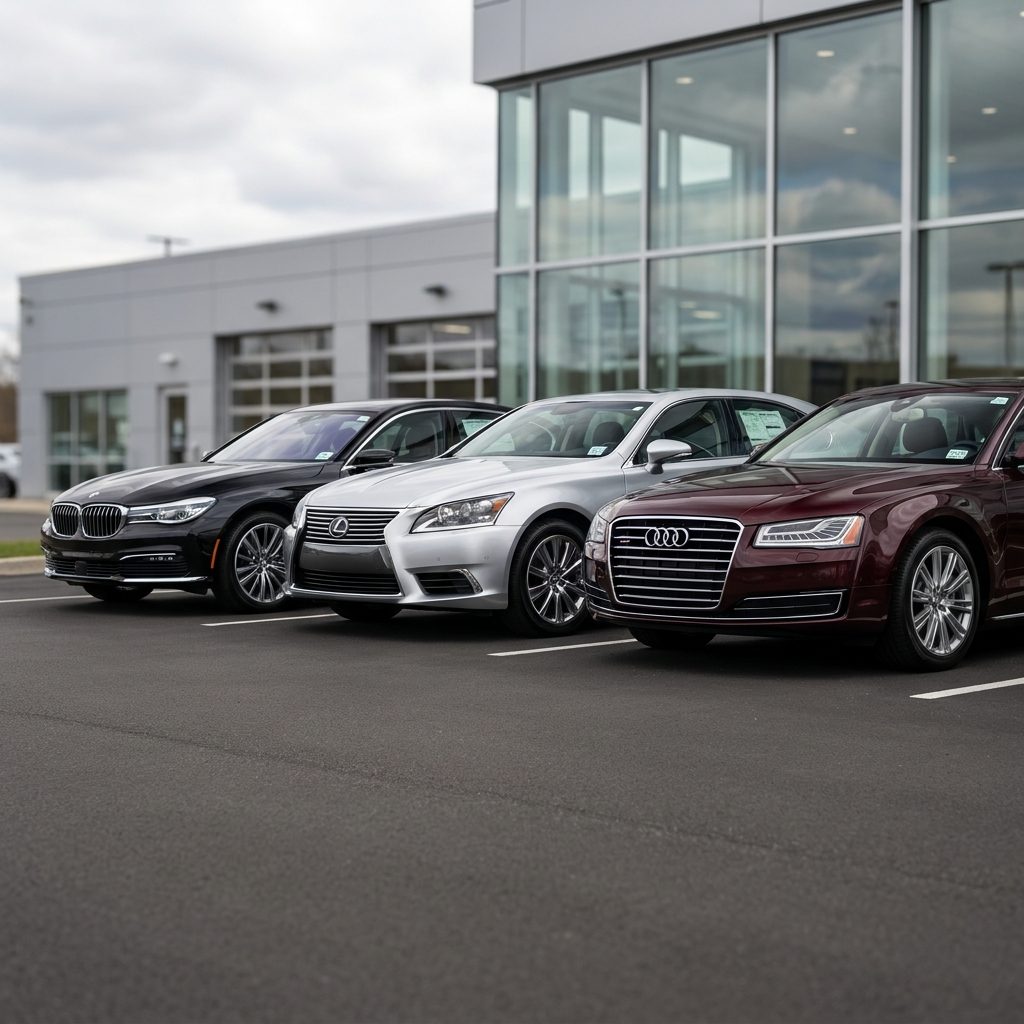
I did this for a decade and I’m embarrassed to add up the total. Every 24 months — new lease or trade-in, always justified by some feature upgrade that amounted to a marginally larger touchscreen and revised tail lights. The math is brutal: luxury vehicles shed enormous chunks of their value in the first three years. Trading at the two-year mark means you’re perpetually riding the steepest part of that depreciation cliff, never reaching the flatter years where ownership starts making financial sense.
The fix is patience. Buy a one- to two-year-old certified example, hold it for five to six years total, and let the original buyer absorb the initial freefall. You’ll drive essentially the same car for a fraction of the real cost. Or, if you absolutely must buy new, commit to at least four years before even browsing. That itch at month 22? That’s the marketing department earning its bonus, not your car developing a mechanical need.
13. Choosing a Luxury EV Without Checking Real-World Winter Range Realities in Cold Climates
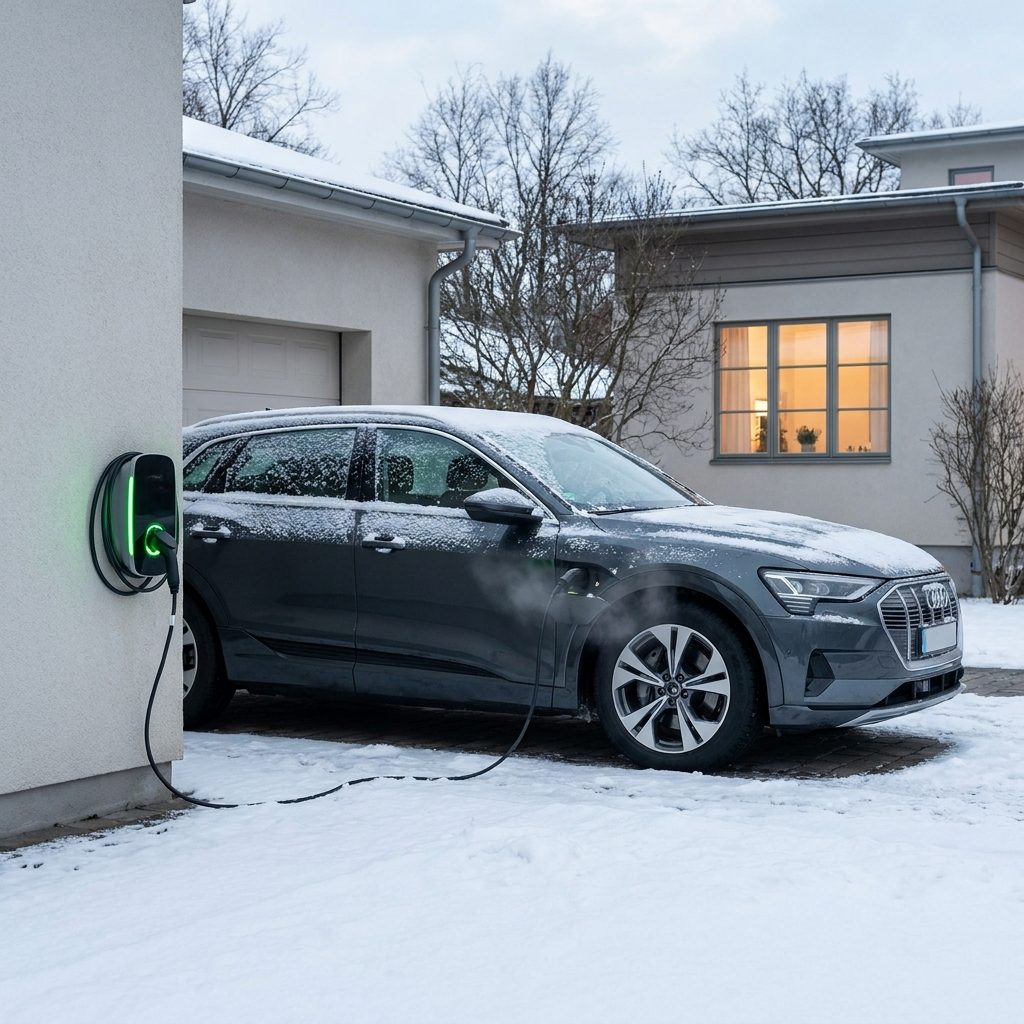
The Number on the Sticker Is a Summer Number
That 300-mile EPA range estimate? Generated at roughly 77°F in a laboratory. Park the same EV in a Minnesota garage at 10°F and lithium-ion battery chemistry has some strong opinions about your commute plans. Real-world cold-weather range loss is staggering once you factor in battery heating, cabin heating, and the physics of cold-thickened drivetrain lubricants.
Before signing, dig into real owner data on forums and apps like ABRP for your specific model in your specific climate. Map your daily round-trip mileage, add a generous cold-weather buffer, and see if the math still works without a midday charge. Living somewhere with genuine winters? A heat-pump-equipped model is non-negotiable — it recycles waste heat rather than drawing it straight from the battery pack. Porsche Taycan, newer Tesla Model Y, and BMW iX all offer heat pumps standard. That single component can meaningfully reclaim winter range that would otherwise vanish.
12. Skipping Scheduled Maintenance Because “It Still Drives Fine”
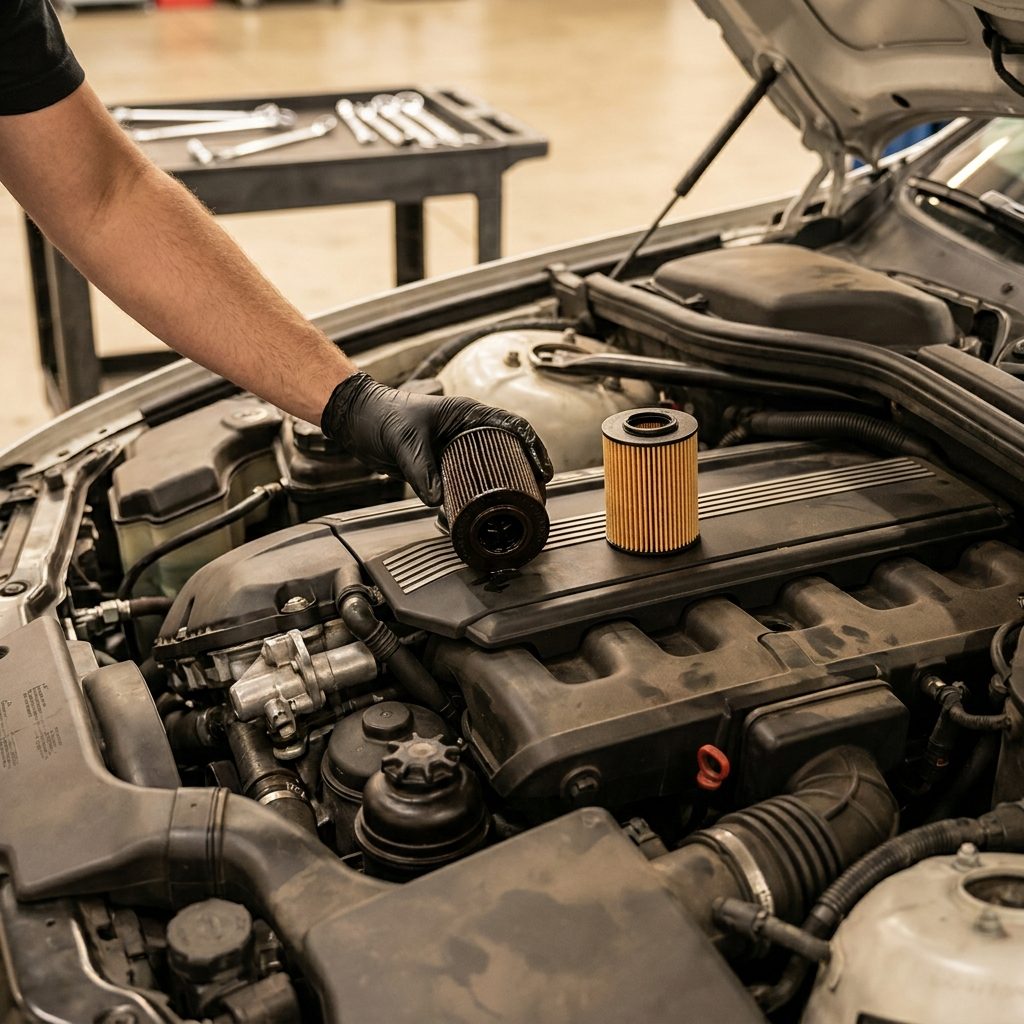
Modern luxury cars are deceptively smooth — a twin-turbo V8 with active engine mounts and 14 speakers masking road noise will feel perfectly fine right up until something expensive lets go. That’s the trap. The car was engineered to feel serene at all times, including the moments when critical components are quietly deteriorating.
Skip even one oil change on a turbocharged engine and you’re inviting carbon buildup in the turbo bearings while accelerating timing chain wear. Ignore transmission fluid changes on a ZF 8-speed — which many manufacturers now call “lifetime fill” — and you’re looking at valve body failure. There is no lifetime fill. There’s fluid that deteriorates until the transmission does too.
Follow the severe-duty maintenance schedule, not the normal one. Most luxury car owners qualify for severe duty whether they realize it or not: short trips, stop-and-go traffic, extreme temperatures. That means oil every 5,000 to 7,000 miles instead of 10,000, and transmission fluid every 50,000 to 60,000 regardless of what the manual claims. The manual was written to make ownership sound cheap during the sales process.
11. Assuming Certified Pre-Owned Automatically Means Trouble-Free Ownership
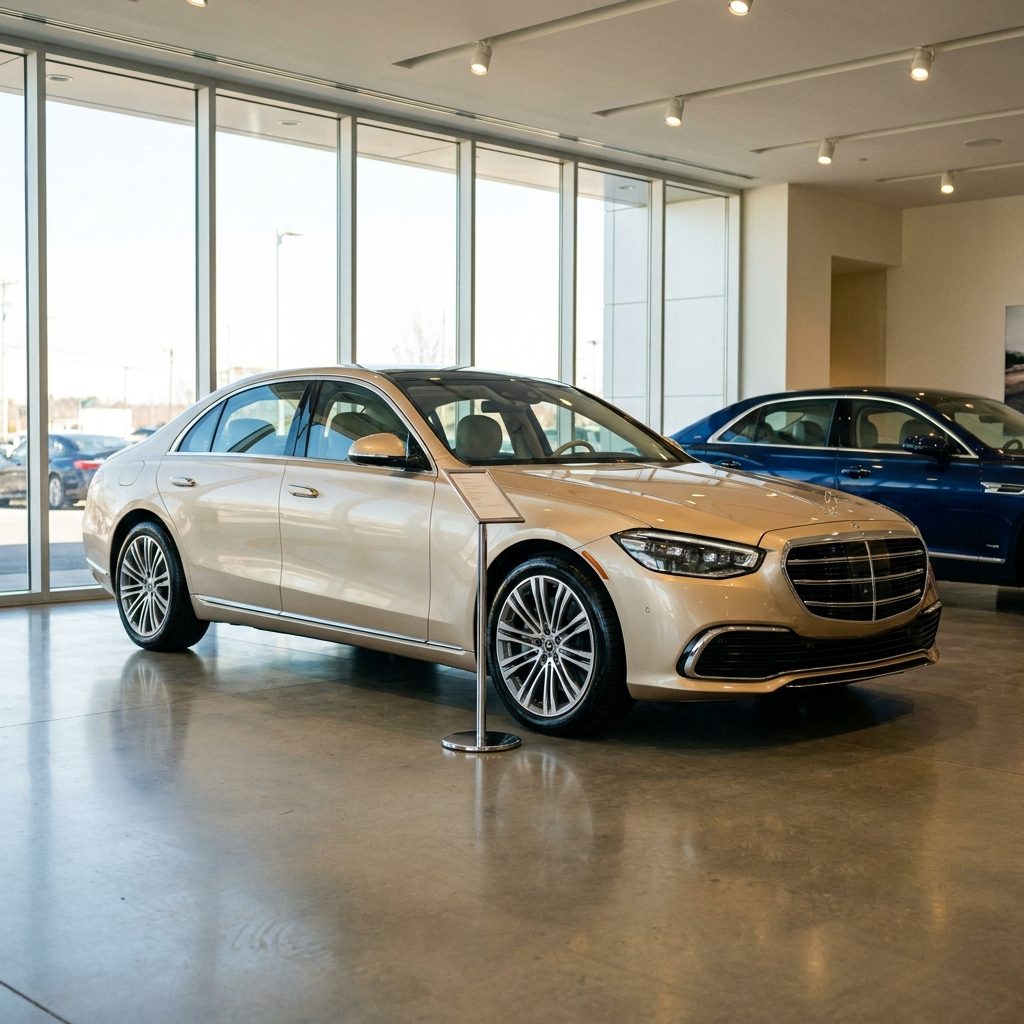
CPO is a marketing program, not a warranty replacement. I say this as someone who bought a CPO German sedan and watched the air suspension fail at 38,000 miles — three months after the CPO window closed. That 150-point inspection everyone touts? It confirms that components function on that particular day. It predicts nothing about next month.
Before signing on a CPO vehicle, do three things:
- Pay for an independent pre-purchase inspection at a marque-specific independent shop. It’s the single best expenditure in the entire transaction.
- Read the CPO warranty document line by line. Many exclude wear items, electronics, and anything the dealer classifies as “maintenance related” — a category broad enough to drive a flatbed through.
- Pull the full service history through the manufacturer’s portal and verify every scheduled interval was completed, not just the ones the selling dealer performed.
10. Financing a Luxury Vehicle Over Seven or Eight Years
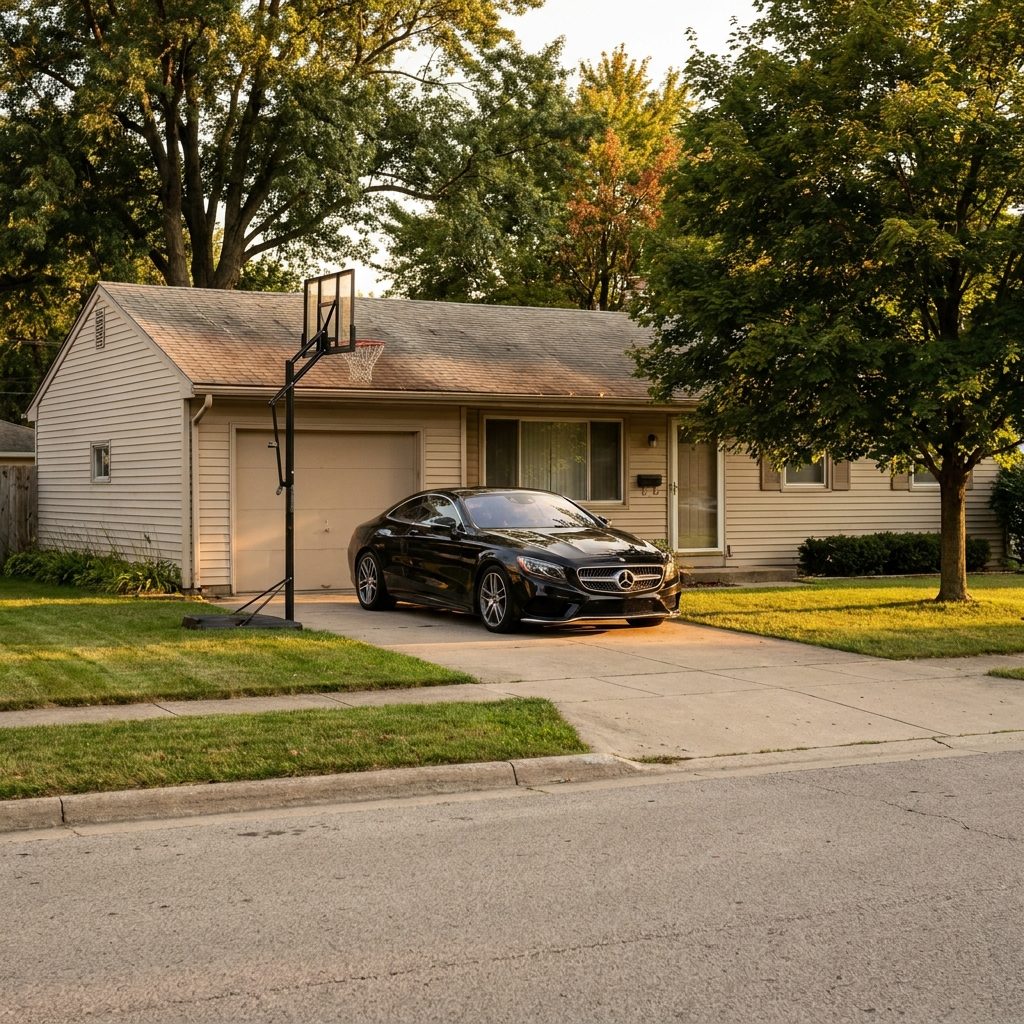
An 84-month note on a depreciating asset is not a financial plan. It’s a trap with leather seats.
What happens: by year four, you owe more than the car is worth. Underwater, locked in, warranty expired. Now you’re making payments on a vehicle that also demands a $3,000 brake job and a $1,800 set of run-flat tires. The monthly payment looked manageable in the finance office because they stretched it across most of a decade. The total interest paid? Stomach-turning.
If the payment requires 72-plus months to feel comfortable, the car is too expensive. Full stop. No judgment — we’ve all sat in that finance chair and felt the pull. But the honest move is to step down one tier, finance over 48 months max, or buy a two-year-old example outright. The badge on the hood isn’t worth hauling that note around for the better part of a decade.
9. Buying Rare or Exotic Trims That Become Impossible to Source Parts for Quickly
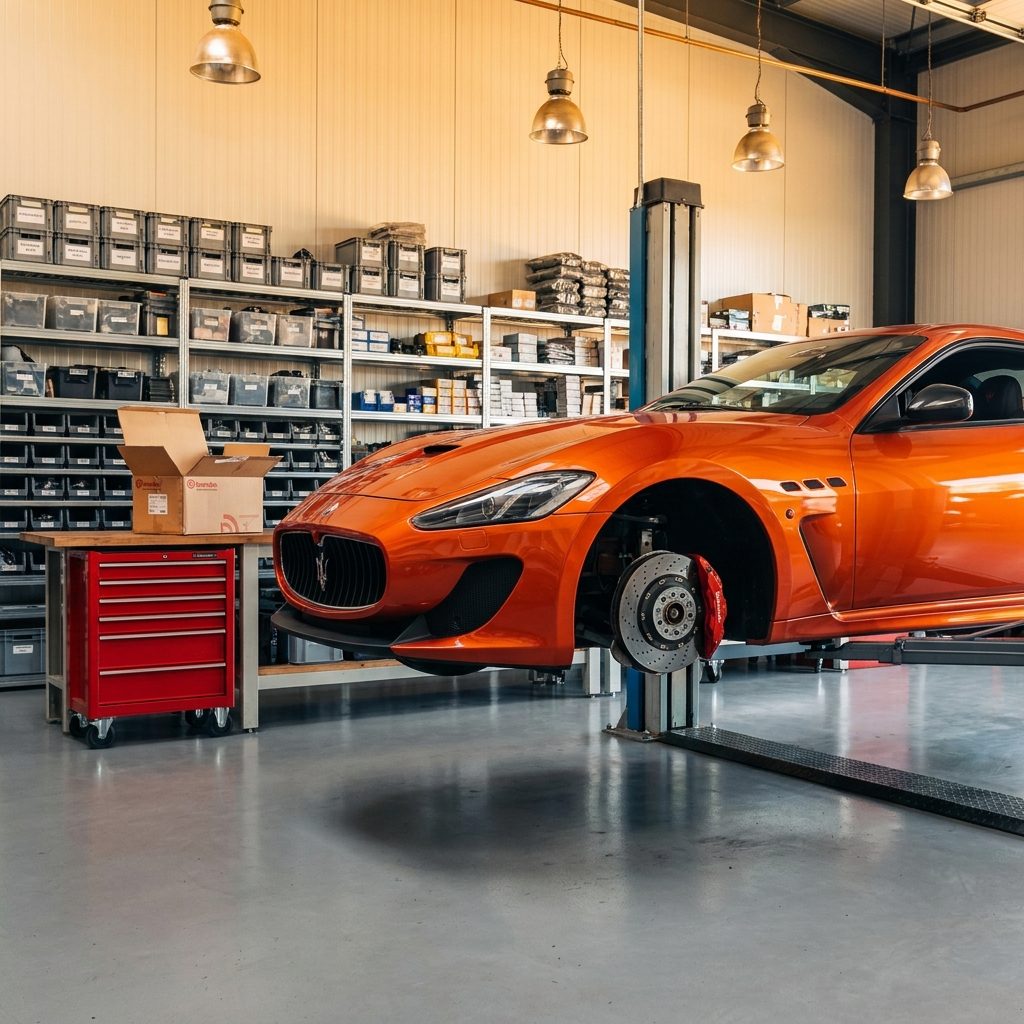
That limited-run Alpina B7 or the final-year Maserati GranTurismo MC looks intoxicating on paper. Low production numbers, bragging rights, a configurator full of bespoke options. Then a control arm bushing fails on a Tuesday and the part is on back-order from Italy for nine weeks. Your gorgeous coupe becomes a garage sculpture.
Exotic and low-volume trims frequently use unique suspension components, ECU calibrations, body panels, and interior pieces that share nothing with the mainstream model. Your local dealer won’t stock them. Online parts houses won’t carry them. You end up on international forums begging someone in Stuttgart or Modena to ship a bracket across the Atlantic.
Before buying any limited-production variant, call two independent specialists in that marque and ask one question: “How hard is it to get parts for this specific model?” Their answer will save you from owning a gorgeous lawn ornament. Still want it? Budget an emergency parts fund and identify a reliable overseas shipper in advance. Forewarned is forearmed — and in this case, forewarned is mobile.
8. Obsessing Over Resale Value to the Point the Car Never Actually Gets Enjoyed
Would you like to save this?
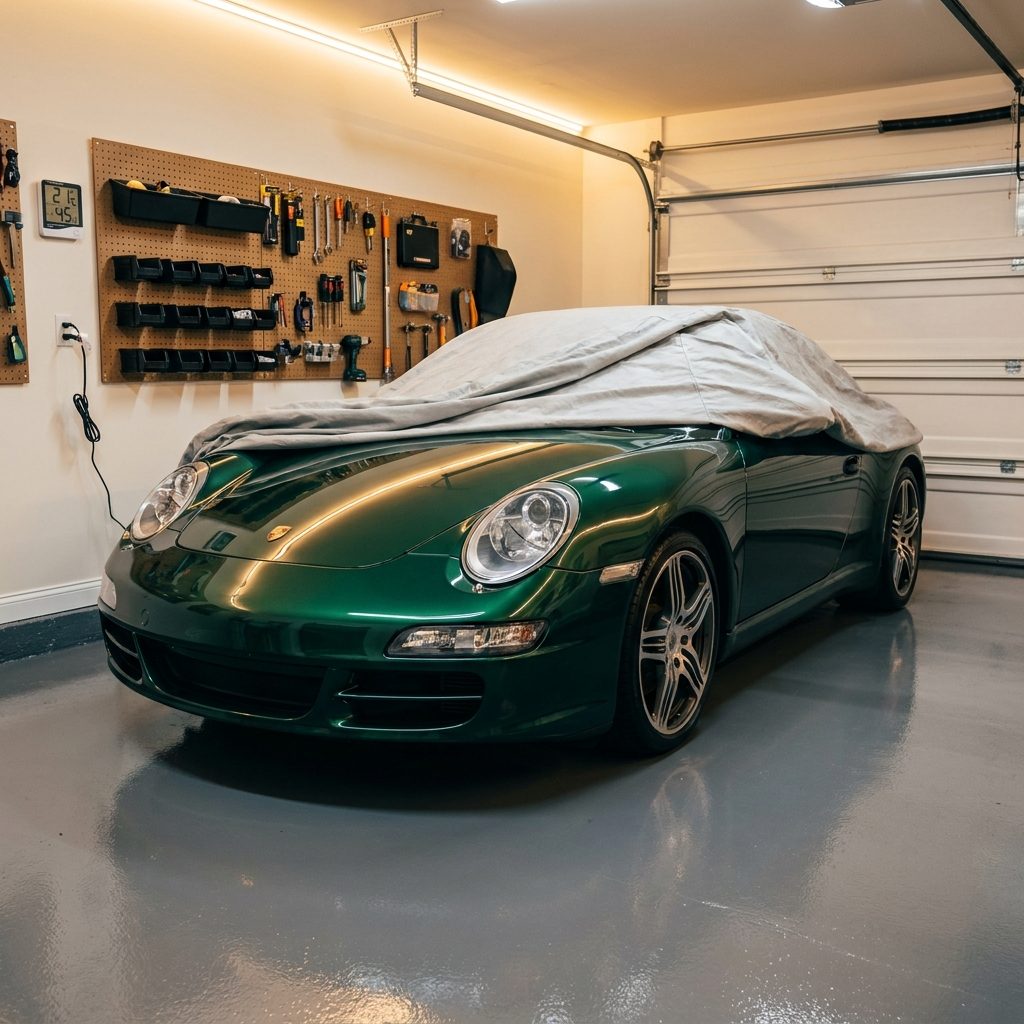
I know a man with a gorgeous 997 Turbo showing 11,000 miles after 14 years of ownership. Won’t drive it in rain. Won’t take it on trips. Washes it in filtered water. Talks about its resale value the way some people talk about a retirement account.
He doesn’t own a car. He owns an anxiety machine shaped like a Porsche.
Cars depreciate. Every single one — including the ones that “appreciate” on timelines measured in decades, where carrying costs of insurance, storage, and maintenance quietly eat into those gains more than most speculators care to admit. The only way to extract genuine value from a luxury car is to drive it. Put miles on it. Take it on that coast road. Let it see rain. The memories you build behind the wheel matter more than the marginal spread between “excellent” and “concours” condition when you finally sell. And I’ll go further: a car with 60,000 honest miles and a folder of great road-trip photos is a life well-lived. A garage queen with 11,000 miles is just expensive furniture.
7. Ignoring Performance Tire Replacement Costs Until a Set of Pirellis Wears Out in 20,000 Miles
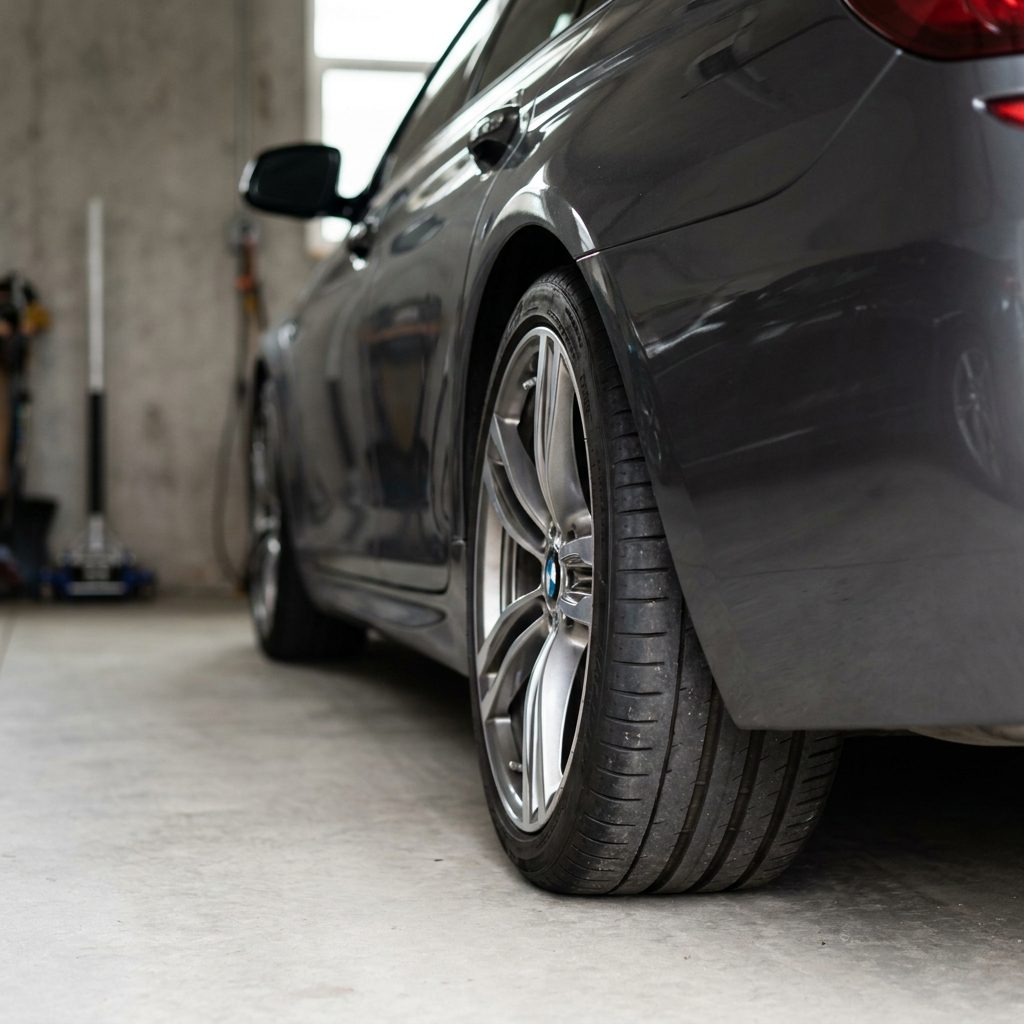
Sticker shock hits different when it’s rubber. A set of four Pirelli P Zero performance tires in staggered widths for a large luxury sedan can run well over a thousand dollars installed — sometimes north of two thousand — and they’ll be worn out before you expect them. Depending on driving style and alignment discipline, you might see barely a year and a half of use. That’s a consumable cost that rivals some people’s entire annual car budget.
Most buyers never price this out before purchasing. They see the monthly payment, factor in insurance and fuel, and completely ignore the tire line item. Then the wear bars show and the invoice arrives like a slap.
Two things help. First, get a four-wheel alignment checked every 10,000 miles or after any significant pothole impact — even a half-degree of toe misalignment accelerates inner-edge wear dramatically and can slash tire life by a third or more. Second, rotate tires if your setup allows it (non-staggered fitments only). When replacement time comes, consider a quality all-season performance tire like the Continental ExtremeContact DWS for daily-driven cars. You’ll sacrifice a small amount of dry grip and gain substantially more tread life, which for a car that mostly commutes is absolutely the right trade.
6. Choosing a Matte Paint Finish Before Learning It Costs Three Times More to Maintain Than Gloss
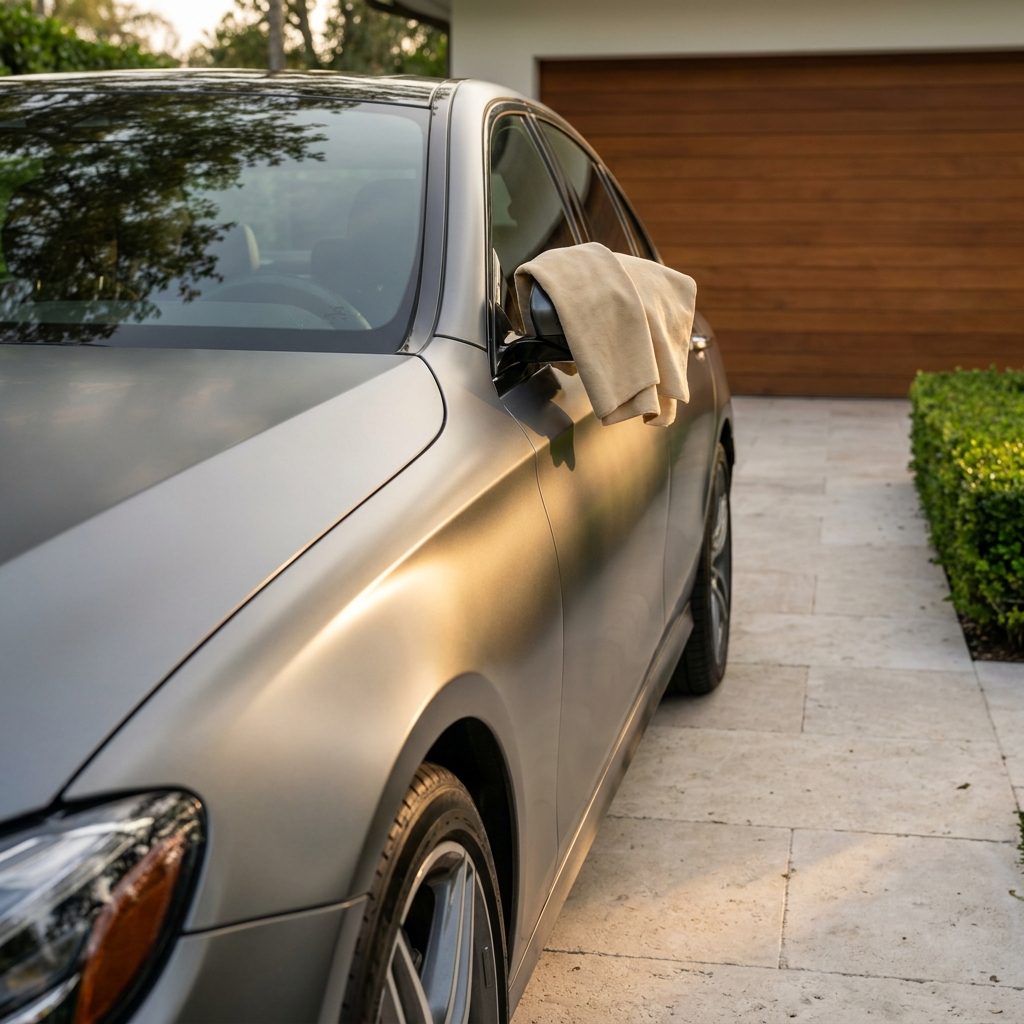
That satin-flat finish looks incredible on the showroom floor — photographs like nothing else, which is exactly why every configurator screenshot on social media features it. But matte paint is a maintenance contract with fine print nobody reads.
Automated car wash brushes leave permanent swirl marks that can’t be buffed out, because buffing is what turns matte into gloss. Bird droppings, tree sap, water spots from hard municipal water — all of these etch into matte clear coat faster than conventional finishes, and the repair process often means repainting the entire panel. A single fender respray on a luxury car? Varies wildly by marque, but nobody’s walking out happy with the bill.
What Actually Works
If the matte look genuinely matters to you, budget for a full-body matte paint protection film wrap at delivery. XPEL Stealth and 3M Matte are the two films worth considering. And commit to hand washing only, using a pH-neutral matte-specific car wash soap like Dr. Beasley’s Matte Body Wash. No wax. No glaze. No polish. Ever.
5. Not Realizing Some Luxury Headlights Cost $5,000 to Replace After a Minor Fender Bender
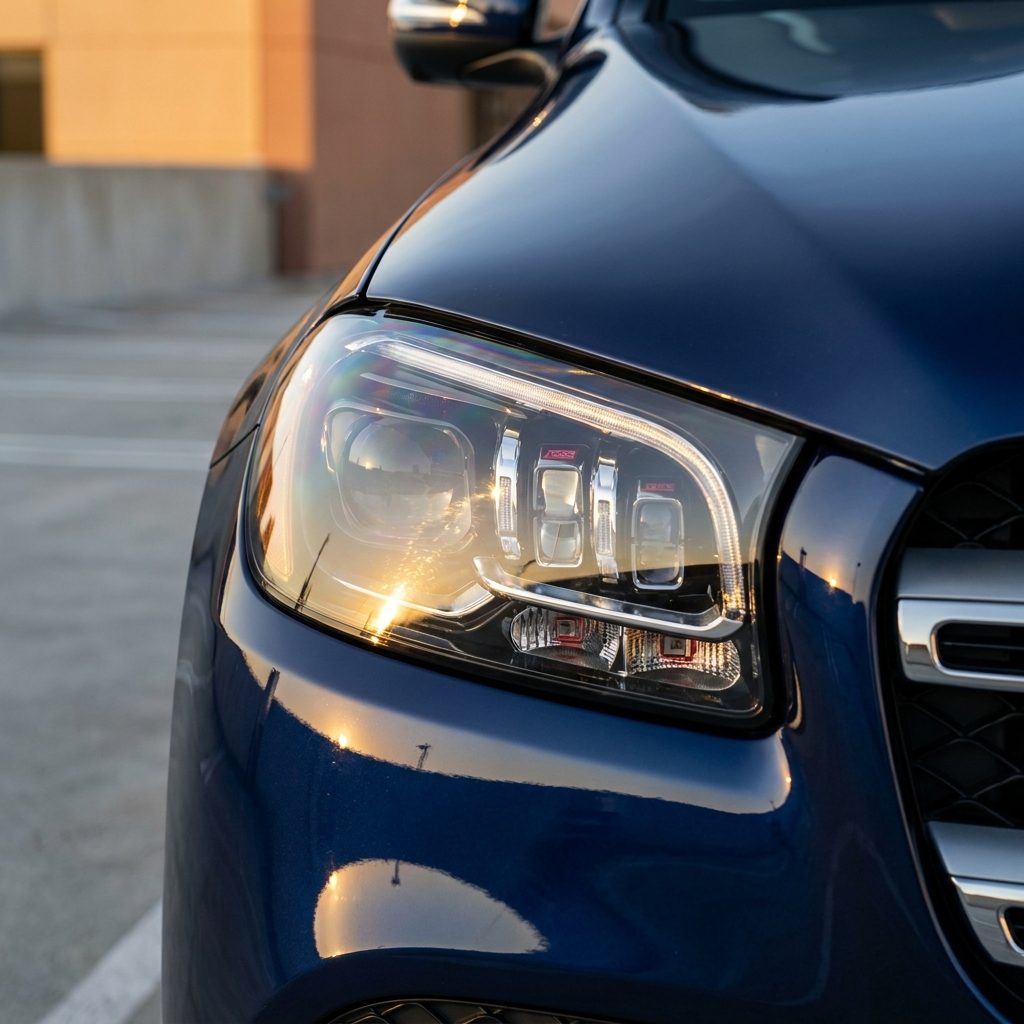
Modern luxury headlights aren’t headlights. They’re networked computer modules packed with laser diodes, adaptive matrix LED arrays, and tiny servo motors that individually dim dozens of light segments to avoid blinding oncoming traffic. A single assembly on a current BMW 7 Series or Mercedes S-Class can run several thousand dollars for the part alone — then you’re paying for calibration with dealer-level diagnostic equipment on top of that.
A shopping cart at five miles per hour can crack the lens. A minor parking lot tap that wouldn’t have dented a 1990s bumper now triggers an insurance claim that totals out your deductible and spikes your premium for years. A friend of mine backed a Range Rover into a post at idle speed. The repair invoice was staggering.
Before you buy, look up the headlight assembly cost for your specific trim level. Base models often use simpler LED units, while top trims get the laser-adaptive units that cost several times more to replace. If you’re choosing between trims, that single component difference can shift your long-term ownership math considerably.
4. Buying Based on Horsepower Numbers Instead of Seat Comfort, Cabin Noise, and Daily Usability
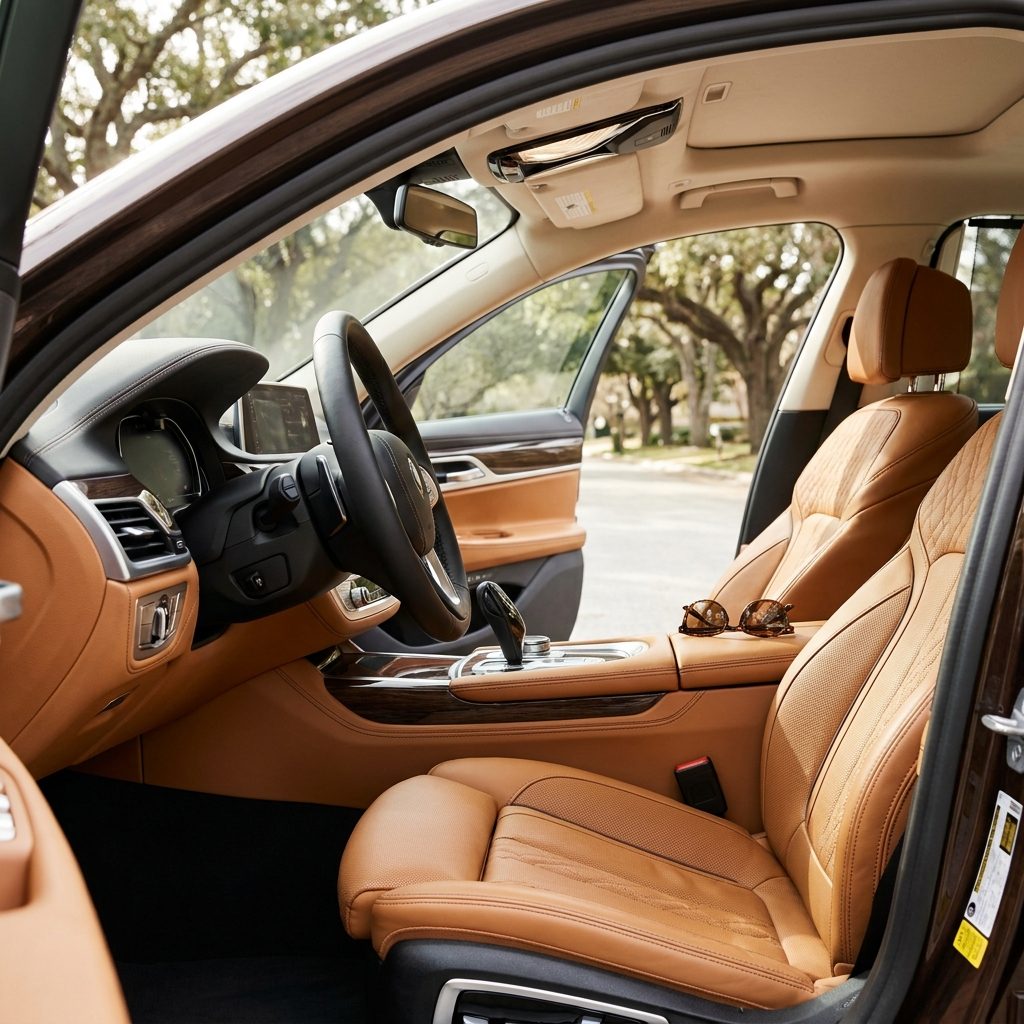
Horsepower is the number everyone asks about and almost nobody uses. You’ll nail the throttle once on an on-ramp to confirm it works, then spend the next 40,000 miles in traffic noticing that the seat bolster digs into your left hip and road noise at highway speed makes phone calls impossible.
The mistake isn’t wanting power — it’s letting a dyno figure override everything that matters on every single commute. Lumbar support that doesn’t flatten after 45 minutes. Acoustic glass that actually hushes the cabin at speed. A suspension tune that doesn’t transmit every expansion joint into your lower back. A car with moderate horsepower but a well-damped cabin and properly contoured seats will feel more luxurious at 80,000 miles than a rocketship with thin foam and single-pane glass. I’d bet money on it.
3. Choosing a Luxury Coupe Before Realizing How Annoying Low Seating Becomes After Age 45
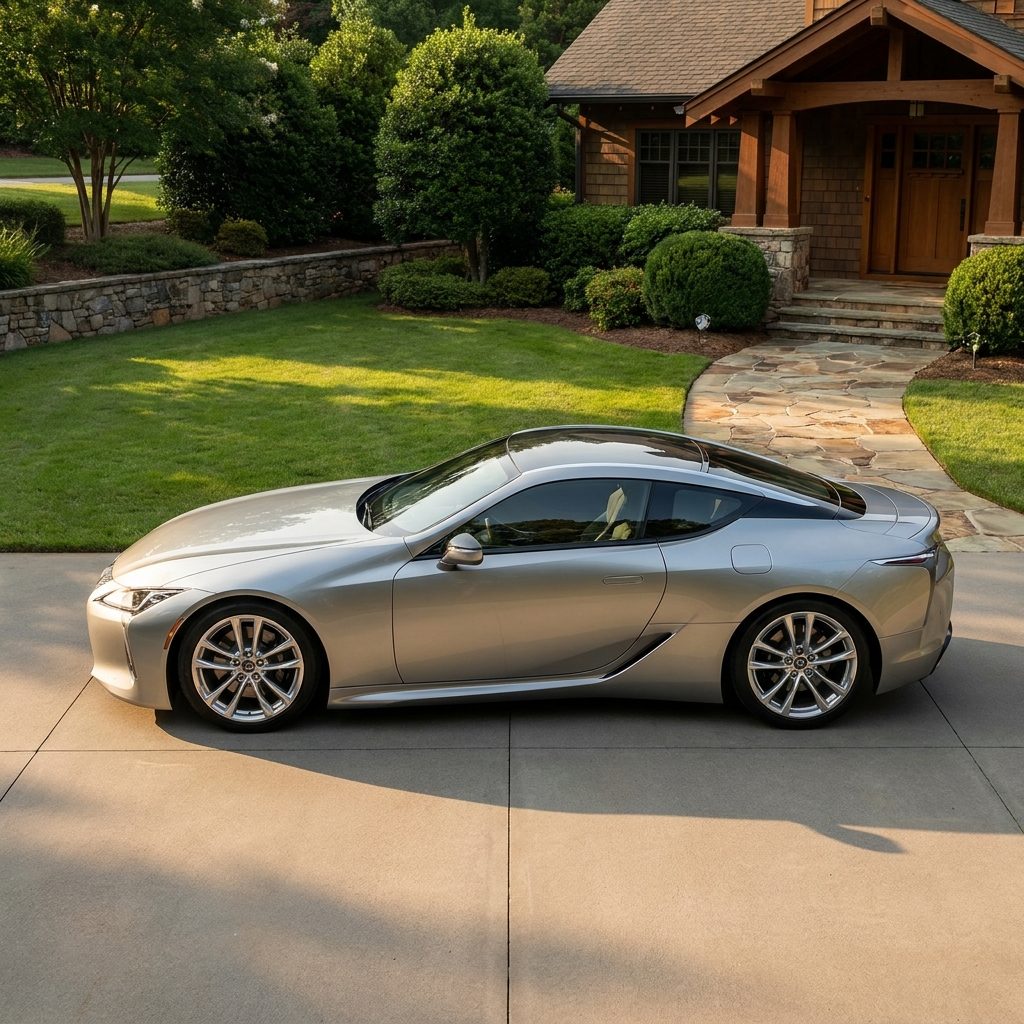
Nobody wants to hear this one. I’ll say it anyway because I bought a GT coupe at 48 and sold it at 50.
Getting into a car that sits nine inches off the ground requires a controlled drop into the seat, and getting out requires a push-up off the door sill. Do that four times a day — every day — with a laptop bag in one hand and a coffee in the other, and the romance fades fast. Add a stiff lower back, a trick knee, or dress shoes on a rainy day, and the whole experience turns genuinely unpleasant. The car itself was wonderful. My body’s opinion of the entry-and-exit routine? Decidedly less wonderful.
A luxury sedan or GT-style SUV with a higher seating position gives you the same interior materials, the same powertrain options, often the same platform. You just step in instead of falling in. Test the getting-out motion three times during your test drive. If you grunt on the third one, you have your answer.
2. Believing Expensive Equals Reliable When Many Luxury Brands Are Packed with Failure-Prone Technology
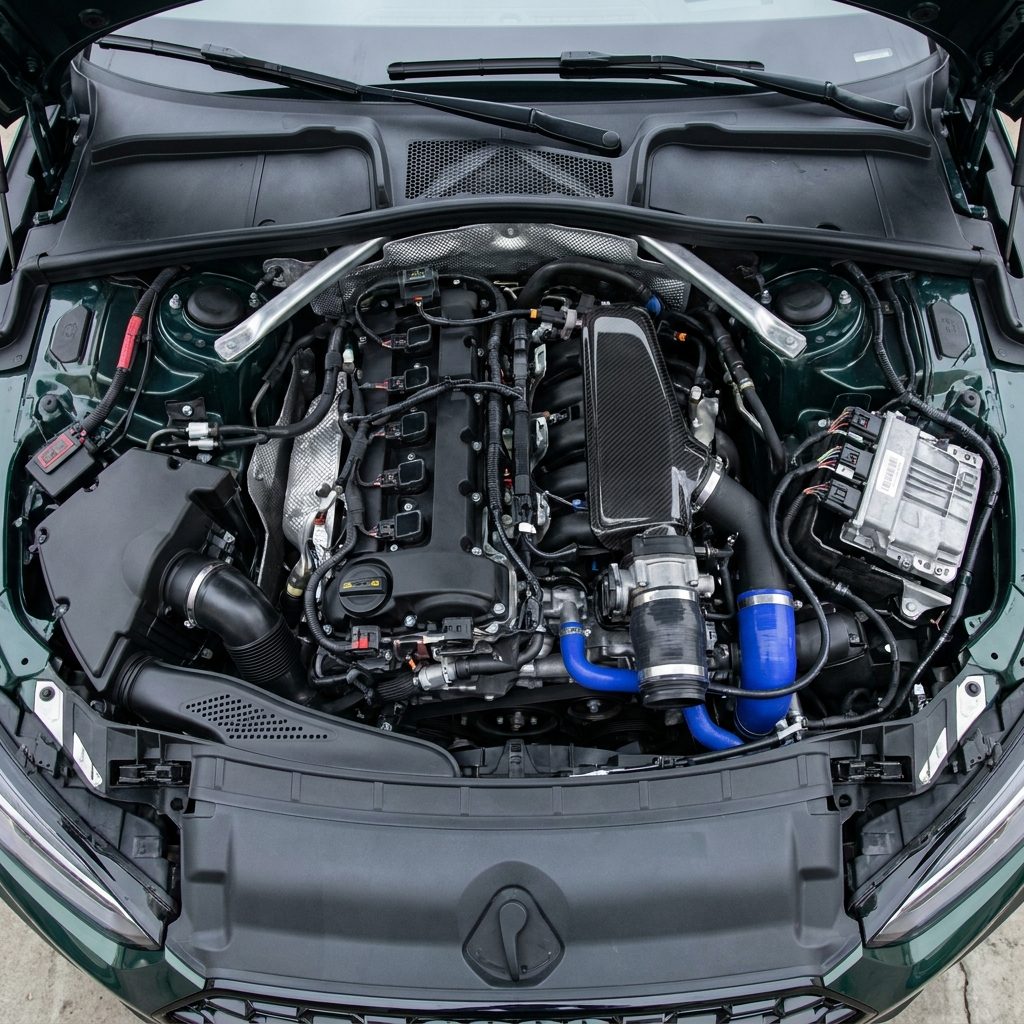
Here’s an uncomfortable truth no showroom will volunteer: a pricey luxury sedan often has a worse long-term reliability record than a midrange Toyota. The premium buys you finer materials, more powerful engines, advanced features. It does not buy durability. Frequently, it buys the opposite.
Air suspensions develop leaks. Adaptive dampers fail. Turbocharged engines with direct injection build carbon on intake valves that require walnut-shell blasting at regular intervals. Infotainment screens go black. Electronic door handles stop presenting. Active anti-roll bar motors seize. Every one of these systems exists because luxury buyers expect a feature list longer than the competition’s — and every one is a future repair bill with your name on it.
The most expensive car to own is not the one with the highest sticker price. It’s the one with the most systems that can break.
Pull the model’s reliability data from Consumer Reports or the owner forums before you sign anything. Focus on years three through five, when warranty coverage thins out and these systems start aging. A fully loaded Lexus LC or Genesis G90 delivers the vast majority of the luxury experience with a fraction of the repair frequency. Boring answer. Honest one, though.
1. Trying to Replicate Influencer Luxury Car Lifestyles While Forgetting They Lease Everything as Business Write-Offs
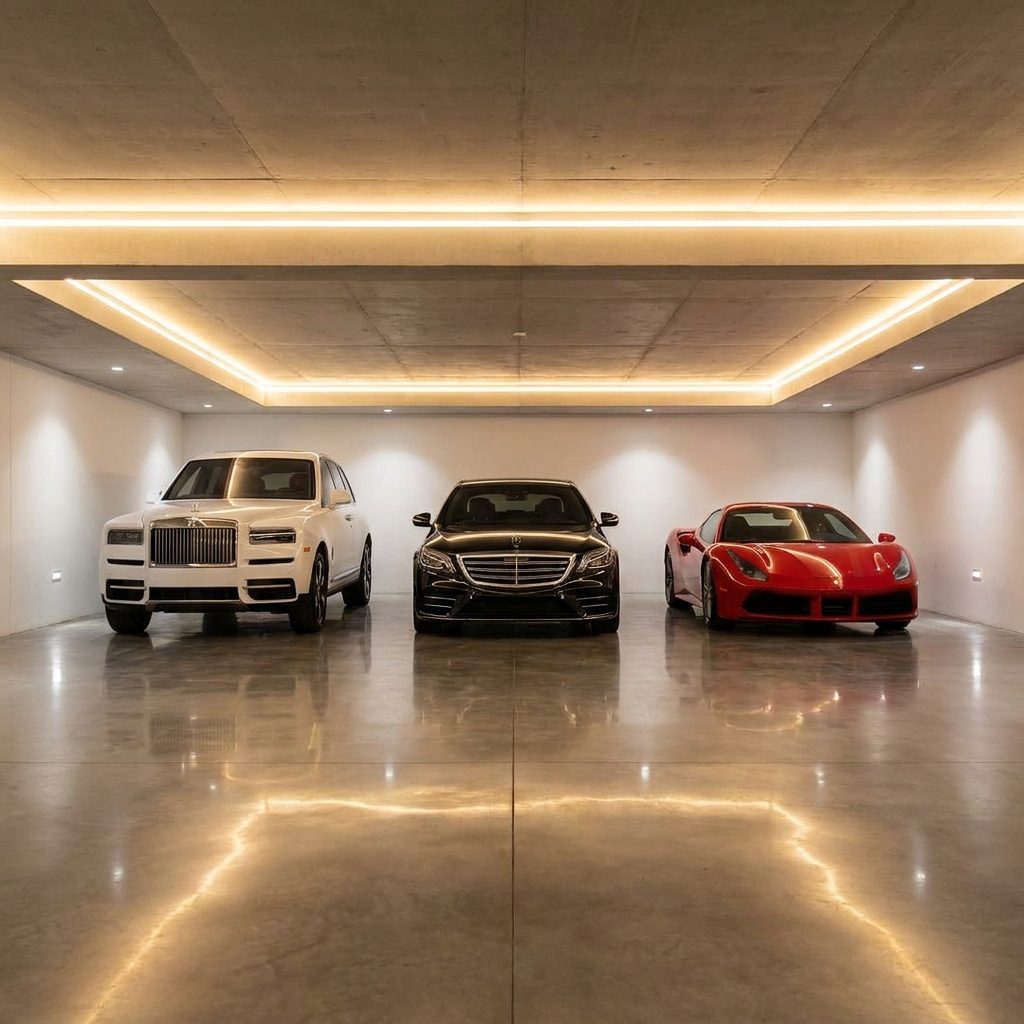
That car influencer with three luxury SUVs in the driveway isn’t paying what you’d pay. Not remotely. Content creators lease vehicles through their business entity, deduct the payments as advertising expenses, negotiate press-fleet discounts from manufacturers hungry for exposure, and return the cars before any major service interval hits. Their actual monthly outlay on a six-figure vehicle can be a fraction of what a retail buyer finances.
Try matching that on a W-2 salary — even a generous one — and the math works against you immediately. The monthly payment, insurance, premium fuel, depreciation from driving it daily: it compounds into a genuine financial drain that doesn’t let up.
Nobody’s saying don’t buy a nice car. Buy one. But buy the one that fits your actual financial picture after you’ve funded retirement, kept an emergency cushion liquid, and accounted for total ownership cost. A three-year-old certified pre-owned example of the same vehicle costs dramatically less than new and still carries factory warranty coverage. That’s the move that builds wealth while you enjoy the drive — the other path just looks good on someone else’s Instagram grid.