
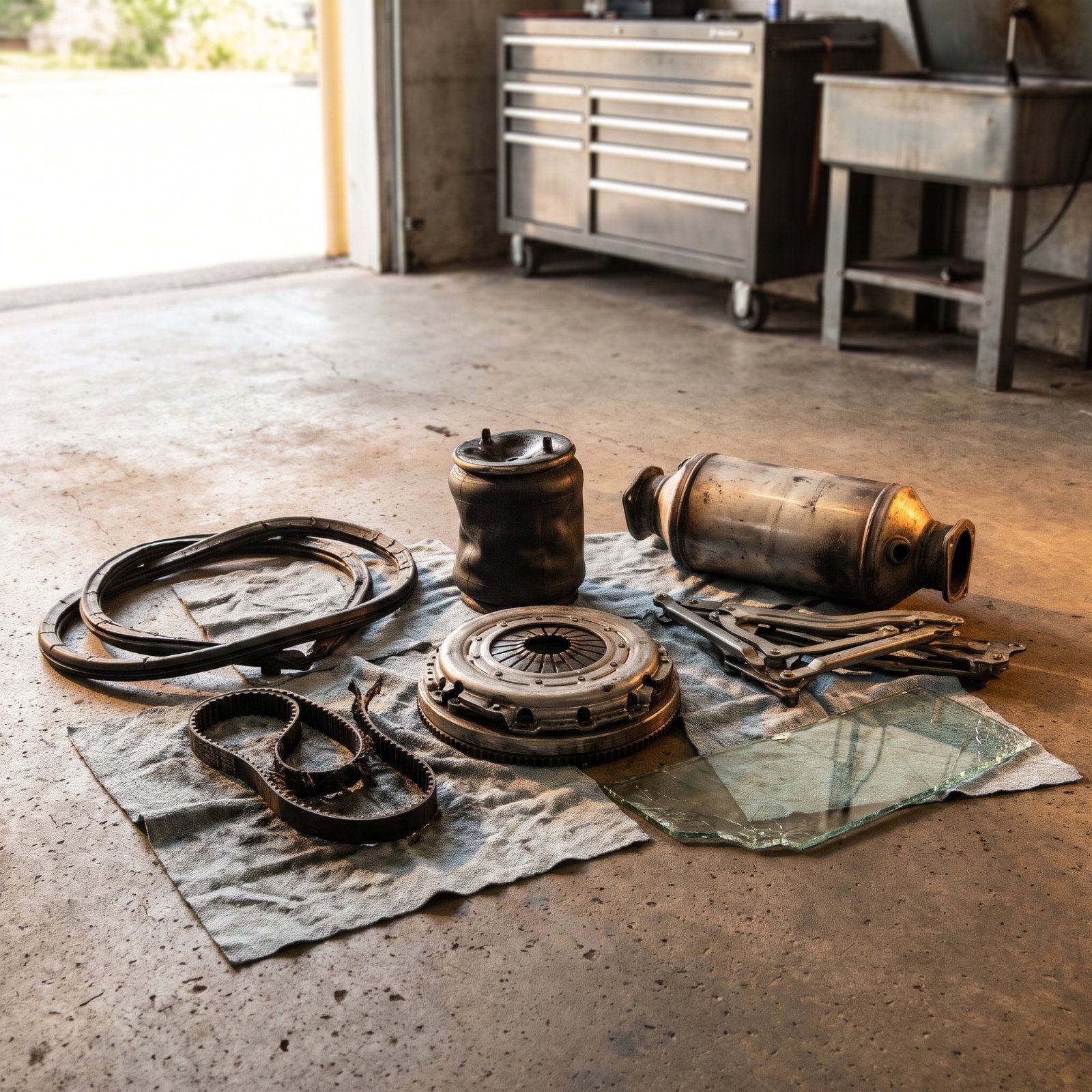
A buyer walks the lot, pops the hood, checks the roof. He’s keeping a mental list — not of what to brag about, but of what to walk away from. Some features that sold a car new now scare off every smart shopper who knows the repair bill. The sunroof that leaks. The transmission that grenades at highway speed. That air suspension sagging in the garage corner. A good mechanic can spot the money pits from across the room, and these are the ones they’ll tell you to think hard about before you sign anything.
Please note that some of the images in this article were created with the assistance of AI.
Dealer-Installed Aftermarket Sunroofs That Weren’t There From the Factory
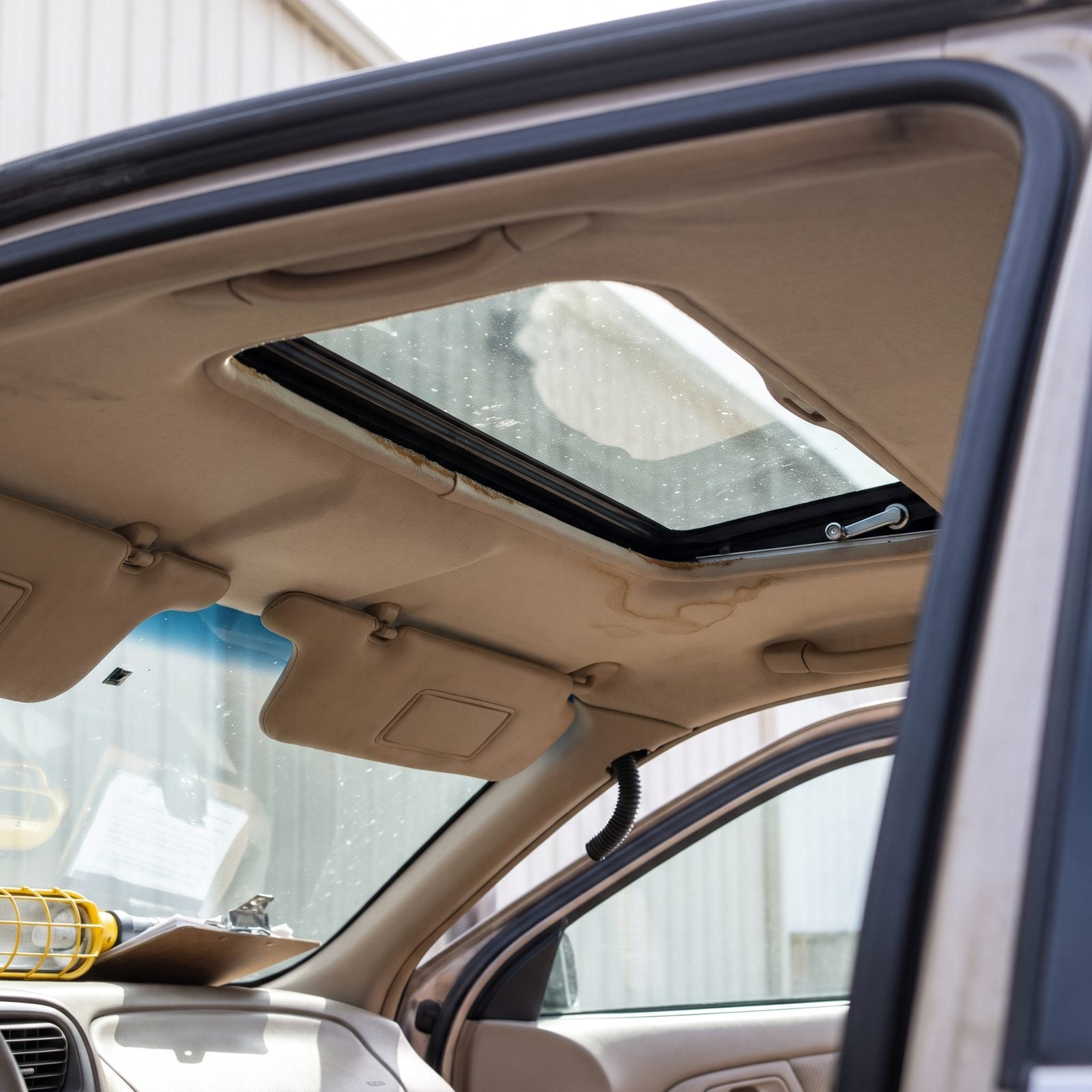
A factory sunroof is engineered into the roof structure. A dealer-installed one? That’s a hole cut into a finished car, and the difference is everything.
The giveaway is usually water. Those drain tubes clog, the seal dries out, and you end up with a wet headliner and a musty smell no air freshener will touch. Buyers who know cars spot the uneven roof seam and start running the numbers — dropping the headliner, chasing leaks, sometimes resealing the whole unit.
We’ve watched a clean trade-in lose a thousand dollars the second the inspector found moisture at the A-pillar. A factory moonroof adds value. A patched-in one bleeds it.
Dry-Clutch Dual-Clutch Transmissions That Shudder at Low Speed

Smooth on the highway, miserable in traffic. Dry-clutch dual-clutch gearboxes feel brilliant when you’re moving and twitchy as a nervous horse at a crawl. That jerky creep from a stop? That’s the clutch pack cooking itself.
When they fail — and the early ones did — you’re staring at a clutch module or a mechatronic unit, and neither comes cheap. A manual you can clutch yourself for a few hundred bucks in parts. This one you can’t.
Buyers who’ve read the forums steer clear, and that caution shows up as a lower offer. A shuddering test drive ends the conversation before the keys are back in your hand.
What Our Readers Say
- When Jalopy Talk readers gave a car photo a thumbs-down and tapped a reason, “not my style” led at 41%, while “unreliable” came up only 10% of the time.
From Jalopy Talk reader polls and votes.
Retractable Hardtop Convertible Roofs With a Thousand Moving Parts
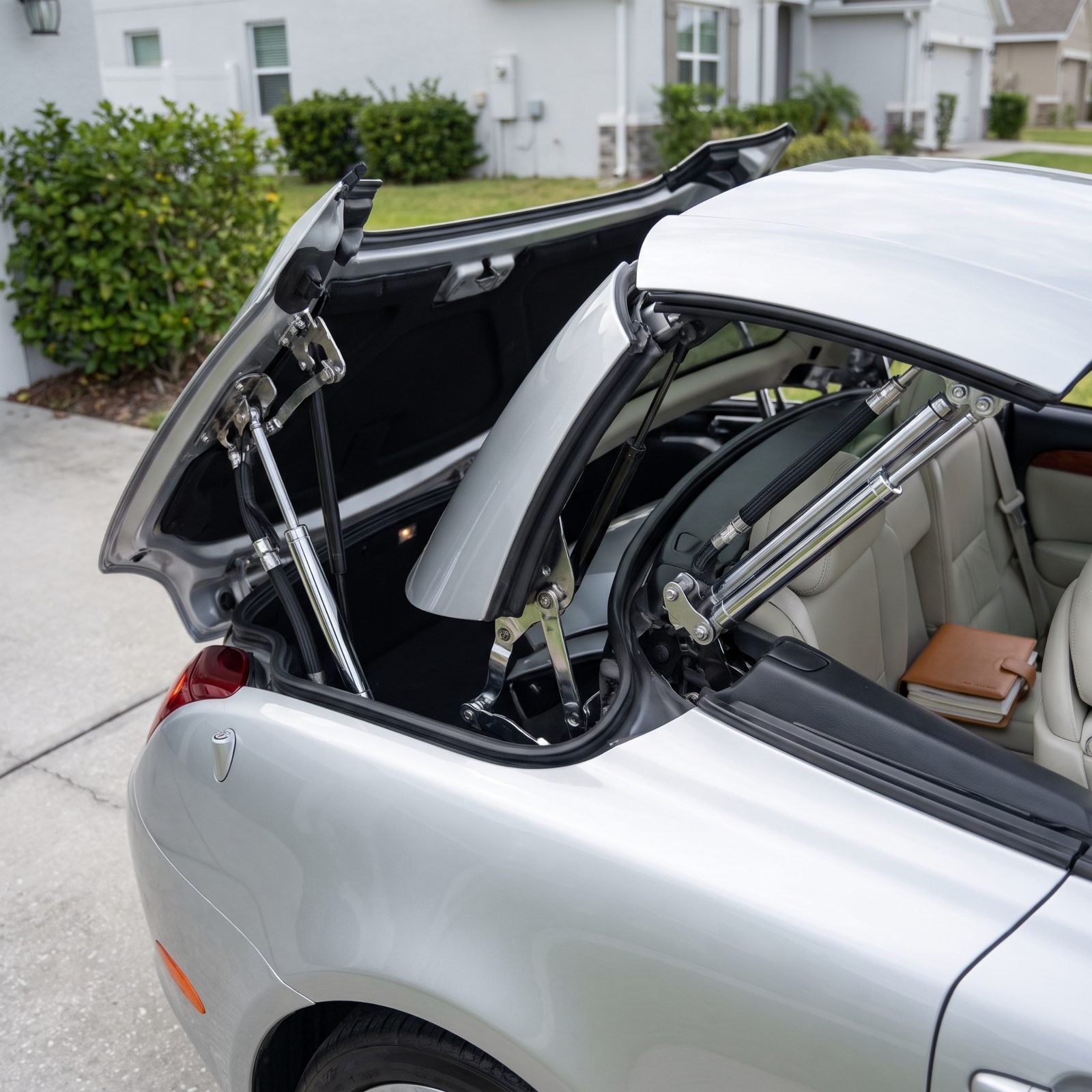
It’s a magic trick when it works. The metal roof folds itself down into the trunk at the touch of a button, and the crowd at the car show eats it up every time.
Then it stops halfway. Now you’ve got a motor, hydraulic rams, a dozen sensors, and a tangle of linkages that all have to agree before the roof moves an inch. One lazy micro-switch and the whole top sulks, stuck in the air, going nowhere.
Repair costs scare buyers off because the systems are intricate and the specialists are few and far between. A folding hardtop that hesitates on the test drive? Conversation over. The simpler the roof, the easier the sale.
Aging Power-Operated Soft Tops With Dry, Cracking Seals
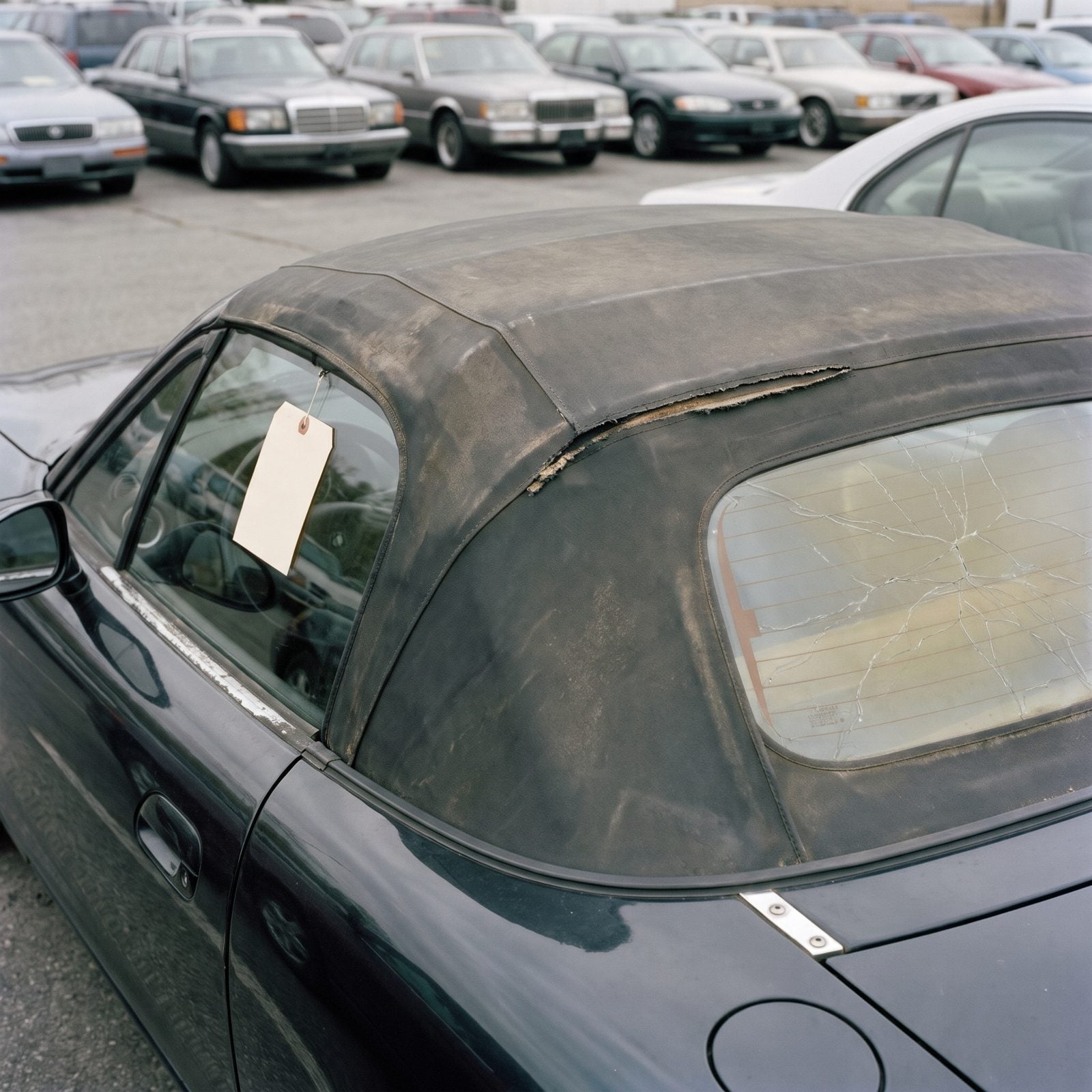
The fabric is the cheap part. The motor and frame aren’t. An aging power soft top looks tired long before it actually fails, and a cloudy, cracked rear window tells a buyer the whole mechanism has been baking in the sun for years.
When the top motor or the hydraulic pump quits, you’re paying real money just to reach it. A new canvas is one thing. A new frame, pump, and headliner bows is a whole other conversation.
These cars sell on feel, and nothing undercuts the feel like a top that groans halfway up and a window you can barely see through.
Jalopy Talk readers still have a soft spot for drop-tops, though: convertibles got hearts 76% of the time, versus 71% for the other cars in the same articles.
Oversized Panoramic Glass Roofs That Leak, Rattle, and Shatter
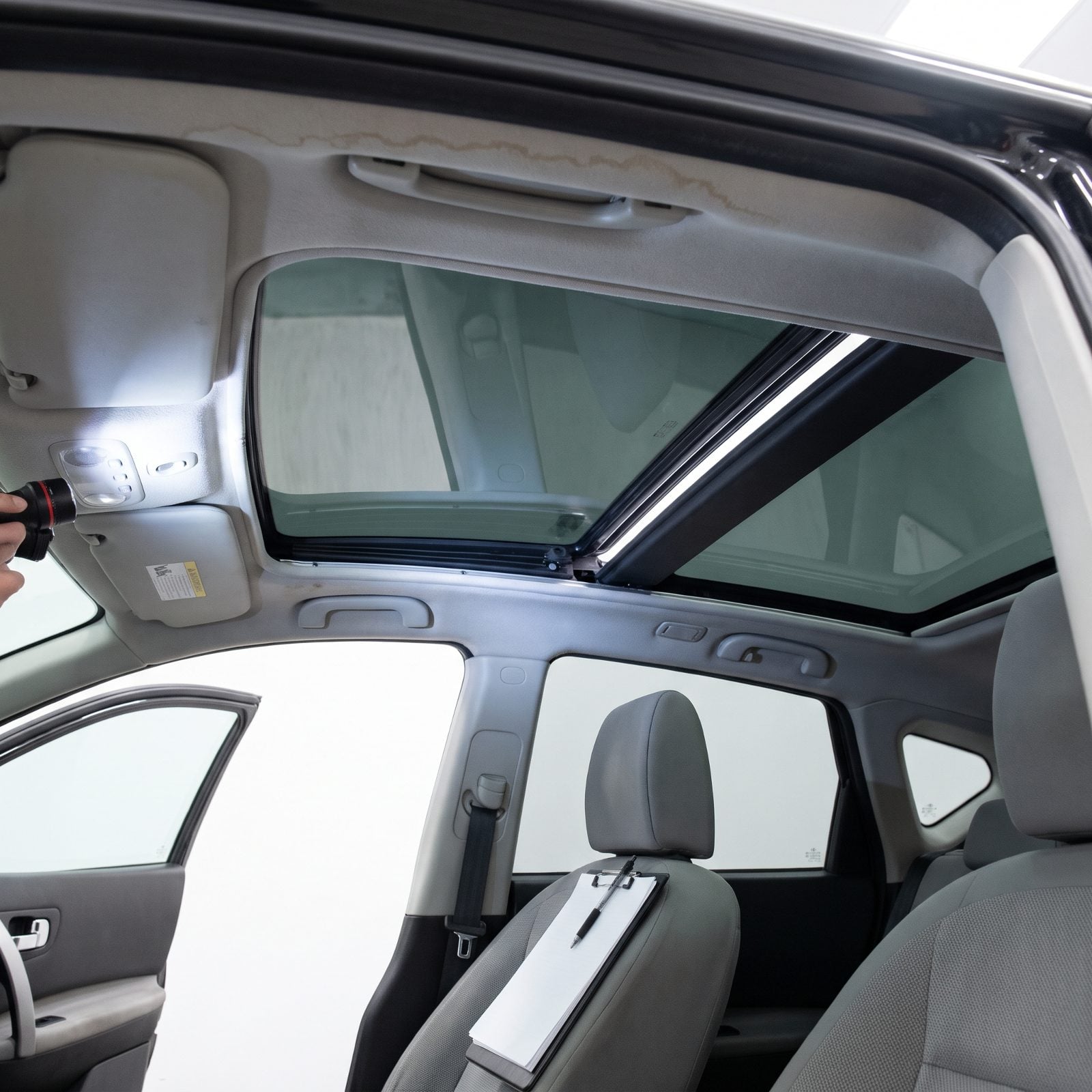
A roof made mostly of glass sounded airy and modern, and for a while every brochure had one. Then owners learned the trade-offs the hard way.
They leak at the seals. The drains clog and dump water onto the floor. They add weight up high and creak over every bump. And a few designs became known for cracking or shattering with no warning — exactly the headline a resale value doesn’t need.
A failed panoramic roof is no cheap fix. The glass is large, the seals are fussy, water damage spreads. Buyers who’ve read about the problems check the headliner corners first, and a damp spot there kills the deal stone dead.
Tracing panoramic-roof leaks to clogged drain tubes, a european import mechanic warns “Once a drain is even partially blocked, water backs up in the channel, eventually overflowing into the headliner, the A-pillar, and down into the footwells.”
Hydraulic Active Body-Control Suspension Built to Bleed You Dry
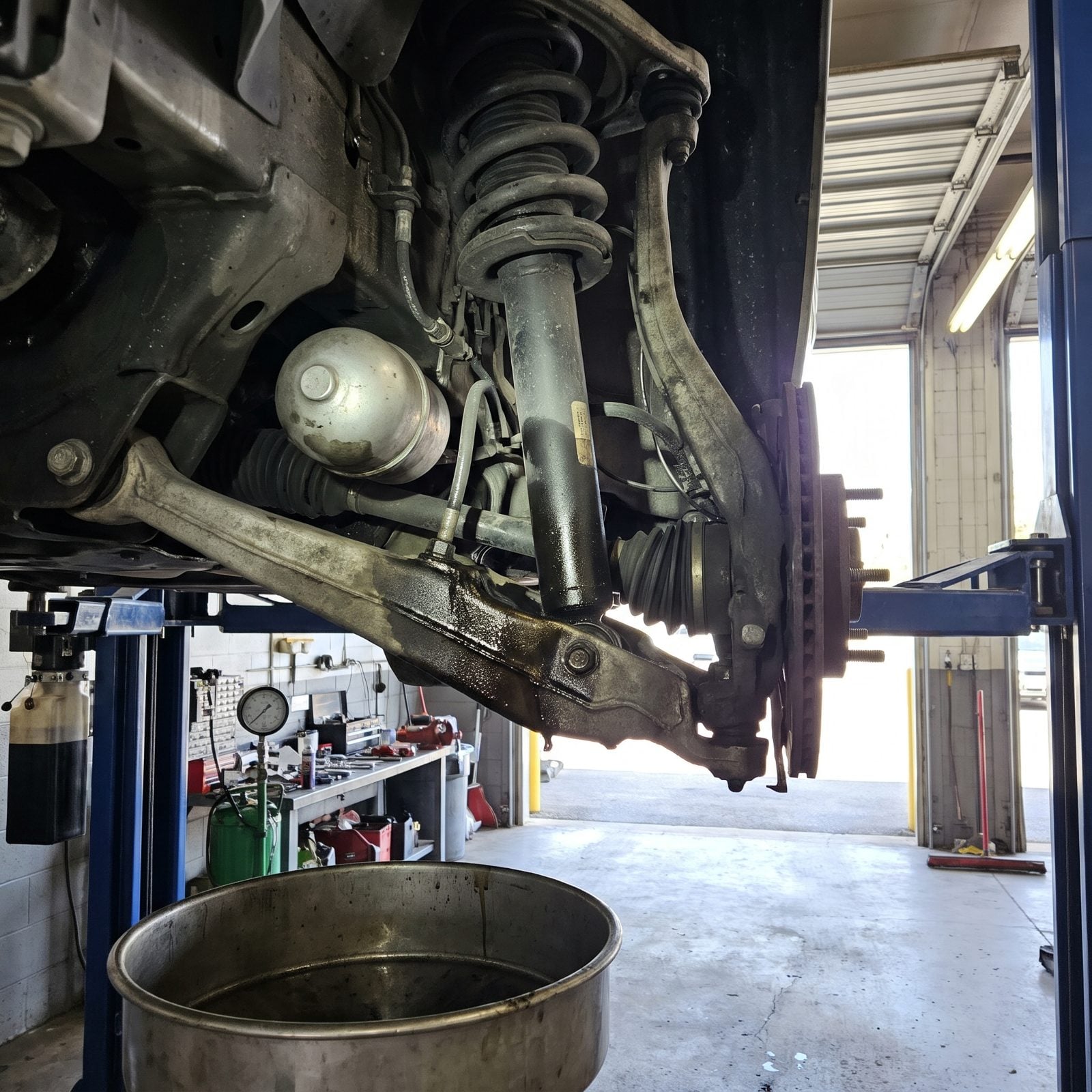
The ride was something to brag about. The repair bills became something to hide.
Hydraulic active body-control systems used high-pressure pumps, accumulators, and struts to flatten the car through corners, and when healthy they felt remarkable. But they run on pressurized fluid, and pressurized fluid always finds a way out. A weeping strut, a tired pump, a failed sphere — any one of them drops you into four-figure territory.
This is the feature mechanics warn about most bluntly, because the parts are specialized and the diagnosis takes real expertise. On a used flagship, a buyer who knows these systems treats a soft or leaking corner as a down payment on a world of pain.
Older Four-Wheel-Steering Systems
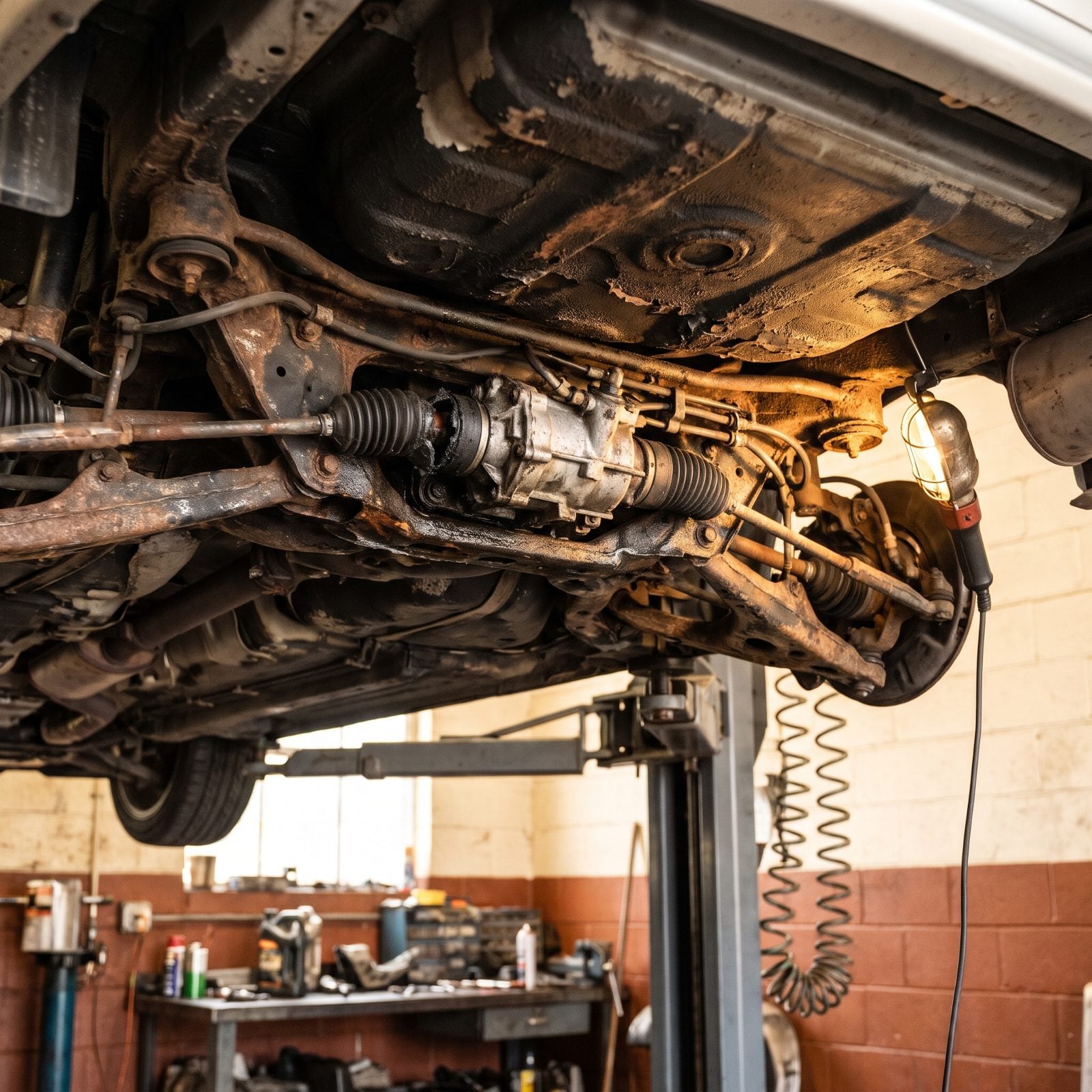
Rear-wheel steering sounded like the future when it showed up on cars like the Honda Prelude and Nissan 300ZX, turning tight parking lots and fast lane changes into party tricks. Then the party ended.
Those early mechanical and hydraulic setups use parts nobody stocks anymore. When the rear actuator leaks or seizes, you’re picking through junkyards and overpaying a specialist who’s maybe seen one before — and most buyers don’t want a feature they can’t explain, let alone fix. A failed rear-steer system knocks serious money off the ask, which is exactly why plenty of owners quietly lock the rear wheels straight just to pass inspection.
Single-Clutch Automated Manual Transmissions
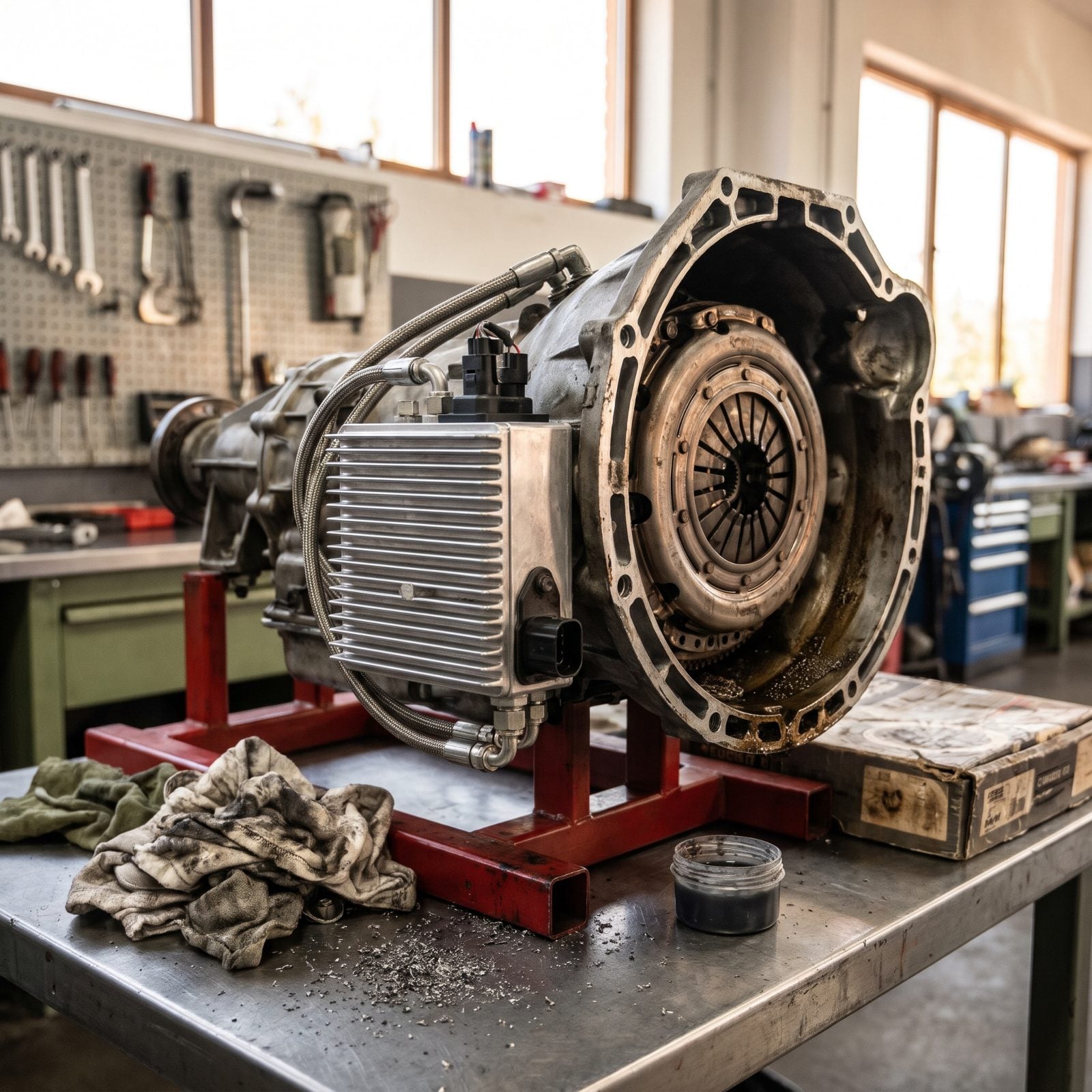
Automakers loved these. They promised manual efficiency with automatic convenience and cost less to build than a real dual-clutch, and drivers put up with the head-nod shifts because the fuel economy was decent. Mechanics, meanwhile, saw something else coming.
Single-clutch automated manuals chew through their clutches and actuators, and replacement is brutally labor-heavy. Worse, the jerky low-speed lurch reads as “something’s wrong” to anyone test-driving one, even when it’s behaving exactly as designed — and that alone shrinks your buyer pool. A worn actuator or slipping clutch here can run more than rebuilding a comparable conventional automatic. Resale takes the hit well before anything actually breaks.
Cylinder-Deactivation Systems
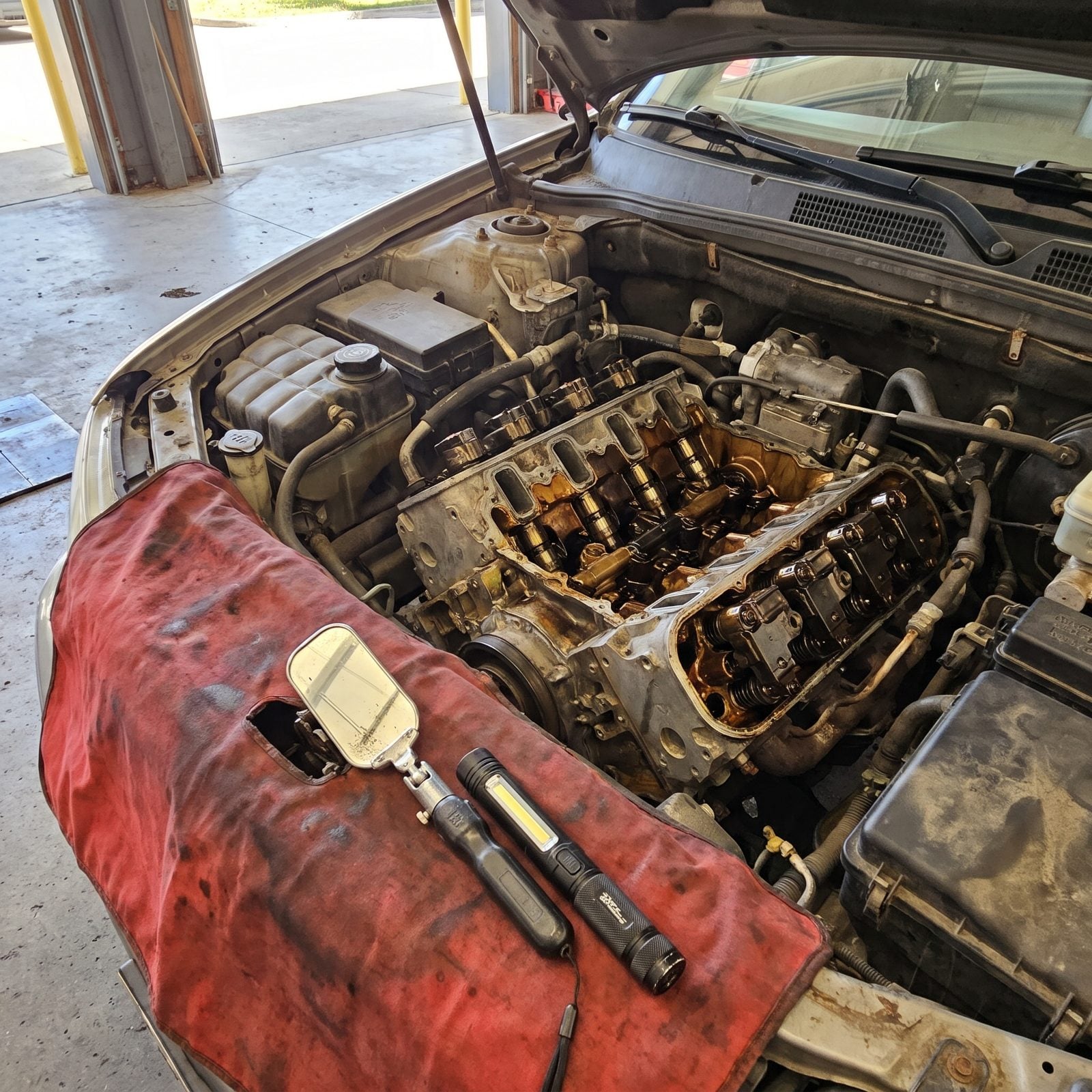
Shutting off half your cylinders at cruise to save fuel is genuinely smart engineering. On paper. In the driveway, these systems earned a reputation for collapsed lifters, oil consumption, and that unmistakable tick that tells a buyer the engine is about to get expensive.
The repair often means pulling the intake, sometimes the heads, and the bill climbs fast. Savvy shoppers now hunt down the exact years and engine codes to steer clear of. A log of cylinder-deactivation repairs — or just the telltale lifter noise — turns an otherwise clean V8 into a bargaining chip, and plenty of owners disable the whole system with a tuner to keep the engine alive.
Direct-Injection Engines Without Port Injection
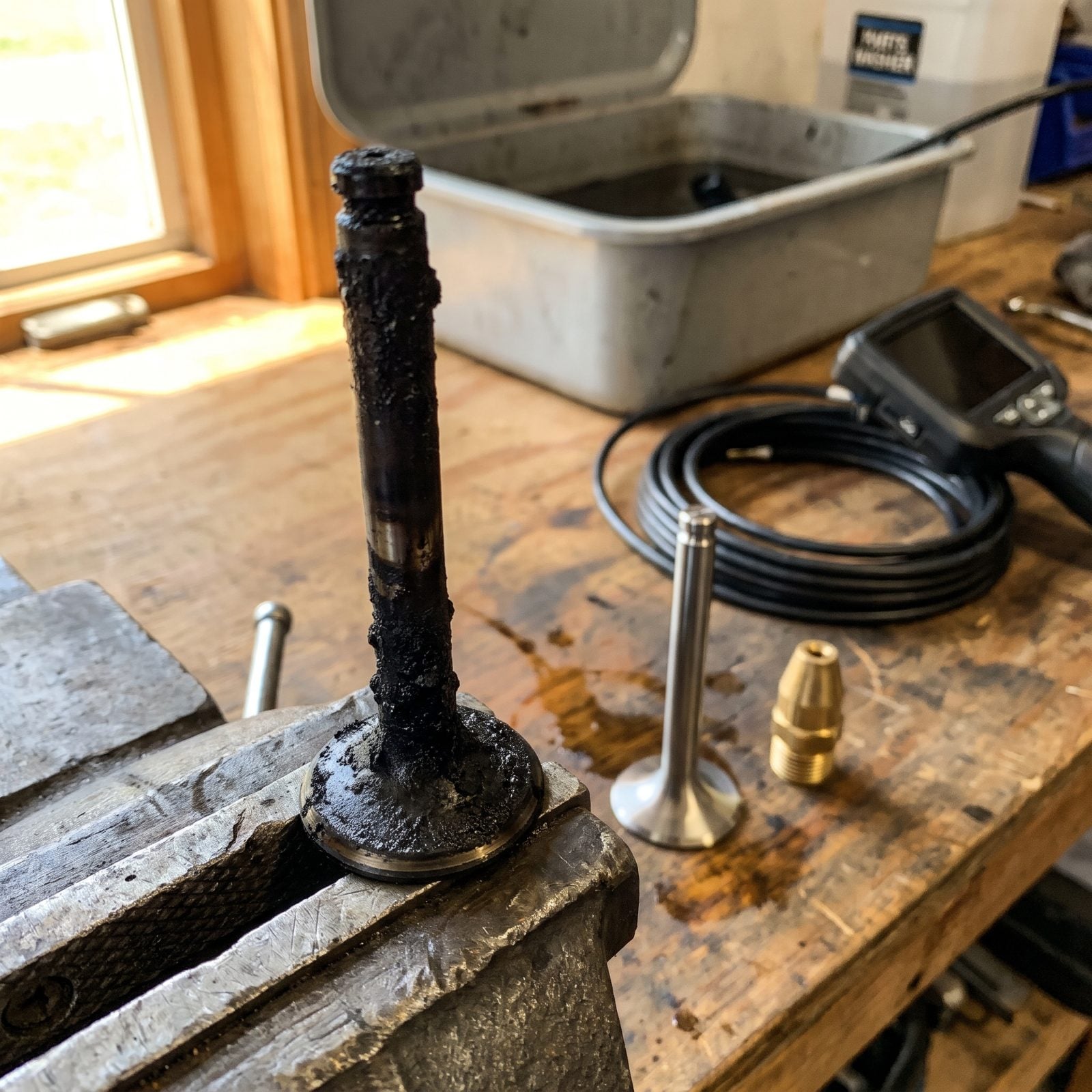
Direct injection delivered power and economy that older port-injection setups couldn’t touch. The catch nobody printed on the sticker: with no fuel washing over the back of the intake valves, carbon builds up like plaque in an artery.
Engines running on direct injection alone often need walnut-blasting to clean those valves — a service most owners never heard of until the car started running rough. It isn’t catastrophic. But it’s recurring maintenance a lot of buyers now know to ask about, and an engine with no cleaning history and a lumpy idle gets priced down accordingly.
Explaining why direct-injection engines end up needing walnut blasting, one carbon-cleaning specialist writes “Fuel now enters after the air, at very high pressure, which improves efficiency and power. The tradeoff is that fuel never touches the intake valve again. Anything that lands on the hot valve stays there.”
First-Generation Hybrid Battery Packs
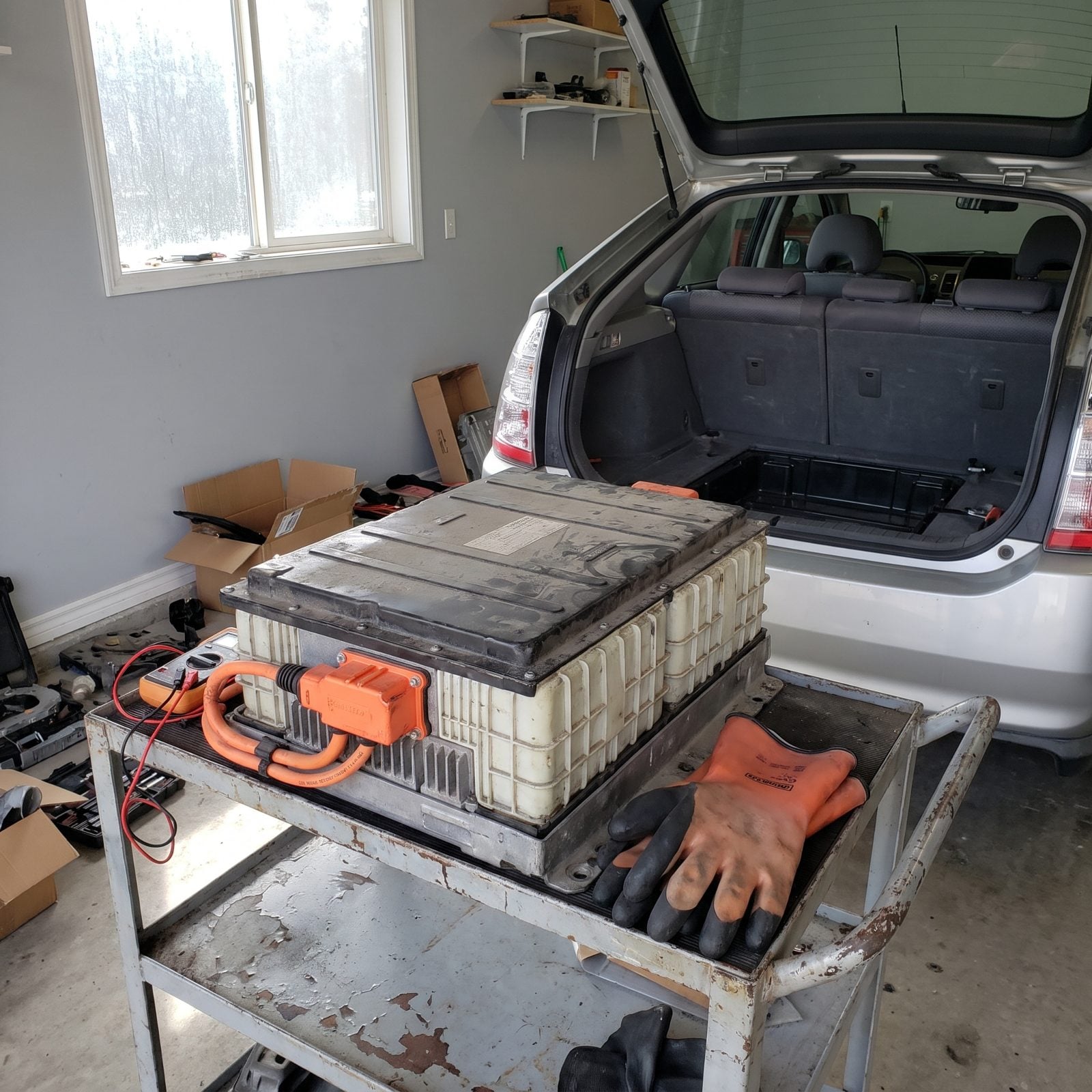
The first hybrids proved the concept and saved their owners real money at the pump for years. Those nickel-metal-hydride packs were tough. But toughness has a clock on it, and the clock has run out on a lot of them.
A failing first-gen pack throws efficiency out the window and lights up warnings that scare buyers senseless. A dealer replacement can cost more than the whole car is worth. Reconditioned and aftermarket packs exist and work fine, yet just mentioning one in a listing makes shoppers nervous anyway. High mileage plus an original pack equals a low offer, every time.
Air-Cooled Electric-Car Batteries
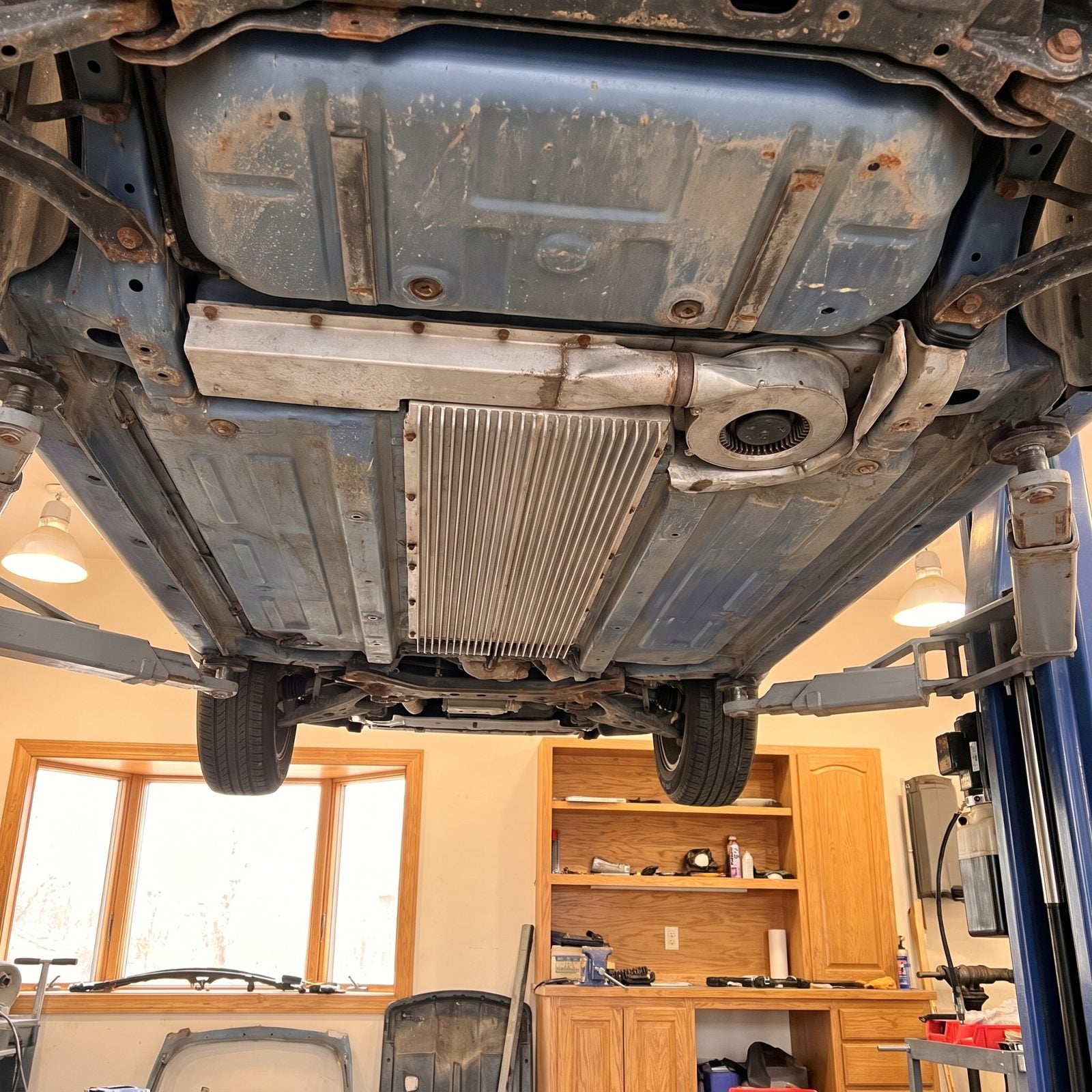
Early EVs that cooled their batteries with air instead of liquid were cheaper to build and simpler to service. The trouble shows up in hot climates and over years of fast charging, where heat you can’t manage well cooks the cells faster.
Buyers have gotten educated, though. They know an air-cooled pack baking in a sun-belt car has probably lost more range than a liquid-cooled equivalent of the same age — and that knowledge lands straight on your offer. The feature that saved money on day one quietly bills you back on the day you sell.
Early Short-Range EV Battery Packs
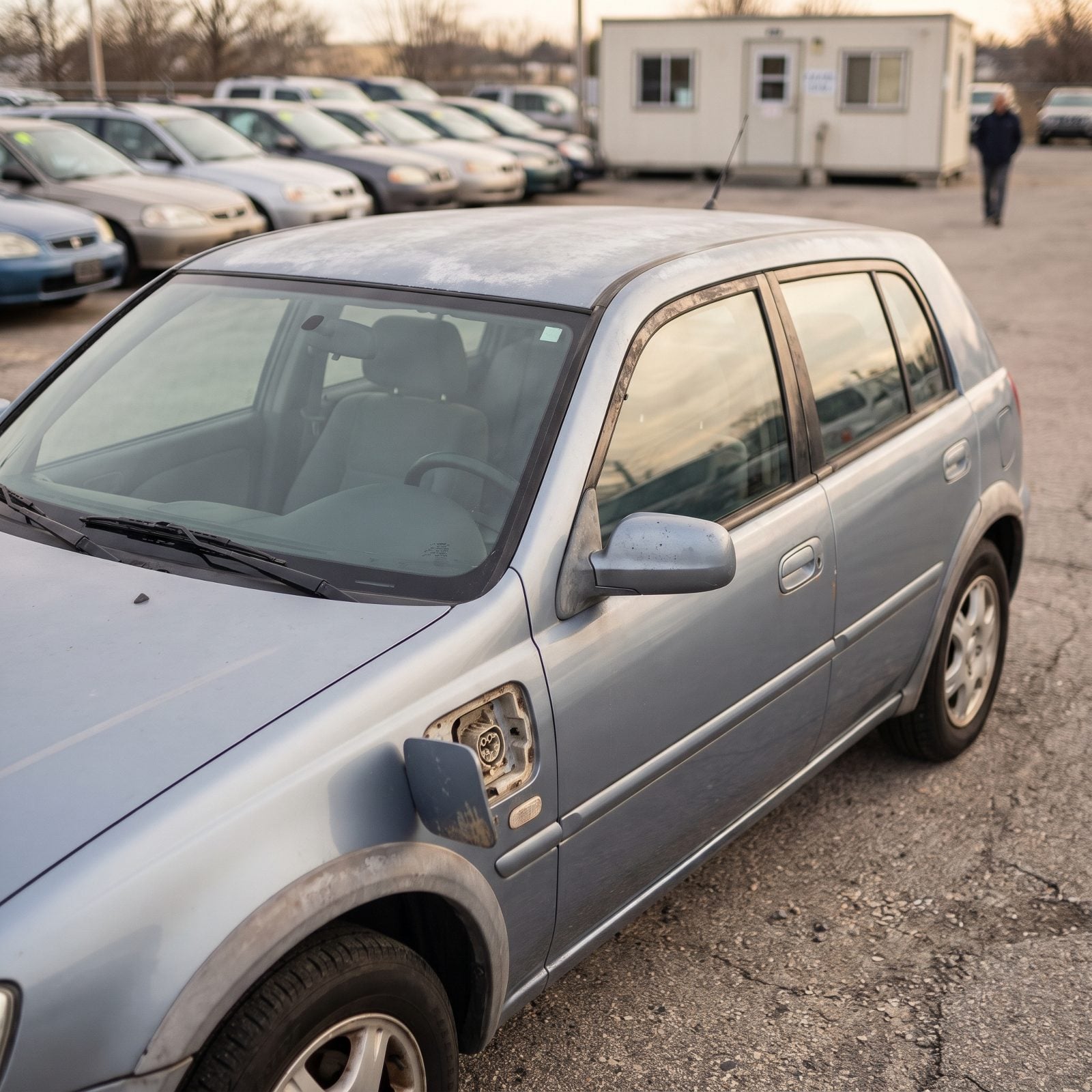
When an EV launched with 80 miles of range, that number looked fine. Then newer models showed up doing triple the distance, and the original figure started looking like a liability.
Now subtract the capacity those early packs shed with age. A car that once did 80 miles might honestly manage 55 on a cold morning, and buyers know exactly how to check. These make fine around-town commuters at the right price — but the right price is low. The battery is the car’s value, and a small, aging one caps that hard, no matter how clean the body looks.
On an electric car, the battery isn’t a feature. It’s the engine, the fuel tank, and the resale value all in one.
CHAdeMO Fast-Charging Ports
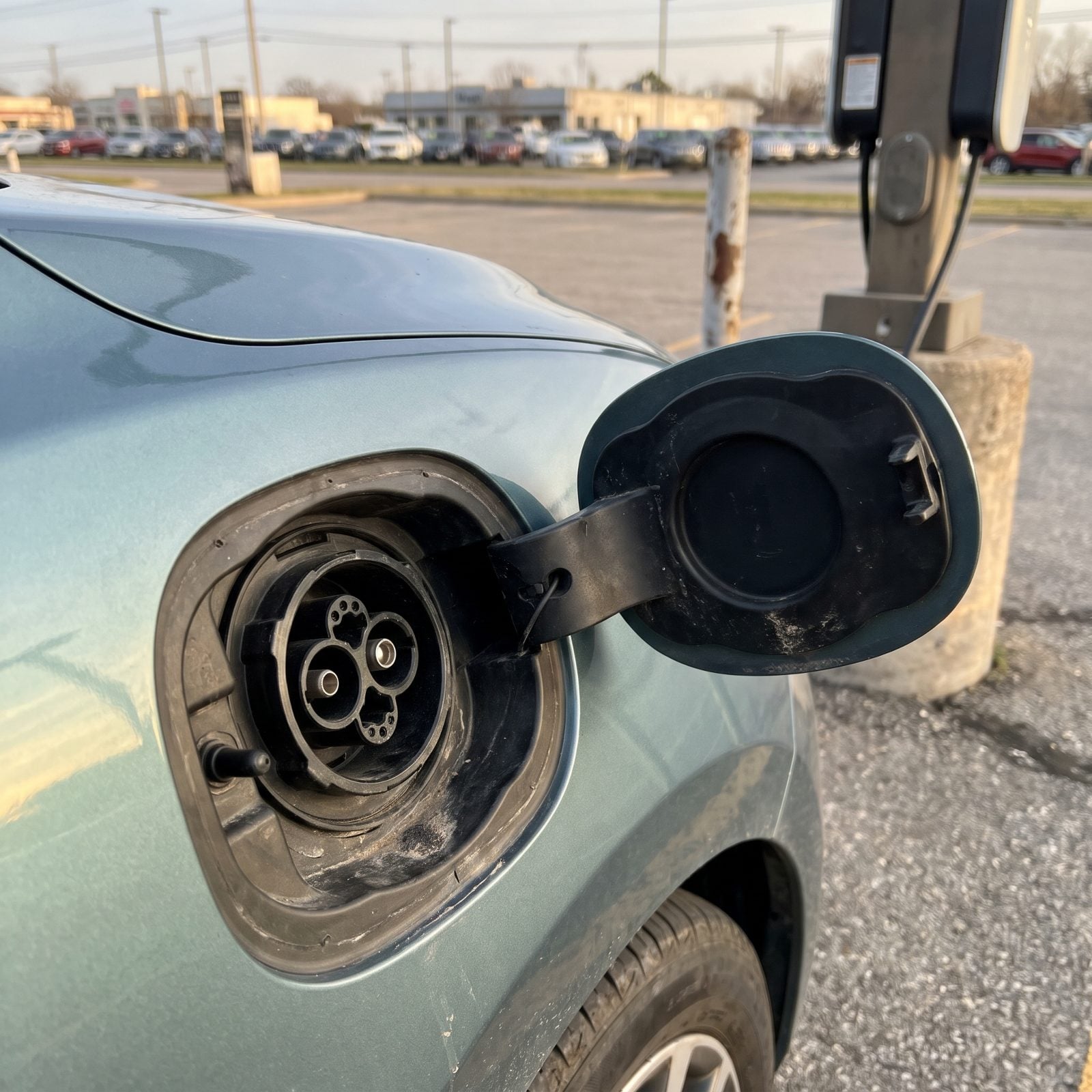
CHAdeMO was a legitimate fast-charging standard, and for a while plenty of public chargers supported it. Then the world moved on. New fast-charging infrastructure across North America has consolidated around other standards, and CHAdeMO stations keep thinning out.
A used EV that can only fast-charge on CHAdeMO is chained to a shrinking network, and anyone who understands charging will dock you for it. Adapters help, but they don’t fully solve it. The port that once meant freedom on road trips now reads like a countdown — a textbook case of the infrastructure, not the car, deciding resale value.
2G- and 3G-Dependent Connected-Car Services
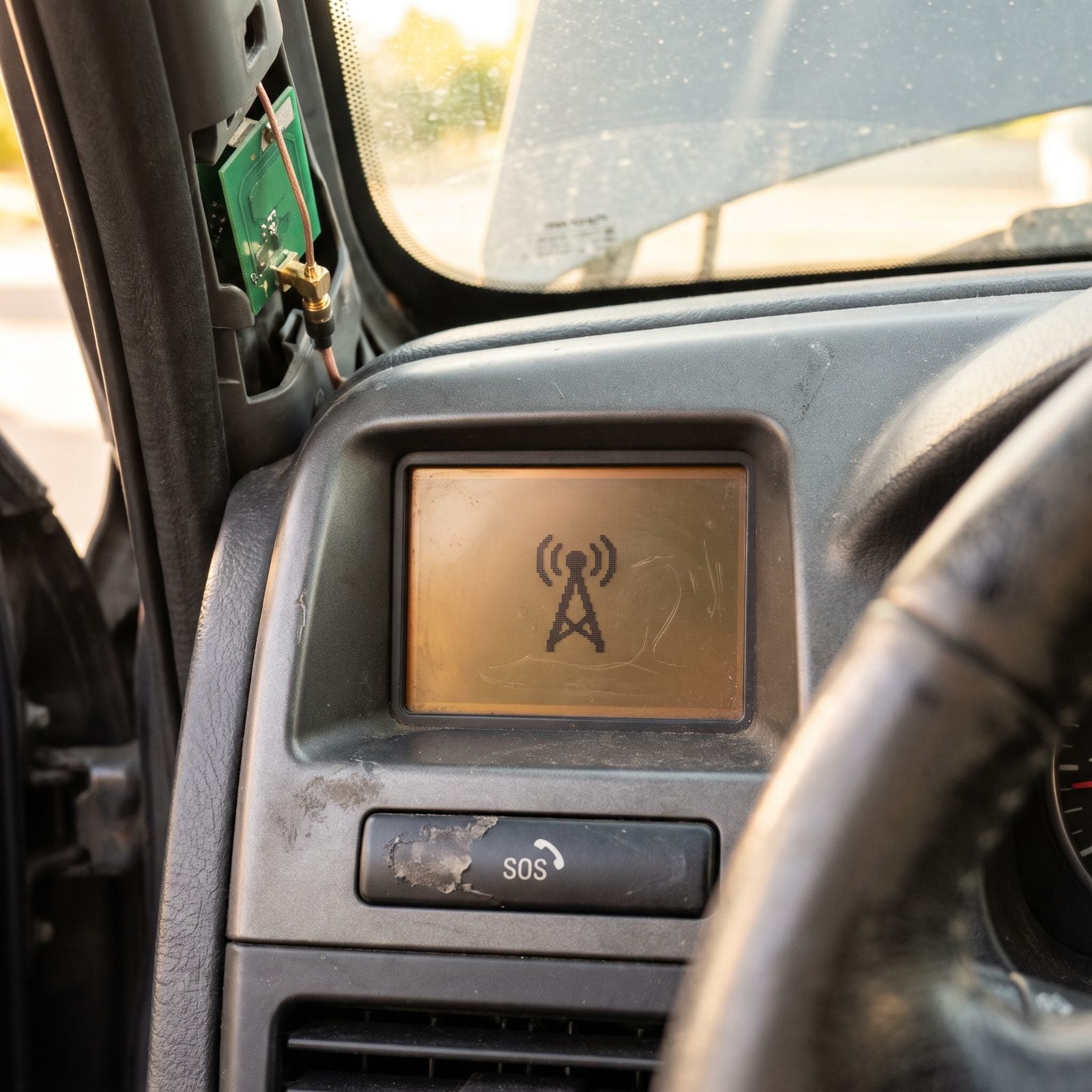
Remote start from your phone. Automatic crash notification. Stolen-vehicle tracking. These telematics features were headline items on the sticker — until the carriers shut down the 2G and 3G networks they ran on, and the hardware went dark.
Suddenly a marquee feature is a dead button. Some systems can’t be upgraded at all; others need a paid module swap the automaker may no longer offer. Buyers who research the model find out fast, and a non-functional connected-services suite reads as a car the manufacturer has quietly stopped supporting. That perception costs more than the feature ever added.
Built-In Navigation With No Map Support
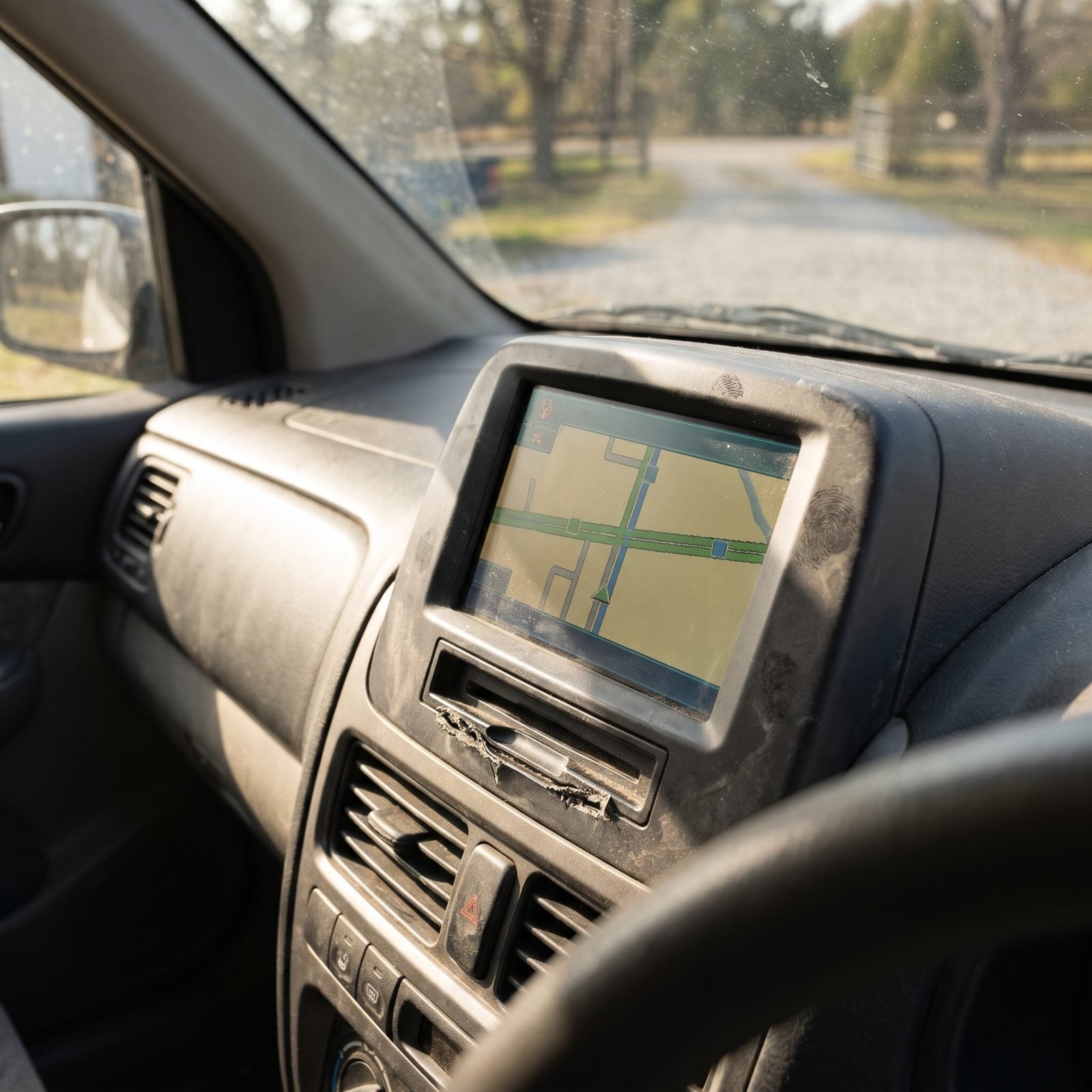
Factory navigation used to be a premium upgrade worth thousands. You paid for the bigger screen, the embedded maps, the status of it all. Then the smartphone in your pocket made the whole thing look quaint.
Updates are where it falls apart. Many of these systems need expensive map discs or cards the automaker no longer sells, so the maps sit frozen years in the past — routing you onto roads that changed or missing ones that didn’t exist yet. A car that only offers stale built-in nav, no phone mirroring, feels older than it is. Buyers now treat good phone integration as the floor and old embedded nav as dead weight.
Touchscreen-Only Climate Controls

Burying the fan and defrost in a menu seemed like the future. Now it’s the first thing a buyer pokes and frowns at.
Here’s the problem a dealer won’t volunteer: when that screen dies, your heat and air-conditioning die right along with it, and there’s no knob to fall back on. A replacement display on some of these cars runs well into four figures, and the used units carry the same ghost-touch failures that killed the original. Buyers in the know test the screen response first. A laggy or dead panel on a touchscreen-only system doesn’t knock a few hundred off the price — it makes the whole car a question mark.
Capacitive Steering-Wheel and Dashboard Buttons
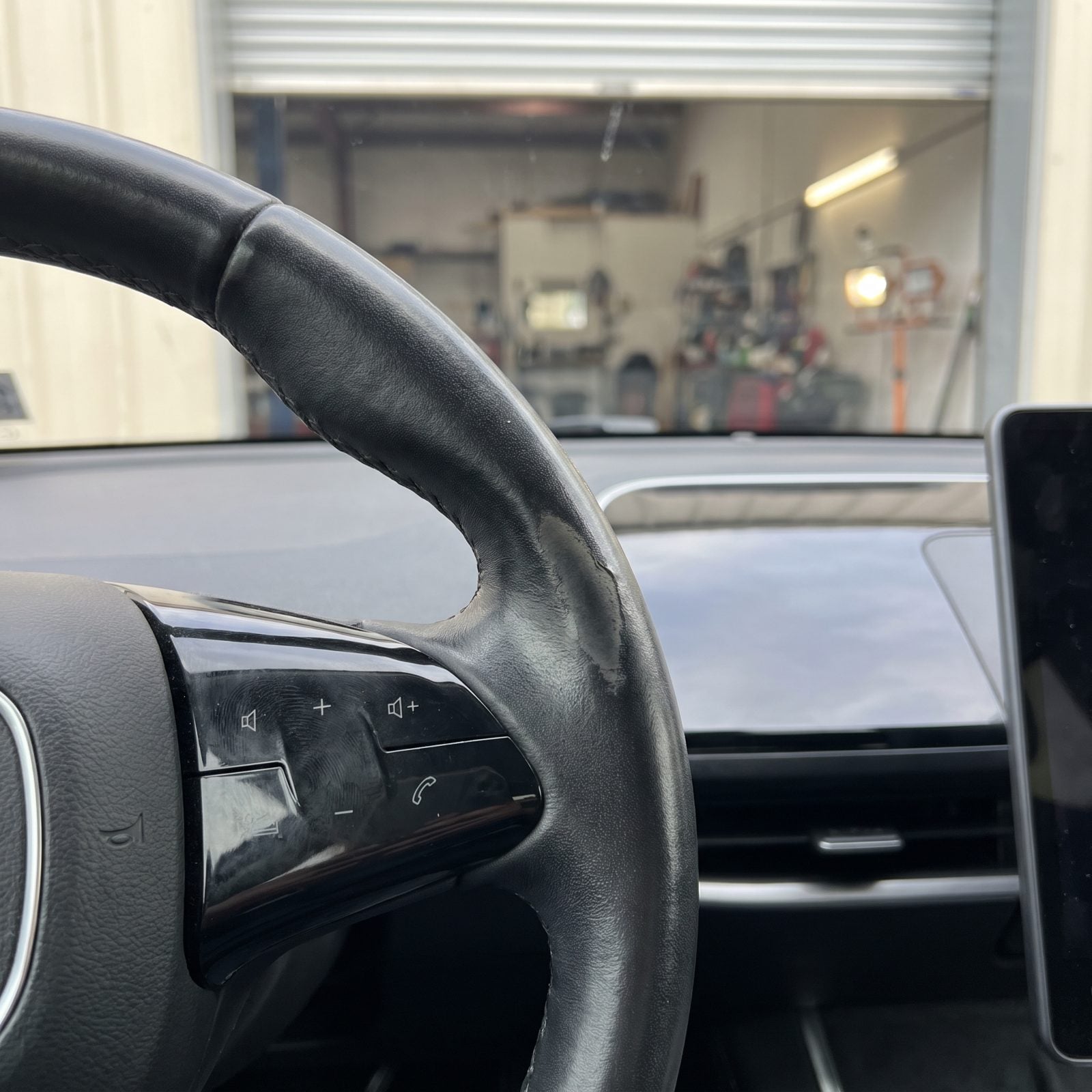
Flat haptic pads looked sleek on the showroom floor. At 65 miles an hour they feel like guessing in the dark.
The bigger issue for resale is reliability. Capacitive zones go dead or oversensitive as the car ages, and you can’t service one switch — the whole panel or wheel control module gets replaced. Gloves stop working. Cold weather confuses them. A used-car shopper who has lived with one knows to press every pad, and a single unresponsive zone signals an expensive assembly down the road. Old-fashioned buttons wore out gracefully. These just stop responding, and the fix is never a few dollars.
Motorized Pop-Up Infotainment Screens
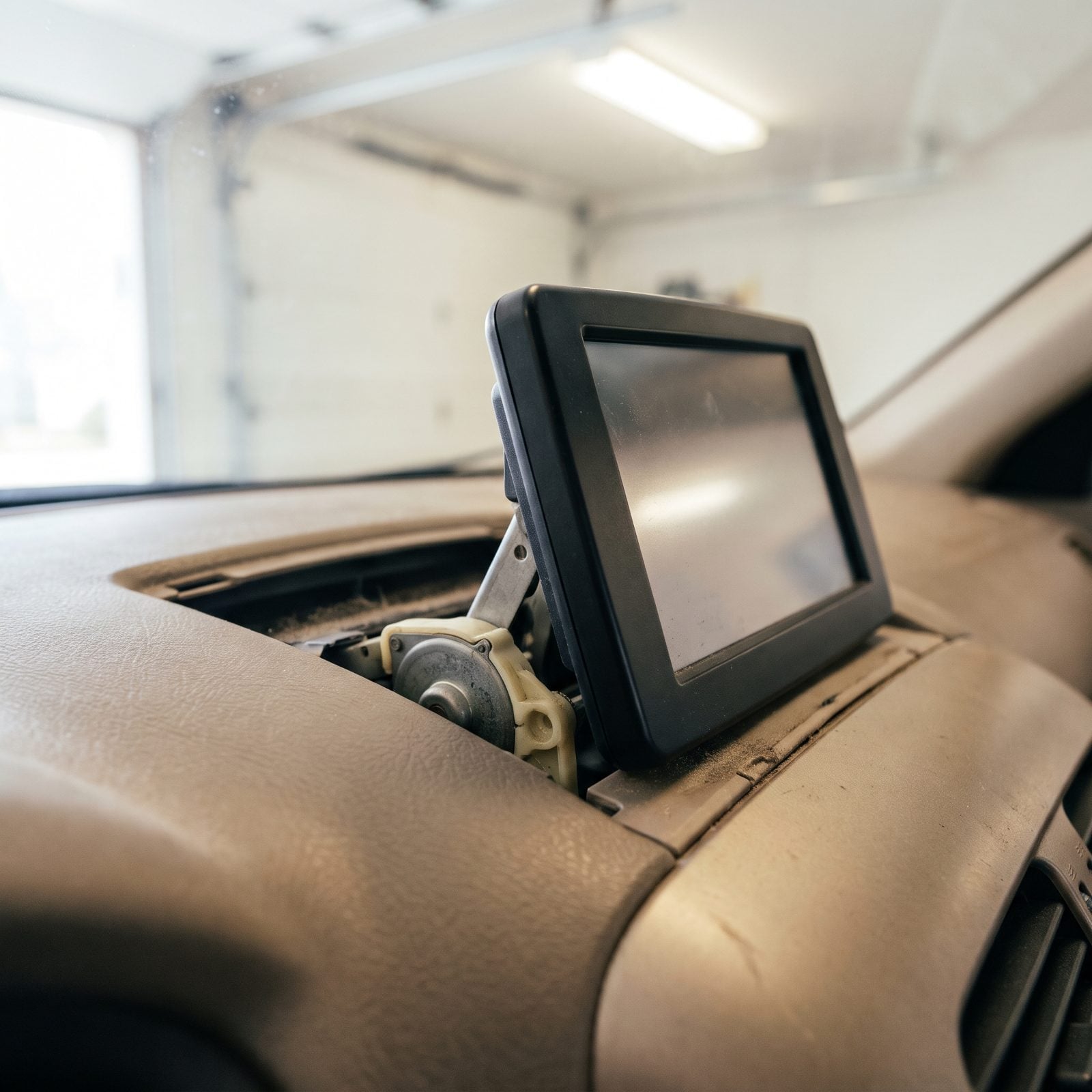
A screen that rises out of the dash on a motor is a party trick with a short shelf life.
Any moving part in an interior is a future repair, and this one sits in a dusty slot collecting grit in its gears. When the motor whines, sticks halfway, or quits for good, you’re looking at pulling the dash to reach a discontinued assembly. Independent shops dread these because the parts dry up fast once the model is off warranty.
Buyers notice. A screen that doesn’t glide tells them exactly where their money goes next.
Early All-Digital Instrument Clusters
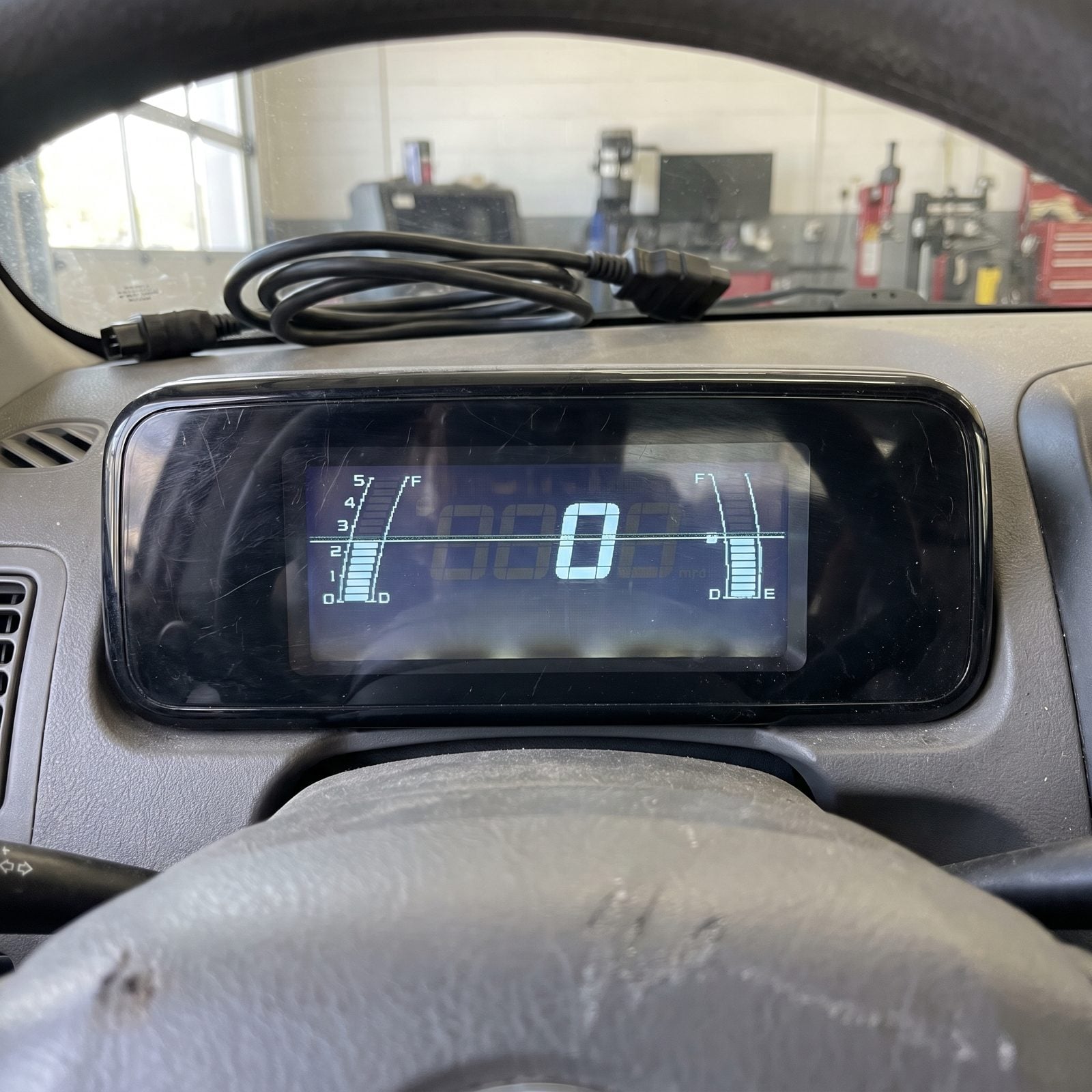
The first wave of digital gauge screens aged faster than anything mechanical ever did. Dead pixels. A dimming corner. Backlight bleed that makes your speed a judgment call after dark.
A dial gauge from the same era still reads perfectly. These early LCD clusters look obsolete the moment the graphics date themselves, and when one fails the replacement part is often long discontinued, with the used ones sharing the same failing backlights. You can’t retrofit a round analog gauge into the hole either. That irreversibility scares buyers. A flickering cluster doesn’t just annoy them — it flags the car as a parts hunt waiting to happen.
Factory HID Headlight Systems
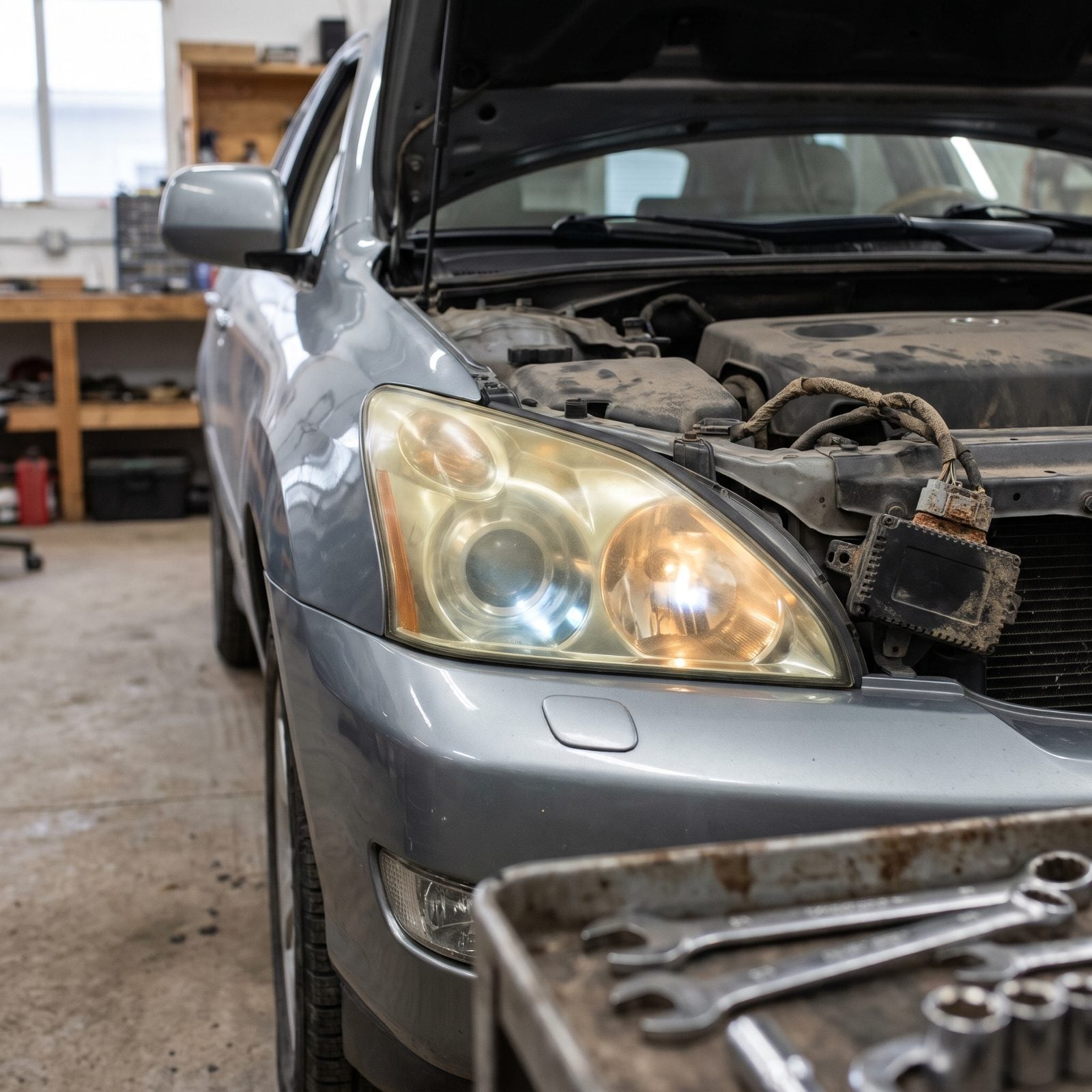
Xenon HIDs threw a brilliant white beam and felt expensive for a reason. That reason now works against the car.
Each headlight needs a bulb and a ballast, and when either fails, the parts cost far more than a halogen swap ever did. Age brings a second headache: the bulbs drift toward pink or purple as they wear, and replacing just one leaves you with mismatched beams. Cloudy factory lenses pile on. A buyer comparing two similar cars will always flinch at the one with a flickering or off-color HID, because the repair bill hiding behind that glow is real, and it’s steep.
Swiveling Adaptive Headlights
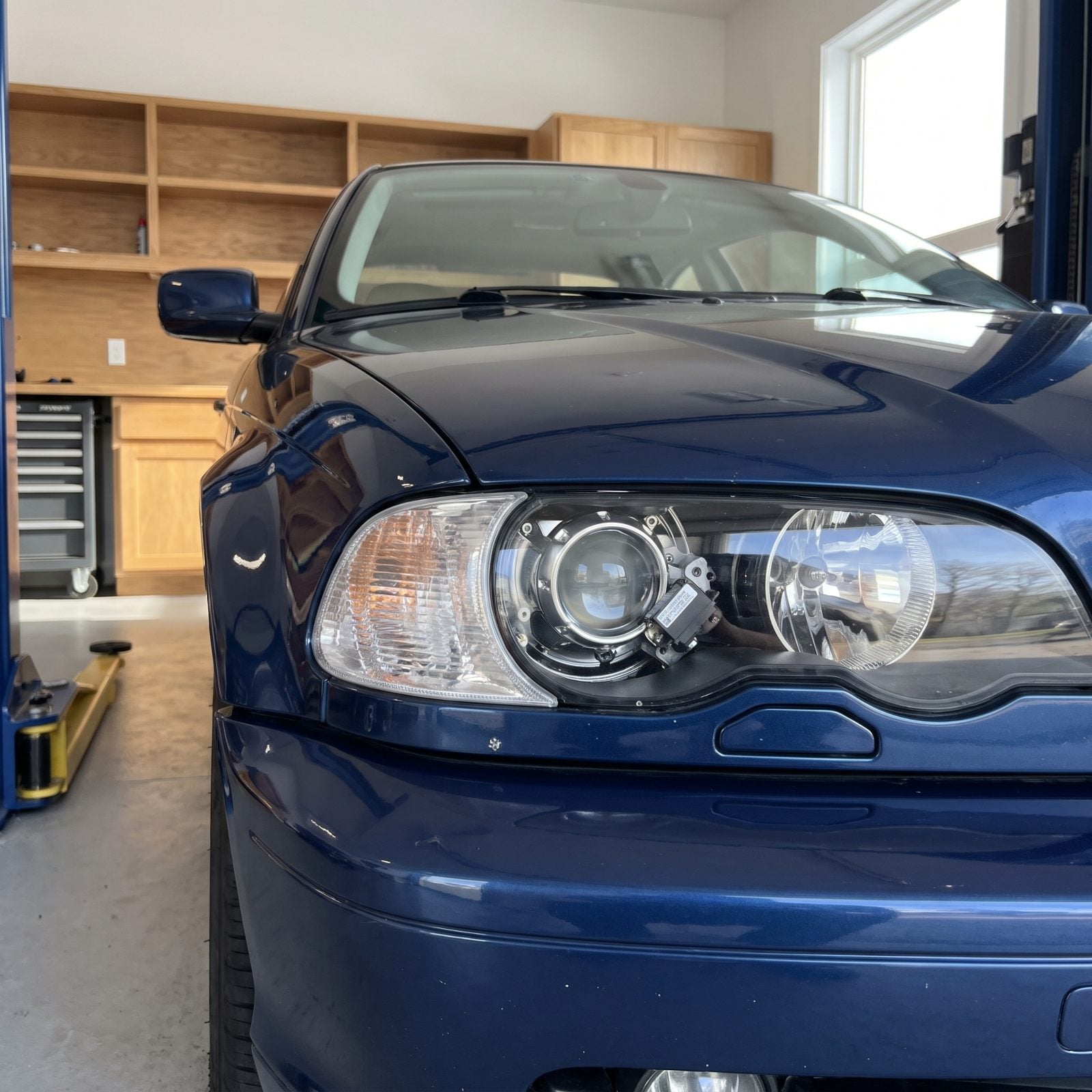
Headlights that turn with the steering wheel sounded like a safety leap. They’re also tiny motors living in a sealed box next to road heat and vibration.
When a swivel actuator seizes, the lamp points the wrong way or throws a warning light, and the fix usually means a complete headlight assembly — one of the priciest single components on the whole front of the car. A buyer who spots one lamp staring off to the side knows the repair is coming, knows it’s four figures, and quietly moves on to the simpler car in the next row.
Factory Run-Flat Tires
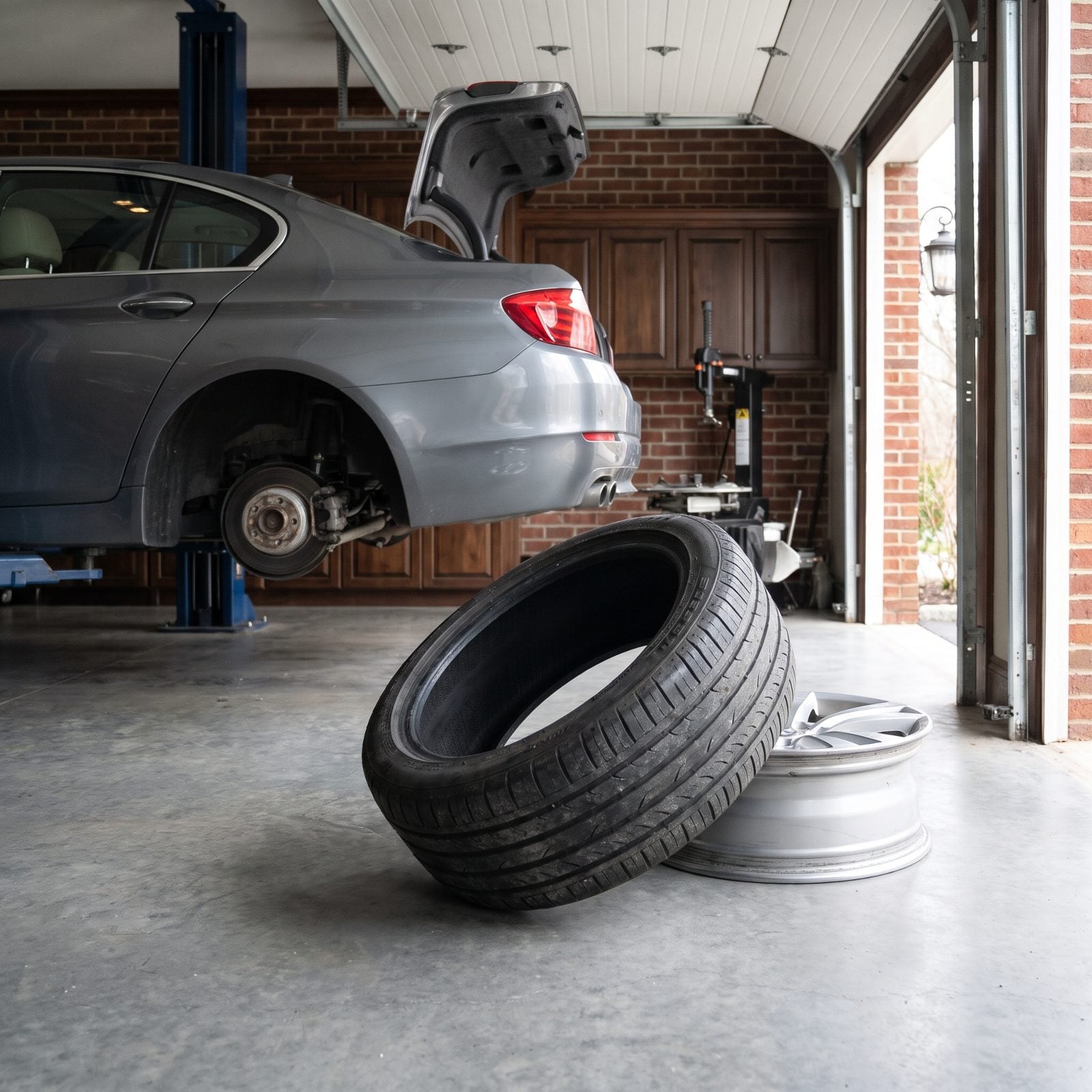
Run-flats let automakers delete the spare and call it an upgrade. Owners found out what that trade really cost.
They ride harsh, they wear faster, and when one goes you can’t plug it — you replace it, often at a premium over a normal tire, and not every shop even stocks the size. Plenty of owners switch to conventional rubber and then discover they’ve got no spare, no jack, and no well to put one in. A buyer who’s owned run-flats knows the ride and the bill both. On resale, a fresh set of these is a cost on the horizon, not a selling point.
Factory 22-Inch Wheels With Ultra-Low-Profile Tires
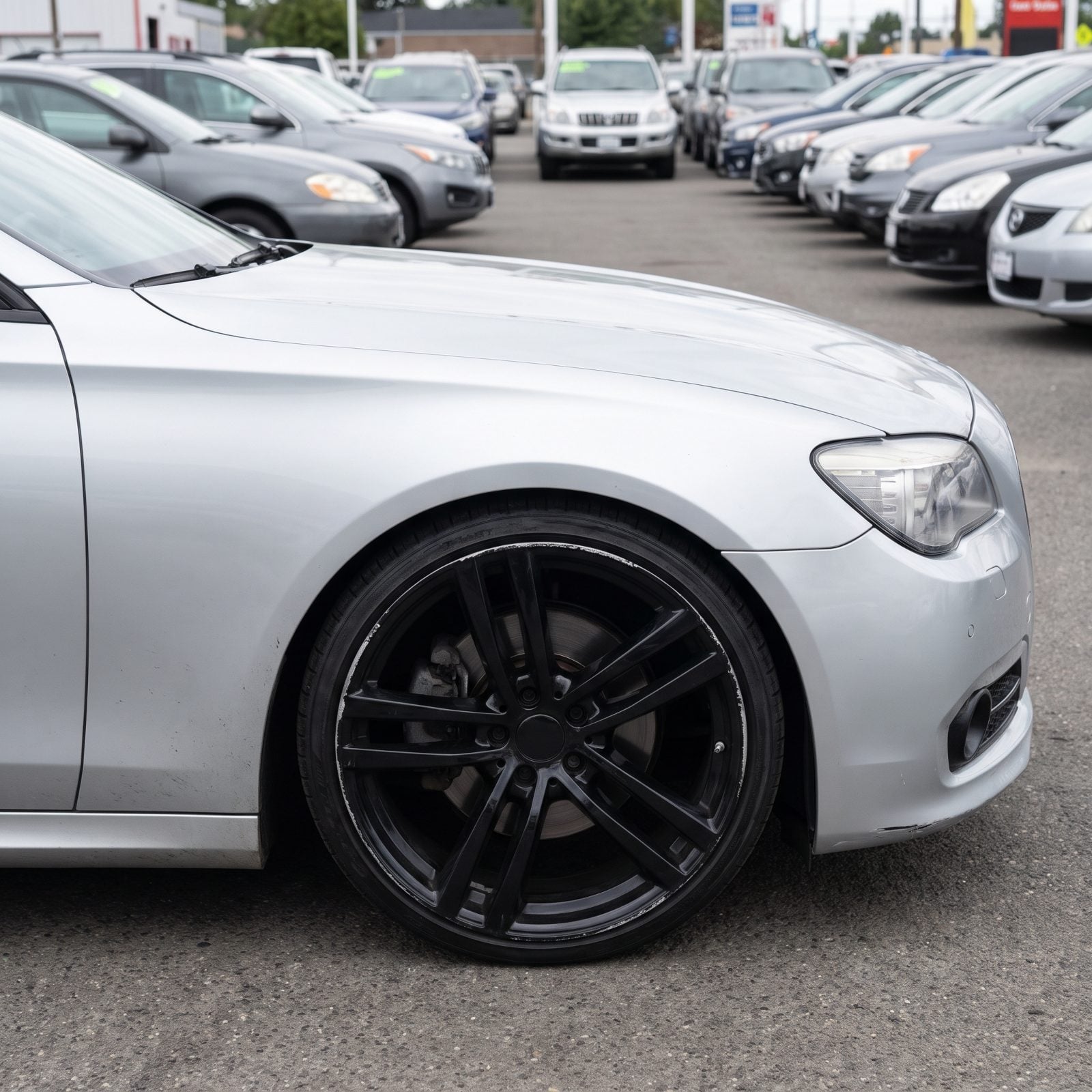
Big wheels with a rubber-band sliver of sidewall photograph beautifully. Then you hit a pothole and learn the real price.
Thin low-profile tires bend rims, and 22-inch alloys cost plenty to straighten or replace. The tires themselves run a fortune and wear quickly, while every curb leaves rash the whole world can see. On the used lot, a set of scuffed oversized wheels and cracked sidewalls reads as neglect even when the engine is spotless.
Shoppers chasing comfort or low running costs steer clear. The wheel that screamed status new just screams expense secondhand.
Factory Matte Paint
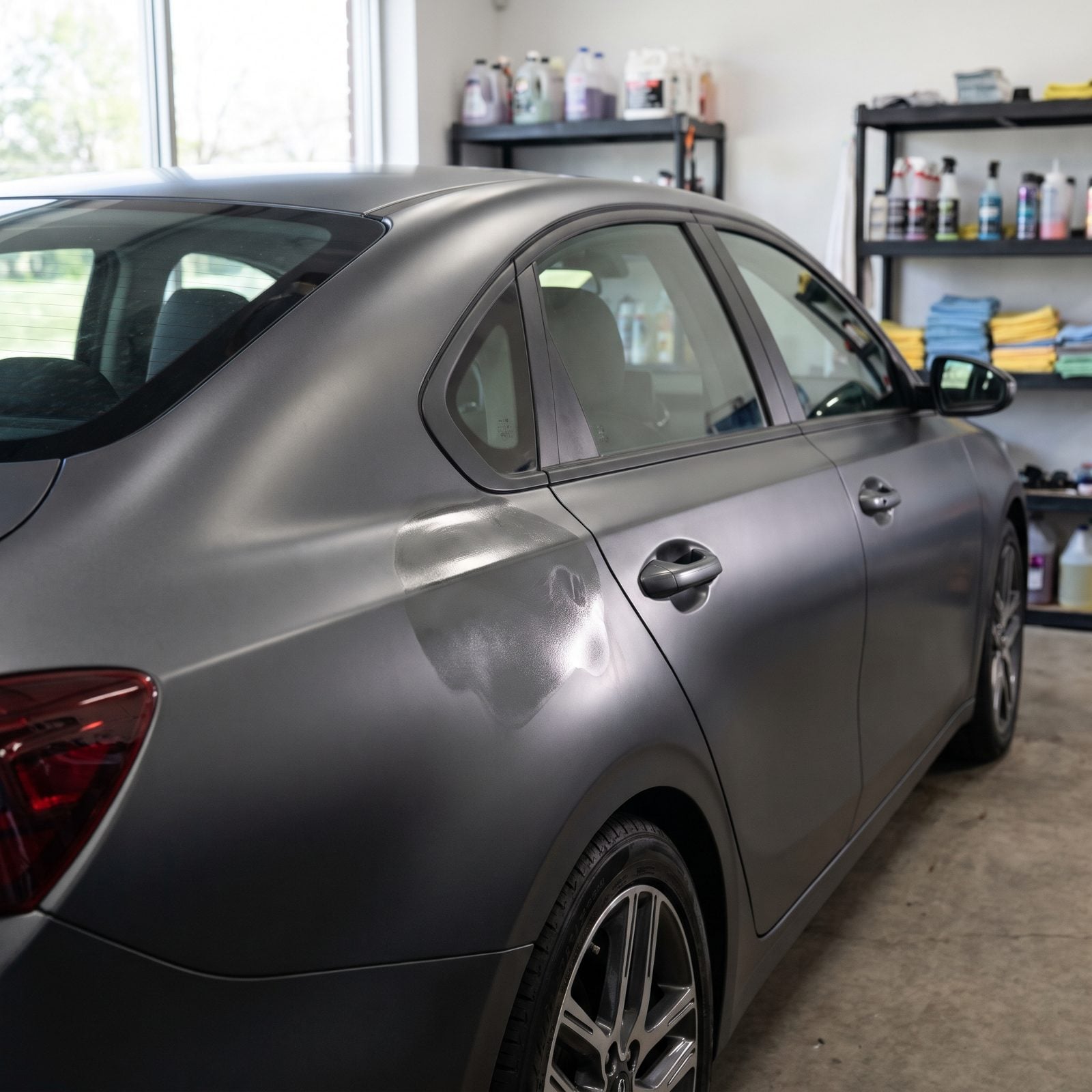
Matte paint turns heads in a parking lot and causes panic in a repair shop.
You can’t wax it, you can’t buff out a scratch, and one wrong wipe with the wrong product leaves a permanent shiny smear. Body shops charge more to match it, and a single repaired panel can look obviously different from the rest. Leave a water spot or bird dropping too long and it etches right in. For a daily-driven used car, that fragility is a liability. Buyers love the look and hate the upkeep, so the flat finish narrows your pool of takers and drops what the rest will pay.
Explaining why matte finishes cost more to fix, a collision repair specialist notes “Notably, you cannot repair individual scratches, chips, and dings in a matte finish. Because of how the matte clear coat is applied, you have to repaint entire panels where scratches or other imperfections appear”
Padded Vinyl and Landau Roofs
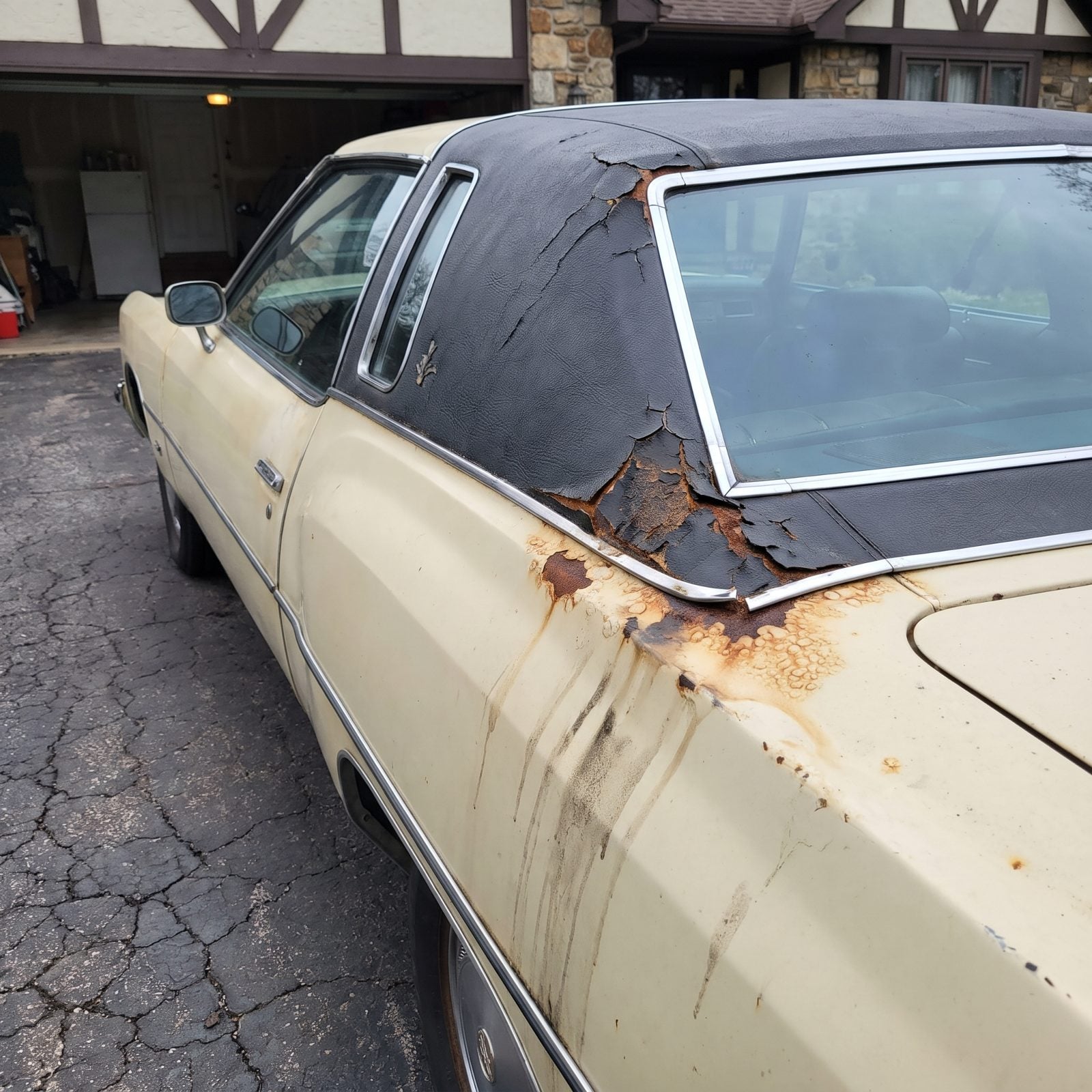
The padded vinyl roof once said luxury from across the street. Today it says check underneath, because something’s probably rotting.
Water sneaks under aging vinyl and sits against the steel, and by the time the covering cracks and peels, there’s rust feeding quietly beneath it. Replacing the material is a specialty job fewer shops will touch, and stripping it off entirely reveals filler, trim holes, and paint that never matched. A mechanic inspecting a trade-in peels back a corner on these first. What they find usually decides the number, and it’s rarely good news.
Not everyone has given up on the look: in our readers’ votes, cars with vinyl roofs got hearts 77% of the time, versus 66% for other images in the same articles.
Built-In Rear-Seat DVD Systems
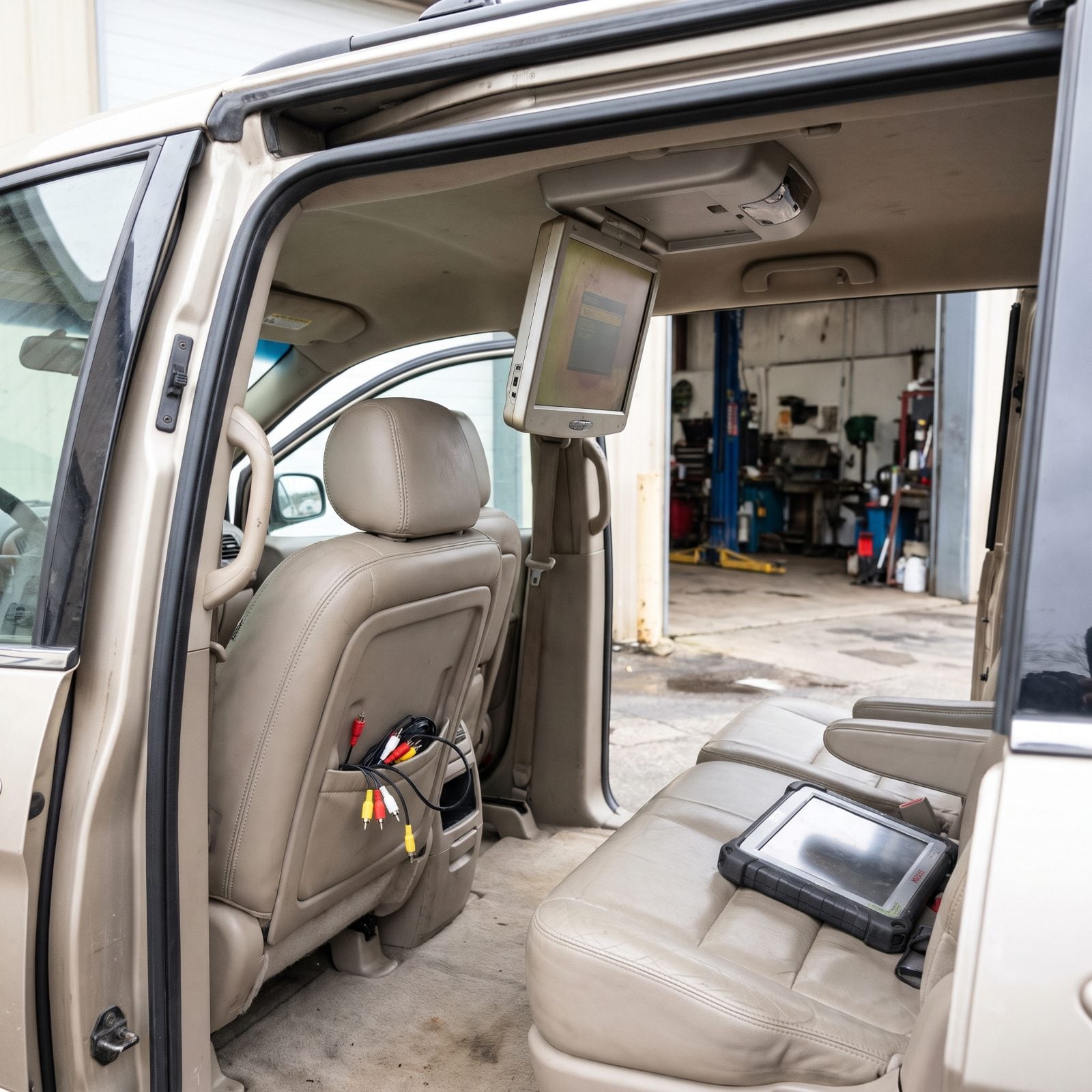
Nothing dates a used van faster than a screen that only plays discs. These overhead flip-down units were a selling point back in 2006, and now they read like a rotary phone bolted to the ceiling.
Mechanics flag them because the wiring runs through the headliner, so when a motor or hinge quits you’re pulling trim panels to reach it. And buyers with kids? They handed every child a tablet years ago. The system adds weight and a dead zone where buttons used to light up, but nothing to the price.
Proprietary Premium-Audio Amplifiers
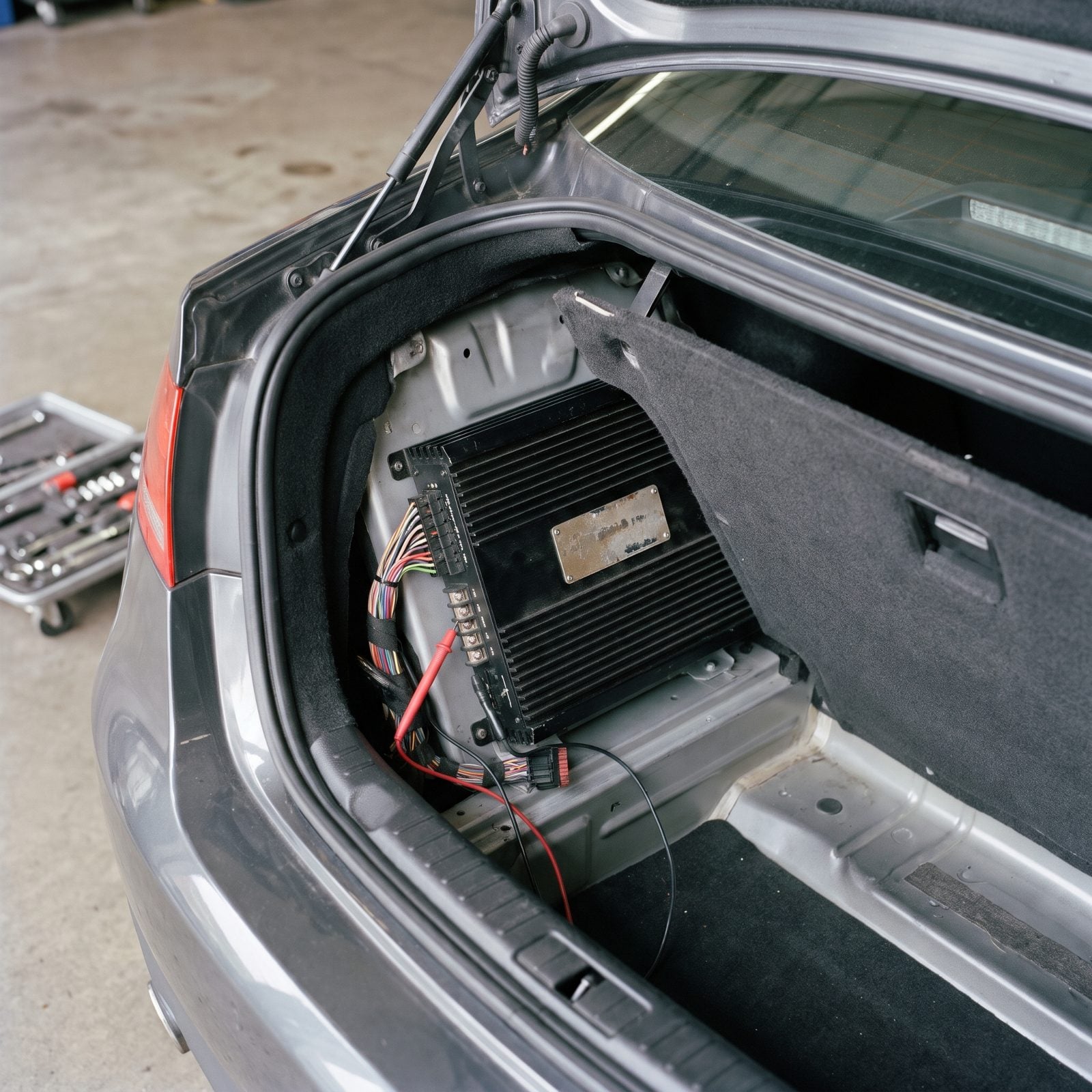
That badge on the door sill promising concert-hall sound used to add real money. Now it mostly adds a repair bill.
When a proprietary amp fails, you can’t drop in a universal replacement. The harness, the fiber-optic loop, the speaker impedance — all of it matched to one part number from one supplier. And that part might be discontinued. The quote to fix a dead channel can run into four figures on a car worth eight thousand, which is the kind of math that ends a sale.
Shops warn buyers because a silent speaker on a test drive is a red flag that something behind the panels is already dying.
Dash-Cutting Aftermarket Touchscreen Installations
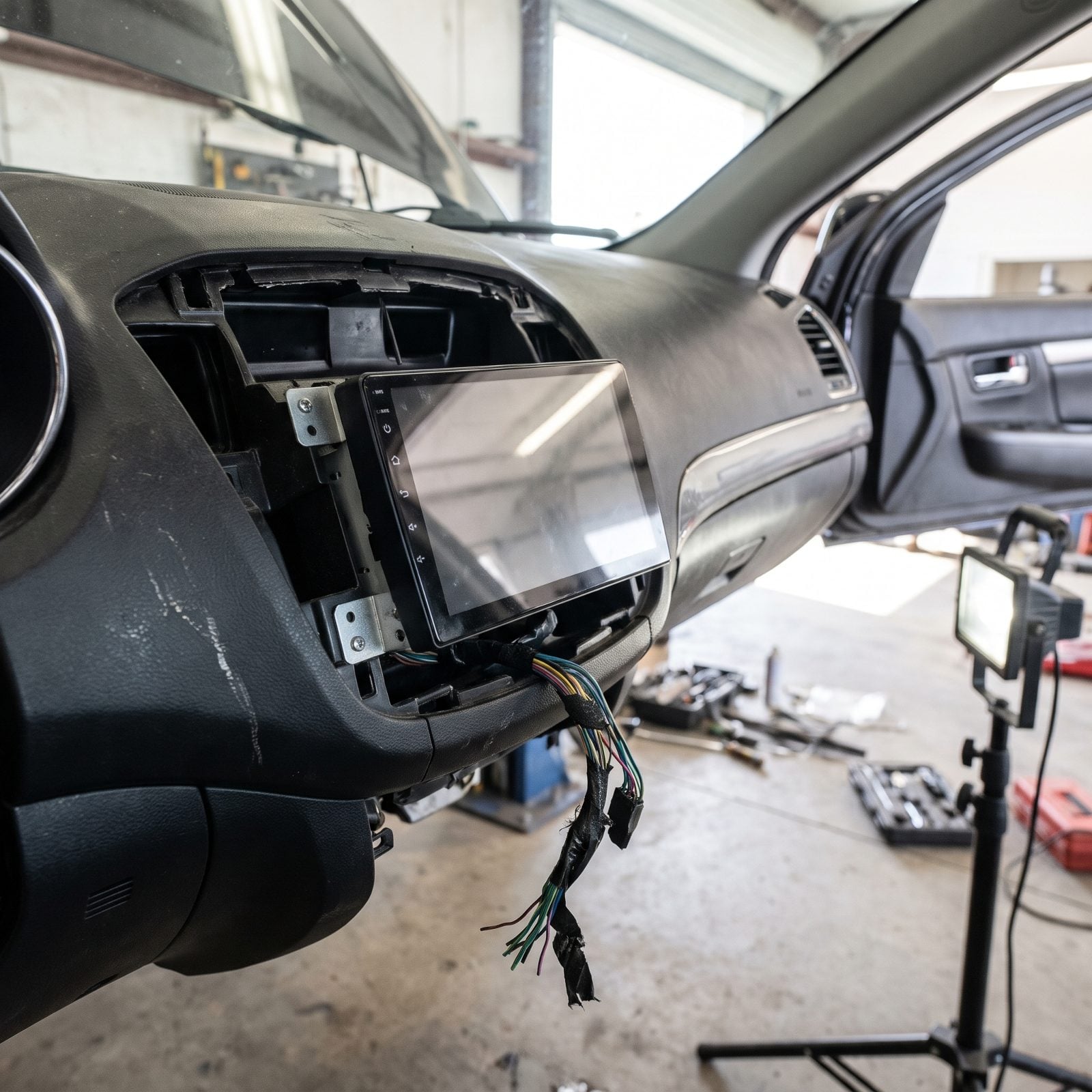
A screen bigger than the dash was ever meant to hold is not an upgrade. It is a scar.
To fit one of these, someone cut into the factory dashboard, pulled the climate controls, and buried them in a menu three taps deep. The install looks sharp in the listing photo and terrible once you’re standing next to it: gapped trim, exposed brackets, a bezel that matches nothing else in the car.
Buyers see it and assume whoever did this also skipped the oil changes. Reversing it means hunting down an original dash and the climate panel that got tossed in a bin somewhere.
Spliced-In Aftermarket Alarms and Remote Starters
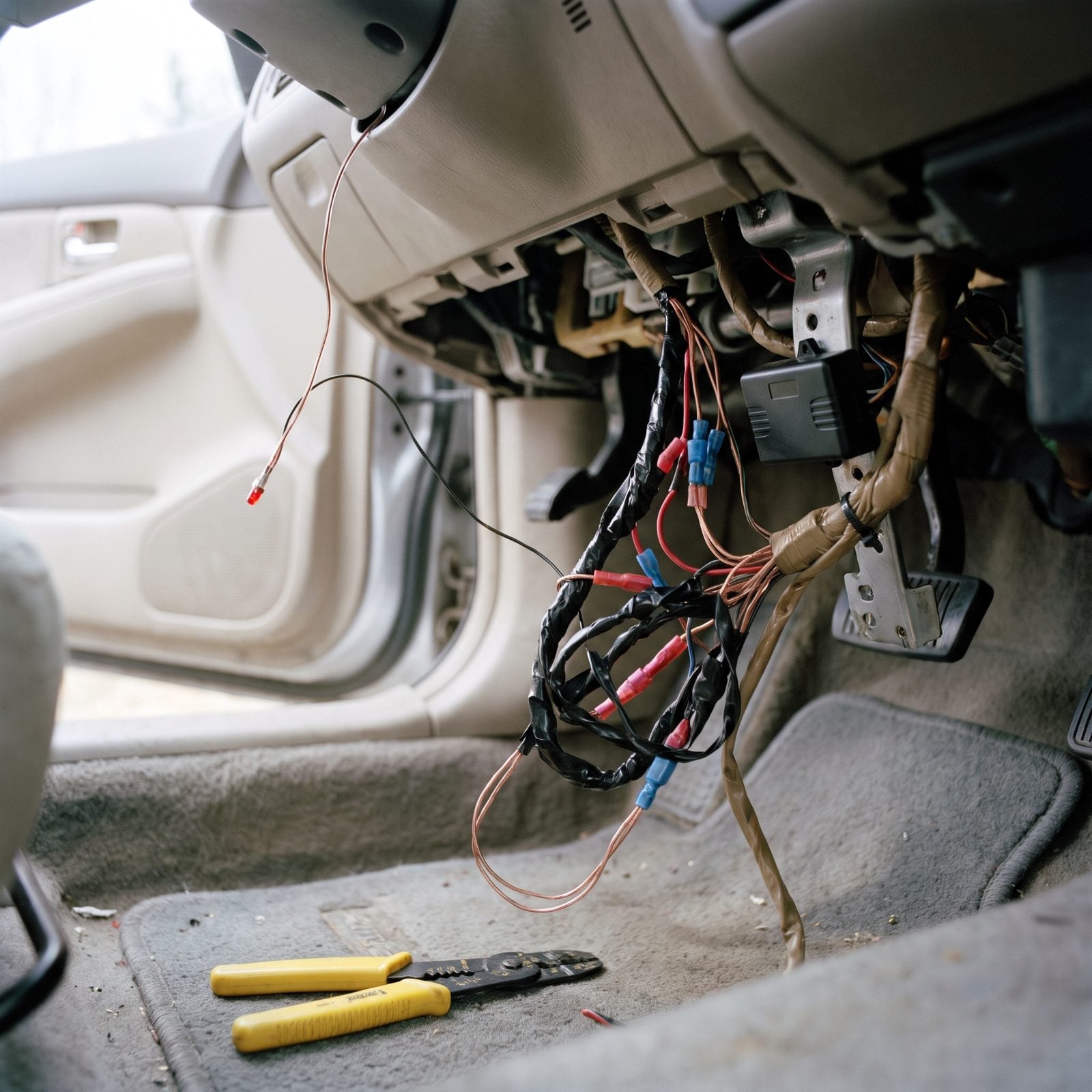
You pop the hood expecting clean factory wiring and find a bird’s nest of taped splices instead. That’s the tell.
Aftermarket alarms and remote starters wired into the ignition and door locks rank among the top causes of phantom electrical gremlins on older cars. The battery drains overnight. The locks cycle on their own. A splice corrodes and the engine won’t crank. Tracing it means unwrapping someone else’s tape job, wire by stubborn wire.
Mechanics warn that a car with a spliced-in system often sells for less than the same car without one, because a buyer is really buying a future electrical headache.
Power-Deployable Running Boards
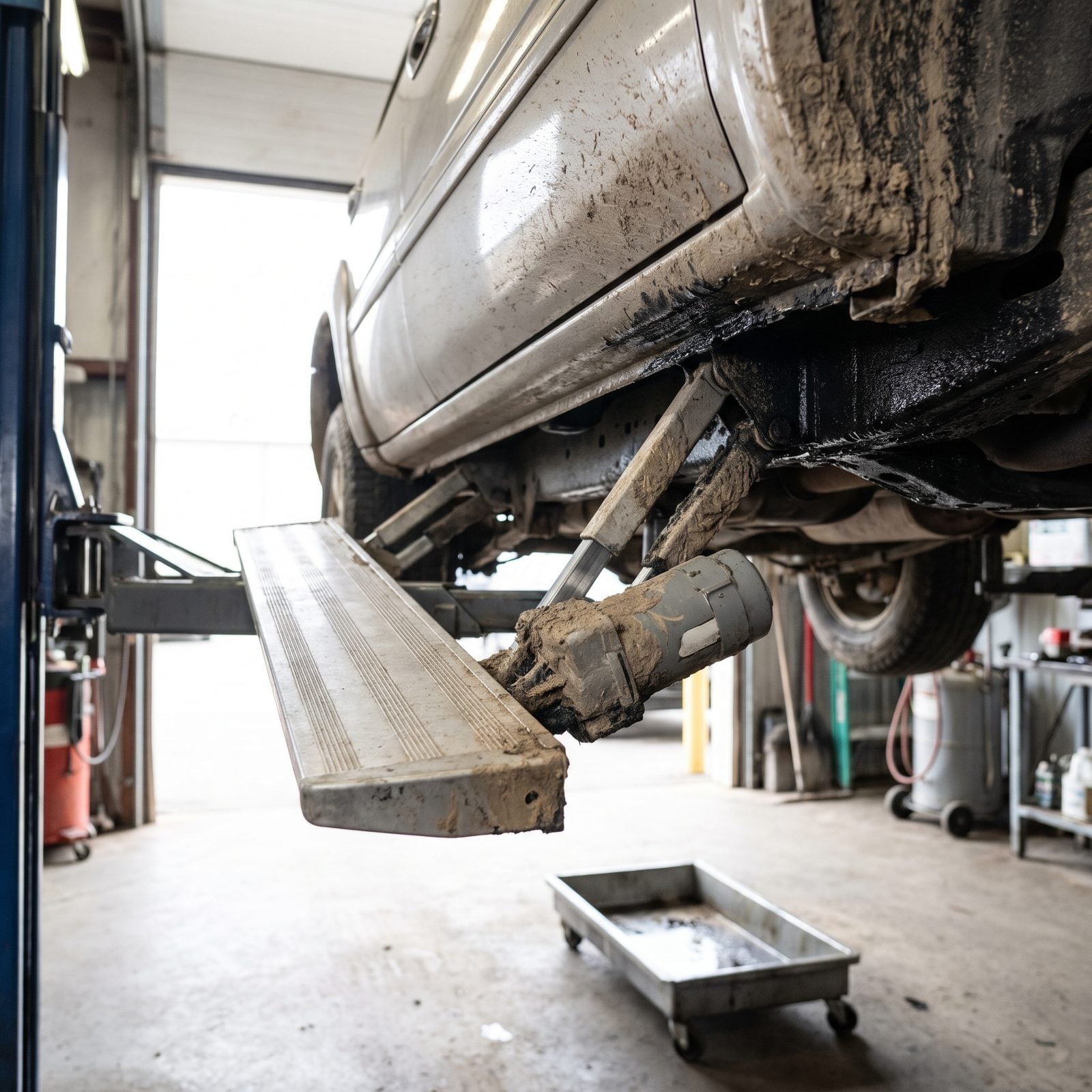
Running boards that glide out when you open the door are a fine idea until salt, mud, and twelve winters get into the motors.
They seize. They deploy on one side and not the other. They hang crooked and catch on curbs. The pivot motors sit exposed to everything the road throws at the undercarriage, which is exactly where you don’t want a moving part living.
Replacement is pricey, so plenty of owners just disconnect the things, leaving a dead step that a buyer immediately clocks as deferred maintenance.
First-Generation Power Liftgates
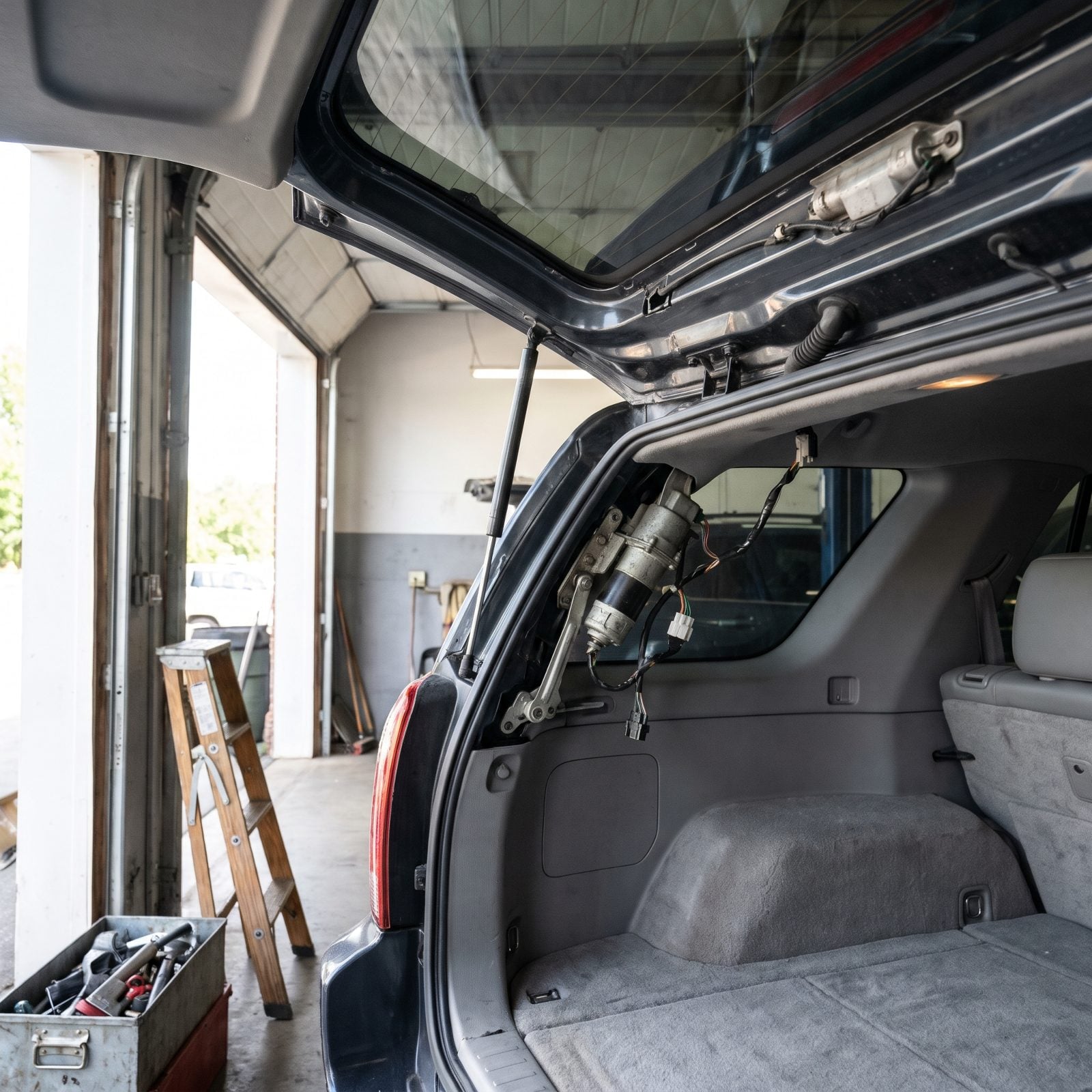
The early power liftgates were the beta test, and buyers of used cars are the ones living with the bugs.
These first-generation units used struts and spindle motors that wear out, leaving a gate that rises halfway, drops without warning, or flat refuses to latch. On an early system, a failed strut can mean replacing the whole motorized assembly instead of a cheap gas shock you’d grab off a shelf.
If the gate hesitates or clunks on the way up, assume a repair is coming and price accordingly.
Motorized Flush Door Handles
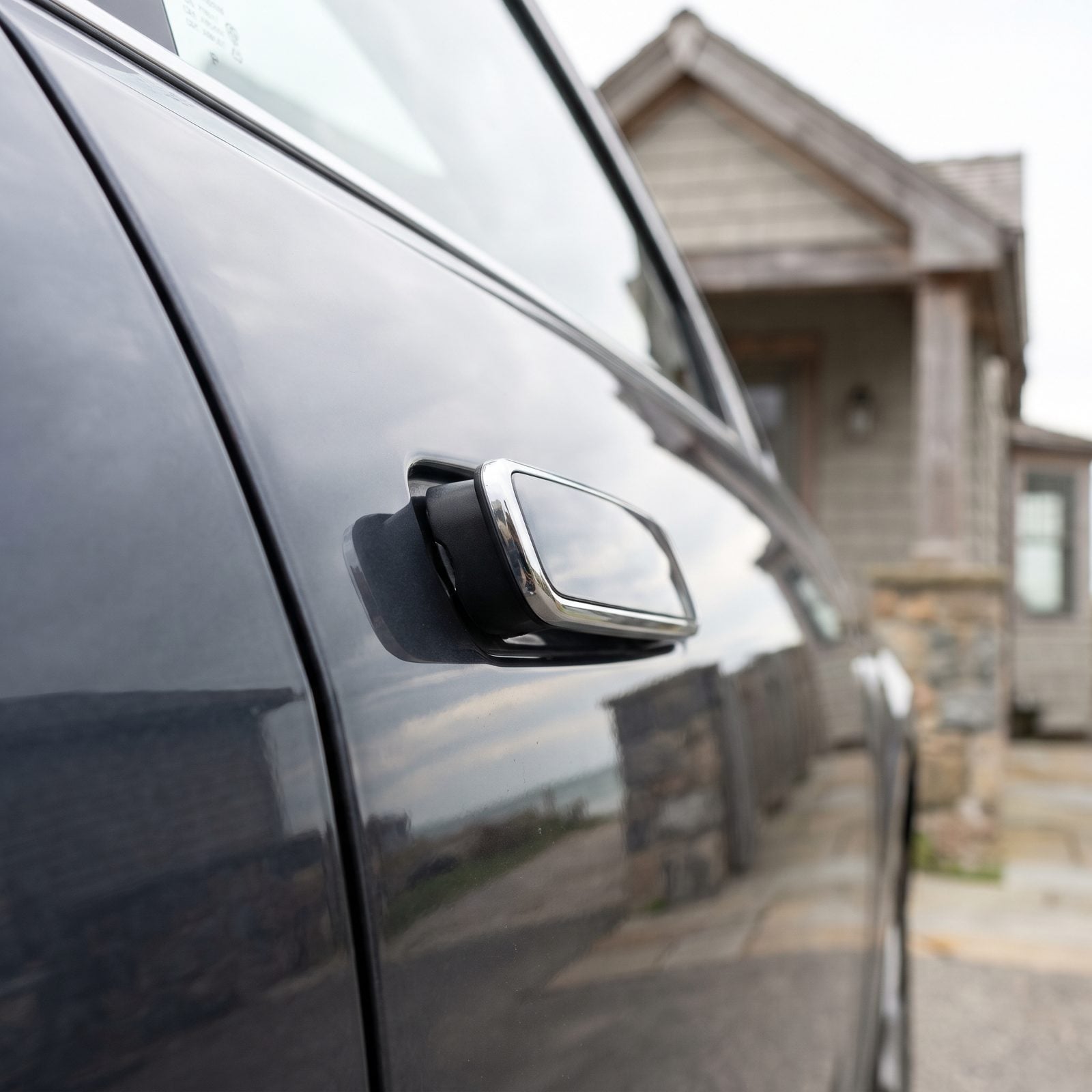
Handles that hide in the door look slick on the showroom floor. On a four-year-old used car, they’re a question mark.
The motor and gearing that push each handle out can fail, and when they do you’re sometimes locked out of your own car, or stuck staring at a handle frozen half-deployed. Freezing weather can ice them shut. Replacement handles cost a fortune, and there are four of them waiting to go.
Buyers are starting to view them the way they view touchscreen-only controls — clever, fragile, and not worth the repair bill once the warranty is gone.
Power-Folding Third-Row Seats
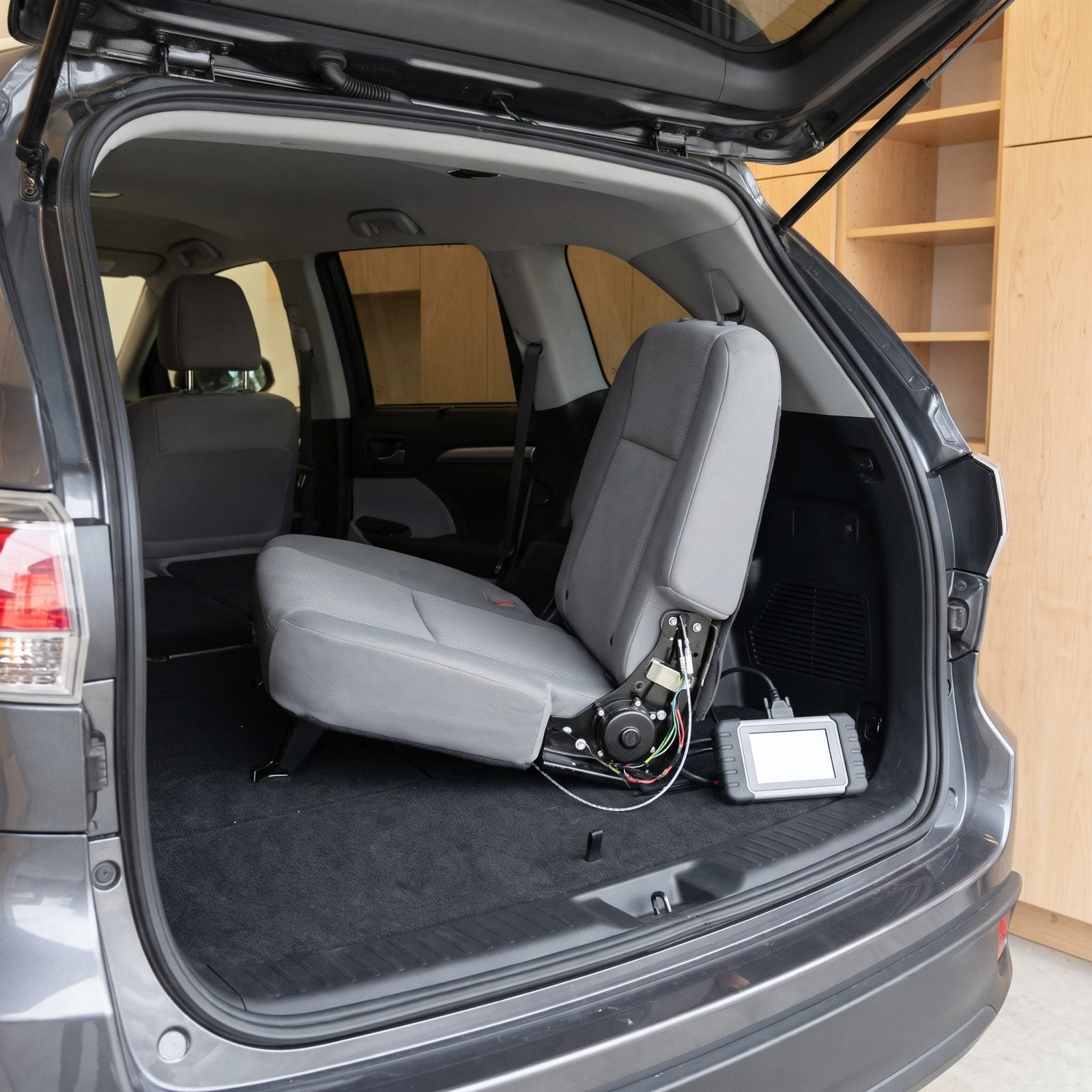
The button that drops the back row flat is a lovely trick right up until the motor on one side quits and the seat folds like a drawbridge with a broken chain.
Mechanics see these stall halfway constantly. The fold motors, cables, and position sensors all give out, and a partially folded seat can’t be forced by hand without risking the mechanism. Repairs mean pulling the seat and the motor assembly — neither quick nor cheap.
A manual fold-flat seat has one job and never asks for a scan tool. The powered version asks regularly.
Extreme Suspension Lift Kits
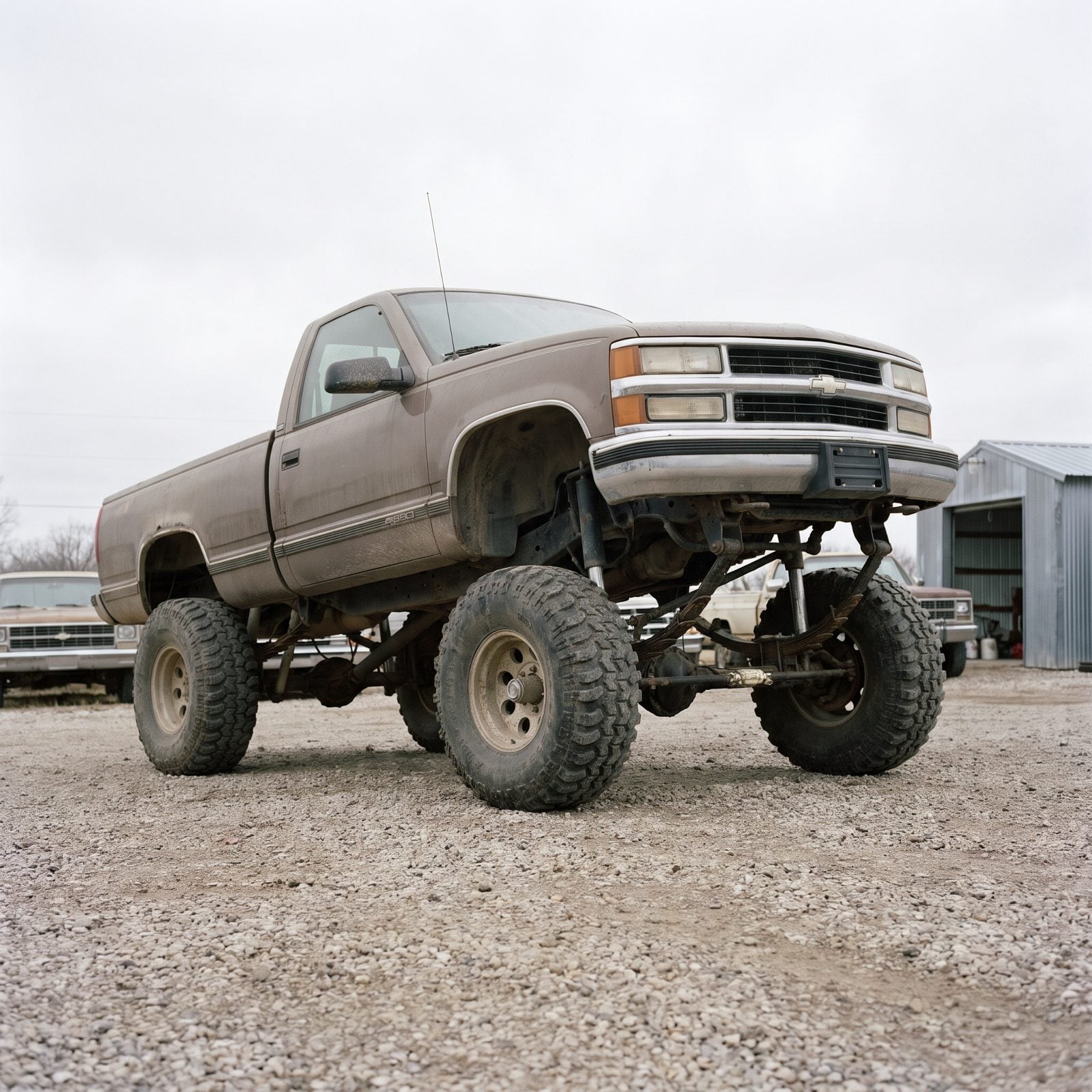
A big lift looks like freedom in the driveway and like a headache on the appraisal. The taller you go, the harder the drivetrain fights physics — steering geometry gets thrown off, ball joints wear faster, and the speedometer reads wrong the second you cram on 37s. Plenty of buyers also notice the ride got worse, not better.
Mechanics flag these because the damage is cumulative and invisible. Years of altered angles chew through tie rods and CV joints. Reversing it all back to stock costs real money, and most shoppers would rather just buy a truck that was never touched.
Aggressive Lowering Kits

Slammed looks great until you meet a parking ramp. Extreme lowering scrapes splitters, murders oil pans, and runs tires at camber angles that eat the inside edges bald inside a season.
But the resale problem is really about trust. A buyer sees a car that’s been living an inch off the pavement and assumes the underside has been dragged, the bushings are cooked, and something expensive is about to let go. Even when the car drives perfectly fine, that assumption costs you hundreds at sale time.
Bolt-On Wheel Spacers
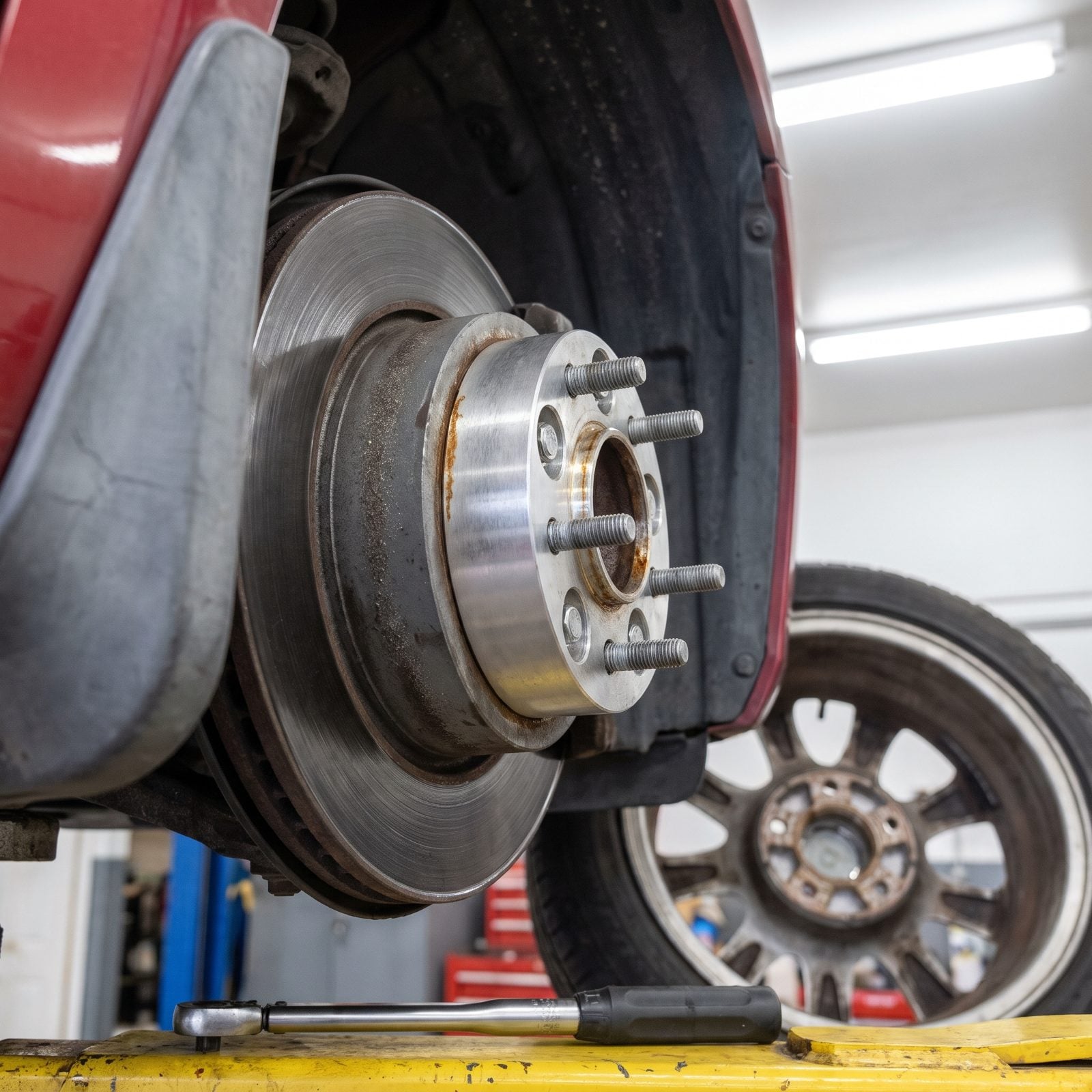
Spacers push the wheels out for a wider, planted stance. Cheap ones push your luck too.
What mechanics actually worry about is leverage: spacers load up the wheel bearings and change the hub-to-wheel load path. Quality hub-centric spacers, torqued correctly, are fine. The bargain-bin bolt-on kind, stacked thick with longer studs, make a careful buyer nervous about bearing wear and whether the lugs were ever torqued right. We’ve seen an appraiser knock a car just for spotting them.
ECU Performance Tunes
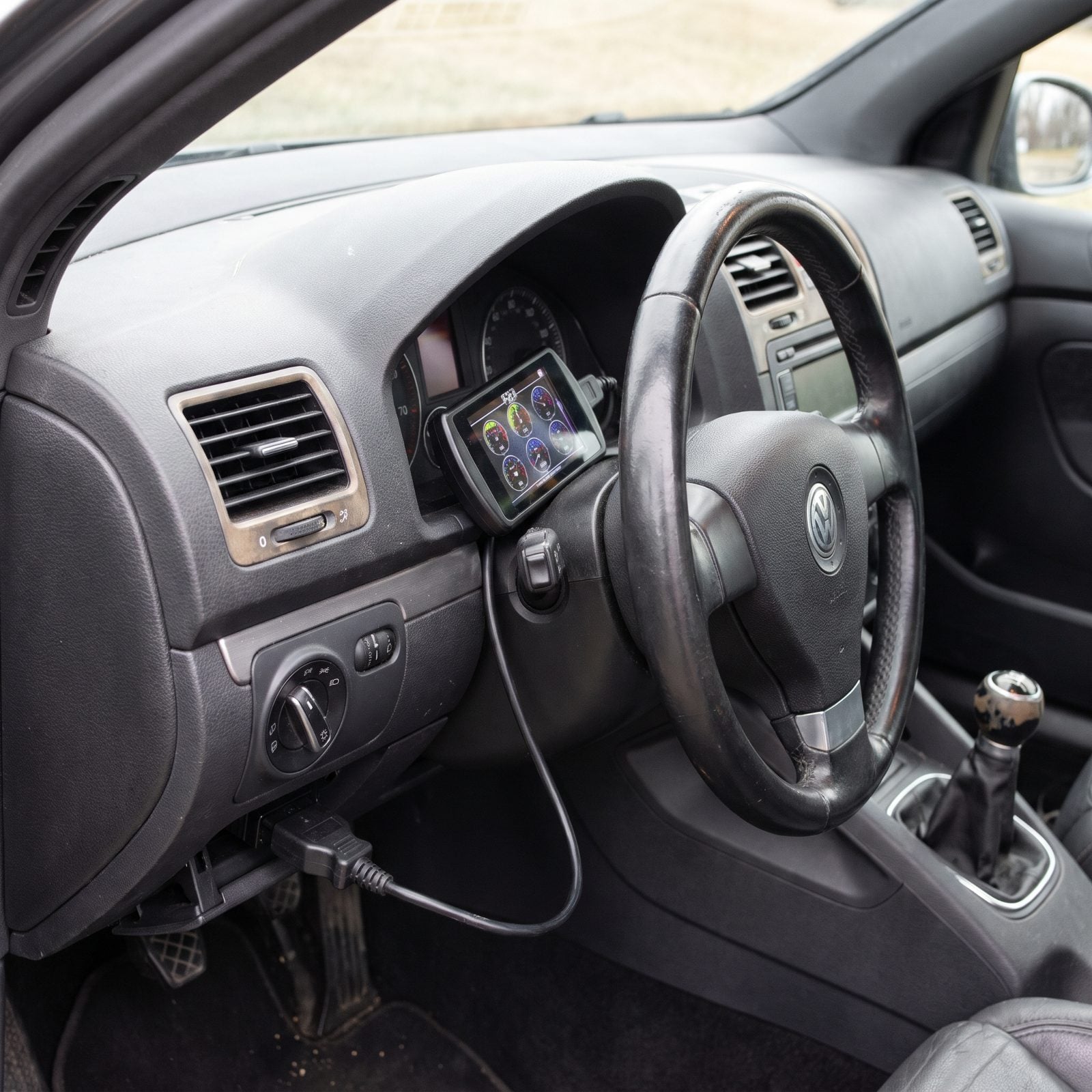
A tune can wake up a turbo engine like nothing else for the money. Which is exactly why mechanics eye a tuned used car with raised eyebrows.
Nobody can answer the real question: how was the car driven on that extra boost? More power means more heat and more stress on the clutch, the rods, the turbo itself. A tune can void powertrain warranty and, on modern cars, it leaves a flag the dealer can read. A savvy buyer either walks or demands it flashed back to stock — and the shop doing the flashing gets to tell you exactly what the previous owner wore out.
Loud Aftermarket Exhaust Systems
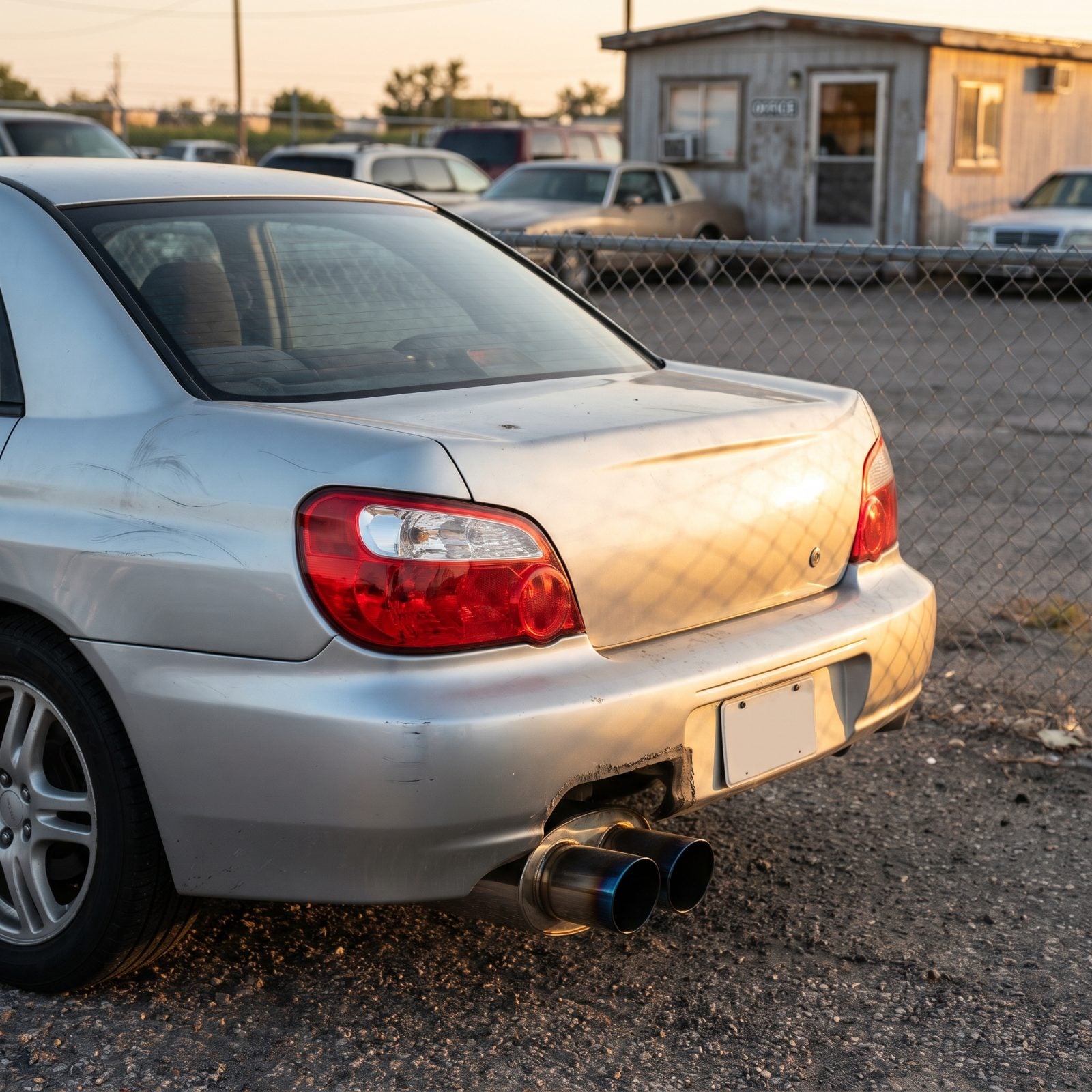
Loud is fun for about the length of a test drive, then it’s a headache with a key fob.
That drone filling the cabin at highway speed is the first thing a buyer notices and the first thing they hold against you. Older couples, commuters, anyone who takes the car on long trips — they’re all quietly subtracting the cost of bolting the factory exhaust back on. And a cheap straight-through muffler that’s started to rasp or rust reads as neglect whether it is or not. Keep your stock exhaust in a corner of the garage. You’ll want it back.
Catalytic-Converter or Emissions Deletes
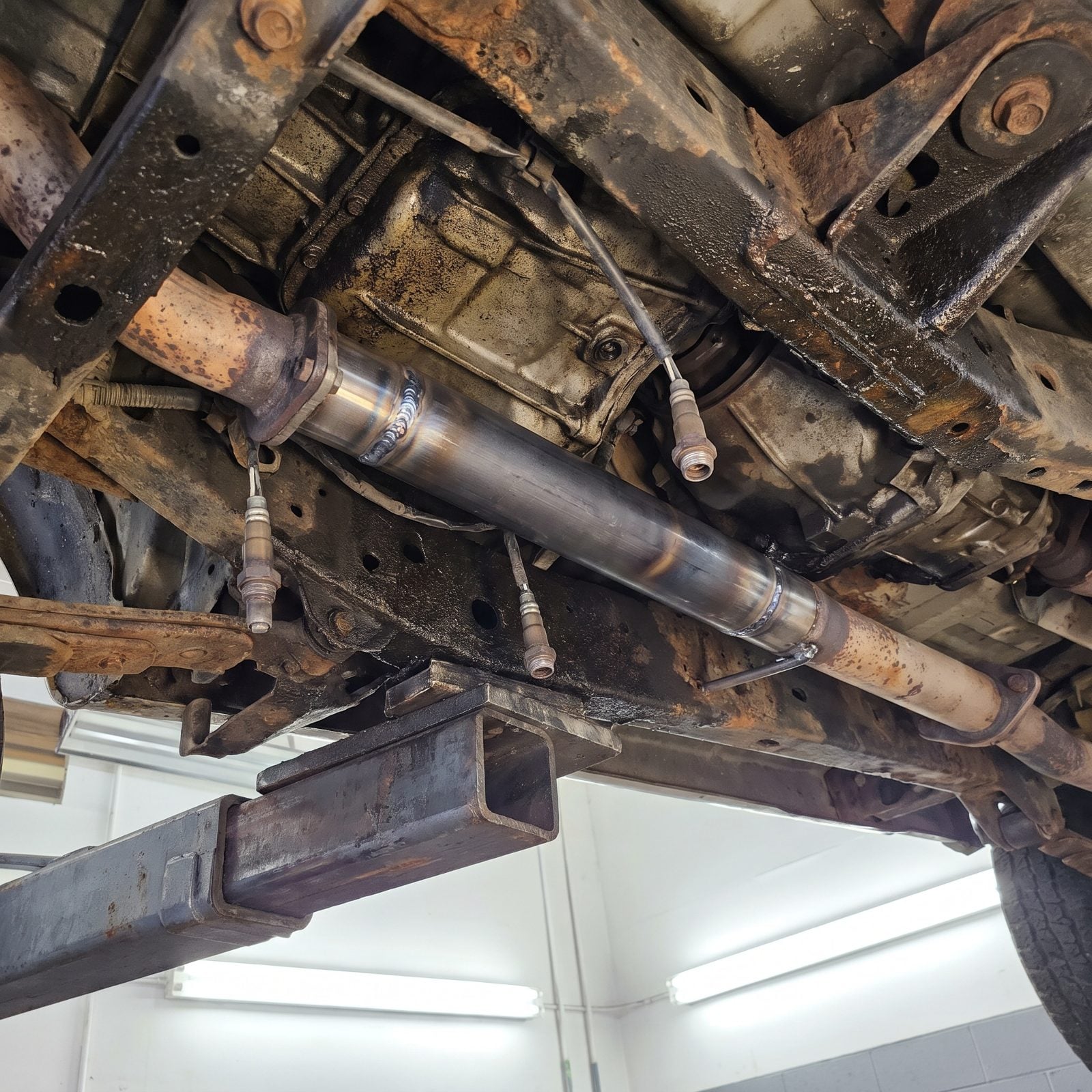
This one isn’t just a resale problem. It’s a legal one.
Deleting emissions equipment violates federal law, and a used car that can’t pass inspection is a used car nobody can register. In a lot of places a dealer legally cannot take it in trade. You’ve turned a car into a project — somebody has to spend hundreds, sometimes thousands, to make it street-legal again before they can even own it.
Of everything here, a delete does the most damage to value and the most to your own exposure. Put the cat back. There’s no clever argument around this one.
Scissor-Door Conversion Kits
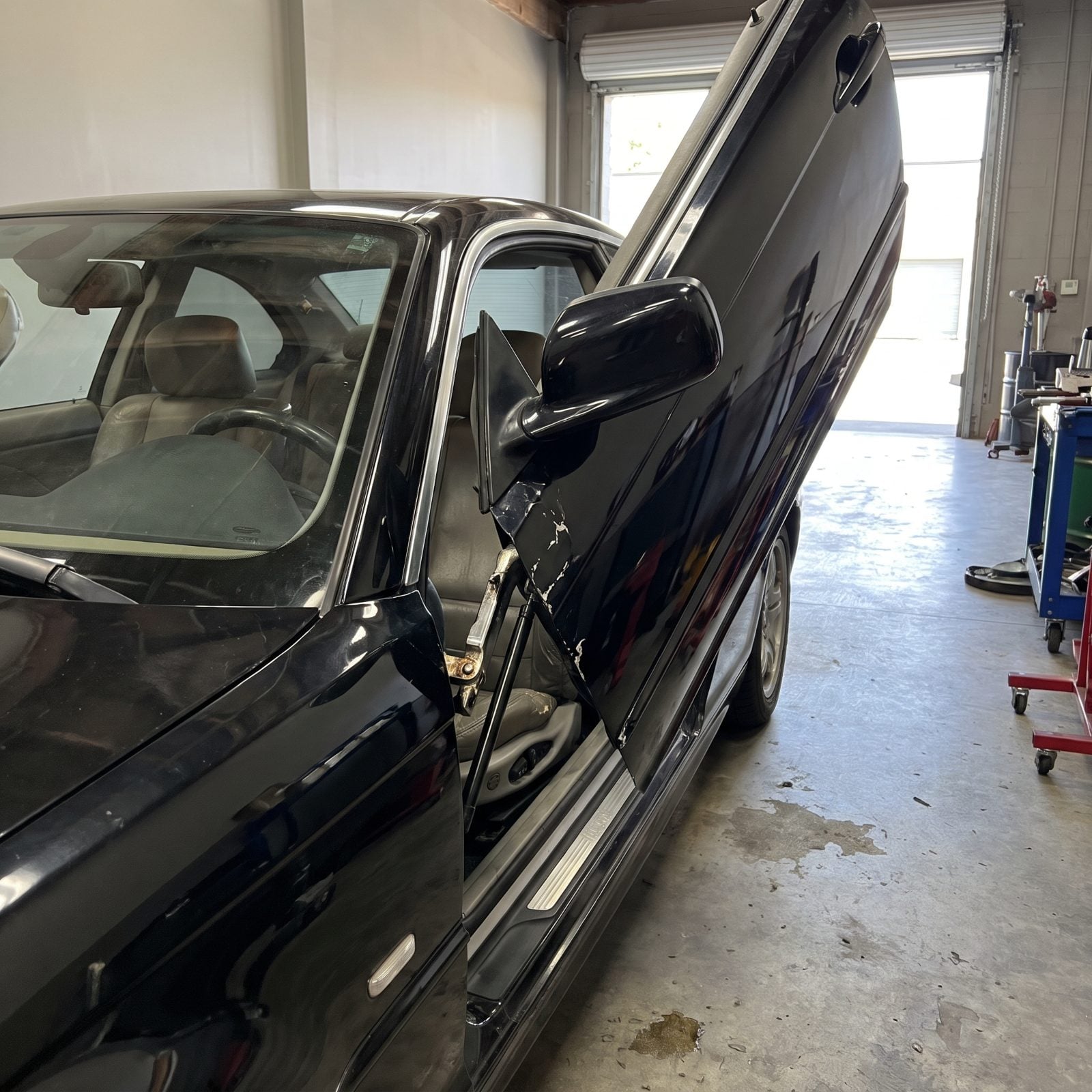
A driver’s door that swings straight up on scissor hinges turns heads in a parking lot. It also turns stomachs at an appraisal.
These kits swap factory hinges for aftermarket mechanisms, and that brings weatherstripping that leaks, panel gaps that never sit even again, and door wiring run through a hinge it was never designed for. Install quality is a lottery. A buyer sees a door that lifts vertically on a bolt-on hinge and gas strut and immediately pictures rattles, rain on the seats, and a door that one day won’t latch right at 70 on the highway.
Reversing it means sourcing factory hinges and paying for alignment. Most folks just won’t bother with the car at all.
Aging Full-Body Vinyl Wraps
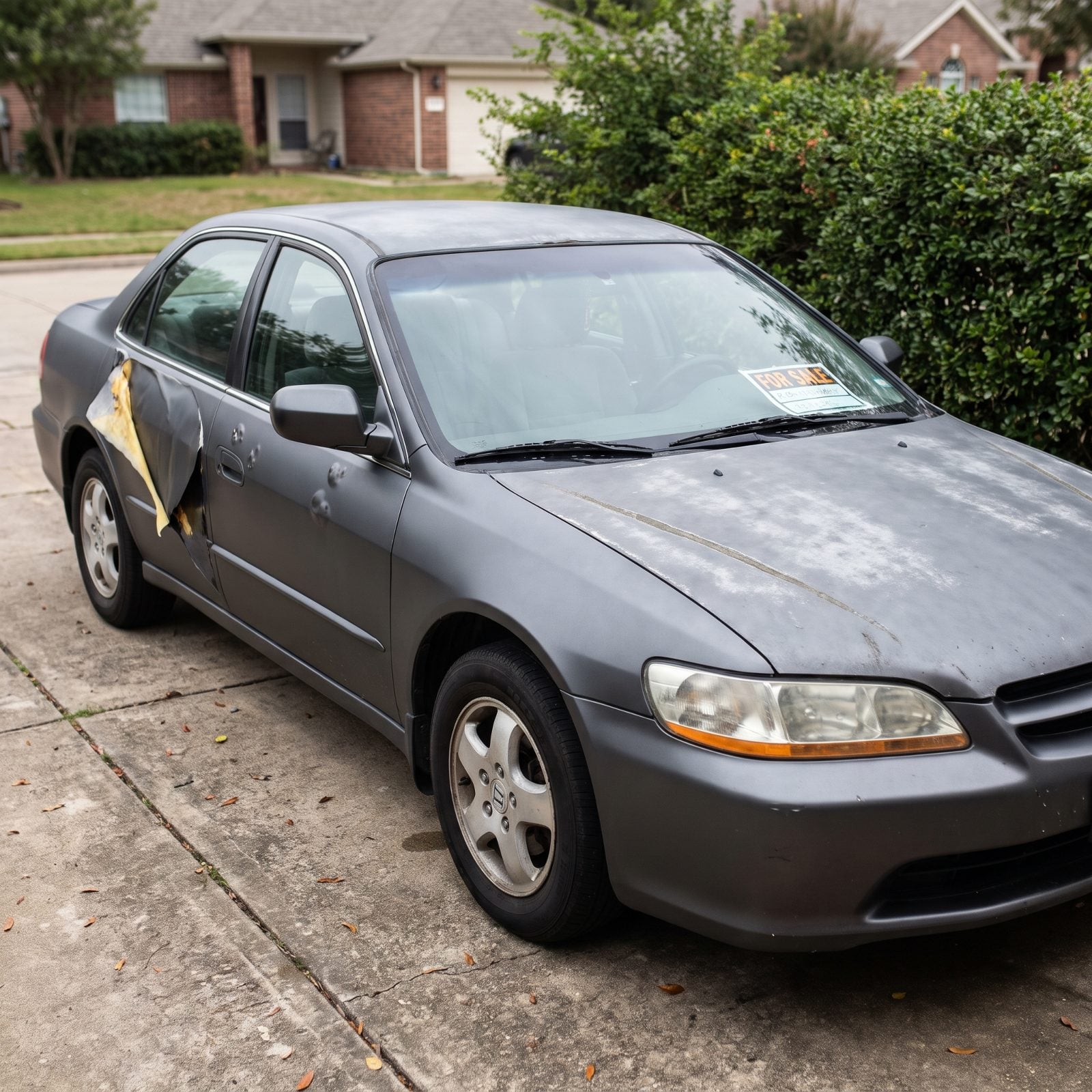
A fresh wrap is reversible and even protects the paint underneath. An old wrap is a different animal entirely.
Vinyl that’s baked in the sun for years turns brittle. The adhesive bonds hard, edges lift, corners chalk, and pulling it off can strip the clearcoat with it if nobody takes their time. A buyer can’t see the paint under there, so they assume the worst. Why else would you hide it?
The real sting is removal cost. A professional pull on a sun-cooked wrap runs into real money, and that number comes straight off your asking price.
On what it takes to strip a sun-baked wrap, a vinyl wrap specialist says “Wrap that is still flexible releases in long strips, while old brittle wrap comes off in small shards and needs a plastic razor blade plus adhesive remover.”
Riveted Widebody Kits
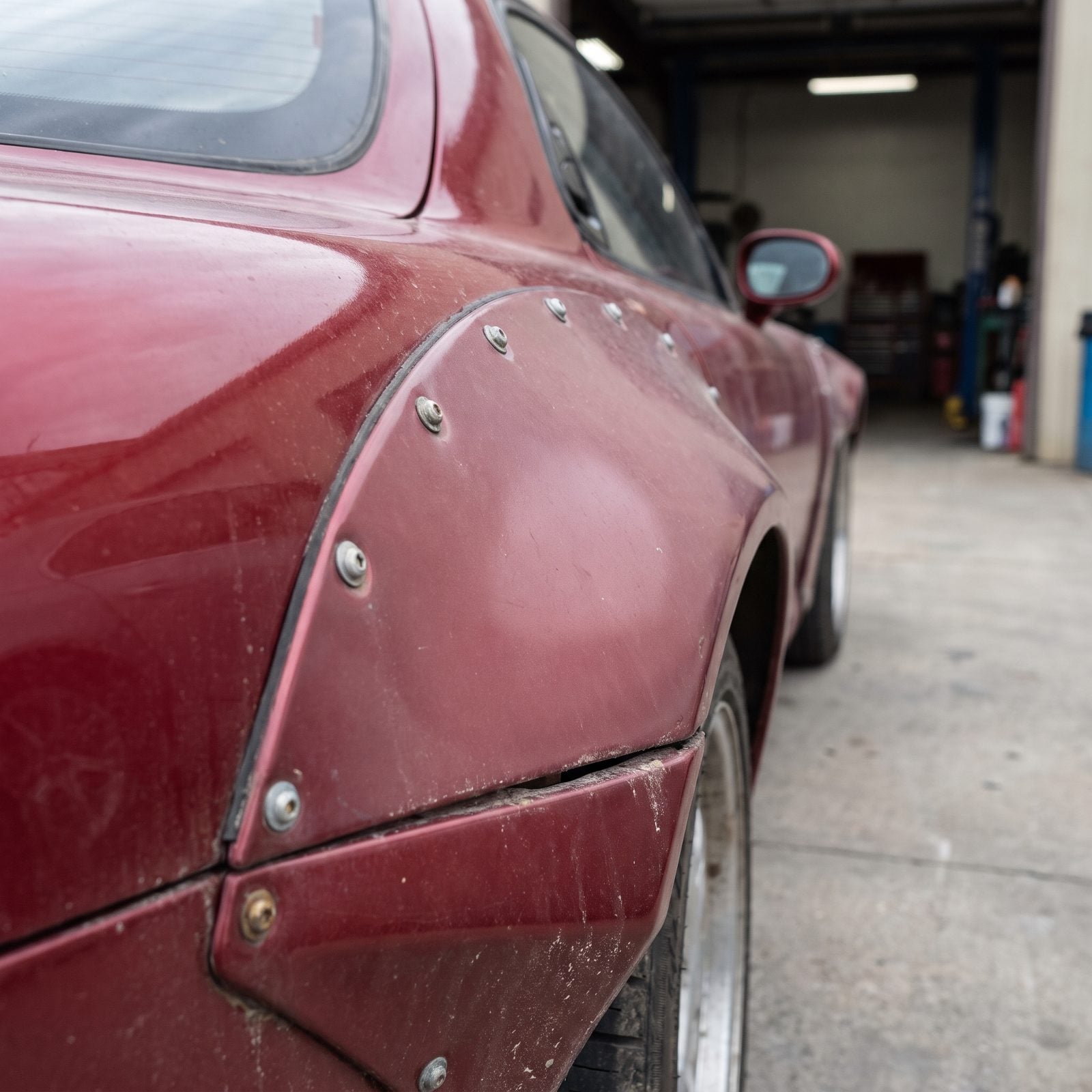
Riveted widebody kits are the most committed mod on this list. They drill straight into the factory metal, and that’s the part a buyer can never un-see.
Those rivet holes mean the original fenders are permanently altered. The only honest reversal is new body panels and fresh paint, which is body-shop money most sellers never recover. Water finds the holes. Rust follows. And paint rarely matches perfectly between a bolt-on kit and factory steel.
A clean widebody on the right car finds its buyer, sure, but that’s a sliver of the market. For everyone else, those drilled holes are a number scratched off the offer before the engine even turns over.