
Would you like to save this?
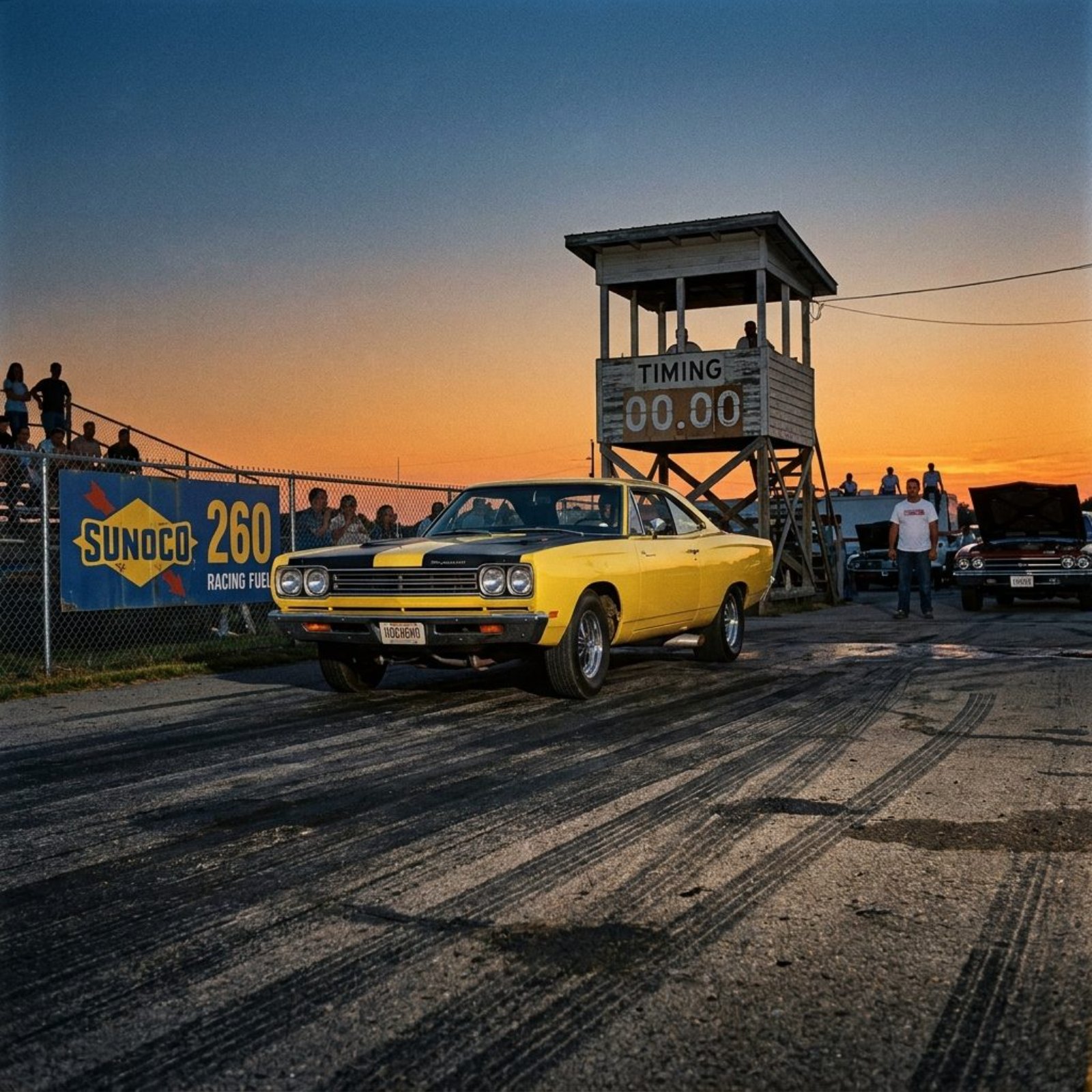
Detroit accidentally left the door unlocked, and the kids found the keys. The 1964 Pontiac GTO arrived with a 389 cubic inch V8, a hood scoop that meant business, and a price tag a young guy working at a gas station could still imagine paying. For a little while, raw power, cheap speed, and almost reckless corporate nerve all occupied the same showroom floor.
That window did not stay open for long. Insurance rates rose, emissions rules tightened, fuel shocks changed the mood, and the cars themselves became too valuable to treat like disposable weekend weapons. What follows is why the 1960s muscle car era worked so perfectly, why Detroit cannot rebuild it from scratch, and why every revival still feels like a very good copy of something people actually lived.
25. The AM Radio That Made Three-Chord Rock Sound Like a Religion
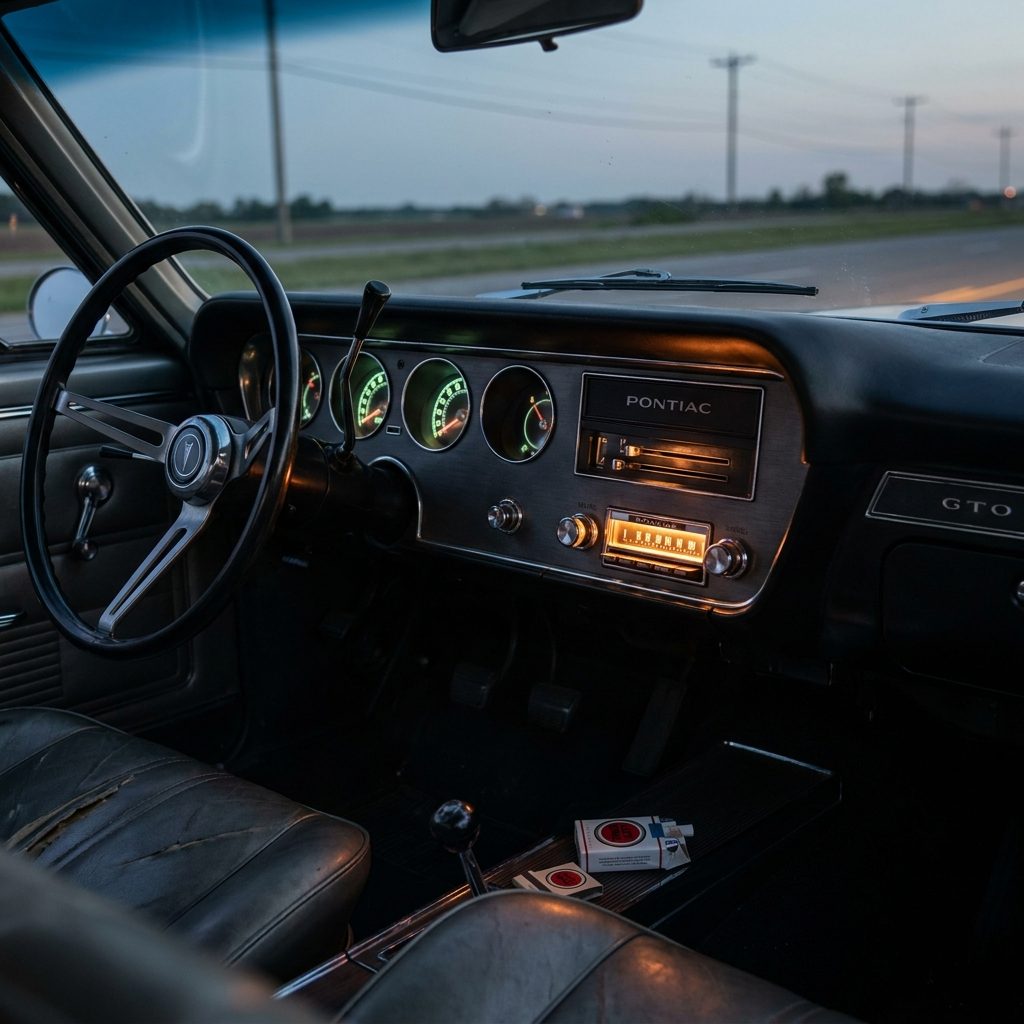
WLS Chicago on a clear Friday night could reach a car in Indiana, Ohio, Michigan, half of Wisconsin. The signal skipped off the ionosphere and came down wherever it wanted. You’d be driving a 1965 Chevelle on a two-lane with the windows down and suddenly Otis Redding was right there, filling the whole interior, coming through a three-inch speaker behind the dash that had no business sounding that good.
The factory AM radio in a muscle car cost about $65 as an option. The sound was thin and distorted and completely alive. Streaming audio is cleaner than anything that speaker could have produced. It also has never once felt like that.
24. The Sales Floor Where a 22-Year-Old Could Actually Afford the Fast One
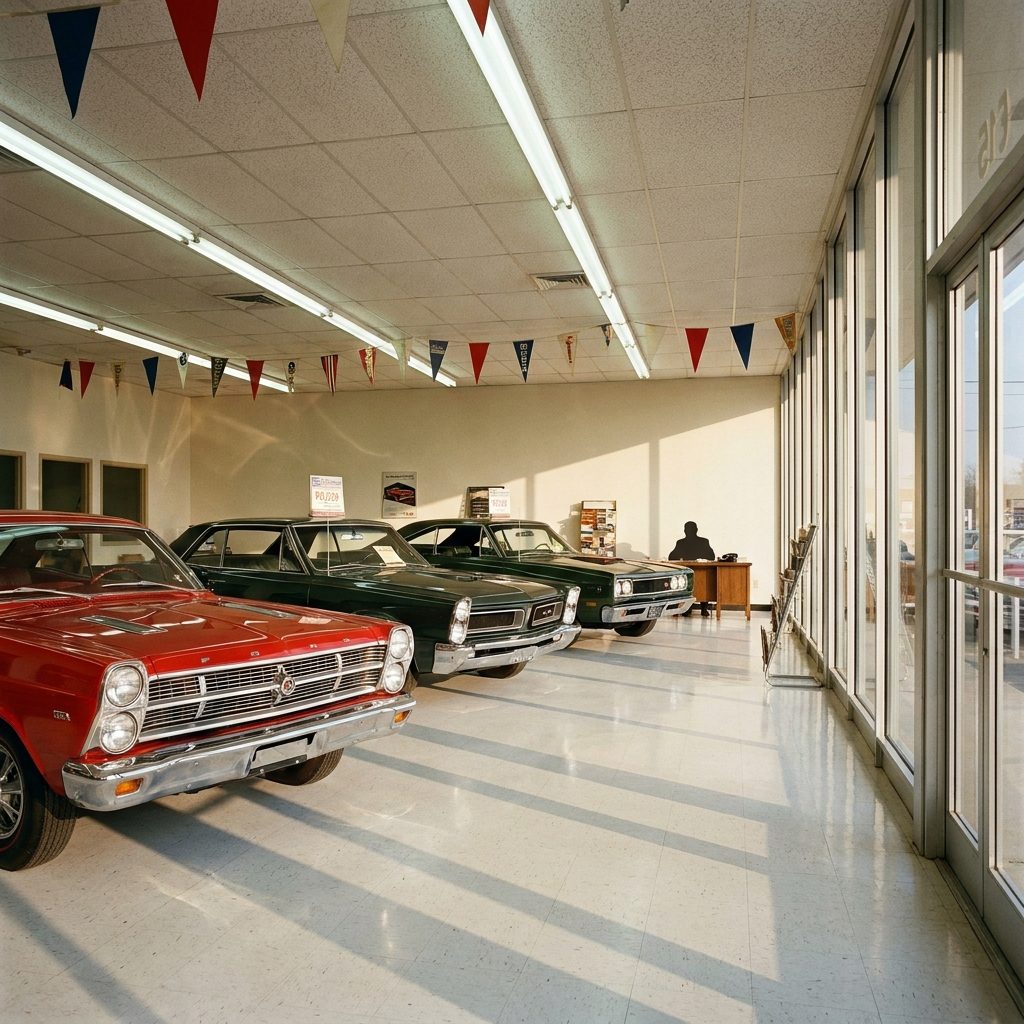
A 1968 Dodge Coronet R/T with the 440 Magnum stickered at $3,379. A 22-year-old with a decent factory job and two years of payments could put one in his driveway. That math hasn’t worked since roughly 1972 and it’s not coming back.
The current Dodge Challenger Scat Pack starts at around $52,000. Adjusted for wages, not just inflation, the original muscle car was accessible to a working-class buyer in a way the modern version simply isn’t. Detroit can reissue the styling and the displacement and the heritage badges. It cannot reissue 1968 wages relative to 1968 prices. That’s the gap no press release closes.
23. The Shade-Tree Mechanic Who Could Rebuild a Carburetor With the Parts Counter Closed
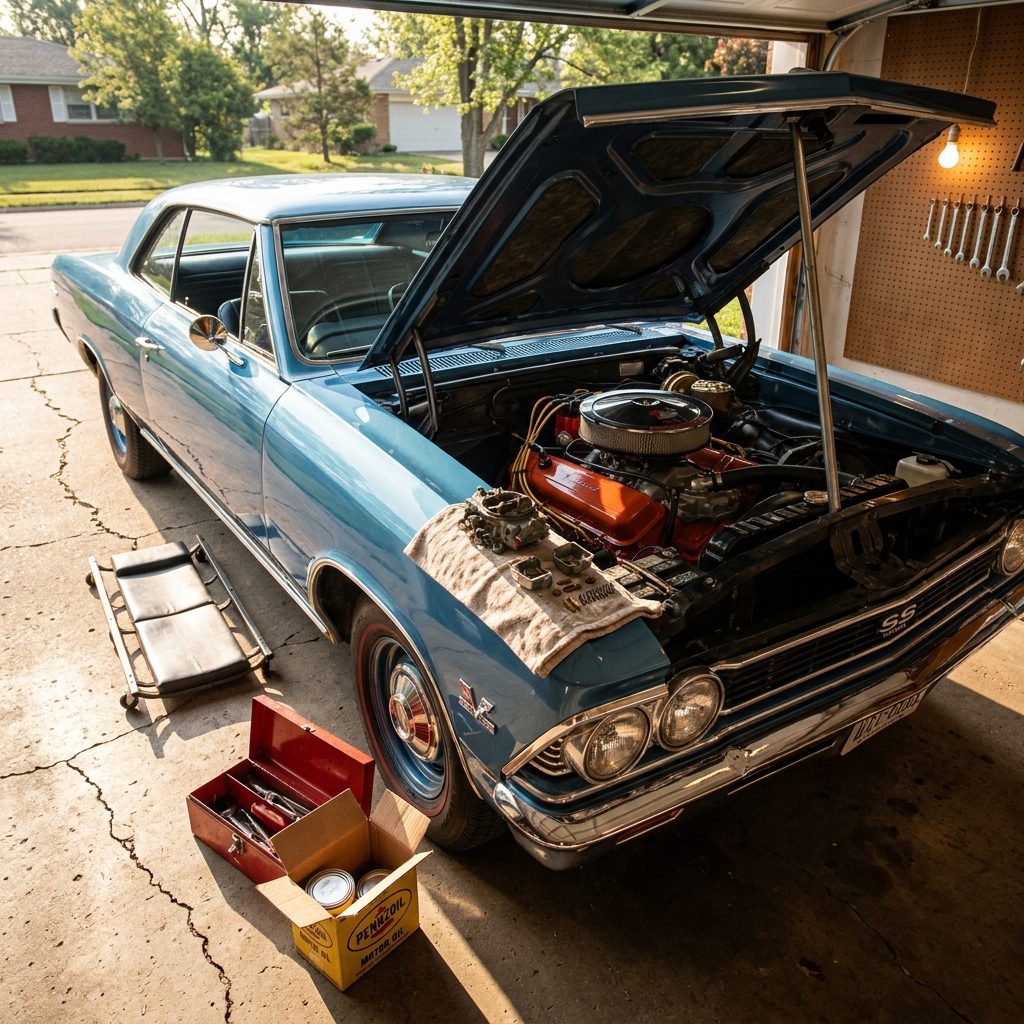
A Holley 4150 double-pumper had a parts list about forty items long. Every one of those parts was available at the NAPA counter for under two dollars, and any mechanically inclined person who’d spent a Saturday afternoon with the carburetor manual from the glove box knew how to clean and re-jet one on the driveway.
The engine under a 1966 Chevelle SS396 had no oxygen sensors, no electronic control modules, no CAN bus. It had a points ignition, a mechanical fuel pump, and a carburetor that rewarded patience and a basic rebuild kit. That accessibility created a generation of owners who understood their cars from the inside out. Modern performance engines are faster in every measurable way and almost completely opaque to anyone without a factory scan tool.
22. The Color Palette That Assumed You Wanted People to See You Coming
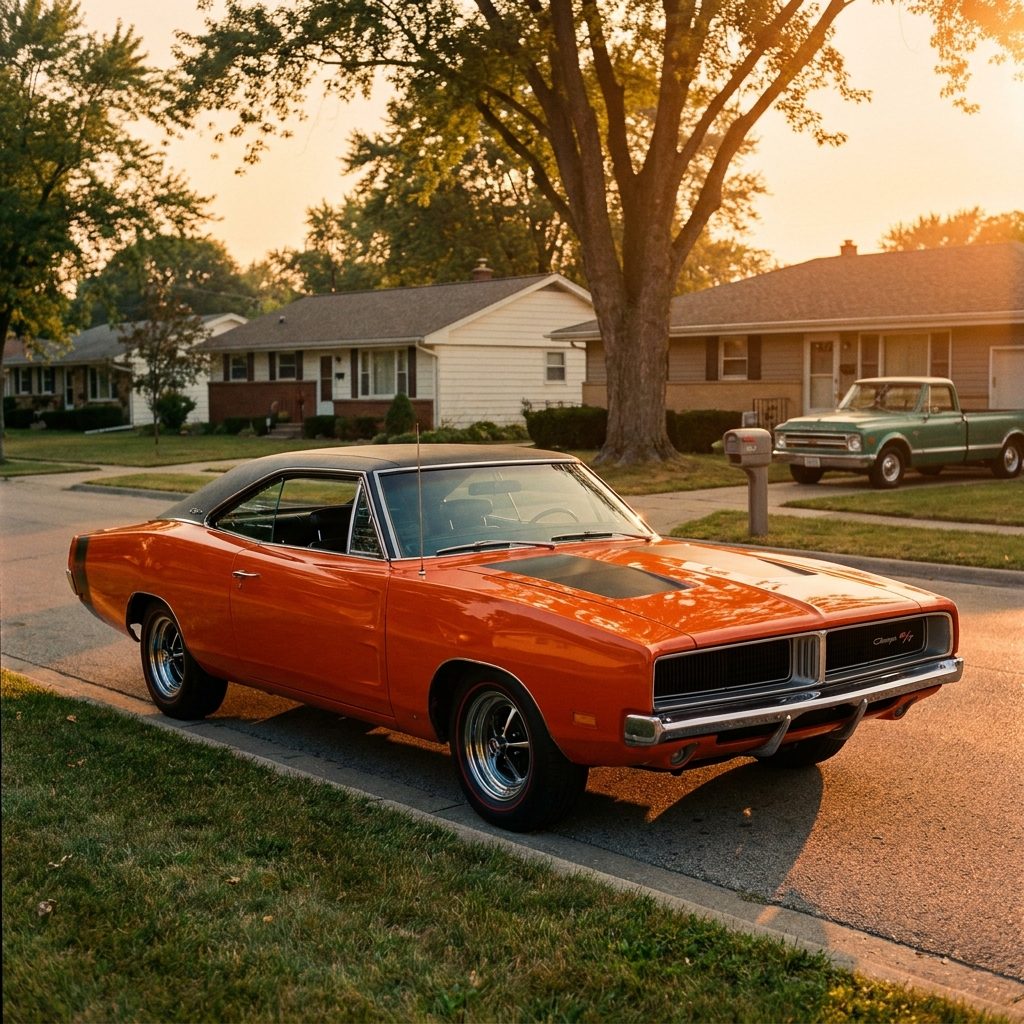
Hemi Orange. Plum Crazy Purple. Citron Yella. Corporate Screaming Yellow. Rallye Green. In 1969 and 1970, Dodge and Plymouth introduced a series of High Impact colors that had no precedent in American automotive history and haven’t been matched since. These were not subtle. They were the opposite of subtle. They were the color equivalent of a car clearing its throat loudly in a quiet room.
The reasoning was pure sales logic: a Dodge Charger in Plum Crazy sitting on a dealer’s lot stopped traffic. Literally. People slowed down to look, pulled in, and sometimes bought. The color was the advertisement.
Today’s performance cars come in Magnetic Gray and Pitch Black and maybe, if you’re adventurous, a blue that photographs dark silver. The industry decided at some point that restrained was aspirational. The 1969 model year would like a word.
21. The Gas Station That Handed You a Road Map and a Glass Bottle of Coke Without Asking
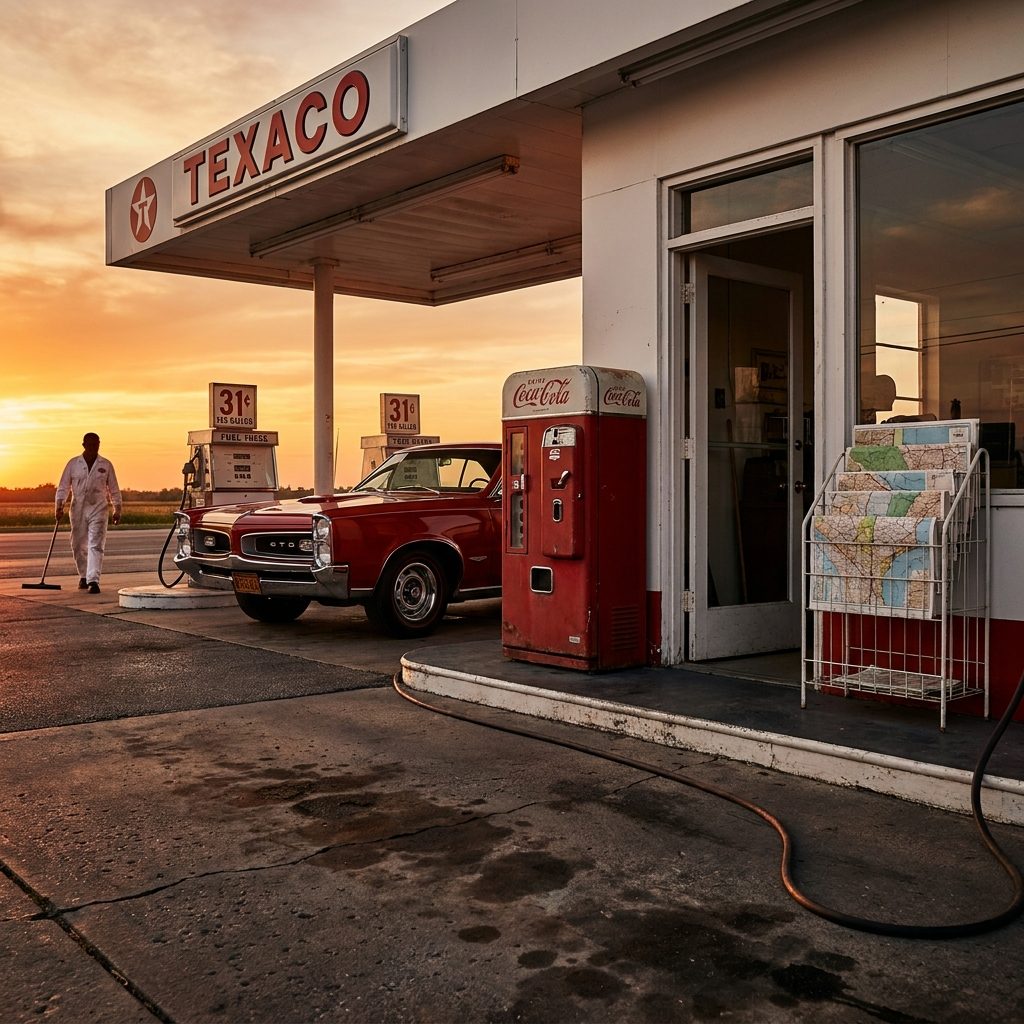
Nobody drove a muscle car in the 1960s without eventually pulling into one of these. The bell dinged when you rolled over the air hose, and a guy in coveralls walked out already reaching for the pump handle — didn’t ask regular or premium, because he’d seen you last Tuesday and remembered.
He checked your oil without prompting. Squeegeed the windshield while the tank filled. Handed you a glass bottle of Coca-Cola from the machine by the door, the one with the chrome opener bolted to its side. You stood on the oil-stained apron drinking it, watching heat shimmer off that long hood, and for thirty seconds nothing in the world needed doing.
The road-map rack by the register held every state you might want to reach by Friday. Free. Take one. Nobody tracked your route or monetized the trip. You just folded it wrong, crammed it into the glove box on top of six other badly folded maps, and figured it out at the next intersection. That was navigation.
20. The Column Shifter That Made Every Stoplight a Three-Act Play
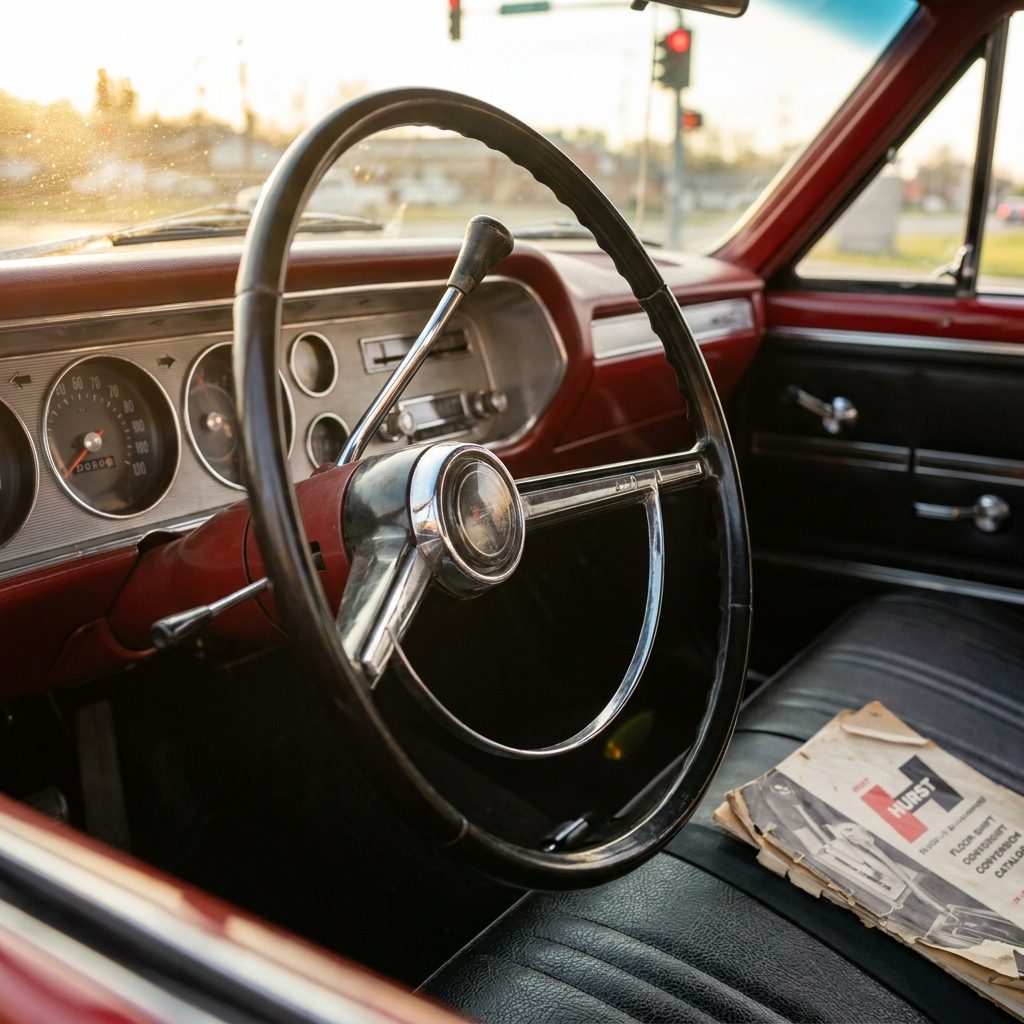
Three on the tree. That chrome lever on the steering column demanded a specific wrist motion nobody could teach you — you just had to feel it. First was down and toward you, second up and away, third up and toward you again, and if you missed it you got a noise from the transmission that made your father wince clear across the yard.
Here’s what made a column-shifted muscle car interesting at a stoplight, though: the choreography. Clutch in, rev it, wait for green, dump the clutch, and row through the gears while your right hand crossed your body like a boxer throwing combinations. Sure, the guy beside you with a Hurst four-speed on the floor had the mechanical advantage. But he didn’t have the arm workout. And he didn’t have the same excuse when he lost — “column shift, man” covered a lot of sins.
19. The Drive-In Movie Where the Speaker Crackled and Nobody Cared What Was Playing
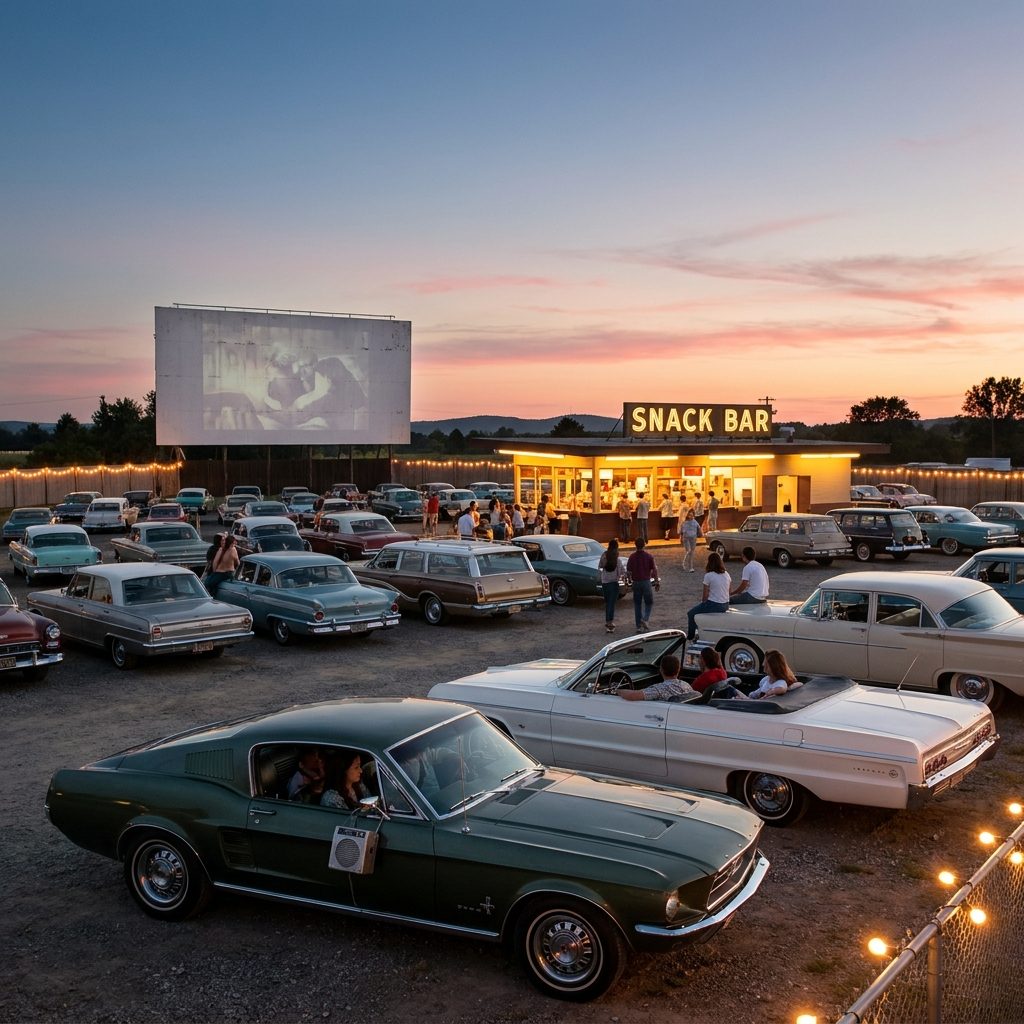
That metal speaker box weighed about two pounds and sounded like a tin can full of angry wasps. You hung it on the window glass and hoped — prayed, really — it wouldn’t scratch the paint on your new Mustang. It always scratched the paint.
The movie was secondary. Everyone knew that. The drive-in was where a muscle car became living-room furniture — you backed in so people could see the front end, left the hood up if you’d done anything worth showing underneath, and walked the rows between features sizing up what everybody else brought. Kind of a car show that served popcorn. Terrible popcorn, actually, the kind that tasted like the bag itself, but nobody complained because complaining meant missing five minutes of whatever was happening three cars over where somebody had just fired up a 396 and the whole lot went quiet to listen.
18. The Classified Ad in the Back of Hot Rod Magazine That Could Change Your Whole Summer
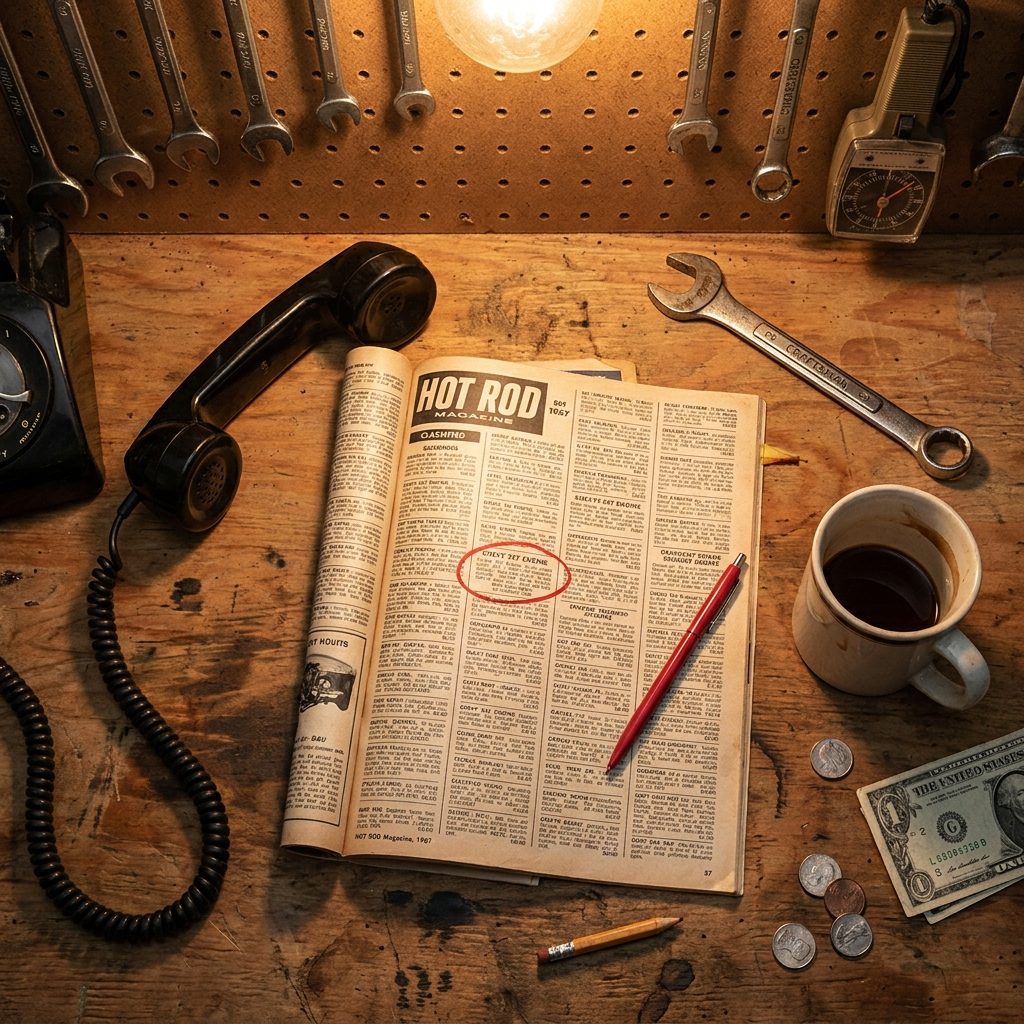
Before the internet made every car findable in four seconds, there was this: six-point type in the back pages of Hot Rod, maybe eighty words if the seller was generous. “1966 Chevelle SS 396, 4-speed, posi, runs strong, needs paint. Call after 6.” No photos. No CarFax. No twenty-angle gallery shot on somebody’s manicured lawn. You read those words and your pulse shifted gears on its own.
So you called from the kitchen phone. The guy described the car while his dog lost its mind in the background. You drove forty-five minutes on a Saturday morning, found it in his driveway, kicked the tires — literally, the way your uncle taught you — listened to it idle, and either shook hands or drove home staring at the road trying not to think about it.
The whole deal ran on trust and the ability to hear a lifter tick at twenty paces. Got this wrong more than once myself. Paid for an education I didn’t want. But that was the tuition back then.
17. The Warranty That Covered Almost Nothing and the Engine That Lasted Forever Anyway
Would you like to save this?
The warranty card that came with a 1960s muscle car was a gorgeous piece of fiction. Twelve months or twelve thousand miles — whichever came first — and the exclusions ran longer than what was actually covered. Race the car? Warranty void. Swap a jet in the carburetor? Void. Basically glance at it with competitive intent? Also void.
Didn’t matter.
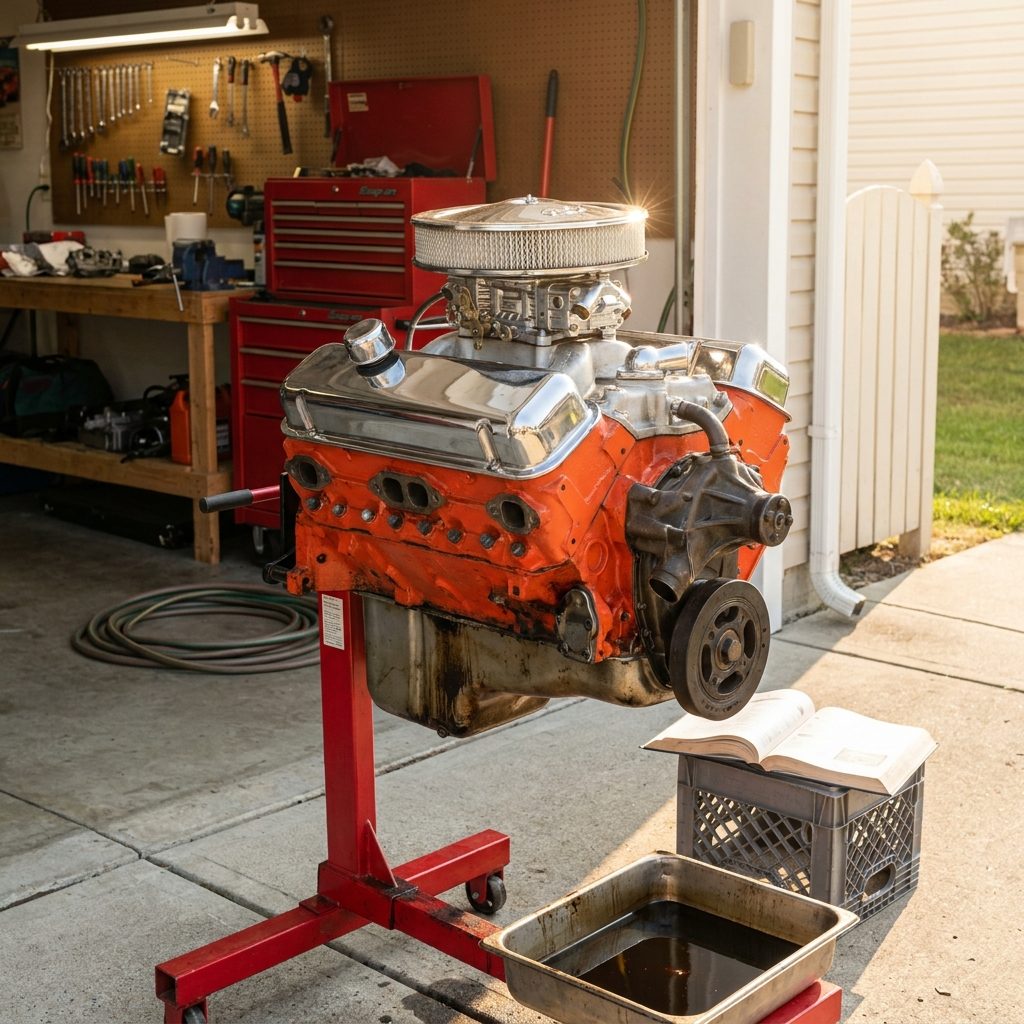
A 1967 big-block Chevy 427 was a cast-iron monument that happened to make ferocious horsepower. Those blocks were so overbuilt, so thick-walled and absurdly heavy, that they survived abuse no modern powertrain would forgive: missed oil changes, questionable fuel, fifteen-year-olds who believed neutral drops were a legitimate launch technique. The engineering assumed someone would try to break it. It assumed wrong, mostly.
Half a century later, those same blocks sit on engine stands in garages everywhere, getting rebuilt one more time by guys whose knees hurt worse than the bearings. The warranty expired decades ago. The iron? Still going.
16. The Dealer Showroom Where the Salesman Let a Teenager Sit Behind the Wheel Just to Hear the Engine Turn Over
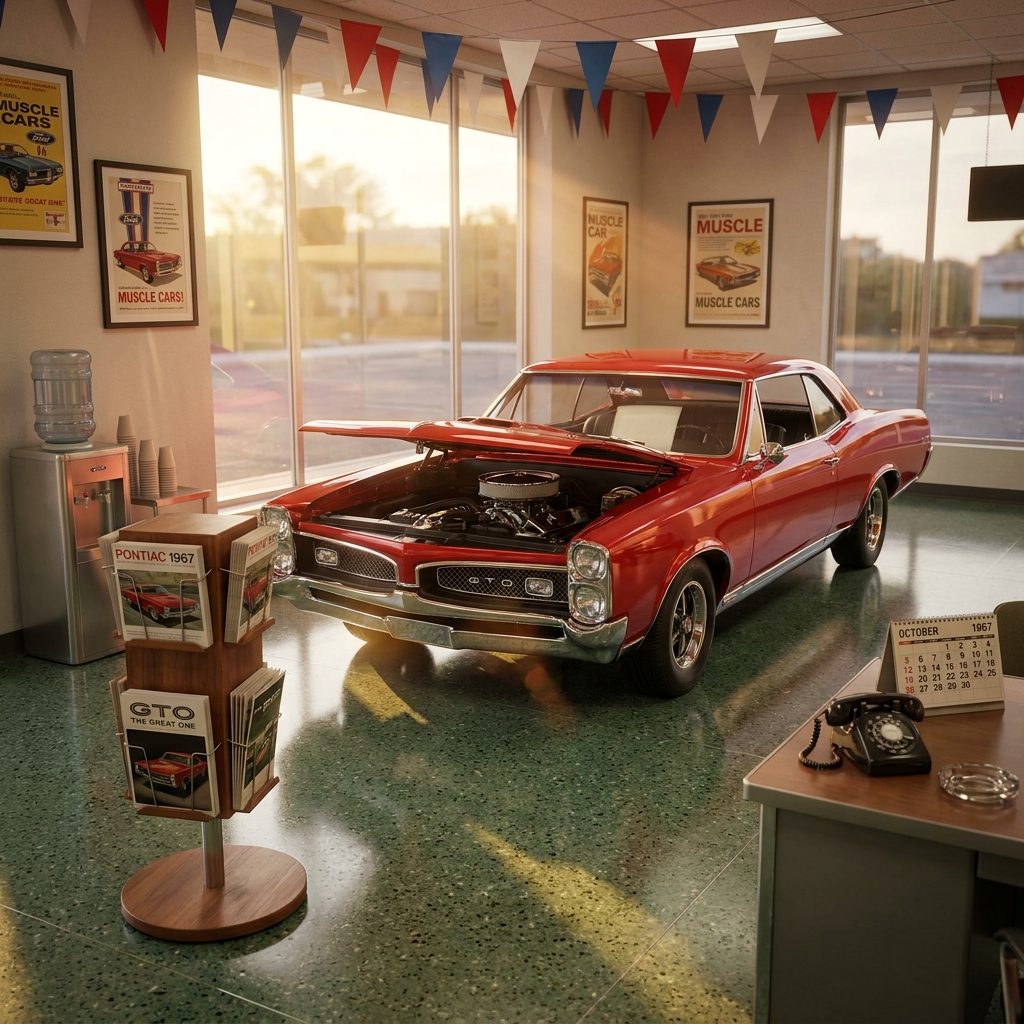
Nobody was buying anything — everybody in the room understood that. A sixteen-year-old walked in wearing cut-off jeans and sneakers, and the salesman waved him over anyway, told him to sit in the bucket seat, turned the key himself so the kid could feel the 389 shake the steering column.
Dealerships in the sixties operated open-door. Cars sat there with the windows down. You could touch the vinyl, work the Hurst shifter through the gates, stare at the tach until somebody’s dad wandered in to actually negotiate. The salesman knew exactly what he was doing — that kid would be back in six years with a paycheck and a memory that wouldn’t let go.
15. The Insurance Rate That Hadn’t Caught Up Yet

A nineteen-year-old could insure a 360-horsepower car for roughly what you’d pay on a station wagon. Sounds invented. It isn’t.
Insurance actuaries in the early sixties hadn’t built separate rate tables for high-performance vehicles. A Pontiac GTO got classified the same as a Tempest sedan because, on paper, it was one — the underwriters priced based on body style, not what lurked under the hood. By 1968 that party was winding down fast. By 1970 the rates had caught up so brutally they strangled entire model lines. But for a few golden years the math hadn’t found the muscle car, and that gap between paperwork and pavement made everything possible.
14. The Factory Engineer Who Raced on Weekends and Brought Monday’s Data Back to the Drawing Board
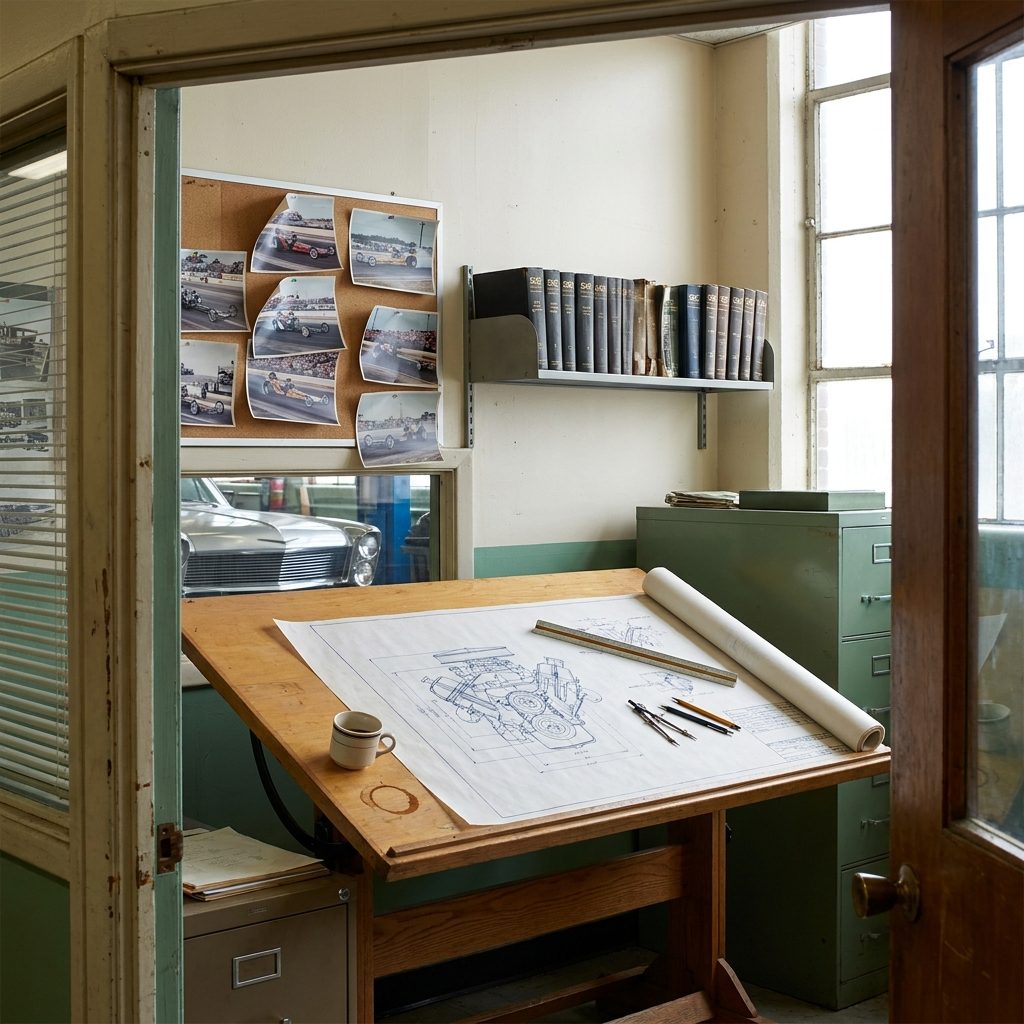
The line between factory and drag strip? Didn’t exist in any meaningful way. Engineers at Pontiac, Ford, and Chrysler spent Saturday with stopwatches at the strip and Sunday rewriting intake manifold specs. Monday morning those revised specs fed straight into production vehicles regular people could buy off the lot.
No corporate program with approvals and liability reviews sanctioned this. It was guys who loved cars and happened to have access to a dyno and a parts budget — an arms race driven by personal obsession rather than focus groups. Every horsepower gain on the quarter-mile found its way into the next model year’s brochure, sometimes within weeks.
Try explaining that workflow to a modern compliance department. They’d need a long moment.
13. The Tire Smoke at the Friday Night Stoplight That Served as a Complete Social Media Platform
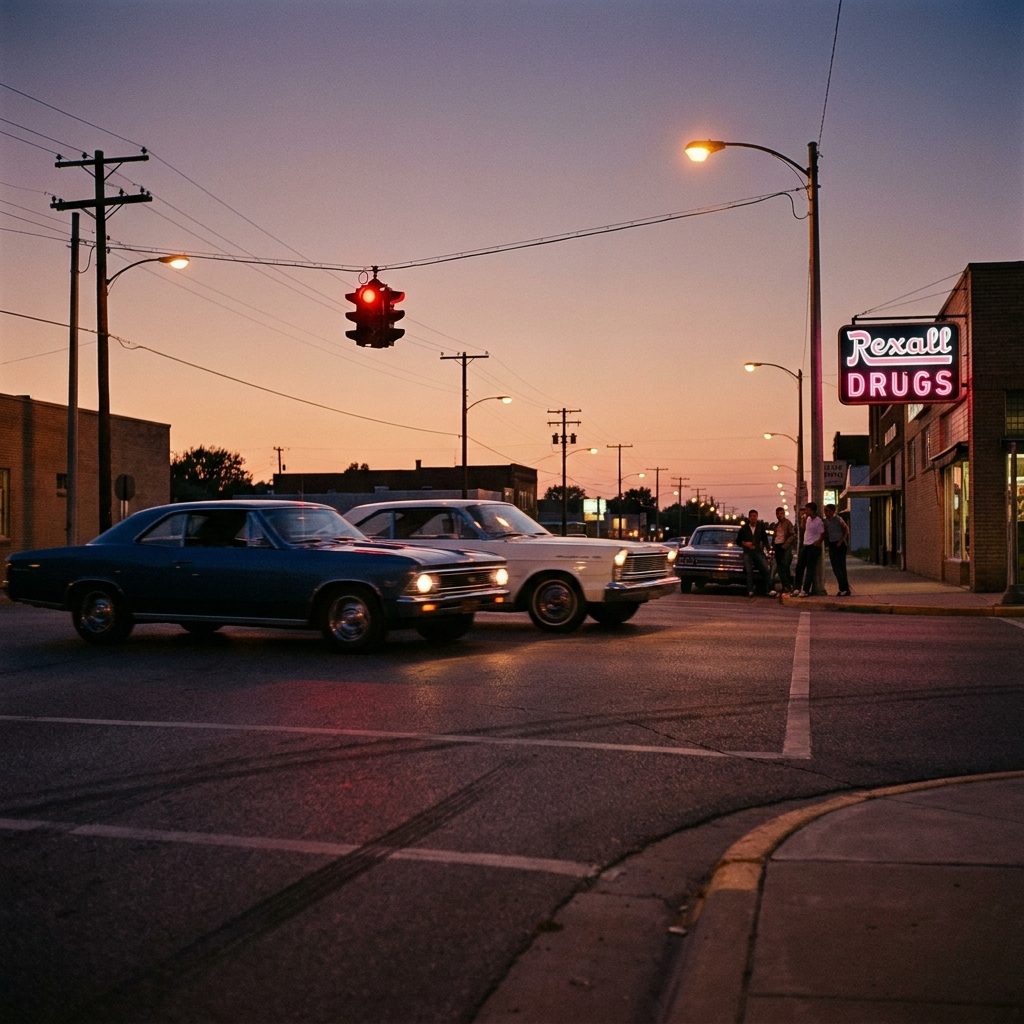
Word traveled fast without traveling through anything. You didn’t need a platform — just a stoplight and a set of rear tires willing to sacrifice themselves.
Somebody lit them up on the green at Main and Third, and by Saturday morning every kid at the A&W knew what happened, who was driving, what gear finally hooked. The information network ran on shoe leather and parking lots. The content was a twelve-second burst of noise and white smoke, and frankly that was more than enough to build or wreck a reputation for the whole summer. Nobody archived it, nobody shared it to a timeline. It just lived in the retelling, getting a little louder and a little faster each time — which, honestly, made it better.
12. The Factory Drag Strip That Came Standard With Every Invoice
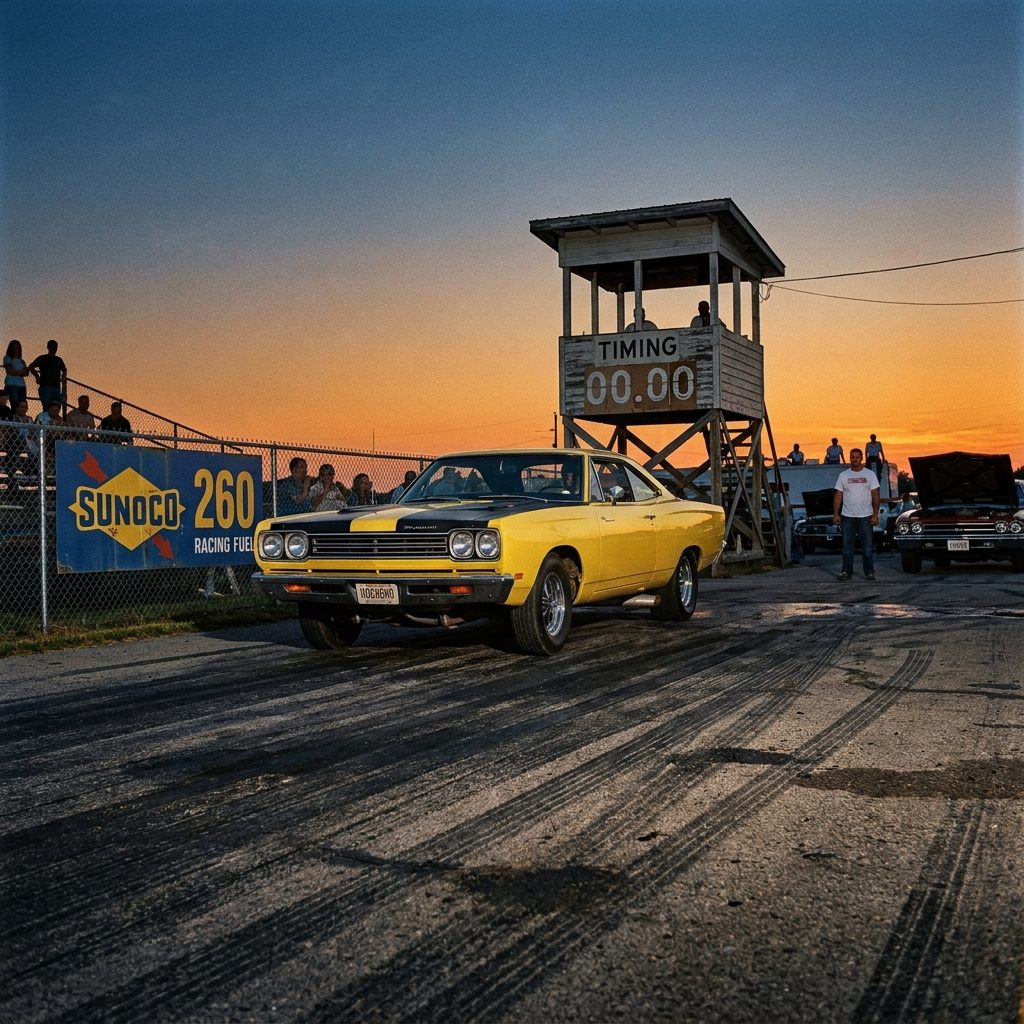
The factory window sticker on a 1968 Plymouth Road Runner listed the base price at $2,896. What it didn’t list, but what every buyer understood, was that Chrysler had already sorted the quarter mile before the car left the factory. The Road Runner’s 383 four-barrel was tuned for low-end torque, the suspension was stiffened for launches, and the tires were specified so the car hooked up on street asphalt. No track prep required. No aftermarket parts. You drove it off the lot and ran twelves.
Detroit’s engineers in that era ran their own cars on weekends. They weren’t designing for a focus group. They were designing for themselves, and they knew exactly what mattered at the Christmas-tree lights. That knowledge doesn’t live in a corporate engineering brief. It lived in the people, and those people are gone.
11. The Owner’s Manual That Told You How to Adjust Your Own Valves Like That Was a Normal Thing to Expect
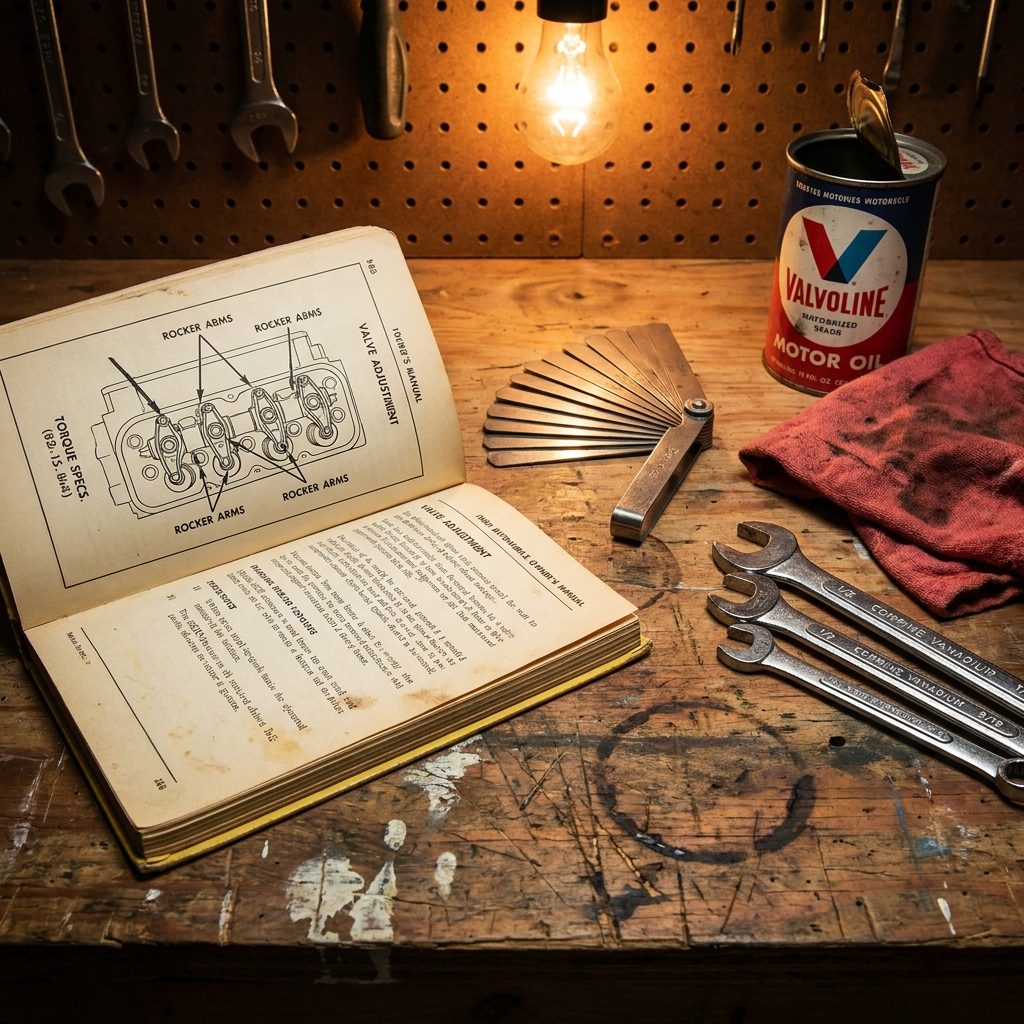
Page forty-seven. Right between “how to set your ignition timing” and “recommended break-in procedure for new piston rings.” The manual assumed you owned a feeler gauge, knew what a rocker arm was, and could handle a valve lash spec measured in thousandths of an inch on a Saturday afternoon with the car parked in your own driveway. No appointment necessary. No dealer involved.
The manufacturer assumed the person who bought the car could also work on it. That single assumption rippled through everything — how engines were laid out, how parts got distributed, how dealerships staffed their service bays. Ownership meant participation. You weren’t handed a product and told to call someone when the light came on. You were handed a set of tools, metaphorically speaking, and often literally.
10. The Dealer Parts Bin Where You Could Order a Street Car With a Race Engine and Nobody Blinked
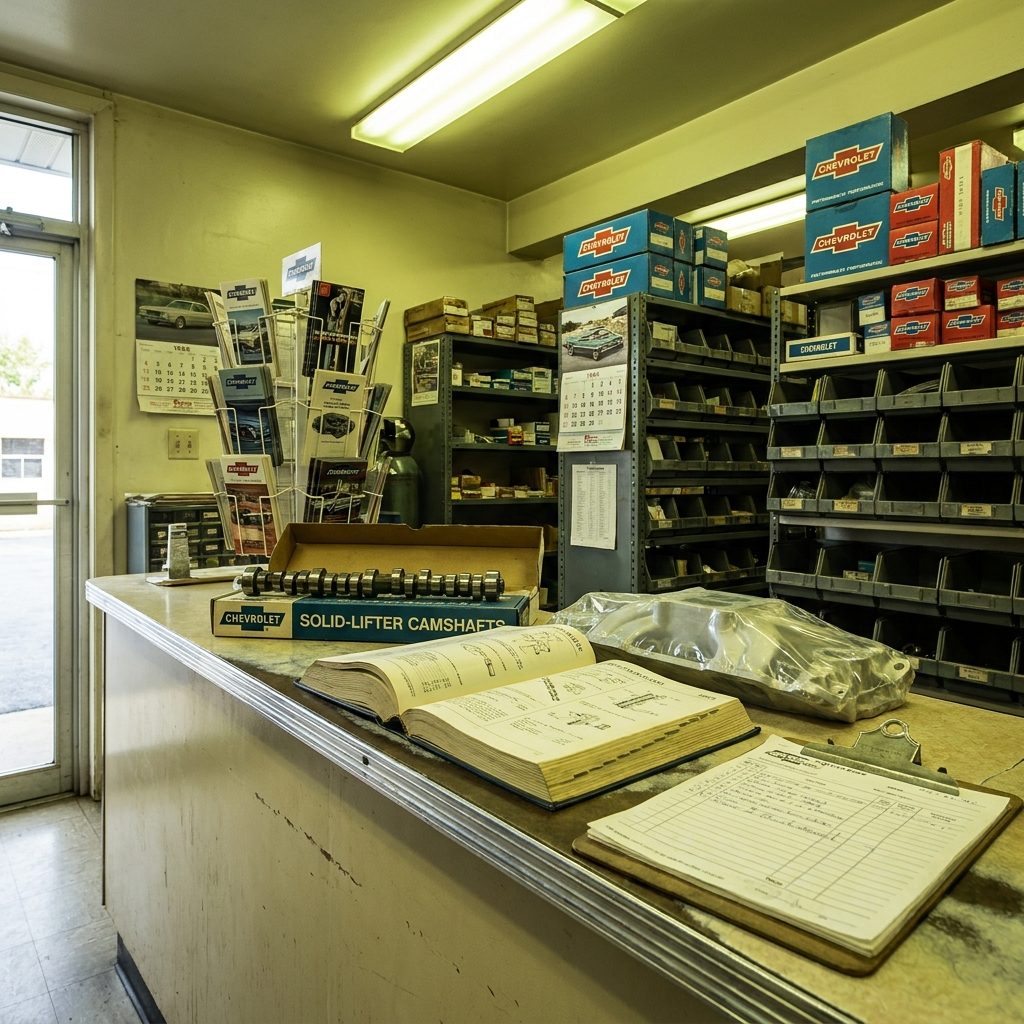
You could walk into a Chevrolet dealer in 1966, fill out a parts order form, and spec a 427-cubic-inch L72 solid-lifter engine for your Corvette. Factory. Warrantied. The same block they were running at Daytona, and the parts guy didn’t ask what you planned to do with it — he just looked up the part number and wrote it down.
Pontiac did it. Mopar did it. Ford’s parts counter would sell you a 427 SOHC cammer engine like it was a set of spark plugs. Your local dealership was the speed shop. Your salesman was your co-conspirator.
Try calling a dealer today and ordering a hand-built race motor for your sedan. You’ll get transferred three times and then disconnected. The parts bin that made the muscle car era wasn’t a loophole — it was the whole business model.
9. The Complete Absence of Lawyers Between the Engineer’s Pencil and the Customer’s Ignition Key
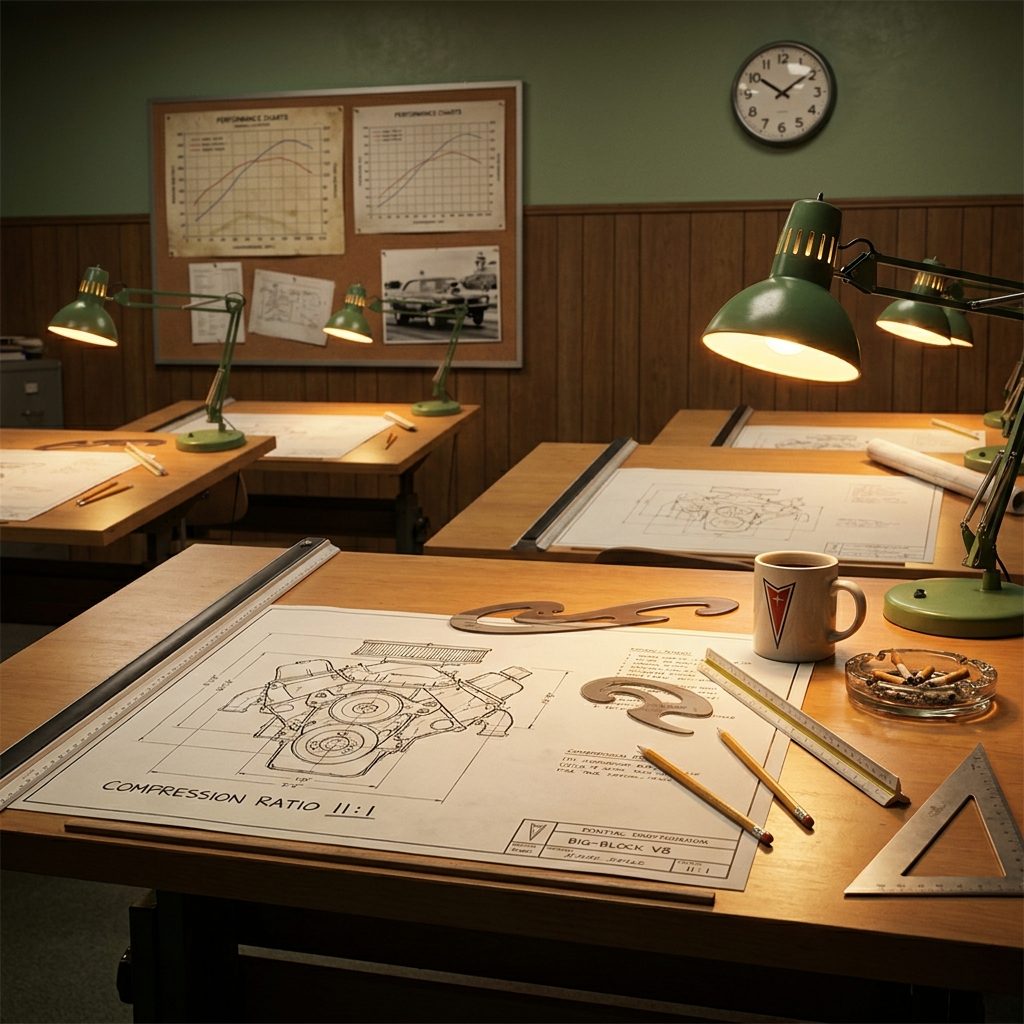
The distance between an idea and a production vehicle was shockingly short. An engineer at Pontiac could sketch a ram-air induction system on Tuesday, dyno-test it Thursday, and have it approved for production before the quarter ended. No focus groups. No committee of liability attorneys reviewing the torque curve for lawsuit potential. No federal crash-test protocol dictating hood height.
John DeLorean pushed the GTO through by listing a 389 V8 as an option package on the Tempest, sidestepping GM’s own displacement policy for intermediate cars. In today’s regulatory framework? That’s a firing and a congressional subpoena.
8. The Teenager With a Socket Set and a Weekend Who Could Actually Make the Car Faster
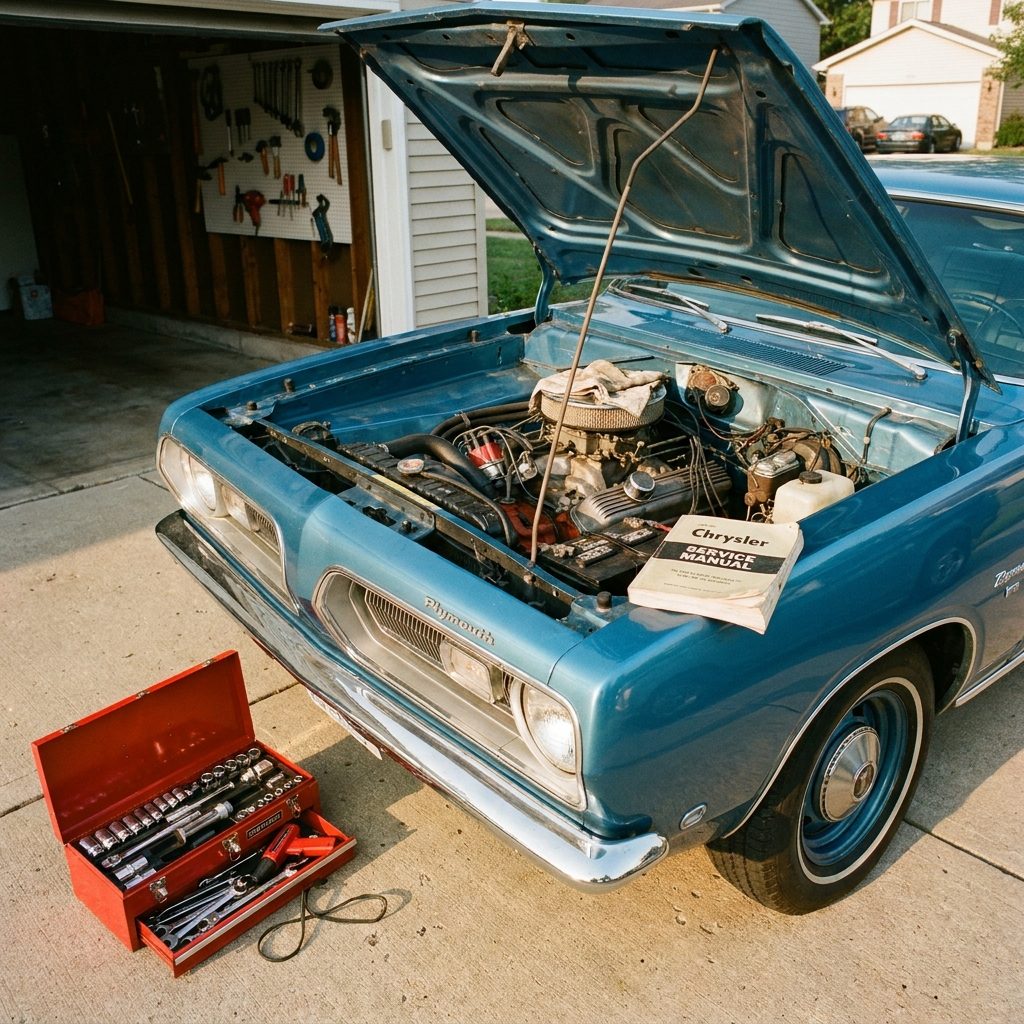
No computer. No wiring harness with forty-seven connectors. No electronically controlled variable valve timing that demands a dealer scan tool just to diagnose a misfire. A 1967 small-block Mopar had a carburetor, a distributor, a set of points, and an engine bay you could practically climb into.
A kid with a Craftsman socket set, a timing light, and a Saturday could swap a cam, re-jet the carb, bend the distributor curve, and pick up serious horsepower before dinner. The engineering was mechanical, visible, and comprehensible to anyone who could read a service manual and owned a feeler gauge. The car invited you in. It practically dared you to make it faster.
Modern engines squeeze more power per liter — nobody’s arguing that. But they’re sealed systems serviced by certified technicians running proprietary software. The 1960s muscle car was the last era where the owner and the machine spoke the same language, and I’m not sure we’re getting that back.
7. The Horsepower War That Had No Treaty and No Armistice, Just Bigger Cubes Every Spring
Would you like to save this?
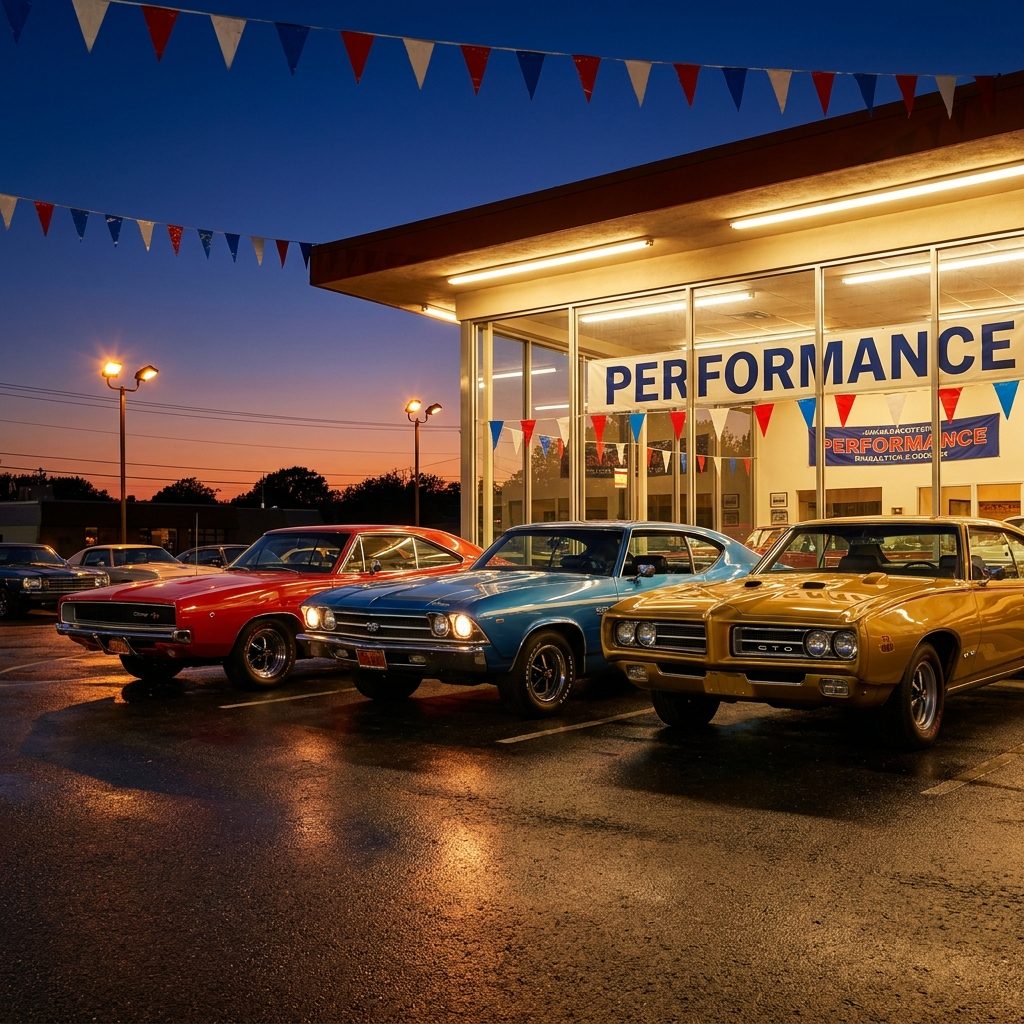
Every spring brought a new salvo. Pontiac drops a 400. Chevrolet answers with a 427. Chrysler fires back with the 440 Six Pack. Ford builds the 428 Cobra Jet. Then Plymouth straps a Hemi into the Road Runner, prices it cheap enough to terrify the insurance industry, and dares everybody to keep up.
No coordination. No emissions target throttling the race. No corporate sustainability pledge capping displacement. Each division operated like a separate country with its own arms budget, and the only metric anybody cared about was the quarter-mile time printed in the next issue of Car Life.
I say this knowing full well a modern Hellcat makes more power than any of them. But that’s beside the point. Five manufacturers escalating simultaneously, no regulatory ceiling, no shared platform strategy, no adult in the room suggesting that maybe enormous horsepower in a cheap car is enough — there is no corporate structure left in Detroit that would tolerate that kind of gorgeous, reckless arms race. We’re poorer for it.
6. The Showroom Window Where a Car’s Sheet Metal Was Designed to Start an Argument
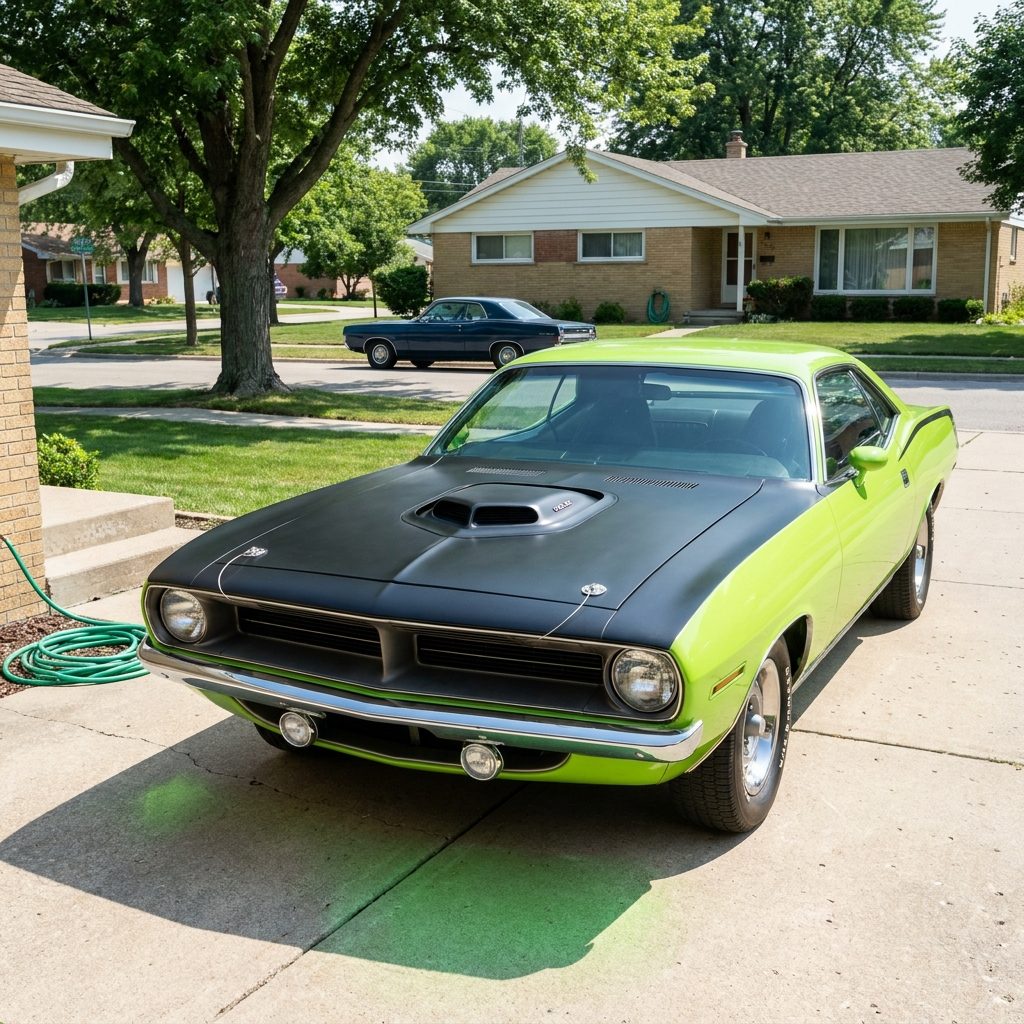
Plum Crazy. Grabber Blue. Go Mango. Panther Pink. Sublime green. Burnt Orange. These weren’t colors chosen by committee — they were open hostility toward the beige order of the American suburb.
The sheet metal matched that attitude. Hood scoops that actually functioned. Fender gills that breathed. Rear spoilers that announced something about the owner before the engine even fired. A 1970 Plymouth ‘Cuda in Lime Light with the shaker hood didn’t blend into traffic. It was drawn, intentionally and with some glee, to refuse blending.
Modern muscle cars look good. Some of them look genuinely great. But they’re shaped in wind tunnels and refined by the same computational fluid dynamics software used across every platform in the lineup. The 1960s muscle car came from a designer with a clay model and a mandate: make someone’s pulse change when this thing rolls past on a Saturday afternoon.
That mandate doesn’t survive today’s product-development cycle. The lawyers whittle it. Then the aerodynamicists. Then the cost analysts. By the time the clay reaches production, it’s been negotiated into something everyone can live with — which, I’d argue, is just another way of saying something nobody actually cares about. Agreeable design is forgettable design.
5. The Dealer Lot Where Every Car Sounded Different at Idle and You Could Tell Them Apart With Your Eyes Closed
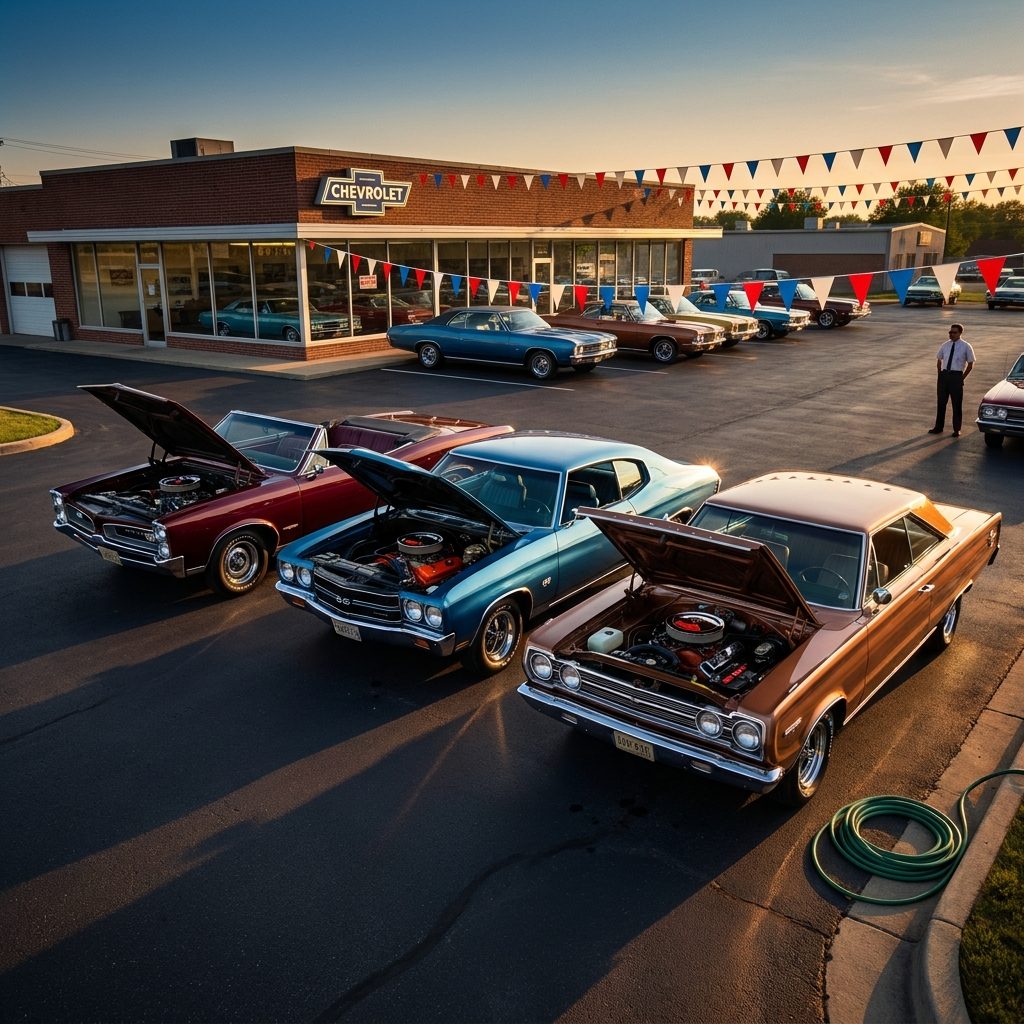
Walk a modern dealer lot and every engine sounds like a sewing machine muffled behind layers of sound-deadening material. In 1966, you could stand at the curb and name what was idling by ear alone — the big-block Chevelle had a lumpy, impatient shake at the stoplight, the 389 GTO burbled like something alive and irritated about sitting still, and a Hemi had that mechanical clatter underneath the rumble. Expensive-sounding, because it was expensive.
Each engine carried its own voice. Solid lifters ticked. Hydraulic lifters didn’t. A big cam made the idle rough and the exhaust note jagged, like the engine was arguing with itself over how many cylinders needed to fire at once. You didn’t need a spec sheet — you needed ears and maybe a cigarette to lean against the fender with while you listened.
4. The Bench Seat That Turned a Coupe Into a Living Room and a Date Into a Shared Experience
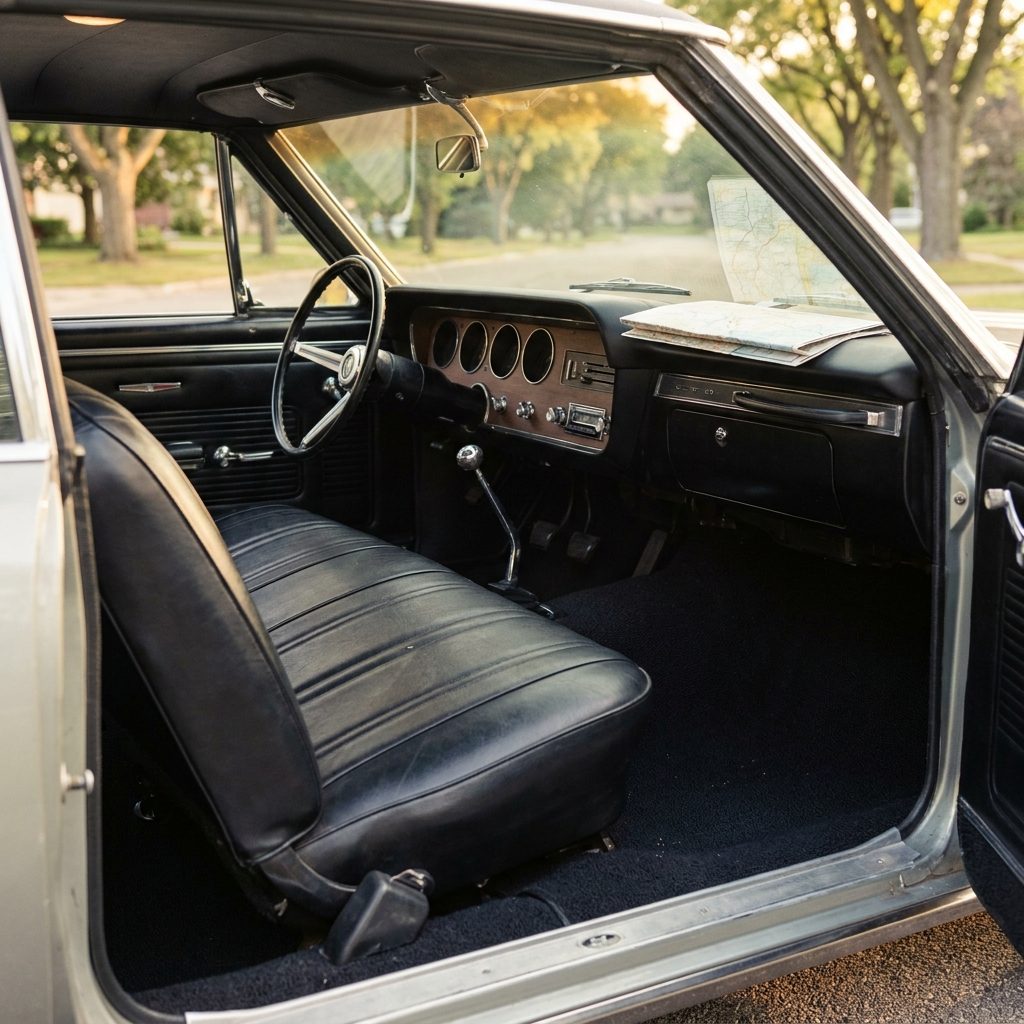
No console. No armrest divider. No cup holders creating a demilitarized zone between driver and passenger. A 1960s muscle car bench seat was a single unbroken surface of vinyl or cloth running door to door, and the person beside you could actually be beside you.
Your date slid across that vinyl until her shoulder touched yours. Your buddy rode shotgun close enough to change the radio without leaning — three people fit in the front if somebody didn’t mind the column shifter bumping a knee. It was furniture, honestly. More sofa than seat.
Bucket seats arrived as a performance option, crept toward standard equipment, and eventually killed the bench. With it went that casual geography of closeness. A center console stuffed with charging cables and loose change doesn’t replace it. Nothing does.
3. The Hood Scoop That Actually Fed Air to the Engine Instead of Just Sitting There Looking Tough
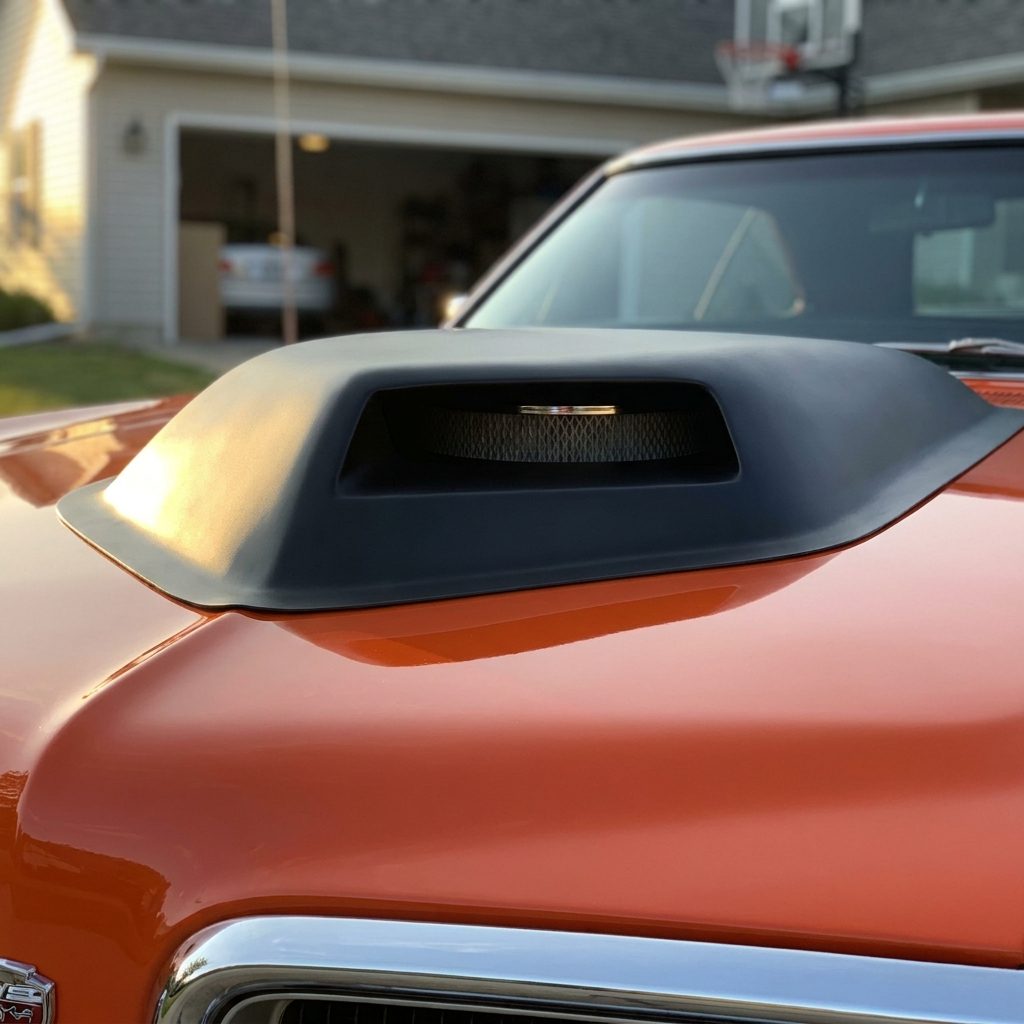
A functional hood scoop is a hole in the hood of your car. Deliberate. Sealed to the air cleaner with a rubber gasket, open to the sky, ramming cold outside air straight into the carburetor at highway speed. The ’69 Ram Air GTO had one. So did the Six Pack 440, the Hemi ‘Cuda, and half a dozen others. These weren’t styling exercises. They were plumbing — industrial, unsubtle, and slightly reckless in that 1960s way where nobody worried much about water intrusion during a downpour.
Cold air is denser, and denser air makes more power. That was the entire engineering pitch, and it required cutting a hole in the body panel that keeps rain off your engine. Nobody convened a focus group about it. Somebody with a carburetor and a stopwatch said “more air” and grabbed the tin snips.
2. The Rivalry Between Ford and Chevy That Made Thanksgiving Dinner a Contact Sport
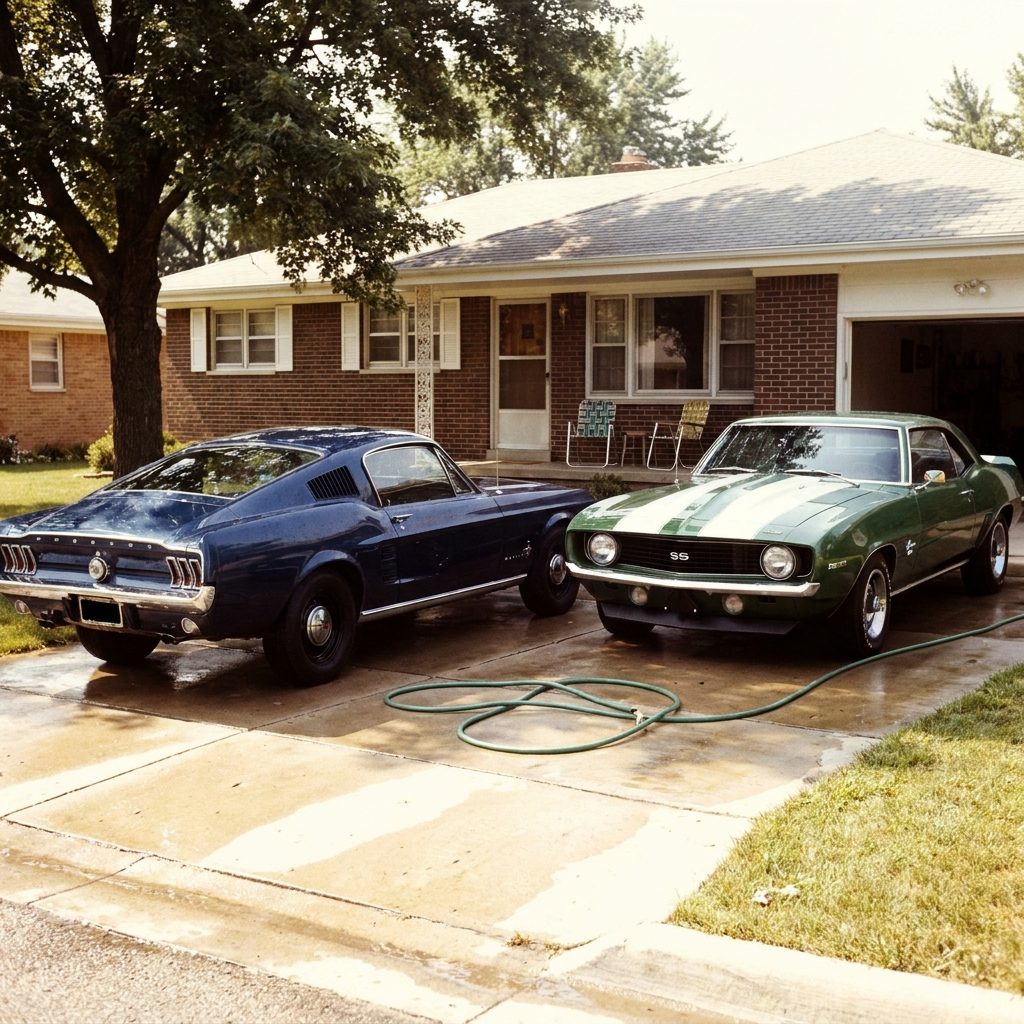
Brand preference? No. This was bloodline. You were a Ford family or a Chevy family, and the allegiance ran through generations like jaw structure or a stubborn habit of burning hamburgers. Brothers-in-law parked next to each other on holidays and the driveway turned into a courtroom exhibit. Nobody was converting anybody. Nobody was trying.
The factories made it worse — or better, depending on which side of the driveway you stood on. Ford crammed 427 cubic inches into a Fairlane, Chevy matched it in the Chevelle, Pontiac got irritated and dropped a 400 into the GTO, and Plymouth undercut all of them by stuffing a 426 Hemi into a Road Runner that cost less than the competition’s mid-trim packages. Every spring brought a new escalation. Every Thanksgiving brought the same circular argument, louder after a couple of beers, resolved by nothing, and genuinely enjoyed by everyone involved.
The loyalty ran on emotion and experience, not spec sheets. Which is exactly why it lasted.
1. The Absence of Electronic Anything Between Your Right Foot and the Rear Tires
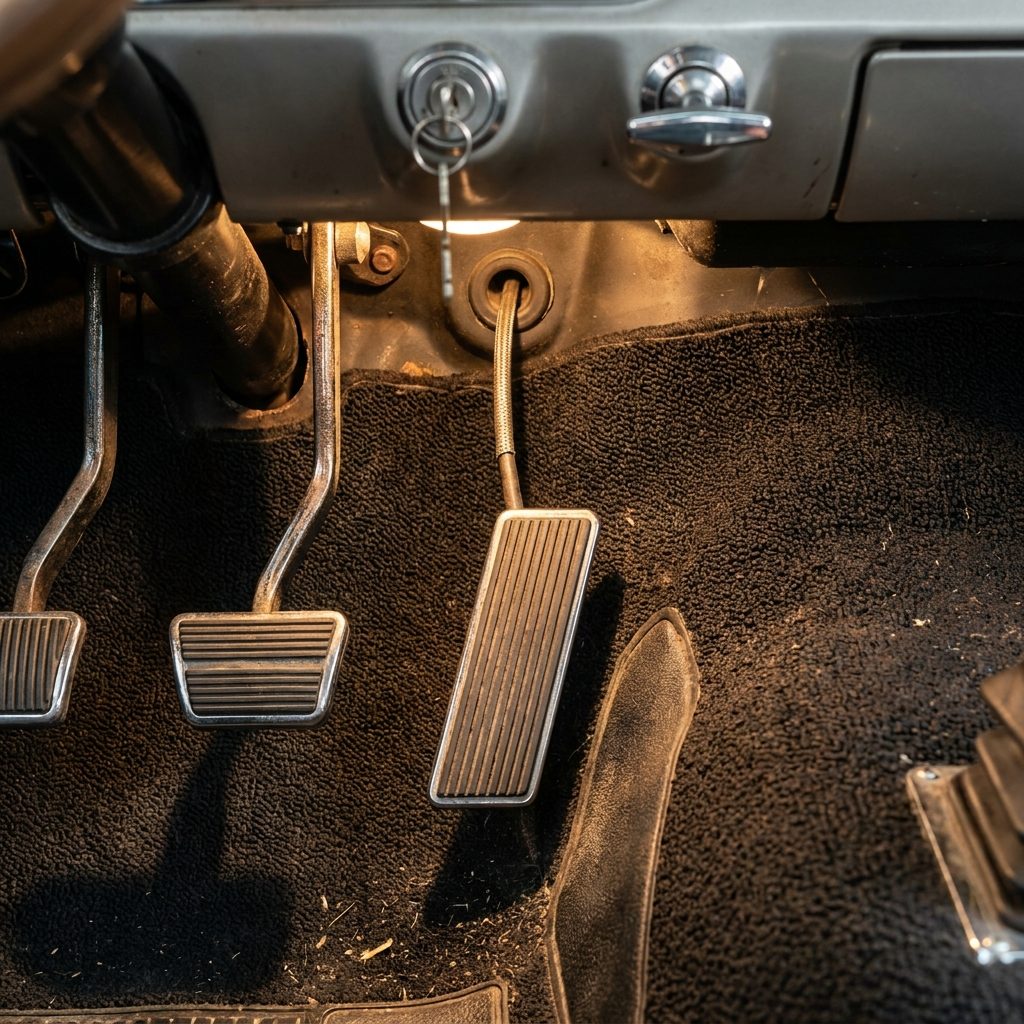
You pushed the gas pedal. A cable pulled the throttle open. The carburetor dumped fuel and the engine responded — and that was it, the entire chain of events, foot to pavement. No computer interpreted your request. No traction control second-guessed your judgment. No stability nanny quietly cut power because some algorithm decided you were about to do something unwise.
The car did what your foot said. Full stop. Including the stupid stuff. Spin the tires on a wet road and the car would happily oblige. Light up the rear end leaving a parking lot and nobody intervened except physics and maybe the guy in the passenger seat white-knuckling the dashboard. That kind of honesty between machine and driver is — I don’t know — hard to explain to someone who’s only driven throttle-by-wire.
Modern performance cars simulate that directness with Sport Mode, Track Mode, Individual Mode, whatever the German engineers have cooked up this quarter. A ’60s muscle car had none of that. It had a throttle cable and your right foot’s own poor judgment.