

Pull the cap off a car that sat all winter and you know the smell. Sour varnish, something turned. Half the panic around ethanol comes from a nose, not a test. Modern pump gas gets blamed for every stall, flood, and weep that shows up on a carbureted engine, and most of that blame lands in the wrong place. The real culprits? Usually old rubber, tired diaphragms, and sealer somebody slapped in forty years ago. Below we separate what actually damages a classic from what people repeat at the parts counter because they heard it once and never bothered to check.
Please note that some of the images in this article were created with the assistance of AI.
38. Myth: E10 Chews Straight Through a Solid Steel Fuel Tank
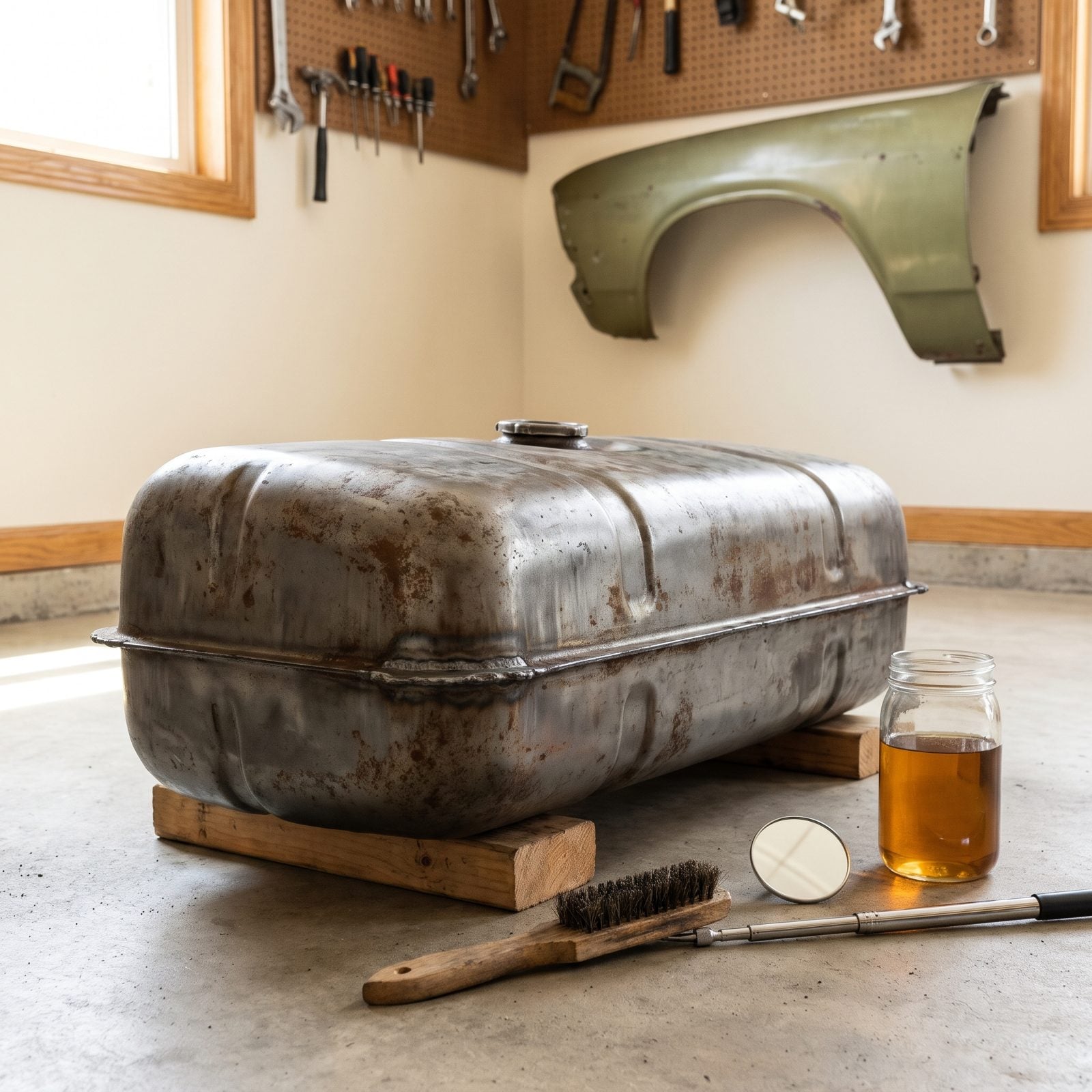
Sound steel doesn’t dissolve because you fed it ethanol. Steel corrodes from water, and ethanol’s real sin is that it attracts and holds moisture. Different problem, different fix.
A tank that rusts out on modern fuel was almost always carrying water already, or sitting half-empty so condensation could work the bare upper walls. Keep the tank full, keep water out, and good steel handles E10 just fine.
37. Fact: Some Vintage Fiberglass Tanks Really Can Soften and Weep
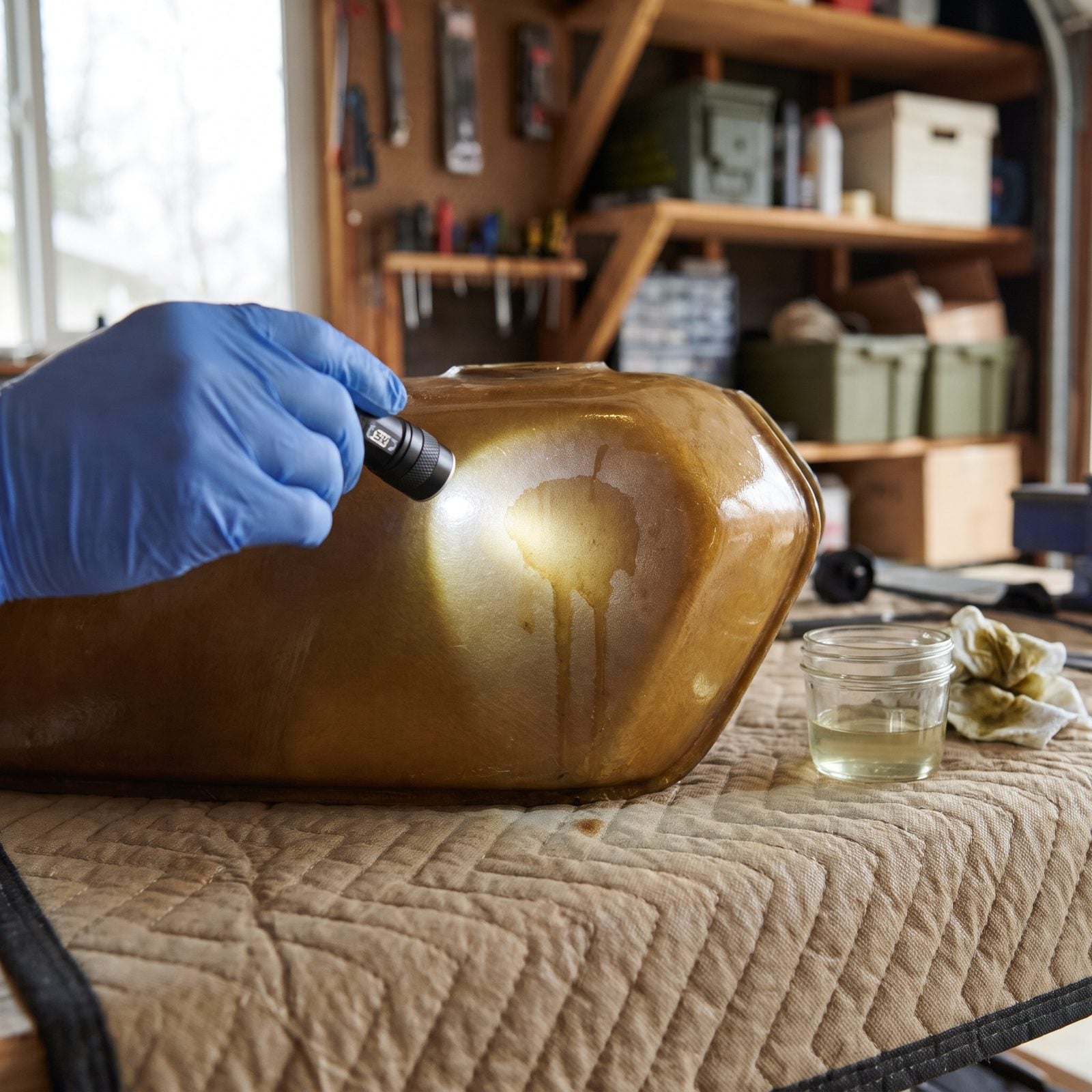
This is where ethanol earns some of its reputation. Certain older fiberglass and resin tanks — common on some kit cars, boats, and a few low-volume classics — used resins that alcohol can attack. The ethanol softens the binder, dissolves a bit of it, and that gunk rides straight into your carburetor.
If your car wears an original fiberglass tank of uncertain age, don’t assume. A modern ethanol-resistant liner or a replacement tank is cheap insurance against a mess that coats every jet you own.
36. Fact: Old Fuel Hoses Swell, Crack, and Shed From the Inside
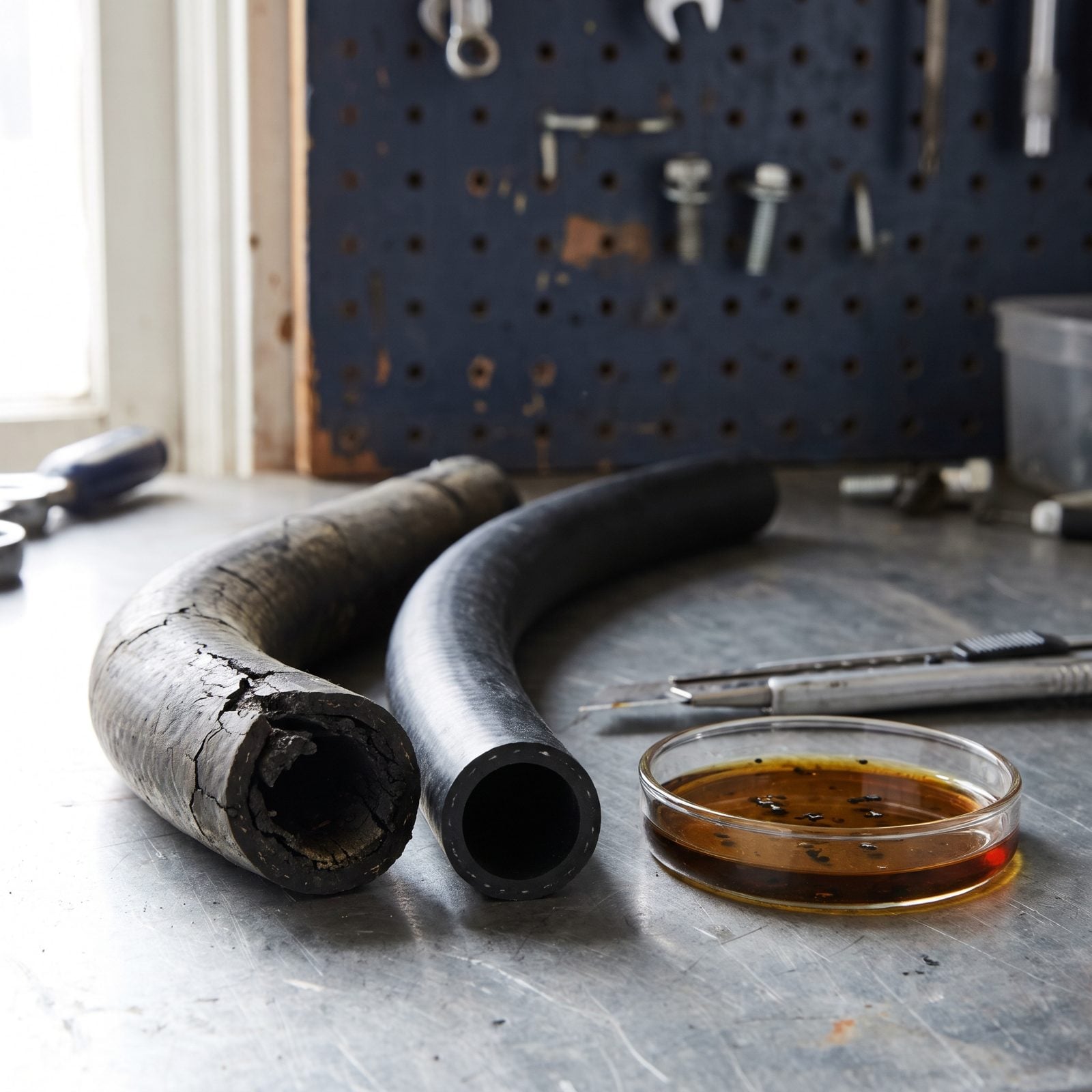
Cut open a forty-year-old fuel hose and you’ll find the real story. Outside, it’s cracked and flaking. Inside, it’s even worse, turning to mush and shedding little black crumbs that travel straight to your filter and float bowl.
Ethanol speeds this up on hose that predates alcohol-rated rubber. And the fix is boring and permanent: replace every soft line with modern fuel-injection-rated hose, even on a carbureted car.
Describing the natural-rubber fuel lines, gaskets and carburetor seals in decades-old cars, an independent auto repair shop says “Over time, the alcohol causes these parts to become brittle, crack, or even turn into a soft, gummy mush. This leads to persistent fuel leaks”
35. Fact: The Mechanical Fuel-Pump Diaphragm Is a Quiet Weak Point
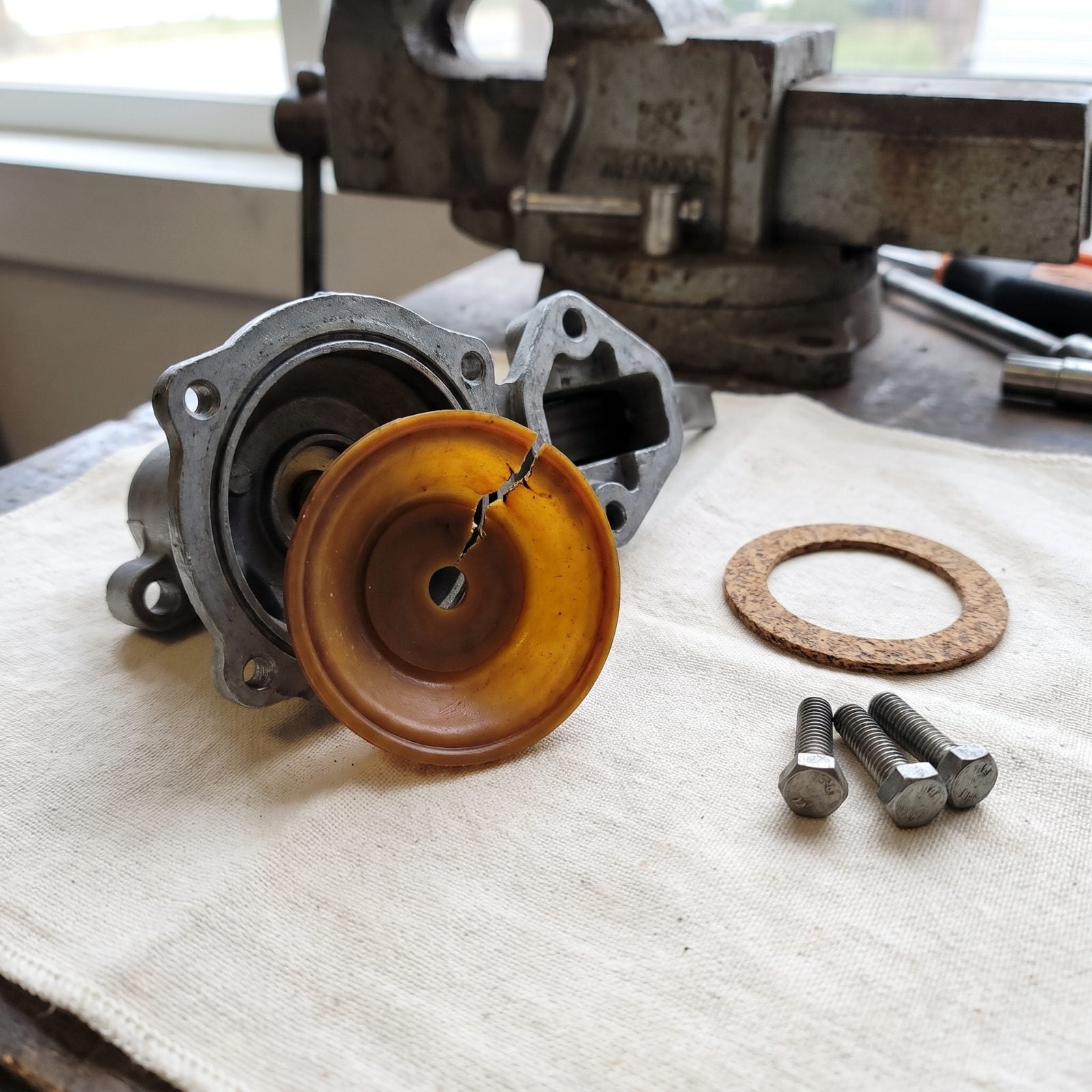
When a car that ran fine last year suddenly starves at speed, the fuel pump diaphragm is a prime suspect. That thin rubber disc flexes thousands of times a minute, and old formulations go stiff and brittle when soaked in ethanol blends.
A failing diaphragm can leak raw fuel into the crankcase, thinning your oil without any obvious drip under the car. Rebuild kits with alcohol-compatible material are cheap. Washing gasoline into your engine oil is not.
Explaining how to diagnose mechanical pumps on classic cars, one engine repair how-to writer notes that “When the internal diaphragm leaks, fuel escapes through the weep hole, to notify the vehicle owner of a problem. This is one of the more common fuel pump problems.”
34. Fact: Accelerator-Pump Diaphragms Demand the Right Material
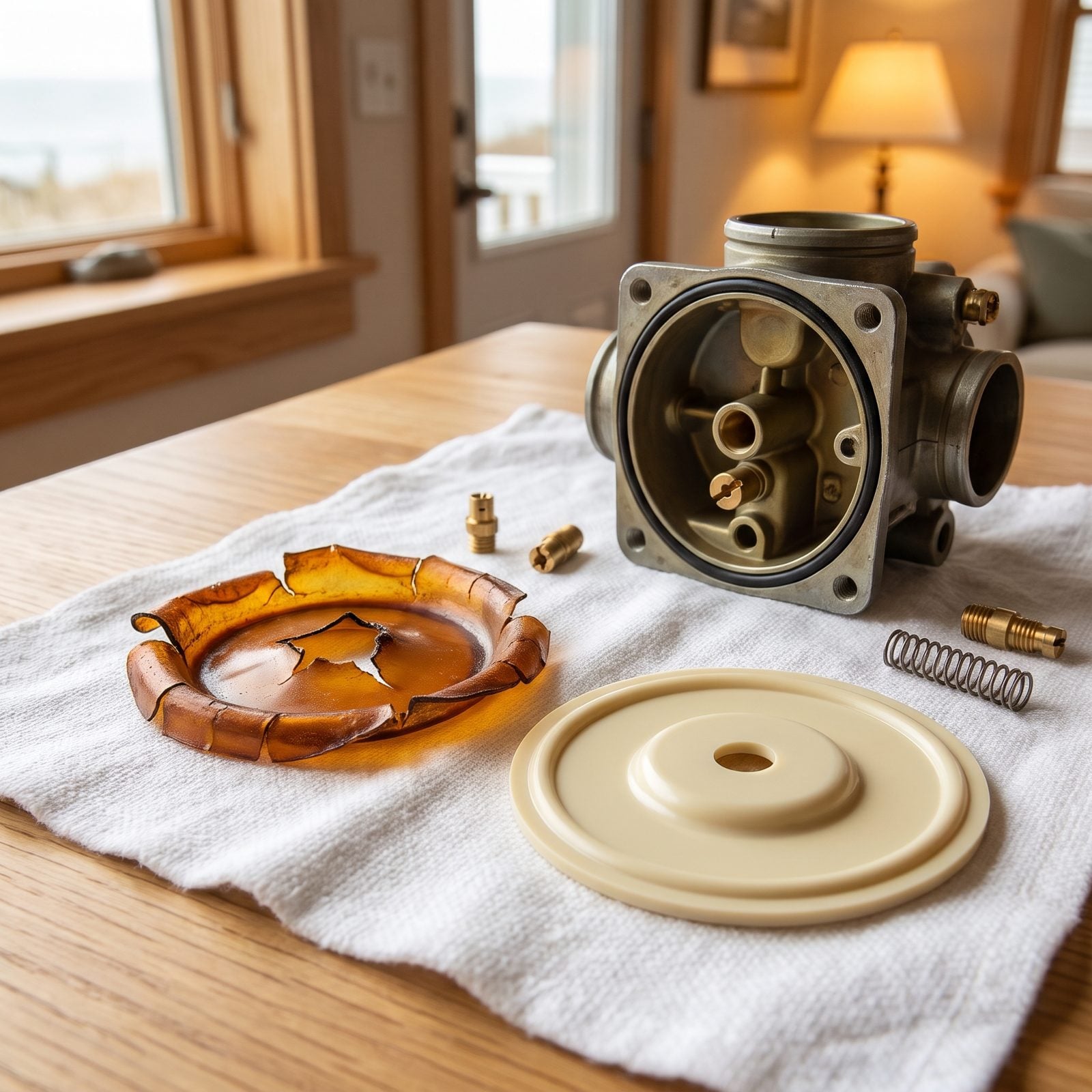
That hesitation off idle, the stumble when you nail the throttle — often it traces back to a tired accelerator-pump diaphragm. It’s supposed to squirt a shot of fuel on demand. Hardened by age and ethanol, the once-flexible rubber can set into a stiff, cracked amber cup. It no longer flexes, it leaks past itself, and the squirt goes weak.
Not all rebuild diaphragms are equal. Buy the kit rated for ethanol service, not the cheapest listing. The wrong material stiffens again fast and you’ll be back inside the carb before the season’s out.
33. Fact: Rubber-Tipped Needle Valves Deteriorate and Flood the Bowl
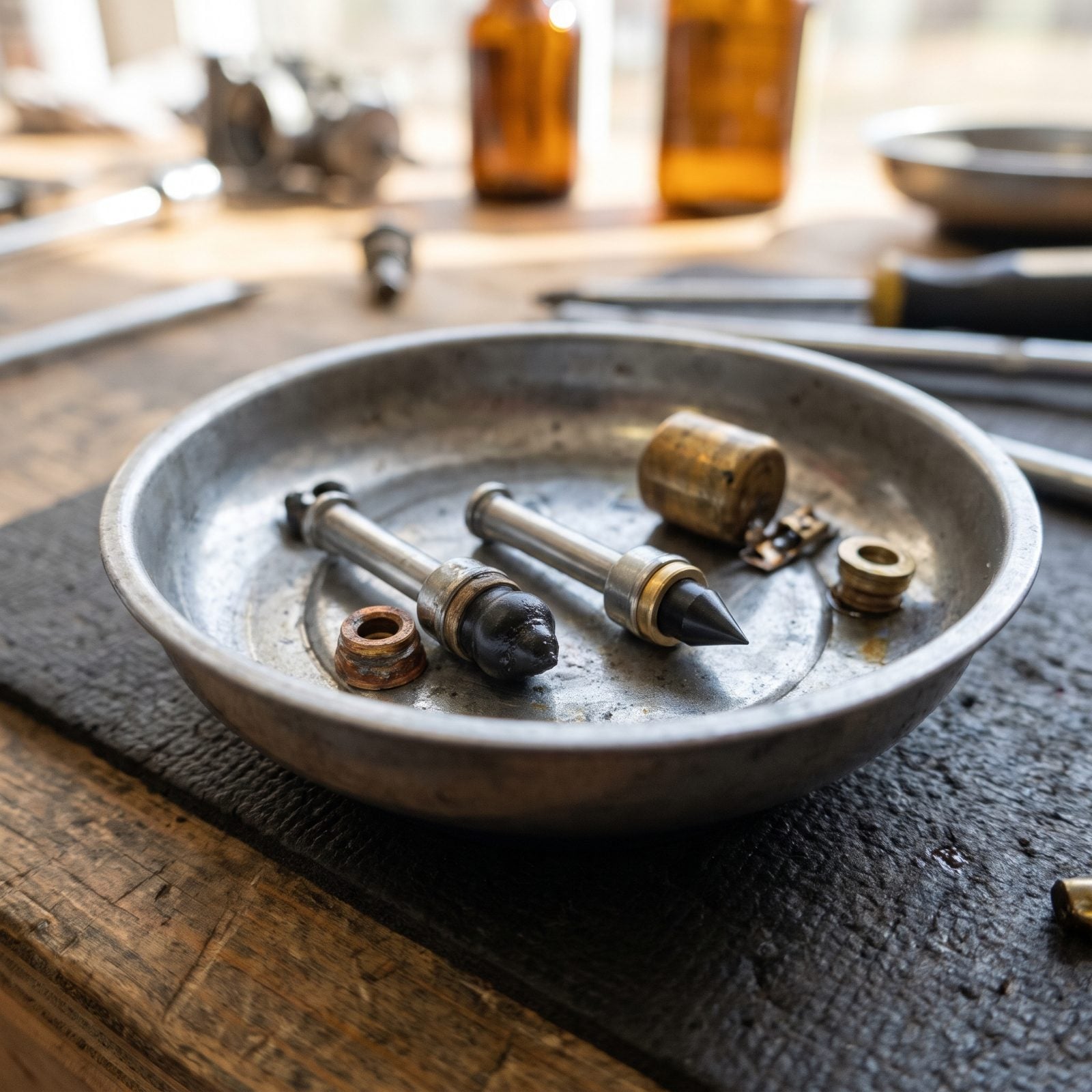
Gas pooling on top of the carb, a strong raw-fuel smell at shutdown, a car that won’t hot-start — classic flooding, and often a deteriorated needle-valve tip. Many vintage carbs used a soft rubber tip to seal against the seat. Ethanol swells it, it stops sealing, and fuel keeps pouring into a bowl that’s already full.
Viton-tipped needle valves solve it. They cost a few bucks more and shrug off modern fuel.
32. Fact: Some Composite Carburetor Floats Soak Up Fuel and Sink

Brass floats rarely betray you. Some early composite and nitrophyl floats are a different animal — soak them long enough in an ethanol blend and they absorb fuel, gain weight, and ride lower than they should. A heavy float raises your fuel level, and then the car runs rich or floods.
Drop a suspect float in a dish of fuel. If it sits low or sinks outright, it’s done. A brass or ethanol-rated replacement ends the argument.
As one marine carburetor rebuilder puts it, “Ethanol attacks nitrophyl over time, causing it to absorb fuel and become waterlogged. A waterlogged float sinks rather than rising with the fuel level”
31. Fact: Old Tank Sealer Peels and Comes Apart on Modern Fuel
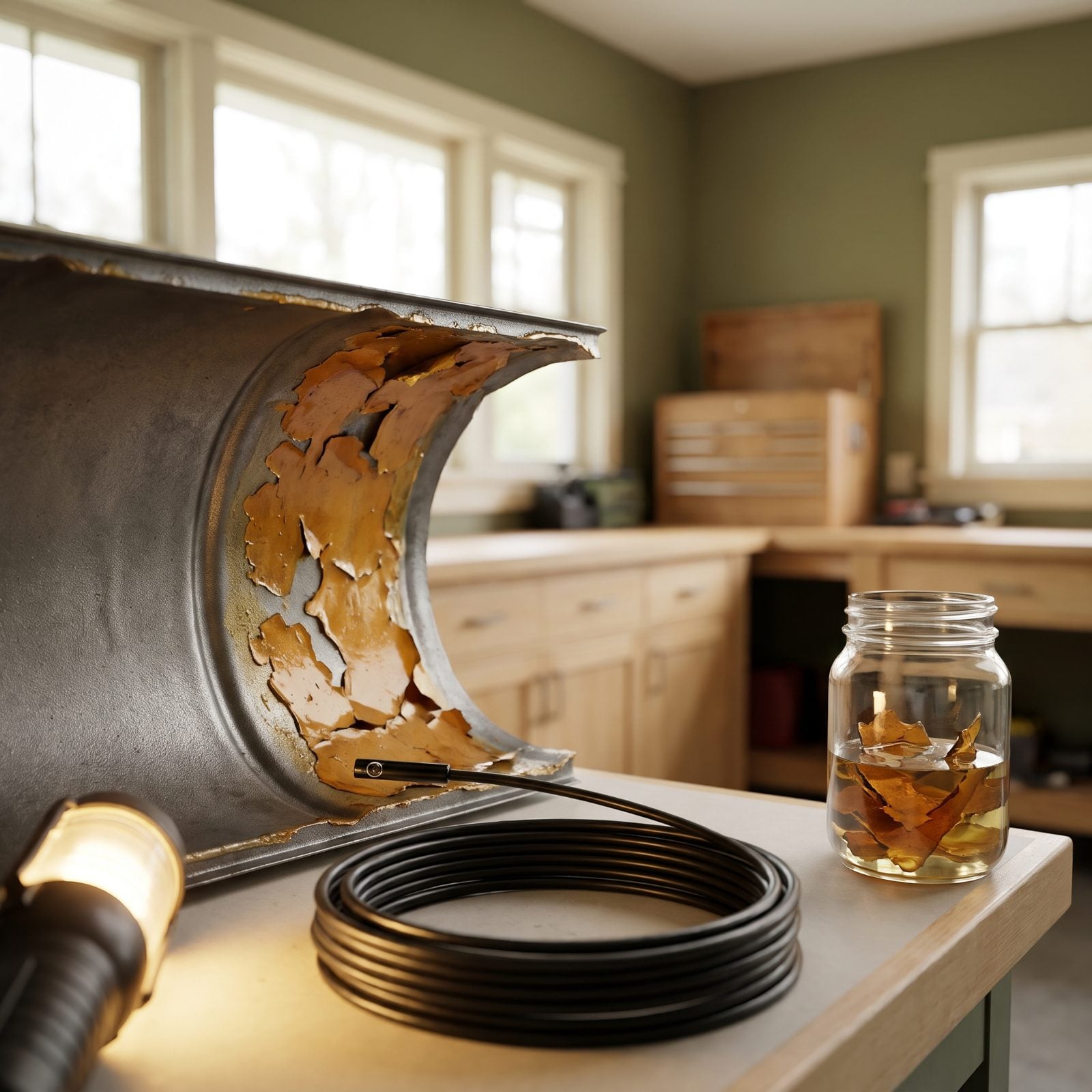
Somebody poured tank sealer in during the Carter administration, it held for decades, and now modern fuel lifts it in sheets. Peeling sealer is one of the ugliest problems you can inherit, because it blocks the pickup and plugs the filter with gummy amber flakes.
Don’t know a tank’s history and the car’s been fighting fuel starvation? Pull the sender and look inside with a light. Old sealer that’s letting go has to come out completely before a new ethanol-safe coating goes in.
30. Fact: Ethanol Loosens Decades of Varnish and Plugs Your Filter Fast
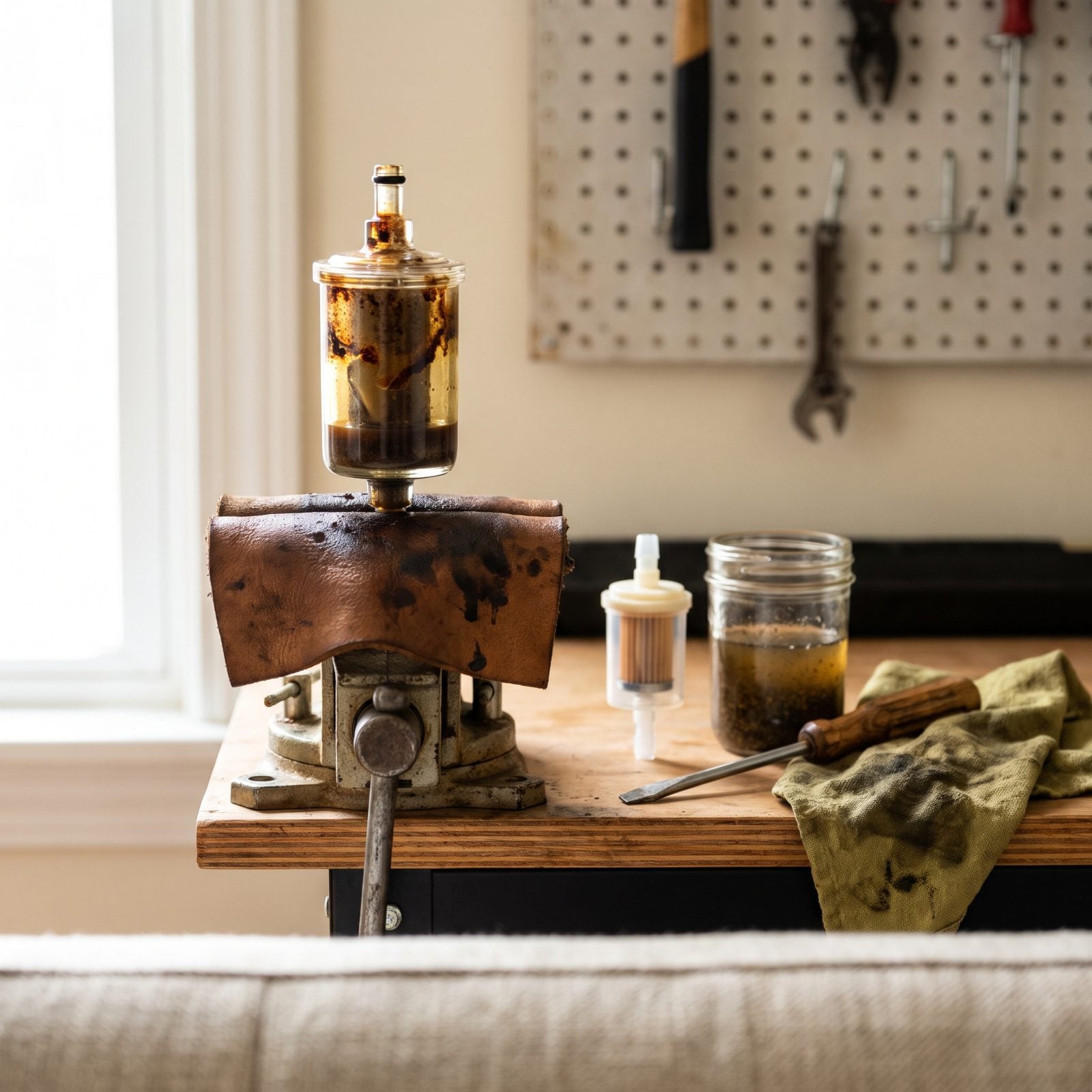
Switch a long-dormant car to ethanol blend and the filter clogs within a few drives. People read that as ethanol making new gunk. It isn’t. Ethanol is a decent solvent, so it scrubs loose the varnish and sludge that quietly built up in the tank over years and sends it all downstream at once.
Honestly, this one’s good news in disguise. The crud was always there. Now it’s collecting in a filter you can swap instead of baking onto your jets.
29. Fact: Water-Laden Ethanol Really Does Eat Carburetor Castings
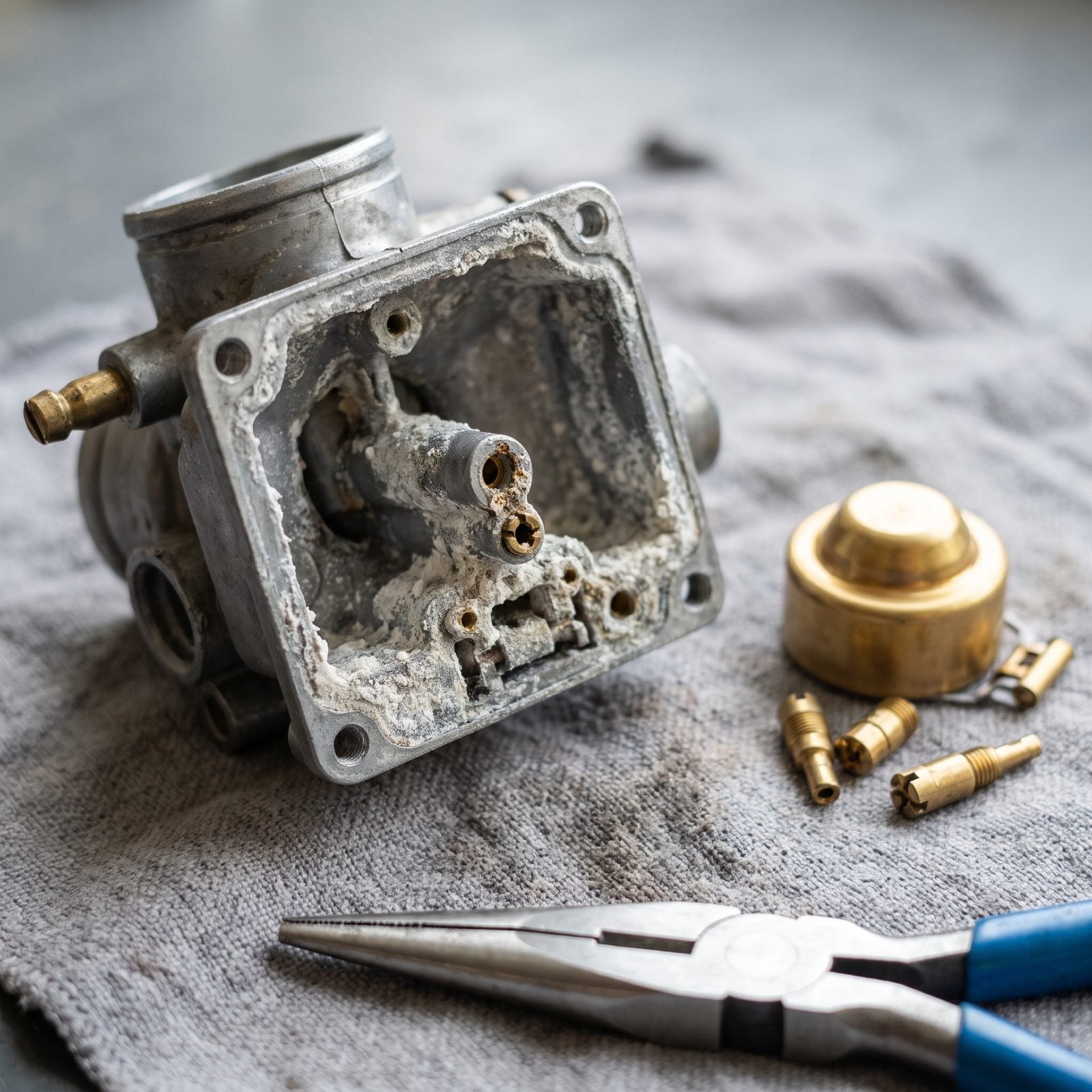
This one earns the fear. Ethanol is hygroscopic, meaning it grabs water out of the air, and once that water settles into the low spot of a float bowl it goes to work on the zinc and aluminum castings most old carbs are made of. That’s the chalky white bloom you’ve scraped out of a Holley or a Rochester that sat too long.
The damage isn’t instant, and it isn’t inevitable either. It needs water, time, and stagnation all at once. Drive the car, don’t leave the carb half-full for a year, and you’ll rarely see it.
28. Myth: Ethanol Sucks Water Straight Through Your Metal Tank Walls
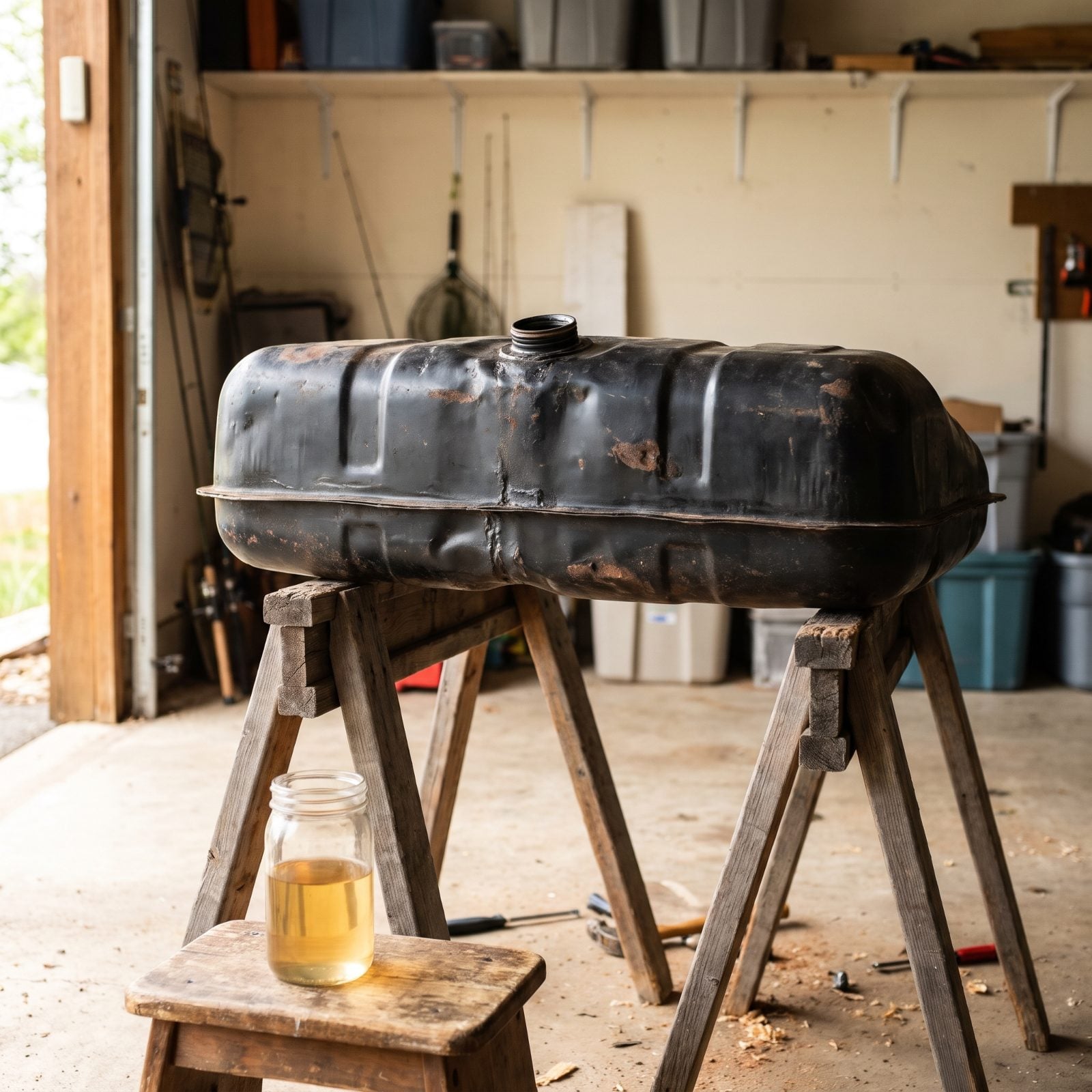
No. Solid steel doesn’t breathe, and water doesn’t osmose through a sealed tank wall like it’s a screen door.
Moisture gets into your fuel the boring way — through the vent, through the open filler while you’re pumping, and through the humid air sitting in the empty space above the gas. The one part of the system doing its job perfectly is the tank wall. Blaming the metal just lets people ignore the vent and the cap, which is where the real action is.
27. Myth: One Muggy Night Will Wreck the Whole Tank
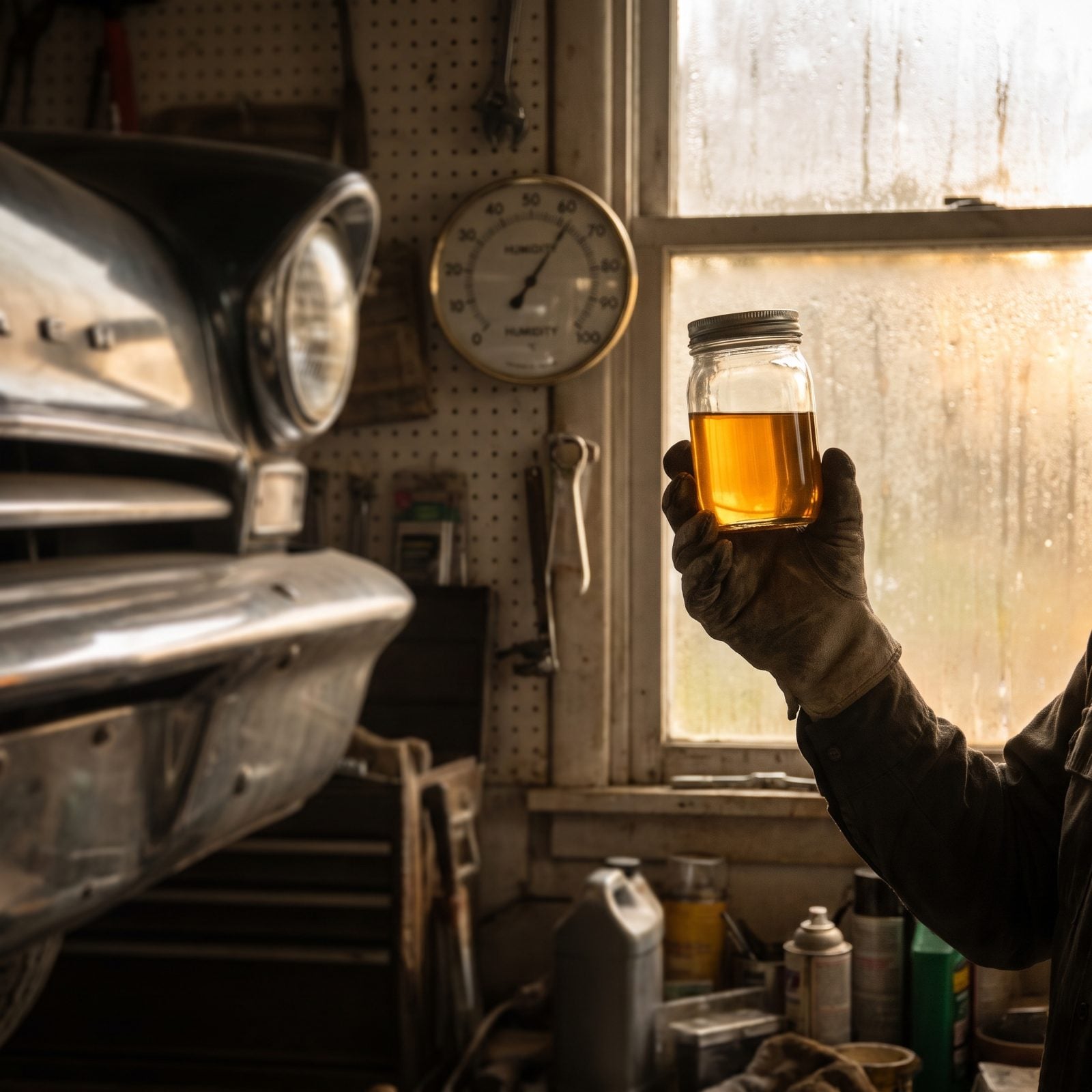
Leave the car out through one sticky summer night and wake up to ruined fuel? Campfire talk. Phase separation — water dropping out of suspension and pooling at the bottom — is slow accumulation, not a thunderclap.
It takes weeks or months of standing fuel absorbing moisture before it crosses the saturation line, and a single humid night adds a rounding error. Your fuel is far tougher in the short term than the panic lets on.
26. Fact: E10 Holds a Small But Real Amount of Water in Solution

Here’s the nuance both camps get wrong. E10 can dissolve a limited quantity of water and carry it harmlessly right through the engine, where it burns off. A little moisture isn’t a crisis.
The trouble starts only when the fuel takes on more water than it can hold. Past that line, the water and a chunk of the ethanol drop out together as a separate corrosive layer — and it settles exactly where your pickup tube lives. The margin exists. It’s just not infinite.
25. Myth: Driving the Car Blends Phase-Separated Fuel Back Together
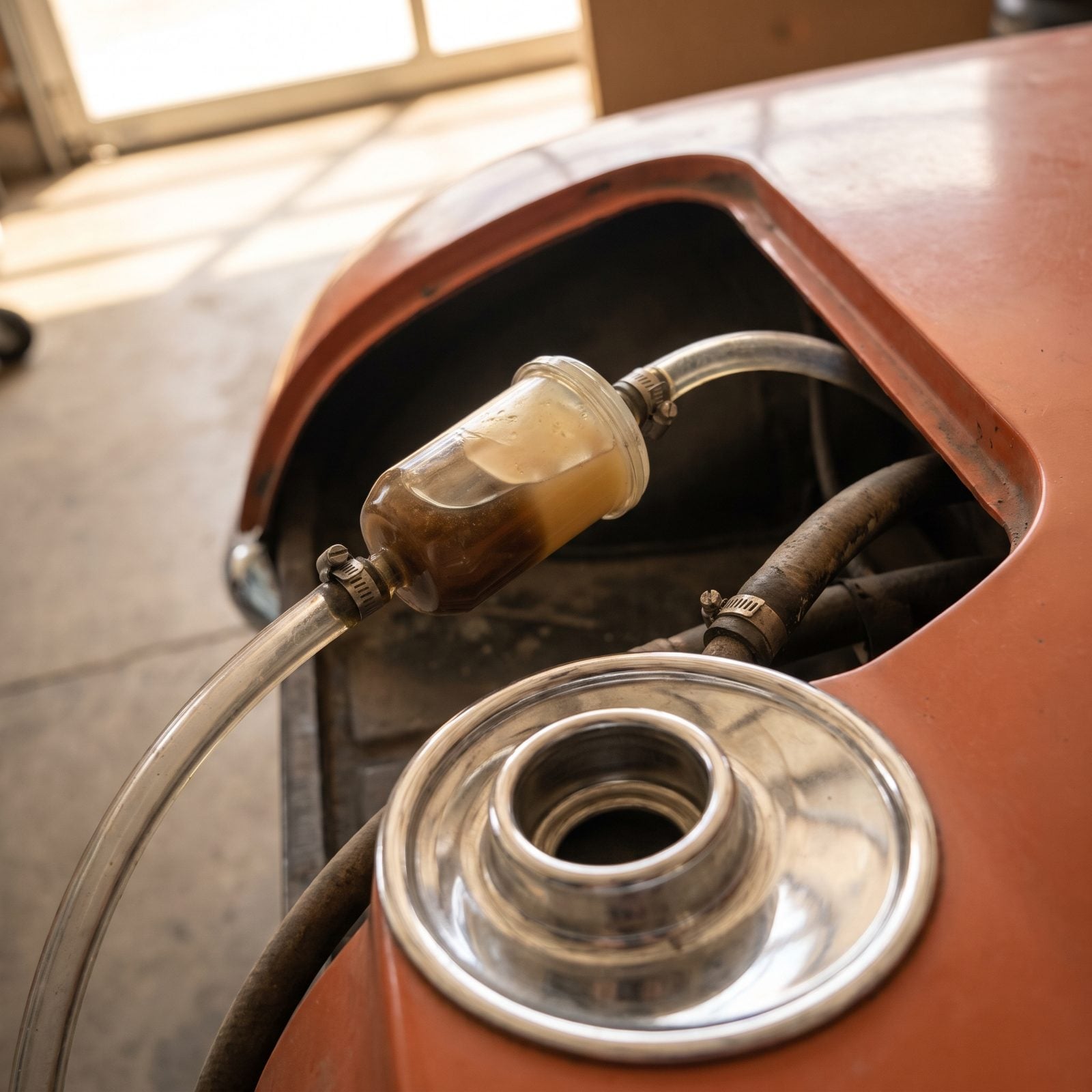
Once fuel has truly phase-separated, sloshing it around by driving won’t fix it. Water and ethanol that have dropped out of gasoline don’t re-dissolve just because you took the long way home.
What driving actually does is pull that corrosive bottom layer straight into your fuel system, since the pickup sits right in it. You’re not remixing anything — you’re feeding your carburetor the worst part of the tank first. Drain the separated fuel and start fresh. That’s the only real cure.
24. Myth: A Splash of Dry Gas Cures Any Ethanol-Water Headache

Dry gas, mostly isopropyl or methanol-based, works by helping small amounts of water stay dissolved so they burn off. For a little moisture, it genuinely helps.
It is not a magic eraser, though. If your tank has already phase-separated and there’s a visible water layer sitting down there, pouring in a couple ounces of drying additive won’t lift that pool back into suspension. Think prevention and minor rescue, never resurrection. People treat it like penicillin when it’s closer to a vitamin.
23. Myth: Topping Off the Tank Stops Condensation Cold
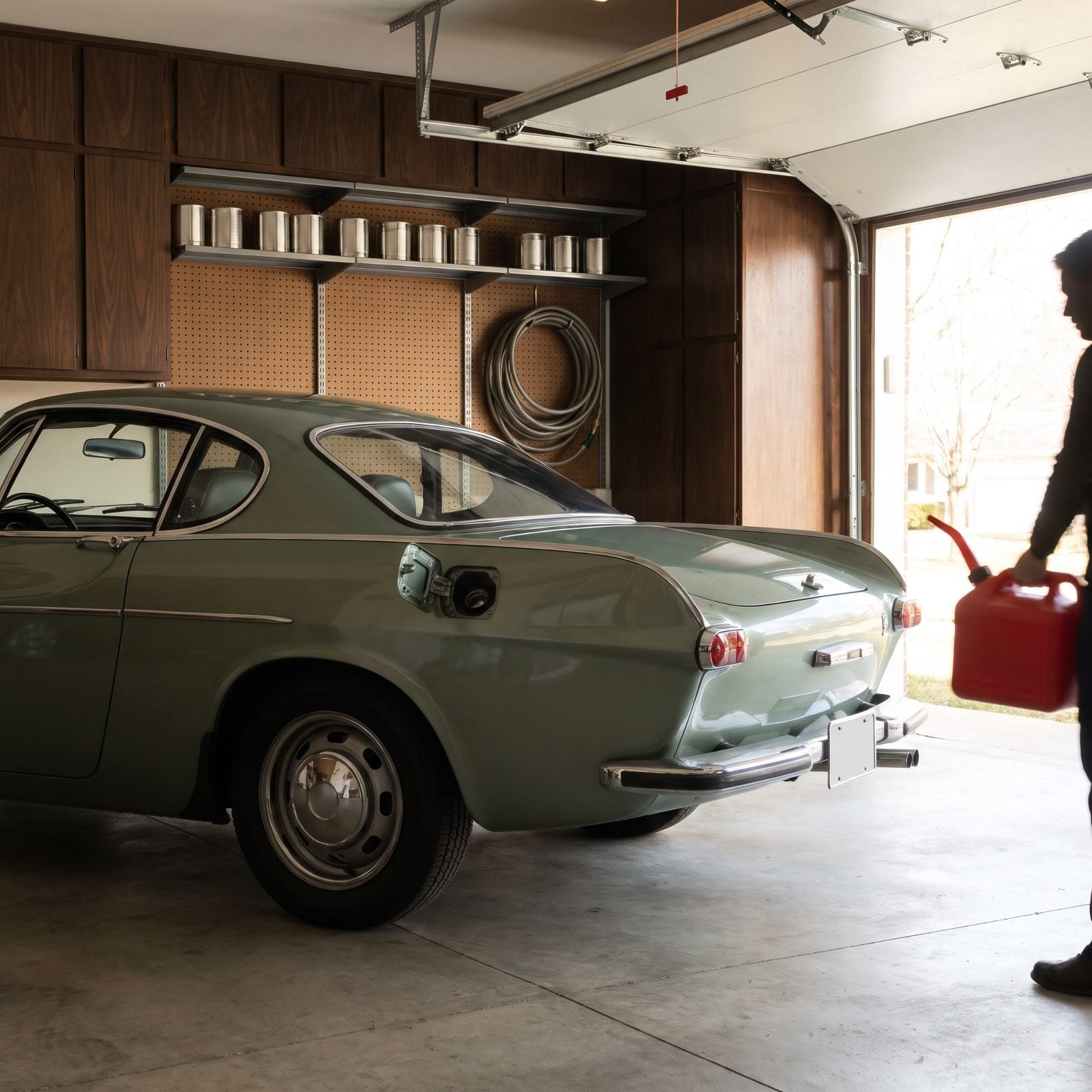
A full tank helps. It doesn’t work miracles.
The logic is sound: less air in the tank means less humid air to shed moisture as temperatures swing, which is exactly why storing a car full beats storing it near-empty. But “less” isn’t “none.” The fuel itself carries dissolved water in, your vent still breathes, and no amount of topping off turns a tank into a sealed vacuum. It reduces condensation. It doesn’t abolish physics.
22. Myth: Swapping to a Sealed Cap Locks the Moisture Out
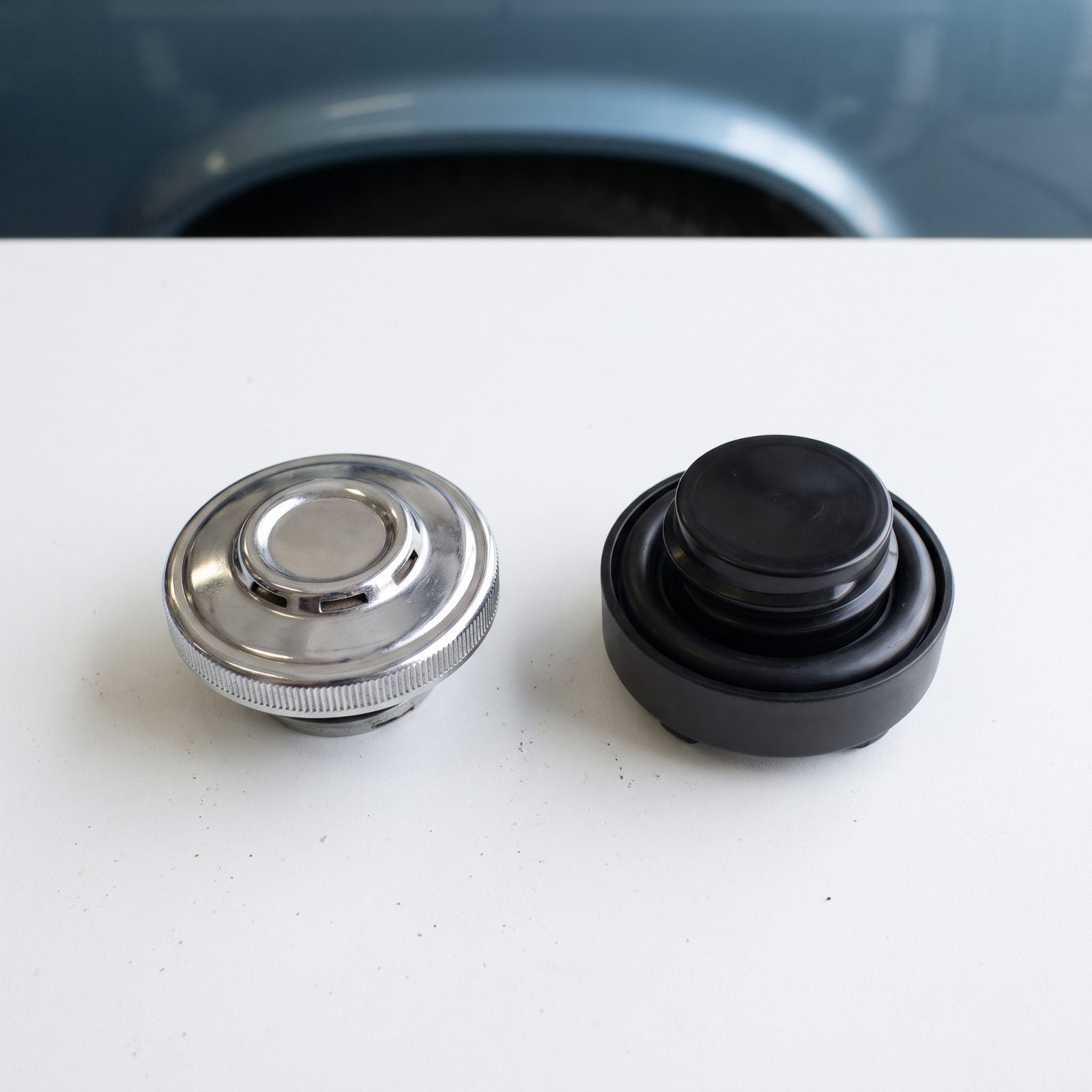
Tempting idea, dangerous execution. Vented caps exist for a reason — tanks need to equalize pressure as fuel is drawn out and as it heats and cools through the day.
Bolt on a fully sealed cap and you can starve the engine as a vacuum builds, or worse, pressurize the tank on a hot afternoon until something gives. Plenty of old systems vent through the cap itself. If yours does, the cap is part of the design, not a loophole to plug. Fix moisture at the source instead of suffocating the tank.
21. Myth: Ethanol-Free Gas Lasts Forever in the Can
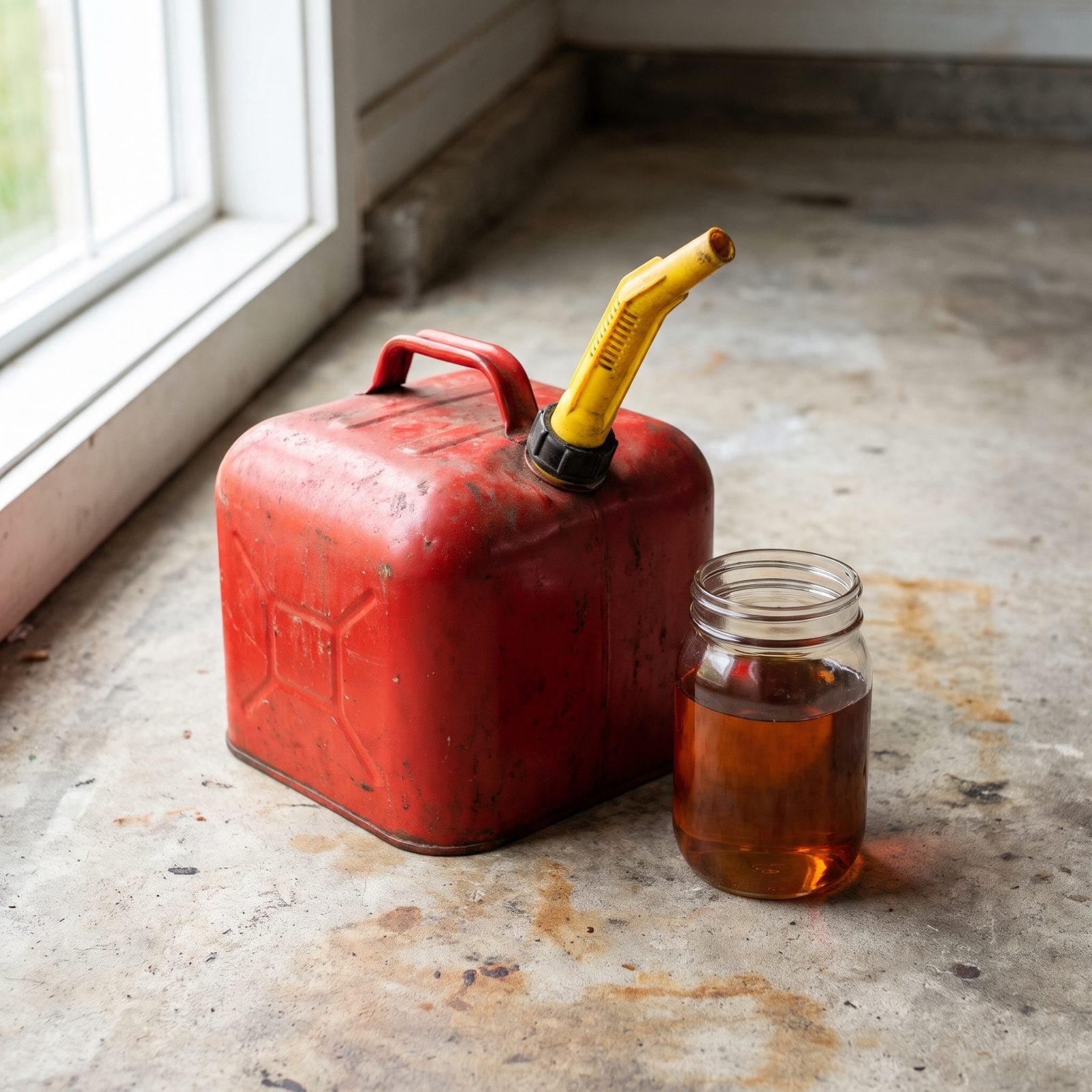
Pulling the ethanol out solves the water problem. It does nothing about the clock.
All gasoline oxidizes. The light, volatile fractions that make it easy to start evaporate off, and what’s left behind darkens, thickens, and turns to varnish in your jets. Ethanol-free gas ages more gracefully in some respects — but “more gracefully” still means months, not years. That orange, sharp-smelling stuff in the can from three summers ago isn’t preserved. It’s just stale without the ethanol drama layered on top.
20. Fact: Gas Goes Off Fastest Sitting in a Vented Carburetor Bowl
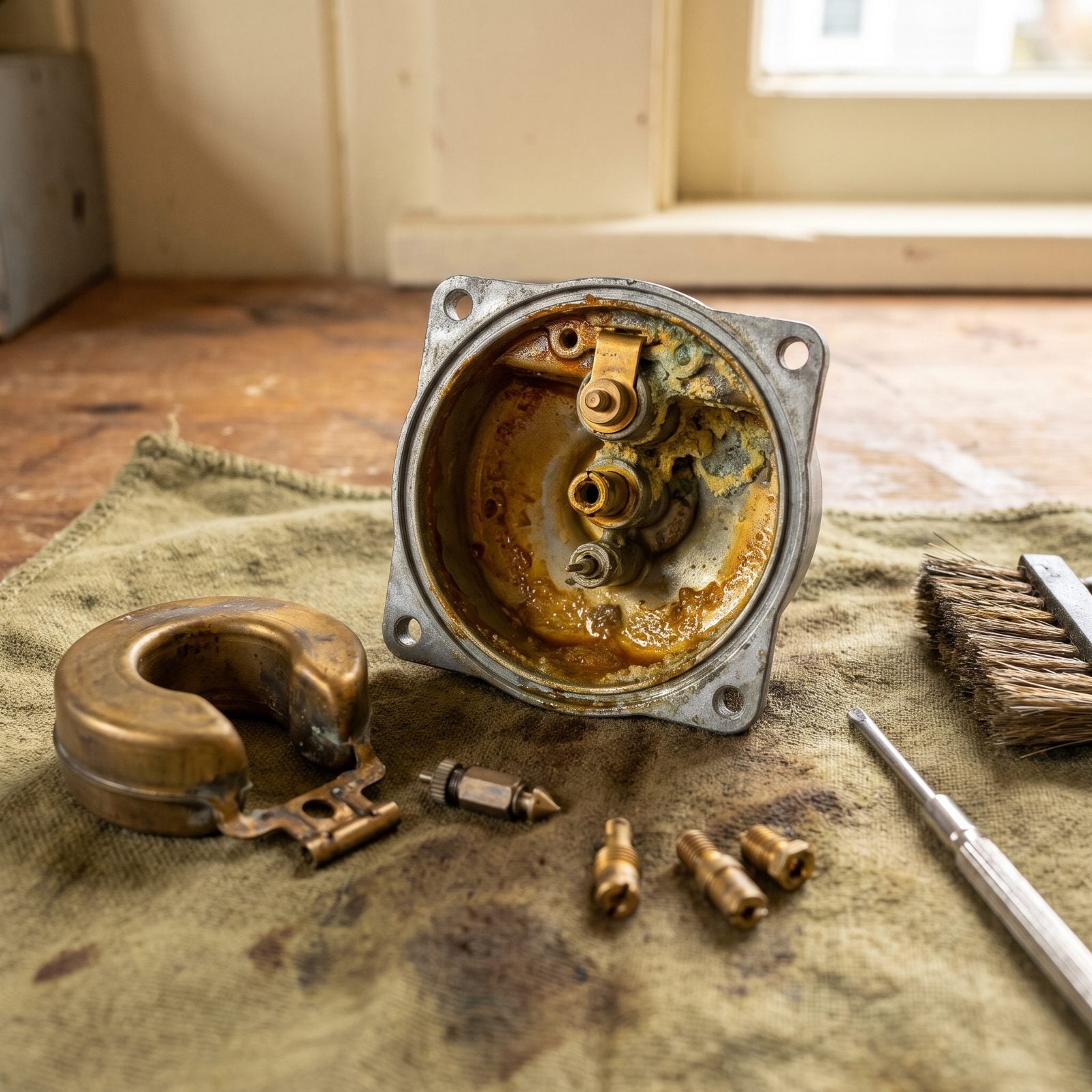
The tank is a closed room. The carburetor bowl is a shallow dish left open on the counter. That thin film of fuel sitting in the bowl catches air on all sides, so the lightest, most volatile parts of the gasoline evaporate off in weeks, not months, and what stays behind is the heavy, sticky residue that dries into varnish on the jets.
Which is why a car that sat one winter usually needs a carburetor cleaning before anything else. The gas in the tank might be perfectly fine. The teaspoon in the bowl turned to shellac. Store a classic? Run the carburetor dry. Cheap insurance.
19. Myth: The Can and Its Gasket Make No Difference to Shelf Life
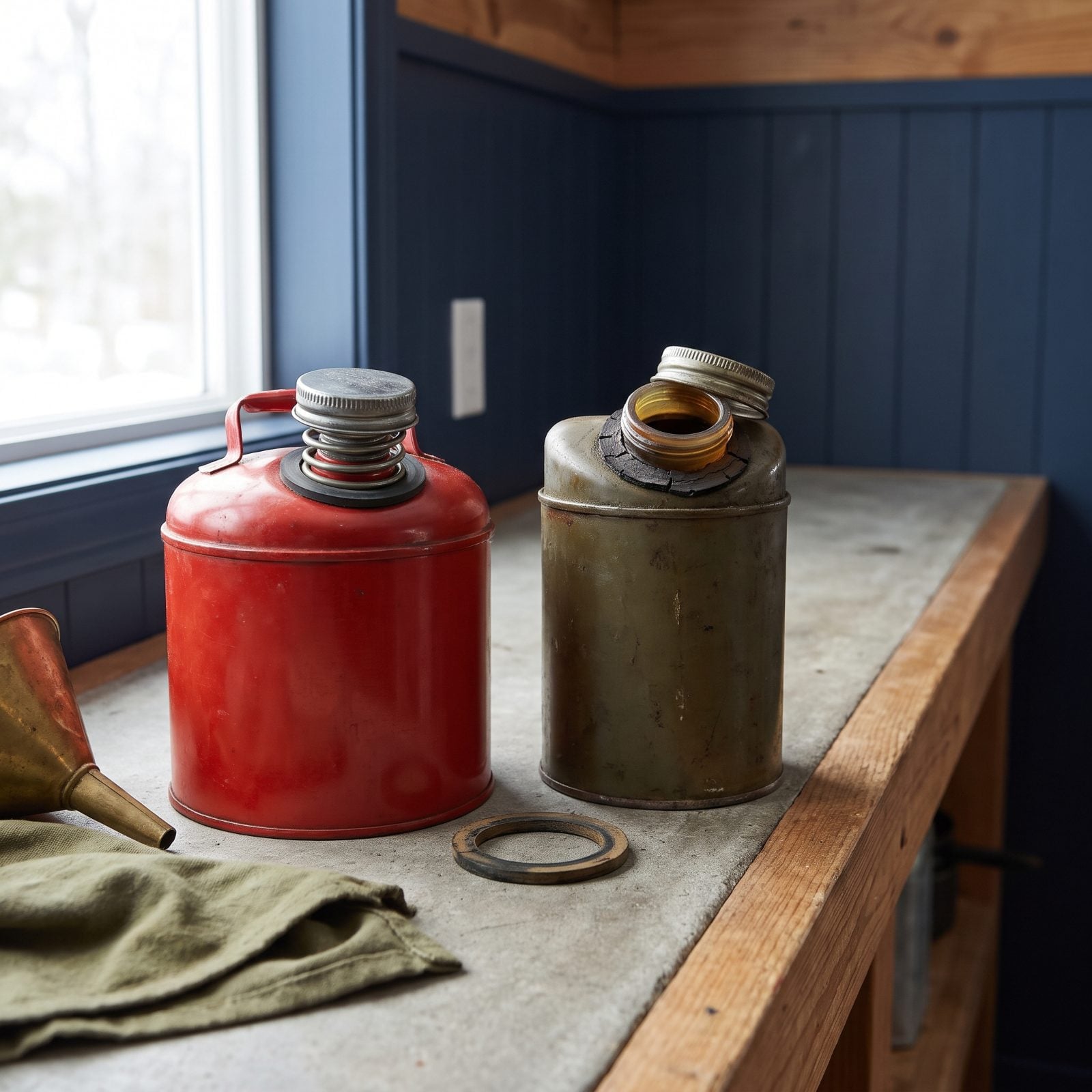
A good seal is the whole game. Fuel breaks down when oxygen and water vapor get in and the light ends get out. A cracked gasket or a loose cap turns a storage can into a slow-breathing lung — the gas inside oxidizes and picks up moisture while you’re not looking.
Metal versus plastic matters less than people argue about. Seals and venting matter a lot. A cheap can with a dried, flattened gasket will let a good batch of fuel go sour in a season.
18. Fact: A Sour, Paint-Thinner Smell Is the Fuel Telling You It Quit
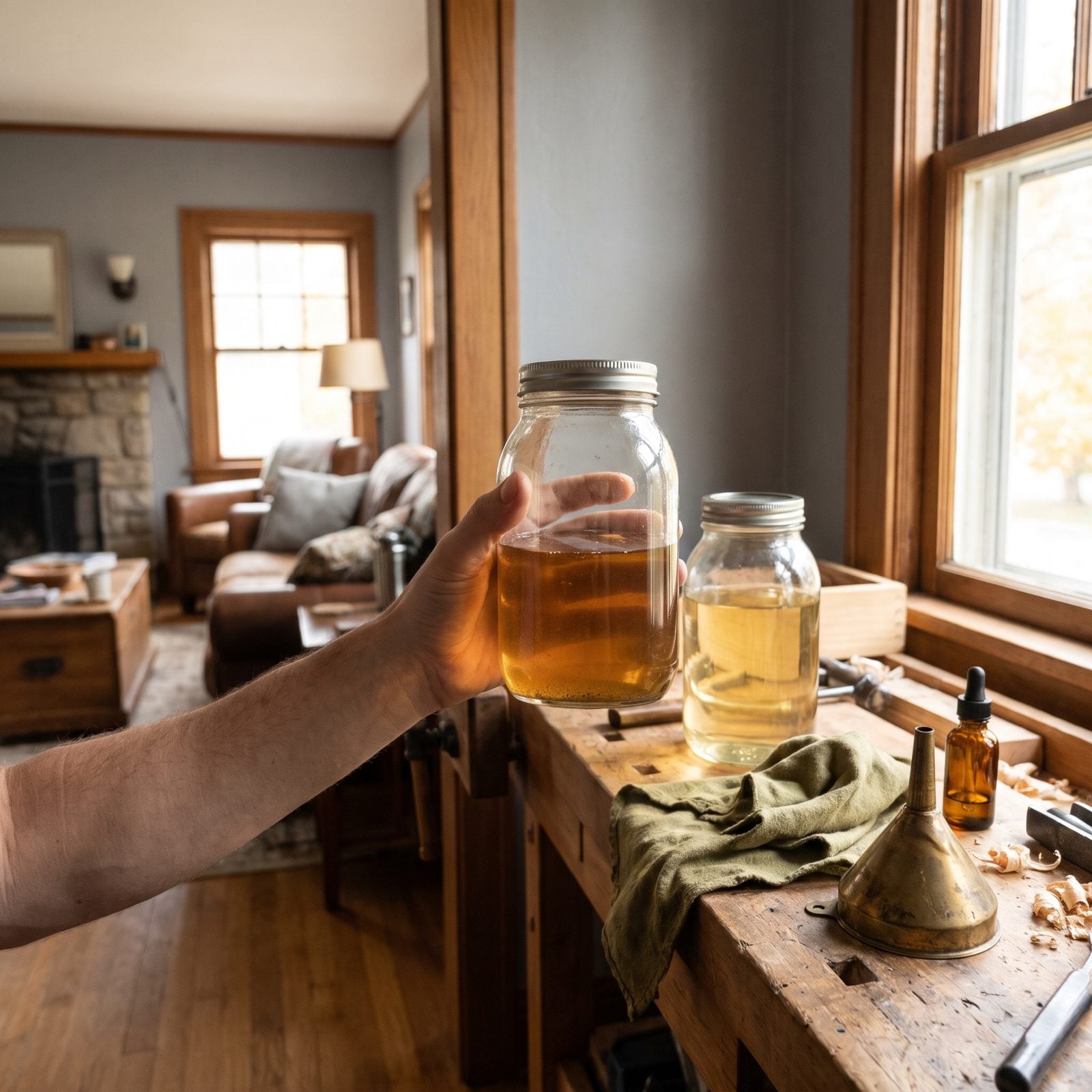
Your nose is the fastest test in the shop. Fresh gasoline carries a sharp, solvent brightness. Fuel that’s gone over smells sour, musty, almost like old varnish or paint thinner left open too long. Smell it once and you never forget it.
Then back up the nose with the eyes. Fresh gas runs pale gold and clear; old gas darkens toward amber or brown and turns cloudy with sediment. Dark and sour together is a verdict, not a maybe. Don’t feed it to an engine you care about.
17. Myth: Only Ethanol Causes That Sticky Fuel Varnish
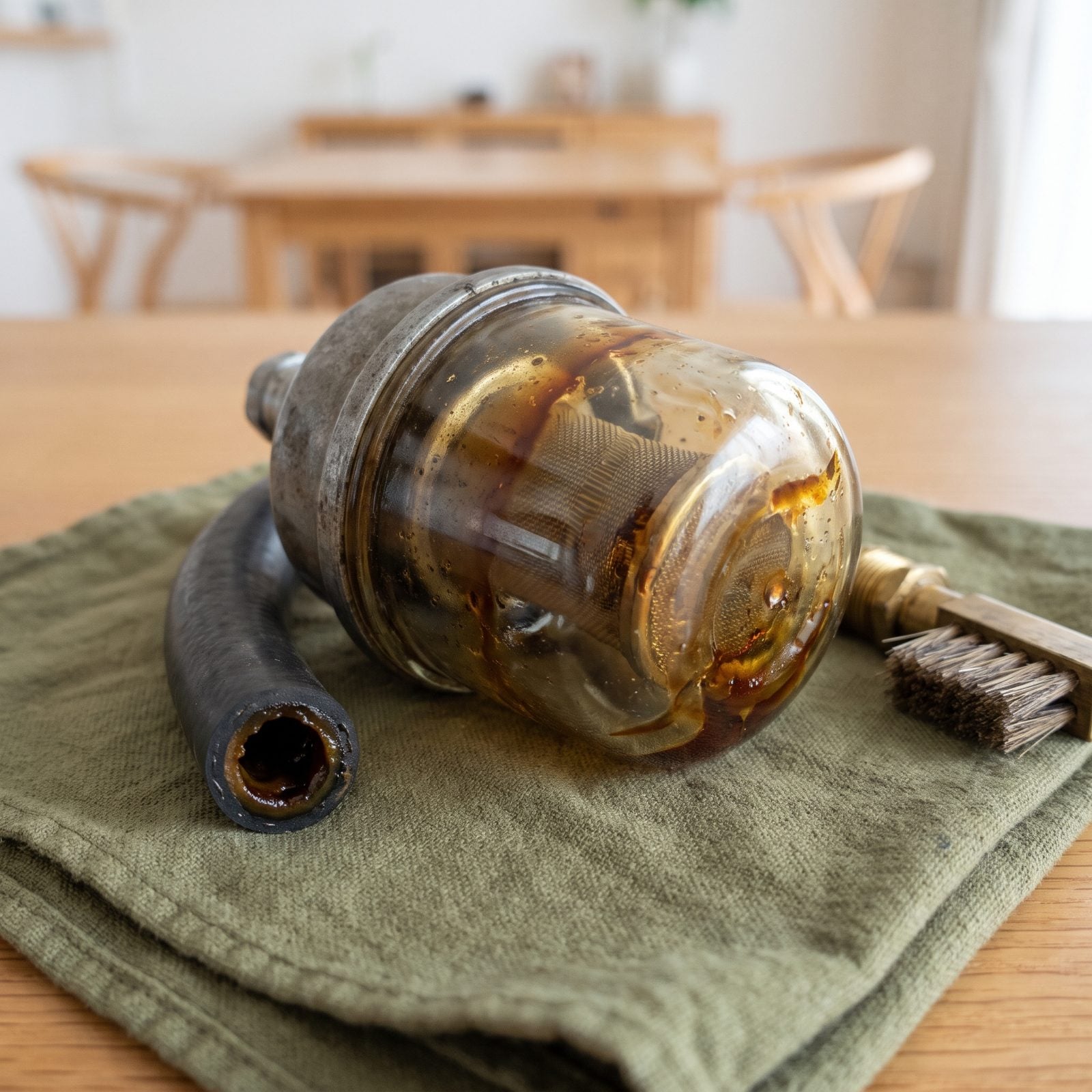
Varnish was gumming up carburetors long before ethanol showed up at the pump. It comes from the heavy ends of gasoline oxidizing and polymerizing into sticky resin. Straight gasoline does it. Pure non-ethanol fuel left to sit will still lay down gum on your jets, every time.
Ethanol brings its own troubles, mainly the way it pulls in water and chews on certain older rubber and gaskets. That part’s real. But pin every crusty carburetor on ethanol and you let folks skip the actual culprit — fuel left sitting too long with air and heat working on it.
16. Fact: Gas Too Far Gone to Burn Is Hazardous Waste, Not Driveway Runoff
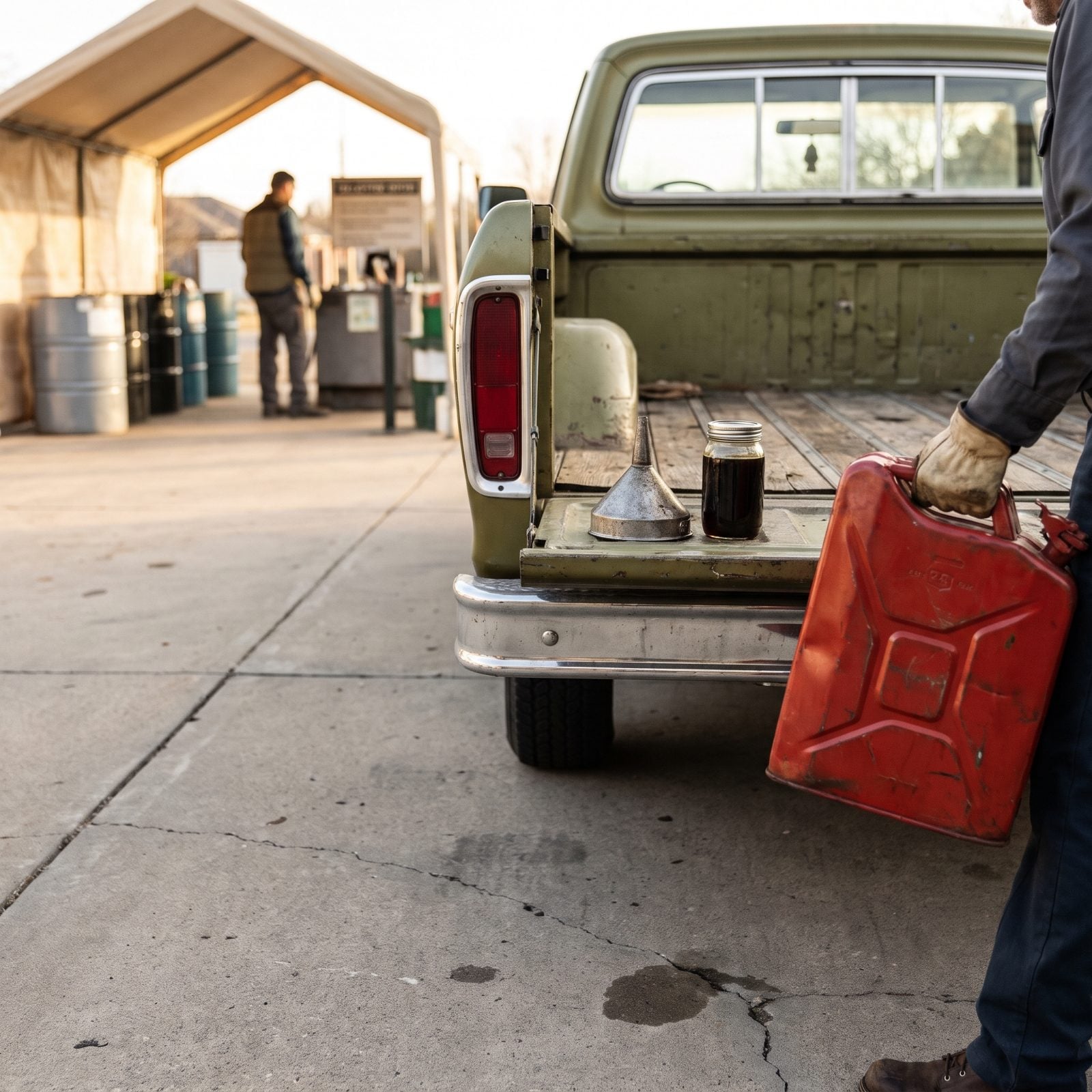
Pouring old gas on weeds, down a drain, or into the trash is illegal most places and a genuine way to poison groundwater. Dead gasoline is hazardous waste, full stop.
Nearly every county runs a household hazardous-waste collection site, or a handful of drop-off days a year, and they take it free. Seal it in an approved container, label it, drive it over. If you’ve only got a little, mixing it into a larger batch of fresh gas is sometimes fine for a running engine — but anything dark, cloudy, or sour goes straight to the collection site.
15. Myth: All That Old-Days Gasoline Had Lead in It

Leaded gas dominated for decades, but “everything had lead” overstates it. Early motoring, before tetraethyl lead went mainstream in the 1920s, ran on straight gasoline with no lead at all. And right through the leaded era, unleaded and low-lead grades existed for specific uses.
Lead was an octane booster and a valve-seat cushion, which is why some older engines want a lead substitute today. But the notion that no engine ever ran on unleaded until the 1970s? That’s just not how the history went.
14. Myth: Nobody Ever Put Ethanol in Gas Until Modern Times
Alcohol in motor fuel is not some recent invention. Ethanol blends sold in parts of the country well back into the early automobile era, pitched at various points as an octane helper and a way to burn off farm surplus. Blends came and went with prices and politics for generations.
So a leaded-era car was never guaranteed to have lived on pure gasoline. That clean-fuel nostalgia is partly a story we tell ourselves. The real fuel landscape was messier and more mixed than the memory lets on.
13. Myth: Gasoline Never Went Stale Back in the Good Old Days
Gasoline aged the same way then as it does now. The chemistry never cared what decade it was. The difference is that cars got driven and tanks got refilled, so fuel rarely sat long enough to go bad. Turnover hid the problem.
What changed is that classics now sit for months between weekend drives, and some old fuel blends were actually formulated to store a little better than today’s. Stack ethanol’s thirst for water on top of that and stale fuel feels like a modern plague. It’s really just old chemistry meeting a garage full of cars that mostly stay parked.
12. Myth: The Premium Button Guarantees Ethanol-Free Gas

Octane rating and ethanol content are two separate facts about the same fuel, and the pump handle only tells you one. Across most of the country, premium still carries up to ten percent ethanol. Picking the high-octane grade does not automatically get you the pure stuff.
Want ethanol-free gas? You go hunting for stations that actually advertise it — marinas, airports, rural co-ops — and there are online maps that track them. The blend matters more to your old car than the octane does, and nobody sells you the two together in a tidy package.
11. Myth: Pour Premium Unleaded In and Your Leaded-Era Engine Won’t Notice
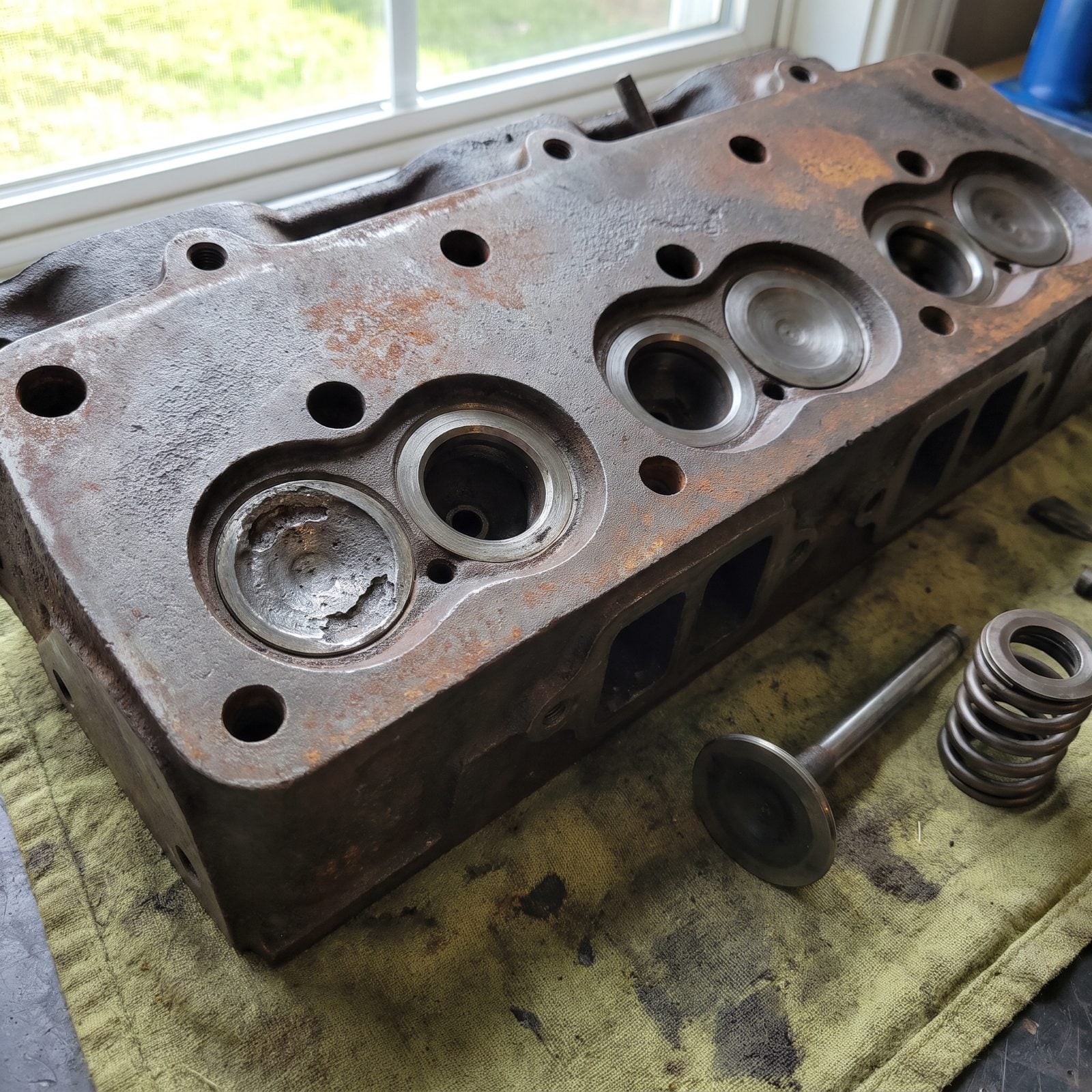
Lead did two jobs. It bumped octane, and it coated the valve seats with a protective film so the hot exhaust valve wouldn’t pound itself into soft iron. Unleaded fuel covers the first job through other chemistry — and it does absolutely nothing for the second.
Run a soft-seat engine hard and hot for long stretches and you can get valve seat recession. The valve sinks, the lash tightens, and compression quietly walks out the door. This is the one old-timer worry that’s genuinely real, which is probably why so many of the other myths cling to it like barnacles.
10. Myth: Dumping In 93 Octane Finds Hidden Horsepower

Octane measures resistance to knock, not energy content. A higher number is not a bottle of extra power waiting to get out.
If your engine isn’t knocking on what you’ve already got, stepping up to premium does nothing but lighten your wallet. The gains only show when knock was holding the engine back — retarded timing, or an honest ping you could hear from the driver’s seat. No knock, no benefit. Plenty of owners buy premium for a mild flathead out of pure superstition, and the engine never cares one bit.
9. Fact: Ethanol Actually Raises the Octane in the Blend

Ethanol gets blamed for everything, so here’s a fact that cuts the other way: it has a high octane rating all on its own. When refiners blend it in, it’s often doing real work holding the pump number up.
That doesn’t make it harmless to a vintage fuel system. It draws water and softens old rubber. But the knock resistance it brings to the party is a genuine benefit, and yanking it out entirely can leave a lower-octane base fuel behind. Mixed bag. Not a villain.
8. Fact: Gas Left in the Tank All Winter Quietly Goes Weak
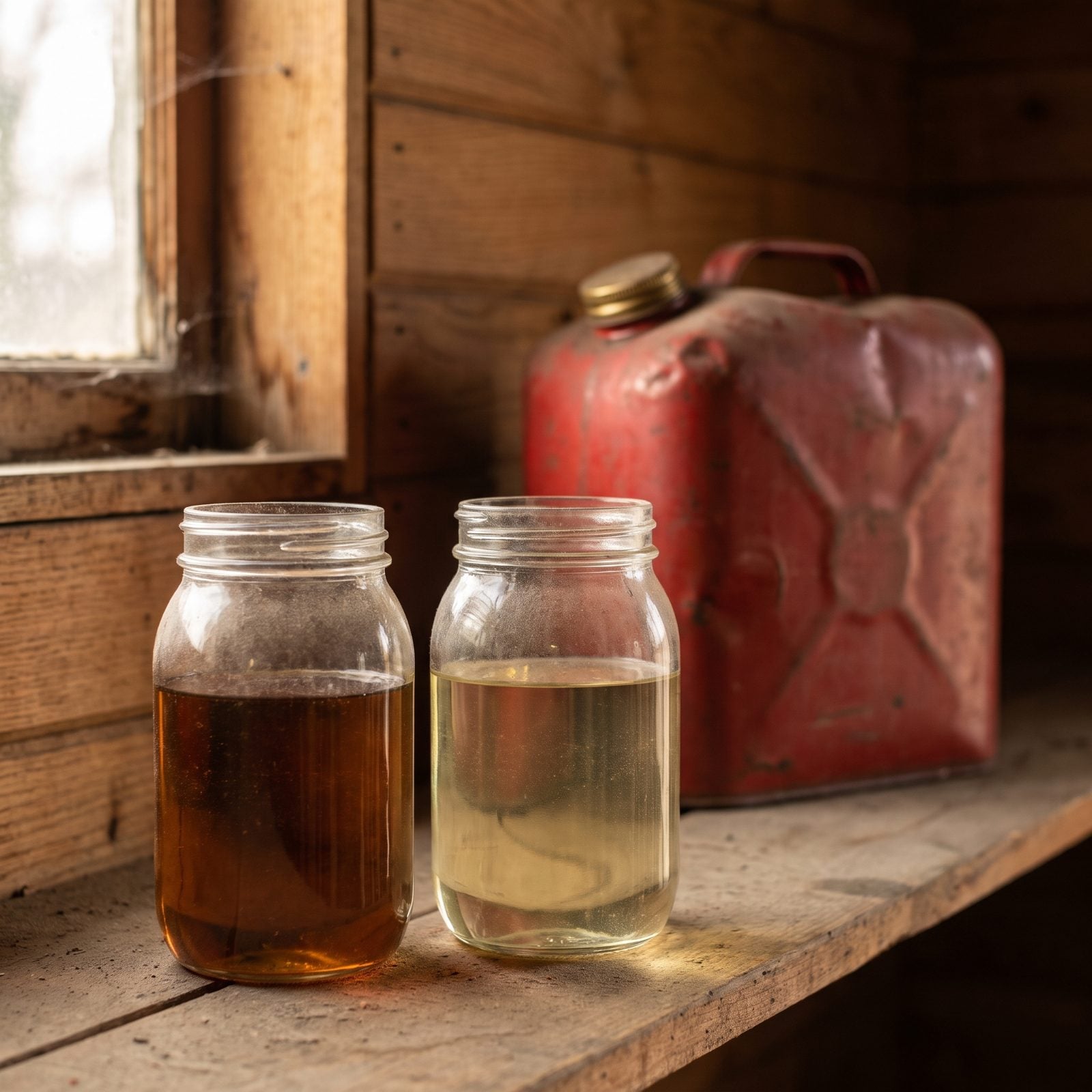
The light, volatile parts of gasoline are the ones that evaporate first and light off easiest. Leave fuel sitting in a vented tank or a carburetor bowl for months and those fractions slip away, and what’s left behind is heavier, staler, and a notch lower in octane.
You’ve smelled it — that sour, varnishy note in a can that’s sat since last summer. That smell is the good stuff already gone. A sealed container and a dose of stabilizer slow the loss. An open can in a hot garage? A slow leak you’ll never see coming.
7. Myth: You Need Lead Substitute in Every Single Fill-Up

The additive industry would love for you to pour something in at every stop. Most engines don’t need it.
Got a head with hardened seats already? Lead substitute is just money poured down the filler neck. Soft seats and a gentle right foot? The demand is light. The honest answer hangs on how the engine was built and how you drive it — less satisfying than a hard rule, closer to the truth. Anyone pushing a strict every-tank schedule is selling, not diagnosing.
6. Myth: Av-Gas Is the Pure, Perfect Fuel Your Classic Deserves

Av-gas carries a certain mystique. It’s leaded, it’s high-octane, and it comes dyed blue like something smuggled out of a hangar. For a street car, it’s usually the wrong call.
Aviation fuel is formulated for engines running at steady high altitude and cruise power, with its volatility tuned for exactly that — not for cold mornings and stop-and-go traffic down at sea level. It’s expensive, buying it for road use is often against the rules, and most street classics don’t want octane that high anyway. The blue dye is there so inspectors can spot it, not so you can brag about it.
5. Myth: E85 Is Just Cheap High-Octane Gas You Can Pour Right In

Yes, E85 has a high effective octane. No, you cannot treat it like a bargain fill-up in a stock classic.
It’s up to eighty-five percent ethanol, which means it needs far more fuel volume to run right — bigger jets, a different carburetor calibration, often a beefier fuel pump. Pour it through a stock setup and the car goes lean and runs hot. All that alcohol also chews on old rubber, cork, and certain soft metals buried in a vintage fuel system. E85 is a tuning project wearing a gas-pump disguise. Treat it like one.
4. Myth: E10 Always Means Exactly 10 Percent Ethanol

The number on the sticker is a ceiling, not a measurement. E10 means up to ten percent ethanol, and what’s actually sloshing in your tank depends on the blending terminal, the season, and the region. Winter blends tend to run richer in ethanol for cold-start reasons. Summer gas can land lower.
So two “E10” fill-ups from two different stations can behave differently in the very same carburetor. You’ll swear your tuning drifted when the truth is the fuel changed underneath you.
3. Myth: Ethanol Is the Only Thing That Causes Vapor Lock
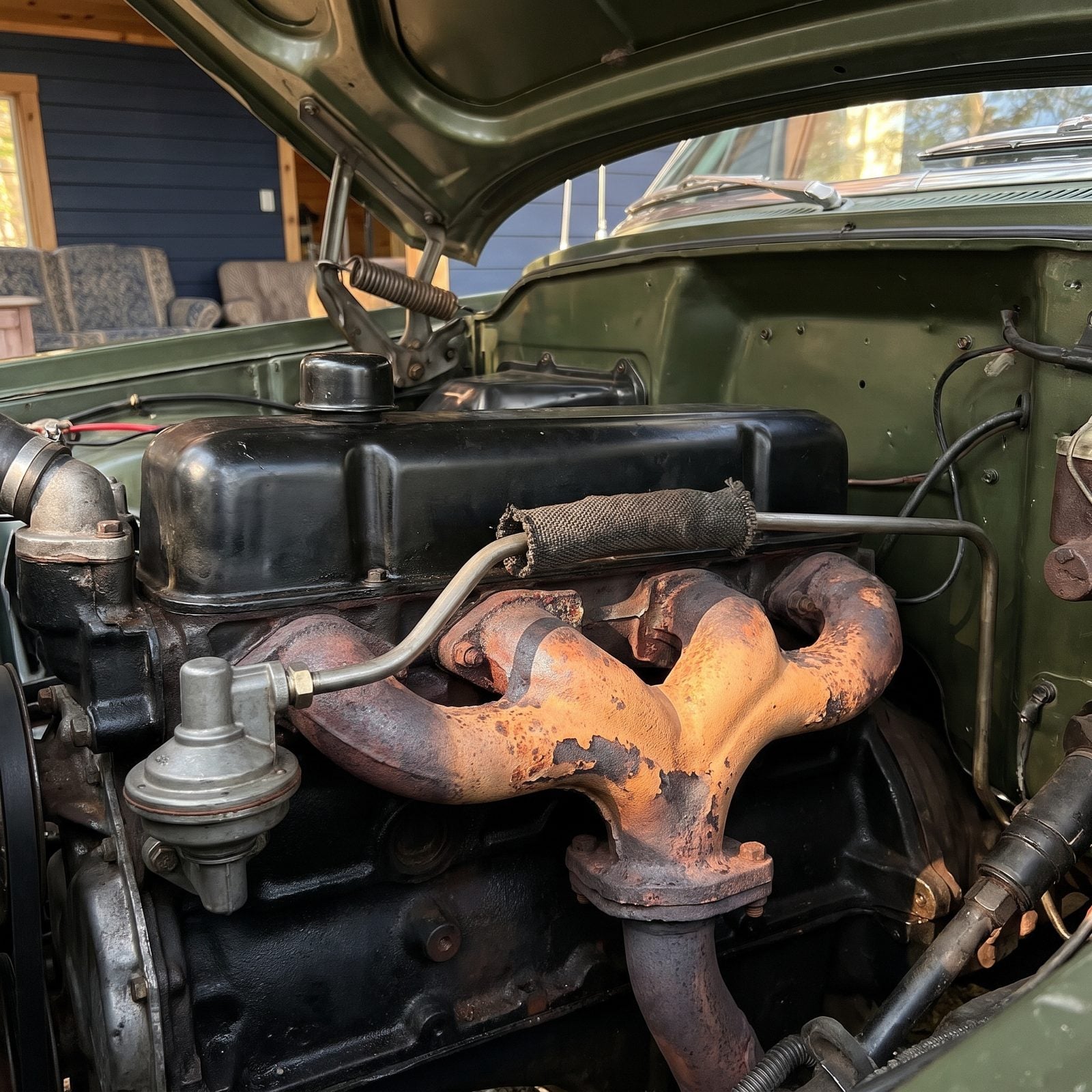
Blaming ethanol for every stall on a hot day is easy, and it’s lazy diagnosis. Vapor lock existed long before ethanol ever showed up at the pump. Old carbureted cars boiled fuel in their lines all through the leaded era, especially after a hot shutdown and restart.
Sure, ethanol lowers the boiling point of a blend, so it can nudge a marginal setup over the edge. But a fuel line routed snug against a glowing exhaust manifold, a heat-soaked mechanical pump, or a missing heat shield will cook gasoline all on their own. Fix the routing before you go blaming the blend.
2. Fact: Heat Soak Can Make Fuel Boil Right in the Float Bowl
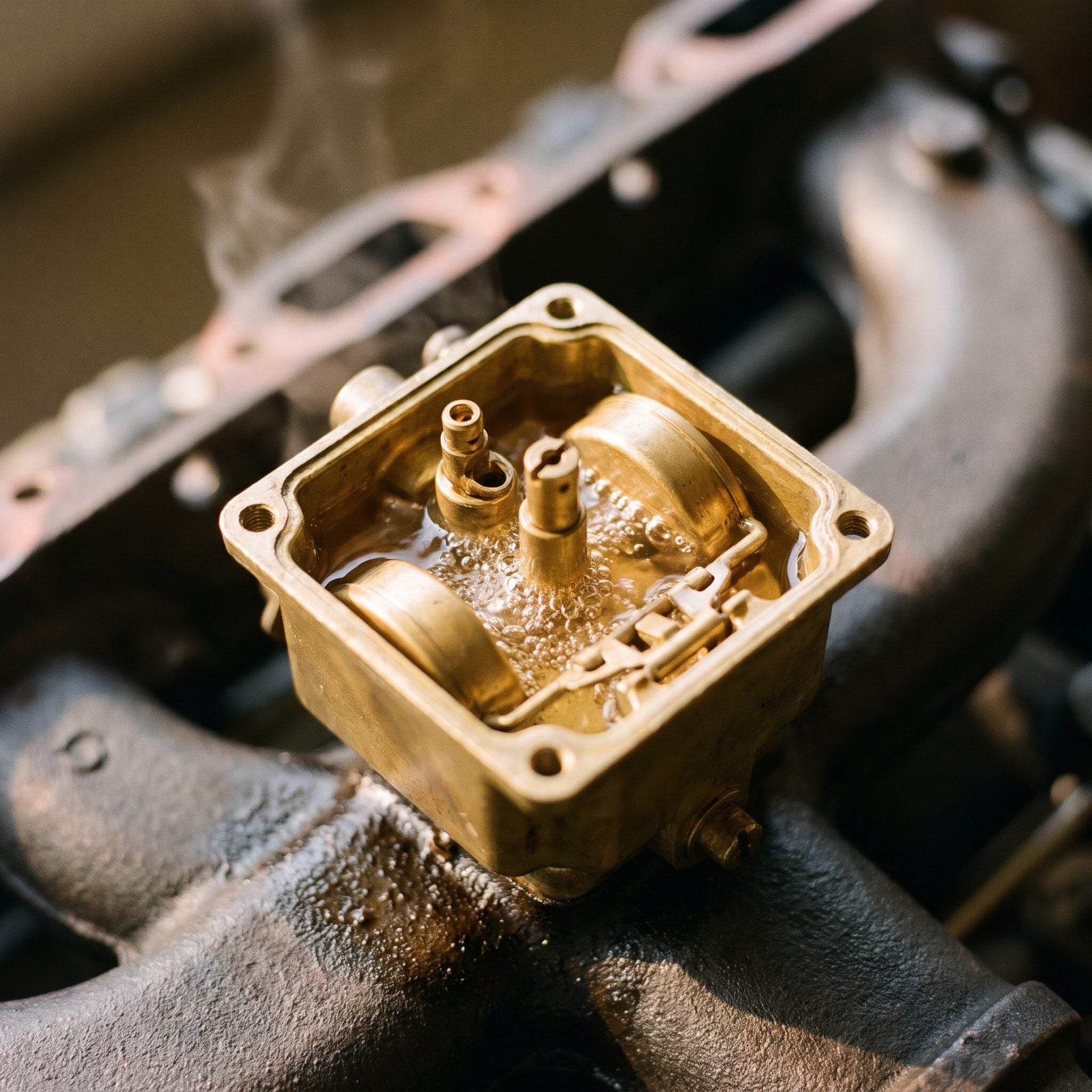
This one’s real, and it’s the gremlin behind most hard hot-restarts. Shut a hot engine down and the carburetor stops getting airflow but keeps soaking up heat from the manifold below. The fuel left in the bowl climbs past its boiling point and percolates, shoving raw gas up into the intake.
You wander back twenty minutes later, crank, and get a flooded, stumbling mess that only clears once you’ve driven it a block. And today’s blends, loaded with more volatile light ends, percolate sooner than the old stuff ever did.
1. Fact: A Simple Water-Separation Test Reads Your Ethanol Content
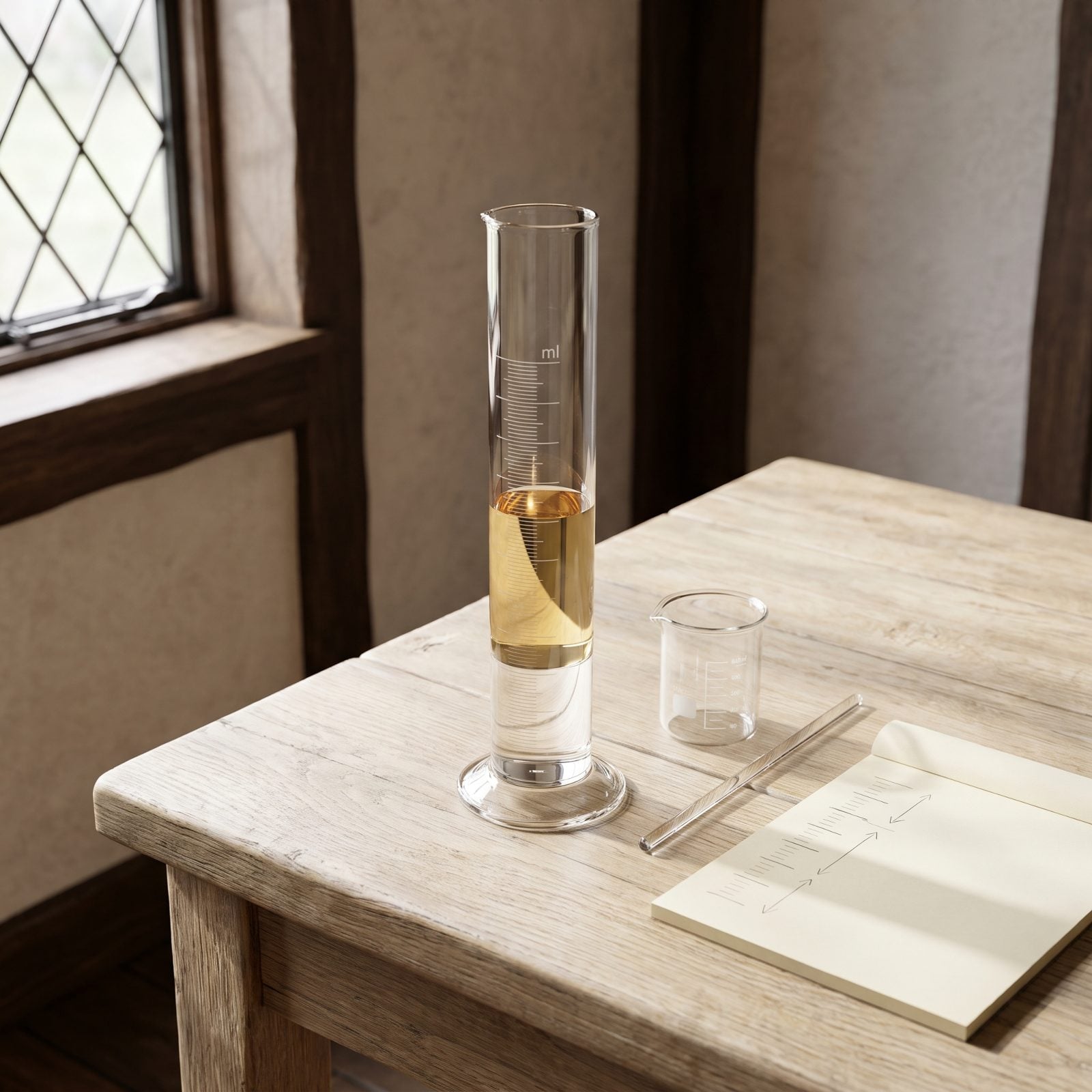
You don’t need a lab for this. Put a measured amount of water in a clear graduated container, add a measured amount of the gas in question, stir it well with a glass rod, and let it settle. Ethanol loves water and drops right out of the gasoline into the water layer below. The water line rises by exactly the amount of ethanol that was hiding in your fuel.
Read the increase, do the quick math, and there’s your ethanol percentage, estimated with glassware off your own bench. Rough number, not a lab result. But it tells you fast whether that “ethanol-free” pump was feeding you a story.