
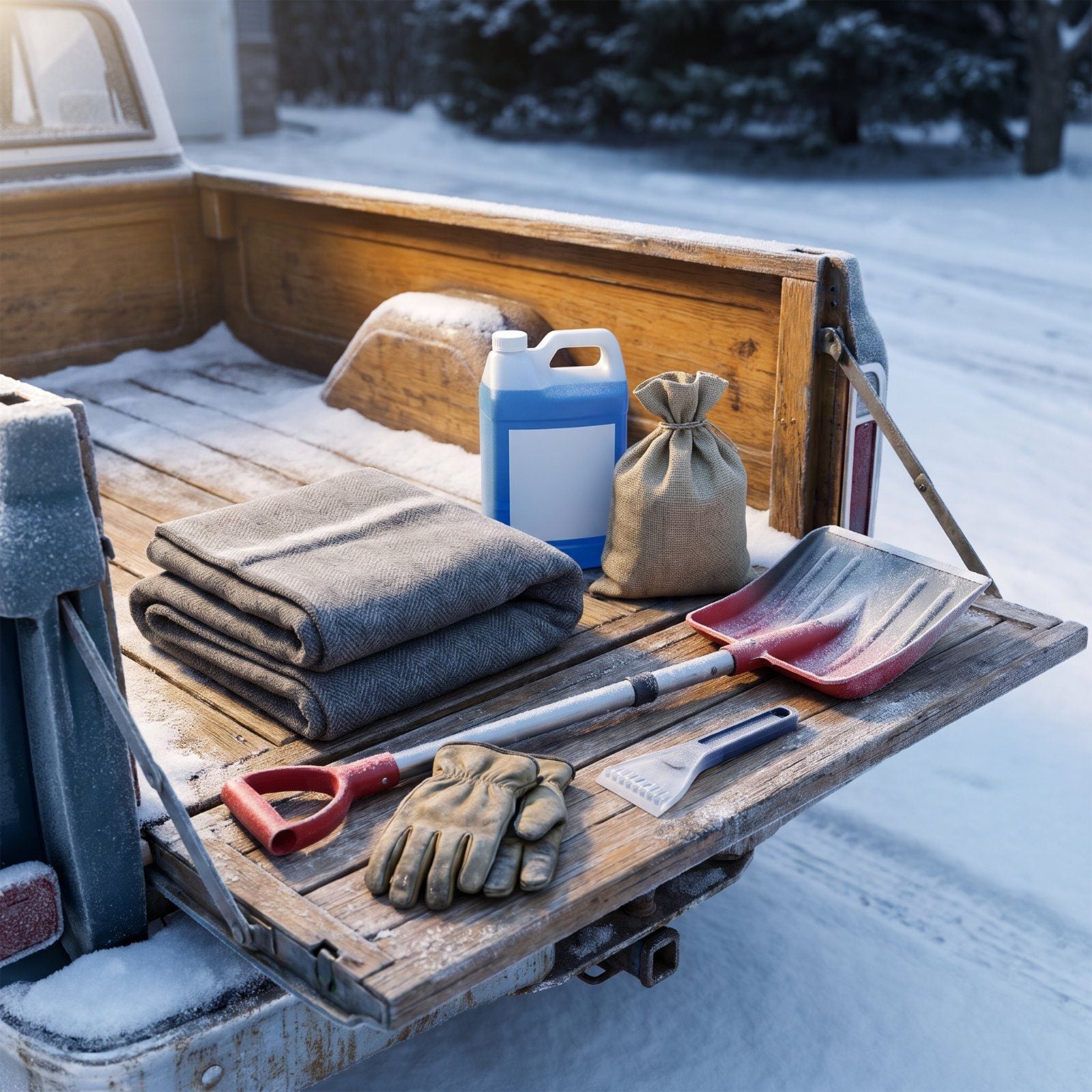
The first winter you get stuck halfway up your own driveway, spinning tires and throwing slush, you learn more in ten minutes than any owner’s manual taught you in a decade. Cold weather punishes the lazy and rewards the prepared, and the gap between those two is usually a few dollars of supplies and a couple of habits nobody bothered to mention. We dug up the moves that still hold true — the ones that saved a morning or a tow bill. No gadgets. No gimmicks. Just the stuff that works when the thermometer drops and the windshield turns to glass.
Please note that some of the images in this article were created with the assistance of AI.
21. Carry a Bag of Non-Clumping Kitty Litter for Traction
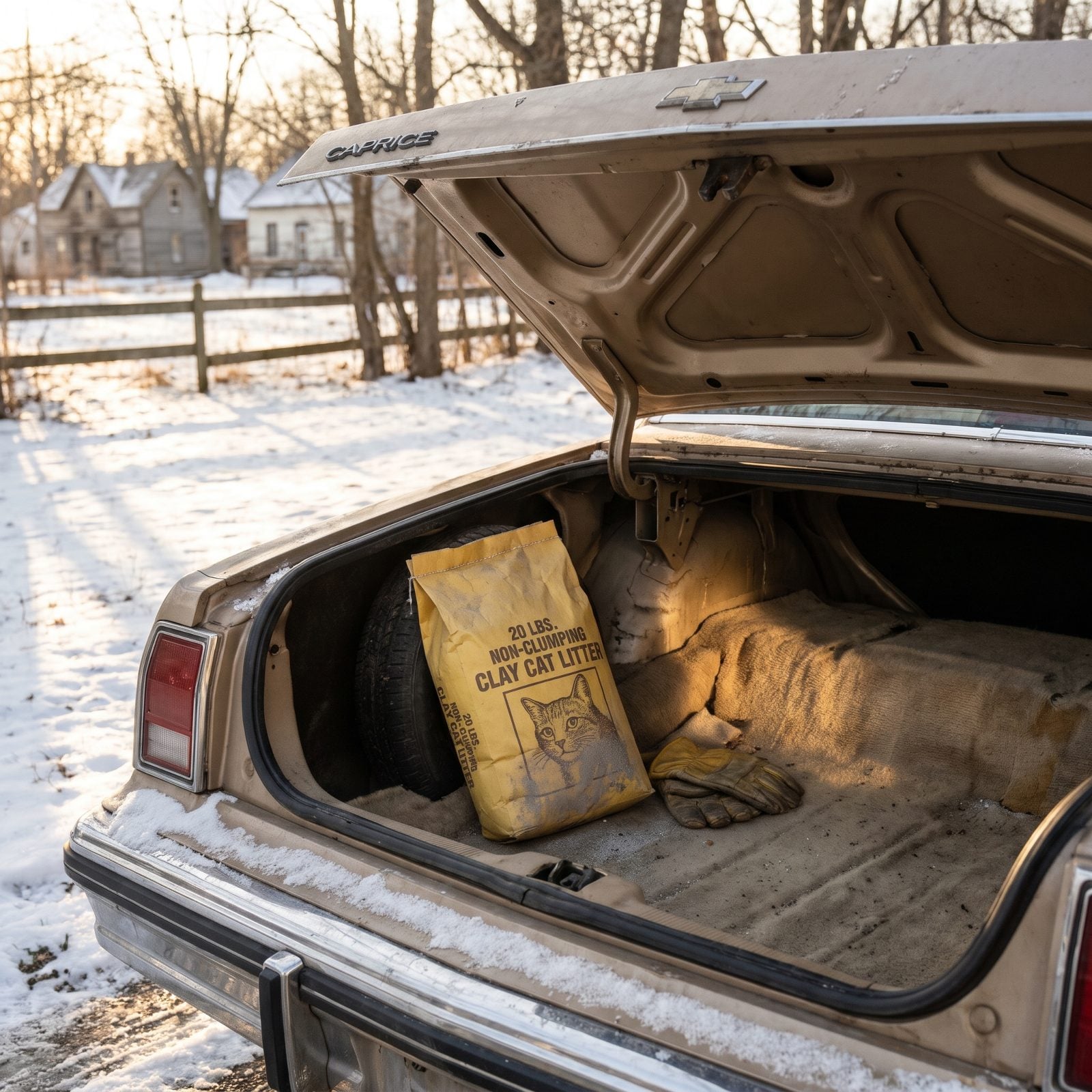
A twenty-pound bag in the trunk does two jobs. It adds weight over the rear axle of a light car, which helps on slick starts, and when you’re truly stuck a few handfuls under the drive wheels give the tread something to bite. Clay, not clumping. The clumping stuff turns to glue the second it hits wet snow and does nothing for you.
Ours just rides loose in its paper sack, propped against the spare; a tray or bucket would keep a split bag from coating the tire. One bag lasts years.
For drivers who get stuck, a commercial snow-removal contractor advises “Shovel as much snow and ice as possible out from the path of your tires, and then put a liberal amount of cat litter around and under the tire.”
20. Keep a Folding Snow Shovel in the Trunk
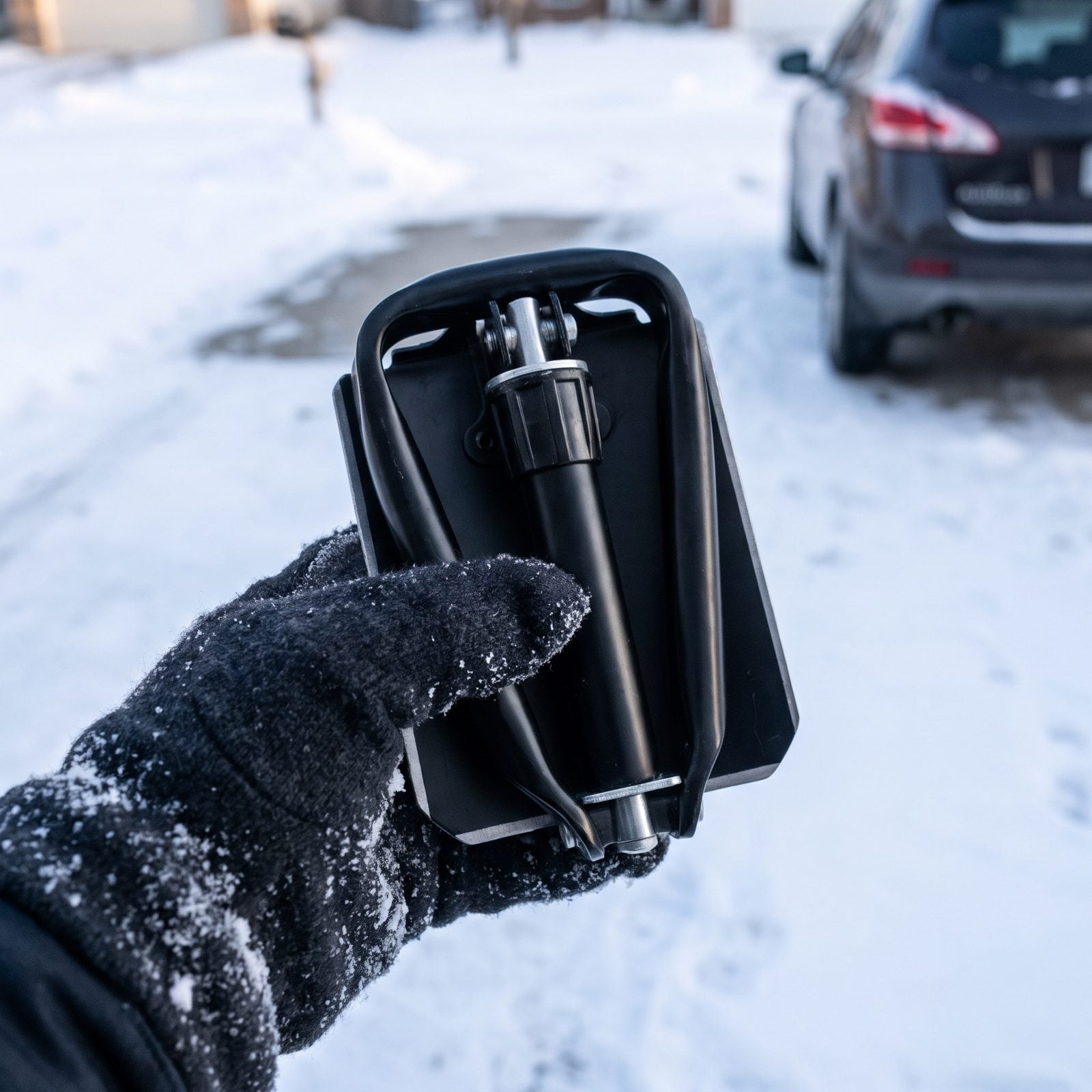
A full-size shovel lives in the garage. The one that matters rides in the trunk, folded down to the size of a laptop bag, because the day you need it you’ll be nowhere near the garage. You’ll be at the far end of a plowed-in parking lot, or at the bottom of a hill, digging packed snow away from your front tires so you can rock the car free.
The telescoping aluminum ones weigh almost nothing and tuck beside the spare. Cheap insurance against a long cold afternoon of scooping snow with your bare hands.
19. Pack an Old Wool Blanket Instead of Trusting the Heater
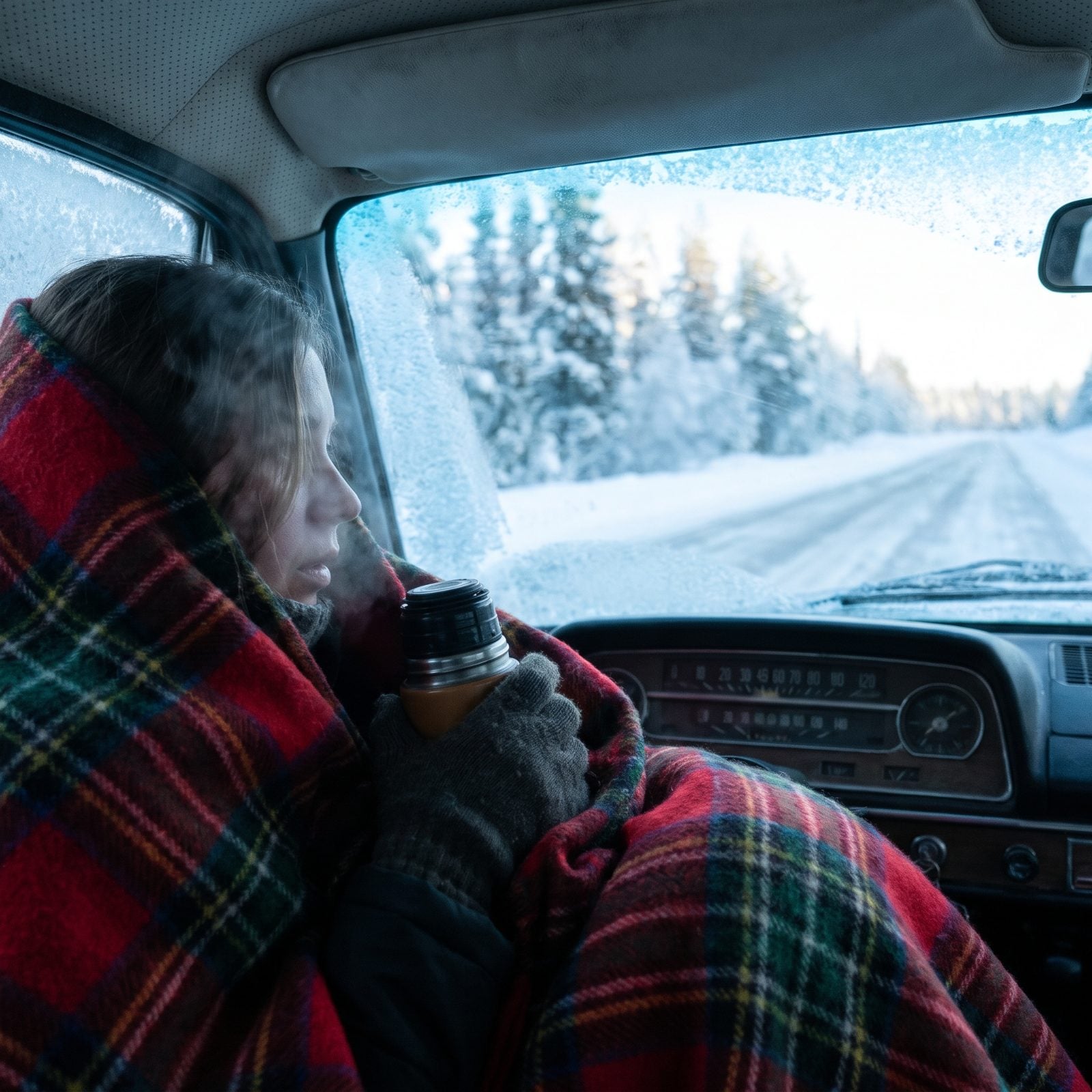
The heater only works while the engine runs. Stranded on a backroad with a dead battery, or stuck in a ditch waiting on a tow, that warmth disappears fast — and so does the fuel if you idle for hours.
A real wool blanket holds heat even when it’s damp, which a fleece throw does not. Fold one behind the seat and forget about it. You’ll go years without touching it. The one time you need it, nothing else will do.
18. Cover the Windshield Before an Overnight Snowfall
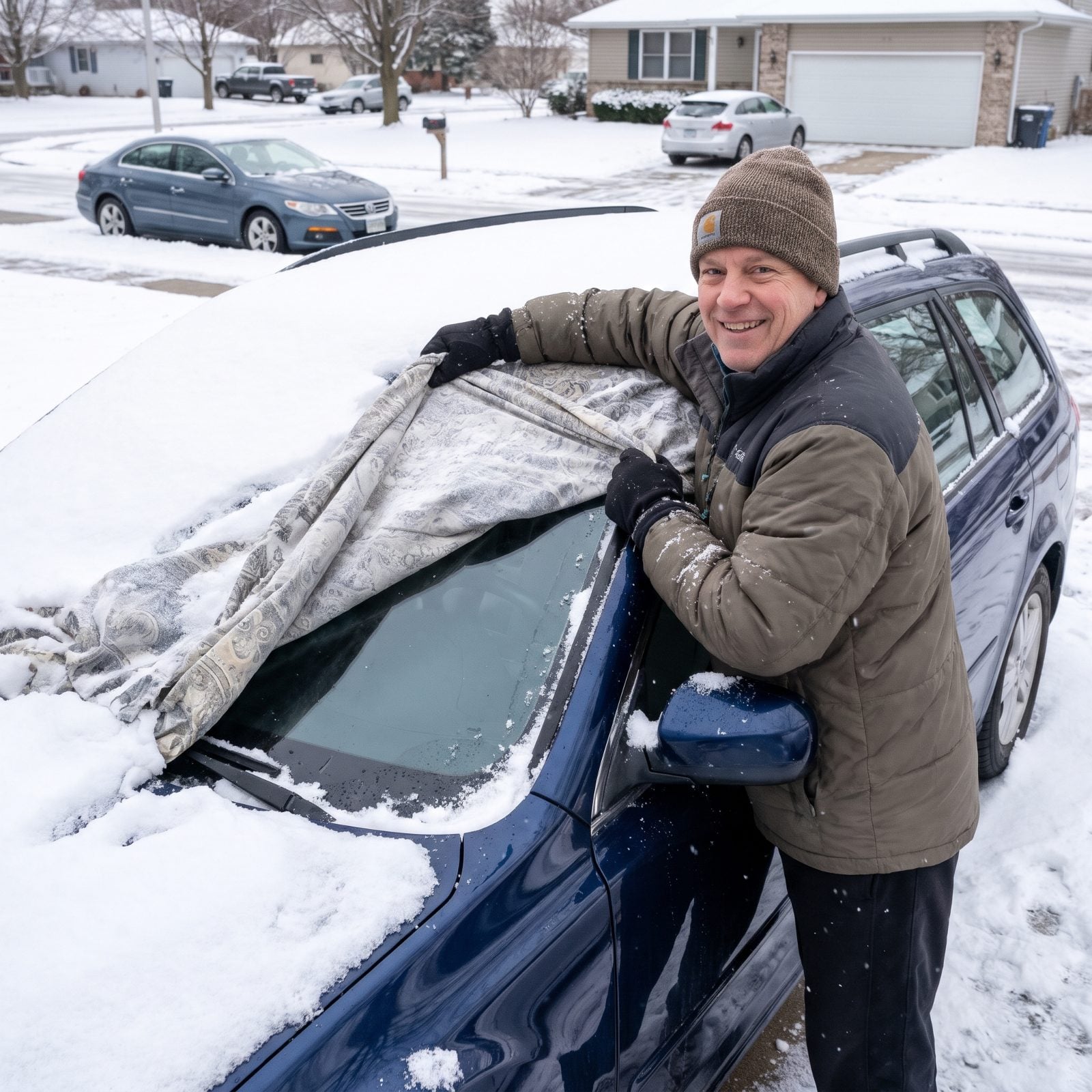
Five minutes the night before saves fifteen in the morning. A windshield cover, a cut-down tarp, even an old bedsheet held down by the wiper arms and closed in the doors keeps the glass clear of ice. When you wake up, you peel the cover off and the snow comes with it.
Here’s what people miss: tuck the edges inside the door jambs so wind can’t lift it overnight. A loose cover is a kite by six a.m.
17. Lift the Wiper Blades Before Freezing Rain
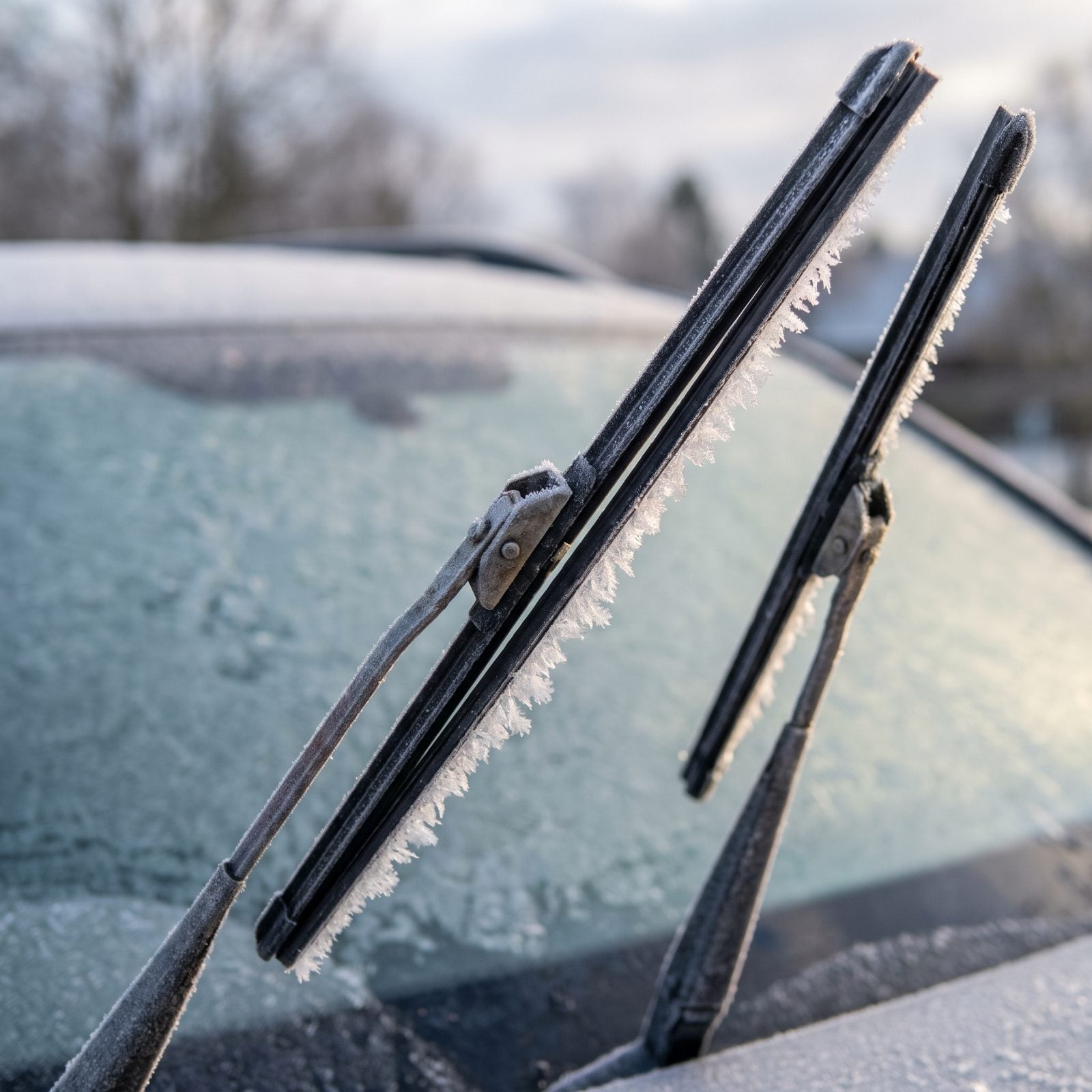
Prop the blades up off the glass before an ice storm and you save the rubber from freezing flat against the windshield. Leave them down and they weld themselves to the ice overnight. Come morning you yank them loose, the rubber tears, and now you’re wiping with a worn stub that streaks all winter.
Flip them up, walk away. Thirty seconds that buys you a season of clean swipes.
Asked about raising blades before winter weather, a wiper-maker sales manager warns “If the blade hadn’t been changed in a long time or it’s towards the end of its life, you can actually tear the windshield wiper blade if it was frozen to the windshield”
16. Park Facing East to Catch the Morning Sun
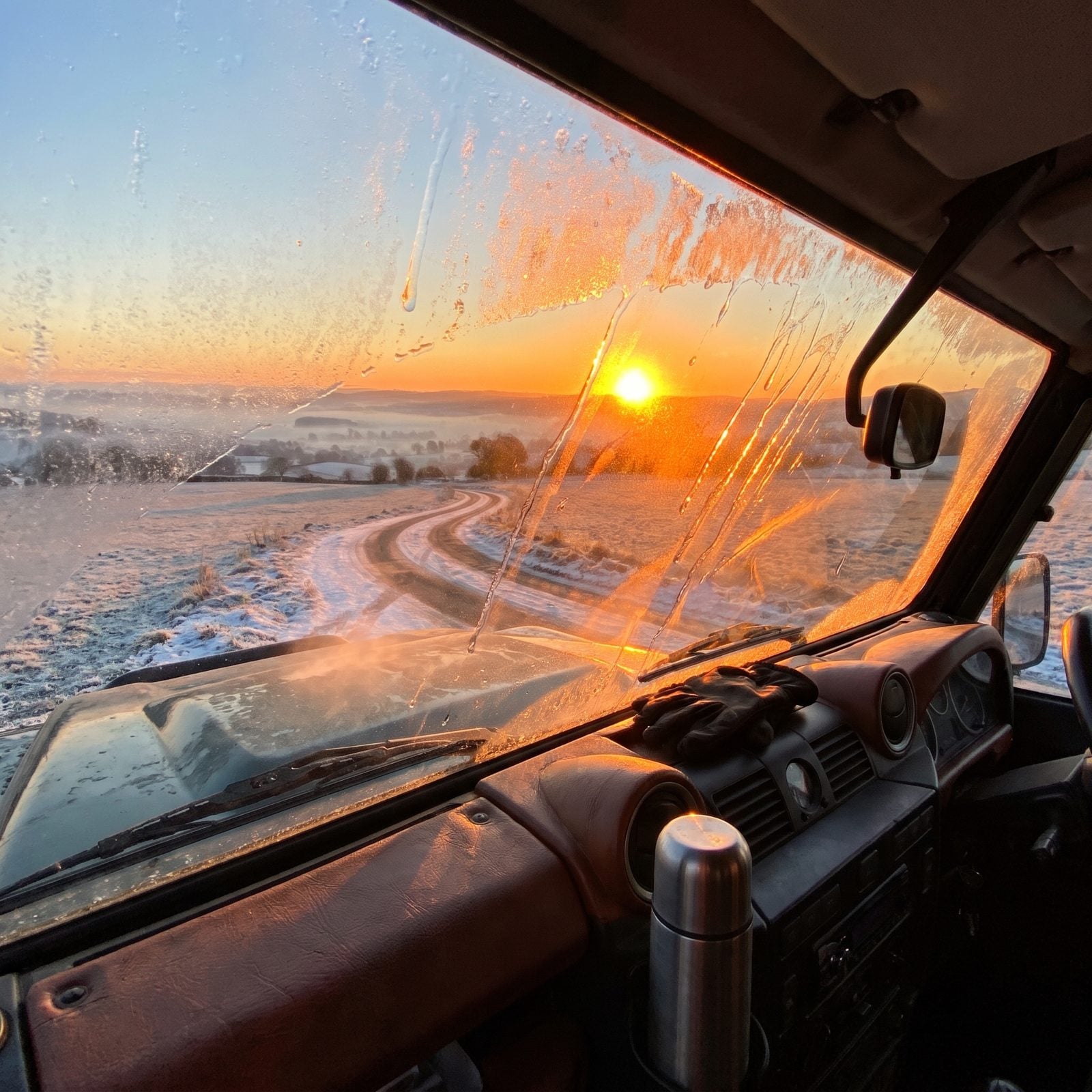
Point the windshield east the night before and let the sunrise do your scraping. Low winter sun hitting frosted glass head-on clears a soft patch before you’ve even found your keys. It won’t melt an ice storm, but on an ordinary frosty morning it knocks the worst off for free.
Works best if nothing blocks the horizon. Put a fence or a neighbor’s garage in the way and you’re back to the scraper.
15. Back Into the Driveway Before the Storm Arrives
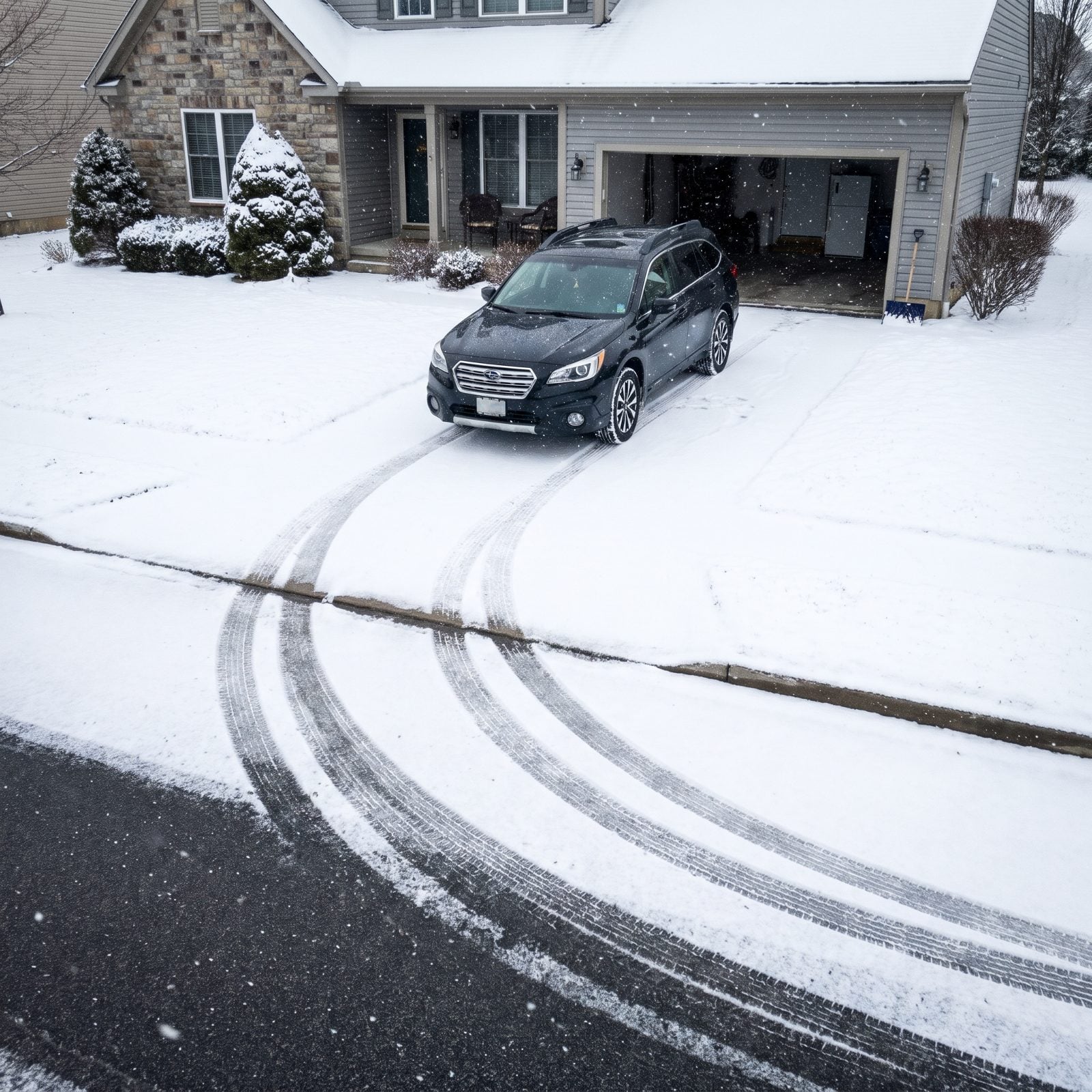
Back in while the driveway’s still clear and you drive out forward when it’s buried. Front wheels pulling you out of fresh snow beats front wheels trying to reverse through it, especially on an incline — reversing uphill on ice is a losing game.
It also puts your engine and battery nearest the street, which matters if you ever need a jump. The cables reach without a stranger having to pull into your yard.
14. Test the Battery Before the First Hard Freeze
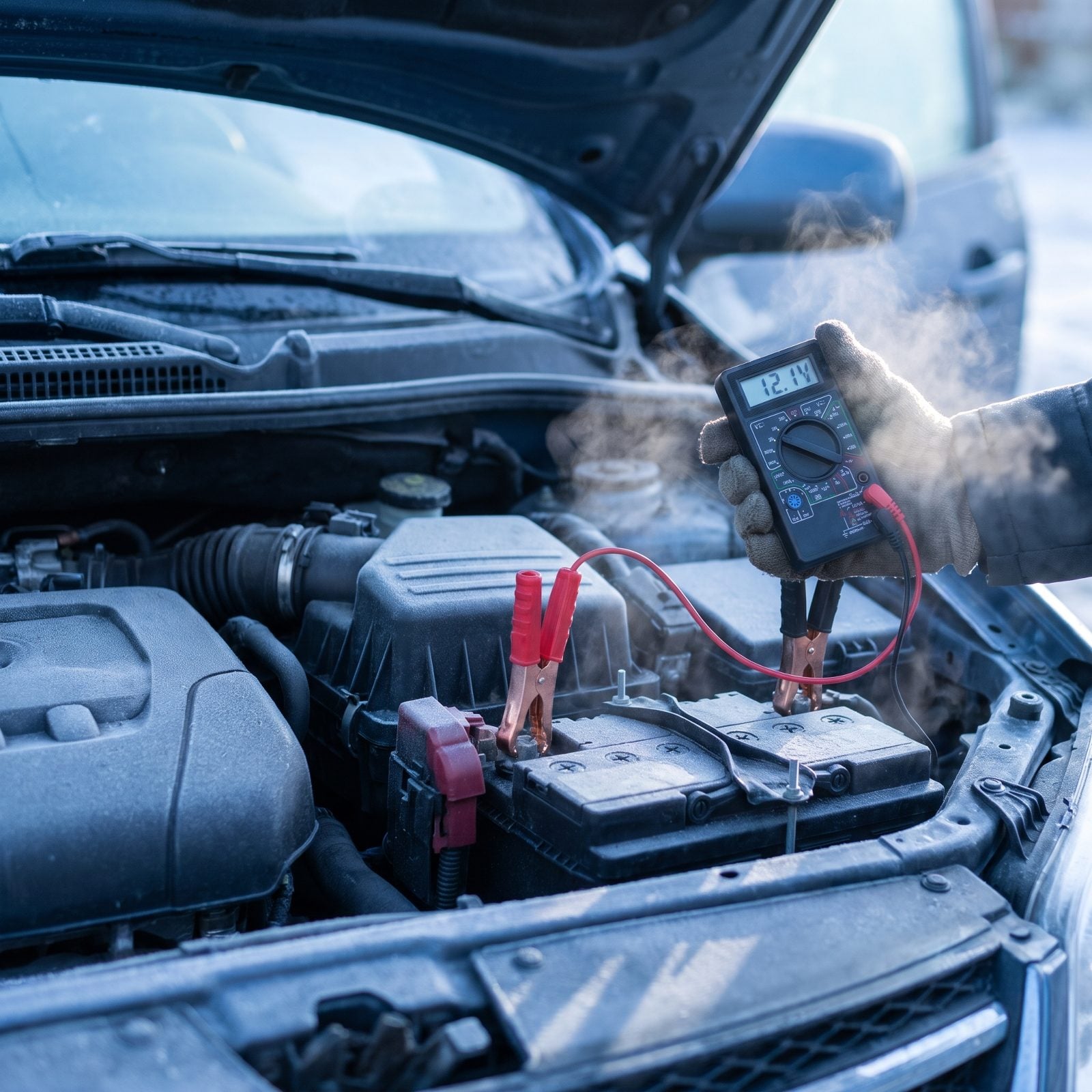
Cold is where weak batteries go to die. A battery that cranked fine all summer can drop a chunk of its punch when the temperature falls, and the first bitter morning is when it quits — usually with somewhere you need to be.
Get it load-tested in the fall. Most parts stores do it free in the parking lot, five minutes, no appointment. If it’s marginal, replace it on your schedule instead of a tow truck’s.
In a trade-magazine piece on winter no-starts, a truck field quality engineer recommends load-testing batteries, checking terminals and cables for corrosion, and verifying the charging system before cold weather arrives.
13. Top Off With Winter-Rated Washer Fluid
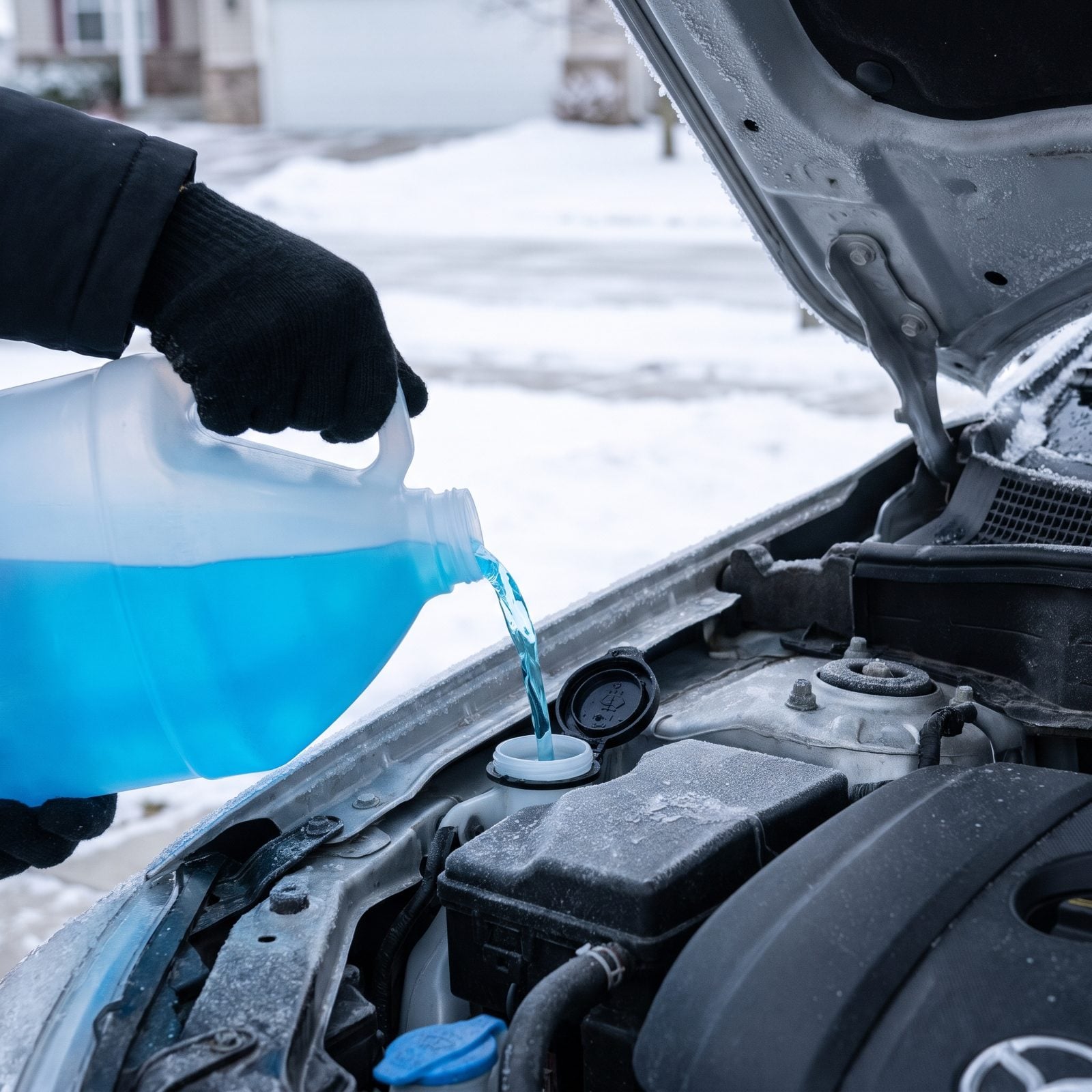
Summer washer fluid freezes on the glass the instant it hits, which blinds you worse than the salt spray you were trying to clear. Winter fluid rated well below zero stays liquid and cuts the road grime that coats your windshield behind every truck.
Run the reservoir low in the fall, then fill it with the blue stuff rated for deep cold. Keep a spare jug in the trunk — the one morning you run dry is always the morning the roads are worst.
12. Brush the Snow Off the Roof Before You Pull Out
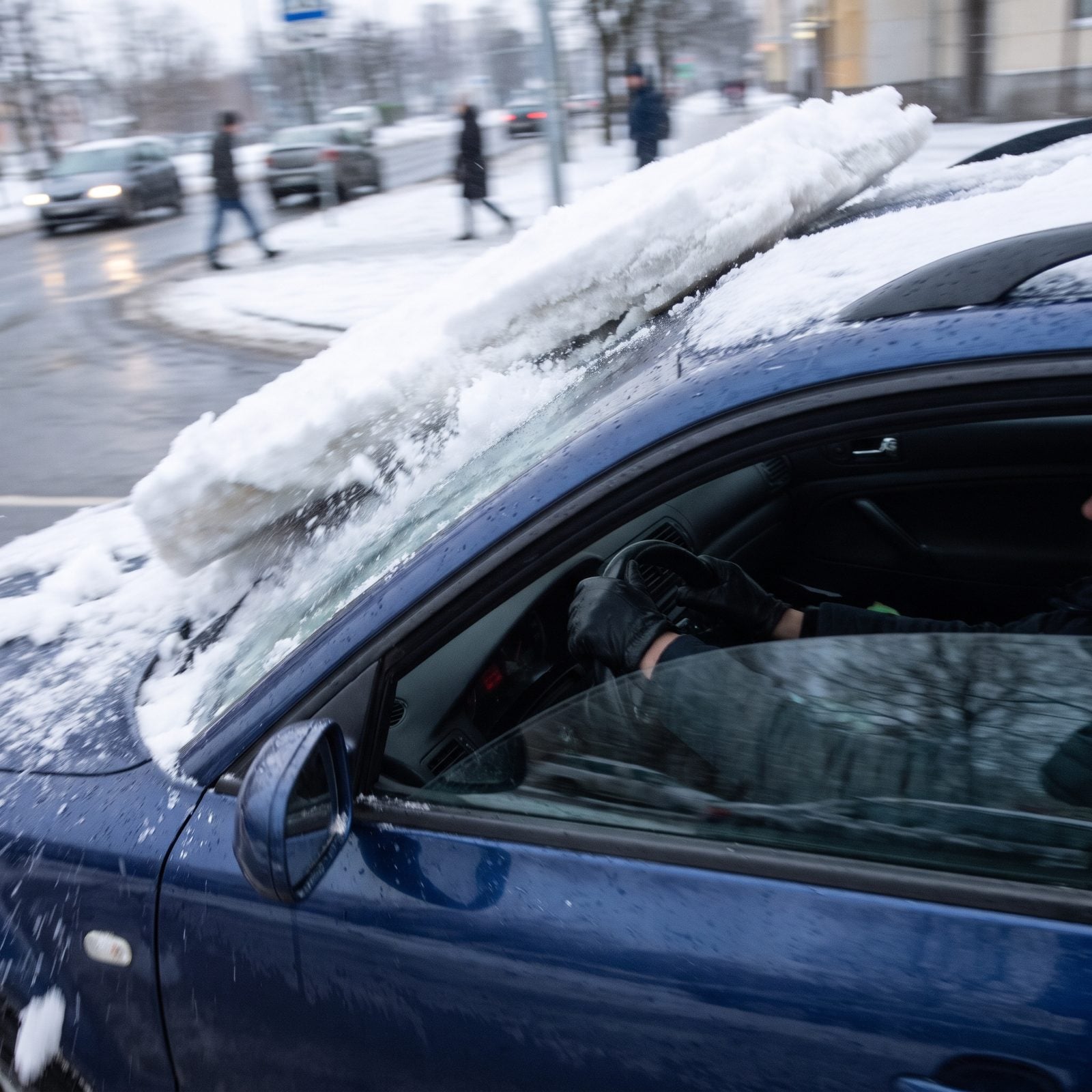
That snow on your roof doesn’t stay there. The first time you brake hard it slides forward onto your windshield in one sheet, and suddenly you’re driving blind at thirty. Then there’s the car behind you, catching a flying slab of ice square on the grille.
Forty seconds with a long brush, that’s all it takes. I skipped it for years because I was running late — which, of course, is exactly when it matters most. Clear the roof, the hood, the trunk lid. All of it comes off while you’re doing the glass anyway.
Writing in his road-safety column, a Minnesota state trooper cautions “Snow and ice left on your hood, roof and trunk can shift and blow off – blinding you or the driver behind you.”
11. Clear Every Window, Not Just a Porthole
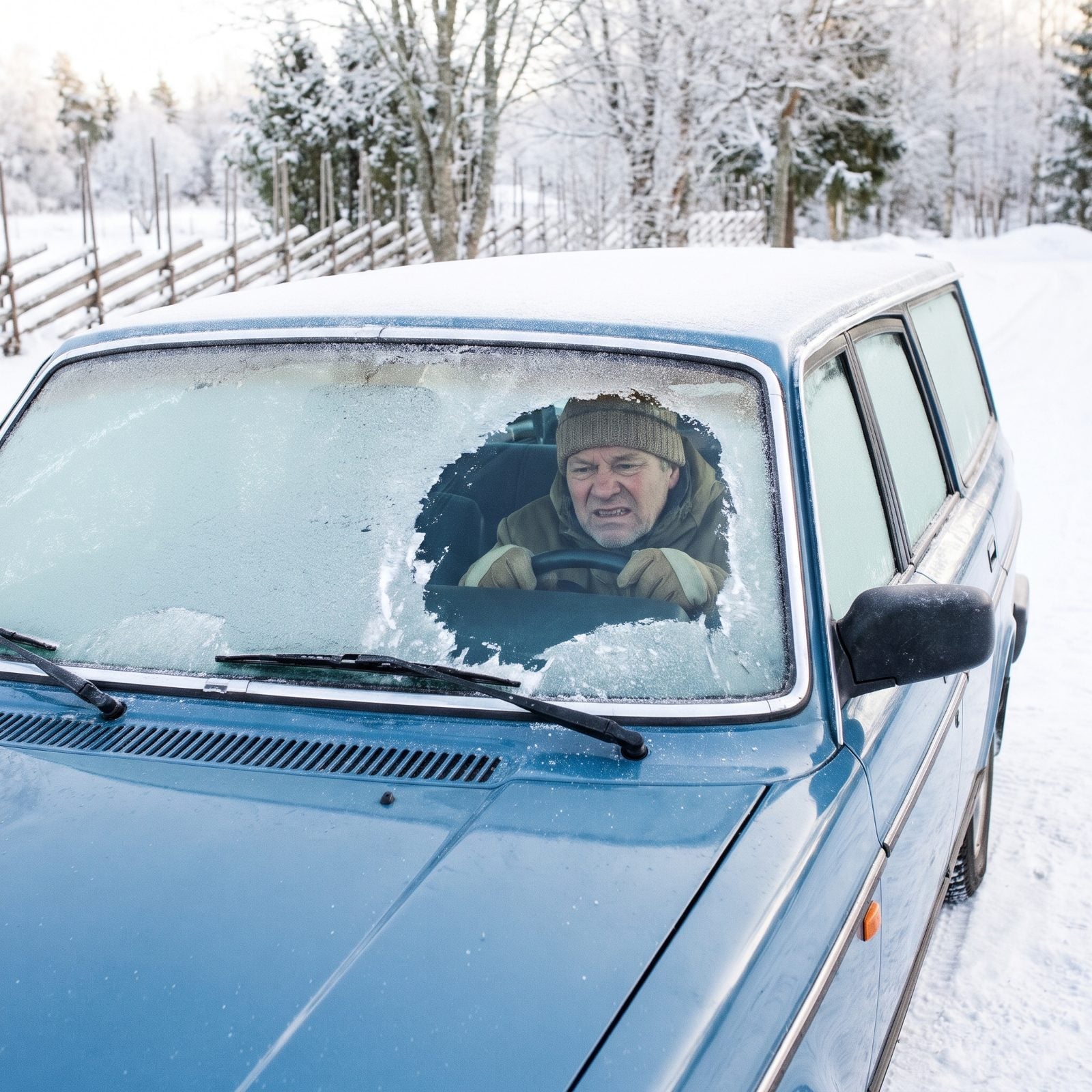
The peephole method is a bet you keep making until it finally costs you. You scrape a dinner-plate circle in the windshield, figure the defroster will sort out the rest, and pull into traffic with blind spots in every direction.
Side windows matter at intersections. Rear glass matters the second you back out. Give the defroster a head start, then scrape everything else while it works. Full visibility is the cheapest safety upgrade your car will ever get, and it costs you nothing but a couple of cold minutes.
10. Tap a Frozen Door Before You Yank the Handle
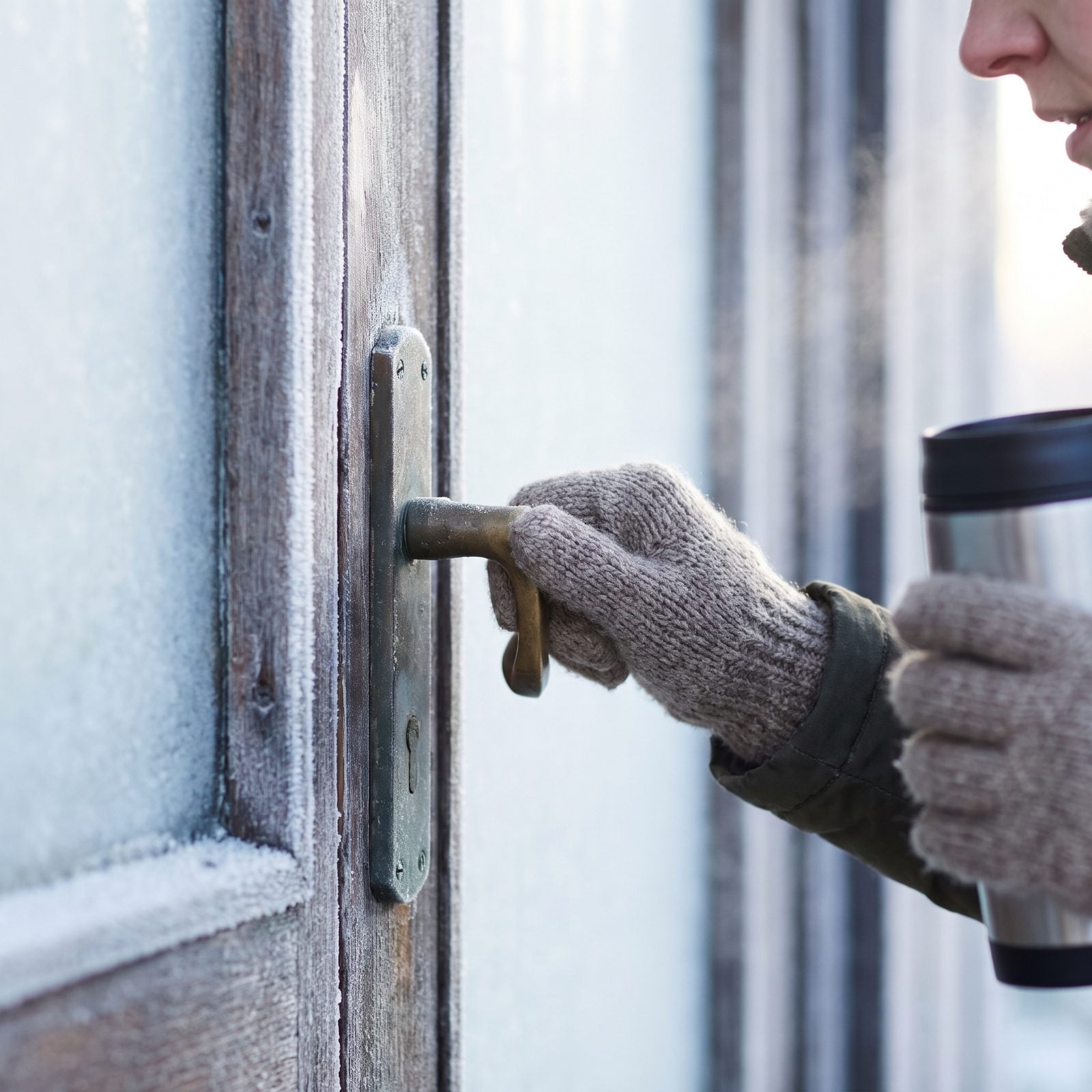
Frozen door, cold morning, and every instinct says to haul on the handle with everything you’ve got. That’s how you snap a handle clean off, or crack the frosted glass panel right out of the door.
Instead, rap firmly along the top and side with the heel of a gloved hand. It cracks the ice bond without the brute force. Then ease it open slow. Metal lever handles and their fittings turn brittle in deep cold, and they break a whole lot easier than you’d ever expect.
9. Wipe Silicone on the Door Seals Before They Freeze Shut
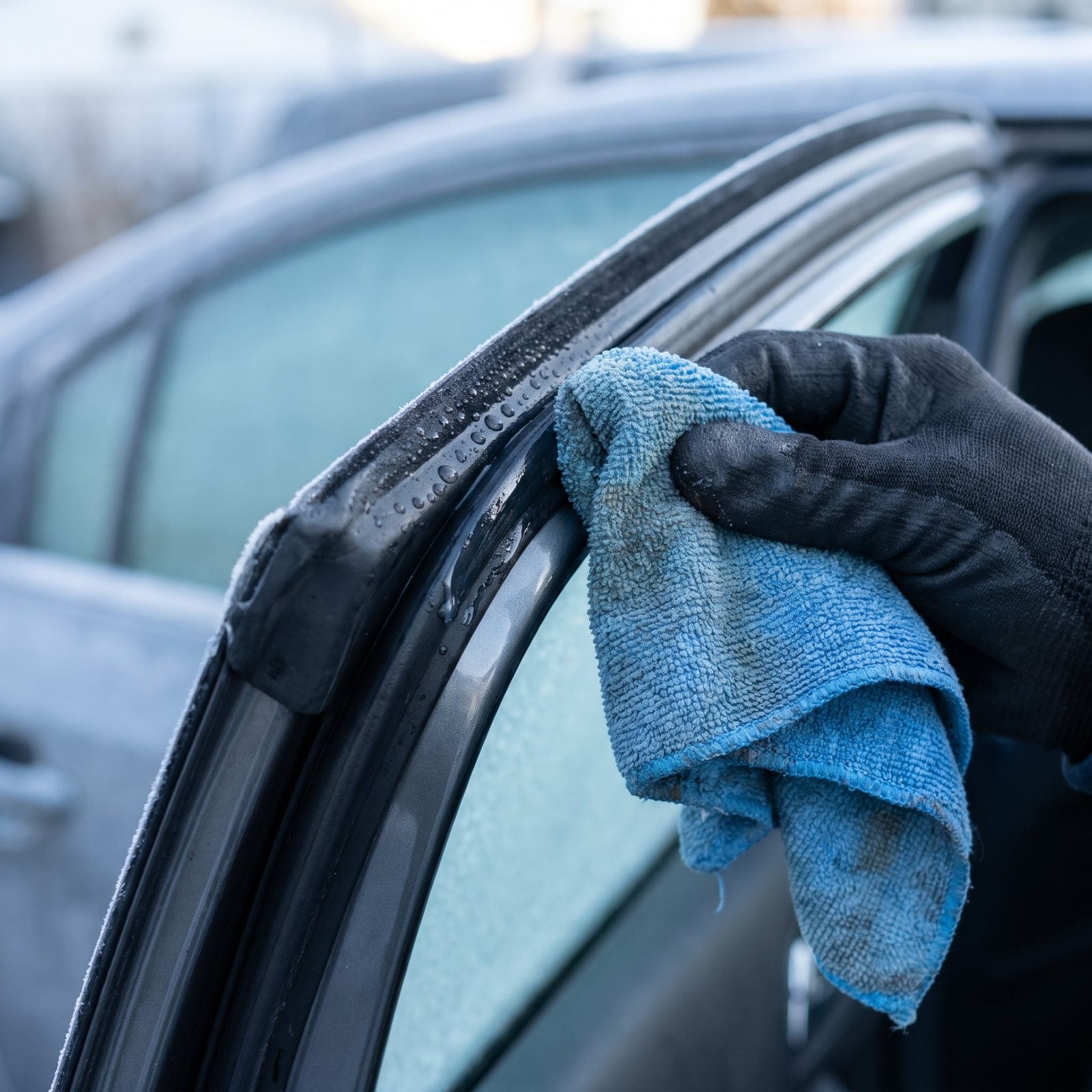
Rubber door seals are water traps. Moisture settles in, freezes overnight, and glues the door shut by morning. Force it, and you’ll tear the weatherstripping — which buys you a nagging wind-whistle for the rest of the car’s life.
Run a thin coat of silicone spray along the seals a few times each season on clean, dry rubber — wipe off any moisture first, then work it in with a rag. After that the seals shed water instead of holding onto it, and the doors just open.
8. Keep the Lock De-Icer in Your Coat, Not the Car
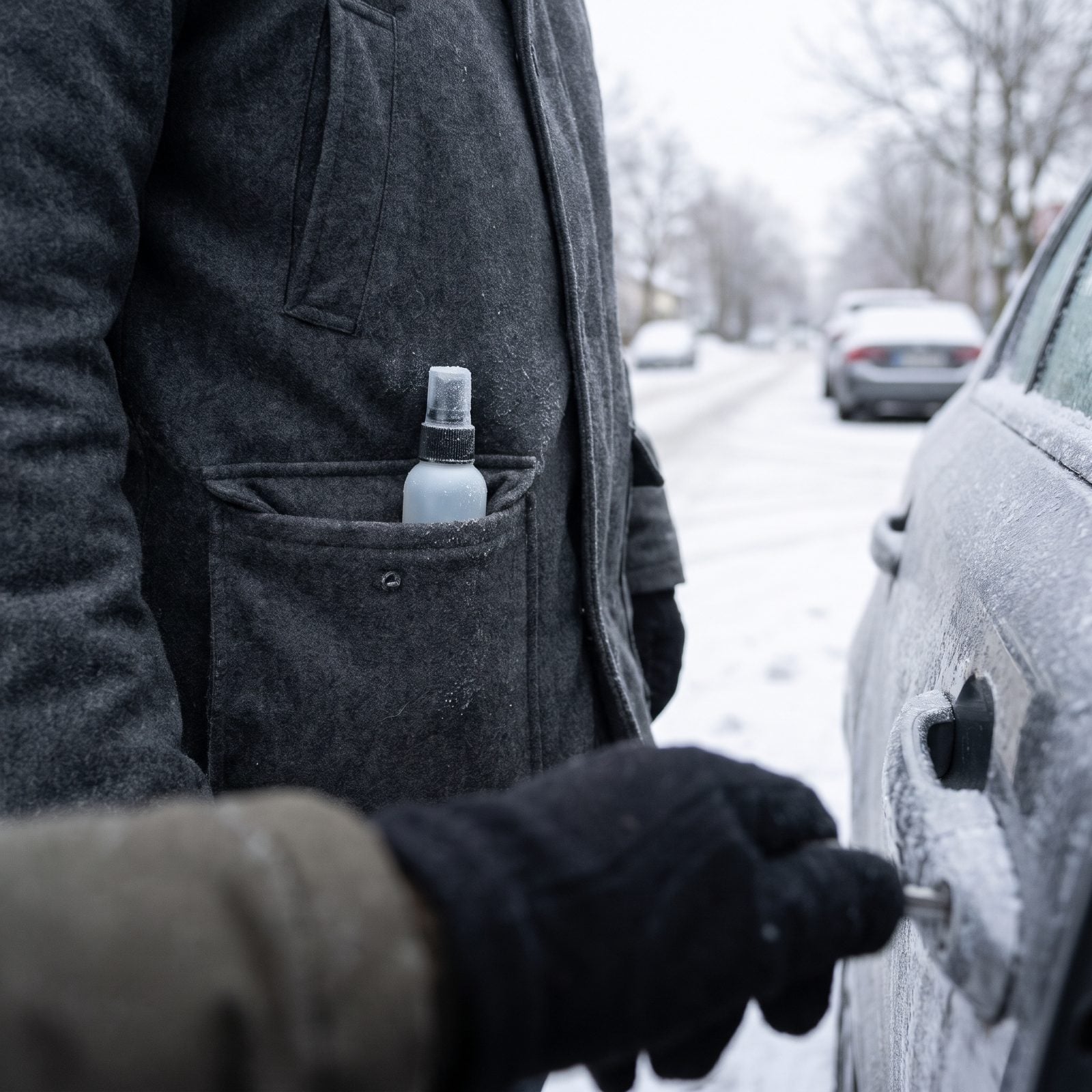
The purest frustration winter has to offer: the de-icer for your frozen lock is locked inside your frozen car.
Keep the little tube where it can actually do you some good — a coat pocket, a jacket you wear every day, your house keyring. Store-bought alcohol-based de-icer works fast. In a real pinch, warming the key in your hand or over a lighter and easing it in gently will thaw a cylinder. But that tube in your pocket? That’s the real answer.
7. Store the Jumper Pack Indoors Between Trips

A lithium jumper pack is the best winter tool to come along in decades. One catch: lithium cells hate the cold. Leave the pack in a freezing trunk all week and it’ll be half-dead the one morning you actually need it — right when your cold-cranked battery is already gasping.
So keep it inside, on a shelf by the door, topped up. Grab it on your way out when you’re worried about the battery, or just toss it in for a long haul. Warm pack, full charge, ready when it counts.
6. Stash a Lithium-Battery Flashlight in the Glovebox
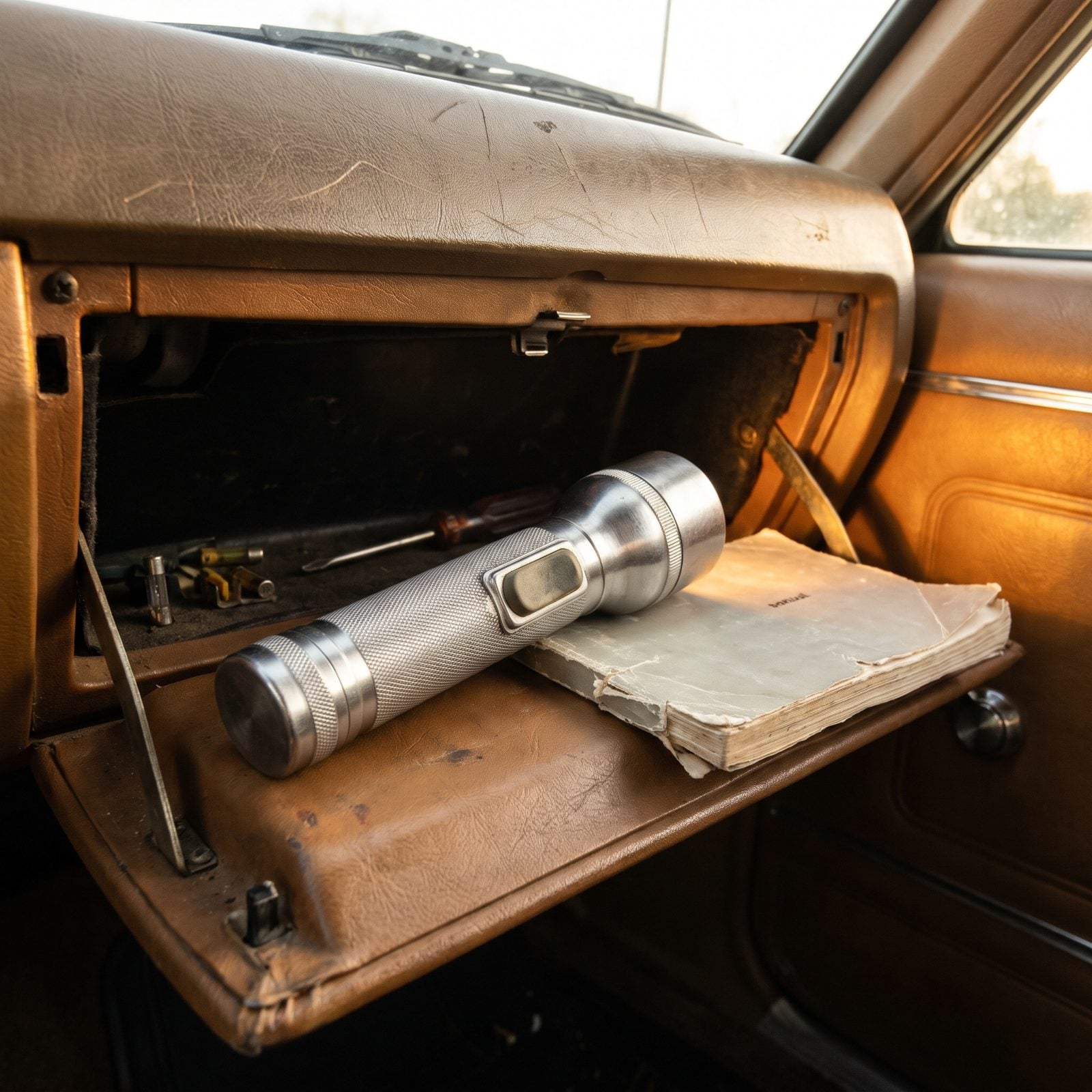
Alkaline batteries sulk in the cold. That flashlight that blazed back in July gives you a weak amber glow come January — usually the exact night you’re kneeling in the snow trying to find the hood latch by feel.
Lithium batteries hold their charge in deep cold and last far longer sitting idle. Swap them into your glovebox flashlight and leave it there. Toss a spare pair in the sealed bag with your gloves while you’re at it. A real light in your hand changes everything about dealing with trouble after dark.
5. Pack Dry Gloves and Socks in a Sealed Bag
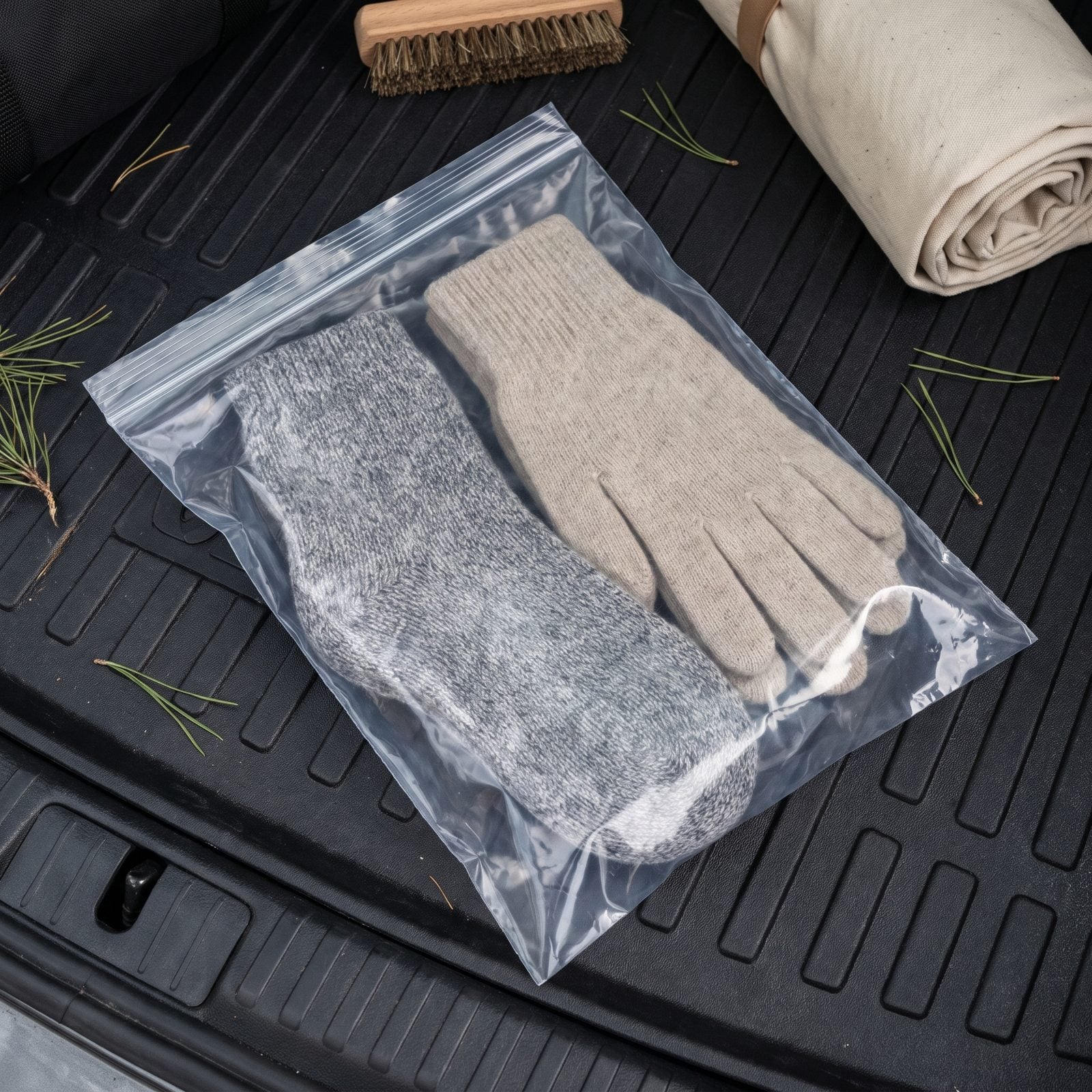
Wet gloves in the cold are worse than no gloves at all. The first time you dig a tire out of a drift, your hands come out soaked, and then they’re useless for anything that needs fingers.
Keep a sealed bag with dry wool socks and spare gloves in the car. Wool stays warm even damp. The sealed bag is the whole trick — it keeps everything bone dry until the moment you need it, and that’s your line between annoying and dangerous.
4. Carry a Bright Vest You Can Pull On in the Dark
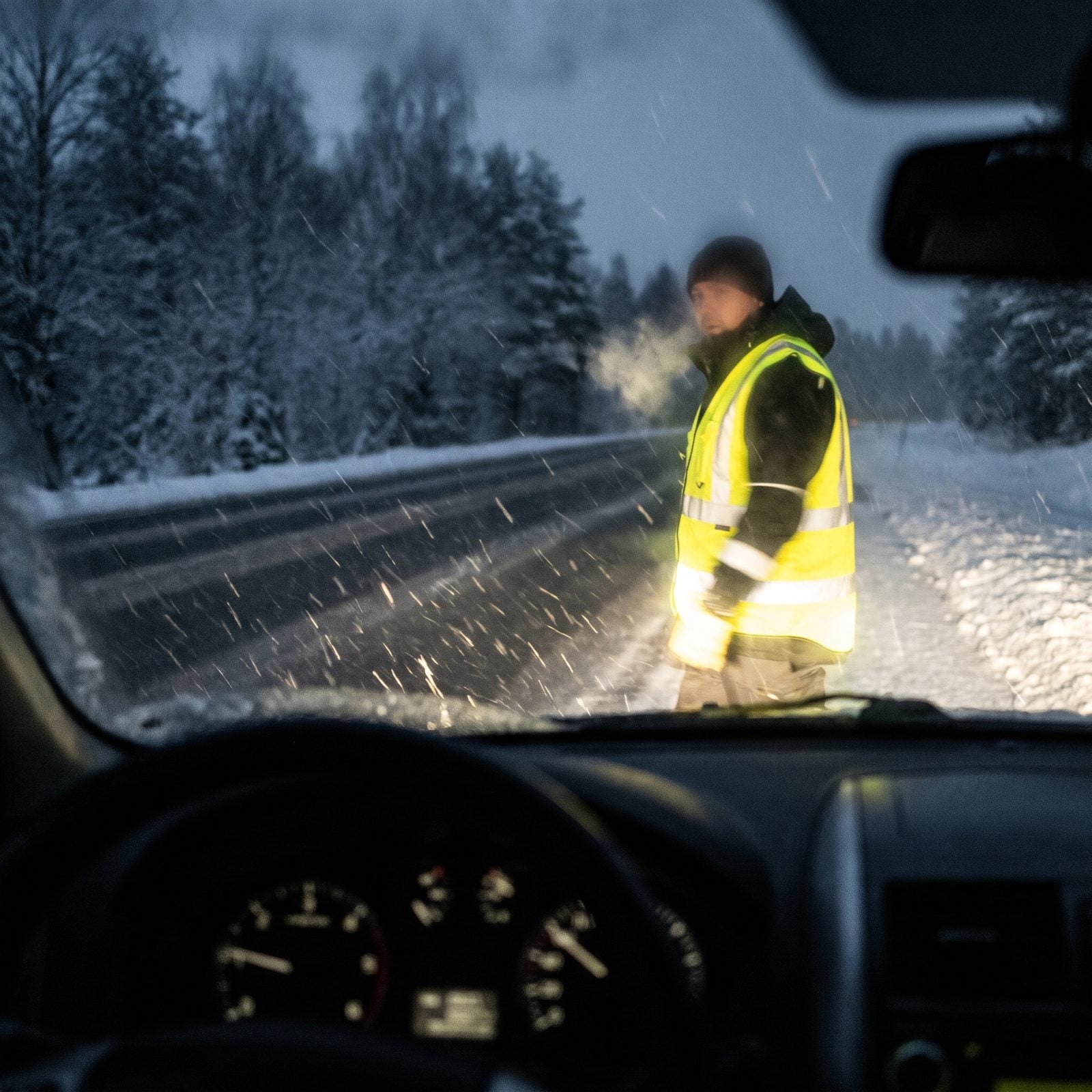
Break down on a winter shoulder and the thing that keeps you alive isn’t the car — it’s whether anyone can see you standing next to it. Snowbanks, early dark, salt-grimed windshields on everyone rolling past. In a gray coat, you’re invisible.
A folded hi-vis vest costs almost nothing and lives in the door pocket. Pull it on before you step out, every single time, even for a quick look at a flat. Reflective stripes under headlights make you a person instead of a shape nobody notices until it’s too late.
3. Rock the Car Gently Instead of Spinning the Tires
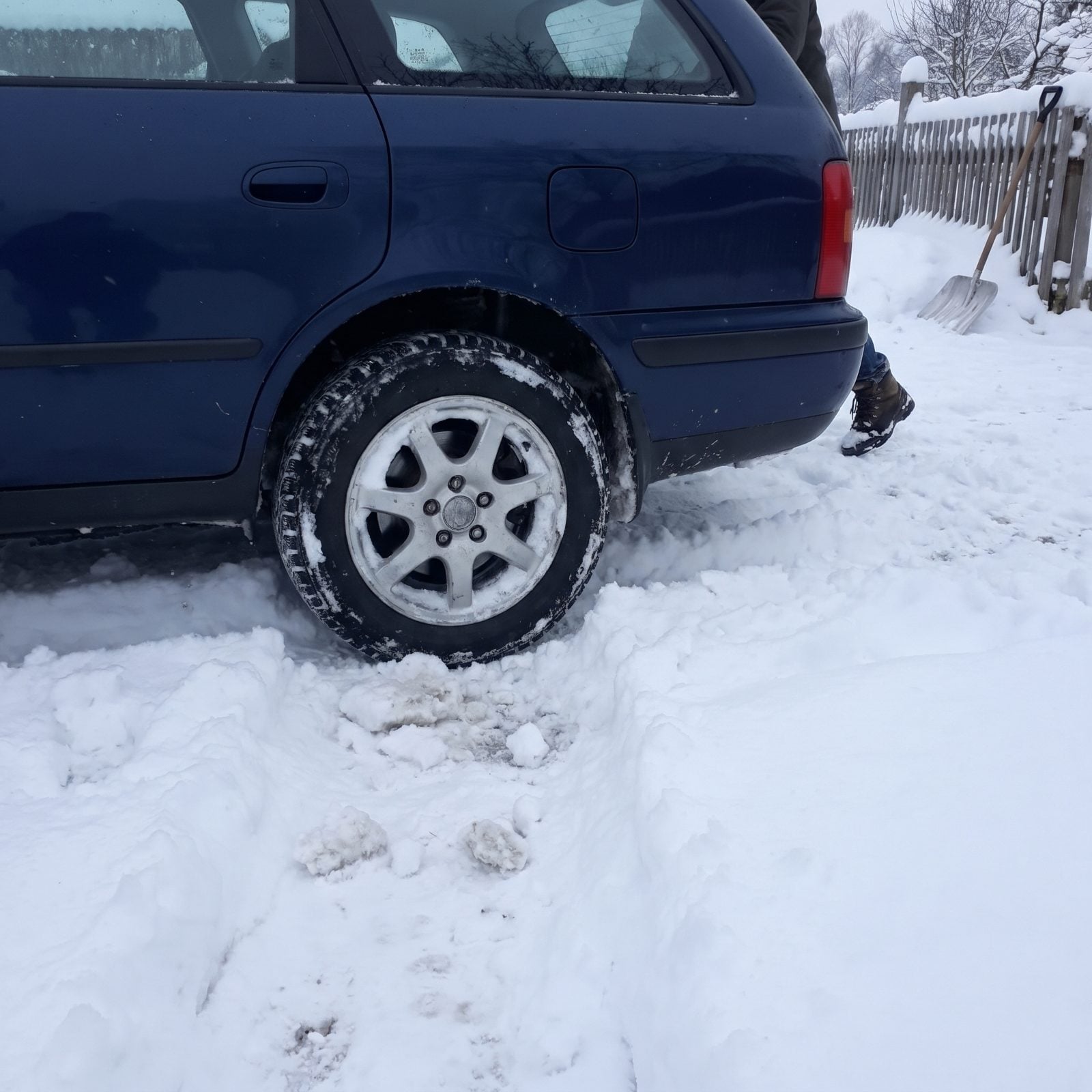
The sound of a tire spinning flat-out in snow is the sound of someone making it worse. Floor it and all you accomplish is polishing the snow into ice while digging yourself a tidy little grave.
The trick is motion, not power. Ease forward until the car stops, let it roll back on its own, then ease forward again a touch farther. Each pass packs a short runway under the tire, and a few gentle cycles later the car climbs out on its own momentum.
Gentle is the whole word. Patience gets you unstuck; anger gets you a tow truck and a sheepish phone call.
2. Run the Air Conditioner With the Defroster
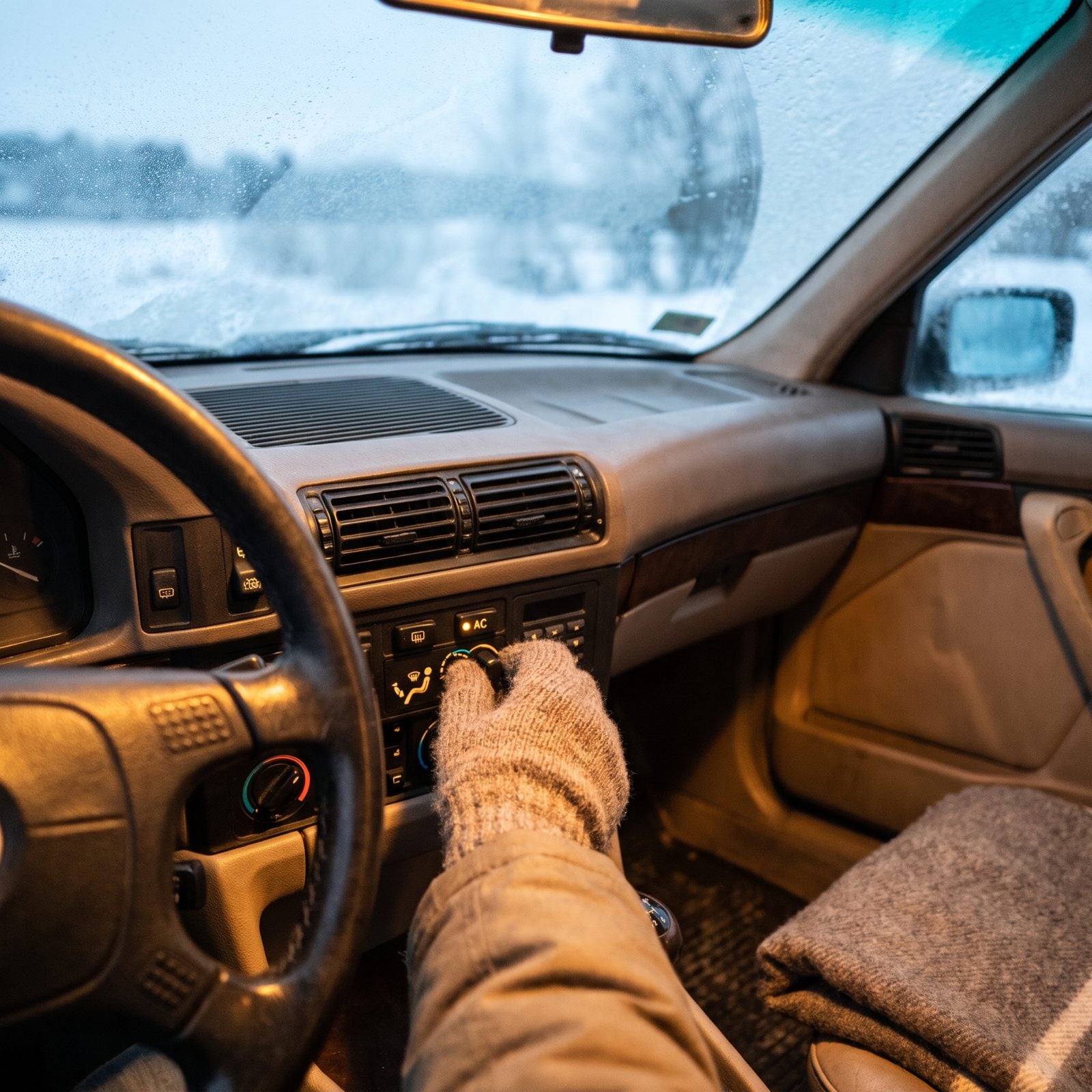
Sounds wrong, doesn’t it — cranking the AC in January. But on most cars the compressor kicks on automatically the moment you hit defrost, and there’s a good reason for it.
Air conditioning doesn’t just cool. It dries. Pull the moisture out of the cabin air and there’s nothing left to condense on the inside of a cold windshield, so the glass clears faster and stays clear instead of fogging back up the second you turn the fan down.
Explaining why fogged glass clears on the defrost setting, a Mankato mechanic who runs a repair shop says “When you select ‘Defrost’ on your car, the A/C turns on, too, and pulls moisture out of the air and then the heater warms the air back up again and blows it onto the windows and you.”
1. Crack a Window When Wet Clothing Fogs the Glass
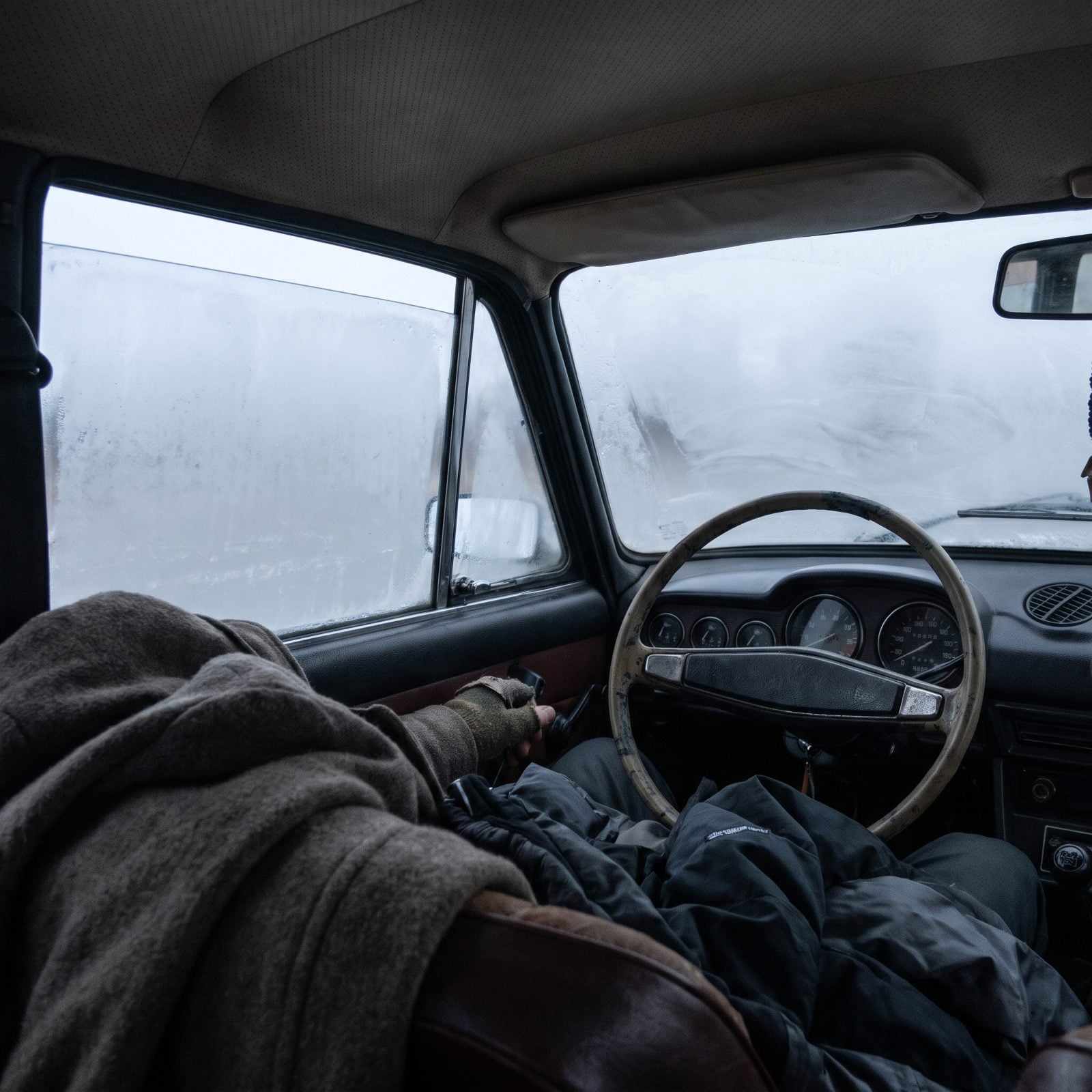
Everybody piles into the car with snow on their boots and a soaked coat, then wonders why the windshield turns milky in thirty seconds flat.
All that melting snow has to go somewhere, and in a sealed cabin it heads straight for the coldest surface around — your glass. Crack a window an inch and you give the humid air a way out instead of trapping it to fog you blind. Pair it with the defroster and the glass clears in half the time.
Yes, it lets a little cold in. A little cold beats driving with your head hanging out the window like a confused retriever.