
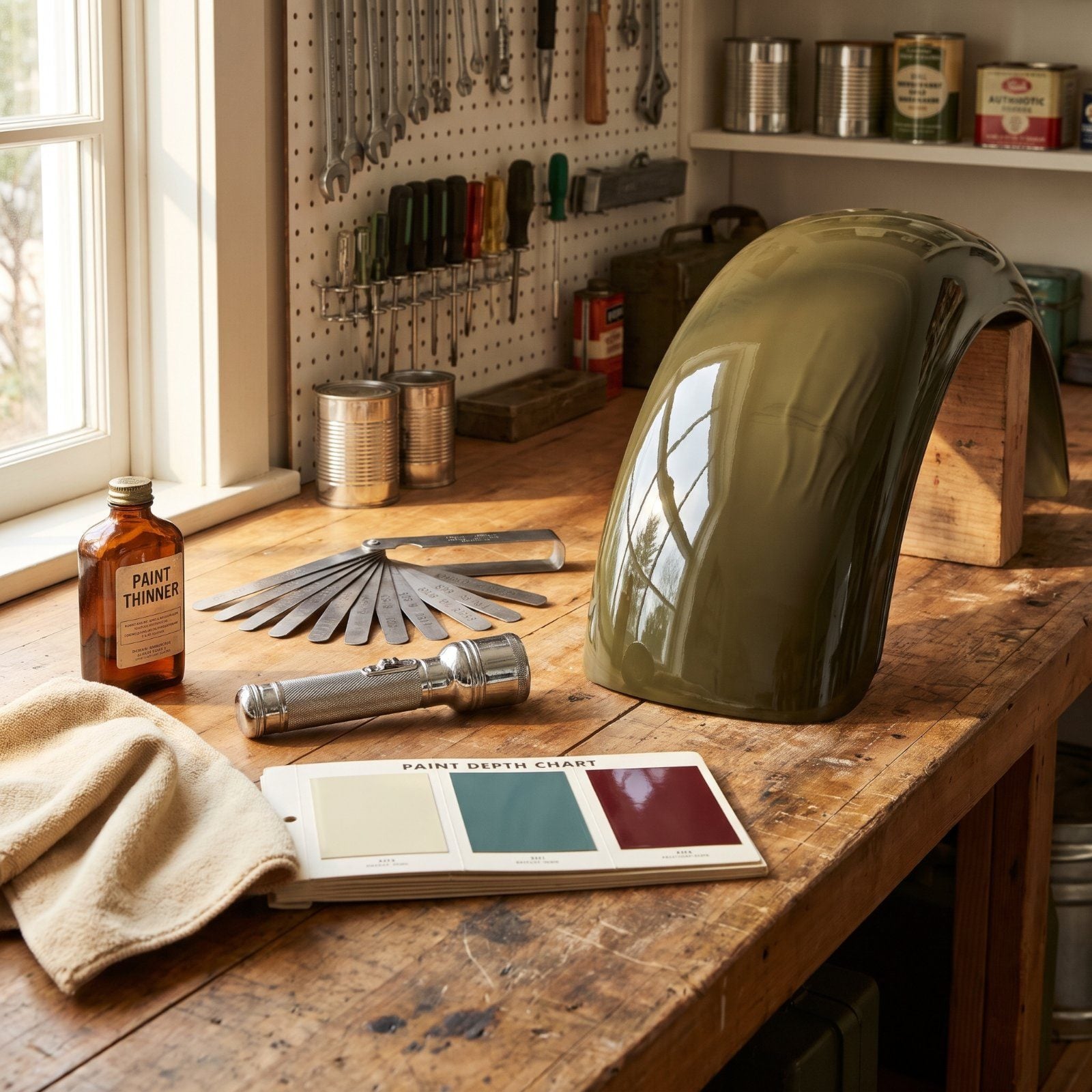
A fresh paint job hides sins the way a clean shirt hides a bad haircut. You can smell the cleaner, see the shine, admire the chrome, and still be looking at a car that got slapped together to sell. The giveaways sit on the outside in flat daylight, waiting for anyone who knows where to aim their eyes. Panel gaps. Reflections. The way a door hangs, the direction the metallic flake lies down. None of it needs a lift or a mechanic. Walk around the car slowly, squint at the sun bouncing off the quarter panel, and the shortcuts start whispering.
Please note that some of the images in this article were created with the assistance of AI.
44. Panel Gaps That Change Width From Top to Bottom
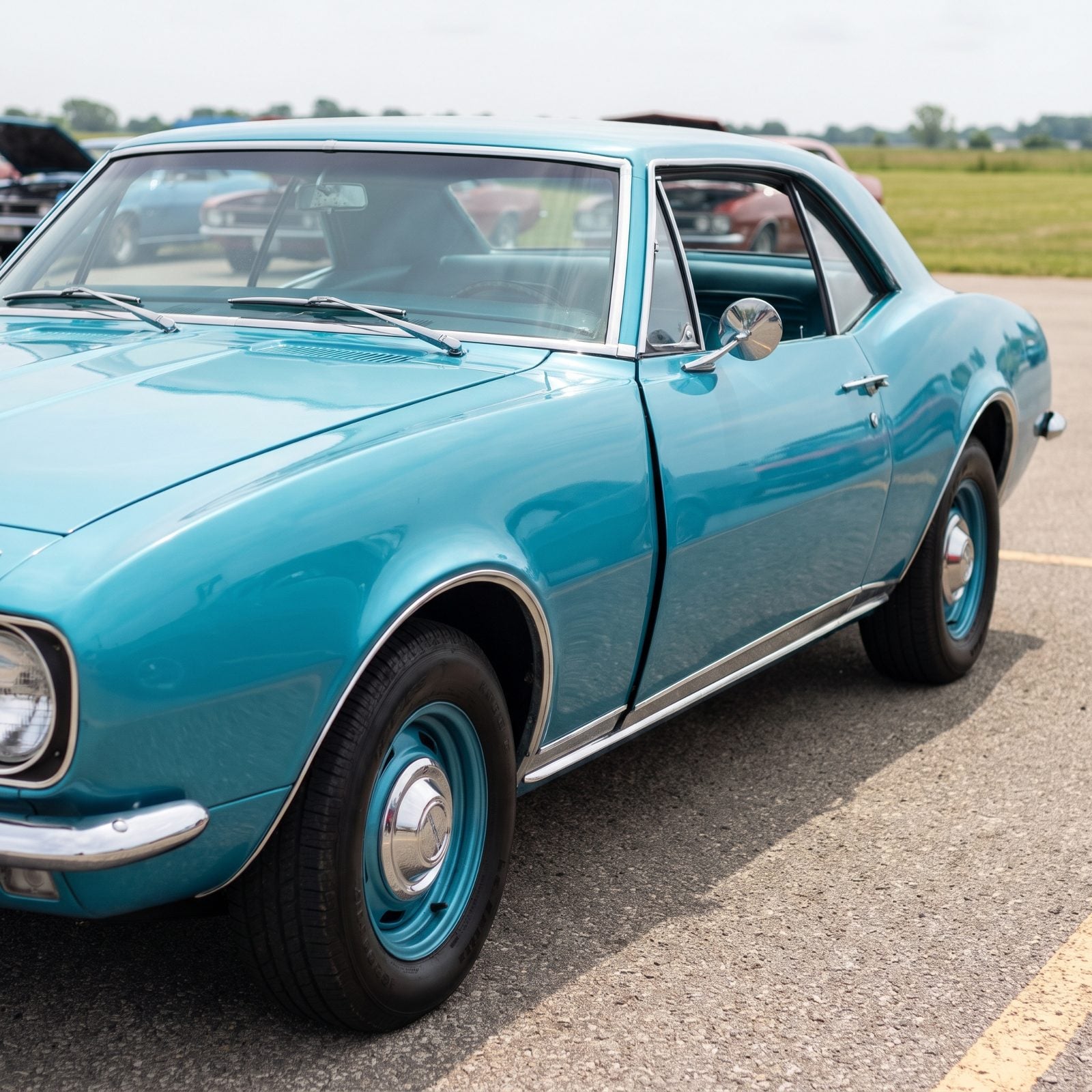
Factory gaps ran parallel. Not perfect, nobody’s claiming Detroit built Swiss watches, but the space between a fender and a door stayed roughly the same from the mirror down to the rocker. See a gap that’s tight up top and wide at the bottom? Somebody hung that panel in a hurry and never adjusted it right.
It means the bolts got snugged down wherever the holes happened to land. A properly fitted panel gets shimmed, nudged, and walked into place over an afternoon. A wedge-shaped gap tells you nobody had the afternoon.
43. A Door That Visibly Sags at the Handle End
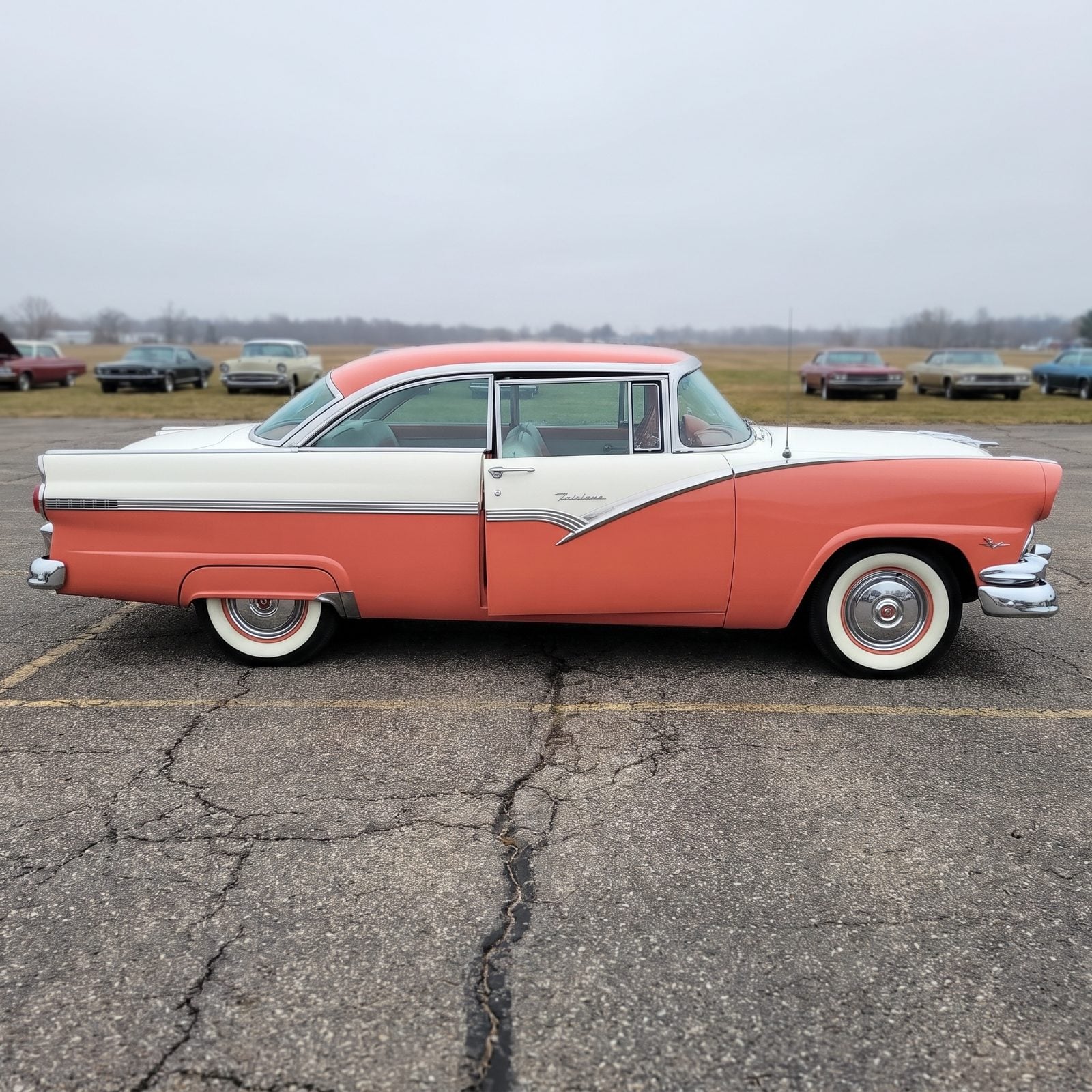
Stand at the back corner of the car and sight down the door line. A good door closes with its top edge flush to the roof seam and its latch end lined up square. A sagging door drops at the handle, so the gap yawns open up top while the bottom pinches closed.
Worn hinge pins cause it. Restorers who care replace the pins and bushings for a few bucks and an hour of labor. The ones taking shortcuts just slam it shut and hope you don’t notice the door dragging the striker. You will, every time you open it.
42. A Hood That Sits Proud of the Fenders
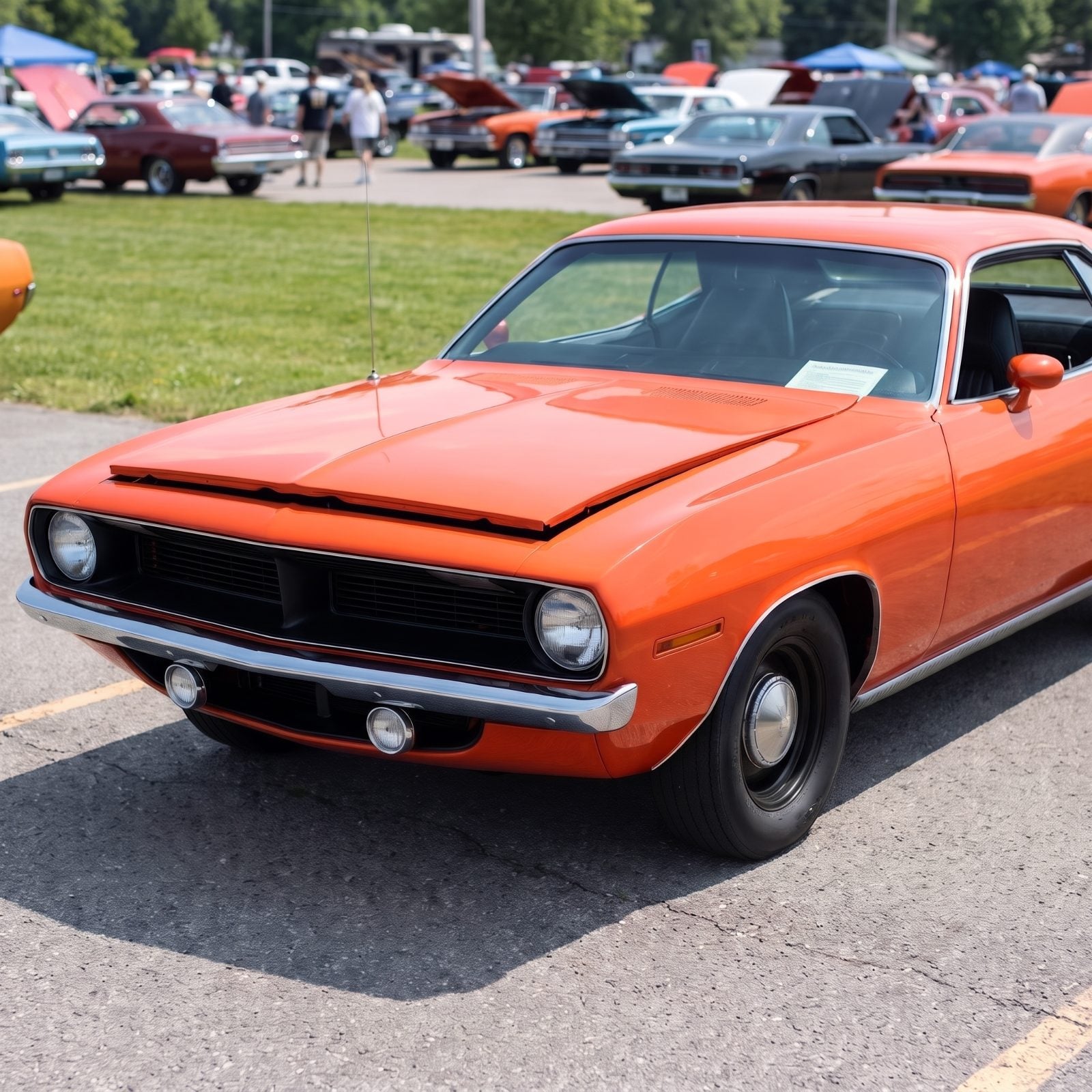
With the hood shut like this one, you can judge the fit properly. Crouch down to bumper height and look across the front of the car. The hood should settle into the fenders like a lid on a good pot, flush all the way across. When the hood stands proud and rides higher than the fenders, you get a lip that catches light and throws a shadow line nobody meant to put there.
The fix is adjusting the hood bumpers, the hinges (you’ll need to lift the hood to get at them and their springs), and sometimes the latch. Takes patience. A proud hood means somebody bolted it down and walked away.
41. A Trunk Lid Cocked in Its Opening
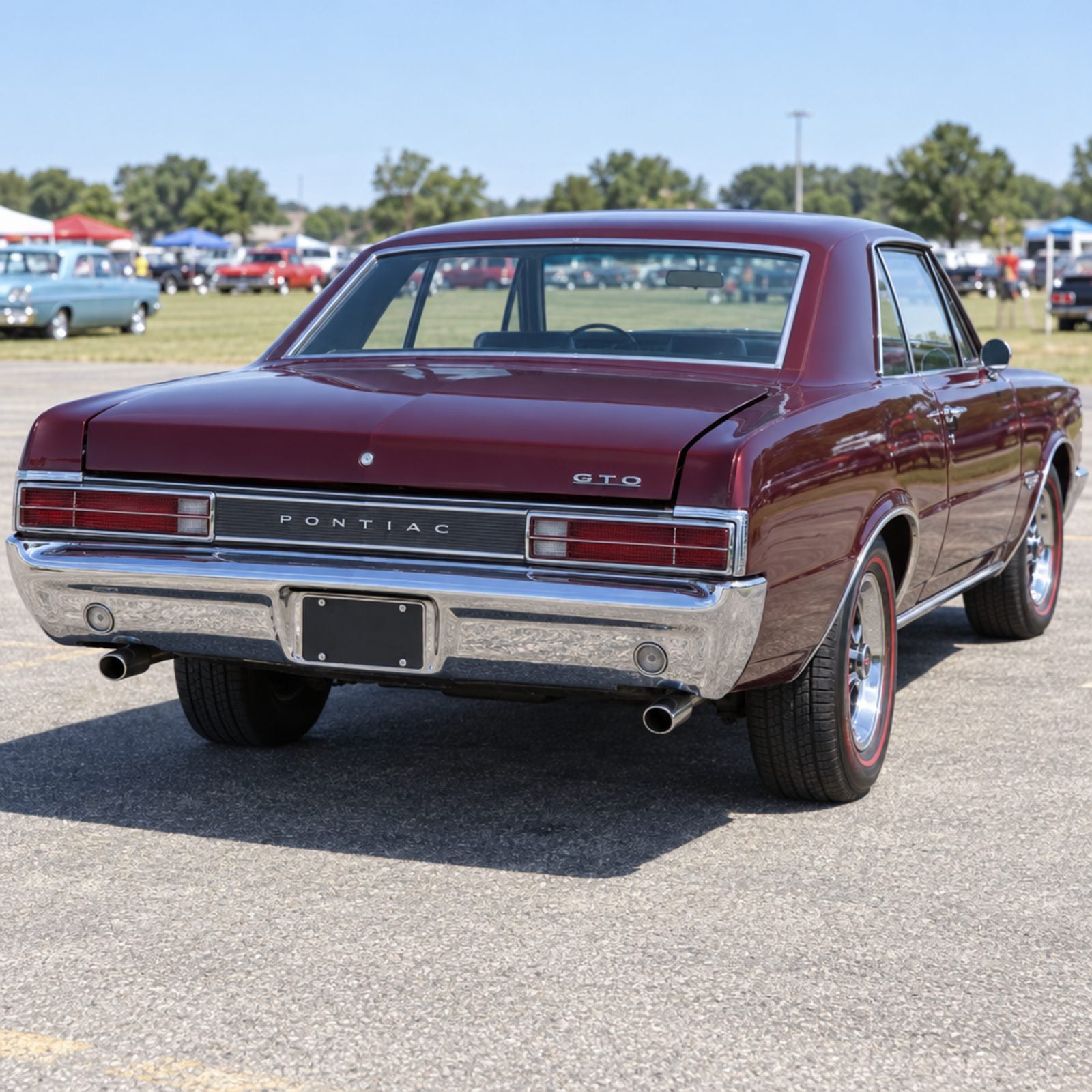
Look at the trunk straight on from behind. The lid should sit even in its hole, equal gaps left and right, like a drawer that closes true. A cocked trunk lid rides tight to one quarter panel and wide to the other, and it reads crooked even to somebody who knows nothing about cars.
Trunk hinges and the latch both have adjustment. Most of the time the lid got reinstalled off its original marks and never squared up. Easy to see, easy to fix — which tells you plenty about whoever skipped it.
40. Body Character Lines That Miss at the Door Seams
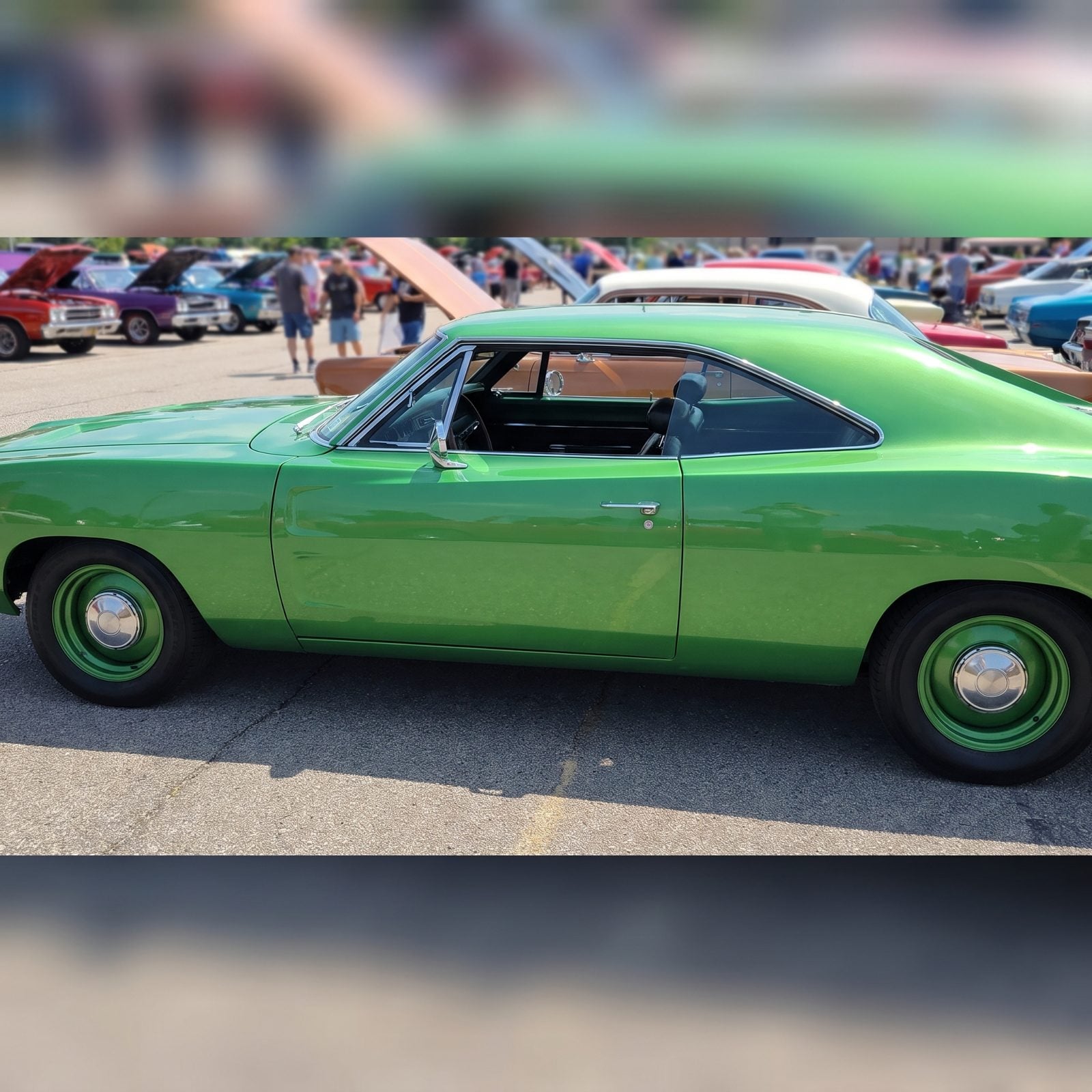
Run your eye along the crease that sweeps down the side of the body. On a car assembled right, that line flows unbroken across the door seam and onto the quarter panel like it was drawn in one stroke. When it jogs up or down at the gap, you’ve found bodywork that got filled and sanded by somebody chasing the wrong line.
This one’s worse than a loose panel. It usually means the door skin or the quarter got worked, and whoever did it never checked that the crease carried through. A mismatched character line doesn’t bolt back into place. It stays wrong.
A body line that misses at the seam is the one flaw you can’t adjust away. It got built in.
39. Opposite Wheel Openings With Different Shapes
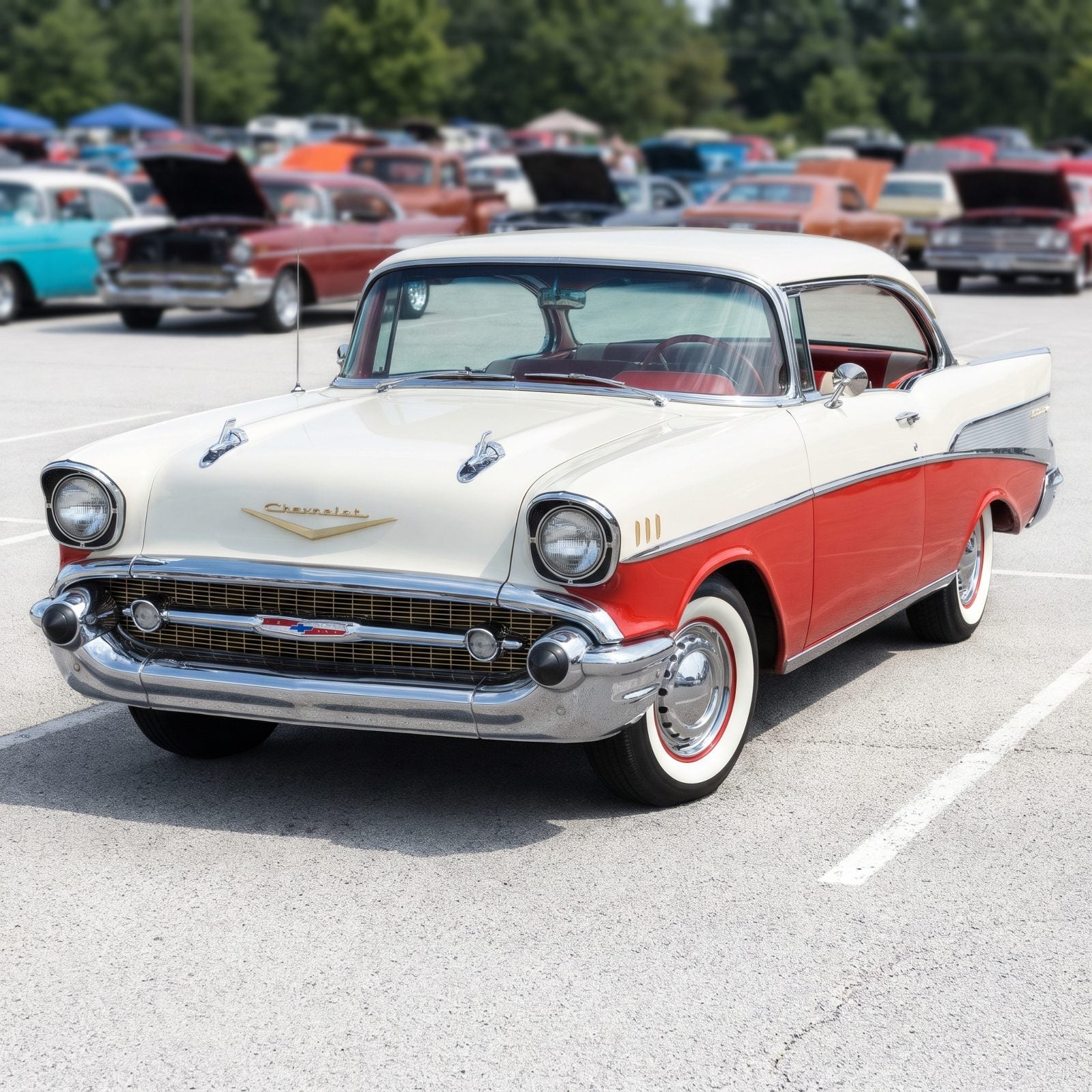
Stand dead center in front of the car and compare the two front wheel arches. They should mirror each other. When one is rounder and one sits flatter, somebody repaired a quarter or a fender with filler and freehanded the opening instead of pulling a proper template.
Rust repair is where this hides. A patch panel welded in without checking the arch against its twin leaves you with mismatched openings nobody catches in the paint booth. The sun at a show catches it fine.
38. Large Body Panels That Look Wavy in Reflections
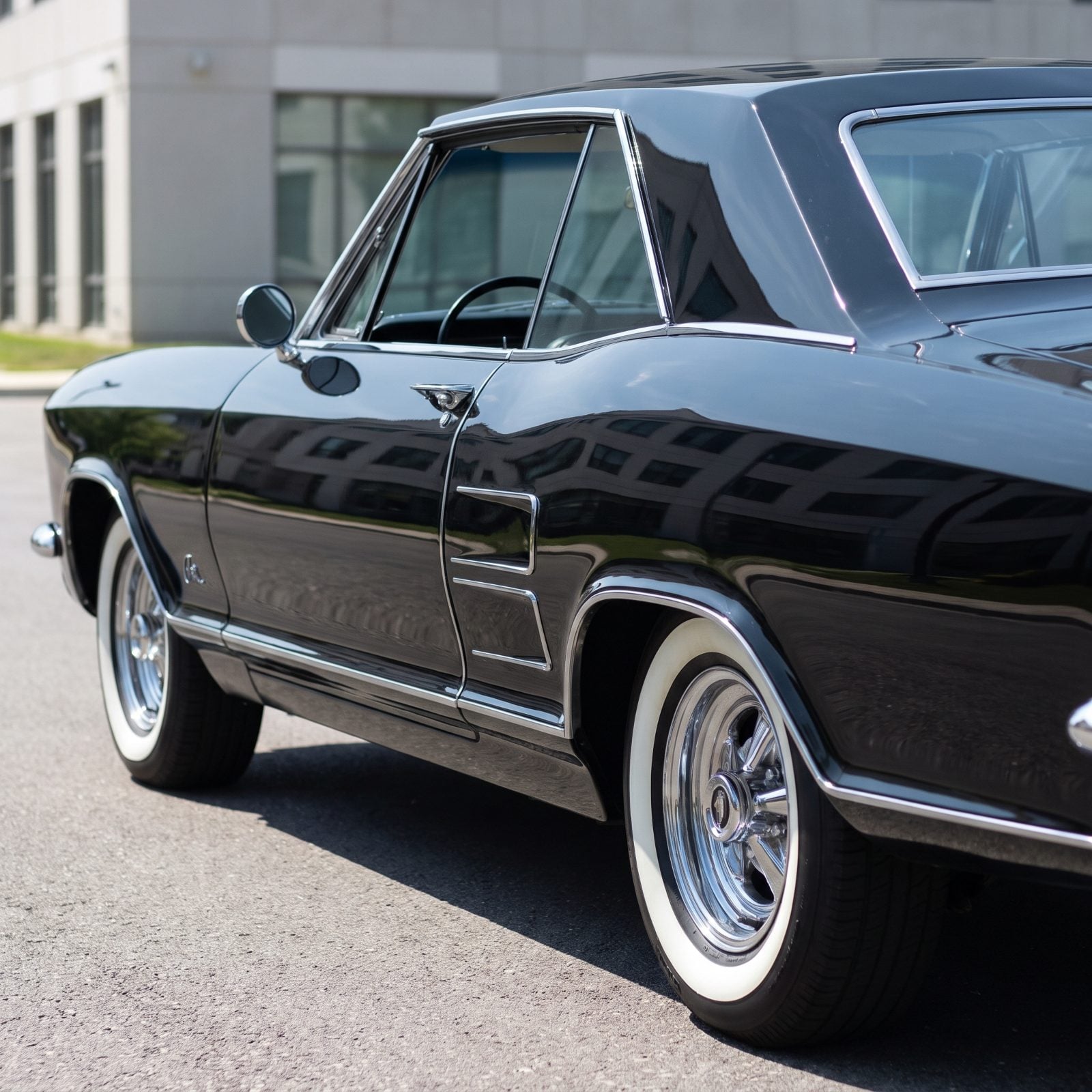
Gloss paint is a liar’s friend and a liar’s enemy both. It hides scratches. It cannot hide a wavy panel. Find a straight edge in the background — a fence, a roofline, a light pole — and watch its reflection travel across the door or the quarter panel. If that straight line turns to ocean swells, the metal underneath isn’t flat.
Waves come from skipping the block-sanding. Proper bodywork gets knocked down with a long board in slow passes until the surface is dead true. The shortcut is palming it with a short sander, which leaves hills and valleys the shine amplifies instead of masks.
37. One Body Panel in a Different Paint Shade
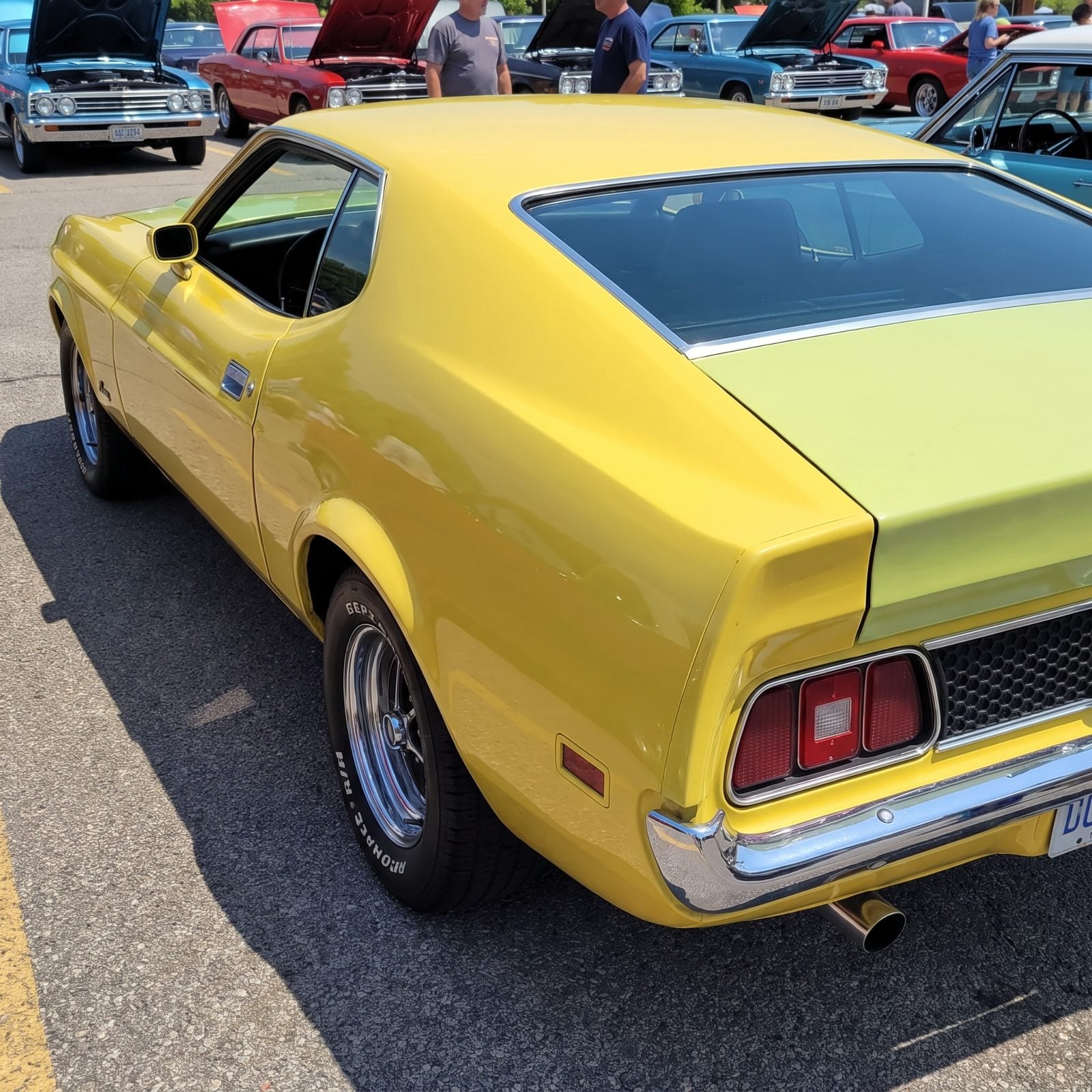
Walk the whole car in open daylight, not under a canopy or shop lights. Shade mismatch shows up best in flat sun. One panel reading slightly lighter, greener, or warmer than the rest means somebody sprayed a replacement or a repair without blending it into the panels around it.
Paint shifts batch to batch. A careful painter sprays the whole car at once, or feathers a repair into the neighbors so your eye can’t find the edge. Do a one-panel repaint on the cheap and you leave a seam that’ll snag your eye from twenty feet away.
36. Metallic Flake That Changes Direction Between Panels
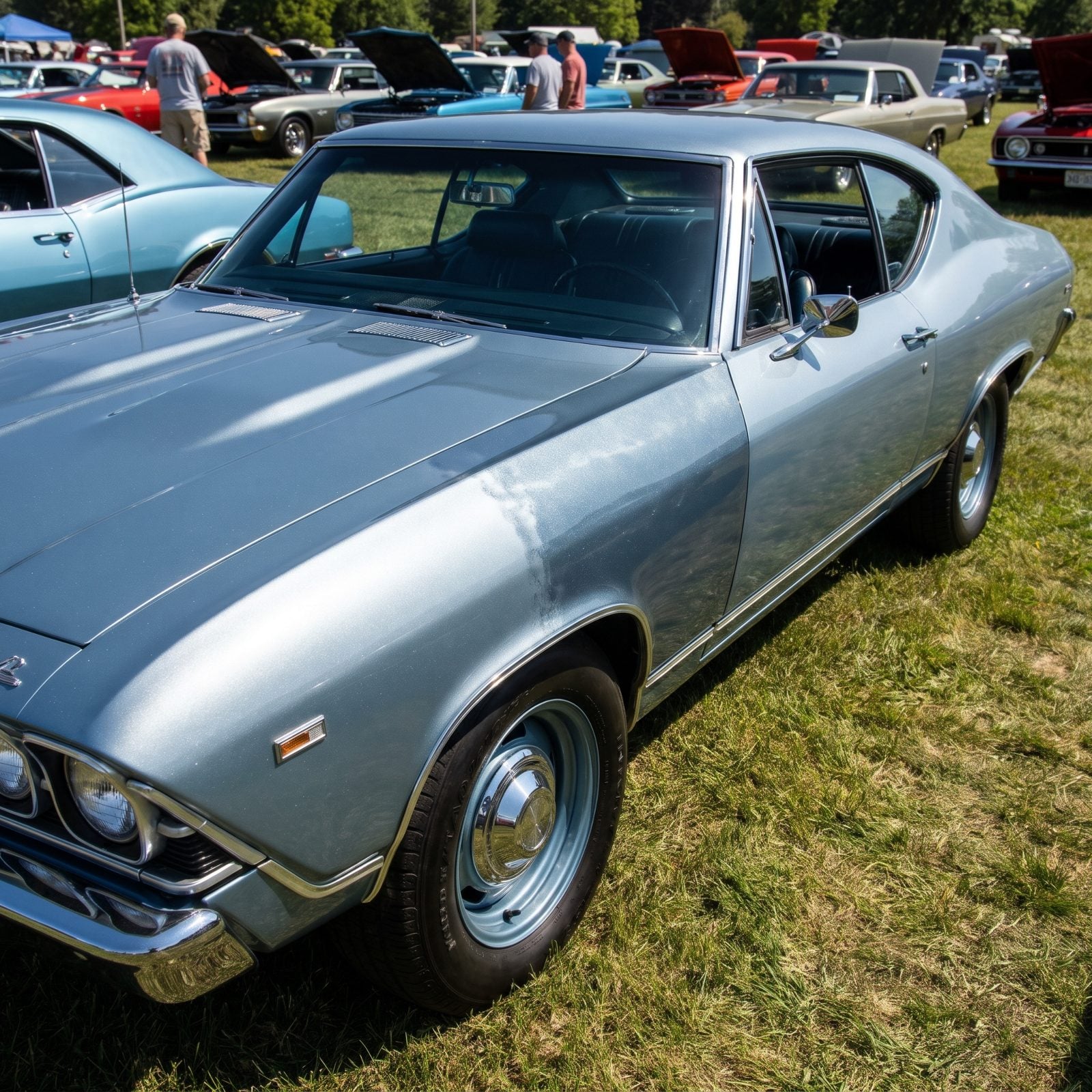
Metallic and pearl finishes carry their own tell. The flake has to lie down the same way across every panel or it catches light differently as you walk past. Move around the car in the sun and watch the sparkle. One panel that goes cloudy or streaks while its neighbor stays even means the flake laid down wrong.
This is a painter problem, not an assembly problem. Metallic wants consistent gun distance, speed, and overlap. Rush it on one panel and the flake clumps or lies crooked. Standing still, the color matches fine. Let the sun rake across it and the bad panel lights up like it’s embarrassed.
35. A Finish Drowning in Heavy Orange Peel
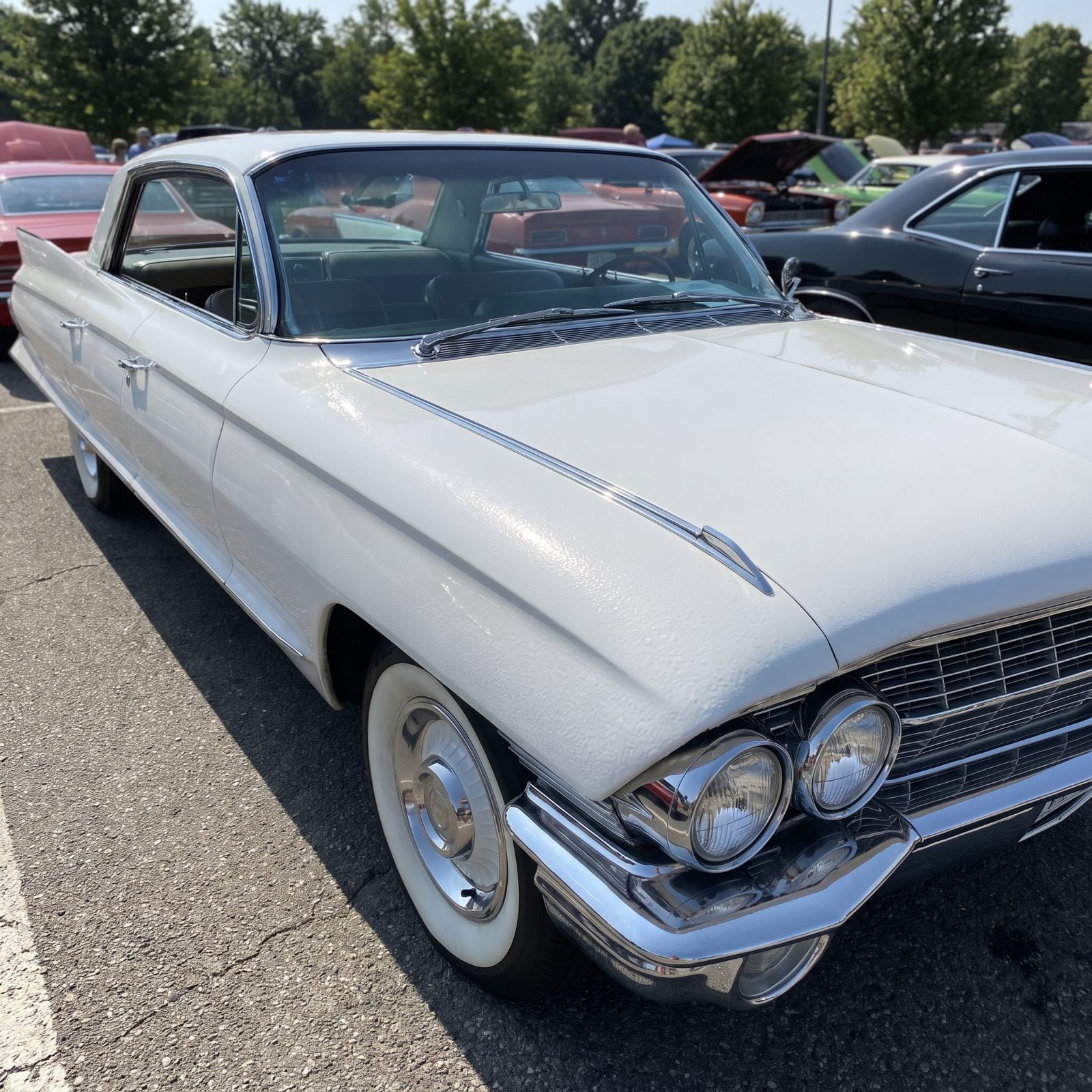
Get your eye down near the surface and look across the hood toward the sun. A real paint job reflects like still water. Heavy orange peel reflects like water somebody just threw a handful of gravel into — that dimpled, pebbled texture that looks exactly like the skin of an orange.
Some peel is normal. Heavy peel means the paint got shot and never color-sanded and buffed, which is the slow, dusty, back-breaking part that separates a driver finish from a show finish. Skipping it saves days of labor.
I’ll admit I used to think orange peel meant cheap paint. It usually just means a cheap finisher. Good paint, laid down fast and left alone, peels like anything else.
What Our Readers Say
- In our reader votes, photos of cars restored to concours condition got hearts 82% of the time, versus 75% for the other images in the same articles.
From Jalopy Talk reader polls and votes.
34. Rust Bubbles Are Already Lifting the Finish
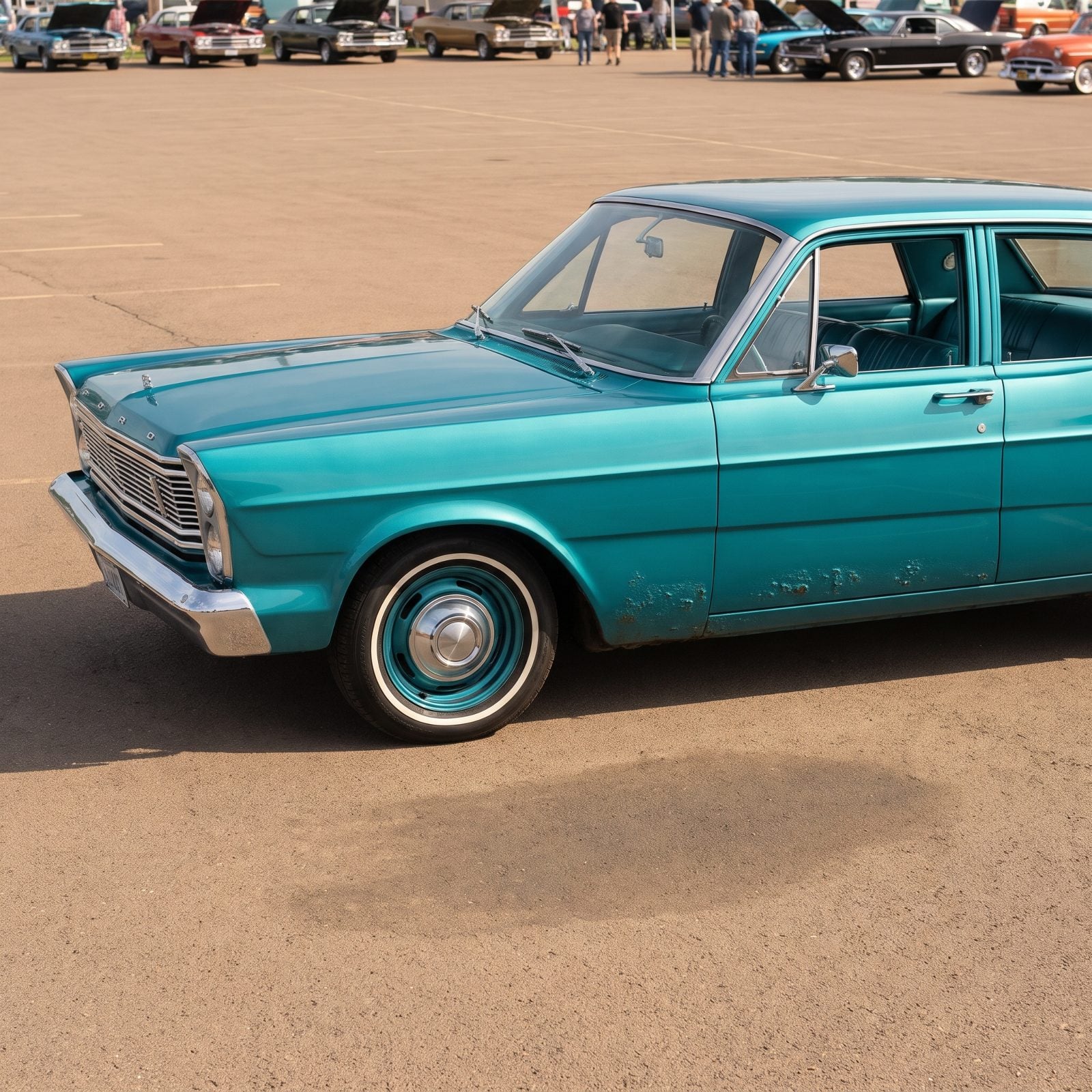
Fresh paint over active rust is the oldest trick at any swap meet. Somebody sanded the surface, sprayed color, and never touched the metal underneath, so within a season the rust keeps working and pushes little blisters up through the finish like something trying to breathe.
Run your palm flat along the lower panels and rockers. Feel pinhead bumps you can’t see from standing height? Then the car was painted, not repaired. Real rust work cuts out the bad steel and welds in new, and there’s no spray-can shortcut for that. Anyone who tells you otherwise is counting on you not coming back.
33. Clear Coat Is Peeling From Panel Edges
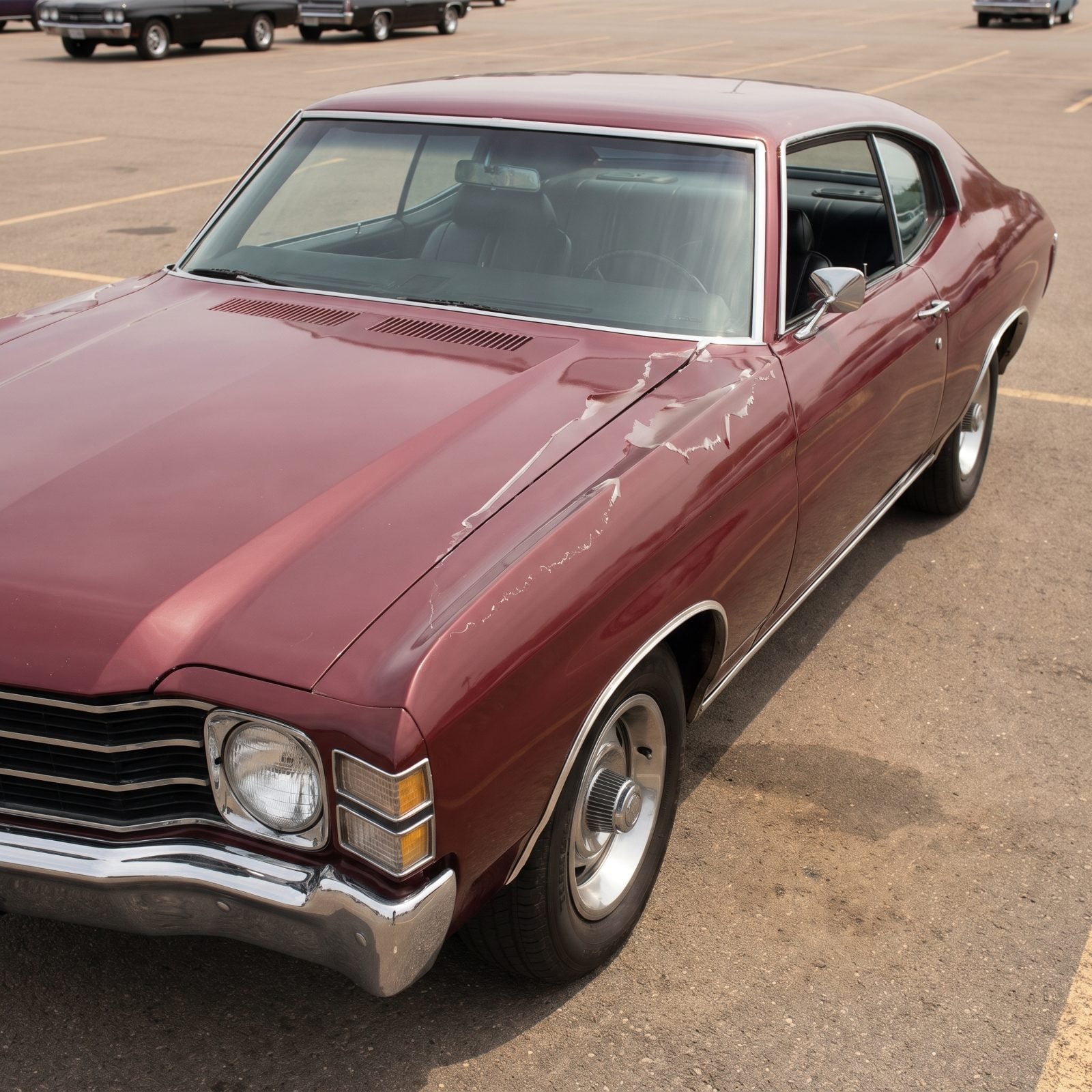
Clear coat peels where the painter got lazy with prep. Edges, sharp body lines, the lip of a hood: those are the spots that need the most adhesion and get the least patience. When you see the clear lifting like old sunburn, it tells you the base wasn’t cleaned or scuffed right before the final coats went down.
Here’s the part nobody mentions. A peeling edge isn’t a touch-up job. Once clear starts to delaminate it keeps going, and fixing it properly means refinishing the whole panel. I’ve watched buyers talk themselves into believing it’s “just a little flaking.” It never stays little.
32. Paint Overspray Covers the Glass and Tires
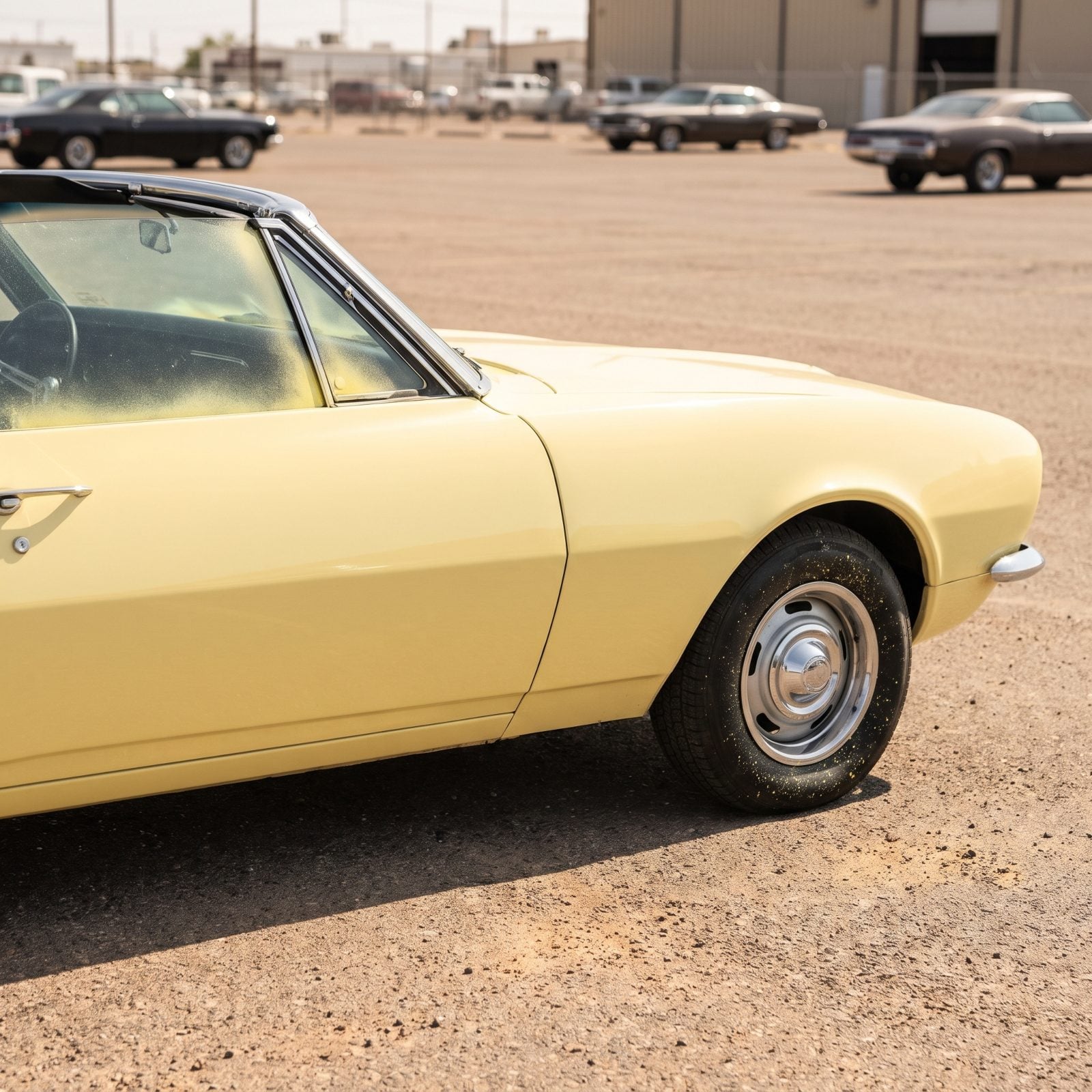
Good painters mask everything. Glass, chrome, tires, door jambs, every rubber seal. Spray color in a hurry and you’ll find a fine dusty film of overspray fogging the windshield edges and freckling the tire sidewalls.
It washes off some, which is exactly the problem: the seller cleaned up what shows and missed the hidden stuff. Check the top of the glass, the inside lip of the wheel, the backside of the mirror. Overspray is the fingerprint of a rushed booth, and it hints at everything else that got skipped.
31. Rubber Seals Were Painted With the Body
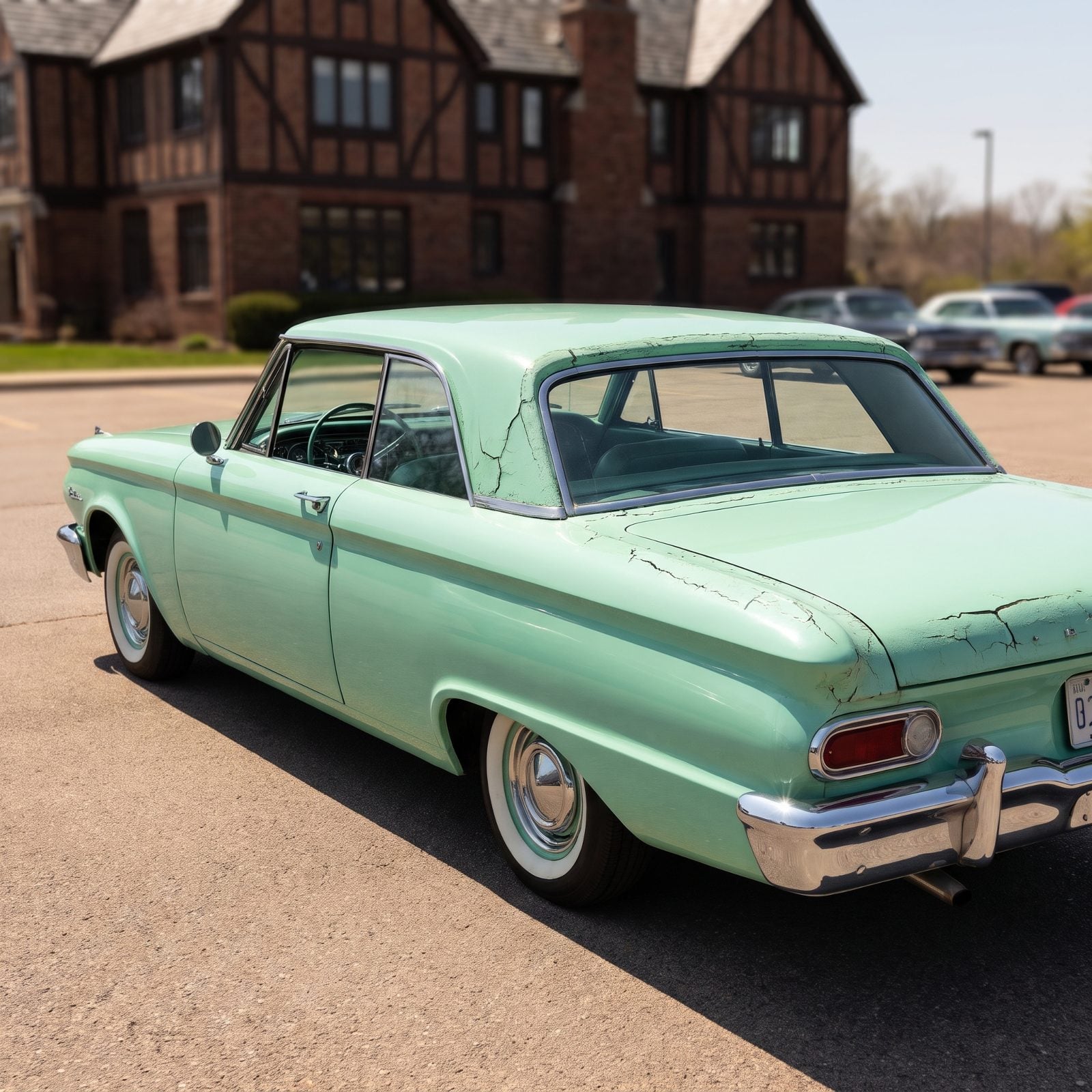
Pull open a door or the trunk and look at the weatherstripping. If the seals wear the same color as the body, nobody bothered to remove or mask them. They just sprayed right over the rubber.
Painted seals crack, harden, and stop sealing, so water gets in, which is how you grow fresh rust all over again. A small detail that tells a big story about how the whole car was handled. Lazy at the seals usually means lazy everywhere you can’t see.
30. The Two-Tone Paint Divider Wanders
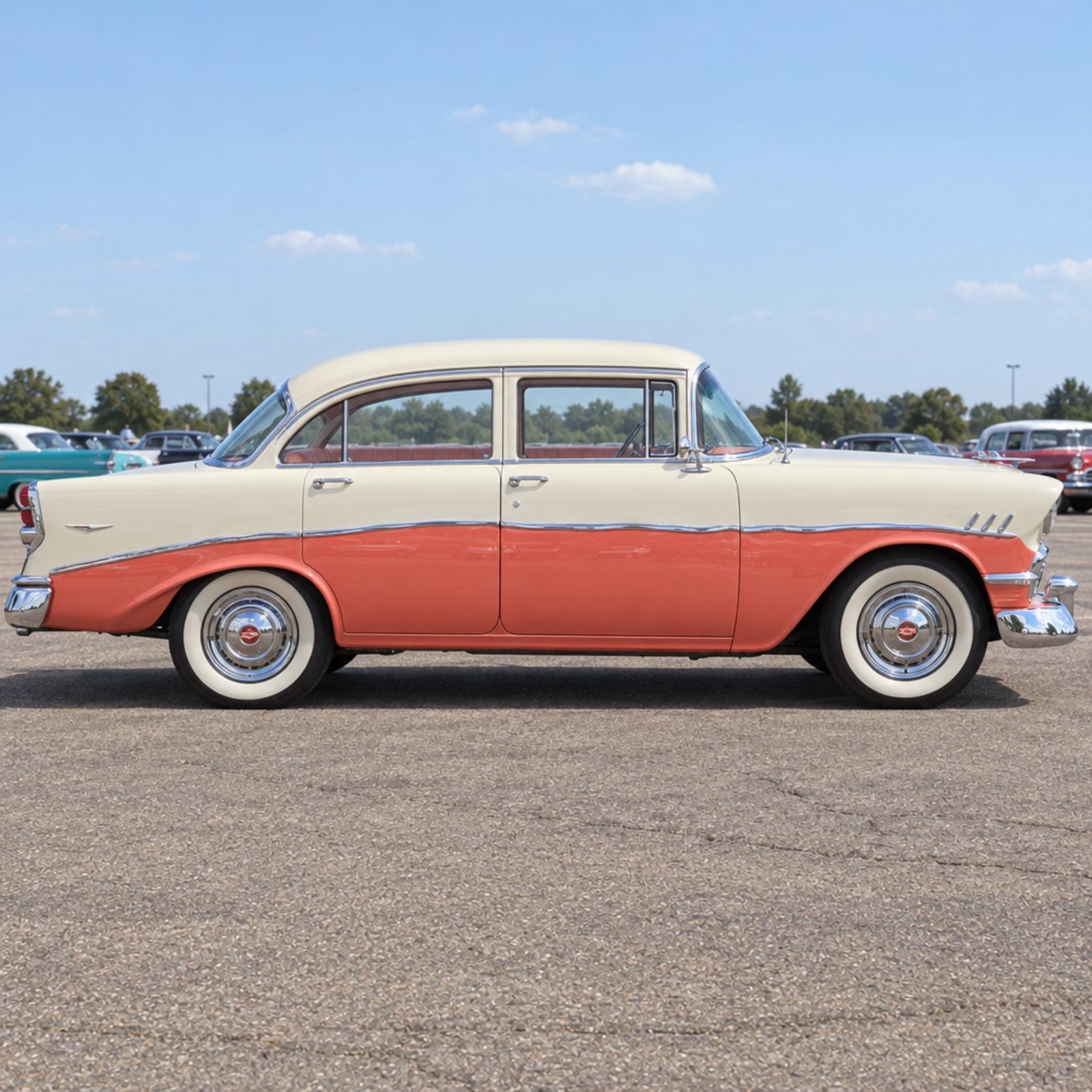
Two-tone paint is a test of patience. The dividing line has to follow the body’s design line or chrome spear exactly, dead parallel, with no drift from front to back. A careful painter spends more time masking that line than spraying the color.
Stand at the front bumper and sight straight down the side. A wandering divider shows itself immediately. It creeps up, dips at a door, or loses its gap at the seams. The body might gleam, but a crooked two-tone line is proof the hands doing the work weren’t the patient kind.
29. Stripes Do Not Align Across Panel Gaps
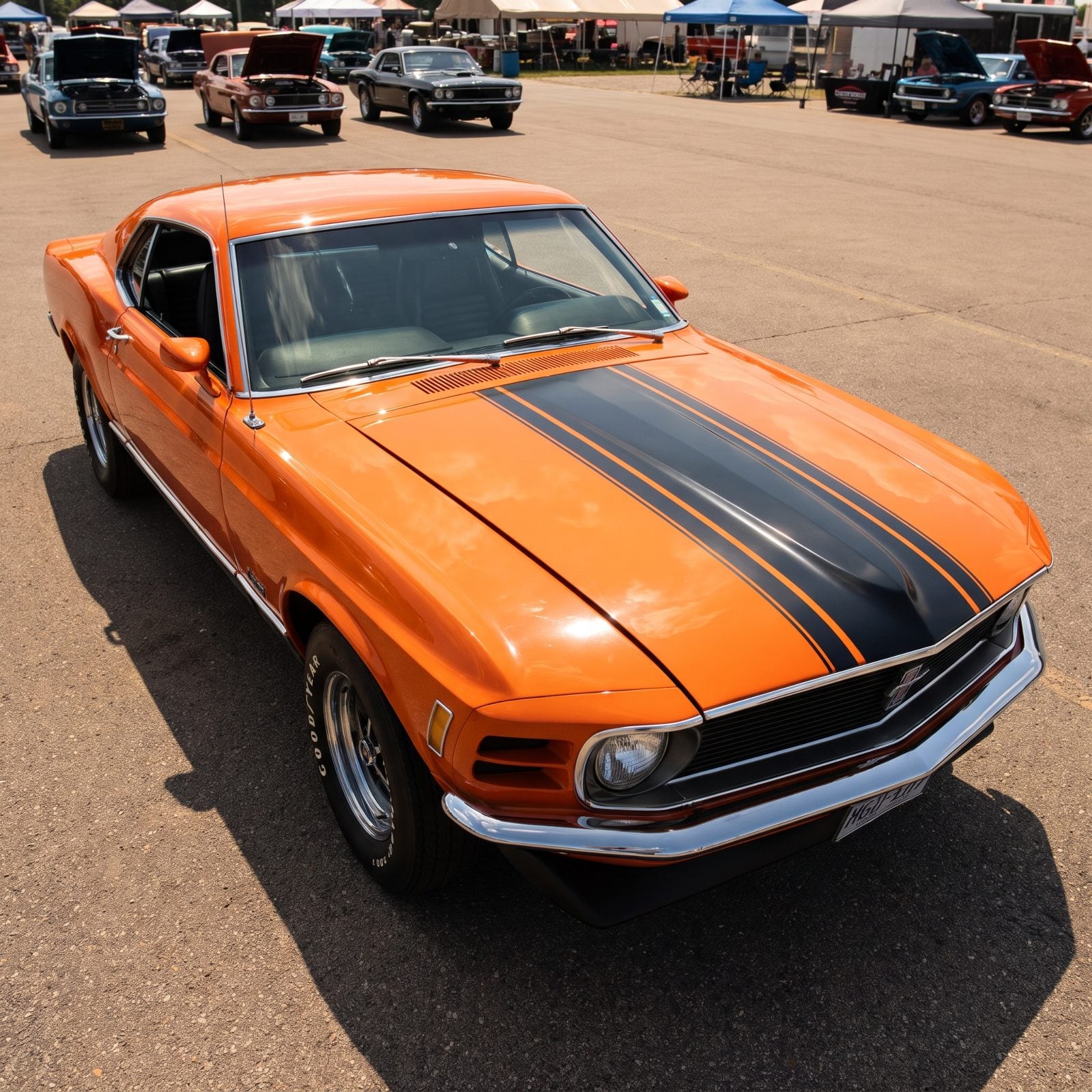
Stripes are brutal honesty. They run across hood, cowl, roof, and deck lid, which means they cross every panel gap on the car. When the lines don’t meet up where the panels meet, the eye catches it instantly, even from across the lot.
A real stripe job is laid with the panels aligned and the car sitting right. A sloppy one treats each panel like its own little project. Look at the gap between hood and cowl, then cowl and roof. If the stripes step sideways at the seam, whoever did it either rushed or never cared whether you’d notice.
28. A Wheel Sits Off-Center in Its Arch
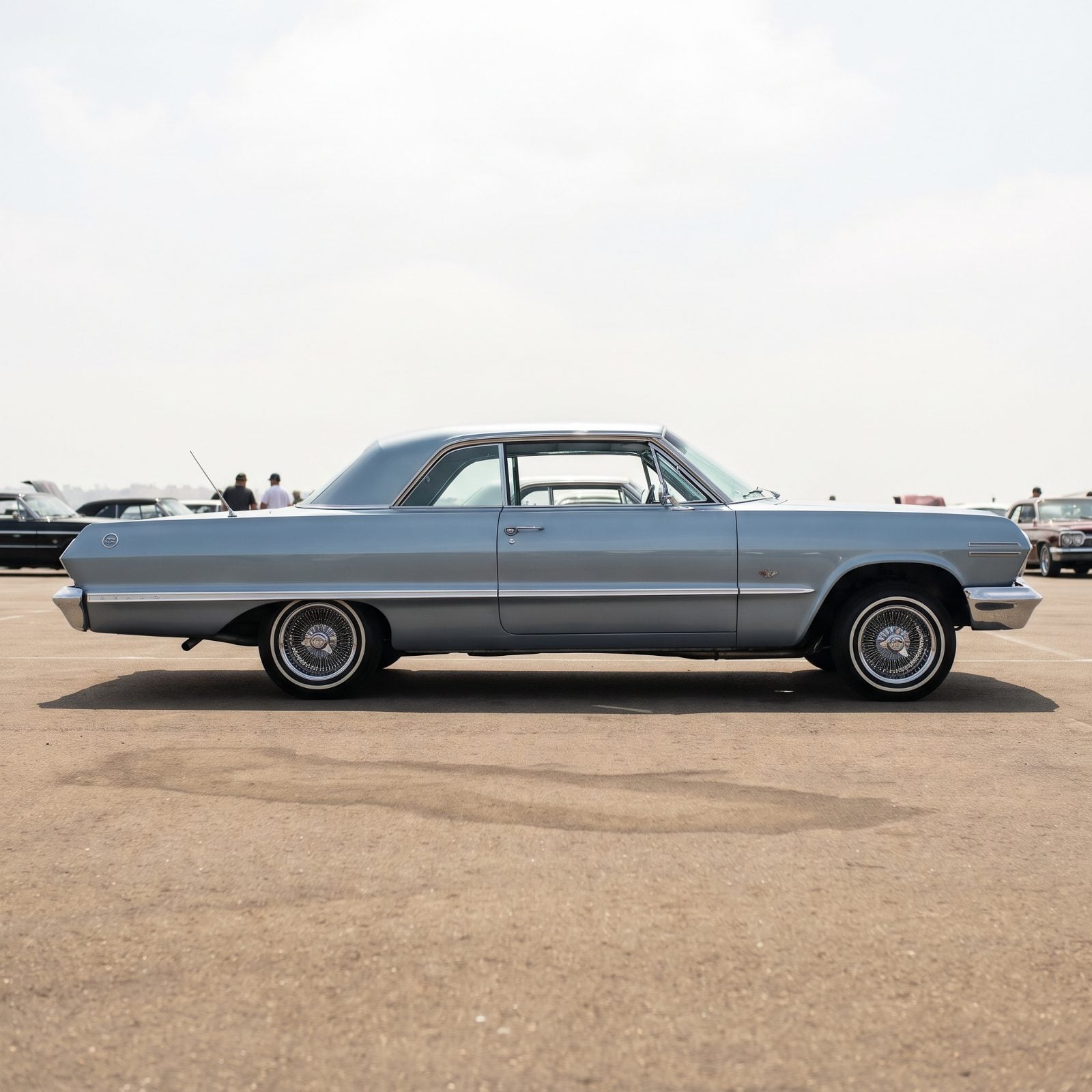
A wheel should sit centered in its arch, with even space front and rear. When one crowds forward or back, something underneath isn’t where the factory put it.
Usually it’s a bent or wrong-length control arm, a mislocated axle, or a leaf spring installed backward. This is no cosmetic hiccup. It means the suspension got reassembled by guesswork, and that changes how the car tracks and chews up its tires. Walk the full side and compare both arches. One wheel sitting off is the car telling you the shortcuts went deeper than paint, and not in a good way.
27. The Front and Rear Ride Heights Look Mismatched
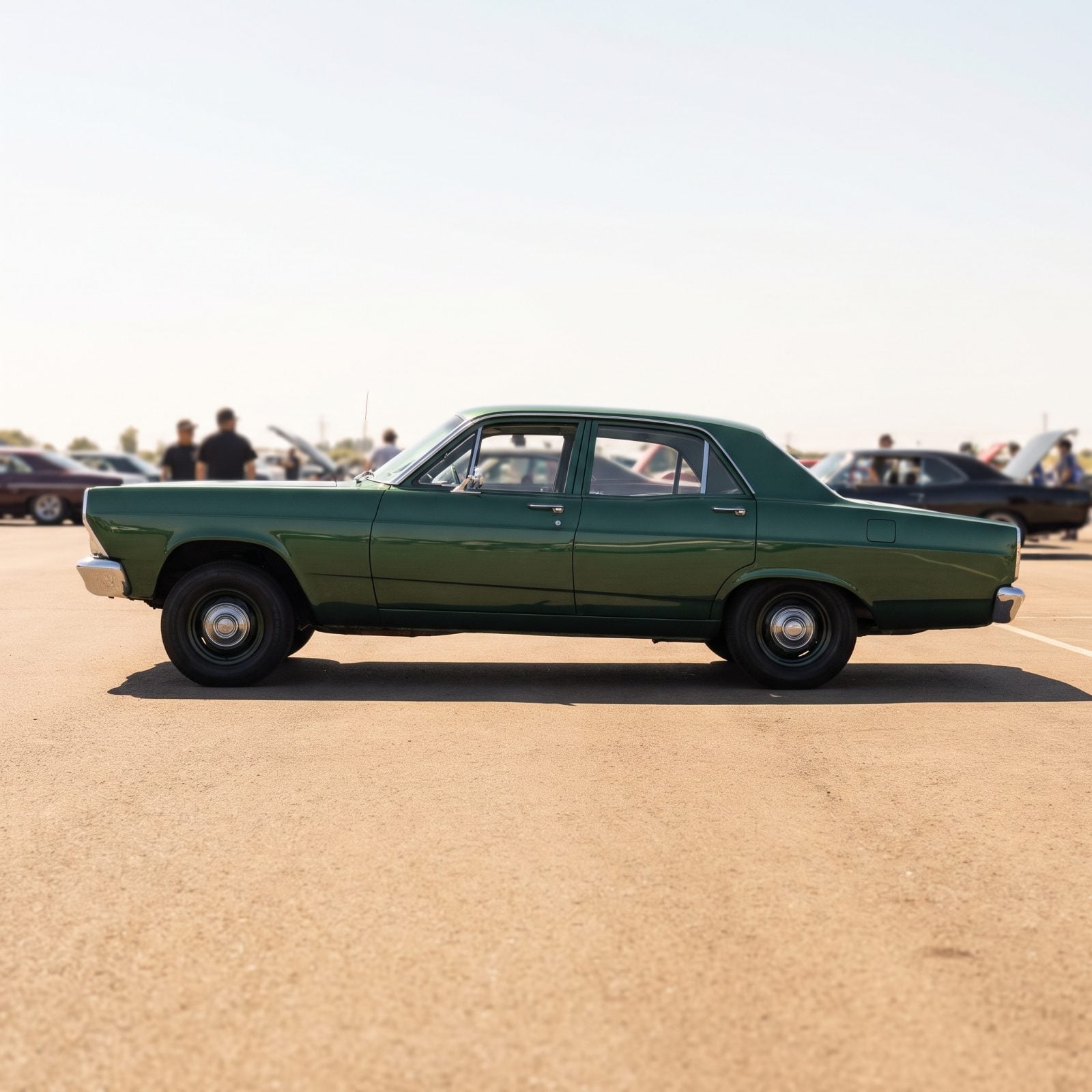
Park a car on level ground and the stance should read even and deliberate. A nose that rides high while the tail squats, or the reverse, means the springs aren’t matched or something sagged during the rebuild.
Tired springs, wrong-rate replacements, or a mix of old and new parts all do this. The giveaway is the wheel gap. Big up front, small out back, or the other way around. Get the stance sorted properly and it changes everything about how the car sits and drives. Mismatched ride height is cheap to spot and expensive to fix right.
26. The Wheels Protrude Beyond the Fenders
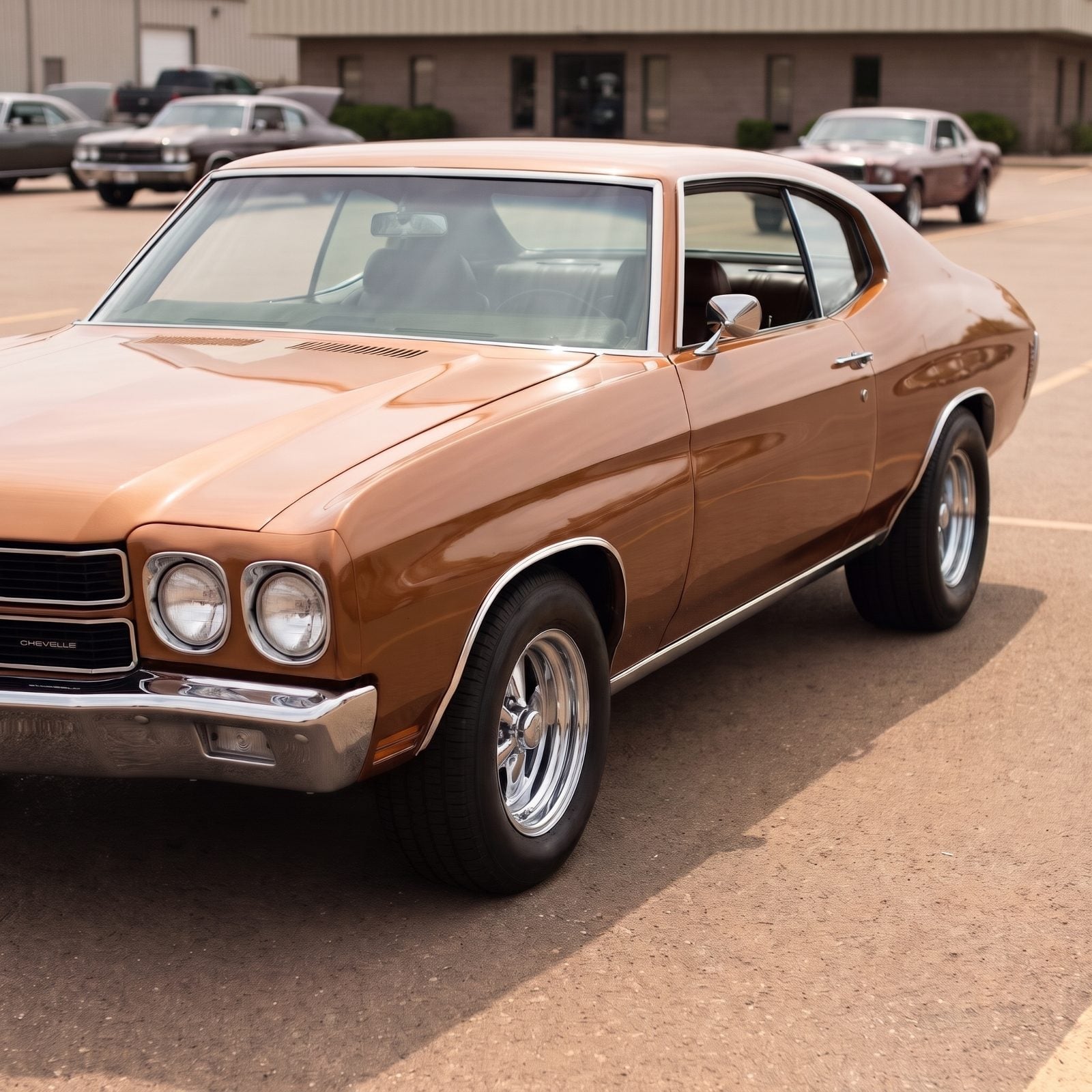
Wheels should tuck inside the fenders, not poke past them. When the tire sticks out beyond the bodywork, somebody fitted wheels with the wrong offset, usually because they were cheap or already lying around the shop.
It throws water and road grit onto the paint, it can rub at full lock, and on many classics it was never how the car left the line. Sight down the side at bumper level. Tire edge living outside the fender? Then the wheels were chosen by the wallet, not the build. Tire edge sitting just inside the fender lip? That’s what you want to see. The right offset isn’t glamorous, but it separates a car that was restored from one that was merely assembled.
25. The Wheels Have Obvious Excessive Camber
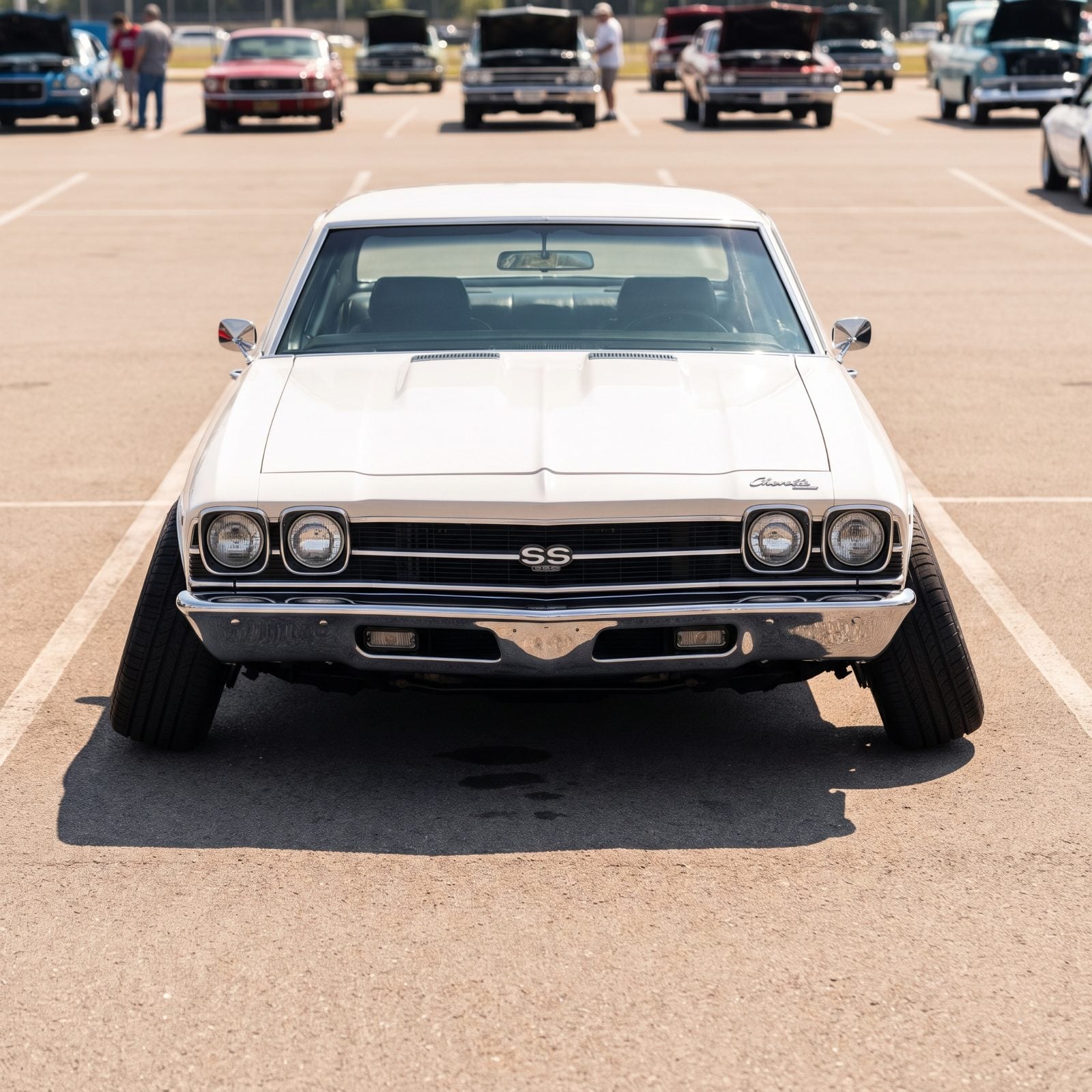
Stand in front of the car and look at the wheels straight on. They should sit close to vertical. When the tops lean noticeably inward, that’s excessive negative camber, and on a street classic it almost never belongs there.
It comes from bent components, worn bushings, a sagged subframe, or an alignment nobody ever set after the rebuild. The tell is uneven tire wear: smooth on the inside shoulder, fine on the outside. A car with visible camber problems rides and steers wrong, burning through tires on the inside edge where you won’t see it until you crouch down. So crouch down.
24. The Wheels Do Not Match One Another
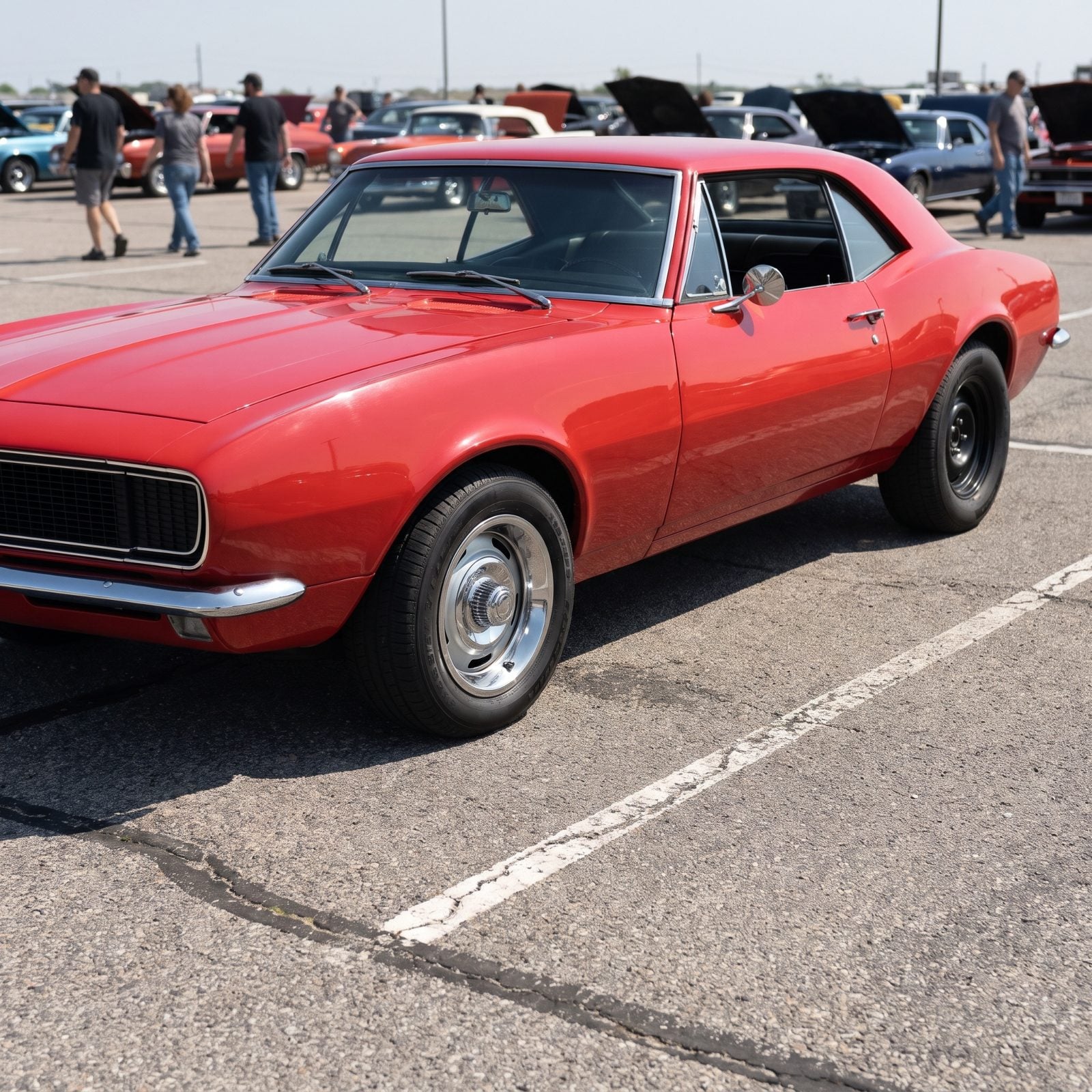
Walk the car. Front to back, both sides. The wheels should be four of the same thing, and more often than you’d expect, they aren’t.
Somebody found three correct Rally wheels and gave up on the fourth, or raided a swap meet and bolted on whatever cleared the brake calipers. A steel wheel with a dog-dish cap next to a finned mag is the restoration equivalent of wearing one dress shoe and one sneaker. The budget ran out before the car was done, and the wheels are confessing it.
Matching wheels aren’t some rare insight. They’re just attention. If nobody caught four mismatched wheels, ask yourself what else nobody caught under the hood.
23. The Whitewalls Have Different Widths
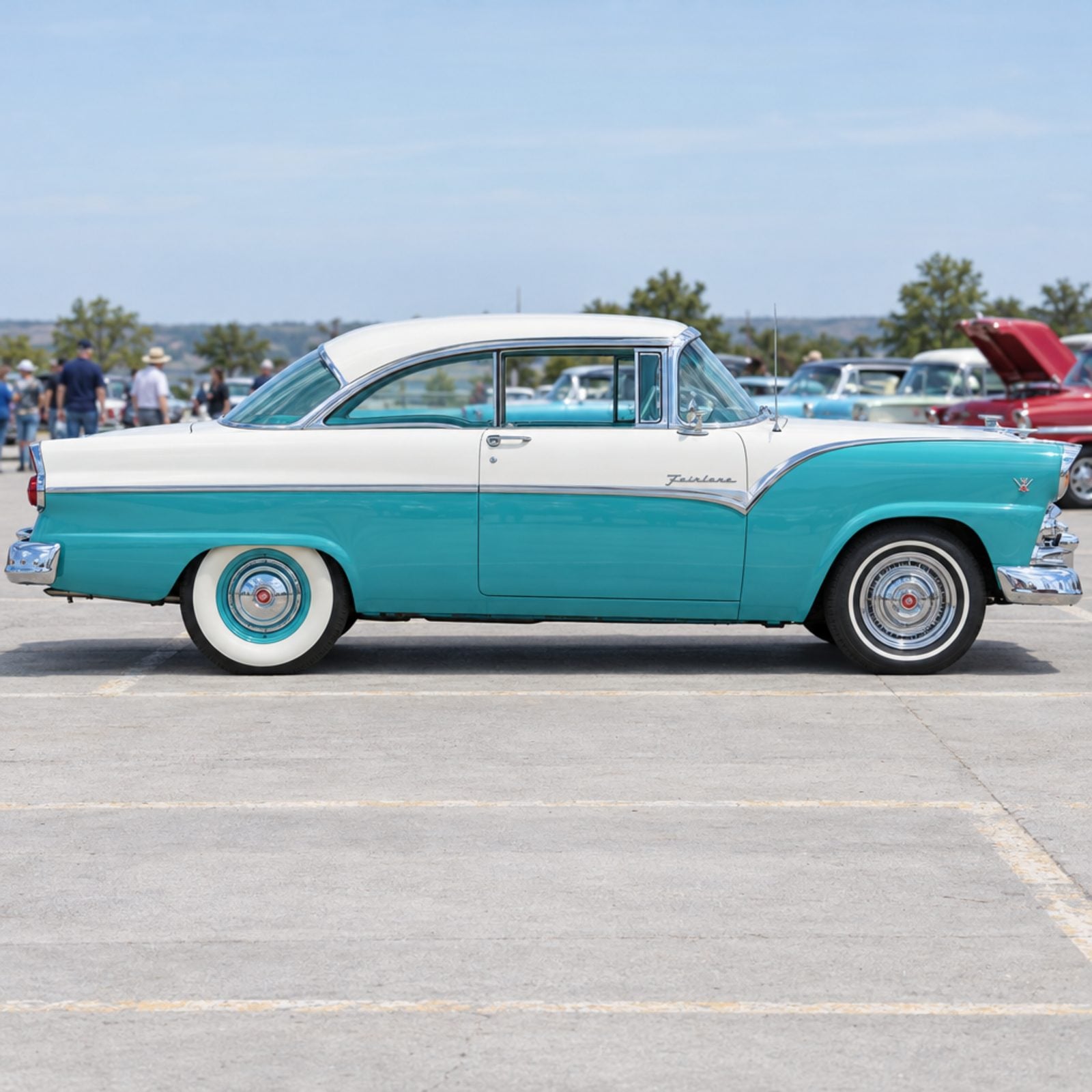
Whitewalls separate a careful restoration from a parts-store rush job. The width of that white band got spec’d by the decade — wide bands read early fifties, thin pinstripes read sixties and later.
Mix the two and you’ve told on yourself. A skinny whitewall up front and a wide one in back means somebody bought two tires at a time and never once cracked the catalog, and the car ends up looking like it’s wearing shoes from two different funerals.
22. Undersized Tires Leave Enormous Fender Gaps
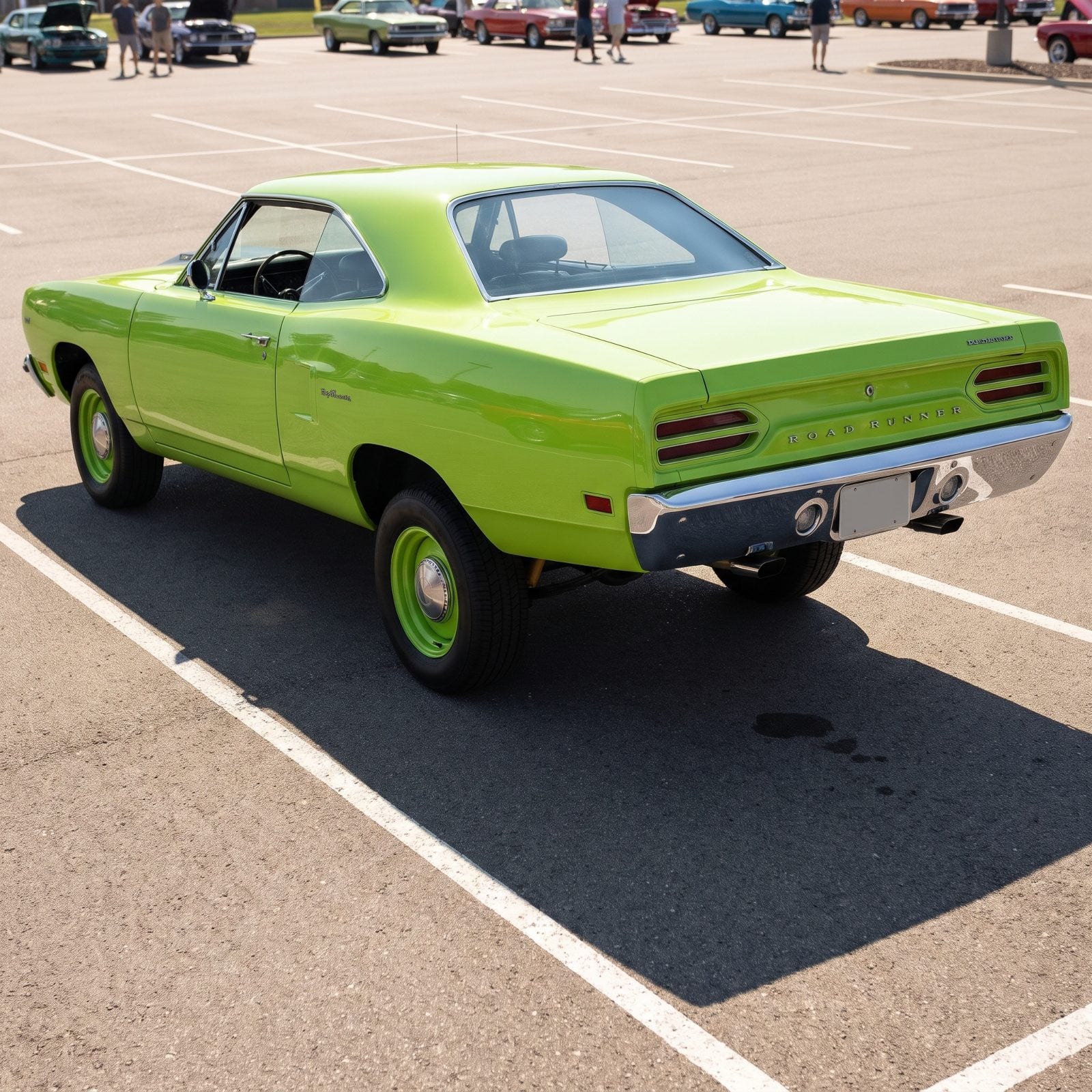
A car should look planted. When the tires run too small, the body sits up on stilts and a canyon of daylight opens between tread and fender.
This happens when the builder grabs whatever was cheap, or whatever cleared a modern disc-brake conversion, without ever doing the math on diameter. The stance goes wrong, the speedo reads fast, and the whole car looks like it’s standing on its tiptoes waiting for the bus. Correct tire size is written down somewhere. Guessing isn’t restoration.
21. A Major Piece of Exterior Trim Is Missing
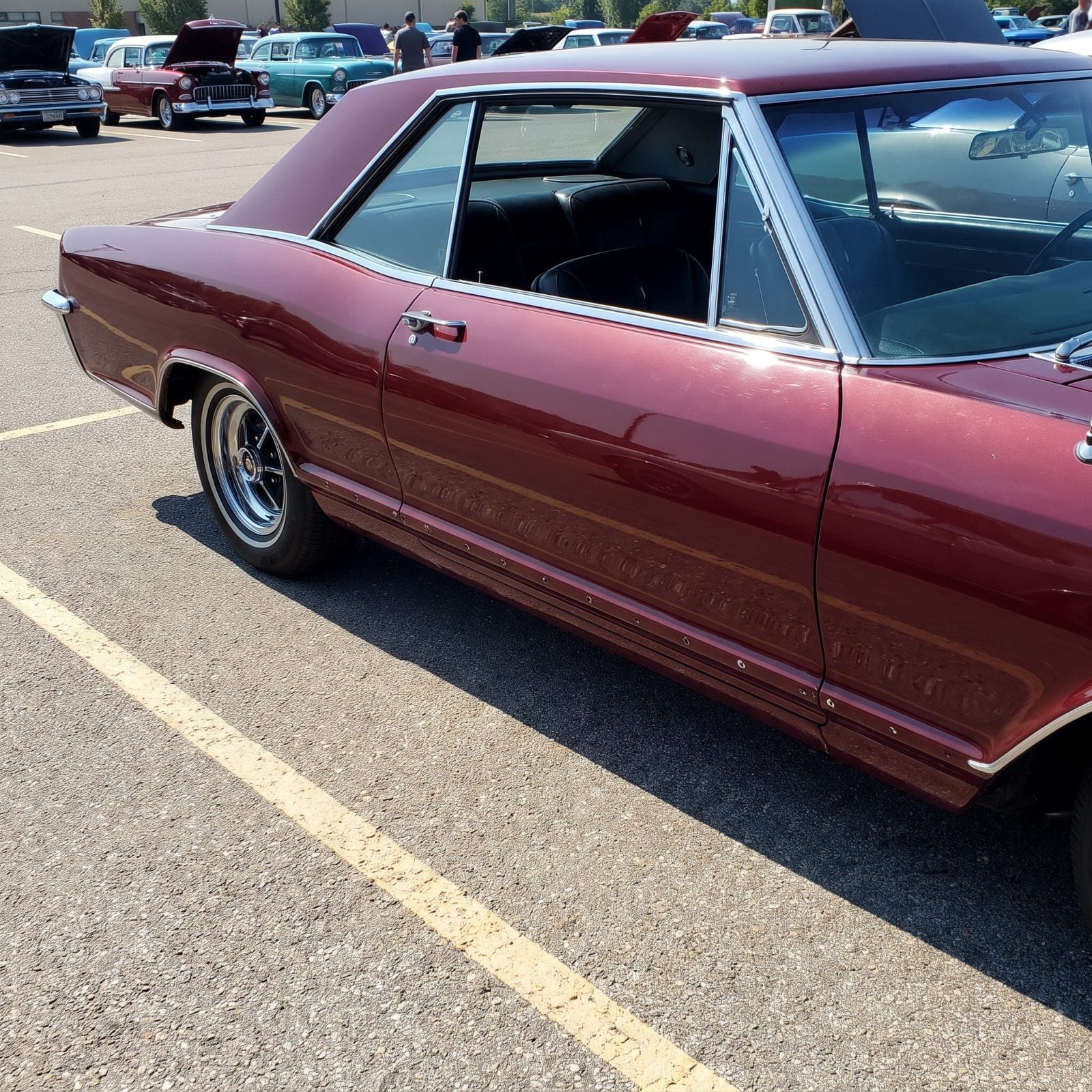
One missing strip of chrome can sink an otherwise sharp car. Reproduction trim is some of the hardest stuff to find for many models, so when a builder can’t source it, the piece just quietly disappears.
Look for the tell. A row of empty mounting holes, a faint outline in the paint where the molding used to sit, a hood ornament stud with nothing on it. The car looks almost right until your eye snags on the blank space. Missing trim is never just missing — it usually means the correct part is NLA and the seller is betting you won’t notice before the handshake.
20. Side Trim Slopes Instead of Running Level
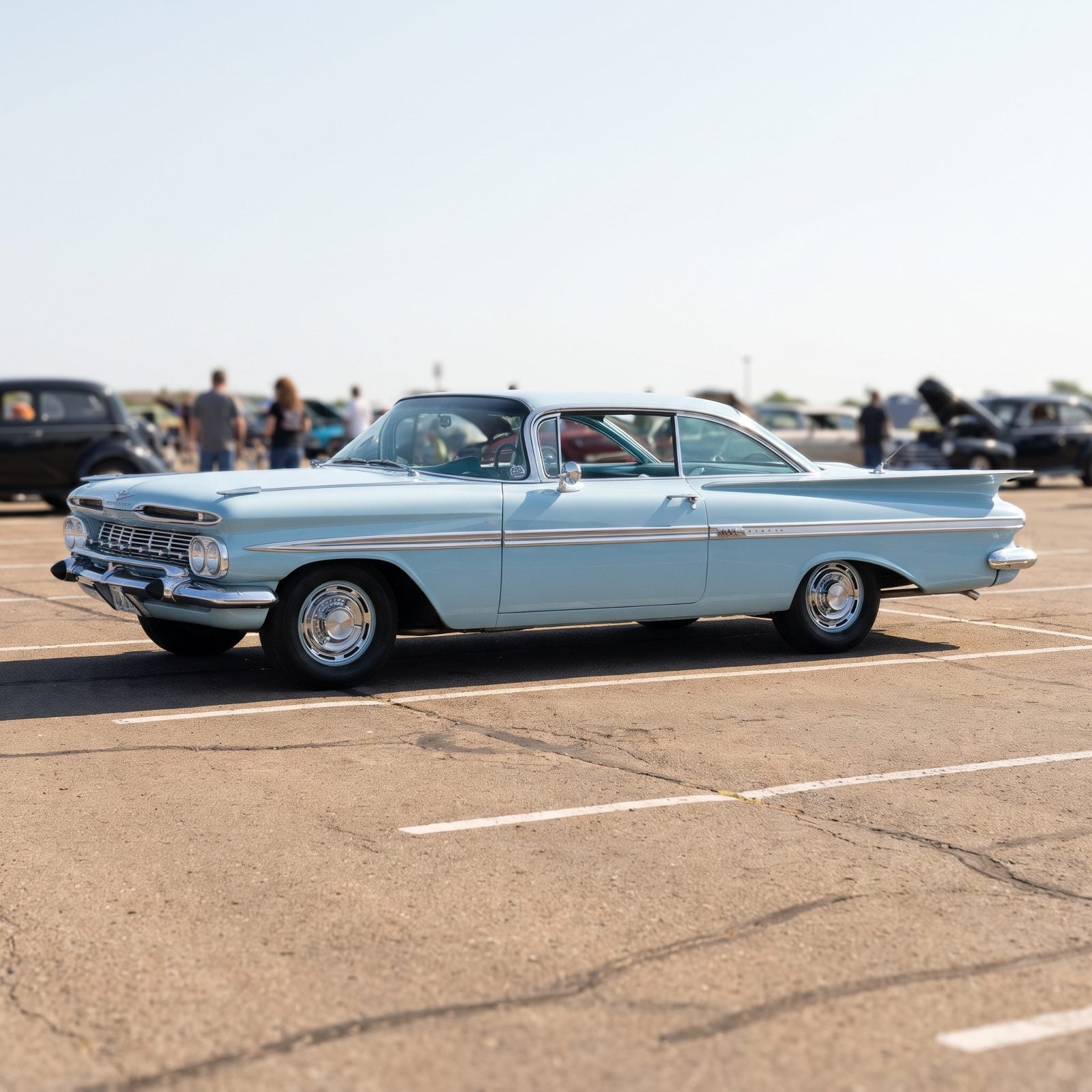
Factory trim runs dead level, or follows the body crease exactly, drawing your eye in one straight clean line down the flank.
Reinstall it by eyeball instead of measuring from a fixed point and the spear starts tilting. A quarter-inch of droop over six feet is enough to make the whole side look like it’s sliding off. Your eye catches it before your brain names it, which is exactly why crooked trim wrecks the read of an otherwise clean paint job.
19. Trim Ends Do Not Meet Across Adjacent Panels
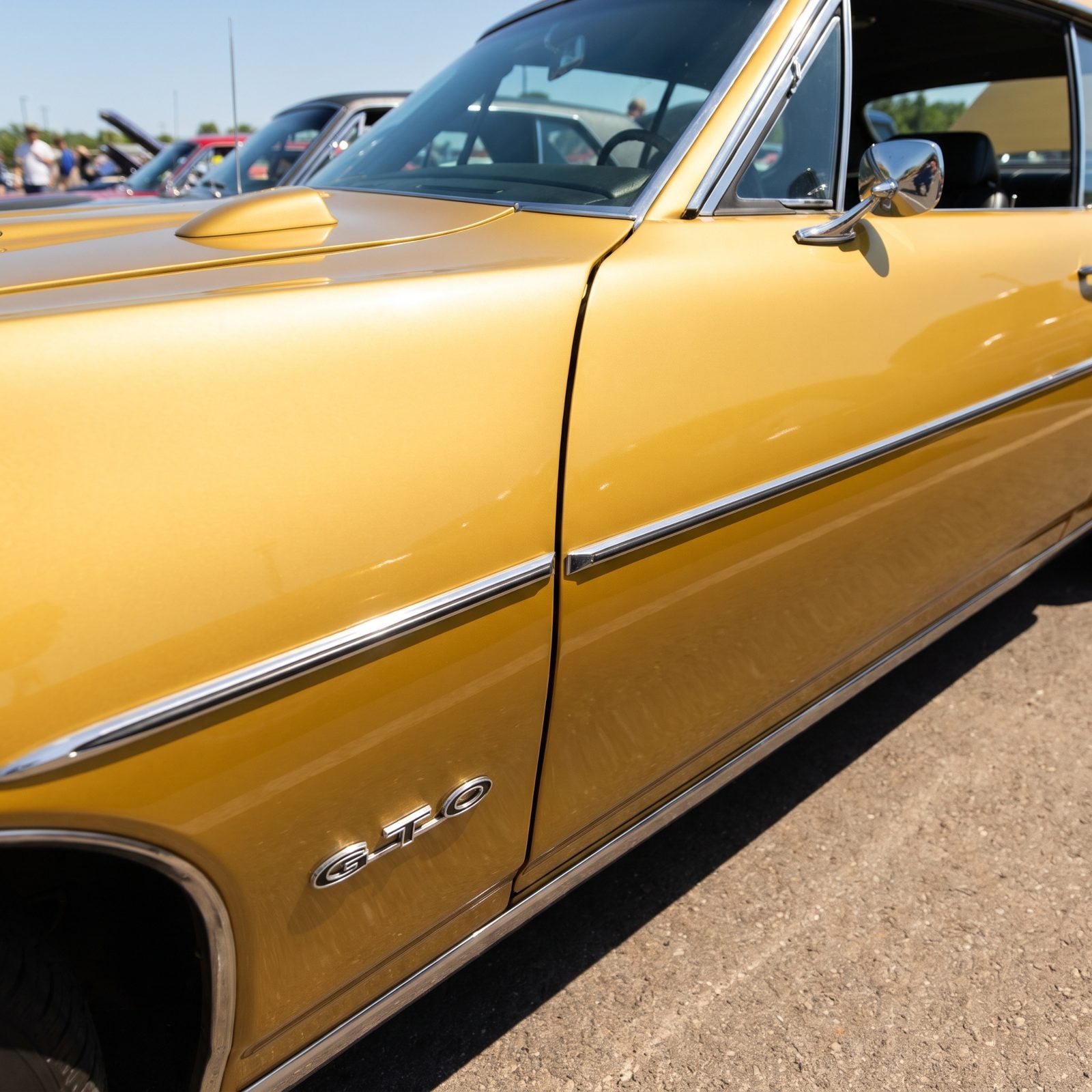
Chrome that crosses a panel gap has to pick up again on the far side exactly where it left off. Fender to door, door to quarter. The line should flow like it never stopped.
When the ends don’t line up — one riding high, the other low at the seam — it means the panels were hung carelessly or the trim went on before anyone checked the gaps. Judges live for this detail. It’s also the one that reveals whether the body came back together properly or just got bolted close enough. I look here first on any car claiming a frame-off restoration.
18. Pitted Old Chrome Clashes With Fresh Paint
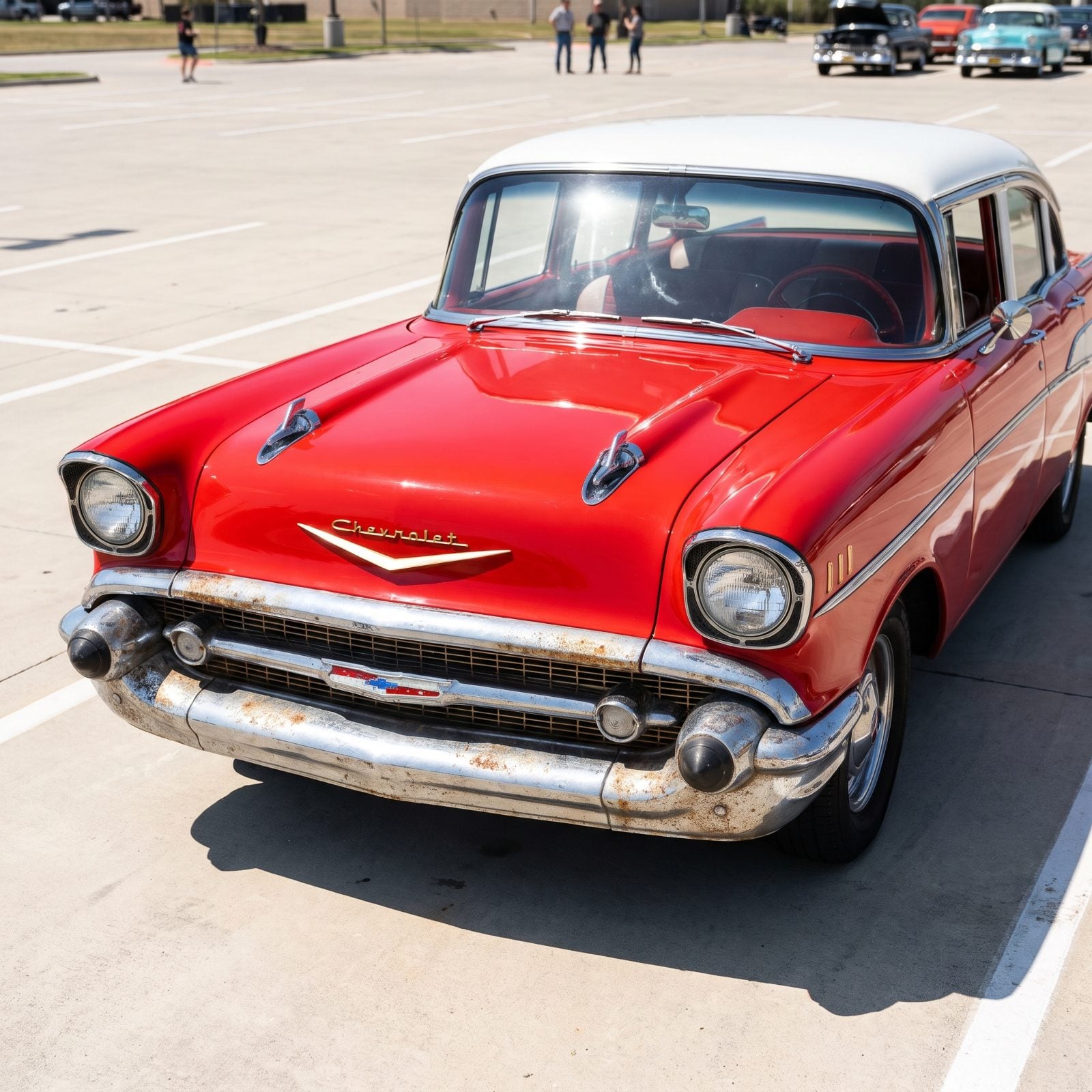
Fresh paint tells on tired chrome every time. Picture a body sprayed last month sitting on bumpers that have pitted and clouded since the Carter administration.
Re-chroming is slow and genuinely expensive, so it gets skipped. The builder spends on paint because paint shows in photos, then crosses his fingers that the dull bumper reads as patina. It doesn’t. Rust spots and cloudy chrome next to wet gloss just look like a job that stopped halfway.
Chrome is worth getting right: Jalopy Talk readers gave photos of cars with lots of chrome more hearts than the other images in the same articles, 84% versus 77%.
17. The Bumper Droops on One Side
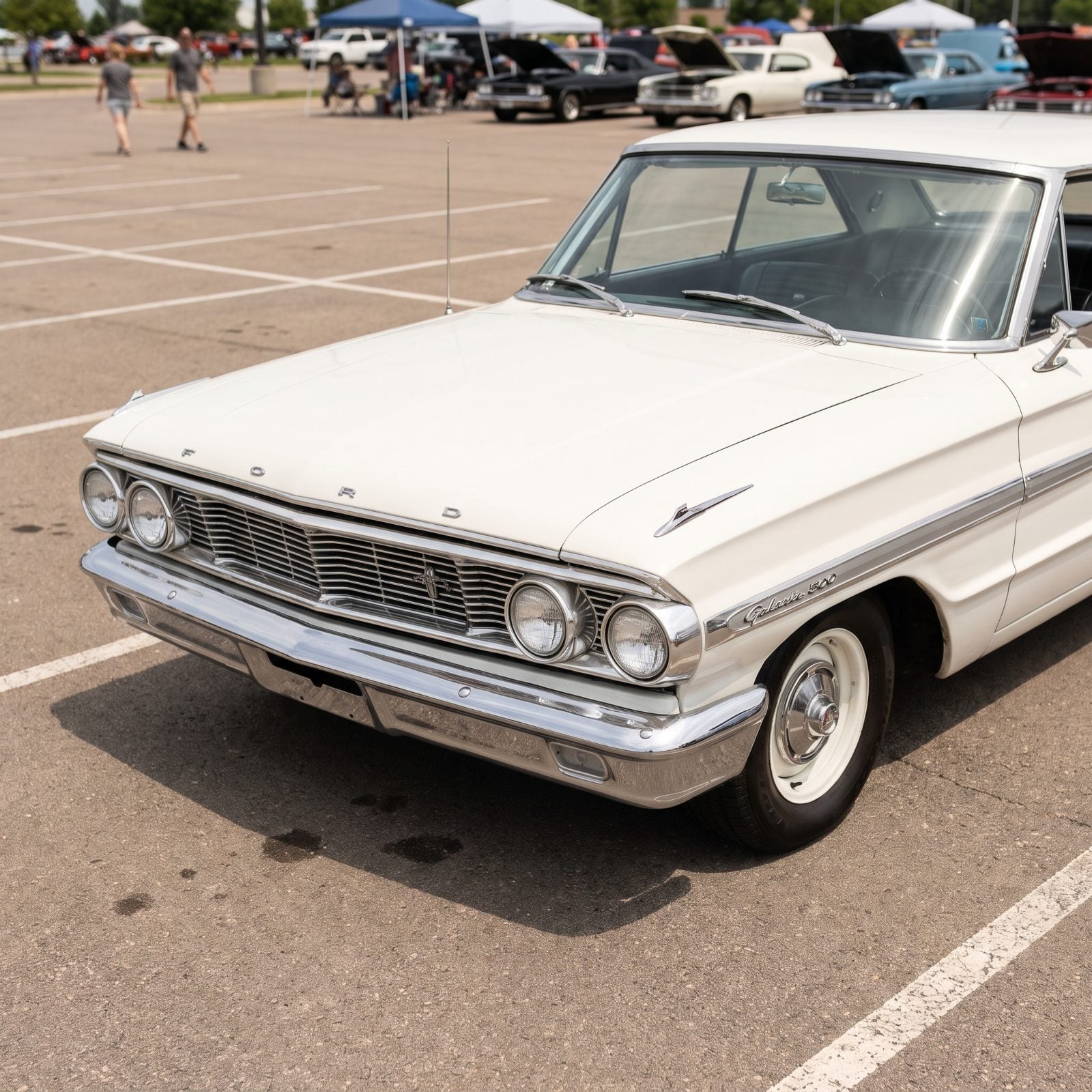
A bumper should sit square to the body — both ends the same height, the gap to the fenders even clear across.
When one corner hangs lower, somebody reused a bent bracket, over-tightened one bolt, or never shimmed the mounts back to factory spec. A ten-minute fix that nobody made. Stand dead center in front of the car and sight down the bumper against the body line. If one side sags, the car got reassembled by somebody in a hurry, and hurry is contagious across a whole build.
16. The Grille Is Visibly Tilted
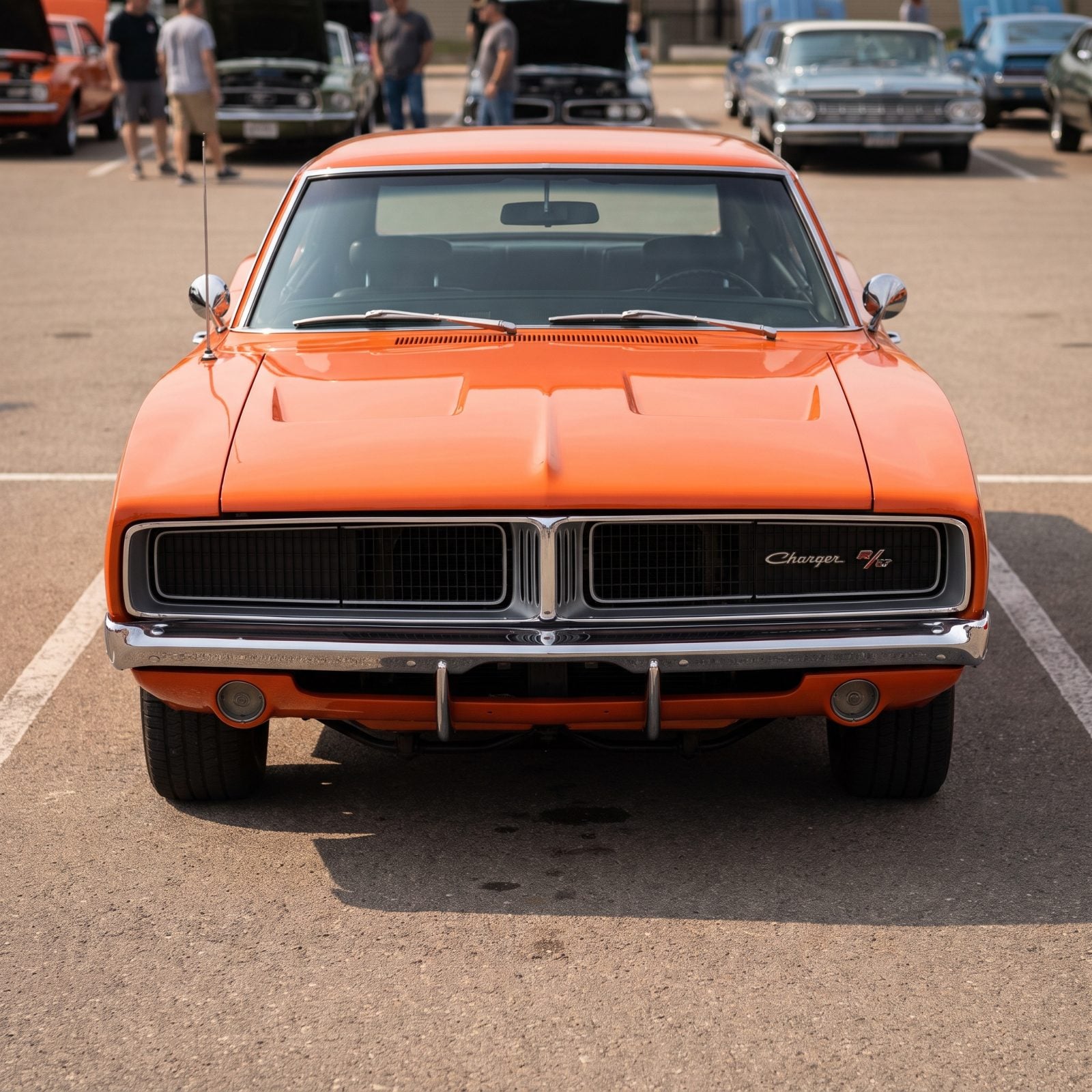
The grille is the car’s face, and a tilted one hands it a crooked stare you can spot from across the lot.
Grilles mount to a surround that has to be shimmed and squared. Skip that fussy step and it sits a few degrees off, the gaps uneven top to bottom. Nobody rushes a grille on purpose — they rush it because they were sick of the car and wanted it done. A crooked face up front warns you about the patience behind the whole build.
15. The Headlights Sit at Different Heights
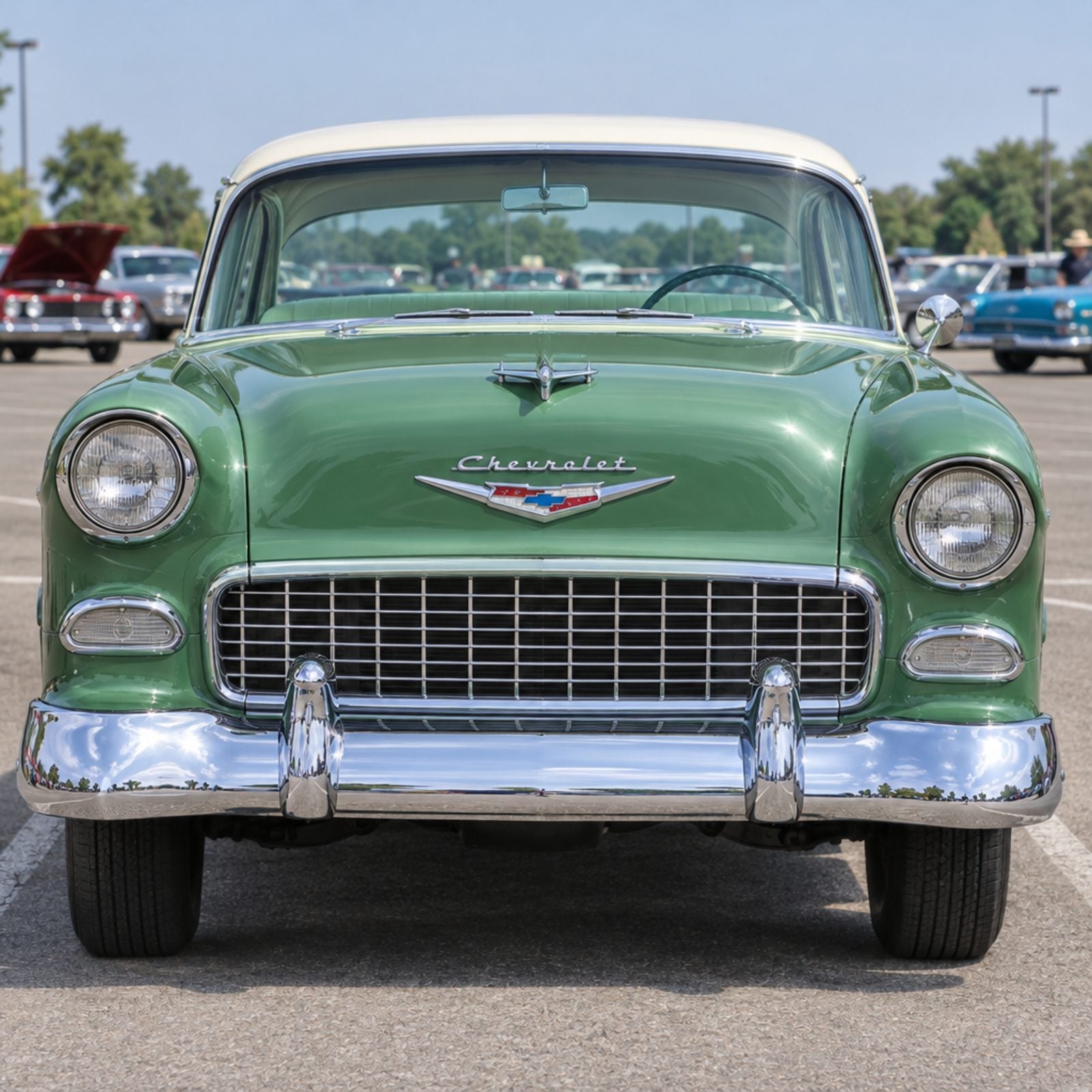
Both headlights should sit at the same height and aim the same way. The adjusting screws inside each bucket exist for exactly that.
When one eye rides higher than the other, the car takes on a lopsided look that reads as odd before you pin down the cause. Usually a bezel went back on without being checked, or a bucket never got adjusted after a fender came off and went back on. Small miss, big giveaway. If the person who finished this car couldn’t be bothered to level two headlights, I’d want a long look at everything they touched underneath.
14. The Taillight Housings Sit Crooked
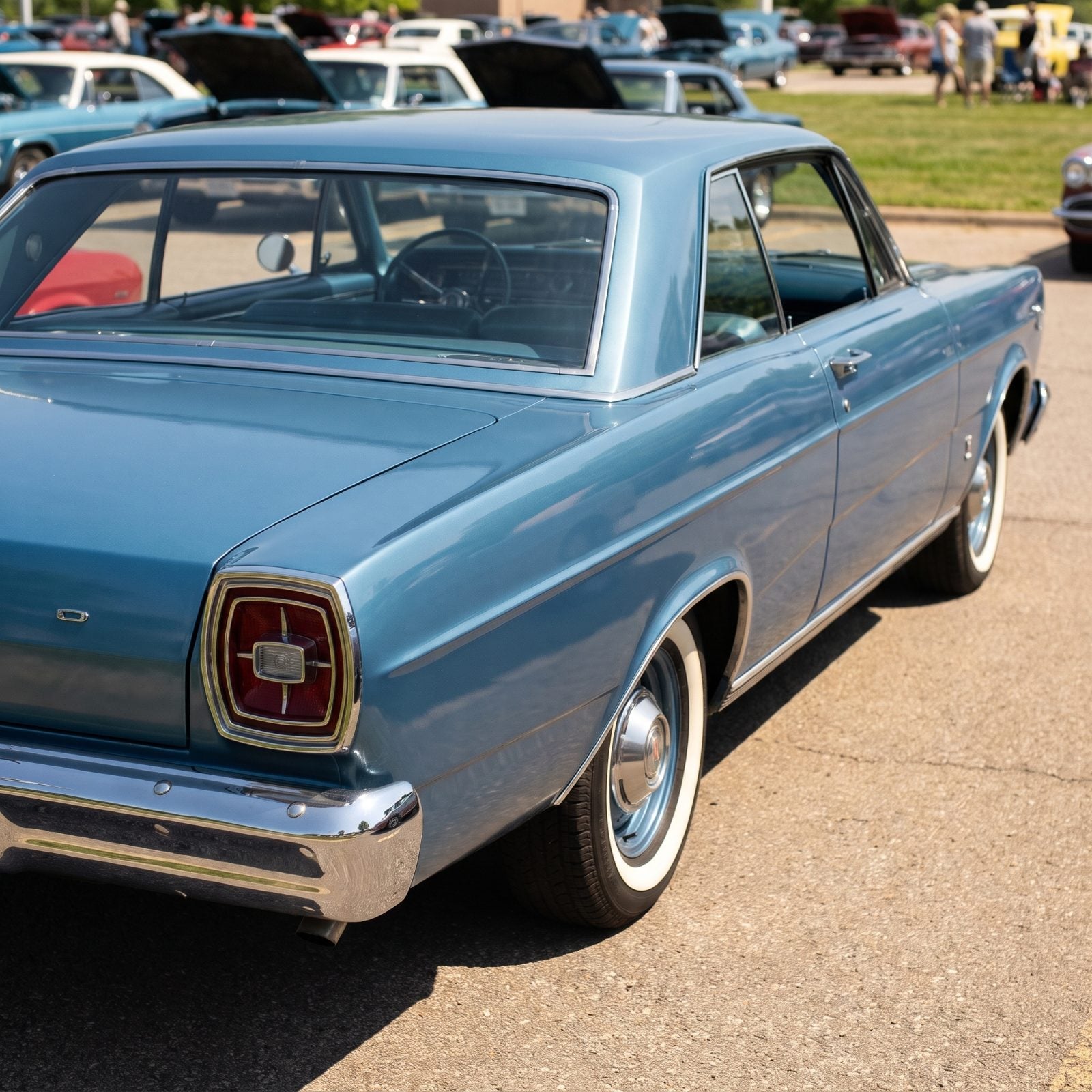
Factory workers hung taillights by the thousands using locating pins and a template, and they sat even because the tooling made them sit even. Lose an original gasket, or bolt a reproduction housing into a panel that was never quite straightened after bodywork, and you get the tell: a lens riding high or cocked a few degrees off true.
To check, stand directly behind the car and let your eye level out both housings. If one looks sleepy, that’s a fit problem the painter couldn’t be bothered to chase. I’ve seen six-figure cars with this exact flaw. It tells you everything about who did the final assembly.
13. Empty Holes Remain Where Marker Lights Belong
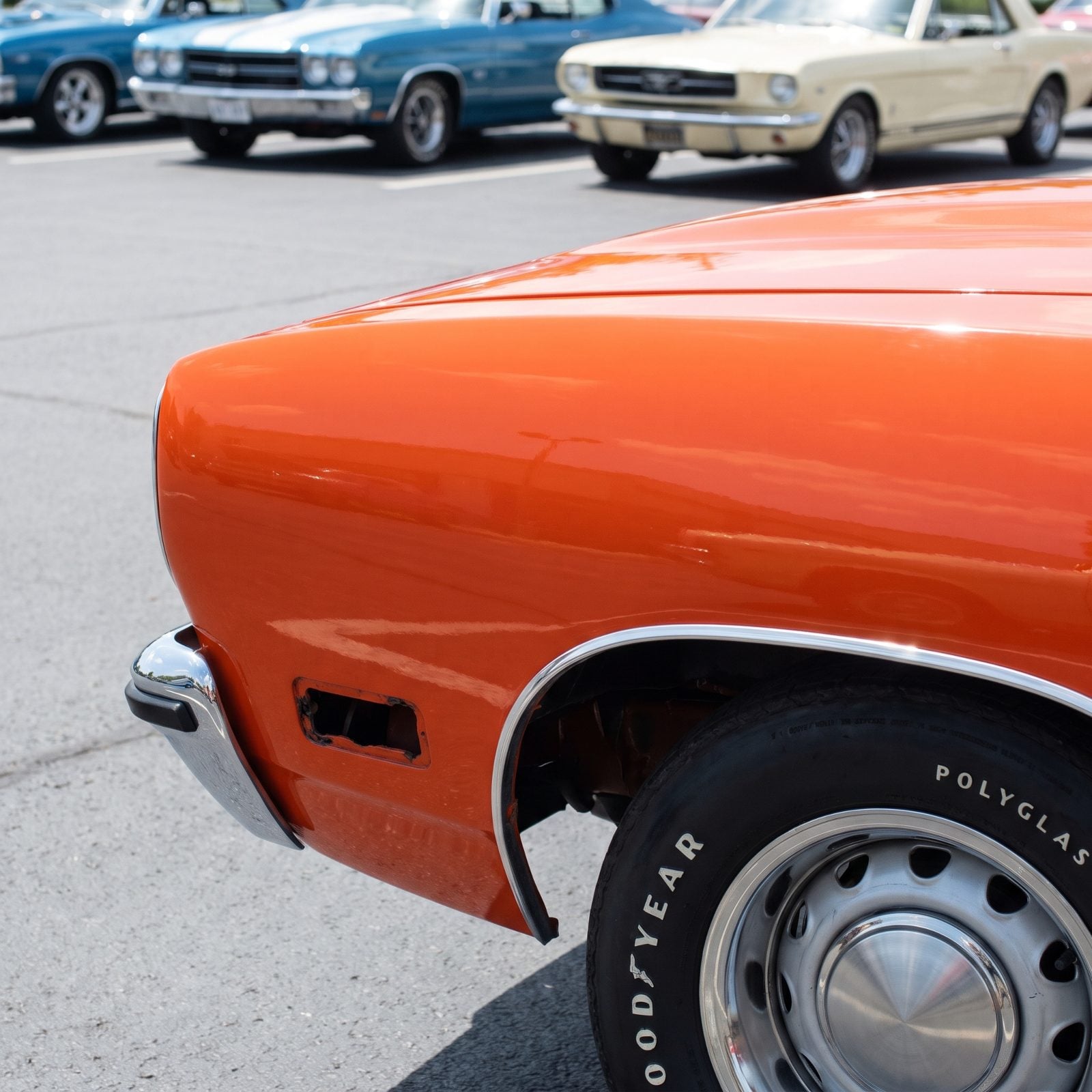
Starting in 1968, federal law required side marker lights, and the stamping dies cut holes for them. Delete the markers for a cleaner look but never fill and reshape the opening, and you’re left staring into a little dark pocket in the quarter or the fender.
Sometimes it’s an honest in-progress car. Often it’s a shortcut, because filling a hole properly means blocking, priming, and reshooting a panel nobody wanted to pay for. Peek inside. See raw primer or the old light’s wiring stub? The work stopped halfway.
12. The Exterior Mirrors Do Not Match
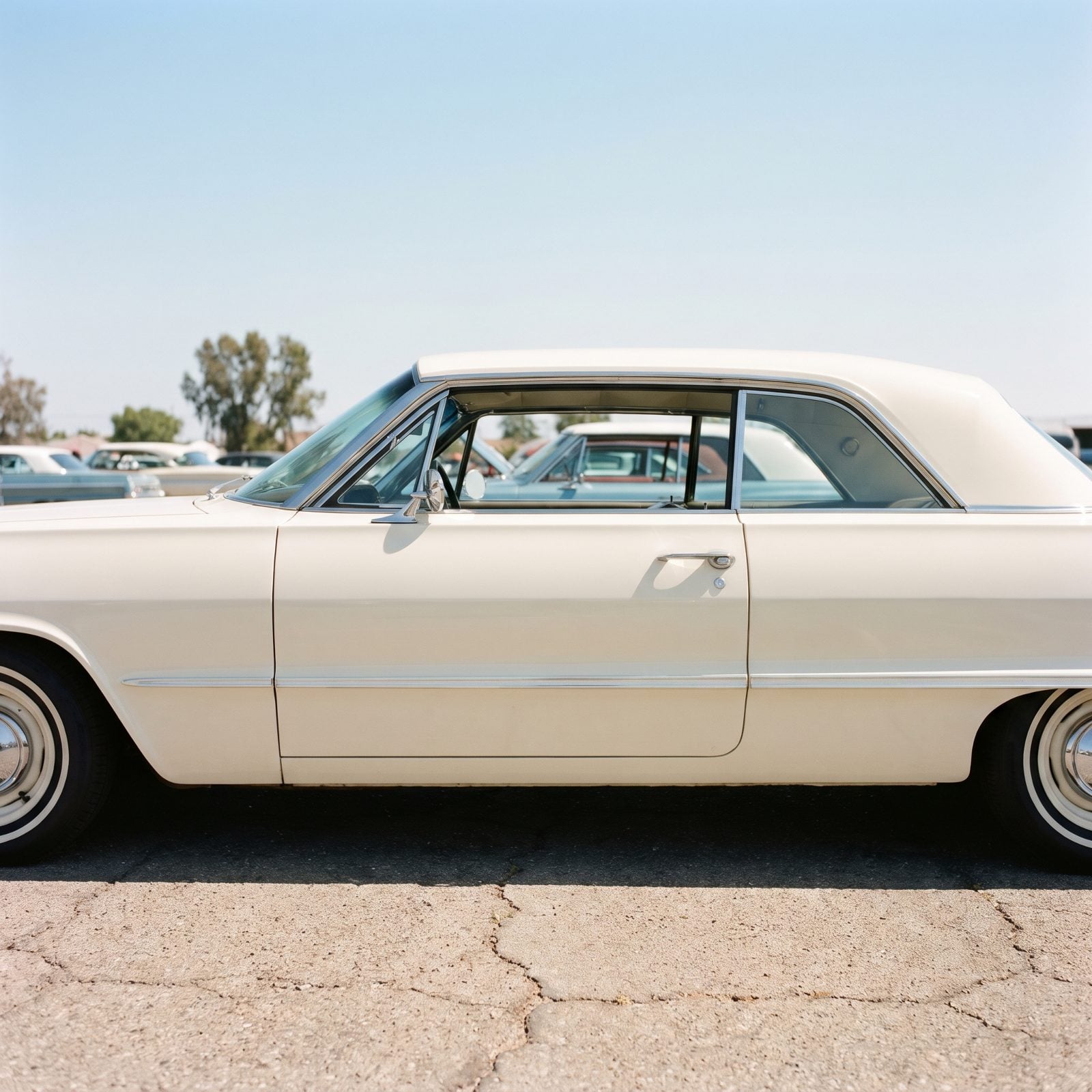
Mirrors are the cheapest place to cut a corner, which is exactly why so many restorers do it. The driver’s side gets the correct reproduction. The passenger side gets whatever showed up in the parts box, a swap-meet find that passes from across the lot.
Walk to the front and sight down both doors at once. Mismatched base shapes, different chrome tones, one bullet mirror and one sport mirror. Somebody who cared sources a matched pair; somebody finishing in a hurry bolts up whatever fits.
11. The Fuel Door Stands Proud of the Quarter Panel
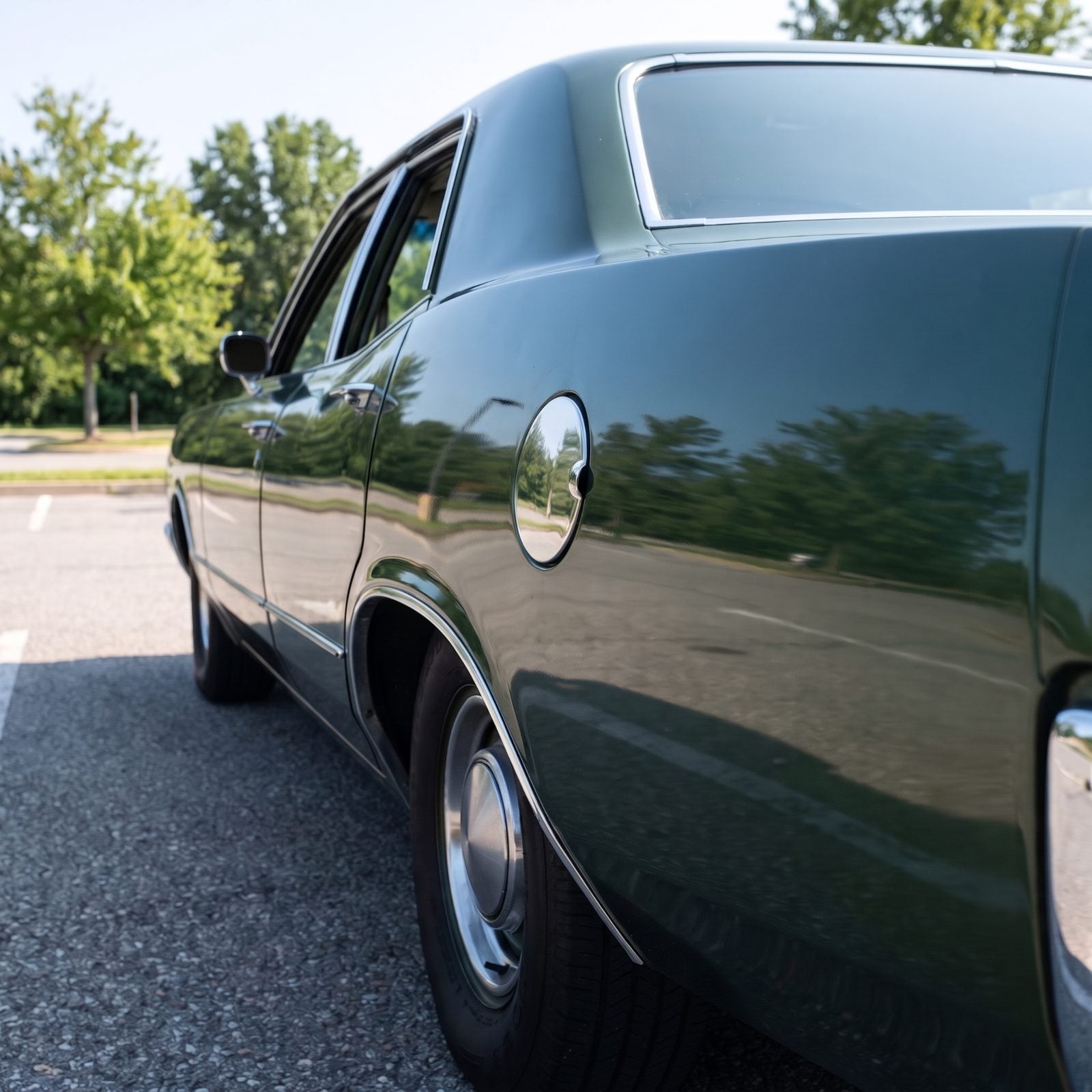
A flush fuel door is one of those details your eye registers as a smooth reflection running uninterrupted down the quarter. Break that reflection and the whole panel looks off, even if you can’t say why.
A fuel door that stands proud usually points to a broken or missing hinge, a cap that has popped open or come loose, or a filler neck that is misaligned and pushing the whole assembly out. You don’t need to run your hand across it. You’ll see it from across the parking lot, and it should be reseated or replaced.
10. Windshield Trim Is Popping Out at the Corners
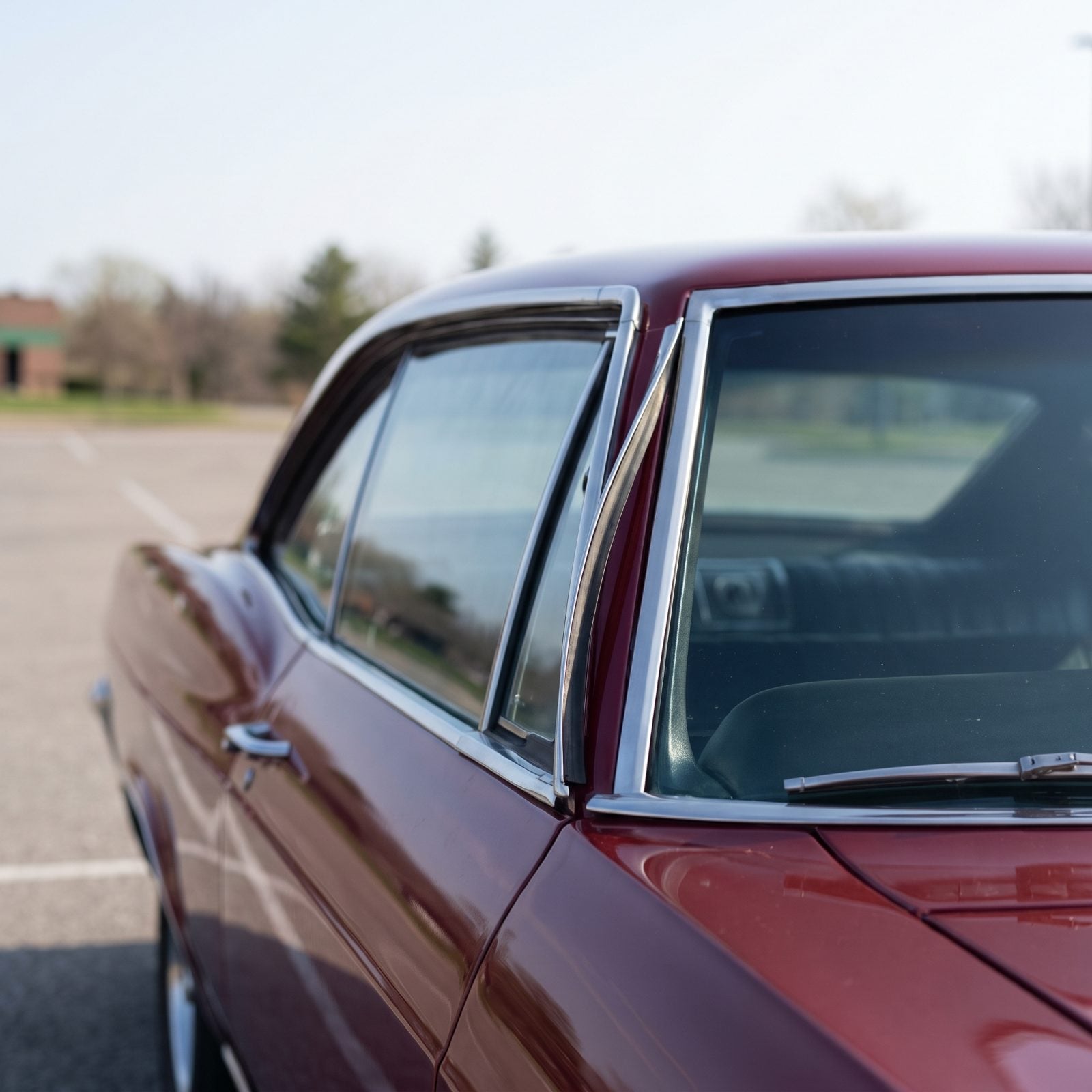
Windshield trim is held by clips that grab the glass gasket or the pinch weld underneath. Reinstall a windshield without replacing bent or missing clips and the stainless won’t stay seated. The corners show it first, a bright strip lifting off the body like a loose fingernail.
And it matters beyond looks. Trim that won’t seat usually means the glass isn’t sitting right either, so water finds the gap. Rust starts under that corner, quietly, until the day the headliner stains.
9. The Convertible Top Sags Between Its Bows
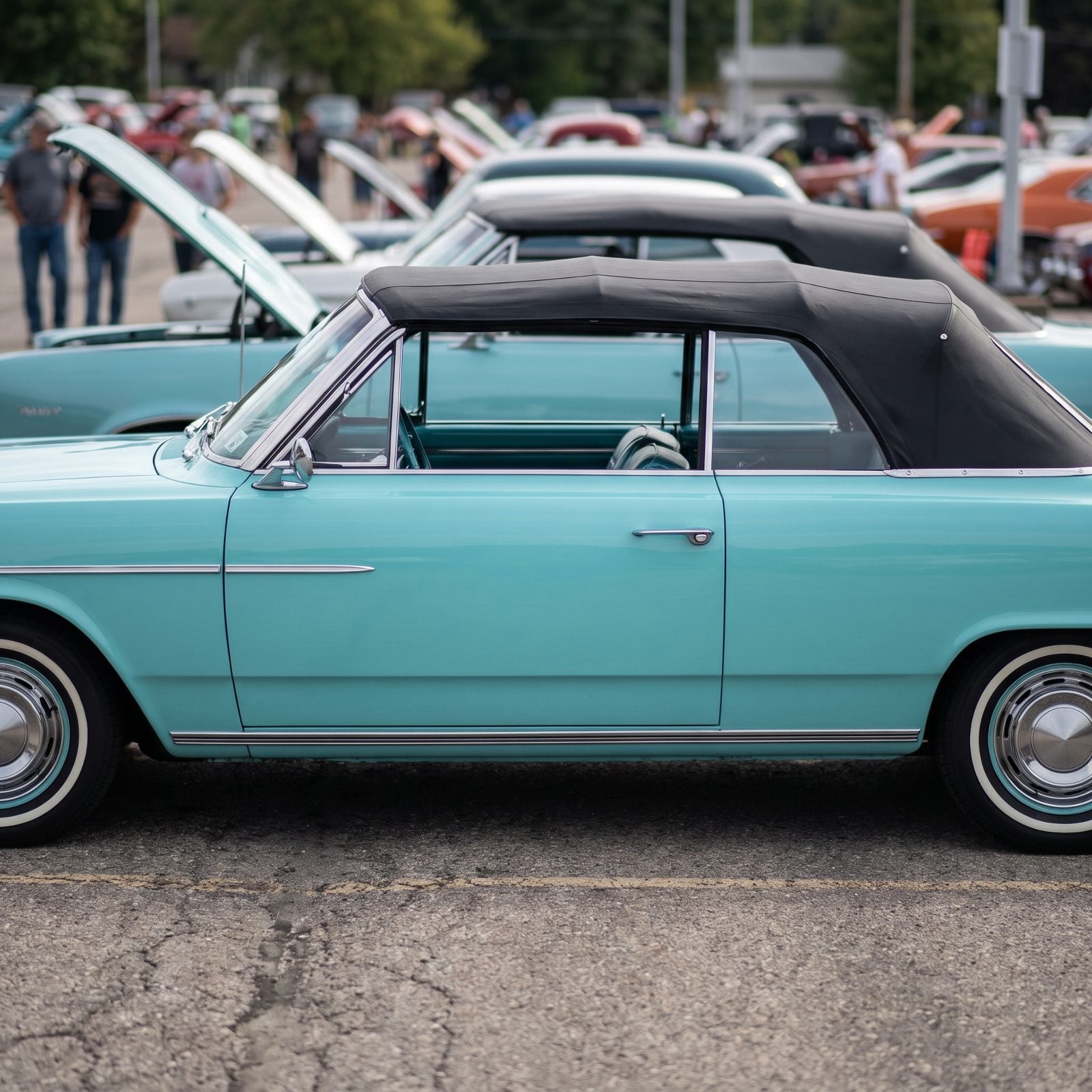
A properly installed top is drum-tight over its bows, pulled into a clean arc with no low spots. Sag between the bows tells you the top was stretched poorly, the pads underneath have collapsed, or somebody skipped the summer-afternoon trick of installing it warm so the material pulls taut.
Look at the top in profile. You want one continuous curve. Shallow valleys dropping between the ribs mean the installer rushed the stretch, and fabric only loosens from there.
Convertibles are worth the extra care, since our readers gave them more hearts than the other cars pictured in the same articles, 77% versus 70%.
8. The Convertible Top Meets the Windshield Unevenly
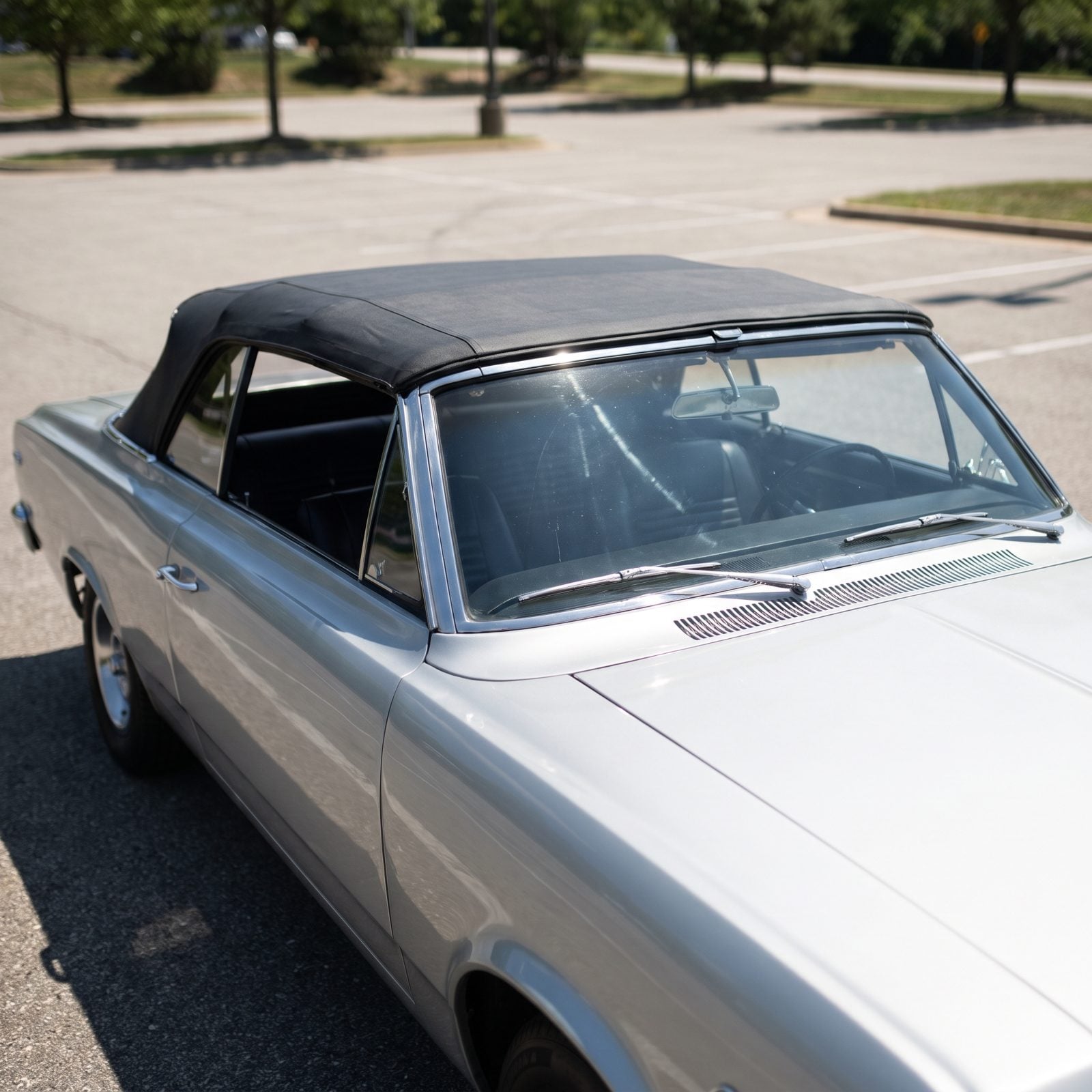
The front bow has to mate flush against the windshield header, latch down, and seal tight. Mount the top a hair off center, or bend the header bow during a careless install, and you get a gap that’s wide on one side and pinched on the other.
Stand in front and look at the seam where fabric meets chrome. Even across the whole width is what you want. Anything else means wind noise at speed and water down your knee in the rain. I’d walk from that one unless the price reflects a redo.
7. The Vinyl Roof Is Bubbling or Puckered
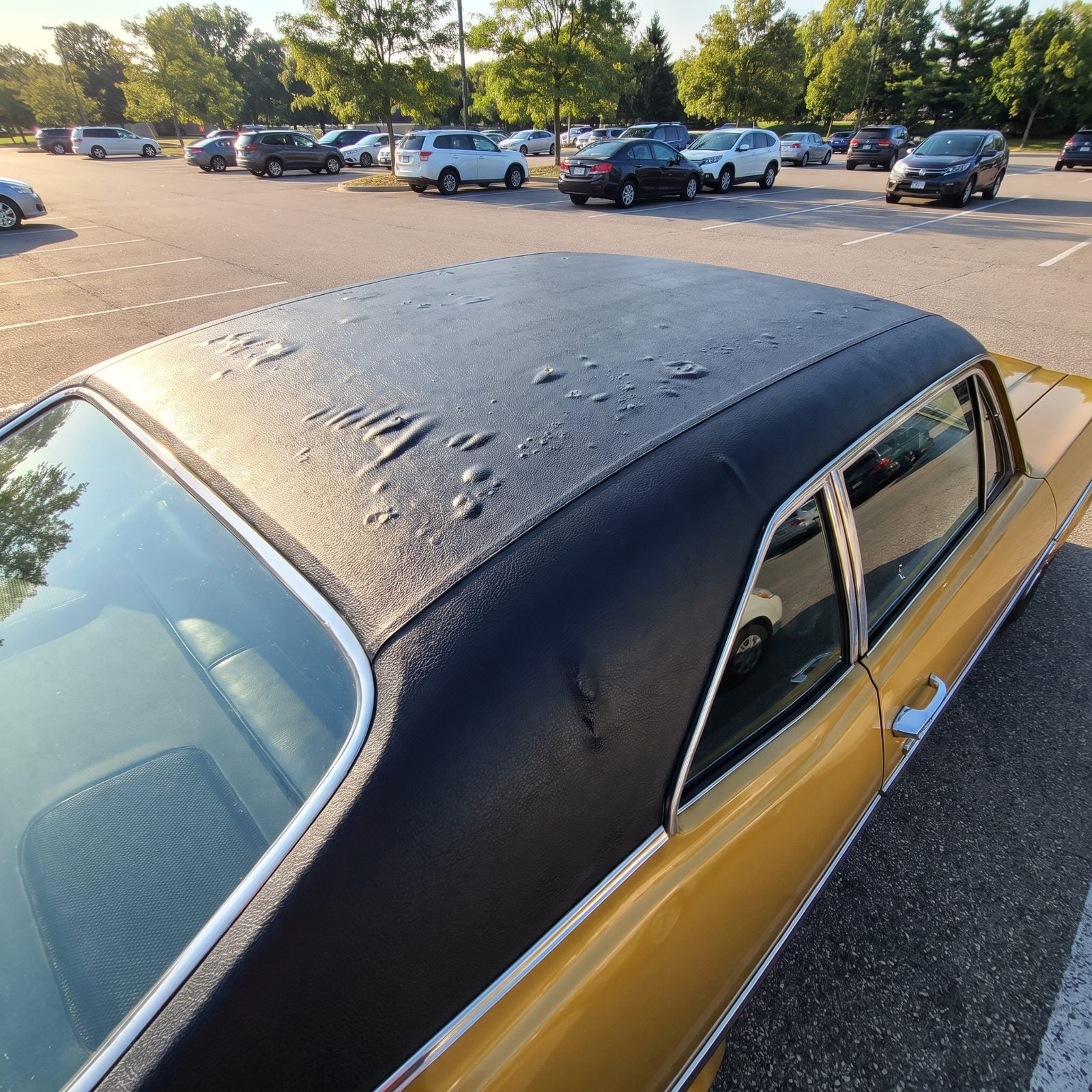
Vinyl roofs get glued down over the steel, and the glue only holds if the metal underneath is clean, dry, and solid. Bubbles mean one of two things, neither good: trapped air from a sloppy install, or rust blistering up from beneath the vinyl.
Press a bubble gently with your thumb. Air pushes flat and comes back. Rust feels crunchy, like pressing on a potato chip. That second one’s the heartbreaker. It means the roof is rotting under a cosmetic cover-up.
6. Weatherstripping Hangs Outside a Closed Door
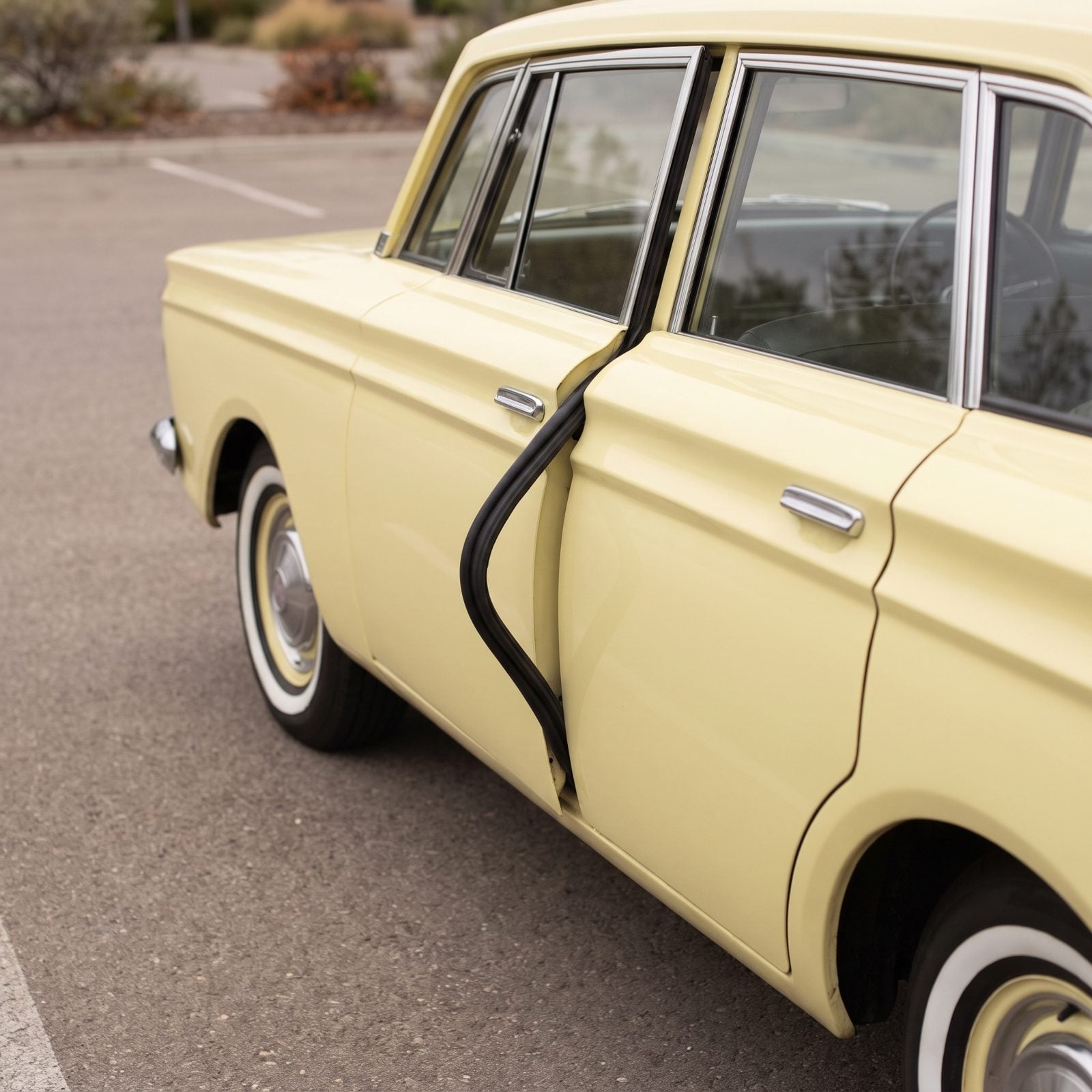
New weatherstripping is a common and worthwhile restoration item. But reproduction rubber often runs a touch fatter than factory, and glued in without trimming or proper seating, the door catches it on the way shut. You end up with a black rubber lip squeezed out past the body, flapping in the breeze.
Open and close the door yourself if you can, and watch the seal. It should tuck in clean and disappear. Rubber that pokes out means the fit was never dialed, and that door’s going to whistle at sixty.
5. The Exhaust Tips End at Different Heights
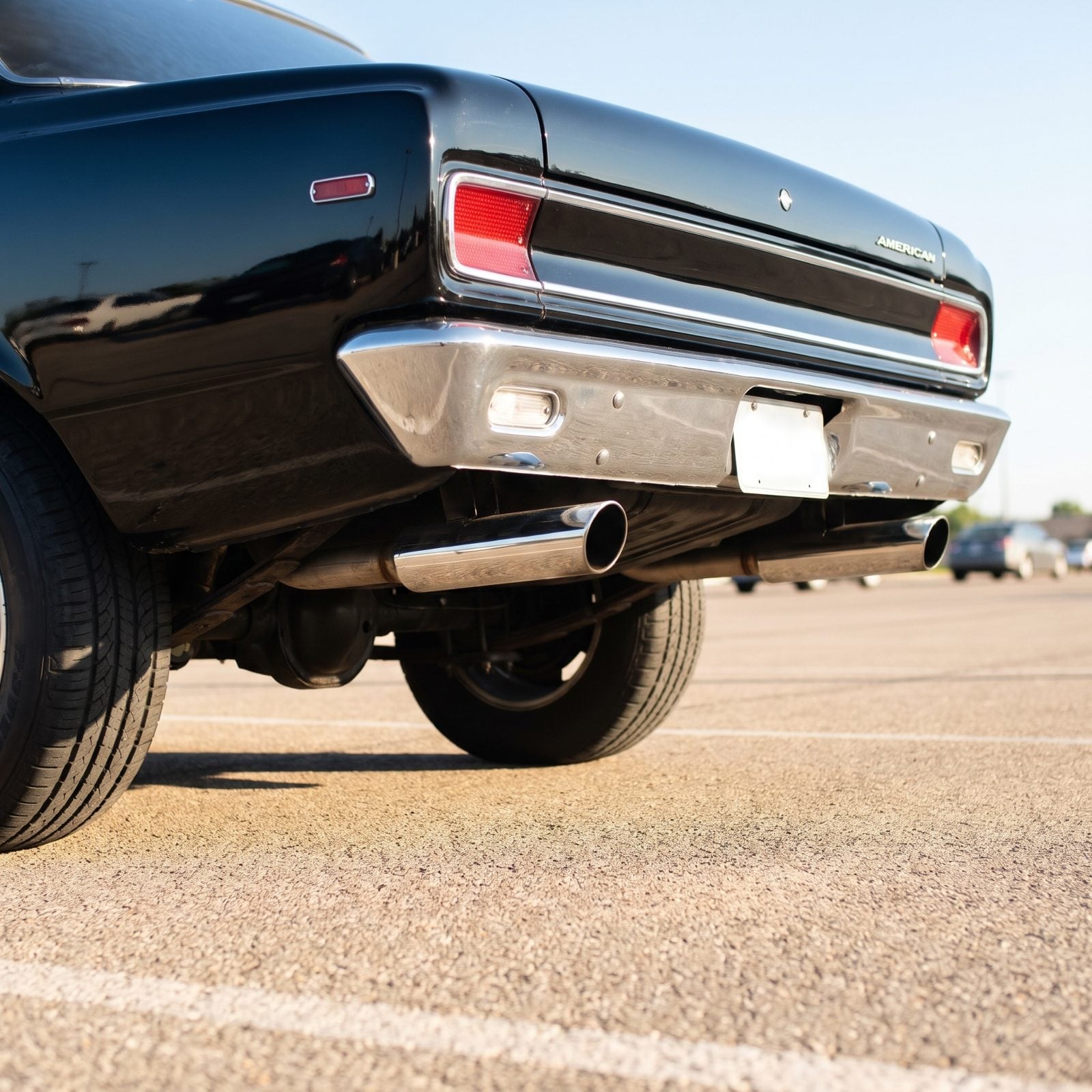
Dual exhaust is supposed to look like a matched pair, both tips at the same height, the same depth, framed evenly by the rear valance. Bend the hangers, lose one, or mount them to the wrong brackets, and one tip droops or pokes out farther than the other.
Crouch behind the bumper and sight across both tips. It’s a five-dollar fix that tells a hundred-dollar story about the shop’s attention span. If they let the exhaust leave crooked, ask yourself what else they eyeballed. That’s usually where I stop admiring the paint and start checking the frame.
4. A Muffler or Tailpipe Hangs Below the Car
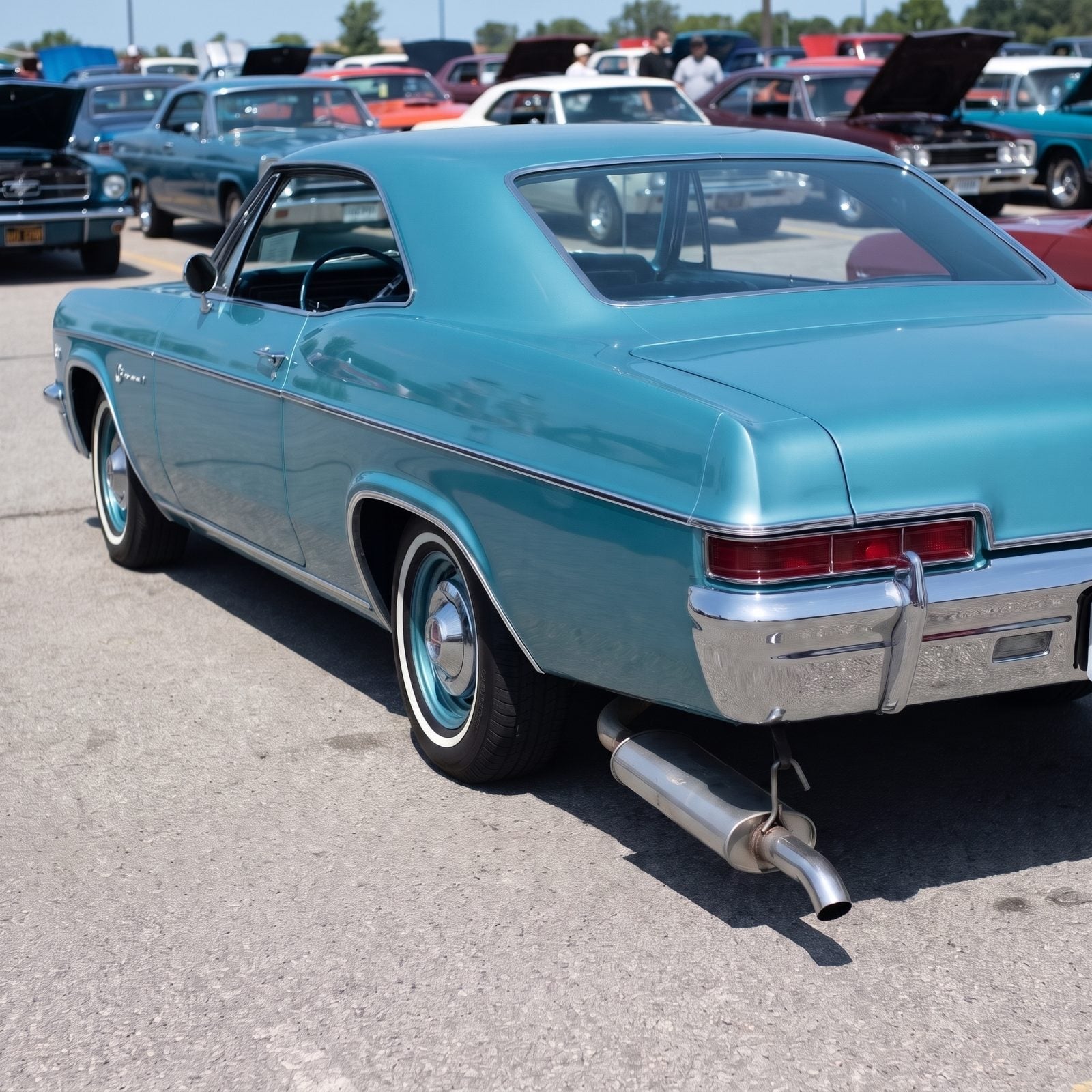
Walk behind any restored car at a show and glance low before you look at anything else. A tailpipe hanging below the rocker line tells you the exhaust got hung by somebody in a hurry.
Factory exhaust tucks up tight and runs level. When a hanger goes missing, stretches out, or ends up bolted to the wrong bracket, the pipe droops and then scrapes every driveway apron and speed bump in town — which means the owner either hasn’t driven it much or has learned to crawl over everything at an angle.
The fix is cheap. That nobody bothered is the real tell. Skip the easy thing under the car and you have to wonder what else got skipped.
3. A Fresh Fluid Puddle Is Forming Underneath
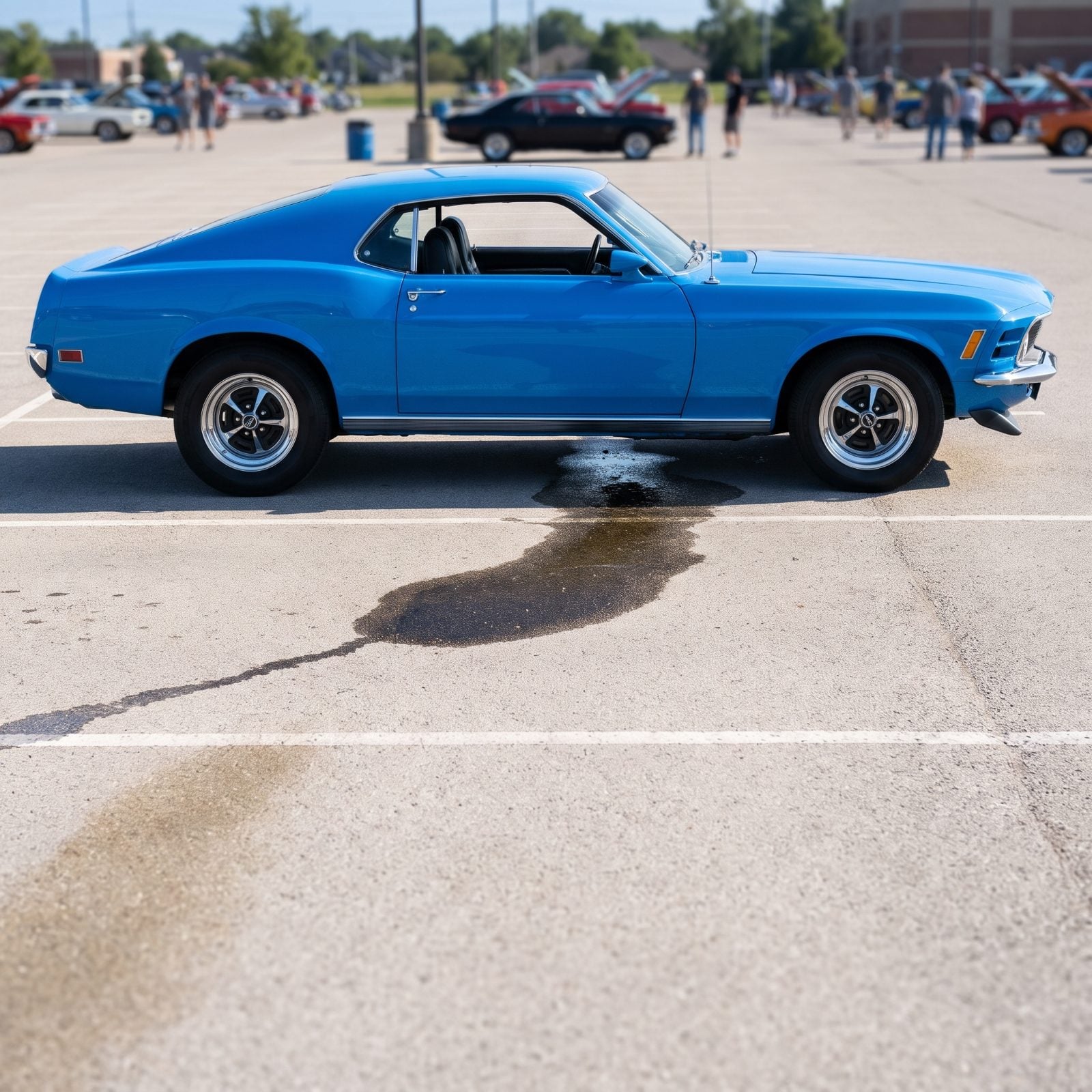
A clean car sitting over a dirty spot is the loudest confession in the lot. Fresh fluid on the pavement means something got reassembled wrong and nobody chased it down.
Color tells you what you’re looking at. Dark brown or black is engine oil. Red or pink points to transmission or power steering. Green or orange is coolant, and a sweet smell confirms it. Clear and oily near a wheel is brake fluid, and that one you do not ignore.
The excuses come fast at a show. “It just needs a gasket.” “It always does that when it’s warm.” A finished restoration doesn’t mark its territory. Leaking at the car show? It leaks in the garage too.
2. The Entire Body Visibly Leans to One Side

Stand dead in front of a restored car on flat ground and look at the gap between each tire and its fender. Those four gaps should match. When one corner sits low and the body tilts, the stance gives away the work underneath.
A sagging corner usually means a tired spring, a collapsed shackle, or the wrong part thrown on during the rebuild — sometimes a spring off a different model that was close enough to bolt in. Close enough is not the same as correct.
Lean in the parking lot and it handles worse on the road, wears tires uneven, and tells you the suspension got the quick treatment while the money went into paint. Your eye reads the stance from across the lot, before you even know why something looks off.
1. Paint Runs Hang From Vertical Panels
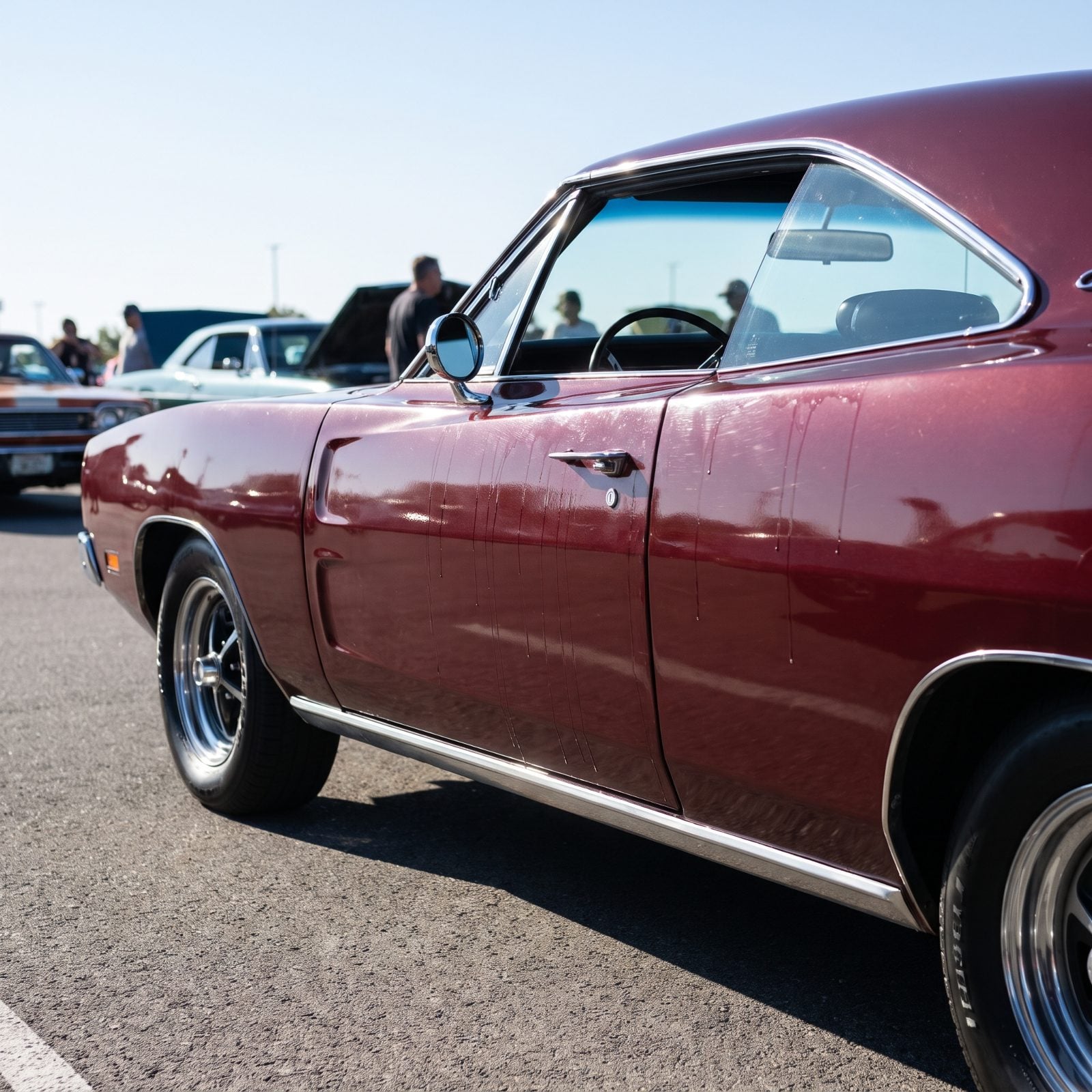
Get your eye down level with a door and look along the panel toward the light. A good paint job reflects back like still water, clean and deep. A rushed one shows runs — those thin vertical drips frozen in place where too much paint went on too fast and gravity did the rest.
Runs live on doors, fenders, and quarters, anywhere the surface stands up straight. They show up when a painter chases coverage instead of patience, sprays in a cold booth, or skips the wet-sanding and buffing that would’ve knocked them flat.
Nobody says this out loud at the shows, but a show-quality finish takes more hours sanding than spraying. See runs, and you’re seeing exactly where somebody quit.