
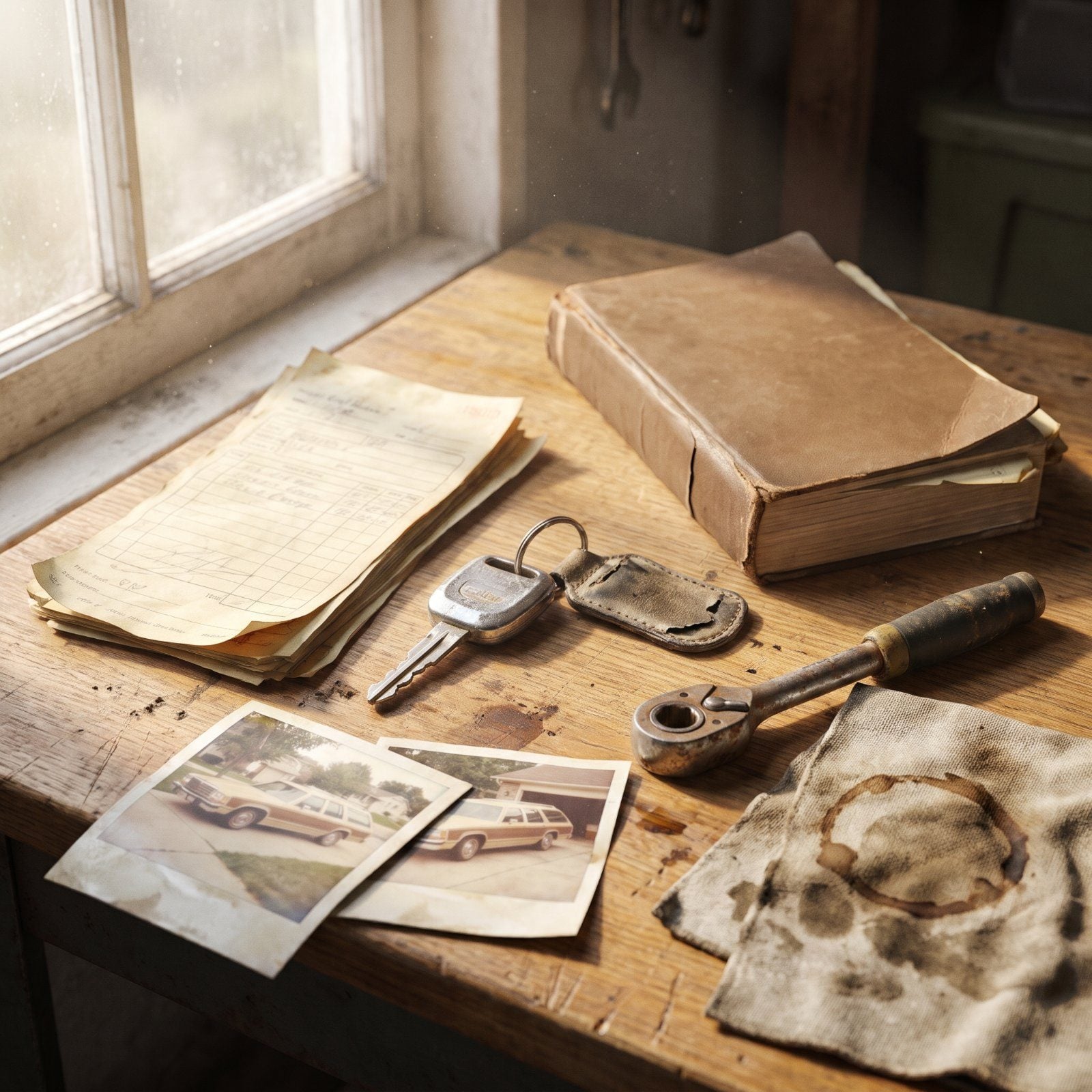
The smell comes back first. Warm vinyl, old coffee, that faint whiff of gear oil that soaked into the carpet and lived there for twenty years. Some families traded in for something new every three years. We were the other kind — the one-car-till-the-frame-rusts kind. That old thing saw first days of school, driver’s tests, a breakup or two, and at least one engine rebuild on a Saturday with half the neighborhood watching. Here’s what comes with a car you drive all the way to the end. If you grew up this way, you already know every single one of these in your bones.
Please note that some of the images in this article were created with the assistance of AI.
25. The Same Car Shows Up in Family Photos From Three Different Decades
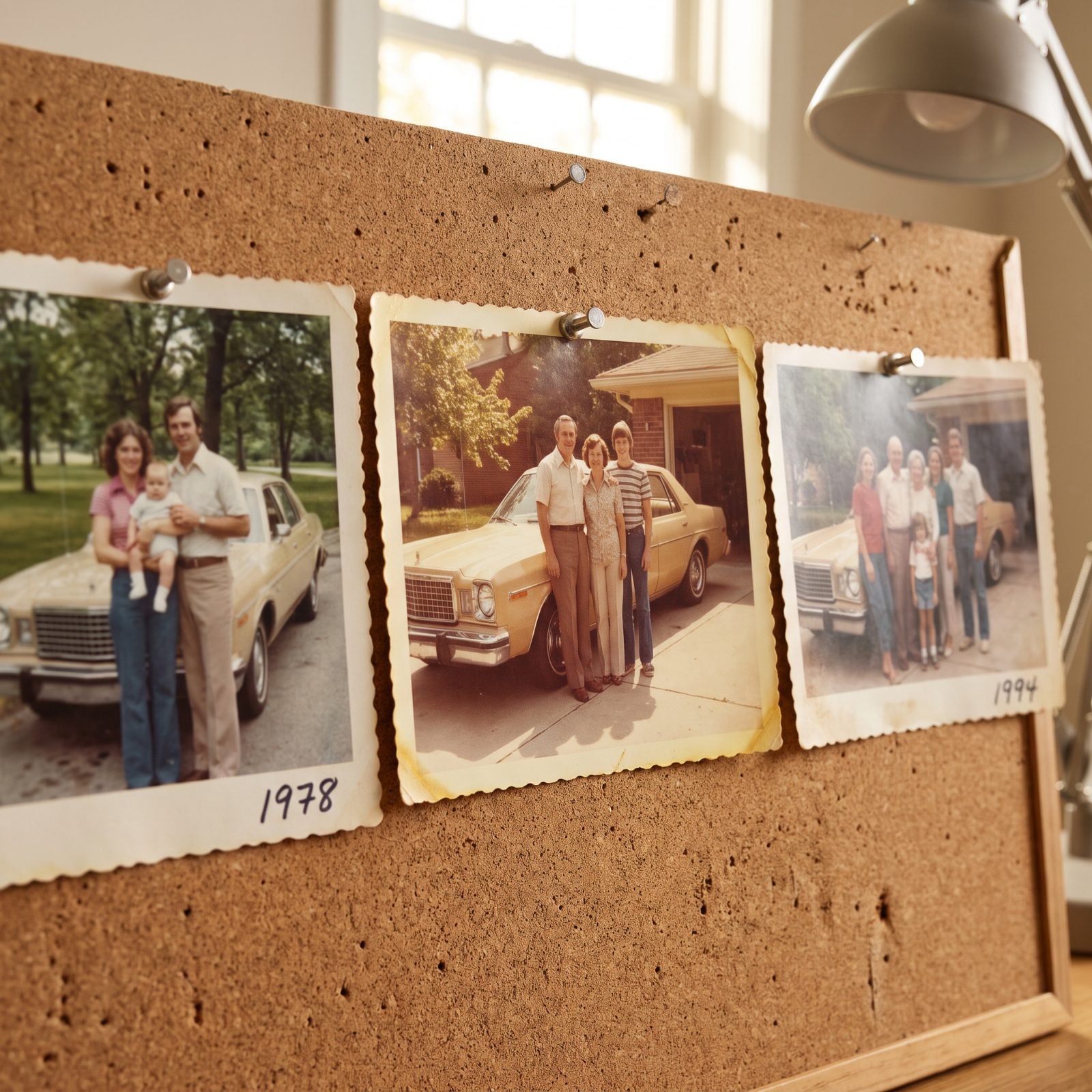
Flip through any family album and the people change. Haircuts come and go, babies turn into teenagers, and the dog goes gray around the muzzle. But that one car sits in the background of all of it — Christmas morning in the driveway, the move to the new house, the graduation photo where somebody’s leaning on the hood like they own the place.
You can date those pictures by the paint. Shiny in the early shots, chalky and sun-bleached by the end. The car aged right alongside everybody in the frame, which is exactly why nobody could stand to let it go.
What Our Readers Say
- When Jalopy Talk readers loved a car photo and tapped a reason, “nostalgic” came out on top at 26%, ahead of “would drive” and “body style.”
- The old family hauler still has fans: station wagons got hearts 82% of the time from our readers, more than the other images in the same articles.
From Jalopy Talk reader polls and votes.
24. Older Siblings Handed Their Cars Down to the Younger Ones
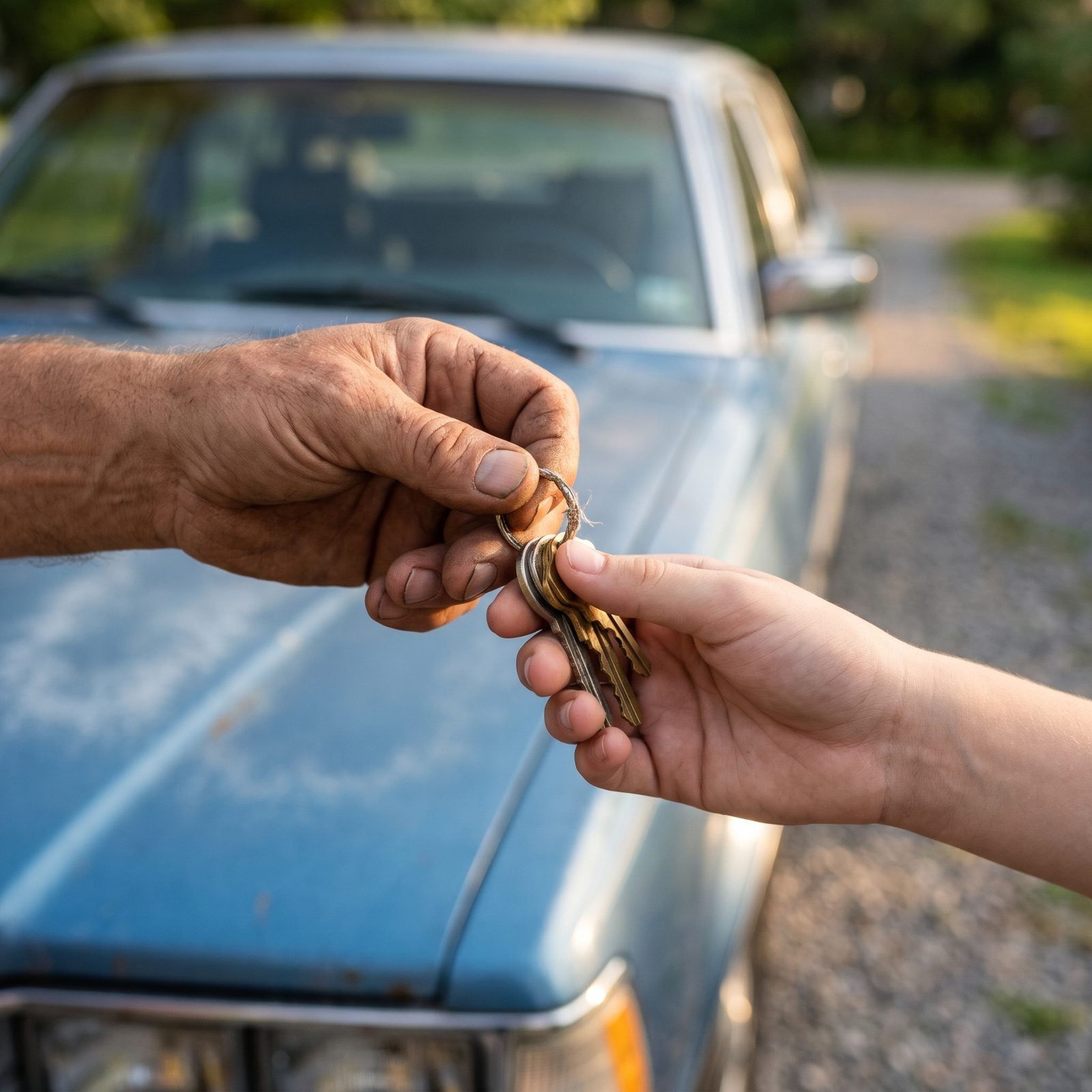
Nobody sold it. It got inherited. The oldest kid drove it through high school, then college, then passed the keys down the line like an heirloom with a check-engine light.
By the time the youngest got behind the wheel, the seat was permanently molded to someone else’s shape, the radio was jammed on one station, and a little stash of somebody’s gas receipts rattled around in the door pocket. You weren’t buying a car. You were taking over a lease on a whole teenage history that wasn’t even yours.
23. The Mileage Outgrew the Odometer and Started Over at Zero
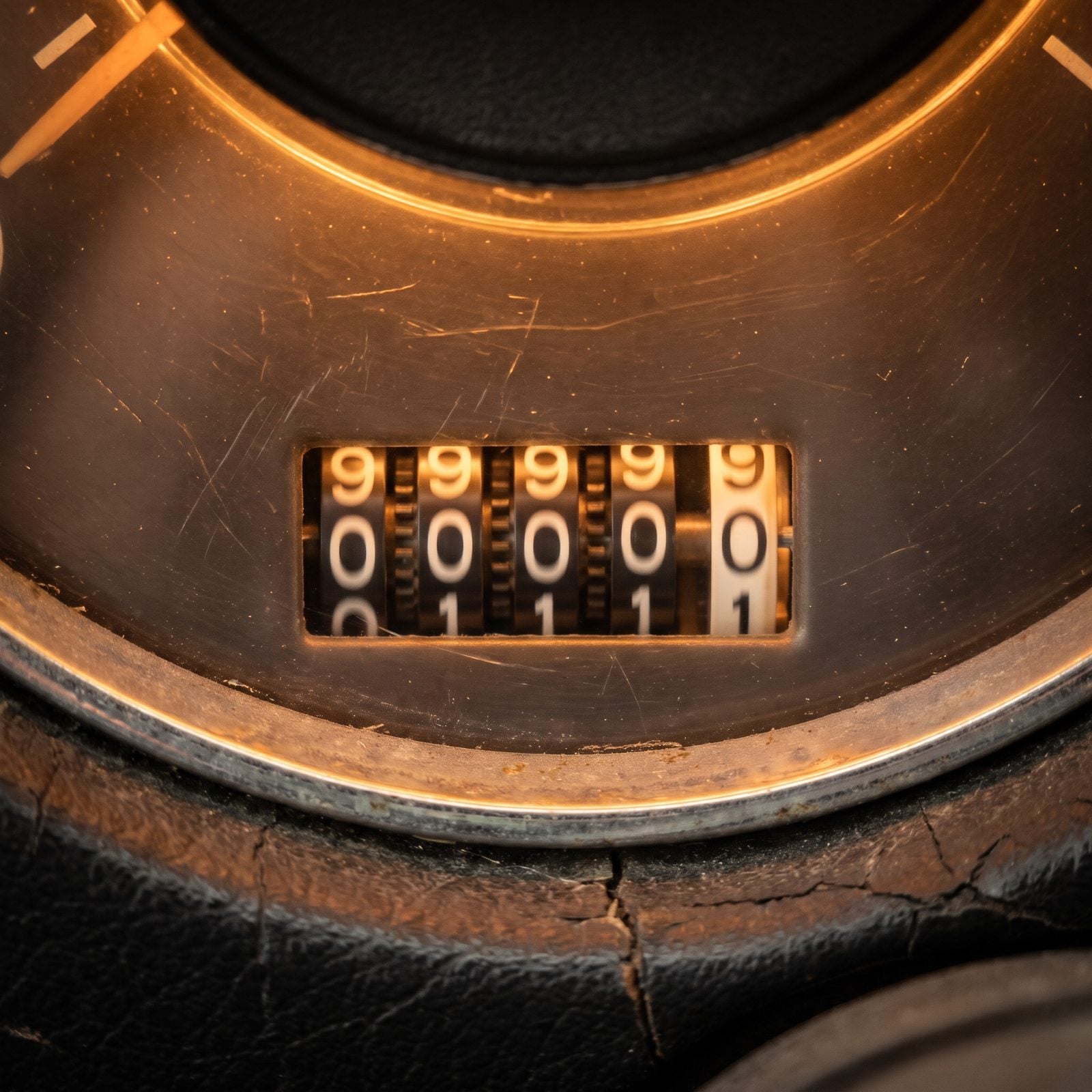
Then came the day the odometer ran out of road. Five digits only goes so far, and when a car crawls past 99,999 the whole thing flips back to zeros like it was born yesterday.
So it became a lie everybody knew by heart. The car read 40,000 and had actually seen 140,000. Somebody taped a note to the dash with the real number scrawled on it. By the time it eventually sold, the mileage on the title was more of a philosophical question than a fact.
On cars whose real mileage gets past what the odometer can show, a speedometer repair specialist explains that “some Toyotas will not let the digital readout display anything after 299,999, it will register in the EPROM but will not display on cluster.”
22. The Car Had a Name and the Whole Family Used It
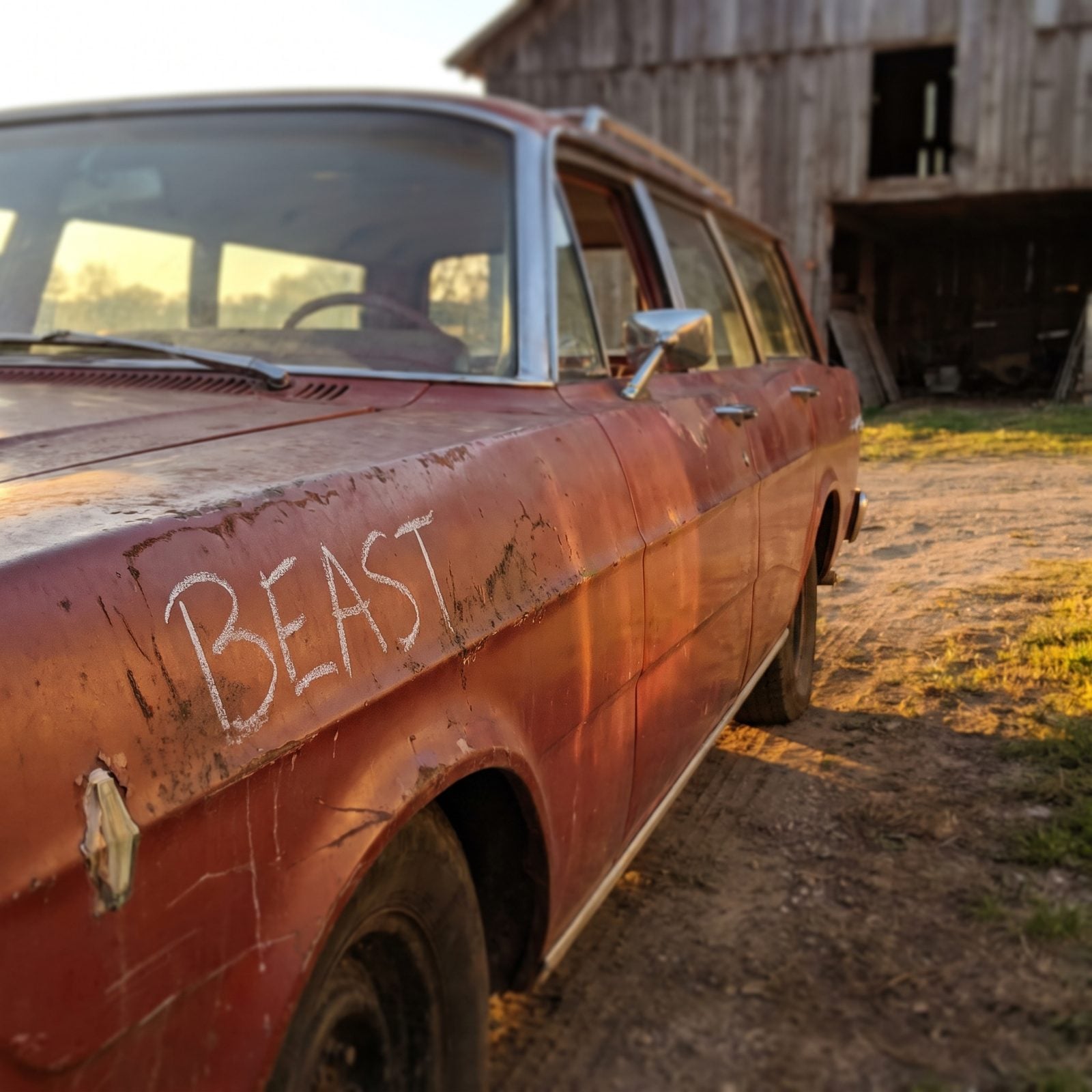
It wasn’t “the car.” It was Bessie. Or the Beast. Or Old Blue. Somebody christened it years back and the name stuck so hard that strangers got confused.
“Go grab my sunglasses out of Gretchen.” The name carried a whole personality — her quirks, her stubborn cold starts, her habit of stalling at the one stoplight downtown without fail. You don’t name a car you plan to trade in. You name the one you’ve already decided to keep until it dies in the driveway.
21. Everyone Knew the Secret Handshake for Starting It
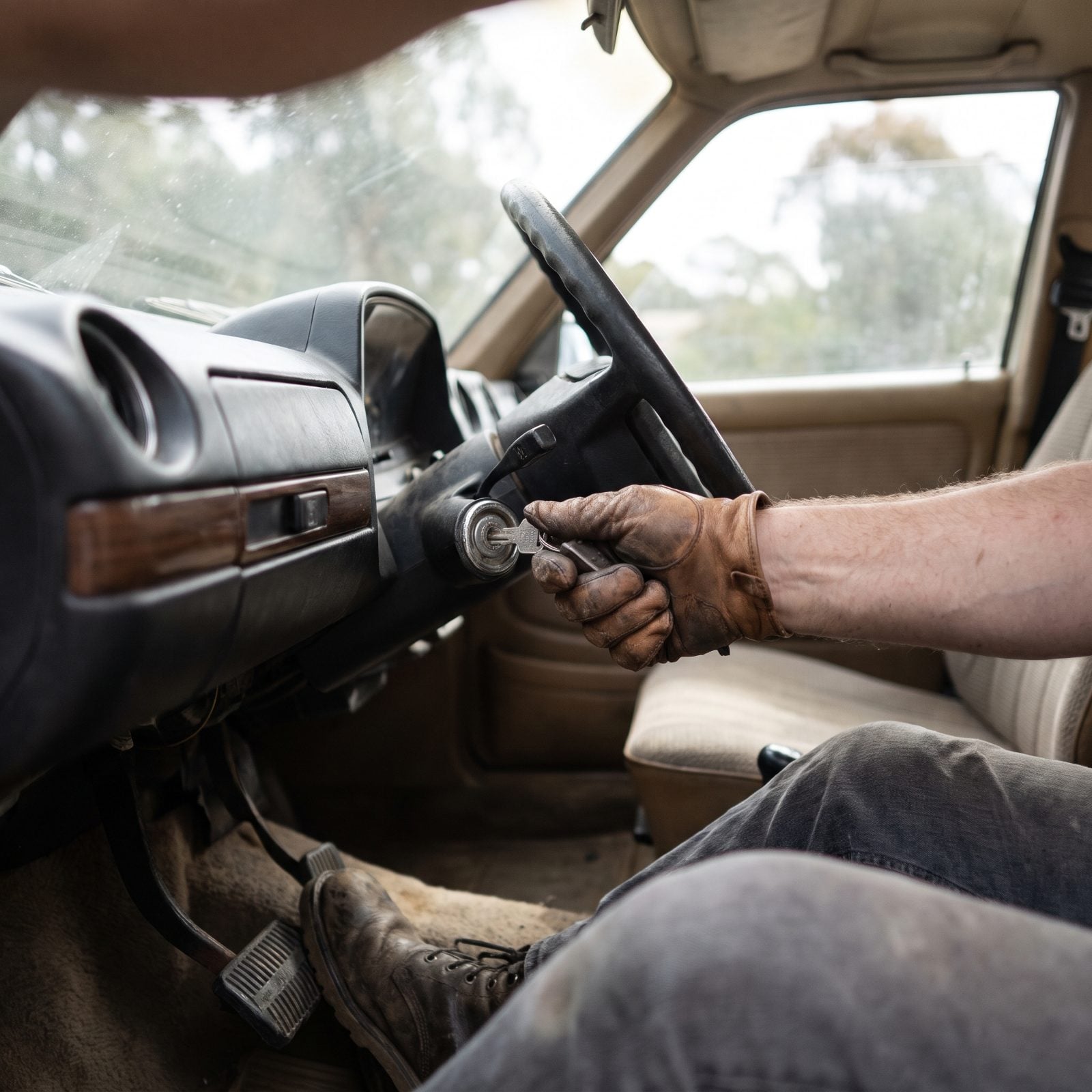
You couldn’t just turn the key and go. Nobody borrowed that car without sitting through a tutorial first.
Pump the gas twice. Hold it to the floor on the third turn. Don’t touch the pedal once it catches or you’ll flood it. Jiggle the key a hair to the left. Every one of us performed this ritual without even thinking, like a prayer learned too young to remember learning. A valet would’ve been stranded in the lot for twenty minutes, sweating.
20. Your Parents Diagnosed Problems by Sound Alone

A tiny new tick, and the verdict came from the front seat before you’d even gone a block: “That’s the serpentine belt starting to go.” No scanner. No app. Just an ear trained by decades of listening to one engine breathe.
They could tell a failing wheel bearing from a bad U-joint by the pitch of the hum at forty miles an hour. They knew which rattle meant nothing and which clunk meant pull over right now, no arguing. It was a skill built by living with one machine long enough to learn its whole vocabulary.
Explaining how a trained ear narrows down a problem, one auto repair garage writes “For instance, a noise that speeds up with the engine suggests an accessory belt or alternator issue, while a sound that increases with wheel speed points toward a bearing or tire problem.”
19. The Glovebox Held a Decade of Maintenance Receipts
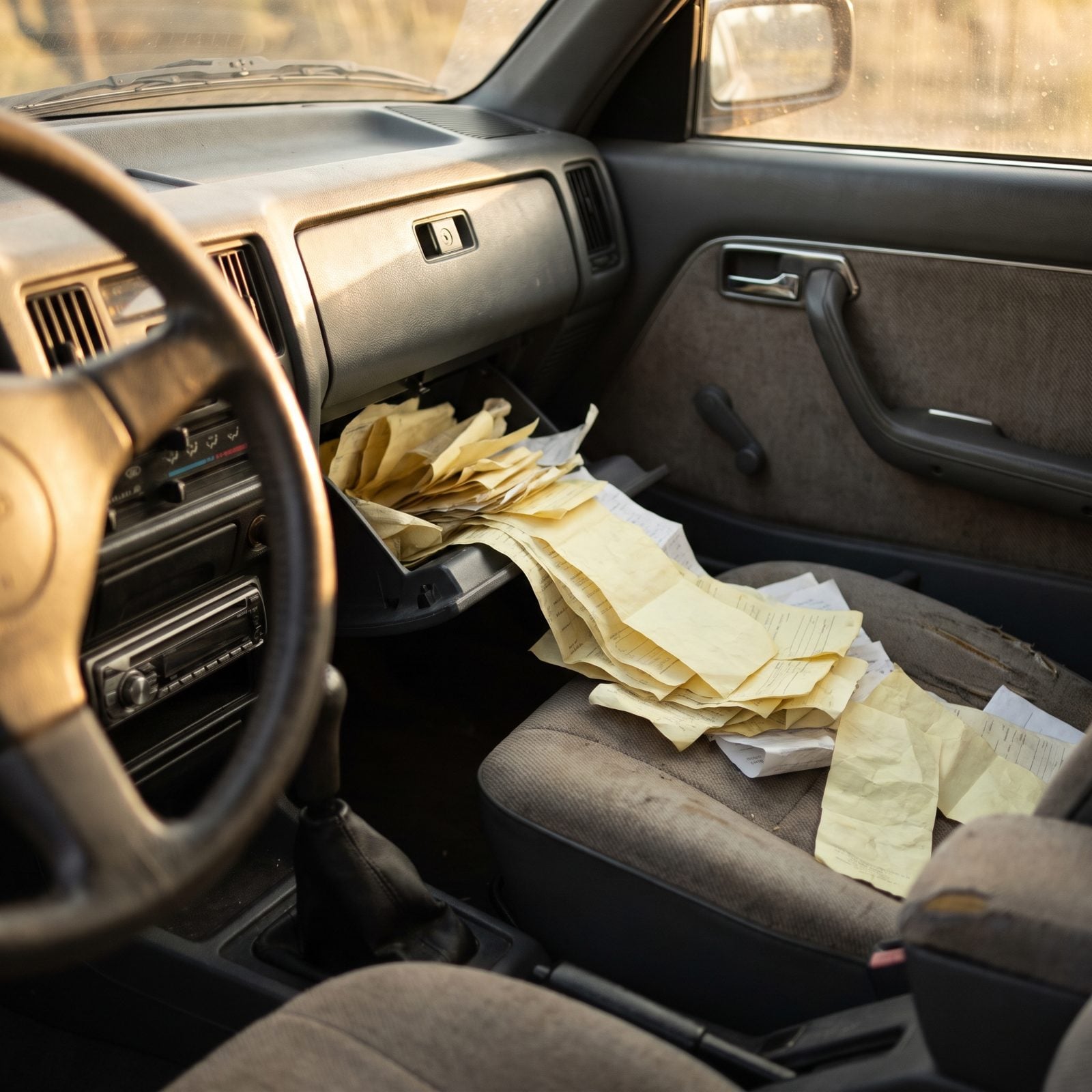
Open that glovebox and paper came tumbling out. Oil changes going back years. A receipt for a muffler from before you were tall enough to see over the dash. The original owner’s manual, cracked and soft at every corner.
That stack was the car’s medical history, kept because selling it someday meant proving it had been loved properly. Every scrap said the same thing — somebody took care of this. When the car finally went, going through those receipts felt like reading a diary nobody meant to write.
18. The Trunk Always Carried Oil, Coolant, Tools, and Jumper Cables
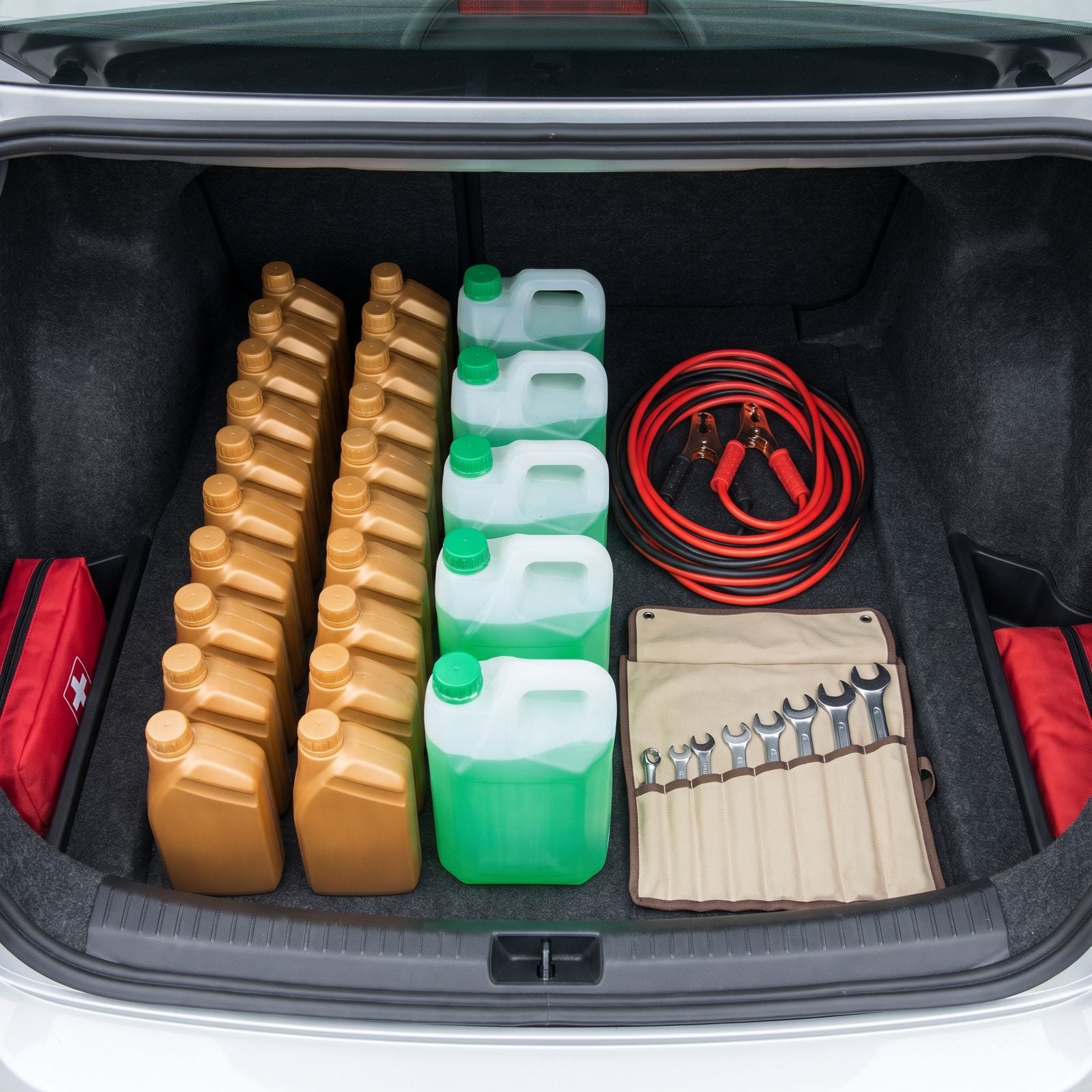
That trunk was a rolling first-aid kit for the car itself. Oil, coolant, a funnel that always smelled faintly sweet, and jumper cables that got loaned to half the neighborhood. Nobody waited for a warning light — you topped off at the gas station because the car burned a little between changes, and everyone just knew it.
The jumper cables were the real badge of honor. Start a stranger’s car in a grocery lot and you were useful, and that was about the whole lesson.
17. Your Family Parked the Car Over Cardboard to Catch Leaks
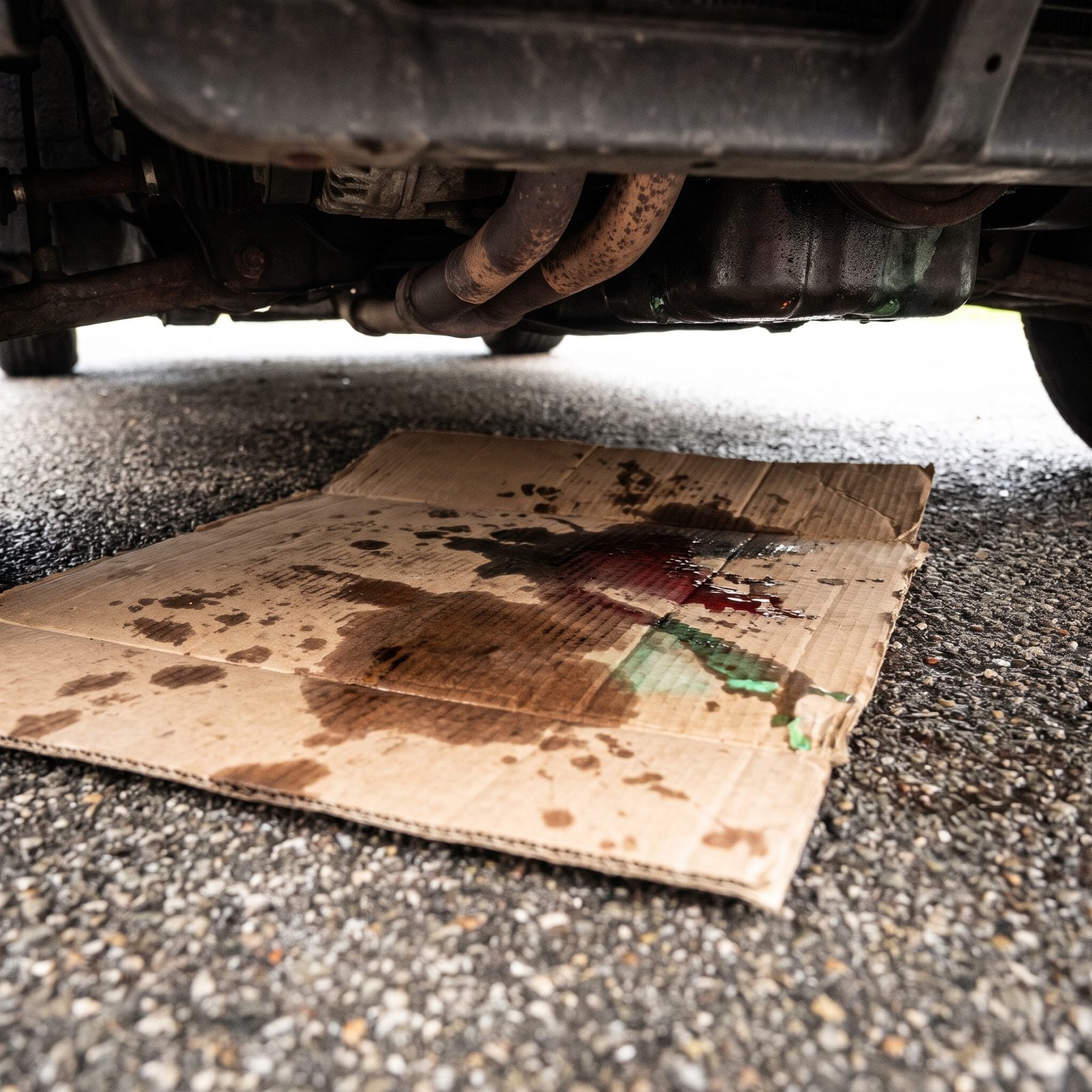
The cardboard was a diagnostic tool and a confession all at once. One dark patch meant oil. A reddish one meant the transmission was starting its slow goodbye, and a sweet-smelling puddle meant coolant — that one made everybody a little nervous.
You learned to read the floor the way a doctor reads a chart. The size of the stain by Monday morning told you whether this was a watch-it situation or a this-weekend situation. Fresh cardboard went down when the old sheet was more oil than box.
On telling oil from transmission fluid, a neighborhood repair shop advises “Both are slick, but the red tint and a more central location point to the transmission. If you are not sure, catch a drop on white cardboard where the color is easier to read.”
16. A Sagging Headliner Was Held Up With Pins or Staples
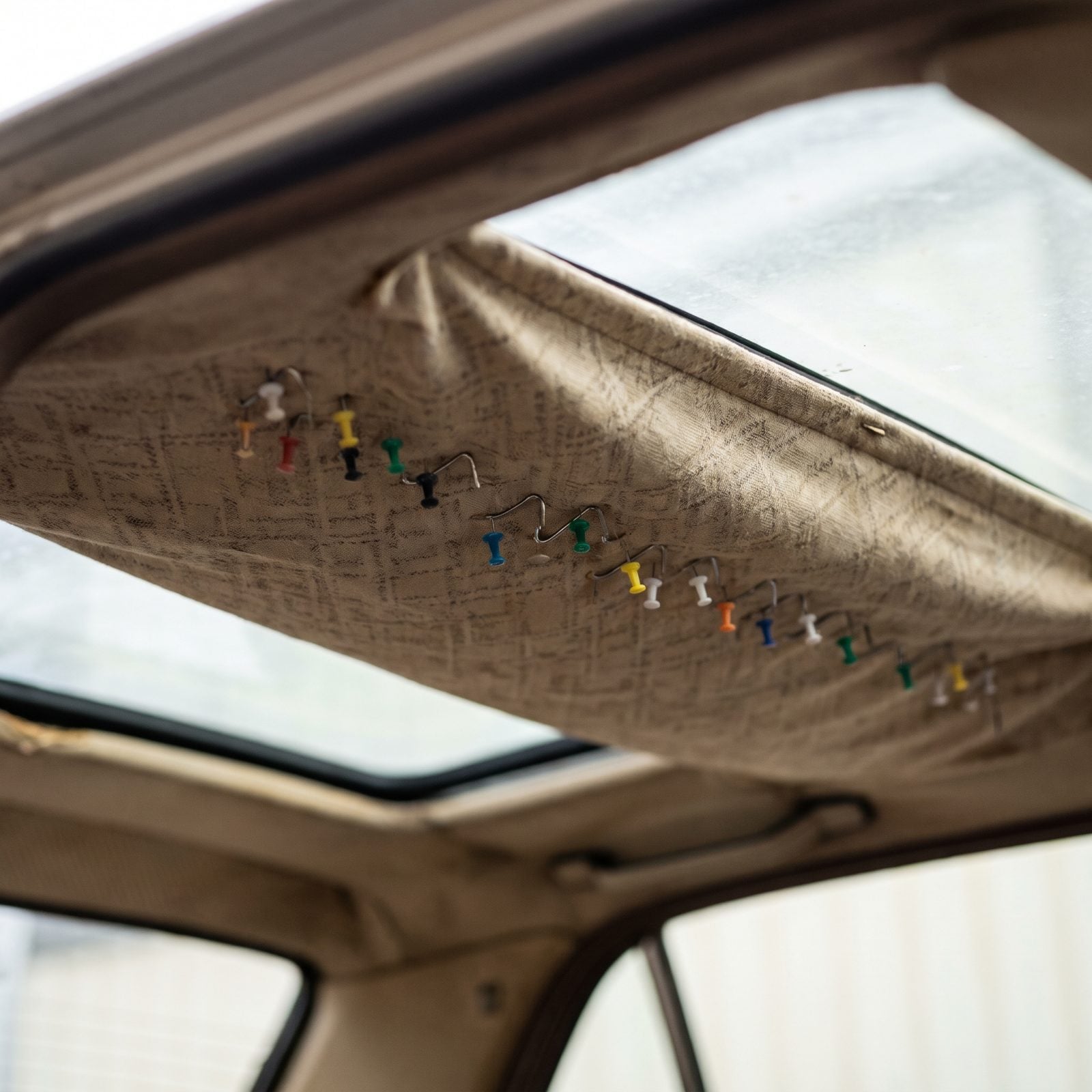
Gravity always won in the end. The foam behind the headliner turned to dust, and the fabric came down like a tired tent, first brushing the tops of your heads, then draping right over them.
The fix was whatever lived in the junk drawer — thumbtacks in neat little rows if someone was feeling tidy, a staple gun if they weren’t. The pins made a constellation up there that you memorized from the back seat on long drives.
15. Torn Seats Were Hidden Beneath Covers or Carefully Applied Tape
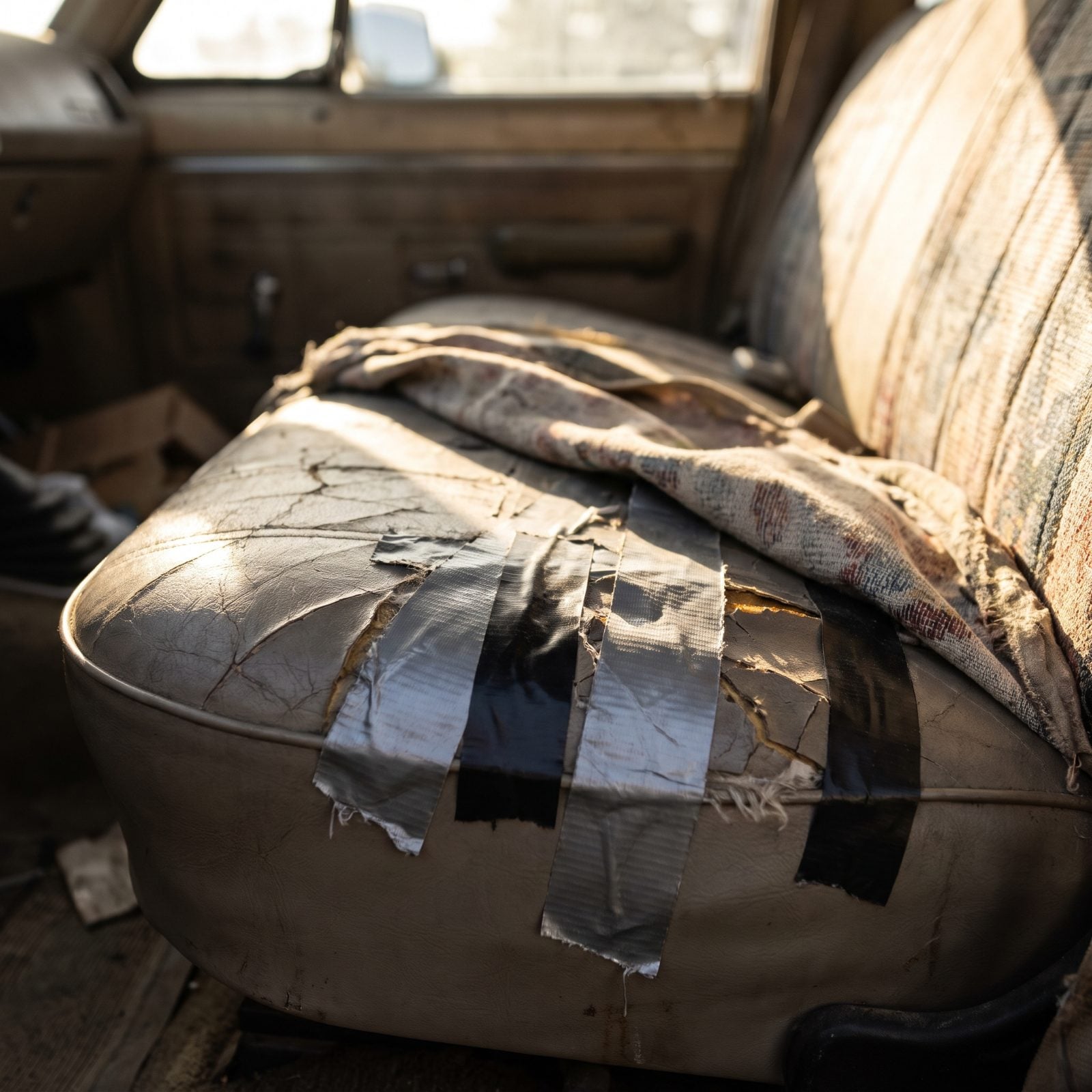
A cracked seat started small. One split in the vinyl, right where your leg slid in, and then it spread until the foam showed. The first line of defense was tape, matched to the color as close as the hardware store allowed.
When tape lost, out came the seat cover — those fuzzy beaded ones, or the sheepskin kind that shed everywhere. They never fit quite right and bunched up under you, but they bought the car another five years and nobody complained.
14. One Window or Door Could Only Be Operated a Certain Way
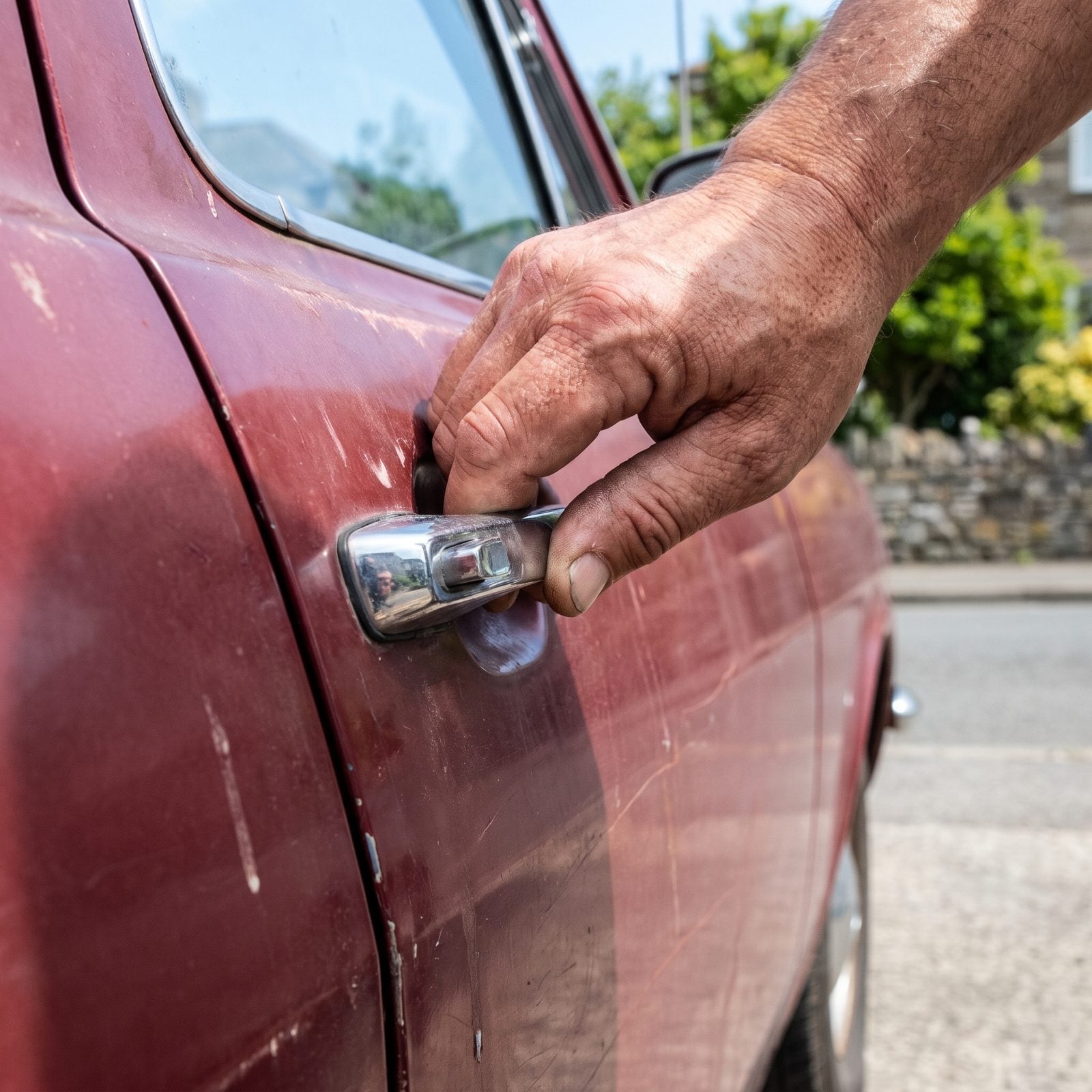
Every long-owned car had one door that demanded a ritual. Give it a flat, open-handed slap just beside the chrome handle before you touched it, or it stuck. The rear window only cranked down halfway and would not go further, so you learned not to ask.
Worst of all was the door that only opened from the outside, which meant somebody had to walk around every single time. You stopped seeing it as broken. It was just how that door worked, and the knowledge got passed to every new driver in the house like a family recipe.
13. A Nonmatching Body Panel Was Treated as a Successful Repair
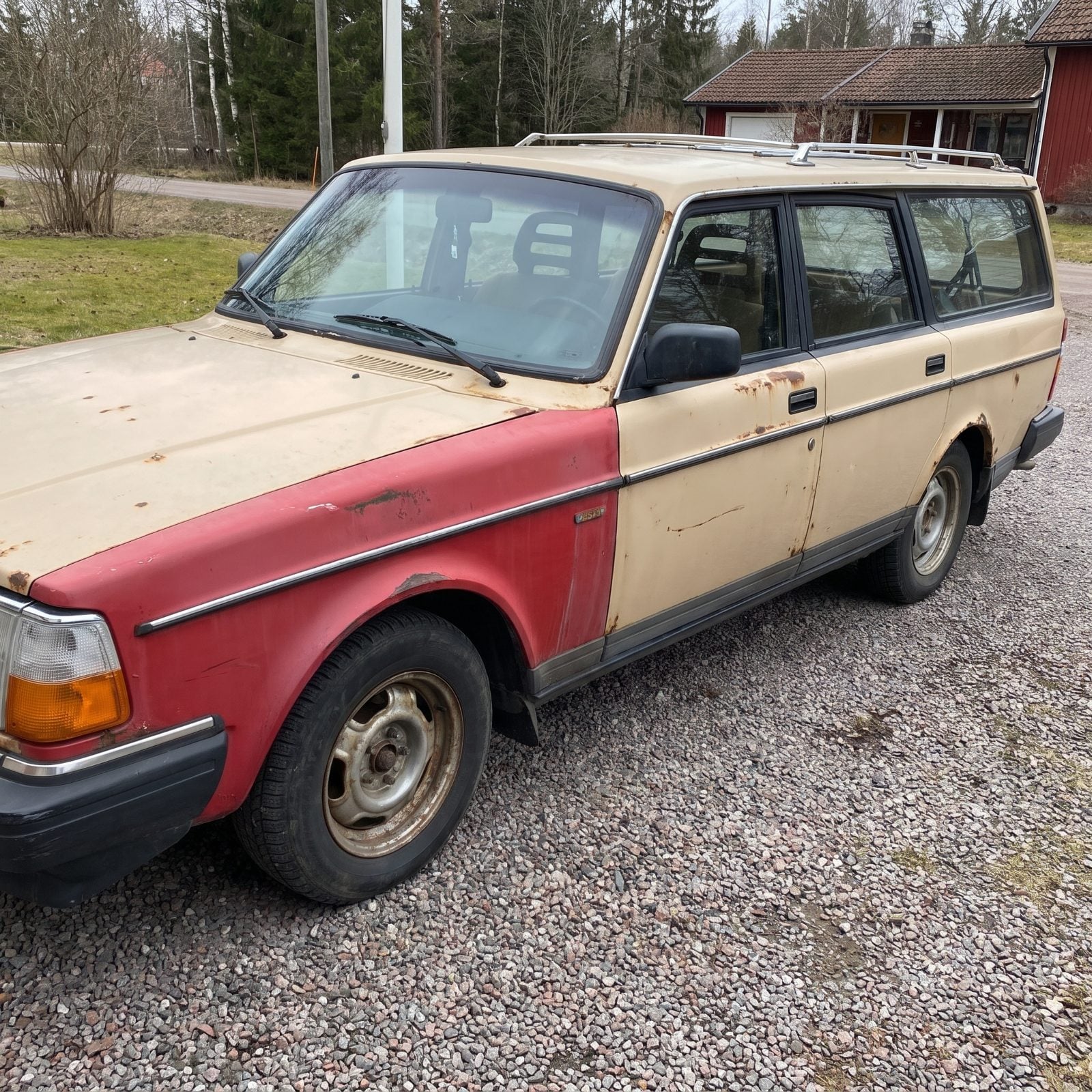
A fender from the junkyard in a slightly different shade was a win. The car was whole again, the door closed right, and whether the panel matched was a problem for people with money to burn.
Primer gray was practically a family color. Some cars wore two or three shades of their own history — a map of every parking-lot scrape and intersection mishap — and the family wore it with something close to pride.
12. Rust Was Sanded, Patched, or Touched Up Every Year
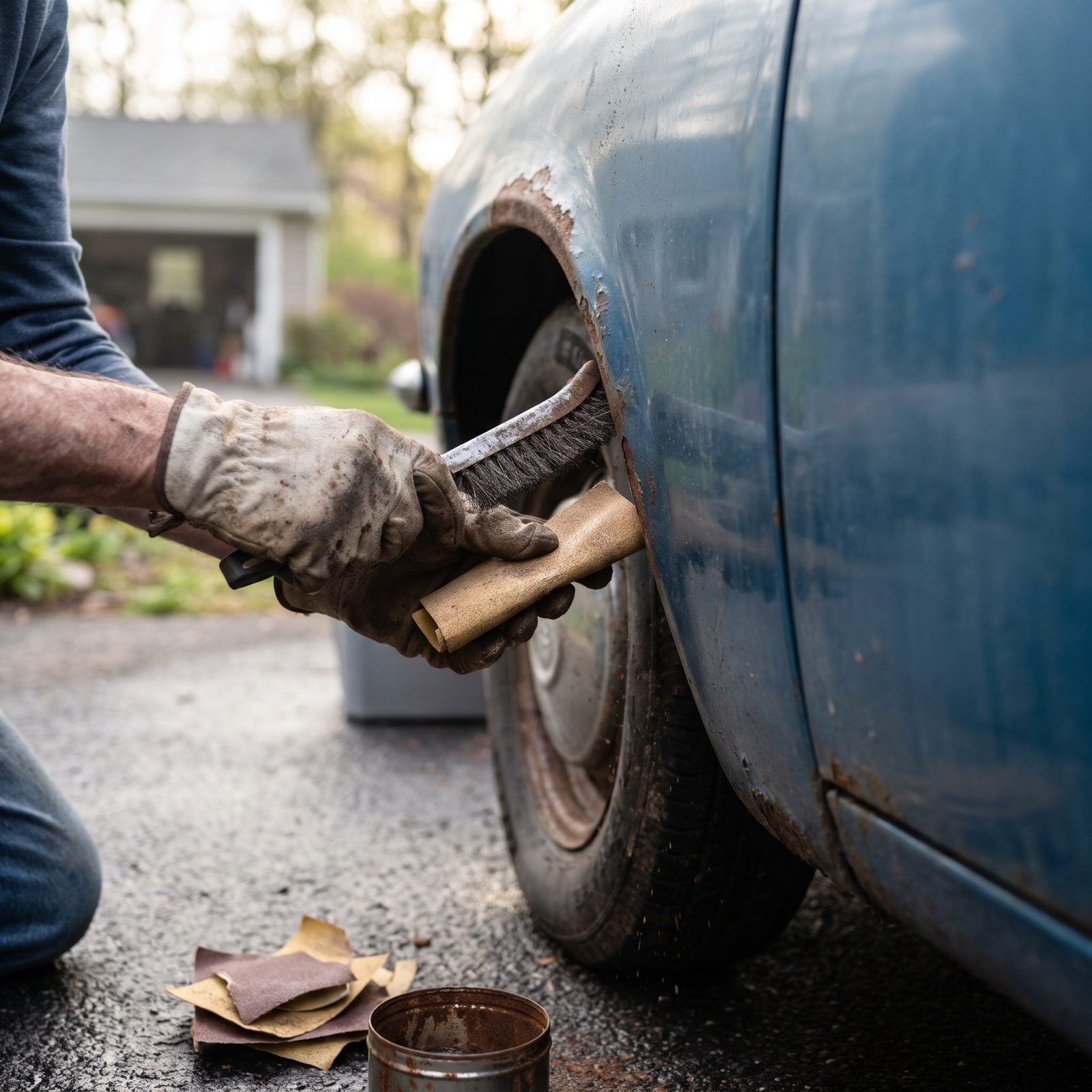
Rust was an annual appointment, usually a Saturday in spring. Out came the wire brush, the sandpaper, and that little bottle of touch-up paint with the brush built into the cap. You ground it back to clean metal and sealed it before the salt season came around again.
It never fully won and it never fully lost. You were just slowing it down, buying one more winter. The wheel arches always went first, and everyone learned to spot the telltale bubble under the paint before it broke through.
11. The Family Mechanic Knew the Vehicle Without Looking Up Its History
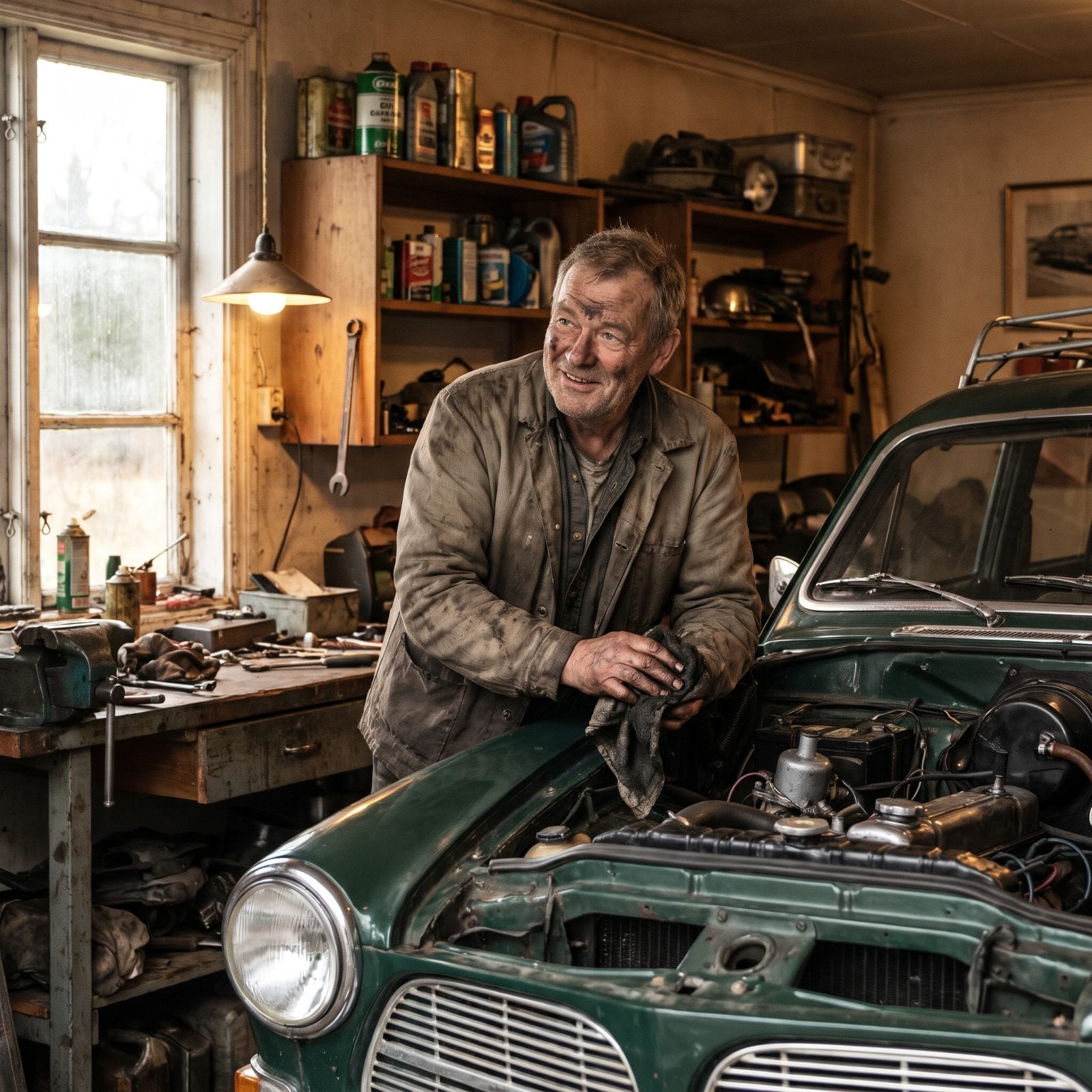
You didn’t have a mechanic. You had a guy. He’d worked on the car so long he knew its quirks before you finished describing the noise. “That’s the same thing from two years ago, the bracket,” he’d say, already reaching for the right wrench.
No computer lookup, no history report — he remembered because he’d been under there a dozen times. He knew which parts you’d already replaced and which ones were about to go, and he’d tell you straight whether it was worth fixing or whether the car was finally asking to be let go.
A good mechanic didn’t just fix the car. He told you the truth about how much life it had left, and you believed him because he had no reason to lie.
When that guy retired, finding a replacement who’d learn your car all over again felt like starting a marriage from scratch. Some families kept driving clear across town to the shop long after it made any practical sense, just to keep the relationship going.
10. The Junkyard Was a Normal Place to Shop for Parts
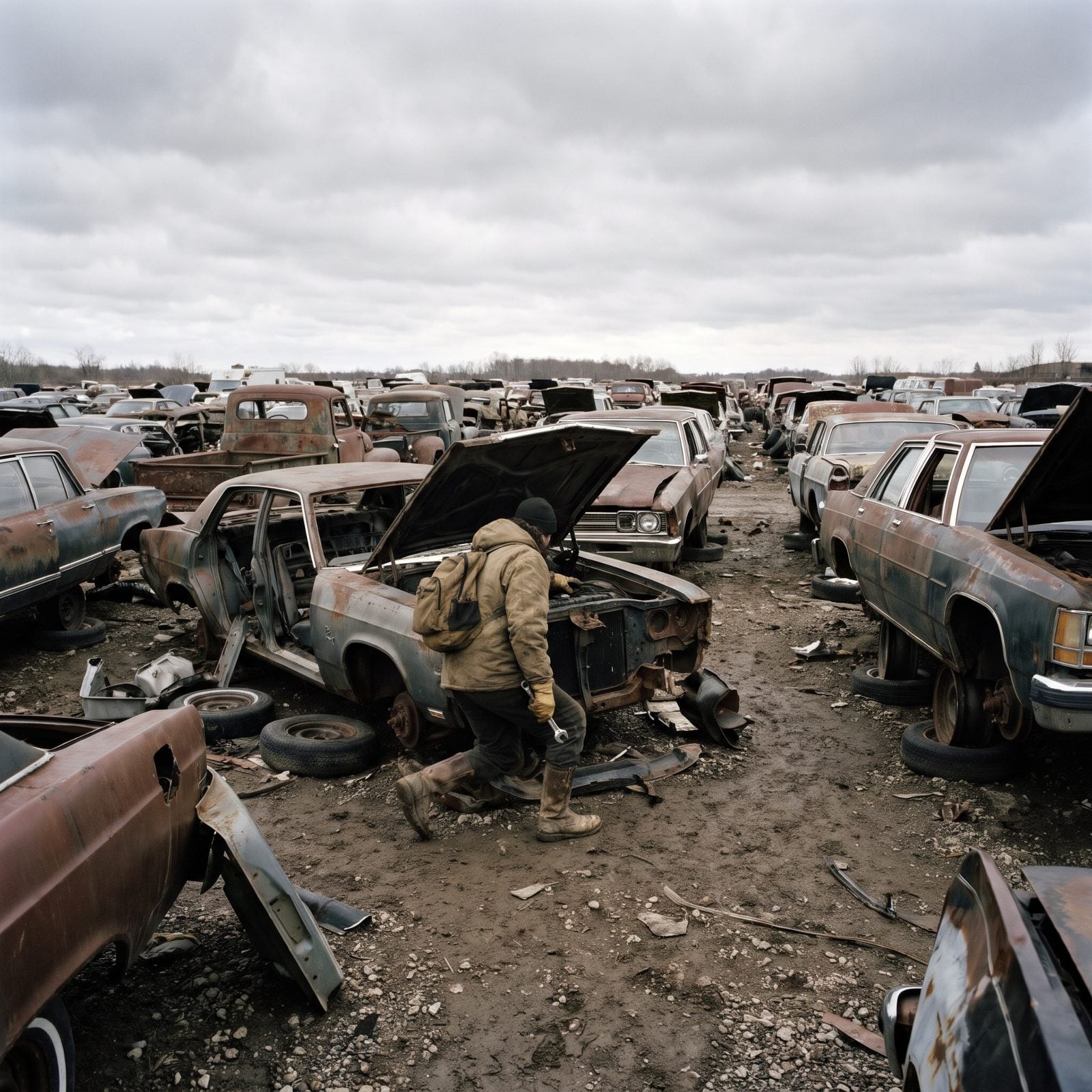
Saturday morning meant a drive out past the edge of town to a lot full of dead cars, where a costly transmission rebuild became a $200 yank-it-yourself afternoon. You learned to read a junkyard like a map. Same make, same year, go find it, bring your own wrenches.
And there was a pecking order to it. A good door handle off a wrecked twin of your own car felt like winning something. You’d wipe the mud off a taillight lens, hold it up to the light to check for cracks, then hand a few bills to the guy in the shack.
9. Old Belts, Bulbs, Fuses, and Hoses Were Saved as Emergency Spares
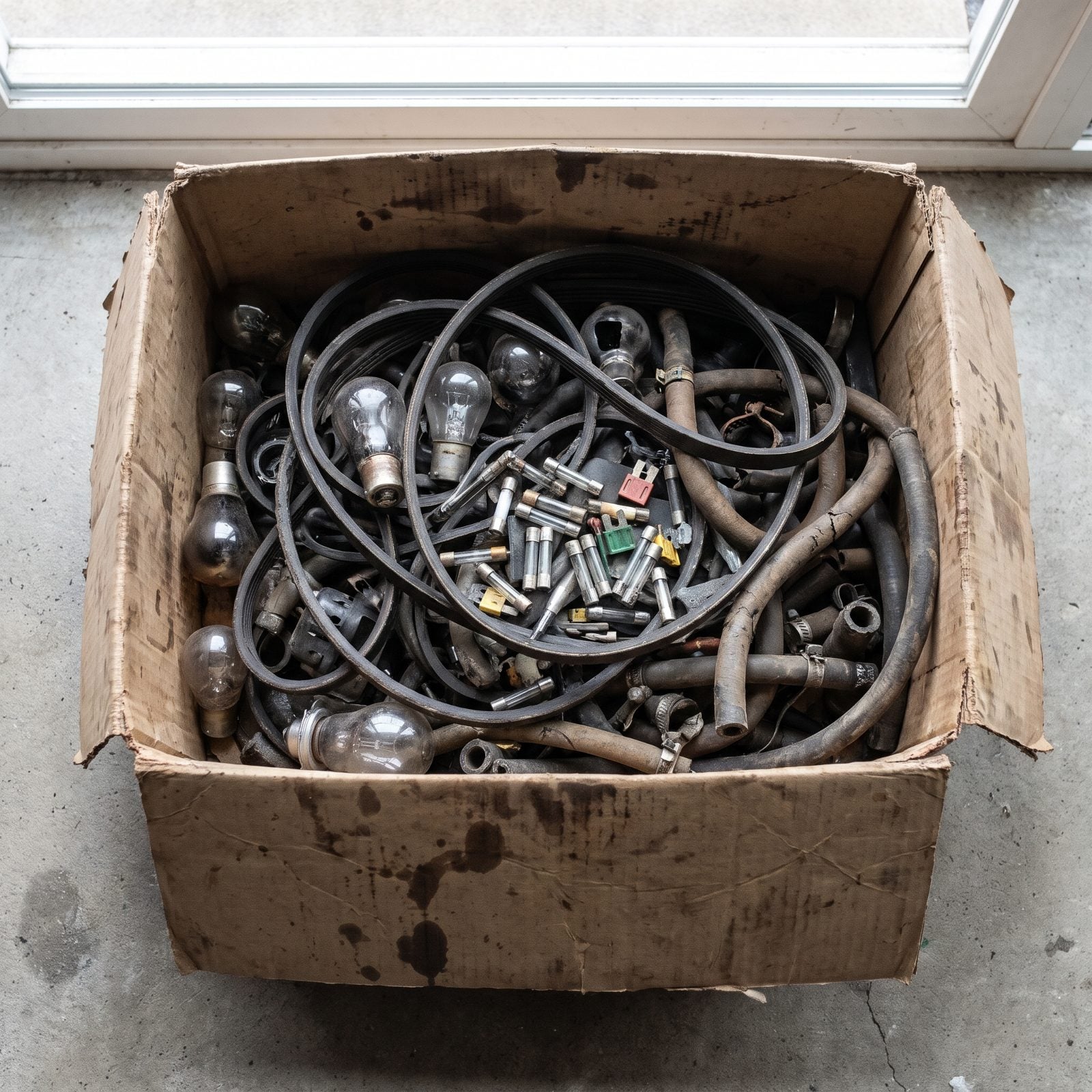
A belt that snapped and got replaced didn’t go in the trash. It went in the trunk, coiled up, because the next one might go on a highway shoulder at night and a used belt gets you to the next exit. Same with fuses, bulbs, a foot of old hose, a handful of clamps.
The glovebox of a long-kept car was a small hardware store. You knew where the spare fuses lived, and you knew which one blew when the dome light flickered. That knowledge got handed down like a family recipe.
8. Oil Changes Happened in the Driveway on Weekend Mornings
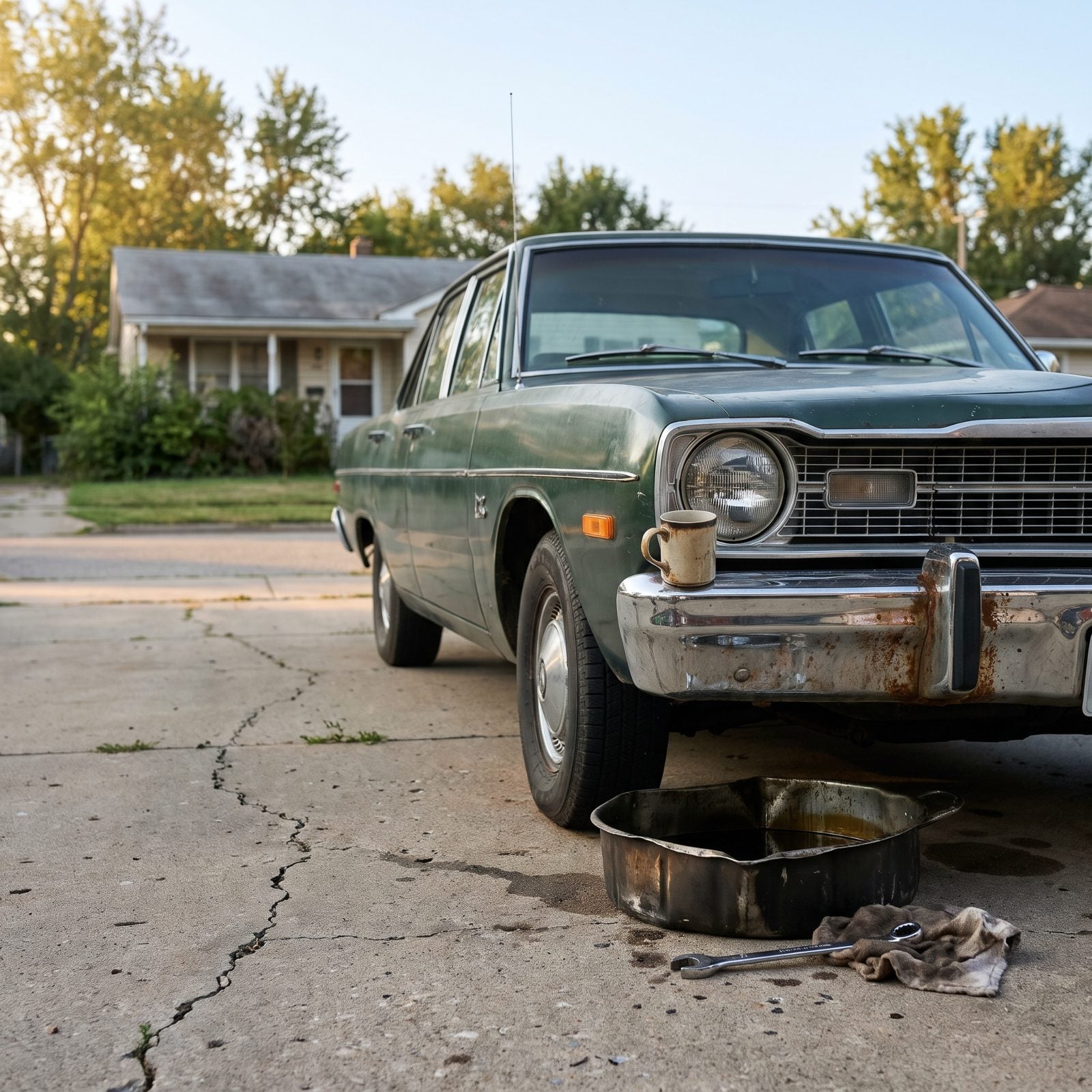
The ritual had a smell before it had a sound. Warm oil, a little gasoline, coffee cooling on the bumper. The car sat flat on the driveway while the dew was still on the grass, and a black drain pan waited on the cracked concrete in front of the bumper.
The pan slid under the engine, a wrench and a rag laid out on the concrete before the oil came out. New filter, fresh quarts poured slow so they didn’t glug. The whole thing cost the price of oil and an hour. Paying a shop to do it felt like paying someone to brush your own teeth.
7. Discontinued Parts Meant Calls to Salvage Yards and Classifieds
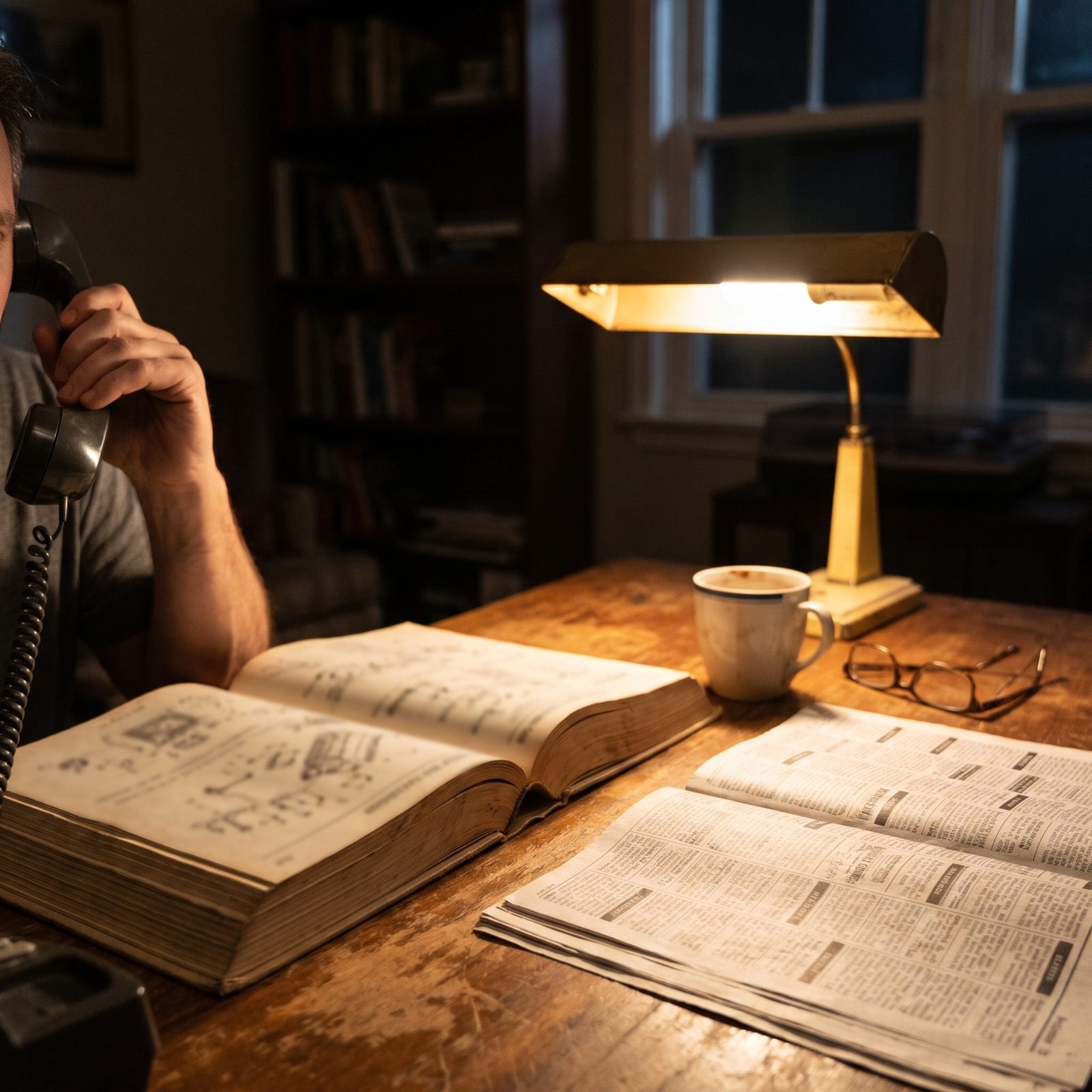
When a car got old enough, the parts counter would just shake their head. No longer stocked. That word — discontinued — started a chain of phone calls that could eat a whole evening.
You’d call three salvage yards in the next county over. Circle ads in the classifieds with a red pen. Leave a message for a guy who knew a guy with a field full of the same model slowly going back to earth. And when the part finally turned up, it felt like a victory worth telling people about.
6. The Car Was Still Washed and Waxed Long After It Looked Old
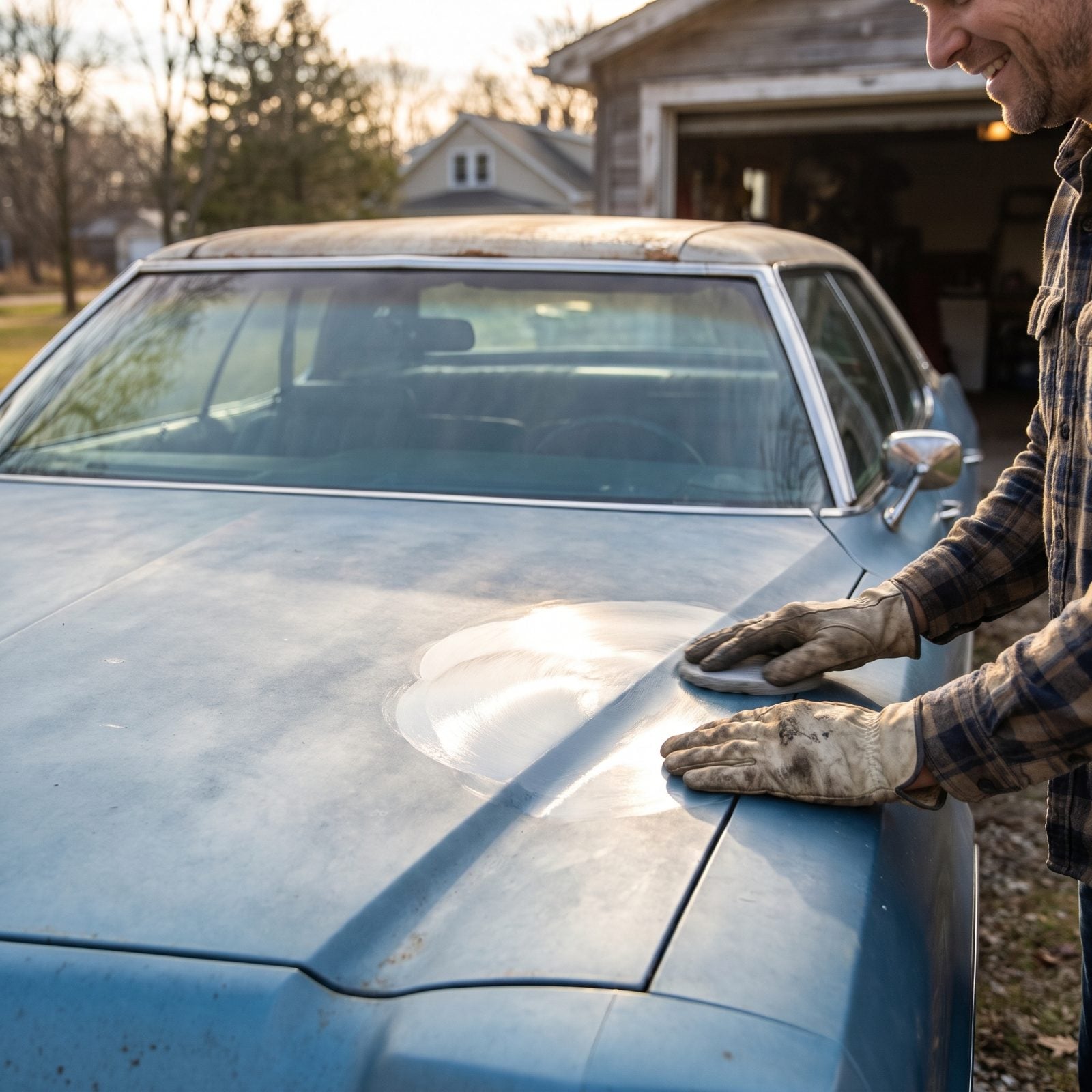
The paint had gone chalky on the roof and the clearcoat was peeling at the edges, but the car still got the full Saturday treatment. Soap, hose, chamois, and a coat of paste wax rubbed in by hand until your arm ached.
Nobody was fooled into thinking it looked new. That wasn’t the point. Washing a car that had carried the family for fifteen years was a way of saying thank you, and the neighbors always noticed.
That urge to keep it shining runs deep with our readers too, since restored, show-condition cars got more hearts than the other images in the same articles.
5. Family Vacations Included at Least One Roadside Repair
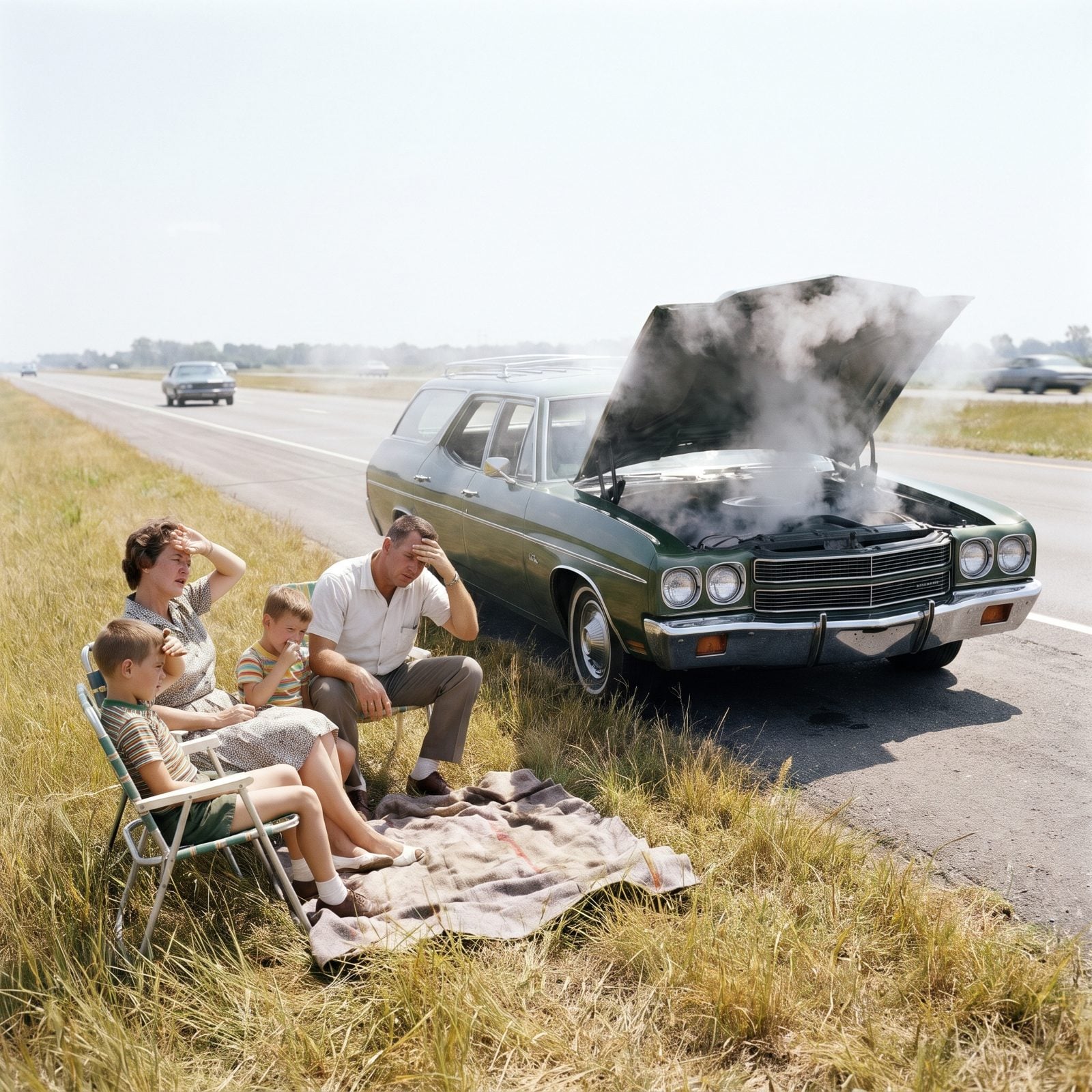
You could count on it. Somewhere between home and the lake, the temperature gauge would start climbing, or something under the hood would start making a noise nobody wanted to hear.
Out came the toolbox from under the spare tire. Everybody stood on the shoulder in the heat while the engine cooled enough to touch. A hose clamp got tightened, or a belt got flipped around, or water got poured into a radiator from a jug kept for exactly this. Then you all piled back in and kept going, and that breakdown became part of the story you told for years.
4. The Fuel Gauge’s Empty Mark Had a Family-Specific Meaning
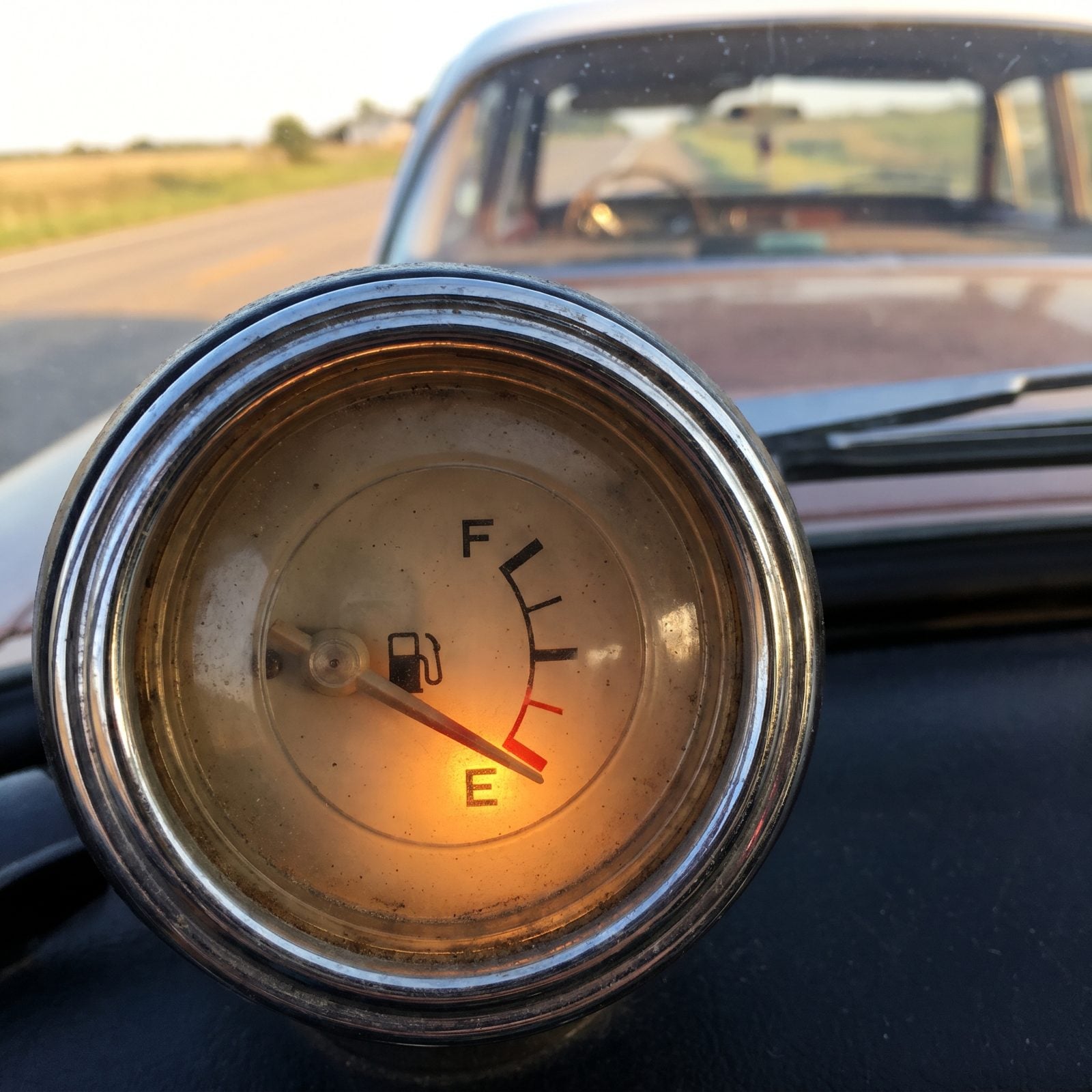
Every family who kept a car for decades knew its gauge lied, and knew exactly how much it lied. Empty didn’t mean empty. It meant a couple more gallons, maybe another stretch of highway, depending on who you asked and how brave they were feeling.
The kids learned the rule young. When Dad said we’ve got plenty, he meant the needle had been on E for a while and he’d done the math. The gauge was a suggestion. The real number lived in somebody’s head.
3. The Backup Car Was Nearly as Old as the Main Car
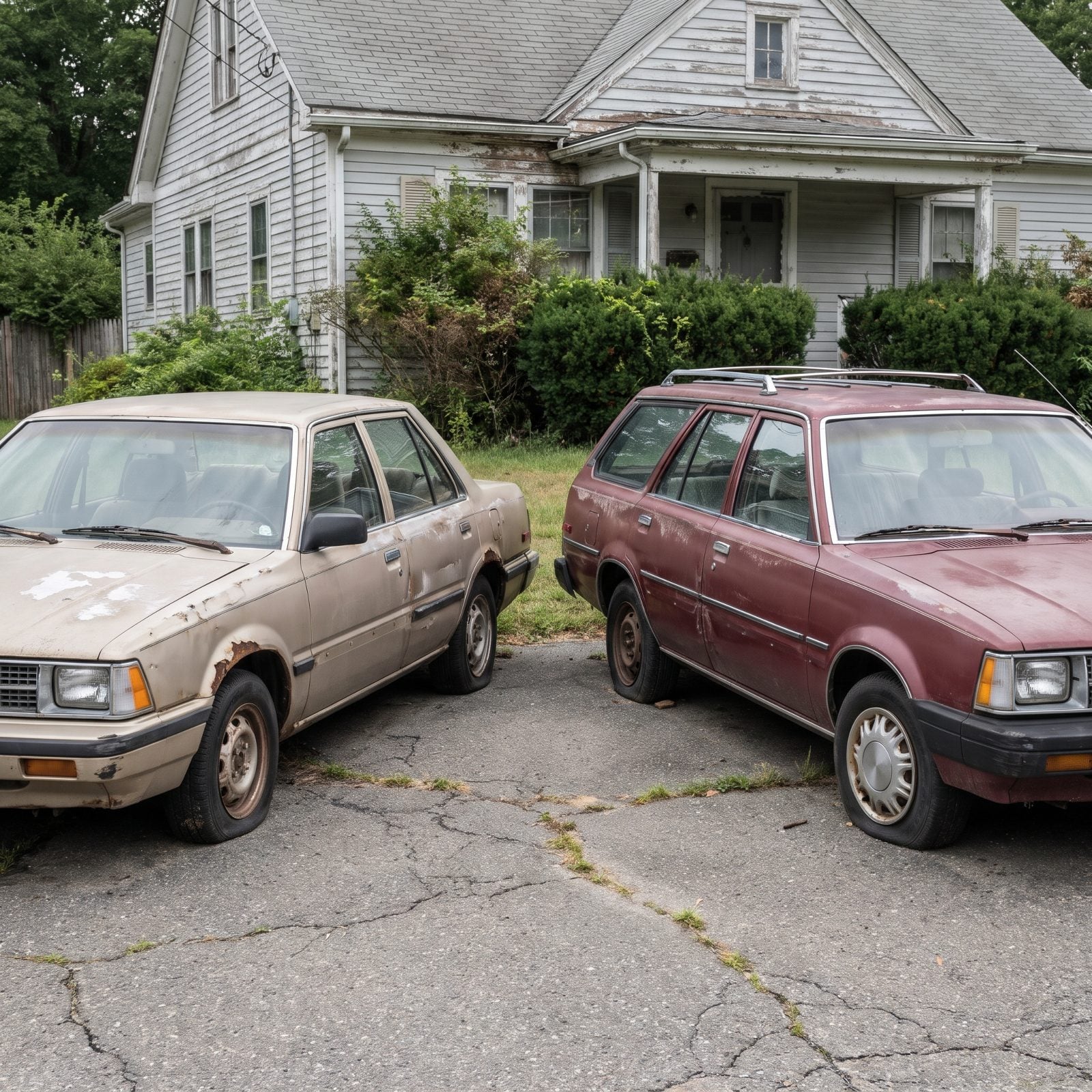
The spare car wasn’t a nice newer car waiting in the wings. It was another high-mileage survivor, often older than the one it backed up, kept running just enough to cover the days the main car was up on ramps.
Two old cars in the driveway meant one of them would always start. That was the logic, start to finish. When the sedan threw a fit, you drove the wagon. When the wagon wouldn’t turn over, you drove the sedan. Call it a redundancy system built entirely out of stubbornness and cheap repairs.
2. Selling the Car Was Rejected Because It Meant More Than Its Price
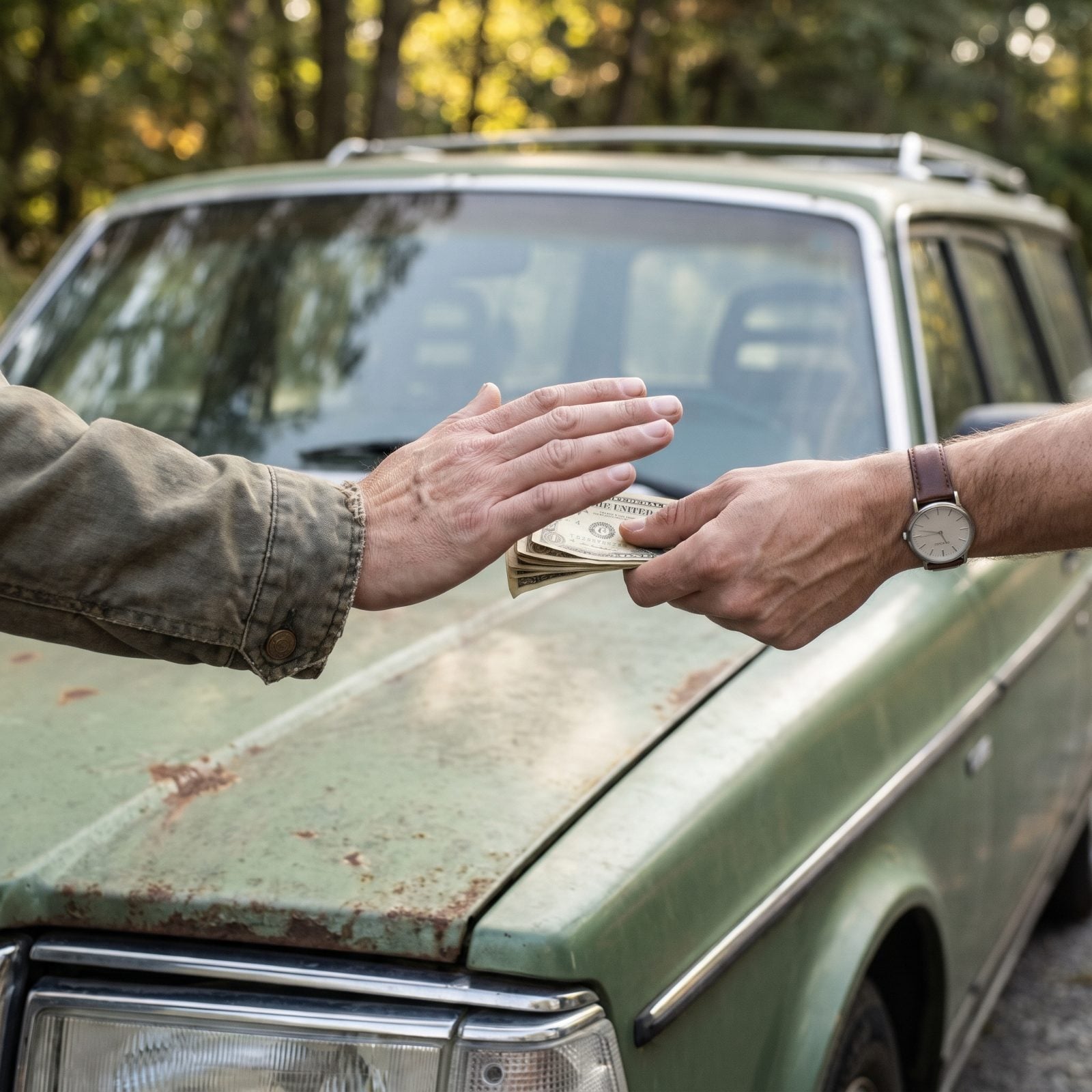
Somebody always offered to take it off your hands. A low number for a car with that many miles, and on paper it made sense to say yes. The family said no anyway.
The car had taught three kids to drive. It had brought babies home from the hospital and carried a grandparent to their last appointments. You don’t trade that for a few hundred dollars and a handshake. A thing that reliable, that stitched into the years, quietly stops being worth its market value and starts being worth what it held.
1. The Final Tow Away Felt Like Losing a Member of the Family
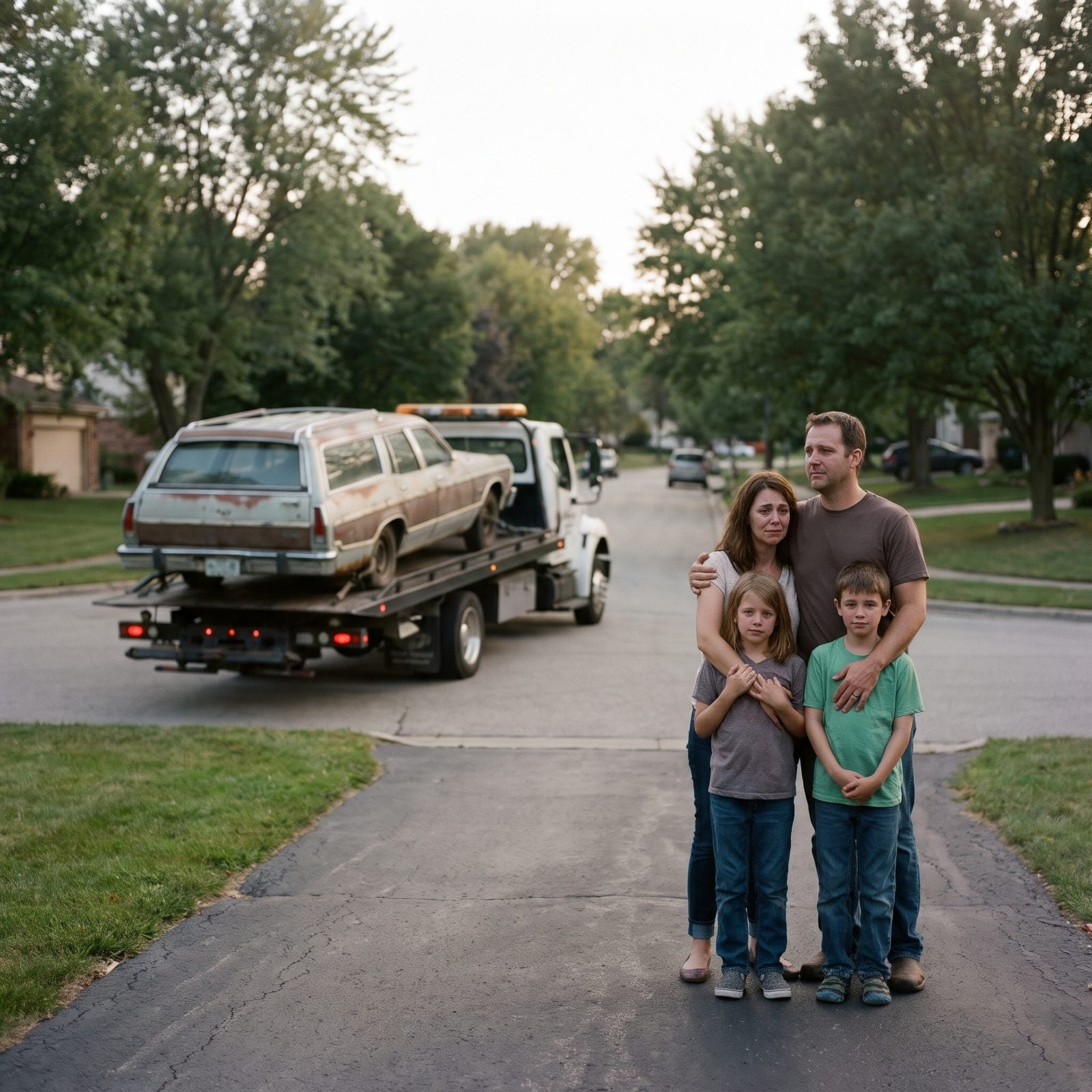
It came to the same ending for every one of these cars. The day it finally wouldn’t go, and fixing it cost more than the family could justify, so the flatbed backed into the driveway.
Watching it winch up onto the truck hit harder than anyone expected. The car had been in more family photos than some relatives. It had a smell, a sound, a particular way the door shut that everyone knew by feel.
You stood there as it rolled away, and the driveway looked wrong empty. Not a car leaving. Something more than that went with it. You went inside and didn’t talk much the rest of the day.