

Would you like to save this?
A clean carpet lies. So does a fresh wash and a dealer’s spray of new-car smell. What tells the truth is the boring stuff nobody thinks to stage: a receipt dated eleven years ago, pedal rubber worn evenly instead of ground to the metal, a key that still has its mate. We’ve bought enough used cars to know the real story lives in the glovebox and under the floor mats, not in the ad copy. Here are the visible clues that say somebody looked after this thing, and what each one quietly promises about mileage, maintenance, and the miles ahead.
26. A Complete Folder of Receipts From the Same Repair Shop
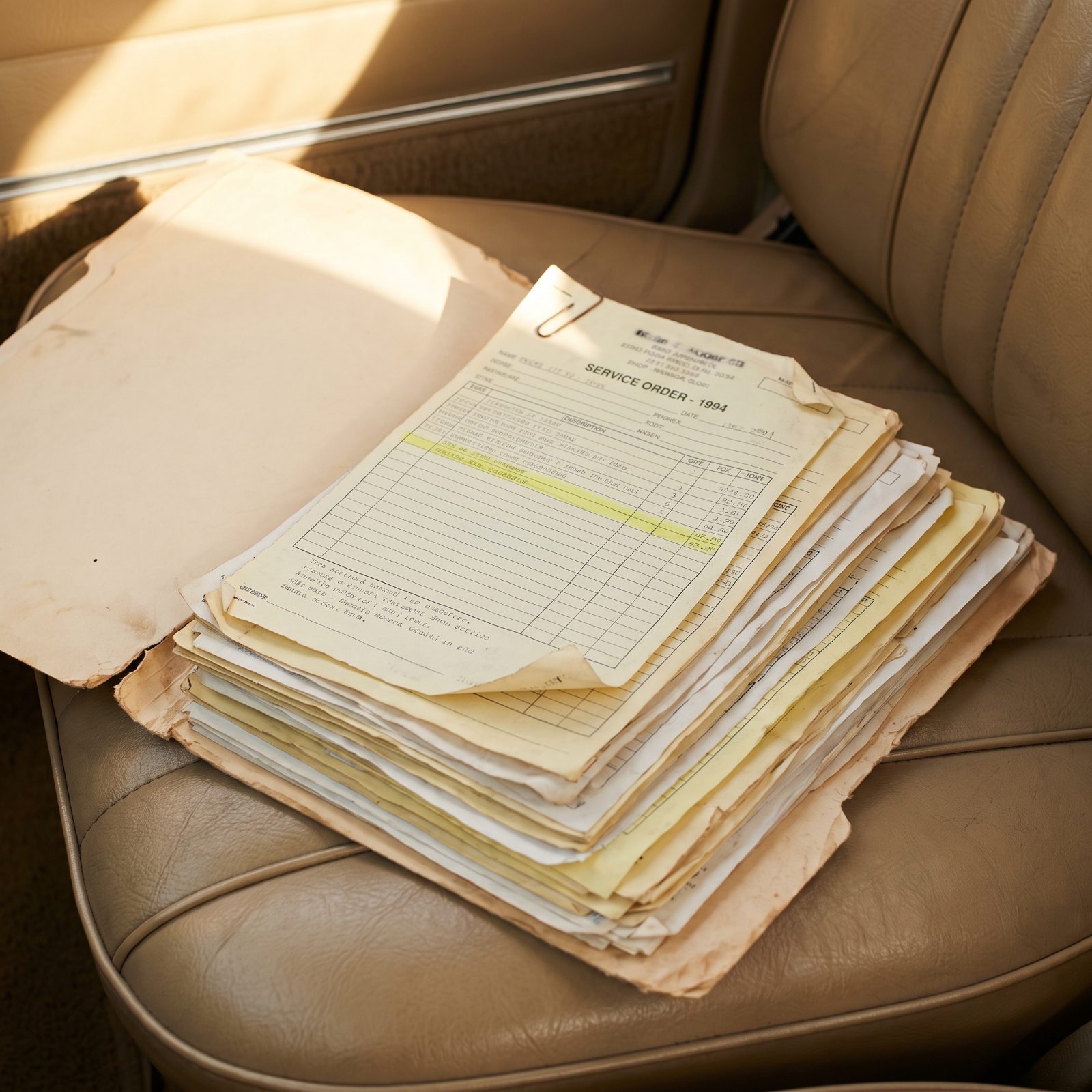
One shop. Years of it. That’s the tell that beats any single invoice, because a folder where the same header shows up on receipts spread across a decade means somebody built a relationship with a mechanic who knew the car’s quirks and caught problems early.
Flip to the oldest one and check the date against the odometer entries. Consistent intervals, oil changes that land where they should, the occasional belt or brake job at sensible mileage. That rhythm tells you more than a spotless CARFAX ever will.
25. Low Mileage That Matches the Pedal Wear
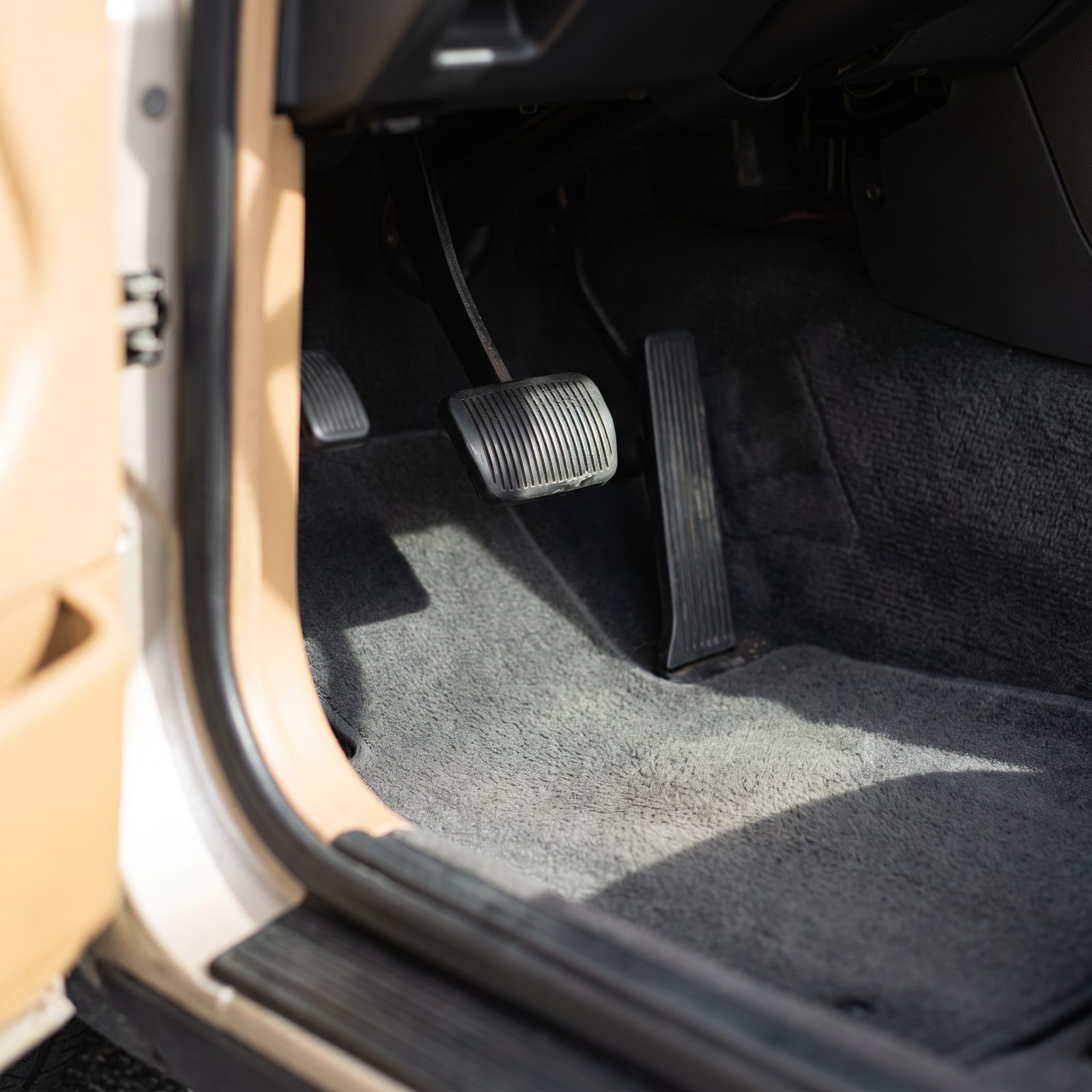
The odometer is just a number until you look at the pedals. Genuine low mileage leaves pedal pads with texture still showing and even, gentle wear. A dash reading 40,000 miles paired with brake rubber ground smooth and a steering wheel polished to a shine? That’s a story that doesn’t add up.
Check the heel of the driver’s carpet too. Light matting is fine. A worn-through hole under 60,000 claimed miles means somebody’s counting wrong, or counting dishonestly.
24. Handwritten Fuel and Mileage Records
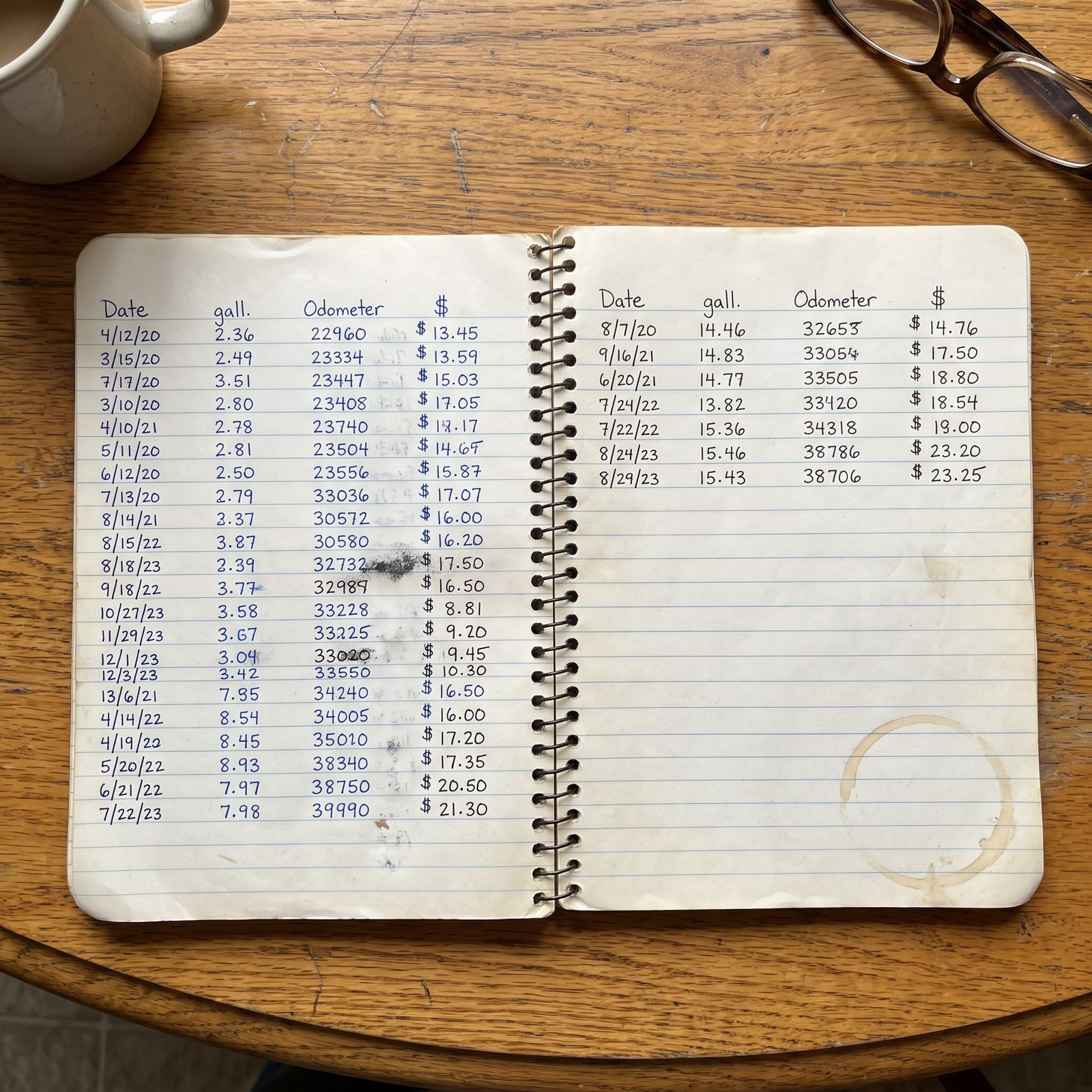
Almost nobody logs fuel by hand anymore, which is exactly why finding a notebook of it stops you cold.
Pages of dates, gallons, and odometer readings tell you two things. First, the owner was the type to track things, and that type rarely skips an oil change. Second, you can reverse-engineer the car’s real fuel economy over years, and a sudden drop in miles per gallon on one page often marks the month a problem started, long before it ever showed up on a repair bill.
23. Two Original Keys Plus the Valet Key

Both original keys present, plus the little valet key most people lose inside a year. Rare combination. It says plenty.
Keeping all the keys means keeping the folder, the manual, the tool kit, the whole package the car came with. Somebody who never misplaced a key over years of ownership was organized about everything else too. And on your end, a spare programmed key you don’t have to buy later can save you a few hundred dollars at the dealer.
22. The Original Owner’s Manual Still in Its Wallet
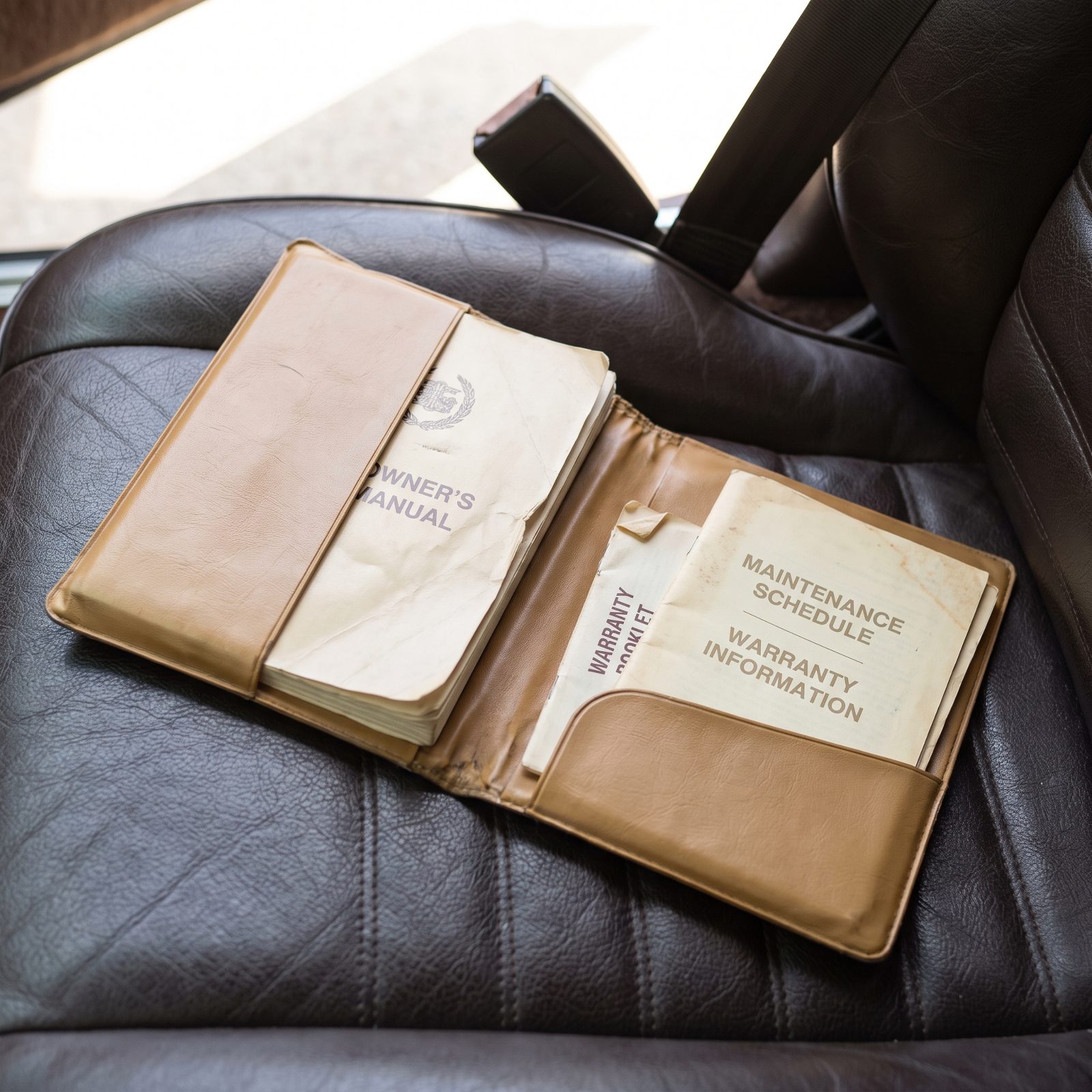
Still tucked in its vinyl wallet, cover creased but clearly consulted. Used, not abused.
A complete manual kept alongside the warranty booklet and the maintenance schedule means an owner who actually read the service intervals instead of guessing at them. Open it and look for a dealer stamp page filled in, or notes penciled in the margins. Those marks are breadcrumbs left by someone who cared enough to follow the factory’s own plan.
21. A Road Atlas in the Seat-Back Pocket
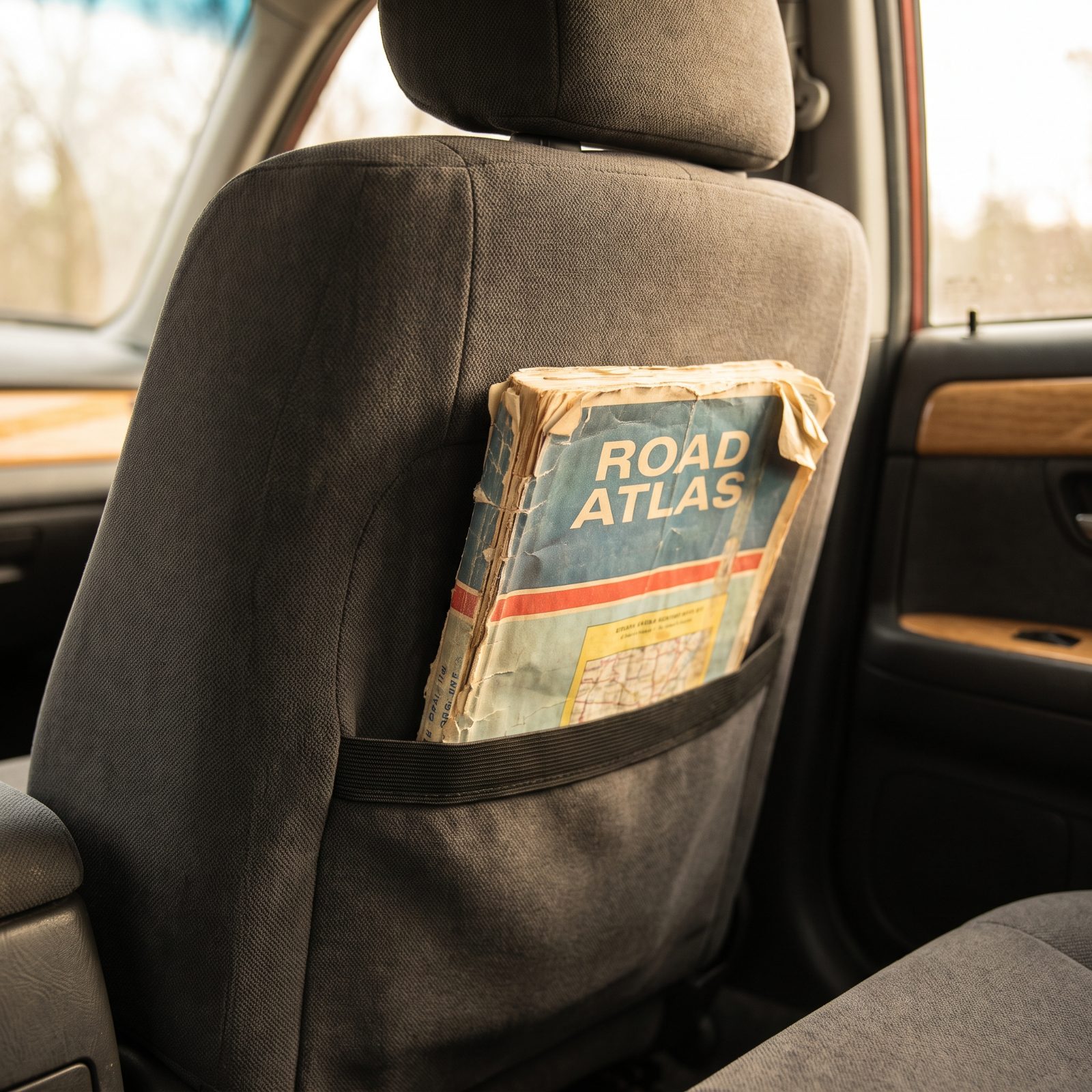
A creased paper atlas in the seat pocket is almost sweet in its obsolescence, and it tells you the car saw real road trips — long highway miles, not just a short commute grinding the clutch to powder.
Highway driving is the gentle kind. Steady temperatures, fewer cold starts, less brake abuse. A car that cruised across states for years often sits healthier at 120,000 miles than a city car at half that.
20. An Interior With Almost No Rear-Seat Use
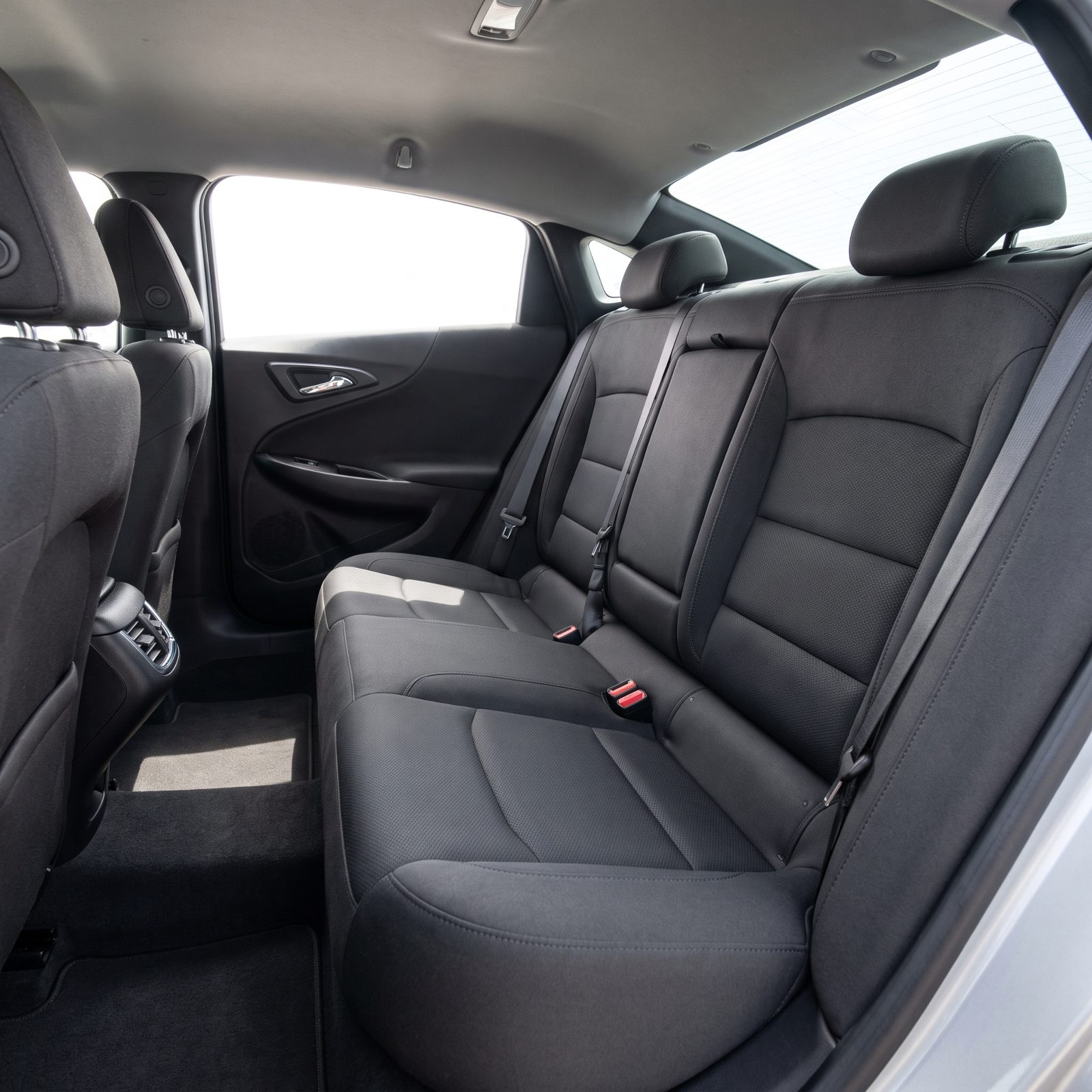
Pop the rear doors and study the back seat like a detective. Factory creases still in the belts. No scuffs on the seatbacks. Carpet in the rear footwell that looks like it rolled off the line.
That means two people, maybe one, used this car its whole life — no kids climbing in with cleats, no carpool chaos, no dog claws. The whole machine lived an easier existence, and easier lives wear slower.
19. Factory Floor Mats Protected by Rubber Mats
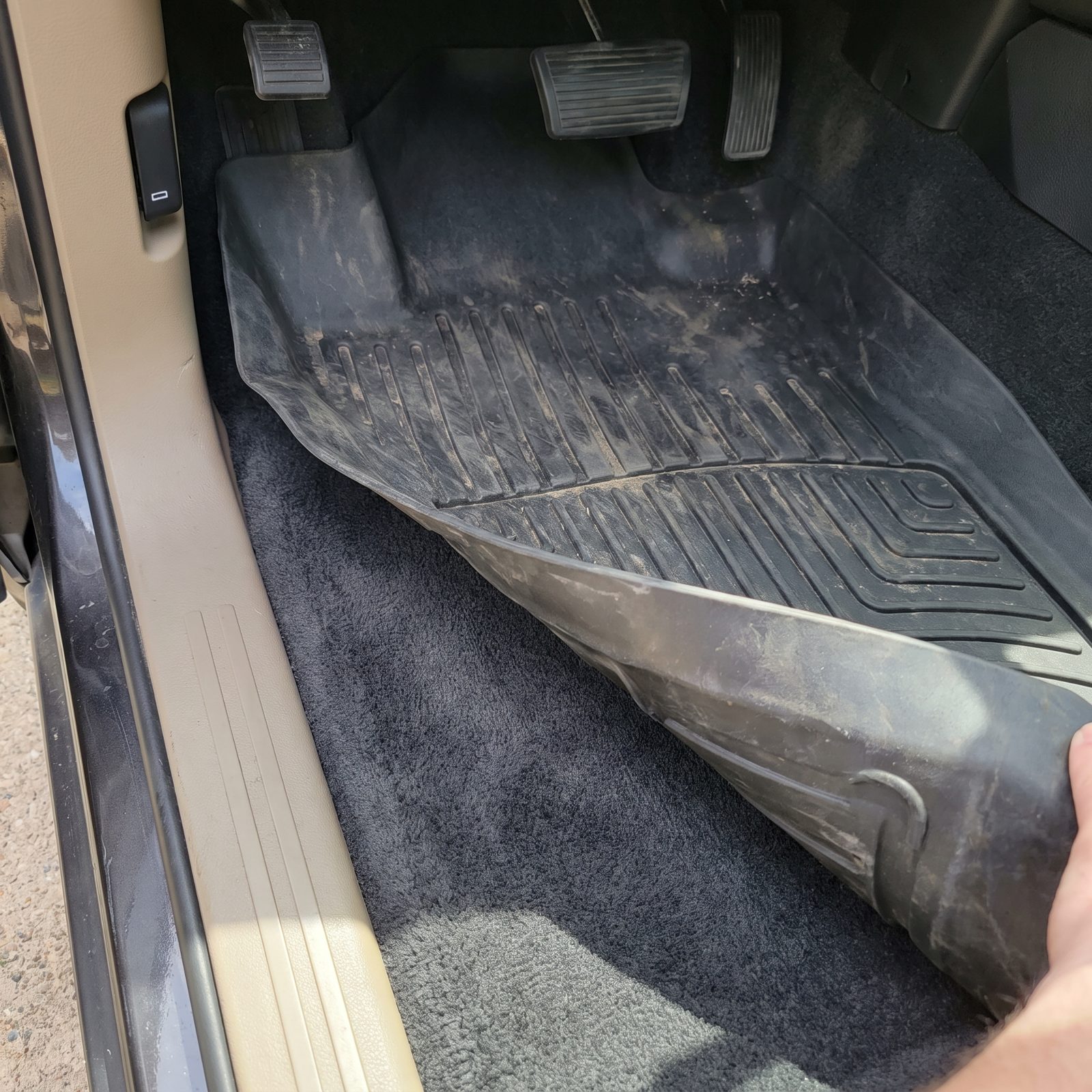
Rubber mats over the factory carpet ones is the move of someone who thinks a step ahead. Lift the rubber and you’ll usually find the original mat with its nap still thick, saved from years of winter salt and muddy boots.
Small habit, bigger one lurking behind it. Whoever protects the floor mats is the same soul changing the oil on schedule and parking in the shade.
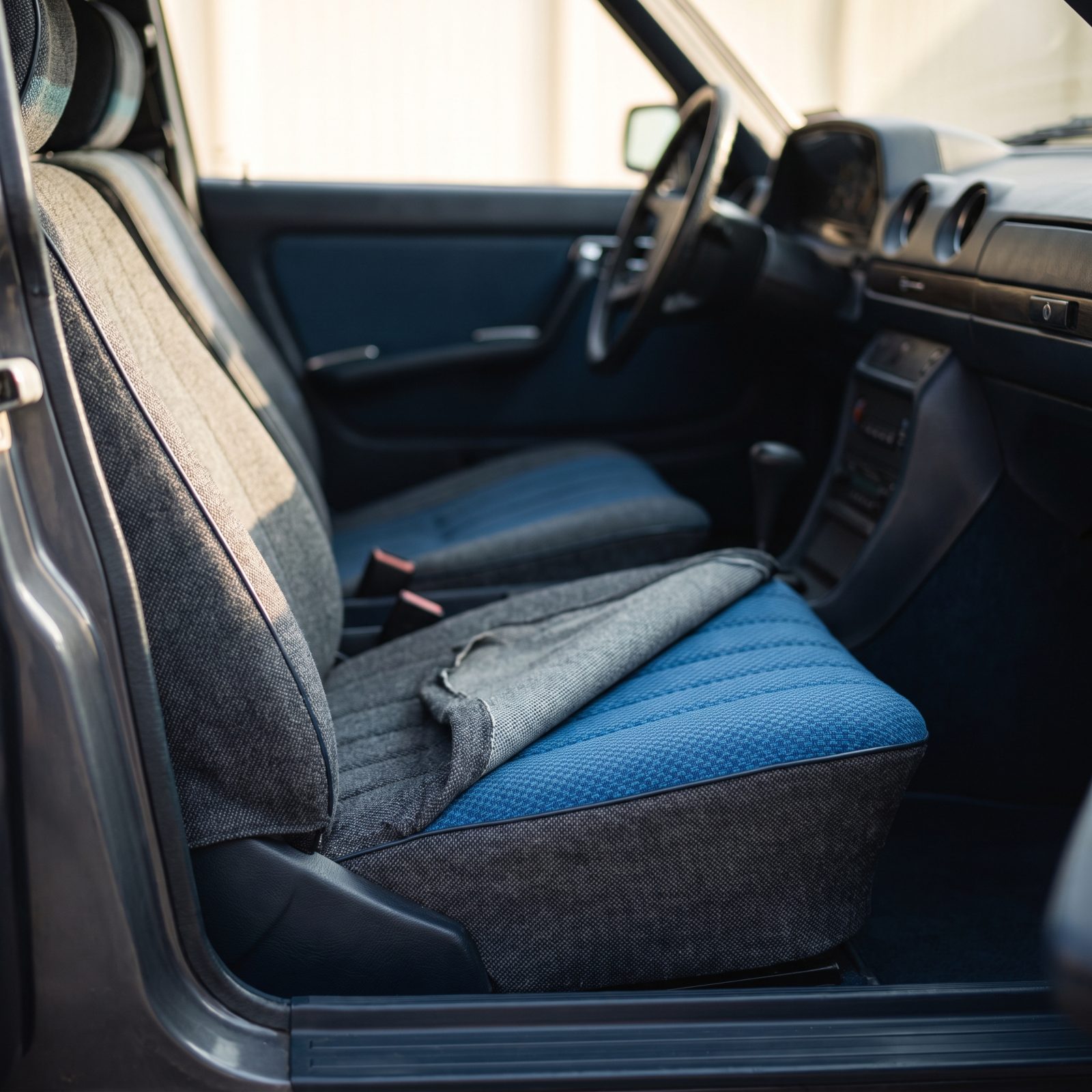
18. Seat Fabric Hidden Beneath Tailored Covers
Would you like to save this?
Peel a seat cover back and you can get a little jolt of color: upholstery as bright as the day it shipped, hidden under years of protection.
Tailored covers mean the owner cared about resale, or just couldn’t stand to watch things wear out. Either way, the bolsters underneath won’t be split, the color won’t be sun-bleached, and the foam won’t be flattened on the driver’s side. You’re buying a car with a preserved interior wearing a disguise.
17. Minimal Sun Fading From Indoor Parking
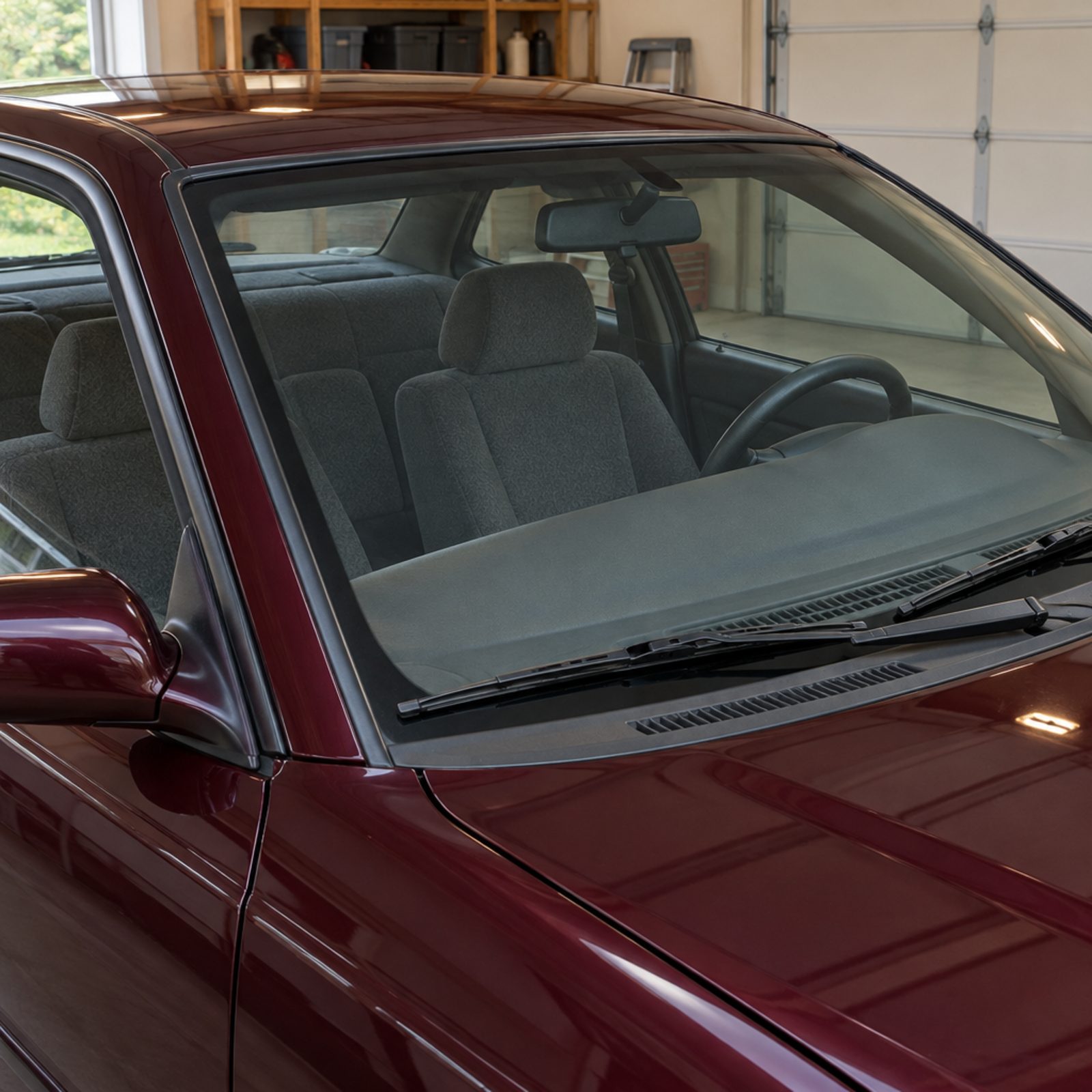
Sun is brutal on a car and it keeps its own records. A dashboard with no cracks, a rear parcel shelf with even color, paint that holds the same gloss from roof to rocker — that’s a car that spent its nights under a roof.
Garaged cars age slower everywhere, not just where the light hits. Rubber seals stay supple, the dash doesn’t split, the clear coat lasts. If the owner bothered to park indoors for years, assume that same discipline ran through the whole maintenance history.
16. A Windshield With Few Highway Stone Chips
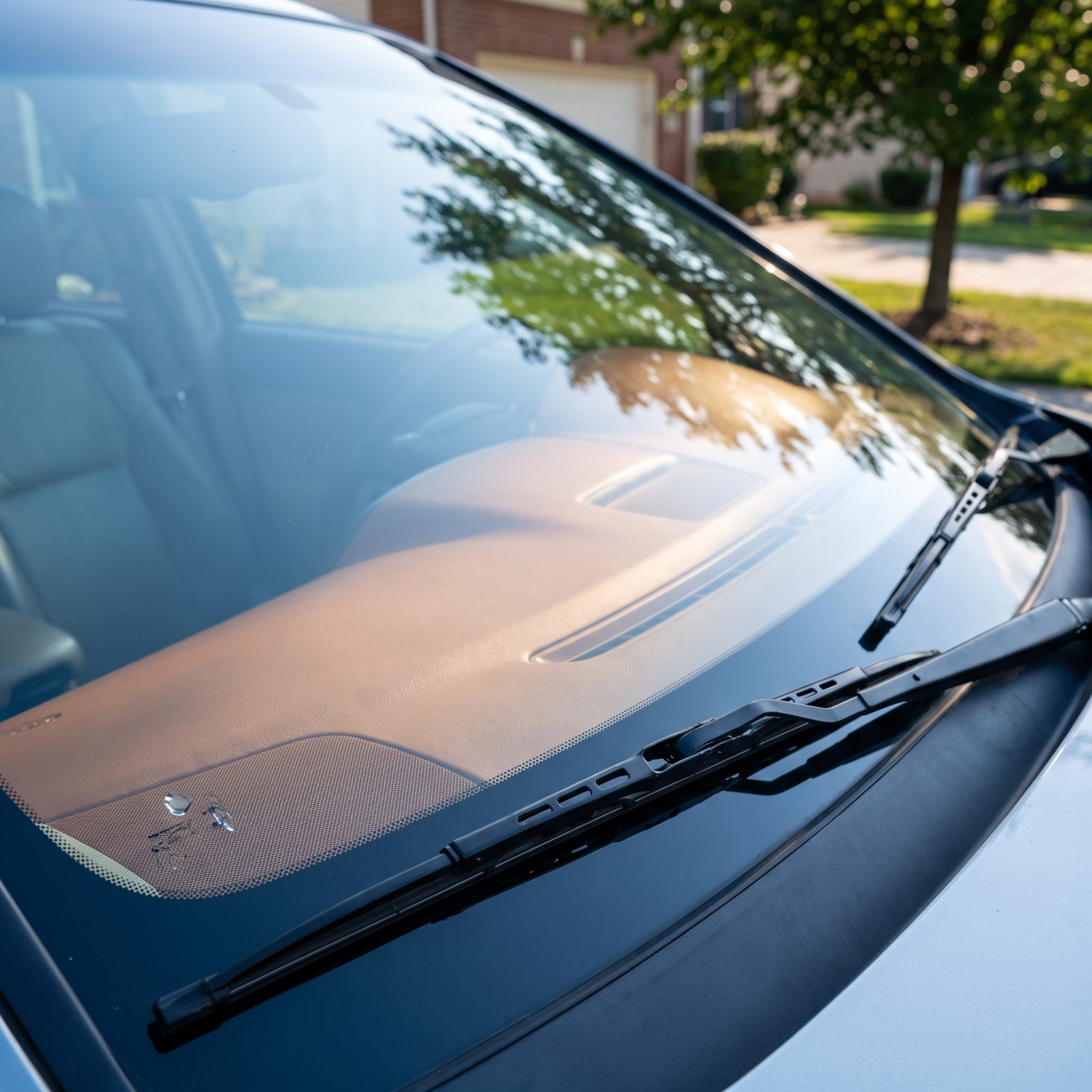
Highway miles sandblast glass. Rack up tens of thousands of interstate miles and a windshield ends up pitted, especially low on the driver’s side where gravel kicks up off the truck ahead. So drop your head and sight across the glass toward the light. If it reads smooth, with maybe one filled chip down in the corner, this car probably lived in town and on short errands rather than pounding I-80 at eighty behind a dump truck.
Why does that matter? Because a town car’s light use usually tracks with lower real mileage. Clear glass won’t lie the way an odometer sometimes does.
15. Parking-Space Scuffs but No High-Speed Collision Damage
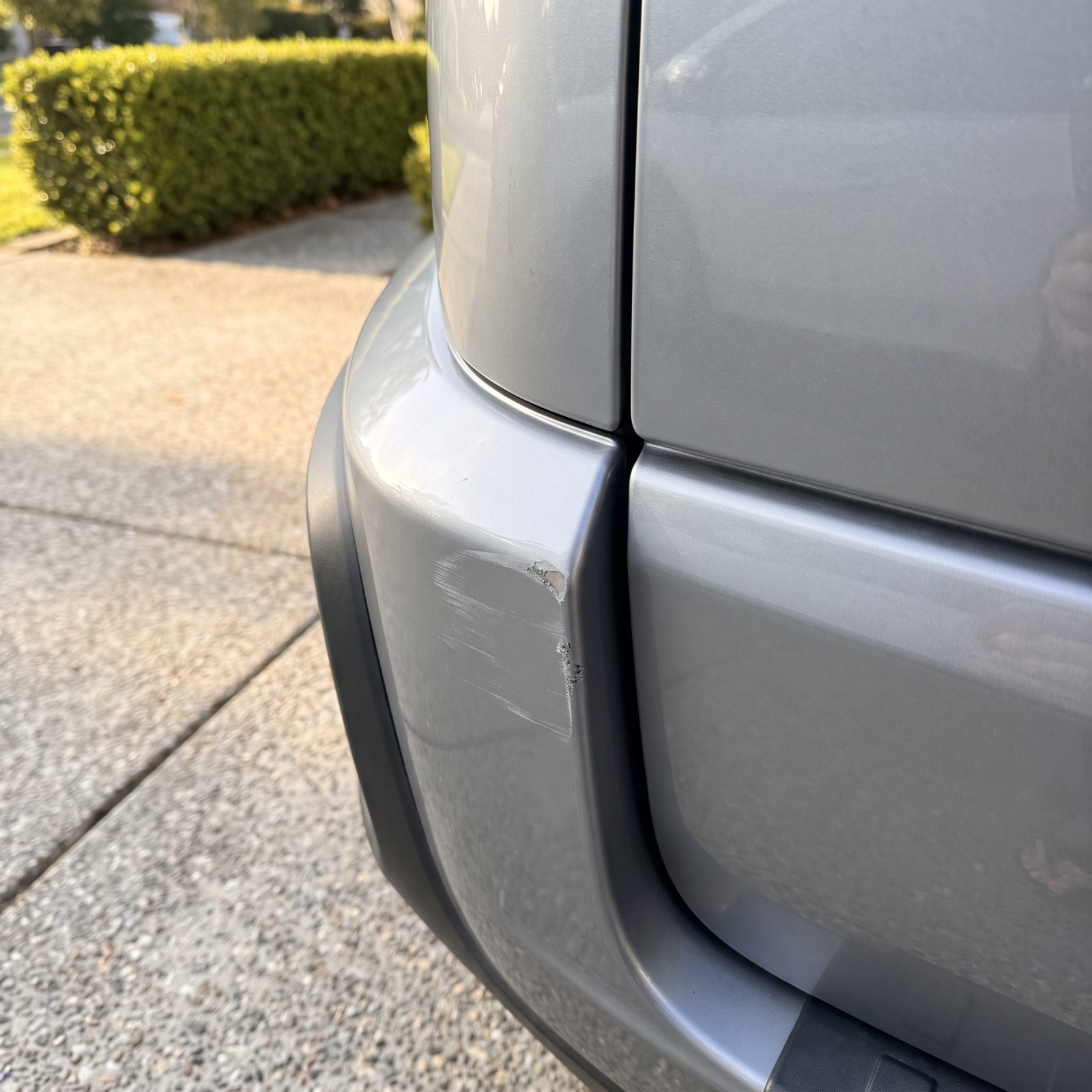
There’s a world of difference between a car that nudged a pole in a grocery lot and one that got slammed. Little scuffs at the corners and door edges are the badge of a cautious driver who parked a hundred times a week and once in a while misjudged by an inch. That’s fine. Honest, even.
What you want to avoid is the opposite. Fresh paint on one panel, mismatched texture, gaps that drift out of line, a bumper that sits a hair proud. Run your hand along each seam. Even gaps and consistent gloss across the whole body suggest the car never took a real hit, just the slow tax of tight parking spaces.
14. Door Edges Protected by Small Clear Guards
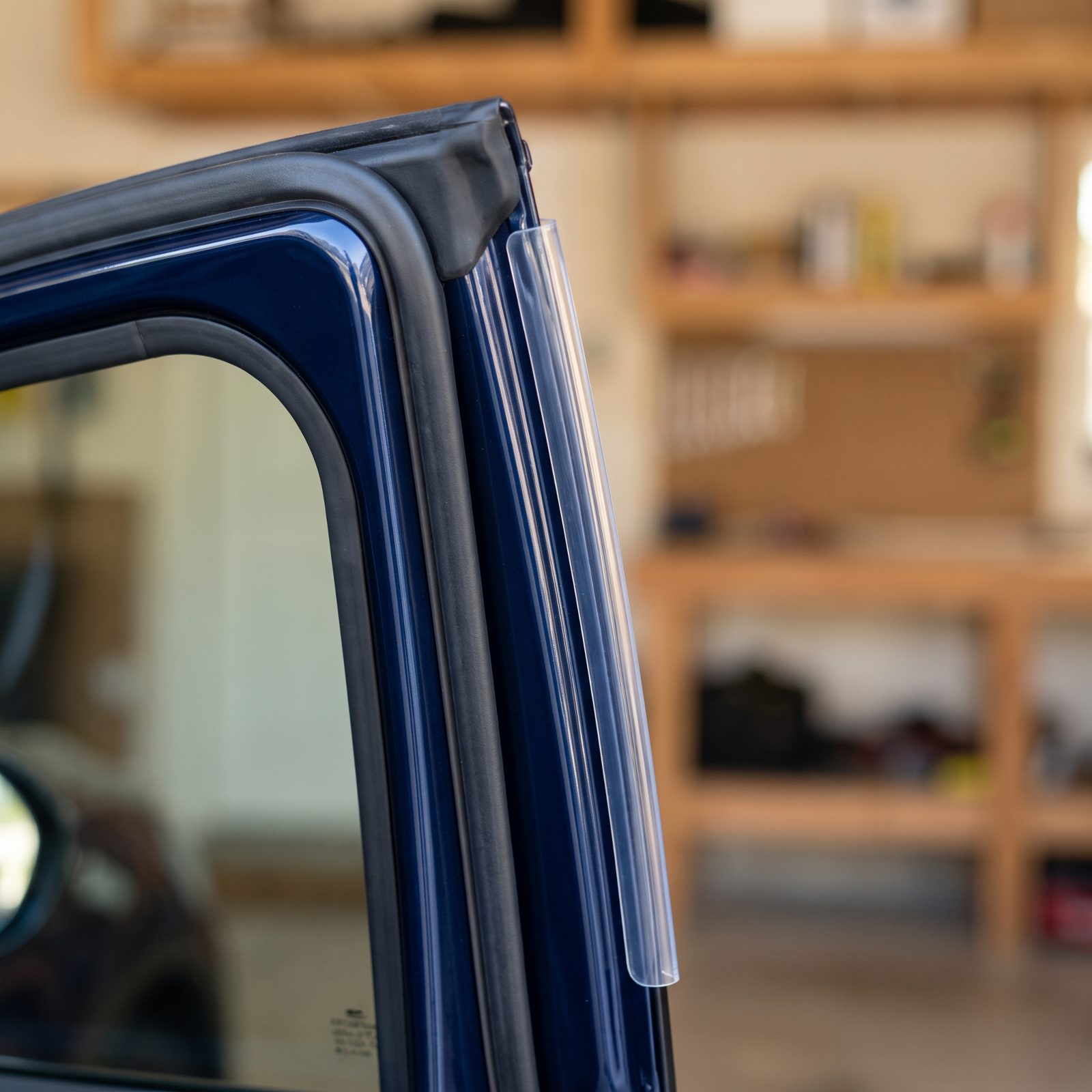
Those thin clear strips along the door edges are a tell I love. Nobody installs door edge guards for looks. You install them because you park next to other cars, and you care whether a careless neighbor’s swinging door chips your paint, and you care enough to stop the damage before it ever happens.
A tiny, cheap, almost fussy move. And fussy is exactly what you want in a previous owner.
13. A Trunk Lined With a Fitted Protective Mat
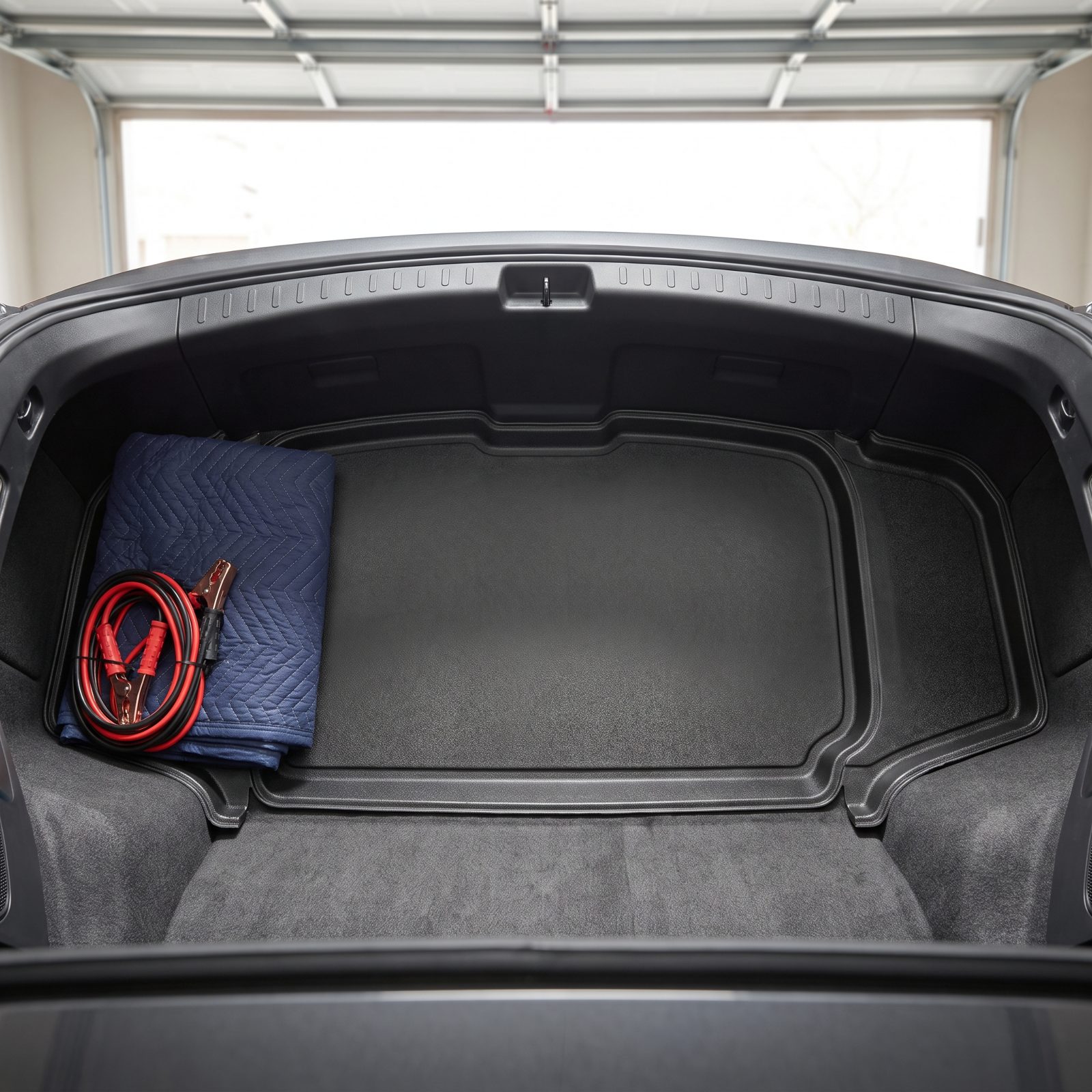
Pop the trunk and look at the carpet. A fitted rubber or molded cargo tray tells you groceries, mulch bags, and wet gym bags never once touched the factory carpet underneath. Lift the mat and you’ll usually find carpet that looks nearly showroom.
Small spend, long memory. Somebody bought this car planning to keep it, and shielded the parts you can’t easily replace.
12. A Spare Tire That Has Never Touched the Road
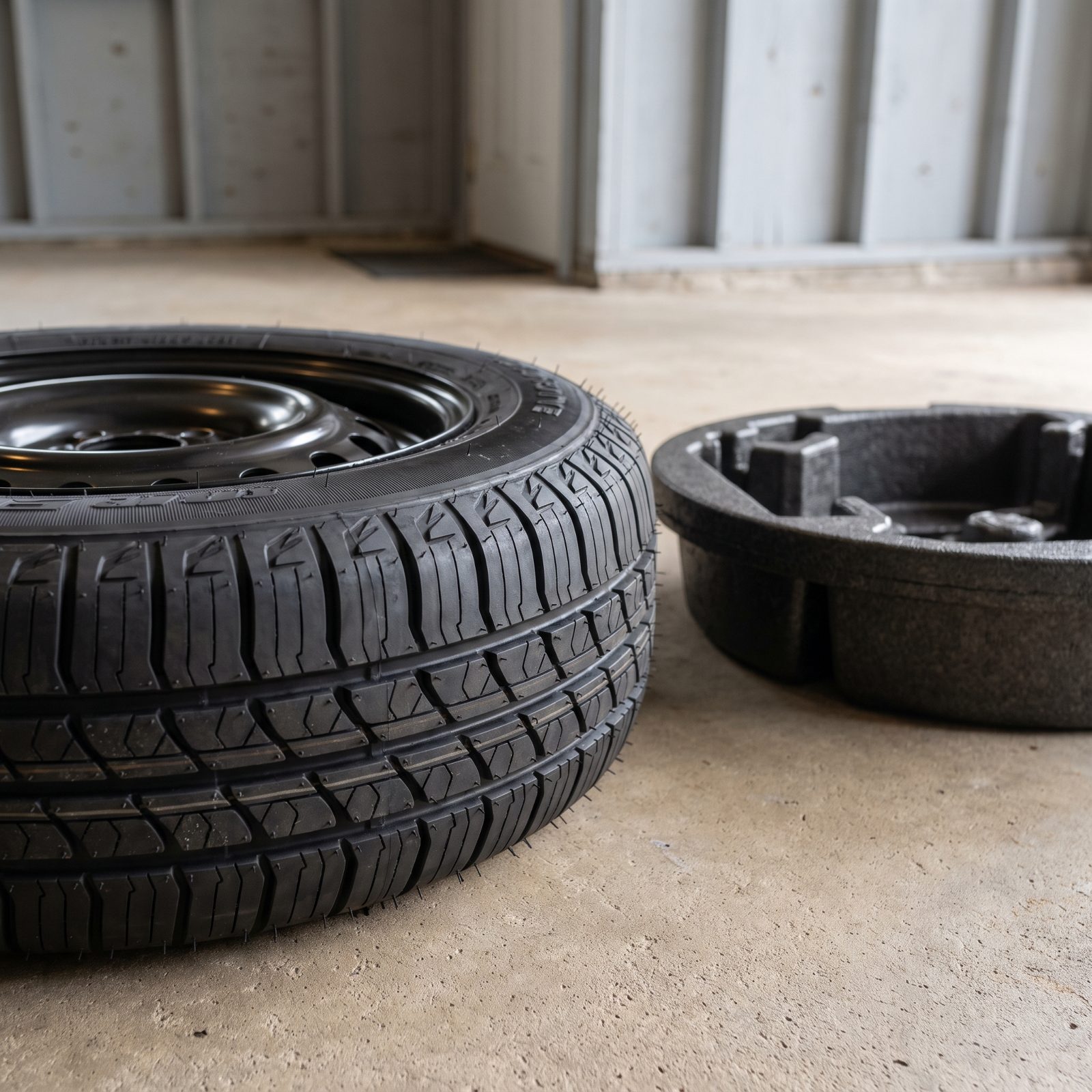
Almost nobody checks this one. Lift the spare out of its well and look at the tread. If you still see the little rubber whiskers (mold flashing) sticking up and the tread blocks are razor sharp, that spare has never carried the car a single mile. Either the owner never had a blowout bad enough to strand them, or they got flats fixed properly at a shop instead of limping home on the donut.
Check the air in it too. An inflated spare means somebody opened that trunk floor now and then and thought ahead. A flat, forgotten spare tells the opposite story.
11. The Factory Jack and Tools in Their Original Positions
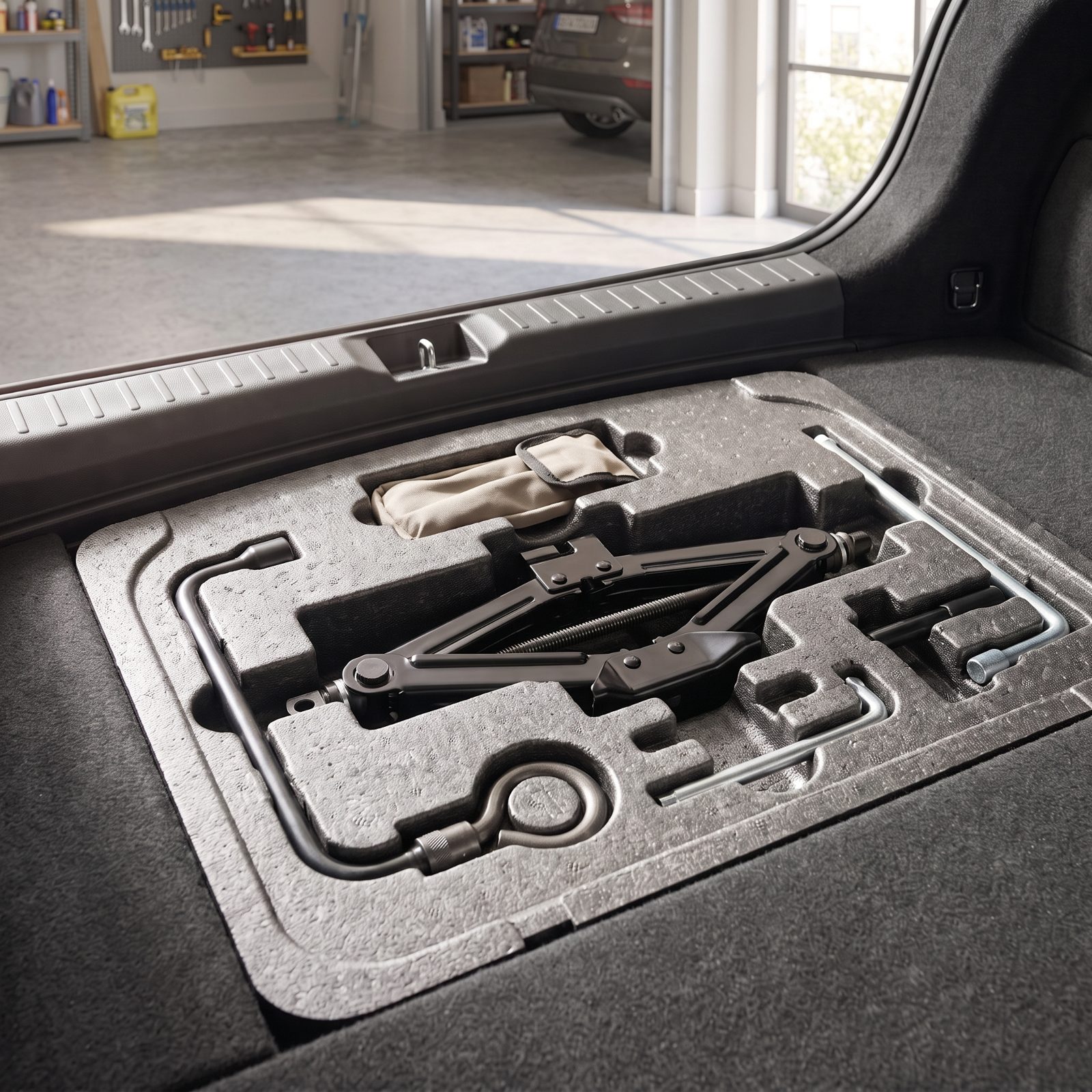
The factory jack, lug wrench, and tow hook living exactly where the engineers put them, each clipped into its foam cutout, tells you two good things. First, nobody did a panic roadside tire change and flung the tools back loose. Second, the car probably never saw the inside of a shady lot where tools tend to wander off.
Complete, properly seated tool kits are rarer than you’d guess. Most used cars have a jack rattling around somewhere and a wrench long gone. Finding the whole set in place is a small sign of order that usually runs clean through the rest of the car.
10. A Battery Marked With Its Installation Date
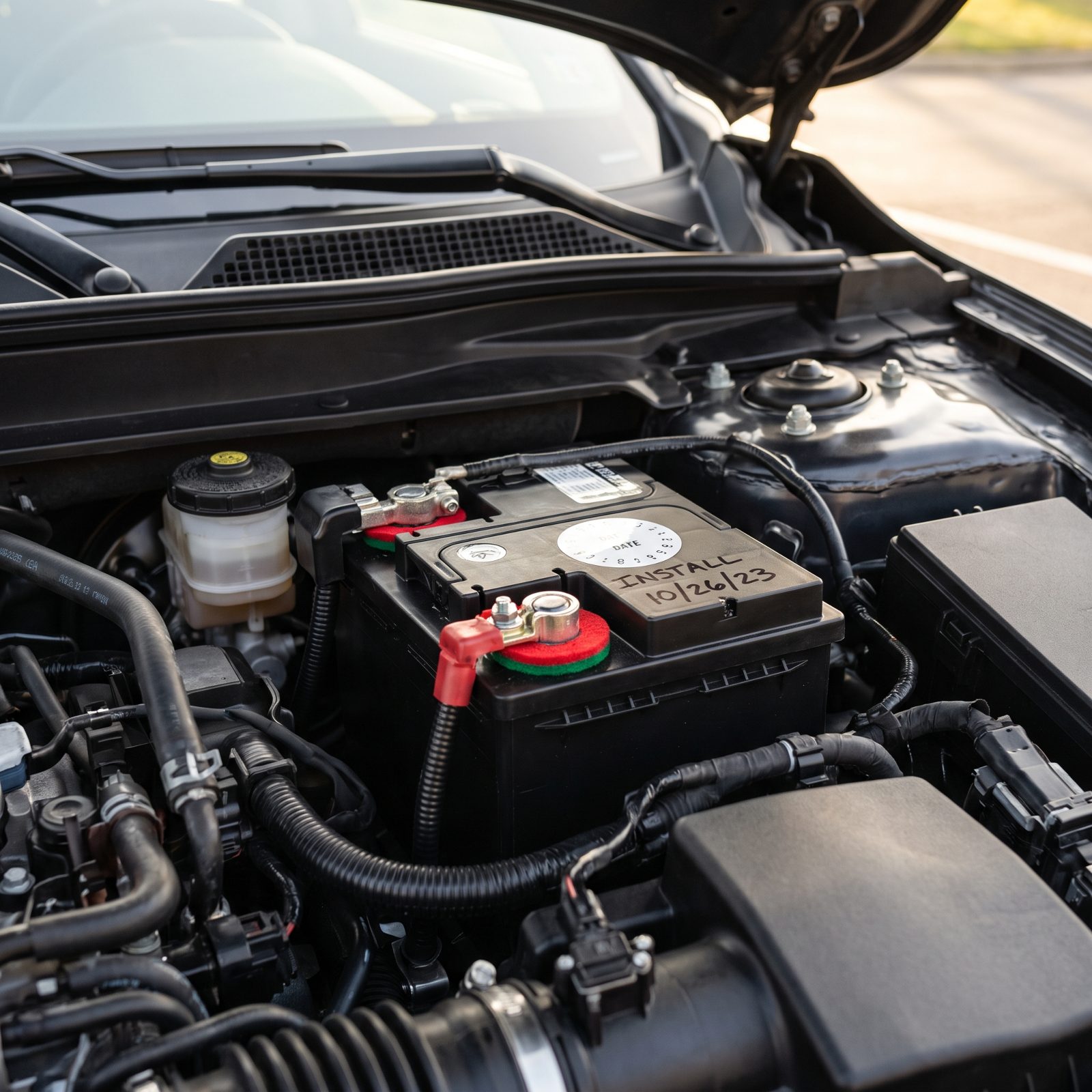
A battery with a date written on it changes everything about how you read the person who owned this car.
People who date their battery date their brake fluid. Habits travel in packs.
Most folks replace a battery only when the car refuses to turn over on a cold morning, then forget the day entirely. Somebody who marked the install date, kept the terminals bright, and maybe slipped felt anti-corrosion washers under them is tracking the life of a part that gives almost no warning before it quits. Planning, not luck.
9. Tires Replaced Because of Age Rather Than Wear
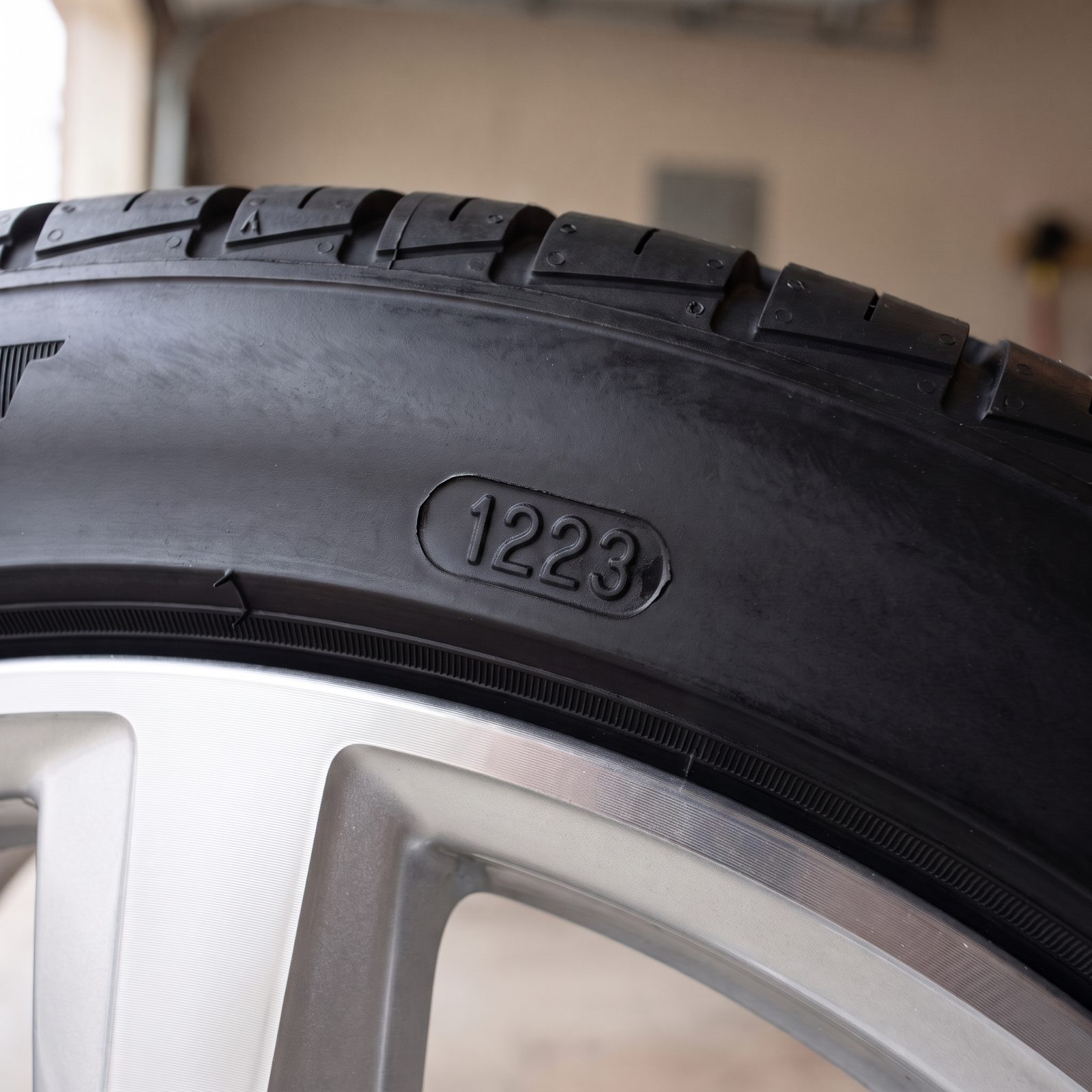
Rubber ages whether you drive on it or not. A low-mileage car driven gently can wear out its tires from age rather than tread, and a sharp owner knows cracked, hardened rubber turns dangerous even with plenty of tread left on top.
Check the four-digit date code molded into each sidewall. If the tires are only a few years old but the tread still stands nearly full, that owner paid for new rubber because the calendar said so, not because they ground the old set down to nothing. That’s someone who grasped a simple truth: tires are the only four things touching the road.
8. Four Matching Tires From a Recognized Brand
Would you like to save this?
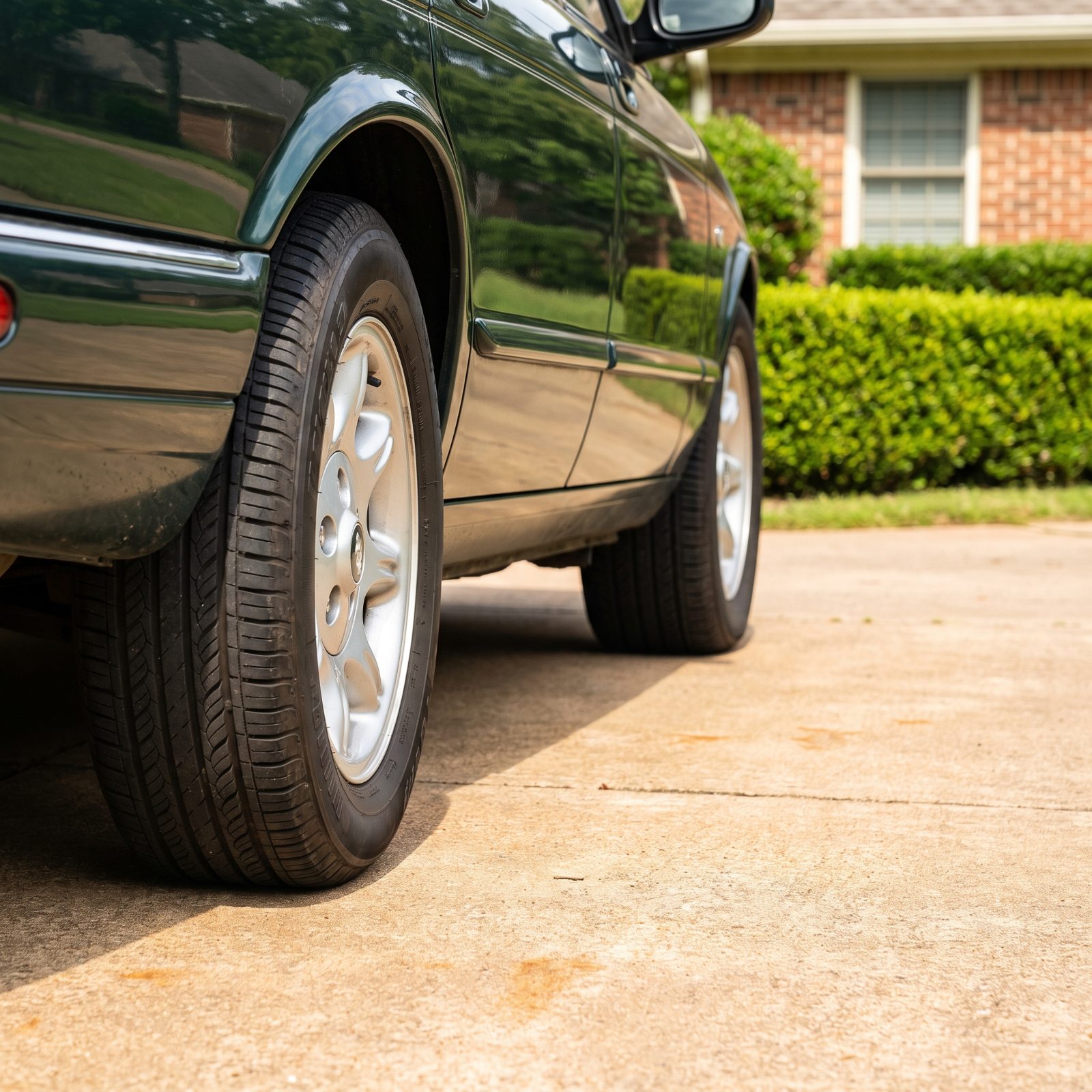
Four matching tires from a name you recognize, bought and bolted on as a set, says the owner didn’t cheap out one corner at a time. Mismatched rubber, a budget brand on the back and something random up front, usually traces back to a string of flat repairs, roadside emergencies, and whatever was cheapest that particular week.
Matching tires across all four corners also keeps the car handling predictably and spares the drivetrain on all-wheel-drive models. Somebody knew that. They spent the money once and did it right.
7. Brake Service Done Before the Pads Reached the Limit
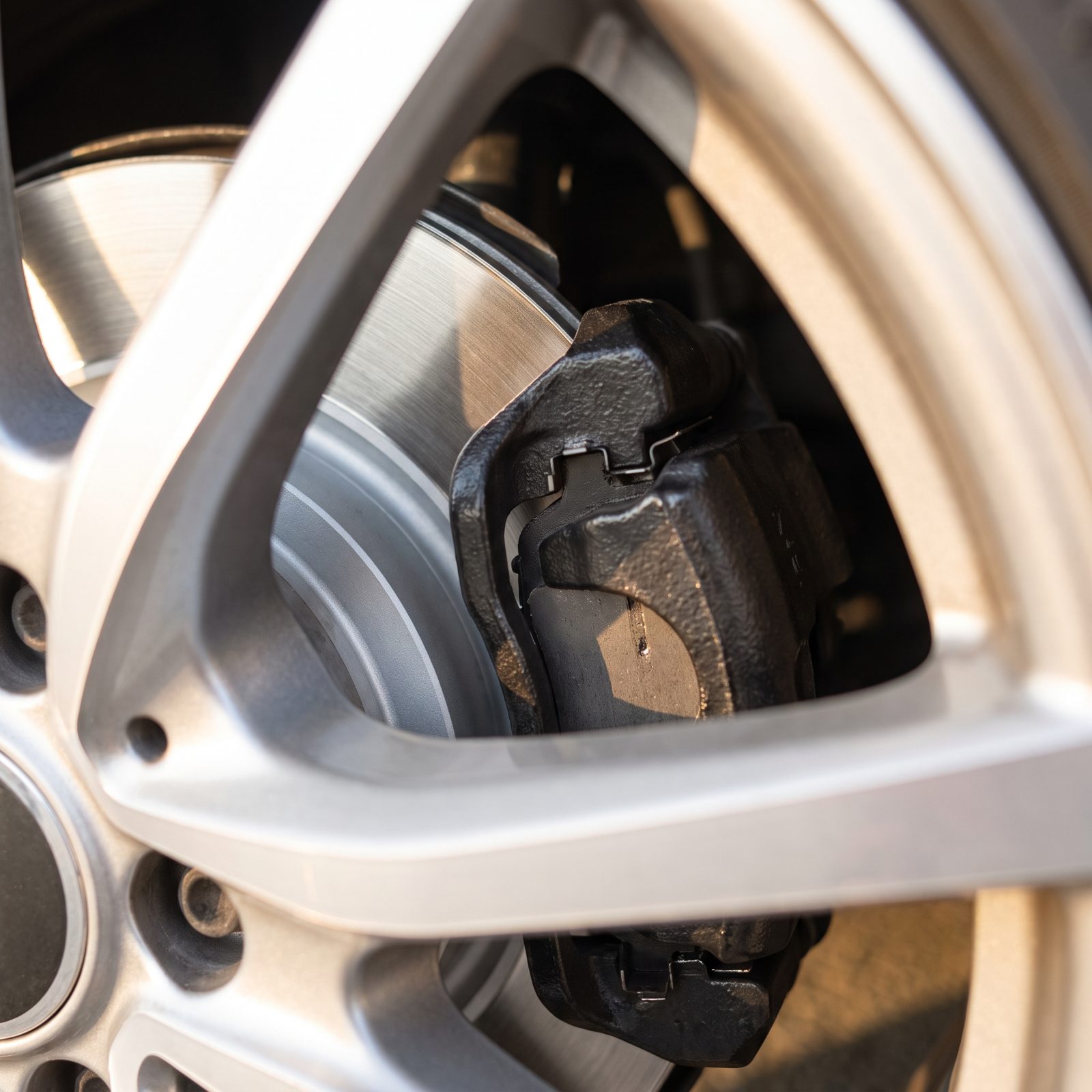
Peer through the wheel spokes at the rotor edge. A smooth rotor with no sharp lip around the outside, paired with pads that still carry real material, points to someone who serviced the brakes early, before metal ever started chewing metal.
People who wait until the brakes squeal or scrape have usually already cooked the rotors, sometimes worse. Catching it before the warning noise costs a fraction and protects everything downstream. And if the service records back it up with a brake job done at the right interval, you’re looking at a car cared for on a schedule, not out of panic. Which is the whole game, honestly. Buy the owner, and the car comes with them.
6. No Burn Marks, No Lingering Smoke, No Ashy Vents
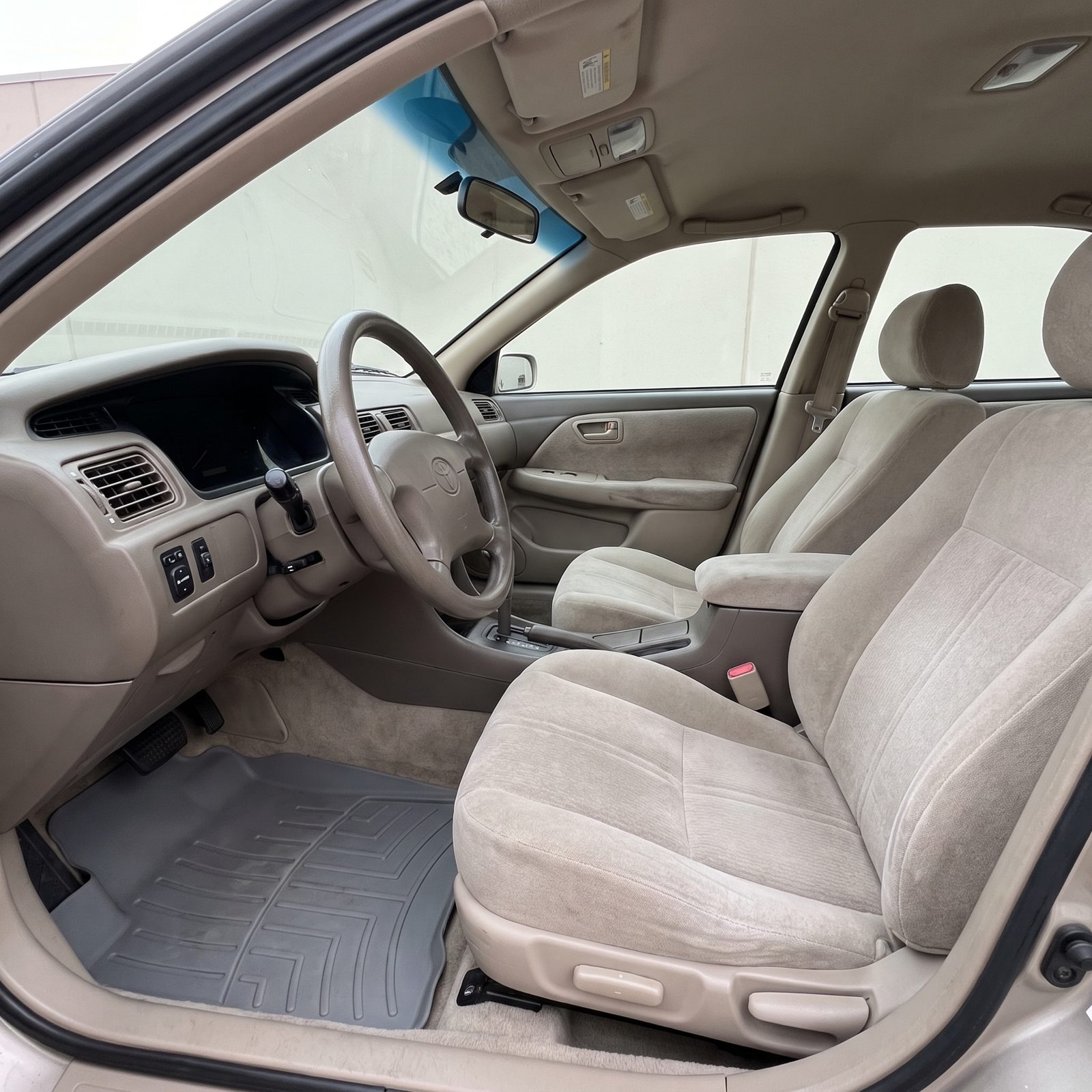
A cabin that never met an ashtray gives itself away, so check the headliner first. Smoke drifts up and stains fabric a pale yellow that no detail wand fully lifts, and vaping leaves a greasy film across the vents and the inside of the windshield.
No burn holes in the seats, no melted crater on the console lid — that usually means an owner who treated the interior like a living room instead of a smoking lounge. And somebody who sweats that detail tends to sweat the parts you can’t see.
5. A CD Wallet Tucked in the Console, Discs Still in Order
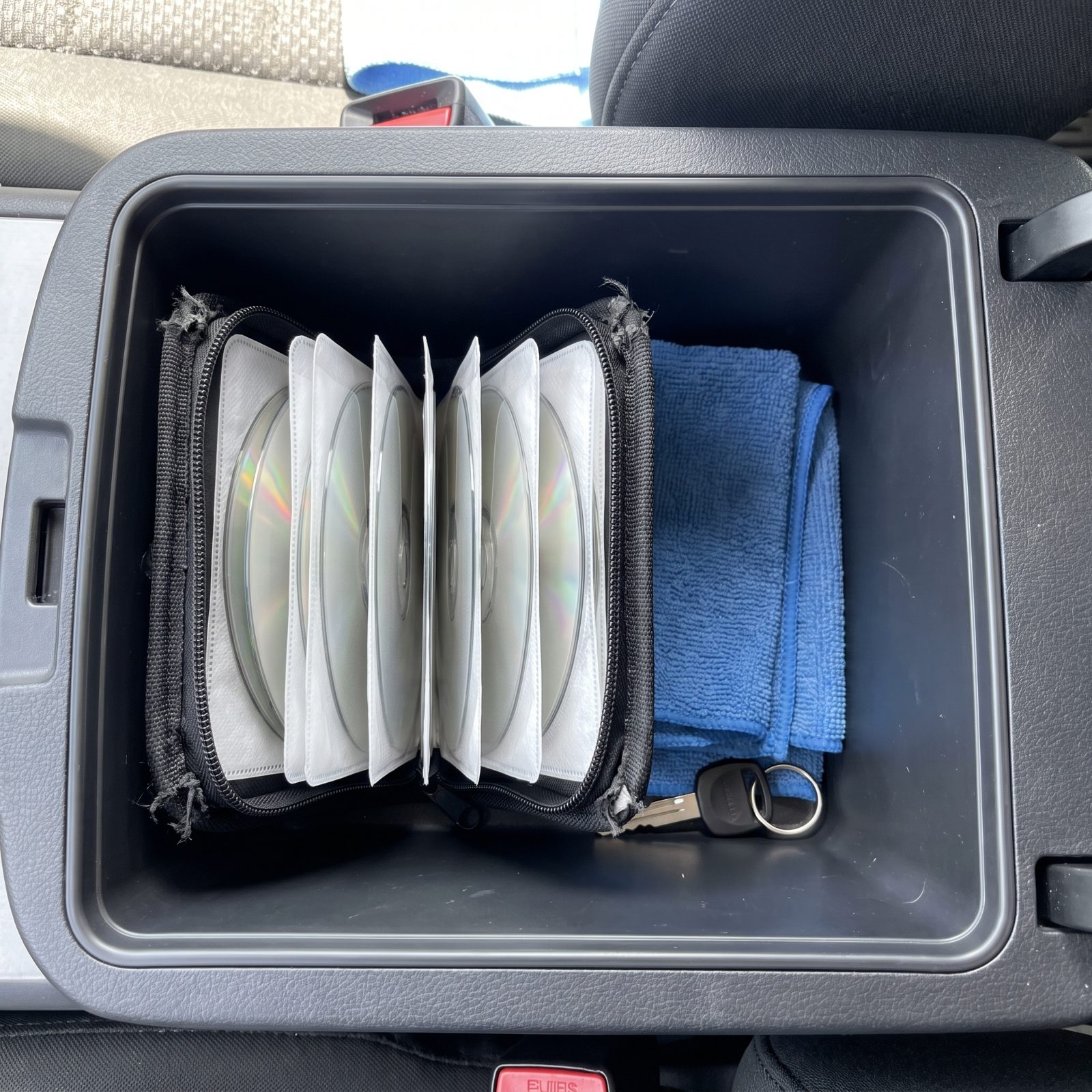
Nobody organizes a CD wallet by accident. The discs sit in their sleeves, upright, in some order that made sense to whoever filled the thing, and that small habit says plenty.
A person who keeps music tidy usually keeps a glovebox tidy too — and a glovebox stuffed with stamped receipts is what you actually came to find. The black nylon CD wallet is a clue, not a prize. Follow it to the paperwork.
4. A Pop-Up Tissue Box Belted Into Reach
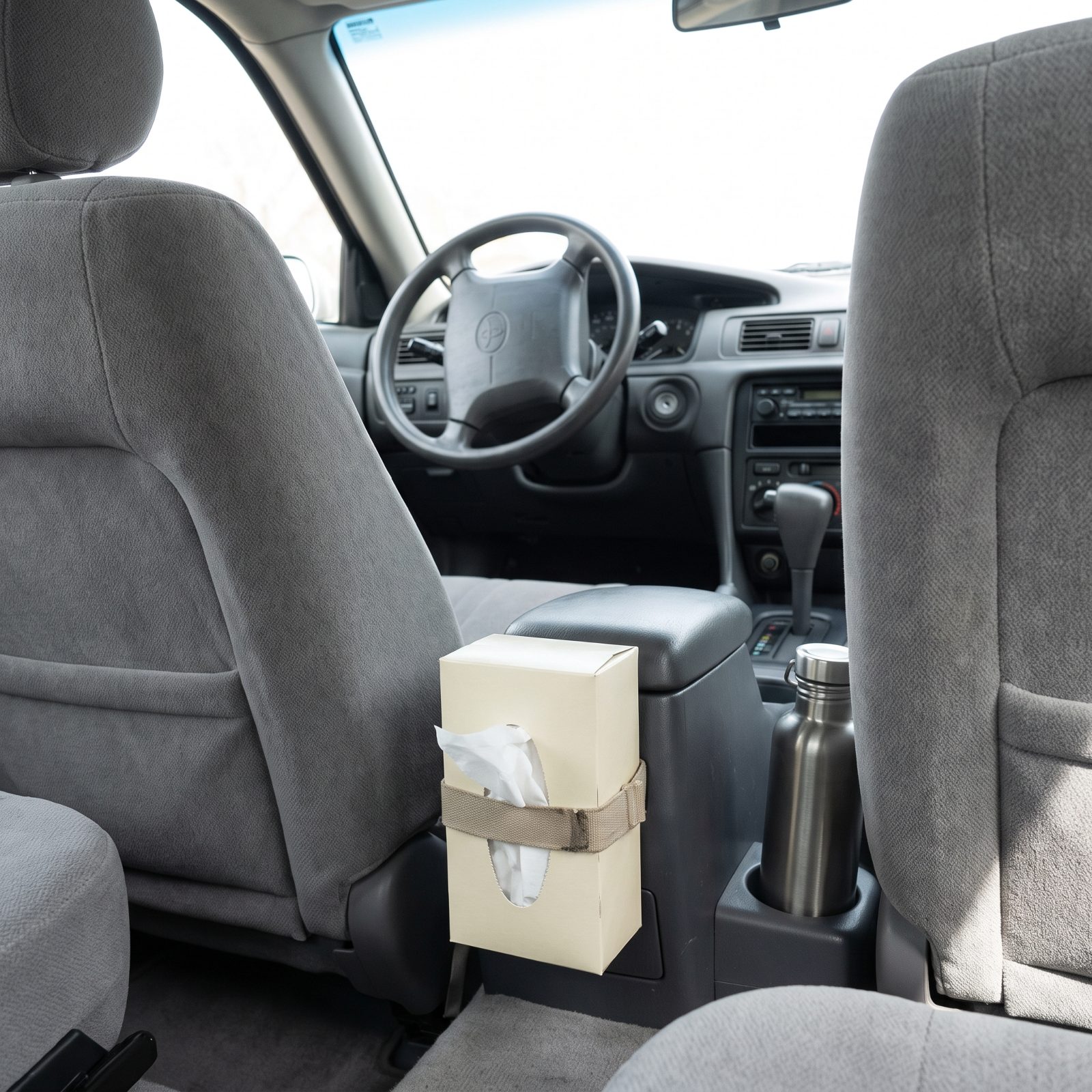
A tissue box doesn’t stay put on its own. Somebody strapped it there, or wedged it into a holder, so it wouldn’t go flying into the footwell on a hard stop.
That’s a person thinking one move ahead. The same mind that pins down a tissue box checks the oil before a long haul and keeps the washer fluid topped off. Little fussy preparations like these tend to travel in packs.
3. A Zipped Trunk Bag With Real Emergency Gear Inside
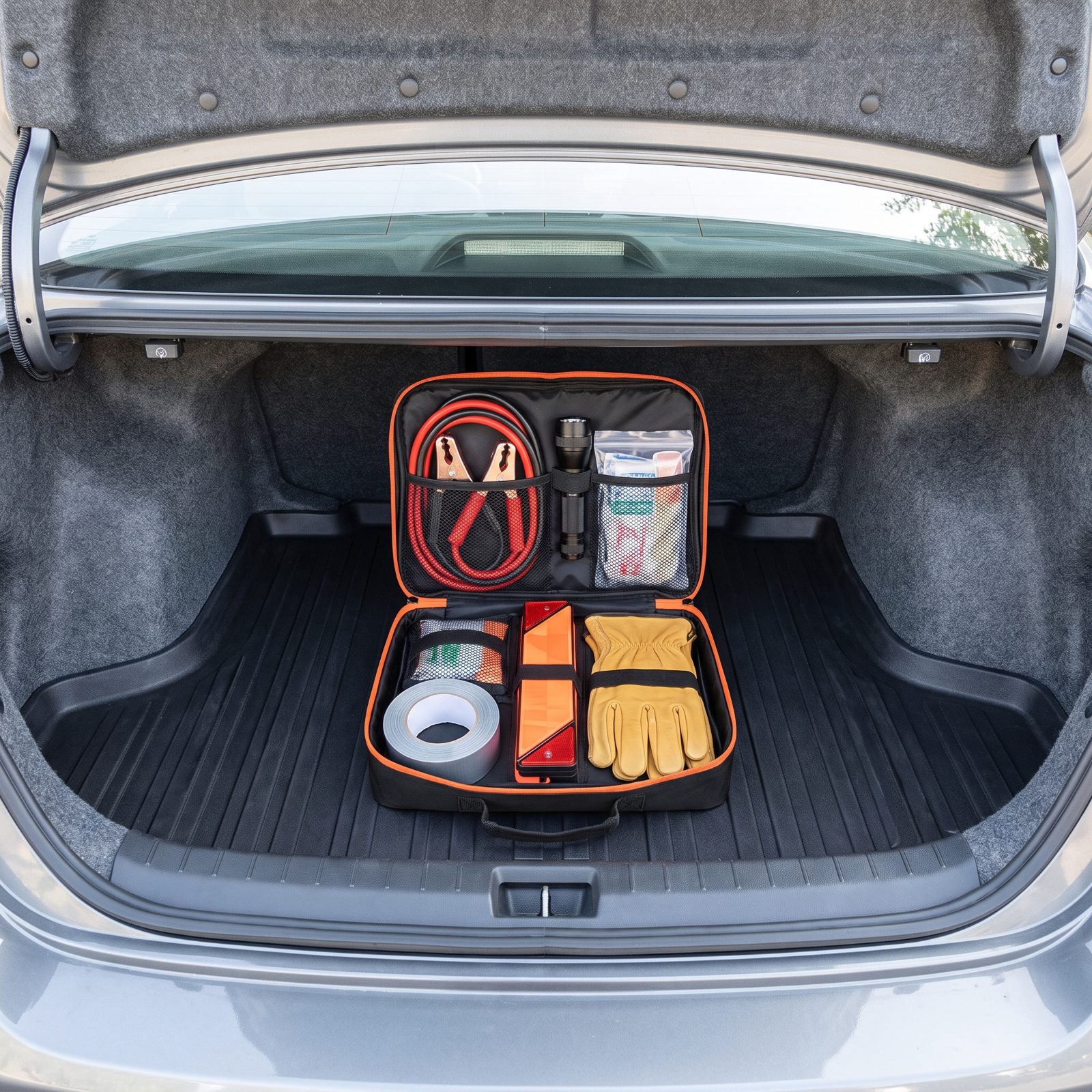
Open the trunk and you learn almost everything. A dedicated bag with jumper cables coiled, a flashlight that still fires, a reflective triangle, gloves, and a small first-aid kit — that’s not a loadout any casual owner throws together.
That bag took thought and a trip to the store. It tells you the car belonged to someone who planned for a dead battery at dawn and a blowout on the shoulder. And a driver wired that way rarely let the tires go bald or skipped an oil change.
Check whether the red and black jumper cables run heavy-gauge and whether the flashlight batteries have gone green with corrosion. Gear that still works means the bag got maintained, not packed once and left to rot.
A tidy emergency kit is a receipt for an owner’s temperament.
2. The Original Dealer License-Plate Frame Still Bolted On
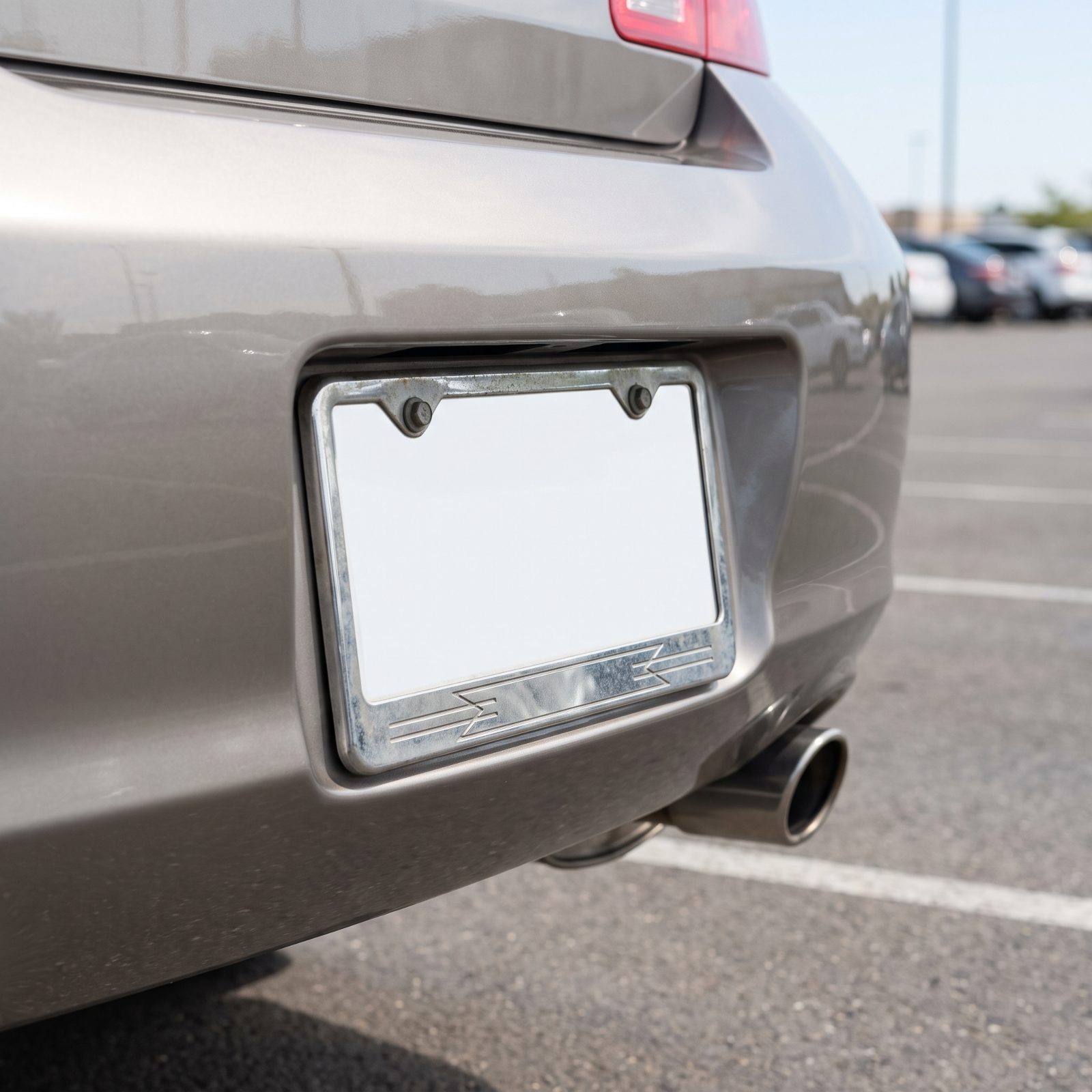
Most people yank the dealer frame within a week — it’s free advertising and it bugs them. So a frame that rode the bumper for years quietly fingers an owner who left things exactly as they came.
That same leave-it-alone instinct usually means a car kept close to stock, serviced where it was bought, with a paper trail that never scattered across five different shops. Match the dealer name on the frame to the stamps in the service book and you’ve locked down a single, traceable history.
1. The Factory Window Sticker Folded in the Glovebox
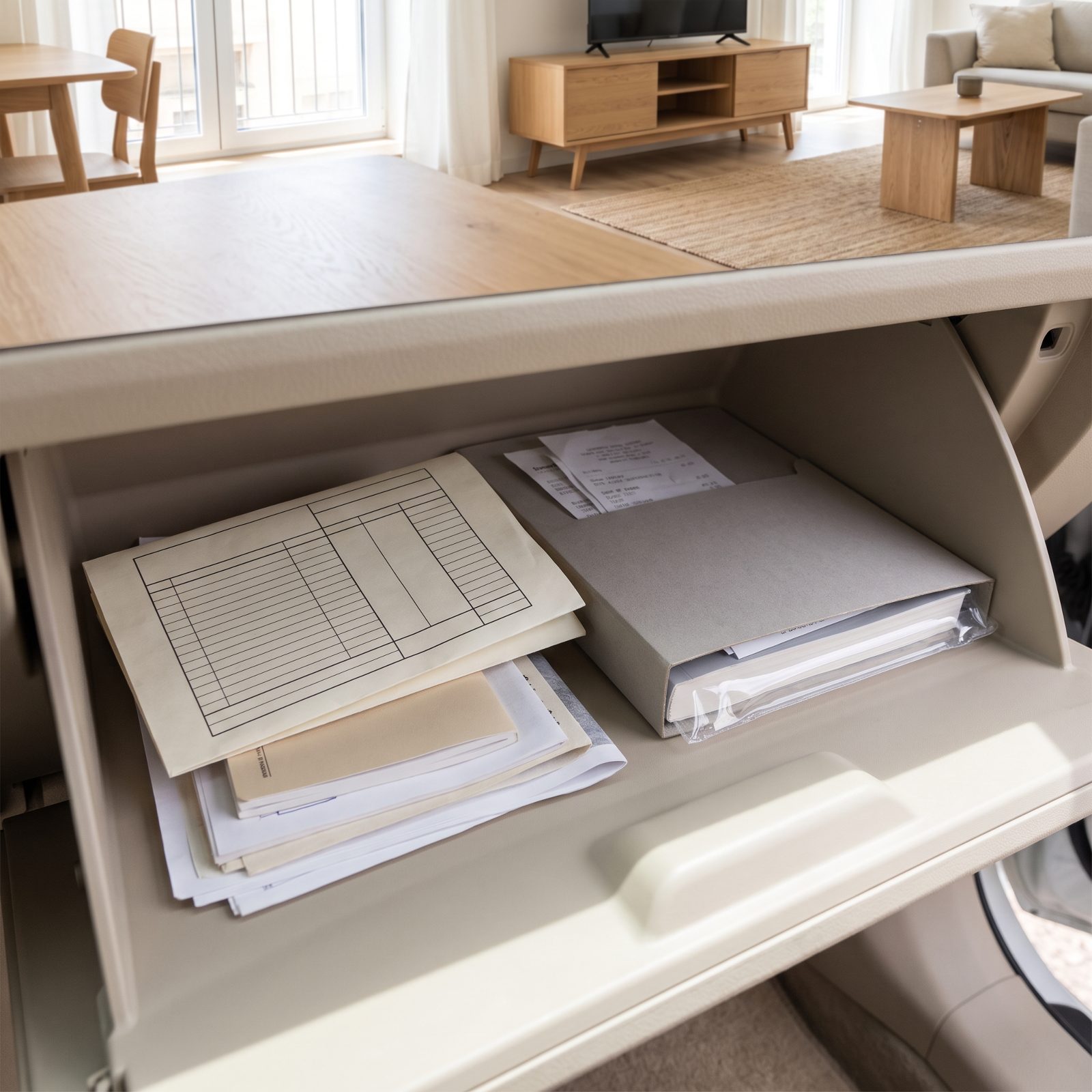
The window sticker is the car’s birth certificate, and almost nobody keeps it. Find the original Monroney folded in the glovebox, sitting next to the stamped service book and a fat stack of receipts? That’s the jackpot.
It lists the factory options, confirms the car is what the seller claims, and proves the owner filed paperwork instead of chucking it at the first cleanout. That temperament shows up in the maintenance records, without fail.
Cross-check the mileage on the oldest receipt against the dash. If the numbers climb in a believable line, you’re looking at an honest car that was simply driven and looked after.